Three Bad Men (1926)

Three Bad Men (1926)

“Don’t ever be afraid o’ nothin’, Missy — because the three of us will be watchin’ over you.”

Synopsis:
In the 1800s, three bandits (Tom Santschi, J. Farrell MacDonald, and Frank Campeau) following a wagon train come to the aid of a young woman (Olive Borden) whose father has just been killed. Soon they decide she needs a suitable husband to care for her, and set their sights on a handsome young cowboy (George O’Brien).

Genres, Themes, Actors, and Directors:

  • Immigrants and Immigration
  • John Ford Films
  • Silent Films
  • Thieves and Criminals
  • Westerns

Review:
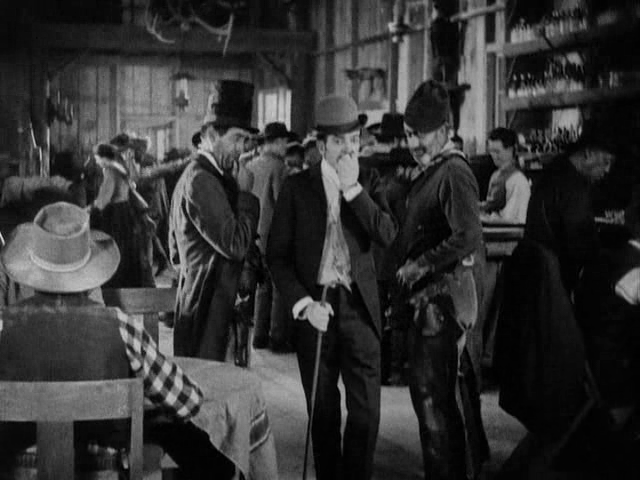
Peary lists no less than 44 of prolific director John Ford’s films in his GFTFF; of these, three — Straight Shooting (1917), The Iron Horse (1924), and this title — are from the silent era, and will primarily be of interest to those curious to see how Ford’s talents developed over the years. Based on a novel by Herman Whitaker, Three Bad Men tells the semi-humorous tale of three petty bandits with hearts of gold, who are inexplicably drawn to caring for the lovely young fatherless woman they encounter along a wagon train. As noted by Mike Grost in his analysis of Ford’s films, there’s an interesting gay subtext in the bandits’ search for Borden’s perfect mate, as they check out numerous men, including one particularly fey dandy about whom they comment, “If a man’s heart is in the right place, it don’t matter what sex he belongs to.” (!)

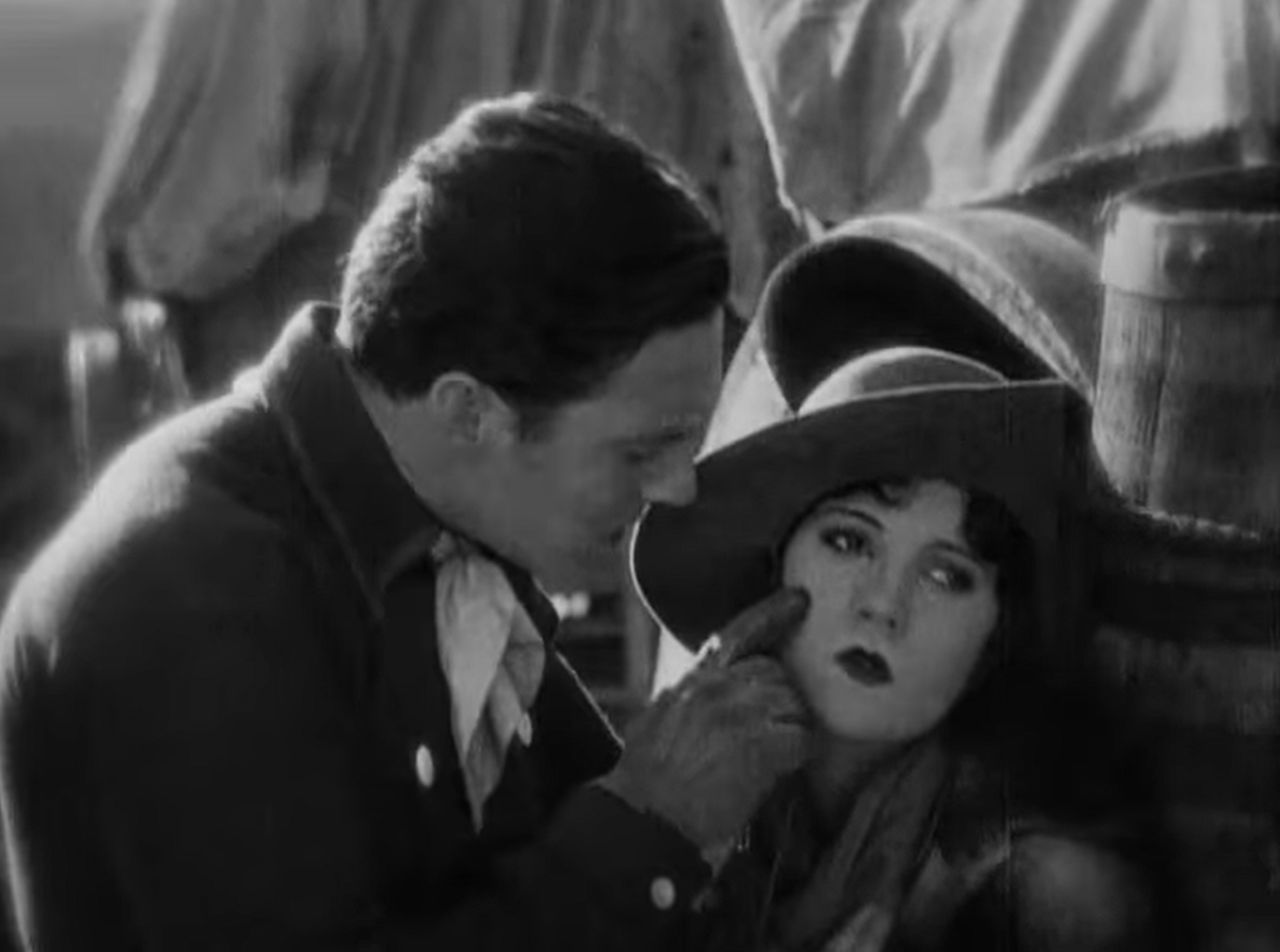
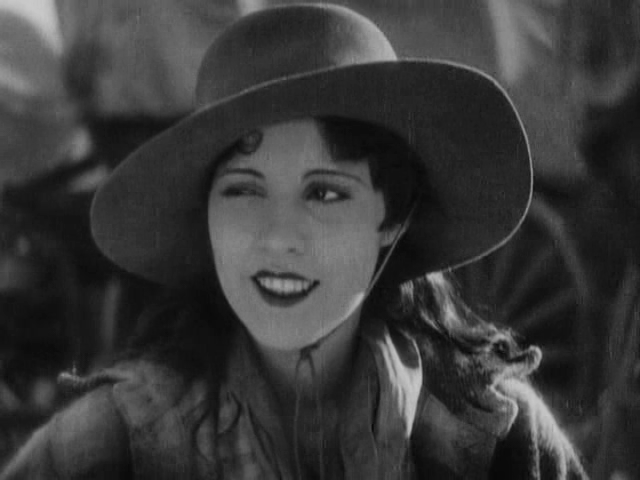
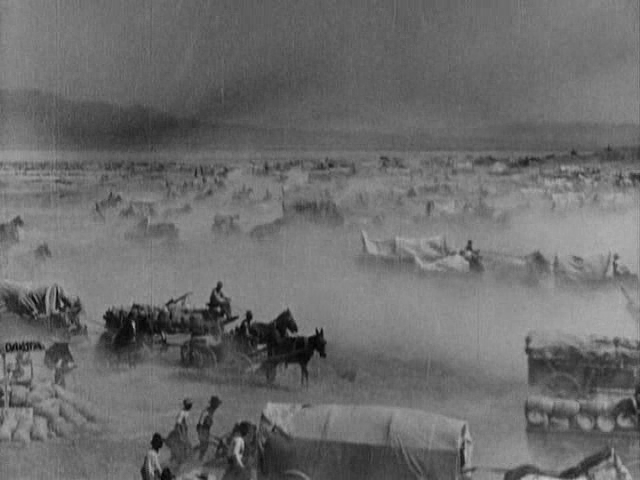
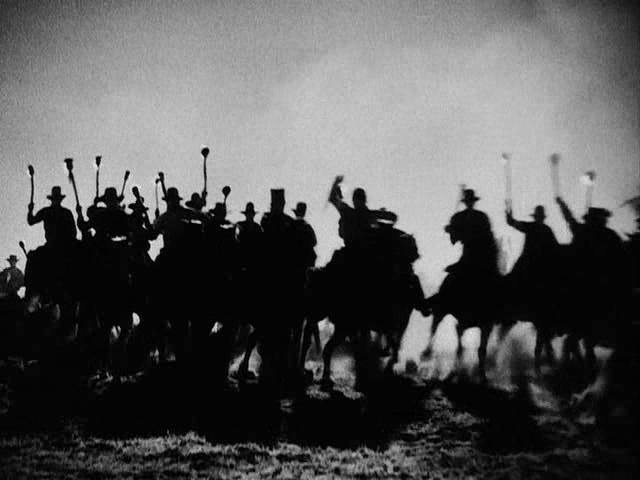
Meanwhile, Ford’s typical “male bonding” theme can also be seen in the bandits’ close friendship with one another. The second half of the film shifts away from humor towards adventure, as an exciting land grab takes place, and a subplot involving Santschi’s sister leads to a murderous manhunt. Throughout, Borden remains refreshingly sassy, O’Brien appropriately hunky:

and Ford’s direction solid.

Note: Try to watch the 2007 version with Dana Kaproff’s multi-faceted score; it stands head-and-shoulders above most silent-era soundtracks.

Redeeming Qualities and Moments:

  • Olive Borden as Lee
  • The powerful land-grab sequence

  • Fine cinematography and direction

Must See?
No, though it’s certainly recommended for Ford fans.

Links:

Freshman, The (1925)

Freshman, The (1925)

“I’ve got a new one on Speedy: he thinks he made the football team, and he’s only the water boy!”

Synopsis:
An enthusiastic student (Harold Lloyd) looks forward to becoming a freshman in college, where he imagines he will be the most popular guy on campus; but much to the chagrin of his new sweetheart (Jobyna Ralston), he becomes a laughing stock instead.

Genres, Themes, Actors, and Directors:

  • College
  • Comedy
  • Football
  • Harold Lloyd Films
  • Silent Films

Response to Peary’s Review:
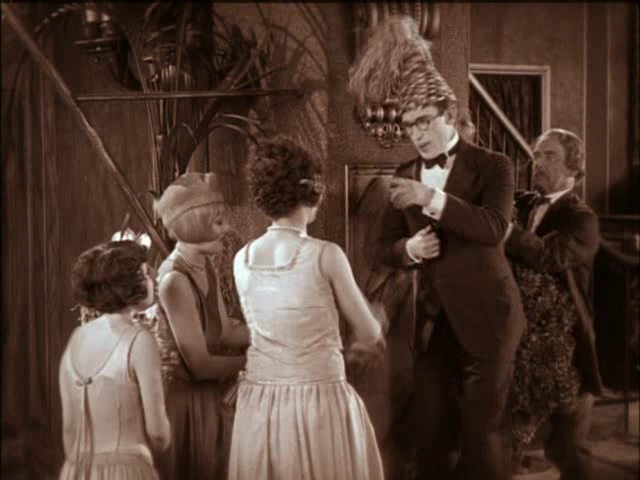
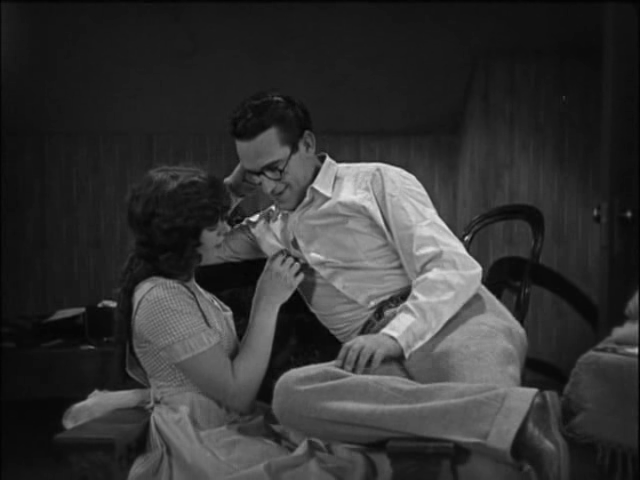
Peary writes that “Harold Lloyd usually played cheery characters who wouldn’t be denied success at whatever it is they want” — and his performance here as “Speedy” is no exception. He argues that while the section in which Lloyd “is determined to be the star of the big game” remains “one of Lloyd’s most hilarious sequences”, the “entire film is filled with great comedy” — especially the “noteworthy” party sequence in which “Lloyd wears a hastily sewn tux which unravels a piece at a time”. Peary writes that “other gags remind [him] of Buster Keaton”, and argues that the “film is ideal to be on a double bill with Keaton’s College.” I’m in agreement with Peary’s enthusiasm. While it’s painful to see Lloyd’s character remain a deluded chump for so long, we take solace in the love he receives from his sweet, loyal girlfriend (Ralston), and feel inspired by his inability to let the opinions of others color his own self-worth. Among the many Lloyd titles listed in GFTFF, this remains one of the few — along with Grandma’s Boy (1922), Safety Last! (1923), and The Sin of Harold Diddlebock (1947) — that all film fanatics should check out.

Redeeming Qualities and Moments:

  • Several cleverly conceived comedic sequences
  • The genuinely sweet romance between Lloyd and Ralston

Must See?
Yes, as one of Lloyd’s most famous and popular films.

Categories

  • Genuine Classic

Links:

One Hundred Men and a Girl (1937)

One Hundred Men and a Girl (1937)

“Maybe we need more orchestras!”

Synopsis:
The daughter (Deanna Durbin) of an out-of-work classical trombonist (Adolph Menjou) convinces a wealthy socialite (Alice Brady) to fund the creation of a new orchestra — but when Brady’s husband (Eugene Pallette) finds out, he refuses to let the scheme move forward; meanwhile, the great conductor Leopold Stokowski is equally adamant in his refusal to help Durbin or her father.

Genres, Themes, Actors, and Directors:

  • Adolph Menjou Films
  • Deanna Durbin Films
  • “Let’s Put On a Show!”
  • Musicals

Review:
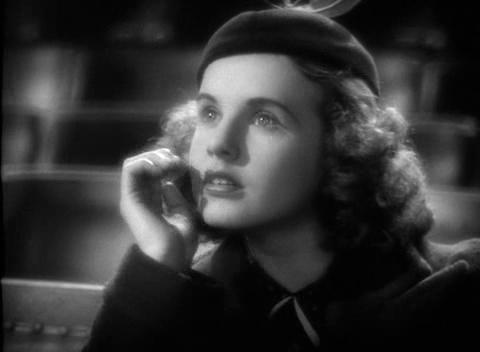
Deanna Durbin’s follow-up to her breakthrough role in Three Smart Girls (1936) was this hyperkinetic fairytale about a can-do teen with enough tenacity and persistence to overcome literally any obstacle placed in her way. For Depression-era audiences, a story about how nearly impossible it is for the have-nots to gain access to a world of employment and privilege must have felt right on target, but today the film simply comes across like a Vehicle — both for Durbin (who, naturally, is asked to sing a few random songs) and for Stokowski (who, naturally, gets to conduct a few pieces with his orchestra). While there’s something undeniably admirable about Durbin’s fearless performance (she rarely pauses to take a breath), her character eventually wears on one’s nerves; she’s like Judy Garland in overdrive, minus the vulnerability. All film fanatics should be familiar with Durbin’s work, given what an erstwhile phenomenon she was — but I recommend sticking with Three Smart Girls instead.

Redeeming Qualities and Moments:

  • Deanna Durbin’s enthusiastic (if ultimately wearying) performance as Patsy

Must See?
No; this one is really only must-see for Durbin enthusiasts.

Links:

tom thumb (1958)

tom thumb (1958)

“He’s not for sale; he’s my son!”

Synopsis:
A poor woodcutter (Bernard Miles) and his wife (Jessie Matthews) wish for a son of any size, and are delighted when the Forest Queen (June Thorburn) blesses them with Tom Thumb (Russ Tamblyn). When a pair of thieves (Terry-Thomas and Peter Sellers) convince Tom to help them steal a bag of gold, his parents are falsely accused of the theft, and Tom enlists the help of his friend Woody (Alan Young) to capture the real culprits.

Genres, Themes, Actors, and Directors:

  • Falsely Accused
  • Folk Tales, Fairy Tales, and Mythology
  • George Pal Films
  • Musicals
  • Peter Sellers Films
  • Russ Tamblyn Films
  • Thieves and Criminals

Response to Peary’s Review:
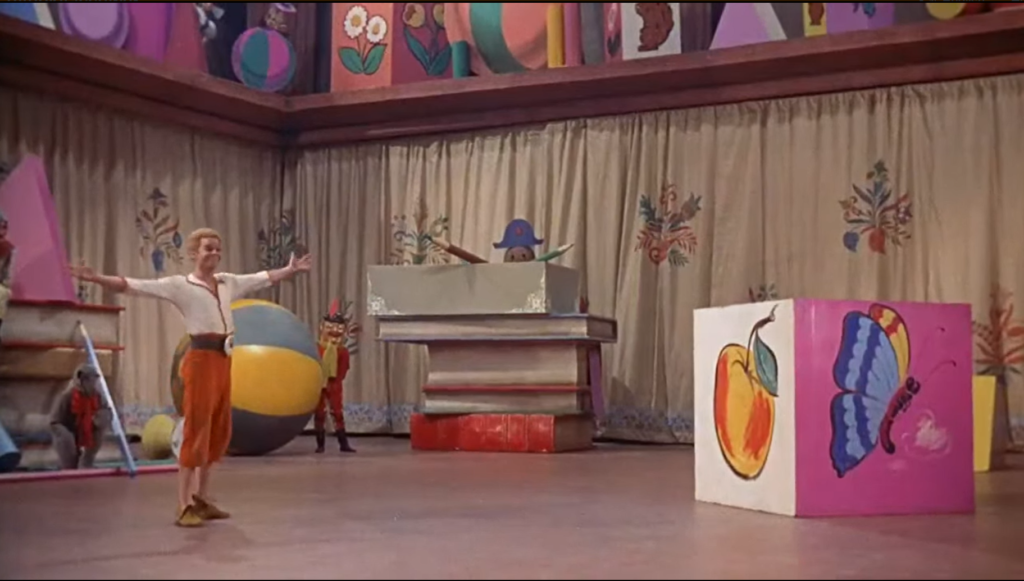
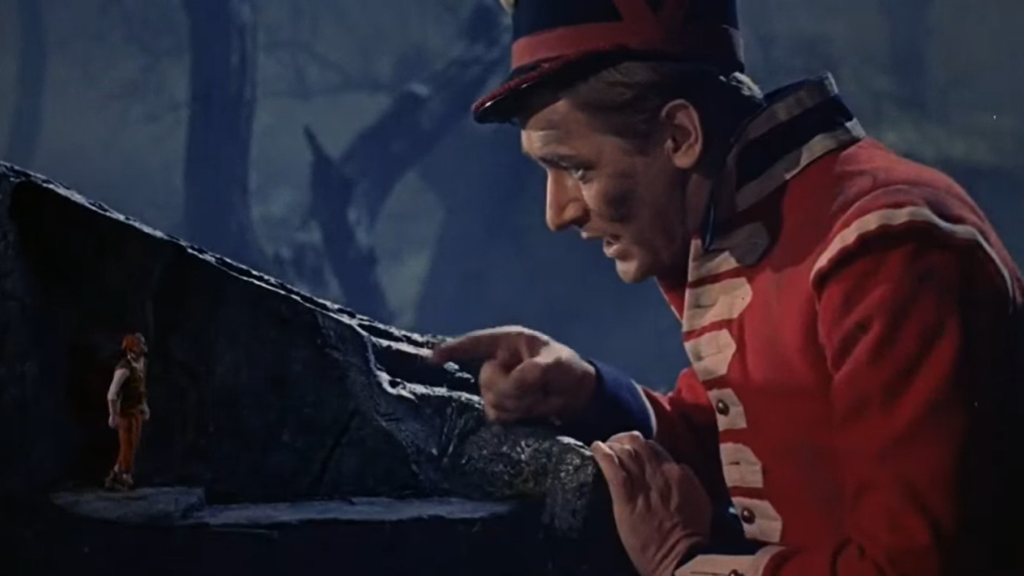
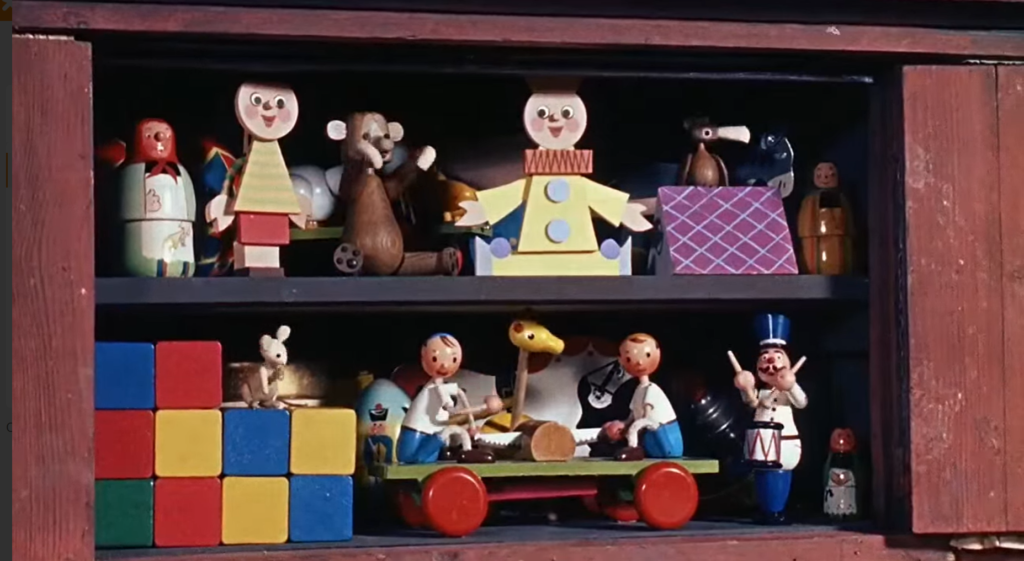
Peary writes that “Russ Tamblyn had his best role” in this “classic M-G-M production of the Grimm fairytale, directed by George Pal”. He notes that the “film is colorful, isn’t at all schmaltzy, and has imaginatively designed sets and a spectacular musical number in which the remarkably talented Tamblyn does a great dance with Pal’s puppets”. However, he concedes that “if you’re an adult, you may wish you were a kid again so you could enjoy it as you once did”. I’m largely in agreement with Peary, though not quite as enthusiastic. It’s fun to see Pal’s classic “Puppetooning” on screen:
and Tamblyn’s athletic dancing is consistently superb:
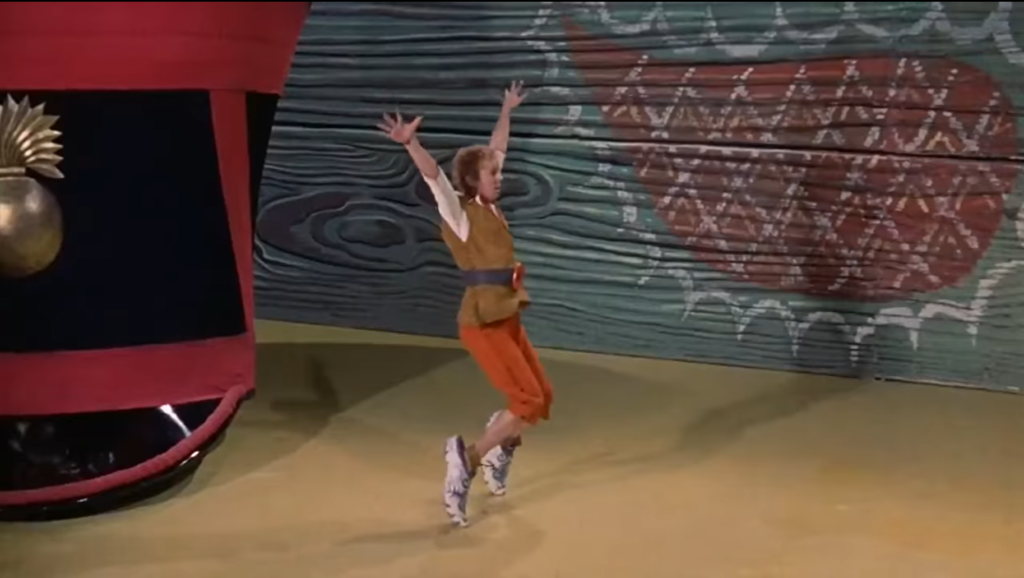
… but his character is poorly conceived; indeed, it’s downright creepy seeing the 24-year-old Tamblyn placed into a cradle by his adoring adoptive parents:
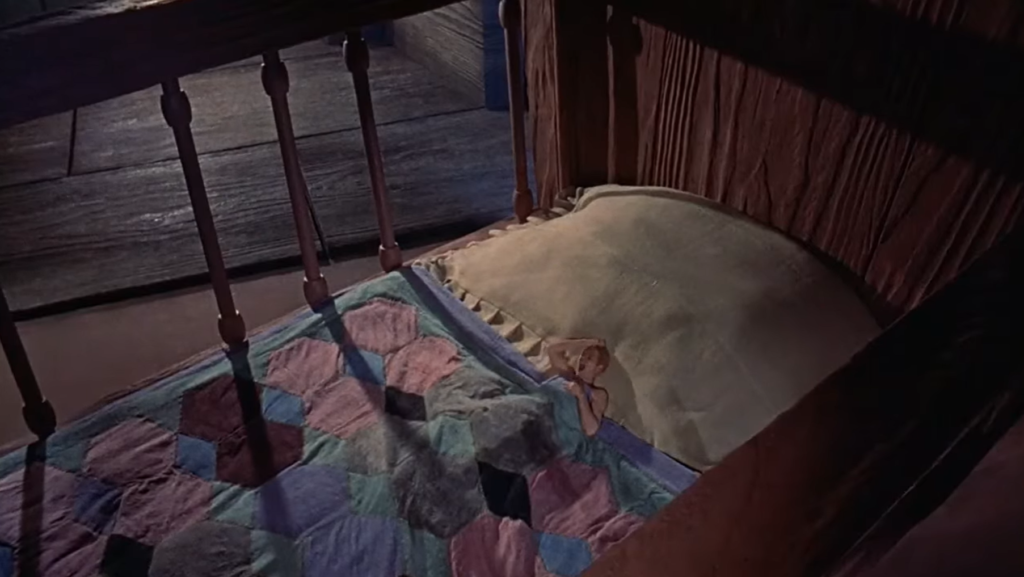
— and one never quite understands exactly how old he’s meant to be (nor, for that matter, where he came from before magically appearing on their doorstep).

Terry-Thomas and Peter Sellers are appropriately buffoonish as the “evil twosome who want to use Tom for their own ends”, but their quibbling schtick eventually wears out its welcome:
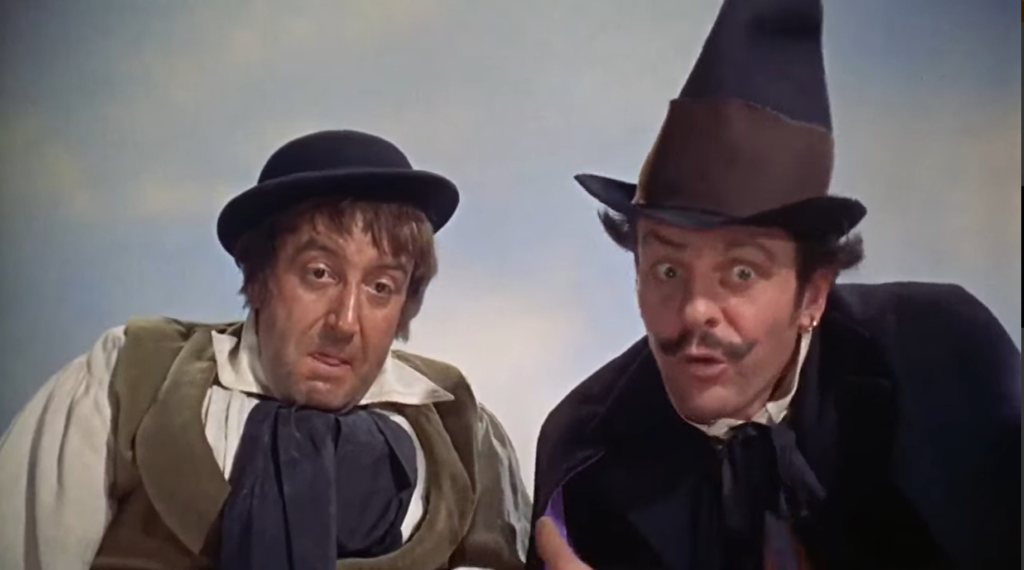
… and while Miles and Matthews make a sweet elderly couple, they aren’t given much screentime after the nicely conceived opening sequences.
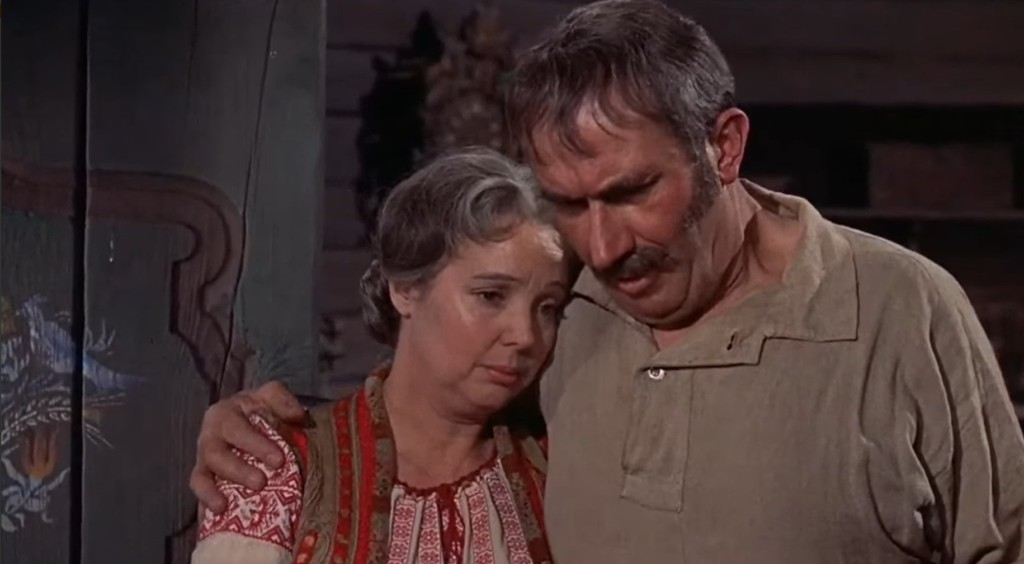
Meanwhile, the requisite romantic subplot — between lovely Thorburn and Young (who will be forever etched in my mind’s eye alongside Mr. Ed) — is, perhaps predictably, rather insipid.
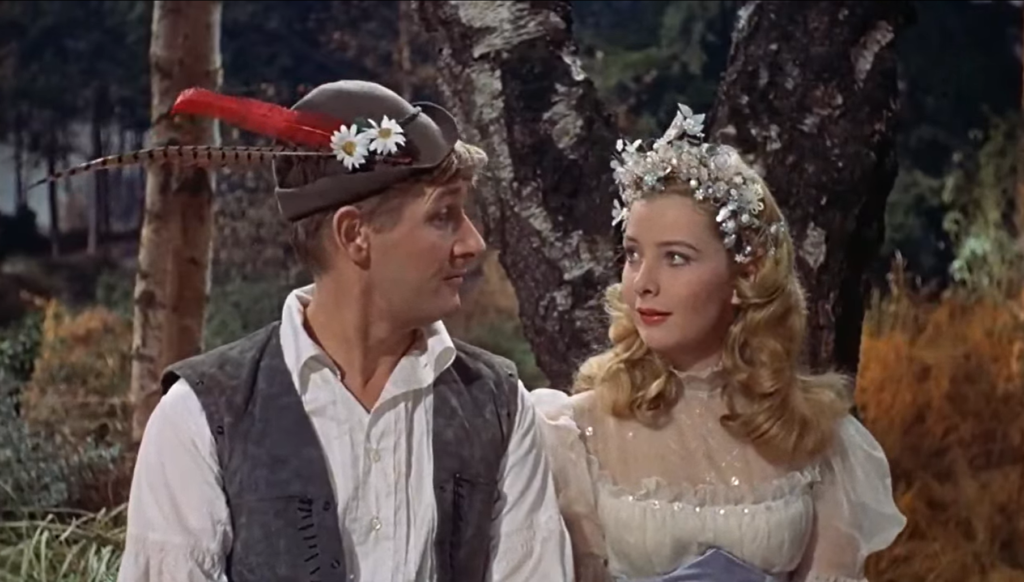
With all that said, there’s enough life and color to this production that ff parents will surely feel fine putting it in front of their kids. Pinocchio (1940) it ain’t — but then few films are.

Note: If you think you vaguely recognize Matthews from somewhere, it may be from her starring role 20+ years earlier in the enormously successful British musical Evergreen (1934).

Redeeming Qualities and Moments:

  • Russ Tamblyn’s athletic dancing
  • Fine special effects

Must See?
No, though those interested in Pal’s Puppetooning will certainly want to check it out.

Links:

Flying Deuces, The (1939)

Flying Deuces, The (1939)

“Well, here’s another nice mess you’ve gotten me into.”

Synopsis:
Ollie (Oliver Hardy) is heartbroken when he learns his French sweetheart (Jean Parker) is already married. To drown his sorrows, he and his buddy Stan (Stan Laurel) join the Foreign Legion, but leave after just a few days, and are soon cited for desertion.

Genres, Themes, Actors, and Directors:

  • Comedy
  • Jean Parker Films
  • Laurel and Hardy Films
  • Military

Review:
The Flying Deuces is notable as the first film Laurel & Hardy made together after leaving Hal Roach Studios, and is cited by fans as one of their best later works. Unfortunately, there’s little here to impress those who aren’t diehard fans of the duo, given that the weak storyline is uninspired, and the boys’ gags are not among their best. The one moment I did notice myself perking up was when Laurel starts strumming his bedsprings like a harp, in a clear homage to (satire of?) similar scenes by Harpo in the Marx Brothers’ films; however, this simply made me wish I was watching one of the latter titles. The final shot is mildly surreal, but certainly not worth waiting for.

Note: As a public domain title, The Flying Deuces is available for free viewing on www.archive.org.

Redeeming Qualities and Moments:

  • Laurel playing his bedsprings a la Harpo

Must See?
No; this one is only recommended for Laurel and Hardy fans.

Links:

Dozens, The (1981)

Dozens, The (1981)

“I’m not out to get you; only you can get yourself back.”

Synopsis:
A young woman (Deborah Margolies) returning home after a stint in prison struggles to reconnect with her daughter (Jessica Hergert) and estranged husband (Edward Mason) while scraping together a living.

Genres, Themes, Actors, and Directors:

  • Ex-Cons
  • Feminism and Women’s Issues
  • Survival

Review:
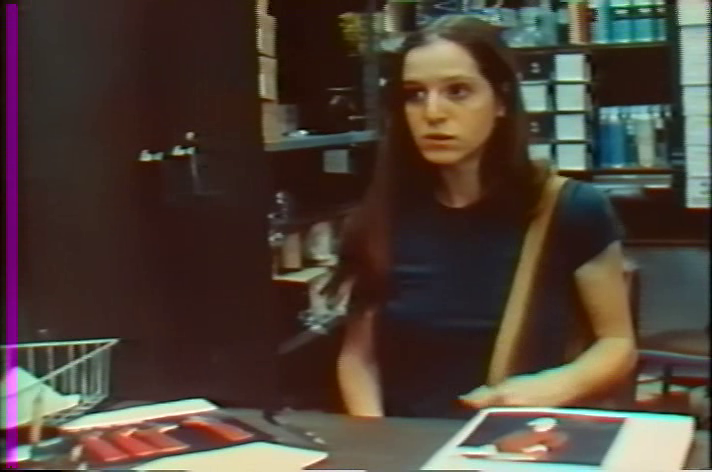
The Dozens holds the distinction of being one of the most challenging titles in Peary’s GFTFF to get ahold of. An ultra-low-budget indie film shot in Boston, it was released the same year as another Boston-based indie included in Peary’s book — The Dark End of the Street (1981) — leading one to presume Peary saw them both at some sort of festival, and they made enough of an impression for him to want to recommend them. However, while Dark End… remains a gritty hidden treat (and is worth seeking out), The Dozens comes across as merely a fragmented attempt at what could have been a much more absorbing character study. Margolies is refreshingly feisty and memorable in the lead role, but the narrative gives her far too little to work with: we see her struggling to find her way in life post-prison, but there’s nothing particularly revelatory about her experiences. As Janet Maslin wrote in her cautiously positive review of the film for the NY Times, “Its drama unfolds with more frankness than insight”.

Redeeming Qualities and Moments:

  • Deborah Margolies as Sally
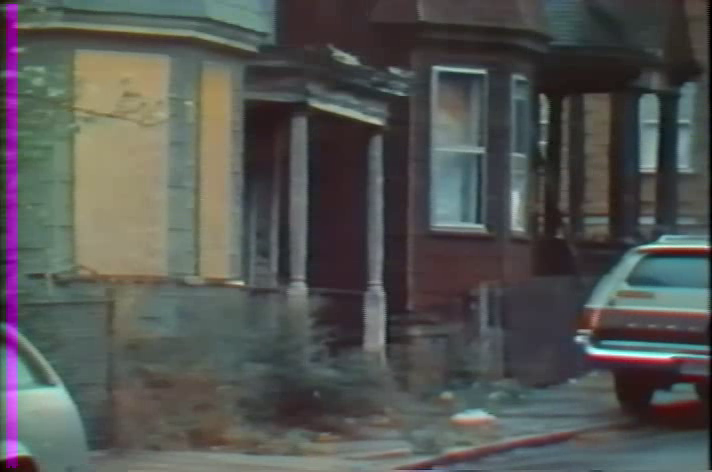
  • Fine use of gritty Boston environs

Must See?
No; you don’t need to bother seeking this one out.

Links:

Moana (1926)

Moana (1926)

“The deepest wisdom of the race has said that manhood shall be won through pain.”

Synopsis:
A Polynesian youth named Moana prepares to marry his mate by undergoing a series of rituals.

Genres, Themes, Actors, and Directors:

  • Documentary
  • Native Peoples
  • Robert Flaherty Films
  • Silent Films

Review:
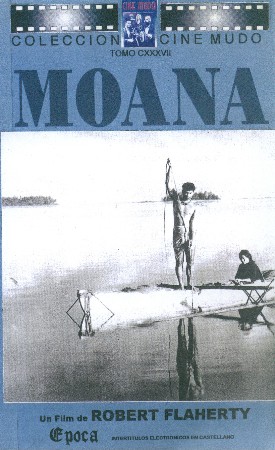
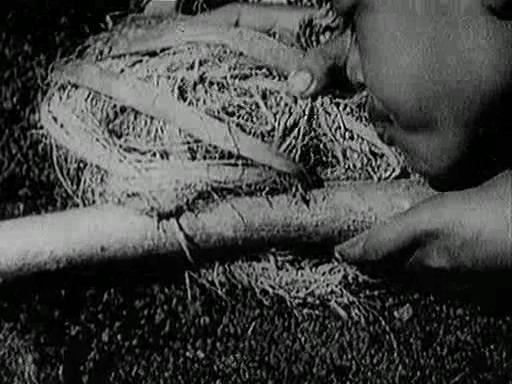
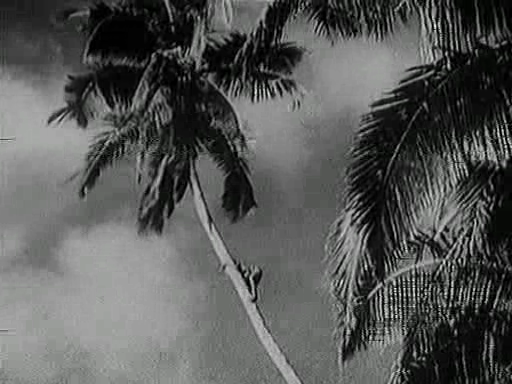
Robert Flaherty’s commissioned follow-up to his groundbreaking documentary Nanook of the North (1922) was this similarly episodic look at the lives of natives in a land still largely free from Western influences. As with Nanook, Flaherty took great liberties with his storyline, deliberately recruiting actors to play family members, and requesting that a painful, lengthy, recently outdated tattooing ritual be revived for the purposes of filming. Overall, Moana remains a less fulfilling documentary than Nanook, primarily because of a problem Flaherty himself hadn’t anticipated: the Polynesians weren’t engaged in the same kind of man-against-nature survival tactics as their Arctic counterparts. Indeed, their only “enemy” appears to be wild boar. While it’s fun to see Moana and his brother spearfishing and shimmying up coconut trees, and women neatly creating fabric from pulp, these isolated scenes in and of themselves don’t create much dramatic tension. F.W. Murnau’s overtly fictional Tabu (1931) offers a much more nuanced variation on the same theme, and is my recommended pick as “must-see” instead.

Redeeming Qualities and Moments:

  • An intriguing (albeit semi-fictionalized) look at Polynesian culture

Must See?
No, though it’s worth a look simply for its historical status as one of Flaherty’s earliest films. Listed as a film with Historical relevance and a Personal Recommendation in the back of Peary’s book.

Links:

Lavender Hill Mob, The (1951)

Lavender Hill Mob, The (1951)

“Most men who long to be rich know inwardly that they will never achieve their ambition — but I was in the unique position of having a fortune literally within my grasp.”

Synopsis:
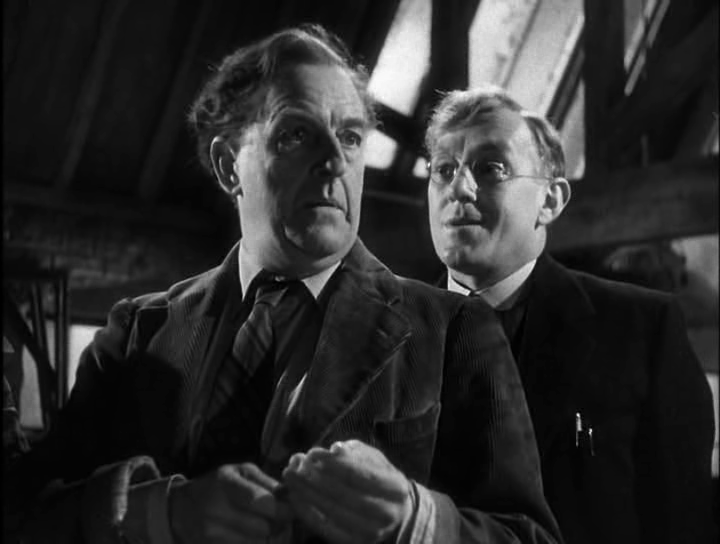
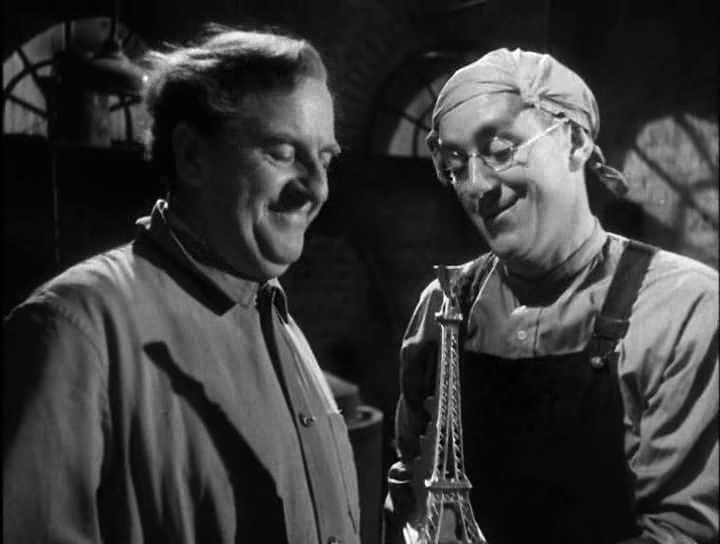
A seemingly meek bank clerk (Alec Guinness) who oversees the daily transport of gold bullion is inspired by his new housemate (Stanley Holloway) to secretly steal a shipment of gold and smuggle it overseas in the form of molded Eiffel Towers.

Genres, Themes, Actors, and Directors:

  • Alec Guinness Films
  • Black Comedy
  • Flashback Films
  • Mistaken or Hidden Identities
  • Thieves and Criminals

Review:
Alec Guinness starred in four top-notch Ealing Studios comedies between 1949-1955: Kind Hearts and Coronets (1949), The Man in the White Suit (1951), The Ladykillers (1955), and this delightfully comedic caper flick. What’s most appealing about The Lavender Hill Mob is how utterly likeable its thieving protagonists are: despite knowing that they’re committing a crime of enormous monetary proportions, we can’t help genuinely rooting for them — especially given how roundly underestimated Guinness’s character is by his superiors during early scenes. Both Guinness and Stanley Holloway (as the two primary movers behind the heist) are in top form, and T.E.B. Clarke’s Oscar-winning screenplay is consistently clever, throwing just enough loopholes into the mix to keep us guessing what will happen next. While some find the final madcap car chase to be a bit of a cop-out, I think it’s a fitting ending to the increasingly surreal scenario in which Guinness and Holloway find themselves. Watch for a truly surprising final shot, which places the entire film in a different context.

Redeeming Qualities and Moments:

  • Alec Guinness as Holland (nominated by Peary as one of the Best Actors of the Year in his Alternate Oscars)
  • Stanley Holloway as Pendlebury
  • Douglas Slocombe’s cinematography
  • A deliciously witty script

Must See?
Yes, as another most enjoyable Ealing Studios comedy.

Categories

  • Genuine Classic

(Listed in 1001 Movies You Must See Before You Die)

Links:

Drifters (1929)

Drifters (1929)

“The herring fishing has changed. It was once an idyll of brown sails and village harbours — its story now is an epic of steam and steel.”

Synopsis:
Herring fishermen in a North Sea coastal village head out to sea and bring their haul back to land for selling.

Genres, Themes, Actors, and Directors:

  • Documentary
  • Fishermen
  • Silent Films

Review:
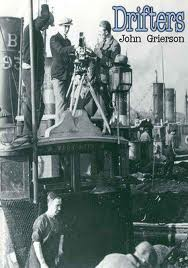
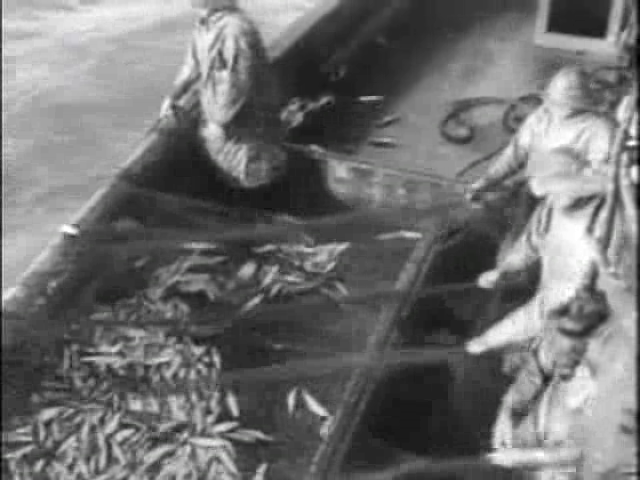
John Grierson’s Drifters is the type of movie that requires a bit of contextualization in order to appreciate its historical relevance (and hence its inclusion in Peary’s GFTFF). Taken at face value, it’s simply a reasonably engaging b&w silent documentary about the lives of herring fishermen in England, one which amply demonstrates that fishing is HARD, highly collaborative work — but it won’t strike one as particularly revelatory from a cinematic standpoint. However, knowing that Grierson would go on to spearhead the British Documentary Film Movement — which was established to “educate citizens in an understanding of democratic society” — one gains a better appreciation of what, specifically, he was aiming for with Drifters (which remains the only feature film he actually directed himself). It’s interesting to note that he was apparently heavily influenced by Eisenstein’s Battleship Potemkin (1925); ffs will surely notice parallels in style.

Redeeming Qualities and Moments:

  • A powerfully shot and edited early documentary

Must See?
No, though it’s certainly worth a look for its historical importance.

Links:

Man With Bogart’s Face, The (1980)

Man With Bogart’s Face, The (1980)

“Does anyone ever tell you you look like…”

Synopsis:
An aspiring private detective (Robert Sacchi) has surgery to look just like Humphrey Bogart, and quickly acquires a host of clients — including a young woman (Olivia Hussey) who fears for her father’s life; Sacchi’s larger-than-life landlady (A’leisha Brevard), whose boyfriend (Buck Kartalian) has gone missing; and a beautiful heiress (Michelle Phillips) being blackmailed.

Genres, Themes, Actors, and Directors:

  • Detectives and Private Eyes
  • Yvonne De Carlo Films

Review:
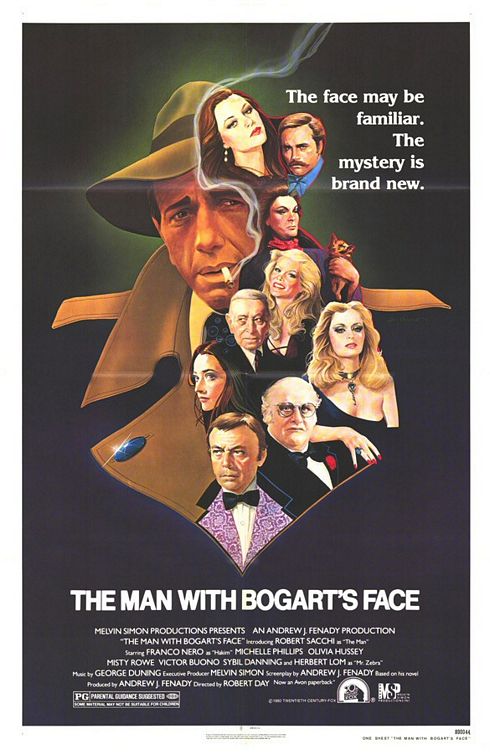
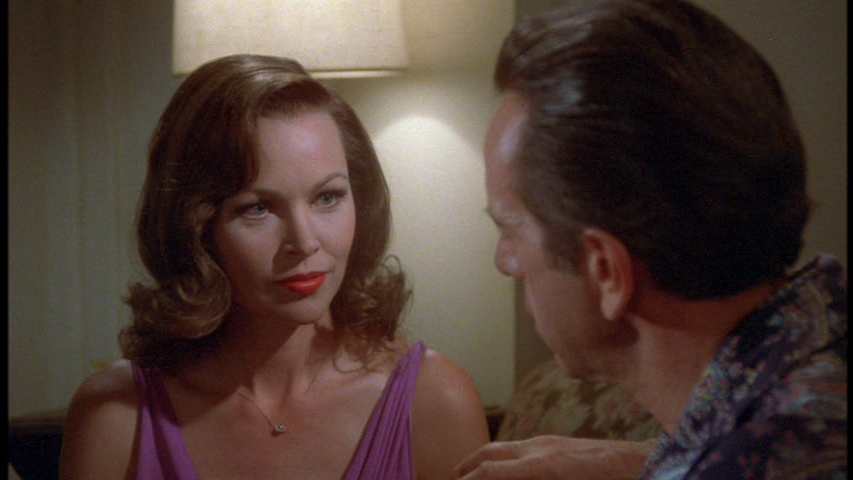
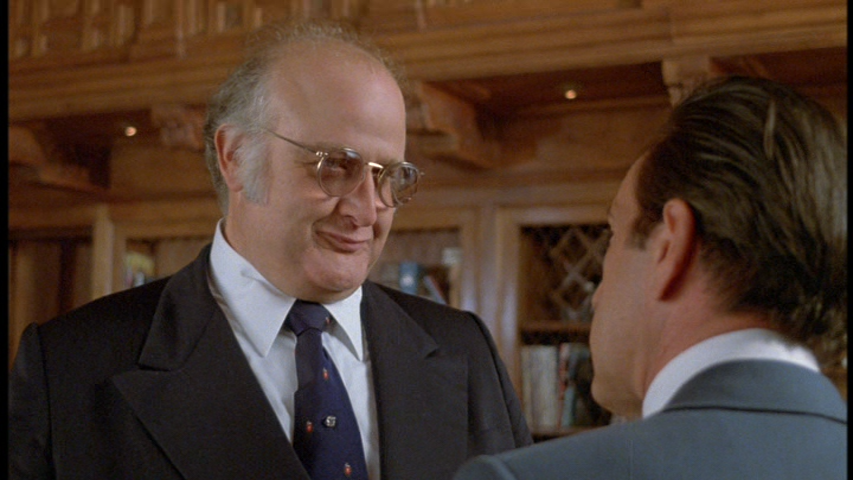
Film fanatics are sure to get a kick out of this affectionate homage to Humphrey Bogart and the Golden Age of Hollywood, based on a novel by Andrew J. Fenady (who also produced the film). Sacchi (playing “Sam Marlow”) is not only a spot-on Bogart-impersonator, but a decent actor to boot, making one feel eerily at times as though Bogart himself has been resurrected to make one final film. (Such a vision rings especially possible in light of Tupac Shakur’s recent “appearance” via hologram at the Coachella Music Festival.) The storyline is, perhaps predictably, overly complex at times (just like Bogart’s own private eye flicks often were), with seemingly countless clients entering Marlow’s office asking for assistance — though eventually their requests all coalesce into one interwoven tale, a la The Maltese Falcon (1941), of a search for valuable jewels known as the Eyes of Alexander. (An exception is a hilarious subplot involving Marlow’s aggressive landlady, played by female impersonator A’leisha Brevard).

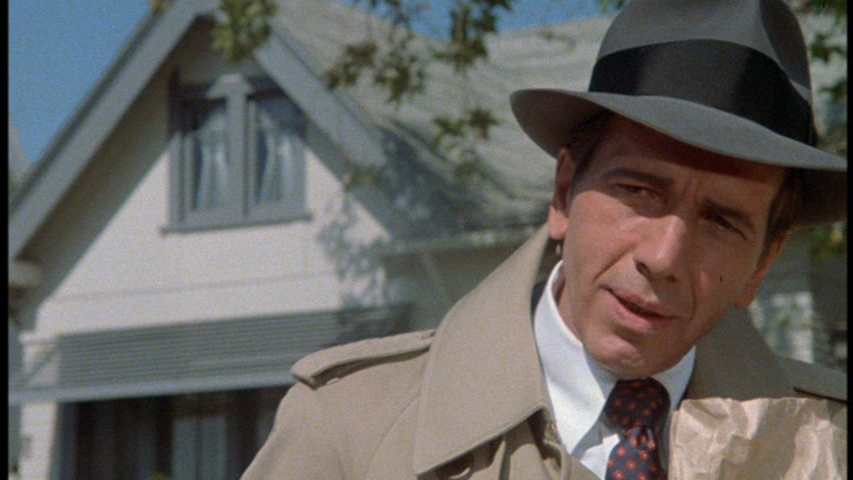
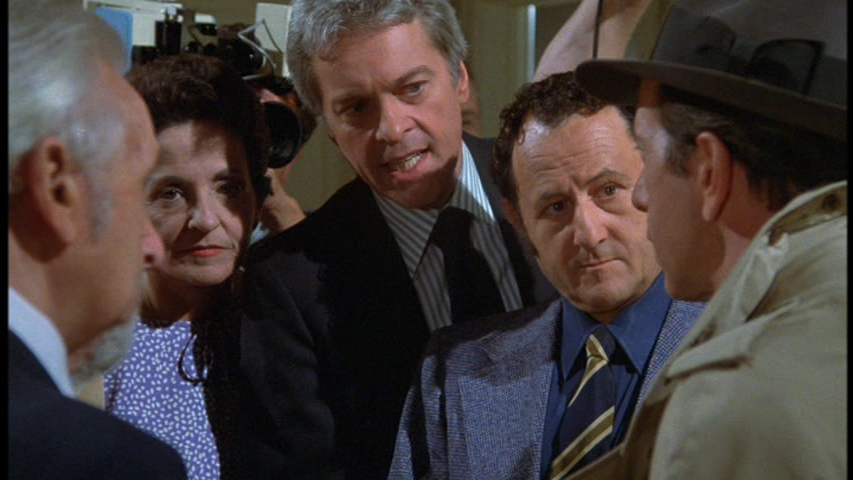
Excellent use is made of iconic L.A. locales, with Marlow frequenting the Hollywood Bowl, the Ambassador Hotel, and the Hollywood Wax Museum, among other choice locations. Meanwhile, the screenplay is simply littered with fun references to a variety of Hollywood films and actors — most notably in the character played by Phillips, who’s made up to look remarkably like Gene Tierney. (And who won’t get a kick out of Marlow’s enormous crush on Tierney-in-Laura, with a replica of Laura’s famous portrait hanging in his office, and the film’s memorable theme music emerging at key moments?) Other real-life Golden-Era Hollywood actors (including Victor Buono, Herbert Lom, and Richard Bakalyan) are smartly given a host of supporting roles — and any film fanatic will be tickled to notice TCM host Robert Osborne (!) showing up early on as a reporter; he gets just one line, but you’ll instantly recognize his distinctive voice. (See still below for evidence.)

Redeeming Qualities and Moments:

  • Robert Sacchi as Sam Marlow
  • Michelle Phillips as Gena
  • A host of fondly familiar supporting faces
  • Robert Osborne in a one-line role (watch and listen closely!)
  • Nice use of diverse L.A. locales

Must See?
Yes; film fanatics will surely have fun with this one. Listed as a Sleeper, a Cult Movie, and a Personal Recommendation in the back of Peary’s book — all of which makes sense to me.

Links: