Story of Adele H, The / Histoire de Adele H., L’ (1975)

Story of Adele H, The / Histoire de Adele H., L’ (1975)

“One can be in love with a man and still despise everything about him.”

Synopsis:
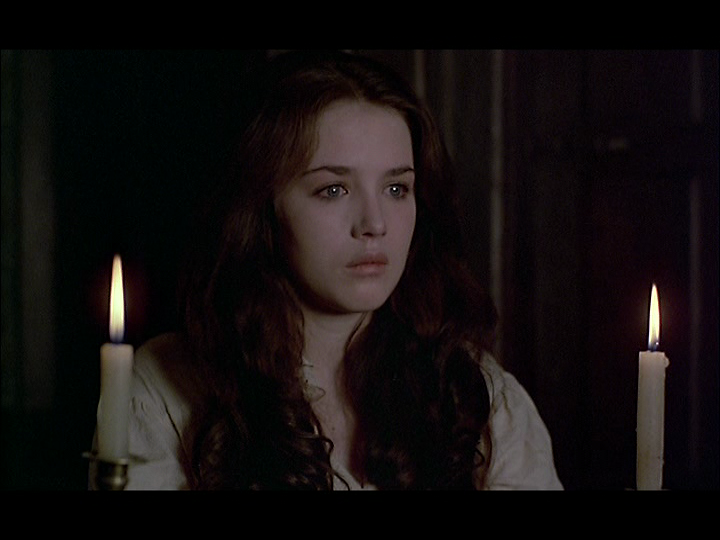
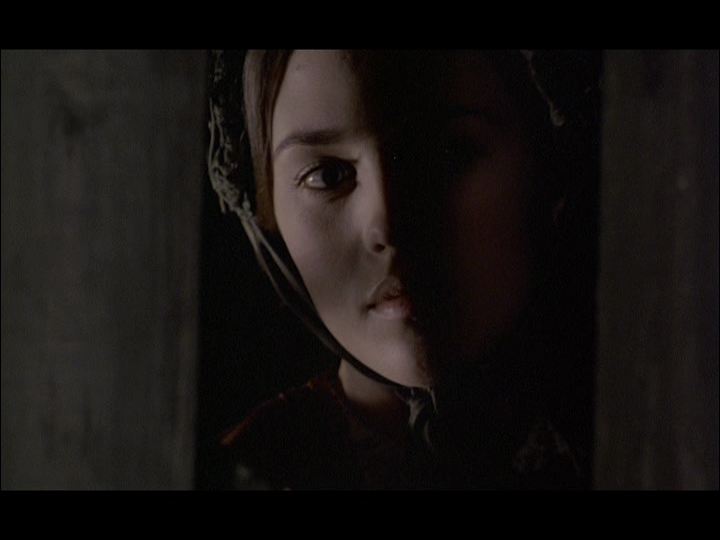
The daughter (Isabelle Adjani) of French novelist Victor Hugo travels undercover to Nova Scotia in pursuit of a former lover (Bruce Robinson), but becomes increasingly unhinged and deluded about their aborted relationship.

Genres, Themes, Actors, and Directors:

  • Francois Truffaut Films
  • French Films
  • Historical Drama
  • Mental Breakdown
  • Obsessive Love

Response to Peary’s Review:
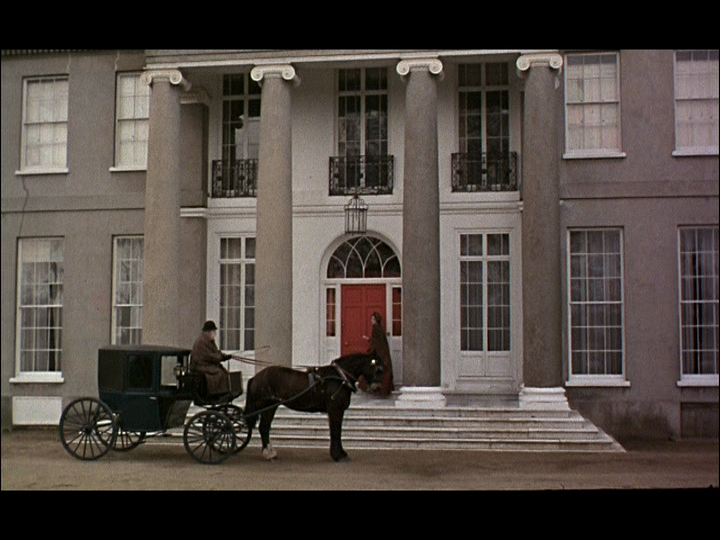
Peary accurately notes that “Francois Truffaut’s extremely passionate telling of the true story of Adele Hugo (Isabelle Adjani), the younger daughter of Victor Hugo” is “a moving, fascinating, original film, beautifully photographed by Nestor Almendros, with special attention to period detail”. He writes that “Truffaut’s characters are always driven by their hearts rather than by reason and, typically, they love those who don’t love them equally or at the same time” — but he notes that “this is the one film where he really explores the humiliation and the pain one can endure when deep love is unfilled”. Indeed, given how undeniably “heartbreaking” Adele’s psychological downfall is, it’s especially remarkable that Truffaut’s film remains as riveting as it is; we can’t help watching with fascination to see what will happen to her next (or rather, what new plan she herself will concoct to perpetuate the life of fantastical lies she’s become so inextricably bound to).

While much credit should go to Almendros and Truffaut’s set designers for presenting such a faithfully rendered, atmospheric vision of the era and location, most of the film’s success belongs squarely on the shoulders of young Adjani, who was deservedly nominated as one of the Best Actresses of the Year by the Academy, and is given this award by Peary in his Alternate Oscars. In this text, he notes that she gives “one of the truly unforgettable performances of the decade” as a woman with “no sense of pride”, who eventually “goes insane” (in real life, Adele was apparently schizophrenic). He provides a bit more analysis of her character’s strange motivations in pointing out that “Adele’s need for love from her suitor is rooted in her need to escape from the house of her unloving father, to prove to him she is worthy of love” — with the ultimate irony being that “becoming slave to another man is her way of achieving freedom from her father”. One can’t help wanting to research more about the real-life Adele Hugo after watching this riveting “biopic”, which does ample justice to her tragic fate.

Redeeming Qualities and Moments:

  • Isabelle Adjani as Adele H.
  • Nestor Almendros’ cinematography
  • Fine attention to period detail

Must See?
Yes, for Adjani’s stunning performance, and as an overall powerful film.

Categories

  • Important Director
  • Noteworthy Performance(s)

Links:

Bride Wore Black, The (1968)

Bride Wore Black, The (1968)

“You took something from me that you can’t give me back.”

Synopsis:
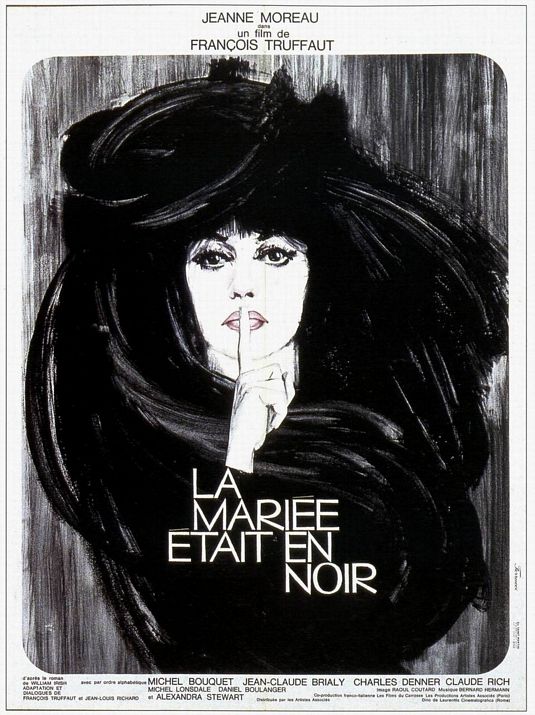
A vengeful widow (Jeanne Moreau) plots to methodically murder the five men — Michel Bouquet, Jean-Claude Brialy, Charles Denner, Claude Rich, and Michael Lonsdale — she believes are responsible for her husband’s premature death.

Genres, Themes, Actors, and Directors:

  • Femmes Fatales
  • Francois Truffaut Films
  • French Films
  • Jeanne Moreau Films
  • Revenge
  • Widows and Widowers

Review:
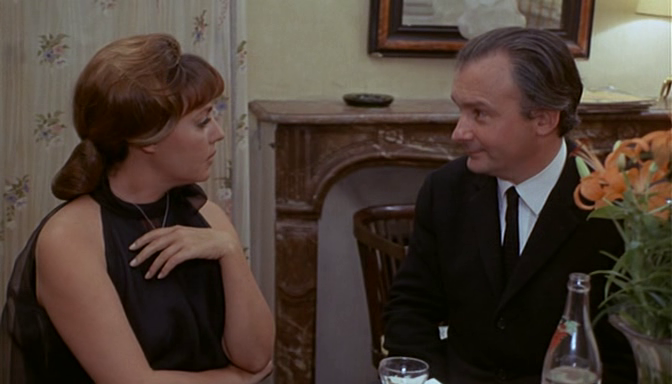
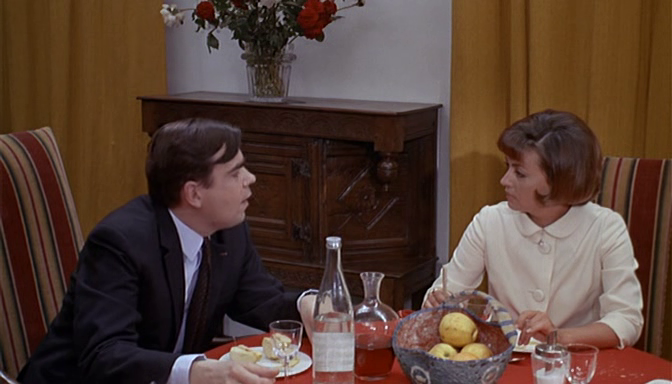
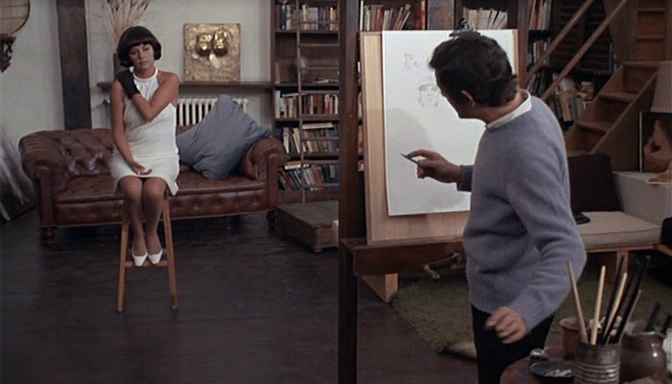
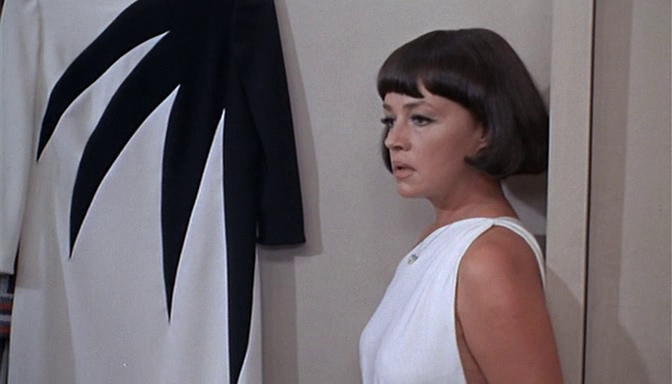
Made shortly after he published his series of interviews with Alfred Hitchcock (as the book Hitchcock/Truffaut [1967]), this adaptation of Cornell Woolrich’s 1940 crime novel remains Francois Truffaut’s most explicit homage to the master of suspense, even going so far as to include a score by Bernard Herrmann. We’re plunged immediately into Moreau’s vengeful plot, as she cleverly lures two unsuspecting men into her snare by posing as the type of woman each would find most alluring; about mid-way through the film, we finally discover exactly why she’s so hell-bent on murder, as we see the most pivotal moment in her life (her new husband’s death just after their marriage) playing out in flashback. The remainder of the storyline continues in like fashion, with Moreau doggedly crafting new variations on her siren-like persona — which brings up the slightly uncomfortable fact that Moreau (looking somewhat dowdy and dour at 40) is not entirely convincing as the alluring femme fatale she’s meant to portray here. Indeed, while she captures the aura of “grieving widow” perfectly, she’s simply not stunning enough to be convincingly sexy in the way Truffaut apparently imagines her to be. With that said, the screenplay is clever enough to keep one engaged throughout (we’re definitely kept wondering when and how Moreau will finally be stopped in her tracks), even as it occasionally defies credibility.

Note: Film fanatics will likely assume that this film was an enormous influence on Quentin Tarantino when he was crafting his Kill Bill epic (starring Uma Thurman as an equally vengeful widowed bride) — but, amazingly, he claims this wasn’t the case.

Redeeming Qualities and Moments:

  • A clever (if occasionally implausible) script


  • Pierre Cardin’s outfits

Must See?
No, though it’s recommended.

Links:

Flamingo Road (1949)

Flamingo Road (1949)

“I’m not running! Do you understand that?”

Synopsis:
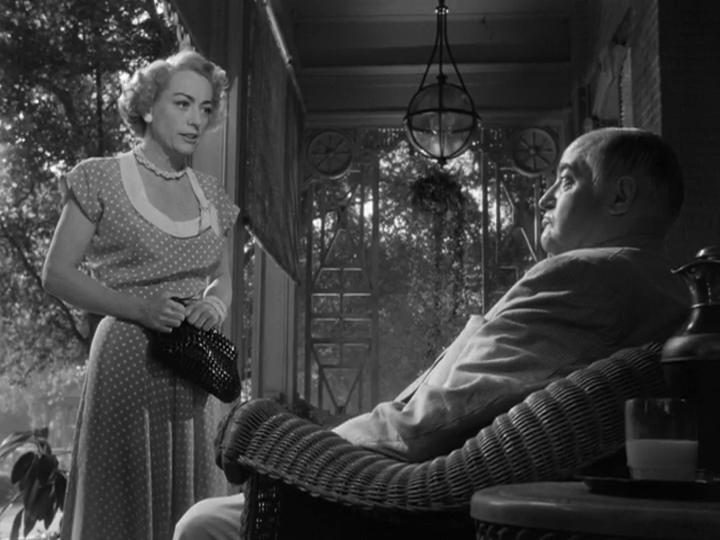
A carnival dancer (Joan Crawford) falls for the sheriff (Zachary Scott) of a small town ruled by a corrupt politician (Sydney Greenstreet), who plans to make Scott puppet-governor of the state, and will stop at nothing to prevent his relationship with Crawford from flourishing. Soon Lane (Crawford) becomes romantically involved with another politician (David Brian), but continues to find herself butting heads with Greenstreet.

Genres, Themes, Actors, and Directors:

  • Cross-Class Romance
  • David Brian Films
  • Framed
  • Joan Crawford Films
  • Michael Curtiz Films
  • Political Corruption
  • Revenge
  • Sheriffs
  • Small Town America
  • Strong Females
  • Sydney Greenstreet Films
  • Zachary Scott Films

Response to Peary’s Review:
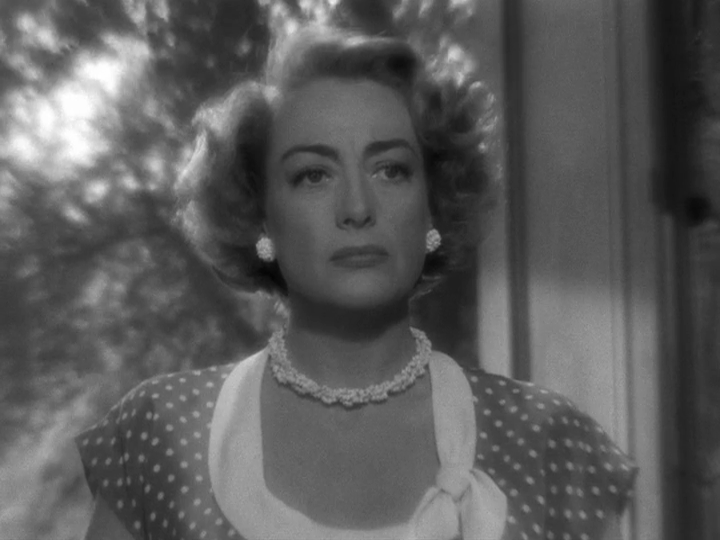
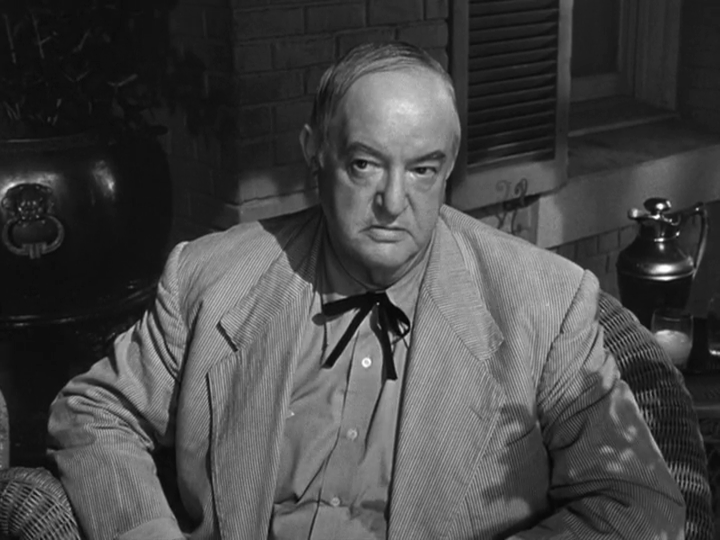
Peary notes that despite its “pat” ending, this Joan Crawford flick “is well directed by Michael Curtiz, has a solid group of characters, and, probably more than any straight drama up until then (All the King’s Men was also released in 1949), paints a realistic portrait of political corruption in America.” He argues that “Crawford is much better than in Mildred Pierce, giving a deeply felt, multi-faceted characterization” as a woman who’s “smart, sincere, and stronger than any man in that she alone stands up to Greenstreet (playing one of his most memorable villains)”. While I enjoyed Crawford’s low-key, Oscar-winning performance as Mildred Pierce, I’ll agree that she’s just as effective — and even more enjoyably feisty — here, giving one of her best later-career performances (she’s 43, but — naturally – looks great as the central love interest). Meanwhile, Greenstreet is indeed “memorable”, playing a truly “larger than life” man so confident in his abilities to exert a corrupting influence that he barely blinks an eye when setting his next plan into action. Curtiz’s direction — assisted by Ted McCord’s fine cinematography — adds a noir-ish yet Gothic tinge to the proceedings, turning this melodrama into an appropriately cynical look at the corruption seemingly lurking in small towns everywhere.

Redeeming Qualities and Moments:

  • Joan Crawford as Lane Bellamy (nominated as one of the Best Actresses of the Year in Peary’s Alternate Oscars)
  • Sydney Greenstreet as Titus Semple
  • Solid direction and cinematography by Michael Curtiz and DP Ted McCord

Must See?
Yes, simply to see Crawford in one of her best later-life roles.

Categories

  • Noteworthy Performance(s)

Links:

High Anxiety (1977)

High Anxiety (1977)

“Those who are tardy do not get fruit cup.”

Synopsis:
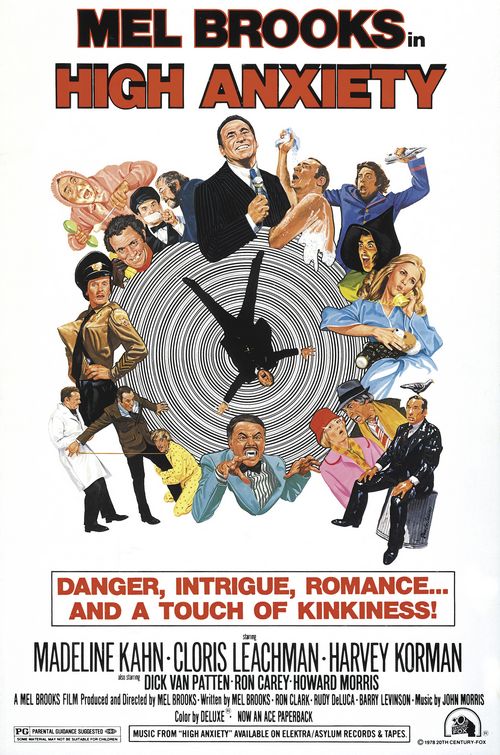
Renowned but highly strung psychiatrist Dr. Thorndyke (Mel Brooks) becomes the new director of a mental institute, where a militant nurse (Cloris Leachman) and her colleague (Harvey Korman) are involved in nefarious dealings related to a wealthy patient whose grown daughter (Madeline Kahn) is concerned about her father’s well-being.

Genres, Themes, Actors, and Directors:

  • Cloris Leachman Films
  • Madeline Kahn Films
  • Mel Brooks Films
  • Mental Illness
  • Satires and Spoofs

Review:
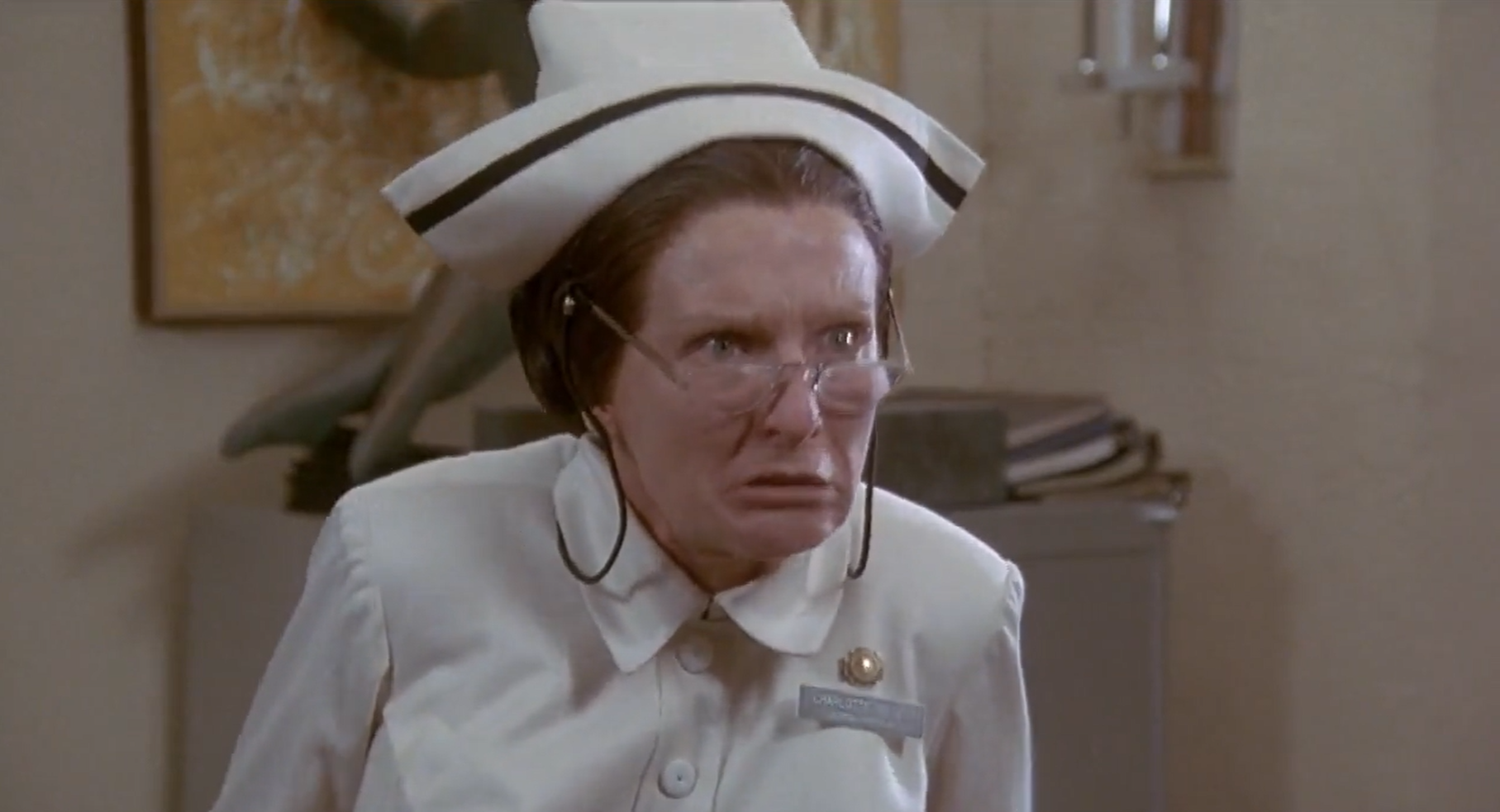
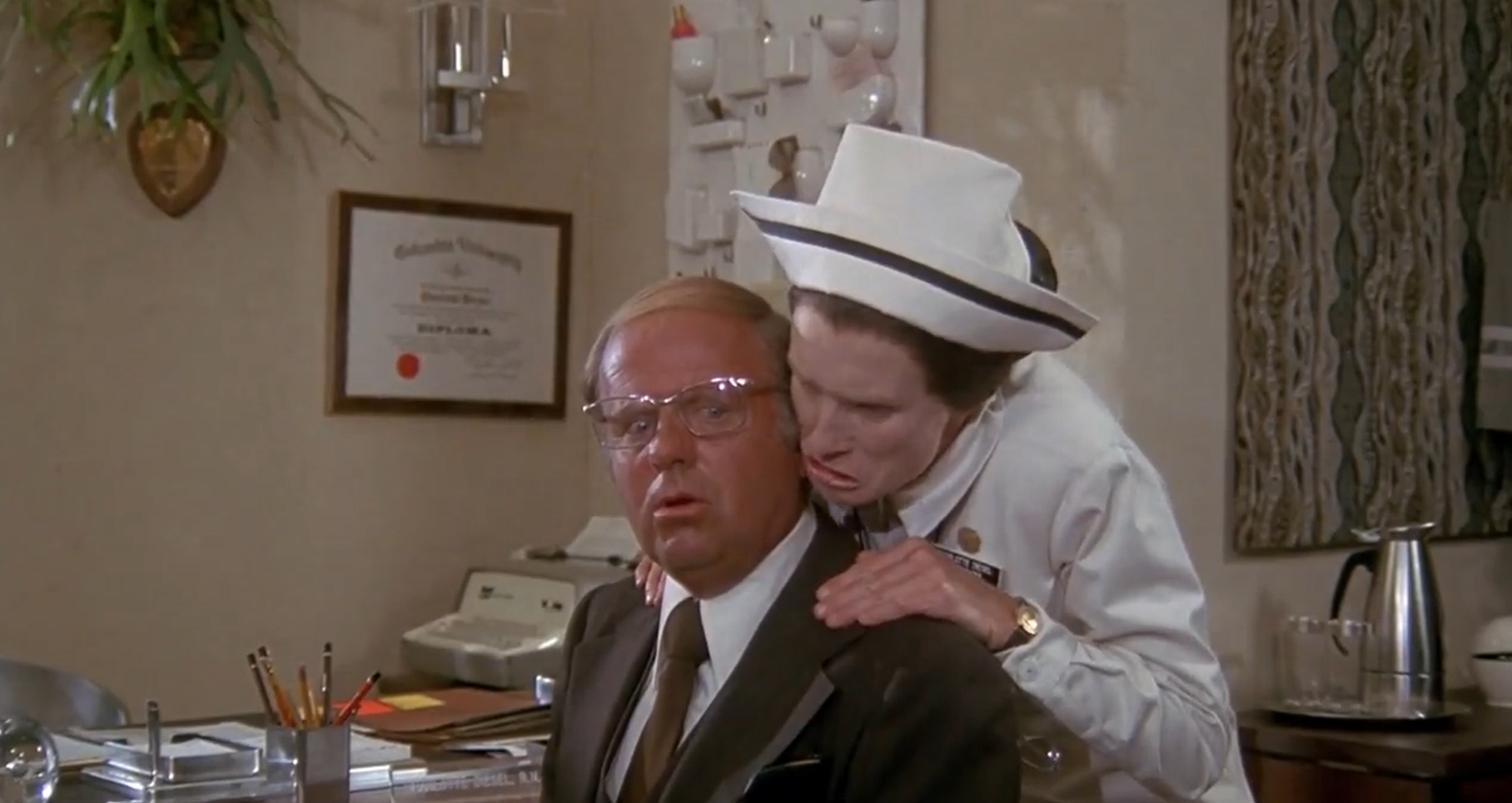
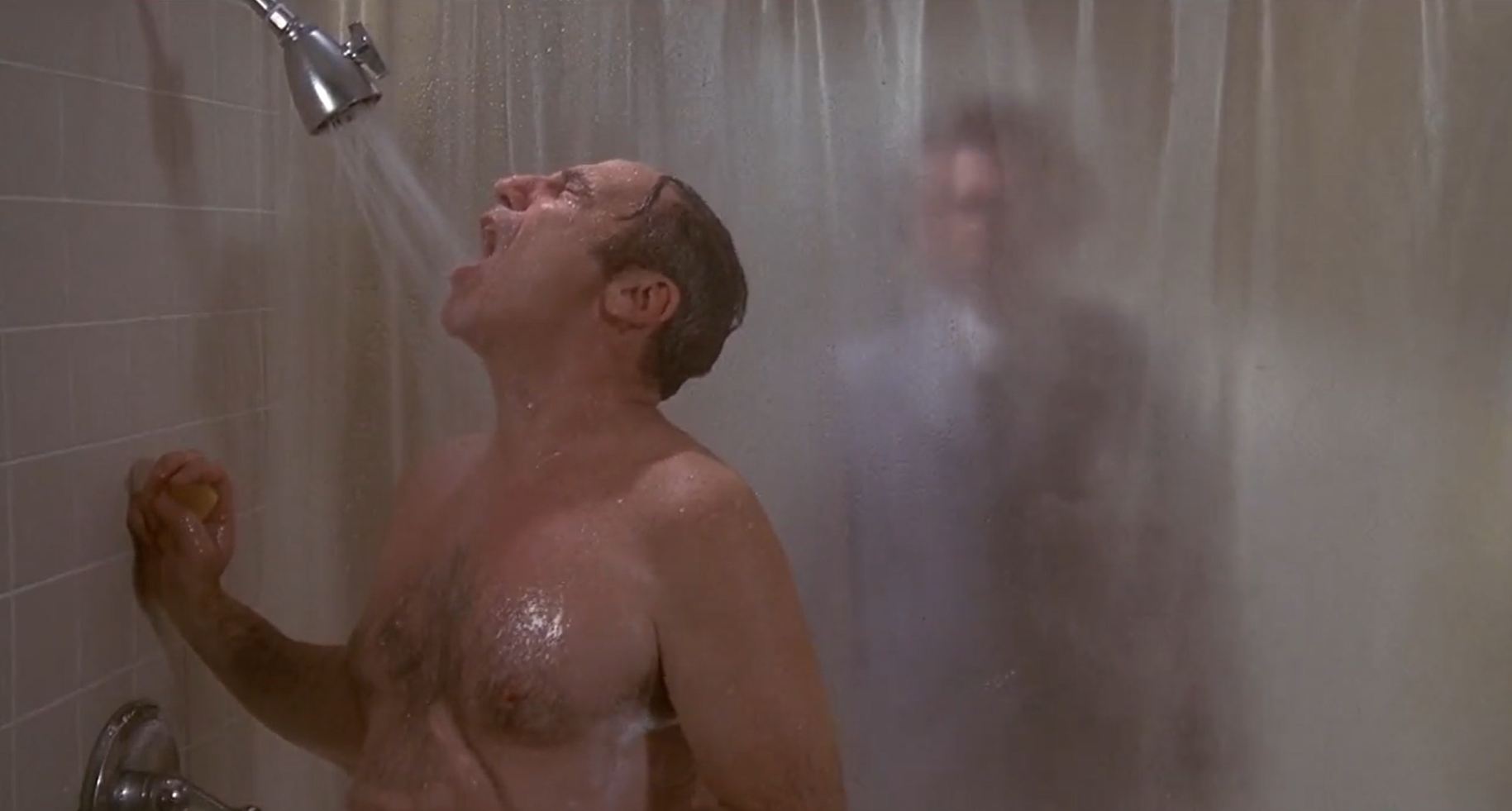
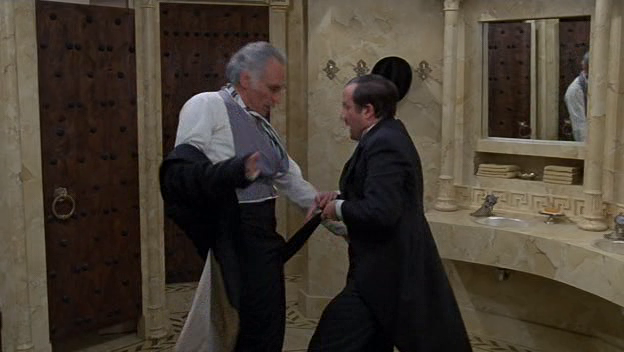
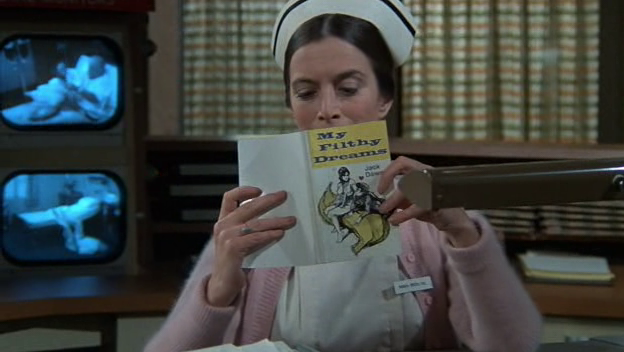
Mel Brooks’ sixth feature film was this explicit homage to Hitchcockian thrillers, which satirizes many of his most beloved titles (including Vertigo, The Birds, Spellbound, and Psycho), in addition to giving a quick nod to Vincente Minnelli’s The Cobweb (1955) (through reference to the institute’s drapes!), and poking fun at One Flew Over the Cuckoo’s Nest’s Nurse Ratched through the over-the-top character of Nurse Diesel (Leachman).

Indeed, there are so many cinematic references and in-jokes packed into the storyline that film fanatics will likely find themselves in a near constant state of recognition (“Oh! Look what he’s spoofing now!”) — which makes it all the more unfortunate that the storyline itself doesn’t do justice to the series of endless referential gags. Brooks gives away the film’s villains from the get-go, so what we’re mostly left waiting for (in addition to more gags/references, as well as a completely gratuitous and self-indulgent rendition of the title song by Brooks himself) is Dr. Thorndyke’s belated recognition that his own life is in danger. It’s difficult to fault Brooks for his clear attempt here to have fun with the genre, and it’s especially enjoyable to see Leachman given the opportunity to literally dominate the proceedings; however, the film as a whole doesn’t work well enough to designate as must-see viewing.

Redeeming Qualities and Moments:

  • Cloris Leachman as Nurse Diesel
  • Some fun spoofs of Hitchcock’s best-known films

Must See?
No, but film fanatics will probably want to check it out at least once. Listed as a Cult Movie in the back of Peary’s book.

Links:

Silent Movie (1976)

Silent Movie (1976)

“Mel Funn — once Hollywood’s greatest director, until drinking destroyed his career — is trying to make a comeback.”

Synopsis:
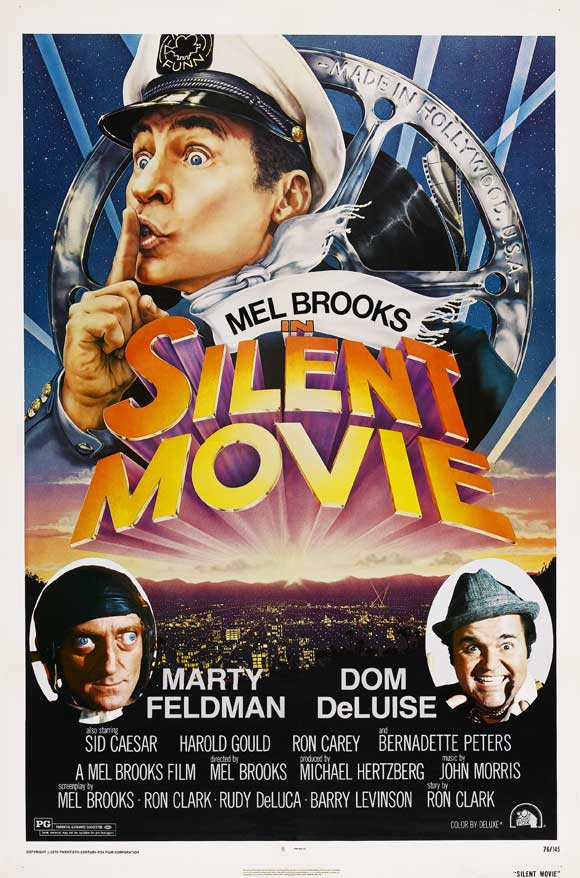
A has-been director (Mel Brooks) and his friends (Marty Feldman and Dom DeLuise) convince the ailing head (Sid Caesar) of a major movie company to take a chance on their latest project — a silent film featuring several big-name stars — as a last-ditch attempt to prevent a take-over by the greedy corporation Engulf & Devour.

Genres, Themes, Actors, and Directors:

  • Burt Reynolds Films
  • Has-Beens
  • Mel Brooks Films
  • Movie Directors
  • Satires and Spoofs
  • Silent Films

Review:
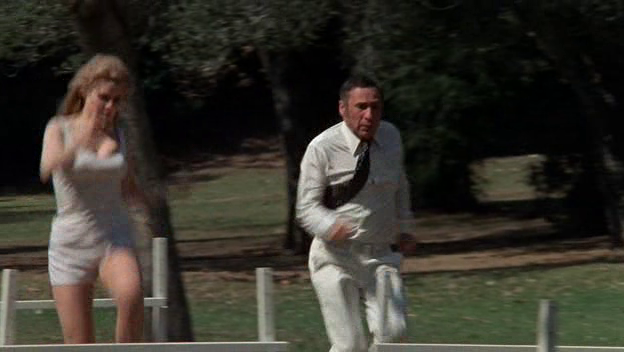
Film fanatics will likely get a kick out of Mel Brooks’ affectionate homage to silent movies, given how cleverly he recreates so many of the era’s classic tropes while keeping his film’s storyline (and actors) squarely grounded in modern times. Indeed, a surprising number of Brooks’ sight gags remain enjoyably humorous, with only a few representing Brooks’ more traditionally low-brow humor (i.e., a running joke in which Brooks, DeLuise, and Feldman repeatedly find themselves huddled together in a compromising position, and jeered at by passers-by as “fags”). Examples of effective scenes include Brooks and Bernadette Peters (as vampish singer “Vilma Kaplan”) running through a field and stripping off their clothes in wild abandon, only to find themselves leaping over hurdles as unexpected rivals in a race (a sequence that reminds me of something Woody Allen would attempt):

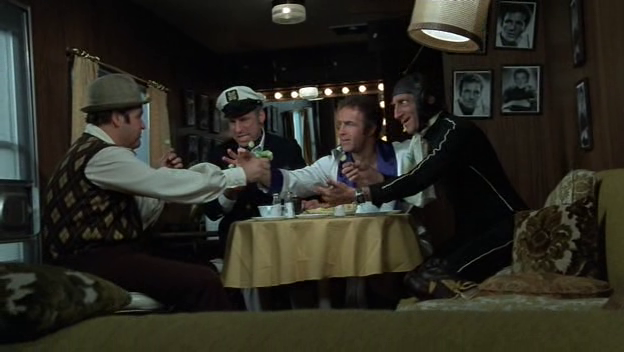
… Feldman playing around with Caesar’s life support machine at the hospital; and Brooks et al.’s visit to James Caan’s teetering trailer, where they find that even the sprinkling of pepper on a bun puts everything off balance.

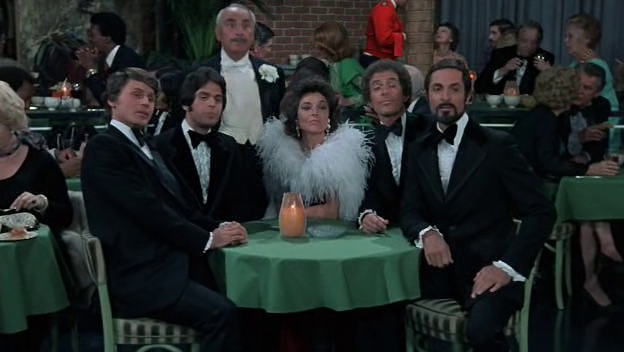
Speaking of Caan, all the “big name” stars elicited to participate in the film through cameo roles (Caan, Burt Reynolds, Liza Minnelli, Paul Newman, Anne Bancroft, and Marcel Marceau) seem to be having a great time, which adds to the overall festive mood.

Redeeming Qualities and Moments:

  • Numerous enjoyable sight gags

  • Amusing cameos by game film stars

Must See?
Yes, as an enjoyable homage to the silent film era.

Categories

  • Good Show

Links:

Young Frankenstein (1974)

Young Frankenstein (1974)

“With such a magnificent body, all we need now is an equally magnificent brain.”

Synopsis:
A neuroscientist (Gene Wilder) returns to the home of his infamous great-grandfather, Dr. Victor Frankenstein, where he enlists the help of two loyal assistants — hunchbacked Igor (Marty Feldman) and busty Inga (Teri Garr) — in resurrecting a corpse and bringing a Creature (Peter Boyle) to life.

Genres, Themes, Actors, and Directors:

  • Frankenstein
  • Gene Hackman Films
  • Gene Wilder Films
  • Mad Doctors and Scientists
  • Madeline Kahn Films
  • Mel Brooks Films
  • Peter Boyle Films
  • Richard Haydn Films
  • Satires and Spoofs
  • Teri Garr Films

Response to Peary’s Review:
Peary writes that “this spoof of Universal’s 1931 version of Frankenstein (1931)” — as well as its two direct sequels, Bride of Frankenstein (1935) and Son of Frankenstein (1942) — “is the only Mel Brooks film that almost everyone likes”. He notes that “for a change, Brooks remains tasteful throughout; keeps his actors under reasonable control…; maintains the picture’s tone by including only one ‘burlesque’ interlude (Frankenstein and the Monster perform a hilarious rendition of ‘Puttin’ on the Ritz’)…; and, while the humor is outrageous, it is subtly played”. He further points out the critical fact that “Brooks shows a knowledge and affection for both Frankenstein and the horror genre that he would not display for the western in Blazing Saddles,” and notes that “the use of lab props from the 1931 movie, the use of black-and-white film, and an atmospheric score by John Morris contribute greatly to Brooks’s attempt to recapture the ambiance of the old Universal horror pictures”. Finally, he points out that all the actors “do justice to the clever Brooks-Wilder script”.

I agree with Peary: Young Frankenstein remains a remarkably restrained and respectful homage to the films it’s satirizing. Fine attention is paid to recreating the overall feel and look of Universal’s classic flicks, whose fans — at least those willing to allow their beloved films to be poked fun at — will have a field day seeing scene after iconic scene tweaked for humorous effect (i.e., the Monster’s encounter with a young girl [Anne Beasley] near a well; the Monster’s not-so-comfortable encounter with a well-meaning blind hermit [Gene Hackman]; etc.). Meanwhile, the cast is indeed game throughout, with “wild-eyed” Wilder giving an appropriately impassioned performance as the conflicted Dr. Frankenstein (he fills the shoes of his classic thespian predecessors quite nicely), and Feldman wonderfully over-the-top as his wily assistant. I don’t quite agree with Peary that Brooks “remains tasteful throughout”, though I suppose the term “tasteful” is relative — and it’s definitely kept mostly in check here. In sum, this is one of a small handful of Brooks films that all film fanatics should be familiar with, and will enjoy revisiting from time to time.

Redeeming Qualities and Moments:

  • Gene Wilder as Dr. Frankenstein (nominated as one of the Best Actors of the Year in Peary’s Alternate Oscars)
  • Marty Feldman as Igor
  • Fine supporting performances by the rest of the cast


  • Wonderfully recreated Gothic sets
  • Gerald Hirschfeld’s b&w cinematography

Must See?
Yes, as one of Brooks’ most beloved comedy classics.

Categories

  • Cult Movie
  • Important Director

(Listed in 1001 Movies You Must See Before You Die)

Links:

History of the World: Part I (1981)

History of the World: Part I (1981)

“And of course, with the birth of the artist came the inevitable afterbirth: the critic.”

Synopsis:
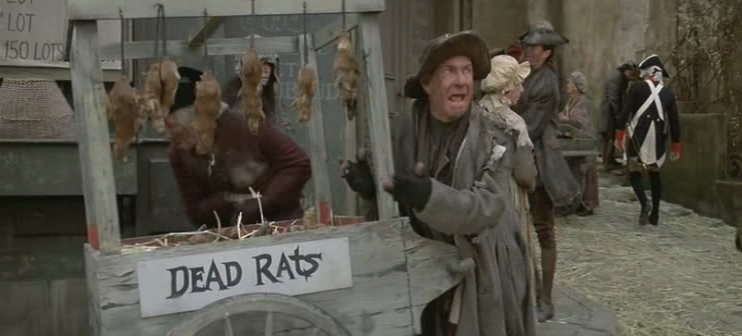
Mel Brooks takes a comedic romp through various stages of world history, including the Stone Age, Ancient Rome, the Spanish Inquisition, and the French Revolution.

Genres, Themes, Actors, and Directors:

  • Comedy
  • Historical Drama
  • Madeline Kahn Films
  • Mel Brooks Films

Review:
It’s hard to know exactly why Peary includes this final pre-1986 Mel Brooks title in his GFTFF, given that the only other Brooks film he openly praises in any way is Young Frankenstein (1974). HOTW Part 1 (thankfully, there’s no …Part 2) is chock-full of typically Brooks-ian low-brow humor, minus any kind of cohesive satirical narrative to hold it together — in other words, even less of interest to anyone but his most diehard fans (of whom there are plenty). Naturally, in a film filled with insistently non-stop jokes and gags, at least a few are bound to elicit chuckles; as noted in All Movie Guide’s review, however, its “bad parts are so unworthy of its good parts that it creates a state of total schizophrenia.” Meanwhile, some of its “bad parts” (as in Blazing Saddles) edge beyond what most would consider common decency — i.e., a real-life chess game dictated by King Louis XIV (Brooks) in the French Revolution segment eventually devolves into a gang bang sequence that’s played for laughs. Film fanatics can definitely feel free to stay away from this one.

Redeeming Qualities and Moments:

  • A few mildly clever sight gags and scenes

Must See?
No; despite its enduring popularity, this one is strictly for Brooks fans.

Links:

Blazing Saddles (1974)

Blazing Saddles (1974)

“There is one thing standing between me and that property — the rightful owners.”

Synopsis:
A corrupt politician (Harvey Korman) hoping to build a railroad through the town of Rock Ridge plots to drive out its racist, ignorant inhabitants by appointing a black man (Cleavon Little) as sheriff — but Little enlists the help of an alcoholic gunslinger (Gene Wilder) in fighting back against Korman.

Genres, Themes, Actors, and Directors:

  • Gene Wilder Films
  • Madeline Kahn Films
  • Mel Brooks Films
  • Satires and Spoofs
  • Sheriffs
  • Westerns

Response to Peary’s Review:
While I disagree with Peary’s sour take on Mel Brooks’ delightfully irreverent debut film The Producers (1968), I’m in full agreement with his review of this follow-up western satire, which may have been “an enormous hit” but remains “graceless and stupid”, with “humor” that’s “crude, rude, obvious, repetitive, [and] self-impressed”. Peary writes that “scenes are like clunky Carol Burnett Show routines combined with stilted burlesque revue acts”, and argues that “Brooks consistently relies on either raunchy humor or anachronisms to get laughs”; the fact that the film’s “most famous scene has cowboys breaking wind around [a] campfire” indicates the level of humor generally at work. While it’s true that Brooks “shows no fondness for the western genre”, even worse is how his attempt to satirize racism falls completely flat: he shows us African-Americans (referred to repeatedly as “N*ggers”) and Asian-Americans (“Chinks”) being treated worse than animals, with the intention that we’ll laugh at how absurdly ignorant these bigoted white townsfolk come across — but the satirical “pay-off” is far too facile, and doesn’t begin to make up for having to sit through such offensive behavior and language.

Redeeming Qualities and Moments:

  • Cleavon Little and Gene Wilder as Bart and Jim
  • Occasional snippets of humorous dialogue:

    Korman: What’s your crime?
    Little: Stampeding cattle.
    Korman: That’s not much of a crime.
    Little: Through the Vatican?
    Korman: Kinky…

Must See?
No; this one is only recommended for Brooks fans.

(Listed in 1001 Movies You Must See Before You Die)

Links:

Producers, The (1968)

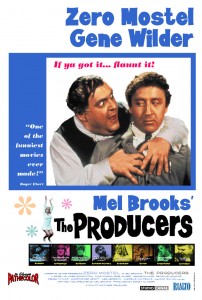
Producers, The (1968)

“Read, read! We’ve got to find the worst play ever written!”

Synopsis:
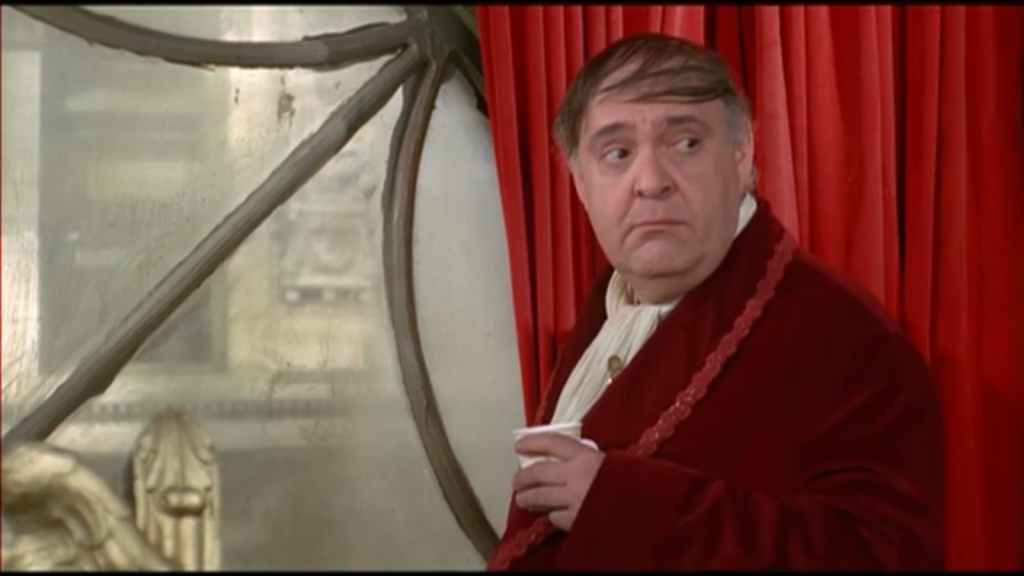
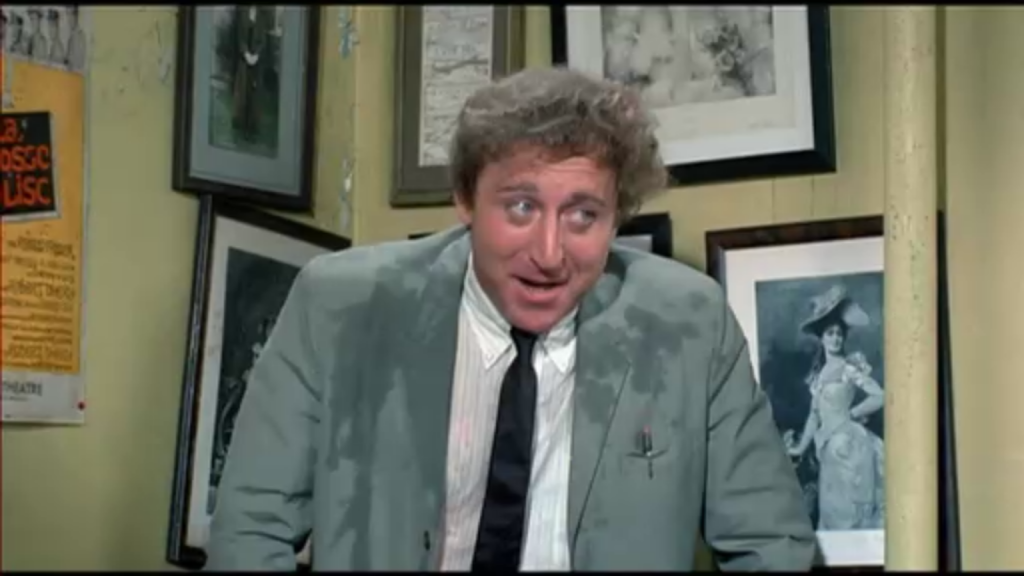
Unscrupulous theatrical producer Max Bialystock (Zero Mostel) conspires with nebbishy accountant Leo Bloom (Gene Wilder) to make money by producing a guaranteed flop entitled “Springtime for Hitler”, written by a neo-Nazi (Kenneth Mars) and featuring a middle-aged hippie named LSD (Dick Shawn) as Hitler. Their plan to pocket the investment money donated by gullible elderly women is foiled, however, when audience members unexpectedly view their musical as a brilliant satire rather than tasteless trash.

Genres, Themes, Actors, and Directors:

  • Comedy
  • Con-Artists
  • Gene Wilder Films
  • Get Rich Quick
  • “Let’s-Put-on-a-Show”
  • Mel Brooks Films
  • Musicals

Response to Peary’s Review:
Peary is decidedly unenamored with this cult comedy by Mel Brooks, arguing that its “major strength” is “its clever premise”. He notes that “Max and Leo are too sweet to corrupt themselves in such a manner”, and further defends this assertion in his more extensive Cult Movies review, where he argues that “likable Max isn’t sinister enough and likable Leo isn’t corruptible enough” to sink to the depths of producing an “homage to Hitler”. In GFTFF, he further posits that “those people who start to walk out on Springtime would not return to their seats when LSD appears” on stage, given that “those who think the play is offensive… wouldn’t think a hippie Hitler is funny”. Meanwhile, Peary complains that while “Max would seem to be the ideal role for Zero Mostel”, he “looks uncomfortable whenever anyone else is dominating a scene and, like the most unskilled, insecure amateur, resorts to mugging to get attention”.

While I’m far from a diehard Brooks fan — and agree in general with Peary’s complaint (in Cult Movies) that he tends to “equate innovation with simply breaking taboos” — I don’t share Peary’s sentiments about Brooks’ anarchic debut film, which remains bitingly humorous throughout most of its quickly-paced running time. I don’t find Max and Leo “too sweet” to pull off a scheme like this (they each have their reasons for conspiring in the plan), and I believe Mostel’s over-the-top, iconic performance as Bialystock is spot-on. I’ll admit that my interest in the storyline begins to wane once Shawn hits the stage, wowing the fictional audience with his “flower power” rendition as Hitler, given that I find his aged-hippie character dated and not really all that funny. But this somehow suits the arc of the film perfectly, given that we’re meant to be thrown off balance when Max and Leo’s plans go so horribly awry (they don’t find Shawn funny, either). While not all scenes are consistently humorous — I could do without the silly, sexist inclusion of “Ulla” (Lee Meredith) as Max and Leo’s token blonde secretary, for instance — the balance is clearly in favor of scenes that “work”, making The Producers an enjoyably outrageous comedy that film fanatics won’t want to miss.

Redeeming Qualities and Moments:

  • Zero Mostel as Max Bialystock
  • Gene Wilder as Leo Bloom
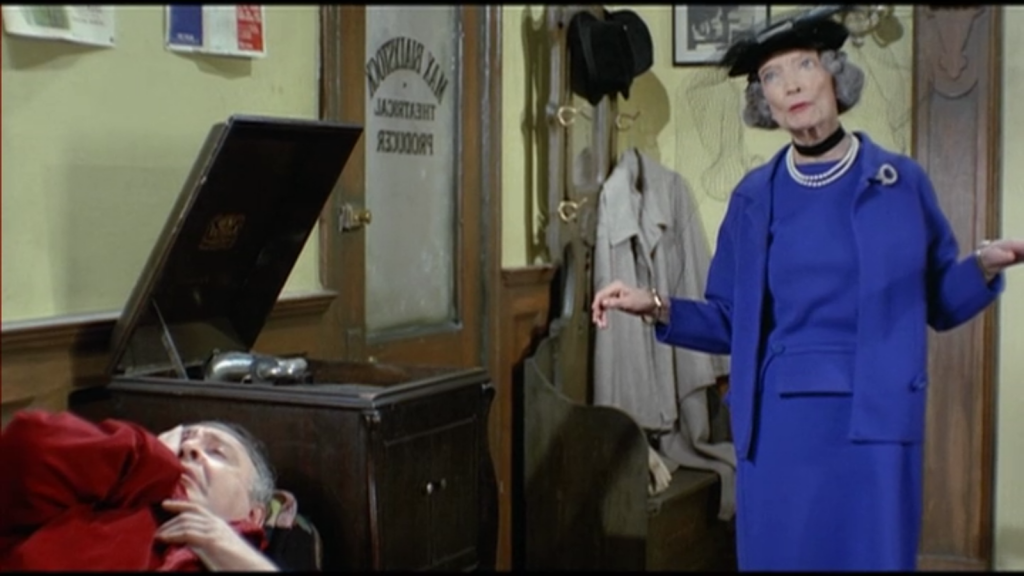
  • Estelle Winwood as “Hold Me Touch Me” (in the hilarious opening credit sequence)
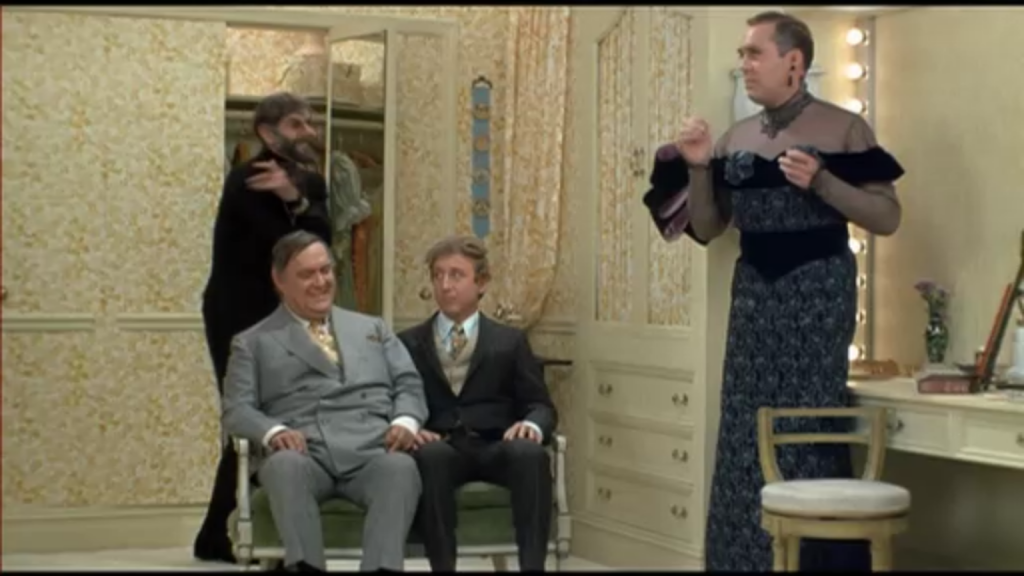
  • Max and Leo’s initial encounter with Roger De Bris (Christopher Hewett) and Carmen Ghia (Andréas Voutsinas)
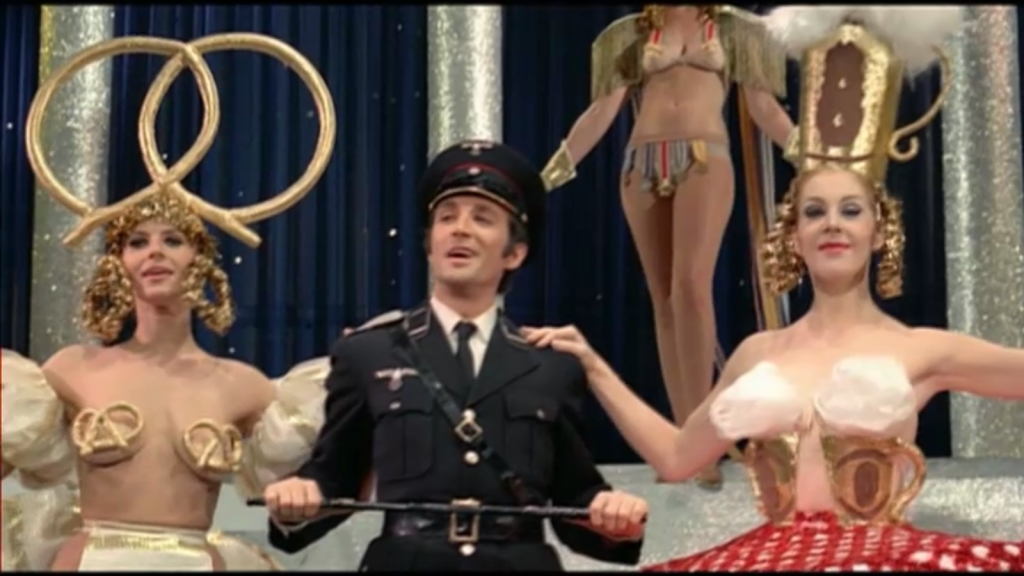
  • The audaciously tasteless “Springtime for Hitler” production number
  • Brooks’ cleverly satirical script

Must See?
Yes, naturally, as a certified comedy classic.

Categories

  • Genuine Classic

(Listed in 1001 Movies You Must See Before You Die)

Links:

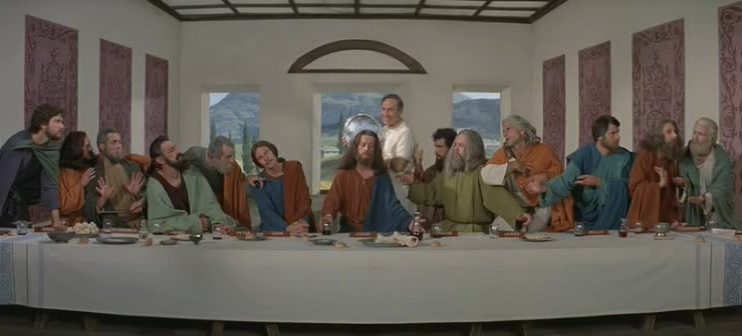
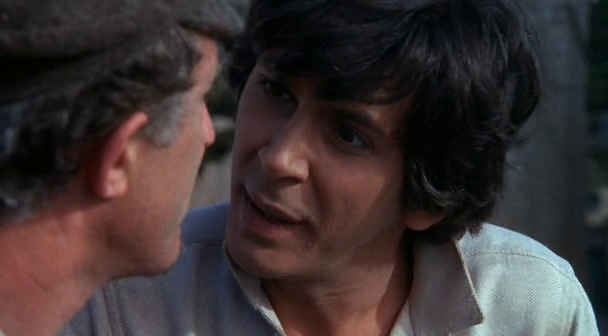
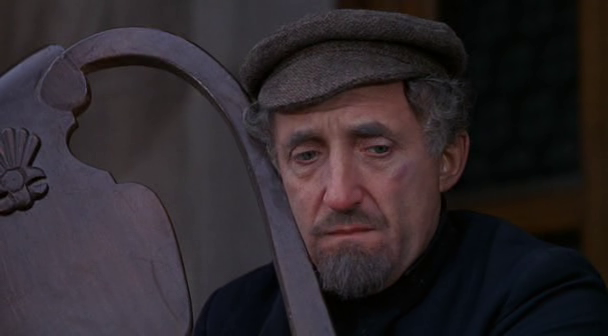
Twelve Chairs, The (1970)

Twelve Chairs, The (1970)

“Pride is a luxury that neither you nor I can afford at this time in our lives.”

Synopsis:
A former nobleman (Ron Moody) in the Soviet Union learns from his dying mother-in-law that she hid her family jewels in a chair, part of a set of twelve that have since been sold. With the assistance of a blackmailing con-man (Frank Langella), he embarks on a quest to locate the missing jewels, encountering an unexpected rival in the form of a priest (Dom DeLuise) who heard about the hidden treasure during a confession.

Genres, Themes, Actors, and Directors:

  • Comedy
  • Hidden Treasure
  • Mel Brooks Films

Response to Peary’s Review:
Peary writes that this “uneven but fairly enjoyable Mel Brooks comedy” — based on a satirical Russian novel from 1928, and essentially a “period remake of [Fred Allen’s] It’s in the Bag” — suffers from overly “deliberate” pacing, making the story “start to drag so much that one wishes at times [Brooks] would punch it up with silly humor.” Indeed, diehard Brooks fans excited to learn about this early entry in his oeuvre — made just after his cult 1968 hit The Producers — will likely be disappointed to find that the humor here is, for the most part, decidedly restrained. DeLuise’s greedy ex-priest is clearly meant to serve as a comedically buffoonish foil, but he’s irritating rather than humorous; meanwhile, Moody and an impossibly young, sexy Langella make for an interesting duo (I disagree with Peary’s assertion that they’re “just too unsympathetic” for us to care about their “developing relationship”) — but their performances seem better suited for a serious drama than a comedy. This one is ultimately too uneven to recommend as must-see, but certainly worth a one-time look.

Redeeming Qualities and Moments:

  • Frank Langella as Ostap Bender
  • Frank Moody as Ippolit

Must See?
No, though it will likely be of cult interest to diehard Brooks fans.

Links: