Stolen Life, A (1946)
[Note: The following review is of a non-Peary title; click here to read more.]
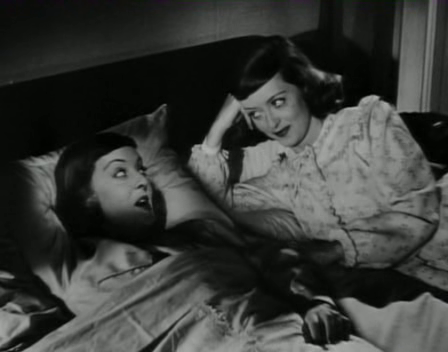
“Your sister’s a very dangerous woman, Katie! She could worm the secrets right out of a sphinx.”
[Note: The following review is of a non-Peary title; click here to read more.]
“Your sister’s a very dangerous woman, Katie! She could worm the secrets right out of a sphinx.”
“He didn’t treat me like a tramp; he treated me like a woman!”
|
Synopsis: |
|
Genres, Themes, Actors, and Directors:
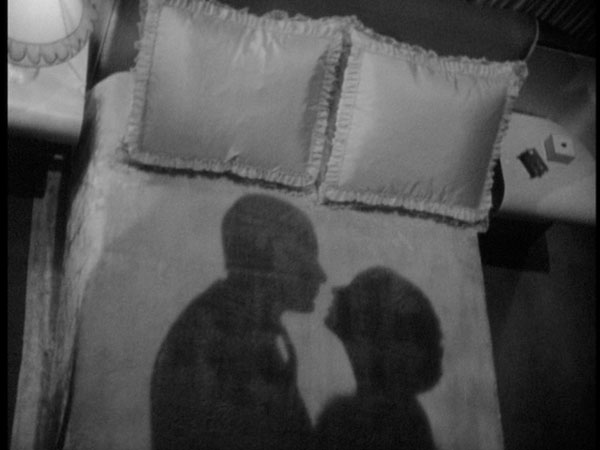
Review: and Rory Calhoun as Monroe’s slippery lover. However, while the outdoor CinemaScope cinematography is stunning: much less successful is the use of rear-screen projection, which makes it patently obvious that the actors are rocking about on a sound stage rather than on the rapids themselves. Meanwhile, a disturbing near-rape scene between Mitchum and Monroe is poorly resolved, leaving a bitter taste in one’s mouth. Fortunately, the final resolution between Calhoun and Mitchum is smartly scripted, bringing the story full-circle, and leaving one feeling at least partially satisfied. Redeeming Qualities and Moments: Must See? Links: |
“I know these showgirls: they’re just little parasites, little gold diggers!”
|
Synopsis: |
|
Genres, Themes, Actors, and Directors:
Response to Peary’s Review: In his review, Peary doesn’t say a word about Keeler, whose erstwhile fame as a charming leading lady of early-’30s musicals continues to puzzle modern viewers, given her decidedly weak singing voice and clunky dancing style; however, she’s cute and does an okay job here, ultimately playing more of a supporting role than a leading one. It’s more puzzling to me that Peary fails to mention Aline McMahon’s hilariously memorable turn as a boldly flirtatious gold-digger determined to seduce Williams’ susceptible lawyer-friend (Guy Kibbee); she shines in a rare opportunity to share the screen equitably with her co-stars. Meanwhile, though her role is minimal, Rogers demonstrates exactly why she went on to leading-lady fame shortly after this film’s release; her Pig Latin rendition of “We’re in the Money” provides a truly stunning opening to the film (recall the presence of this particular sequence in Arthur Penn’s Bonnie and Clyde). But the film’s real draw, of course, are the outrageously surreal Busby Berkeley musical numbers, each of which merits some sort of prize for sheer creative chutzpah. It’s been duly noted that such numbers would never have “worked” in real life on a stage, given that strategic cinematic framing plays an enormous part in their presentation here — but viewers must simply ignore such details and enjoy Berkeley’s incomparable vision. Redeeming Qualities and Moments:
Must See? Categories
(Listed in 1001 Movies You Must See Before You Die) Links: |
“I’m mad about you! My little shoplifter! My sweet little pickpocket! My darling.”
|
Synopsis: |
|
Genres, Themes, Actors, and Directors:
Response to Peary’s Review: Redeeming Qualities and Moments:
Must See? Categories
(Listed in 1001 Movies You Must See Before You Die) Links: |
“They said it was shameful that I should love him — as if you could stop loving because it’s shameful to love.”
|
Synopsis: |
|
Genres, Themes, Actors, and Directors:
Review: Meanwhile, Kelly (early in his career) seems equally cast against type in a slippery role as a charming husband who turns out to be not only a Mamma’s boy but a convincing liar. The storyline starts slowly and somewhat mysteriously, leading us to believe that we’ll be watching a film primarily about Harens’ cruelly jilted G.I.: instead, Harens turns out to be merely a side-note in the much darker tale told by Durbin in flashback. At this point, viewers discombobulated by Durbin’s jaded initial appearance on screen may be temporarily renewed to see her as a familiarly fresh-faced young woman falling for Kelly, who only gradually realizes that he’s not all he seems to be. Gale Sondergaard is quietly menacing as Kelly’s deceptively inviting mother, and Durbin herself reveals surprising depth and nuance while portraying her character’s mounting confusion and suspicion. Atmospheric cinematography and a firm directorial hand by Siodmak make this unusual flick worth checking out once, if simply to see its stars in the most atypical roles of their careers. Redeeming Qualities and Moments:
Must See? Categories
Links: |
“When the Lord closes a door, somewhere He opens a window.”
|
Synopsis: |
|
Genres, Themes, Actors, and Directors:
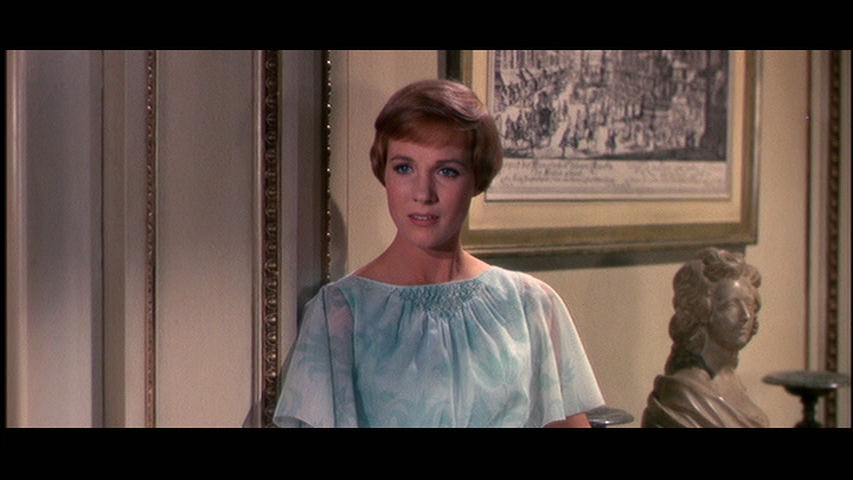
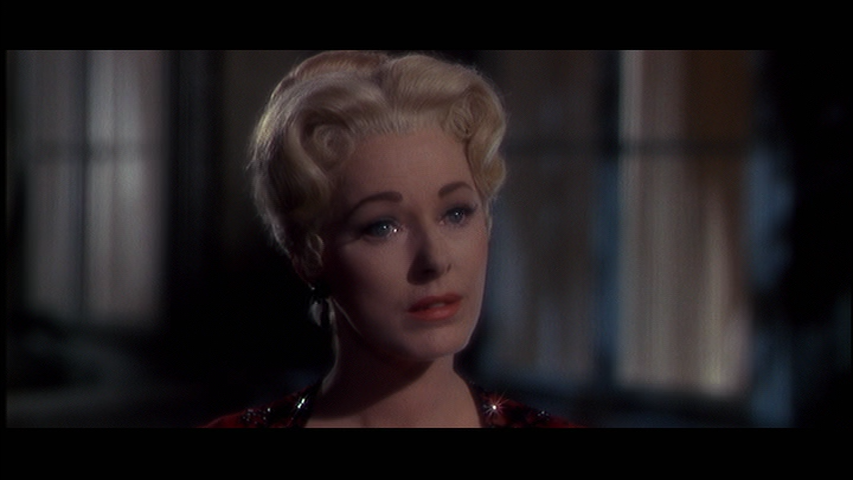
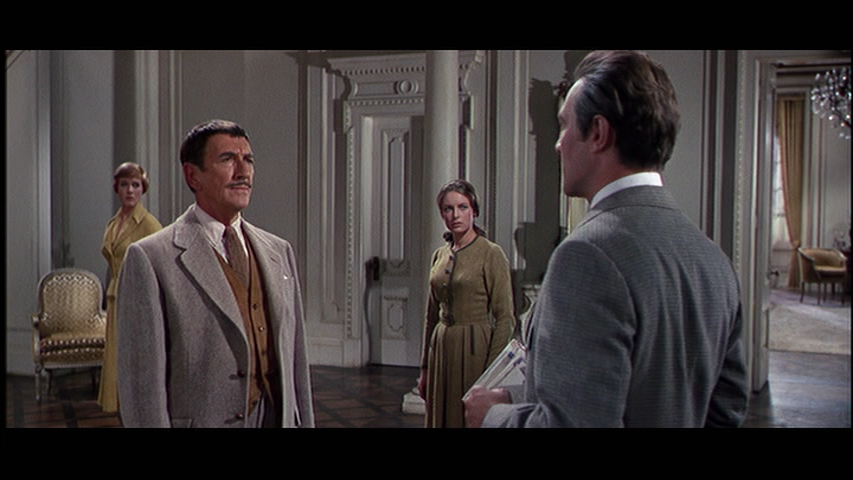
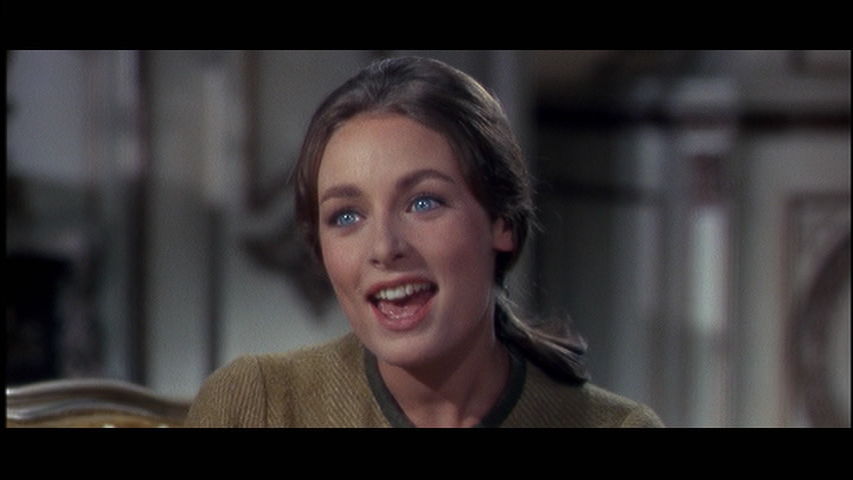
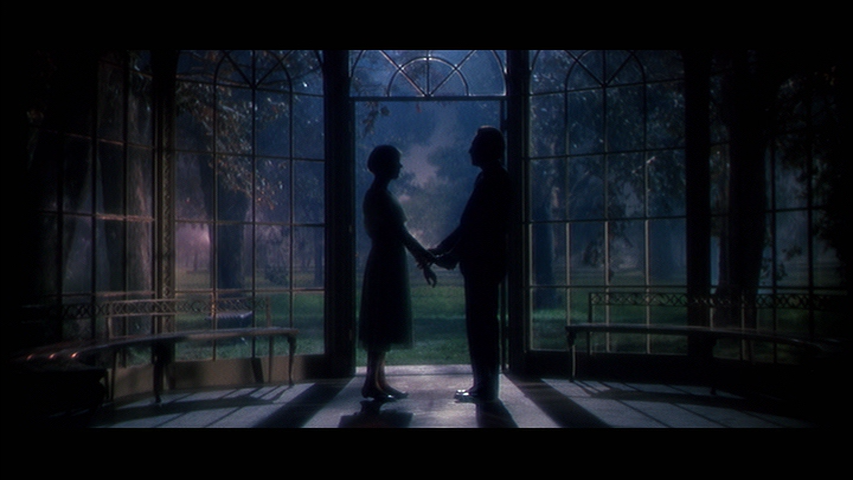
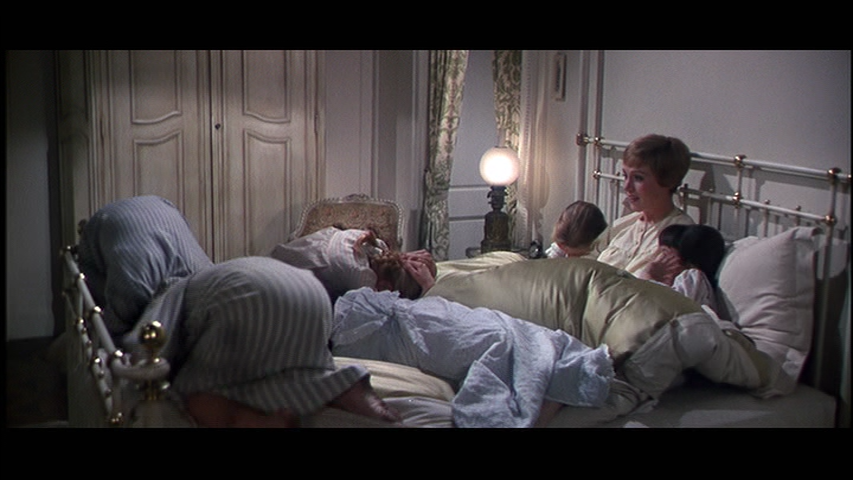
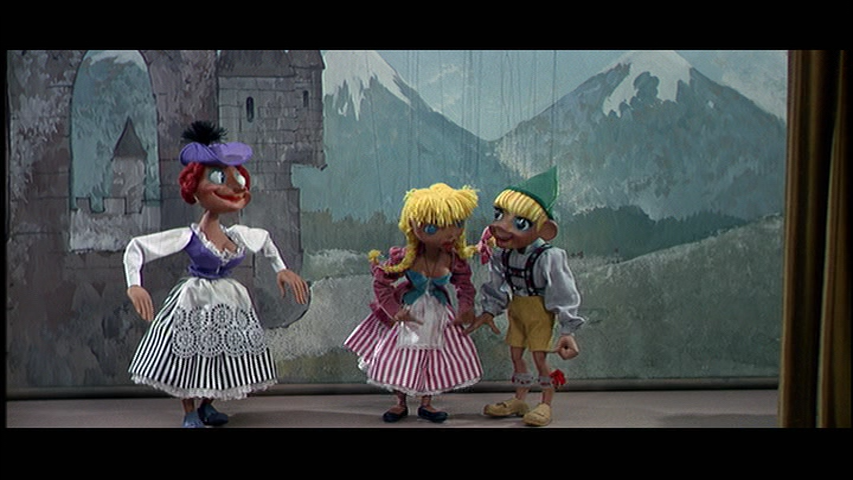
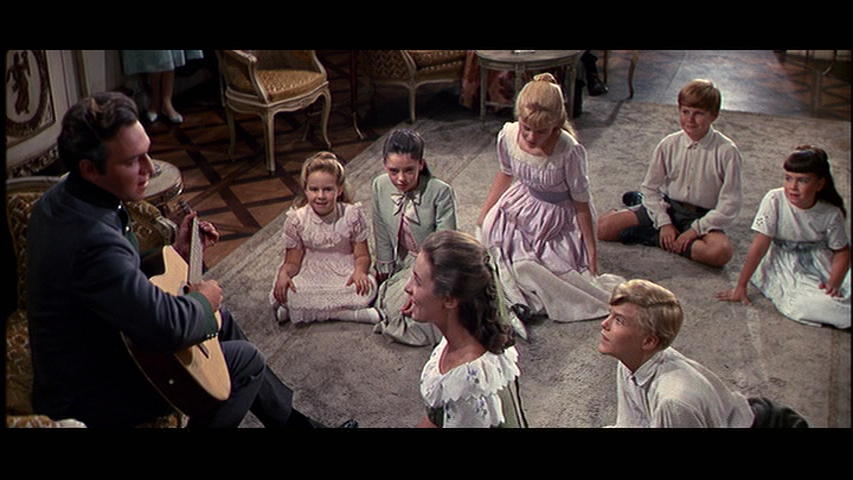
Response to Peary’s Review: I’ll admit I find it somewhat difficult to assess the critical merits of TSOM, which was — along with The Wizard of Oz (1939) — one of two “must-see” movies I happily rewatched on television each year when it aired. Viewing it again recently as an adult, I noticed myself instantly humming “the familiar Rodgers and Hammerstein songs”, which are indeed “cheery and childish and catchy”, and are for the most part, as Peary points out, “skillfully blended into the plot”. I also paid much more attention to the nuanced performance given by Eleanor Parker as Andrews’ romantic rival: younger viewers may tend to reduce her presence to simply that of a stuffy villainess who must be vanquished in order to allow Plummer’s love for Andrews to fully blossom, but in truth she injects her role with an impressive level of nuance and pathos. Parker’s Baroness is a woman who — though wealthy and used to a life of privilege — instantly recognizes that her social cache and glamour hold no weight in the face of a “greater”, truer love. Watch her expression in each and every scene she’s in, noting how seamlessly Parker conveys this character’s complex emotional arc. Meanwhile, it was fun as an adult FF to finally recognize fey character actor Richard Haydn as her (subtly-coded-as-gay) companion. Of all the lead performances, Plummer’s remains least satisfying, though he’s certainly adequate in his portrayal of a once-stiff man who melts in the presence of Maria’s irresistible charms. I think Plummer’s notorious reluctance to take on the role — and his infamous disregard for the film years after its release — continues to sully my overall impression of his Captain von Trapp. However, Charmian Carr as his eldest daughter Liesl — who remains beloved worldwide by fans of the film — does a convincing job portraying a conflicted teen-in-love, and the rest of the child cast is fine as well. Meanwhile, the use of authentic Austrian/German locales — including the iconic opening shots on verdant hillsides — helps to open up the play enormously; aided by cinematographer Ted McCord, director Robert Wise turns the entire affair into a wonderfully picturesque adventure. Redeeming Qualities and Moments:
Must See? Categories
(Listed in 1001 Movies You Must See Before You Die) Links: |
“It’s better to never have a thing than to have it and be afraid.”
|
Synopsis: |
|
Genres, Themes, Actors, and Directors:
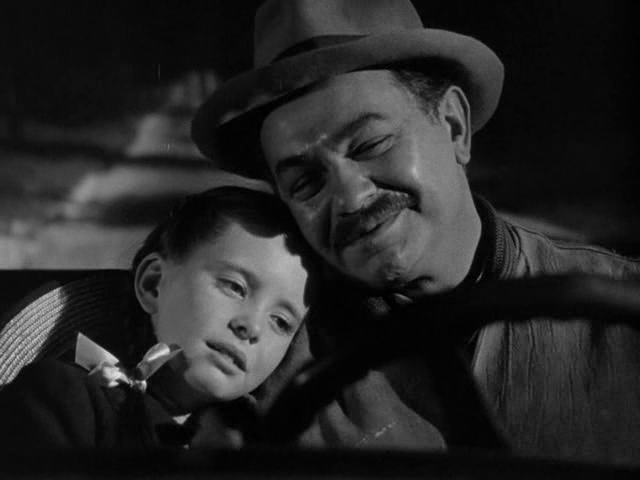
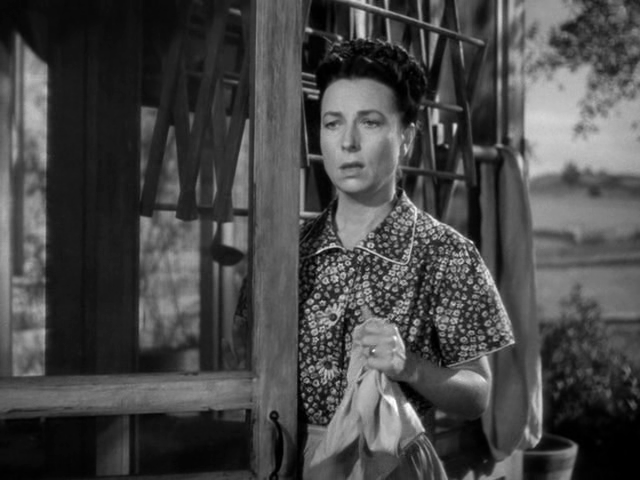
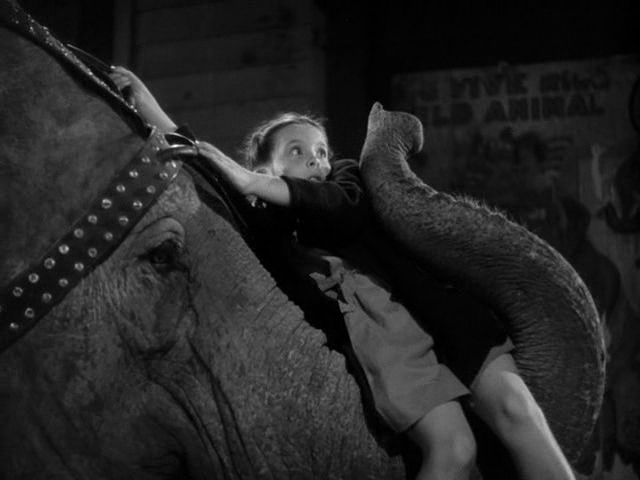
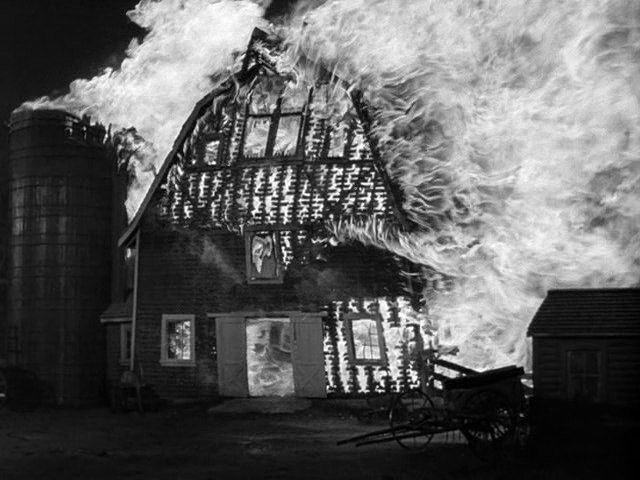
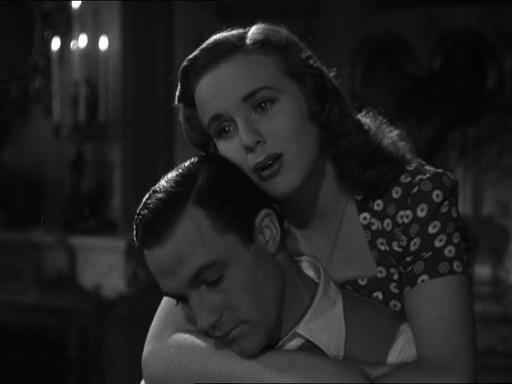
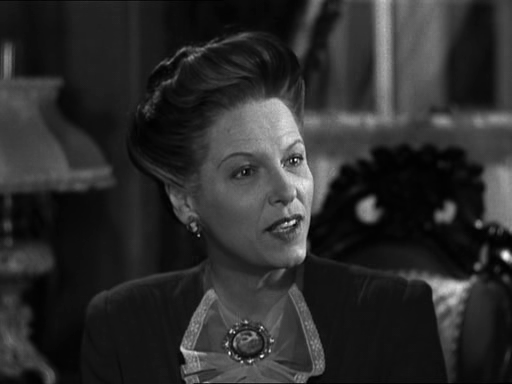
Review: Robinson’s loving relationship with O’Brien — and O’Brien’s tenuous friendship with a neighbor boy (Jackie ‘Butch’ Jenkins) — provide a pleasant counterpart to the film’s more challenging elements, with one of the most joyous vignettes occurring when Moorehead informs Robinson that a circus is stopping by overnight, and convinces him to take O’Brien for a behind-the-scenes late-night visit. Unfortunately, the entire narrative is framed by a yawn-worthy subplot involving a reporter (James Craig) who falls for the town’s new schoolteacher (Frances Gifford), and tries to convince her to forsake city living for a small-town existence; their Hollywood-ized relationship is eerily reminiscent of that between Craig and Marsha Hunt in Clarence Brown’s The Human Comedy (1943) — and equally unsatisfying. Nonetheless, I’m recommending Our Vines… to FFs for one-time viewing, simply for its fine lead performances and for several unforgettably powerful moments. Redeeming Qualities and Moments:
Must See? Categories
Links: |
“Your lack of clothes does not disturb me in the least!”
|
Synopsis: |
|
Genres, Themes, Actors, and Directors:
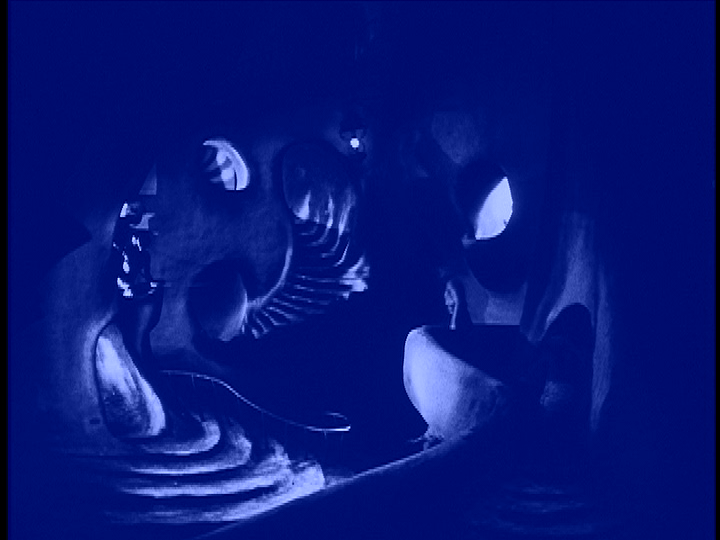
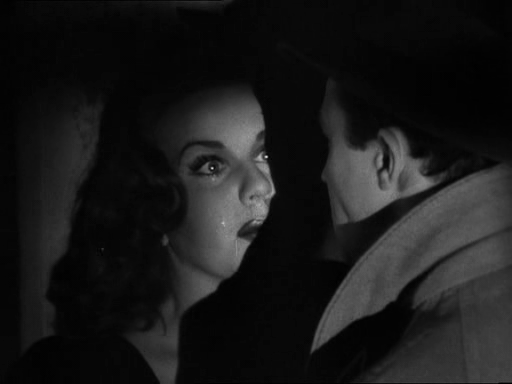
Review: However, the second vignette — starring Conrad Veidt in a solid performance as a sadistic Ivan the Terrible — offers even less satisfaction: and the third story (presumably about Jack the Ripper, though his character is incongruously referred to via intertitles as “Spring-Heeled Jack”) is little more than a dream sequence lasting just a few minutes long. Waxworks remains worth a look for Leni’s creative vision, but is otherwise only must-see for silent film completists. Redeeming Qualities and Moments: Must See? Links: |
“When someone asks you for your vote, you must be jealous of that vote. You must ask yourself, who is it I am voting for?”
|
Synopsis: |
|
Genres, Themes, Actors, and Directors:
Review: With that said, the film itself leaves quite a bit to be desired. The first half is reasonably engaging, as we get to know Young’s Katrin Holmstrom and see how remarkably capable she is in just about every way; it’s easy to see why Cotten falls for her. However, once the film’s corny political elements come into full force, the screenplay becomes an unwelcome variation on Frank Capra’s overly simplistic portrayal of the corrupt Political Machine; I was immediately bored, and lost all interest in Katie’s fate. Another minor quibble: While Young’s accent is just fine, why in the world weren’t the actors playing her three strapping Swedish brothers (Lex Barker, Keith Andes, and James Arness) given better coaching for their mixed-bag accents? Redeeming Qualities and Moments: Must See? Links: |
“Love is such a funny thing; there’s no sense to it.”
|
Synopsis: |
|
Genres, Themes, Actors, and Directors:
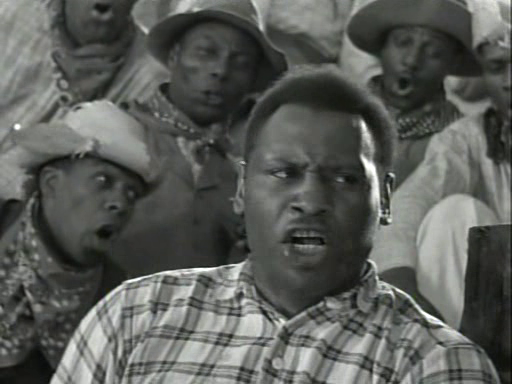
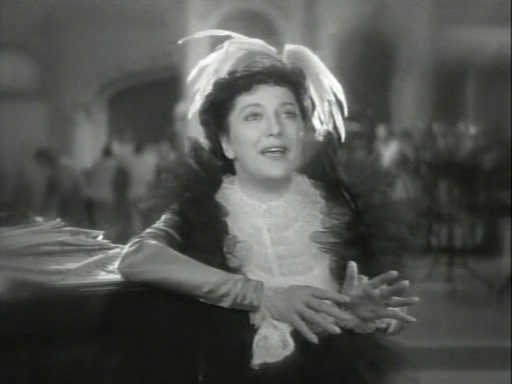
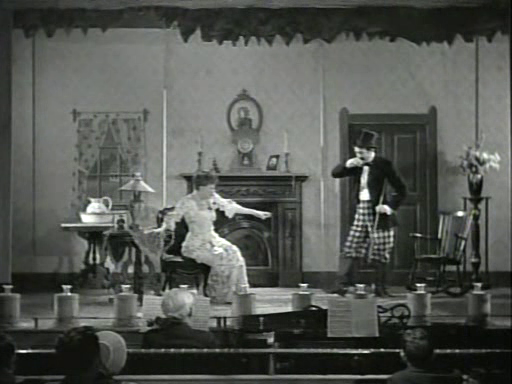
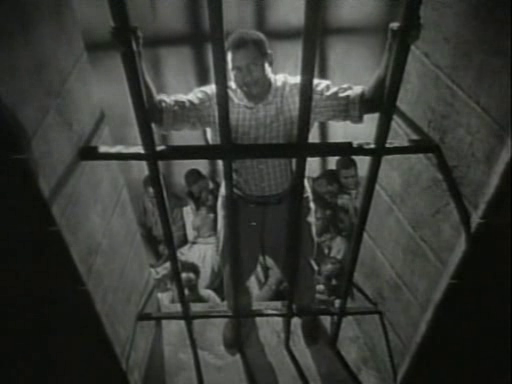
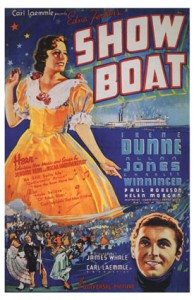
Response to Peary’s Review: I’m in agreement with most of Peary’s assessment points: the production is indeed “lavish”, the cast is in fine form, and many of the songs are quite enjoyable. I also appreciated the opportunity to see Show Boat-theater so lovingly revived for modern audiences, who otherwise would have little understanding of this erstwhile form of traveling entertainment. However, I don’t find the film as a whole nearly as engaging as Peary seems to. The primary problem is that the central narrative — about Dunne’s rocky road to fame and troubled marriage with Jones — simply isn’t all that interesting, and the most compelling characters — Morgan, McDaniel, and Robeson — are relegated to supporting roles. The miscegenation subplot which propels the earliest portion of the screenplay is quite fascinating, and Whale deftly handles a pivotal scene in which Cook takes unusual measures to demonstrate his commitment to Morgan; but other than a critical appearance once more later in the story, Morgan’s tragic story is left sadly unexplored. Meanwhile, Robeson’s performance of “Old Man River” does indeed remain (for me) the film’s indisputable highlight, leading me to wish we could learn more about his soulful character as well (the Expressionist montage flashing across the screen while Robeson sings could easily morph into a film of its own). To that end, as Peary notes, “the film’s portrayal of blacks is a sticky issue”, given that “on the one hand, they fit into stereotypes”, but “on the other, they display class, talent, [and] strength”, and are “given quality screen time”; overall, I think Whale does a respectful job handling the film’s thorny race issues, despite the unfortunate yet historically realistic appearance of Dunne in black-face at one point. Indeed, Whale’s direction is never at fault, and fans of his work will surely be interested to check out his foray into a genre completely different from the one he’s best known for (horror). But unfortunately, I can’t quite recommend this title as must-see viewing for all film fanatics. Redeeming Qualities and Moments:
Must See? Links: |