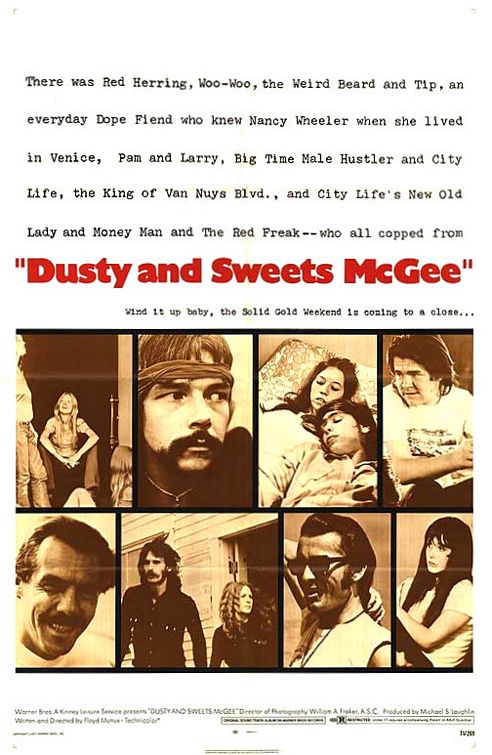
Dusty and Sweets McGee (1971)

Dusty and Sweets McGee (1971)

“I’m just an everyday dope fiend — registered, card-carrying, first class.”

Synopsis:
Heroin addicts in Los Angeles shoot up and struggle to survive.

Genres, Themes, Actors, and Directors:

  • Alcoholism and Drug Addiction
  • Counterculture
  • Los Angeles

Review:
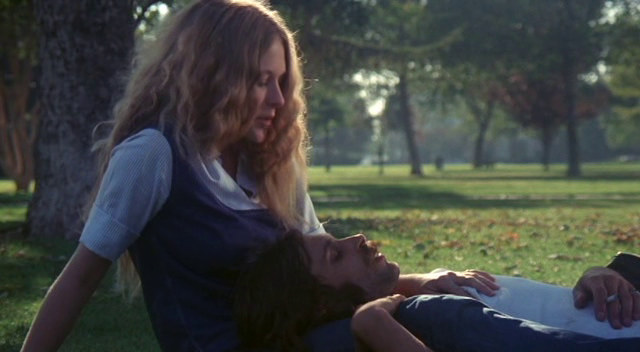
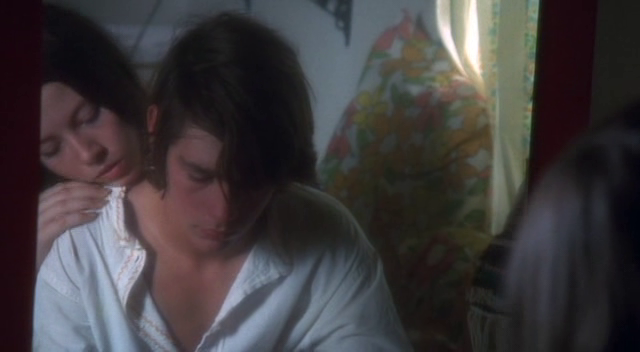
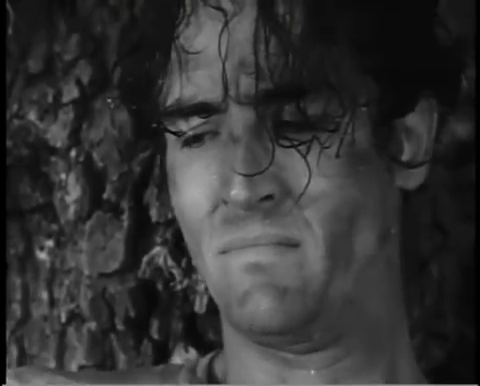
Director Floyd Mutrux’s pseudo-documentary about heroin addicts in Los Angeles (starring real-life users) is an episodic ensemble flick which emphasizes atmosphere rather than plot. Indeed — appropriately enough — not much happens in the lives of these motley addicts: they shoot up, stare glassy-eyed at each other, talk about time spent in jail, attempt to secure more dope, and, occasionally, manage a semblance of romance.

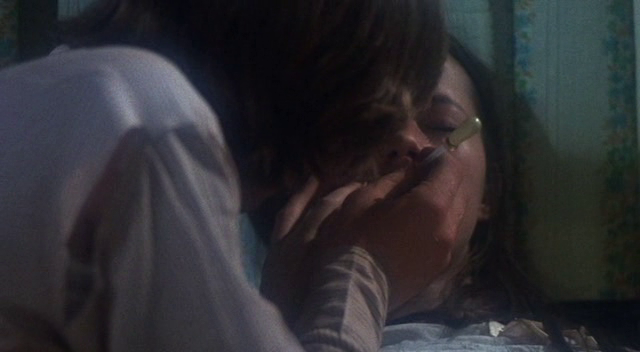
Most devastating is watching a teenage couple (listed simply as “Larry” and “Pam” in the credits) wasting their lives for the allure of smack; despite knowing that a doctor-supervised vitamin B-12 solution was used in the needles, the scene in which Larry shoots up Pam in the face remains particularly gruesome.

Dusty and Sweets (named after the street monikers of two of the film’s characters) was pulled from screens just one week after its release in 1971, and became somewhat of a cult hit after this. It’s hard to get ahold of these days — presumably because of copyright issues, considering the enormous number of popular songs used on the soundtrack. Ironically, it’s the uplifting soundtrack which saves this film from devolving into pure voyeuristic misery. I’d love to see a follow-up documentary about these folks, but my guess is that they weren’t long for this world.

Redeeming Qualities and Moments:

  • William Fraker’s cinematography
  • Some truly haunting imagery of young addicts shooting up
  • The eclectic soundtrack — especially Jake Holmes’ “So Close” during the final stills

Must See?
No, but it’s certainly worth a look if you can find a copy. While Peary lists this as a Cult Movie in the back of his book, I think it’s more relevant as a time-capsule glimpse into a specific subculture of the early 1970s.

Links:

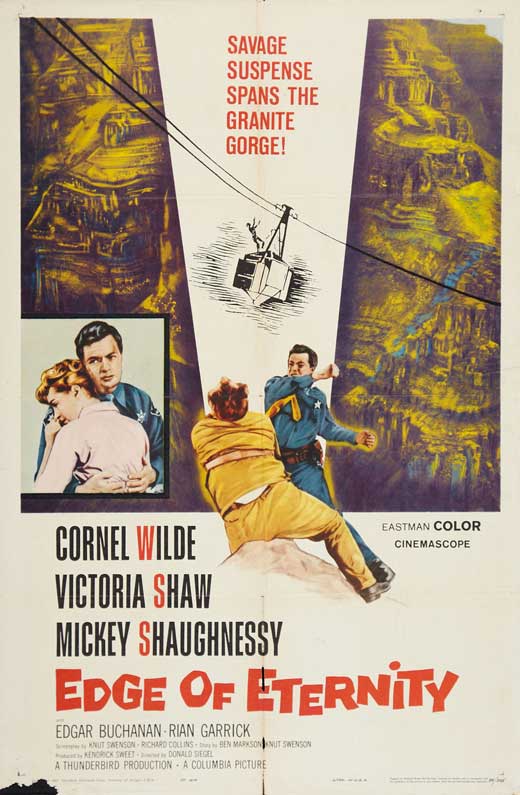
Edge of Eternity (1959)

Edge of Eternity (1959)

“With all that gold here, how come they only have one man to guard it?”

Synopsis:
A deputy sheriff (Cornel Wilde) in a Grand Canyon ghost town investigates a mysterious rash of murders.

Genres, Themes, Actors, and Directors:

  • Cornel Wilde Films
  • Don Siegel Films
  • Gold Seekers
  • Mining Towns
  • Murder Mystery
  • Sheriffs

Review:
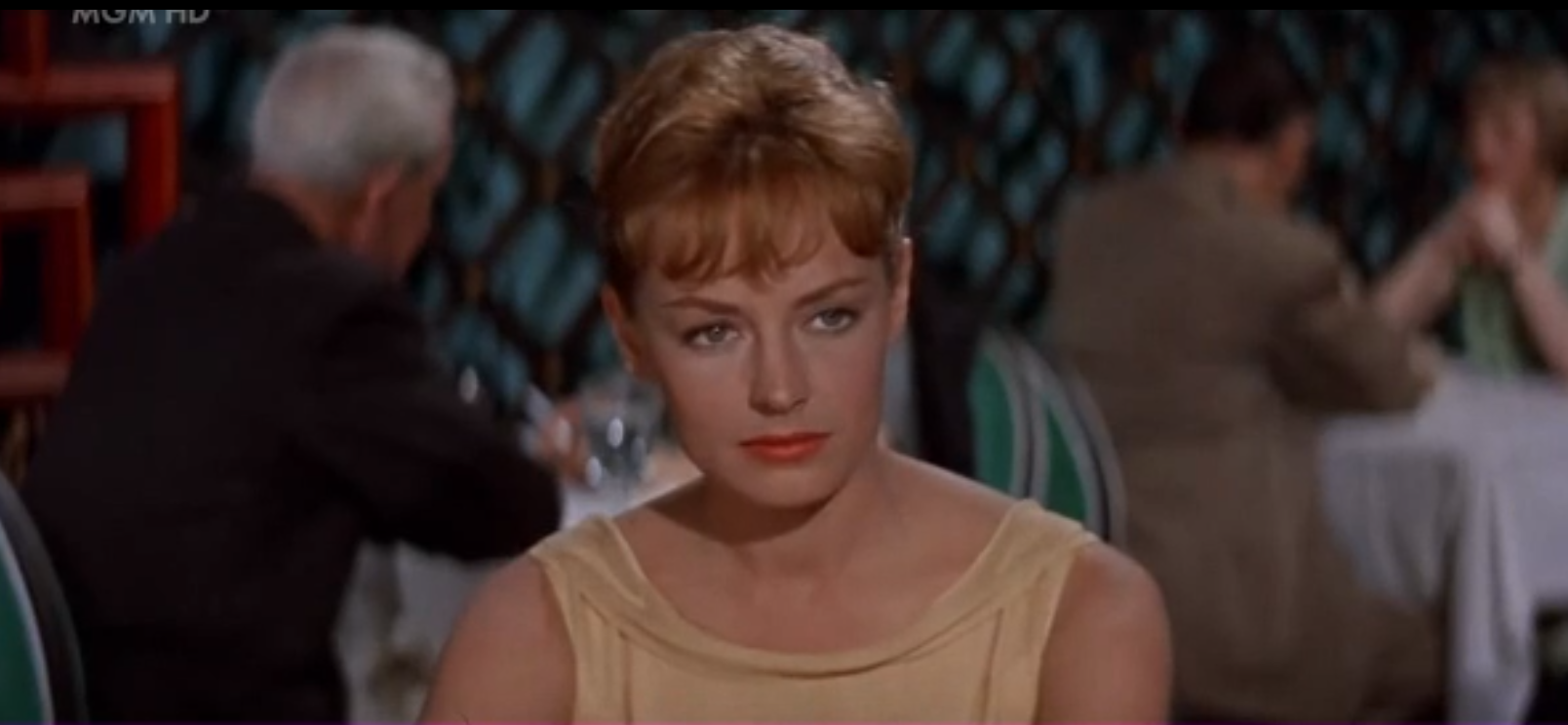
Don Siegel’s first widescreen picture was this decent yet uninspired mystery thriller, based on the premise that hidden deposits of gold in the Grand Canyon might lead to increasingly shady behavior by those who know of its location. As Siegel himself noted, the film’s primary selling points are its gorgeous VistaVision cinematography, and the “palm drenching” final sequences. Victoria Shaw is appealing as Wilde’s red-headed love interest, though she doesn’t have nearly enough screen time or interesting dialogue; Wilde himself is as stoic as ever, and merely serviceable in the lead role.

Redeeming Qualities and Moments:

  • Gorgeous cinematography of the Grand Canyon
  • The final climactic scenes over the Canyon
  • Victoria Shaw as Wilde’s beautiful love interest

Must See?
No. It’s not clear why Peary lists this title in the back of his book, other than the fact that it was directed by Don Siegel.

Links:

Maze, The (1953)

Maze, The (1953)

“Whatever has happened to Gerald is something evil.”

Synopsis:
When her fiance Gerald (Richard Carlson) inherits a Scottish castle and suddenly breaks off their engagement, plucky Kitty (Veronica Hurst) and her aunt Edith (Katherine Emery) investigate Gerald’s mysterious behavior.

Genres, Themes, Actors, and Directors:

  • Amateur Sleuths
  • Inheritance
  • Scotland

Review:
This 3-D mystery thriller by director William Cameron Menzies — who helmed Invaders from Mars (1953) the same year — possesses a ridiculous plot, amateur acting, and awful dialogue: “He was too proud, too weak — so were we all.” The first hour or so tells a fairly atmospheric tale of a woman determined to solve the mystery of her fiance’s bizarre behavior (though the unappealing Gerald acts so boorishly towards Kitty, we wonder why she even bothers).

The absurd denouement, however, brings us squarely into the realm of sci-fi camp: if you’re not too busy laughing, you’ll wonder how in the world the actors kept straight faces through it all.

Redeeming Qualities and Moments:

  • Atmospheric set designs and lighting

Must See?
No. Peary lists this title in the back of his book as a Sleeper, but I think it’s much better suited for MST3K satire.

Links:

Colorado Territory (1949)

Colorado Territory (1949)

“You wouldn’t last long cut off from the herd, McQueen. You’re branded clean to the bone.”

Synopsis:
An outlaw (Joel McCrea) hoping to go straight is busted out of prison in order to help with one final job. Meanwhile, a half-breed dancer named Colorado (Virginia Mayo) falls in love with McQueen (McCrea), who is interested in the duplicitous daughter (Dorothy Malone) of a kind settler (Henry Hull) instead.

Genres, Themes, Actors, and Directors:

  • Dorothy Malone Films
  • Fugitives
  • Heists
  • Joel McCrea Films
  • Love Triangle
  • Raoul Walsh Films
  • Thieves and Criminals
  • Virginia Mayo Films
  • Westerns

Review:
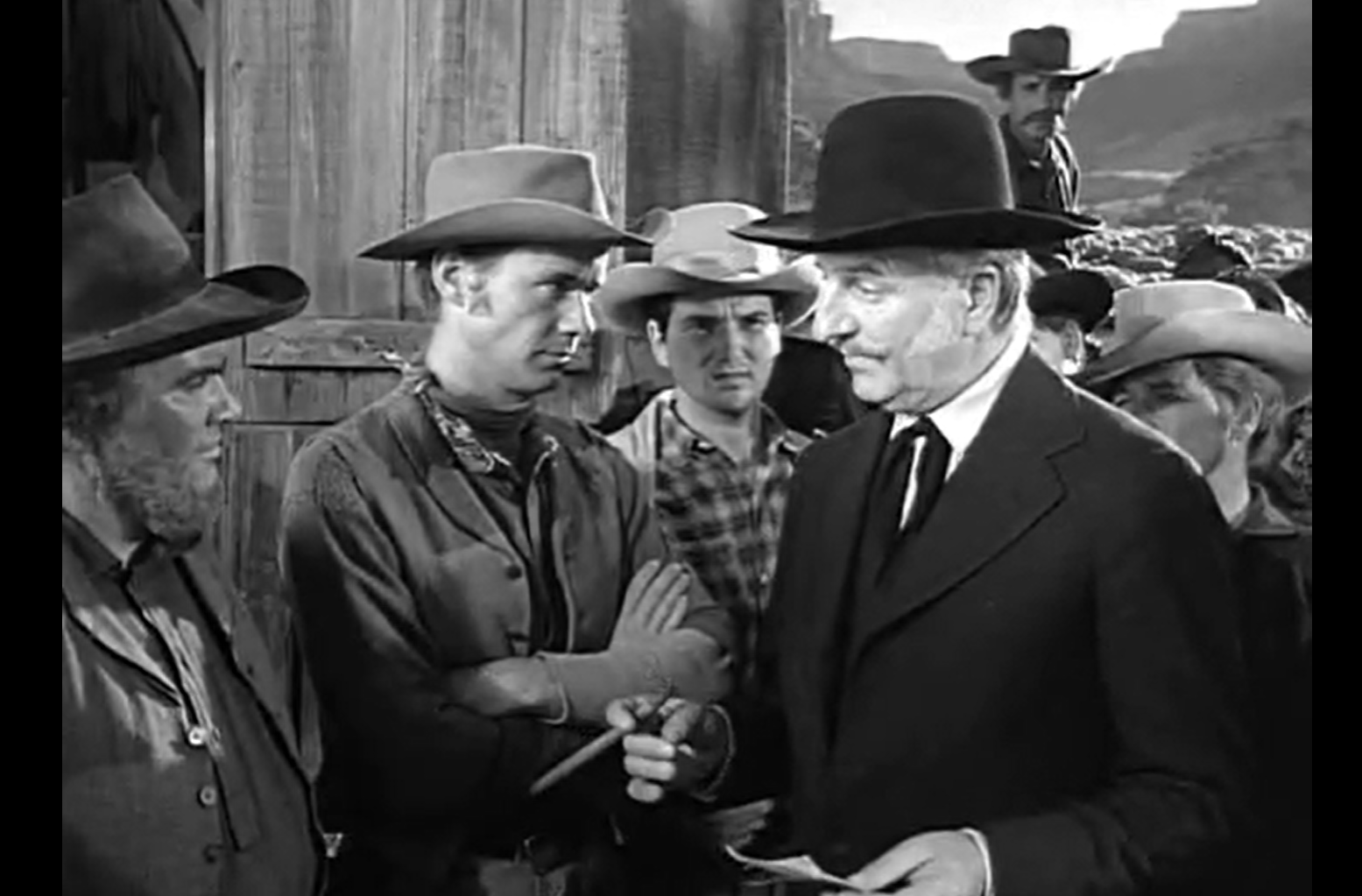
Raoul Walsh’s remake of his gangster flick High Sierra (1941) is cited by many critics and fans as the better of the two, but I can’t say I agree. While Colorado Territory is a fine western in many ways, it ultimately doesn’t offer much that’s new or exciting. The love triangle is especially weak, with Malone’s character too underdeveloped:

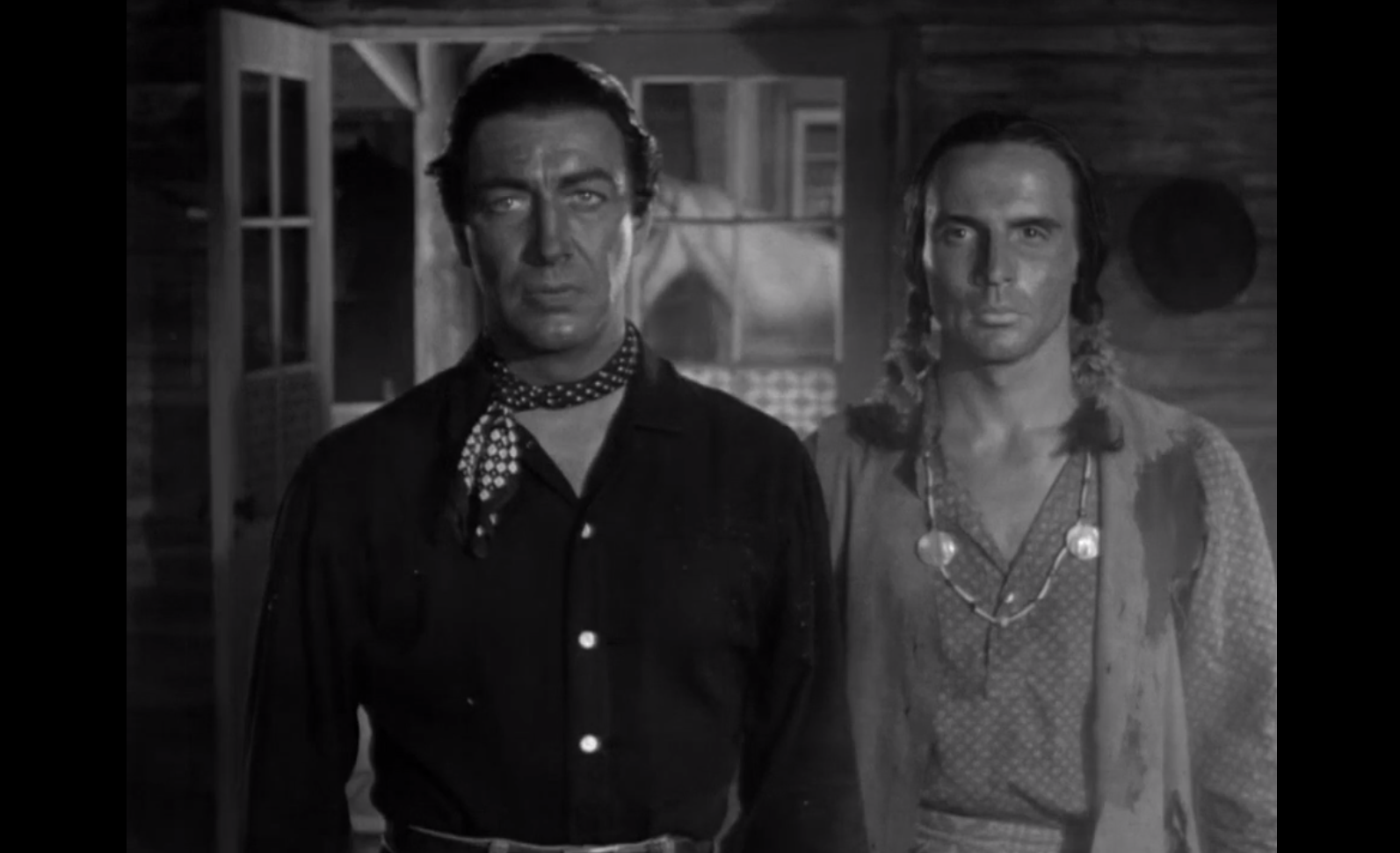
and Colorado coming across as a cliche of every “bad girl trying to make good” we’ve ever seen.

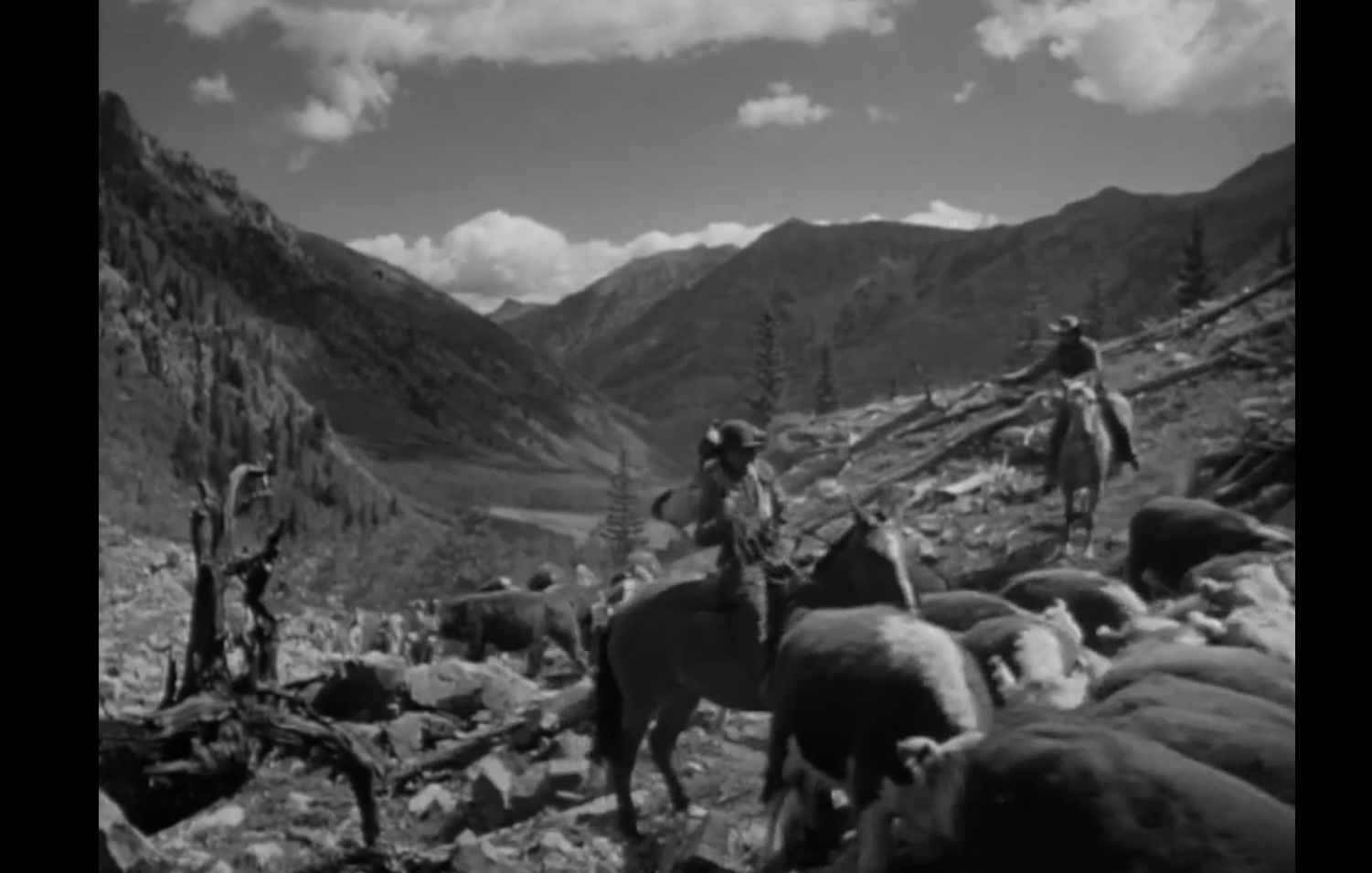
The best aspect of the film by far is the beautiful cinematography of New Mexico locales, especially during the final climactic scenes.

Note: TNT produced an insipid colorized version, which you should try to avoid at all costs; instead, watch the film in its original b&w glory.

Redeeming Qualities and Moments:

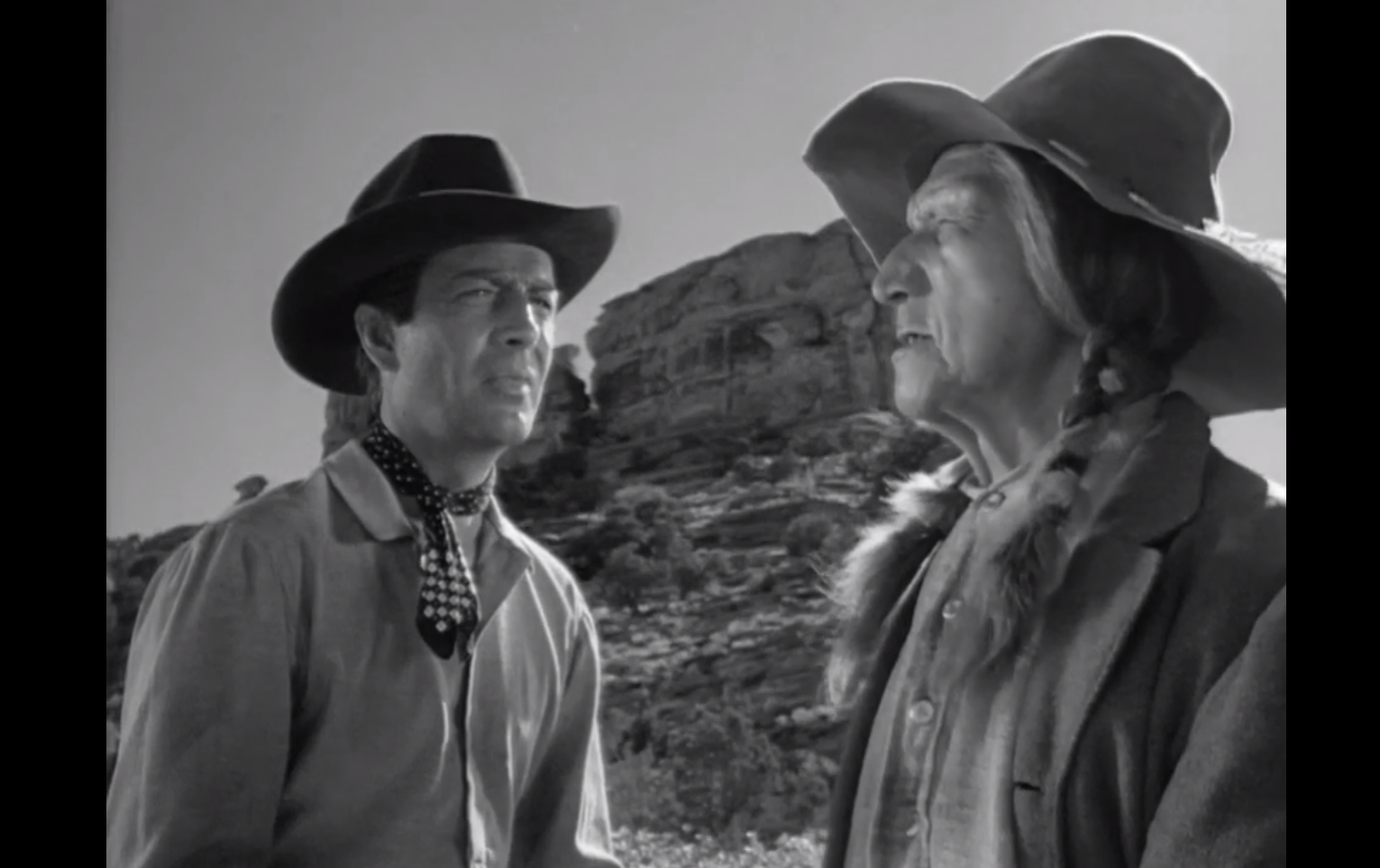
  • Joel McCrea as Wes McQueen
  • Beautiful cinematography of southwestern landscapes

Must See?
No. Although this film apparently has a cult following (and Peary lists it in the back of his book as a Personal Recommendation), I don’t think it’s must-see viewing.

Links:

Cry Terror! (1958)

Cry Terror! (1958)

“Even with the hardest kind of driving, and every traffic break in my favor, any chance of making Riverdale by 1:30 was pretty dim!”

Synopsis:
A gang of terrorists (Rod Steiger, Jack Klugman, Angie Dickinson, and Neville Brand) hold a man (James Mason), his wife (Inger Stevens), and their young daughter (Terry Ann Ross) hostage in exchange for $500,000.

Genres, Themes, Actors, and Directors:

  • Angie Dickinson Films
  • Hostages
  • James Mason Films
  • Race Against Time
  • Rod Steiger Films
  • Terrorists

Review:
Cry Terror! remains a reasonably entertaining thriller with an unnecessarily sloppy screenplay. Writer/director Andrew Stone can’t seem to make up his mind who’s telling the story here: about a third of the way into the movie, we suddenly hear a voiceover by Stevens, although she was never posited as the first-person protagonist; later, this is dropped in favor of a sudden voiceover by Mason. Ironically, neither of these is necessary in order to make the story clear, and the entire dramatic arc would ultimately have been more powerful without attempting to get inside the minds of the harried hostages. Beautiful Inger Stevens is appropriately on edge — though ultimately annoying — as the hysterical mother racing against time to save her family:

while Mason is pretty much wasted as the brave father who does what he can to help notify the police.

The most impressive performances are given by the gang of terrorists, especially Steiger and Dickinson; we can’t help wishing they had more screen time.

Redeeming Qualities and Moments:

  • Rod Steiger as the psychopathic leader of the terrorists
  • Angie Dickinson as Steiger’s female accomplice
  • Some genuinely tense moments, as when Stevens tries to race home in time to save her husband and daughter

Must See?
No. I’m not sure why Peary includes this melodramatic title in the back of his book — it’s not awful, but it’s not must-see viewing, either.

Links:

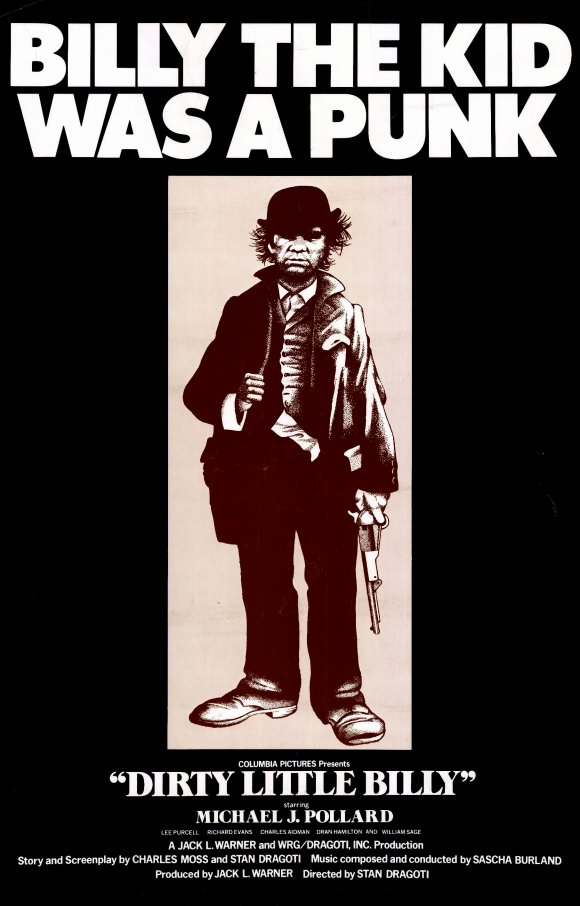
Dirty Little Billy (1972)

Dirty Little Billy (1972)

“You were a bum in New York, and you’re a bum here! You’re useless — understand? Useless!”

Synopsis:
After moving out west from New York, teenage slacker Billy Bonney (Michael J. Pollard) — soon to be known as Billy the Kid — befriends an outlaw (Richard Evan) and his prostitute-girlfriend, Berle (Lee Purcell).

Genres, Themes, Actors, and Directors:

  • Biopics
  • Gary Busey Films
  • Misfits
  • Thieves and Criminals
  • Westerns

Review:
Dirty Little Billy recounts a hypothetical version of what the infamous gunman Billy the Kid might have been like before he turned to a life of crime, positing him as a snivelly, slow-witted, slacker teen. I’m not sure I buy this concept, nor does there seem to be much historical evidence to back it up, but it is — at the very least — an interesting approach for a biopic, and Pollard’s performance is appropriately annoying. Director Stan Dragoti is ultimately most effective at showing the Old West as dirty, violent, and uncompromising; the film will appeal most to those who enjoy their westerns unpolished and raw. But don’t expect to learn much of factual importance about Billy.

Redeeming Qualities and Moments:

  • An authentically gritty depiction of the American West
  • Lee Purcell as Berle

Must See?
No, but it’s recommended for those interested in “realistic” westerns.

Links:

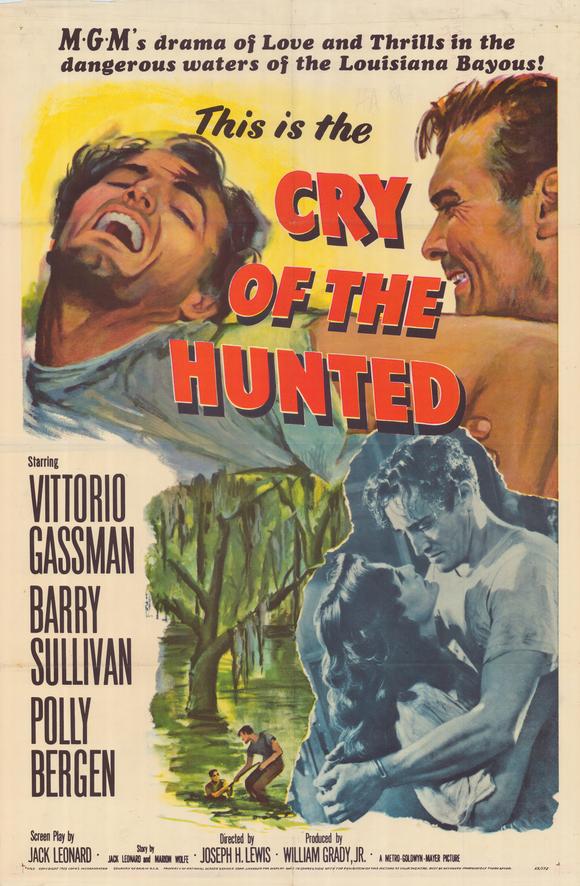
Cry of the Hunted (1953)

Cry of the Hunted (1953)

“Go ahead, lieutenant — prove yourself a hero!”

Synopsis:
A prison security lieutenant (Barry Sullivan) chases a fugitive (Vittorio Gassman) through the bayous of Louisiana.

Genres, Themes, Actors, and Directors:

  • Cat-and-Mouse
  • Deep South
  • Fugitives
  • Joseph H. Lewis Films
  • Machismo
  • Search

Review:
While there isn’t much to the narrative of this fugitive thriller by Joseph H. Lewis — law enforcement official chases desperate fugitive, stupidly lets him get away, then vows to catch him again at any cost — there’s plenty of atmosphere, and Sullivan and Gassman make sympathetic protagonists. Less impressive is the cast of supporting characters — including William Conrad as Sullivan’s beady-eyed partner, Mary Zavian as Gassman’s swarthy backwoods wife, Jonathan Cott as a bigoted deputy, and Polly Bergen as Sullivan’s loyal wife — who come across as walking embodiments of cliches. In addition, for every creative noir quip in the film (and there are plenty), the next one is a clunker. Ultimately, Cry of the Hunted remains an atmospheric thriller yet not quite a great one, and will likely be of most interest to fans of Lewis’s work.

Redeeming Qualities and Moments:

  • Hunky Vittorio Gassman as the fugitive
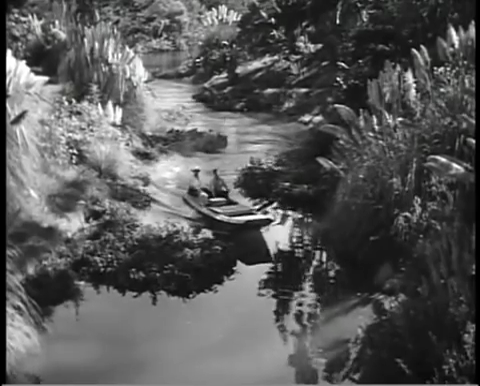
  • Good use of Louisiana’s backwood bayous
  • Plenty of zingy one-liners:

    “Now I know why your eyes are always at half-mast, sheriff: your brain is dead.”

    But just as many are duds:

    “At this rate, I’ll become a cuckoo without a clock.”

Must See?
No. This is one of Joseph Lewis’s lesser films, and not essential viewing.

Links:

Devil’s Doorway (1950)

Devil’s Doorway (1950)

“An Indian without land loses his soul; his heart withers.”

Synopsis:
When Shoshone Civil War hero Lance Poole (Robert Taylor) returns home to find that he is no longer legally entitled to his land, he enlists the help of a sympathetic female lawyer (Paula Raymond).

Genres, Themes, Actors, and Directors:

  • Anthony Mann Films
  • Louis Calhern Films
  • Native Americans
  • Race Relations
  • Robert Taylor Films
  • Settlers
  • Westerns

Review:
Devil’s Doorway holds a special place in cinematic history, for two distinct reasons: it was Anthony Mann’s first western, and, along with Broken Arrow (released around the same time), it was the first western to depict Indians as worthy protagonists rather than savage villains. As always in Mann’s work, however, nothing is black-and-white: the sheepherders who are hoping to stake claims on Lance’s land have themselves been duped by an unscrupulous lawyer (Louis Calhern) into believing they won’t meet any resistance; meanwhile, Lance — though completely justified in his desire to defend his property — refuses to compromise until it’s too late.

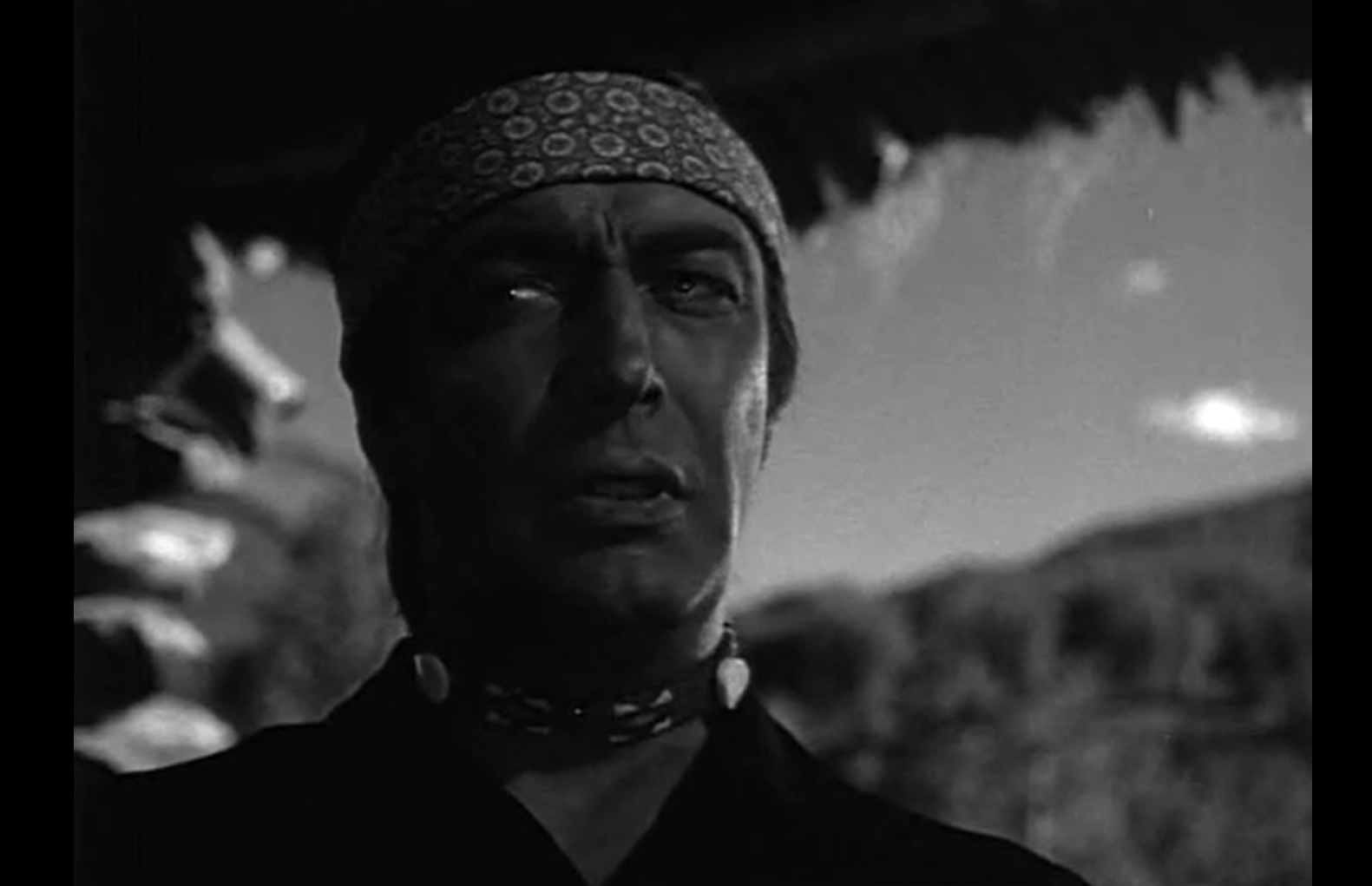
Although Taylor is unconvincing as an Indian (he simply doesn’t look the part), he does a decent job portraying a decorated war hero who bitterly refuses to give in to unjust laws.

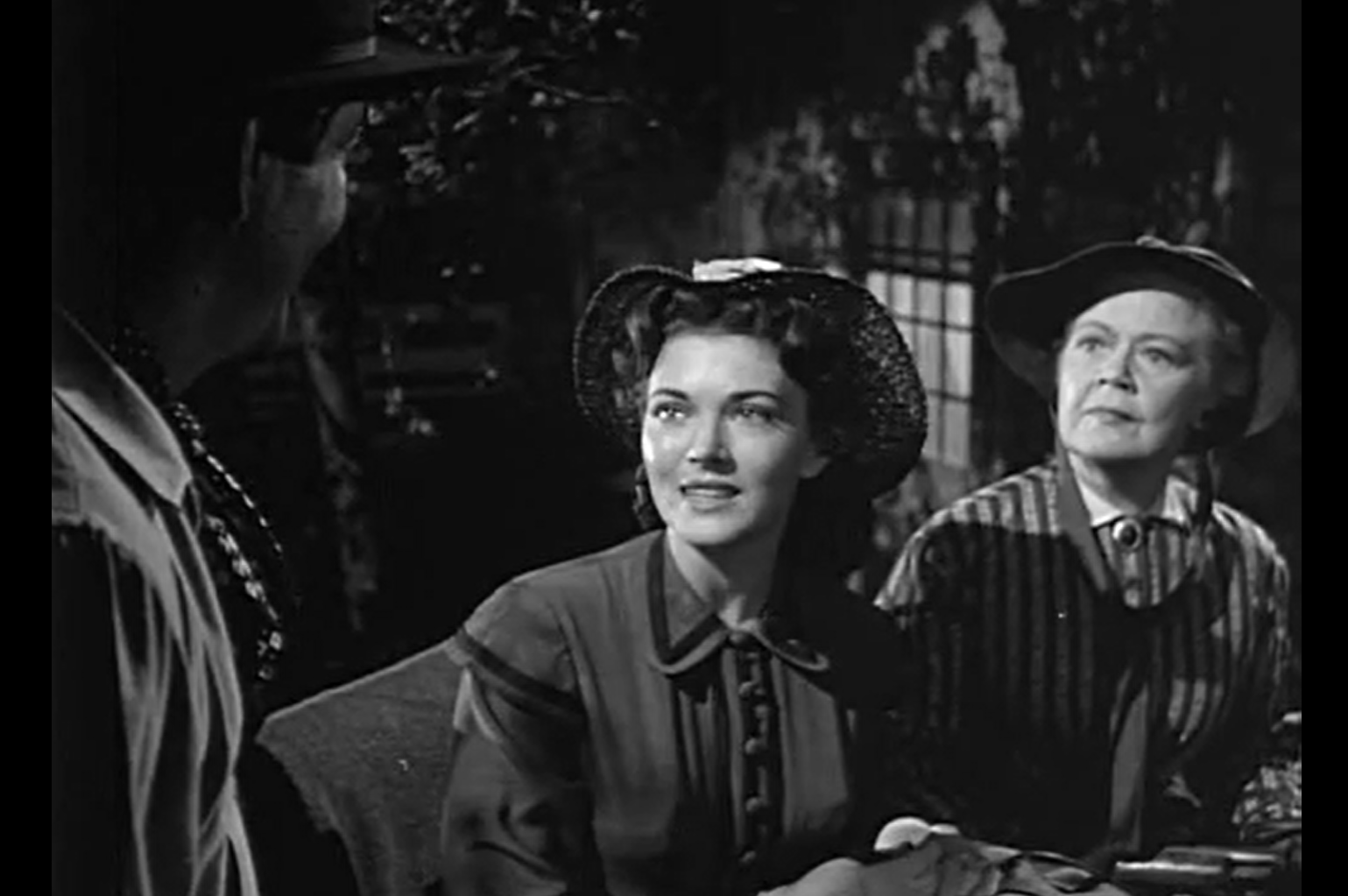
Less impressive is Paula Raymond as the female lawyer Lance hires to assist him in his case; she’s all quivering lips and forlorn expressions, when surely any woman brave enough to become a lawyer during this early period in American history would have been made of tougher stuff.

And while Louis Calhern is appropriately sinister as the racist lawyer determined to chase Lance off his land, he’s ultimately a one-dimensional baddie.

Fortunately, the performances aren’t what really count here: the brave script, exciting action sequences, gorgeous cinematography, and historical relevance more than redeem this groundbreaking film.

Note: Listen for Lance’s final line in the film: it’s a zinger.

Redeeming Qualities and Moments:

  • Some exciting action sequences
  • Beautiful cinematography of the American west
  • A groundbreaking depiction of Native Americans as worthy protagonists

Must See?
Yes. While it’s listed as a cult movie in the back of Peary’s book, it’s actually more relevant today for its historical importance.

Categories

  • Historically Relevant
  • Important Director

Links:

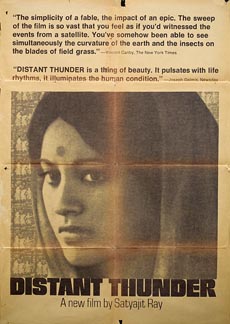
Distant Thunder (1973)

Distant Thunder (1973)

“Wars are waged by kings; we are ordinary, simple folk.”

Synopsis:
In 1943 India, a young Brahmin named Gangacharan (Soumitra Chatterjee) and his wife (Babita) settle in a village, where Gangacharan assumes the roles of teacher, healer, and priest. But when war affects the village in the form of famine, Gangacharan finds that his privileged status will not guarantee rice for his family.

Genres, Themes, Actors, and Directors:

  • Character Arc
  • Class Relations
  • India
  • Satyajit Ray Films
  • Village Life
  • World War II

Response to Peary’s Review:
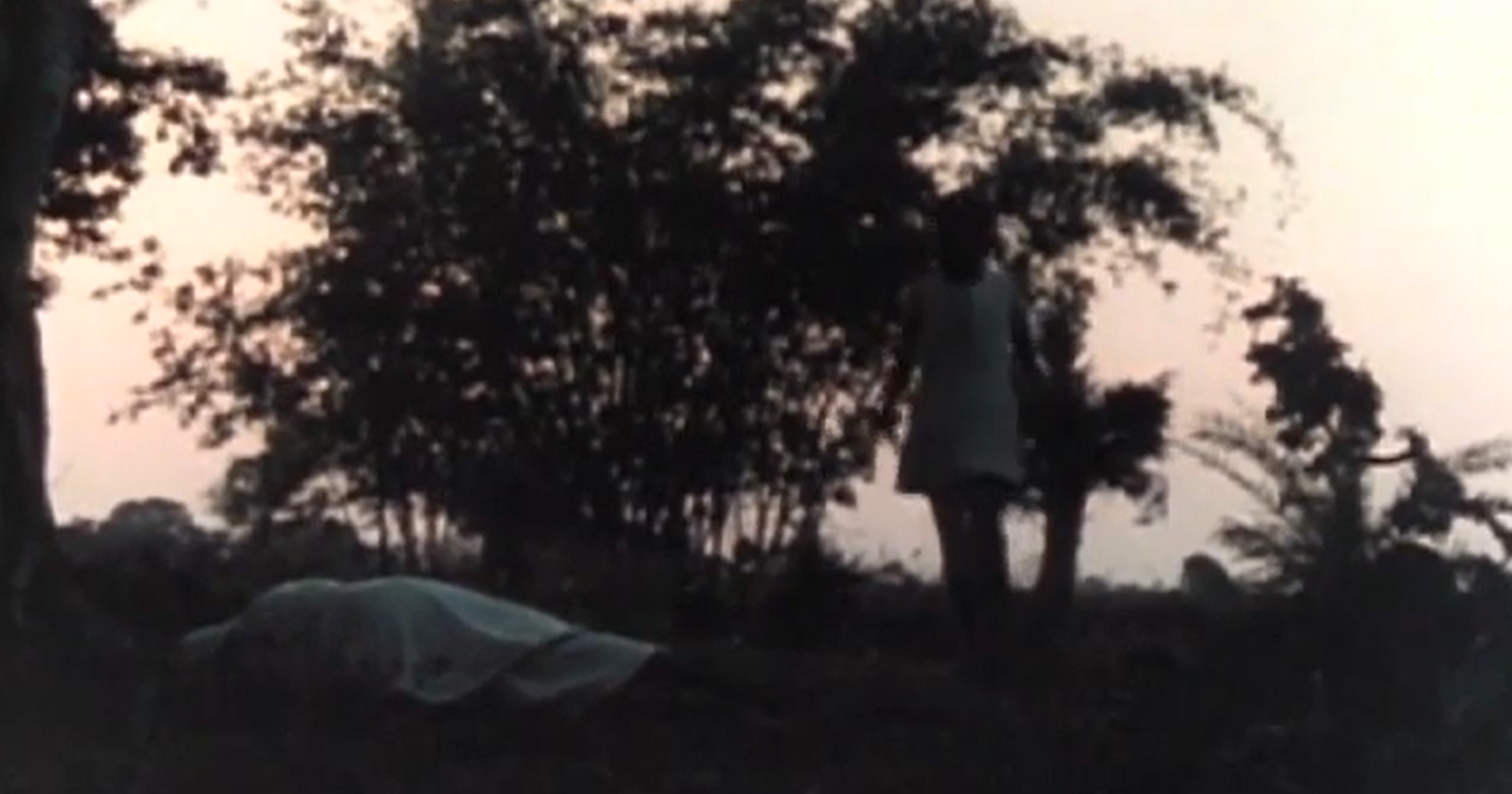
As noted by Peary, this “lovely, underrated film by Satyajit Ray” possesses “breathtaking” cinematography by Soumendu Ray, and “many moments that will stay with you.” It tells the heartbreaking yet fascinating tale of a tragic moment in Indian history when, as summarized in the closing subtitles, “Over five million died of starvation and epidemics in Bengal in what has come to be known as the man-made famine of 1943.” Due to the British government cornering civilian food supplies in order to feed its armies, villagers were unable to secure even a subsistence-level amount of rice, and it was soon unavailable at any price.

Despite the enormity of the subject matter, Ray characteristically takes a deeply personal approach, focusing primarily on the character arc of the main protagonist (Gangacharan), who gradually learns that, when it comes to survival in times of war, caste matters not at all. Equally compelling, however, are the subplots about Gangacharan’s wife Ananga (Babita) and her friends, who do what they can to bring food to their households — for Ananga, this means lowering herself enough to help mill rice, while her married friend Chutki (Sandhya Roy) sleeps with a disfigured man (Noni Ganguly) in exchange for some of his precious supply. Ultimately, Ray shows both the worst and the best sides of humanity in his film, as each character discovers what he or she is willing to compromise for his own survival — and for the survival of others.

Redeeming Qualities and Moments:

  • Soumitra Chatterjee as the proud Brahmin who undergoes a change of heart
  • Babita as Gangacharan’s beautiful wife
  • Beautiful cinematography of Indian countryside

Must See?
Yes. Though not all critics agree, I believe this foreign gem is further evidence of Satyajit Ray’s incomparable gifts as a filmmaker, and should be seen by all film fanatics.

Categories

  • Foreign Gem
  • Important Director

Links:

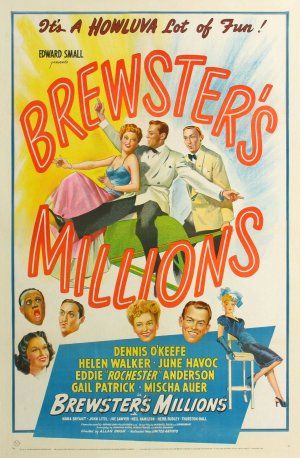
Brewster’s Millions (1945)

Brewster’s Millions (1945)

“He wants you to spend until you’re sick of it — he wants you to learn to hate spending money!”

Synopsis:
Monty Brewster (Dennis O’Keefe) comes home from WWII to the news that his eccentric uncle has left him $8,000,000. The only catch is that he must spend $1,000,000 of it within 60 days, with no assets left at the end, and nobody — not even his bride-to-be (Helen Walker) — finding out what he’s doing.

Genres, Themes, Actors, and Directors:

  • Allan Dwan Films
  • Comedy
  • Inheritance
  • Living Nightmare
  • Millionaires
  • Play Adaptation

Review:
Brewster’s Millions — the eternally popular story about a man forced to spend a million dollars as quickly as possible — originated as a novel in 1902, was turned into a stage play in 1906, and has been adapted for film no less than nine times (twice in India). No matter which version you’re watching, however, it’s impossible not to immediately start calculating all the ways you would spend the money if you were in Monty’s shoes; indeed, as I expected, there was once a thread on the (now defunct) IMDb message board for the 1985 Richard Pryor version (which I haven’t seen), asking folks to contribute their thoughts on the subject. (Just for the record, I personally would hire somebody to help arrange an enormous gala event in as many towns and cities across the U.S. as possible, thereby giving the entire country a fun evening and calling it a million dollars within one day — but then there wouldn’t be much of a story to tell).

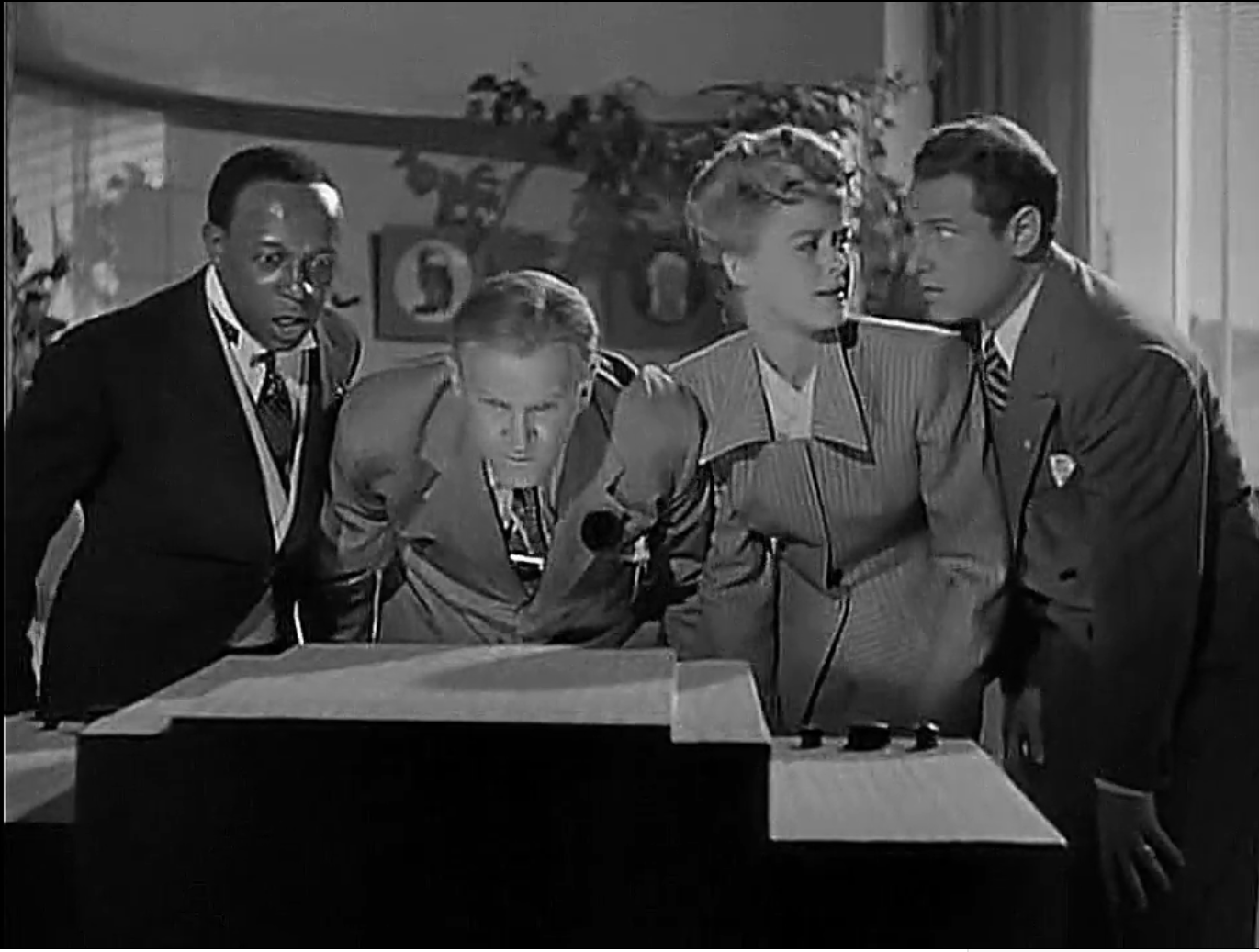
Dennis O’Keefe does an admirable job in the title role, handling the fast-paced dialogue with ease, and remaining sympathetic (not an easy task) until the very end.

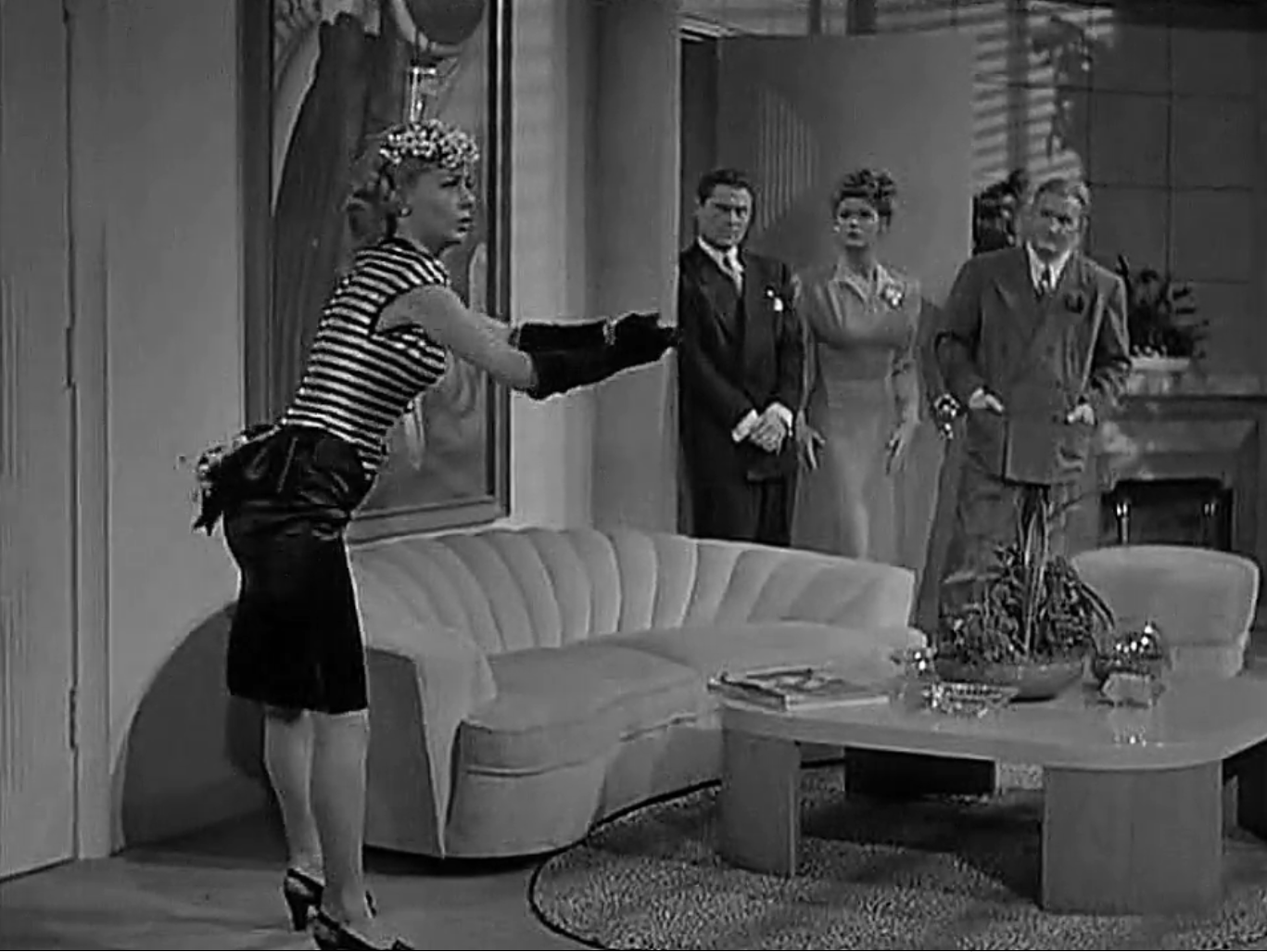
Performances by the rest of the cast — especially Eddie ‘Rochester’ Anderson (Uncle Peter in Gone With the Wind) as Monty’s raspy-voiced employee; Helen Walker as Monty’s understandably frustrated fiancee; and June Havoc as an aspiring dancer who misinterprets Monty’s motivations in funding her theatrical production — are fine as well. Unfortunately, however, it’s hard to really sit back and relax when watching Brewster’s Millions, given that we can’t help feeling anxious about both Monty’s troubles and the confusion his loved ones feel; plus, we’re kept in suspense about the outcome of Monty’s plight until literally the last few seconds of the film. As much as I enjoyed this well-made comedy, I won’t be coming back to it (or any other version of the story) anytime soon — I’m too exhausted!

Redeeming Qualities and Moments:

  • Dennis O’Keefe as Monty
  • Fine performances by the entire cast of supporting actors

  • Lots of snazzy dialogue:

    “That Trixie’s loaded with dynamite — and sex! She throws it around like she’s watering a garden!”

Must See?
No, but it’s recommended.

Links: