|
Genres, Themes, Actors, and Directors:
- Brian Keith Films
- Deep South
- Elizabeth Taylor Films
- John Huston Films
- Julie Harris Films
- Marital Problems
- Marlon Brando Films
- Sexual Repression
Review:
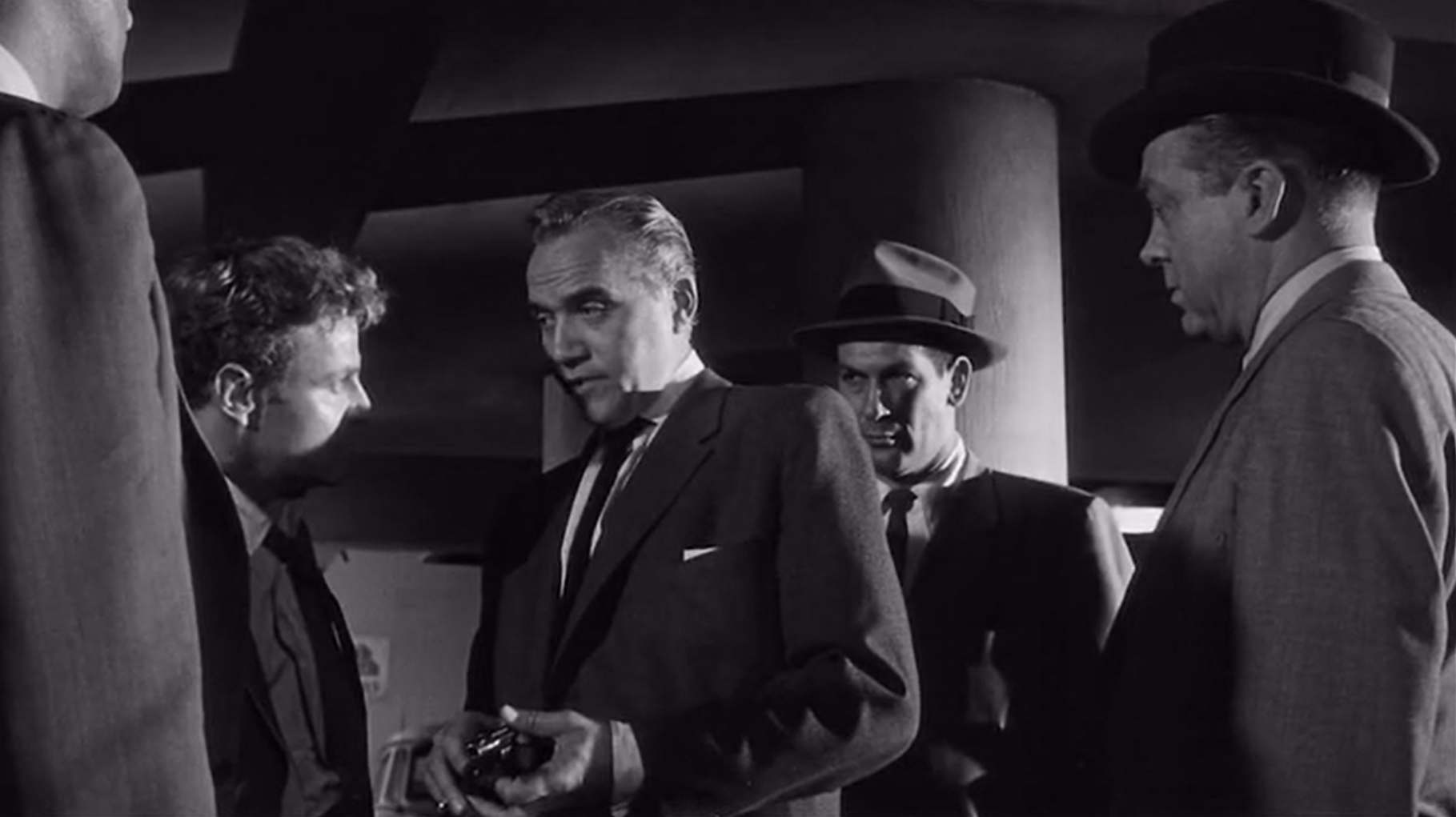
Critical opinions seem firmly divided on this unusual directorial outing by John Huston, based upon a 1941 novel by Carson McCullers about sexual repression on an army base in North Carolina. While some view it as simply a gothic mish-mosh in which outlandishly perverse characters converge in a hotbed of unrealistically melodramatic tensions, others recognize it as a uniquely compassionate perspective on the vagaries of sexual repression and expression, as seen through the collective visions of McCullers and Huston. My opinion ultimately lies somewhere in between both extremes: I value the film’s deeply penetrating gaze on humanity, as depicted through a group of individuals trying to find their place in a world which clearly doesn’t approve of their needs and desires; at the same time, there’s no denying the overtly melodramatic thrust of the entire situation.
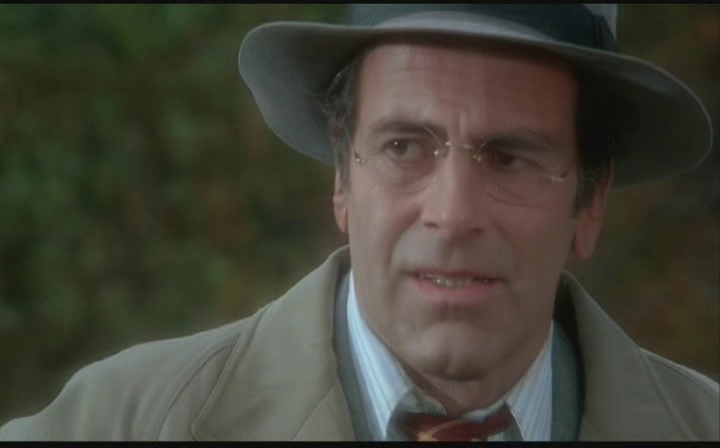
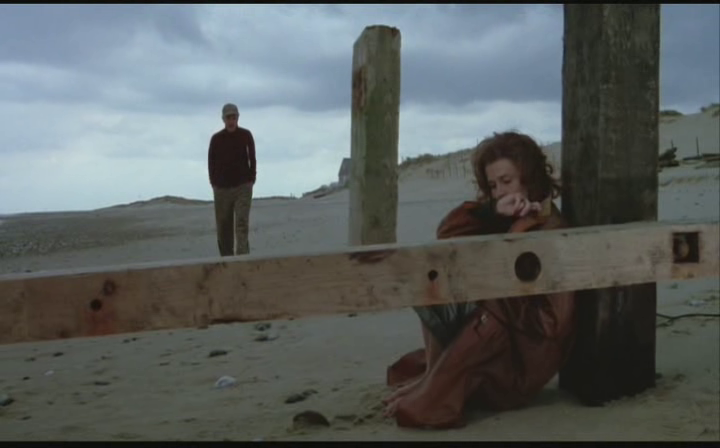
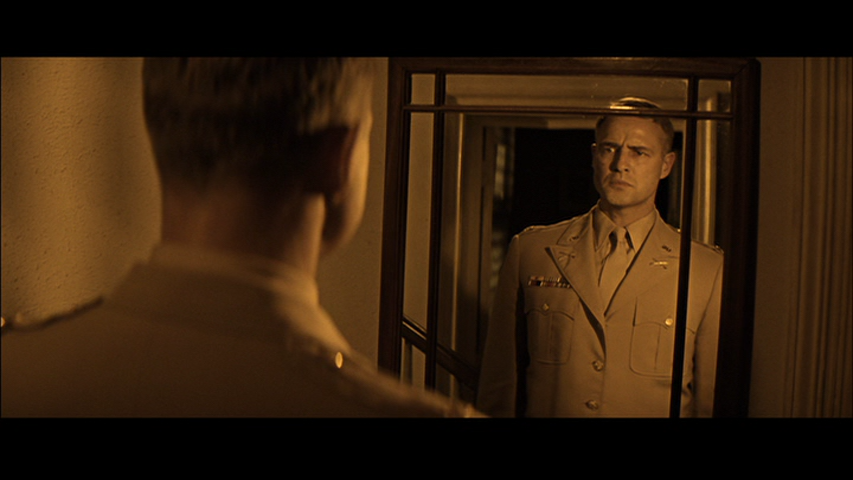
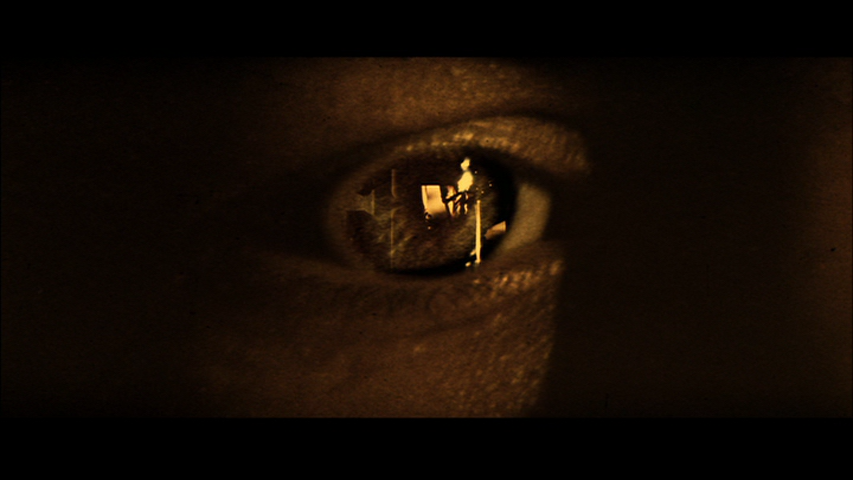
Underlying the entire film are two primary strengths: first is its unique look, as specifically envisioned by Huston, who (working with DP Aldo Tonti) had the color strategically desaturated from the film stock in an attempt to emulate the story’s titular perspective. While the film was only allowed to run in theaters for a week with this color scheme (before saturation was added back in to make it more palatable to mass audiences), the restored version is now available, and is quite a visual treat. Second, it features a truly heartbreaking and noteworthy performance by Brando, embodying a tragically repressed army major who has clearly maintained a facade of “normalcy” and rigor for far too long. Brando’s every expression reveals the depth of his character’s confusion, anger, and desire, and he’s consistently fascinating to watch.
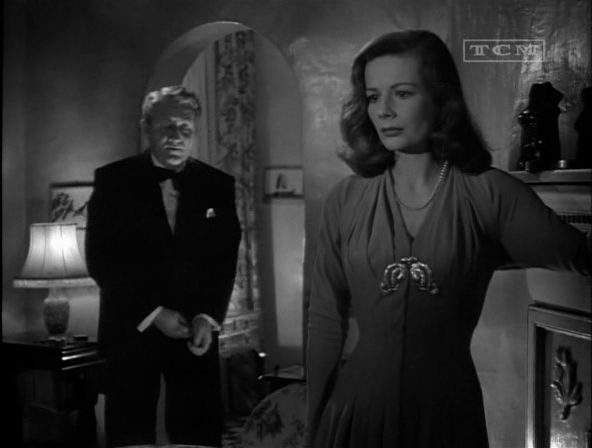
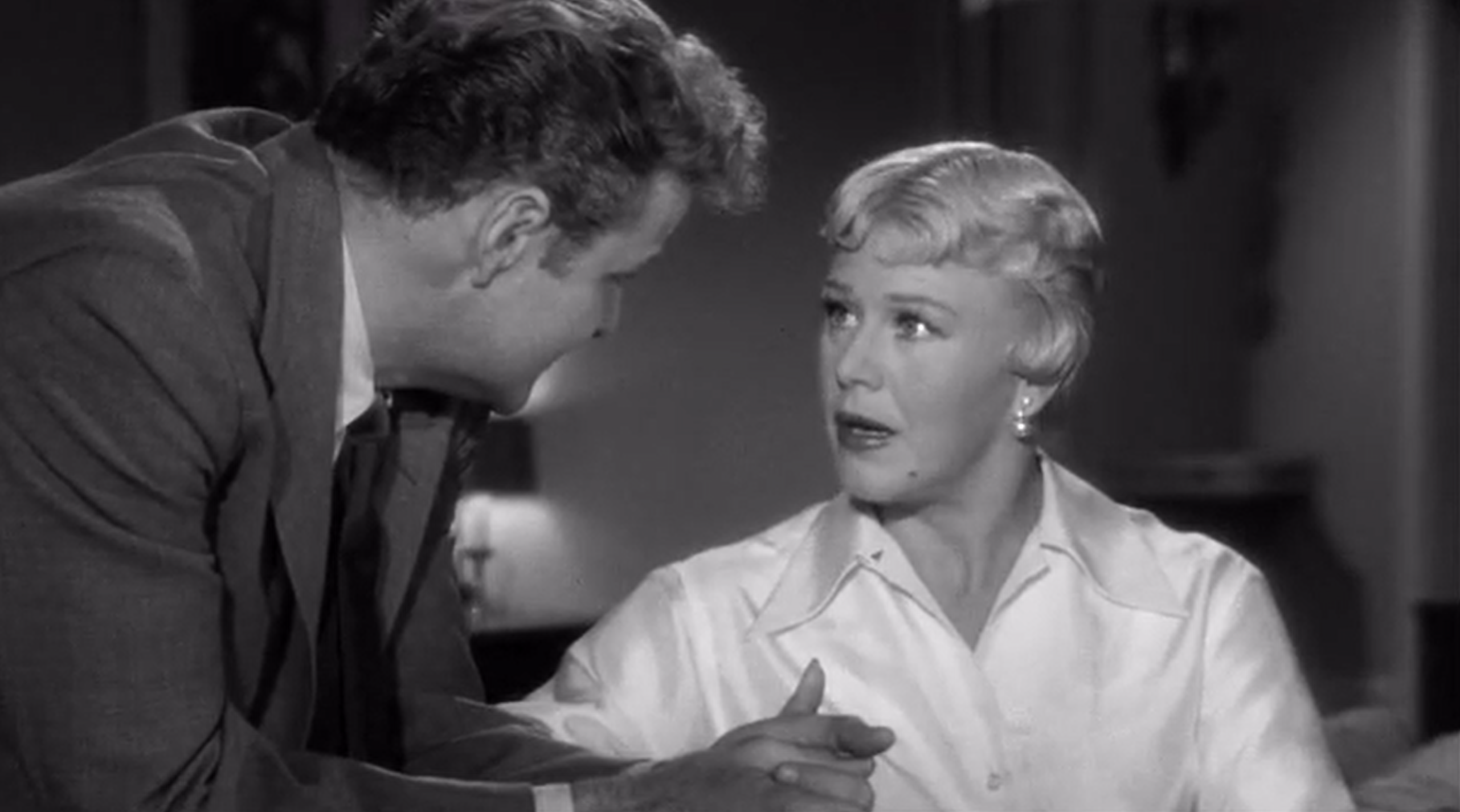
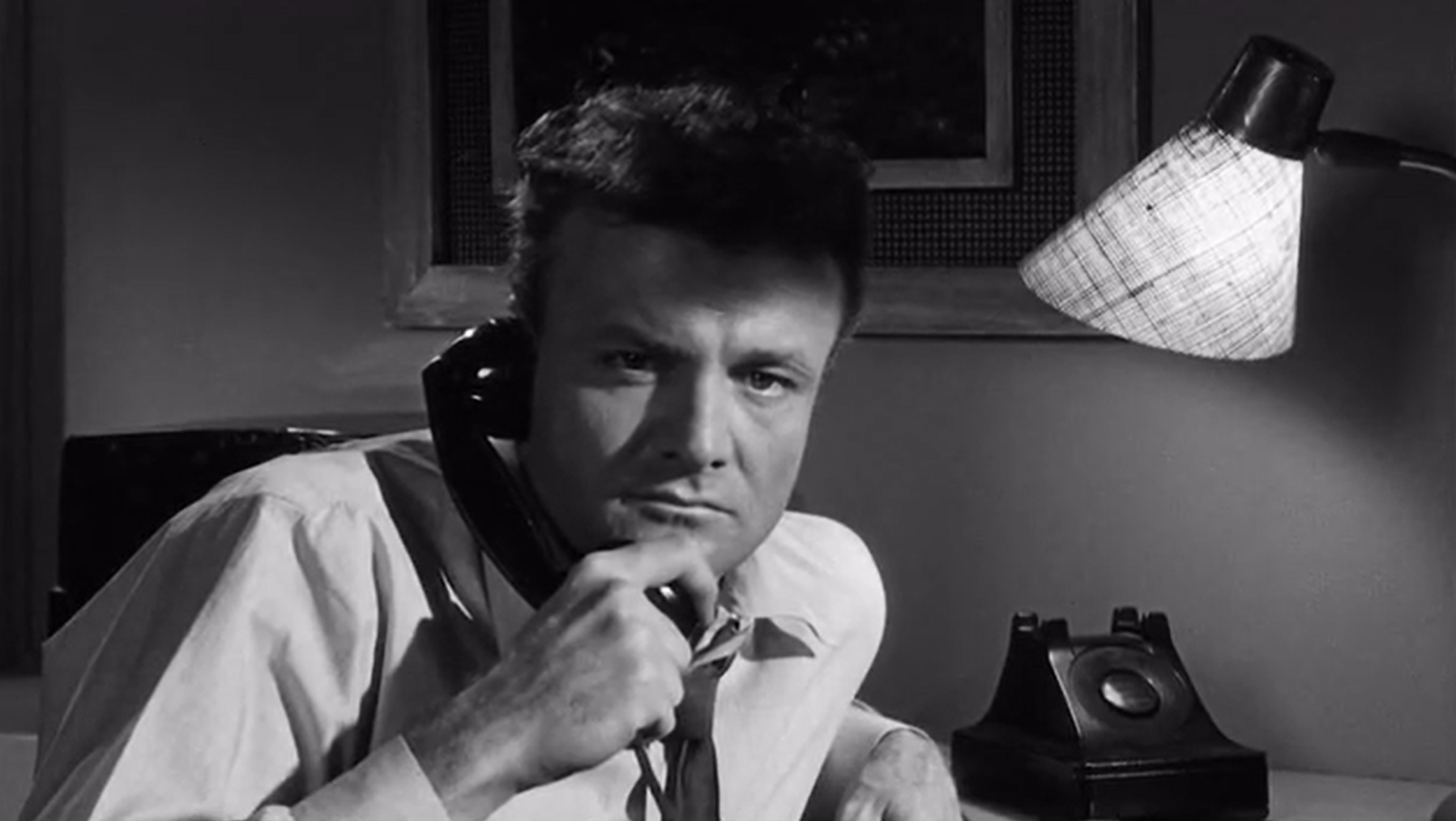
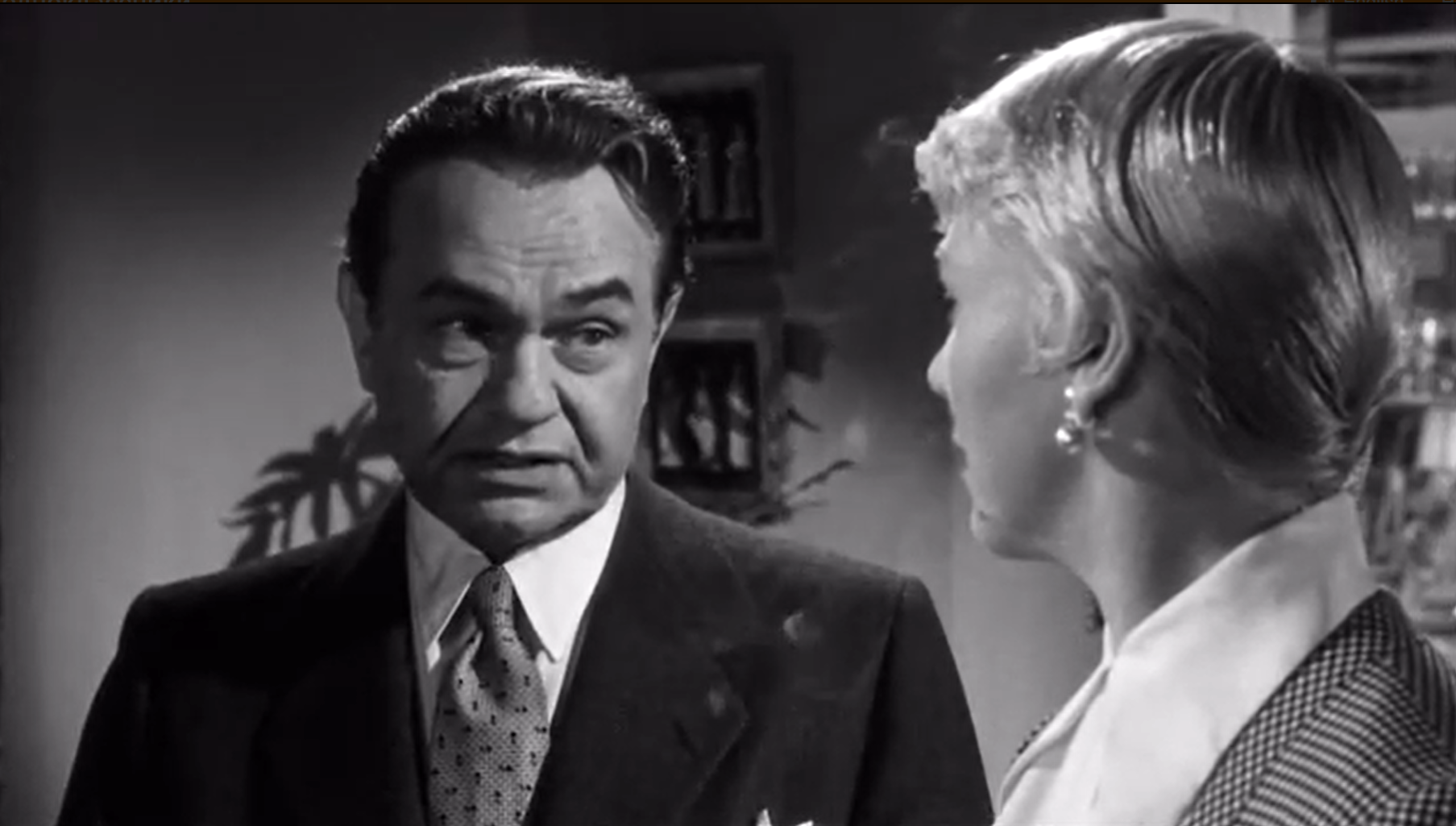
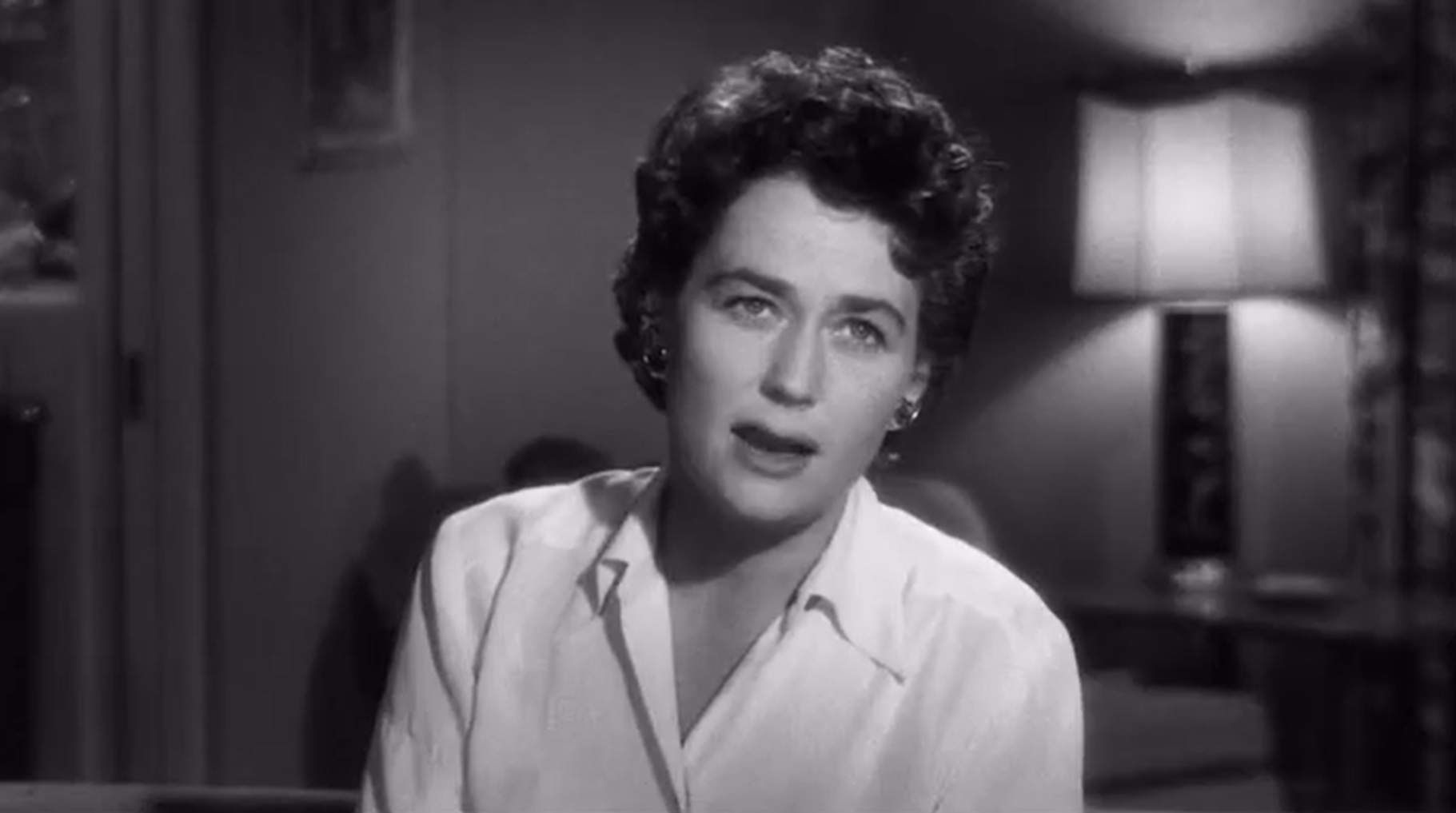
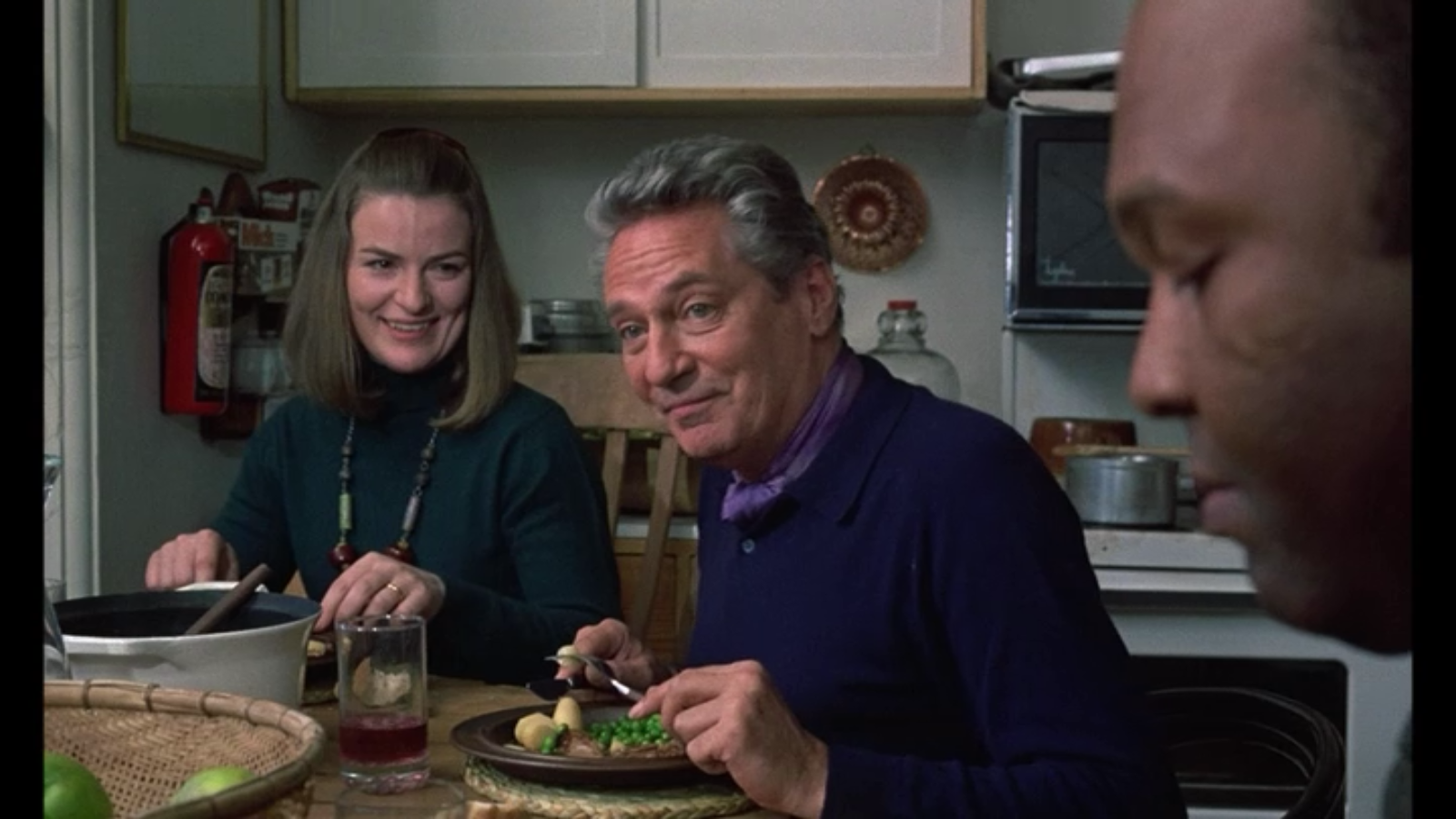
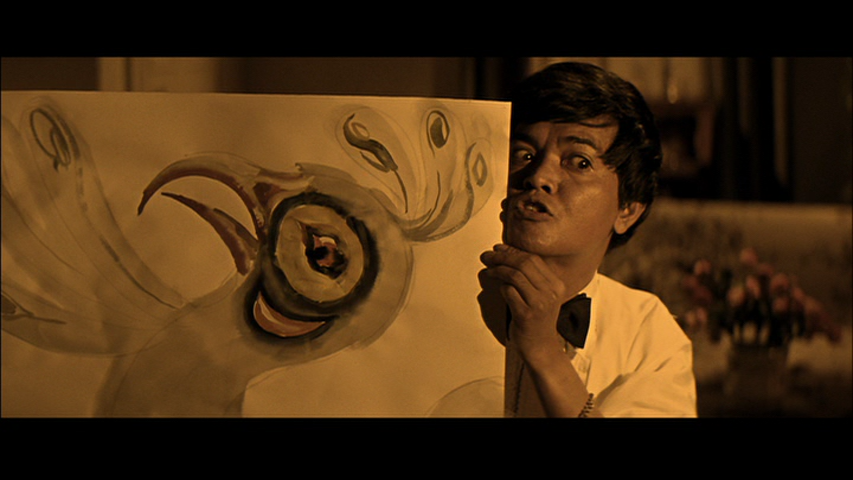
Meanwhile, the supporting actors all do fine work in their respective roles. Both Taylor and Harris are well-cast as Brando and Keith’s unhappily married wives, who find solace through radically different venues; Keith once again demonstrates his capability as the ultimate “everyman” with a surprising depth of heart; and unknown actor Zorro Davis makes an indelible mark as the flamboyantly “artistic” Filipino manservant Anacleto. In his screen debut, Forster isn’t called upon to do much more than brood, sniff lingerie, and ride naked on horseback, but he suits the role. Together, the ensemble presents a powerful if at times mind-boggling drama about (sexual) identity and one’s place in a world which would much rather not accommodate square pegs in round holes.
Note: There was once a rather active message board for this film on IMDb, where one poster offered this interesting perspective on the various characters and their sexual identities:
Penderton (Brando) = closeted gay
Anacleto (David) = frustrated gay
Williams (Forster) = closeted hetero
Langdon (Keith) = frustrated hetero
Alison (Harris) = inactive hetero female
Leonora (Taylor) = active hetero female
This breakdown, while perhaps overly simplistic, does give one additional food for thought.
Redeeming Qualities and Moments:
- Marlon Brando as Major Weldon
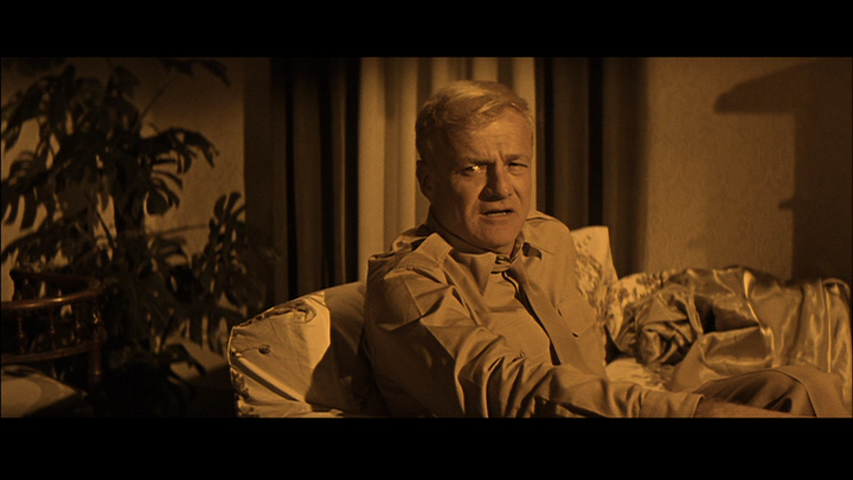
- Brian Keith as Lt. Col. Morris
- Zorro David as Anacleto
- Gorgeous cinematography
Must See?
Yes, as a unique cinematic experience by a master director.
Categories
Links:
|