Skidoo (1968)
“You are a backwards step in the evolution of mankind!”
“If the police can’t protect us, then it’s our constitutional duty, under the Constitution of the United States, to protect ourselves!”
|
Synopsis: |
|
Genres, Themes, Actors, and Directors:
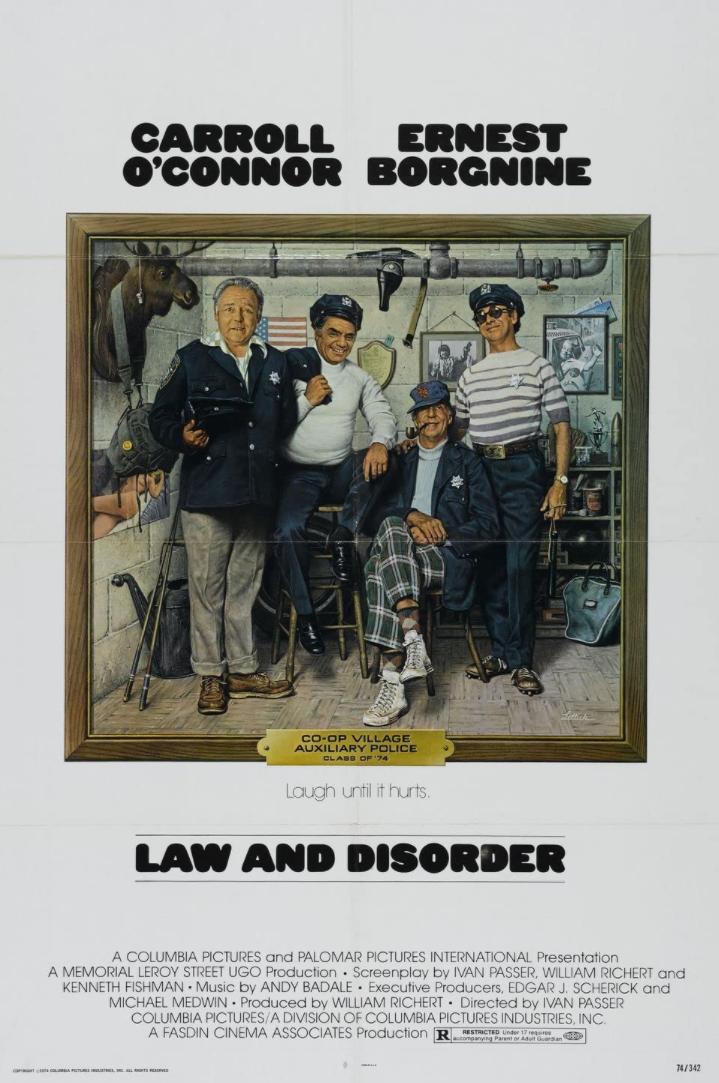
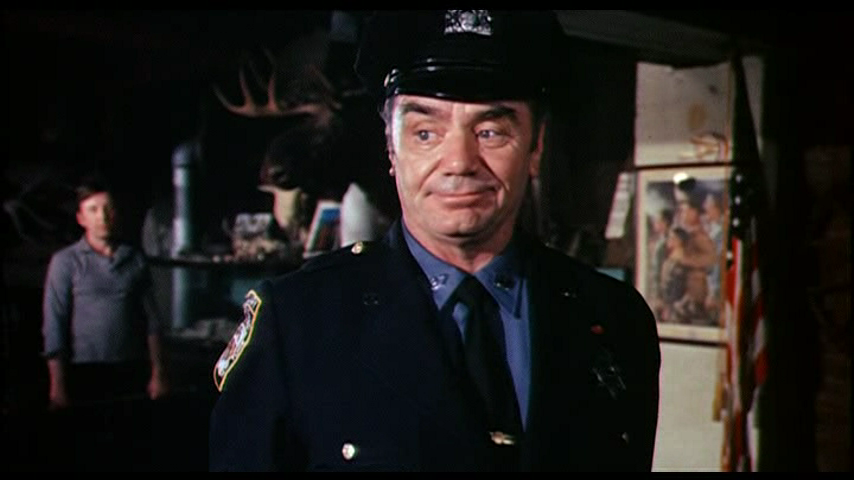
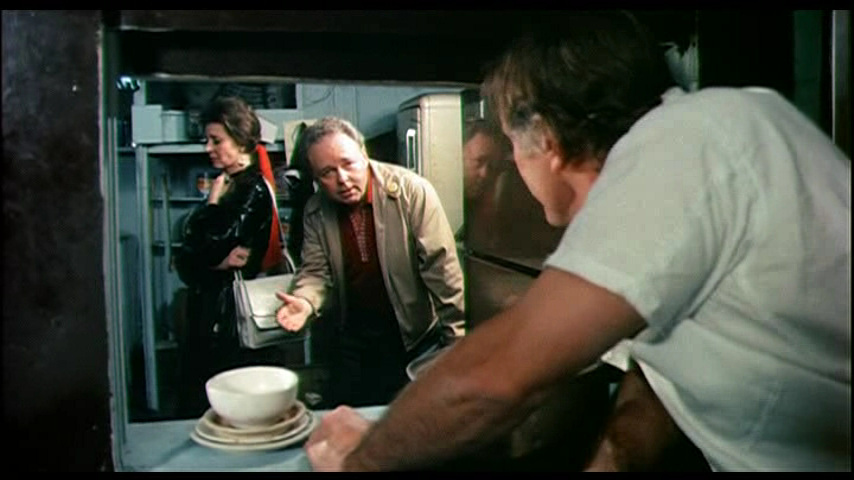
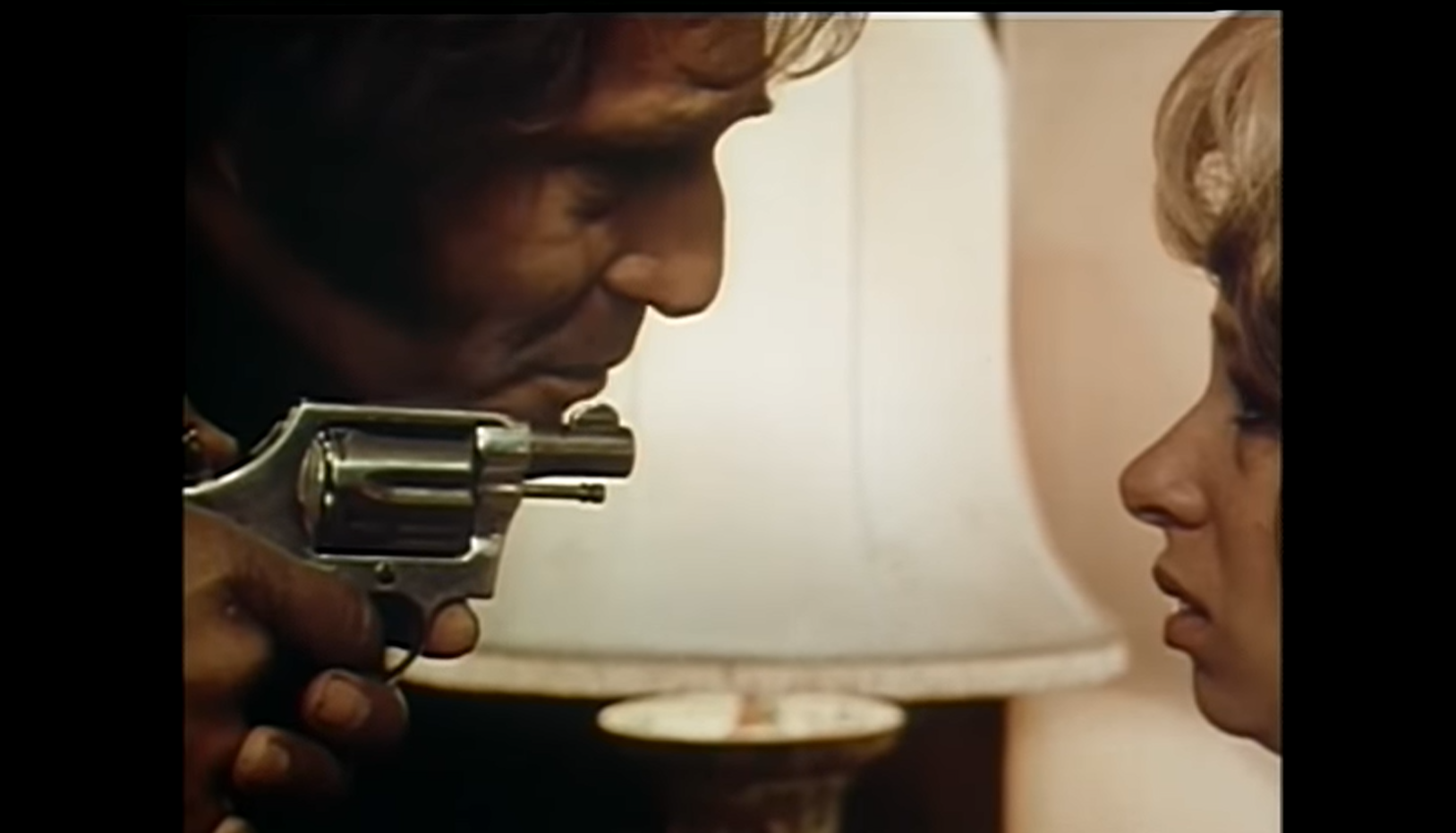
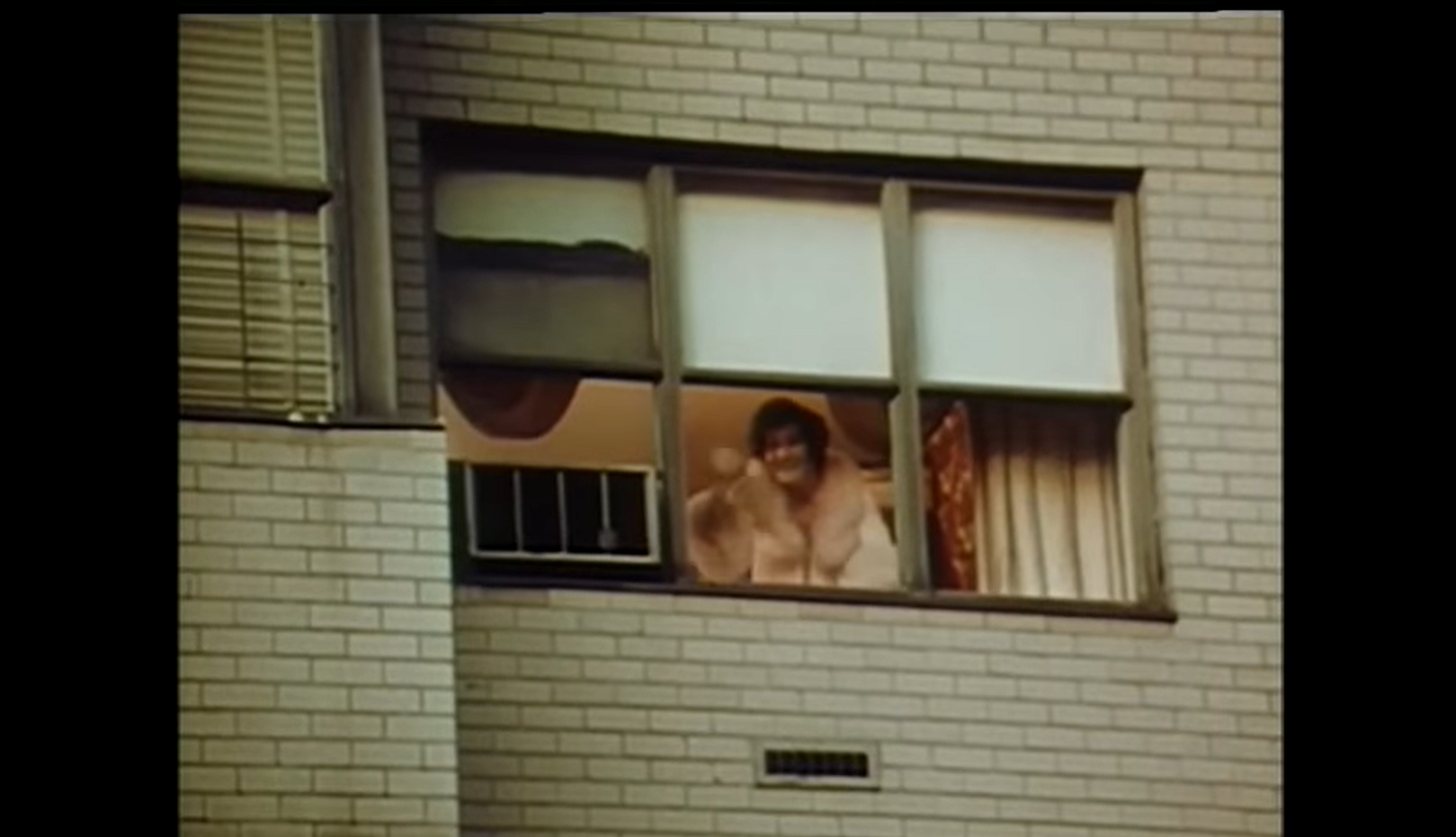
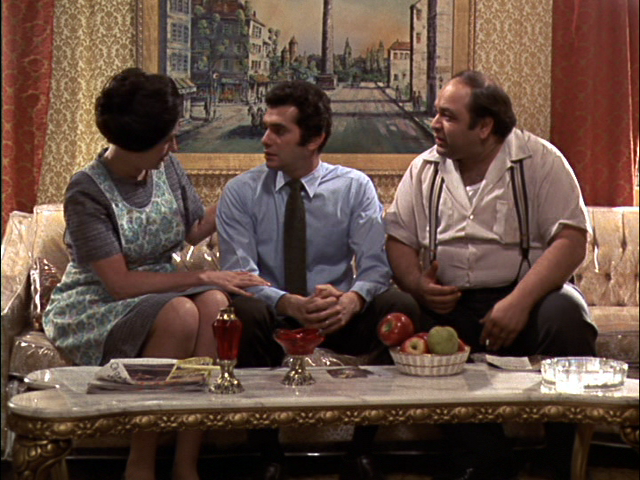
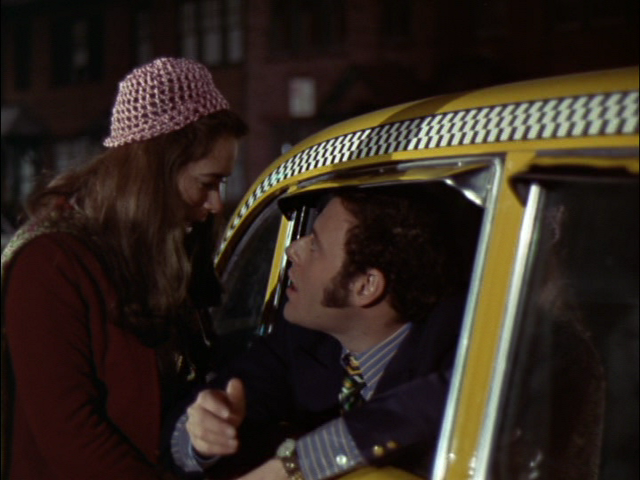
Review: Indeed, the film is frustratingly skimpy on details about what exactly goes into the duties and responsibilities of a volunteer policeman. The two central protagonists and their cronies are shown simply basking in the glory and fun of police accoutrement — uniforms and weapons and vehicles with sirens — rather than undergoing any kind of serious training. And once they do start patrolling the streets, we’re only shown a few instances of the types of dilemmas and situations they might encounter (including one particularly annoying “running gag” involving a young man who insists on drawling “f*** you” to every authority figure he encounters; not funny or insightful at all). Instead, the screenplay shifts its meandering focus onto the midlife crises of Borgnine and O’Connor, good friends who are both unhappy (to varying degrees) in their jobs. Borgnine is a hairdresser with a dwindling clientele and an obnoxious employee (Karen Black, giving a weird, ineffective caricature of a performance); O’Connor is a taxi driver who longs to own his own business, and feels deep regret over lost opportunities in the past. Yet for every scene that provides an authentic glimpse into these characters’ lives — i.e., O’Connor taking his wife to the diner he desperately hopes to purchase — there are countless others that feel either random or misguided. One of the film’s most awkwardly handled moments, for instance, shows O’Connor’s teenage daughter (Leslie Ackerman) — who has just been “attacked” on the street — berated by O’Connor for wearing a sexy shirt; a group of women sitting around the table (presumably all neighbors; we’re never told) proceed to advise her to wear a bra so her breasts don’t start to sag. The next time we see this girl, she’s out on the street with her sleazy boyfriend (Lionel Pina), looking for all the world like a prostitute. What’s the connection here? We’re not told. It’s narrative flaws like this that eventually detract from what seems to be Passer’s primary (worthy) goal: a desire to portray the motivations, disappointments, and daily challenges of working class life in New York. Redeeming Qualities and Moments: Must See? Links: |
“They say I’m a charmer — that I charm the people I hustle.”
|
Synopsis: |
|
Genres, Themes, Actors, and Directors:
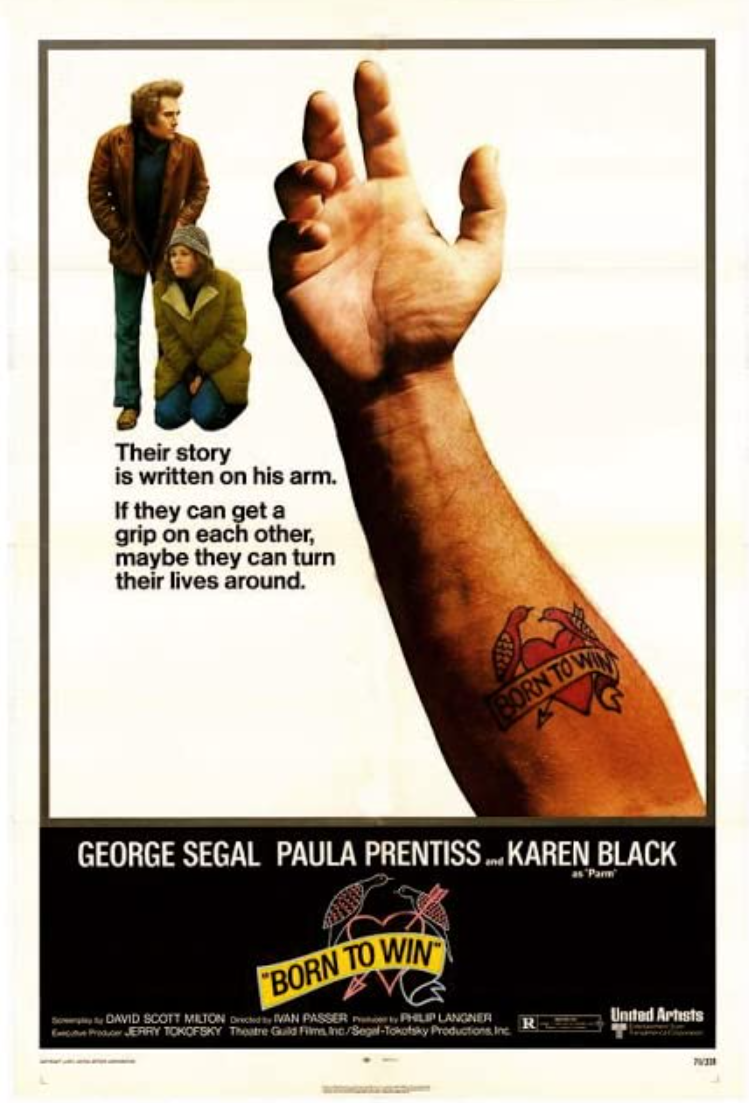
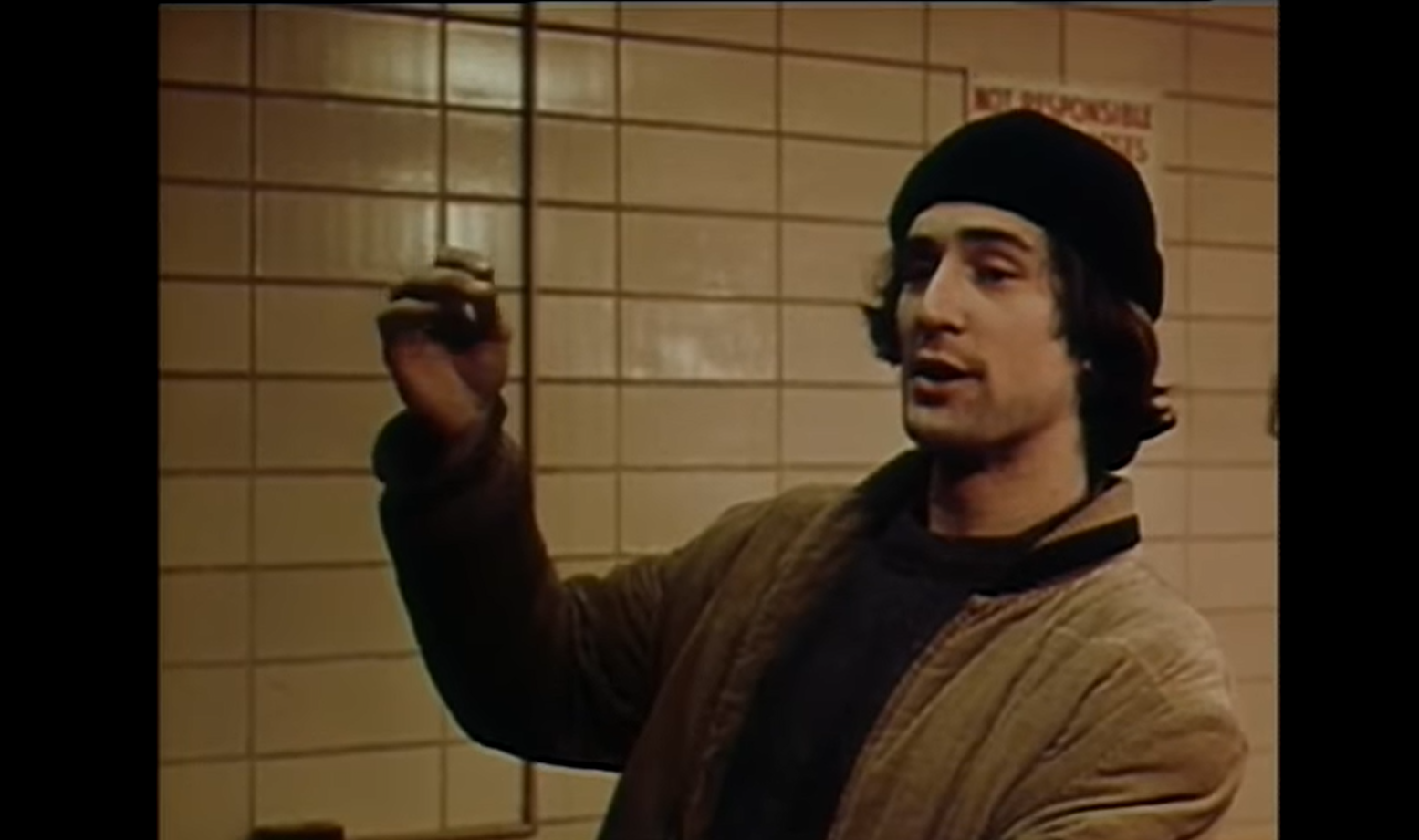
Review: He whines that nothing ever goes right for him in life, but why should it? Meanwhile, everything about his new relationship with Karen Black’s “Parm” feels contrived, starting from the moment she stupidly picks him up in her own car as he’s attempting to hijack it (hello? how DUMB can you get?). She insists almost immediately that she’s really “into him”, yet there’s absolutely no reason why she should be; while there’s potential here for portraying an interesting relationship between an addict and a non-addict who’s desperately curious about the life of drug use (Panic in Needle Park, anyone?), that’s merely hinted at rather than exploited fully. There are a few cleverly bizarre scenes throughout that elevate one’s interest temporarily, and show evidence of Passer’s absurdist sensibility: Segal attempting (unsuccessfully) to hide from a cop in a laundromat: … and Segal attempting (successfully) to escape from the clutches of some drug dealers through creative flashing. But ultimately, by the end of this inevitably bleak story, the main point one has taken away is that the world of drug addiction and dealing is brutally dog-eat-dog — not exactly an earth-shattering revelation. Note: Robert De Niro has all of maybe 10 minutes of screentime in a tiny role as one of two cops shadowing Segal: When the film went into public domain and random copies were produced for sale on DVD, De Niro’s face was marketed to fill the entire cover, leading would-be viewers (presumably De Niro fans) down the garden-path. Paula Prentiss has just as little screentime; she’s believable if underused as Segal’s sorry sack of an ex-wife. Redeeming Qualities and Moments:
Must See? Links: |
“She reminds me of me!”
|
Synopsis: |
|
Genres, Themes, Actors, and Directors:
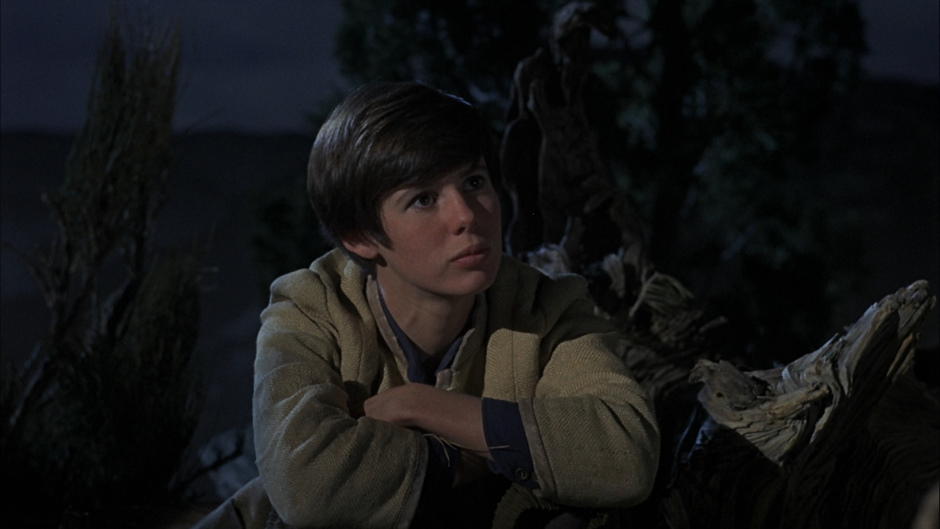
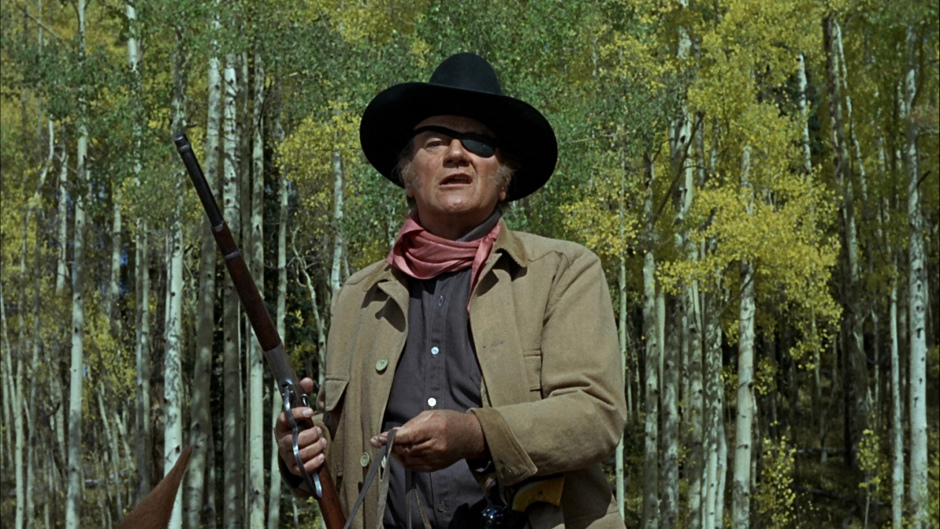
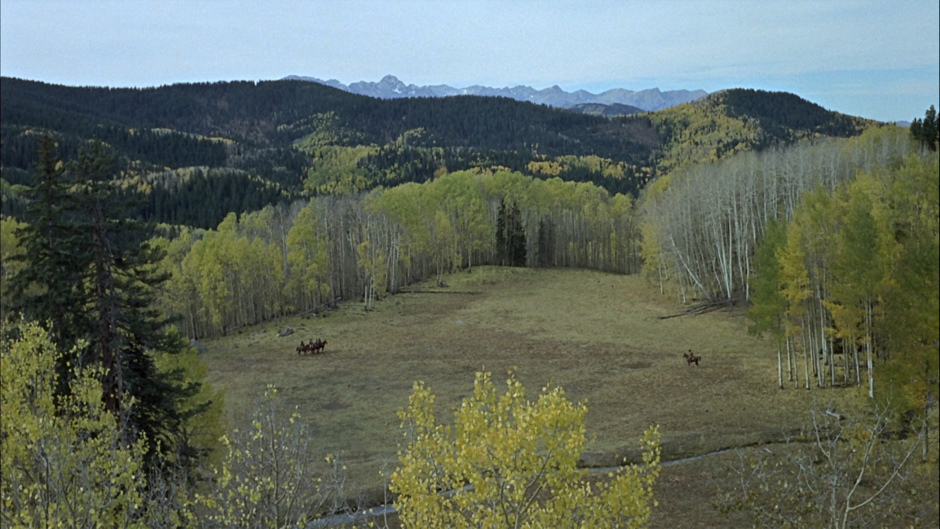
Review: Wayne, for his part, is eminently memorable as drunken, one-eyed Rooster Cogburn, a lawman beyond his prime who nonetheless is exactly the man-for-hire Mattie aims to secure. He and Darby have such fine rapport together on-screen that it’s astonishing to learn he hated working with her, and considered her a poor actress. Their final scene together is particularly touching. As La Boeuf, the Texas Ranger who accompanies Cogburn and Mattie on their quest, country singer Glen Campbell, rounds out the odd trio nicely; he won a Golden Globe nomination as Most Promising Newcomer (though his film career never really took off). Meanwhile, Lucien Ballard’s expansive cinematography is consistently a widescreen treat to behold, and Marguerite Roberts’ screenplay is smart and literate, full of plenty of memorable dialogue. Watch for Robert Duvall and Dennis Hopper in small roles as gangster Ned Pepper and his henchman, Moon; they’re both quietly menacing. Note: This film was followed in 1975 by Rooster Cogburn, an original sequel starring Wayne and Katharine Hepburn (though it’s not listed in Peary’s book, and I haven’t seen it, so I can’t vouch for it — yet — as any kind of Missing Title). Redeeming Qualities and Moments:
Must See? Categories
Links: |
“I love weddings — they’re such a family thing.”
|
Synopsis: |
|
Genres, Themes, Actors, and Directors:
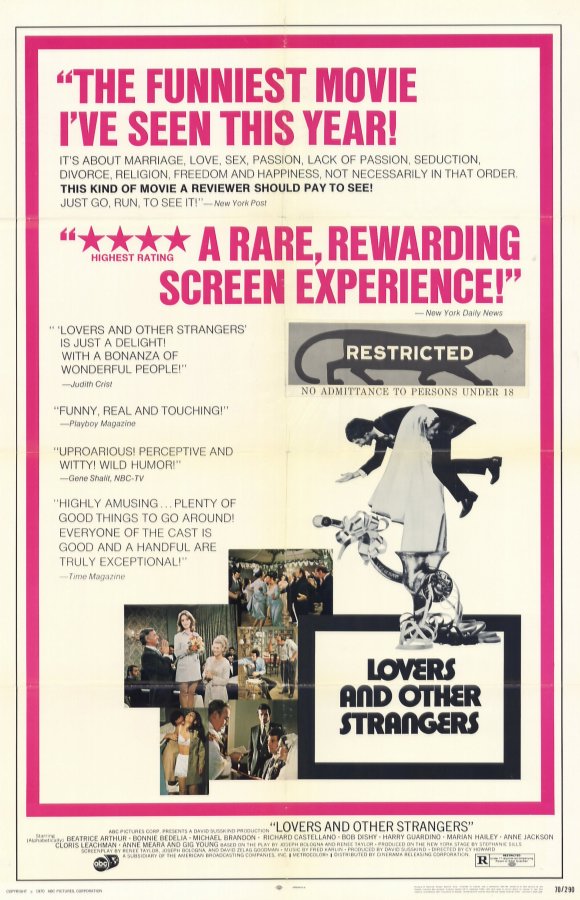
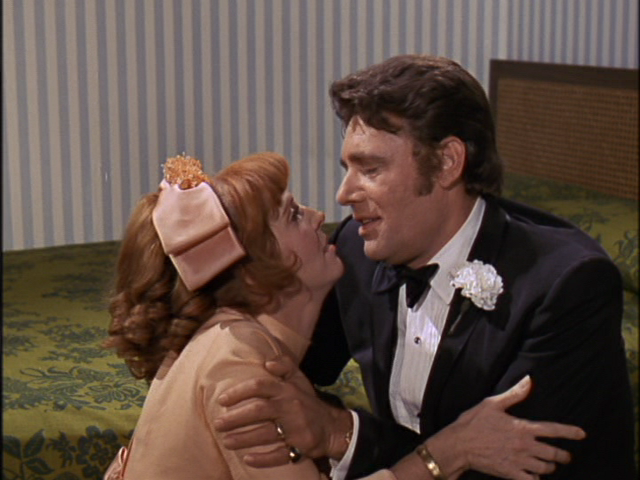
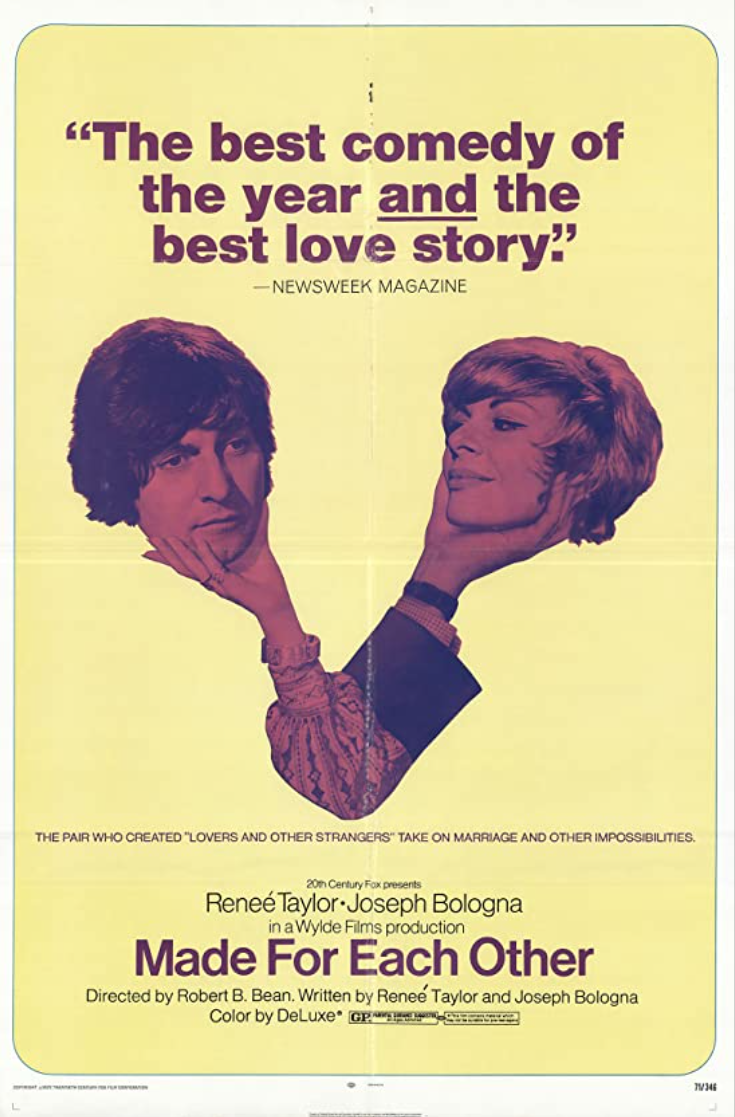
Review: Bedelia is lovely as the bride-to-be who knows exactly how to handle her nervous groom; we sense that this couple will stick it out, and their interactions serve as an effectively grounded counterpoint to the rest of the movie. The most blatantly comedic storyline follows a horny friend-of-the-groom (Bob Dishy) determined to “score” with the bride’s ditzy cousin (Hailey); their cat-and-mouse courtship offers some giggle-worthy surprises. Bea Arthur and Richard Castellano are note-perfect as the devout Catholic parents of Brandon and Joseph Hindy; their deep distress and bafflement at the dissolution of Hindy’s marriage to Diane Keaton is sensitively handled. Much less humorous (and not given enough screentime) is the depiction of an ongoing affair between the father of the bride (Gig Young) and a family friend (Anne Jackson); this scenario ultimately comes across as simply tragic in its inevitability. The most dated subplot — though it still packs a disturbing punch in its own way — shows Anne Meara’s happily married but sexually neglected housewife attempting to assuage her insecure husband (Harry Guardino). Note: Taylor and Bologna’s follow-up film was the 1971 sleeper Made For Each Other, which deals in an even more brutally incisive fashion with relationship issues; they would make an interesting, emotionally loaded double-bill. Redeeming Qualities and Moments: Must See? Links: |
“So he wants to desert because of me? I’ll fix that.”
|
Synopsis: |
|
Genres, Themes, Actors, and Directors:
Review: Believe it or not, this clunker was nominated as one of the best pictures of the year (!!!!). Redeeming Qualities and Moments: Must See? Links: |
“She’s in love with her own ambitions; I’m only part of them.”
|
Synopsis: |
|
Genres, Themes, Actors, and Directors:
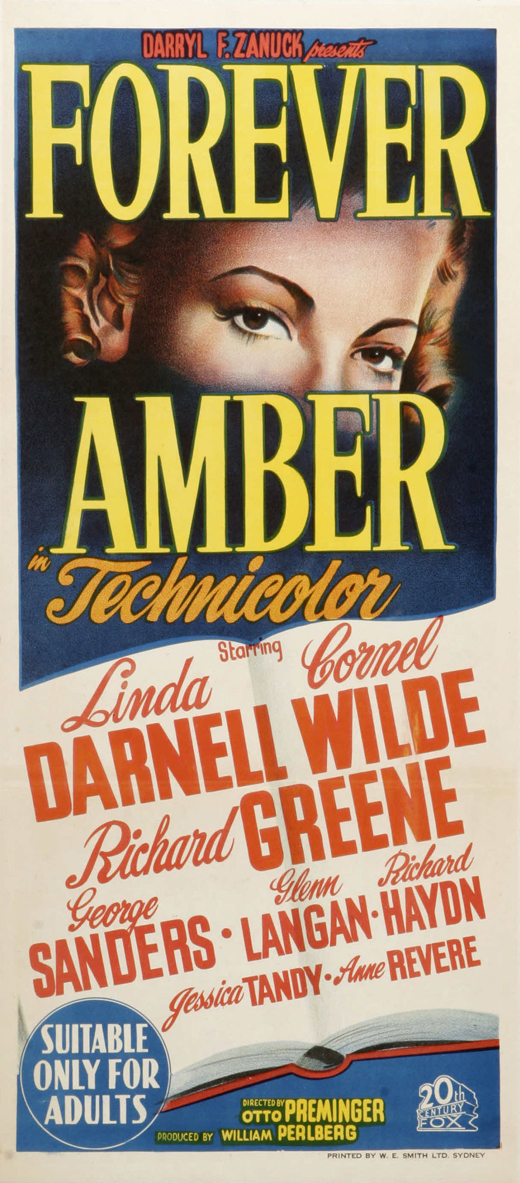
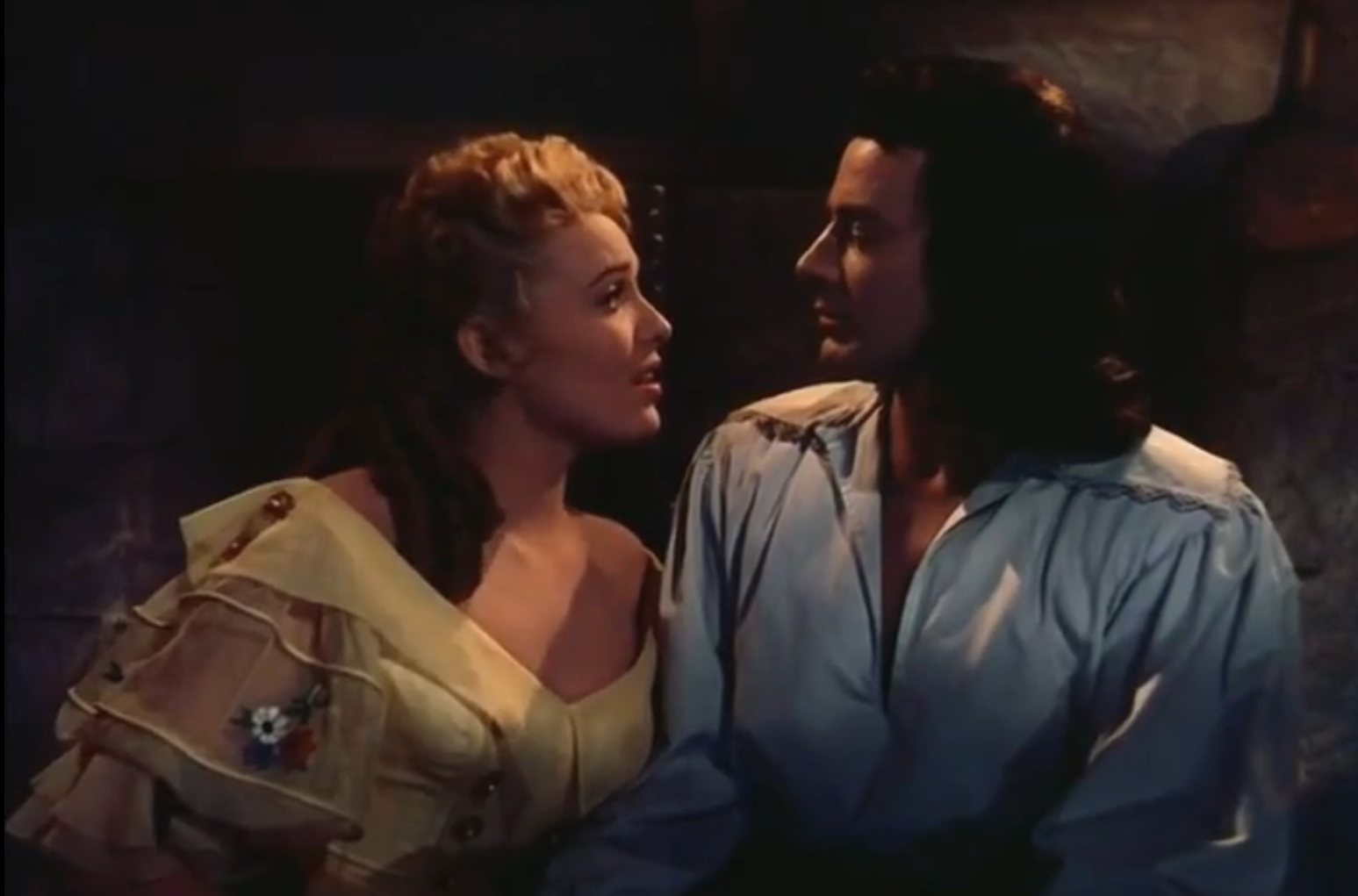
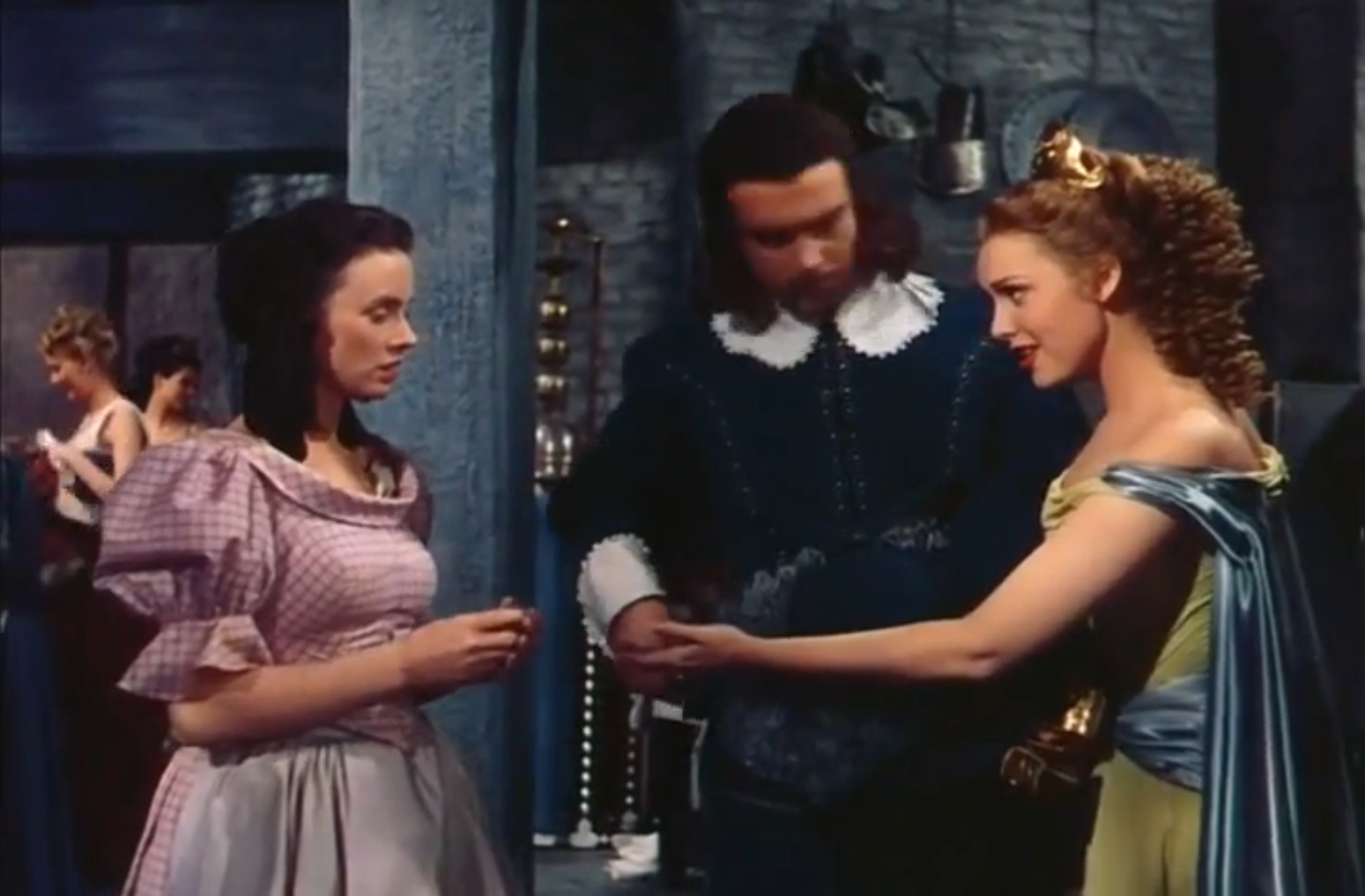
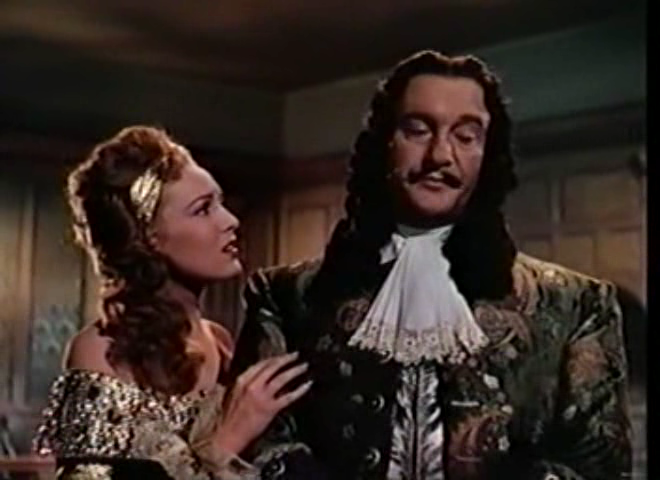
Review: Meanwhile, the lengthy, overblown script — which attempts to cover the novel’s 900+ pages in 138 minutes — often drags, leading one to concede that Amber DOES last “forever”. Yet I’ll admit that eventually (in classic “page-turner” fashion) I found myself caught up in Amber’s fate, and curious to see what situation she would get herself into (and out of) next. Watch for a couple of noteworthy supporting performances: George Sanders is perfectly cast as hedonistic King Charles II; while his screentime is limited, he’s given some pithy zingers, and pulls off a couple of memorable later scenes with typically droll panache. Richard Haydn is equally effective in a small role as the older titled man Amber ends up marrying, for better or for worse. Note: Jessica Tandy appears in a small role as Amber’s prisonmate-turned-servant. Redeeming Qualities and Moments: Must See? Links: |
“An Englishman never jokes about a wager.”
|
Synopsis: |
|
Genres, Themes, Actors, and Directors:
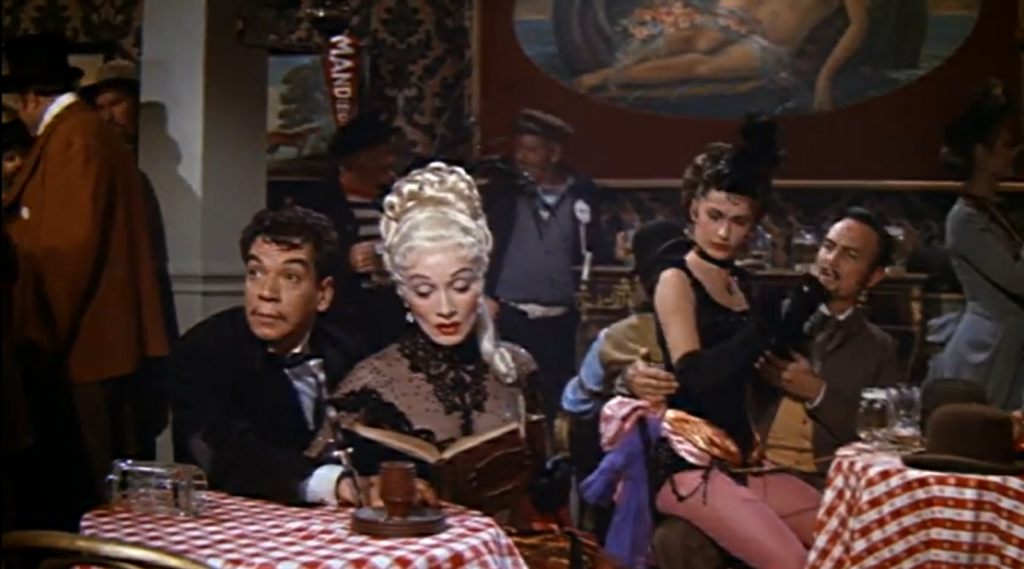
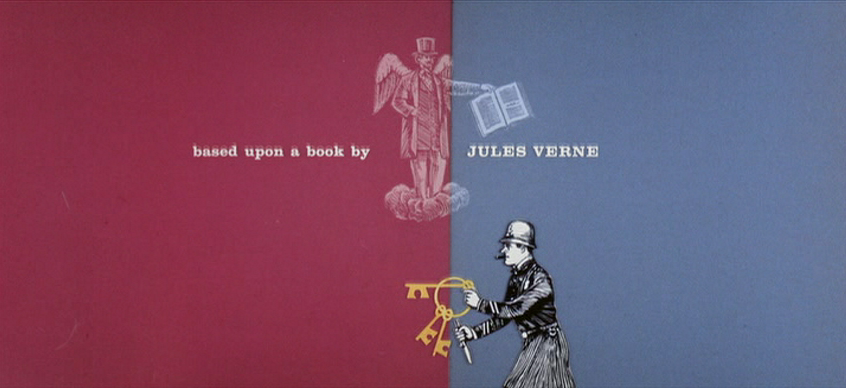
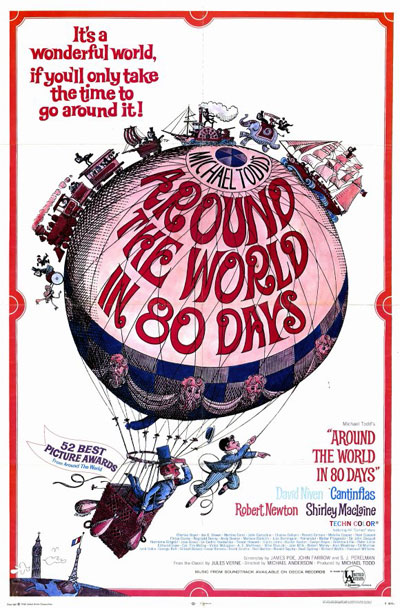
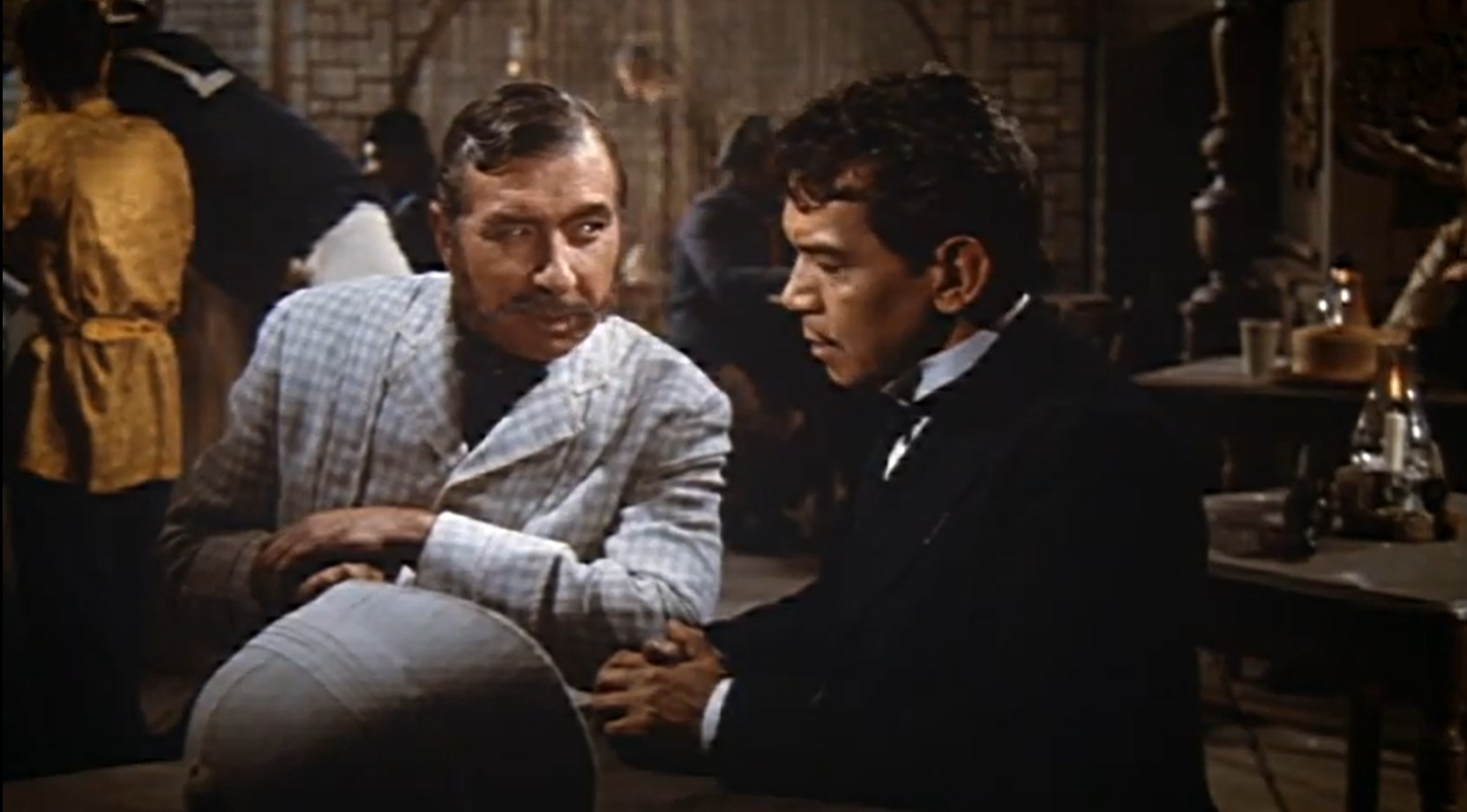
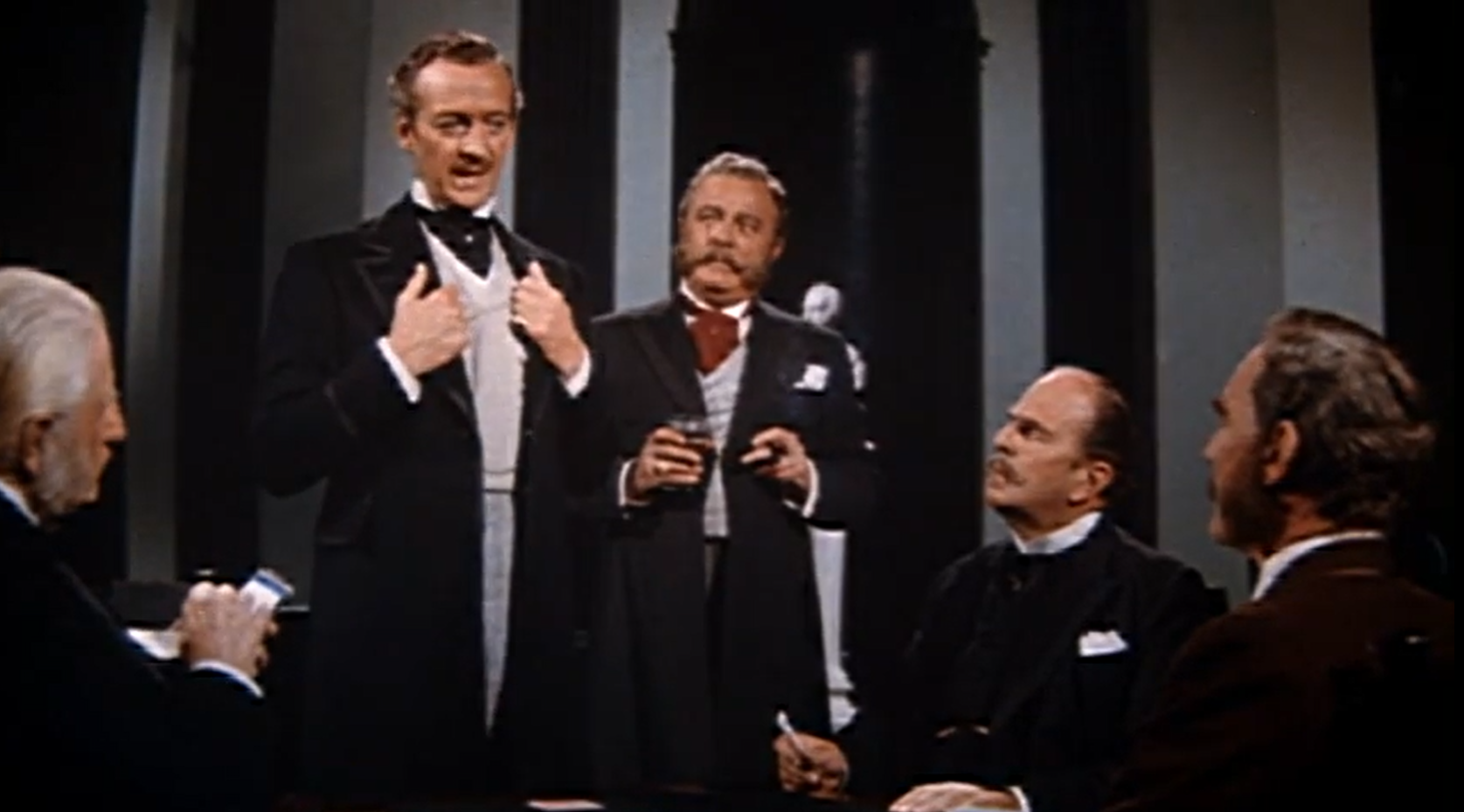
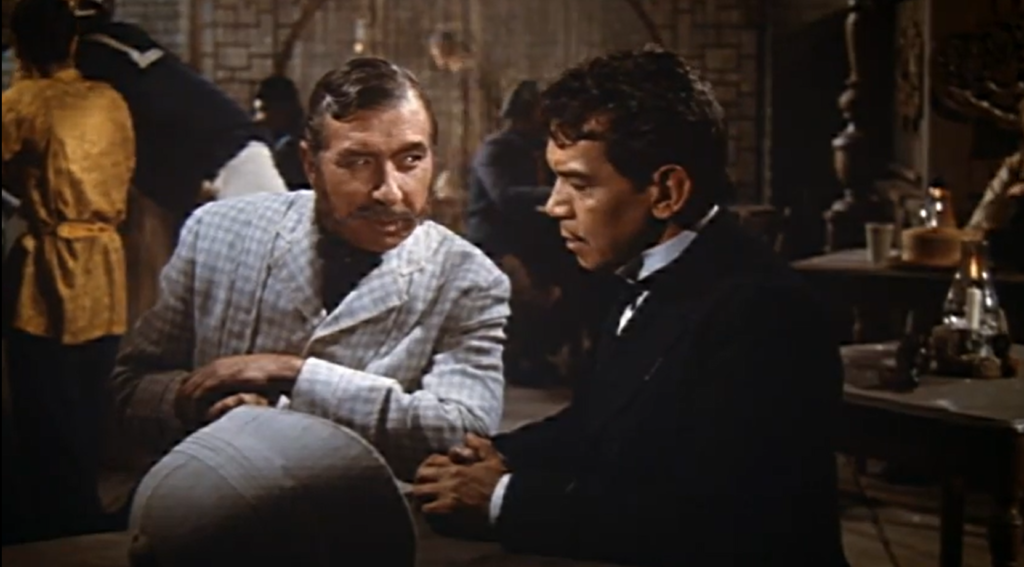
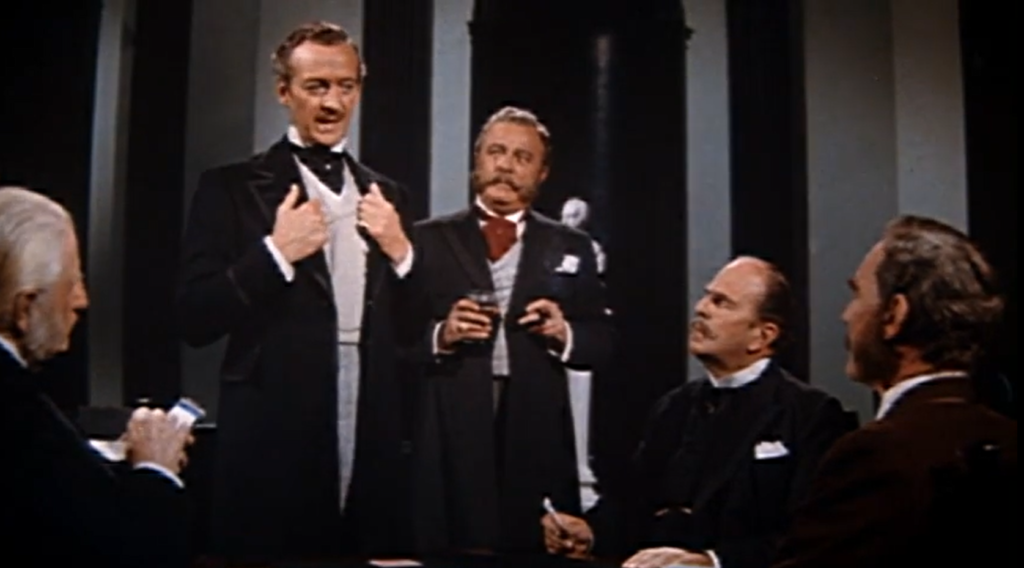
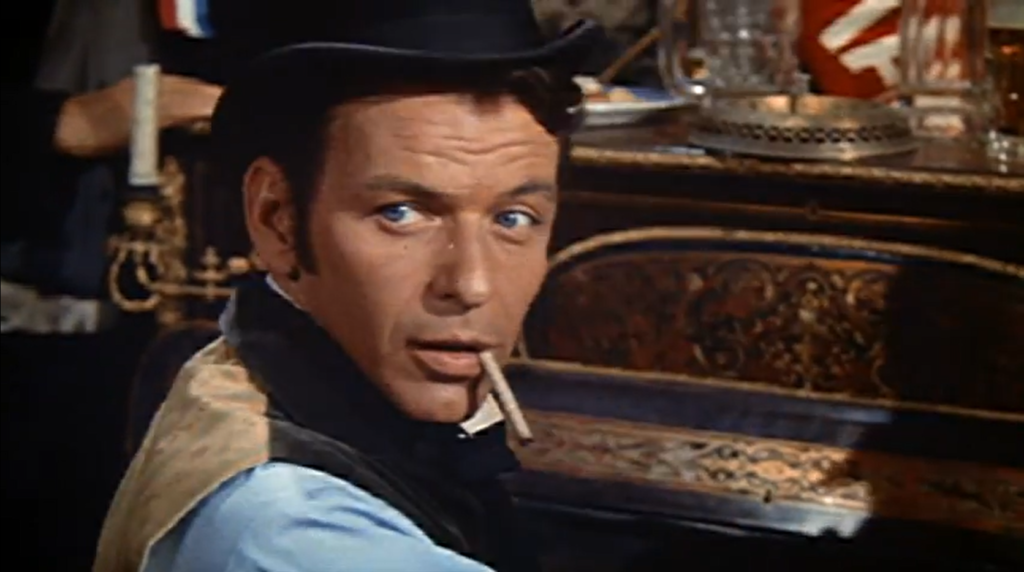
Review: As an adventure story, however, Around the World… falls surprisingly flat. Despite the built-in drama of Fogg literally racing against time to make it back to London (with his entire fortune at stake), the film takes its own sweet time stopping at sundry picturesque destinations, as various minor subplots are played out. A major narrative thread — involving a detective (Robert Newton, in his last film role) attempting to nab Fogg as a suspect in a bank robbery — is merely irritating, given that Newton literally shadows Fogg the entire trip, and should just arrest him already if he’s going to (though that would spoil the film’s infamous twist ending). Meanwhile, Fogg’s growing romantic interest in a widowed Indian princess (Shirley MacLaine) rescued from a funeral pyre generates zero sparks, and is frustrating to watch given that it’s Passepartout, not Fogg, who risks his life to rescue her (but does she acknowledge him at all? not a chance!). Speaking of Cantinflas — while there’s a certain historical interest in seeing the man who was the highest paid actor of his time (and I’m happy, as a Western viewer, to at least be acquainted with him), both his performance and his character are, to be blunt, irritating. (I’m sure he must have been more entertaining when filming in his native language in straight comedies — right?). Meanwhile, MacLaine — in skin-darkening make-up and Indian outfits — simply looks uncomfortable throughout, and barely registers (which is truly odd, given her notoriously quirky personality). And while Niven purportedly named this his favorite role of all time, his Fogg ultimately comes off as a rather bland (if undeniably resourceful and resilient) chap. Niven, MacLaine, Newton, and Cantinflas are, of course, only a handful of the many “big name” stars who appear in the film — indeed, so many show up for cameos that this is credited as the movie that first popularized the term (and general concept) of a “cameo appearance”. And there is undeniably a certain amount of fun to be had in scanning for stars’ faces, given that they show up again and again; you may find yourself muttering out loud, “Could that be… Really? Yes, it is! But (s)he doesn’t even say a word!” As Peary notes in his Alternate Oscars book, it was rather wise of Todd to offer “cameos to almost every actor in the universe”, since, as he notes, “How could the Academy members vote against their friends?” Touche. Note: Saul Bass’s immensely clever closing credits (which essentially summarize the film in creative caricatures) are a fabulous ending to this dauntingly long (183-minute running time) film. On that note, you can cut at least a little bit out if you watch it at home on DVD, given that there are Entr’acte and Exit musical sequences to fast-forward through (the musical score is catchy, but not THAT catchy!). Redeeming Qualities and Moments: Must See? Categories
Links: |
“That’s why Gig and I are so good for each other: We’re two self-destructives confronting the life source.”
“You work your side of the street, and I’ll work mine.”
|
Synopsis: |
Genres, Themes, Actors, and Directors:
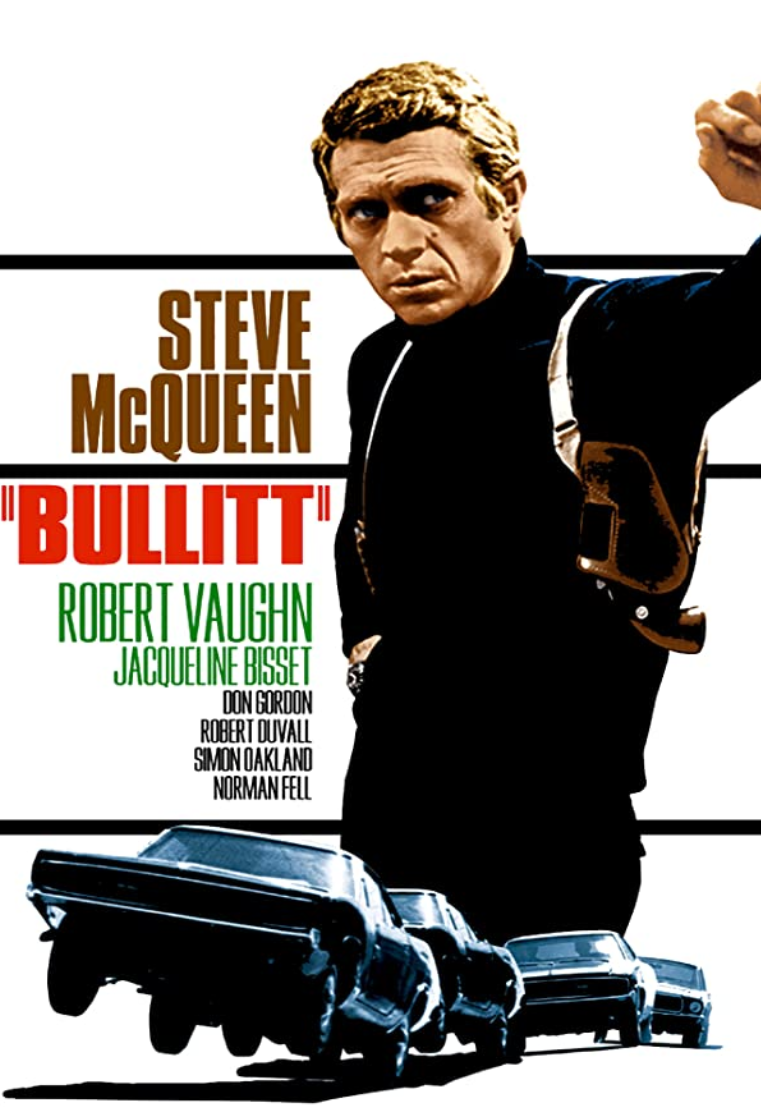
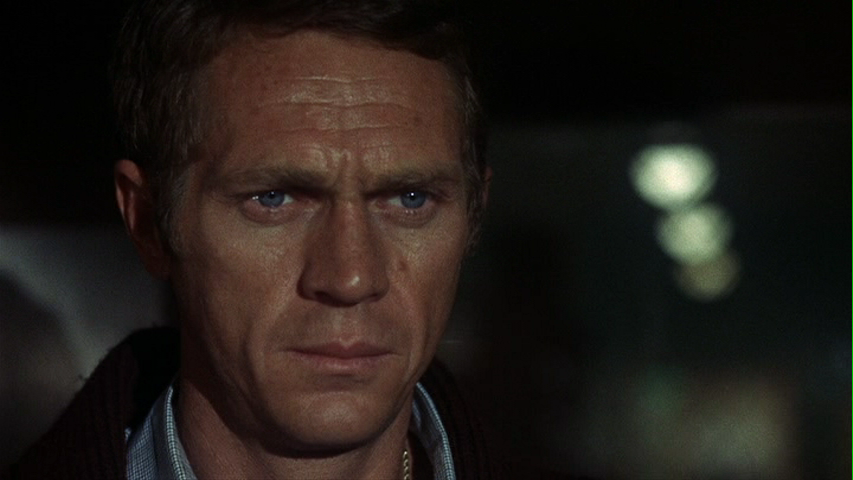
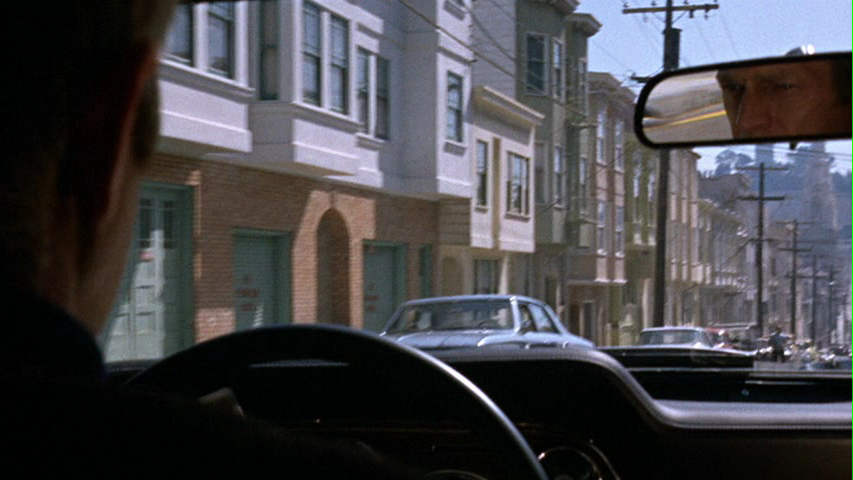
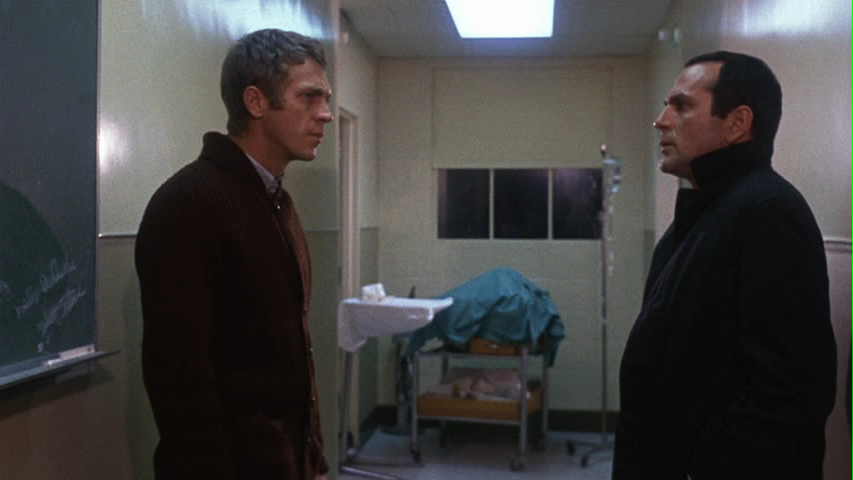
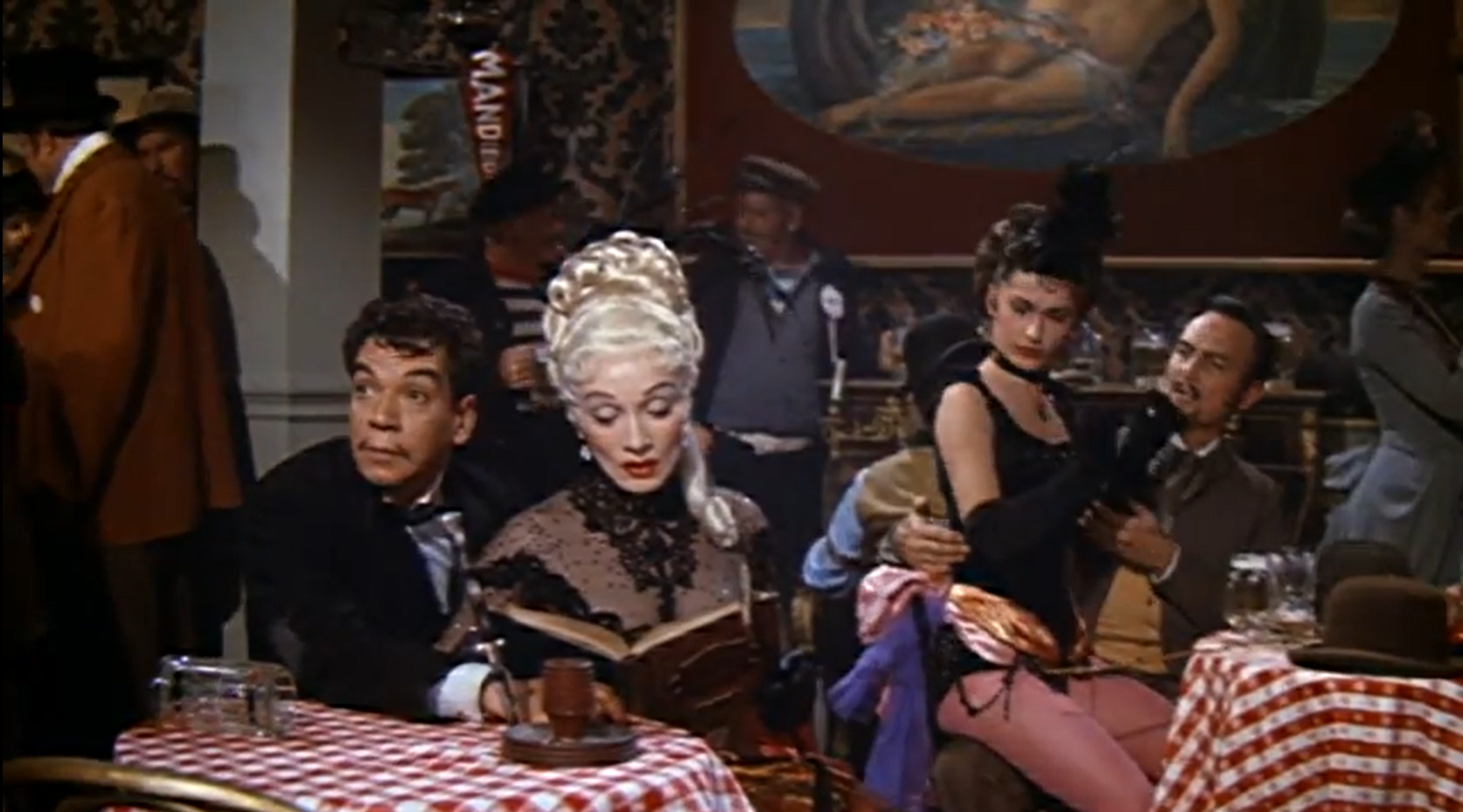
Response to Peary’s Review: Peary notes that this film “has never been given its due” — an interesting statement, since it’s most definitely remembered and revered by many as a cult hit. (In fact, just the other day on an L.A. freeway I was driving behind a Ford Mustang GT with “Bullitt” as its vanity plate, and “Steve McQueen” written on the plate frame). But perhaps that’s exactly Peary’s point: this film is so closely associated with McQueen’s car (and the justifiably lauded car chase it’s involved in) that it’s easy to overlook how enjoyable the film is as a police procedural and character study. The investigation is remarkably well-written, with the unexpected “plot twist” that occurs fairly early on (as McQueen’s ward is murdered) leaving us wondering what will come next. Indeed, the screenplay — which uncovers a “bizarre plot involving lookalike criminals” — almost never disappoints, with just one exception: the rather thankless role of Bullitt’s girlfriend (Jacqueline Bissett); Bissett tries her best but is saddled with such a god-awful speech at one point that it actually grinds things to a halt — temporarily. Despite this minor hiccup, however, Bullitt remains a must-see classic of the genre, one which merits multiple enjoyable viewings. An interesting bit of trivia: according to TCM, Bullitt was “the first film shot entirely on location with an all-Hollywood crew” Addendum (1/14/11): RIP, Peter Yates. Redeeming Qualities and Moments:
Must See? Categories
Links: |