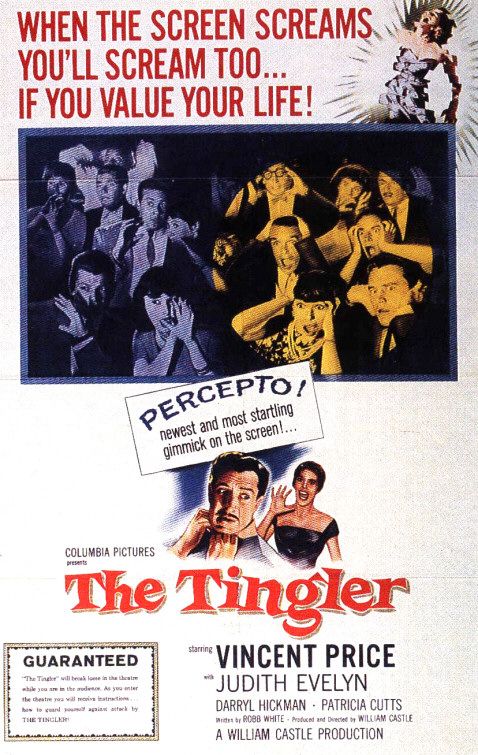
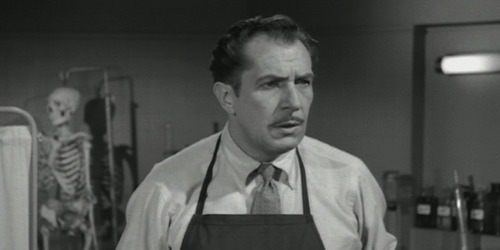
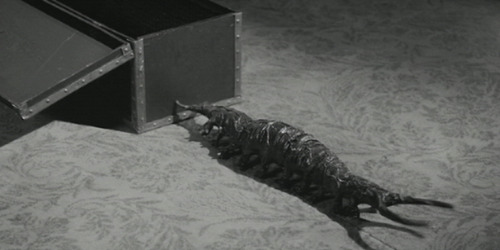
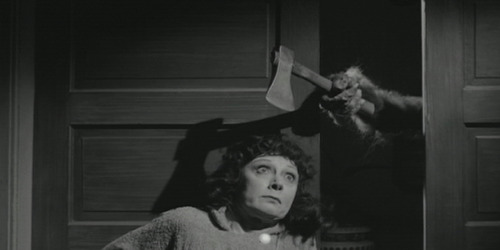
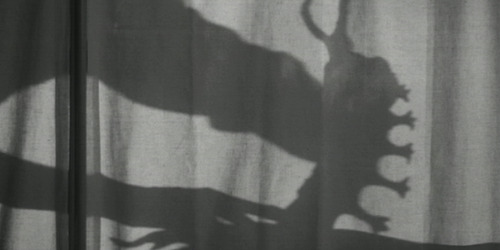
The Tingler (1959)
“Remember: if you scream at just the right time, it might just save your life”
|
Synopsis: |
|
Genres, Themes, Actors, and Directors:
Response to Peary’s Review: Redeeming Qualities and Moments:
Must See? Categories
Links: |
“Remember: if you scream at just the right time, it might just save your life”
|
Synopsis: |
|
Genres, Themes, Actors, and Directors:
Response to Peary’s Review: Redeeming Qualities and Moments:
Must See? Categories
Links: |
“We can’t expect too much from our children. Times have changed. We have to face it.”
|
Synopsis: |
|
Genres, Themes, Actors, and Directors:
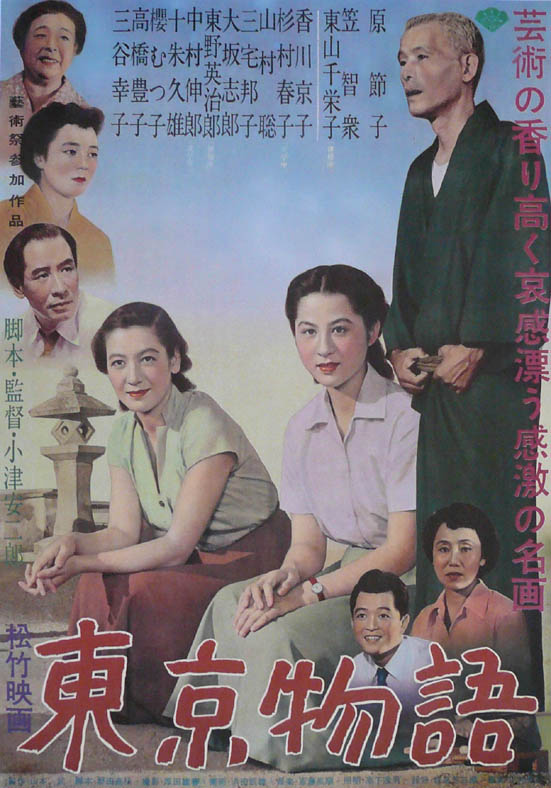
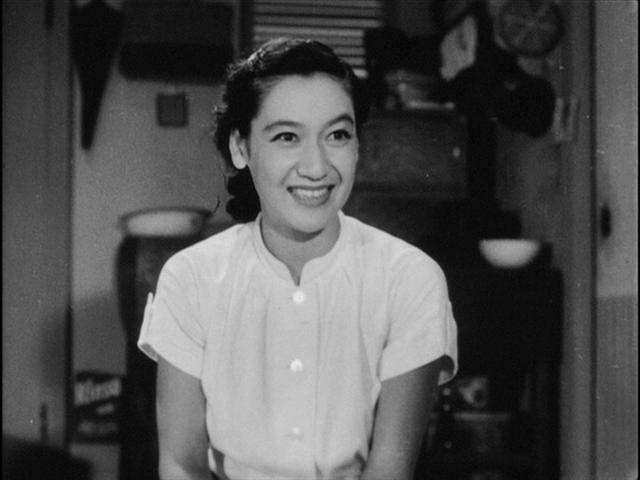
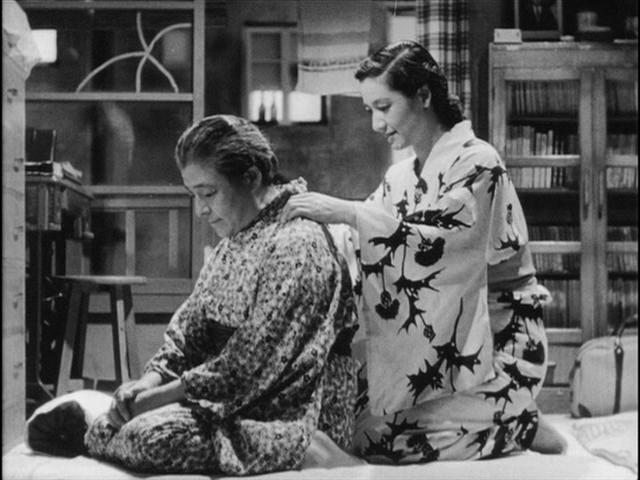
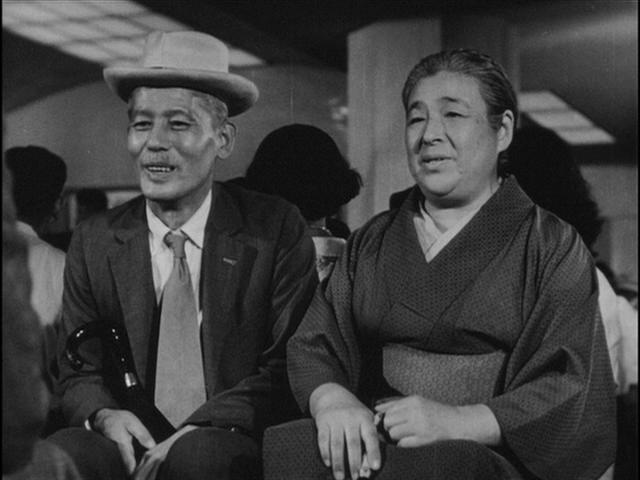
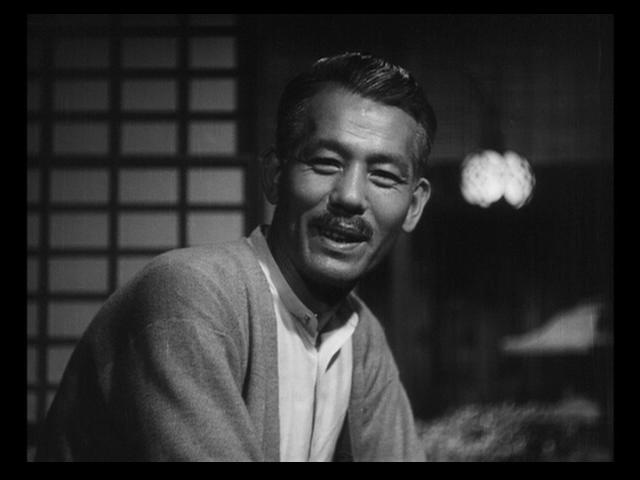
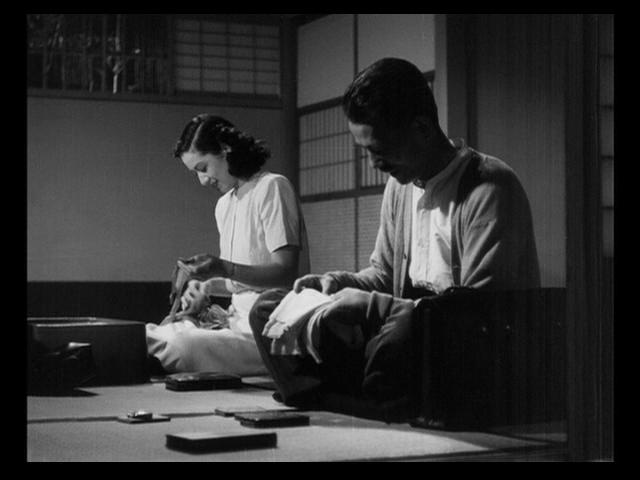
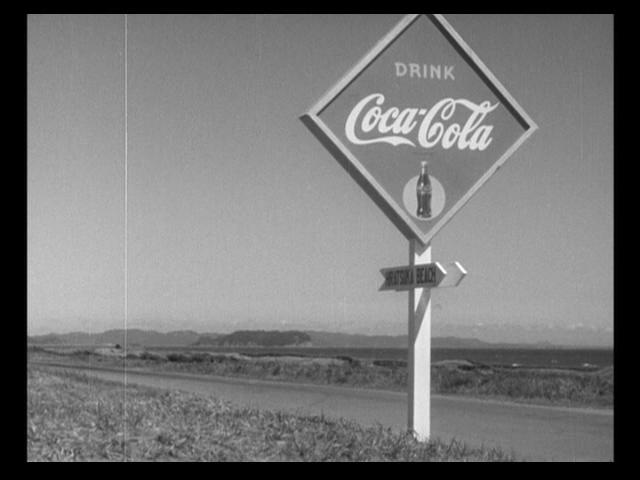
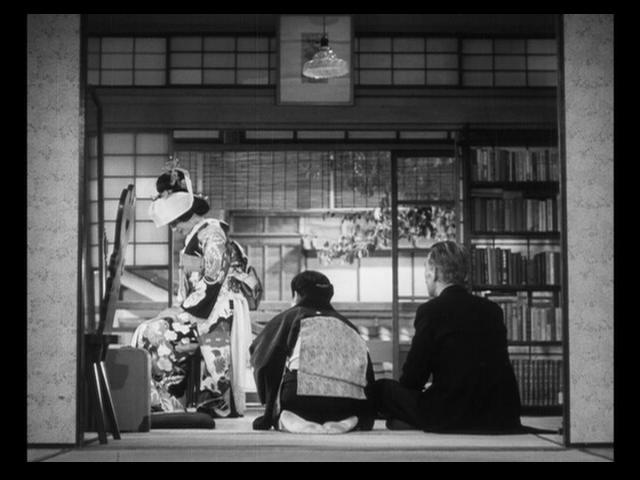
Response to Peary’s Review: Despite its prototypically Japanese setting, the themes in Tokyo Story are highly universal, and those who have seen Leo McCarey’s Make Way for Tomorrow (1937) will recognize many parallels. Just as the elderly couple in that film (Victor Moore and Beulah Bondi) are viewed as a burden by their married children, Ozu pulls no punches in portraying the impatience Ryu and Higashiyama’s children feel about their parents’ temporary presence. The couple’s beautician daughter (played with wonderfully snippy self-righteousness by Haruko Sugimura) comes across as especially shallow and uncaring, but she is not alone in her desire to be able to resume the rhythms of her regular life once her parents are gone; indeed, the son (Shiro Osaka) living closest to Ryu and Higashiyama in Onomichi has even less interest in caring for them, and must be reminded by his co-worker about the importance of filial concern. Interestingly, it is Ryu and Higashiyama’s non-blood-relative — their daughter-in-law, Noriko (Hara) — who becomes the most sympathetic character in the film. This lovely young widow is genuinely pleased to spend time with the parents of her husband, who died eight years earlier in the war; as Peary points out, the scene where she sees Ryu and Higashiyama looking at a photo of their dead son and “quickly runs to a neighbor to borrow fine cups for the occasion” is truly touching. Only someone like Noriko — who has already experienced the loss of a loved one early in life — can understand “the transiency of life, [and] the need to care about people when they are still alive.” Redeeming Qualities and Moments:
Must See? Categories
(Listed in 1001 Movies You Must See Before You Die) Links: |
“One pill, and he thought he could handle anything. One pill, and he thought he was bigger than life!”
|
Synopsis: |
|
Genres:
Review:
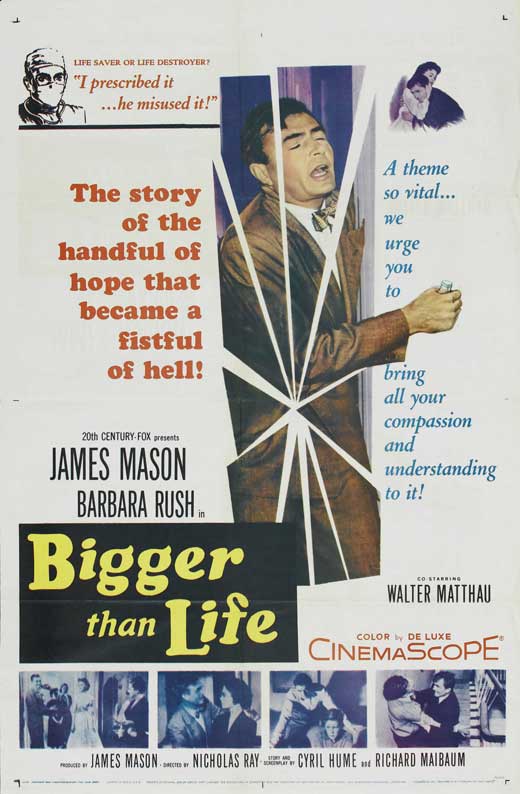
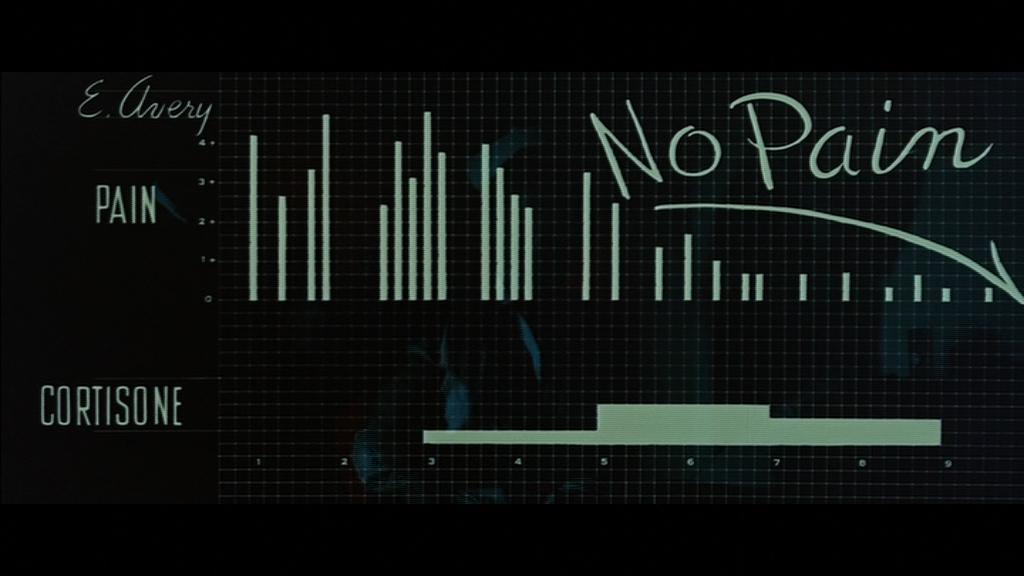
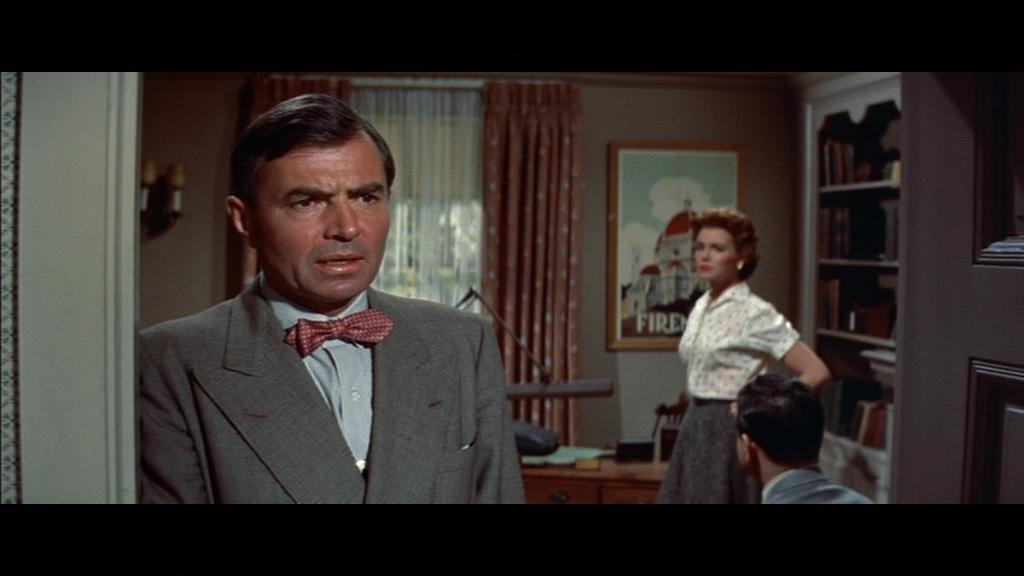
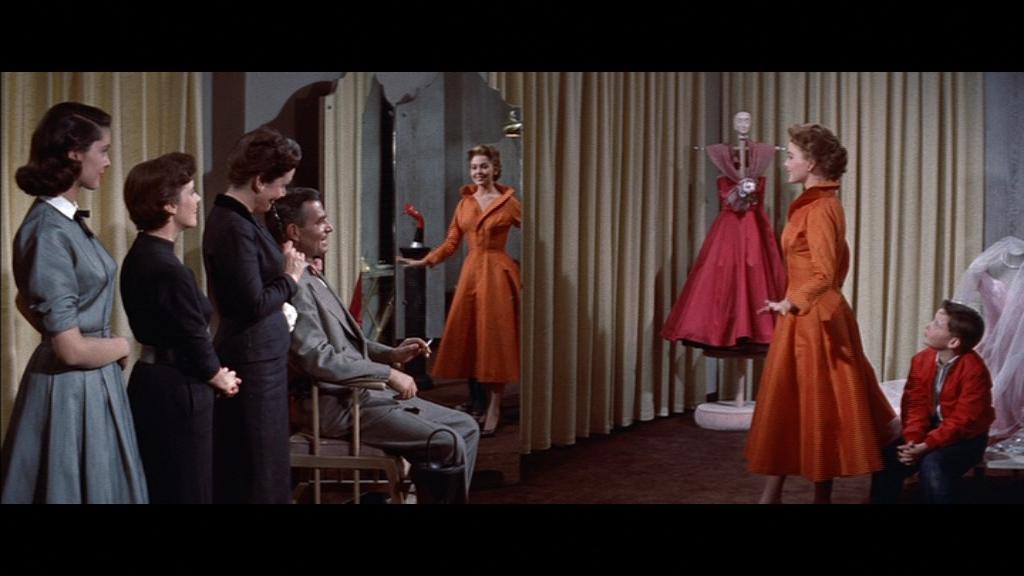
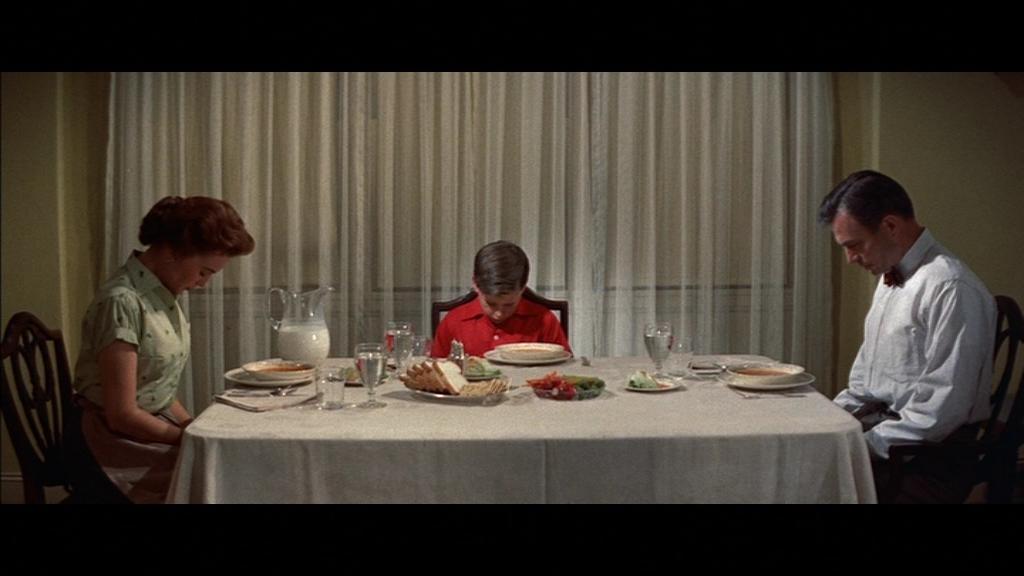
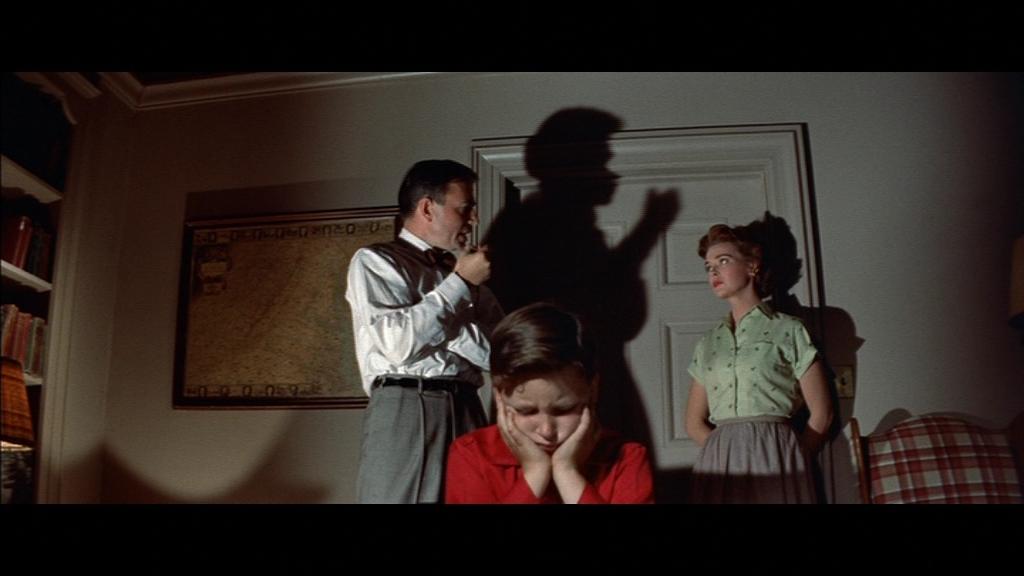
Unfortunately, this seeming “happy ending” merely signals the onset of an increasingly nightmarish existence for the Averys, as Ed discovers that cortisone provides him with a new kind of strength and virility which he had been sorely lacking before. He can’t seem to help himself from taking more than the prescribed dosage of his medication, and soon becomes a frightening figure of irrational authority in his household, demanding more and more control over his wife and son’s every move. The story quickly goes beyond the audience’s comfort zone, showing us the “hidden” impulses and thoughts which emerge when Ed is no longer constrained by petty concerns such as earning an income and maintaining a modicum of social propriety. Ultimately, then, Bigger Than Life shows us a prototypical 1950s family man who secretly longs to transcend his cloistered existence (posters and maps of far-away countries — places he can’t afford to visit — line the walls of his house), but who is torn by a sense of guilty responsibility to his family. His wife (played with firm resolve by Barbara Rush) is similarly stuck in a vision of 1950s propriety: she’s afraid to send Ed to a psychiatrist because of what this would imply about his sanity, and unable to stand up to her husband even in the face of extreme danger to herself and her son. While the film ends on an unrealistically upbeat, pro-family note (perhaps demanded by audiences of the day), fortunately this doesn’t erase the impact of the gripping psychological horror that has come before. Redeeming Qualities and Moments:
Must See? Categories
(Listed in 1001 Movies You Must See Before You Die) Links: |
“If I left home, Father would be lost.”
|
Synopsis: |
|
Genres, Themes, Actors, and Directors:
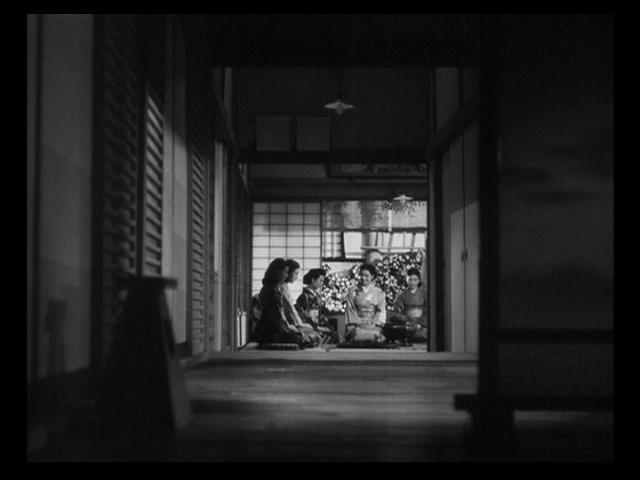
Response to Peary’s Review: Peary points out that Ozu makes the fascinating choice of never showing us Hara’s young “Gary Cooper-esque” spouse-to-be — indicating that in some ways, Late Spring is really a tragic story of “star-crossed lovers” (father and daughter) who are unable to justify a continued lifetime together. While Ozu only hints at the titillation of Hara’s “unhealthy” devotion to her father, there is definitely something “not quite right” between them. Indeed, any explicit mention of the need for sexual gratification is conspicuously absent from the film — although it would appear full-force in Ozu’s final movie, An Autumn Afternoon (1962), a virtual reworking of the same story. Note: Interestingly, many of Ozu’s films reference seasons in their titles — including Early Summer (1951), Early Spring (1956), Late Autumn (1960), Early Autumn (1961), and An Autumn Afternoon (1962). Redeeming Qualities and Moments:
Must See? Categories
Links: |
“[It’s] Jesus — He’s in our barn. He’s come back.”
|
Synopsis: |
Genres, Themes, Actors, and Directors:
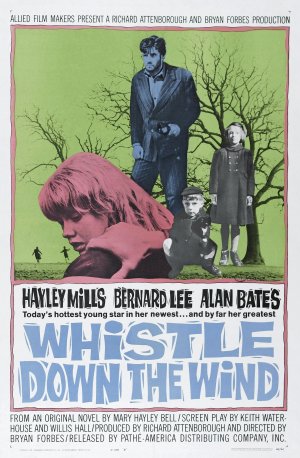
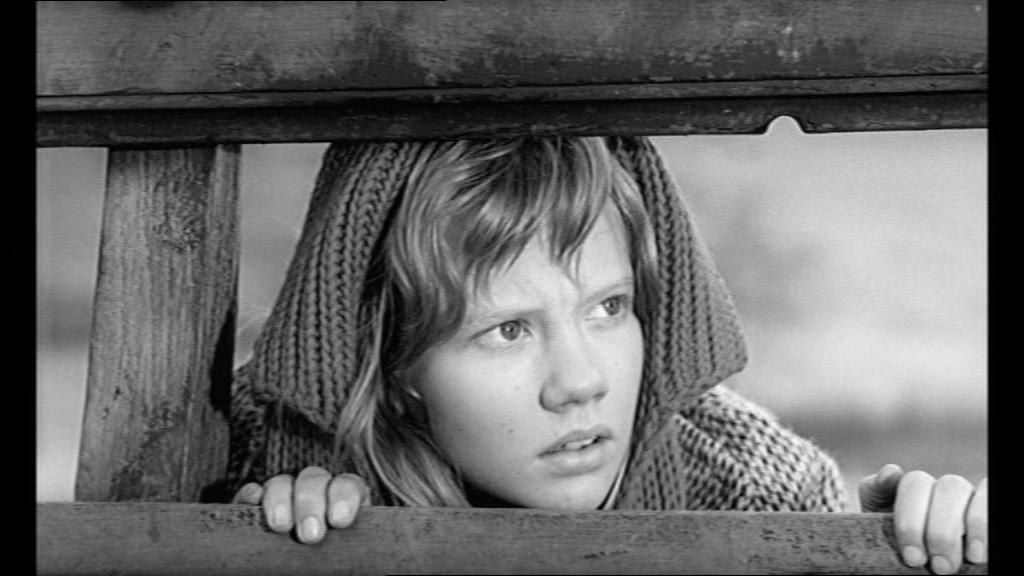
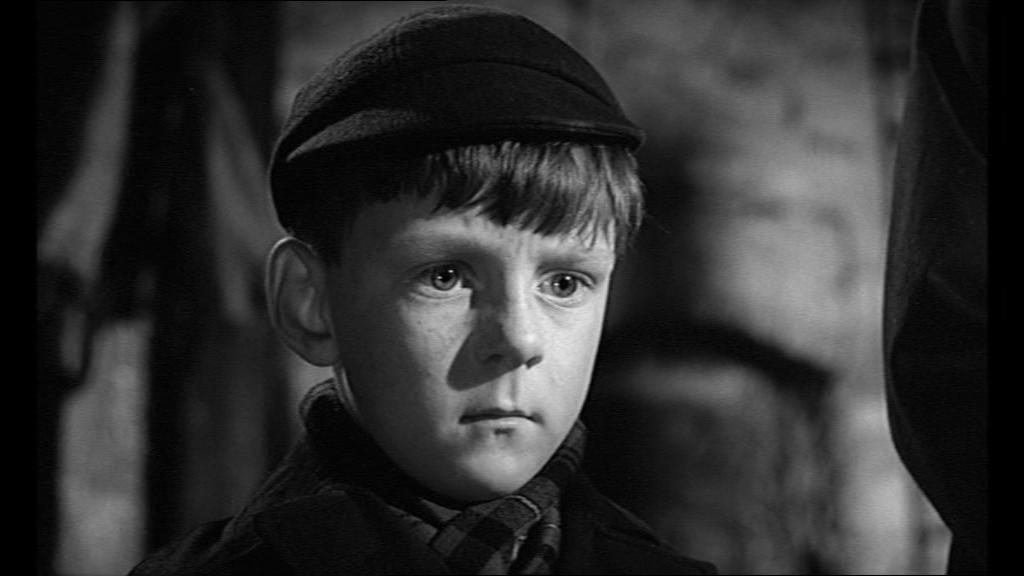
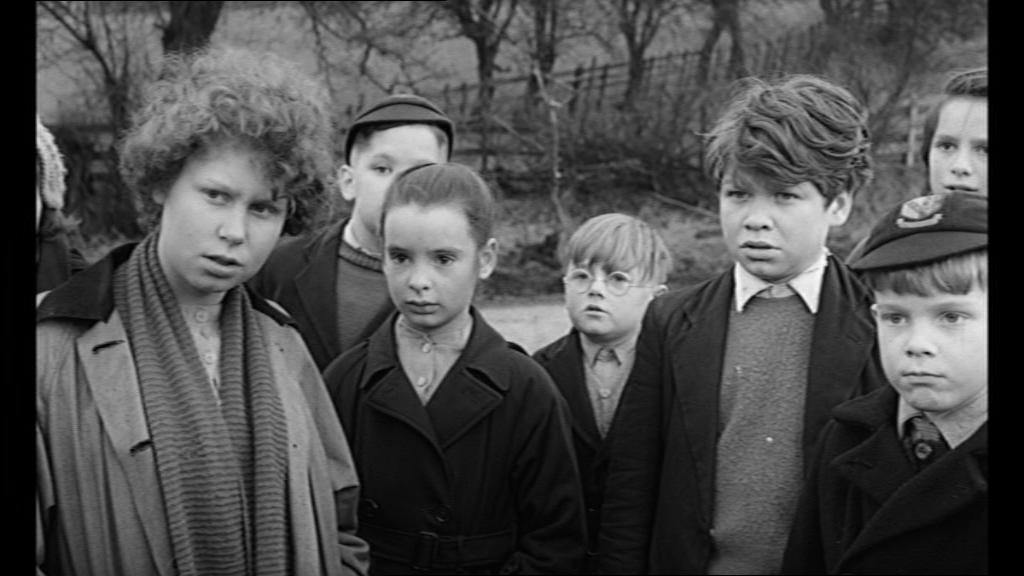
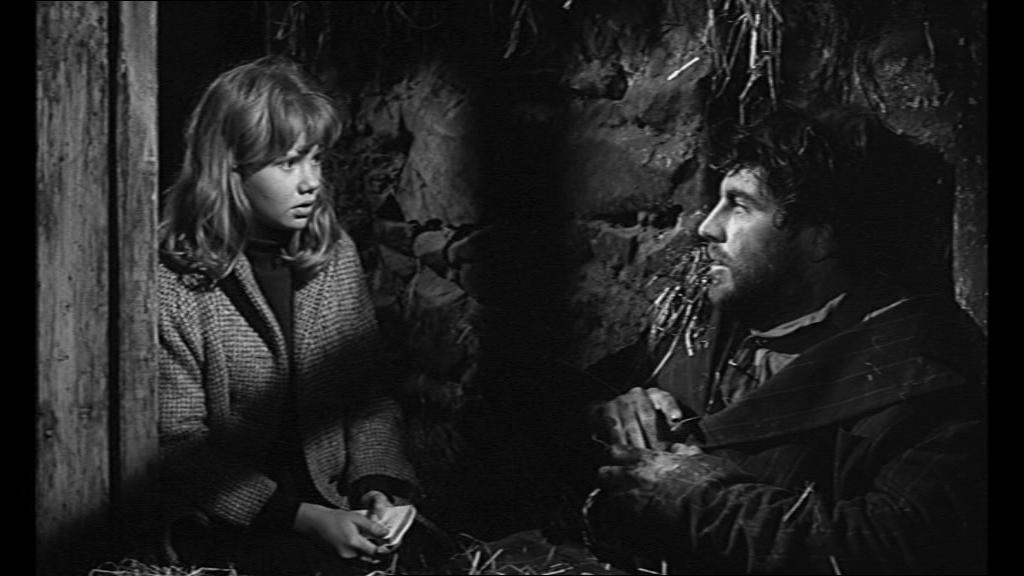
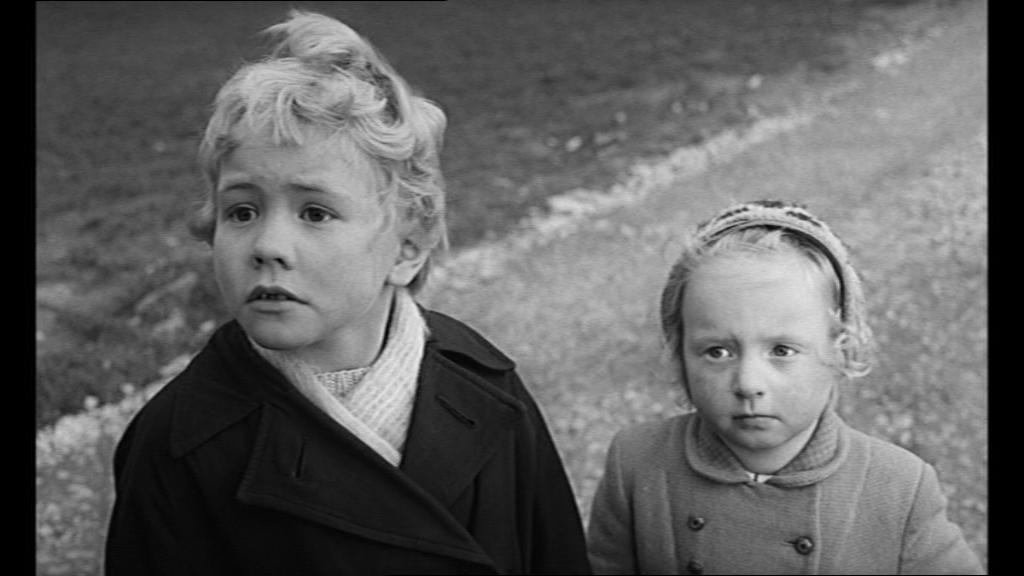
Review: This powerful opening sequence — quiet and grim, yet hopeful at the same time — effectively establishes a tense dialectic between childhood idealism and adult pragmatism, a theme which continues through the entire film. The notion of these village children mistaking a scruffy, bearded stranger for Christ is highly credible, as is their quest to keep him safe from the evil hands of Adults Who Want Him Gone — after all, if adults will kill innocent kittens, what aren’t they capable of? Fortunately, though grown-ups may be the ones in power most of the time, children easily trump them in terms of their cleverness, imagination, and sheer trust in goodness, as this film ably shows. In addition to its provocative, unusual storyline, Whistle Down the Wind benefits from marvelous acting. Mills is once again natural and vibrant in a role which required her to ditch her perfect Queen’s English for a Northern dialect, and Alan Bates (in his film debut) wisely plays The Man (a.k.a. “Jesus”) as someone reticent and careful rather than vicious and bold, thus allowing the children’s impressions of him to form the bulk of his characterization. The cast of local children (labeled “The Disciples” in the film’s closing credits) are appropriately diverse in both appearance and demeanor, and the town’s adults (including Diane Clare as the children’s well-meaning Sunday School teacher, Bernard Lee as the siblings’ harried yet concerned single father, and Hamilton Dyce as the local vicar) are realistic as well. But the film’s stand-out performance undeniably belongs to the youngest Bostock sibling (Charles), played by Alan Barnes — who, as Bosley Crowther of the New York Times put it, “is absolutely the most terrific little fellow we’ve ever seen in a film.” Charles is the type of precocious kid who suddenly announces out loud at the breakfast table: “198”, then explains — as though the relevance and importance of this numerical fact should be obvious — that this is how many eggs he’s eaten since Easter. Charles is a boy who requires concrete proof of anything in order to be persuaded, and when “Jesus” allows the kitten Charles has placed in his care to die, Charles’s faith is suddenly and irreparably damaged: “It isn’t Jesus. It’s just a fella,” he takes to announcing with cynical disdain. Ultimately, however, Whistle Down the Wind is most concerned with Mills’s character (Kathy), and how she negotiates the tricky terrain of childhood conviction in the face of adult authority. Fortunately, the film builds to a credible denouement, with the movie’s final scene arriving as a satisfying solution to what seemed (to me at least) like an impossible task — bringing about justice for the fugitive’s crimes without shattering Mills’s faith completely. It is a testament to this fine, original film that it manages to achieve both. Redeeming Qualities and Moments:
Must See? Categories
Links: |
“If he didn’t do it, I’ll get him off.”
|
Synopsis: |
|
Genres, Themes, Actors, and Directors:
Response to Peary’s Review:
Redeeming Qualities and Moments:
Must See? Links: |
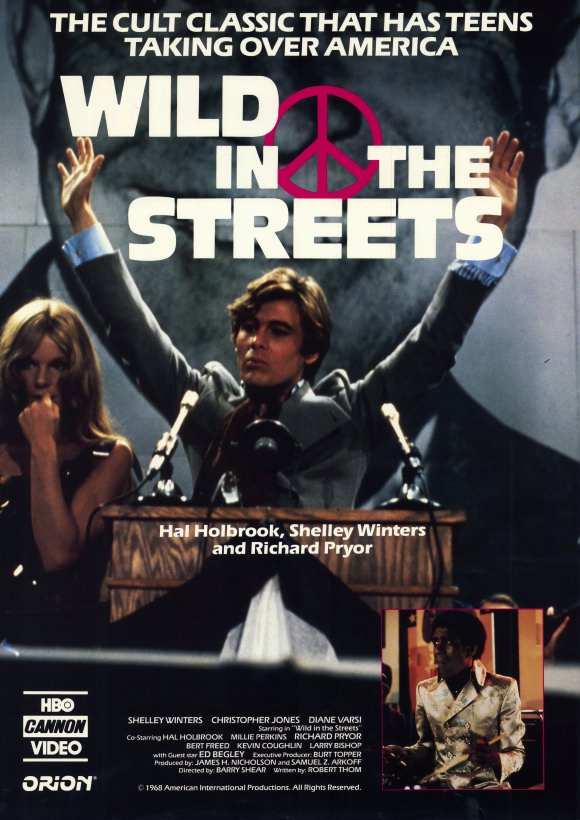
“Our young people are citizens. They’re concerned, committed, original, vital — they are citizens; we must give them the rights of citizens.”
|
Synopsis: |
|
Genres, Themes, Actors, and Directors:
Response to Peary’s Review:
Once they’ve managed to take over the White House and imprison anyone over 35 in LSD “concentration camps”, director Barry Shear doesn’t allow Frost and his cronies to rest on the laurels of their successful coup. Instead, the film continues inexorably along its dystopic path: when Frost informs Fergus’s young daughter, Mary, that he’s 24, she responds with youthful disdain, “That’s old!” The fear on Frost’s face at this moment shows that he’s beginning to realize (perhaps too late) the folly of his logic.
Inevitable comparisons have been made between this film and 1968’s Privilege — an equally provocative satire about a popular musician used for nefarious political purposes. But ultimately the films take radically different approaches to their subject matter. Privilege revolves around a patsy rock star who gradually comes to realize that his very identity is being manipulated by the government. Frost, however, is politically savvy from the get-go, and never lets up on his bitter thirst to eliminate the equation of age and experience with wisdom and ability. Redeeming Qualities and Moments:
Must See? Categories
Links: |
“It’s my party and I’ll cry if I want to.”
|
Synopsis: |
|
Genres, Themes, Actors, and Directors:
Response to Peary’s Review:
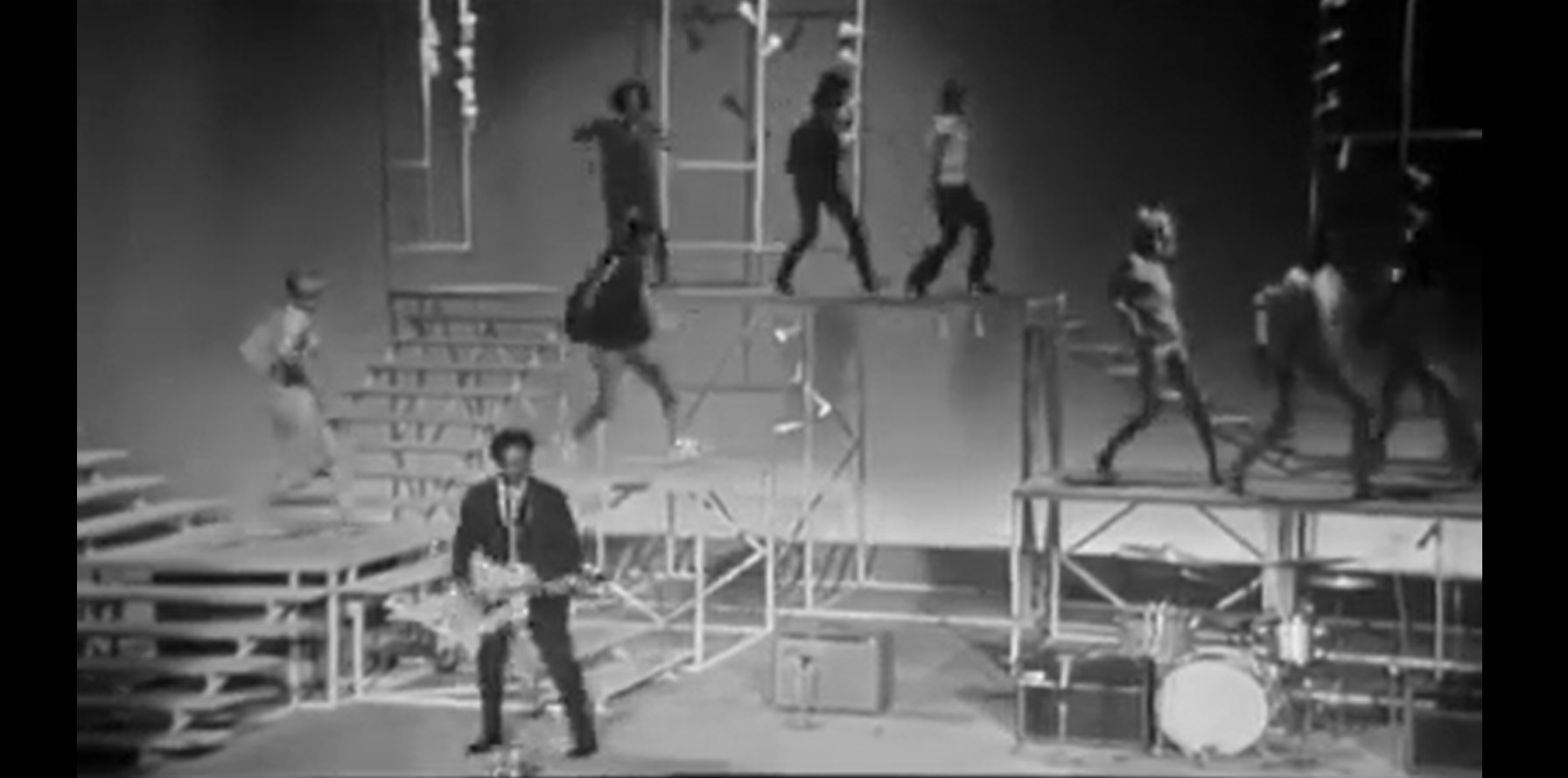
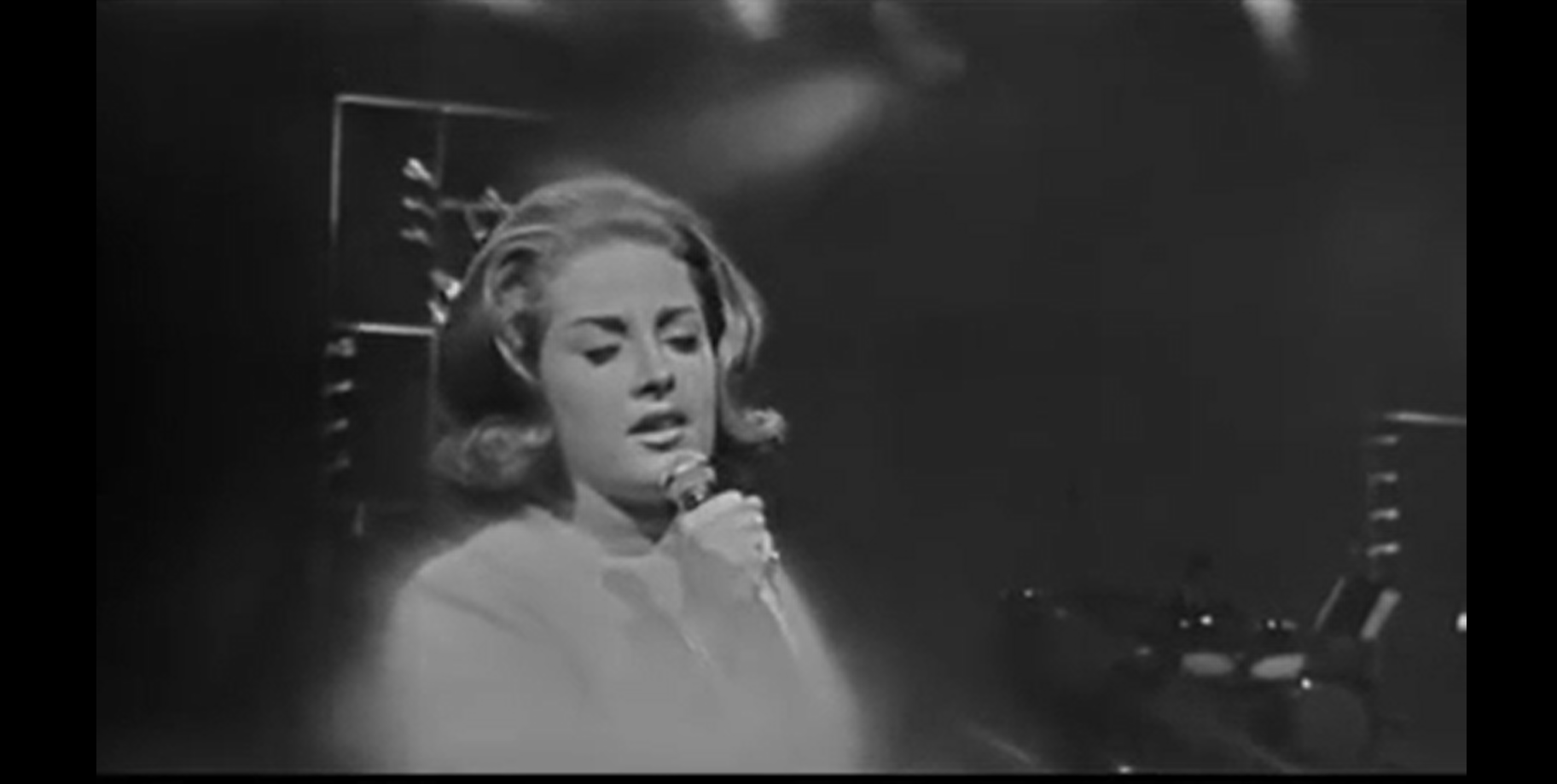
My favorite acts (though naturally everyone will have their own) include Lesley Gore singing “You Don’t Own Me” (featuring the film’s most creative camerawork):
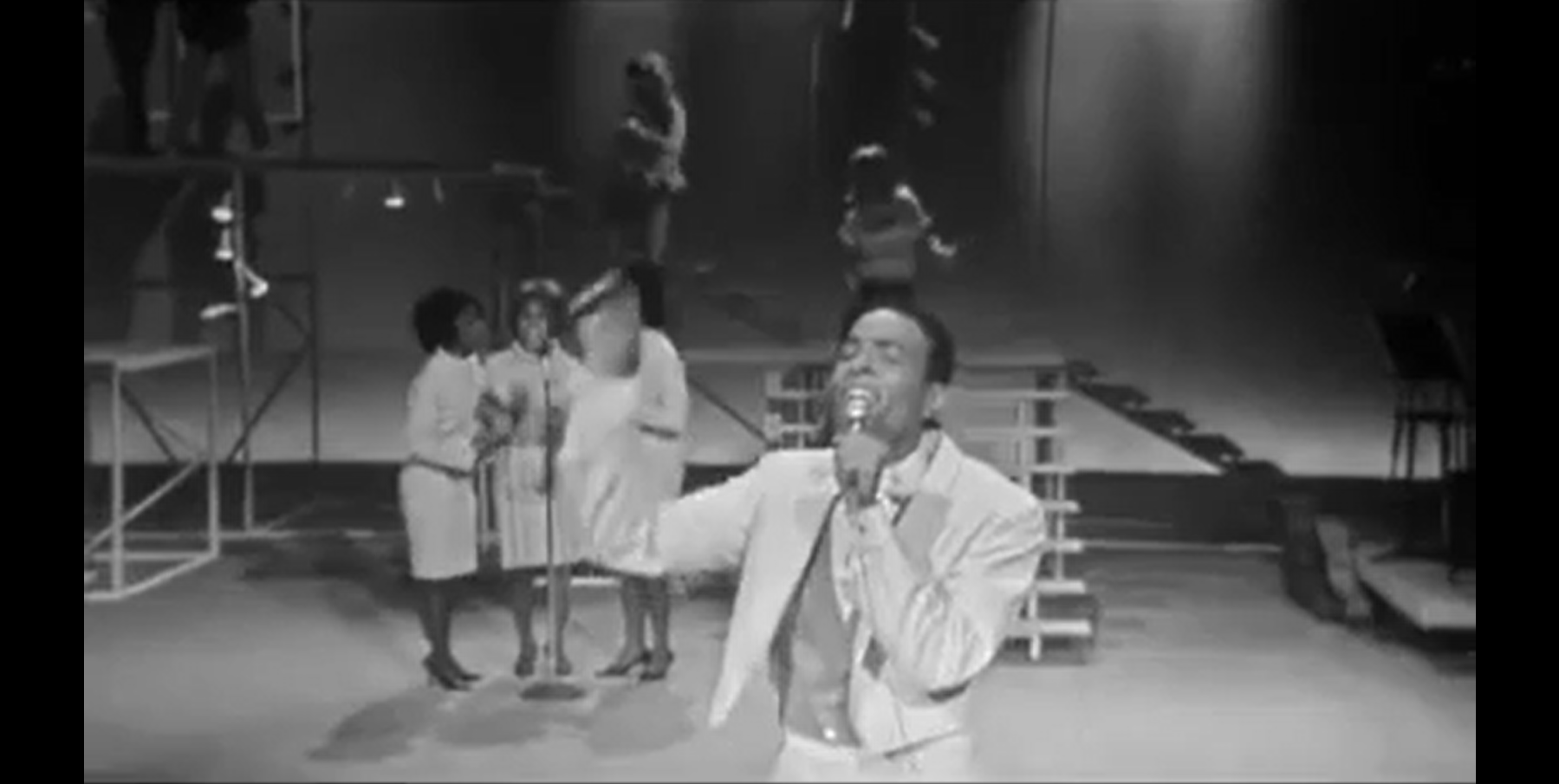
… a handsome young Marvin Gaye singing several ballads:
James Brown sashaying across the stage on one foot:
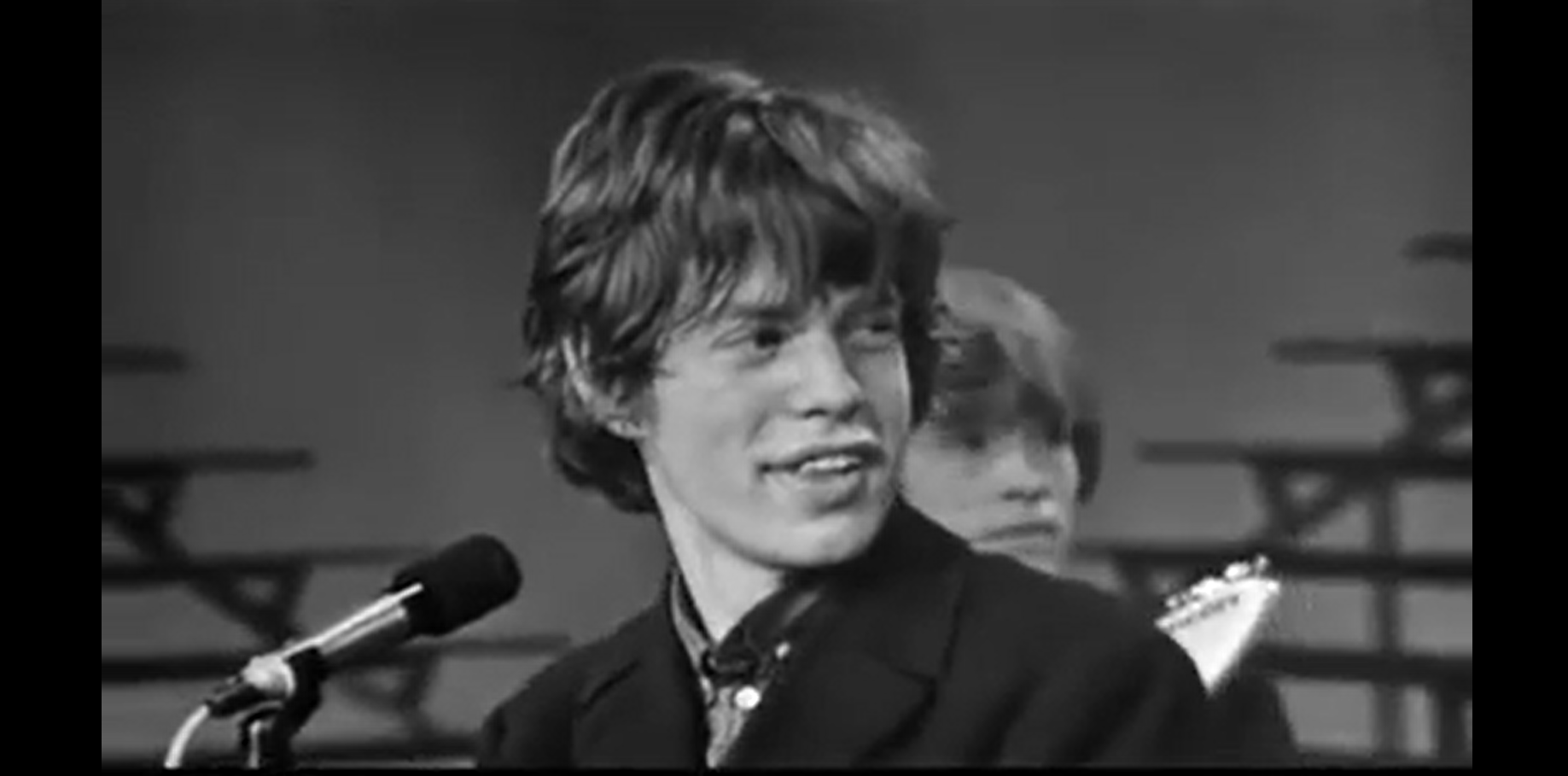
and, naturally, the Rolling Stones (I especially love the way the camera captures Mick Jagger’s happy exhaustion at the end of each song).
Redeeming Qualities and Moments:
Must See? Categories
Links: |
|
Synopsis: |
|
Genres, Themes, Actors, and Directors:
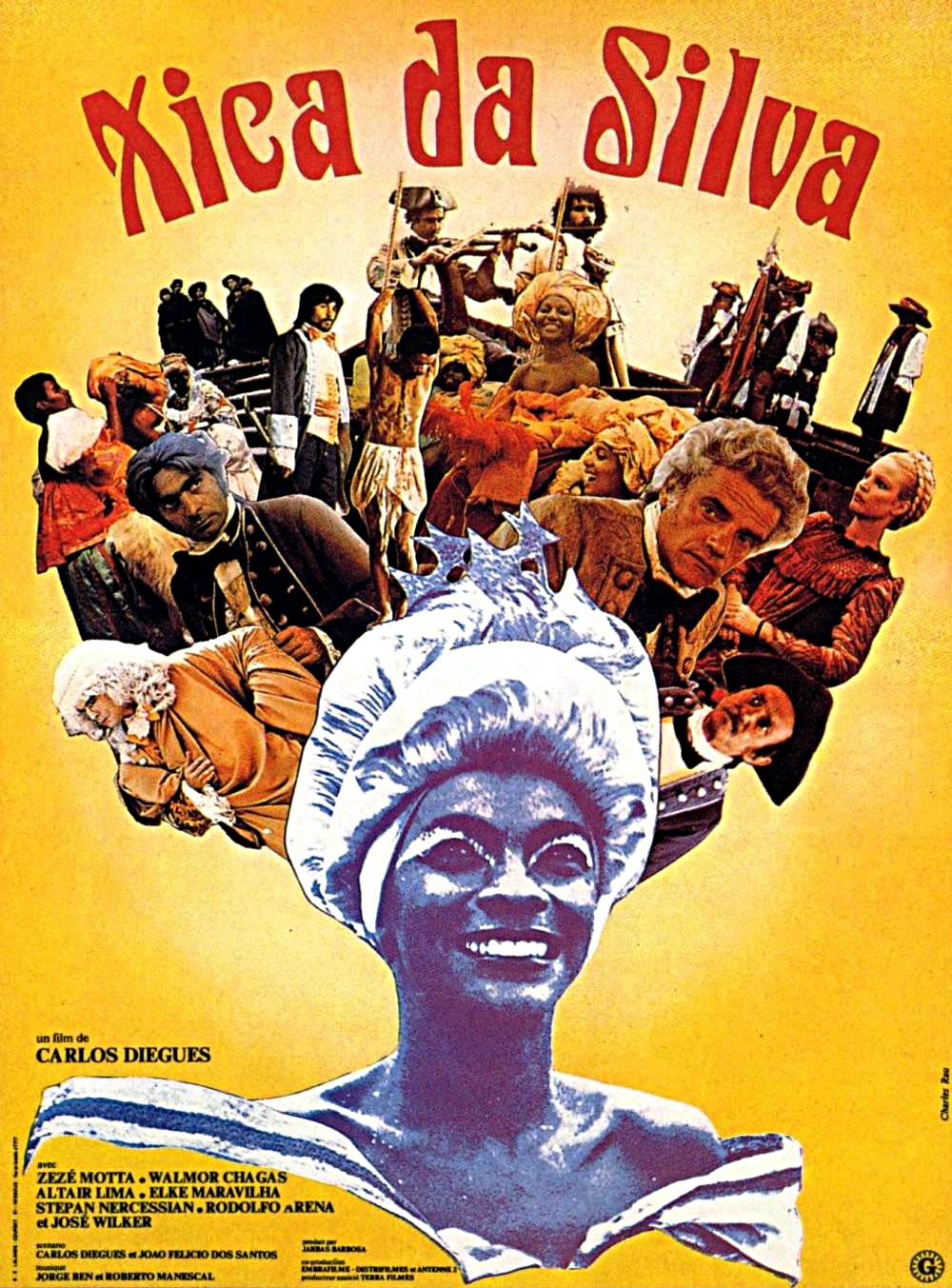
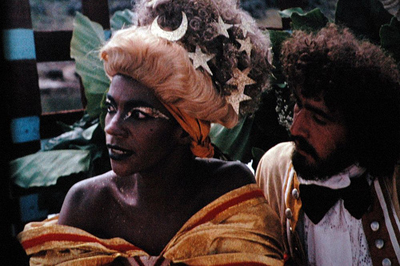
Response to Peary’s Review: Finally, while Xica experiences a drastic downfall at the end of the film (thus hinting at a “Rise and Fall” theme), she picks herself right back up and, oddly, seems undefeated — thus belying the traditional heavy-handed morality of most such movies. Ultimately, then, Xica is more of a character-driven comedy than any kind of a serious statement about political, historical, racial, or gender-based issues. If you don’t expect such an agenda, chances are you’ll have a good time enjoying this film’s broad humor, colorful costumes, and unusual historical setting. It’s truly a unique movie-watching experience. Redeeming Qualities and Moments:
Must See? Categories
Links: |
“I was much too far out all my life / And not waving, but drowning.”
|
Synopsis: |
|
Genres, Themes, Actors, and Directors:
Response to Peary’s Review:
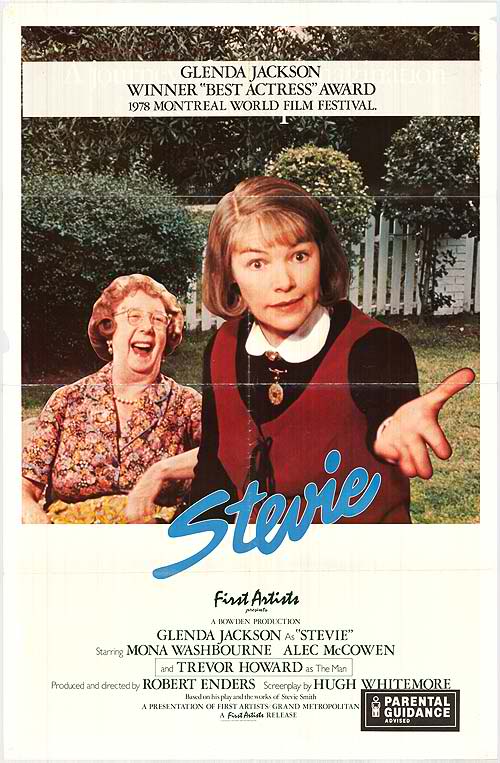
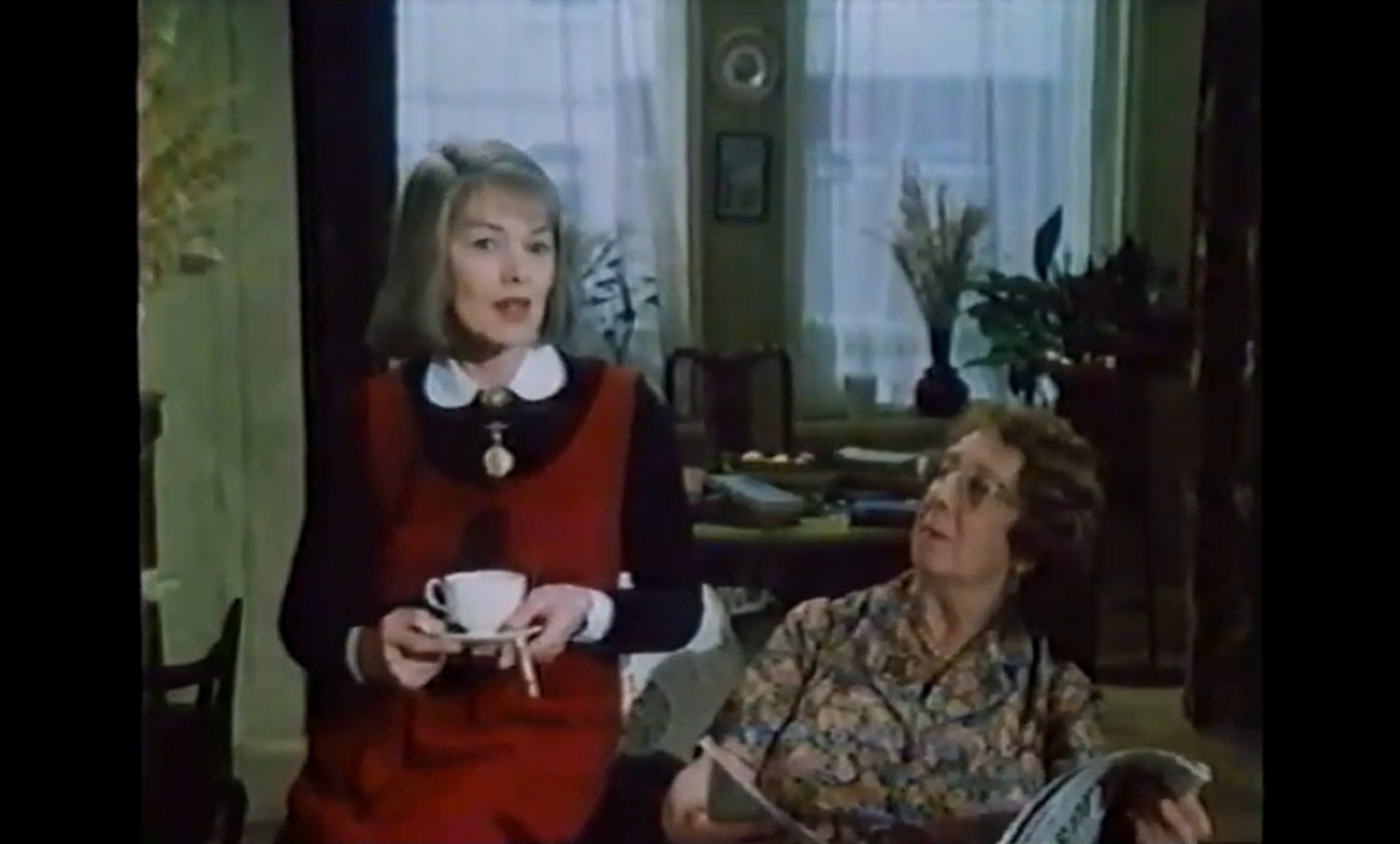
She utilizes a series of self-conscious vocal modulations and subtle facial gestures (such as nose sniffs and tongue-against-teeth movements) to portray Stevie’s unique mixture of humility, melancholy, and quietly adventurous spirit — and while she talks far too much, her performance never falters. Unfortunately, not every aspect of the film works: the flashbacks to Stevie’s childhood seem out of place; the script is far too stagy; and the strange role of Smith’s friend “The Man” (played by Trevor Howard) should have been cut altogether.
Monologic plays ultimately work better on the small screen — I was reminded, for instance, of Eileen Atkins one-woman portrait of Virginia Woolf in A Room of One’s Own (1990). With that said, however, fans of this type of movie will doubtless enjoy it, and should seek it out. Redeeming Qualities and Moments:
Must See? Links: |