Ghost Ship, The (1943)
“The man is dead. With his death, the waters of the sea are open to us. But there will be other deaths, and the agony of dying, before we come to land again.”
|
Synopsis: |
|
Genres, Themes, Actors, and Directors:
Review:
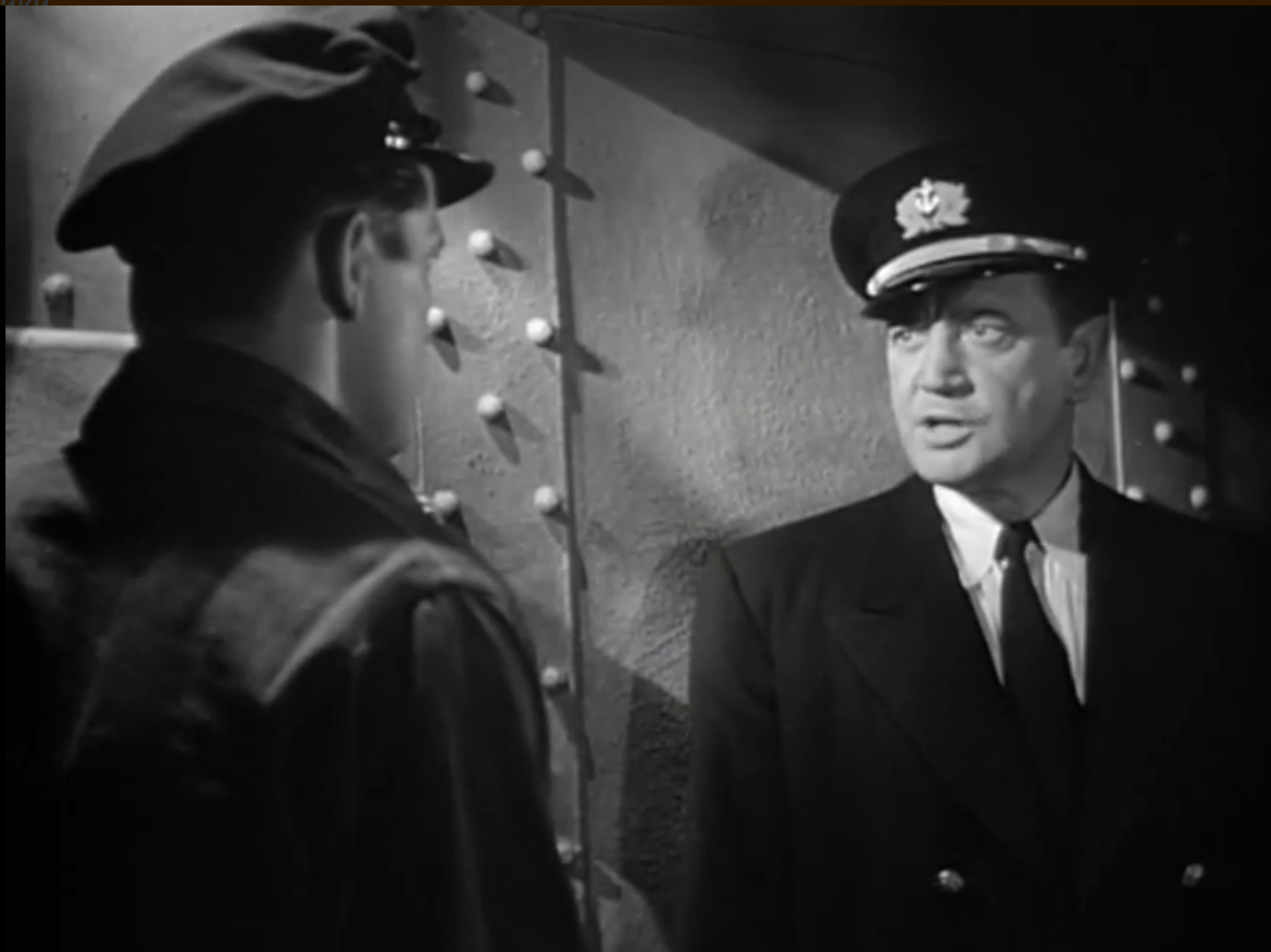
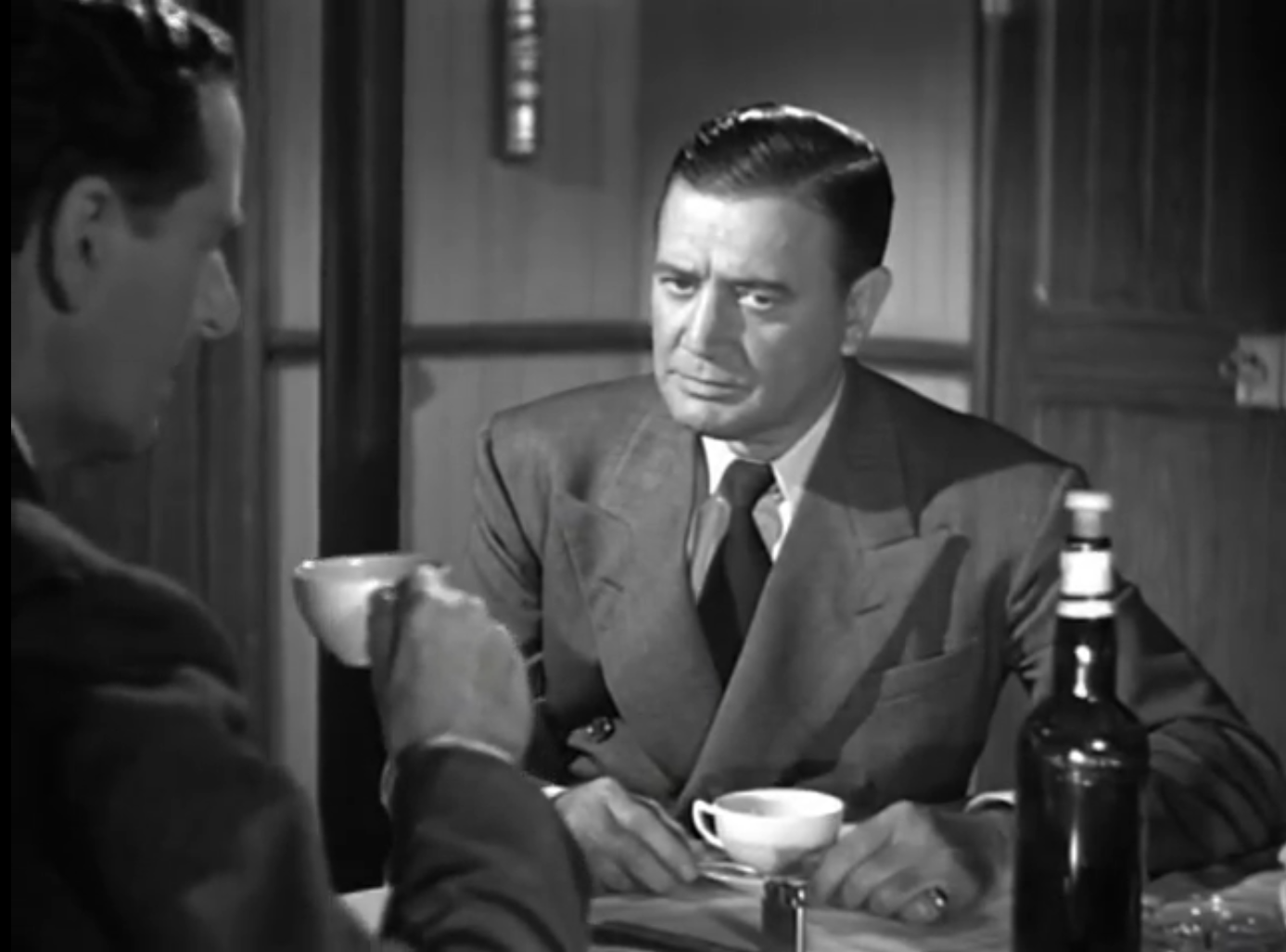
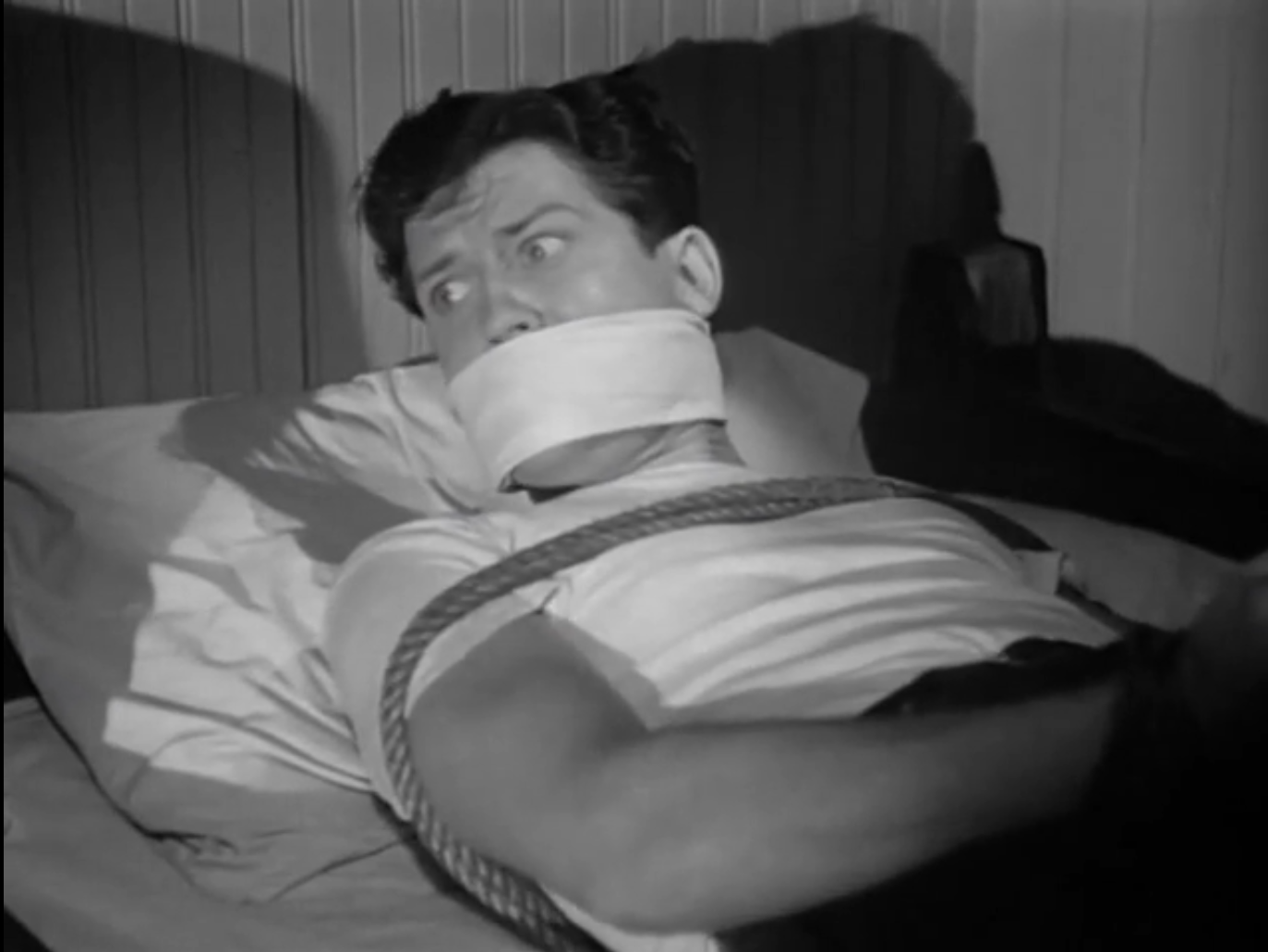
Indeed, even Wade is initially swayed by Stone’s warped reasoning that being responsible for his men’s lives also gives him the power to take those lives from them. Scene after powerful scene — Stone being too frightened to perform an appendectomy on an ailing sailor (Paul Marion), yet justifying his fear as reasonable afterwards:
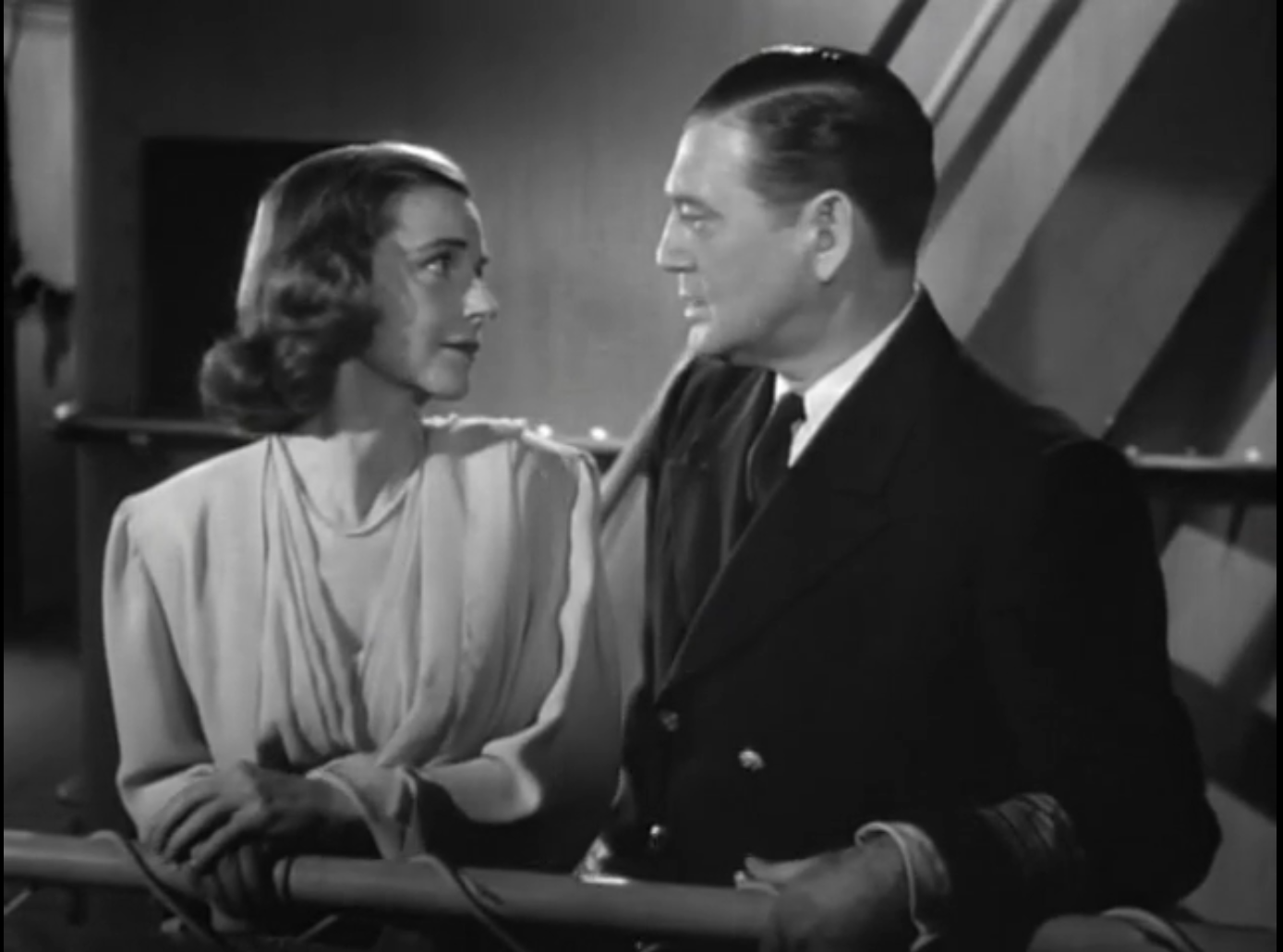
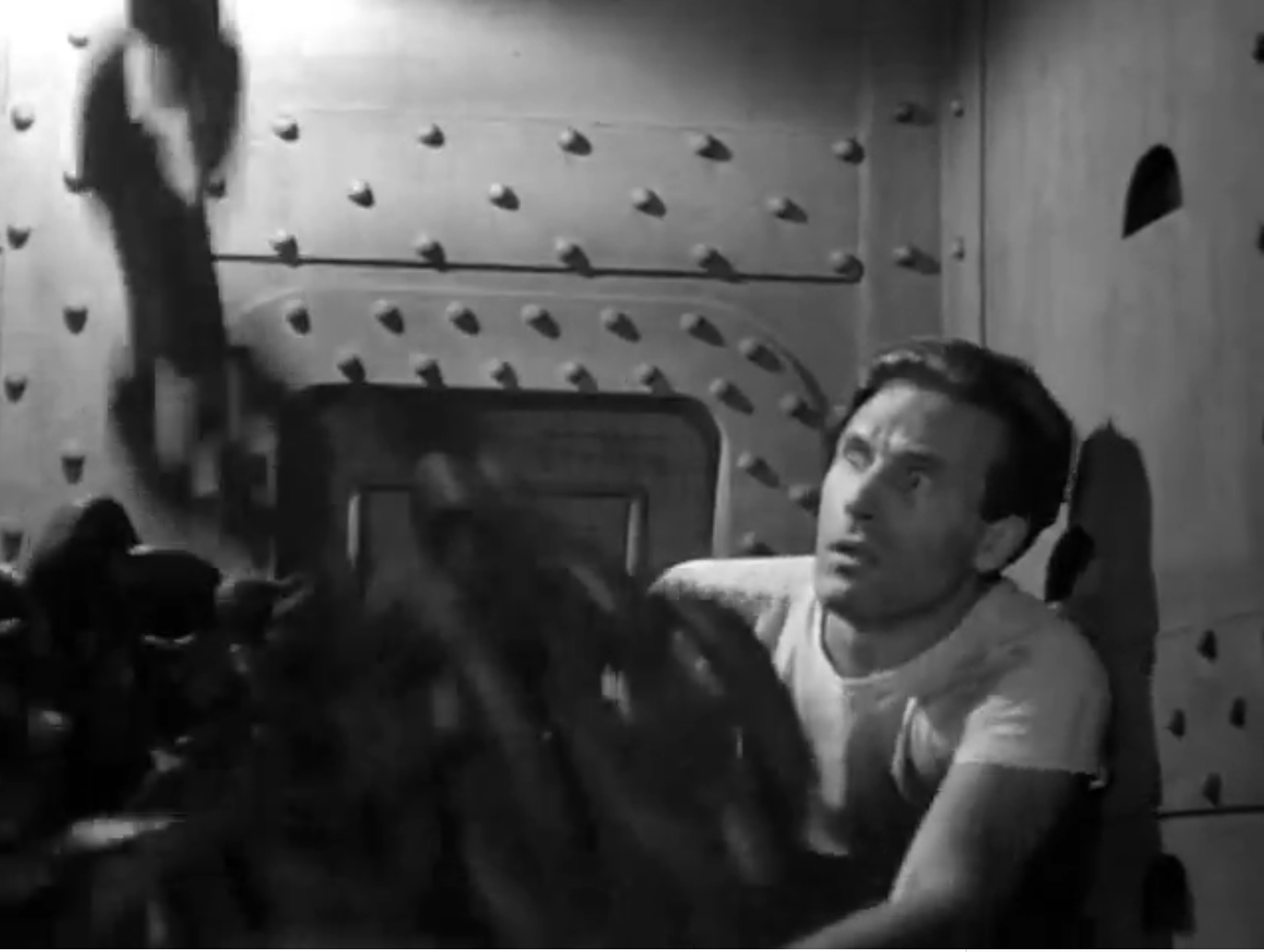
… a sailor (Lawrence Tierney) being “accidentally” crushed to death by a heavy chain after daring to stand up to Stone — leave audience members frightened yet genuinely confused about what to believe, particularly after watching a later scene in which Dix confesses (to a sympathetic female friend, played by Edith Barrett) his own fears about slowly going mad.
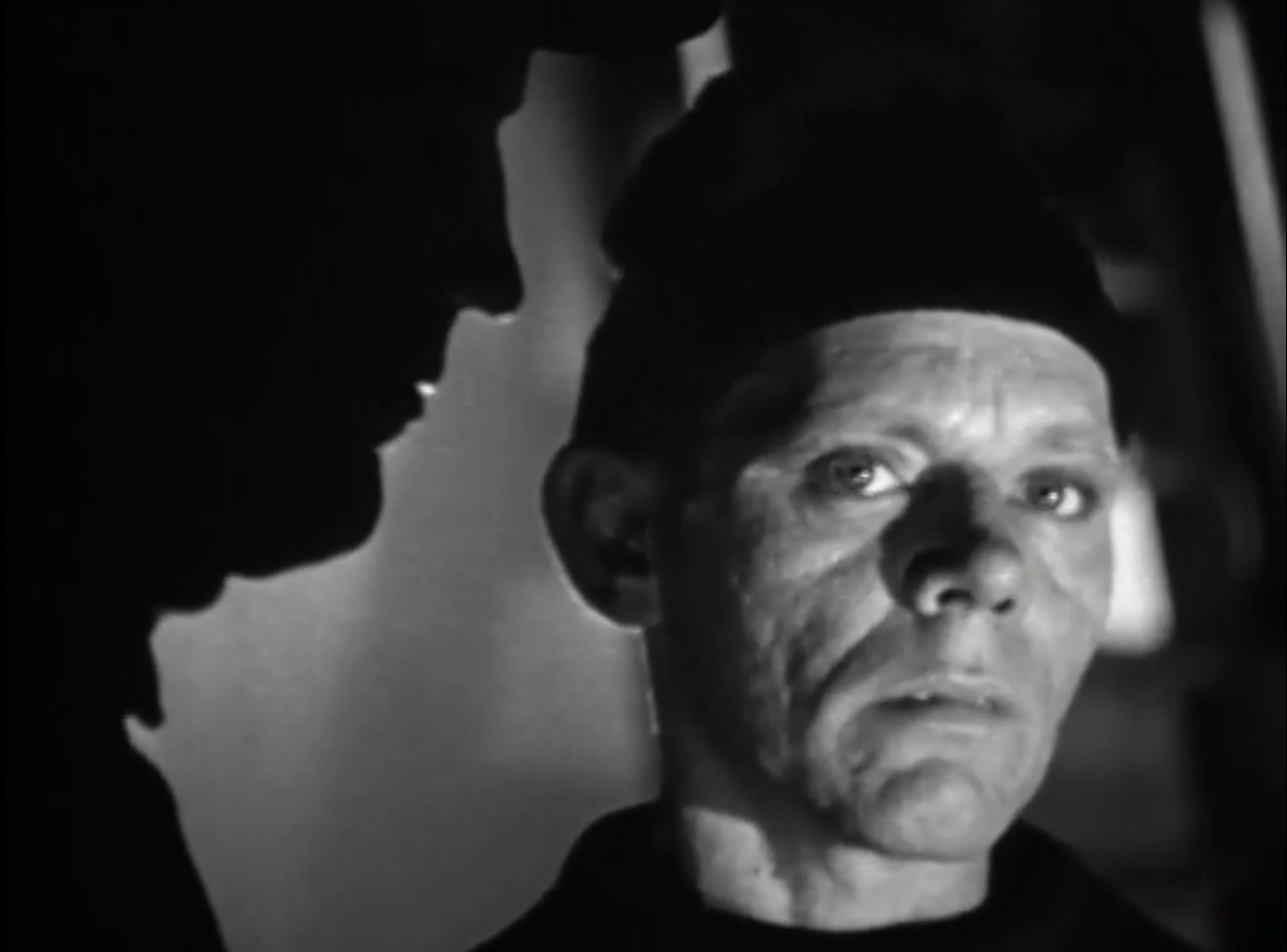
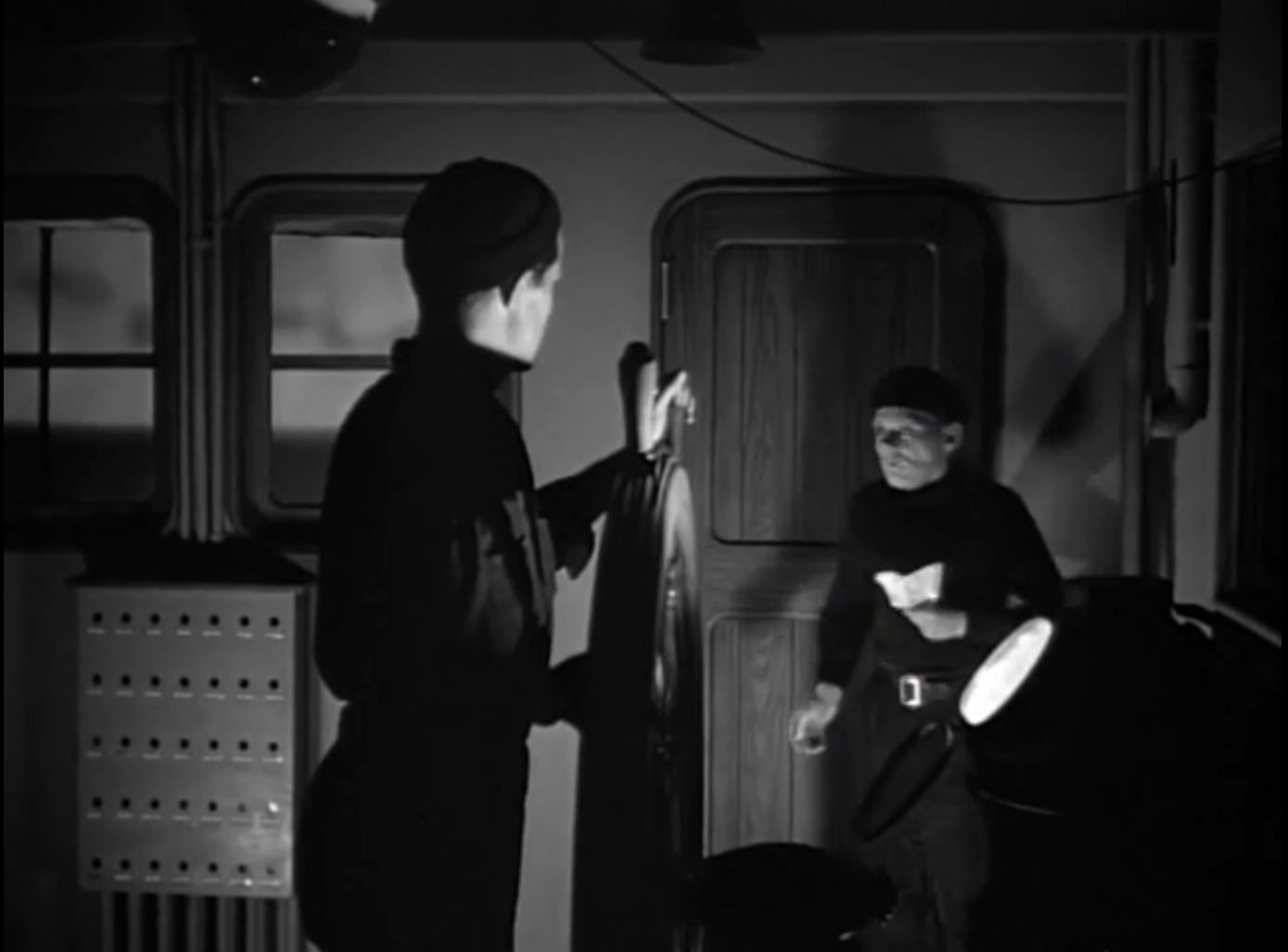
In addition to its tightly scripted screenplay (by Donald Henderson Clarke, based on a story by Leo Mittler), The Ghost Ship is full of Lewton’s characteristic visual and literate sensibility. Nicholas Musuraca’s atmospheric black-and-white cinematography neatly evokes a noirish world on board the ship, while the casting of Skelton Knaggs as Finn the Mute — an omniscient voice-over narrator who plays an unexpectedly important role near the end of the film — serves as an inspired homage to the “chorus” of classical theater.
As with all of Lewton’s other RKO “horror” films, The Ghost Ship‘s title is actually a bit of a misnomer, given that no ghosts ever appear — but Lewton’s unique gift lay in creating highly memorable, low-budget thrillers which relied more on the power of psychology than on overt chills, and this film is no exception. Film fanatics should definitely check it out. Redeeming Qualities and Moments:
Must See? Categories
Links: |