Star is Born, A (1954)
“He saw something in me nobody else ever did. He made me see it, too. He made me believe it!”
|
Synopsis: |
|
Genres, Themes, Actors, and Directors:
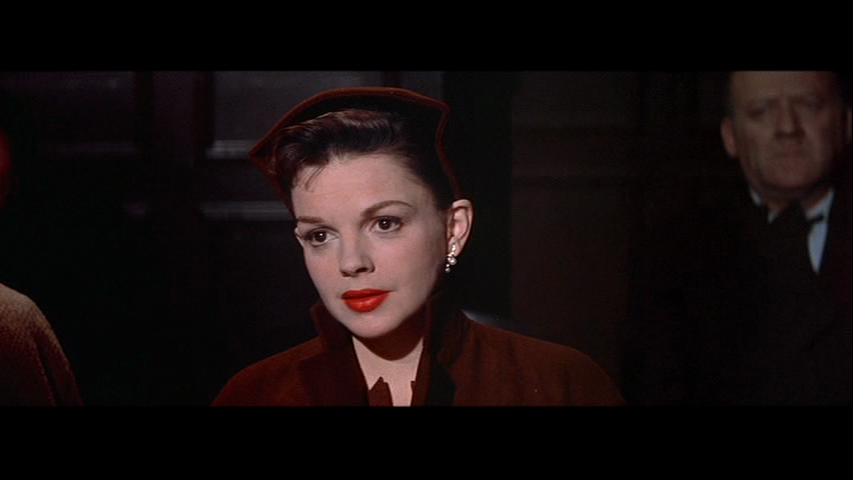
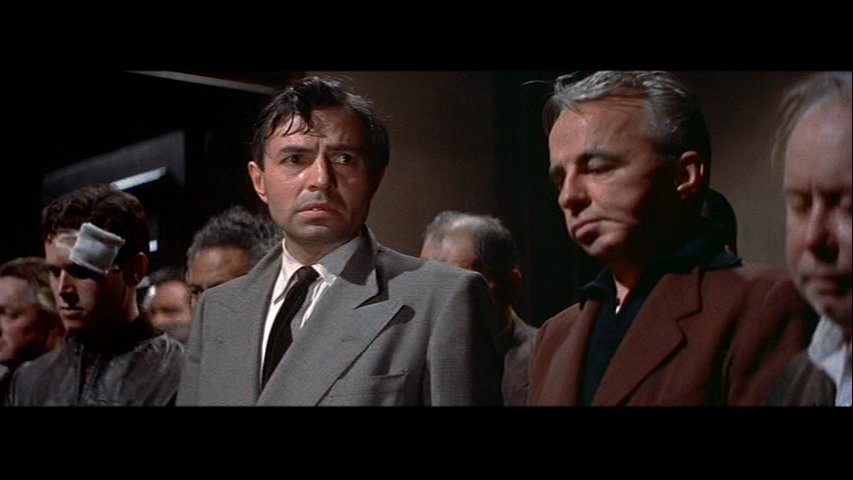
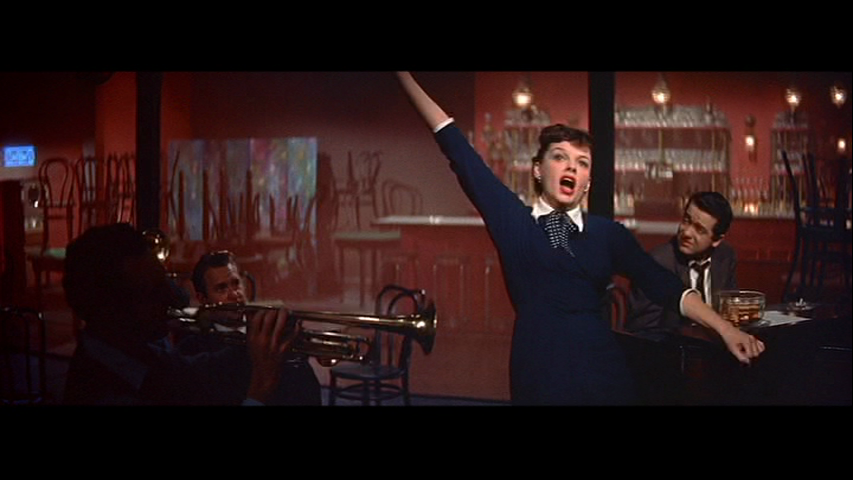
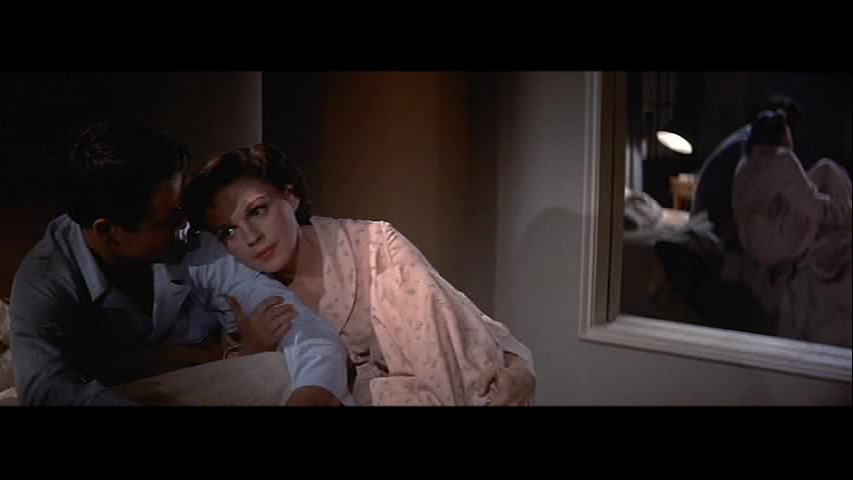
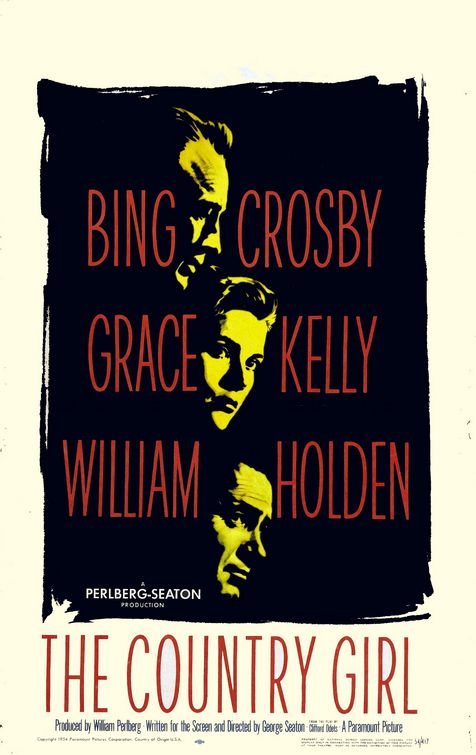
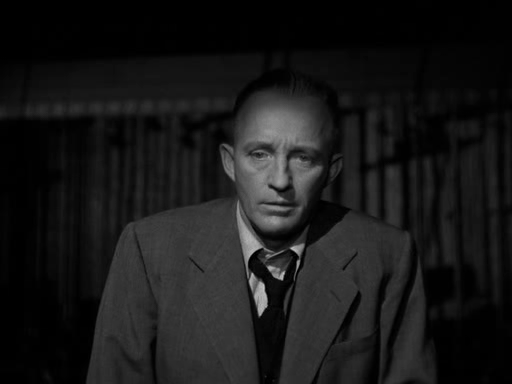
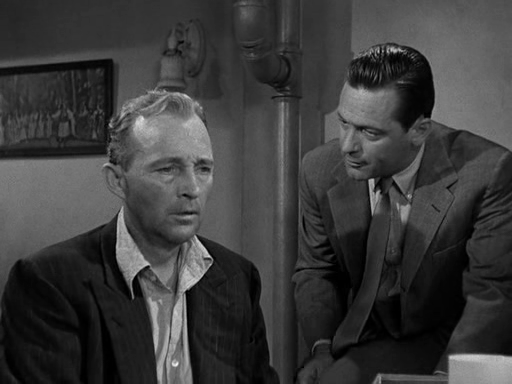
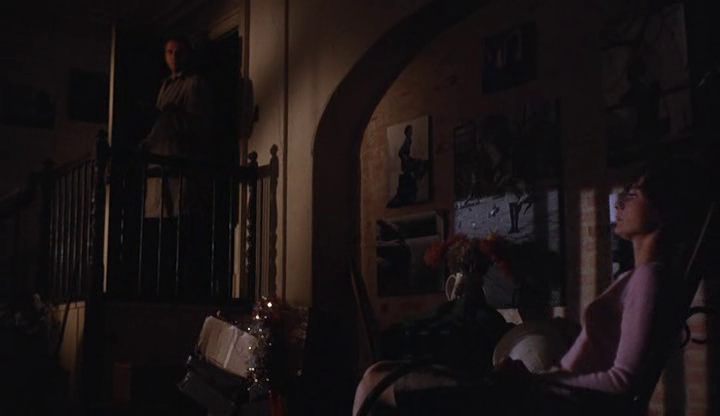
Response to Peary’s Review: A Star is Born benefits from masterful direction by George Cukor, impressive early use of the Cinemascope process, vibrant cinematography and art direction, and a top-notch, “cynical yet compassionate you-and-me-against-the-world (Hollywood) script” by Moss Hart — yet it is the “wonderful, deeply affecting performances” by Garland and Mason that I believe are ultimately responsible for making this film such a timeless classic. Garland’s performance is the one that generally receives the most attention, for multiple reasons: it was her “come-back” role several years after leaving MGM, and her presumed victory in the Oscars race was trumped by Grace Kelly’s unmerited win for The Country Girl. Garland is indeed marvelous here; as noted by Peary in his Alternate Oscars (where he instantly hands her the award she so clearly deserved), she gives “the finest performance” in her career, playing a woman with “amazing depth, wit, resilience, [and] graciousness”. While “Garland always played nice girls”, he argues that “this was the first time [her] character’s goodness comes from the soul”, and notes that “Esther-Vicki is Garland’s most mature character and the one who has the most passion”. In addition, he points out that “playing Esther-Vicki let Garland demonstrate her remarkable musical versatility”; while “we are told Janet Gaynor’s Esther-Vicki has talent in the 1937 film, Garland proves her star talent”. However, Mason’s performance is equally impressive — and if it weren’t for Marlon Brando’s astonishing turn as Terry Malloy in On the Waterfront (another of my all-time favorite films), I would argue that Mason equally deserved top recognition at the Oscars that year. Not a single moment of his performance here is anything less than nuanced and revelatory; the fact that he emerges as one of cinema’s most sympathetic has-beens is especially astonishing after watching his cringe-worthy entrance on the screen during the film’s opening sequence, when he and Garland “meet cute” (if you could dare to call it that). One fully expects this man to be someone Garland should stay miles and miles away from; therefore, his emergence as a man truly dedicated to his wife’s success, despite his own significant career challenges, is a pleasantly unexpected development. From his refreshingly authentic reaction to the egregious “transformation” attempted on Esther-Vicki by the studios, to the final heartbreaking scene in their beachside bungalow (watch his expression as he overhears Garland talking with studio head Charles Bickford), this is a man worthy of so much more respect than his insidious disease allowed him to maintain. Redeeming Qualities and Moments:
Must See? Categories
(Listed in 1001 Movies You Must See Before You Die) Links: |