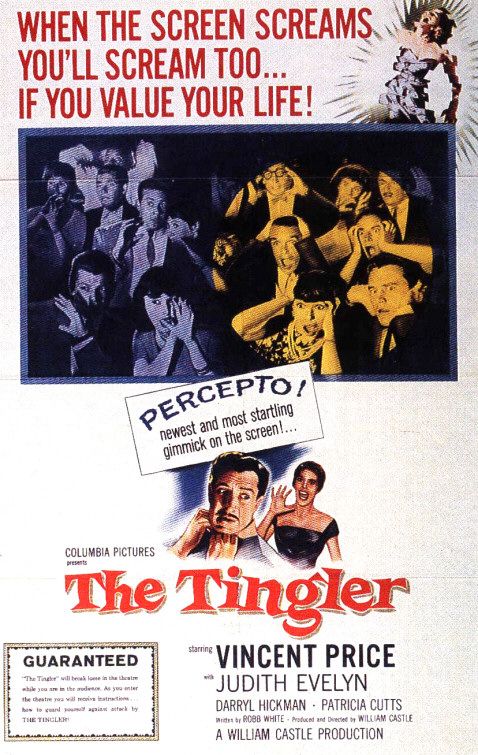
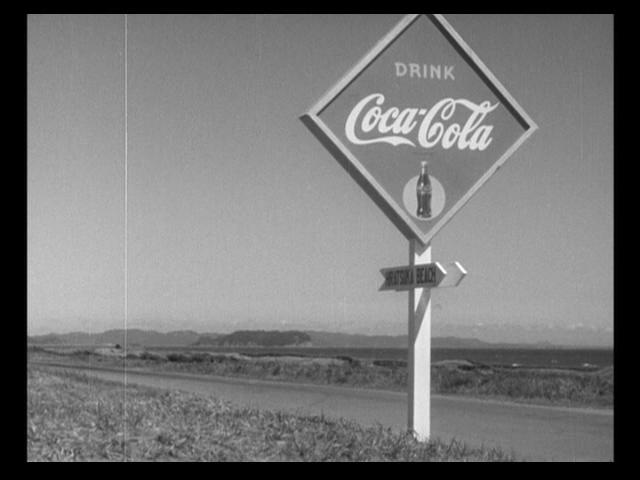
The Tingler (1959)

The Tingler (1959)

“Remember: if you scream at just the right time, it might just save your life”

Synopsis:
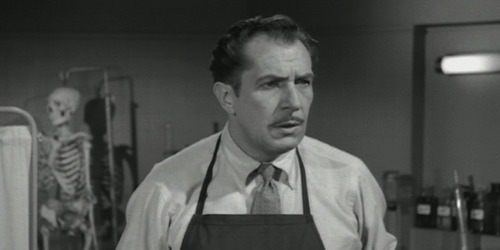
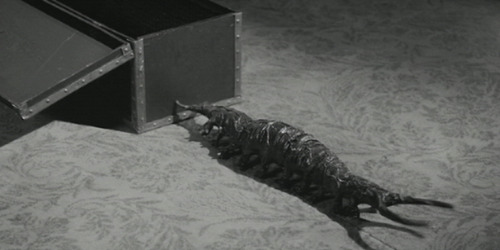
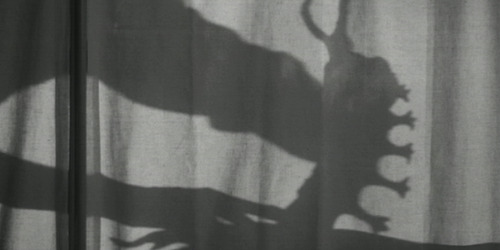
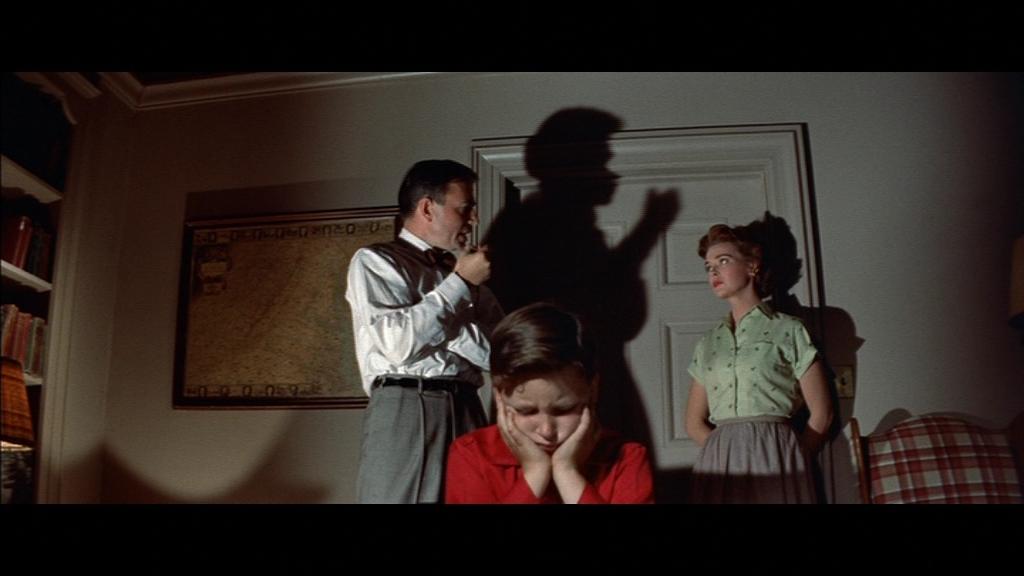
When researching the effects of fear on the human body, Dr. Warren Chapin (Vincent Price) discovers the presence of a creature he names “the Tingler”, which lives in our vertebrae and is rendered harmless by screaming.

Genres, Themes, Actors, and Directors:

  • Deafness
  • Horror
  • Mad Doctors and Scientists
  • Mutant Monsters
  • Science Fiction
  • Vincent Price Films
  • William Castle Films

Response to Peary’s Review:
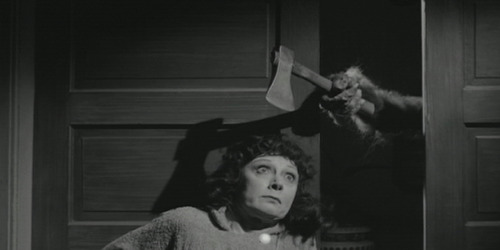
As Peary notes, this “pretty good William Castle chiller” features “one of the weirdest (though not one of the best) monsters in horror-film history,” and Vincent Price in yet another deliciously “hammy” Mad Scientist role. The scenes involving a deaf-mute woman (Judith Evelyn) who is “incapable of screaming away her deadly fears” are, as Peary notes, “genuinely creepy”; and while much of the film belongs squarely in campy B-movie heaven, you’ll nonetheless find yourself surprisingly freaked out by the story’s premise. Indeed, many of David Cronenberg’s later films (i.e., The Brood and Shivers) — which base their horror on the notion of unwelcome creatures nesting in our bodies — owe a debt to this earlier movie.

Redeeming Qualities and Moments:

  • Vincent Price as the cuckolded “mad doctor” who gets his revenge in the end
  • A truly strange-looking “mutant monster”
  • Clever use of a deaf-mute woman as a plausible plot device
  • Some moments of genuine terror
  • An amusing theatrical gimmick — “Percepto” — “whereby, at scary moments, motors would make theater seats “tingle’.”

Must See?
Yes, simply for the notoriety of its corny “theater gimmick” — but chances are you’ll enjoy the film on its own merits, as a uniquely campy B-thriller.

Categories

  • Cult Movie
  • Historically Relevant
  • Important Director

Links:

Tokyo Story (1953)

Tokyo Story (1953)

“We can’t expect too much from our children. Times have changed. We have to face it.”

Synopsis:
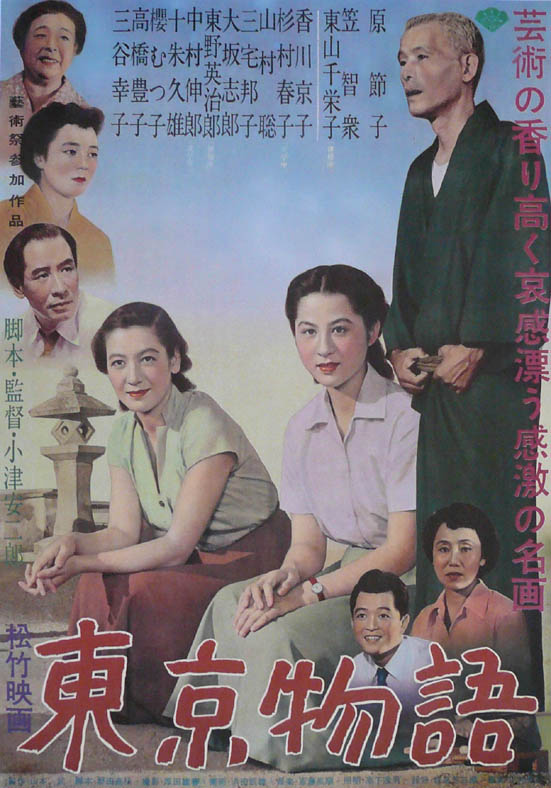
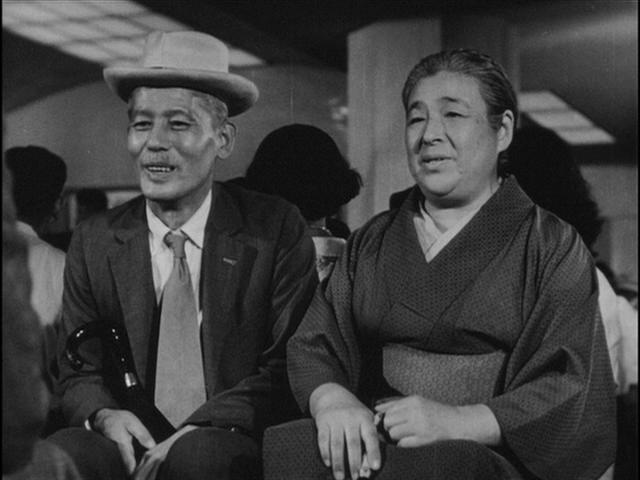
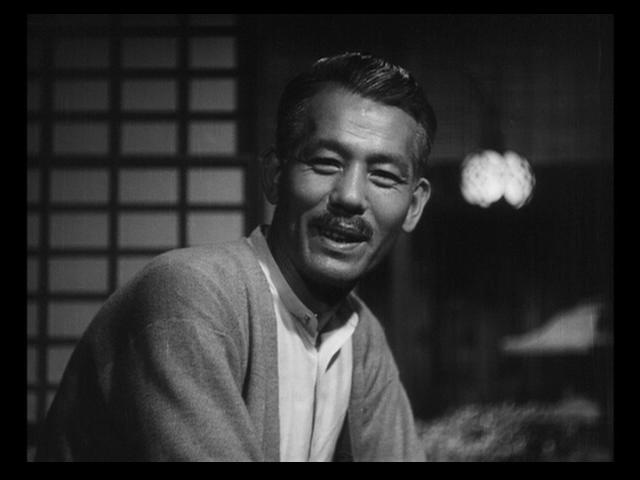
An elderly couple (Chushu Ryu and Chieko Higashiyama) visiting their grown children (So Yamamura and Haruko Sugimura) and grandchildren in Tokyo find that only their widowed daughter-in-law (Setsuko Hara) has interest in spending time with them.

Genres, Themes, Actors, and Directors:

  • Death and Dying
  • Generation Gap
  • Grown Children
  • Japanese Films
  • Ozu Films

Response to Peary’s Review:
As Peary notes, this classic Yasujiro Ozu film — perhaps his most beloved in America — deals once again with his favorite theme, “the instability of the postwar Japanese family.” Through a relatively simple narrative of parents visiting their grown children and being shuffled from one house to the other, Ozu manages to poignantly portray both the disappointment parents inevitably experience with their kids (as Ryu says to a friend whose only son died in the war, “To lose your children is hard, but living with them isn’t always easy, either”), as well as “the city’s corrosive influence on human qualities.” Indeed, Ozu’s choice of title for the film indicates his desire to emphasize the role that urbanization has played on the dissolution of Japanese families, which have become distanced not only geographically but culturally as well.

Despite its prototypically Japanese setting, the themes in Tokyo Story are highly universal, and those who have seen Leo McCarey’s Make Way for Tomorrow (1937) will recognize many parallels. Just as the elderly couple in that film (Victor Moore and Beulah Bondi) are viewed as a burden by their married children, Ozu pulls no punches in portraying the impatience Ryu and Higashiyama’s children feel about their parents’ temporary presence. The couple’s beautician daughter (played with wonderfully snippy self-righteousness by Haruko Sugimura) comes across as especially shallow and uncaring, but she is not alone in her desire to be able to resume the rhythms of her regular life once her parents are gone; indeed, the son (Shiro Osaka) living closest to Ryu and Higashiyama in Onomichi has even less interest in caring for them, and must be reminded by his co-worker about the importance of filial concern.

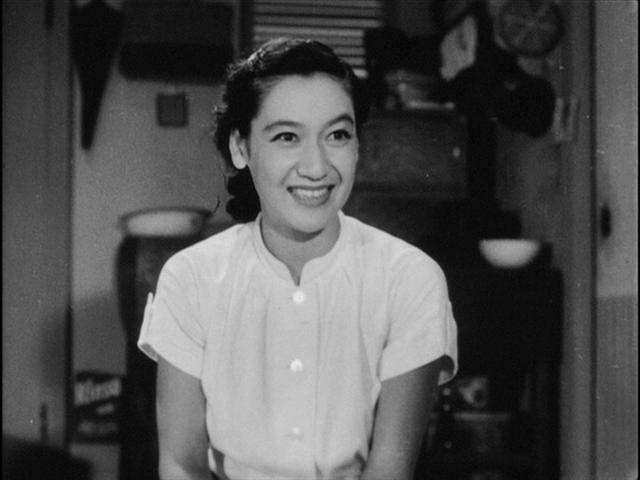
Interestingly, it is Ryu and Higashiyama’s non-blood-relative — their daughter-in-law, Noriko (Hara) — who becomes the most sympathetic character in the film. This lovely young widow is genuinely pleased to spend time with the parents of her husband, who died eight years earlier in the war; as Peary points out, the scene where she sees Ryu and Higashiyama looking at a photo of their dead son and “quickly runs to a neighbor to borrow fine cups for the occasion” is truly touching. Only someone like Noriko — who has already experienced the loss of a loved one early in life — can understand “the transiency of life, [and] the need to care about people when they are still alive.”

Redeeming Qualities and Moments:

  • Setsuko Hara (star of Ozu’s Late Spring and Early Summer) in yet another moving portrayal
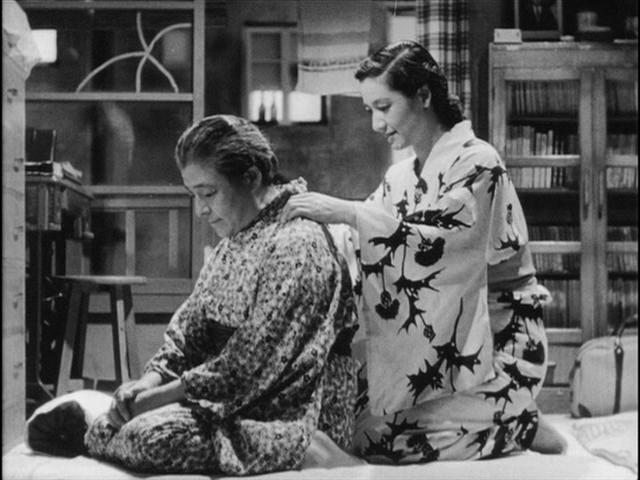
  • Hara lovingly massaging her mother-in-law’s back
  • Ryu and Higashiyama’s comfortable presence with one another
  • A depressing, no-holds-barred account of grown children who find they have little time for, or interest in, their elderly parents
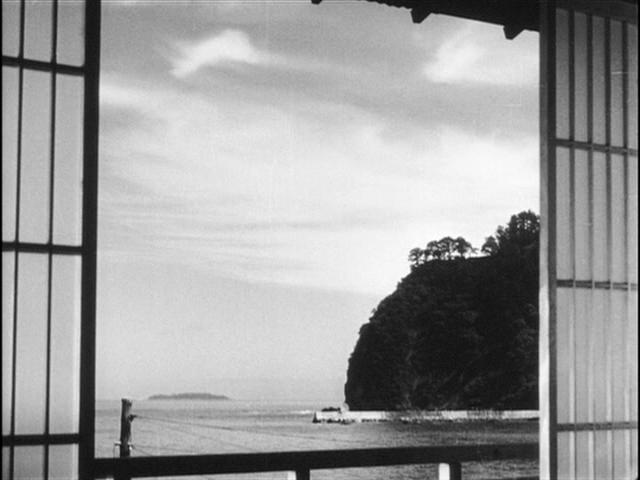
  • Gorgeous black-and-white cinematography by Ozu’s regular cinematographer, Yuuharu Atsuta

Must See?
Yes. This remains a masterpiece of Japanese postwar cinema.

Categories

  • Foreign Gem
  • Important Director

(Listed in 1001 Movies You Must See Before You Die)

Links:

Bigger Than Life (1956)

Bigger Than Life (1956)

“One pill, and he thought he could handle anything. One pill, and he thought he was bigger than life!”

Synopsis:
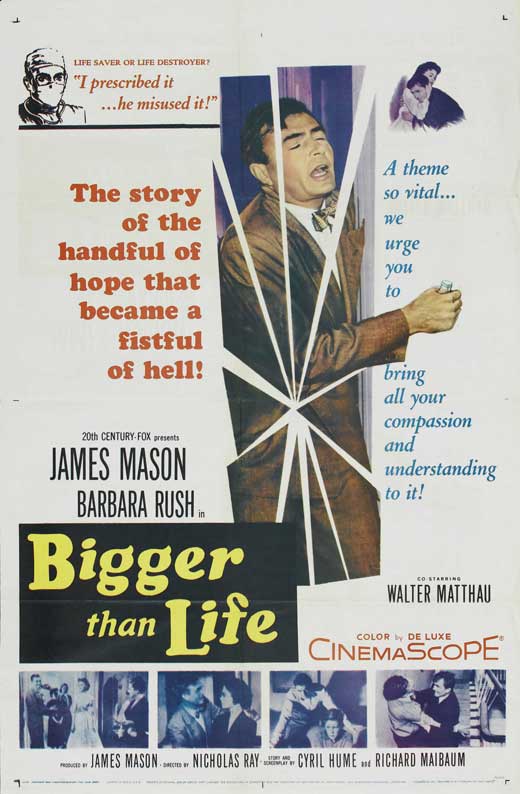
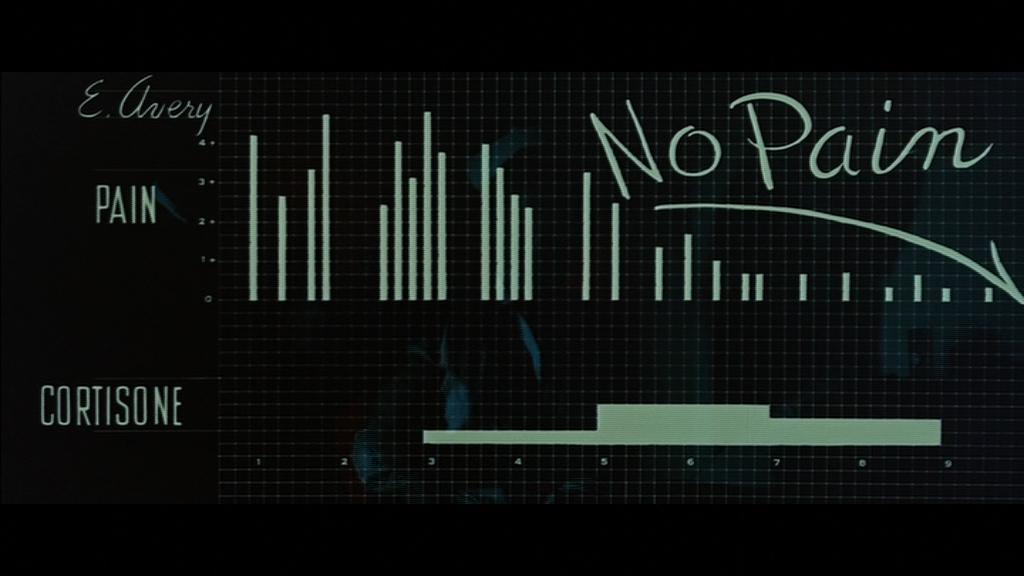
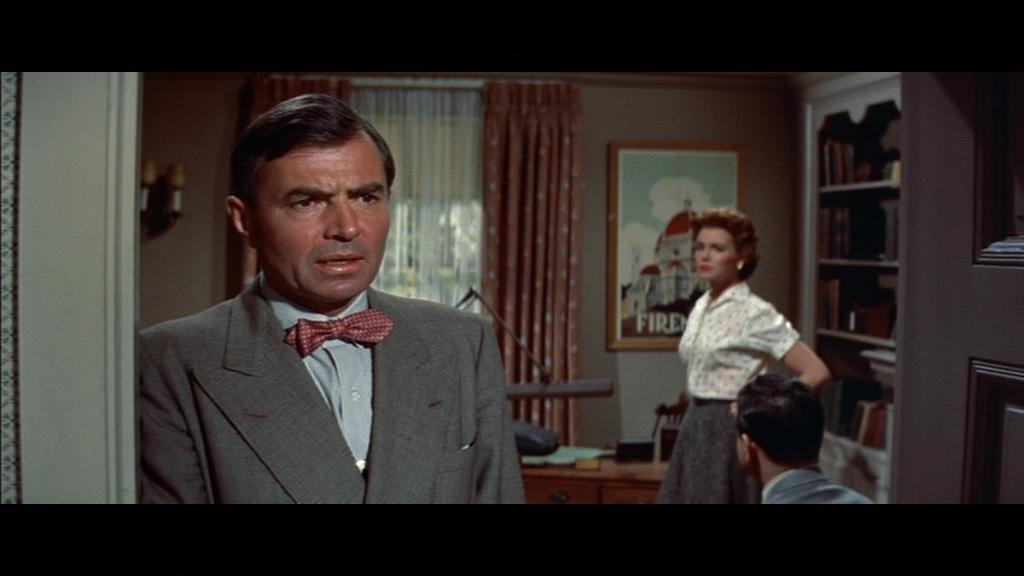
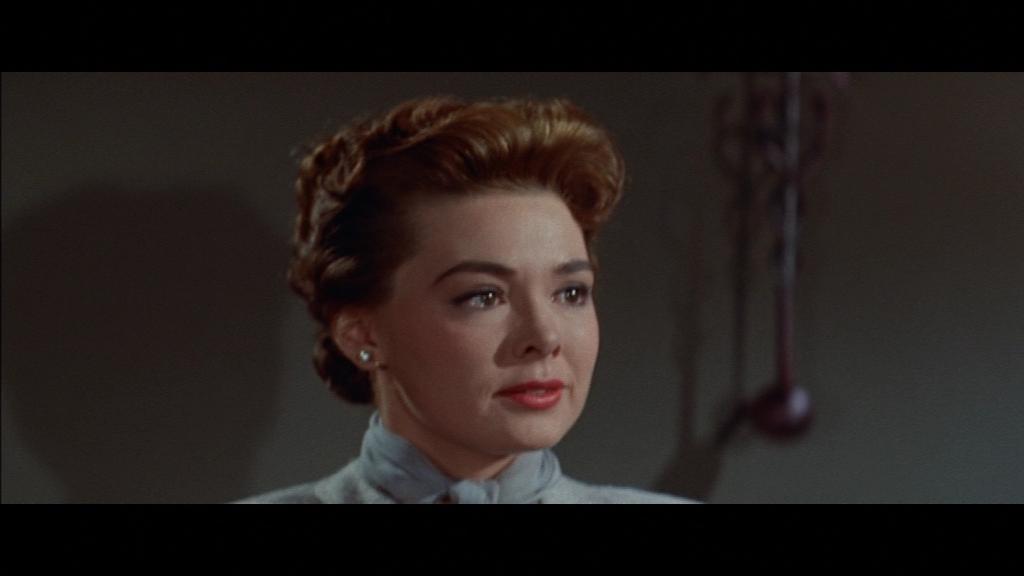
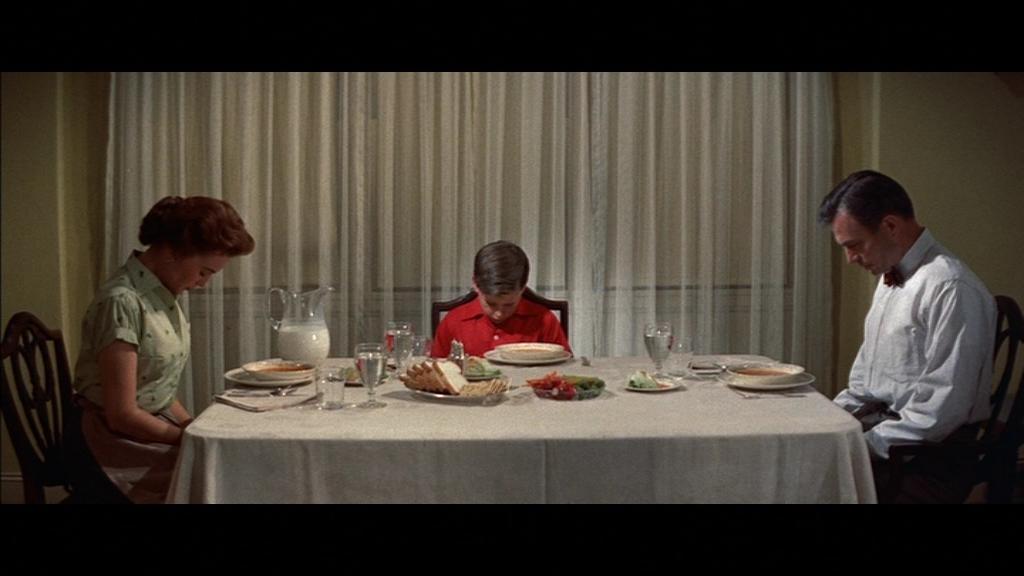
Overworked husband and father Ed Avery (James Mason) is prescribed cortisone as a pain-reliever for his rare arterial disease, and soon becomes addicted to the feelings this “wonder drug” produces in him — but his increasingly psychotic behavior puts his loyal wife (Barbara Rush) and son (Christopher Olsen) at grave risk.

Genres:

  • Alcoholism and Drug Addiction
  • Barbara Rush Films
  • Family Problems
  • James Mason Films
  • Mental Breakdown
  • Nicholas Ray Films
  • Psychological Horror
  • Walter Matthau Films

Review:
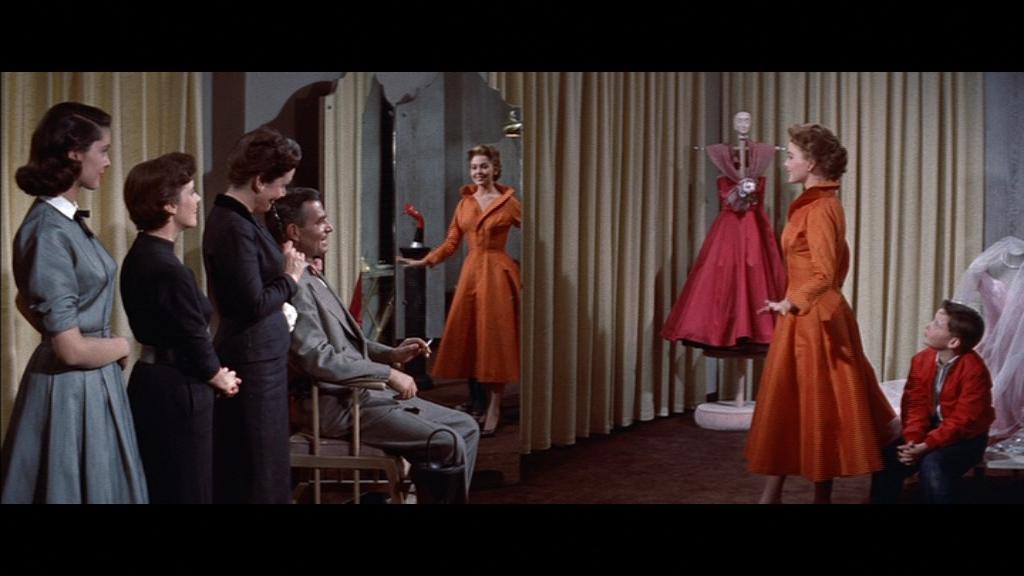
Nicholas Ray’s little-seen “social drama” about the ills of cortisone abuse has been voted by critics as one of the top-twenty best films unavailable on video in the United States. Much like Ray’s classic teen-angst drama Rebel Without a Cause (1955), Bigger Than Life provides a scathing, thinly veiled commentary on middle-class mores in 1950s America while ostensibly dealing with a different subject altogether. James Mason (who also produced) plays a man torn between familial duties and a desire for less pedestrian pursuits. As the film opens, we watch him leaving his day-job as a teacher to work surreptitiously as an operator for a taxi company. His wife has no idea that he’s moonlighting to supplement their comfortable middle-class lifestyle, instead suspecting him of an affair. But when he doubles over in acute pain, blacks out, and must be rushed to the hospital, she learns (with ironic relief) the truth about his stressful situation. Ed’s prognosis isn’t good, but with the help of a steady dose of cortisone — the new “wonder drug” of the day — he’s able to manage his pain and quickly return back to his regular life.

Unfortunately, this seeming “happy ending” merely signals the onset of an increasingly nightmarish existence for the Averys, as Ed discovers that cortisone provides him with a new kind of strength and virility which he had been sorely lacking before. He can’t seem to help himself from taking more than the prescribed dosage of his medication, and soon becomes a frightening figure of irrational authority in his household, demanding more and more control over his wife and son’s every move. The story quickly goes beyond the audience’s comfort zone, showing us the “hidden” impulses and thoughts which emerge when Ed is no longer constrained by petty concerns such as earning an income and maintaining a modicum of social propriety.

Ultimately, then, Bigger Than Life shows us a prototypical 1950s family man who secretly longs to transcend his cloistered existence (posters and maps of far-away countries — places he can’t afford to visit — line the walls of his house), but who is torn by a sense of guilty responsibility to his family. His wife (played with firm resolve by Barbara Rush) is similarly stuck in a vision of 1950s propriety: she’s afraid to send Ed to a psychiatrist because of what this would imply about his sanity, and unable to stand up to her husband even in the face of extreme danger to herself and her son. While the film ends on an unrealistically upbeat, pro-family note (perhaps demanded by audiences of the day), fortunately this doesn’t erase the impact of the gripping psychological horror that has come before.

Redeeming Qualities and Moments:

  • James Mason’s frightening portrayal as a real-life “Jekyll and Hyde”

  • Barbara Rush as Mason’s loyal wife
  • Vibrant Technicolor cinematography
  • A shattering indictment of 1950s middle-class materialism and gender roles
  • A powerful portrayal of a family torn apart by prescription drugs

Must See?
Yes. Listed in the back of Peary’s book at as a Personal Recommendation and a film with historical importance.

Categories

  • Controversial Film
  • Important Director
  • Noteworthy Performance(s)

(Listed in 1001 Movies You Must See Before You Die)

Links:

Late Spring (1949)

Late Spring (1949)

“If I left home, Father would be lost.”

Synopsis:
An aging widower (Chishu Ryu) lovingly deceives his devoted daughter (Sesuko Hara) in order to convince her that she should marry.

Genres, Themes, Actors, and Directors:

  • Father and Child
  • Grown Children
  • Incest and Incestuous Undertones
  • Japanese Films
  • Ozu Films
  • Widows and Widowers

Response to Peary’s Review:
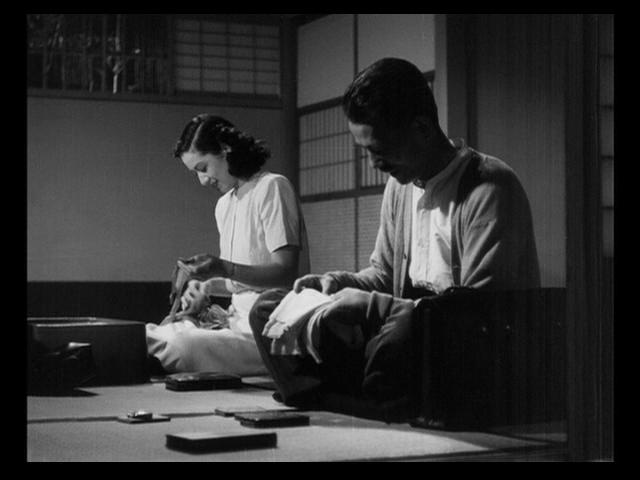
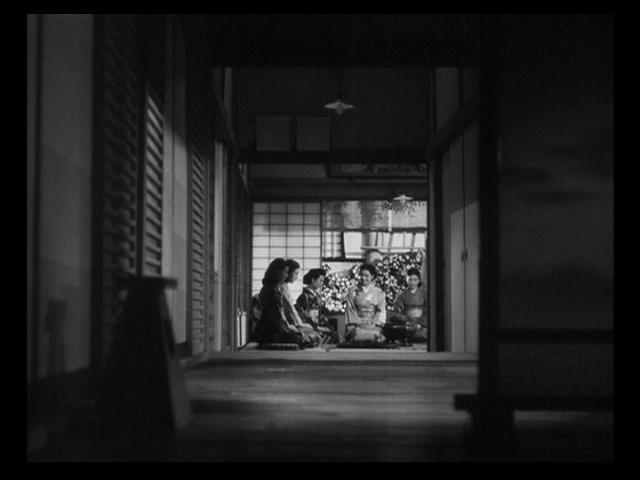
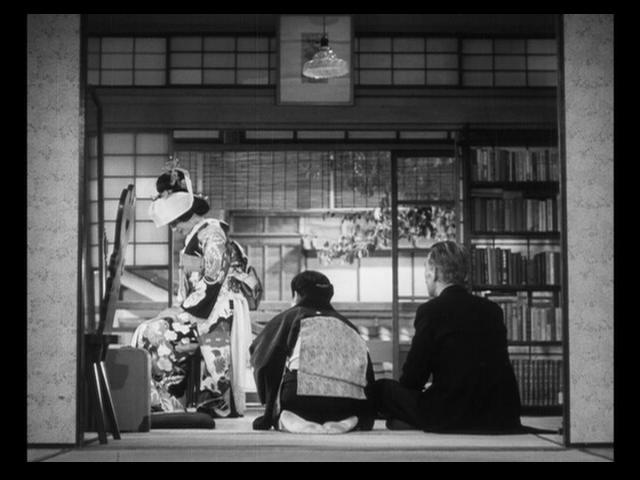
As Peary notes, this “simply told yet lovely film” by Yasujiro Ozu showcases many of the themes the famed Japanese director would continue to explore in his later movies — including “the dissolution of the postwar Japanese family; the idea that married children… will become strangers to their parents; [and] the wise realization by the elderly that they must sacrifice their own happiness so that their children can make lives for themselves.” Ozu quietly evokes a specific time and place in post-WWII Japanese history, with most scenes focusing on the expressions and reactions of seated characters who are either pouring tea, folding clothes, chatting, or taking care of other daily activities. Ozu’s pace is refreshingly leisurely; his camera lingers quietly on scenes of the countryside, empty rooms about to be filled, and — most frequently — the lovely, smiling face of the film’s protagonist (Hara).

Peary points out that Ozu makes the fascinating choice of never showing us Hara’s young “Gary Cooper-esque” spouse-to-be — indicating that in some ways, Late Spring is really a tragic story of “star-crossed lovers” (father and daughter) who are unable to justify a continued lifetime together. While Ozu only hints at the titillation of Hara’s “unhealthy” devotion to her father, there is definitely something “not quite right” between them. Indeed, any explicit mention of the need for sexual gratification is conspicuously absent from the film — although it would appear full-force in Ozu’s final movie, An Autumn Afternoon (1962), a virtual reworking of the same story.

Note: Interestingly, many of Ozu’s films reference seasons in their titles — including Early Summer (1951), Early Spring (1956), Late Autumn (1960), Early Autumn (1961), and An Autumn Afternoon (1962).

Redeeming Qualities and Moments:

  • Setsuko Hara as Noriko, whose near-constant smile belies the depth of her conflicting emotions
  • Chishu Ryu as Noriko’s sacrificing father — this wonderfully understated actor is always a pleasure to behold on-screen
  • Many quiet scenes between Hara and Ryu, who are ultimately too comfortable in their life together
  • Beautiful black-and-white cinematography
  • An interesting glimpse at American-occupied Japan after WWII
  • An emotionally devastating, yet ultimately satisfying, ending
  • Senji Ito’s lilting, strings-heavy musical score, which permeates the film and brings a lump to one’s throat

Must See?
Yes. Ozu’s film is a provocative, lovingly rendered depiction of filial loyalty in mid-century Japan.

Categories

  • Foreign Gem
  • Important Director

Links:

Whistle Down the Wind (1961)

Whistle Down the Wind (1961)

“[It’s] Jesus — He’s in our barn. He’s come back.”

Synopsis:
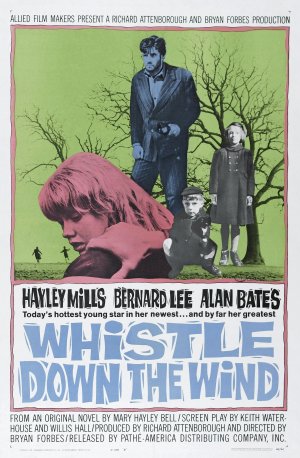
Three motherless siblings (Hayley Mills, Diane Holgate, and Alan Barnes) find a fugitive (Alan Bates) hiding in their barn, and mistakenly believe he is Jesus.

Genres, Themes, Actors, and Directors:

  • Alan Bates Films
  • Bryan Forbes Films
  • Childhood
  • Do-Gooders
  • Fugitives
  • Mistaken or Hidden Identities
  • Religious Faith

Review:
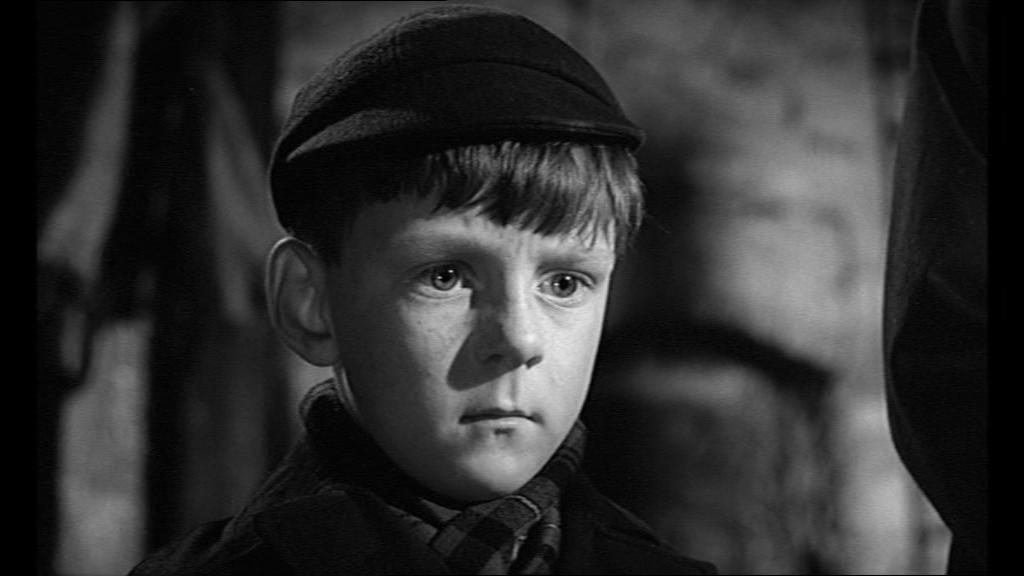
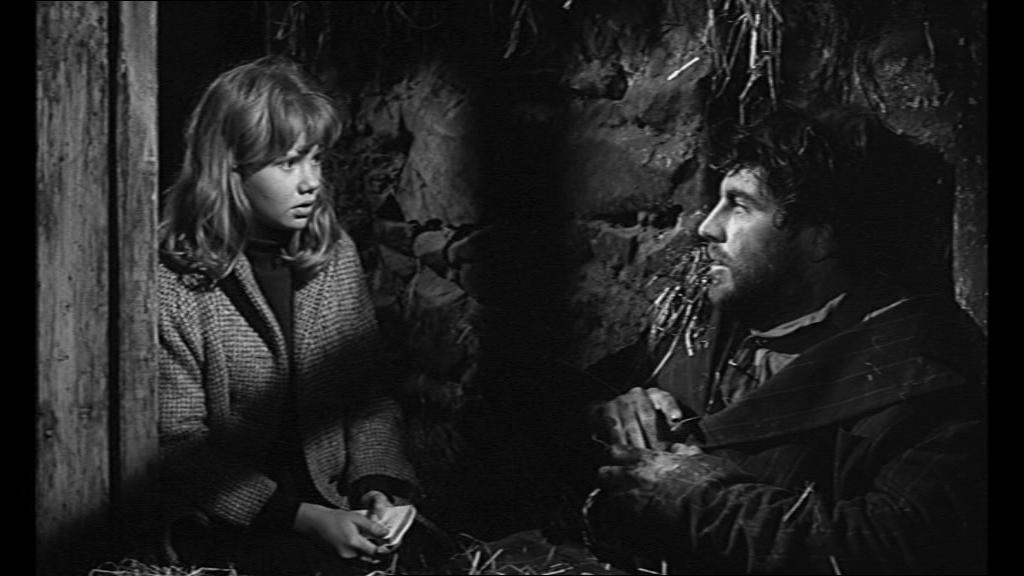
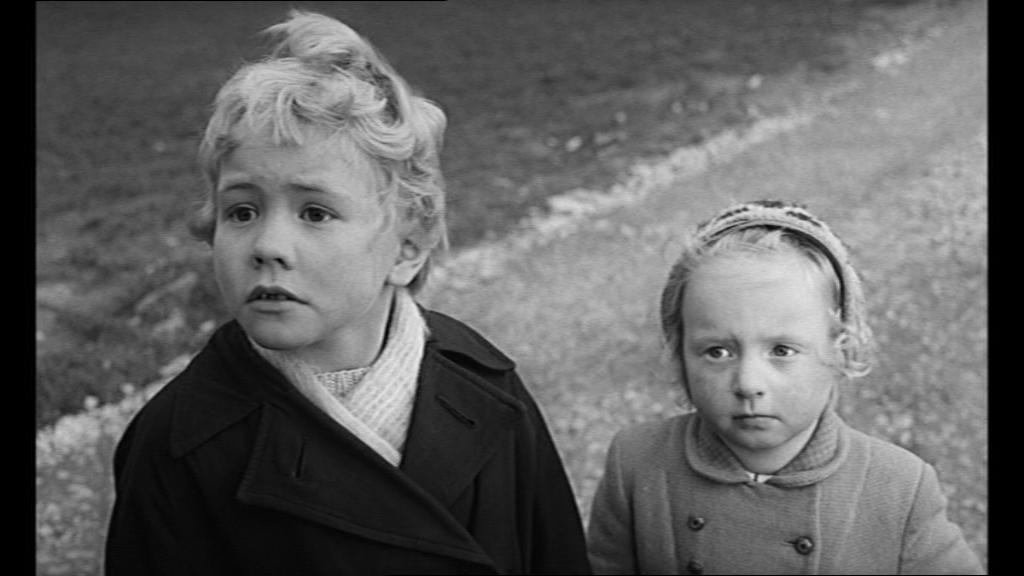
At the age of five, I desperately wanted to know who “God” was, and how He fit into the broader scheme of the universe; therefore, I could instantly relate to the adventures of the likable lead characters in Whistle Down the Wind, a rare film — much like Rene Clement’s Forbidden Games (1951) — which manages to depict the natural innocence of children without patronizing them. As the film opens, the three Bostock siblings are stealthily following a man in a coat who is carrying a burlap sack under his arm. This man, we soon learn, is their father’s farmhand, and the sack he carries contains a litter of unwanted kittens. After he tosses the bag into a river and walks away, the siblings quickly rescue the helpless animals and bring them to hidden safety in their barn — where they discover the fugitive who they soon come to believe is Jesus Christ.

This powerful opening sequence — quiet and grim, yet hopeful at the same time — effectively establishes a tense dialectic between childhood idealism and adult pragmatism, a theme which continues through the entire film. The notion of these village children mistaking a scruffy, bearded stranger for Christ is highly credible, as is their quest to keep him safe from the evil hands of Adults Who Want Him Gone — after all, if adults will kill innocent kittens, what aren’t they capable of? Fortunately, though grown-ups may be the ones in power most of the time, children easily trump them in terms of their cleverness, imagination, and sheer trust in goodness, as this film ably shows.

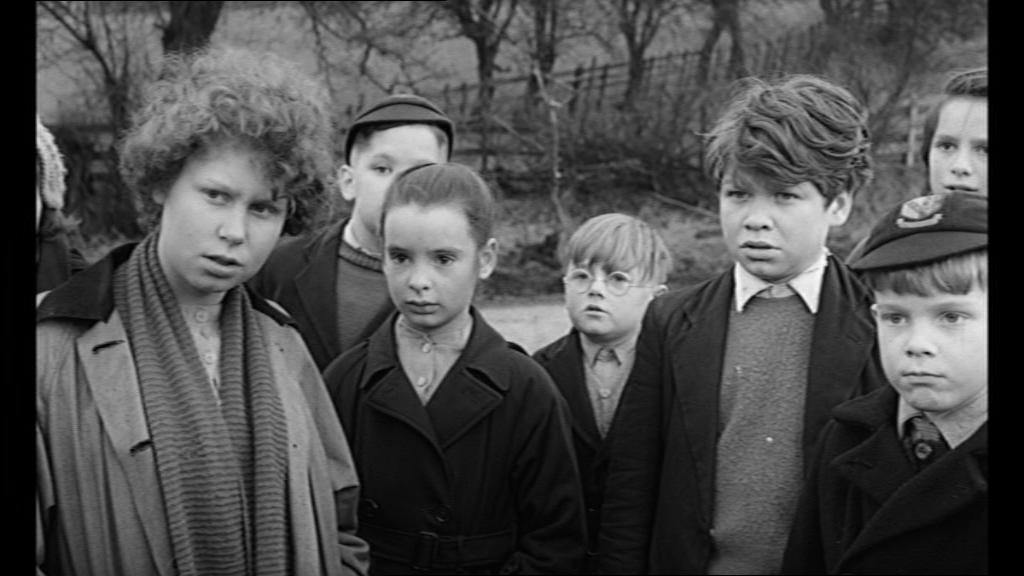
In addition to its provocative, unusual storyline, Whistle Down the Wind benefits from marvelous acting. Mills is once again natural and vibrant in a role which required her to ditch her perfect Queen’s English for a Northern dialect, and Alan Bates (in his film debut) wisely plays The Man (a.k.a. “Jesus”) as someone reticent and careful rather than vicious and bold, thus allowing the children’s impressions of him to form the bulk of his characterization. The cast of local children (labeled “The Disciples” in the film’s closing credits) are appropriately diverse in both appearance and demeanor, and the town’s adults (including Diane Clare as the children’s well-meaning Sunday School teacher, Bernard Lee as the siblings’ harried yet concerned single father, and Hamilton Dyce as the local vicar) are realistic as well.

But the film’s stand-out performance undeniably belongs to the youngest Bostock sibling (Charles), played by Alan Barnes — who, as Bosley Crowther of the New York Times put it, “is absolutely the most terrific little fellow we’ve ever seen in a film.” Charles is the type of precocious kid who suddenly announces out loud at the breakfast table: “198”, then explains — as though the relevance and importance of this numerical fact should be obvious — that this is how many eggs he’s eaten since Easter. Charles is a boy who requires concrete proof of anything in order to be persuaded, and when “Jesus” allows the kitten Charles has placed in his care to die, Charles’s faith is suddenly and irreparably damaged: “It isn’t Jesus. It’s just a fella,” he takes to announcing with cynical disdain.

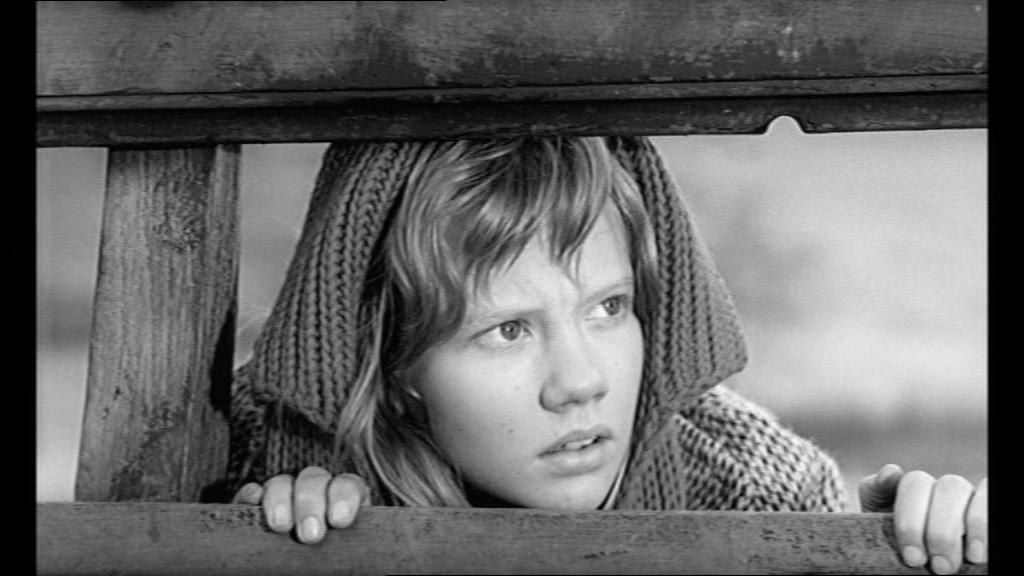
Ultimately, however, Whistle Down the Wind is most concerned with Mills’s character (Kathy), and how she negotiates the tricky terrain of childhood conviction in the face of adult authority. Fortunately, the film builds to a credible denouement, with the movie’s final scene arriving as a satisfying solution to what seemed (to me at least) like an impossible task — bringing about justice for the fugitive’s crimes without shattering Mills’s faith completely. It is a testament to this fine, original film that it manages to achieve both.

Redeeming Qualities and Moments:

  • Hayley Mills in yet another impressive early performance
  • Alan Barnes as the inimitable young Charles
  • Realistic performances by local children
  • Alan Bates’s low-key yet fateful interactions with Mills
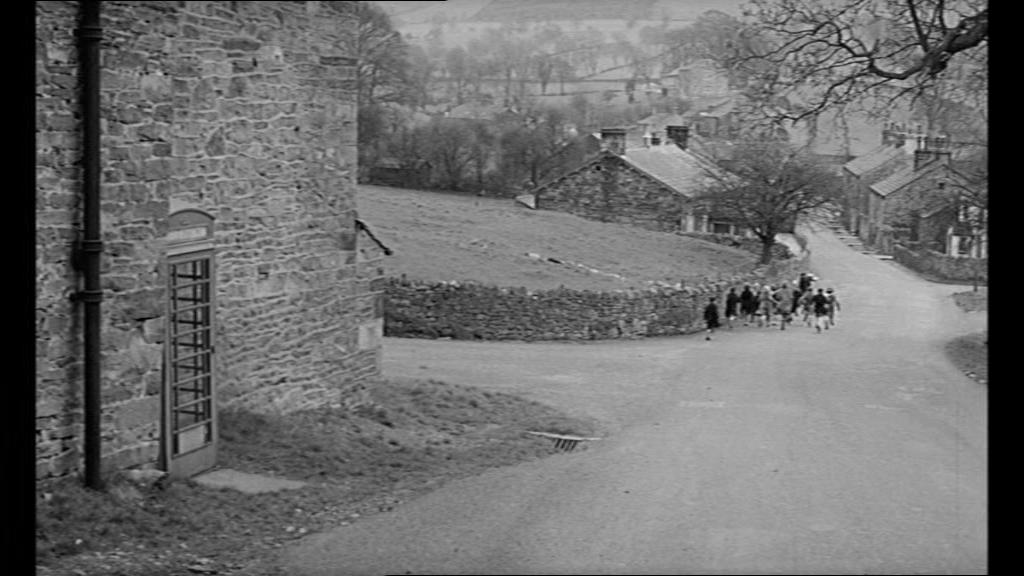
  • Beautiful north England scenery
  • Effective use of camera angles, lighting, and sets
  • A touching, memorable final scene

Must See?
Yes. This allegory of childhood innocence and faith remains an unsung classic of British cinema.

Categories

  • Good Show
  • Noteworthy Performance(s)

Links:

Jagged Edge (1985)

Jagged Edge (1985)

“If he didn’t do it, I’ll get him off.”

Synopsis:
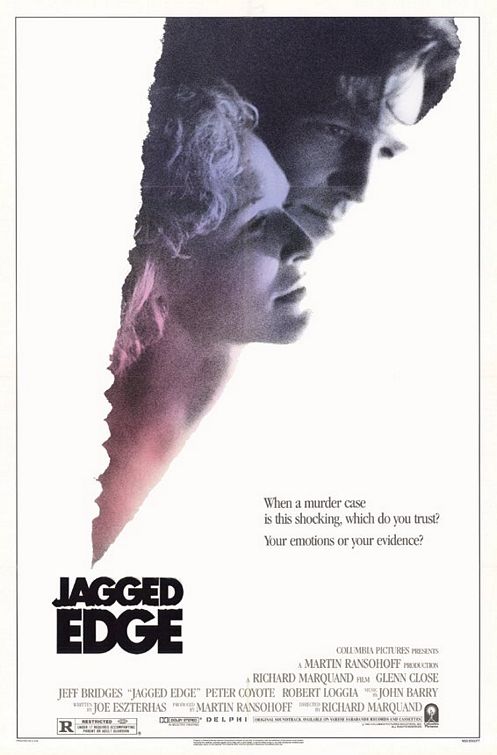
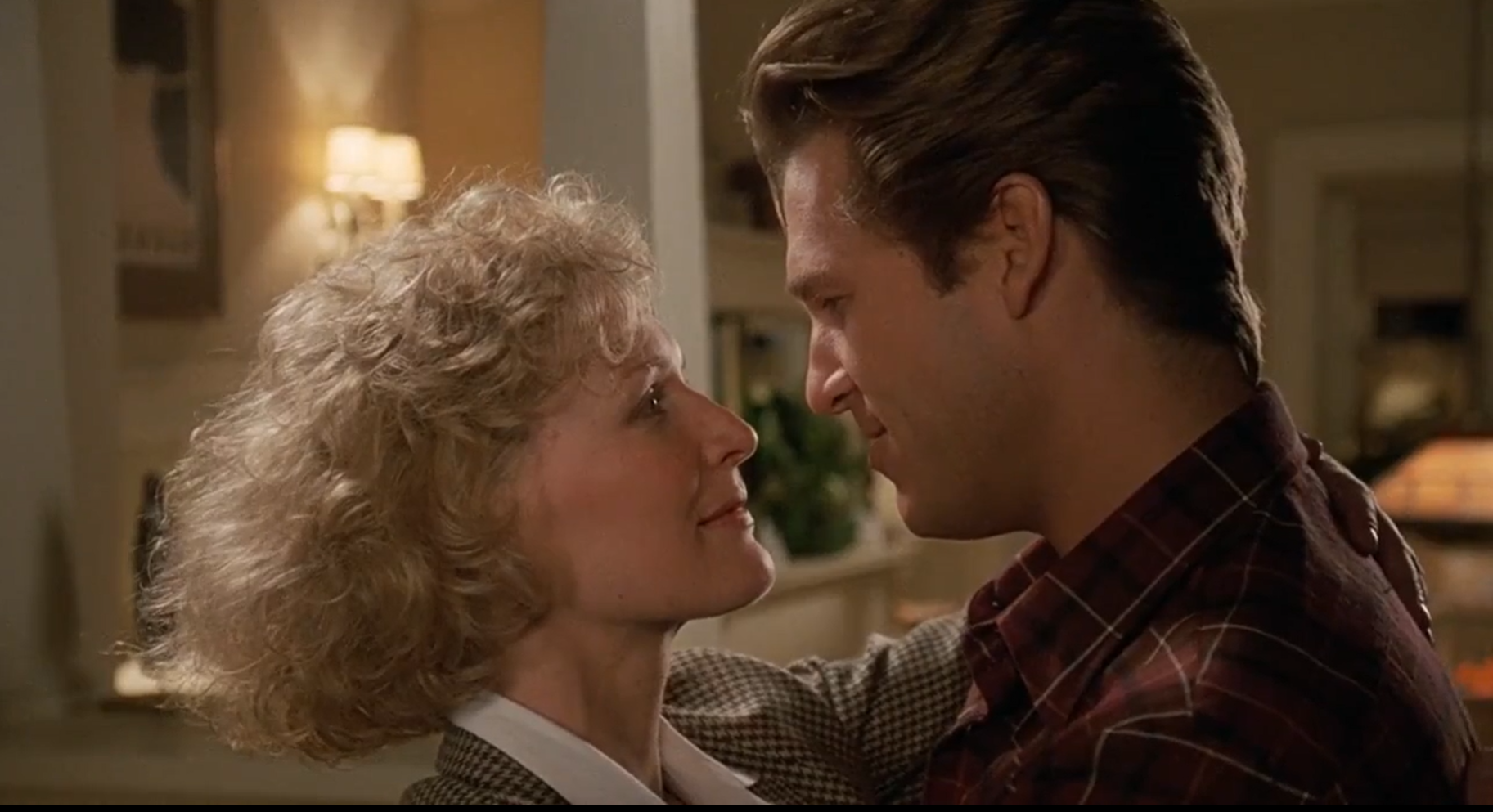
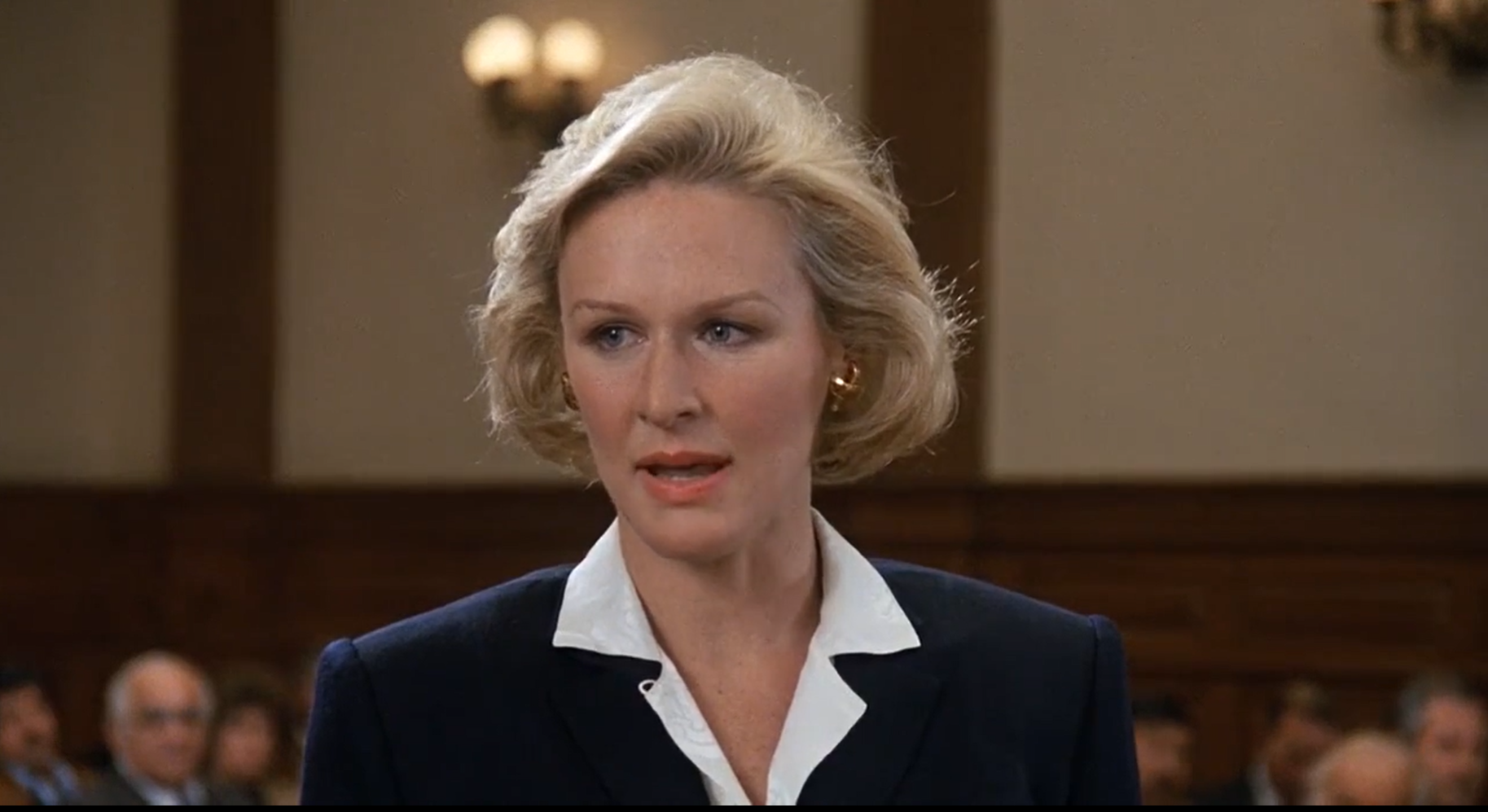
Female lawyer Teddy Barnes (Glenn Close) questions the innocence of the man (Jeff Bridges) she is defending on suspicion of murder.

Genres, Themes, Actors, and Directors:

  • Courtroom Drama
  • Glenn Close Films
  • Jeff Bridges Films
  • Lawyers
  • Murder Mystery

Response to Peary’s Review:
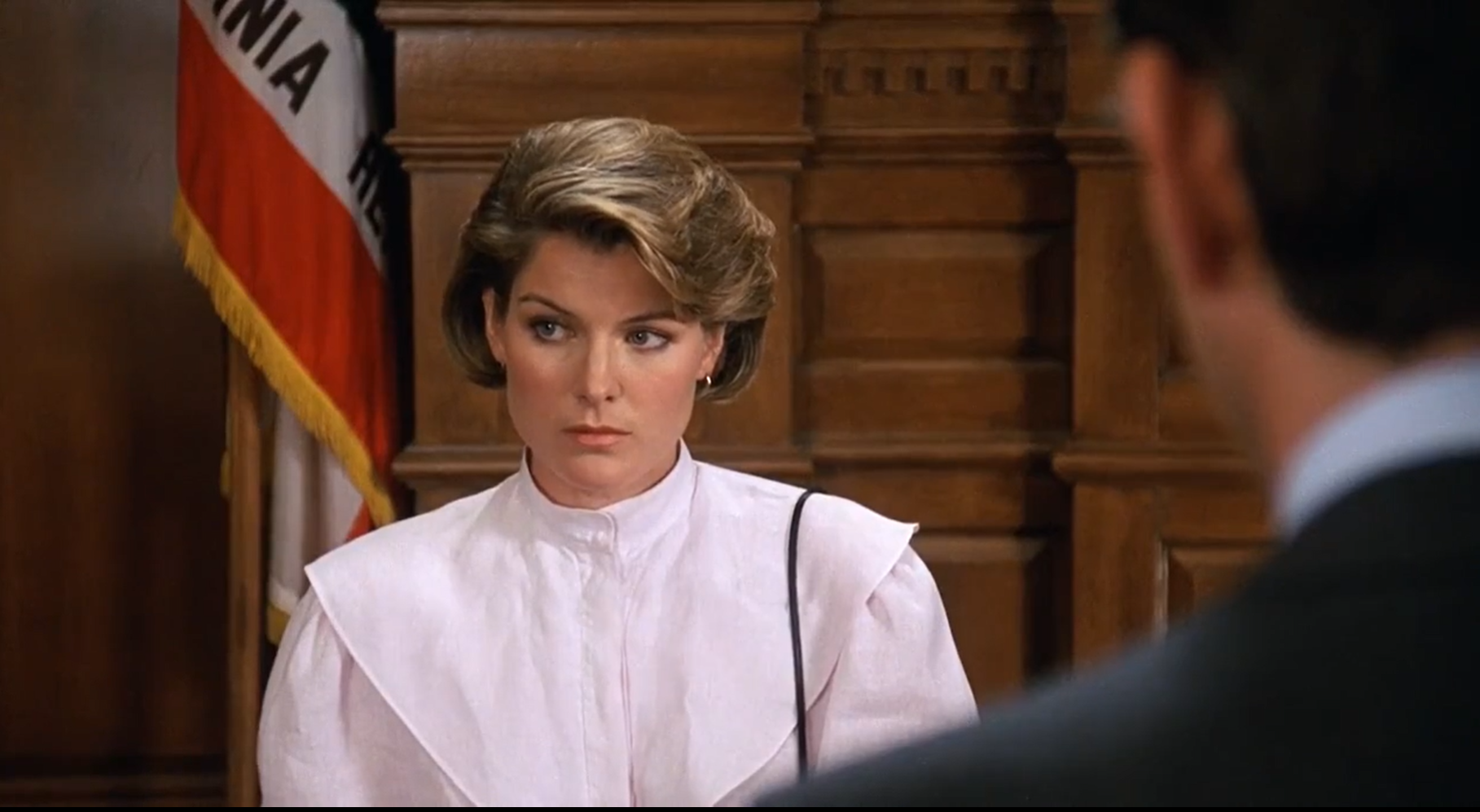
As Peary notes, this popular ’80s courtroom thriller is “absurdly written”, “too slick”, and “manipulative”. Nonetheless, it possesses a stand-out performance by Glenn Close (smart and savvy in her tailor-made suits), and enough plot twists to keep you guessing the entire time. It’s too bad screenwriter Joe Eszterhas — best known for Showgirls (1995) and Basic Instinct (1992) — insults his audience with inane dialogue (“He had a rap sheet as long as my dick”), a distracting subplot about legal ethics, and an unrealistic, unprofessional romantic relationship between Close and Bridges — because there’s potential here for something much better.

Redeeming Qualities and Moments:

  • Glenn Close’s sympathetic performance
  • Many clever plot twists

Must See?
No. This is an enjoyable courtroom thriller, but certainly not must-see viewing.

Links:

Wild in the Streets (1968)

Wild in the Streets (1968)

“Our young people are citizens. They’re concerned, committed, original, vital — they are citizens; we must give them the rights of citizens.”

Synopsis:
Senator Johnny Fergus (Hal Holbrook) uses popular rock star Max Frost (Christopher Jones) as a political ploy to gain the country’s “youth vote.” Things quickly spin out of control, however, when Frost and his friends entreat the nation not to “trust anyone over 30”.

Genres, Themes, Actors, and Directors:

  • Dystopia
  • Ed Begley Sr. Films
  • Generation Gap
  • Millie Perkins Films
  • Naive Public
  • Political Corruption
  • Revolutionaries
  • Richard Pryor Films
  • Satires and Spoofs
  • Shelley Winters Films

Response to Peary’s Review:
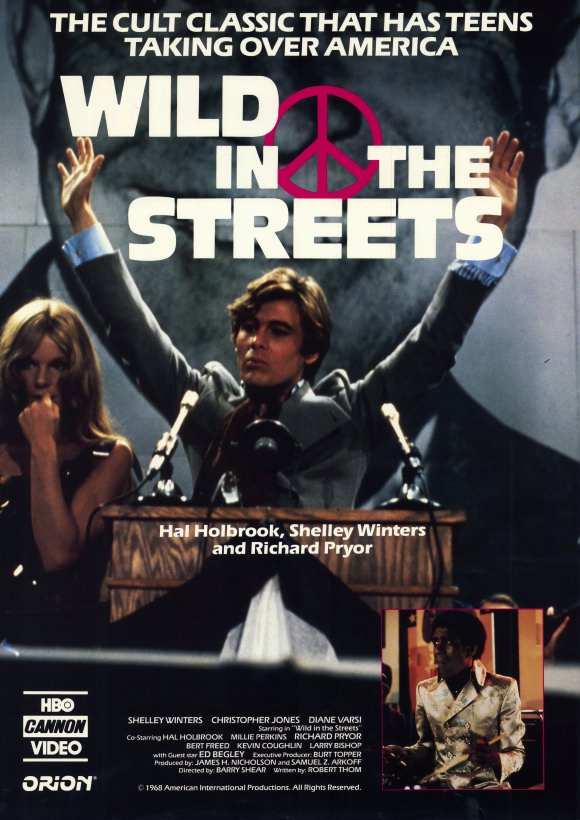
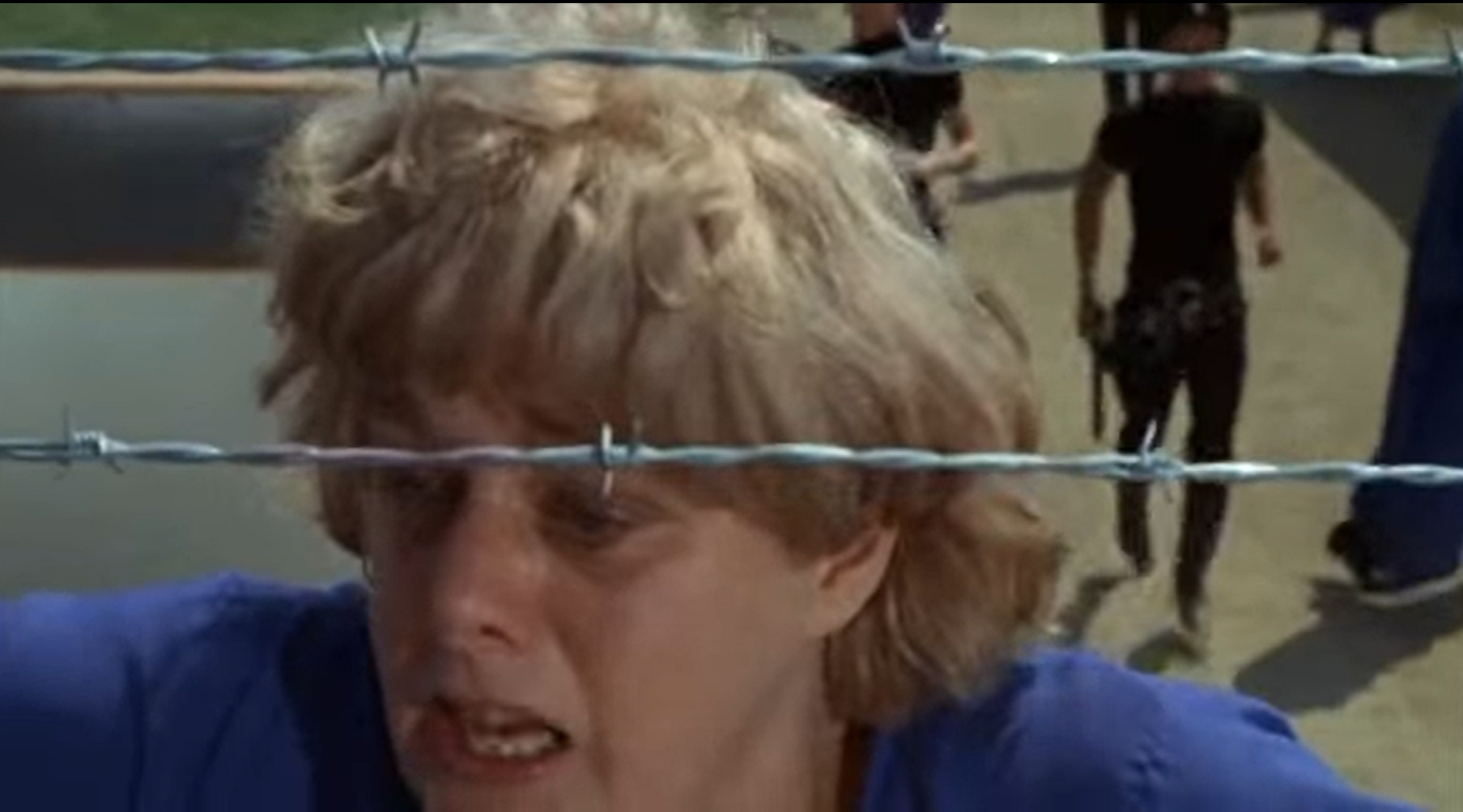
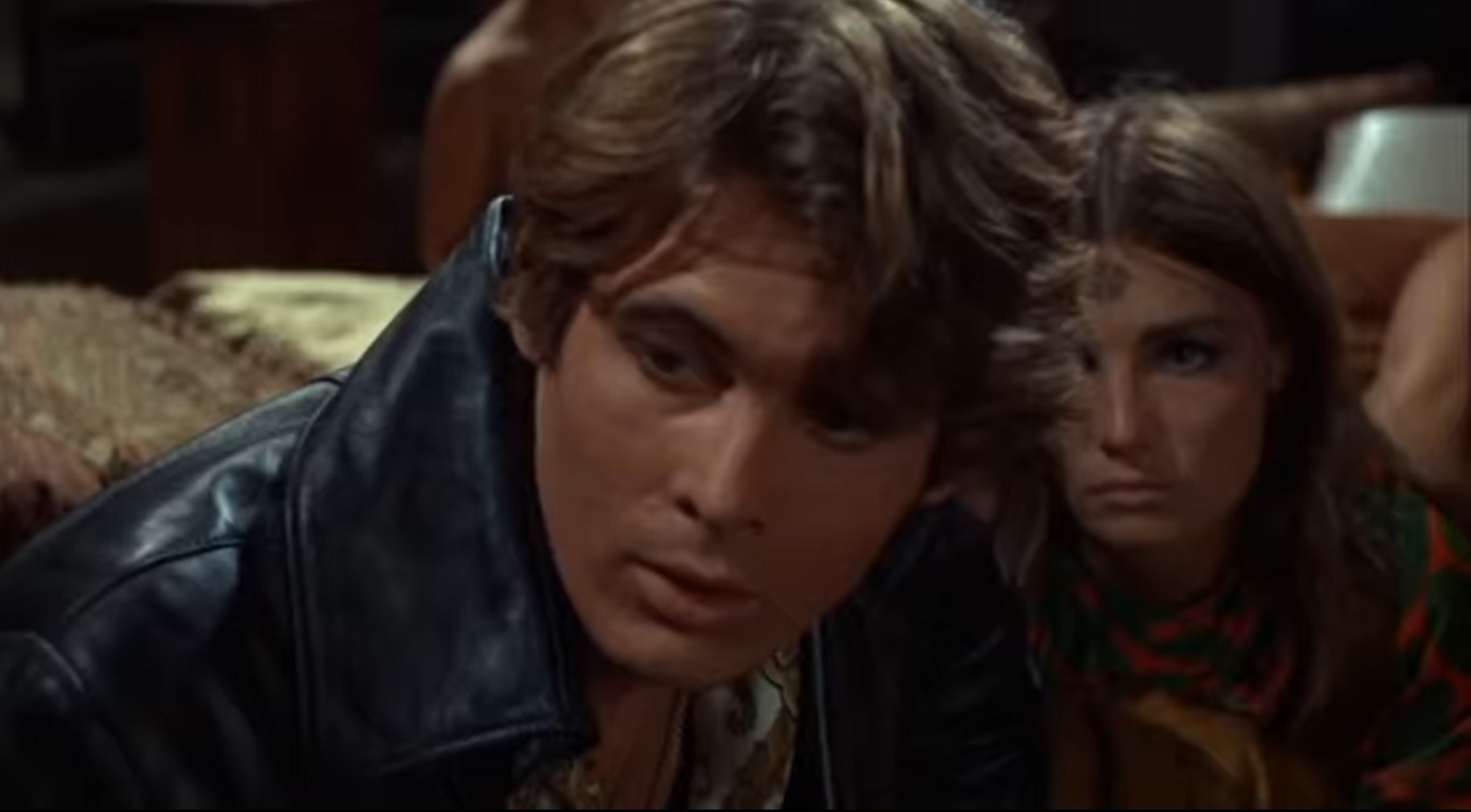
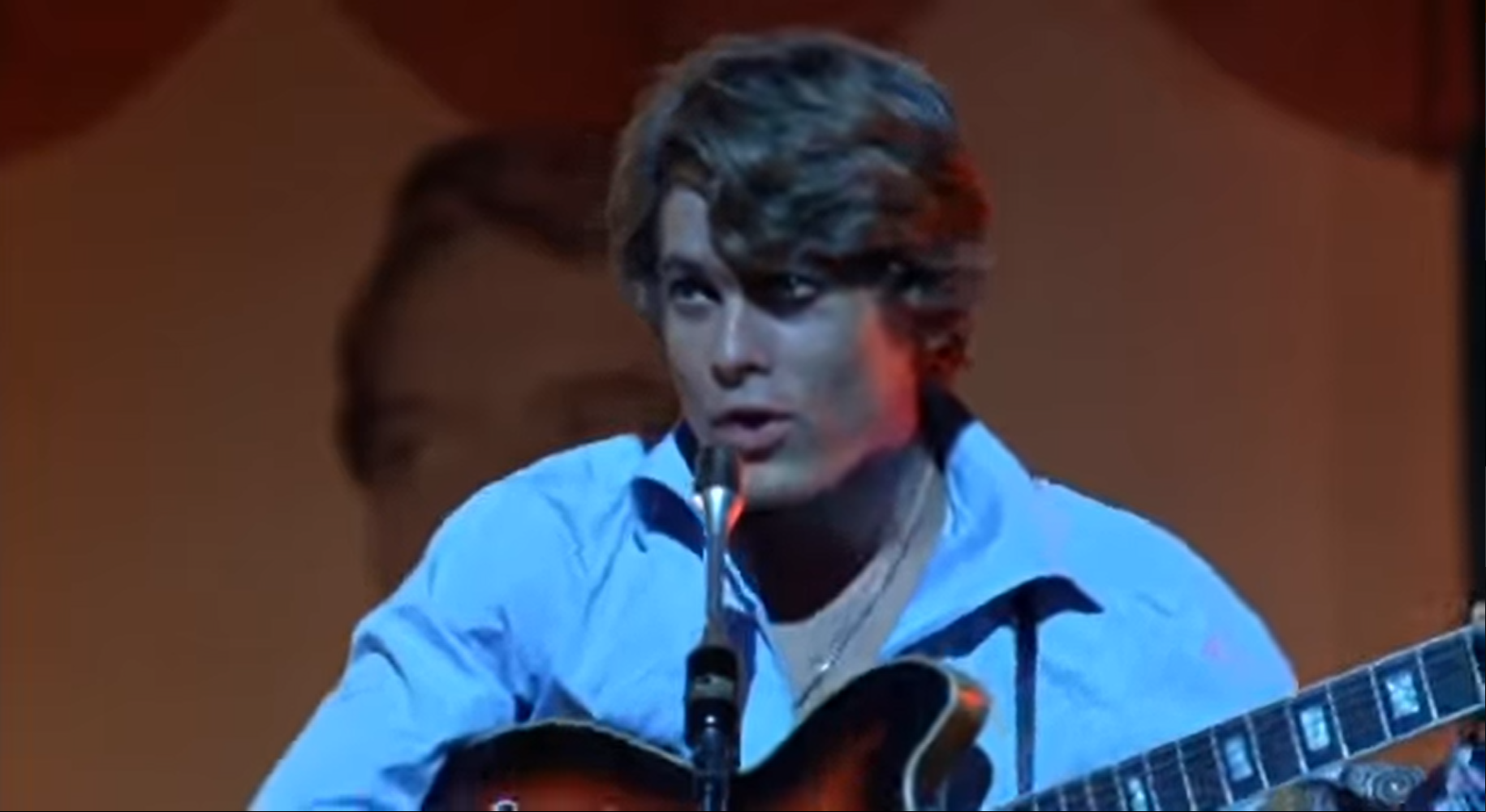
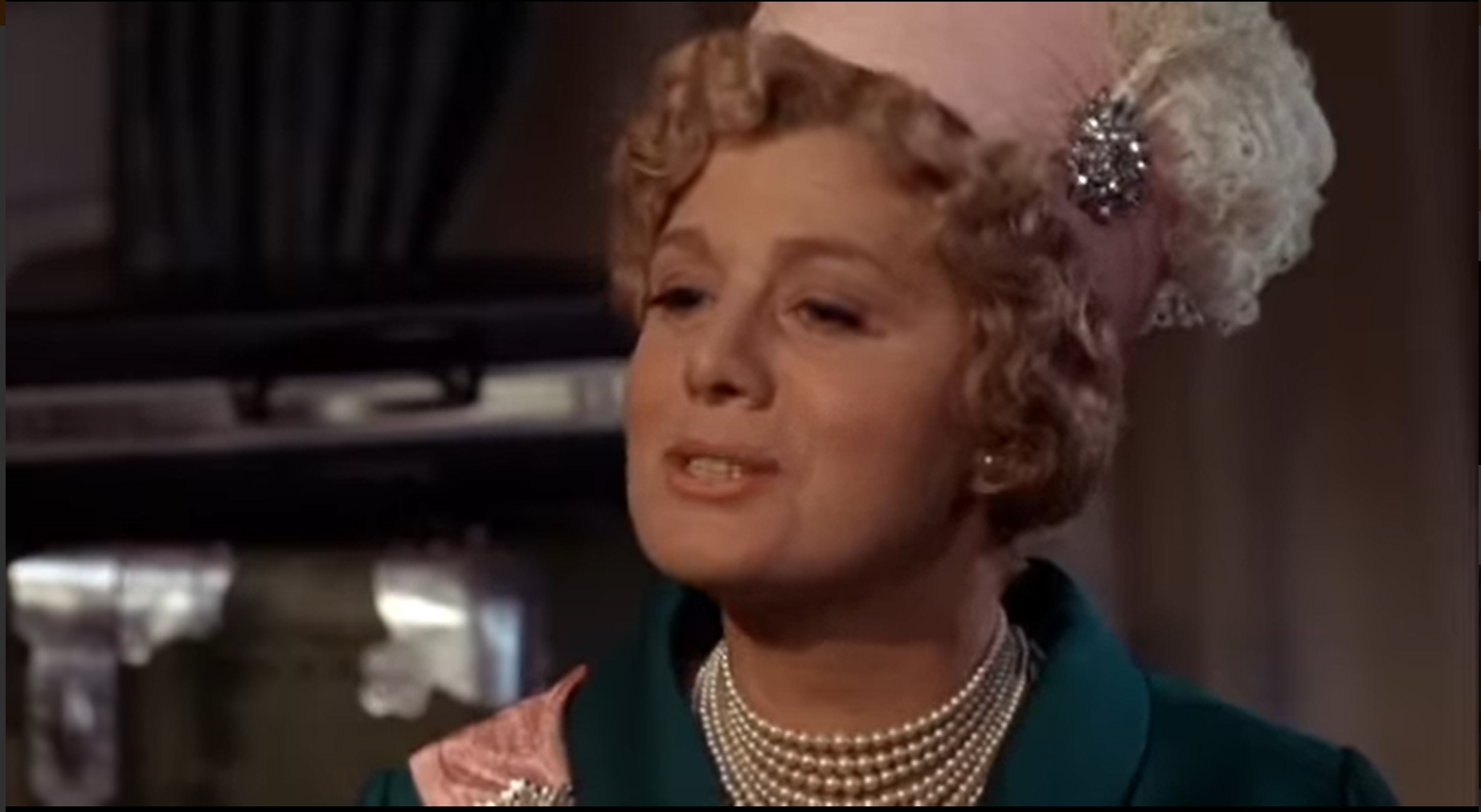
Peary describes this cult AIP flick as a “vile movie, a fascist fantasy, an insult to America’s politically conscious youth” — but I think he misses the point. Wild in the Streets is actually a relatively smart, pointed satire which isn’t afraid to carry its provocative (albeit ludicrous) premise to a logical end. When Shelley Winters (perfectly cast as Max’s hypocritical, brown-nosing mother) accidentally shouts out, “I’m an Aryan!” as she’s dragged away by the regime’s Age Police, the allegory between Frost’s Youth-topia and Hitler’s Third Reich couldn’t be clearer. These may be “awful characters”, as Peary notes, but who says power doesn’t corrupt?

Once they’ve managed to take over the White House and imprison anyone over 35 in LSD “concentration camps”, director Barry Shear doesn’t allow Frost and his cronies to rest on the laurels of their successful coup. Instead, the film continues inexorably along its dystopic path: when Frost informs Fergus’s young daughter, Mary, that he’s 24, she responds with youthful disdain, “That’s old!” The fear on Frost’s face at this moment shows that he’s beginning to realize (perhaps too late) the folly of his logic.

Inevitable comparisons have been made between this film and 1968’s Privilege — an equally provocative satire about a popular musician used for nefarious political purposes. But ultimately the films take radically different approaches to their subject matter. Privilege revolves around a patsy rock star who gradually comes to realize that his very identity is being manipulated by the government. Frost, however, is politically savvy from the get-go, and never lets up on his bitter thirst to eliminate the equation of age and experience with wisdom and ability.

Redeeming Qualities and Moments:

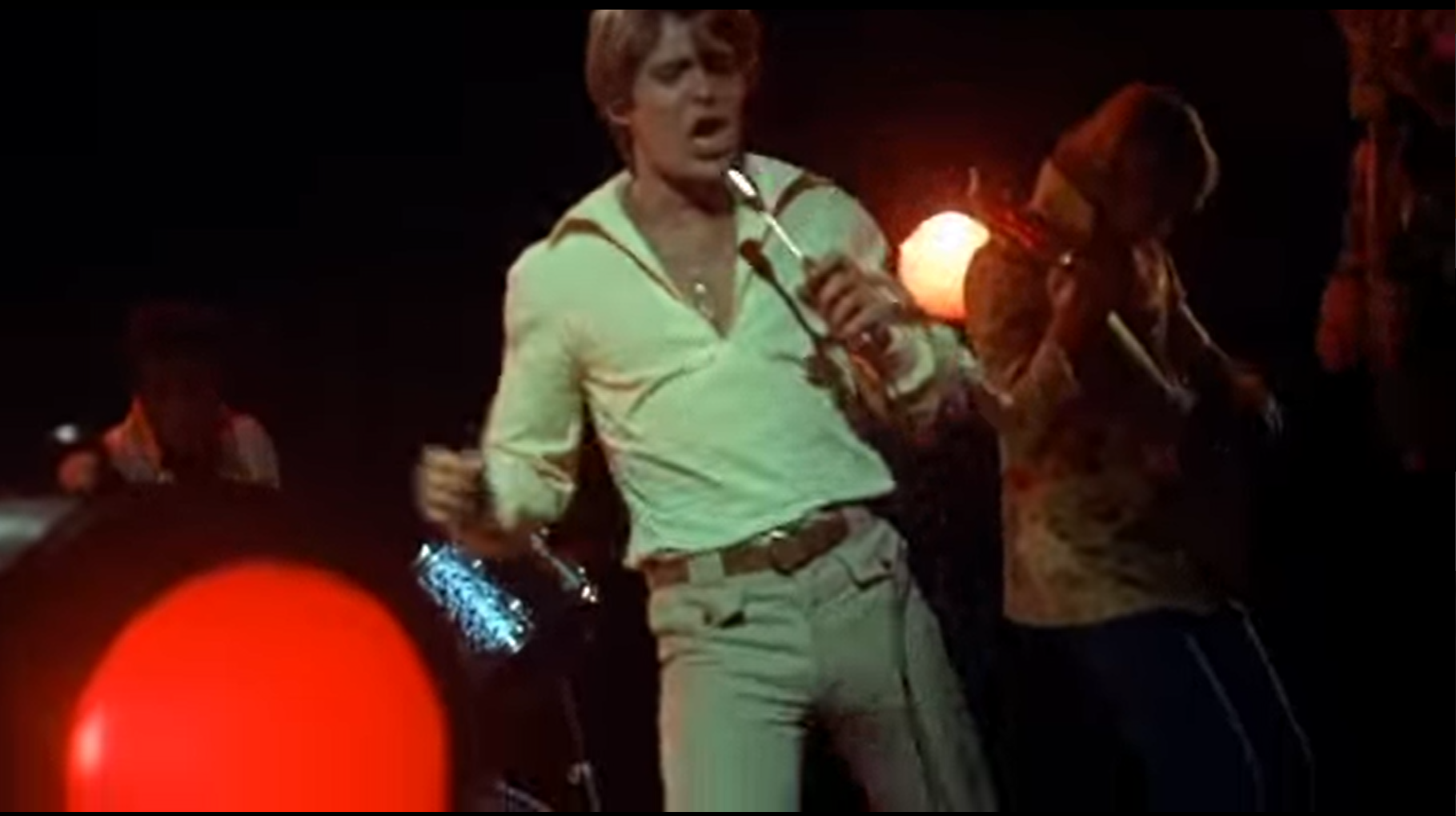
  • Jones’s charismatic portrayal as Max Frost (though his ratty ponytail has got to go!)
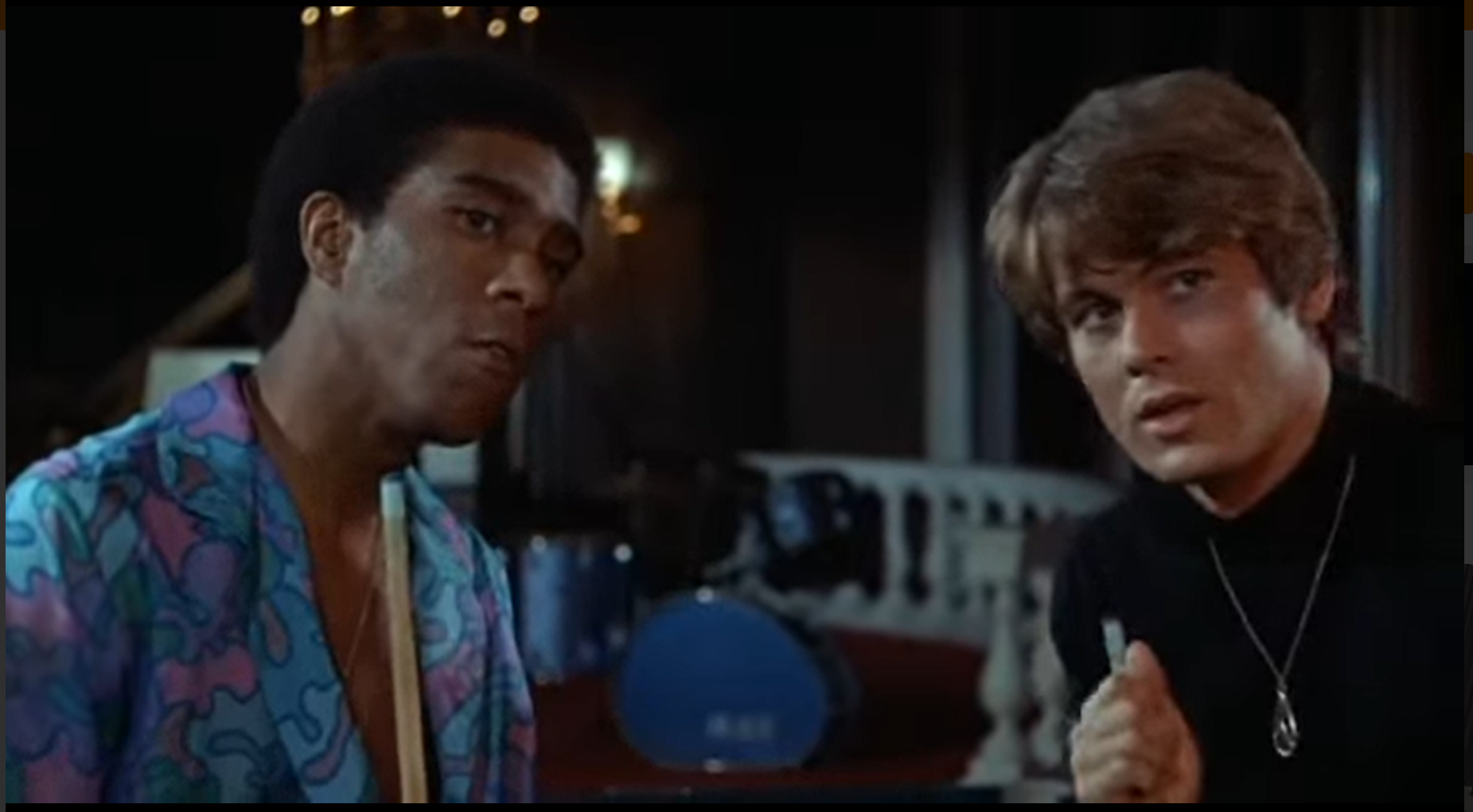
  • Richard Pryor as Frost’s drummer
  • Shelley Winters as Daphne Flato
  • Catchy, if annoying, songs

Must See?
Yes. This cult movie may offend those who have fond memories of the 1960s youth movement, but today the film comes across as a surprisingly provocative, biting satire.

Categories

  • Cult Movie

Links:

The T.A.M.I. Show (1964)

The T.A.M.I. Show (1964)

“It’s my party and I’ll cry if I want to.”

Synopsis:
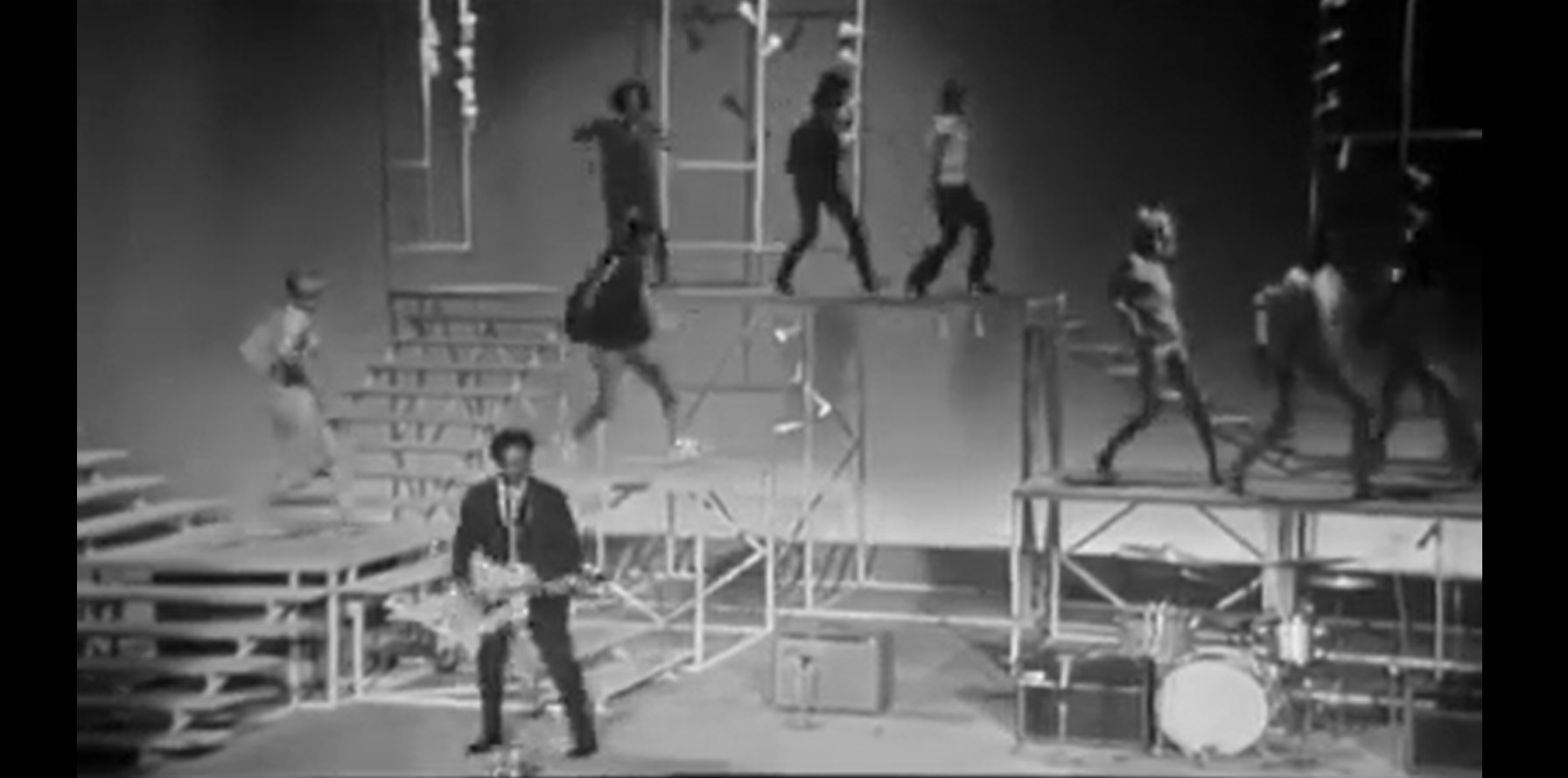
Chuck Berry introduces acts from the 1964 Teenage Awards Music International (TAMI) — including Bo Diddley, the Supremes, the Ronettes, James Brown, Marvin Gaye, Lesley Gore, and the Rolling Stones.

Genres, Themes, Actors, and Directors:

  • Concert Films
  • Rock ‘n Roll
  • Teenagers

Response to Peary’s Review:
As Peary notes, this early concert film featuring hit American and British rock groups of the day is “silly, innocent fun”, with “some of the most cheerful acts you’ve ever seen.” Cinematically, the film is fairly standard concert fare, and the frenzied on-stage dancers are embarrassingly bad; nonetheless, “as a record of the ’64 music scene, it’s priceless.”

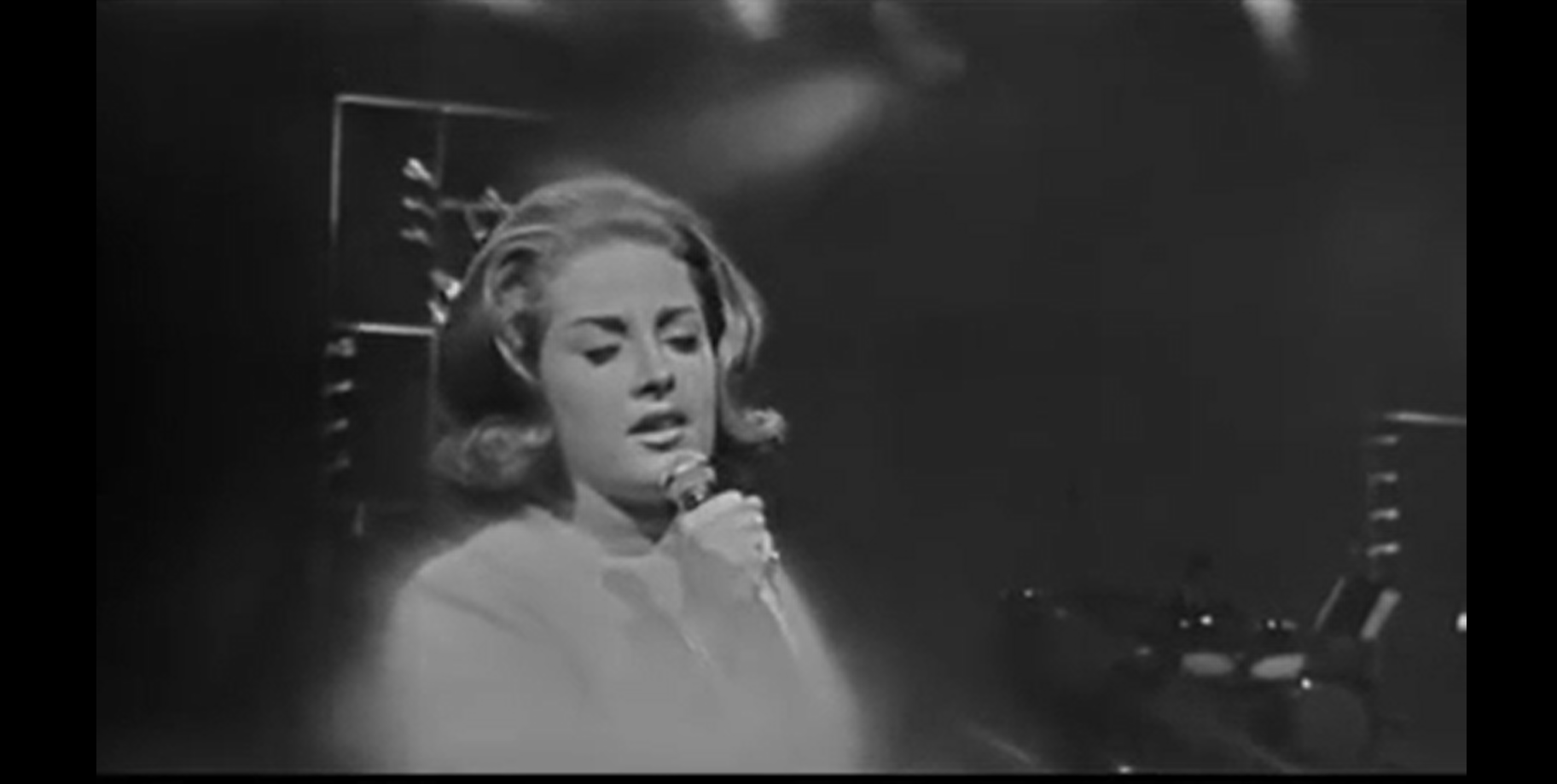
My favorite acts (though naturally everyone will have their own) include Lesley Gore singing “You Don’t Own Me” (featuring the film’s most creative camerawork):

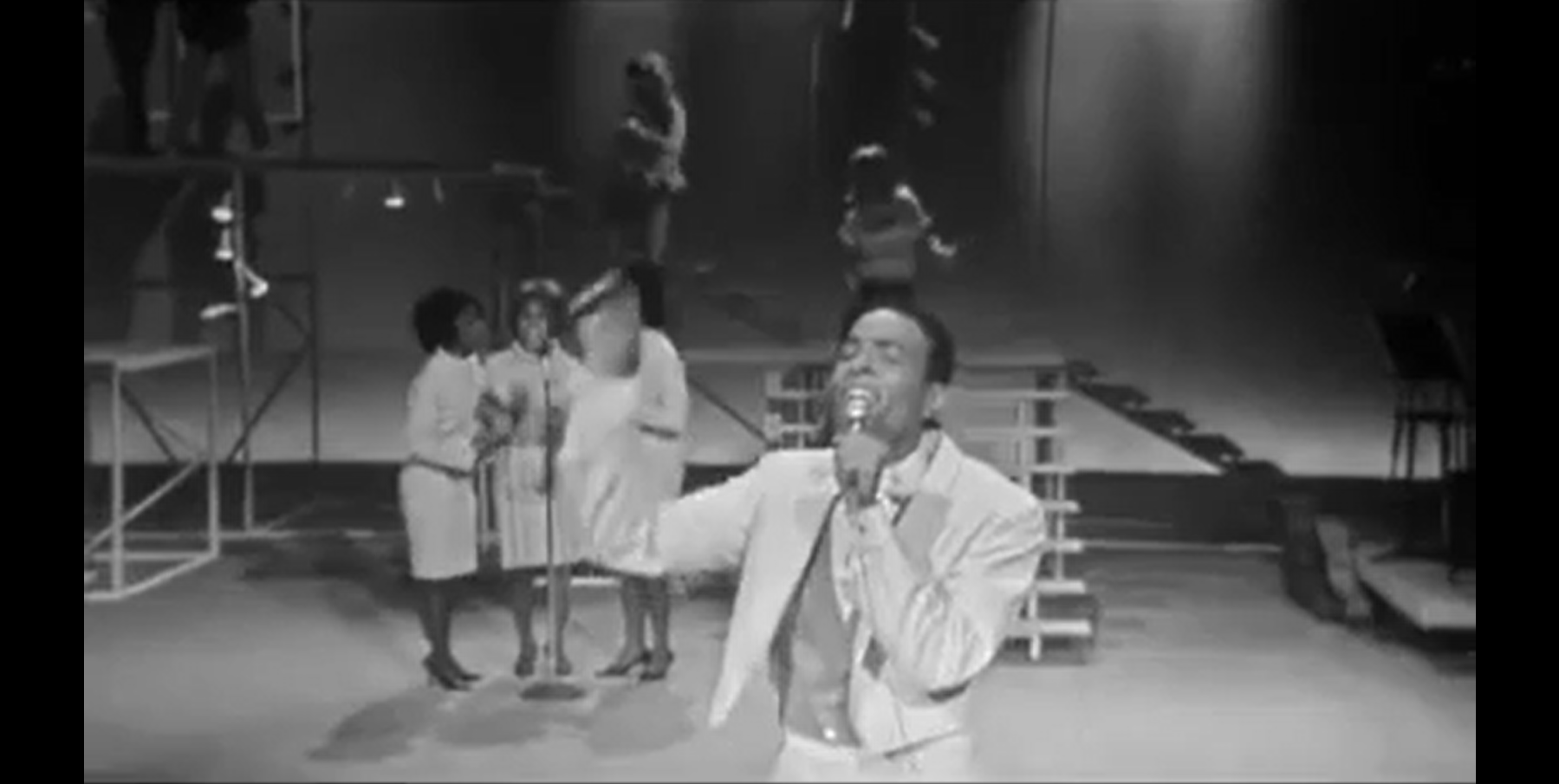
… a handsome young Marvin Gaye singing several ballads:

James Brown sashaying across the stage on one foot:

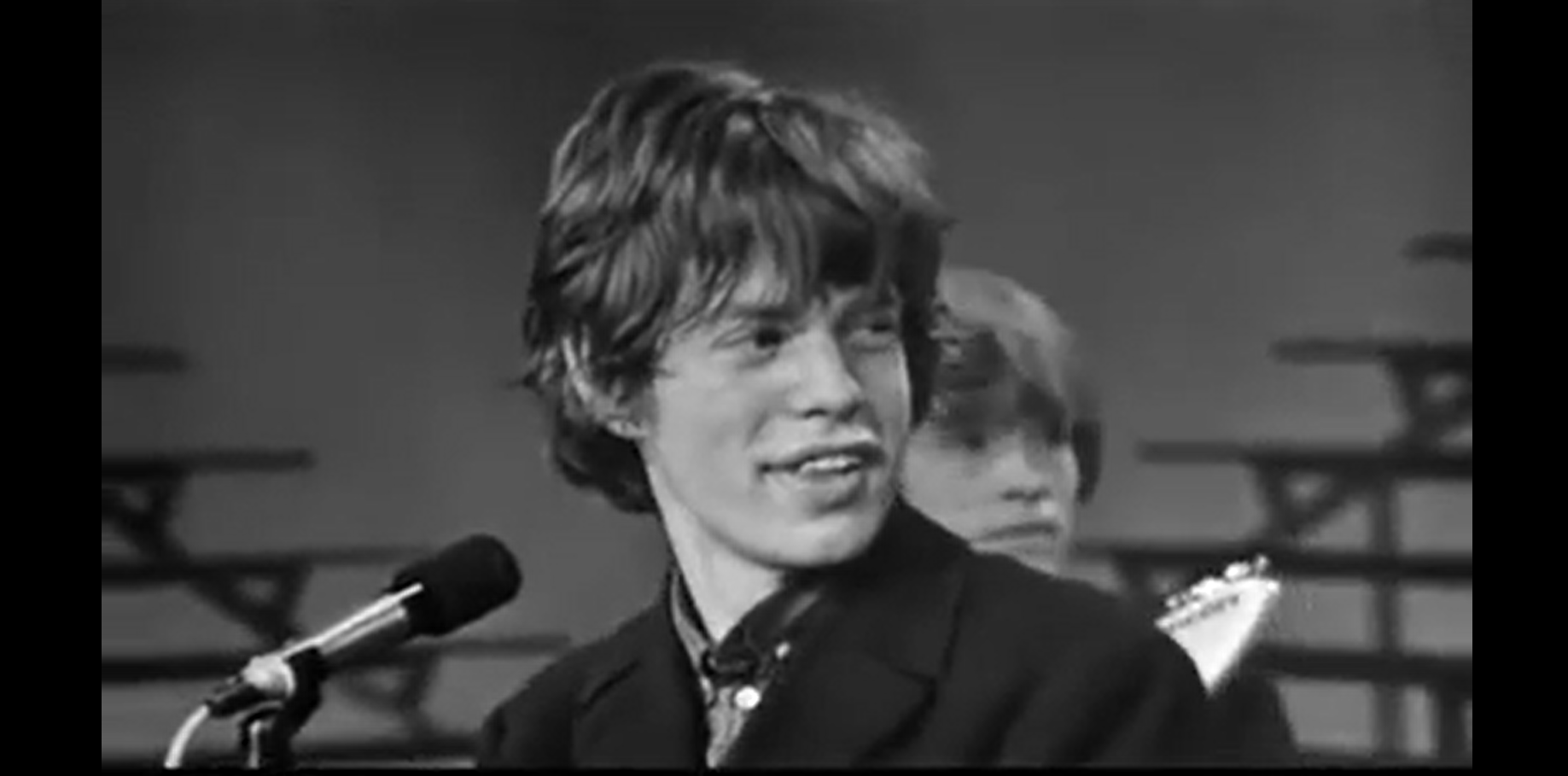
and, naturally, the Rolling Stones (I especially love the way the camera captures Mick Jagger’s happy exhaustion at the end of each song).

Redeeming Qualities and Moments:

  • Countless musical greats gathered together for a powerhouse good time

Must See?
Yes, simply as a musical time-capsule.

Categories

  • Historically Relevant

Links:

Xica / Xica da Silva (1976)

Xica / Xica da Silva (1976)

Synopsis:
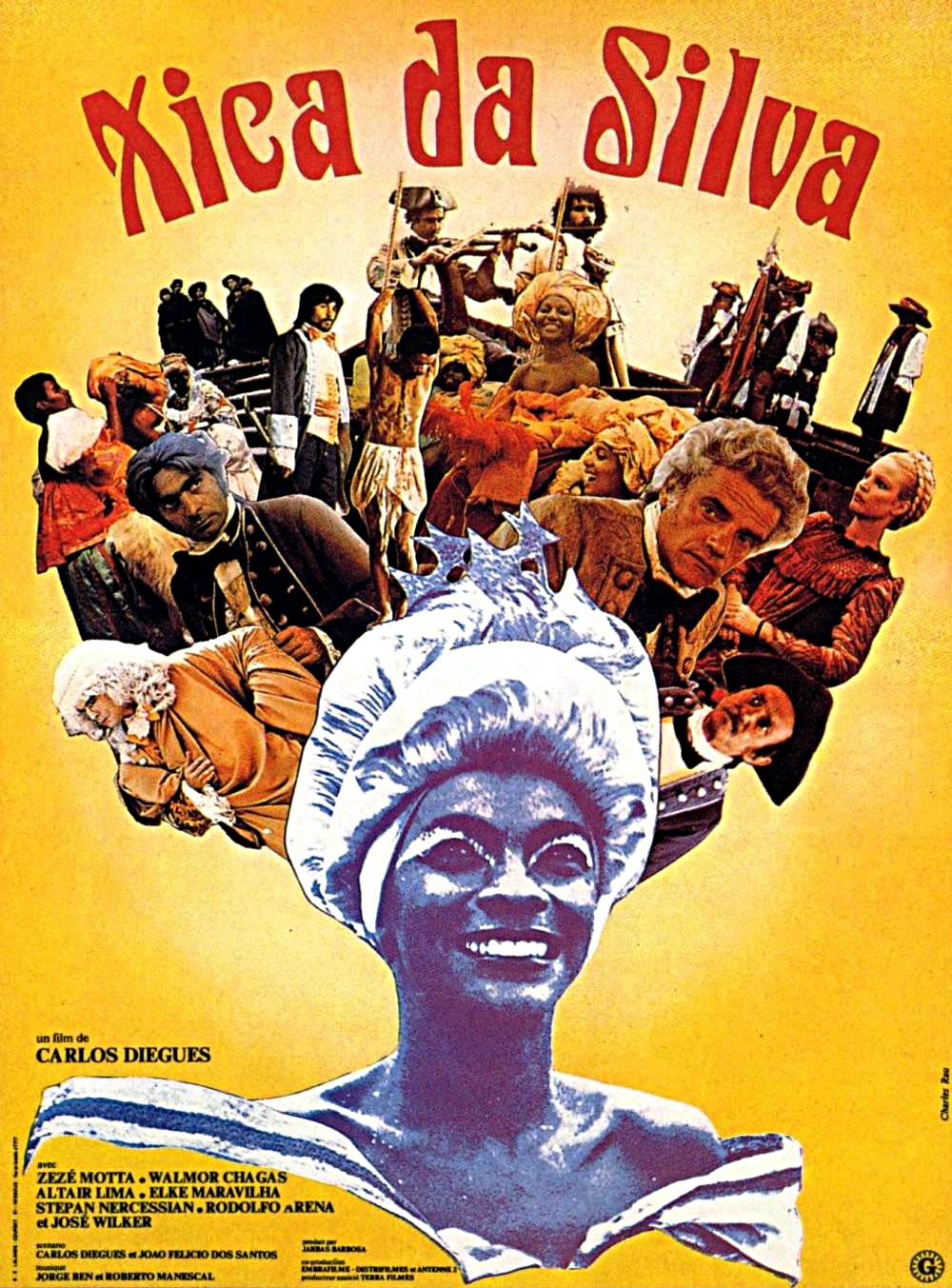
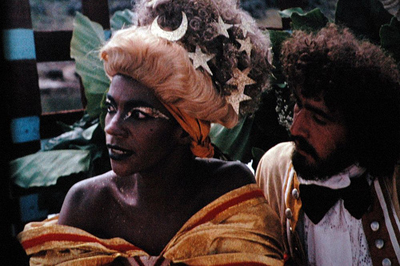
Xica (Zeze Motta), a black female slave in 18th century Brazil, gains freedom, wealth, and power by seducing the town’s new Royal Diamond Contractor (Walmor Chages).

Genres, Themes, Actors, and Directors:

  • Comedy
  • Historical Drama
  • Political Corruption
  • Race Relations
  • Social Climbers
  • South and Central America
  • Strong Females

Response to Peary’s Review:
Peary’s review of this “popular [Brazilian] film by Carlos Diegues” is rather half-hearted. He finds it “not particularly interesting,” and largely “unsatisfying” in terms of its political exposition. Other reviewers have expressed similar opinions, lamenting the film’s bombastic sexual humor and labeling it thematically “messy”. It’s true that Xica doesn’t fall into one or two neatly defined cinematic slots. In addition to the above-listed genres, for instance, Xica could be seen as a femme fatale film, given that the lead character selfishly causes the downfall of the men she seduces (though her joyous demeanor and intermittent goodwill towards others don’t allow Xica to fall into the classic noir categorization of such women). Also, while the story undeniably involves slavery, it doesn’t dwell on this as any kind of a serious thematic subject — Xica could just as easily have been a lower-class maid rather than a slave, without changing the overall thrust of the story. And though Xica has much of the feeling of a classic “Bedroom Farce” — with Xica bedding several cuckolded men at once — it’s more about sex as a source of power than sex as a harmless flirtation.

Finally, while Xica experiences a drastic downfall at the end of the film (thus hinting at a “Rise and Fall” theme), she picks herself right back up and, oddly, seems undefeated — thus belying the traditional heavy-handed morality of most such movies. Ultimately, then, Xica is more of a character-driven comedy than any kind of a serious statement about political, historical, racial, or gender-based issues. If you don’t expect such an agenda, chances are you’ll have a good time enjoying this film’s broad humor, colorful costumes, and unusual historical setting. It’s truly a unique movie-watching experience.

Redeeming Qualities and Moments:

  • Zeze Motta’s dynamic, sexually charged performance as Xica
  • Unexpectedly ribald humor

Must See?
Yes, as one of the most popular Brazilian films of the 1970s.

Categories

  • Historically Relevant

Links:

Stevie (1978)

Stevie (1978)

“I was much too far out all my life / And not waving, but drowning.”

Synopsis:
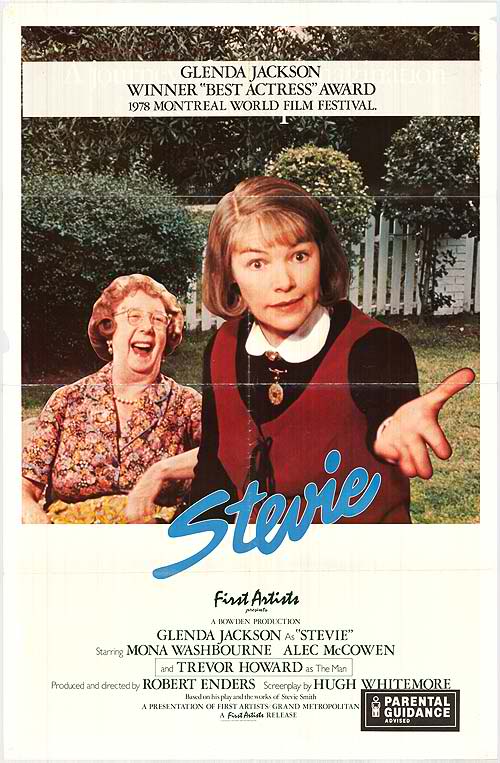
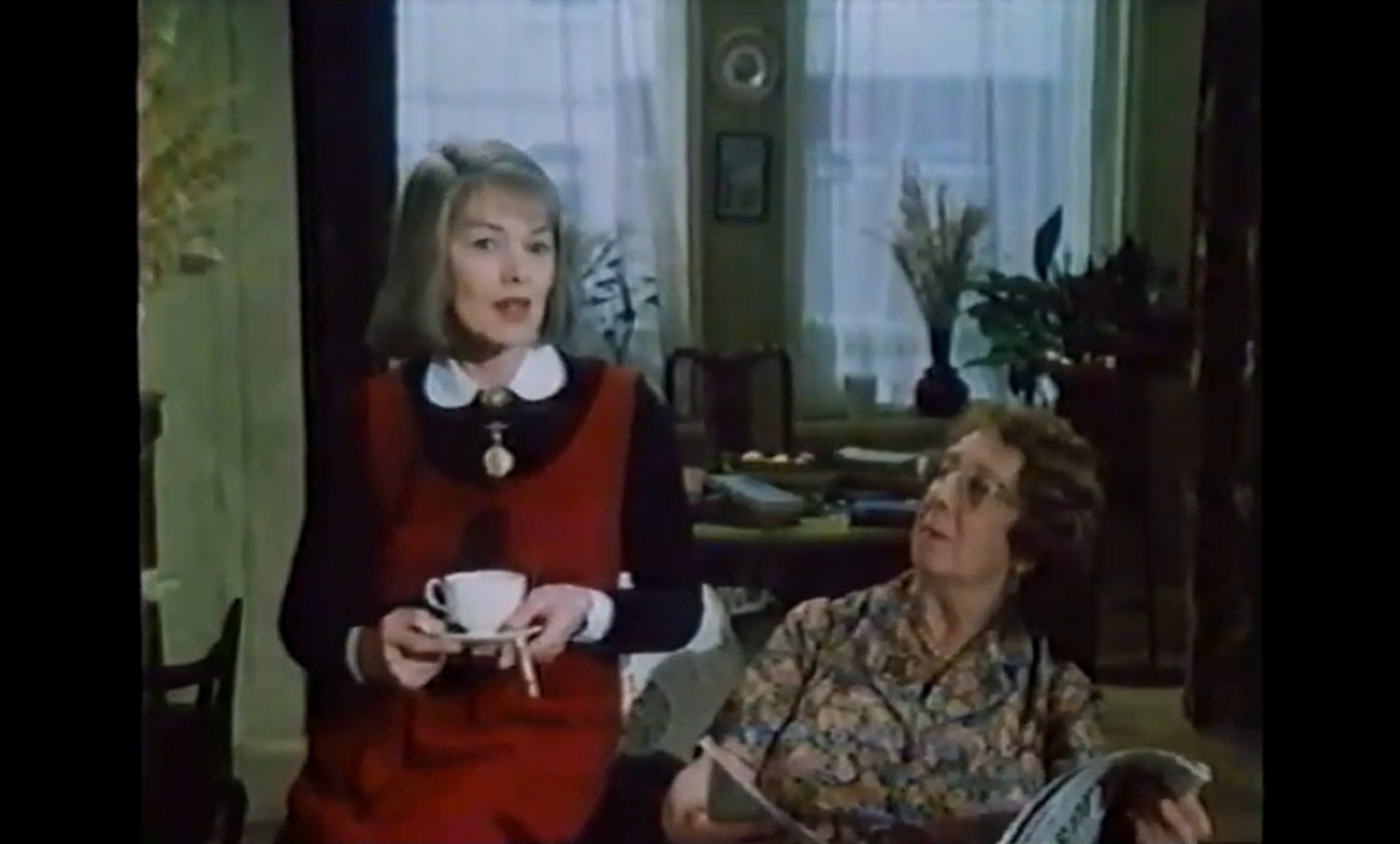
British poet Stevie Smith (Glenda Jackson) discusses her childhood, her literary fame, her failed romance, and life with her beloved maiden aunt (Mona Washbourne).

Genres, Themes, Actors, and Directors:

  • Biopics
  • Flashback Films
  • Glenda Jackson Films
  • Play Adaptations
  • Spinsters
  • Trevor Howard Films
  • Writers

Response to Peary’s Review:
Peary’s review of this theatrical adaptation is humorously tongue-in-cheek: he begins by noting that it is “one of those films people like to recommend to show they have good taste — [but] not me,” and admits that he “blanked out” after ten minutes. Interestingly enough, I had the opposite reaction — it took me about ten minutes to get into the rhythm of the movie, and then (almost despite myself) I was hooked. I knew nothing at all about Stevie Smith before renting this movie — indeed, I hadn’t even heard of her — but quickly became interested in both her work and her life, primarily due to Jackson’s skillfully nuanced performance.

She utilizes a series of self-conscious vocal modulations and subtle facial gestures (such as nose sniffs and tongue-against-teeth movements) to portray Stevie’s unique mixture of humility, melancholy, and quietly adventurous spirit — and while she talks far too much, her performance never falters. Unfortunately, not every aspect of the film works: the flashbacks to Stevie’s childhood seem out of place; the script is far too stagy; and the strange role of Smith’s friend “The Man” (played by Trevor Howard) should have been cut altogether.

Monologic plays ultimately work better on the small screen — I was reminded, for instance, of Eileen Atkins one-woman portrait of Virginia Woolf in A Room of One’s Own (1990). With that said, however, fans of this type of movie will doubtless enjoy it, and should seek it out.

Redeeming Qualities and Moments:

  • Glenda Jackson’s unglamorous portrayal of Stevie Smith
  • Mona Washbourne’s delightfully witty performance as Stevie’s spinster aunt

Must See?
No, unless you’re a fan of either Stevie Smith, Glenda Jackson, or one-woman shows.

Links: