Graduate, The (1967)

Graduate, The (1967)

“There’s a great future in plastics; think about it.”

Synopsis:
When a recent college graduate (Dustin Hoffman) returns home to live with his parents (William Daniels and Elizabeth Wilson), he’s immediately seduced by the wife (Anne Bancroft) of his father’s law partner (Murray Hamilton). Bancroft warns him not to have anything to do with her grown daughter, Elaine (Katharine Ross) — but Ben (Hoffman) soon finds himself enamored with Elaine, and caught in an undeniably sticky love triangle.

Genres, Themes, Actors, and Directors:

  • Anne Bancroft Films
  • Dustin Hoffman Films
  • Generation Gap
  • Love Triangle
  • May-December Romance
  • Mike Nichols Films
  • Romantic Comedy

Response to Peary’s Review:
In his review of The Graduate (based on a 1963 novel by Charles Webb), Peary focuses primarily on its nostalgia value as someone who saw it “several times” the year it was released, when it was considered “the film of the year” and was “integral to everyday conversation”. He notes that “while not all of us were impressed by director Mike Nichols’s technical innovations, we were excited by his novel use of contemporary music (popular songs by Simon & Garfunkel); the provocative sexual theme; a lead character, Ben (Dustin Hoffman’s first major role), whose problems we could relate to; and a hilarious new style (for movies) of comic dialogue, in which the listener, Ben, must find words to fill in the adult talker’s long and awkward pauses.” He posits that “Nichols intentionally stops being funny at about the time Elaine enters the picture”, noting that “the humor disappears when Ben stops being passive and awkward and snaps out of his postgraduate depression”, as he “comes alive and exhibits a desperate, anarchic spirit that any young person in 1967 could identify with.” Peary concludes his review by noting that the “film is dated” but “essential to any study of film during the protest years”.

Many (including myself) would disagree with Peary’s assertion that The Graduate is “dated”, given its iconic status as a cult favorite, with countless memorable scenes and quotes:

“Are you here for an affair, sir?”
“I just want to say one word to you. Just one word… Plastics.”
“Mrs. Robinson, you’re trying to seduce me.”
“I think you’re the most attractive of all my parents’ friends.”

Peary is right, however, to point out that “the acting by Hoffman and Bancroft is super”, with “their scenes together still hold[ing] up”. Indeed, the first half of the film — during which Ben carries out his affair with Mrs. Robinson — is undeniably its funniest and most powerful, with nearly every scene packing a punch, and Nichols establishing himself as a master of sly romantic wit; Bancroft’s seduction of Hoffman will have you laughing out loud, yet simultaneously wincing at Ben’s obvious discomfort. Once Elaine “enters the picture”, it’s true that events take a more somber turn, and one can’t help regretting that Bancroft’s character eventually recedes into the background as a one-dimensional mother-bitch; but Ben’s pursuit of Elaine is ultimately what drives the film, so while we may miss Bancroft, we nonetheless remain glued to the screen, wondering how in the world Ben will salvage the mess that is his love life.

Adding to the film’s appeal is the fact that Ben remains a sympathetic character throughout the entire movie, given that he was clearly (oh, so clearly) the one seduced by Mrs. Robinson; that he tells Elaine about his affair immediately after meeting her, at which point it stops; and that he’s never anything but transparent and sincere about his intentions to put his past with Mrs. Robinson behind him. It’s also easy to relate on a personal level to Ben’s broader existential dilemma, as he contemplates how to craft a life for himself without automatically following in his parents’ footsteps; there’s nothing at all dated about that coming-of-age scenario. Finally, Nichols’ creative direction (which, unlike Peary, I do find impressive), Richard Surtees’ cinematography, fine supporting performances, and Simon & Garfunkel’s instantly recognizable soundtrack all add to the appeal of this deserved cult classic.

Redeeming Qualities and Moments:

  • Dustin Hoffman as Ben (nominated as one of the Best Actors of the Year in Peary’s Alternate Oscars)
  • Anne Bancroft as Mrs. Robinson (nominated as one of the Best Actresses of the Year in Peary’s Alternate Oscars)
  • Katharine Ross as Elaine
  • Fine supporting performances
  • Creatively stylistic direction by Nichols
  • Robert Surtees’ cinematography
  • Richard Sylbert’s production design
  • Simon and Garfunkel’s soundtrack

Must See?
Yes, of course, as a genuine classic. Nominated as one of the Best Pictures of the Year in Peary’s Alternate Oscars.

Categories

  • Genuine Classic
  • Noteworthy Performance(s)
  • Oscar Winner or Nominee

(Listed in 1001 Movies You Must See Before You Die)

Links:

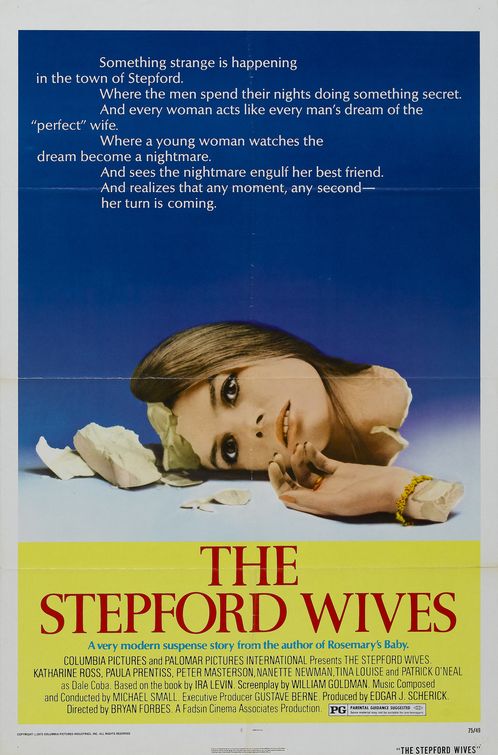
Stepford Wives, The (1975)

Stepford Wives, The (1975)

“I’m not contemplating any Maidenform bonfires… But they could certainly use something around here!”

Synopsis:
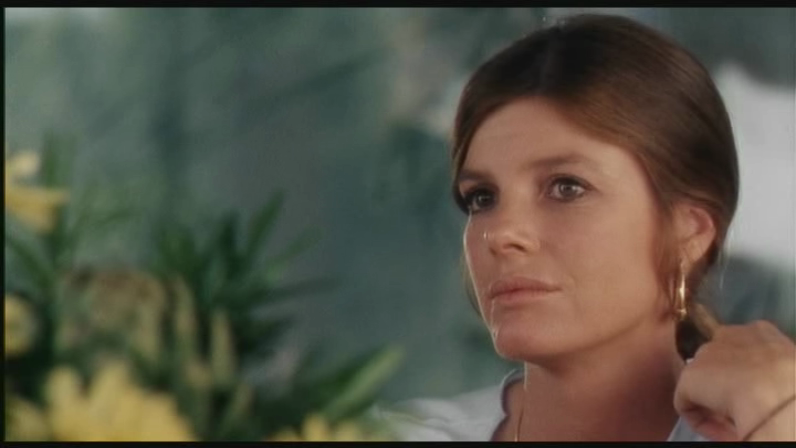
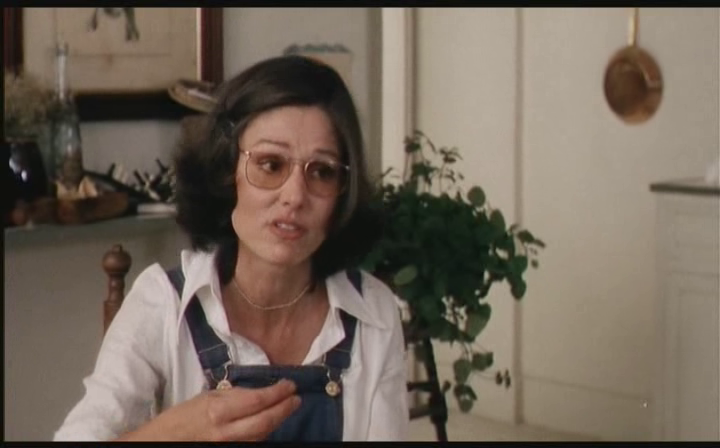
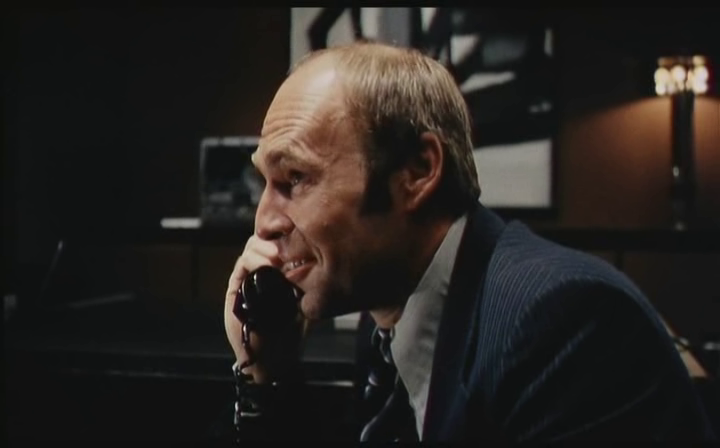
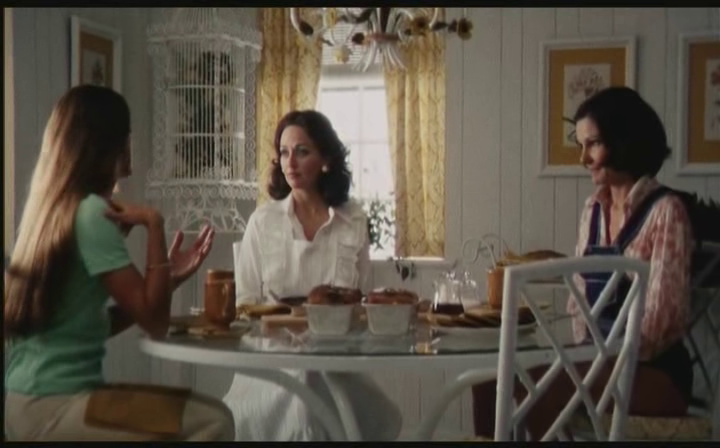
A lawyer (Peter Masterson) moves with his wife (Katharine Ross) and two kids from New York City to the suburb of Stepford, where Joanna (Ross) immediately begins to suspect that something isn’t quite right with the other wives. Along with her new best friend (Paula Prentiss), she tries to investigate, but finds that few of the women are interested in discussing any concerns deeper than housecleaning.

Genres, Themes, Actors, and Directors:

  • Bryan Forbes Films
  • Feminism and Women’s Issues
  • Housewives
  • Katharine Ross Films
  • Living Nightmare
  • Patrick O’Neal Films
  • Paula Prentiss Films
  • Science Fiction

Review:
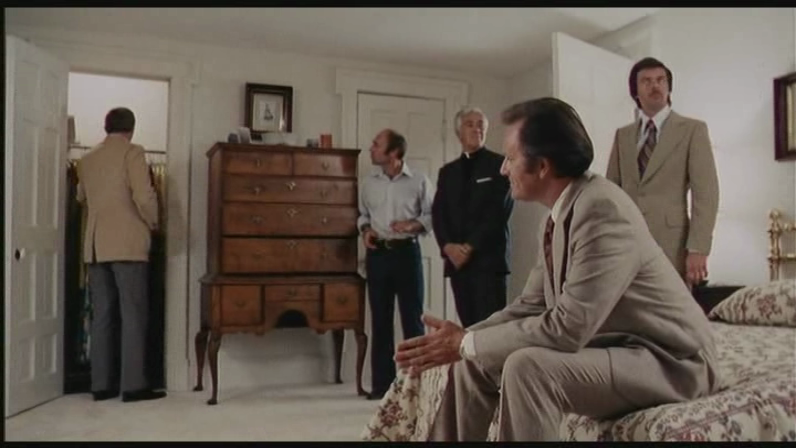
Critical opinions remain mixed on the success of this first adaptation of Ira Levin’s widely read ’70s novel, with many complaining that director Bryan Forbes turned it into too much of a straight psychological thriller without sufficiently tapping into its satirical underpinnings. I disagree. Forbes — whose earlier successes as a director included Whistle Down the Wind (1961), The L-Shaped Room (1962), and Seance on a Wet Afternoon (1964) — does an impressive job projecting the seemingly idyllic Stepford as a suburb filled with quiet menace, leaving us with no doubt that Ross’s very life is in danger from the moment she reluctantly leaves behind her former life in NYC and suddenly finds herself surrounded by women she can’t relate to on any level (this is a true nightmare!). Her friendship with Prentiss — as well as her interactions with a wealthy, tennis-loving housewife (Tina Louise) — amply highlight the normalcy that’s missing from the rest of the Stepford wives; meanwhile, the screenplay’s slowly oppressive structure — as first Louise, then Prentiss, are “taken over”, and Ross is sneakily roped into having her portrait drawn, then her voice “captured” — is genuinely frightening.

Fans of Levin’s work (which includes the novel Rosemary’s Baby and the thriller-play Deathtrap) will know that he frequently placed wives in positions of vulnerability, positing their husbands as calculating villains whose motives are masked behind a façade of loving attention. That dynamic definitely plays out here, with Masterson doing a fine job as Ross’s husband — a man who seemingly has her best interests at heart, yet is clearly involved in nefarious dealings on some unknown level. Ross is perfectly cast in the lead role, projecting just the right amount of feminist spunk, and Prentiss gives one of her best supporting performances as Bobbie, who fearlessly shows off her body in casually sexy outfits (which are in noted contrast to the prim dresses and hats worn by the Wives). While one can certainly quibble with any number of logistical elements of the story (most having to do with the wives “transforming”), The Stepford Wives remains an engaging and culturally iconic sci-fi thriller, one which all film fanatics should check out.

Redeeming Qualities and Moments:

  • Katharine Ross as Joanna
  • Paula Prentiss as Bobbie
  • Peter Masterson as Walter
  • Tina Louise as Charmaine
  • A genuinely creepy premise


Must See?
Yes, as a culturally iconic psychological thriller.

Categories

  • Historically Relevant

Links:

Man Who Loved Women, The (1977)

Man Who Loved Women, The (1977)

“For me, nothing is more beautiful to see than a woman walking.”

Synopsis:
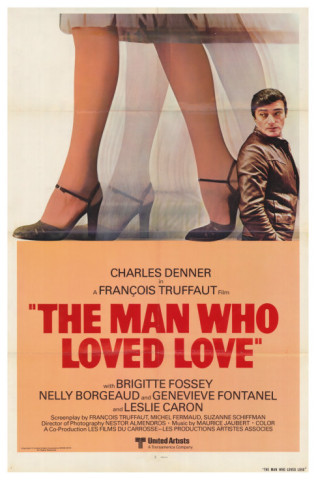
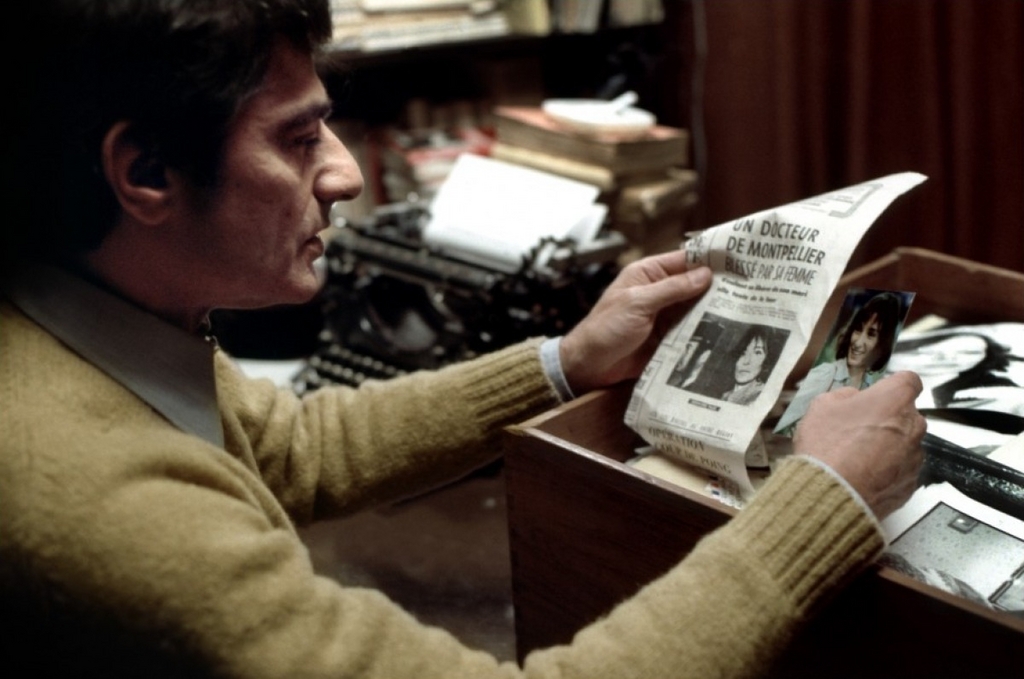
A scientist (Charles Denner) obsessed with beautiful women reflects back on the many partners he’s pursued over the years, as he writes his thoughts in a manuscript he hopes to publish.

Genres, Themes, Actors, and Directors:

  • Flashback Films
  • Francois Truffaut Films
  • French Films
  • Womanizers

Review:
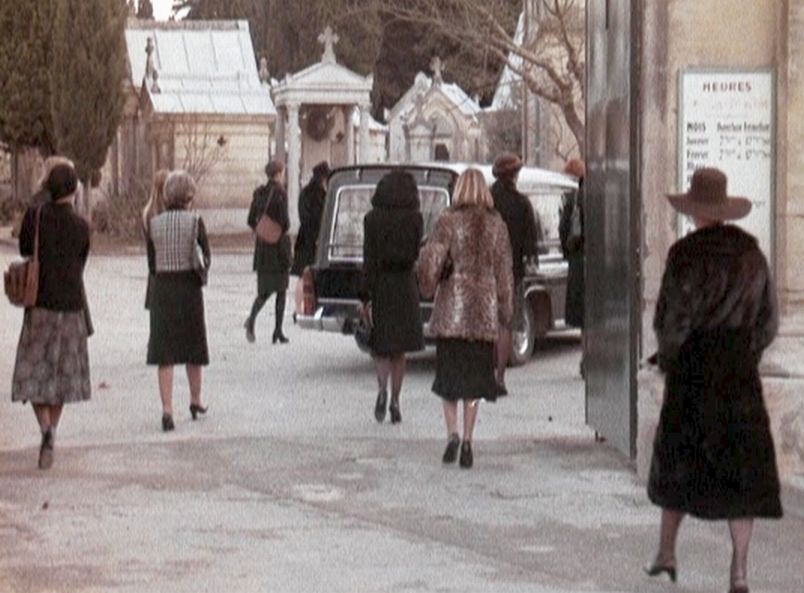
Francois Truffaut once insisted that “there is more truth in the bedroom than in the office or the board room” — which might explain his interest in making a film about a man literally obsessed with pursuing beautiful women, and making love to them at any cost. After a highly unrealistic opening scene (in which scores of women — mostly former lovers, along with a few friends — file by to pay their respects to the deceased Denner), the film’s first “scene of pursuit” shows Denner glimpsing a pair of enormously attractive female legs walking by in heels and a swishy skirt, then scrambling to jot down her license plate number as she drives away, and pursuing this phantom female (he never sees her face) with what amounts to foolhardy single-mindedness — only to learn that she lives in Canada, has a fiance, and won’t be back to France for another two years. This scene in many ways epitomizes the ludicrous and elusive nature of Denner’s ongoing sexual quests, which resemble more than anything those of Michael Fassbinder’s sorry sex addict in Steve McQueen’s Shame (2011).

Unlike McQueen, however, Truffaut keeps the tone of his film relatively lighthearted throughout; Denner’s obsession with accumulating female partners (most of whom are young, attractive, and unrealistically willing to jump straight into bed with him) rules his life, but his doctor — after telling him he’s contracted gonorrhea — simply chuckles at his lusty spirit, and Denner’s pursuits continue. Most of the screenplay is dedicated to showing us the string of varied women Denner beds, as well as his attempt to get his “scandalous” memoirs published; along the way, Truffaut intersperses occasional flashbacks to Denner’s youth, showing how his neglectful mother (Marie-Jeanne Montfajon) may have played a part in his lifelong neurosis. While there’s nothing particularly offensive about any of this — one can’t help staying engaged in what’s happening on screen, given Truffaut’s intrinsic storytelling talents — the film as a whole isn’t one of Truffaut’s best, and ultimately isn’t must-see viewing for all film fanatics.

Note: Leslie Caron shows up in a brief scene as — you guessed it — one of Denner’s former lovers, but her role is so small as to be considered a cameo.

Redeeming Qualities and Moments:

  • Nestor Almendros’ cinematography

Must See?
No, though it’s certainly worth a look by fans of Truffaut’s work.

Links:

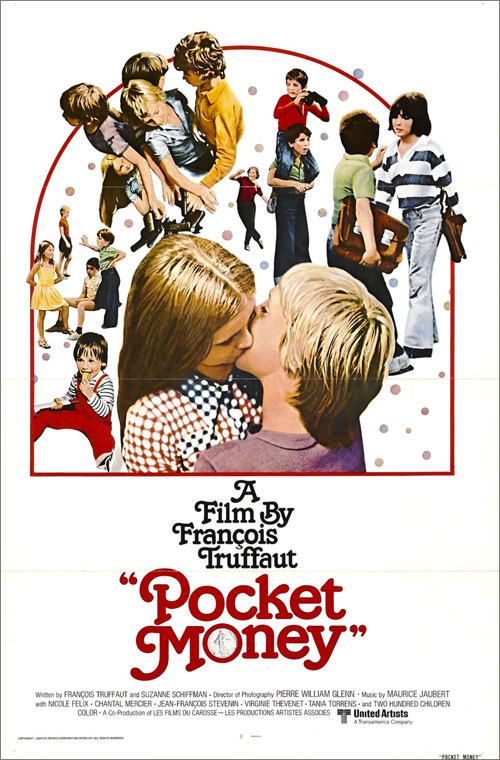
Small Change / Argent de Poche, L’ (1976)

Small Change / Argent de Poche, L’ (1976)

“Of all of mankind’s injustices, injustice to children is the most despicable!”

Synopsis:
In a southern French town, a poverty-ridden young boy (Philippe Goldman) struggles to survive while the children around him deal with crushes, sexual awakenings, and other coming-of-age adventures.

Genres, Themes, Actors, and Directors:

  • Childhood
  • Coming of Age
  • Episodic Films
  • Francois Truffaut Films
  • French Films

Response to Peary’s Review:
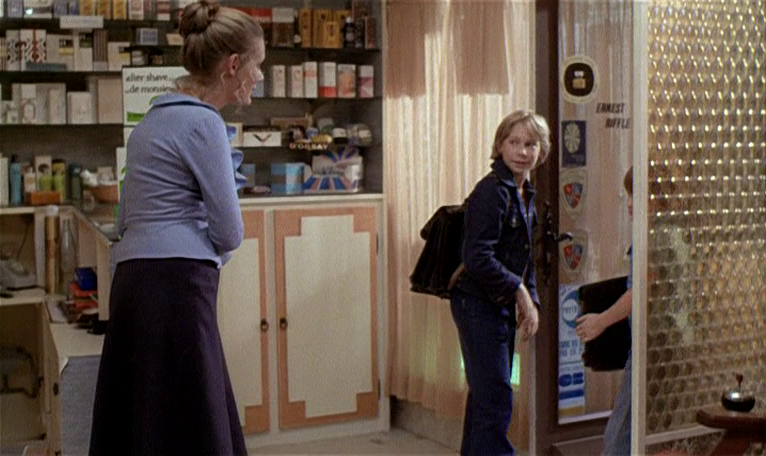
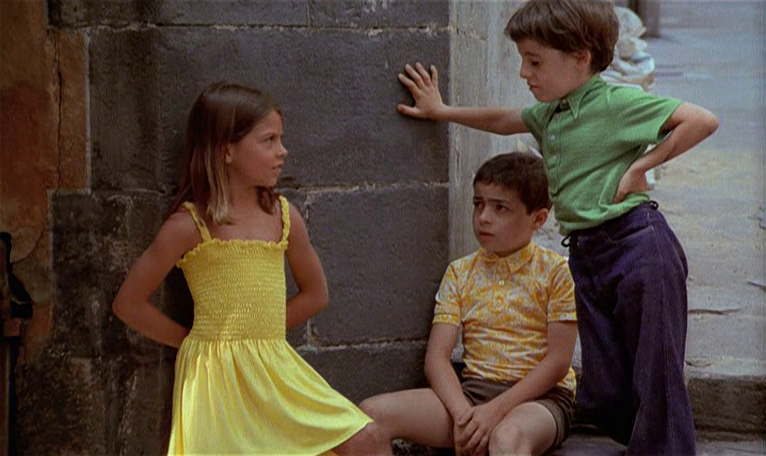
Peary refers to this episodic, “leisurely plotted” film as “Francois Truffaut’s glowing tribute to children, who must use all their immense, amazing resources to compensate for living in a sometimes brutal, adult-made, adult-controlled world”. He argues that the children in this film are “more relaxed than the students in [Truffaut’s] The 400 Blows, and the teachers are much more enlightened than those in 1959″ (though pedagogically-speaking, it remains painful to watch a well-meaning teacher [Chantal Mercier] alternately drill-and-kill her students on ‘important’ historical dates and force them to recite the same lines from a play ad nauseum). He notes that “the two children who share center stage” in the screenplay “are those who have the most difficult home lives” — a young boy (Geory Desmouceaux) “who lives alone with his handicapped father” and “develops a crush on his best friend’s mother”:

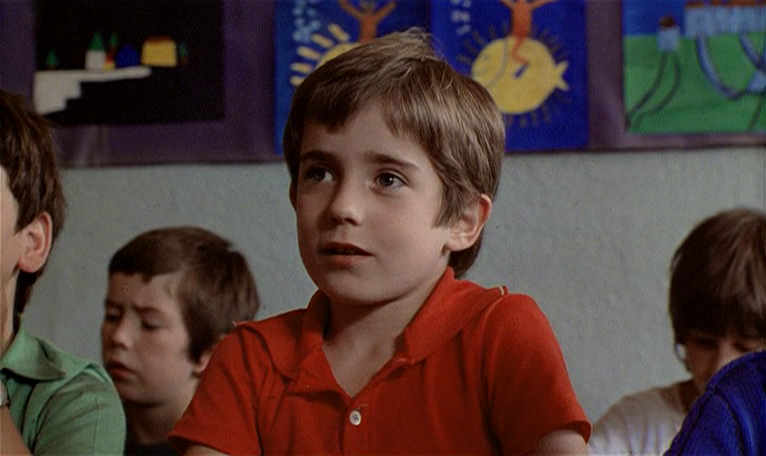
… and a “welfare case” (Goldman) with a mysteriously absent family. Otherwise, as Peary notes, “this is a simple film about innocent themes (a boy’s first kiss, boys sneaking into a movie, boys making their own breakfast, boys spying on a nude woman)” — though he argues that this simplicity masks “unforgettable scenes and faces”, with “much… revealed about children’s special, often-troubled world”.

While I recall greatly enjoying Small Change as a teenage film fanatic, I was less enamored with it during a recent revisit. The biggest problem is that the episodic nature of the screenplay — though clearly strategic to Truffaut’s purposes — makes it impossible to get to know much about any of these kids, each of whom seems like a potentially interesting protagonist on his/her own. To that end, the performances by the child actors are uniformly natural and engaging, and Truffaut should certainly be commended for the obvious time and energy he put into this pursuit — yet we continually long for more knowledge about each of their situations. Meanwhile, the overall tone of the film shifts too dramatically between humor and pathos, with certain scenes (such as an infamous episode involving a toddler left on his own in a high-rise with an open window) nearly too painful to watch, yet designed to garner chuckles (!?).

By its final scenes (spoiled in Peary’s review, though I won’t say more here), the movie has shifted into different territory altogether, with a well-meaning schoolteacher (Jean-Francois Stevenin) — who “will remind some of Truffaut” — providing a didactic lecture to his students before they leave for the summer; at this point, the true intent behind the film is suddenly revealed. Unfortunately, it casts an overly moralistic pall upon the film, which (as noted earlier) is otherwise presented as primarily a light-hearted coming-of-age ensemble tale. While there are many naturalistic moments to enjoy throughout the film, they ultimately don’t add up to a satisfying enough experience to recommend as “must-see” for all film fanatics.

Redeeming Qualities and Moments:

  • An often-engagingly naturalistic look at the lives of children in 1970s France

Must See?
No, though it’s clearly a must for Truffaut fans.

Links:

Where the Boys Are (1960)

Where the Boys Are (1960)

“Experience: that’s what separates the girls from the girl scouts.”

Synopsis:
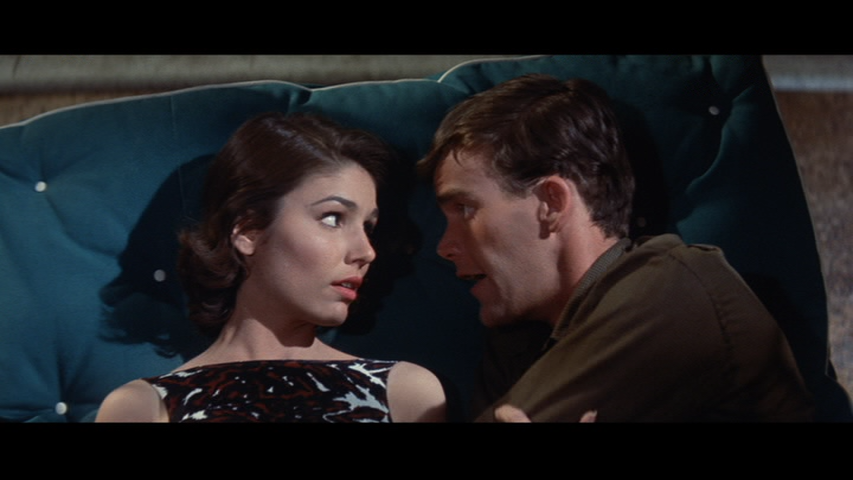
A group of midwestern college girls (Dolores Hart, Paula Prentiss, Yvette Mimieux, and Connie Francis) head to Fort Lauderdale for spring break, seeking romantic happiness and adventure in the sun — but they quickly find that dating is much more complicated than they anticipated, as Mimieux becomes sexually involved with a series of partying “Yalies”, Prentiss struggles to maintain her “good girl” status while dating an eccentric student (Jim Hutton), Hart dates a suave millionaire (George Hamilton), and Francis desperately pursues a quirky jazz musician (Frank Gorshin).

Genres, Themes, Actors, and Directors:

  • Coming-of-Age
  • George Hamilton Films
  • Jim Hutton Films
  • Paula Prentiss Films
  • Sexuality
  • Yvette Mimieux Films

Response to Peary’s Review:
Peary argues that while this “cult favorite” (directed by Henry Levin) is “dated in many ways”, it remains an “enjoyable, offbeat, interesting film with appealing performances by the lead actresses”. He points out that “it’s surprisingly more advanced than other films of the period in regard to sex”, noting that “the dialogue about sex is frank” and that “it’s clear that our four girls are in search of boys for sex” (a point I can’t quite agree with, as discussed below). He further notes that “the four leads are very appealing”, given that they “all have a sense of humor” and “their characters are believable”; he commends the script for providing us with an “early film in which the girls are supportive friends, rather than rivals”. In his Cult Movies 3 book, Peary provides a much more detailed analysis of the film, describing its many differences from the novel it was based on (by Glendon Swarthout), which is apparently even more sexually explicit, and focuses primarily on the sexual adventures of Merritt (Hart).

In Cult Movies 3, Peary concedes that WTBA shouldn’t really “be taken all that seriously”, given that “any picture about the students who migrate to Spring Break in Fort Lauderdale is bound to be somewhat stupid and junky”. He further points out that one shouldn’t forget “this picture actually has George ‘Mr. Tan’ Hamilton striding across the beach — an image that never fails to delight camp-movie addicts”. However, he argues that the film “is above being enjoyed only on a camp level”, given that “there is much to appreciate” — including “young heroes and heroines” who are portrayed as “caring, smart, and, ultimately, responsible”, and men who “show… respect for the women they’re attracted to”. The exception to this latter statement is, of course, the tragic subplot involving Mimieux’s fatally naive sexual interactions with a group of faux-Yalies — but it’s to the film’s credit that these male characters never emerge as anything other than bit players designed to play slimy louses.

As noted above, I don’t quite agree with Peary that all the girls in this film are interested in pursuing sex per se. While they are all sexually curious to one extent or another (who isn’t?), it’s evident that they’re primarily looking for boys to date, to have fun with, and to possibly turn into longer-term mates. Prentiss’s “Tuggle”, for instance, is a self-avowed “good girl” who makes it clear that she’s exclusively interested in finding a man to settle down with: “Girls like me weren’t built to be educated. We were made to have children. That’s my ambition: to be a walking, talking baby factory.” In her screen debut, Prentiss has an appealing comedic presence, and her interactions with lanky Hutton generally ring true. Much less satisfying is the character played by Connie Francis, who nicely sings the title song but otherwise is relegated to a thankless role as the girl desperate to catch a man, any man; she’s too attractive to merit this type of degrading characterization, and I don’t blame her for dismissing the film later in her life as terrible.

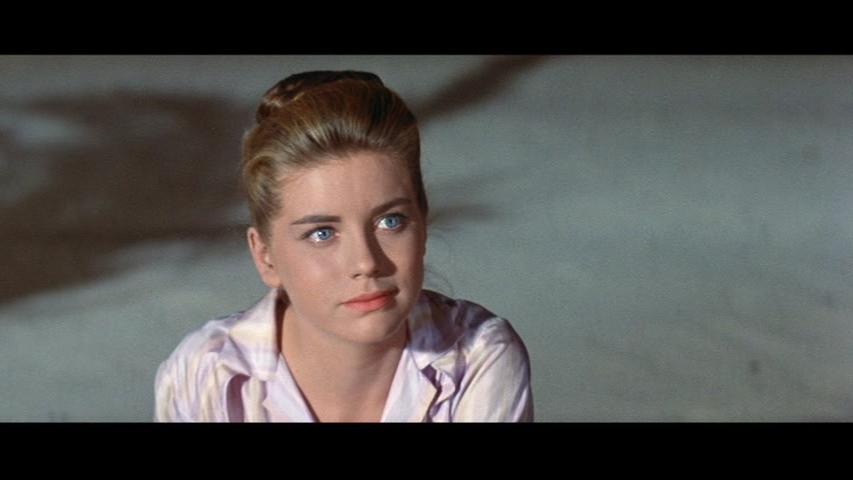
Note: Where the Boys Are remains of minor historical interest as well simply given that its lead, Dolores Hart, left Hollywood after making this film to become a lifelong Benedictine nun in Connecticut.

Redeeming Qualities and Moments:

  • Yvette Mimieux as Melanie
  • Paula Prentiss as Tuggle
  • Dolores Hart as Merritt

Must See?
Yes, once, simply for its (relatively) bold exploration of ’50s sexual mores. But I doubt it holds much of its cult status any longer.

Categories

  • Historically Relevant

Links:

Louisiana Story (1946)

Louisiana Story (1946)

“This is no place for you anymore!”

Synopsis:
A young Cajun boy (Joseph Boudreaux) living with his father (Lionel Le Blanc) and mother (E. Bienvenu) is eager to engage with workers on the oil derrick that has just arrived in his idyllic bayou.

Genres, Themes, Actors, and Directors:

  • Deep South
  • Documentary
  • Robert Flaherty Films

Response to Peary’s Review:
Although it’s lauded by numerous critics as documentarian Robert Flaherty’s finest achievement, Louisiana Story (his final film) “looks nice” but possesses a fatally underdeveloped script (which, ironically, was nominated for an Oscar). As Peary notes, the fact that “the film was financed by Standard Oil Company” may account “for Flaherty’s oddly romantic notion that the presence of the oil company will have no adverse effect on the environment” (a particularly egregious stance given the tragedy of recent oil spills in the region). Meanwhile, as Peary points out, “Flaherty spends a lot of time filming the derrick in action, but the workers look so bored that the scenes are dull”; indeed, none of the workers are particularly distinctive or memorable, and Boudreaux himself (a non-actor whose inexperience shows) lacks the requisite charisma to remain sufficiently engaging as the protagonist of the film. His interactions with his pet raccoon and his tussle with an alligator are decidedly tame, and smack uncomfortably of a Disney-fied view of nature.

As is now well-known, Flaherty’s “documentaries” were actually highly constructed narratives featuring carefully selected actors, thus rendering his fame as a forerunner of ethnographic filmmaking suspect at best. As I discussed in my review of Flahery’s breakthrough film, Nanook of the North (1922), such an issue remains much less problematic when the material itself is intrinsically fascinating: in Nanook…, for instance, one can easily understand why he may have “needed” to reconstruct key scenes, given the severe constraints of life in such harsh circumstances. In Louisiana Story, however, such a “sin” is less pardonable — particularly given that we actually learn very little about life for this Cajun backwoods family. As DVD Savant notes in his review of the film, “Pa is never seen doing anything more vocational than handling a small trap, and the son has nothing to do but amuse himself exploring the dangerous bayou”. Louisiana Story is a visually gorgeous but otherwise disappointing finale to Flaherty’s career.

Redeeming Qualities and Moments:

  • Fine b&w cinematography by Richard Leacock

  • Virgil Thomson’s score

Must See?
No, though it will naturally be of interest to those curious about the trajectory of Flaherty’s oeuvre. Selected for the National Film Registry at the Library of Congress in 1994. Available for free viewing at www.archive.org.

(Listed in 1001 Movies You Must See Before You Die)

Links:

Importance of Being Earnest, The (1952)

Importance of Being Earnest, The (1952)

“I pity any young woman who isn’t married to a man named Ernest.”

Synopsis:
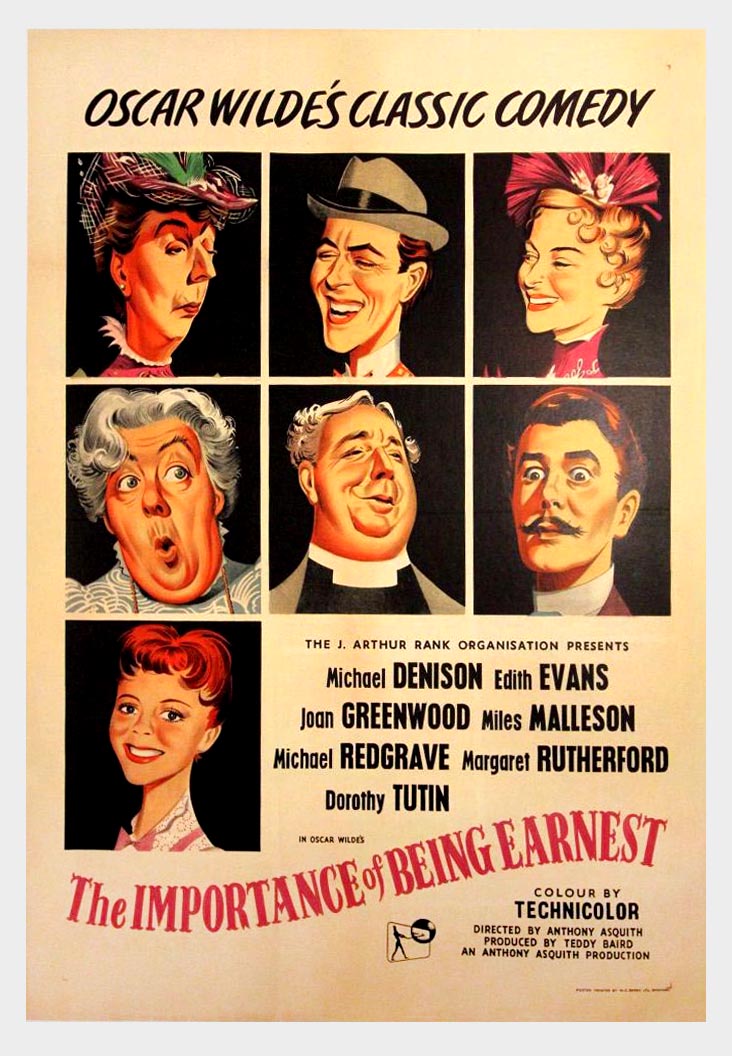
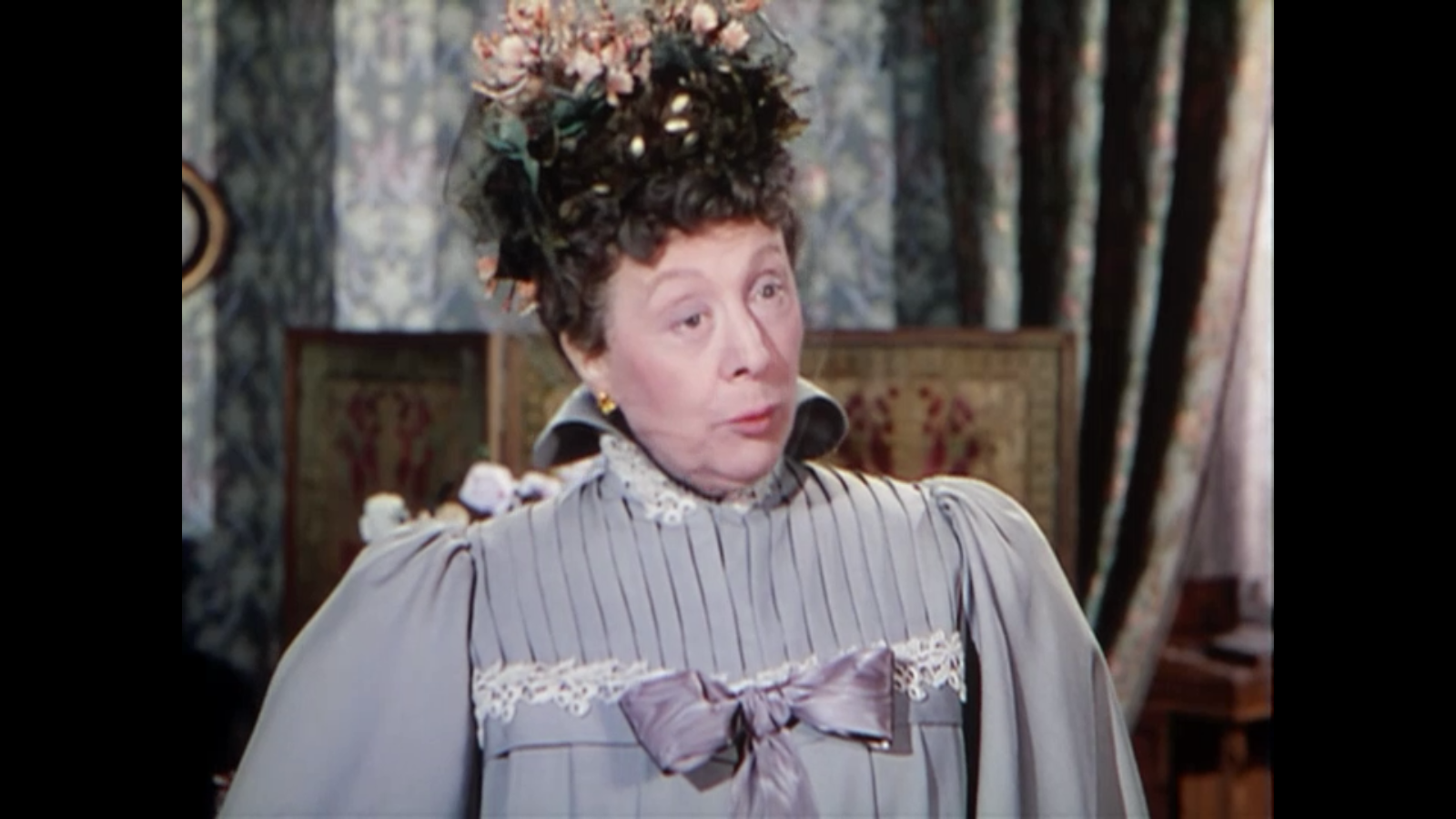
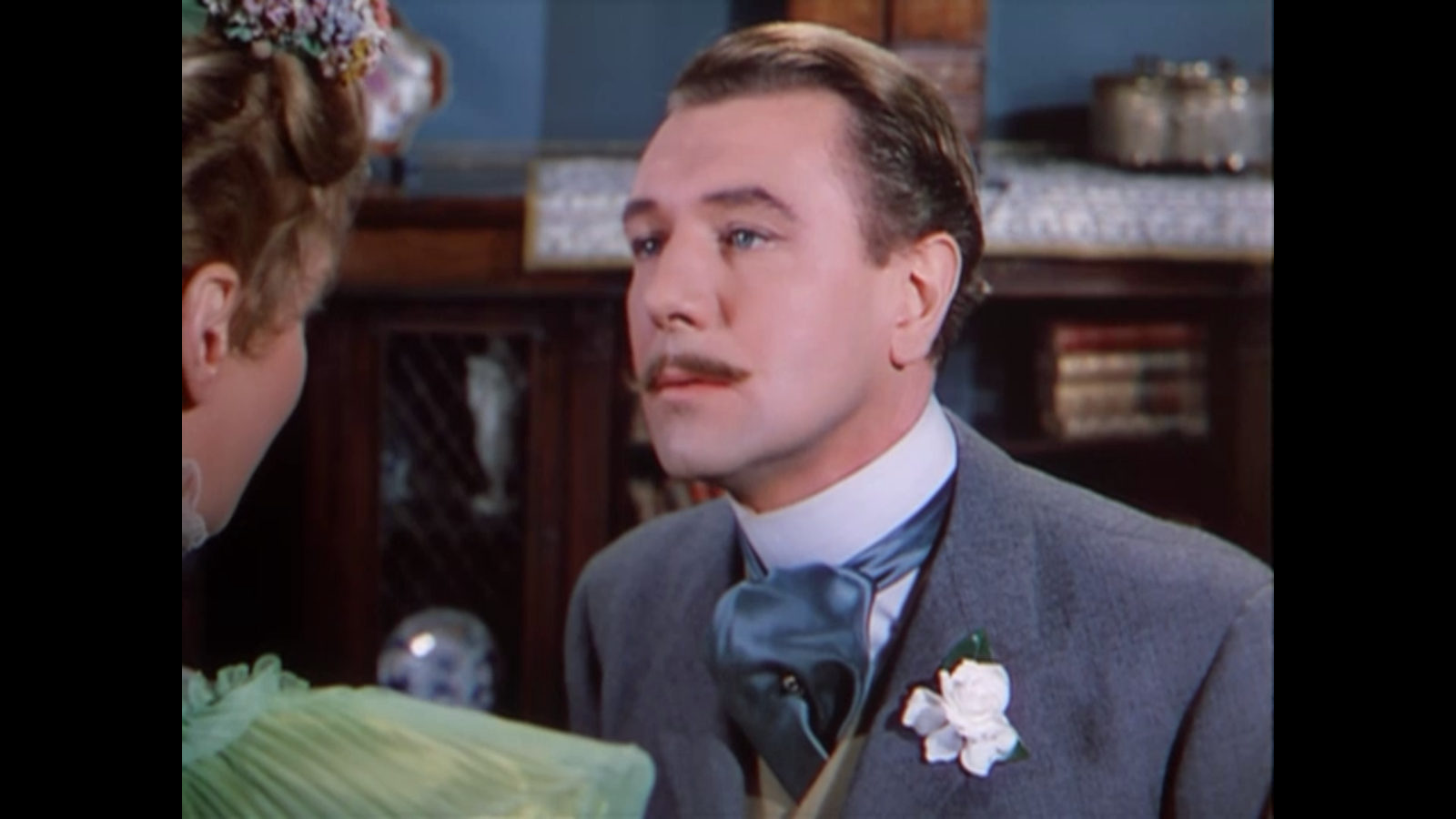
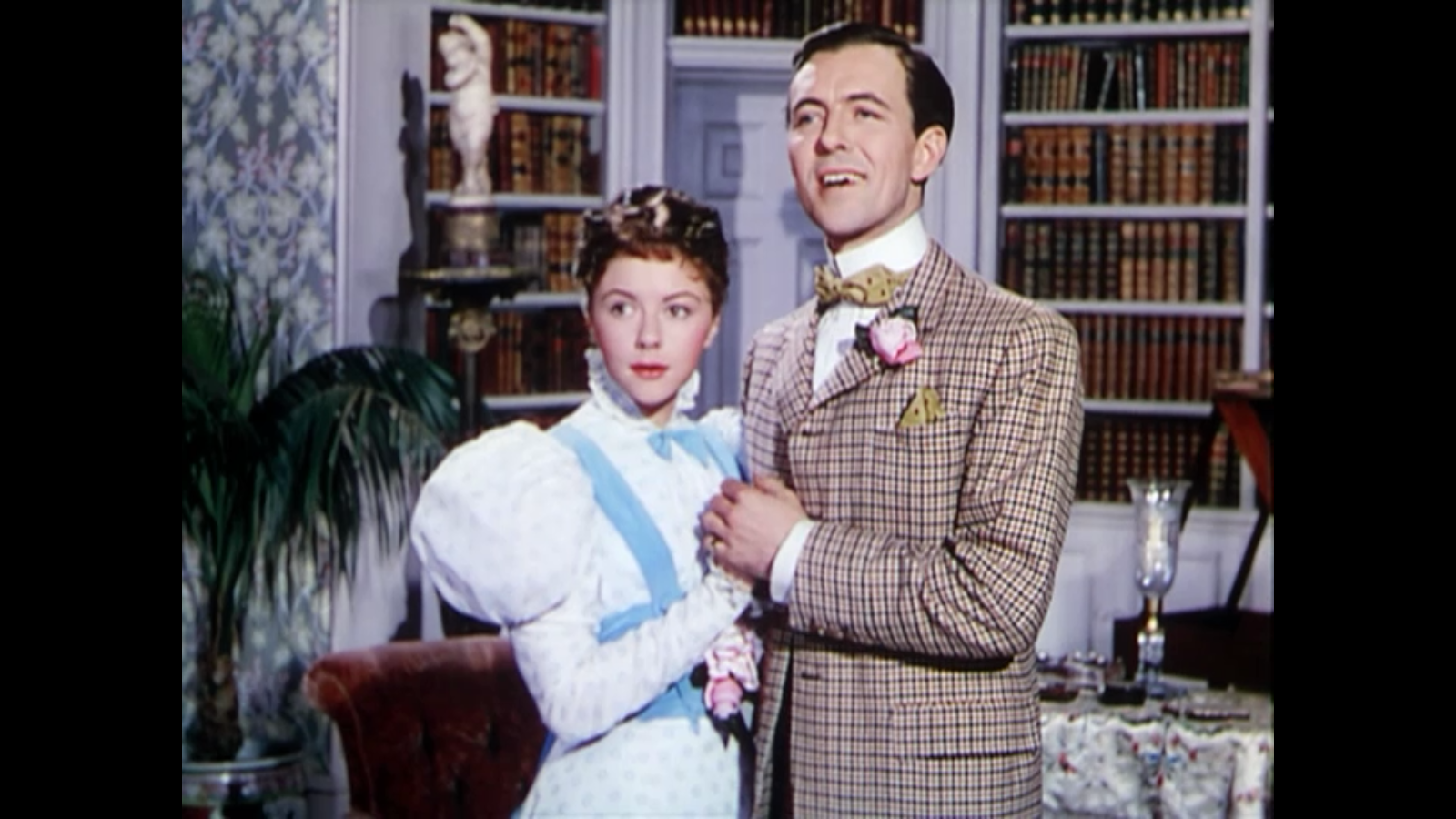
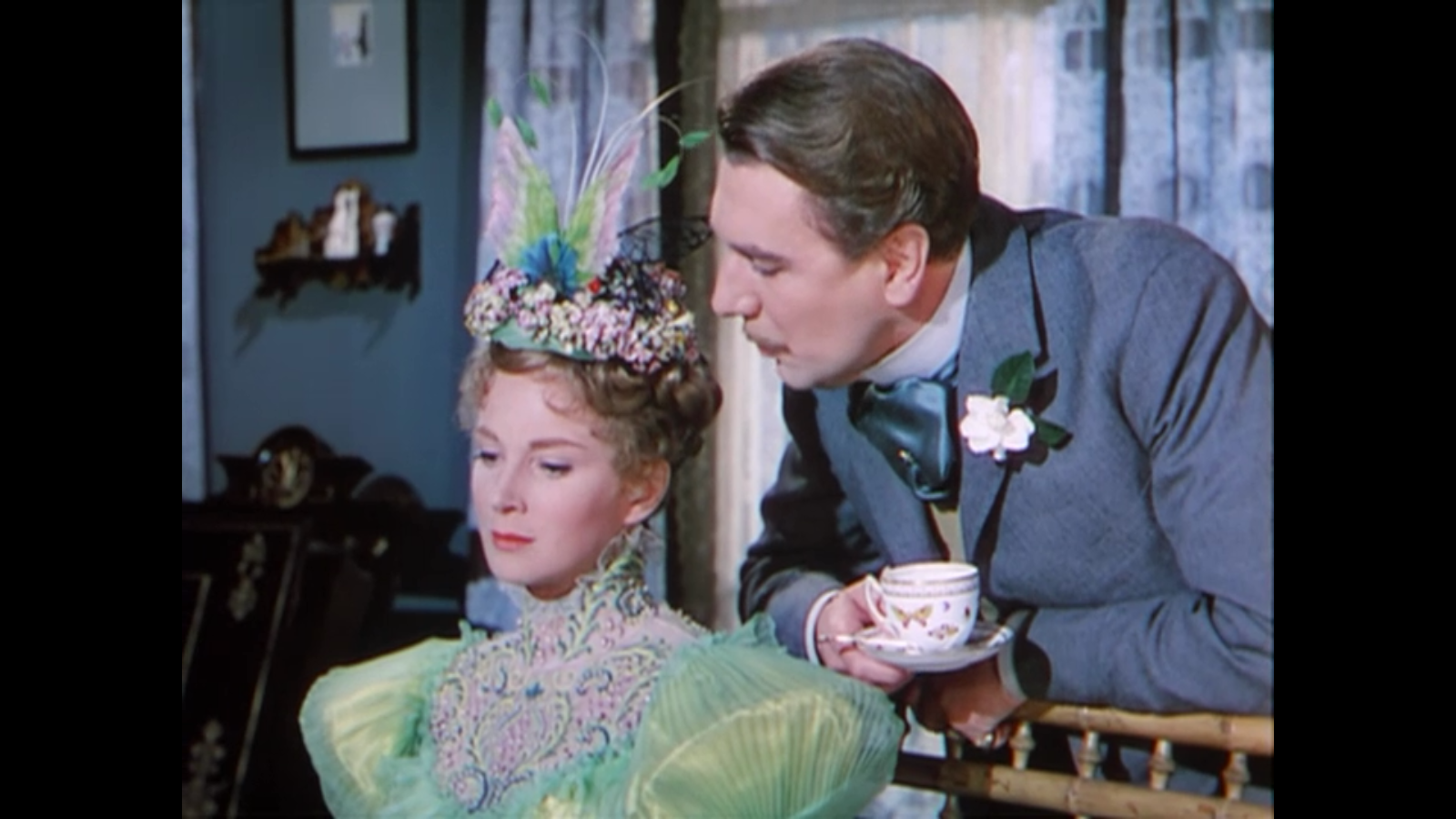
A wealthy bachelor (Michael Redgrave) going by the name of “Ernest” hopes to marry the daughter (Joan Greenwood) of arrogant Lady Bracknell (Edith Evans); meanwhile, Evans’ nephew (Michael Denison) — also posing as “Ernest” — falls in love with Redgrave’s beautiful 18-year-old ward (Dorothy Tutin). Troubles arise when Evans expresses concern over Redgrave’s dubious heritage, and both Greenwood and Tutin learn that their fiances are actually named something other than Ernest.

Genres, Themes, Actors, and Directors:

  • Class Relations
  • Joan Greenwood Films
  • Margaret Rutherford Films
  • Michael Redgrave Films
  • Mistaken or Hidden Identities
  • Play Adaptation
  • Romantic Comedy

Review:
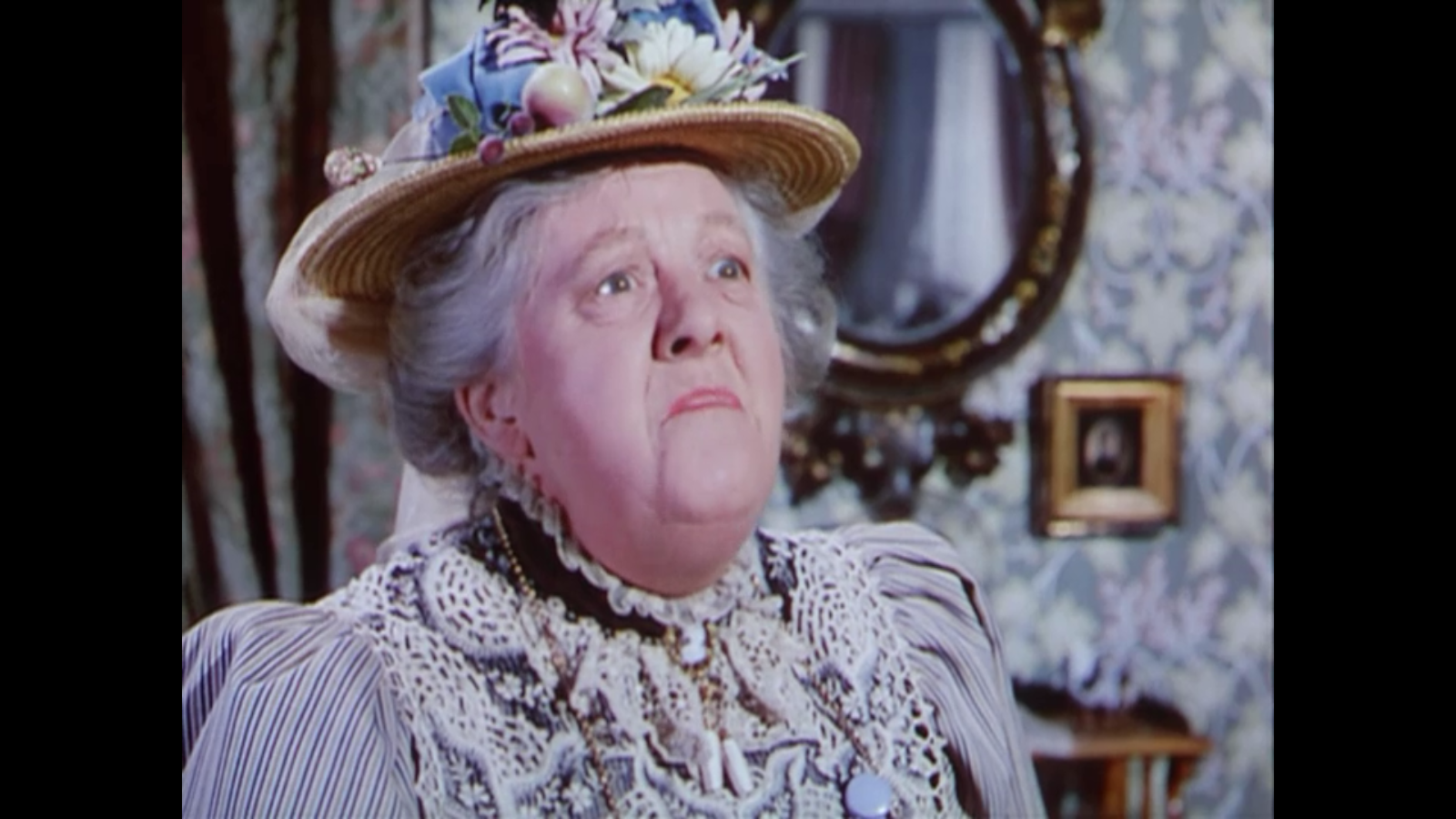
Oscar Wilde’s final play — the initial production of which was infamously sabotaged by allegations of his homosexual “indiscretions” and his subsequent jailing — has been adapted for the big screen numerous times (including a 2002 version co-starring Reese Witherspoon), but this earlier adaptation by director Anthony Asquith is often cited as the most faithful and definitive version. Indeed, many critics complain that the film sticks too closely to its theatrical origins — a charge frequently leveled at Asquith, whose directorial style in general was more straightforward than stylistically creative. For my money, Wilde’s play is enjoyable enough to stand just fine on its own, and a more straightforward adaptation like this allows one simply to bask in its infinitely witty juices. Wilde truly was a genius at humorously skewering class relations, and his play was (thankfully) modified only slightly for the screen by Asquith, who refused to accept any credit for the work.

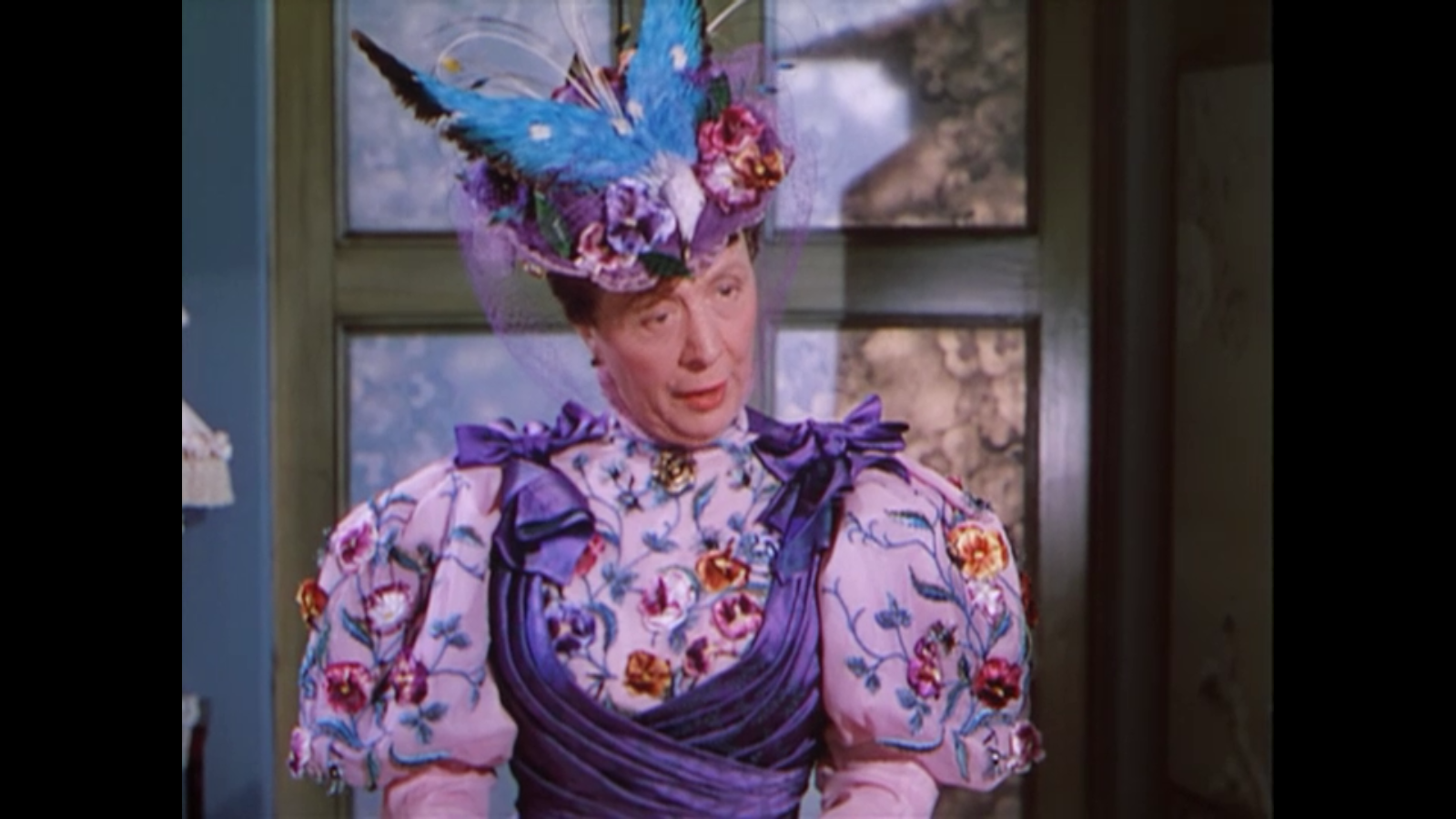
Although John Gielgud remains perhaps the most famous actor to perform as Jack/Ernest (he turned down an opportunity to star in this adaptation), Michael Redgrave is a fine — if perhaps slightly overage — replacement, and Michael Denison is perfectly cast as his roguish friend Algernon. Dorothy Tutin — who remained primarily a stage actress throughout her career — made her screen debut as Cecily, and is suitably youthful and naive in this critical role; meanwhile, Joan Greenwood purrs her way through a supporting performance as Redgrave’s betrothed, and Margaret Rutherford steals the few scenes she’s in as Tutin’s German tutor. The film’s most famous performance, however, is given by Dame Edith Evans, who played the role of Lady Bracknell for several decades on stage, and whose incredulous intonation here of the line, “A handbag?!” remains oft-cited.

Note: Watch for some delightfully florid hats worn by the various women in the cast; the Technicolor cinematography brings out their hues quite nicely.

Redeeming Qualities and Moments:

  • Dame Edith Evans as Lady Bracknell
  • Michael Redgrave as Jack (a.k.a. “Ernest”)
  • Michael Denison as Algernon (a.ka. “Ernest”)
  • Dorothy Tutin as Cecily
  • Joan Greenwood as Gwendolen
  • Margaret Rutherford as Miss Prism
  • Colorfully ornate hats and costumes
  • Wilde’s incomparably quotable dialogue:

    “Ignorance is like a delicate, exotic fruit; touch it, and the bloom is gone.”

Must See?
Yes, as the “definitive” cinematic adaptation of Wilde’s classic play.

Categories

  • Genuine Classic

Links:

Midnight Cowboy (1969)

Midnight Cowboy (1969)

“The only one thing I ever been good for is lovin’.”

Synopsis:
A small-town Texan (Jon Voight) heads to New York City in hopes of making a good living as a gigolo for wealthy women. Instead, he finds himself hustling to survive, and relying on the friendship of a down-and-out con-artist (Dustin Hoffman) who dreams of moving to Florida.

Genres, Themes, Actors, and Directors:

  • Con-Artists
  • Dustin Hoffman Films
  • Friendship
  • John Schlesinger Films
  • Jon Voight Films
  • Prostitutes and Gigolos
  • Sylvia Miles Films

Response to Peary’s Review:
Peary argues that while this infamous cult movie — the first “X-Rated” film to win a Best Picture Oscar — “has humor and moments of warmth”, it nonetheless possesses a “cruel edge” which he believes is generated by the “America-hating director, John Schlesinger, who seems to enjoy victimizing [the two male leads] in the name of America”. From what I’ve read, Schlesinger’s relationship with America was actually much more nuanced than Peary indicates (he grew to love Los Angeles), and I can’t quite agree with Peary that the film’s “cruel edge” has anything to do with how its director chooses to “treat” the characters. Peary further complains that “scriptwriter Waldo Salt doesn’t… include any scenes in which the men open up to each other and discuss their deepest feelings or their past”, yet he praises both Voight and Hoffman (who he names Best Actor of the Year in his Alternate Oscars) for giving “excellent, sympathetic portrayals” which allow us to “understand both the reasons for and the depth of their friendship”.

In the remainder of his review, Peary labels Schlesinger’s use of flashbacks as a “technical imposition” which merely exhibits “his desire to use film to play with time,” given that we “never find out” how a gang-rape endured by Voight and his girlfriend (Jennifer Salt) “affected him”. I disagree: while it might be nice to understand a bit more about these and other earlier scenes from Voight’s life, we clearly understand that he comes from a troubled background, which is enough to help us sympathize with his desire for a better life in NYC. Similarly, we don’t find out much about Ratso’s background, or even learn exactly what illness causes him to cough so persistently — yet what’s most important here is that he and Voight find each other and develop a most unusual companionship in the midst of abject poverty. Their (mis)adventures together, while certainly often depressing, always ring true, and are (ironically) tinged with an air of subtle optimism given the obvious loyalty they’ve developed towards one another; indeed, despite a decidedly heartbreaking ending, I can think of a hundred different ways the storyline for Midnight Cowboy could have been even “crueler” than it is.

Redeeming Qualities and Moments:

  • Jon Voight as Joe Buck
  • Dustin Hoffman as “Ratso”
  • Sylvia Miles as Cass
  • Adam Holender’s cinematography
  • Excellent use of Harry Nilsson’s instantly memorable rendition of Fred Neil’s “Everybody’s Talkin'”

Must See?
Yes, as an historically relevant cultural icon of late ’60 cinema.

Categories

  • Cult Movie
  • Historically Relevant
  • Oscar Winner or Nominee

(Listed in 1001 Movies You Must See Before You Die)

Links:

Alice’s Restaurant (1969)

Alice’s Restaurant (1969)

“Group W is where they put ya if you may not be moral enough to join the army after committin’ your special crime.”

Synopsis:
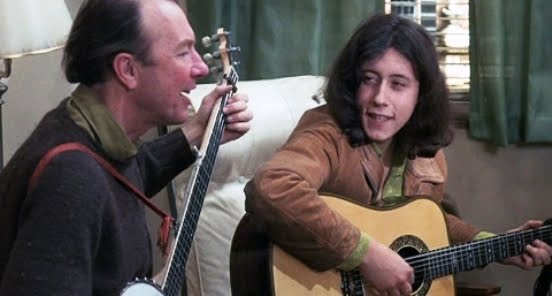
An itinerant folk singer (Arlo Guthrie) and his musician-friend (Geoff Outlaw) visit a couple of friends (James Broderick and Patricia Quinn) at the church they’ve converted into a restaurant. When Guthrie gets arrested for littering after a Thanksgiving feast, he recounts his experiences dealing with both the police and the draft board.

Genres, Themes, Actors, and Directors:

  • Arthur Penn Films
  • Counterculture
  • Musicians

Review:
Arthur Penn’s big-screen follow-up to Bonnie and Clyde (1967) was this loose adaptation of Arlo Guthrie’s beloved 18-minute folk song-narrative about a series of outlandish yet true events that occurred in Guthrie’s own life several years earlier. The song itself is a delightful musical monologue — witty, off-beat, and wonderfully representative of its era; Penn’s misguided movie, unfortunately, literalizes the elements of Guthrie’s song in such a way that any deeper insight or enjoyment is completely lost. The song clearly needed to be “expanded” to fill a feature-length film, but the resulting narrative threads — primarily focusing on the troubled relationship between Broderick and Quinn, and a young drug addict (Michael McClanathan) who comes between them — are both underdeveloped and uninteresting. The primary storyline appears to be a quasi-biography about Guthrie’s own life at the time, given that he’s shown making several visits to the deathbed of his father, Woody Guthrie (played by Joseph Boley) — but we learn surprisingly little about Arlo’s past or present, other than that he seems persistently bemused by the events occurring both to and around him. Interestingly, Arlo is now a Libertarian and member of the Republican party, indicating that perhaps he really did get fed up with many aspects of the counterculture lifestyle depicted here.

Note: Those who have never heard (of) the song this film is based on will be even more lost as to the relevance of any of the proceedings on-screen — not a good sign for any adaptation.

Redeeming Qualities and Moments:

  • Some enjoyable musical numbers

Must See?
No; skip this one unless you have a personal interest in the subject matter. Listed as a Cult Movie and a Personal Recommendation in the back of Peary’s book.

Links:

Sleuth (1972)

Sleuth (1972)

“There’s nothing like a little bit of mayhem to cheer one up.”

Synopsis:
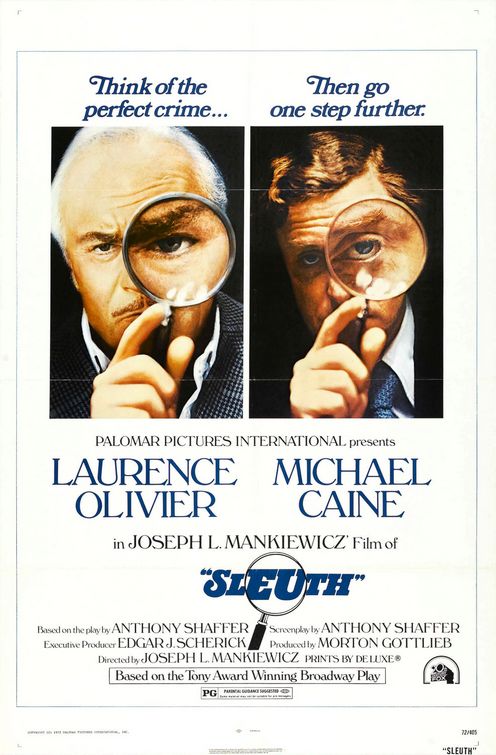
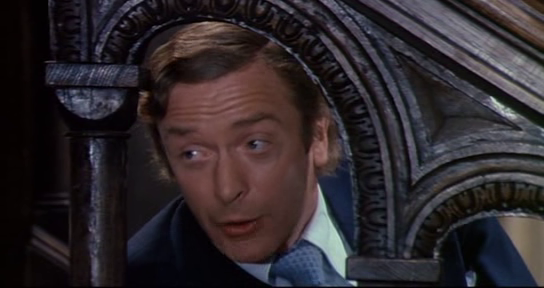
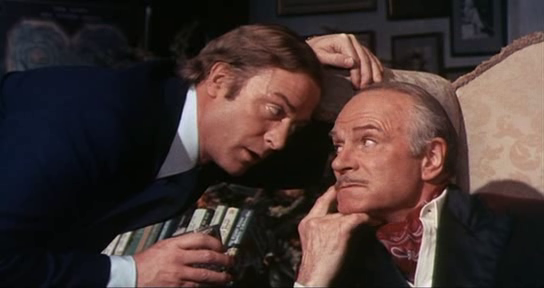
An aristocratic mystery writer (Laurence Olivier) invites his wife’s lower-class lover (Michael Caine) to his house, proposing an elaborate game of calculated heist that quickly turns into a much more serious cat-and-mouse affair.

Genres, Themes, Actors, and Directors:

  • Cat-and-Mouse
  • Class Relations
  • Infidelity
  • Joseph L. Mankiewicz Films
  • Laurence Olivier Films
  • Michael Caine Films
  • Play Adaptation
  • Writers

Review:
Joseph Mankiewicz’s final film as a director was this adaptation of Anthony Shaffer’s hit Broadway play, about a successful mystery novel writer who revels in the opportunity to utilize the “tools of his trade” as he engages in an increasingly taut game of cat-and-mouse with his wife’s lover. The storyline is full of so many spoilers that, as most reviewers have noted, it’s best not to read too much about the film ahead of time if you want to remain surprised throughout. With that said, I’ll keep this review rather short, simply noting that both Caine and Olivier’s performances are spot-on throughout, and that Mankiewicz’s direction of a decidedly house-bound play is consistently innovative and fresh, with excellent use made of various props around the house. Enjoy!

Note: Not surprisingly, it seems that Shaffer was “partially inspired” by his game-loving friend, Stephen Sondheim, who co-wrote (with Anthony Perkins) the similarly plot-twisty thriller The Last of Sheila (1973).

Redeeming Qualities and Moments:

  • Laurence Olivier as Andrew Wyke
  • Michael Caine as Milo Tindle
  • Fine direction by Mankiewicz

Must See?
Yes, as a most enjoyable thriller.

Categories

  • Good Show

(Listed in 1001 Movies You Must See Before You Die)

Links: