|
Genres, Themes, Actors, and Directors:
- Charles Bickford Films
- Con Artists
- Dana Andrews Films
- Femmes Fatales
- Heiresses
- Linda Darnell Films
- Murder Mystery
- Otto Preminger Films
Review:
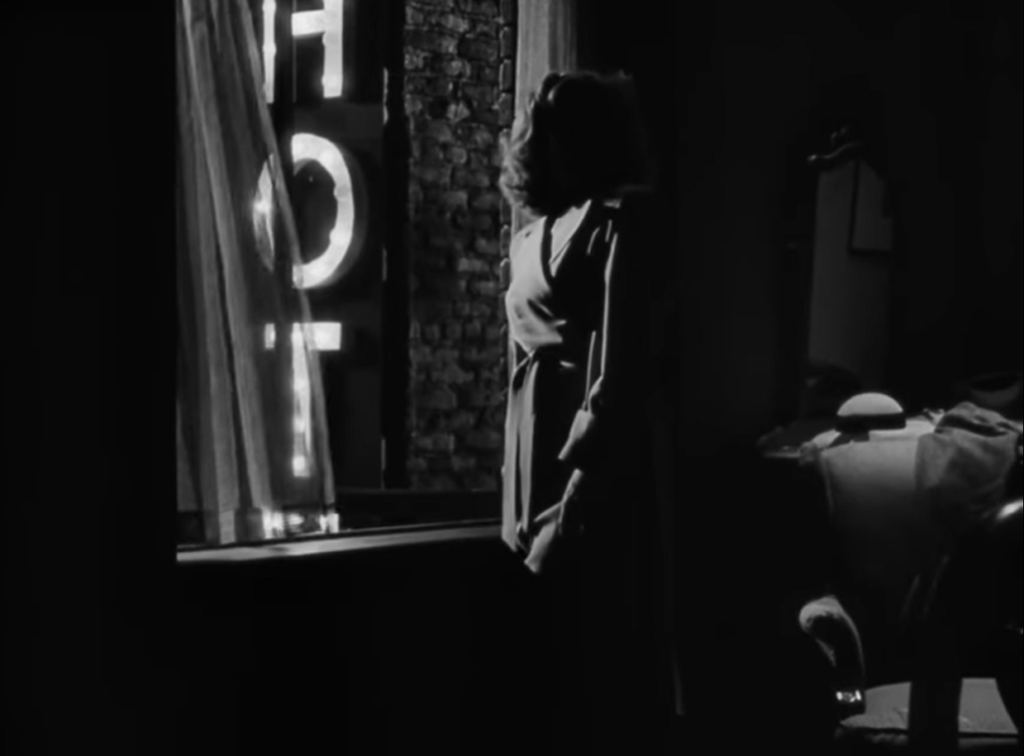
After the enormous popular and critical success of Laura in 1944, Otto Preminger directed this follow-up murder mystery, featuring the same leading man but little of Laura‘s inherent charm. While all the ingredients necessary for a top-rate noir are present — including a sexy, disdainful femme fatale (Darnell); a mysterious stranger who will do anything to win her love (Andrews); an unsuspecting “loyal” female waiting in the wings (Faye); a murder mystery with multiple suspects; and shadowy b&w cinematography — the story itself never really gels. This is due partly to the mediocre script, and partly to the overly stoic performances of the romantic leads: Andrews’ undistinguished anti-hero ultimately fails to leave an impression, while Faye’s noble attempt to break out of her singing and dancing career does her no favors here in this underdeveloped, goody-two-shoes role.
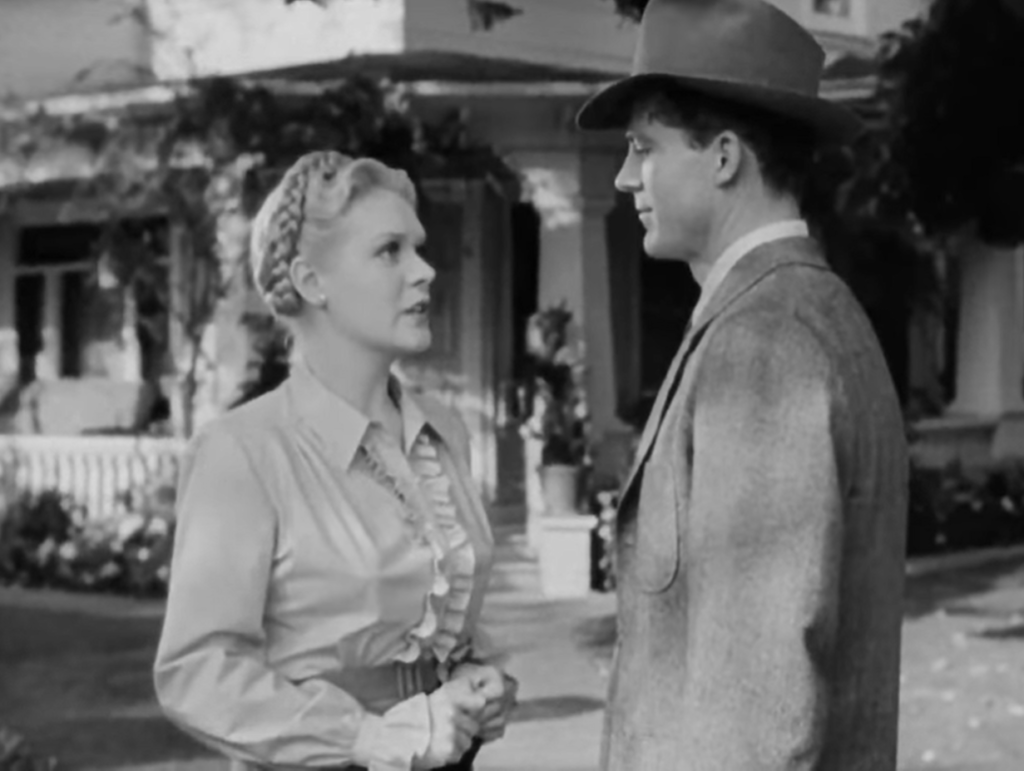
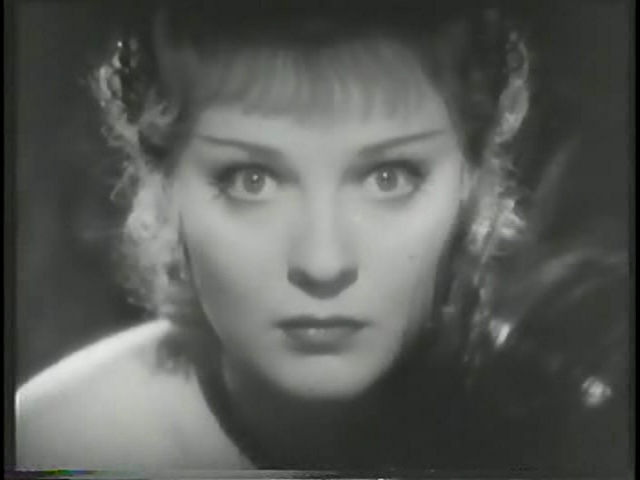
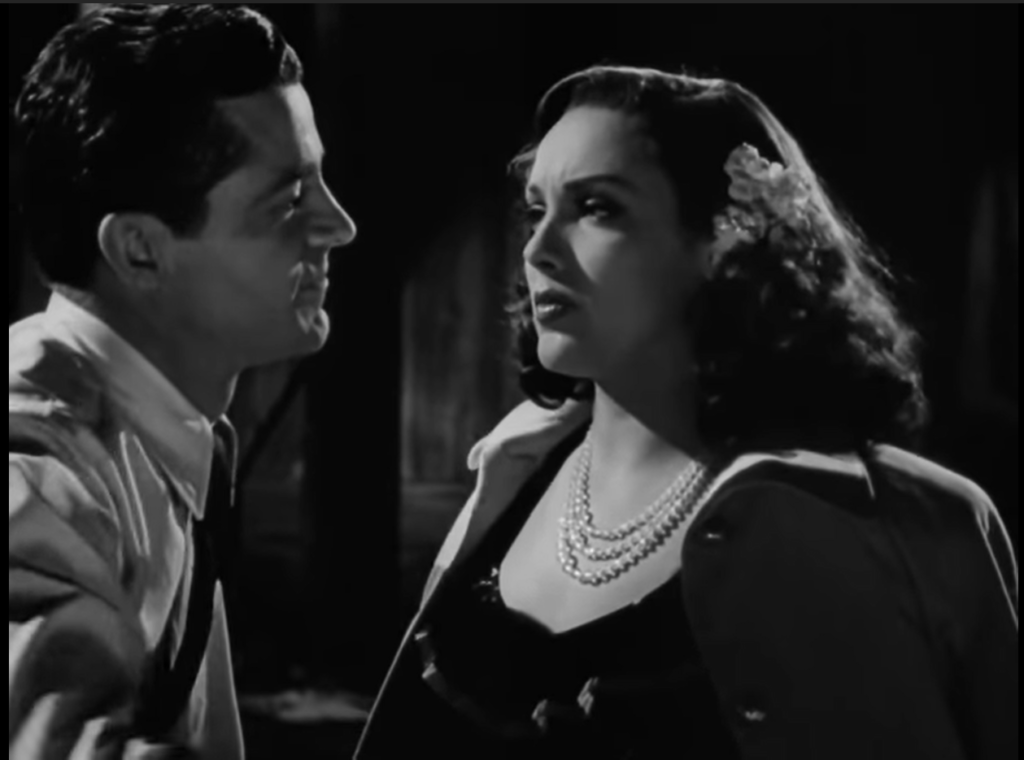
It’s smoldering Darnell who — much to Faye’s reported dismay — really carries the film (indeed, Faye was so upset about this fact that she blamed Preminger for butchering her role through editing, and infamously walked away from Fox Studios before her contract was up). While wide-eyed, leggy Darnell was never a truly accomplished actress (my first film appreciation professor — during a discussion of 1950’s No Way Out — snarkily pointed out that Darnell’s idea of acting was to pout or sneer), she radiates insouciant sex appeal, and fits the femme fatale bill perfectly.
**** SPOILERS ****
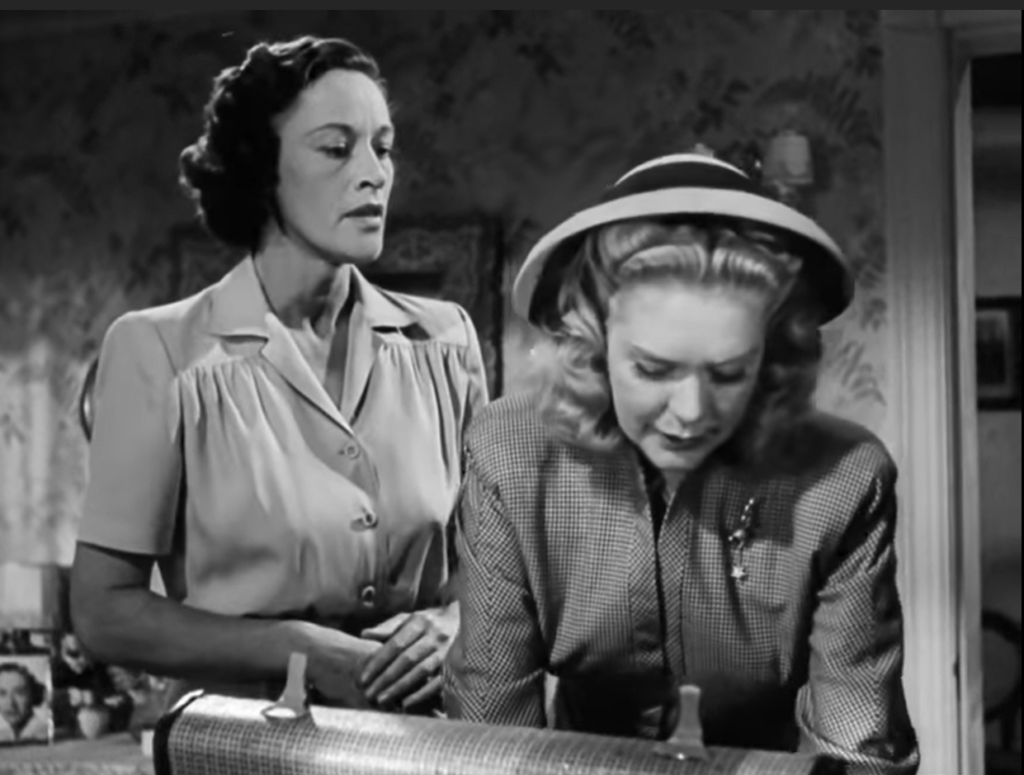
Therefore, when she dies halfway through the film, so does any inherent tension in the story. The issue of how poor, duped Faye will respond to news of Andrews’ deception fails to hold our attention; meanwhile, her more intriguing spinster sister (Anne Revere) — with a “love lost” story of her own — is given far too little screen time.
While many critics have noted that the film’s unsatisfying denouement is its weakest element — and I’ll agree — ultimately it’s just a capstone on what is mediocre noir at best.
Note:The following year, many of the key plot and character elements of Fallen Angel — a roadside California diner, a troubled drifter, an ambitious femme fatale waitress, etc. — would show up in the superior noir classic The Postman Always Rings Twice.
Redeeming Qualities and Moments:
- Linda Darnell as Stella
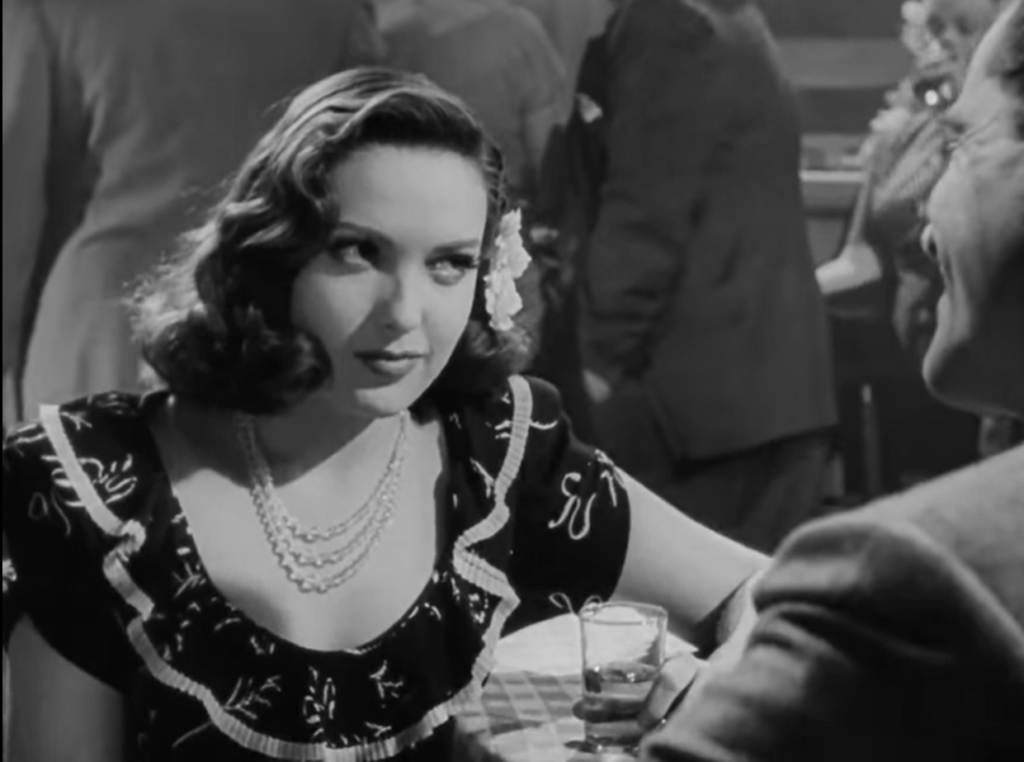
- Effectively noirish cinematography by Joseph LaShelle (who won an Oscar for his work the previous year on Preminger’s Laura)
Must See?
No; this one isn’t required viewing.
Links:
|