Sahara (1943)
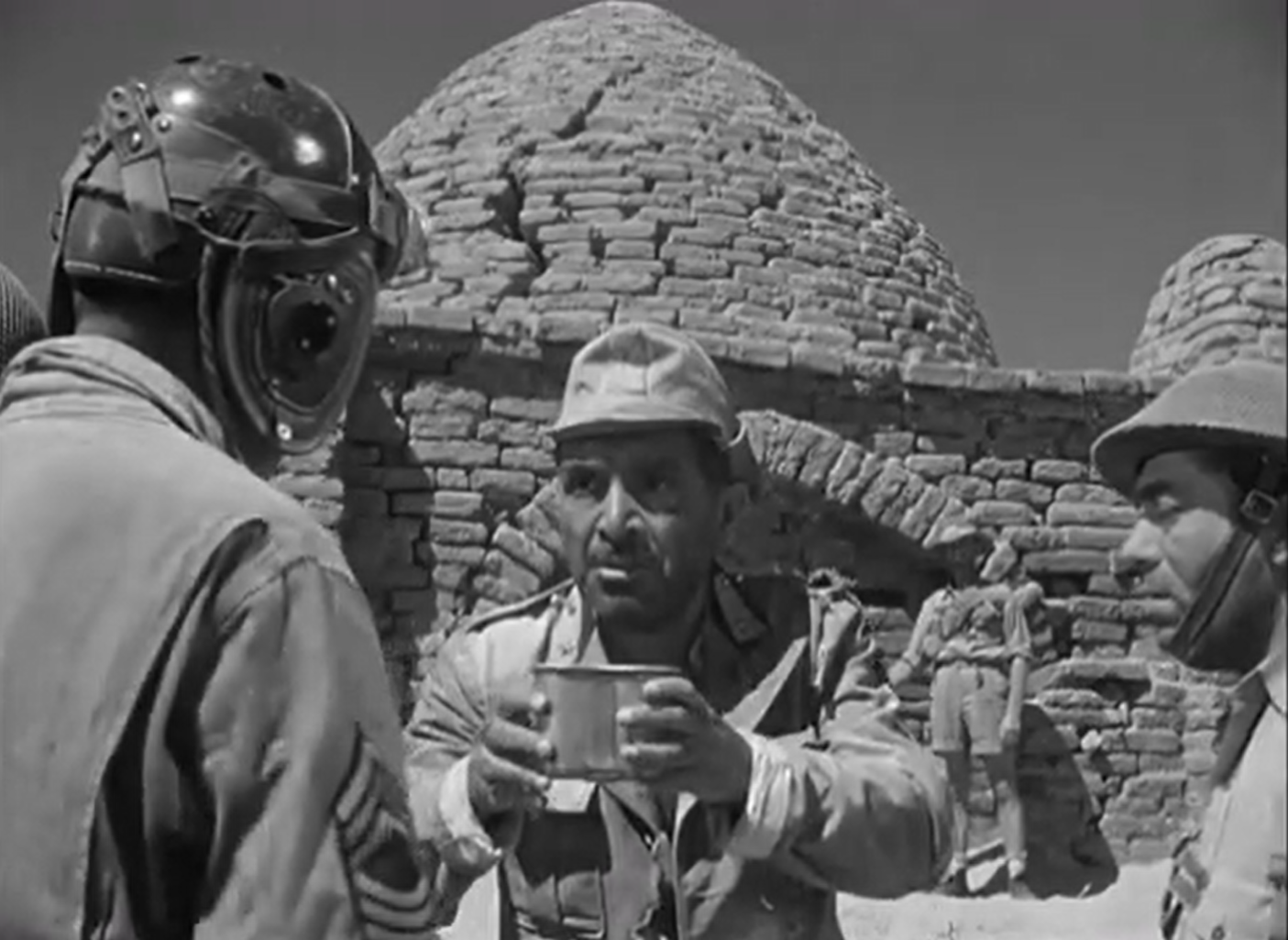
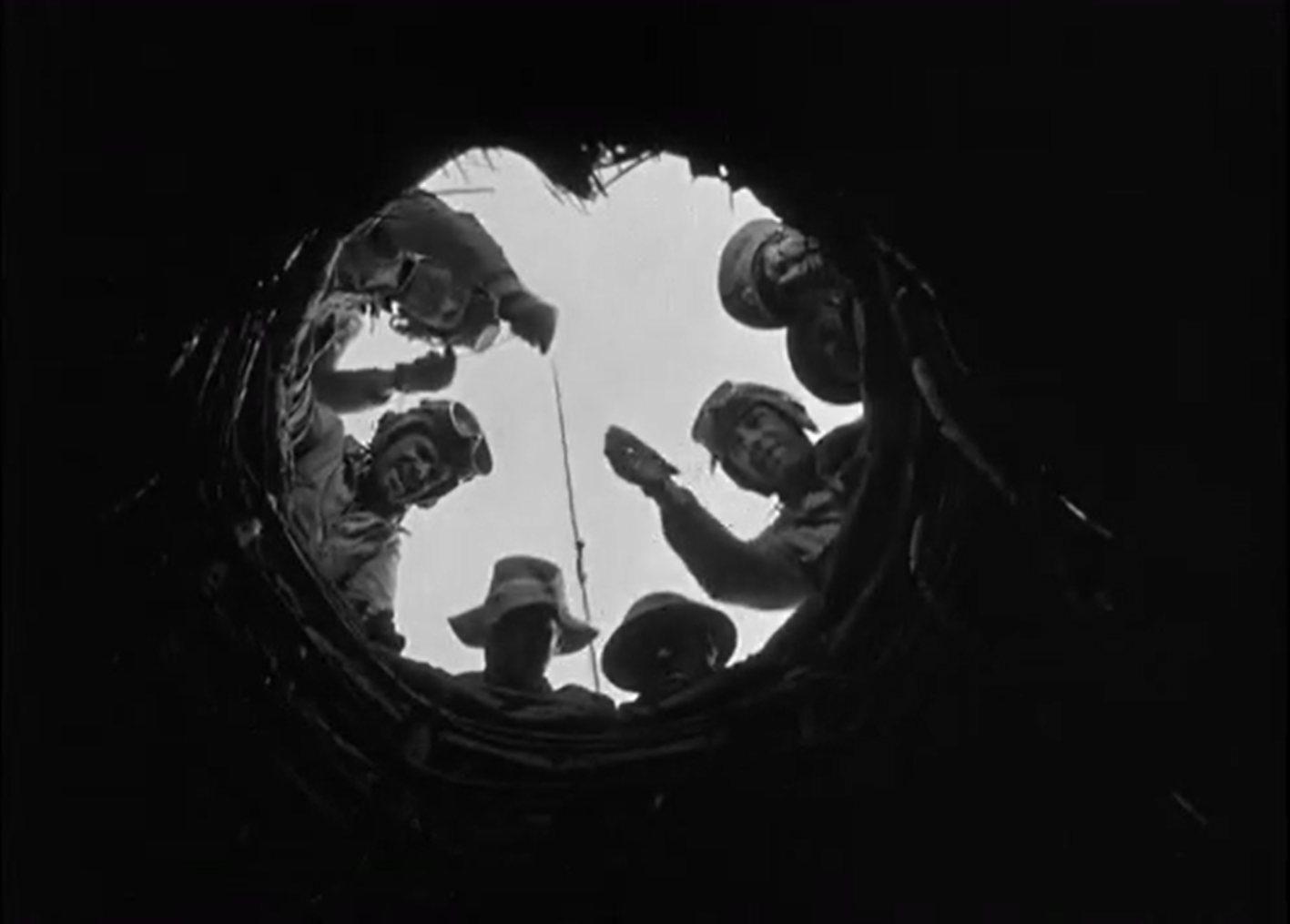
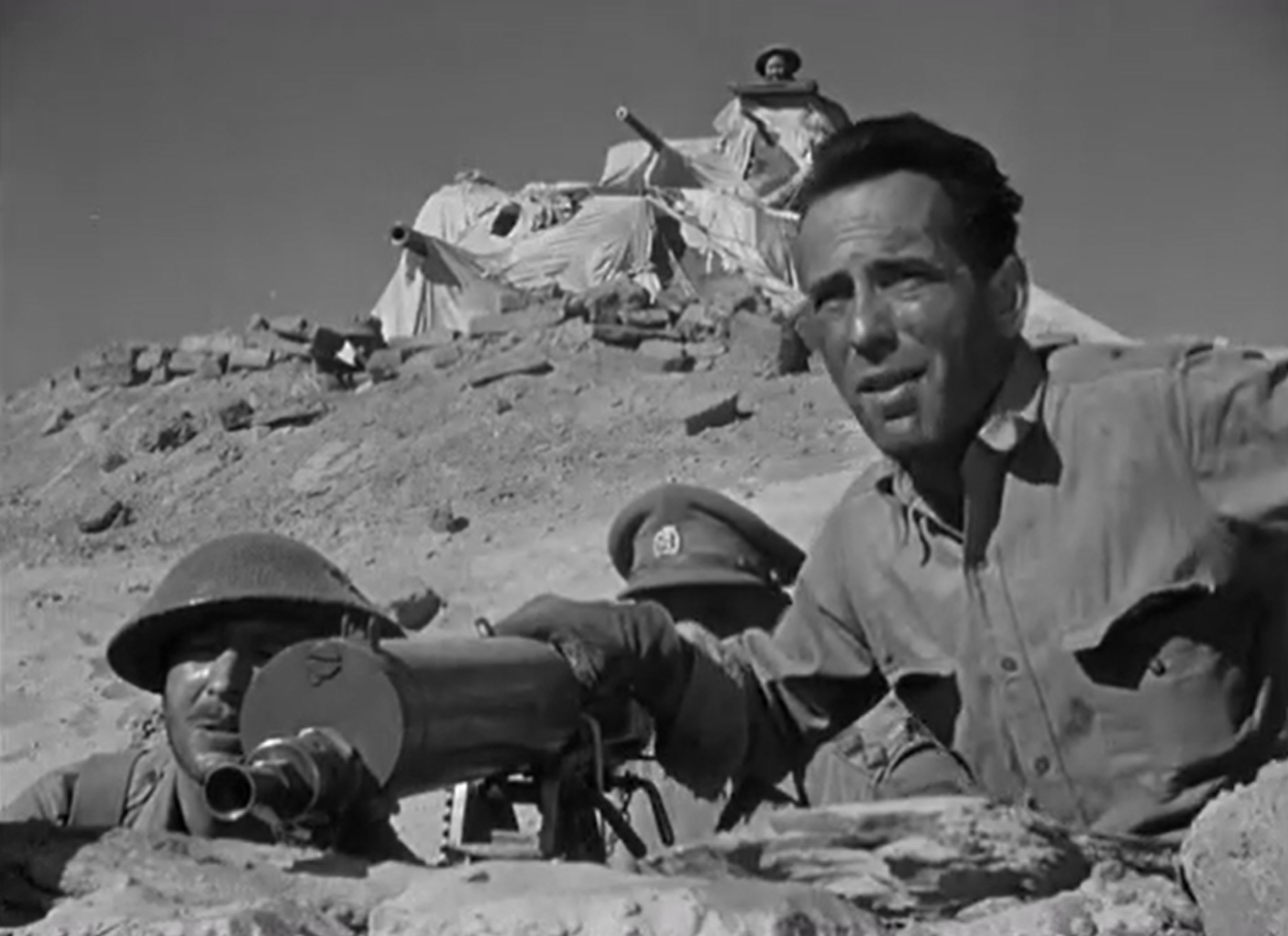
“We must get water.”
“Any man who stands between us and the whiskey is an enemy!”
|
Synopsis: |
|
Genres, Themes, Actors, and Directors:
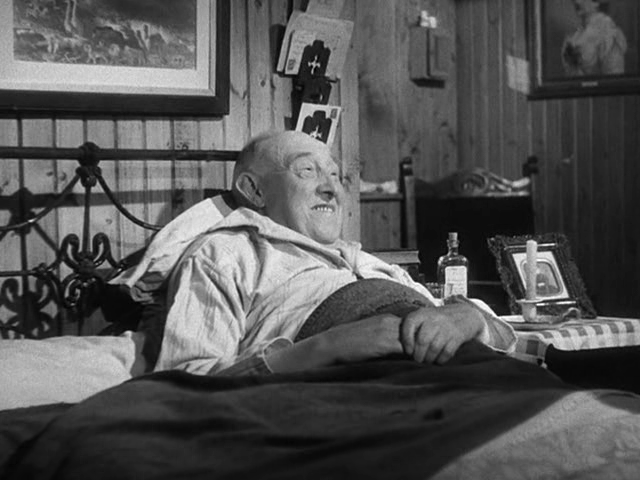
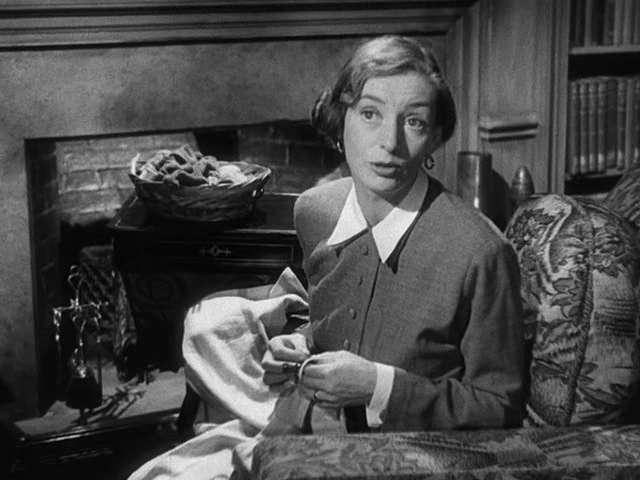
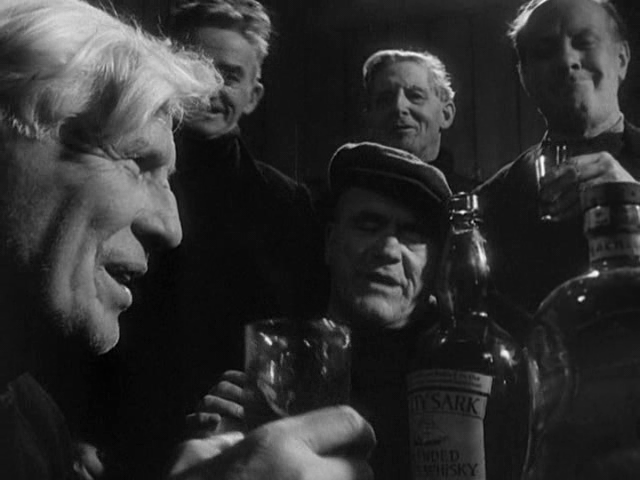
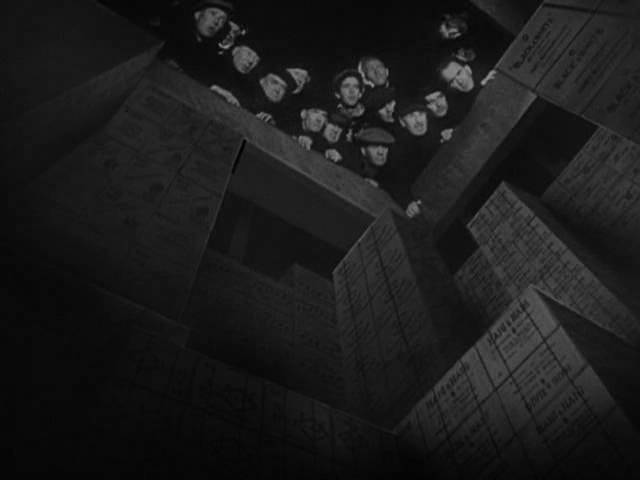
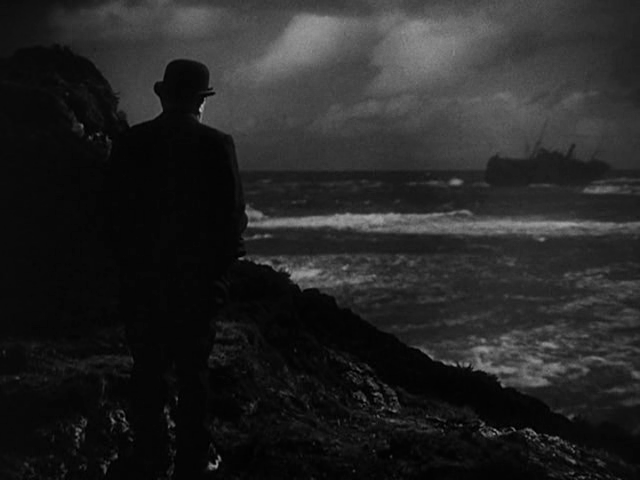
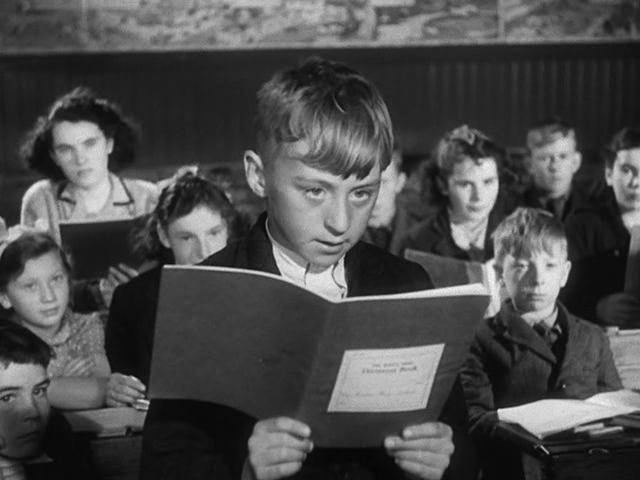
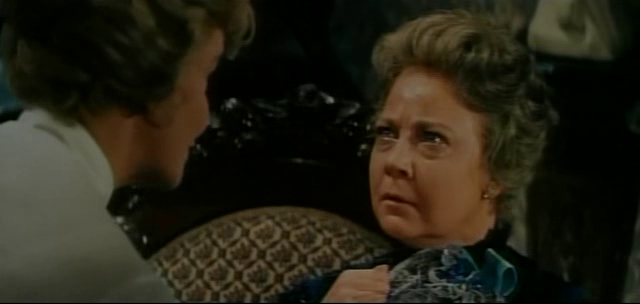
Review: banding together against Customs and Excise men (as personified by Home Guard C.O. Radford): … and also the impact that drinking has on a young man (Gordon Jackson) smothered by his overbearing mother (Jean Cadell): Thanks to a bit of drink, Jackson finally works up the courage to tell Cadell he’s going to marry to his girlfriend (Gabrielle Blunt). Meanwhile, Blunt’s sister (Joan Greenwood) is romanced by a returning sergeant (Bruce Seton) much older than her: … and a dying man (James Anderson) is resurrected by the presence of his favorite libation. Favorite random line: “Mother, where is my helmet? You were using it to feed the hens!” Note: Film fanatics will likely be tickled to see Catherine Lacey from Michael Reeves’ The Sorcerers (1967) in an earlier role here. Redeeming Qualities and Moments: Must See? (Listed in 1001 Movies You Must See Before You Die) Links: |
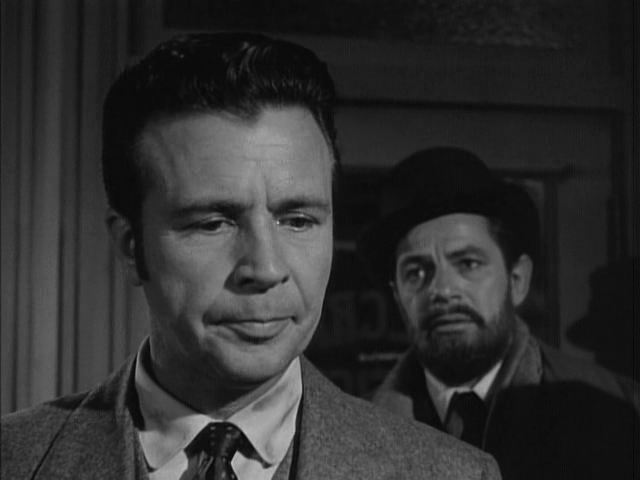
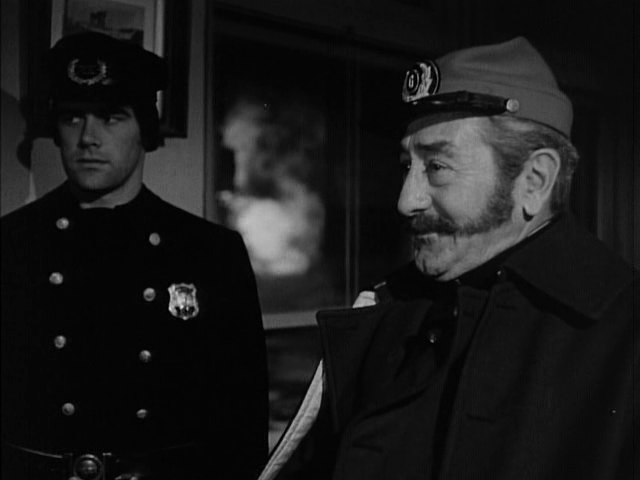
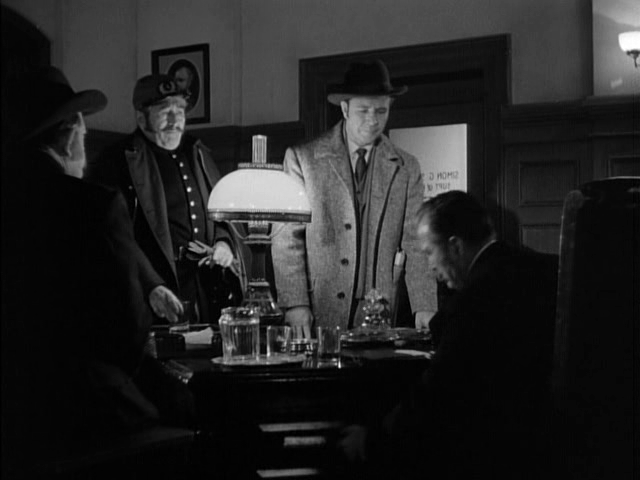
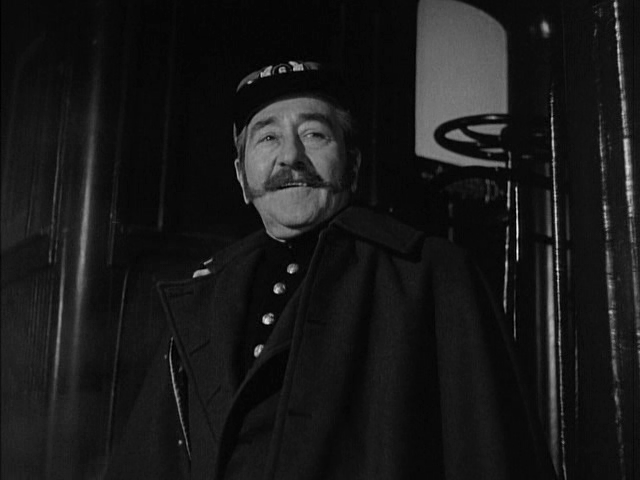
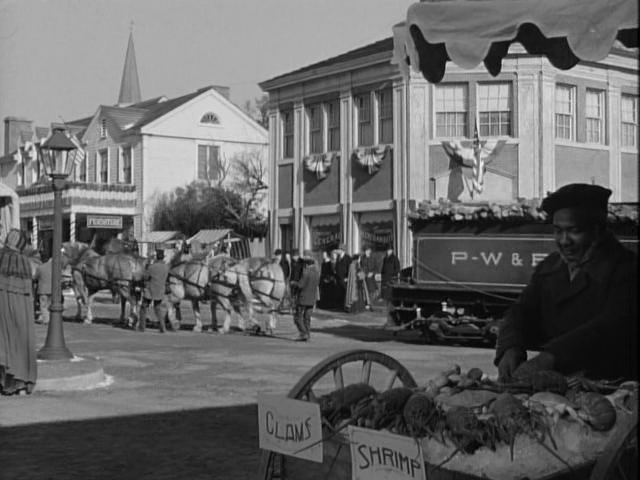
“Anything could happen in Baltimore — it’s a nest of secessionists!”
|
Synopsis: |
|
Genres, Themes, Actors, and Directors:
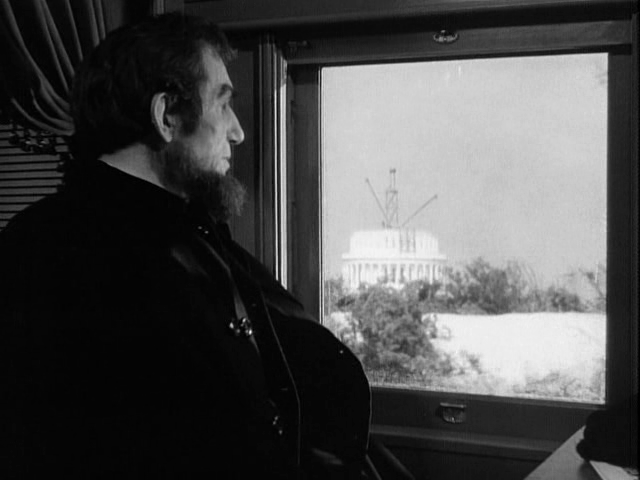
Review: … and it’s no spoiler to say, of course, that he survived this initial attempt at taking his life — but the storyline remains surprisingly gripping until then, despite knowing this outcome. Mann (working with DP Paul Vogel) creates an impressively claustrophobic atmosphere on board the train, with shadowy figures literally lurking around every corner, and violence a possibility at all times. We don’t quite understand at first who each of the characters is or what they stand for, but this suits the narrative perfectly: only gradually do we understand the complex web of deceit being carried out (thank goodness for Powell’s tenacity!). A subplot involving a slave (Dee) is handled especially well, allowing her to give a surprisingly nuanced performance for such a minor role. Meanwhile, smarmy Menjou is perfectly cast as a supportive colonel with more up his sleeve than he first reveals: … and Bates is memorable as a blunt-speaking abolitionist who thinks nothing of asking Dee outright, with gleeful anticipation, “Tell me, my dear: how does it feel being beaten? They did beat you, of course?” Perhaps most eerie of all is how powerfully the storyline here echoes our current polarized political landscape: It’s easy enough to believe in a story of complex sedition like this given… Well, given recent events. Enough said. Redeeming Qualities and Moments:
Must See? Categories
Links: |
“How do you account for it — this terrific success?”
|
Synopsis: |
|
Genres, Themes, Actors, and Directors:
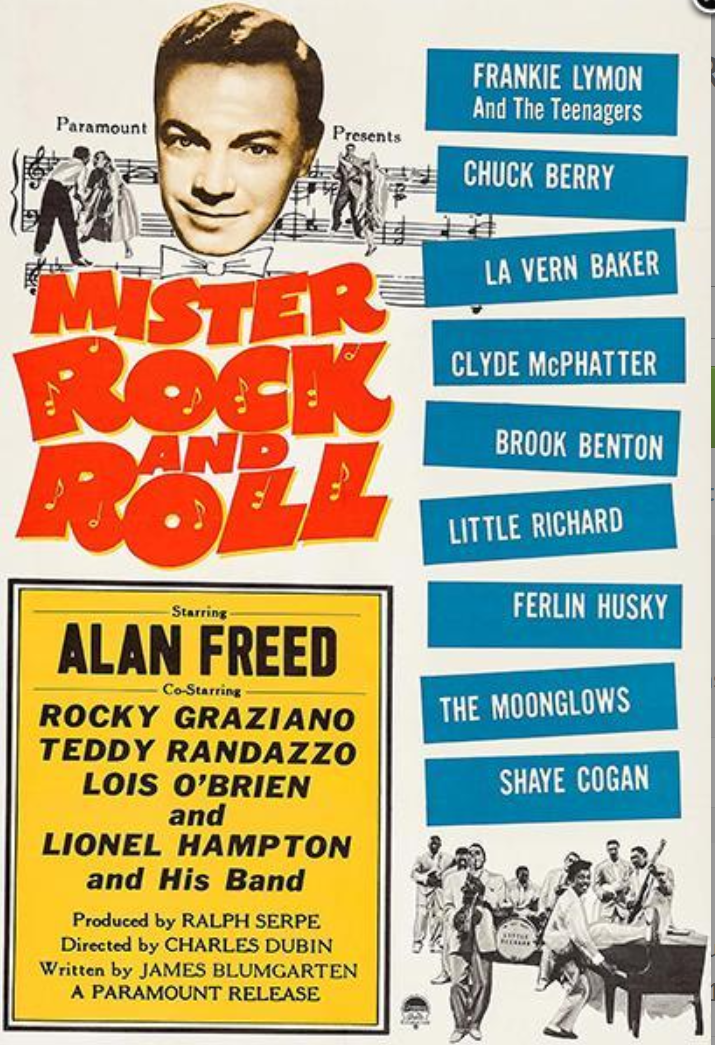
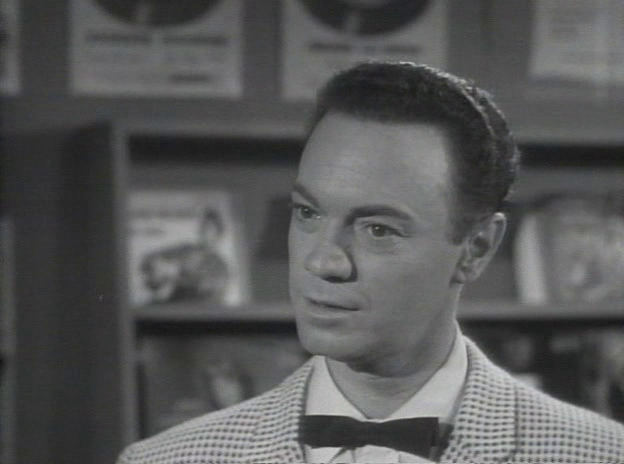
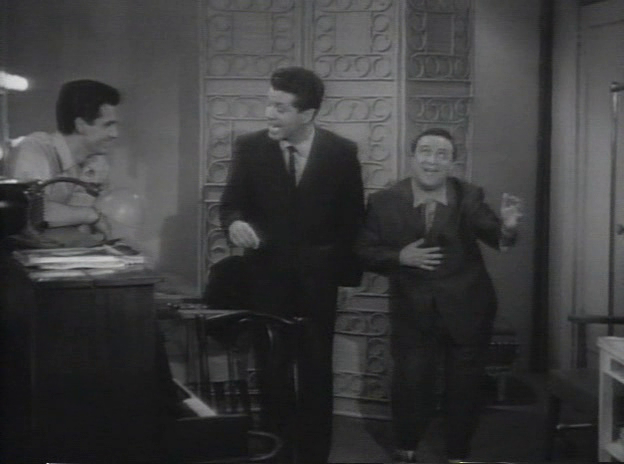
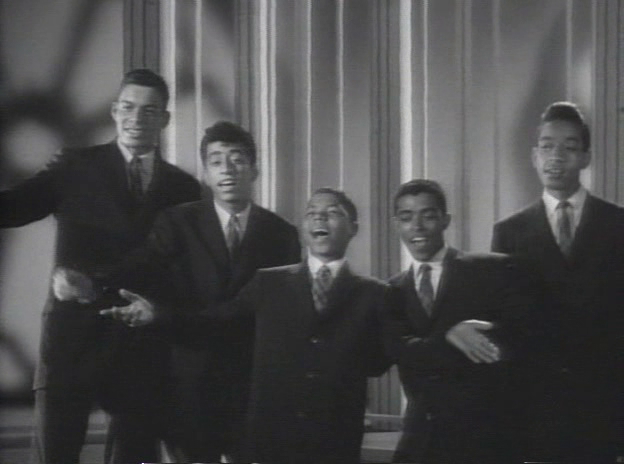
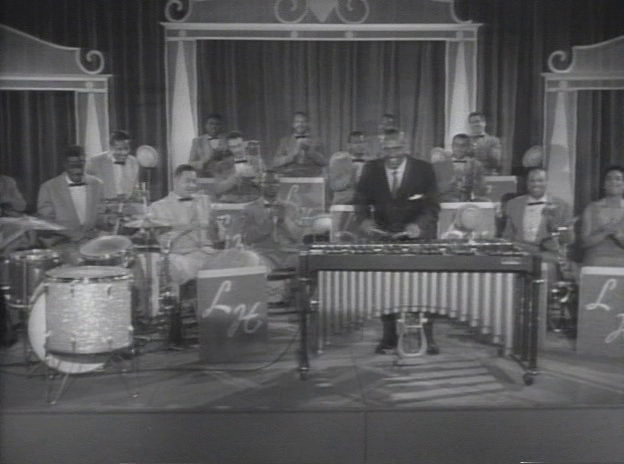
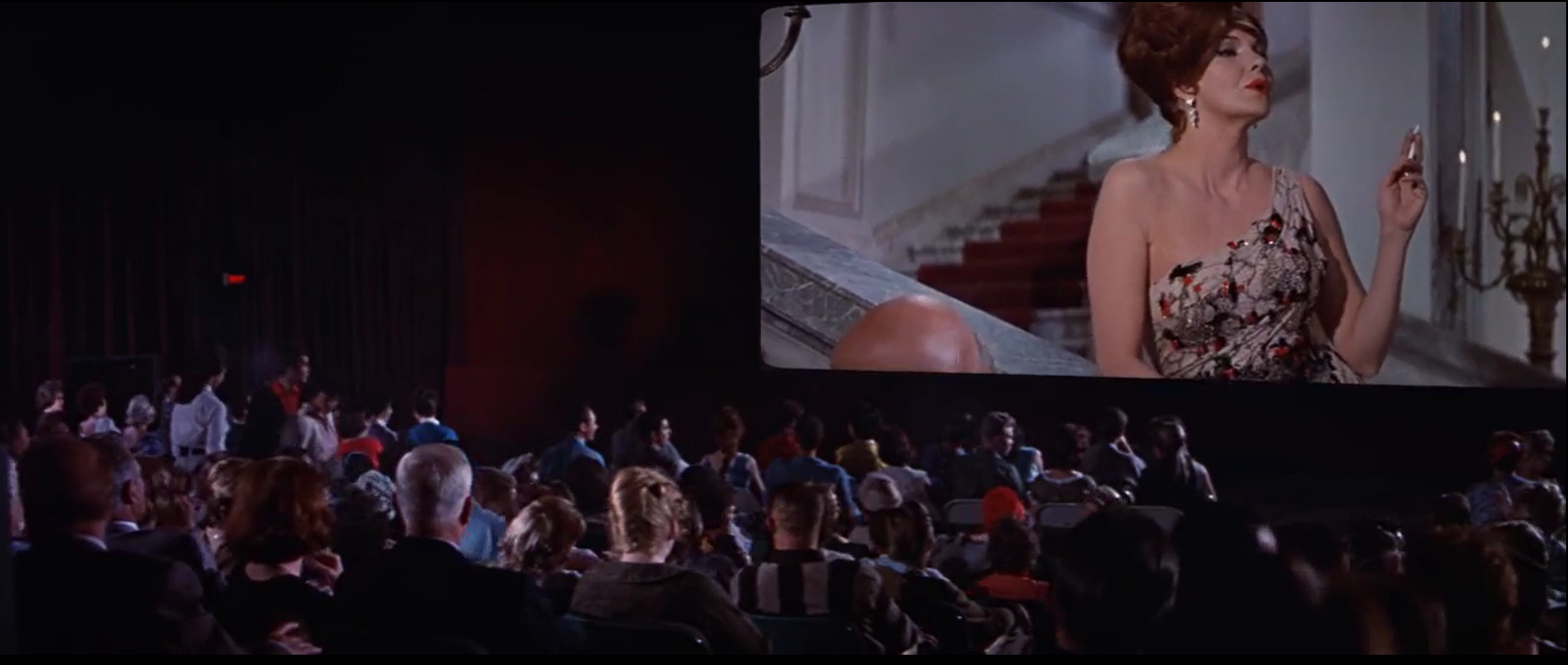
Review: … but was really just one more excuse for a variety of then-popular stars to perform. It’s listed as a Camp Classic in the back of Peary’s book — likely no longer true, but this designation makes sense given how trite and stilted the dialogue and storyline are: boy (Randazzo) meets girl (O’Brien), they have a misunderstanding, boy croons a couple of songs, and the couple reunites by the end. We’re treated to perhaps the worst ever attempt by a singer (Randazzo) to pretend he’s playing the piano: … and numerous painful (unsuccessful) attempts at injecting humor: Meanwhile, one can’t help wondering, what in the heck is that photo of a handsome young guy doing in the top right corner of Randazzo’s dressing room mirror? Thankfully, the film culminates in a suitably raucous, socks-knocking dance sequence: … and check out the Black female saxophonist! Could she have been a member of the International Sweethearts of Rhythm? Redeeming Qualities and Moments: Must See? Links: |
“I just came here for the fun of it.”
|
Synopsis: |
|
Genres, Themes, Actors, and Directors:
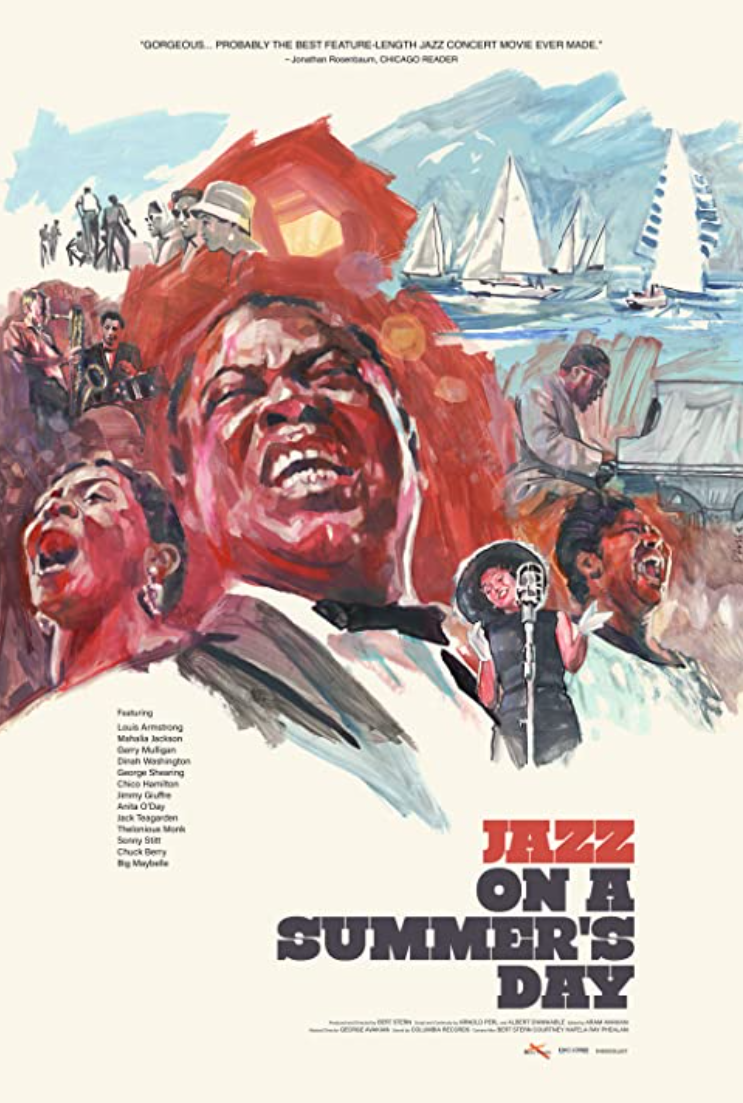
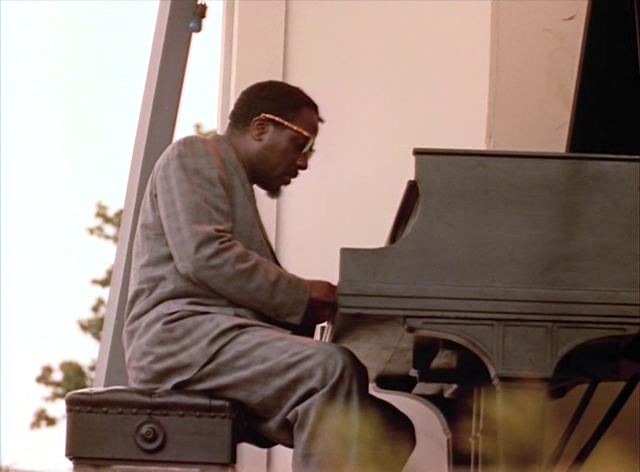
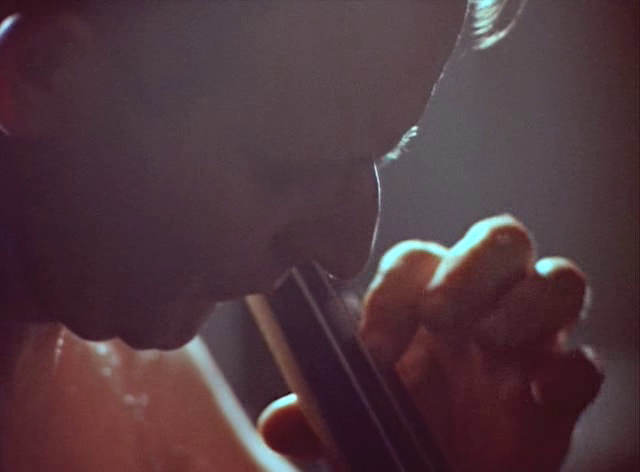
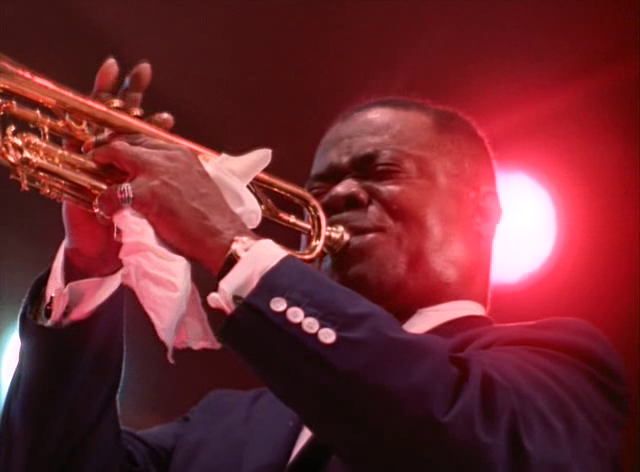
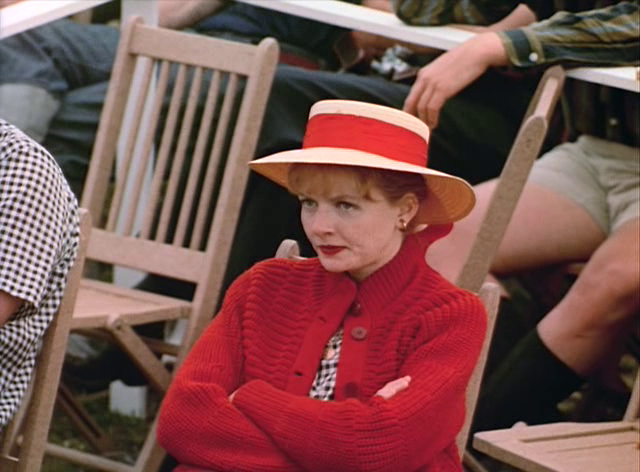
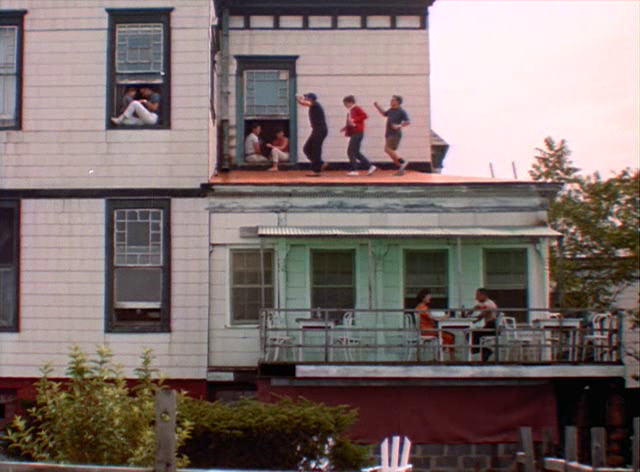
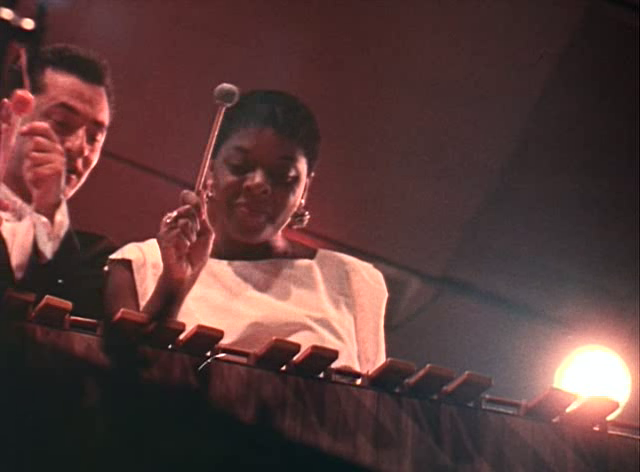
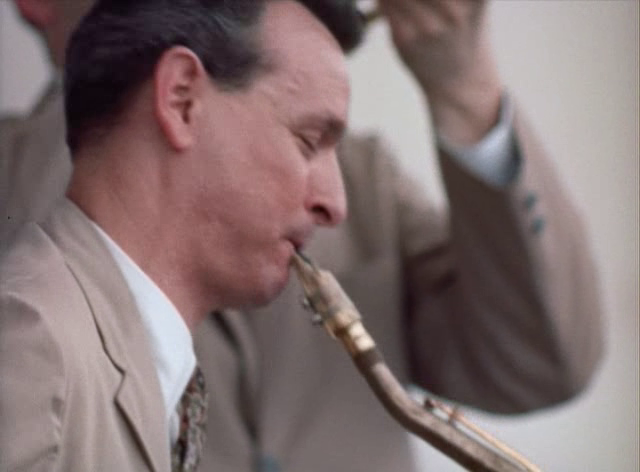
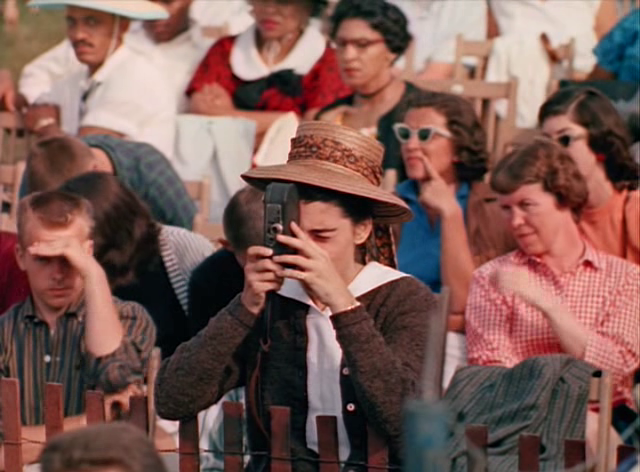
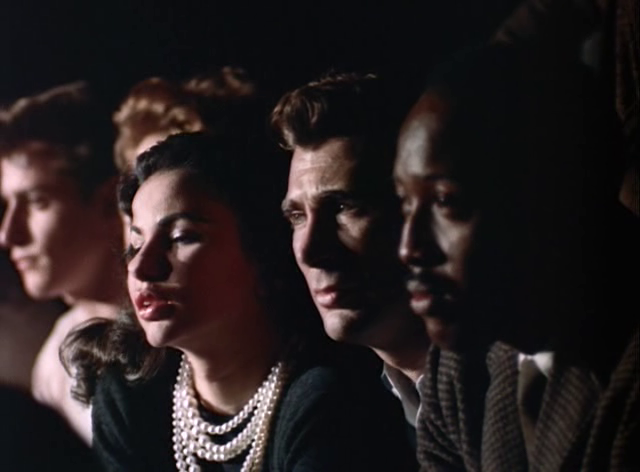
Review: … Anita O’Day (high on heroin at the time, as she later admitted) scatting away skillfully: … the cellist from the Chico Hamilton Quintet (Nate Gersham) privately playing the Prelude to Bach’s Cello Suite No. 1: … and (of course) Louis Armstrong and his All-Stars performing with characteristic verve and joy: But the carefully edited interstitial footage is often just as illuminating, beautiful, or (unintentionally) amusing: This musical treat will likely be a repeat favorite for jazz-loving film fanatics, and should be viewed once by all simply for its historical relevance. Redeeming Qualities and Moments: Must See? Categories
Links: |
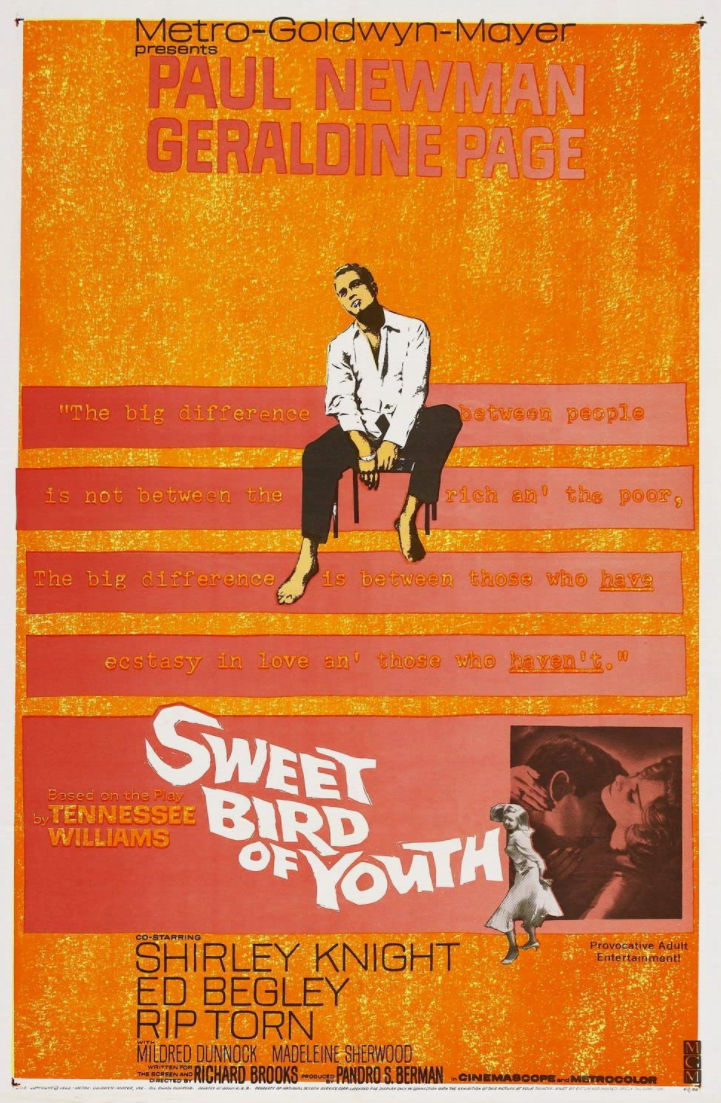
“I’m gonna have to remove Chance Wayne from your life finally, and for the last time!”
|
Synopsis: |
|
Genres, Themes, Actors, and Directors:
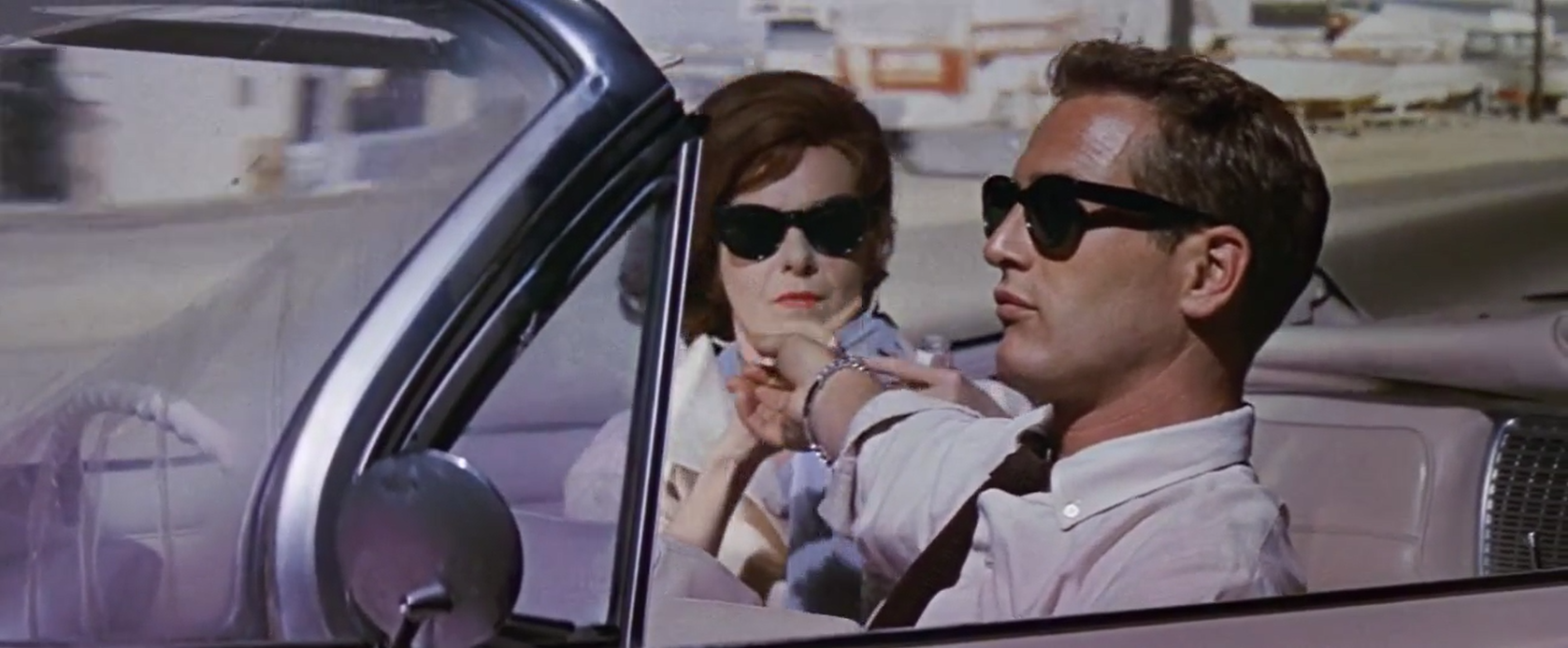
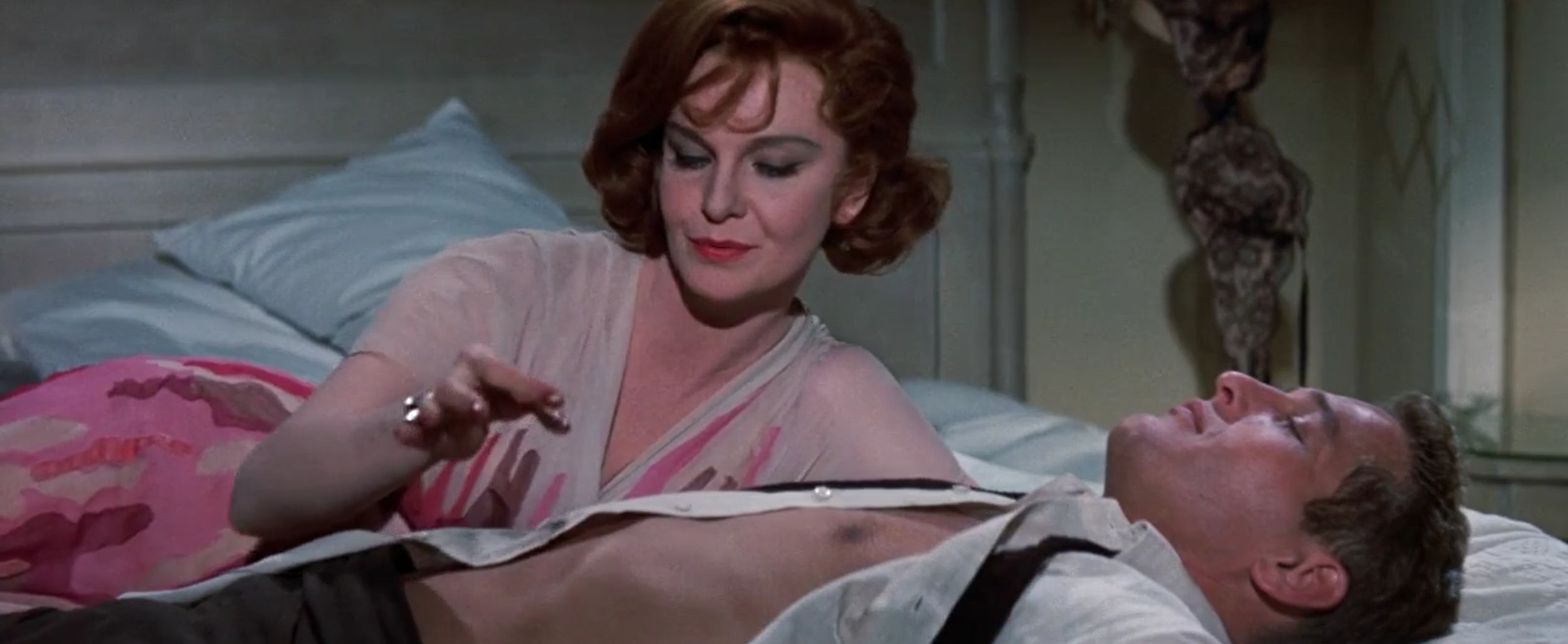
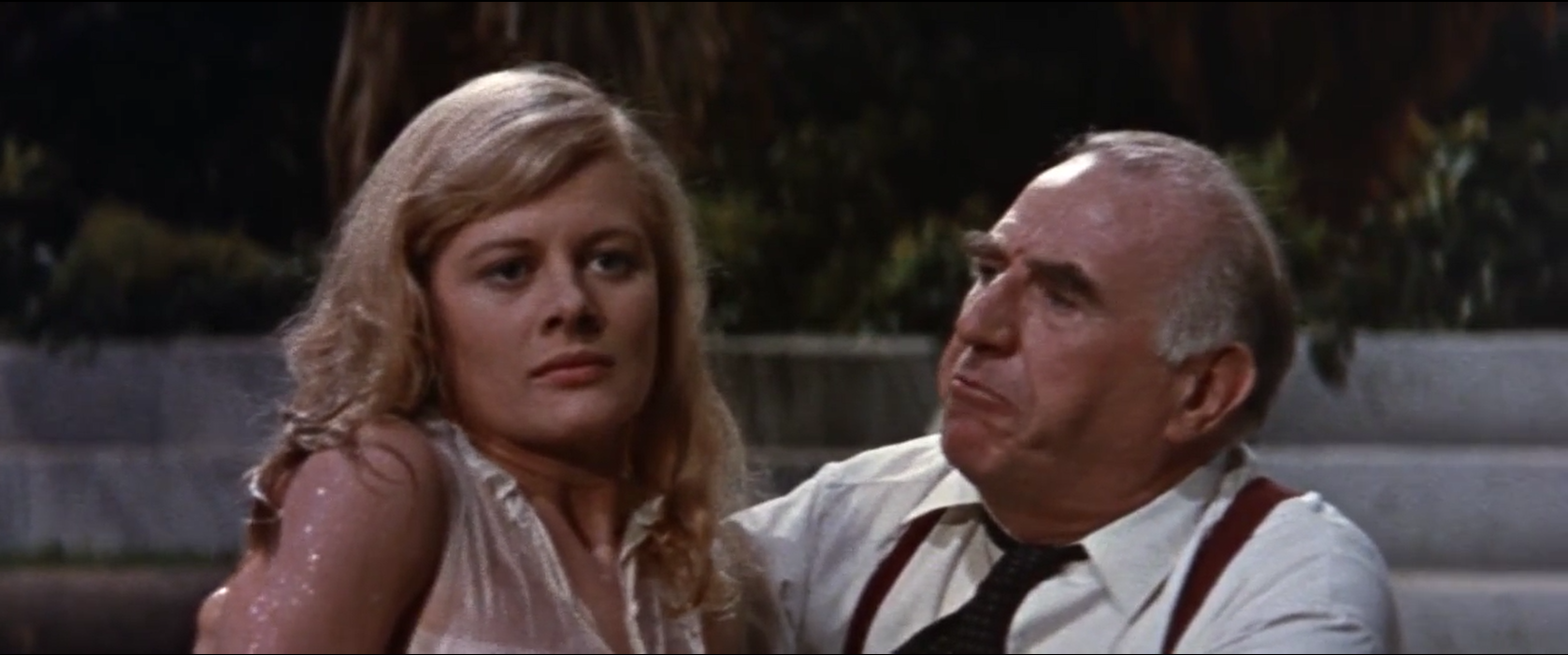
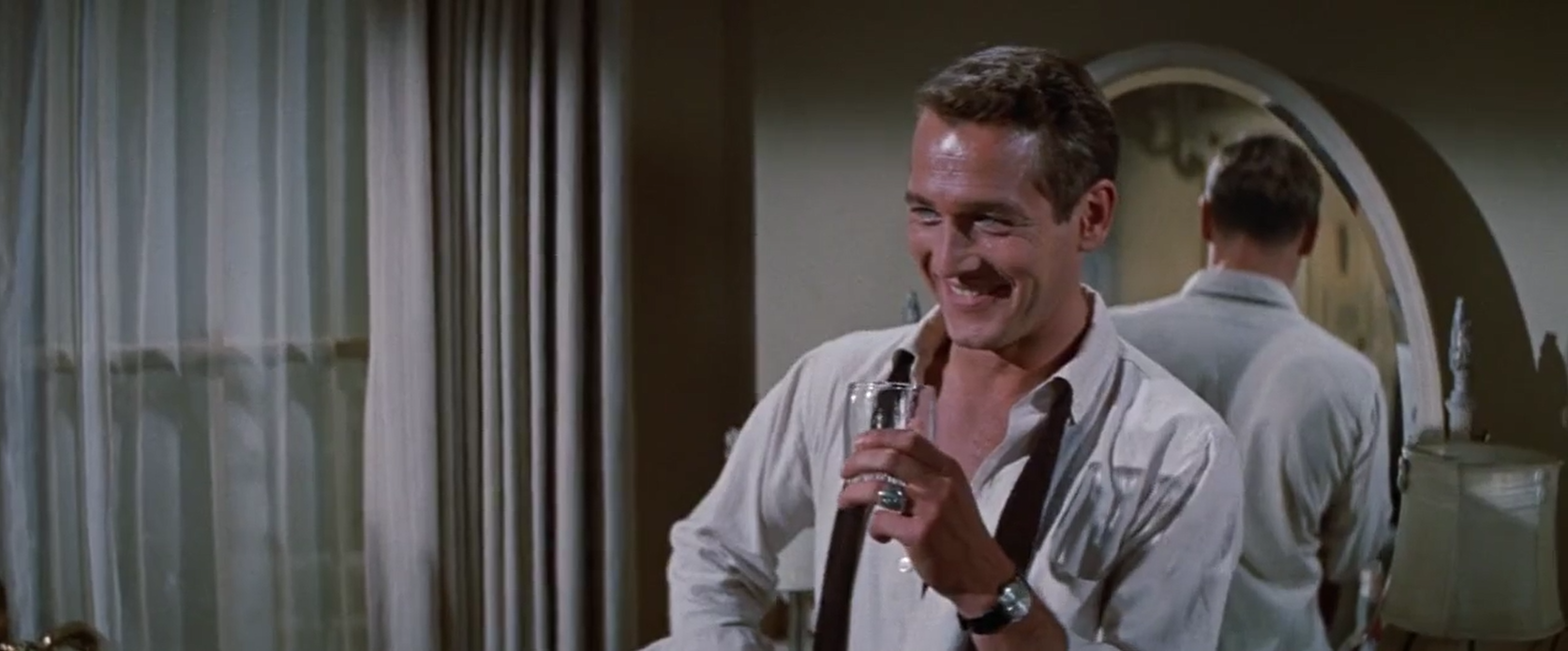
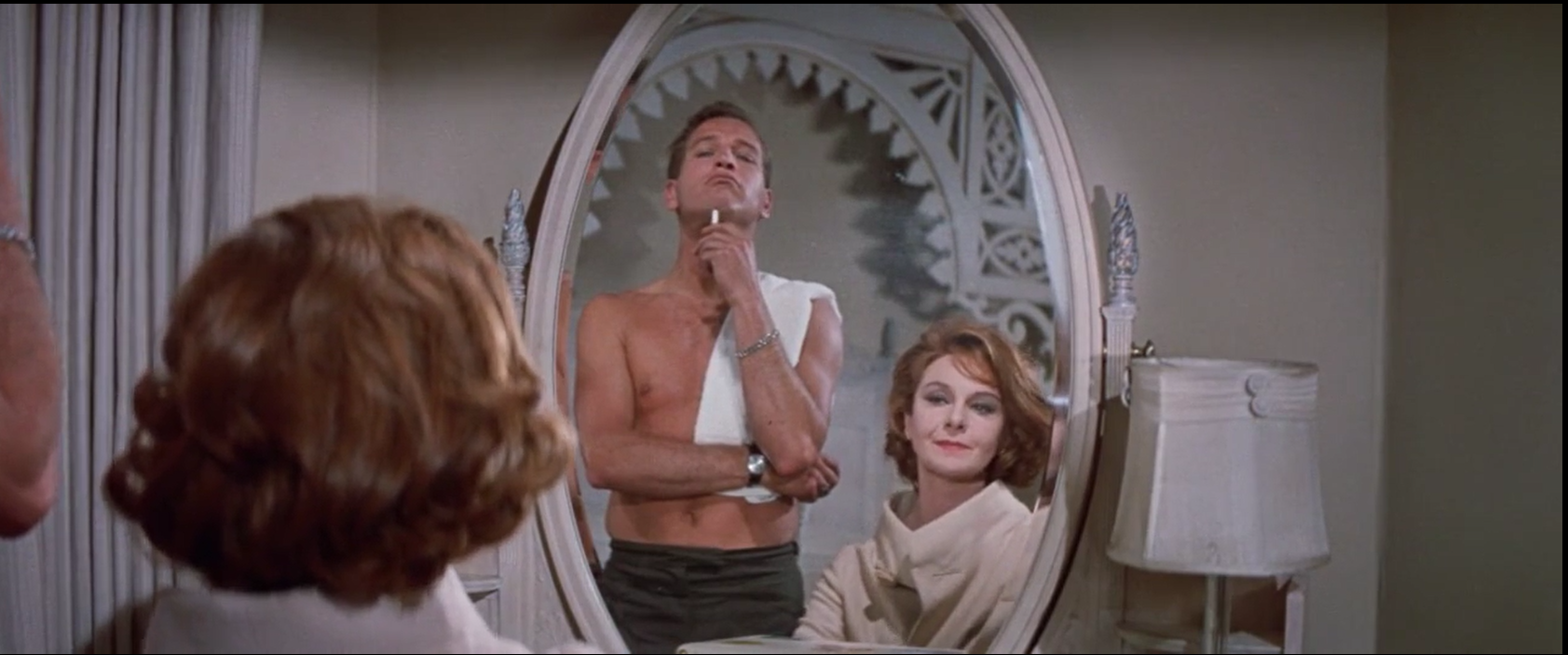
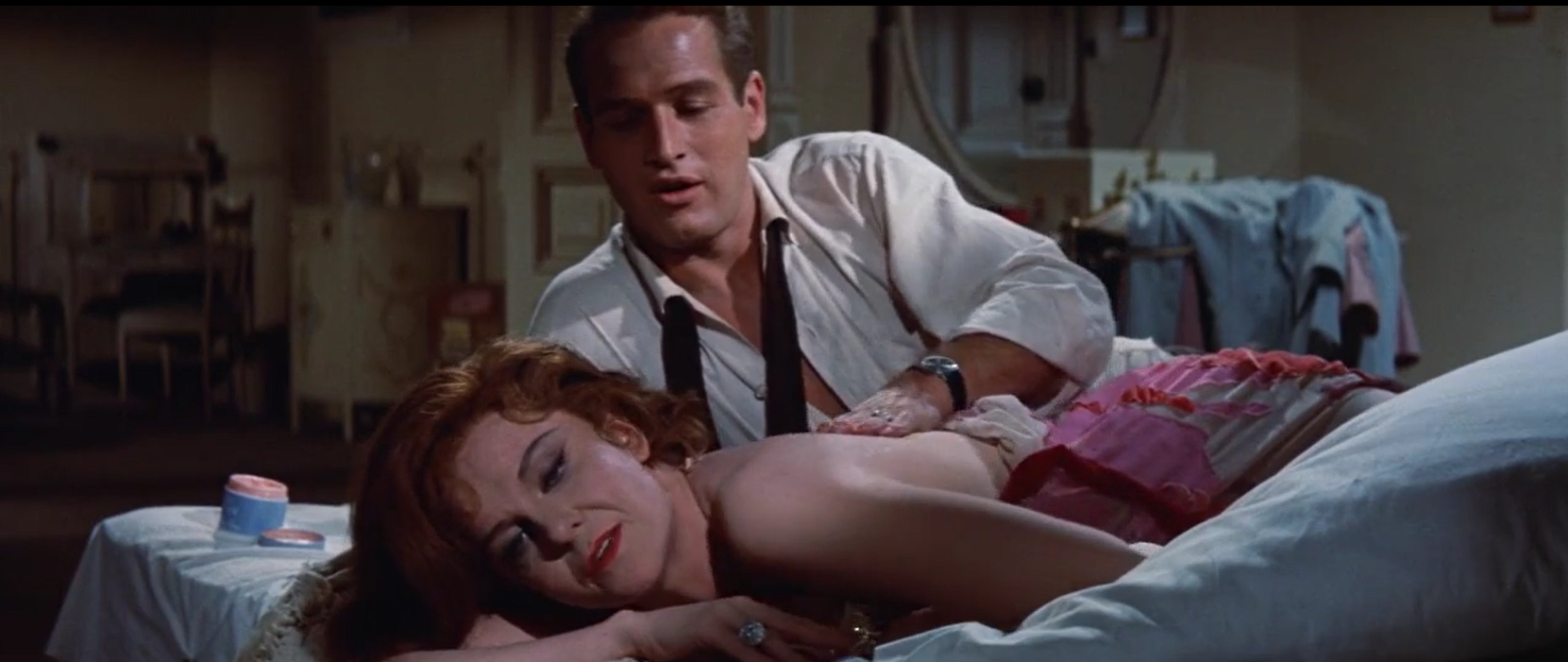
Review: Newman is at his hunkiest (is that even possible to distinguish?): … and Page is note-perfect as an insecure, narcissistic diva, still gorgeous and alluring, but clearly about to pass her prime. The rest of the storyline — primarily centered on venal Begley’s outsized political and personal influence in his town — is a tough pill to swallow but, sadly, all too believable. It’s gut-wrenching watching him bully and mistreat everyone around him, including his daughter (Knight): … his sister (Mildred Dunnock), his staffers, and — most infamously — his mistress (Sherwood): … not to mention seeing the ripple effect this has on his son (Torn), who it seems will follow in his footsteps: As Bosley Crowther wrote in his amusing assessment for the New York Times:
Mostly, however, we’re eager to see how things will play out between Newman and Page: each is cockily confident they will get what they want from the other, and weirdly enough, we can’t help rooting for both of them in turn. As CineSavant writes in his review for Trailers From Hell, “Not all Tennessee Williams film adaptations are successful, but Richard Brooks’ blend of romance, show biz venality and political thuggery is just too entertaining to dismiss.” Note: Thankfully, censors demanded that the utterly bleak ending of Williams’ play be altered somewhat, leaving us with an unexpected sense of hope by the end. Redeeming Qualities and Moments:
Must See? Categories
Links: |
“If I know Johnny, he’s back here for bad.”
|
Synopsis: |
|
Genres, Themes, Actors, and Directors:
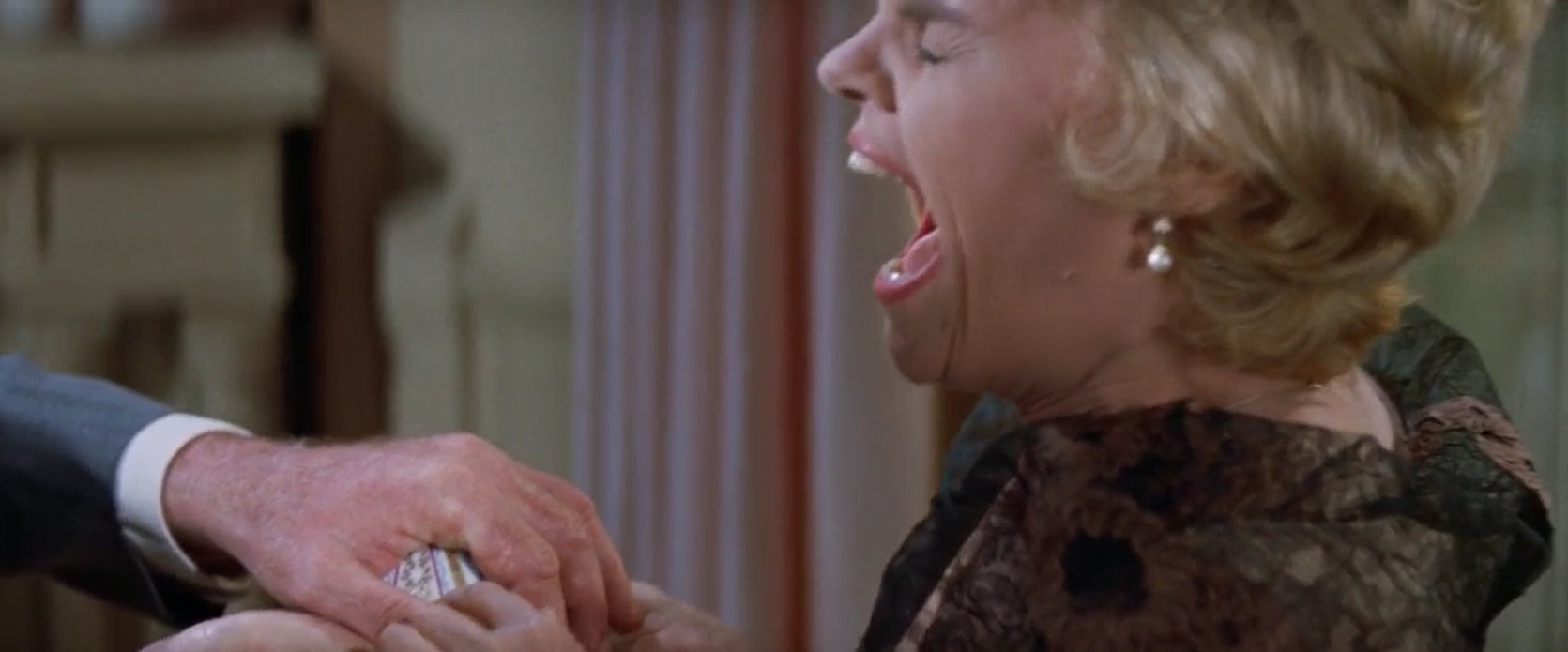
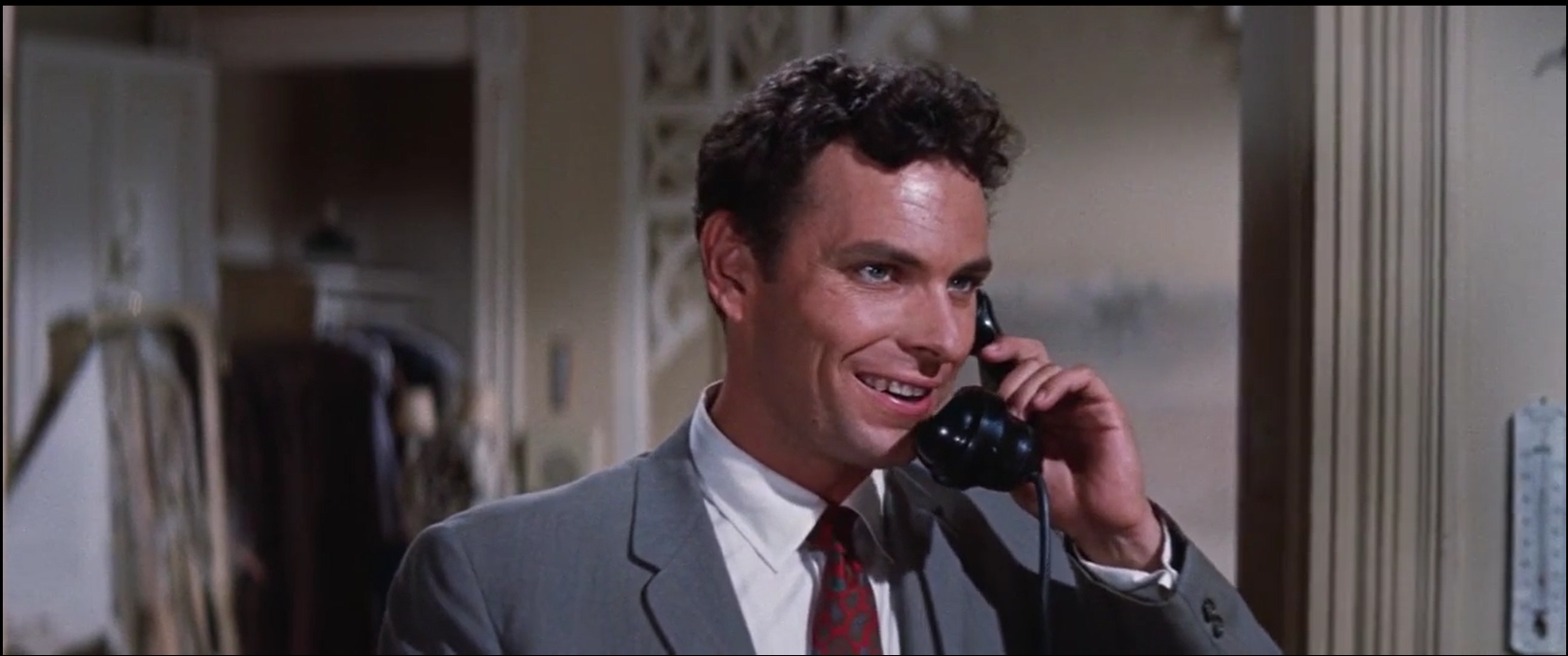
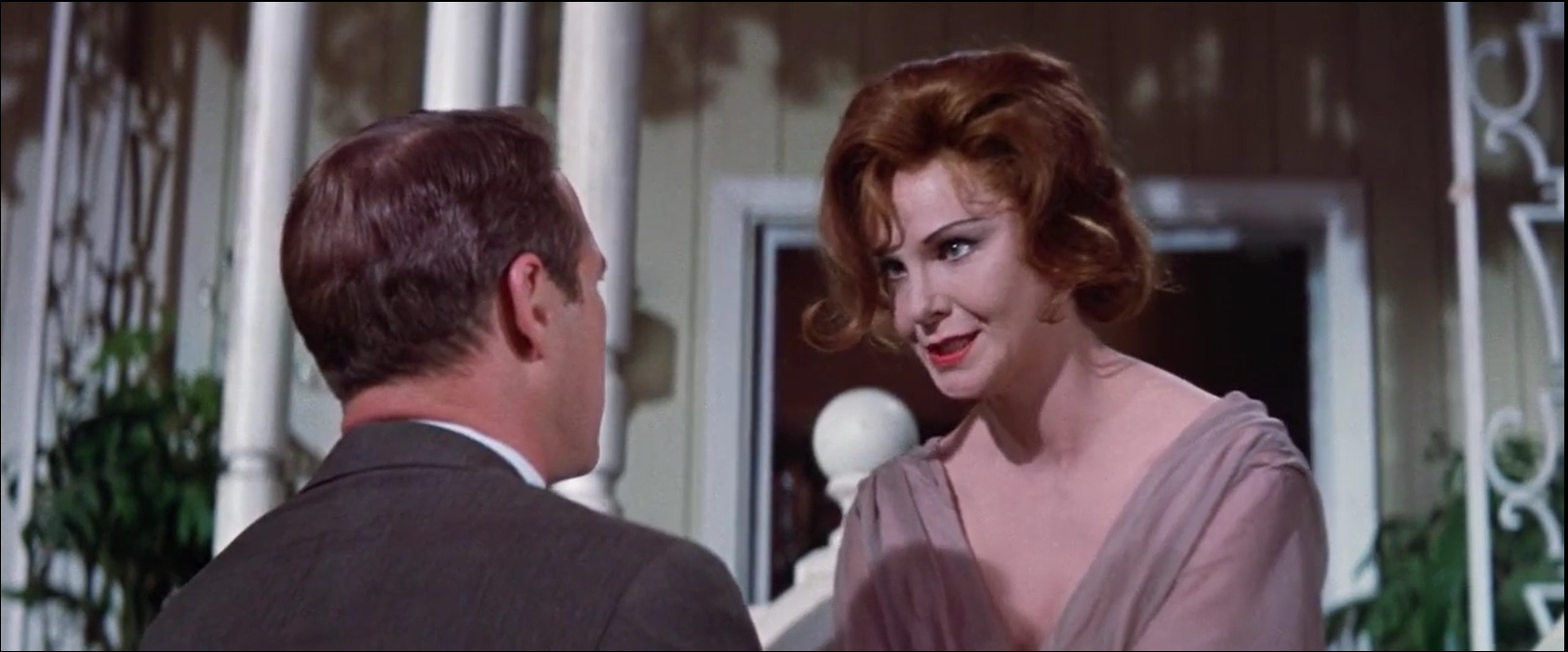
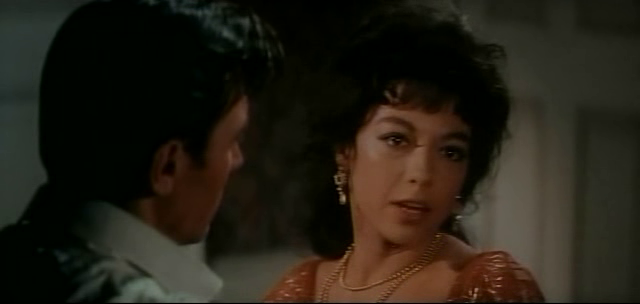
Review: Unfortunately, the storyline is a lesser one in Williams’ oeuvre, and we never feel all that engaged or invested in the characters’ lives. As described in TV Guide’s review, “Like so many of the works of Williams, it deals with tension, with repression, with awakening, and, ultimately, with disintegration” — but we see these playing out to much better effect in other Williams productions. Meanwhile, a potentially intriguing subplot involving Page’s kleptomaniac mother (Merkel, who also received an Academy Award nomination) goes nowhere: … and Rita Moreno is relegated to a stereotypical role as a Latina spitfire desperate to escape her circumstances through romance with Harvey: You can skip this one. Redeeming Qualities and Moments: Must See? Links: |
“My congratulations for the death of two fascists. Now you will set the table, please.”
|
Synopsis: |
|
Genres, Themes, Actors, and Directors:
Review: … and also Czech-born, soon-to-be-writer-director Hugo Haas in his first Hollywood appearance: However, it’s otherwise simply pure propaganda, with plenty of pulpy romance, honorable sacrifice, and hoary dialogue:
Only film fanatics with an interest in the super-brief era of Soviet-allied Hollywood cinema need to bother checking this one out. Redeeming Qualities and Moments: Must See? Links: |
“It takes all of us to make this ship function.”
|
Synopsis: |
|
Genres, Themes, Actors, and Directors:
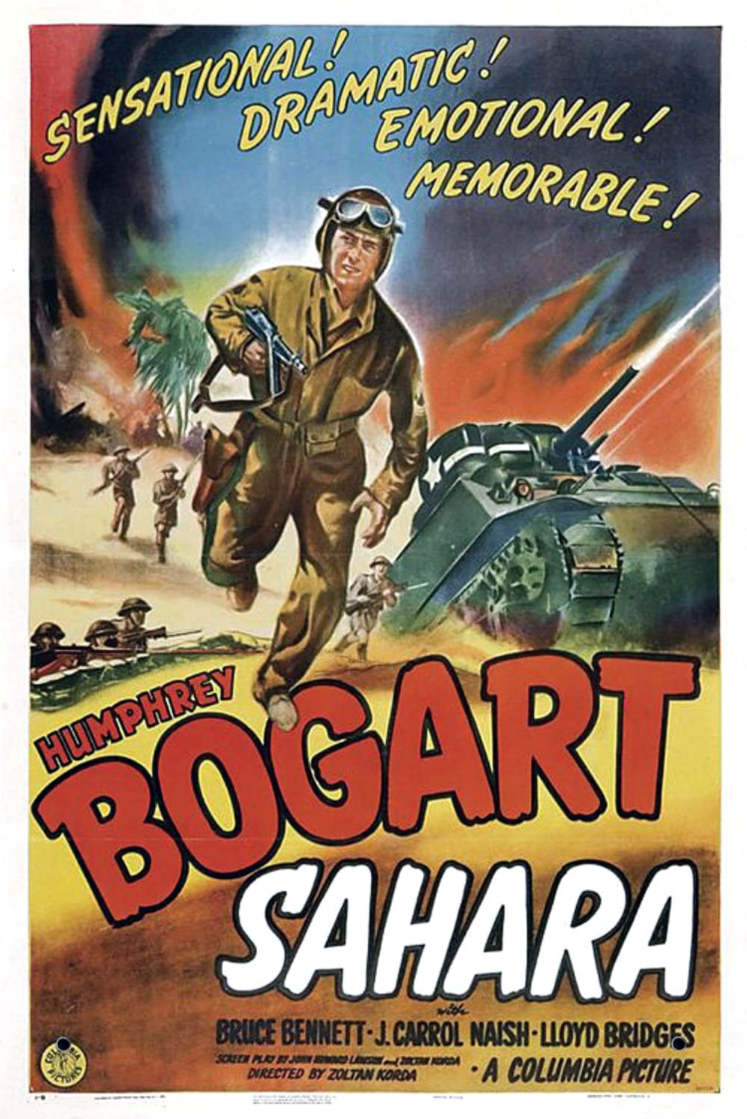
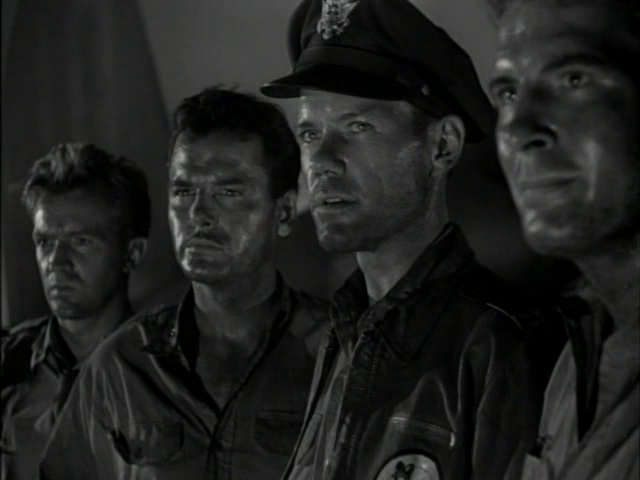
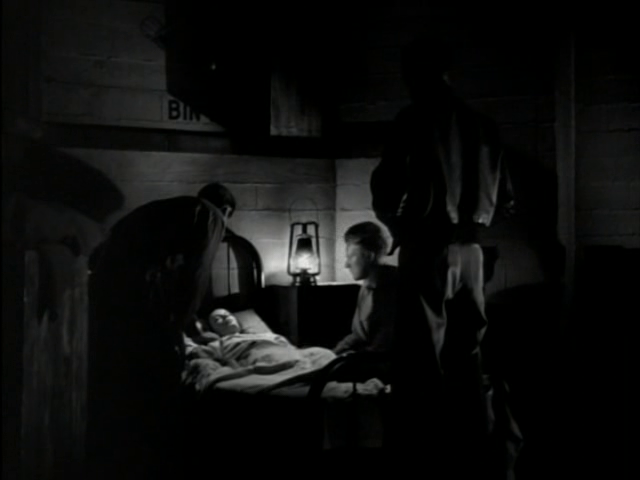
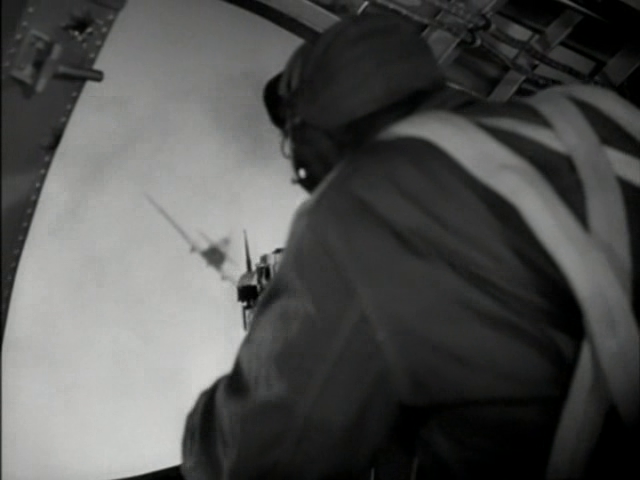
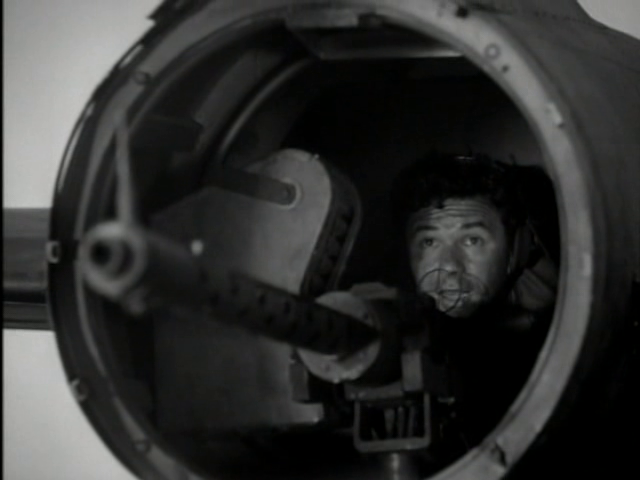
Response to Peary’s Review: … and he notes that “the solid, exciting script was provided by Dudley Nichols, with an assist from Hawks’s buddy William Faulkner” — but “contemporary viewers may have trouble stomaching [the] finale in which our vengeful heroes mow down helpless Japanese soldiers who are stranded in the ocean” (especially given that “in other Hollywood movies our GIs always showed amazing compassion”). What’s perhaps most impressive about this fighting-heavy, fast-talking, “macho” film is how many scenes of bonding and levity there are — as, for instance, when the group adopts a dog named Tripoli who barks furiously at the name Mr. Moto: … or moments taken to honor the gravity of loss: Viewers should definitely be forewarned that not only is this a propaganda film made at the height of the war effort, but there are numerous blatant historical falsehoods. As DVD Savant describes in his review:
With these important caveats in mind, Hawks fans will certainly want to check out this tautly scripted adventure flick that represents the height of wartime enthusiasm and camaraderie. Redeeming Qualities and Moments: Must See? Links: |
“It just so happens we’re in a hell of a mess.”
|
Synopsis: |
|
Genres, Themes, Actors, and Directors:
Response to Peary’s Review:
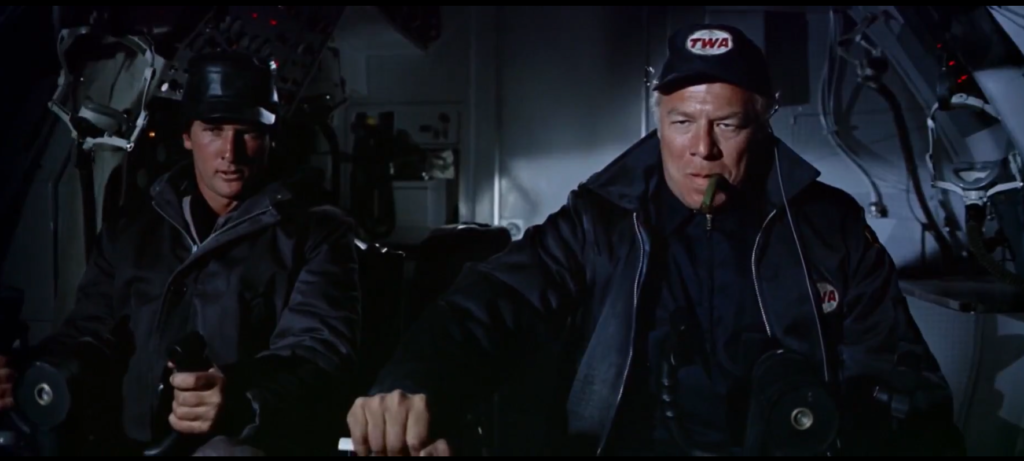
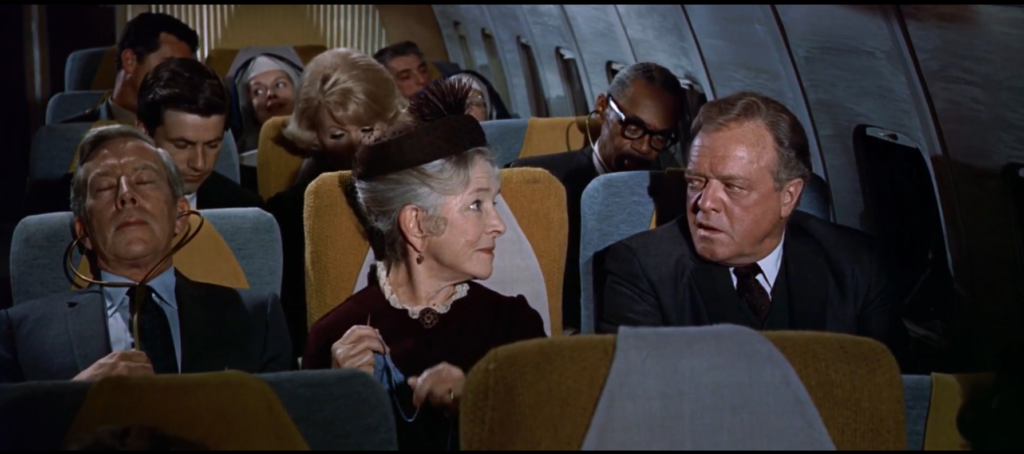
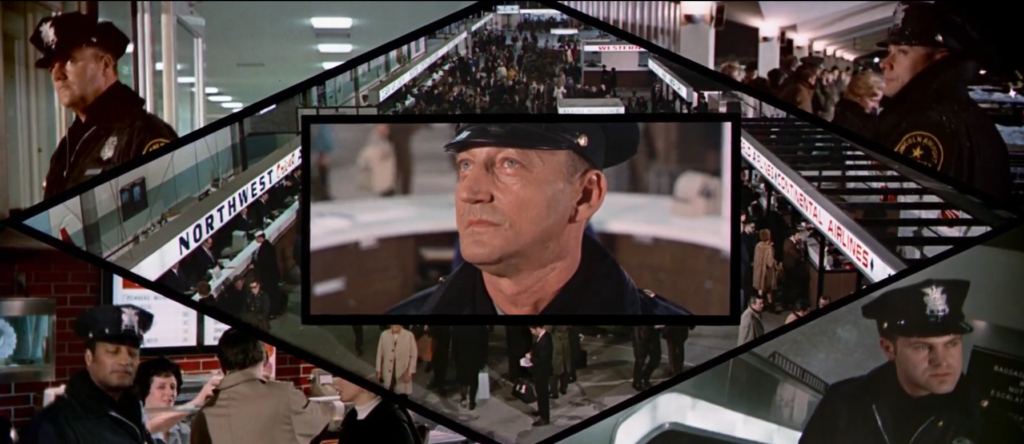
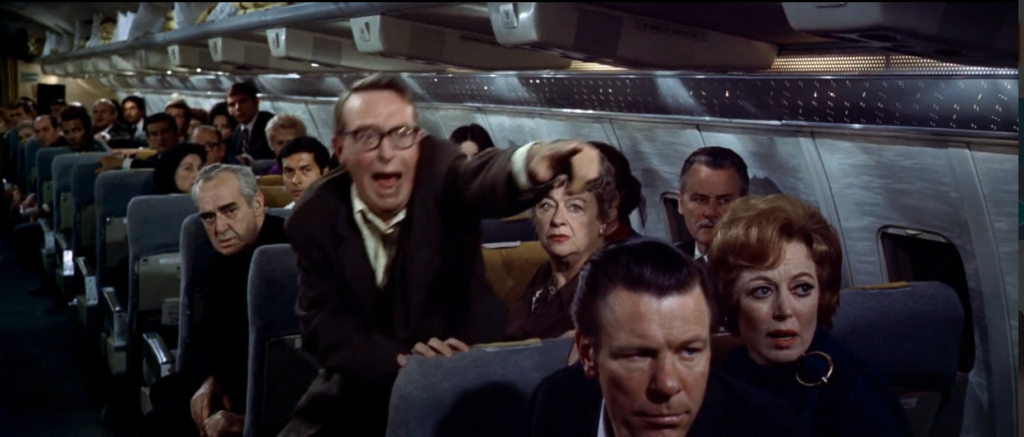
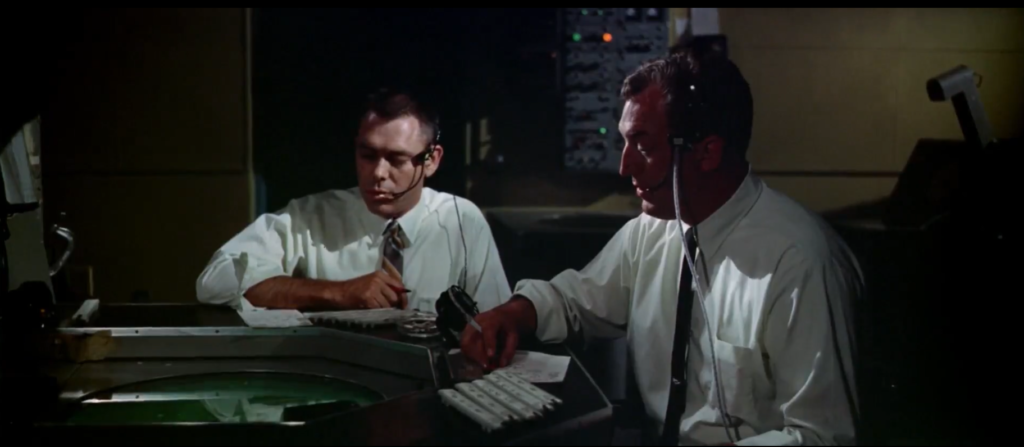
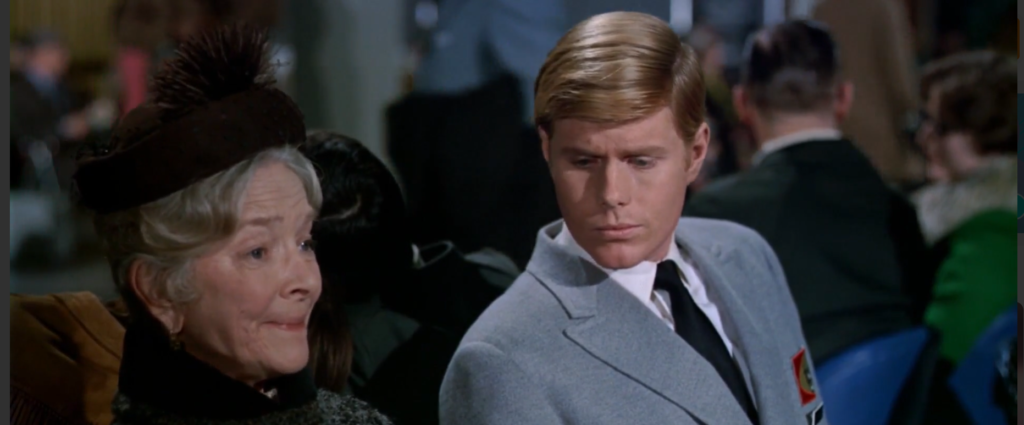
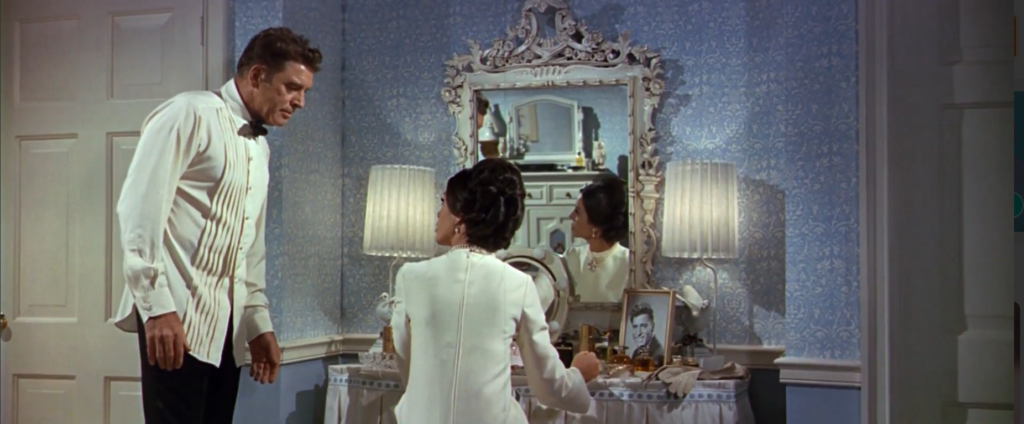
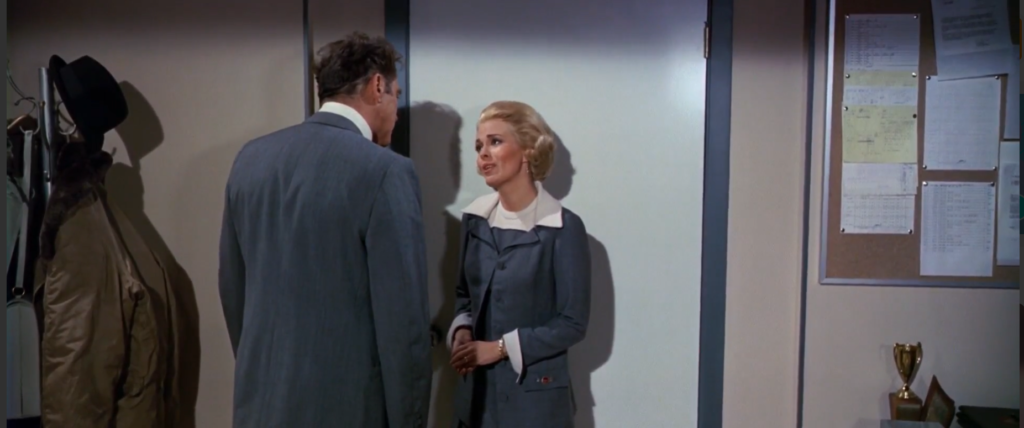
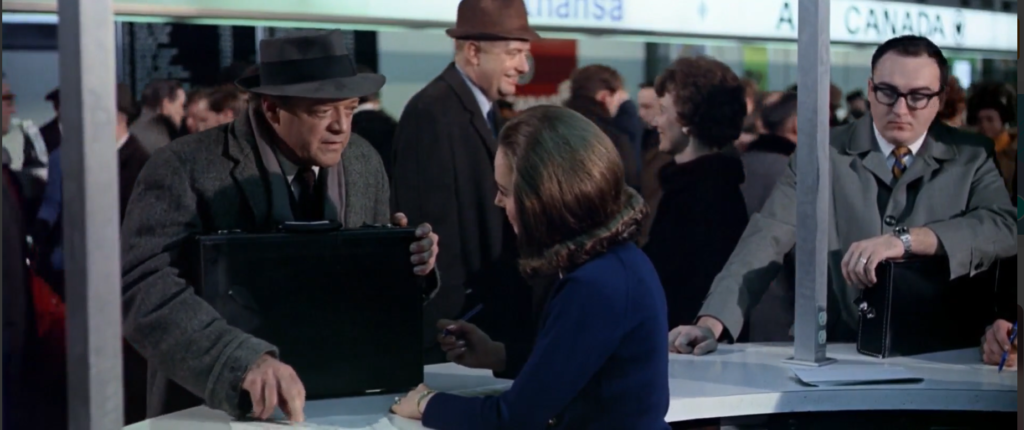
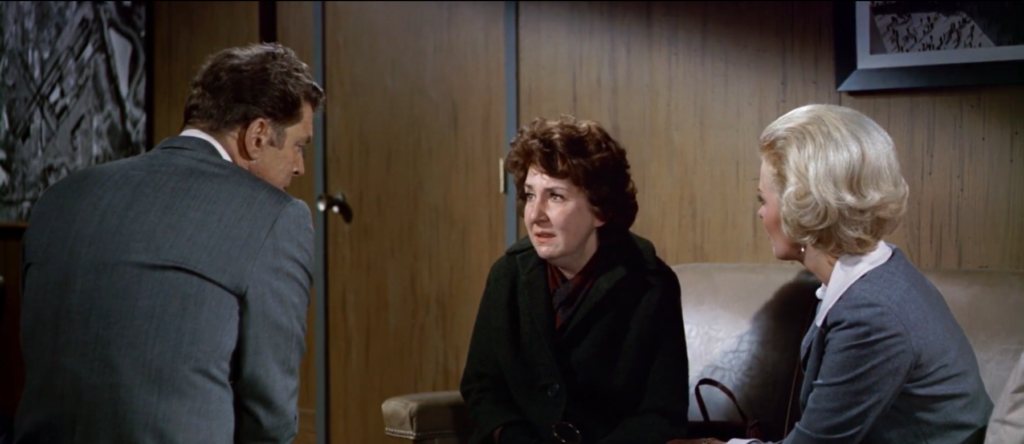
He adds that this “polished ‘commercial’ Hollywood film… might have been really something if Irwin Allen, rather than Seaton, had been director,” pointing out that “surely a hurricane and airport fire would have been thrown in for good measure.” I’m glad Peary has an overall positive attitude towards this seminal disaster flick — which spawned not only three (inferior) sequels but a direct spoof — since I was pleasantly surprised by it myself. Indeed, I’m tempted to coin a new term — “competence p**n” — given how mercifully competent everyone in this wild adventure is: other than the known loose cannon (Heflin) and one buffoonish troublemaker on the plane (who eventually gets slapped by a priest!): … each character does their level best to make sure the situation turns out okay. When have we seen such collective competence? Dear goodness, in the age of COVID-19 and all manner of other ecological, national, and global catastrophes, I could watch this type of scenario playing out — and being handled oh, so competently — all day long! I care not a whit about the fact that sly Hayes (who won an Oscar for her supporting role here) continues eluding “the authorities”: … or about the shenanigans inevitably going on between the men and their wives and mistresses; in fact, good on Lancaster for deciding that saving lives is more important than accompanying his wife on yet another pointless charity function. Playing “spot the star” during this flick will have your head spinning; I’ll admit I didn’t even recognize Jean Seberg until I looked at the credits afterwards (she apparently wasn’t happy about her casting in this film, and that makes sense). Heflin is especially good (and appropriately vulnerable) in his final role: … and Stapleton is hugely empathetic as his wife. This one remains worth a look. Redeeming Qualities and Moments:
Must See? Categories
Links: |