|
Genres, Themes, Actors, and Directors:
- Delphine Seyrig Films
- Horror Films
- Lesbianism
- Newlyweds
- Vampires
Response to Peary’s Review:
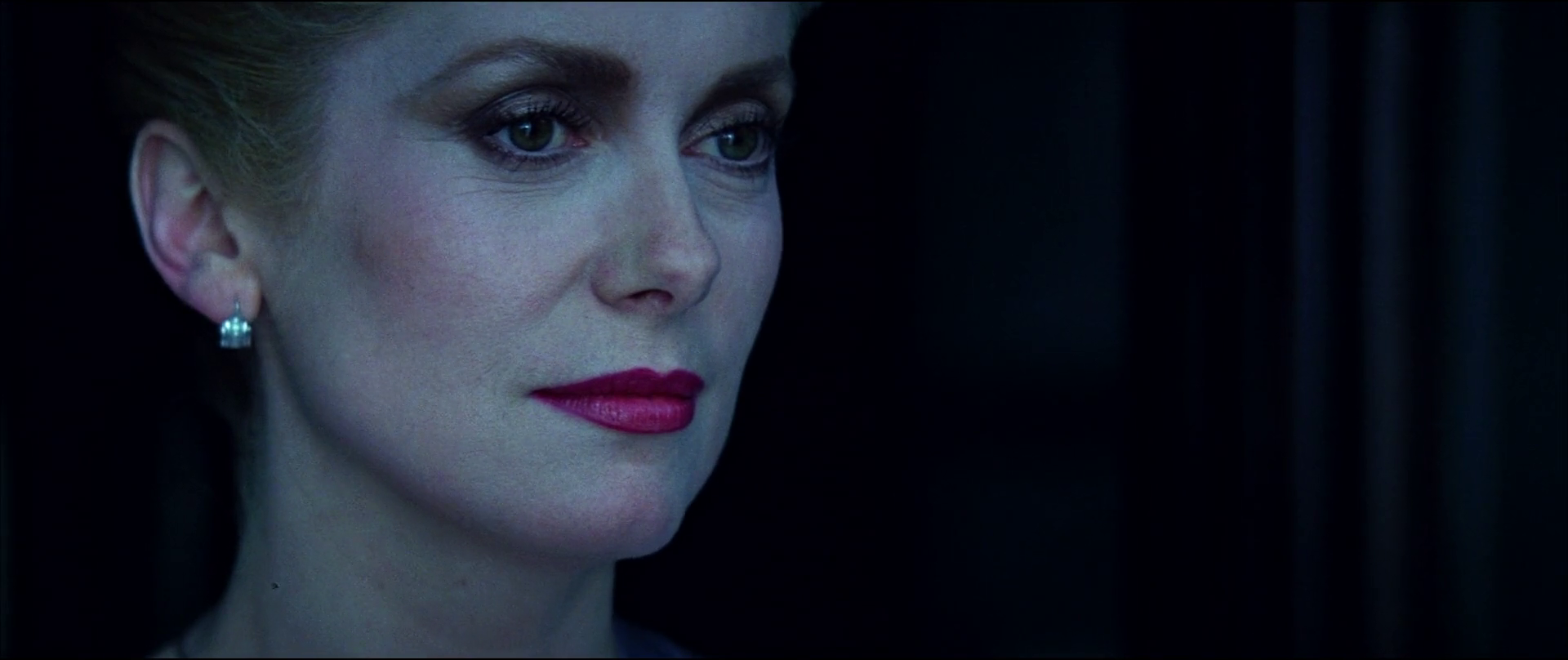
Peary writes that “Belgian writer-director Harry Kumel’s English-language lesbian vampire film is among the most stylish of horror films and probably the most perverse.” He argues that this “cult film is flawed, yet it masterfully combines traditional horror elements with outrageous, often ludicrous wit; and no other horror film can match the eroticism that pervades every scene.” He adds that “it’s a rare horror film with social relevance: it more than expressed feminist themes — it actually had a decidedly anti-male attitude, despite being made by men.”
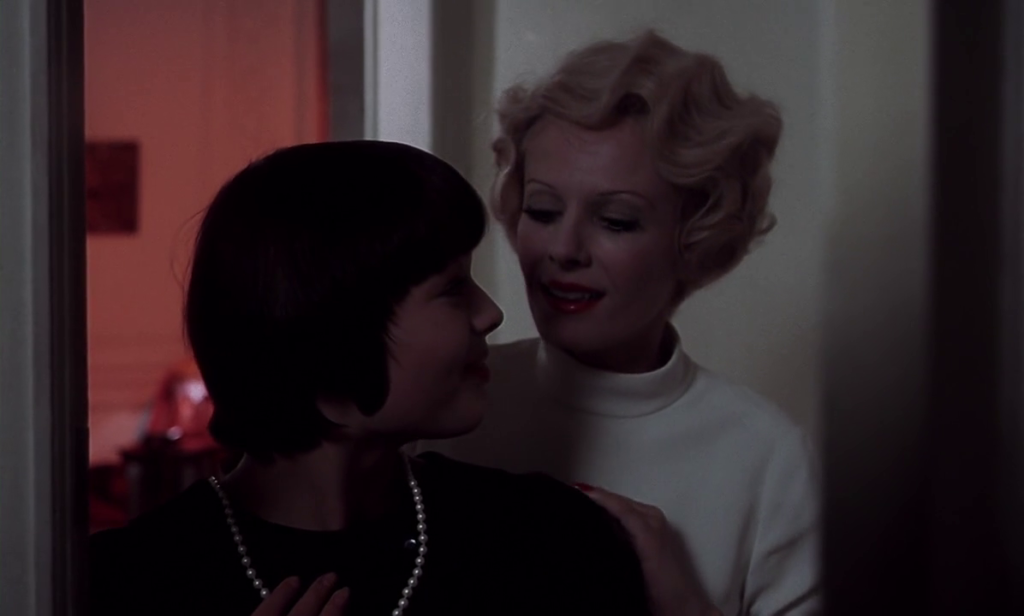
The film centers on Seyrig’s character, who “claims to be Elizabeth Bathory — the name of the ‘Bloody Countess’ who lived and murdered scores of virgins for their blood three centuries before” and is played by Seyrig “with the sense of irony and melancholia that we associate with the roles of Seyrig’s friend Marlene Dietrich”.
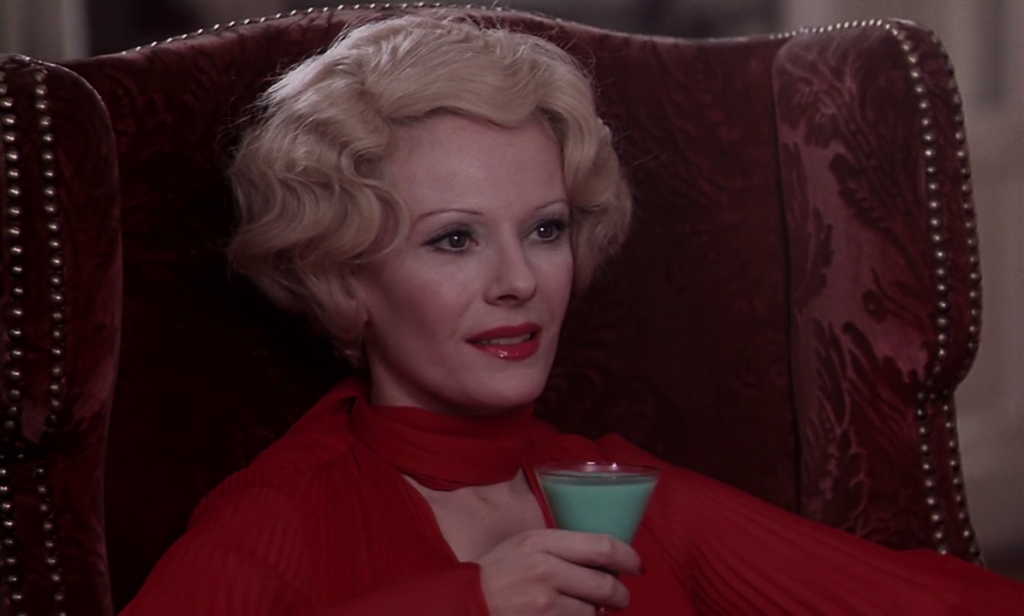
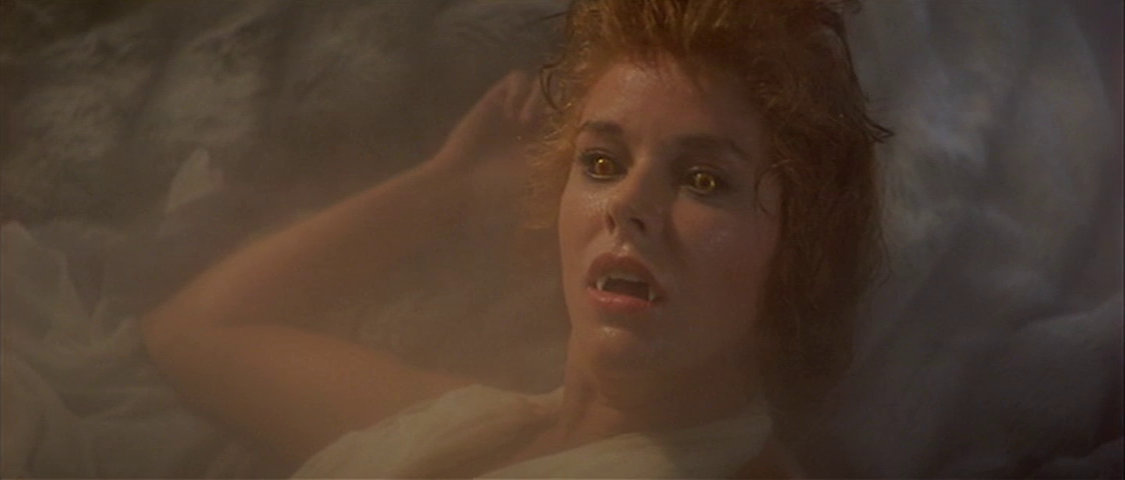
Peary notes that “like Stephanie Rothman’s similarly plotted The Velvet Vampire, this vampire film shows that female vampires can win over a woman completely through the unbeatable combination of willpower, mind control, and sex appeal.”
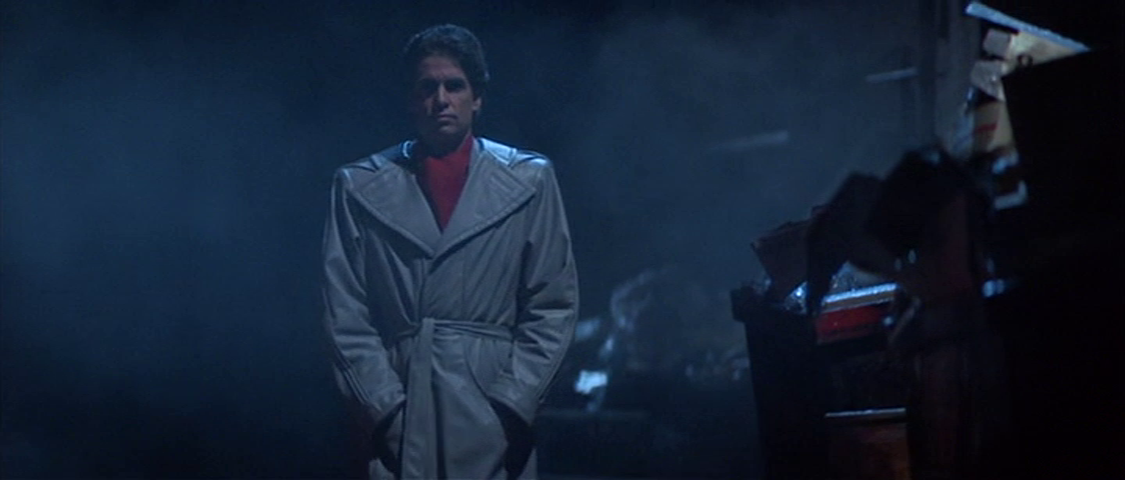
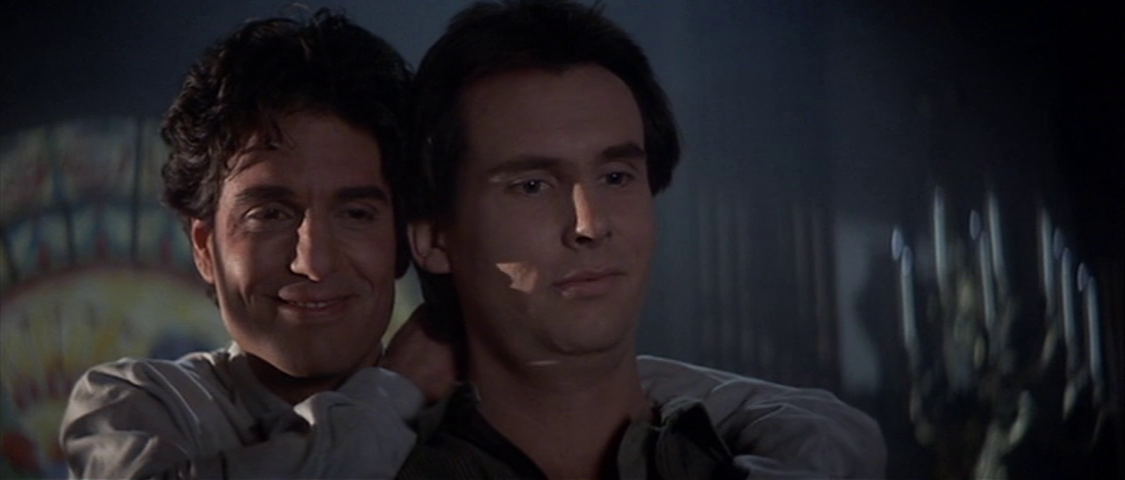
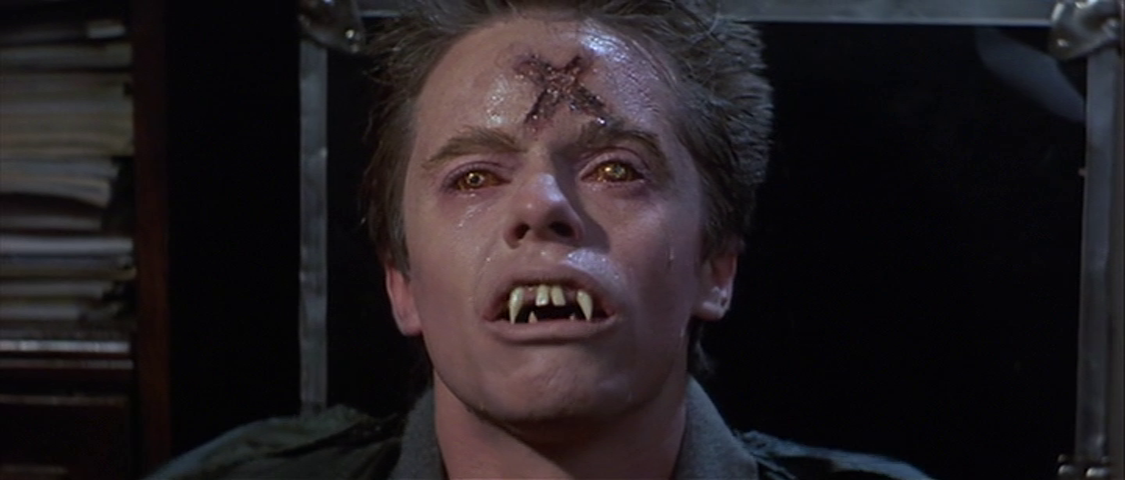
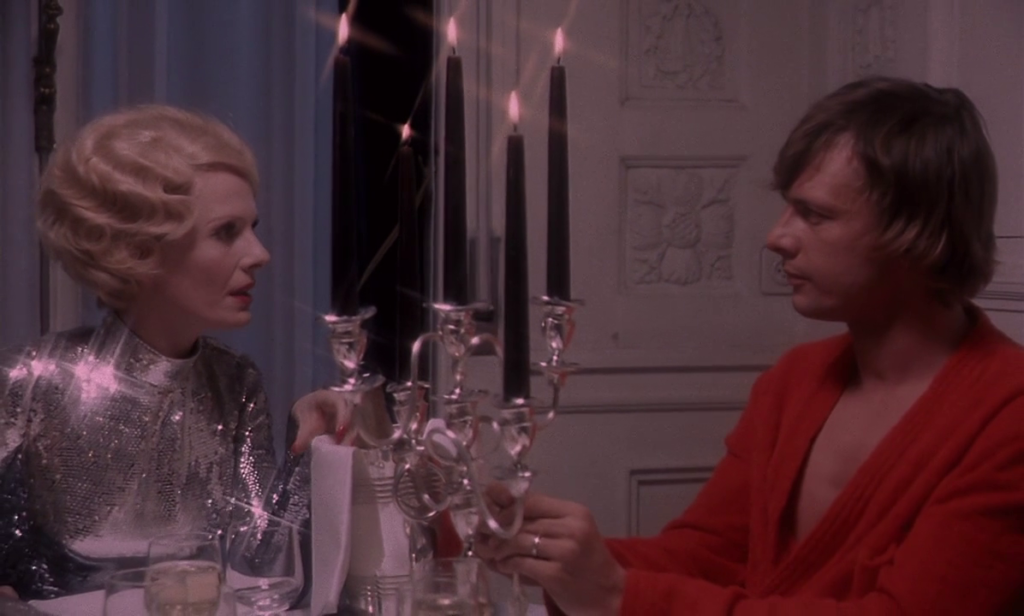
Peary goes on to write that the “film contains horror-movie conventions — mist, too-loud suspense music, bloody violence, vampires who cast no reflections, don’t drink alcohol, and peer into bedroom windows from balconies — but Kumel (influenced by former friend Josef von Sternberg) handles nothing conventionally”, instead cleverly using “sound, music, his wonderful sets, colors (especially red):
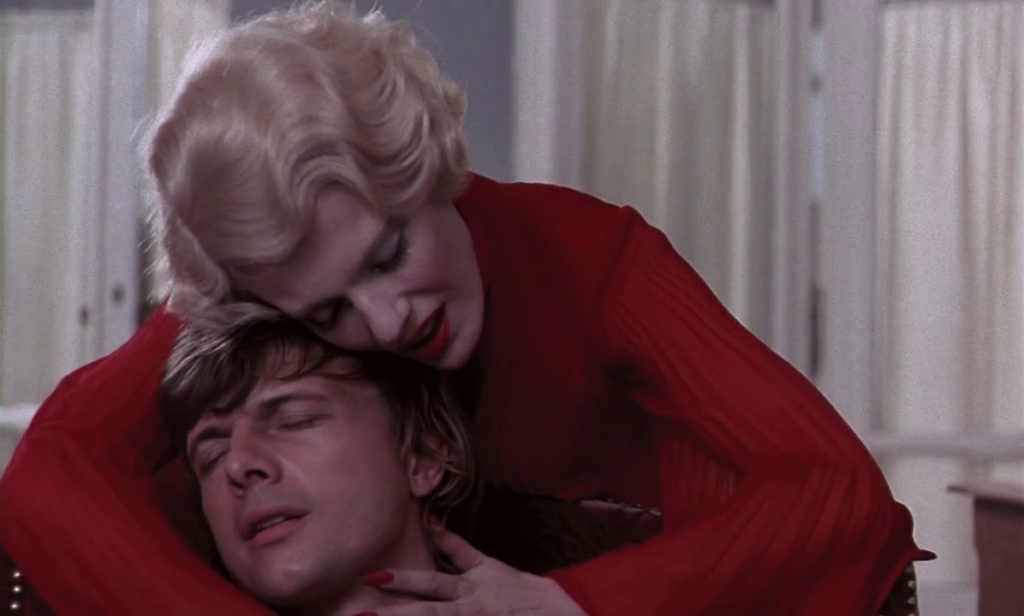
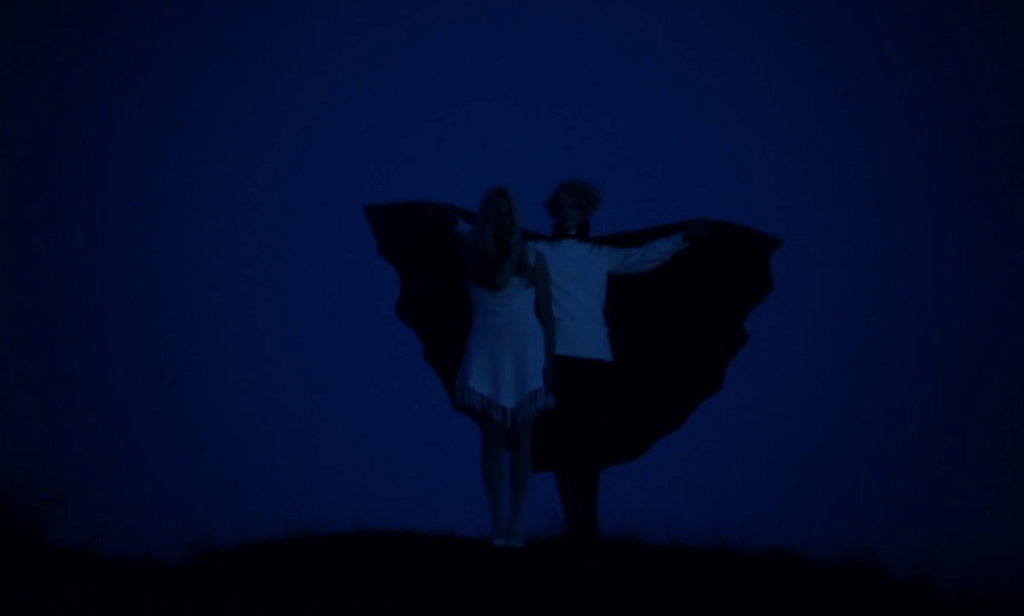
… clothes, character placement, and weird camera angles (often he shoots from above, or at a great distance to convey the terrible isolation each character feels).” Peary elaborates upon his GFTFF review in Cult Movies 2, where he notes that the “film can be intentionally silly”, “downright horrifying”, or “utterly outrageous, in a macabre sort of way” — then shift to being “surreal, as in the magnificent shot of Elisabeth surrounding Valerie [Ouimet] with her cape as they stand on a cliff, the full moon shining behind them.”
He argues that while this “may be a wicked film”, and “it is no gem”, he finds it “sexy, imaginative, amusing, and undeniably fun.” While I acknowledge Peary’s appreciation for Daughters of Darkness, I can’t say I feel the same way. This films seems to me to be all style and no substance, and I honestly don’t understand the “point” (which I know is probably asking too much of a vampire film). Very little actually happens, other than ongoing seductions and killings. Intriguing narrative threads — i.e., Karlen calling home to his “mother” (Fons Rademakers) — are introduced, then dropped:
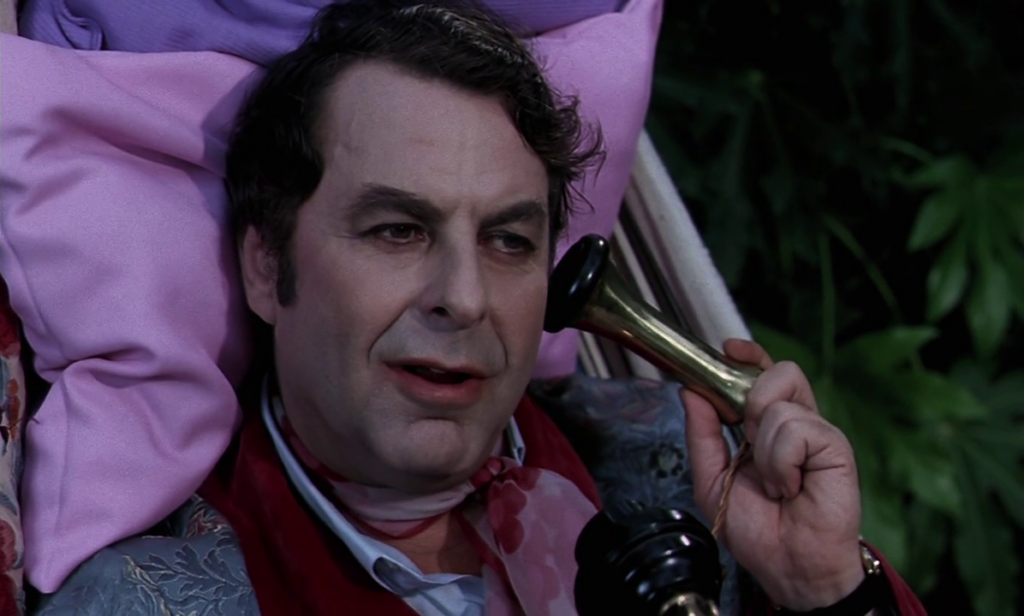
… and the lead characters are either unlikable or not particularly sympathetic (i.e., we don’t learn enough about Ouimet to relate to her). While fans of vampire flicks will surely want to check this one out, it’s not must-see viewing for all film fanatics.
Redeeming Qualities and Moments:
- Delphine Seyrig as Elisabeth Bathory
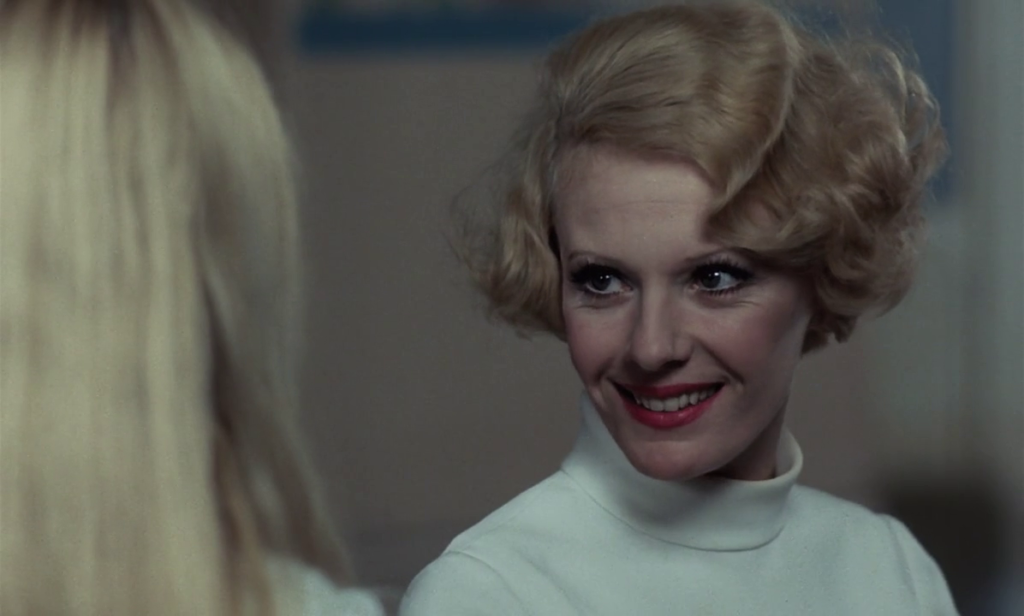
- Fine cinematography and set design
Must See?
No, though fans of the genre will of course want to check it out.
Links:
|