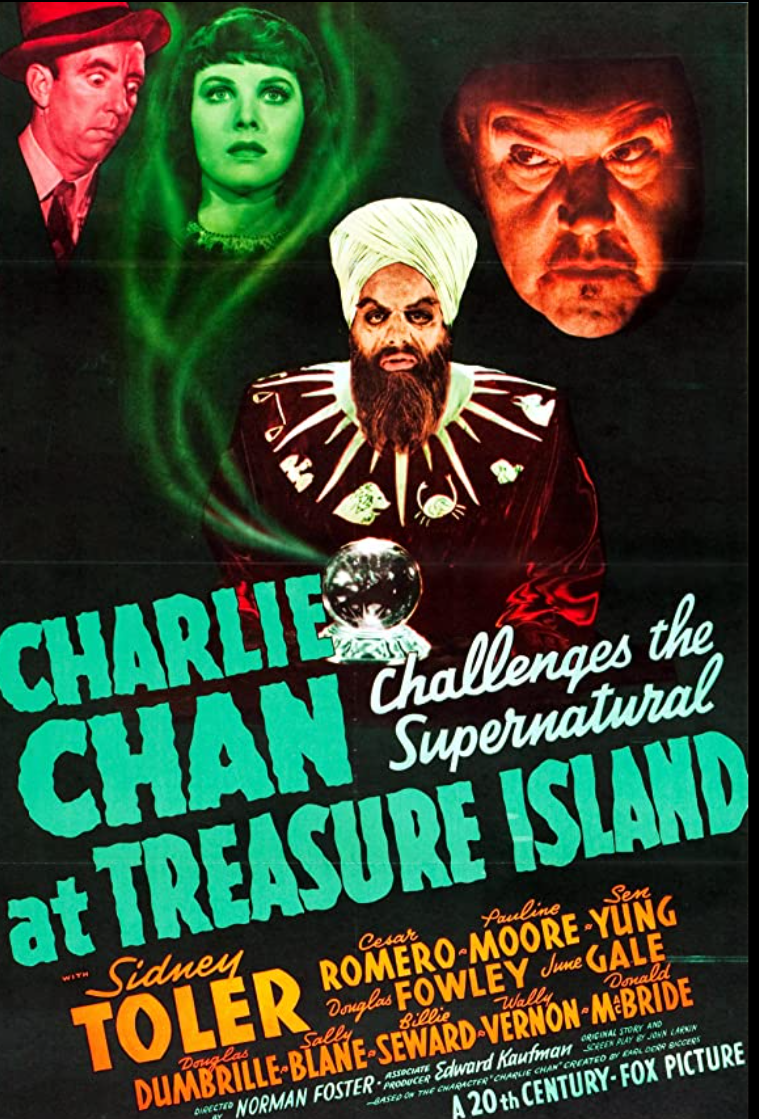
Charlie Chan at Treasure Island (1939)

Charlie Chan at Treasure Island (1939)

“Sometimes black magic very close relative to blackmail.”

Synopsis:
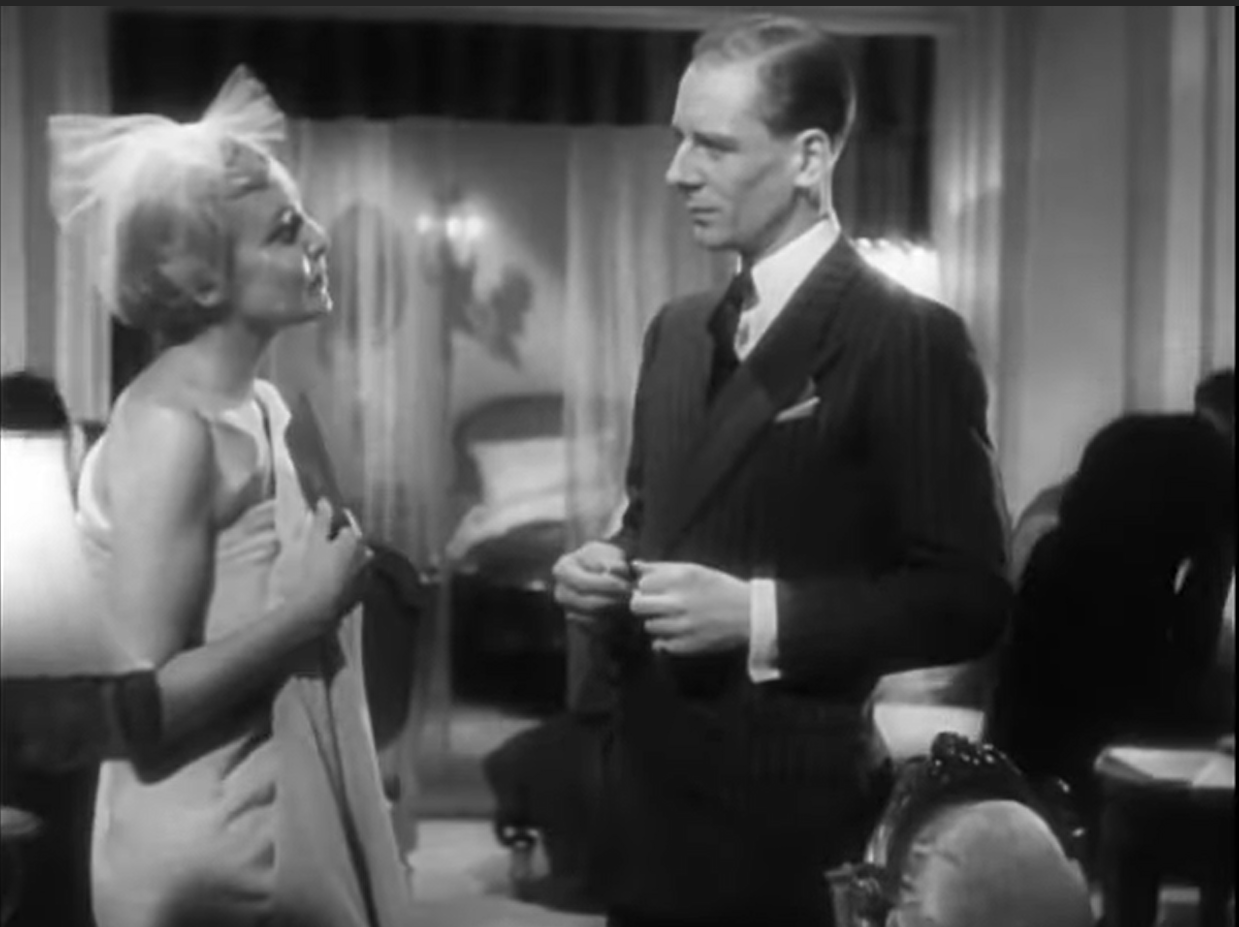
Detective Charlie Chan (Sidney Toler) and his eager son (Sen Yung) investigate the sudden death of a writer (Louis Jean Heydt) who has received a mysterious telegram from the famed hypnotist “Dr. Zodiac”.

Genres, Themes, Actors, and Directors:

  • Asian-Americans
  • Detectives and Private Eyes
  • Magicians
  • Mind Control and Hypnosis
  • Murder Mystery

Review:
It’s impossible to discuss 20th Century Fox’s popular “Charlie Chan” film series (based on the set of novels by Earl Derr Biggers) without noting the sad truth that in early Hollywood, the famed Chinese detective was never played by a Chinese man. Despite his best efforts, it’s difficult to forget that Sidney Toler (the second non-Asian to play the detective) is simply a white man in pseudo-Asian makeup, speaking in stereotypical pidgin English; this lessens the appeal of the movie enormously. With that said, the story itself is mildly entertaining, with multiple plausible suspects and some enjoyable back-stage glimpses at magic shows; and, since this is widely considered to be the best of the Sidney Toler series, it’s a good one to check out.

Redeeming Qualities and Moments:

  • Some effectively atmospheric imagery and cinematography

  • Sen Yung as Chan’s son — not a great performance, but it’s so refreshing to see an Asian (rather than a white) playing an Asian that he emerges as one of the highlights of the film

Must See?
Yes, but only as a representative example of the Sidney Toler Charlie Chan series; it’s likely that another might suffice.

Categories

  • Representative Film

Links:

One Hour With You (1932)

One Hour With You (1932)

“My wife thinks I am a darling, and my wife’s friend thinks I’m cute. It’s a terrible situation — but I am determined not to weaken. We’ll see!”

Synopsis:
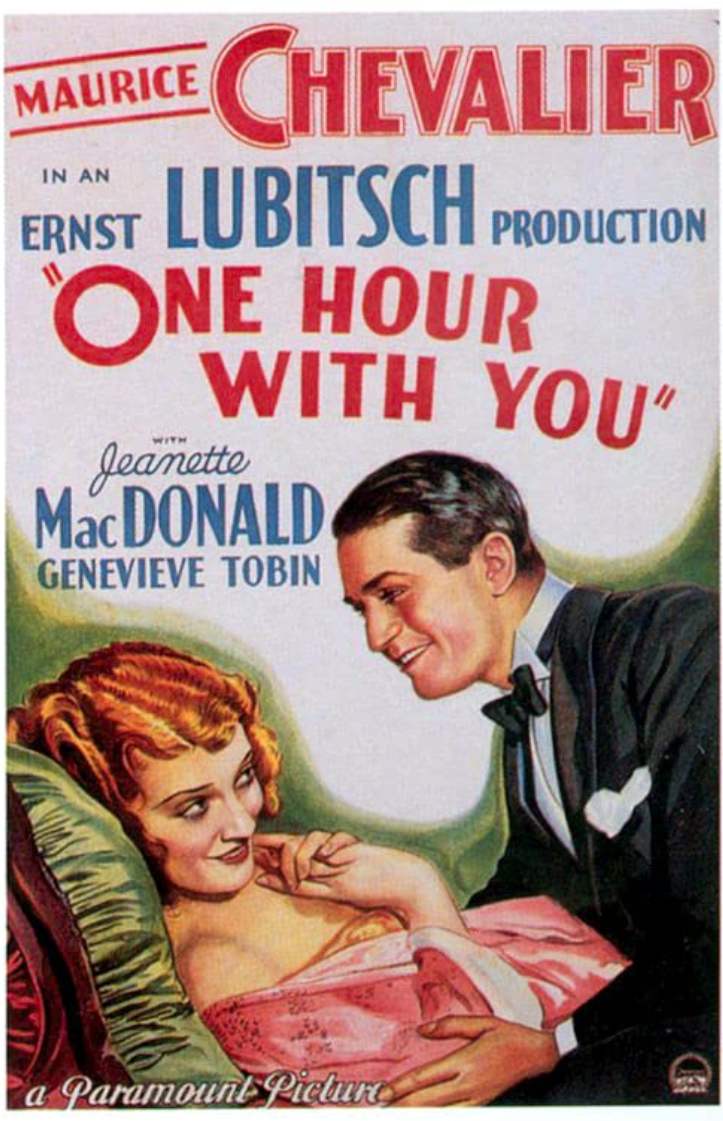
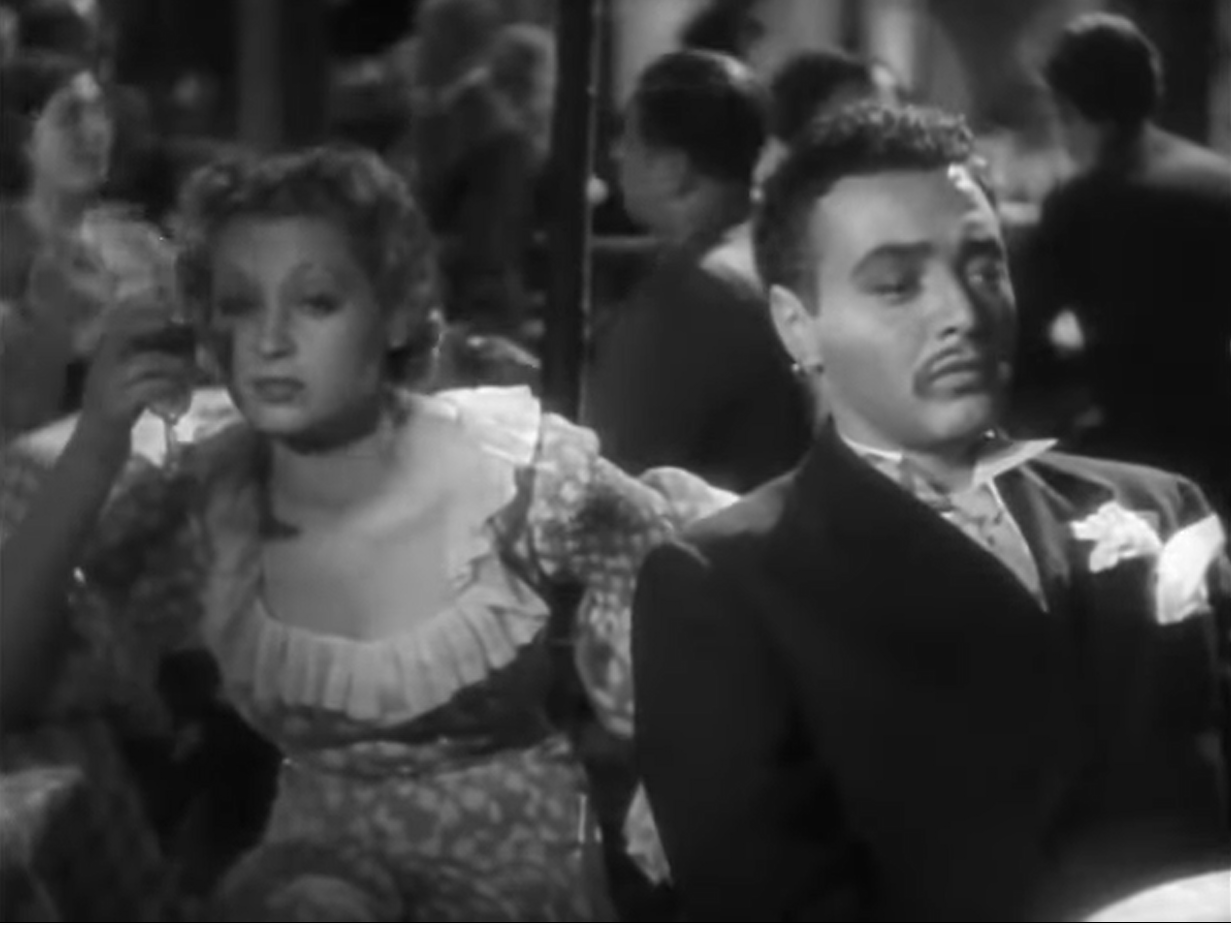
A happily married man (Maurice Chevalier) finds himself seduced by his wife’s flirtatious friend Mitzi (Genevieve Tobin); meanwhile, his unsuspecting wife (Jeanette MacDonald) is pursued by their friend Adolph (Charles Ruggles), and Mitzi’s suspicious husband (Roland Young) has his wife followed.

Genres, Themes, Actors, and Directors:

  • Ernst Lubitsch Films
  • George Cukor Films
  • Infidelity
  • Jeanette MacDonald Films
  • Love Triangle
  • Maurice Chevalier Films
  • Musicals
  • Play Adaptation
  • Roland Young Films

Review:
This frothy musical romance — a remake of director Ernst Lubitsch’s The Marriage Circle (1924) (both were based on Lothar Schmidt’s play Only a Dream) — was the third onscreen pairing of Maurice Chevalier and Jeanette MacDonald, who also co-starred together in The Love Parade (1929), Love Me Tonight (1932), and The Merry Widow (1934). One Hour With You is primarily notable for its popular theme song (which today comes across as rather forgettable), intermittent use of rhyming couplets in the dialogue, and several to-the-camera asides by Chevalier (who — being such an eminently likable fellow — is portrayed as merely a gullible pawn in the hands of scheming Mitzi). Indeed, Mitzi — a backstabbing woman who continues to gleefully pursue Chevalier despite learning that he is her best friend’s husband — is the true “villain” of the film; unfortunately, we’re never given the satisfaction of a meaningful confrontation between the two women. Also frustrating is how similar two of the leading actors — Ruggles and Young — look; at times I’ll admit I got them confused. Ultimately, One Hour With You remains little more than a minor romantic souffle, entertaining while it lasts but nothing more.

Note: Though George Cukor was formally hired to direct this film, producer Ernst Lubitsch ordered so many scenes to be reshot that he’s given co-directing credit.

Redeeming Qualities and Moments:

  • Chevalier and MacDonald’s easy, natural banter together

Must See?
No, unless you’re a die-hard Jeanette MacDonald fan (as so many apparently are — click here to read about her international fan club.)

Links:

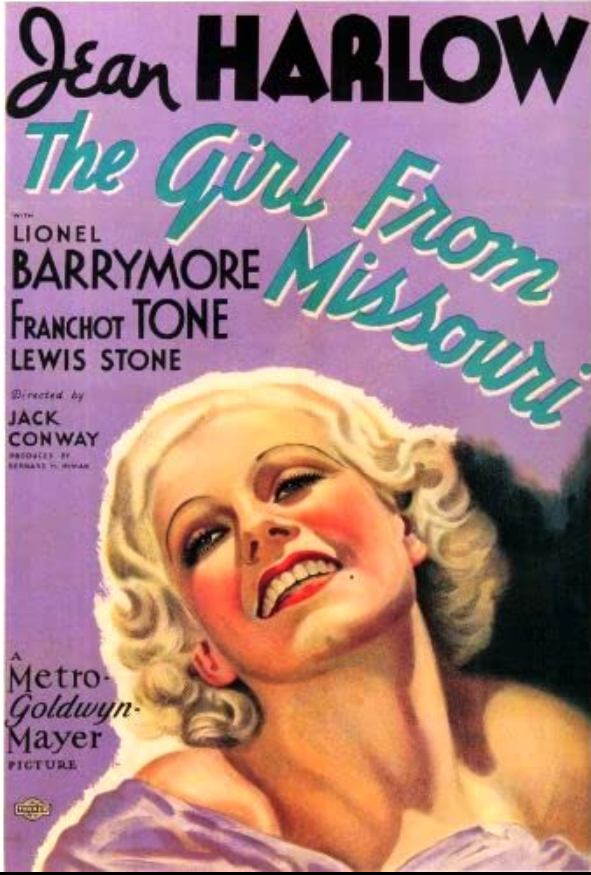
Girl From Missouri, The (1934)

Girl From Missouri, The (1934)

“You can make me cheap and common like a million others — but gee, I wish you wouldn’t!”

Synopsis:
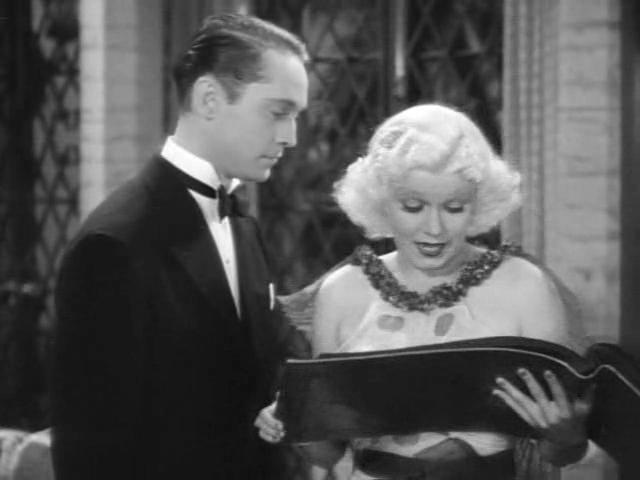
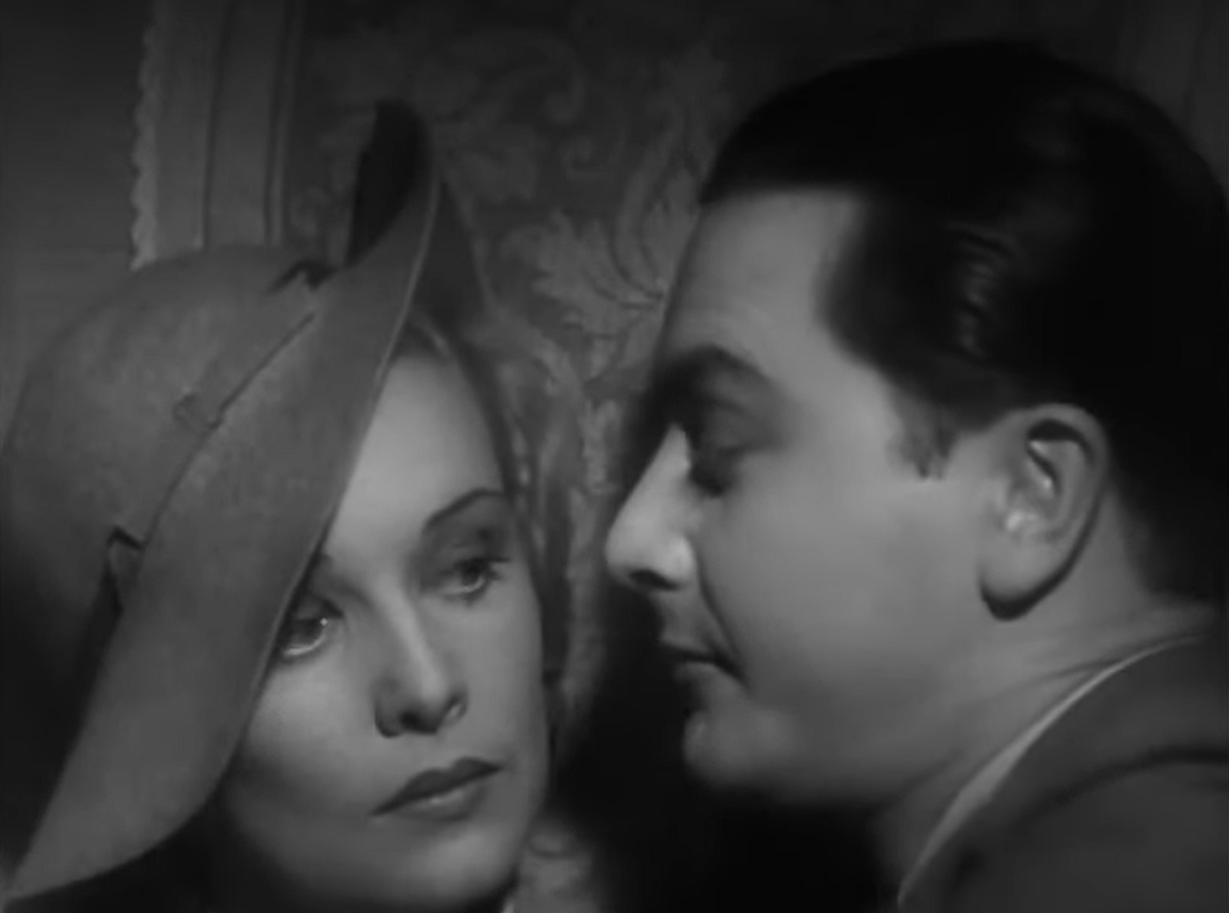
A chaste chorus girl (Jean Harlow) hoping to marry a millionaire pursues a middle-aged banker (Lionel Barrymore); meanwhile, Barrymore’s playboy son (Franchot Tone) falls for Harlow, but can’t convince her to give up her goal of marriage.

Genres, Themes, Actors, and Directors:

  • Class Relations
  • Cross-Class Romance
  • Franchot Tone Films
  • Gold Diggers
  • Jean Harlow Films
  • Lewis Stone Films
  • Lionel Barrymore Films
  • Romantic Comedy
  • Social Climbers

Review:
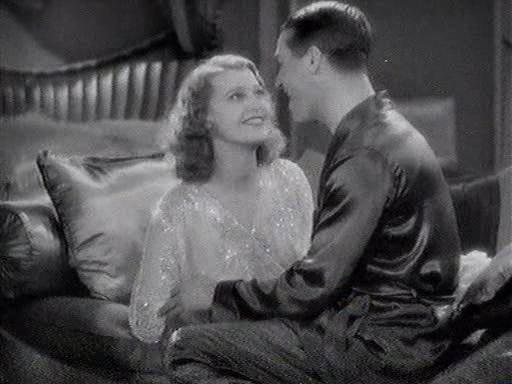
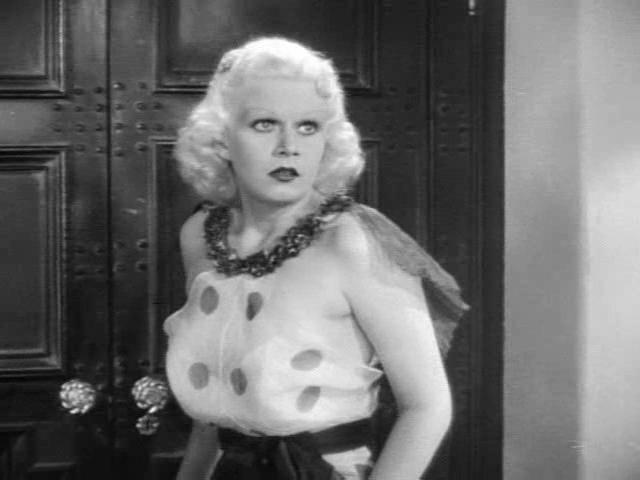
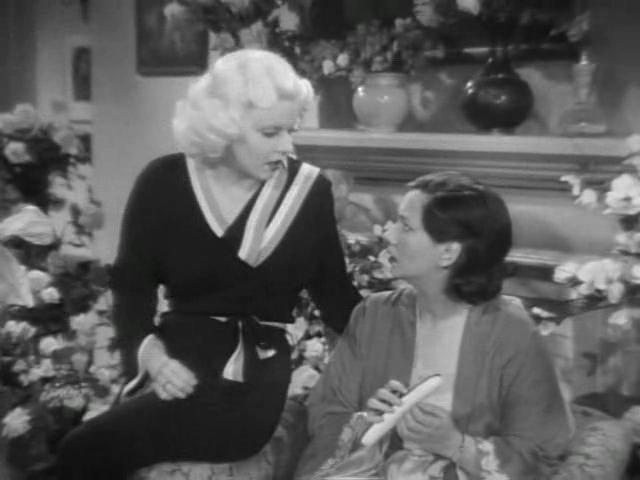
Made just as the Hays Production Code was gaining a serious foothold in Hollywood, The Girl From Missouri shows how clever authors — such as screenwriter Anita Loos — could frame an entire film around sex and sexual mores without offending censors. In this precursor to Loos’ more famous Gentlemen Prefer Blondes (1953), the central characters are once again a gold-digging blonde (Harlow) and her best pal, a man-crazy brunette (Patsy Kelly) who cares more about looks than money. More so than in … Blondes, however, … Missouri skewers the duplicity of rags-to-riches men who sneer upon women hoping to make the same social climb; indeed, Barrymore — who utterly refuses to believe Harlow is sincere, no matter what she does or says — is the epitome of such sexist hypocrisy.

Interestingly, The Girl From Missouri doesn’t rely on the old cinematic trope of mistaken identities to propel its narrative of cross-class romance: while there’s some of this at first (Harlow initially mistakes Barrymore for a waiter), truths are quickly revealed, and barriers arise not so much from misunderstandings as from sheer prejudice. While it’s not quite a classic — and its resolution comes far too quickly — … Missouri remains “must see” viewing simply for Loos’ ability to distill the essence of sexual double standards into a fast-moving, enjoyable romantic comedy.

Note:This film bears some resemblance as well to How to Marry a Millionaire (1953), with Harlow a precursor to Bacall’s no-nonsense “Schatze”, and Kelly a close cousin to Grable’s “Loco”.

Redeeming Qualities and Moments:

  • Jean Harlow, perfectly cast as Eadie
  • Franchot Tone as playboy Tom
  • Patsy Kelly as Eadie’s man-loving friend
  • Anita Loos’ clever, incisive screenplay

Must See?
Yes, for its witty screenplay.

Categories

  • Good Show

Links:

Sabotage (1936)

Sabotage (1936)

“Sand. Sabotage. Wrecking. Deliberate. What’s at the back of it? Who did it?”

Synopsis:
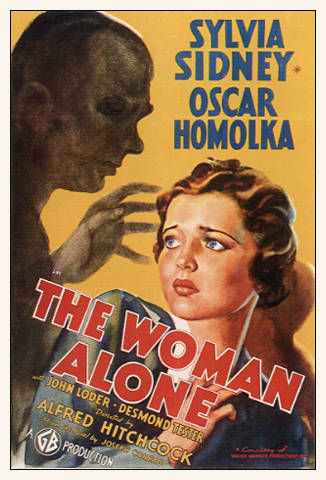
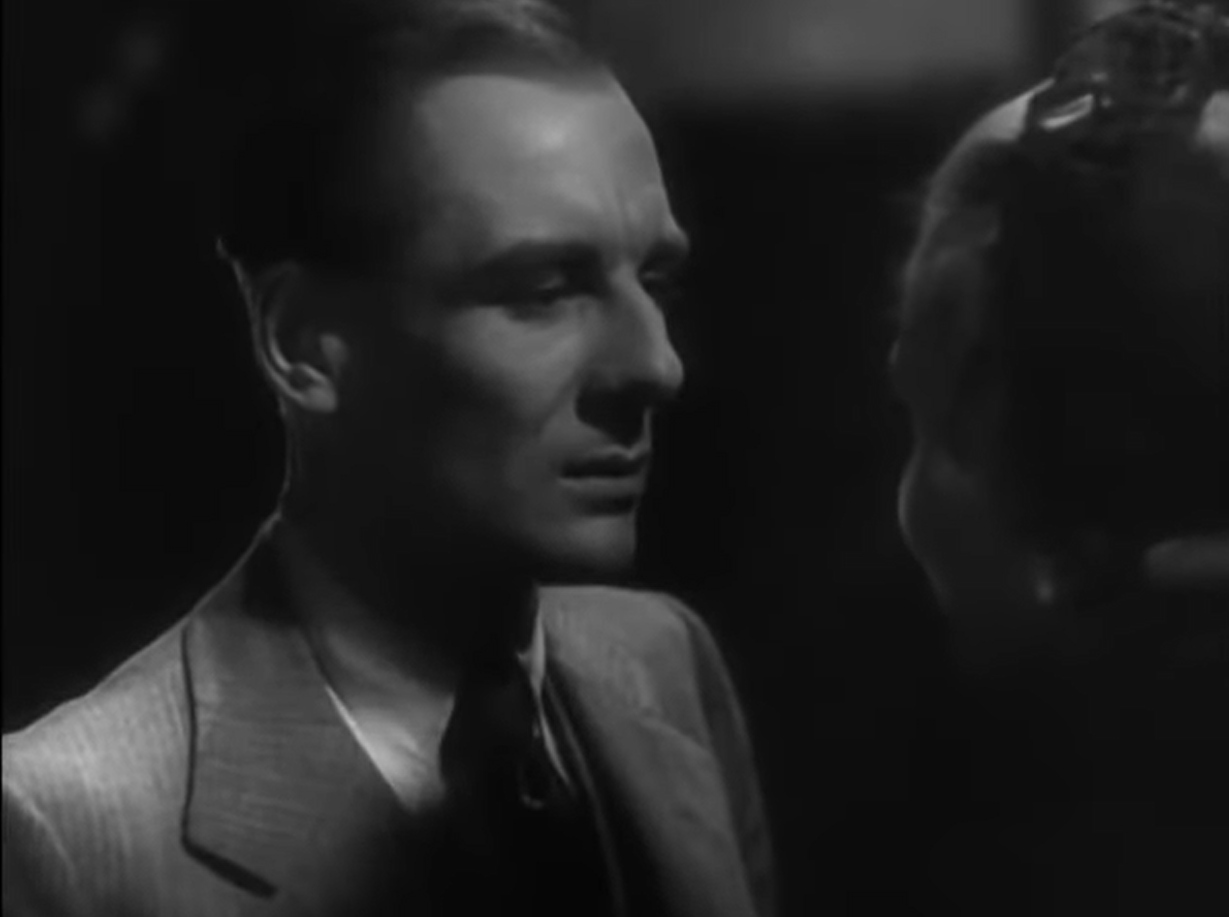
While investigating the subversive activities of a foreign-born cinema owner (Oskar Homolka), an undercover detective (John Loder) in London finds himself falling in love with the cinema owner’s unsuspecting wife (Sylvia Sidney).

Genres, Themes, Actors, and Directors:

  • Hitchcock Films
  • Mistaken or Hidden Identities
  • Sylvia Sidney Films
  • Terrorists
  • Undercover Agents and Cops

Review:
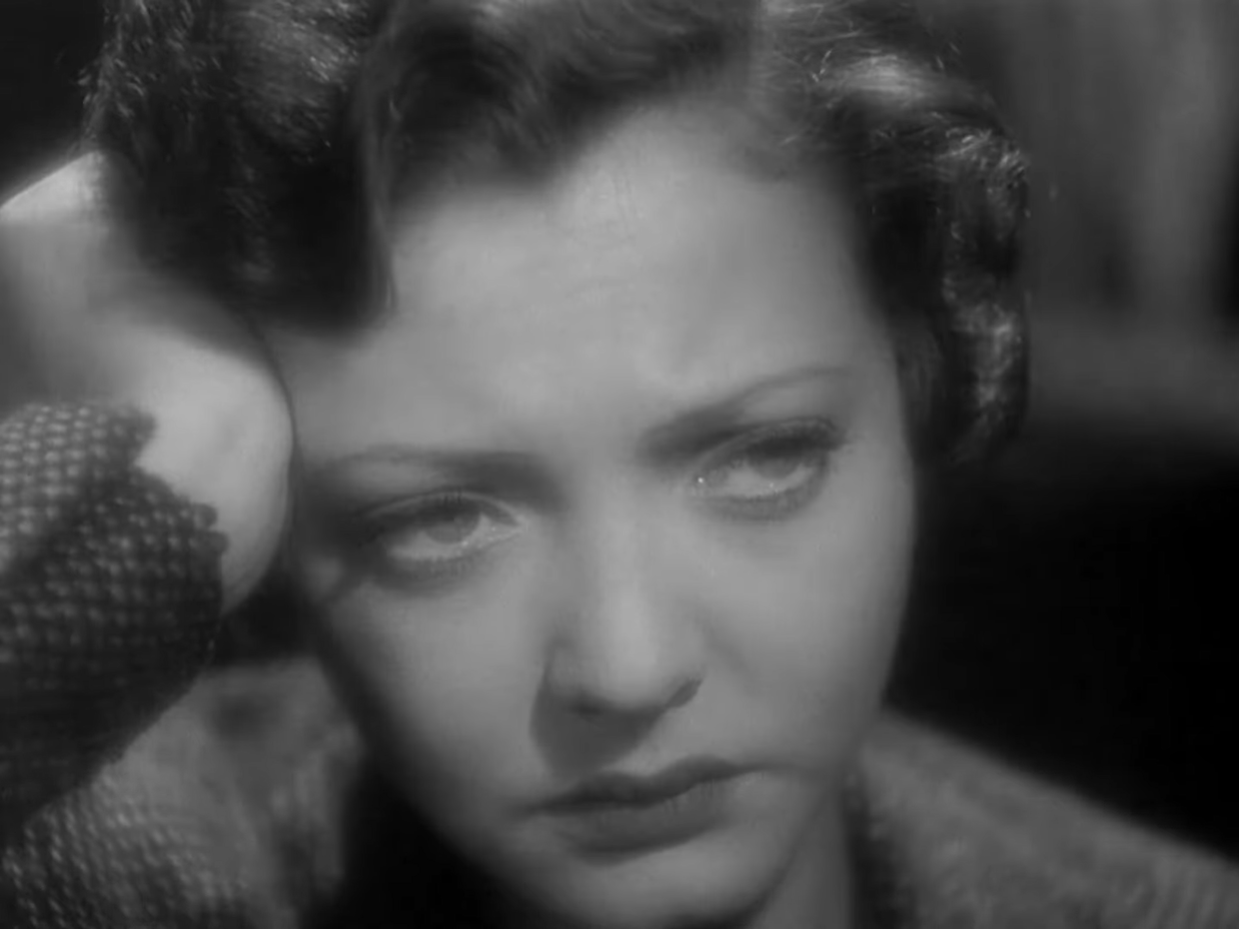
Widely acknowledged as one of Hitchcock’s bleakest films, this adaptation of Joseph Conrad’s novel (originally entitled The Secret Agent) takes place in a pre-WWII London where mass terrorism is being hatched behind closed doors, and it’s impossible to tell who may be The Enemy (sound familiar?). While Hitchcock himself denounced the film’s most infamous sequence (which I won’t reveal here), it’s a powerful cinematic experience, one which mercilessly portrays the unintended ripple effects of sabotage. The perennially child-faced Sylvia Sidney is perfectly cast as the unsuspecting wife, a naive woman who is literally incapable of recognizing anything evil in her husband until it’s too late. Homolka does a fine job playing the guilt-ridden yet committed saboteur (though it’s frustrating that his character’s motivations aren’t sufficiently fleshed out); and both Loder and Desmond Tester (as Sidney’s younger brother) provide some much needed levity. Not for the faint of heart, Sabotage remains a compelling tale of both marital deception (one of Hitchcock’s enduring themes) and widespread terrorism.

Redeeming Qualities and Moments:

  • Sylvia Sidney as the saboteur’s unsuspecting wife
  • Oskar Homolka as the secretive saboteur
  • John Loder as the undercover agent who grows to care more and more for Sidney and her brother
  • Desmond Tester as Sidney’s young brother, Steve
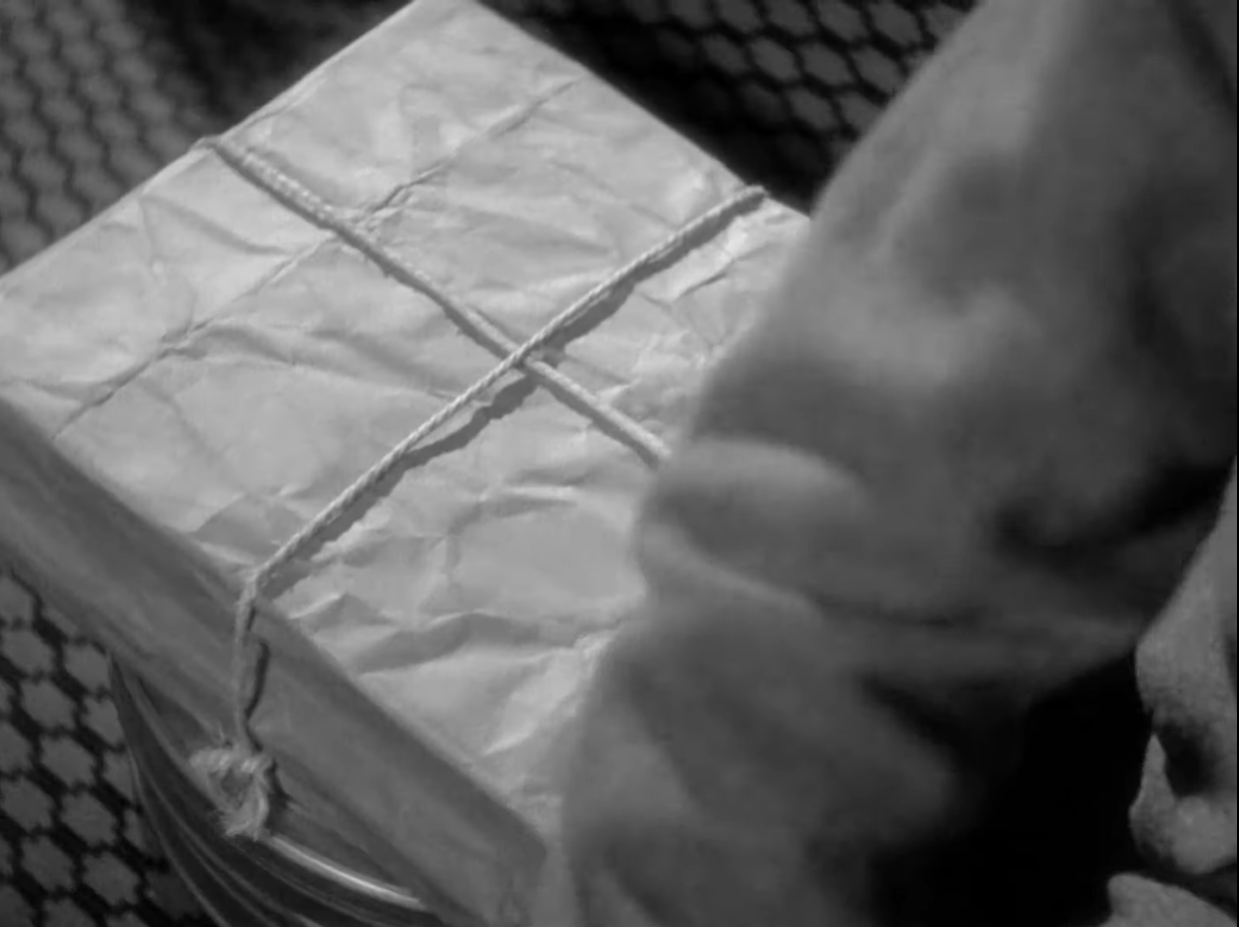
  • The truly suspenseful sequence in which Steve unknowingly takes two bomb-filled film reels across town
  • Steve being selected as the object of a public toothpaste and tonic demonstration
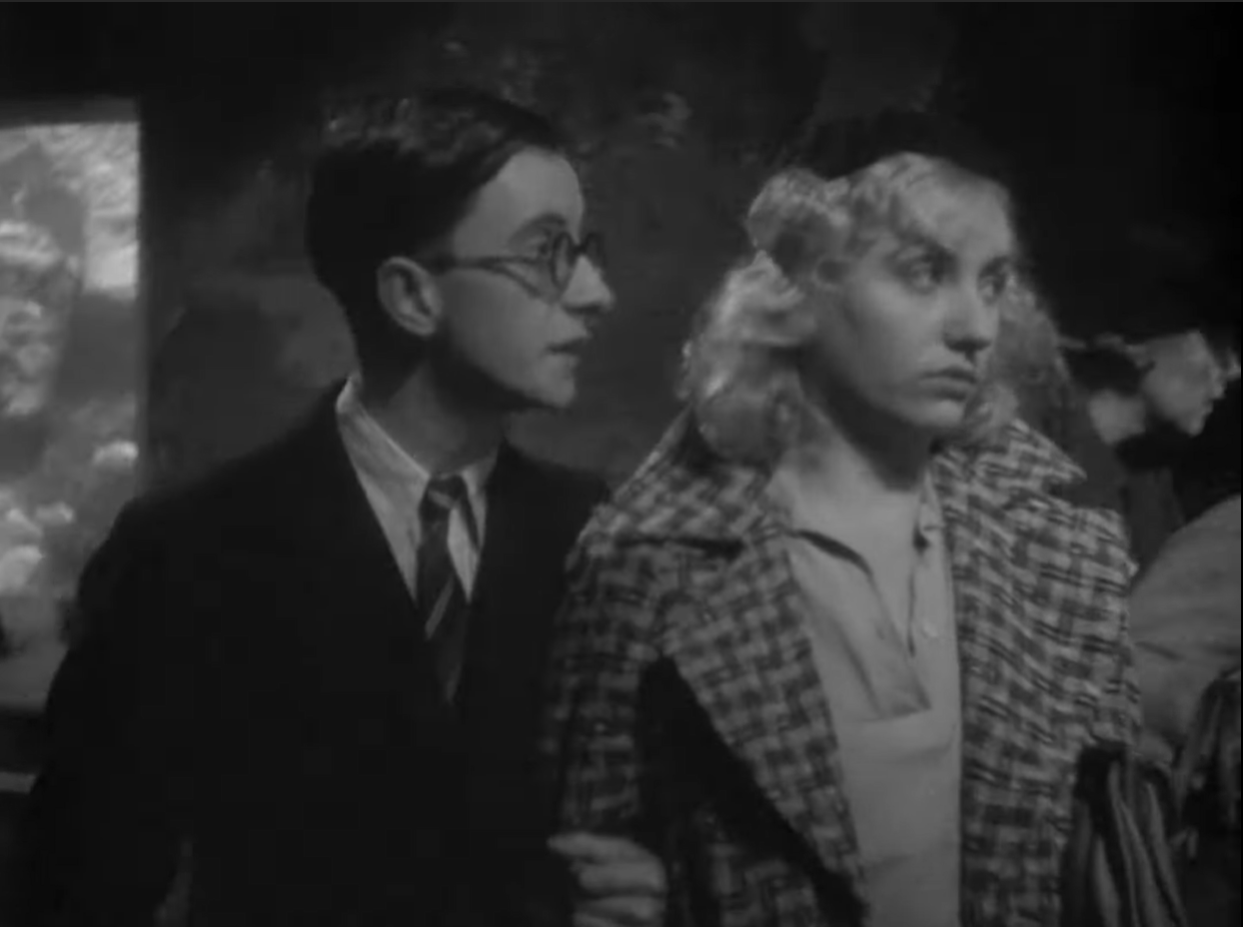
  • Several humorous “throwaway” exchanges, as when a bespectacled youth (Charles Hawtrey) tries to teach his girlfriend a few facts at the aquarium:

    Youth: “After laying a million eggs, the female oyster changes her sex.”
    Girlfriend: “Hmph. I don’t blame ‘er!”

Must See?
Yes. This early Hitchcock film — while terribly dark — shows true evidence of his no-holds-barred approach to storytelling.

Categories

  • Important Director

Links:

Stalker (1979)

Stalker (1979)

“The Zone wants to be respected — otherwise it will punish.”

Synopsis:
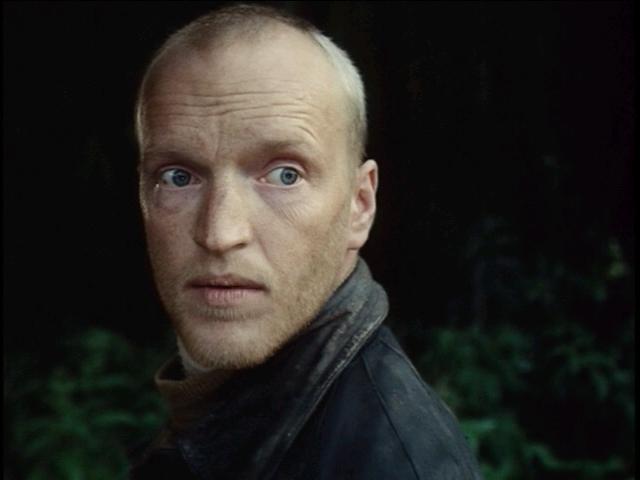
A taciturn guide (Aleksandr Kajdanovsky) known as “Stalker” leads a writer (Anatoli Solonitsyn) and a scientist (Nikolai Grinko) across police barriers into the mysterious, dangerous, forbidden Zone, where it is said one’s deepest wishes can be granted.

Genres, Themes, Actors, and Directors:

  • Andrei Tarkovsky Films
  • Psychic Powers
  • Road Trip
  • Russian Films
  • Science Fiction

Review:
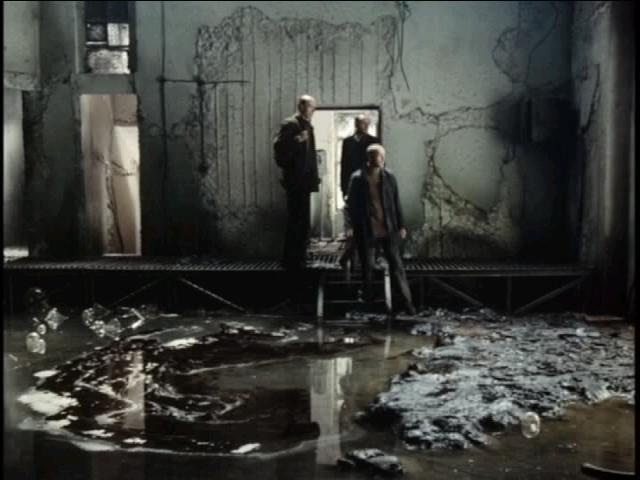
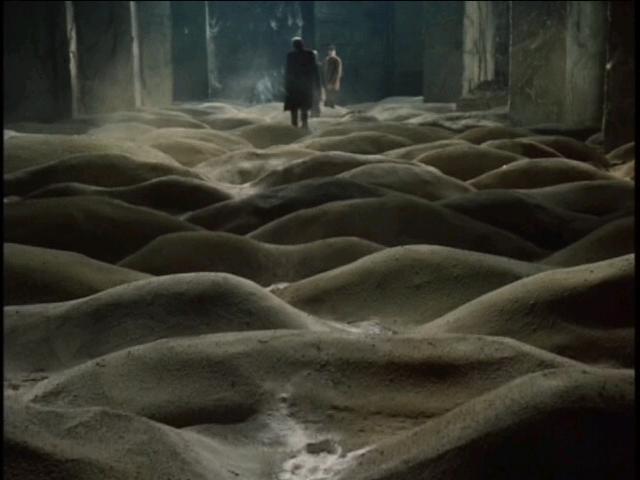
Andrei Tarkvosky’s cerebral, visually evocative films are not for all tastes, but fans embrace them as indispensable cult favorites. In Stalker, Tarvosky tells the enigmatic story of a paid guide who accompanies willing visitors across guarded state lines into a mysterious place known as “the Zone”. Some believe the Zone to be an allegorical representation of Soviet nuclear fallout and government secrecy, but it’s entirely possible to watch Stalker without concerning oneself about political undertones. Like Tarkovsky’s Solaris (1972), Stalker requires patience to sit through, and a willingness to transcend normal narrative pacing; but if you stick with it, chances are you’ll be moved in some way by this thought-provoking film, which is only marred by its confusing and unsatisfying ending.

Redeeming Qualities and Moments:

  • A challenging, highly original premise for a science fiction film
  • Haunting cinematography
  • Many astonishing images
  • Fine performances — particularly by Aleksandr Kajdanovsky as the Stalker
  • Eduard Artemyev’s effective score

Must See?
Yes. This “intellectual” cult favorite is a modern masterpiece of Russian cinema.

Categories

  • Foreign Gem

(Listed in 1001 Movies You Must See Before You Die)

Links:

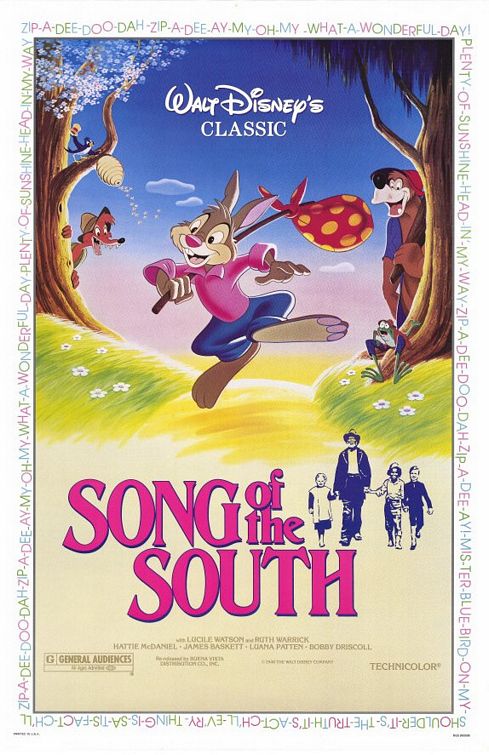
Song of the South (1946)

Song of the South (1946)

“Just because these here tales is about critters like Br’er Rabbit an’ Br’er Fox, that don’t mean it can’t happen to folks!”

Synopsis:
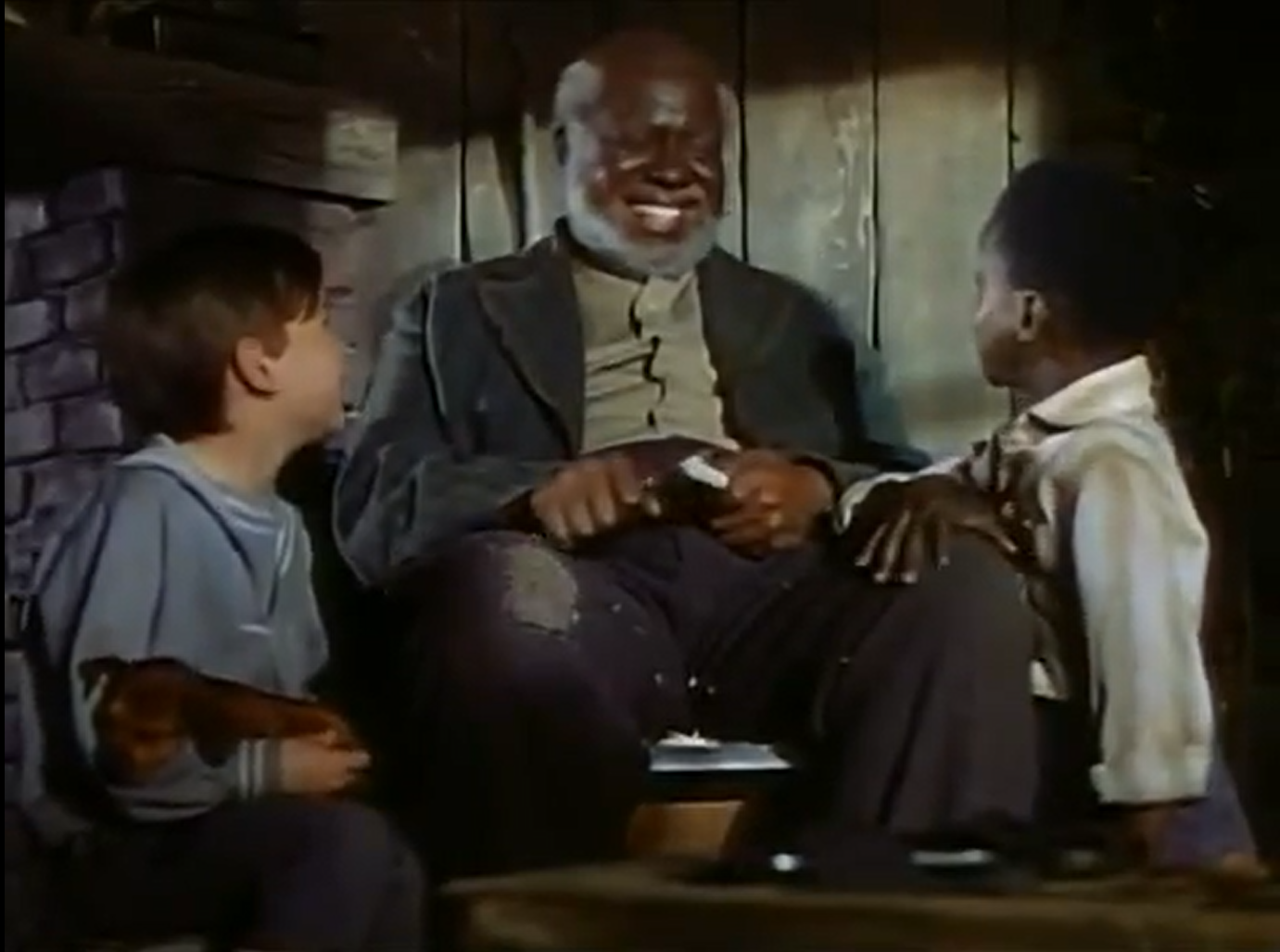
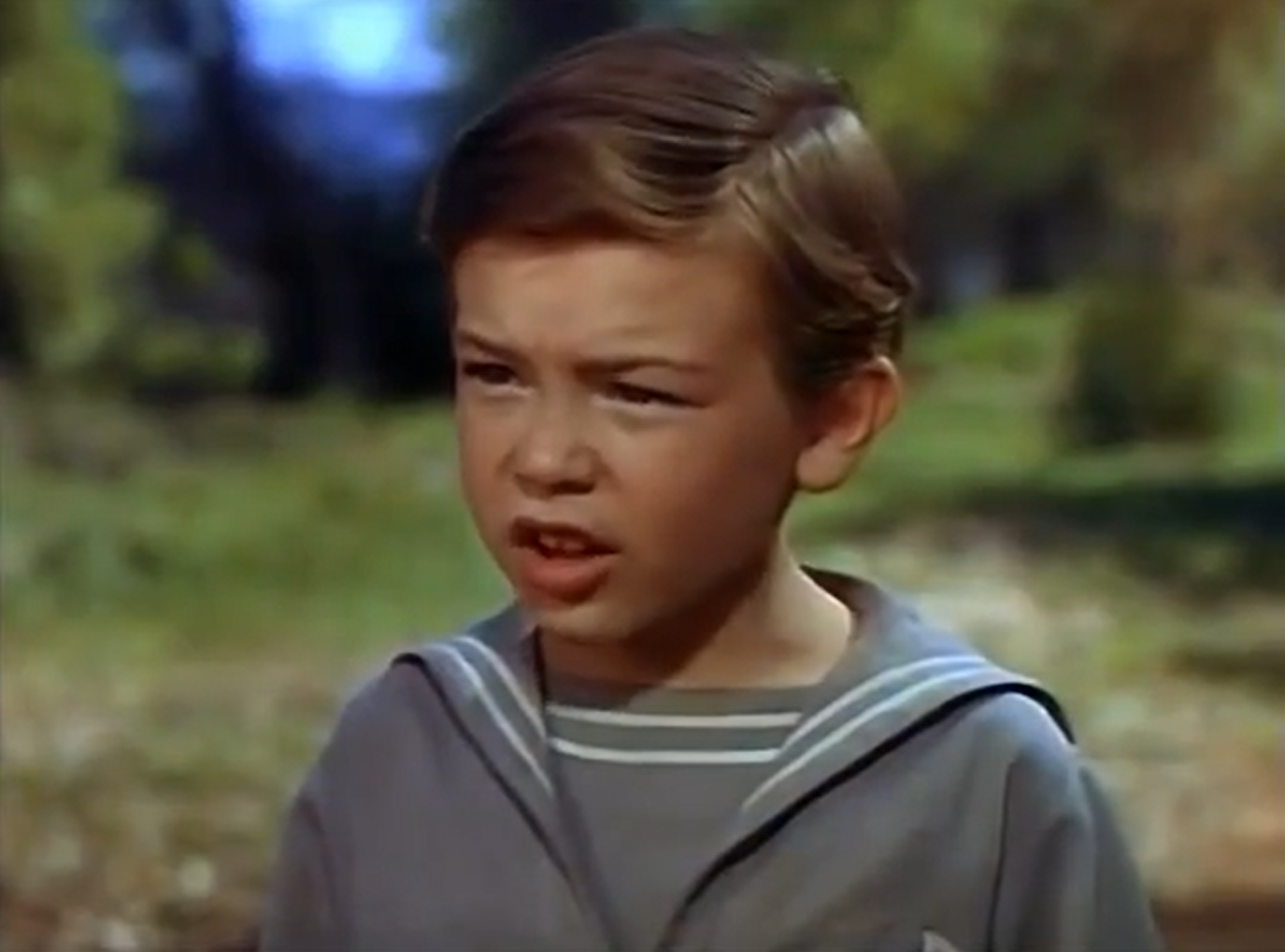
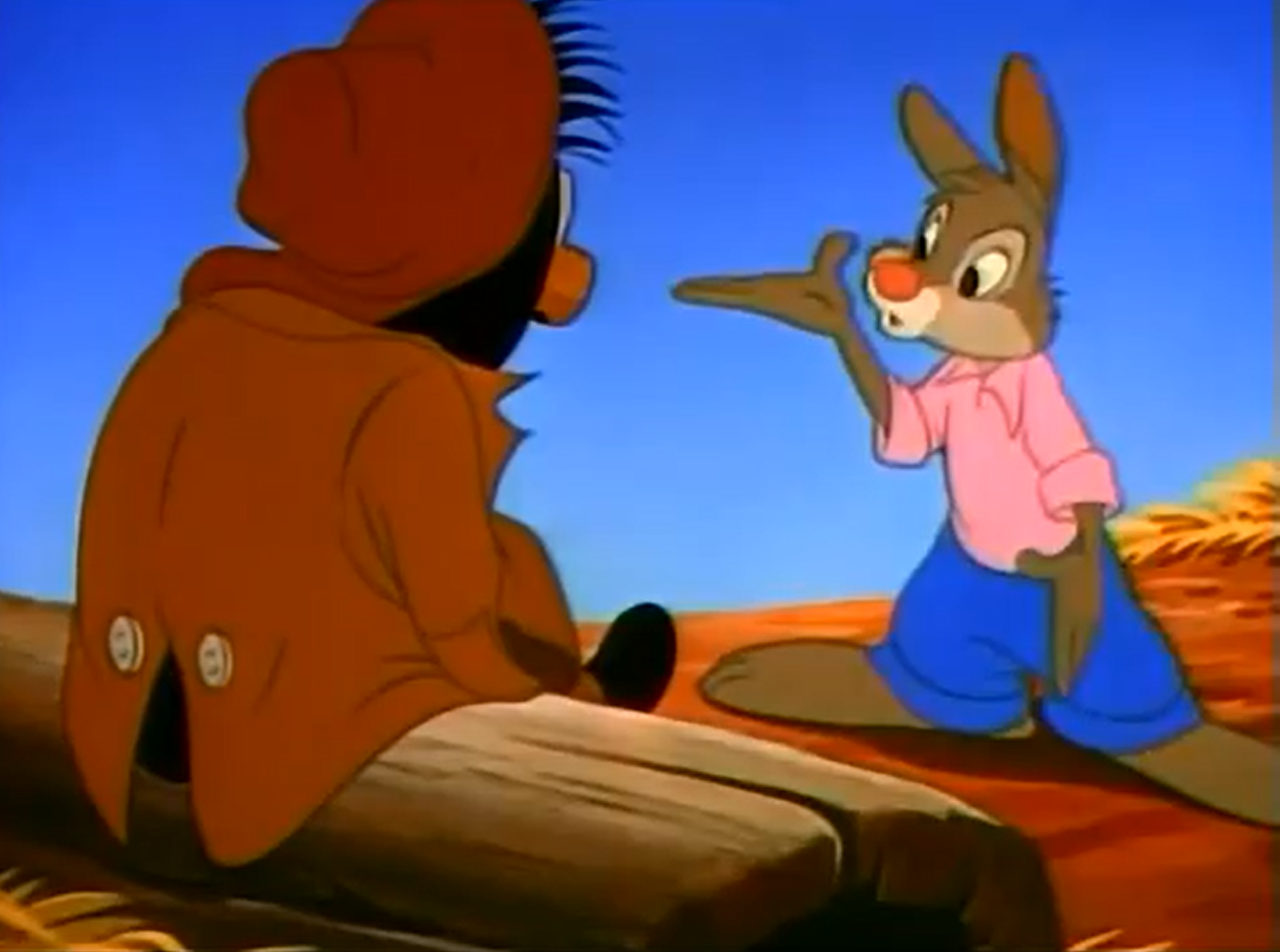
While staying on his grandmother’s plantation, a lonely boy named Johnny (Bobby Driscoll) befriends an older slave named Uncle Remus (James Baskett), who tells him tall tales about Br’er Rabbit, Br’er Fox, and Br’er Bear. Meanwhile, Johnny meets a poor white girl (Luana Patten), who — against her bullying brothers’ wishes — gives him a puppy. Trouble arises when Johnny’s mother (Ruth Warrick) refuses to allow him to keep the puppy, and — thinking Remus’s stories are giving Johnny fanciful notions — asks them not to spend time together.

Genres, Themes, Actors, and Directors:

  • African-Americans
  • Animated Features
  • Deep South
  • Folk Tales, Fairy Tales, and Mythology
  • Friendship
  • Musicals
  • Plantations

Review:
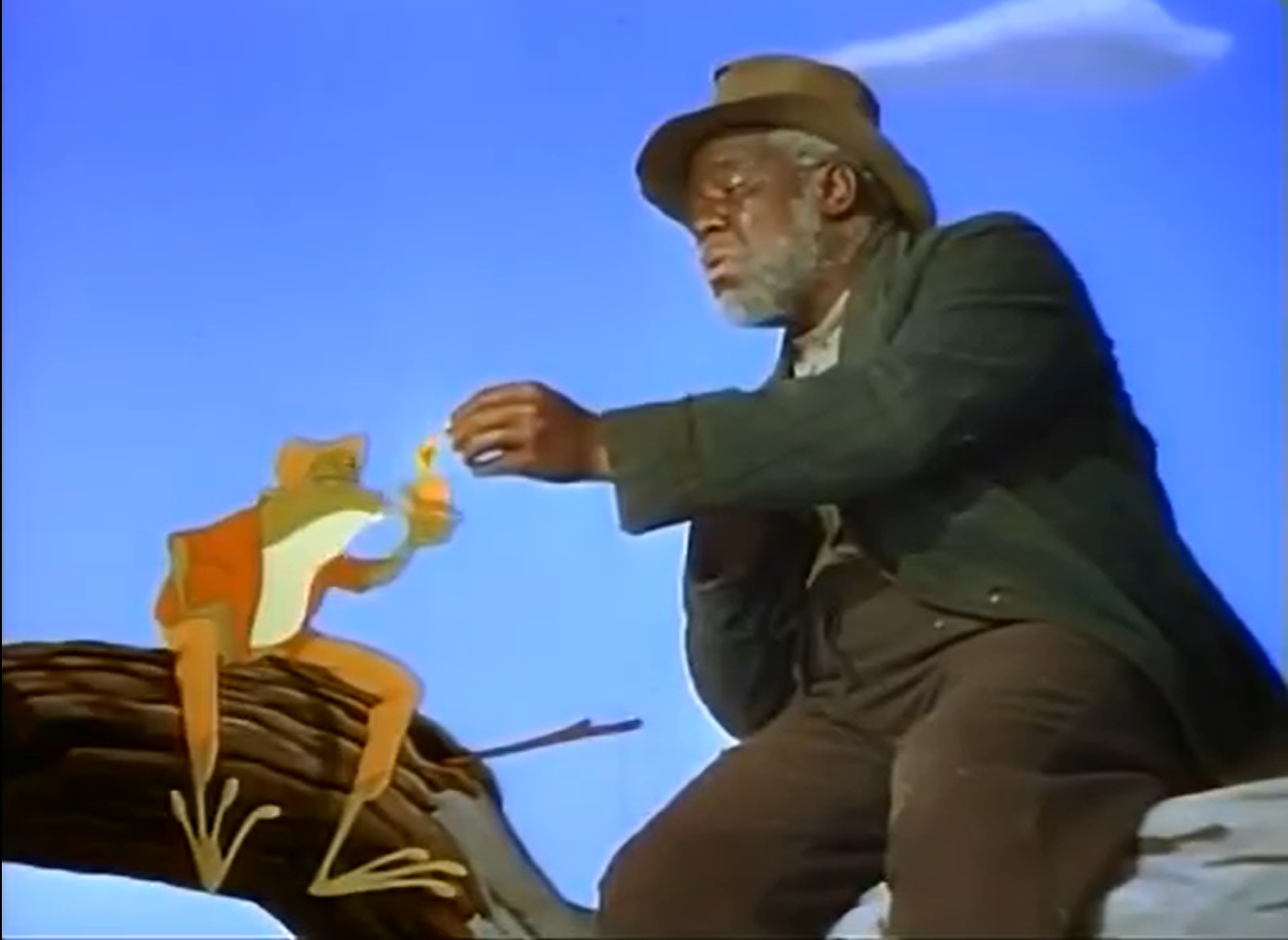
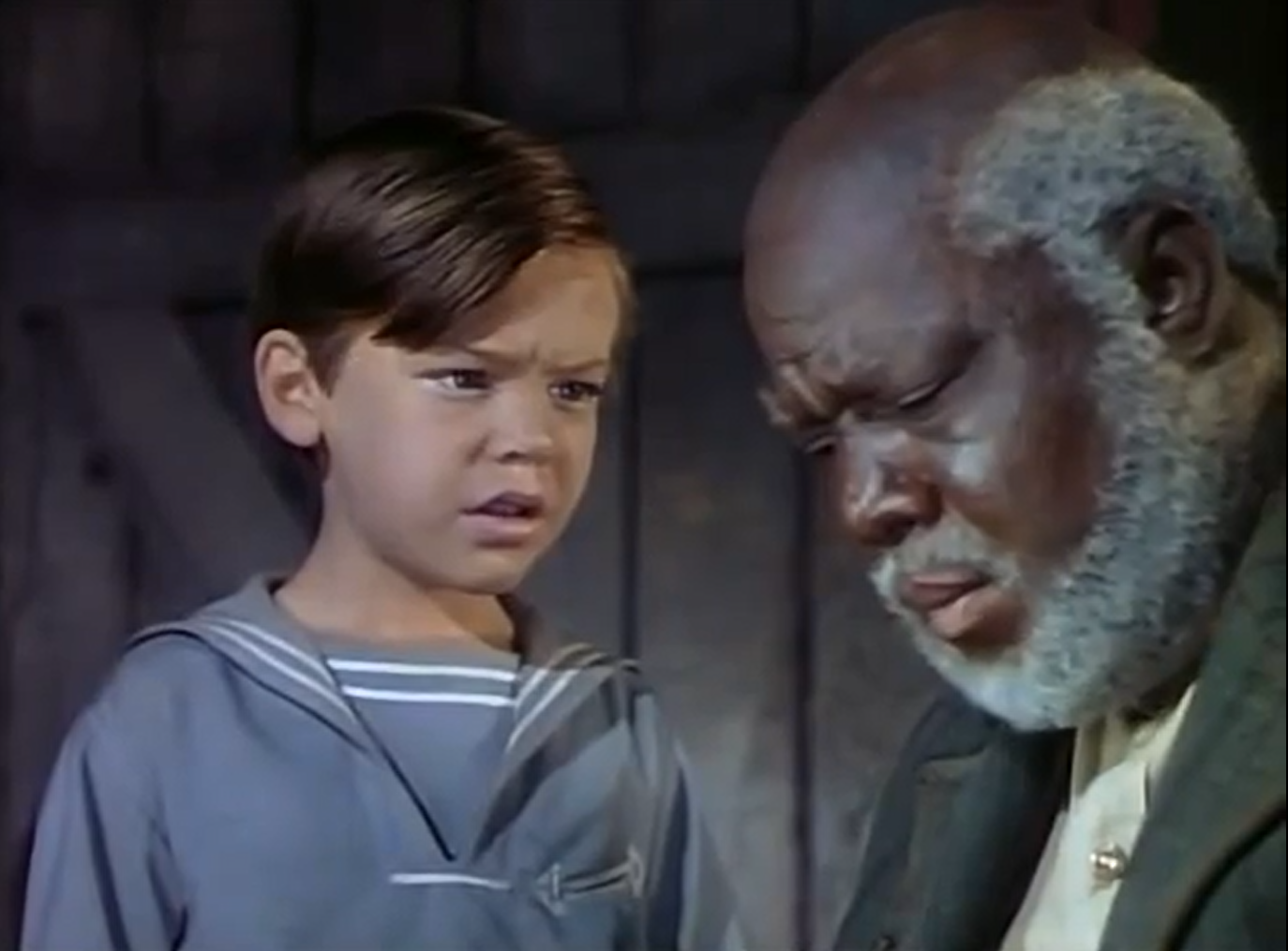
Disney’s Song of the South remains one of the most controversial films ever made, due to its depiction of slaves on a southern plantation as seemingly happy and content. In truth, however, it’s one of the milder portrayals of African-Americans to come out of early Hollywood, and is certainly less offensive than, for instance, the slaves in Gone With the Wind (1939), who are portrayed as either comic, ignorant, bossy, servile, lying, and/or lazy. While Uncle Remus is (on the surface) subservient to his mistress, he’s ultimately shown to be a savvy, independent man with an enormous heart. Most impressive of all, however, is Song of the South’s depiction of interracial friendship as both acceptable and normal; Warrick’s complaints about who Johnny spends his time with have more to do with class than race — and the only reason she doesn’t want him listening to Uncle Remus’s stories is because she believes they’re giving him “fanciful notions”.

Critical opinion on Song of the South these days remains divisive, with Disney purportedly holding back on a DVD release for years due to fear of p.c. repercussions. It’s my belief, however, that parents ought to be allowed to make up their own minds about how (or whether) to show this film to their children: with an age-appropriate disclaimer about the film’s depiction of slaves (which, by the way, would be an excellent starting point for broader discussions on the topic, as well as a critical analysis of the Br’er Rabbit tales), kids will likely enjoy the film, and relate to Johnny’s travails. As a narrative, Song of the Southis ultimately too schmaltzy for its own good, but does feature some enjoyable animated sequences (which no Disney fan will want to miss), and a truly noteworthy performance by Baskett as Uncle Remus. It’s devastating to know that Baskett — despite winning an “honorary” Oscar — couldn’t attend the film’s premiere in Atlanta because no hotel would rent him a room; it appears that adults of the day were unable to take the film’s lessons about racial tolerance to heart.

Note: Believe it or not, an entire website is devoted to news about the film.

Redeeming Qualities and Moments:

  • James Baskett as Uncle Remus
  • Bobby Driscoll as Johnny
  • Several amusing tales about crafty Br’er Rabbit
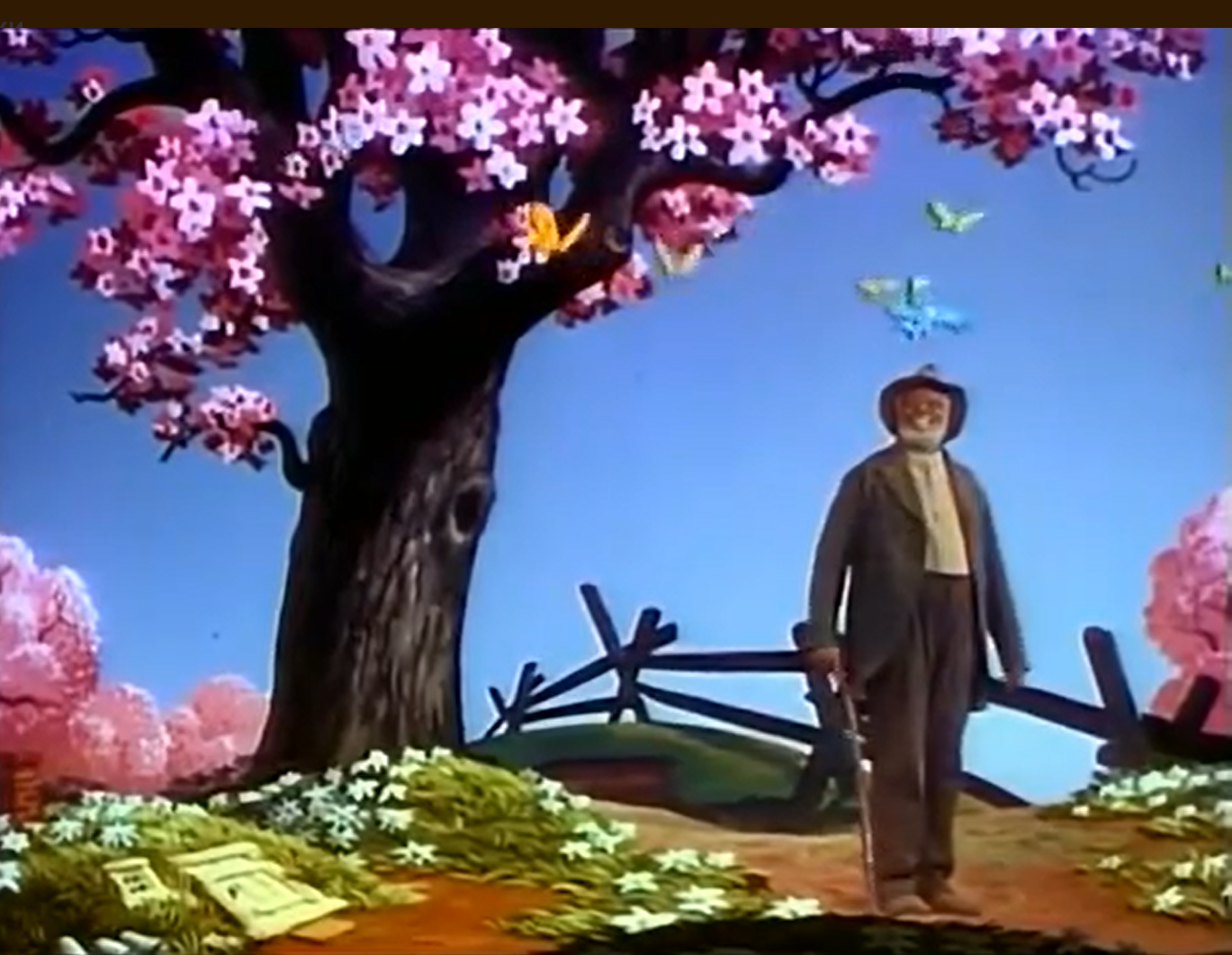
  • Nifty integration of live action and animation
  • Uncle Remus singing “Zip-A-Dee-Doo-Dah”
  • A refreshing tale of friendship transcending race, gender, class, and age

Must See?
Yes.

Categories

  • Controversial Film
  • Cult Movie
  • Oscar Winner or Nominee

Links:

Secret Agent (1936)

Secret Agent (1936)

“Oh, I know it’s war and it’s our job to do it, but that doesn’t prevent it being murder — simple murder!”

Synopsis:
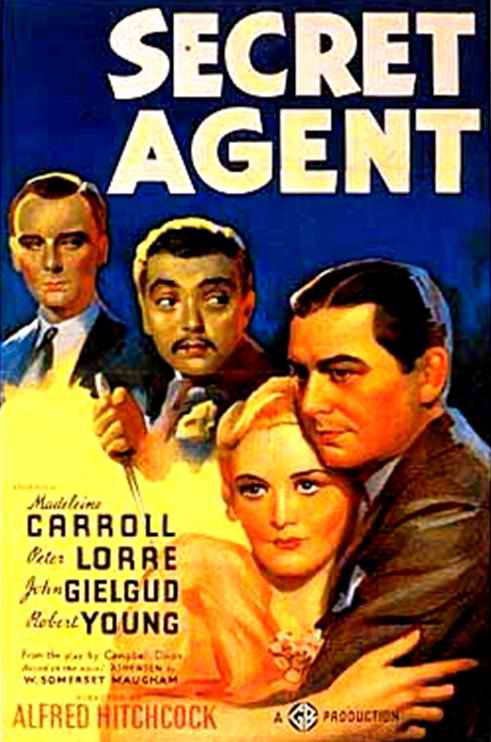
During World War One, three British spies — a couple pretending to be married (John Gielgud and Madeleine Carroll) and their accomplice (Peter Lorre) — are sent to Switzerland to find and kill a double agent. When they mistakenly murder an innocent older gentleman (Percy Marmont), Gielgud and Carroll — who have been slowly falling in love — start to question the job they’ve been asked to carry out.

Genres, Themes, Actors, and Directors:

  • Alfred Hitchcock Films
  • Guilt
  • John Gielgud Films
  • Madeleine Carroll Films
  • Mistaken or Hidden Identities
  • Peter Lorre Films
  • Robert Young Films
  • Spies
  • World War I

Review:
This unusual, oft-maligned thriller can’t compete with Hitchcock’s later espionage masterpieces, but remains a satisfyingly quirky and thoughtful adventure. Underlying the entire narrative is a refreshing moral subtext, in which novice spies Gielgud and Carroll question the ethics of what they’re being asked to do for their country, vacillating between a desire to “do the right thing” and (in a subplot which slightly strains credulity) act upon their growing romantic interest in one another.

Peter Lorre as “the General” — strategically “othered” through his curly dark hair, prominent hoop earring, heavy accent, laughable self-aggrandizement, and womanizing ways — is posited as the gleefully violent counterpart to their moral uncertainty; while Lorre does the best he can with his role (and is certainly the film’s most unusual characterization), he’s ultimately too offensive to laud as a favorable aspect of the movie.

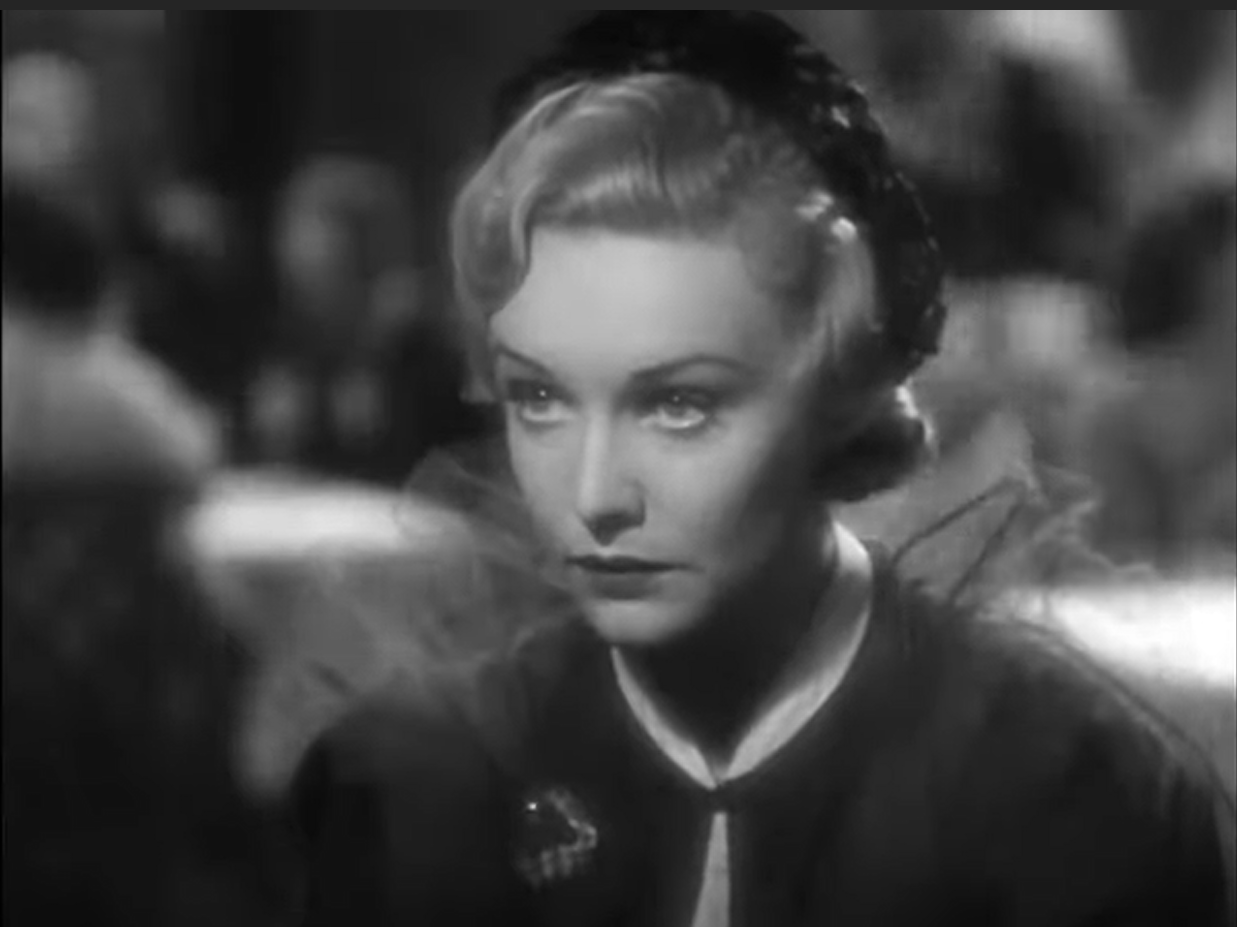
Madeleine Carroll — usually cited as the first of Hitchcock’s “icy blondes” — is well-cast as the spunky female lead; she and Robert Young (as a mysterious tourist pursuing her throughout the film) have an excellent, believable rapport together.

Less charismatic — though certainly competent — is stage-star John Gielgud as Carroll’s compatriot (whose character was criticized by audiences at the time for not being heroic enough).

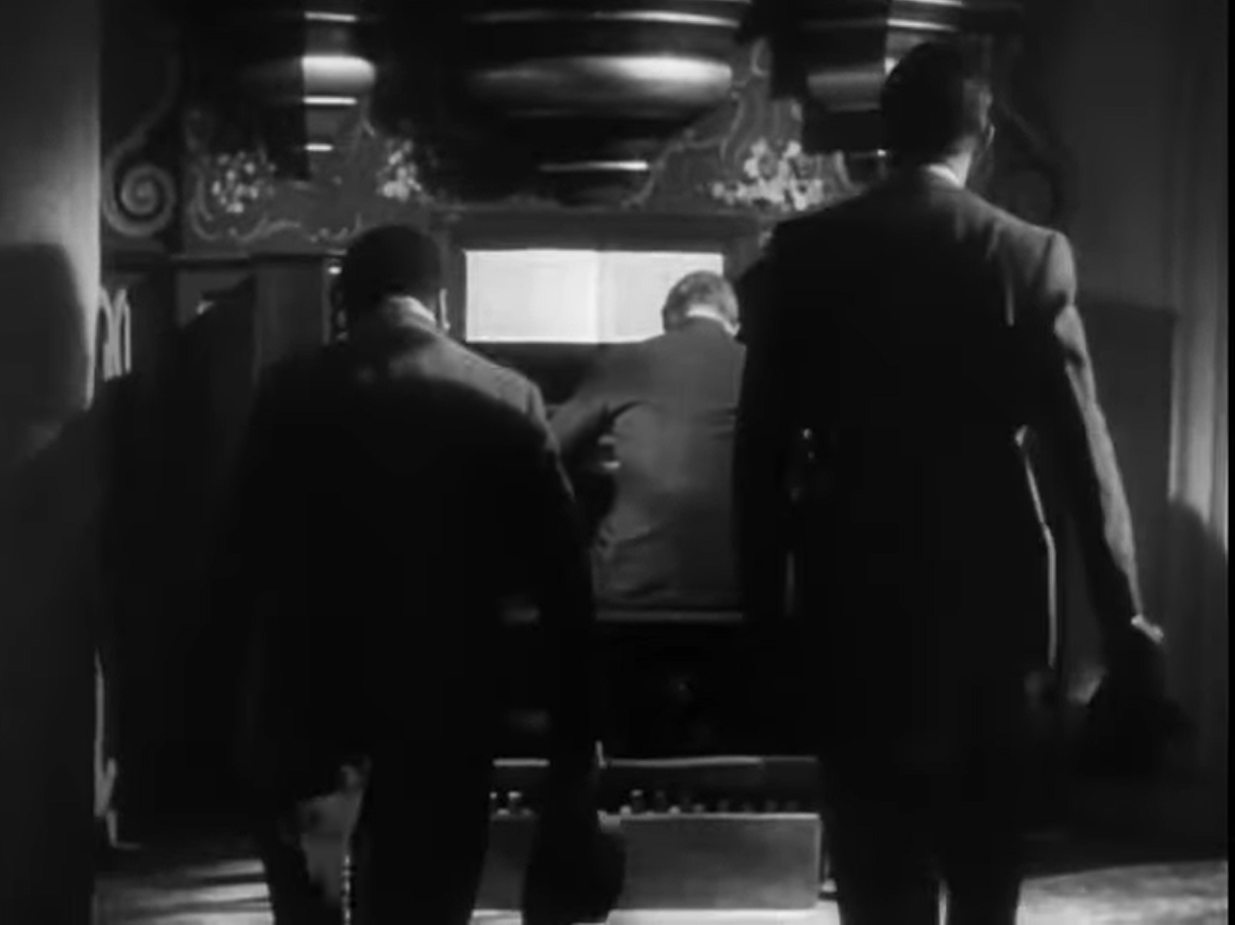
Most satisfying of all, however, are the many memorable moments sprinkled throughout the film — most notably the creepy early scene in a church:

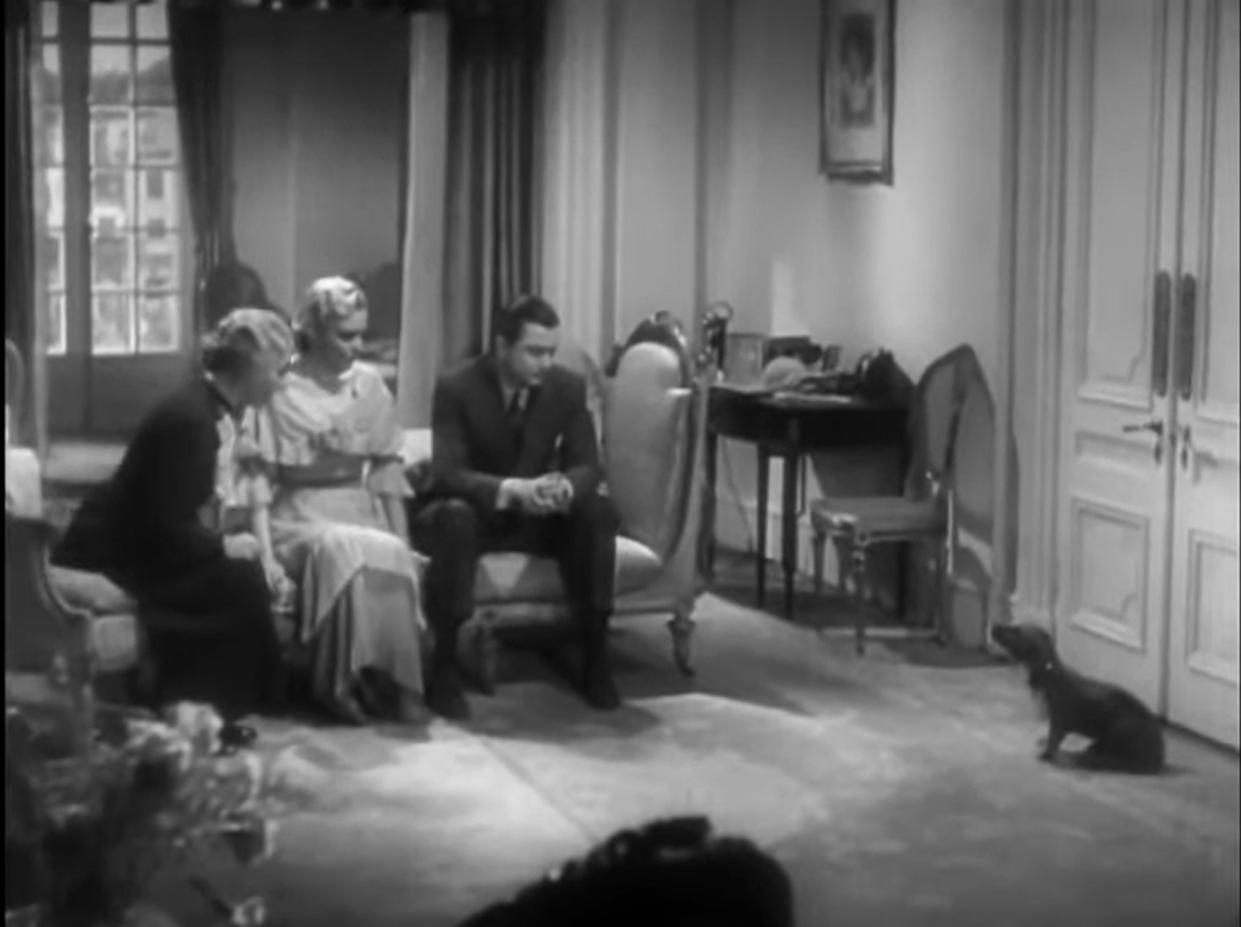
and the almost unbearably heartbreaking “telepathic dog” scene.

While Secret Agent isn’t one of Hitchcock’s masterpieces, it clearly shows evidence of his unique directorial brilliance, and is worth a look.

Redeeming Qualities and Moments:

  • Madeleine Carroll as “Elsa”
  • Plenty of witty, fast-paced banter between Young and Carroll:

    “If you won’t let me kiss me, do you mind if I bite your Adam’s apple?”

Must See?
No, but it’s definitely recommended, and certainly must-see for Hitchcock fans.

Links:

Number Seventeen (1932)

Number Seventeen (1932)

“Ya don’t have to do nothin’ in this ‘ere house — ya stand still and things happen!”

Synopsis:
At a vacant house (“Number 17”), a detective (John Stuart) runs into a Cockney hobo (Leon M. Lion), a plucky girl (Ann Casson), and a gang of thieves searching for a missing diamond necklace.

Genres, Themes, Actors, and Directors:

  • Detectives and Private Eyes
  • Hitchcock Films
  • Mistaken or Hidden Identities
  • Play Adaptations
  • Thieves and Criminals

Review:
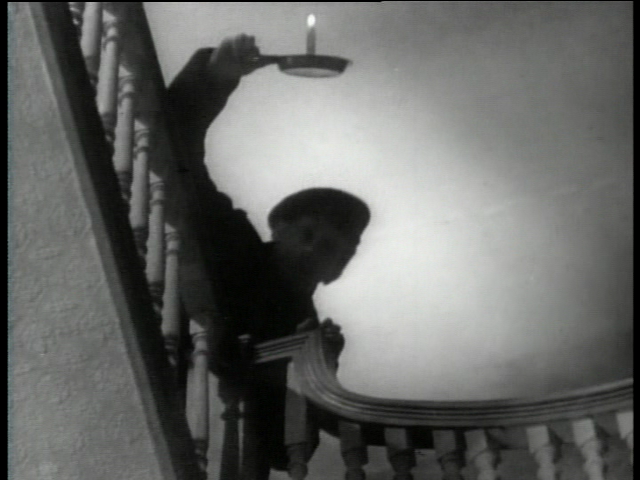
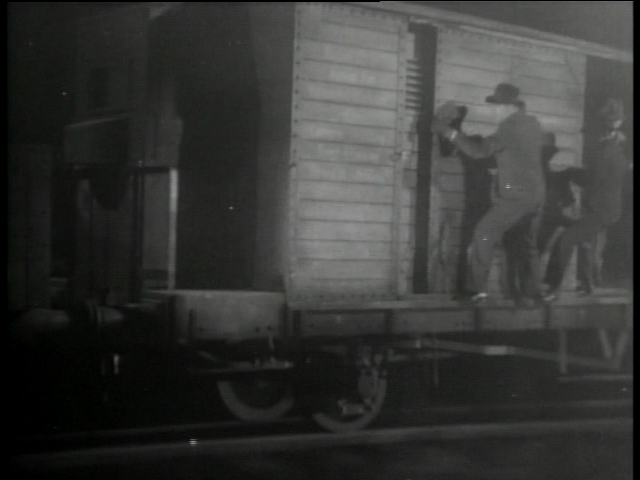
Alfred Hitchcock’s self-described “quota quickie” (his last film made for British International Pictures) has been alternately criticized by reviewers as full of “half-baked plotting”, and lauded as a “magnificent specimen of pure cinema”. Neither assessment is entirely accurate, but together they touch upon both the film’s frustratingly murky script, and Hitchcock’s undeniably brilliant visual style. It’s well-known that Hitchcock was a fan of long sequences without words, and the opening shots in Number Seventeen — an atmospheric introduction to the titular “old dark house” — fit this description, with enormous shadows and unexpected run-ins effectively setting the stage for a plot full of secrets. Unfortunately, the source material (a stagy play, which Hitchcock finally “opens up” during the final train chase) leaves much to be desired. Its primary virtues — multiple mistaken identities and an enormous McGuffin — are also its downfall, as it’s difficult to keep track of the comings and goings of all the disparate characters. Nonetheless, unlike in Hitch’s oddly generic Jamaica Inn (1939), there are enough Hitchcockian elements here — including a decidedly black sense of humor — to satisfy diehard fans. It’s definitely worth a look.

Redeeming Qualities and Moments:

  • Highly expressionistic lighting — particularly in the opening sequences
  • The exciting final train chase
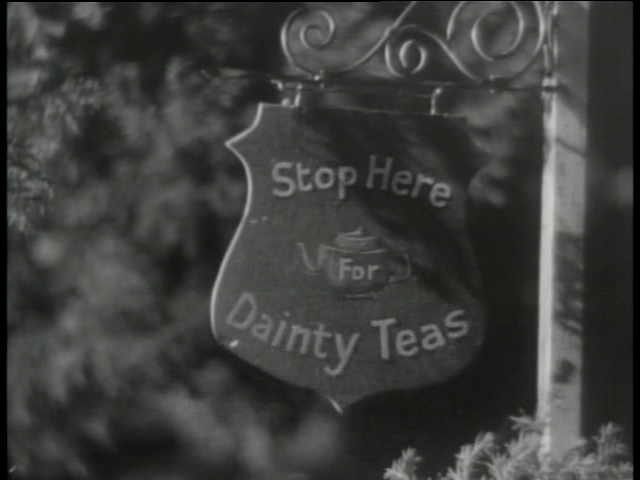
  • Several “Hitchcockian” touches of humor — as when the camera flashes briefly on a roadside sign as a hijacked bus goes roaring by at breakneck speeds
  • A surprise ending

Must See?
No, but Hitchcock fans will certainly be curious to check it out.

Links:

Cold Turkey (1971)

Cold Turkey (1971)

“Stop smoking? You might as well ask me to stop breathing!”

Synopsis:
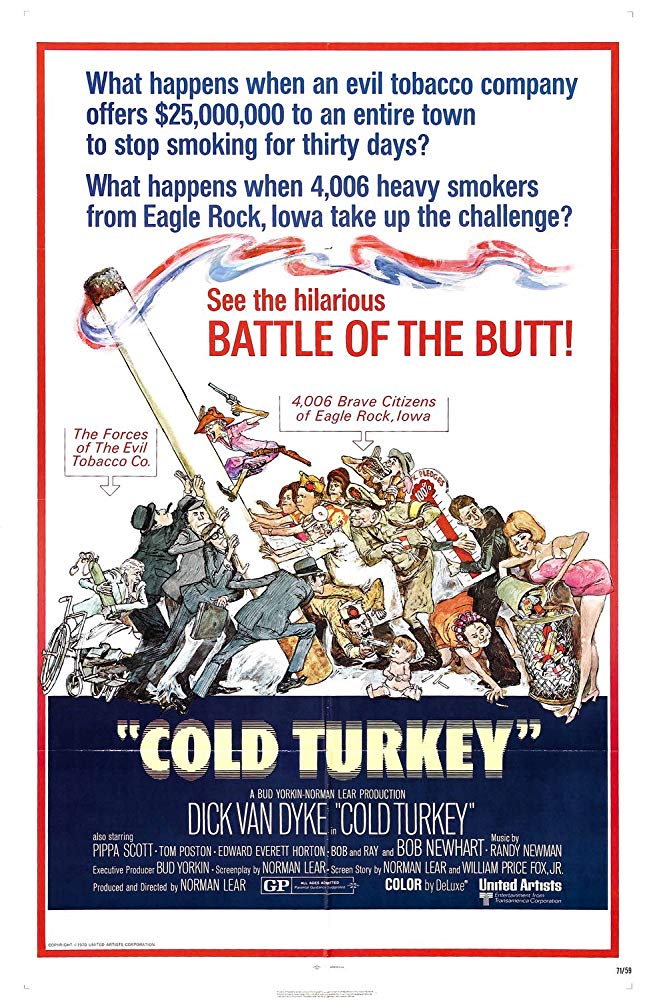
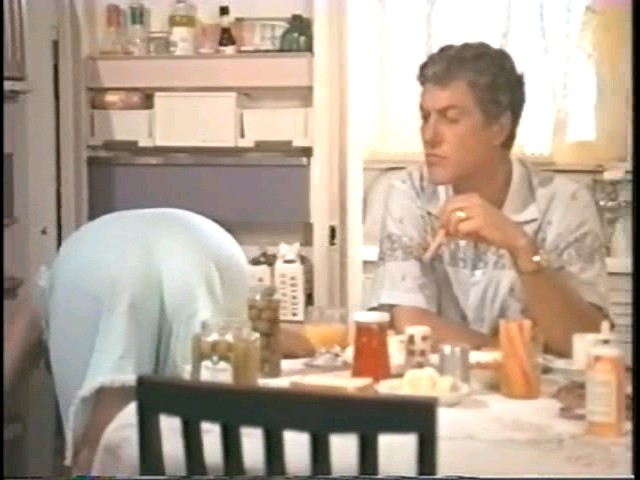
When Valient Tobacco Company offers $25 million to any city willing to stop smoking for 30 days, the economically depressed town of Eagle Rock (pop: 4,006) — led by Reverend Clayton Brooks (Dick van Dyke) — takes on the challenge.

Genres, Themes, Actors, and Directors:

  • Alcoholism and Drug Addiction
  • Comedy
  • Media Spectacle
  • Small Town America

Review:
This all-star comedy — directed and co-written by Norman Lear of “All in the Family” fame — is a rare treat: an unapologetic spoof with more chuckles than groans, and plenty of incisive commentary on subjects as diverse as corporate corruption, nicotine addiction, personal will versus collective imposition, and the mass media. Although the story starts to lose a bit of steam once Eagle Rock turns into a tourist haven, it’s remarkably funny until then, with Lear perfectly capturing the insanity of what might happen if hundreds upon thousands of addicted smokers were asked to quit “cold turkey” overnight.

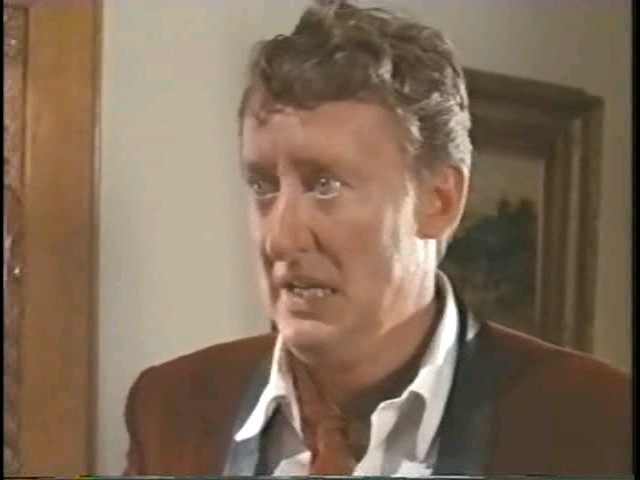
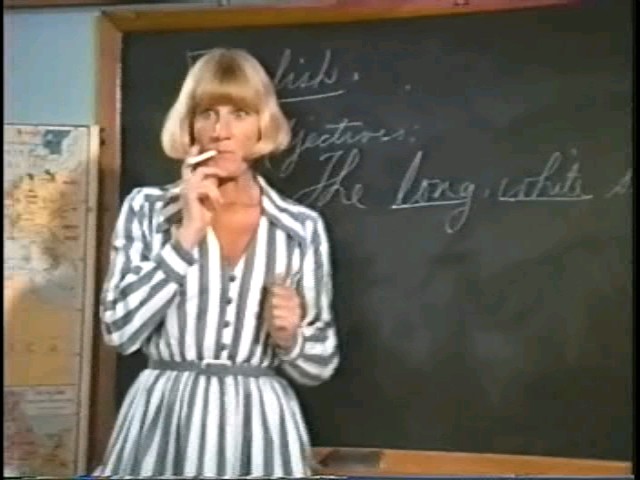
There are many noteworthy performances throughout the film, and it’s fun to see so many familiar T.V. faces together in one flick. Dick van Dyke is perfectly cast as the self-serving pastor who engineers the entire project; I like the way he re-addicts himself to cigarettes in order to bond with his “flock”. In addition, his interactions with his cowed wife (Pippa Scott, reminiscent of Carrie Snodgress in Diary of a Mad Housewife) are quite amusing. My two favorite performances, however, are Barbara Cason as a schoolteacher whose patience towards her students is immediately thinned once she stops smoking, and Tom Poston as a wealthy lush who recognizes that the only option he has is to skip town for the month (his explanatory monologue is priceless). Less enjoyable (surprisingly enough) is Jean Stapleton as the mayor’s wife (her performance is one-note), and, through no fault of his own, beloved character actor Edward Everett Horton (in his final role) as Valiant Tobacco’s aging tycoon — it’s frustrating that he’s never allowed to speak.

Note: This would, naturally, make an excellent double feature with the more recent satire Thank You For Smoking (2005).

Redeeming Qualities and Moments:

  • Dick Van Dyke as Reverend Brooks
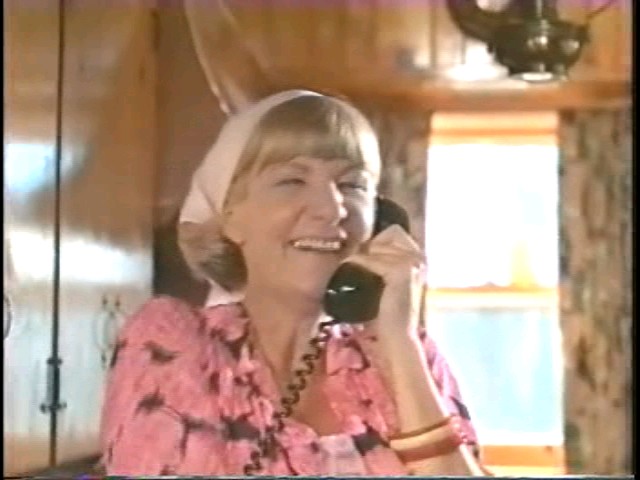
  • Pippa Scott as the Reverend’s put-upon wife
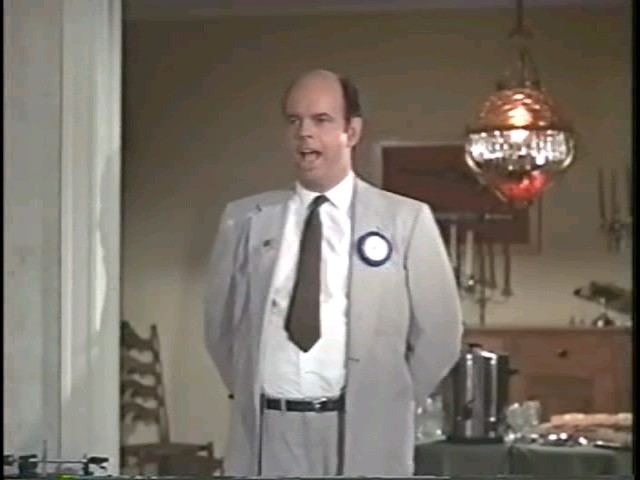
  • Tom Poston as the town’s self-aware lush:

    “The thing is, I can’t stop drinking, see? That’s just the thing about me — I can’t stop drinking.”

  • Barbara Cason insisting that, because she went to bed at 11:30 rather than midnight, she’s “owed” an extra half hour of smoking
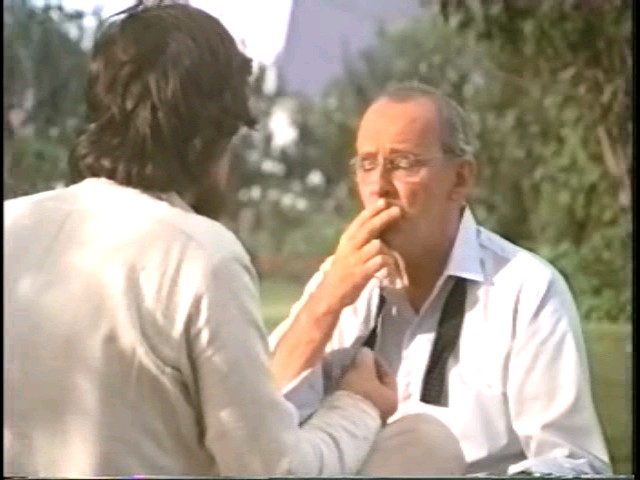
  • Graham Jarvis as the stalwart leader of the Christopher Mott (a.k.a. John Birch) Society
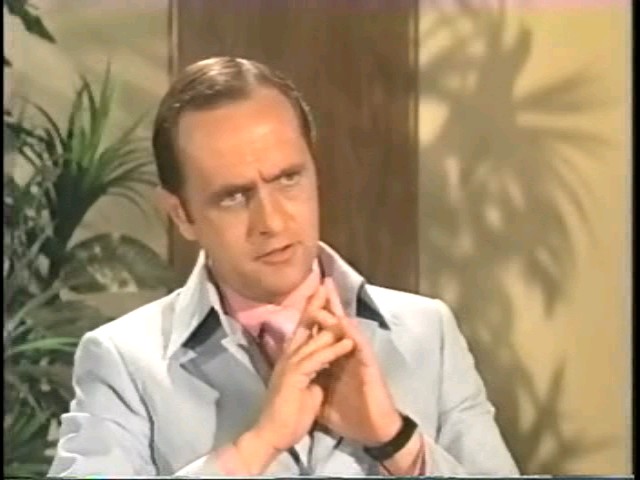
  • Bob Newhart as Valiant Tobacco’s smarmy idea-man
  • Reverend Brooks’ reaction to hearing that sex — “naturally, only for married couples” — is an excellent substitute for smoking
  • A hilarious depiction of collective nicotine withdrawal
  • A consistently clever screenplay

Must See?
Yes. This enjoyable satire is an all around “good show”. Listed as a cult movie in the back of Peary’s book.

Categories

  • Good Show

Links:

Horrible Dr. Hichcock, The (1962)

Horrible Dr. Hichcock, The (1962)

“Death will take you in your sleep — in your sleep!”

Synopsis:
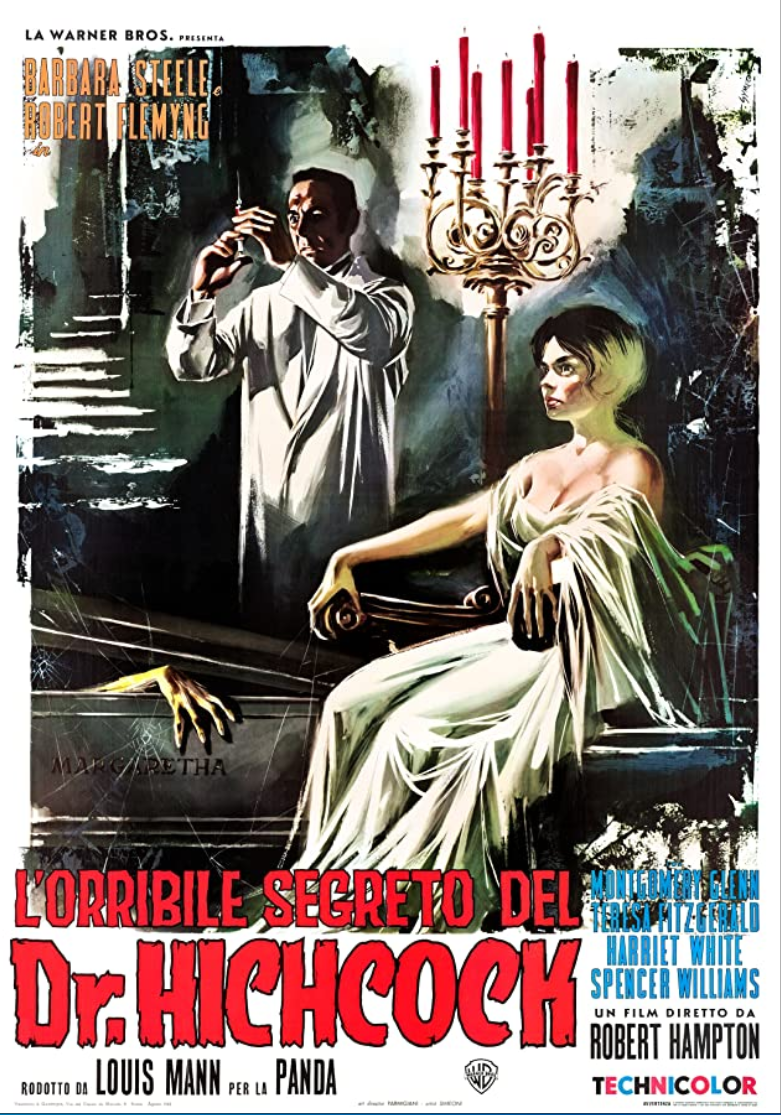
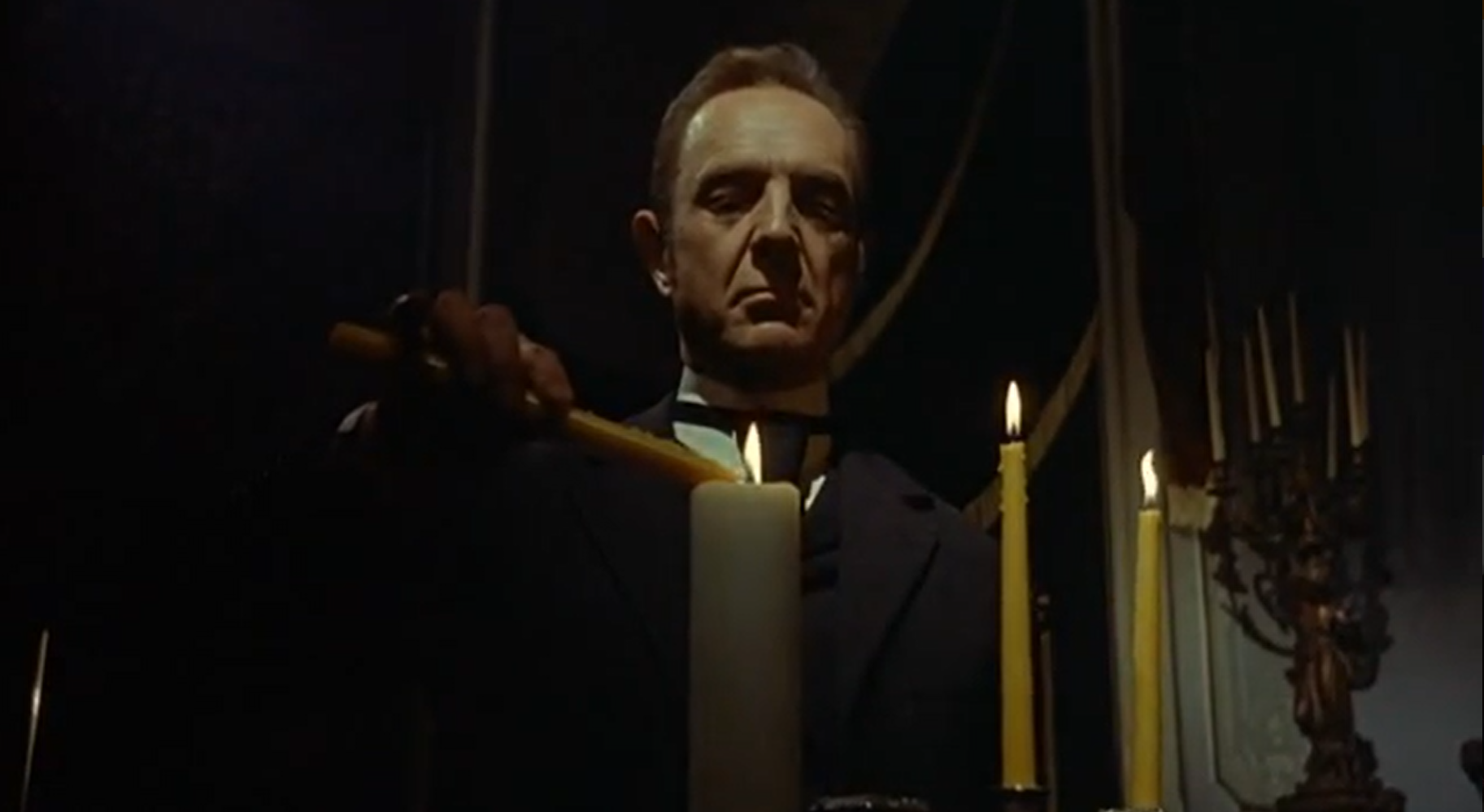
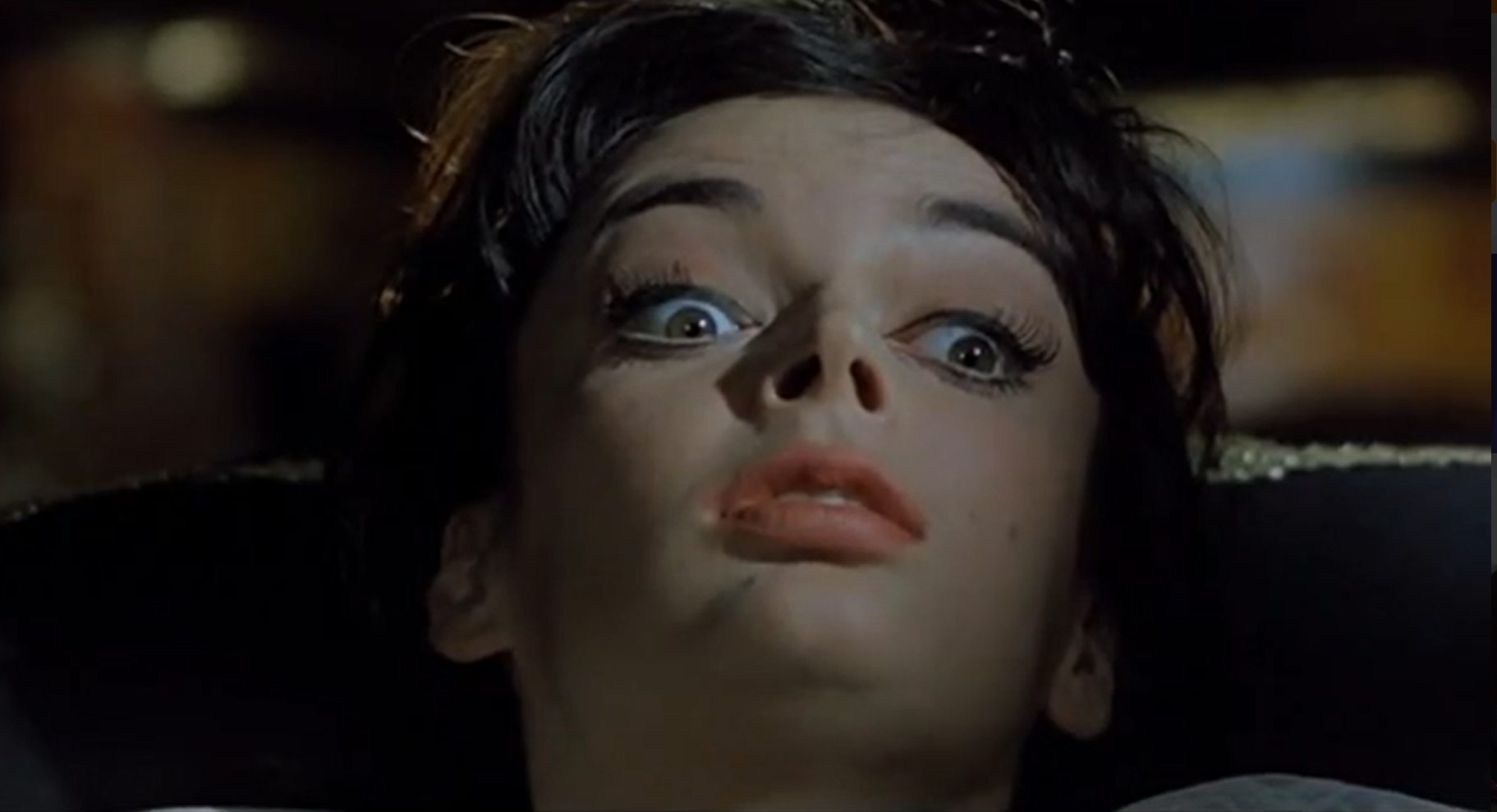
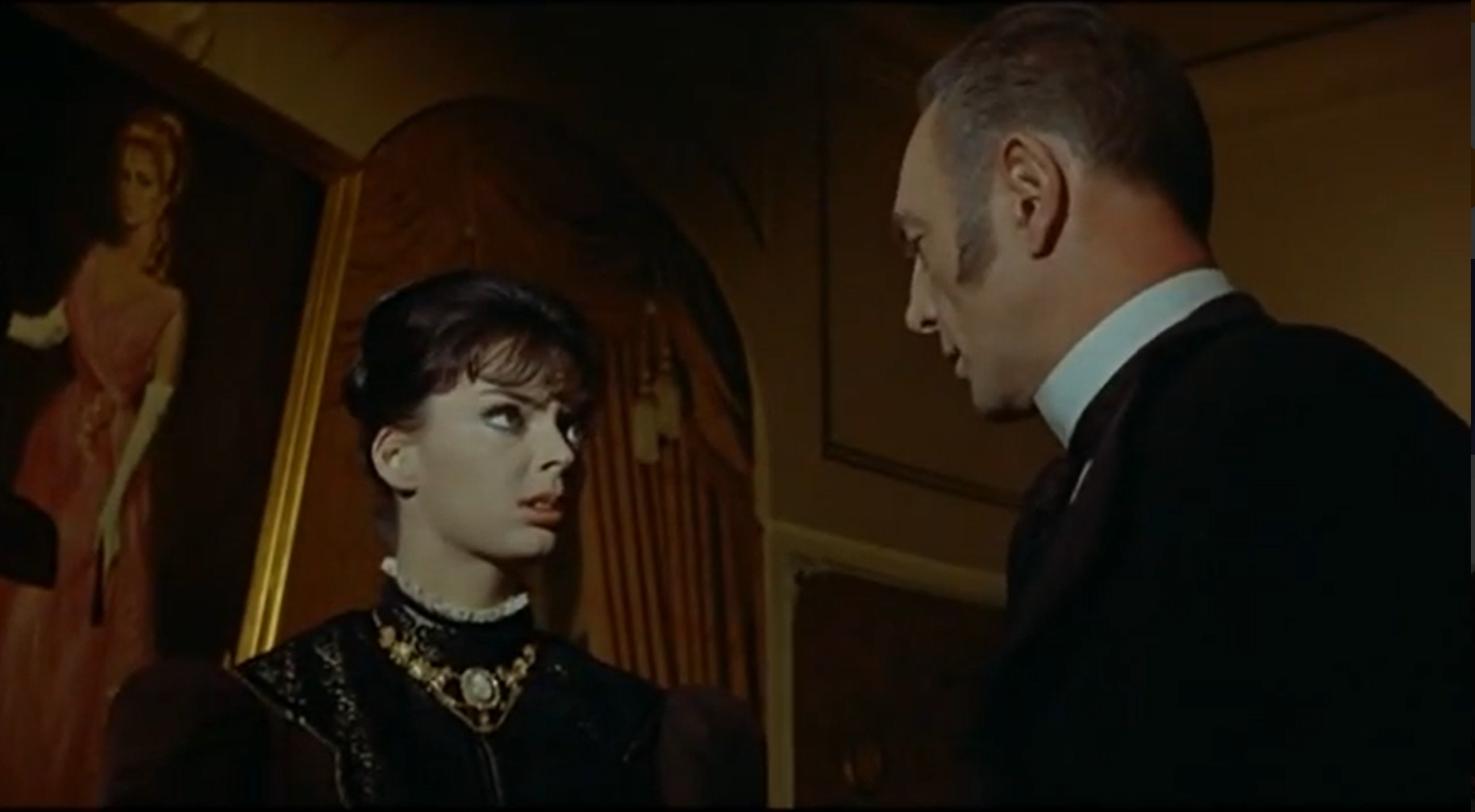
When necrophilic Dr. Hichcock (Robert Fleyming) accidentally kills his first wife (Maria Teresa Vianello) by injecting her with too much anesthesia, he leaves home, returning 12 years later with a new wife, Cynthia (Barbara Steele). Cynthia soon believes that Margherita (Vianello) may be haunting the premises, and intent on killing her — but cannot get her husband to believe her.

Genres, Themes, Actors, and Directors:

  • Barbara Steele Films
  • Ghosts
  • Horror
  • Mad Doctors and Scientists
  • “No One Believes Me!”

Review:
This beloved, controversially-themed thriller — starring wide-eyed Barbara Steele, the lead in Mario Bava’s classic Black Sunday (1960) — is regarded by many as a staple of Italian gothic horror. As noted in Richard Scheib’s Moria review, however, it ultimately relies too heavily on genre cliches and moody atmosphere at the expense of both plot and character development. In particular, Dr. Hichcock’s motivations towards his new wife don’t make much sense, and eventually the story begins to feel like merely an exercise in spousal persecution, with strong echoes of Hitchcock’s Rebecca (1940) — probably an explicit homage, given the lead character’s name.

Redeeming Qualities and Moments:

  • Robert Flemying as Bernard Hichcock
  • Several effectively scary moments — as when Cynthia’s cries for help are muffled through the glass top of her coffin
  • Atmospheric cinematography and production design
  • A majestic musical score by Roman Vlad

Must See?
No, but it’s worth a look for its status as a cult favorite.

Links: