Guardsman, The (1931)

Guardsman, The (1931)

“It’s a soldier she’s longing for.”

Synopsis:
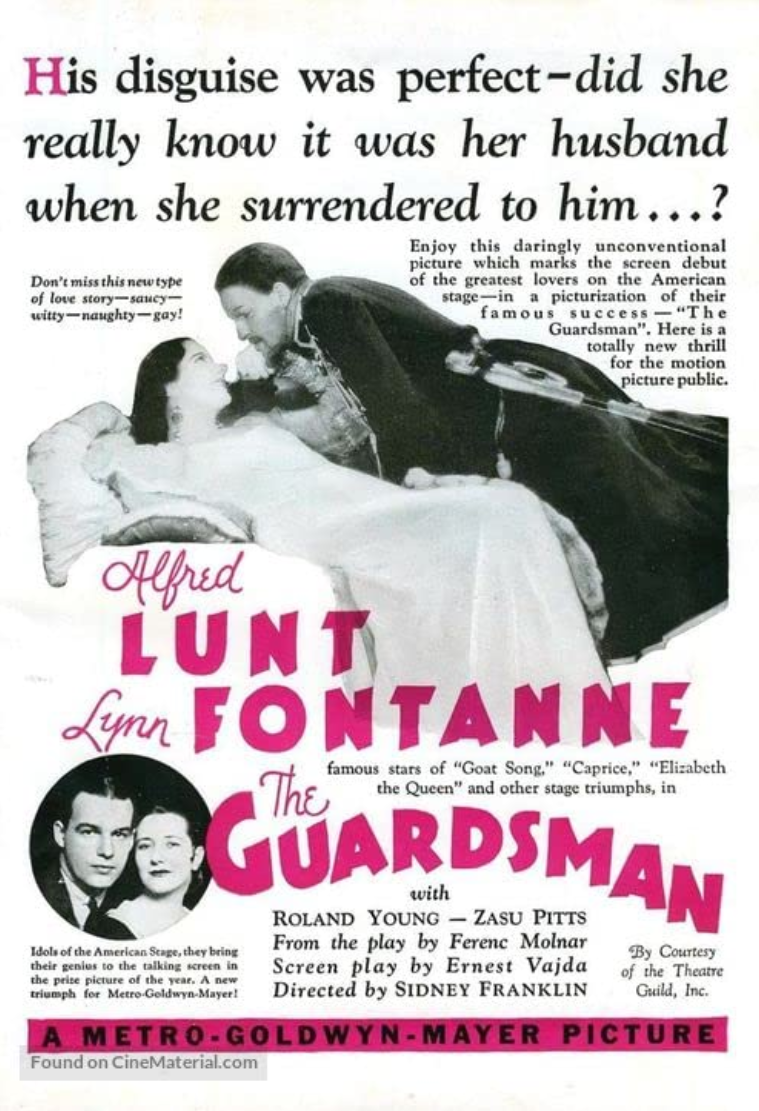
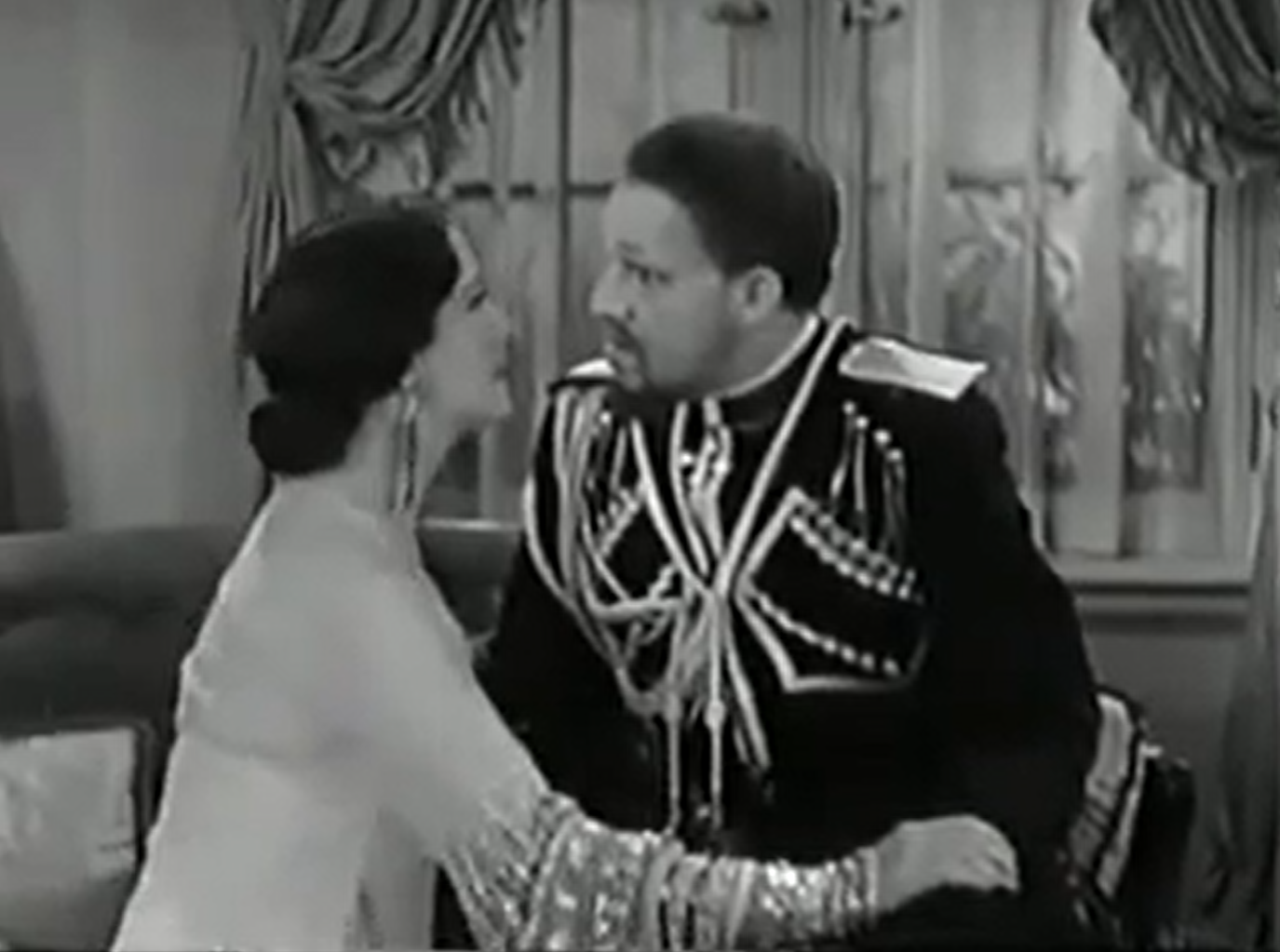
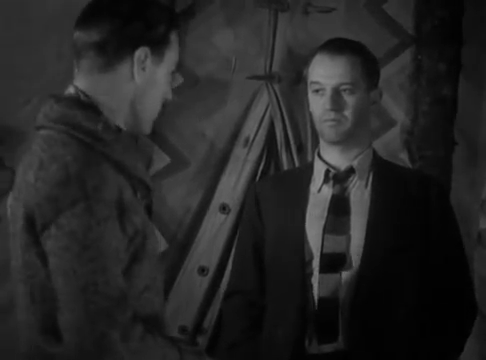
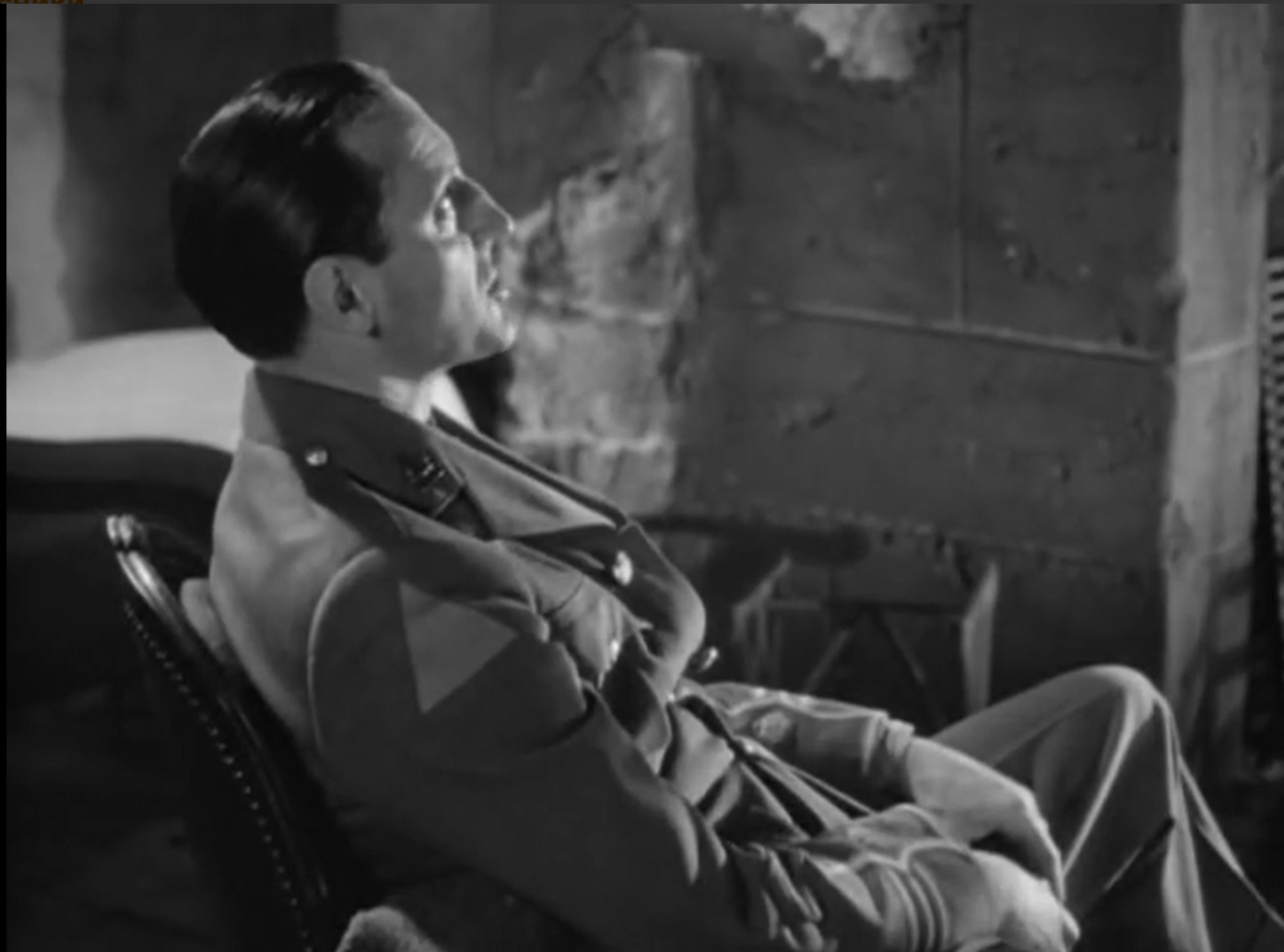
An actor (Alfred Lunt) who is insanely jealous of his wife (Lynn Fontanne) pretends to be a Russian soldier wooing her, taking only his friend The Critic (Roland Young) into his confidences. Will his wife betray him — with himself?

Genres, Themes, Actors, and Directors:

  • Actors and Actresses
  • Jealousy
  • Marital Problems
  • Mistaken or Hidden Identities
  • Play Adaptations
  • Roland Young Films
  • Romantic Comedy
  • Zasu Pitts Films

Review:
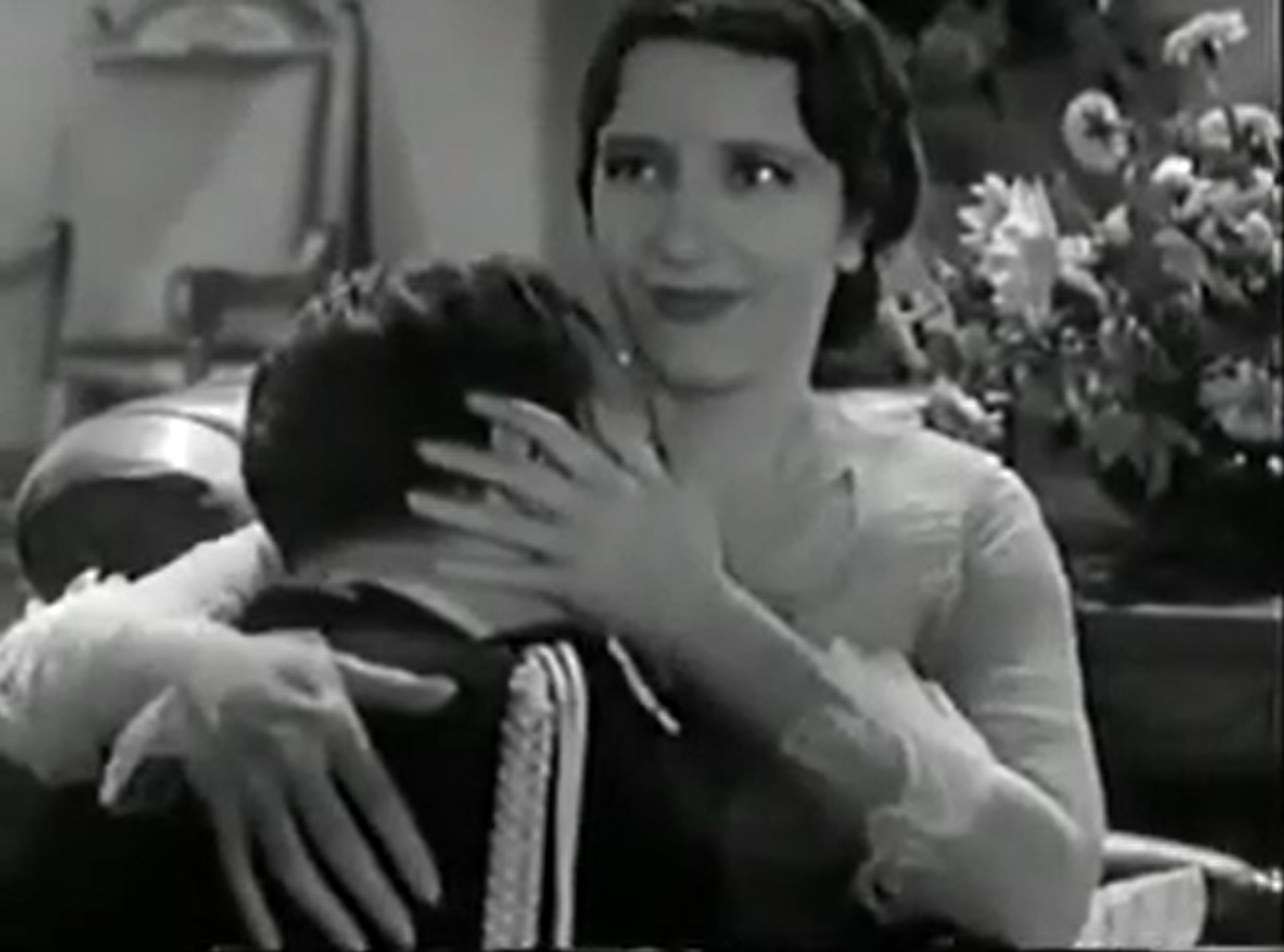
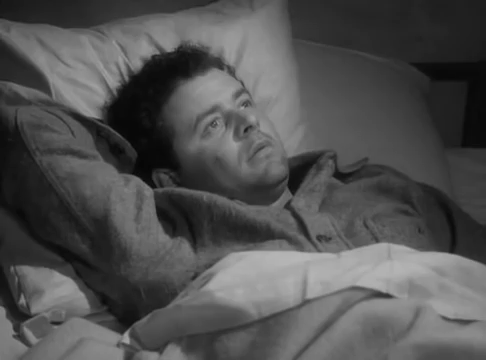
Legendary acting couple Alfred Lunt and Lynn Fontanne were both nominated for Academy Awards for their leading roles in this adaptation of Ferenc Molnar’s comedic play about a husband so insanely jealous that he disguises himself as his wife’s suitor to catch her cheating. Does his ruse work? Well, that’s the crux of the somewhat limited storyline, so it wouldn’t be fair to say more; suffice it to say that it’s clear why audiences at the time would have enjoyed a talkie like this, though its current appeal remains simply as a curio, to see this beloved couple on screen together for the first and only time.

Redeeming Qualities and Moments:

  • Lunt and Fontanne’s obvious chemistry together
  • An enjoyable closing shot

Must See?
No, though it’s worth a look if you’re curious to see Lunt and Fontanne. Listed as a film with Historical Importance in the back of Peary’s book.

Links:

Lion and the Horse, The (1952)

Lion and the Horse, The (1952)

“I’d of risked my neck to claim that horse for my own.”

Synopsis:
When a cowboy (Steve Cochran) falls in love with a wild stallion he names Wildfire, he hopes to buy the horse but instead is forced to kidnap Wildfire from a cruel rodeo owner (Ray Teal) and hide out on a ranch owned by the avuncular grandfather (R.H. Macy) of a horse-loving girl (Sherry Jackson).

Genres, Themes, Actors, and Directors:

  • Cowboys
  • Horses
  • Rodeos
  • Westerns

Review:
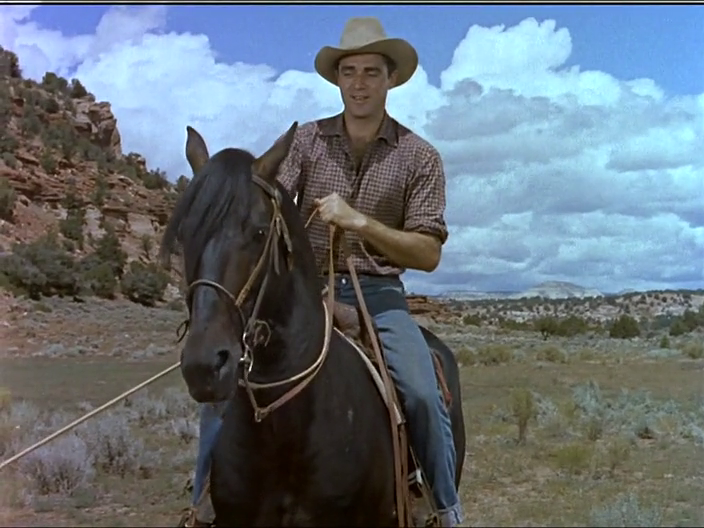
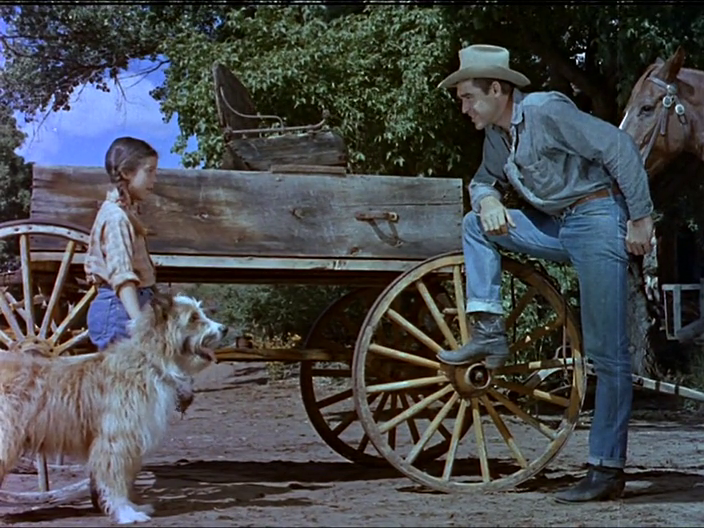
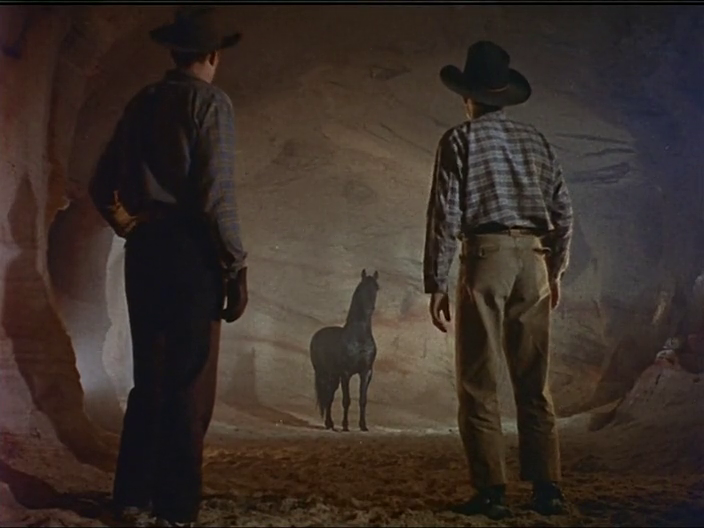
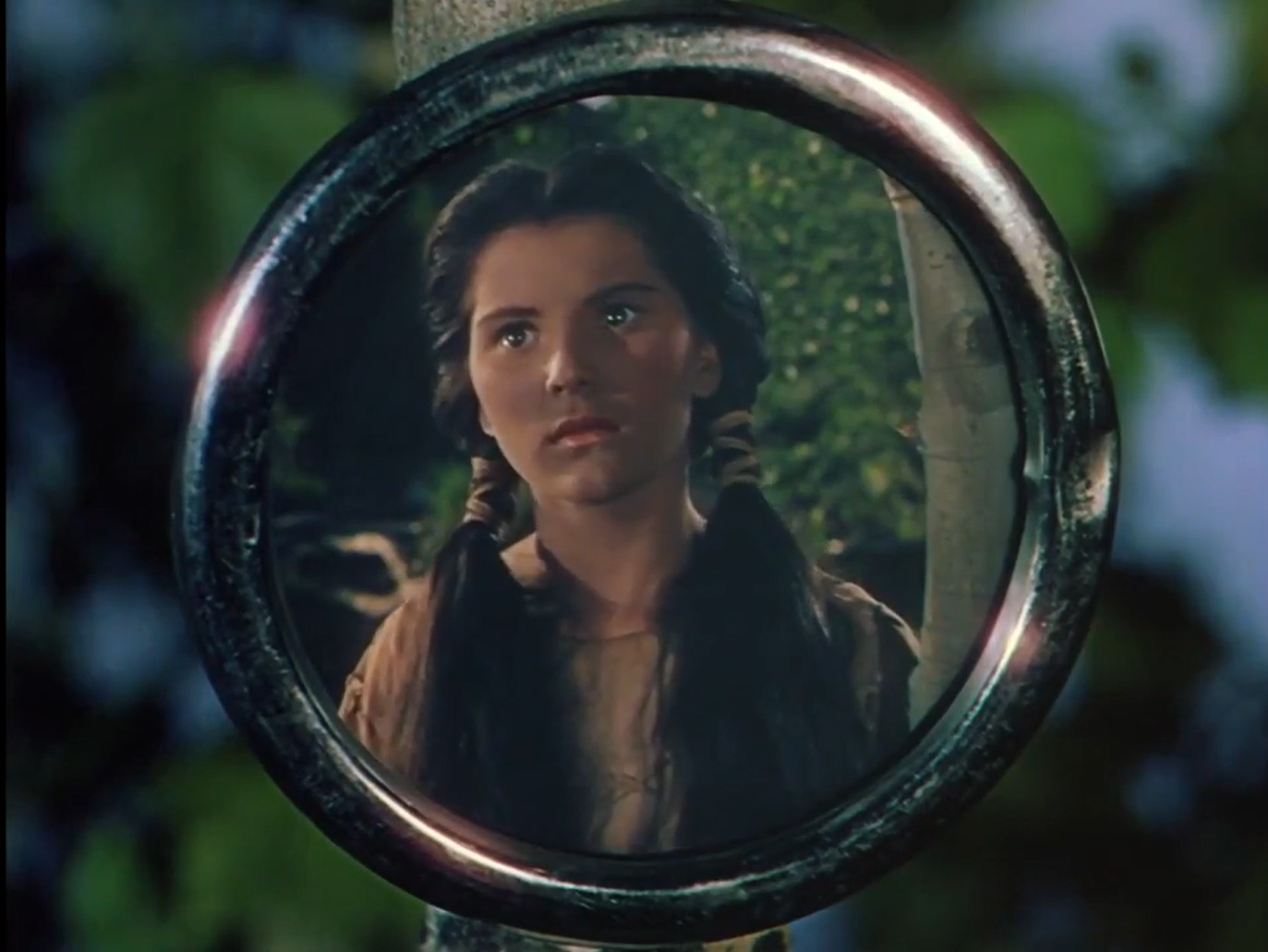
This kid-friendly western delivers exactly what its title promises: a dramatic showdown between an (escaped) lion and a horse. While these final scenes may be a bit brutal for younger kids, the storyline until then seems perfectly geared towards children who dream of horses. Cochran is given a wonderfully generous role to play, as a man who would do anything to prevent a magnificent creature like Wildfire from abuse and subjugation.

It’s also refreshing to see a girl in the central kid-role (Jackson is likeable and appropriately feisty):

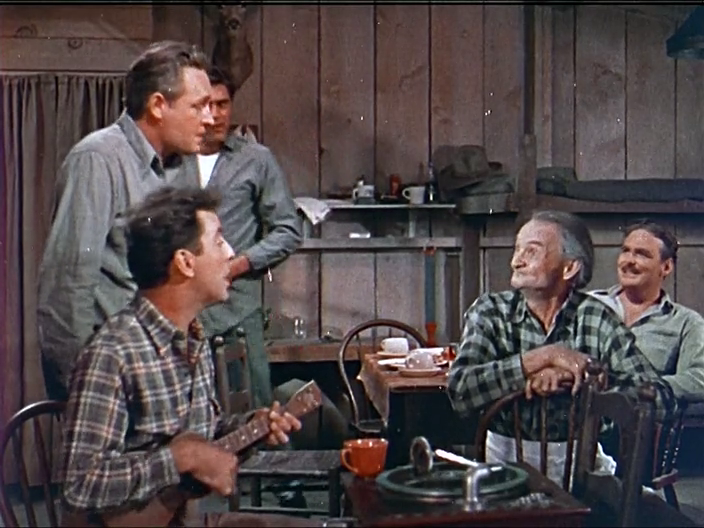
… and there’s a fun musical interlude involving a cowhand learning to play the ukulele by record player:

However, this isn’t must-see viewing for anyone other than Cochran fans, or those who may somehow fondly remember it from their own childhood.

Redeeming Qualities and Moments:

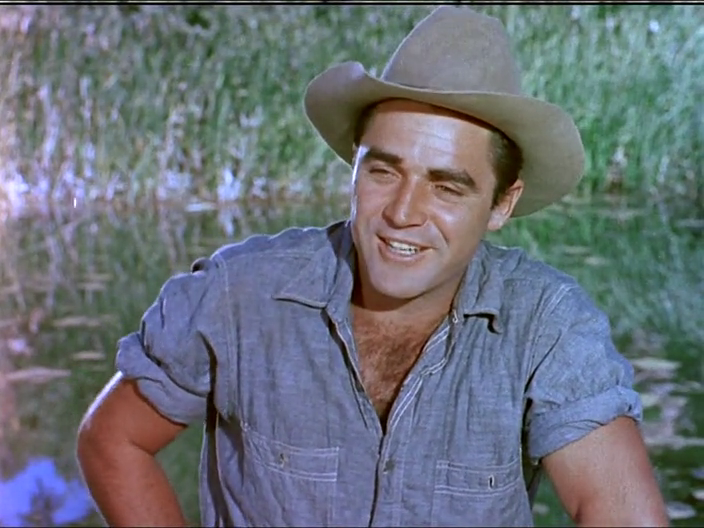
  • Steve Cochran as Ben Kirby
  • Fine cinematography

Must See?
No. Listed as a Sleeper in the back of Peary’s book, which makes sense. I’m not sure how many people these days know about this title!

Links:

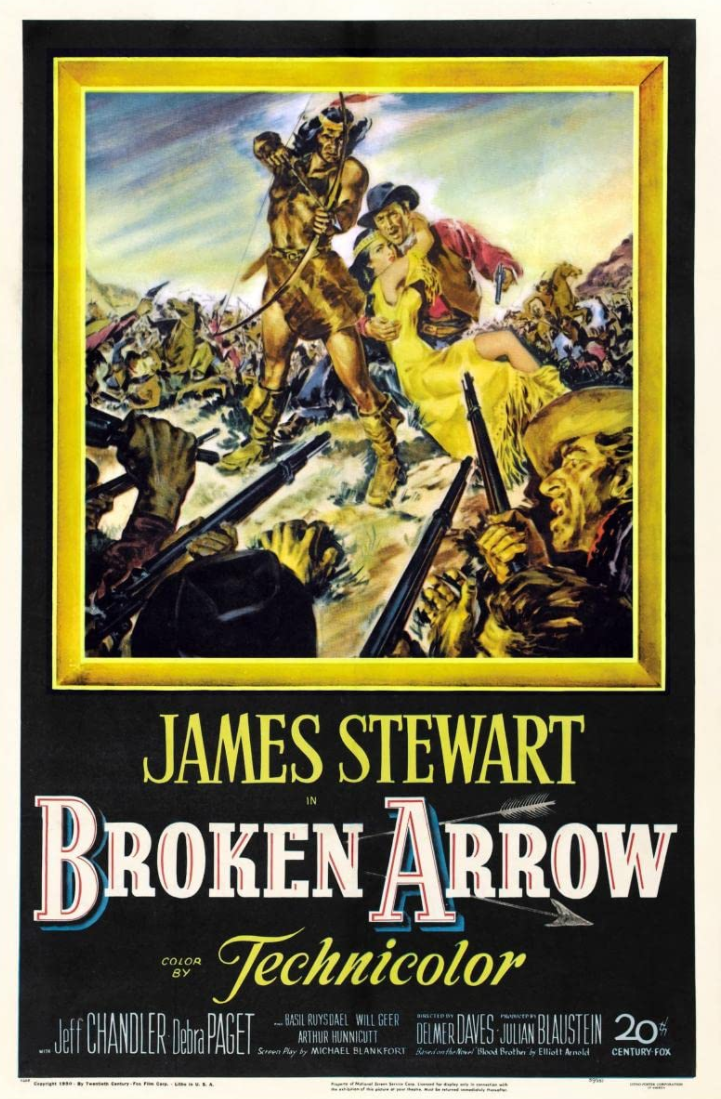
Broken Arrow (1950)

Broken Arrow (1950)

“There can be no peace if there is no good will to try it.”

Synopsis:
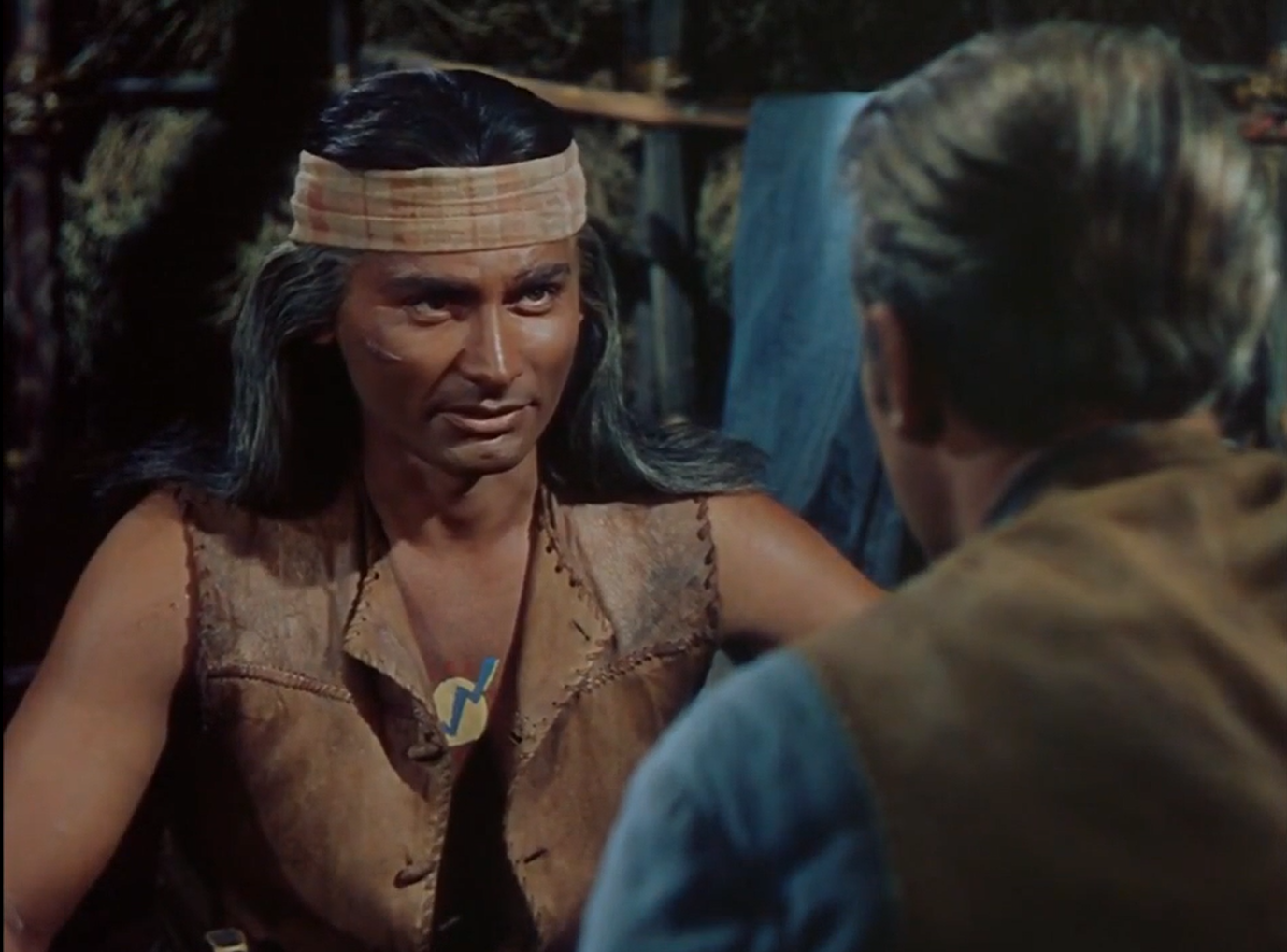
Civil War veteran Tom Jeffords (Jimmy Stewart) befriends Apache Chief Cochise (Jeff Chandler) and falls in love with a beautiful young Indian woman (Debra Paget). Can Stewart help broker broader peace between whites and the Apaches, starting with securing safe passage for mail carriers?

Genres, Themes, Actors, and Directors:

  • Cross-Cultural Romance
  • Debra Paget Films
  • Delmer Daves Films
  • Jeff Chandler Films
  • Jimmy Stewart Films
  • Native Americans
  • Westerns

Review:
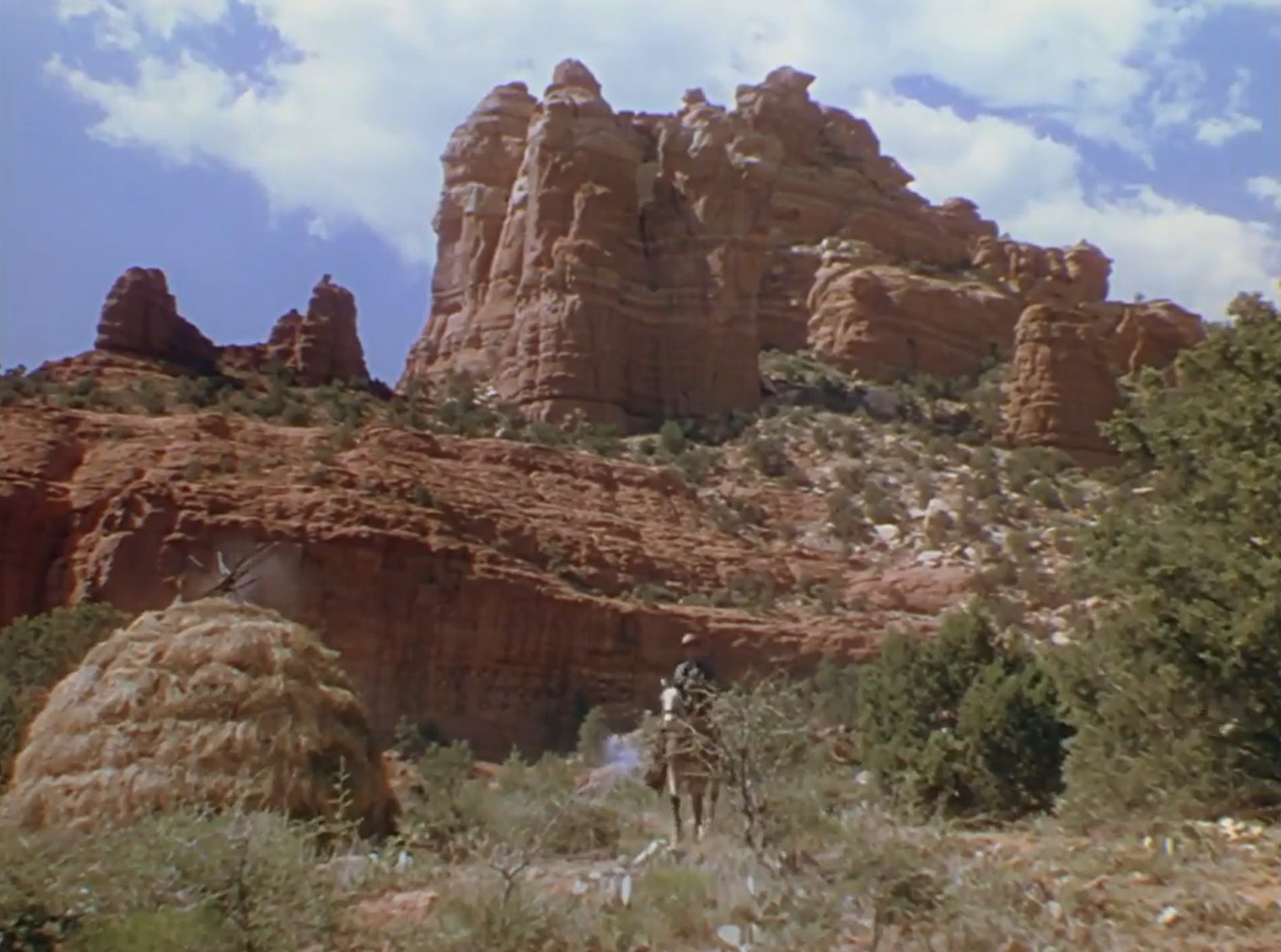
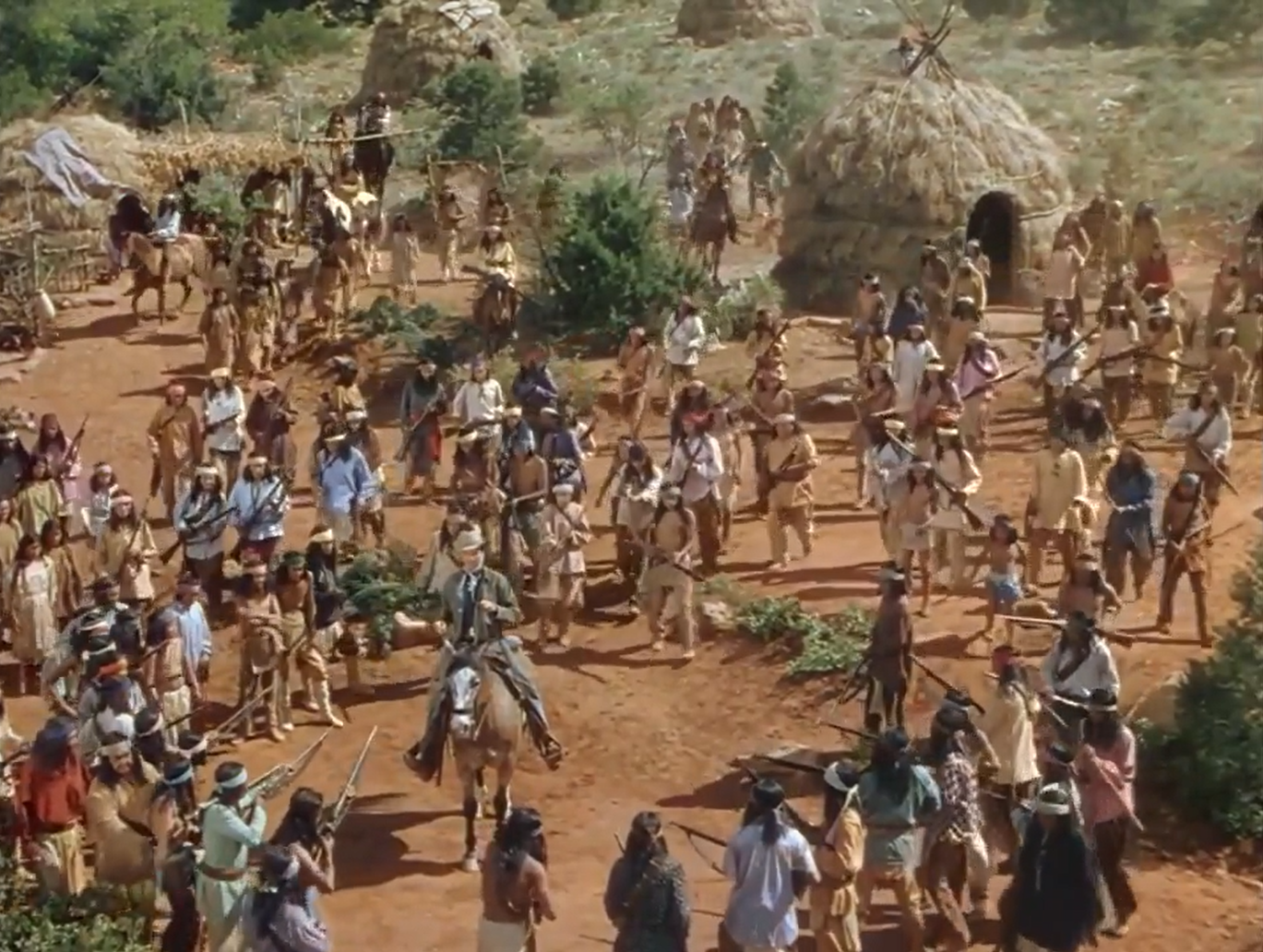
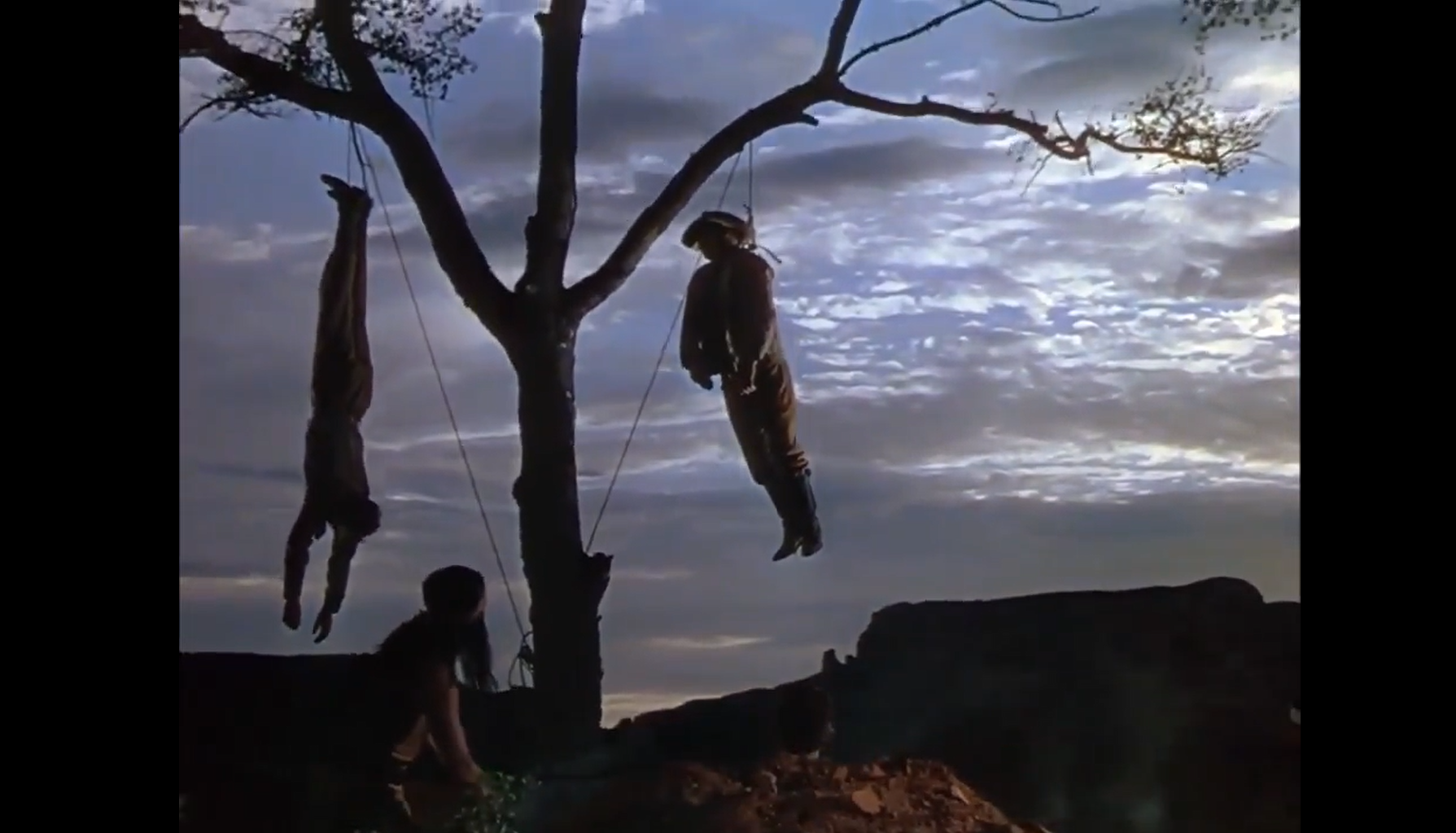
Broken Arrow — scripted by blacklisted writer Albert Maltz, using Michael Blankfort as a front — is notable as one of the first Hollywood westerns to attempt to portray Native Americans in a more balanced and sympathetic light. Despite starring whites (Chandler and Paget) in the lead Apache roles, hundreds of Apaches played extras; much of the action was filmed reasonably close to where the historical events originally took place (in Arizona); and an opening voiceover by Stewart informs us that we will hear the Apaches speaking English simply for the sake of convenience (rather than using the alternative du jour of “broken English”). Indeed, Broken Arrow remains impressive as an early attempt to humanize Indians and show the appeal of their culture to whites like Stewart (at least in his choice of an Indian bride and willingness to live with the tribe). Meanwhile, the storyline is a fairly compelling one — can peace realistically be be brokered when so much ill-will and bloodshed have taken place? — and Ernest Palmer’s Technicolor cinematography is gorgeous.

Redeeming Qualities and Moments:

  • Jeff Chandler as Cochise
  • Jimmy Stewart as Tom Jeffords
  • Fine location shooting in Arizona
  • A refreshingly nuanced (if inevitably still somewhat inaccurate) portrayal of Apache culture

  • Ernest Palmer’s cinematography

Must See?
Yes, as a compelling and unique western for its era.

Categories

  • Good Show
  • Historically Relevant

Links:

Rush to Judgment (1967)

Rush to Judgment (1967)

“I figure there’s somethin’ else been goin’ on besides what should be.”

Synopsis:
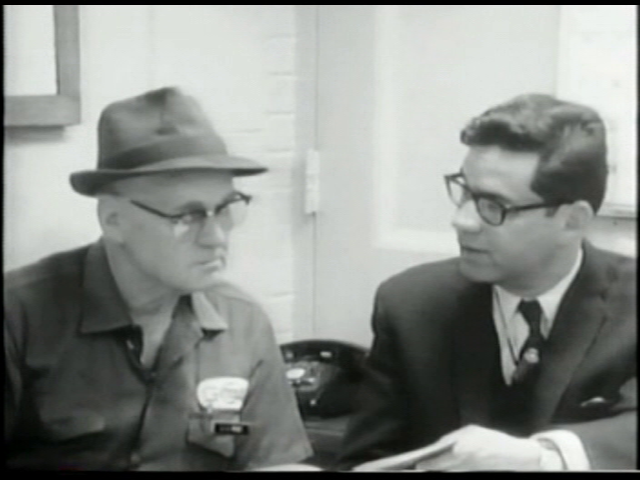
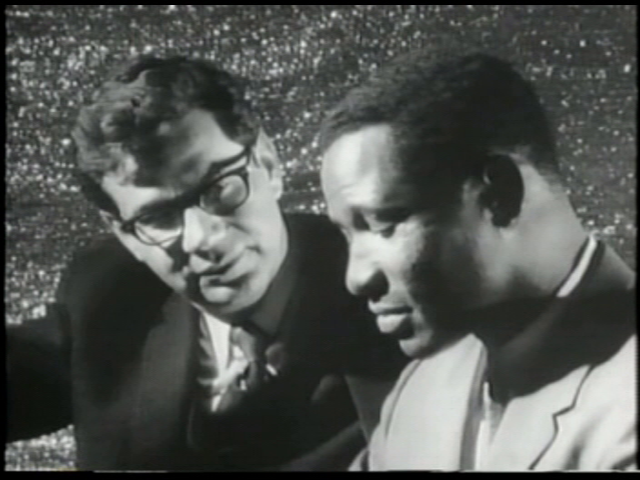
Documentarian Emile De Antonio films lawyer-author Mark Lane speaking with various individuals regarding the veracity of the Warren Commission‘s inquiry into the murder of JFK.

Genres, Themes, Actors, and Directors:

  • Assassination
  • Documentary
  • Emile De Antonio Films

Review:
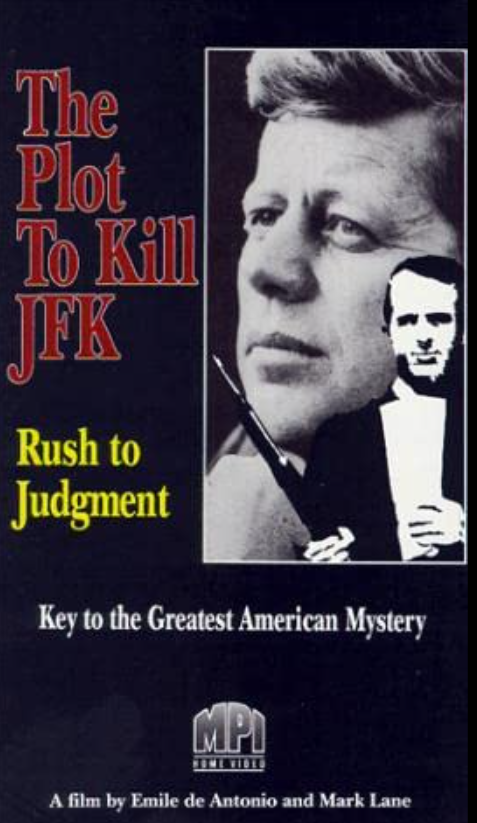
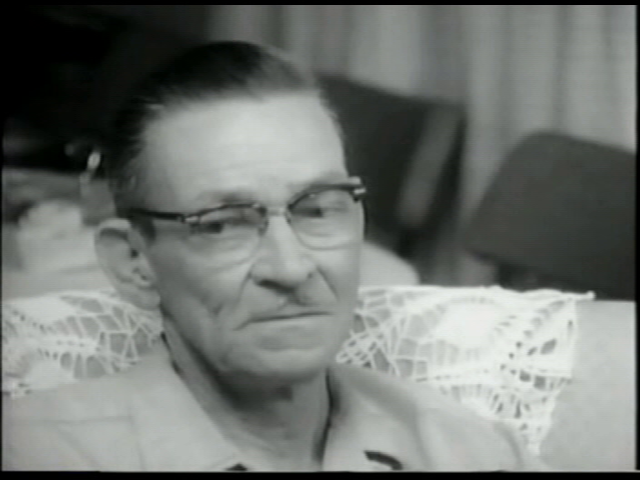
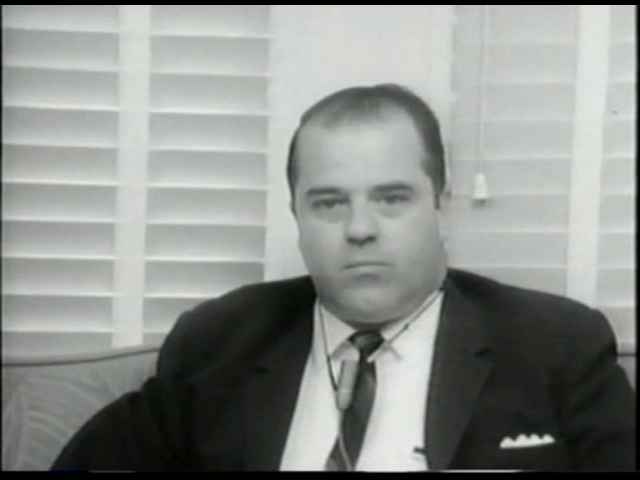
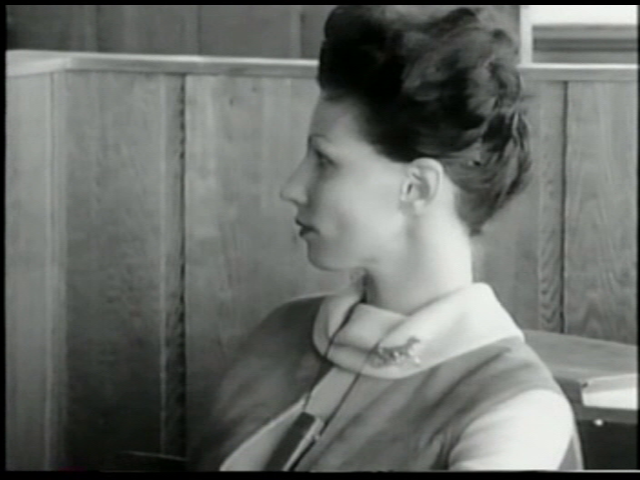
Counterculture documentarian Emile de Antonio made a handful of must-see films covering various controversial topics in American history — including Point of Order (1964) about the McCarthy hearings, In the Year of the Pig (1968) about the Vietnam War, and this “alternative view” of the JFK assassination, featuring numerous witnesses whose testimony wasn’t necessarily taken into account when the government crafted its notorious report on the crime. The result is a disturbing insight into how and why conspiracy theories immediately began to circulate, given what seems like clear and ample evidence that complicates the Warren Commission’s findings. Many individuals here seem justifiably distraught — including a man hit by gunfire debris while watching the Dallas motorcycle, a man who witnessed the assassination from a close distance with his five-year-old son next to him, and Abraham Zapruder (who shot the 26.6-second assassination footage seen world-wide), among others. All Americans should make a point of watching this film as part of their overall understanding of what may have happened on the infamous day of November 22, 1963.

Redeeming Qualities and Moments:

  • Invaluable historical footage


Must See?
Yes, at least for American film fanatics, for its historical relevance.

Categories

  • Historically Relevant

Links:

Four Feathers, The (1939)

Four Feathers, The (1939)

“There’s no place in England for a coward.”

Synopsis:
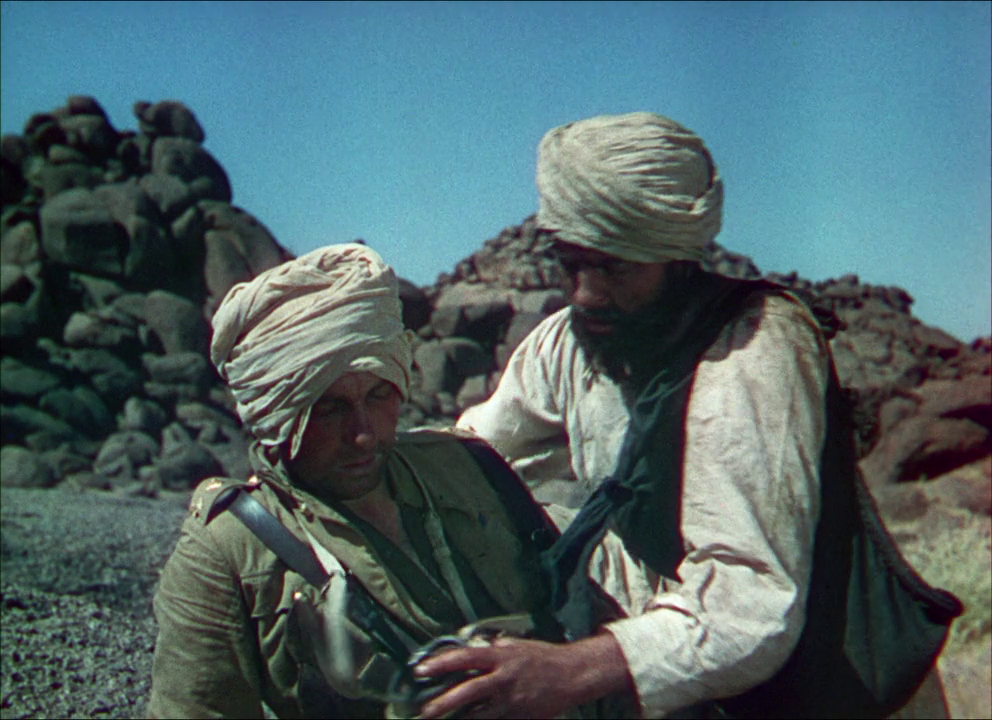
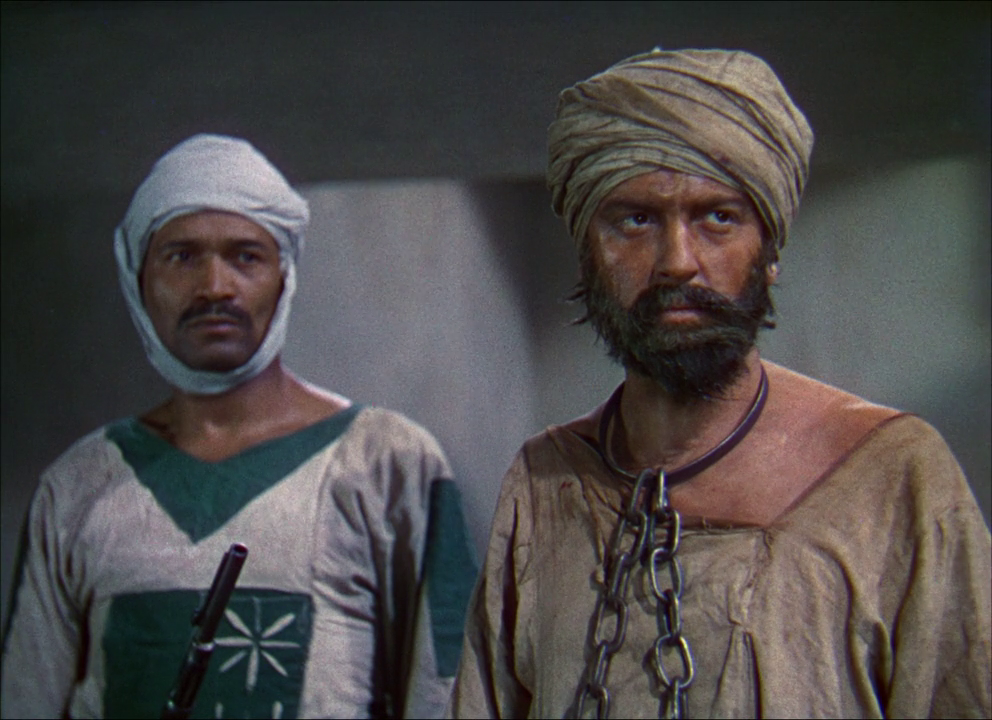
When young British officer Harry Faversham (John Clements) resigns his post shortly before his regiment is due to deploy to Sudan, he alienates his three close officer-friends (Ralph Richardson, Jack Allen, and Donald Gray) and his fiancee (June Duprez), whose blustery veteran-father (C. Aubrey Smith) is especially disappointed — but when Faversham receives four white feathers in the mail signaling his cowardice, he quickly decides to go undercover as a mute Arab in the Middle East to save his friends from harm and regain his honor.

Genres, Themes, Actors, and Directors:

  • Africa
  • Deserts
  • June Duprez Films
  • Mistaken or Hidden Identities
  • Ralph Richardson Films
  • Soldiers
  • Zoltan Korda Films

Review:
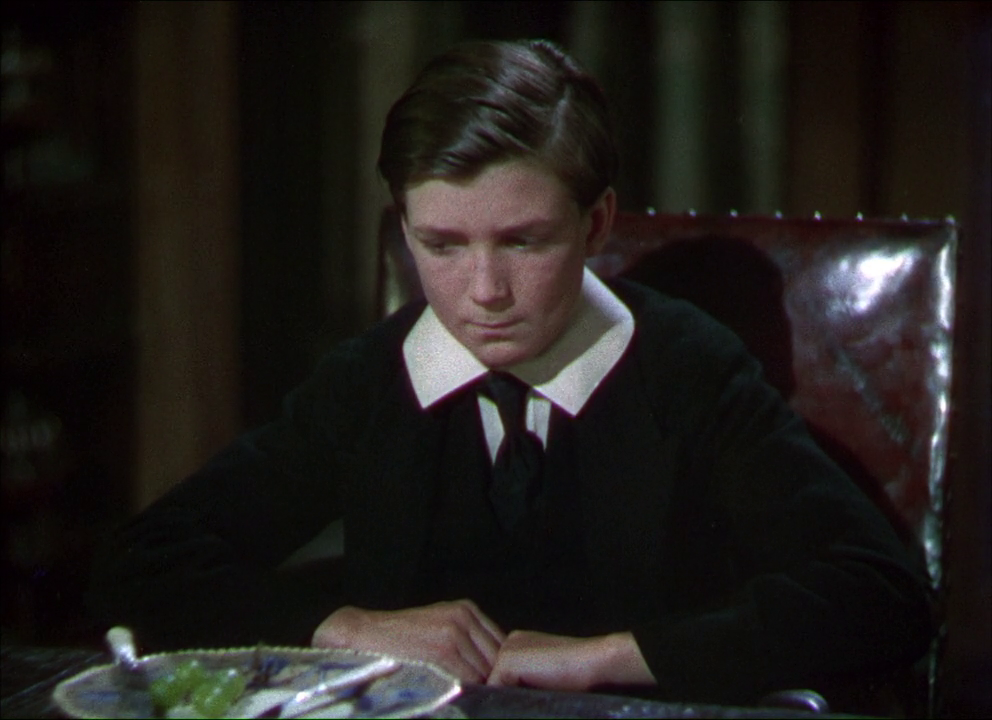
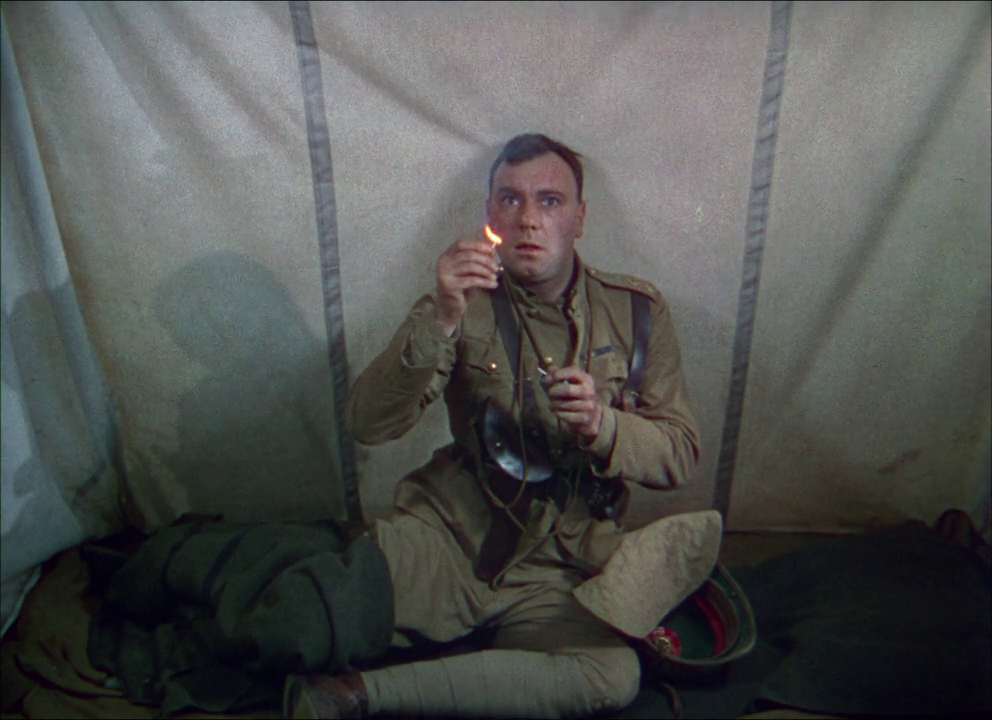
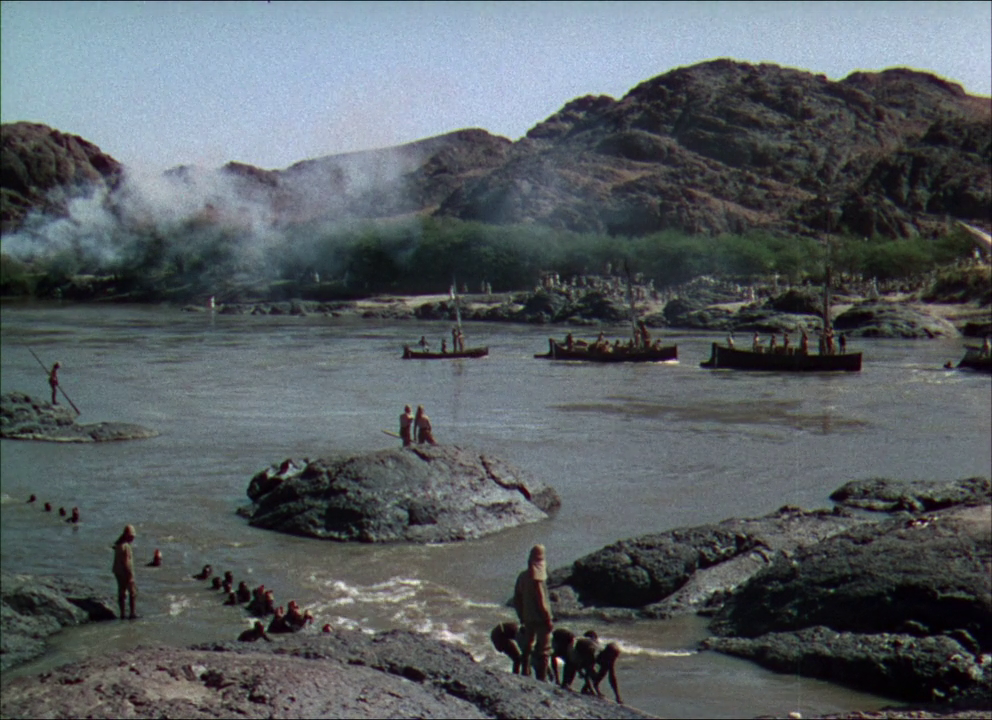
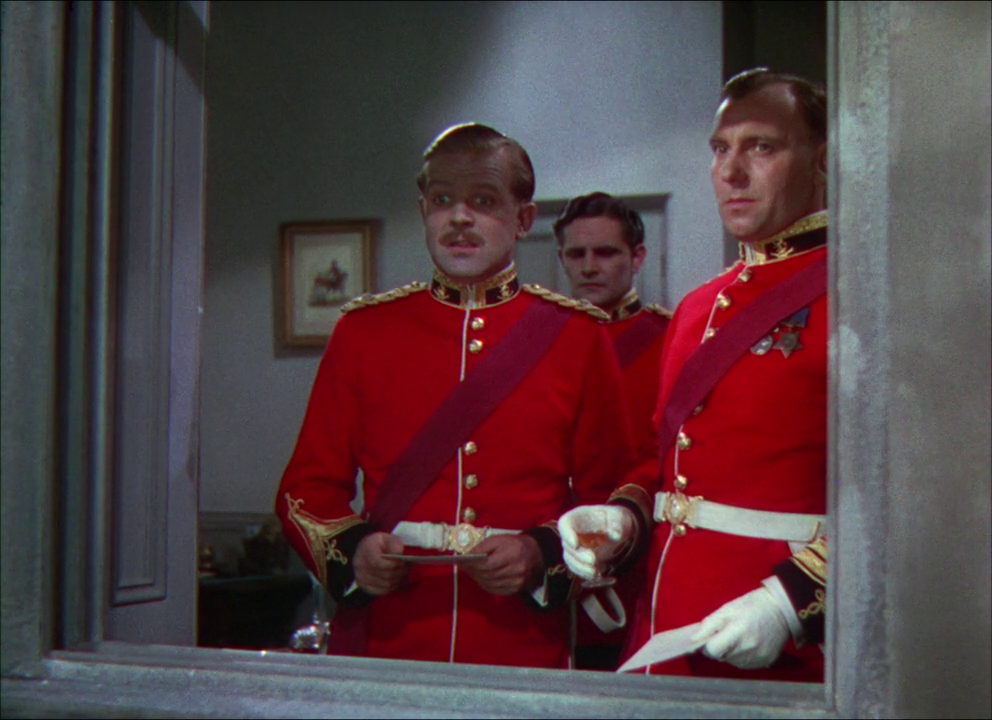
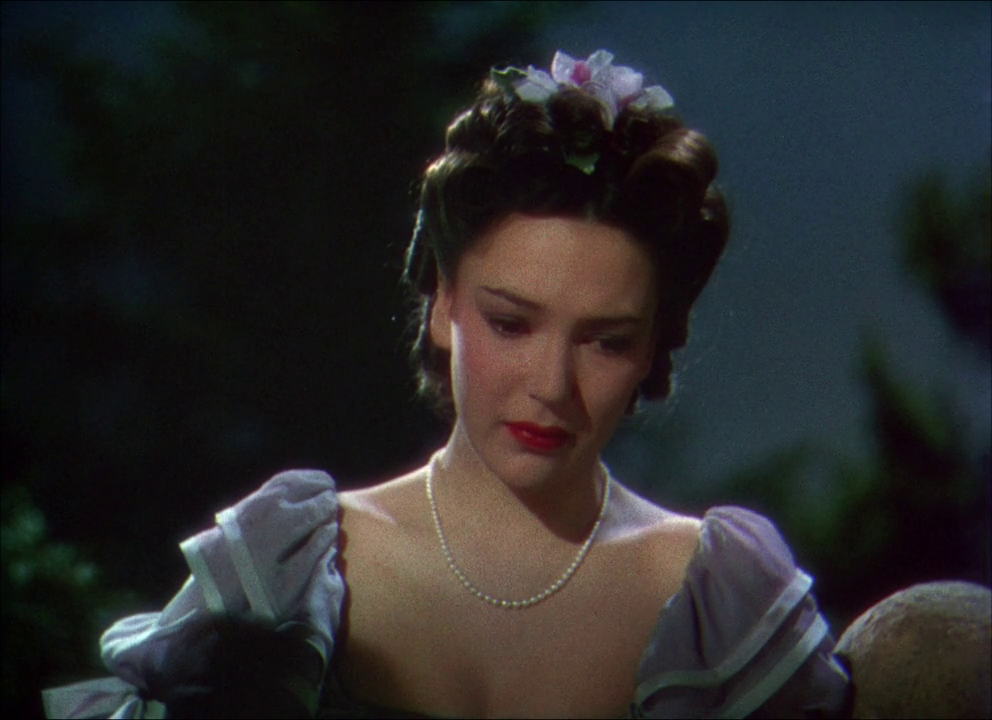
The Hungarian-born Korda brothers — including director Zoltan, producer Alexander, and art director Vincent — were the creative force behind this fourth cinematic adaptation of A.E.W. Mason’s 1902 novel about courage, cowardice, redemption, and British colonial might in Africa. It’s notable as one of the biggest budget Technicolor films made in cinema’s glory year of 1939, and remains an impressive adventure flick in terms of on-location shooting in Sudan, plenty of locals as extras, and fidelity to historical detail. Unfortunately, the storyline itself leaves much to be desired. We’re shown young Faversham (Clive Baxter) being shamed for preferring poetry to war:

… and then soundly rejected by all those closest to him when he makes the brave choice to break with tradition — as he explains here to Duprez:

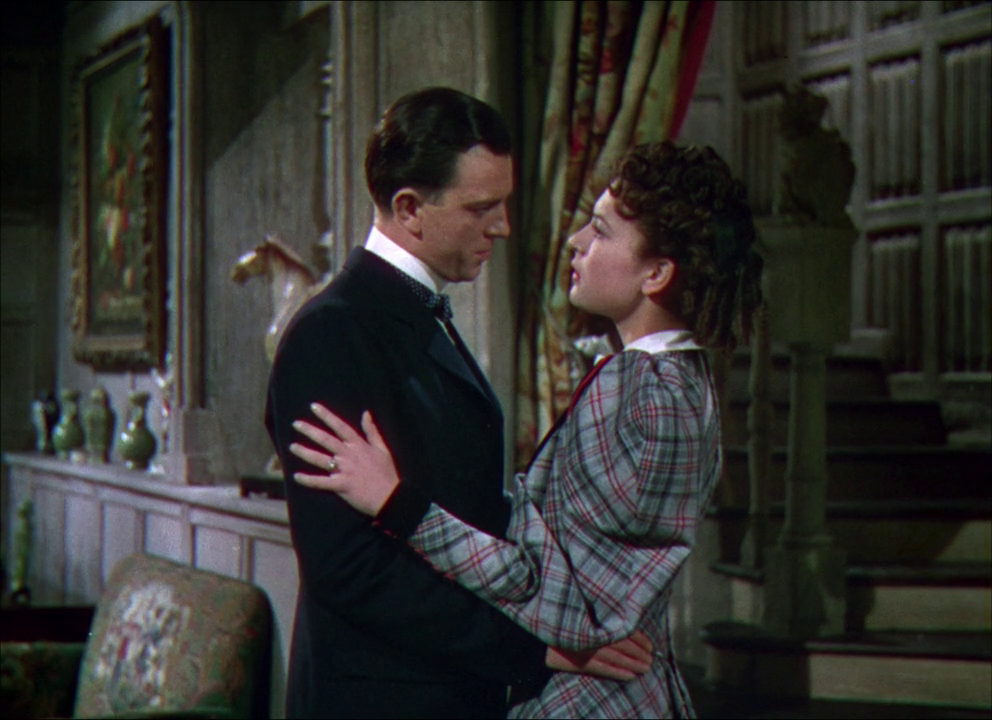
We’ve discussed it so often — the futility of this idiotic Egyptian adventure; the madness of it all; the ghastly waste of time that we can never have again… I believe in our happiness. I believe in the work to be done here to save an estate that’s near to ruin. To save all those people who’ve been neglected by my family because they preferred glory in India, glory in China, glory in Africa.

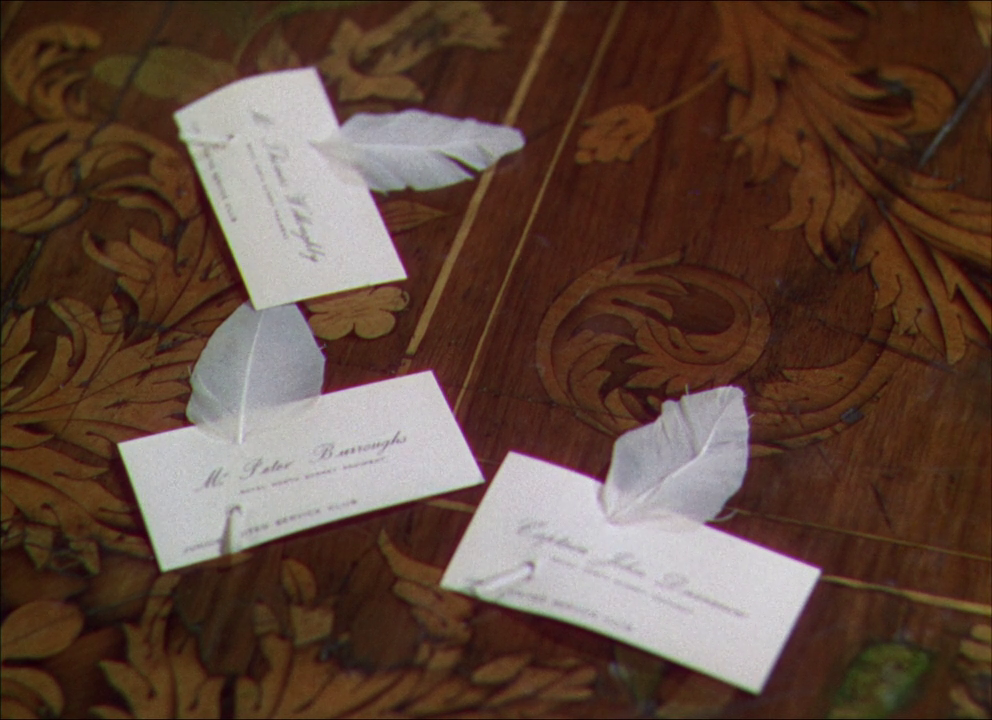
Unfortunately, this perspective is glossed over completely once he receives three white feathers of shame and Duprez rejects his logic as well (he eventually adds another feather for her):

So much for wanting to stay local and non-interventionist. I know it’s petty to view a movie like this from strictly a 21st century anti-colonialist perspective, but this lost (potential) narrative thread is frustrating. At any rate, audiences at the time must have been simply thrilled to see so much action taking place in “exotic” places, with plenty of action and fighting — and Faversham’s dedication to saving his three friends is truly impressive.


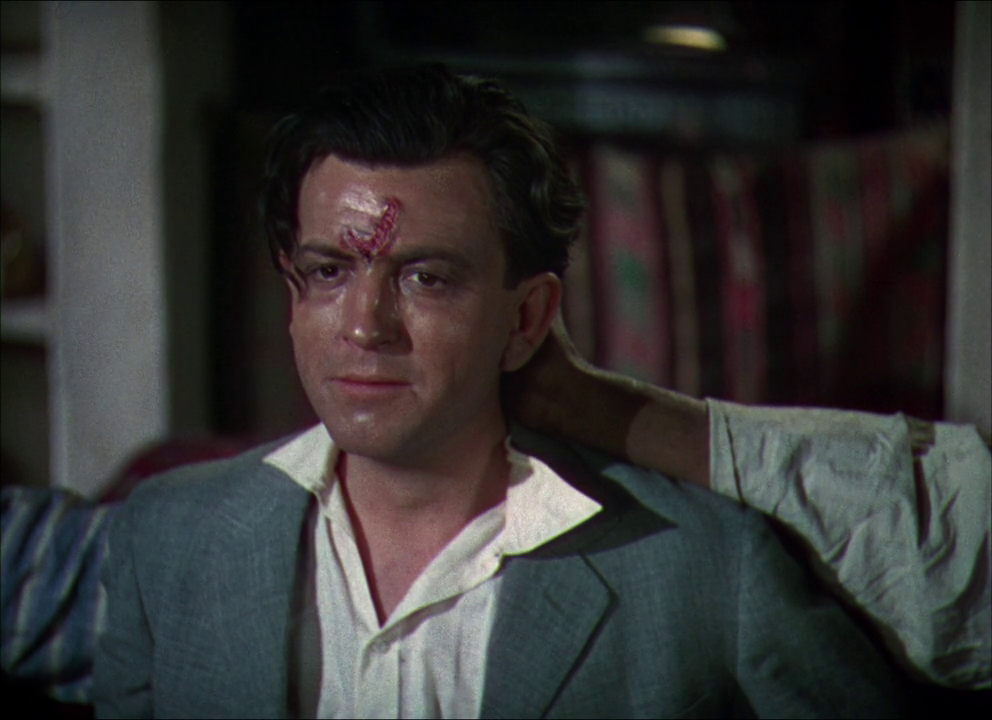
Meanwhile, Richardson turns in a fine performance as a rival for Duprez’s affections who becomes blinded due to heat stroke.

Redeeming Qualities and Moments:

  • Fine location shooting and period detail
  • Beautiful Technicolor cinematography


Must See?
No; you can skip this one unless you’re curious.

Links:

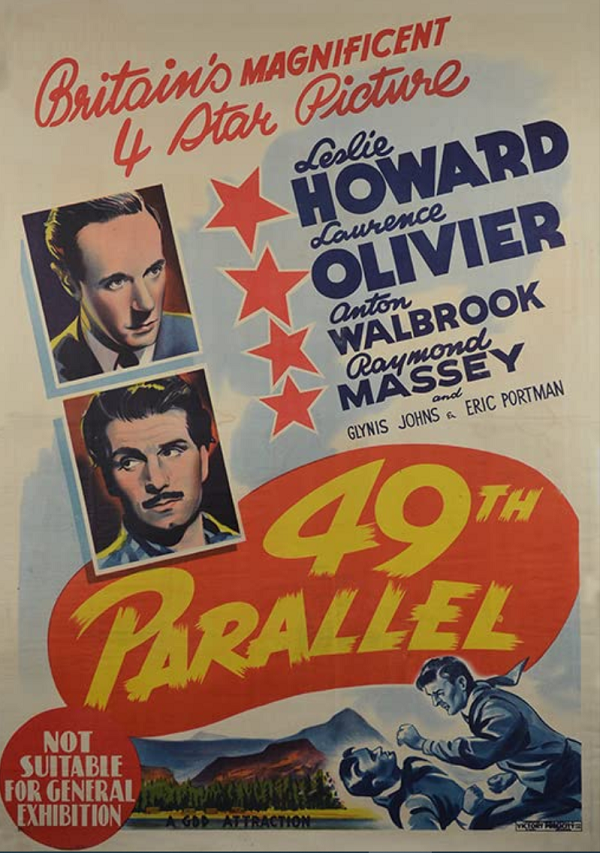
49th Parallel (1941)

49th Parallel (1941)

“It’s not the Canadian people we’re against; it’s your filthy government.”

Synopsis:
When their U-Boat sinks in Northern Canada, a Nazi naval lieutenant (Eric Portman) and five of his men (including Raymond Lovell and Niall MacGinnis) attempt to make their way across the border to neutral America. During their undercover journey they meet a lusty French-Canadian trapper (Laurence Olivier), a peace-loving Hutterite leader (Anton Walbrook), an art-loving writer (Leslie Howard) living among Indians, and an AWOL Canadian soldier (Raymond Massey).

Genres, Themes, Actors, and Directors:

  • Anton Wolbrook Films
  • Fugitives
  • Glynis Johns Films
  • Laurence Olivier Films
  • Leslie Howard Films
  • Michael Powell Films
  • Nazis
  • Niall MacGinnis Films
  • Raymond Massey Films
  • World War II

Review:
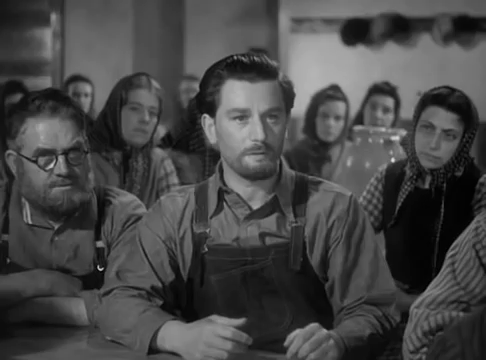
Just prior to forming their production company The Archers, Michael Powell and Emeric Pressburger made this propaganda film specifically to persuade neutral United States to enter the war against Germany (though by the time it was released, they were already involved). Powell and Pressburger’s unique stance is one of making Nazi fugitives the protagonists, meaning we can’t help but somewhat relate to their plight while simultaneously detesting their beliefs and actions. A host of big-name actors lend their heft to snippets of the storyline, beginning with Laurence Olivier sporting a heavy French-Canadian accent as a trapper recently returned from his trade and shocked to find that Canada is at war, and ending with Massey in a heroic turn as an AWOL soldier who does the right thing for his country. Most affecting is the sequence taking place among Hutterites, where MacGinnis is reintroduced to his craft as a baker — and thus remembers what a “good life” really consists of — and Walbrook plays a calm and composed leader. While it’s not must-see viewing, this film remains worth viewing once for its historical interest.

Redeeming Qualities and Moments:

  • Anton Walbrook as Peter
  • Niall MacGinniss as Vogel
  • Freddie Young’s cinematography

Must See?
No, but it’s certainly worth a look. Listed as a film with Historical Importance in the back of Peary’s book.

Links:

Jet Pilot (1957)

Jet Pilot (1957)

“General Black, I’m a jet man — not a gigolo!”

Synopsis:
An Air Force colonel (John Wayne) falls in love with a beautiful Soviet pilot (Janet Leigh) who claims she wants to defect, but is actually a spy.

Genres, Themes, Actors, and Directors:

  • Airplanes and Pilots
  • Cold War
  • Cross-Cultural Romance
  • Hans Conried Films
  • Janet Leigh Films
  • John Wayne Films
  • Josef von Sternberg Films
  • Spies
  • Strong Females

Review:
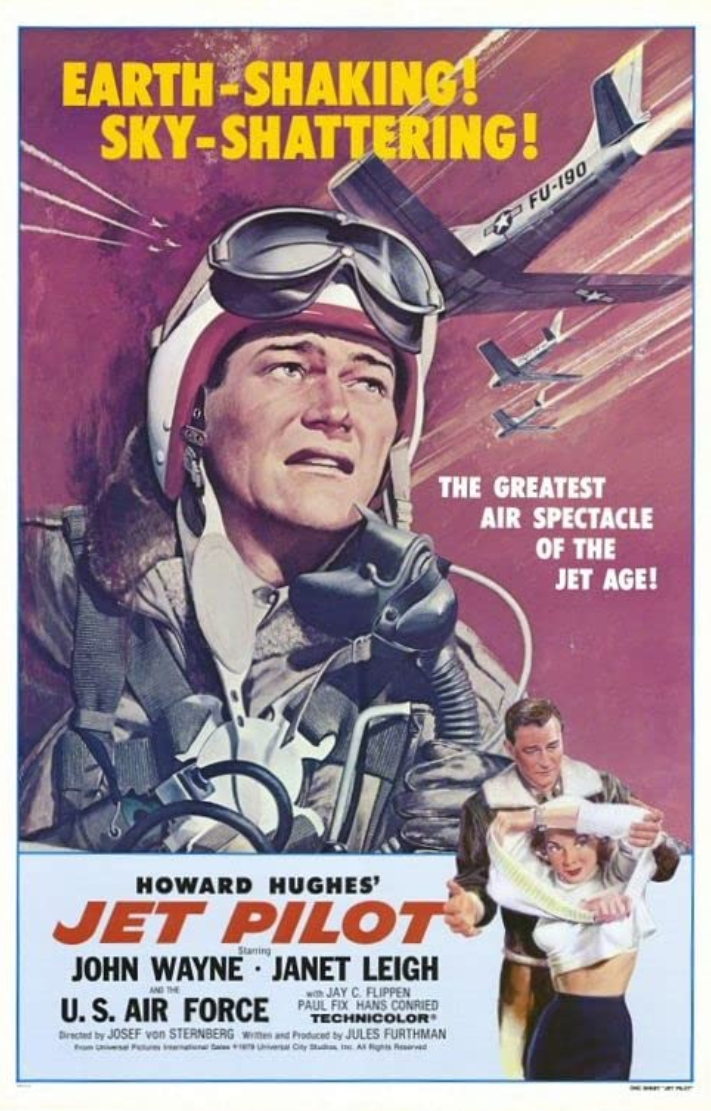
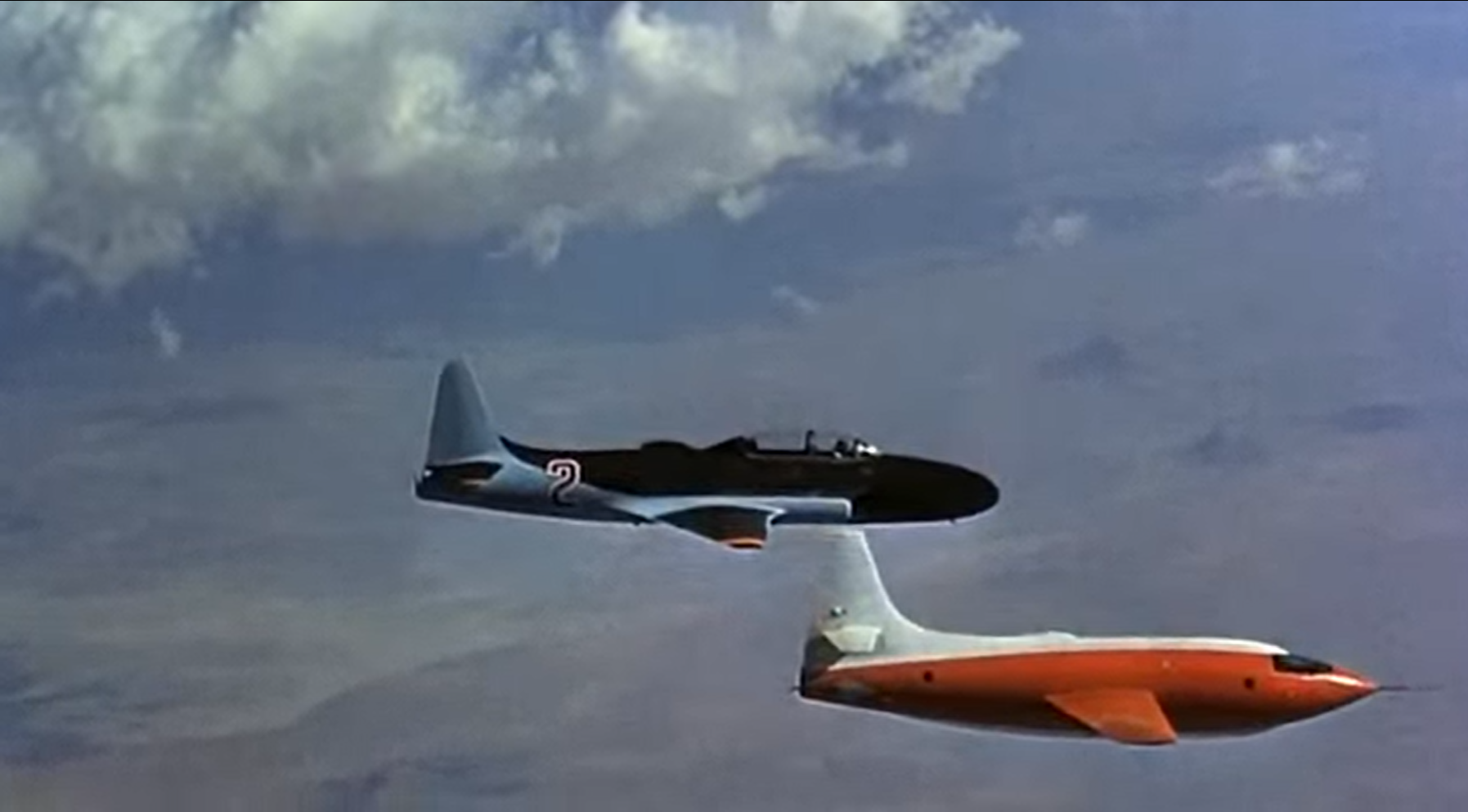
The origin story of this lackluster Cold War romantic “comedy” — Josef von Sternberg’s final directorial outing — is that Howard Hughes wanted to make a jet-age update to his 1930 film Hell’s Angels, but was so obsessed with getting every detail right that it took seven years from initial filming to release, at which point the jets featured in the film were already outdated.

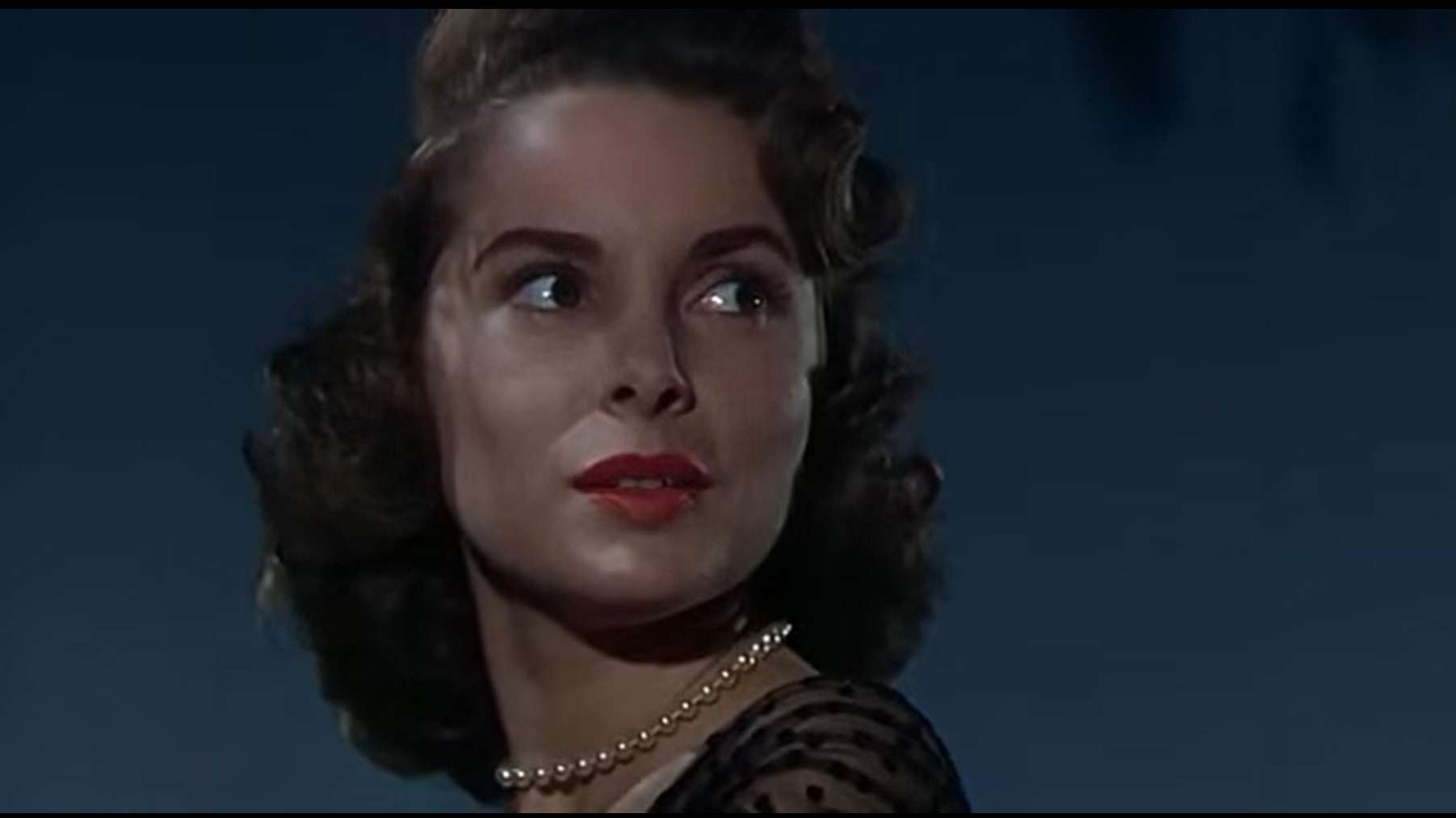
It’s a fairly ridiculous male fantasy featuring a busty female lead who is Russian but speaks English without any accent at all, and is sexy in all the “right” ways — including loving juicy steaks, beautiful lingerie, and fast planes.

Bosley Crowther was merciless in his review for The New York Times, referring to it as a “dud” that’s “silly and sorry,” and noting that “if it lacks for dramatic vitality, which it most certainly does, you can blame that on a weak script, poor direction and indifferent performances by all.” The one redeeming quality is beautiful cinematography by Winston Hoch, with Leigh looking simply dreamy in all shots.

Peary likely includes this title in his book for its one-time historical notoriety, but it no longer holds that status, and certainly isn’t must-see viewing.

Redeeming Qualities and Moments:

  • Fine cinematography (primarily of Janet Leigh)

Must See?
No; you can definitely skip this one.

Links:

Tin Star, The (1957)

Tin Star, The (1957)

“You’d better take off that tin star and stay alive.”

Synopsis:
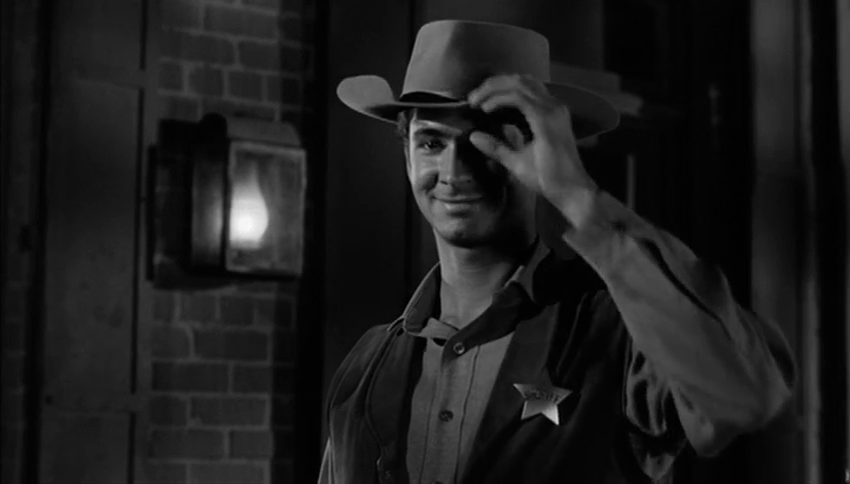
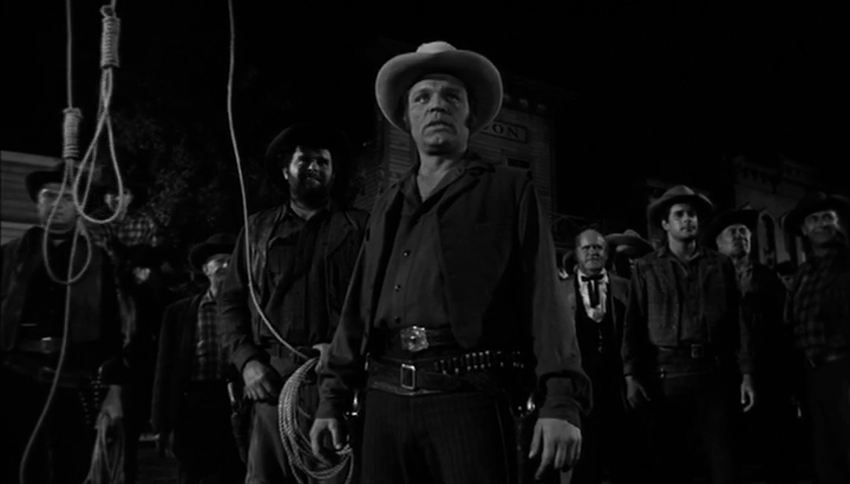
A former-sheriff-turned-bounty-hunter (Henry Fonda) rides into a town where the current sheriff (Anthony Perkins) is afraid to face the local bully (Neville Brand). Fonda soon falls for a widow (Betsy Palmer) with a young half-Native son (Michel Ray), and Perkins gradually learns the tricks of his trade — perhaps enough to convince his girlfriend (Mary Webster) to marry him.

Genres, Themes, Actors, and Directors:

  • Anthony Mann Films
  • Anthony Perkins Films
  • Betsy Palmer Films
  • Henry Fonda Films
  • John McIntire Films
  • Lee Van Cleef Films
  • Mentors
  • Neville Brand Films
  • Sheriffs and Marshals
  • Westerns

Response to Peary’s Review:
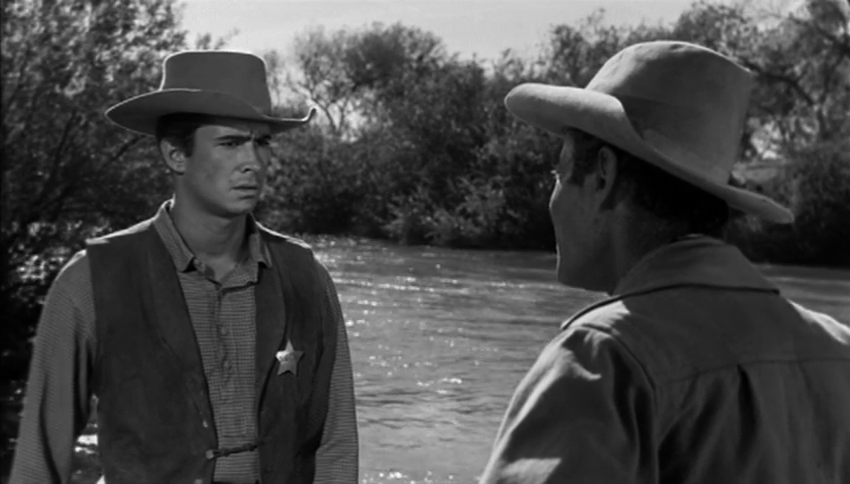
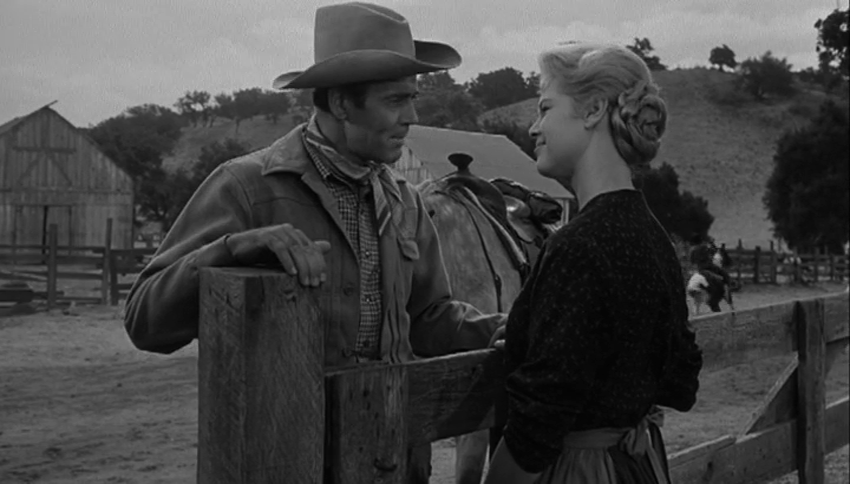
Peary opens his review of this Anthony Mann-directed western by noting that “the typical leads” in such films “are men who were once solid citizens in the increasingly tame West, but had something terrible happen to wreck their settled lives — usually the deaths of everyone they loved, caused by people they had trusted — that sent them on crazed, savage paths of revenge throughout the West,” thus leading Mann to show “how these men finally rid themselves of their inner demons, allowing the prodigal sons to be welcomed back into civilization.” Such is the case here, with Fonda playing a ‘hero’ who “became a ruthless bounty hunter after his wife and child died,” who “rides into a struggling town where a young deputy (Anthony Perkins) is in over his head trying to bring about law and order.” Peary notes that perhaps Fonda sees “himself in Perkins, who had been a youth with hopes, dreams, and ideals,” and thus he “teaches him the ropes so that he can handle any situation.”

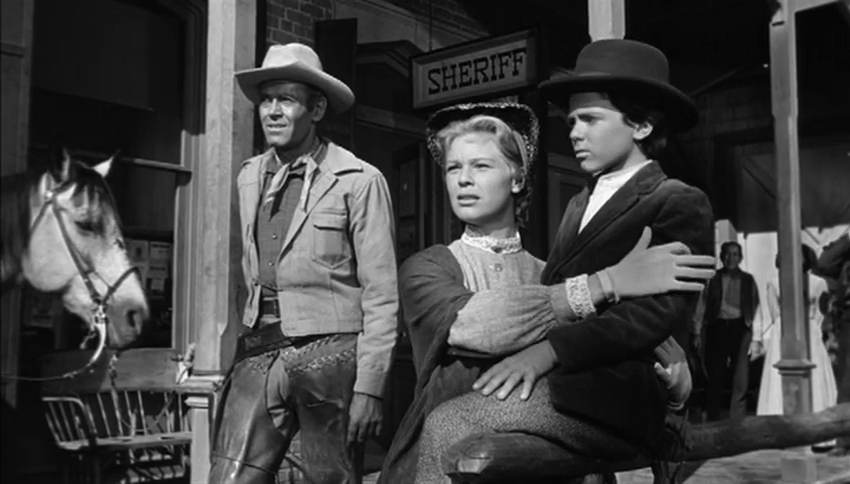
Meanwhile, he “becomes attached to” a widow and her son — a “ready-made new family” — and once “again has something to live for.”

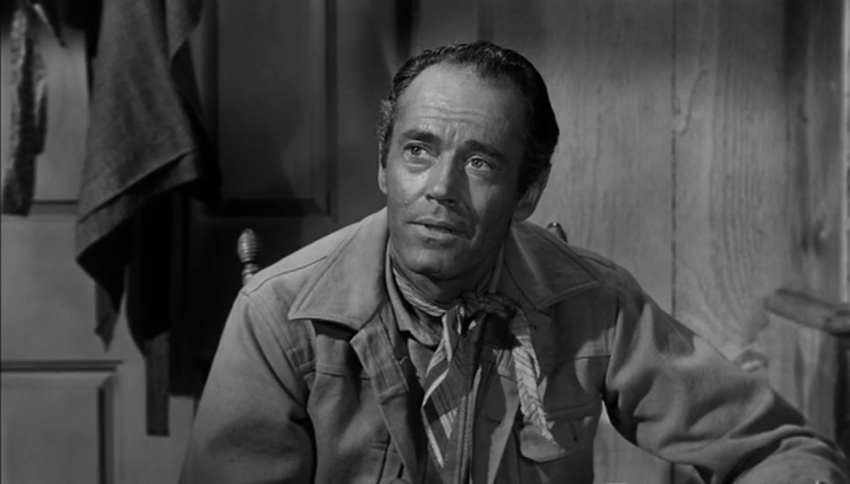
Interestingly, The Tin Star has a “pacifist theme, unusual for a western,” and “Mann succeeds in getting us to want a peaceful resolution, without hero-vs.-bad-guy confrontation scenes.” Meanwhile, “Fonda gives a very controlled, sensible performance” — not “nearly as neurotic as Jimmy Stewart in his Mann films.”

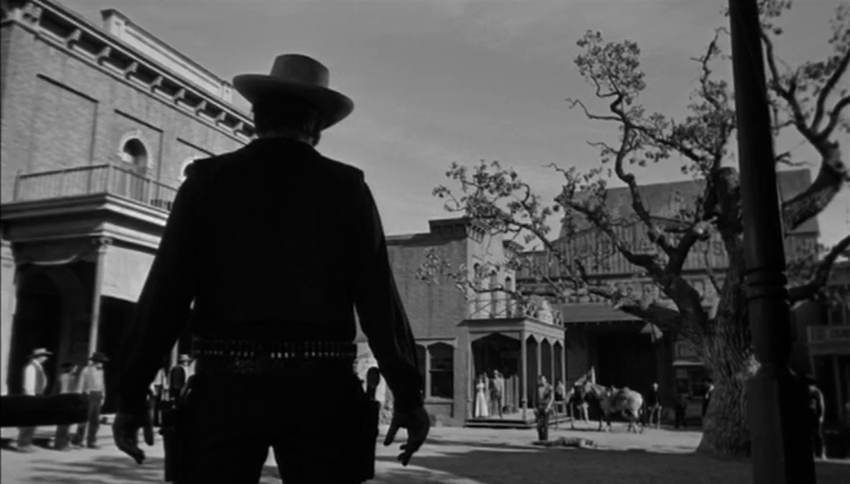
I’m in overall agreement with Peary’s review of this well-made western, nicely filmed by cinematographer Loyal Griggs and featuring a relatively uncomplicated tale of mentoring and redemption in the Old West. Film fanatics will surely enjoy seeing Betsy Palmer (of Friday the 13th notoriety) as a sympathetic young single mother:

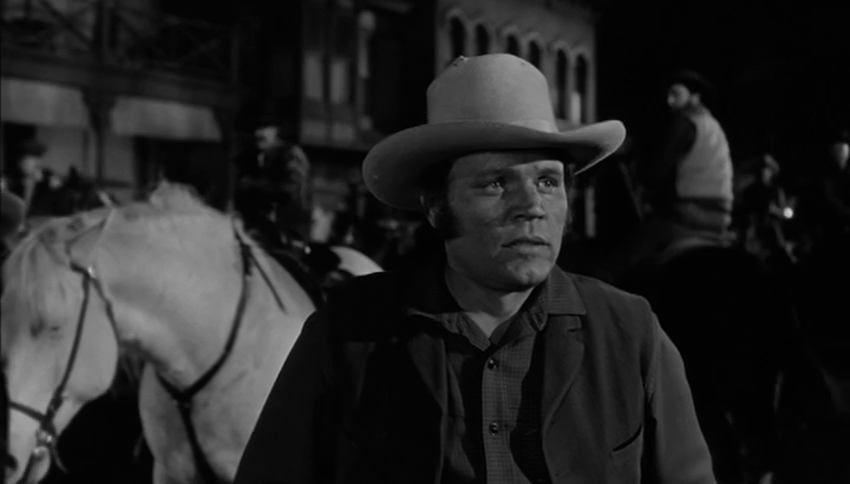
… Neville brand as (naturally) a baddie:

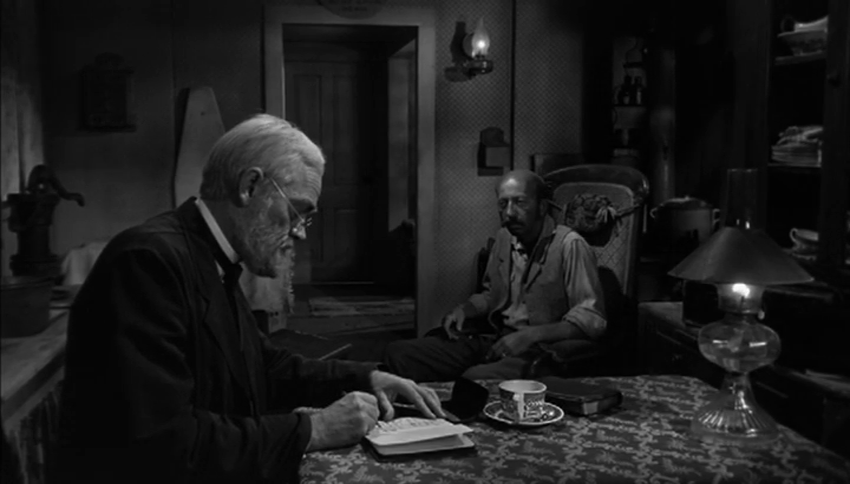
… and John McIntire giving a quiet but powerful performance as the beloved town doctor.

Redeeming Qualities and Moments:

  • Loyal Griggs’ cinematography


  • Elmer Bernstein’s score

Must See?
No, though it’s worth a look if you like westerns.

Links:

Dawn Patrol, The (1938)

Dawn Patrol, The (1938)

“You know what this place is? It’s a slaughterhouse – and I’m a butcher.”

Synopsis:
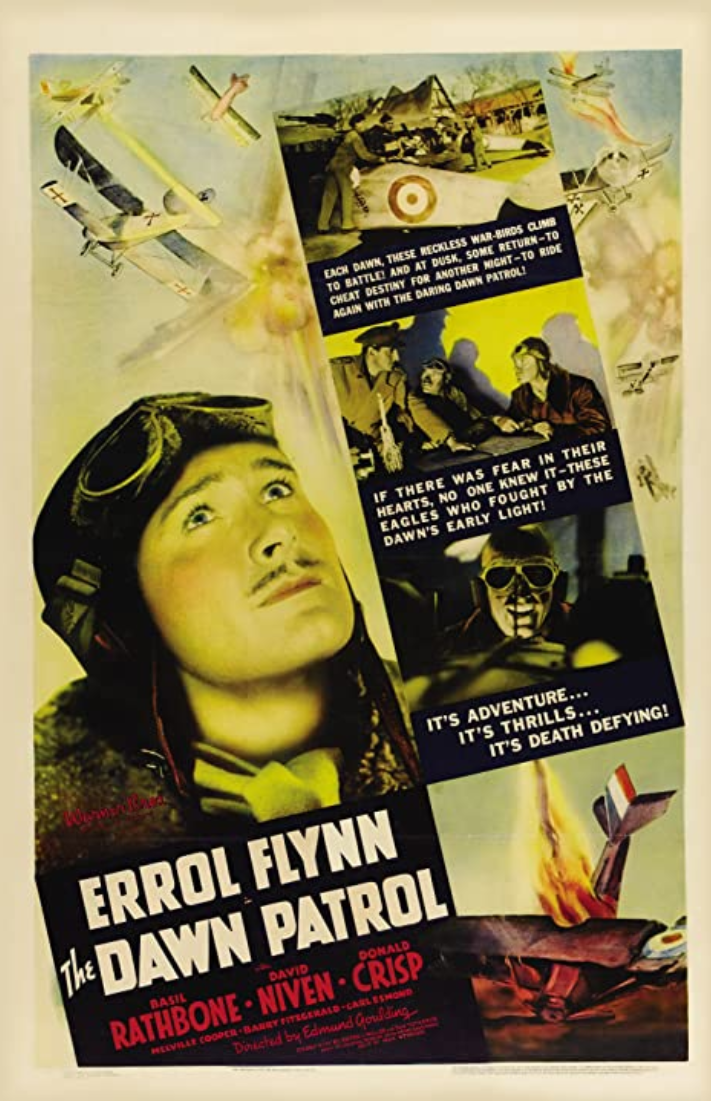
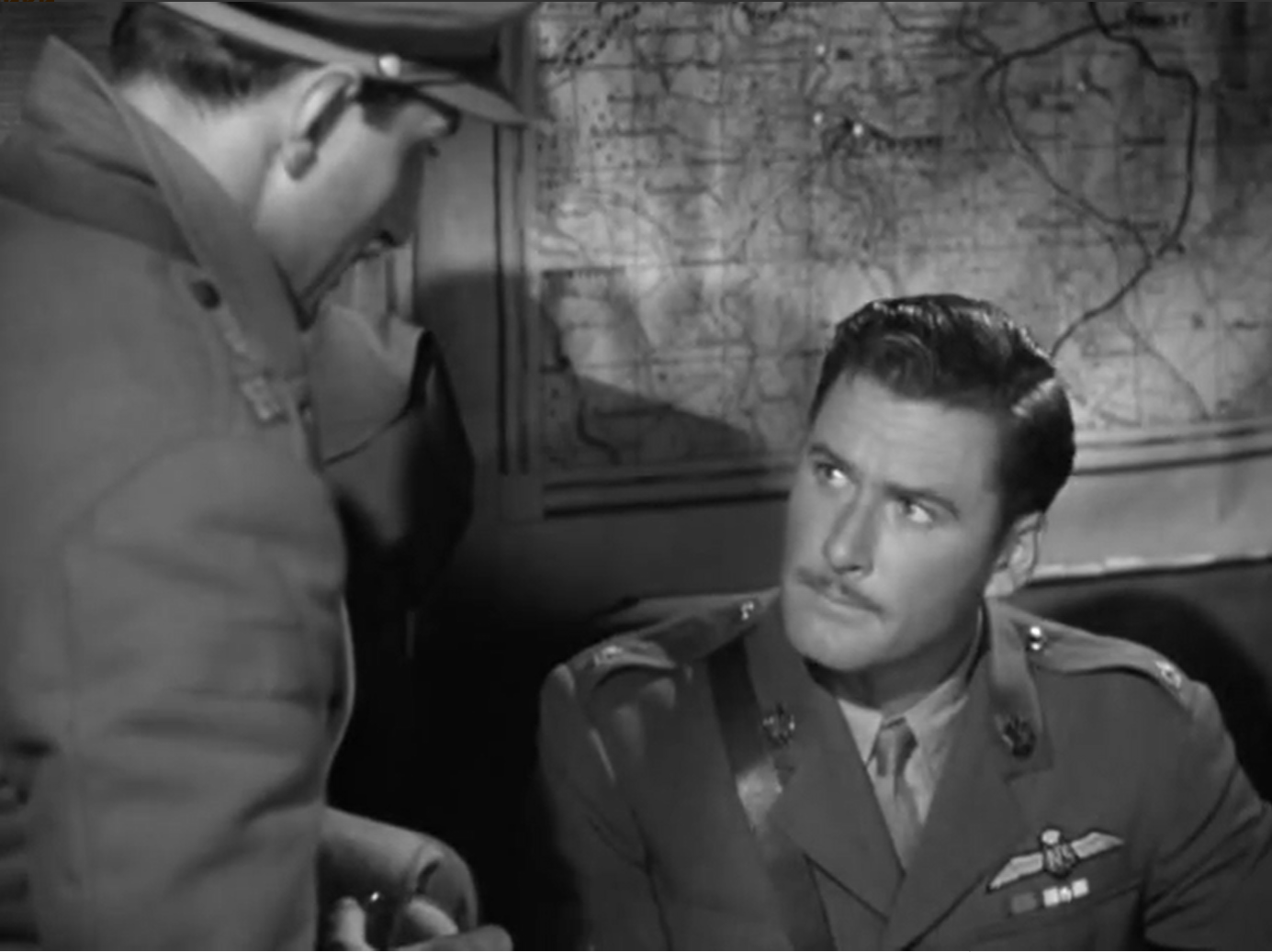
The commanding officer (Basil Rathbone) of an RFC squadron in WWI-era France is replaced by one of his ace pilots (Errol Flynn), who quickly learns how challenging it is to send young men into the air without sufficient training. When Flynn’s best buddy (David Niven) loses his younger brother (Morton Lowry) in a flight, Flynn feels especially responsible, and vows to make things right.

Genres, Themes, Actors, and Directors:

  • Airplanes and Pilots
  • Barry Fitzgerald Films
  • Basil Rathbone Films
  • David Niven Films
  • Donald Crisp Films
  • Edmund Goulding Films
  • Errol Flynn Films
  • World War I

Review:
Edmund Goulding directed this closely aligned remake of Howard Hawks’ 1930 film of the same name, using stock aerial footage from the previous movie. Thankfully, all the selling points of Hawks’ version are here as well, including powerful performances by the male leads (there were once again no women in the cast) and almost unbearable tension built through cyclical repetition of key themes and motifs — including counting the number of airplane motors heard returning after a mission (to determine how many have died); young replacement recruits arriving just in time to head into the air towards their near-certain death; and alcohol-fueled carousing by the men in order to numb the insanity of their existence. While this film isn’t must-see viewing (I give that status to the original), it remains highly recommended if you can stomach it.

Redeeming Qualities and Moments:

  • Errol Flynn as Courtney
  • David Niven as Scott
  • Basil Rathbone as Major Brand
  • Tony Gaudio’s cinematography

Must See?
No, but it’s definitely recommended.

Links:

Desperate Journey (1942)

Desperate Journey (1942)

“We must all do our work before we can go back to doing what we love.”

Synopsis:
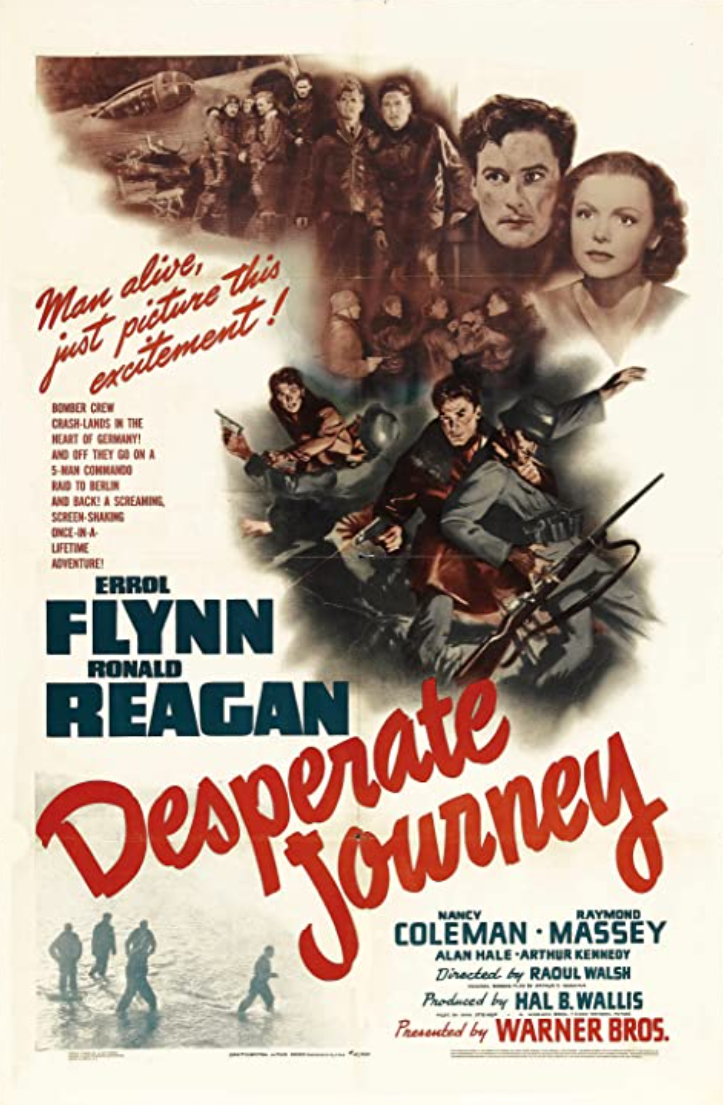
A group of downed Allied airmen (Errol Flynn, Ronald Reagan, Alan Hale, Arthur Kennedy, and Ronald Sinclair) fight against the Nazis while being pursued by a relentless major (Raymond Massey), eventually receiving support from a beautiful young Resistance fighter (Nancy Coleman).

Genres, Themes, Actors, and Directors:

  • Alan Hale Films
  • Arthur Kennedy Films
  • Errol Flynn Films
  • Nazis
  • Raoul Walsh Films
  • Raymond Massey Films
  • Ronald Reagan Films
  • World War II

Review:
Raoul Walsh’s second of seven collaborations with Errol Flynn — after They Died With Their Boots On (1941), and before Gentleman Jim (1942) and Objective, Burma! (1945), among others — was this quickly produced comedic wartime drama clearly designed to get young American men excited at the prospect of heading out to war. DVD Savant accurately describes it as “a preposterous tale of Allied derring-do behind enemy lines, with Flynn and his gung-ho buddies (including his Robin Hood sidekick Alan Hale) making fools of the Nazis in their own back yard” — meaning, none of it should be taken too seriously despite the gravity of the subject matter. While several of the airmen do (nobly) die, we know at least some will survive — and to the film’s credit, their final moments are truly a satisfying fantasy.

Redeeming Qualities and Moments:

  • Bert Glennon’s cinematography

Must See?
No, though Flynn fans will likely want to check it out.

Links: