Nightmare Alley (1947)

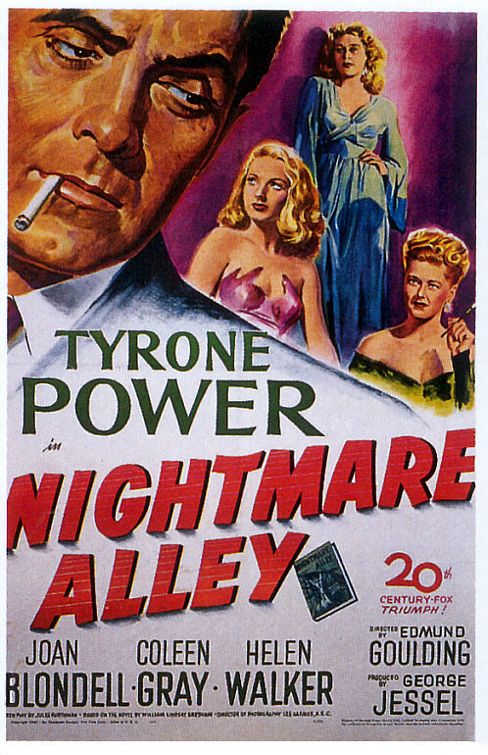
Nightmare Alley (1947)

“It gives you a sort of superior feeling — it’s as if you were in the know, and they were on the outside, looking in…”

Synopsis:
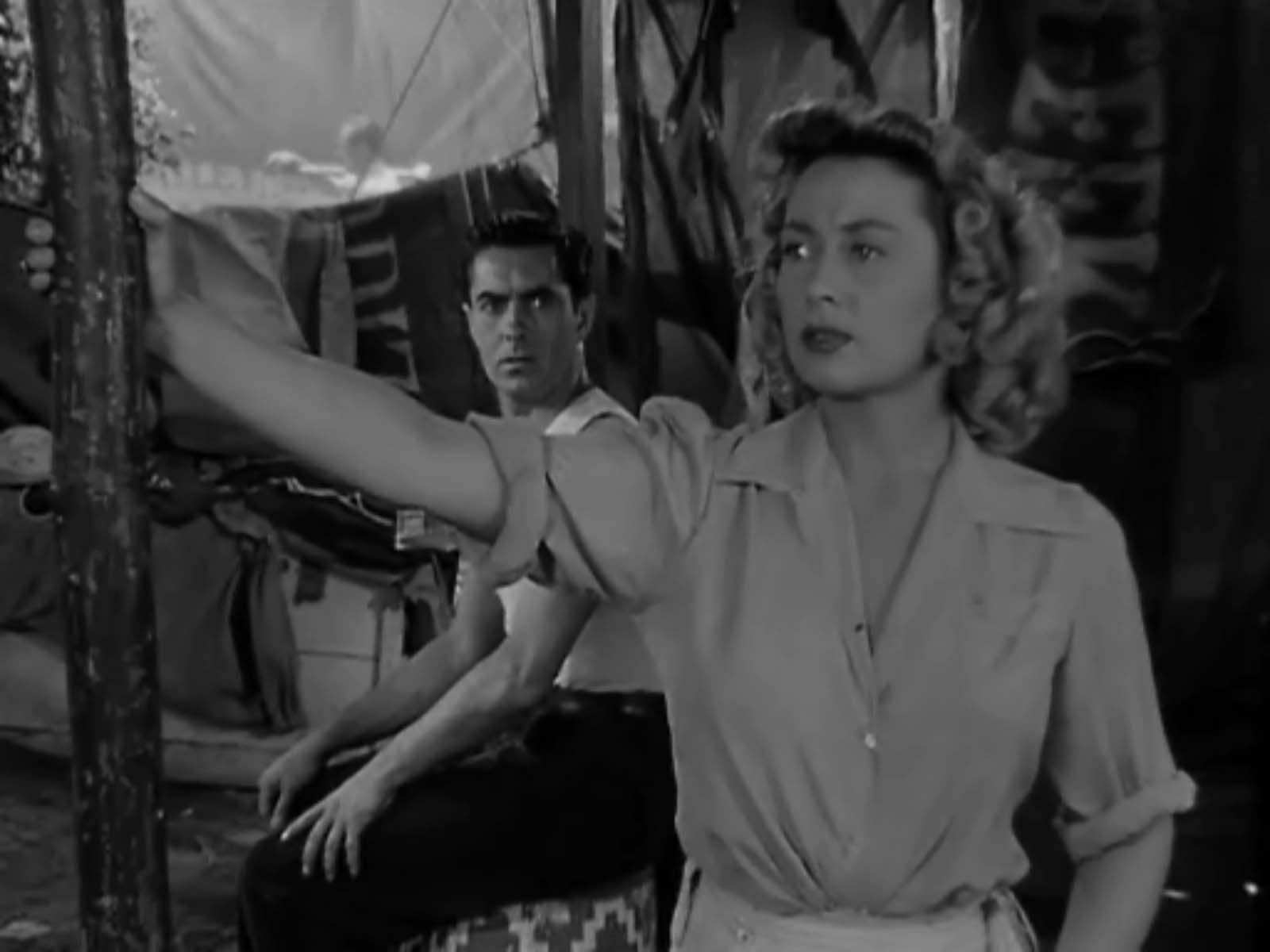
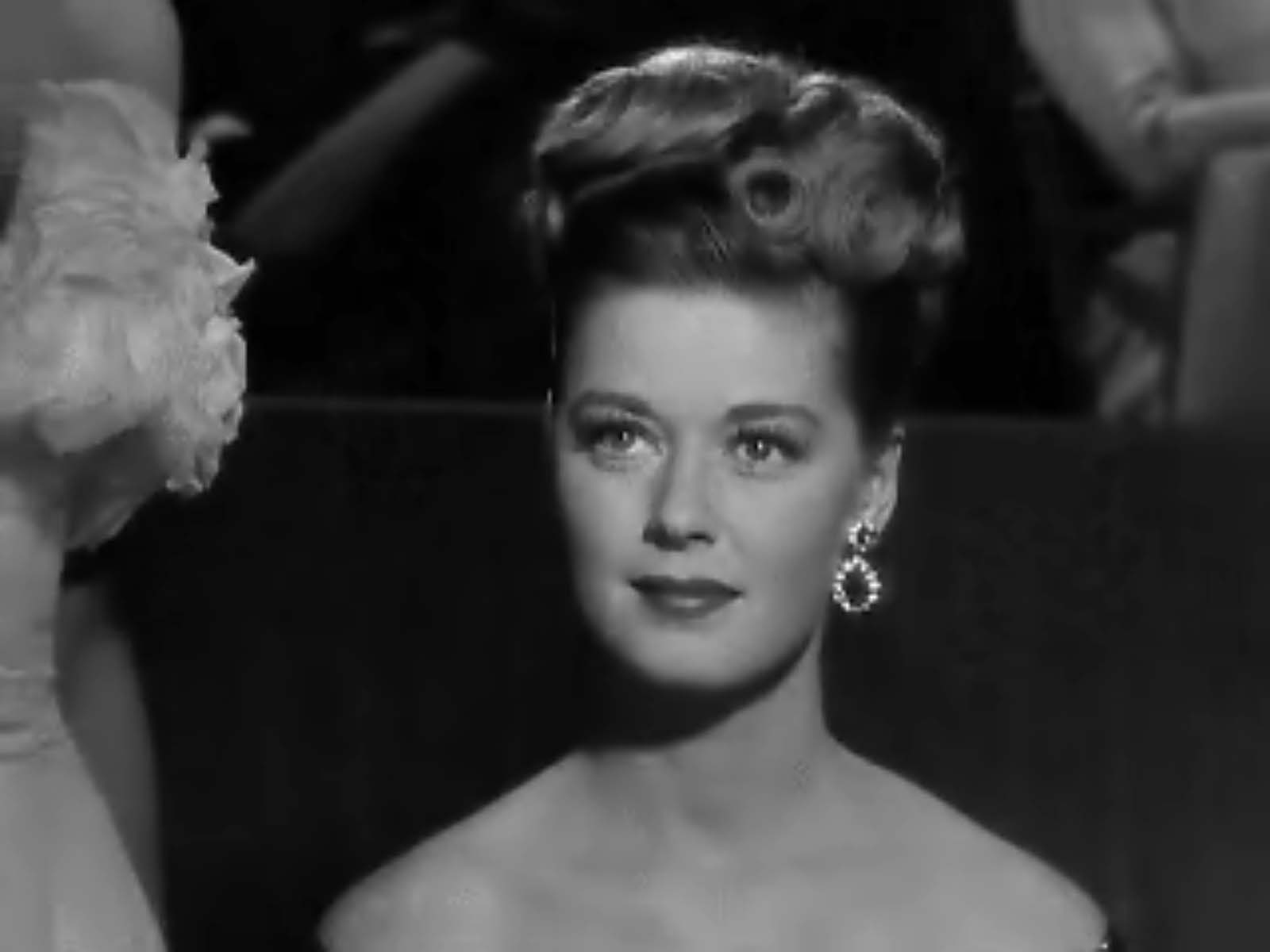
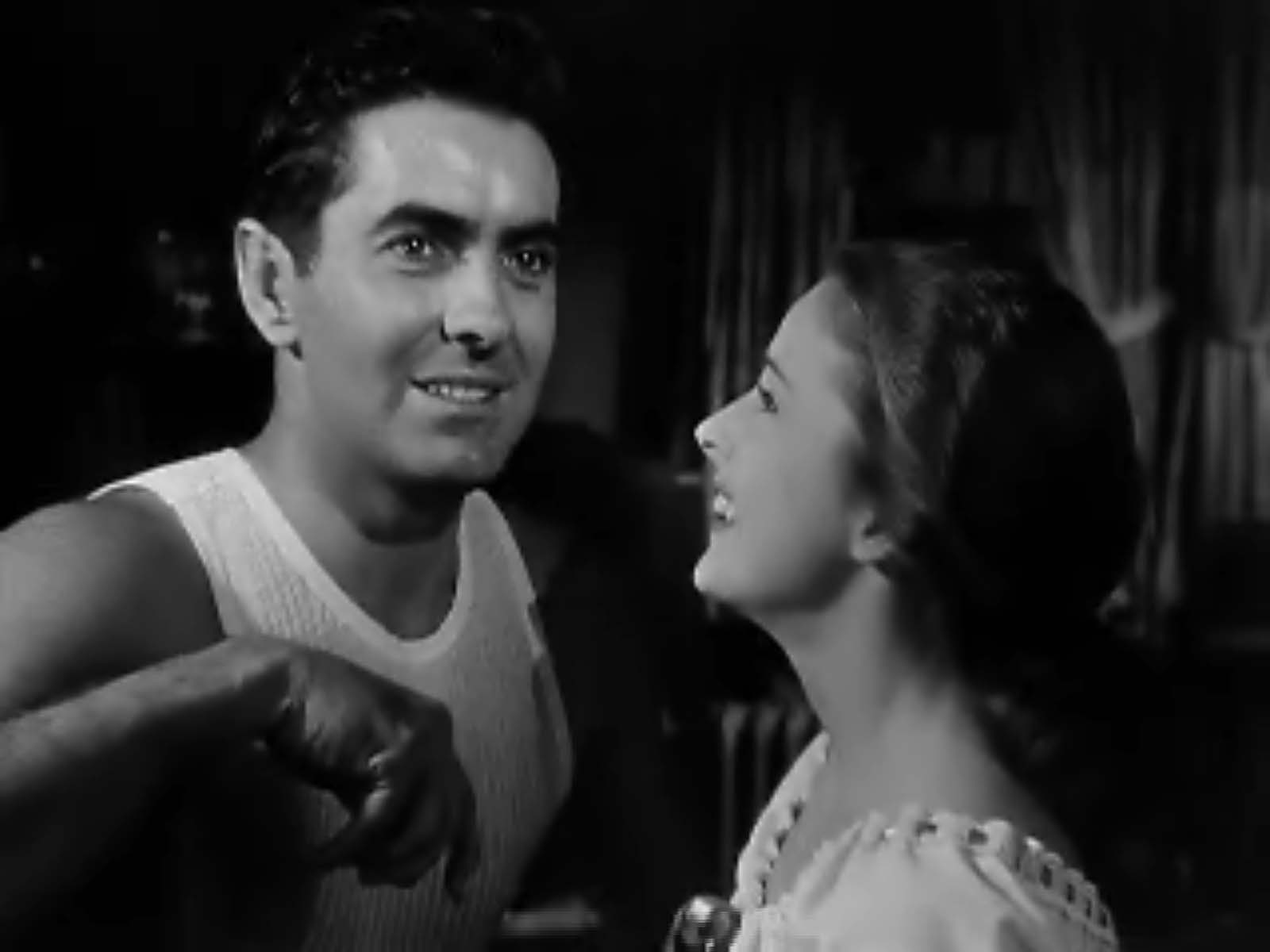
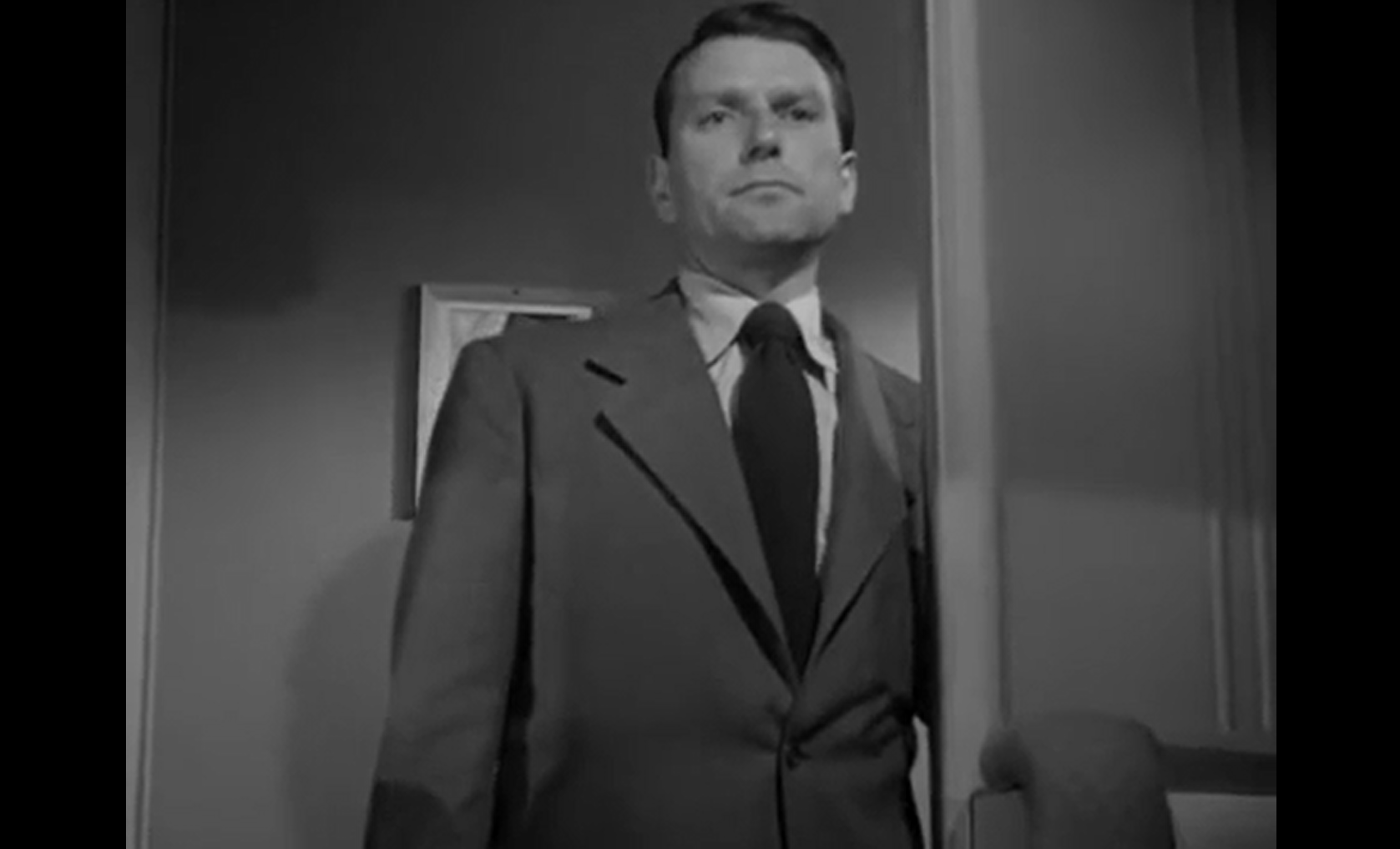
An ambitious carnival worker (Tyrone Power) uses trickery and psychology to convince audiences he’s telepathic, and soon he and his beautiful young wife (Coleen Gray) have a successful nightclub act together. But when Power collaborates with an immoral psychiatrist (Helen Walker) in convincing wealthy citizens he can talk with the dead, his thirst for power comes to a head.

Genres, Themes, Actors, and Directors:

  • Carnivals and Circuses
  • Coleen Gray Films
  • Con-Artists
  • Edmund Goulding Films
  • Femmes Fatales
  • Joan Blondell Films
  • Psychic Powers
  • Rise-and-Fall
  • Social Climbers

Response to Peary’s Review:
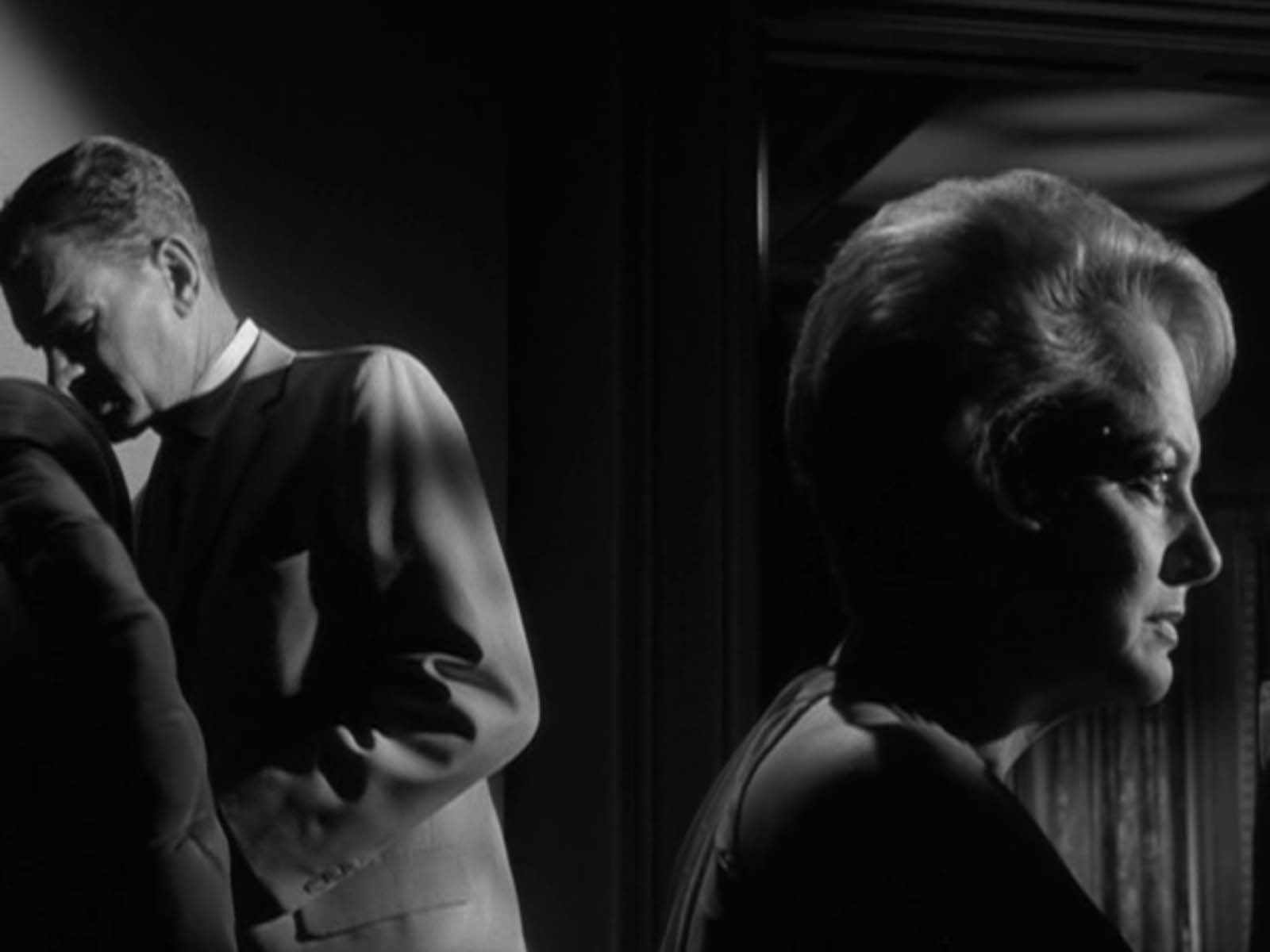
Tyrone Power gave what is widely regarded as his best performance in this memorable, well-acted tale of greed and betrayal in the carnival racket. As noted by Peary, “No [‘A’] picture of the forties projected a more corrosive atmosphere. … What other picture of the time … had geeks, dipsomaniacs, premarital sex in which the woman doesn’t become pregnant, and discussion of God?” Director Edmund Goulding portrays a truly “miserable world”, one “which mirrors the country’s post-war malaise,” and depicts “sorry people… who are deeply depressed, lonely, [and] devoid of spirit.” Despite its unconventional setting, Alley is in many ways classic noir cinema, given the presence of a love triangle (Powers, Blondell, Gray), a cagey femme fatale (Walker), and highly atmospheric b&w cinematography; indeed, Powers’ downward spiral is similar to those of every male noir protagonist who aims too high and (wrongly) thinks he can have it all. Balance is eventually restored, but not without plenty of devastation along the way. Dark, gritty, and compulsively watchable, Nightmare Alley remains must-see viewing for all film fanatics.

Redeeming Qualities and Moments:

  • Tyrone Powers as Stan
  • Joan Blondell as Zeena
  • Colleen Gray as Molly
  • Helen Walker as Lilith
  • An effectively harsh portrait of big dreams turned sour
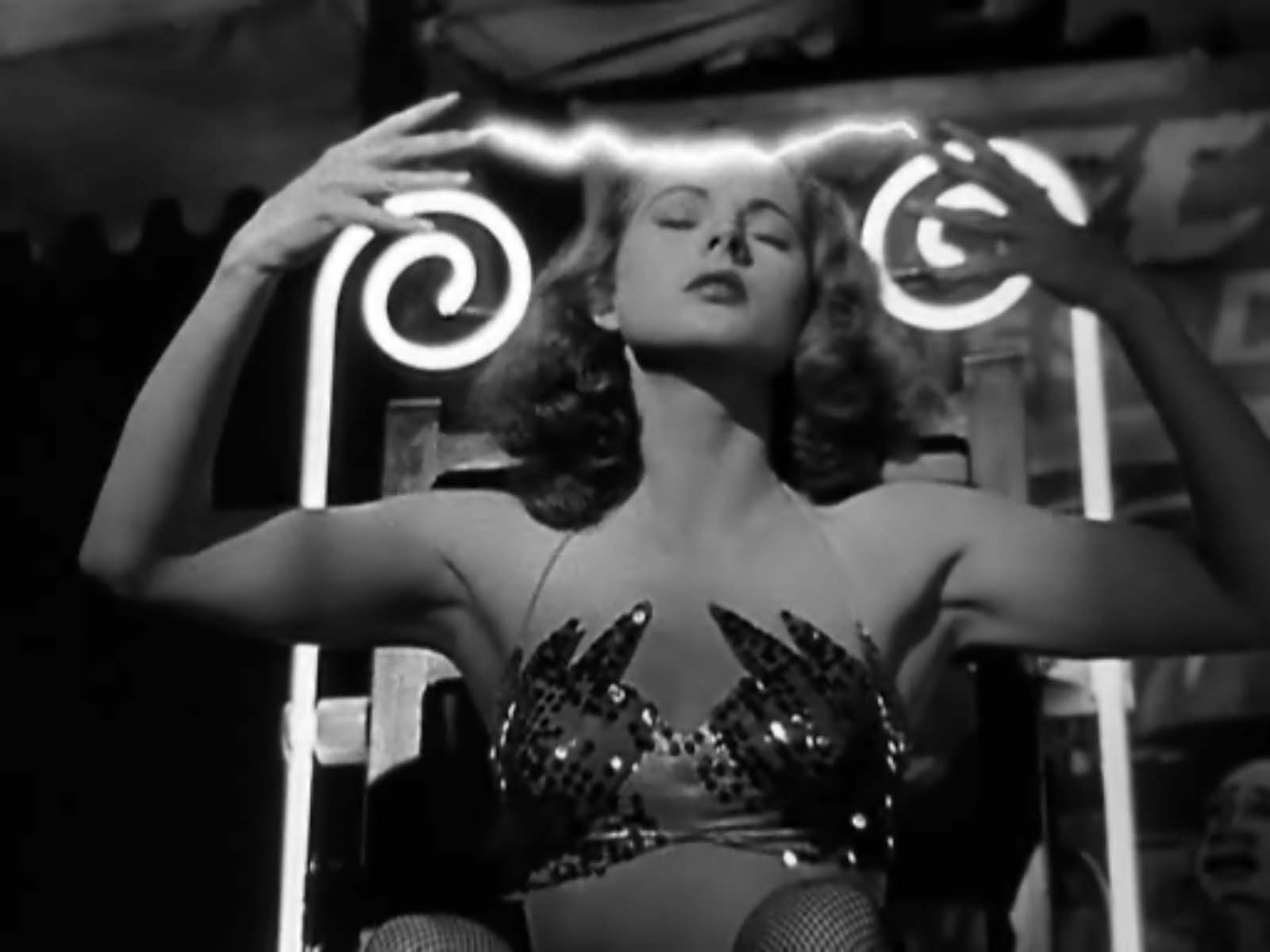
  • Gray demonstrating her act as “Lightning Woman”
  • Lee Garmes’ haunting b&w cinematography

Must See?
Yes. This film is widely regarded as a classic noir thriller, and should be seen by all film fanatics. Peary nominates it for an Alternate Oscar as one of the best pictures of the year. Discussed at length in Peary’s Cult Movies 2 (1983).

Categories

  • Genuine Classic
  • Noteworthy Performance(s)

Links:

Savage Innocents, The (1960)

Savage Innocents, The (1960)

“To the white man, Arctic ice and snow are pitiless enemies; but to the Eskimo they can be useful friends.”

Synopsis:
Eskimos Inuk (Anthony Quinn) and his wife Asiak (Yoko Tani) survive happily together in the Arctic, until the day they arrive at a trading post and Inuk accidentally kills a missionary (Marco Guglielmi). Eventually Inuk is found and arrested by two troopers (Carlo Giustini and Peter O’Toole) — but when Giustini falls into the ice and dies, Inuk must decide whether to kill his remaining captor or help keep him alive.

Genres, Themes, Actors, and Directors:

  • Anthony Quinn Films
  • Native Peoples
  • Nicholas Ray Films
  • Peter O’Toole Films
  • Race Relations and Racism
  • Survival

Review:
Inexplicably lauded by modern critics, this patronizing ethnographic drama (co-written and directed by Nicholas Ray) is an insufferable exercise in frustration. Accompanied by a grandiose Voice of God narration, the story purports to portray Eskimos in an authentic light, but instead simply holds them up to our “civilized” gaze as “savage innocents”: the mostly Japanese cast (generically olive-skinned Anthony Quinn is a notable exception) can’t seem to stop giggling; sex is depicted as a casual, all-day affair; and men resolve their differences by knocking their (apparently dense) heads against blocks of ice. Quinn himself is perhaps the most egregious character in the film: it’s impossible to take him seriously when he’s asked to recite such insipid lines as, “A woman is not a seal — or even a walrus!”

For every moment we’re allowed to admire the Eskimos’ estimable survival skills (especially in contrast with the ignorant troopers, who fatally refuse to follow Inuk’s guidance about riding over ice), we’re supposed to laugh at the silliness of their quaint customs. For instance, while it’s impressive that Asiak is able to give birth on her own (how this scene must have shocked audiences at the time!), it defies belief that she and Inuk don’t know babies are born without teeth (have they never seen babies nursing before?). The film partially redeems itself once Peter O’Toole’s (American-dubbed) trooper arrives in the story, and is given a detailed explanation of why it’s the ultimate insult to refuse to “laugh” with another man’s wife — but, once again, this cautious respect is undermined in the final scene, when O’Toole is posited as ultimately savvier than the naive Inuk can ever hope to be. Even the lovely Arctic cinematography can’t save this film from its own worst tendencies; I recommend renting Never Cry Wolf (1983) or the recent Inuktitut-language Fast Runner (2001) instead.

Redeeming Qualities and Moments:

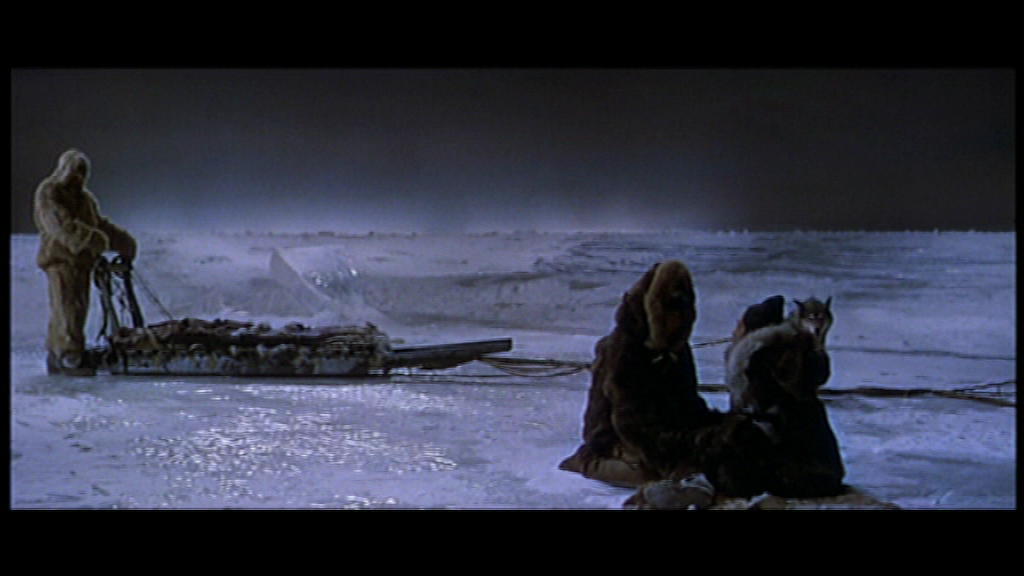
  • Gorgeous cinematography of Arctic landscapes
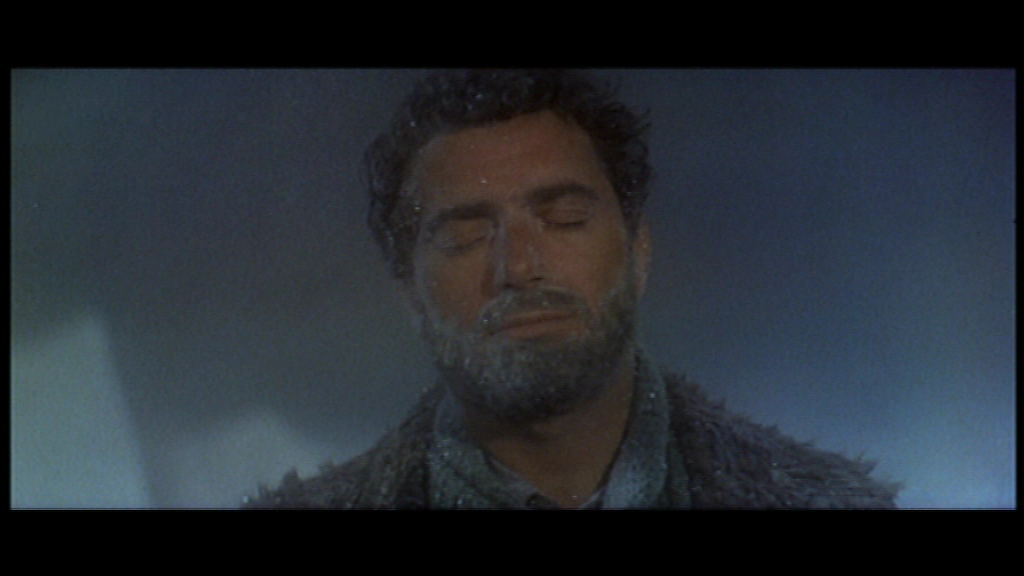
  • The freaky hypothermia scene — a rare moment when Inuk’s wisdom is allowed to bear out
  • The final half hour of the film, when O’Toole gradually begins to understand the ways of the Eskimo

Must See?
No. While it’s listed as a Cult Movie in the back of Peary’s book, this dated film is no longer must-see viewing.

Links:

Young Girls of Rochefort, The (1967)

Young Girls of Rochefort, The (1967)

“I’ve looked everywhere, I’ve sailed the seven seas… Can she be far? Is she close to me?”

Synopsis:
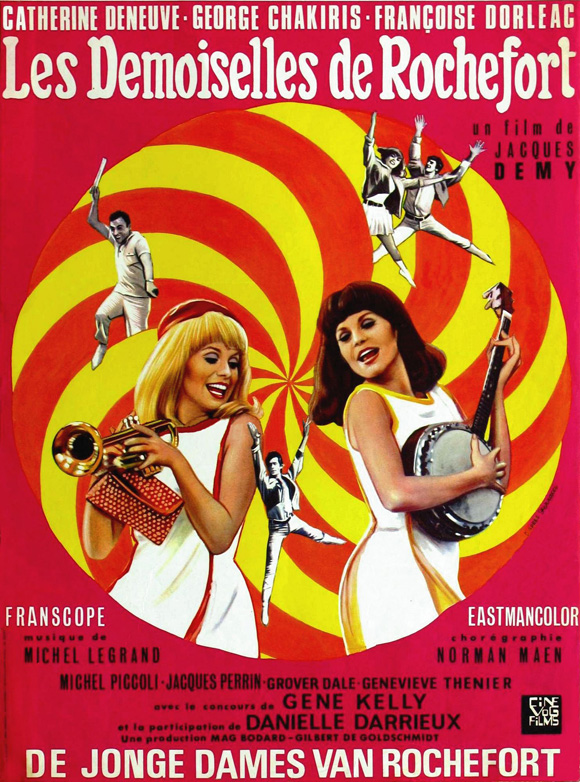
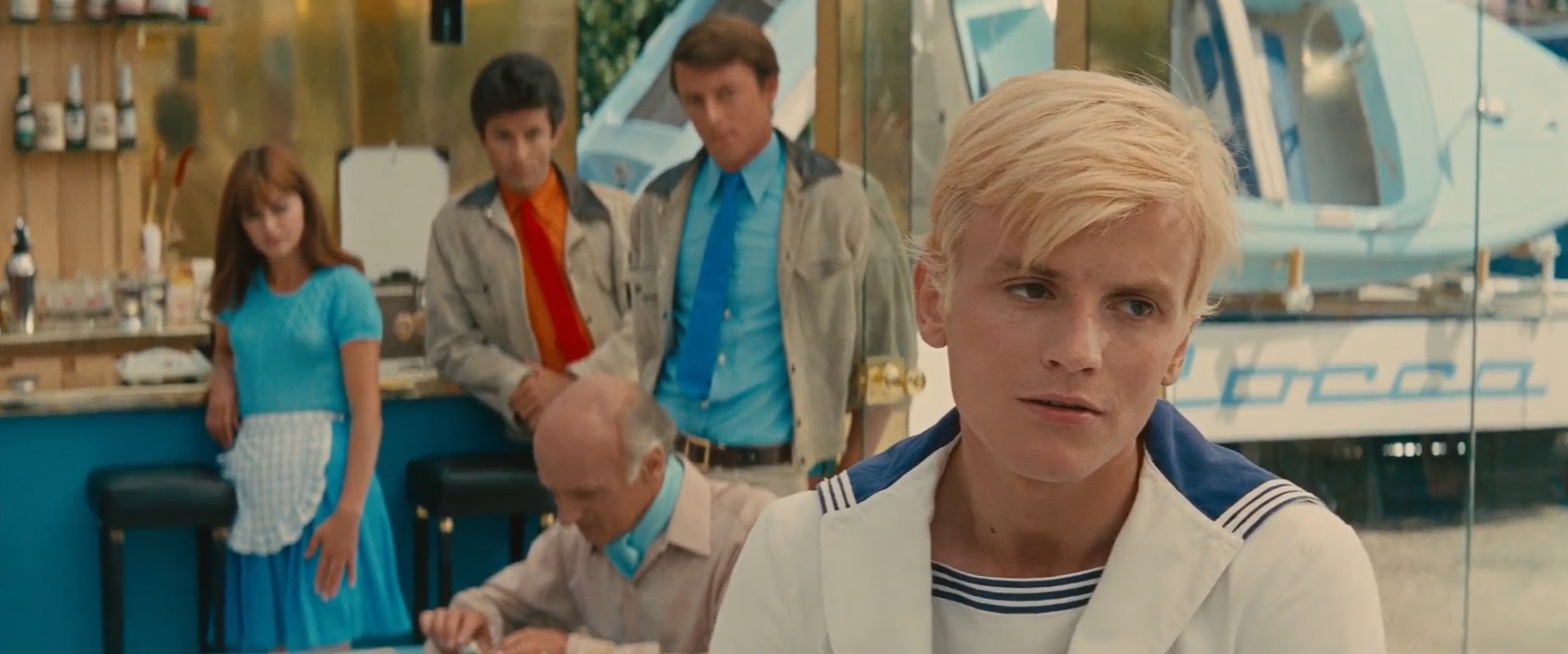
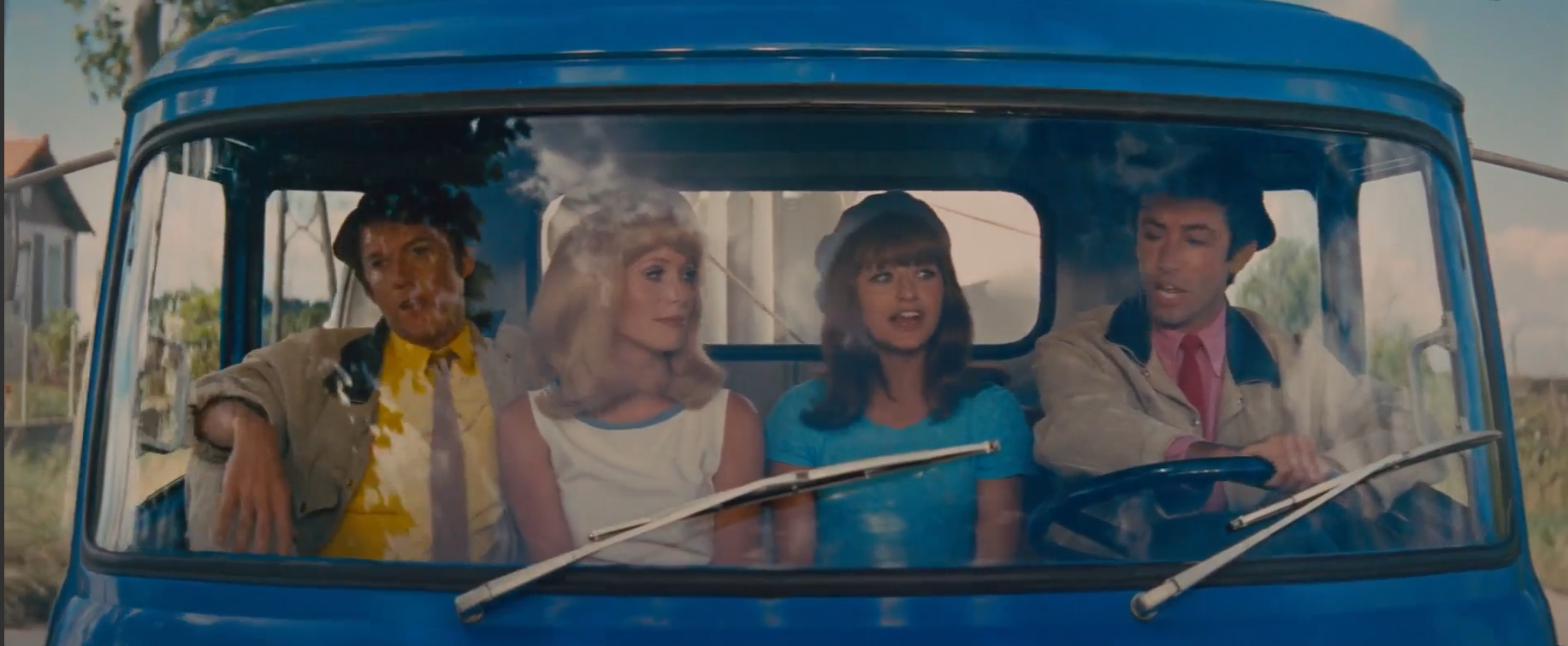
In the town of Rochefort, twin sisters Delphine (Catherine Deneuve) and Solange (Francoise Dorleac) Garnier hope to meet their true loves. Meanwhile, their mother (Danielle Darrieux) pines after her long-lost fiance (Michel Piccoli); an American composer (Gene Kelly) is smitten at first sight with Solange; an artistic soldier (Jacques Perrin) paints a portrait of his ideal woman (who looks just like Delphine); and carnies Etienne (George Chakiris) and Bill (Grover Dale) convince Delphine and Solange to perform in their show before heading to Paris.

Genres, Themes, Actors, and Directors:

  • Carnivals and Circuses
  • Catherine Deneuve Films
  • Danielle Darrieux Films
  • French Films
  • Gene Kelly Films
  • Jacques Demy Films
  • Looking for Ms./Mr. Right
  • Musicals
  • Twins

Review:
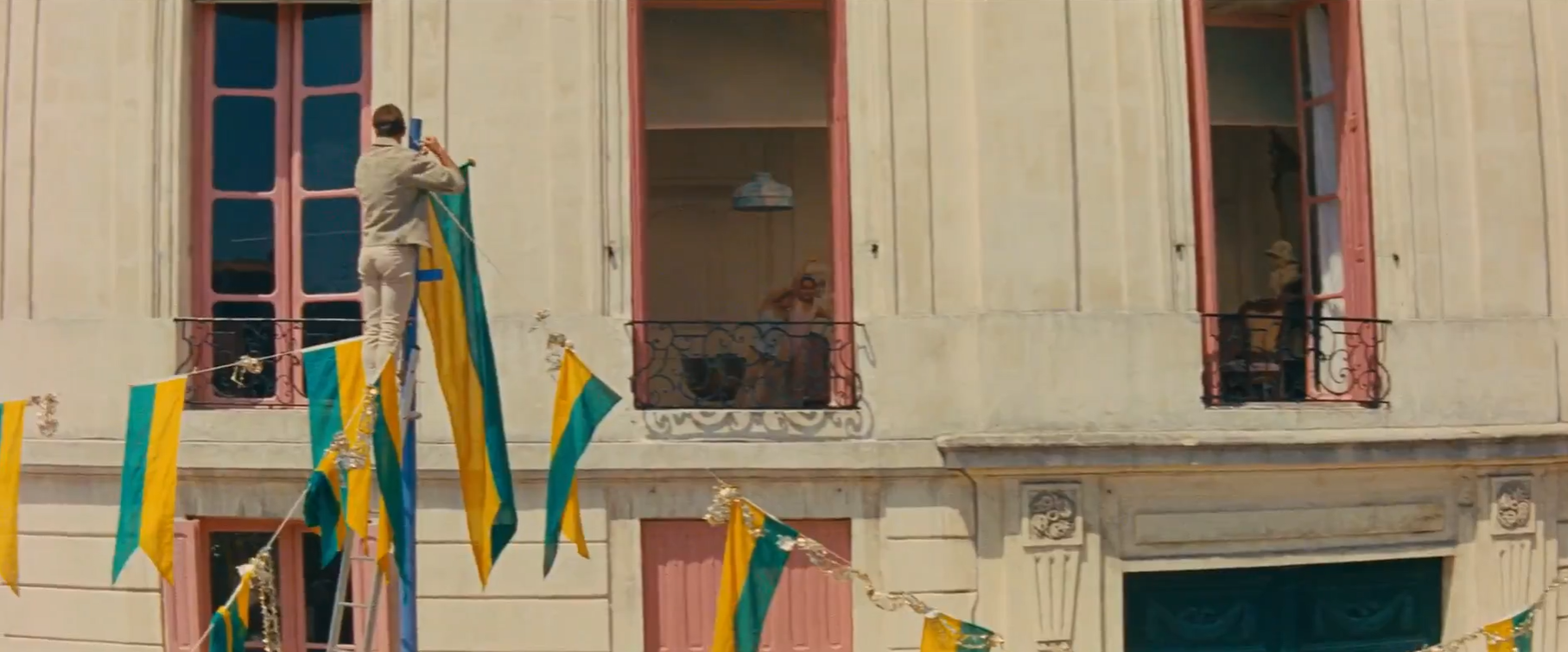
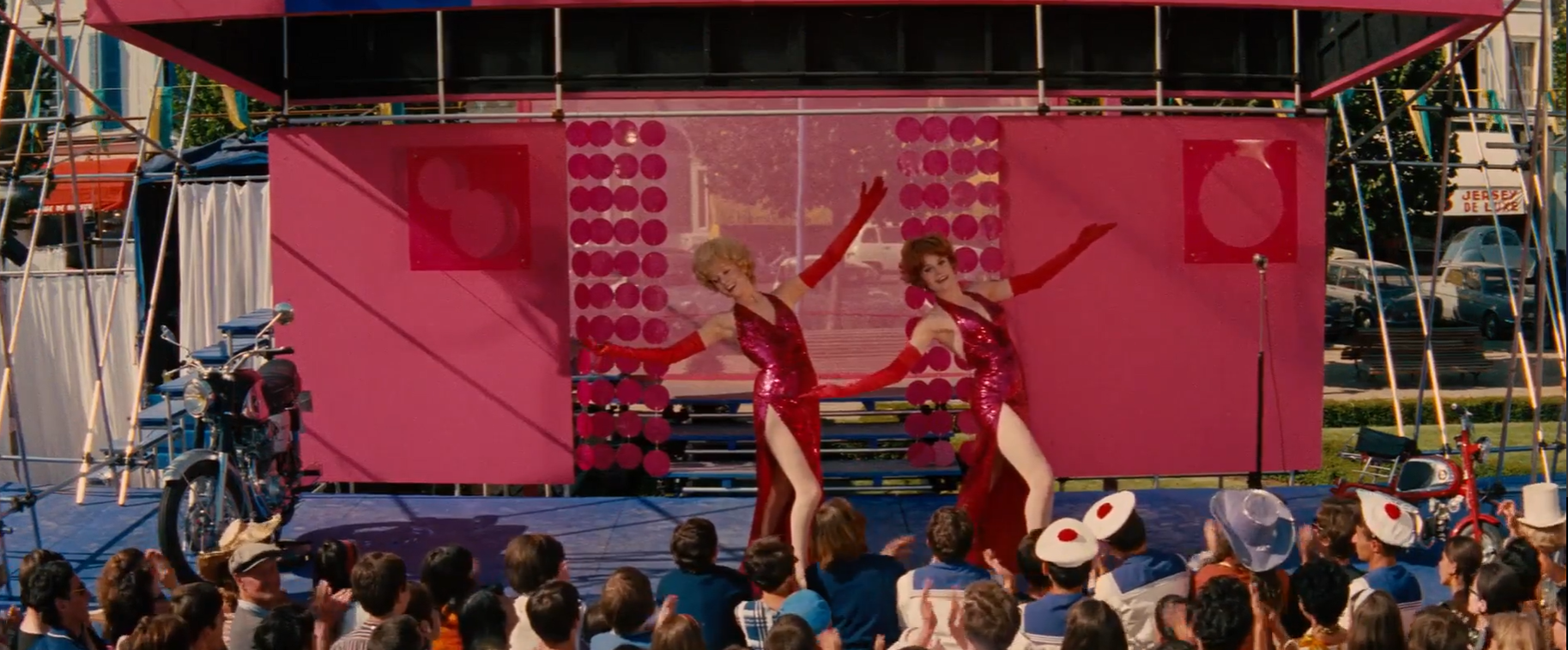
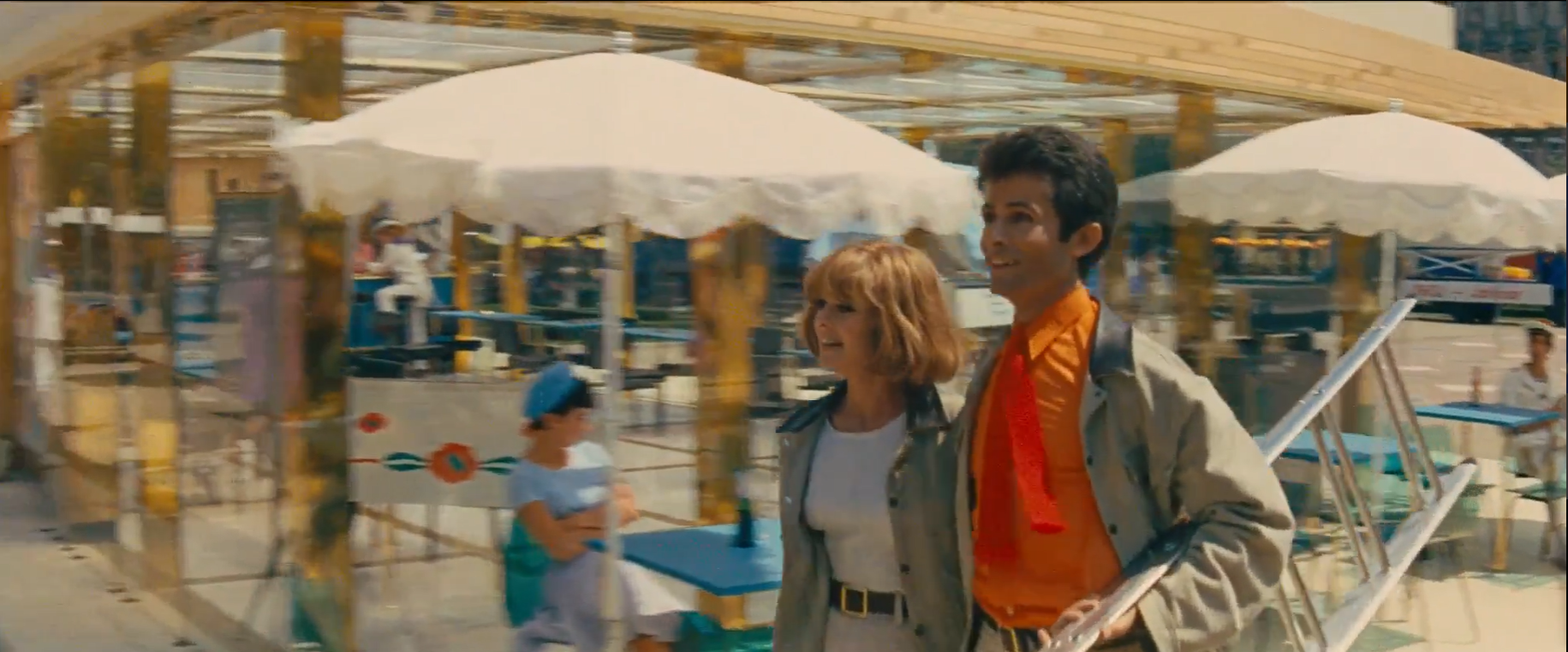
Four years after the success of Jacques Demy’s all-singing musical The Umbrellas of Cherbourg (1964), Demy and his wife Agnes Varda directed this vibrant romantic homage to Hollywood musicals, based on the notion that true love is waiting just around the corner (if only we’re lucky enough to stumble upon it!), and that an “ideal mate” exists for everyone. It’s playful, colorful, irreverent (a minor subplot about a murderer is thrown in, just for kicks), and jazzy, thanks in large part to both Michel Legrand’s inimitable musical touch (his soundtrack literally permeates the proceedings) and the creative team behind the film’s stylized production design. Equally infectious is the dancing, with George Chakiris adding a light touch to every step he takes (those white boots!), and Gene Kelly — looking nothing close to his age of 55 — serving as inspired casting (Demy apparently waited two years until Kelly was available to participate in the film).

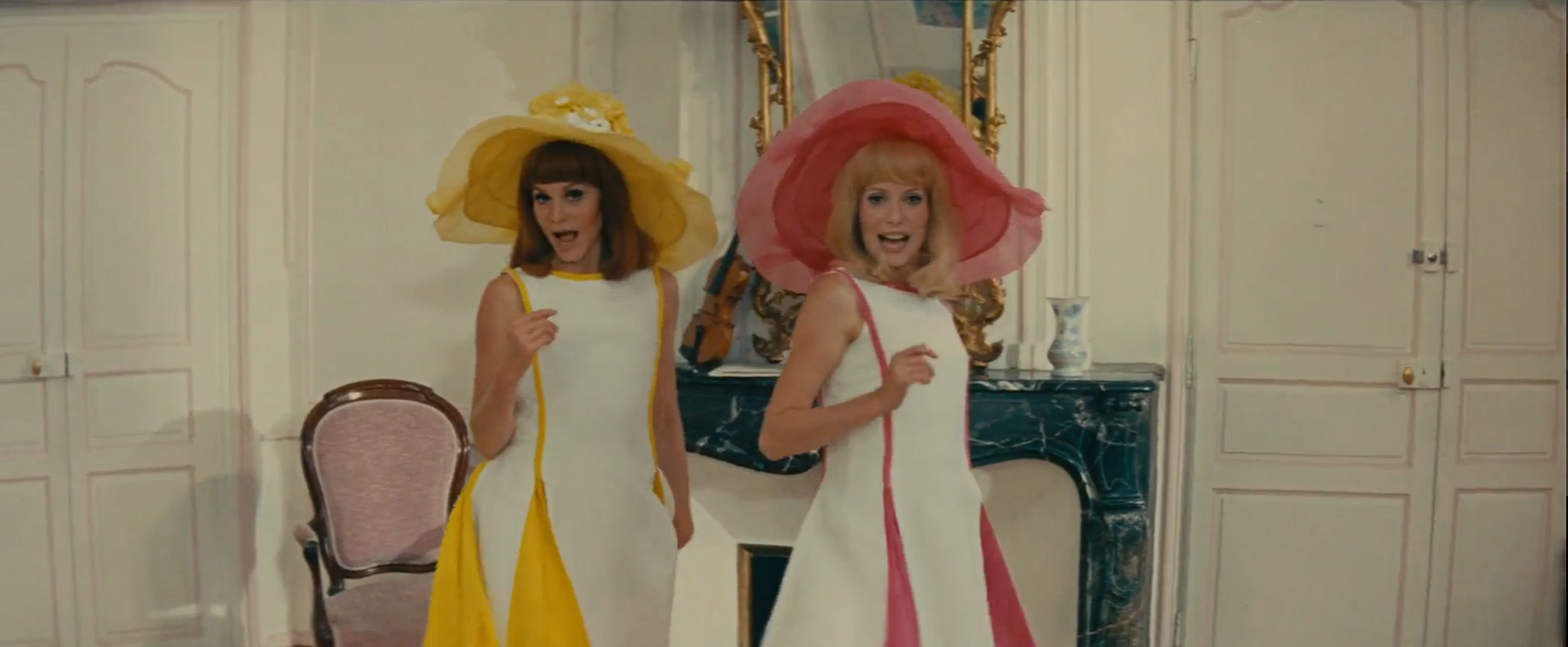
Deneuve and her real-life sister Dorleac (who died in a car accident before the film was released) are also perfectly cast as the fraternal Garnier twins — their initial song together (“Chanson Des Jumelles”) is a delight. Fortunately, Demy moved away from the gimmick of Cherbourg (which was entirely sung), and was more flexible here with his dialogue: some is sung, some is rhymed, and some is simply spoken; though purists may disagree, I find this ultimately more successful. As with all musicals, … Rochefort will not be to every film fanatic’s taste — but it’s certainly must-see at least once.

Redeeming Qualities and Moments:

  • Catherine Deneuve and Francoise Dorleac as Delphine and Solange
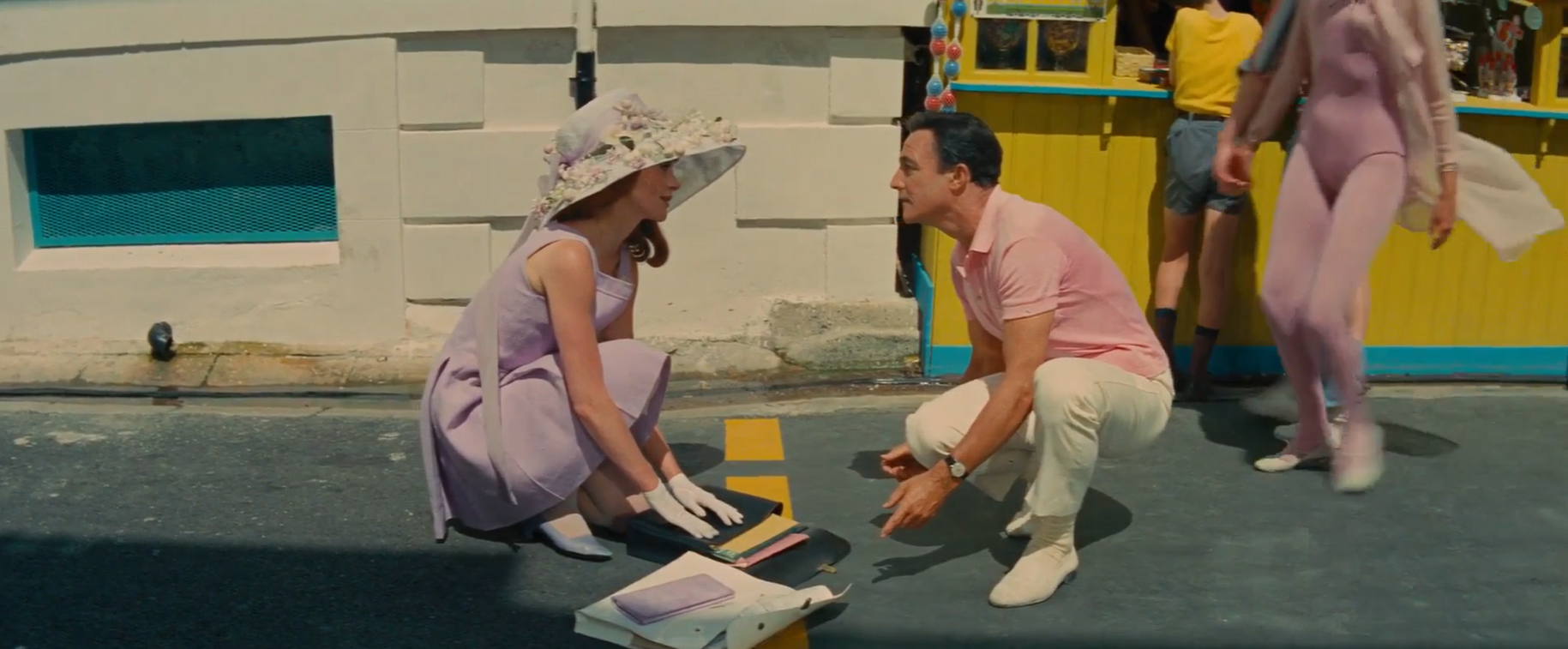
  • Gene Kelly as Mr. Dame’s American friend, Andy
  • Delightfully colorful costumes and sets
  • Exuberant dancing
  • Danielle Darrieux as the worldly-wise Yvonne
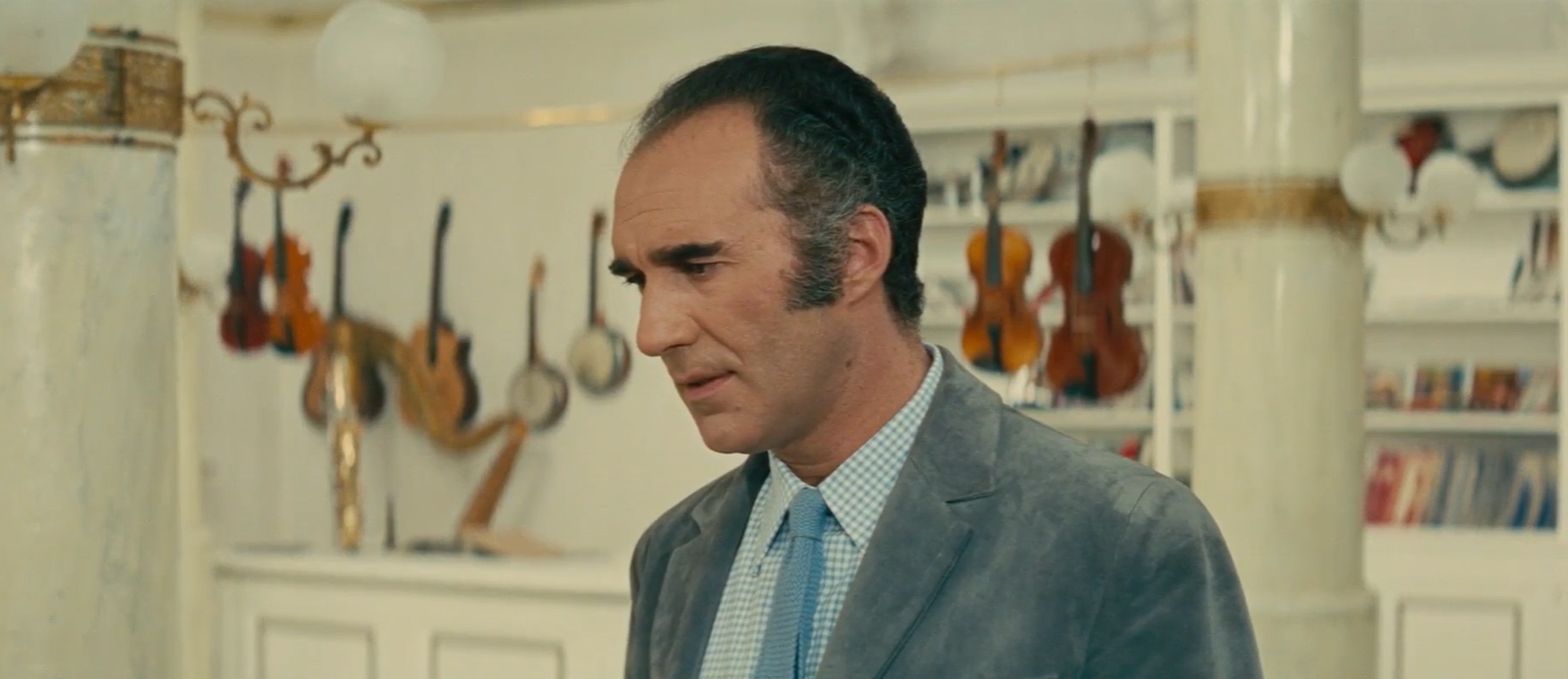
  • Michel Piccoli as “Monsieur Dame”
  • George Chakiris as Etienne
  • Jacques Perrin as Maxence
  • The final touching scene
  • Clever wordplay
  • Michel Legrand’s sparkling, jazzy score

Must See?
Yes. While not for all tastes, this is one of Demy’s masterpieces and should be seen by all film fanatics.

Categories

  • Foreign Gem
  • Important Director
  • Oscar Winner or Nominee

(Listed in 1001 Movies You Must See Before You Die)

Links:

World of Henry Orient, The (1964)

World of Henry Orient, The (1964)

“Don’t all young girls begin to dream about romance at that age?”

Synopsis:
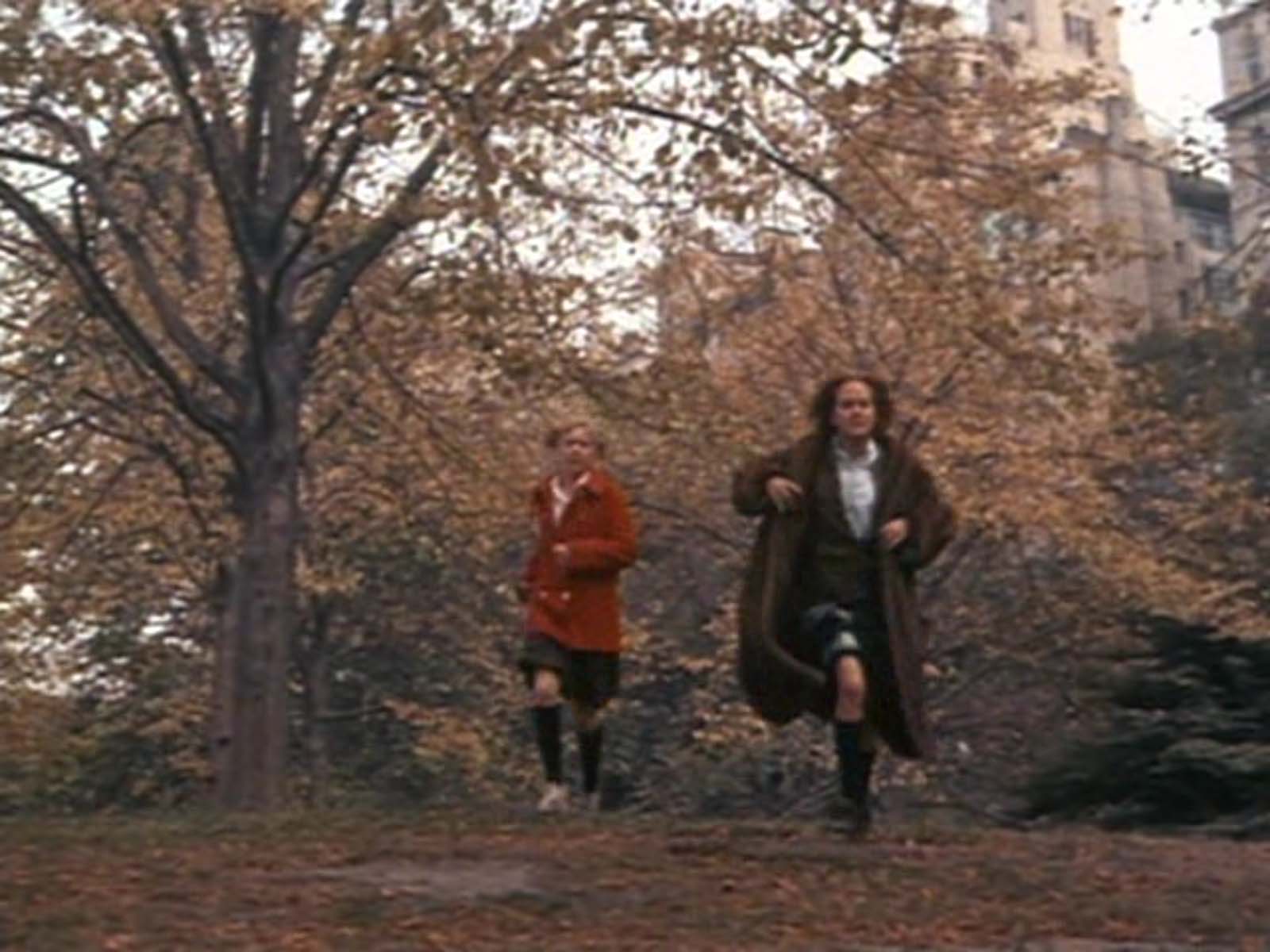
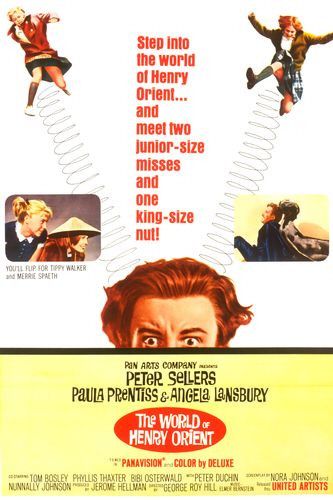
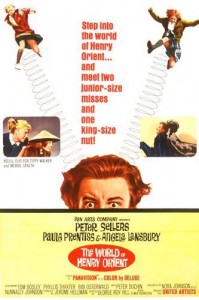
When a wealthy teen named Val (Merrie Spaeth) develops a mad crush on womanizing pianist Henry Orient (Peter Sellers), she and her new friend Gil (Tippy Walker) pursue him all around New York, repeatedly disrupting his plans to seduce a nervous married woman (Paula Prentiss); their fun is over, however, when Val’s philandering mother (Angela Lansbury) returns to town, and Val and Gil catch her pursuing Orient herself.

Genres, Themes, Actors, and Directors:

  • Angela Lansbury Films
  • Coming-of-Age
  • Friendship
  • George Roy Hill Films
  • Infidelity
  • Musicians
  • New York City
  • Obsessive Love
  • Oscar Levant Films
  • Paula Prentiss Films
  • Peter Sellers Films
  • Womanizers

Review:
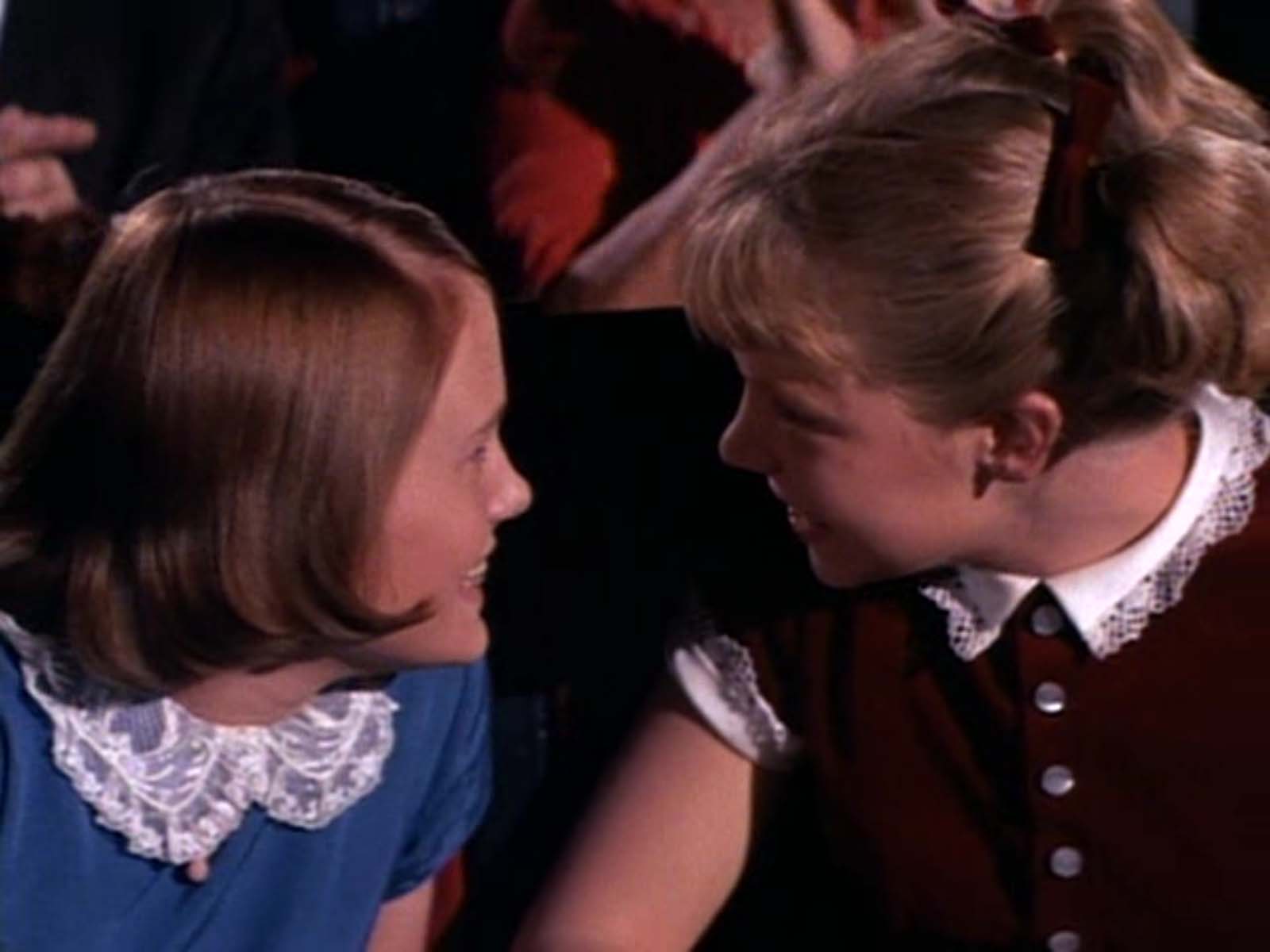
This unique coming-of-age tale — based on a semi-autobiographical novel by Nora Johnson — is a true delight from start to finish. Featuring sparkling performances by its two unknown leads (Merrie Spaeth and Tippy Walker) and a marvelously droll turn by Peter Sellers (whose character was apparently modeled after Oscar Levant), The World of Henry Orient perfectly captures the hyper compulsion of teenage female friendship. Val and Gil’s rapport together is inspired: each time they turn to give each other a meaningful gaze, one wants to erupt in laughter (particularly given Val’s awkwardly orthodontized mouth — it’s easy to see why Orient views this adolescent cyborg as monstrous!). And they’re so deliciously smart (Val in particular) that it’s a true joy to listen to them as they discuss their dreams and passions.

Other than its marvelous performances, the magic of Henry Orient lies in director George Roy Hill’s skill at merging humor with genuine compassion for teenage angst. Given how little control children have over the direction of their lives (Val, truly a “poor little rich girl”, is shipped from one place to the next, never experiencing a “real home”), it’s no wonder they develop the type of complex, baroque fantasies presented here — which, significantly, Val and Gil recognize as merely make-believe, but most of the adults around them imbue with cynical fear. Ironically, Val’s rich-bitch of a mother (Lansbury is perfectly cast) takes the girls’ crush on Orient and turns it into a devastatingly real situation — one which acts as the film’s final catalyst before its bittersweet ending.

P.S. The wonderful supporting performances in Henry Orient deserve mention, with Paula Prentiss earning special kudos for her comedic role as nervous Mrs. Dunnworthy, Tom Bosley providing indelible proof of why he was cast as “Mr. C.” in Happy Days, and Phyllis Thaxter emerging as one of cinema’s ultimate “cool” moms.

P.P.S. See this fun website — NotStarring.com — for a list of actors who were considered for the lead roles (including Hayley Mills, Patty Duke, Dick van Dyke, and Tony Randall).

Redeeming Qualities and Moments:

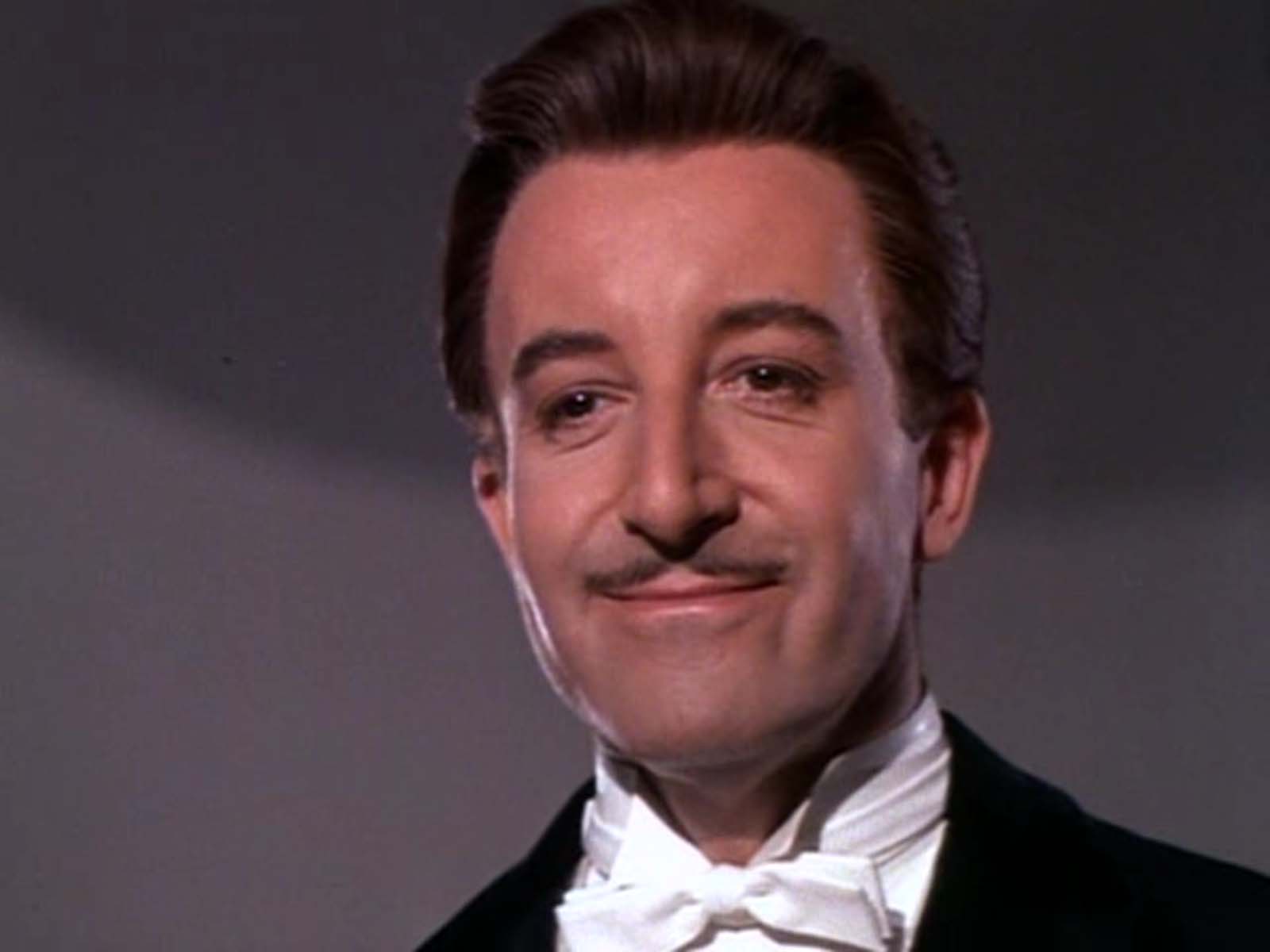
  • Peter Sellers as arrogant Henry Orient
  • Merrie Spaeth as Val
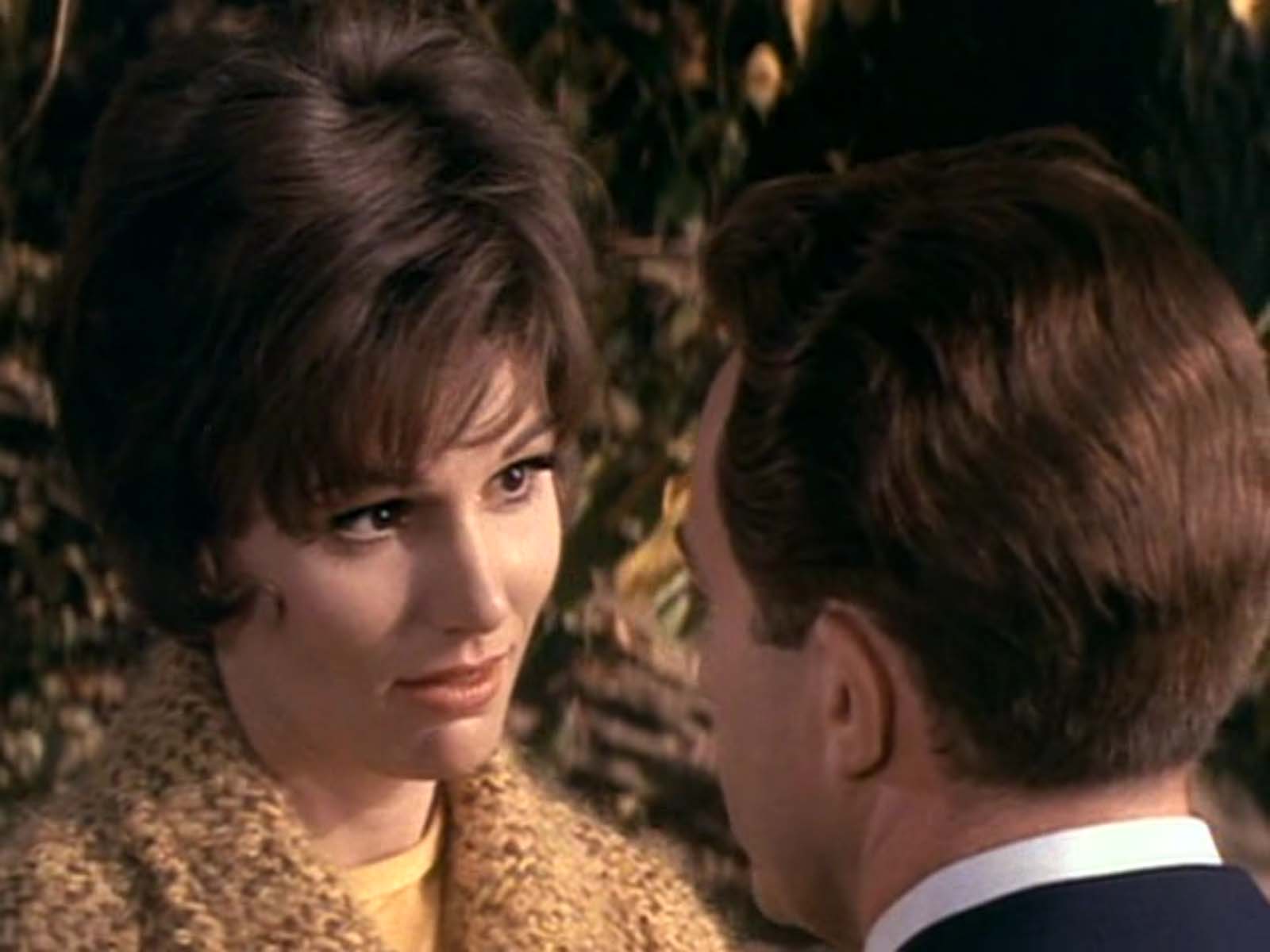
  • Tippy Walker as Gil
  • Paula Prentiss as the perennially nervous Stella Dunnworthy
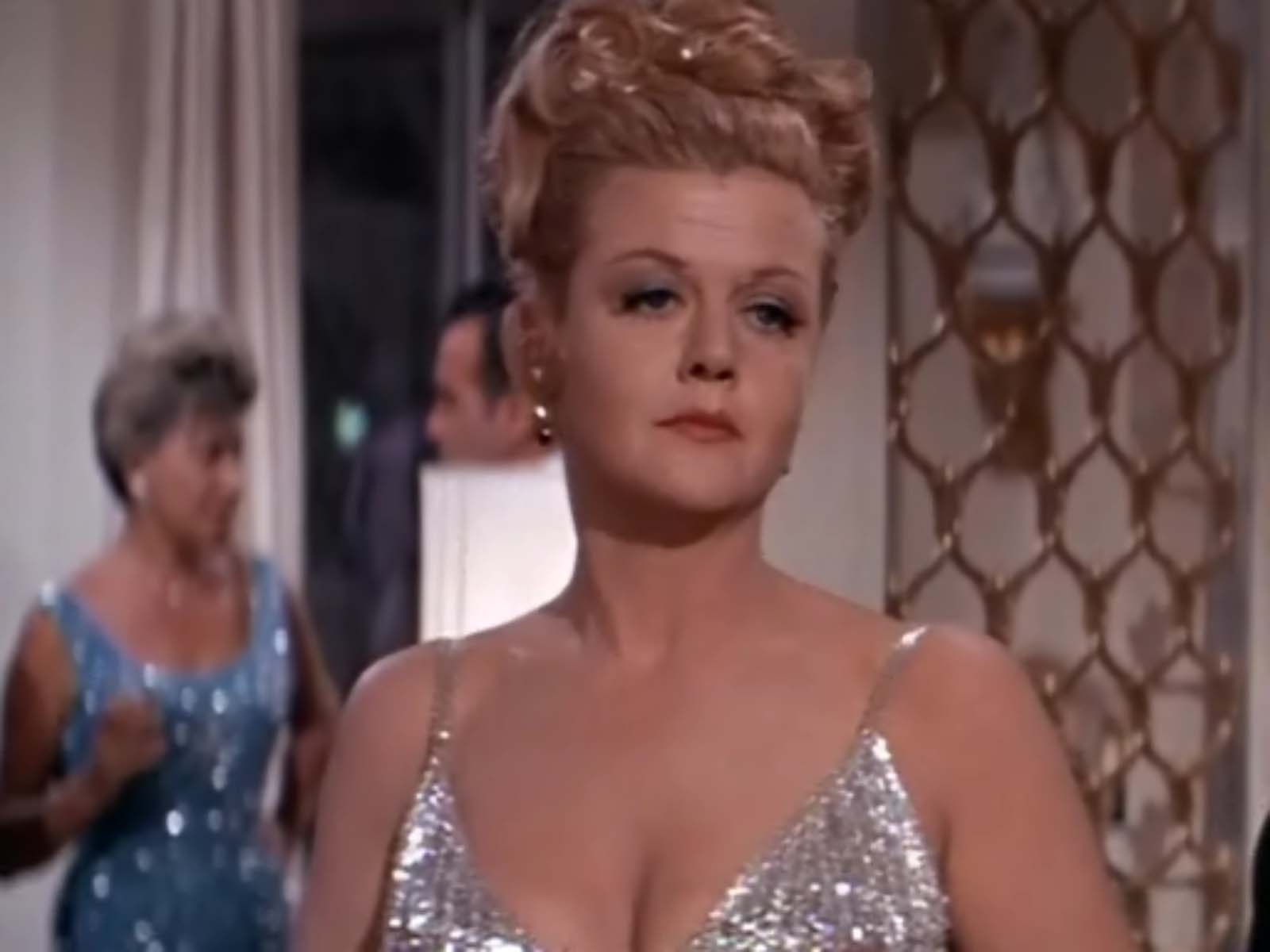
  • Angela Lansbury as Val’s bitchy, promiscuous mother
  • Tom Bosley as Val’s understanding dad
  • Phyllis Thaxter as Gil’s kind mom
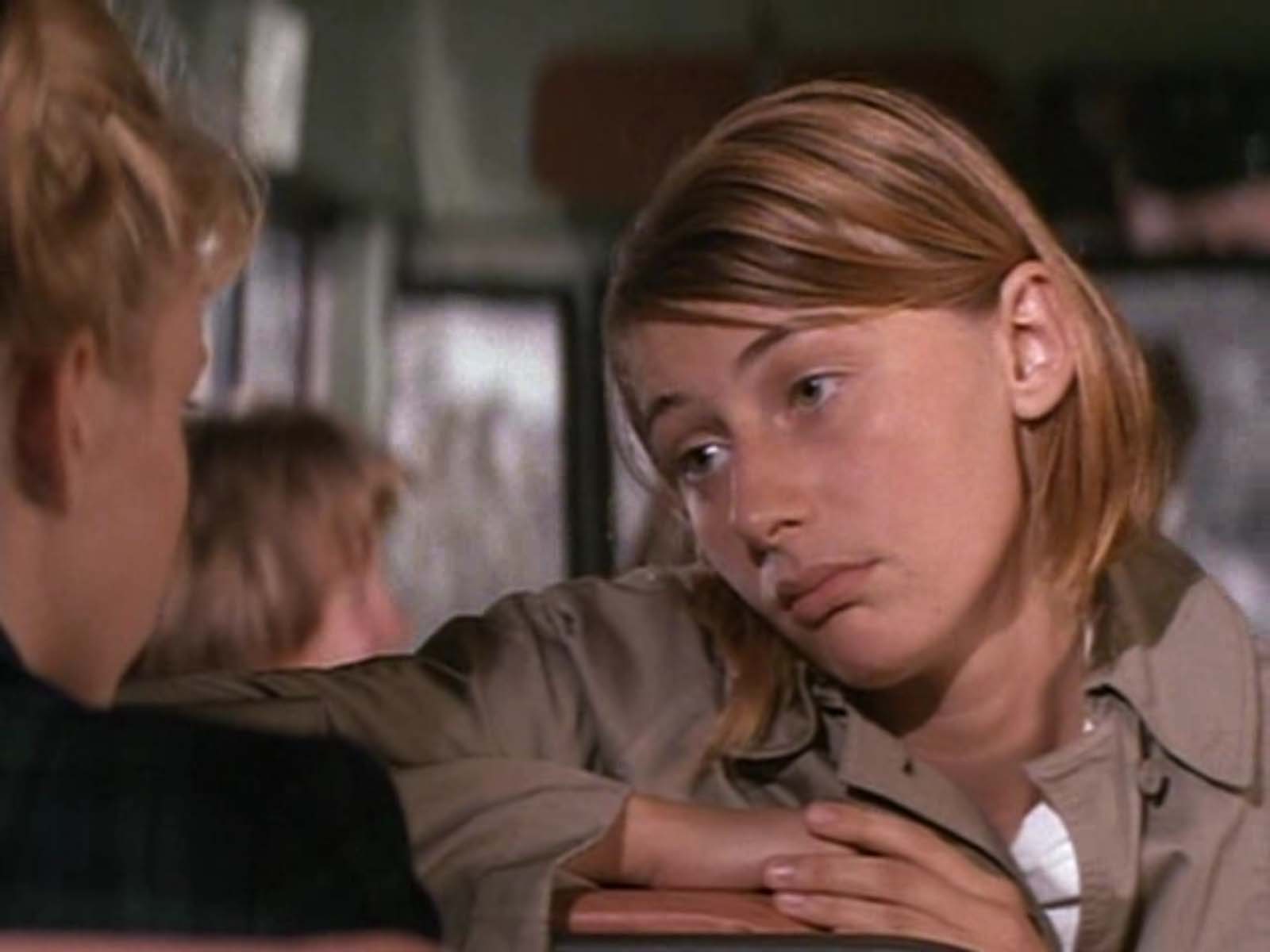
  • Jane Buchanan in a tiny but unforgettable role as the girl on the bus who knowingly informs Gil that Val is seeing a psychiatrist
  • A wonderfully authentic portrait of teenage female friendship
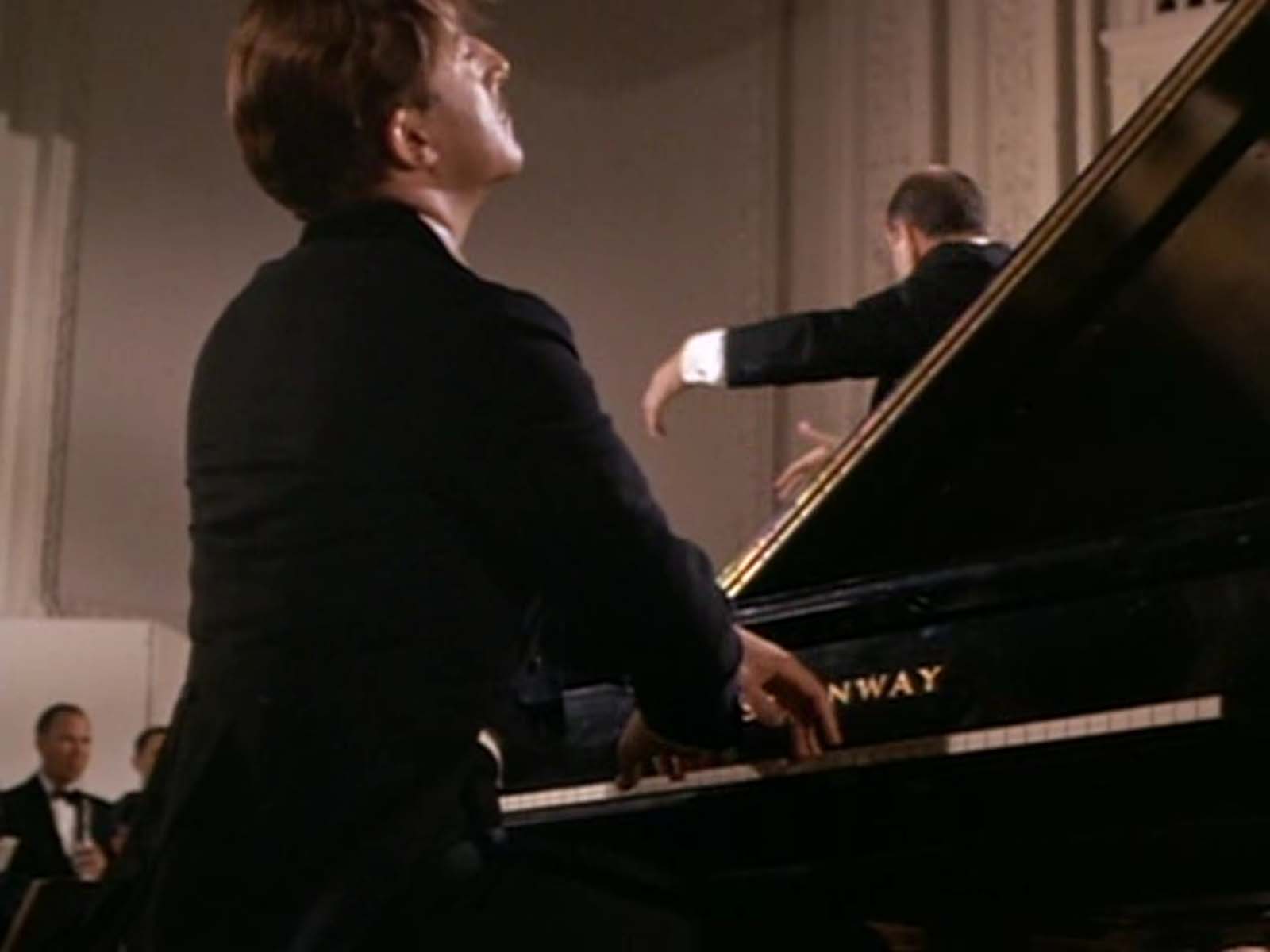
  • Henry Orient performing an atonal piano concerto while audience members cringe
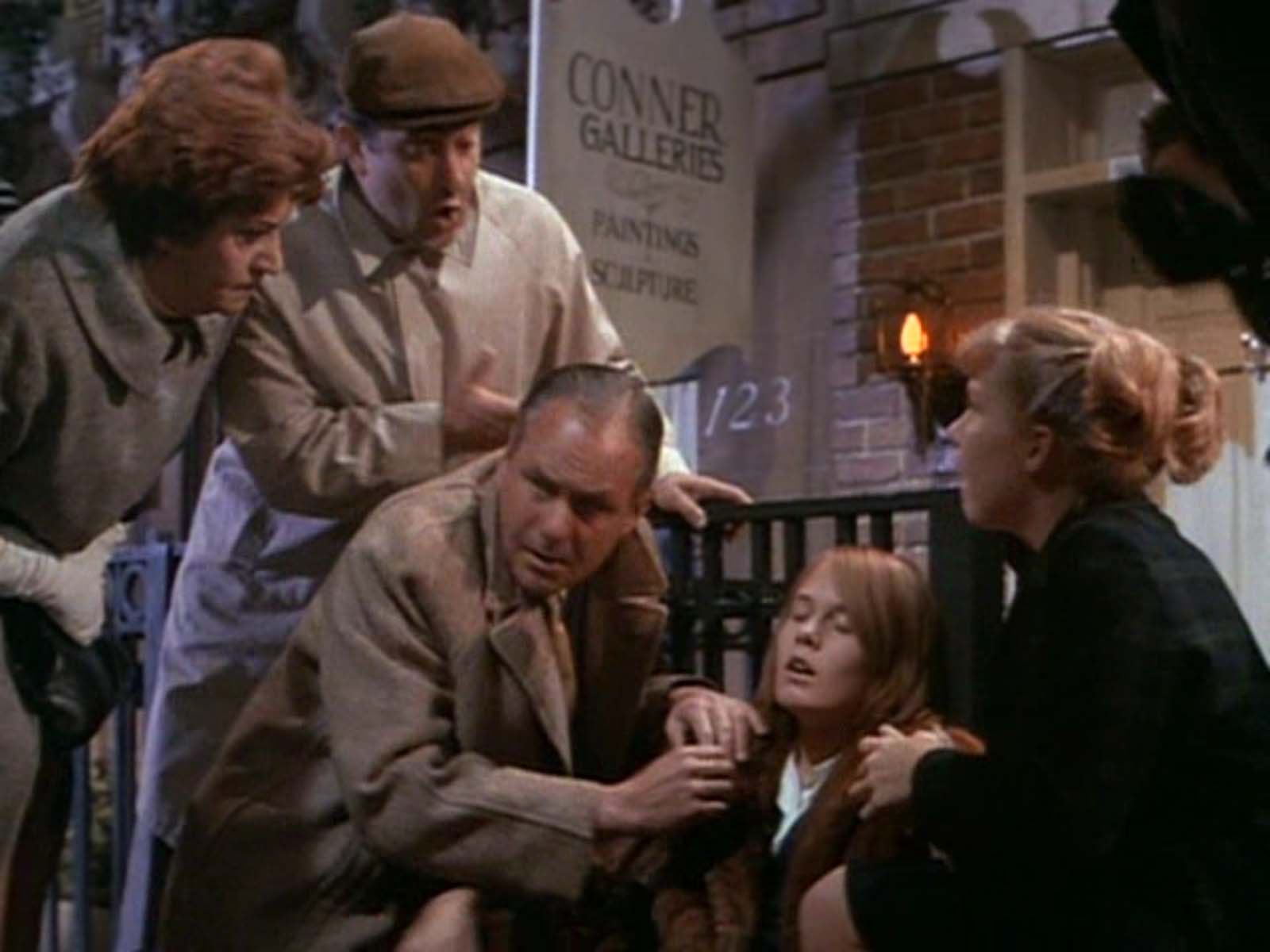
  • Good use of New York locales
  • Creative direction by George Roy Hill
  • Nora and Nunnally Johnson’s remarkably clever and informed screenplay
  • Elmer Bernstein’s score

Must See?
Yes. This one is a true gem, and shouldn’t be missed by any film fanatic. Listed as a Personal Recommendation in the back of Peary’s book.

Categories

  • Cult Movie
  • Good Show
  • Noteworthy Performance(s)

Links:

Hush… Hush, Sweet Charlotte (1964)

Hush… Hush, Sweet Charlotte (1964)

[Note: The following review is of a non-Peary title; click here to read more.]

“Some folks seem to think they got a natural born right to get away with murder.”

Synopsis:
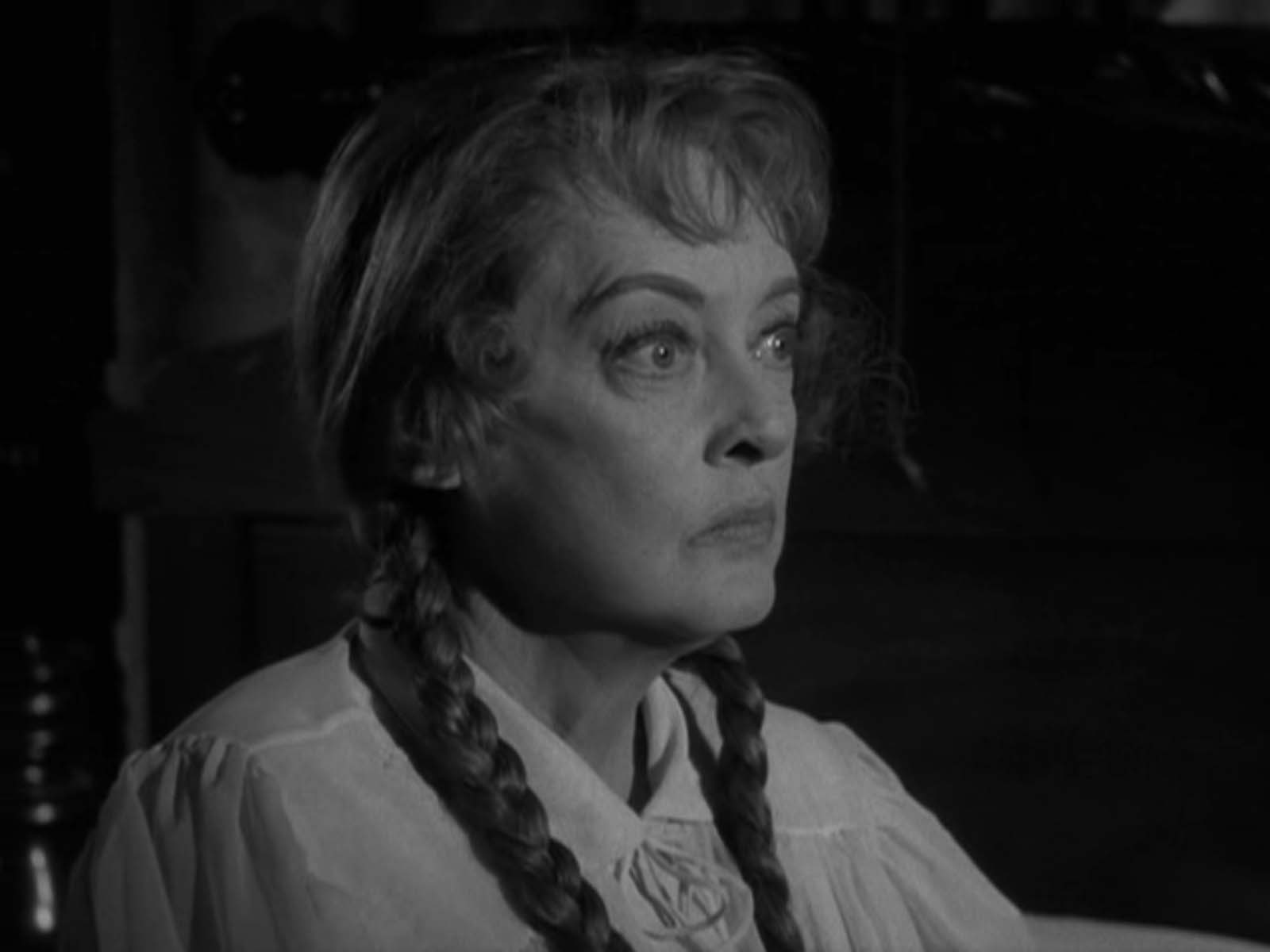
Nearly forty years after her married beau (Bruce Dern) is viciously murdered with an axe, Charlotte Hollis (Bette Davis) — the prime suspect in the case, though she’s never been convicted — lives a secluded life in a vast Southern mansion, with only her devoted maid (Agnes Moorehead) for company. When county officials insist that Charlotte must move out of her house to make way for a new bridge, she calls on her cousin Miriam (Olivia De Haviland) for help — but Miriam and a local doctor (Joseph Cotten) have other plans for Charlotte…

Genres, Themes, Actors, and Directors:

  • Agnes Moorehead Films
  • Bette Davis Films
  • Bruce Dern Films
  • Cecil Kellaway Films
  • Deep South
  • Falsely Accused
  • George Kennedy Films
  • Horror
  • Joseph Cotten Films
  • Mary Astor Films
  • Murder Mystery
  • Olivia de Havilland Films
  • Robert Aldrich Films

Review:
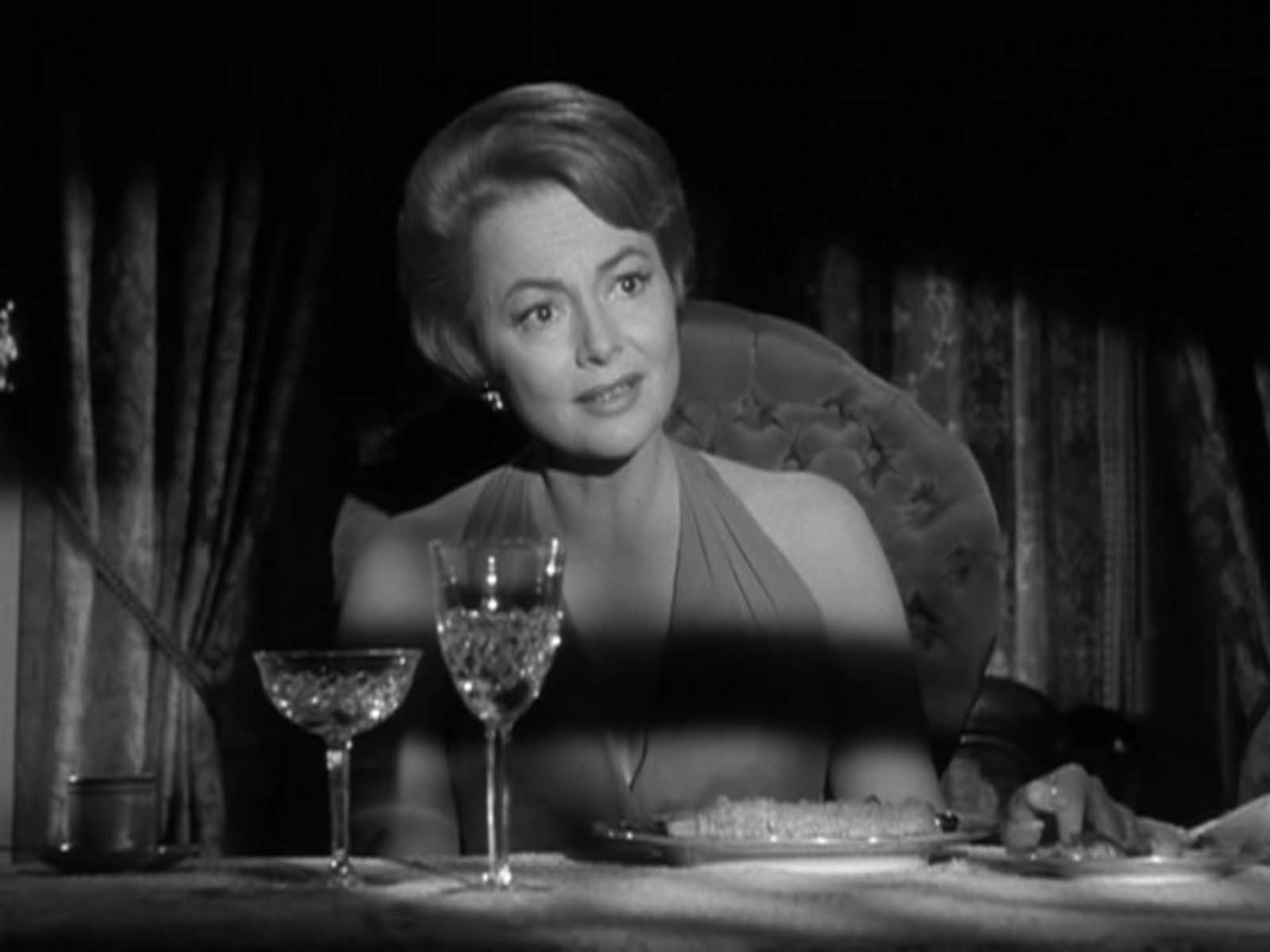
After the unexpected success of What Ever Happened to Baby Jane? (1962), Robert Aldrich attempted to repeat his luck by casting the film’s aging leads (Bette Davis and Joan Crawford) in this similarly themed Southern Gothic tale. When Crawford bowed out of production due to [psychosomatic] illness, she was replaced by Olivia De Haviland — who, fortunately, was the perfect choice to play Miriam, an eminently genteel woman who may not be as sweet and guileless as her demeanor indicates. Indeed, “bland” De Haviland is the perfect cinematic foil for Davis, whose scenery-chewing turn as Charlotte is in many ways simply an incarnation of her earlier “Baby Jane” (yet still highly enjoyable to watch).

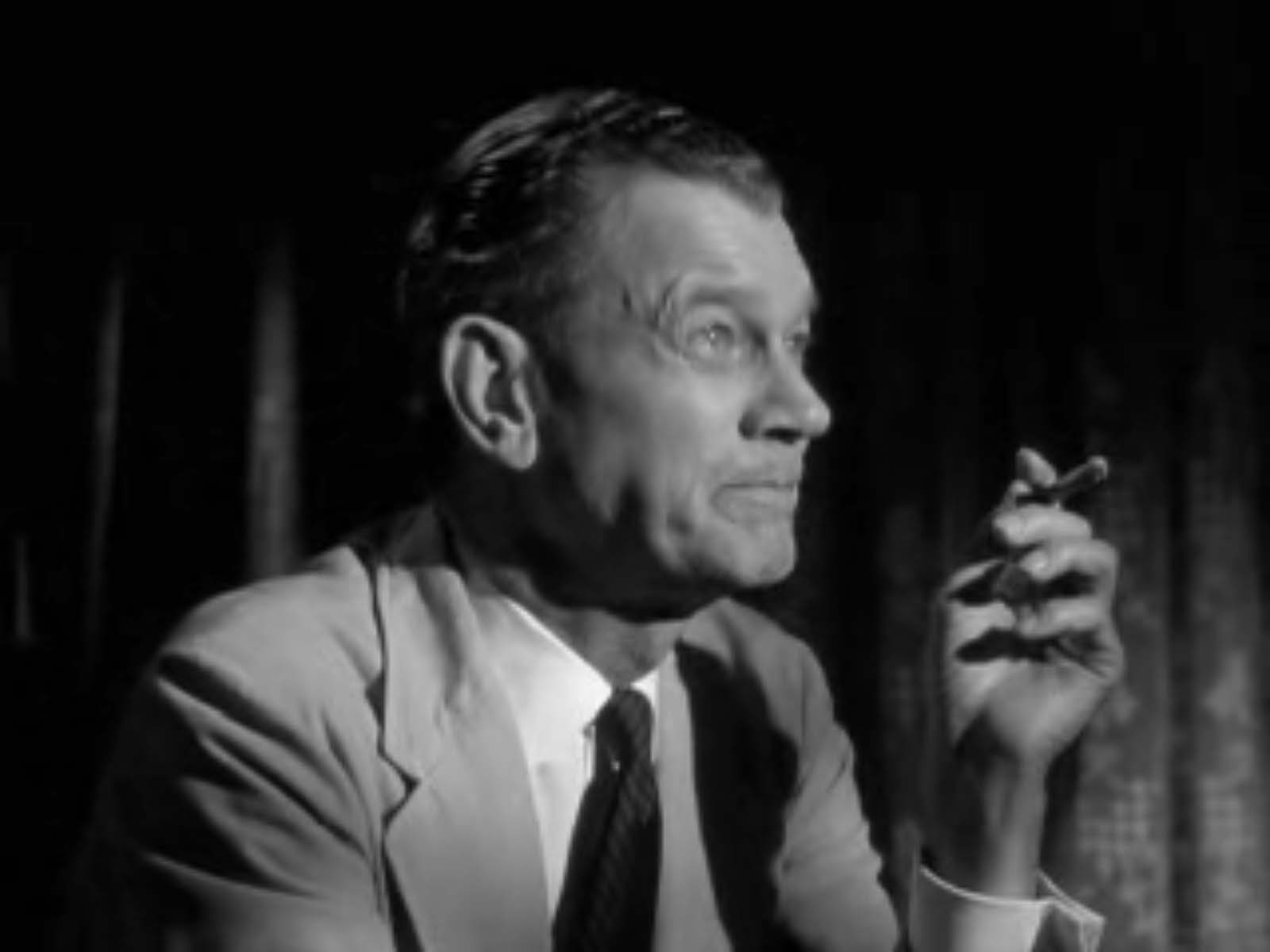
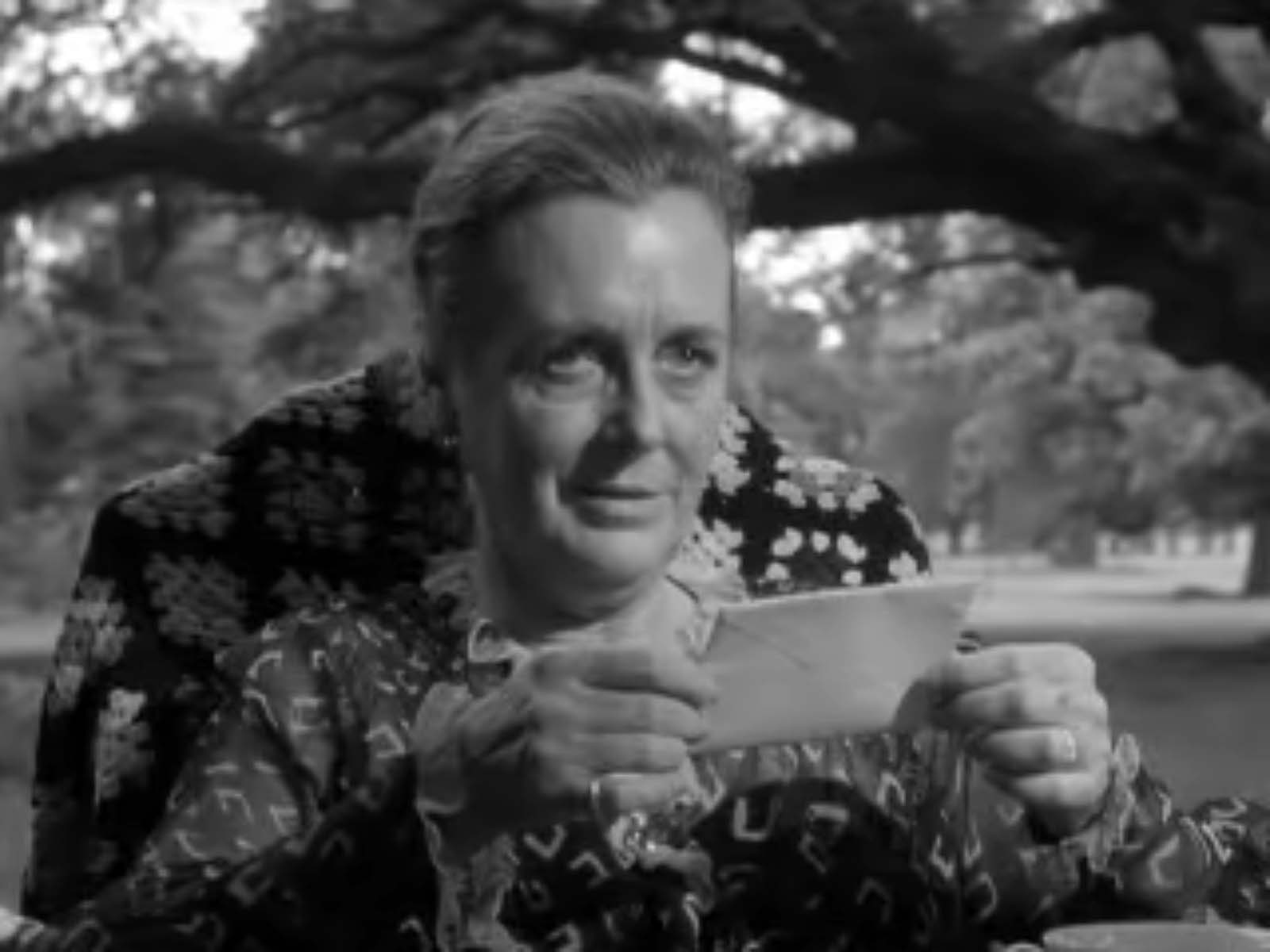
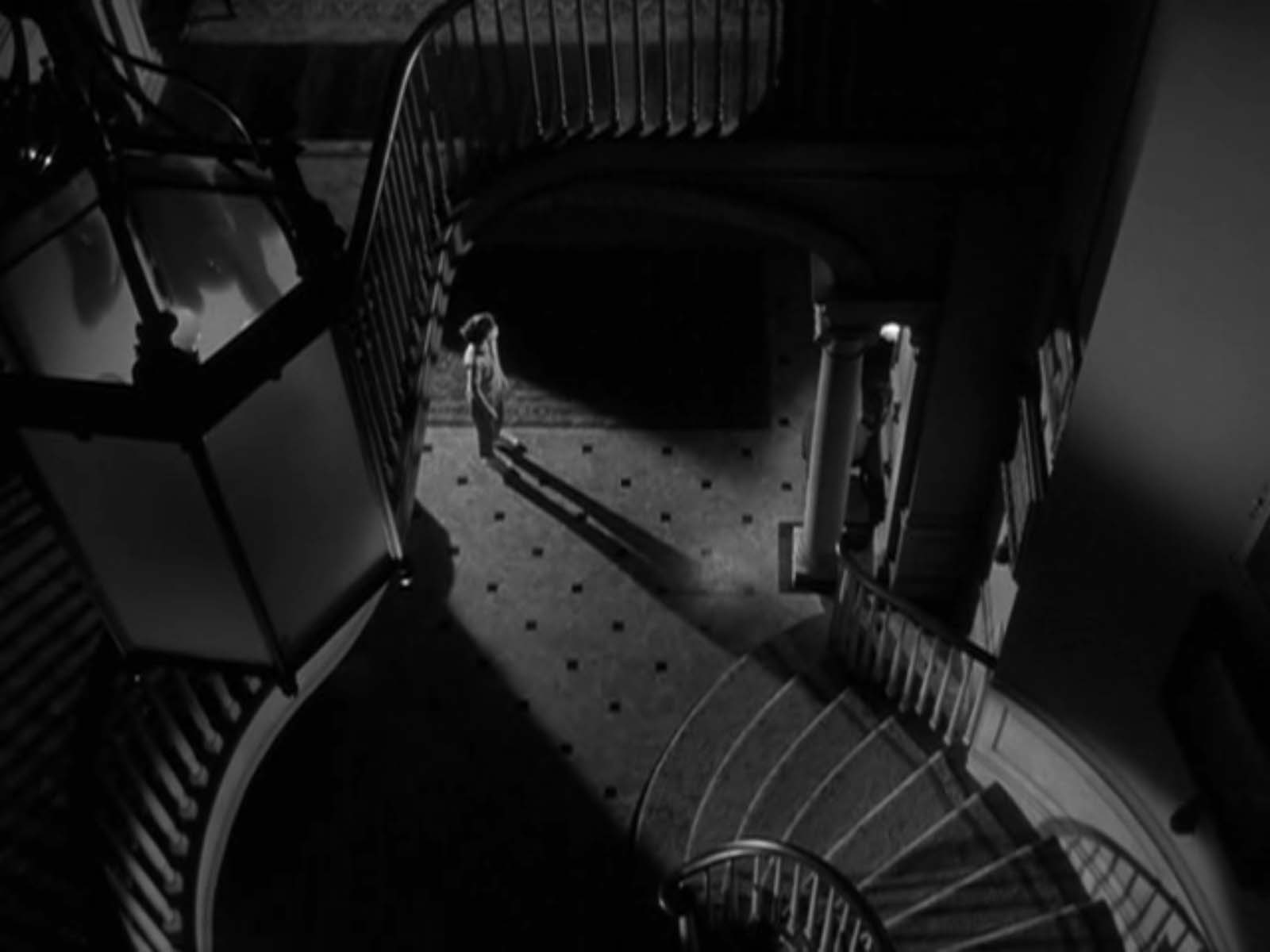
The supporting performances in Hush… Hush are all fine: Agnes Moorehead received an Oscar nomination for her over-the-top portrayal as a white trash housekeeper; Mary Astor is lovely in a tiny role (her last) as Charlotte’s cynical cousin; and Joseph Cotten is perfectly cast as a two-faced country doctor. Hush… Hush‘s primary fault lies in its script, which offers plenty of thrills and chills upon first viewing, but fails to sustain the same level of interest once the major plot twists have been revealed. With that said, it remains must-see viewing simply for Aldrich’s atmospheric direction, and for its historical importance as Baby Jane‘s infamous “sequel”; I’m surprised it’s missing from Peary’s book.

P.S. It’s utterly bizarre to see ’60s-generation Bruce Dern playing Davis’s beau in the film’s earliest scenes; talk about cognitive dissonance!

Redeeming Qualities and Moments:

  • Bette Davis as Charlotte
  • Olivia De Haviland as Charlotte’s refined cousin, Miriam
  • Joseph Cotten as Dr. Drew
  • Mary Astor as Jewel Mayhew
  • Agnes Moorehead as Velma Cruther
  • Joseph Biroc’s atmospheric cinematography
  • Effective use of stylized angles and blocking

Must See?
Yes. While not a classic, this campy follow-up to What Ever Happened to Baby Jane? should be seen at least once by all film fanatics.

Categories

  • Historically Relevant
  • Important Director
  • Oscar Winner or Nominee

Links:

Pauline at the Beach (1983)

Pauline at the Beach (1983)

“Only a wagging tongue bites itself.”

Synopsis:
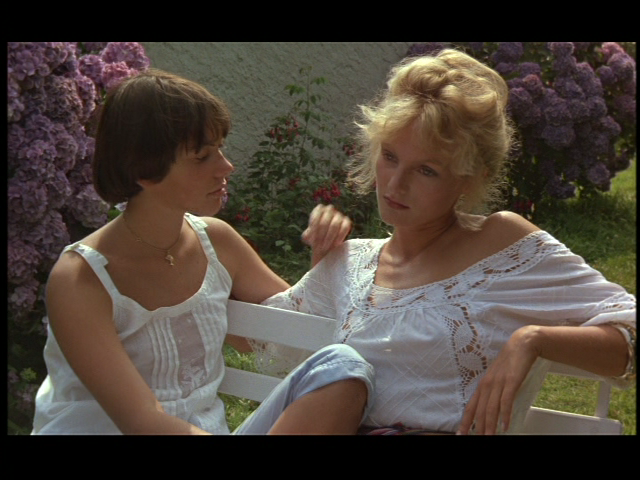
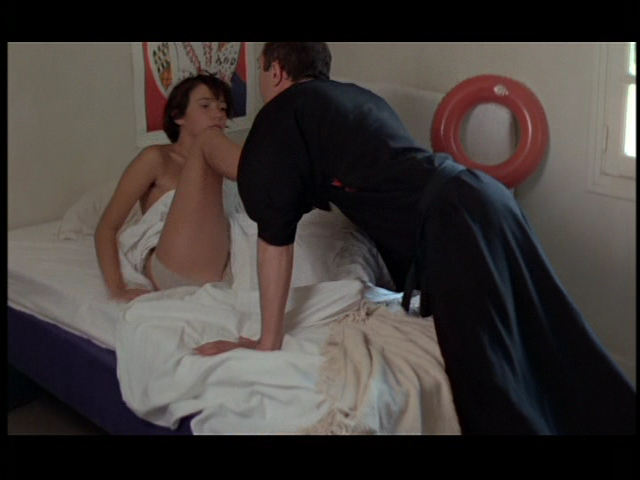
While spending the summer at the beach in Normandy, a beautiful young divorcee (Arielle Dombasle) and her 14-year-old cousin Pauline (Amanda Langlet) become involved in complex romantic entanglements.

Genres, Themes, Actors, and Directors:

  • Coming-of-Age
  • Eric Rohmer Films
  • French Films
  • Romantic Comedy
  • Vacation

Review:
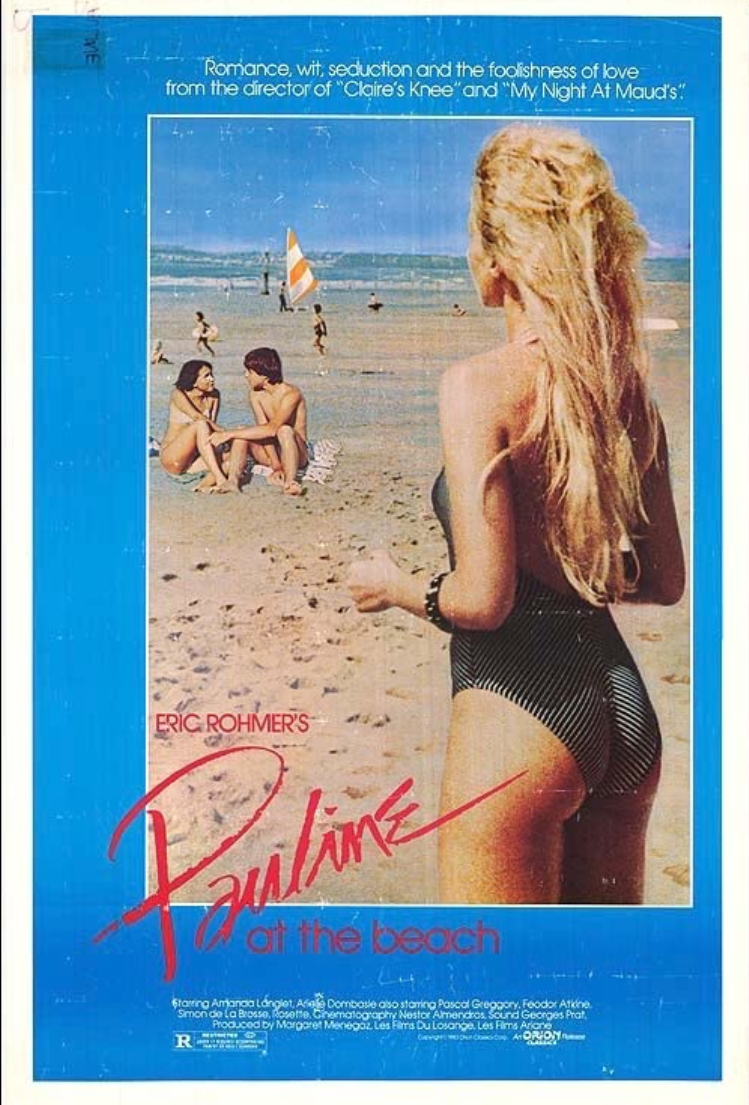
After completing his cycle of “Six Moral Tales” (which ended with 1972’s Chloe in the Afternoon), French New Wave director Eric Rohmer embarked on a new cinematic series entitled “Comedies and Proverbs”; Pauline at the Beach is the third of these six films. A surprisingly breezy sex farce with an undercurrent of philosophical contemplation, Pauline… remains one of Rohmer’s most enjoyable and accessible outings — indeed, it was enormously successful upon its release in America (thanks in part, no doubt, to a poster depicting sexy Arielle Dombasle in a close-cut bathing suit). As usual in Rohmer’s low-budget films, the narrative consists primarily of long shots with characters conversing, and not many “action” scenes; the emphasis instead is on exploring the diverse ways in which humans approach sex and love, and how this inevitably leads to misunderstandings and hurt feelings. The final exchange in the movie — between Pauline (wonderfully played by the worldly-wise Amanda Langlet) and Marion (Dombasle) — reveals that Marion will likely continue to delude herself in affairs of the heart, while Pauline has learned some valuable lessons from the adults around her on how not to approach romance.

Redeeming Qualities and Moments:

  • Amanda Langlet as Pauline
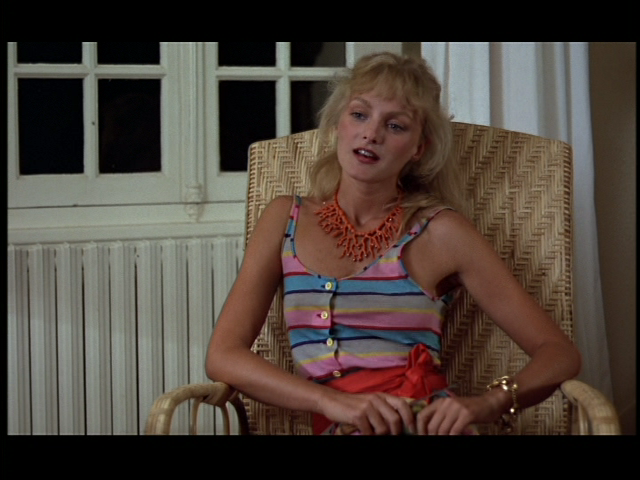
  • Arielle Dombasle as Pauline’s sexy but clueless cousin, Marion
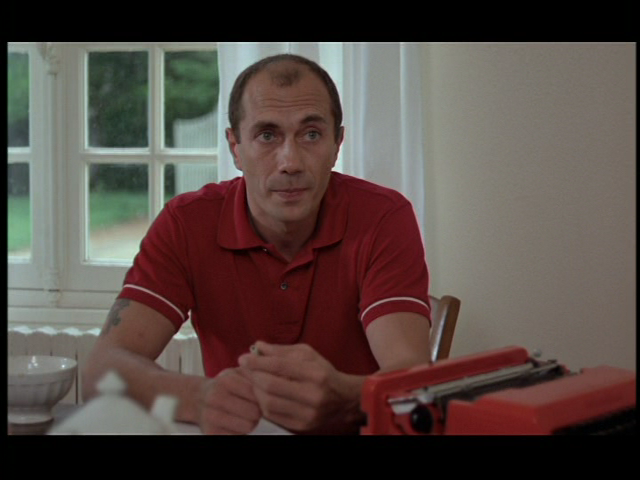
  • Feodor Atkine as womanizing Henry
  • An effective look at females of different ages struggling to understand love and sex
  • Pauline reacting to Henry’s “innocent” caresses

Must See?
Yes. This surprisingly light-hearted romantic comedy is one of Rohmer’s most enjoyable movies, and should be seen by all film fanatics.

Categories

  • Important Director

Links:

Narrow Margin, The (1952)

Narrow Margin, The (1952)

“You’re just a job to me — a C.O.D. to be delivered to the L.A. grand jury.”

Synopsis:
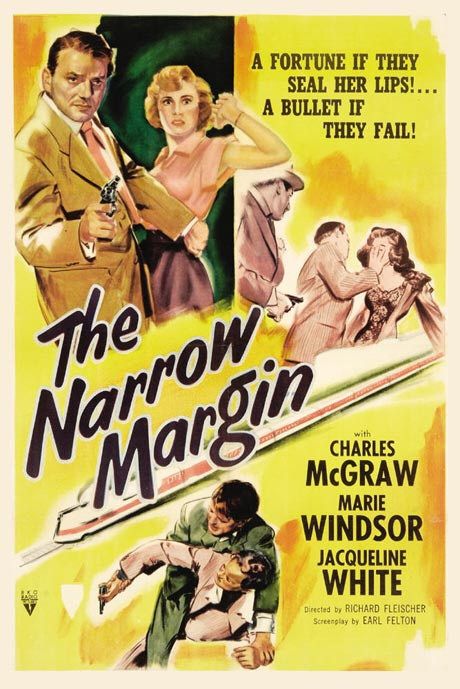
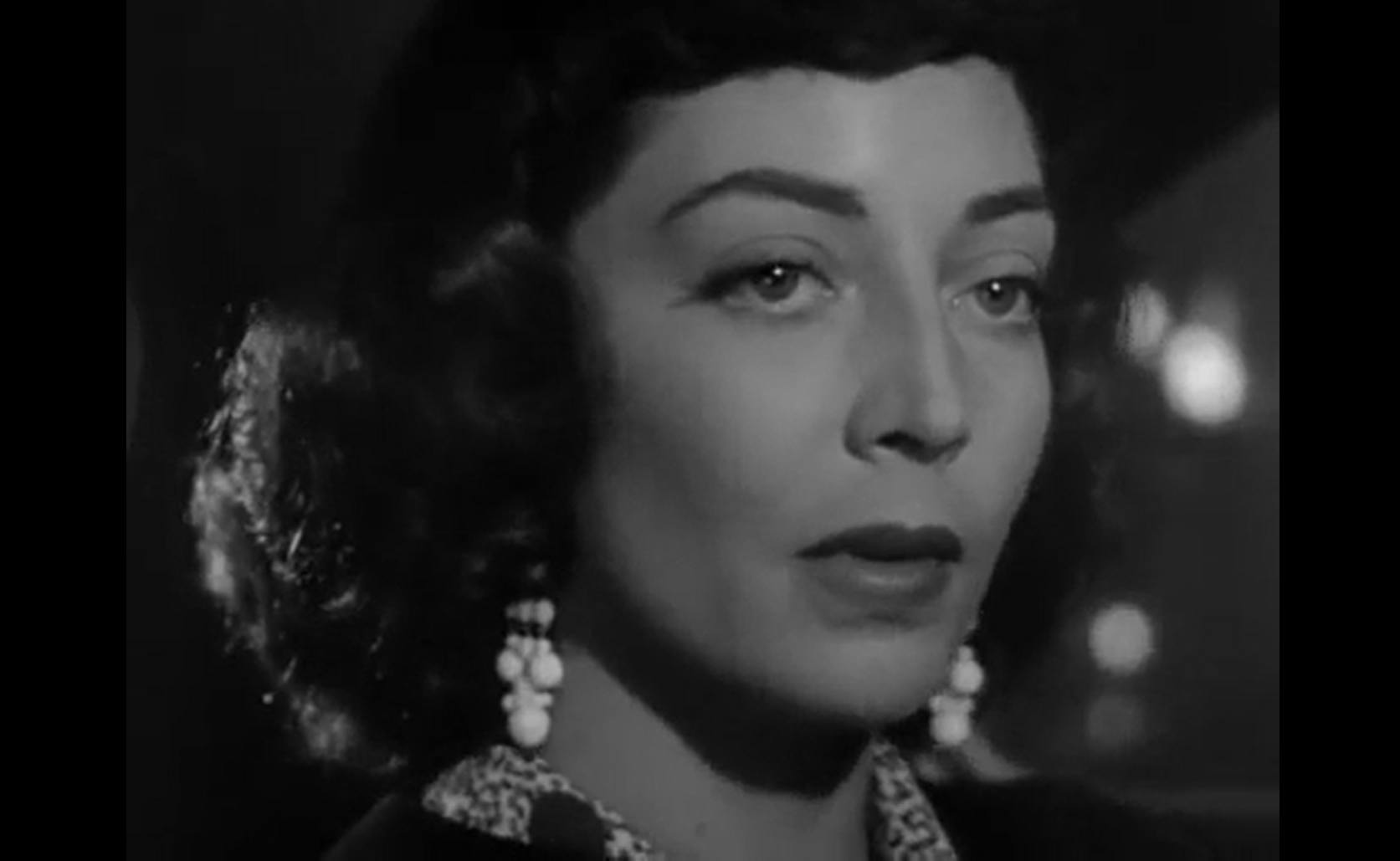
A detective (Charles McGraw) escorting a gangster’s widow (Marie Windsor) on a cross-country train tries to protect her from ruthless assassins.

Genres, Themes, Actors, and Directors:

  • Detectives and Private Eyes
  • Hit Men
  • Marie Windsor Films
  • Mistaken or Hidden Identities
  • Richard Fleischer Films
  • Widows and Widowers

Review:
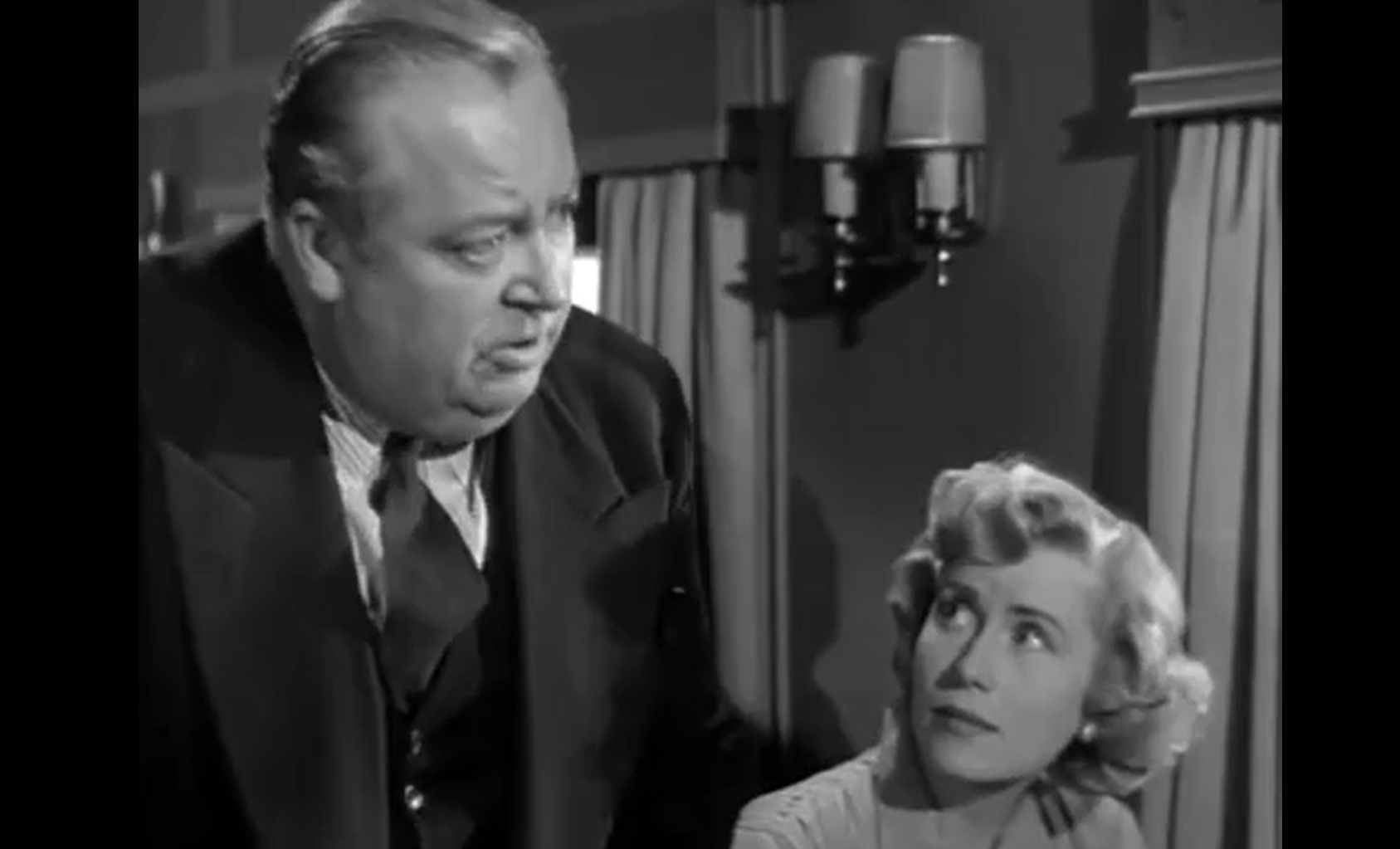
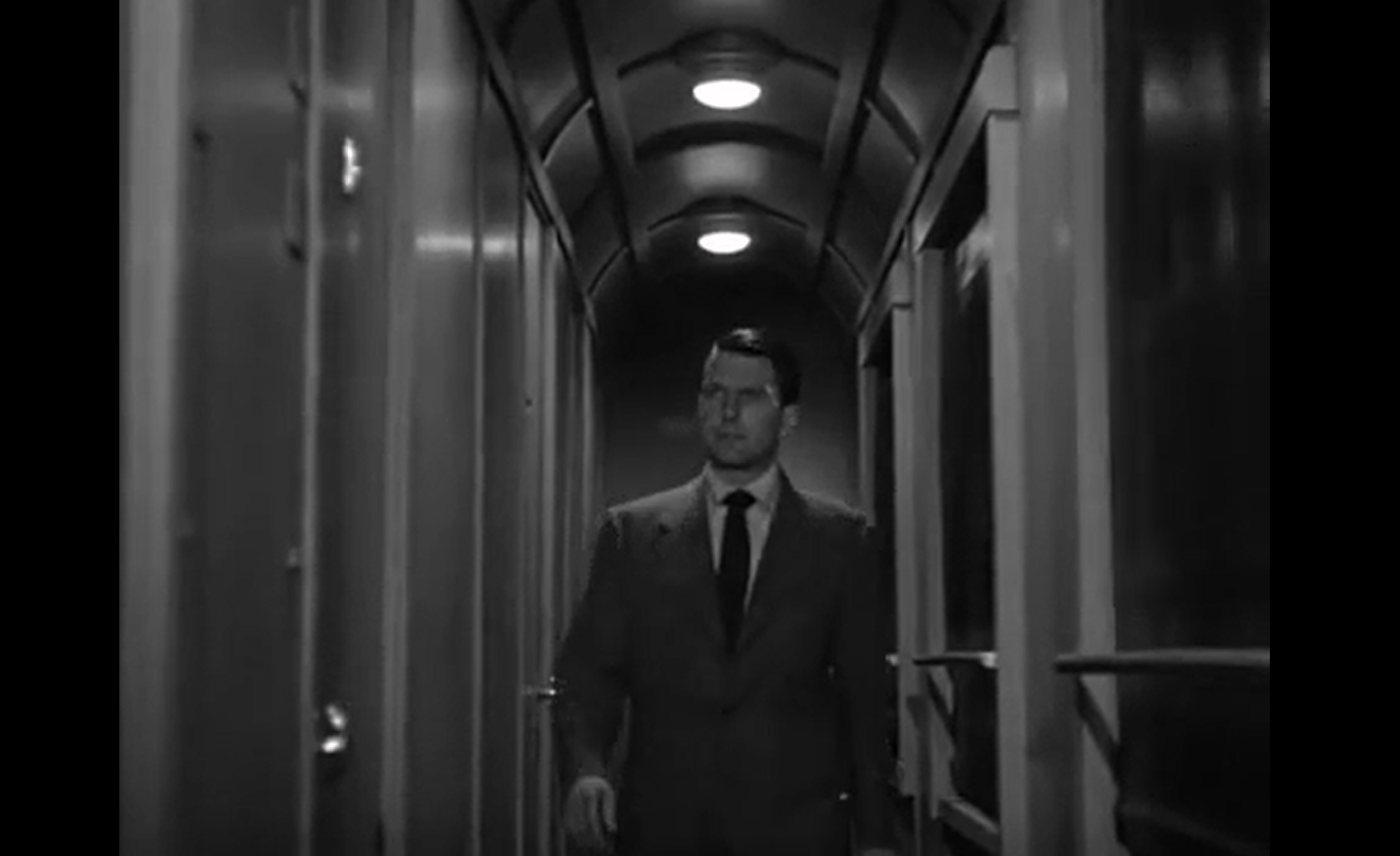
Richard Fleischer’s Oscar-nominated The Narrow Margin is widely regarded as one of the best B-noirs ever made. At just 71 minutes, the story moves quickly, making effective use of claustrophobic locales (most of the action takes place on a rattling train), mistaken identities (hardly anyone is who he/she seems to be), and hardboiled characterizations (McGraw and Windsor are both perfectly cast). While there are some minor plot discrepancies — which can’t be discussed without revealing spoilers — they’re easily excused, given that they don’t detract from the overall urgency of the narrative. I watched The Narrow Margin years ago, but had (conveniently) forgotten the central plot twist, and found it just as enjoyable the second time around. Highly recommended.

Redeeming Qualities and Moments:

  • Gravelly-voiced Charles McGraw as Detective Brown
  • Marie Windsor as the irrepressible Mrs. Neall
  • Paul Maxey in a bit role as Mr. Jennings: “Nobody loves a fat man — except his grocer and his tailor.”
  • Creative cinematography and direction
  • Plenty of zingy dialogue:

    Detective Brown: You make me sick to my stomach.
    Mrs. Neall: Well, use your own sink!

  • Earl Felton’s Oscar-nominated screenplay — taut, crisp, never lagging

Must See?
Yes. This well-received B-thriller is an all-around good show.

Categories

  • Good Show
  • Oscar Winner or Nominee

Links:

Where the Green Ants Dream (1984)

Where the Green Ants Dream (1984)

“We mustn’t disturb the dreaming of the green ants; we mustn’t talk the green ants up.”

Synopsis:
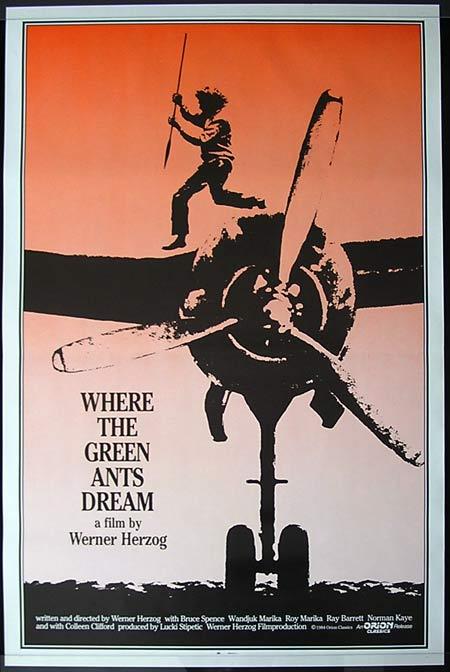
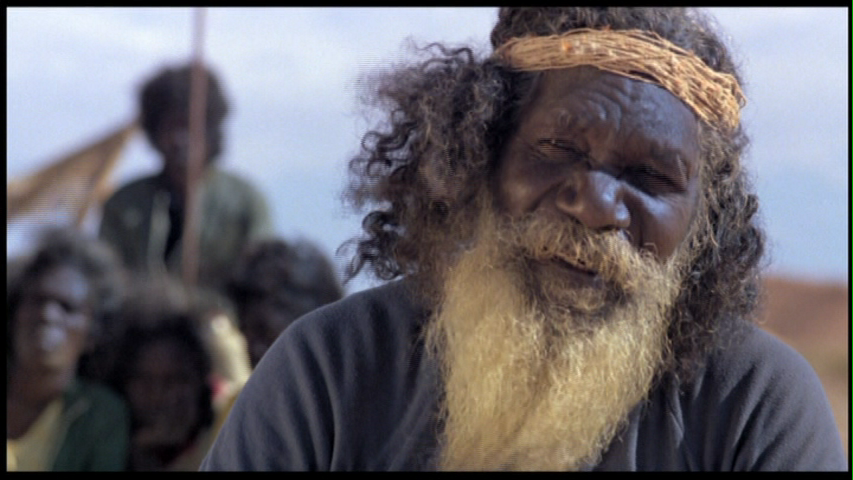
When an Australian mining company tries to conduct geological tests on sacred land, Aborigines stage a protest, and their struggle soon goes to court.

Genres, Themes, Actors, and Directors:

  • Australian Films
  • Mining Towns
  • Native Peoples
  • Race Relations and Racism
  • Werner Herzog Films

Review:
Iconoclastic German director Werner Herzog remains somewhat unique in his lifelong commitment to making both narrative and documentary films — with significant overlap between the two. Indeed, Where the Green Ants Dream is a classic example of Herzog’s refusal to draw a fine line between fiction and reality, with the titular Aboriginal “myth” created out of whole cloth by Herzog himself. Unfortunately, Green Ants’ title remains the most creative thing about it: the screenplay is stilted and overly sincere, the acting is fairly awful, and, despite its compelling subject matter, the movie as a whole fails to engage. This one is only for true Herzog fans.

Redeeming Qualities and Moments:

  • Striking imagery of Australian Aborigines refusing to deviate from their long-held beliefs
  • Many typically Herzog-ian panning shots of vast landscapes

Must See?
No. As one of Herzog’s more self-indulgent films, this will likely only be of interest to true fans of his work. Listed as a Sleeper and a Personal Recommendation in the back of Peary’s book.

Links:

Fata Morgana (1971)

Fata Morgana (1971)

“Paradise is available to everybody. In Paradise, only God is looking on. There, you cross the sand without seeing your face.”

Synopsis:
A Mayan creation myth accompanies footage shot by Werner Herzog in the Sahara Desert and other parts of Africa.

Genres, Themes, Actors, and Directors:

  • Africa
  • Deserts
  • German Films
  • Werner Herzog Films

Review:
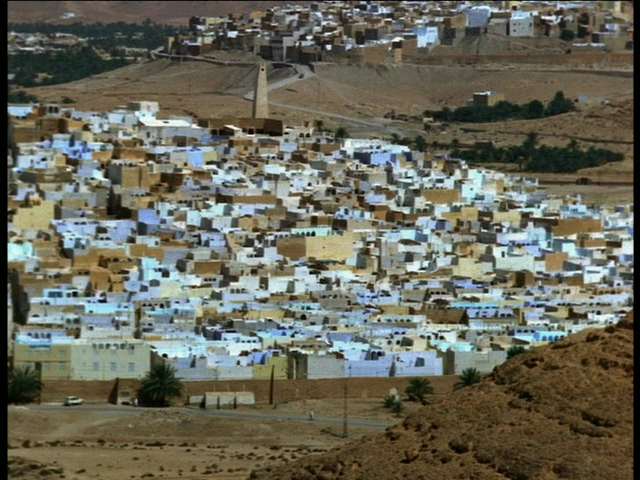
Fata Morgana — named after a Sicilian mirage believed to be caused by fairies — is perhaps Werner Herzog’s most representative early work, clearly displaying his fascination with landscapes, diverse humans, and moments of unexpected quirkiness. Unfortunately, while it’s lauded by nearly every critic as an experimental masterpiece (Time Out calls it “brilliantly original, utterly haunting”), I find Fata Morgana to be three parts emperor’s clothing to one part enigmatic vision. Herzog originally set out to create a science fiction story, but abandoned this idea and ended up editing his footage into a three-part “creation story” — Creation, Paradise, and The Golden Age — which doesn’t really reveal much about any of these three topics. Instead, in characteristic Herzog-ian fashion, he seems primarily concerned with aiming his camera at random images, then holding it there for far longer than convention would imply; sometimes this works, but more often it’s simply tedious. Listening to Herzog’s commentary on the DVD illuminates much of what was going on in his mind while shooting and editing the film — but without these insights, it’s difficult to maintain interest even for 79 minutes; the images in Fata Morgana will remain with you, but the “story” — such as it is — won’t.

Redeeming Qualities and Moments:

  • Some trippy desert mirages
  • Disturbing shots of desiccated cattle strewn across the sand
  • The truly odd closing shots of a pimp and a madam performing in a brothel
  • Many striking images of desert landscapes and peoples


Must See?
No, though it’s worth a look simply for its place in cinematic history. Listed as a Personal Recommendation and a film with historical importance in the back of Peary’s book.

Links:

Susan and God (1940)

Susan and God (1940)

“Oh, you poor, miserable, unhappy things — civilization’s a failure! It’s a poor, poor, sick, unhappy world!”

Synopsis:
A wealthy socialite named Susan (Joan Crawford) “finds God” while vacationing in Europe, and uses her newfound religious convictions as an excuse to meddle in her friends’ affairs; meanwhile, her tippling husband (Fredric March) and awkward teenage daughter (Rita Quigley) hope that Susan will decide to settle down into family life.

Genres, Themes, Actors, and Directors:

  • Fredric March Films
  • George Cukor Films
  • Joan Crawford Films
  • Marital Problems
  • Play Adaptation
  • Religious Faith

Review:
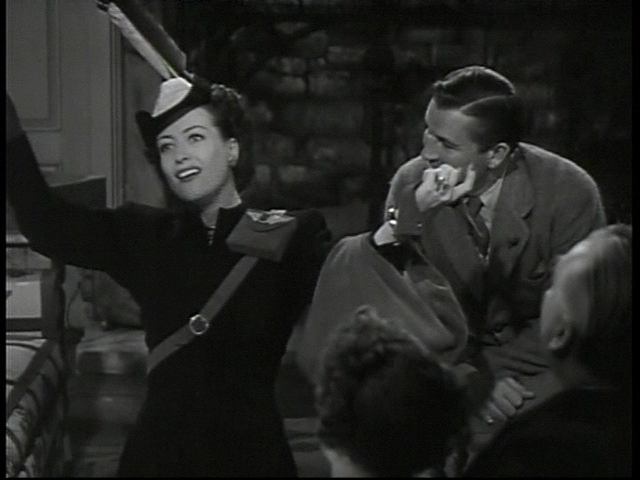
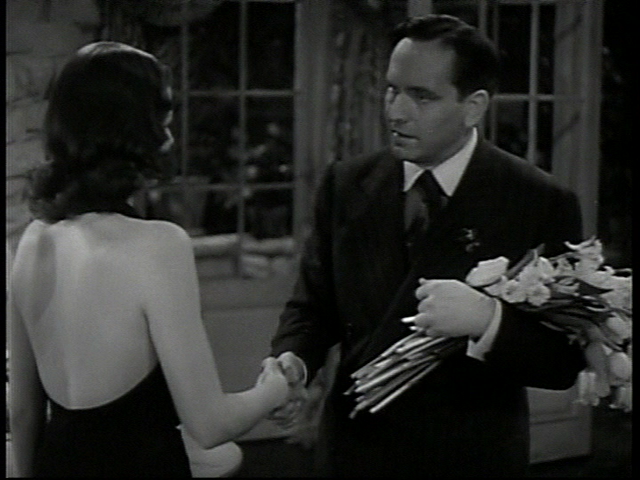
Anita Loos’ adaptation of Rachel Crothers’ stage play (originally starring Gertrude Lawrence as Susan) gave Joan Crawford one of her most unusual vehicles, playing a self-absorbed woman who one IMDb poster has accurately labeled “Crystal Allen on speed”. Susan’s new religion — based on Frank Buchman’s Oxford Group, which inspired the 12-step movement — requires converts to freely confess their “sins”, a fact which Susan’s eternally hopeful husband (a rather bland Fredric March) uses to force her into acknowledging her own shortcomings as a wife and mother. Crawford is perfectly cast as Susan — all grandiose arm spans and mile-a-minute monologues — and, naturally, completely overshadows her co-stars; while her character isn’t particularly likable (and it’s difficult to see why March is still so in love with her), her sheer level of energy and enthusiasm is impressive. The second hour isn’t nearly as engaging as the first, and the stagy narrative goes on for too long altogether; but Susan and God remains an intriguing entry in Crawford’s oeuvre, and is worth a look for her performance alone.

Redeeming Qualities and Moments:

  • Joan Crawford as Susan
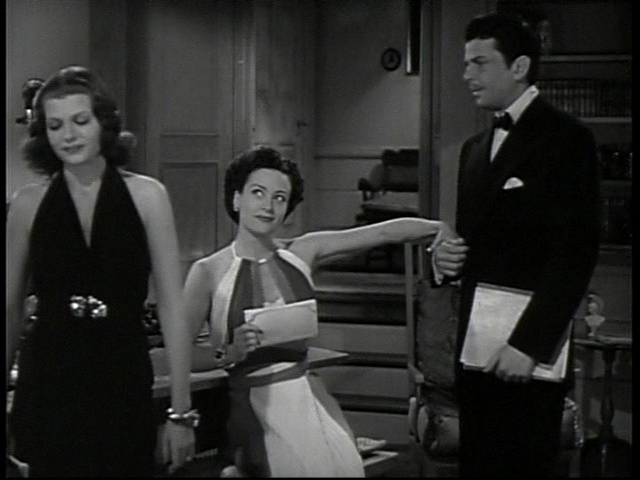
  • Adrian’s occasionally stunning, sometimes gaudy, often distracting, but always inimitably unique gowns
  • Clever dialogue

    March: “You’re an awfully pretty woman.
    Leonora (Rita Hayworth): “Aren’t you nice…”
    March: “Not very.”

Must See?
No, though it’s recommended simply for Crawford’s performance.

Links: