|
Genres, Themes, Actors, and Directors:
- Artists
- Death and Dying
- French Films
- Jean Cocteau Films
- Love Triangle
Response to Peary’s Review:
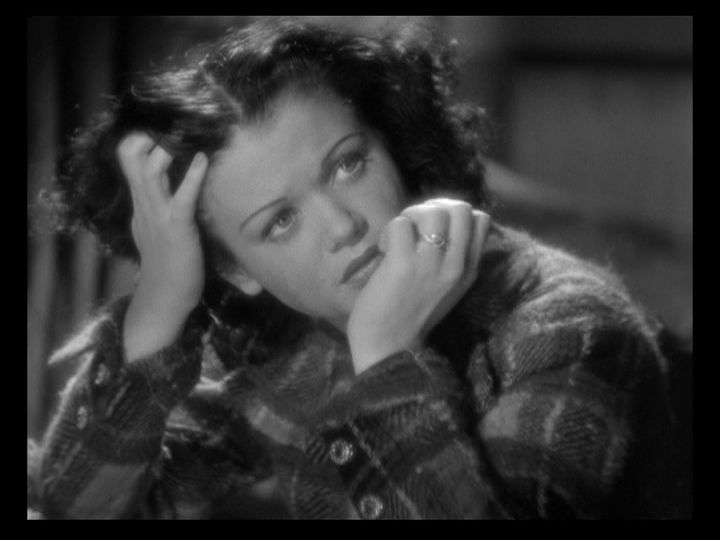
Peary writes that this “enigmatic but spellbinding version of the Orpheus-Eurydice myth by Jean Cocteau” — “derived from his first play” — presents a “deeply personal work” about a contemporary poet who, “like Cocteau… fears that while his art has brought him fame it may not bring him immortality and that young poets with different styles and themes may be the voices listened to in the future.”
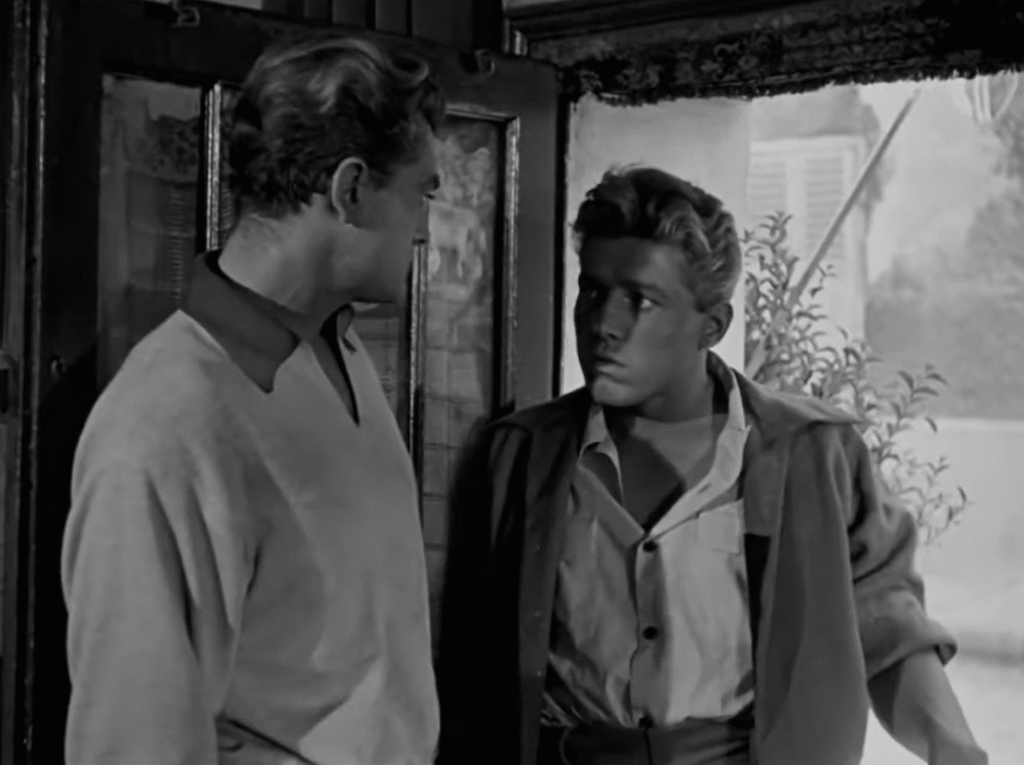
Peary asserts that Cocteau “takes the experiences of the classical Orpheus — his pursuit of and cat-and-mouse game with Death, his journey into the underworld after Eurydice” and “uses them as the means by which Marais learns about death, eternity, love, his art, [and] himself” — and, as a poet capable of “surreal experiences,” he “has no restrictions on his imagination: people can come back from the dead; pass through mirrors; [and] travel through a netherworld while time stands still back home.”
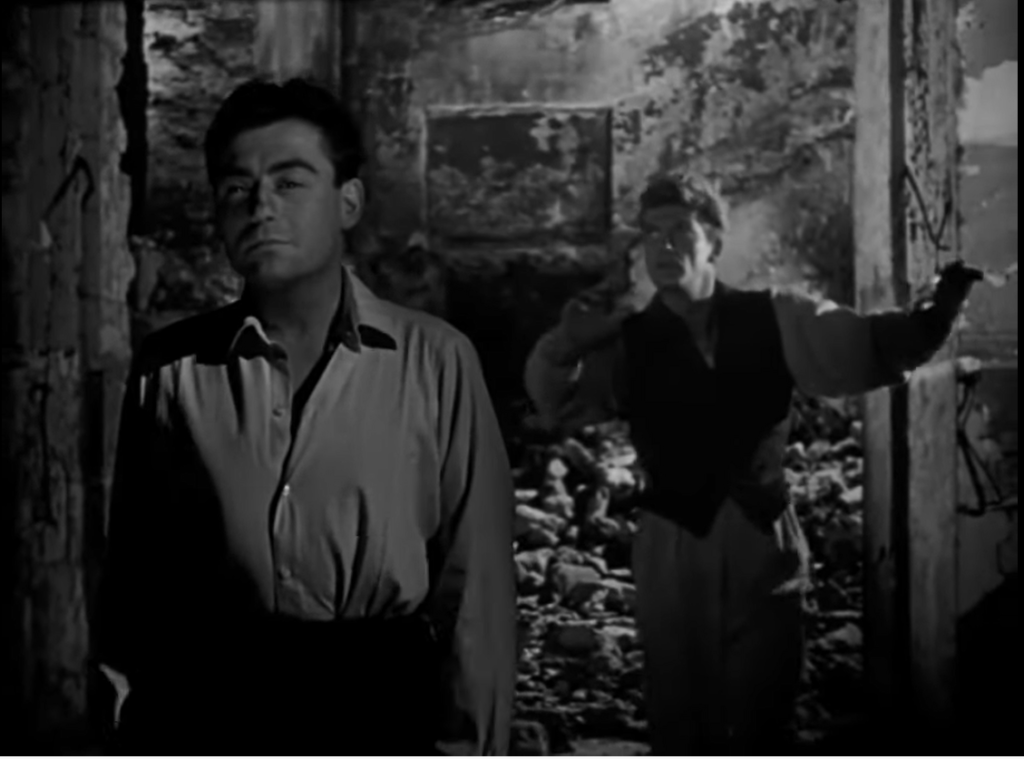
Peary argues that the “film would work better if Orpheus’s love for [his] wife Eurydice (Marie Dea) were more convincing; as it is, [he doesn’t] understand why Death [Casares], who loves Orpheus, would send him back to his wife, especially since he desires Death more.”
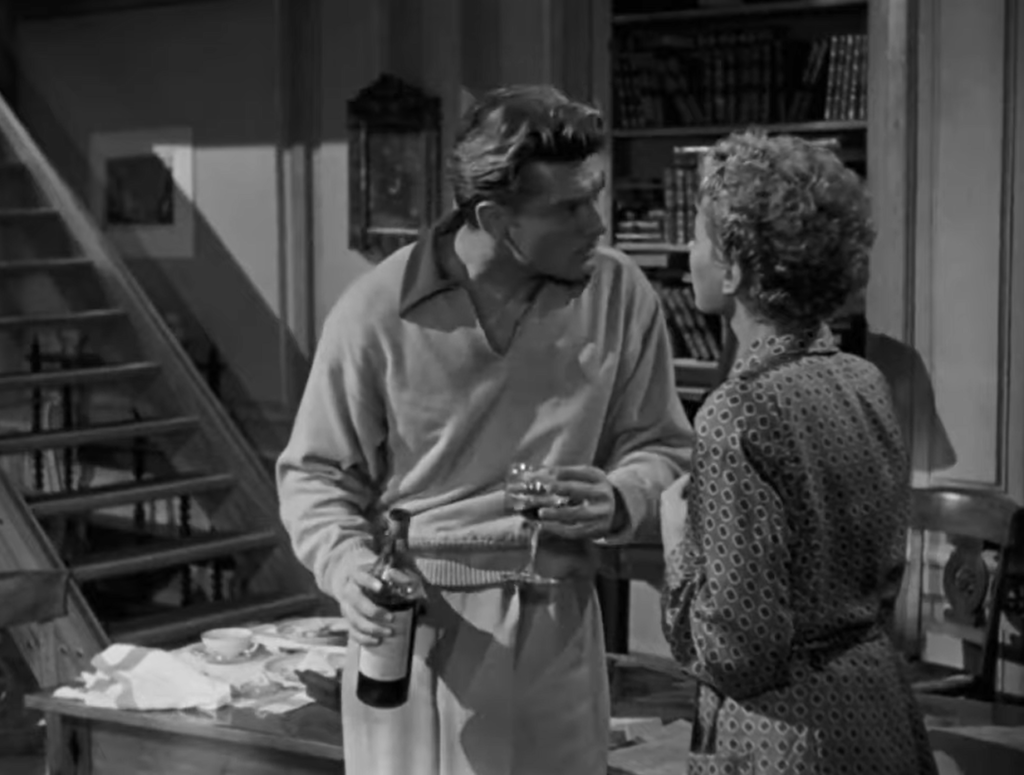
(To me, this seems like a classic instance of all characters in the play — including Death herself — acknowledging The Poet’s genius and doing what they can to ensure his fame, work, and genetics, are allowed to flourish.)
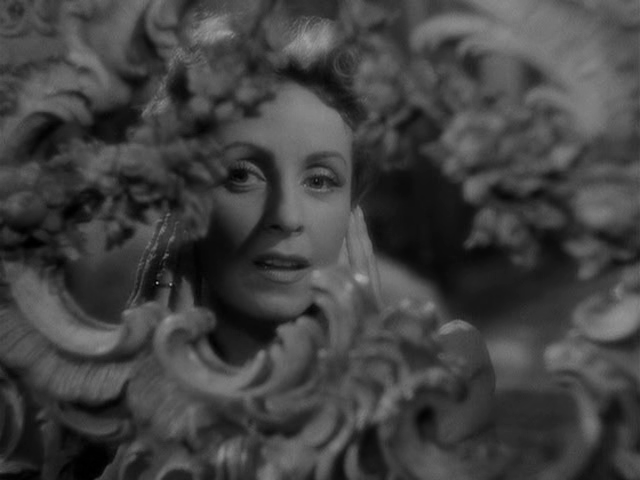
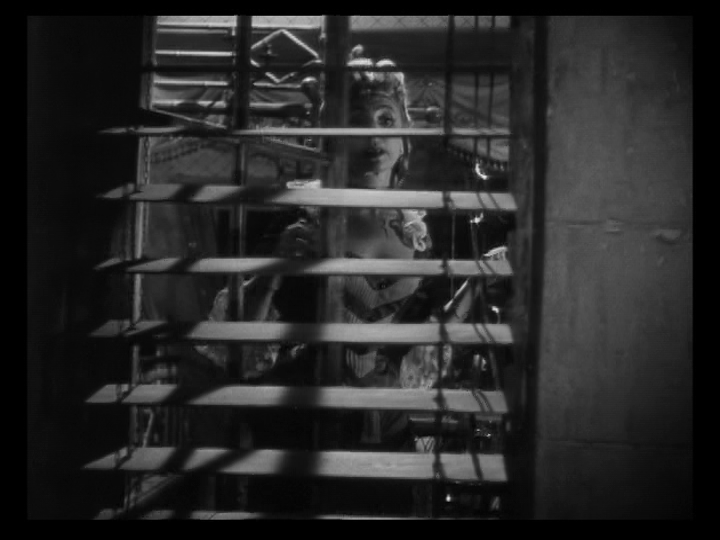
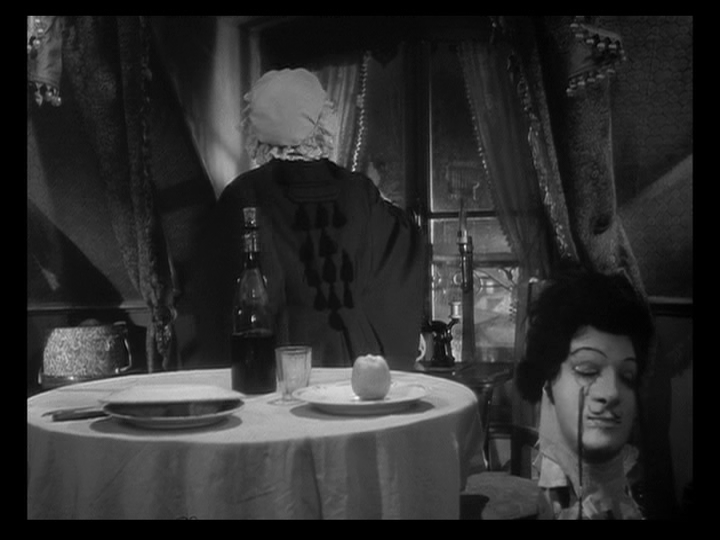
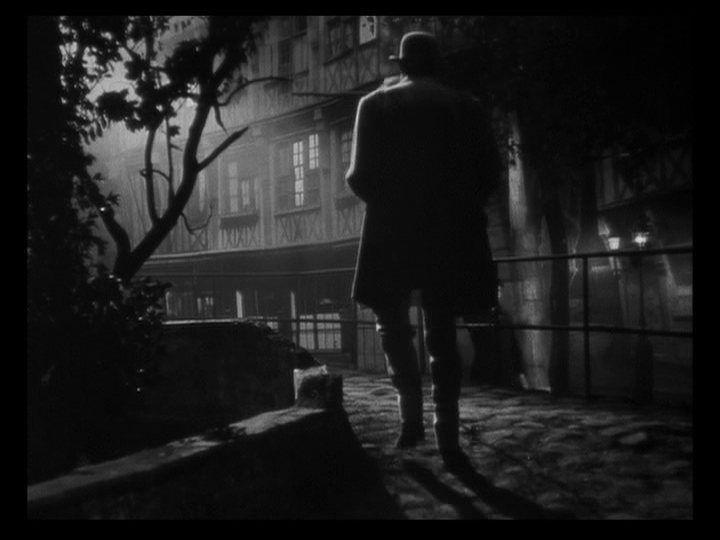
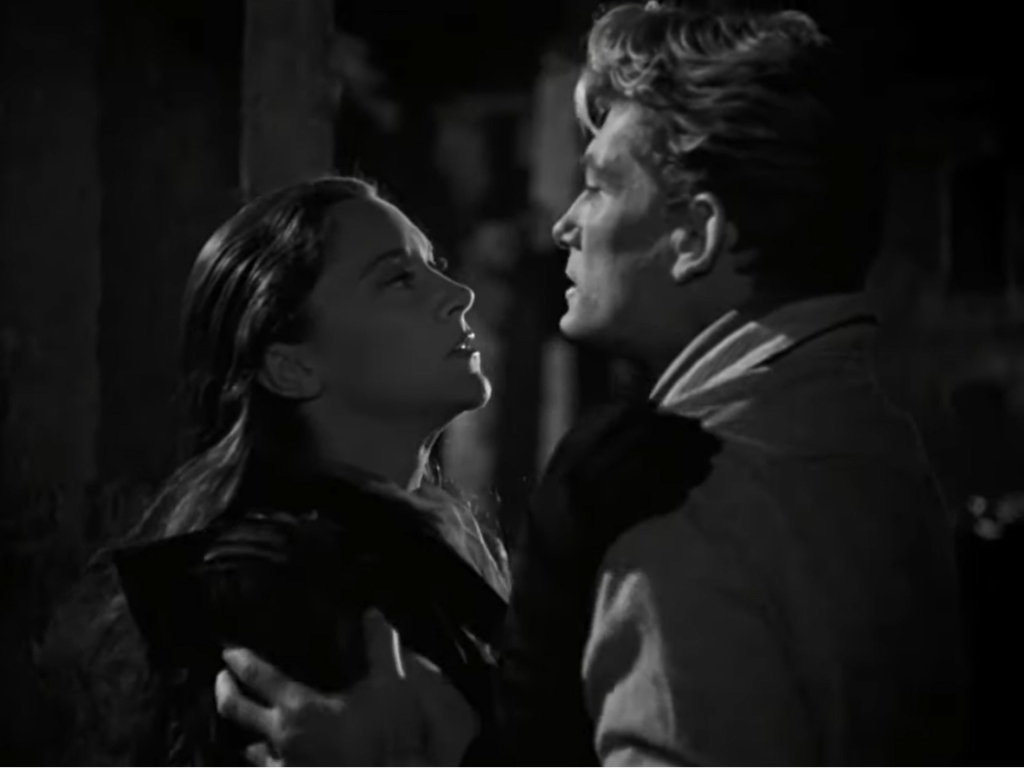
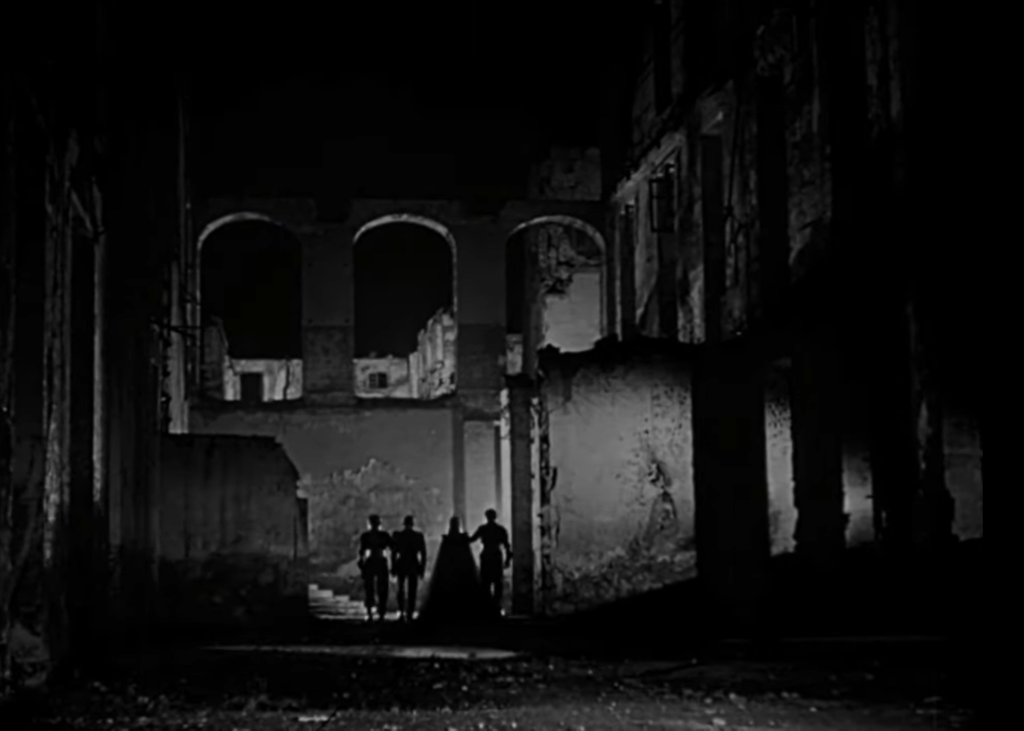
Peary concludes his review by pointing out that “Nicolas Hayer’s cinematography is excellent, the special effects are magical, the underground sets are haunting, and the dynamic Cesares gives that fellow who played Death in The Seventh Seal a run for his money.”
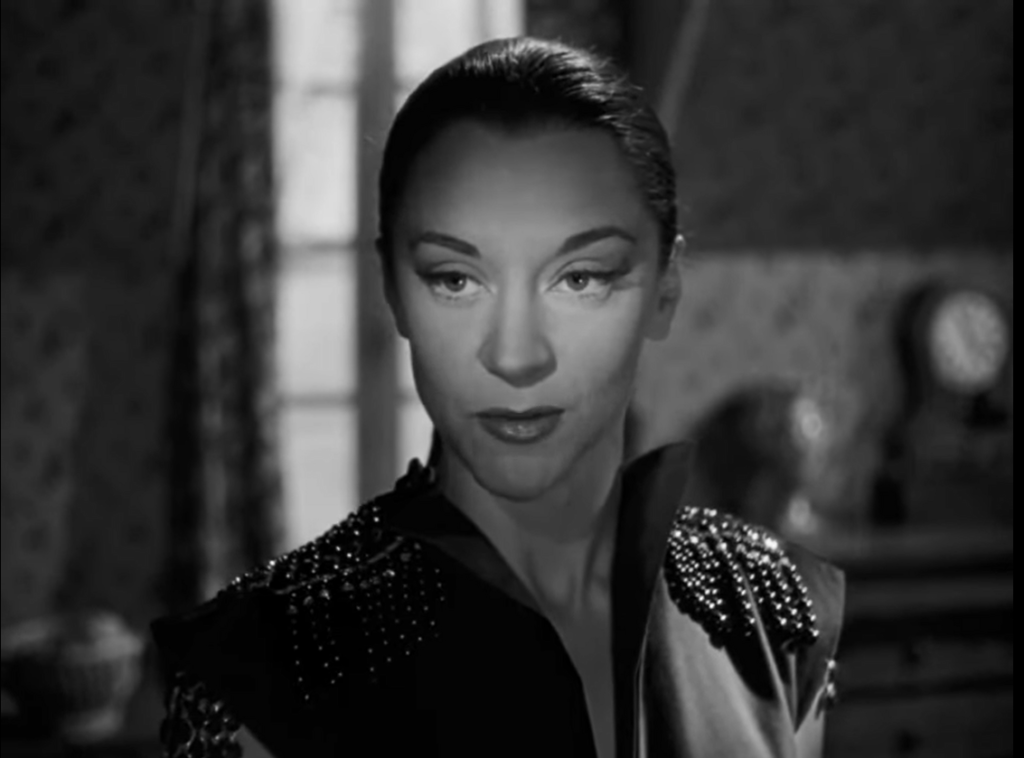
While I appreciate Cocteau’s artistic vision — like Peary, I admire the cinematography, sets, effects, and dynamic Casares’ performance — I’m not a personal fan of this film. Tales of self-absorbed (male) artists who believe their creative output takes precedence over all else, and who treat their loyal spouses terribly, are exactly not my cup of tea — so for me, this movie remains of historical curiosity and little more. However, film fanatics will surely want to check it out once.
Notable Performances, Qualities, and Moments:
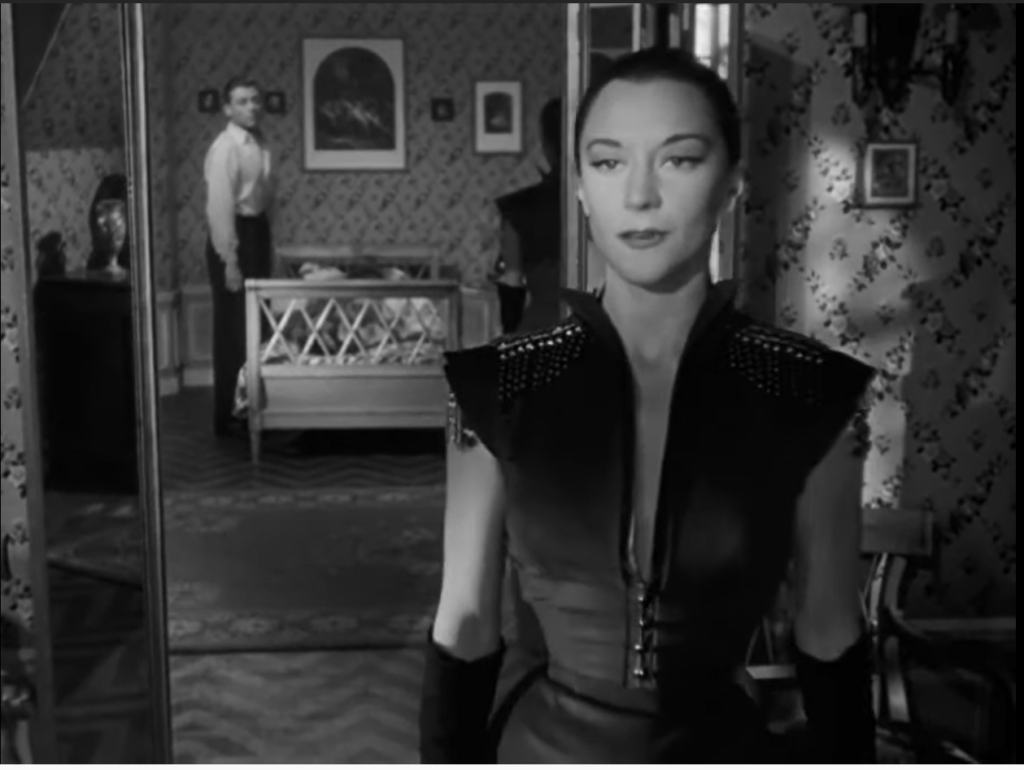
- Maria Casares as the Princess
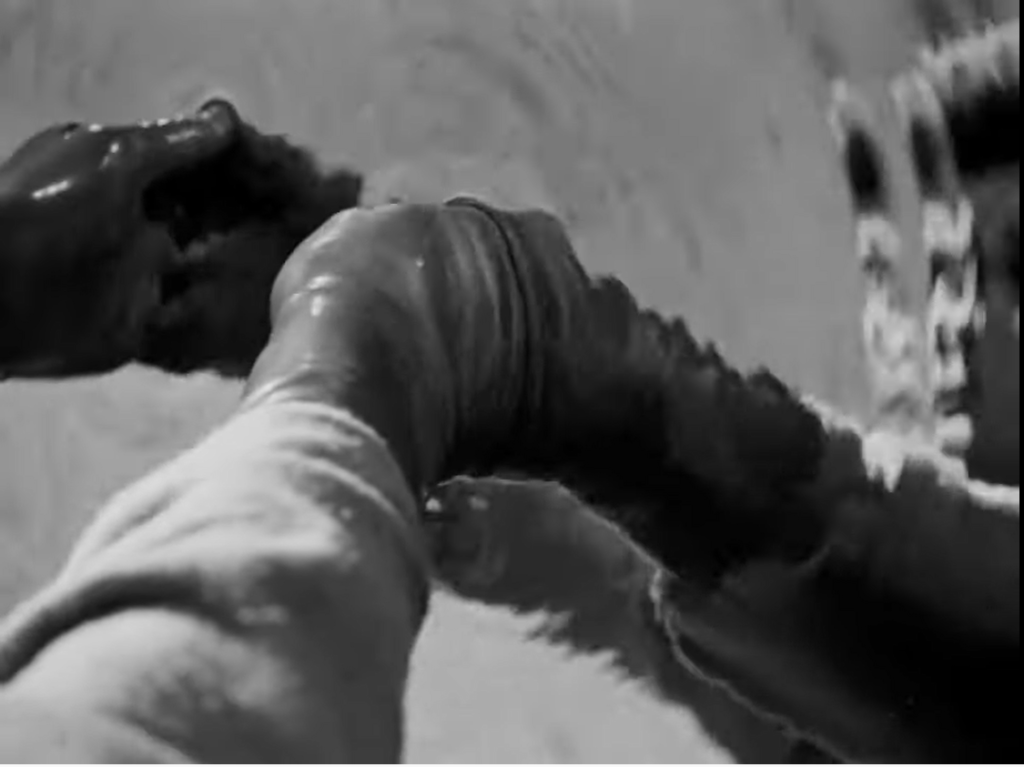
- Creative low-tech special effects
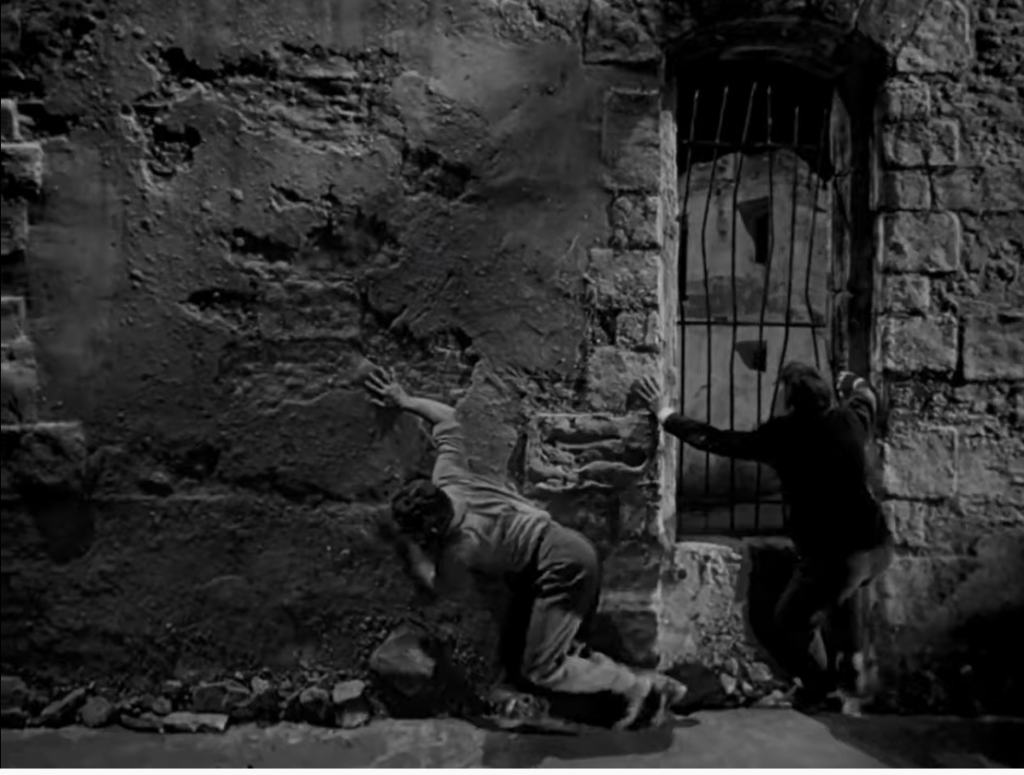
- Nicolas Hayer’s cinematography
Must See?
Yes, once, for its historical relevance.
Categories
(Listed in 1001 Movies You Must See Before You Die)
Links:
|