Foreign Correspondent (1940)
“I don’t want correspondence; I want news!”
|
Synopsis: |
|
Genres, Themes, Actors, and Directors:
Response to Peary’s Review: Redeeming Qualities and Moments:
Must See? Categories
Links: |
“I don’t want correspondence; I want news!”
|
Synopsis: |
|
Genres, Themes, Actors, and Directors:
Response to Peary’s Review: Redeeming Qualities and Moments:
Must See? Categories
Links: |
“”Well, well, well… Two naughty, nasty little children gone.”
|
Synopsis: |
|
Genres, Themes, Actors, and Directors:
Response to Peary’s Review: Redeeming Qualities and Moments:
Must See? Categories (Listed in 1001 Movies You Must See Before You Die) Links: |
“It’s an old story with me. I was born out of time.”
|
Synopsis: |
|
Genres, Themes, Actors, and Directors:
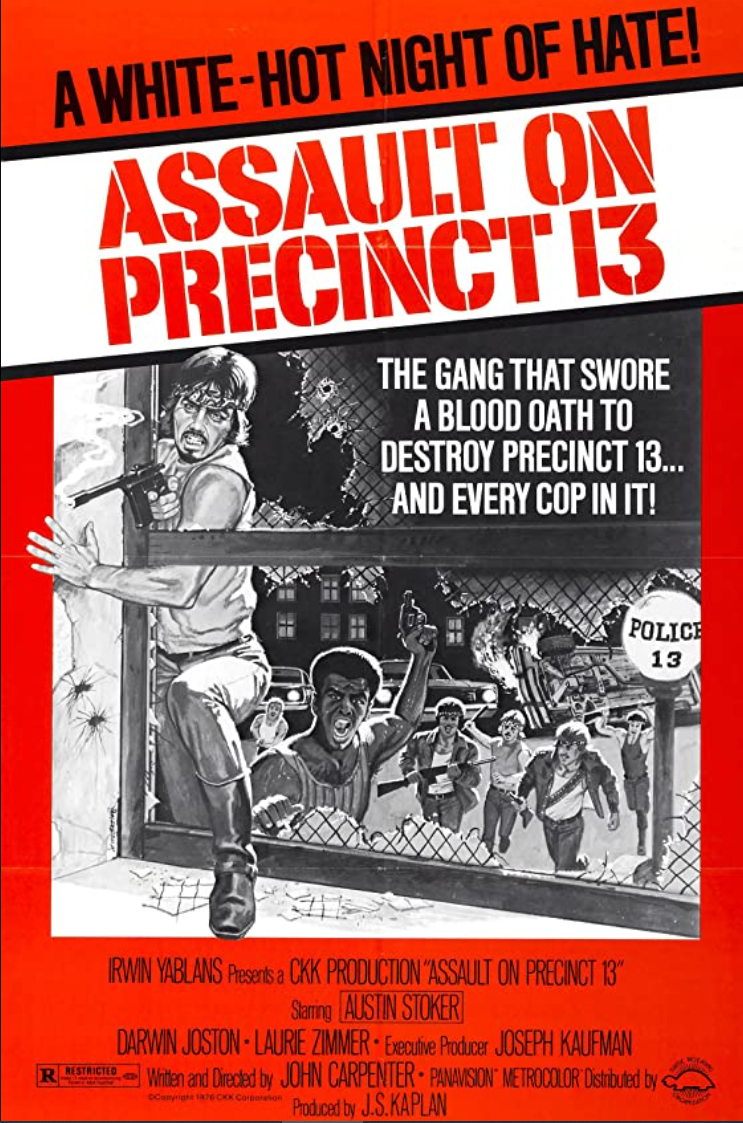
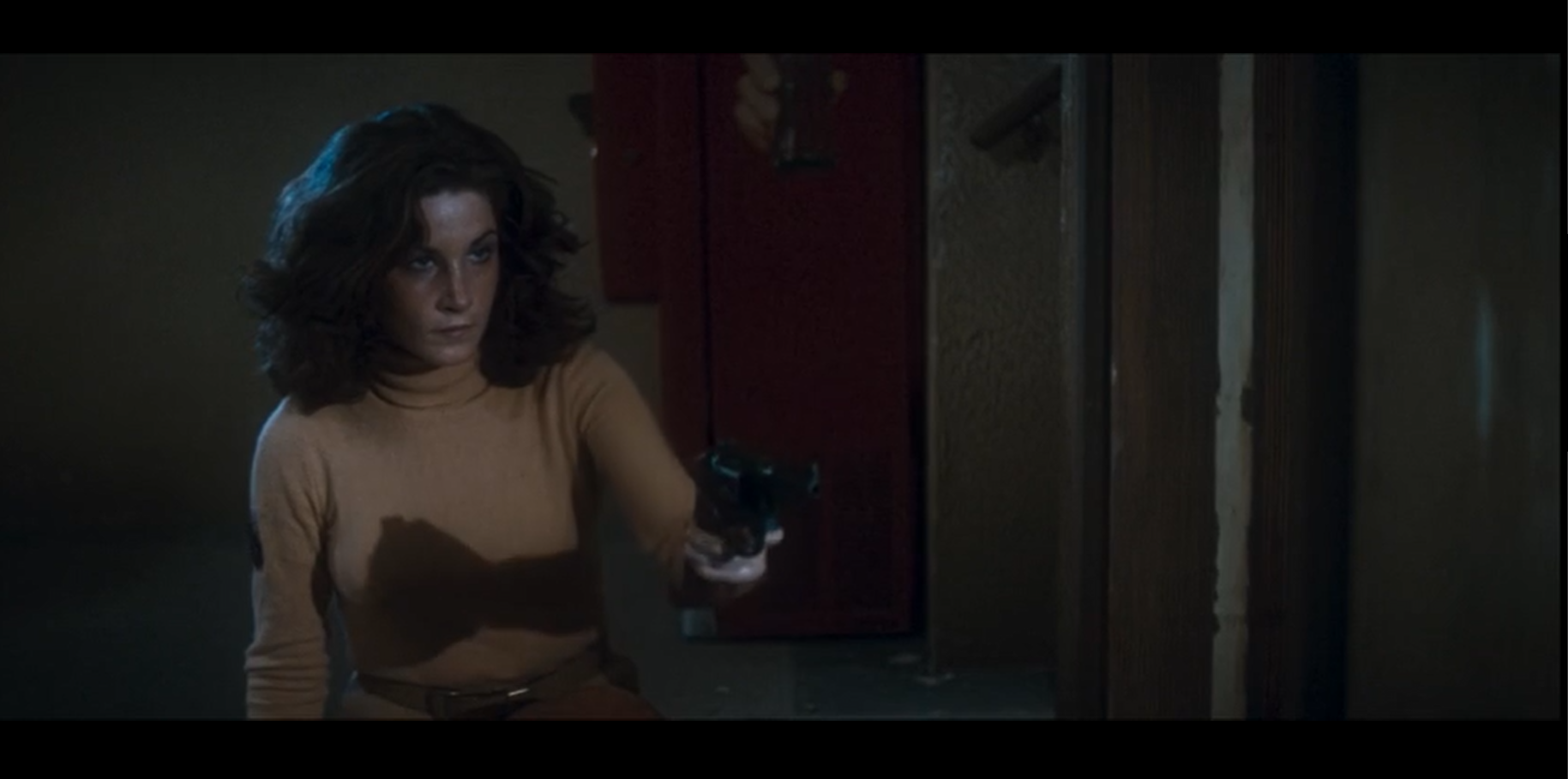
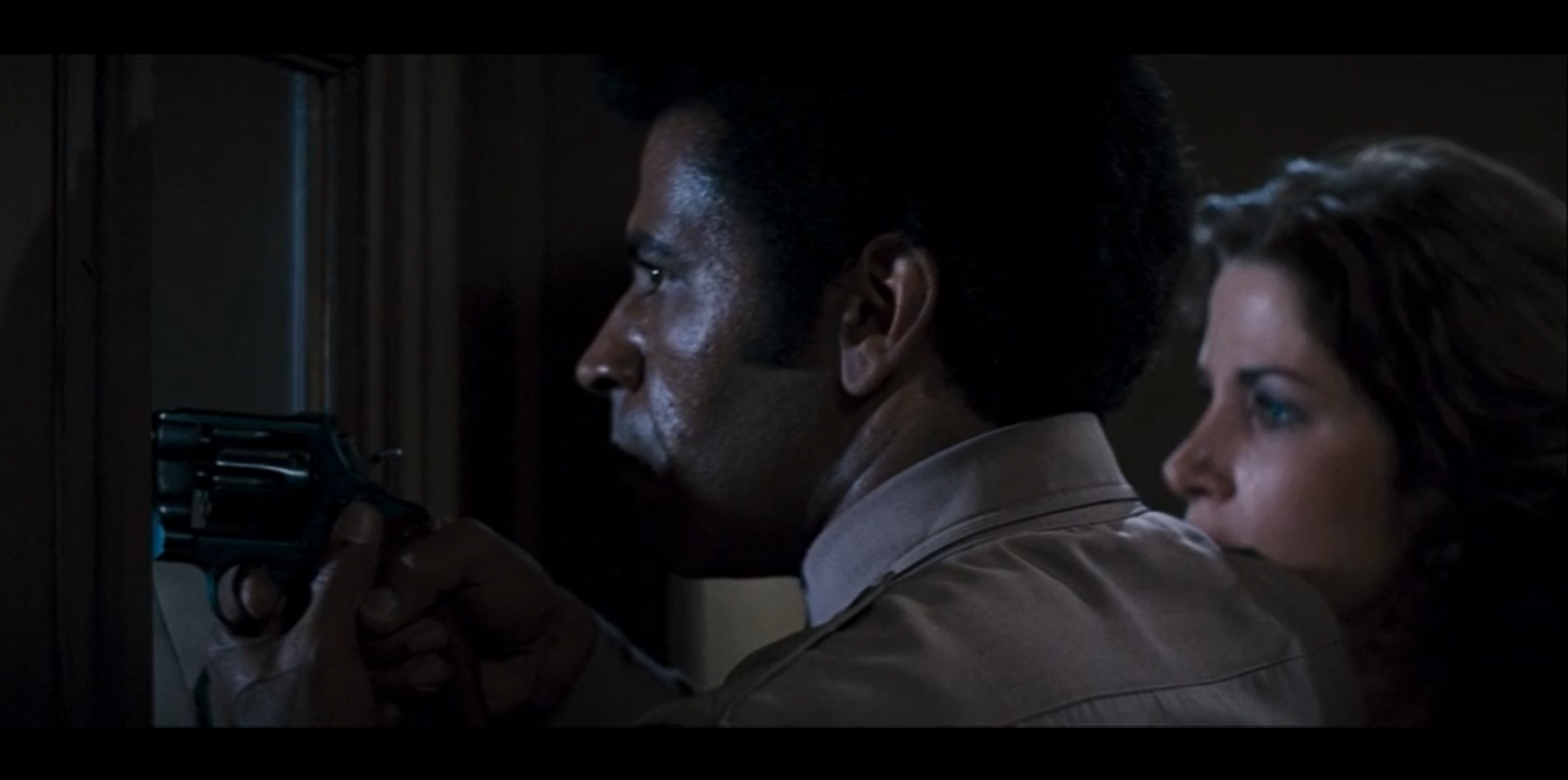
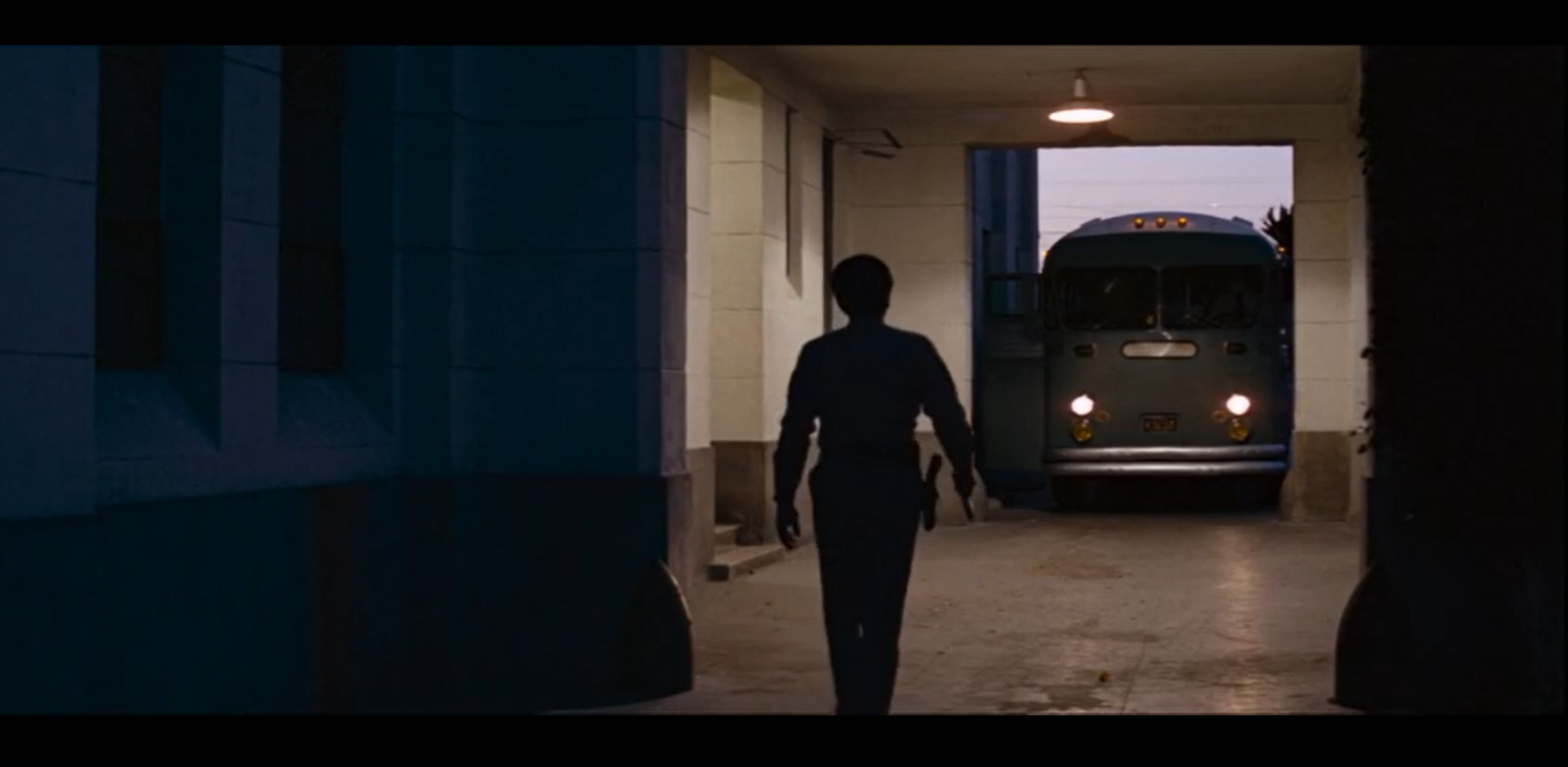
Response to Peary’s Review: Several of the performances by Carpenter’s little-known actors are worth calling out: Austin Stoker is nicely cast in the lead role as a young cop facing the confrontation of a lifetime in his first day on the job:
Laurie Zimmer as a sultry, plucky secretary effectively channels Lauren Bacall (surely a conscious choice):
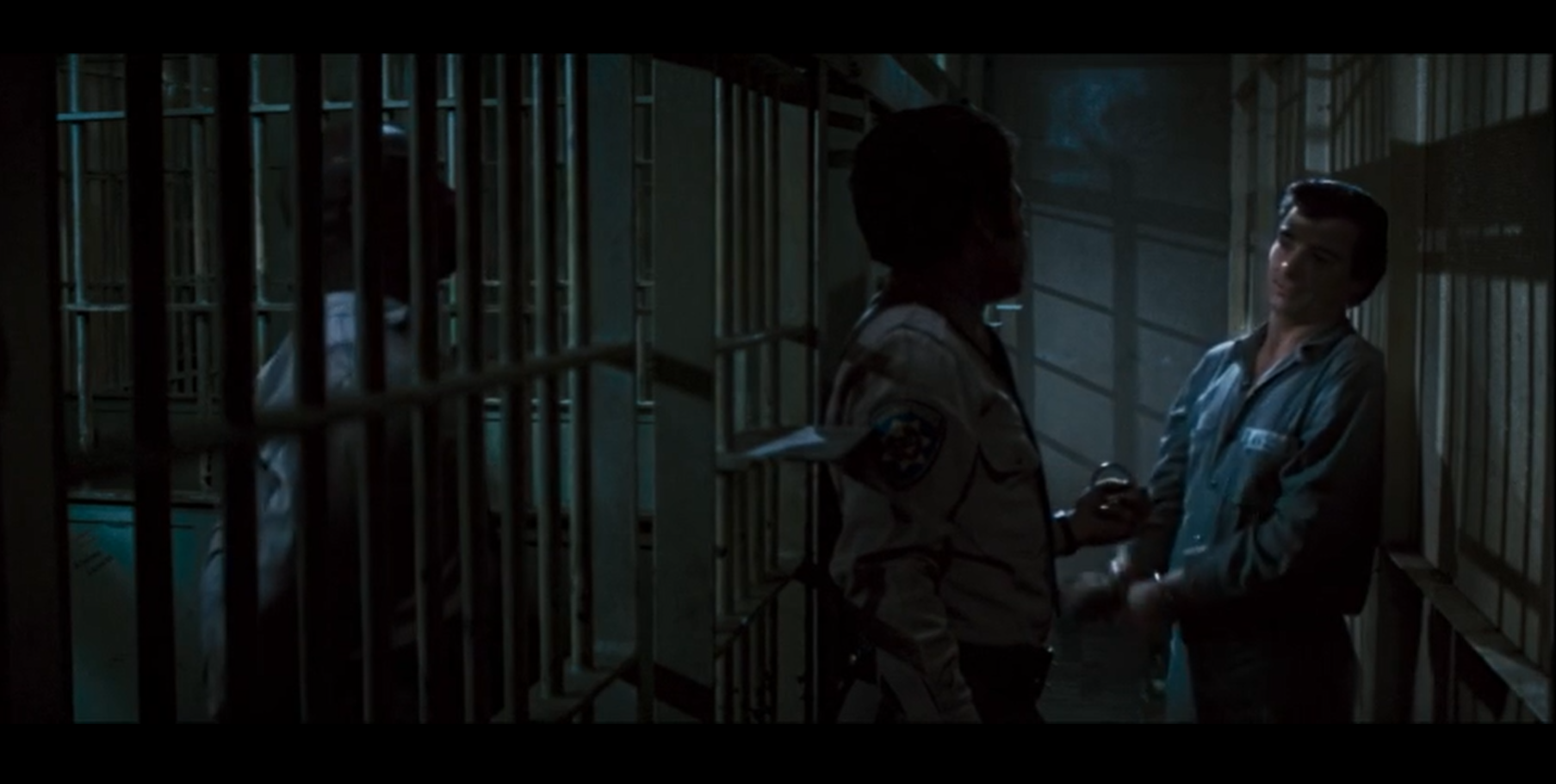
… and Darwin Joston is truly memorable as convicted murderer Napoleon Wilson, whose complex personality slowly emerges over the course of the film.
(Click here to read more about his sadly underdeveloped career as an actor.) Redeeming Qualities and Moments:
Must See? Categories
Links: |
“I was just a live plaything who sometimes dared to rebel.”
|
Synopsis: |
|
Genres, Themes, Actors, and Directors:
Response to Peary’s Review: While the storyline is rather simplistic, it packs a terrific punch overall, and is surprisingly horrific for an animated film. From its opening sequence — in which a tiny female Om carrying a newborn baby is mercilessly harassed, then brutally killed by callous Draags — it’s clear that director Rene Laloux and Roland Topper (“who provided the original artwork”) are telling a no-holds-barred allegorical tale of extreme oppression and tyranny. And while Peary’s complaints about the “static” animation are valid to a certain extent, he fails to reveal how truly stunning and original the visuals are throughout the story — this is a film you’ll want to watch again and again, simply to appreciate the wildly imaginative world Laloux and Topper have created. (Indeed, Peary does acknowledge that “best of all are the weird animals that inhabit this savage planet”, though he argues that “there are too few”.) Redeeming Qualities and Moments:
Must See? Categories
Links: |
“If I don’t get out of here, I’ll die. If I don’t get out of here, I HOPE I’ll die… or burn!”
|
Synopsis: |
|
Genres, Themes, Actors, and Directors:
Review: Note: Beyond the Forest is best known by many these days for featuring the now-classic line, “What a dump” (listed as number 62 on AFI’s 100 Greatest Movie Quotes). Redeeming Qualities and Moments:
Must See? Links: |
“Wow! 18 years of nothing and now twice in one day. What a place!”
|
Synopsis: |
|
Genres, Themes, Actors, and Directors:
Review: Redeeming Qualities and Moments:
Must See? Links: |
“Thanks to science, what was once a mystery can now be controlled and analyzed.”
|
Synopsis: |
|
Genres, Themes, Actors, and Directors:
Review:
While Renoir’s point remains just as viable and important as ever, it’s been explored elsewhere — and to greater effect — by many other filmmakers (c.f. Woody Allen’s Sleeper, for example). Shot at his father’s country home in the South of France, Picnic on the Grass is always pleasing to look at, but never really all that engaging. Redeeming Qualities and Moments:
Must See? Links: |
“You always remember the wrong things.”
|
Synopsis: |
|
Genres, Themes, Actors, and Directors:
Review:
After all, George (Finney), father of four healthy daughters and husband to a beautiful wife, is about to win a prestigious writing award, and lives in virtual paradise in a converted farmhouse among the rolling hills of Marin County, California.
Yet despite all this, George’s marriage to Faith (Keaton) is clearly no longer viable: he has a not-so-secret lover (Karen Allen), and Faith has his bag packed, ready for him to leave as soon as the awards ceremony is over.
The remainder of this bleak but compelling film is essentially concerned with portraying the ways in which George, Faith, and their kids handle the separation. Faith sinks into depression, eventually taking on a lover (Peter Weller), a silent-but-handsome construction worker who has fortuitously arrived to build a tennis court on her property.
George continues his affair with Sandy (Allen), yet maintains a ferocious sense of ownership over his house and family. Sherry (Dana Hill), their oldest daughter, reacts with understandable dismay and confusion at seeing her parents struggling to make sense of their situation.
The younger three girls (whose personalities are unfortunately not given much of a chance to emerge) remain staunchly devoted to both parents, even when their volatile father acts with shocking levels of violence.
Meanwhile, there’s an ongoing attempt by each of the characters to determine what exactly “went wrong” in this marriage — a question not easily answered. Most of the film works well: the lead actors (Finney, Keaton, Hill, Allen) all give nuanced performances; Bo Goldman’s script is often incisive (“You’re kind to strangers.” “Yeah, strangers are easy.”); and beautiful Marin County locales are used to remarkable effect (helped in no small part by Michael Seresin’s stunning cinematography). However, the film isn’t entirely satisfying. One scene in particular — the critically panned “restaurant scene” between Finney and Keaton, occurring late in the film — is horribly misdirected by Parker as screwball farce, rather than being allowed to serve its more serious explanatory purposes:
And the final, deeply disturbing scene — while clearly designed NOT to provide any type of closure to this stickiest of narratives — doesn’t quite ring true. Nonetheless, most film fanatics will want to check out this undeniably powerful film at least once, for its many strengths. Redeeming Qualities and Moments:
Must See? Links: |
“Get this through your head: it’s not that New York lawyer you have to be afraid of, it’s me.”
|
Synopsis: |
|
Genres, Themes, Actors, and Directors:
Review:
Chandler acquits himself well in the central role, and Gail Russell is, as always, a welcome presence:
— but it’s Carson who really stands out here as an inspired casting choice; he roundly flouts his all-American “good boy” persona and taps into Sheriff Hoak’s depraved but honor-bound morality to create a character we can’t help but feel afraid of.
Redeeming Qualities and Moments:
Must See? Links: |
“I’ve fought in Algiers. I’ve been a policeman for 20 years. And I can tell you one thing: we’ve gone mad.”
|
Synopsis: |
|
Genres, Themes, Actors, and Directors:
Review:
Caron nicely portrays Anne’s determination to live life on her own terms — and it’s a pleasant surprise to see her, fairly early on, deciding to leave her new lover behind when he expresses ambivalence over actually making the journey they’ve fantasized about for so long. The two quickly reunite, however, and the bulk of the film simply follows them — and “third wheel” Bruno — as they journey south, then back to Paris again, all while hearing news about the strikes and student uprisings that began just as they left town. While it’s somewhat interesting to gain a time capsule perspective on this tumultuous era in French history, the film itself unfortunately loses its sense of direction as the strikes take over the narrative; Kurys’ attempt to show parallels between Anne’s newfound sense of freedom and the struggles of a nation to revolt against an “old morality” come across as a bit heavy-handed, especially as the trio encounter a series of characters (i.e., a truck driver, a policeman) who conveniently represent various “voices” and perspectives on current events. Left sadly unexplored is the muted love triangle between Anne, Frederic, and Bruno; their complex dynamics together — especially given Cluzet’s wistful, sensitive performance as Bruno — could have provided a much more interesting narrative trajectory.
Redeeming Qualities and Moments:
Must See? Links: |