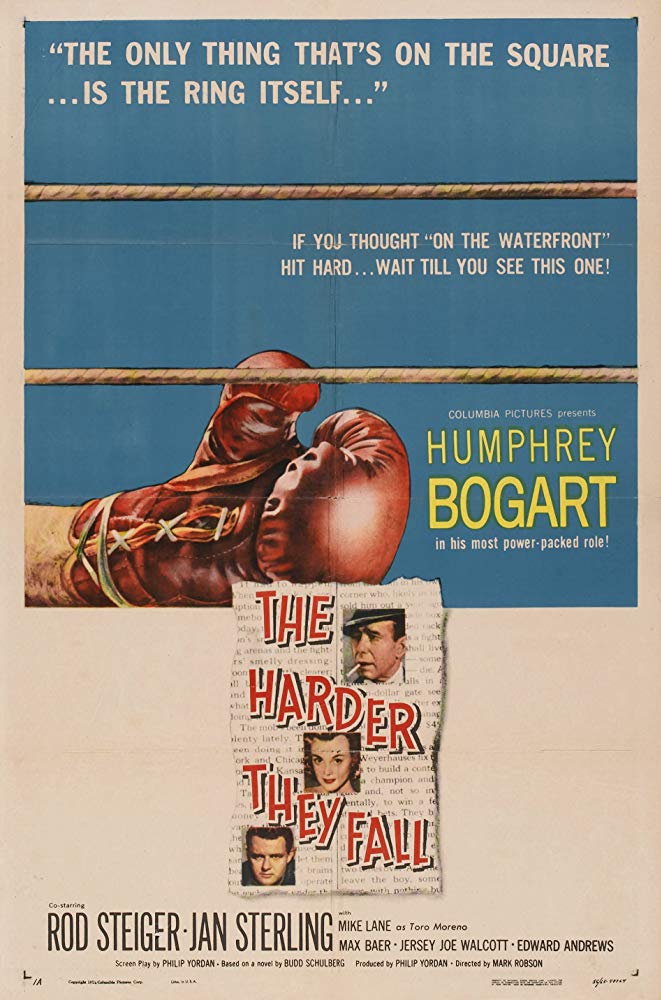
Harder They Fall, The (1956)
“Money’s money, no matter where you get it.”
|
Synopsis: |
|
Genres, Themes, Actors, and Directors:
Response to Peary’s Review: Redeeming Qualities and Moments:
Must See? Categories Links: |
“Money’s money, no matter where you get it.”
|
Synopsis: |
|
Genres, Themes, Actors, and Directors:
Response to Peary’s Review: Redeeming Qualities and Moments:
Must See? Categories Links: |
“If we didn’t have thieves, we wouldn’t need banks.”
|
Synopsis: |
|
Genres, Themes, Actors, and Directors:
Review: Redeeming Qualities and Moments:
Must See? Links: |
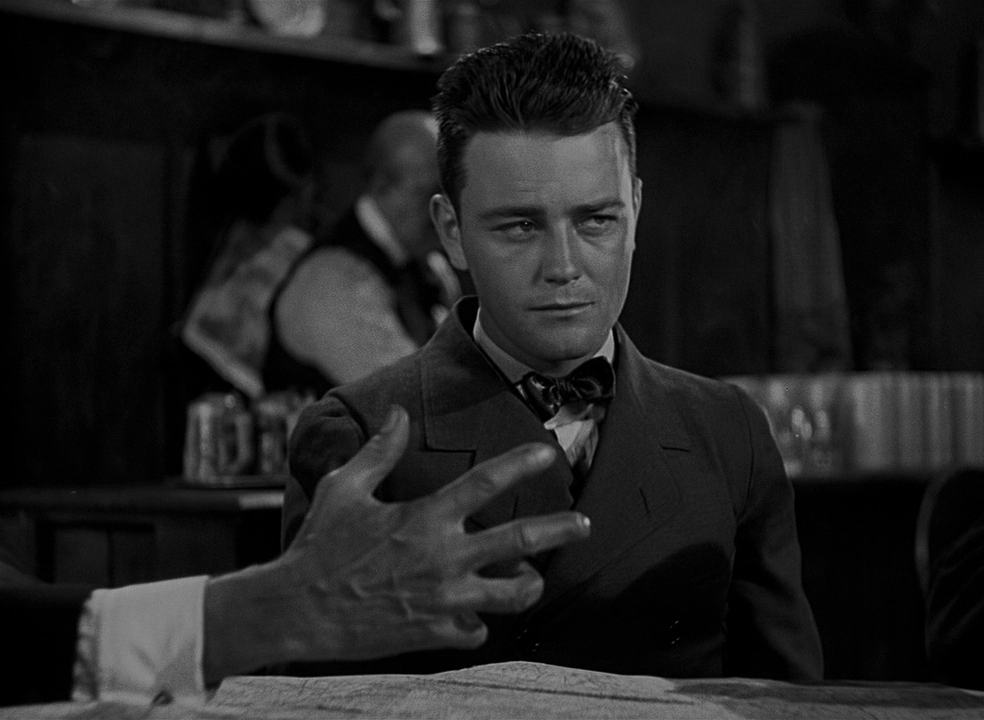
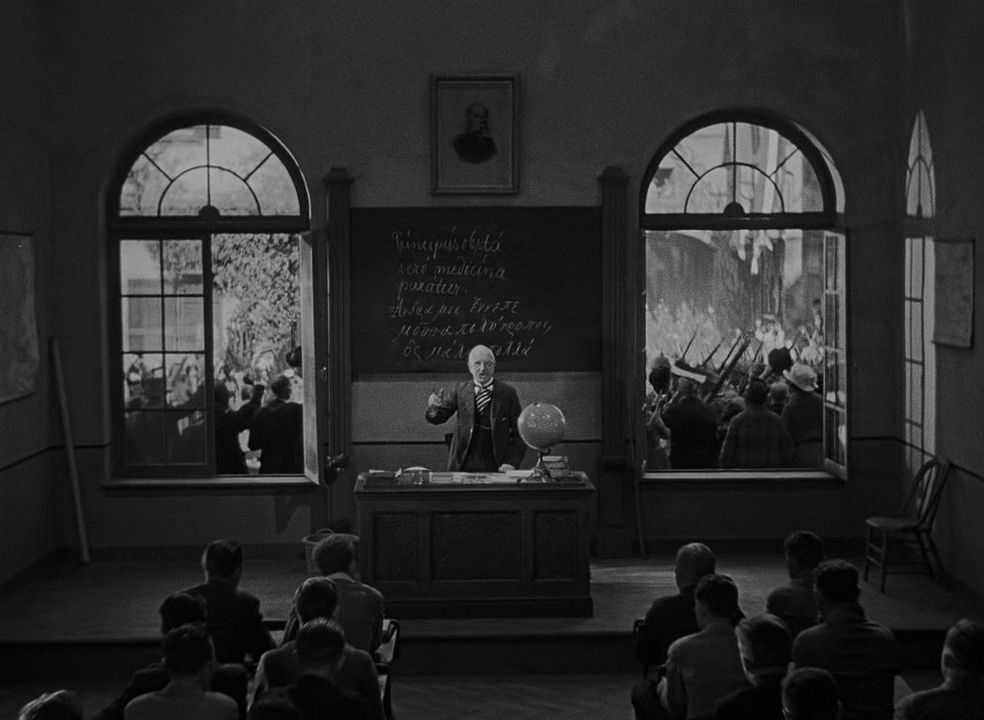
“You are the life of the fatherland, you boys!”
|
Synopsis: |
|
Genres, Themes, Actors, and Directors:
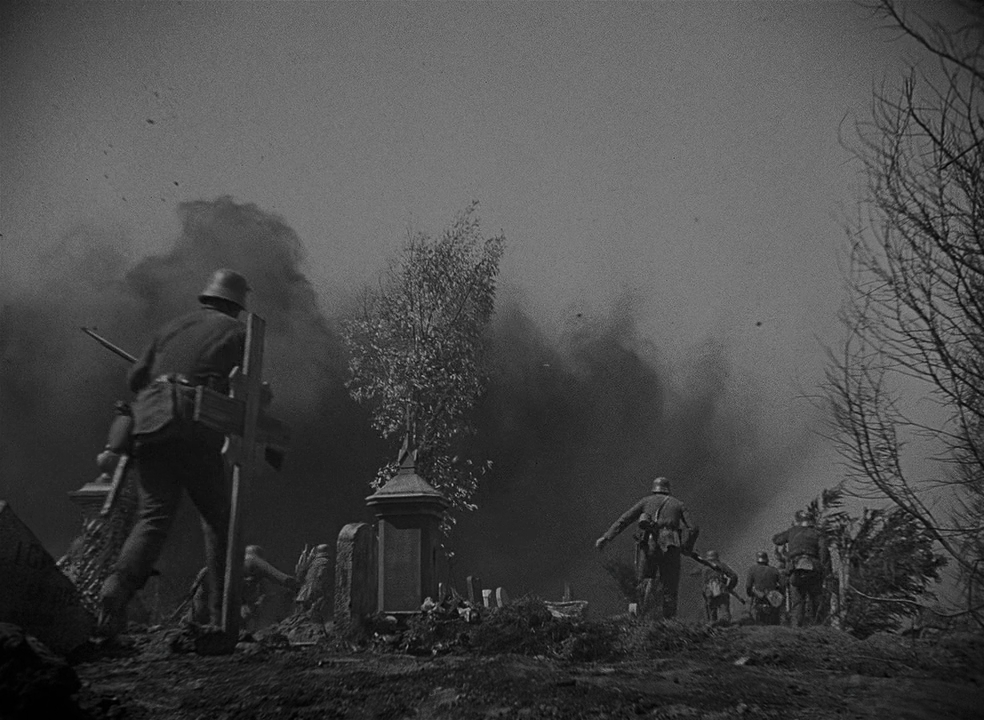
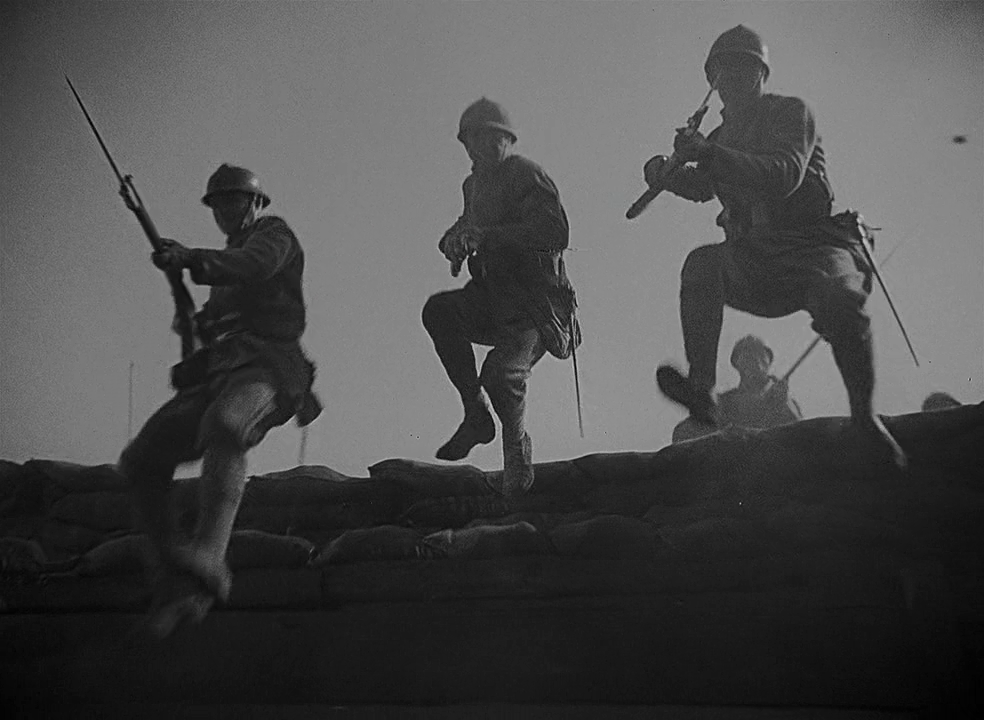
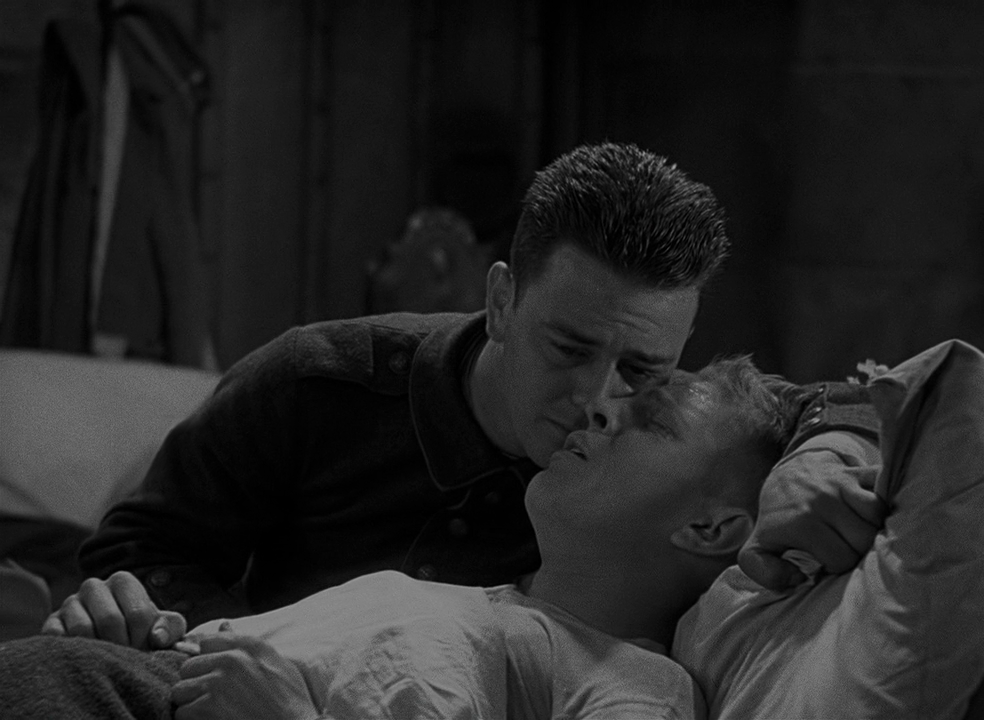
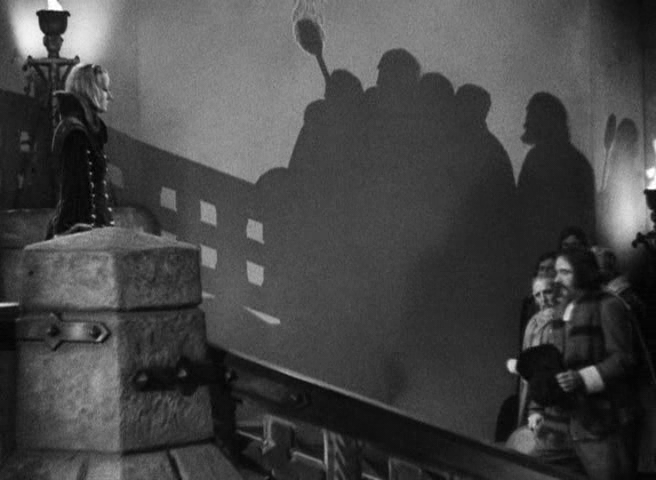
Response to Peary’s Review: In Alternate Oscars, Peary agrees with the Academy in naming this the Best Picture of the Year, and elaborates on what makes it so enduringly powerful. He writes that while “the boys enthusiastically enlist en masse, all hoping to be heroes”, “once in uniform, they realize that there is no glamour to war” — “instead, there are dictatorial officers, endless marchs, hunger, fatigue, nostalgia for home, rats in the trenches, mud and rain…” Indeed, there is “no heroism. Instead there is confusion, terror, hysteria, madness, amputations, [and] meaningless deaths. All that matters is survival, and those who survive are either insane, without limbs or sight, or unfit to return to civilization where old men still champion wars.” Most chilling and heart-stopping among many powerful moments is “the battle scene in which Arthur Edeson’s camera pans while charging soldiers are mowed down by machine-gun fire” — a scene “as impressive as it is terrifying”, and which “becomes even scarier when soldiers break through and jump into the trenches for hand-to-hand combat.” As Peary adds, “Significantly, not one shot is heroic or glamorizes war; instead we see how vulnerable all soldiers are and want to close our eyes until the fighting stops.” This almost unbearably impactful film will quickly convince you that war really is hell. Redeeming Qualities and Moments:
Must See? Categories (Listed in 1001 Movies You Must See Before You Die) Links: |
“I do not wish to marry, and they cannot make me!”
|
Synopsis: |
|
Genres, Themes, Actors, and Directors:
Response to Peary’s Review: Redeeming Qualities and Moments:
Must See? Categories (Listed in 1001 Movies You Must See Before You Die) Links: |
“What am I fit for? What have you left me fit for?”
|
Synopsis: |
|
Genres, Themes, Actors, and Directors:
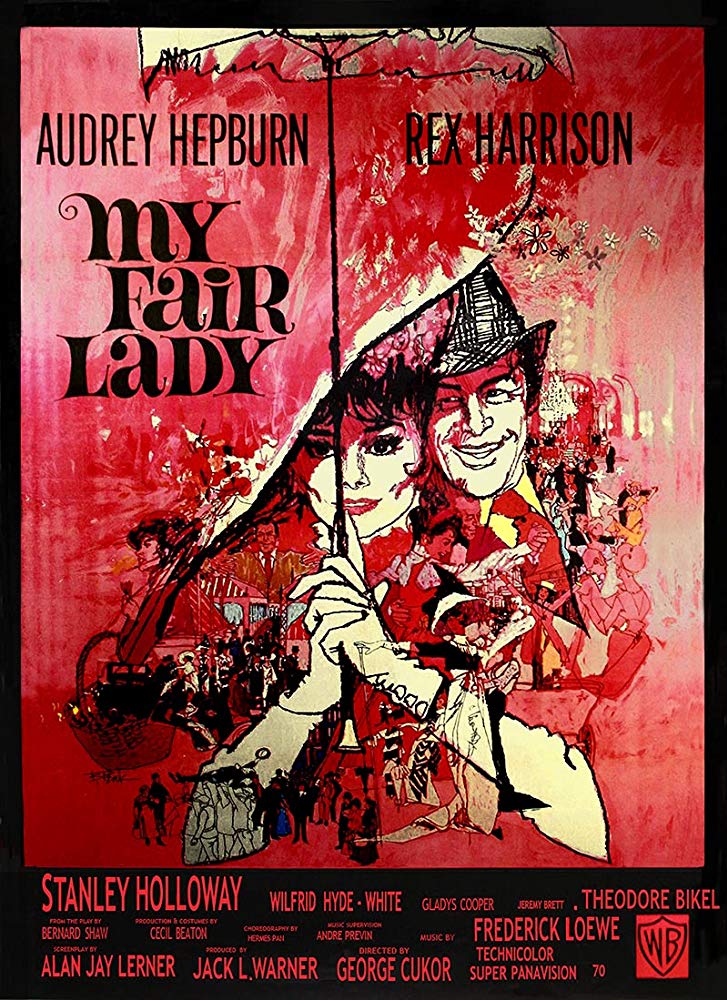
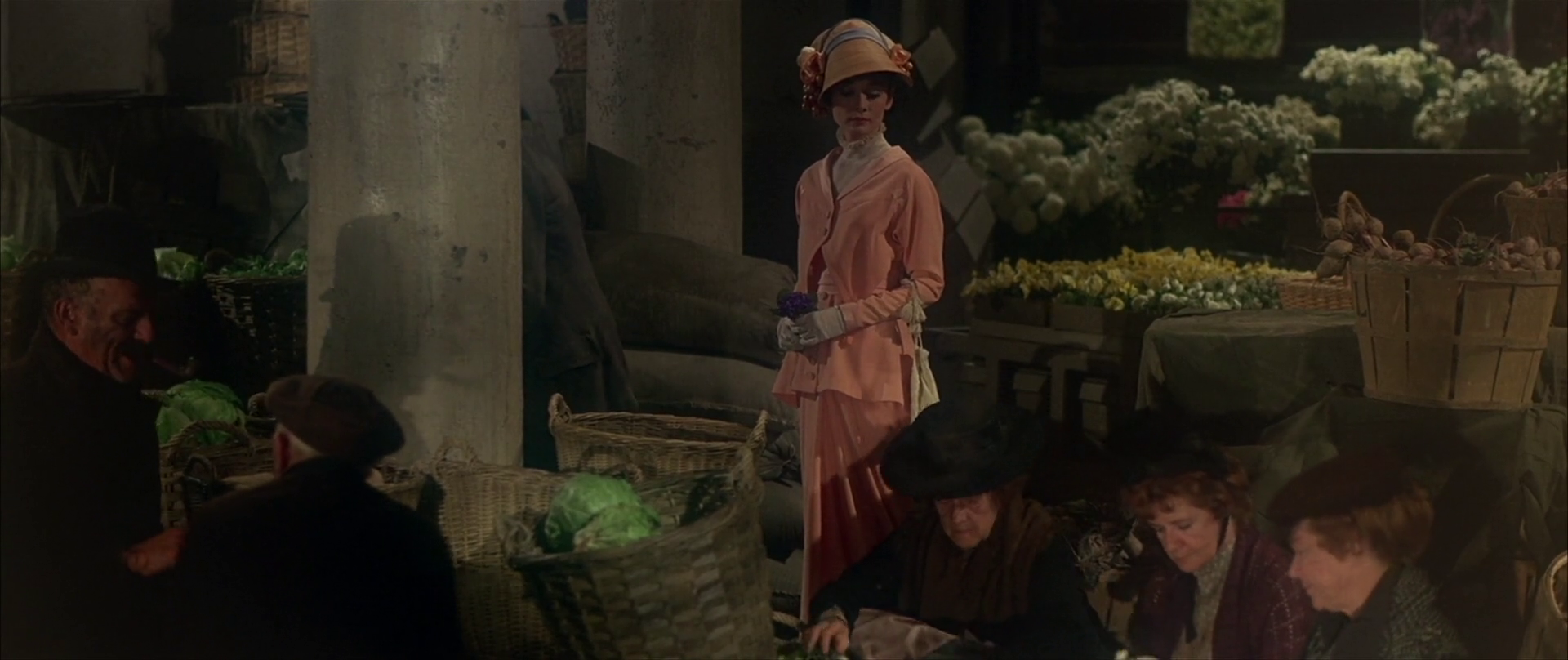
Response to Peary’s Review: Peary’s assessment is spot-on. However, while he argues in Alternate Oscars that “Harrison was the best thing about My Fair Lady,” I disagree: Harrison’s lack of any singing range whatsoever beggars belief about his casting, and while his chauvanistic characterization may (sadly) be true-to-life, he’s so unlikable he fails to elicit any sympathy. Hepburn’s transformation, meanwhile, doesn’t ring true in the slightest: she’s initially a shrewish nag, yet once her lessons with Harrison are done, she’s become someone entirely different. Yes, I know that “transformation” is the entire point of the play — but we should be seeing more hints poking through of her prior mannerisms than merely some Cockney grammar slip-ups. Worst of all, of course, is that we most certainly do NOT want Hepburn to fall for Harrison, yet we know this is what the story is leading us towards. The lesson is all wrong; this film has dated terribly, if it ever somehow managed to ring true. Redeeming Qualities and Moments:
Must See? (Listed in 1001 Movies You Must See Before You Die) Links: |
“I’d like to take you in my arms, and not let anything happen to you — ever.”
|
Synopsis: |
|
Genres, Themes, Actors, and Directors:
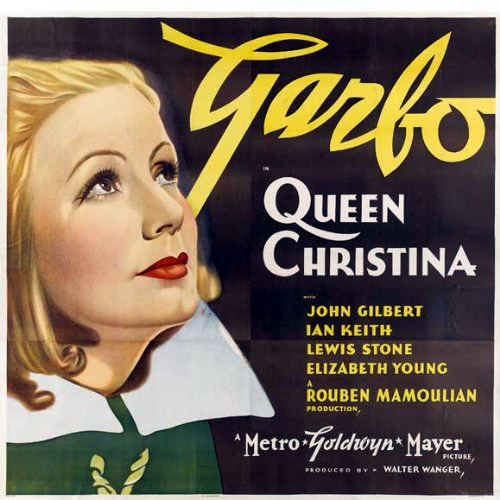
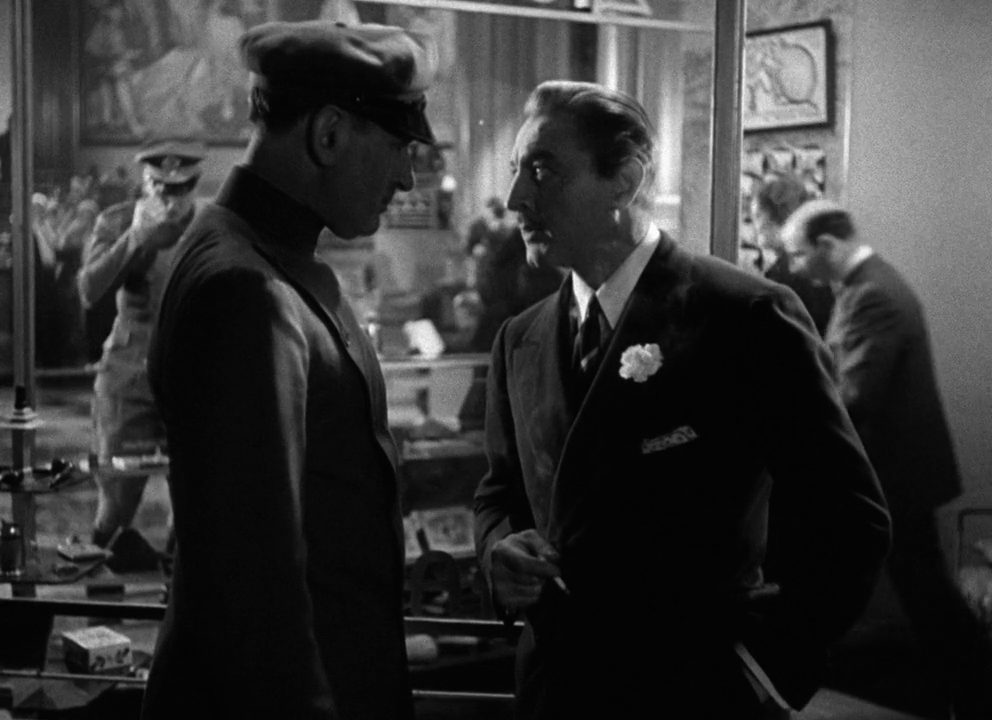
Response to Peary’s Review: Indeed, the storyline of a “thief who gives something to people [and thus] cannot survive” (“it’s John Barrymore who helps Garbo, Lionel Barrymore, and Crawford overcome their self-pitying depression”) is an intriguing one. It’s engaging watching the ripple effect of Barrymore’s sudden burst of love and compassion for Garbo carrying out across so many individuals: the moral of this story is a powerful one, and the ending is satisfying. I’m less a fan of top-billed Garbo’s melodramatic performance (“I want to be alone!”) than Crawford’s; indeed, this was one of Crawford’s best early roles, and the pre-Code script allows us no-holds-barred access to understanding the sexual compromises women sometimes make for their careers. It’s interesting to know that, according to TCM’s article, Crawford was “afraid she would be lost among the film’s high-powered stars and also worried that her character’s best scenes would be cut by the censors”; she needn’t have worried, as her charisma shines through. Peary agrees, naming her Best Actress of the Year in Alternate Oscars for her role as Flaemmchen, “a poor, ambitious, free-lance stenographer who picks up needed money by sleeping with her employers”. He notes that while “Crawford was already a major star when she made Grand Hotel,” this “was the picture that proved she could hold her own with the movie elite and be taken seriously as a dramatic actress.” He adds that “as with her earlier characters, there is a softness under Flaemmchen’s tough, wise-to-the-ways-of-men-and-life exterior”, noting that while he likes “most of Crawford’s early film roles”, this “is her first performance that isn’t erratic. In her movements, her sexy hip-out stance, her line readings, and her expressions, Crawford had never been more natural [or] more honest” and “real feelings come through.” He concludes his essay by noting that “Crawford is extremely sexy, with youthful energy, huge eyes, and sensual backward glances, a posed slim and angular body” — but “there is something much more than sexual magnetism at work”: “what makes Crawford so memorable… is her star quality.” Redeeming Qualities and Moments:
Must See? Categories Links: |
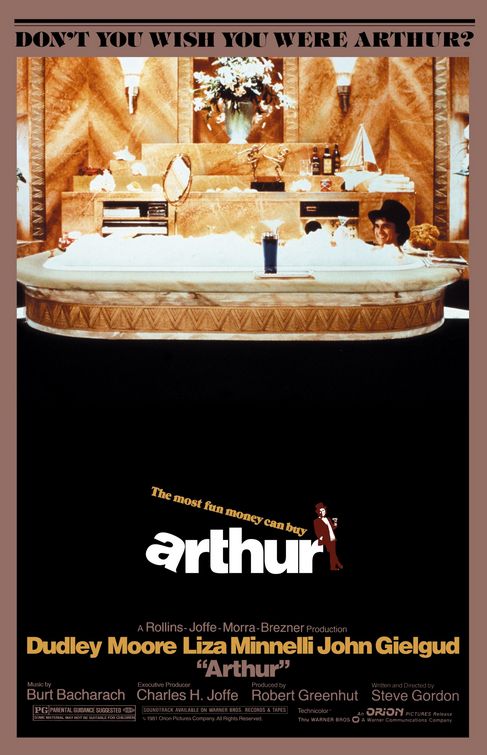
“Grow up, Arthur — you’d make a fine adult.”
|
Synopsis: |
|
Genres, Themes, Actors, and Directors:
Review: Redeeming Qualities and Moments:
Must See? Links: |
“I didn’t expect to be a chauffeur to a graveyard, driving men to their death day after day!”
|
Synopsis: |
|
Genres, Themes, Actors, and Directors:
Review: Note: Other Peary-listed titles by director Stuart Walker include Werewolf of London (1935) and Mystery of Edwin Drood (1935). Redeeming Qualities and Moments:
Must See? Categories
Links: |
“I don’t see how you could ever get old, in a world that’s always young.”
|
Synopsis: |
|
Genres, Themes, Actors, and Directors:
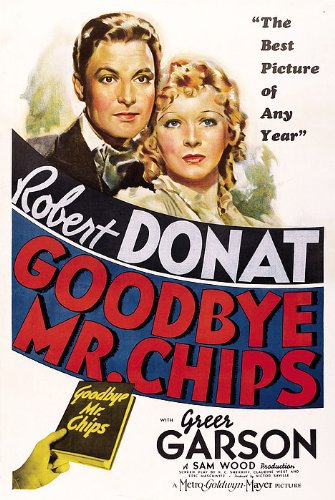
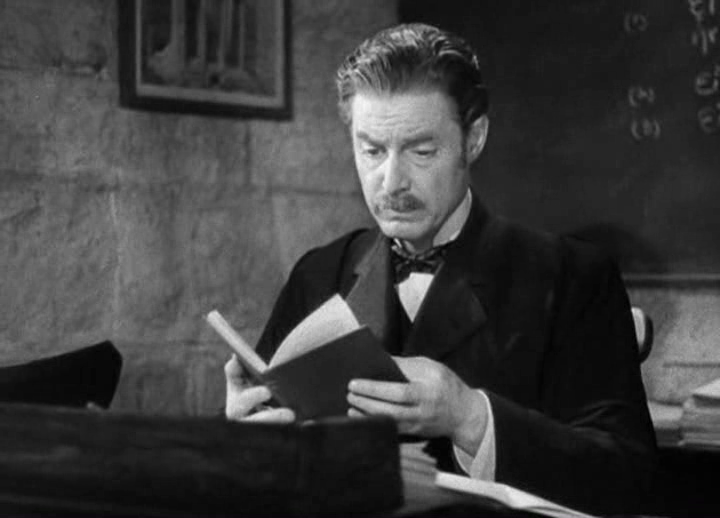
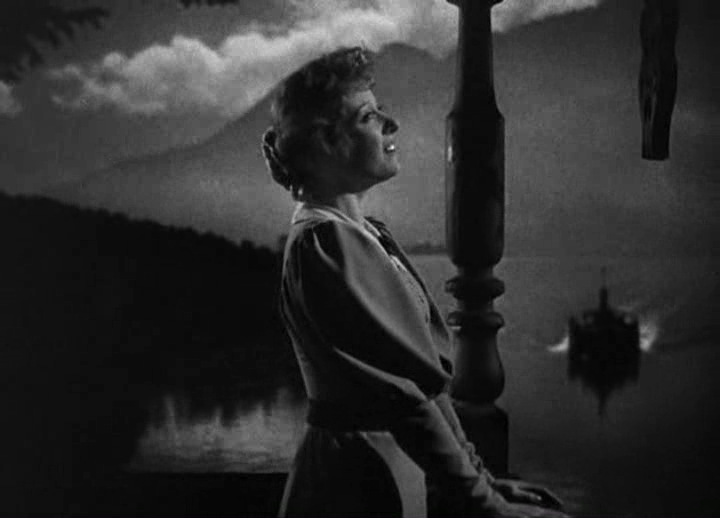
Review: Indeed, while Garson isn’t on-screen for much of the movie, her presence is vital to the film’s success, and it’s easy to see why this breakthrough film helped make her a star. I wish her character would (could) stick around for longer, since their romance is truly charming, and it’s interesting to see the effect of a young woman on the all-boys campus. I’m less of an overall “sucker for movies with nice schoolteachers” than Peary, who points out his particular fondness for Chips, a teacher who “didn’t pull rank on students” and “cared about their welfare and stuck up for them.” He applauds Donat’s willingness to apologize to his students “for mistakenly disciplining them at an inopportune time”, and argues that a boy’s threat to “kill the headmaster” if he “says another word to Chips” shows “that during Chips’s many years at Brookfield he earned a whole lot more than the boys’ friendship”. He notes that “Donat, a great actor, makes us see why these kids would feel such love for this special individual” — and I agree Donat’s performance makes this one worth a look, even if it’s not a personal favorite. Redeeming Qualities and Moments:
Must See? Links: |
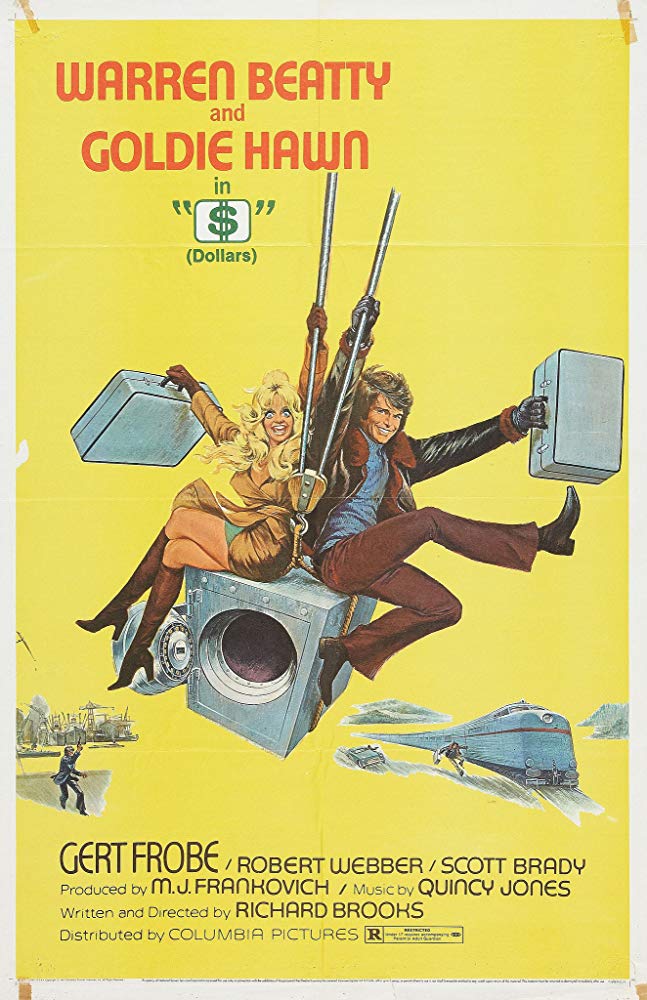
“I think they sent me to the wrong place.”
|
Synopsis: |
|
Genres, Themes, Actors, and Directors:
Response to Peary’s Review:
Peary’s points about Hawn’s character are all true enough, but I wasn’t sufficiently invested in Hawn — someone whose self-professed life dream since the age of eight was “a big house, nice clothes, two closets, a live-in maid, and a professional man for a husband” — to care very much about her outcome. Sure, it’s great that she eventually moves past these childish dreams into something more realistic and self-proficient — but unlike, say, Working Girl (1988), this feels more like a feel-good message film (specific to a certain era) than an enduring classic. Redeeming Qualities and Moments:
Must See? Links: |