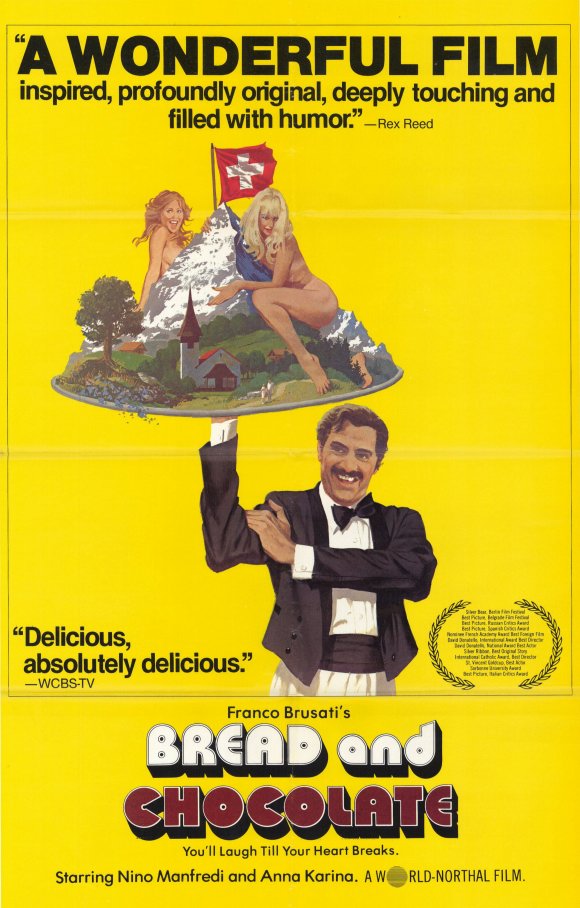
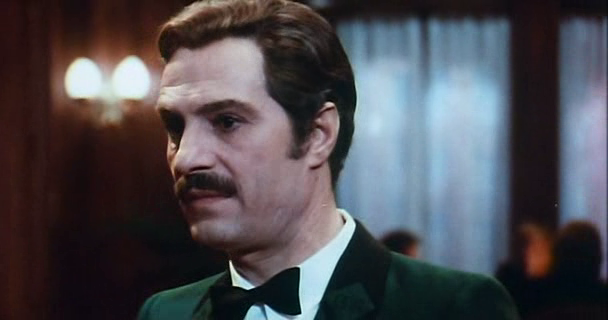
Bread and Chocolate (1974)
“Why do the foreigners dislike us Italians so much?”
|
Synopsis: |
|
Genres, Themes, Actors, and Directors:
Review: Redeeming Qualities and Moments:
Must See? Links: |
“Why do the foreigners dislike us Italians so much?”
|
Synopsis: |
|
Genres, Themes, Actors, and Directors:
Review: Redeeming Qualities and Moments:
Must See? Links: |
“Don’t mind my friend; he has a one-syllable brain.”
|
Synopsis: |
|
Genres, Themes, Actors, and Directors:
Review:
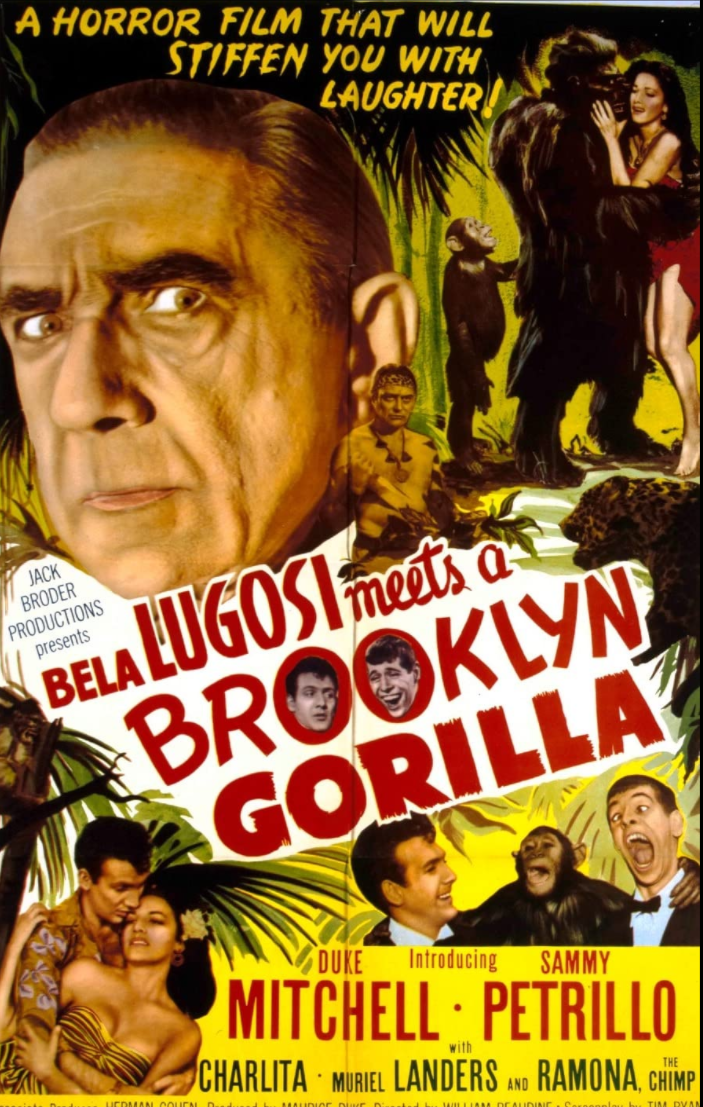
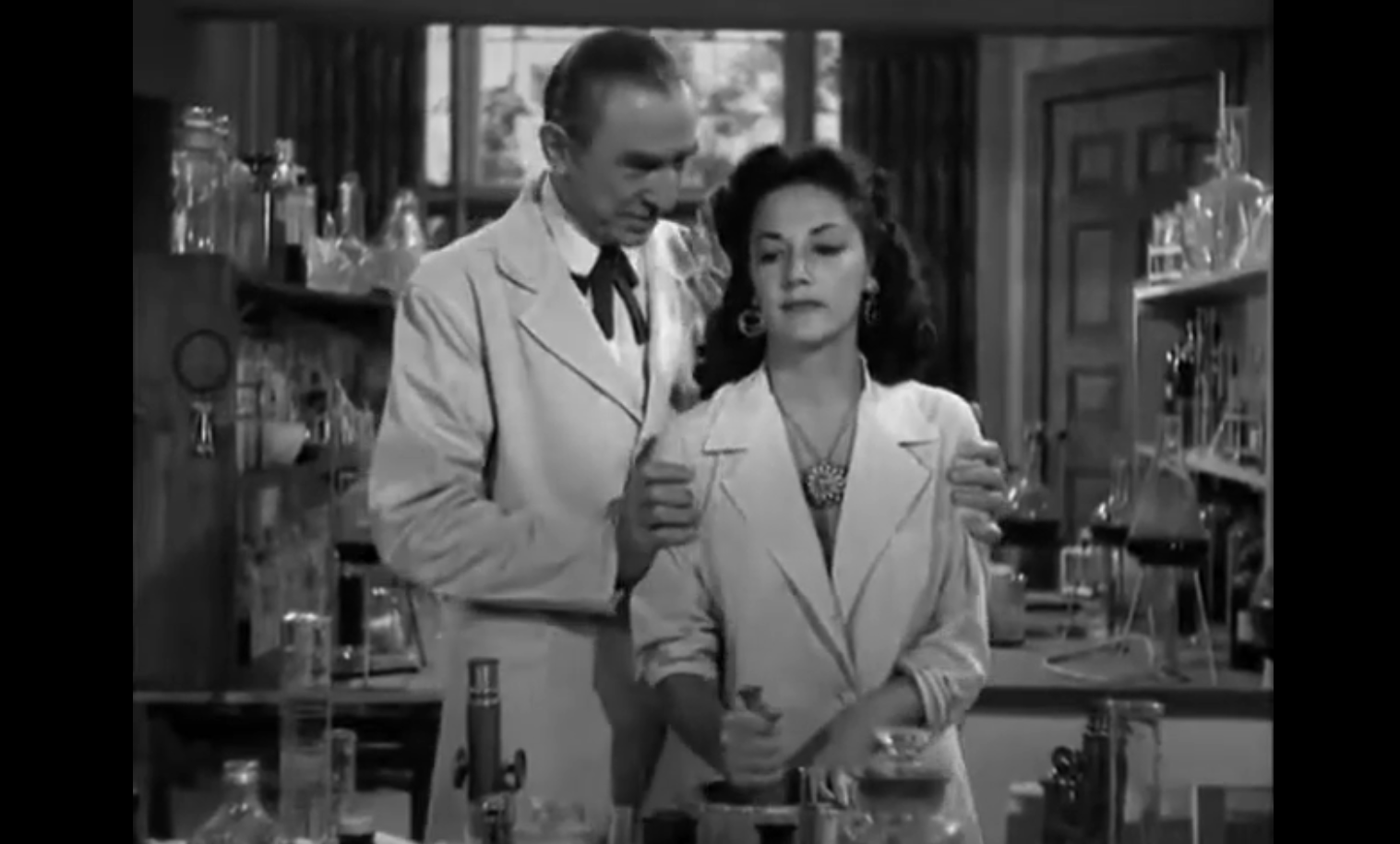
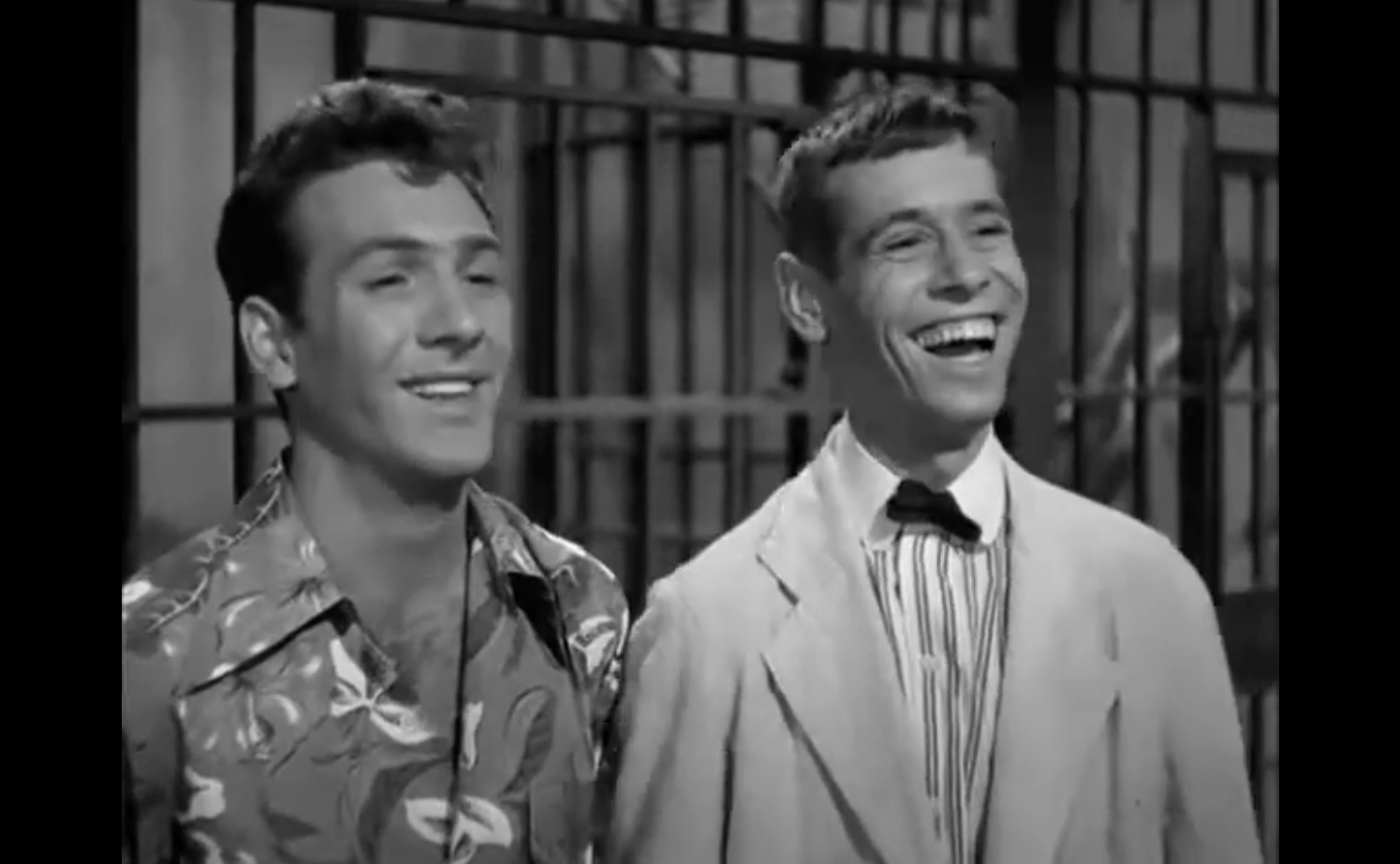
… and it stars a true historical curiosity — a pair of Dean Martin and Jerry Lewis impersonators named Duke Mitchell and Sammy Petrillo. Of the two, Mitchell is bland and eminently forgettable, while 17-year-old Petrillo — though eerily spot-on in his imitations of Lewis — sadly projects none of Lewis’s comedic gifts, and all of his irritating neuroses.
Despite the wackiness of its storyline, every single moment of this inane “comedy” is predictable far in advance, and not worth even a cursory glance. Note: I felt enormous empathy while reading Dave Sindelar’s review of this film for his Fantastic Movie Musings and Ramblings site. He notes that he watched it for the first time out of curiosity, for the second time to verify that it really was as bad as he remembered it being, and for a third time to be able to review it. I thank my lucky stars that I hadn’t yet subjected myself to this movie, so that my one and only viewing happens to coincide with a review. Redeeming Qualities and Moments:
Must See? Links: |
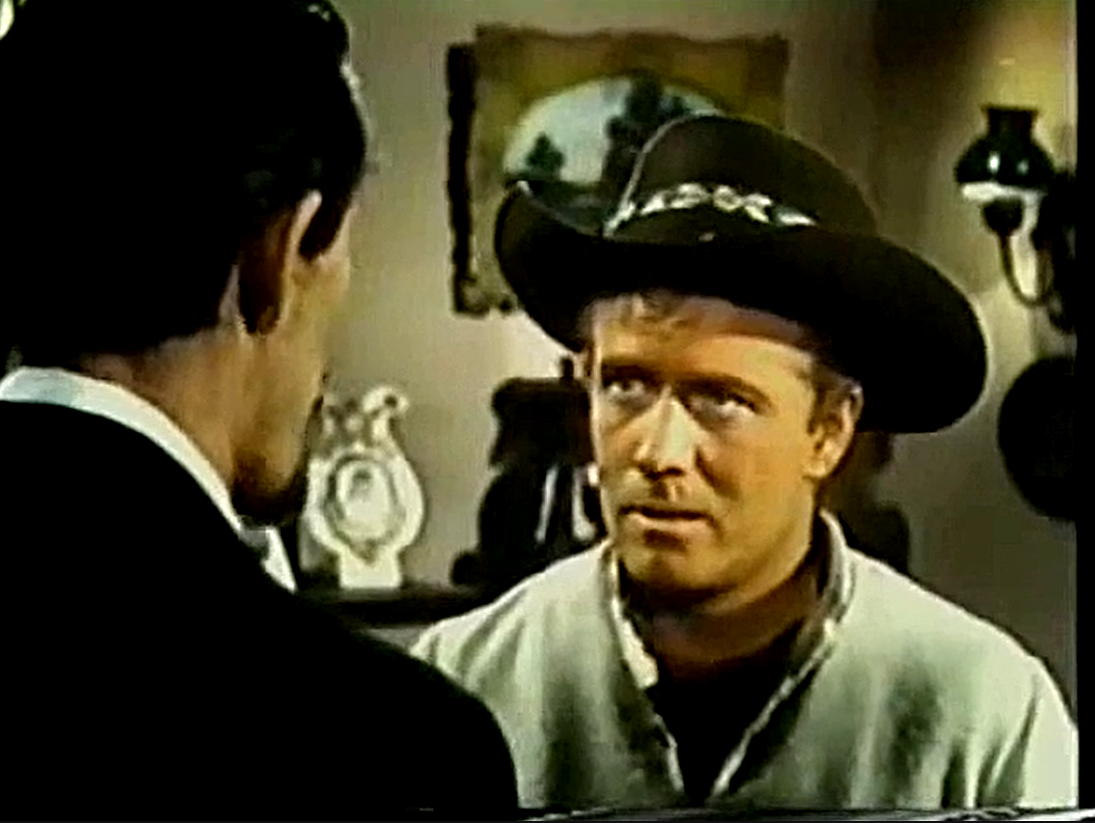
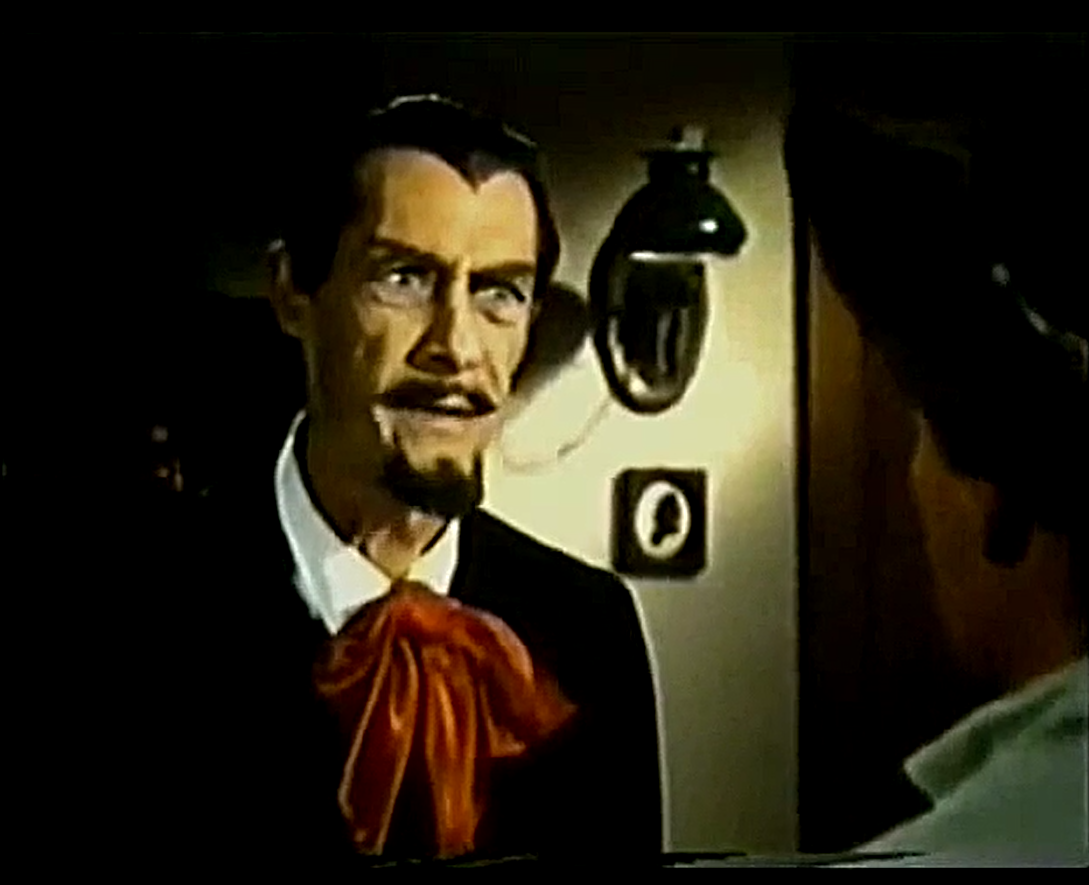
“My Lisa is dead — the marks of a vampire on her throat!”
|
Synopsis: |
|
Genres, Themes, Actors, and Directors:
Review:
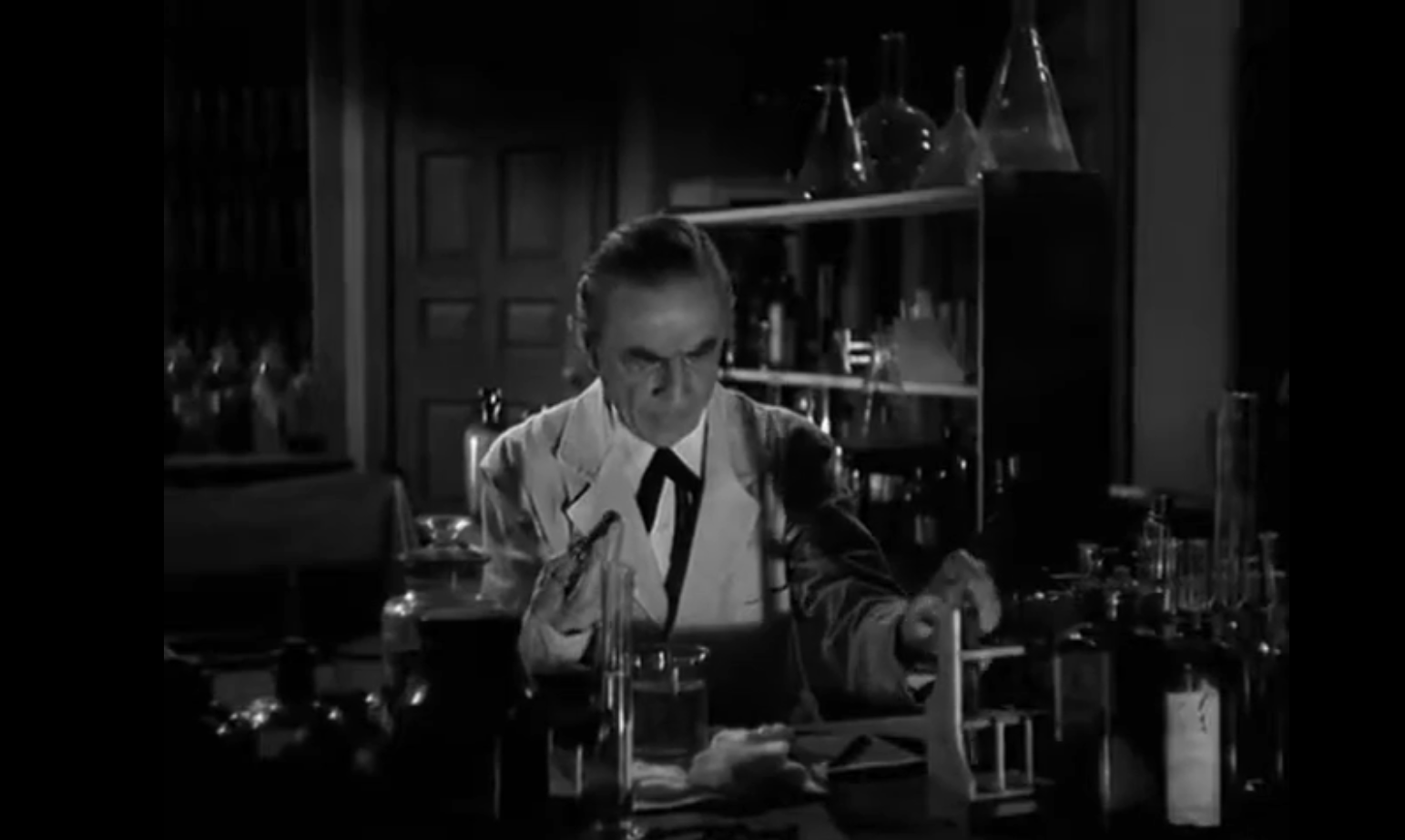
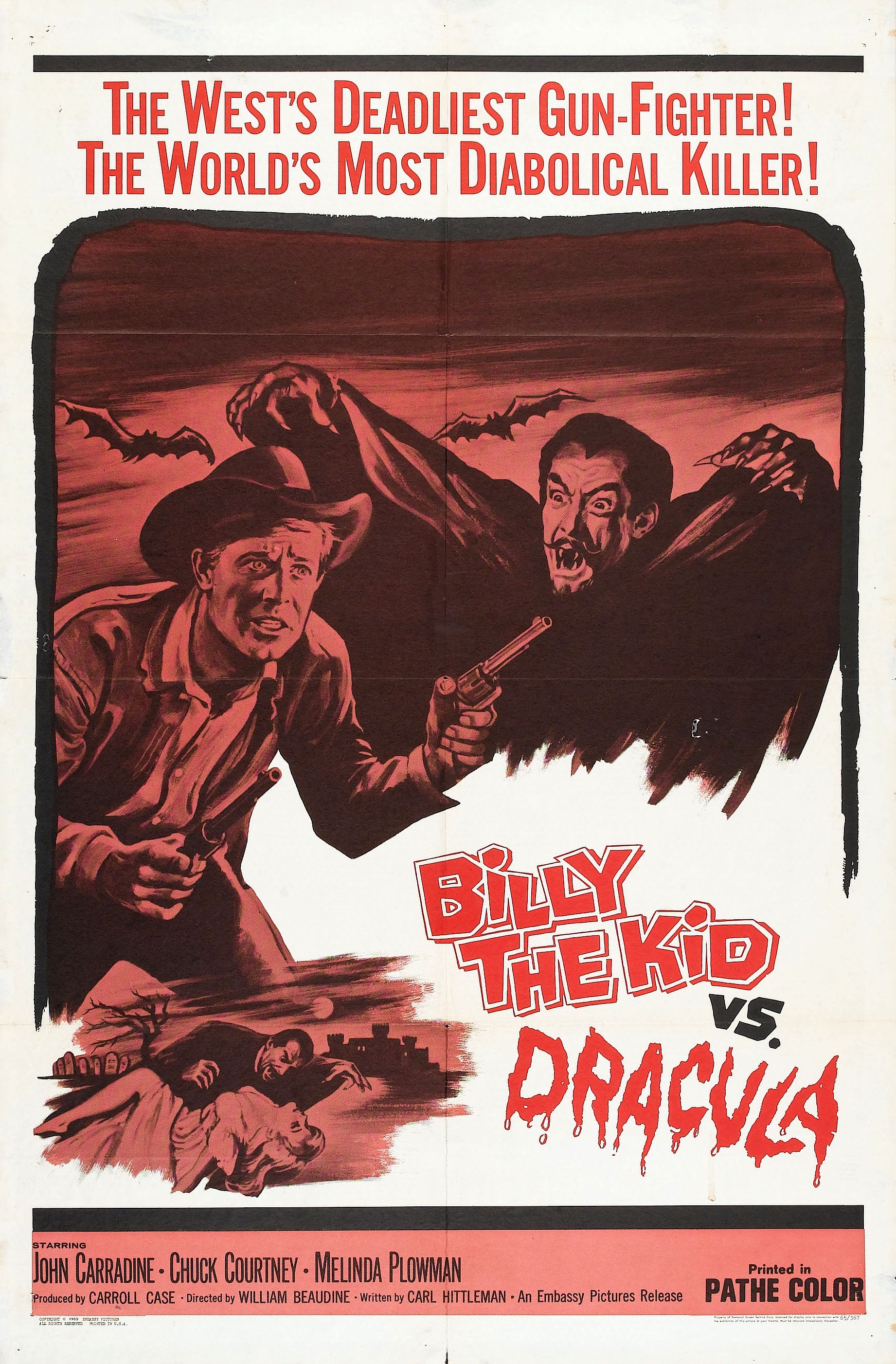
… and while Carradine is given a few pieces of choice dialogue to spout — “Where do I find this backwoods female pill slinger?” — he doesn’t quite ham it up enough to make his role all that memorable.
Meanwhile, everything else about the production is just sloppy enough to be mildly laughable (n.b. the presence of lackadaisical western music playing in the background while Billy tells Betty [Plowman] the shocking news that her mother has been killed in a stagecoach attack by Indians; the noticeably shoddy attempt to film night-time sequences during the day; Carradine’s transformation into a silly rubber bat on a string) — but not sloppy ENOUGH to categorize it as even close to Ed Wood’s “league” of truly bad films. It does earn additional “sloppy points”, however, for its egregiously lazy attempt to validate Dracula as a viable protagonist in the film: as pointed out by Richard Scheib of Moria Reviews, Dracula (who is never named as such in the film, btw — only in the title) is actually “of little consequence to the plot”, given that he could just have easily been conceived as “a conman attempting to steal the land”, and is noticeably “allowed to walk about in daylight”. Redeeming Qualities and Moments:
Must See? Links: |
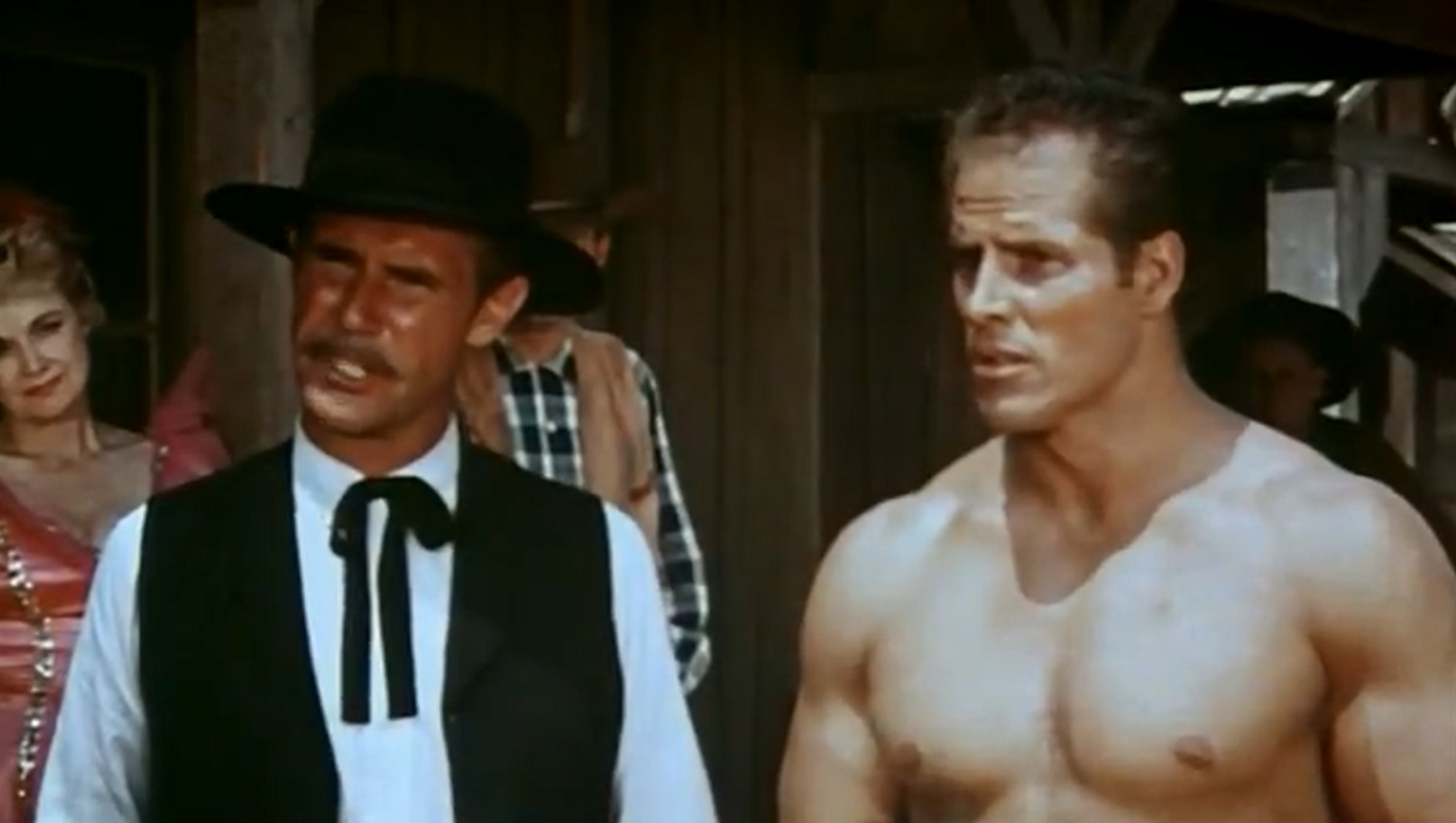
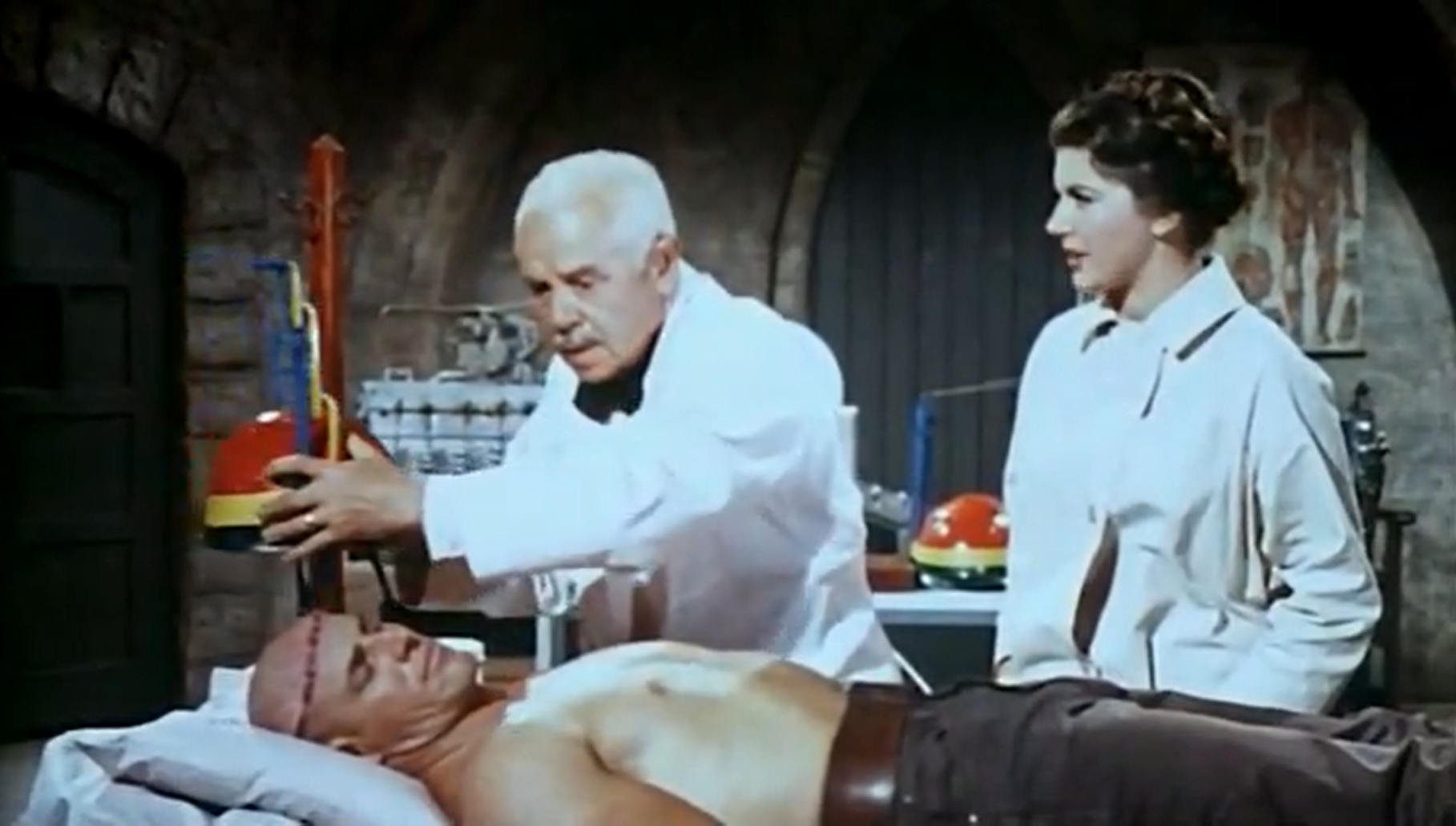
“I do not trust the Frankensteins: they’re wicked; they’re terrible people. They will destroy you!”
|
Synopsis: |
|
Genres, Themes, Actors, and Directors:
Review:
Unfortunately, there aren’t nearly enough laughably bad scenes or snippets of dialogue here to satisfy those who enjoy “bad movies” for exactly this reason; chances are you’ll be checking your watch long before it’s over. With that said, Z-grade reviewer Joe Bob Briggs’ commentary on the 2003 DVD release is apparently worth a listen (though I watched my copy taped off of TCM, so didn’t have a chance to catch this myself.) Redeeming Qualities and Moments:
Must See? Links: |
“You’re not a senator: you’re an honorary stooge.”
|
Synopsis: |
|
Genres, Themes, Actors, and Directors:
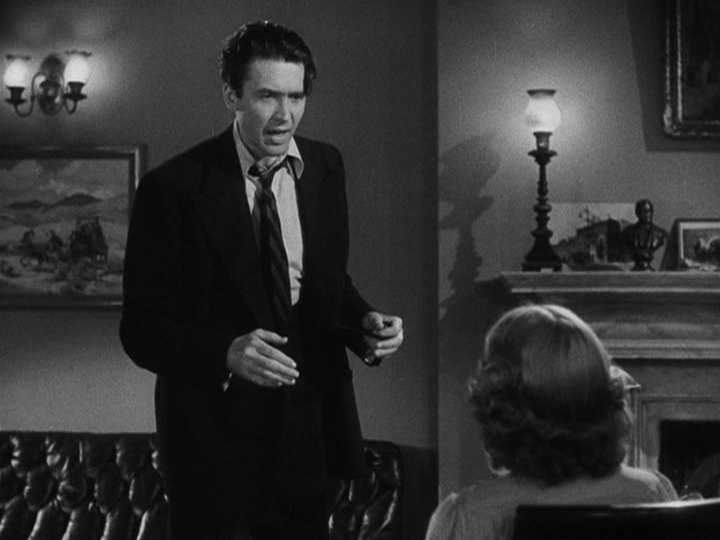
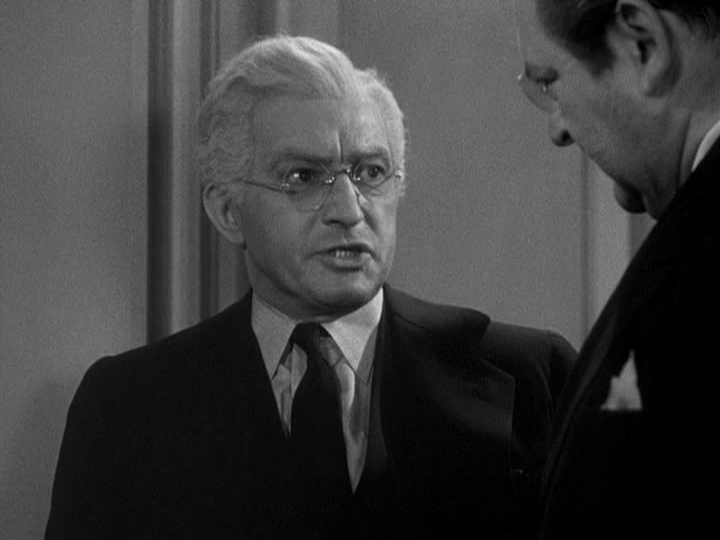
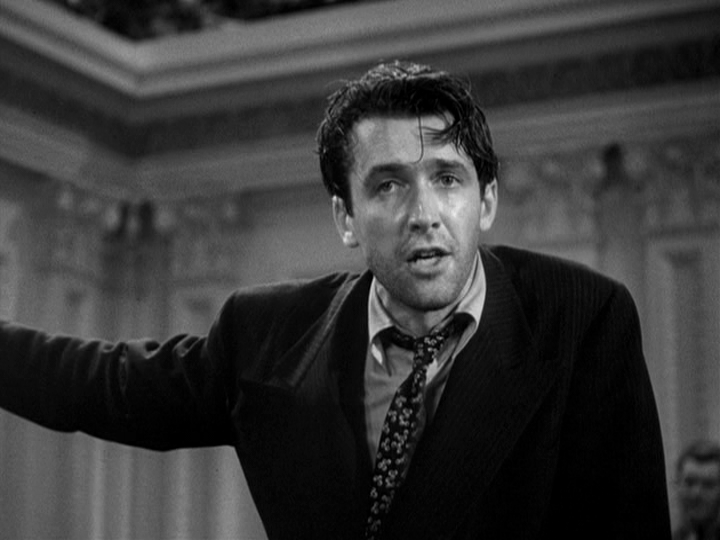
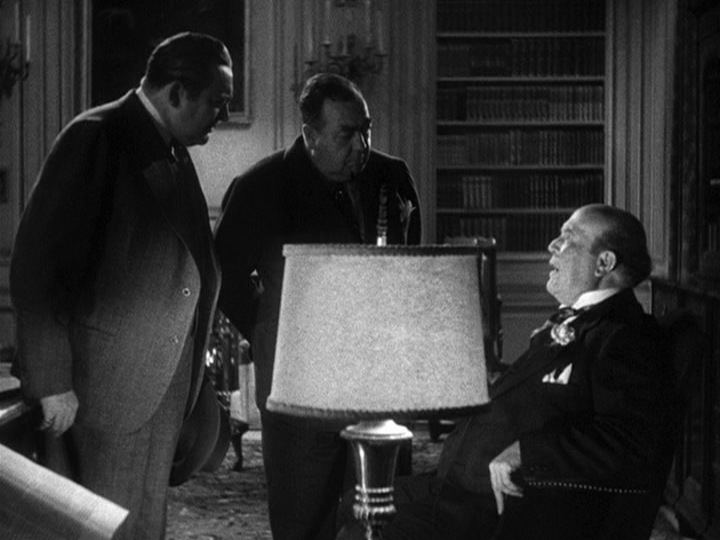
Response to Peary’s Review: However, I’m not entirely a fan of this highly sincere yet ultimately slickly contrived political exposé. While I don’t doubt for an instant that Washington, D.C. really is as corrupt as Capra depicts it here (that’s pretty much undeniable at this point), I dislike the way Sidney Buchman’s screenplay presents Mr. Smith as the ultimate in gullible naifs, someone so incredibly clueless about politics that he needs to be told (by Jean Arthur, in a conveniently calculated scene) how bills are developed and passed in Congress. We’re meant to believe that Stewart’s idealistic leader of the “Boy Rangers” of America would accept a job as temporary senator of his state without even a minimal understanding of what his job entails, simply because he purportedly has idolized his father’s “best friend” (Rains) for years (this essential detail, by the way, is merely hinted at rather than sufficiently developed). Indeed, unlike Cooper’s Mr. Deeds (who is almost immediately shown to be infinitely smarter than the arrogant fools around him make him out to be), Stewart’s Mr. Smith remains conveniently clueless — up until the moment he’s finally convinced he needs to take action, at which point his character suddenly springs to life, and one watches with impressed astonishment at Stewart’s full-bodied characterization of a man willing to take the Senate floor for 24 hours straight. Meanwhile, the outrageously corrupt political “machine” continues to churn around him, and Capra pulls out all the stops in his depiction of the “little men” (in this case, “little” Boy Rangers, of all ages and conveniently represented ethnicities) fighting to bring Truth and Freedom to Washington. Despite my reservations, naturally, there remains much about the film to enjoy and admire — starting with Stewart’s show-stopping performance in the final third of the film. Jean Arthur is as wonderful as ever in an even more cynical variation on her earlier role as the journalist in Mr. Deeds Goes to Town; here, she’s notoriously tippled much of the time, and she’s not quite as much of a romantic partner for Smith (Peary argues that they make “a wonderful couple”, but they technically AREN’T one). Rains — who was nominated for an Academy Award as Best Supporting Actor — oozes quiet corruption in his almost perfectly realized turn as Senator Paine, though I couldn’t help being irritated by his failure to lose his British accent for the role. Joseph Walker’s cinematography is typically atmospheric, and the recreated set of the Senate floor is quite impressive. Ultimately, however, I’m too much of a cynic to fully appreciate the type of unabashed heart-thumper Capra is going for here. For a much more authentic and nuanced representation of the inner workings of Washington, D.C., watch Otto Preminger’s Advise & Consent (1962) instead. Redeeming Qualities and Moments:
Must See? Categories
(Listed in 1001 Movies You Must See Before You Die) Links: |
“Now, remember, Pinocchio: be a good boy — and always let your conscience be your guide.”
|
Synopsis: |
|
Genres, Themes, Actors, and Directors:
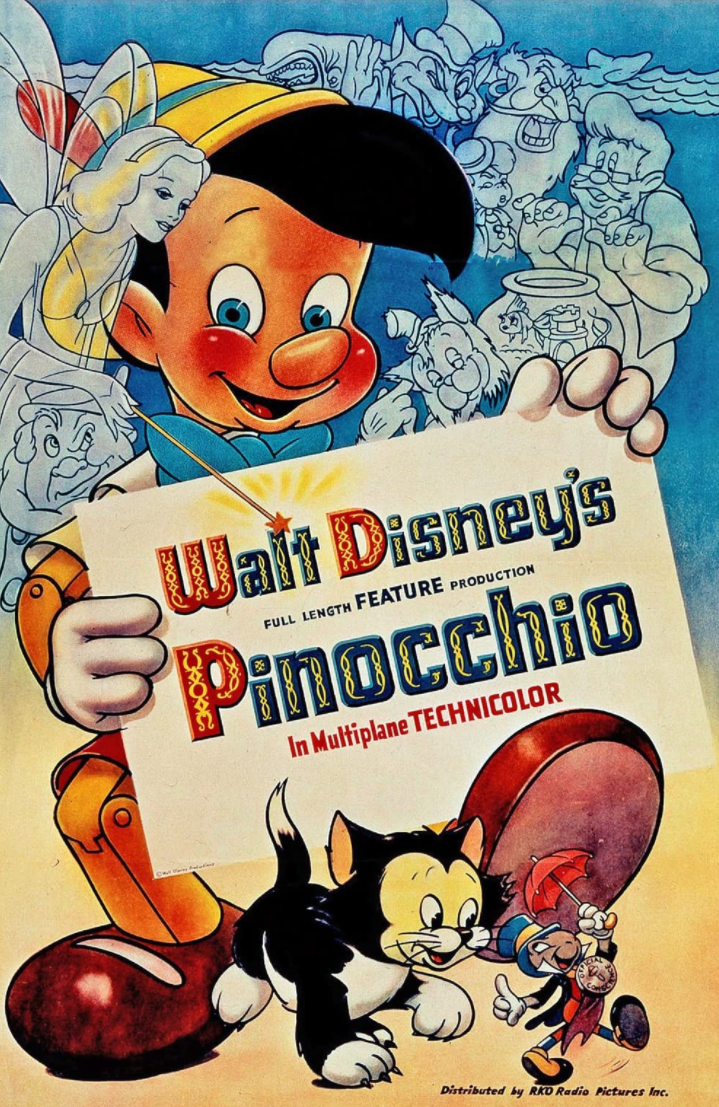
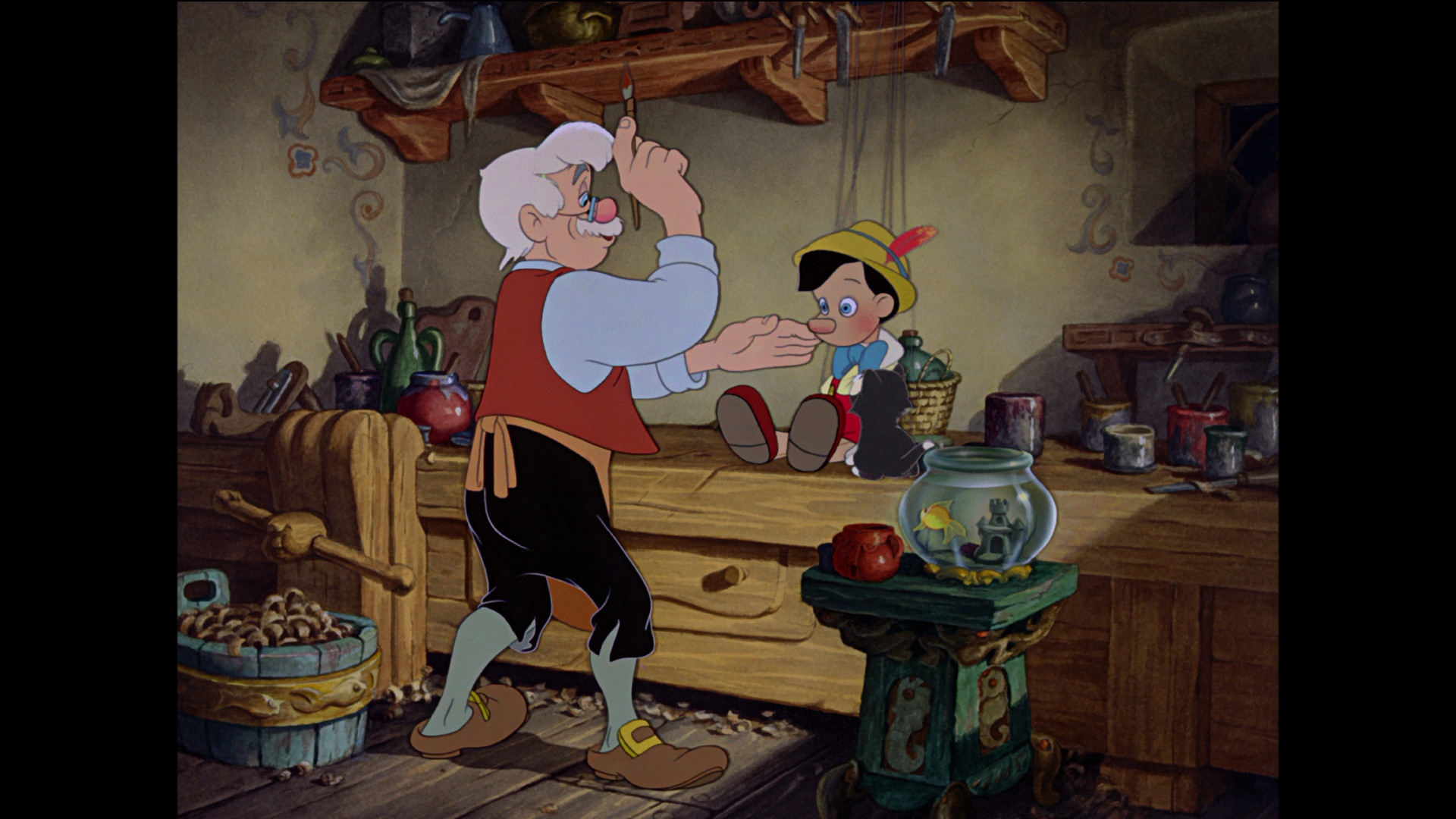
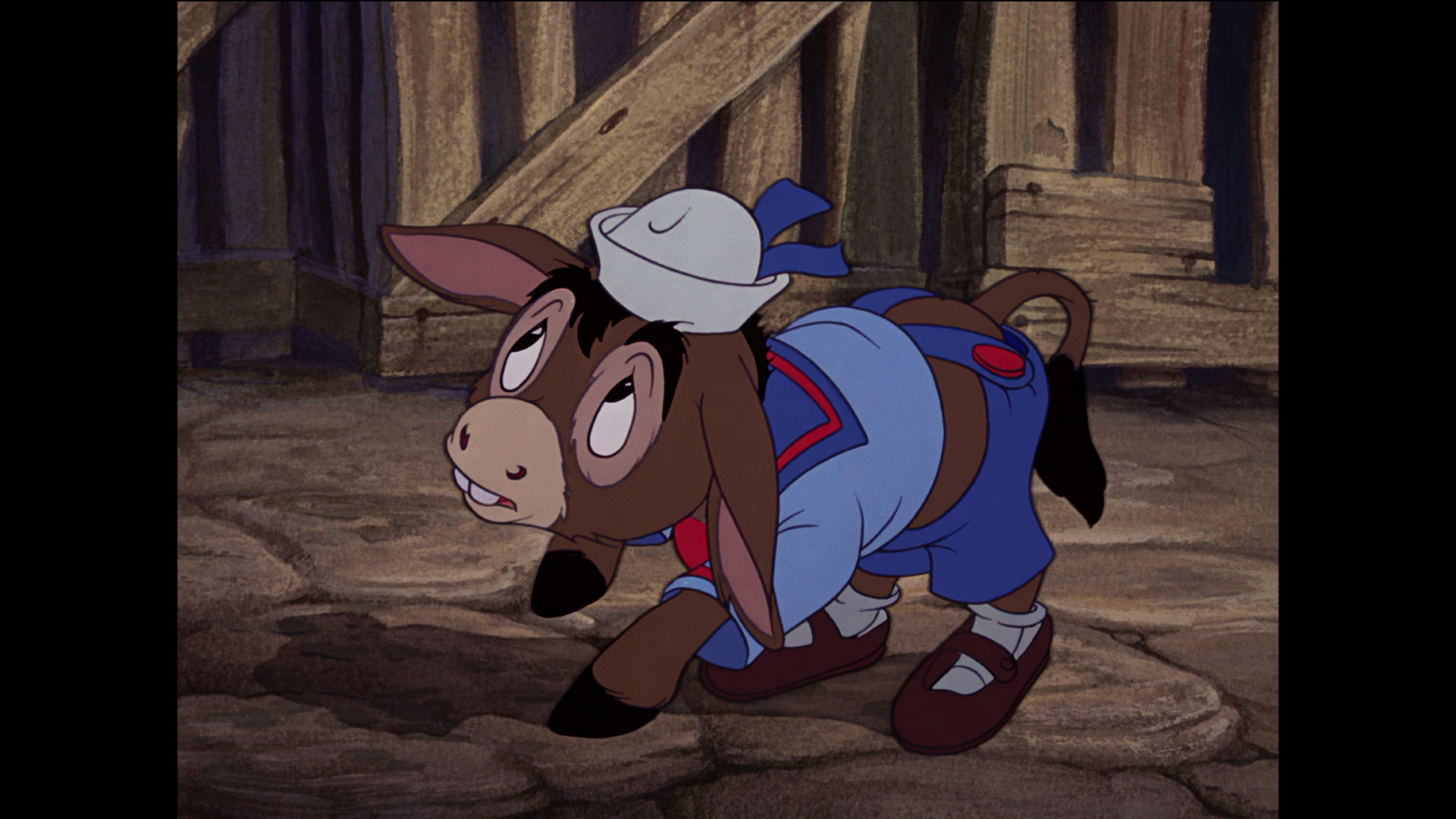
Response to Peary’s Review: Pinocchio — like Snow White — is yet another astonishingly bold Disney adaptation of a “children’s tale” which is simply far too scary for the littlest of audience members. Peary drolly states that the “film has a lot of visuals that could scare a young child (but that’s okay)” — italics mine (!!). Countless fans have shared anecdotes about the most frightening scenes they recall from their own childhoods, with some citing the culminating sea-battle with Monstro the whale (“fabulously animated” with meticulous care; Peary refers to it as “absolutely terrifying”), and many others — including myself — noting that the most personally terrifying scenes were those in which the little boys at “Pleasure Island” are gradually turned into braying donkeys, to be sent off to work in the salt mines or at carnivals. Ouch. (And — minor spoiler alert — there’s no final resolution to this dilemma, by the way; as far as audience members know, the boys’ metamorphoses are permanent.) Indeed, Pinocchio unapologetically presents the world as the big, bad place it often is, full of temptations and evil, in which it’s really each man — or child — for himself. Pinocchio’s father, while kind-hearted, is presented as utterly clueless, from the moment he sends his “newly born son” out into the world to go to school (why not walk him there on the first day, for goodness sake??? he’s the ultimate ANTI-helicopter-parent), to the final episode of the film, in which we see him mysteriously trapped in a whale, essentially in need of rescuing by Pinocchio himself, rather than the other way around. Meanwhile, it’s a good thing Pinocchio has more reliable “adults” to count on — though both the Blue Fairy (animated via rotoscoping, she truly is “exceptional” looking) and Jiminy Cricket (ukelele-playing Cliff Edwards is “perfect” as his voice) are equally “hands off” at critical moments. Ultimately (spoilers here again), when Pinocchio is granted the wish he’s longed for during his entire short existence, he’s proven he truly deserves it. Redeeming Qualities and Moments:
Must See? Categories
(Listed in 1001 Movies You Must See Before You Die) Links: |
“People here are funny: they work so hard at living they forget how to live.”
|
Synopsis: |
|
Genres, Themes, Actors, and Directors:
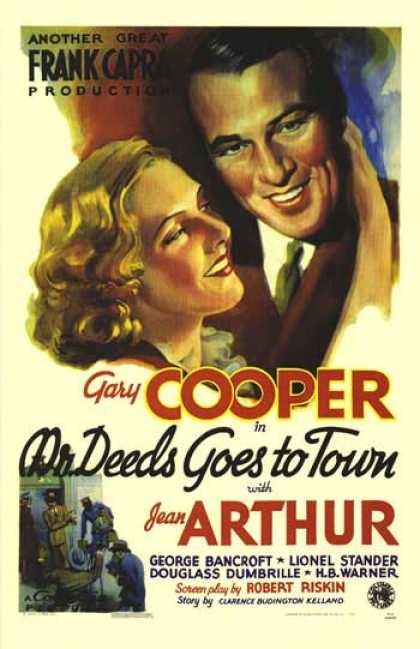
Response to Peary’s Review: Indeed, having just recently rewatched Meet John Doe (also scripted by Capra’s frequent collaborator, Robert Riskin), I was pleasantly surprised to find this earlier comedy so much fresher on every count. Riskin’s script — while occasionally showing evidence of “Capra-corn”-ish tendencies — never strays too far in this direction, and offers plenty of humorous delights. Unlike in John Doe, Cooper’s home-spun title character here possesses a refreshing amount of sass and eccentric gumption; while we may be tempted at first to laugh at him (along with the rest of New York), we very quickly realize he has his finger on the pulse of what’s truly important in life. Meanwhile, Jean Arthur’s performance as the opportunistic journalist who jumps at the chance to earn a month’s vacation (with pay) by scooping Longfellow’s story never hits a false note — we can literally see her falling for him moment by moment, and her gradual remorse at the critical role she’s playing in his humiliation is palpable. You’re guaranteed to choke up during their final romantic scene together. Redeeming Qualities and Moments:
Must See? Categories
(Listed in 1001 Movies You Must See Before You Die) Links: |
“If you ask this column, the wrong people are jumping off the roofs.”
|
Synopsis: |
|
Genres, Themes, Actors, and Directors:
Response to Peary’s Review:
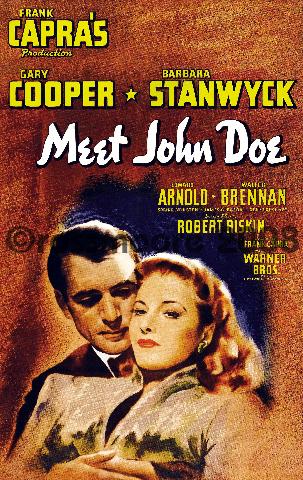
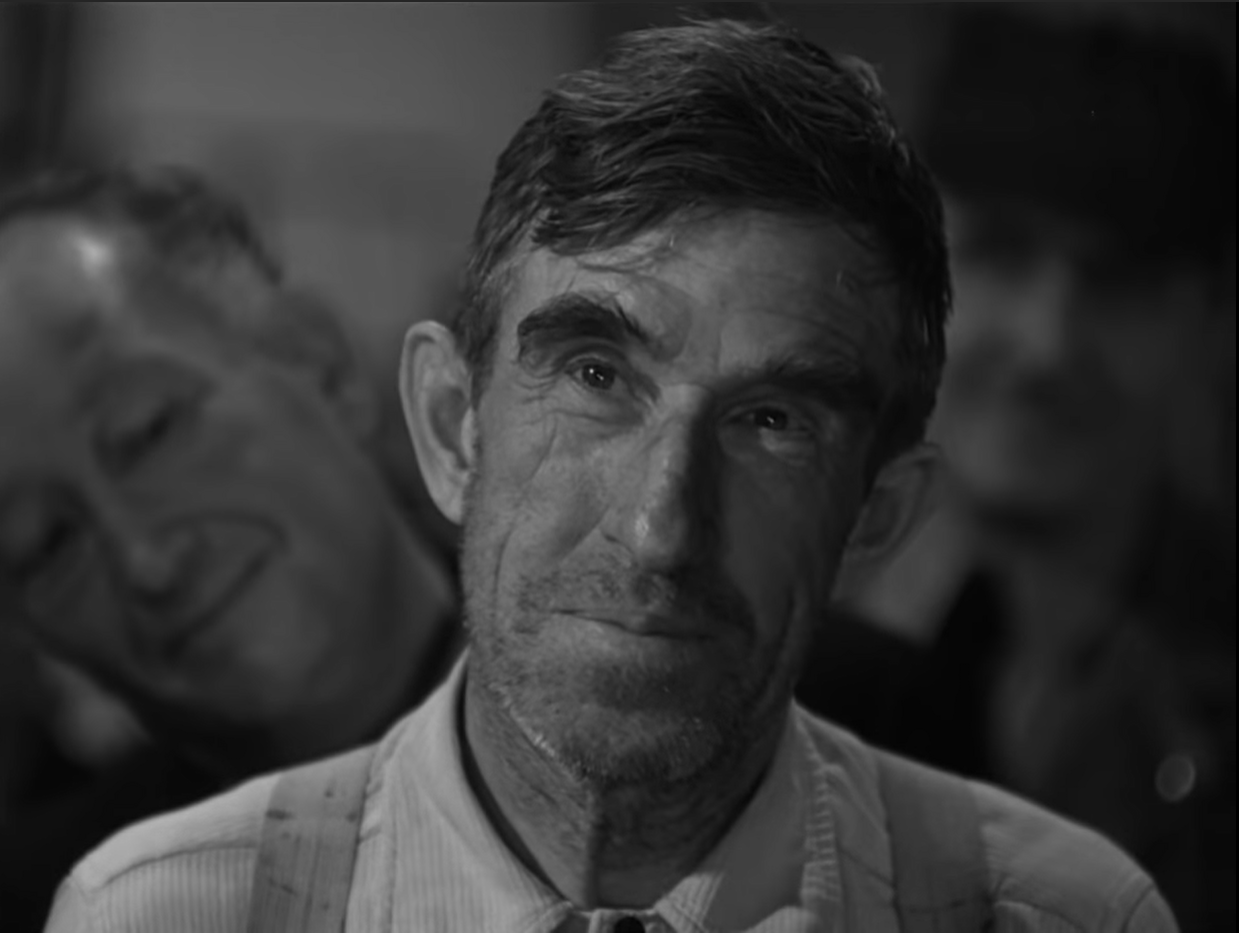
He specifically calls out the seemingly endless “discourse” narrated by a soda jerk (Regis Toomey) about “his town’s people coming together after being inspired by John Doe’s help-your-neighbor speech” (which never rings true, not for a minute):
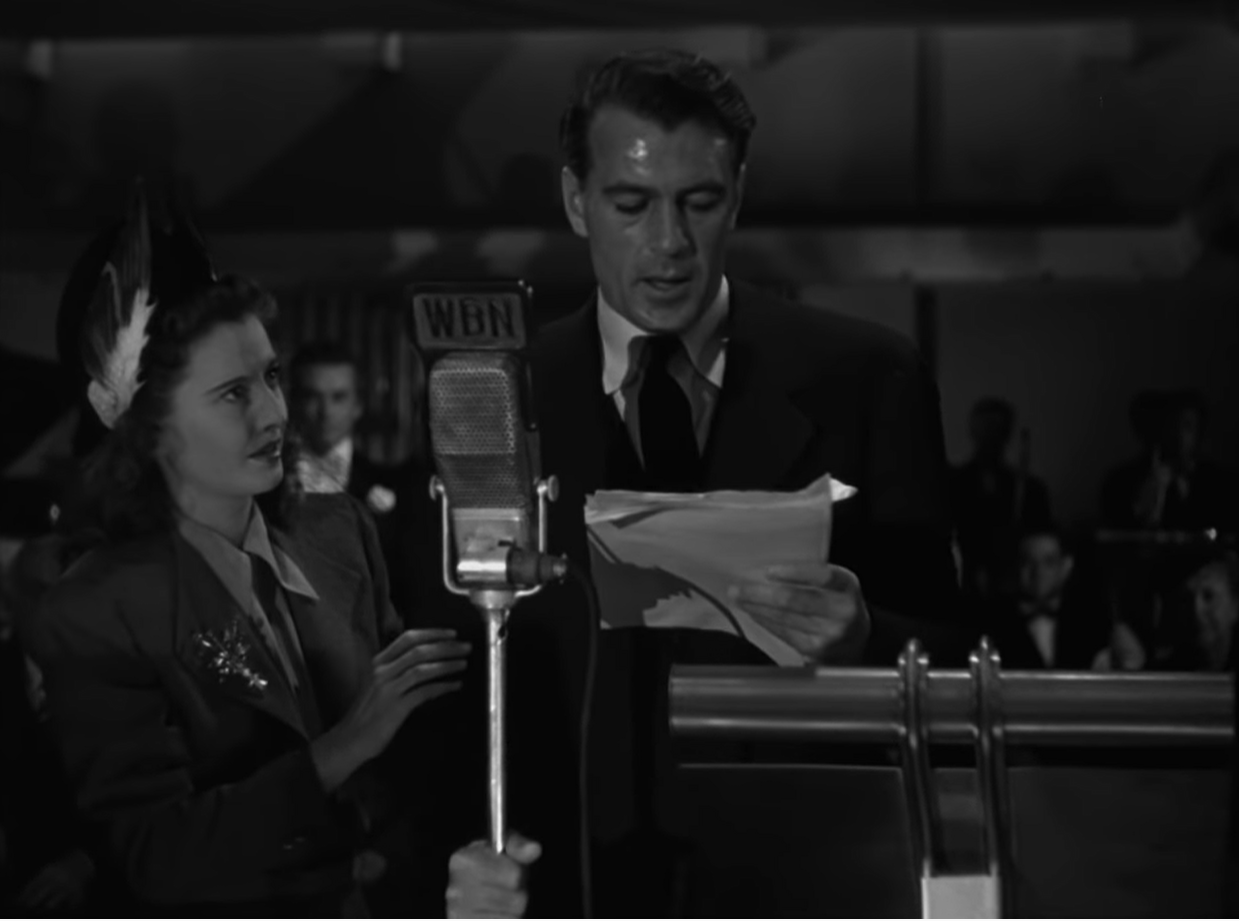
… and notes that Cooper’s speeches “could have been delivered to a junior-high civics class” (I’ll admit to nearly falling asleep in the middle of the first interminable one).
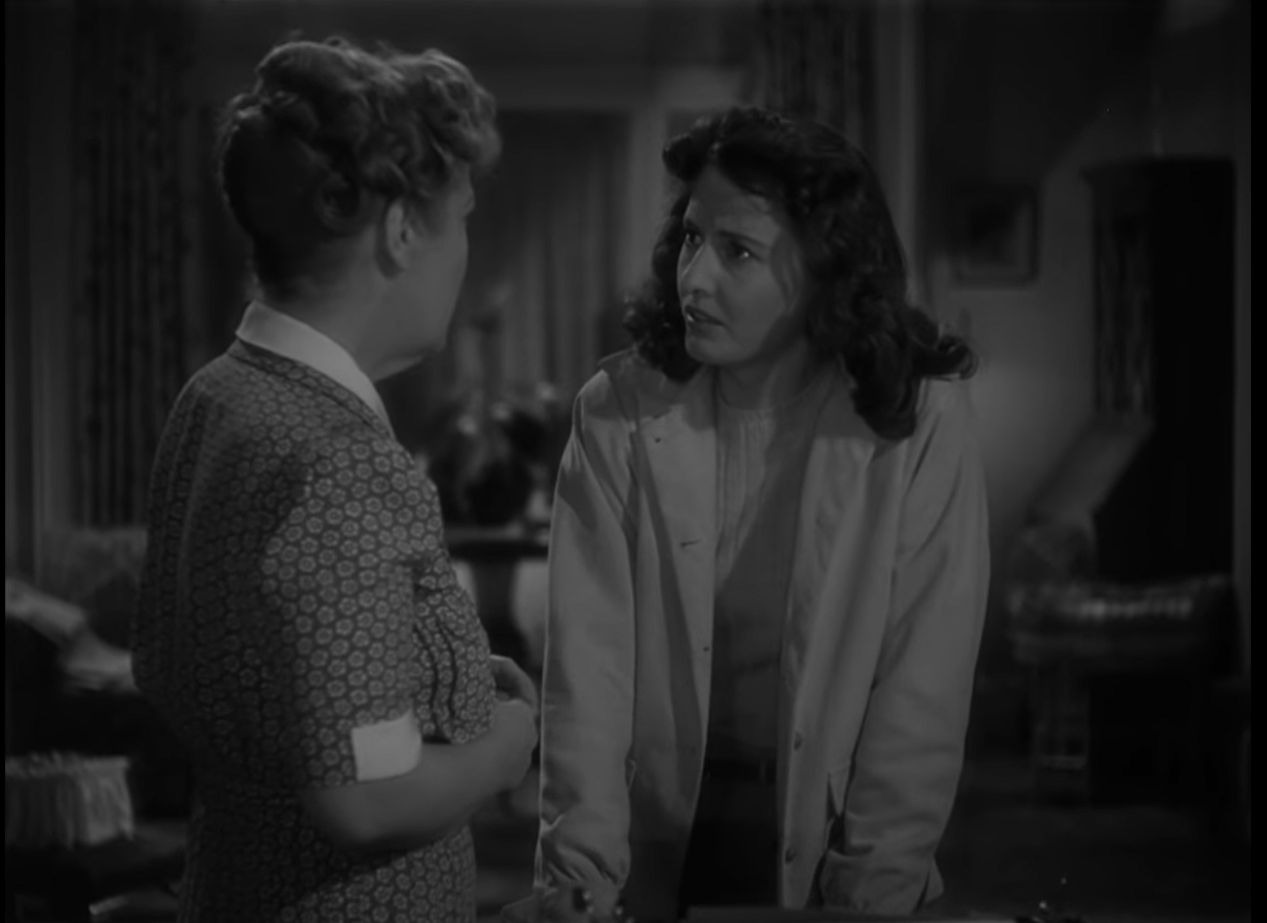
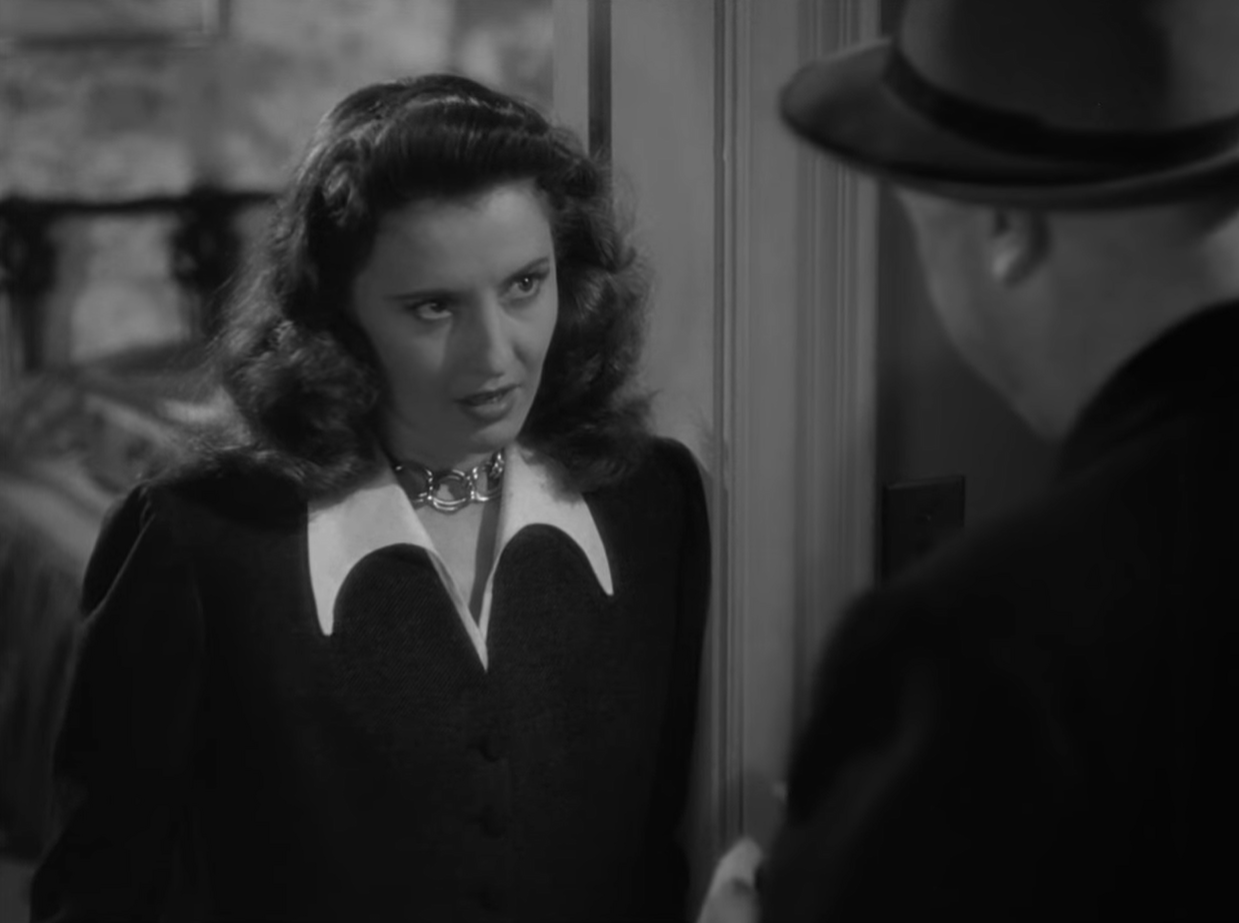
Indeed, it’s actually difficult to argue that this film IS must-see, and I went back and forth in my vote — ultimately deciding that film fanatics will probably be too curious not to check it out at least once for themselves (I’ve now seen it twice, and that’s enough for me). With that said, I do find Barbara Stanwyck’s performance to be worth a watch — though her character, as written, is somewhat inconsistently motivated (it’s difficult to believe that the daughter of two such noble parents would be willing to perpetuate such an elaborate hoax on the public), this is no fault of Stanwyck’s, and she does the best she can with her role.
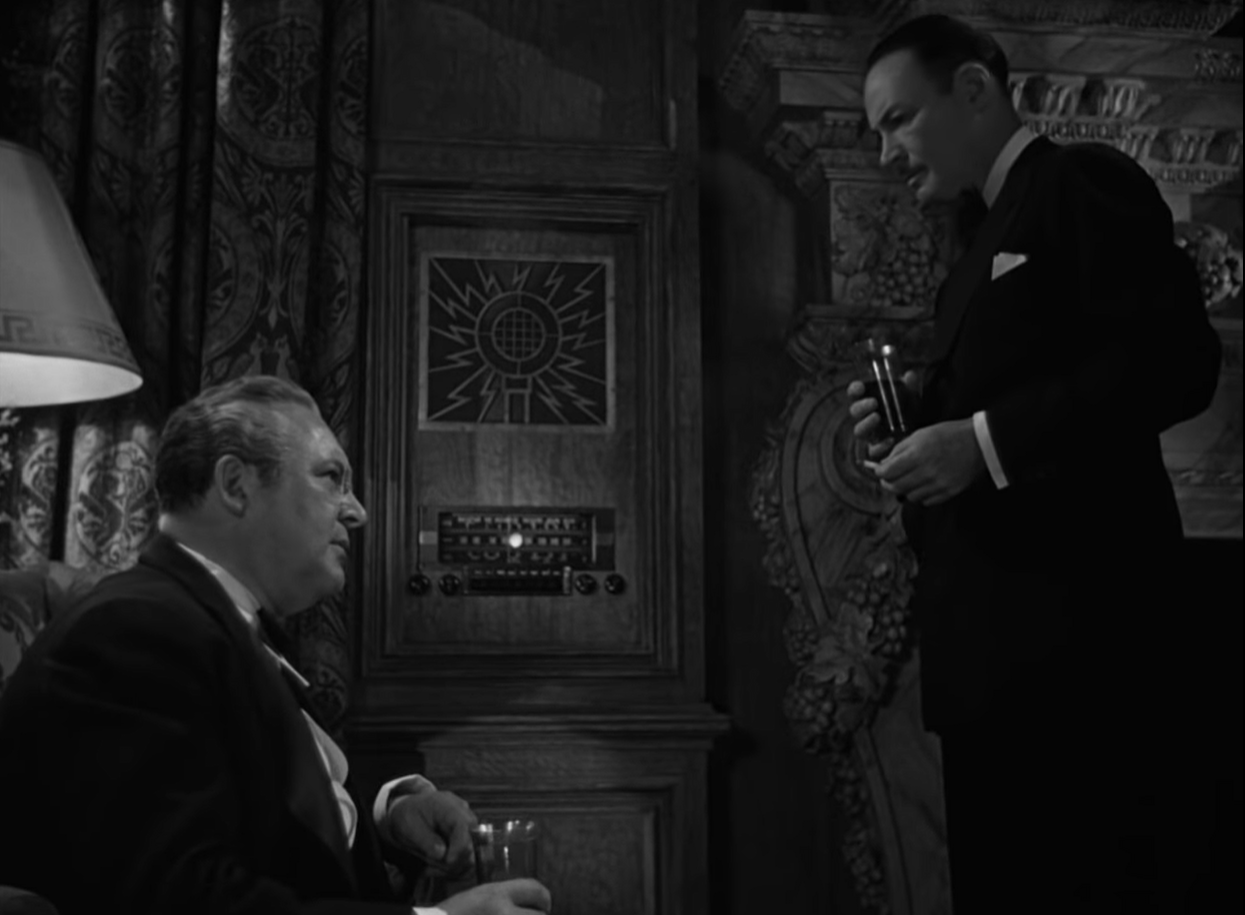
Meanwhile, Edward Arnold is quietly menacing as the film’s Big Baddie (he’s eerily effective, especially in earlier scenes):
… and Walter Brennan, while typecast in a tiny supporting role, adds some much needed cynicism to the proceedings.
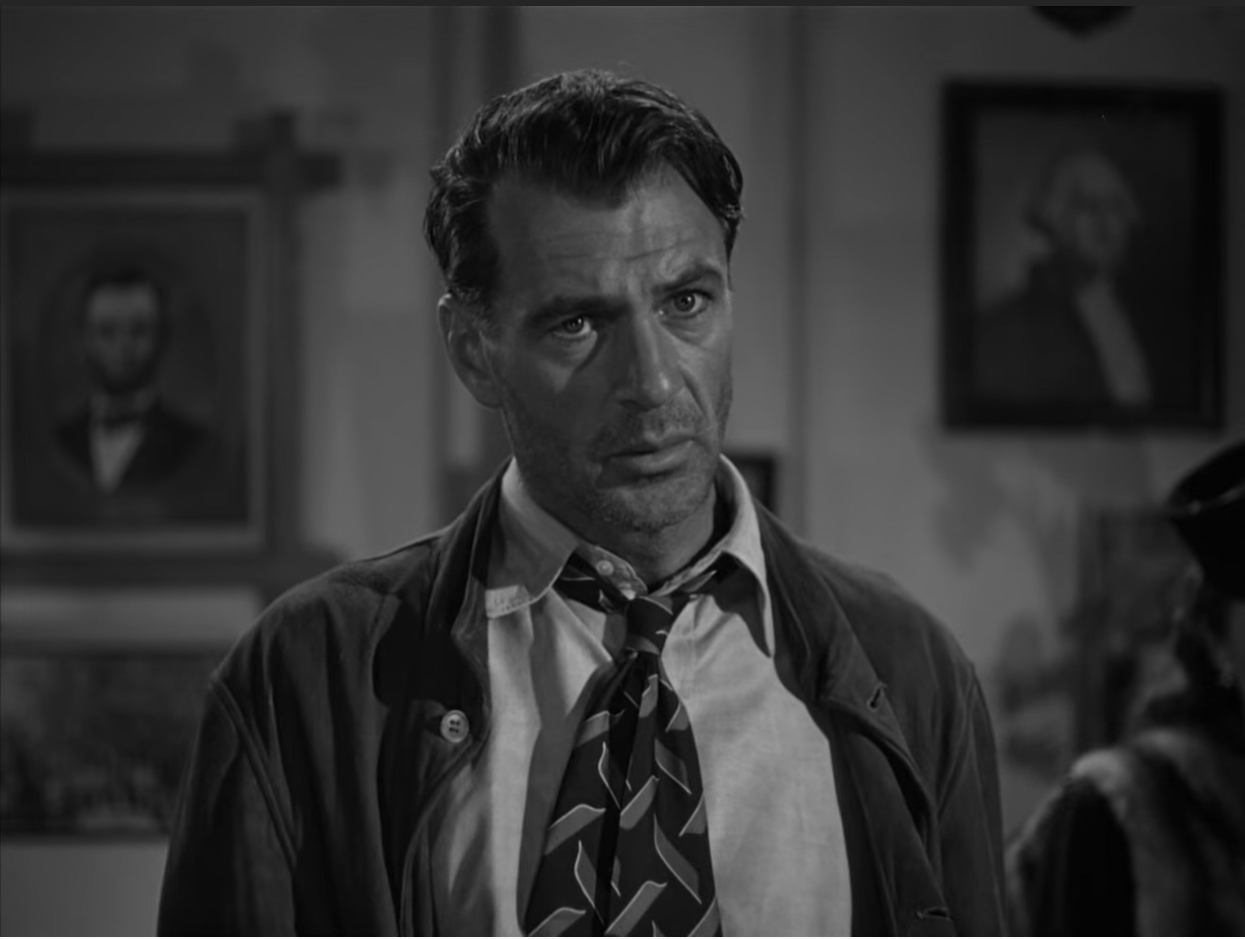
Unfortunately, Cooper himself merely comes across as an uninteresting “bore”, someone without much charisma at all; I guess that’s part of the point (he’s supposed to be the ultimate “every man”, after all), but he makes for an awfully dull protagonist.
Redeeming Qualities and Moments:
Must See? Categories
Links: |
“When you become a rebel, you give up a lot of things that make a feminine life easier.”
|
Synopsis: |
|
Genres, Themes, Actors, and Directors:
Review:
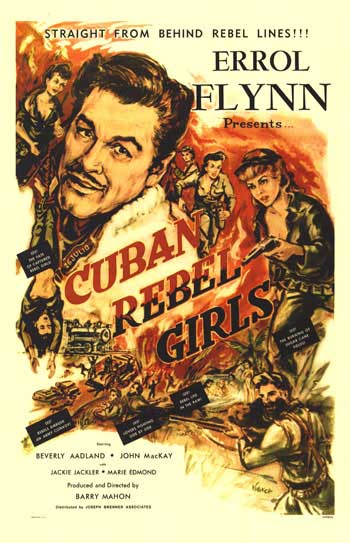
“I guess there’s more to this war stuff than I thought”, she notes — with typically brilliant insight — at one point. Unfortunately, Cuban Rebel Girls is really, really bad — but never in an amusing way. At just an hour’s length, it feels far too long, and viewers will be hard pressed to pay attention past the first 15 minutes or so. Poor Aadland can’t act to save her life, and Flynn (playing a variation on his later self — apparently he owned property in Cuba and was a genuine supporter of the revolution) only appears on-screen during the film’s bookends, looking and sounding somewhat disoriented.
A bit of trivia: While making Cuban Rebel Girls, Flynn simultaneously cobbled together a shoddy documentary called Cuban Story, which I have no intention of checking out, though it was apparently released on DVD recently, for those with insatiable curiosity. Redeeming Qualities and Moments:
Must See? Links: |
“You boys will have to stop this fighting — it’s bad for my heart.”
|
Synopsis: |
|
Genres, Themes, Actors, and Directors:
Review: Redeeming Qualities and Moments:
Must See? Links: |