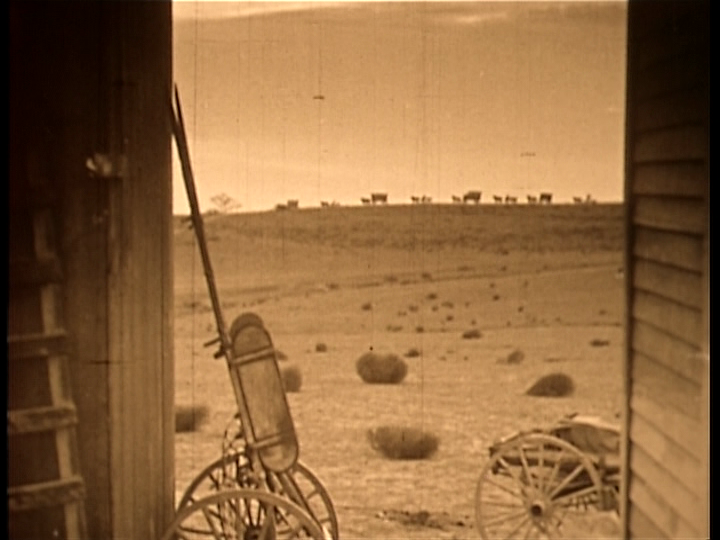
Tumbleweeds (1925)
“The only land I’ll settle down on will be under a tombstone.”
|
Synopsis: |
|
Genres, Themes, Actors, and Directors:
Review: Redeeming Qualities and Moments:
Must See? Categories
Links: |
“The only land I’ll settle down on will be under a tombstone.”
|
Synopsis: |
|
Genres, Themes, Actors, and Directors:
Review: Redeeming Qualities and Moments:
Must See? Categories
Links: |
“Hired? For what? I don’t even know what business you’re in!”
|
Synopsis: |
|
Genres, Themes, Actors, and Directors:
Review: Redeeming Qualities and Moments:
Must See? Links: |
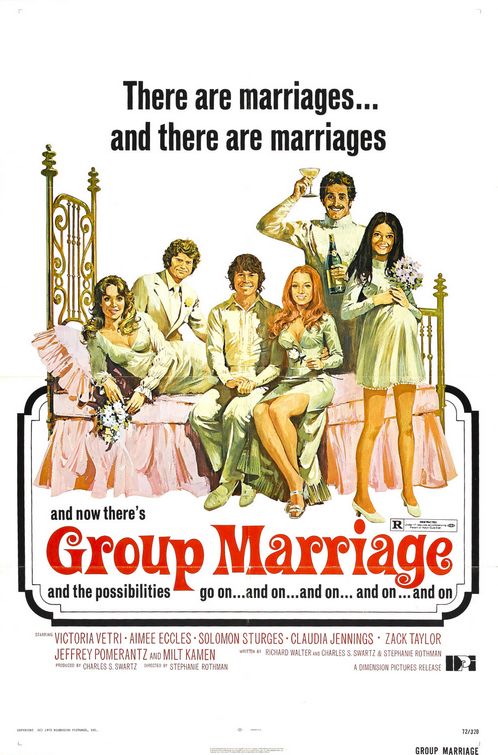
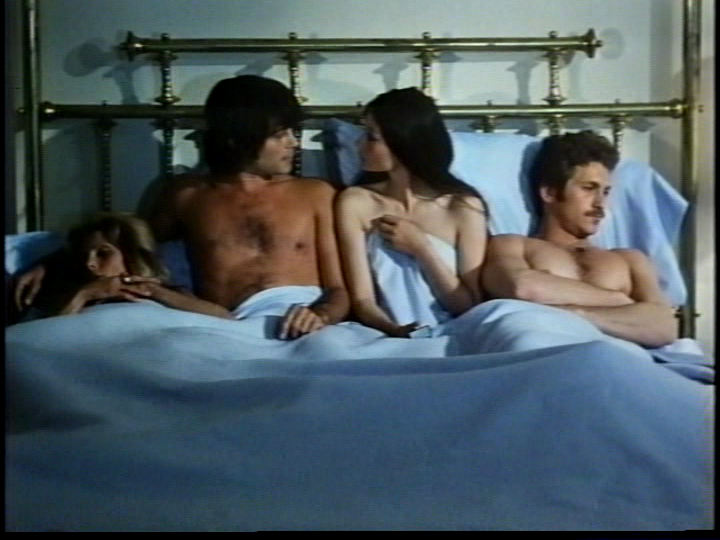
“Two girls and three men — what do you call that?”
|
Synopsis: |
|
Genres, Themes, Actors, and Directors:
Review: Note: Watch for the film’s most unintentionally giggle-worthy moment, as Vetri encounters Taylor on the beach for the first time. Redeeming Qualities and Moments:
Must See? Categories
Links: |
“There are many things in medicine that are brutal.”
|
Synopsis: |
|
Genres:
Response to Peary’s Review: Note: Click here to read a fascinating interview with Rothman. Redeeming Qualities and Moments:
Must See? Links: |
“Aw, talking pictures — it’s just a fad.”
|
Synopsis: |
|
Genres, Themes, Actors, and Directors:
Response to Peary’s Review:
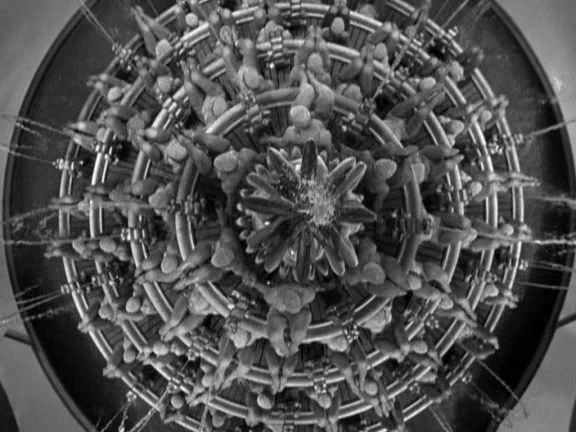
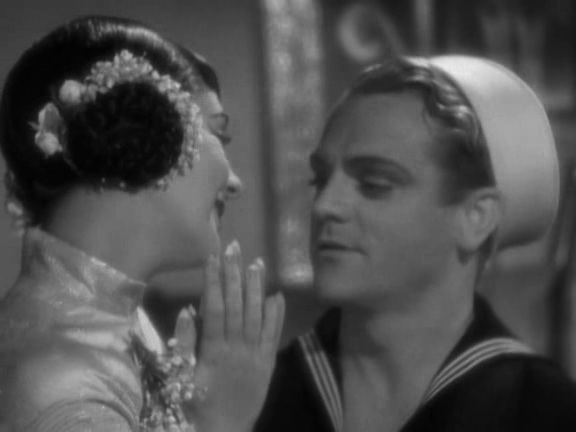
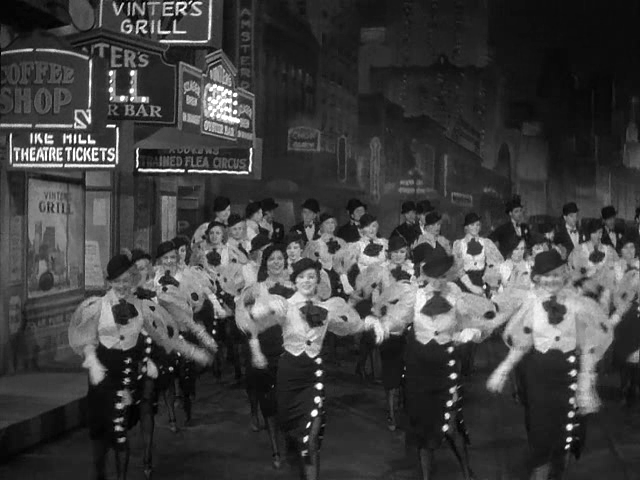
Peary argues that while the movie is “great fun”, it “would be [a] touch better if [the] screenwriters had simply put in a few lines about how the success of the… numbers is as important to the welfare of the dancers and singers (who need jobs!) as it is to Cagney’s peace of mind” — a point which doesn’t bother me personally, given that Warner Brothers’ other two musicals released the same year (42nd Street and Gold Diggers of 1933) both did an admirable job covering that sociological base. Peary goes on to write that “with the plot out of the way, Busby Berkeley stages three of his greatest, most innovative, and sexiest musical numbers, back to back: ‘Honeymoon Hotel’, ‘By a Waterfall’ (with the chorines, shot from above, creating amazing patterns in the water), and ‘Shanghai Lil’.” Indeed, it’s Berkeley’s concluding masterpieces that constitute the film’s primary calling card — but the storyline itself remains a fun (if occasionally convoluted) backstage drama about an interesting historical topic (trailers have long since replaced live prologues), and it features fine performances by all involved. Redeeming Qualities and Moments:
Must See? Categories
(Listed in 1001 Movies You Must See Before You Die) Links: |
“Sawyer, you’re going out a youngster — but you’ve got to come back a star!”
|
Synopsis: |
|
Genres, Themes, Actors, and Directors:
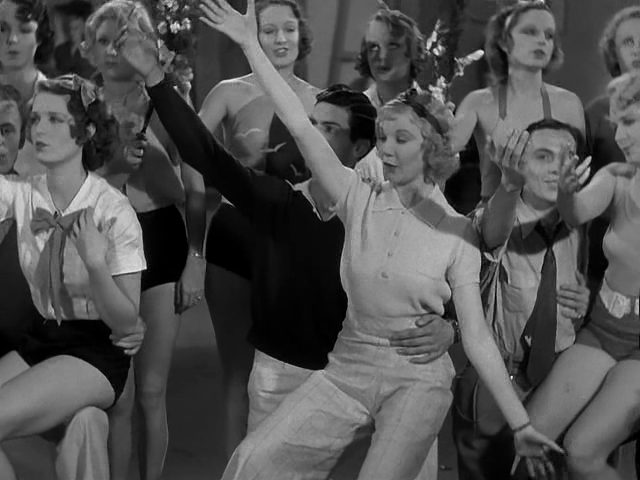
Response to Peary’s Review: Peary notes that the “picture ends with a bang”, with a production number (“42nd Street”) that — in typical Berkeley fashion — is clearly “too elaborate ever to be performed on a real stage, with sections filmed from above, women used as props to form geometric patterns, closeups, dollies, pans, and an ending in which Berkeley thrusts his camera forward between the spread legs of numerous chorines who stand on a revolving stage”. Before this extravaganza, however, we’re treated to several other enjoyable numbers (check out the surreal final moment of “You’re Getting to Be a Habit With Me”, performed by Bebe Daniels), as well as an enjoyably sassy Pre-Code script. (My favorite throwaway one-liner is Ginger Rogers’ snappy retort to a snarky competitor in line at a casting call: “It must have been tough on your mother, not having any children.”) Regarding the film’s reputation as campy, the primary element that causes one to guffaw these days is the notion that Keeler has any kind of viable or visible leading-lady potential; when Rogers gives away her own chance at fame, humbly allowing Keeler to take her place while citing Keeler’s superior dancing capacity, one literally gasps at the ludicrousness of her statement. Speaking of Keeler’s overall talents, this topic has been debated for years (a debate which continues on IMDb’s message boards). Peary — who writes bluntly in his Cult Movies essay that Keeler “taps like an elephant” — is not alone in his derision, but others come to her defense by noting that her unique tap style (known as “buck dancing”) was intentional, and deserving of the praise it received by critics at the time. My own two cents is that Keeler (or at least her character here) possesses nothing close to the requisite star-power needed to replace Daniels and wow the film’s fictional audiences — but she does adequately represent the fantastical notion that “any woman” might have a chance at fame, if only the stars align in just the right way; such was the power of escapist Depression-era cinema, of which this is likely the epitome.
Redeeming Qualities and Moments:
Must See? Categories
(Listed in 1001 Movies You Must See Before You Die) Links: |
“I’m free, white, and 21. I love to dance, and I’m going to dance!”
|
Synopsis: |
|
Genres, Themes, Actors, and Directors:
Response to Peary’s Review:
Peary — clearly not an enormous Ruby Keeler fan — writes that she “does about 20 clunky tap steps to win a part in the show and does little else memorable except wear shorts” (!); and he further notes that Powell, while “obnoxiously brash”, “does a good job crooning”. Ultimately, this one is only must-see viewing for Berkeley completists — but the culminating numbers (including the “extravaganza [title] finale… featuring lots of beautiful chorus girls swooping into dramatic close-ups and… forming bizarre geometric patterns”) are most definitely worth a look. Redeeming Qualities and Moments:
Must See? Links: |
“I know she’s my angel — and that’s good enough for me!”
|
Synopsis: |
|
Genres, Themes, Actors, and Directors:
Response to Peary’s Review:
and concede that “Monroe is sexy and beautiful and gives one of her best performances” — a frustrating dilemma for film fanatics, who will want to check this one out simply to see Monroe in “the film that won her the first critical praise for her thespian skills”, but will likely find themselves irritated by the vehicle itself. With that said, while Logan should have dialed Murray’s performance w-a-a-a-y back:
he does a nice job opening up the stagey scenario (originally taking place exclusively in a diner), and incorporating live rodeo footage:
— and he elicits fine performances from the rest of his cast (most notably Monroe, but also Eileen Heckart as Monroe’s coworker, Betty Field as the randy owner of the diner, Robert Bray as Carl the bus driver, and O’Connell as Murray’s father-figure friend).
Note: This would make a sociologically interesting double-bill with the similarly-themed Seven Brides for Seven Brothers (1954) — another ’50s film about male courting aggression taken to extremes. Redeeming Qualities and Moments:
Must See? Links: |
“You start worrying about your kids the day they’re born, and you never stop. Even after they bury you, I bet you never stop worrying.”
|
Synopsis: |
|
Genres, Themes, Actors, and Directors:
Review:
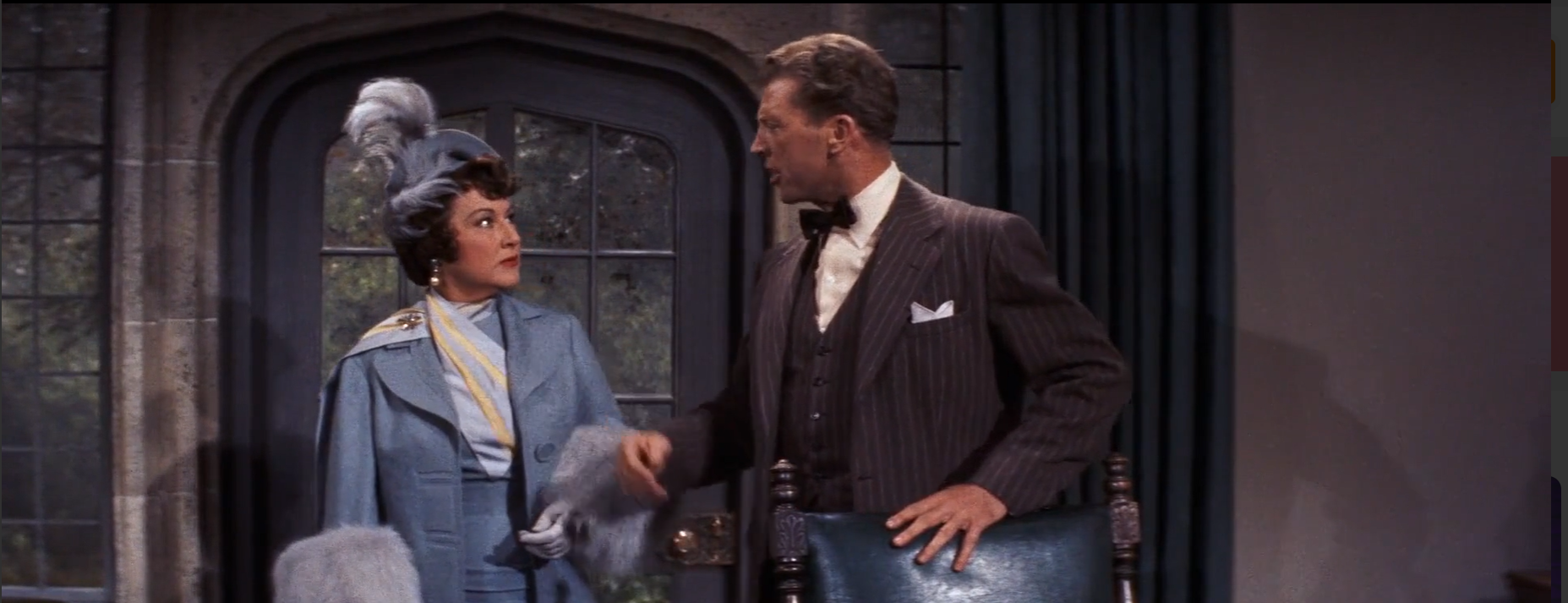
… [Dan] Dailey at his crassest:
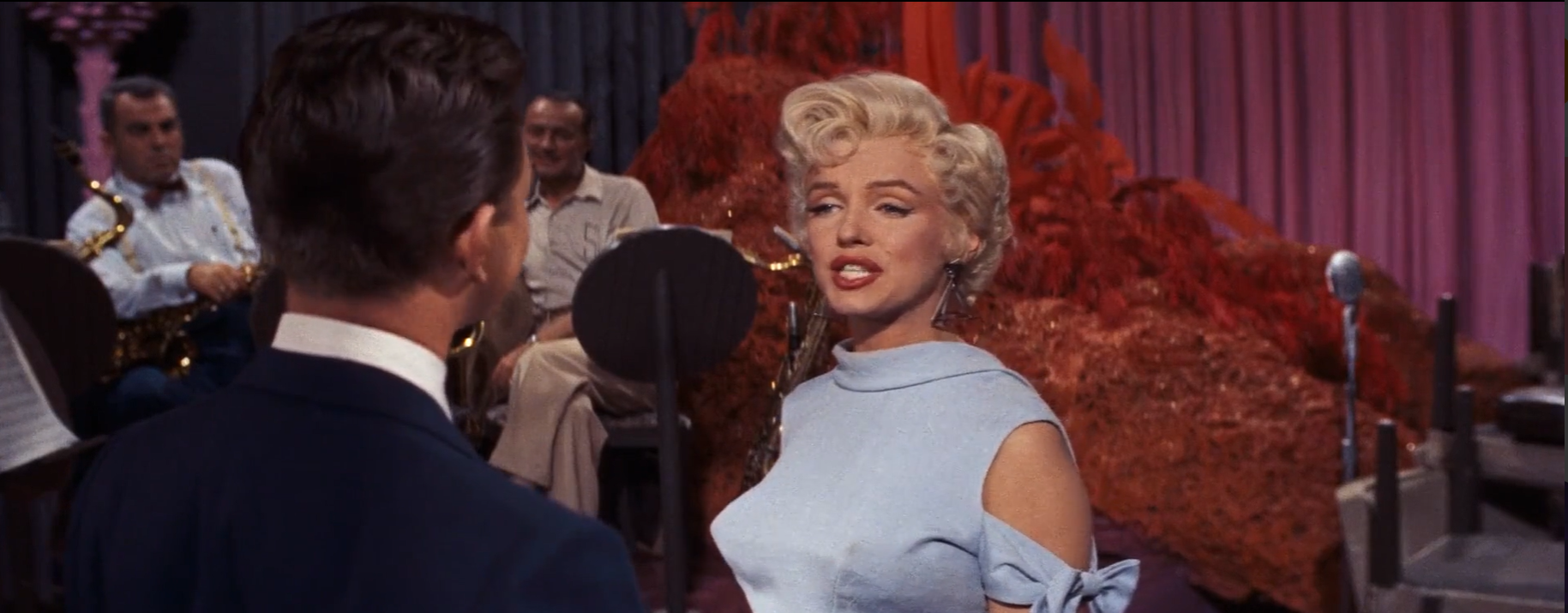
… and [Marilyn] Monroe, thank heaven, at her 20th Century Foxiest”.
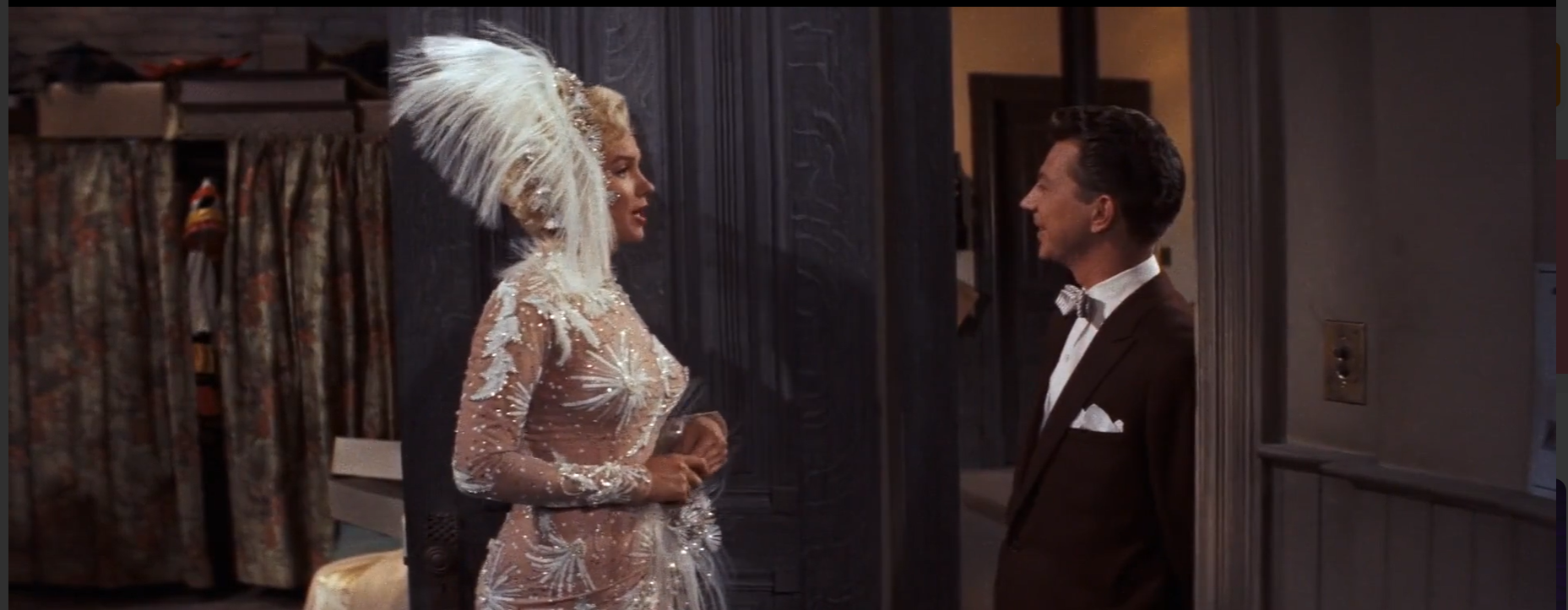
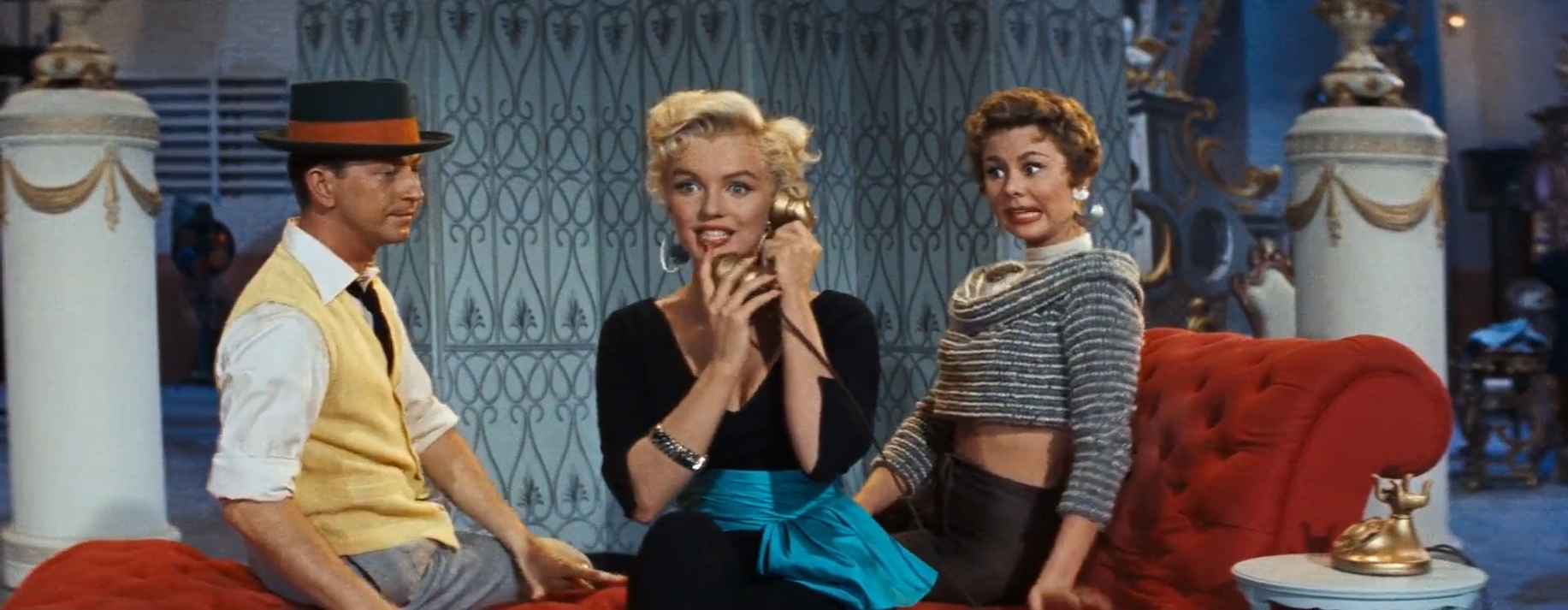
Indeed, other than its Irving Berlin-ful score, Monroe will be the main draw for most viewers — though her supporting role here seems decidedly shoehorned into the narrative, and she’s paired with the worst possible choice of romantic interests in her entire movie career.
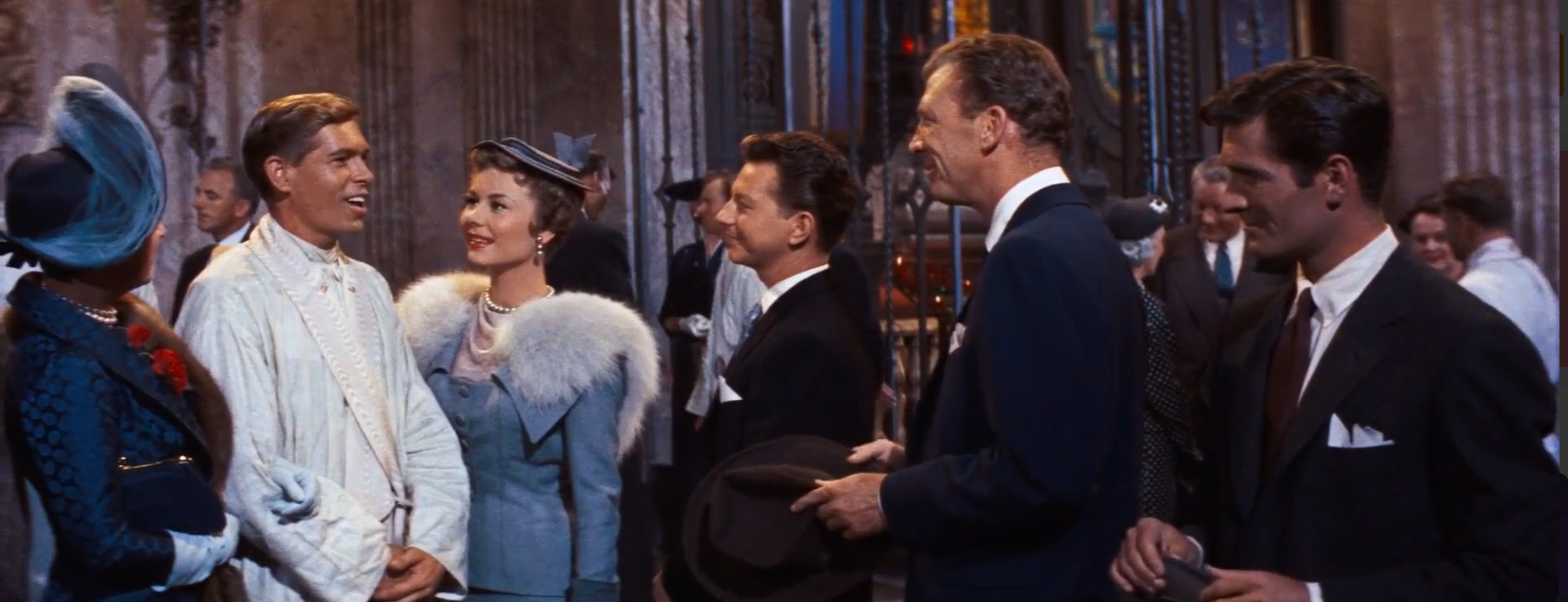
(No offense meant to O’Connor; they’re simply utterly mismatched. Ray would have been a much better choice — but his character is sent off into priesthood!)
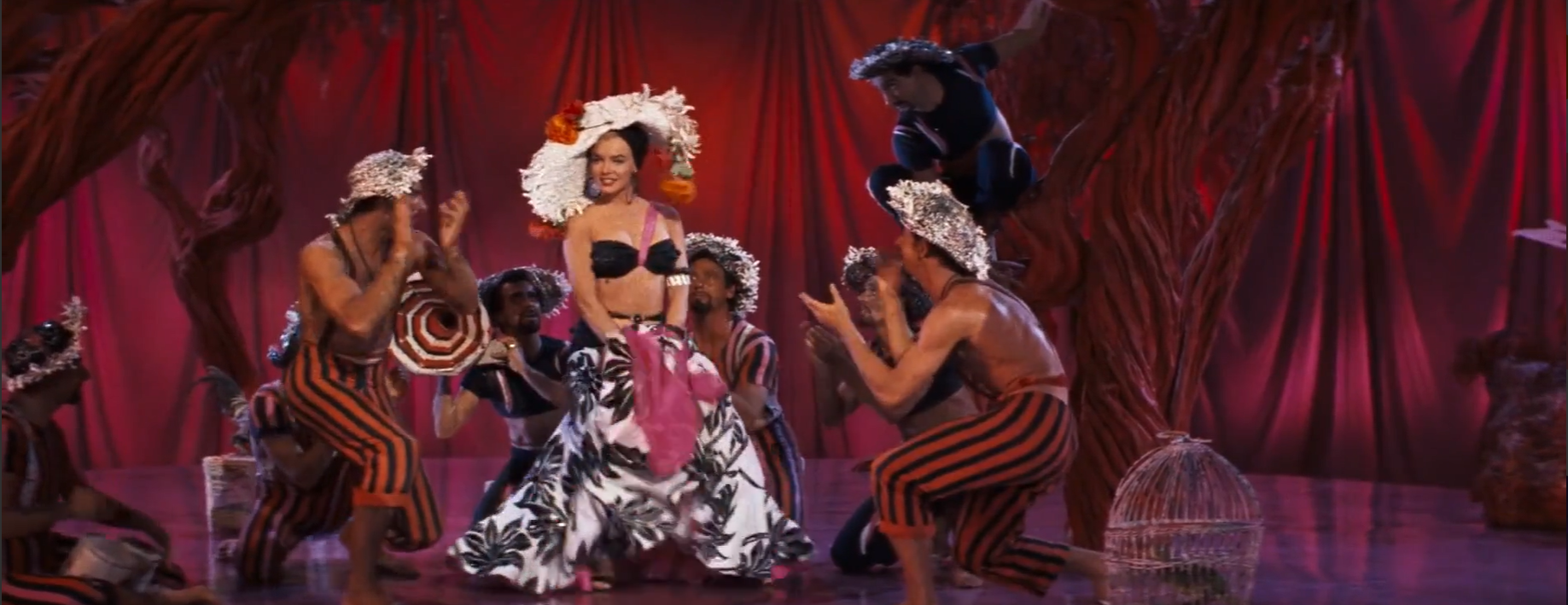
Meanwhile, as pointed out by DVD Savant, “the production is rather garish and empty (an awful lot of wide screens full of billowing, sequined drapes)”, and while “this is supposed to [represent] the gaudy world of vaudeville… the final kiss of death is that a lot of the stuff Marilyn is made to wear here is just plain ugly” (!!).
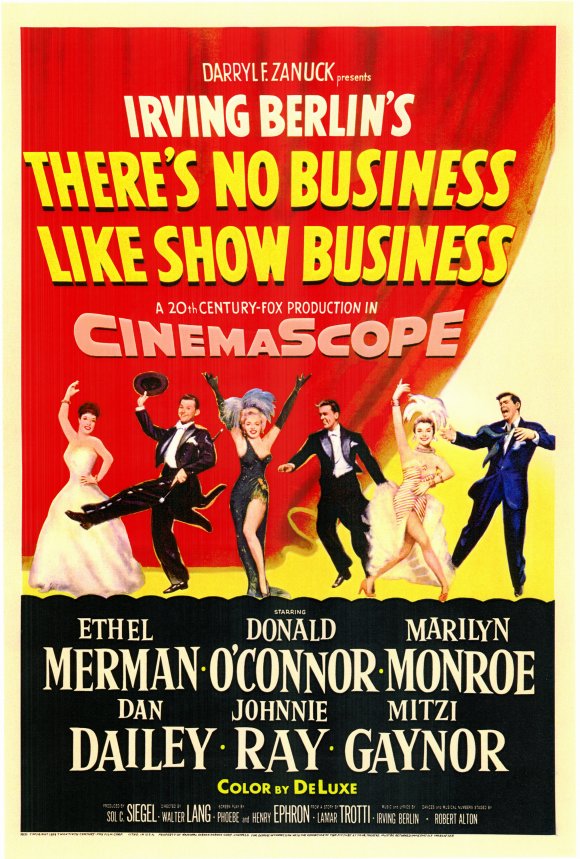
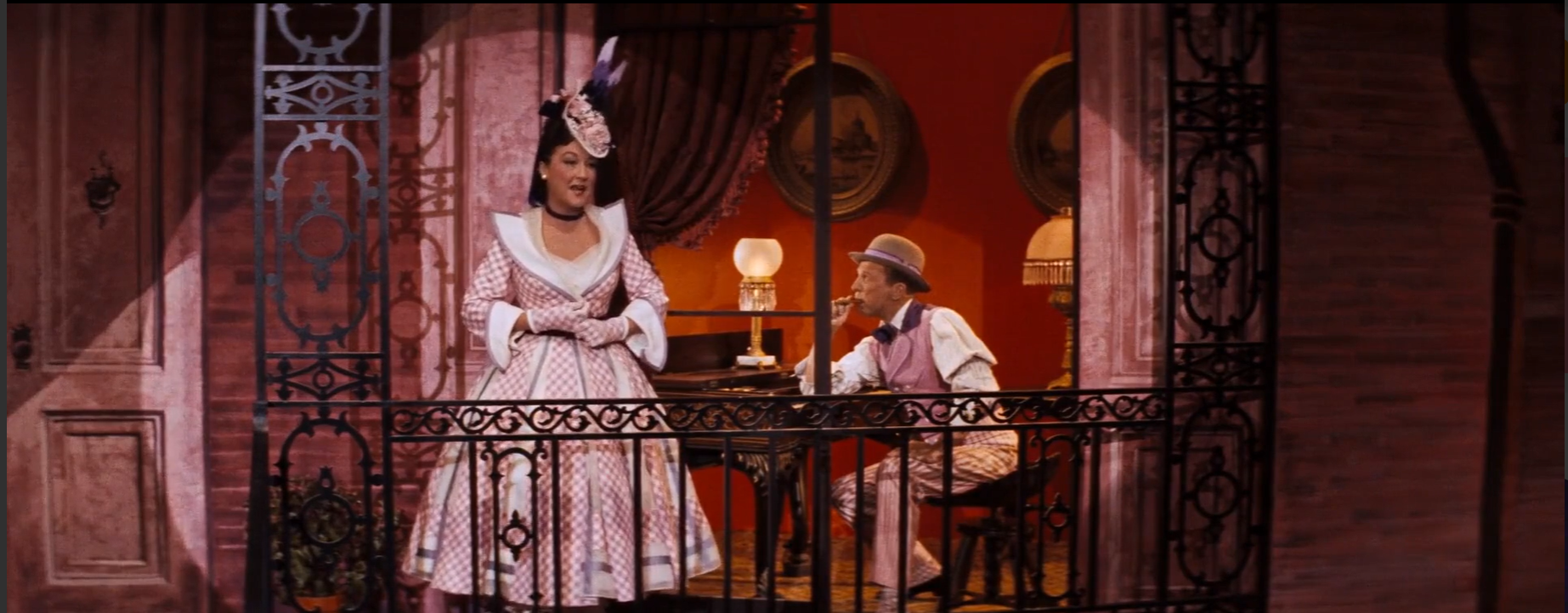
While it possesses a couple of nicely staged and performed Berlin tunes, the movie’s sole point of interest for film fanatics is the chance to watch a handful of little-seen cinematic performers — Merman (primarily a Broadway star), Gaynor (primarily a voiceover singer), and Ray (primarily a musician) — onscreen; but the vehicle they’re given is such a clunker that it’s really not worth their efforts, or ours. Redeeming Qualities and Moments:
Must See? Links: |
“Just to be suspected leaves a mark.”
|
Synopsis: |
|
Genres, Themes, Actors, and Directors:
Response to Peary’s Review: While Laughton’s performance stands above the rest, Ivan is effective and convincing as the wife any man would be desperate to get away from; it’s interesting to contrast her performance with that of Flora Robson in an earlier iteration of the same general story, We Are Not Alone (the latter based on a novel by James Hilton, who was apparently inspired by the real-life case of murderous Dr. Crippen). In Hilton’s version, not only is the husband (played by Paul Muni) completely innocent, but his wife is a much more complex villainess; here, however, there are no two ways around it: Ivan’s a true henpecking b*tch. Raines, meanwhile, is appropriately sweet as Laughton’s romantic interest — and it’s at least partly to her credit that we are easily able to believe someone so young and beautiful would genuinely fall for an older, less-than-physically-attractive man like Laughton. Finally, Henry Daniell is perfectly cast as the wife-beating “rotter” of a neighbor who propels Laughton towards his ultimate fate; in an interesting bit of trivia, he played a small role in We Are Not Alone as well (as the lawyer working to convict Muni). Redeeming Qualities and Moments:
Must See? Categories
Links: |