|
Genres, Themes, Actors, and Directors:
- Criminal Couples on the Run
- Femmes Fatales
- John Dall Films
- Joseph H. Lewis Films
Response to Peary’s Review:
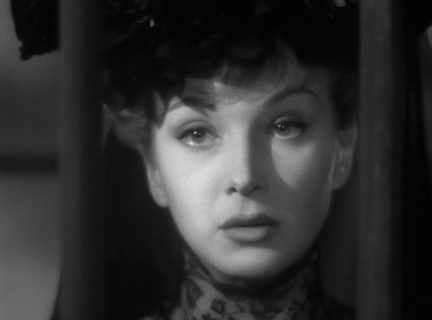
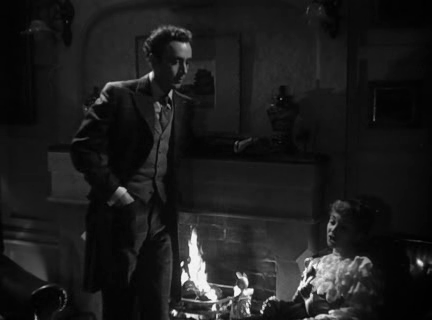
Peary argues that while “there have been many fine movies about young couples driving across the country with the police on their trail, including Arthur Penn’s Bonnie and Clyde, which this film surely influences”, “none is more fascinating or exciting than” Gun Crazy (a.k.a. Deadly is the Female). He notes that this “low-budgeter” by director Joseph H. Lewis is “supercharged with energy, non-stop action, violence, passion, and sex”, and, despite being “set against a backdrop of poor, insensitive, smalltown America of the forties”, remains “remarkably contemporary, especially in its portrayal of a country turned on by speed, violence, and crime”. He points out that “Lewis’s achievements are great, ranging from maintaining a terrific pace throughout to attaining a distinct sense of time and place”; a cinéma vérité-like bank hold-up taking place in the middle of the movie — shot in one long take (Lewis’s idea), without informing nearby pedestrians they were filming — is merely the most famous example of his creative genius.
Peary notes, however, that Lewis’s “more inspired contribution was giving his leads to the relatively unknown Cummins (a British actress) and Dall”. In his review of the film for his first Cult Movies book, Peary elaborates on this point by writing that “they both prove to be highly skilled actors who lend an intelligence to the proceedings and express such a complex array of emotions so honestly that it is truly hard to believe that they are not playing themselves”; in sum, “they are simply terrific”. Dall — who most film fanatics will only know from one other movie, Hitchcock’s Rope (1948) — was particularly inspired casting; Peary notes that in an interview with Lewis, he learned Lewis specifically wanted to cast a gay male in the lead because of the inner tension he felt such a man (in mid-century America) would inevitably bring to the role. Meanwhile, unknown Cummins is simply a revelation as (in Lewis’s own words) a “beautiful demon who no man can resist or help forgiving when she does wrong”.
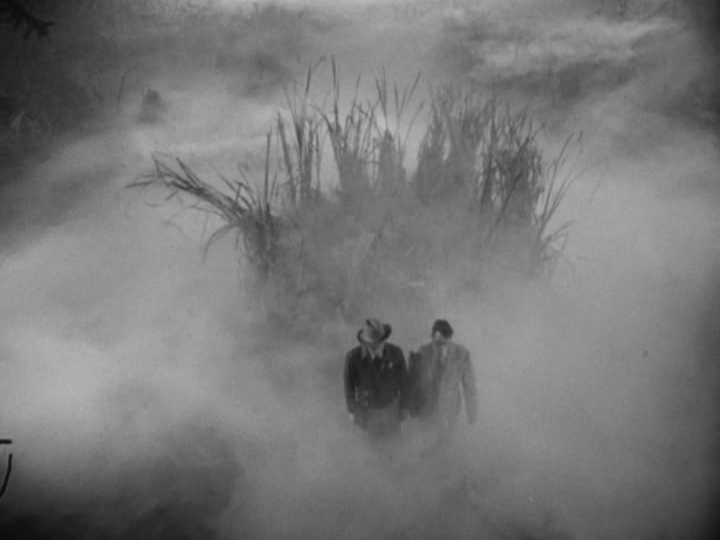
To that end, Peary points out that he actually differs from Lewis’s own interpretation of Laurie (Cummins); Peary sees her as “the victim of a world that doesn’t forgive past sins” — a woman who may “play men for suckers” and “lead a bad life” but who “is sincere when she apologizes to Bart [Dall] for being unable to control her mean temper”. He likens her thrill-seeking tendencies to “a fiend who needs a fix or an alcoholic unable to control the urge to drink” — and this is exactly how I interpret her, too. Indeed, it’s fascinating to see a character who so clearly fits the femme fatale mold, yet remains oddly sympathetic throughout; we really do get the sense she can’t help herself, and wants to (in her words) “be good”. Adding to our sympathy is the fact that she and Dall are (eventually) so obviously in love with each other: as Peary notes, “Even when they flee police on foot through rough terrain, are soaking wet, dirty, bruised, exhausted, and in a panic because they can hear the bloodhounds, he still calls her ‘honey’, and they still take a moment to hug and kiss”.
Redeeming Qualities and Moments:
- Peggy Cummins as Annie (nominated as one of the Best Actresses of the Year in Alternate Oscars)
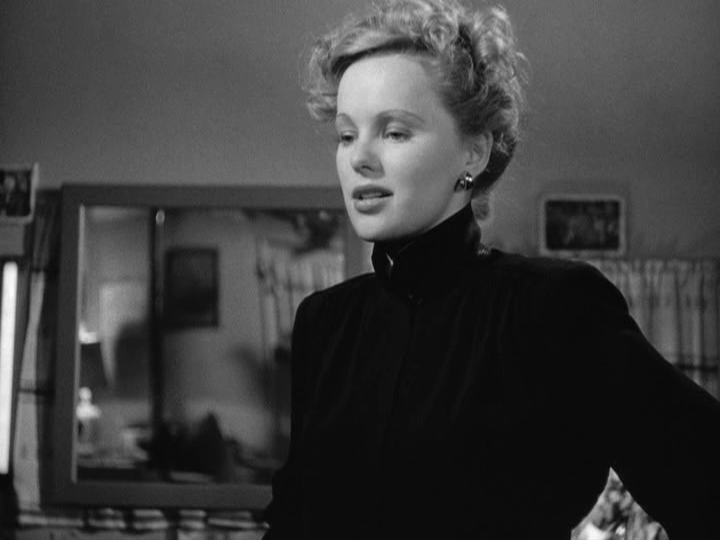
- John Dall as Bart (nominated as one of the Best Actors of the Year in Alternate Oscars)

- The justifiably lauded “one-shot” hold-up sequence
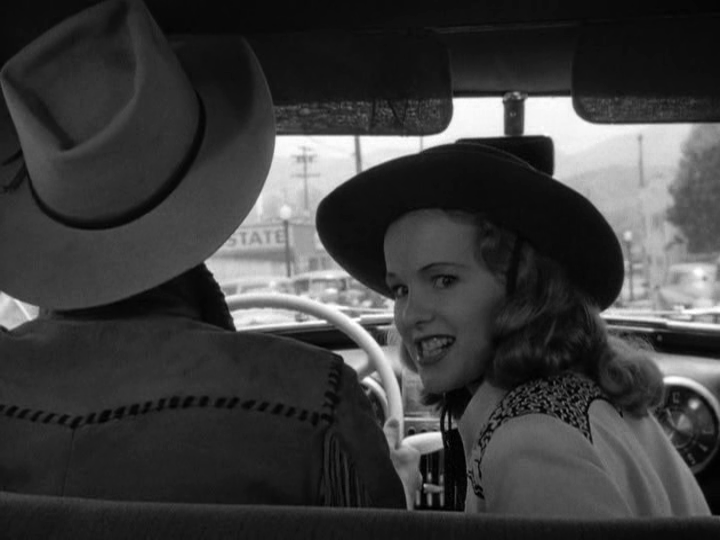
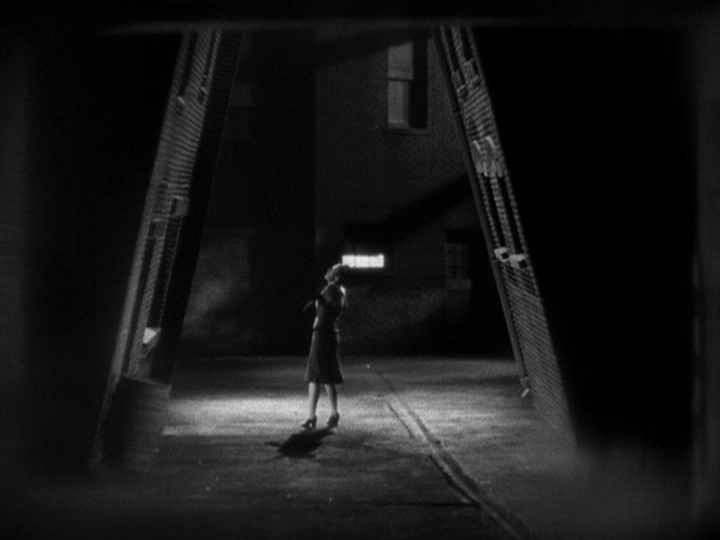
- Consistently creative direction by Joseph Lewis
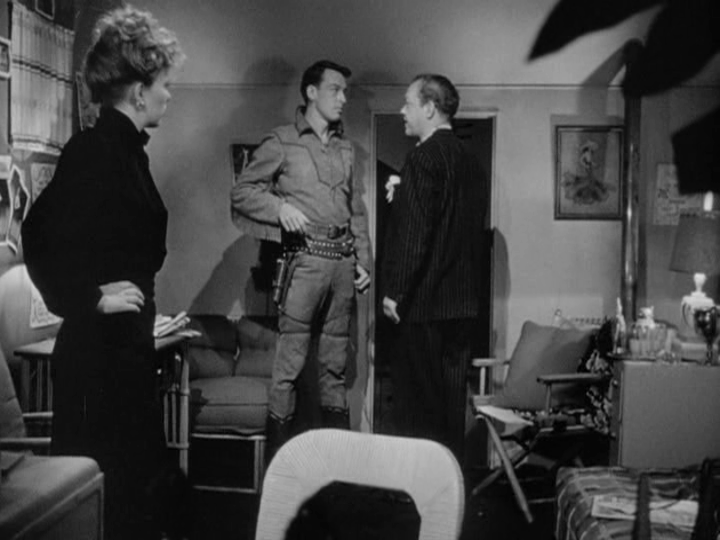
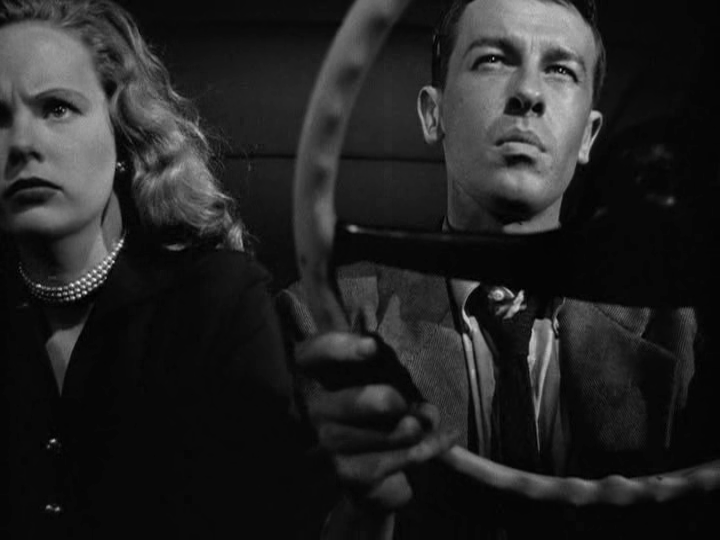
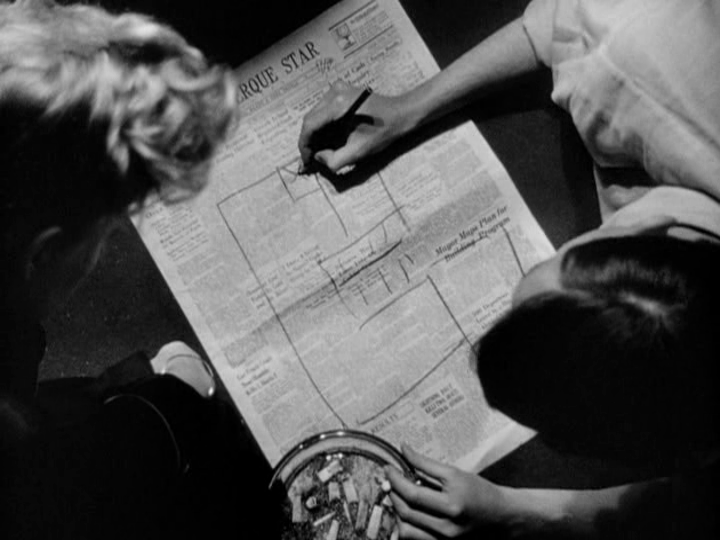
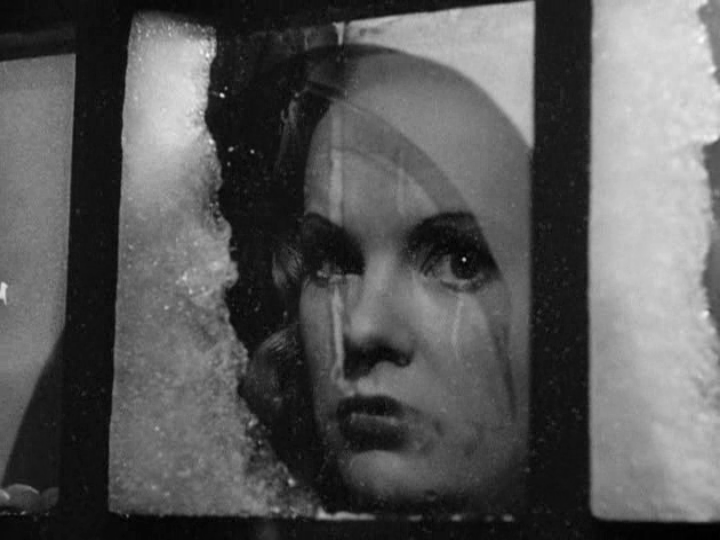
- Russell Harlan’s cinematography
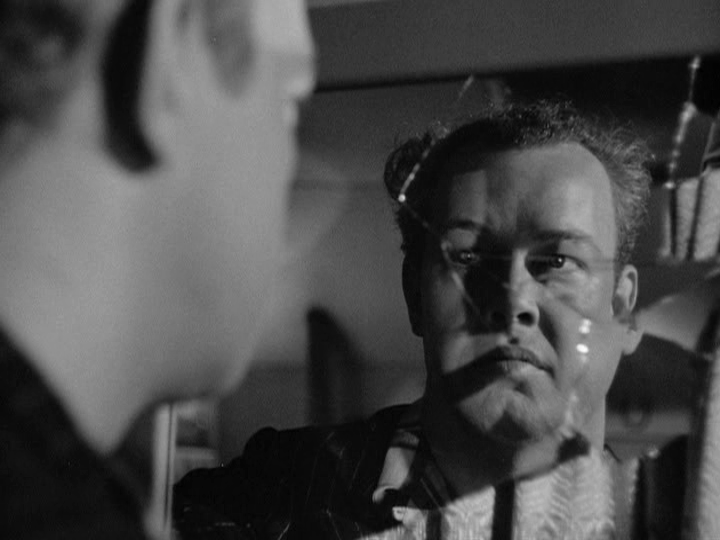

- MacKinlay Kantor and Dalton Trumbo’s screenplay
Must See?
Yes, as an enormously enjoyable cult classic. Voted the Best Picture of the Year in Peary’s Alternate Oscars.
Categories
- Cult Movie
- Genuine Classic
(Listed in 1001 Movies You Must See Before You Die)
Links:
|