Beginning of the End (1957)
“The time will come when the beasts will inherit the Earth.”
|
Synopsis: |
|
Genres, Themes, Actors, and Directors:
Review: Redeeming Qualities and Moments:
Must See? Links: |
“The time will come when the beasts will inherit the Earth.”
|
Synopsis: |
|
Genres, Themes, Actors, and Directors:
Review: Redeeming Qualities and Moments:
Must See? Links: |
“The portals of society are open nowadays to anyone who has the means to make himself worthy of it.”
|
Synopsis: |
|
Genres, Themes, Actors, and Directors:
Review:
When a string of wild circumstances initiated by a drunken actor (Arthur Riscoe):
… lead Kipps into unexpected money, he’s swept into the fold of the very people he once idolized — including the owner of a “self-improvement” college (Max Adrian):
… Wynyard:
… and Wynyard’s barrister brother (Michael Wilding).
Kipps’ story transpires in a rather predictable way from there: he misses his old chums, and finds he’s much more comfortable with his childhood sweetheart than with snooty Wynyard (who knew social class mattered so much?). Some tension arises around what decision Kipps will make between the two women, and there’s an additional narrative twist near the end — but this is otherwise a fairly straightforward tale of class aspirations and conflicts that will be of most interest to fans of the novel or Carol Reed. Redeeming Qualities and Moments:
Must See? Links: |
“I know your face is beautiful because you are — it couldn’t be otherwise!”
|
Synopsis: |
|
Genres, Themes, Actors, and Directors:
Review:
The second segment — based on Oscar Wilde’s short story “Lord Arthur Saville’s Crime” — is much more engaging, thanks to a provocative narrative (does being told one’s fortune compel one to carry it out?) and Robinson’s typically-committed performance as a tortured man caught in the grips of “fate”.
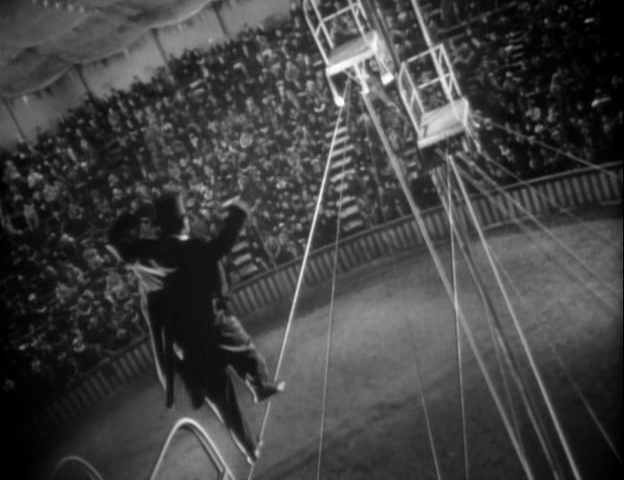
The final segment — in which Boyer’s “drunken tightrope walker” uses a dream as a legitimate way to connect with a beautiful woman (Stanwyck) he meets on-board a ship — is creatively filmed, but ultimately less satisfying.
The primary reason to check this movie out is the stunning b&w cinematography by Stanley Cortez and Paul Ivano; just about every frame is a treat to look at. Redeeming Qualities and Moments:
Must See? Links: |
“No one goes to bed in Paris — it isn’t safe to go to bed!”
|
Synopsis: |
|
Genres, Themes, Actors, and Directors:
Review:
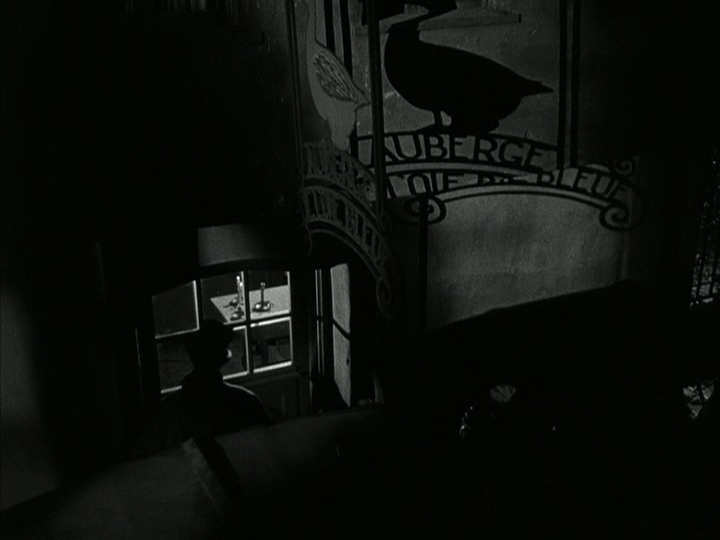
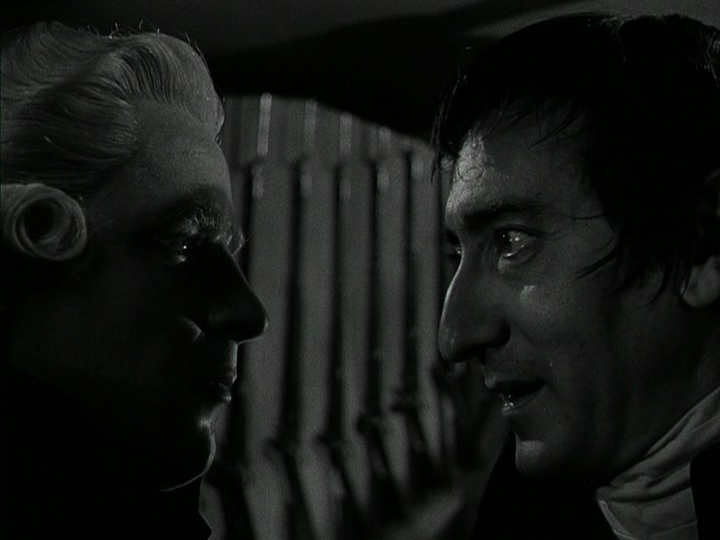
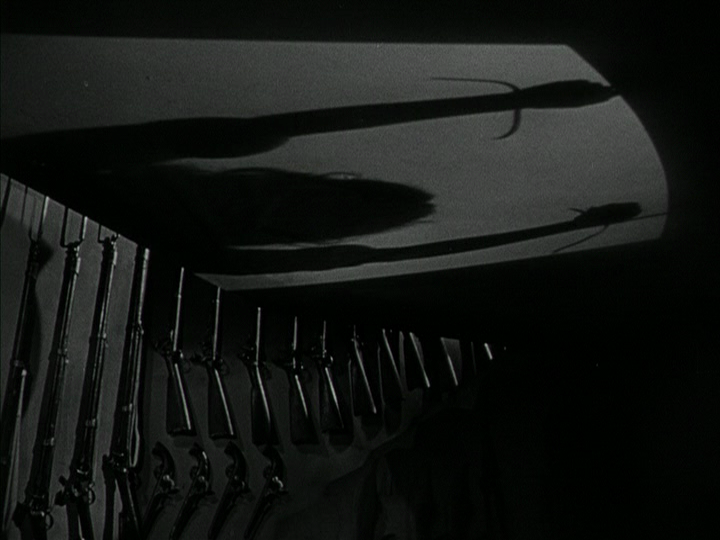
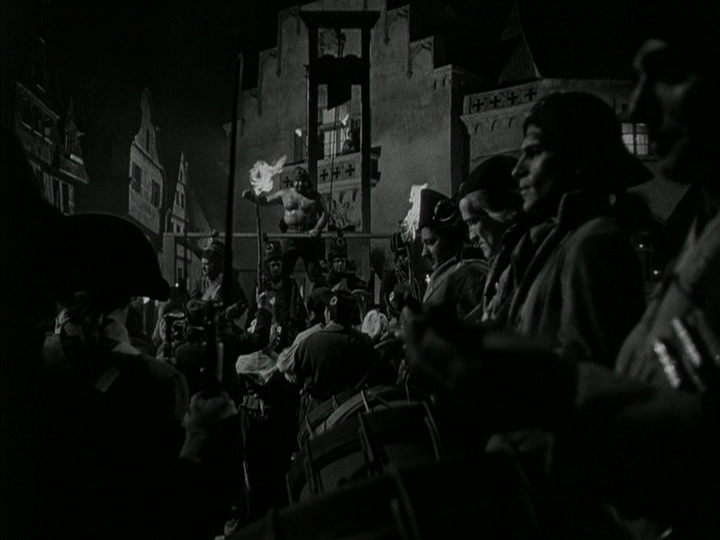
Unfortunately, the screenplay (co-written by Philip Yordan) is mostly uninspired, with plenty of lines such as the following: “It’s either Madelon or the book — you can’t have both!” However, the details of the fast-moving script don’t matter as much as the excitement generated, and it’s easy enough to follow who the ultimate “bad guy” and “good guy” are. With that said, Reign of Terror is only must-see for fans of this type of flick, and/or Mann completists. Redeeming Qualities and Moments:
Must See? Links: |
“I was just trying to be a gentleman. You know — romance, fun.”
|
Synopsis: |
Genres, Themes, Actors, and Directors:
Response to Peary’s Review:
— he notes that the sex scenes are “consistently exciting”, and that “the stars are obviously experienced, skilled lovemakers.” Since I’m not a fan of adult films — and don’t have much interest in analyzing scene after scene of contrived sex — I can’t contribute much to his assessment. Truth be told, I was bored. As noted below, this is certainly not must-see viewing for all-purpose film fanatics. Redeeming Qualities and Moments:
Must See? Links: |
“If you need Pretty Polly — you take it.”
|
Synopsis: |
|
Genres, Themes, Actors, and Directors:
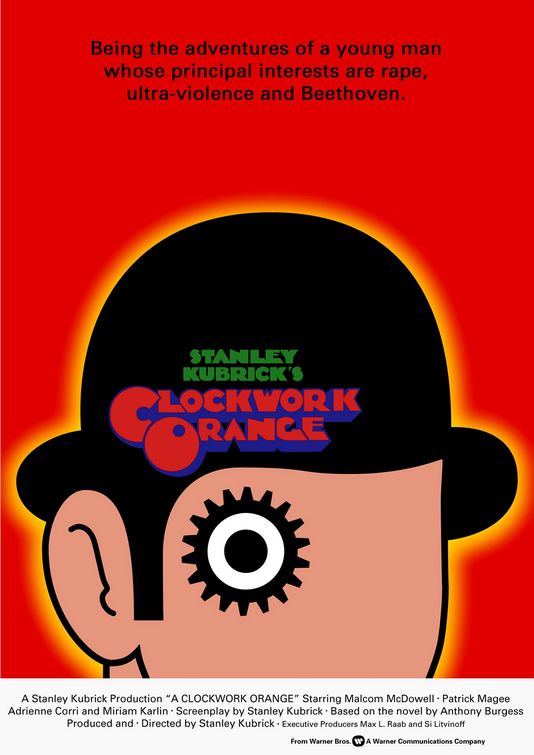
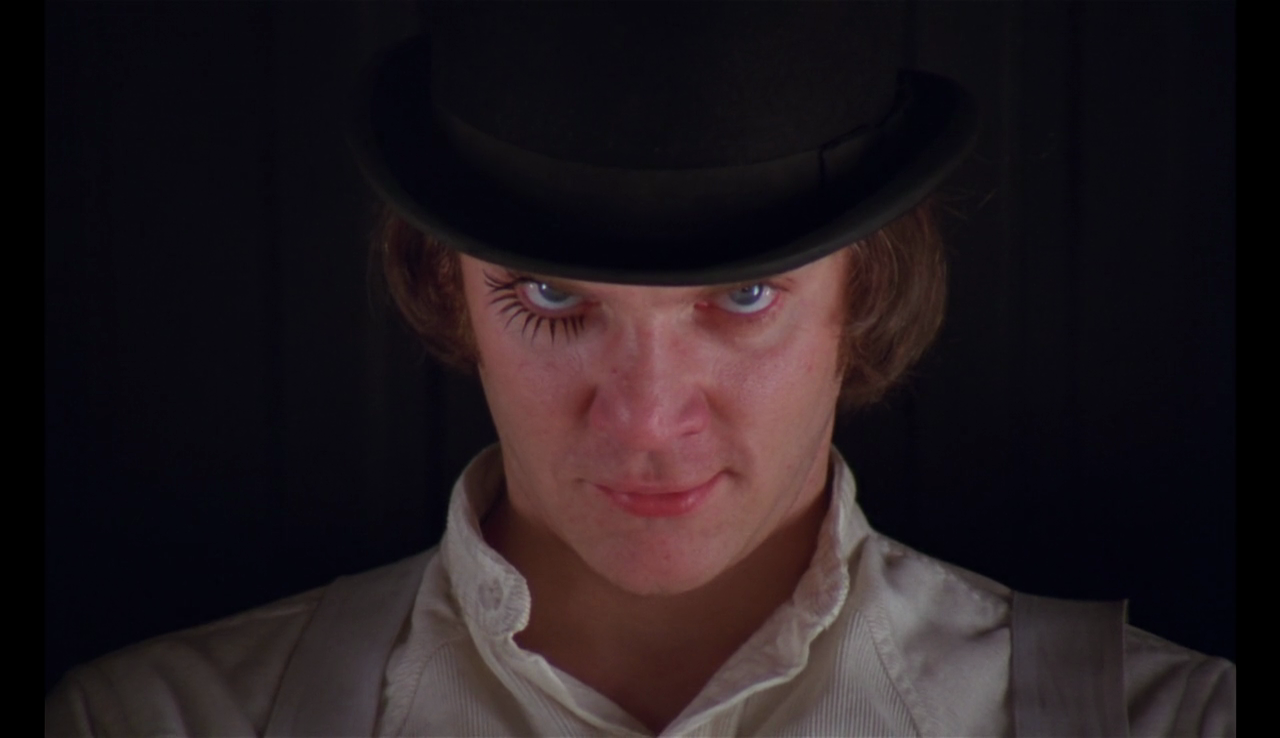
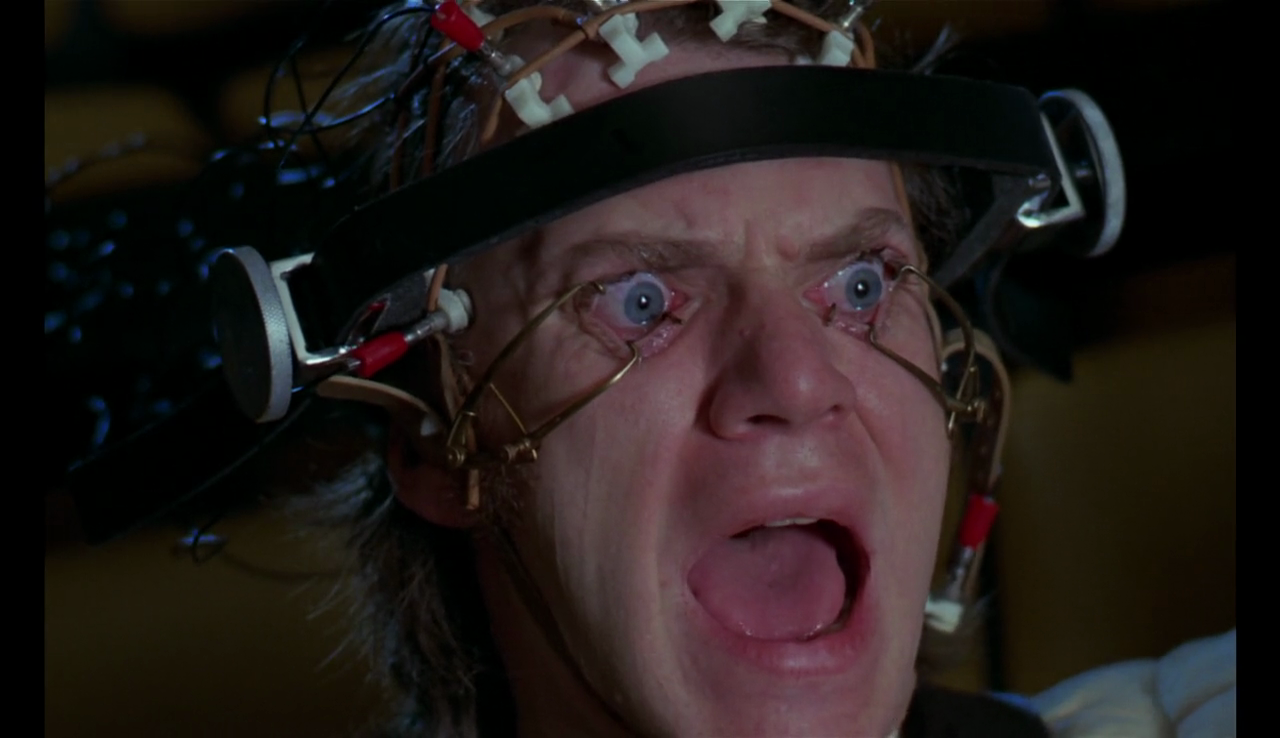
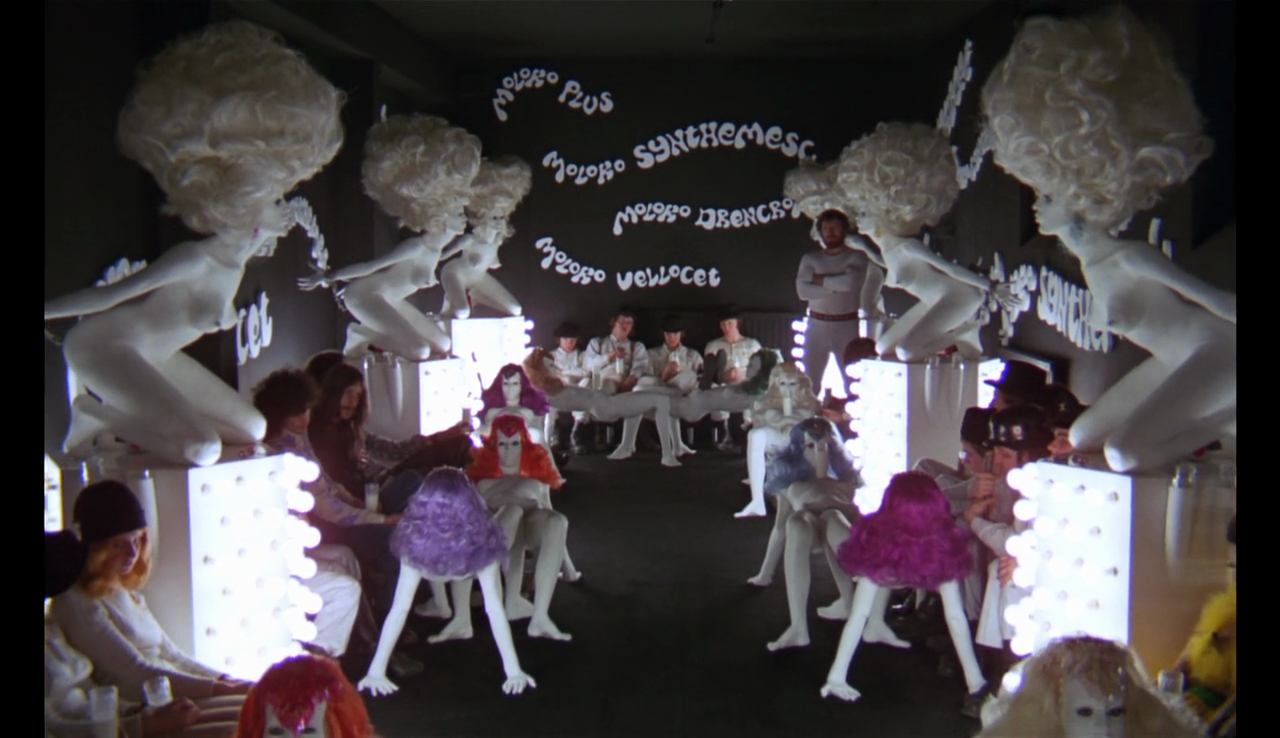
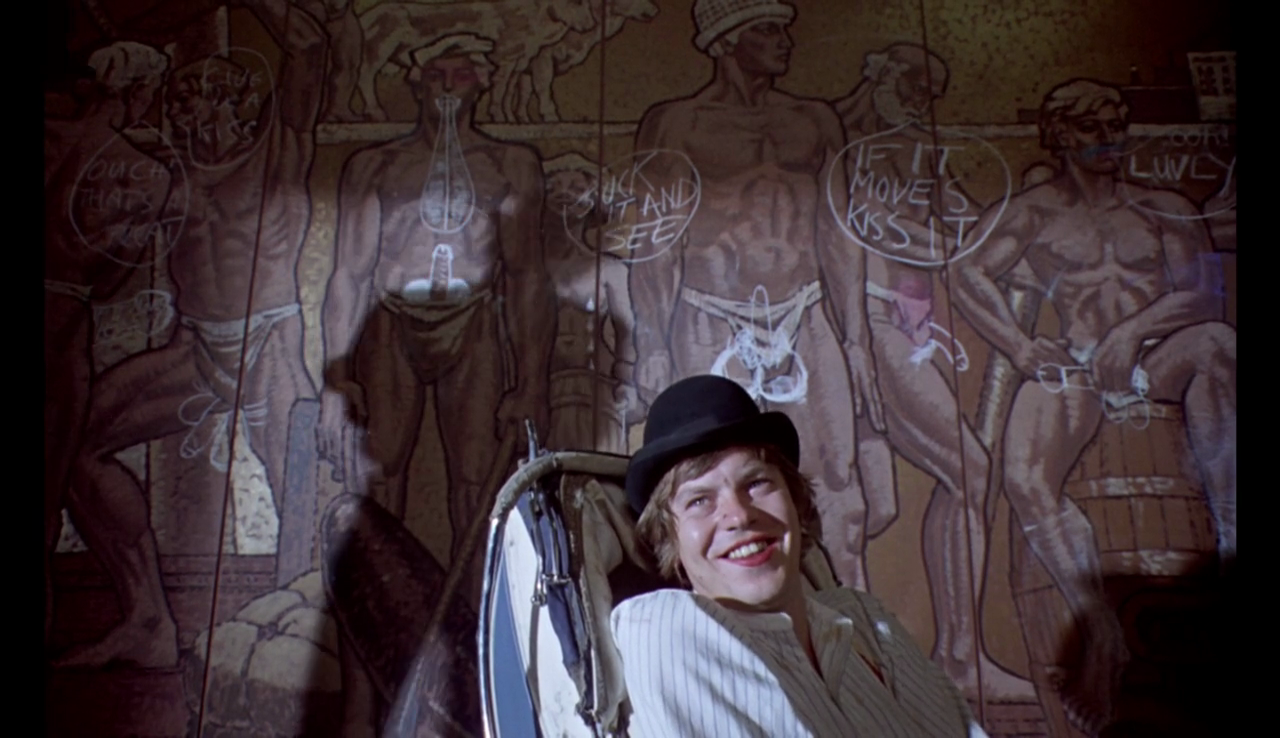
Response to Peary’s Review: Peary’s no-holds-barred reviews of A Clockwork Orange in GFTFF (and his Cult Movies 2 book) are incisive, compelling, and worth quoting at greater length. He notes that Burgess stated, “If we are going to love mankind, we will have to love Alex as a not unrepresentative member of it; it is preferable to have a world of violence undertaken in full awareness — violence chosen as an act of will — than a world conditioned to be good or harmless.” However, Peary points out that “the mankind Kubrick shows us is totally alien to us and not worthy of our love. And even before he undergoes the Ludovico treatment, Alex’s violent acts don’t seem to be made through free choice, but are reflexive, conditioned by past violence — he is already a clockwork orange (human on the outside, mechanized on the inside).” Ultimately, the “film’s strong, gratuitous violence is objectionable (as is the comical atmosphere when violence is being perpetrated), but the major reason the film can be termed fascistic is Kubrick’s heartless, super-intellectual, super-orderly, anti-septic, anti-human, anti-female, anti-sensual, anti-passion, anti-erotic treatment of its subject”, with “all emotional stimuli… lumped together as being harmful”, and “all art… pornographic”. In Cult Movies 2, Peary adds that “the film is like a Sunday sermon where the fellow up on the pulpit suddenly realizes there is no moral lesson that applies to his listeners… Kubrick [simply] teaches paranoid individuals… that you can’t cure the habitual thrill criminal”. He concludes his essay in this book by noting that “once Alex is arrested and the look of the film shifts away from dreamlike pop art, the picture becomes excruciatingly dull”. I’m essentially in agreement with Peary: I’ve avoided a re-watch of A Clockwork Orange for years, and don’t plan to revisit it again — but it’s infamous (and beloved) enough to warrant one-time viewing by film fanatics. (Meanwhile, the cinematography and sets are indeed memorable, as is Wendy Carlos’s synthesized score.) Be forewarned that some scenes are almost unbearably misogynistic and/or brutalizing; if our world is actually headed in this direction, we have reason to be very scared indeed. Redeeming Qualities and Moments:
Must See? Categories
(Listed in 1001 Movies You Must See Before You Die) Links: |
“This whole country’s just like my flock of sheep!”
|
Synopsis: |
|
Genres, Themes, Actors, and Directors:
Response to Peary’s Review:
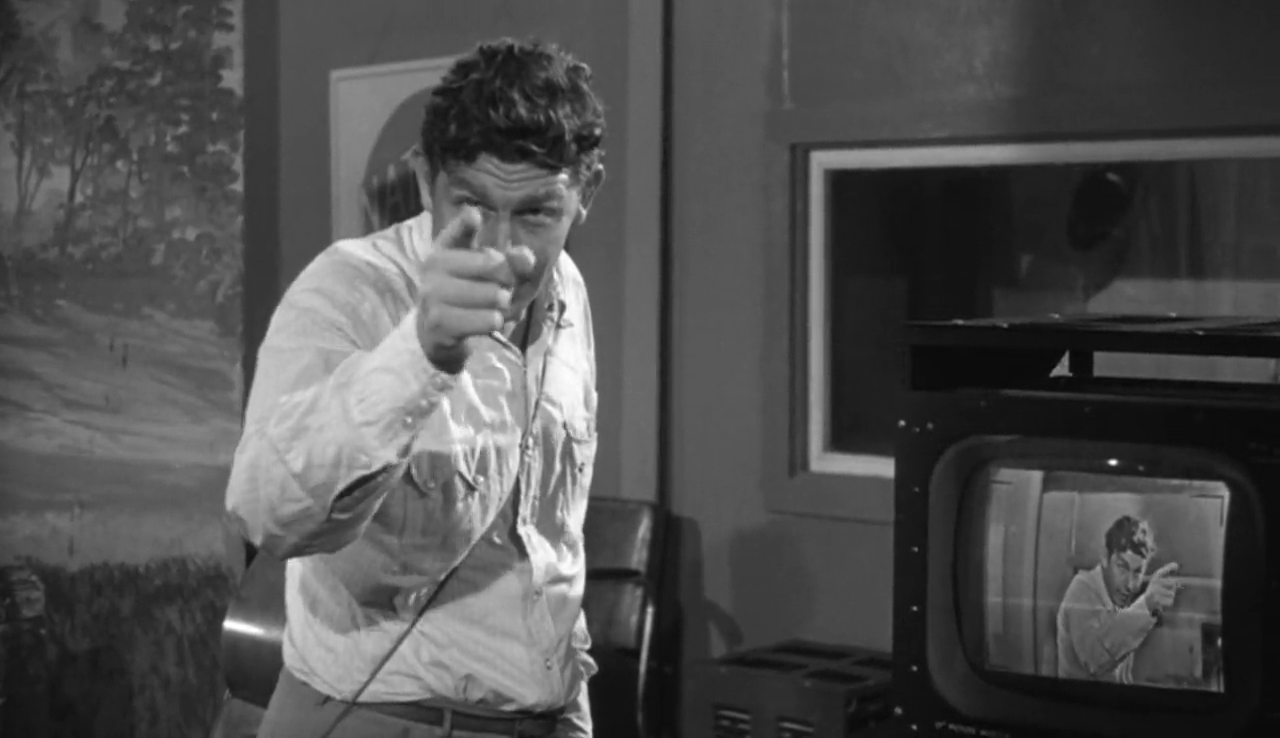
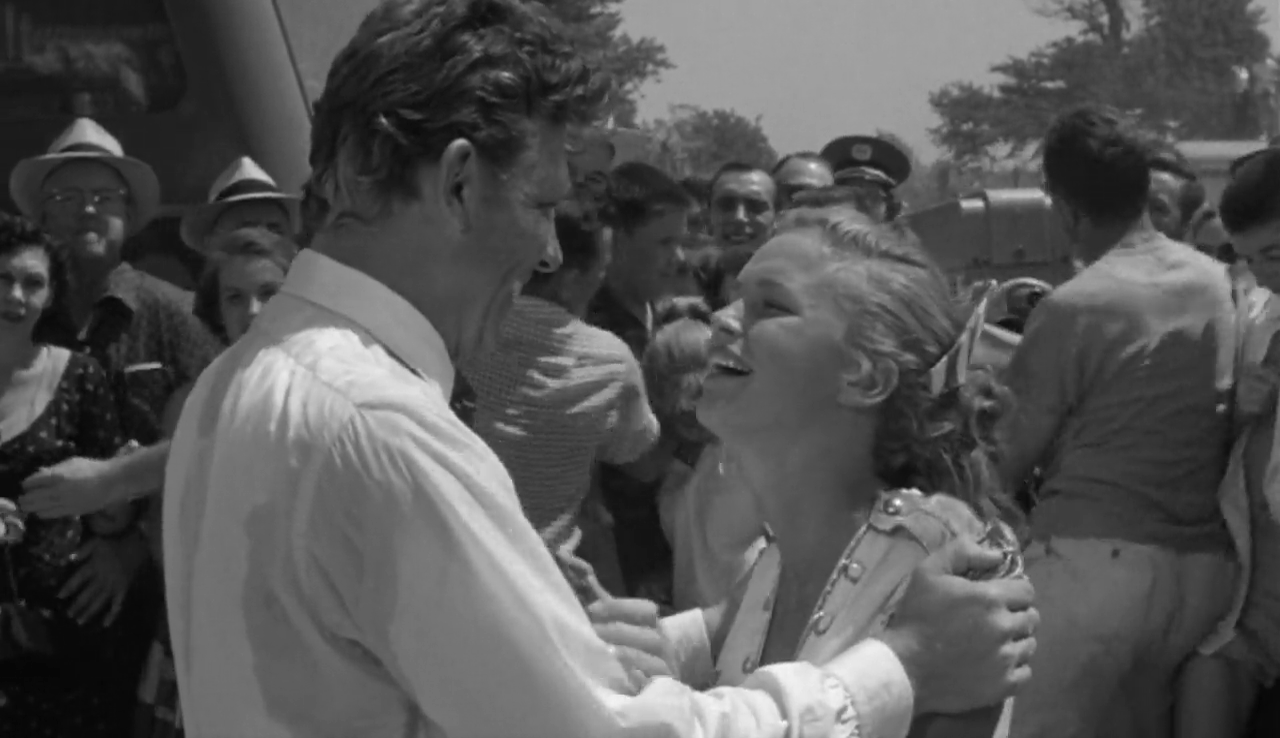
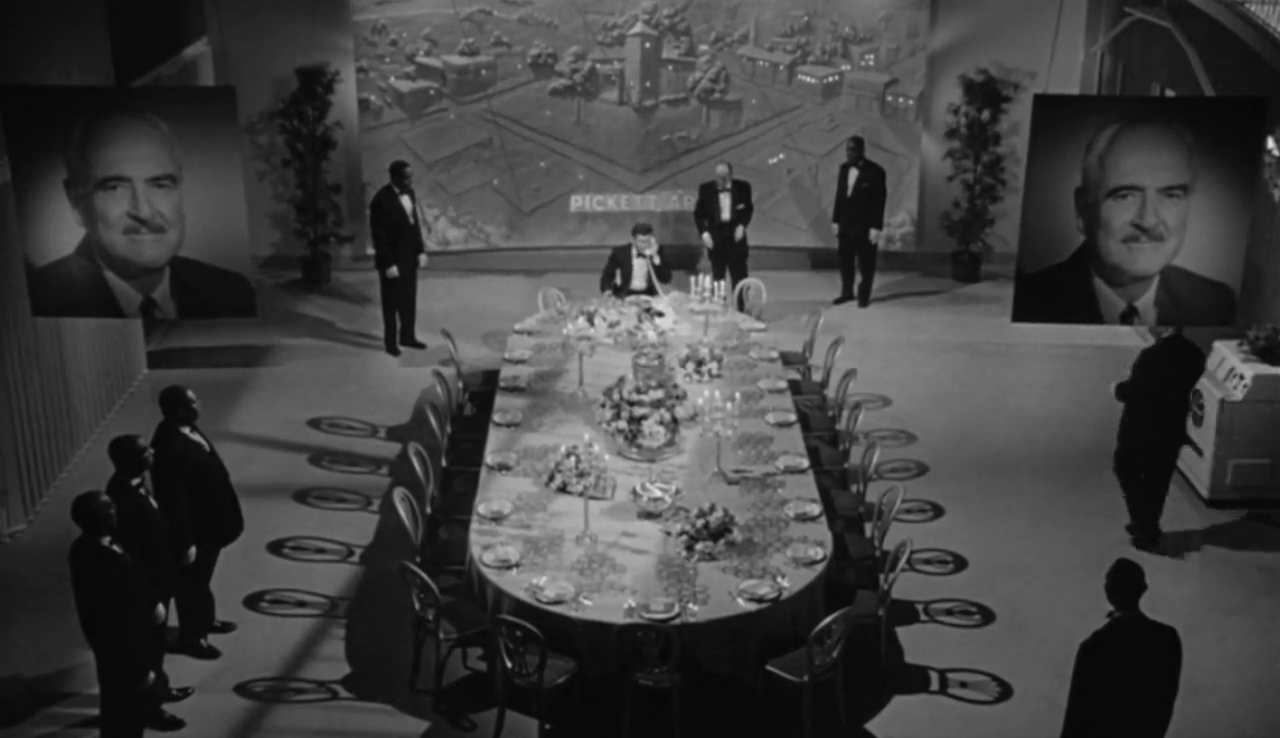
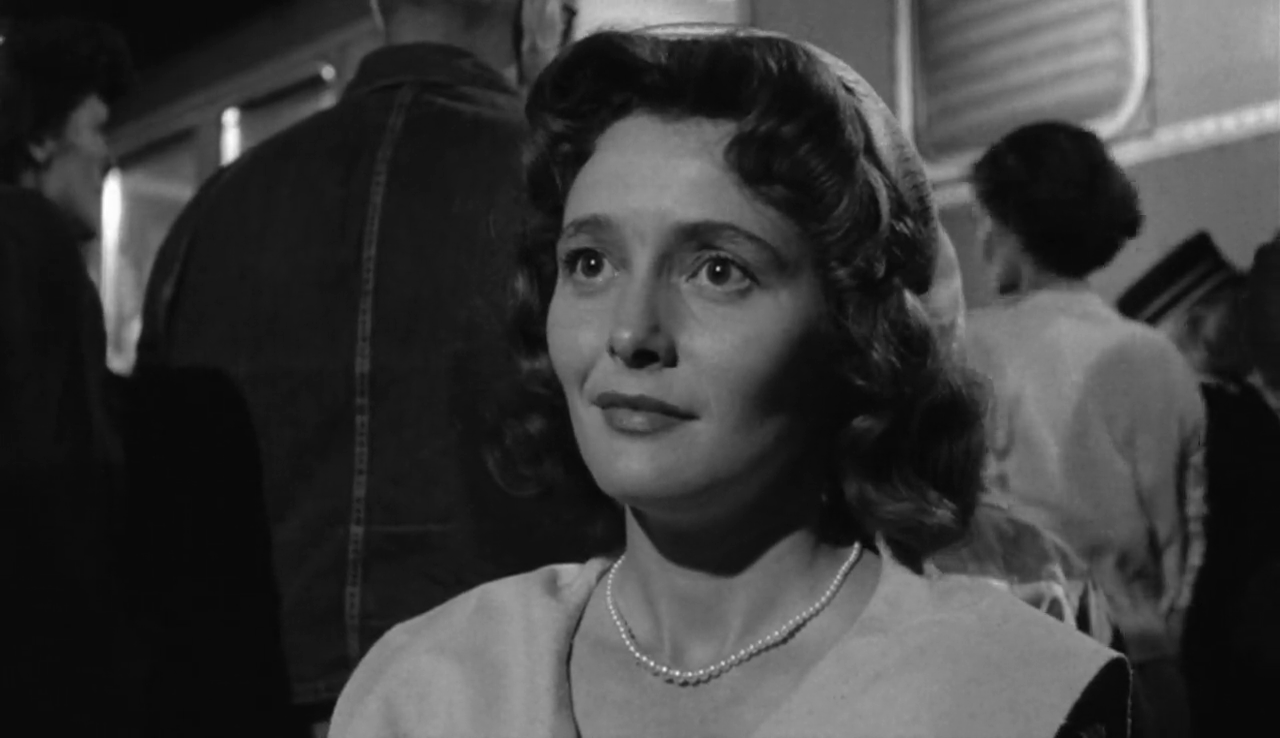
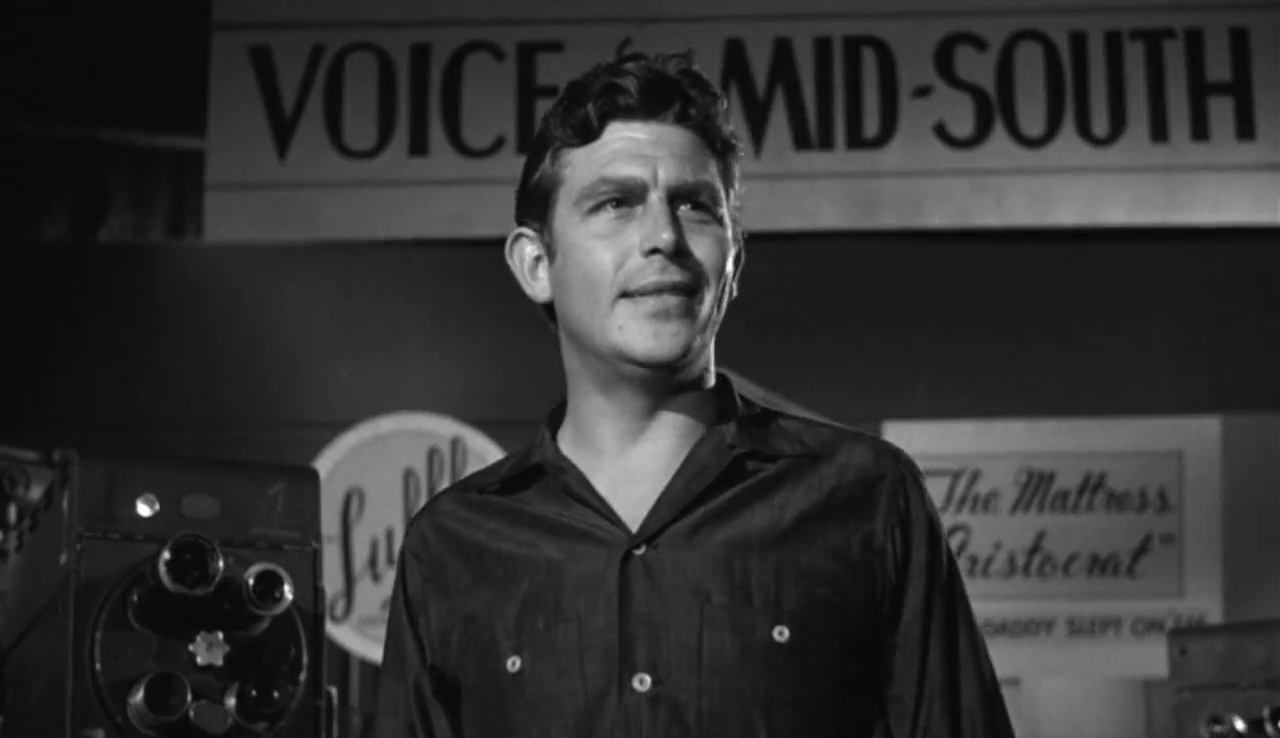
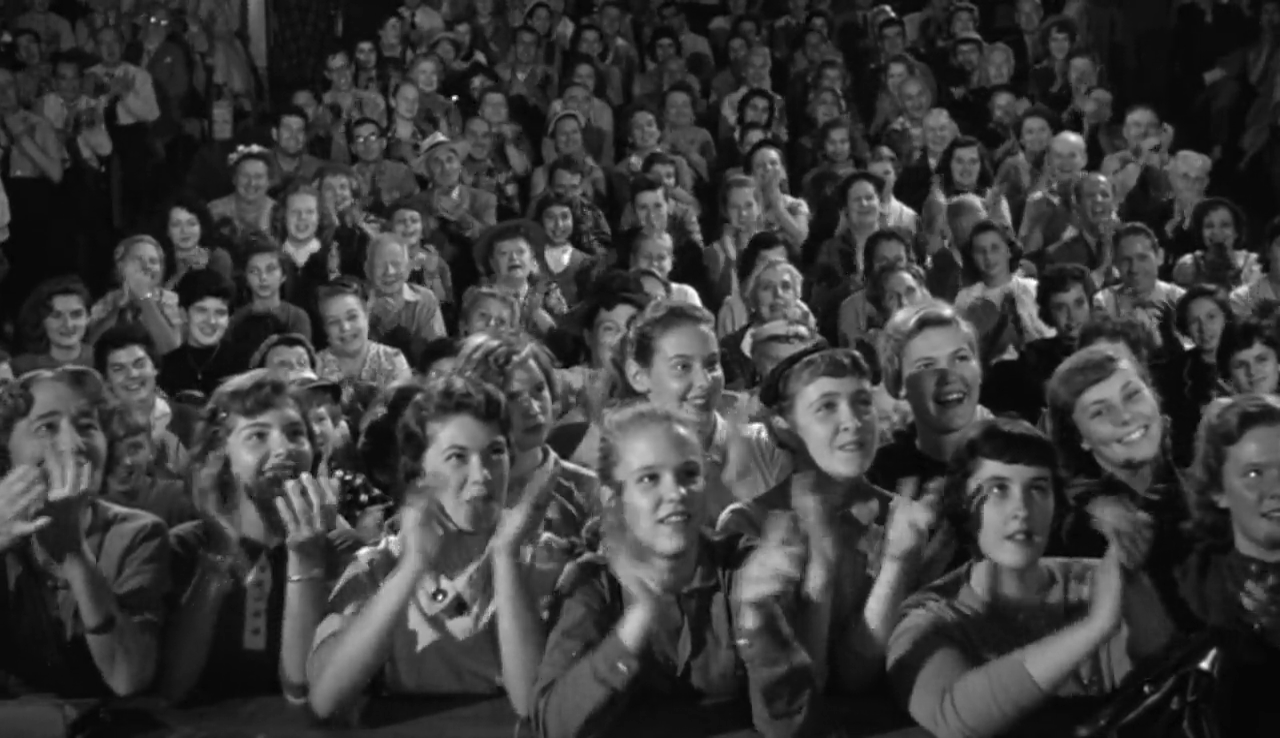
Director Elia Kazan and screenwriter Bud Schulberg had no way of knowing that a bombastic reality-T.V. star would rise to the highest power of the land in 2016 — but their telescoping of current-day America is simply uncanny, and demonstrates that human tendencies haven’t evolved much (if at all) since this film’s release. Peary writes that “Schulberg is expressing his fear that television, which has tremendous power, will become a political tool” — as, of course, it has (along with the internet). He notes that while “Lonesome Rhodes is guilty of taking advantage of the medium — through which you can fool all the people all of the time”, “Schulberg is attacking us, the ignorant people who sits like sheep and believes whatever it sees on the tube”. Perhaps most creepily prescient is Peary’s comment that these days, if “Rhodes were caught expressing his real thoughts while thinking the mike was off, his popularity would probably go up”. ‘Tis true, indeed. He closes his review by noting that this is a “well-made film” and that “in her debut, Lee Remick catches your eye as a sexy baton twirler”:
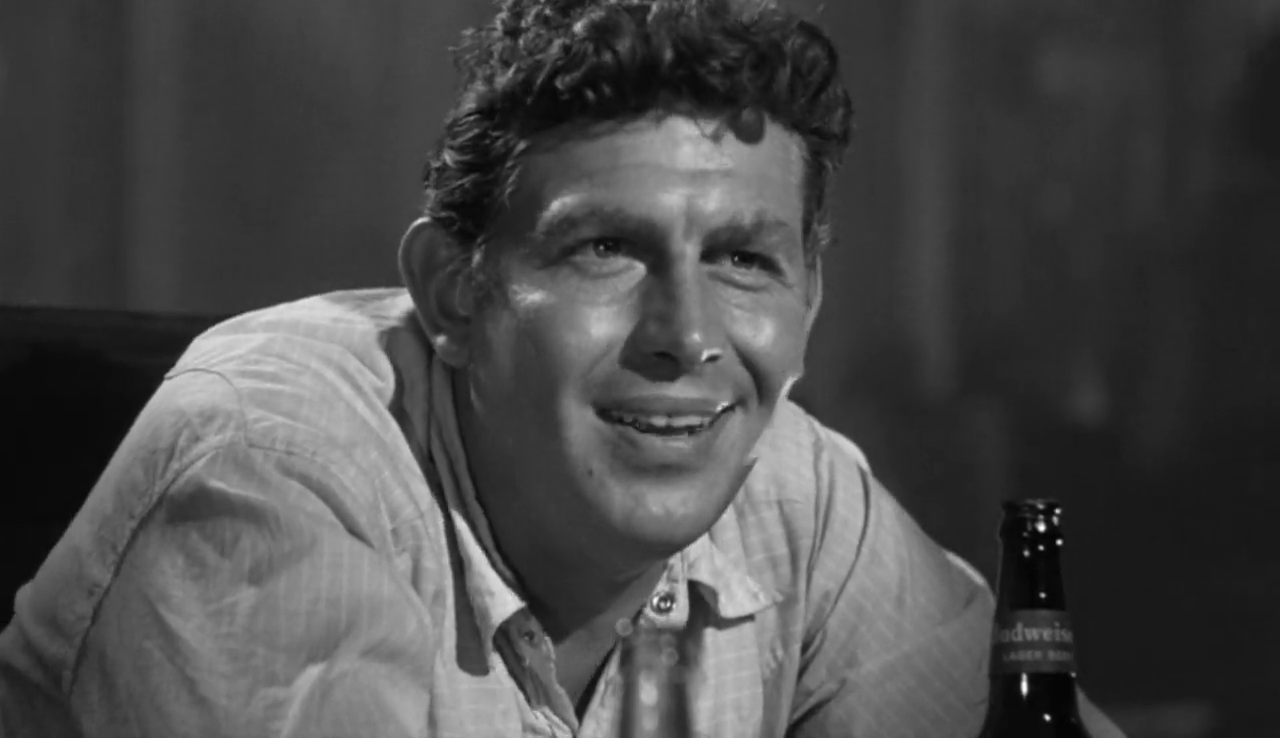
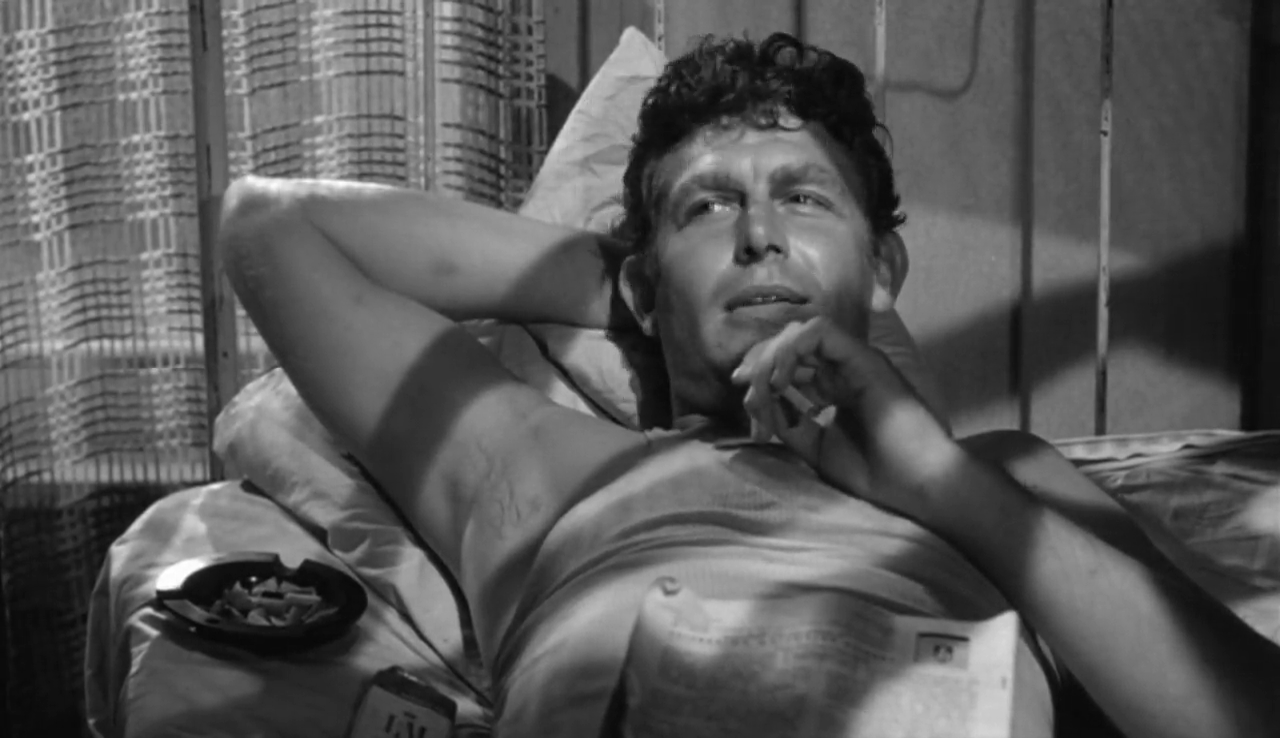
— but I find it more relevant to comment on Kazan’s memorable direction and Gayne Rescher and Harry Stradling’s consistently stark b&w cinematography. In his Alternate Oscars, Peary names Griffith Best Actor of the year for his role here, noting that his “Lonesome Rhodes is quite a shock, a perversion of the other two characters” he was known for at the time: a “harmless country boy” in No Time for Sergeants on Broadway, and his “easygoing sheriff in the long-running Andy Griffith Show.” He writes that “Lonesome is abrasive, ambitious, shrewd, and manipulative” — someone who “with unbridled energy and the right mix of superiority and humility, attempts to convince everyone around him that he is right”. He further notes that “when Lonesome expounds his conservative philosophy to redneck sycophants” he’s “creepy”, and that “when Lonesome has made a fool of himself on national television and no one shows up for his lavish dinner and he hugs the servants in an effort to get them to say they love him” he “is pathetic”.
Lonesome’s ultimate lesson (appropriately enough) is that “it really is lonely at the top”. Peary asserts it’s a good thing that Griffith never again played such a “monster” on-screen, given that no one “could stand to see or hear another Lonesome Rhodes” — but then again, life itself offers plenty such monsters to loathe… Redeeming Qualities and Moments:
Must See? Categories
Links: |
“What do you know about anything? You probably had your bread buttered on both sides since the day you were born.”
|
Synopsis: |
|
Genres, Themes, Actors, and Directors:
Review: Redeeming Qualities and Moments:
Must See? Categories Links: |
“You’re the prize in my box! And my box is this country. It’s all tinfoil on the outside, corn and sweetness on the inside.”
|
Synopsis: |
|
Genres, Themes, Actors, and Directors:
Review: Redeeming Qualities and Moments:
Must See? Categories Links: |
“I can’t wander all my life… I’ve got to be going somewhere!”
|
Synopsis: |
|
Genres, Themes, Actors, and Directors:
Review:
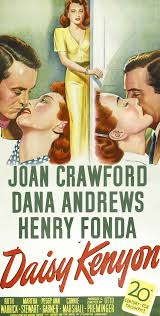
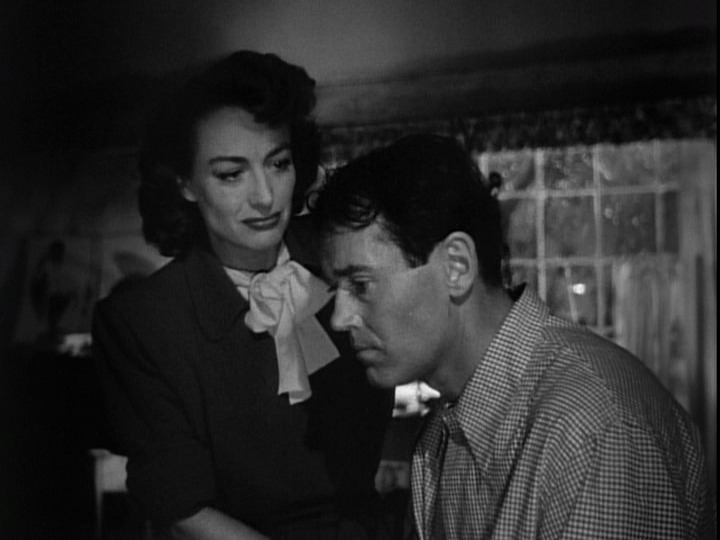
— but the film on the whole is not quite satisfying, with both characters and plot underdeveloped. Fonda’s character is meant to be an enigmatic (how in the world did he come into Daisy’s life, anyway?), psychologically damaged milquetoast, with the ultimate result that he’s little less than a foil for Andrews’ unappealing womanizer.
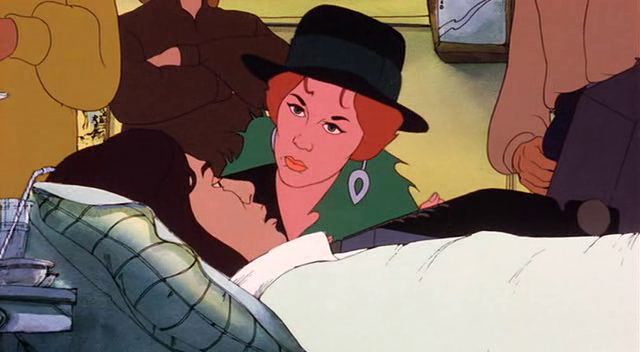
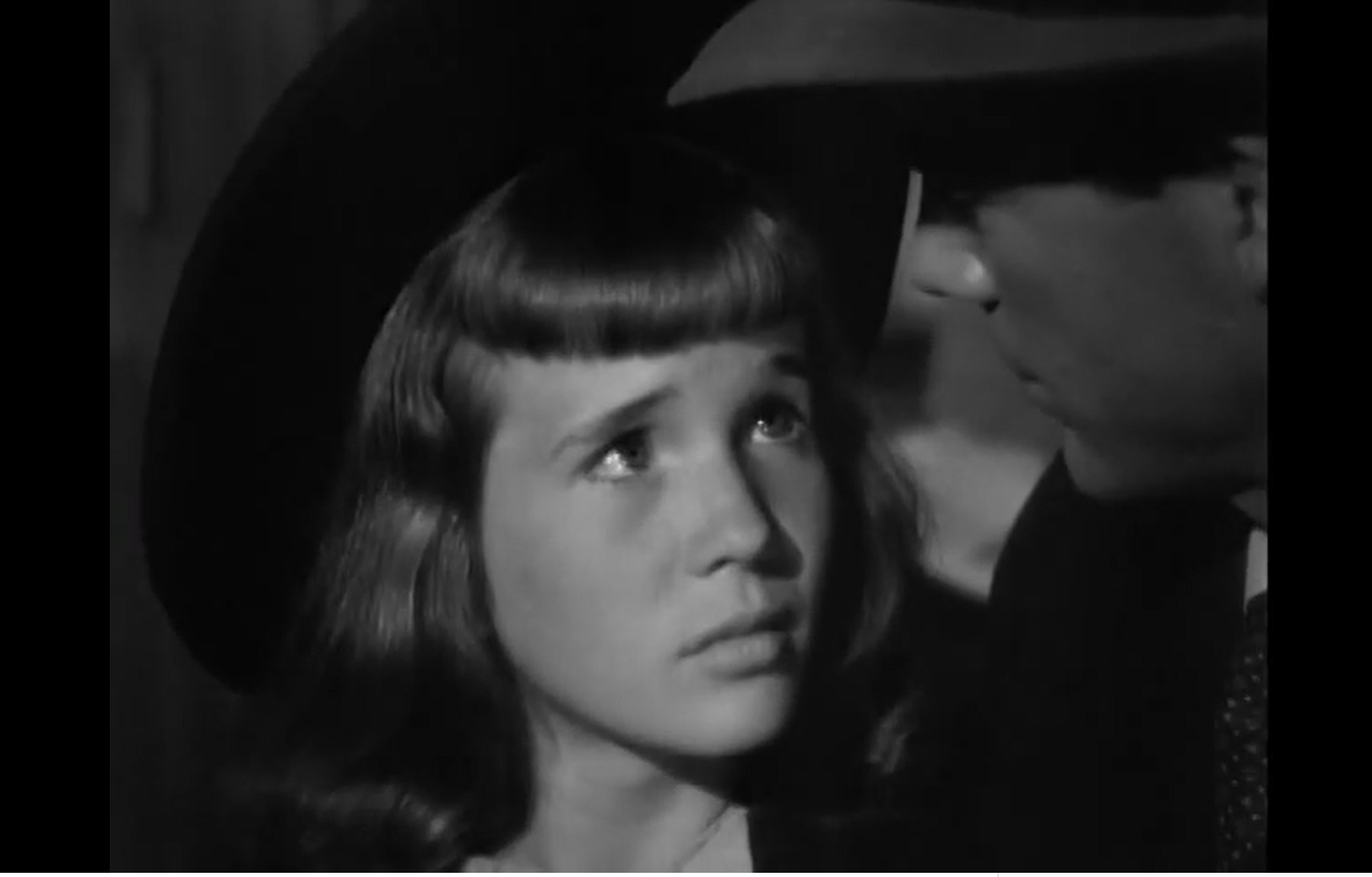
A critical subplot about Warrick’s abusive treatment of Marshall (who looks appropriately traumatized):
… is the most intriguing element of the screenplay, but is glossed over. Apparently the film now holds a minor cult following, with DVD Savant writing that it is “dramatically and emotionally satisfying” and “easily one of Preminger’s best efforts” — but I can’t really agree. Redeeming Qualities and Moments:
Must See? Links: |