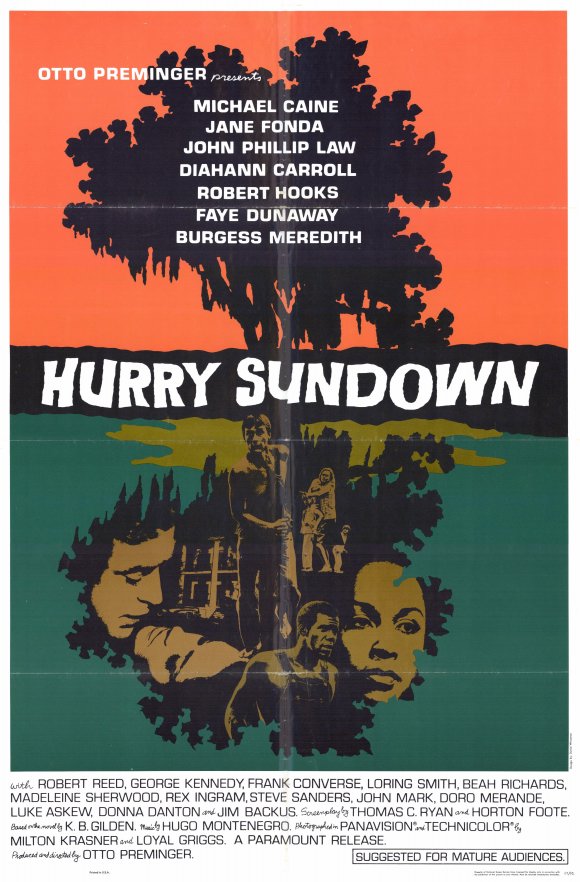
Hurry Sundown (1967)
“Land lasts: you take care of it, and it’ll take care of you.”
|
Synopsis: |
|
Genres, Themes, Actors, and Directors:
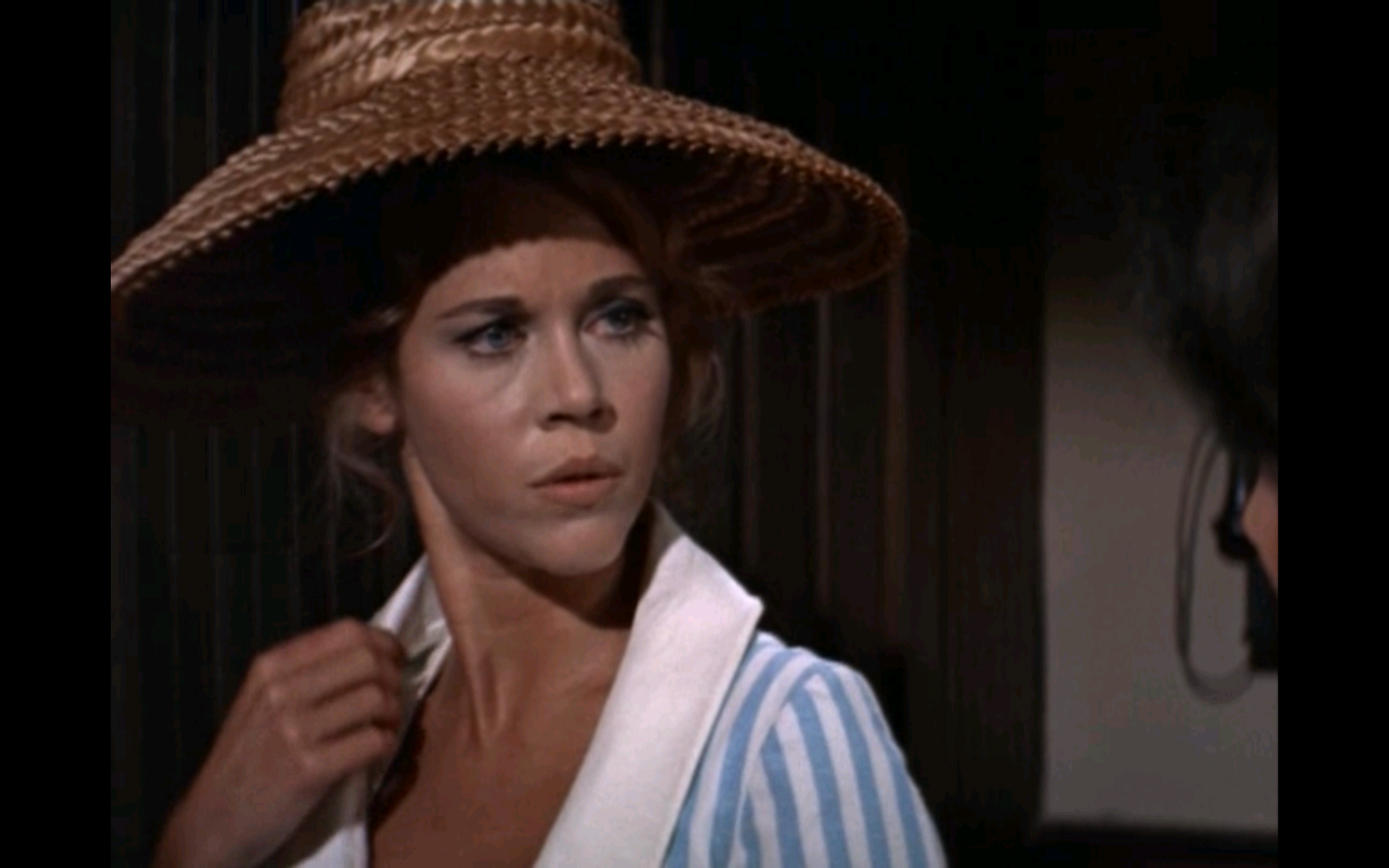
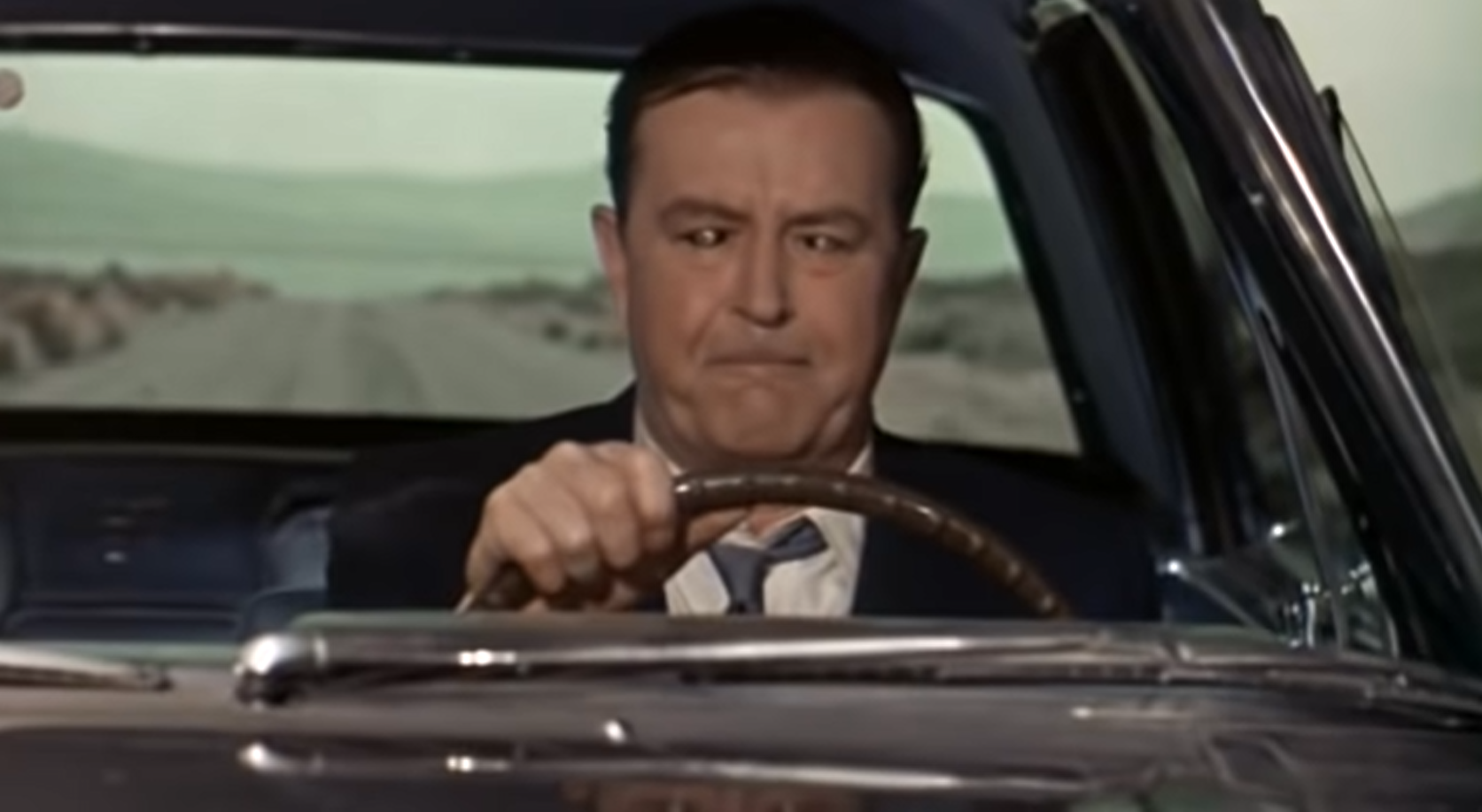
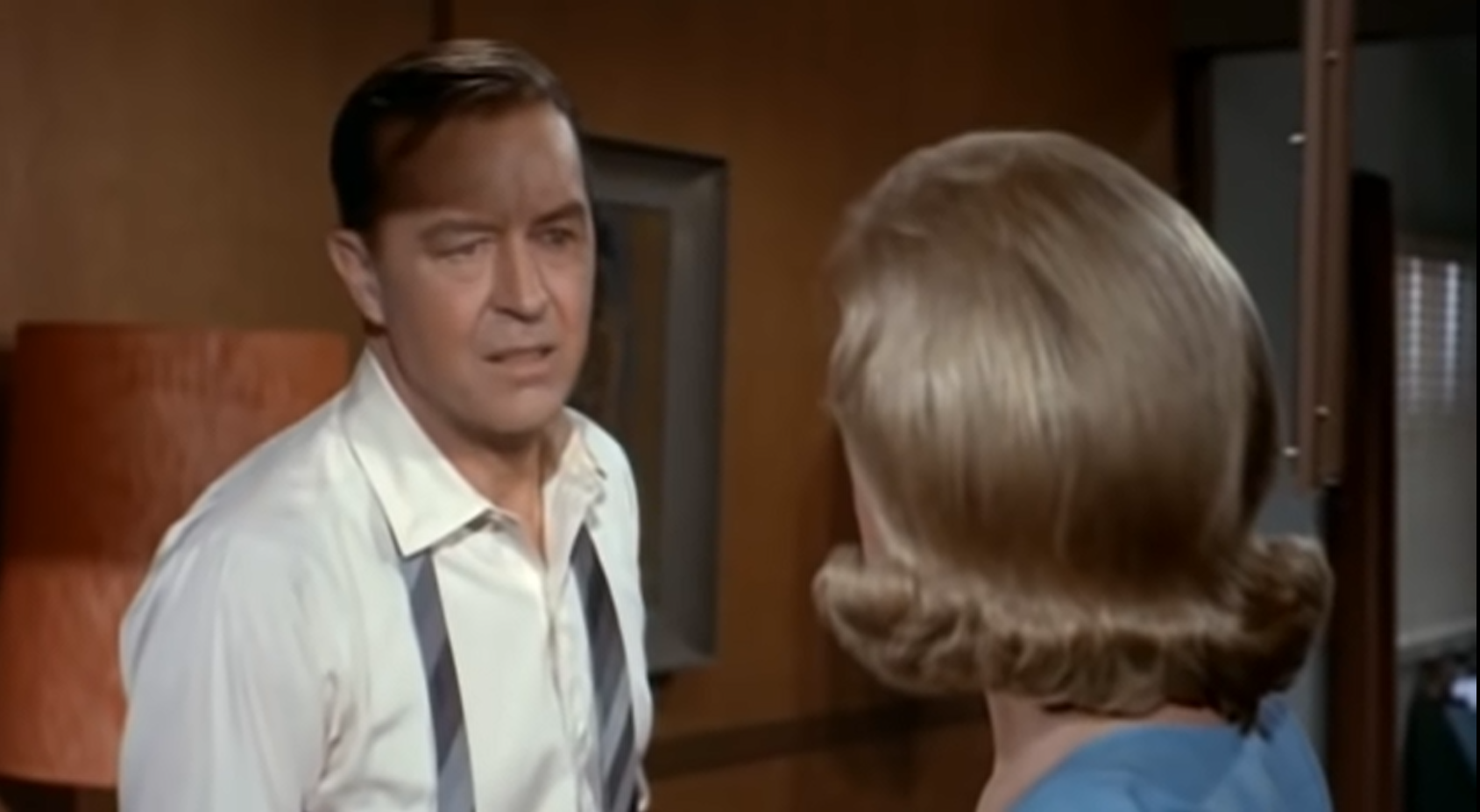
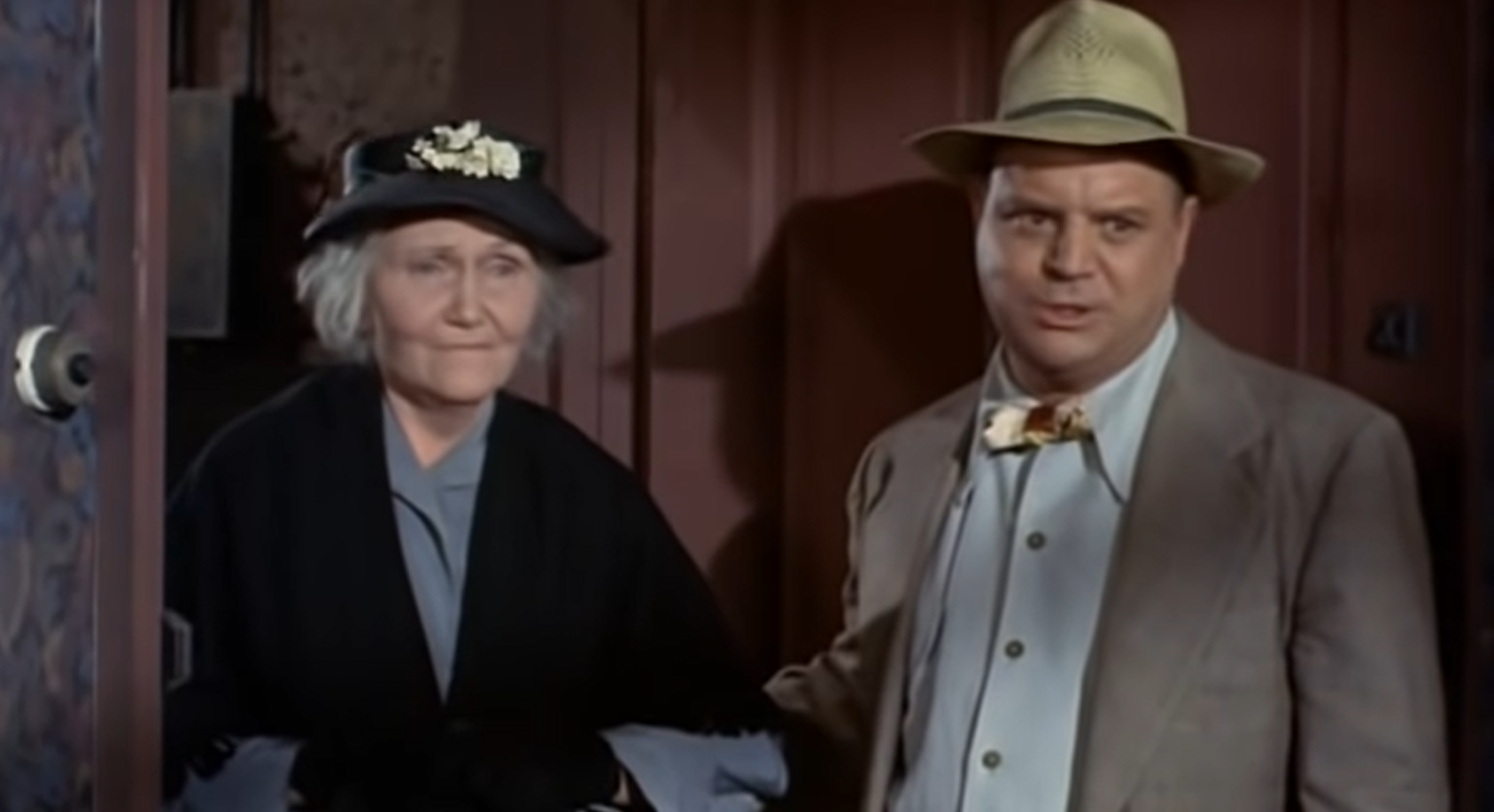
Review: Interestingly, the film itself is not really as bad as its reputation warrants — and its inclusion in the Medved brothers’ The Fifty Worst Films of All Time (1978) seems highly suspect. By focusing on the intersecting fates of three “representative” southern households — one white and monied, one white and poor, one black and poor — the film does make (perhaps unintended) “statements” about class and race in the South, but the primary characters themselves are reasonably nuanced (though not all are provided with enough screentime for full development). Most impressive is Jane Fonda, giving a compelling performance in a pivotal role as an unhappily married woman forced to confront her husband’s deception and malpractice; the film eventually becomes her story, and she does a fine job investing viewers in the discomfort of her character’s increasing cognitive dissonance. Diahann Carroll is also noteworthy in a small role that should have been fleshed out more fully. However, the film most definitely has its share of “bad movie” moments and performances. Both Burgess Meredith as a bigoted lawyer and George Kennedy as a buffoonish sheriff are laughably one-dimensional; Caine’s southern accent falters a bit too often (though he IS, naturally, believable as a caddish heel); and Richards (in a tiny, underdeveloped role) gives a sensitive, heartbreaking performance — up until the moment her heart LITERALLY “breaks”, and she melodramatically pantomimes an attack. Meanwhile, Fonda and Caine’s emotionally disturbed son (John Mark) is never convincing (nor is the lame back-story attempting to explain why he suddenly “became” the way he is), and a number of essential plot elements — such as Law’s unconvincing friendship with Hooks (why does he slip in and out of bigotry?) — are handled sloppily. Finally, Hugo Montenegro’s energetic film score is ultimately inappropriate (it sounds better suited for a western), and egregiously misused at times. With all that said, this is one you’ll have to watch for yourself to determine whether you consider to be an entirely skippable clunker, or a flawed but well-intentioned and occasionally compelling misfire. Redeeming Qualities and Moments:
Must See? Links: |