Rififi (1955)
“For a job with you, he’ll come.”
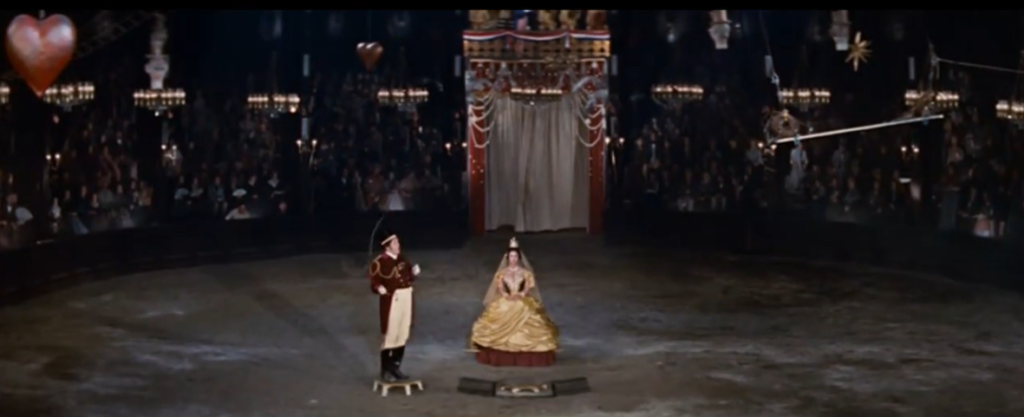
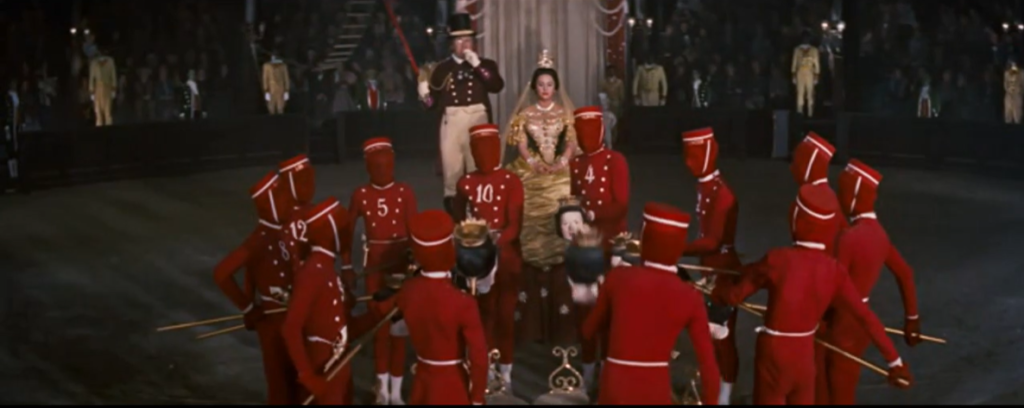
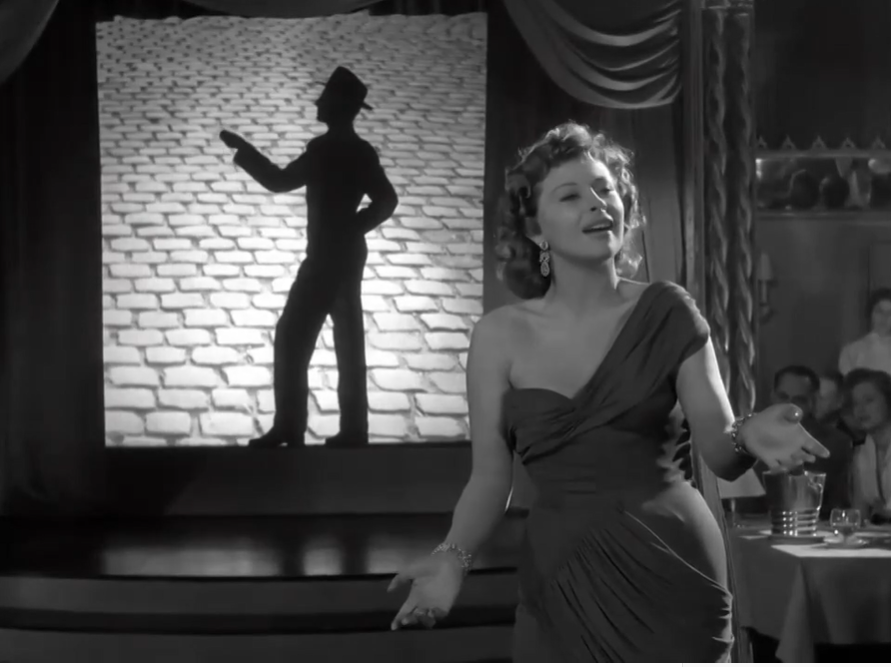
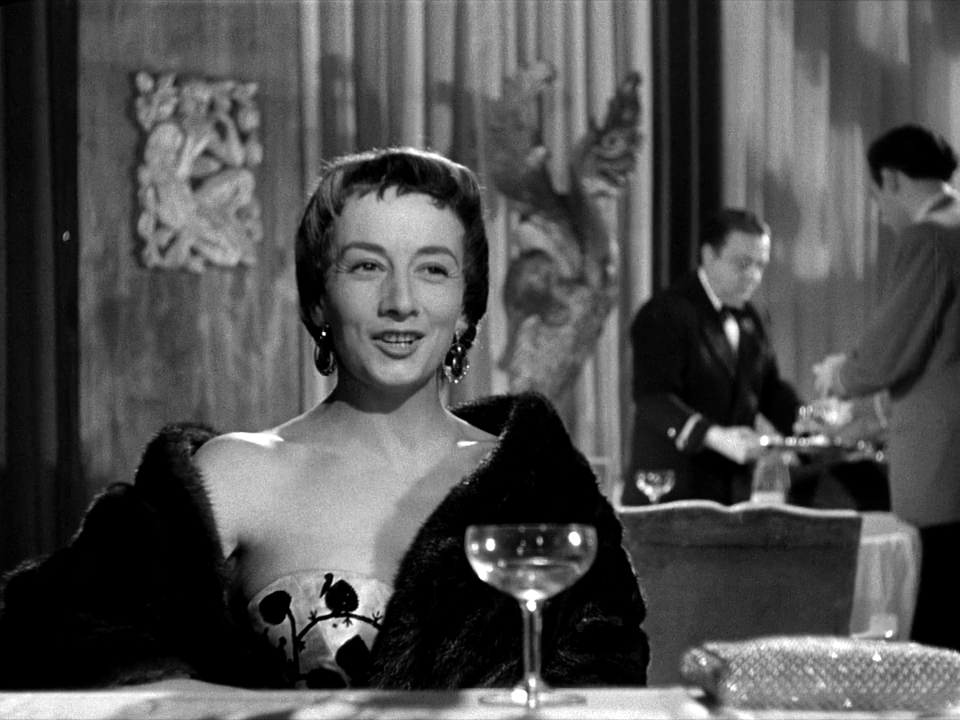
“Wanting to make a name for herself, Lola understood that keeping a good reputation was out of the question. Rumors, scandals, passion – that’s what she chose in order to create a sensation.”
|
Synopsis: |
|
Genres, Themes, Actors, and Directors:
Response to Peary s Review: Drawing from his lengthier analysis of the film in his Cult Movies book, Peary goes on to write that:
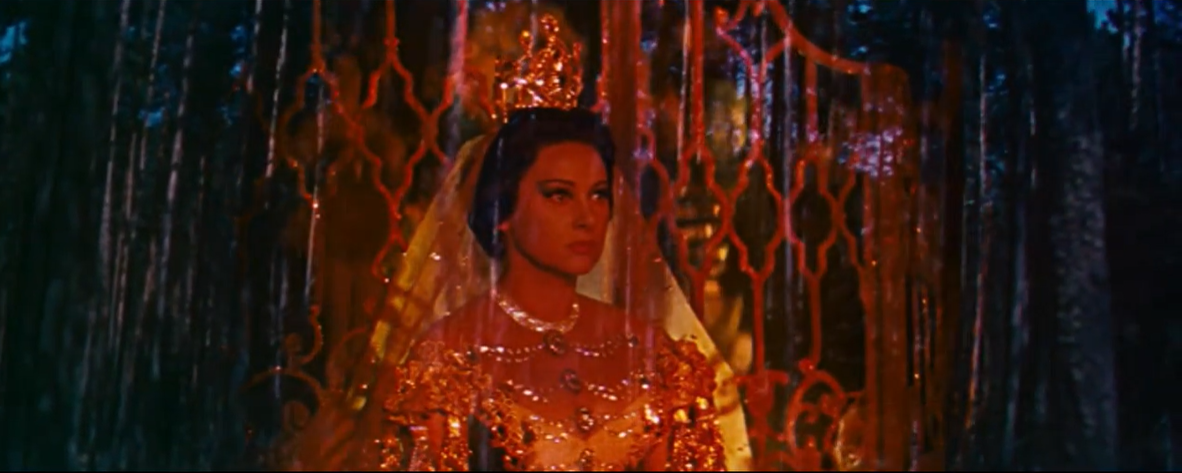
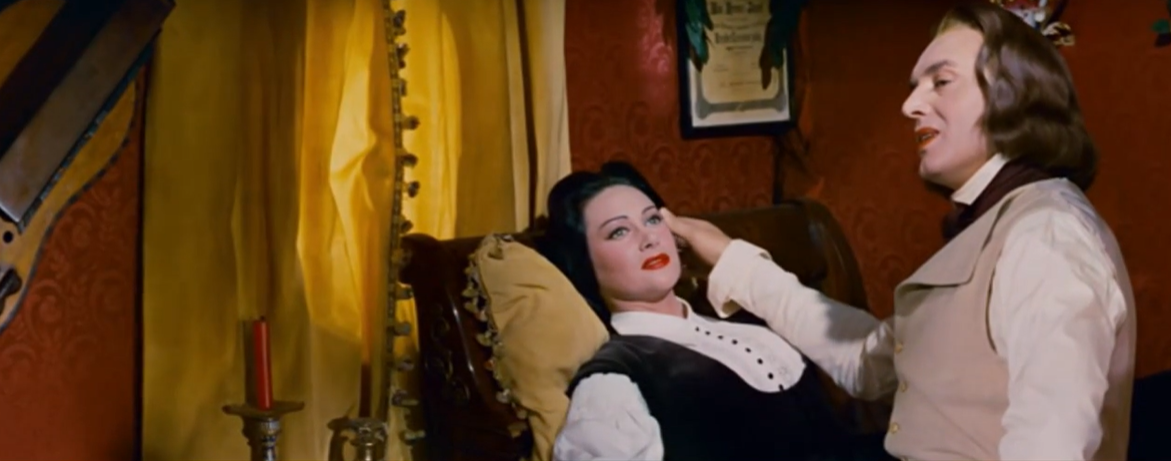
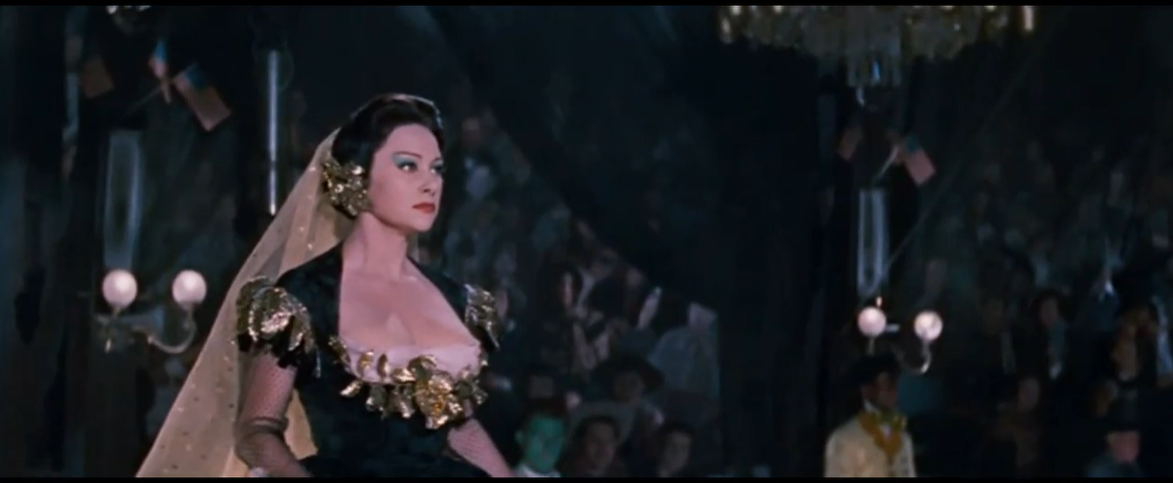
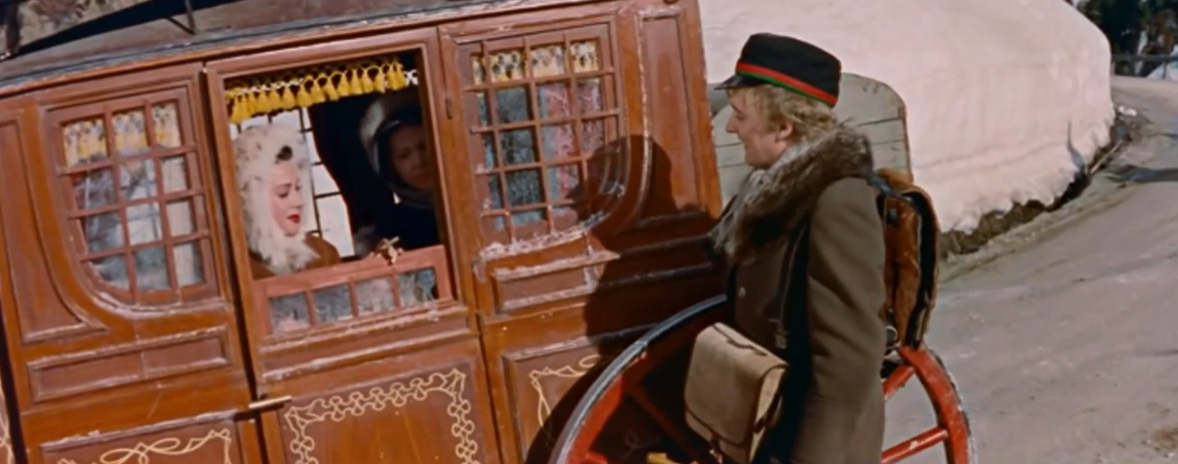
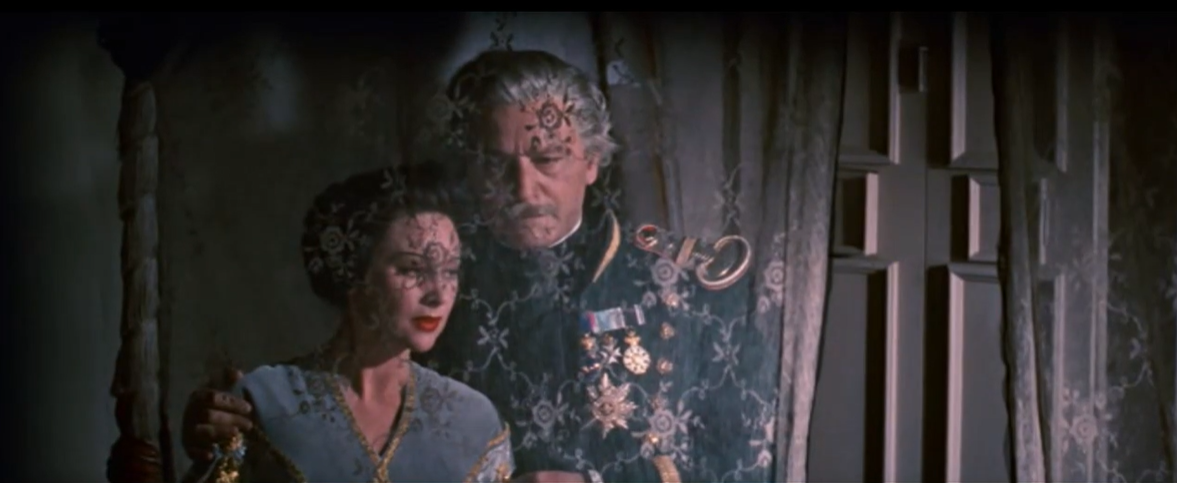
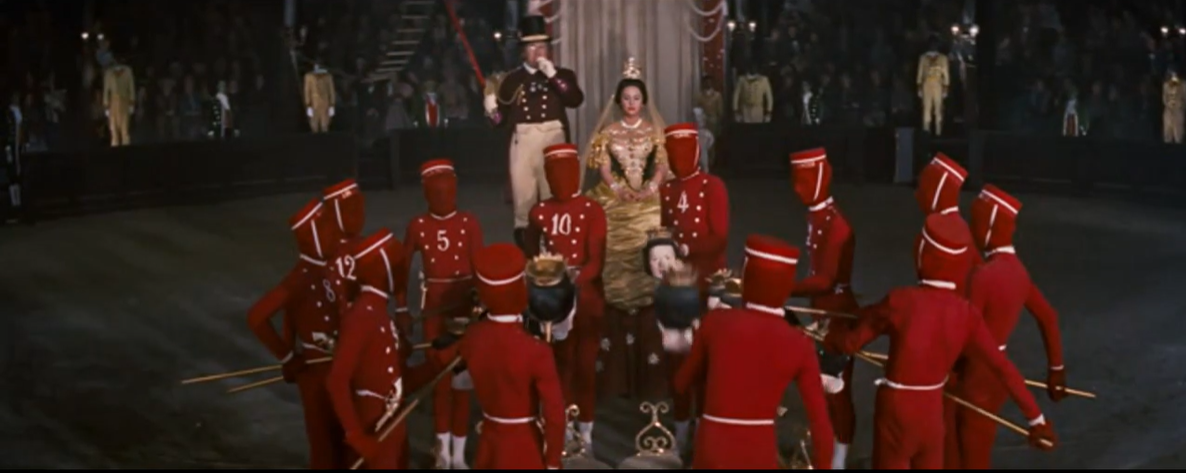
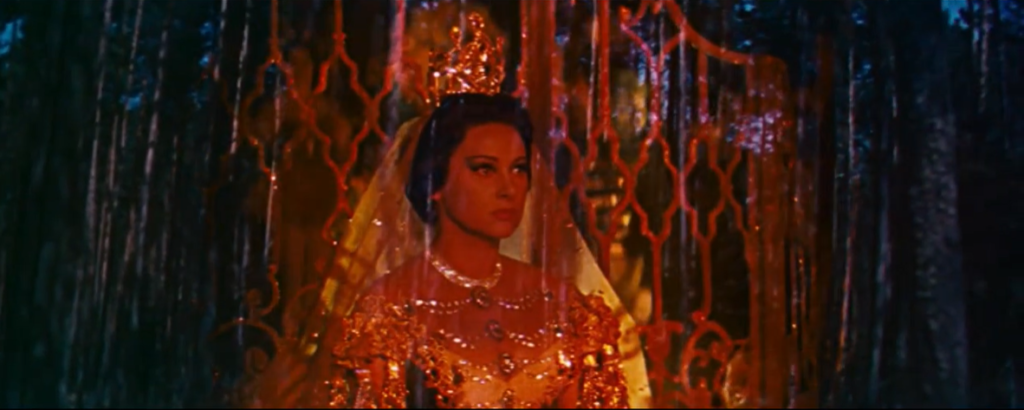
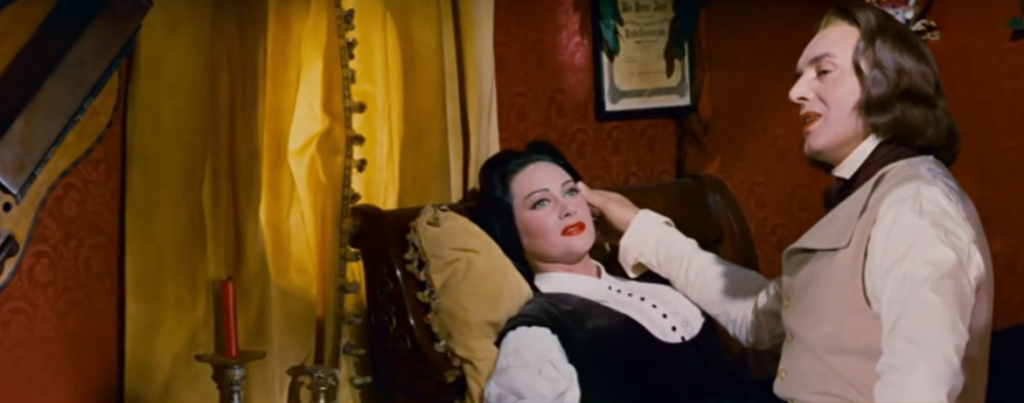
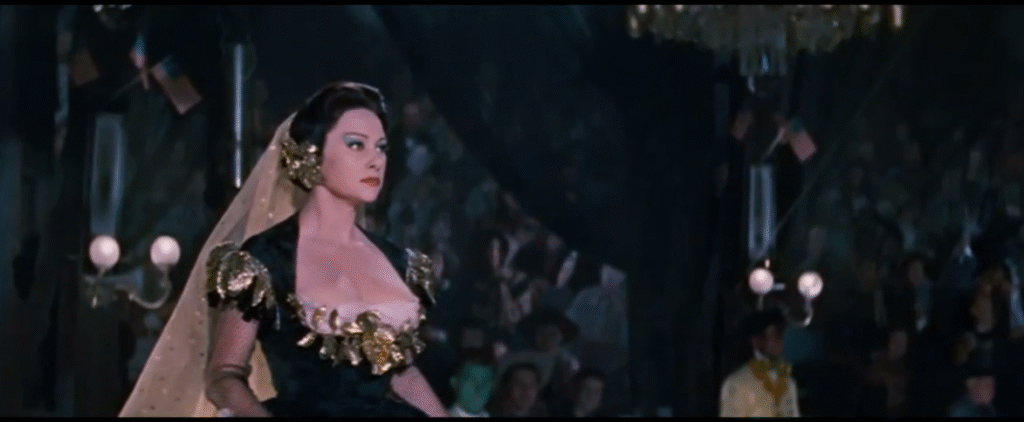
Peary adds, “[Lola] refuses to protect herself from heartache because she believes in living and loving with intensity. Time is Lola’s emotional domain. She is, in fact, a product of her past — her memories are bittersweet at best, but they remain an integral part of her (she remembers every affair.)” Peary notes, however, that while “Ophüls’s last film is a rich, beautifully designed, scored, and photographed work,” there “are lapses in the script and problems with some characters.” He concedes that “Carol is exciting at rare moments, as in the scene when Lola seduces Liszt”: … “but mostly she is bland and unable to project the inner beauty that men sense immediately in Lola.” He points out that the film was “photographed by Christian Matras, whose camera constantly moves to emphasize the shifts and uncertainties in Lola’s life.” In his Cult Movies essay, Peary concludes by writing, “I don’t agree with the high assessment given the film by [Andrew] Sarris and others, but Lola Montes does reveal Ophüls’s genius with the camera and for set design, and gives insight into his unique vision of women” — which “are reasons enough for it to be seen several times.” I concur. Notable Performances, Qualities, and Moments: Must See? Categories
(Listed in 1001 Movies You Must See Before You Die) Links: |
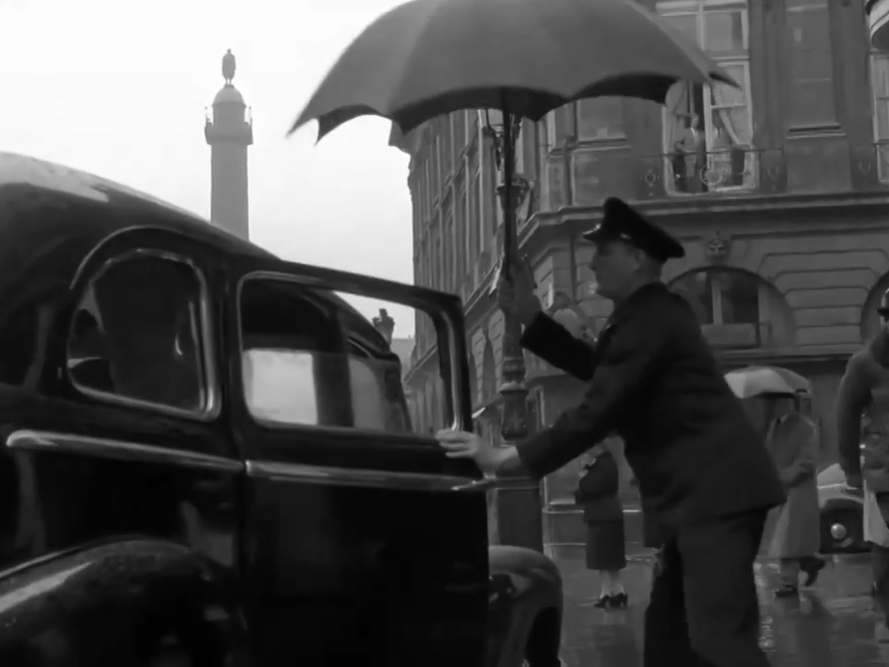
“Locks are like pretty dames: to know ’em, you’ve gotta work with ’em.”
|
Synopsis: |
|
Genres, Themes, Actors, and Directors:
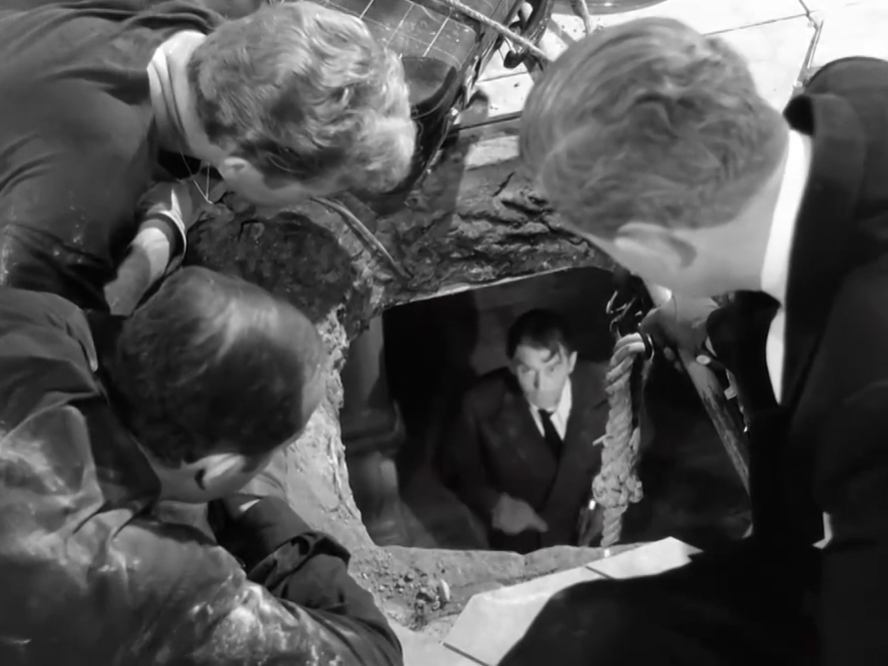
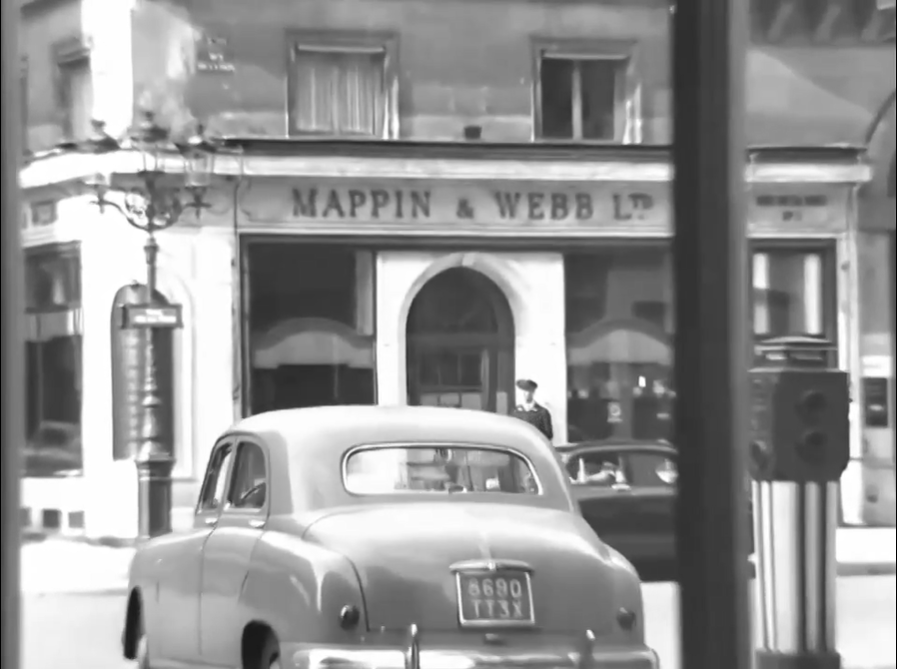
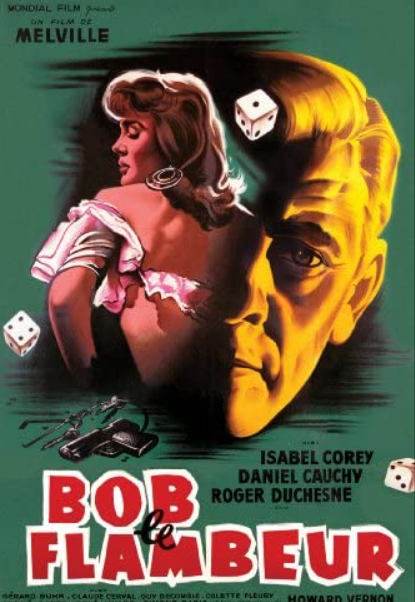
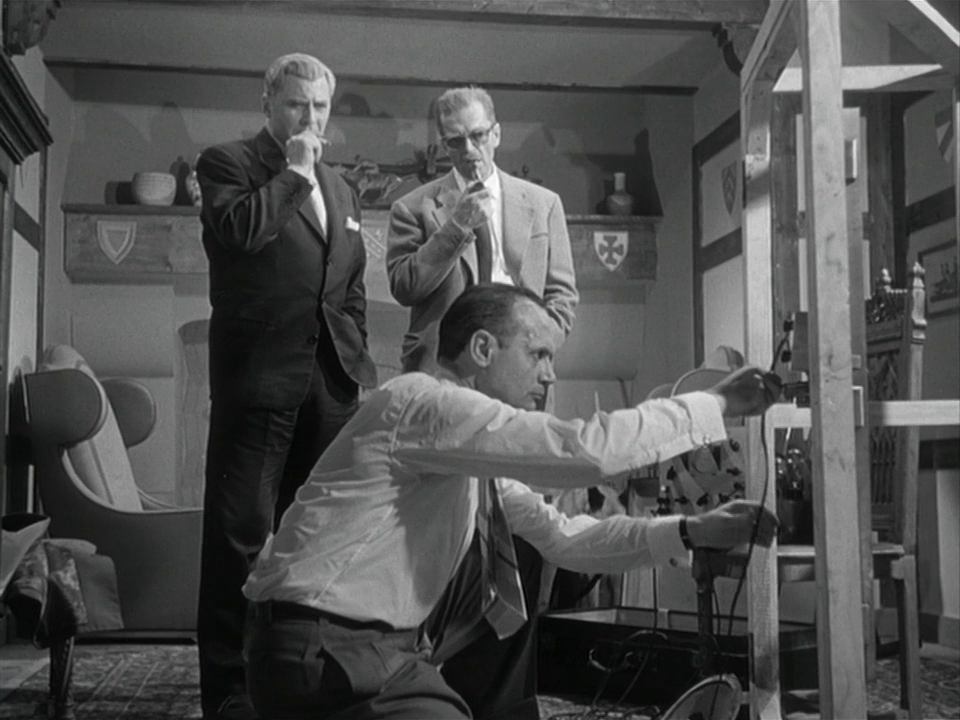
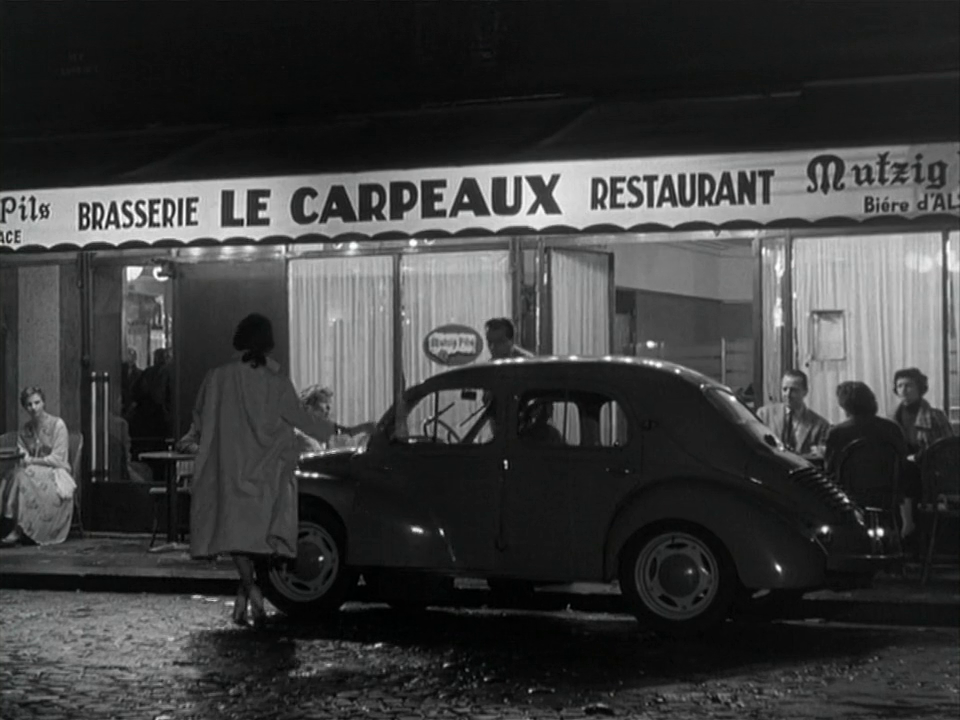
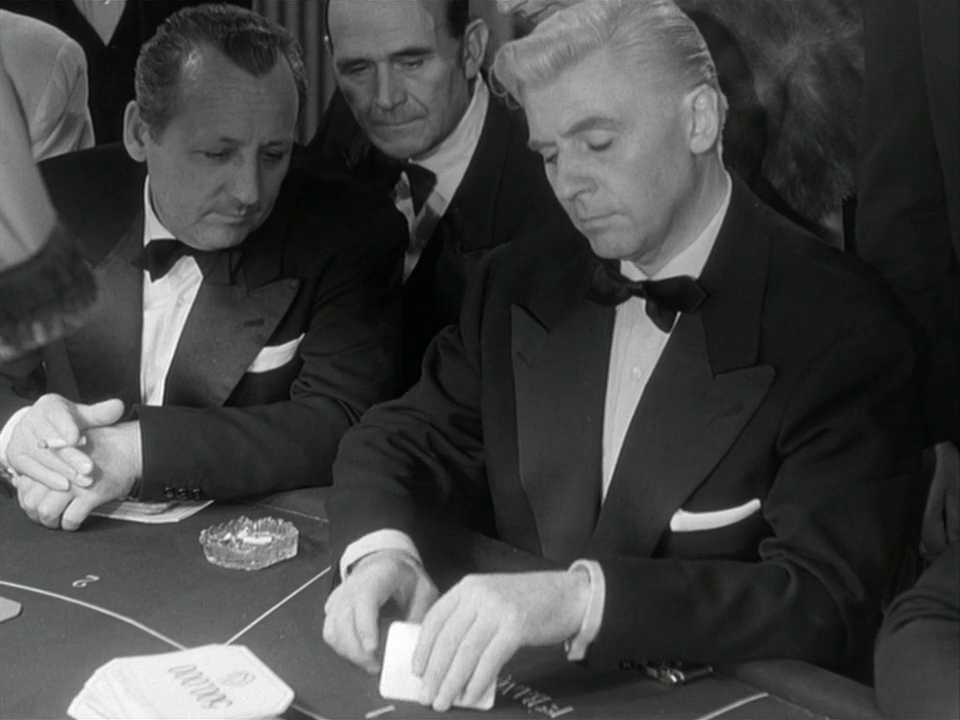
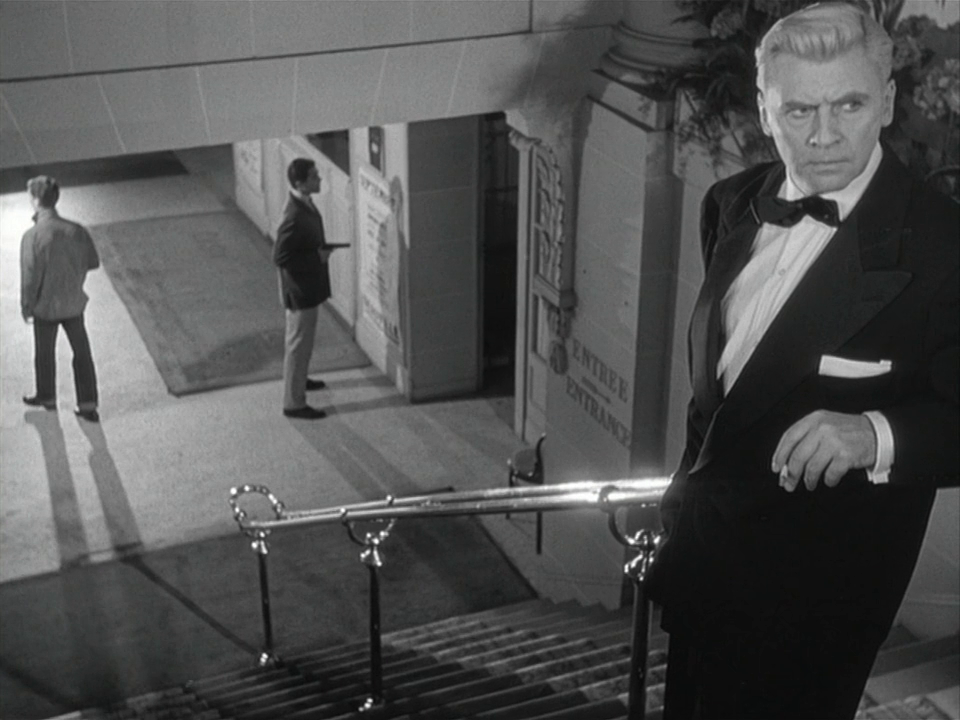
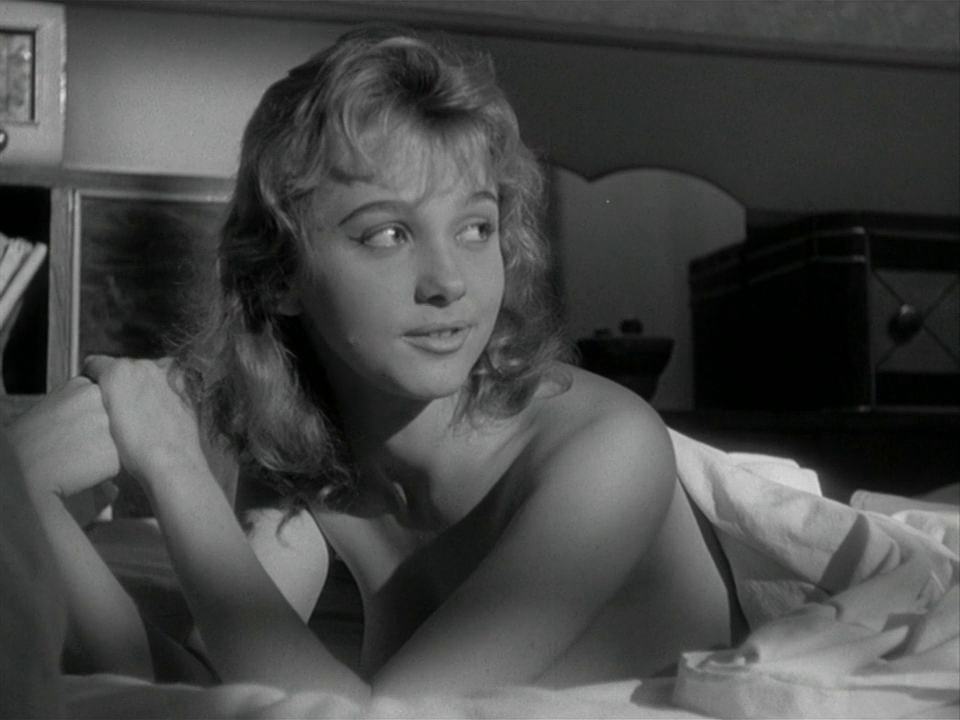
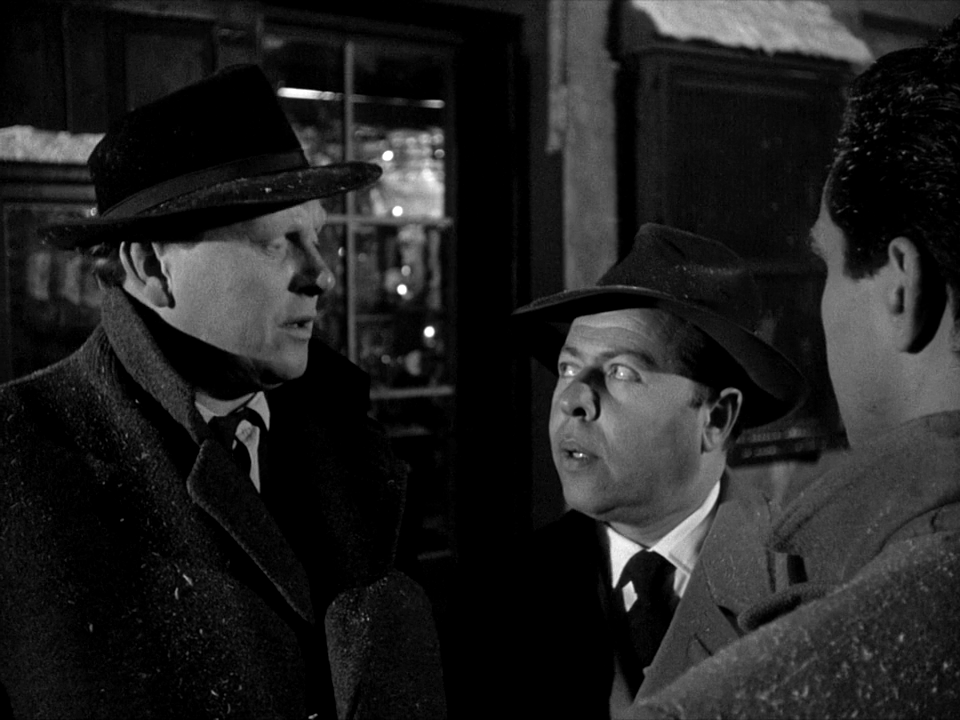
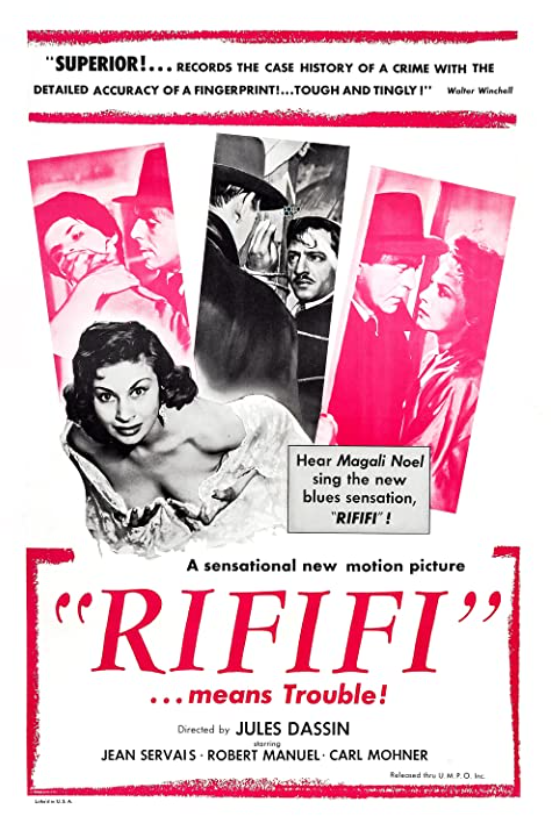
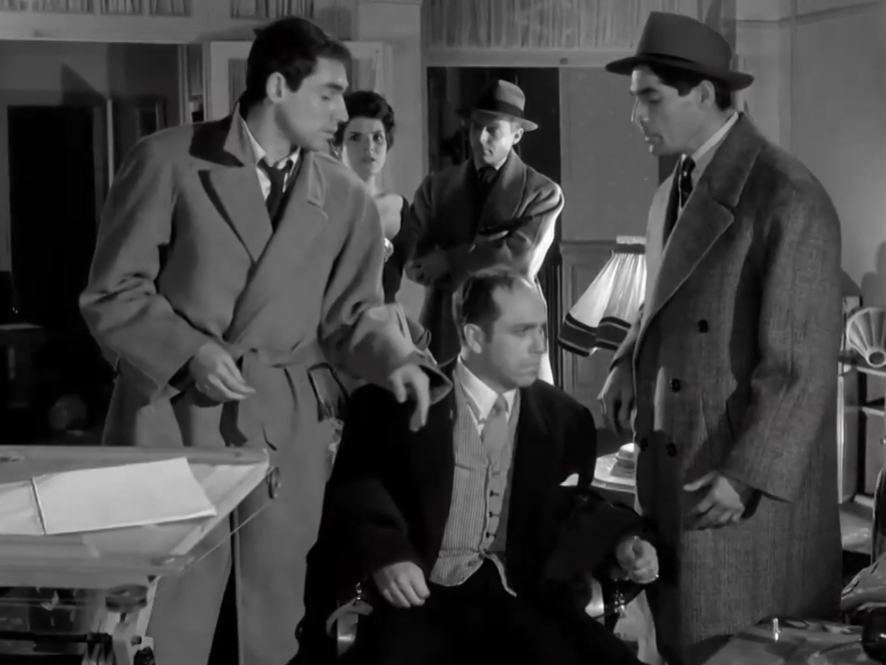
Response to Peary s Review: Indeed, the crime itself only takes up the final third of the movie — and even then it doesn’t proceed anything like planned. Instead, primary focus is placed on how “wives and lovers of the men foil the plot because of greed or indifference”: … with “the one good female” in the film being “Bob’s bartender friend.” Peary asserts that “Melville’s picture neither looks nor feels like any other caper film,” given that the “floating camera gives the visuals a ‘poetic’ quality”: while “we worry about Bob,” the “picture is so easygoing that we have a chance to enjoy the sights as he drives through the wide streets of Montmarte.” Peary concludes by pointing out that the “picture has interesting characters, smart dialogue, [and] several truly unusual scenes, including the off-the-wall finale.” I’m in agreement with Peary’s overall assessment of this film, which has held up well and remains engaging throughout. Peary doesn’t include a few other highly regarded Melville films — including Le Samourai (1967), Army of Shadows (1969), and Le Cercle Rouge (1970) — in his GFTFF, so I may visit them as potential Missing Titles at some point. Notable Performances, Qualities, and Moments: Must See? Categories
(Listed in 1001 Movies You Must See Before You Die) Links: |
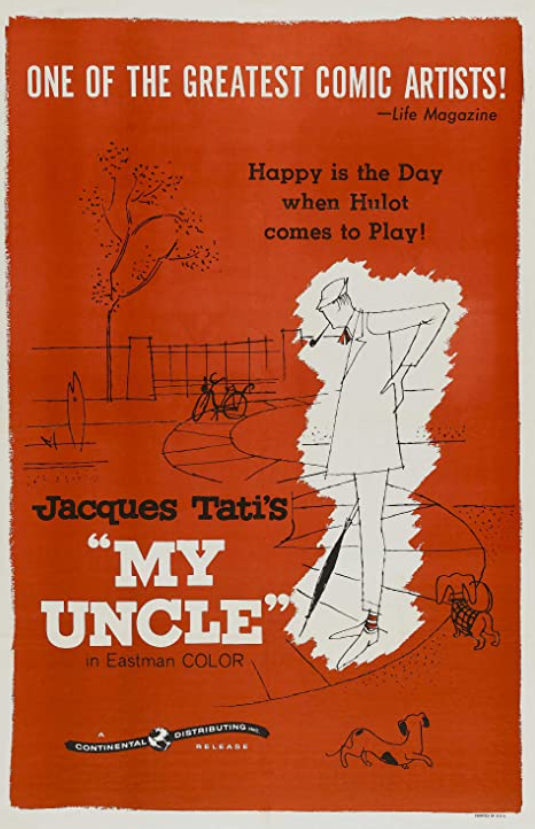
“It’s always his uncle! Not a good example in the least.”
|
Synopsis: |
|
Genres, Themes, Actors, and Directors:
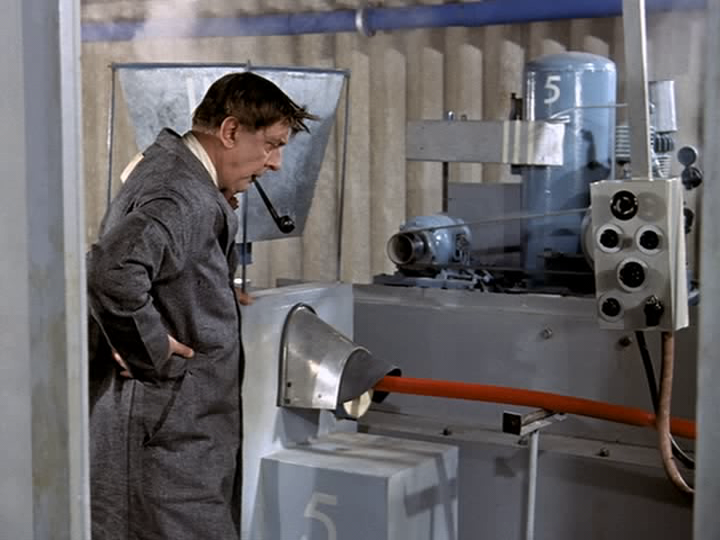
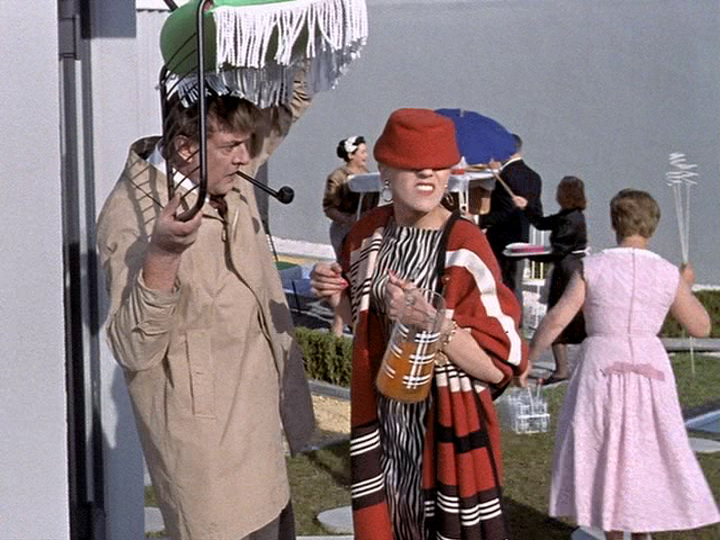
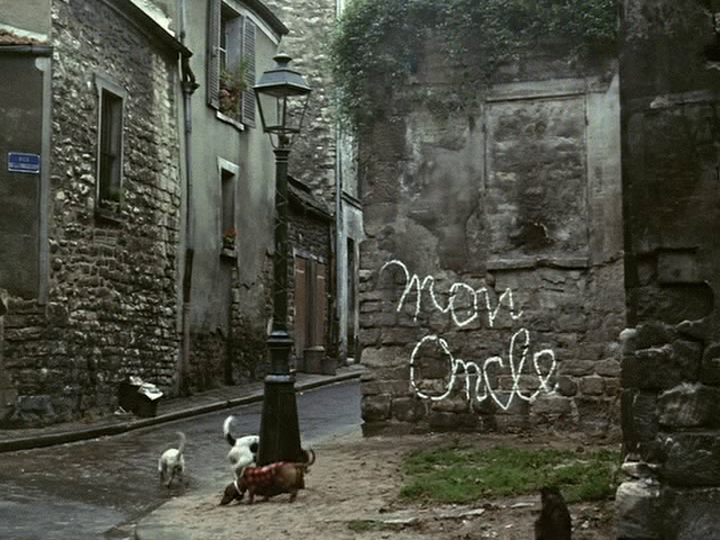
Response to Peary s Review: … though it’s “not on the level of Mr. Hulot’s Holiday because Hulot himself doesn’t provide enough of the humor.” He adds that “what is funny is the pretentious, ultra-modern house that belongs to Hulot’s sister’s family”: … which is “full of the ugliest, most twisted, most uncomfortable-looking furniture imaginable — Hulot must turn the couch on its side in order to nap on it.” He notes that “the kitchen is mechanized” and “there is a high gate around the yard so everyone must use the terrible-sounding buzzer to be let in” — but “as soon as the missus hears the buzzer, she pushes another button which causes her hideous fish-fountain to start spouting water high into the air,” which is “supposed to impress visitors.” Peary asserts that the “picture’s highlight is a garden party where Hulot is just one of the ridiculous guests.” He concludes his review by noting that “there is little dialogue throughout — Hulot says nothing — just many visual gags, which are a bit repetitious,” and “like most Tati films, this drags towards the end.” I agree. I’m not a Tati fan, and struggle to comprehend the appeal of his meticulous work. Film fanatics will likely be curious to check this one out given that it won an Oscar as Best Foreign Film of the Year (and is seen by some as Tati’s masterpiece), but I don’t consider it must-see. Notable Performances, Qualities, and Moments: Must See? (Listed in 1001 Movies You Must See Before You Die) Links: |
“The liberal doesn’t want a grown up African.”
|
Synopsis: |
|
Genres, Themes, Actors, and Directors:
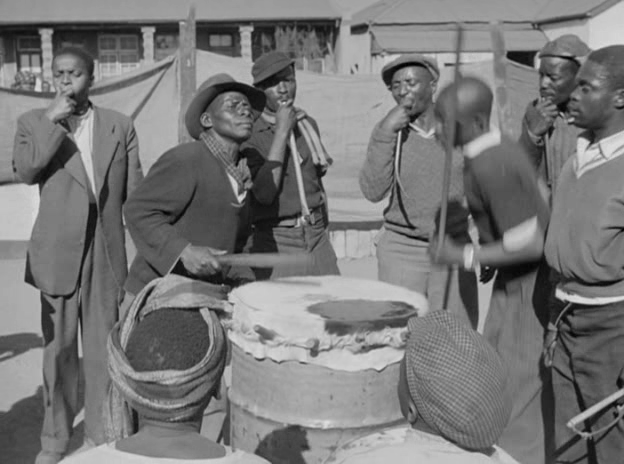
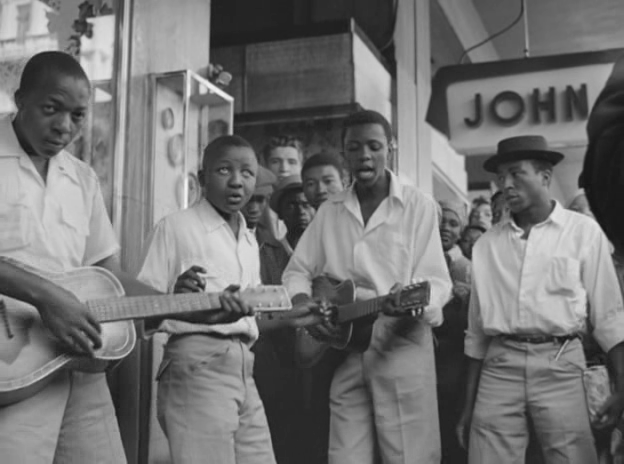
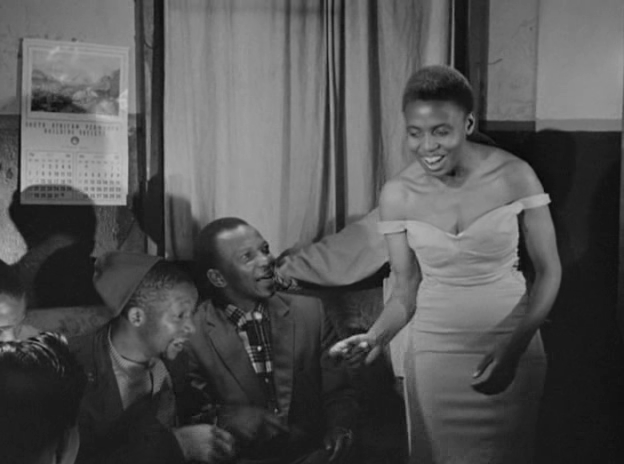
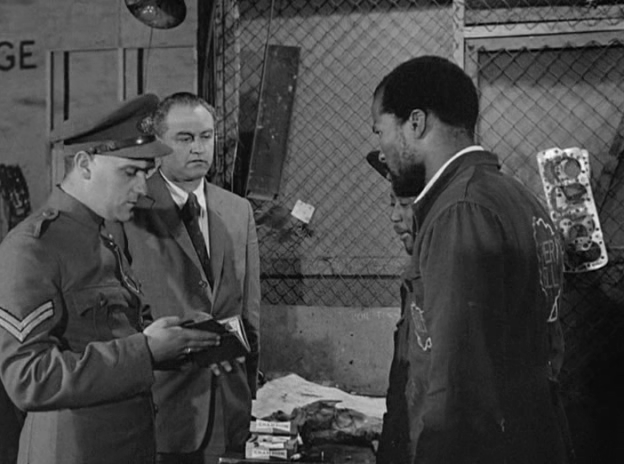
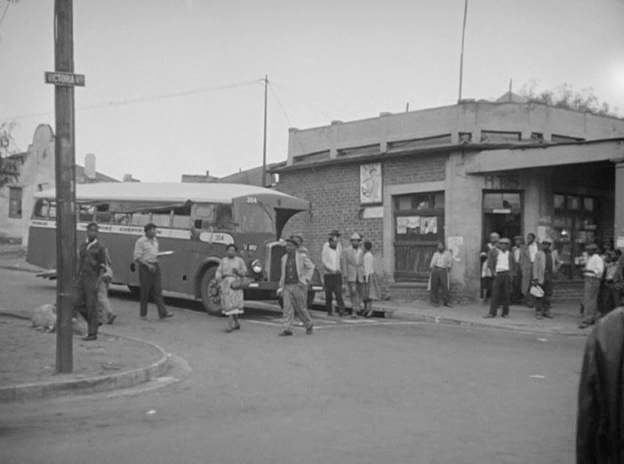
Review: Director Lionel Rogosin — influenced specifically by Italian neo-realists and Robert Flaherty’s work — wanted to make a “docufiction” film, but told a number of cover stories to people he encountered in order to get this done, primarily insisting he was making a musical (which accounts for the many scenes of various musicians, including the appearance of Miriam Makeba just before she reached international fame): The dominant theme of the film, however, is of Mgabi’s unsuccessful attempts to find and keep any kind of steady employment. We see his terrible mistreatment at the hands of a bigoted white housewife (Myrtle Berman, who in real life was an anti-Apartheid activist): … and his short-lived attempts at working as a garage attendant, a waiter, and a laborer. Life is cruel and dehumanizing for Blacks in this setting, and the culminating scene merely brings this home with a sickening punch. While the storyline and acting are as amateur as you might expect from a low-budget venture like this, it remains worth a look simply for the glimpse it provides of a certain hidden era in history. Notable Performances, Qualities, and Moments: Must See? Categories
Links: |

“You’re a fool — but not a silly fool. And I’m not ungenerous.”
|
Synopsis: |
|
Genres, Themes, Actors, and Directors:
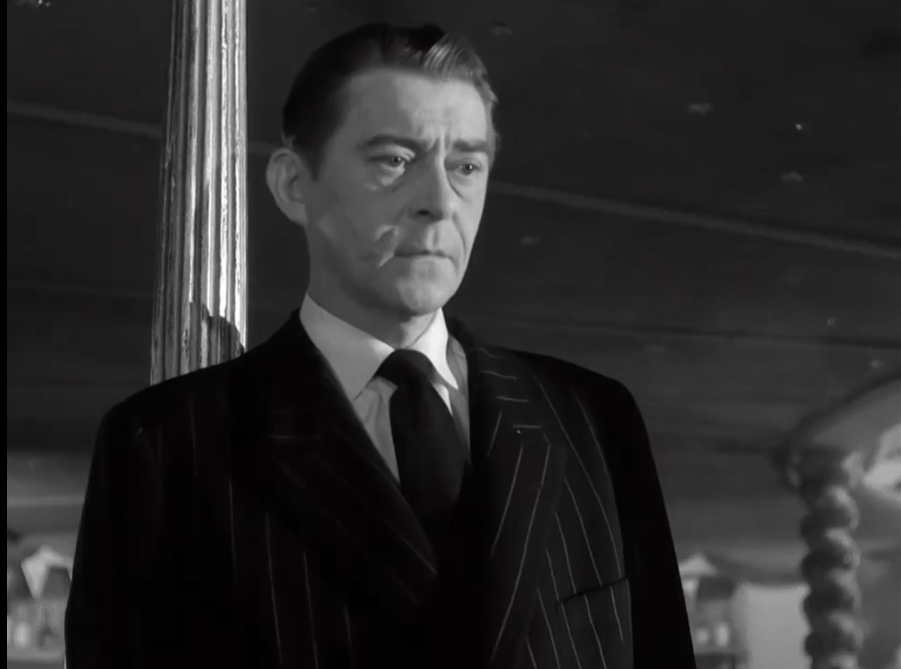
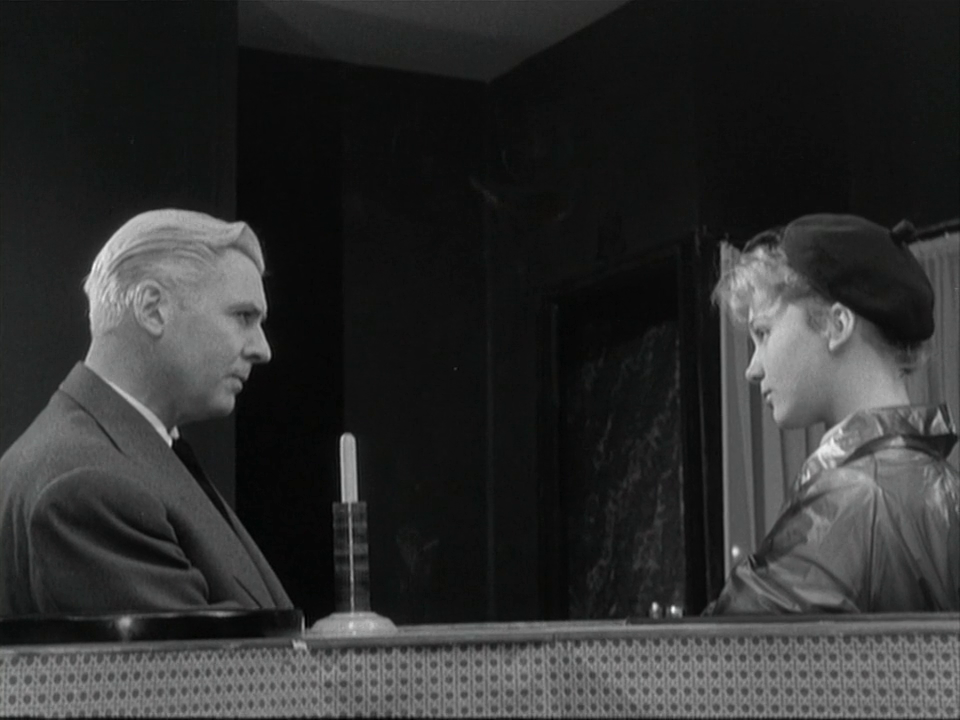
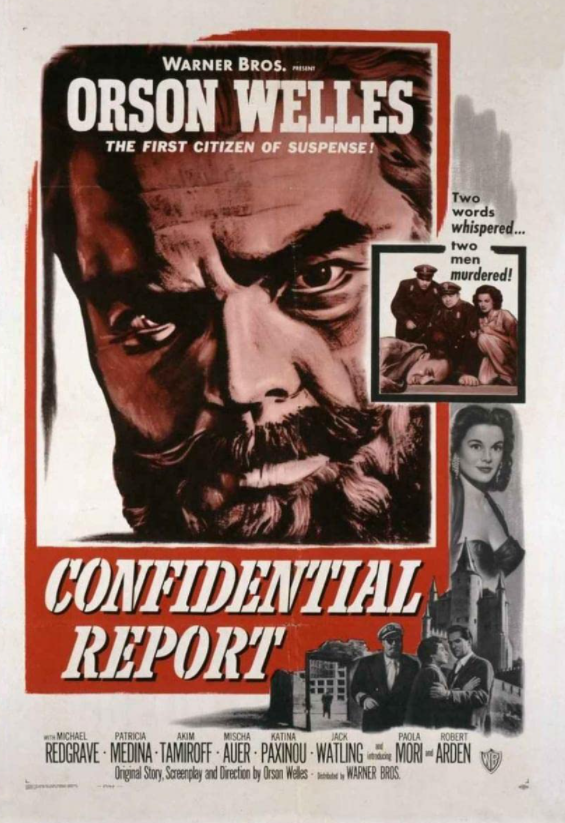
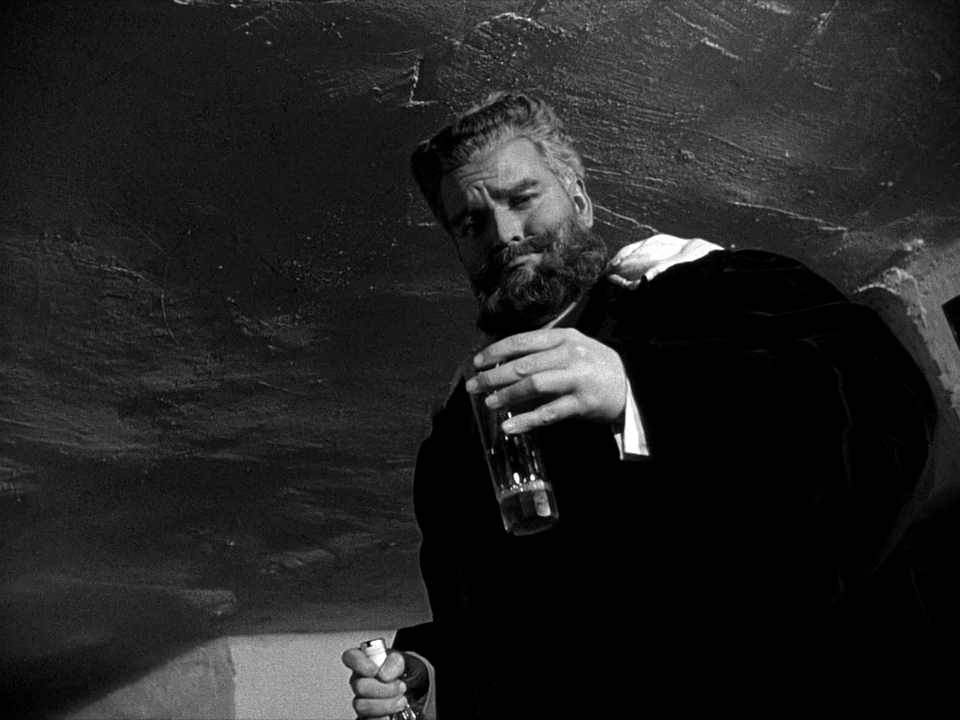
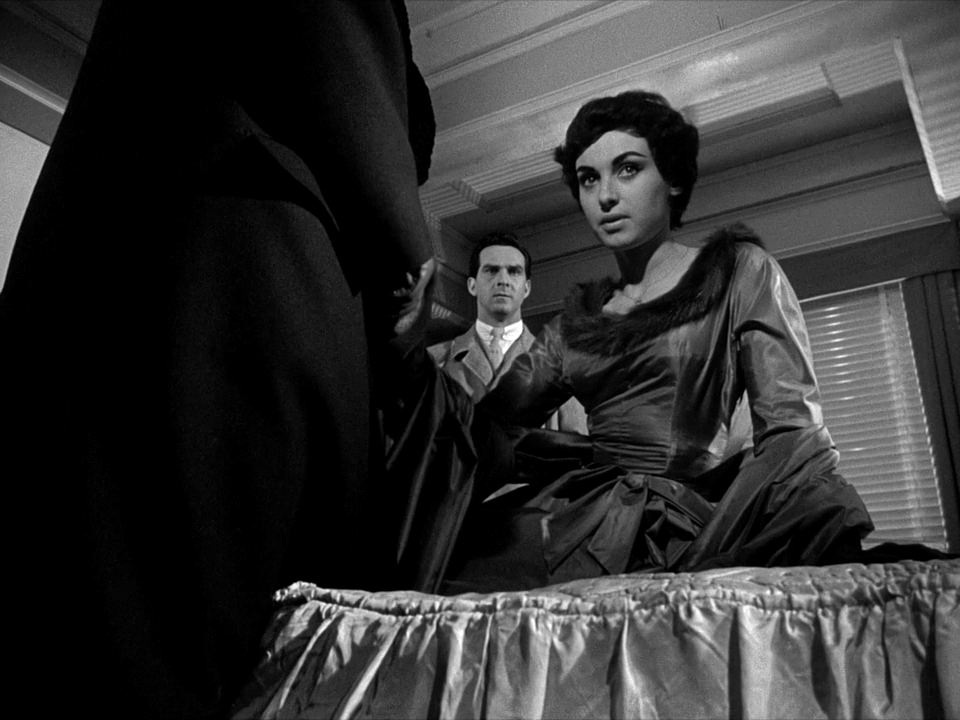
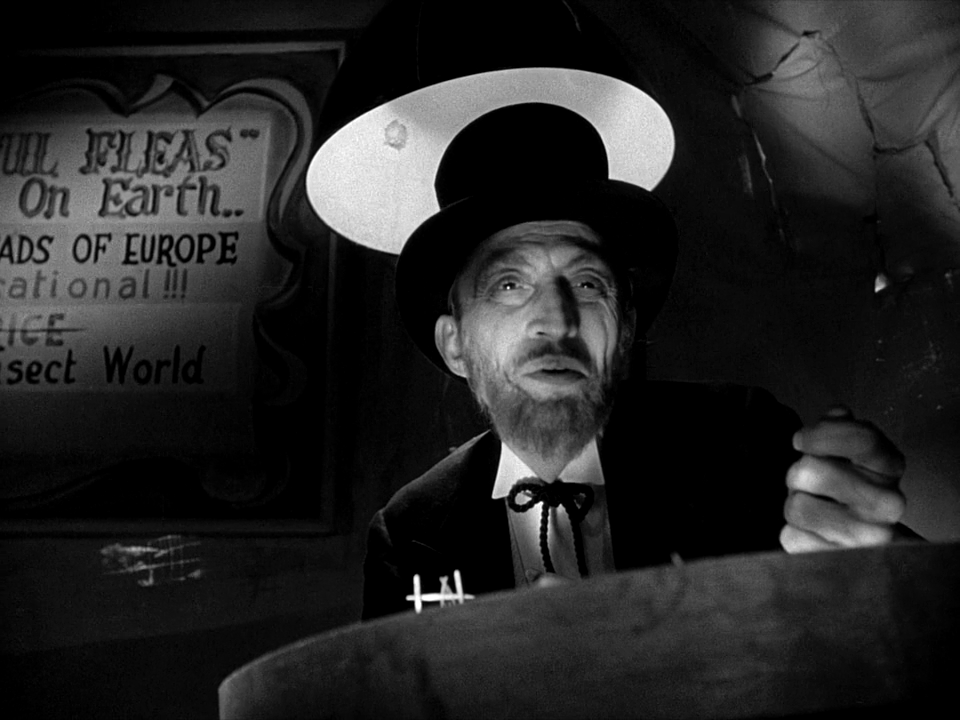
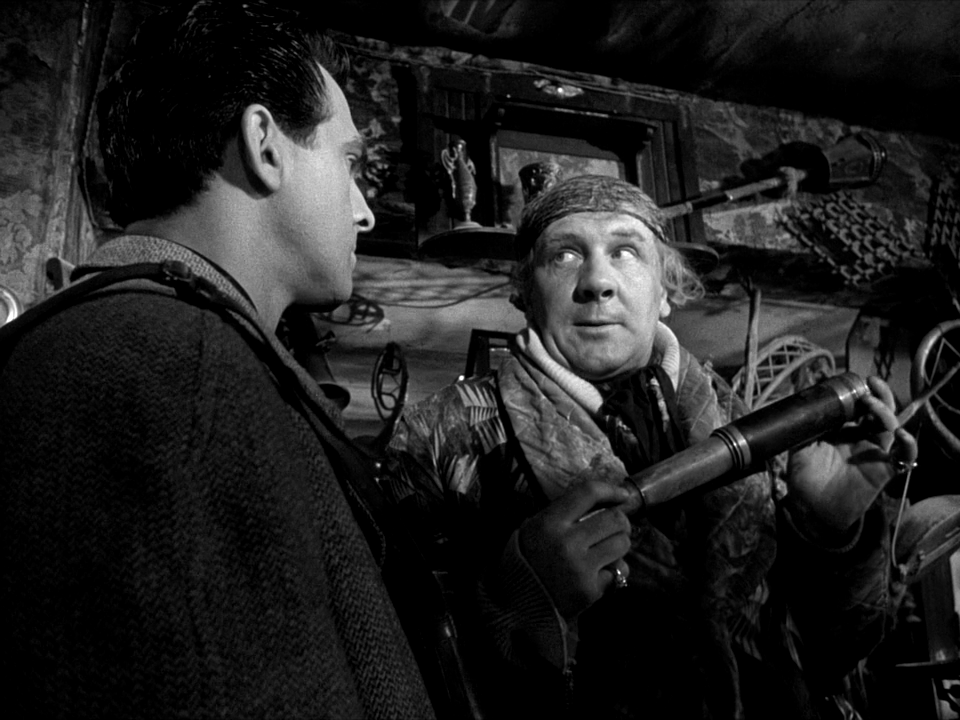
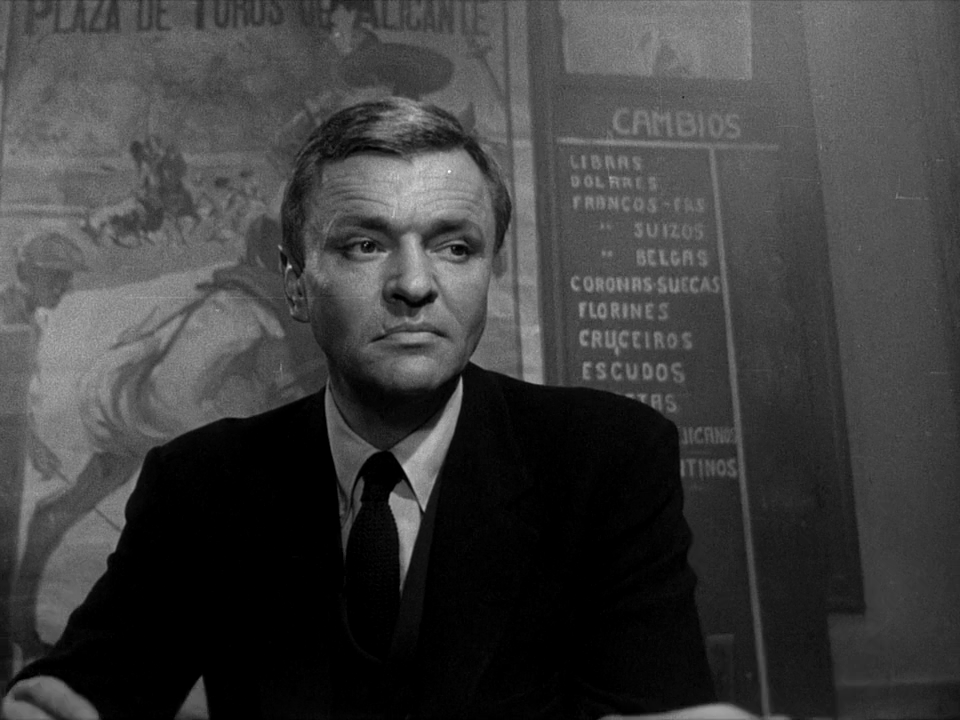
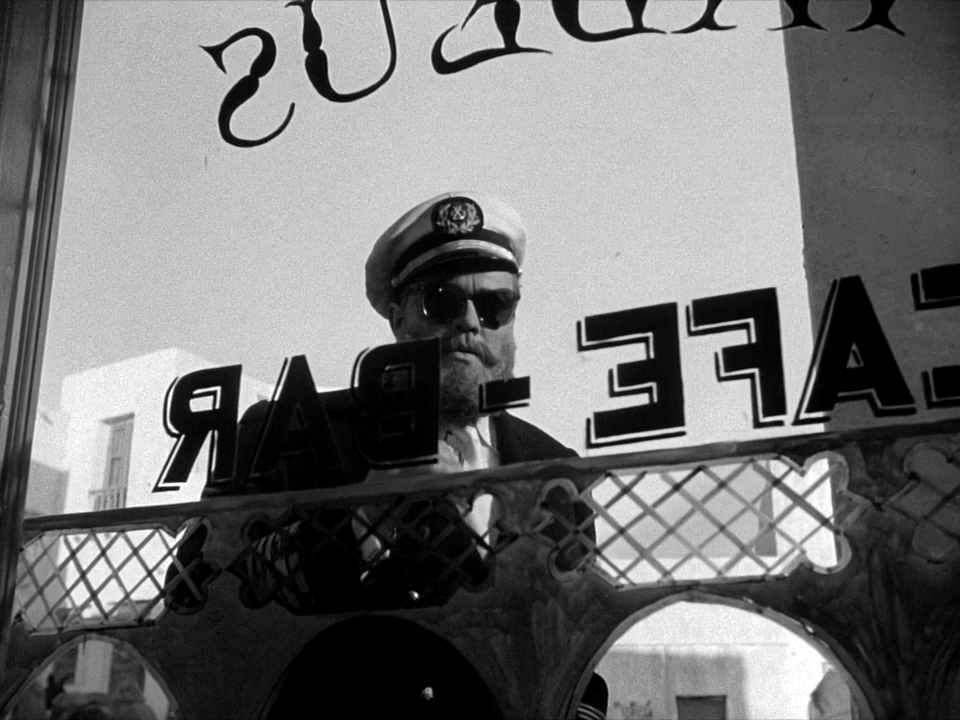
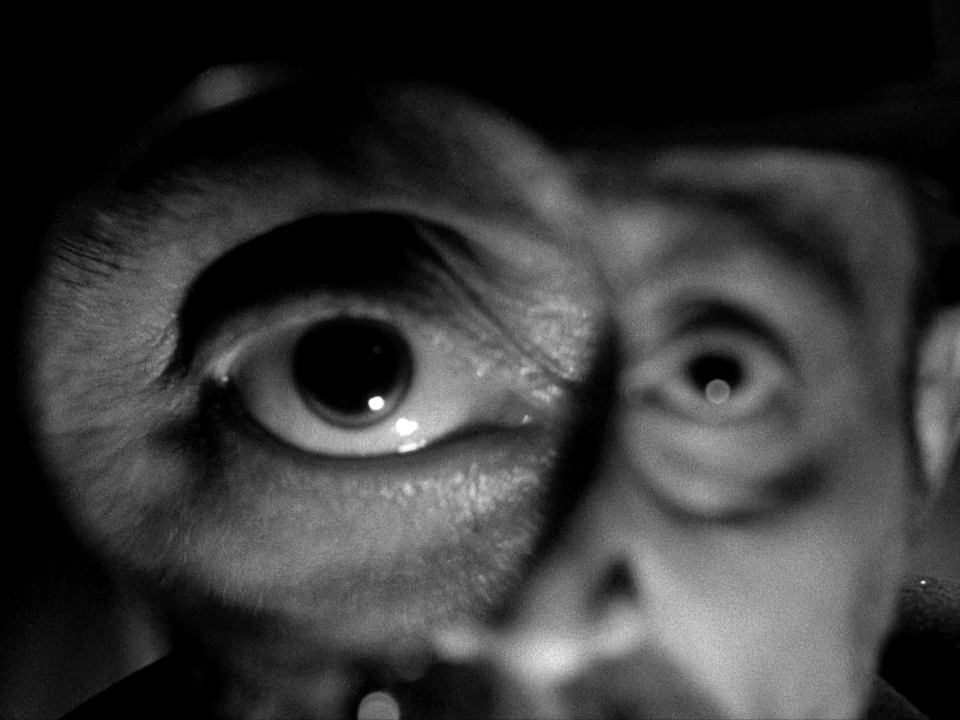
Response to Peary’s Review: He adds that “just as William Alland [the reporter in Citizen Kane] put together pieces of Kane’s life, Arden learns what transpired in Arkadin’s life,” all while “Arkadin disposes of those people Arden speaks to who know how he made his fortune.” Peary points out that the “picture is bizarrely photographed and full of delightful cameos,” but he notes that “Arden’s a terrible actor”: … “the low budget’s a problem, and we never really care about Arkadin’s past because Welles never establishes the person Arkadin is in the present.” While this film has its supporters, I’m in agreement with Peary’s assessment — as well as DVD Savant’s description of the film as “an arresting whirlwind of original images, eccentric characters and convoluted storytelling”. This movie is indeed creative and convoluted — to a fault. As with so many of Welles’ ventures, its production history was riddled with challenges, and there is no one “definitive” cut of the film (instead, Criterion’s DVD release offers several versions for viewers to choose from); but this can’t take away from the central issue that the film is terribly dubbed, erratically edited, and not very cohesive. Instead, we simply watch in morbid fascination to see what Welles will serve up next in terms of weird characters and bizarre sets. Among these are Mischa Auer as ringmaster of a flea circus: … Michael Redgrave as a hairnet-wearing antiques dealer trying to sell Arden a broken telescope: … Peter Van Eyck as an informant who gets to speak one of the best lines in the movie (“I never remember pretty women; it’s so expensive”): … Suzanne Flon as the Baroness Nagel: … and Gert Fröbe (“Goldfinger”) as a German policeman. Note: The title character’s name is pronounced Ar-KAHR-din, with the emphasis on the second syllable, rather than ARK-a-din like one might imagine; it takes some getting used to. Notable Performances, Qualities, and Moments: Must See? Links: |
“It’s not a matter of conclusive facts, sir.”
|
Synopsis: |
|
Genres, Themes, Actors, and Directors:
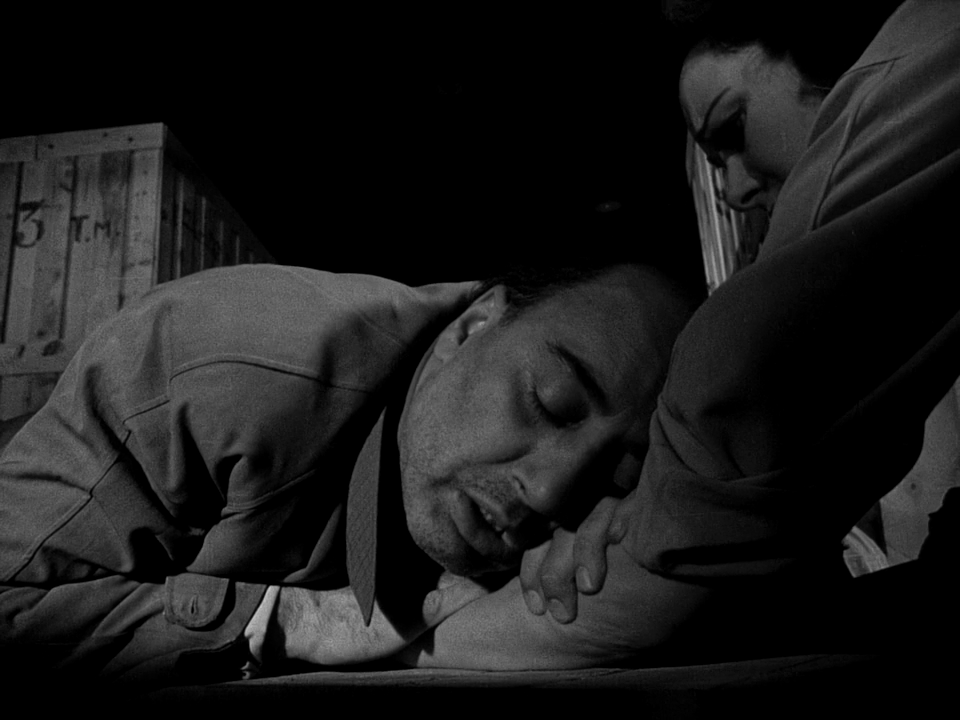
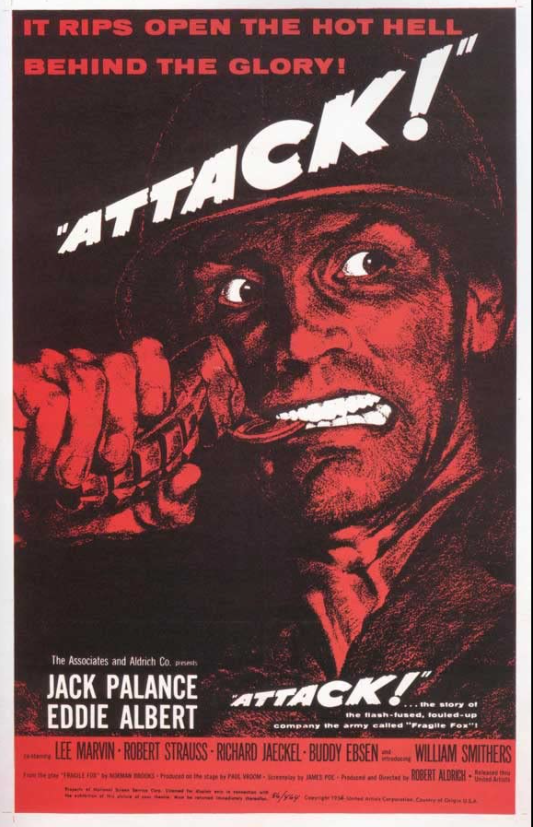
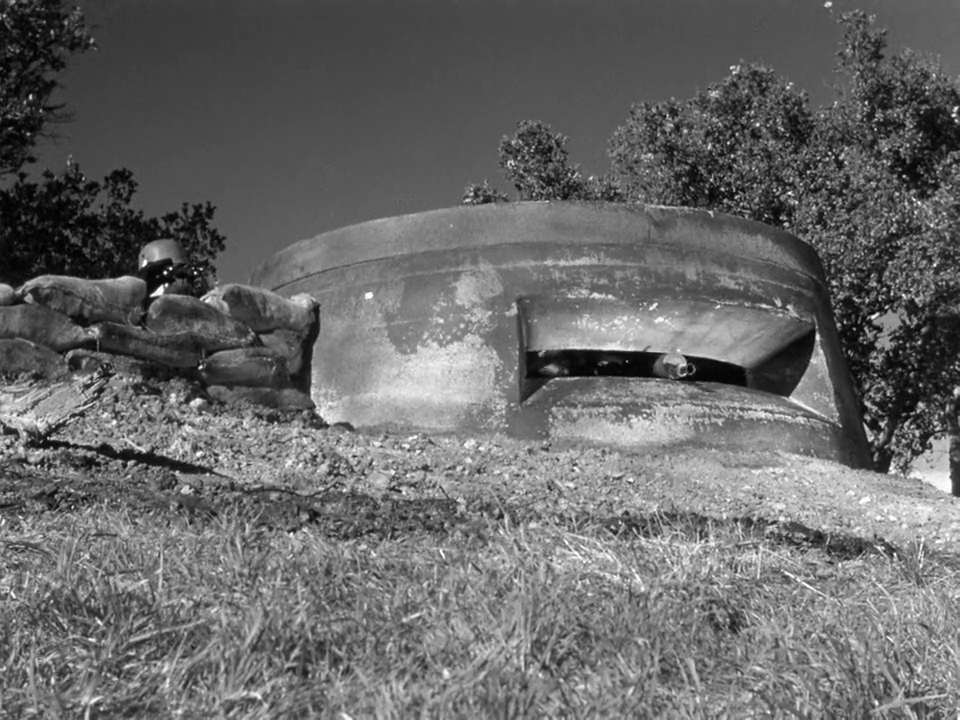
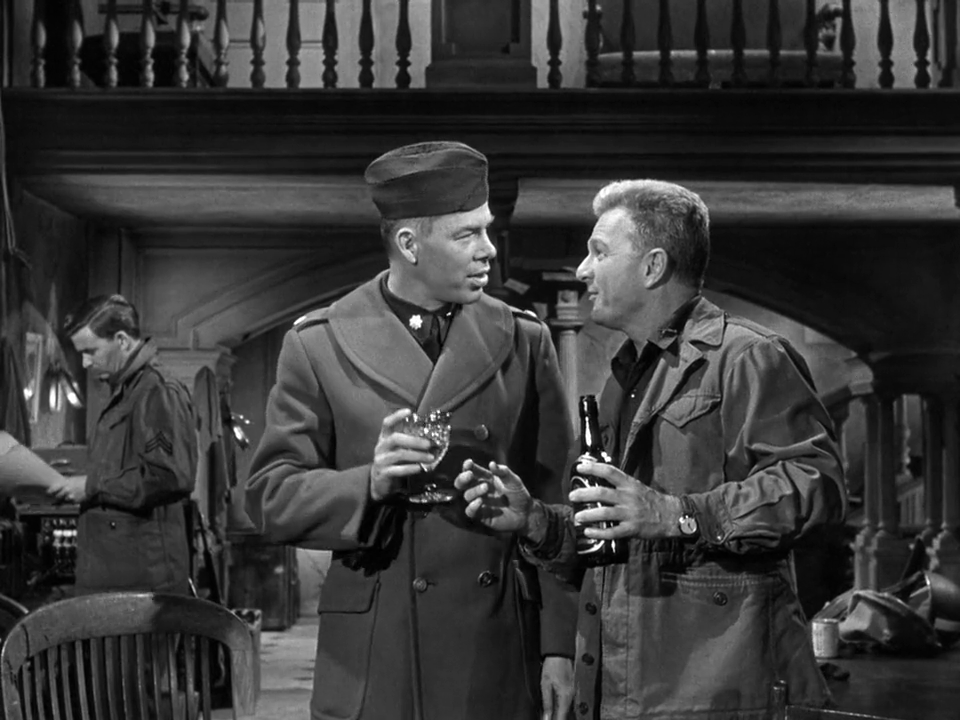
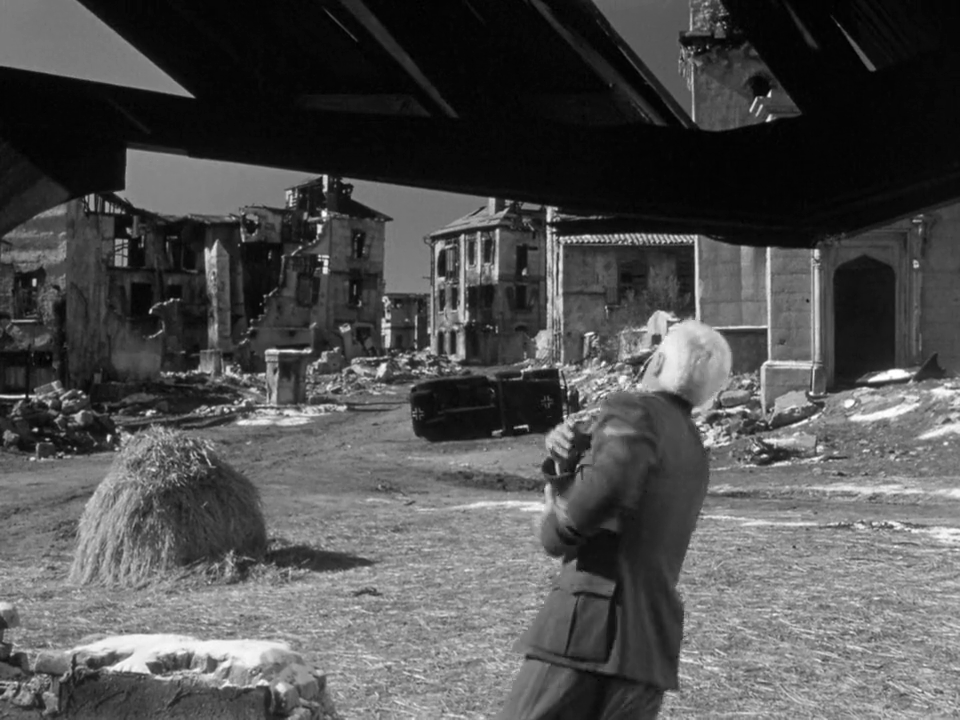
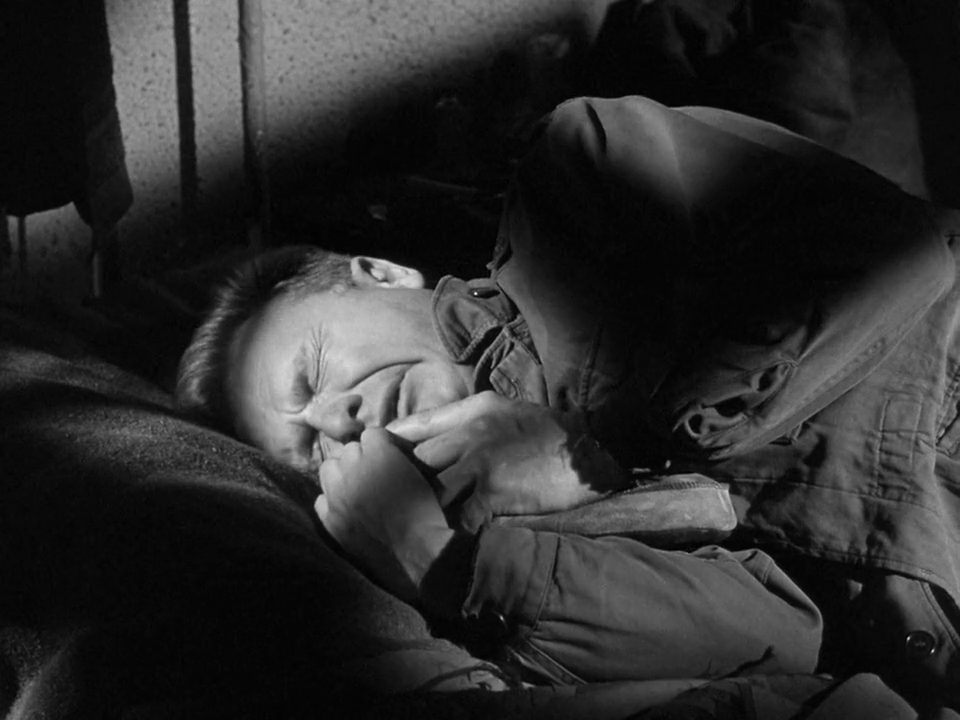
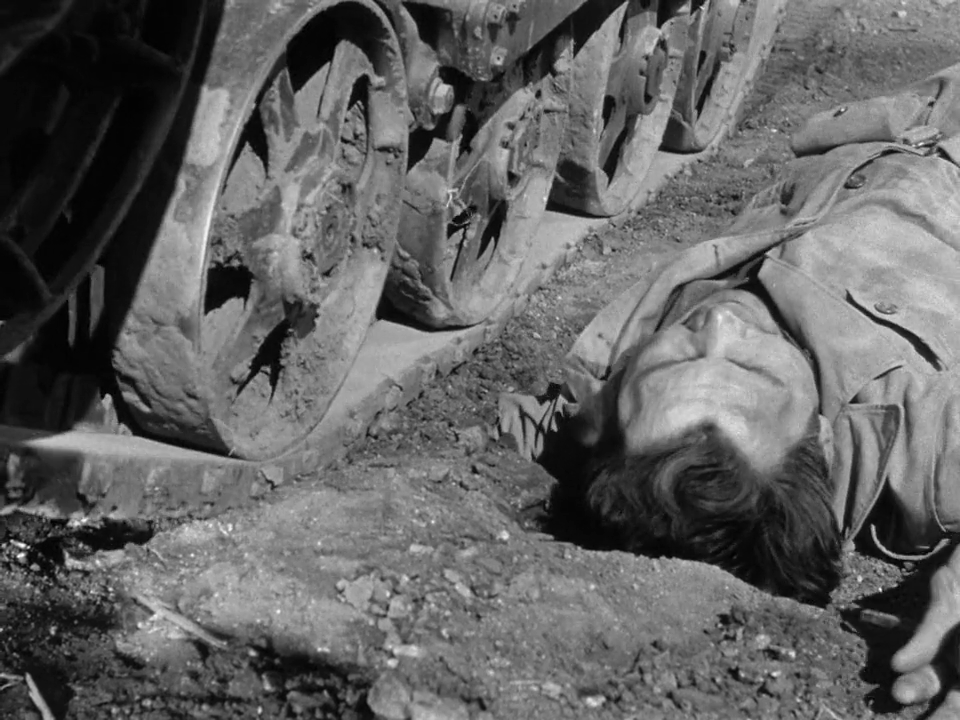
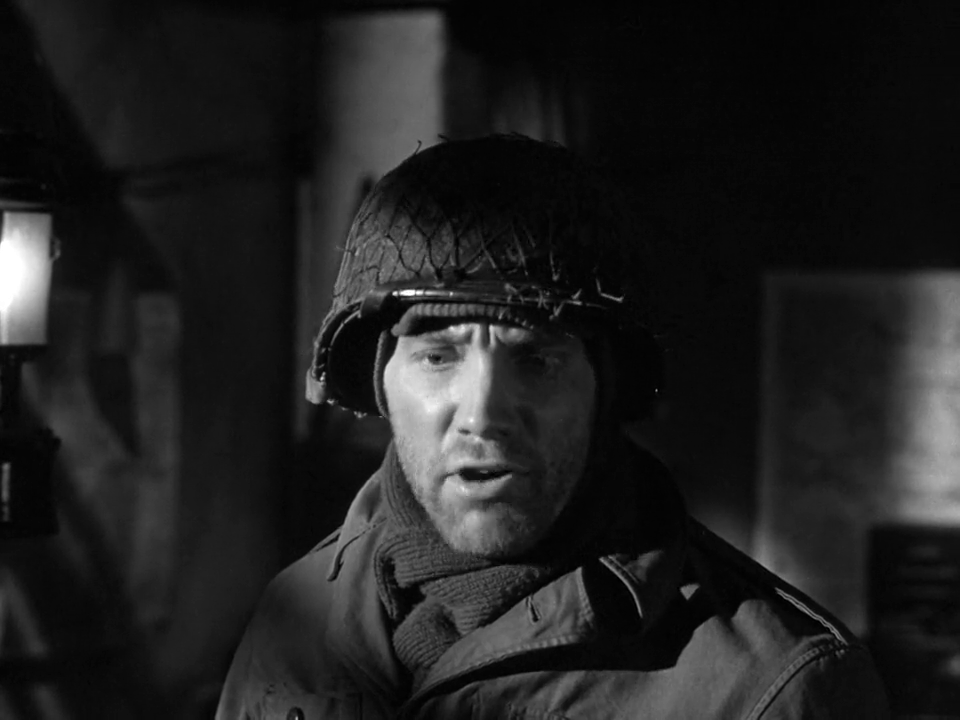
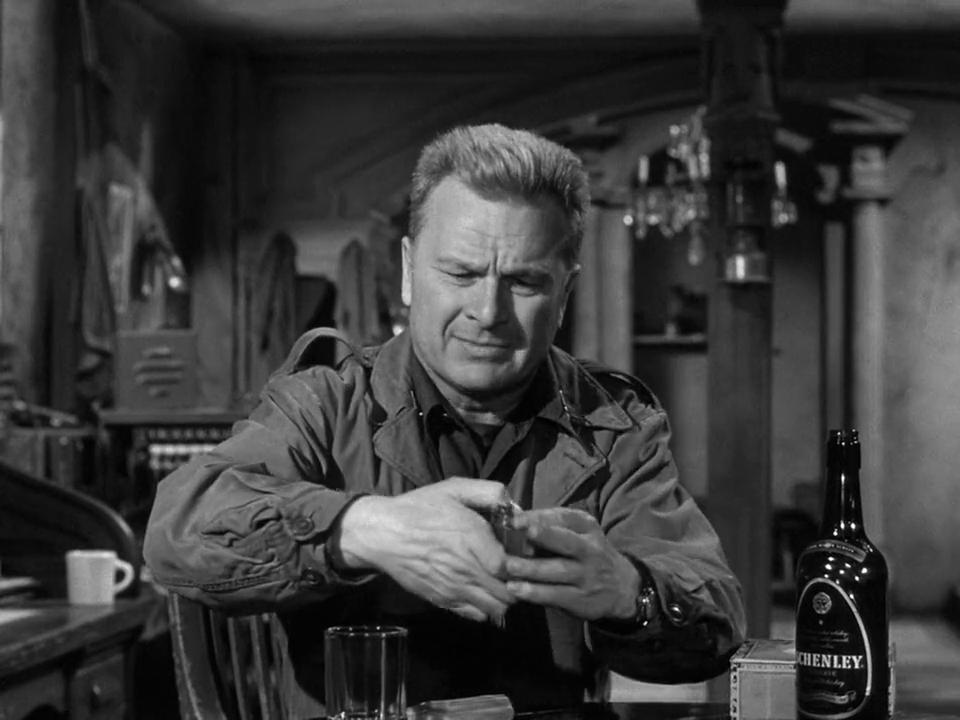
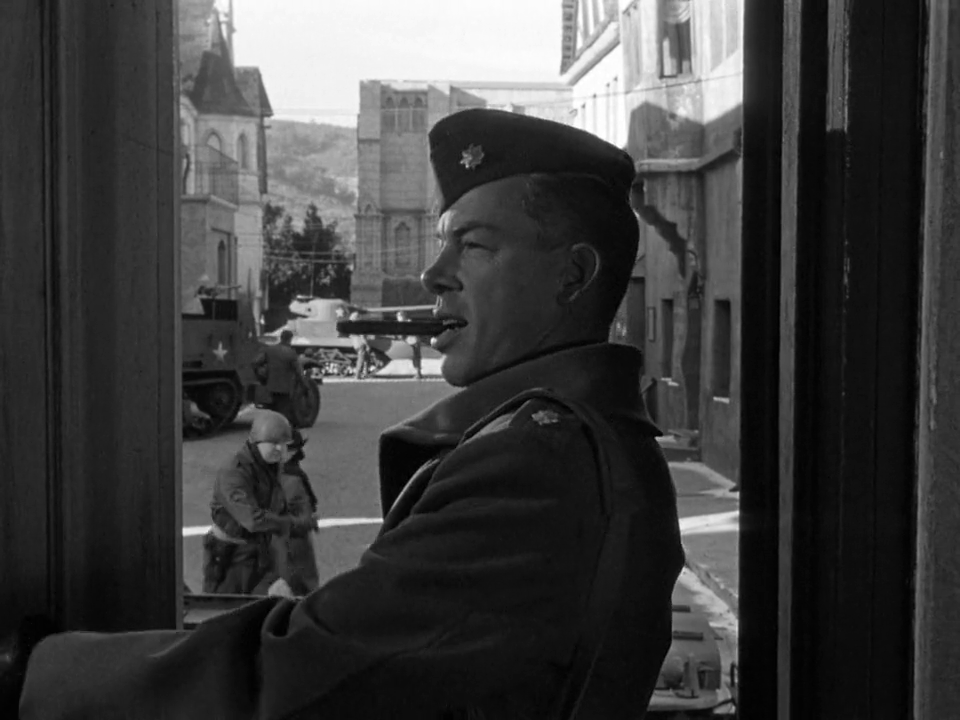
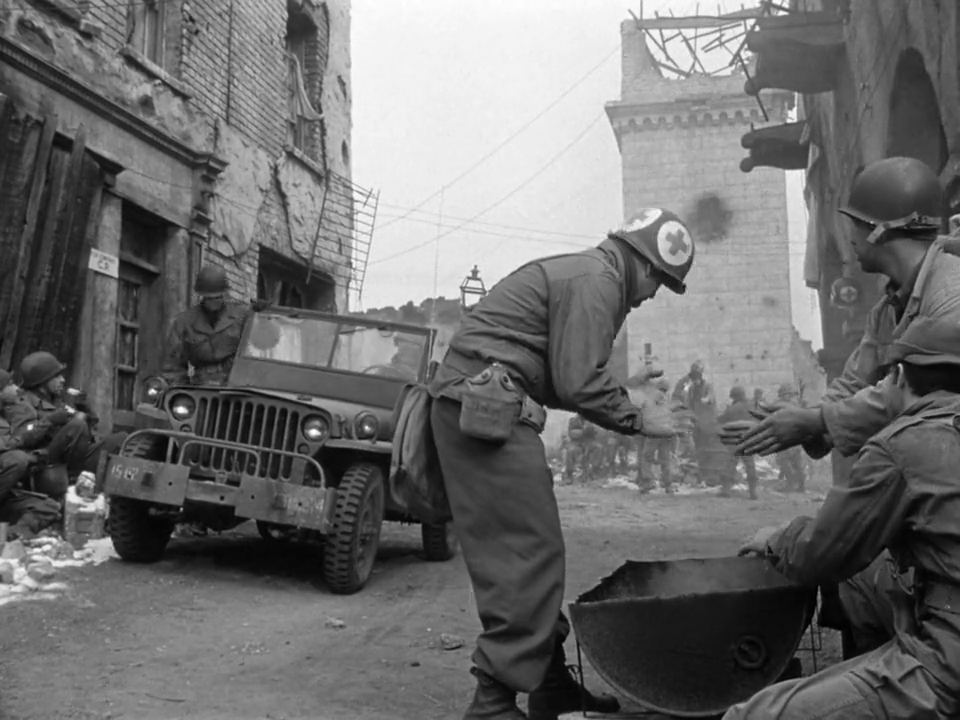
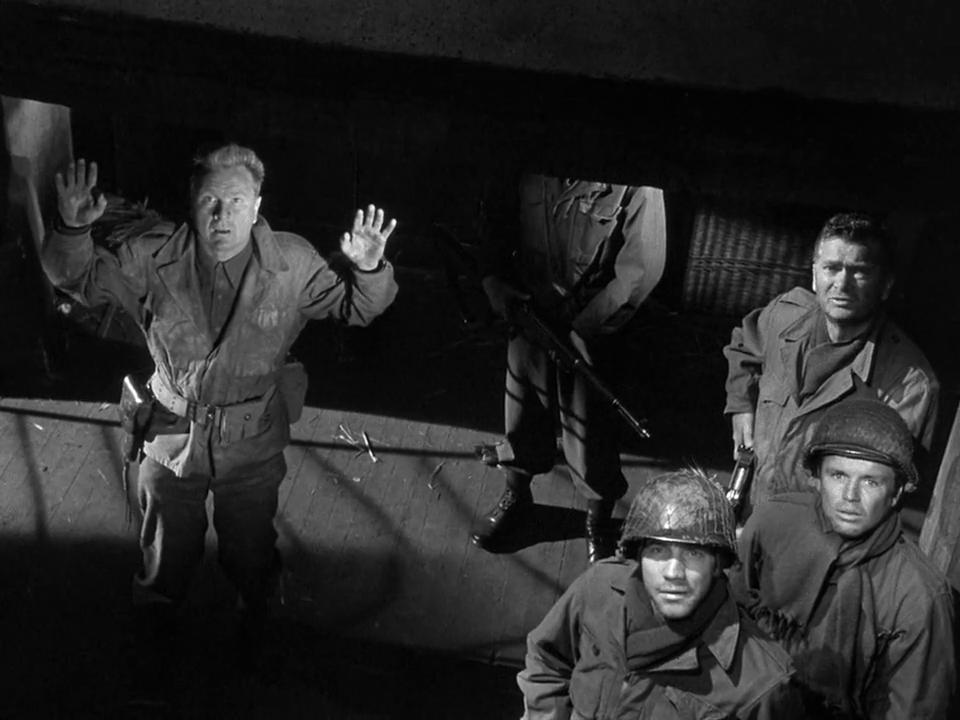
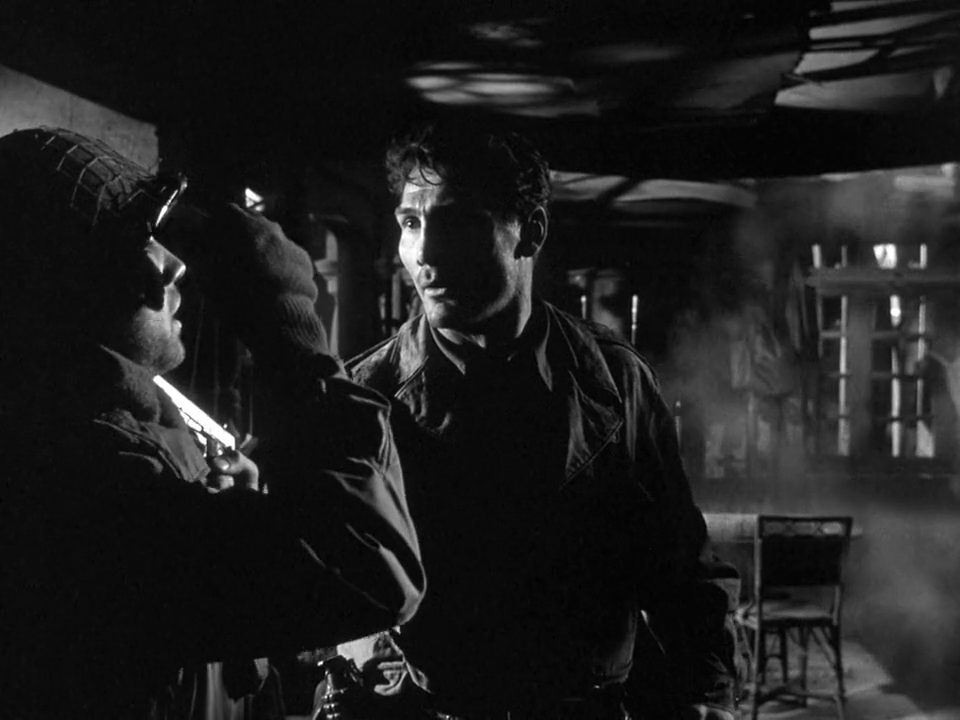
Response to Peary s Review: However, “if the Nazis weren’t terrifying enough, the American GI finds himself to be the potential victim of U.S. army bureaucracy that allows soldiers to be sacrificed rather than cause a stink by recalling incompetent officers.” He goes on to write, “In this war, platoon leaders punch their own men, high-rank officers slap captains, captains punch enemy prisoners, Americans push a captured German office (Peter Van Eyck being very arrogant) into the Germans’ line of fire to be mowed down”: … “a captain is willing to turn his men over to the enemy so that he won’t be shot, [and] the captain’s men are willing to kill him.” Yikes. Peary notes that “Eddie Albert gives a memorably creepy performance as a crazed, sadistic captain whose cowardice has cost the lives of many men”: … while “Jack Palance is staunchly heroic as the leader of a platoon.” Of special note is an infamously gruesome sequence in which… SPOILER ALERT … Palance’s arm is crushed under an enemy tank when he has nowhere else to turn. Rounding out the cast are Lee Marvin as a hard-nosed but morally ambiguous leader willing to turn a blind eye when necessary; Buddy Ebsen as a loyal comrade; Richard Jaeckel as a private given hardly any lines; and William Smithers in a pivotal role as a lieutenant standing up to the horrors surrounding him. Notable Performances, Qualities, and Moments:
Must See? Categories
Links: |
“Which of us molded the other?”
|
Synopsis: |
|
Genres, Themes, Actors, and Directors:
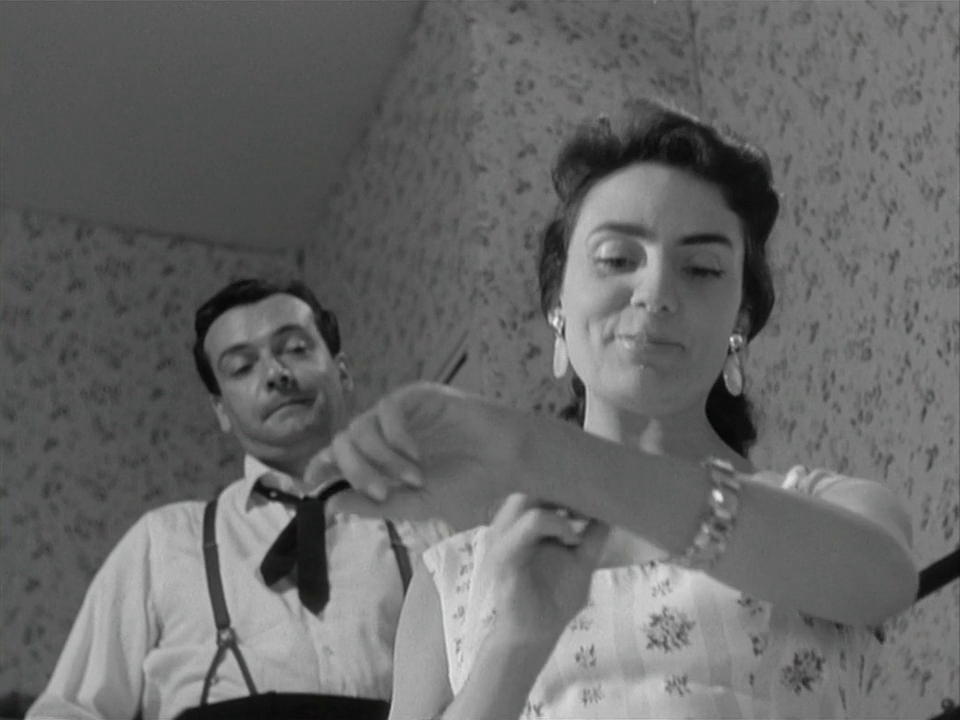
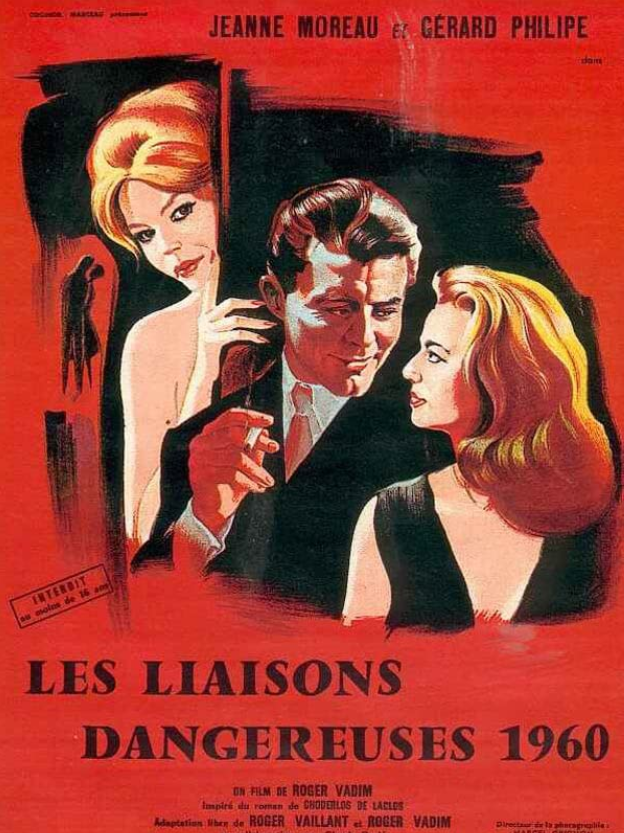
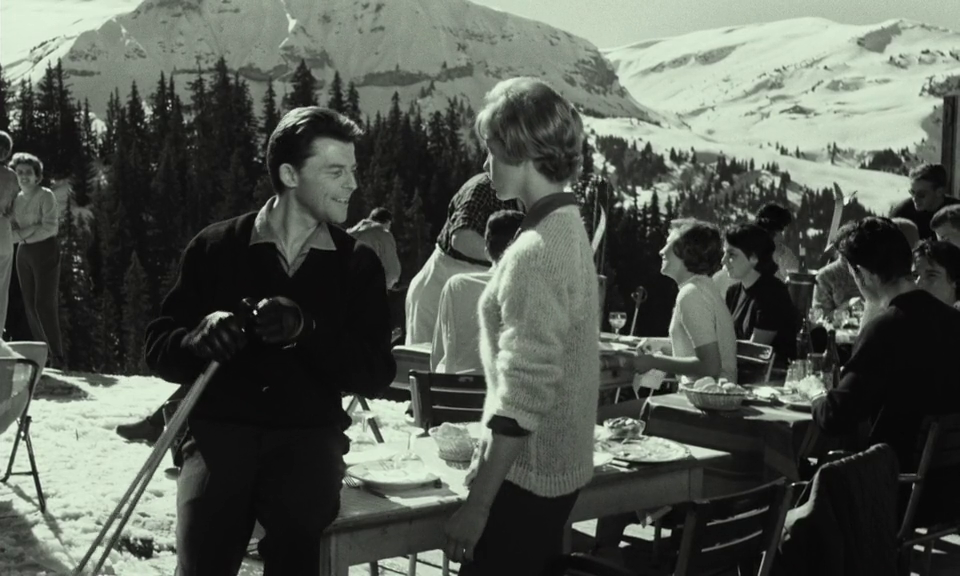
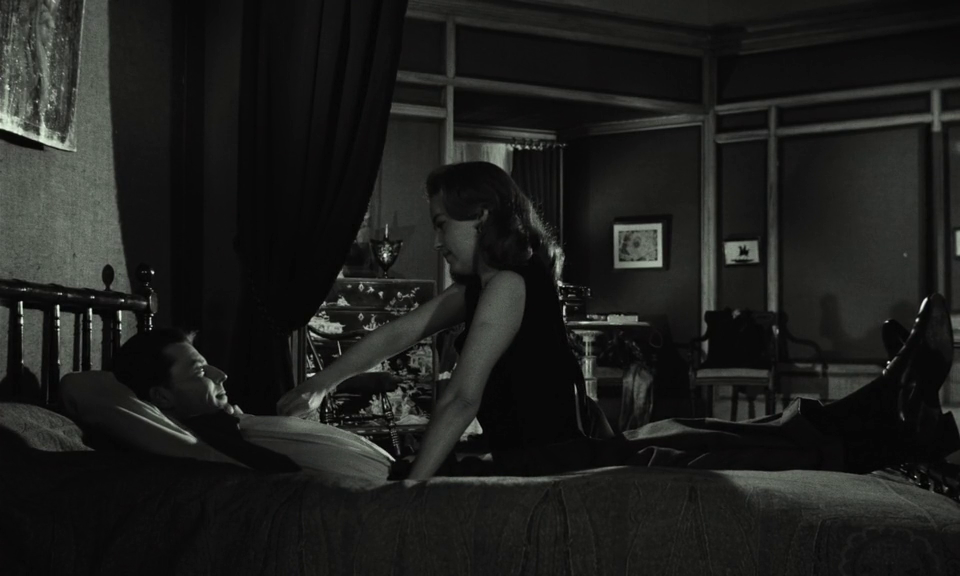
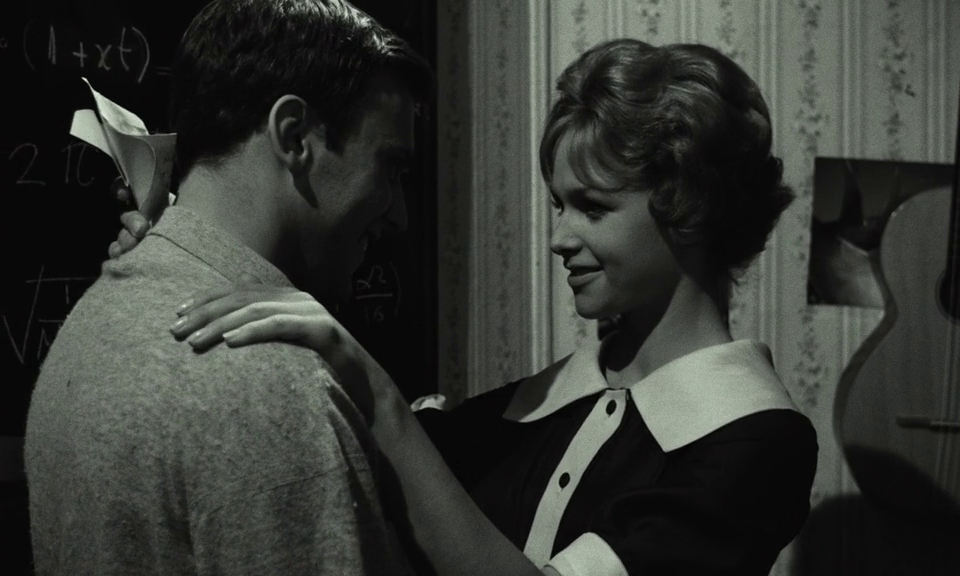
Review: … the action and settings have clearly been modernized, but the basic tenet of sociopaths using others for their own pleasure is as relevant as ever. Moreau and Philipe — in his final performance before dying at age 36 from liver cancer — are well cast in the lead roles as the master manipulators (here a married couple rather than friends, as in the novel) whose own sexual gratification revolves around their exploitation of others: Vadim’s real-life wife Annette is appropriately tragic as Philipe’s most complex conquest: … and Valérie and Trintignant are believable as a naive young couple whose lives are also changed forever by their involvement with Valmont and Juliette: Fans of this harsh classic tale will want to check this version out — but/and should be prepared for a startling update to the story’s original ending. Notable Performances, Qualities, and Moments: Must See? Links: |
“Yes, it’s true. I’m his mistress and I’m proud of it.”
|
Synopsis: |
|
Genres, Themes, Actors, and Directors:
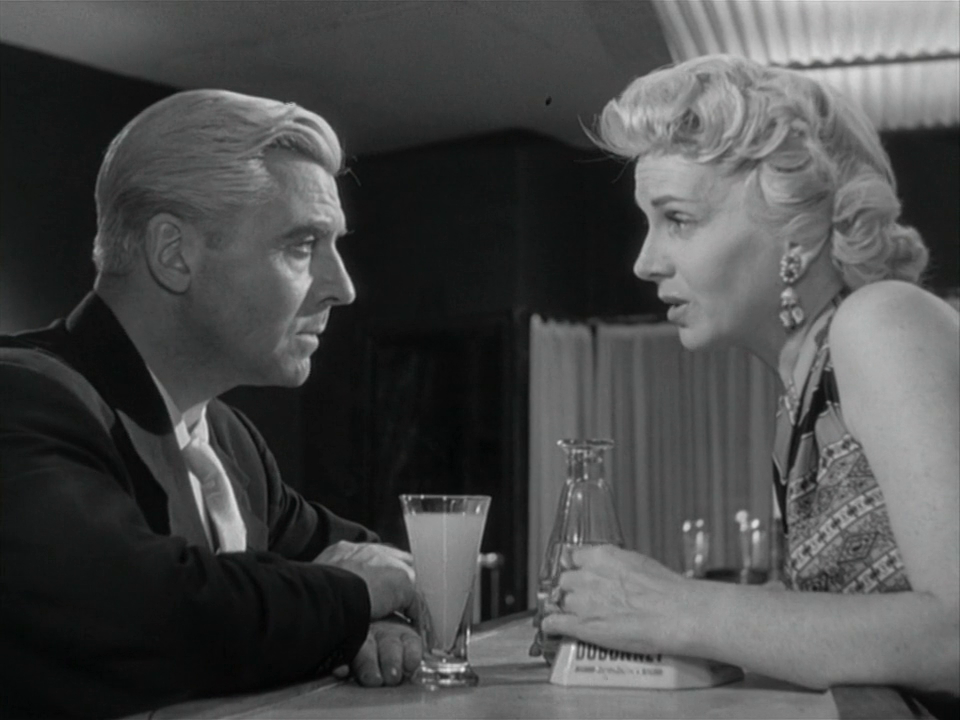
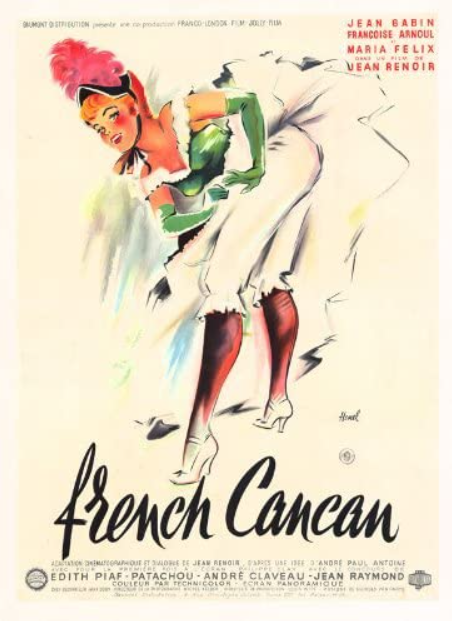
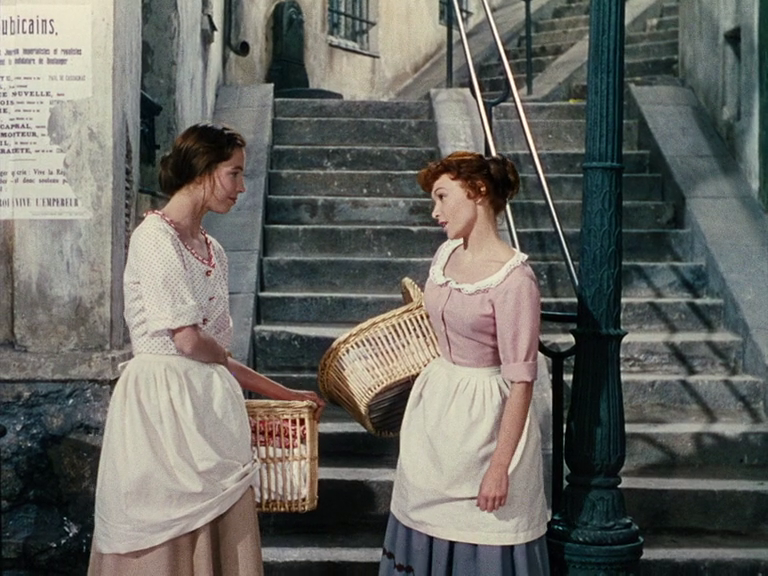
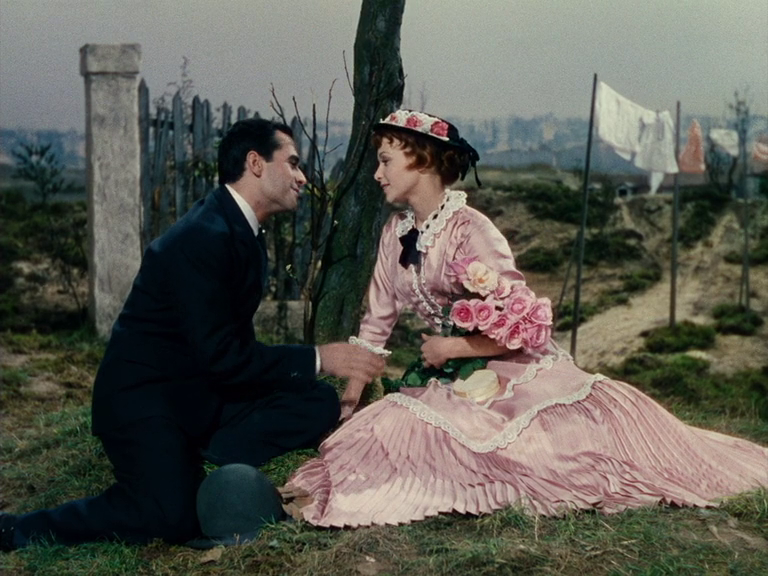
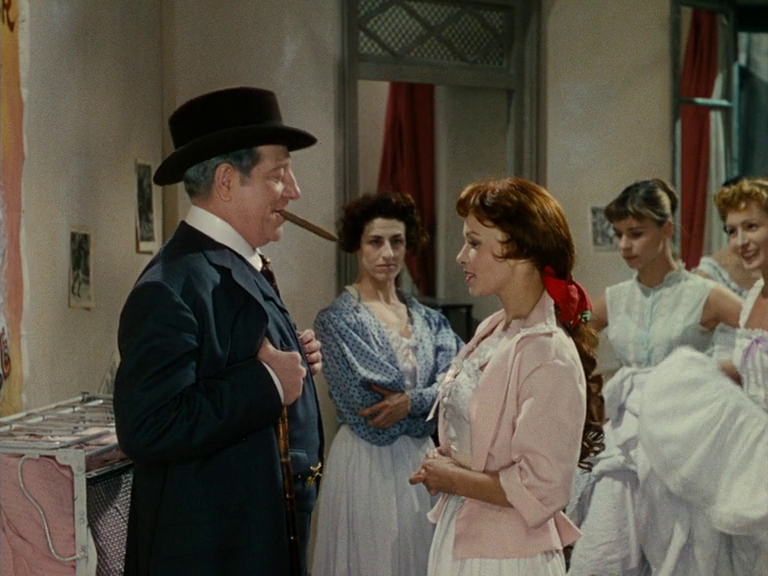
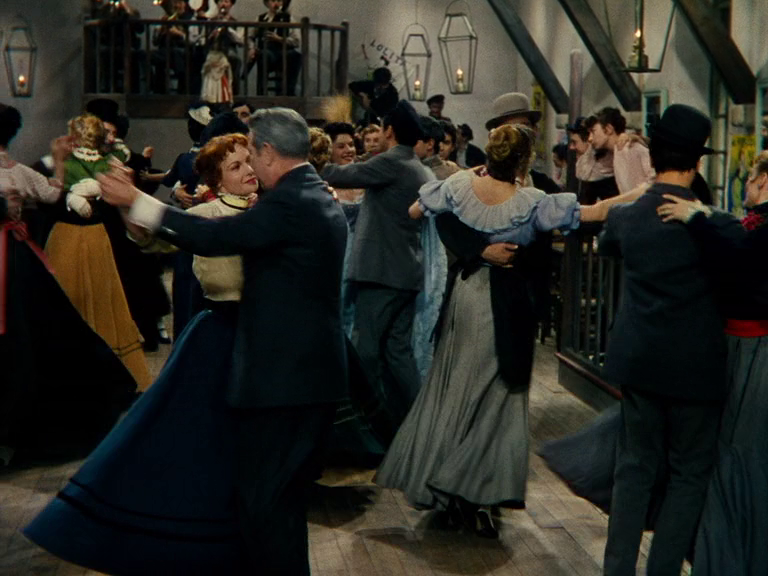
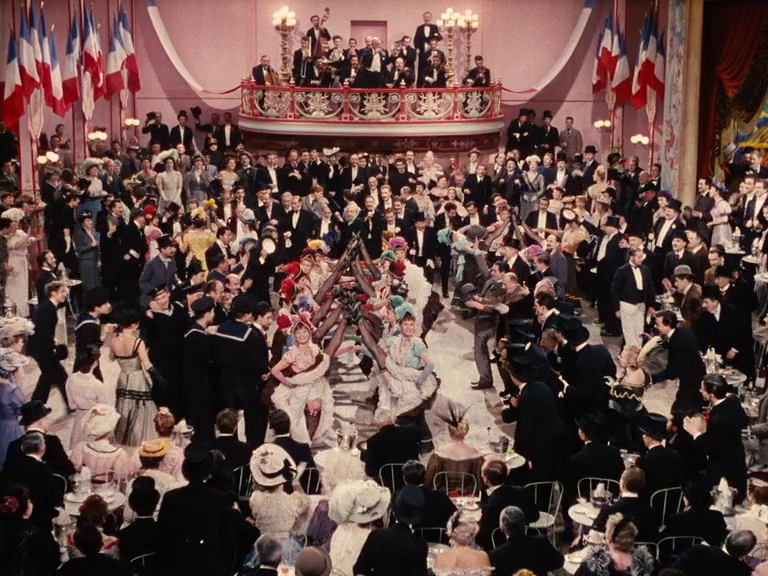
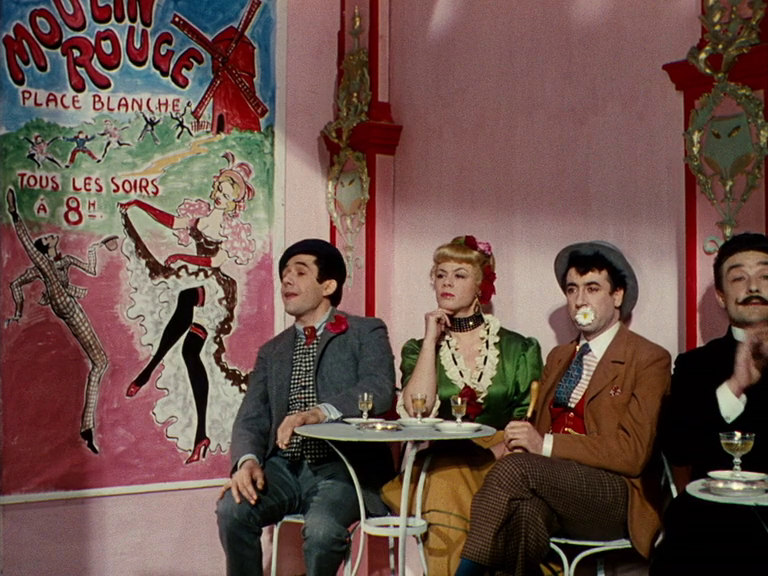
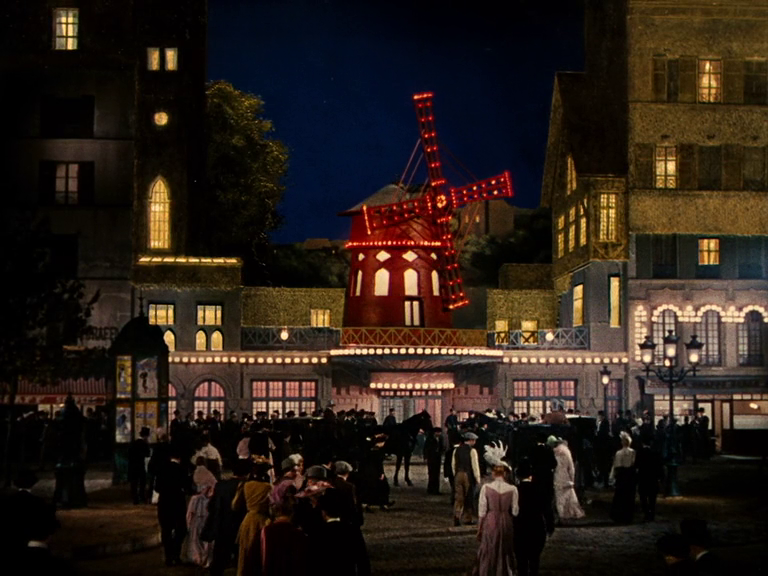
Review: … and with a featherweight storyline designed simply to showcase that love of the stage tends to triumph over all other considerations (even the promise of wealth and royalty). Gabin strolls leisurely through his role as an aging but still desirable impresario: … but it’s the dancing one really keeps an eye out for, and to that end the film opens and closes with plenty of spectacle. Fans of such fare will surely enjoy this, but it’s not must-see viewing. Notable Performances, Qualities, and Moments: Must See? Links: |
“I think he cracked up years ago.”
|
Synopsis: |
|
Genres, Themes, Actors, and Directors:
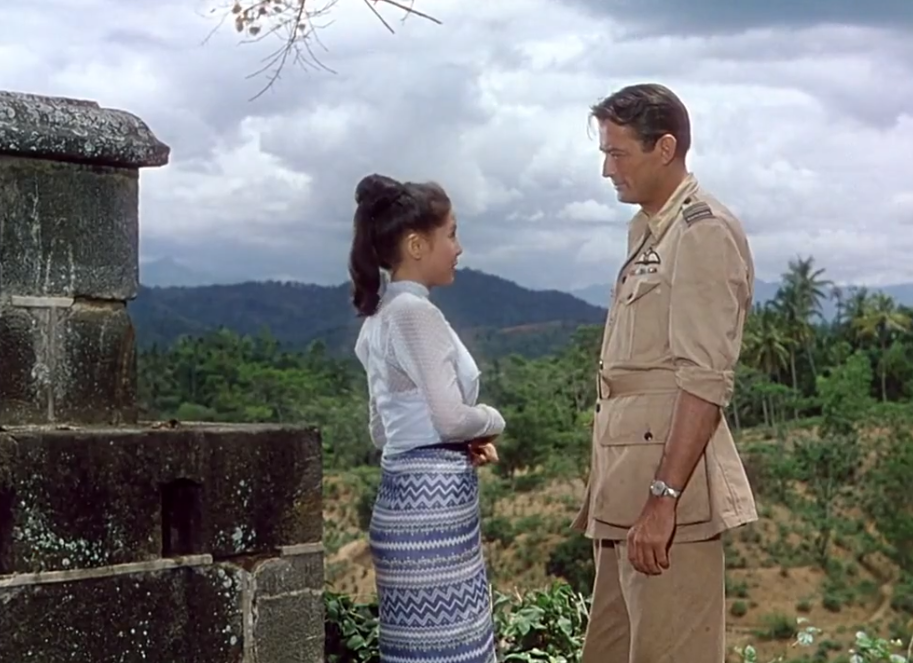
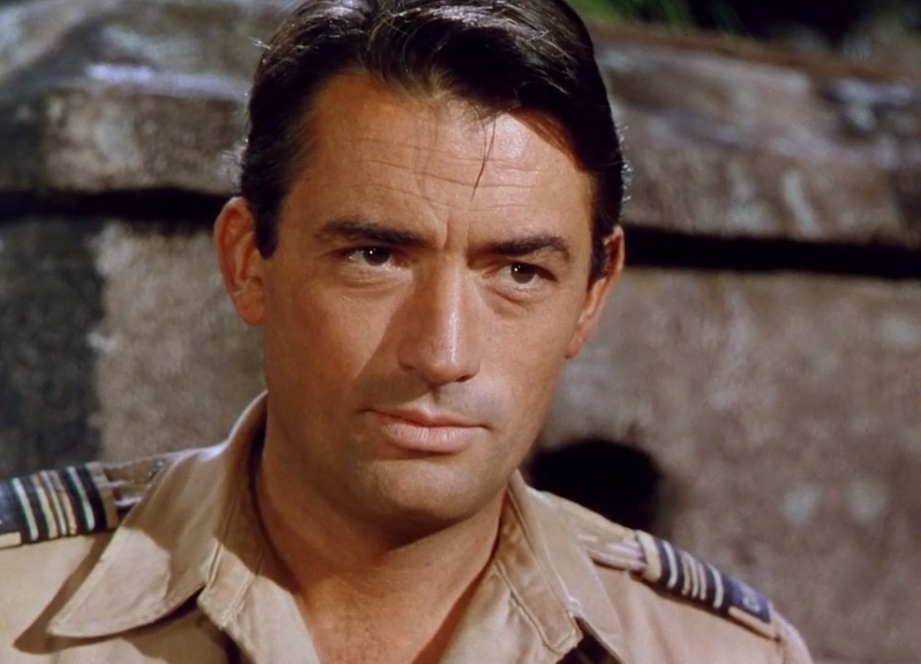
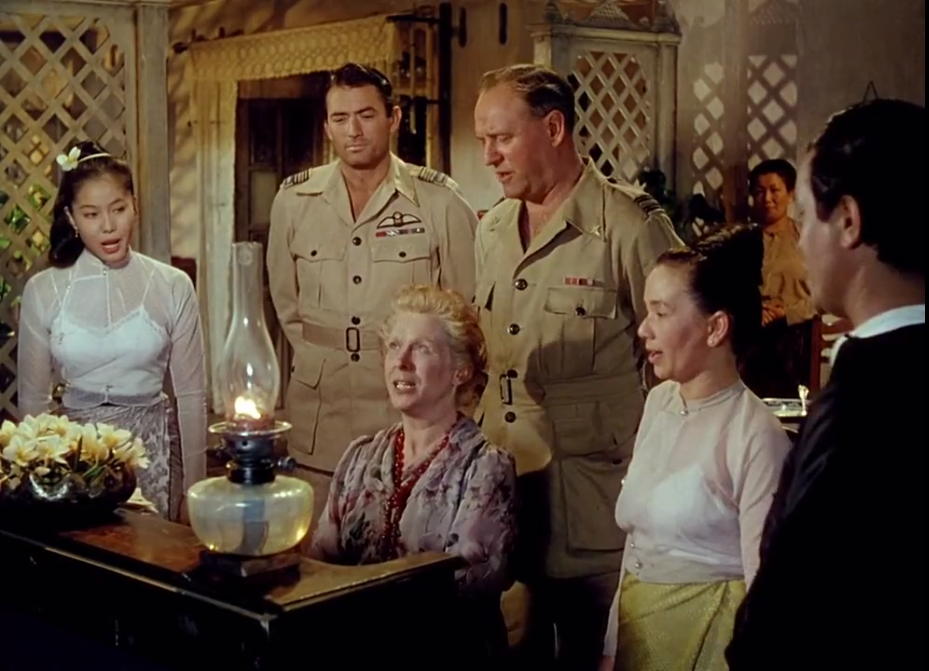
Review: The storyline then shifts into two new directions: Peck’s budding romance with Than — … and a gripping crash-survival scenario. As DVD Savant notes, the overall storyline “hits an emotional chord” through a story (by Eric Ambler) whose “details have an unspoken feeling of faith and abiding inner peace.” Indeed, it’s refreshing seeing Peck (in yet another fine performance) being given a new chance at life after the grief he’s suffered. Also of note is British character actress Brenda de Banzie in a memorable role as an earnest, hymn-belting missionary: While The Purple Plain isn’t must-see viewing, it’s recommended as a “good show”. Notable Performances, Qualities, and Moments: Must See? Links: |