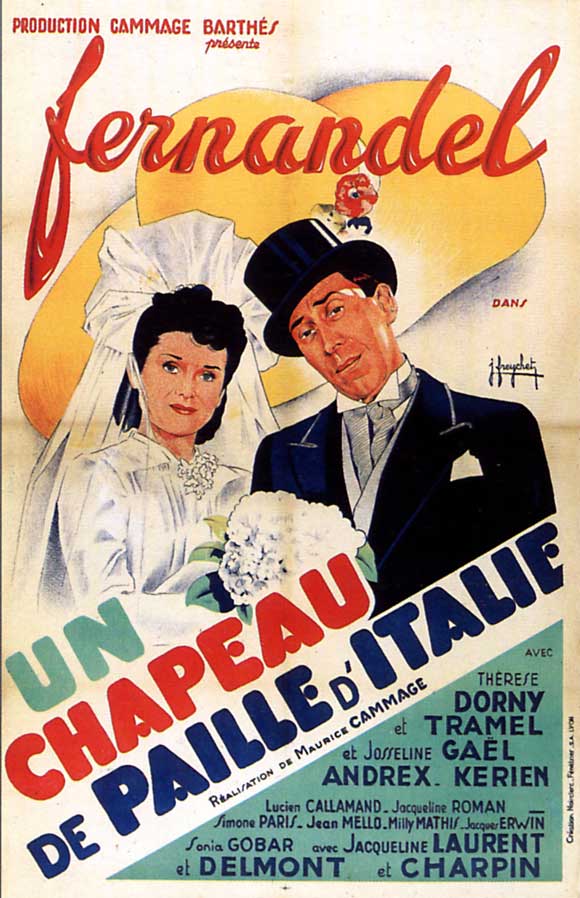
Italian Straw Hat, The (1928)

Italian Straw Hat, The (1928)

“Madame can’t go home to her husband with a torn hat… Go and get another one, just like this!”

Synopsis:
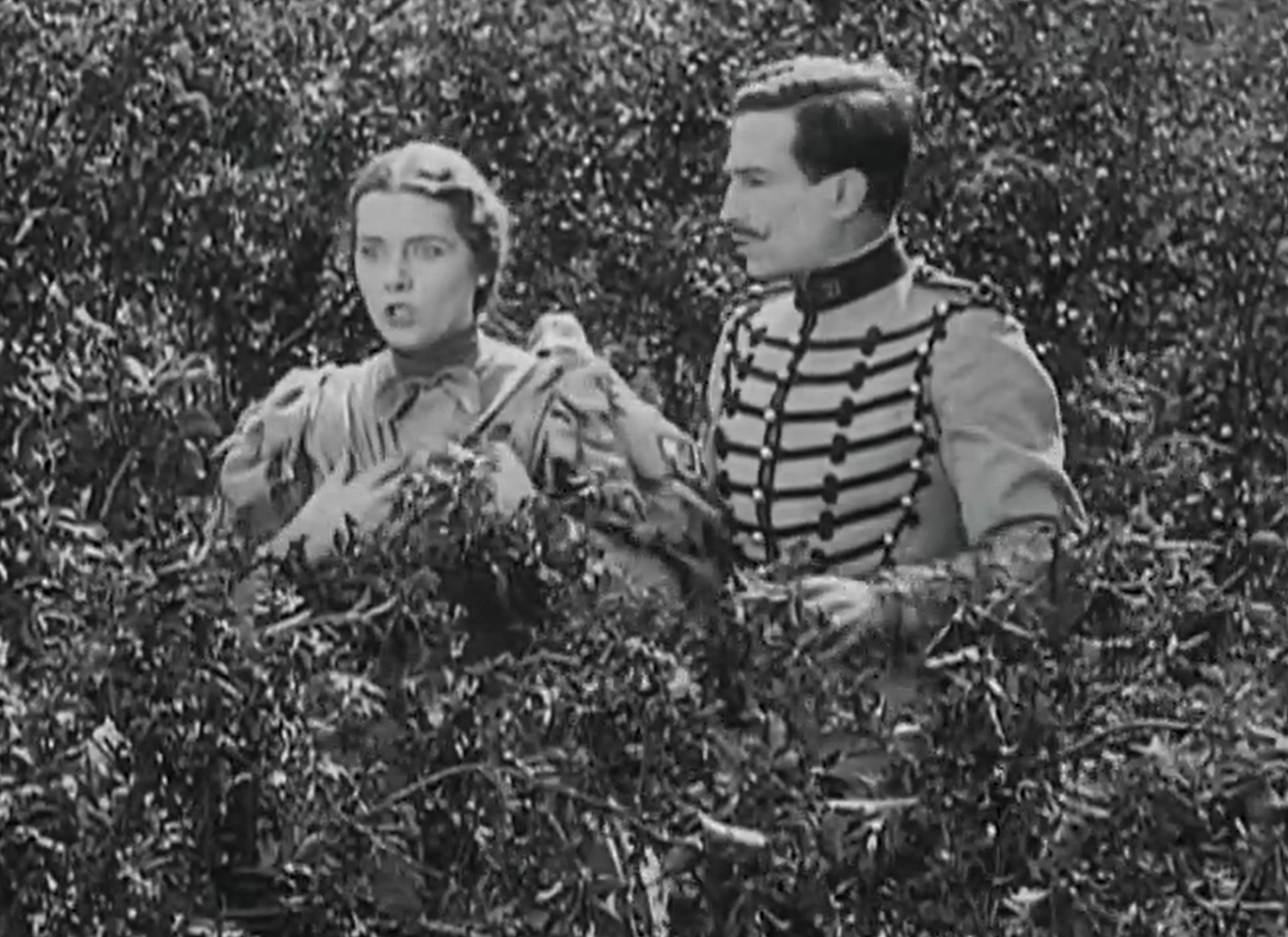
As Ferdinand (Albert Prejean) travels towards his wedding, he discovers that his horse has eaten the straw hat of a married woman (Olga Tschechowa) canoodling in the bushes with her lover, Lieutenant Tavernier (Geymond Vital). Tavernier demands that Ferdinand find a replacement for the hat, threatening to destroy his apartment unless he complies; meanwhile, the beleaguered Ferdinand has a wedding to get through.

Genres, Themes, Actors, and Directors:

  • Comedy
  • French Films
  • Play Adaptations
  • Rene Clair Films
  • Silent Films
  • Weddings

Review:
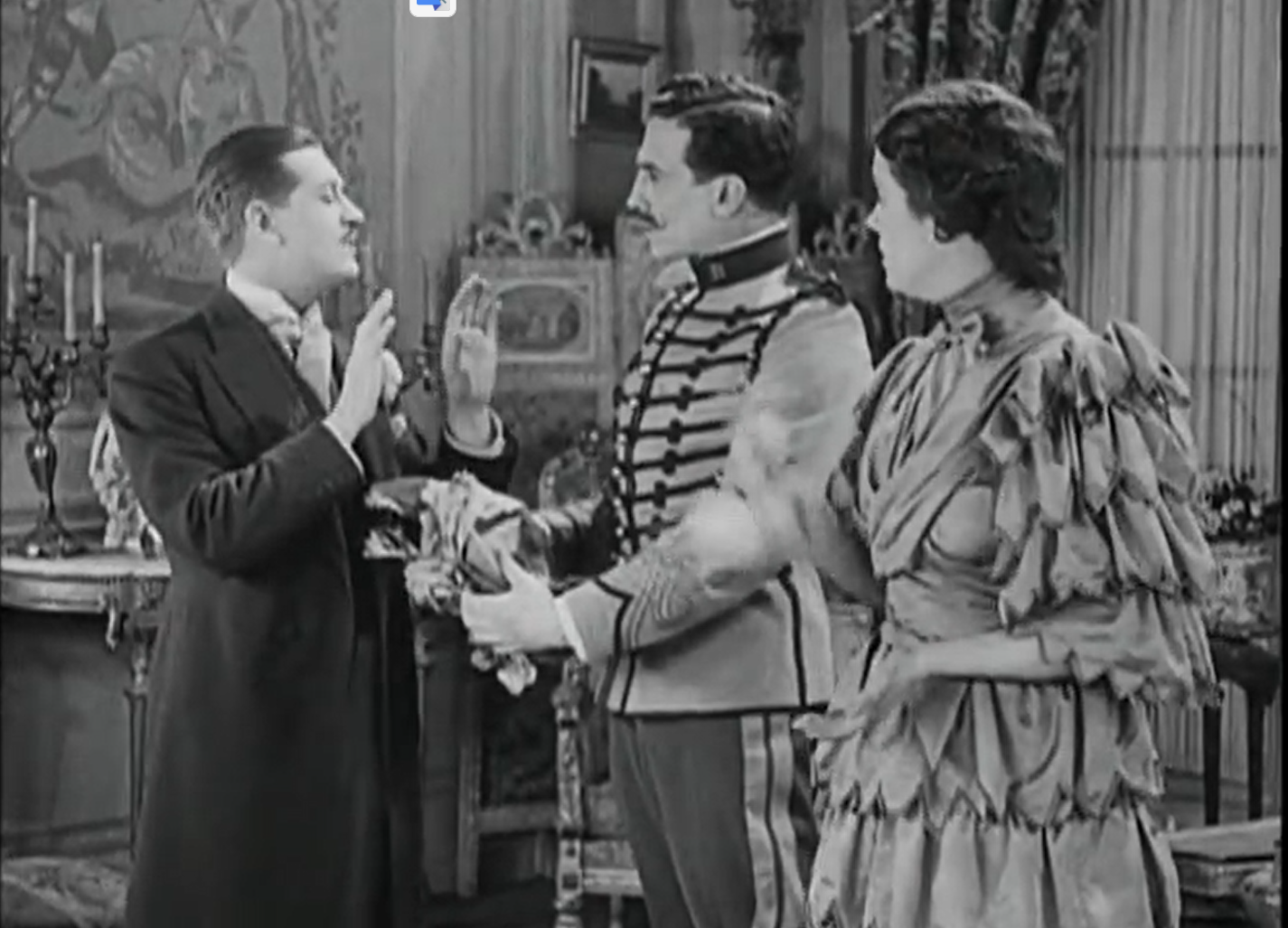
In this clever French farce, director Rene Clair successfully transfers a stage play to the silent screen, conveying the story almost entirely through visuals. In one of the first scenes of the movie, for example, Ferdinand discovers that Mme. de Beauperthuis is married (but not to Lt. Tavernier) by looking closely at their ring fingers; his facial reaction at this moment is enough to tell us precisely what he’s thinking.

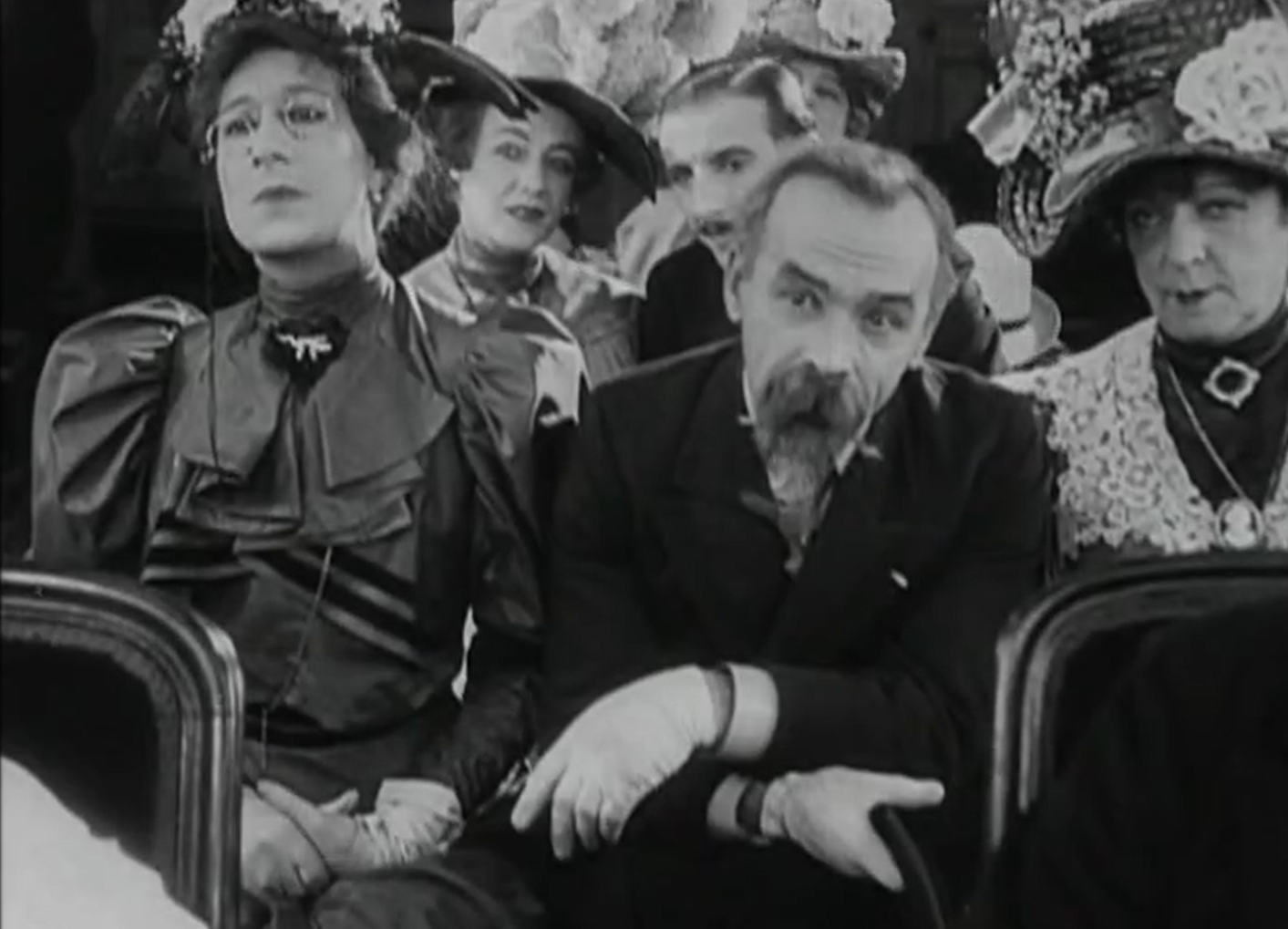
While the story, at nearly two hours, goes on for a tad too long — some editing would have helped — it remains enjoyable throughout; it’s hard not to laugh out loud as one situation after the other makes poor Ferdinand’s plight even stickier. Adding to the humor are a series of long-running character gags, which rarely fail to amuse: Ferdinand’s near-deaf uncle (Paul Ollivier) remaining consistently clueless about surrounding events; an uptight woman trying to get her inattentive husband to fix his neck tie:

… a puzzled servant catching Tschechowa swooning in the arms of a different man each time he opens the door. It’s easy to imagine audiences of the day laughing hysterically at this frothy situation comedy.

Redeeming Qualities and Moments:

  • Albert Prejean as Ferdinand
  • Olga Tschechowa as Mme. de Beauperthuis
  • Effective transformation of a stage play into a silent film

Must See?
Yes, as an early classic of French cinema. Listed as a film with historical importance in the back of Peary’s book.

Categories

  • Foreign Gem
  • Important Director

Links:

Pedestrian, The (1973)

Pedestrian, The (1973)

“I have something on my mind; I may have made a mistake.”

Synopsis:
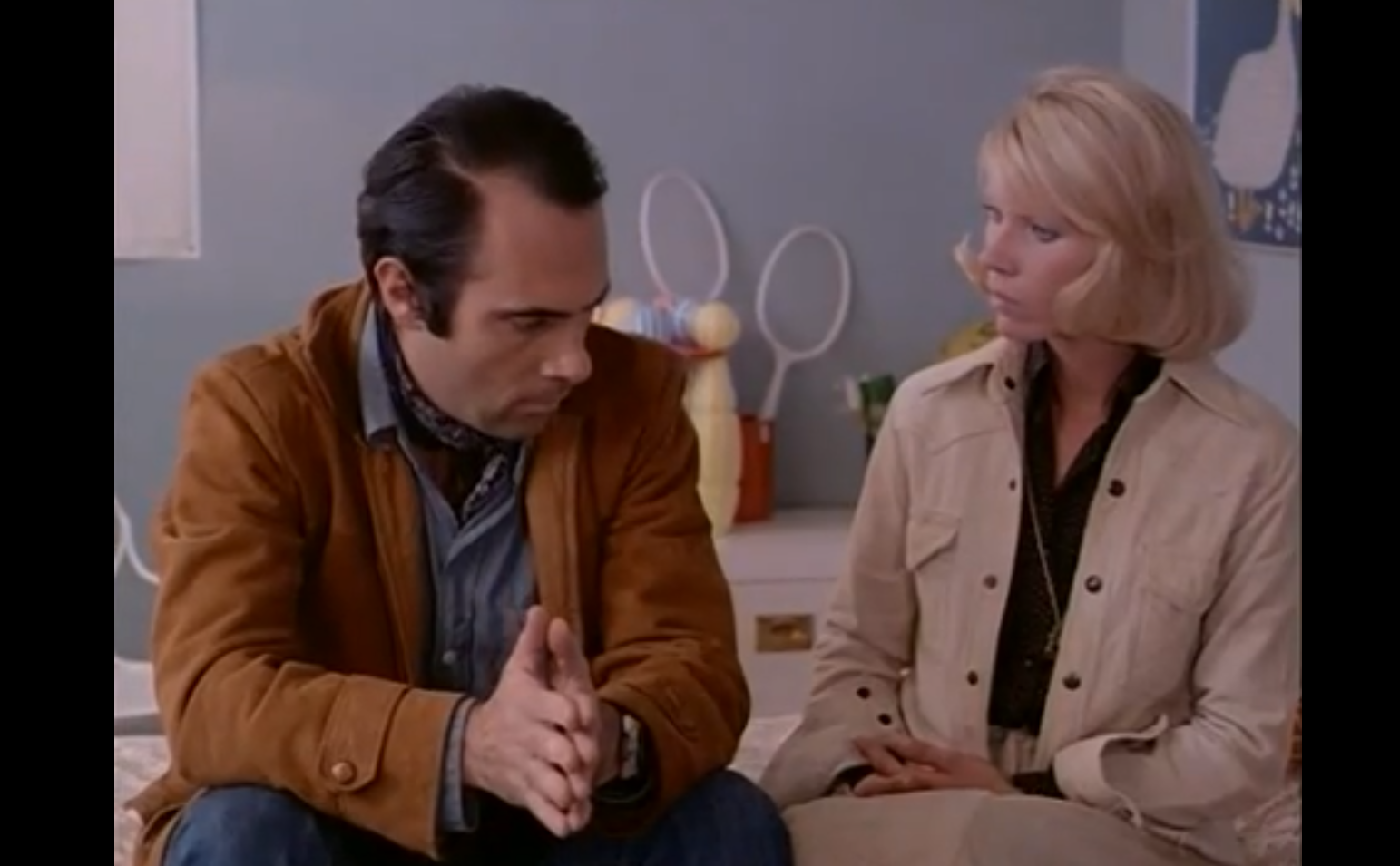
Journalists investigate an aging German industrialist (Gustav Rudolf Sellner) who may have been responsible for the massacre of a Greek village during World War II.

Genres, Themes, Actors, and Directors:

  • Flashback Films
  • German Films
  • Guilt
  • Journalists
  • Maximilian Schell Films
  • World War II

Review:
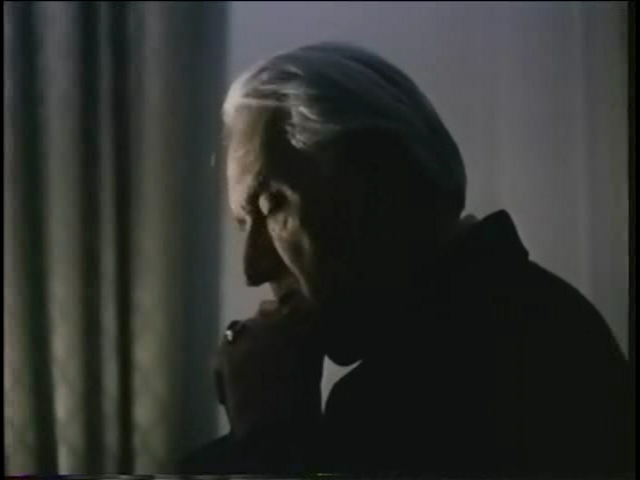
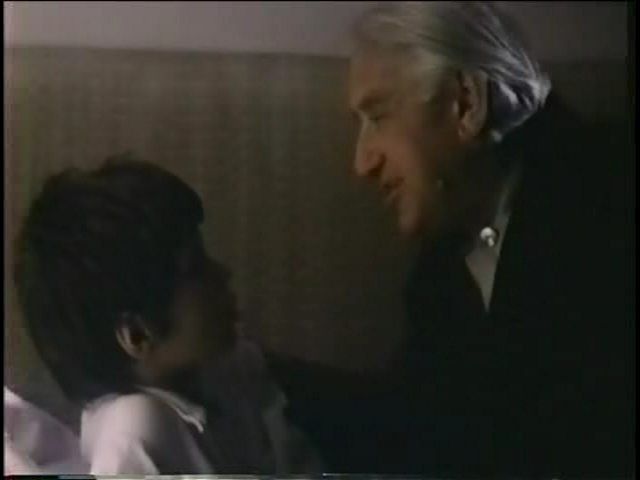
In his second directorial effort, Maximilian Schell tackled the enormous, daunting topic of post-war German guilt. The story itself isn’t entirely successful: it wanders off into too many disparate, didactic directions, and Schell relies too heavily on stylized flashbacks. Yet there are many quietly powerful moments — as when Sellner suddenly begins to reflect on the potential folly of his wartime acts, and tells a bedtime story to his grandson:

“Where must I go to find happiness?” the boy said.
“Happiness?” Death said. “Come with me.”

While Sellner’s grandson goes happily to sleep at the end of the story, it’s evident that Sellner himself — regardless of his sense of guilt — will never be quite the same. Ultimately, The Pedestrian comes to the sticky conclusion, voiced by a journalist towards the end of the film, that while “there may not be collective guilt, there should be collective shame.”

Redeeming Qualities and Moments:

  • Gustav Rudolf Sellner as Heinz Giese
  • Giese explaining to his grandson that “some mistakes are final”

Must See?
No, but film fanatics will probably be curious to check it out.

Links:

Murders in the Rue Morgue (1932)

Murders in the Rue Morgue (1932)

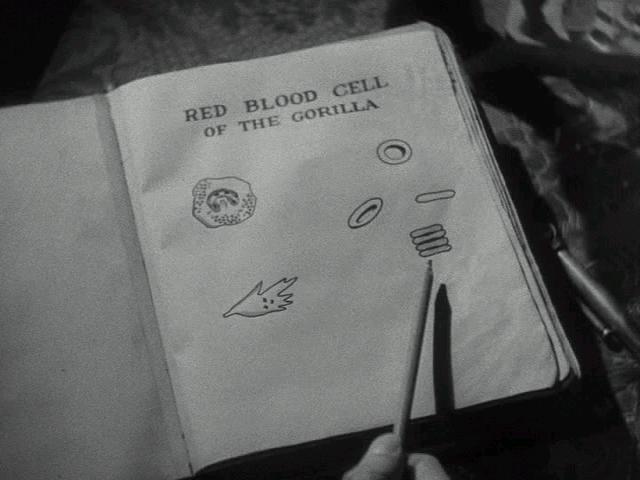
“My life is consecrated to a great experiment: I tell you I will prove your kinship with the ape!”

Synopsis:
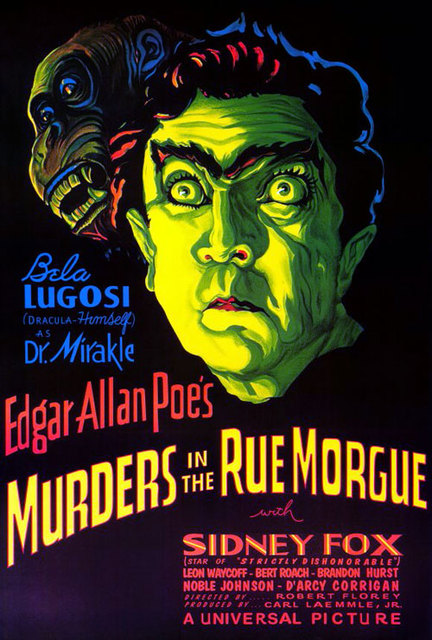
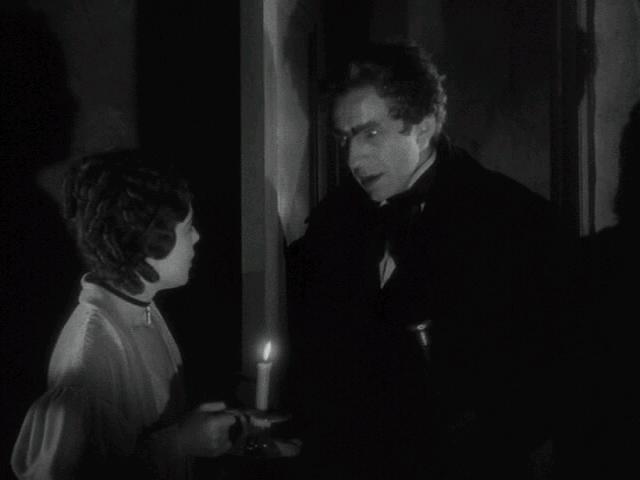
When mad Dr. Mirakle (Bela Lugosi) plots to kidnap beautiful young Camille (Sidney Fox) and “mingle” her blood with that of his giant ape, Erik (Charles Gemora), it’s up to Camille’s boyfriend, a medical student named Pierre (Leon Ames), to save the day.

Genres, Themes, Actors, and Directors:

  • Bela Lugosi Films
  • Horror Films
  • Mad Doctors and Scientists
  • Primates

Response to Peary’s Review:
Peary seems less than enamored with this unusual Universal horror flick, based in-name-only on a short story by Edgar Allan Poe. While acknowledging the power of Karl Freund’s “expressionistic photography”, he barely touches upon the film’s remarkably risque premise (the “perverse sexuality… implicit in Dr. Mirakle’s work”), a topic discussed in much greater detail in DVD Savant’s review. While I agree that the film possesses some egregious flaws (the alternating use of a chimpanzee and a man in an ape suit to play Erik is especially noticeable), I disagree with Peary that some of the most powerful scenes — such as “Lugosi draining the blood from a streetwalker” — are “tasteless”. As noted by DVD Savant, Murders in the Rue Morgue may be a bit of a mess, but it’s nonetheless a “hugely enjoyable” one.

Note: Many have pointed out this film’s visual similarities to The Cabinet of Dr. Caligari (1920), and the association is apt.

Redeeming Qualities and Moments:

  • Expressionistic set designs
  • Countless memorable images
  • Karl Freund’s atmospheric, shadow-filled cinematography
  • A remarkably risque premise

Must See?
No, but it’s recommended.

Links:

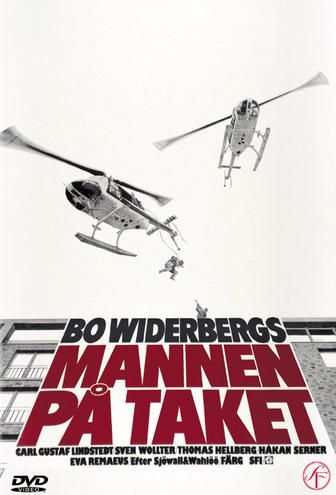
Man on the Roof (1976)

Man on the Roof (1976)

“We must get this butcher. His motive is clear: revenge.”

Synopsis:
When corrupt police lieutenant Nyman is murdered in his hospital bed, Detective Beck (Carl-Gustaf Lindstedt) and his colleagues investigate the mystery. Soon they discover that a bitter ex-cop (Ingvar Hirdwall) whose diabetic wife died under Nyman’s custody may be taking revenge.

Genres, Themes, Actors, and Directors:

  • Corruption
  • Murder Mystery
  • Police
  • Revenge
  • Scandinavian Films

Review:
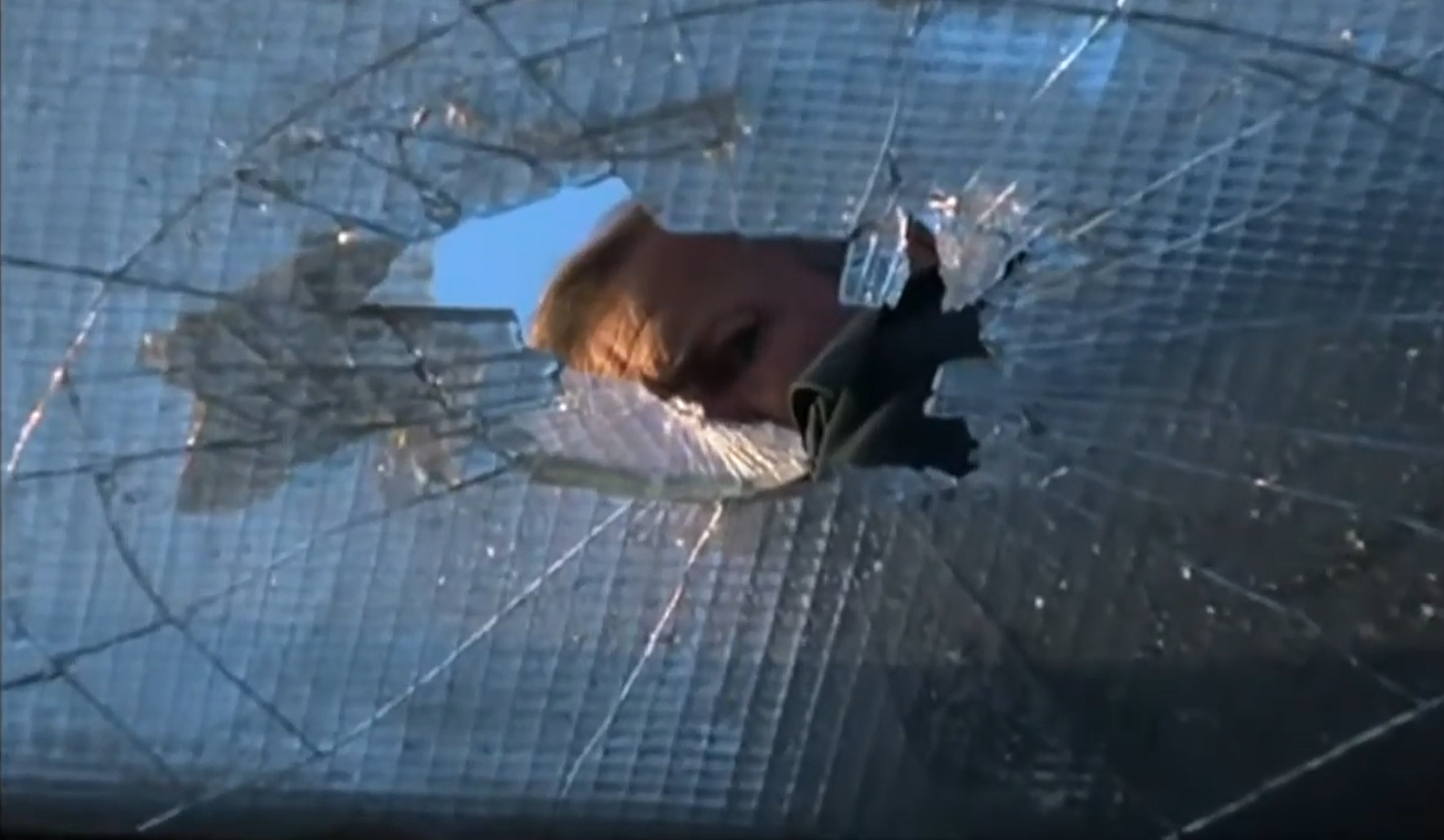
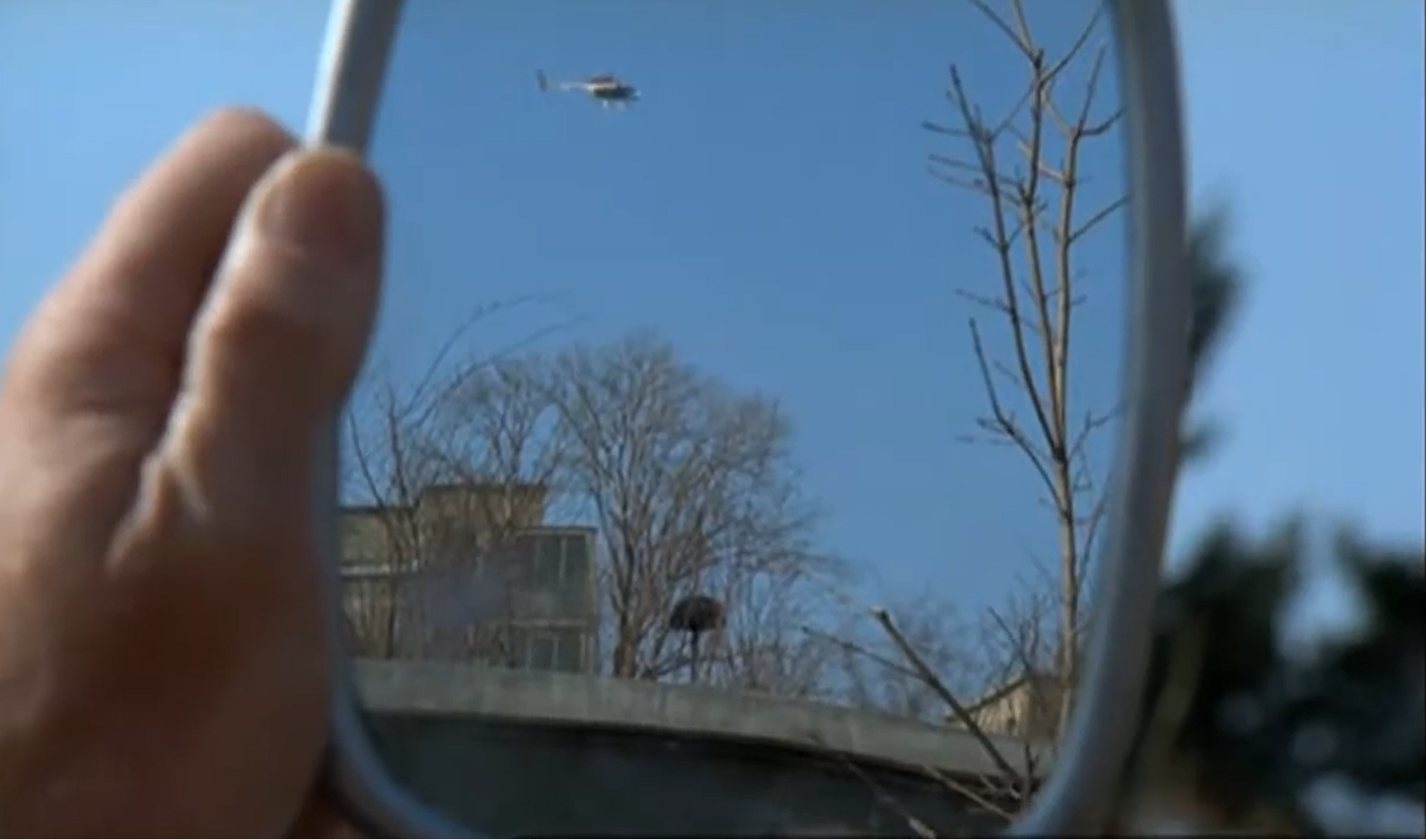
In a 1962 treatise entitled Vision in Swedish Film, director Bo Widerberg notoriously spoke out against Ingmar Bergman’s dominance in Sweden’s cinematic landscape, noting the need for Swedish films which dealt with “earthier” concerns than those traditionally addressed by Bergman. This mystery thriller by Widerberg is, ironically, a bit of both — a decidedly action-filled film, but one grounded in a more serious exploration of corruption. For the most part, it’s an enjoyable, satisfying movie, one which takes us through Stockholm’s streets, and shows us — in its final climactic scenes — the city’s gorgeous rooftops.

Unfortunately, however, the screenplay is marred by a serious lack of focus: while Detective Beck is squarely posited as the central protagonist, by the end of the film we’re inexplicably following a different set of (younger) policemen altogether. At this point, although the action is undeniably exciting, we’re no longer invested in the ultimate outcome — especially given that the mystery of the killer was solved much earlier.

Redeeming Qualities and Moments:

  • Many excitingly filmed action sequences — particularly the lengthy finale

Must See?
Yes, simply for its historical importance as a popular Swedish film of the ’70s.

Categories

  • Historically Relevant

Links:

Skyline (1984)

Skyline (1984)

“This city is very intense: you’ve got to look for your own way, and make the most of it.”

Synopsis:
A Spanish photographer named Gustavo (Antonio Resines) spends the summer in New York, where he struggles to learn English, tries to sell his work to a big-name magazine, and woos a beautiful Spanish expatriate (Beatriz Perez Porro).

Genres, Themes, Actors, and Directors:

  • Immigrants and Immigration
  • New York City
  • Photographers
  • Spanish Films

Review:
Writer/director Fernando Colomo clearly based much of this semi-autobiographical film on his own experiences as a visitor in the United States. He perfectly captures the frustration of not being able to understand or speak the language around you, and of expats’ tendency to latch on to those few who do. Yet the story itself fails to compel, mostly because Gustavo’s stubborn insistence on trying to sell his photos of New York buildings (which, by the way, we never see) doesn’t make any sense; when told very gently yet directly that the kind of work he’s created has already been done, he doesn’t seem to take the hint. Similarly, he continues to pursue a young woman (Porro) who’s never expressed any interest in him. Worst of all, however, is the film’s ending, which is enormously unsatisfying. Overall, this one is a disappointment.

Redeeming Qualities and Moments:

  • An honest depiction of the language difficulties faced by immigrants and expatriates in America

Must See?
No.

Links:

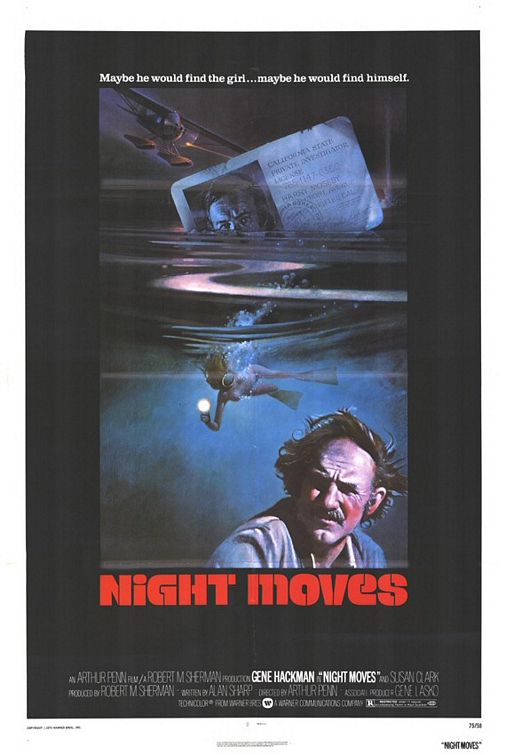
Night Moves (1975)

Night Moves (1975)

“What’s it all about, Moseby?”

Synopsis:
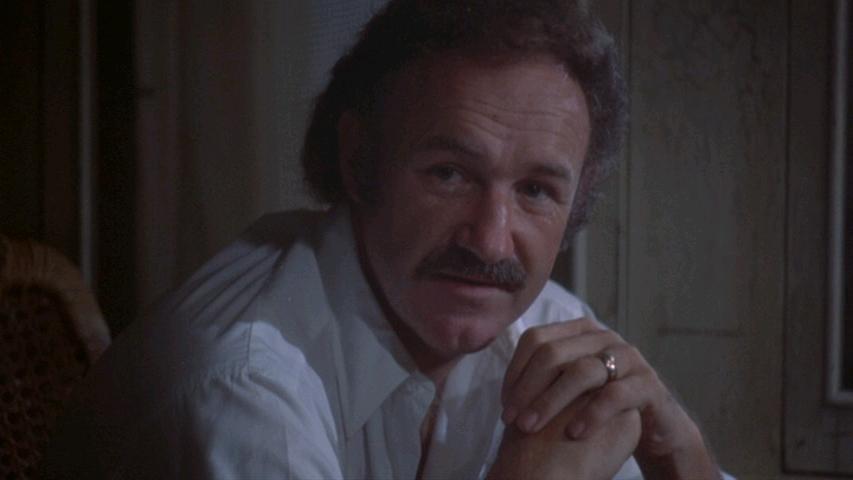
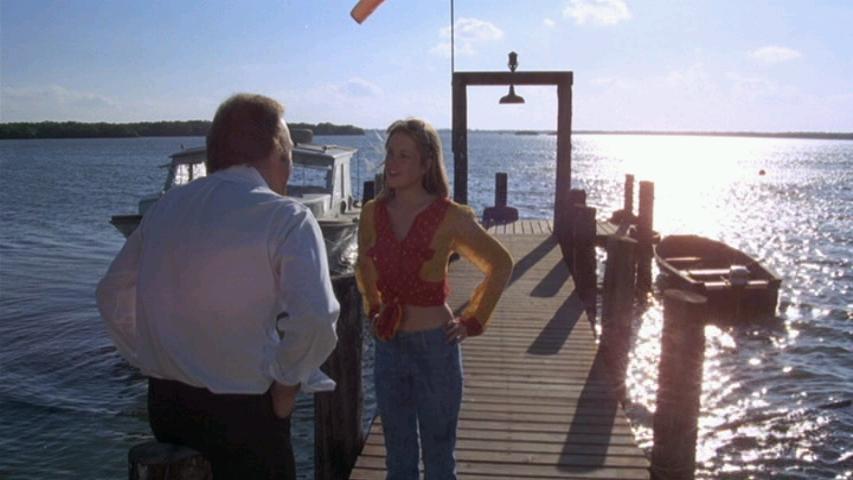
When a private investigator (Gene Hackman) is hired to bring a runaway (Melanie Griffith) back home to her mother (Janet Ward) in L.A., he unexpectedly finds himself embroiled in a multiple murder mystery.

Genres, Themes, Actors, and Directors:

  • Arthur Penn Films
  • Detectives and Private Eyes
  • Gene Hackman Films
  • James Woods Films
  • Murder Mystery
  • Runaways
  • Susan Clark Films

Review:
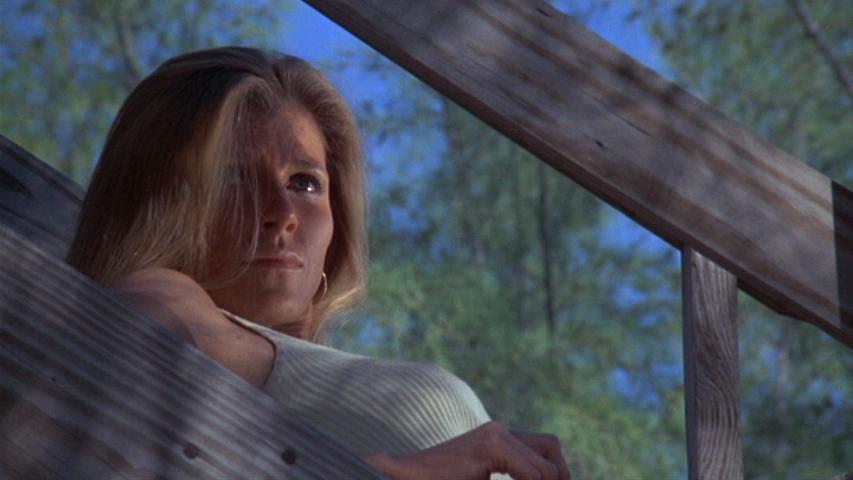
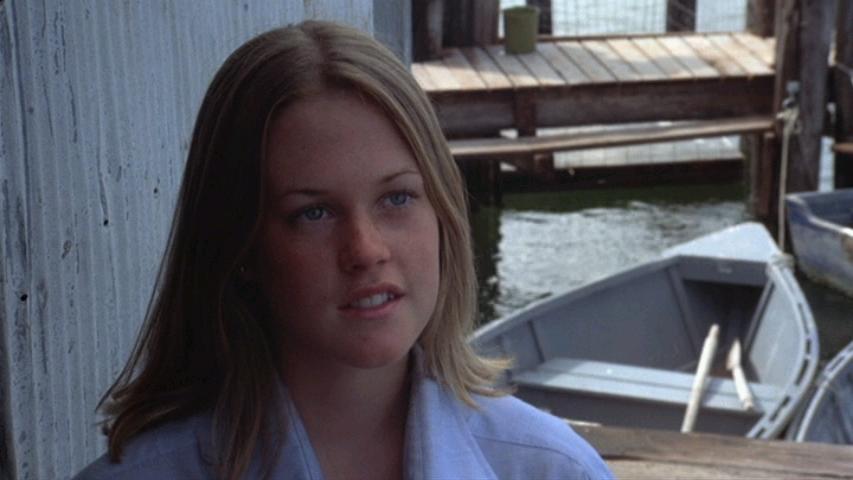
Arthur Penn’s Night Moves is smart ’70s noir — a psychological thriller with multiple twists and turns. Gene Hackman is perfectly cast as Detective Moseby, and is surrounded by fine supporting actors — including Susan Clark as his philandering wife; Jennifer Warren as the mysterious, earthy blonde who uses Moseby in unexpected ways; young Melanie Griffith as a runaway teen; and James Woods (ever smarmy) in an early bit part. Alan Sharp’s screenplay makes good use of settings in both Florida and L.A., and never gets stale — we’re continually kept guessing as to what will come next. Definitely worth checking out.

Redeeming Qualities and Moments:

  • Gene Hackman as Moseby (nominated by Peary as one of the Best Actors of the Year in his Alternate Oscars)
  • Susan Clark as Moseby’s wife
  • Jennifer Warren as the mysterious, over-tanned Paula
  • Melanie Griffith as the sexpot runaway
  • Good use of distinctive settings in both L.A. and Florida

Must See?
Yes. This edgy detective thriller is one-of-a-kind. Listed as a Cult Movie and a Personal Recommendation in the back of Peary’s book.

Categories

  • Important Director
  • Noteworthy Performance(s)

Links:

Cousin, Cousine (1975)

Cousin, Cousine (1975)

“What we have is extraordinary… It has to stay that way.”

Synopsis:
After meeting at a family wedding, a woman (Marie-Christine Barrault) and her distant cousin (Victor Lanoux) become friends and then lovers, while their philandering spouses (Guy Marchand and Marie-France Pisier) get increasingly jealous.

Genres, Themes, Actors, and Directors:

  • French Films
  • Infidelity
  • Romantic Comedy

Review:
This lilting French comedy — essentially a tale of romantic revenge — is listed as a cult movie in the back of Peary’s book, and was remade in 1989 as Cousins, starring Isabella Rossellini and Ted Danson. It’s easy to understand why American audiences were so taken with it, given that it represents a decidedly “European” approach to love and marriage — one which allows for an unconventional, free-spirited attitude towards extra-marital affairs. From the beginning of the film, we’re made to sympathize with the long-suffering Barrault and Lanoux, who accept their spouses’ philandering with an air of insouciant sadness; once they discover their attraction for one another other, we can’t help but cheer them on, because their spouses deserve to worry and wonder. A frothy souffle, but worth a look.

Redeeming Qualities and Moments:

  • A light-hearted look at infidelity and sexual mores in the 1970s
  • Marchand breaking things off with his six extra-marital lovers

Must See?
No, but it’s recommended for one-time viewing.

Links:

Play It Again, Sam (1972)

Play It Again, Sam (1972)

“Oh, face it, Allan: you may be very sweet, but you’re not sexy.”

Synopsis:
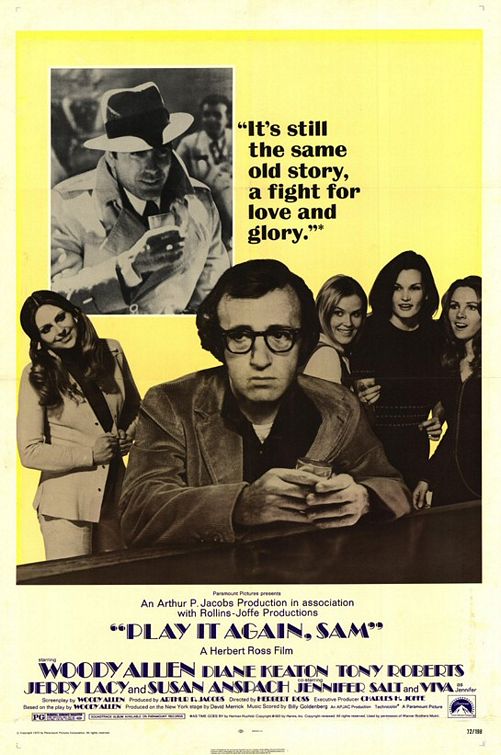
When his wife (Susan Anspach) leaves him, a neurotic film critic (Woody Allen) enlists the help of his married friends (Diane Keaton and Tony Roberts) and Humphrey Bogart (Jerry Lacy) in navigating the world of dating.

Genres, Themes, Actors, and Directors:

  • Dating
  • Diane Keaton Films
  • Herbert Ross Films
  • Infidelity
  • Movie Buffs
  • Play Adaptation
  • Romantic Comedy
  • Woody Allen Films

Response to Peary’s Review:
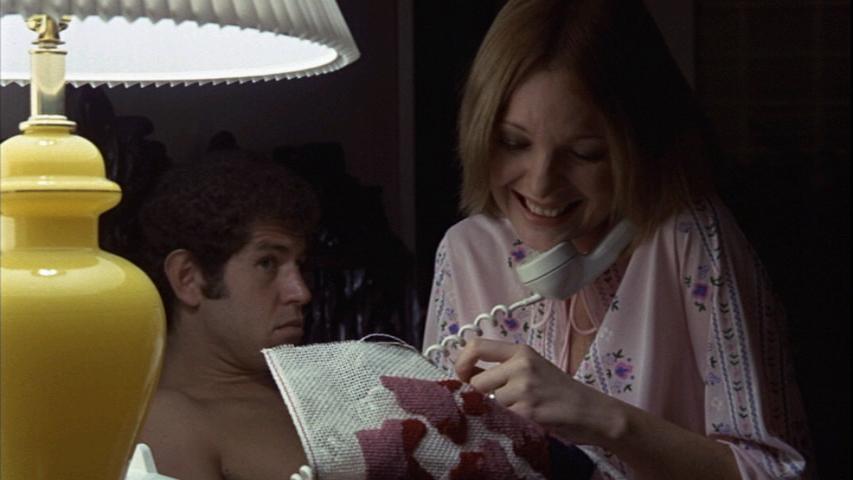
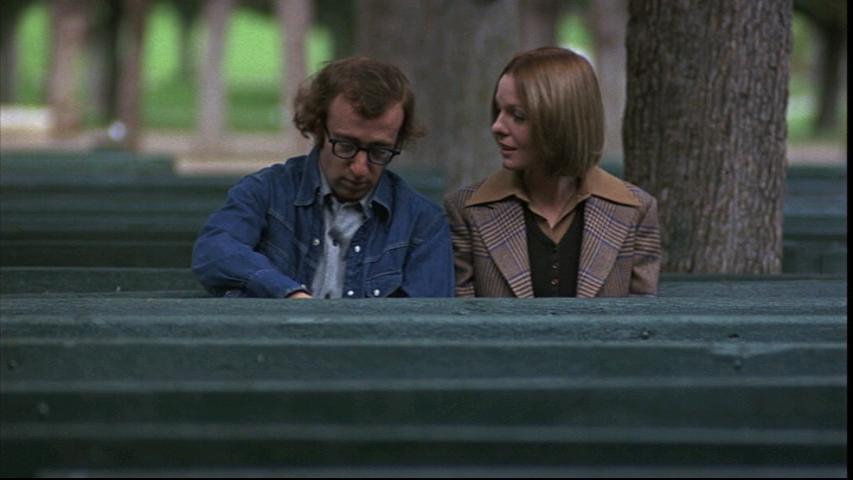
As Peary notes, this “consistently funny” adaptation of Woody Allen’s Broadway play (directed by Herbert Ross) was “the picture that really established Allen’s screen persona”. In typical Allen fashion, his avatar — whose first name is Allan — is a “depressed, neurotic, self-effacing sexual klutz” who mouths one-liners incessantly (when Keaton is impressed that he got her a birthday present, he notes, “You mentioned the date and I remembered because it’s the same day my mother had her hysterectomy”). His series of awful first dates — a narrative sequence which has been done in films many times since, but never as successfully — is truly hilarious, and, though obviously exaggerated, nonetheless rings true in every respect.

Buoying the film tremendously is the genuine rapport we sense between Keaton and Allen — it’s remarkably easy to imagine them as friends, and we feel for Keaton when her workaholic husband (well played by Tony Roberts) neglects her so egregiously that she looks outside her marriage for love. The final scene — a nearly blow-by-blow replica of the infamous “tarmac scene” in Casablanca — is, as noted by DVD Savant, perhaps not quite as fresh as it must once have seemed, but remains an effective ending to this cinephilic homage .

Redeeming Qualities and Moments:

  • Diane Keaton as Linda
  • Keaton and Allen’s genuine rapport
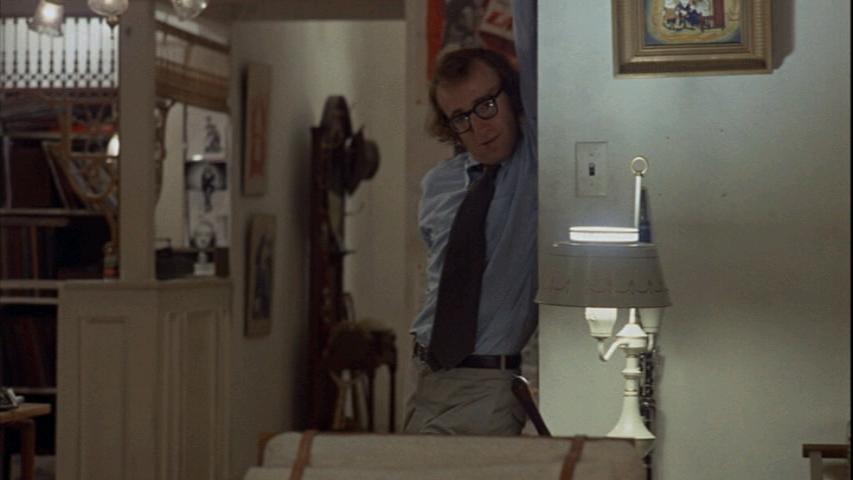
  • Allan attempting (unsuccessfully) to play it cool before his first blind date
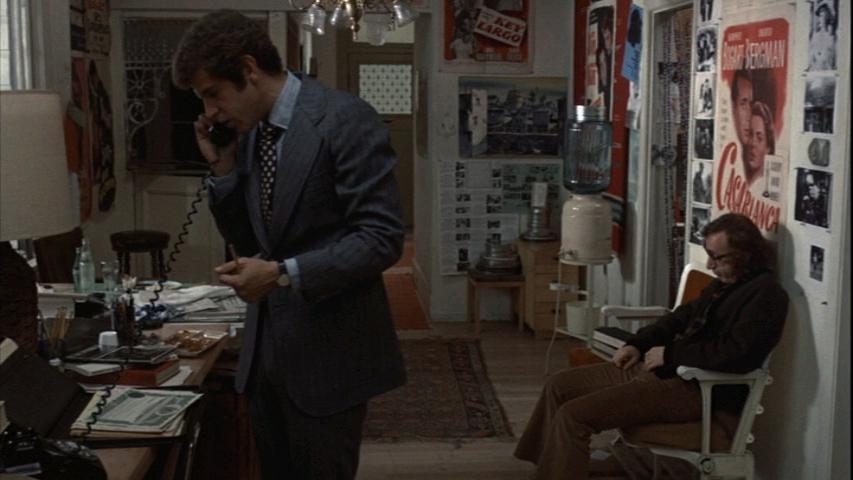
  • Dick (Roberts) obsessively phoning in the telephone numbers where he can be reached
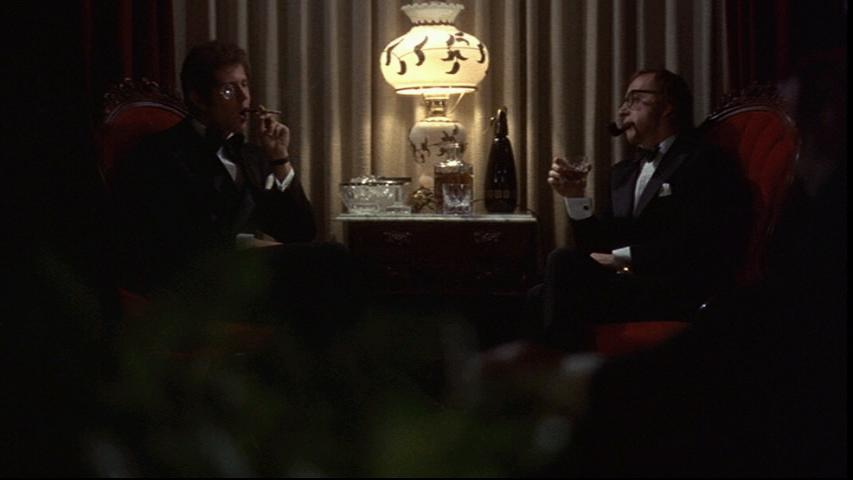
  • Allan imagining Dick’s potential reaction to the news of his wife’s affair
  • Many hilarious one-liners:

    “Sorry I had to slap you around, but you got hysterical when I said, ‘No more.'”

Must See?
Yes, as early evidence of Allen’s comedic genius.

Categories

  • Historically Relevant

Links:

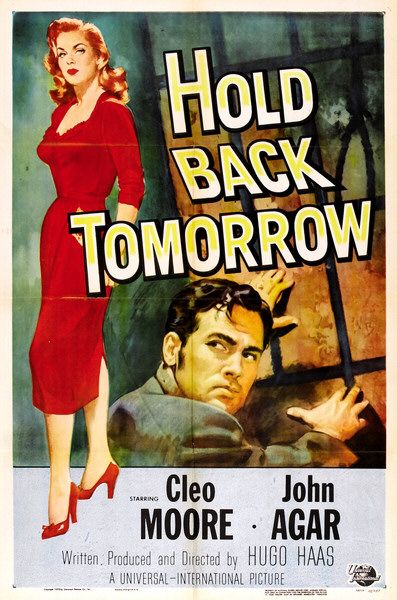
Hold Back Tomorrow (1955)

Hold Back Tomorrow (1955)

“He wants to have some fun. Music, dancing — y’know. To kill time.”

Synopsis:
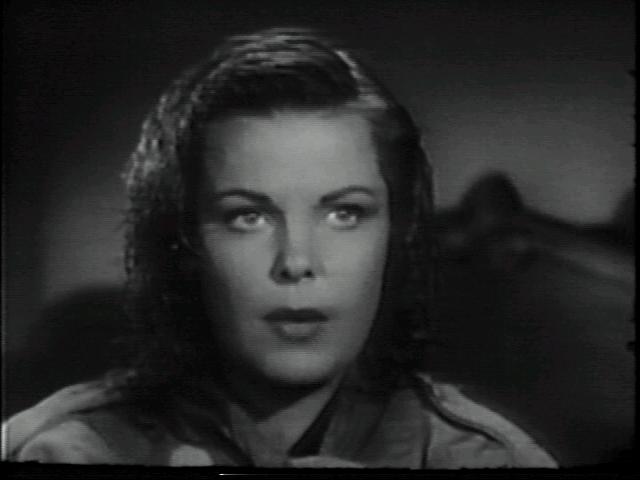
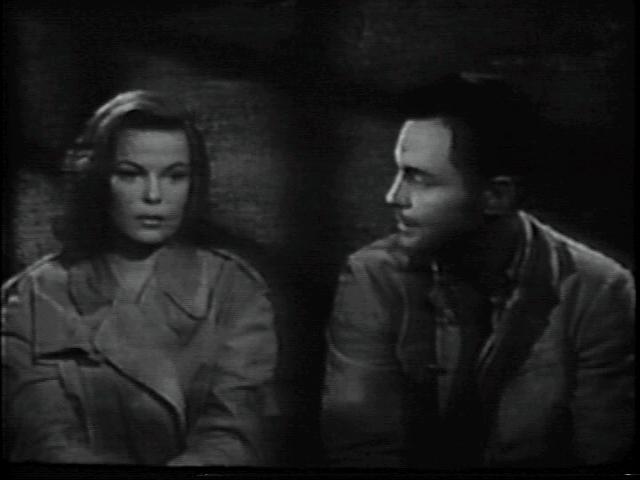
As his final request, a death-row prisoner named Joe (John Agar) asks for a girl to be sent to his cell. When a suicidal prostitute named Dora (Cleo Moore) shows up, Joe is at first disappointed — but soon the two misfits realize they have more in common than they thought, and a last-minute romance ensues.

Genres, Themes, Actors, and Directors:

  • Character Arc
  • Hugo Haas Films
  • John Agar Films
  • Prisoners
  • Prostitutes and Gigolos

Review:
In this character-driven romance, director Hugo Haas tells a simple, occasionally derivative, but ultimately touching story of two lonely souls finding love at the brink of death. Moore (who starred in no less than seven of Haas’s films) gives one of her best performances as Dora, a woman so weary of life she barely reacts to the worst insults; Agar is much less impressive, but serves as a suitable foil for Moore — the true protagonist of the film. Haas’s dialogue occasionally descends into outright camp, as in the following melodramatic exchange later in the film:

Joe: “Shut up, you crazy dame! What are you trying to do?”
Dora: “I’m trying to help you — help you, you fool!”

but more often is simple and quiet, befitting the film’s low budget and lack of special effects. While no masterpiece, Hold Back Tomorrow fits squarely within the realm of Haas’s unusual B-level oeuvre.

Redeeming Qualities and Moments:

  • Cleo Moore as Dora
  • An effective tale of romance between two misfits

Must See?
No, but it’s recommended for fans of Hugo Haas’s work.

Links:

Cat Women of the Moon (1953)

Cat Women of the Moon (1953)

“Four of us will be enough. We will get their women under our power, and soon we will rule the whole world!”

Synopsis:
Five astronauts (Sonny Tufts, Victor Jory, Marie Windsor, William Phipps, and Douglas Fowley) on a trip to the moon discover a colony of man-hating “cat women” with psychic powers.

Genres, Themes, Actors, and Directors:

  • Aliens
  • Marie Windsor Films
  • Mind Control and Hypnosis
  • Science Fiction
  • Space Exploration

Review:
Cat Women of the Moon is often cited as one of the definitive “bad movies” of the 1950s — and for good reason. First, its classification as “sci-fi” is highly suspect, since, as noted in the AlanSmithee.com review [nb as of 12/08: now sadly defunct], “Science has about as much to do with [the film] as leopards have to do with double-entry accounting.” The dialogue is either laughable (“We have no use for men!”) or offensive (“You’re too smart for me, baby — I like ’em stupid!”), and the acting — even by B-favorite Marie Windsor — is over-the-top.

Plus, in true “bad movie” fashion, the title is misleading: the only association these female aliens have with cats is their skin-tight black suits.

“May we serve you, Earth men?”

As in the later camp classic Queen of Outer Space (1958), Cat Women is ripe for feminist analysis, with male-hating female aliens eventually either shown the folly of their ways (one falls in love) or destroyed.

Redeeming Qualities and Moments:

  • Hopelessly campy performances by everyone involved

Must See?
Yes, for its status as a campy cult classic.

Categories

  • Cult Movie

Links: