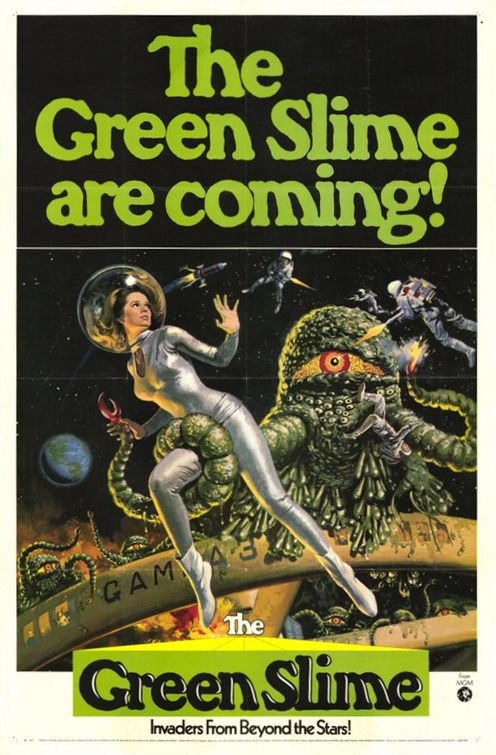
Green Slime, The (1968)

Green Slime, The (1968)

“One cell, one microscopic speck left on a space suit, and it would absorb all the energy it could find!”

Synopsis:
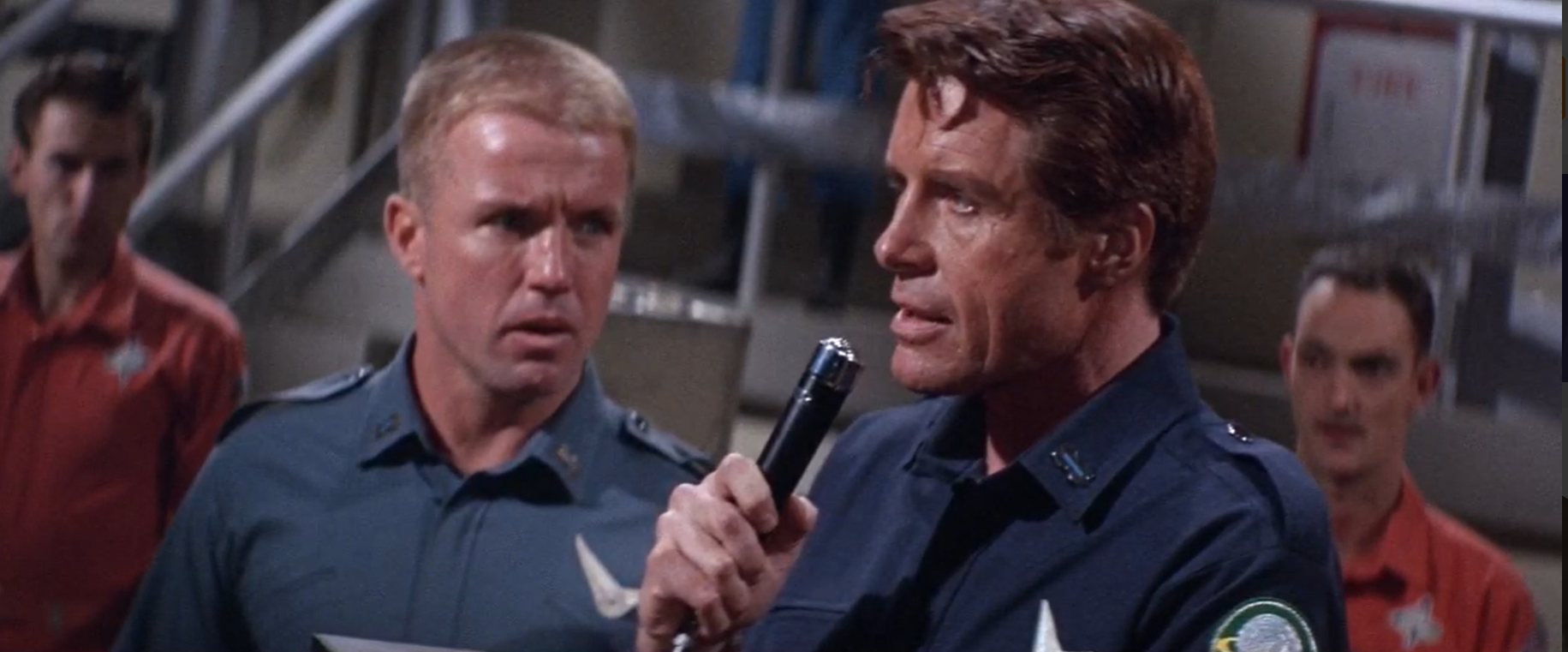
A crew sent to destroy an asteroid before it hits the Earth accidentally brings back to its space station a speck of green slime, which multiplies rapidly and soon morphs into one-eyed tentacled aliens. It’s up to arrogant Commander Rankin (Robert Horton) and feisty Commander Elliott (Richard Jaeckel) to overcome their fierce rivalry for sexy Dr. Lisa Benson (Luciana Paluzzi) in time to save the station from destruction.

Genres, Themes, Actors, and Directors:

  • Aliens
  • Astronauts
  • Richard Jaeckel Films
  • Rivalry
  • Science Fiction

Review:
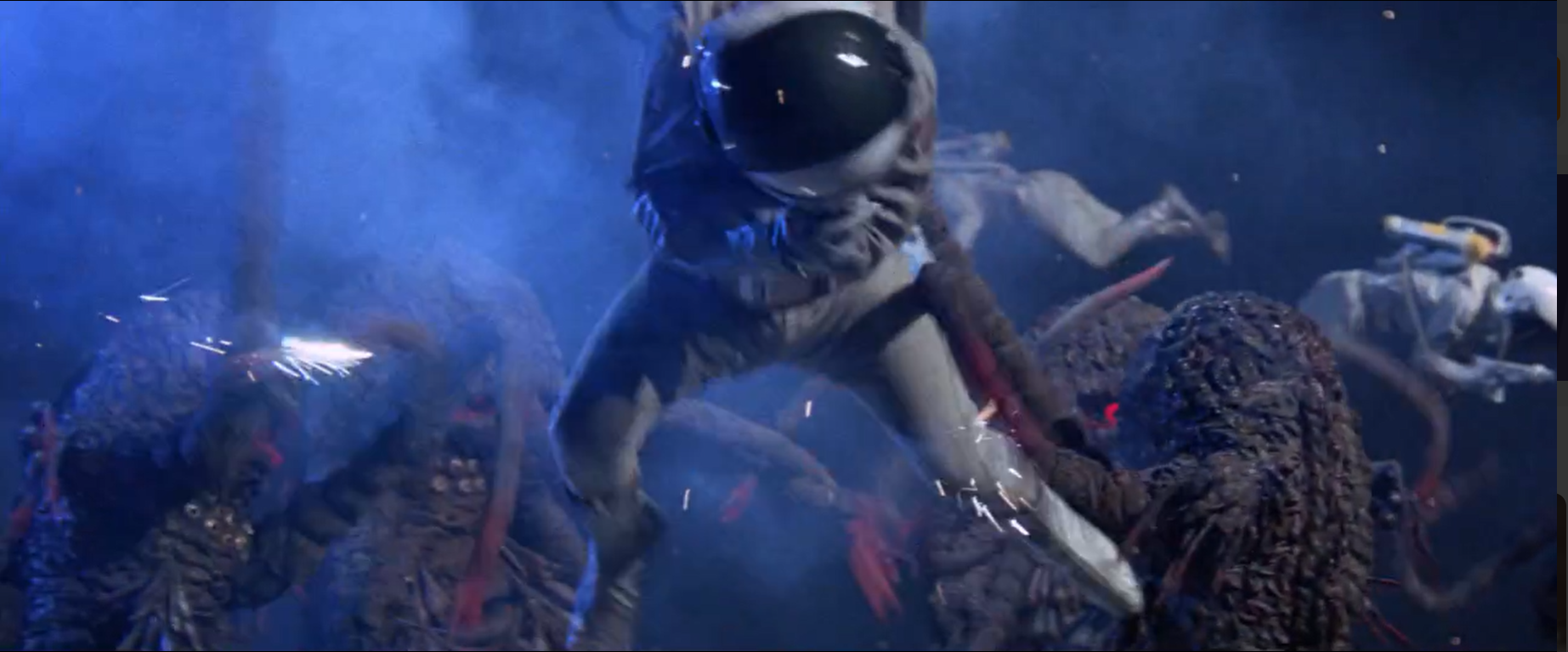
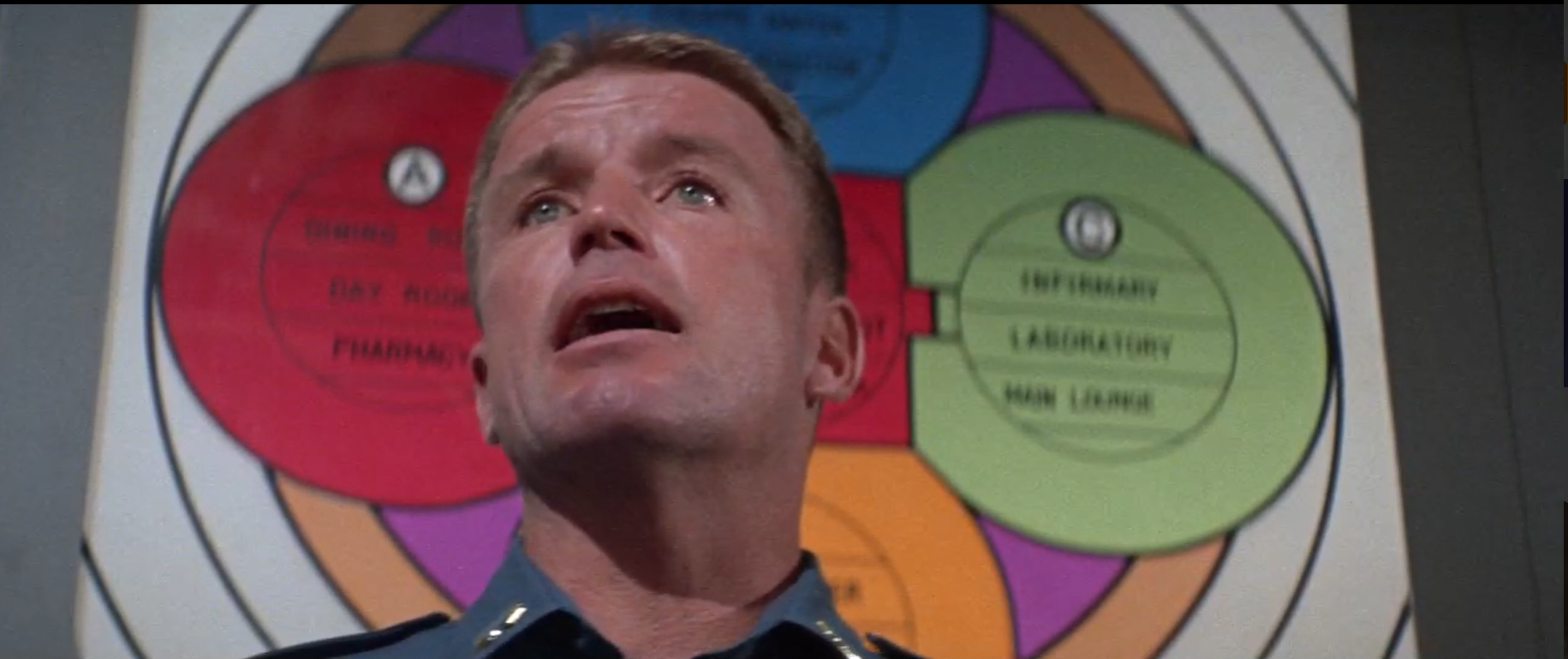
The fact that the first half-hour of this decidedly campy Japanese-American sci-fi thriller is competently executed makes the ensuing tedium that much more disappointing. Working on what was clearly an ultra-low budget, director Kinji Fukasaku and his crew try their best to evoke the fear and tension inherent in stopping a hurtling asteroid in mid-air, and Fukasaku ably transitions the story into its new central threat once the bubbly green slime makes its dastardly appearance:

(Indeed, given recent threats of airborne pathogens and unknown substances beyond our control, the notion of killer slime isn’t really all that far-fetched.) Unfortunately, however, once the slime auto-magically morphs into humanoid creatures (likened by one reviewer to Sigmund the Sea Monster), all credibility is thrown out the window, and Camp becomes the operative word.

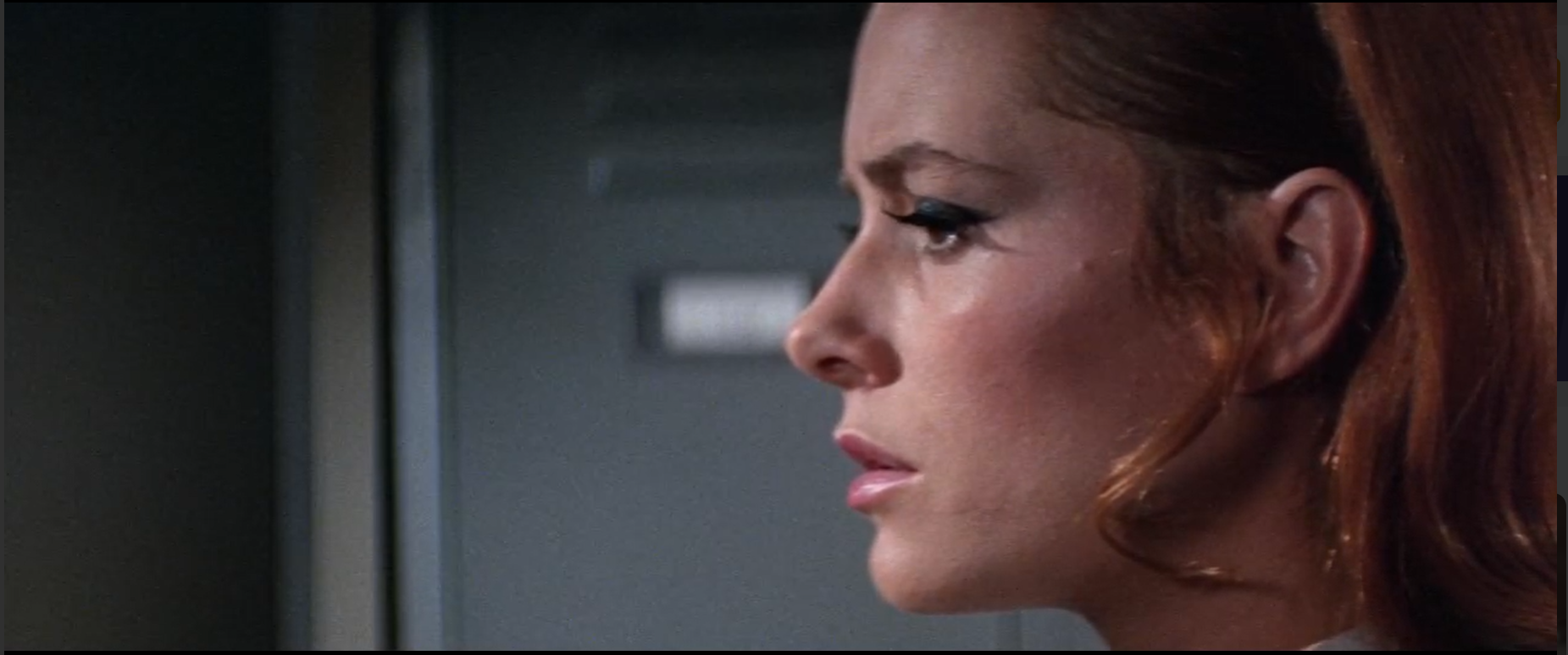
Making matters much worse is the insipid love triangle between Horton, Jaeckel, and the super-sexy (naturally) female doctor on board the ship (Luciana Palazzi, Fiona Volpe in 1965’s Thunderball).

This truly inane subplot distracts us from the real emergency on hand, instead shifting the central narrative thrust towards which commander can prove his “manly” worth in front of Palazzi, and thus win her hand. Who cares? To their credit, Jaeckel and Horton take their roles extremely seriously, never breaking concentration despite the fact that they’re basically doing battle with walking Halloween costumes — but even their best efforts can’t save this bomb from sinking.

Skip this one unless you’re a true fan of the genre.

Redeeming Qualities and Moments:

  • Richard Jaeckel gamely making the best of his strictly B-level role
  • The endearingly amateur “special effects” models

Must See?
No. While it holds some minor historical importance as the first Japanese-American cinematic collaboration — and as an early film by director Kinji Fukasaku (Battle Royale, 2000) — it’s really only must-see for fans of the genre. Listed as a Camp Classic in the back of Peary’s book.

Links:

Night They Raided Minsky’s, The (1968)

Night They Raided Minsky’s, The (1968)

“We know you are a real sophisticated audience — and what you are about to see is a real mature story.”

Synopsis:
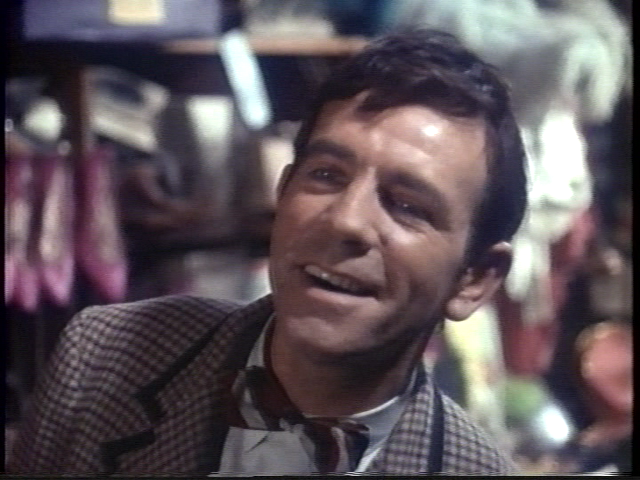
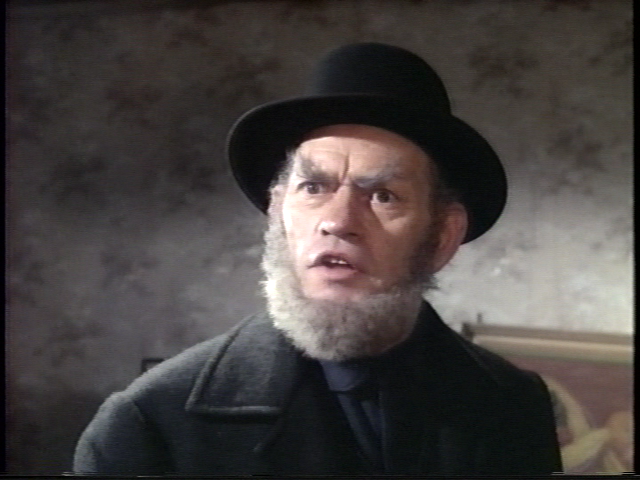
A naive young Amish woman (Britt Ekland) with dreams of becoming a dancer arrives at Minsky’s Burlesque Theatre in New York City, and quickly wins the hearts of comedic partners Norman Wisdom and Jason Robards. Meanwhile, Robards and the club’s owner (Elliott Gould) concoct a sure-fire plan to foil a group of do-gooders intending to raid the club that night.

Genres, Themes, Actors, and Directors:

  • Aspiring Stars
  • Britt Ekland Films
  • Comedy
  • Elliott Gould Films
  • Harry Andrews Films
  • Jason Robards Films
  • Love Triangle
  • Morality Police
  • Vaudeville and Burlesque
  • William Friedkin Films

Review:
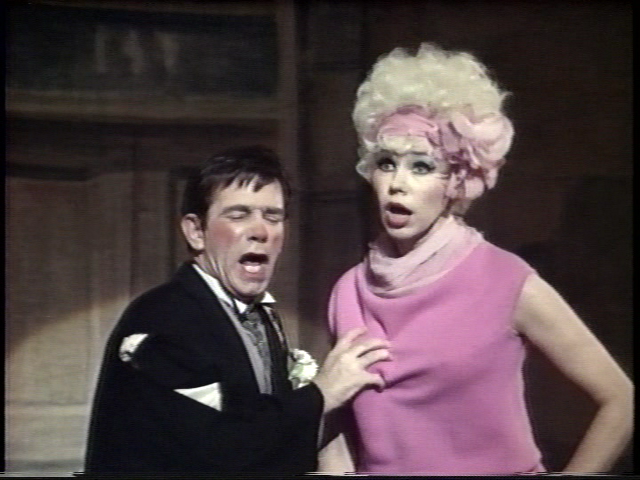
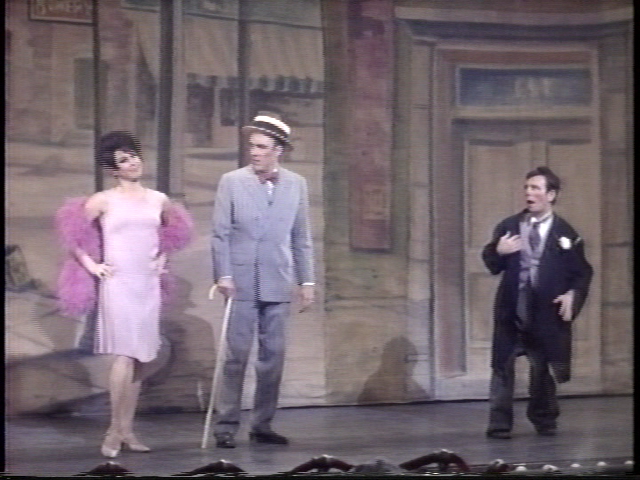
This bawdy historical comedy — directed by William Friedkin — purports to tell the story of the first ever (unintentional) striptease, but is really more concerned with simply honoring and celebrating the infectious joys of burlesque theater. Through ample exposure to ribald skits and songs on stage, one gets a sense of what audience members (primarily men, though women were present as well) were there to enjoy. Friedkin moves the story along at a brisk pace (in nearly real time), neatly juxtaposing the night’s early acts with the converging tales of an innocent Amish girl (Ekland is well-cast) who wants nothing more than to break into show business, and an upcoming raid on the club by local do-gooders. Along the way, Ekland becomes fodder for the romantic interests of both womanizing Jason Robards and his more sincere partner, Norman Wisdom; while we feel concern for her extreme naivete, she shows surprising reserves of chutzpah, and makes for an appealing heroine.

Redeeming Qualities and Moments:

  • Norman Wisdom as Chick Williams
  • Jason Robards as Raymond Paine
  • Britt Ekland as Rachel Schpitendavel
  • Harry Andrews as Ekland’s stern Amish father
  • An exuberant paean to the bygone days of vaudeville burlesque
  • Many enjoyable skits and songs
  • An effective depiction of audience reaction to even the mildest of sexual suggestion

Must See?
No, but it’s recommended.

Links:

Damned, The (1969)

Damned, The (1969)

“You must realize that today in Germany, anything can happen, even the improbable — and it’s just the beginning.”

Synopsis:
In early 1930s Germany, the wealthy von Essenbeck steelworks family members — including its soon-to-be-murdered magnate (Albrecht Schoenhals), a ferociously ambitious mother (Ingrid Thulin), her pedophilic son (Helmut Berger), her power-hungry lover (Dirk Bogarde), and a Nazi-loving Brownshirt (Reinhard Kolldehoff) — find themselves trapped in a web of corruption, intrigue, and murder.

Genres, Themes, Actors, and Directors:

  • Dirk Bogarde Films
  • Family Problems
  • Luchino Visconti Films
  • Nazis
  • Pedophiles
  • World War II

Review:
Luchino Visconti’s epic saga of familial corruption and depravity — notorious for its original “X” rating — is a tough pill to swallow. While many critics (at the time and now) view it as brave, intelligent, and artistic, all I see is plenty of bombastic emperor’s clothing. It’s hampered by several serious flaws: horrendous dubbing (what was Visconti thinking?!), lame performances (very few actors, despite their credentials, emerge unscathed), overly self-conscious camera techniques (Visconti relies on zoom shots far more than he should), and a poorly written, convoluted script. In truth, The Damned is a tedious, never-ending affair, only redeemed (partially) by its sumptuous cinematography and costumes.

Redeeming Qualities and Moments:

  • Helmut Griem as Commander Aschenbach
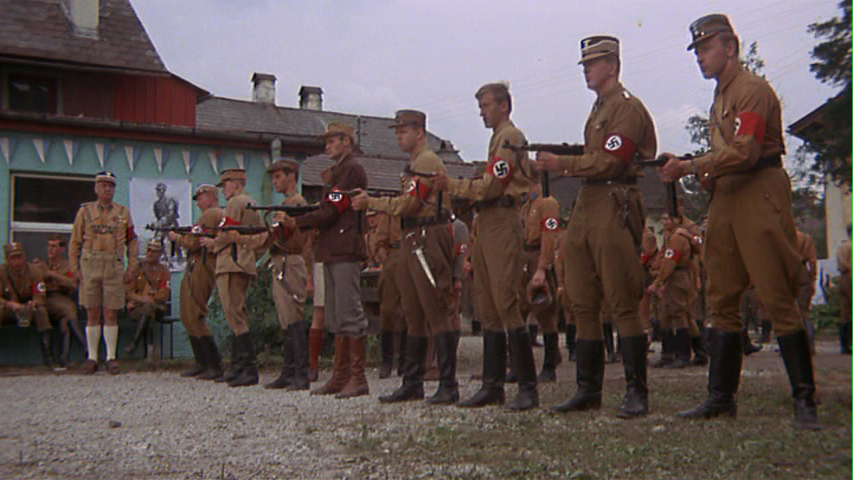
  • An effective (albeit historically suspect) recreation of the Night of the Long Knives gathering and massacre

Must See?
No. While it holds some historical importance for its Oscar-nominated (!) screenplay and its erstwhile status as an X-rated import, I can’t in good conscience recommend it as must-see viewing. Listed as a film with Historical Importance in the back of Peary’s book.

Links:

Gaav (1969)

Gaav (1969)

[Note: The following review is of a non-Guide for the Film Fanatic title; click here to read more.]

“My cow wouldn’t run away, Eslam… My cow wouldn’t do that.”

Synopsis:
In a close-knit Iranian village, the adoring owner (Ezzatolah Entezami) of the town’s only cow suffers a mental breakdown when he learns that his beloved “pet” has suddenly died.

Genres, Themes, Actors, and Directors:

  • Mental Breakdown
  • Middle Eastern Films
  • Obsessive Love
  • Village Life

Review:
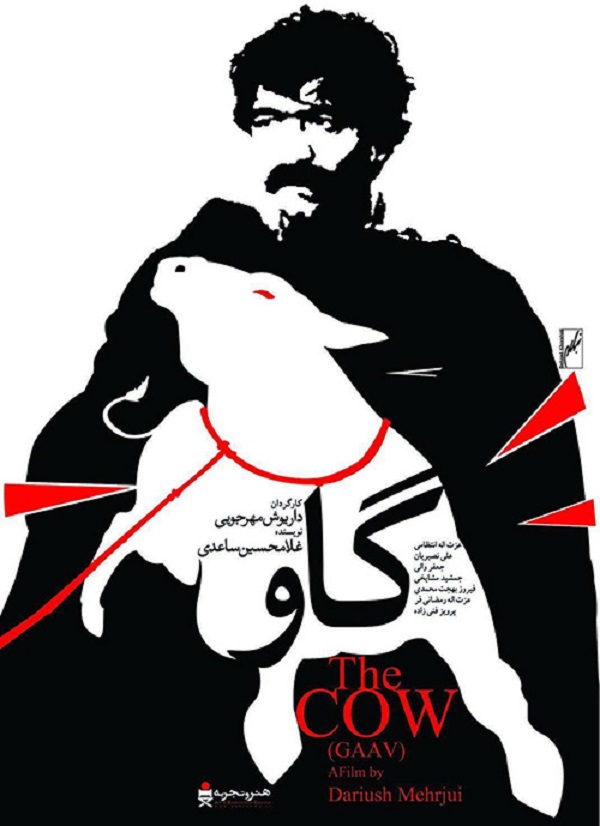
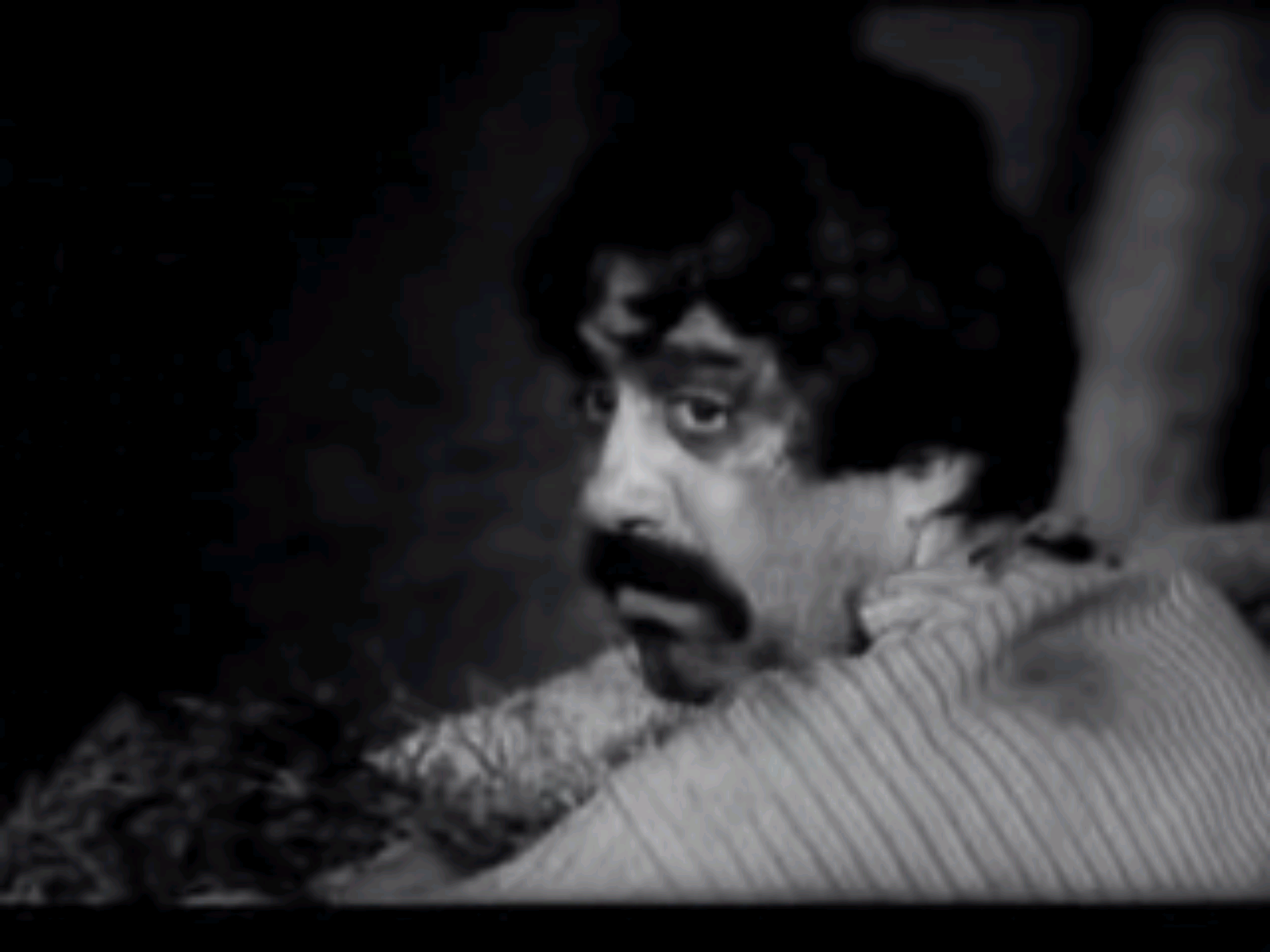
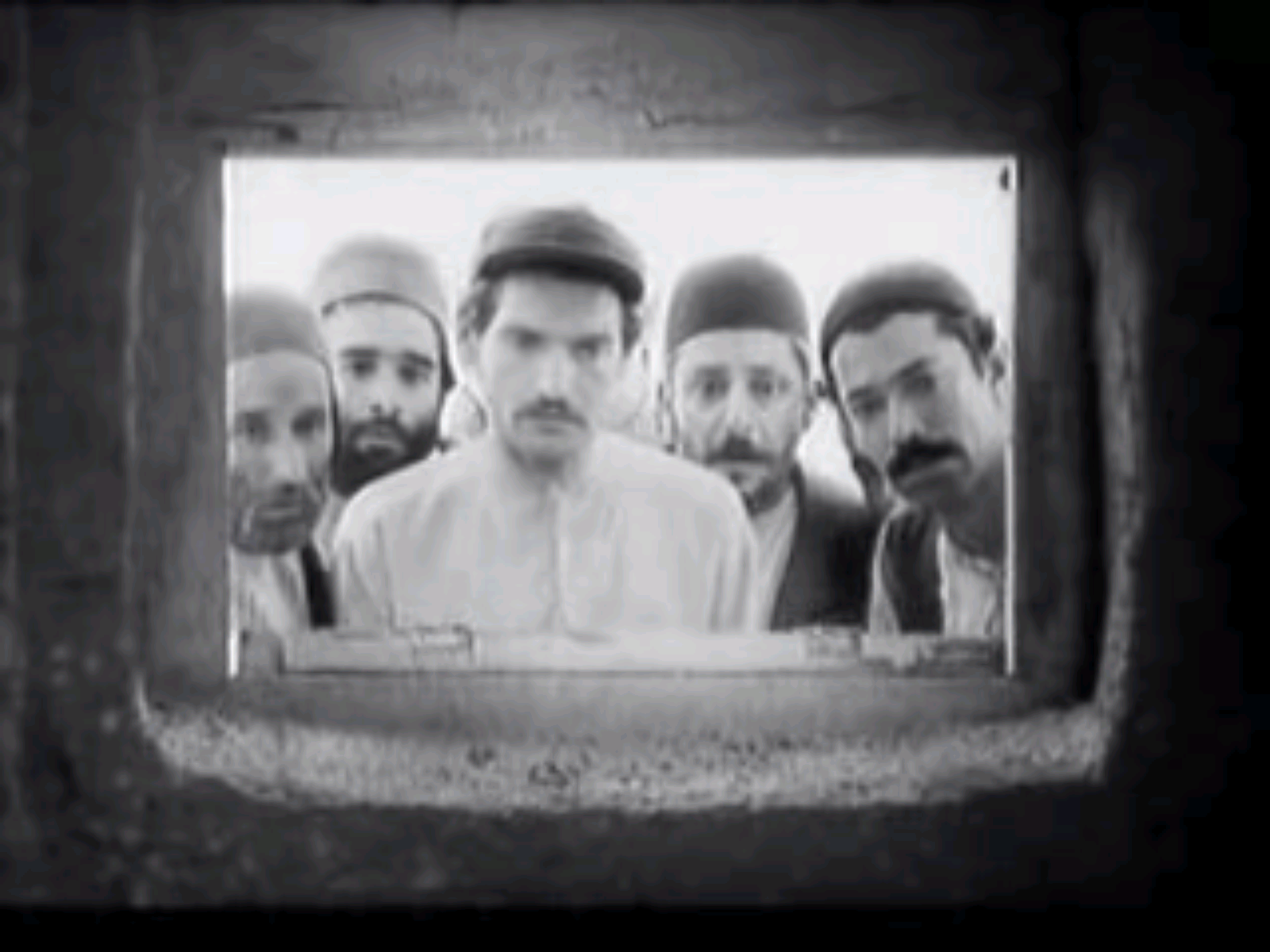
While Peary’s Guide for the Film Fanatic lists many “predictable” foreign gems (and a few that are lesser-known), there are nonetheless a number of historically relevant titles — particularly those from developing countries — which are missing, perhaps because he never had a chance to see them in American theaters. These days, however, thanks to DVD, it’s easier than ever to fill in the gaps of our “third world cinema” knowledge, and this film — made by seminal Iranian director Dariush Mehrjui — is one title film fanatics should at least be familiar with. It tells the simple, occasionally enigmatic tale of a married man’s obsessive love for his cow (! yes, it’s mildly creepy), but at heart it’s really more concerned with exploring village dynamics, and how members of a small community choose to deal with one of their own slowly going around the bend. It’s unlike any other film you’ve ever seen, and is worth a look for its historical importance alone.

Redeeming Qualities and Moments:

  • The creative opening titles
  • Ezzatolah Entezami as Masht Hassan, the cow’s bereaved owner
  • An effective look at close-knit village life
  • Fereydon Ghovanlou’s b&w cinematography

Must See?
Yes, for its historical importance as a forerunner of Iranian neo-realist cinema.

Categories

  • Historically Relevant

(Listed in 1001 Movies You Must See Before You Die)

Links:

Night Has a Thousand Eyes (1948)

Night Has a Thousand Eyes (1948)

“This gift, which I never asked for and don’t understand, has brought me only unhappiness!”

Synopsis:
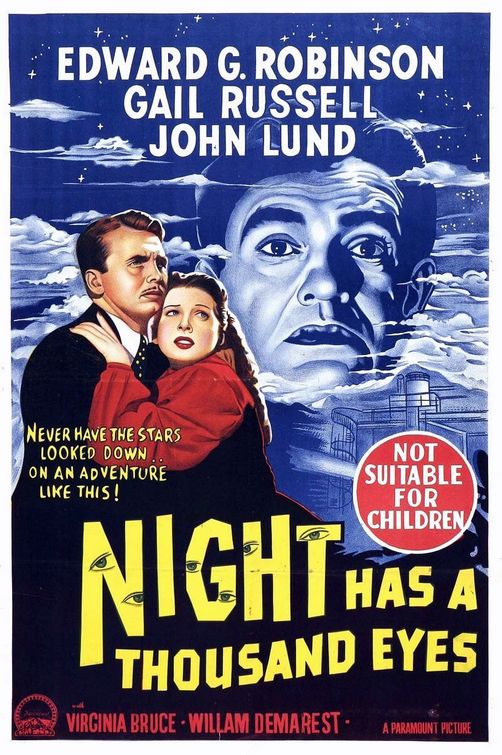
A carnival mentalist (Edward G. Robinson) soon discovers that he has legitimate psychic powers, and is distressed to learn that he can predict tragic events. When he foresees the violent, imminent death of an heiress (Gail Russell), Russell’s concerned boyfriend (John Lund) suspects foul play — but Robinson remains determined to protect Russell at any cost.

Genres, Themes, Actors, and Directors:

  • Edward G. Robinson Films
  • Gail Russell Films
  • Heiresses
  • “No One Believes Me!”
  • Psychic Powers

Review:
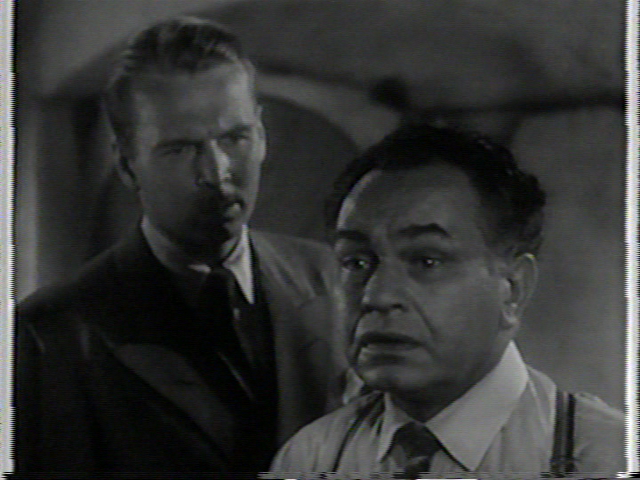
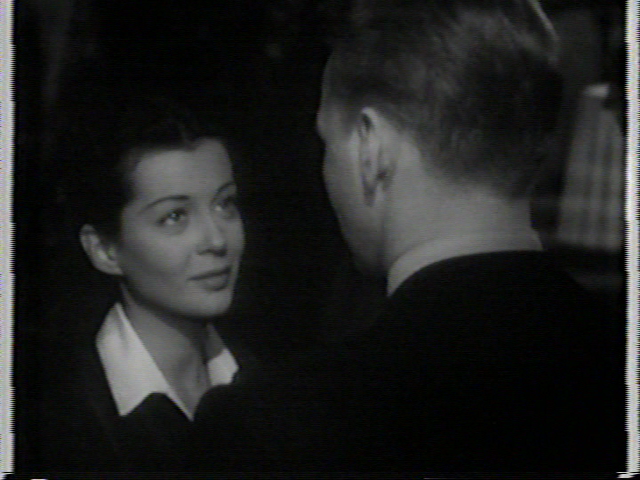
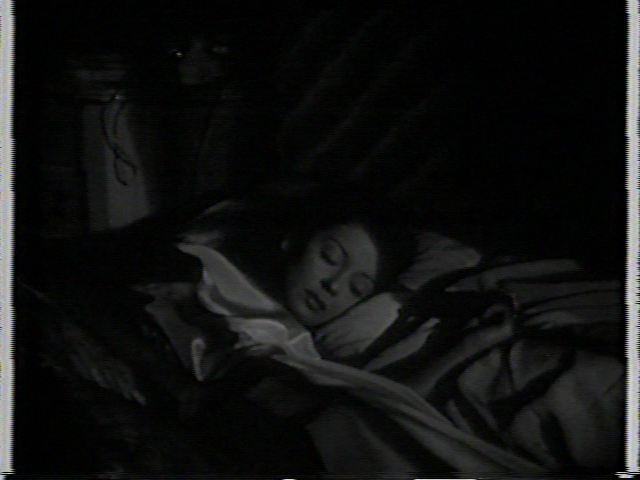
This nifty little B-thriller (directed by John Farrow, Mia’s dad) packs a powerful wallop, offering plenty of suspense and tension in its 81-minute running time. Edward G. Robinson is remarkably sympathetic as an unwitting psychic who’d rather not be able to see into the future, and who resists exploitation at any cost — indeed, he’s essentially a tragic hero, given that his powers cost him his fiancee (Virginia Bruce), his integrity (no one believes him), and any chance at a normal, happy life. Gail Russell (does any actress have more expressive eyes?) is perfectly cast as a brooding heiress with much on her mind; we genuinely fear for her safety. John Seitz’s stark b&w cinematography adds to the rich atmosphere of the tale, which may lack standard noir tropes but offers a similarly bleak, fate-ridden take on the world.

Redeeming Qualities and Moments:

  • Edward G. Robinson as John Triton
  • Gail Russell as Jean
  • John Seitz’s noirish cinematography

Must See?
Yes, as an all-around “good show”.

Categories

  • Good Show

Links:

Lover Come Back (1961)

Lover Come Back (1961)

“As Dad always said, ‘A man who can’t be bribed can’t be trusted.'”

Synopsis:
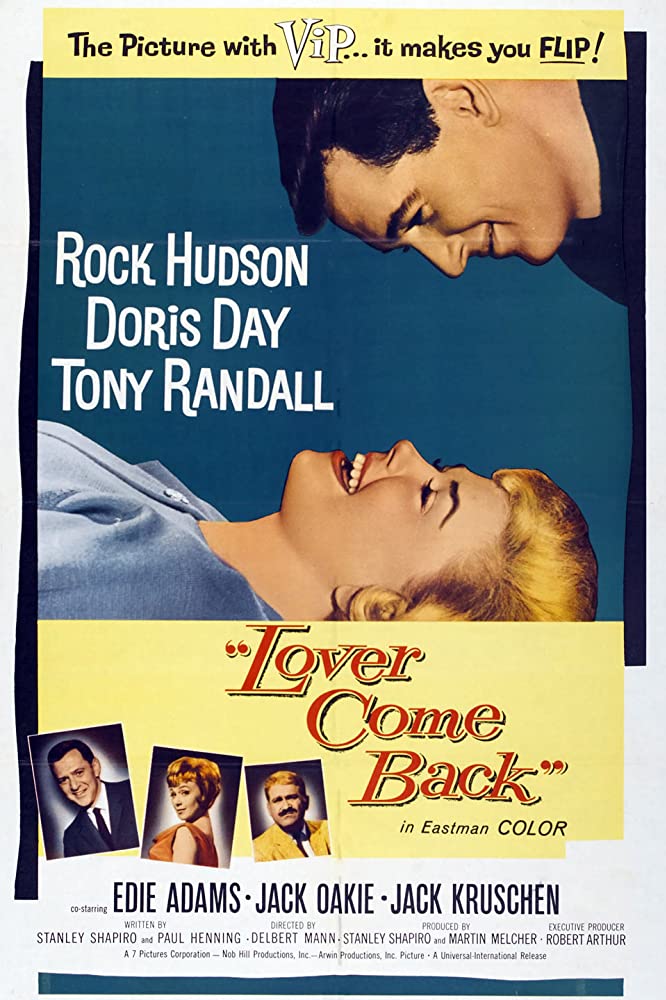
An advertising executive (Doris Day) is furious to learn that her womanizing rival (Rock Hudson) has snagged a key account using unethical bribes. When she learns that a (fictional) new product known as “VIP” is being created by Dr. Linus Tyler (Jack Kruschen), she is determined to win the account; things get complicated, however, when she’s mistakenly led to believe that Hudson himself is “Dr. Tyler”, and the two start falling in love.

Genres, Themes, Actors, and Directors:

  • Advertising
  • Doris Day Films
  • Mistaken or Hidden Identities
  • Rivalry
  • Rock Hudson Films
  • Romantic Comedy
  • Tony Randall Films

Review:
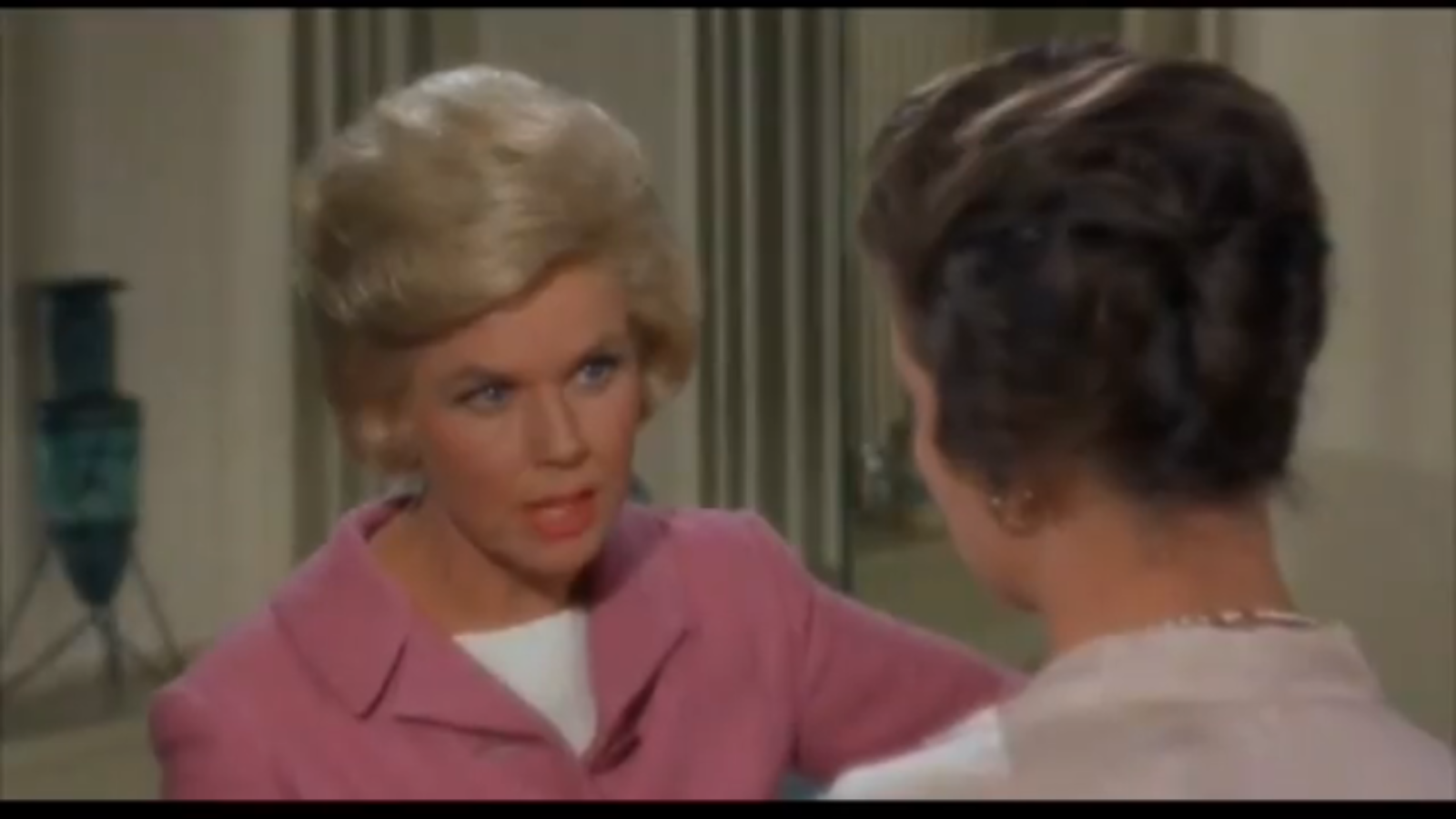
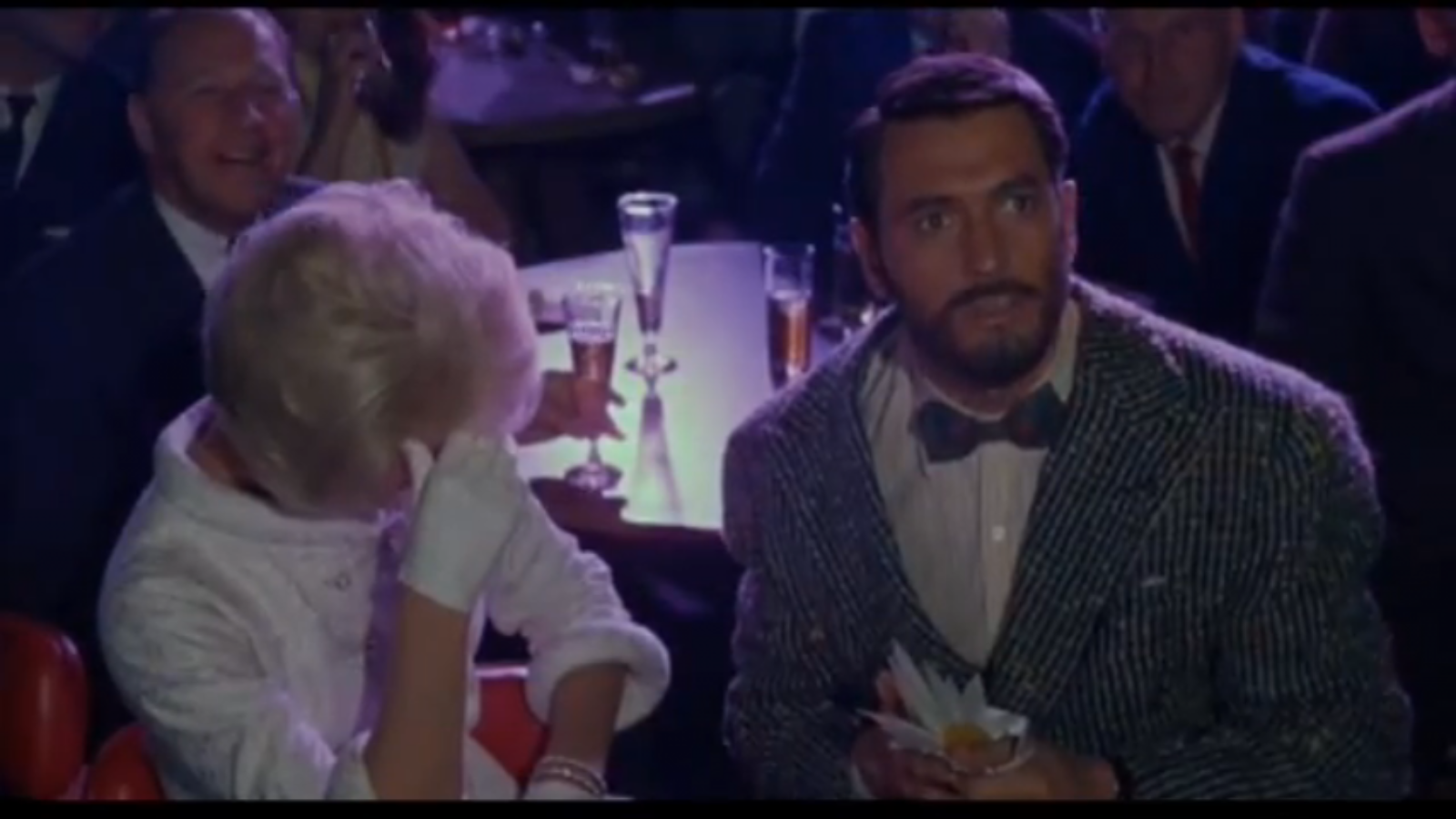
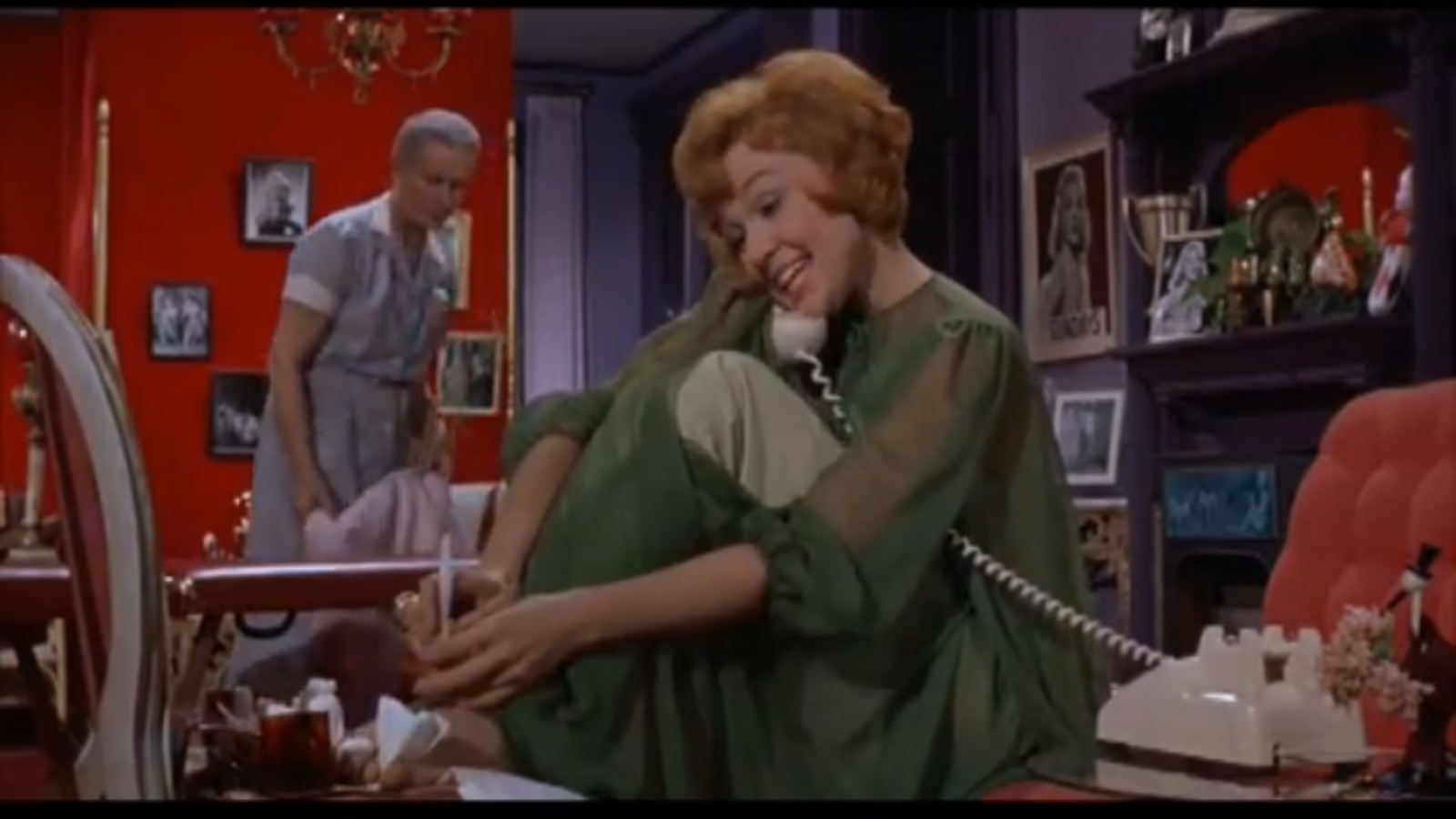
Made directly to capitalize on the success of Doris Day and Rock Hudson’s first teaming together — Pillow Talk (1959)Lover Come Back offers more of the same: the story’s specifics have changed, but the essential dynamic of mistaken identities and unexpected romance remains intact. It received glorious reviews from the New York Times upon its release, with Bosley Crowther calling it “one of the brightest, most delightful satiric comedies since It Happened One Night“; and it remains innocuously good fun. Modern-day audiences won’t be able to resist giggling over virile, closeted Hudson mouthing lines like, “I find him very intriguing — in a man-to-man sort of way,” and there are plenty of other racy double entendres sprinkled liberally throughout:

Day (as Carol): Leonard, who has a lilac floor in their kitchen?
Chet Stratton (as Leonard): I have.
Day (as Carol): Oh. Well, Leonard, everyone isn’t as artistic as you are.

The film’s unrealistic denouement — with events wrapping up far too neatly — detracts somewhat from the story’s overall integrity, but Lover Come Back offers enough enjoyment to recommend for one-time viewing.

Note: The third and final Day/Hudson romantic comedy — Send Me No Flowers (1964) — isn’t listed in Peary’s book, though I’ve reviewed it as a “Missing Title”.

Redeeming Qualities and Moments:

  • Doris Day as Carol Templeton
  • Rock Hudson as Jerry Webster
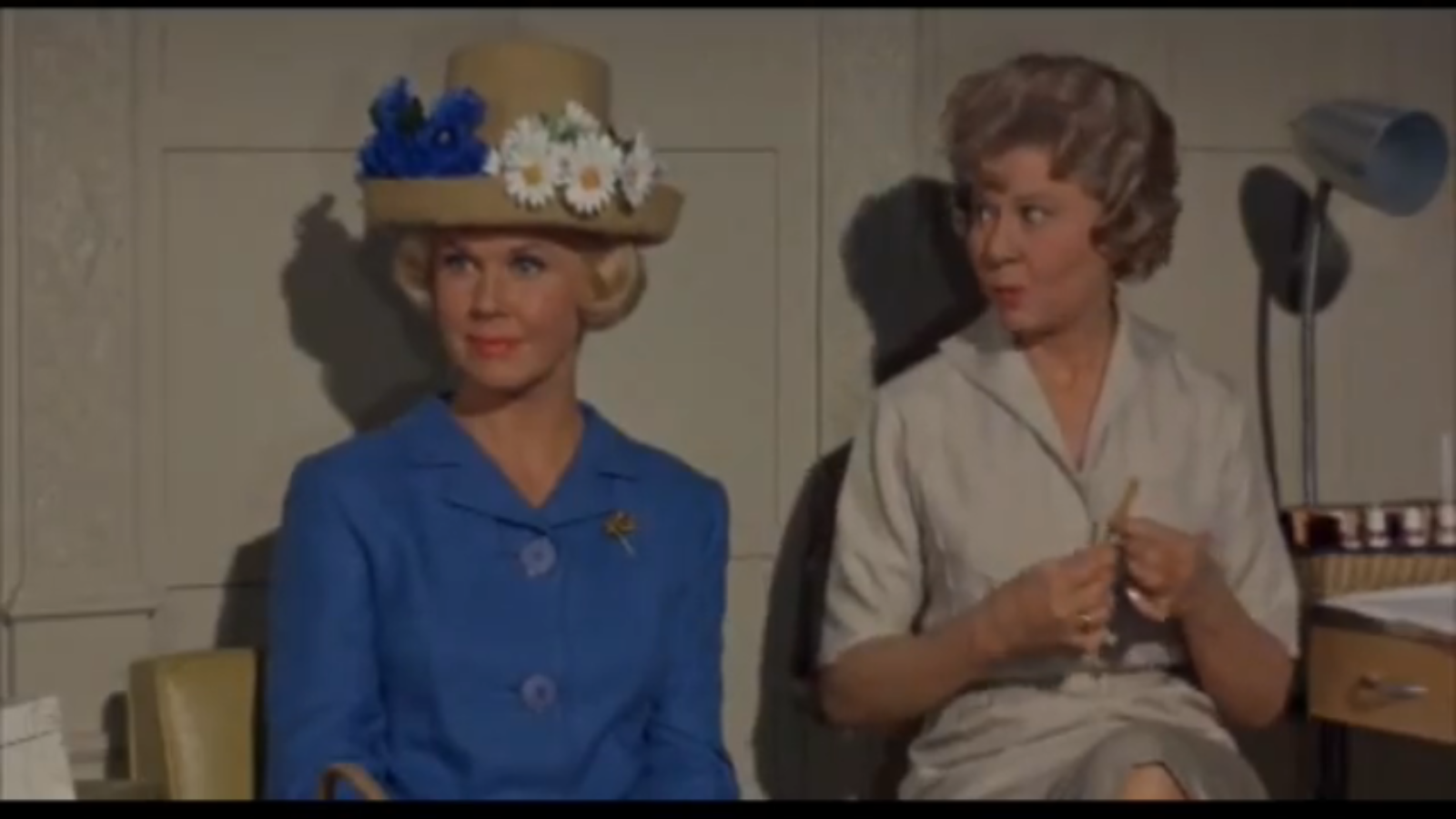
  • Day’s outrageous hats

  • Tony Randall as Pete Ramsey
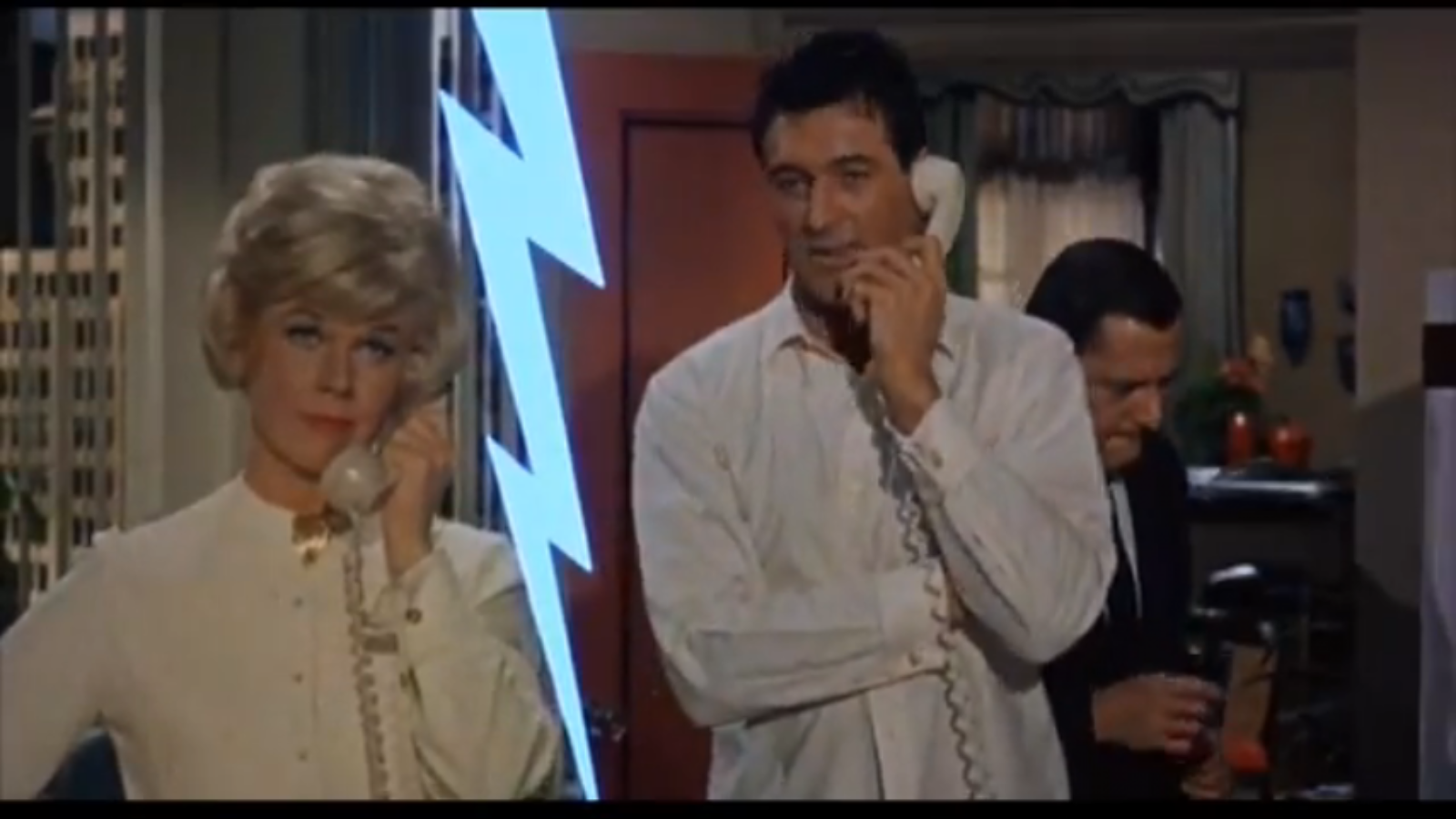
  • Fine use of split-screen camerawork
  • Vibrant Technicolor sets
  • A clever screenplay with plenty of witty dialogue and double entendres: “You look wonderful without your clothes!”

Must See?
Yes, as a good show.

Categories

  • Good Show

Links:

Wild Boys of the Road (1933)

Wild Boys of the Road (1933)

“Our folks have got enough worry, without us bringin’ ’em more.”

Synopsis:
During the Depression, two teenagers (Frankie Darro and Edwin Phillips) leave home to try to earn their keep — but they quickly learn that jobs are hard to find everywhere, and are soon reduced to panhandling to survive.

Genres, Themes, Actors, and Directors:

  • Depression Era
  • Homeless
  • Teenagers
  • Unemployment
  • William Wellman Films

Review:
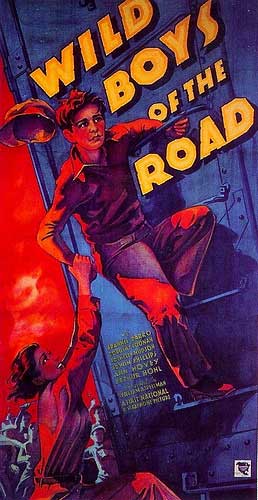
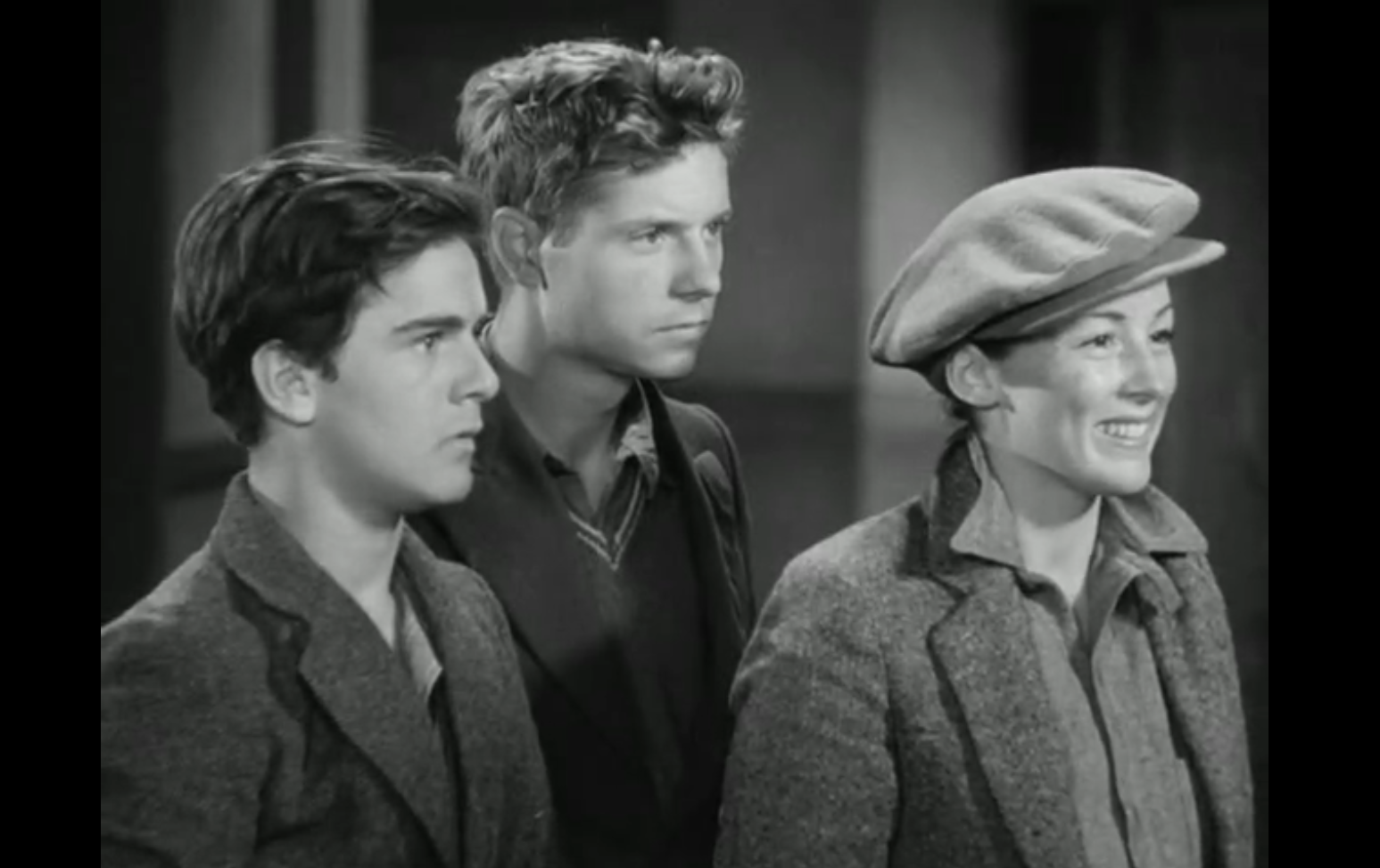
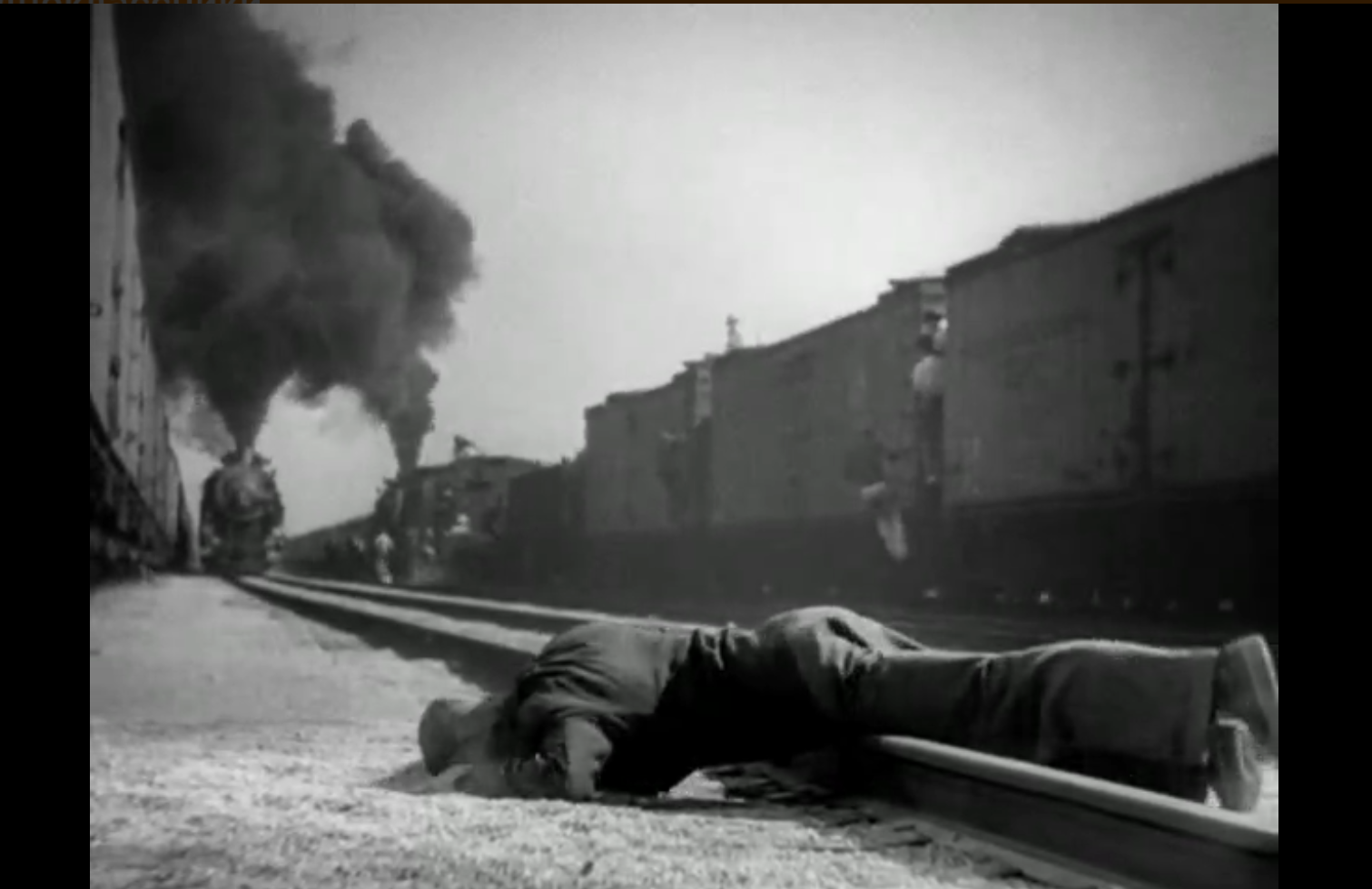
William Wellman’s hard-hitting social drama pulls no punches in its depiction of unemployment and poverty during the Depression. By using fun-loving teens as his protagonists (the film opens up with a high school dance), Wellman shows how even kids from seemingly secure, middle class families were forced to pitch in and help with finances, quickly leaving behind the carefree days of their youth. The cast of unknowns — particularly sparkling, freckle-faced Dorothy Coonan (Wellman’s wife) as a female “hobo” the boys meet up with — are believable and appropriately spunky in their roles; and while the screenplay occasionally turns didactic (particularly during the jarringly unrealistic denouement), it’s hard not to feel outrage and sympathy for these well-meaning protagonists, who want nothing more than to earn an honest, independent living for themselves.

Redeeming Qualities and Moments:

  • Pint-sized Frankie Darro as Eddie
  • Dorothy Coonan (Wellman’s fourth and final wife) as Sally, a hobo girl
  • Many heartbreaking scenes of privation and hardship
  • A tough, (mostly) realistic script

Must See?
Yes, as one of the most powerful social dramas to come out of the Depression Era.

Categories

  • Historically Relevant
  • Important Director

Links:

Ox-Bow Incident, The (1943)

Ox-Bow Incident, The (1943)

“Don’t let’s go off half-cocked and do something we’ll be sorry for — we want to act in a reasoned and legitimate manner, not like a lawless mob.”

Synopsis:
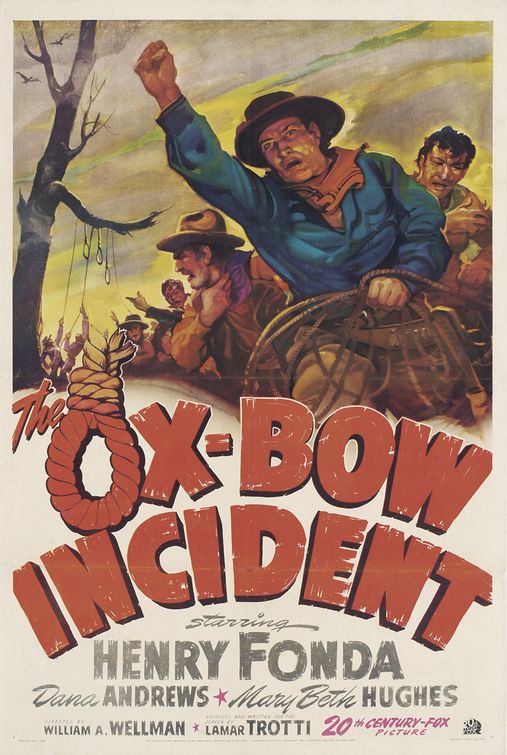
Two drifters (Henry Fonda and Harry Morgan) join a vengeance-hungry posse eager to hang three men — Dana Andrews, Anthony Quinn, and Francis Ford — who find themselves in the wrong place at the wrong time.

Genres, Themes, Actors, and Directors:

  • Anthony Quinn Films
  • Dana Andrews Films
  • Falsely Accused
  • Henry Fonda Films
  • Vigilantes
  • Westerns
  • William Wellman Films

Response to Peary’s Review:
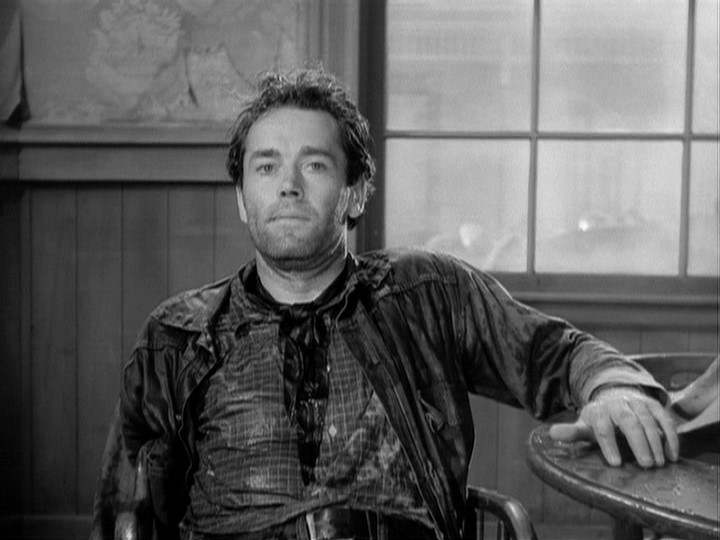
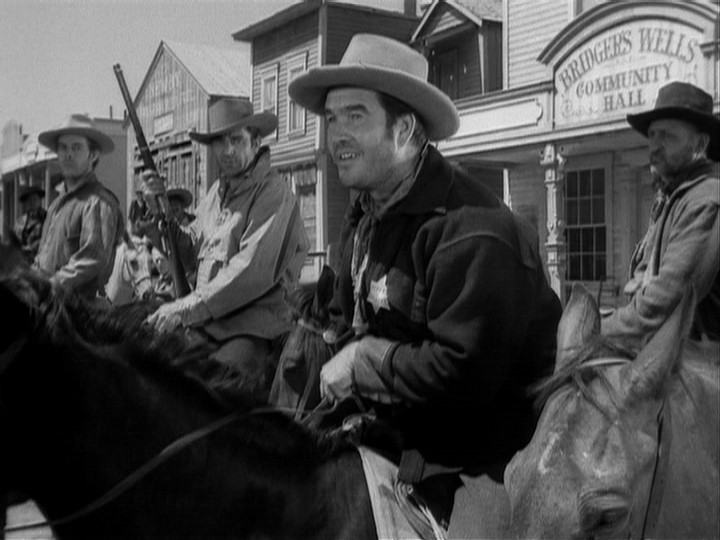
Peary appropriately labels this relentlessly “grim” western (based on Walter Van Tilburg Clark’s novel) as “a bit too theatrical”, noting that director William Wellman’s camera is “rarely… on someone who isn’t speaking” — yet despite the static, somewhat stagy direction, it remains an undeniably powerful tale of mob mentality, one which (sadly) holds more relevance today than ever. Top-billed Fonda (in a role somewhat similar to his “Juror #8” in Twelve Angry Men) is really more of a supporting presence, functioning as one of the few participants level-headed enough to recognize that the posse is rushing heedlessly into criminal action; indeed, Ox-Bow is truly an ensemble film, with the cast of (mostly) repugnant characters representing group-think at its worst. What’s most fascinating is recognizing how several key posse members — primarily ultra-macho Major Tetley (Frank Conroy), who wants his effeminate son (William Eythe) to prove his “manliness” through violence — have deeply personal reasons for wanting to exact “justice” at any cost, while others are simply turned on by the thought of a triple hanging. While it’s not a film I look forward to revisiting any time soon, The Ox-Bow Incident remains an essential part of cinematic history, and should be seen by all film fanatics at least once.

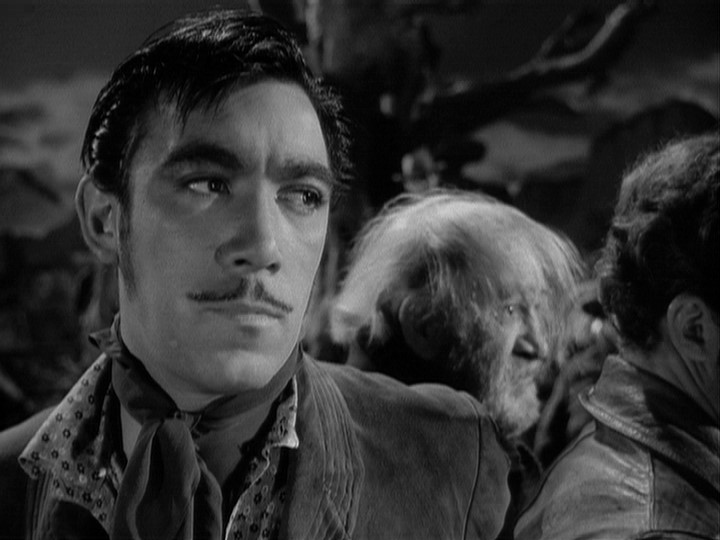
Note:My favorite moments are those with the inimitable Anthony Quinn, who’s given far too little screen time: despite his (initial) feigned innocence and lack of English skills, his eyes are simmering with bitterness and knowledge; when he finally confesses to knowing “seven languages”, and digs a bullet out of his own leg when no one else is brave enough to stomach the task, he brilliantly defies all the unspoken stereotypes heaped upon him because of his “ethnic” appearance.

Redeeming Qualities and Moments:

  • Dana Andrews as Donald Martin
  • Henry Fonda as Gil Carter
  • Anthony Quinn as “The Mexican”
  • A deeply disturbing look at mob mentality run amok

Must See?
Yes, for its status as a seminal western.

Categories

  • Genuine Classic
  • Important Director
  • Oscar Winner or Nominee

(Listed in 1001 Movies You Must See Before You Die)

Links:

Angels in the Outfield (1951)

Angels in the Outfield (1951)

“Dogs have fleas; managers have sports writers.”

Synopsis:
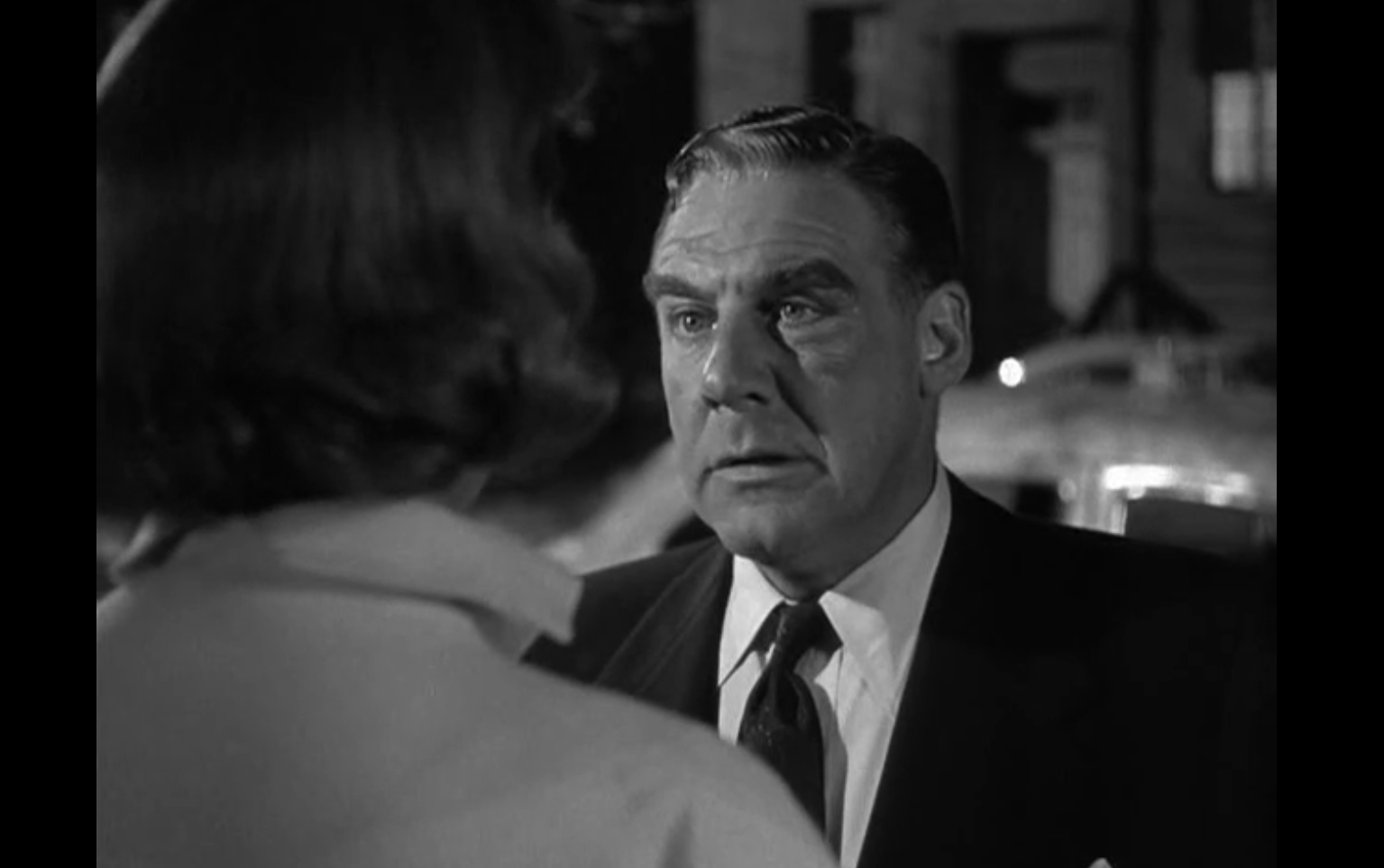
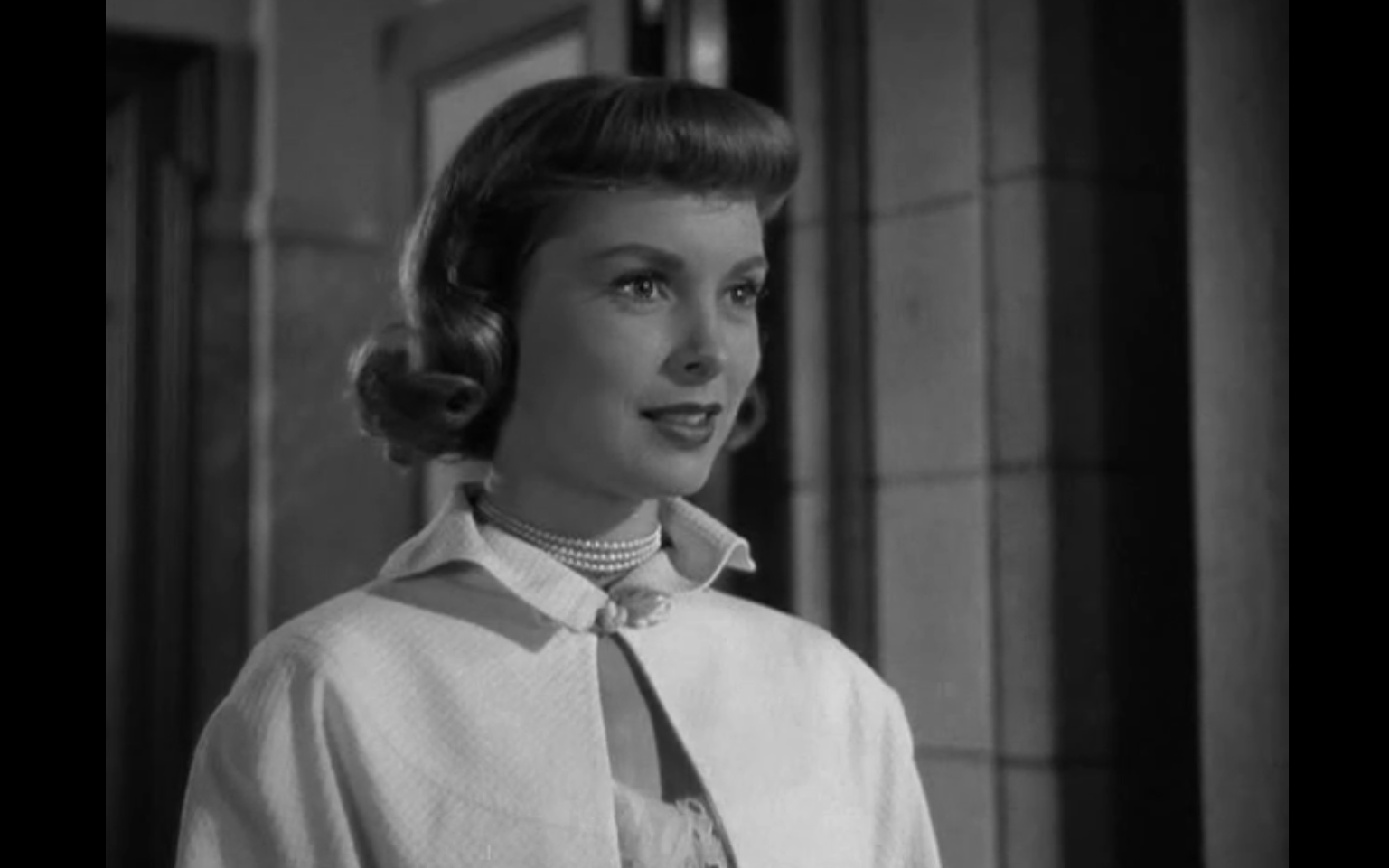
The foul-mouthed manager (Paul Douglas) of a losing baseball team (the Pittsburgh Pirates) is visited by an angel, who promises him that a team of heavenly players will help the Pirates win the pennant — if Douglas cleans up his act. Aided by a plucky journalist (Janet Leigh) and a winsome young orphan (Donna Corcoran) who claims to actually see the team of angels, Douglas soon finds himself a changed man, and the Pirates begin winning games.

Genres, Themes, Actors, and Directors:

  • Angels
  • Baseball
  • Character Arc
  • Clarence Brown Films
  • Fantasy
  • Janet Leigh Films
  • Journalists
  • Keenan Wynn Films
  • Lewis Stone Films
  • Orphans
  • Paul Douglas Films

Review:
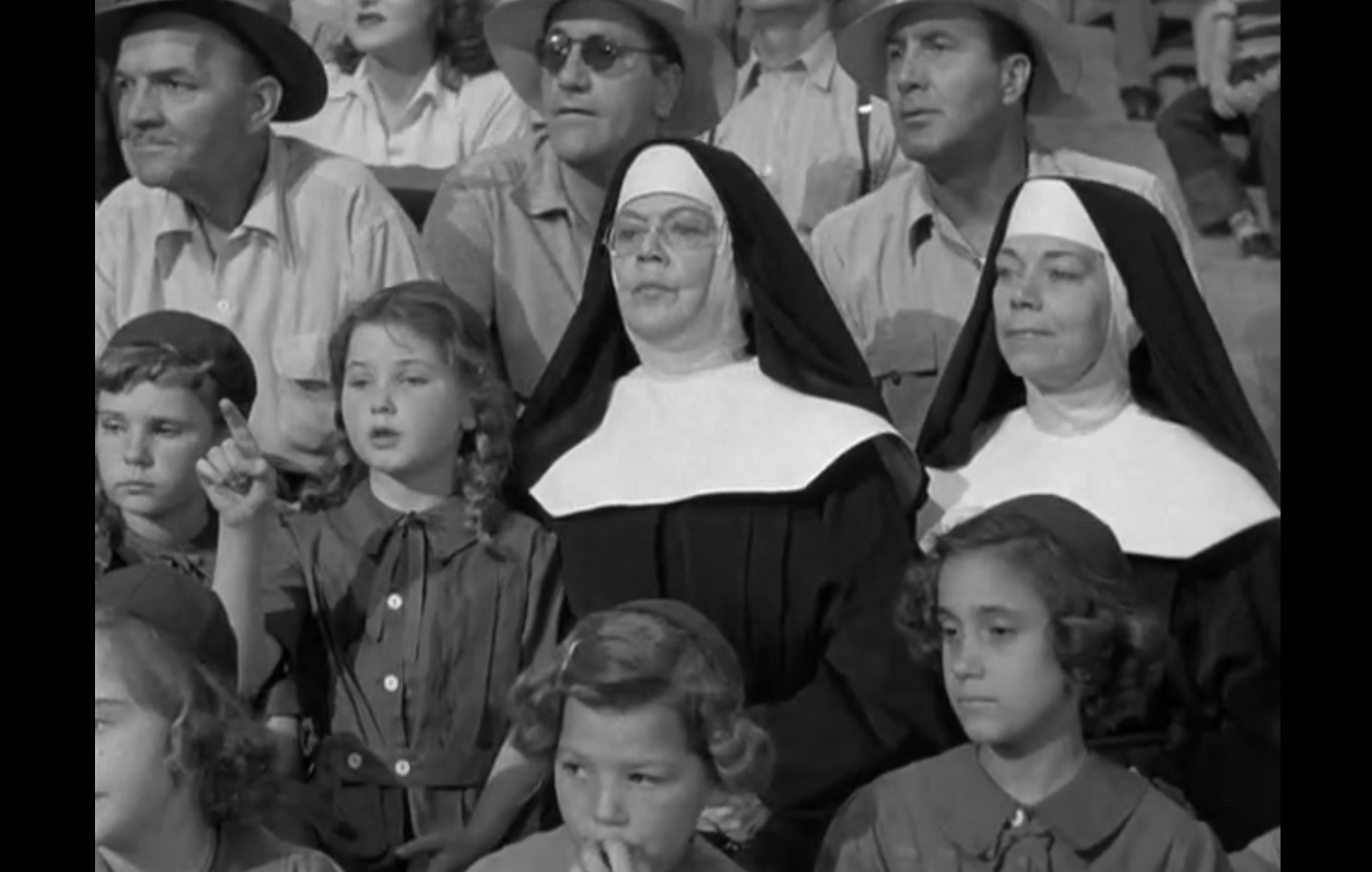
Clearly banking upon the popularity of earlier fantasy hits such as Miracle on 34th Street (1947) and Here Comes Mr. Jordan (1941), Angels in the Outfield is an innocuous, somewhat derivative, yet surprisingly heartwarming “family film”. What’s not to like about watching curmudgeonly Paul Douglas turn into a respectful, child-loving teddy bear, or adorable moppet Donna Corcoran insisting loudly to her only-in-Hollywood loving nun protectors (Spring Byington and Ellen Corby) that she sees angels roosting behind each of the Pittsburgh Pirates?

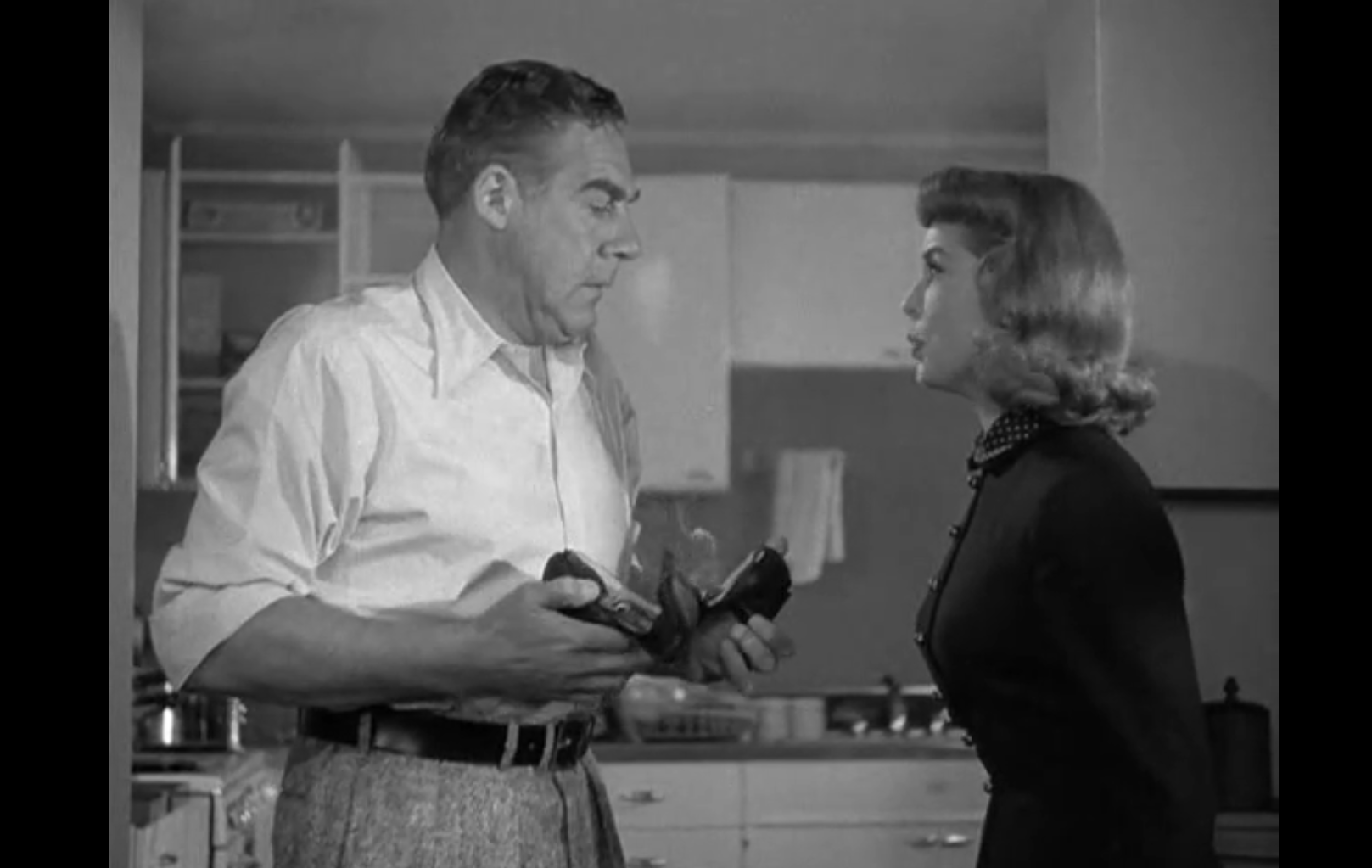
The story itself is, naturally, unrealistic — particularly the way in which Douglas and Leigh are magically pulled together as a May-December couple by the end of the film, despite a lack of any overtly romantic overtones — but it’s fairly easy to forgive these gaffes and simply enjoy the events as they unfold. Laugh-out-loud moments include the clever way in which the sound studio depicts Douglas’s swearing in early scenes, and Douglas’s misinterpretation of Leigh’s instruction to dry her rain-soaked shoes UNDER a warm oven.

Redeeming Qualities and Moments:

  • Paul Douglas as Guffy McGovern
  • Janet Leigh as Jennifer Paige
  • Donna Corcoran as Bridget

Must See?
No, but it’s recommended. Listed as a Personal Recommendation in the back of Peary’s book (no surprise, given his love of baseball).

Links:

Night Nurse (1931)

Night Nurse (1931)

“Those poor little kids are starving — anyone can see it in their faces! If somebody doesn’t do something, they won’t last another month!”

Synopsis:
A nurse (Barbara Stanwyck) caring for two sickly children (Marcia Mae Jones and Betty Jane Graham) soon suspects that their alcoholic mother’s chauffeur (Clark Gable) is in cahoots with a corrupt doctor (Ralf Harolde) to kill the girls and steal their trust funds.

Genres, Themes, Actors, and Directors:

  • Barbara Stanwyck Films
  • Clark Gable Films
  • Doctors and Nurses
  • Joan Blondell Films
  • “No One Believes Me!”
  • Plot to Murder
  • William Wellman Films

Review:
William Wellman’s racy pre-Code thriller is primarily notable for its refreshingly risque premise, and for featuring Clark Gable in one of his earliest non-leading, non-mustachioed roles (though he’s not really on-screen enough to make much of an impression).

Stanwyck is appropriately feisty as a poor but determined young woman who refuses to stand by and allow her innocent young charges to die:

In perhaps the best scene of the film, she shatters class barriers by barging upstairs into a private drinking party and proceeding to seriously berate the girls’ alcoholic mother (Charlotte Merriam) for failing to notice (or care) that her girls are dying:

Although we expect Merriam to eventually get self-righteous, she never does, instead simply devolving into ever-increasing dysfunction, and eventually collapsing on the floor. While the story ends happily, we never learn what happens to Merriam — a character who, just a few short years later, would certainly be made to pay in one way or another for her egregious lack of maternal devotion.

Redeeming Qualities and Moments:

  • Barbara Stanwyck as Lora Hart
  • Joan Blondell as Stanwyck’s co-worker
  • Plenty of sizzling pre-code attitude, dialogue, and scenarios

Must See?
Yes, for its status as one of Wellman’s most infamous pre-Code thrillers.

Categories

  • Historically Relevant
  • Important Director

Links: