Browsed by
Category: Response Reviews

My comments on Peary’s reviews in Guide for the Film Fanatic (Simon & Schuster, 1986).

I Am a Fugitive From a Chain Gang (1932)

I Am a Fugitive From a Chain Gang (1932)

“I’ll be a model prisoner if it kills me!”

Synopsis:
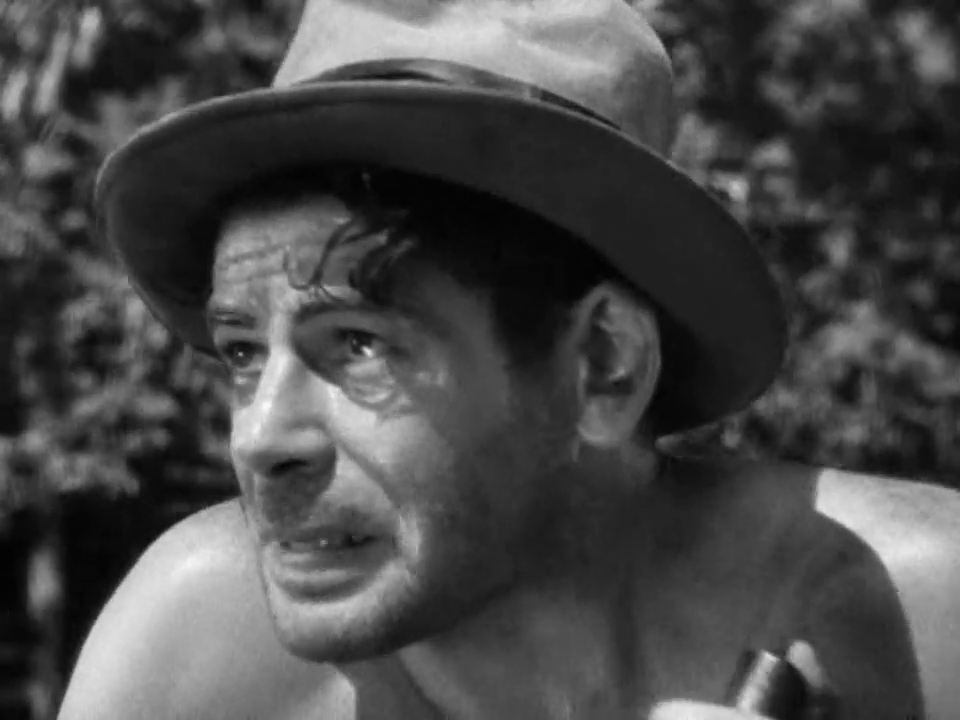
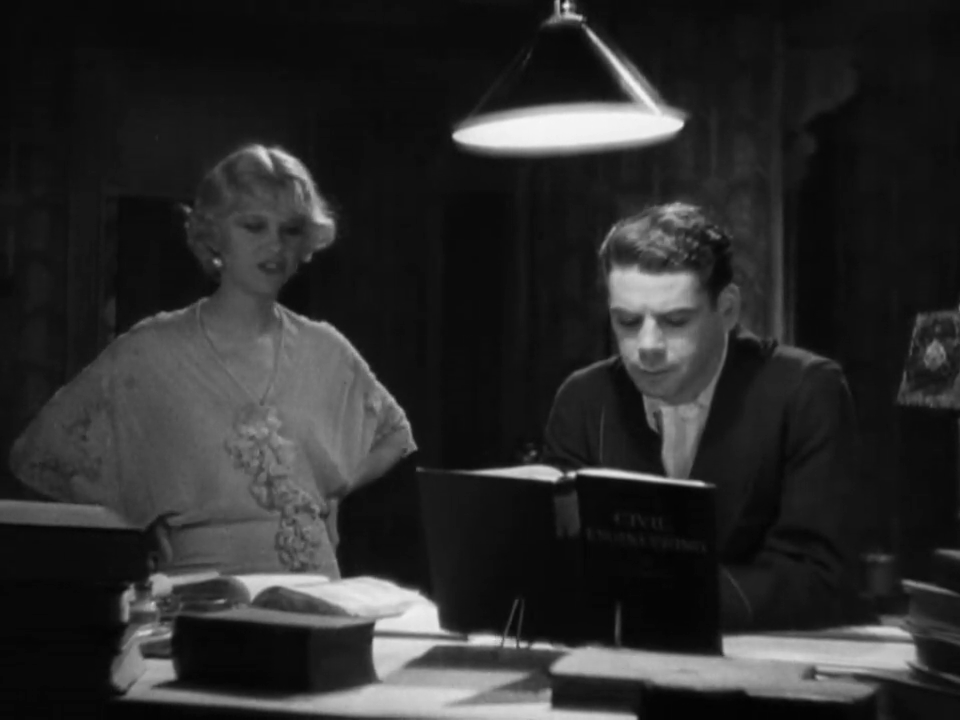
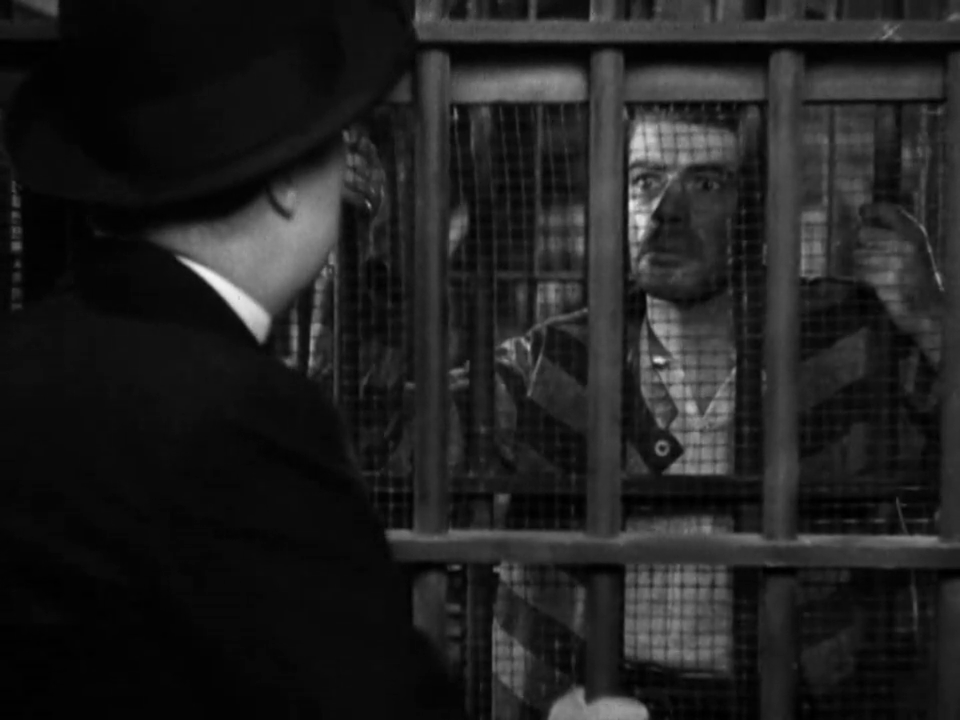
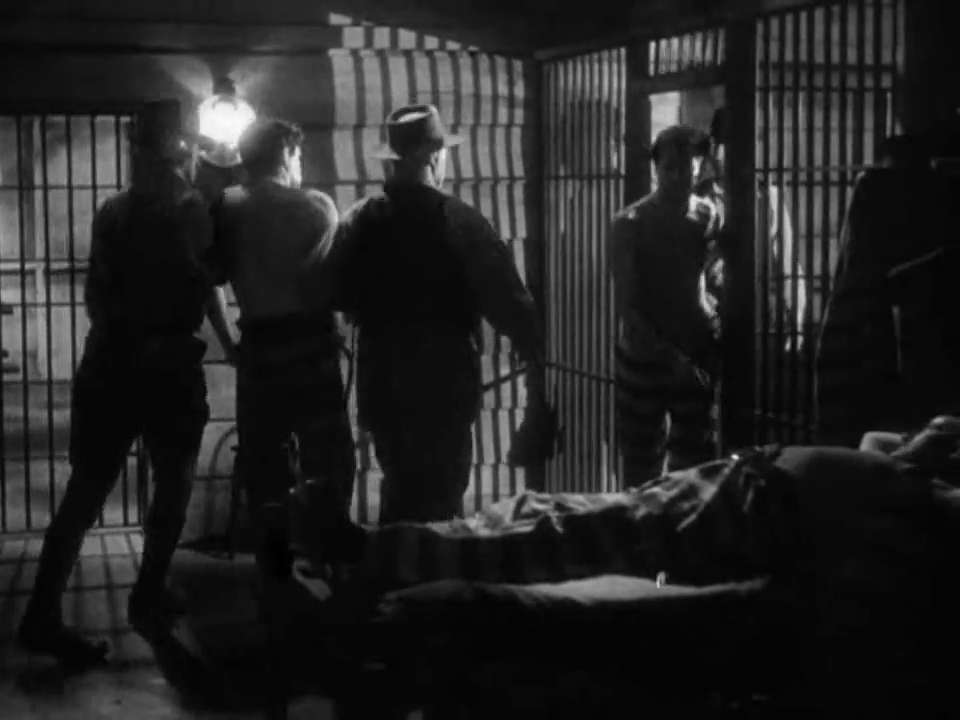
A decorated World War I veteran (Paul Muni) disappoints his parents by wanting more out of life than his small-town factory job, and sets off in search of engineering work. After a series of hard times, he is accidentally implicated in a fatal robbery committed by an acquaintance (Preston Foster), and sent to work in a Southern chain gang. Life as a prisoner is so unbearable that Muni seeks help from a fellow inmate (Everett Brown) in breaking his chains and escaping, and soon makes a reputable life for himself under a new identity. However, when his scheming landlady (Glenda Farrell) forces Muni to marry her and exposes his past, he’s on the lam once again, ending up back in prison with hope of parole. Will he finally achieve justice?

Genres, Themes, Actors, and Directors:

  • Escape
  • Ex-Convicts
  • Falsely Accused
  • Fugitives
  • Mervyn LeRoy Films
  • Mistaken or Hidden Identities
  • Paul Muni Films
  • Preston Foster Films
  • Prisoners

Response to Peary’s Review:
Peary writes that Warner Brothers’ adaptation of an autobiographical serial story by Robert E. Burns — directed by Mervyn LeRoy — is not only “one of the earliest social-protest films” but “one of the strongest”, given that “Muni’s hardened, desperate face and his angry, scratchy voice are powerful reminders that decent men could be destroyed by the injustice and insensitivity that had come to characterize America”.

He writes that the “ending is shockingly depressing”, and that the film “is daring, not only because of its socially conscious theme but also because of its pre-Code depiction of sex”.

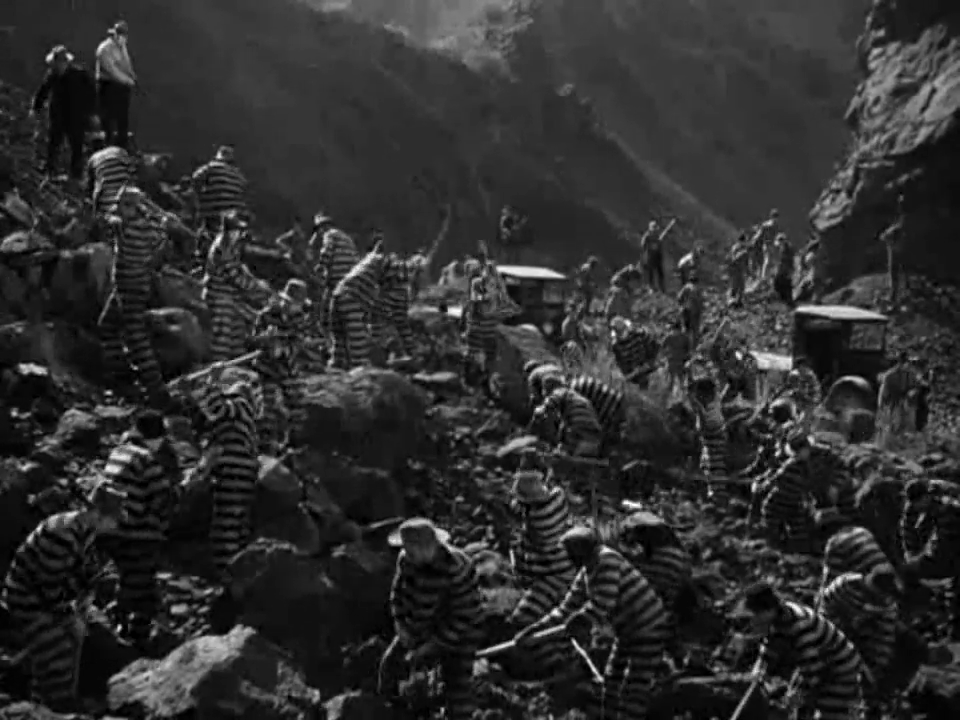
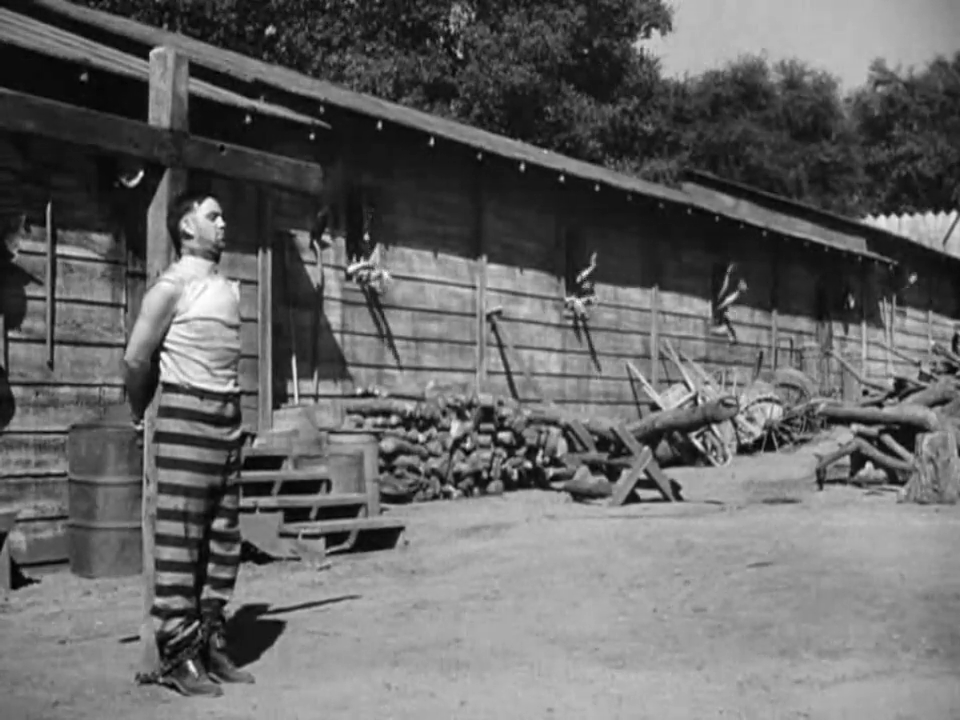
However, while this film is almost universally lauded as a classic, I’ll admit to finding it both somewhat dated, and over-acted by the Oscar-nominated Muni. Most powerful are the graphic scenes of chain gang life, which we take for granted now after multiple cinematic depictions inspired by this one — i.e., Woody Allen’s Take the Money and Run (1969), among others — but otherwise, everything about the screenplay too-neatly telescopes corruption, injustice, and hard knocks. The film does deserve points for not pulling any punches, and also for Sol Polito’s impressive cinematography — but otherwise, it’s primarily worth viewing for its historical significance.

Redeeming Qualities and Moments:

  • An effectively bleak depiction of chain-gang subsistence

  • Sol Polito’s cinematography

Must See?
No, but it’s certainly worth a one-time look for its historical significance. Nominated by Peary as one of the Best Movies of the Year in Alternate Oscars, where he also nominates Muni as one of the Best Actors of the Year. Selected for preservation in the United States National Film Registry in 1991 by the Library of Congress.

(Listed in 1001 Movies You Must See Before You Die)

Links:

Set-Up, The (1949)

Set-Up, The (1949)

“Don’t you see, Bill? You’ll always be just one punch away.”

Synopsis:
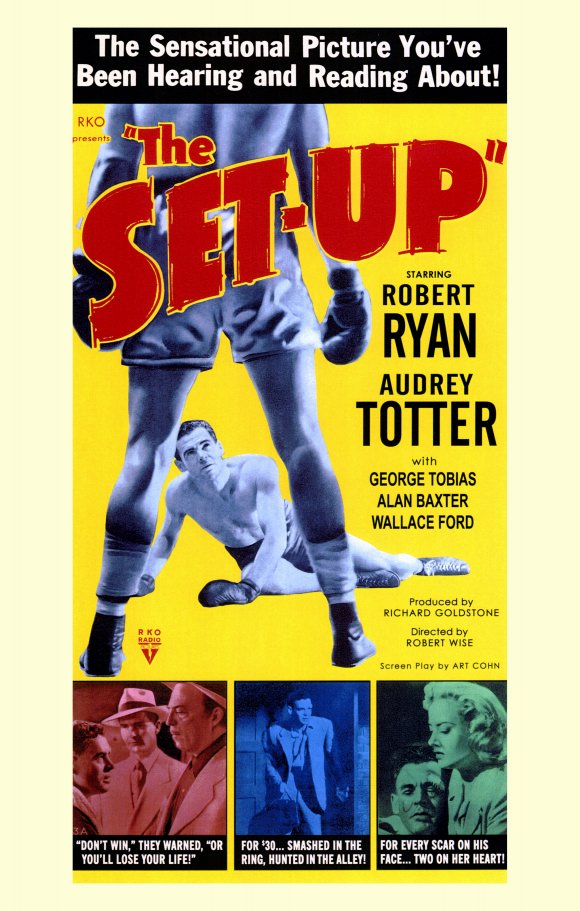
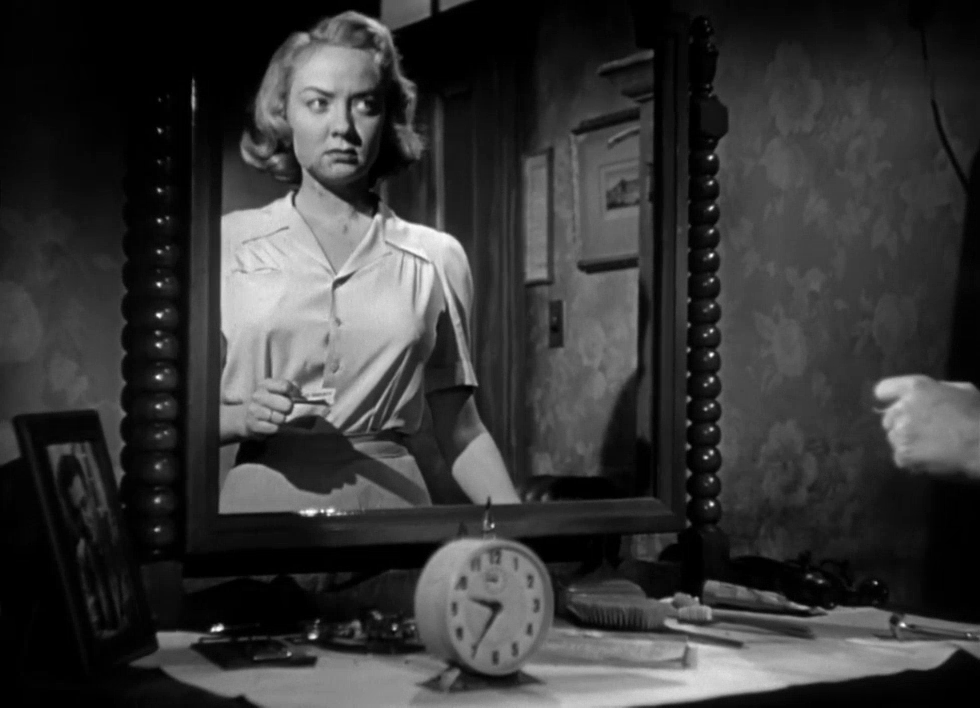
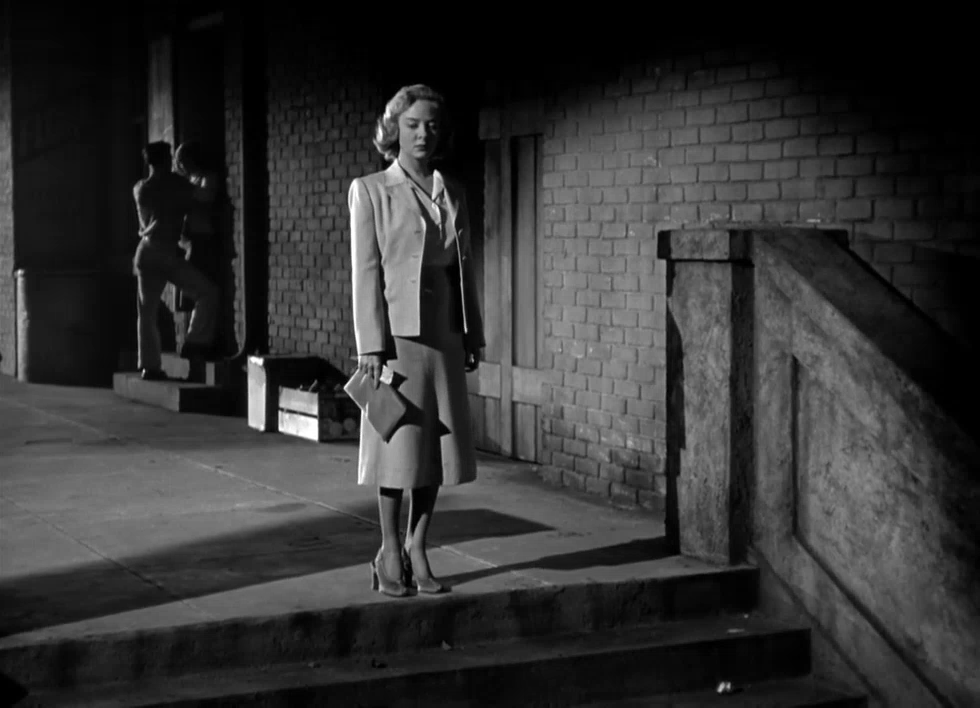
An aging boxer (Robert Ryan) whose wife (Audrey Totter) desperately wants him to quit decides to give his all in a final match against a corrupt young upstart (Hal Baylor) — not knowing that his own manager (George Tobias) has taken money from a gangster (Alan Baxter) in return for Stoker (Ryan) throwing the fight.

Genres, Themes, Actors, and Directors:

  • Audrey Totter Films
  • Boxing
  • Corruption
  • Has-Beens
  • Robert Ryan Films
  • Robert Wise Films
  • Underdogs

Response to Peary’s Review:
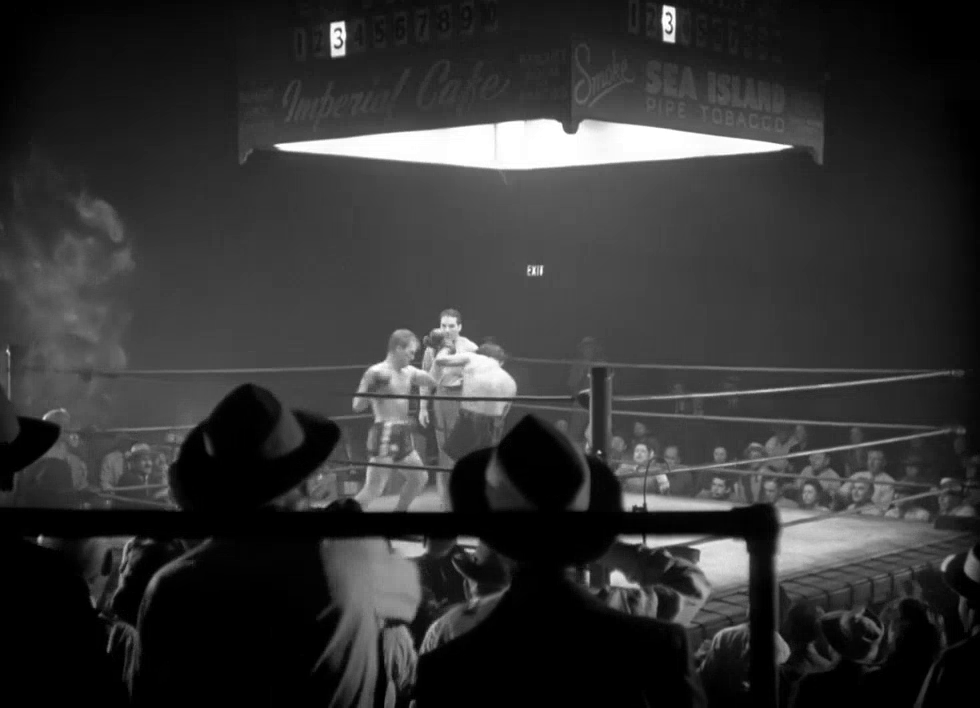
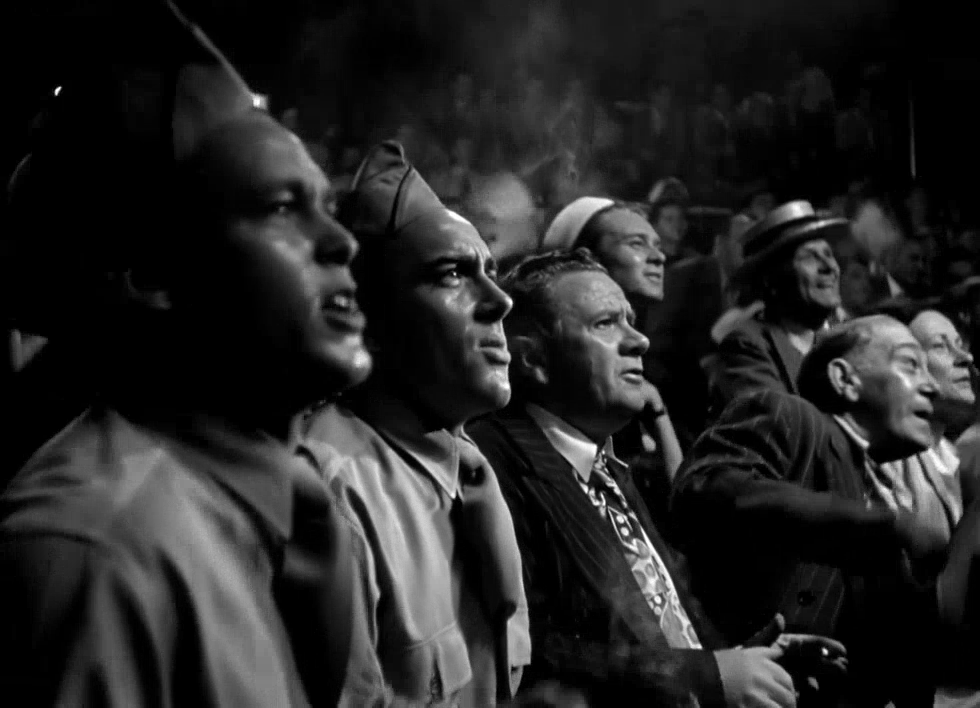
As Peary writes, this “low-budget gem” — based on a 1928 poem by by Joseph Moncure March — “unforgettably portrays the sad, sleazy world of run-of-the-mill and over-the-hill boxers”, with the milieu director Robert Wise creates — “Stoker’s cheap hotel room, the carnival-like street scene, the dingy, overcrowded dressing room, the hostile arena” — emerging as both “atmospheric and believable”. Peary notes that “director Robert Wise matches the 72 minutes of screen time to real time, building tension and authenticity”; particularly effective is a ~2 minute tracking shot near the beginning of the film, in which the camera pans from a blind spectator (Archie Leonard) to a woman (Helen Brown) falsely claiming a queasy stomach over the fight (“Last time I kept my hands over my eyes the whole time!”) to a pair of wisecracking bettors who laughingly note that Stoker Thompson (Ryan) has been around since one of them was a kid — and finally to Stoker’s manager (Tobias) striking a match against his name on a sign and lamenting to Stoker’s trainer (Percy Helton) that Stoker — resting in his hotel — already “gets enough sleep in the ring”.

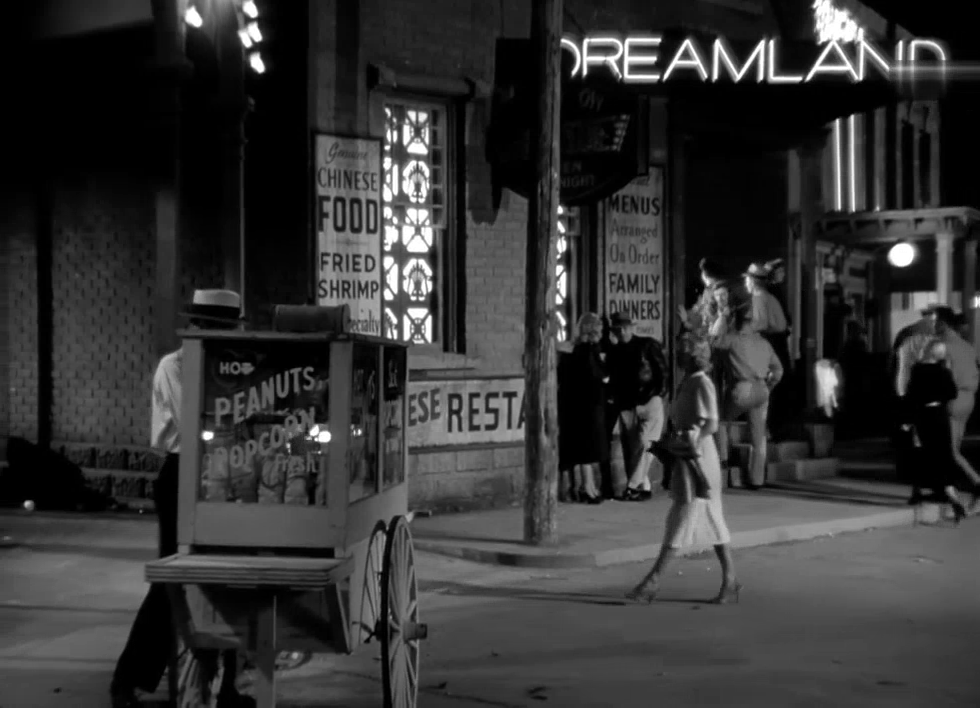
Just three minutes into the movie, we’ve already internalized the seedy, hope-for-the-stars, dog-eats-dog landscape in which Stoker lives and survives (Paradise City Wrestling and Boxing Arena sits right next to Dreamland bar and a Chop Suey joint); watched a young newspaper hustler mercilessly crowd out an older one (“Hey — I gotta make a buck too…”;”Ah, go take a walk!”); witnessed the hypocrisy of boxing fans who feign horror but not-so-secretly love the vicarious thrill of violence; and learned that nobody but Stoker himself seems to believe in his ability to win another fight. Indeed, when Tobias and Helton “promise a local racketeer that [Stoker will] lose, they simply take the payoff money without bothering to tell Stoker he’s expected to take a dive”, since they “figure he’ll get knocked out anyway” (!). As Peary notes, Wise seems to show “sympathetic feelings towards fighters, who he realizes are victimized because they haven’t other options in life” — and Wise appropriately shows “fight fans” as “each more monstrous than the other”.

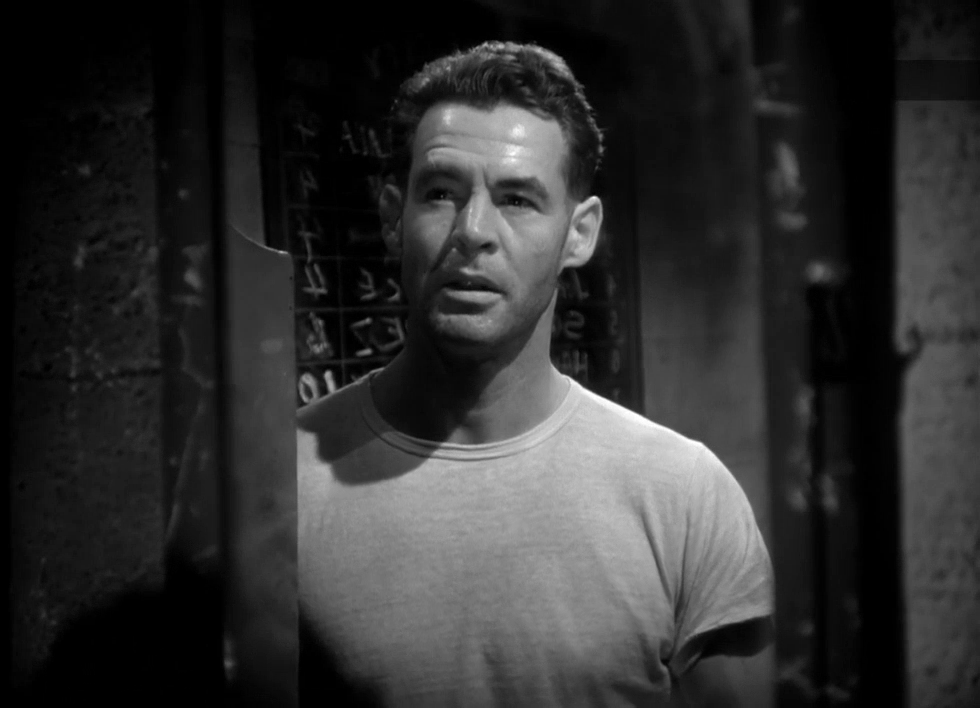
Ryan (a real-life heavyweight champion in college) is perfectly cast as the rangy boxer who refuses to go down without a legitimate fight, and the supporting cast is excellent as well. Equally of note are the fine b&w cinematography (by Milton Krasner), the highly atmospheric sets, and (as mentioned above) the seamless use of real-time narrative timing, several years before this was showcased as a distinctive feature of High Noon (1952). While it’s frustrating that much of the intent of March’s poem was lost by making significant changes — including shifting Stoker’s race from black to white — the film stands on its own as a minor classic.

Redeeming Qualities and Moments:

  • Robert Ryan as Stoker (nominated by Peary as one of the Best Actors of the Year in Alternate Oscars)
  • Fine supporting performances
  • Masterful direction and editing
  • Atmospheric sets
  • Milton Krasner’s stark cinematography

Must See?
Yes, as a somewhat forgotten classic.

Categories

  • Genuine Classic

Links:

Maniac (1934)

Maniac (1934)

“Doctors and scientists often have some queer things on their mind.”

Synopsis:
Mad Dr. Meierschultz (Horace Carpenter) enlists the help of his assistant, an ex-vaudevillian (Bill Woods), in stealing corpses to bring back to life. After killing Woods in self-defense, Carpenter assumes his identity and continues his work, going mad himself in the process.

Genres, Themes, Actors, and Directors:

  • Mad Doctors and Scientists
  • Mistaken or Hidden Identities

Response to Peary’s Review:
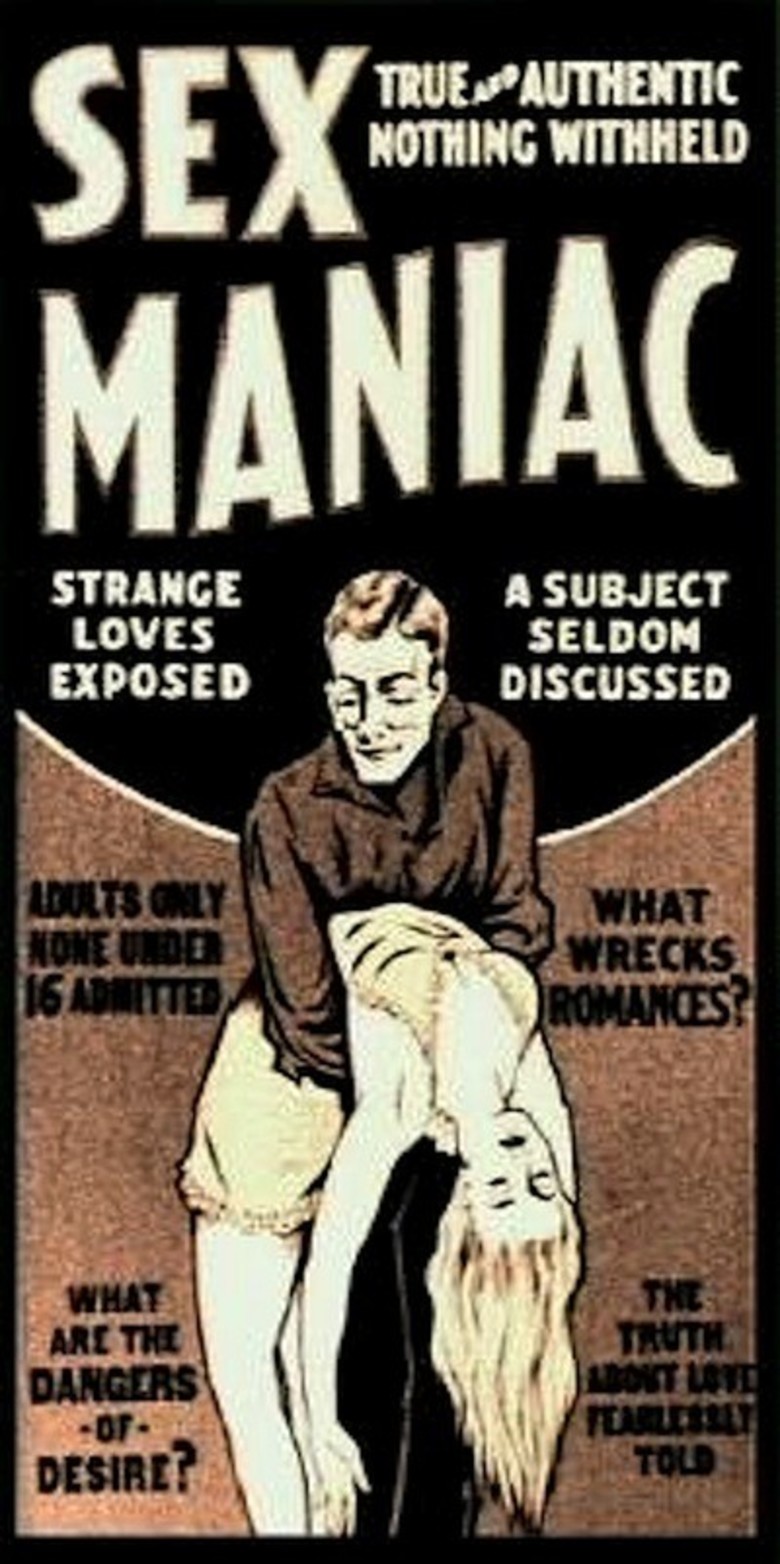
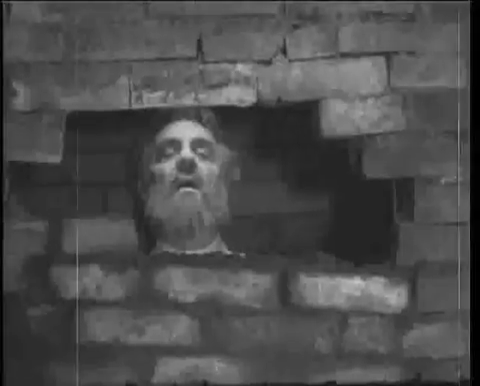
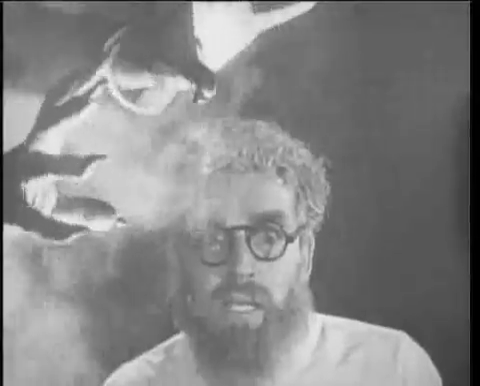
Peary is a huge fan of this “legitimate challenge to Plan 9 from Outer Space as the worst film ever made”, calling it “unbelievable and unforgettable”, a “consistently hilarious Poverty Row sleaze masterpiece”, and “the camp-lover’s dream come true”. He argues that it “manages to be tasteless and ridiculous the entire way through”, and notes that the “acting is sublimely bad”. I’ll admit I’m not nearly as enamored by this Z-grade flick as Peary is; sure, it’s ludicrous through-and-through, but it comes across merely as a pastiche of inept scenarios “interrupted throughout with text describing various forms of mental illness”. The two most infamous scenes show Wood wreaking gory vengeance on a cat who has eaten a preserved heart by “squeezing out its eyeball and swallowing it”, and an unlucky visitor (Tod Andrews) who is accidentally shot up with the wrong solution and “goes into an astonishing dying routine, rubbing his hands over his body and then his head, distorting his face, and speaking of terrible burning pain”, then imagining “himself as the orangutan murderer from Murders in the Rue Morgue” and picking up a “revived but catatonic ‘dead’ woman as she just happens to walk through the office”, carrying “her through the woods — her bare breasts show! — and then put[ting] her down and… strangling her”. If this all sounds like your cup of tea, go for it — but truly, this one simply belongs to the annals of early cinematic ineptitude.

Redeeming Qualities and Moments:

  • Some creepy imagery and reasonably effective low-budget cinematography

Must See?
No, though you may be curious to view it once for its cult status — and it’s easy enough to find as a public domain title.

Links:

I Like to Watch / Caballero (1984)

I Like to Watch / Caballero (1984)

“I was just trying to be a gentleman. You know — romance, fun.”

Synopsis:
A sexually frustrated woman (Bridgette Monet) spies on her aunt (Pat Manning) making love, and seeks fulfillment from partners other than her boyfriend.

Genres, Themes, Actors, and Directors:

  • Adult Films
  • Peeping Toms
  • Sexual Frustration

Response to Peary’s Review:
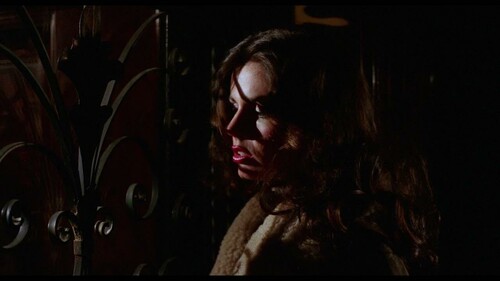
In Peary’s review of this adult flick — starring well-known adult star Bridgette Monet:

— he notes that the sex scenes are “consistently exciting”, and that “the stars are obviously experienced, skilled lovemakers.” Since I’m not a fan of adult films — and don’t have much interest in analyzing scene after scene of contrived sex — I can’t contribute much to his assessment. Truth be told, I was bored. As noted below, this is certainly not must-see viewing for all-purpose film fanatics.

Redeeming Qualities and Moments:

  • Not much, though adult film fans will probably be curious to see stars Bridgette Monet and “Little Oral Annie” in action.

Must See?
No. This one is only recommended for fans of adult films, and is certainly not must-see viewing.

Links:

Clockwork Orange, A (1971)

Clockwork Orange, A (1971)

“If you need Pretty Polly — you take it.”

Synopsis:
In a dystopian British future, an ultra-violent thug (Malcolm McDowell) who has committed a series of heinous crimes with his “droogs” (James Marcus, Michael Tarn, and Warren Clarke) is arrested and sent to prison, where he undergoes a new conversion therapy known as the “Ludovico Technique”. Upon release, Alex (McDowell) feels ill at the thought of violence or sex — but what future lies ahead for this reformed delinquent?

Genres, Themes, Actors, and Directors:

  • Character Arc
  • Dystopia
  • Gangs
  • Juvenile Delinquents
  • Malcolm McDowell Films
  • Mind Control and Hypnosis
  • Rape
  • Revenge
  • Science Fiction
  • Stanley Kubrick Films

Response to Peary’s Review:
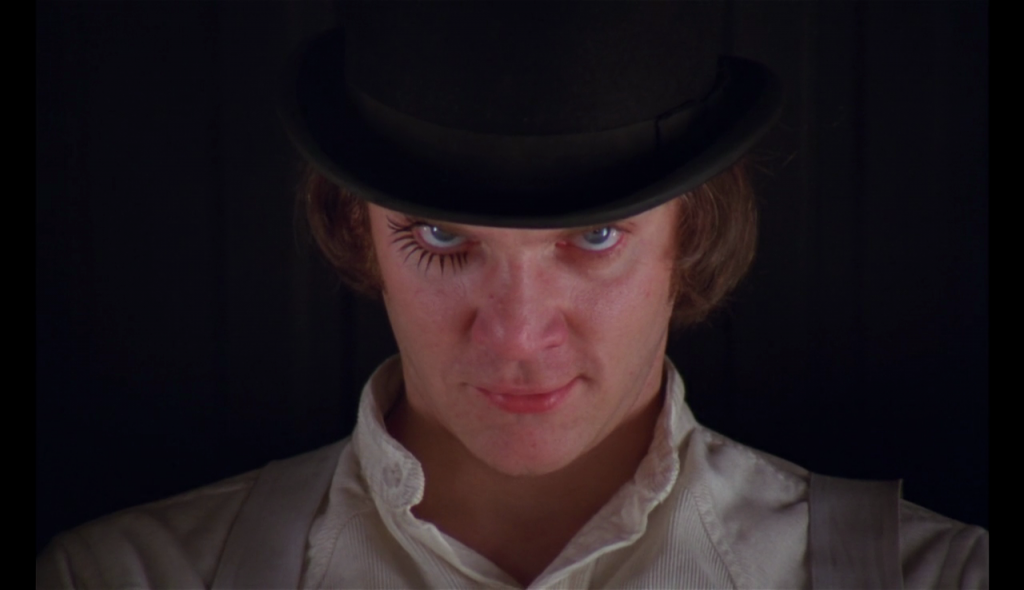
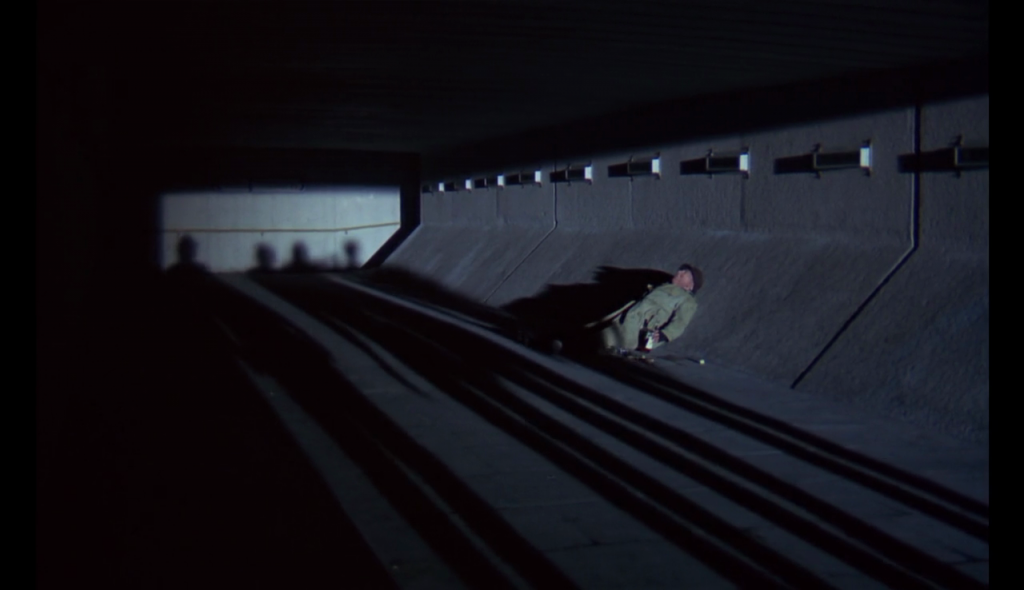
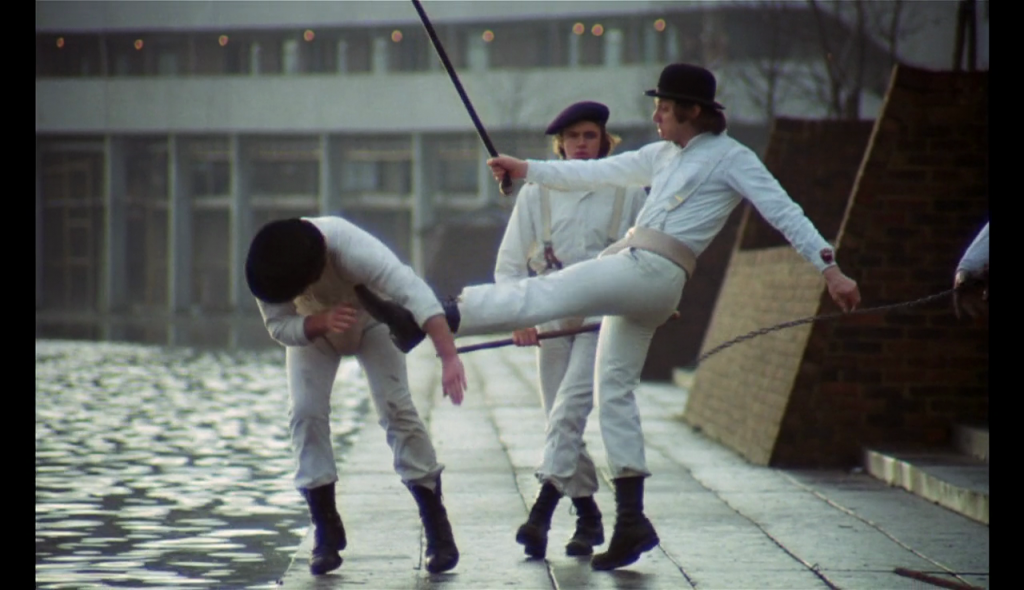
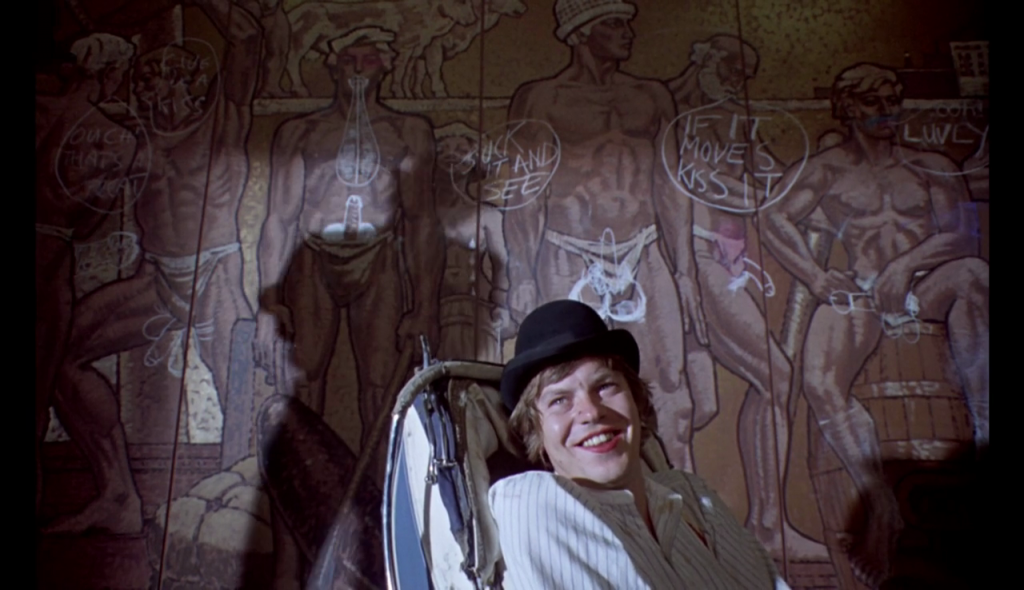
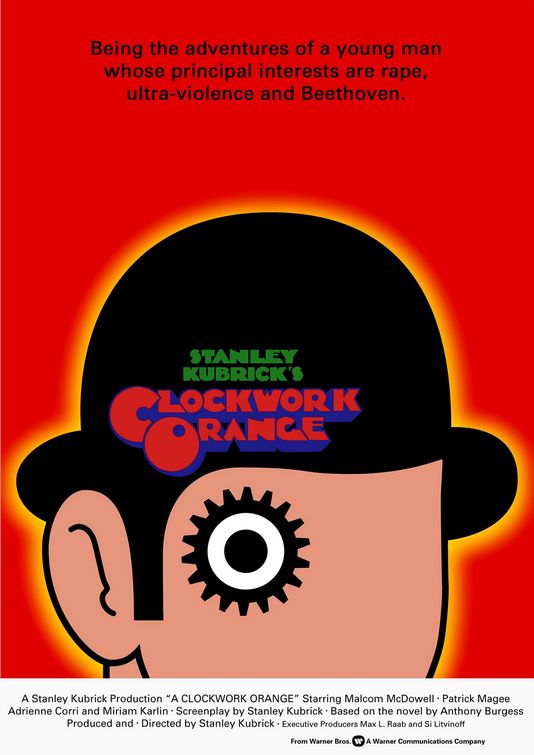
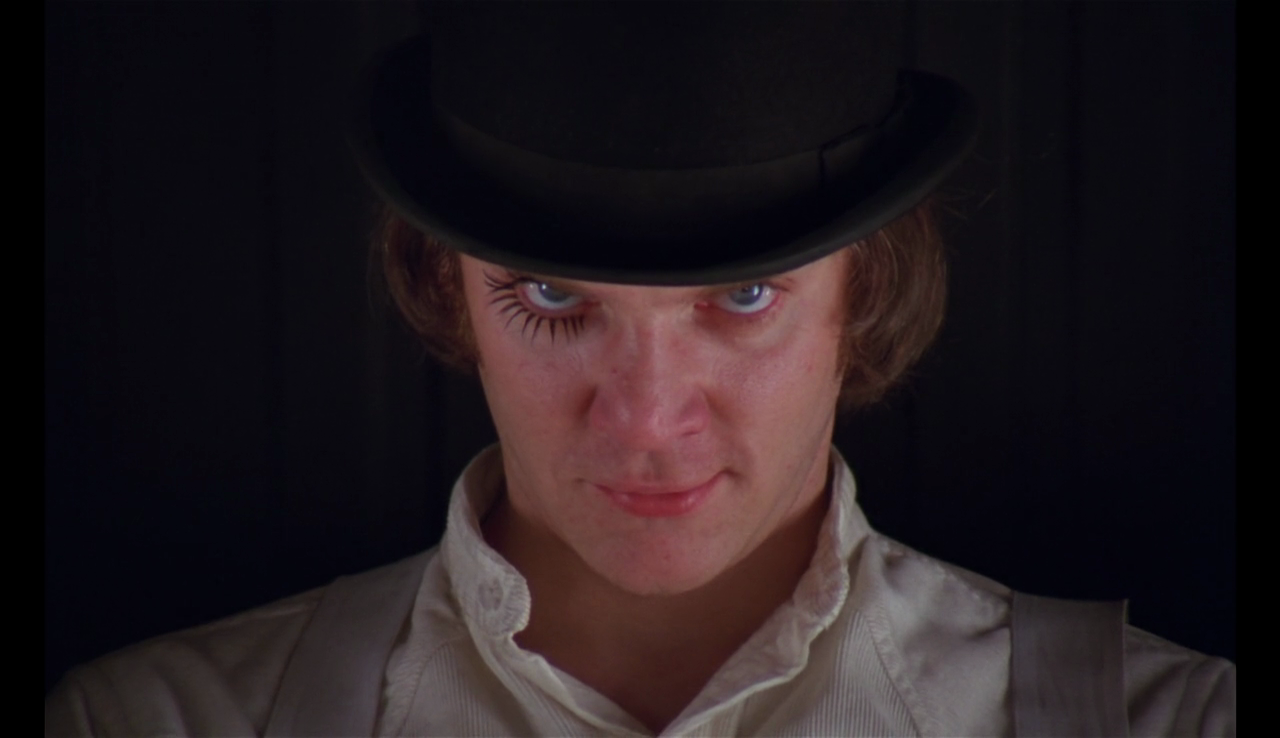
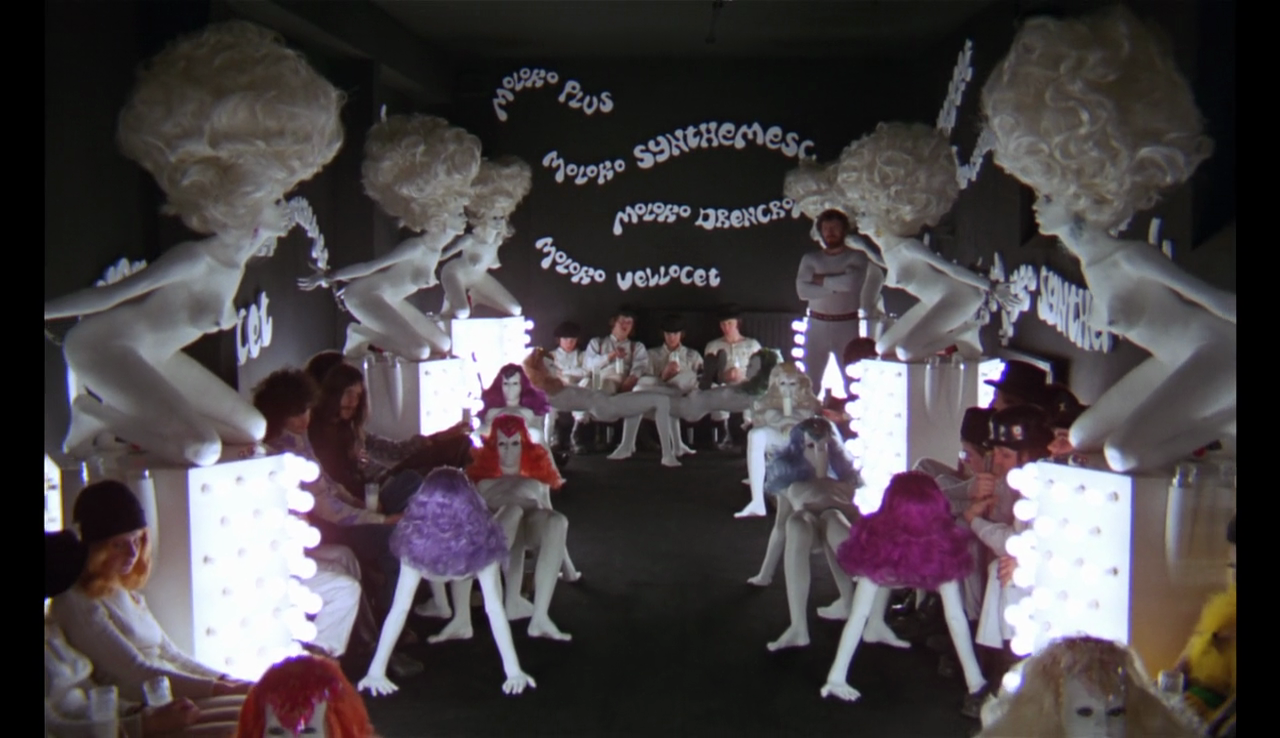
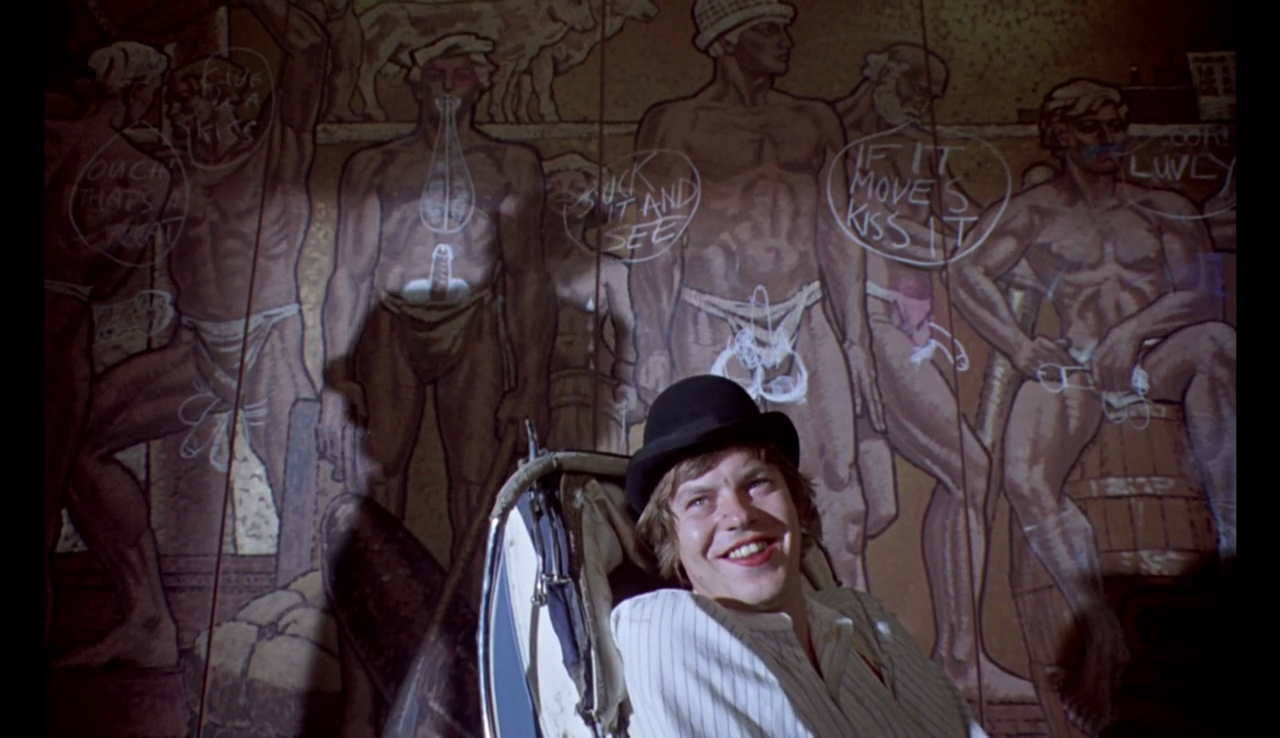
As Peary writes, Stanley Kubrick’s adaptation of Anthony Burgess’s dystopian 1962 novel — written after Burgess endured the brutal beating and rape of his wife by AWOL GI’s during a WWII blackout raid — remains a “visually brilliant [yet] thematically reprehensible” film. Peary asserts that “because Alex is meant to embody our savage, anarchic impulses, Kubrick figured we’d identify with him”, and “manipulates us into accepting Alex in relation to the world”. He notes that as “played by McDowell… Alex is energetic, handsome, witty, and more clever, honest, intelligent, and interesting than any of the adults in the cruel world” — and that “without exception, Kubrick makes Alex’s victims more obnoxious than they are in the book [and] their abuse at Alex’s hands more palatable by making them grotesque, mannered, snobbish figures”. Peary points out how many “distancing devices” Kubrick uses, including “extreme wide angles, slow motion, fast motion, surreal backgrounds, [and] songs that counterpoint the violence” — which, by the way, is all “very stylized” when Alex perpetrates it, “but when it comes time for him to endure violence… is much more realistic”. We’re led to pity Alex, who is “like an alley cat declawed before being returned to the streets”.

Peary’s no-holds-barred reviews of A Clockwork Orange in GFTFF (and his Cult Movies 2 book) are incisive, compelling, and worth quoting at greater length. He notes that Burgess stated, “If we are going to love mankind, we will have to love Alex as a not unrepresentative member of it; it is preferable to have a world of violence undertaken in full awareness — violence chosen as an act of will — than a world conditioned to be good or harmless.” However, Peary points out that “the mankind Kubrick shows us is totally alien to us and not worthy of our love. And even before he undergoes the Ludovico treatment, Alex’s violent acts don’t seem to be made through free choice, but are reflexive, conditioned by past violence — he is already a clockwork orange (human on the outside, mechanized on the inside).” Ultimately, the “film’s strong, gratuitous violence is objectionable (as is the comical atmosphere when violence is being perpetrated), but the major reason the film can be termed fascistic is Kubrick’s heartless, super-intellectual, super-orderly, anti-septic, anti-human, anti-female, anti-sensual, anti-passion, anti-erotic treatment of its subject”, with “all emotional stimuli… lumped together as being harmful”, and “all art… pornographic”.

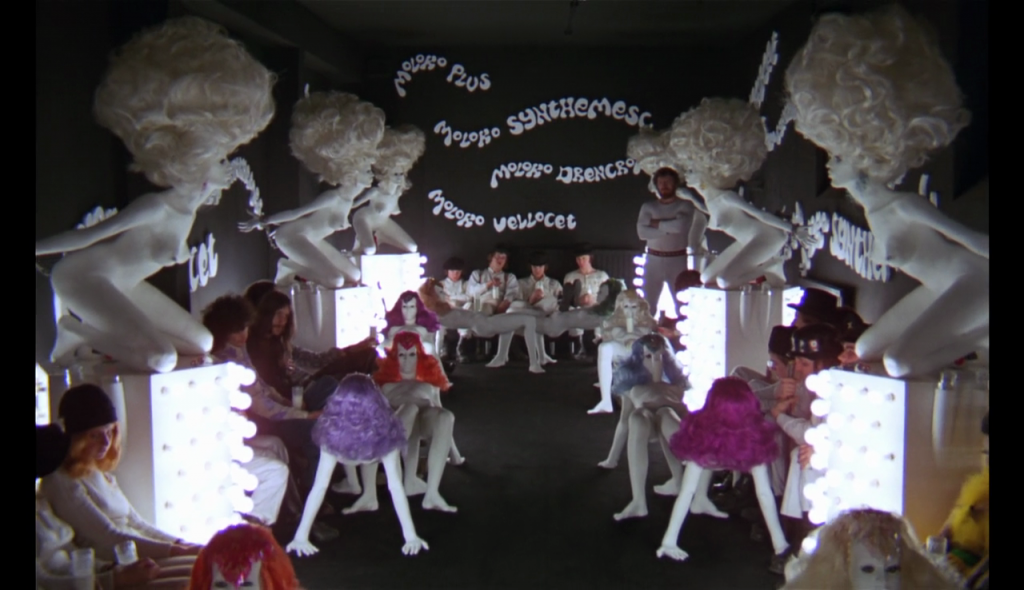
In Cult Movies 2, Peary adds that “the film is like a Sunday sermon where the fellow up on the pulpit suddenly realizes there is no moral lesson that applies to his listeners… Kubrick [simply] teaches paranoid individuals… that you can’t cure the habitual thrill criminal”. He concludes his essay in this book by noting that “once Alex is arrested and the look of the film shifts away from dreamlike pop art, the picture becomes excruciatingly dull”. I’m essentially in agreement with Peary: I’ve avoided a re-watch of A Clockwork Orange for years, and don’t plan to revisit it again — but it’s infamous (and beloved) enough to warrant one-time viewing by film fanatics. (Meanwhile, the cinematography and sets are indeed memorable, as is Wendy Carlos’s synthesized score.) Be forewarned that some scenes are almost unbearably misogynistic and/or brutalizing; if our world is actually headed in this direction, we have reason to be very scared indeed.

Redeeming Qualities and Moments:

  • Malcolm McDowell as Alex
  • John Alcott’s cinematography
  • Many hideously memorable sequences

  • Effectively stylized, futuristic sets and visual design
  • Wendy Carlos’s memorable synthesized score

Must See?
Yes, once, as a dark cult classic.

Categories

  • Cult Movie
  • Important Director

(Listed in 1001 Movies You Must See Before You Die)

Links:

Face in the Crowd, A (1957)

Face in the Crowd, A (1957)

“This whole country’s just like my flock of sheep!”

Synopsis:
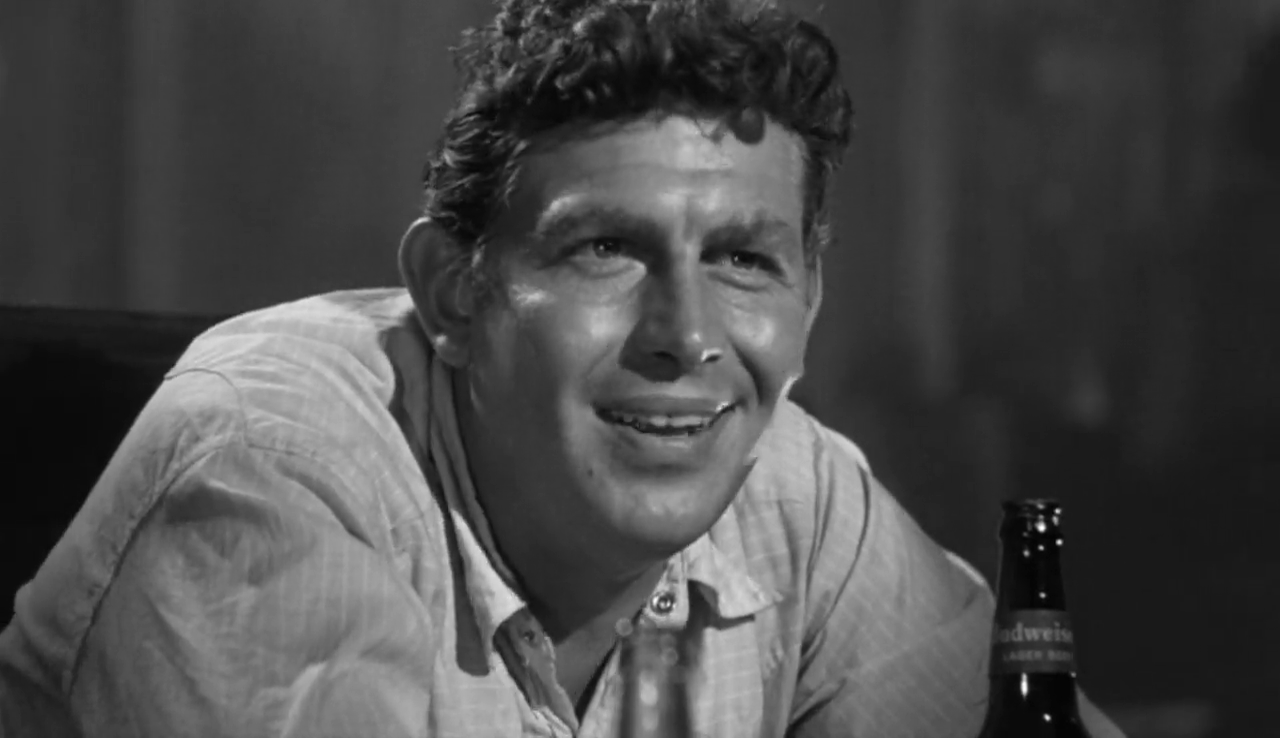
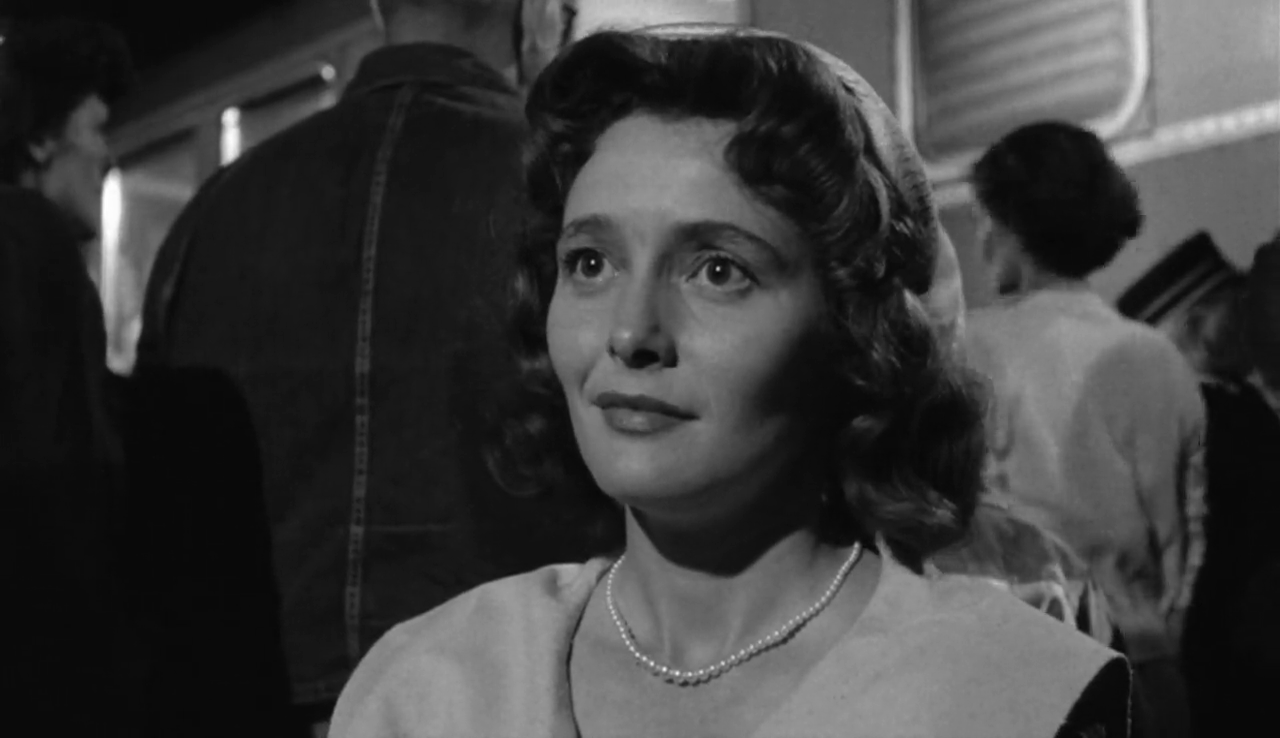
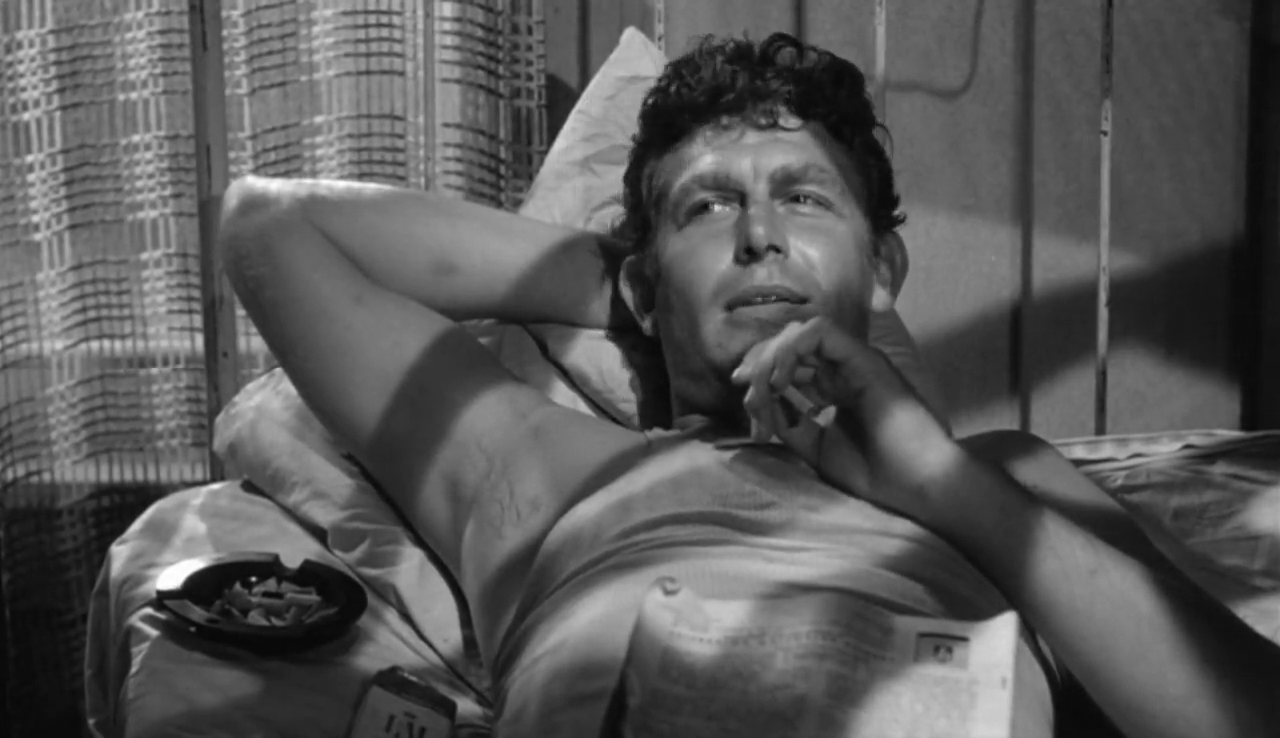
A radio producer (Patricia Neal) discovers a charismatic drifter (Andy Griffith) in Arkansas who is soon tapped to star in his own television show as “Lonesome Rhodes”, and becomes a folksy cult favorite with “the common people”. Griffith and Neal fall in love, but their romance is compromised when Griffith marries an adoring young baton-twirler (Lee Remick). Meanwhile, Griffith’s estranged wife (Kay Medford) shows up to wreak havoc, and Griffith’s growing need for adoration turns him into a monstrous narcissist.

Genres, Themes, Actors, and Directors:

  • Andy Griffith Films
  • Elia Kazan Films
  • Folk Heroes
  • Journalists
  • Lee Remick Films
  • Media Spectacle
  • Naïve Public
  • Patricia Neal Films
  • Political Corruption
  • Television
  • Walter Matthau Films

Response to Peary’s Review:
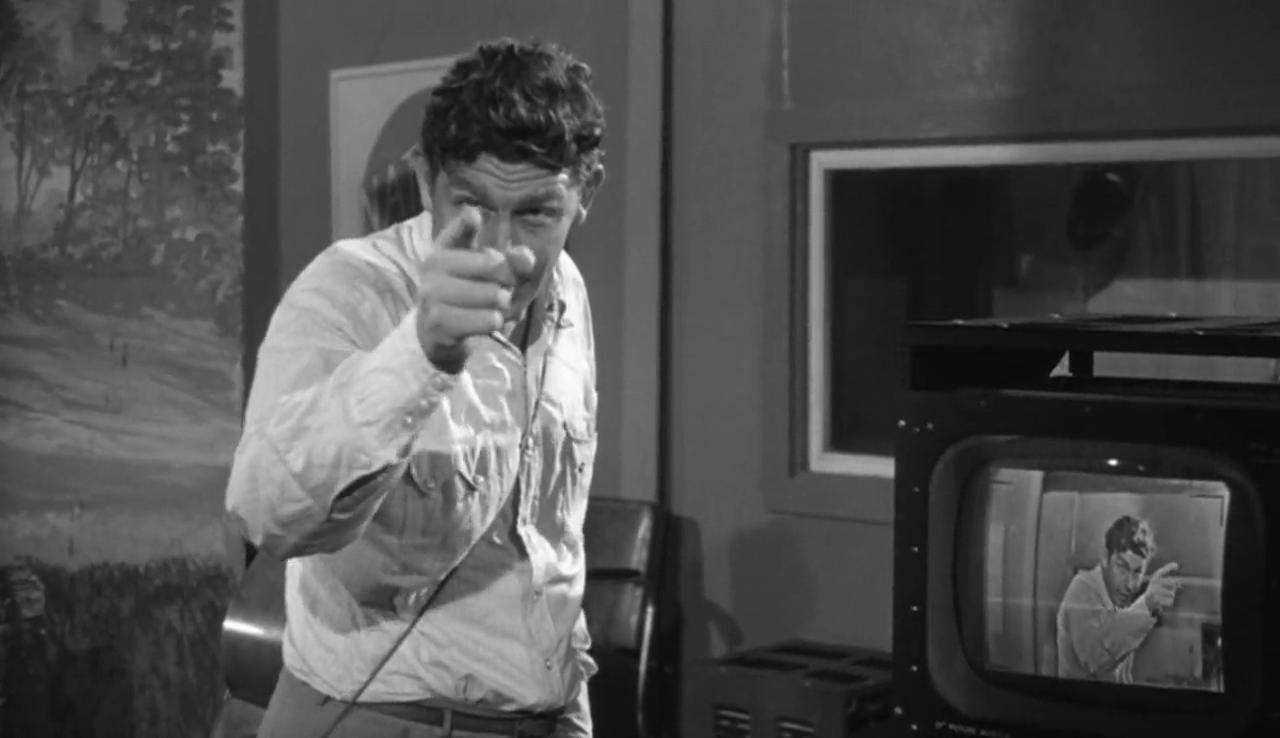
There could hardly be a more apt time in American history to post a review of this “cynical film” about a “Frankenstein Monster [who] use[s] the media to bolster his fame, manipulate the public, and increase his power”.

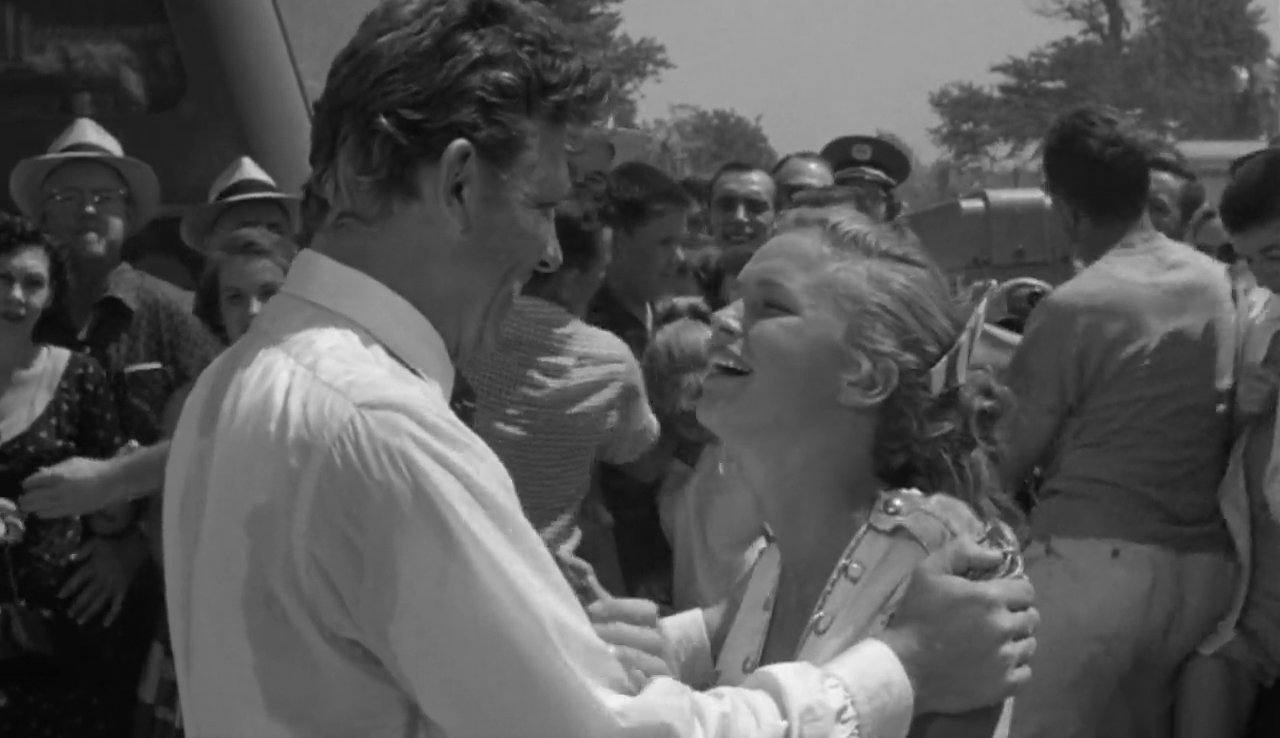
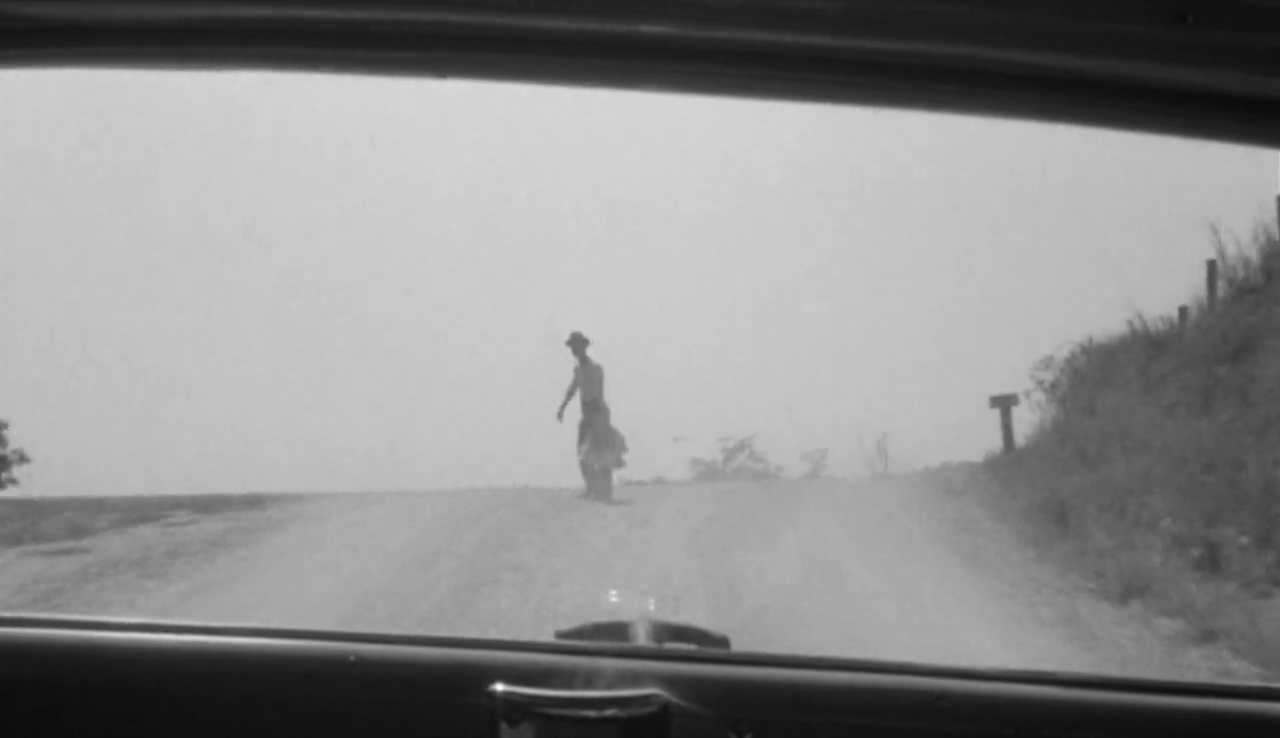
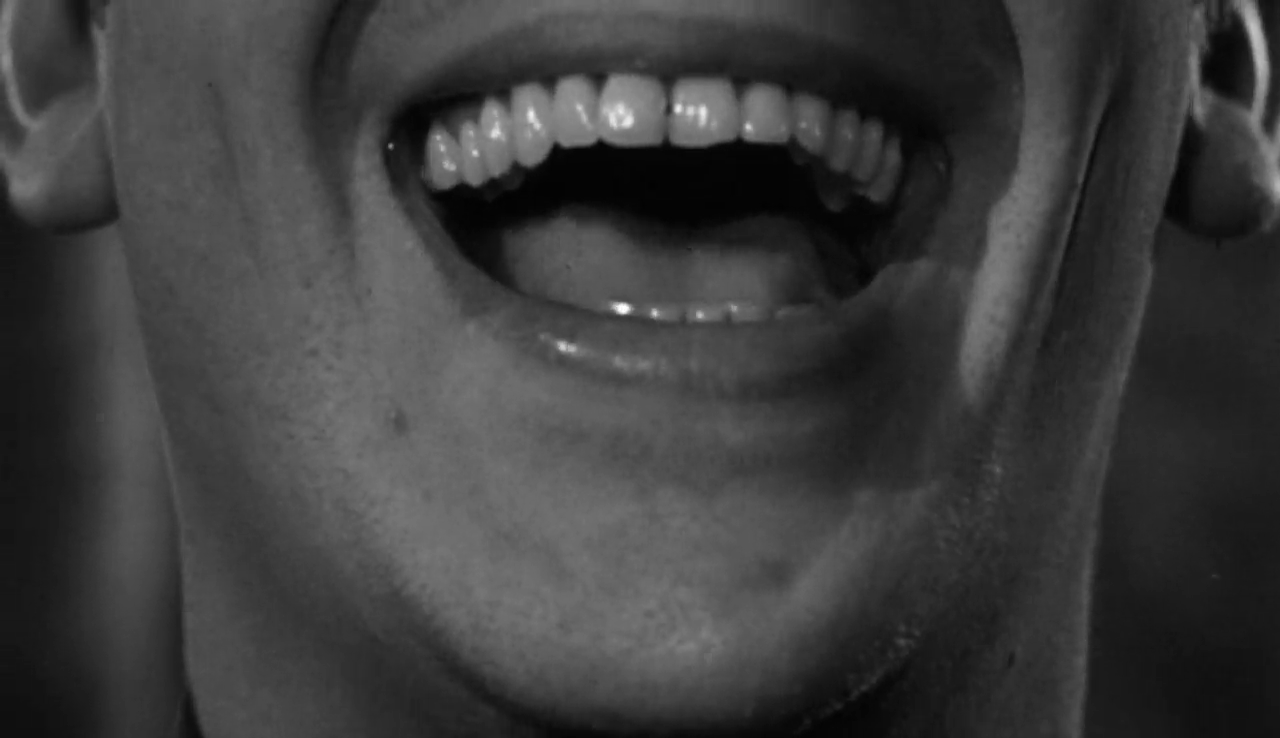
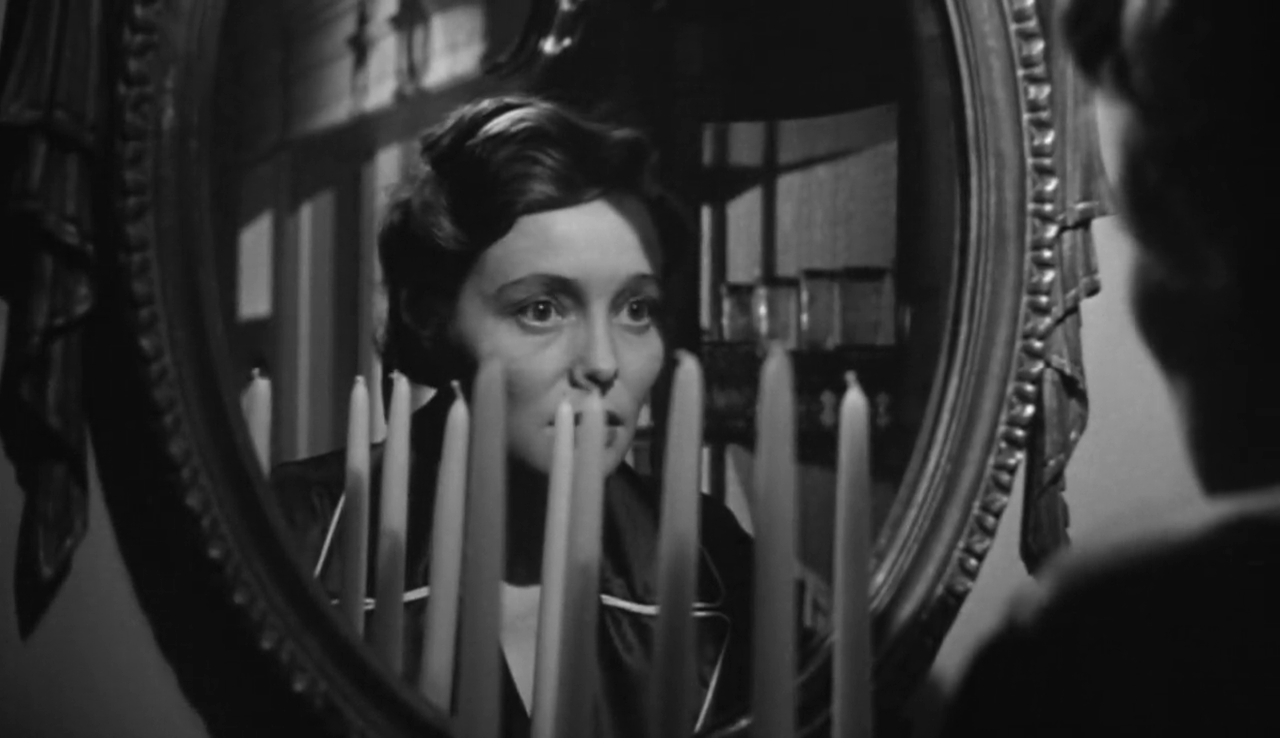
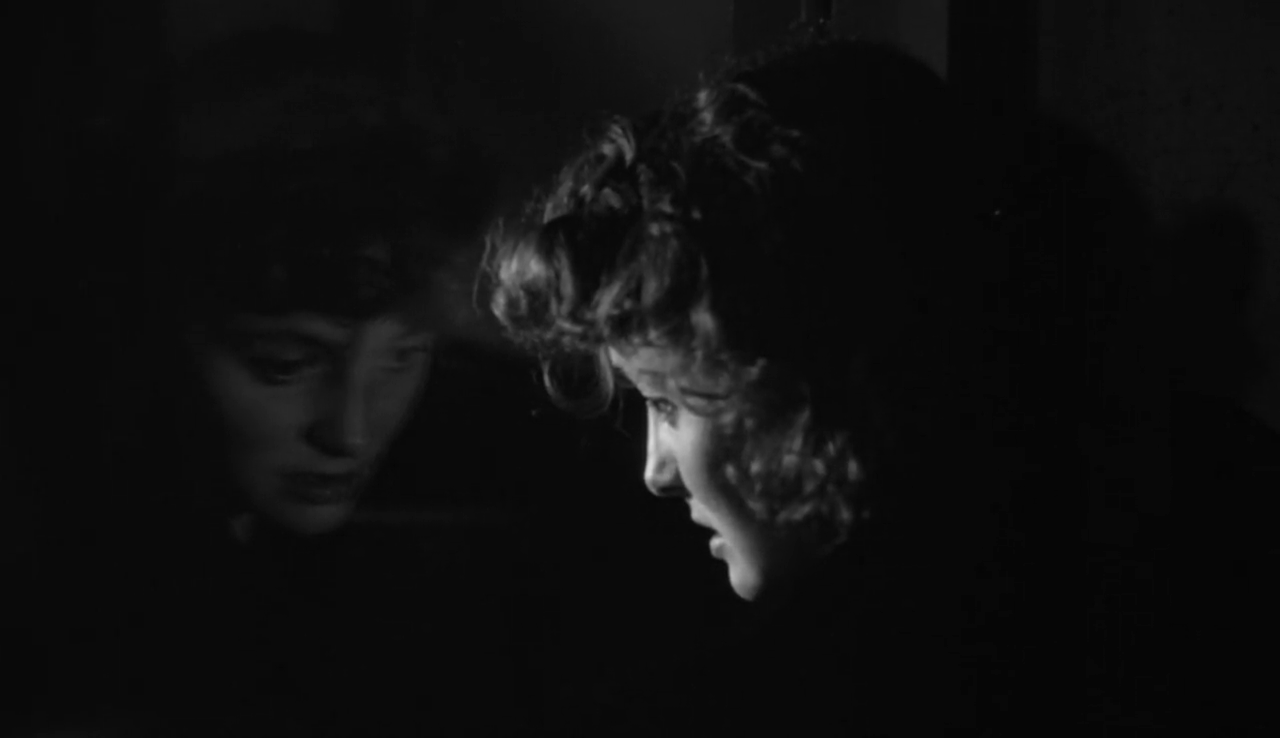
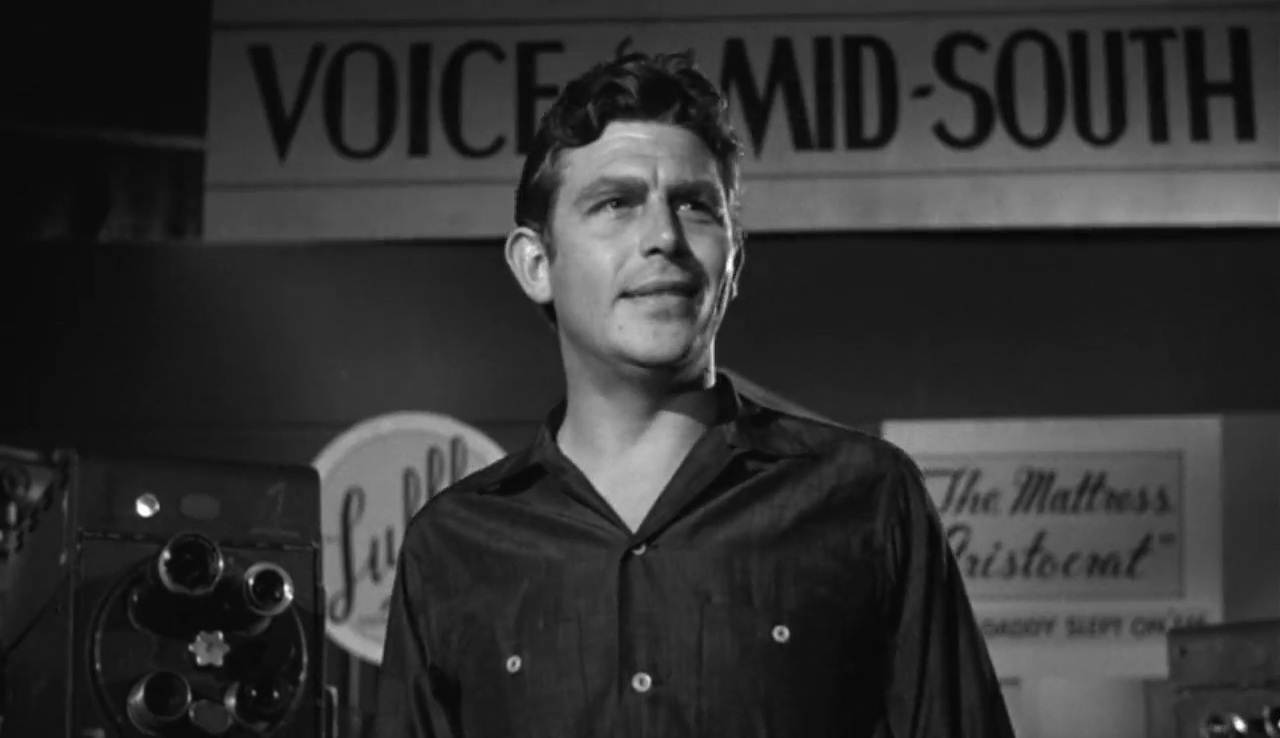
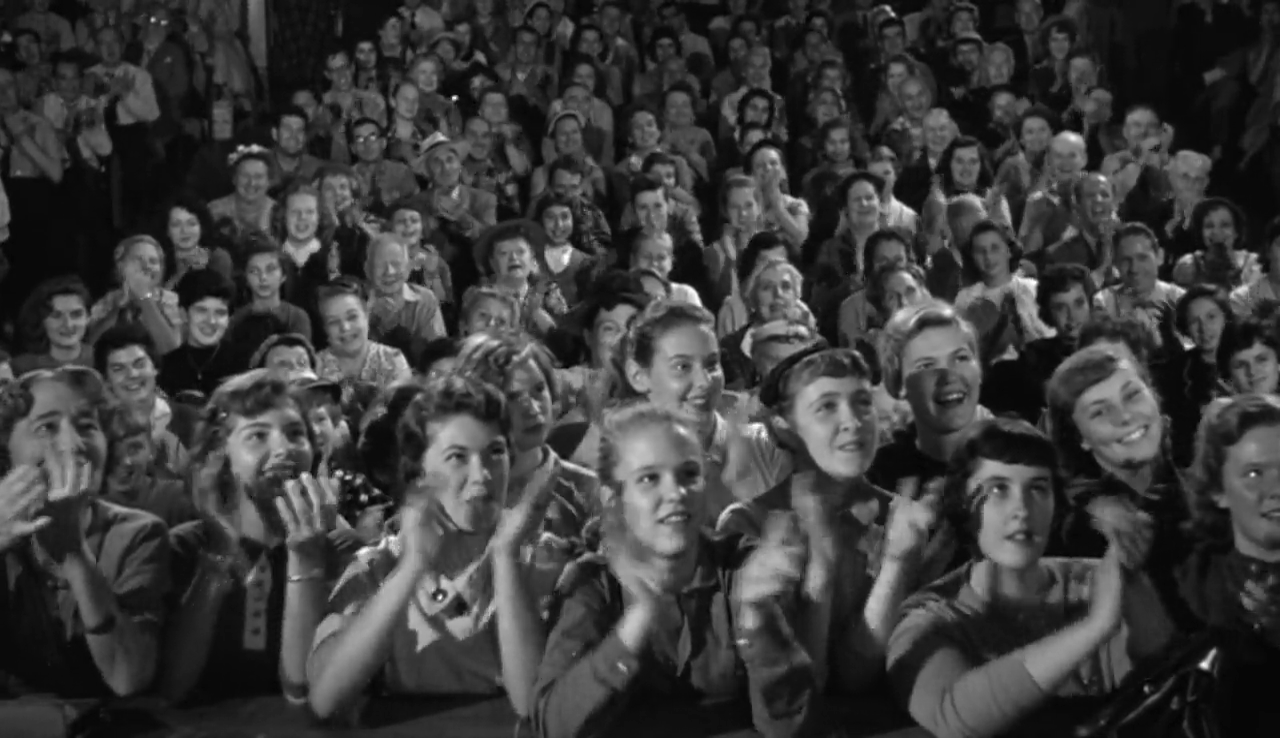
Director Elia Kazan and screenwriter Bud Schulberg had no way of knowing that a bombastic reality-T.V. star would rise to the highest power of the land in 2016 — but their telescoping of current-day America is simply uncanny, and demonstrates that human tendencies haven’t evolved much (if at all) since this film’s release. Peary writes that “Schulberg is expressing his fear that television, which has tremendous power, will become a political tool” — as, of course, it has (along with the internet). He notes that while “Lonesome Rhodes is guilty of taking advantage of the medium — through which you can fool all the people all of the time”, “Schulberg is attacking us, the ignorant people who sits like sheep and believes whatever it sees on the tube”. Perhaps most creepily prescient is Peary’s comment that these days, if “Rhodes were caught expressing his real thoughts while thinking the mike was off, his popularity would probably go up”. ‘Tis true, indeed. He closes his review by noting that this is a “well-made film” and that “in her debut, Lee Remick catches your eye as a sexy baton twirler”:

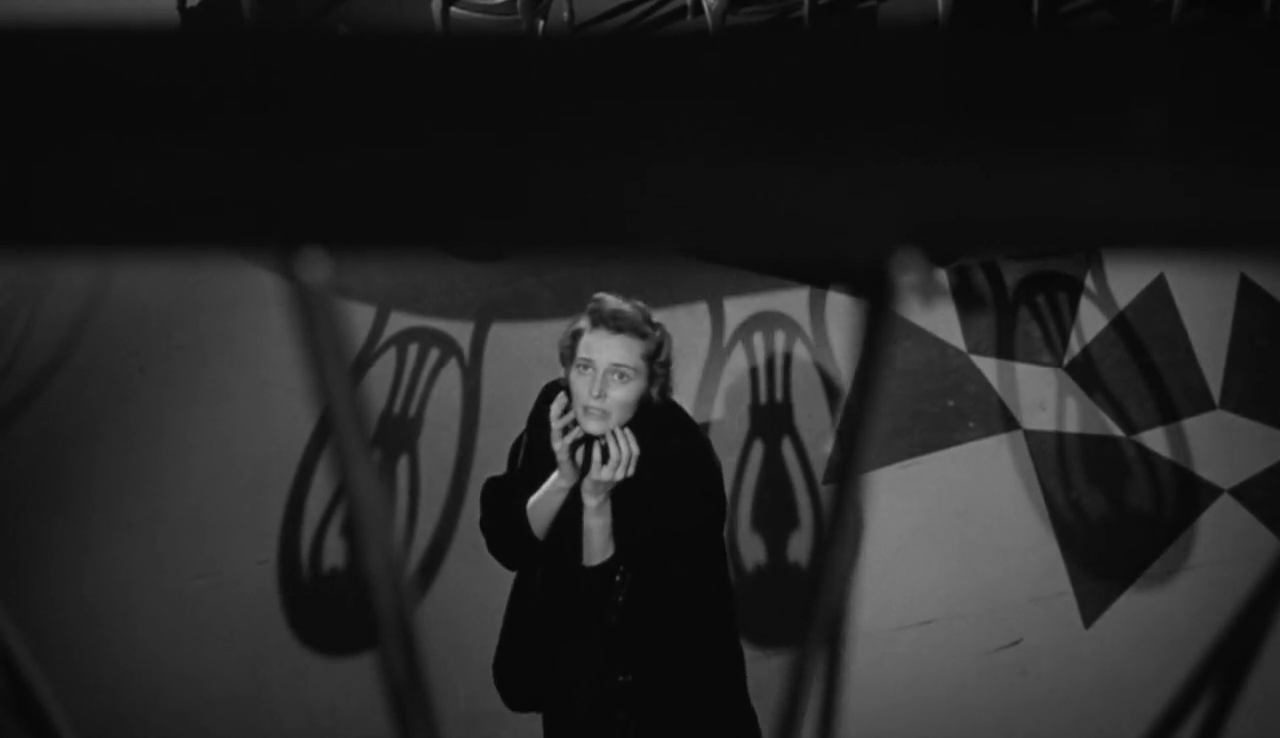
— but I find it more relevant to comment on Kazan’s memorable direction and Gayne Rescher and Harry Stradling’s consistently stark b&w cinematography.

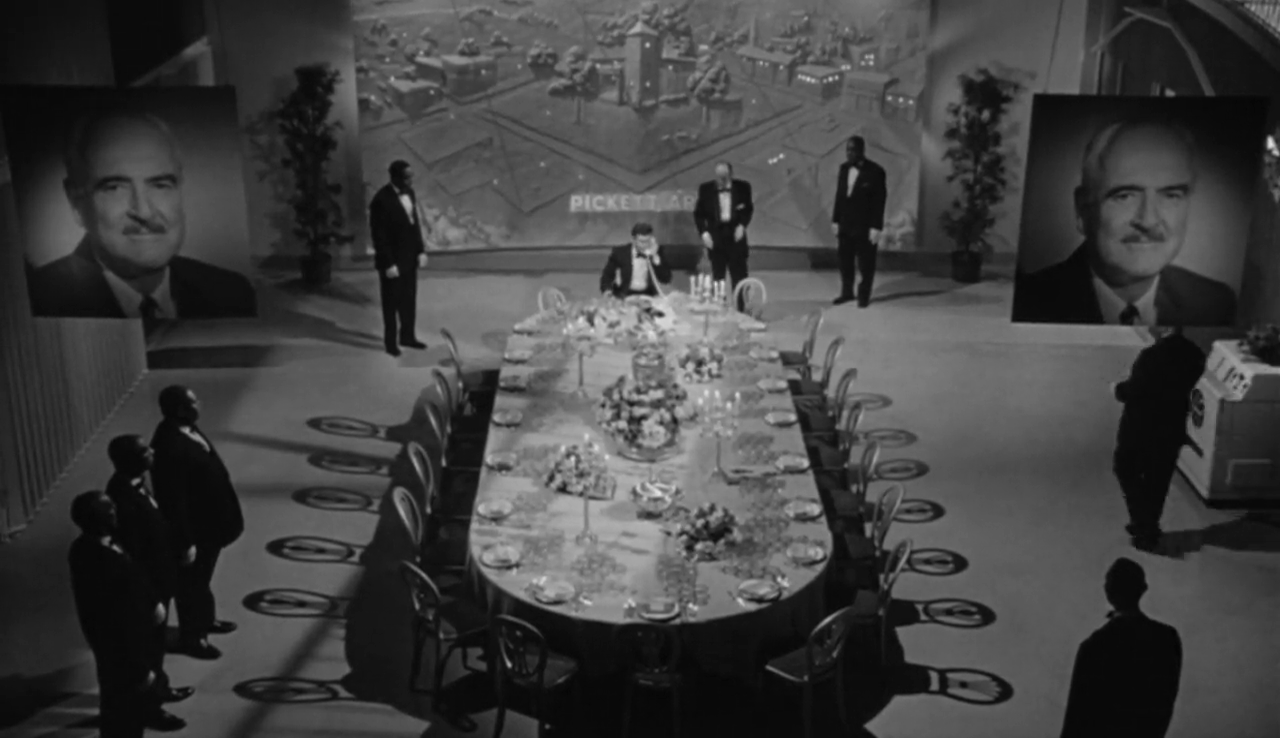
In his Alternate Oscars, Peary names Griffith Best Actor of the year for his role here, noting that his “Lonesome Rhodes is quite a shock, a perversion of the other two characters” he was known for at the time: a “harmless country boy” in No Time for Sergeants on Broadway, and his “easygoing sheriff in the long-running Andy Griffith Show.” He writes that “Lonesome is abrasive, ambitious, shrewd, and manipulative” — someone who “with unbridled energy and the right mix of superiority and humility, attempts to convince everyone around him that he is right”. He further notes that “when Lonesome expounds his conservative philosophy to redneck sycophants” he’s “creepy”, and that “when Lonesome has made a fool of himself on national television and no one shows up for his lavish dinner and he hugs the servants in an effort to get them to say they love him” he “is pathetic”.

Lonesome’s ultimate lesson (appropriately enough) is that “it really is lonely at the top”. Peary asserts it’s a good thing that Griffith never again played such a “monster” on-screen, given that no one “could stand to see or hear another Lonesome Rhodes” — but then again, life itself offers plenty such monsters to loathe…

Redeeming Qualities and Moments:

  • Andy Griffith as “Lonesome Rhodes”
  • Patricia Neal as Marcia Jeffries (nominated by Peary as one of the Best Actresses of the Year in Alternate Oscars)
  • Fine cinematography


  • Incisive direction by Kazan


  • Budd Schulberg’s searing screenplay

Must See?
Yes, as a heartbreakingly relevant classic. Nominated as one of the Best Pictures of the Year in Peary’s Alternate Oscars.

Categories

  • Genuine Classic
  • Noteworthy Performance(s)

Links:

Fritz the Cat (1972)

Fritz the Cat (1972)

“All the stuff to see — and all the kicks, and all the girls — are out there!”

Synopsis:
A swinging hep-cat (Skip Hinnant) beds chicks while seeking the meaning of life through drugs, a road trip, and violent revolutionary action.

Genres:

  • Adult Films
  • Animated Features
  • Counterculture
  • Revolutionaries
  • Road Trip

Response to Peary’s Review:
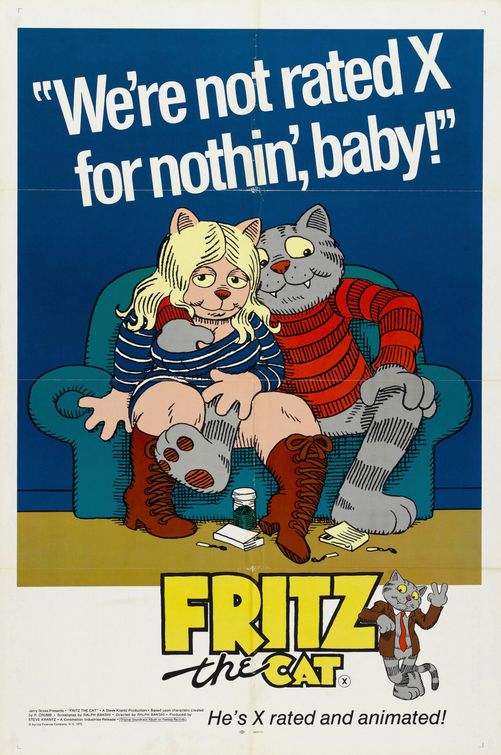
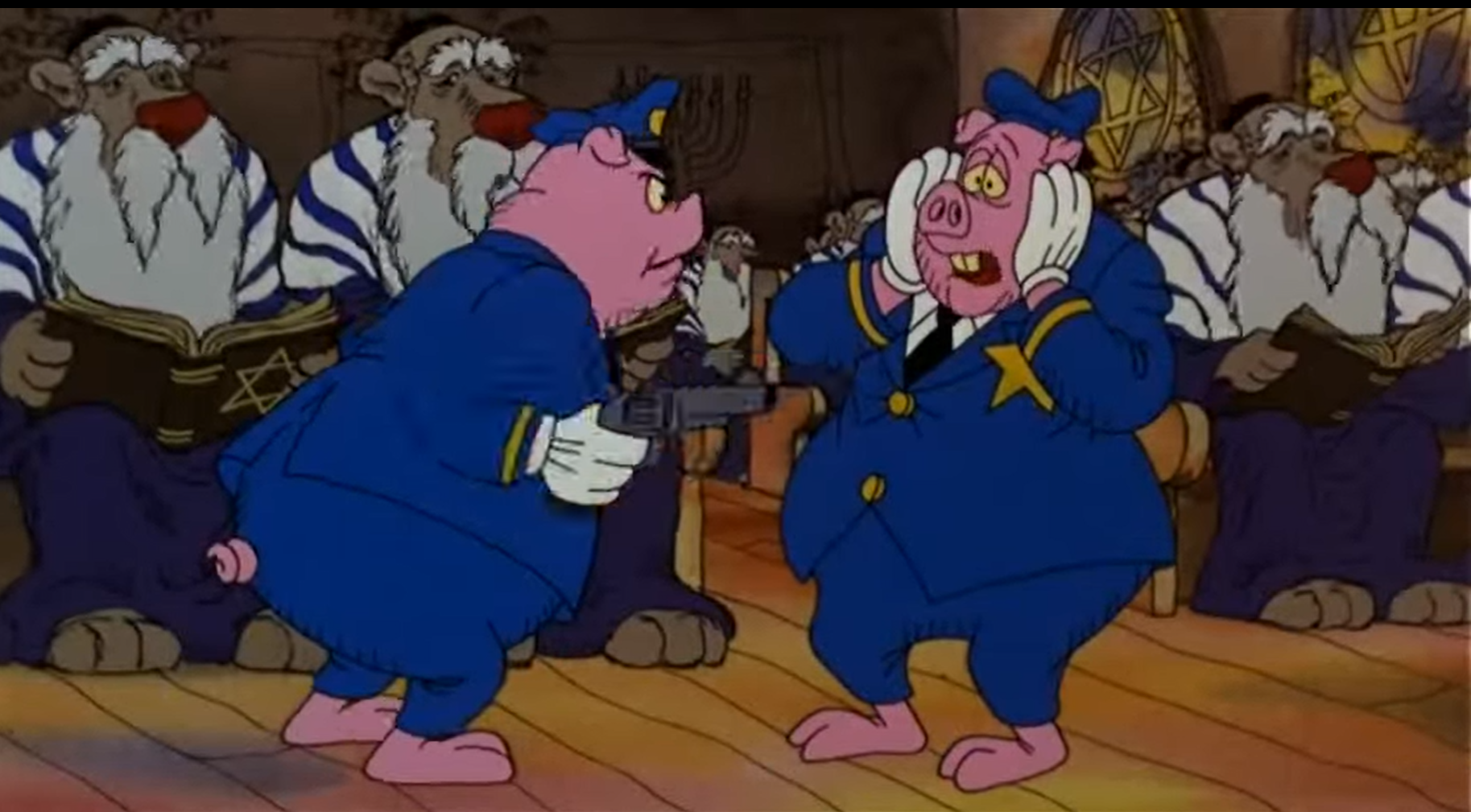
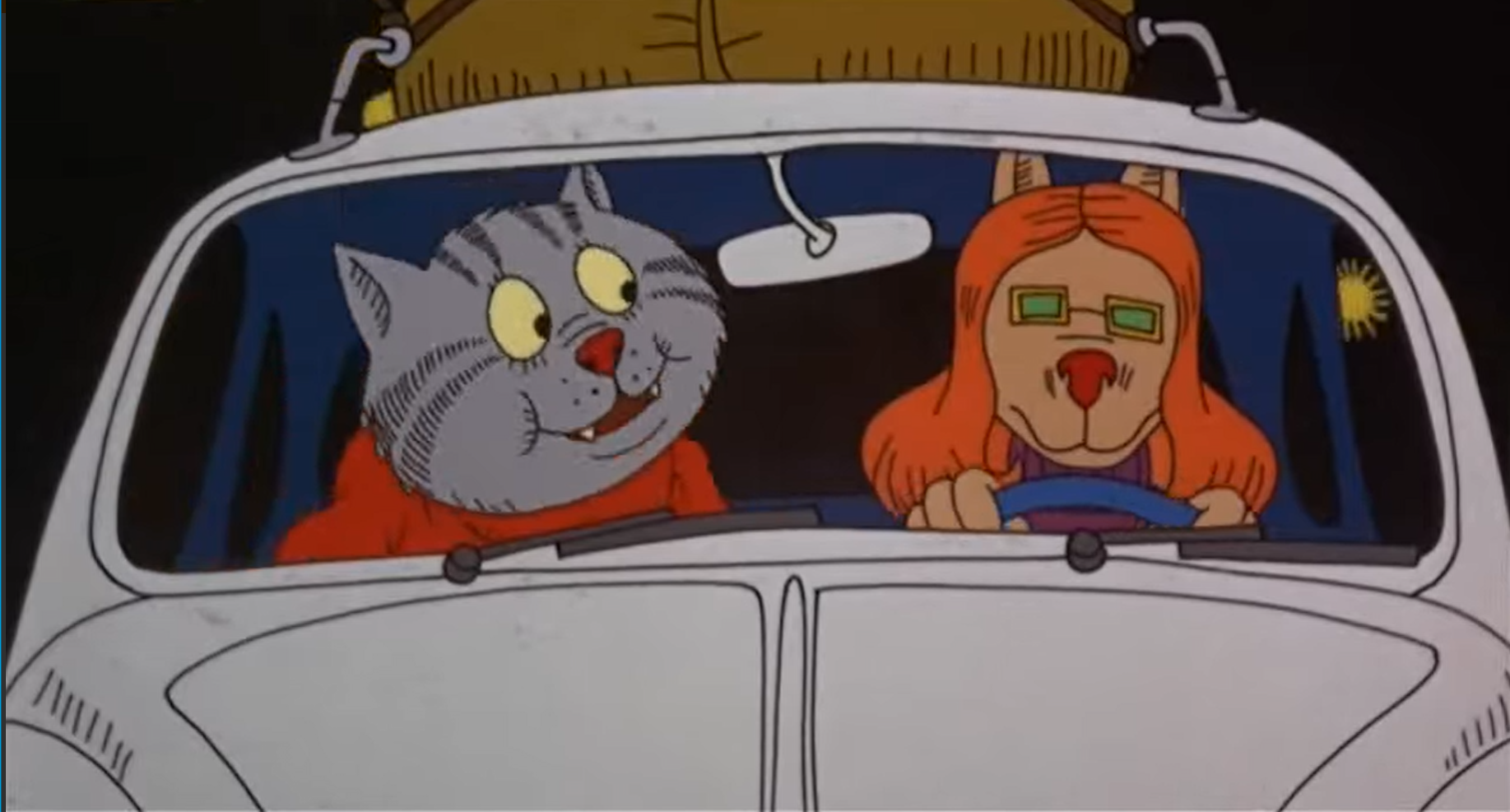
Peary notes that this “X-rated cartoon by Ralph Bakshi” — “based on Robert Crumb’s underground comic-book character” — “hit a responsive chord with hip counterculture audiences of the early seventies”. He writes that while it is “ambitious and cleverly animated”, he also finds it “extremely dull” and argues “it’s annoying that the characters whom Fritz meets… are stupid, hypocritical, cruel, sex-obsessed, [and] politically naive” — thus making this film “a downer for those who romanticize about that era”. I’m essentially in agreement with Peary’s review: I applaud its innovation and clever visuals, but dislike nearly everything else about it (including the characters). Be forewarned that the film is filled with “much sexual and violent imagery”, and many scenes (while animated) are quite explicit; watching the trailer may suffice to familiarize yourself with what this one is all about.

Redeeming Qualities and Moments:

  • Colorful animation


Must See?
Yes, once, simply for its historical notoriety (but if you’d rather not subject yourself to it, just watch the trailer).

Categories

  • Historically Relevant

Links:

Harlan County U.S.A. (1976)

Harlan County U.S.A. (1976)

“When I watched him die and suffer like he did with that black lung disease, I knew that something could be done about it. I told myself then, if I ever get the opportunity to get those coal operators, I will.”

Synopsis:
A group of poverty-stricken Kentucky coal miners seeking representation by the United Mine Workers go on strike until the Duke Power Company agrees to sign a contract with them.

Genres, Themes, Actors, and Directors:

  • Documentary
  • Labor Movement
  • Mining Towns
  • Unemployment

Response to Peary’s Review:
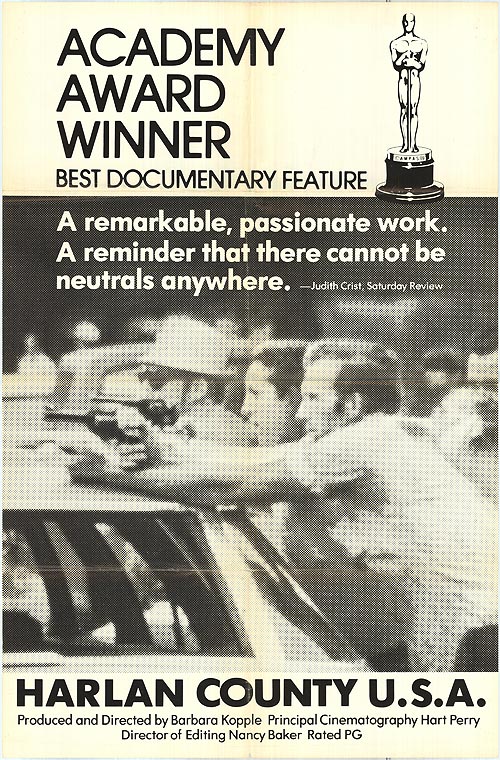
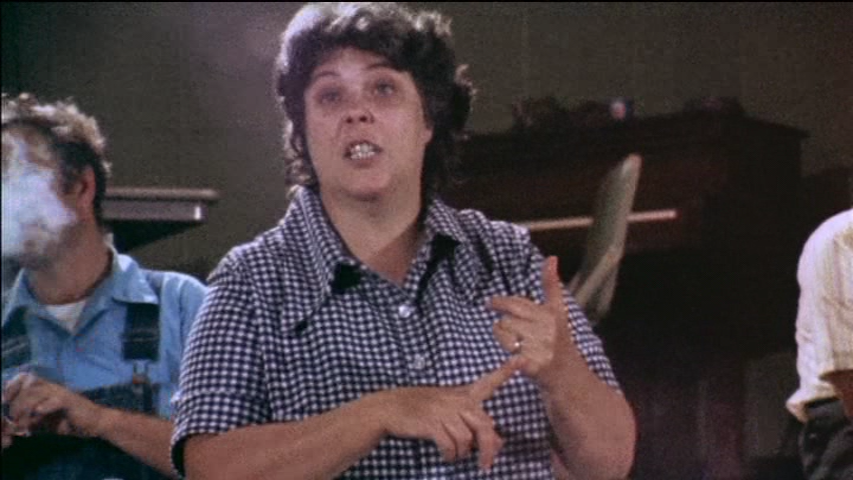
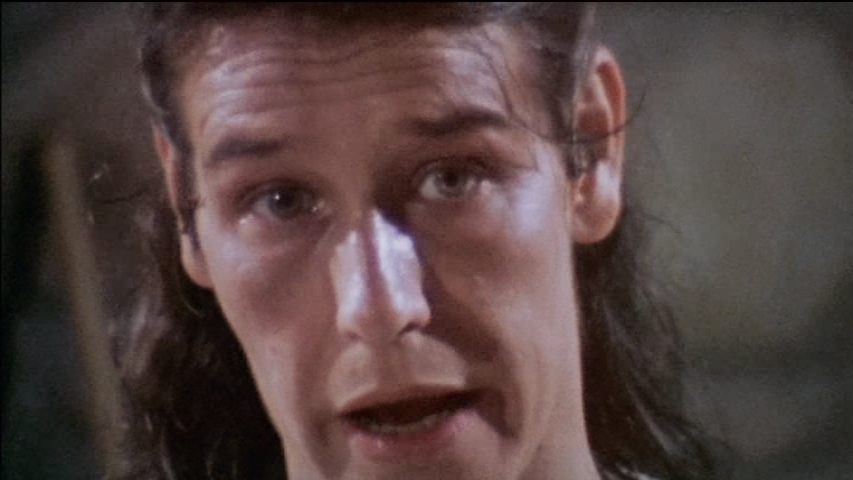
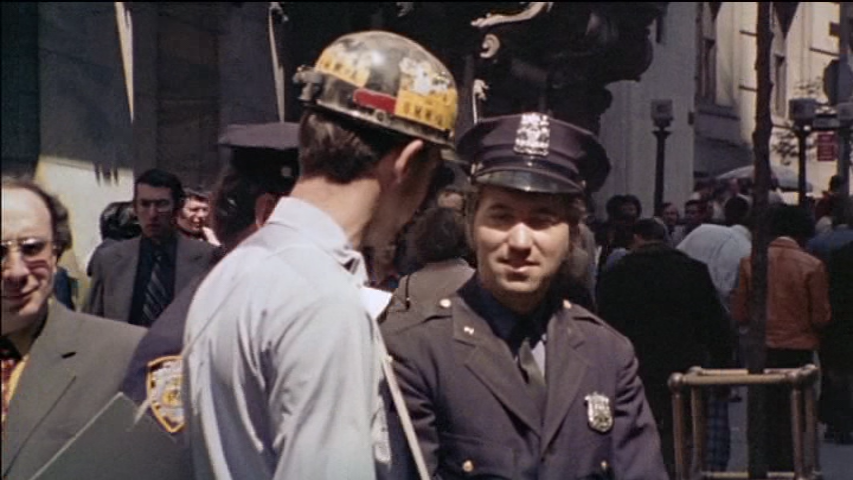
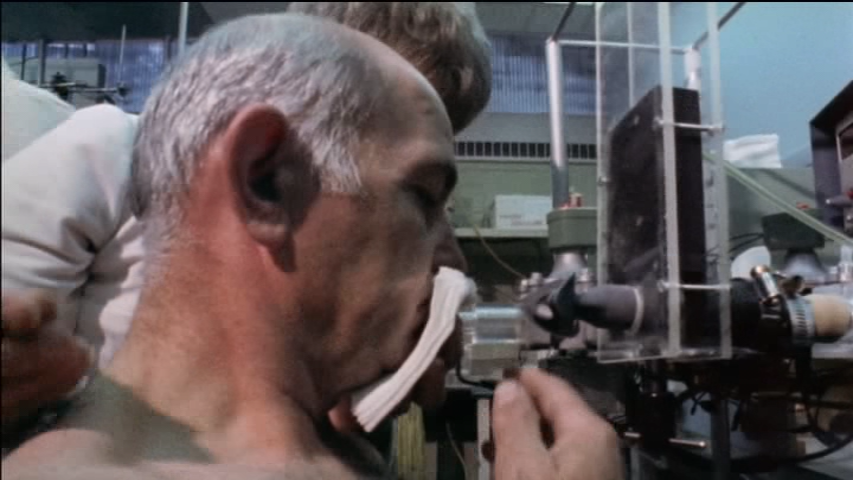
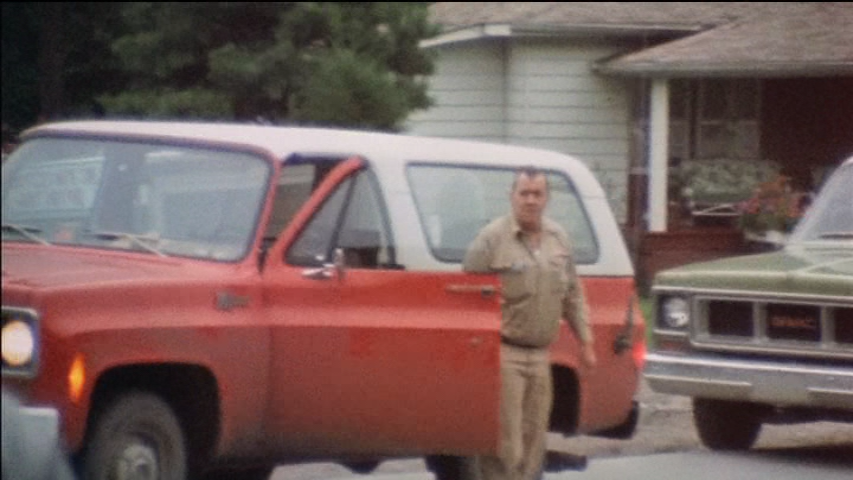
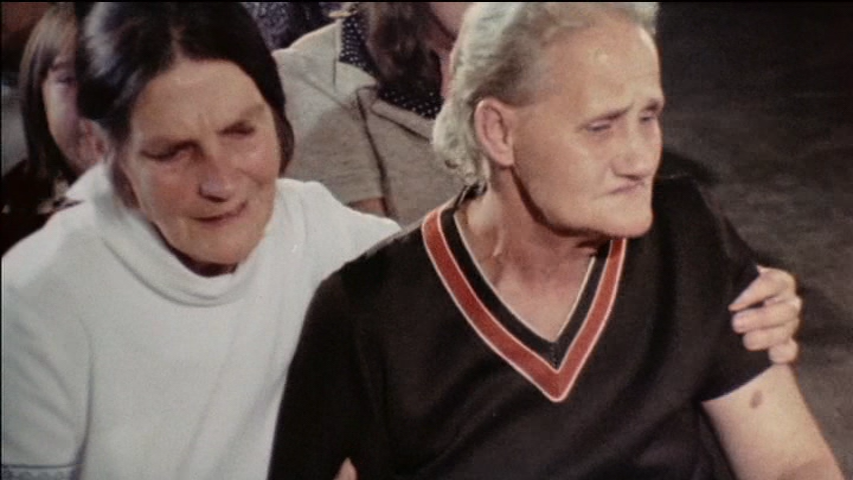
Peary writes that this “stirring, Oscar-winning documentary by Barbara Kopple” — “covering a successful, bitterly fought 13-month strike in 1973-74 at the Brookside mine in Harlan, Kentucky” — is “one of the most incisive portraits of America and the ever struggling labor movement”, and remains “as exciting as good fiction”. He describes how “Kopple and [her] crew befriended the striking miners and were allowed to enter their company-built shacks (which have no bathrooms) and their jail cells when they were arrested for obstructing scab workers who were driving to the mine; to attend organizational meetings; and to join them on the dangerous picket lines”. As Peary points out, Kopple “makes no attempt to disguise she’s on the miners’ side;” indeed, she and her crew put their own lives at risk numerous times. Peary writes that “emphasis is placed on the many women who picket on behalf of the male miners (who were limited to six pickets) and the old women who emotionally relate tragic stories about the suffering their fathers, husbands, and sons have endured as non-union miners”. In addition to current footage, we also “learn about the miners/people of Harlan County, their violent history, and their hope”. He asserts that “we are most impressed by their bravery, their obstinacy about not giving in, and, though they aren’t that educated, their tremendous grasp of the issues that brought about a strike”.

Peary’s review is spot-on: this film remains as exciting, informative, distressing, and relevant now as it was 40 years ago, and it’s impossible to forget many of the faces, images, and sequences on display. Kopple may not have intended to make a feminist film, but the grit and fury of these wives and mothers makes it clear that coal-mining is very much a family affair despite its deeply gendered history (no female coal-miners are shown). Thankfully, Criterion Films has not only preserved and digitized this movie but added informative supplements to the DVD, including a “making of” documentary, outtakes, and commentary by Kopple and editor Nancy Baker. John Sayles’ Matewan (1987) was directly influenced by this film, and he appears briefly on the disc as well. Click here to read an update on the ongoing labor realities of Harlan County citizens, who now face closing mines.

Redeeming Qualities and Moments:

  • Impressive ethnographic footage of mining families’ lived realities and struggles


  • Many powerful and/or frightening moments caught on film

Must See?
Yes, as a still-riveting American documentary classic.

Categories

  • Oscar Winner or Nominee

Links:

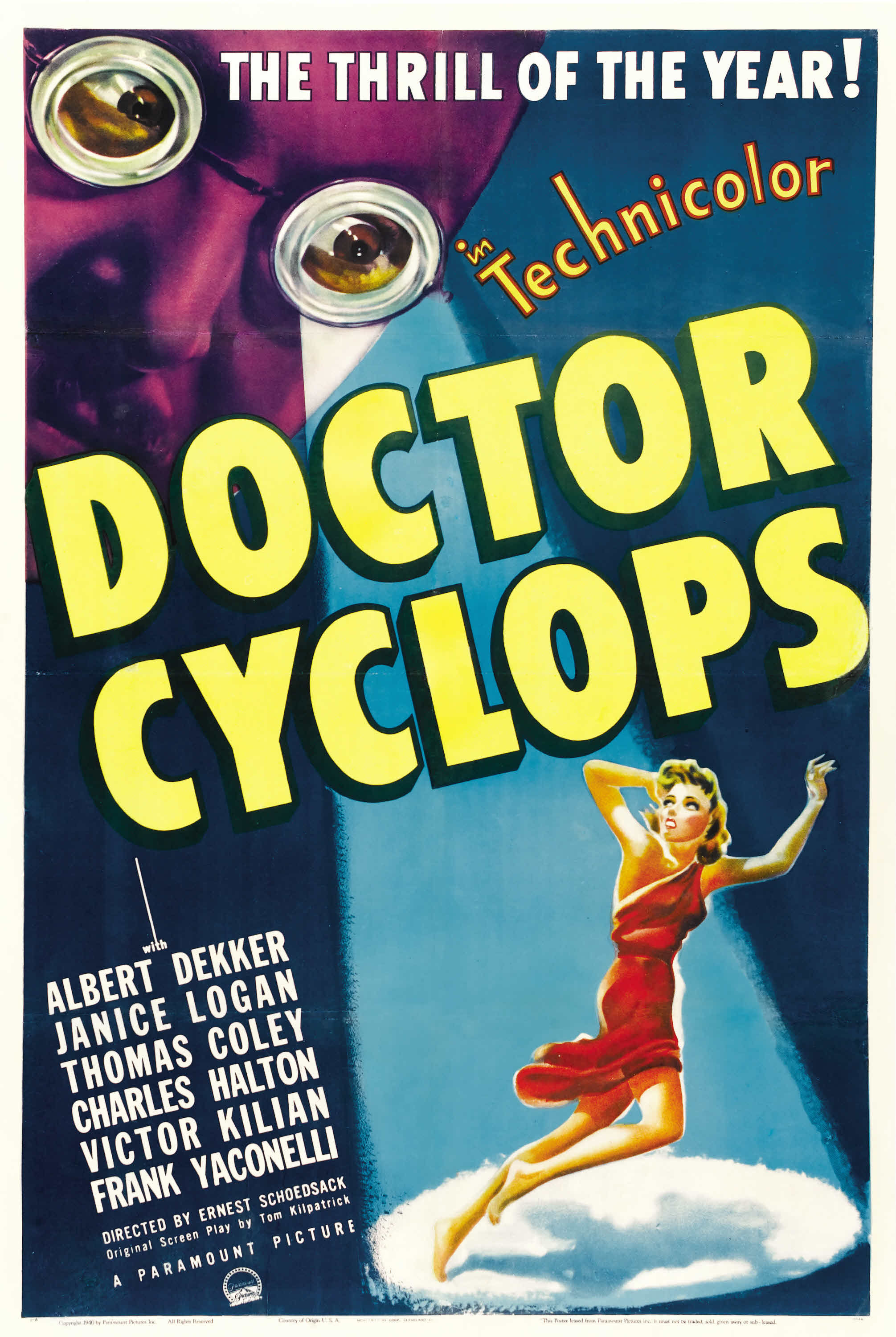
Dr. Cyclops (1940)

Dr. Cyclops (1940)

“Now I can control life — absolutely!”

Synopsis:
A doctor (Albert Dekker) with failing eyesight invites three scientists (Thomas Coley, Janice Logan, and Charles Halton) to his laboratory deep in the South American jungles, hoping to seek their input on his work with radium. Soon the scientists, a mule driver (Victor Kilian), and Dekker’s assistant (Frank Yaconelli) find their lives at stake when the power-hungry Dekker miniaturizes them.

Genres, Themes, Actors, and Directors:

  • Atomic Energy
  • Mad Doctors and Scientists
  • Science Fiction

Response to Peary’s Review:
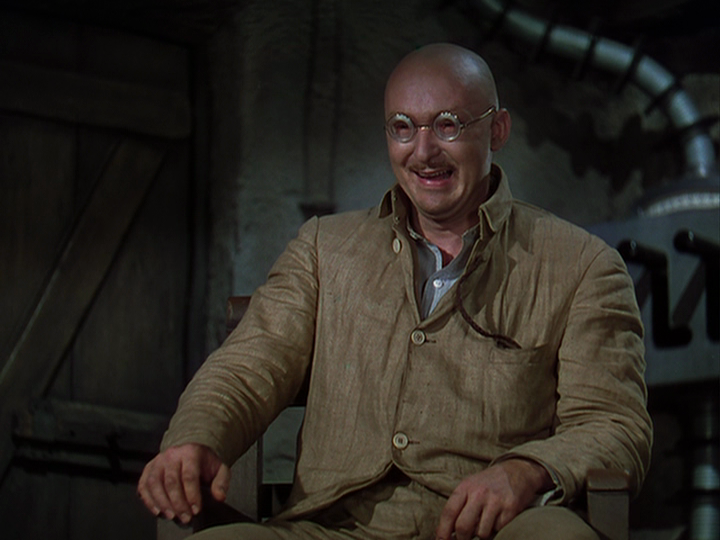
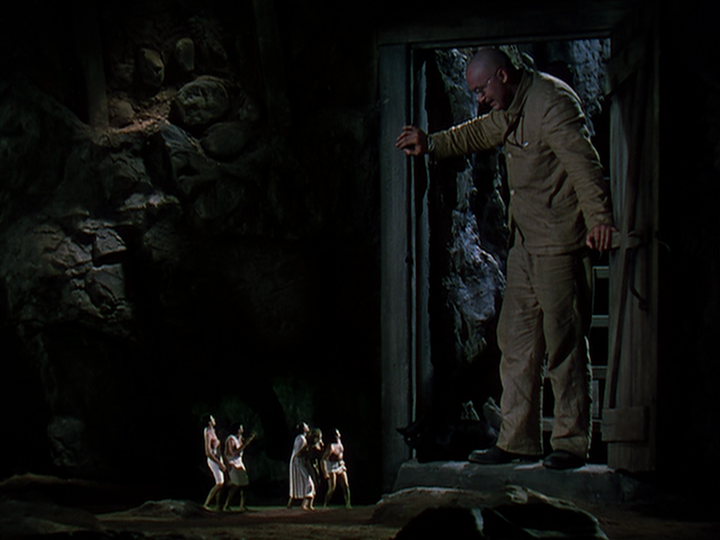
Peary writes that this “conventional juvenile horror story benefits from solid special effects: it was the first time transparencies, split screens, and double exposures had been used in a color film”. As he notes, “the tiny people look authentic” — but unfortunately, that’s about all one can say about them, given that they barely have a chance to emerge as full-fledged characters (and rather uninteresting ones at that) before being reduced to doll-like figurines. The bulk of the movie involves the tiny group attempting to escape from hulking Dr. Thorkel (Dekker) and other menacing threats (a cat, cacti, etc.). It’s all very impressively filmed, but doesn’t offer enough narrative grit to hold one’s interest. Made in between The Devil Doll (1938) and The Incredible Shrinking Man (1957), Dr. Cyclops is less successful than either of these outings, but worth a look for its impressive early special effects.

Redeeming Qualities and Moments:

  • Albert Dekker as Dr. Thorkel
  • Excellent special effects

  • Fine Technicolor cinematography

Must See?
No, though film fanatics should check it out once for the special effects.

Links:

Destry Rides Again (1939)

Destry Rides Again (1939)

“Every time I mention his name, it’s sort of like I’m talking about a ghost.”

Synopsis:
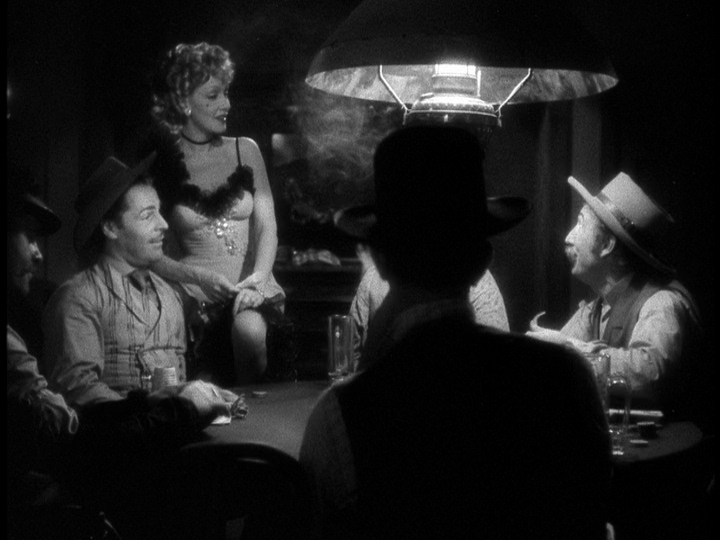
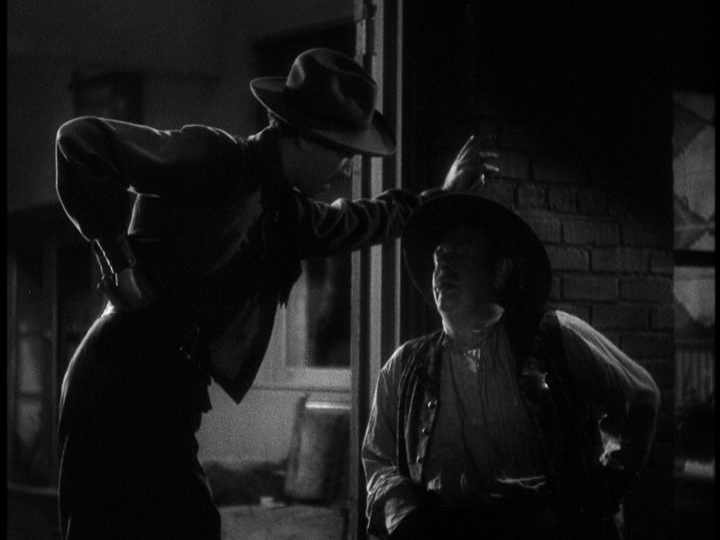
The son (Jimmy Stewart) of a famed sheriff is hired to work with the newly appointed sheriff (Charles Winninger) in a lawless town run by a murderous bully (Brian Donlevy), his two henchmen (Allen Jenkins and Warren Hymer), and a corrupt, tobacco-chewing mayor/lawyer (Samuel S. Hinds). Destry (Stewart) surprises citizens by refusing to carry guns, but shows his strength in other ways — including initiating a relentless search to learn what happened to the former sheriff (Joe King). Soon the local chanteuse, Frenchy (Marlene Dietrich), falls for Destry — but can she convince him that his life is in imminent danger?

Genres, Themes, Actors, and Directors:

  • Brian Donlevy Films
  • Comedy
  • Corruption
  • George Marshall Films
  • Jack Carson Films
  • Jimmy Stewart Films
  • Marlene Dietrich Films
  • Sheriffs
  • Westerns

Response to Peary’s Review:
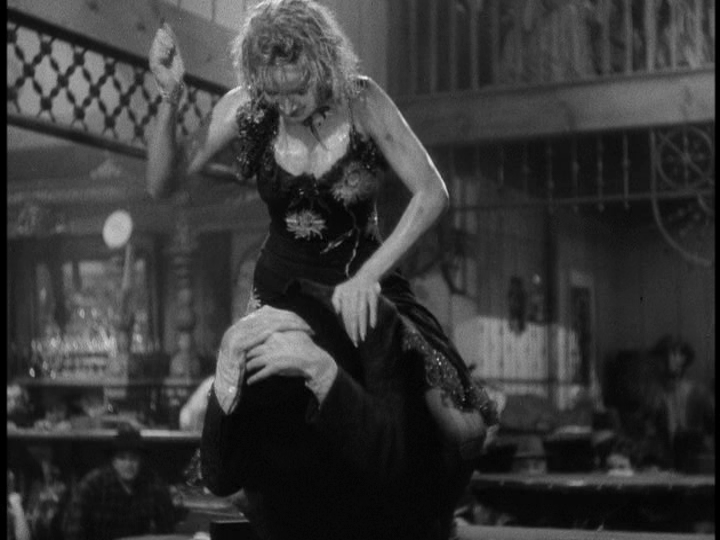
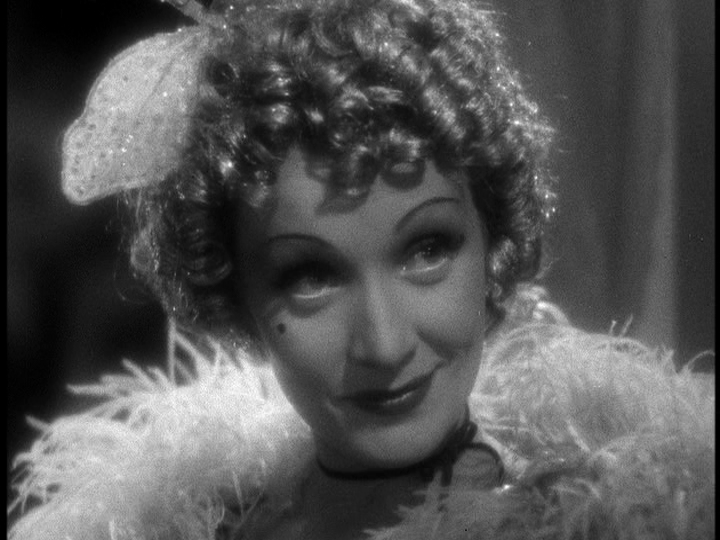
In his review of this “unbeatable western-comedy teaming James Stewart and… Marlene Dietrich” — based in-name-only on a 1930 novel by Max Brand, and directed by George Marshall — Peary writes that “Frenchy is one of Dietrich’s best post-Sternberg roles”, a “bit like her character in Morocco, only funnier and sassier”. Indeed, despite initially being leery of starring in a western, this was an excellent career move for Dietrich, who would later star in another beloved western classic, Rancho Notorious (1952). Stewart, meanwhile, had a banner year in 1939, starring in both this and Mr. Smith Goes to Washington; Peary nominates him as one of the Best Actors of the Year for both roles in Alternate Oscars. Stewart’s Destry is an enigmatic pleasure to watch on screen: his decision not to bear arms (despite being an amazing sharpshoot) is both admirable and somewhat foolhardy. He maintains order and safety through creative alternatives, demonstrating preternaturally quick reflexes, and coming across as savvy, compassionate, alert, and pragmatic — very much a “super”-man you’d want watching over your town.

Redeeming Qualities and Moments:

  • Jimmy Stewart as Destry
  • Many memorable scenes

  • Hal Mohr’s cinematography


Must See?
Yes, as an enjoyable classic.

Categories

  • Genuine Classic

(Listed in 1001 Movies You Must See Before You Die)

Links: