Browsed by
Category: Response Reviews

My comments on Peary’s reviews in Guide for the Film Fanatic (Simon & Schuster, 1986).

Jazz Singer, The (1927)

Jazz Singer, The (1927)

“Wait a minute, wait a minute — you ain’t heard nothin’ yet!”

Synopsis:
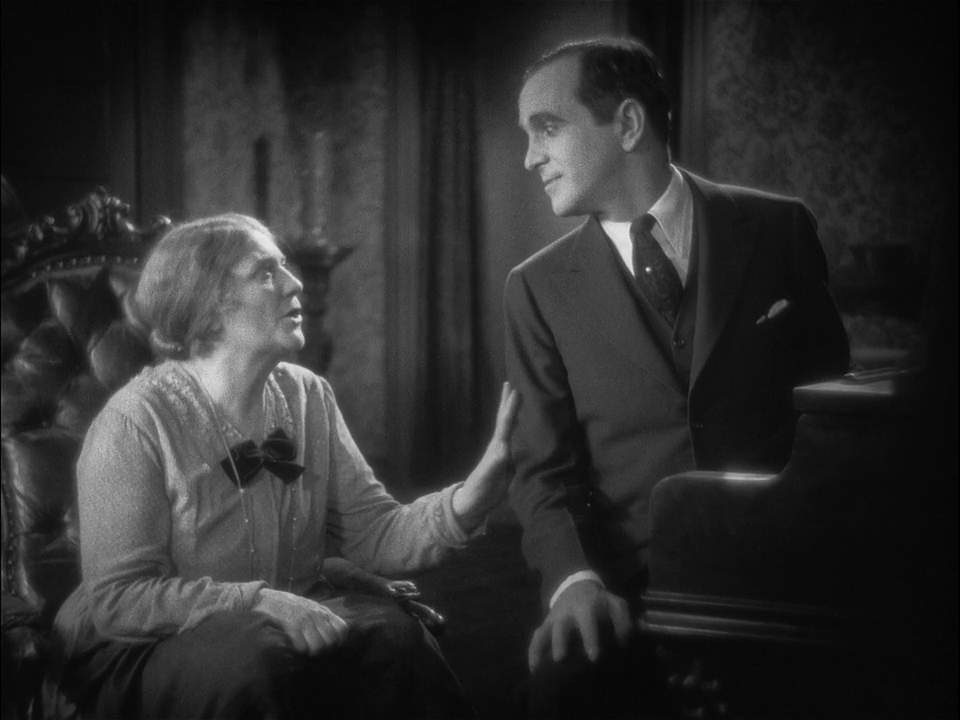
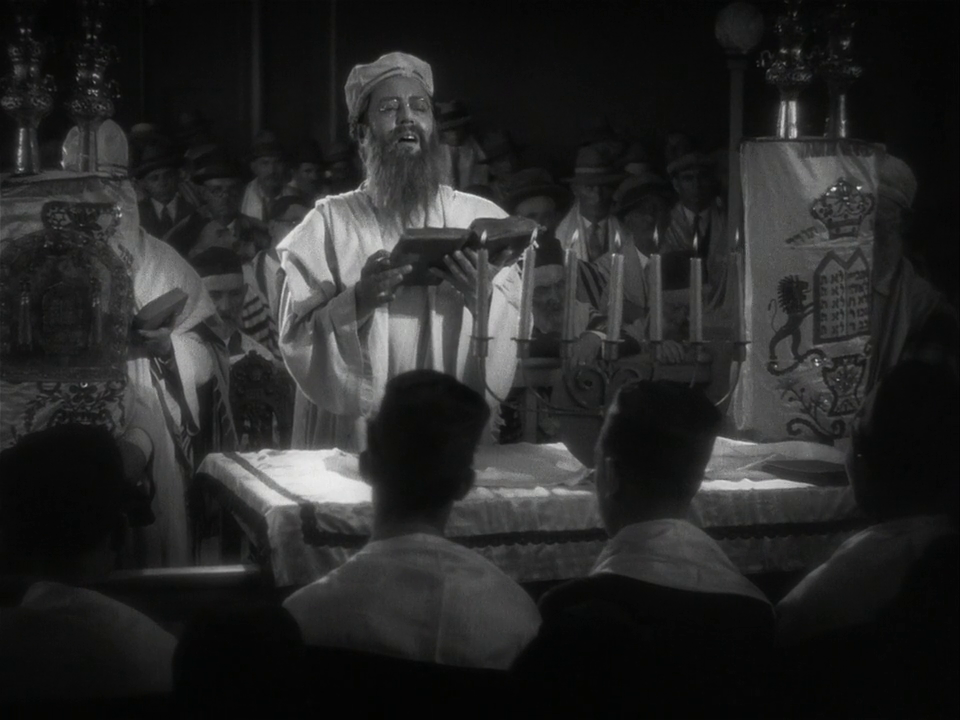
The son of a Jewish cantor (Warner Oland) rejects his upbringing in favor of making a name for himself on Broadway, and falls in love with a beautiful dancer (May McAvoy). However, when his beloved mother (Eugenie Besserer) begs him to return to the bedside of his dying father and sing in a High Holy Days service, he faces a renewed conflict between family, faith, and his career.

Genres, Themes, Actors, and Directors:

  • Al Jolson Films
  • Father and Child
  • Jews
  • Musicals
  • Singers

Response to Peary’s Review:
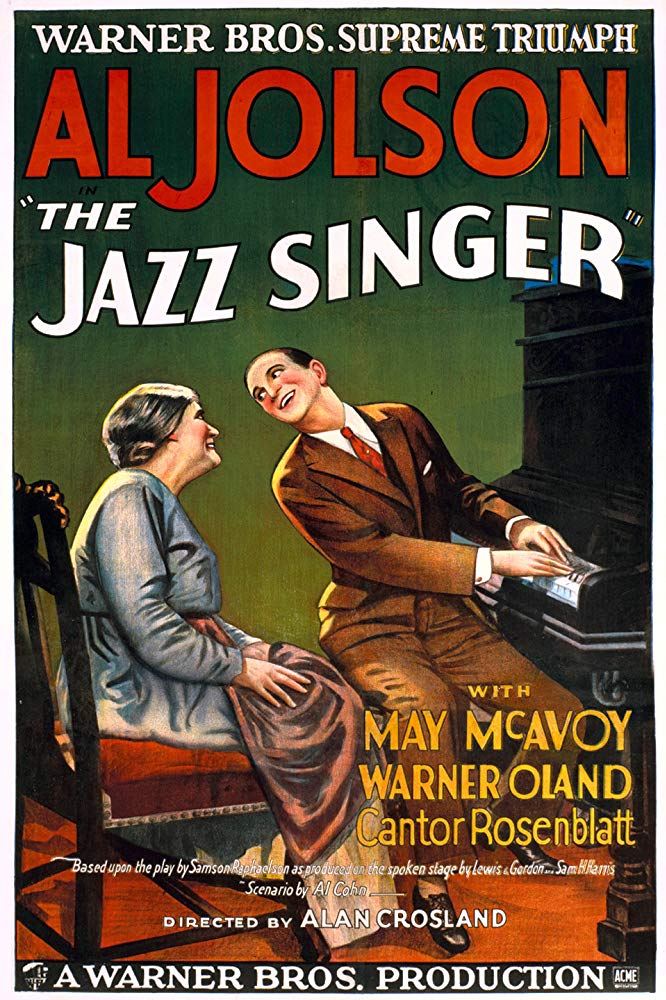
Peary refers to this historically (in)famous film as “the first talkie, although most of the words we hear are the lyrics to Al Jolson’s songs”, but this description isn’t technically correct: as Tim Dirks writes for his FilmSite review, “Although it was not the first Vitaphone (sound-on-disk) feature, it was the first feature-length Hollywood ‘talkie’ film in which spoken dialogue was used as part of the dramatic action.” Peary goes on to say that the “picture looks like it has been drained of energy by [a] vampire or is dying of old age”, but that it remains “more than a curiosity” given Jolson’s “dynamic performances” singing “‘Mammy’, ‘Toot Toot Tootsie’, and other standards”. He asserts that Jolson’s singing has “not dated at all” (!) — weirdly ignoring any mention of Jolson’s blackface performances, or the fact that his earnest singing style will most likely no longer appeal to many viewers. Young film fanatics should watch The Jazz Singer for its cinematic relevance vis-a-vis the incorporation of sound on film, but also be sure to educate themselves on the toxic history of blackface in our nation.

Note: Check out the following video clip for more details on how this early talkie played a part in movie sound history:

Redeeming Qualities and Moments:

  • Historically impressive sound synchronization

Must See?
Yes, once, for its historical value.

Categories

(Listed in 1001 Movies You Must See Before You Die)

Links:

Concert for Bangladesh (1972)

Concert for Bangladesh (1972)

“It just happens to be Pakistan now, as far as I can see — it happens to be that which we’re doing the benefit for. It’s a particularly bad situation there, but it does happen all the time — this is happening everywhere.”

Synopsis:
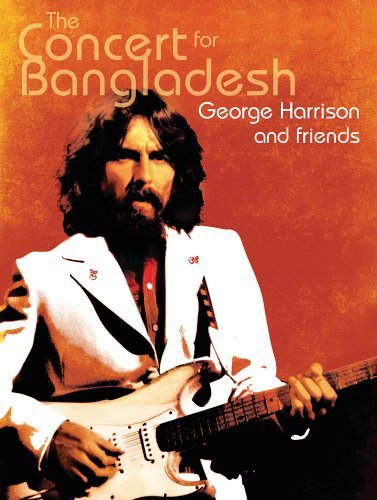
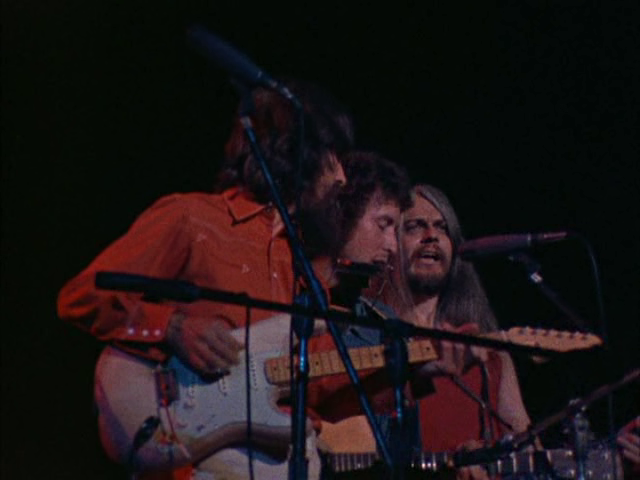
Ravi Shankar and George Harrison host a concert at Madison Square Garden on behalf of refugees from Bangladesh, with appearances by Bob Dylan, Billy Preston, Leon Russell, Ringo Starr, and others.

Genres, Themes, Actors, and Directors:

  • Concert Films
  • Refugees
  • Ringo Starr Films

Response to Peary’s Review:
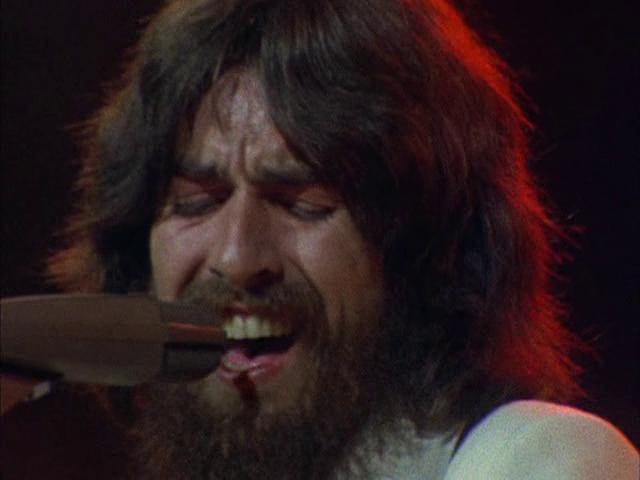
Peary writes that this “fine rock-concert film which many people forget exists” — likely because it’s so hard to find these days! — “documents the twin benefit concerts held on August 1, 1971, for the the United Nations Children’s Fund for the Relief to the Refugee Children of Bangladesh”, which was the idea of “the Beatles’ George Harrison and Indian musician Ravi Shankar”. Peary asserts that “watching it on home video is quite suitable”, especially since “that way you can fast-forward through Shankar’s opening set” (!!!) — a sentiment I’m in complete disagreement with; Shankar’s perforance is my favorite portion of the concert. Peary argues that Harrison, who “sings several Beatles songs and his biggest solo hits”, “has charisma as a solo performer”, and that “certainly the highlight is the appearance of Bob Dylan, who does several solos and an exciting chorus with Harrison and [Leon] Russell”. Again, I’m not in agreement with Peary’s assessment of Dylan, though it’s fun regardless to see so many big-name musicians of the era up on stage performing together. This remains a fairly straightforward concert film, without much fanfare or post-production work; its primary claim to fame is being the first such large-scale concert held to raise money for, and awareness of, global human rights issues.

Redeeming Qualities and Moments:

  • Ravi Shankar’s opening raga
  • George Harrison’s quietly charismatic presence
  • A fine example of diverse artists coming together to make music for a worthy cause

Must See?
No, but it’s certainly worth a look for historical purposes if you can find a copy.

Links:

Big Heat, The (1953)

Big Heat, The (1953)

“This is my home, and I don’t like dirt tracked into it.”

Synopsis:
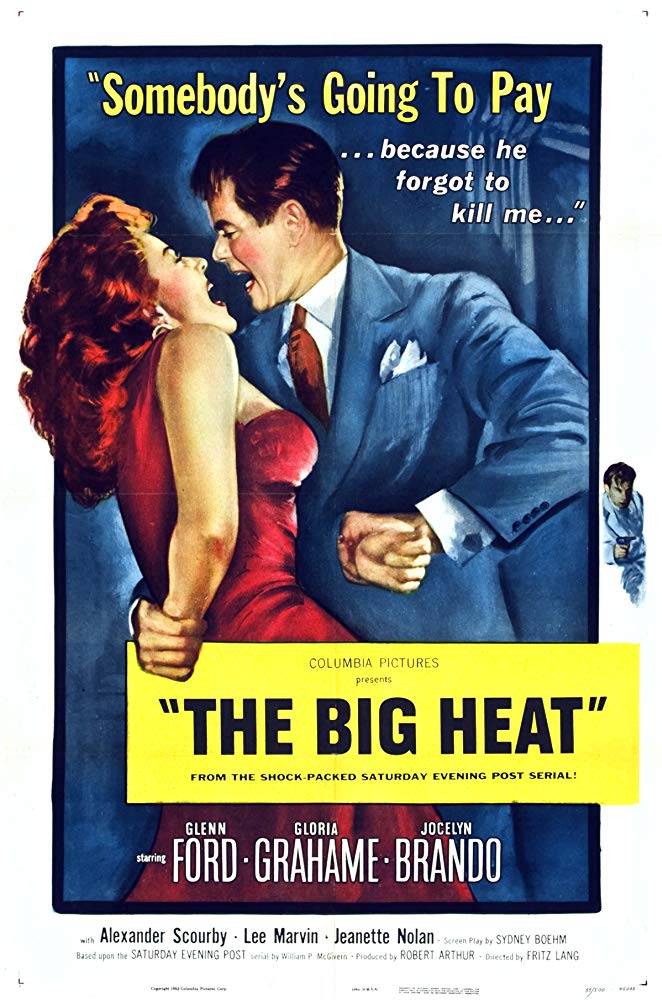
When a policeman commits suicide, his wife (Jeanette Nolan) immediately calls local crime lord Mike Lagana (Alexander Scourby) and shares that his suicide note contains damning evidence of political collusion. Meanwhile, a detective (Glenn Ford) with a loving wife (Jocelyn Brando) and young daughter (Linda Bennett) talks with a bargirl (Dorothy Green) who claims the dead policeman was her lover and had no intention of killing himself. Bennett is found murdered later that evening — but when Ford is told by his superior (Willis Bouchey) to lay low on the case, he becomes increasingly suspicious and confronts Lagana in his house, duking it out with Lagana’s bodyguard (Chris Alcaide). Tragedy soon strikes Ford’s own home and he turns into a haunted man, determined to solve the case and becoming ever-more-entwined with the life of a moll (Gloria Grahame) whose thuggish boyfriend (Lee Marvin) works for Lagana.

Genres, Themes, Actors, and Directors:

  • Carolyn Jones Films
  • Corruption
  • Detectives and Private Eyes
  • Fritz Lang Films
  • Gangsters
  • Glenn Ford Films
  • Gloria Grahame Films
  • Lee Marvin Films
  • Political Corruption
  • Revenge

Response to Peary’s Review:
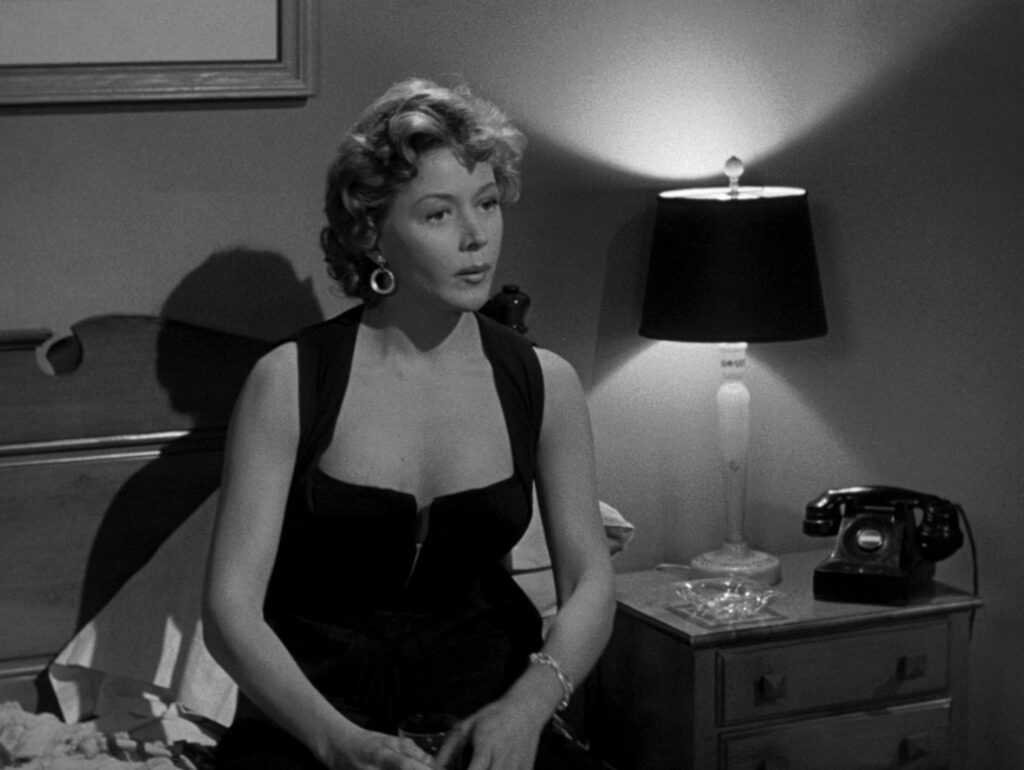
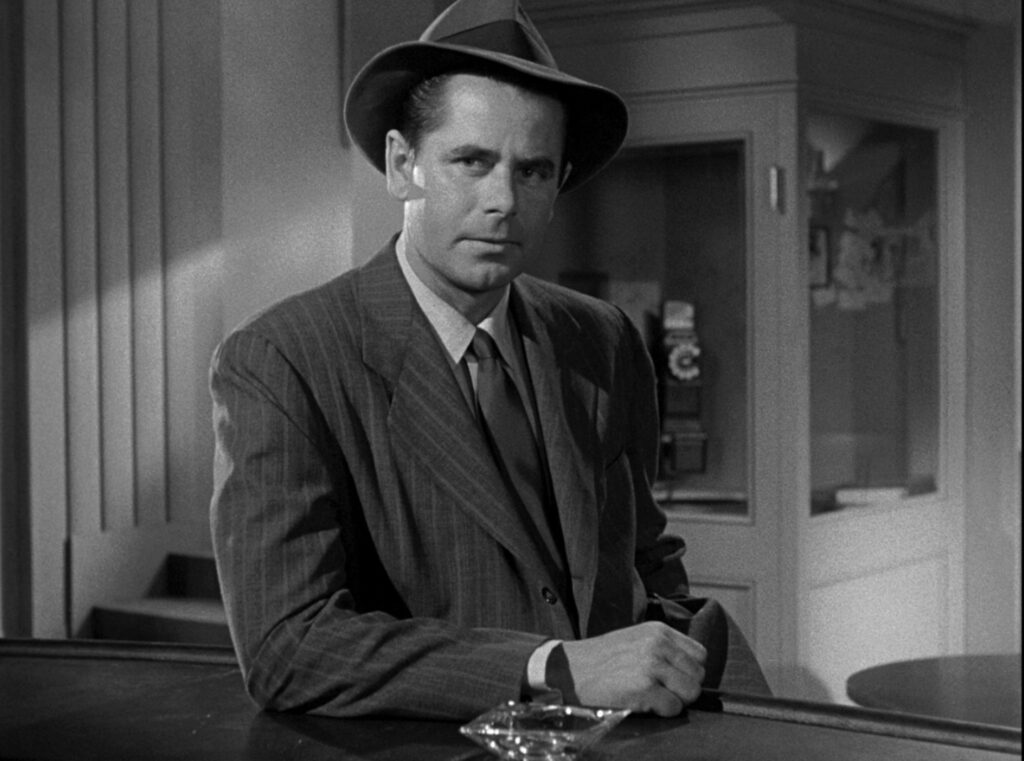
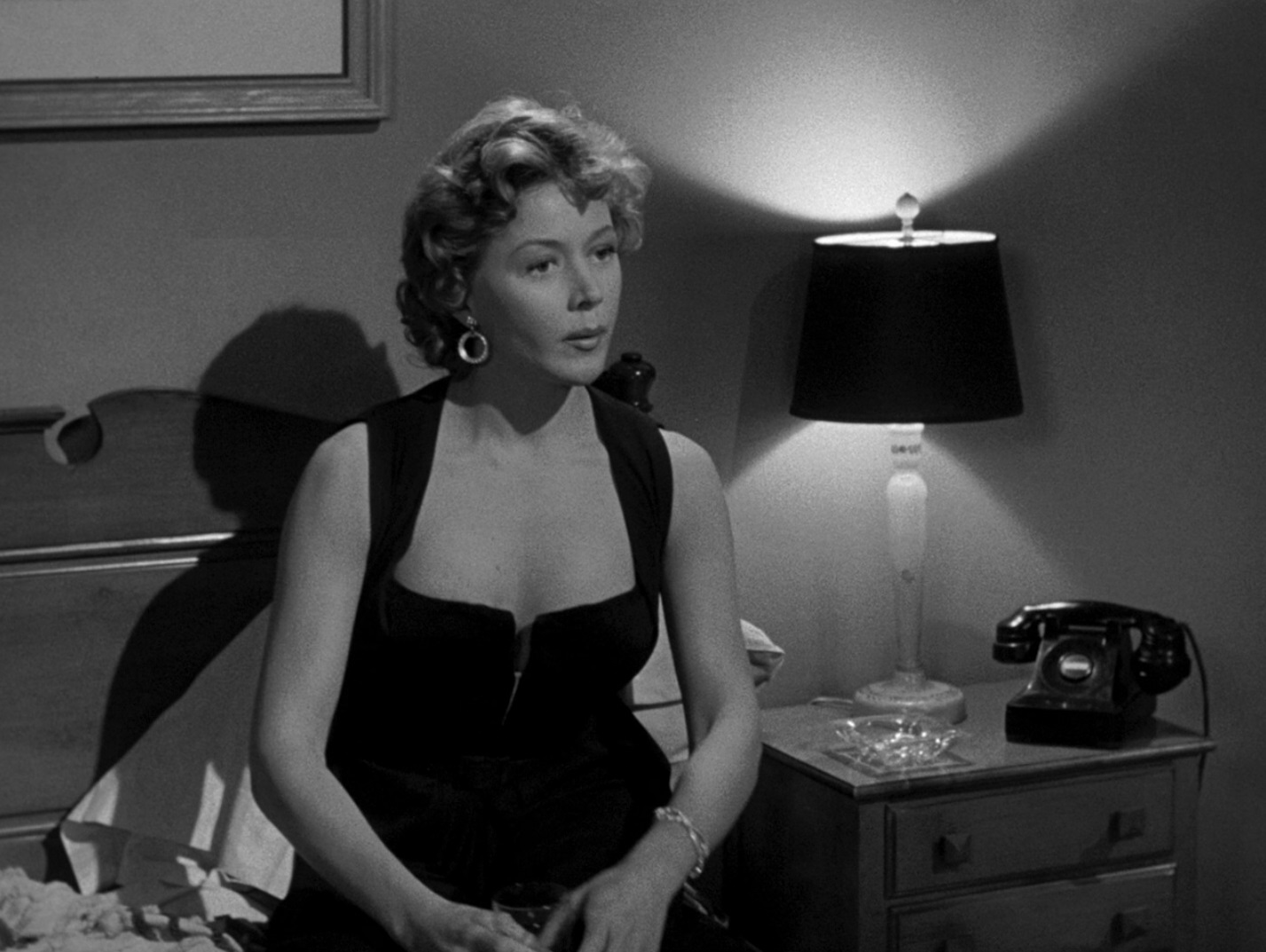
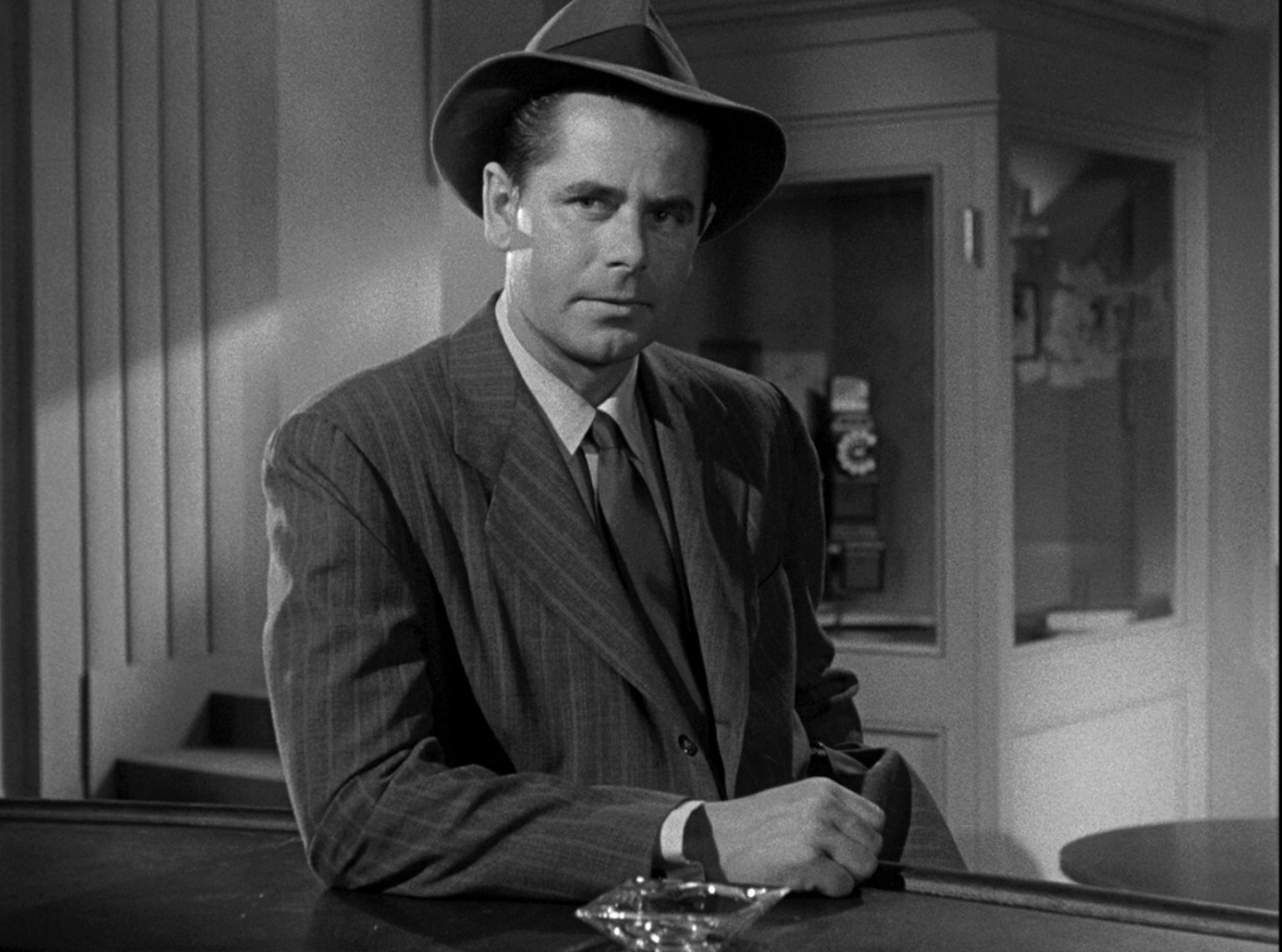
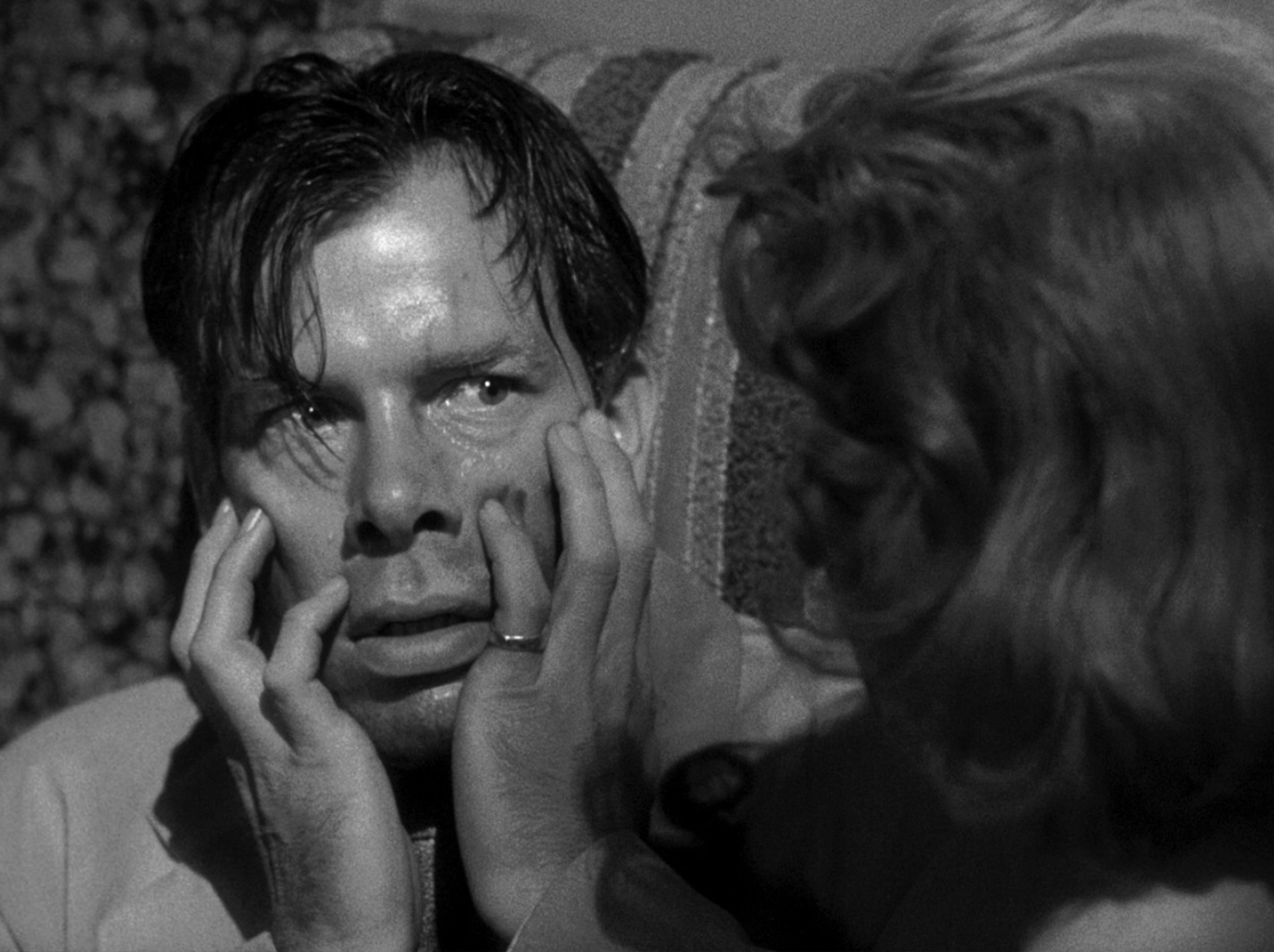
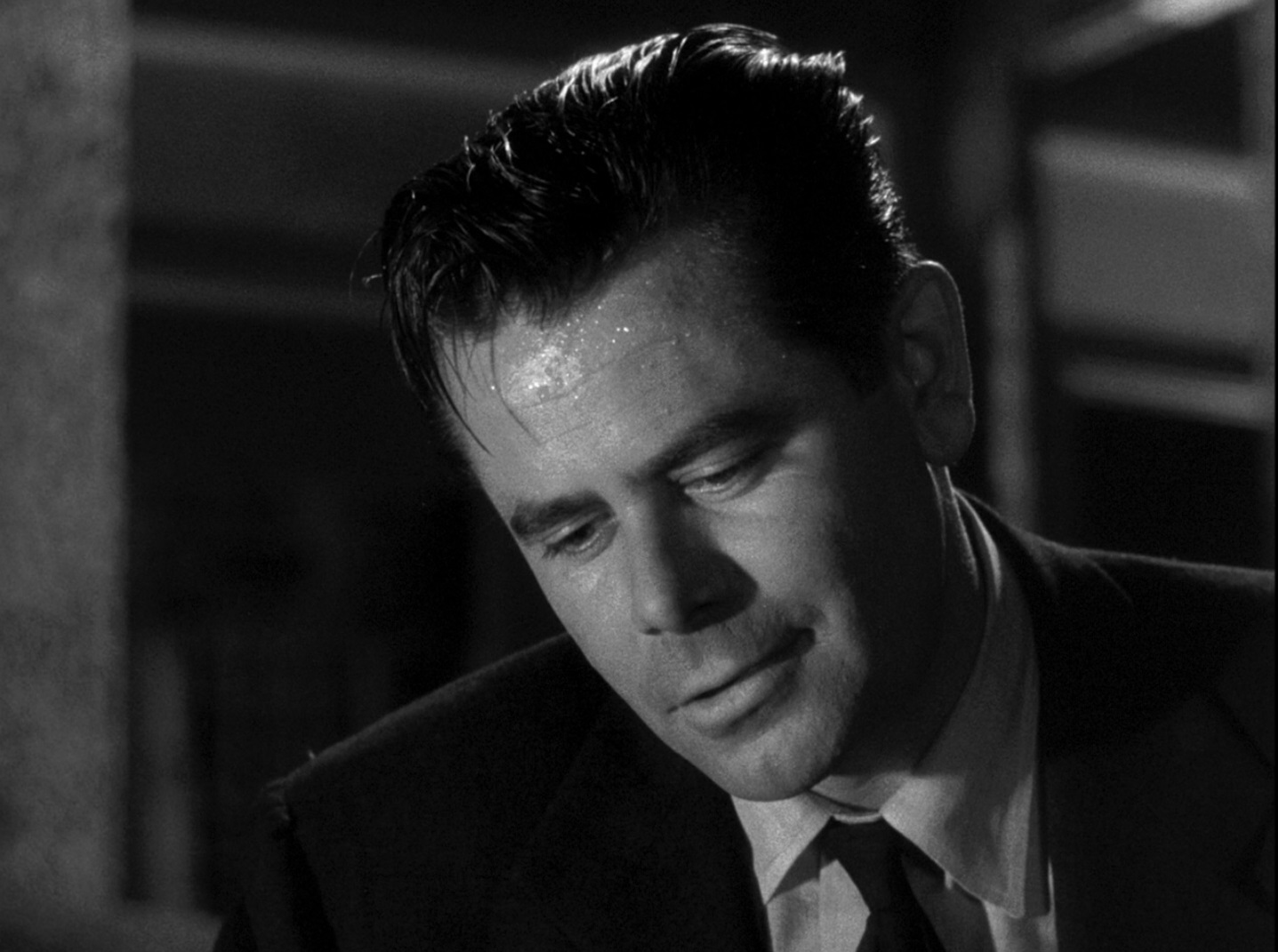
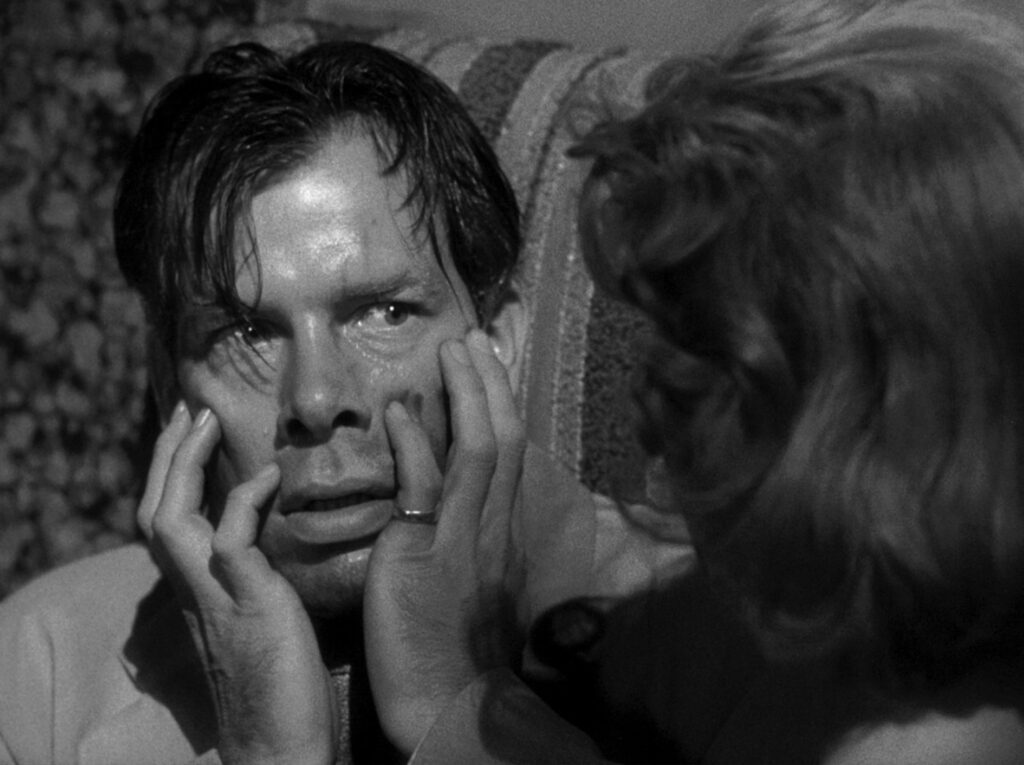
Peary writes that this “terrific Fritz Lang film” — “briskly paced, moodily photographed by Charles B. Lang, [and] brilliantly scripted by Sydney Boehm from William P. McGivern’s novel” — is “a truly exciting, political film, brimming with clever twists, sparkling touches, offbeat characters, and even scenes of genuine tenderness.” He notes that it “links hard-hitting expose films of the fifties with forties film noir,” adding that “while it coolly surveys the all-inclusive political/police corruption, it is equally concerned with the corruption of a decent man’s soul.” He writes that “among other noir elements are pervading pessimism, ferocious violence, a hero who makes one vital mistake from which there is little chance of recovery — he underestimates his opposition as much as they do him — and the intertwining traits of fatalism and paranoia”. Peary adds that “Lang sets up his usual bottomless pit over which his men must walk a tightrope”, noting that “Ford finds his allies are the least likely people in town: other people who have nothing to lose, including Gloria Grahame, who was the girlfriend of Scourby’s righthand man, Lee Marvin, until he became angry because she spoke to Ford and he disfigured her pretty face with hot coffee”. (Indeed, this shockingly brutal scene is the film’s most infamous one — though many may forget it’s “revisited” later to satisfying effect.)

To that end, as Peary writes, Grahame “does the dirty work before Ford gets a chance”, and “her charitable act purges Ford of his consuming hatred and reestablishes his faith in people.” Peary goes into greater detail about Grahame’s performance in Alternate Oscars, where he names her Best Actress of the Year and refers to her as “a great, underrated actress who was at her peak”: she had recently made a moderate impression in both A Woman’s Secret (1949) and In a Lovely Place (1950), and won a Best Supporting Actress the year before for her work in The Bad and the Beautiful (1952) in addition to co-starring in Macao (1952), Sudden Fear (1952), and The Greatest Show on Earth (1952). Peary writes that her character in The Big Heat “is one of her many sensuous, flirtatious women who are unhappy with their lives, and feel they are unworthy of the men they fall for” (i.e., James Stewart in It’s a Wonderful Life). While “she’s too good to be stuck with the brutal Vince [Marvin]”, “until she meets Bannion [Ford] she believes that he is typical of all men”, not realizing until later that “she deserves better”.

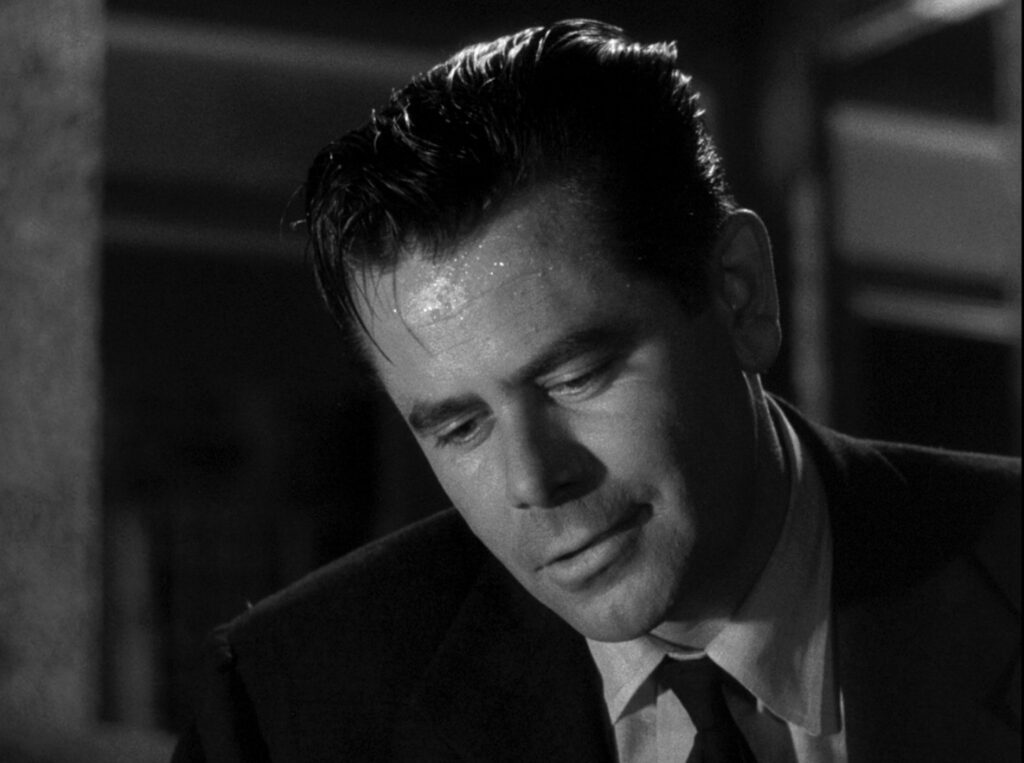
In GFTFF, Peary adds that The Big Heat is “much about territorial imperative. Notice how all the characters regard their homes or work establishments as their power bases; how the richer the home, the more corrupt its owner…; how when one person enters or merely telephones the home of an enemy, it is tantamount to an act of aggression…” He notes that “this is a vigilante film with a difference — the hero learns that going outside the law is not only wrong but the first step to becoming as bad as the enemy”. Indeed, Ford’s determined yet foolhearty actions during the film’s first half hour leave a decidedly bitter taste in one’s mouth, given the domestic tranquility we know he’s putting at risk; how can he be so dumb? It’s easier for me to contextualize this film (as noted in Peary’s Cult Movies 2 essay) within German-born Lang’s broader oeuvre of movies about characters who “have the misfortune to live in a preordained world” where “if they make the wrong decision, take the wrong fork in the road, or end up at the wrong place at the wrong time, they risk falling into a bottomless pit, a nightmare world where they have no control over their futures” — as is the case for Spencer Tracy in Fury (1936) and Henry Fonda in You Only Live Once (1937), both also starring a man “who seems to be constantly looking over his shoulder”. As Peary writes, “Dave Bannion [Ford] is a prime candidate for falling into fate’s trap”, given that “he also acts impulsively… rather than considering the possible consequences for himself and his family. It pays to be cautious in Lang’s world.”

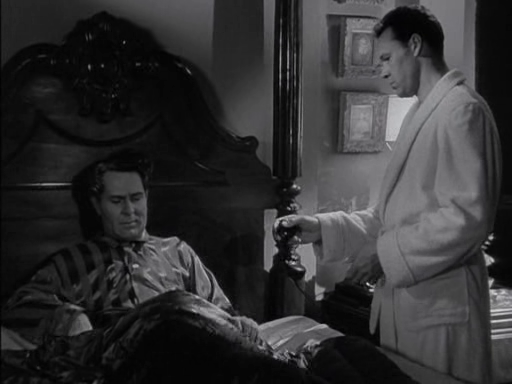
Note: Little to no mention is made by critics of the opening scene, when Lagana’s male employee emerges on screen in a white terry-cloth robe to hand the phone to his sleeping boss — this, combined with lack of physical evidence of a wife, and the presence of numerous hunky young bodyguards, implies Lagano’s sexual preferences without highlighting them.
Redeeming Qualities and Moments:

  • Gloria Grahame as Debby
  • Glenn Ford as Dave Bannion
  • Excellent supporting performances throughout
  • Fine direction and cinematography
  • Sydney Boehm’s hard-hitting script (with much credit to William P. McGivern’s source novel)

Must See?
Yes, most definitely. Nominated as one of the Best Pictures of the Year in Alternate Oscars.

Categories

  • Genuine Classic

(Listed in 1001 Movies You Must See Before You Die)

Links:

China Syndrome, The (1979)

China Syndrome, The (1979)

“There is no conspiracy, there is no cover-up.”

Synopsis:
A TV journalist (Jane Fonda) and her cameraman (Michael Douglas) discover that all is not well at a local nuclear power plant. While it’s clear the plant supervisor (Jack Lemmon) is alarmed by an accident that’s taken place, he’s hesitant to speak out given warnings by his boss (Scott Brady) — but Fonda and Douglas are determined to unearth and expose the truth.

Genres, Themes, Actors, and Directors:

  • Amateur Sleuths
  • Corruption
  • Jack Lemmon Films
  • James Bridges Films
  • Jane Fonda Films
  • Journalists
  • Michael Douglas Films
  • Nuclear Threat
  • Strong Females

Response to Peary’s Review:
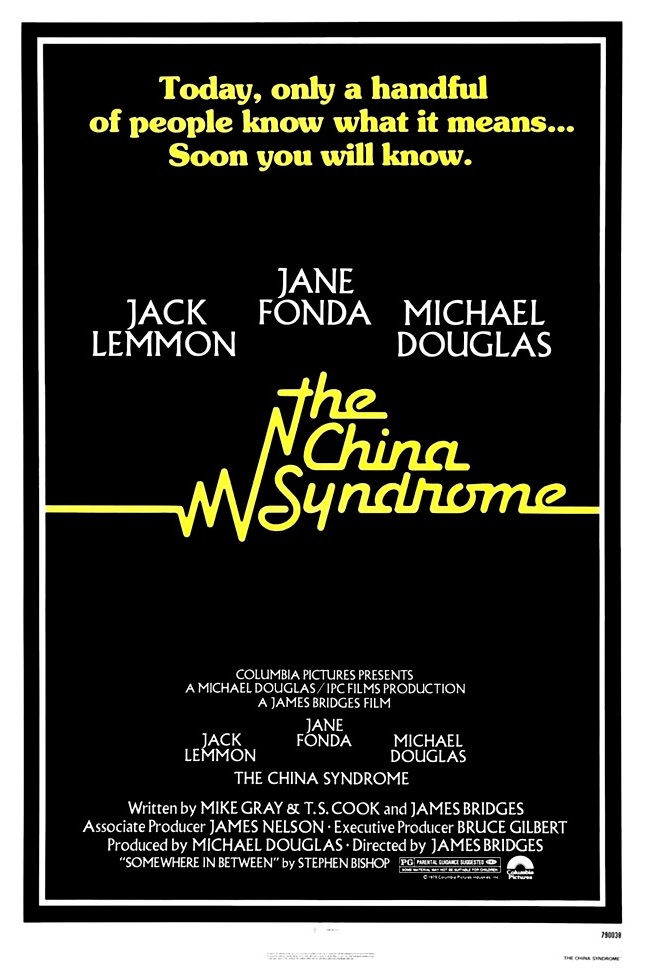
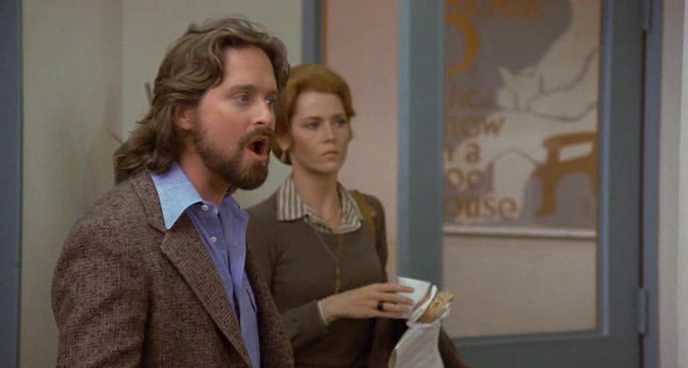
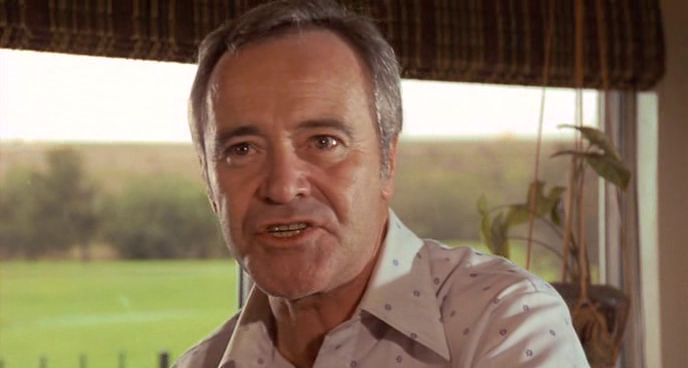
Peary writes that this “cautionary film about the possibilities of a meltdown at a nuclear plant” — featuring “sharp direction by James Bridges” — “achieved tremendous box office success not only because of its quality and the integrity of the filmmakers and stars, but also because the accident at Three Mile Island happened just when the picture was released”. Peary argues that “Lemmon’s performance is too mannered, and [the] film’s ending (outside the plant) doesn’t have Fonda or anyone else making the necessary strong statements (it’s as if the filmmakers backed off)” — both opinions I disagree with. Lemmon’s performance is as strong as ever, fully grounding his “side” of the story, and I find the ending eerily opaque. Peary does write that “otherwise this is a sold film, proof you can make an exciting movie that has political relevance” — though he once again quibbles that “it would have made a stronger antinuclear statement if the plant were unsafe despite meeting NRC [Nuclear Regulatory Commission] standards”. He adds that “Fonda has one of her best roles, another of her smart but naive women who break out of a secure world and risk looking foolish to learn what’s going on.” I also appreciate Douglas’s small but vital role as a determined videographer who secretly films the nuclear plant accident despite being told not to (his actions remind one of modern-day phone-cam users recording pivotal interactions on the sly), and who will stop at nothing to make the evidence available.

Redeeming Qualities and Moments:

  • Jane Fonda as Kimberly Wells
  • Michael Douglas as Richard Adams
  • Jack Lemmon as Jack Godell

Must See?
Yes, as a still-compelling story and for the fine performances.

Categories

  • Noteworthy Performance(s)

Links:

You Only Live Once (1937)

You Only Live Once (1937)

“There’s a lot more good in Eddie Taylor than most people think.”

Synopsis:
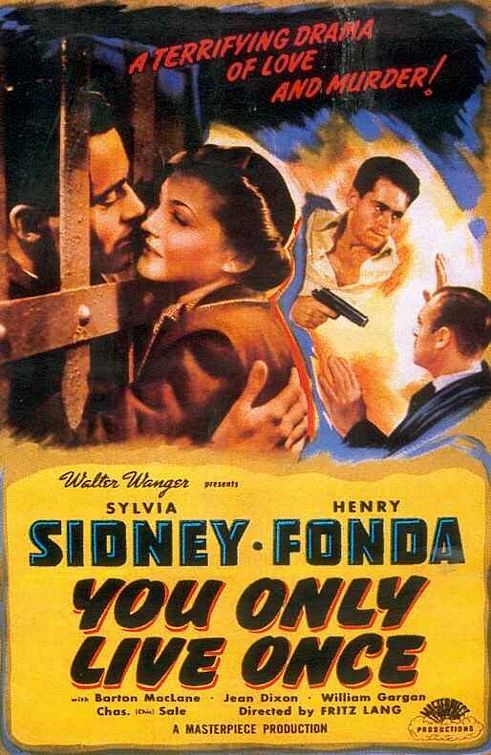
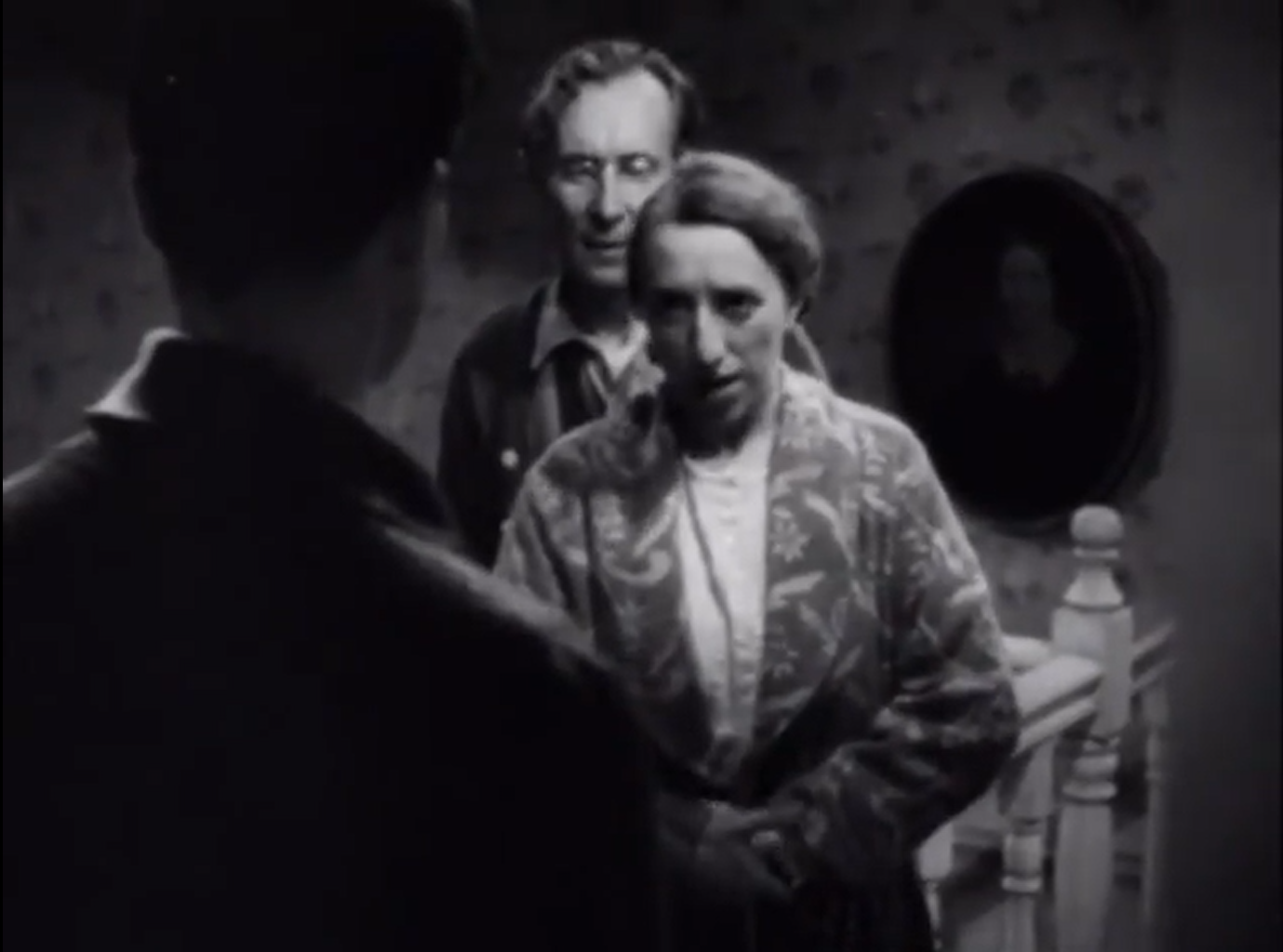
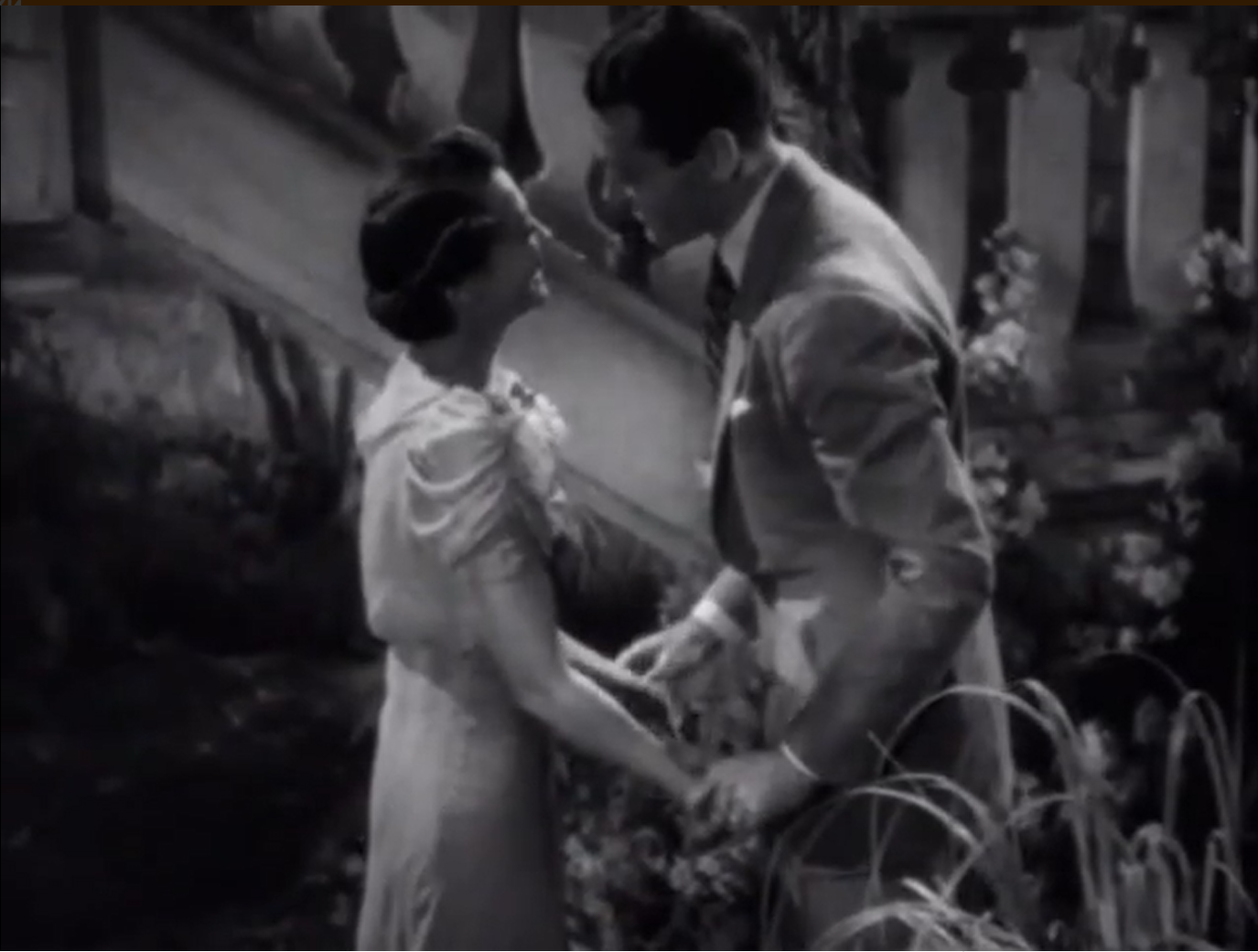
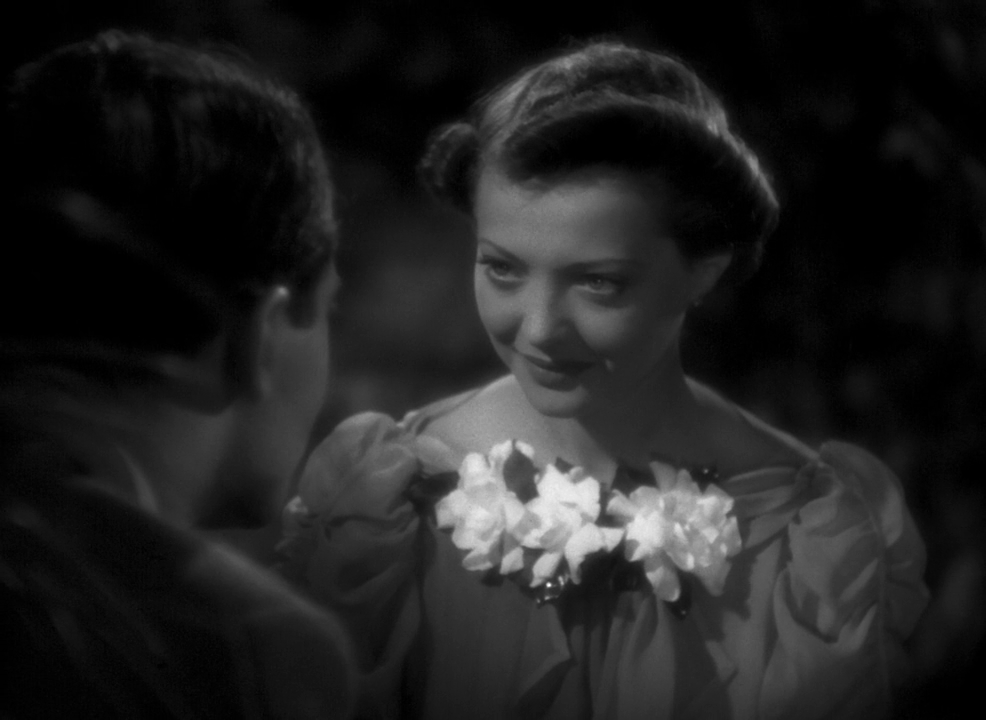
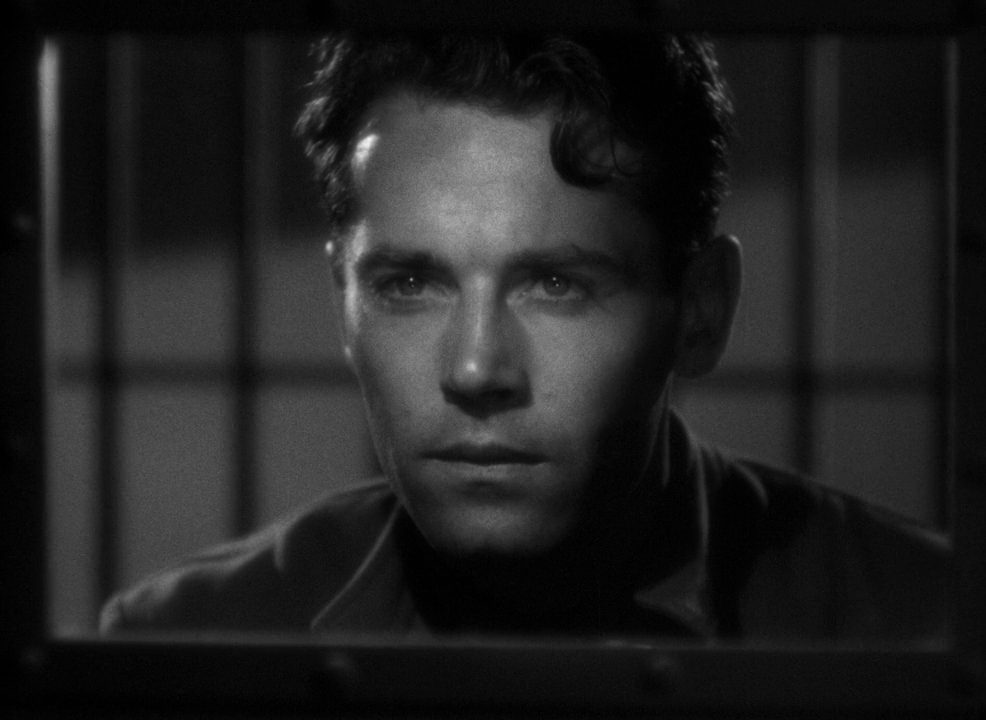
A recently released ex-con (Henry Fonda) marries his loyal sweetheart (Sylvia Sidney) and tries to go straight, but is foiled by a society that permanently rejects him. Soon he’s back in jail for a crime he didn’t commit, and begins to lose all hope — will his wife or a saintly priest (William Gargan) convince him to give a clean life one more chance?

Genres, Themes, Actors, and Directors:

  • Criminal Couples on the Run
  • Ex-Cons
  • Framed
  • Fritz Lang Films
  • Henry Fonda Films
  • “No One Believes Me!”
  • Star-Crossed Lovers
  • Sylvia Sidney Films

Response to Peary’s Review:
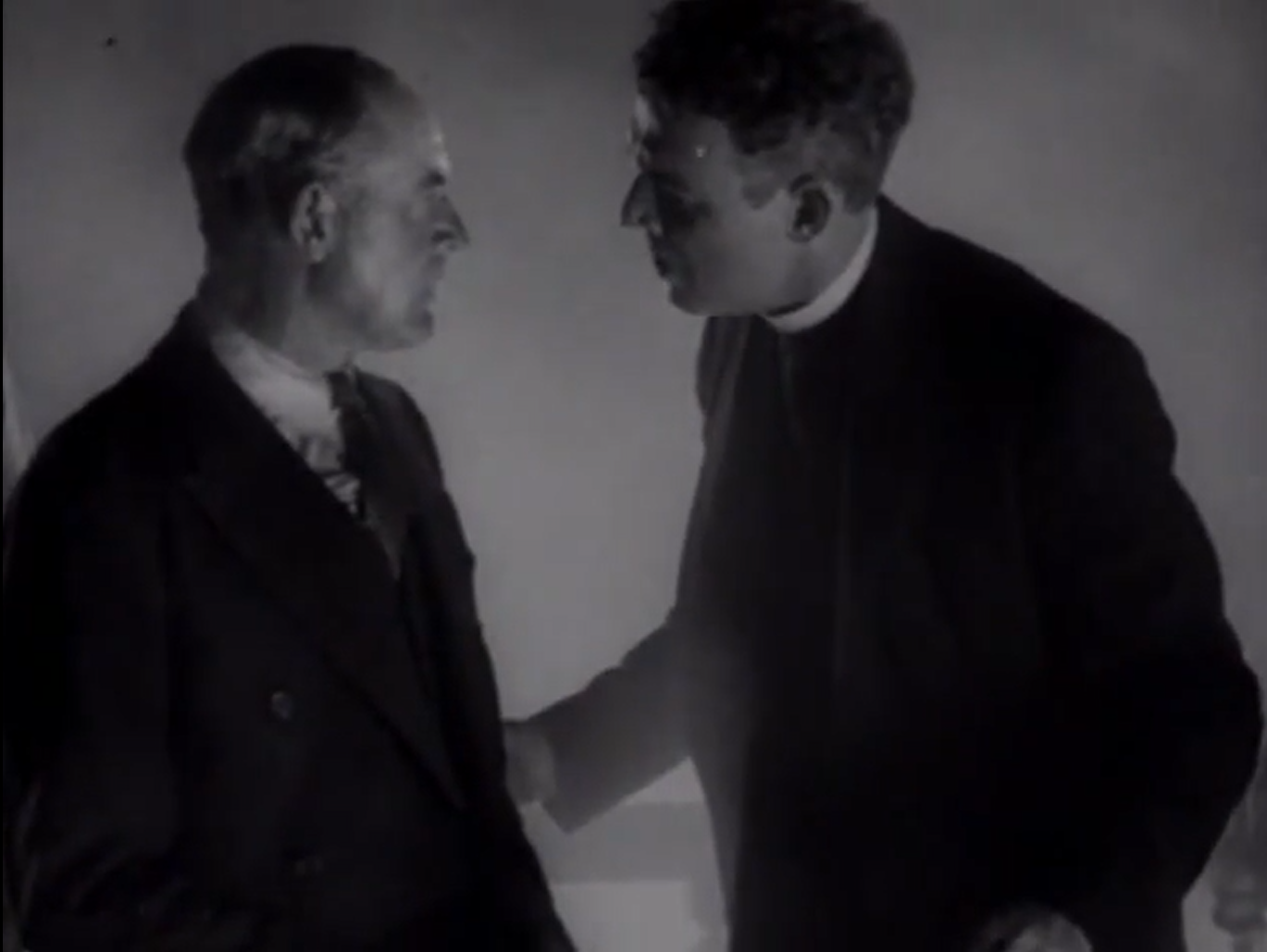
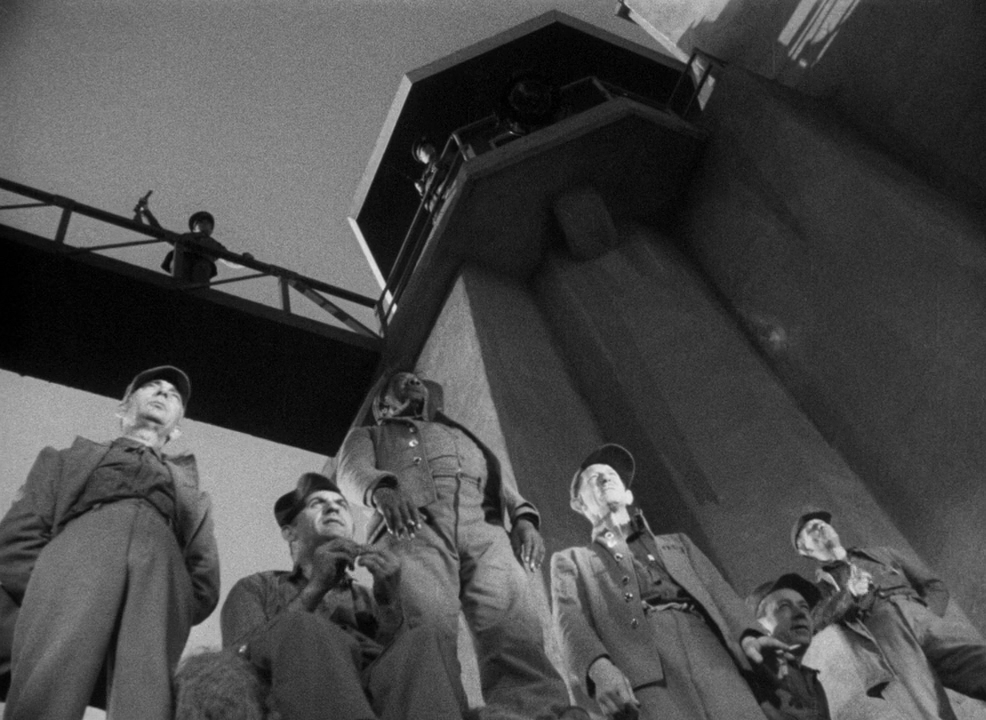
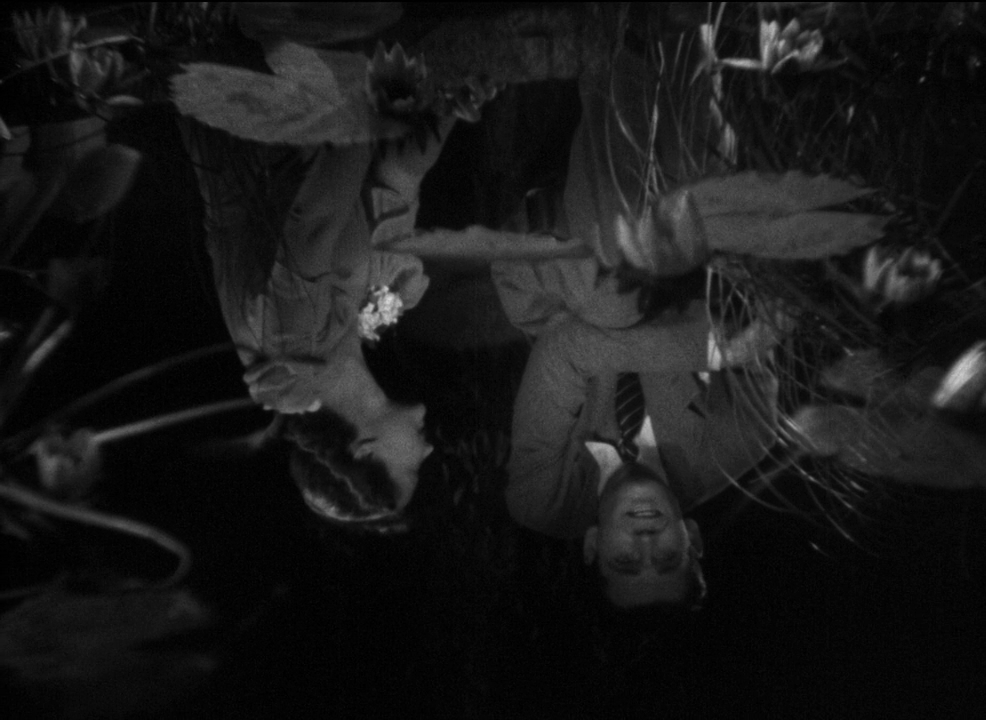
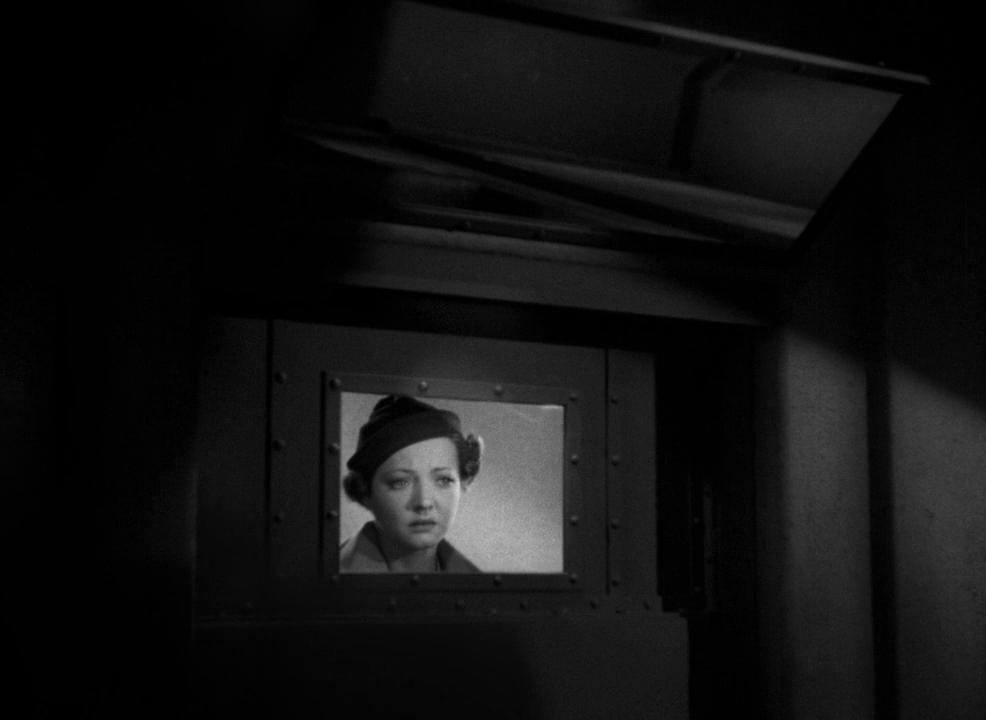
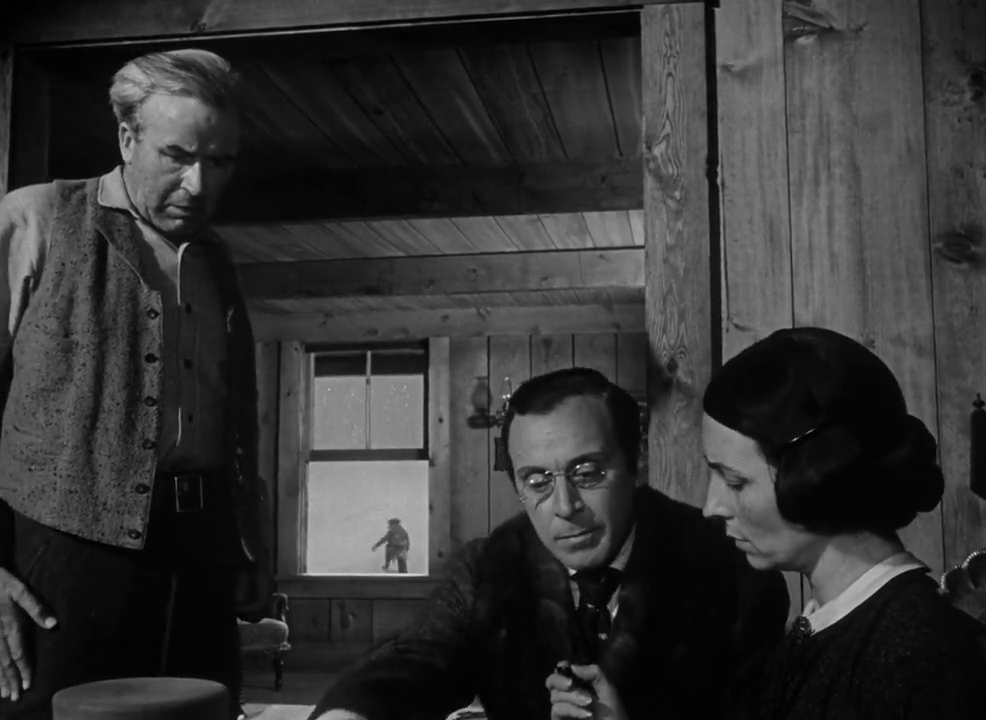
Peary writes that in “Fritz Lang’s second American film” — as in many of Lang’s movies — “the innocent are usually judged guilty”. He notes that while the film (inspired by Bonnie and Clyde) “is very bleak”, it’s “strongly acted (Fonda and Sidney play well together) and directed” — with “moody cinematography by Leon Shamroy” — and “it makes a powerful statement about American justice and the shabby treatment that people with no money or power must endure — they have no defense against the forces that take control of their lives.” He adds that “Lang makes it clear that his sympathies are with Fonda, and with Sidney, the only person to give an outcast a chance to prove good” — but this isn’t quite true, given the presence of both Gargan as a highly supportive priest:

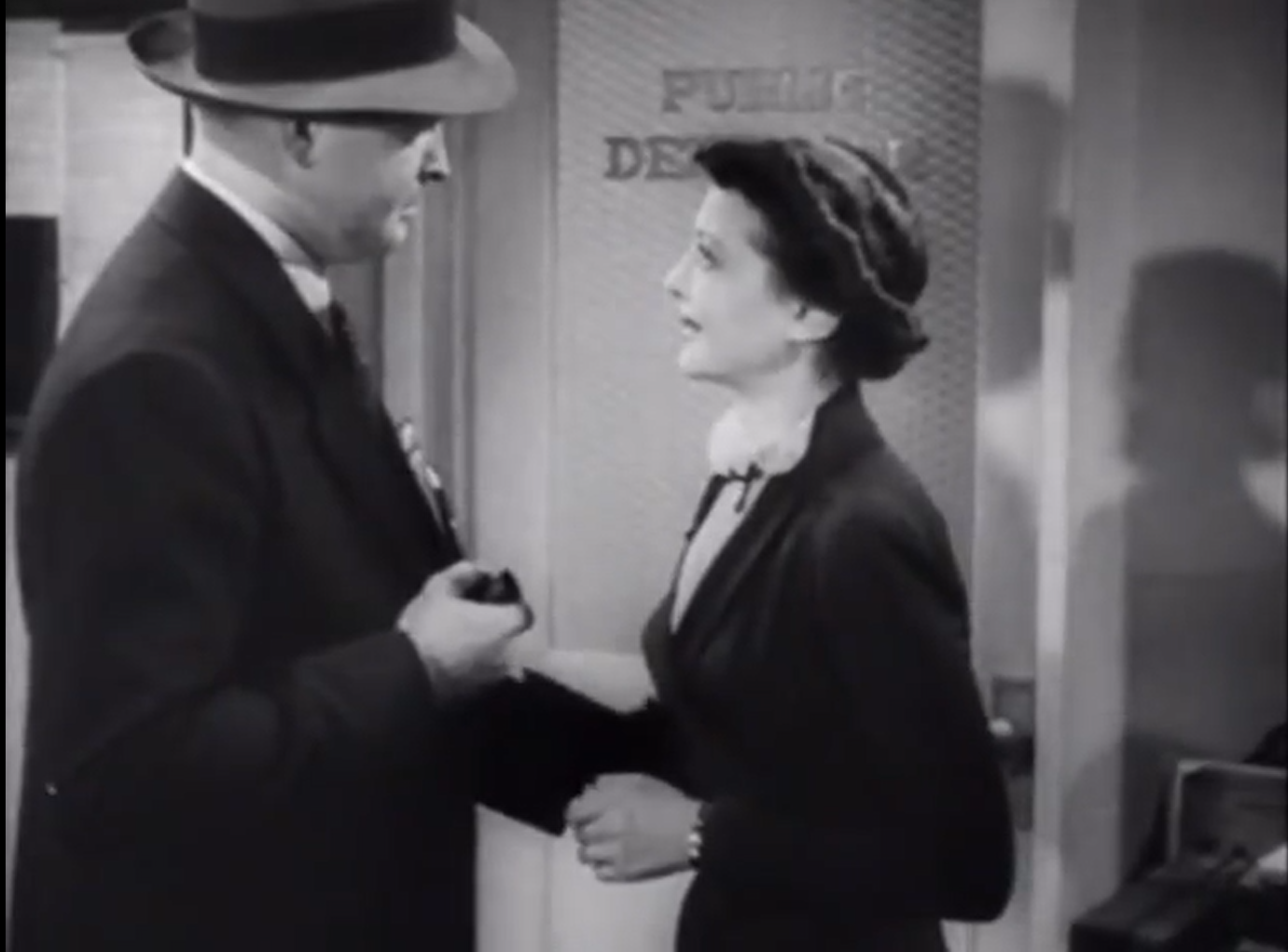
and Sidney’s surprisingly noble boss (Barton Maclane), who loves Sidney but is willing to help her out time and again on account of his sincere empathy for Fonda’s challenging past.

Personally, I find the film’s storyline a tad too overly simplistic. Would motel-owners (Charles ‘Chic’ Sale and Margaret Hamilton) really be so eager to kick out the doe-eyed newlyweds without cause?

Why would Fonda’s post-release boss (Guinn ‘Big Boy’ Williams) agree to hire him in the first place if he was so eager to fire him?

I know the film is meant to represent archetypical injustice in black-and-white, but we desperately wish both of the main characters would make smarter — rather than fatalistic and/or pre-determined — decisions. It doesn’t help that the “ending is overly sentimental and is Hollywood-style religious”. However, the movie is gorgeously made, and Fonda and Sidney are a convincing pair of star-struck lovebirds.

Lang fans won’t want to miss this one.

Redeeming Qualities and Moments:

  • Sylvia Sidney as Joan Taylor
  • Henry Fonda as Eddie Taylor
  • Leon Shamroy’s cinematography


Must See?
No, but it’s certainly recommended — and arguably could be considered must-see for its historical relevance as one of the earliest “couple on the run” noirs.

Links:

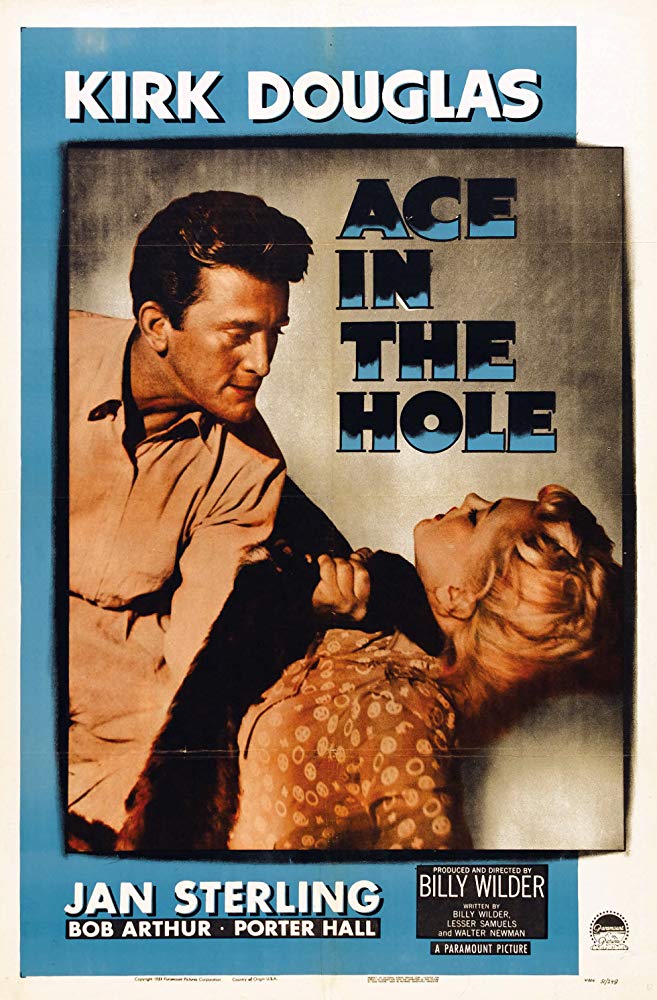
Big Carnival, The / Ace in the Hole (1951)

Big Carnival, The / Ace in the Hole (1951)

“I don’t make things happen — all I do is write about ’em!”

Synopsis:
A fame-hungry journalist (Kirk Douglas) seizes an opportunity to cover a story about a man (Richard Benedict) trapped in a New Mexico mine. While Benedict’s parents (John Berkes and Frances Dominguez) pray and worry, his cynical wife (Jan Sterling) earns money from gawking visitors who’ve come to see the media spectacle created by Douglas, and a corrupt local sheriff (Ray Teal) hoping for re-election conceals Douglas’s nefarious plans to keep Benedict buried longer than necessary.

Genres, Themes, Actors, and Directors:

  • Billy Wilder Films
  • Corruption
  • Jan Sterling Films
  • Journalists
  • Kirk Douglas Films
  • Media Spectacle
  • Mining Towns

Response to Peary’s Review:
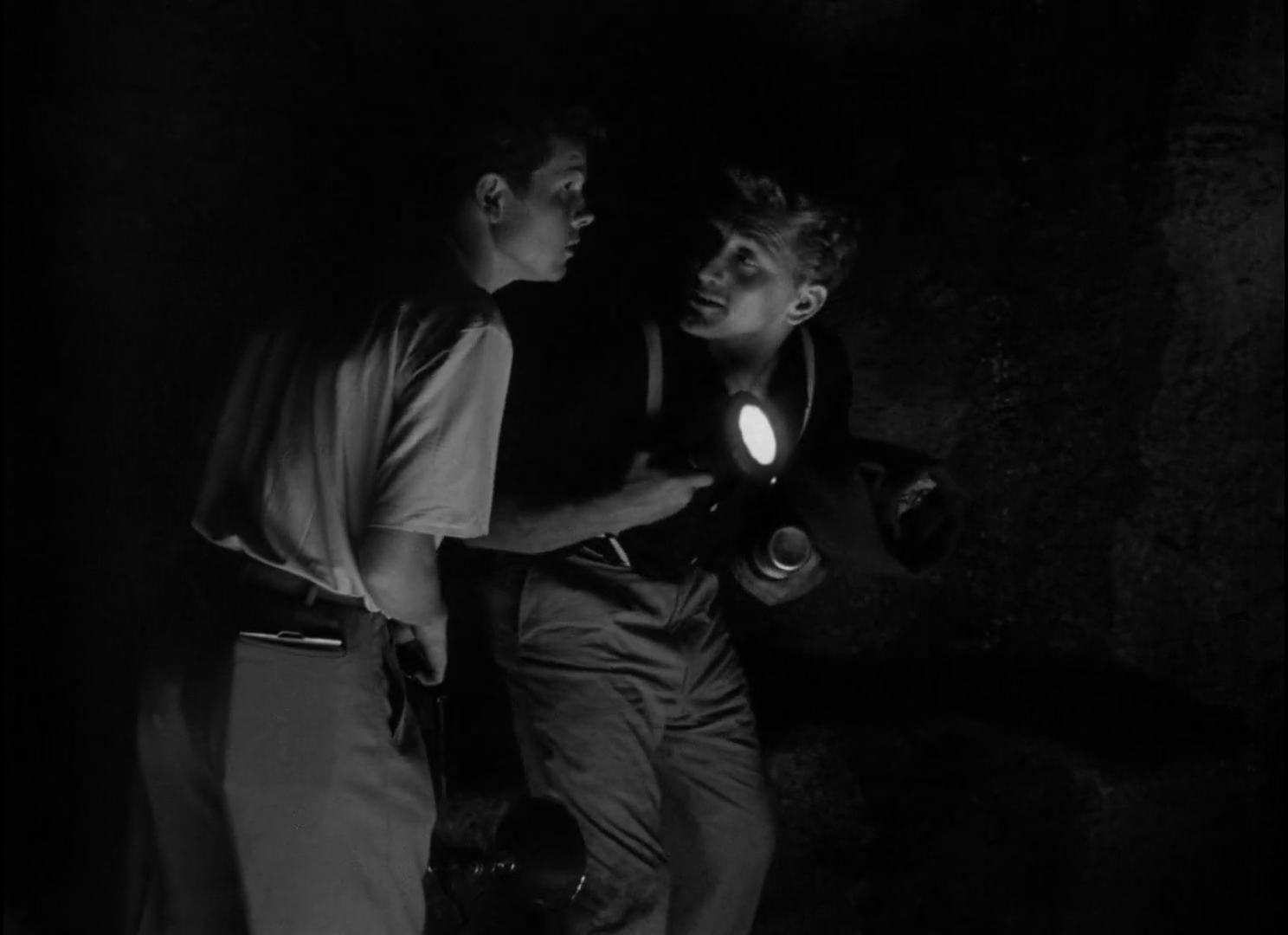
Peary writes that this “cynical Billy Wilder film” — which “attacks the American public” for “always [being] willing to exploit tragedy for personal gain” — is “extremely well made, brilliantly acted by Douglas, and, sadly, truthful”. He notes that “many people detest this depressing picture” — and while I can’t say I fall in that camp (it’s far too well made to detest), it sure is a helluva consistent downer. DVD Savant refers to it as a “blanket condemnation of humanity”, adding that “Wilder’s dark viewpoint is not only unrelenting, it’s unrelentingly unrelenting”. Based on a true story of a cave explorer named Floyd Collins, the screenplay — by Wilder, Walter Newman, and Lesser Samuels — builds this real-life tragedy up to satirically outlandish proportions; literally nobody is spared, not even Douglas’s seemingly clean-cut apprentice-photographer (Robert Arthur).

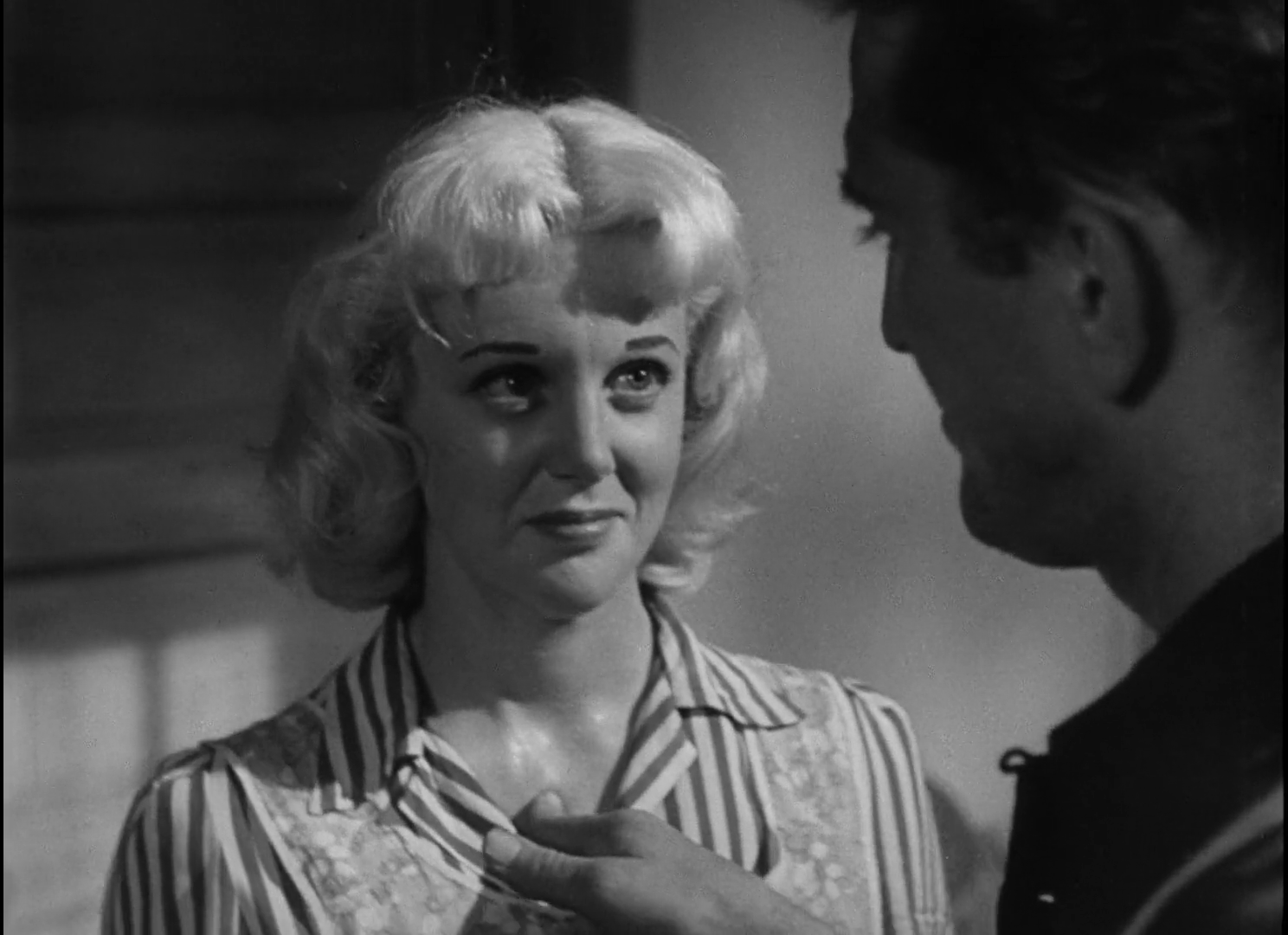
I enjoy Jan Sterling’s sullen performance as the buried man’s no-good wife (that scene with the scarf!):


and Charles Lang’s cinematography is outstanding — but this is one classic I’ll happily leave behind now that I’ve been reminded of its technical brilliance.

Redeeming Qualities and Moments:

  • Kirk Douglas as Chuck Tatum (nominated as one of the Best Actors of the Year in Alternate Oscars)
  • Jan Sterling as Lorraine Minosa
  • Charles Lang’s cinematography

Must See?
Yes, as a harsh but powerful classic. Nominated as one of the Best Pictures of the Year in Alternate Oscars.

Categories

(Listed in 1001 Movies You Must See Before You Die)

Links:

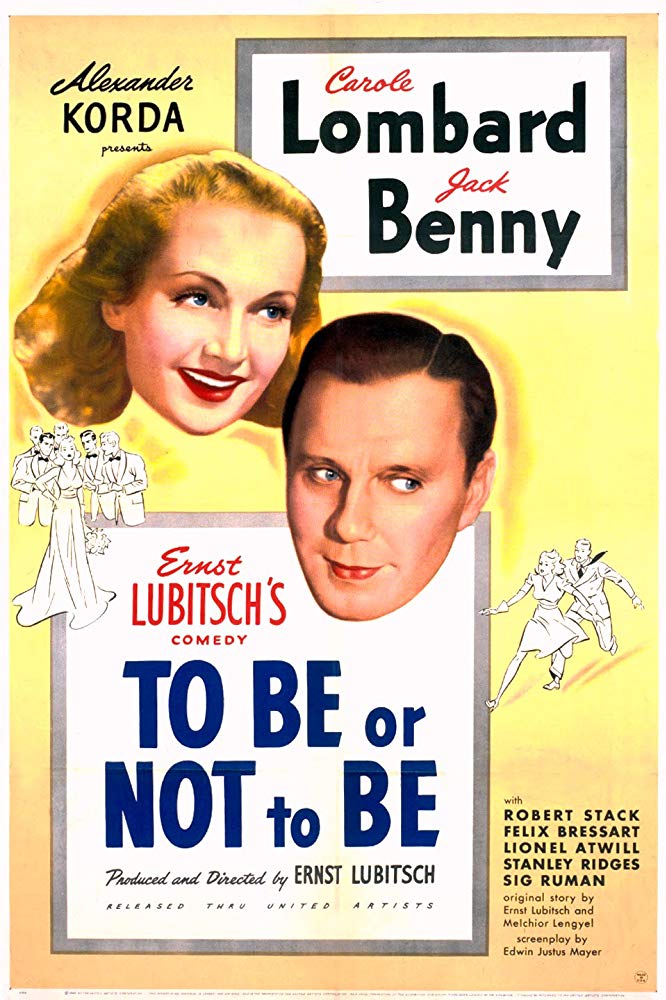
To Be or Not to Be (1942)

To Be or Not to Be (1942)

“So they call me ‘Concentration Camp Ehrhardt’?”

Synopsis:
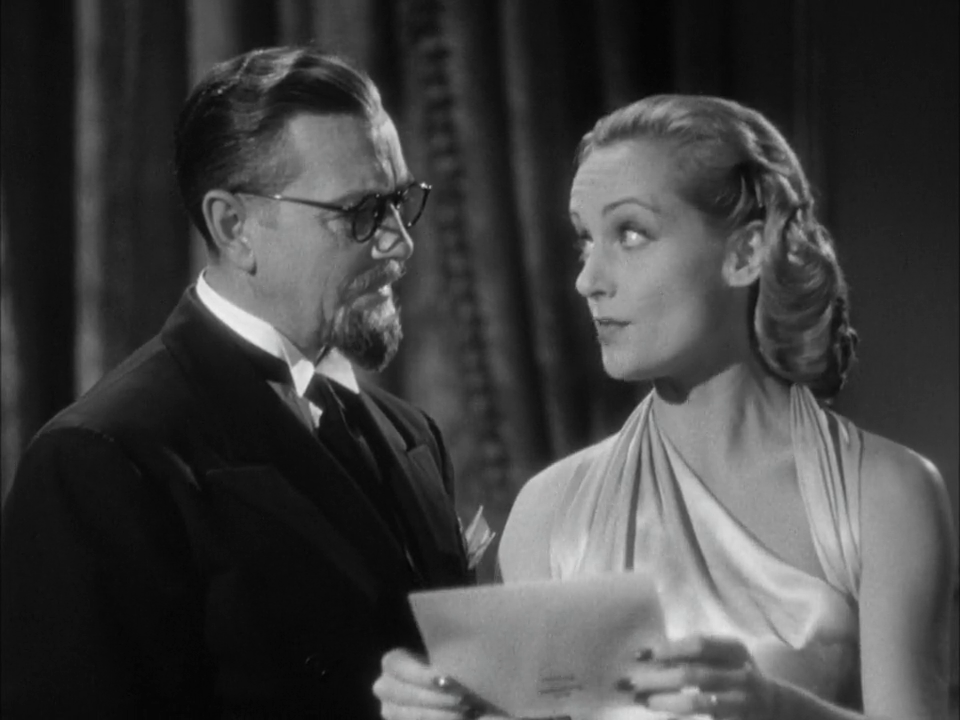
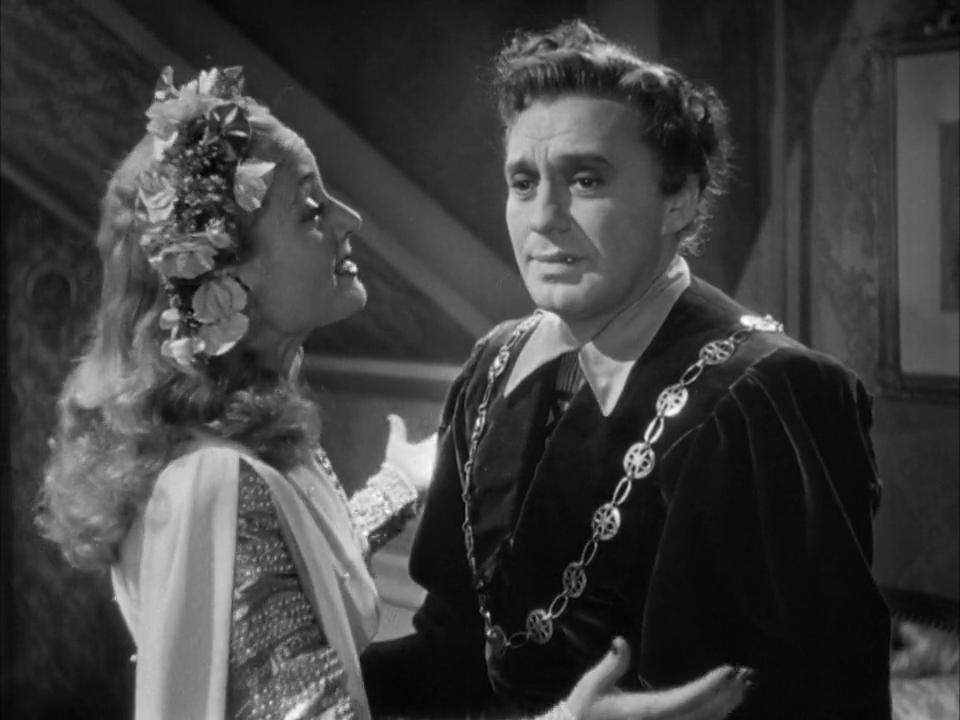
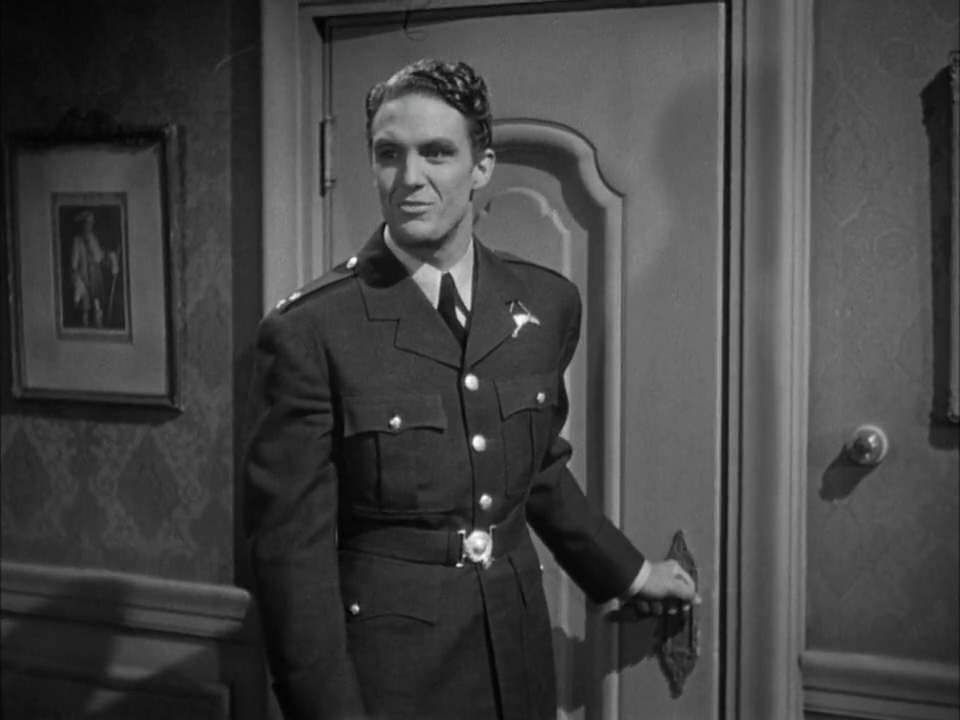
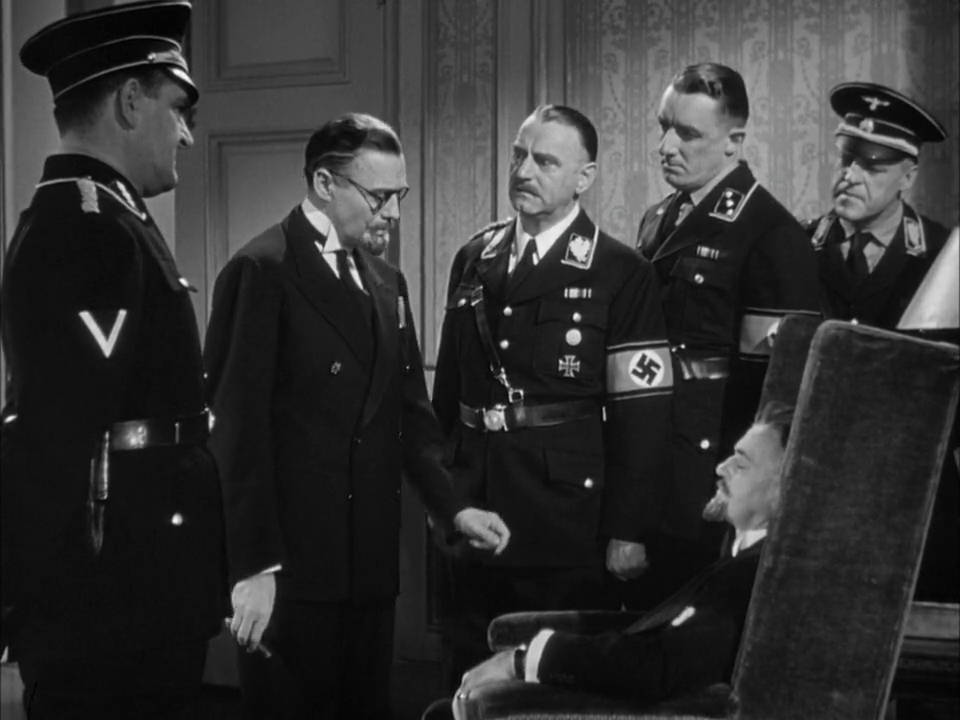
As Hitler ravages Europe, a famous Polish actor (Jack Benny) and his wife (Carole Lombard) are forced to switch their troupe’s play from a Nazi-satire to “Hamlet”. Benny is distressed when a handsome fighter pilot (Robert Stack) gets up from the audience at the start of his “To be or not to be…” soliloquy, not knowing his wife is engaging in an innocent flirtation with this starstruck fan. Meanwhile, a spy (Stanley Ridges) infiltrates the Polish Resistance movement, and it’s up to the acting troupe to prevent a bumbling Gestapo chief (Sig Ruman) from learning the names of underground members.

Genres, Themes, Actors, and Directors:

  • Actors and Actresses
  • Black Comedy
  • Carole Lombard Films
  • Ernst Lubitsch Films
  • Infidelity
  • Jack Benny Films
  • Lionel Atwill Films
  • Mistaken or Hidden Identities
  • Nazis
  • Resistance Fighters
  • Robert Stack Films
  • Spies
  • World War Two

Response to Peary’s Review:
Peary writes that the “title of Ernst Lubitsch’s comedy-propaganda masterpiece” — with a script by Edwin Justus Mayer that is “brimming with clever twists and sparkling dialogue” — actually “refers to the existence of Poland”, noting that the film is Lubitsch’s attempt to present “Poles whom we [Americans] would want to support: they are brave, resourceful, and have an indomitable spirit”. He points out that the “continuous deception and disguises are staples of French farce, as is the bedroom intrigue”, and they “are typical of Lubitsch” — as are “the moments of screwball comedy (the infighting between Benny and Lombard), the sexual innuendo and downright naughtiness, and the flights into burlesque, slapstick, and outrageous spoof.” He reminds us that “the film was roundly criticized for being funny when it’s about a serious subject — but Lubitsch strongly attacks both Hitler and his followers, never letting his humorous treatment of them make us forget they are ruthless murderers”.

In Cult Movies 2, Peary states that “Cult movies are often born in controversy”, and describes in greater detail the reception this film had in 1942, just “three years after Germany invaded Poland” and “three months after the United States entered World War II”. He notes that Bosley Crowther of the New York Times was especially offended by the film; Crowther wrote, “To say [the film] is callous and macabre is understating the case”. However, Peary points out that “it’s interesting to note that critics were lenient to those World War II comedies that made no attempt to impress upon viewers the grim realities of Nazi aggression and occupation in Europe, while they jumped on Lubitsch’s film for daring to be both a comedy and topical”; in truth, “the opposite should have been the case”. Adding greatly to challenges with the film’s reception was the fact that viewers were devastated by Lombard’s death in a plane crash on her way back home to Hollywood after selling war bonds; the film was “impossible to promote”.

Speaking of Lombard, Peary names her Best Actress of the Year in his Alternate Oscars (sharing the award with Ginger Rogers in The Major and the Minor), noting that “Lombard considered her performance in To Be or Not to Be the best of her career”, and he agrees. He writes, “She has many moments in which she reveals why she was the thirties’ most celebrated comedienne”, and adds that he “particularly like[s] her affected mannerisms and voice when she tells Benny that it’s of no consequence that he finally asked the director to bill her above him in a play, and her look when he says that he knew she’d feel that way so the billing will stay the same”. He writes, “Also memorable is her sexual-innuendo-filled flirting with Stack’s young bomber pilot”: her “eyes reveal she is lost in fantasies when he tells her, ‘I can drop three tons of dynamite in two minutes’.” However, “Lombard’s Maria switches from being dazzlingly comical to deadly serious, and Lombard reveals how much she had grown as a dramatic actress in the last few years.” Lombard, Benny, and indeed the entire cast is in top form here; this movie is well worth a look by all film fanatics.

Redeeming Qualities and Moments:

  • Carole Lombard as Maria Tura
  • Jack Benny as Joseph Tura (nominated as one of the Best Actors of the Year in Alternate Oscars)
  • Robert Stack as Lt. Sobinski
  • Many humorous moments

Must See?
Yes, as a cult classic. Nominated by Peary as one of the Best Films of the Year in his Alternate Oscars.

Categories

  • Cult Movie
  • Genuine Classic

(Listed in 1001 Movies You Must See Before You Die)

Links:

12 Angry Men (1957)

12 Angry Men (1957)

“He’s a common, ignorant slob. He don’t even speak good English.”

Synopsis:
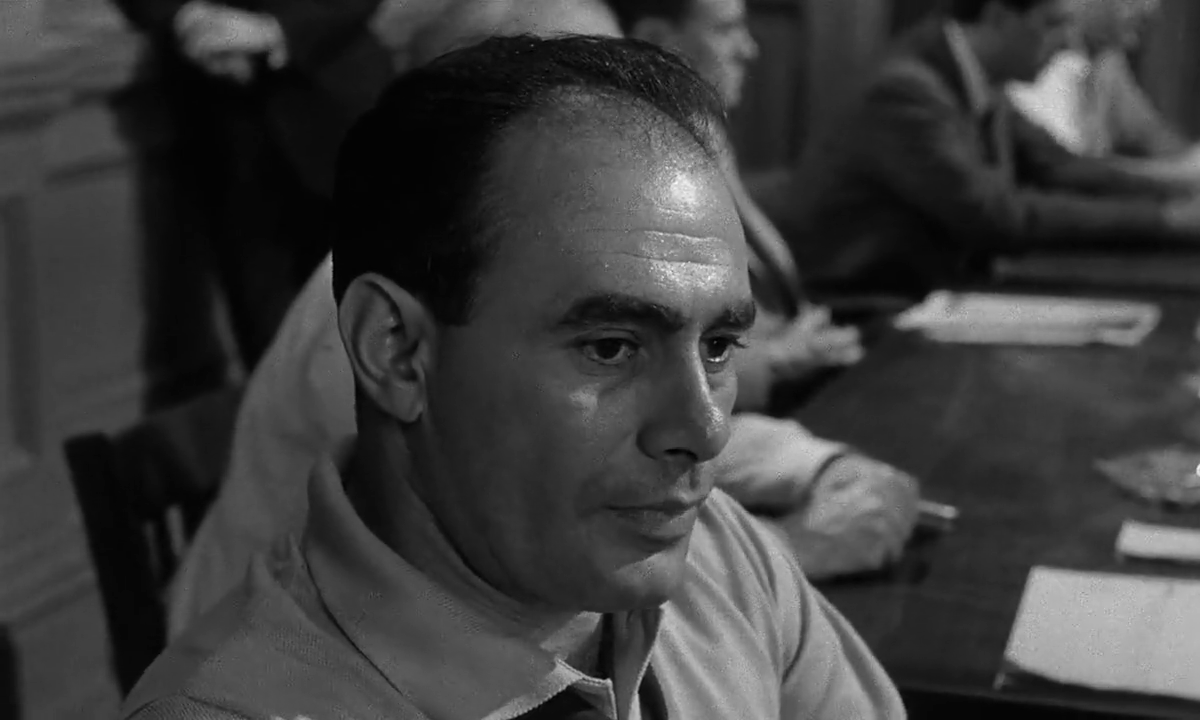
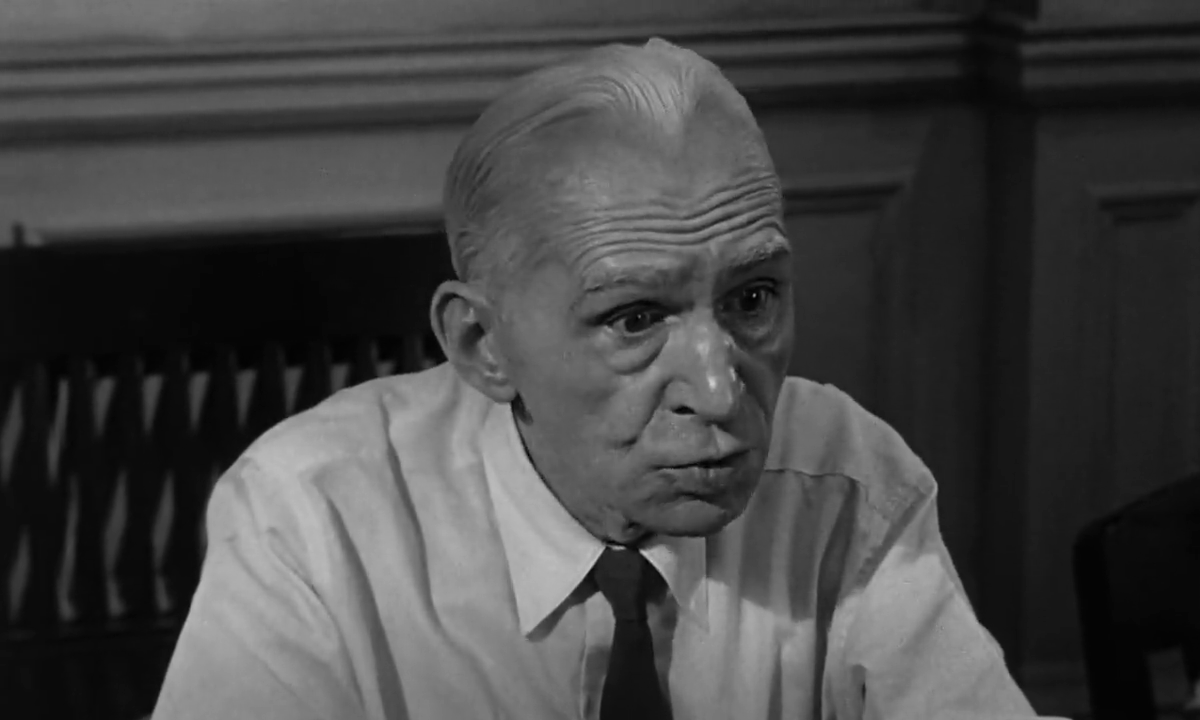
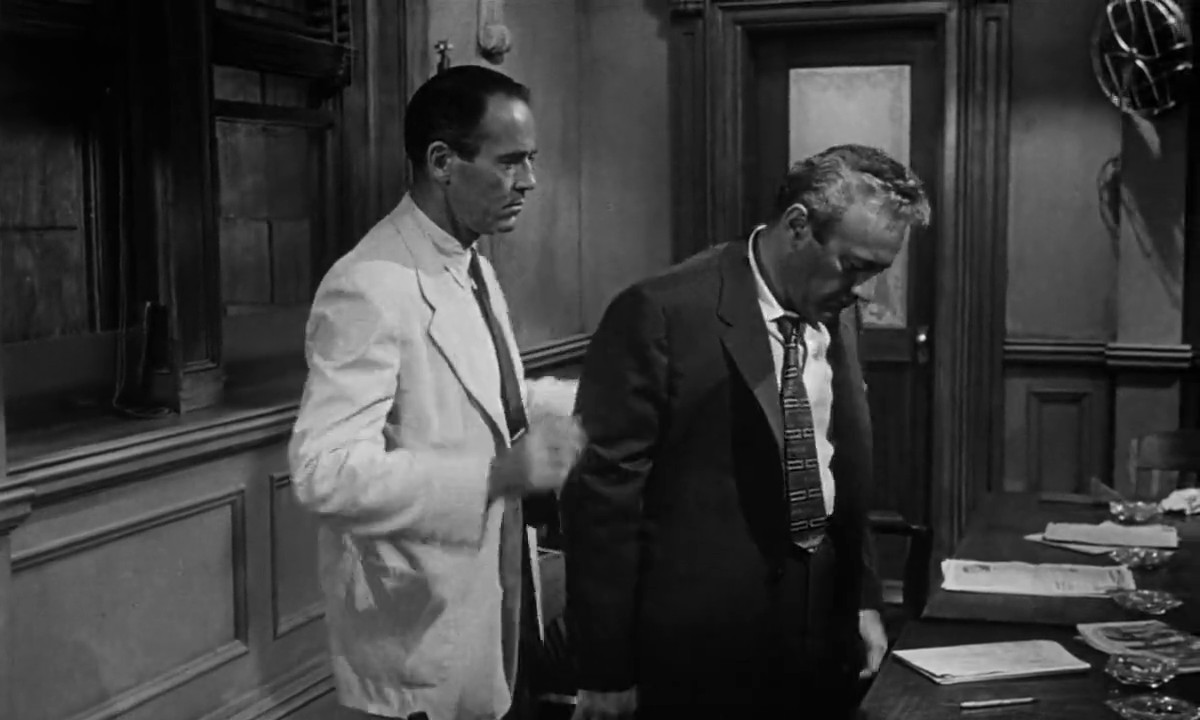
A jury forman (Martin Balsam) assumes that deliberations on the murder trial of a Puerto Rican teenager will go smoothly and quickly, and most of the 12 men are eager to simply go home. But a dissenting “not guilty” voter (Henry Fonda) — hoping to hash out details of the case to determine any reasonable doubt — soon has most of his fellow jurors beginning to rethink their assumptions, with the exception of two unyielding bigots (Lee J. Cobb and Ed Begley).

Genres, Themes, Actors, and Directors:

  • Courtroom Drama
  • Ed Begley Sr. Films
  • E.G. Marshall Films
  • Henry Fonda Films
  • Lee J. Cobb Films
  • Martin Balsam Films
  • Racism and Race Relations
  • Sidney Lumet Films

Response to Peary’s Review:
Peary writes that this adaptation of Reginald Rose’s teleplay of the same name features “flawless direction by Sidney Lumet (his film debut)” and an “ingenious script” in which jurors are “questioning evidence, reenacting crime, theorizing about the witnesses’ motives for accusing the young boy of murder, and getting the most resistant among them… to reveal the prejudices that have influenced their verdicts.” He notes that the film is “fascinating and exciting”, while acknowledging skepticism that “a group of diverse Americans will make the right decision because those who are biased will be outnumbered”. He points out that the “most interesting aspect of the film is the concept of hero: few movies characters are more admirable than Henry Fonda, who stands fast against 11 jurors” — but “Rose’s valid point is that he can’t do it alone”. Finally, Peary notes that while this film is “idealistic… it’s not dated (as anyone who has recently served on a jury knows)”.

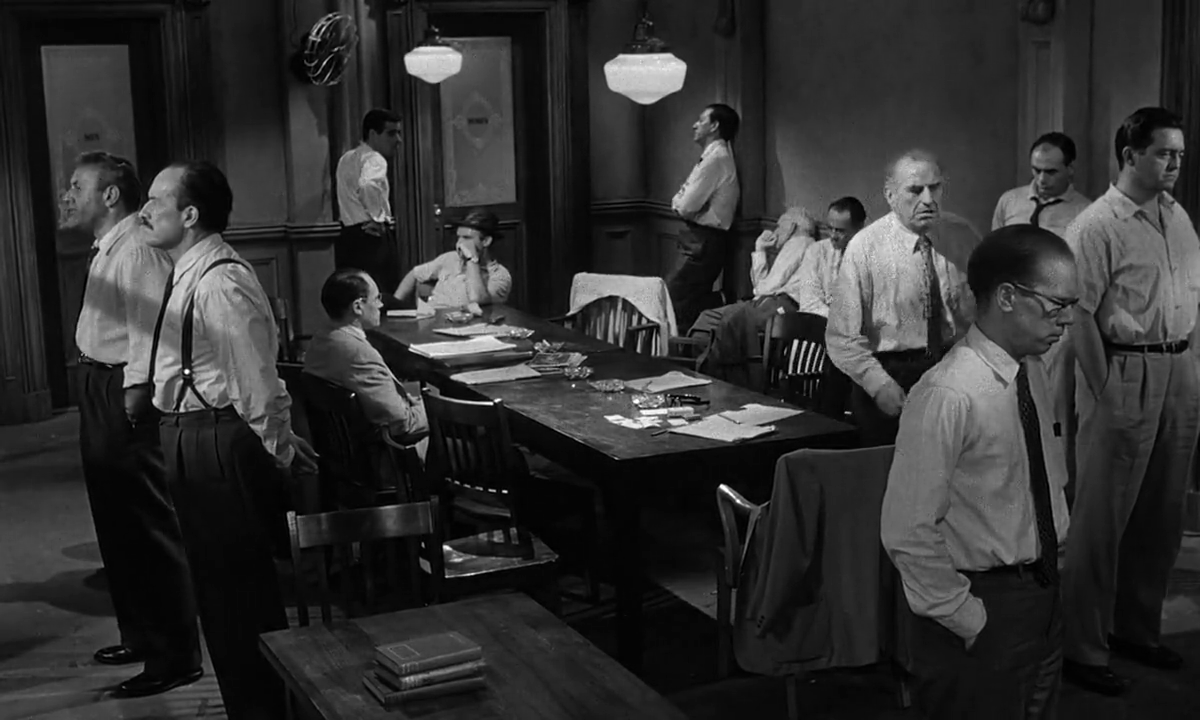
I’m a huge fan of this surprisingly gripping nearly-one-room drama, which I re-watch periodically and am drawn into time and again. Fonda’s performance is outstanding, but so are those of all the other (mostly unknown) actors. Meanwhile, it’s clear how much thought and effort were put into every minute of the production, from acting to staging; as noted in TCM’s article:

During rehearsals, Lumet and cinematographer Boris Kaufman set up their shots in an actual NYC jury room, blueprinting 365 separate takes from every aspect of the claustrophobic set. The end result, after only 17 days of shooting, is a masterful job of spare, lean black and white filmmaking, crafted in an era when big screens, big locales and bold color were deemed an absolute necessity.

While watching this film, we genuinely feel we’re being taken on a carefully calibrated ride across both the challenges and the benefits of our very-human justice system. As noted by James Kendrick in his review for Q Network, “The resistance of the other jurors to discussing the seemingly open-and-shut case is a compelling means of depicting how the system works only when those involved accept the moral weight of their roles.” DVD Savant adds that: “On one level the jury isn’t much better than a mob — most of these men are quite willing to go along with the perceived majority opinion without really thinking about the case. Only when challenged to actually apply themselves to their appointed task do the sensitive thinkers advance their personal opinions.”

Note: The opening establishing shot reminds me both visually and aurally of Frederick Wiseman’s documentaries — though Wiseman would linger longer and add several more establishing shots before moving into “the action”.

Redeeming Qualities and Moments:

  • A uniformly excellent cast, through-and-through


  • Fine camerawork and direction within a confined space

Must See?
Yes, as a true classic — one well worth revisiting regularly.

Categories

  • Genuine Classic
  • Important Director

(Listed in 1001 Movies You Must See Before You Die)

Links:

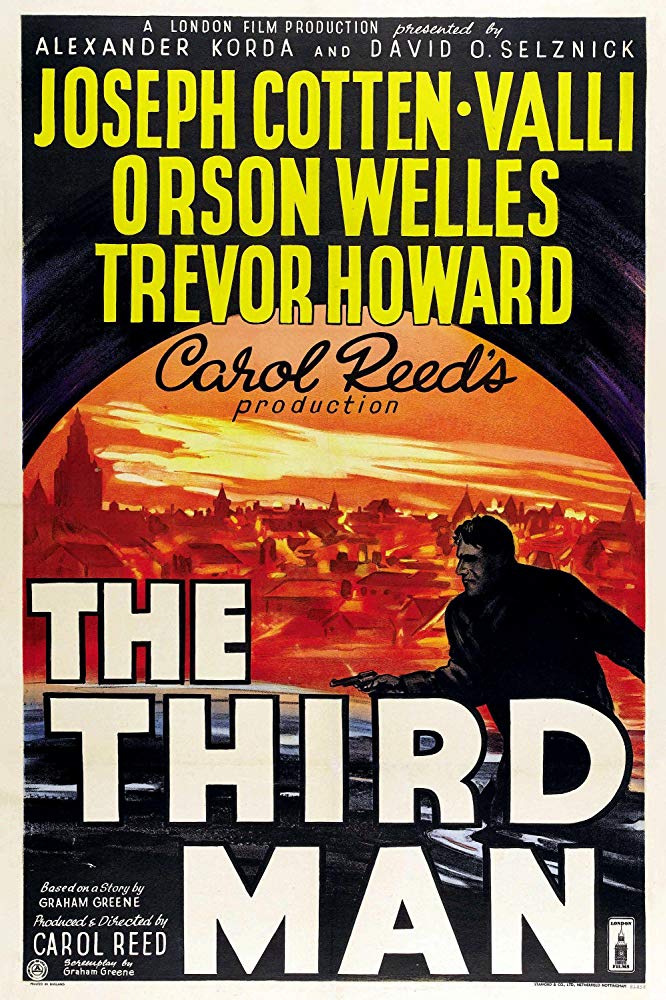
Third Man, The (1949)

Third Man, The (1949)

“I’ve done things that would have been unthinkable before the war.”

Synopsis:
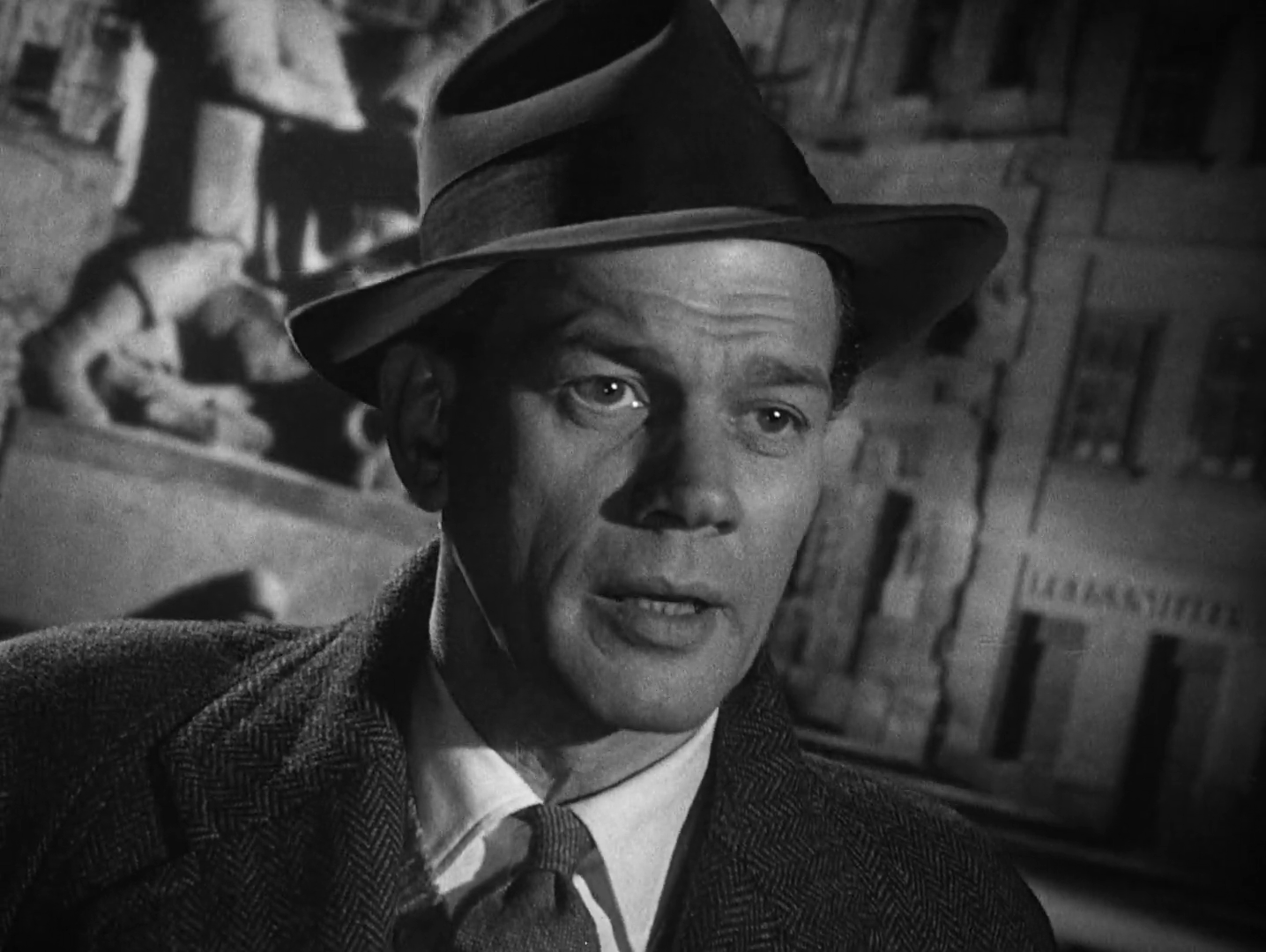
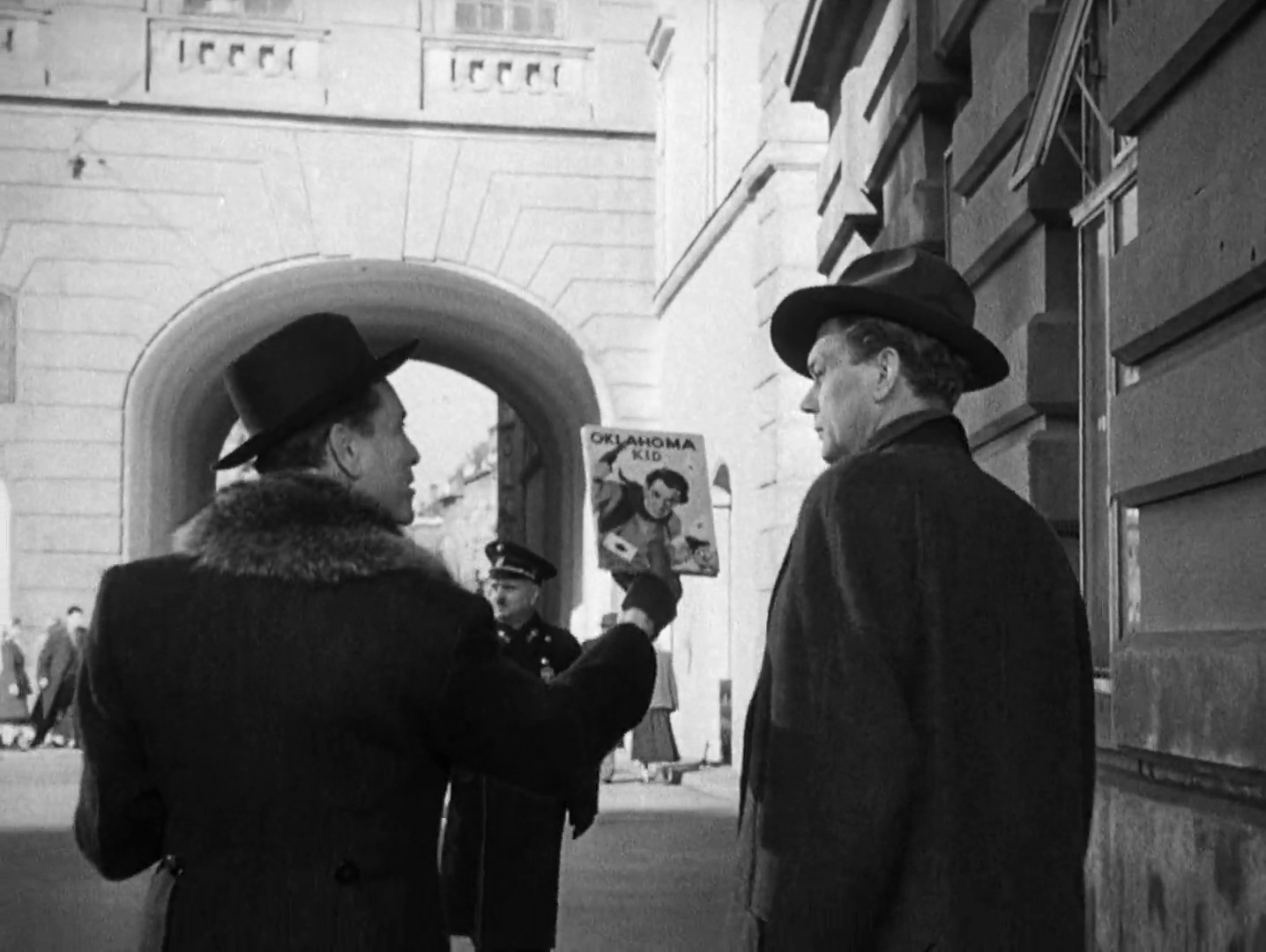
A pulp western novelist named Holly Martins (Joseph Cotten) arrives in occupied post-war Vienna ready to work for his friend Harry Lime (Orson Welles), but soon learns Lime has recently been killed. While attending Lime’s funeral, Martins meets his grieving lover (Alida Valli), as well as two British Army policemen (Trevor Howard and Bernard Lee) who inform Martins that Lime was a criminal, and try to convince him to leave town. However, Martins is determined to figure out what happened to his late friend, and soon stumbles upon a startling discovery.

Genres:

  • Alida Valli Films
  • Amateur Sleuths
  • Betrayal
  • Carol Reed Films
  • Expatriates
  • Friendship
  • Joseph Cotten Films
  • Orson Welles Films
  • Trevor Howard Films
  • Writers

Response to Peary’s Review:
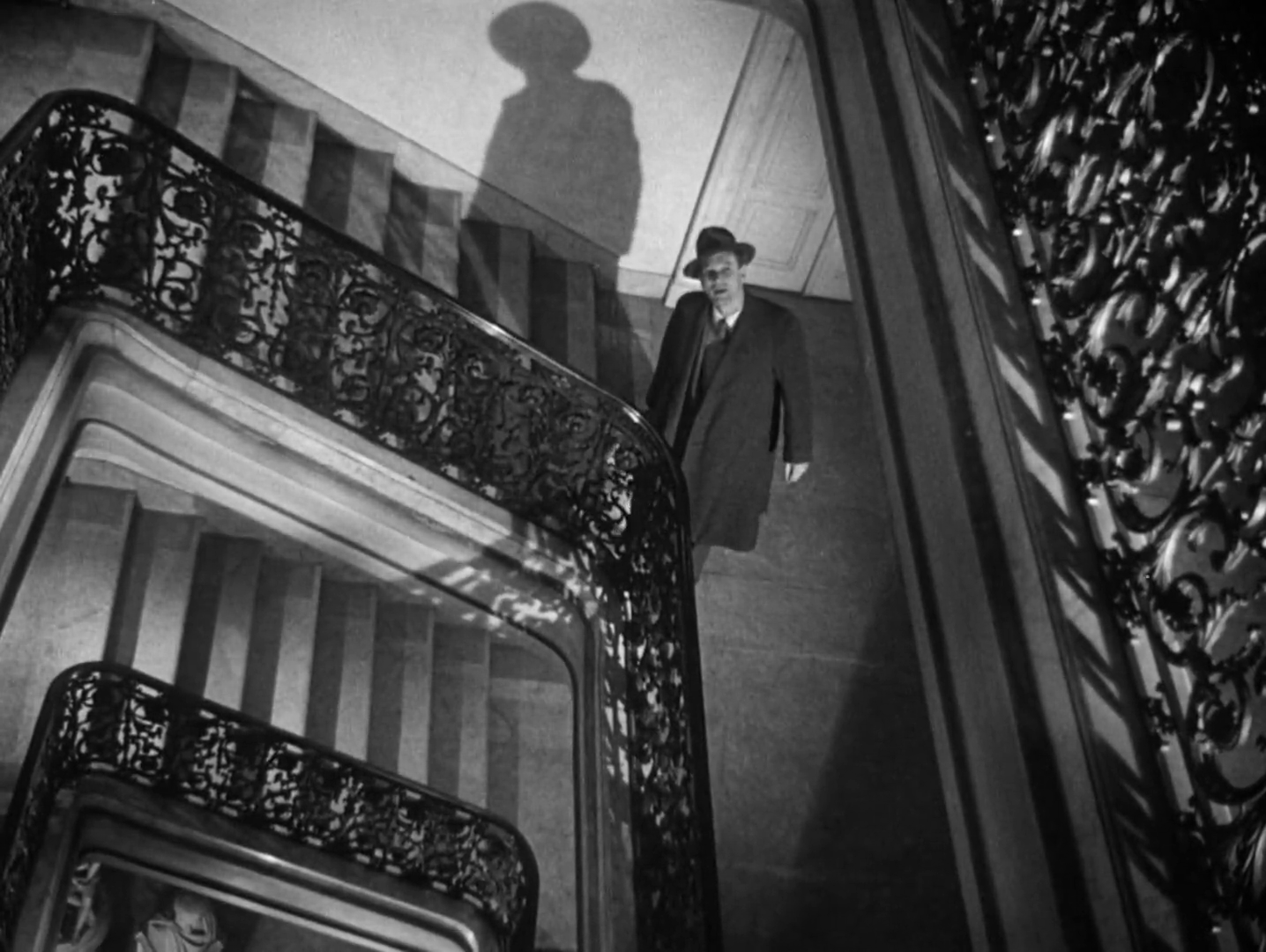
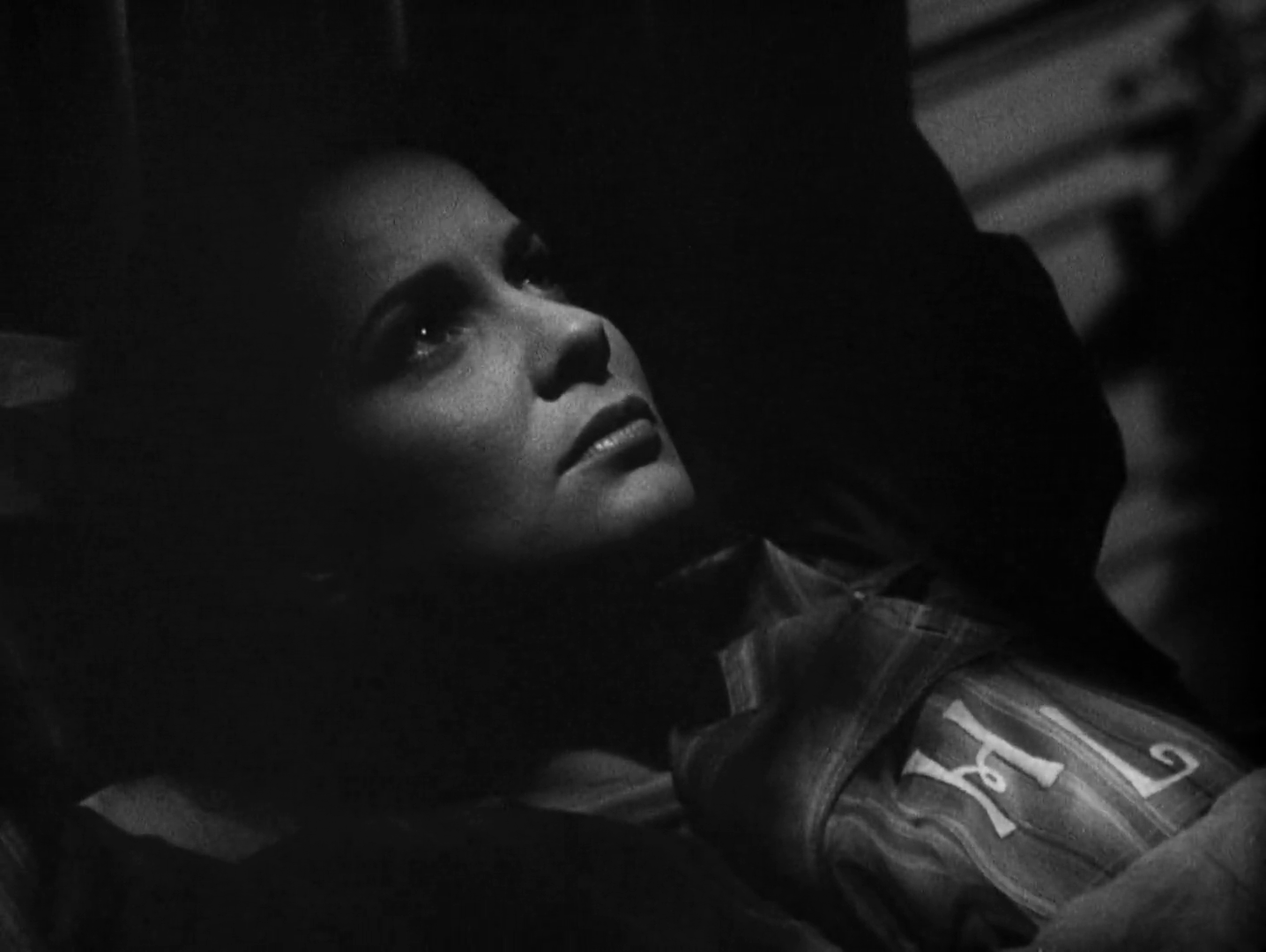
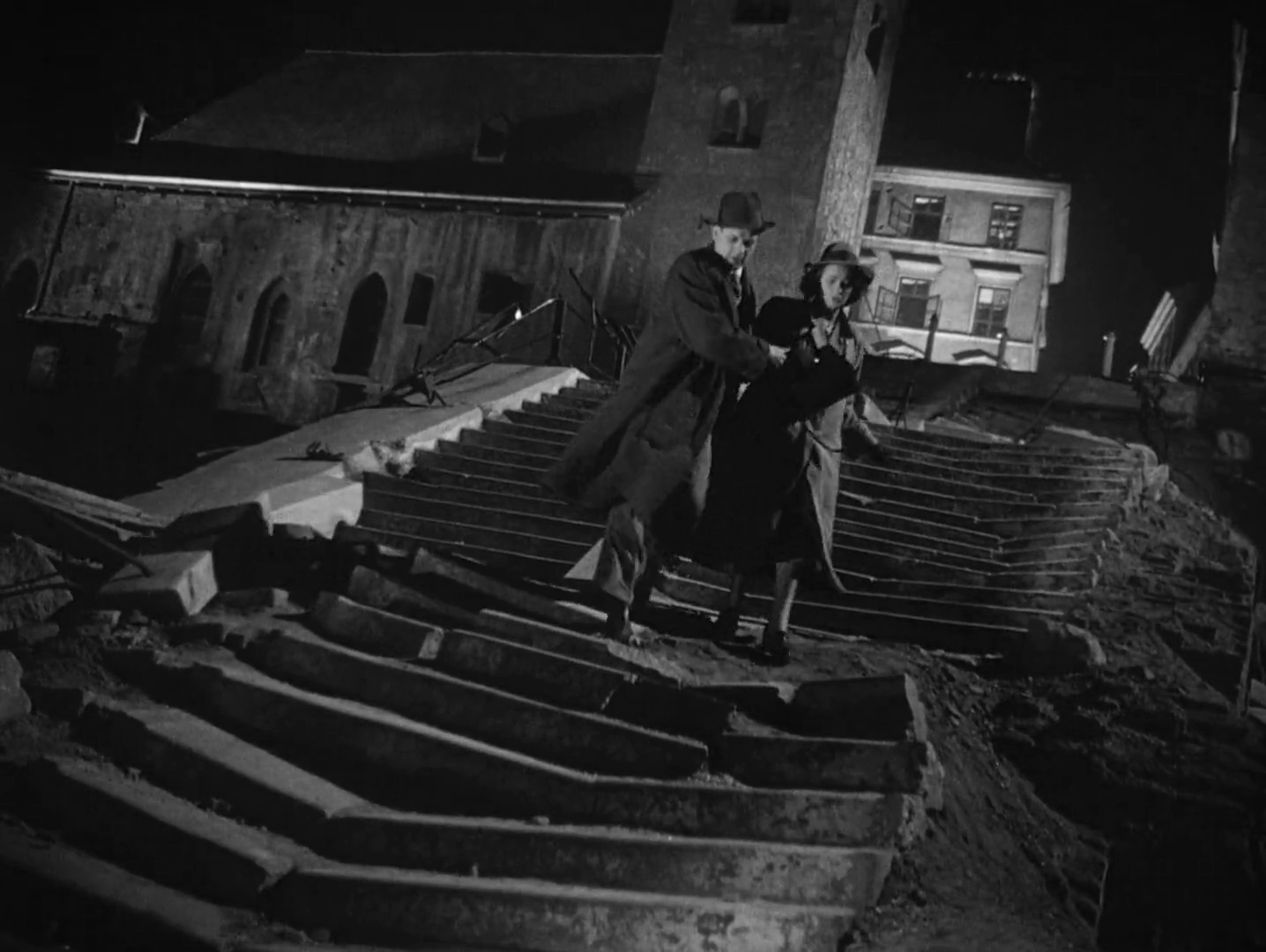
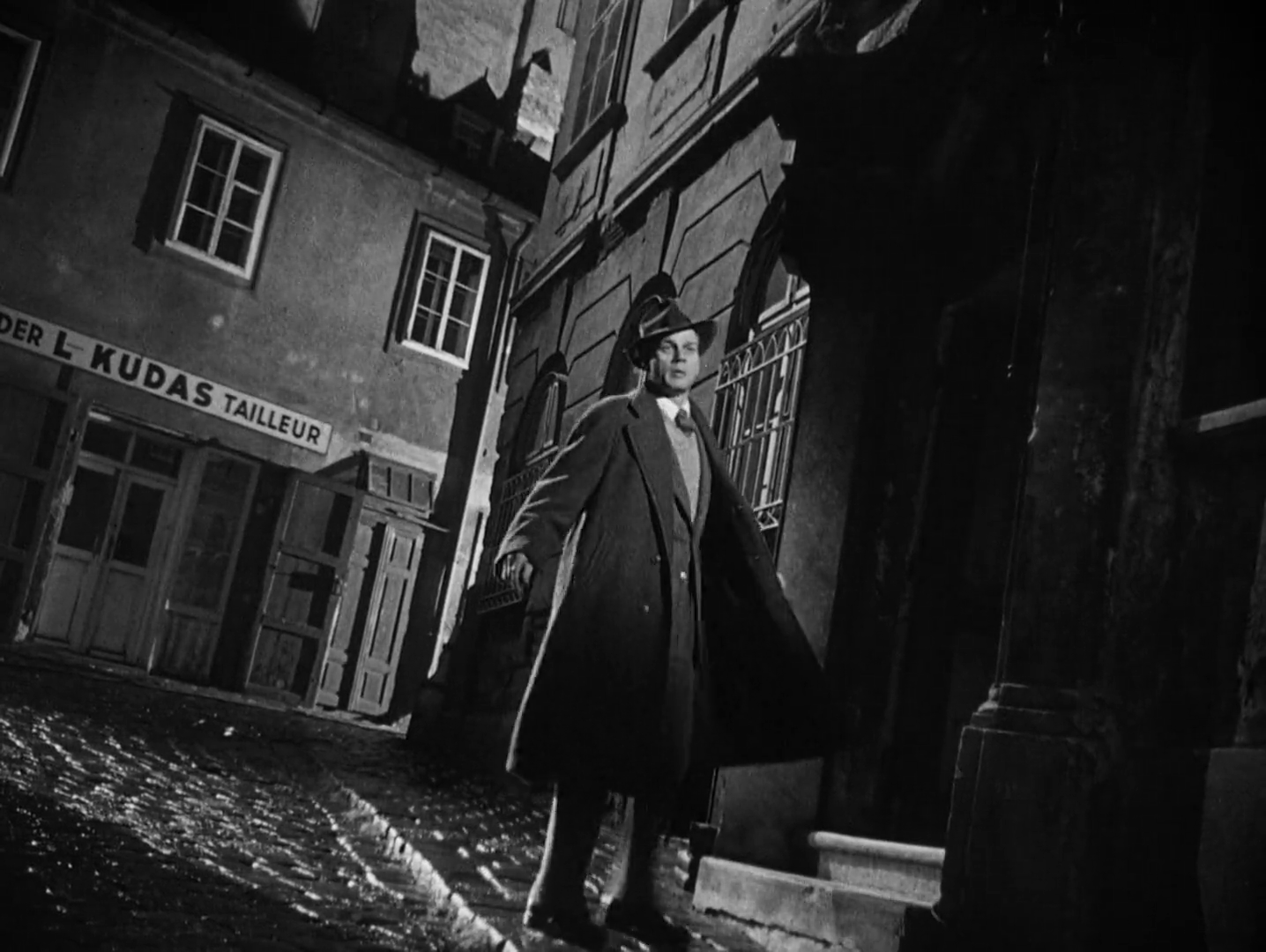
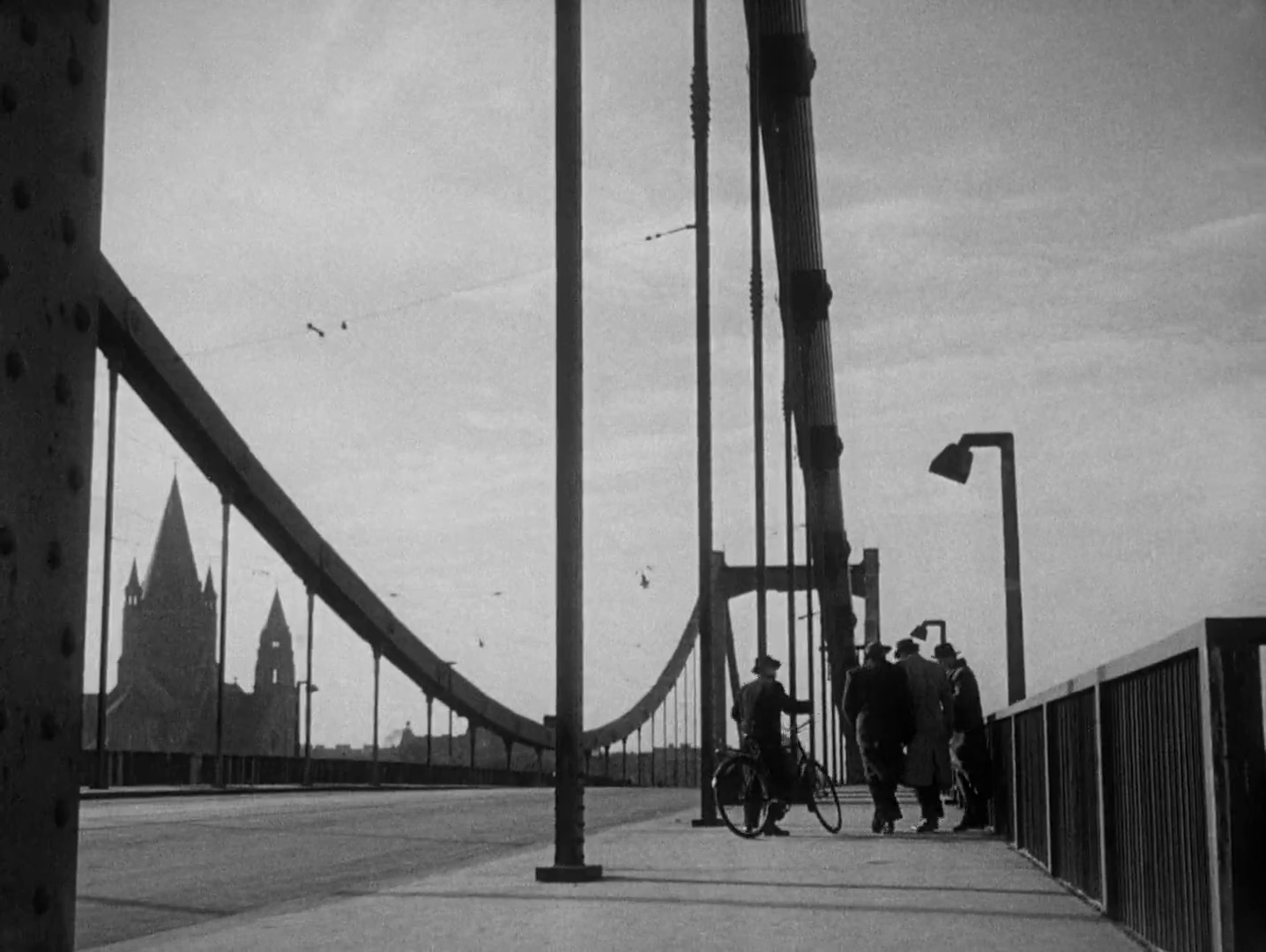
Peary writes that this “classic of the British cinema” has “suspense, wit, [and] fine performances”, as well as “many classic scenes”. He adds that “through shots of Vienna in ruins, the extensive use of bizarre camera angles, and the presentation of a sinister-corrupt-nightmarish atmosphere”, director Carol “Reed conveys a world out of order, where good men do evil deeds, where the British and the Russians work side by side, [and] where betrayal is more moral than loyalty” — which he believes “is the film’s major theme”. He notes that “Anton Karas’ classy zither-playing gives the film a romantic, haunting quality”, and is “just the right ingredient that takes this picture to masterwork level”.

It’s actually hard to name just one element that contributes to this film’s success; as noted by Peter Bogdanovich:

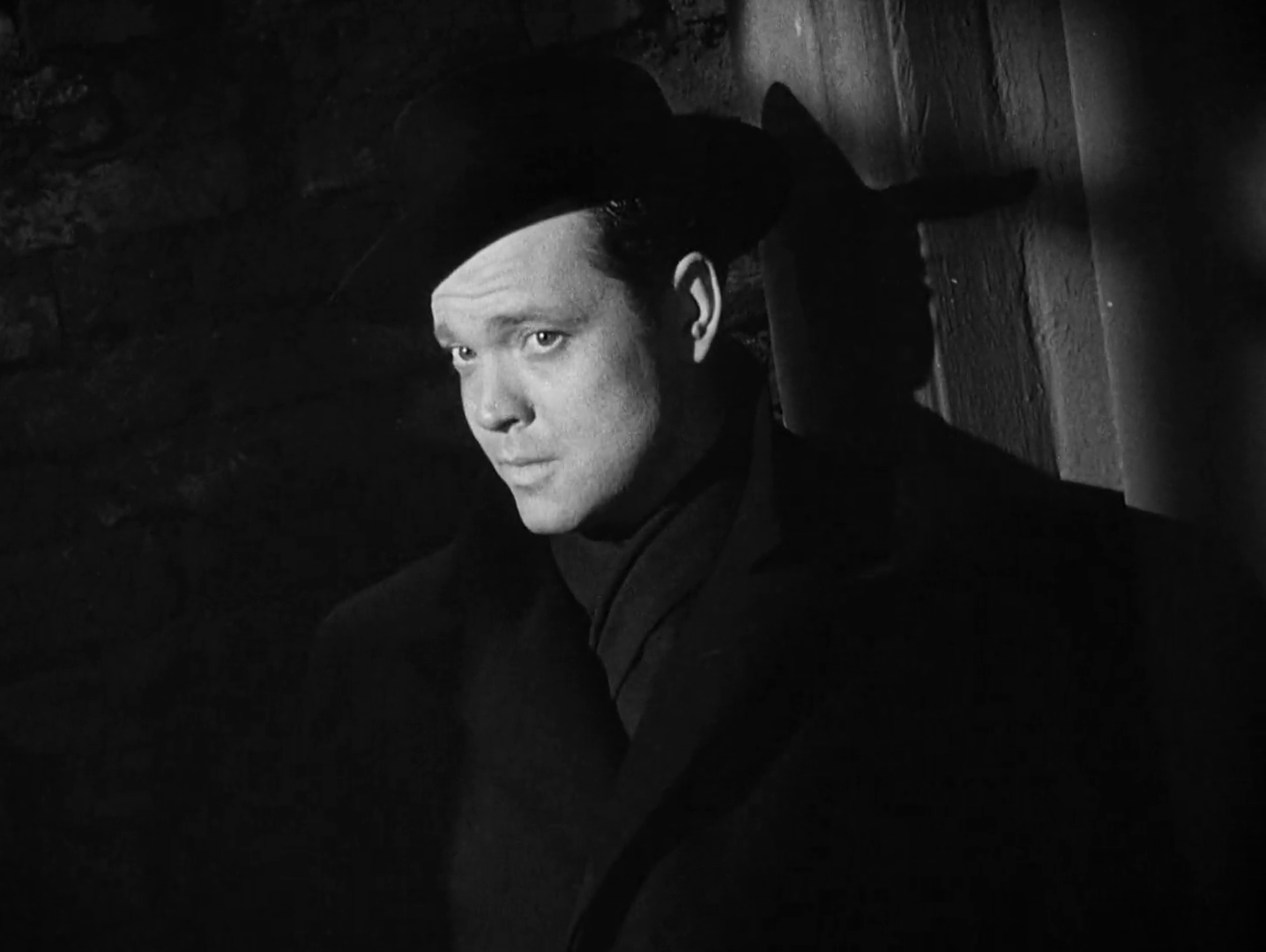
“It’s one of the best — if not the best — non-auteur films ever made, where you have this extraordinary coming together of a bunch of really first-rate talents, all working at their top: Graham Greene as a writer, Alex Korda as a producor, Carol Reed as a director, Vienna looking very photogenic right after the war, Trevor Howard at his best, Orson Welles certainly at his most mysterious in a role that he was born to play…”

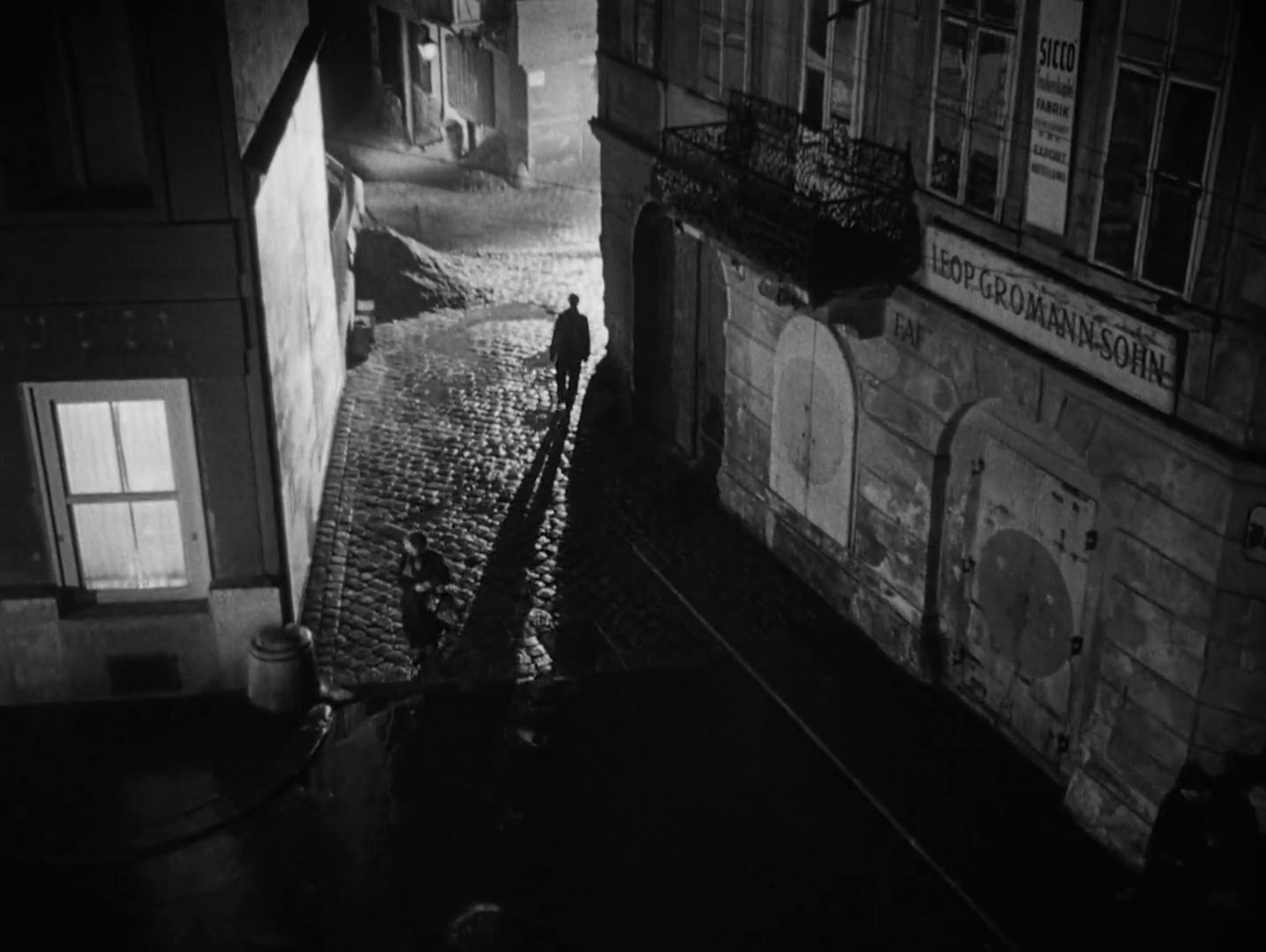
Indeed, everything about this expertly crafted, finely acted film keeps one glued to the screen and the storyline — thanks in large part to consistently innovative cinematography, with action taking place on inherently atmospheric sets.

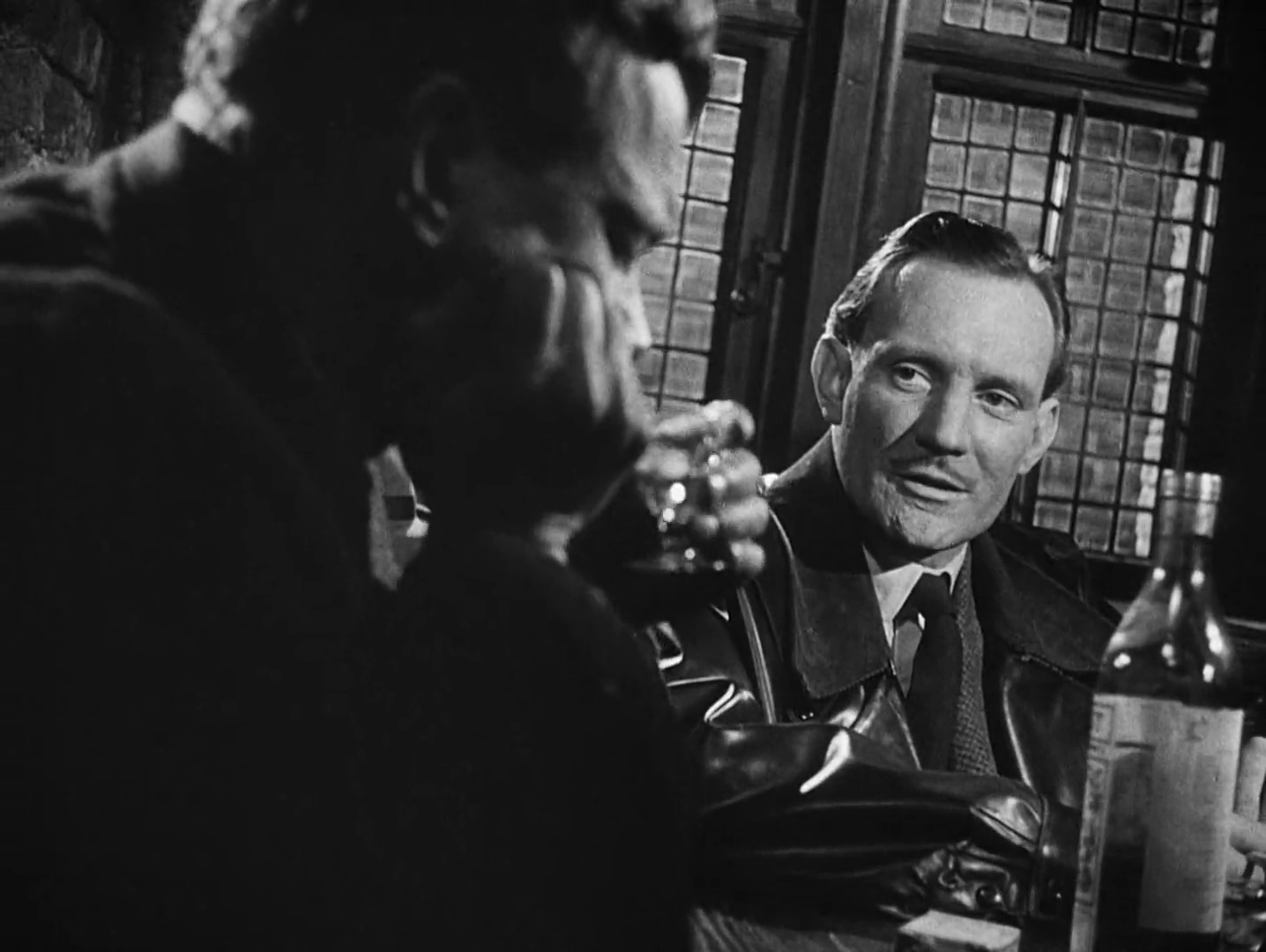
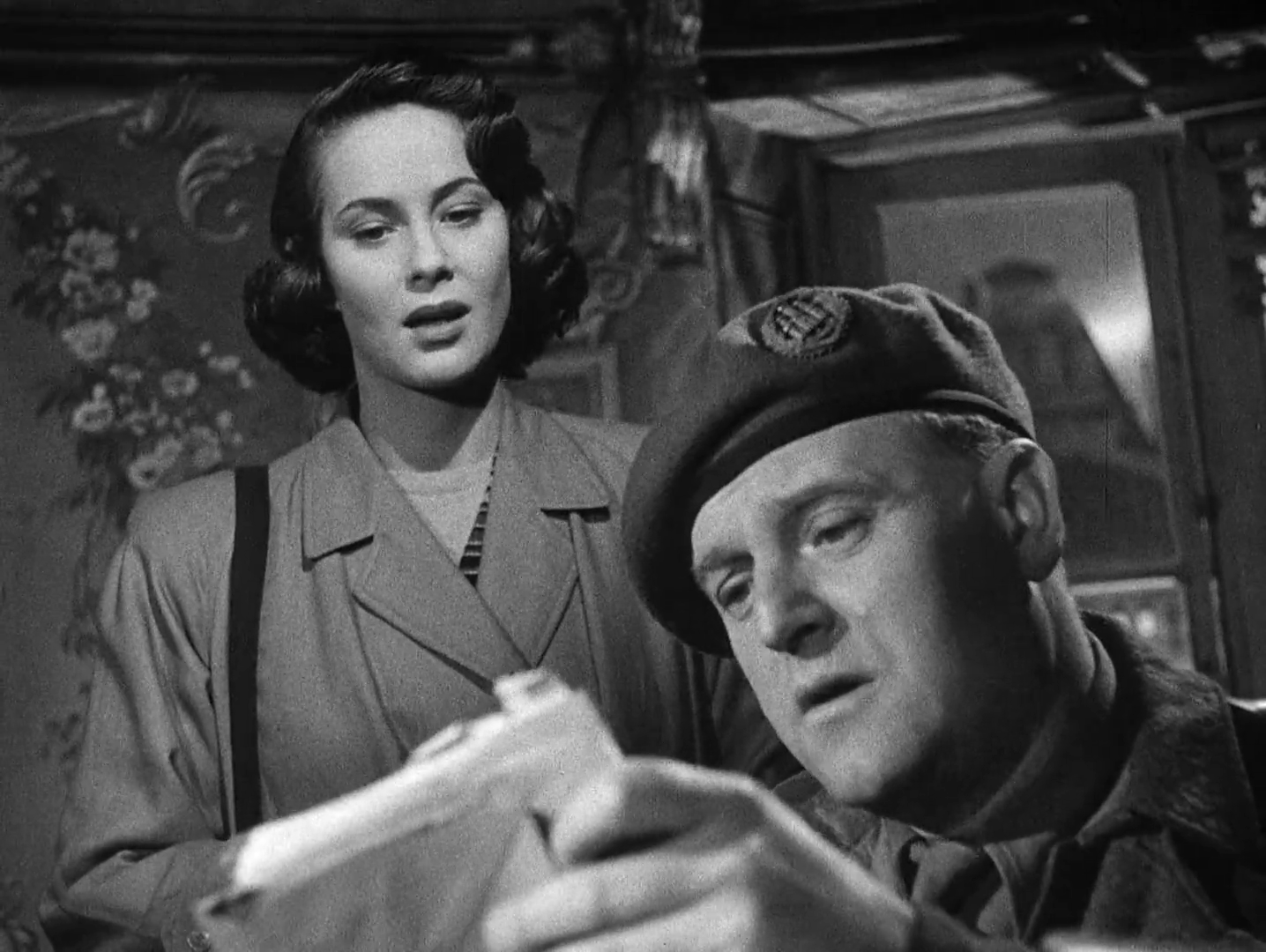
The attention to period detail and overall ambience in this film is especially significant; this is not simply any old “murder mystery”, but rather one that’s inextricably entrenched within the unique milieu of a city split into fragments by various occupiers, its motley inhabitants dealing with the inevitability of post-war chaos, corruption, and mistrust. Lonely Martins stumbles into this unsettled setting, mourning the loss of a man he considers “the best friend he ever had” while falling hard for stunning beauty Valli (excellent in her most iconic role). Meanwhile, Howard’s cynical-realist policeman is perpetually on the sidelines, ready to remind Cotten what kind of man his friend Harry Lime really was.

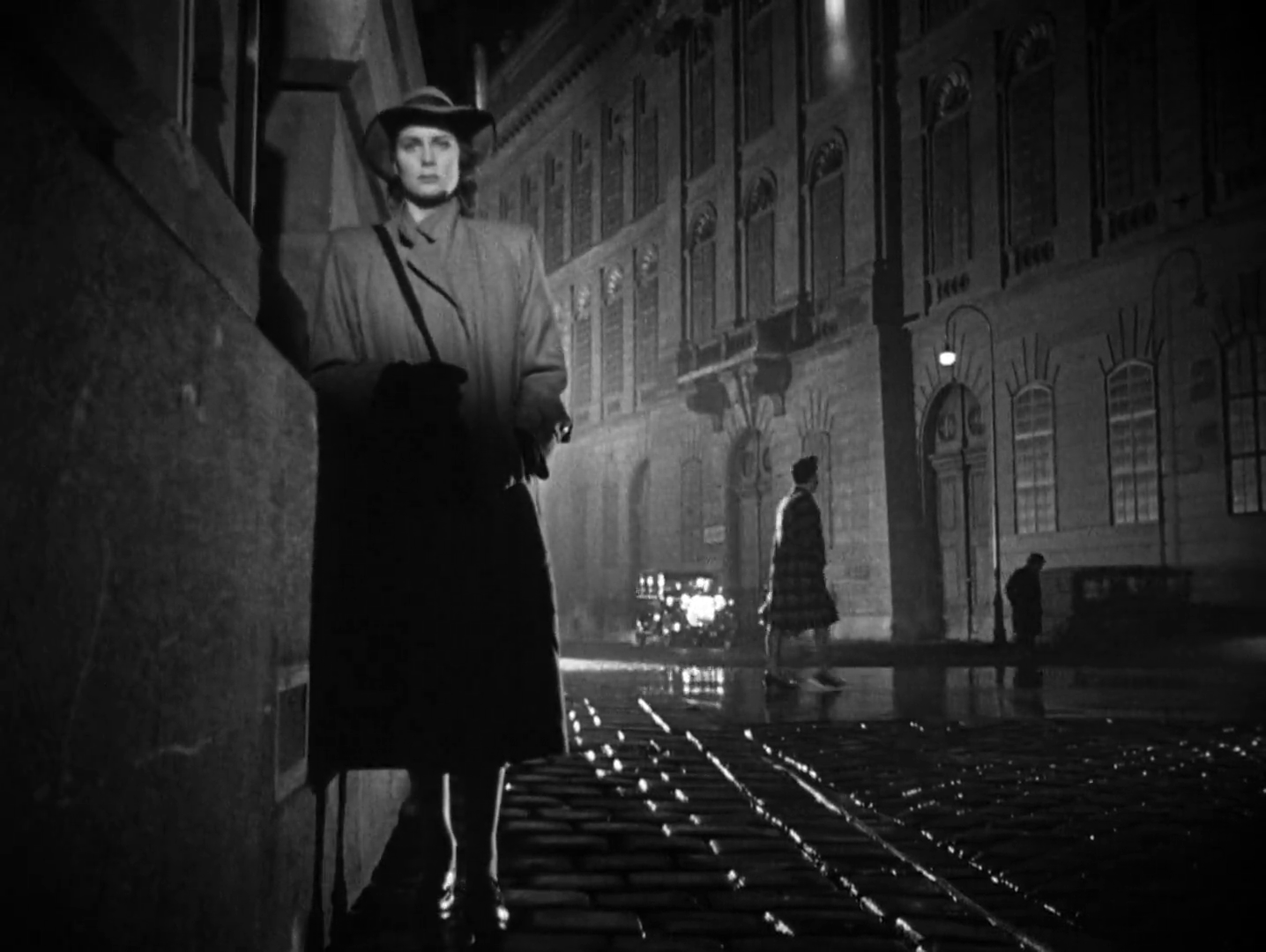
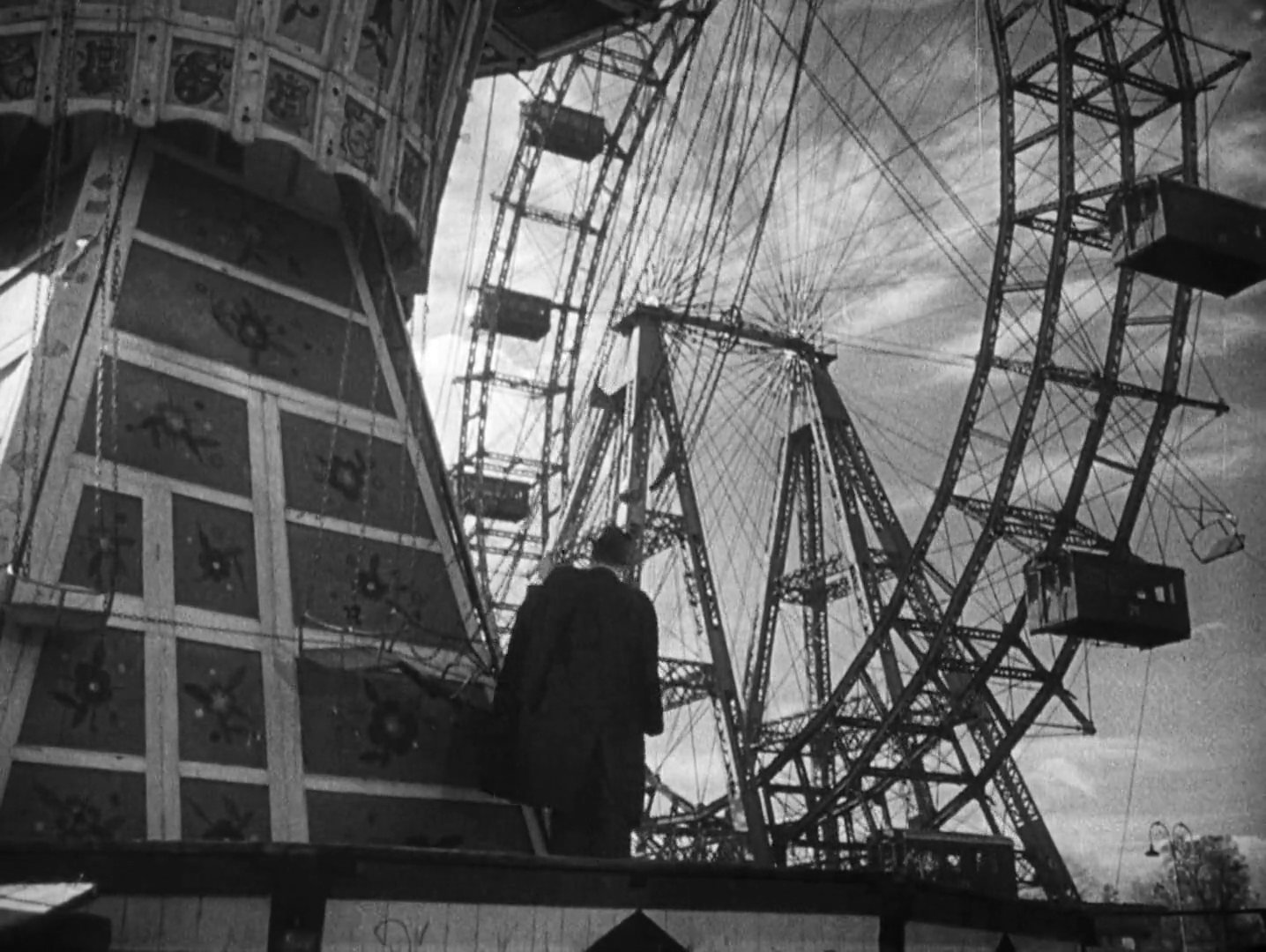
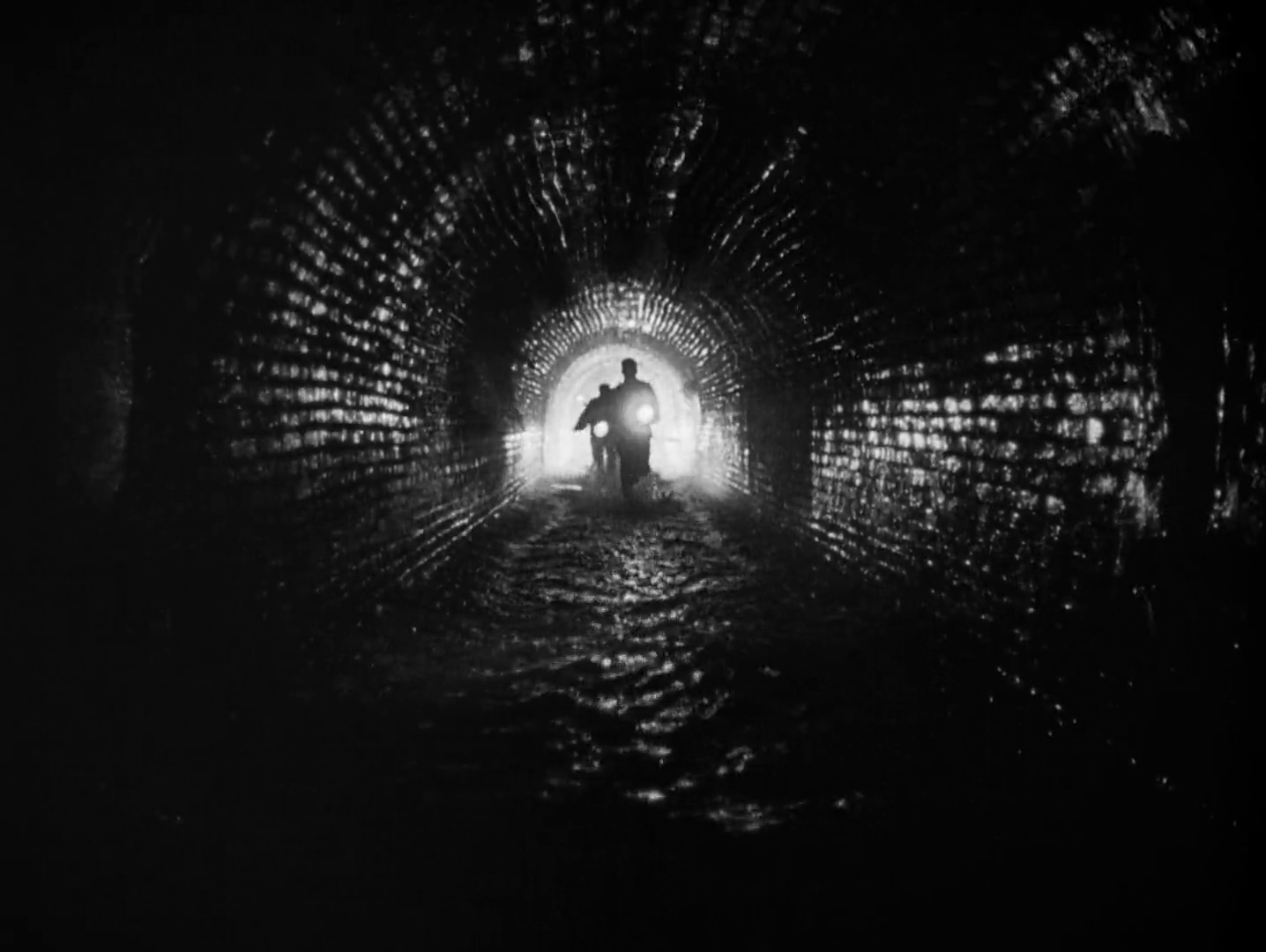
Countless memorable images stand out from The Third Man: “Holly being bitten by a parrot, Holly being chased by a little boy who’s telling everyone within earshot that Holly’s a murderer, Lime and Holly speaking while on a Ferris wheel, Lime being chased through the sewers, and in the finale, Holly waiting for Valli as she walks toward the camera”. Also notable are Holly’s disastrous (indeed, nightmarish and Hitchcockian) talk in front of an audience of “cultured” Brits ready to hear him expound on high-falutin’ literary topics; “Baron” Kurtz (Ernst Deutsch) playing violin at the Casanova Club while an overweight female sips soup right under his chin; the many scenes in which faces of random citizens are shown in crowded, close focus on the screen; Lee punching Holly and then, without missing a beat, politely helping him get back up. There’s no sentimentality here: as much as Holly may want to imbue his old friend with the glow of eternal loyalty, his idealized vision is broken down bit by bit, and there’s no happy ending in sight (though surely he has plenty of material to bring to his work as a novelist).

Redeeming Qualities and Moments:

  • Joseph Cotten as Holly Martins
  • Alida Valli as Anna
  • Orson Welles as Harry Lime
  • Trevor Howard as Major Calloway
  • Finely realized supporting performances

  • Highly atmospheric cinematography

  • Effectively stylized camera angles

  • Excellent use of authentic (and/or authentically recreated) locales

  • The final shootout chase through Vienna’s sewers

  • Grahame Greene’s script
  • Anton Karas’ oh-so-memorable zither score

Must See?
Yes, as an indisputable classic of the era and genre.

Categories

(Listed in 1001 Movies You Must See Before You Die)

Links:

Citizen Kane (1941)

Citizen Kane (1941)

“That’s all he really wanted out of life, was love.”

Synopsis:
After the death of an infamously self-absorbed newspaper tycoon named Charles Foster Kane (Orson Welles), a magazine editor (Philip Van Zandt) sends a reporter (William Alland) to investigate the meaning of Kane’s final word (“Rosebud”) by viewing newsreels and interviewing various key players in his life — including Kane’s business manager (Erskine Sanford), his estranged friend (Joseph Cotten), his second wife (Dorothy Comingore), and his butler (Paul Stewart).

Genres:

  • Agnes Moorehead Films
  • Flashback Films
  • Joseph Cotten Films
  • Journalists
  • Marital Problems
  • Millionaires
  • Orson Welles Films
  • Paul Stewart Films
  • Rise-and-Fall
  • Tycoons

Response to Peary’s Review:
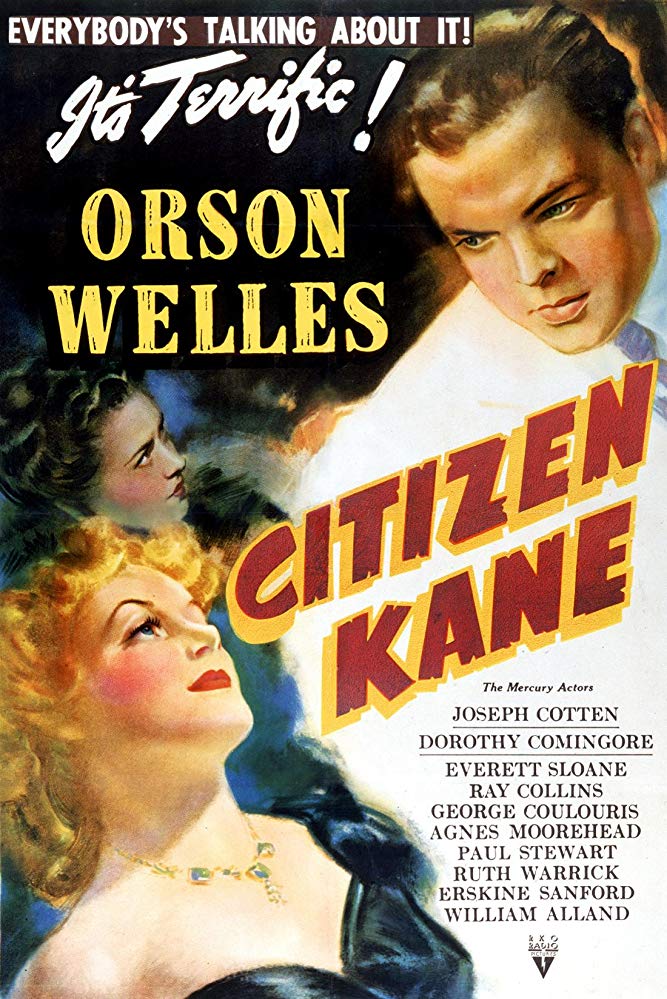
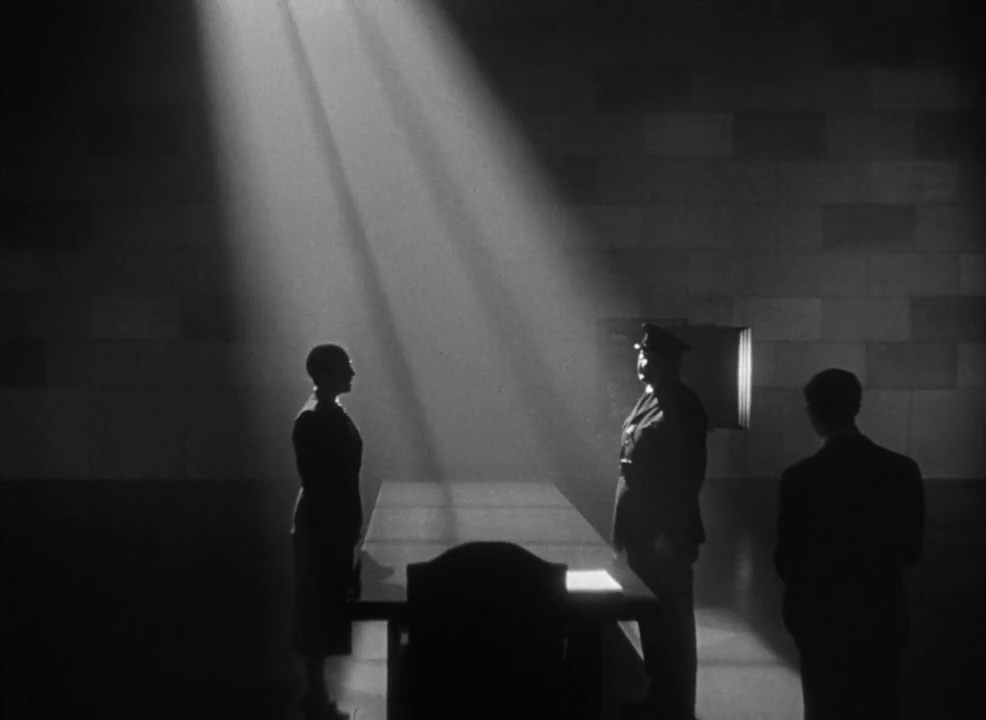
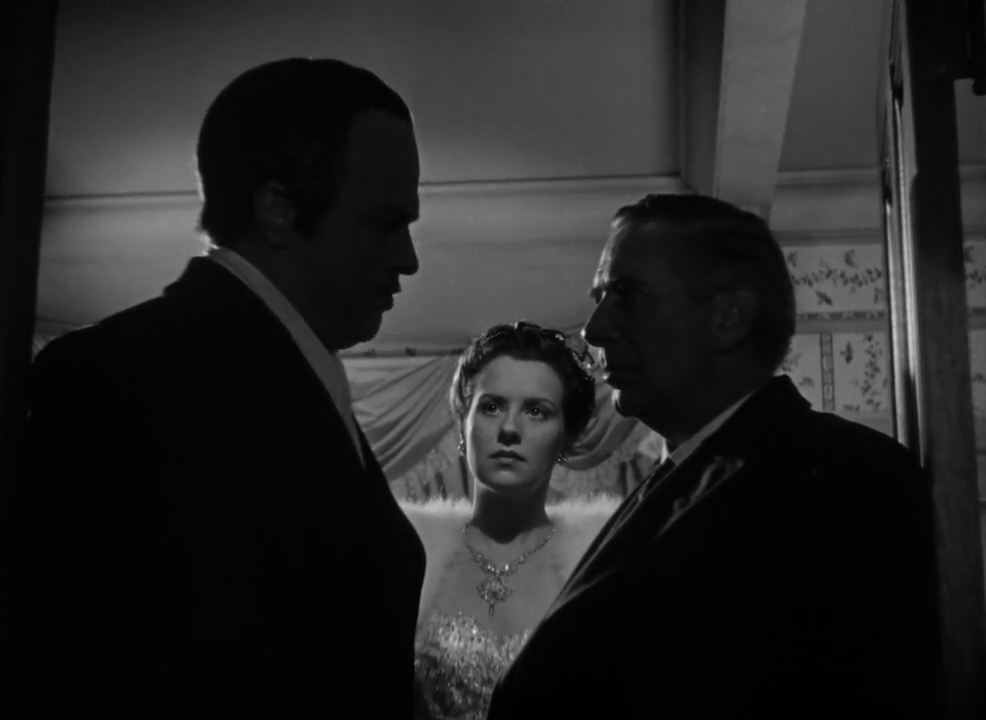
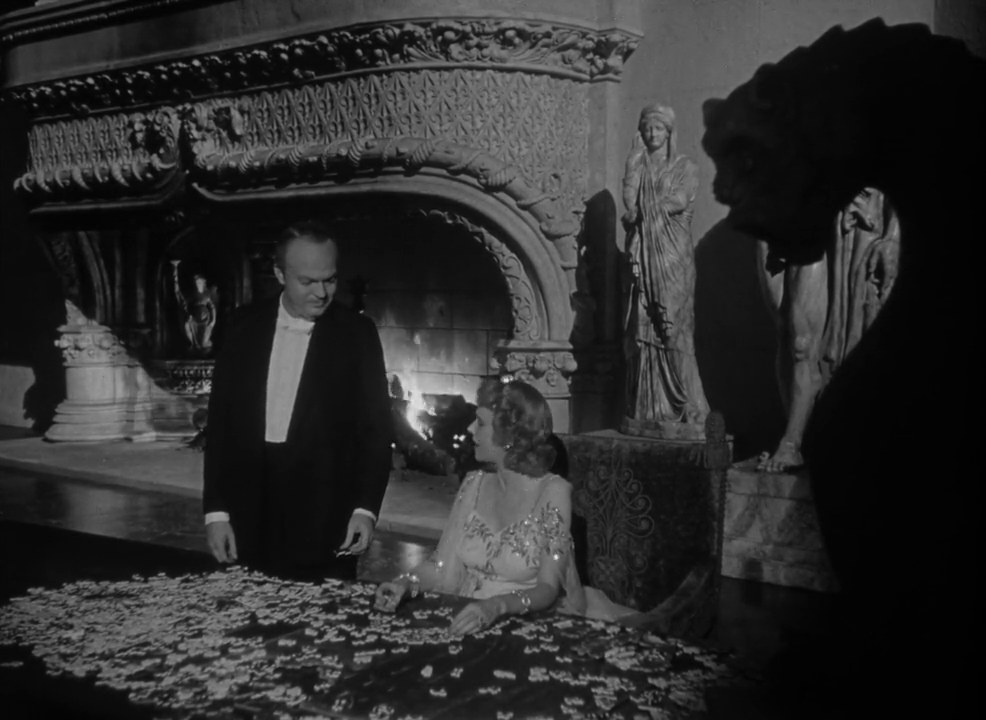
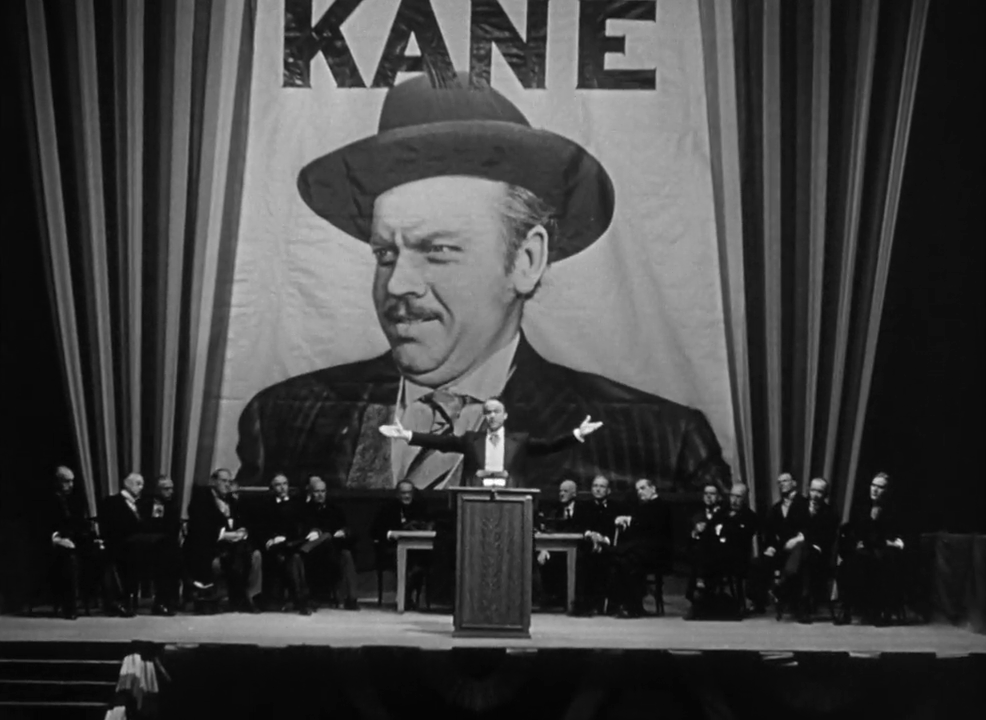
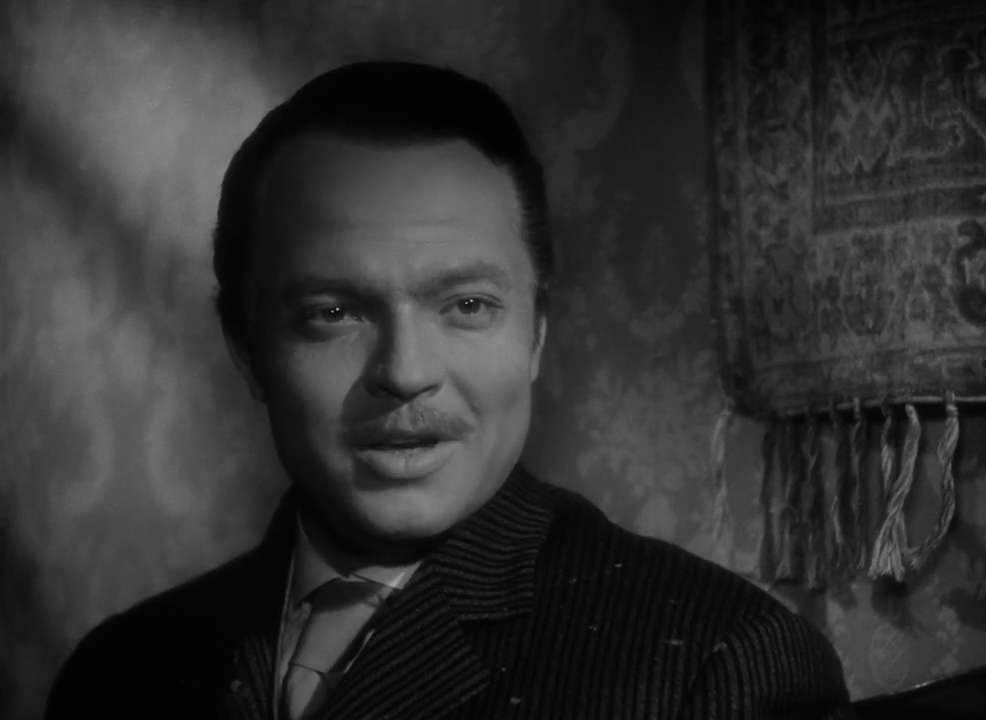
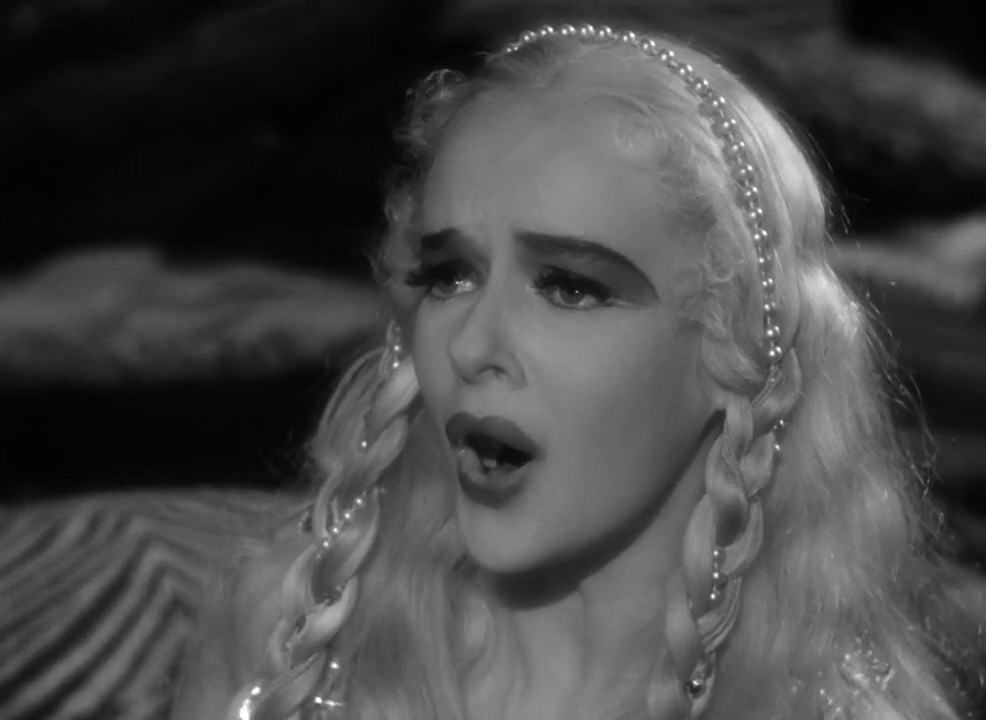
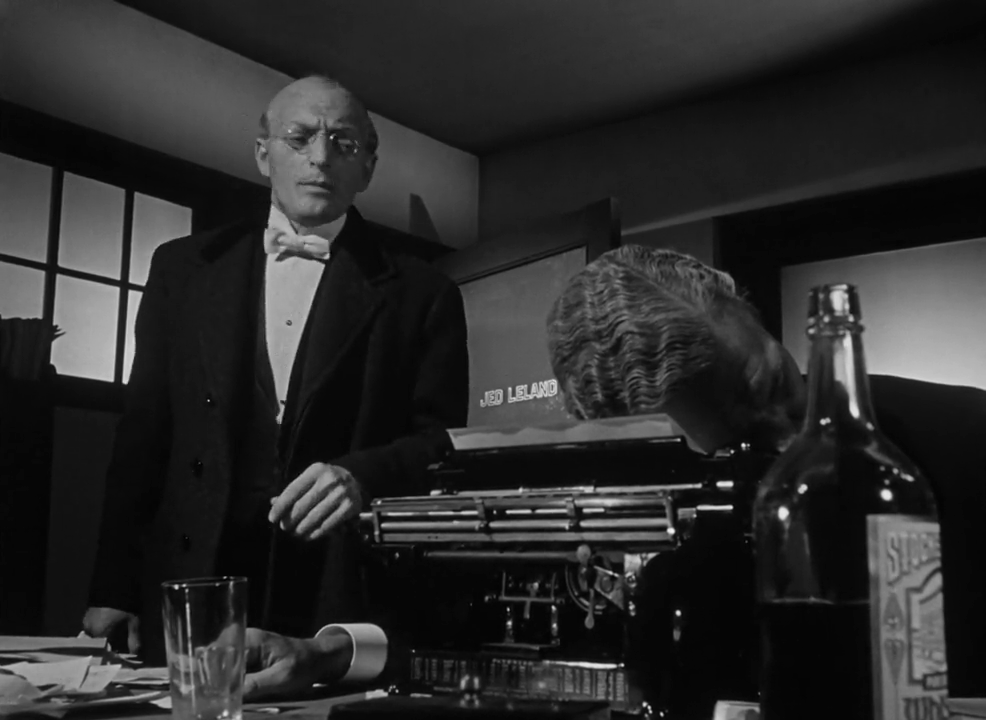
Peary argues that “Orson Welles’s debut film can justifiably be called the greatest picture of all time because it not only taught other directors how to tell a story through film but also taught moviegoers how to watch a film”. He writes that the “film is about a search for the essential missing part (‘Rosebud’) needed to document a man’s life”, and notes that Welles “creates ‘realism’ (the ‘true’ picture of Kane) through illusion and expressionism, and so his picture becomes a tribute to the camera”. He adds:

“The visuals show past events not as the six storytellers remember them but as the filmmakers (primarily director Welles and cameraman Gregg Toland) interpret the storytellers’ words… We learn about Kane and the other characters not only through dialogue and action but through Welles’ creative, flamboyant use of props, screen space, set design, music, editing, sound (including voice inflections), costumes, freeze frames, deep-focus photography, and lighting.”

Peary further points out that the “picture has great acting, music (by Bernard Herrmann), photography, editing (by Robert Wise), [and] countless classic moments”.

Peary discusses Citizen Kane not only in his GFTFF but in his first Cult Movies book — where he offers an in-depth overview of the film’s notorious production and release — and Alternate Oscars, where he names it Best Picture of the Year, and refers to it as “stunningly directed, magnificently acted, and brilliantly written”. He argues that while not all would consider it “the greatest film ever made”, it’s “at [the] very least… the most influential film of the sound era, the picture that best illustrates the potential of film as a storytelling medium and as an outlet for personal and artistic expression”. All of Peary’s praise rings true: the film does indeed “astonish” those seeing it for the first time, and “repeated viewings only increase the impact”. Whether one merely admires Citizen Kane or actively enjoys it, there is never a visually dull moment; it’s well worth a look or two (or three, or more).

Notable Performances, Qualities, and Moments:

  • Gregg Toland’s legendary cinematography


  • Excellent use of unusual and diverse sets
  • Many memorable images
  • Orson Welles as Kane (nominated by Peary as one of the Best Actors of the Year in Alternate Oscars)
  • Fine supporting performances


  • Herman J. Mankiewicz and Welles’ Oscar-winning script
  • Bernard Herrmann’s score

Must See?
Yes, of course, as a justifiable cult classic.

Categories

(Listed in 1001 Movies You Must See Before You Die)

Links: