Browsed by
Category: Response Reviews

My comments on Peary’s reviews in Guide for the Film Fanatic (Simon & Schuster, 1986).

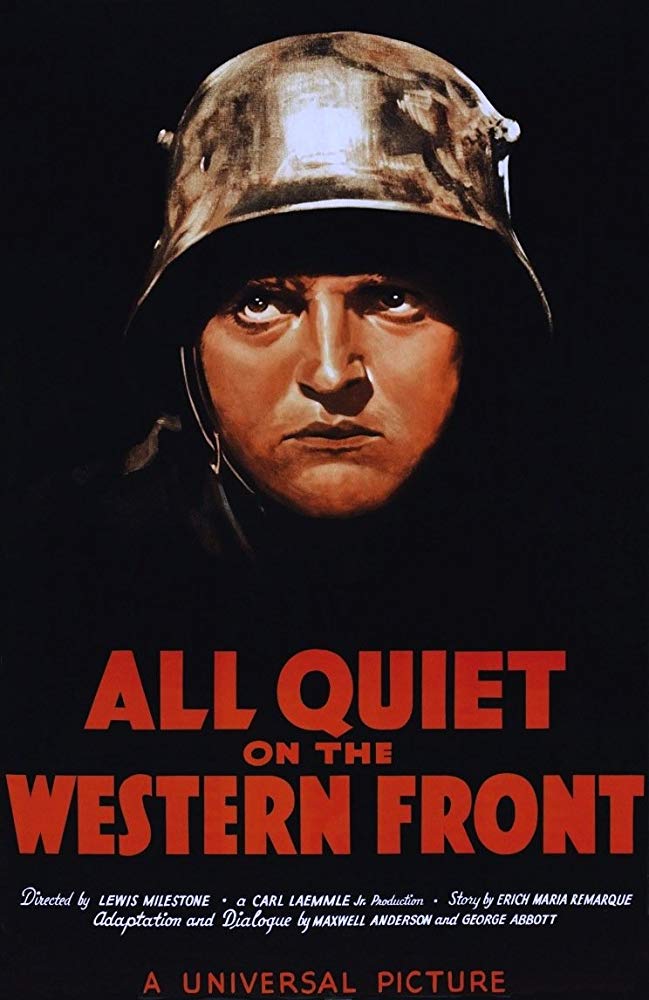
All Quiet on the Western Front (1930)

All Quiet on the Western Front (1930)

“You are the life of the fatherland, you boys!”

Synopsis:
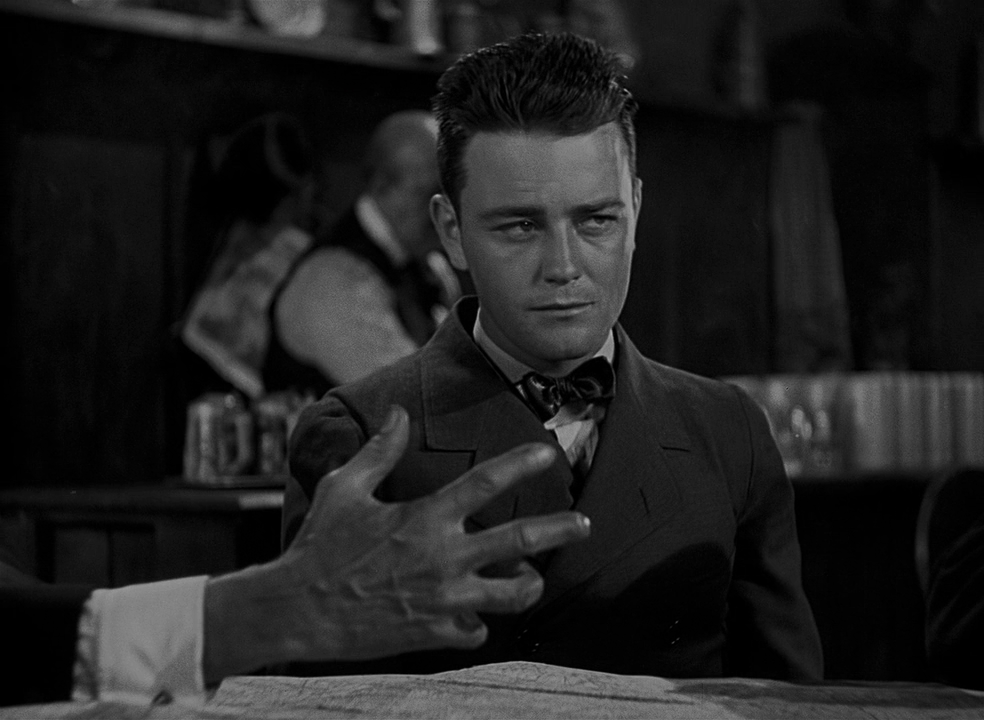
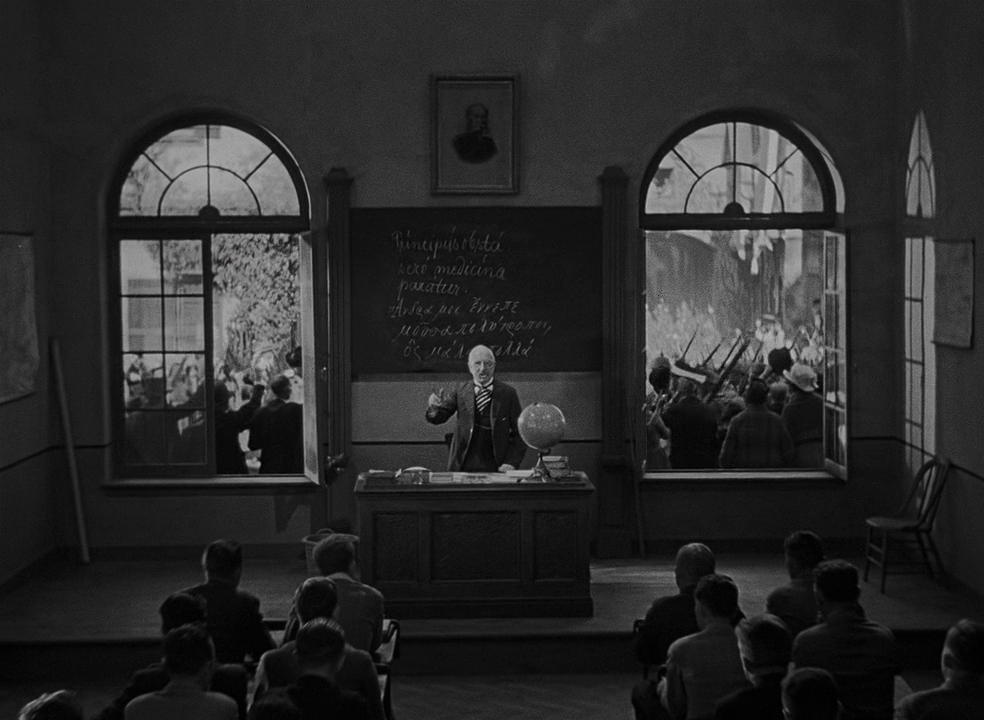
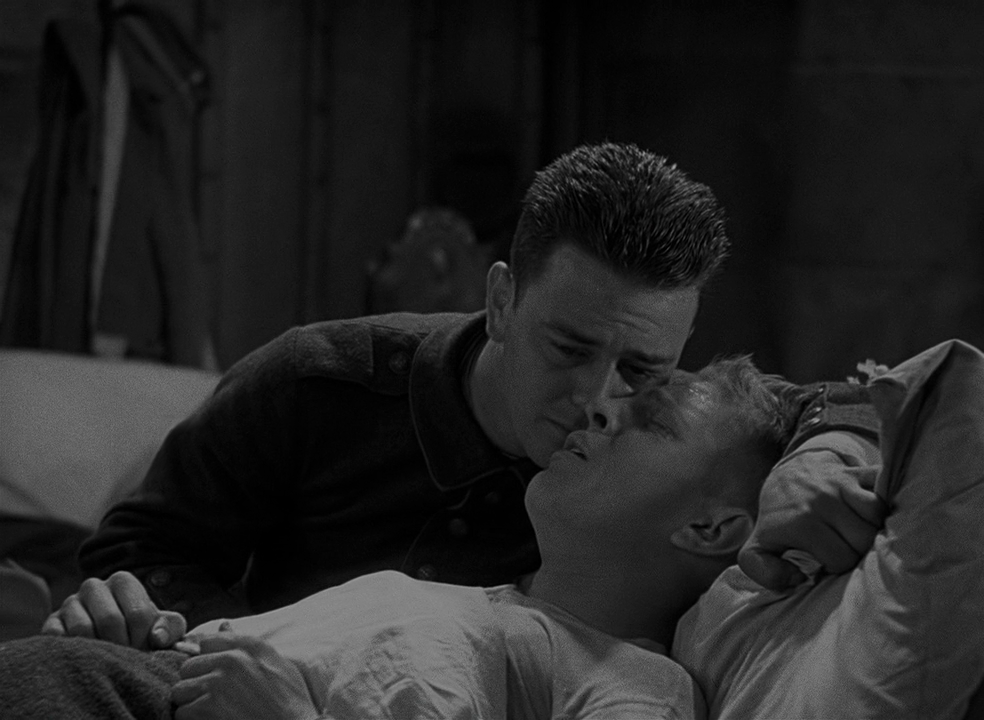
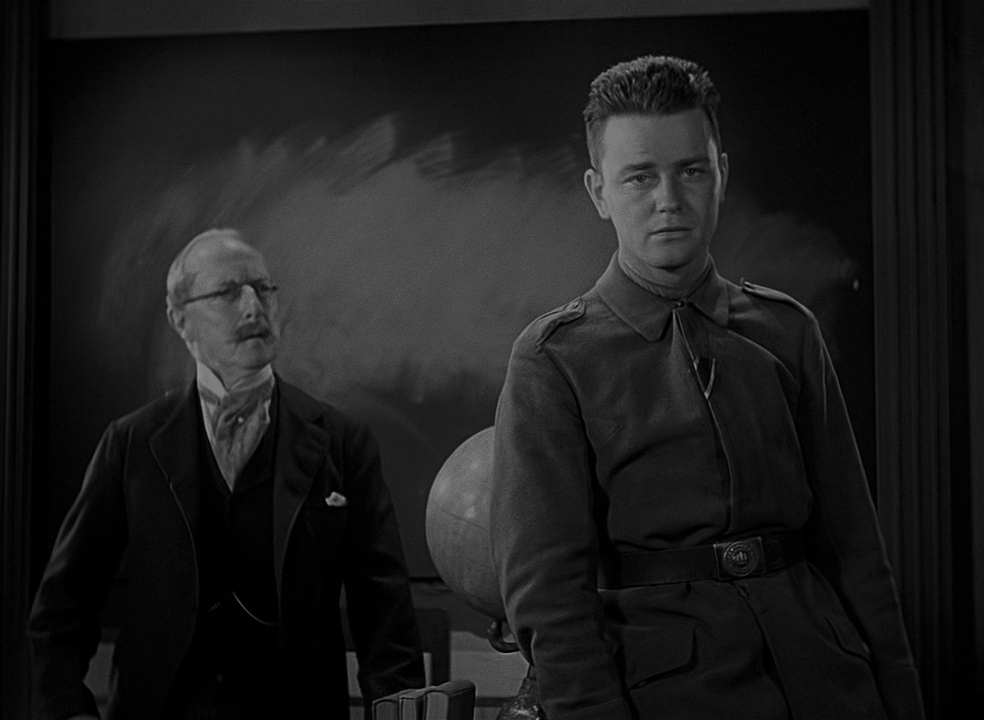
A jingoistic teacher (Arnold Lucy) encourages his entire class of high school students to enlist in the German war effort — but Paul (Lew Ayres) and his classmates quickly find war to be far more hellish than they could ever imagine.

Genres, Themes, Actors, and Directors:

  • Lewis Milestone Films
  • Soldiers
  • Survival
  • World War One

Response to Peary’s Review:
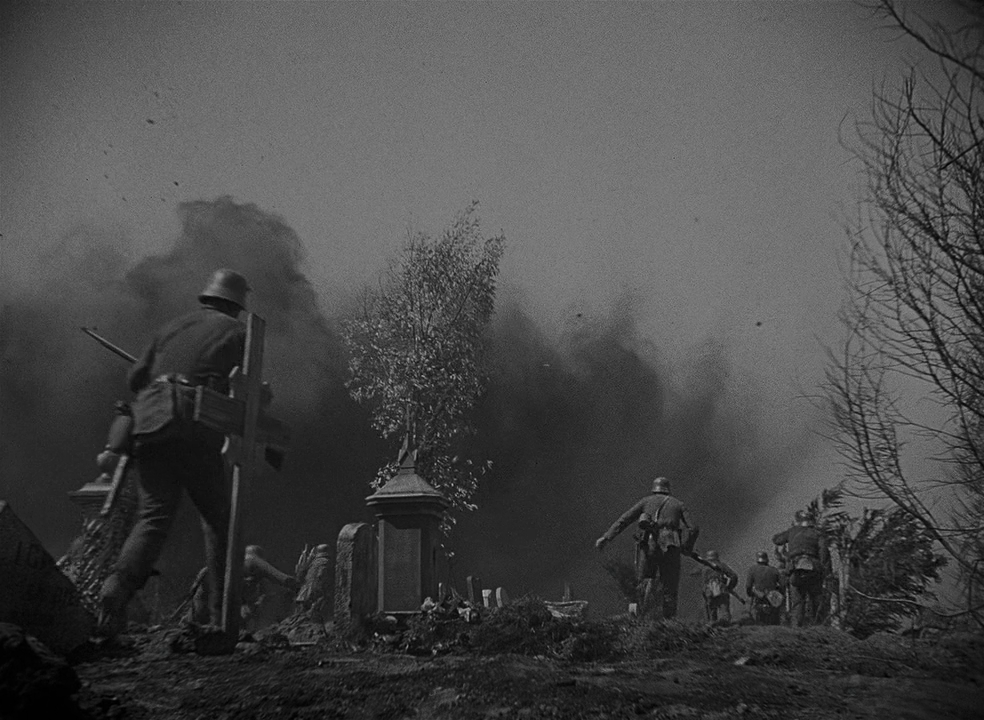
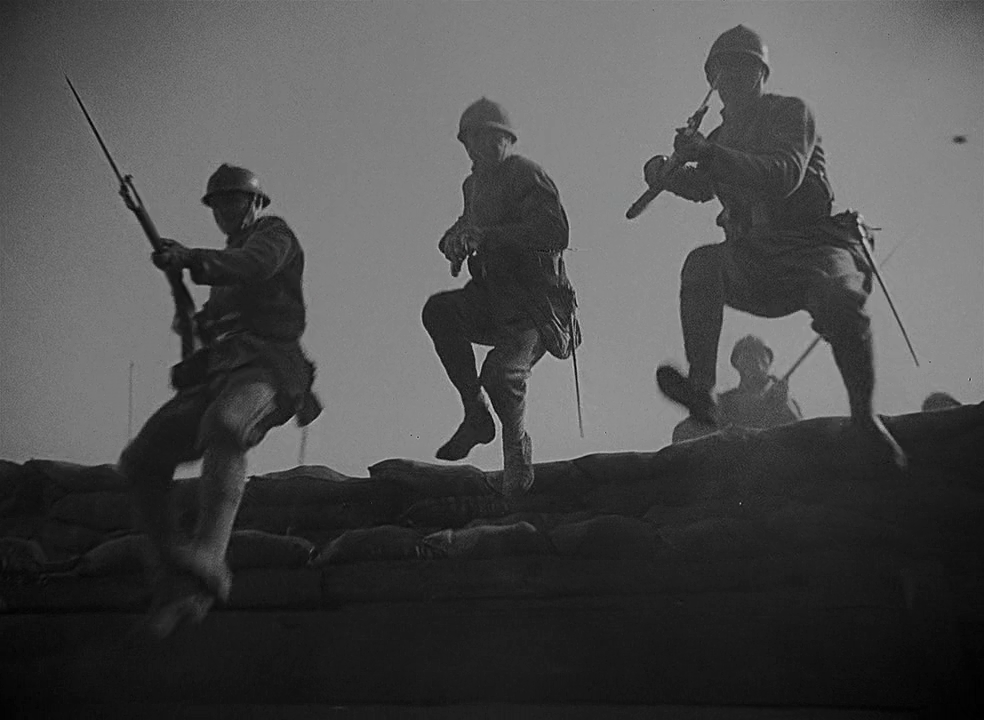
Peary writes that while “the most famous pacifist film is not as grisly as Erich Maria Remarque’s novel,” it “has enough horror and brutality to drive its anti-war theme home a hundred times over”. Influenced by a “rousing pro-militaristic speech by their professor”, a group of impossibly young and naive German teens quickly “discover that war has nothing to do with gallantry, duty, or the right cause” — instead, they “suffer through bombings, gassings, massacres, [and] hand-to-hand conflicts”. Peary argues that while “the dialogue scenes are static”, the “human story is powerful”, with “director Lewis Milestone’s visuals of the battle scenes… still impressive”, “effectively convey[ing] that being a soldier is a terrifying prospect.” Peary concludes his brief GFTFF review by noting “it’s unfortunate that films like this are never made when a war is in progress.”

In Alternate Oscars, Peary agrees with the Academy in naming this the Best Picture of the Year, and elaborates on what makes it so enduringly powerful. He writes that while “the boys enthusiastically enlist en masse, all hoping to be heroes”, “once in uniform, they realize that there is no glamour to war” — “instead, there are dictatorial officers, endless marchs, hunger, fatigue, nostalgia for home, rats in the trenches, mud and rain…” Indeed, there is “no heroism. Instead there is confusion, terror, hysteria, madness, amputations, [and] meaningless deaths. All that matters is survival, and those who survive are either insane, without limbs or sight, or unfit to return to civilization where old men still champion wars.” Most chilling and heart-stopping among many powerful moments is “the battle scene in which Arthur Edeson’s camera pans while charging soldiers are mowed down by machine-gun fire” — a scene “as impressive as it is terrifying”, and which “becomes even scarier when soldiers break through and jump into the trenches for hand-to-hand combat.” As Peary adds, “Significantly, not one shot is heroic or glamorizes war; instead we see how vulnerable all soldiers are and want to close our eyes until the fighting stops.” This almost unbearably impactful film will quickly convince you that war really is hell.

Redeeming Qualities and Moments:

  • Powerful direction by Milestone


  • Arthur Edesen’s cinematography


  • Countless memorable moments

Must See?
Yes, as an enduring classic.

Categories

(Listed in 1001 Movies You Must See Before You Die)

Links:

Queen Christina (1933)

Queen Christina (1933)

“I do not wish to marry, and they cannot make me!”

Synopsis:
The headstrong queen (Greta Garbo) of 17th century Sweden is pressured to marry a prince (Reginald Owen), but falls instead for a handsome Spanish ambassador (John Gilbert). Will she choose loyalty to her position and her country, or her heart?

Genres, Themes, Actors, and Directors:

  • Feminism and Women’s Issues
  • Gender Bending
  • Greta Garbo Films
  • Historical Drama
  • John Gilbert Films
  • Lewis Stone Films
  • Romance
  • Rouben Mamoulian Films
  • Strong Females

Response to Peary’s Review:
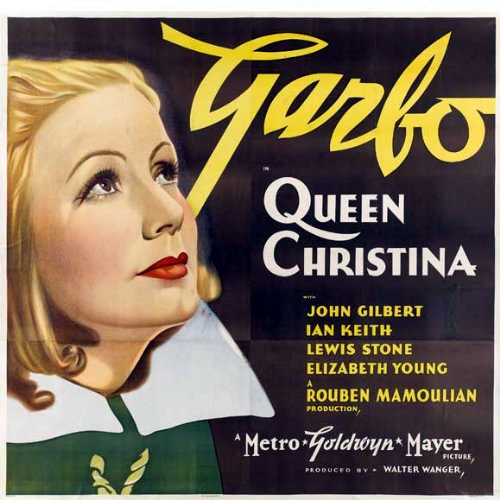
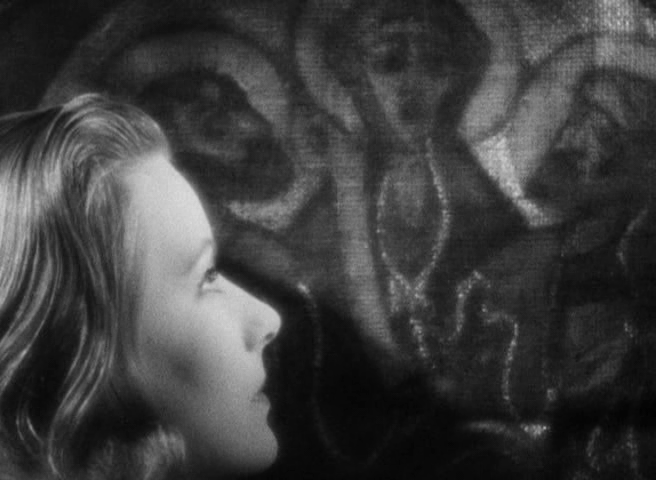
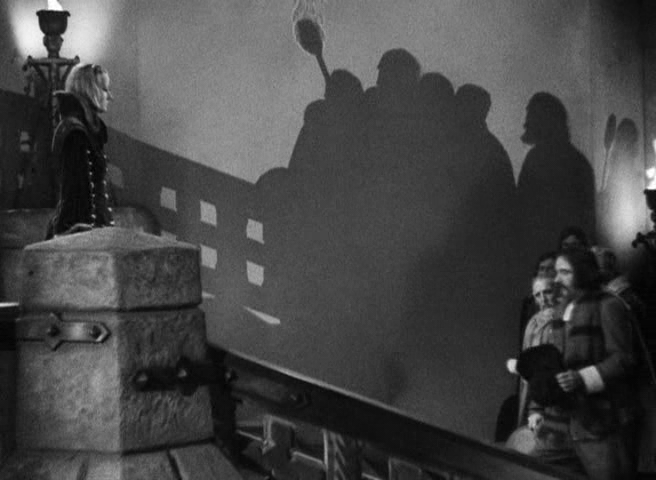
Peary writes that in this “marvelous historical drama”, Greta Garbo gives “her greatest performance” as Queen Christina, “one of the best-written, strongest female characters in cinema history — a leader who steadfastly refuses to crumble under the unmitigated pressures from her powerful male advisors and relies on her distinctly female brain, heart, and instincts to rule well”. He notes that “Garbo glows in the role. Never has she displayed such vitality, intelligence, or passion. (Only in Ninotchka is she as witty.)”, and adds that “the direction by Rouben Mamoulian is exquisite; particularly impressive are his close-ups, including Garbo’s head on the pillow at the inn and the astonishing, lengthy final shot of the star’s beautiful face”. In Alternate Oscars — where he names Garbo Best Actress of the Year — Peary elaborates on her performance, noting that “never did she display such wit, intelligence, energy, or passion in a part; never did she invest so much of herself in a character.” He points out the “many moments to be treasured” throughout the film — including “Christina silently walking around the chamber which she has shared with Don Antonio [Gilbert], memorizing everything with her fingers, eyes, and body”. Indeed, a big part of what makes this film so refreshing is its frank approach to Christina’s sexuality and gender presentation: she wears what she wants to, struts with confidence, mingles with men at will, has a highly sensual affair with Gilbert, and isn’t shy about expressing her bisexual desires back at home in her court. This memorable “biopic” remains well worth a look.

Redeeming Qualities and Moments:

  • Greta Garbo as Queen Christina
  • William Daniels’ cinematography

  • A refreshingly frank pre-Code script

Must See?
Yes, for Garbo’s iconic performance. Nominated as one of the Best Films of the Year in Peary’s Alternate Oscars.

Categories

(Listed in 1001 Movies You Must See Before You Die)

Links:

My Fair Lady (1964)

My Fair Lady (1964)

“What am I fit for? What have you left me fit for?”

Synopsis:
A Cockney flower-girl (Audrey Hepburn) receives phonetics lessons from an arrogant professor (Rex Harrison) who claims he can make her acceptable for “high society”.

Genres, Themes, Actors, and Directors:

  • Audrey Hepburn Films
  • Battle-of-the–Sexes
  • Character Arc
  • Class Relations
  • Cross-Class Romance
  • George Cukor Films
  • Mentors
  • Musicals
  • Play Adaptations
  • Rex Harrison Films

Response to Peary’s Review:
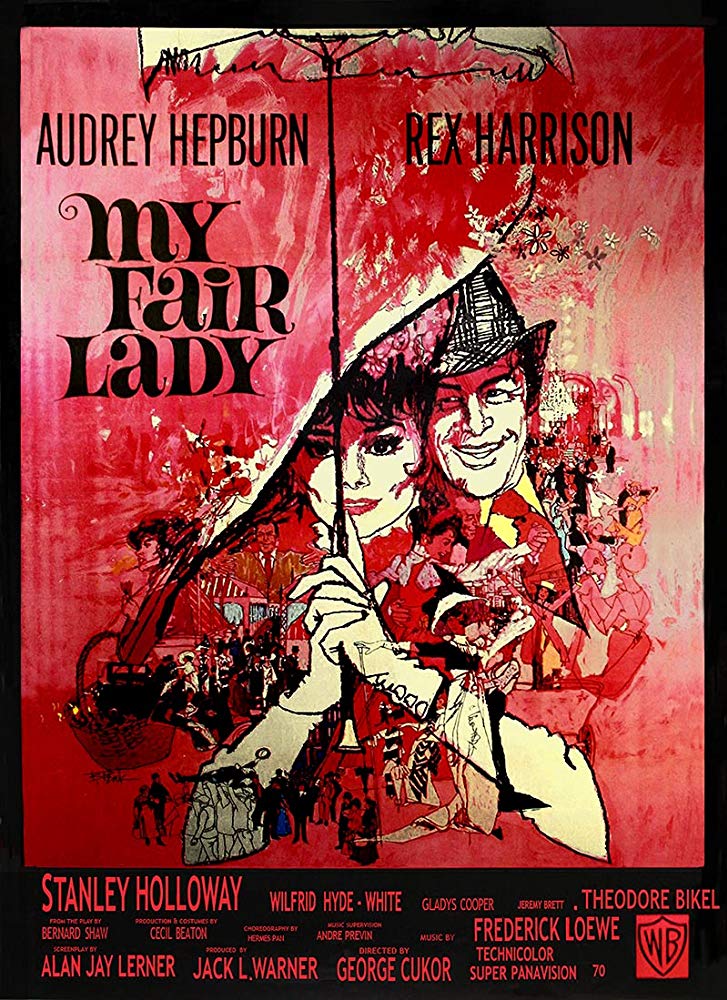
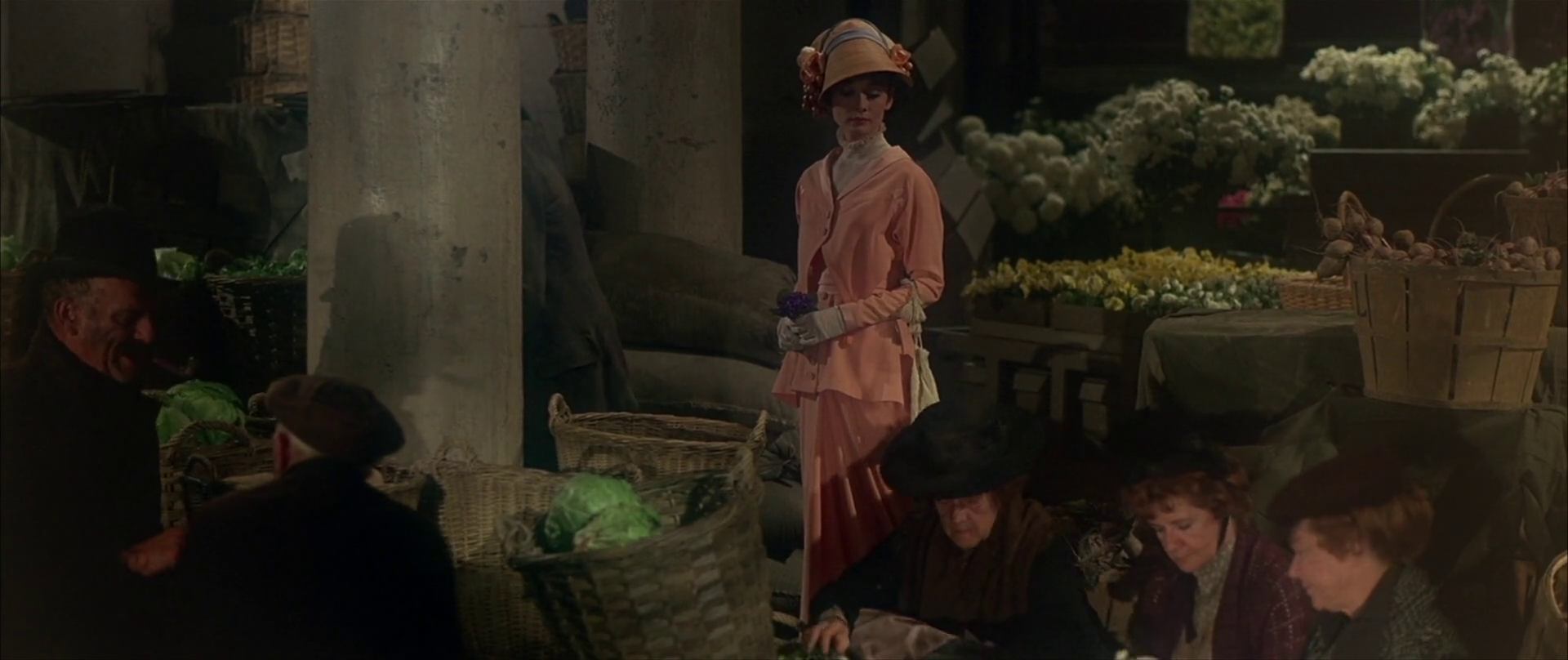
Peary notes that this “film version of Lerner and Loewe’s musical adaptation of [George Bernard] Shaw’s Pygmalian … copped eight Oscars, including Best Picture, Best Actor, and Best Director”, but he argues that “seeing it today is extremely disappointing” — and I agree. As Peary writes, “Even the best songs have become… tiresome” and “the musical numbers are the film’s major problem” due to both terrible “postproduction dubbing” and lack of “any large production numbers”. Peary further argues that director George Cukor “wrongly chose to keep scenes intact from the stage version, losing what potential the cinema has for heightening the theatrical experience”. Even more problematic are the ill-conceived lead characters: as Peary writes, “Shaw was known for creating strong, intelligent women characters, and Cukor was known for directing similar women in his films. Then why does Hepburn’s Eliza come across as such a pushover, happy to give up her freedom for life with a dull man who has treated her badly?”

Peary’s assessment is spot-on. However, while he argues in Alternate Oscars that “Harrison was the best thing about My Fair Lady,” I disagree: Harrison’s lack of any singing range whatsoever beggars belief about his casting, and while his chauvanistic characterization may (sadly) be true-to-life, he’s so unlikable he fails to elicit any sympathy. Hepburn’s transformation, meanwhile, doesn’t ring true in the slightest: she’s initially a shrewish nag, yet once her lessons with Harrison are done, she’s become someone entirely different. Yes, I know that “transformation” is the entire point of the play — but we should be seeing more hints poking through of her prior mannerisms than merely some Cockney grammar slip-ups. Worst of all, of course, is that we most certainly do NOT want Hepburn to fall for Harrison, yet we know this is what the story is leading us towards. The lesson is all wrong; this film has dated terribly, if it ever somehow managed to ring true.

Redeeming Qualities and Moments:

  • Lovely cinematography
  • Fine costumes and sets

Must See?
No, though most film fanatics will be curious to check it out for its historical relevance as an Oscar winner.

(Listed in 1001 Movies You Must See Before You Die)

Links:

Grand Hotel (1932)

Grand Hotel (1932)

“I’d like to take you in my arms, and not let anything happen to you — ever.”

Synopsis:
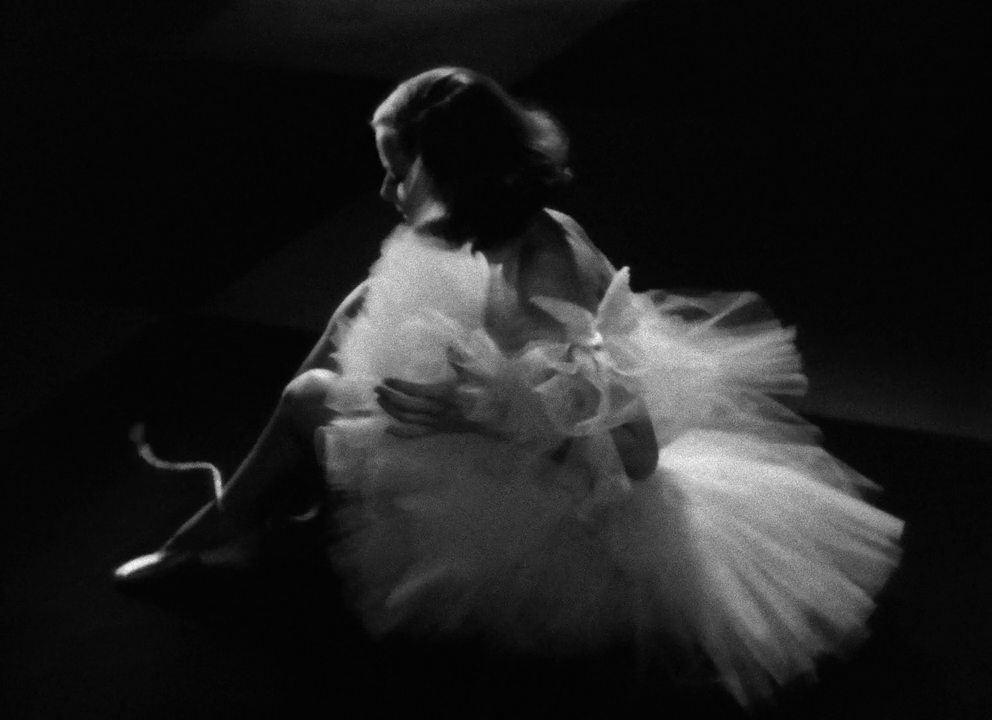
In a ritzy Berlin hotel, a down-on-his-luck thief (John Barrymore) falls in love with a lonely ballerina (Greta Garbo) whose pearls he originally intended to steal. Meanwhile, a plucky secretary (Joan Crawford) accepts work with a womanizing businessman (Wallace Beery), and a dying man (Lionel Barrymore) spends his final dollars and days living it up in the hotel.

Genres, Themes, Actors, and Directors:

  • Character Arc
  • Do-Gooders
  • Edmund Goulding Films
  • Ensemble Cast
  • Greta Garbo Films
  • Joan Crawford Films
  • John Barrymore Films
  • Lewis Stone Films
  • Lionel Barrymore Films
  • Play Adaptation
  • Romance
  • Thieves and Criminals
  • Wallace Beery Films

Response to Peary’s Review:
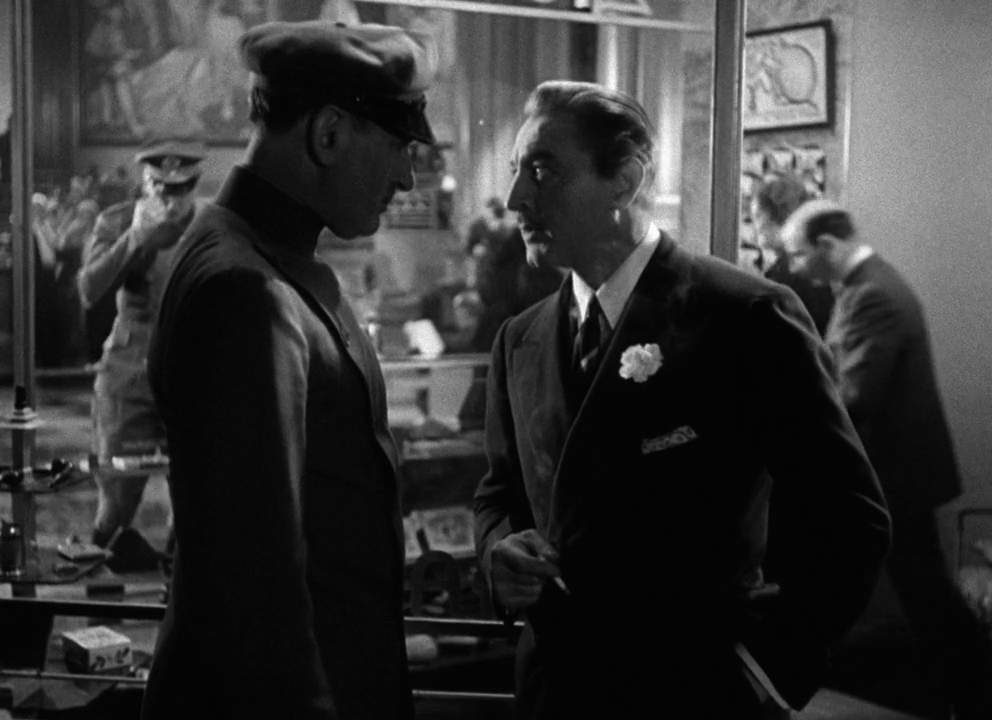
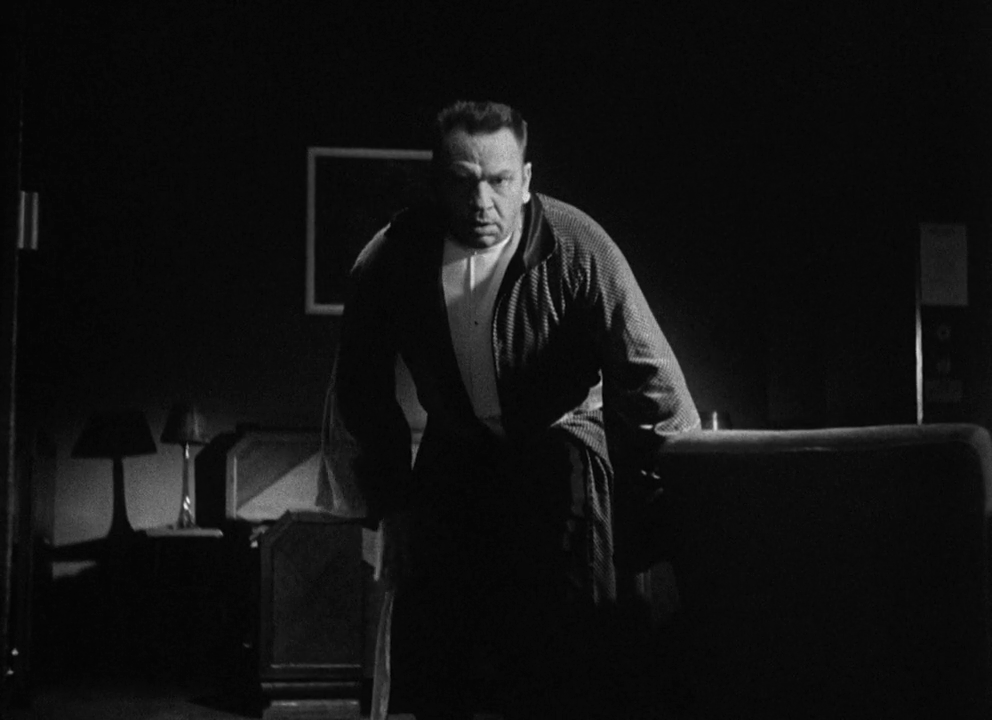
Peary writes that this “M-G-M classic, a Best Picture winner” — which he argues should more accurately be referred to as “Heartbreak Hotel” — is “erratically acted by the male stars, but Garbo and especially Crawford, who was never more appealing, glow — as Hollywood stars once did.” Other than noting that “Crawford’s scene with Lionel Barrymore is bizarre” (?), he doesn’t have much to say about this flick in GFTFF — though he does discuss it in more detail in his Alternate Oscars, where he votes for Scarface (1932) as the best movie of the year instead. He notes that Grand Hotel is “pretty hokey stuff to be sure”, but adds that while “Lionel’s character grates on [his] nerves and Beery struggles with a German accent”, “just watching Garbo, Crawford, and John Barrymore interact on screen is quite exciting.”

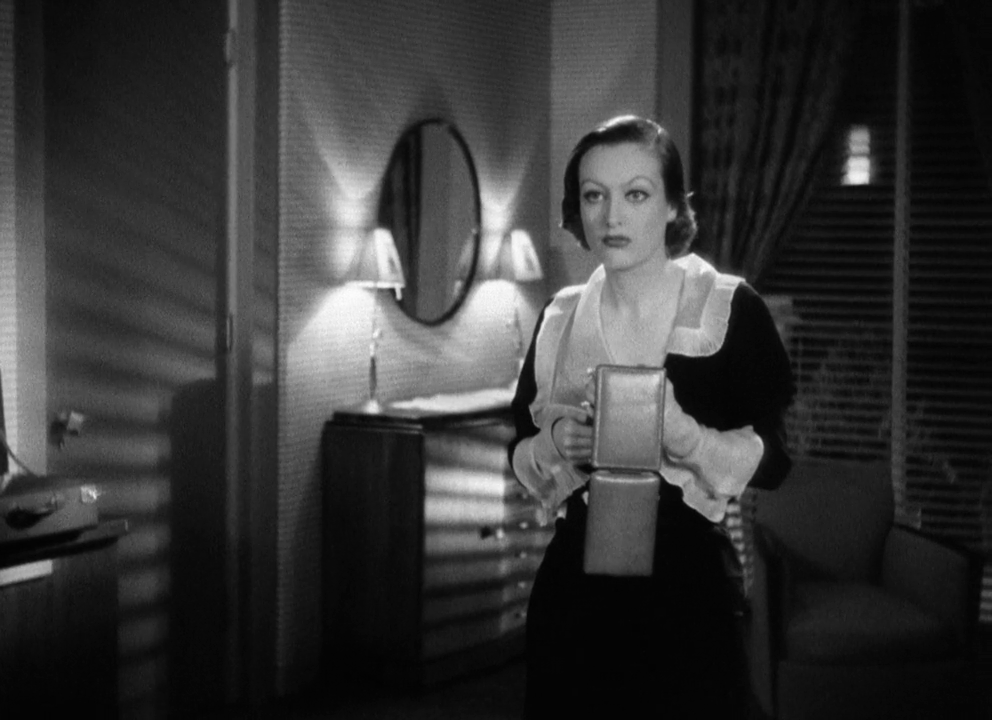
Indeed, the storyline of a “thief who gives something to people [and thus] cannot survive” (“it’s John Barrymore who helps Garbo, Lionel Barrymore, and Crawford overcome their self-pitying depression”) is an intriguing one. It’s engaging watching the ripple effect of Barrymore’s sudden burst of love and compassion for Garbo carrying out across so many individuals: the moral of this story is a powerful one, and the ending is satisfying. I’m less a fan of top-billed Garbo’s melodramatic performance (“I want to be alone!”) than Crawford’s; indeed, this was one of Crawford’s best early roles, and the pre-Code script allows us no-holds-barred access to understanding the sexual compromises women sometimes make for their careers. It’s interesting to know that, according to TCM’s article, Crawford was “afraid she would be lost among the film’s high-powered stars and also worried that her character’s best scenes would be cut by the censors”; she needn’t have worried, as her charisma shines through.

Peary agrees, naming her Best Actress of the Year in Alternate Oscars for her role as Flaemmchen, “a poor, ambitious, free-lance stenographer who picks up needed money by sleeping with her employers”. He notes that while “Crawford was already a major star when she made Grand Hotel,” this “was the picture that proved she could hold her own with the movie elite and be taken seriously as a dramatic actress.” He adds that “as with her earlier characters, there is a softness under Flaemmchen’s tough, wise-to-the-ways-of-men-and-life exterior”, noting that while he likes “most of Crawford’s early film roles”, this “is her first performance that isn’t erratic. In her movements, her sexy hip-out stance, her line readings, and her expressions, Crawford had never been more natural [or] more honest” and “real feelings come through.” He concludes his essay by noting that “Crawford is extremely sexy, with youthful energy, huge eyes, and sensual backward glances, a posed slim and angular body” — but “there is something much more than sexual magnetism at work”: “what makes Crawford so memorable… is her star quality.”

Redeeming Qualities and Moments:

  • Joan Crawford as Flaemmchen
  • John Barrymore as the Baron
  • Fine cinematography

  • Cedric Gibbons’ set design

Must See?
Yes, as a still-enjoyable Pre-Code ensemble drama, and for Crawford’s noteworthy performance.

Categories

Links:

Private Benjamin (1980)

Private Benjamin (1980)

“I think they sent me to the wrong place.”

Synopsis:
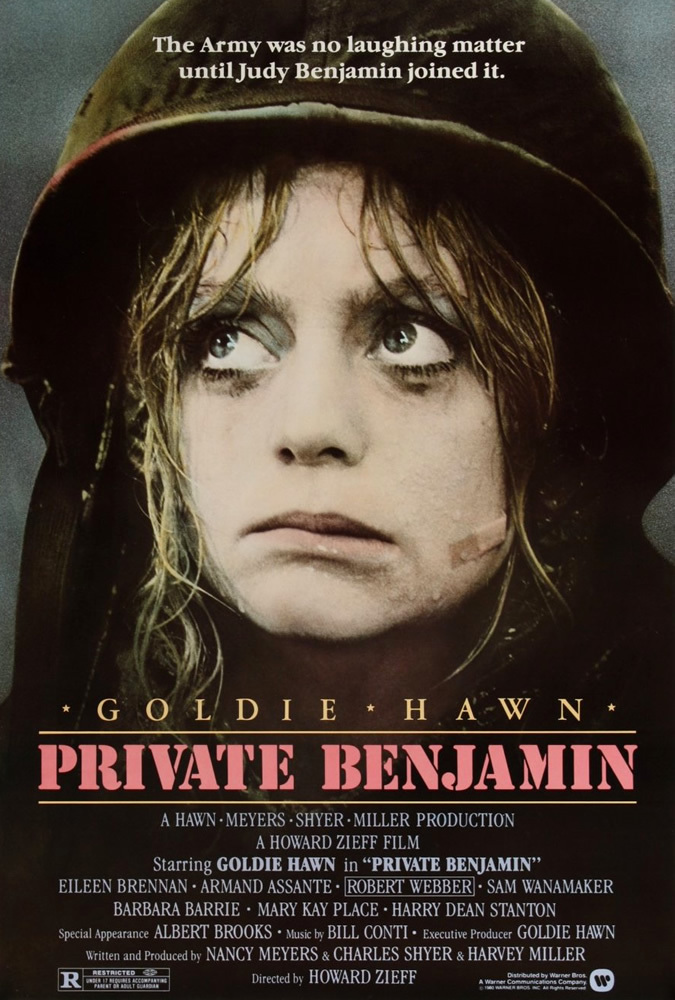
A young widow (Goldie Hawn) whose husband (Albert Brooks) died on their wedding night listens to advice from a military recruiter (Harry Dean Stanton) on the radio and decides to turn her life around by joining the army. After initial shock and some ribbing by a hard-driving commander (Eileen Brennan), Hawn becomes a dedicated, self-sufficient soldier — but when she meets a handsome doctor (Armand Assante), she must choose between love and a career.

Genres, Themes, Actors, and Directors:

  • Albert Brooks Films
  • Career-versus-Marriage
  • Character Arc
  • Comedy
  • Feminism and Women’s Issues
  • Goldie Hawn Films
  • Harry Dean Stanton Films
  • Military
  • Strong Females
  • Widows and Widowers

Response to Peary’s Review:
Peary writes that “in this popular comedy Goldie Hawn is at her most appealing as a Jewish princess from Philadelphia who… actually believes the [army] recruiter’s… promises of single rooms, yachts, [and] the easy life.” He notes that while she “gets more than she bargained for” during basic training, “the army also gets more than it bargained for”, and Hawn “becomes a good soldier” — at which point “the film becomes too conventional”. He writes that:

“Significantly, the army isn’t depicted as a character builder (as in An Officer and a Gentleman). Instead the fussy, childlike Judy, whose previous life had been completely orchestrated by men, evolves into a confident, strong, independent-minded woman in spite of the army, which is represented by less than noble characters: the recruiter who lies to her, the captain (Eileen Brennan) who tries to break her, the colonel (Robert Webber) who tries to rape her, the officer who will discharge her unless she breaks off with Assante. Judy may be sweet, gullible, and vulnerable, but… like all Hawn’s best characters, she has enough intelligence/shrewdness and perseverance to triumph over those in positions of power who try to take advantage of her and yank her in one wrong direction or another.”

Peary’s points about Hawn’s character are all true enough, but I wasn’t sufficiently invested in Hawn — someone whose self-professed life dream since the age of eight was “a big house, nice clothes, two closets, a live-in maid, and a professional man for a husband” — to care very much about her outcome. Sure, it’s great that she eventually moves past these childish dreams into something more realistic and self-proficient — but unlike, say, Working Girl (1988), this feels more like a feel-good message film (specific to a certain era) than an enduring classic.

Redeeming Qualities and Moments:

  • Goldie Hawn as Judy Benjamin

Must See?
No, but Hawn fans will of course want to check it out.

Links:

Blob, The (1958)

Blob, The (1958)

“I don’t know what this is — but it’s got to be killed before it gets any bigger!”

Synopsis:
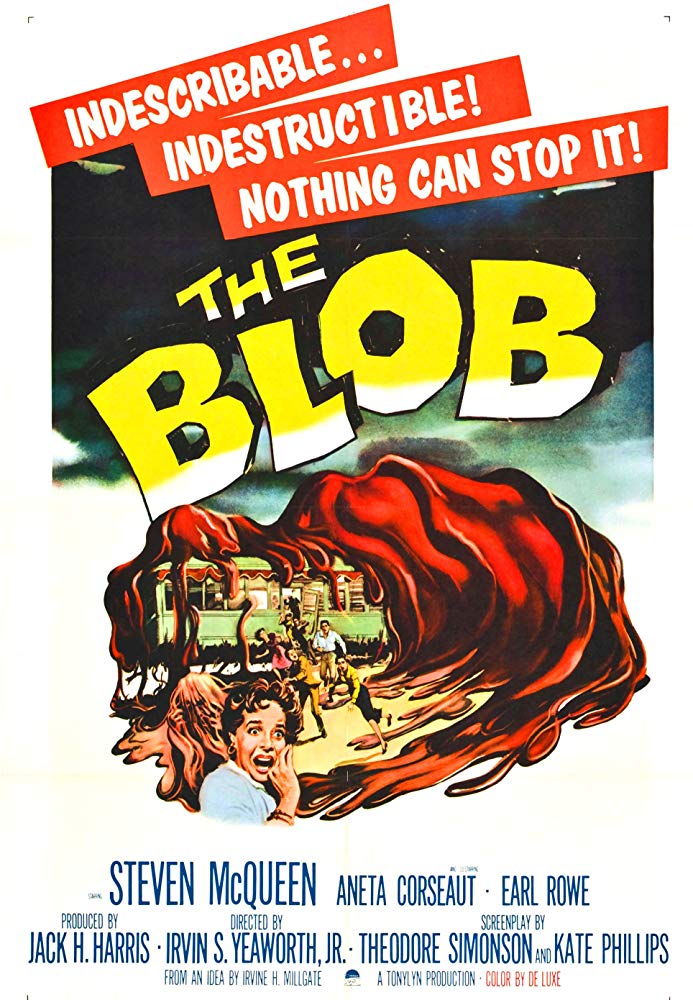
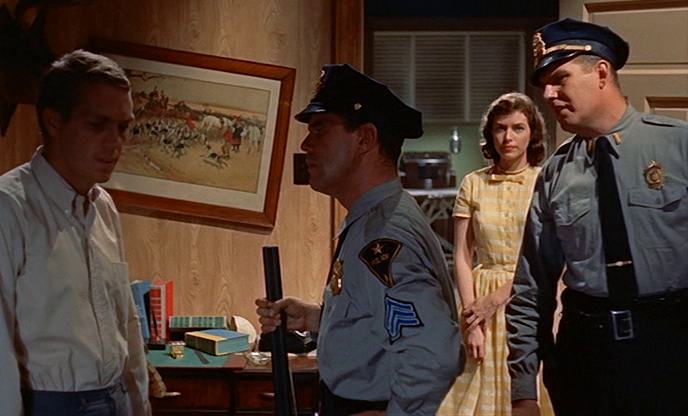
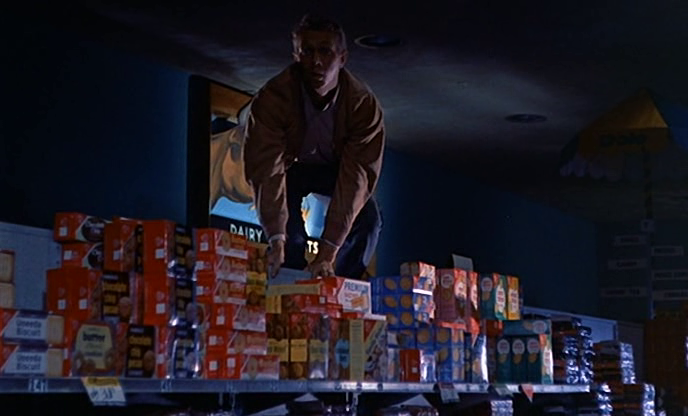
When a dating couple (Steve McQueen and Aneta Corsaut) encounter an elderly man (Olin Howland) whose arm is covered with a gooey substance, they seek assistance from a local doctor (Steven Chase) and his nurse (Lee Payton), who are soon trapped by the all-encompassing blob, too. The town’s police — including Lt. Dave (Earl Rowe) and Office Jim Bert (John Benson) — are unsure whether the blob is real or simply a scheme by local teens to fool the cops; can McQueen convince authorities to take this issue seriously, before the entire town is engulfed in viscous red gunk?

Genres, Themes, Actors, and Directors:

  • Mutant Monsters
  • “No One Believes Me!”
  • Science Fiction
  • Small Town America
  • Steve McQueen Films
  • Teenagers

Response to Peary’s Review:
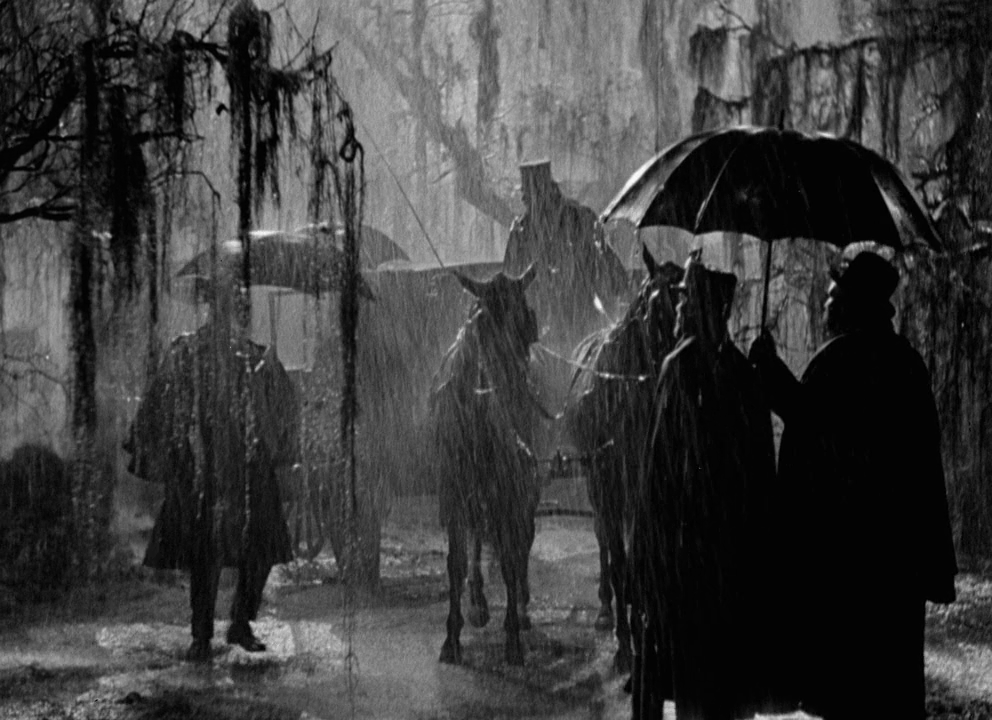
Peary’s incredibly short review of this “low-budget sci-fi film” by Irvin S. Yeaworth, Jr. — “once a drive-in favorite” — gives no indication that it would one day merit the full “Criterion treatment”, with restoration and commentaries provided. He does write that it’s “still fun” and “one of the few films of the fifties that was totally on the side of the teenagers”, though he adds the “creepy first half… loses momentum and becomes stilted until the rousing conclusion.” I’m not a huge fan of this slowly paced (perhaps deliberately so?) thriller, which seems to be trying to address too many audiences and themes at once in its mash-up of juvenile delinquent films with young romance and a mysterious alien presence. DVD Savant has a slightly different take, noting that “the story captures the slow pace of rural life, interrupted by something extraordinary.” Regardless of whether the blob represents something profoundly catastrophic or simply a laughable nuisance, this flick is worth a one-time look for its notoriety.

Redeeming Qualities and Moments:

  • Colorful and atmospheric cinematography


Must See?
Yes, once, simply for its historic relevance.

Categories

Links:

Scarlet Empress, The (1934)

Scarlet Empress, The (1934)

“It must be cold — at night.”

Synopsis:
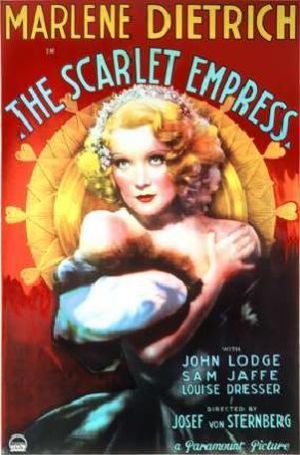
A naive German princess (Marlene Dietrich) is sent to marry the “cruel, cowardly half-wit” nephew (Sam Jaffe) of the Russian empress (Louise Dressler), and charged with producing a male heir — which she does, though not by Jaffe, who she can’t stand. When Dressler’s health begins to fail, Jaffe dreams of being with his lover (Ruthelma Stevens) and having absolute power over the nation and his wife — but Catherine, now much more self-confident, has other plans.

Genres, Themes, Actors, and Directors:

  • Character Arc
  • Historical Drama
  • Josef von Sternberg Films
  • Marlene Dietrich Films
  • Royalty and Nobility
  • Russia
  • Sam Jaffe Films
  • Strong Females

Response to Peary’s Review:
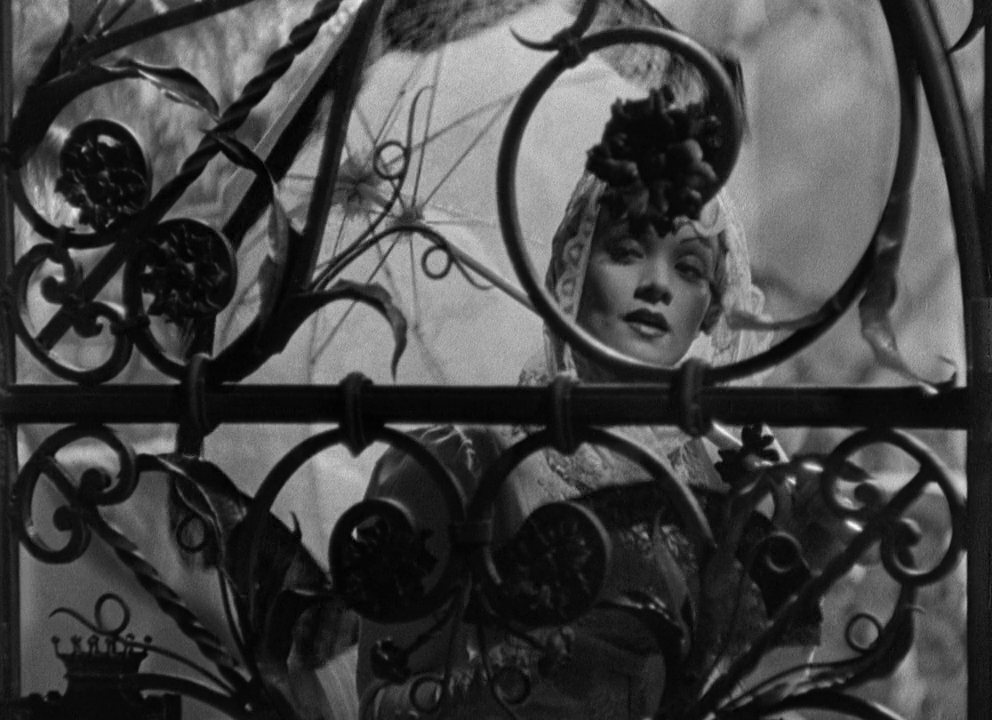
Peary writes that “Josef von Sternberg’s astonishing, self-described ‘relentless excursion into style’ is the most idiosyncratic of his seven Marlene Dietrich films, and one of the most bizarre films ever to emerge from a Hollywood studio.” He notes that “Sternberg was one of the few directors to recognize and explore the link between sexual politics and political power”: “the film is about a woman who rejects her fate and through self-determination achieves self-preservation”. He adds that while Dietrich’s “whole life has been spent following the life’s course others set out for her”, “once she dutifully gives birth to a male heir… she is through being pushed around and goes on the offensive to realize her personal ambitions, using what she acknowledges to be her own ‘special’ weapons”. The first half of the film shows “Dietrich as she has never been in a Sternberg film, without her absolute control, sense of irony, air of superiority, mystery, or indifference” — but by the second half, “suddenly, thank goodness, Dietrich is back, living by her wits, her own code and logic, manipulating men who once thought they were controlling her.”

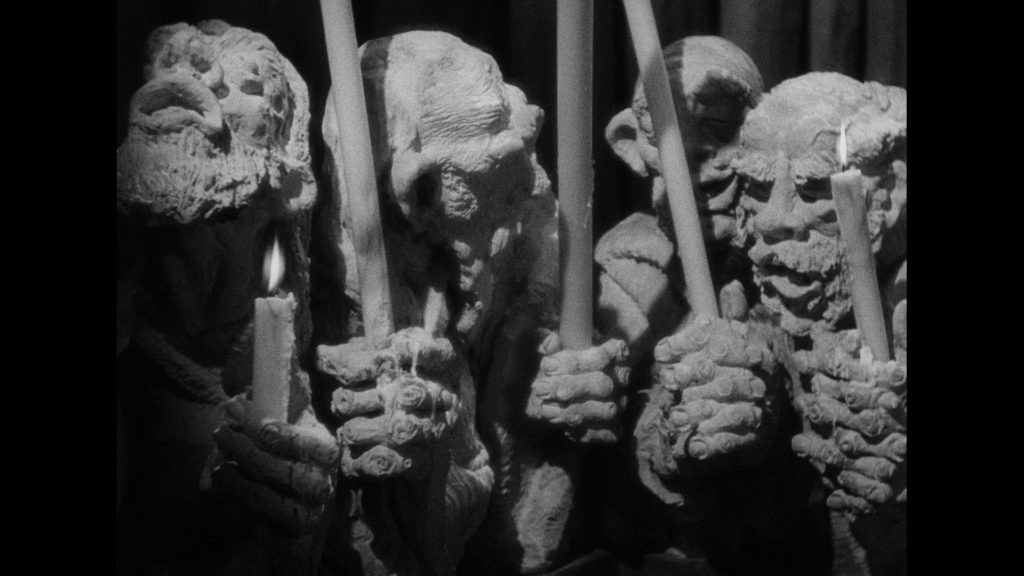
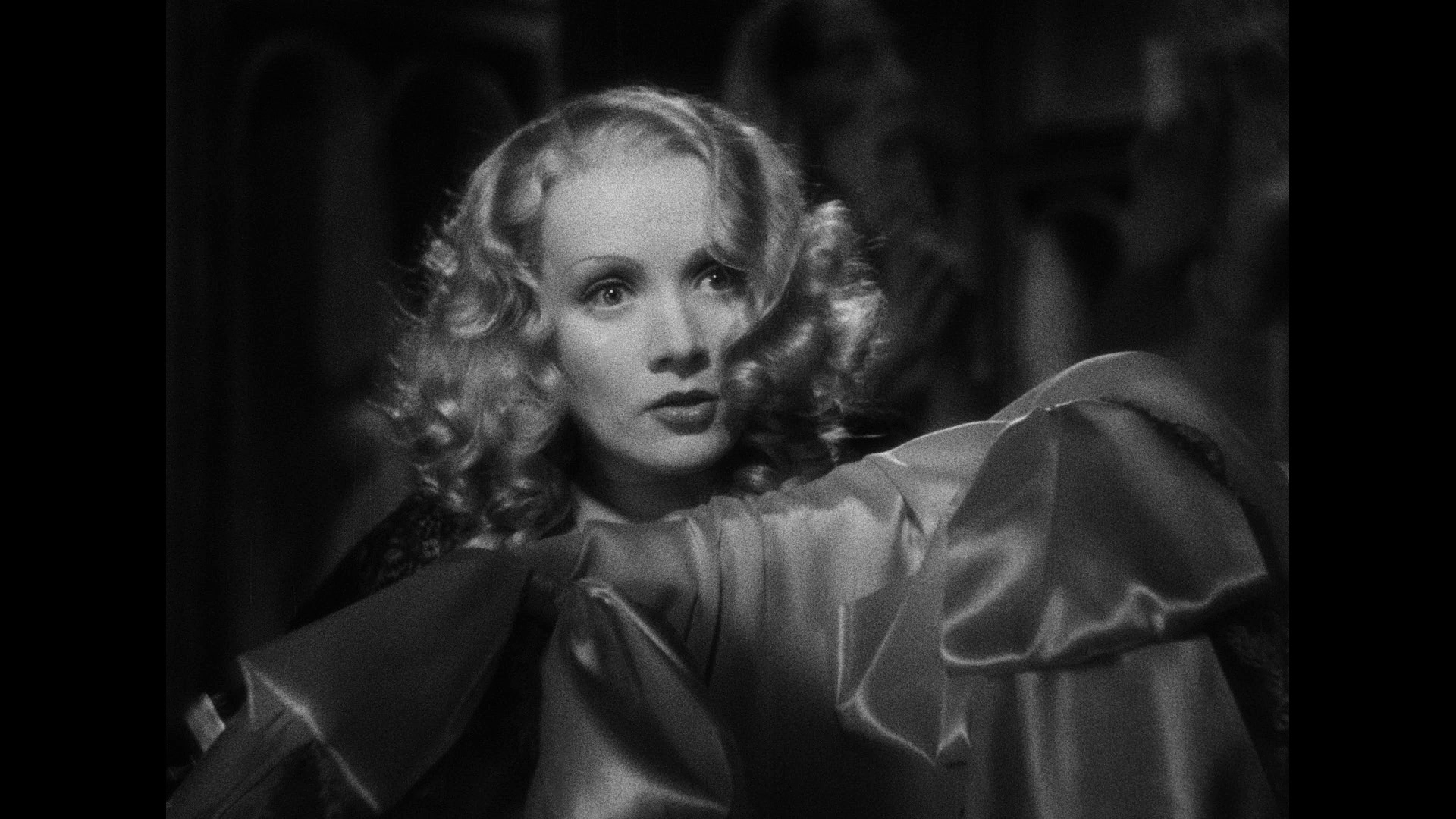
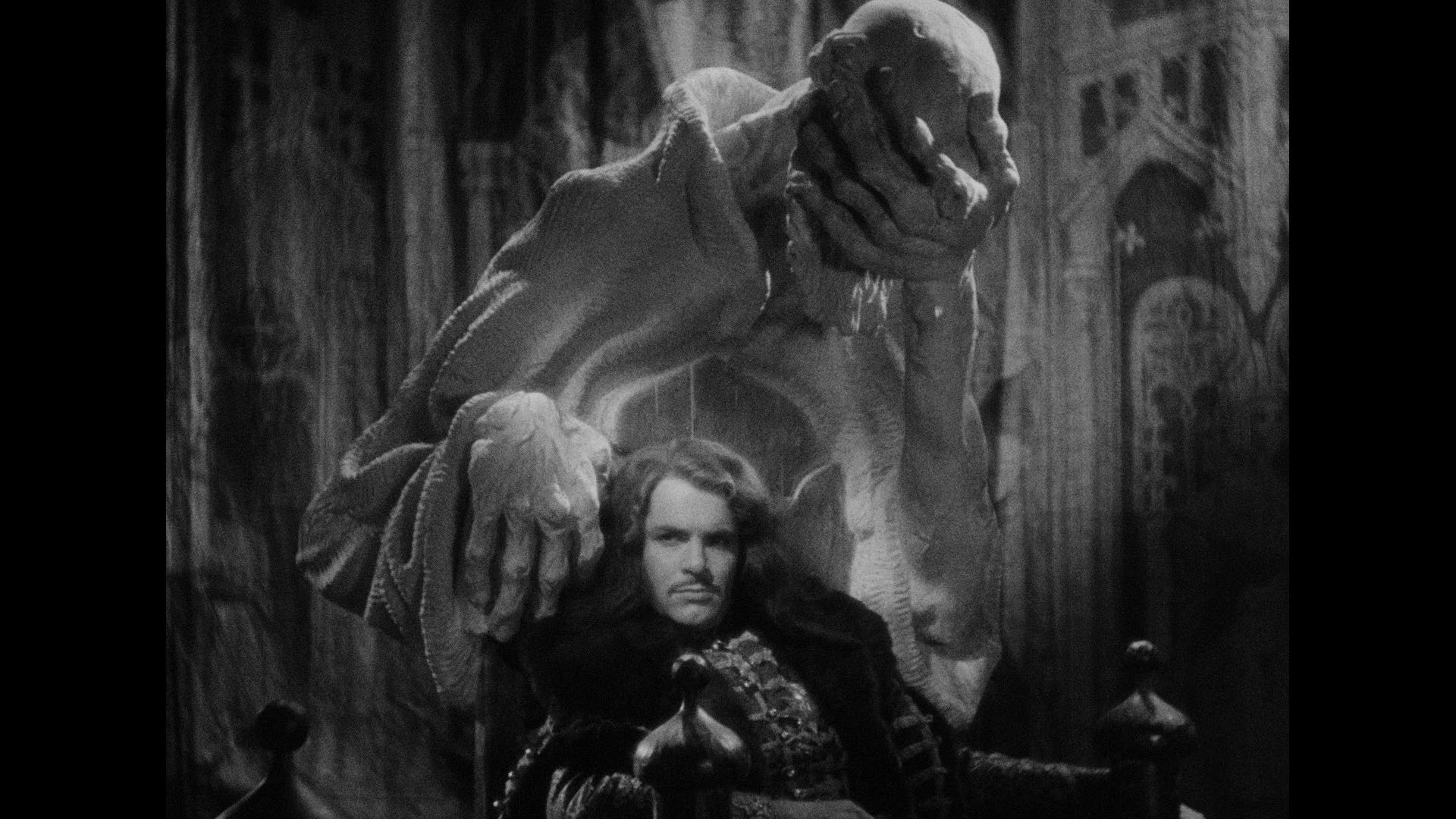
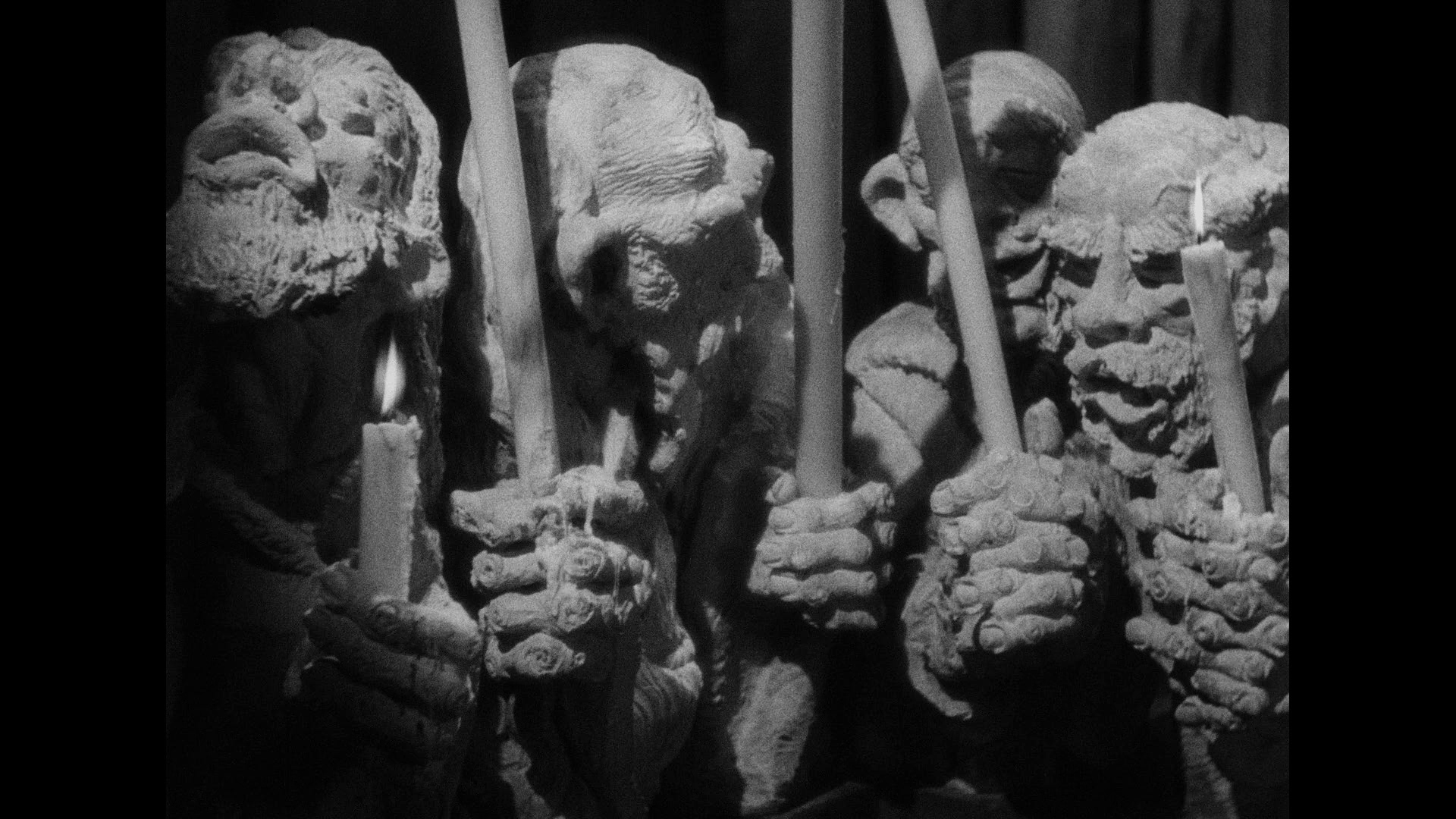
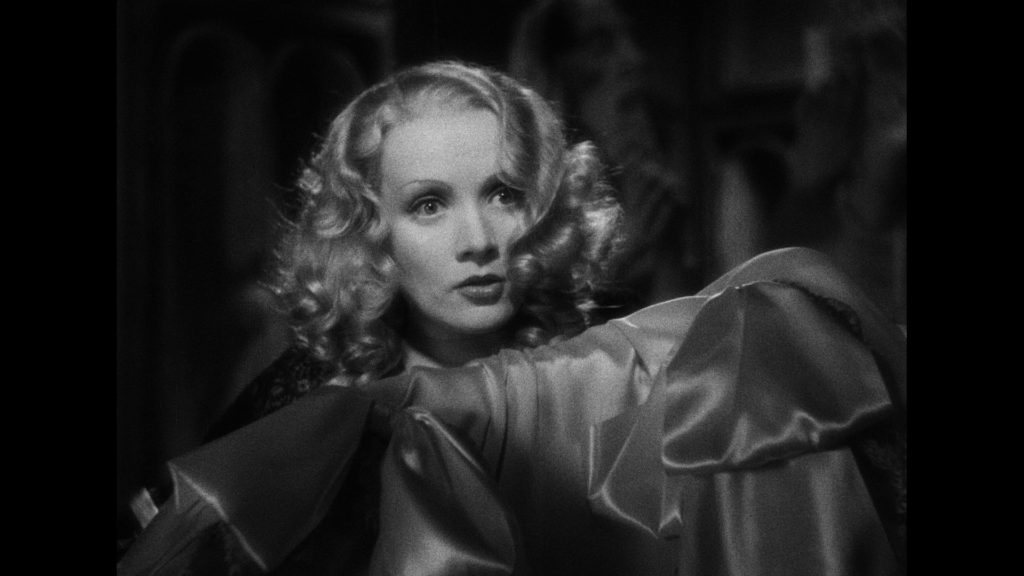
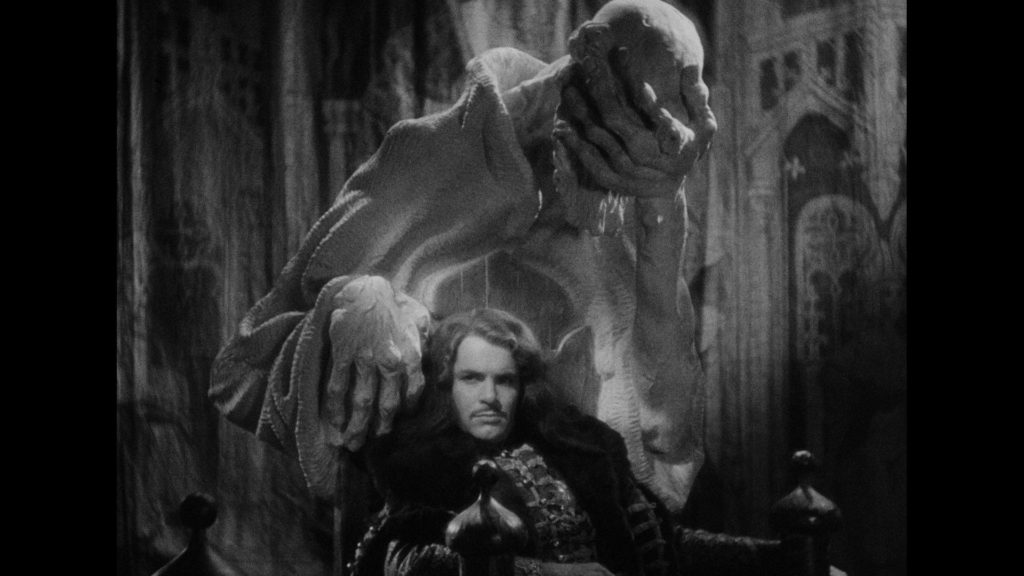
Peary goes on to write that “visually, the film is dazzling, the most imaginative American film of the sound era prior to Citizen Kane” — and while Sternberg apparently liked to claim full auteurship over his films and not give appropriate credit, he did work “closely with Paramount’s costume designer, Travis Banton; with imported Swiss artist Peter Balbusch, Hans Dreier, and Richard Kollorsz on the incredle Byzantine sets (which were meant to be ‘recreations’ of the Russian court); and with cinematographer Bert Glennon on his masterly composed images”. As DVD Savant writes in his review, “There is hardly a close-up of a character that doesn’t share the frame with a giant gnarled hand or twisted wooden face. It’s as if the drama were being played out amid a castle crowded with petrified ancestors.” Peary adds that most of “the film’s most memorable scenes have no dialogue, just music and sounds effects to heighten the impact of the extraordinary images: the wedding ceremony; the wedding banquet; and the sweeping finale”. He ends his GFTFF review by asserting that “Sternberg’s greatest, most perverse film has still not received its due”.

To that end, in Alternate Oscars, Peary names this “bizarre film — some would say berserk” — Best Movie of the Year. In this review, he highlights Dietrich’s performance, noting she’s “perfect as Catherine; she is fearless, sardonic, indifferent, playful, ambitious, and as naughtily flirtatious as Mae West”, turning from a “naughty innocent — ripe for seduction” into a “shrewd libertine, and then in her triumph, a monster who relishes both her power and the means by which she obtained it”.

He adds that while she “may be crazed”, we “forgive her, if only because she’s still preferable to Peter” (played by Jaffe, who is “ideal as the demented ruler”).
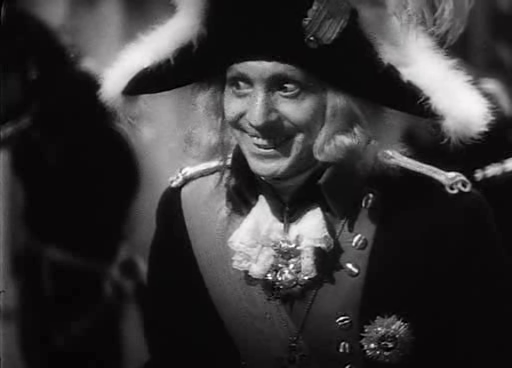
Peary writes even more about the film in his first Cult Movies book, where he notes that it “stimulates the senses with provocative sexual imagery, often of a perverse nature; breathtaking montages of barbaric torture, some nightmarish, some realistic; mammoth palace chambers, heatless and sparsely furnished, with heavy, fifteen-foot-high doors that groups of nameless scurrying ladies of the court struggle to open, and large, weirdly sculpted gargoyles, saints, faces, and bodies twisted into attitudes of great suffering; [and] an eighteenth-century Russian court full of oddball characters one would more expect to find in Alice’s Wonderland.” It’s all truly unlike anything you’ve ever seen, and well worth at least a one-time visit.

Redeeming Qualities and Moments:

  • Marlene Dietrich as the Empress Catherine
  • Bert Glennon’s cinematography
  • Consistently mesmerizing sets and costumes
Must See?
Yes, as an entirely unique cult classic.

Categories

  • Cult Movie
  • Important Director

Links:

Devil is a Woman, The (1935)

Devil is a Woman, The (1935)

“That woman has ice where others have a heart.”

Synopsis:
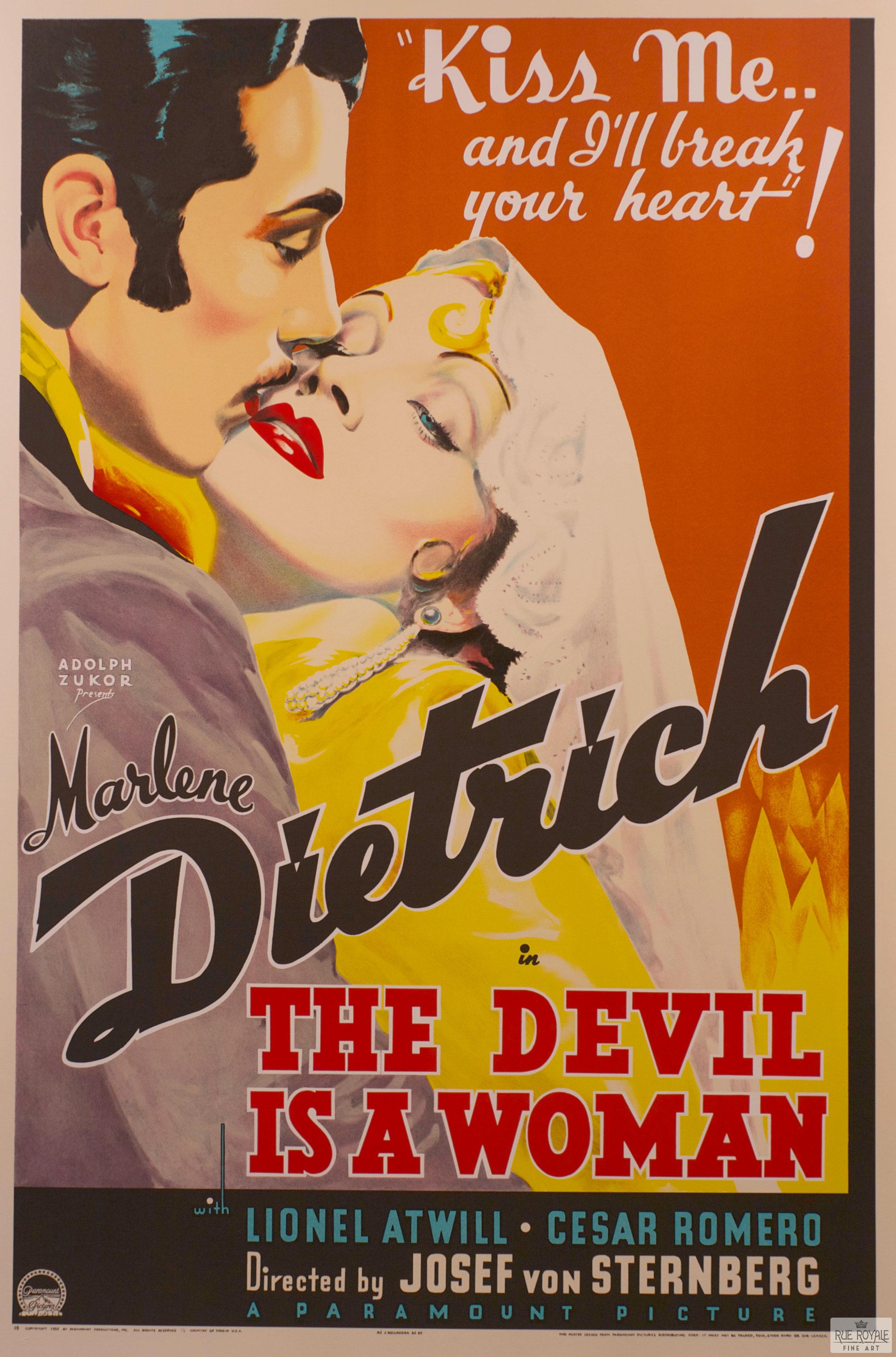
A seductive cigarette factory worker (Marlene Dietrich) captures the heart of a captain (Lionel Atwill), who tries to warn his young friend (Cesar Romero) that Concha (Dietrich) will break his heart as well — but neither man can resist her lure.

Genres, Themes, Actors, and Directors:

  • Cesar Romero Films
  • Femmes Fatales
  • Flashback Films
  • Josef von Sternberg Films
  • Lionel Atwill Films
  • Love Triangle
  • Marlene Dietrich Films
  • Obsessive Love

Response to Peary’s Review:
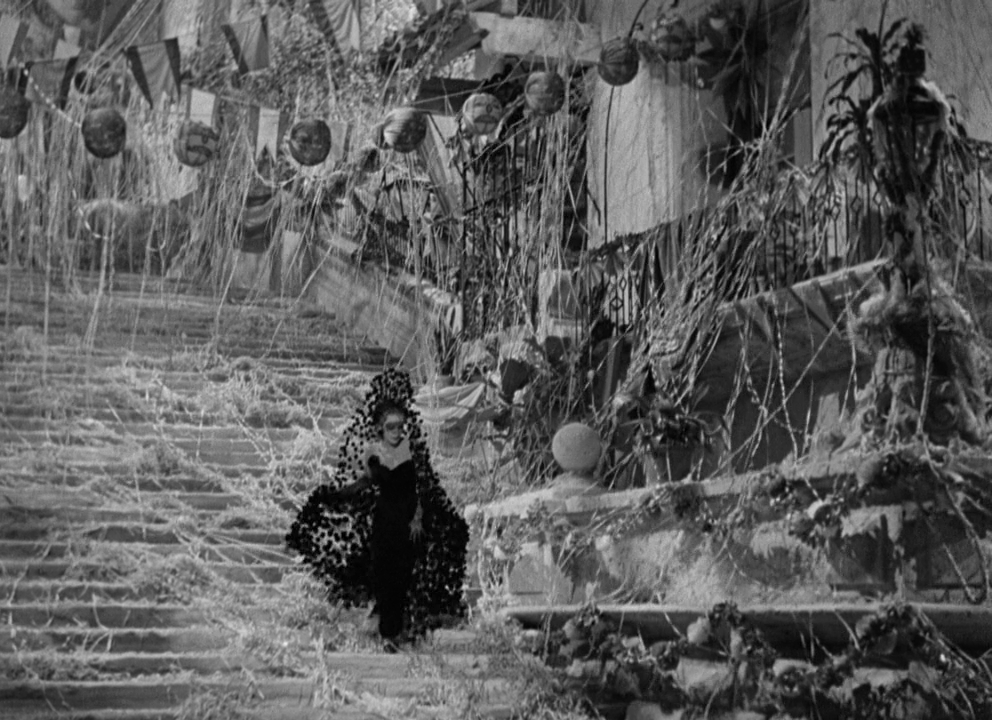
Peary writes that this “last and least of Marlene Dietrich’s films with Josef von Sternberg” — after The Blue Angel (1930) Morocco (1930), Dishonored (1931), Shanghai Express (1932), Blonde Venus (1932), and The Scarlet Empress (1934) — “is set at the turn of the century in a small Spanish town at carnival time (which allows von Sternberg to have fun with costumes and art direction).” He asserts that the “picture suffers from looking too studio-bound and from Sternberg’s decision to let Dietrich play her role with tongue firmly in cheek… giving the impression that all those on both sides of the camera (except the ultra-serious Atwill) were too casual about the film they were making.” I’m equally tepid about this film, which is gorgeous but lacking a plot substantial enough to care about; there isn’t much fun to be had in watching gold-digging Dietrich callously seduce the men around her, or the men themselves being destroyed.

Redeeming Qualities and Moments:

  • Ornate sets and costumes

  • Effectively stark cinematography (by von Sternberg and uncredited Lucien Ballard)

Must See?
No; you can skip this one.

Links:

Help! (1965)

Help! (1965)

“We’re risking our lives to preserve a useless member.”

Synopsis:
With help from his beautiful assistant (Eleanor Bron), an eastern cult leader (Leo McKern) attempts to capture a musician (Ringo Starr) wearing a special ring needed to complete a human sacrifice — but the stubbornly magical ring refuses to come off Ringo’s finger. Soon Ringo and his bandmates are also pursued by a pair of fanatical scientists (Victor Spinetti) and Roy Kinnear) hoping to obtain the ring, and the other Beatles begin to question whether Ringo’s finger is worth the hassle.

Genres, Themes, Actors, and Directors:

  • Beatles Films
  • Comedy
  • Cults
  • Musicals
  • Richard Lester Films
  • Ringo Starr Films

Response to Peary’s Review:
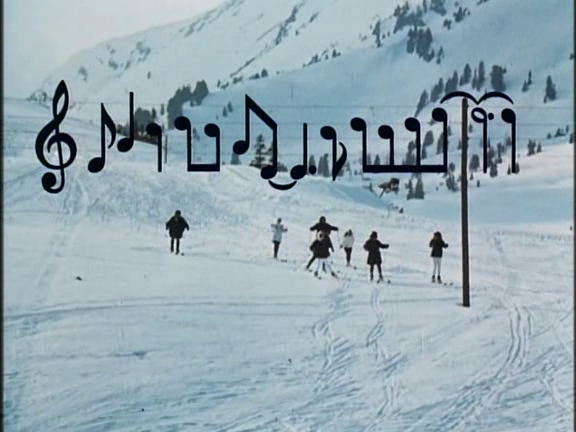
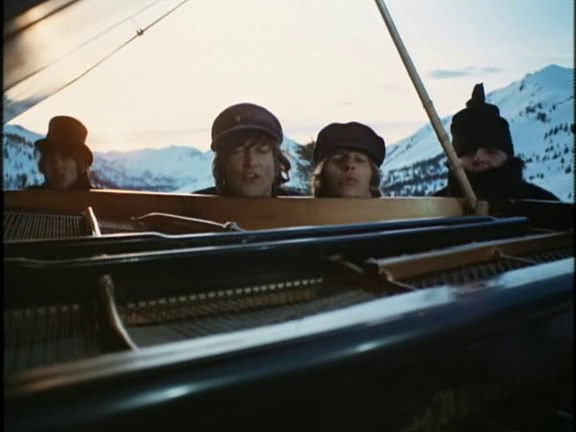
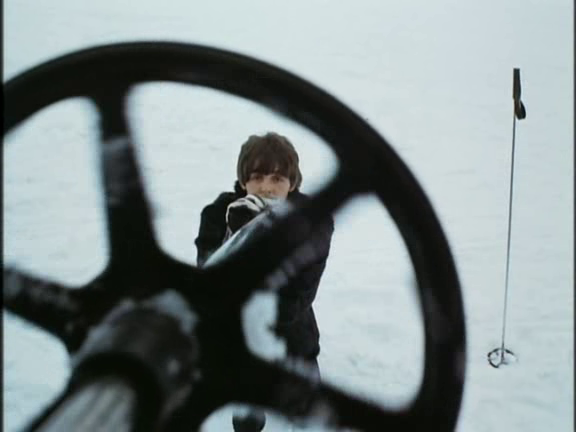
Peary writes that the Beatles’ second film is “full of funny sight gags… and one-liners (‘He’s out to rule the world… if he can get a government grant’)”, noting that the “film mixes James Bond adventure, surrealism (a Beatle even becomes miniaturized at one point), and loopy comedy (much of the slapstick variety).” He asserts that “Richard Lester’s direction is even more outrageous than it was for A Hard Day’s Night,” and writes that the “picture is a lot of fun” but he wishes “it provided more insight into the individual Beatles — in fact, it’s just as impersonal as Yellow Submarine. Unfortunately, the world we see has nothing to do with the Beatles’ real world.” He accurately notes that the “best moments are when they sing: ‘Help!’, ‘You’ve Got to Hide Your Love Away’, ‘I Need You’, and ‘You’re Gonna Lose That Girl'”; and he points out that “the staging of numbers, particularly those set outside, is effective” — with “the ‘Ticket to Ride’ sequence”, showing “the boys frolicking in the snow”, particularly suited to making “a great video”.

I’m not nearly as taken with this follow-up film as Peary is; it’s clearly meant to build on the enormous cult success of A Hard Day’s Night but most of the magic is gone (despite — or perhaps because of — attempts to insert literal magic into the proceedings). The plot seems silly simply for the sake of silliness, and the boys’ later admission to being stoned through most of the filming shows: they look loopy and slightly dazed rather than jubilant. The exception, as noted above, are their musical performances — I do love all the creativity put into filming “Ticket to Ride” in the snow, including the presence of musical notes on the screen at one point (apparently added to cover up power lines in the footage). Paul’s brief miniaturization — reminiscent, of course, of The Incredible Shrinking Man (1957) — is nicely handled as well, though one wishes he did more than just flail around in an ashtray with orange soda.

Redeeming Qualities and Moments:

  • David Watkins’ creative cinematography

  • Several fun outdoor-musical sequences (particularly “Ticket To Ride” in the snowy Alps)

Must See?
No; only Beatles fans need see this one.

Links:

Hard Day’s Night, A (1964)

Hard Day’s Night, A (1964)

“Now look, I’ve had a marvelous idea: just for once, let’s all try to behave like ordinary, respectable citizens.”

Synopsis:
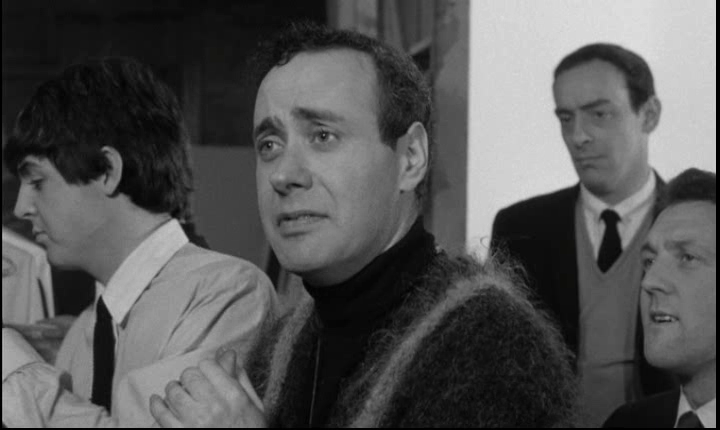
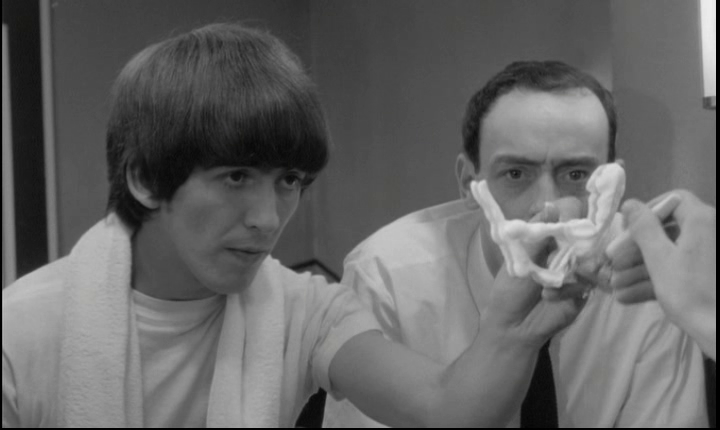
The Beatles (George Harrison, John Lennon, Paul McCartney, and Ringo Starr) travel by train to a televised concert, accompanied by Paul’s mischievous grandfather (Wilfrid Brambell) and hoards of adoring young fans. When the band’s managers, Norm (Norman Rossington) and Shake (John Junkin), urge Ringo to get out of his shell and explore the town, he begins a series of adventures — but will he make it back in time for the live performance before the director’s (Victor Spinetti’s) nerves are shot?

Genres, Themes, Actors, and Directors:

  • Beatles Films
  • Comedy
  • Musicals
  • Musicians
  • Richard Lester Films
  • Ringo Starr Films
  • Rock ‘n Roll

Response to Peary’s Review:
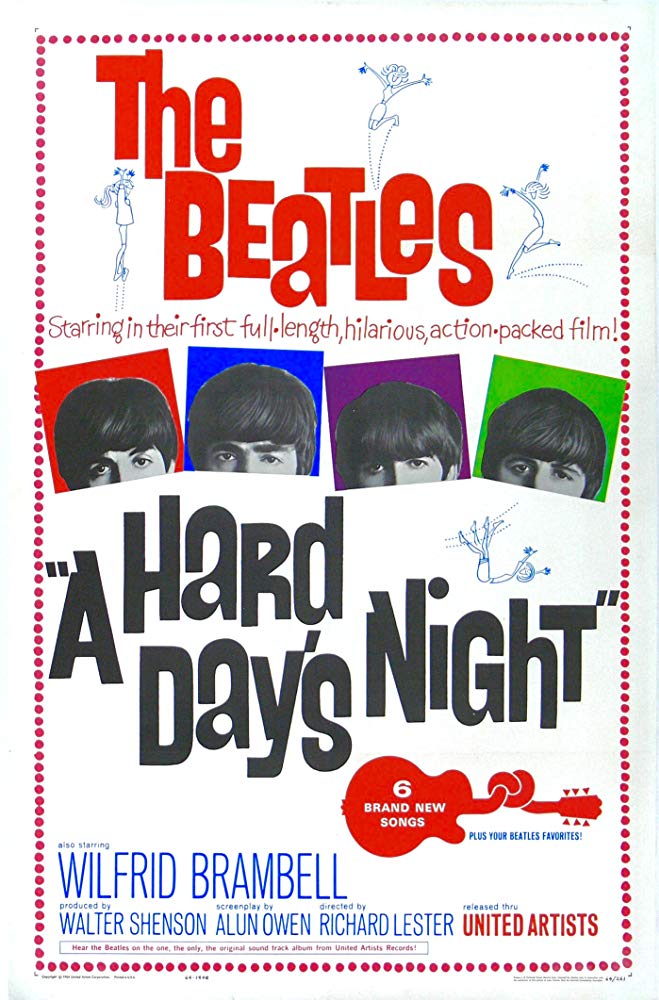
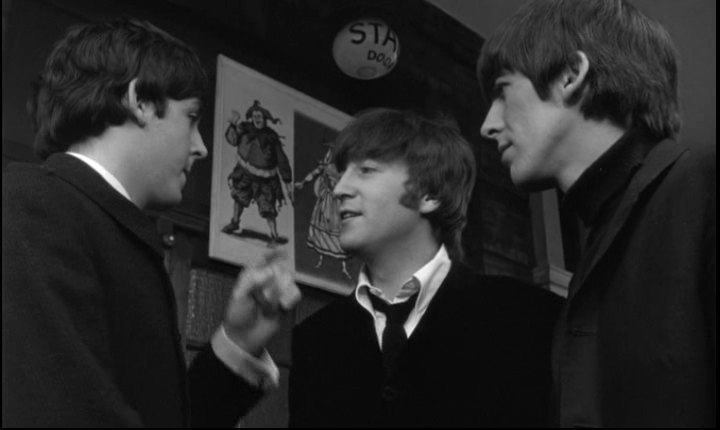
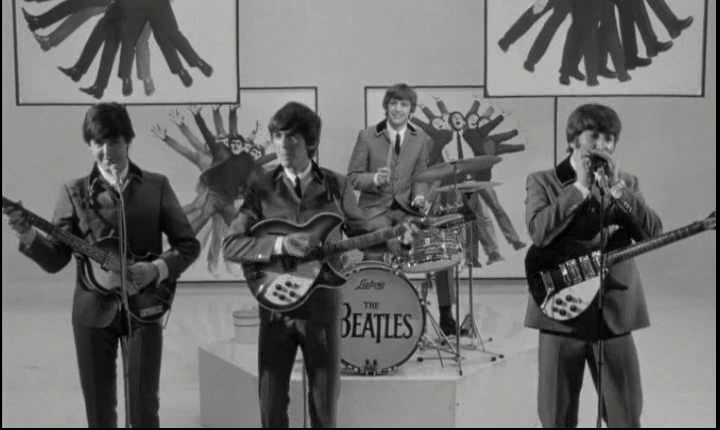
Peary accurately writes that this “treasure” by Richard Lester — giving an “impressionistic cinematic chronicle of a ‘typical’ 24 hours in the hectic lives of the Beatles” — is “a wonderful comedic-musical showcase for the talented foursome at its peak”. He notes that “the film’s infectious anarchical quality — as personified by the Beatles — was the result of Lester’s decision to combine his own style, as developed in live television and commercials, with the multifarious styles of filmmakers he admired” — including “Fellini, [Busby] Berkeley, Antonioni, Sennett, Chaplin, [and] Keaton”. He writes, “One scene will be abstract, the next absurd, the next realistic; [Lester] moves from fantasy to cinema verite” with “moments of slapstick, parody, satire, [and] outright silliness”. He credits “Alun Owen’s imaginative, semi-plotless script, full of non-sequiturs” as “the perfect vehicle for Lester’s mad method”.

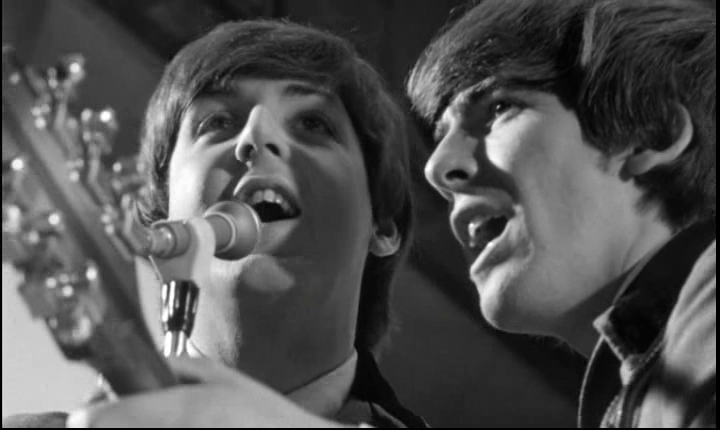
This cult classic does indeed remain a “treasure”, for all the reasons outlined in Peary’s review (he goes into further detail in his Cult Movies essay). As Peary notes, the film nicely shows that despite the boys’ silliness and “vices”, they “are neither lazy nor irresponsible”; while they’re not presented as “heroic or wise figures”, “they’re to be admired… because of their professional attitude toward their music.” Importantly, they “like their fans, though the adoration befuddles them” — and “their loyalty to one another has less to do with friendship than with each being aware that only three other people in the world know what they’re going through as the only sane people in a Beatles-crazy world… Over and over again, when the pressures of living in a fishbowl get them down, they pick up their instruments and, quickly, they’re smiling again”, singing classics such as “I Should Have Known Better”, “If I Fell”, “And I Love Her”, “I’m Happy Just to Dance With You”, “Tell Me Why”, and “She Loves You”.

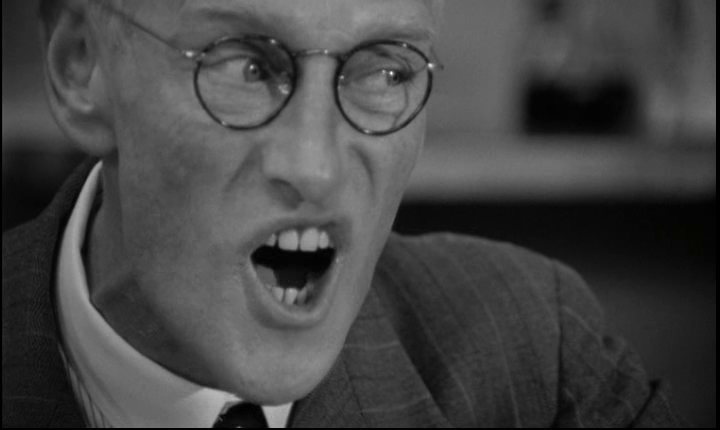
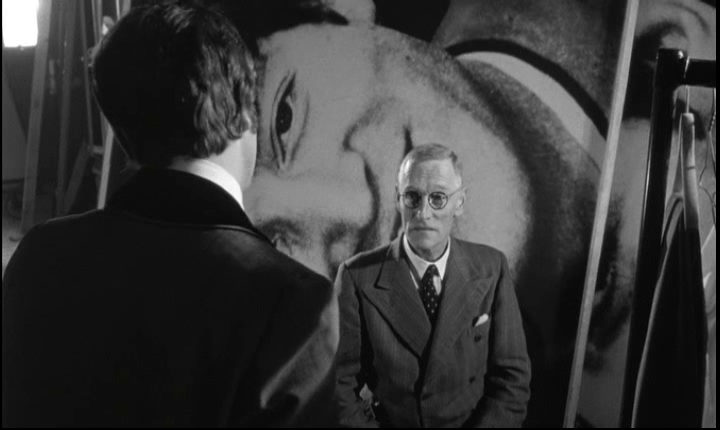
There are numerous elements to enjoy about A Hard Day’s Night, and countless memorable scenes; as Roger Ebert noted, this movie “has not aged and is not dated; it stands outside its time, its genre and even rock. It is one of the great life-affirming landmarks of the movies.” The young Beatles’ infectious enthusiasm for life and music — those smiles! — is the biggest draw by far, but I also love the sly supporting performances (particularly by Brambell and Spinetti); the “mod” sets; the consistently creative camera moves and angles; and the wonderful subplot provided to “poor Ringo”, who gets to be the star for once in his career. Also classic, of course, are the many shots of screaming fans, both those running tirelessly after the Beatles wherever they go, and those attending the concert; I especially appreciated noting this time around how many male fans are in the audience. (Phil Collins — who narrated an engaging 1995 documentary about the making of the film entitled You Can’t Do That! — points out he was an audience member himself.)

Redeeming Qualities and Moments:

  • Infectiously fun and natural performances by all four of the Beatles

  • Fine supporting roles

  • Countless memorable songs and moments


  • Creative set designs

  • The closing credits

Must See?
Yes, as an enduring cult classic. Nominated as one of the Best Movies of the Year in Peary’s Alternate Oscars.

Categories

  • Cult Movie
  • Genuine Classic

(Listed in 1001 Movies You Must See Before You Die)

Links: