Browsed by
Category: Response Reviews

My comments on Peary’s reviews in Guide for the Film Fanatic (Simon & Schuster, 1986).

Honeymoon Killers, The (1970)

Honeymoon Killers, The (1970)

“No woman’s going to support me!”

Synopsis:
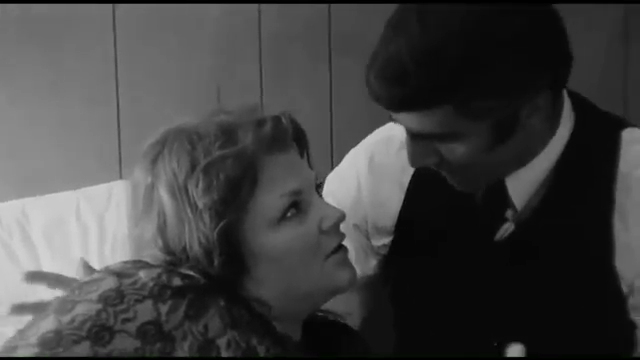
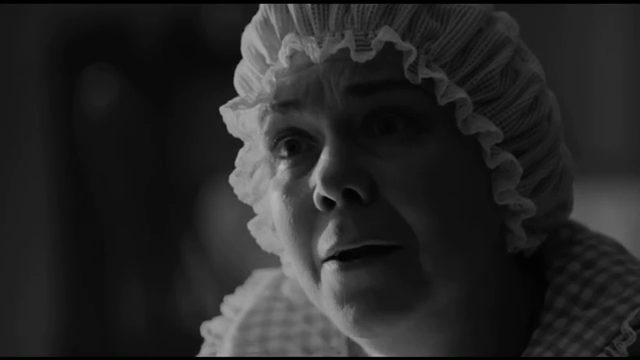
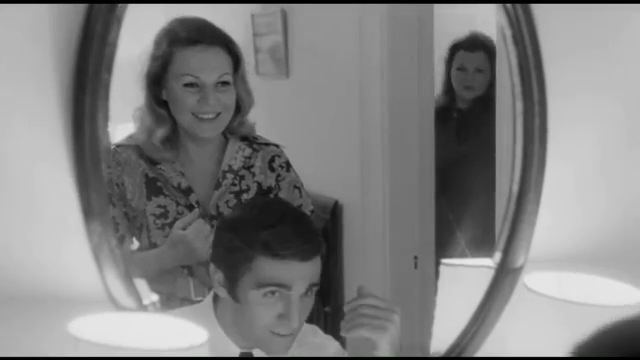
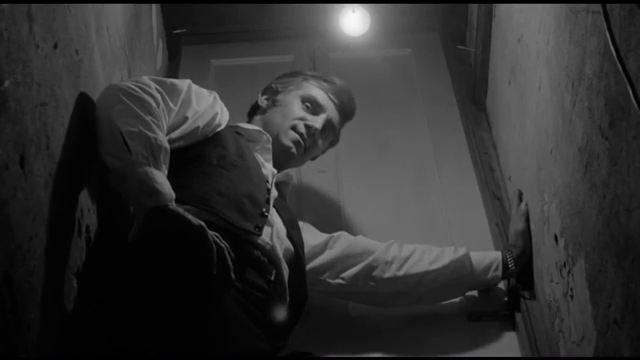
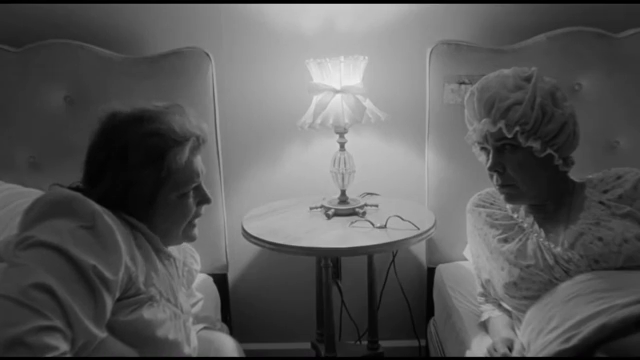
An overweight nurse (Shirley Stoler) falls in love with a gigolo (Tony Lo Bianco) she meets through a Lonely Hearts club, and soon begins posing as his sister on trips to bilk lonely women — but how long can they get away with their scheme, especially when it turns murderous and Stoler’s jealousy is provoked?

Genres, Themes, Actors, and Directors:

  • Black Comedy
  • Criminal Couple On the Run
  • Homicidal Spouses
  • Newlyweds
  • Serial Killers

Response to Peary’s Review:
Peary writes that this “unusual, violent sleeper is [both] a chilling reenactment of the grisly ‘Lonely Hearts’ murders that drew national attention in the late forties”, and a “fascinating, semi-comical examination of the true-life delirious romance between an ill-tempered, sexually frustrated 200-pound nurse named Martha Beck (well played by Shirley Stoler, who resembles her) and her speciously charming and handsome but not-so-smart Spanish lover, gigolo Ray Fernandez (a marvelous performance by Tony Lo Bianco).” He notes that the “film is cleverly scripted; has several odd yet interesting characters; probes America’s pathetic ‘lonely hearts’ subculture; and is one of the few ‘criminal couple-on-the-run’ movies that neither romanticizes the crimes (the murders are extremely shocking) nor glamorizes the criminals.” He points out that “director-writer Leonard Kastle was more interested in the relationship between the jealous Beck (who pretended to be Fernandez’s sister) and her unfaithful lover than in their crimes, but while he believed their love for each other was their one redeeming quality, it was not enough to fully redeem them after their murders.”

Peary argues that while “the direction by newcomer Kastle… is amateurish at times”, it “is quite innovative when it counts”: he “uses the camera skillfully so that we are aware of settings and spatial relationships”, such as creating “a sense of claustrophobia by placing Lo Bianco, his new romantic conquest, and huge Stoler in a tiny space so that they drive each other crazy.” Kastle gives his actors “free reign to create broad characters”, resulting in “several strong performances” — and he “uses the music of Gustav Mahler effectively, at times to counterpoint the triviality of what is happening on the screen.” Peary elaborates on all aspects of his praise for (and analysis of) this film in his first Cult Movies book, making it clear that “one-hit-wonder” Kastle was quite the polymath talent. It’s too bad for film fanatics that he never made another movie — music (opera in particular) was his first love — but in the meantime, we can appreciate (while shuddering in horror) the gruesome real-life “opera” he puts on for us here.

Redeeming Qualities and Moments:

  • Tony Lo Bianco as Ray
  • Shirley Stoler as Martha
  • Strong supporting performances

  • Oliver Wood’s cinematography


Must See?
Yes, as a true cult classic.

Categories

  • Cult Movie

Links:

Yentl (1983)

Yentl (1983)

“Why is it people who want the truth never believe it when they hear it?”

Synopsis:
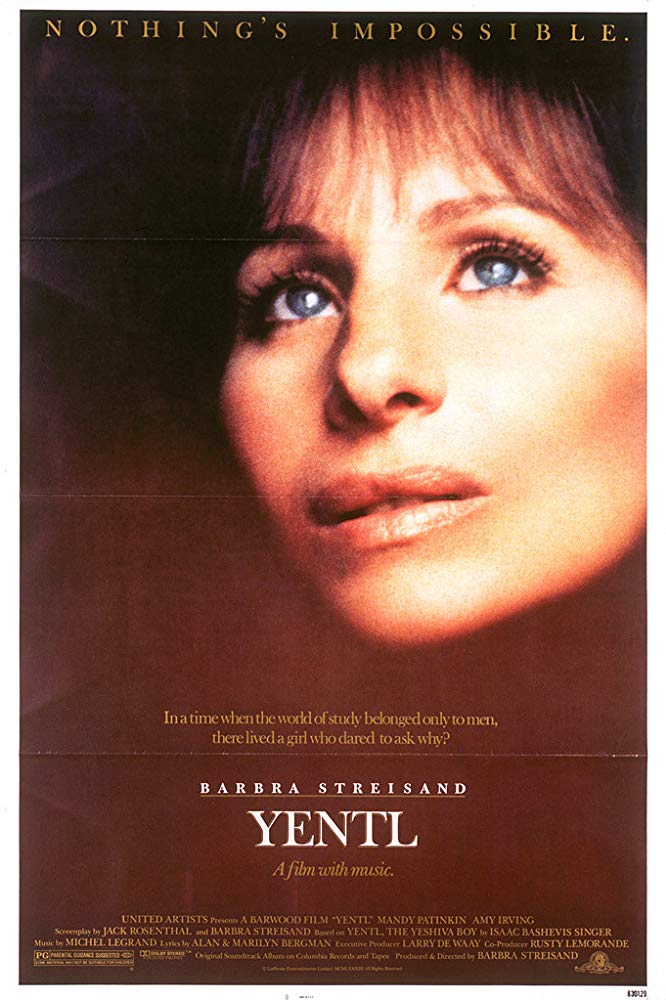
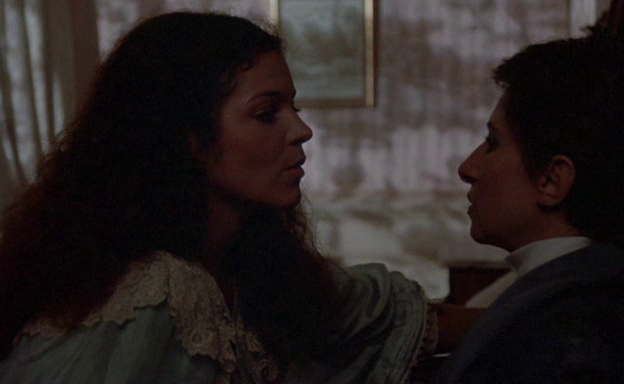
In early 20th century Eastern Europe, a young woman named Yentl (Barbra Streisand) — whose father (Nehemiah Persoff) has secretly taught her to read sacred literature — disguises herself as a boy named ‘Anshel’ and leaves her village to study. She soon befriends (and falls in love with) a student named Avigdor (Mandy Patinkin) who is engaged to beautiful young Hadass (Amy Irving) — but when the couple’s ability to marry is threatened, Streisand finds herself in a uniquely challenging position.

Genres, Themes, Actors, and Directors:

  • Amy Irving Films
  • Barbra Streisand Films
  • Feminism and Women’s Issues
  • Gender Bending
  • Historical Drama
  • Jews
  • Love Triangle
  • Mistaken or Hidden Identities
  • Musicals

Response to Peary’s Review:
Peary writes that despite Hollywood’s snubbing of what they perceived to be Barbra Streisand’s “tremendous ego trip” in adapting Isaac Bashevis Singer’s short story “Yentl the Yeshiva Boy” (which she ultimately had to “direct, produce, and co-write”, given lack of interest or financial support), he finds “the film quite enchanting, humorous, inspiring, and extremely ambitious”. He notes that “Streisand uses her unique character — who has lived as both woman and man — as a positive influence on both Avigdor and Hadass”, given that “it is through Yentl-‘Anshel’ that they become more enlightened in regard to how men and women should perceive and relate to one another”. Peary adds that the “12 Michel Legrand songs” — which are “all utilized as Yentl’s internal monologues” — won’t “appeal to everyone, but Streisand sings them with conviction and they show that this director really wanted to understand her character” (as opposed to “the typical male director” who “might have asked for a less introspective score”). Peary points out that “Streisand handles herself well as director, deftly moving from funny moments to tender scenes between ‘Anshel’ and Hadass to the jolting scene in which Yentl reveals herself to Avigdor (a masterly directed and acted bit)” — and he argues that “one shouldn’t so easily dismiss the fact that this first-time director managed to get excellent performances from her two co-stars as well as the touching, humorous, very warm performance she herself gives”.

I’m in agreement with Peary’s appreciative review of this film, which has held up well and does indeed show tremendous talent from Streisand on numerous fronts. While Streisand chooses not to explore the intriguing potential of gender bending sexual preferences — that is, none of the characters openly reflects on what it means that s/he may be sexually attracted to someone (seemingly) of the same gender — she does effectively highlight how restrictive laws for women once were (and still are for many across the globe). As painful as it is watching Streisand conceal and alter her identity simply to have a chance to study, it’s equally challenging seeing how servile and guileless Irving’s character has been raised to be. By the end of this film, we’re grateful for the disruption ‘Yentl’ has brought to one microcosm of her society, but sad that “once she makes [Avigdor and Hadass] an ideal mate, she must step aside” — and move to America in order to continue her own journey.

Redeeming Qualities and Moments:

  • Barbra Streisand as Yentl/Anshel (nominated by Peary as one of the Best Actresses of the Year in his Alternate Oscars)
  • Mandy Patinkin as Avigdor
  • Amy Irving as Hadass
  • Fine direction and cinematography
  • Michel Legrand’s score

Must See?
Yes, as a powerful film featuring fine performances.

Categories

  • Noteworthy Performance(s)
  • Oscar Winner or Nominee

Links:

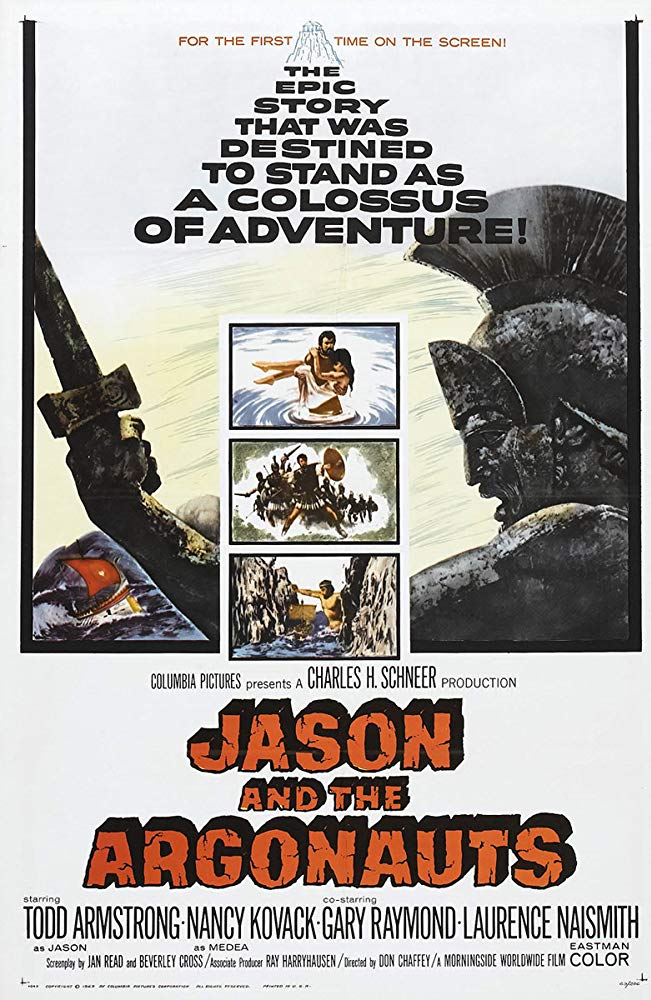
Jason and the Argonauts (1963)

Jason and the Argonauts (1963)

“The gods want their entertainment.”

Synopsis:
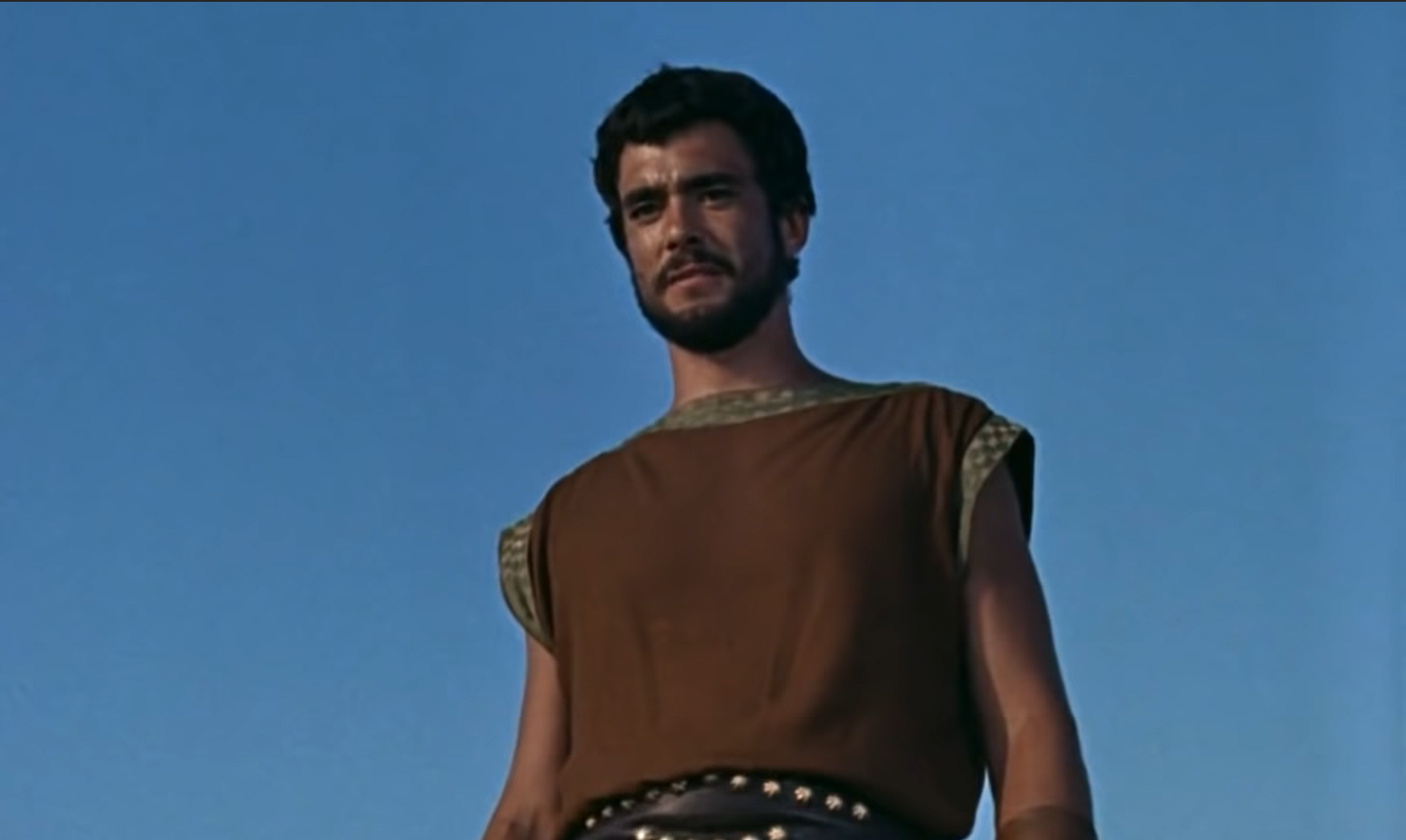
In ancient Greece, Jason (Todd Armstrong) gathers together a group of strong and talented “argonauts” — including Hercules (Nigel Green) — to accompany him on a quest for a “golden fleece”, and eventually falls in love with the sorceress Medea (Nancy Kovack). Along the way he’s aided by Queen Hera (Honor Blackman), who quibbles with her husband, Zeus (Niall MacGinnis), up on Mount Olympus.

Genres, Themes, Actors, and Directors:

  • Ancient Greece and Rome
  • At Sea
  • Fantasy
  • Niall MacGinnis Films
  • Ray Harryhausen Films

Response to Peary’s Review:
Peary writes that “Ray Harryhausen’s spectacular special effects highlight this marvelous fantasy-adventure”, directed “by Don Chaffey with equal amounts of wit and excitement” and “beautifully filmed by Wilkie Cooper” with “the mysterious blue ocean, white sandy beaches, and strange rock formations found around Palinuro, Italy and the actual Greek temples found in Paestrum” giving “the picture historical authenticity” — and “Bernard Herrmann’s score giv[ing] grandeur to the production.” Peary writes that “Beverly Cross’s imaginative, literate script keeps the story on a high intellectual plane so that it will appeal to adults as well as kids”: this “film is about the decision by Man, as represented by Jason:

… to choose his own life’s course, to challenge the gods’ unfair laws, to no longer be frightened by the gods into blind obedience” — with some amusingly droll “marital squabbles between MacGinnis and Blackman” sprinkled throughout for levity.

However, at the front and center of this story — naturally — are Harryhausen’s special effects. Peary writes that “it’s just amazing how believable the movements of his creatures are”, and gives kudos to the excellent “composite photography”.

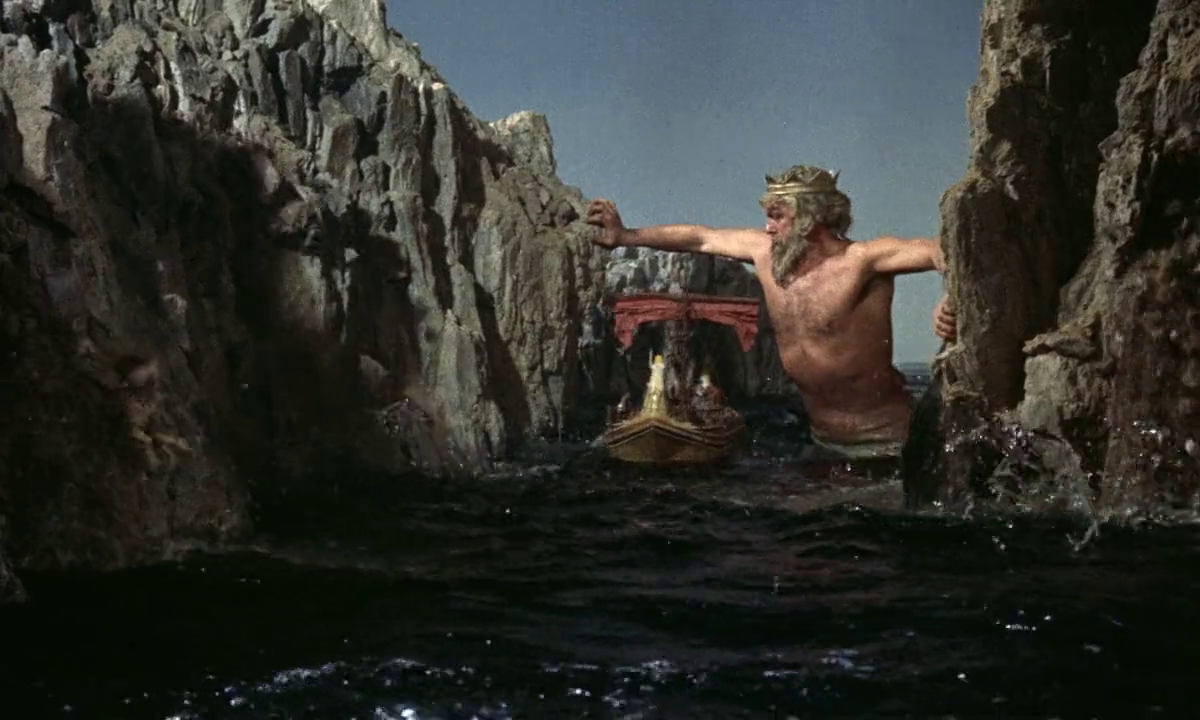
He calls out his own favorite moments as “the ‘Clashing Rocks’ sequence when huge bearded Triton, his fishtail flopping in the ocean, emerges from the water, holds the mountains apart, and watches the Argo sail under his arm:”

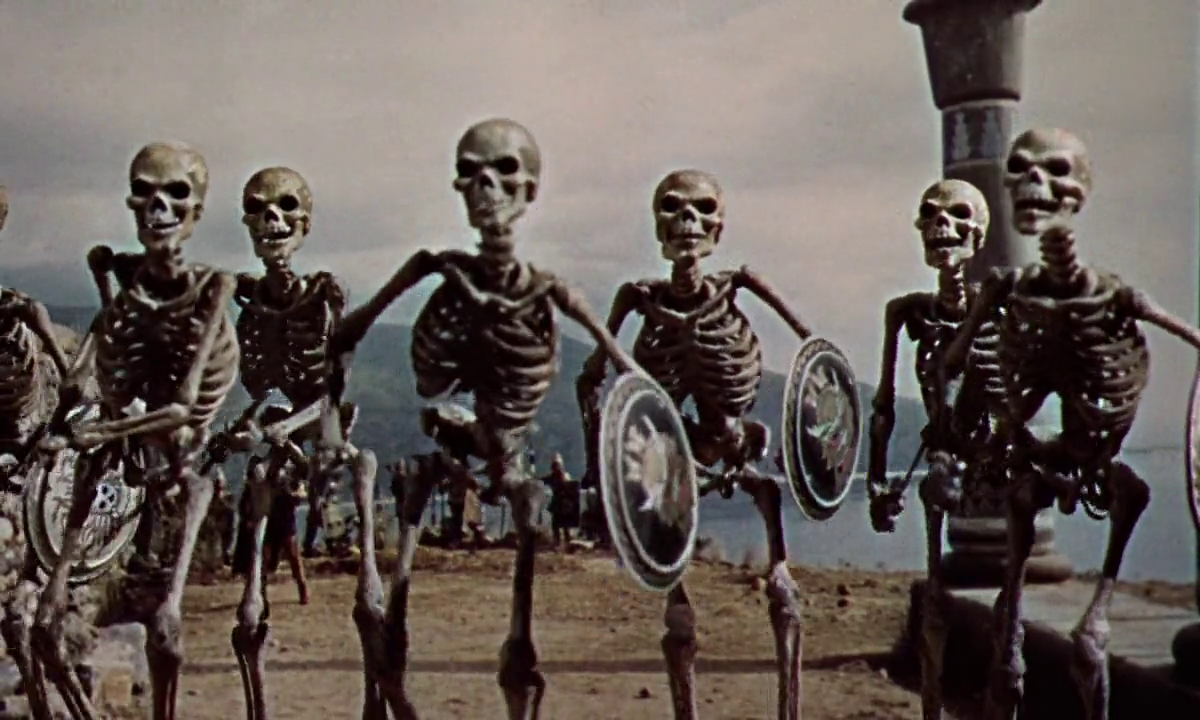
“And, of course, the truly stupendous climactic swordfighting-skeletons sequence — Harryhausen’s ultimate achievement.”

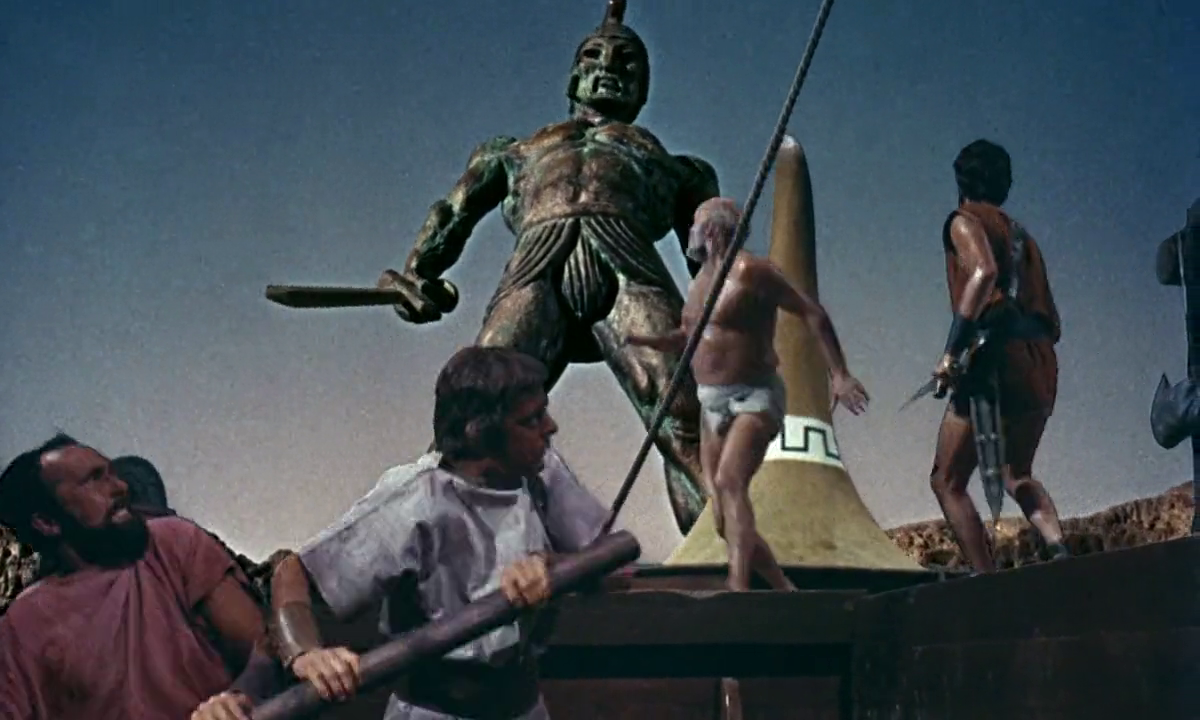
I can’t disagree with either of these choices, though I would add in how thrilling it is to watch the giant statue of Talos coming to life:

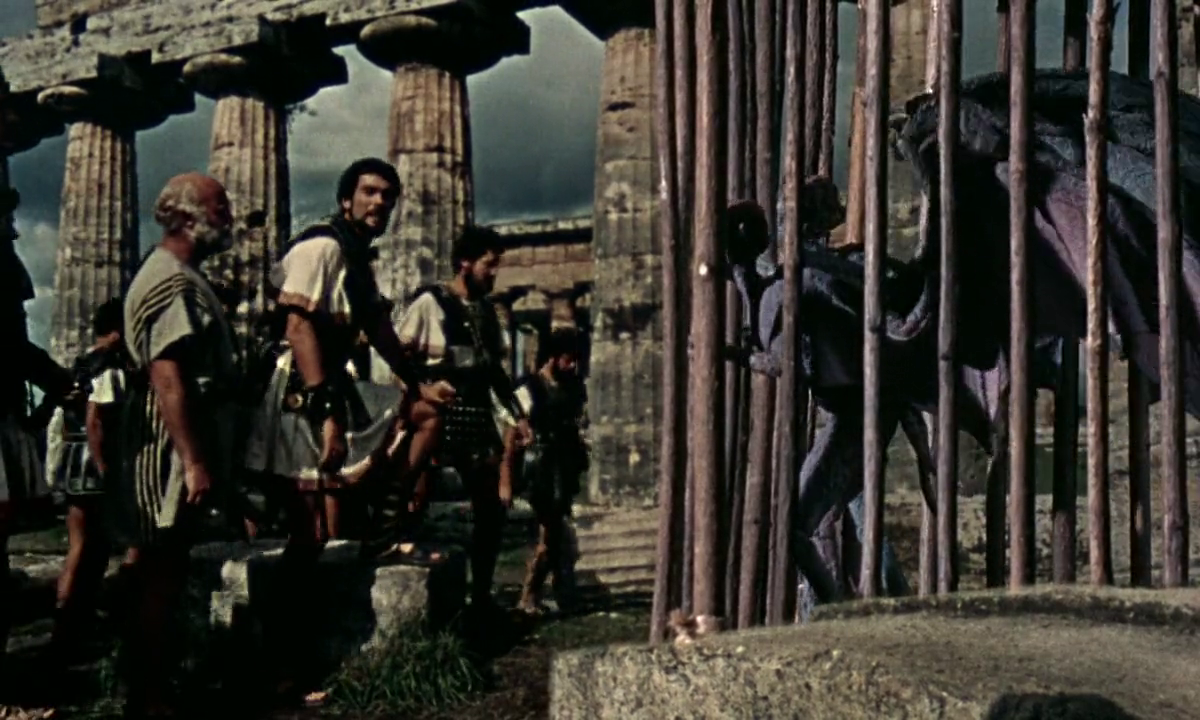
… and to see the gruesome harpies relentlessly plaguing blind Phineus (Patrick Troughton) finally caught and caged.

Redeeming Qualities and Moments:

  • The amusing quibbling and game-playing between Hera and Zeus
  • Many memorable special effects and stop-motion sequences
  • Bernard Herrmann’s score

Must See?
Yes, as an enjoyable Harryhausen outing with some truly impressive special effects.

Categories

  • Cult Movie

Links:

Hellcats of the Navy (1957)

Hellcats of the Navy (1957)

“It’s a question of your confidence in my judgment.”

Synopsis:
When a submarine commander (Ronald Reagan) makes a tough call in allowing an officer to die rather than subjecting his entire crew to danger, his colleague (Arthur Franz) believes Reagan was motivated by the officer’s dalliance with his fiancee (Nancy Davis).

Genres, Themes, Actors, and Directors:

  • Military
  • Ronald Reagan Films
  • World War II

Review:
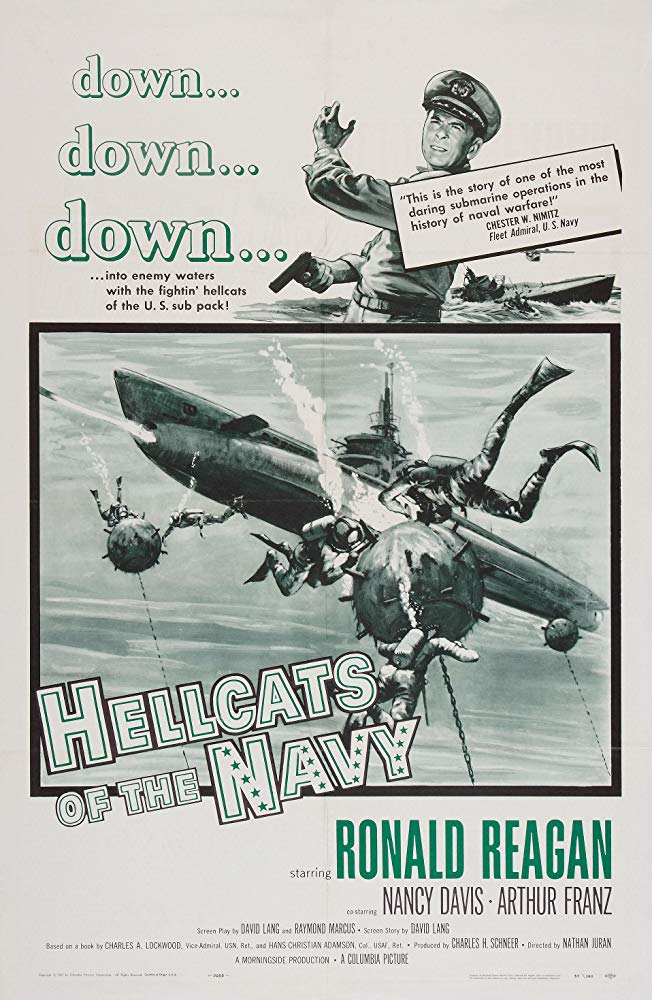
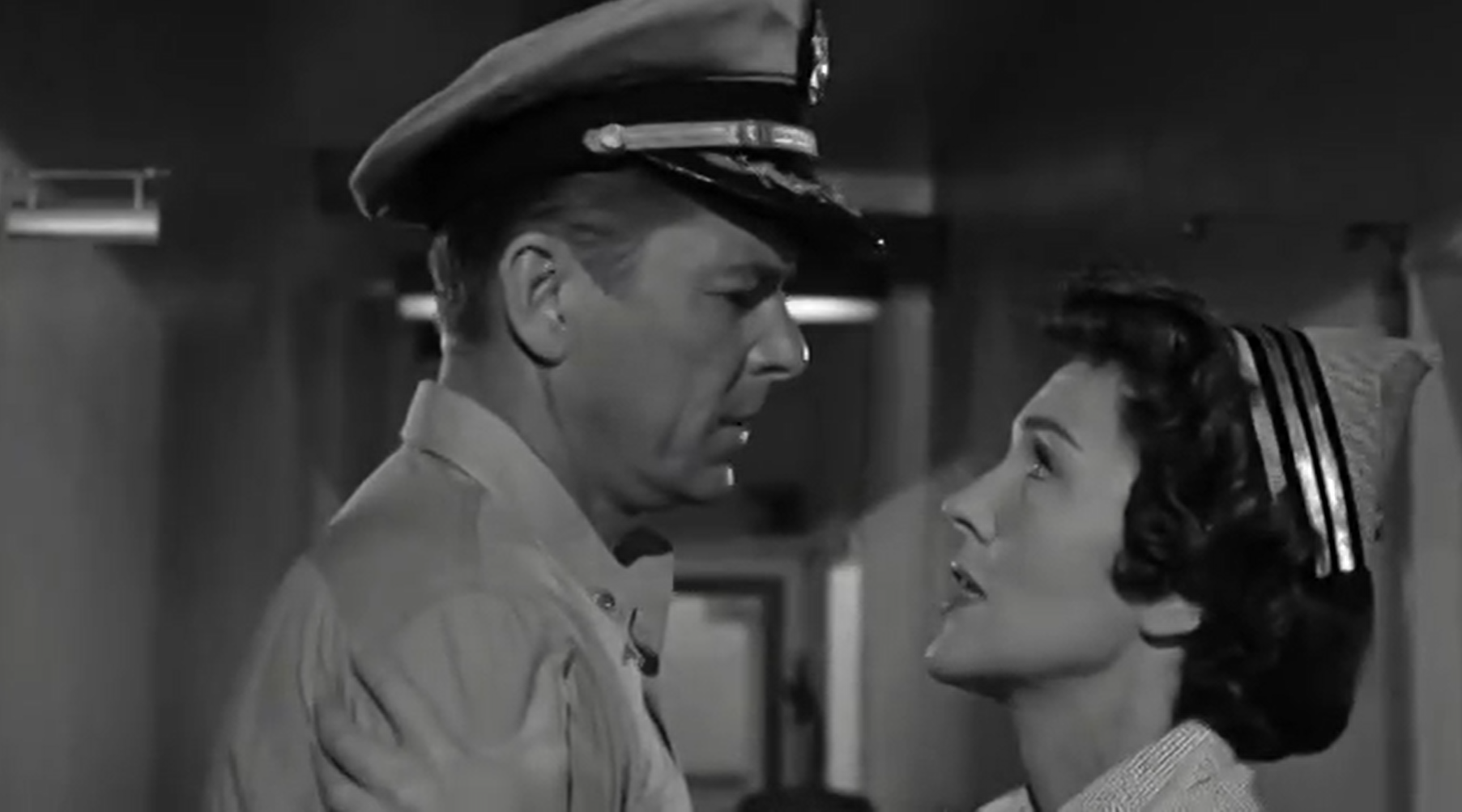
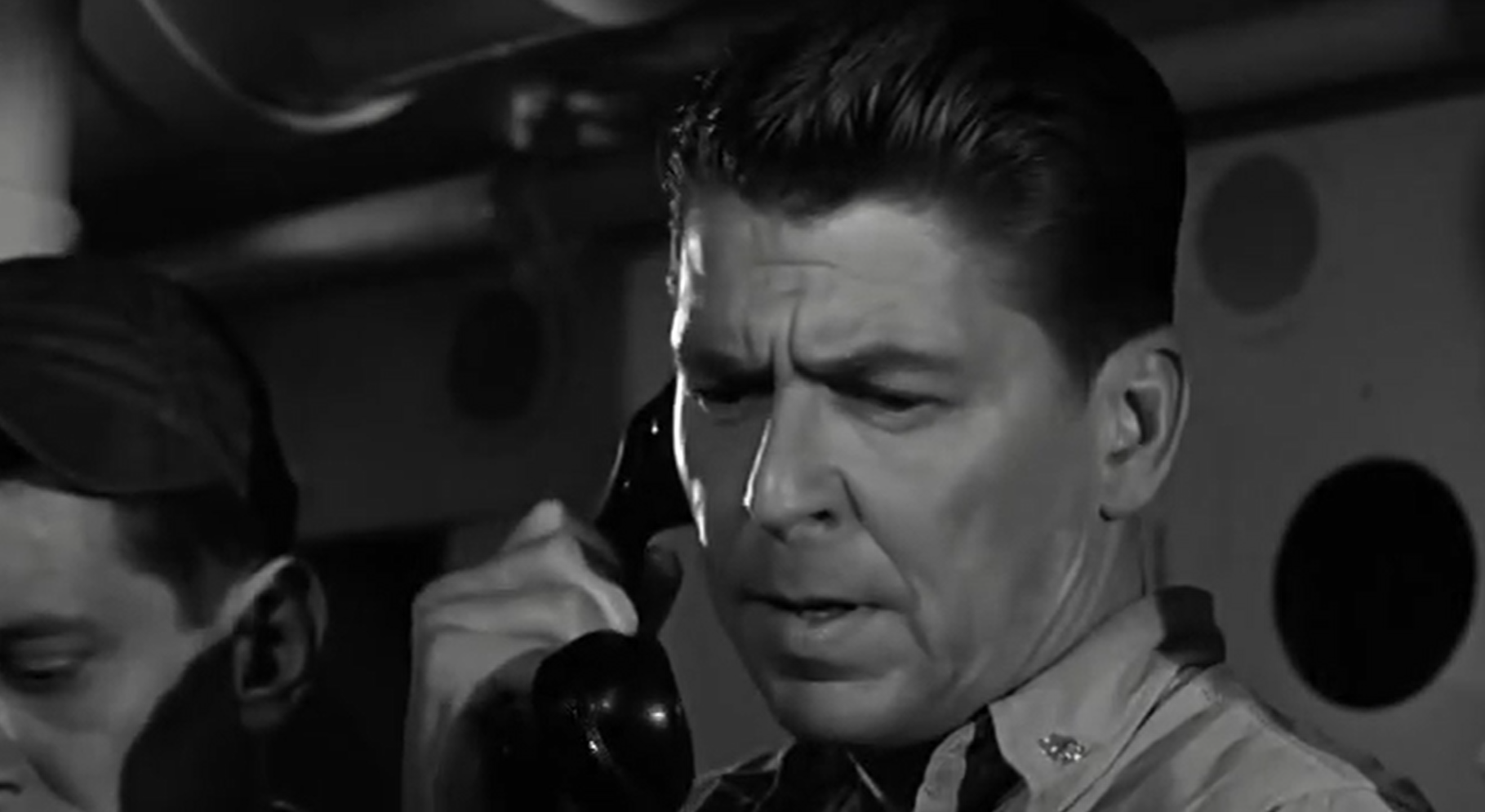
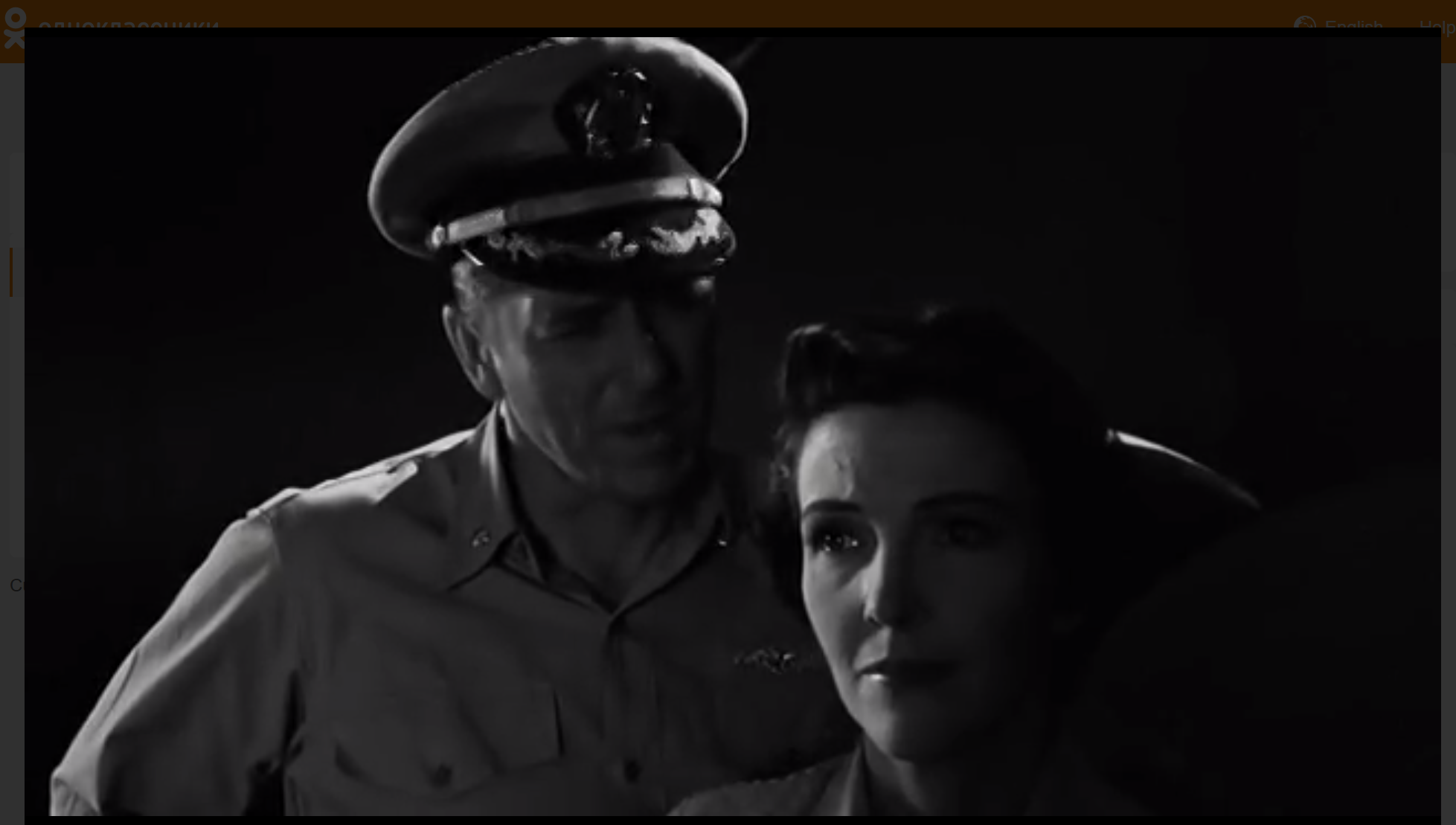
Peary cites this “curio’s selling point — Ronald Reagan romances Nancy Davis” — as a “major reason why it is so dull”, noting that if “Reagan weren’t president and Nancy his First Lady, [the] film would have been forgotten”.

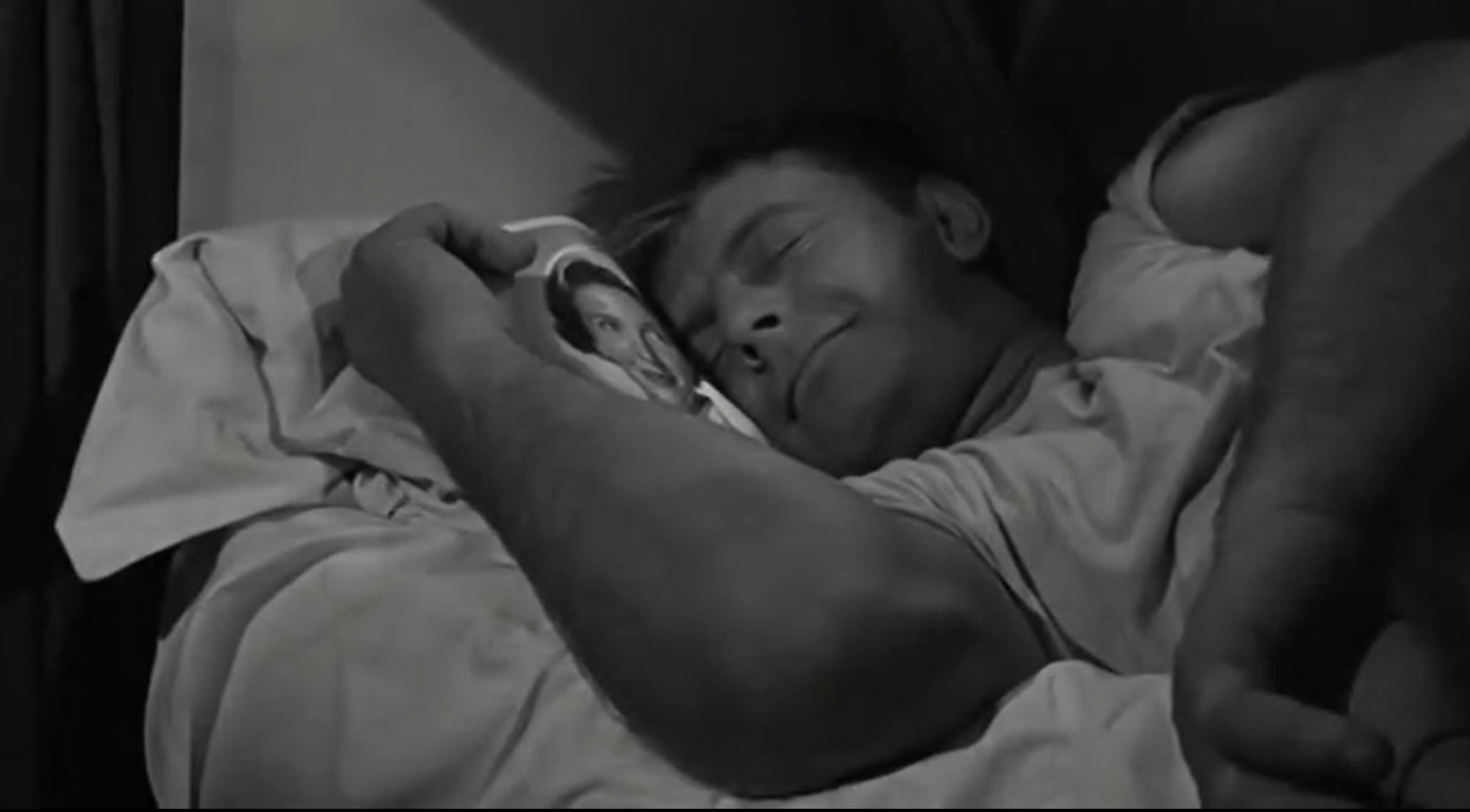
He argues that it’s a “terrible movie, but it is interesting because it stars Reagan and explores the nature of command.” He adds that “Nancy Reagan haters will enjoy the sailors passing around her 8-by-10 glossy (she looks sixty and shriveled) and getting all hot and bothered”.

Clearly, Peary’s comments are biased by the era when GFTFF was published (smack dab in the middle of Reagan’s 8-year presidency); it’s a bit easier these days to separate the actor from the politician, and to that end, Reagan is actually quite credible (if unexceptional). The storyline is standard Hollywoodized fare, exploring leadership and trust issues in times of heightened tension and combat.

It’s not by any means must-see, but might be of minor interest to fans of submarine warfare.

Redeeming Qualities and Moments:

  • Irving Lippman’s cinematography

Must See?
No; feel free to skip this one unless you’re curious.

Links:

Mighty Joe Young (1949)

Mighty Joe Young (1949)

“Am I dreaming, or did I see a gorilla and a beautiful dame?”

Synopsis:
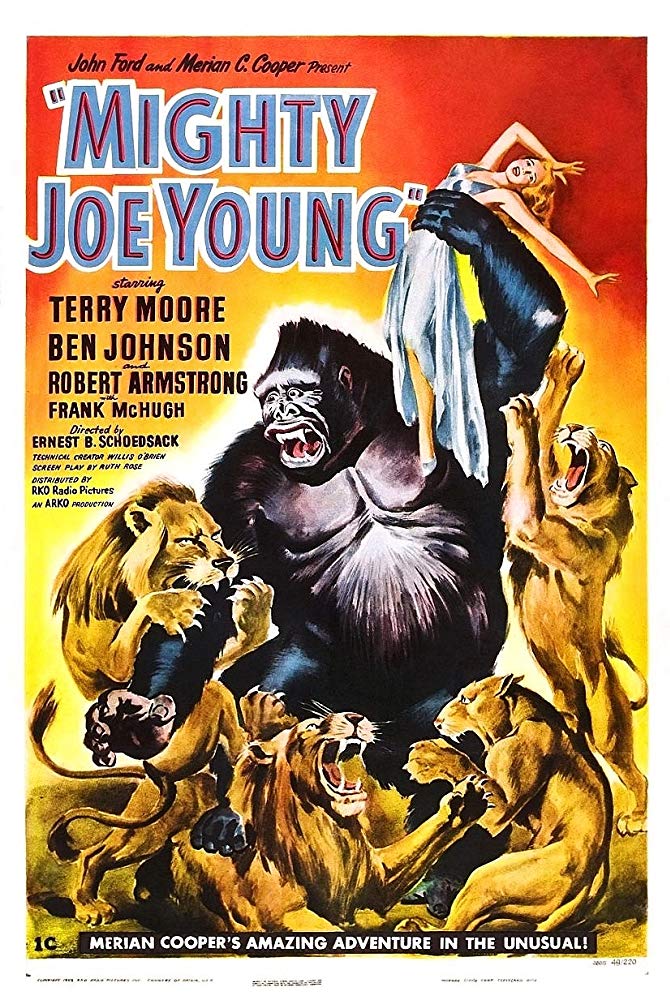
A nightclub owner (Robert Armstrong) convinces a young woman (Terry Moore) living in Africa to come to Hollywood with her giant ape, Joe, and perform in shows with a rodeo star (Ben Johnson) — but will Joe adjust to life on the stage rather than in the wild?

Genres, Themes, Actors, and Directors:

  • Ben Johnson Films
  • Fantasy
  • Friendship
  • Primates
  • Ray Harryhausen Films
  • Terry Moore Films

Response to Peary’s Review:
Peary writes that while the “script wavers” for this “underrated fantasy gem about a friendly, incredibly strong 10-foot gorilla”, Joe remains “a fabulous, lovable (yet not completely domesticated) creature”, and “the special-effects and stop-motion work by King Kong‘s famous Willis O’Brien and Ray Harryhausen are marvelous.” He praises the fact that “Joe actually seems real, so subtle are his movements and expressions” — which is indeed true; it’s easy to forget exactly how much work went into creating this pre-CGI film. Moore is sweet yet strong as Joe’s “owner”, and her dedication to ensuring he doesn’t remain stuck in a life of humiliation is endearing. The final sequence at the burning orphanage is genuinely harrowing.

Redeeming Qualities and Moments:

  • Willis O’Brien and Ray Harryhausen’s deservedly Oscar-winning special effects and animation

Must See?
Yes, for its historical relevance as Harryhausen’s breakthrough debut.

Categories

Links:

Streetcar Named Desire, A (1951)

Streetcar Named Desire, A (1951)

“Deliberate cruelty is not forgivable! It is the one unforgivable thing, in my opinion, and the one thing of which I have never, never been guilty.”

Synopsis:
When a mentally and emotionally fragile woman (Vivien Leigh) comes to stay with her pregnant sister (Kim Hunter) and callous brother-in-law (Marlon Brando) in New Orleans, she struggles to hold on to her dignity, but experiences renewed hope for a bright future when she begins dating Brando’s co-worker (Karl Malden).

Genres, Themes, Actors, and Directors:

  • Deep South
  • Elia Kazan Films
  • Karl Malden Films
  • Kim Hunter Films
  • Marlon Brando Films
  • Mental Breakdown
  • Play Adaptation
  • Tennessee Williams Films
  • Vivien Leigh Films

Response to Peary’s Review:
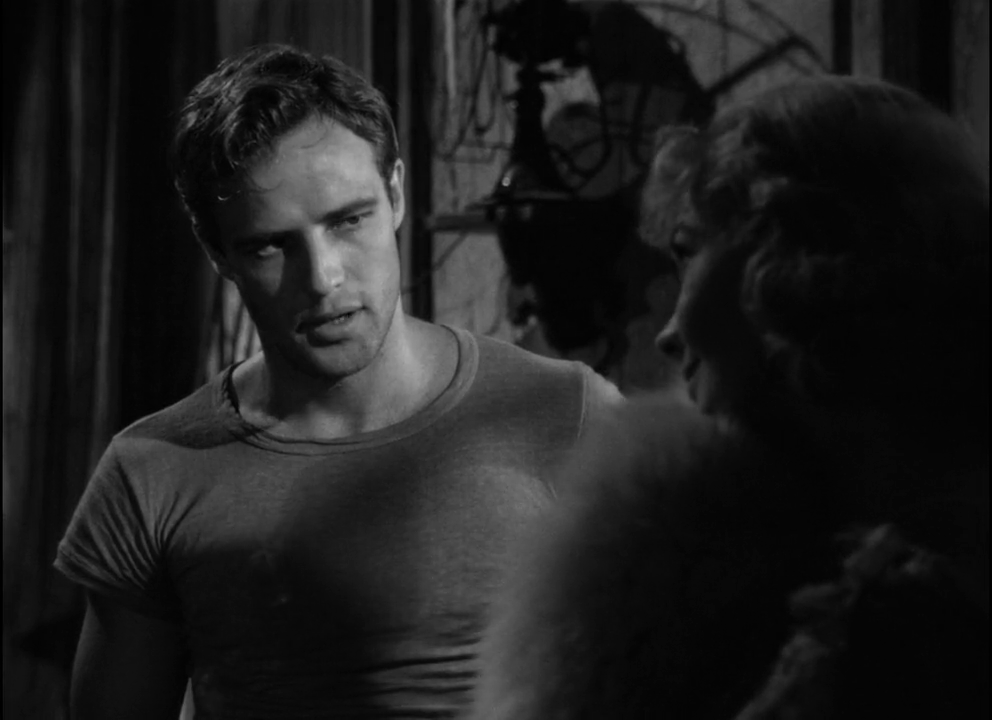
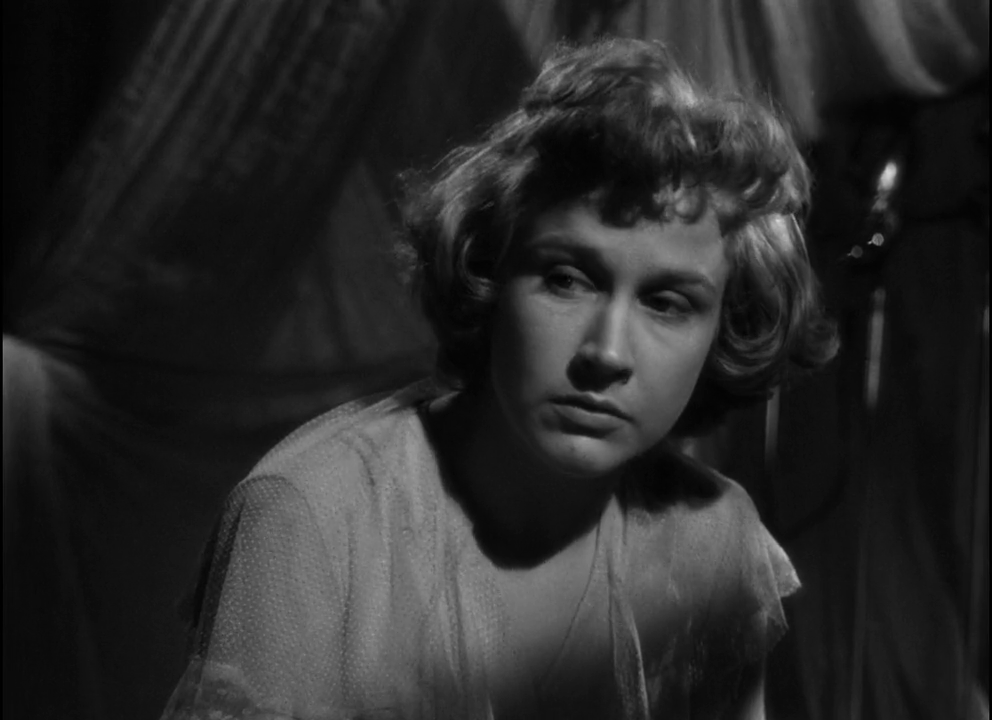
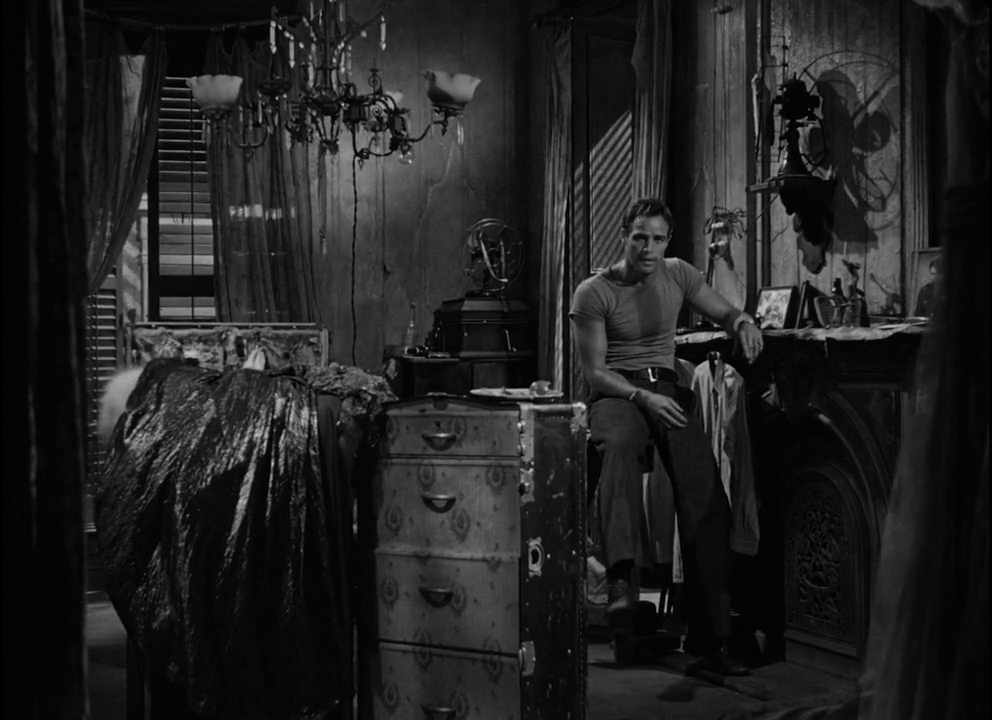
Peary writes that in Elia Kazan’s Oscar-winning adaptation of the 1947 Broadway play, “Vivien Leigh gives an emotionally shattering performance as Blanche Dubois, the most vulnerable, bruised, and battered of Tennessee Williams’ tragic heroines,” whose “unhappy and humiliating past and the passing of her youth have left her on the brink of sanity”. Given that “brutish, t-shirt clad” Stanley (Brando) “won’t let her find needed escape and solace in her desperate flights into fantasy” — and they are stuck in stiflingly close quarters with one another — she eventually devolves and decomposes to the point of no return. Peary notes that while the “film is a bit theatrical — at times it looks like an old kinescope” — “Elia Kazan’s direction of actors was never better… and Brando’s devastating portrayal (‘Stella!!!’) is regarded as one of the screen’s greatest characterizations.”

In Alternate Oscars, Peary agrees with the Academy’s choice of Leigh as Best Actress of the Year, noting, “Those of us who see the optimistic twenty-six-year-old Leigh in Scarlett [from Gone With the Wind] surely see in Blanche the older Leigh who suffered from depression and experienced mental breakdowns”. Indeed, there’s “no doubt her own condition helped her sympathize with Blanche — at times it seems like she is exorcising her own demons.” He spends considerable time discussing how Blanche is “on her last legs” since “she has lost her youth” and “has no prospects”, and points out that the “part is difficult because Blanche has no foundation, no key that can be turned to put her back into the correct mode of motion and speech” — “not anymore”, given that “everything solid has been clawed out of her.” Only during a brief, “seemingly minor scene in which Blanche flirts with a young man who is collecting for the newspaper” does she “regain her power” and “shine” — at which point she is “wistful, poetic, haunting, alluring, and both amoral… and moral”.

Leigh’s performance is undeniably the centerpiece of this devastating film (one I find both challenging and mesmerizing to watch), but there is much more to make note of as well. Brando’s screen presence is a visceral gut-punch of brutality; while we completely understand Hunter’s physical attraction to him — and it makes sobering sense that she would put up with his domestic violence, given the warped nature of such enmeshments — it’s less easy to understand how she deals with his “subhuman” personality. Regardless, such is love and lust — and Hunter masterfully embodies her complex character in a way that allows us to stick with and believe in this aspect of the story. Also notable is the highly atmospheric cinematography by Harry Stradling, who sharply highlights nearly every scene in black-and-white contrast, showcasing the many extremes at play in this toxic swirl of a muggy landscape. Meanwhile, Alex North’s score is haunting, percussive, lyrical, and mystical — the perfect background to a gothic tale of madness.

Redeeming Qualities and Moments:

  • Vivien Leigh as Blanche DuBois
  • Marlon Brando as Stanley Kowalski
  • Kim Hunter as Stella Kowalski
  • Karl Malden as Mitch
  • Harry Stradling’s cinematography

  • Atmospheric sets
  • Alex North’s score

Must See?
Yes, as a powerful cinematic adaptation of a classic play.

Categories

  • Genuine Classic
  • Oscar Winner or Nominee

(Listed in 1001 Movies You Must See Before You Die)

Links:

Cleopatra (1934)

Cleopatra (1934)

“My wits have failed, and I’m in your hands!”

Synopsis:
When wily Queen Cleopatra (Claudette Colbert) is kidnapped and taken to Rome, she woos both Julius Caesar (Warren William) and his successor, Marc Anthony (Henry Wilcoxon), in an attempt to gain power — but soon she finds herself genuinely in love.

Genres, Themes, Actors, and Directors:

  • Ancient Greece and Rome
  • Cecil B. DeMille Films
  • Claudette Colbert Films
  • Egypt and Egyptology
  • Historical Drama
  • Royalty and Nobility
  • Star-Crossed Lovers
  • Strong Females
  • Warren William Films

Response to Peary’s Review:
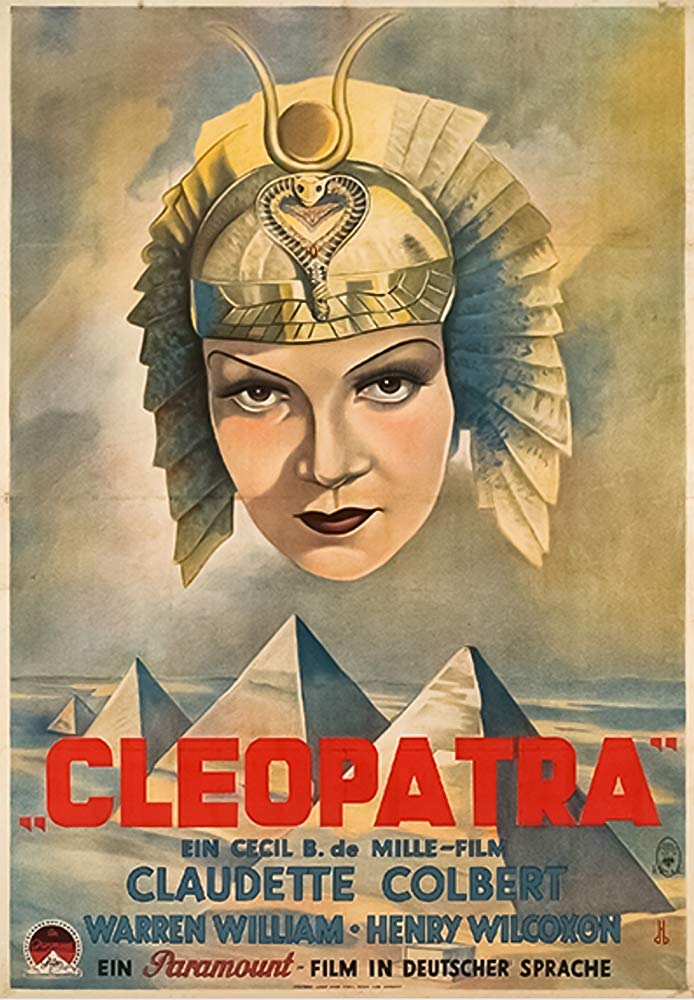
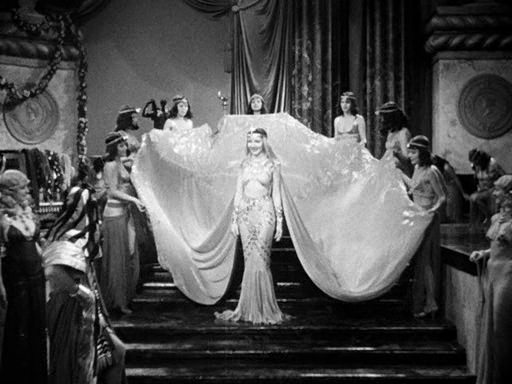
Peary writes that while “Cecil B. DeMille’s classic is silly, creaky, and full of long-winded tete-a-tetes”, it’s nonetheless “fun to watch”. He points out that Colbert “is an extremely sexy Cleopatra”, “lounging around in skimpy bare-midriff outfits that Madonna might have designed”, yet also “possesses enough intelligence to realize that through her singular powers of seduction she can outwit and manipulate her Roman men”.

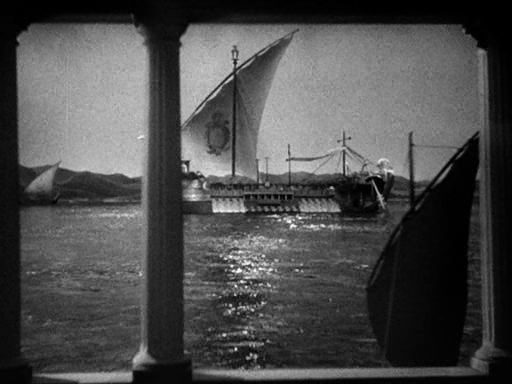
He argues that “Colbert fits into the vamp tradition of Theda Bara, who played Cleopatra in the silent era” and that the “picture’s theme is that women can emasculate great male warriors and statesmen, but we can forgive this Egyptian trapped on foreign soil because she must find some way to survive in a male-dominated, woman-hating… world.” Peary’s review is spot on: I was surprised to enjoy this costume drama as much as I did, especially the unintentional humor garnered from Colbert’s not-so-subtle seduction ploys and her ripe dialogue with her lovers. The scene in which she tells Antony that fisherman are gathering clams for dinner — then we see a net full of beautiful consorts emerging from the sea, bearing open shells with jewels — is especially chuckle-worthy.

Redeeming Qualities and Moments:

  • Claudette Colbert as Cleopatra
  • Victor Milner’s Oscar-winning cinematography
  • Wonderfully elaborate sets and costumes (check out TCM’s article for more on the latter)

Must See?
Yes, as an enjoyable early costume drama.

Categories

  • Good Show

Links:

One Flew Over the Cuckoo’s Nest (1975)

One Flew Over the Cuckoo’s Nest (1975)

“I’d like to keep him on the ward. I think we can help him.”

Synopsis:
A rebellious prisoner (Jack Nicholson) is sent to a psychiatric hospital for assessment, where he quickly butts heads with the strict head nurse (Louise Fletcher) and does what he can to bring autonomy and fun to his fellow inmates’ lives.

Genres, Themes, Actors, and Directors:

  • Cat-and-Mouse
  • Doctors and Nurses
  • Jack Nicholson Films
  • Louise Fletcher Films
  • Mental Illness
  • Milos Forman Films
  • Nonconformists

Response to Peary’s Review:
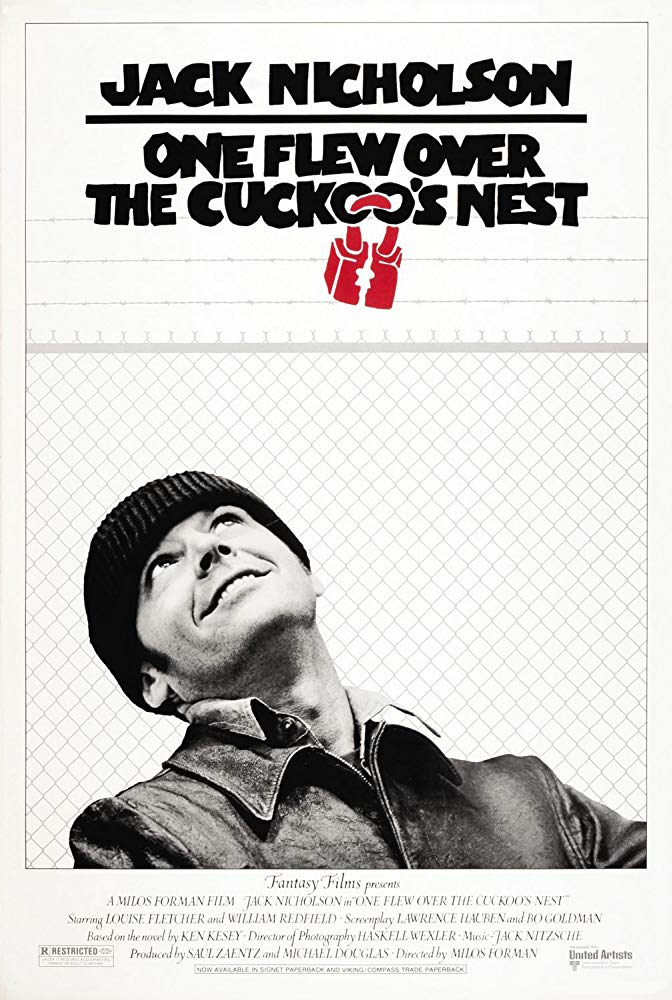
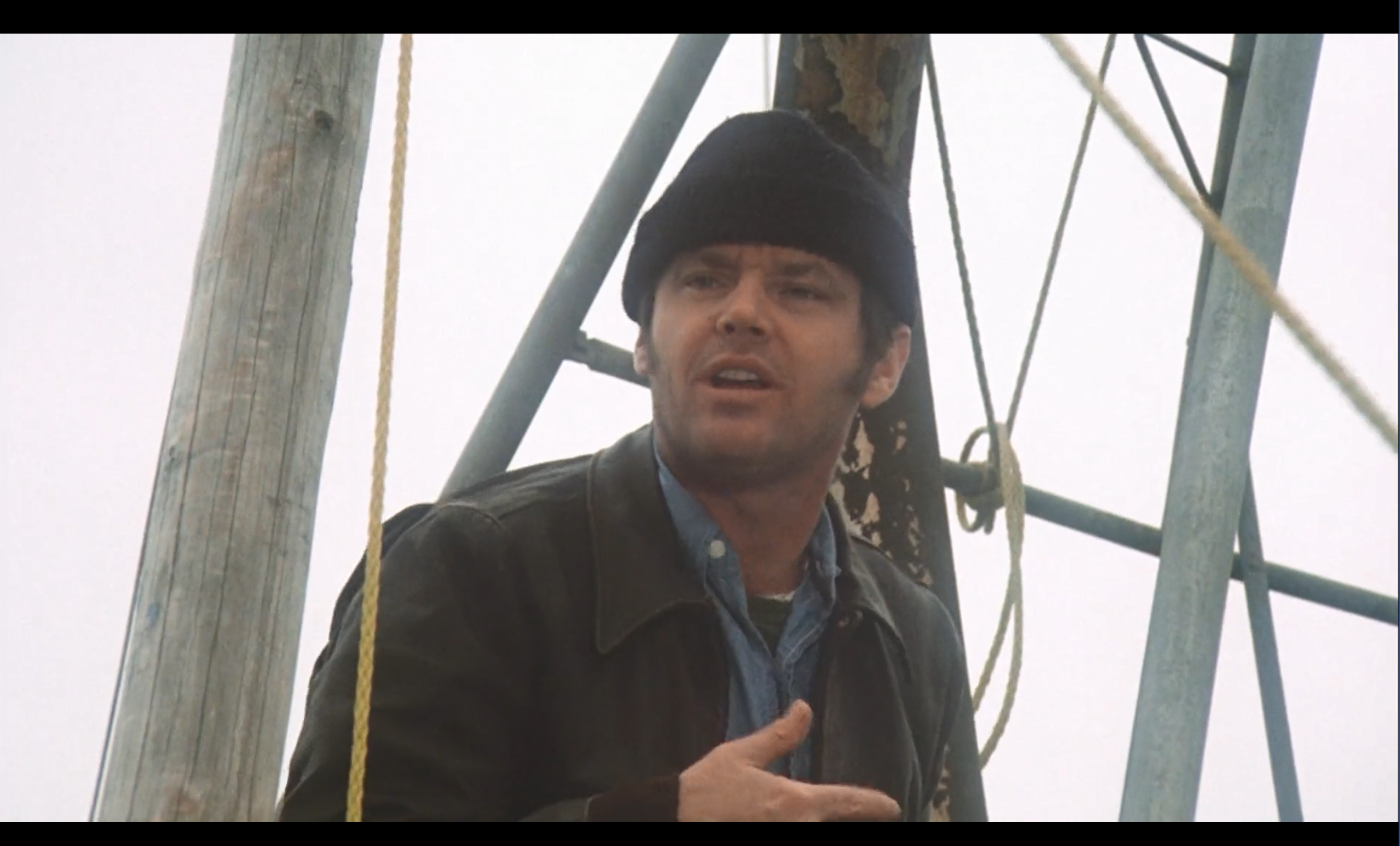
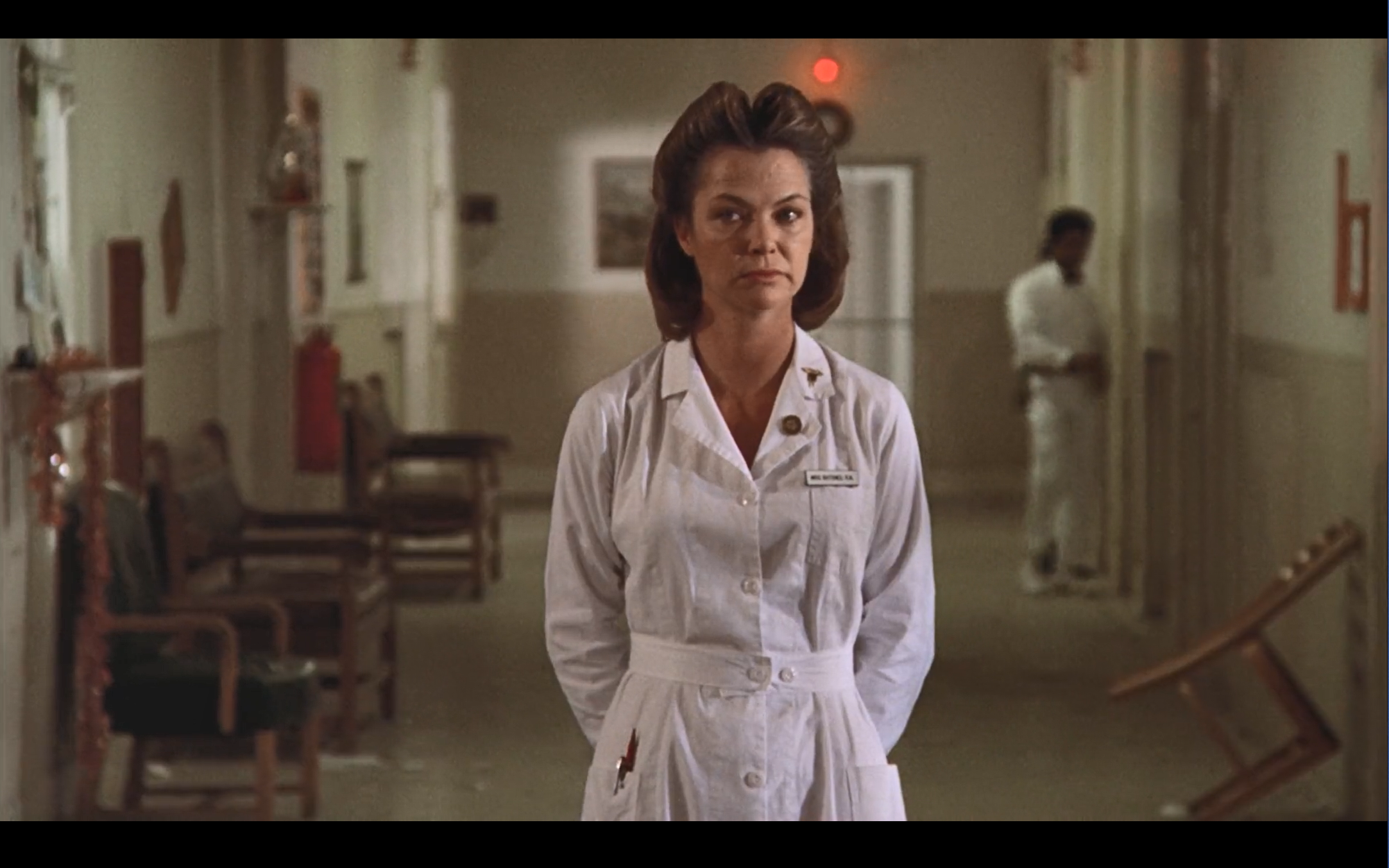
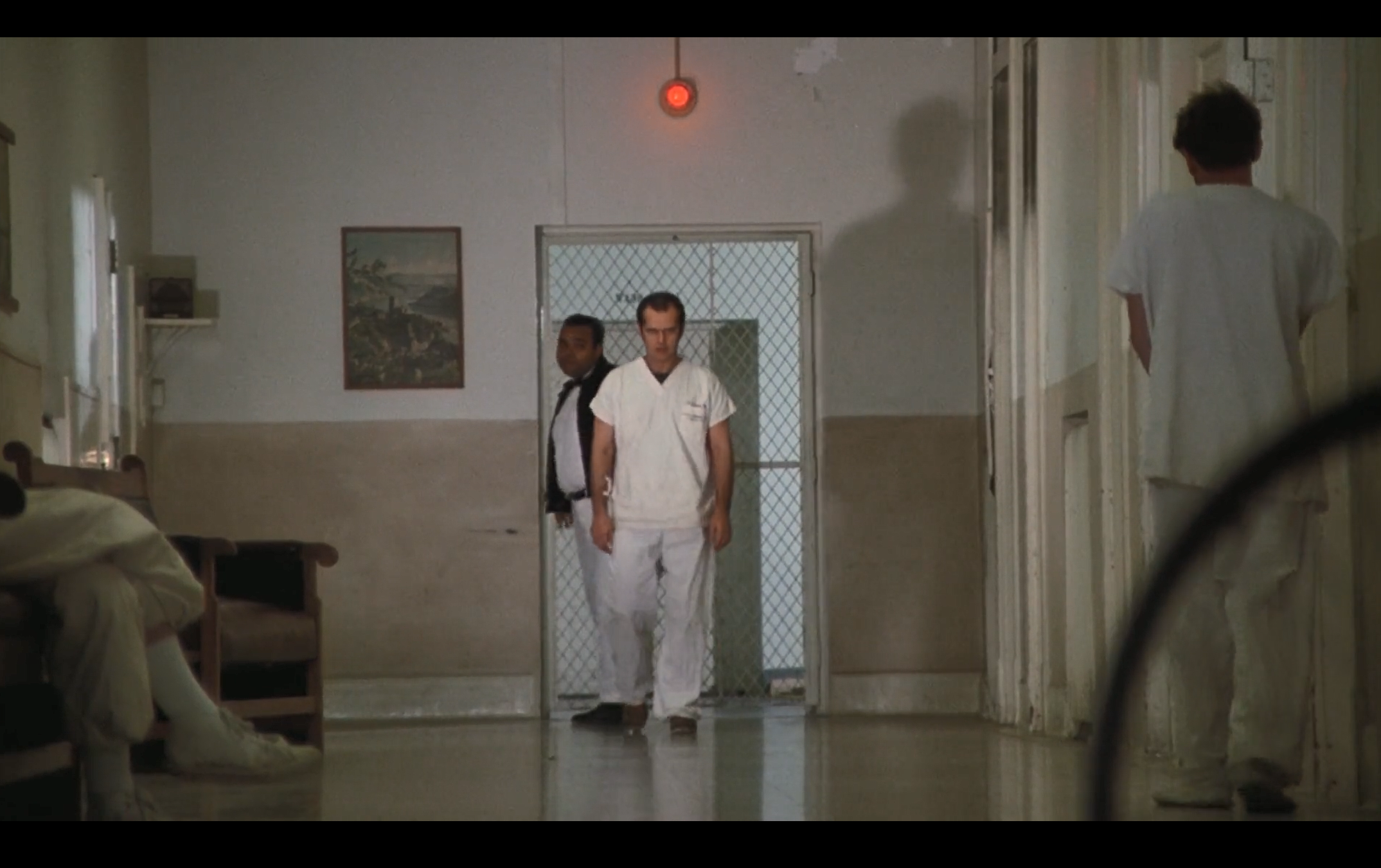
Peary writes that this “successful, emotionally satisfying adaptation of Ken Kesey’s 1963 novel” — which “swept the Oscars” — features Nicholson as “a likeable drifter” who “tries to shake things up so that the inmates can make choices about their own lives” and “serves… as their model for nonconformity and freedom”. He notes that the “film has a half-comic tone for much of the way, partly because McMurphy [Nicholson] sees the absurdity of the situation in the ward without comprehending the tragic consequences should he protest too adamently”. Peary states he believes “the reason this picture has always had a youth cult is that until the end it has all the elements of later comic youth films in which fun-loving and belligerent young rebels/students play pranks that cause the leaders of their institutions to have anxiety attacks”; he posits that Nicholson “is an ideal, dignity-out-of-the-window hero for young people who must deal with robotlike bureaucrats like Ratched [Fletcher] every day.”

In Alternate Oscars, Peary gives the Best Picture award to John Huston’s The Man Who Would Be King instead, but preserves the Best Actor award for Nicholson, noting: “Never known for low-key performances, Nicholson was perfectly cast as this man who pretends to be mad and who, if we equate rebellion with abnormality, may in fact be so” given that he “certainly fits in better with the mental patients than with those who run the asylum.” Peary writes: “How Ratched detests this man with the lunatic grin and laugh, who sees through her, who makes her blush with his crude language…, who makes himself a thorn in her side but pretends innocence…” Despite this, Peary argues McMurphy “is probably Nicholson’s sweetest, most caring character” given that “fighting Ratched for the other patients’ minds and souls, he manages to improve their outlooks on life.” Unfortunately, he fails to see Ratched “for the dangerous witch she is. Only too late does he realize that Ratched will do anything to maintain authority in her world.”

Balancing out Peary’s perspective is DVD Savant, who asserts that the film’s very concept is problematic because “from the evidence we see McMurphy is the author of all his own problems and a genuine menace to society”, someone “who would bring down disaster almost anywhere he went”. DVD Savant refers to him as a “thoughtless rebel” who “goes up against Nurse Ratched to flatter his own ego” and actually puts the patients at risk during the “unscheduled day trip on the fishing boat”. With that said, he’s no fan of Ratched either, instead sharing how “Louise Fletcher’s layered performance lets us know that the McMurphy-Ratched personality clash brings out the worst in both of them”: “McMurphy becomes more reckless and cocky, while Ratched harbors a powerful resentment behind her veneer of professionalism” and “takes out her rage on the weaker of the patients”. Ultimately, this is a brutal cat-and-mouse tale, with institutional power winning out, but not before we are shown both sides of the picture: while the men find solace and comfort in their constraining environment (and taking anarchic risks isn’t necessarily the right or best course of action), they have at least been taught to question, laugh, and speak up.

Redeeming Qualities and Moments:

  • Jack Nicholson as McMurphy
  • Louise Fletcher as Nurse Ratched
  • Will Sampson as Chief Bromden
  • Haskell Wexler and Bill Butler’s cinematography

Must See?
Yes, as an Oscar-winning favorite. Deemed as culturally, historically, or aesthetically significant by the United States Library of Congress, and selected for preservation in the National Film Registry in 1993.

Categories

  • Oscar Winner or Nominee

(Listed in 1001 Movies You Must See Before You Die)

Links:

Five Easy Pieces (1970)

Five Easy Pieces (1970)

“I move around a lot because things tend to get bad when I stay.”

Synopsis:
A restless former concert pianist (Jack Nicholson) working on an oil rig takes his pregnant girlfriend (Karen Black) on a road trip to visit his ailing father (William Challee), his neurotic sister (Lois Smith), and his neck-sprained brother (Ralph Waite). Once there, he keeps Black waiting at a nearby motel while romancing Waite’s pianist-girlfriend (Susan Anspach).

Genres, Themes, Actors, and Directors:

  • Bob Rafelson Films
  • Character Studies
  • Class Relations
  • Counterculture
  • Jack Nicholson Films
  • Karen Black Films
  • Lois Smith Films
  • Road Trip

Response to Peary’s Review:
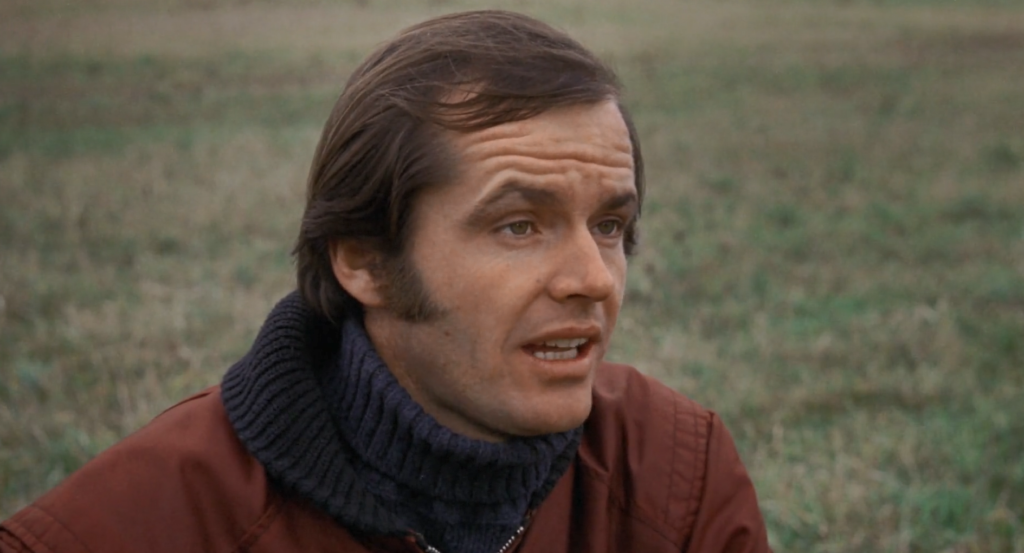
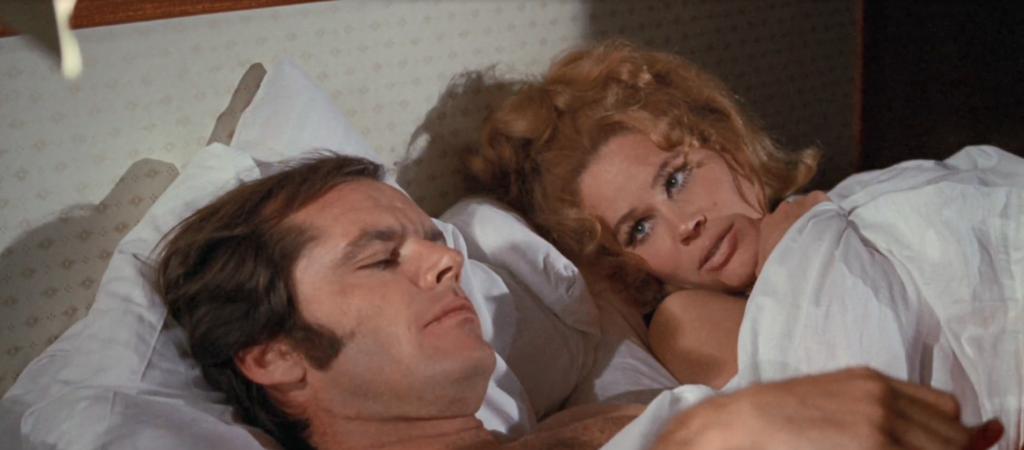
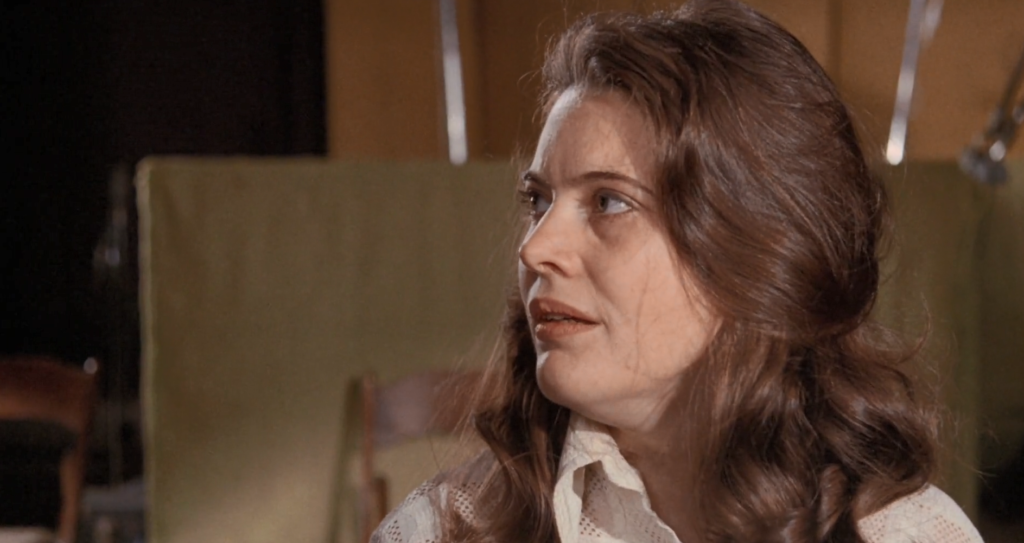
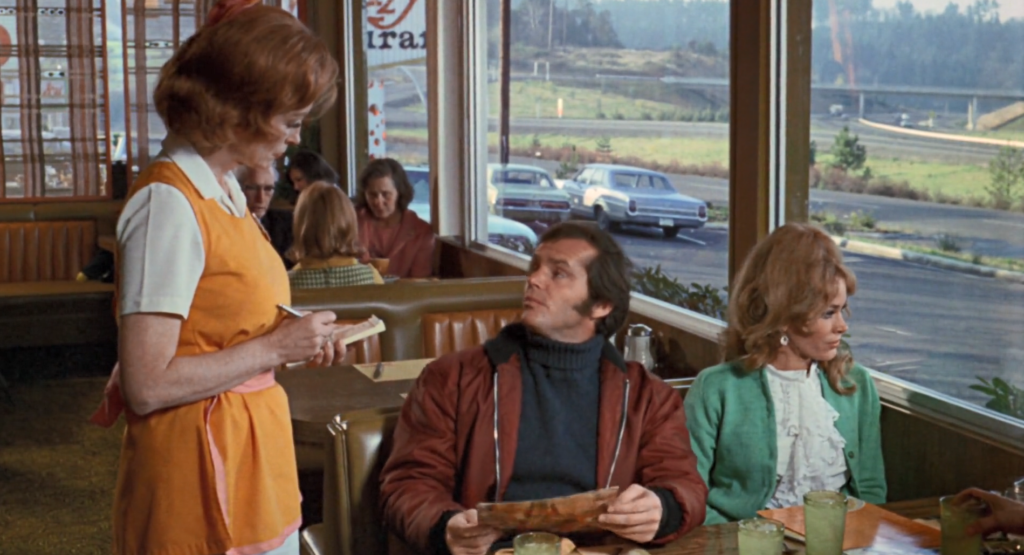
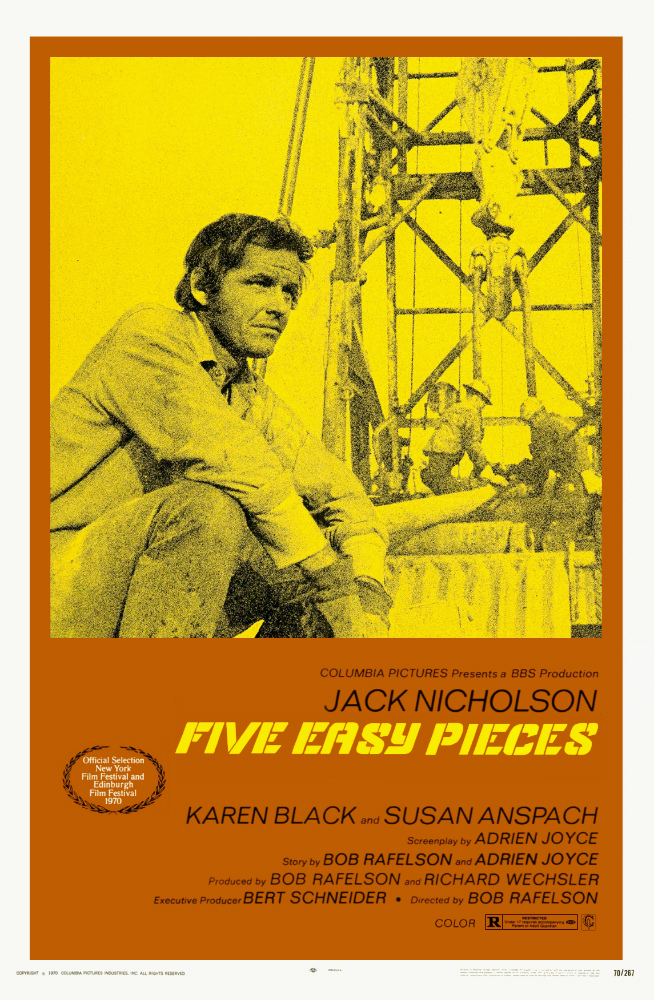
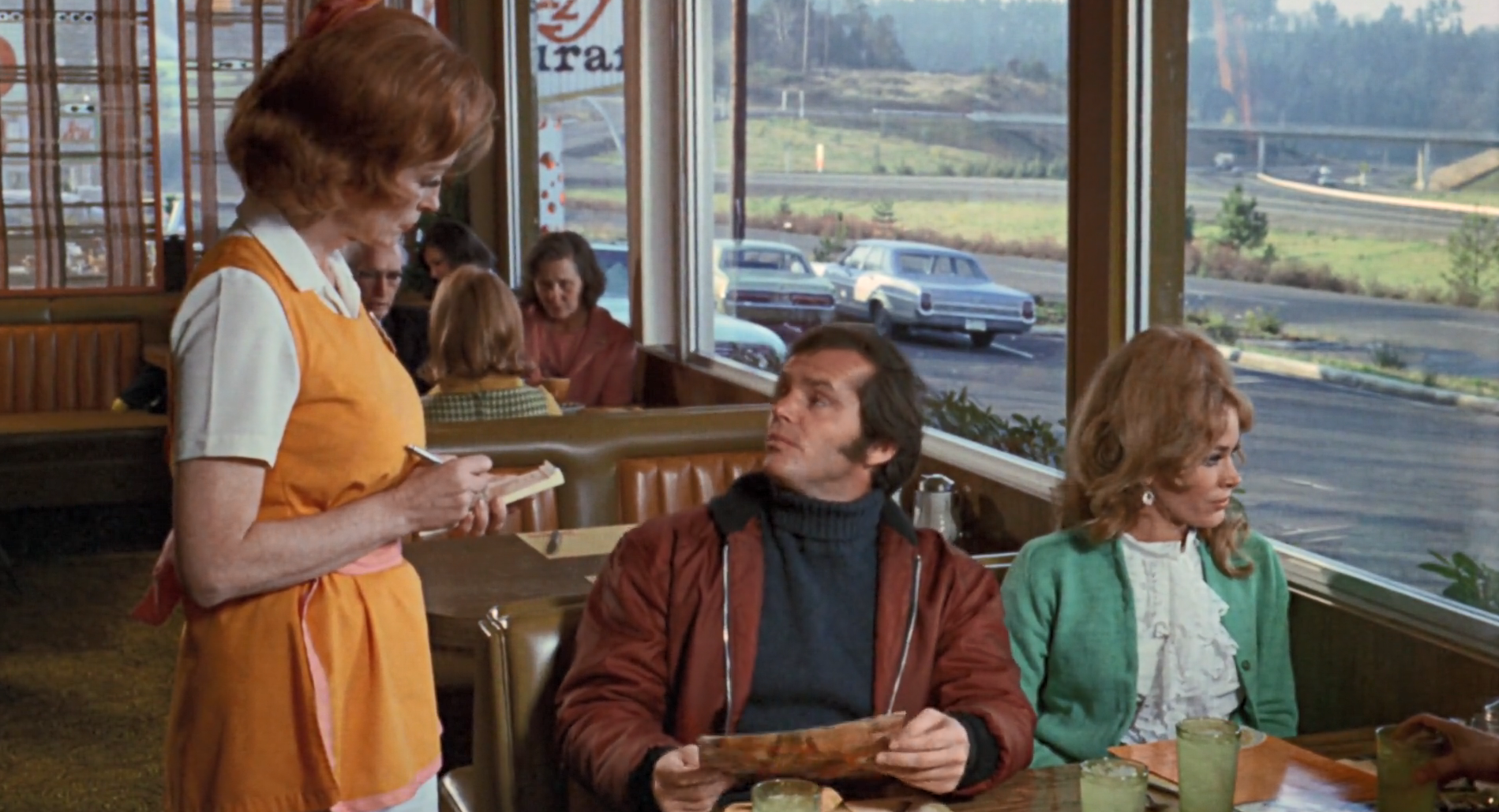
Peary writes that this “superb study of a cultural misfit” — directed by Bob Rafelson — shows Nicholson “just great as he repeatedly loses his temper [with Black] and apologizes; tries to do the right thing but sooner or later gives in to his baser instincts; becomes aggravated by everything from Black’s awful bowling and constant, foolish chatter to an obnoxious waitress’s obstinate refusal… to serve him a side order of wheat toast with his omelet”. He notes that the “film is full of funny moments and characters — including Helena Kallianiotes’s weird, complaining hitchhiker and two floozies, Sally Struthers’s Shirley (‘but you can call me Betty’) and her friend, Twinky.” However, he argues “there is a sadness that always cuts deeply into the humor”, which is “why the picture was so appealing to the college-age audiences in 1970, who simultaneously laughed incredulously and were extremely upset by the political state of the world and felt just as alienated from family and various segments of society as Nicholson”. He calls out the “excellent script by Adrien Joyce” and impressive photography by Laszlo Kovacs, “who conveys how particular physical environments make Nicholson feel either trapped or free”, and points out that there is “strong use of Tammy Wynette songs, adding to the overwhelming sense of melancholia” (and perhaps reminding modern film fanatics of the soundtrack from Neil Jordan’s The Crying Game, which also features “Stand By Your Man”).

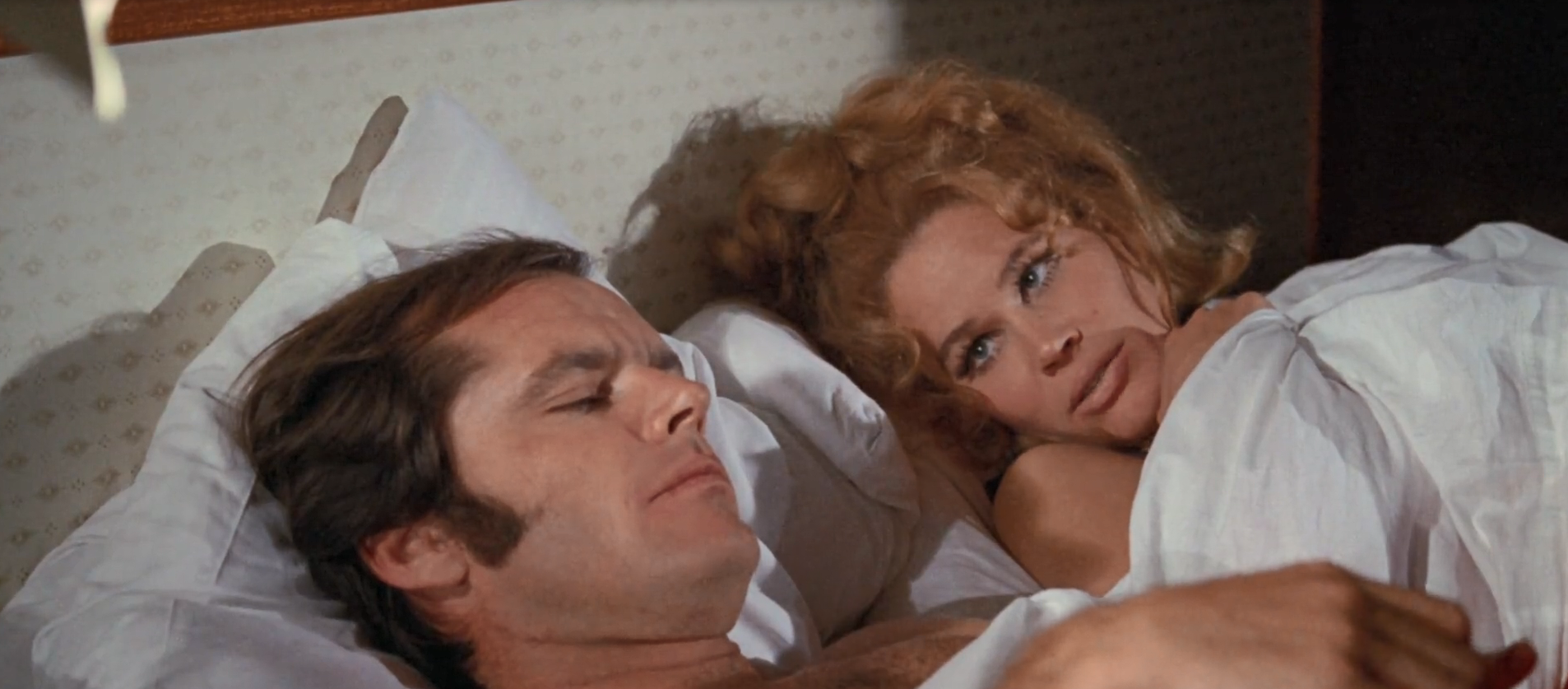
In Alternate Oscars, Peary names this Best Picture of the Year over Patton (1970), explaining that while “Patton contains a great performance by [George C.] Scott and holds up fairly well as a biography and as a war movie”, he much prefers this “different character study” featuring “a star-making, Oscar-nominated performance by Jack Nicholson” (who he names Best Actor of the Year). Peary writes that while Nicholson’s “Bobby Dupea was not like anyone with whom we associated, we responded to his strong sense of alienation” and “to his rebelliousness and frustration, which result in some classic Nicholson outbursts of temper”. He writes that the “picture is full of odd, funny moments… and unusual movie characters” — and while “we don’t admire Bobby for escaping his trap, life with the likable but annoying Rayette” (Black), we “understand that he would suffocate if he committed himself to her” so “we accept his running away because it is for her benefit more than his own” (!). While this last point is certainly debatable, there’s no arguing that their future together was tenuous at best — so perhaps it is all we can expect of Bobby to leave her his wallet (ouch).

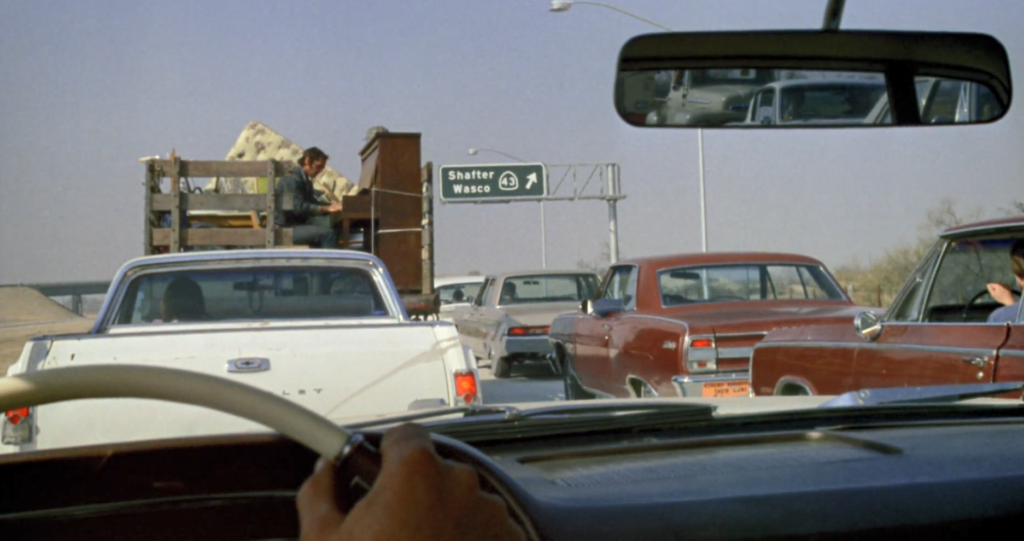
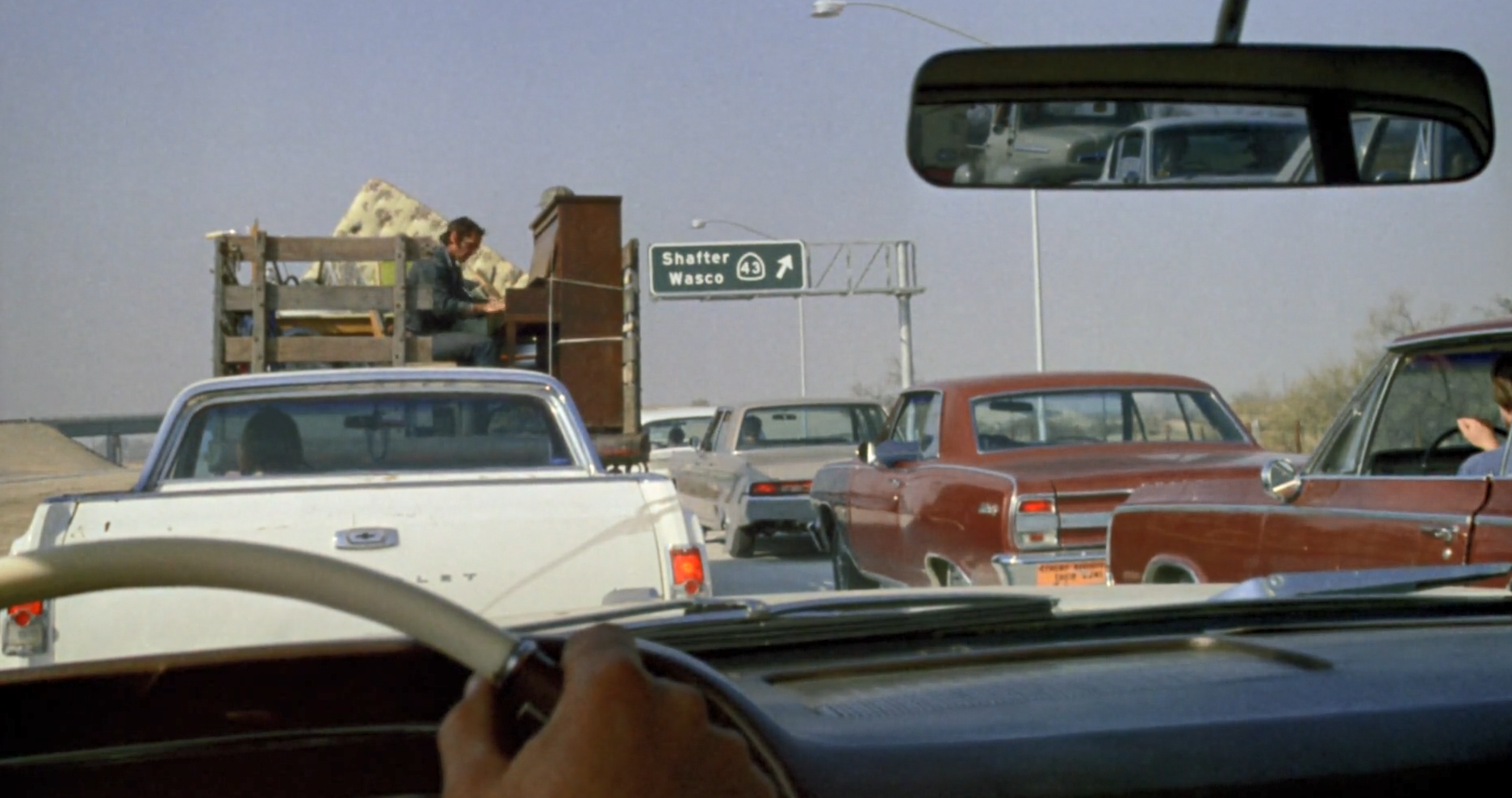
Peary writes that Nicholson “made a startling impression” as this “virile leading man”, someone “overloaded with pent-up energy, ready with the snide remark, soft spoken until he can no longer suppress his temper”. He compares him to W.C. Fields, noting that “his world is [just] as full of aggravation”, and “at times just as funny”, given that “nothing goes as he wants” and “no one will leave him alone”. He ends his review of Nicholson’s performance by noting that “as disaffected a character as Bobby Dupea is, he was sort of an Everyman in 1970. Young viewers in the counterculture” could “identify with Bobby’s outsider status; restlessness; fury and irritation when pressured; sexual energy; inability to fit comfortably into marriage, parenthood, or other niches; need to keep the exit door within sight; disappointment in himself; and desperation to mend and give meaning to his life.” While I find Nicholson’s character much harder to tolerate as I get older (and more aware of how poorly women in general are treated throughout this movie), he remains a compelling presence: his interactions with the “waitress superior” (“I want you to hold [the chicken] between your knees!”) remain eminently watchable. My favorite scene, however, is when he hops up onto a flatbed truck during a traffic jam and begins playing the piano he’s found under a moving cloth. Speaking of piano, it’s an important presence in this film, and Smith is “pitch-perfect” as Nicholson’s sister, a Glenn Gould-like pianist who can’t help singing along with her own playing while recording.

Redeeming Qualities and Moments:

  • Jack Nicholson as Bobby
  • Karen Black as Rayette
  • Lois Smith as Partita
  • Helena Kallianiotes as Palm Apodaca
  • Numerous memorable scenes

  • Laszlo Kovacs’ cinematography
  • Adrien Joyce and Bob Rafelson’s script

Must See?
Yes, as a counterculture classic.

Categories

  • Genuine Classic

(Listed in 1001 Movies You Must See Before You Die)

Links:

Police Academy (1984)

Police Academy (1984)

“Four of you have already quit — and that’s just the beginning.”

Synopsis:
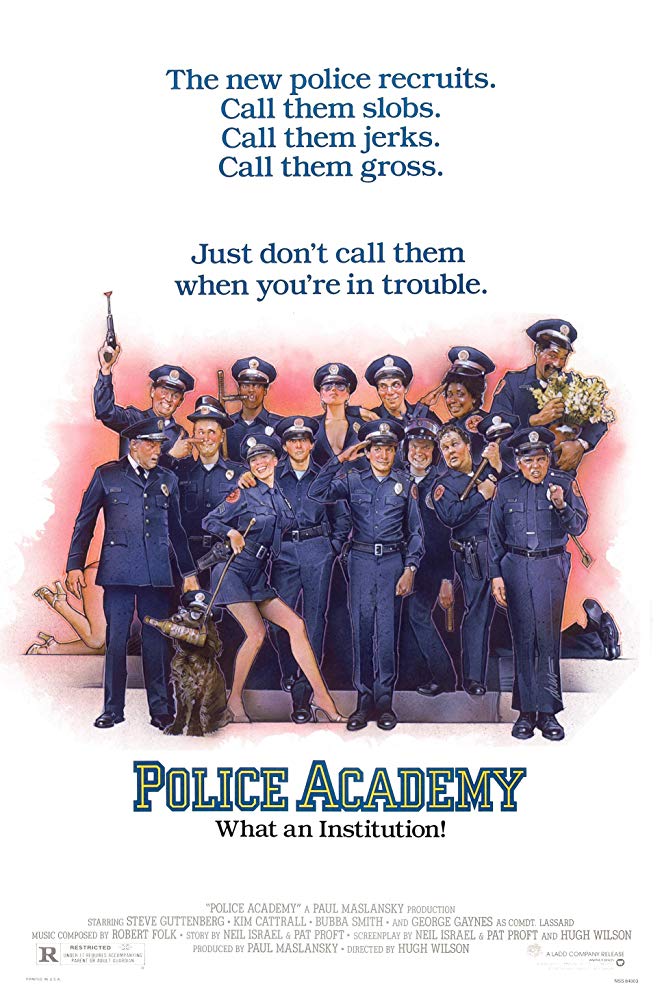
When a mayor announces her city will be accepting police candidates of all types, a group of misfits — including a troublemaker (Steve Guttenberg), a one-man noise-making machine (Michael Winslow), an attractive socialite (Kim Cattral), a former florist (Bubba Smith), and a squeaky-voiced woman (Marion Ramsey) — attend a training academy run by a crusty commandant (George Gaynes) and an irritable lieutenant (G.W. Bailey) determined to make the recruits’ lives miserable.

Genres, Themes, Actors, and Directors:

  • Comedy
  • Misfits
  • Police

Review:
Peary writes that back in 1984 (shortly before the publication of GFTFF), this “undistinguished, unimaginative comedy became a surprise commercial blockbuster, forcing highbrow critics to lament about the nature of today’s movie audience” — surely a complaint that resonates equally well in 2019. Peary adds that this is “yet another film in the Animal House and Stripes tradition, with a group of incorrigible, klutzy misfits entering a conservative institution” and ultimately deciding “they really want to become policemen after all”. He notes that “the reason for the picture’s popularity has been a mystery, because it hasn’t much sexual content or inspired lunacy” — but he asserts that he thinks “it’s partly because it’s the one film in which the institution doesn’t really alter the rebellious characters it eventually welcomes into its ranks; it doesn’t contend that if someone trains to be a policeman he’ll become a better person, or that disciplined people are the types of citizens we want.” Still, he laments that this remains a “ridiculously tame film” with “some laughs, but the humor isn’t allowed to build toward a funny climax”. Peary’s complaints all ring true; this erstwhile box-office favorite (with numerous sequels to its name) doesn’t offer much of interest to viewers other than those who recall it fondly from their youth.

Redeeming Qualities and Moments:

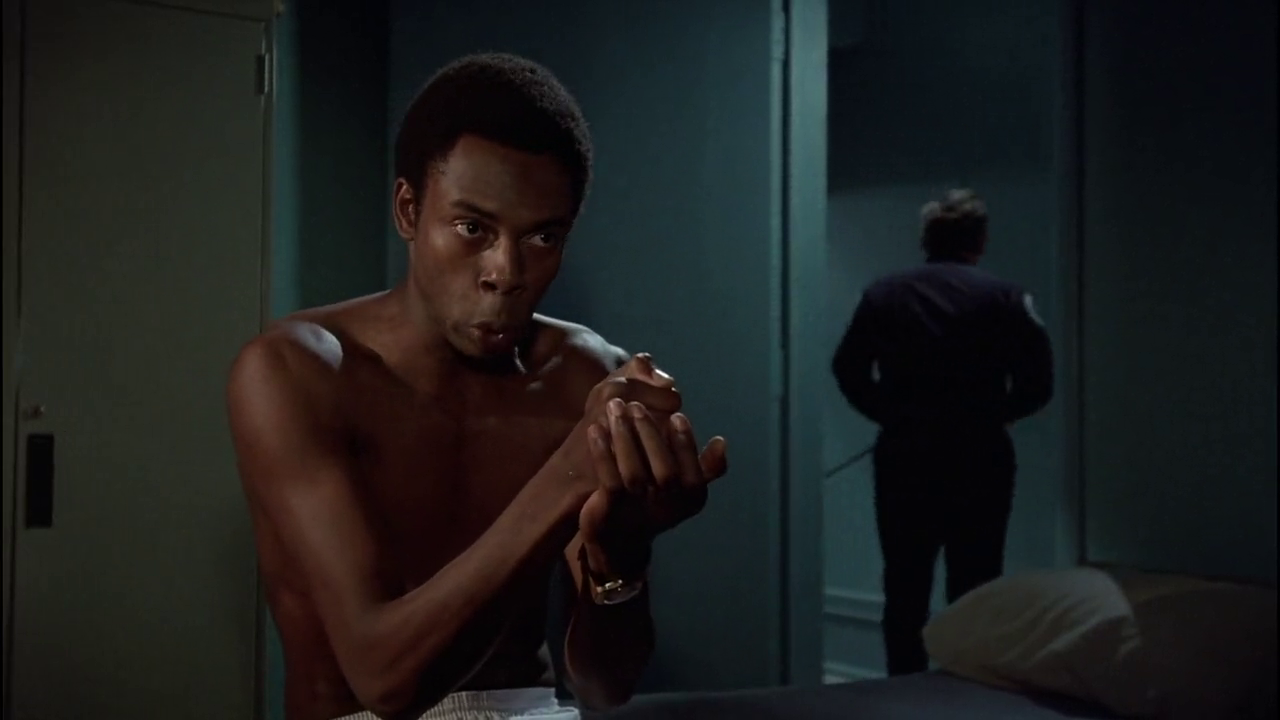
  • Michael Winslow’s amusing “sound machine”

Must See?
No; this one is only for cult ’80s movie lovers or those curious to see what the fuss was all about.

Links: