Browsed by
Category: Response Reviews

My comments on Peary’s reviews in Guide for the Film Fanatic (Simon & Schuster, 1986).

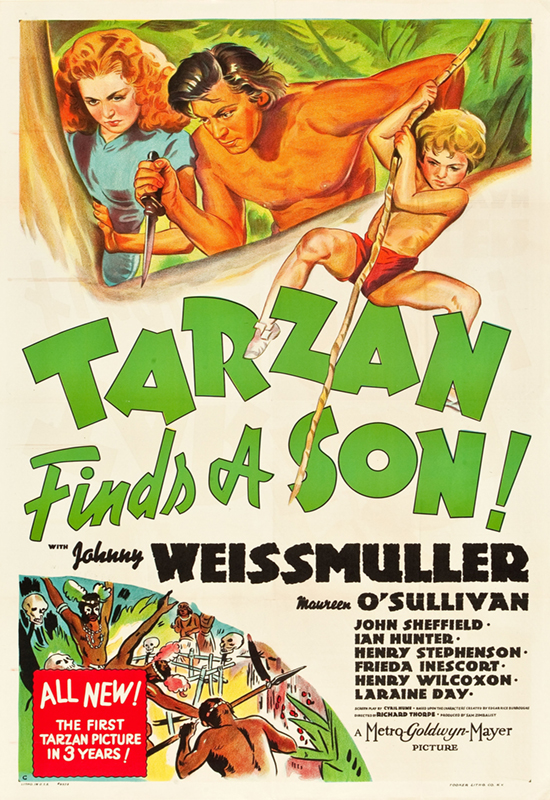
Tarzan Finds a Son! (1939)

Tarzan Finds a Son! (1939)

“Go to your father, Boy — and later on, he’ll teach you all the things you’ll ever need to know in the jungle.”

Synopsis:
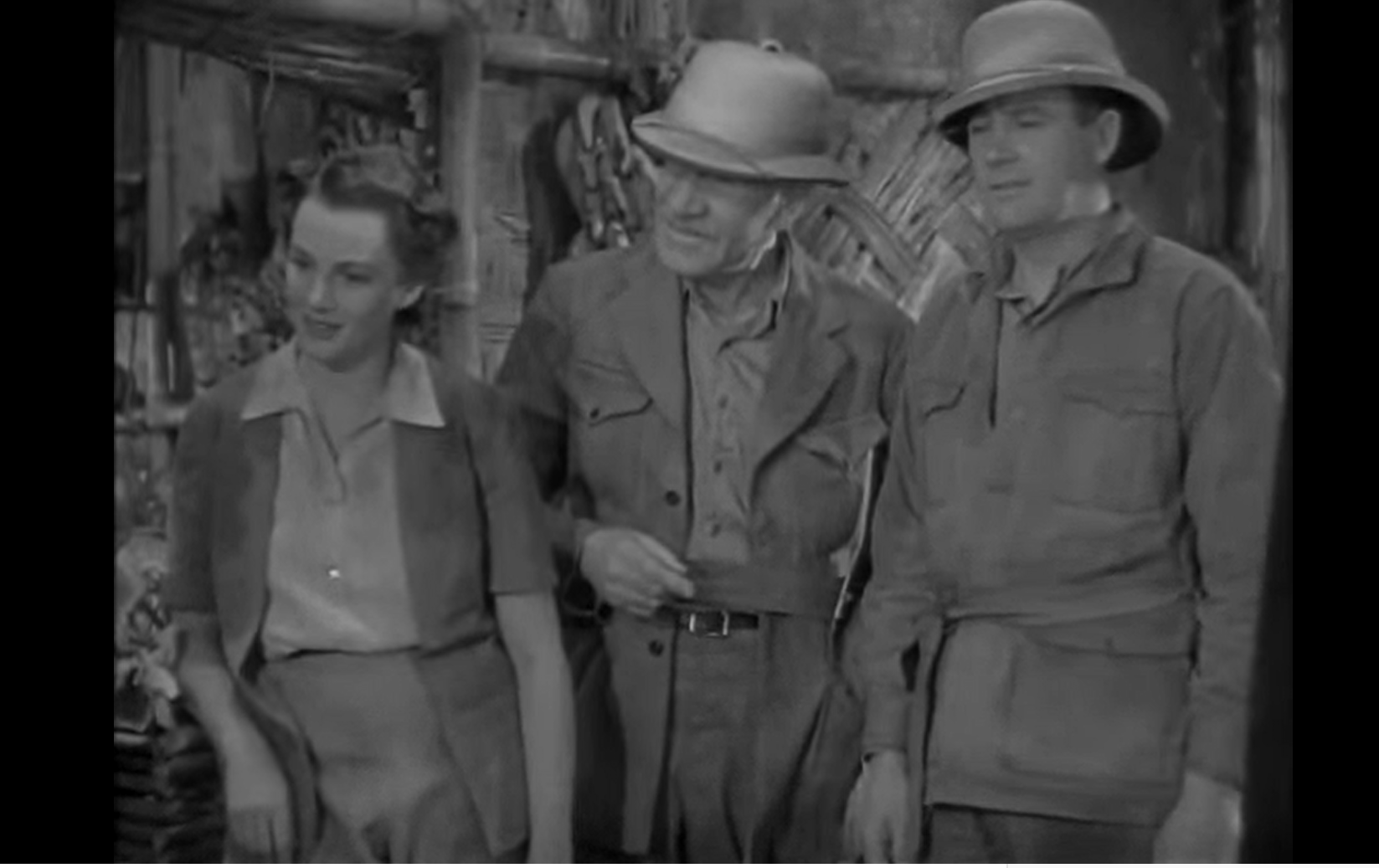
After a plane crashes nearby their home, Jane (Maureen O’Sullivan) and Tarzan (Johnny Weissmuller) adopt the sole survivor — a baby who grows into an active young child they call Boy (John Sheffield). When the child’s aunt (Frieda Inescort), uncle (Ian Hunter), and another relative (Henry Stephenson) arrive to learn more about their missing relatives, they find Boy and plan to take him back to London — but will Jane and Tarzan allow their beloved son to leave?

Genres:

  • Adoption
  • Africa
  • Ian Hunter Films
  • Jungles
  • Maureen O’Sullivan Films
  • Raising Kids
  • Tarzan Films

Response to Peary’s Review:
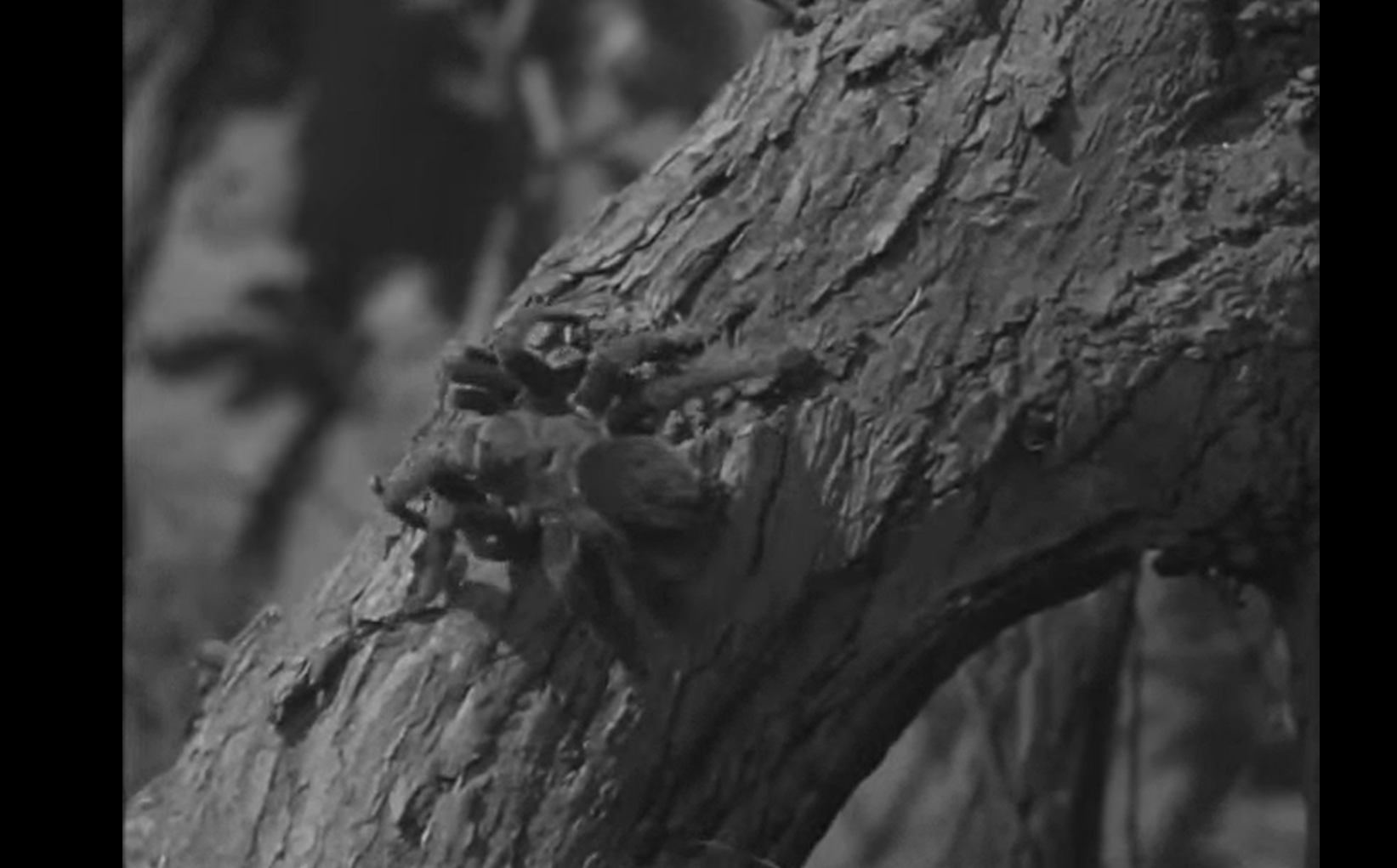
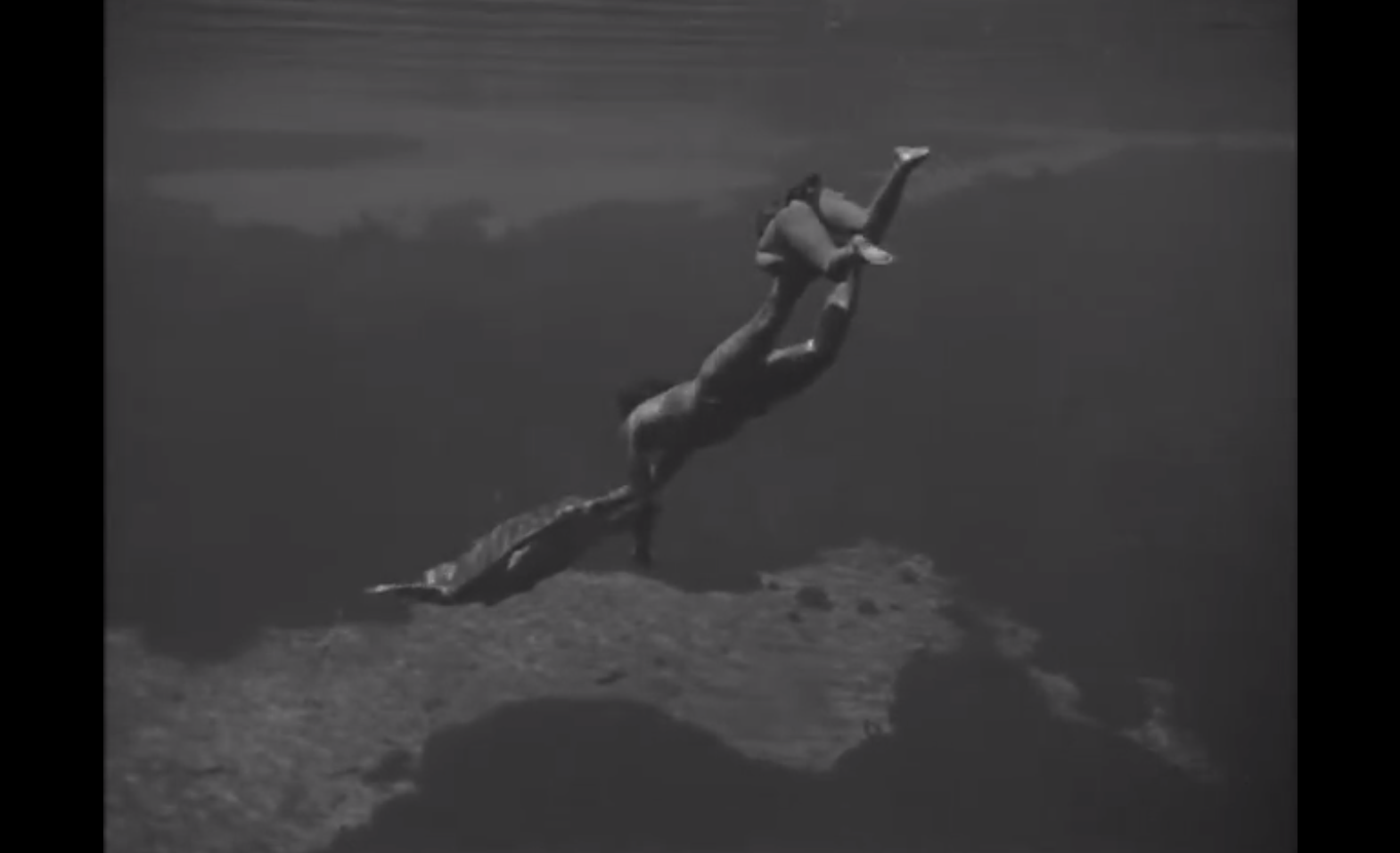
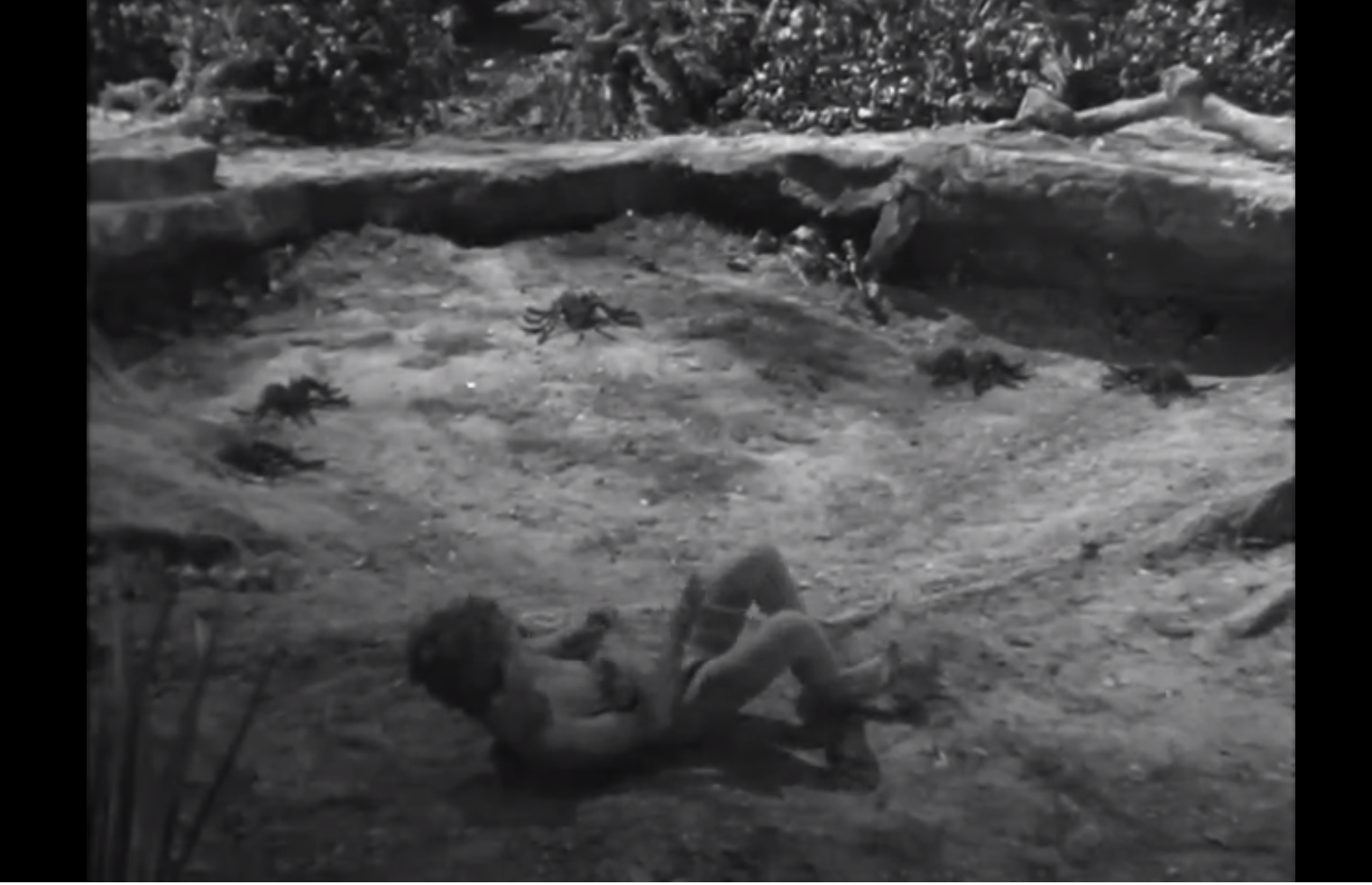
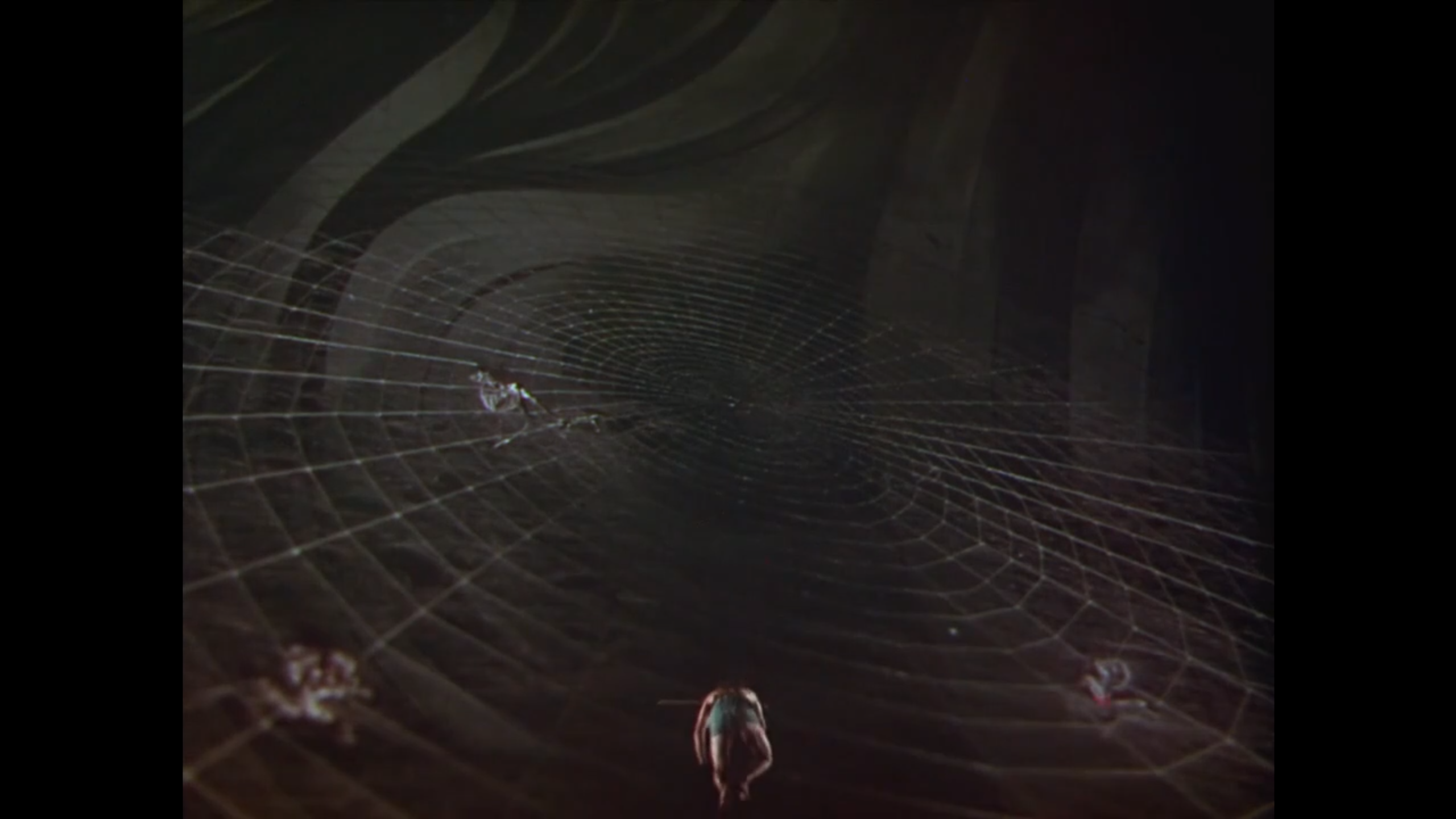
Peary notes that this “fourth entry into Metro’s Johnny Weissmuller-Maureen O’Sullivan Tarzan series” was “supposed to be the unhappy O’Sullivan’s last, so the studio decided to kill Jane off and fill the gap in Tarzan’s life with a young adopted son, Boy” — but “fortunately, so much pressure was placed on the studio by Tarzan fans that Jane does not die, although the entire script most definitely leads up to her demise at the end” and “her recovery from a fatal injury is miraculous”. He argues that the “film is entertaining, although there’s too much footage of Tarzan and Boy swimming around and not enough intimacy between Tarzan and Jane (a bad sign that the series was becoming less adult)” — though I can’t quite agree; the presence of an active young boy brings welcome excitement and tension to the proceedings, as he’s in near-constant danger from the wildlife around him (check out those huge spiders!).


Hunter and Inescort are appropriately smarmy as the dubious relatives clearly on the take for money, not the privilege of parenting Boy.

Redeeming Qualities and Moments:

  • Several memorable moments — such as Tarzan swimming with Boy, and Boy caught in a large spider web

Must See?
No; while reasonably well-made, this one is only must-see for fans of the series.

Links:

Tarzan Escapes (1936)

Tarzan Escapes (1936)

“Out here, Tarzan’s a king. How do I know what he’d be back there?”

Synopsis:
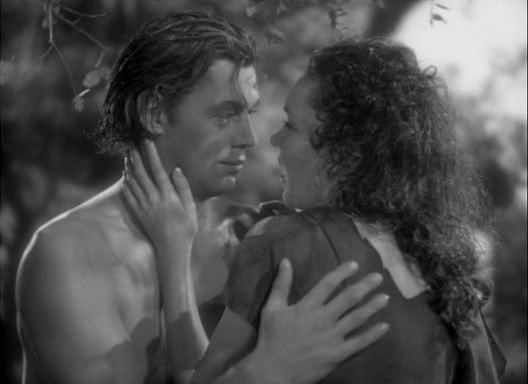
When her cousins (Benita Hume and William Henry) arrive for a visit in the jungle, Jane (Maureen O’Sullivan) and her mate Tarzan (Johnny Weissmuller) are eager to host them and the professional hunter (John Buckler) they’re travelling with — but when Jane learns she must head back to the U.S. to sign inheritance paperwork, she worries what the impact will be on Tarzan.

Genres:

  • Africa
  • Inheritance
  • Jungles
  • Maureen O’Sullivan Films
  • Tarzan Films

Response to Peary’s Review:
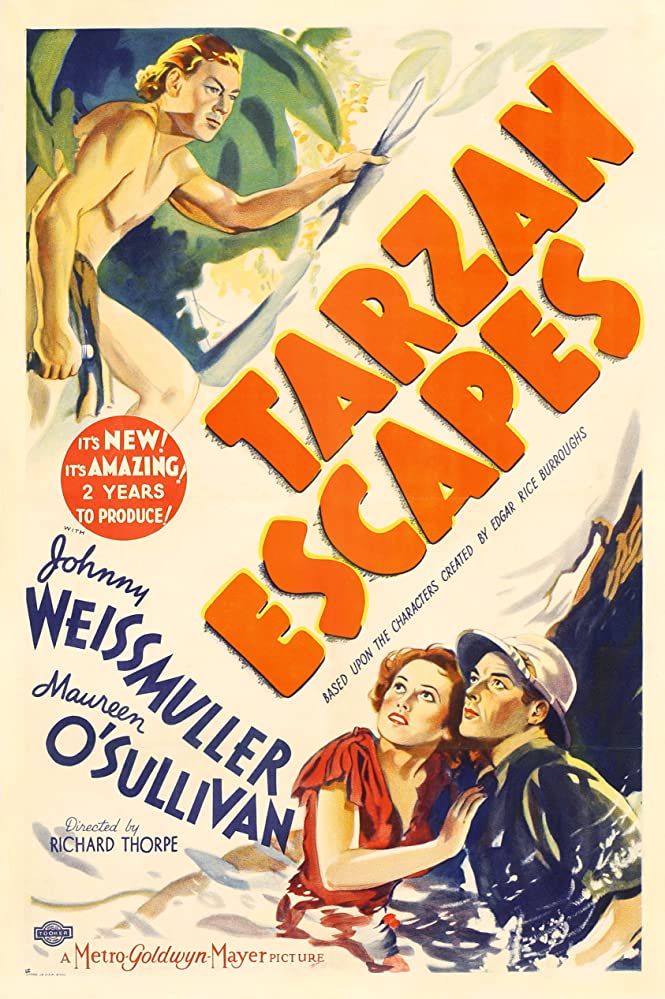
Peary writes that this “third entry in the Johnny Weissmuller-Maureen O’Sullivan [Tarzan] series” marked “the turning point… from adult fare to family entertainment”, given that “not only was Jane expected to wear a costume several times the one she wore in Tarzan and His Mate, but several scenes considered too horrifying for children were either reshot or eliminated (including the legendary vampire-bat sequence)”. (Check out this article for more detailed information on the film’s original iteration.) While Peary concedes that “Tarzan fans will enjoy the film”, other film fanatics can feel free to skip this one.

Redeeming Qualities and Moments:

  • Fine cinematography

Must See?
No; this one is only must-see for completists of the series.

Links:

Bolero (1984)

Bolero (1984)

“I never dreamed that there was anyone on this earth like you — anyone.”

Synopsis:
An orphaned heiress (Bo Derek) hoping to lose her virginity enlists the help of her chauffeur (George Kennedy) and his young wife (Ana Obregon) in travelling first to Morocco — where she attempts to be bedded by an insufficient sheik (Greg Bensen) — then to Spain, where she falls in love with a soon-to-be-gored bullfighter (Andrea Occhipinti).

Genres:

  • Bullfighting
  • Historical Drama
  • George Kennedy Films
  • Romance
  • Virginity

Response to Peary’s Review:
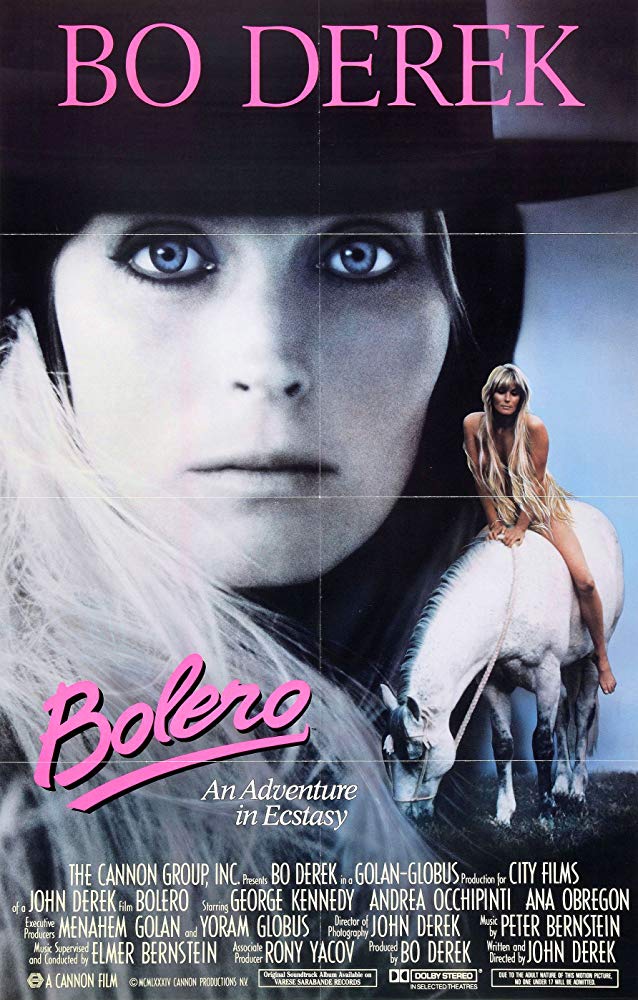
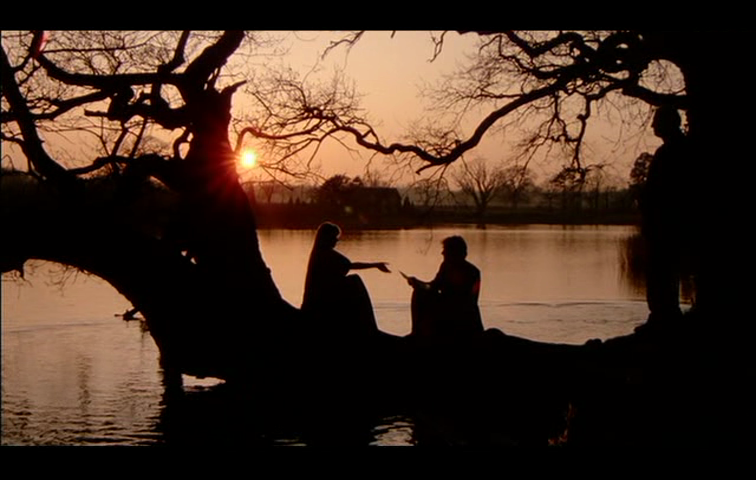
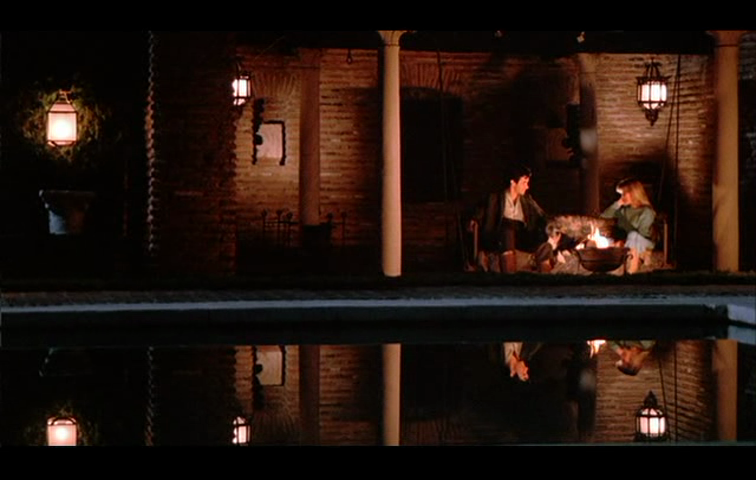
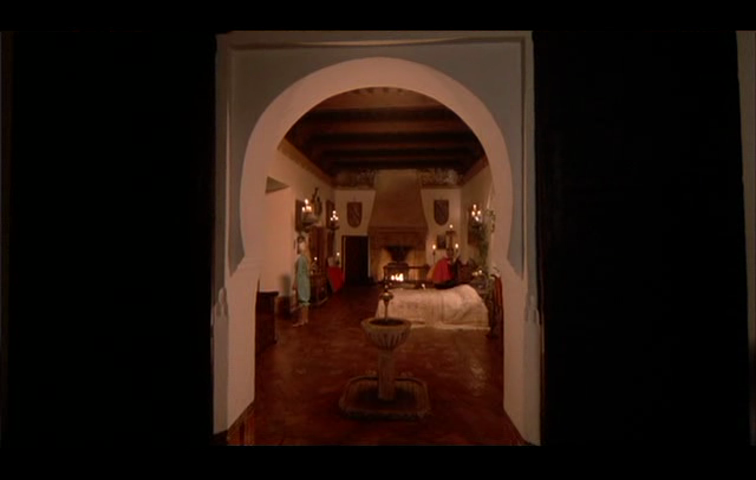
Peary writes that this “worst film of 1984” is “no more than a home movie by director John Derek”, who “shoots so many close-ups of smiling wife Bo Derek that perhaps this was intended as a tribute to her dentist” (!). The remainder of Peary’s brief review is equally (and justifiably) snarky; he asserts that while “Bo may not be the worst actress around”, if you “combine her blank-minded love-child persona with the nauseating heiress she plays here”, the “results are deadly”. Though “Derek said he wanted the world to see how sexy Bo is”, his “film is anti-erotic”: “Every time Derek sets up a feverish love encounter for his wife, he undermines it with disruptive humor or stupid dialogue.” There’s little more to say about this mess of a film except that one mourns the sheer waste of funds that went into creating something so visually sumptuous (the cinematography and sets are gorgeous) for such cringe-worthy and boring results. Be forewarned that this soft-core flick contains inappropriate fetishization of both gypsies and underaged teens (Olivia D’Abo).

Redeeming Qualities and Moments:

  • Luminous cinematography


  • Numbingly awful dialogue:

    “It has to be warm and sultry and dark eyed when you give your virginity away. Like Italy or Spain.”

    “I am the woman for his bed and there will be no other. No other.”

Must See?
Nope; you have my permission to stay far, far away from this one.

Links:

National Lampoon’s Animal House / Animal House (1978)

National Lampoon’s Animal House / Animal House (1978)

“If the whole fraternity system is guilty, then isn’t this an indictment of our educational institutions in general?”

Synopsis:
During pledge week in 1962, two young college students (Tom Hulce and Stephen Furst) find themselves joining a raucous fraternity — whose members include a “smooth-talking, skirt-chasing president” (Tim Matheson), a student (Peter Riegert) whose girlfriend (Karen Allen) tries to convince him to “settle down”, and two “resident wild men” (John Belushi and Bruce McGill) — which the strait-laced dean (John Vernon) is determined to shut down.

Genres:

  • College
  • Comedy
  • Donald Sutherland Films
  • John Belushi Films
  • Karen Allen Films
  • Misfits
  • Verna Bloom Films

Response to Peary’s Review:
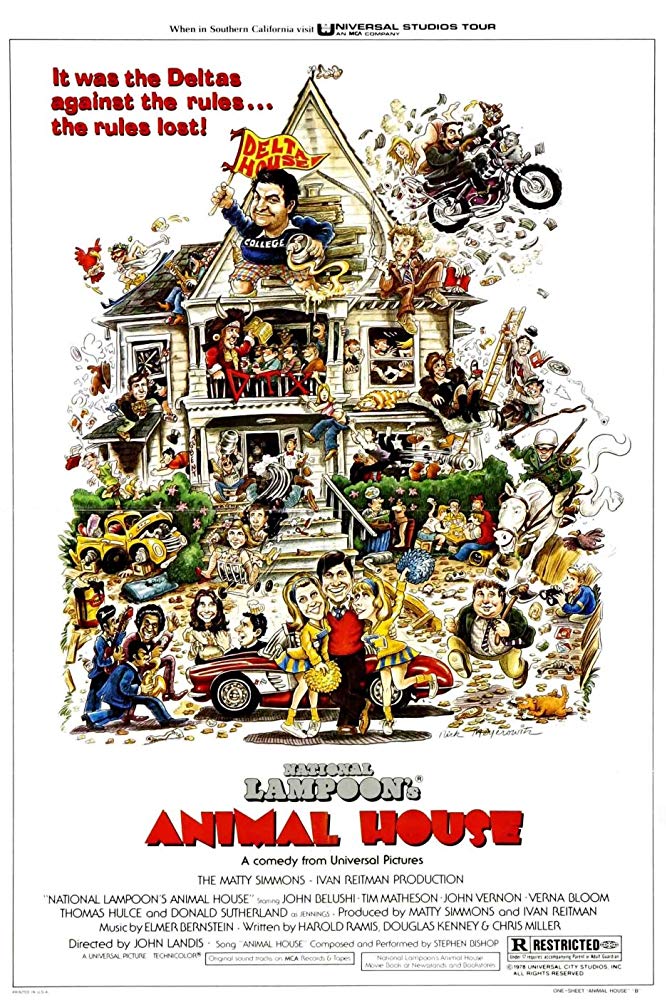
Peary writes that this “influential”, “raucous, raunchy film that became the highest-grossing comedy of all time” — directed by John Landis — “still inspires films that can’t compare to it”. He notes that there “is a lot of destruction” as “the fraternity fights back” against Dean Wormer’s (Vernon’s) attempts to “close down Delta House and expel all the members”, and points out that this “uninhibited film is often hilarious; like his characters, director Landis exhibits inspired lunacy”. Meanwhile, “the characters are so likable that we aren’t turned off when Belushi peeps into sorority girls’ windows while they undress (he gives us a great devilish smile); when Belushi, McGill, and Furst are responsible for the death of a horse in Vernon’s office; when Belushi spits food all over obnoxious students; … or when Matheson manipulates a girl to make love to him by pretending he is the grieving former boyfriend of her recently deceased roommate.” While Peary argues that the “finale is too wild, and hackneyed”, he writes that “before this there are numerous funny moments and scenes” — though he points out it’s “not for all tastes”. Most distressing are the scenes positing non-whites as perennial outsiders, and/or — in the case of a visit to a black music joint — menacing threats; but I suppose it could be argued that this simply highlights the white characters’ inanity, paranoia, and unfounded prejudices.

Note: Watch for Donald Sutherland in a small role as a hip, grass-smoking professor, and Kevin Bacon in his debut role as new pledge “Chip Diller”.

Redeeming Qualities and Moments:

  • John Belushi as Bluto
  • John Vernon as Dean Vernon Wormer

Must See?
Yes, as a cult classic.

Categories

Links:

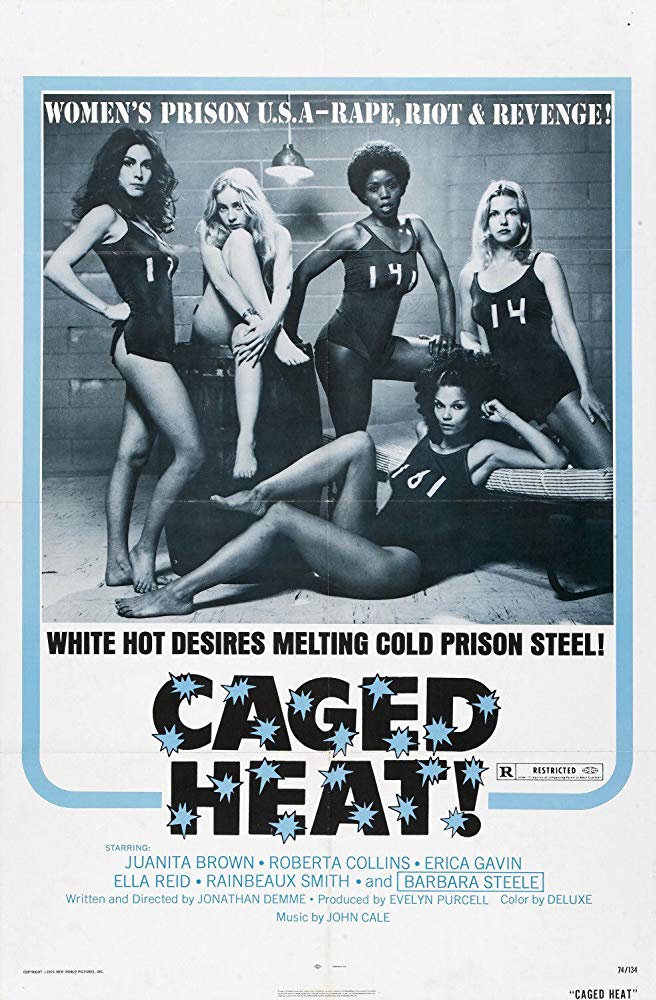
Caged Heat (1974)

Caged Heat (1974)

“You’re in a house of desperate women here — and a long, long way from home.”

Synopsis:
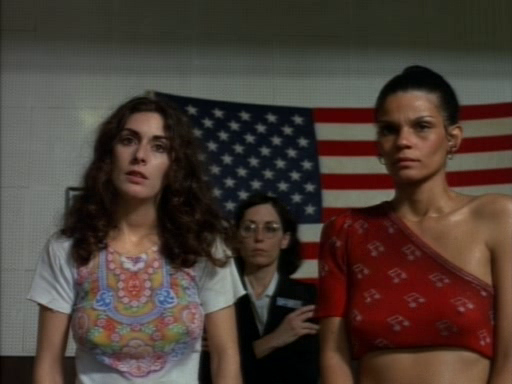
A new inmate (Erica Gavin) in a women’s prison run by a sadistic, wheelchair-bound warden (Barbara Steele) and a perverse doctor (Warren Miller) soon joins forces with other prisoners in rebelling against their dire situation.

Genres:

  • Barbara Steele Films
  • Jonathan Demme Films
  • Mad Doctors and Scientists
  • Prisoners
  • Rebellion
  • Strong Females

Response to Peary’s Review:
Peary argues that this “New World picture”, written and directed by Jonathan Demme, was the “best sexploitation film of [the] era, completely overcoming stringent dictates of [the] inherently misogynist women-in-prison genre.” He adds that “Demme deliberately reverses [a] formula which had sex and nudity being supplemented by action, and — with the exception of one scene — refuses to equate violence, or the threat of violence, toward women with sex, or to use female-in-peril/agony scenes to titillate male viewers.” He notes that “much is praiseworthy” about this film, including “the strong, intelligent women” and “the authentic depiction of U.S. prisons as cruel, dehumanizing institutions where prisoners lack privacy … , where some hostile prisoners are given shock treatments or lobotomies, [and] where drugged prisoners are tricked into signing forms that allow doctors to perform hideous, permanently debilitating operations on them.” (Much of this remains all-too-true about modern-day prisons in the United States.)

Peary adds that “Demme did away with the disproportionate use of white and black characters which typically has only one black in a lead role, and the objectionable emphasis on female breasts”, instead often “deglamoriz[ing] the women, showing them on the toilet and looking ill, or with food in their mouths, or even dressed up like baggy-pants male comics, mustache and all.” He writes that the “film has great pacing and [an] exciting escape finale”, as well as a “well chosen” cast — including Barbara “Steele, in a part Demme wrote with her in mind” performing “the strongest role of her strange career”; “beautiful and talented sexploitation vet Roberta Collins do[ing] some comedy; Gavin, whose eyes grow tougher as the film progresses, and adorable Rainbeaux Smith handl[ing] non-dialogue moments especially well; and [Juanita] Brown and Ella Reid exhibit[ing] command and confidence.”

Peary elaborates upon all these ideas in his first Cult Movies book, where he notes:

“While most films of the genre seem to have been created in a cinematic vacuum by directors who had never seen a movie in their lives, Caged Heat makes Demme’s cinematic roots quite evident. Several prison sequences remind one of Raoul Walsh’s White Heat (1949). Demme’s use of John Cale’s fine blues score (with harmonica whining during outdoor sequences) is similar to Arthur Penn’s playing of Flatt and Scruggs’s “Foggy Mountain Breakdown” during the speeding-car sequences in Bonnie and Clyde (1967). When Jackie [Gavin], Maggie [Juanita Brown], and Crazy [Lynda Gold] go to rob a bank and find another group of bankrobbers already there, we might easily flash back to the bungled bank robbery in Woody Allen’s Take the Money and Run (1969), when two gangs simultaneously pull out their guns. When we are presented with a close shot of a wall in the prison mess hall which has on it the writing ‘Don’t Throw Food’ and the wall is immediately struck by flying food, [one recalls] the opening of Mark Robson’s Youth Runs Wild (1944) with its street sign reading “Drive Slowly — We Love Our Children” immediately knocked over by a carelessly driven truck.”

With all that said, Peary adds he “doesn’t want to give the impression that the style or content of Caged Heat is not singular to Demme”, given that overall it’s “like few other films.” I agree with Peary’s overall positive assessment. Caged Heat — while most certainly a women-in-prison exploitation film — is surprisingly intelligent, well-acted, creatively shot, and exciting. It’s held up well, and remains worth a look as a justified cult favorite.

Redeeming Qualities and Moments:

  • Strong direction, cinematography, and editing
  • John Cale’s score

Must See?
Yes, as a cult favorite.

Categories

Links:

Private Parts (1972)

Private Parts (1972)

“Look at me — I’m going to pieces! I can’t even work anymore.”

Synopsis:
After being thrown out of her apartment for spying on her roommate (Ann Gibbs), an intrepid young woman (Ayn Ruymen) goes to live in her aunt’s (Lucille Benson) rundown hotel in L.A., where a creepy photographer (John Ventantonio) spies on her.

Genres:

  • Black Comedy
  • Horror Films
  • Peeping Toms

Response to Peary’s Review:
Peary writes that this “kinky black comedy-horror film” — an “interesting debut for director Paul Bartel”, best known for Death Race 2000 (1975) and Eating Raoul (1982) — is “creepy, but perhaps you’ll most remember scenes that are either erotic… or obscene (a transvestite shoots a hypodermic full of blood into the crotch of a plastic female body, which has a picture of Ruymen’s face pasted on it)”. He notes that the “twist ending is confusing and not very satisfying (you won’t buy it), but until then it’s unlike all other girl-in-scary-hotel/motel/inn/boardinghouse pictures”. He ends his review by noting, “Cute Ruymen is most appealing — what became of her?”, and I agree; Ruymen is a refreshingly spunky horror film protagonist, someone who’s clearly enjoying herself and unafraid throughout most of the truly odd proceedings.

This cult flick about family madness and sexually confused killers is most certainly not for all tastes, but will be of interest to fans of Bartel’s work.

Redeeming Qualities and Moments:

  • Effective cinematography
  • Some super-creepy/odd moments

Must See?
No, though it’s worth a one-time look for its cult status.

Links:

Flashdance (1983)

Flashdance (1983)

“You go out there and the music starts, and you begin to feel it, and your body just starts to move.”

Synopsis:
A welder and club dancer (Jennifer Beals) hoping to audition for the Pittsburgh Ballet Company dates her boss (Michael Nouri) while supporting her friends in their dreams of professional ice skating (Sunny Johnson) and stand-up comedy (Kyle T. Heffner).

Genres:

  • Aspiring Stars
  • Cross Class Romance
  • Dancers

Response to Peary’s Review:
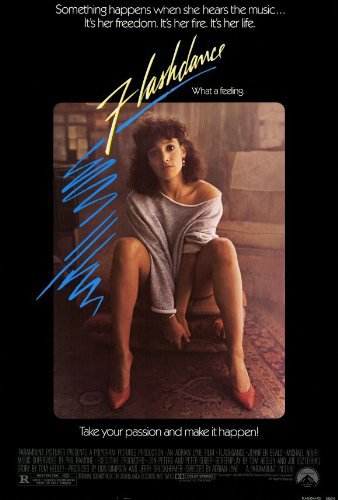
Peary writes that this “phenomenally popular film” — “set in Pittsburgh” — offers us director “Adrian Lyne’s conception of the perfect ‘modern’ woman: talented, ambitious, loyal to her female friends, confident, stubborn, and sexually liberated”. He notes that while the “picture has a potentially interesting feminist theme, an appealing performance by Beals, and some exciting dancing by Beals’s double Marine Jahan”, the “film is done in by a shallow script, overly stylish direction, and far too much editing.” Peary’s review precisely highlights the problems with this beautifully filmed but vapidly plotted movie, which is built on one simplistic platitude — “Don’t give up on your dreams!” — and fails to develop any relationships in a meaningful way. Perhaps especially frustrating are scenes between Beals and her elderly mentor (Lilia Skala), which tell us nothing at all about how they met or why their special bond developed. You can feel free to skip this one.

Redeeming Qualities and Moments:

  • Luminous cinematography
  • Enjoyable dance sequences
  • Irene Cara’s Oscar-winning theme song

Must See?
No, unless you’re nostalgic or curious to check it out.

Links:

Love Story (1970)

Love Story (1970)

“You’re a preppy millionaire, and I’m a social zero.”

Synopsis:
A music student at Radcliffe (Ali MacGraw) falls for a preppy Harvard law student (Ryan O’Neal) whose wealthy father (Ray Milland) disapproves of their marriage and cuts off O’Neal’s inheritance. The beautiful newlyweds live a poor but happy life — until devastating news about MacGraw’s health rocks their world.

Genres, Themes, Actors, and Directors:

  • Ali MacGraw Films
  • Cross-Class Romance
  • Death and Dying
  • Flashback Films
  • Illness
  • Newlyweds
  • Ray Milland Films
  • Ryan O’Neal Films
  • Tommy Lee Jones Films

Response to Peary’s Review:
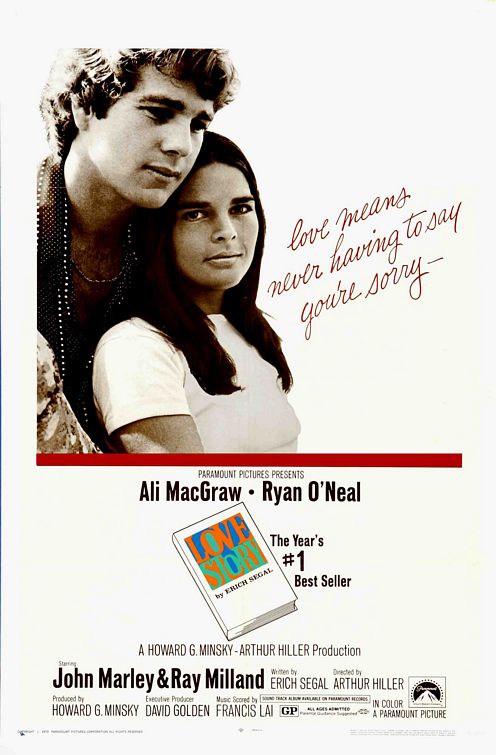
Peary writes that “Erich Segal’s screenplay” — “boy-meets-girl-and-marries-girl-who-then-becomes-terminally-ill” — was turned down by several studios who claimed “it was too superficial, too syrupy, too pure”, but then picked up by Paramount Studios, which “realized those weren’t necessarily negative characteristics” and subsequently “made a fortune”. He notes it’s “more stylish but less substantial than the old-style weepies it emulated”, and asserts that it “strives for honesty and simplicity at the expense of theme or characterization”. He goes on to describe the film’s popularity (it was number one at the box office that year, and broke records) by noting that “the opening line, which tells us that the girl (Ali MacGraw) has died, is enough to start the tissue parade”, with the entire flashback story “pointed toward her dying (from some unmentionable disease).” He writes that “as the ill-fated couple, MacGraw and O’Neal” (inappropriately nominated for Oscars) “seem intent only on building their own images — there is no sincerity in their performances.” He adds that “how their characters fall in love, or why they love each other so much, is unclear”: “they are too dull, arrogant, and full of false humility to be anything but competitors” and “they come across as beautiful people who could have won each other on The Dating Game“. He concludes by assuring us that “the number of tears viewers shed shouldn’t be mistaken for a measure of approval.”

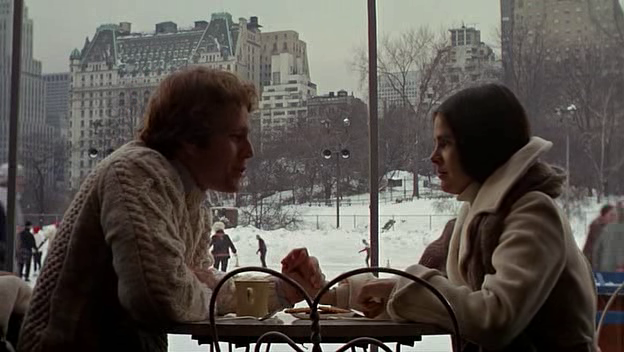
Peary’s review is spot-on, leaving little to add. These characters are good-looking but shallow and unappealing. O’Neal’s rocky relationship with his father (Milland, trying his best with limited material) feels petulant rather than righteous, and O’Neal’s bond with her salt-of-the-earth father (Oscar-nominated John Marley) isn’t explored in any depth. MacGraw’s all-in-fun name-calling (“preppy”) and both characters’ profanity-laced “verbal volleyball” (“Listen, you conceited Radcliffe bitch…”; “Look, it’s not an official goddamned threshold.”) was considered shocking at the time, but now is simply tiresome to listen to. MacGraw’s unnamed illness (referred to as leukemia in the source-novel) leaves her looking infamously hearty, hale, and lovely till the very end. The film’s famous line — “Love means never having to say you’re sorry” — is both incorrect and inane. In his review, Peary neglects to mention Francis Lai’s uber-famous title song, which is lovely but overused to such an extent that it begins to feel manipulative.

Redeeming Qualities and Moments:

  • Fine cinematography

Must See?
No, unless you’re curious to check it out given its popularity.

Links:

Thief of Bagdad, The (1940)

Thief of Bagdad, The (1940)

“You’re a clever little man, little master of the universe — but mortals are weak and frail.”

Synopsis:
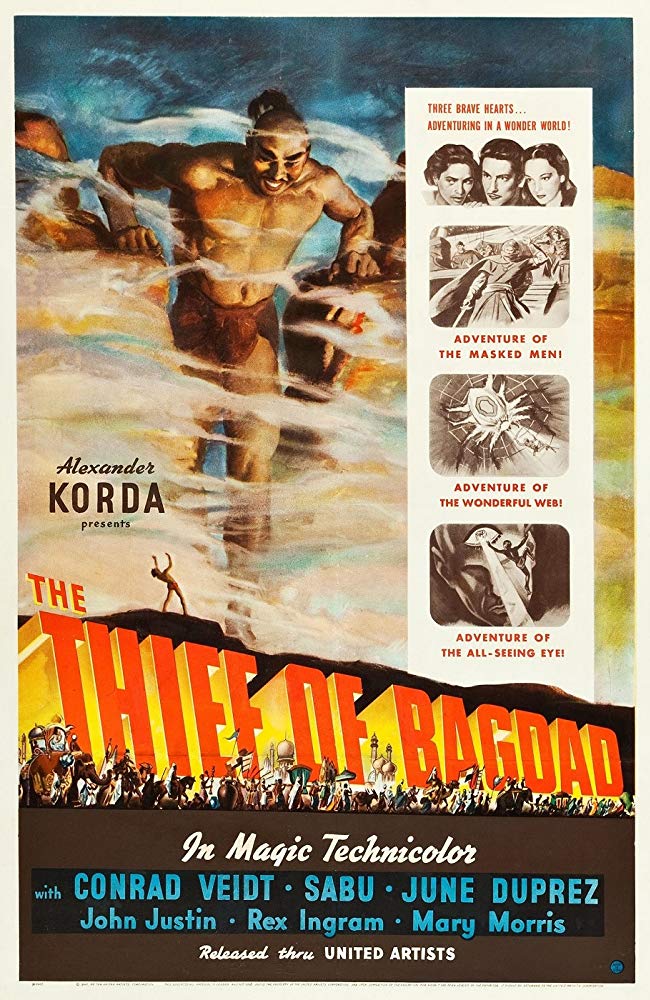
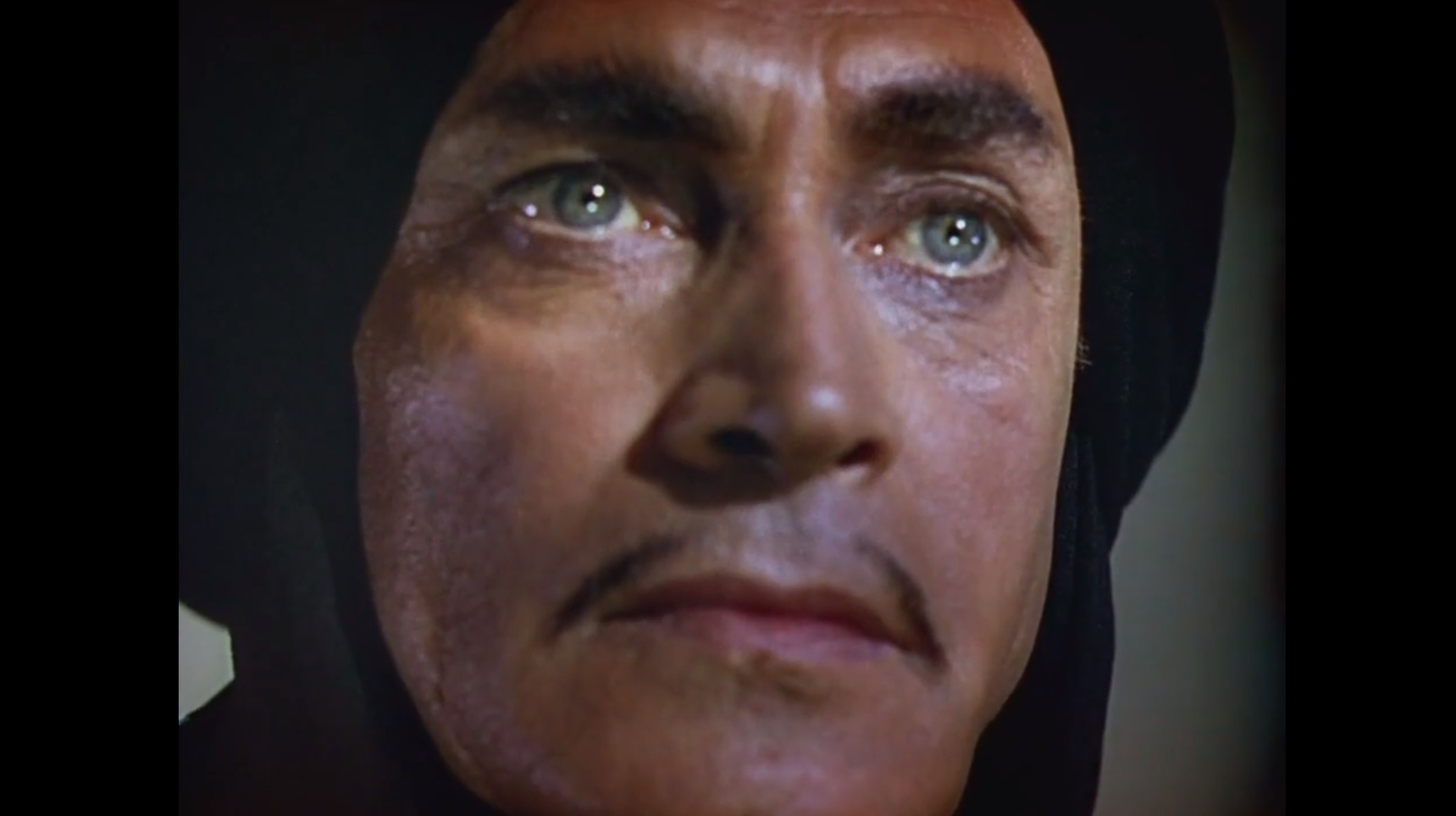
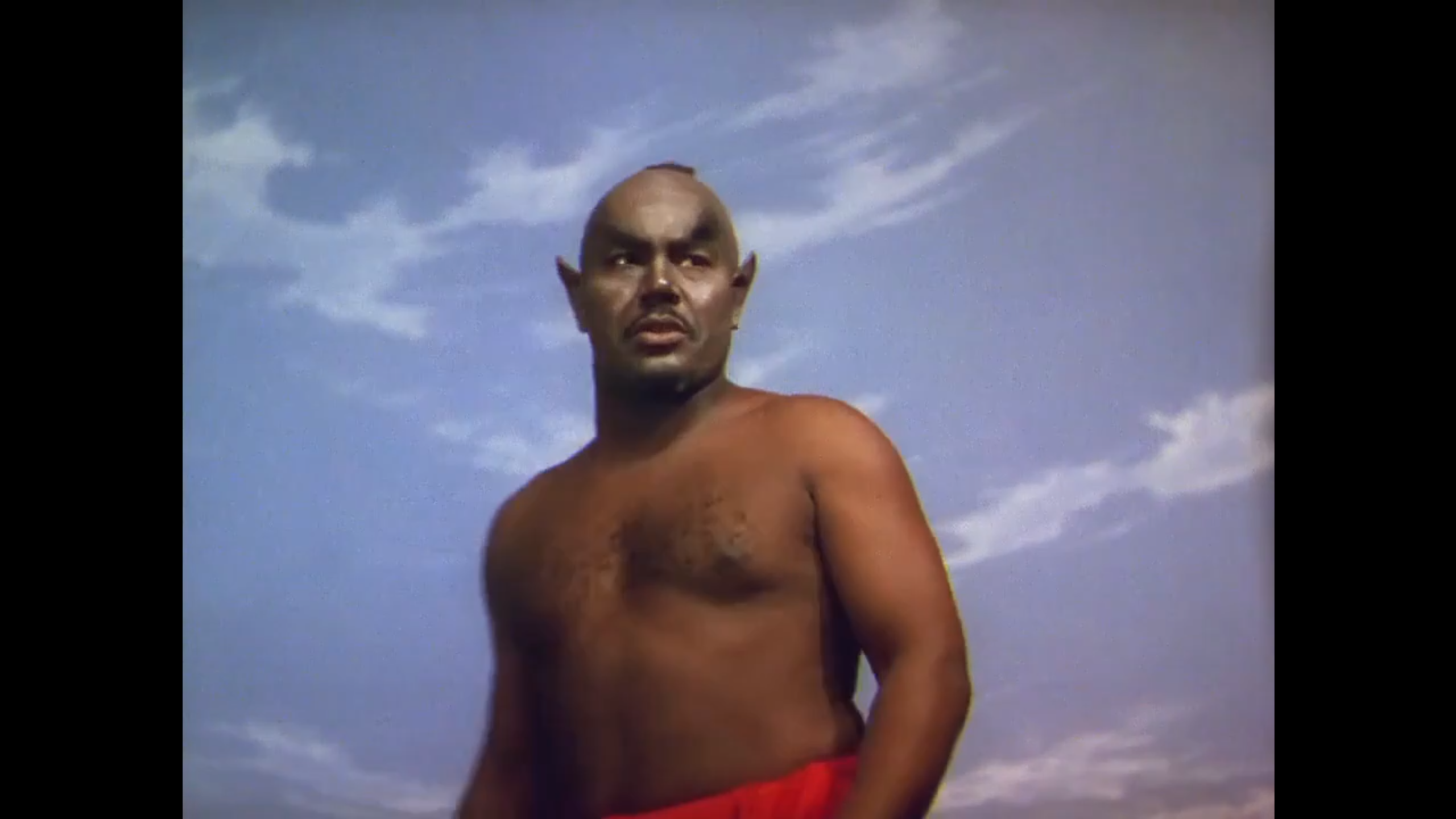
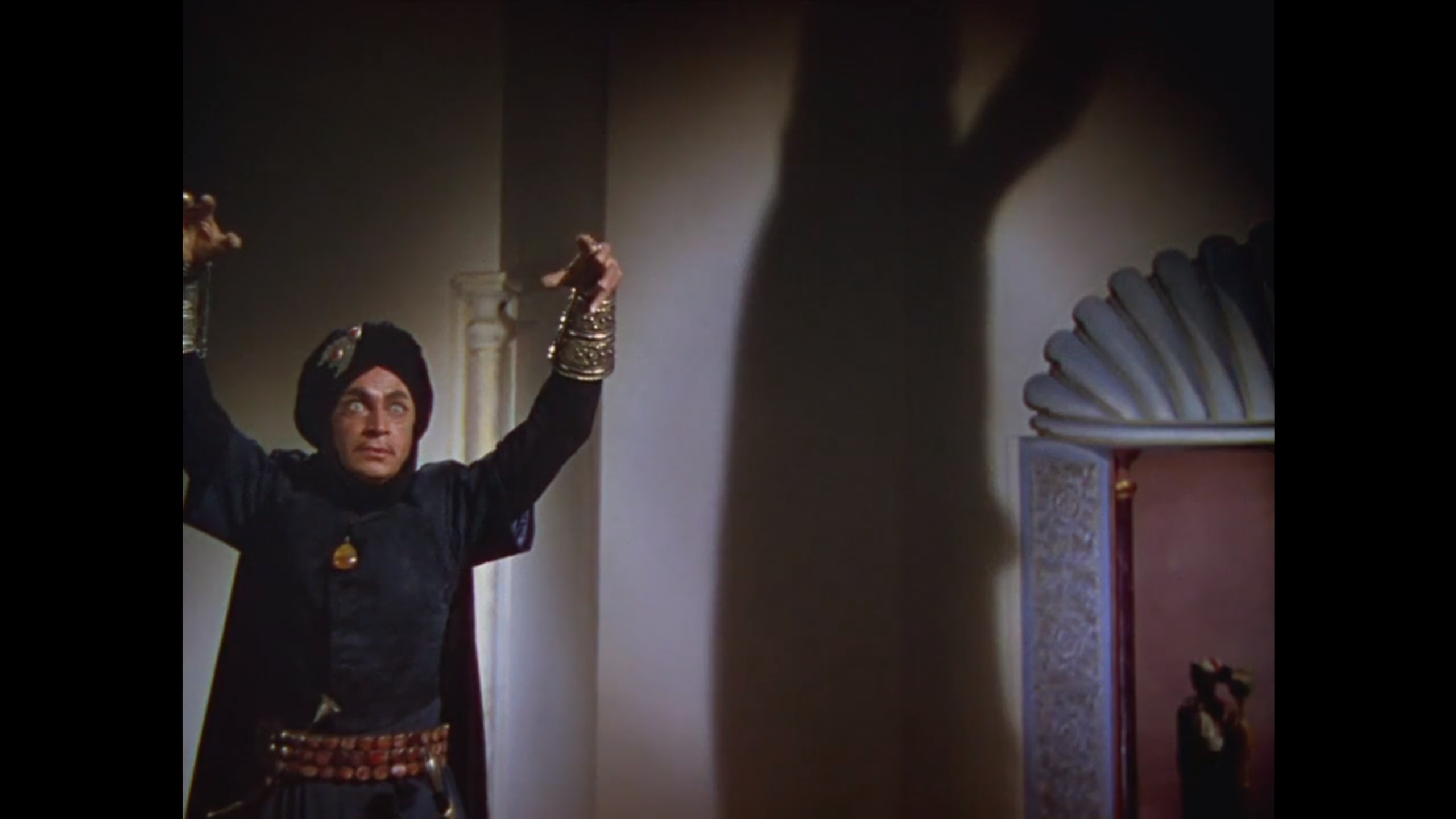
When a kind-hearted prince (John Justin) is betrayed by his grand vizier (Conrad Veidt), he befriends a young thief (Sabu) who helps him survive on the streets of Bagdad. Justin quickly falls in love with the beautiful daughter (June Duprez) of a toy-obsessed sultan (Miles Malleson), provoking the ire of jealous Veidt, who wants her for himself. Will loyal Sabu — with the help of a giant genie (Rex Ingram) he rescues from a bottle — be able to help Justin reunite with Duprez?

Genres, Themes, Actors, and Directors:

  • Conrad Veidt Films
  • Fantasy
  • Folk Tales, Fairy Tales, and Mythology
  • June Duprez Films
  • Magicians
  • Michael Powell Films
  • Rex Ingram Films
  • Sabu Films

Response to Peary’s Review:
Peary writes that “spectacular special effects and colorful, imaginative sets highlight this wondrous Arabian Nights tale, one of the cinema’s most popular fantasy films.” He notes that “Alexander Korda’s endlessly inventive production” — a “very loose remake of the 1924 Douglas Fairbanks silent classic” — “includes most everything a young fantasy fan desires: a handsome prince…, a beautiful princess…, a clever and incorrigible teenager…, a diabolical dressed-in-black villain…, a flying carpet, a giant genie (marvelously and menacingly played by Rex Ingram) in a tiny bottle, an enormous spider, a dog who was originally a boy, a flower that causes amnesia, a toy horse that can fly, fantasy lands, action and adventure.” He writes that while “halfway through the picture Justin and Duprez kind of fade out”, this is “okay because this lets Sabu and Veidt dominate the screen” as “terrific adversaries”. He argues that the “film is initially slow and a bit complicated” (I disagree), but that “the pace really picks up once Sabu meets Ingram’s scary Djinni” — and he points out it’s “unusual watching a long sequence (the best in the film) in a British production that features characters played by a dark-skinned Indian boy and an American black man.”

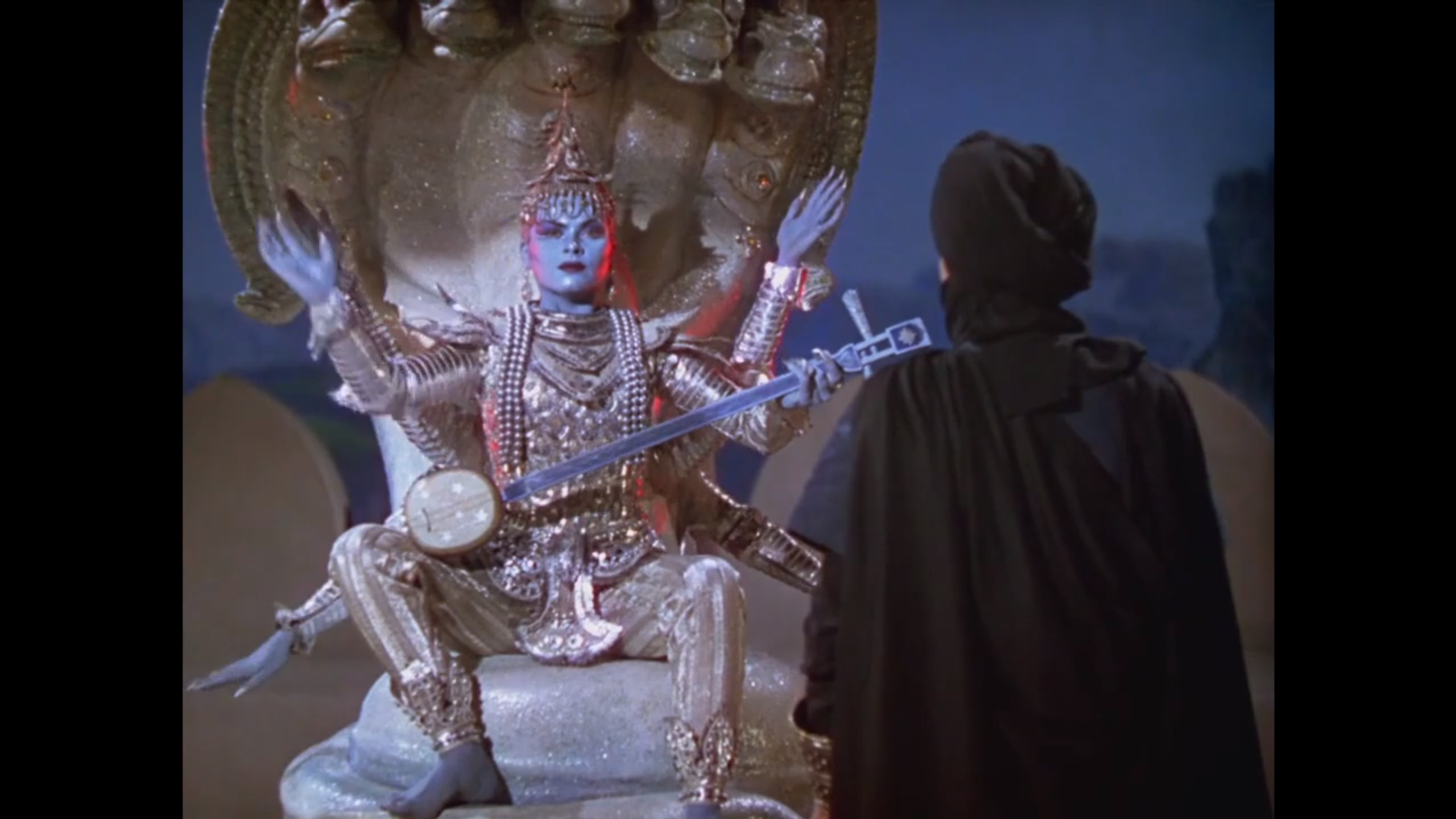
Peary doesn’t spend much time in his GFTFF discussing the film’s production design or history, but he goes into much greater detail in Cult Movies 3, where he expresses admiration that this film (helmed by no less than six directors) was completed at all, given Britain’s emergent involvement in WWII. But he also complains more about its weak points, writing, “I assume the critics who were so generous to the film judged it mostly on its appeal to kids. You can forgive its flaws, but it’s impossible to deny their existence.” I don’t really feel the same way. Sure, the special effects are at times clunky compared to modern-day CGI, but this is to be expected — and the overall magical feel surpasses any visual glitches. Regarding the film’s narrative structure — Peary argues it “opens clumsily” and “barely recovers from this awkward beginning” — I think it serves the nature of this material well: One Thousand and One Nights was infamously told as a series of interwoven tales that wouldn’t necessarily proceed in linear fashion. Ultimately, though, it’s the special effects sequences from this movie which linger in one’s memory: Ingram rising as a swirl of gray smoke from his bottle (what a clever initial trick Sabu plays on him!); Malleson attempting to embrace a many-armed “Silver Maid” statue; Sabu fearlessly doing battle with a giant spider; Sabu flying to the rescue on a magic carpet… This is a tale for the ages, and most certainly must-see viewing at least once for all film fanatics.

Redeeming Qualities and Moments:

  • Sabu as Abu
  • Conrad Veidt as Jaffar
  • Rex Ingram as the Genie
  • Fabulous set designs and art direction

  • Georges Perinal’s cinematography
  • Lawrence Butler and Jack Whitney’s special effects


  • Miklos Rozsa’s score

Must See?
Yes, as a still-enjoyable classic.

Categories

Links:

Peeping Tom (1960)

Peeping Tom (1960)

“Whatever I photograph, I always lose.”

Synopsis:
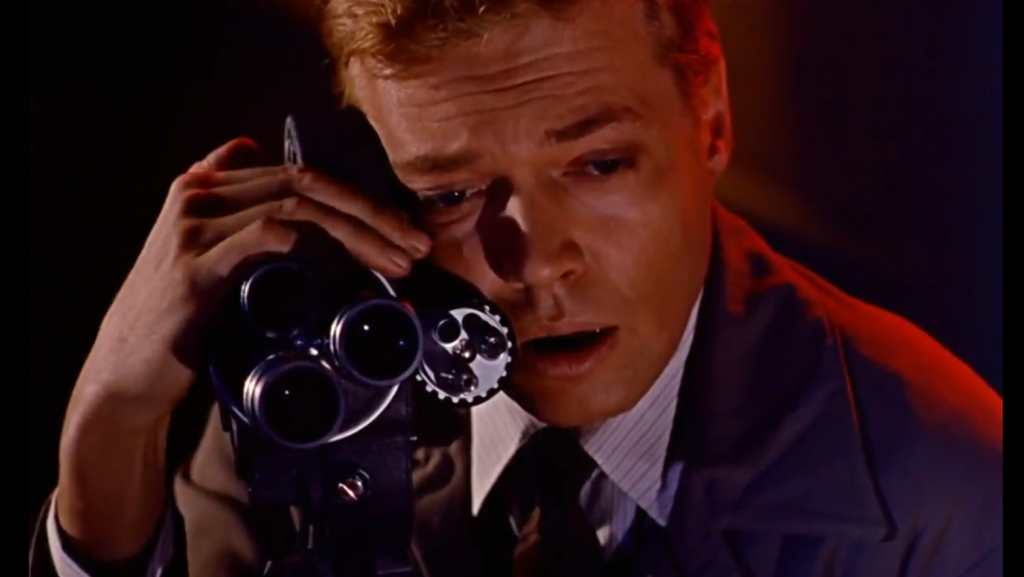
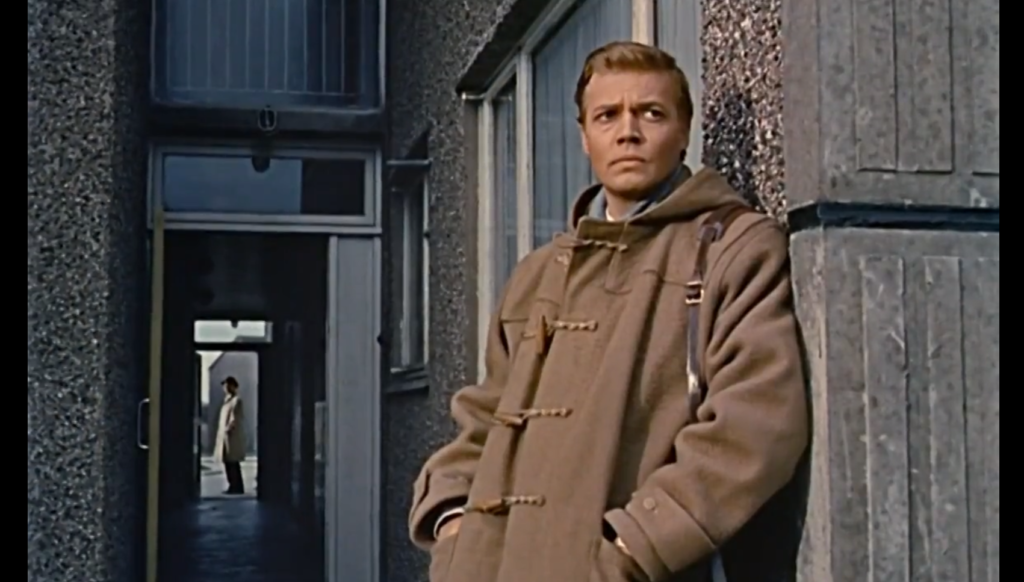
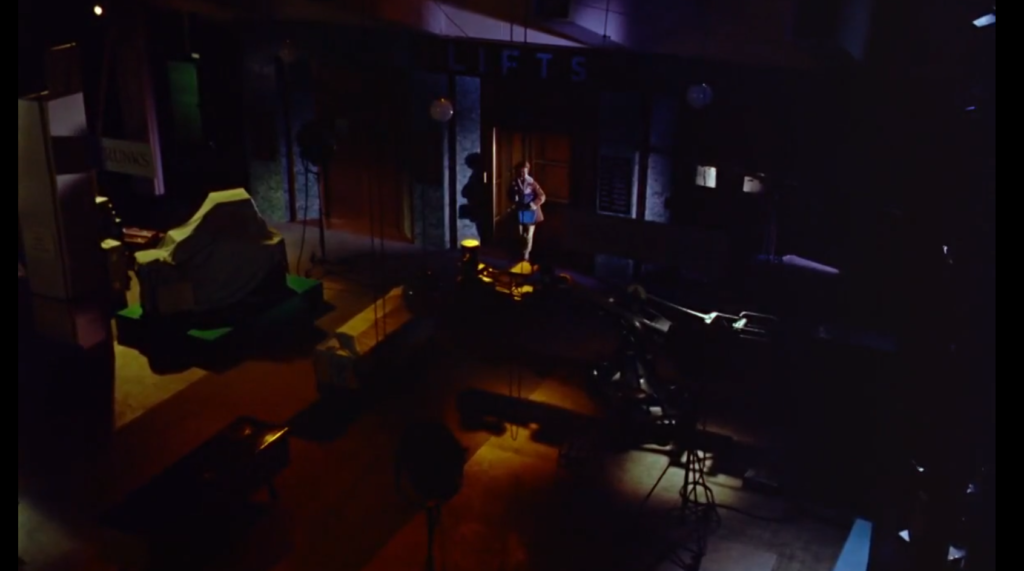
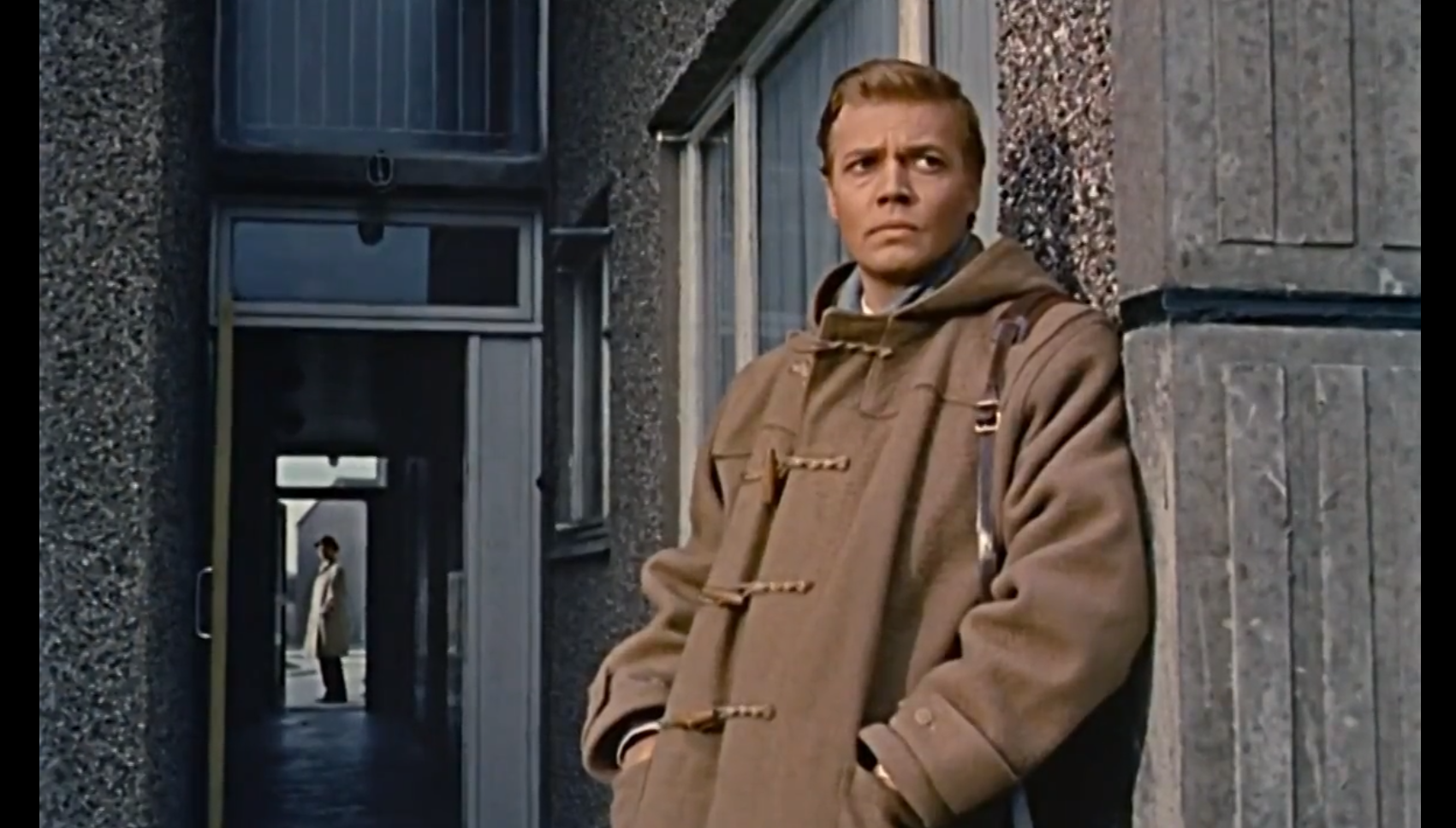
A deeply disturbed sociopath (Karlheinz Boehm) who kills women in order to film the look of fear on their face as they see themselves dying shares cinematic footage of his abusive childhood with a kind tenant (Anne Massey) whose blind mother (Maxine Audley) senses that Boehm is dangerous. When a stand-in (Moira Shearer) on the movie set where Boehm is employed is found murdered and stuffed in a trunk, detectives begin to hone in on Boehm as a suspect.

Genres, Themes, Actors, and Directors:

  • Child Abuse
  • Horror Films
  • Michael Powell Films
  • Movie Directors
  • Peeping Toms
  • Serial Killers
  • Shirley Anne Field Films

Response to Peary’s Review:
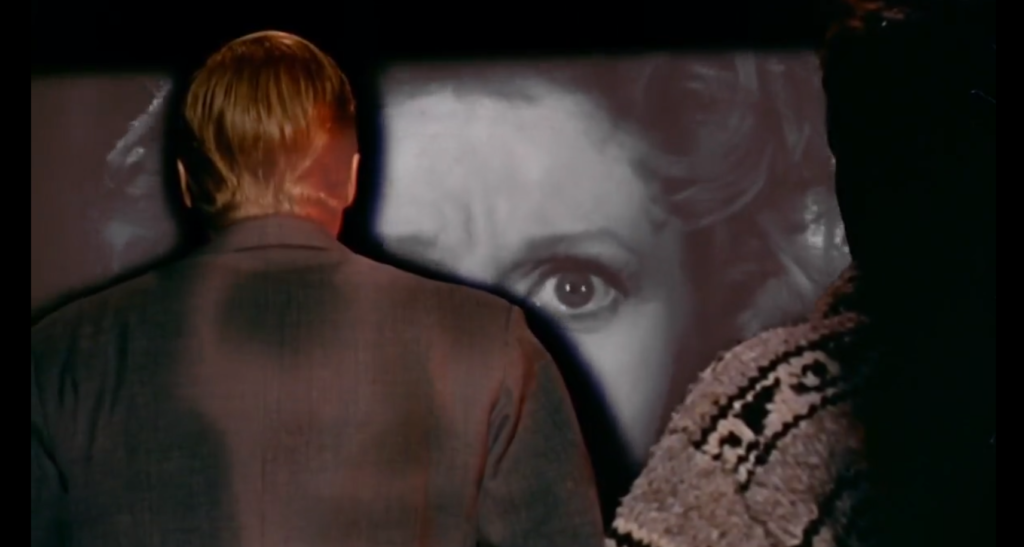
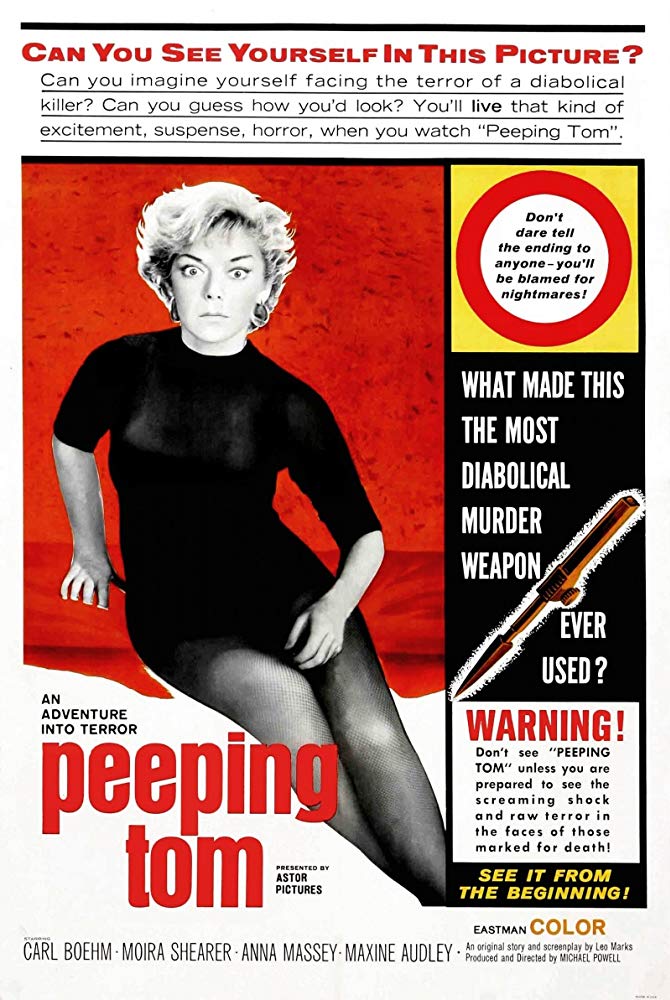
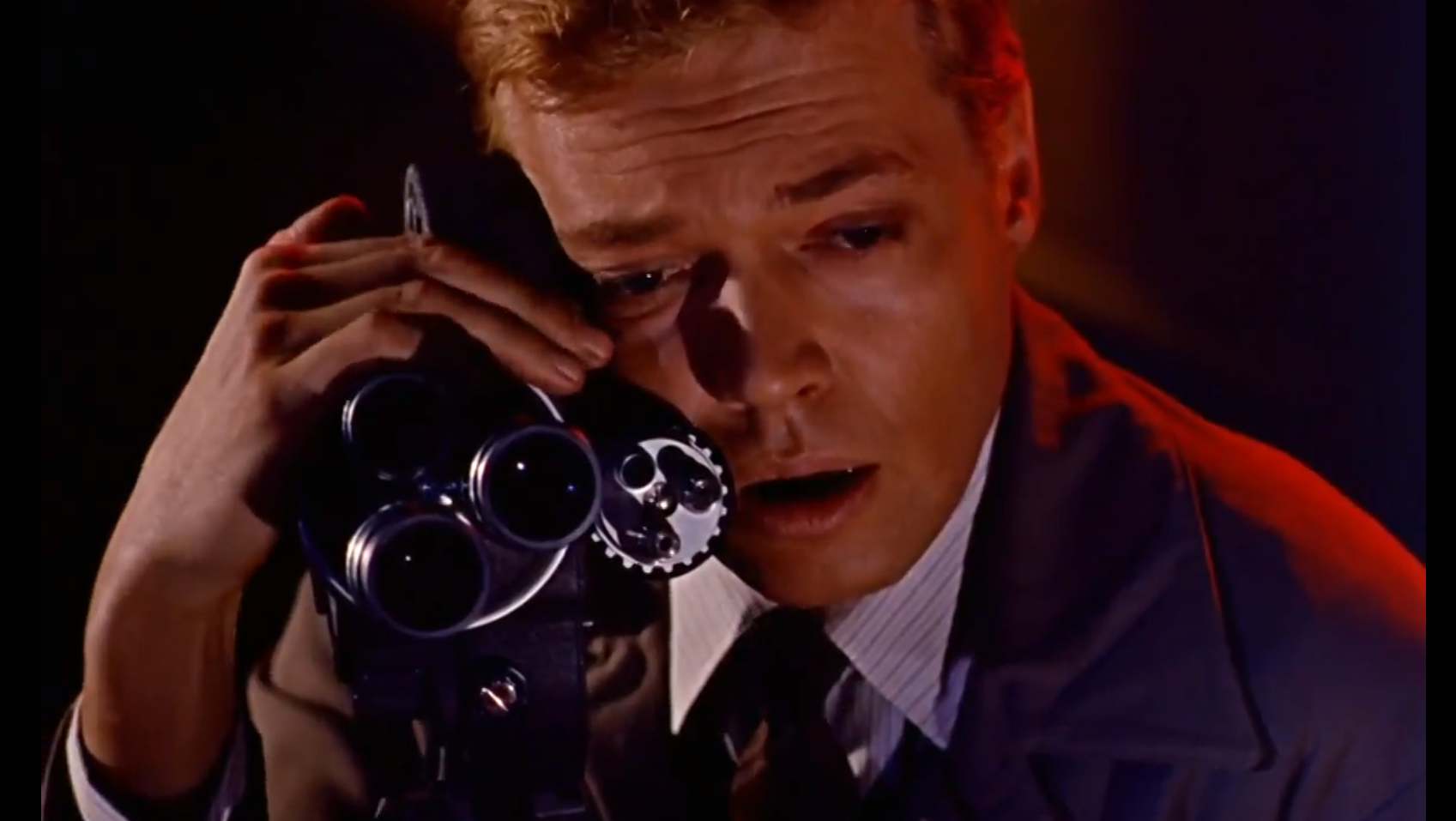
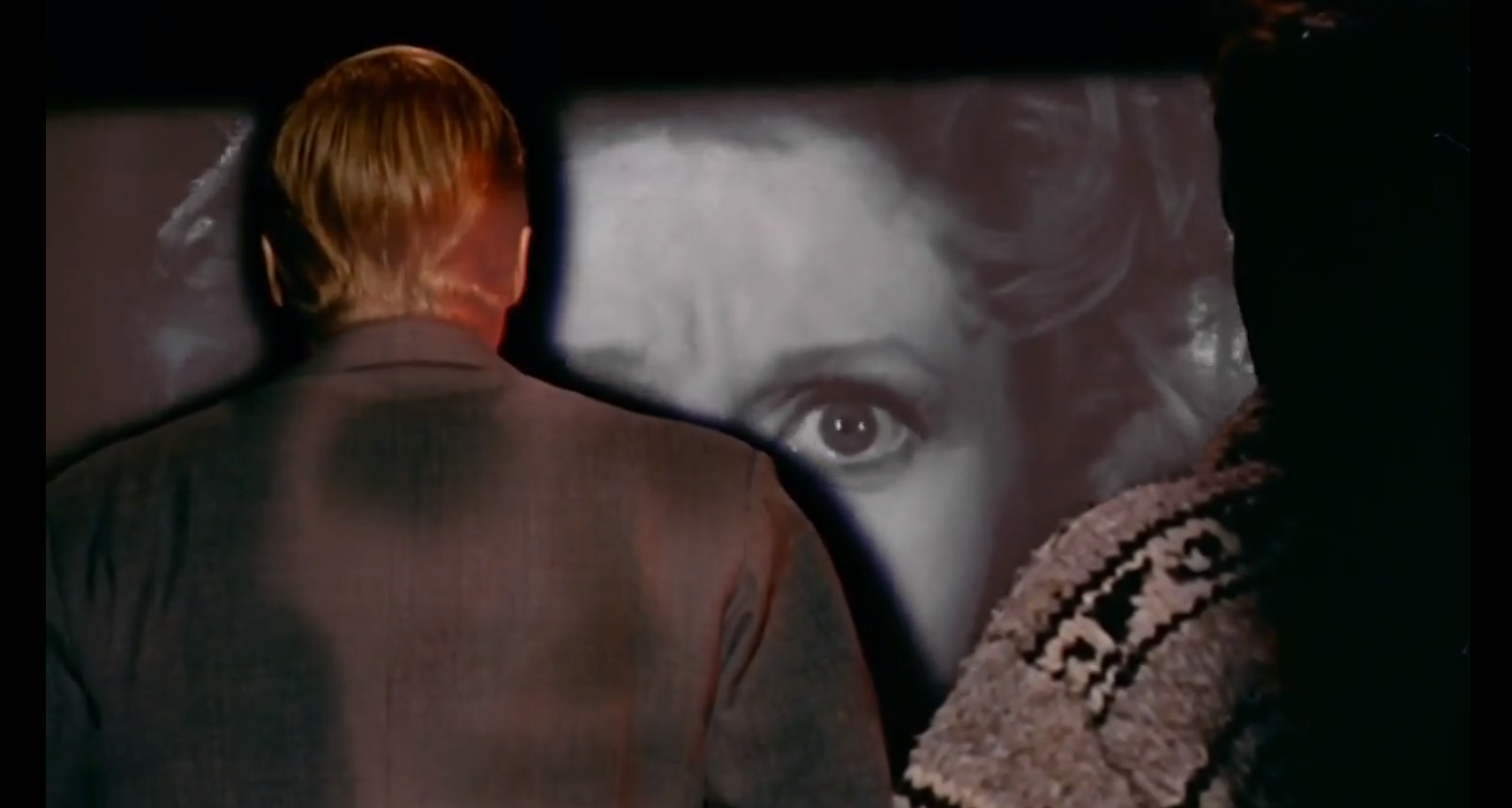
Peary writes that director “Michael Powell’s once damned but now justifiably praised cult film” is “sleazy-looking — after all, the subject is sordid — but [an] amazingly provocative picture” — one that’s nonetheless “not for all tastes”. He notes it was and is controversial in part because Boehm’s “violent acts corresponded to sexual gratification” — and “Powell doesn’t try to be subtle” given “the long, sharp, hidden knife that is attached to Boehm’s camera [which] emerges just before his murders”. He further adds that Boehm’s case is “peculiar” given that killing is not enough; instead, he must project “the woman’s dying expression on the wall in his room” in order to seek satisfaction. Peary (like many critics) points out that Powell “is making us identify with Boehm because we share his voyeuristic tendencies — like him, we are entranced by horrible images on the screen: murders, rapes, even mutilation,” and thus “we are in complicity with filmmakers who place brutal, pornographic images on the screen for our gratification.”

Hold it right there: I most definitely do NOT enjoy seeing such things on screen, and while I know many do, it’s sloppy to lump together all movie lovers (indeed, all humans) in this fashion. Peary adds that “if the voyeur is guilty of violating one’s privacy, then Powell sees the filmmaker as being guilty of aggressive acts not unlike rape (where you steal a moment in time, and a person’s emotions, that the person can never have back).” I’m ultimately more in agreement with Vincent Canby’s 1979 review of the re-released film (restored by Martin Scorsese), in which he states:

What seems to fascinate Peeping Tom‘s new supporters is Mr. Powell’s appreciation of the idea that the act of photographing something can be an act of aggression, of violation (of the object photographed), an idea shared by some film makers (including Alfred Hitchcock in portions of his classic Rear Window, made in 1954), professional thinkers and members of certain other primitive tribes … As interested as I am in films, the properties of the movie camera are not, for me, a subject of endless fascination. The movie camera is not magical. It’s a tool, like a typewriter.

Indeed, filming someone is not rape, and watching filmed images does not equate taking away anything from the person on screen, especially not in a violent fashion.

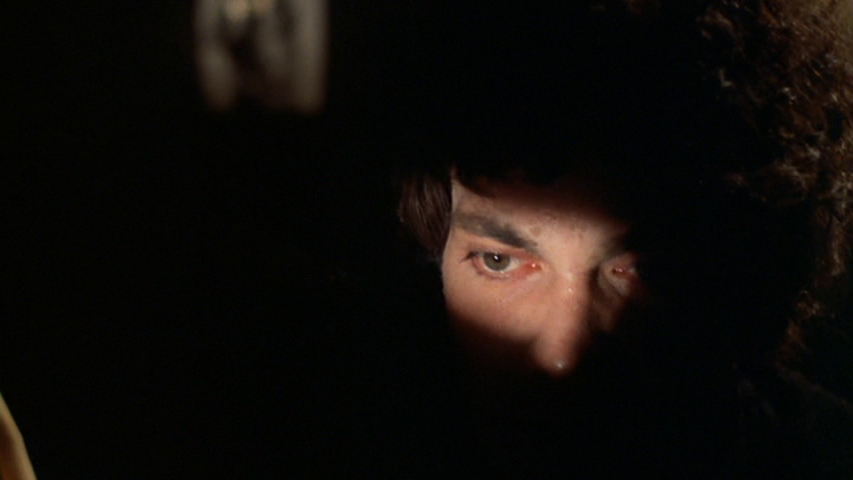
Back to Peary’s review (excerpted from his lengthier essay in Cult Movies), he points out that “the villain of the picture is not Boehm but Boehm’s dead scientist father (played by Powell in a flashback) who used his young son as a guinea pig, terrifying him and filming him to study the effects of fear on the boy’s nervous system.” (Ick; the fact that this is openly put forth in a film from this era is remarkable.) Peary reasons that Boehm “figures that since his scientist-filmmaker father in effect ‘murdered’ him, his guinea pig, then he, also a filmmaker-scientist, has a right to kill human beings when continuing Dad’s experiments.” This psychoanalytical explanation makes as much sense as any other; what’s indisputable, however, is how badly damaged Boehm is — which leads one to wonder why all the women around him (other than blind Audley) aren’t better at picking up on the rather obvious creepiness he projects from every pore. He lacks even Norman Bates’ attempts at charm and wit, and one can’t help feeling like the women he’s imperiling (specifically Massey) are out of their minds for hanging out with him.

Redeeming Qualities and Moments:

  • Powerful direction by Powell

  • Otto Heller’s cinematography

  • Brian Easdale’s score

Must See?
Yes, for its cult status.

Categories

  • Cult Movie

Links: