Browsed by
Category: Response Reviews

My comments on Peary’s reviews in Guide for the Film Fanatic (Simon & Schuster, 1986).

Return of the Jedi, The (1983)

Return of the Jedi, The (1983)

“Your thoughts betray you, Father. I feel the good in you — the conflict.”

Synopsis:
As Emperor Palpatin (Ian McDiarmid) and Lord Darth Vader (David Prowse and James Earl Jones) attempt to lure Luke Skywalker (Mark Hamill) to the Dark Side, Han Solo (Harrison Ford) and Princess Leia (Carrie Fisher) — with help from Chewbacca (Peter Mayhew), C-3PO (Anthony Daniels), R2-D2 (Kenny Baker), and a host of furry forest creatures known as Ewoks — continue their rebellion against the evil Imperial forces.

Genres, Themes, Actors, and Directors:

  • Father and Child
  • Harrison Ford Films
  • Rebellion
  • Science Fiction
  • Space Opera

Response to Peary’s Review:
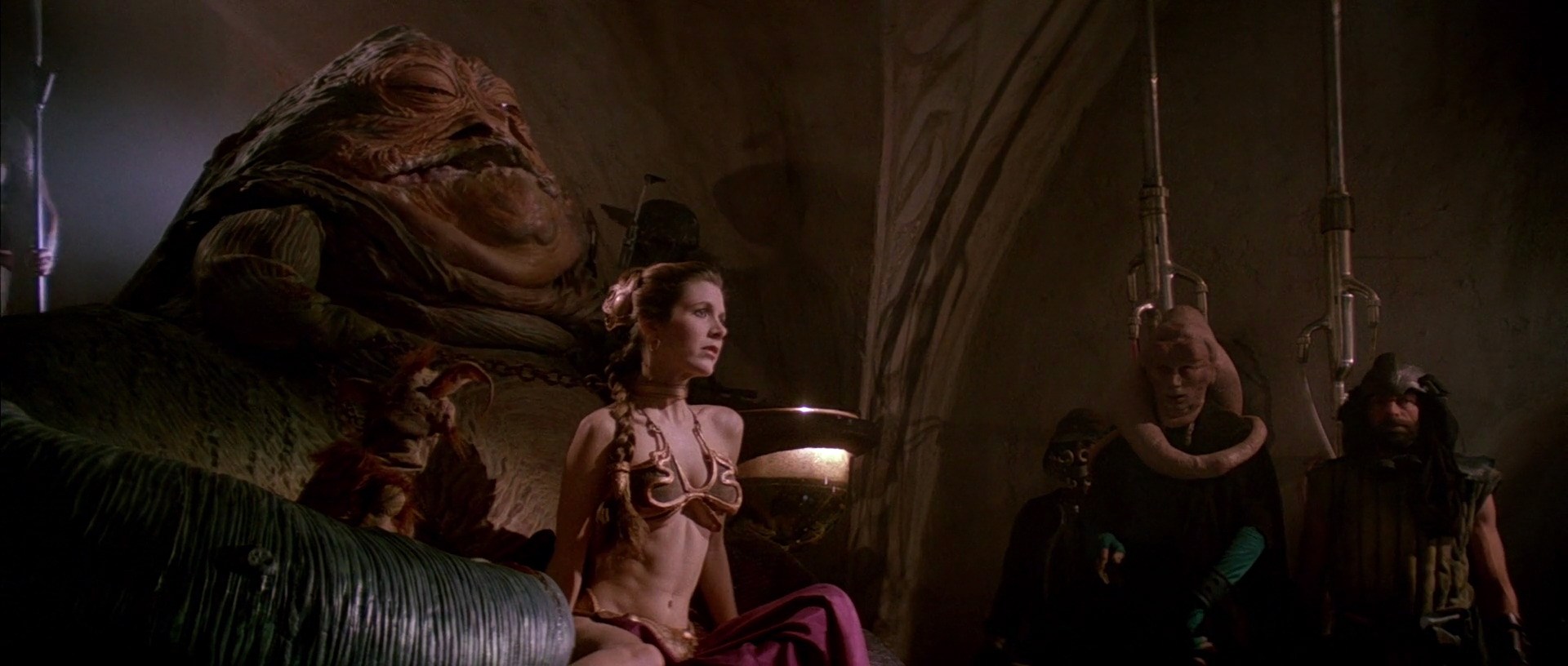
Peary writes that this “final installment in the [original] Star Wars trilogy” — third after Star Wars (1977) and The Empire Strikes Back (1980) — has “marvelous special effects” (yes), “exciting battles” (definitely), “and one great new creature: enormous, blubbery villain Jabba the Hut” (nope! I’m not a fan).

However, Peary doesn’t “like the way executive producer George Lucas and his co-screenwriter Lawrence Kasdan tie loose ends together”, and he argues that “everything is too pat; moreover, when we discover who everybody is in relation to one another, it’s hard not to be disappointed.” (One wonders what Peary thinks of all the recent additions to the series, if he’s seen them…) He further posits that the “script is too simple, returning the characters to the shallow comic-strip figures they were in the first film”, and that there’s “too much talk about light and dark, good and evil — eventually that’s all the bad guys, who want Luke to join them, discuss.”

Peary continues his review by noting that while he doesn’t “object to Fisher wearing skimpy outfits”, the “change in her wardrobe reflects too drastic a change in her personality from The Empire Strikes Back” (I disagree, though it’s sad knowing Fisher was forced to lose a quarter of her body weight to play the role.)

He adds that while he likes “the idea of a tribe of rebel warriors”, the “fur-ball Ewoks — inspired by Lucas’s dog — aren’t what I had in mind.”

(I’m also not a fan, though I watched this film with my 9 and 10 year old kids, and they were absolutely delighted with the Ewoks — which shows the intended audience.) Peary writes that the film’s “highlight is the speed-cycle chase through a heavily wooded area” — most definitely! — and points out what a surprise it is “not to see James Earl Jones when Darth Vader is unmasked.” Overall, Peary’s review seems to reflect his ambivalence about this film, which I share; this one is ultimately only must-see for fans of the franchise.

Redeeming Qualities and Moments:

  • The exciting speed cycle chase
  • Fine special effects and cinematography

Must See?
No, though of course fans of the series will certainly consider it must-see.

(Listed in 1001 Movies You Must See Before You Die)

Links:

Seventh Seal, The (1957)

Seventh Seal, The (1957)

“A man must live — at least until the plague takes him.”

Synopsis:
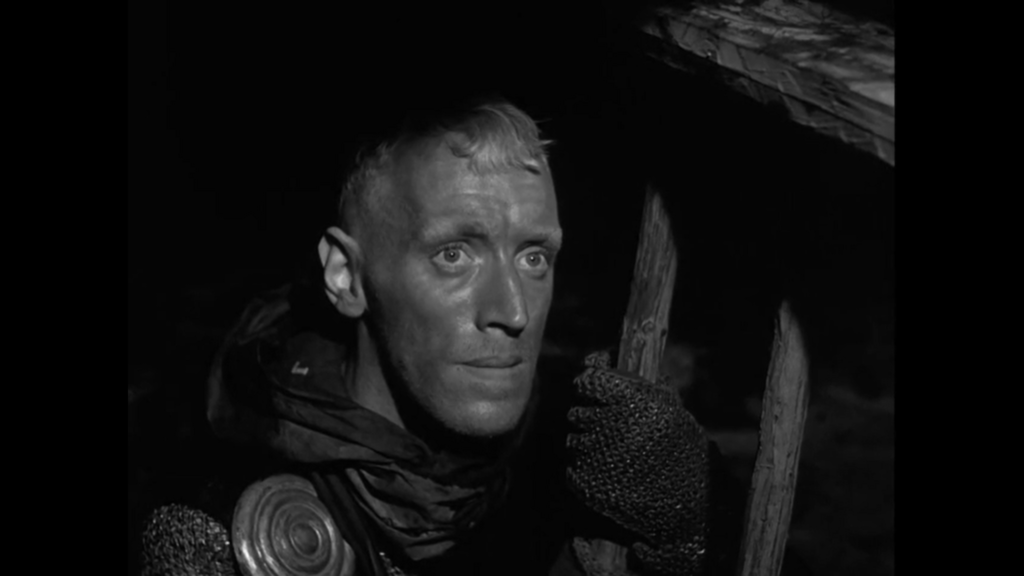
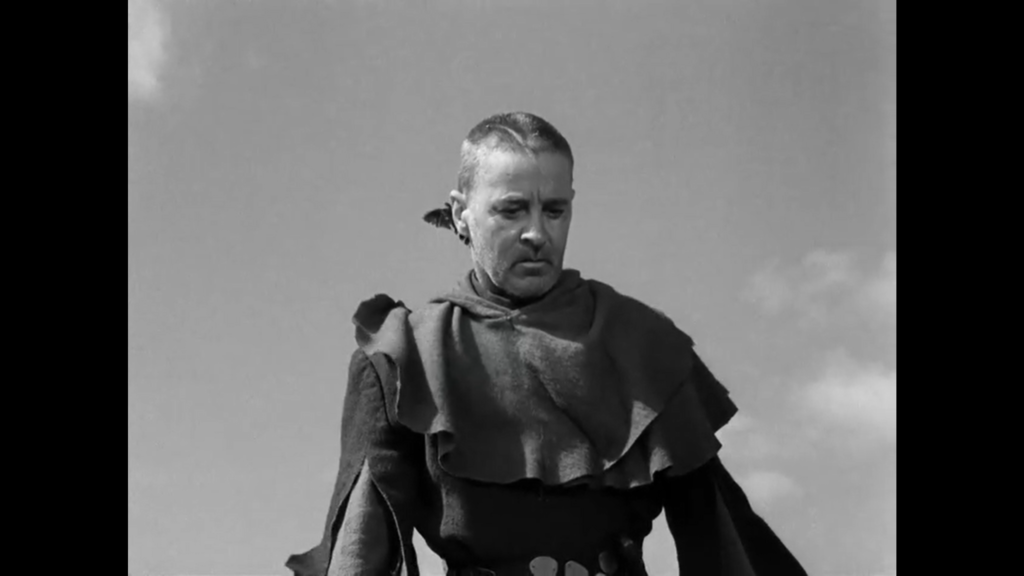
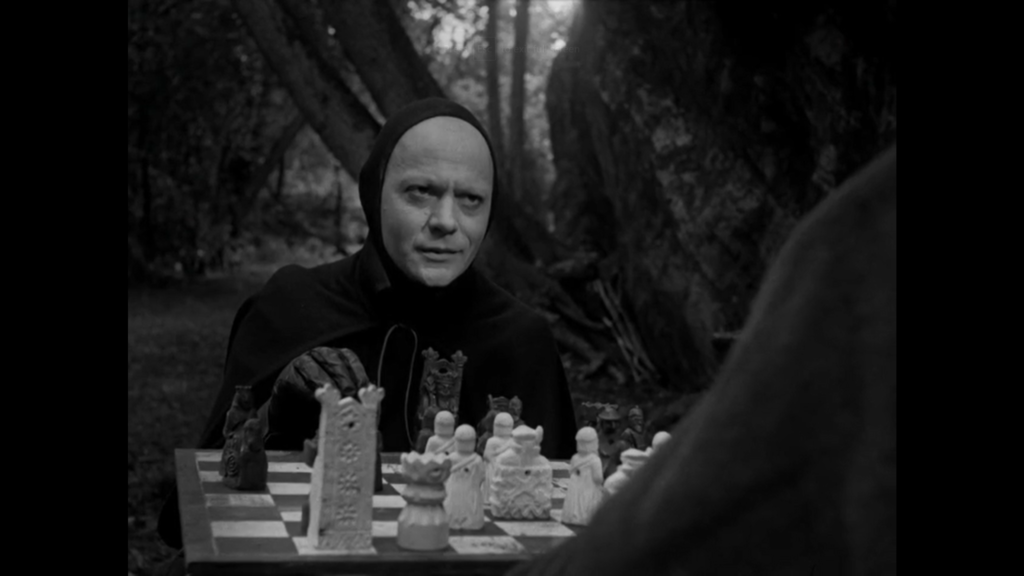
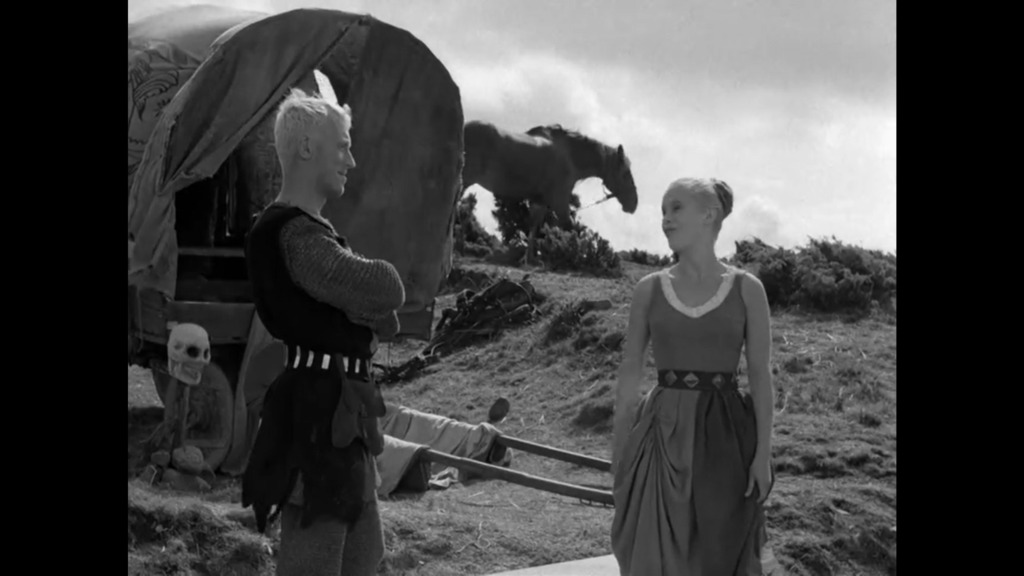
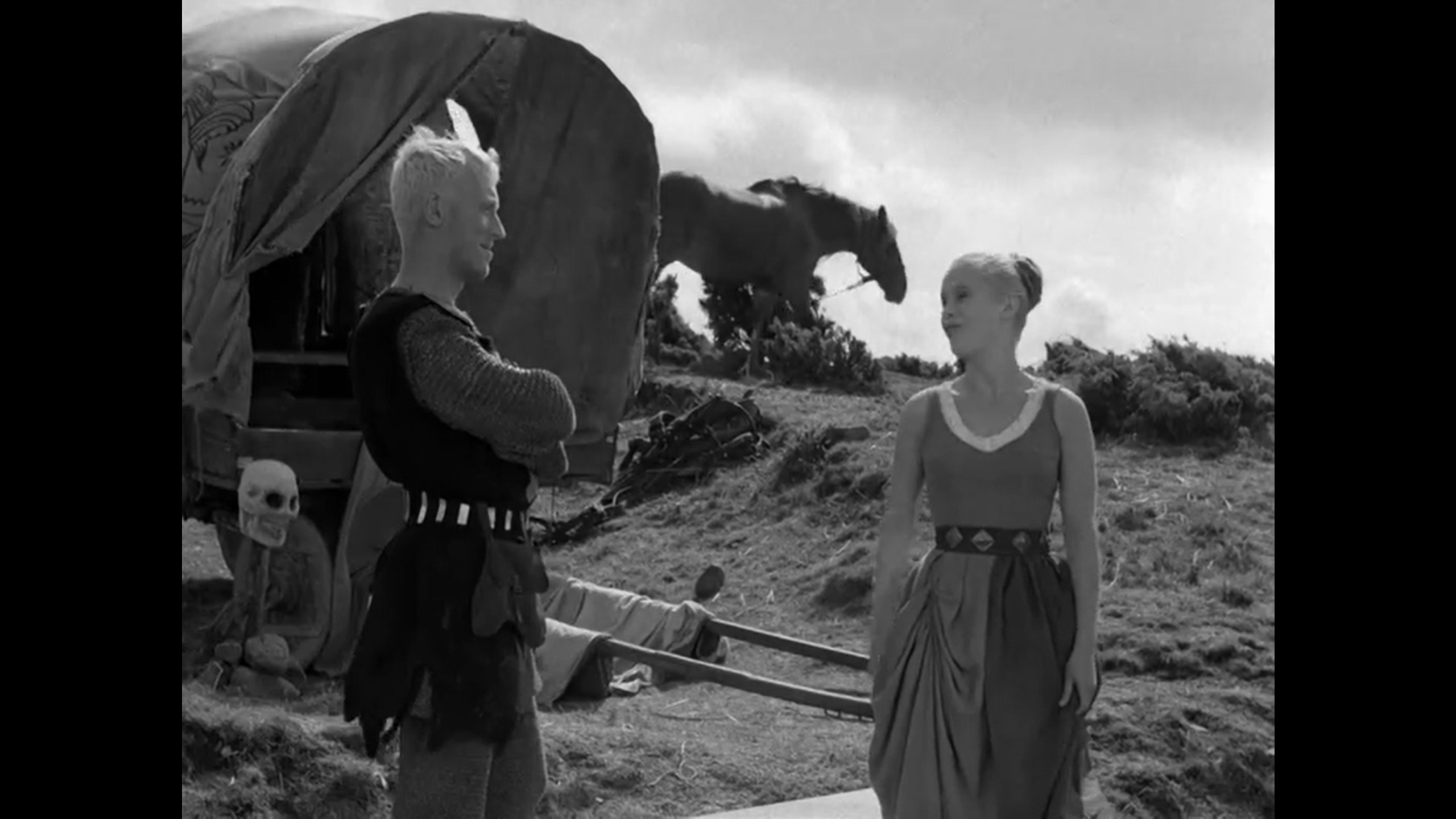
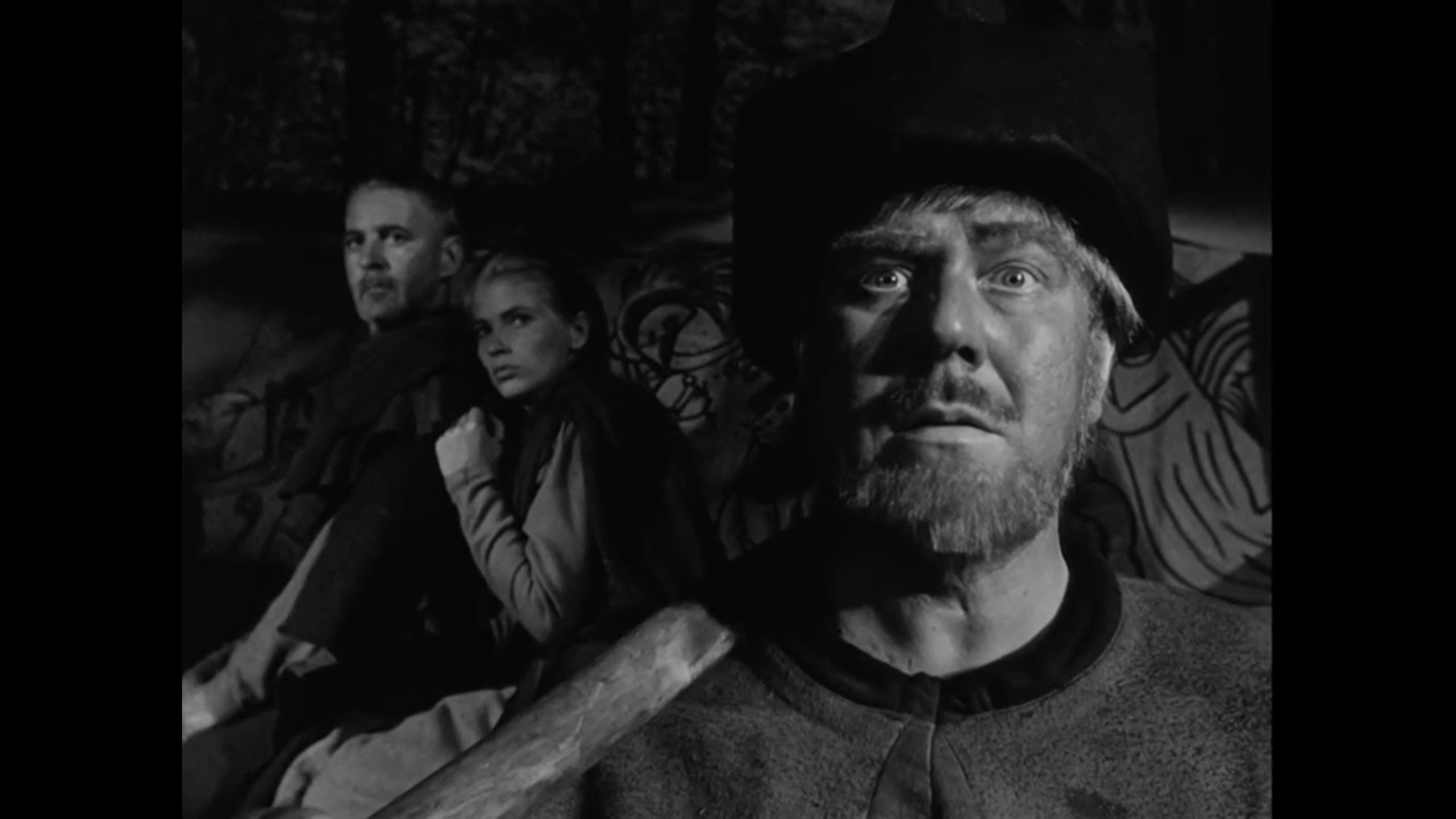
During the Black Death, a knight (Max Von Sydow) returning from the Crusades with his squire (Gunnar Björnstrand) challenges Death (Bengt Ekerot) to a game of chess, then accompanies a young performer (Nils Poppe) as he travels with his wife (Bibi Andersson), their baby, and their manager (Erik Strandmark) through plague-ridden Sweden. Björnstrand rescues a mute girl (Gunnel Lindblom) from rape, while Strandmark carries on an affair with the wife (Inga Gill) of an irate blacksmith (Åke Fridell), and Von Sydow is unsure how to approach his long-suffering wife (Inga Landgre) back at home.

Genres:

Response to Peary’s Review:
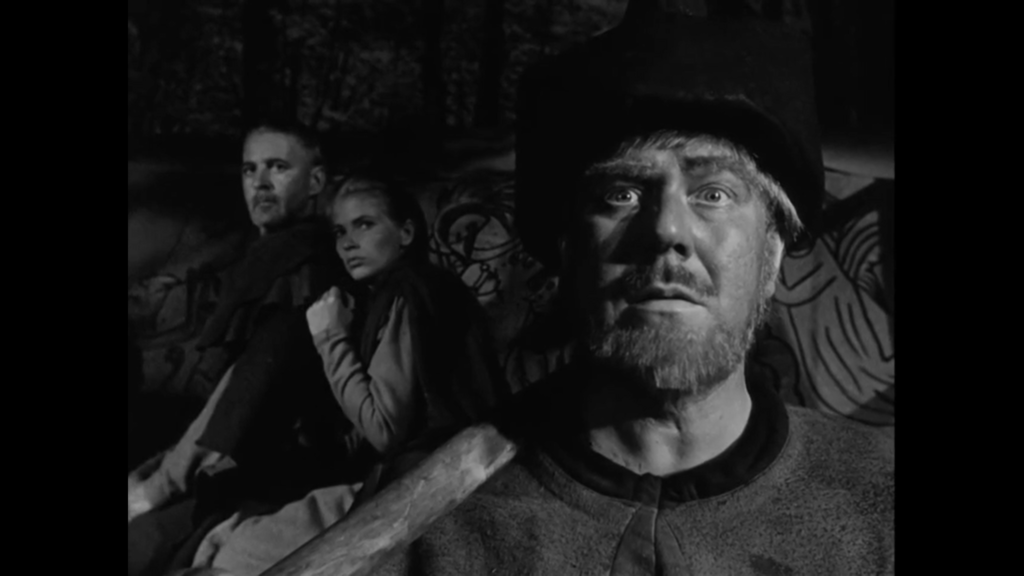
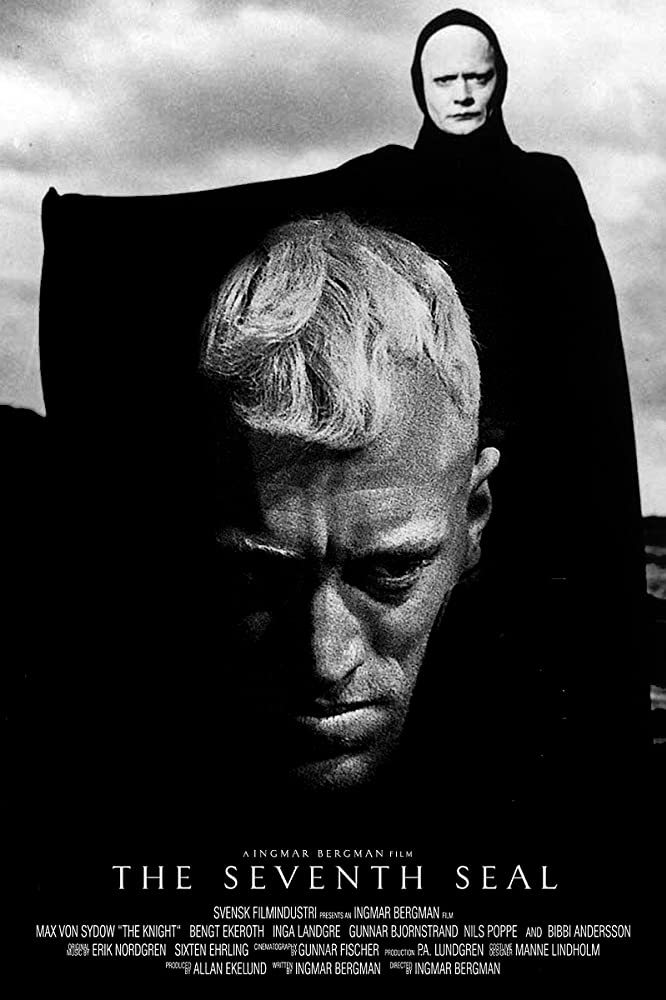
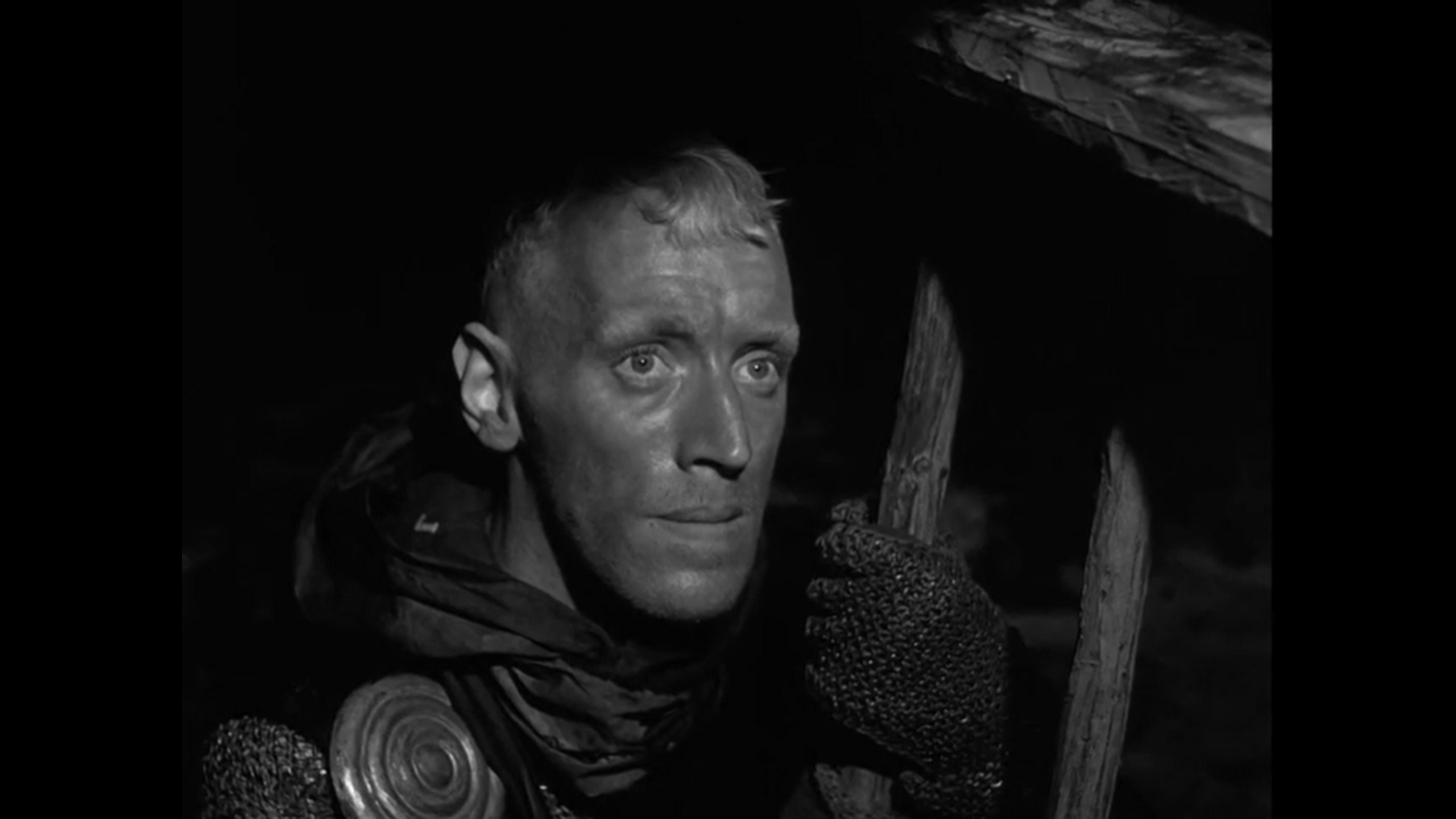
Peary writes that this classic drama by Ingmar Bergman “deals with such familiar Bergman themes as man’s loss of faith, his disillusionment about life, his inability to overcome guilt and humiliation, his self-torment, fate vs. free will, good vs. evil, and conflict in marriage.” While these are “all problems of modern man”, the “film is set in an earlier apocalyptic age, the 14th century, when we had an incomprehensible Black Plague instead of an incomprehensible Bomb [or COVID-19 pandemic], and the helpless, confused common man succumbed to his fate.” He notes that the character played by “Von Sydow has lost his faith”, given that “all around him are death, despair, hysteria, pestilence, and abominable acts of cruelty” — and what “Bergman considers perverse is how the people commit sins against each other in God’s name and how the people rationalize the Plague as being their fault, their just punishment, so they can let God off the hook.” In other words, “As Andersson observes, the people enjoy suffering and relish their martyrdom”. It’s “through Poppe, Andersson, and their special child” (Joseph, Mary, and baby Michael) that Von Sydow arguably “comes to realize that life isn’t meaningless although it ends in meaningless death”, and that “the real purpose in life is to marry and have children”.

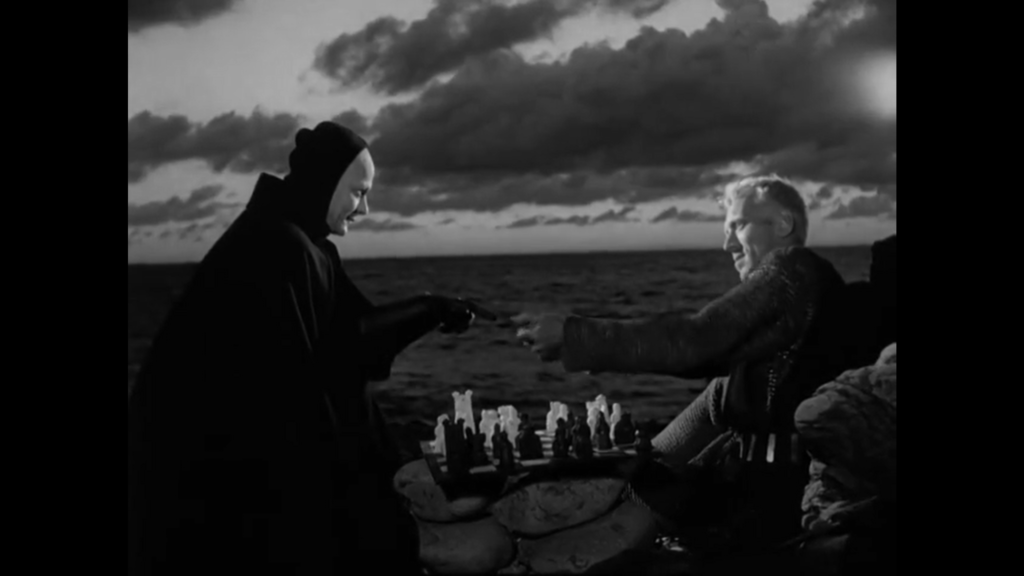
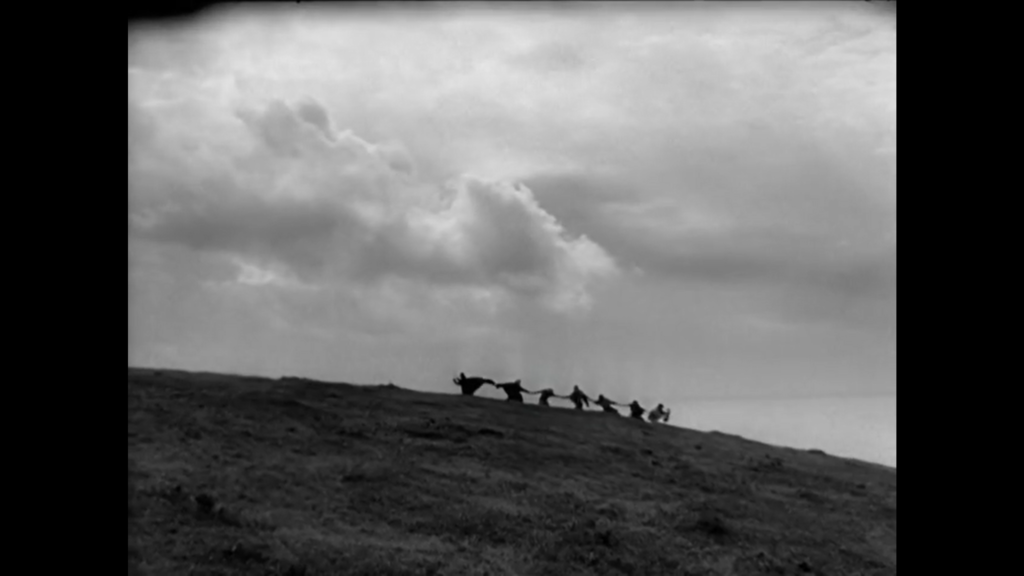
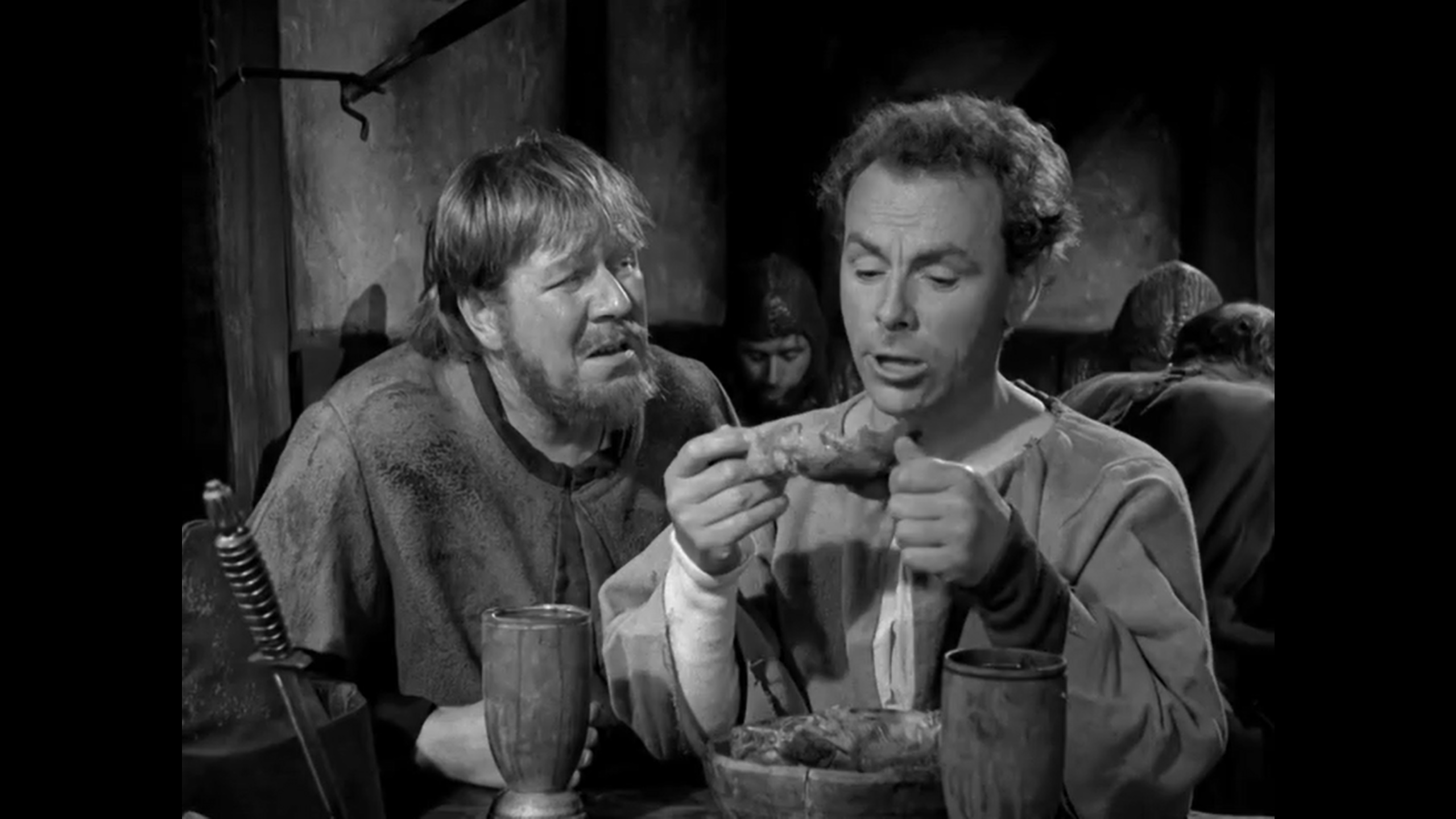
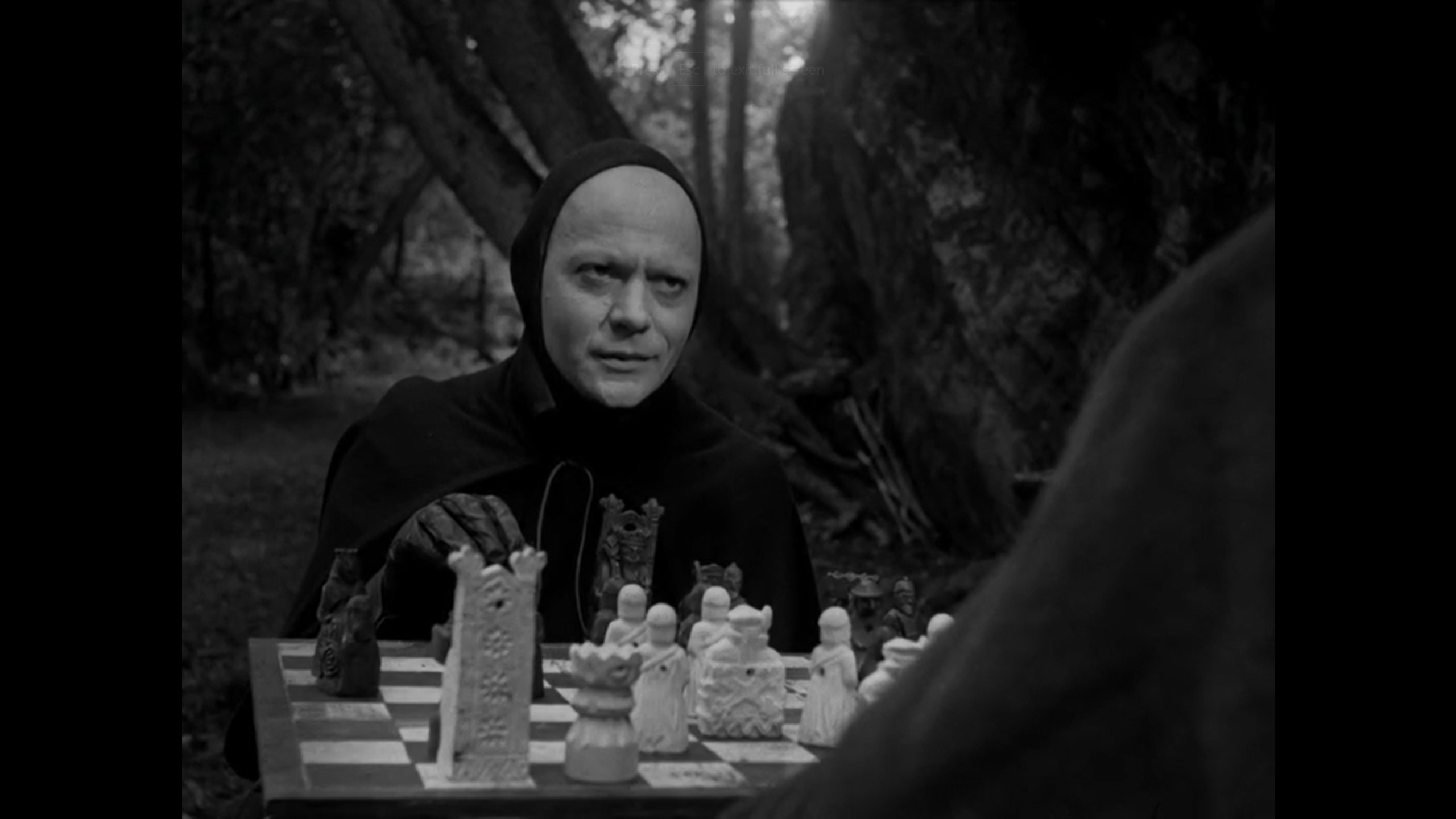
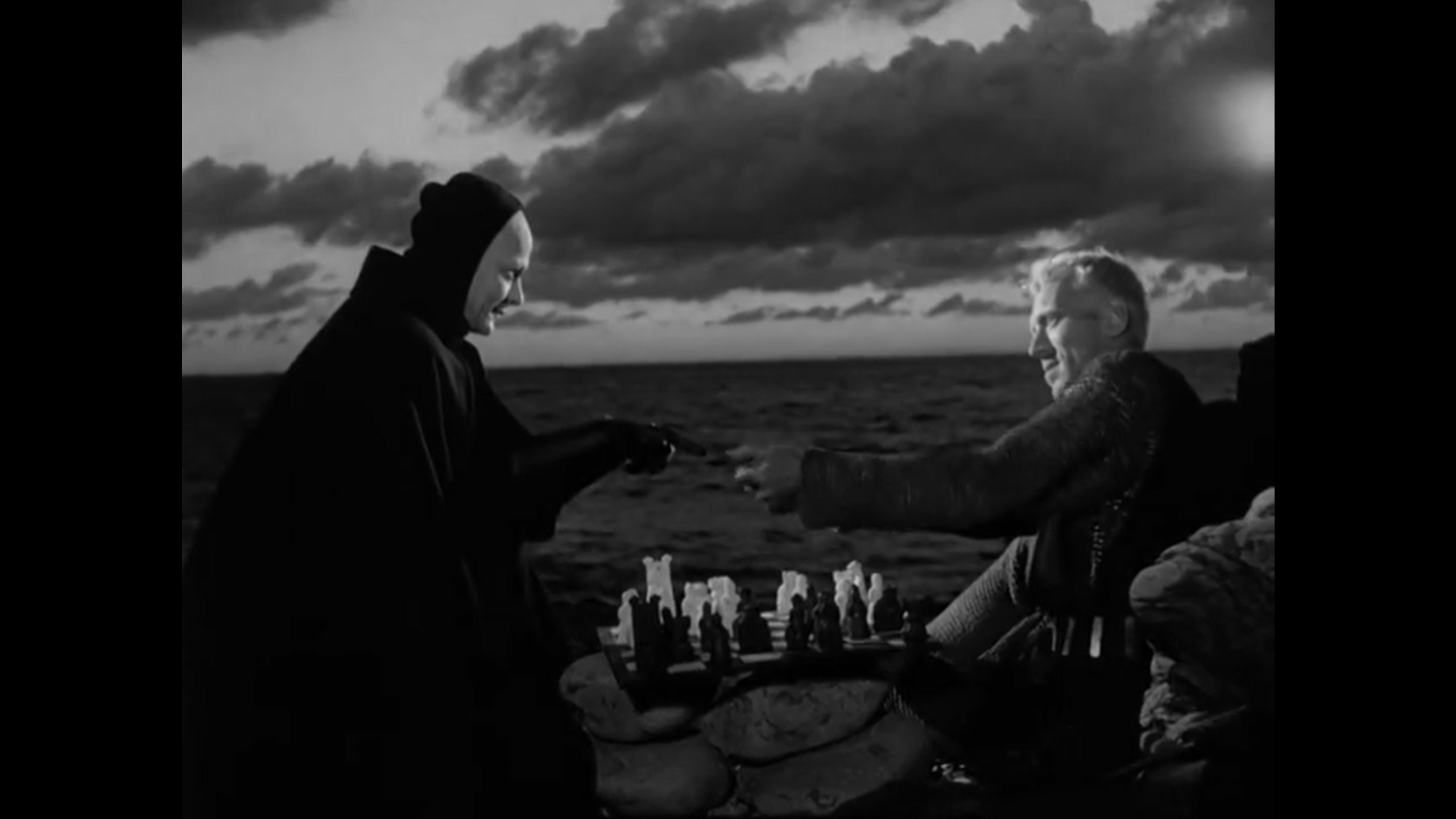
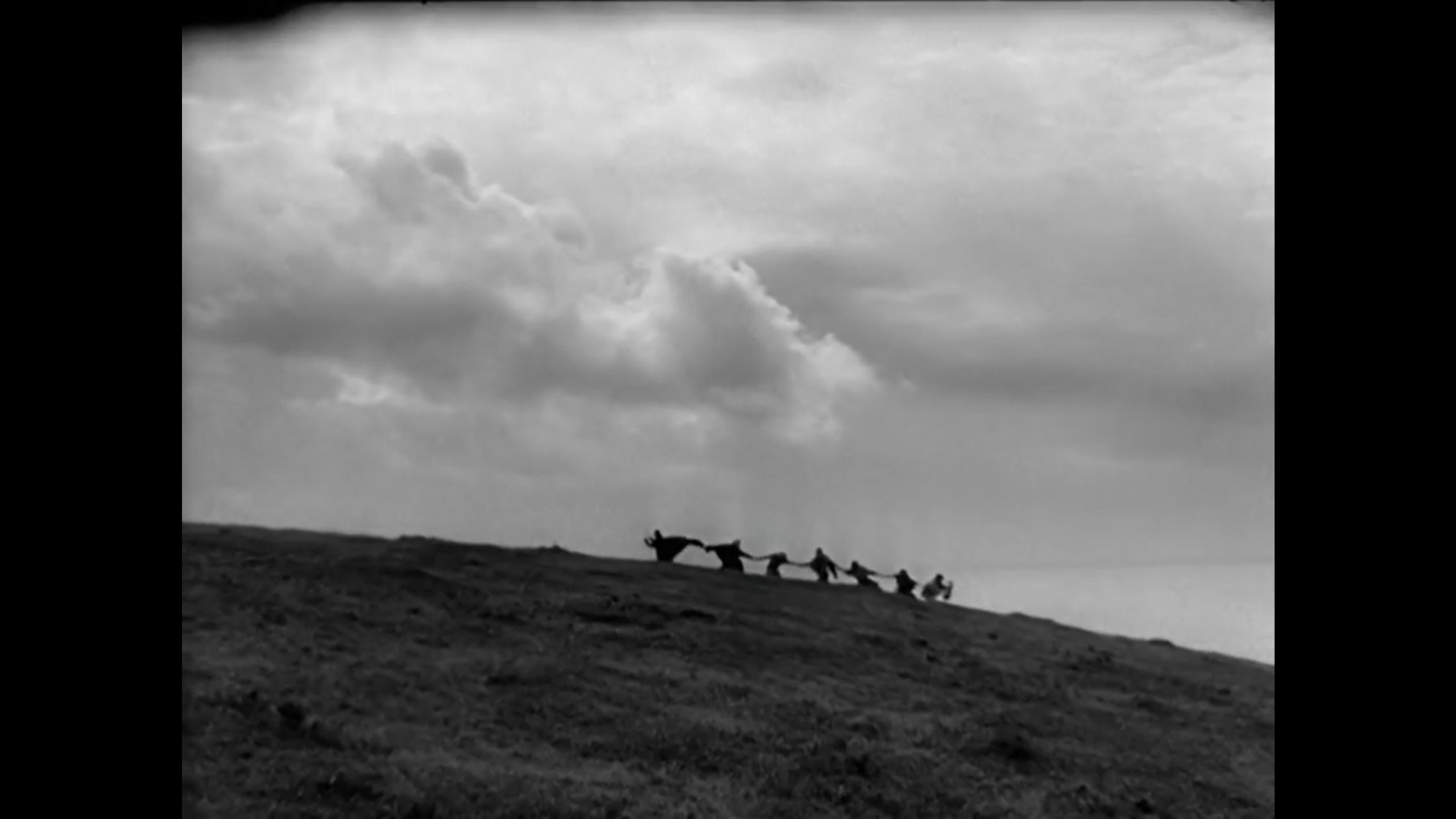
Peary points out that Bergman’s film — based on his own one-act play — is “very theatrical, with roots in Shakespeare, absurdism, farce, and medieval mystery and morality plays”; and, “as in all Bergman classics, there are strong acting, stunning photography (by Gunnar Fischer), many unforgettable images (the chess match for Von Sydow’s life, the burning of a witch, the final dance of Death and his victims), and questions left for us to answer for ourselves” (“What will become of us who want to believe, but cannot?”). While Peary argues that Bergman posits “life can be satisfying and safe only for those simple people who have faith, no questions asked”, this is a film filled with questions (“You play chess, do you not?” “Why make them happy? Why not scare them?”) and not all those who fail to ask questions are as content as Poppe’s idyllically happy young family. Indeed, the world on display here, geographically beautiful while existentially horrific, is miserable, with people making sense of senseless chaos in whatever ways they can and will — from burning a young woman (Maud Hansson) as a witch, to parades of self-flagellation, to rape and adultery, to distraction through entertainment, to barroom brawls, to intense religious faith.

While the story-line is deeply provocative — and all too eerily fitting for our current times — it’s the potent imagery throughout The Seventh Seal (the title is drawn from a Bible verse from The Revelation of St. John the Divine, read both during the opening shots and by Landgre in a later scene) that lingers in one’s memory. Though theatrical in some ways, the film is also highly cinematic: Fischer’s cinematography is consistently gorgeous, and he and Bergman make excellent use of outdoor sets, especially during opening scenes shot at Hovs Hallar. Bergman was apparently inspired by Kurosawa’s films, though he “based the entire iconography of the movie on murals in a church where his clergyman father used to go and preach”, and the scene of Von Sydow playing chess with Death was inspired by a medieval painting by Albertus Pictor. Thankfully, this thematically heavy foreign film has numerous moments of comic levity and a “semi-optimistic ending”; now, more than ever, this movie should be seen and discussed by all film fanatics.

Redeeming Qualities and Moments:

  • Fine performances by the entire cast



  • Excellent cinematography, sets, art direction, and costumes

  • Many iconic scenes and images

Must See?
Yes, of course, as a timeless classic. Discussed at length in Peary’s Cult Movies 2.

Categories

  • Foreign Gem
  • Genuine Classic

(Listed in 1001 Movies You Must See Before You Die)

Links:

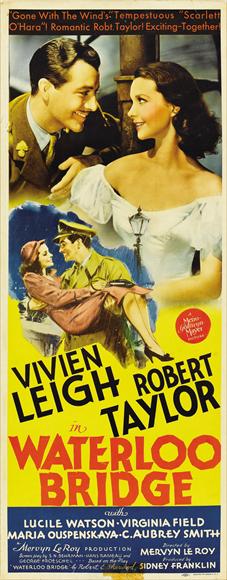
Waterloo Bridge (1940)

Waterloo Bridge (1940)

“I loved you; I’ve never loved anyone else.”

Synopsis:
During World War I, a ballerina (Viven Leigh) in London falls in love with an army captain (Robert Taylor) on leave, and they make plans to marry upon his return. When Leigh learns in the newspaper that Taylor has died, she and her roommate (Virginia Field) turn to prostitution to survive — but when Taylor suddenly appears live and well, Leigh must determine whether to tell him the truth about her recent past.

Genres, Themes, Actors, and Directors:

  • Cross-Class Romance
  • Dancers
  • Mervyn LeRoy Films
  • Prostitutes and Gigolos
  • Robert Taylor Films
  • Star-Crossed Lovers
  • Vivien Leigh Films
  • World War I

Response to Peary’s Review:
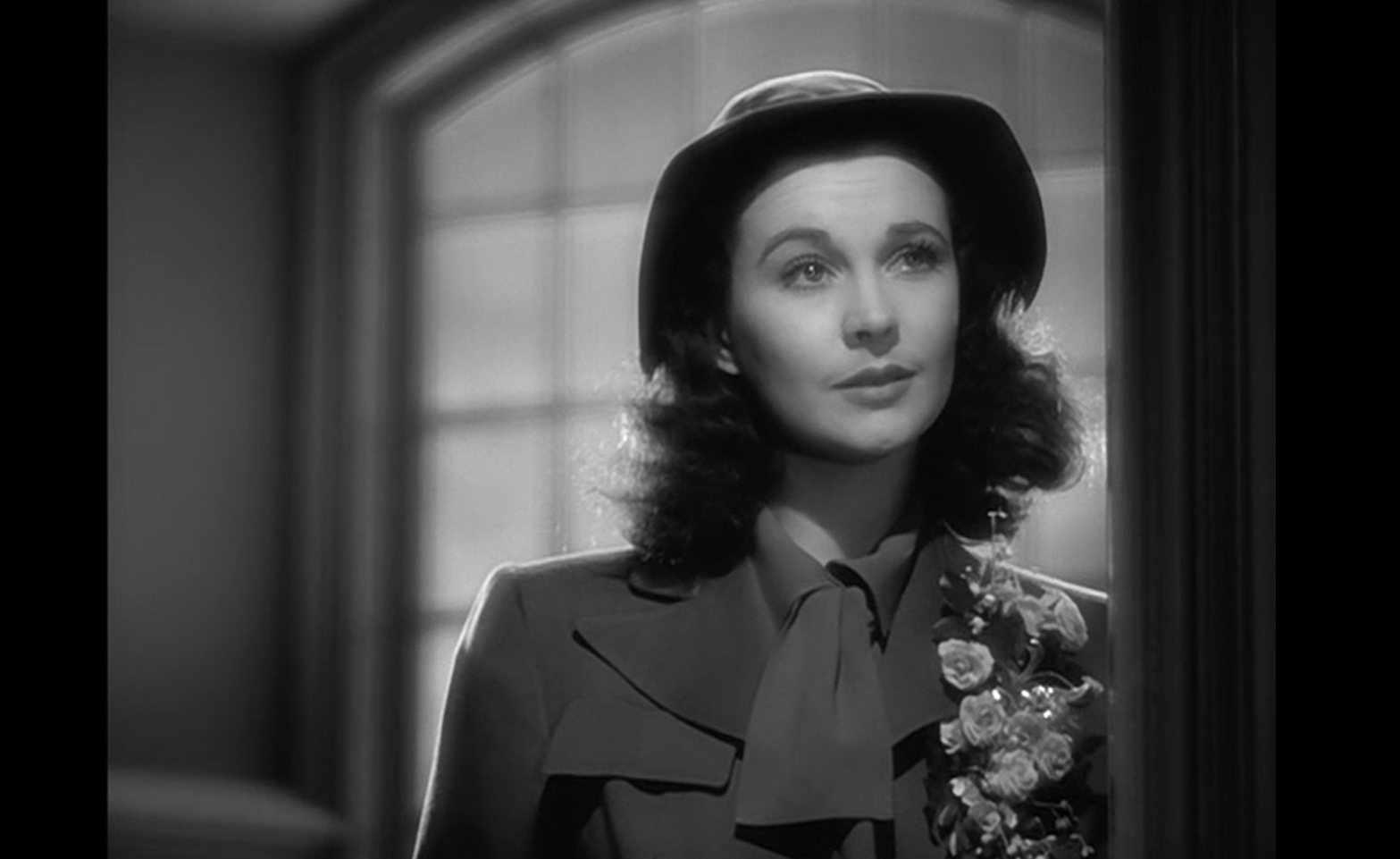
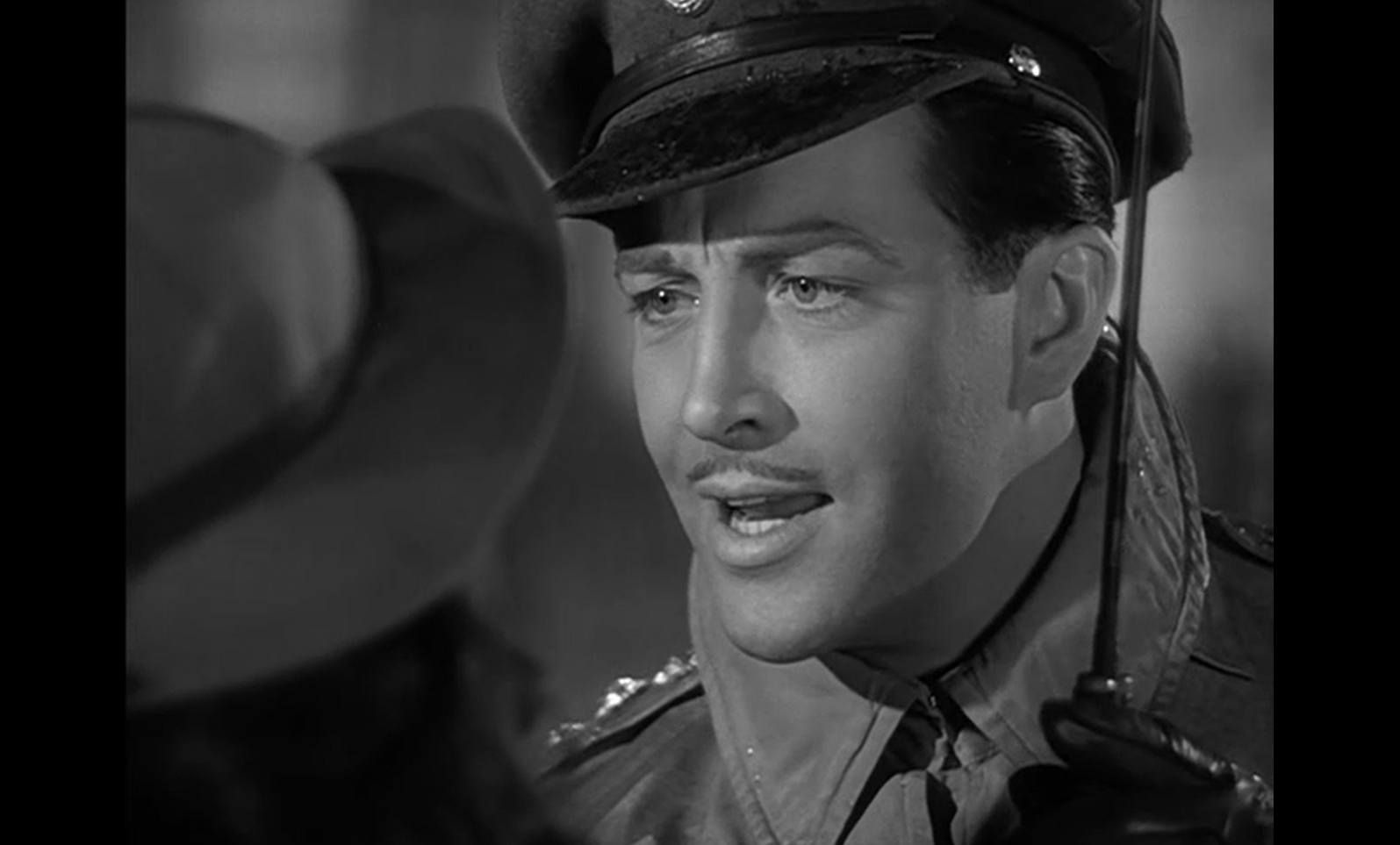
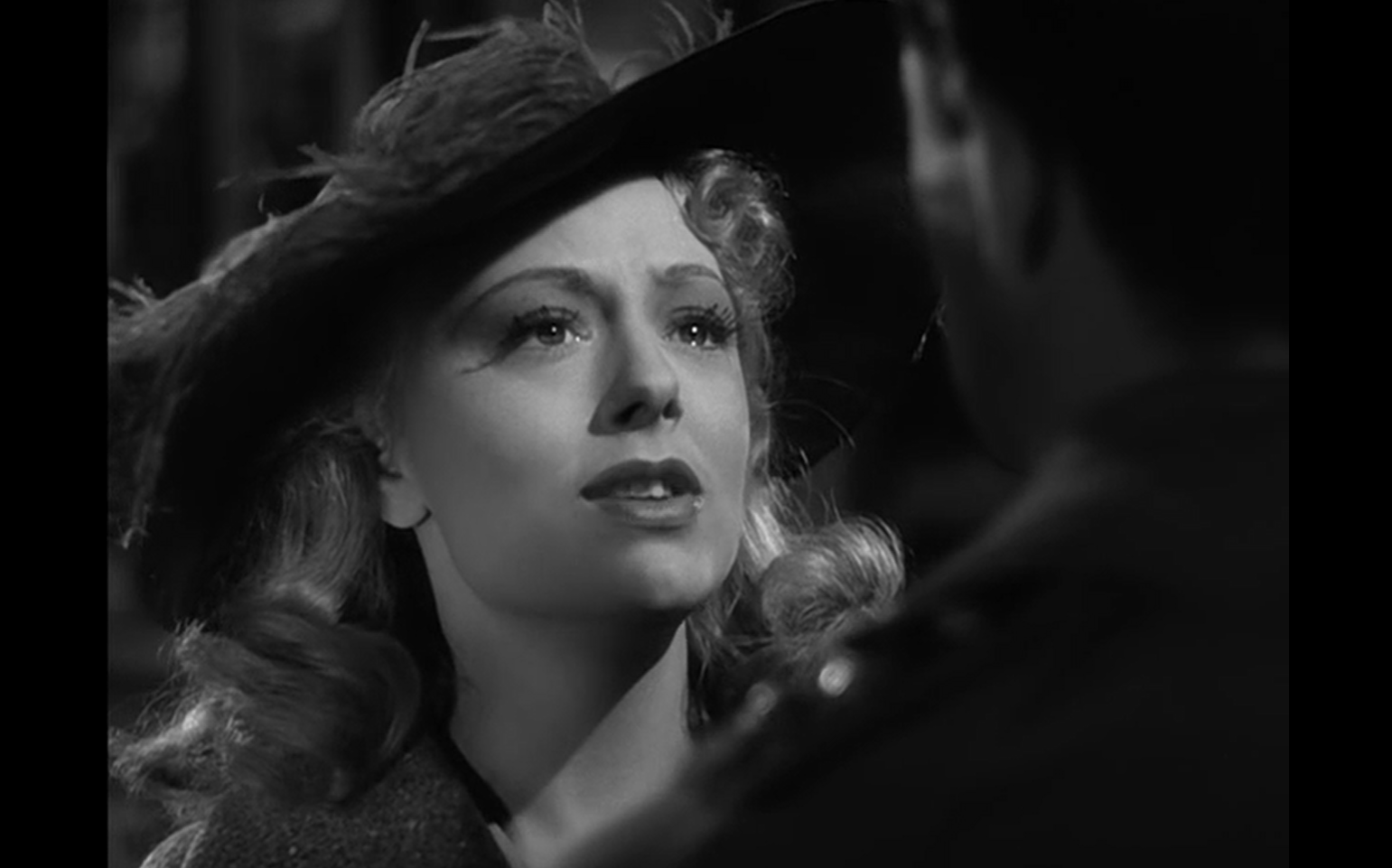
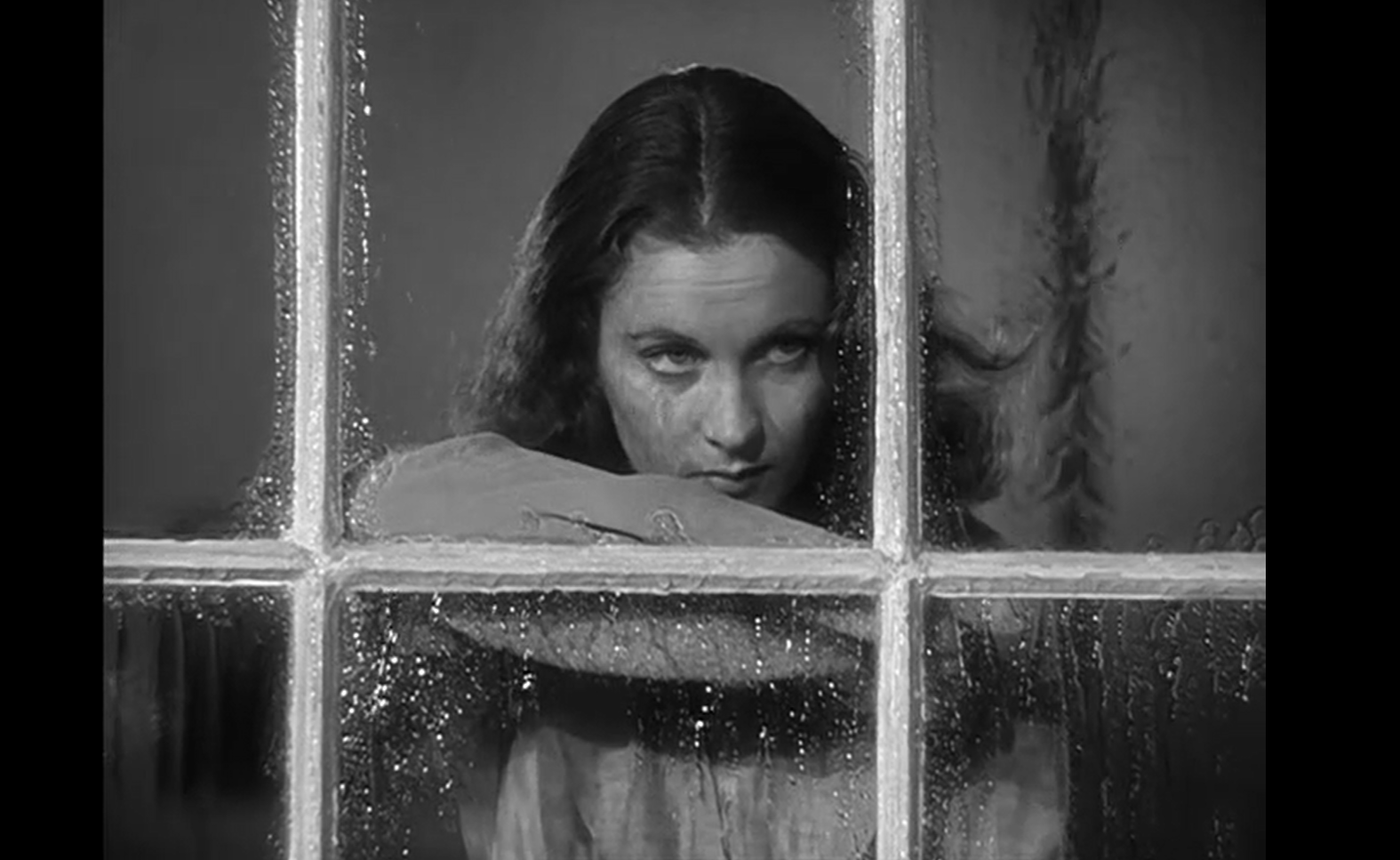
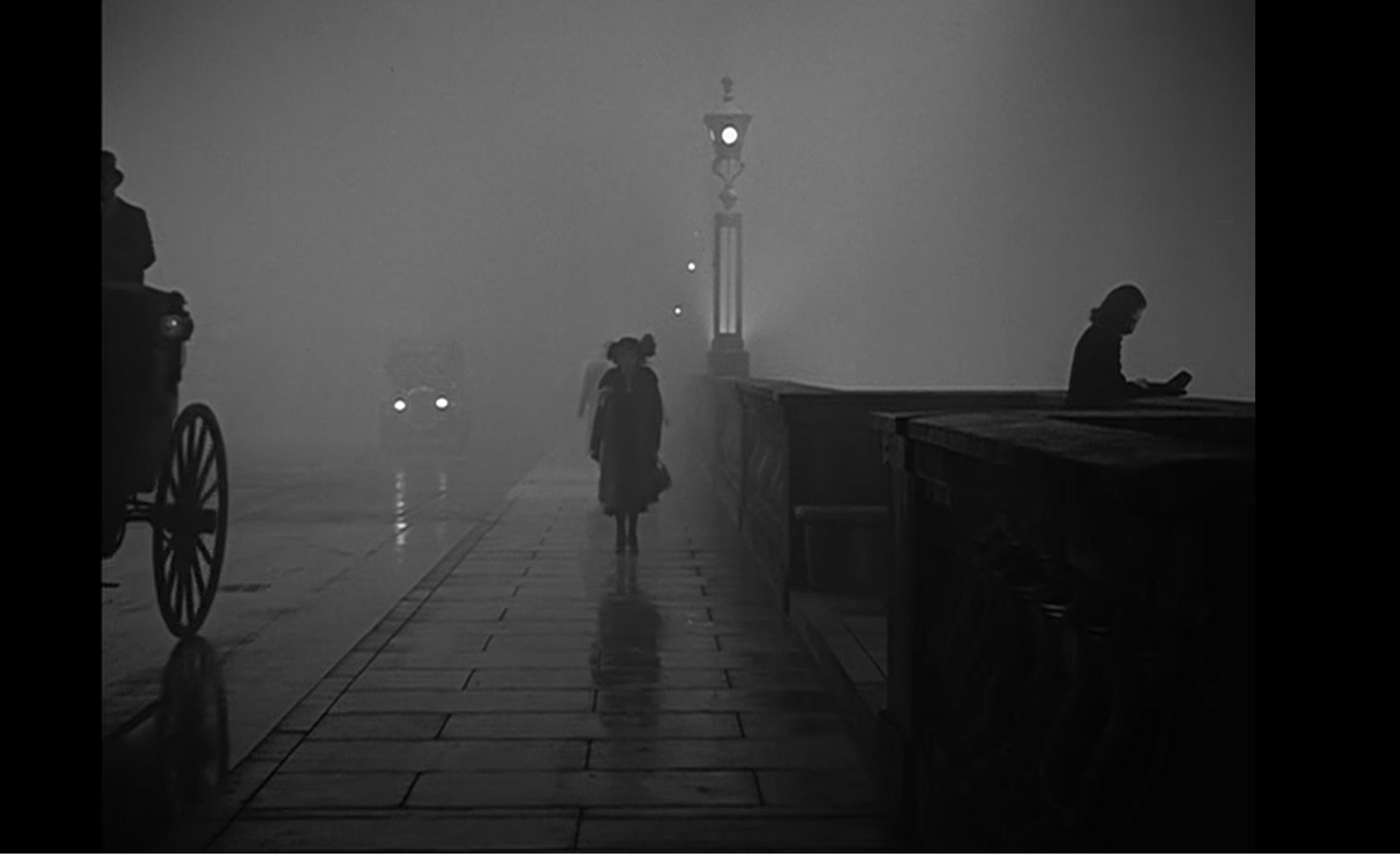
Peary writes that this “extremely well-made, extremely depressing adult romance” — based on a play by Robert E. Sherwood — is one which “Vivien Leigh fans — at least those who don’t mind watching her suffer for 75 minutes — have long held dear.” He notes that while “Sherwood’s play was sanitized quite a bit”, it was “still daring for the cinema of the day” and “may have been a warning to young women not to wander while their men are away at war” — though Leigh and Field, “who is really appealing as her roommate and best friend, play their prostitute roles with great empathy, so that we admire rather than look down on them.” Indeed, Peary points out that “more interesting than the undying love between Taylor and Leigh are the supportive relationships among the various women” in the film. He writes that while “director Mervyn LeRoy, never known for his handling of women, directs with great sensitivity”, the “picture belongs to Leigh, who is absolutely splendid, passionate as well as beautiful.” While Peary’s review accurately captures the many fine qualities of this romantic soaper — including Leigh’s performance, one of her first after winning an Oscar for Gone With the Wind — it’s ultimately too much of a downer to recommend for anyone other than fans of the lead stars. We can see where this one is headed, and it’s no place good.

Redeeming Qualities and Moments:

  • Vivien Leigh as Myra
  • Robert Taylor as Roy
  • Virginia Field as Kitty
  • Joseph Ruttenberg’s cinematography

Must See?
No; this one is only must-see viewing for fans of Leigh or Taylor.

Links:

Tall T, The (1957)

Tall T, The (1957)

“A man should have something of his own — something to belong to.”

Synopsis:
When a former ranch foreman (Randolph Scott) is kidnapped along with an heiress (Maureen O’Sullivan) and her new husband (John Hubbard), they must determine how to keep themselves safe from the ruthless outlaws (Richard Boone, Henry Silva, and Skip Homeier).

Genres, Themes, Actors, and Directors:

  • Budd Boetticher Films
  • Hostages
  • Maureen O’Sullivan Films
  • Newlyweds
  • Randolph Scott Films
  • Richard Boone Films
  • Westerns

Response to Peary’s Review:
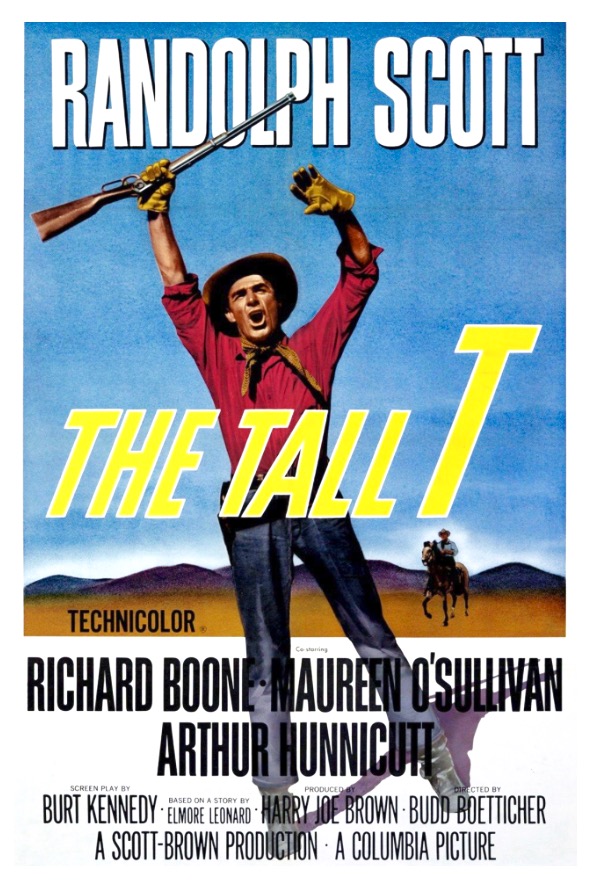
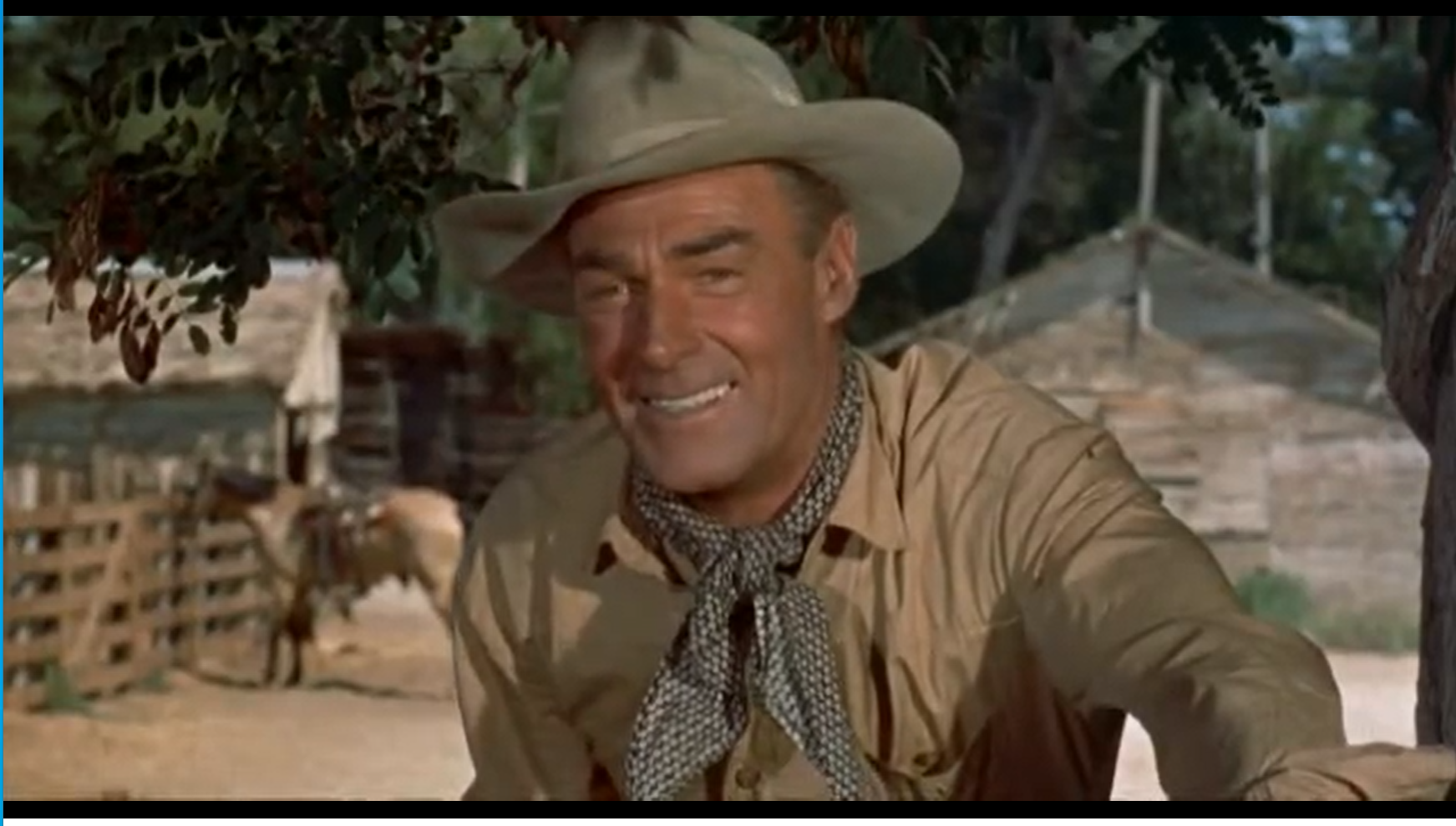
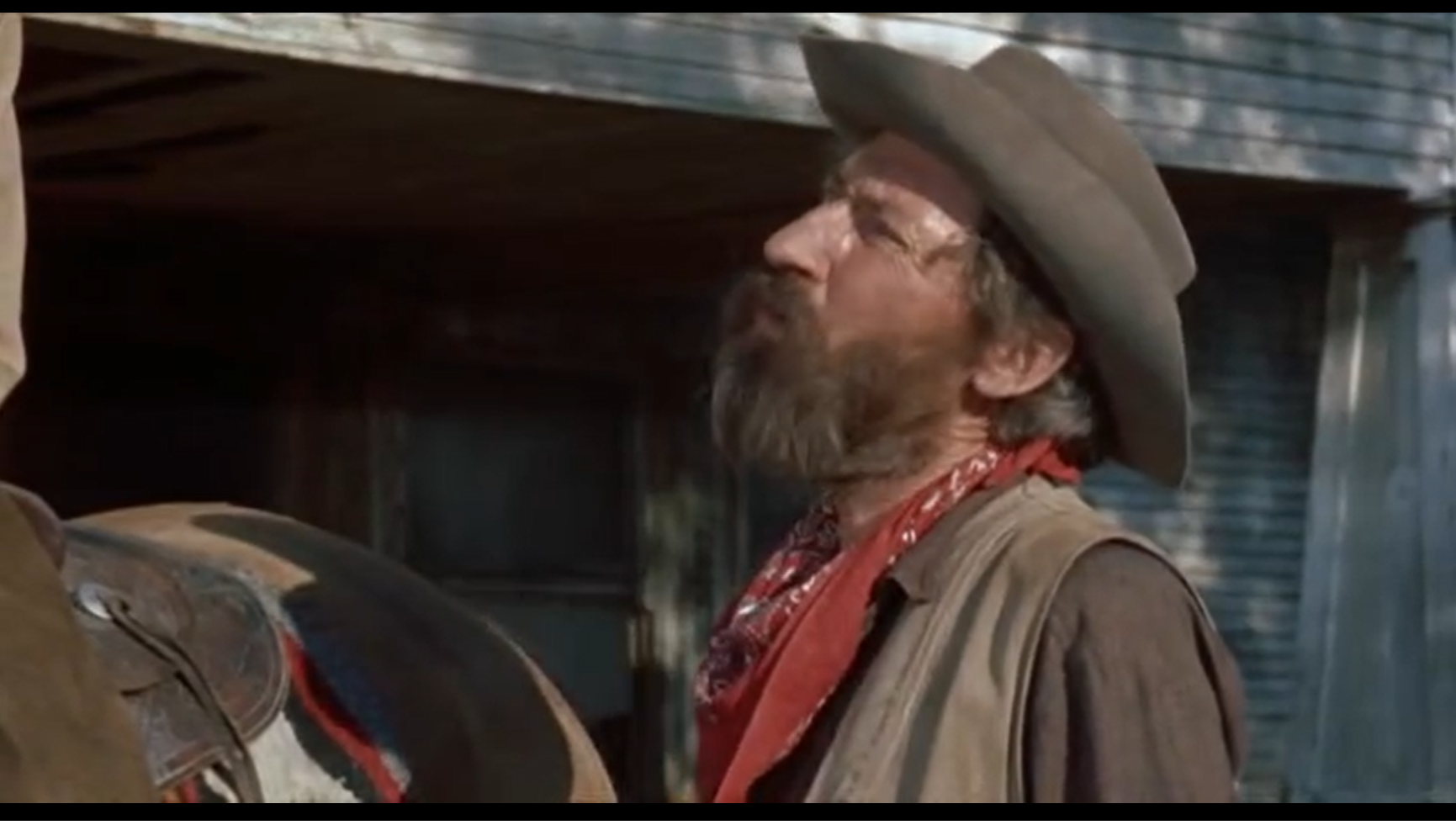
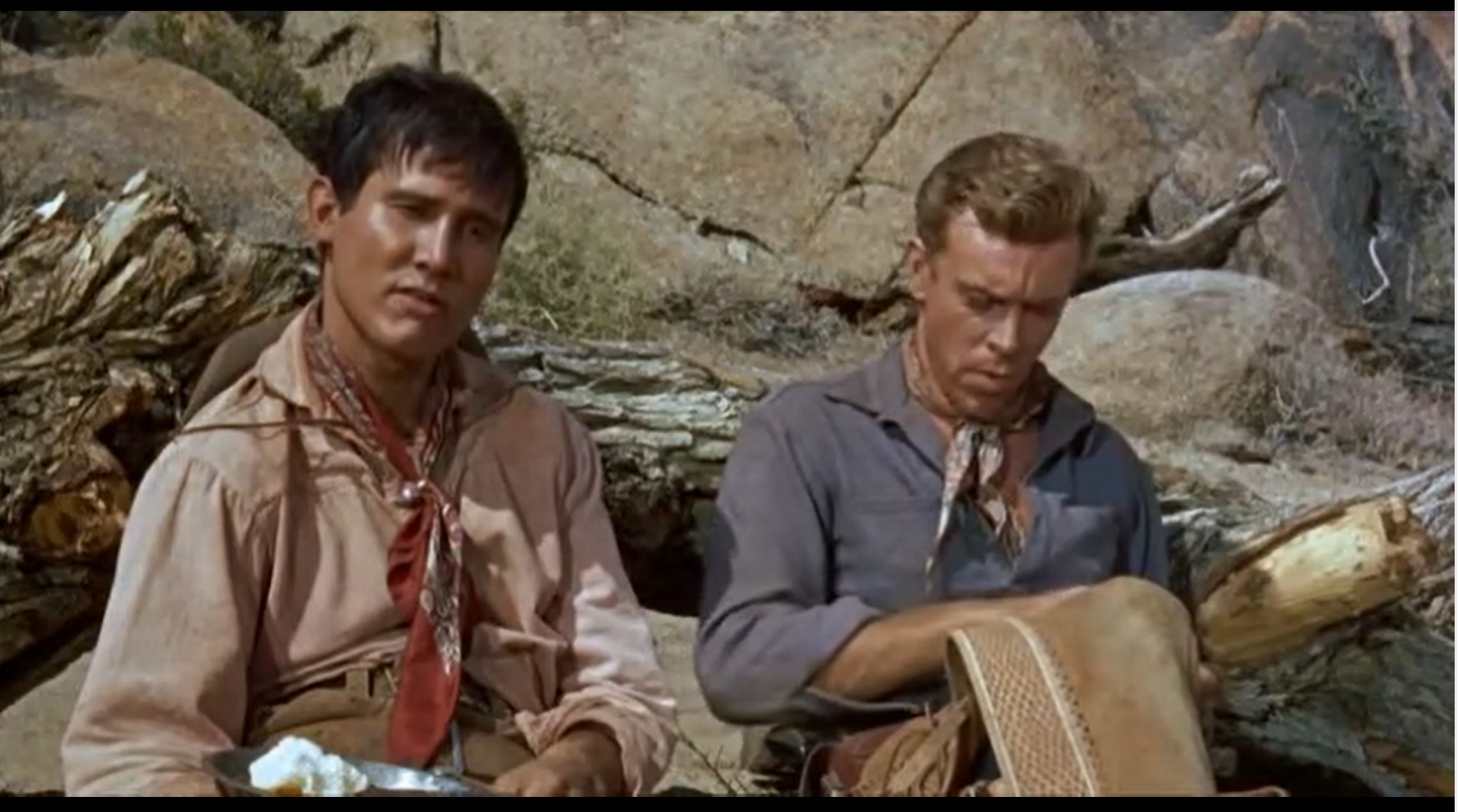
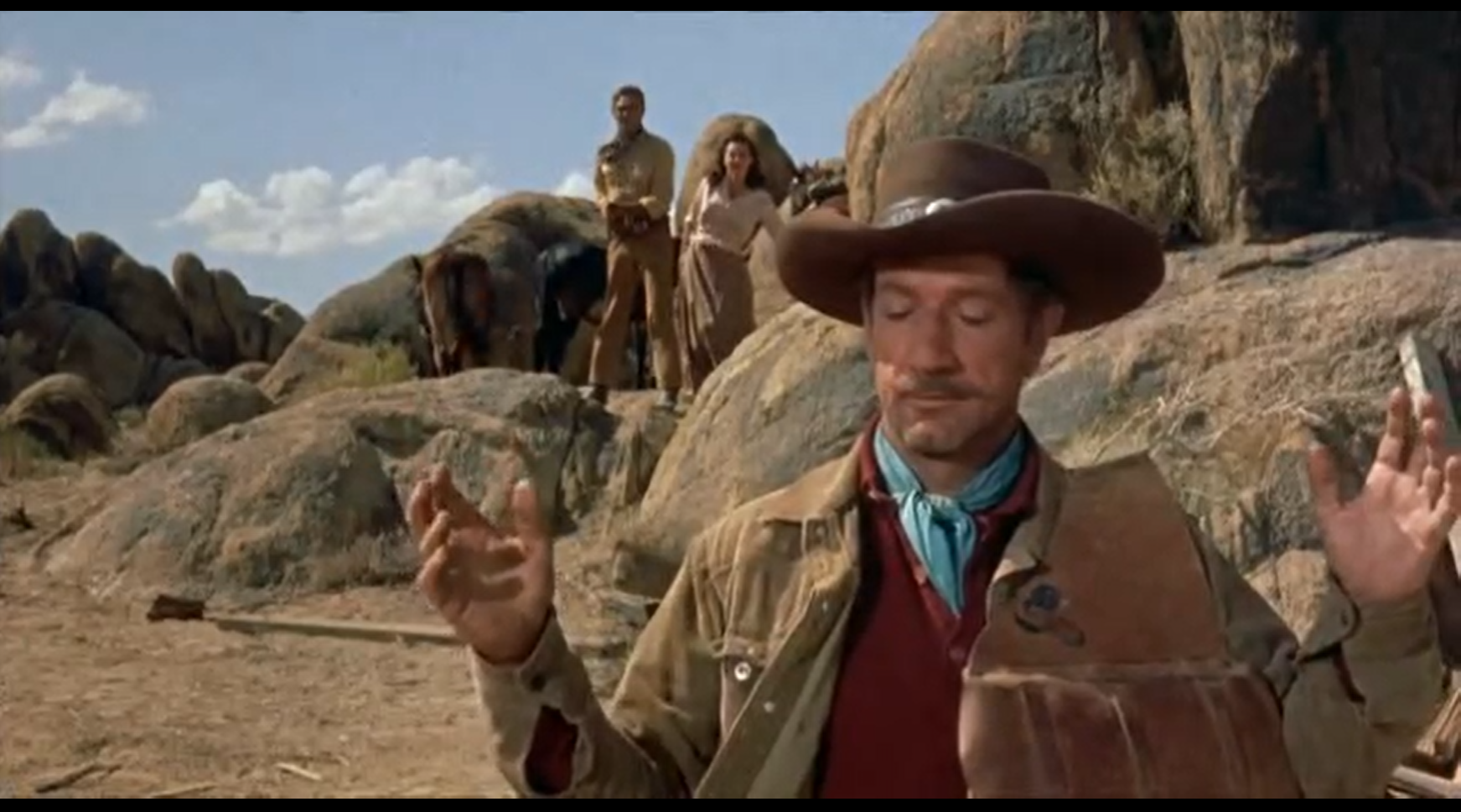
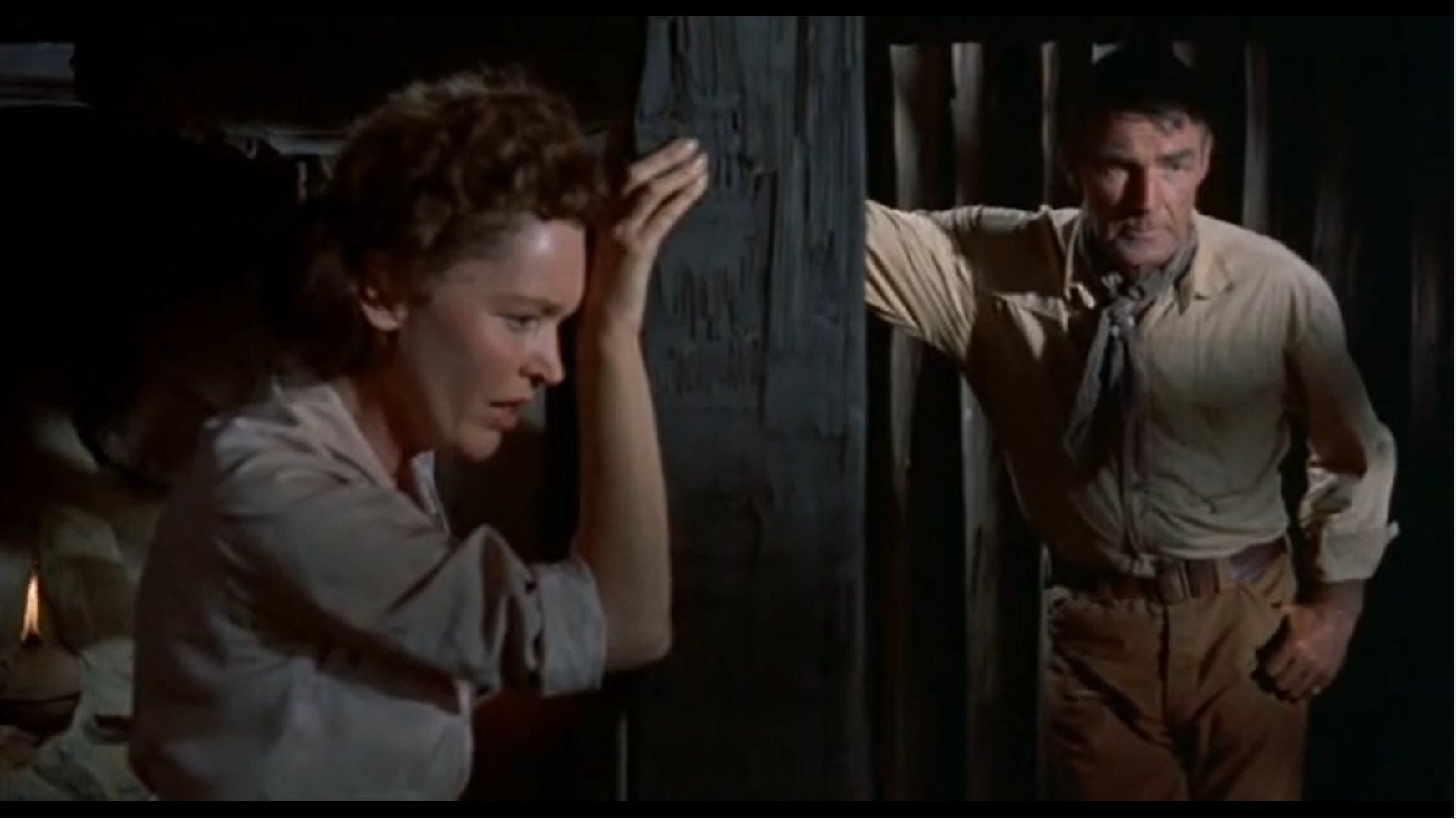
Peary writes that this “obvious influence on numerous westerns, including Anthony Mann’s Man of the West,” is “probably the quintessential Randolph Scott-Budd Boetticher film” — a noteworthy claim considering all the other fine pictures they made together, viz. Seven Men From Now (1956), Decision at Sundown (1957), Buchanan Rides Alone (1958), and Ride Lonesome (1959). Peary notes that The Tall T is “beautifully shot, strong yet straightforwardly written (by Burt Kennedy, who wrote four of their seven westerns), and deals with Boetticher’s primary concerns: how men choose to lead their lives in a West that is becoming increasingly civilized, yet, paradoxically, more violent and amoral,” with “everyone want[ing] something, be it wealth, a woman, a spread, a position of respect, notches on a gunbelt, [or] to be regarded as a man.” He discusses the fact that “Boone becomes fond of Scott” and the two men are “set up to be mirror images of one another”, with “their final clash” resulting “from Scott being a moral man with violent tendencies and Boone being a violent man with moral tendencies”. The film ultimately posits that “the growth of America had to do with loners such as Scott doing away with their violent Boone-like side, putting away their guns, and settling down with good, loyal… women like O’Sullivan”; indeed, “the stability of the country was dependent on marriage, family, and property.”

Peary’s review highlights the film’s narrative and thematic strengths, but the performances are excellent across the board as well. It’s nice to see 45-year-old O’Sullivan playing a “plain” near-spinster (she looks appropriately weary and wary), and Arthur Hunnicutt steals the show in opening scenes as a feisty stagecoach driver. Boone, Homeier, and Silva (going by the unfortunate nickname of “Chink”) are all convincingly threatening, and given numerous subtly racy lines to speak (“I had me a quiet woman once. Outside she was as calm as Sunday, but inside wild as mountain scenery.”). At just 78 minutes, this nifty western moves swiftly and tells a taut, tense tale from beginning to end.

Redeeming Qualities and Moments:

  • Fine performances by the entire cast


  • Strong direction

  • Good use of location shooting
  • Kennedy’s first-rate script

Must See?
Yes, as yet another fine Boetticher/Scott western.

Categories

  • Good Show

Links:

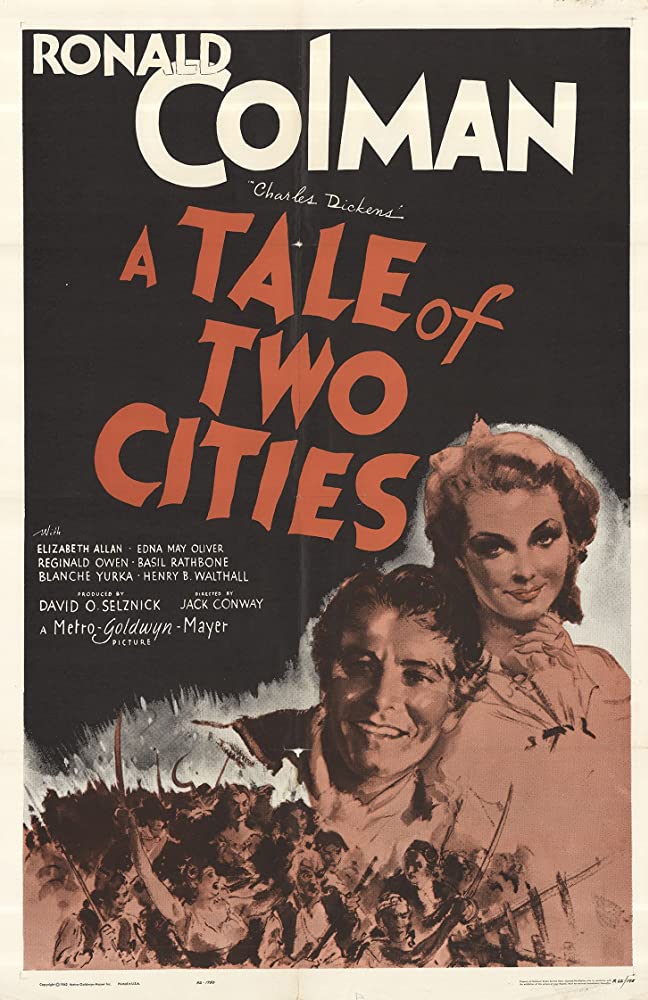
Tale of Two Cities, A (1935)

Tale of Two Cities, A (1935)

“There is a sickness these days which labels itself humanitarianism.”

Synopsis:
Just prior to the French Revolution, an alcoholic British lawyer (Ronald Colman) falls for a sweet young woman (Elizabeth Allan) whose father (Henry B. Walthalle) was held captive by the French ruling class for years — however, Allan’s romantic sights are set on the kind relative (Donald Woods) of an evil aristocrat (Basil Rathbone) whose fate is about to change as the people of France rise up in rebellion.

Genres, Themes, Actors, and Directors:

  • Basil Rathbone Films
  • Character Arc
  • Charles Dickens Films
  • Class Relations
  • French Revolution
  • Historical Drama
  • Love Triangle
  • Revolutionaries
  • Ronald Colman Films

Response to Peary’s Review:
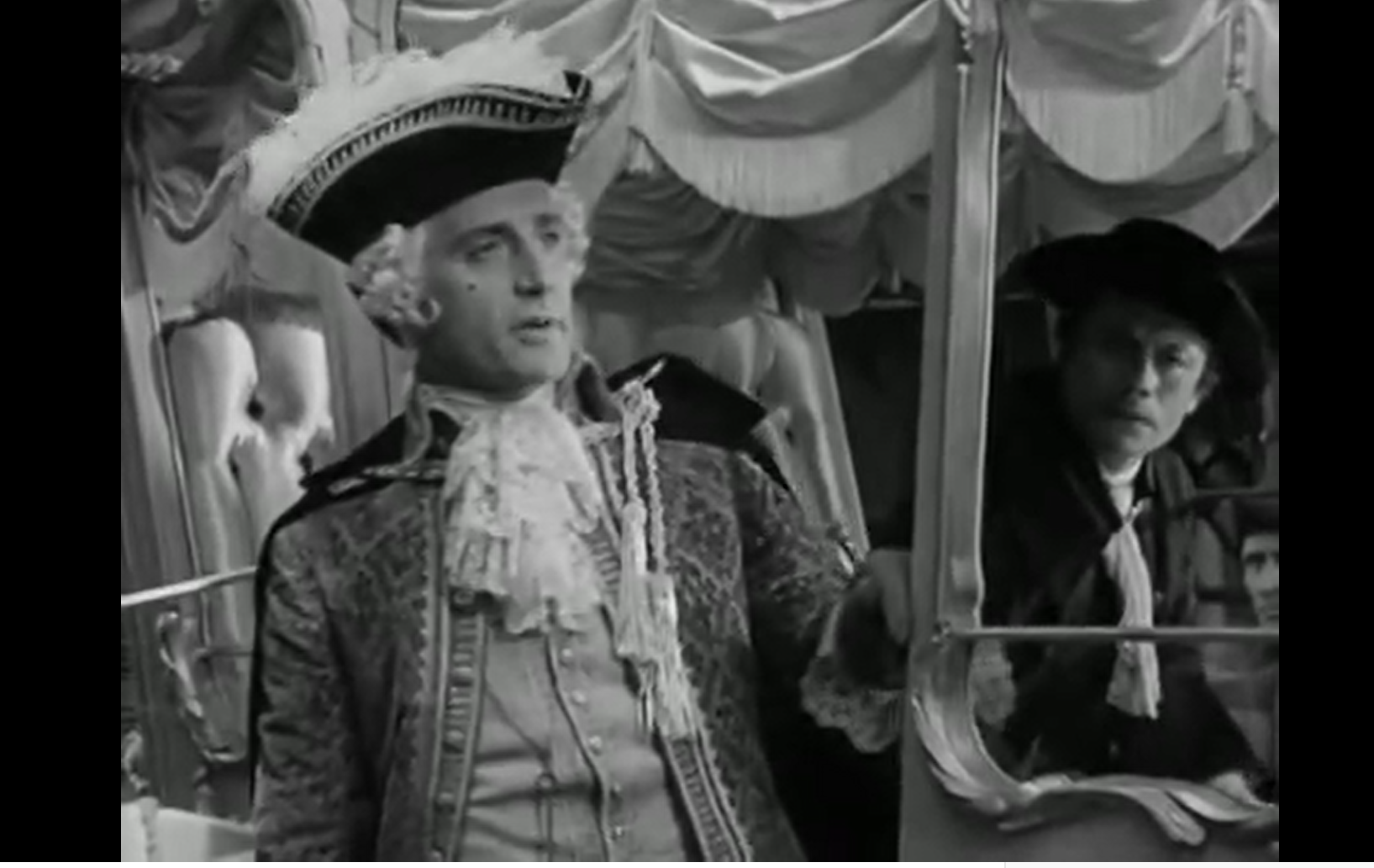
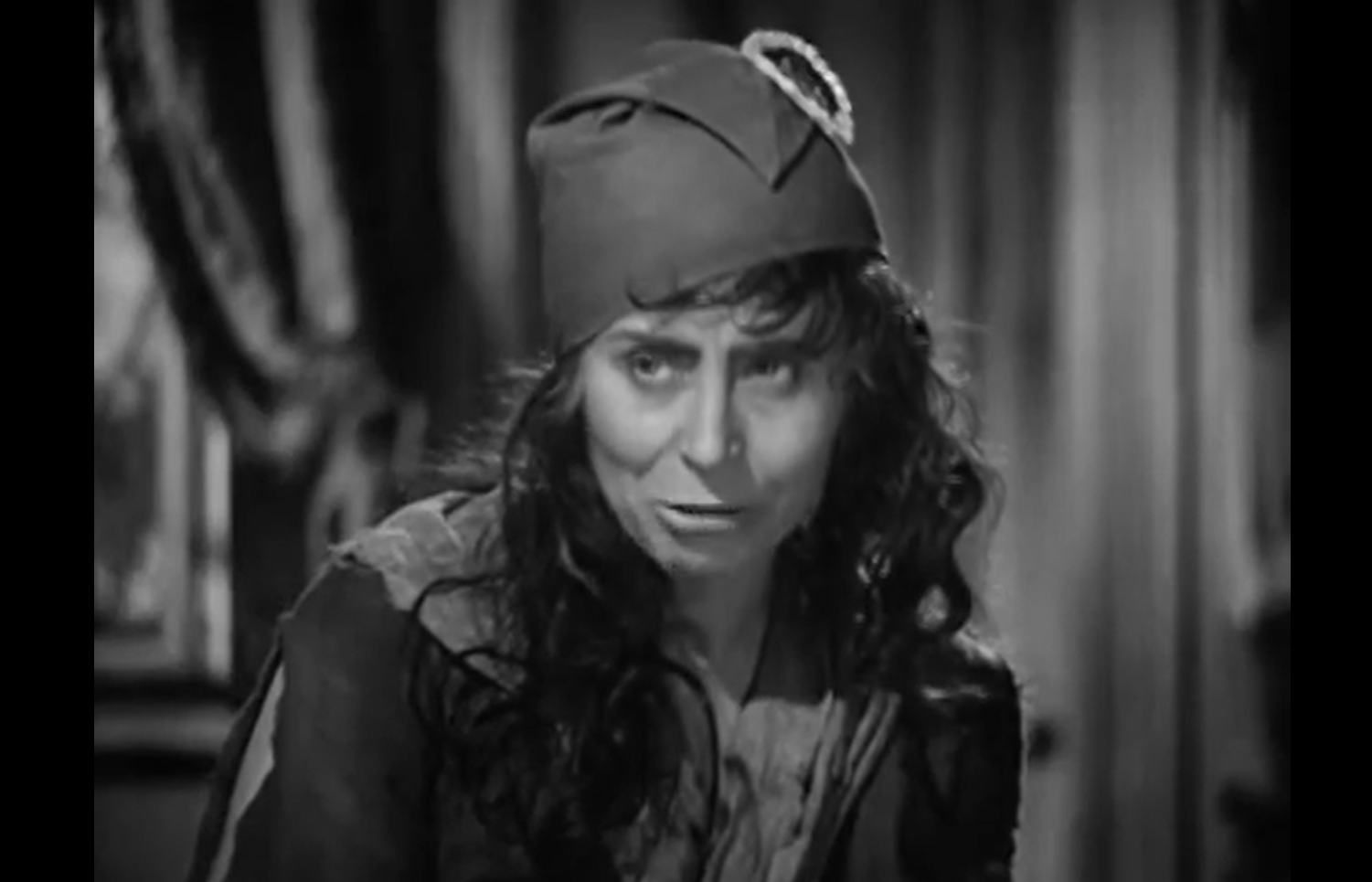
Peary writes that this “popular adaptation of Dickens’s novel of the French Revolution, expensively produced by M-G-M”, is “slow in spots and the direction by Jack Conway is too restrained during the scenes after the common people take over”, but concedes that “the picture is well cast, has sweep, and captures the times in which it is set.” He adds that “Basil Rathbone makes a brief but effective appearance as a heartless marquis who’s upset that his horses might have been injured while trampling a peasant boy” (!):


… and notes that another highlight is “Blanche Yurka steal[ing] the film as the vengeful revolutionary Madame Defarge”:

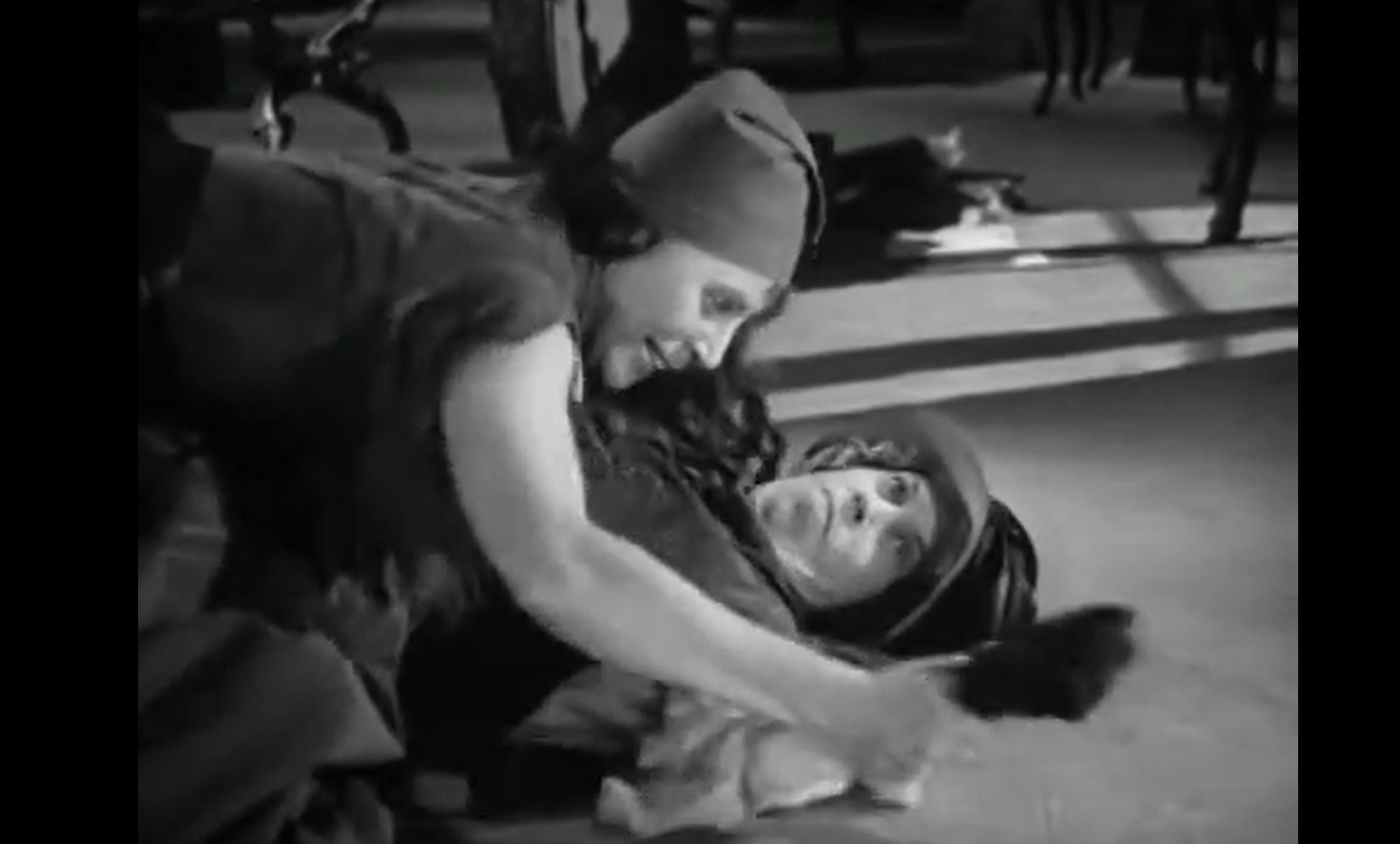
… who engages in a “wrestling match with Miss Pross (Edna May Oliver).”

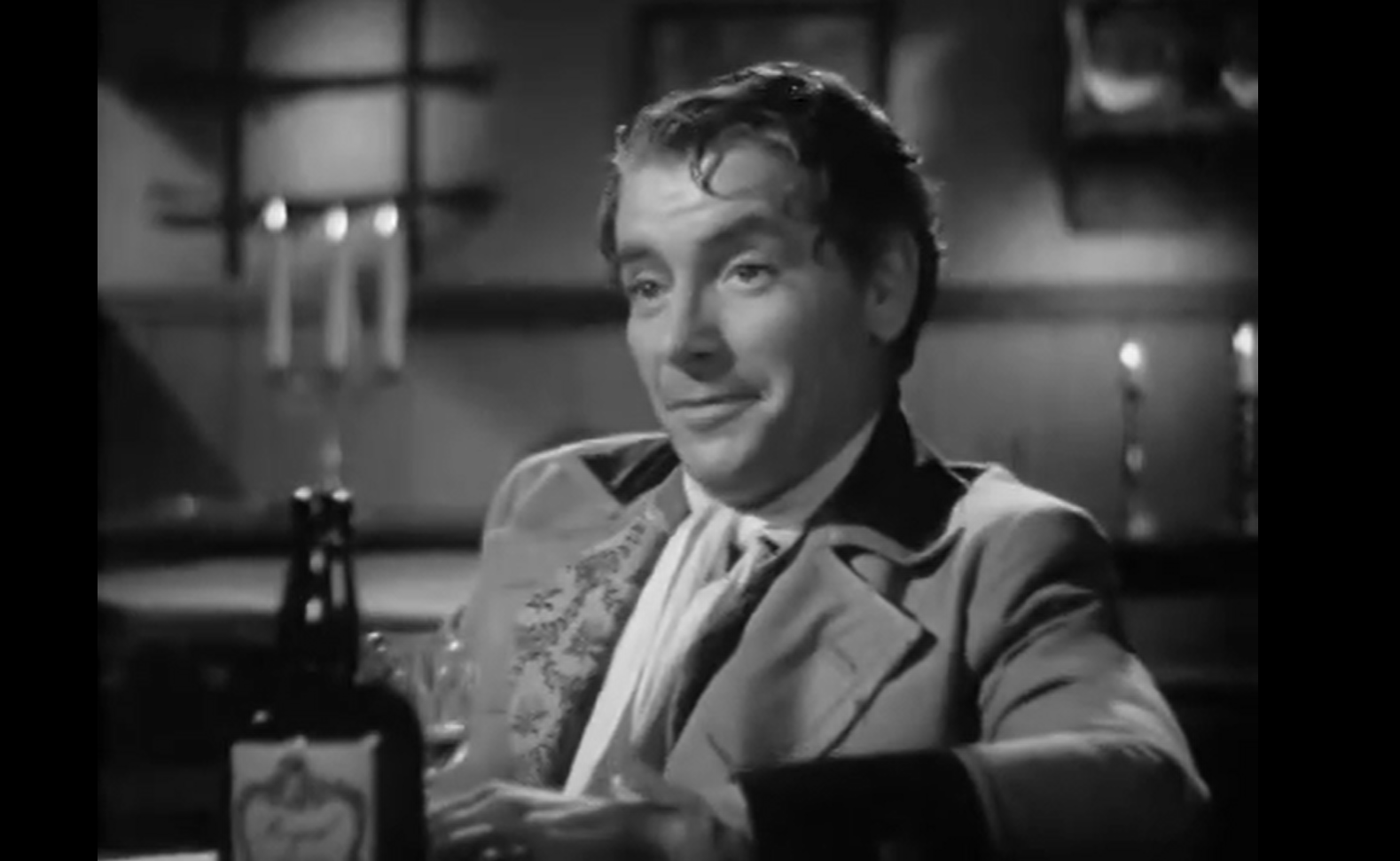
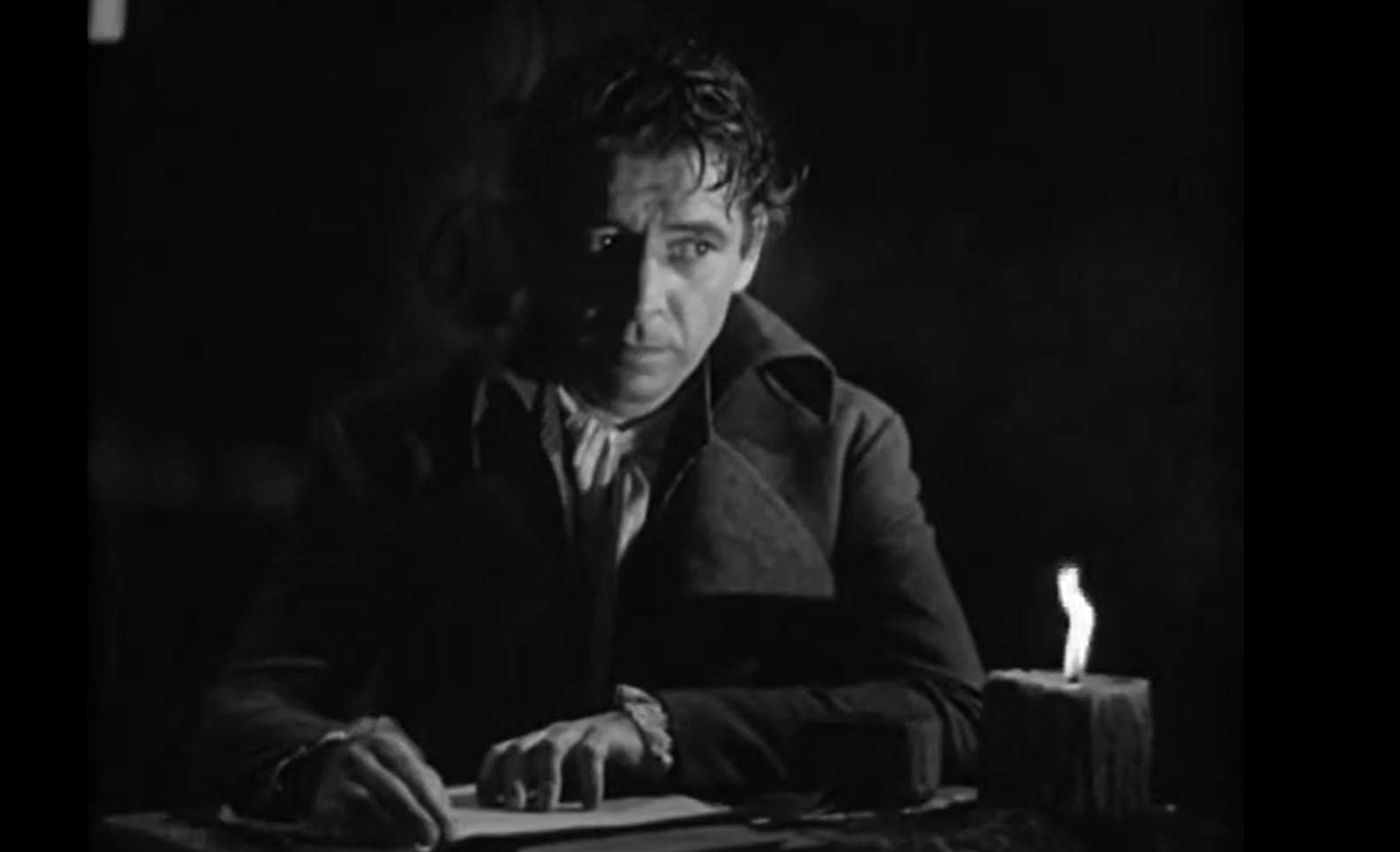
Having never read this particular novel by Dickens, I found it a bit challenging to dive into the complex tale and care about the characters — but as soon as Colman entered the scene, I was more engaged: it actually took me a moment to recognize him, given how deeply immersed he is in his performance as “a crooked, heavy-drinking, politically apathetic English lawyer”:

… who undergoes a significant change of heart. His role, as well as the fine cinematography and period sets, make this worth a look by those who are curious, but it’s not must-see for all film fanatics.

Redeeming Qualities and Moments:

  • Ronald Colman as Sydney Carton
  • Atmospheric cinematography

Must See?
No, though of course Dickens fans will want to check it out.

Links:

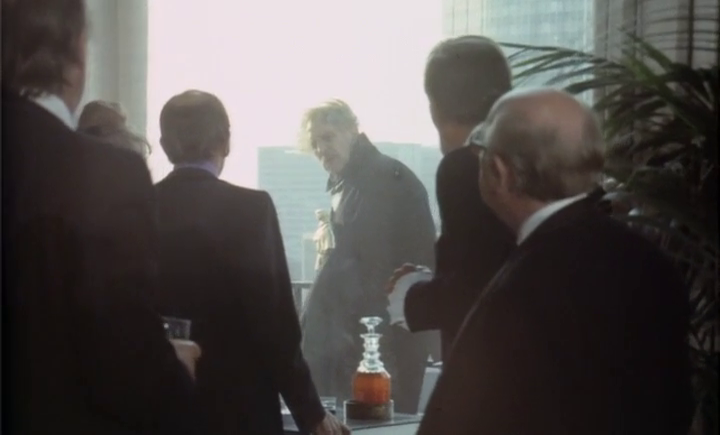
Theatre of Blood (1973)

Theatre of Blood (1973)

“They’re not going to start killing critics for giving bad notices, are they?”

Synopsis:
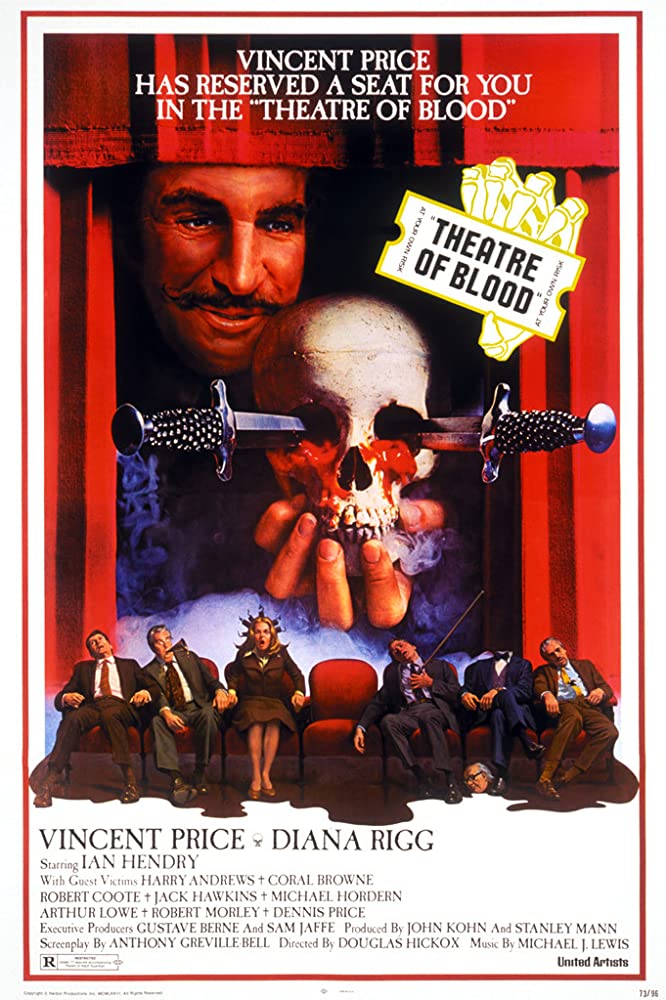
With assistance from his loyal daughter (Diana Rigg), a vengeful actor (Vincent Price) systematically murders each of his critics while a hapless detective (Milo O’Shea) attempts to stay ahead of each Shakespearean-inspired crime.

Genres, Themes, Actors, and Directors:

  • Actors and Actresses
  • Black Comedy
  • Diana Rigg Films
  • Harry Andrews Films
  • Jack Hawkins Films
  • Revenge
  • Serial Killers
  • Shakespeare
  • Vincent Price Films

Response to Peary’s Review:
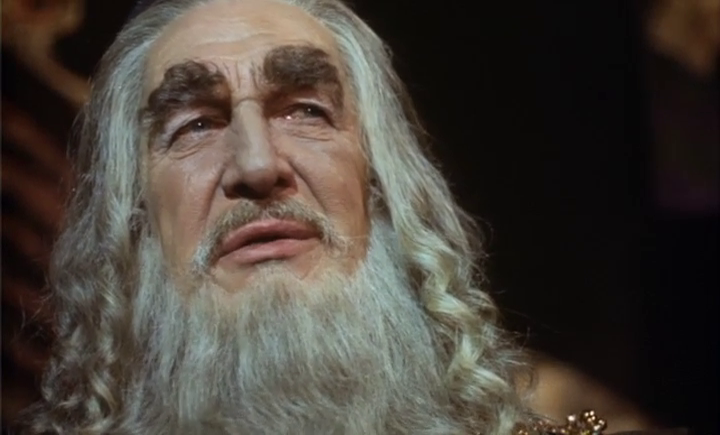
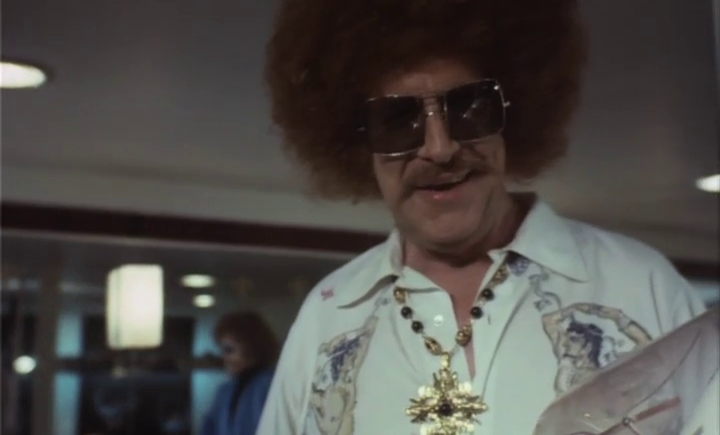
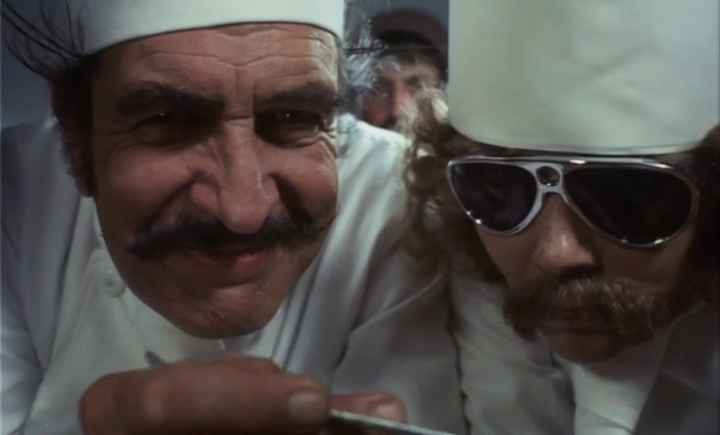
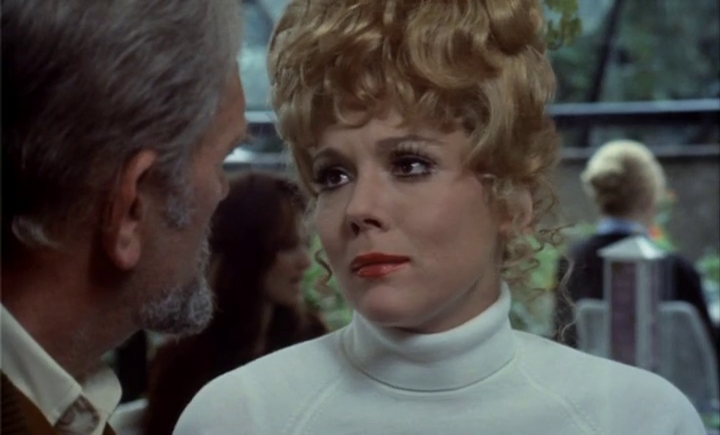
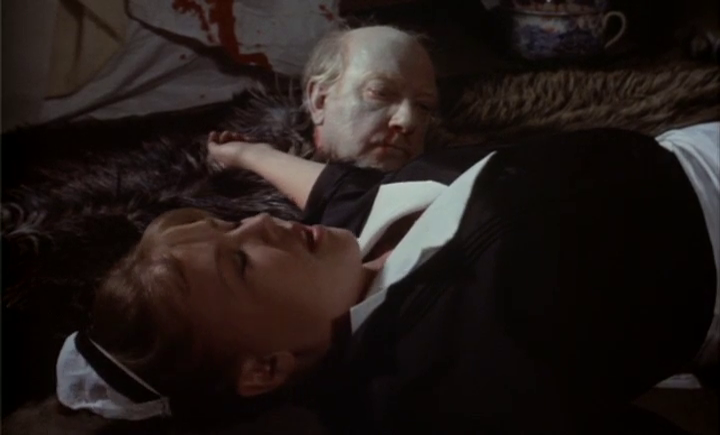
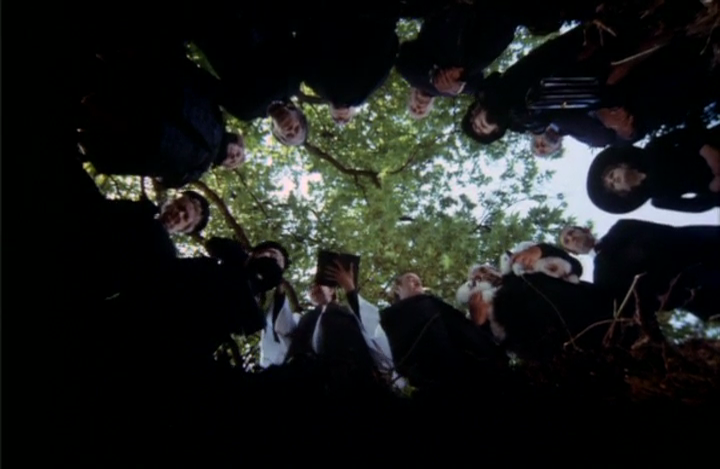
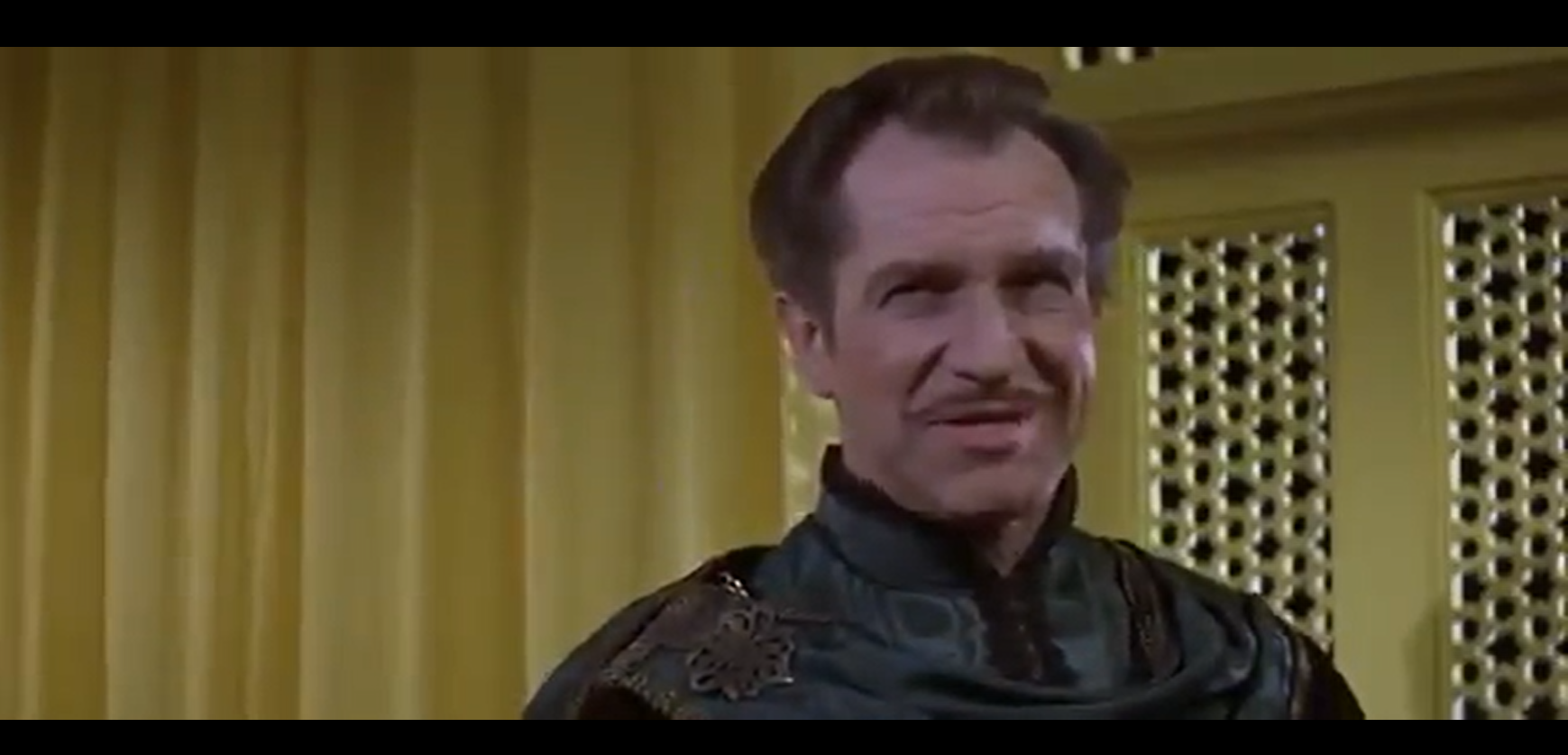
Peary writes that “in what must have been his dream role, Vincent Price hit his horror-movie peak as Edward Lionheart, a Shakespearean actor who is as hammy as Price himself”. He argues that while “some of the death scenes are a bit too gory” (I disagree; Shakespeare wrote some undeniably gory sequences!), “this is a suspenseful, witty, flamboyantly stylish film” with an “excellent all-star cast” — and “viewers should have as much fun as Price seems to be having”. Peary points out that the “writing by Anthony Greville-Bell and direction by Douglas Hickox” (who helmed Entertaining Mr. Sloane a few years earlier) “are imaginative”, and notes that “Diana Rigg makes one of her rare screen appearances as Price’s daughter, who isn’t as sweet as she appears to be.” There are many layers of satisfaction in this darkly comedic thriller: watching Price wreak skillful revenge on all who refused to name him best stage actor of the year; waiting to see how the next murder will faithfully (albeit with a twist) enact a Shakespearean scene; witnessing both Price and Rigg’s delightful array of disguises and costumes (none of which the snobbish critics ever cotton onto). This companion piece to The Abominable Dr. Phibes (1971) is well worth a visit, and likely return viewings as well.

Redeeming Qualities and Moments:

  • Vincent Price in numerous “roles”


  • Diana Rigg as Edwina
  • Many effectively gruesome sequences

  • Atmospheric sets and cinematography

Must See?
Yes, as a most enjoyable suspense film, and for Price’s stand-out performance(s).

Categories

Links:

Masque of the Red Death, The (1964)

Masque of the Red Death, The (1964)

“Famine, pestilence, war, disease, and death — they rule this world.”

Synopsis:
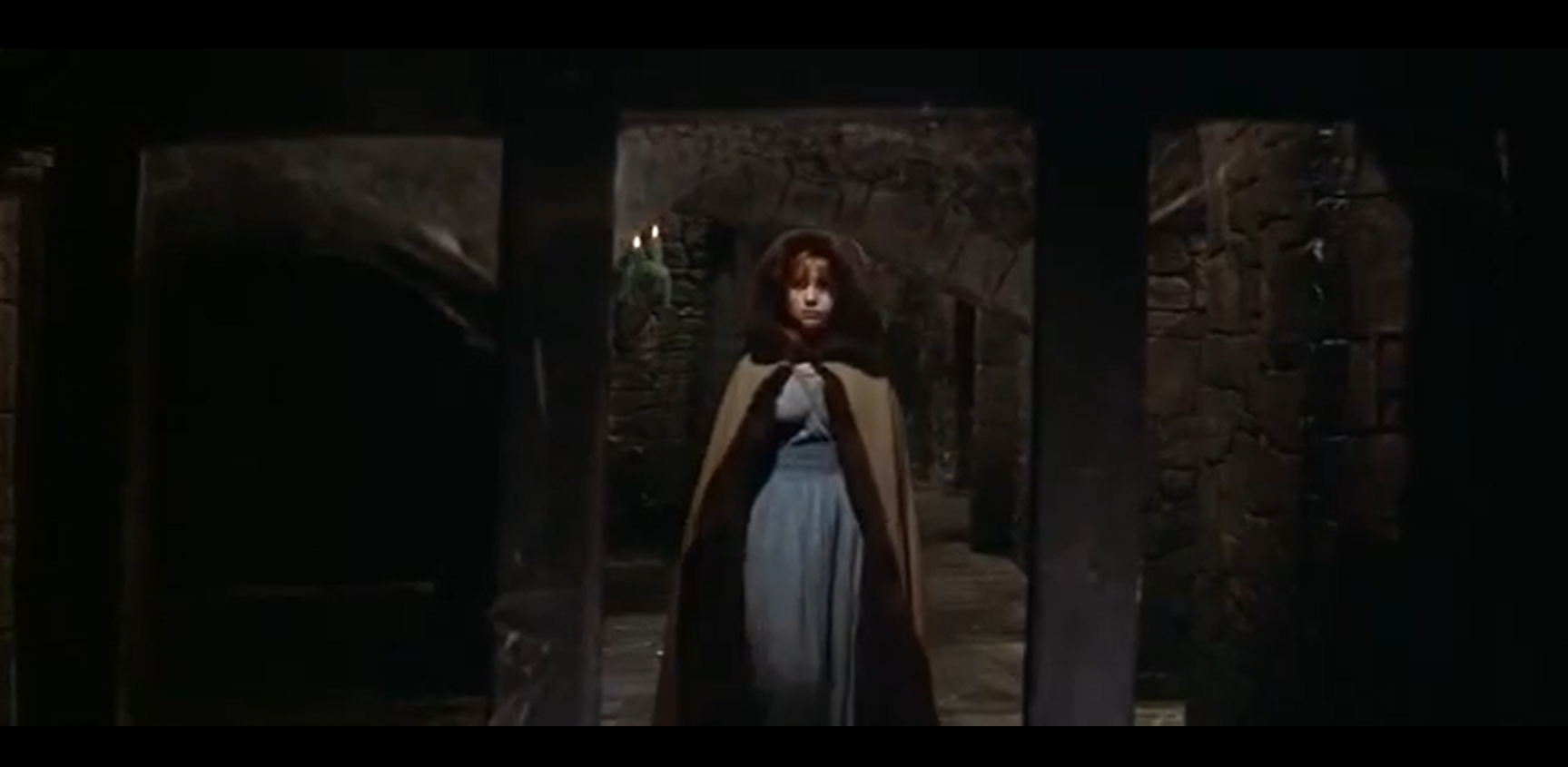
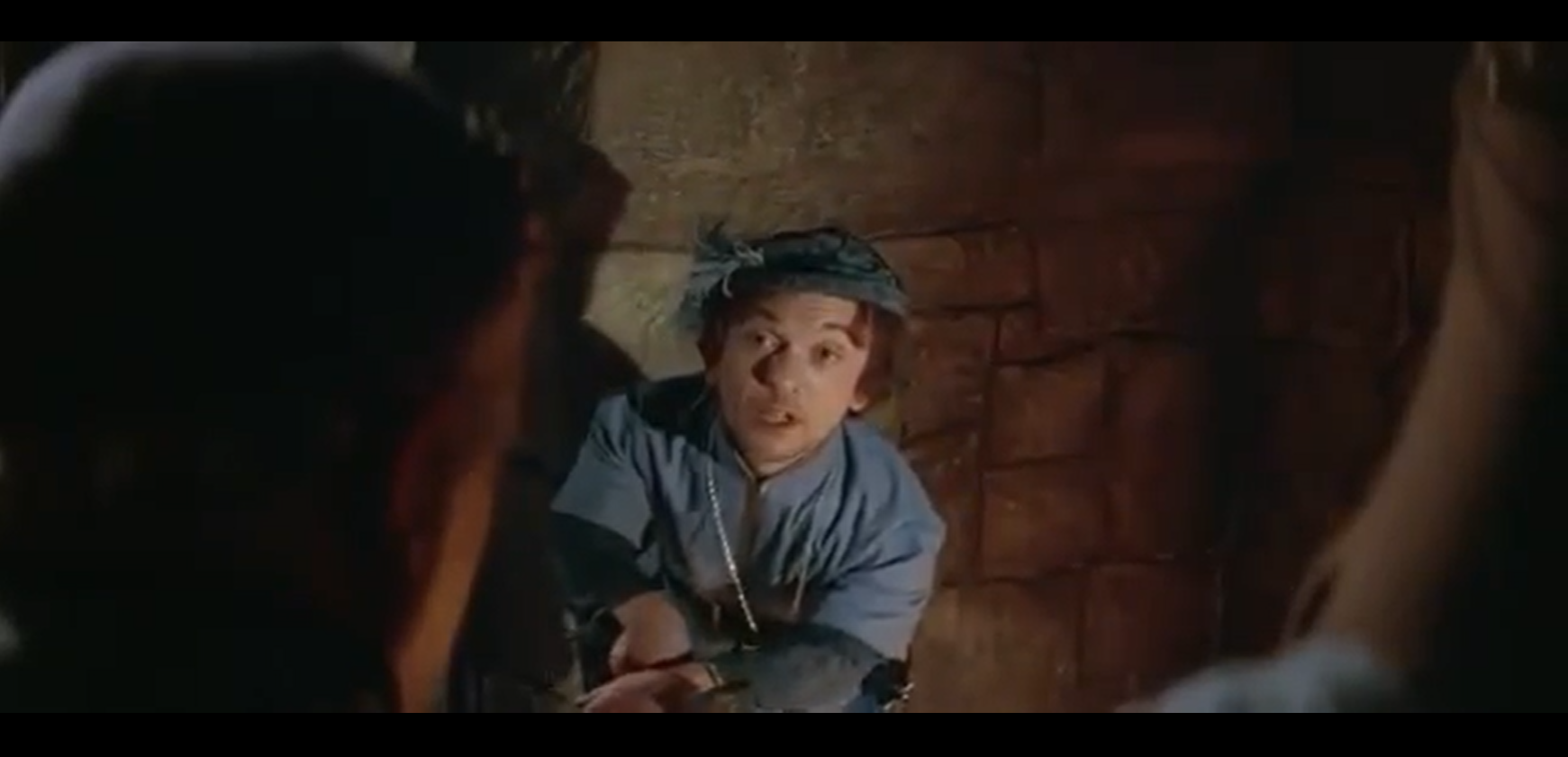
In plague-ridden medieval Italy, a Satan-worshipping prince (Vincent Price) approached for help by two local villagers (David Weston and Nigel Green) sentences them to death unless a young woman (Jane Asher) — Weston’s fiance and Green’s daughter — chooses which one will live. When she refuses, Asher is taken to Price’s debauchery-ridden castle, where his lady (Hazel Court) attempts to marry the Devil, and a court performer known as Hop Toad (Skip Martin) hatches a plan of revenge against a nobleman (Patrick Magee) who has mistreated his tiny dancing partner (Verina Greenlaw).

Genres:

  • Edgar Allan Poe Films
  • Historical Drama
  • Horror Films
  • Plague
  • Roger Corman Films
  • Royalty and Nobility
  • Satanists
  • Vincent Price Films

Response to Peary’s Review:
Peary writes that “Roger Corman’s best film” — this “super-stylish mix of Edgar Allan Poe (the title story plus ‘Hop-Frog’) and Ingmar Bergman’s The Seventh Seal” — features a “forceful performance” by Vincent Price as “Prince Prospero, a sadistic 12th century Italian satanist” who, while “the Red Death wipes out the God-fearing villagers”, “calmly retreats to his castle for the nightly orgies of his aristocratic guests.” Peary notes that this is a “strange film because one expects… ”

SPOILER ALERT

“… that the denouement will contain the standard triumph of good over evil, but this is not the case” — rather, “the Death that claims victims does not choose according to whether one believes in God or Satan”. He argues that the “film is in its way as philosophic as Bergman’s picture; Corman’s characters are as hopelessly confused and terrified, because the God in whom they had faith abandoned them”. He points out that this movie, “filmed in England, in Technicolor” is “the most handsome of Corman’s films”, with “the set design by Daniel Haller and photography by Nicholas Roeg” “exceptional”.

I chose to (re)-watch The Masque of the Red Death as part of my ongoing revisit of all the Poe-inspired films made by Roger Corman, not quite realizing exactly how timely this tale would feel during our COVID-19 pandemic. This film about an evil nobleman and his willing compatriots denying refuge to plaintive villagers provides a potent cautionary tale about the need to continuously support one another through the hardest of times, across all boundaries: social, economic, racial, and religious. The “Red Death” can come at any time, to anyone, and no amount of denial or cruelty can stop its path. Viewers should be prepared for some surprisingly disturbing scenes — such as Price nastily ordering his guests to act like beasts (“How like a worm you are. Be one.”); Magee openly leering at a young woman (Greenlaw) who looks like a girl (and was actually performed by a child); Court orgiastically bonding herself to the devil through self-branding an upside-down cross onto her bosom; and Price voicing countless creepy lines (“The way is not easy, I know, but I will take you by the hand and lead you through the cruel light into the velvet darkness.”)

Redeeming Qualities and Moments:

  • Vincent Price as Prospero: “I understand; life is often ugly.”
  • Atmospheric cinematography


Must See?
Yes, as the most memorable and provocative of the Corman-Poe series.

Categories

(Listed in 1001 Movies You Must See Before You Die)

Links:

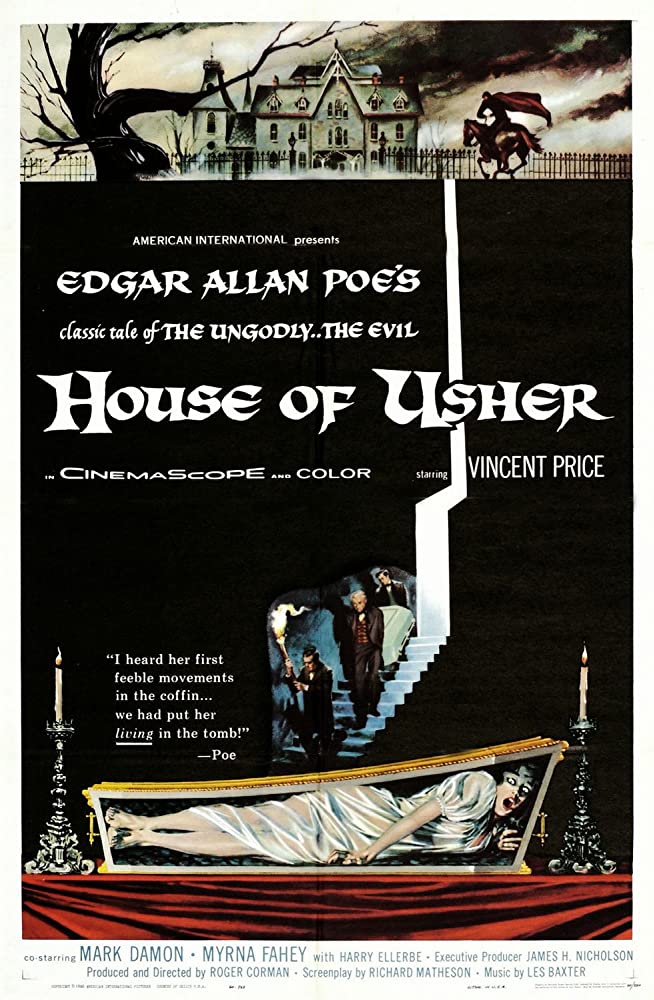
Fall of the House of Usher, The / House of Usher (1960)

Fall of the House of Usher, The / House of Usher (1960)

“The Usher line is tainted, sir.”

Synopsis:
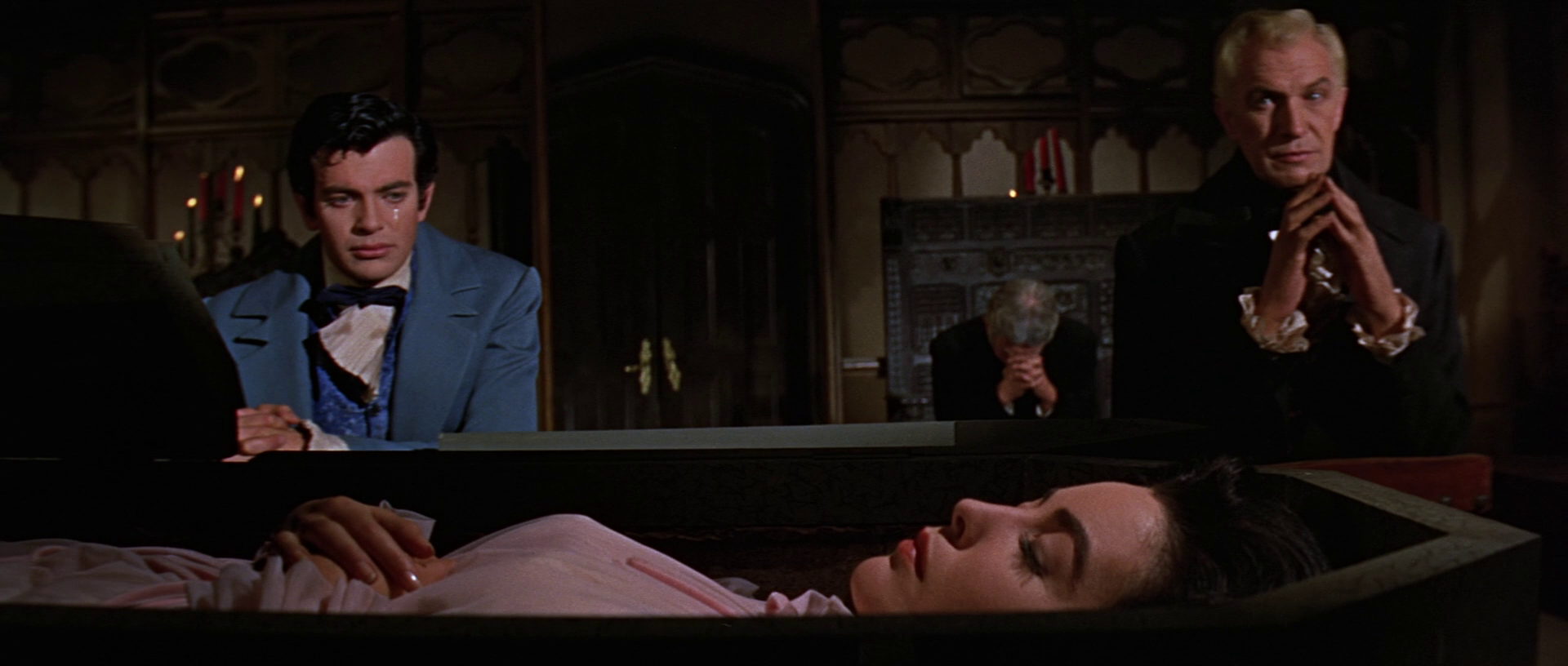
When a man (Mark Damon) visits his fiancee (Myrna Fahey) at her house, the butler (Harry Ellerbe) warns him to stay away and Fahey’s protective brother (Vincent Price) insists he must leave — but Damon is determined to rescue and marry Fahey at any cost.

Genres:

  • Edgar Allan Poe Films
  • Historical Drama
  • Horror Films
  • Old Dark House
  • Roger Corman Films
  • Vincent Price Films

Review:
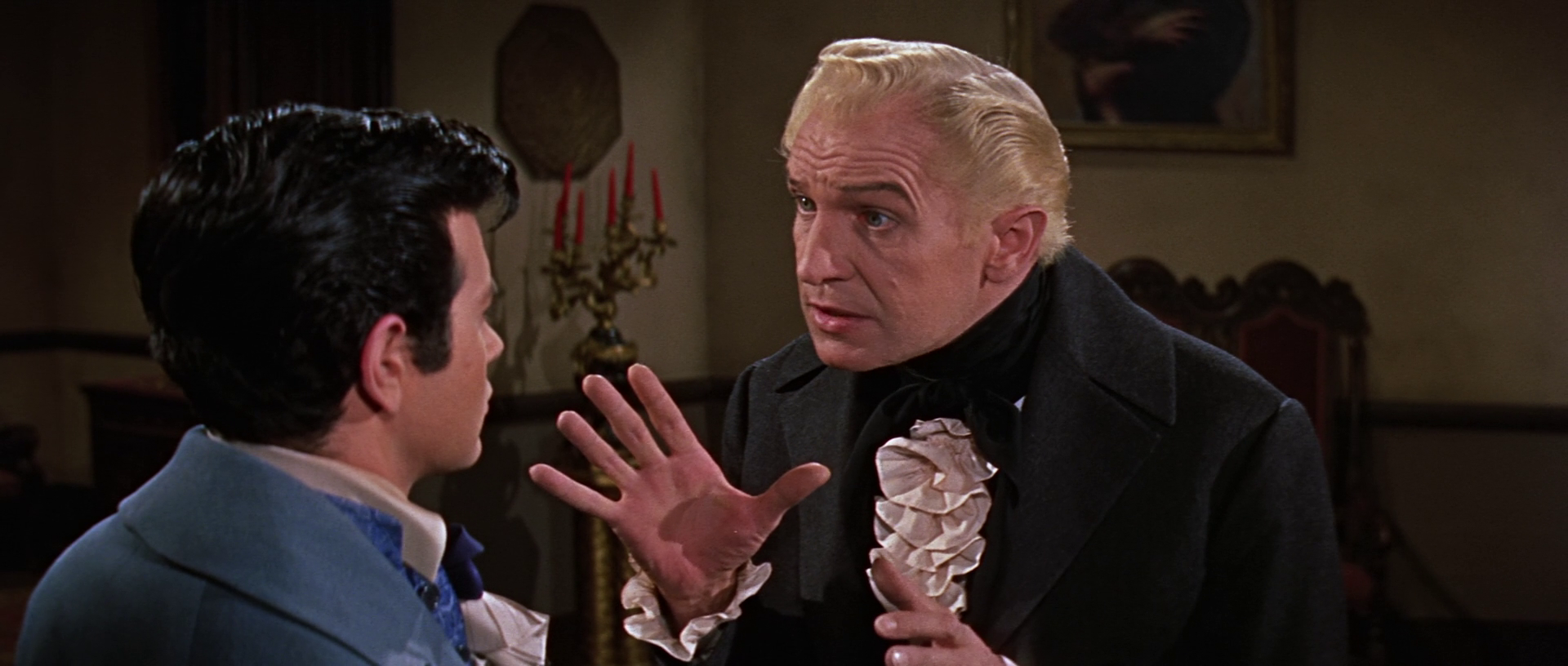
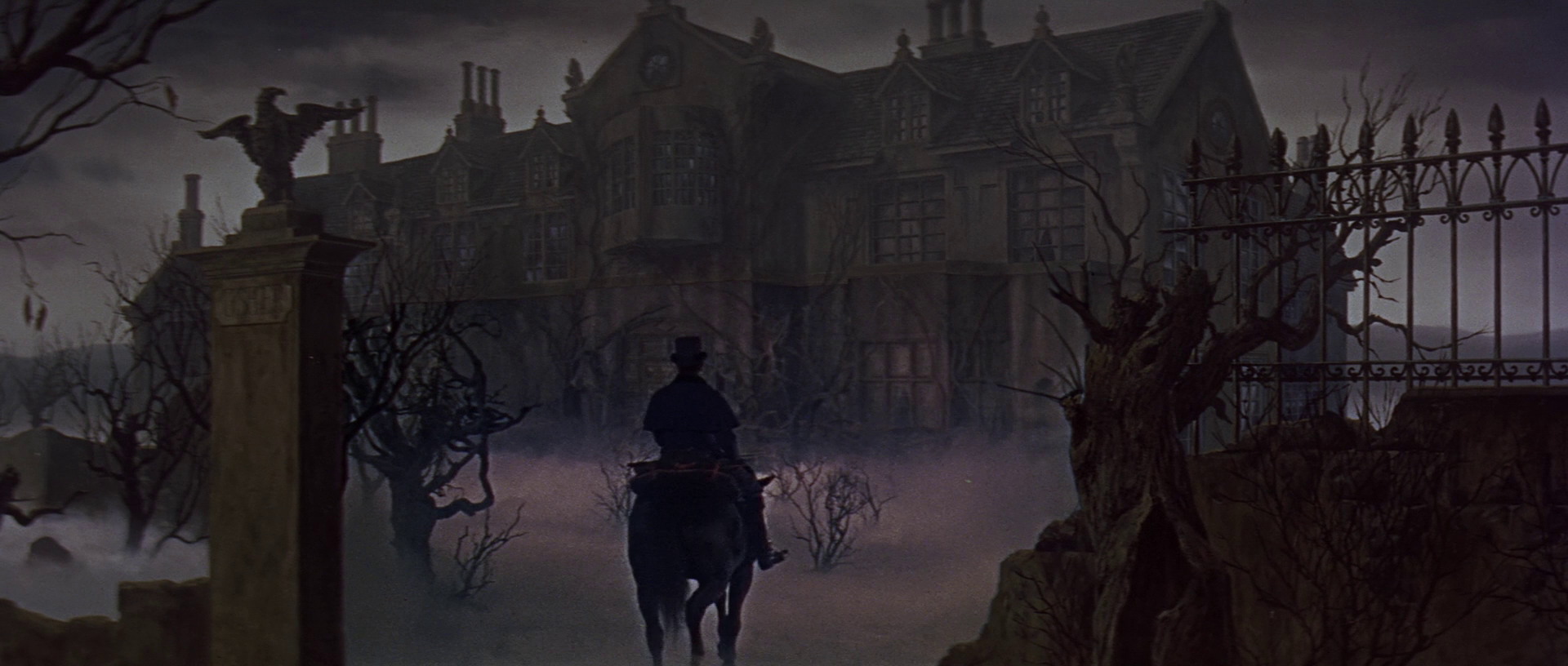
Peary writes that this “first of Roger Corman’s successful Edgar Allen Poe series for AIP” — followed by (among others) The Pit and the Pendulum (1961), Tales of Terror (1962), The Raven (1963), The Masque of the Red Death (1964), and The Tomb of Ligeia (1964) — was, like the majority, “set in decaying, oppressive, life-consuming mansions that represented the minds of their unfortunate inhabitants”. He points out that “because there are only four people in the film”, screenwriter “Richard Matheson was stuck with the problem of writing a horror movie in which nothing could happen to anyone until the end” — so he “inserted numerous filler scenes that are there strictly for atmosphere”, and “to take up more time, his characters use about 10 lines when one or two would suffice.” However, Peary concedes that “the house is designed interestingly by Daniel Haller, the photography by Floyd Crosby is properly moody, and the film includes a typical flamboyant performance by Price (who was to these films what John Wayne was to Hawks and Ford westerns).” I’m in full agreement with Peary’s assessment; this one isn’t must-see but is worth a look, particularly for Price.

Redeeming Qualities and Moments:

  • Vincent Price’s delightfully hammy performance as Roderick Usher
  • Fine direction by Corman
  • Atmospheric cinematography and sets

Must See?
No, though it’s worth a one-time look.

Links:

Tarzan’s New York Adventure (1942)

Tarzan’s New York Adventure (1942)

“When strangers come here from the outside, they always cause trouble — they’re always seeking something.”

Synopsis:
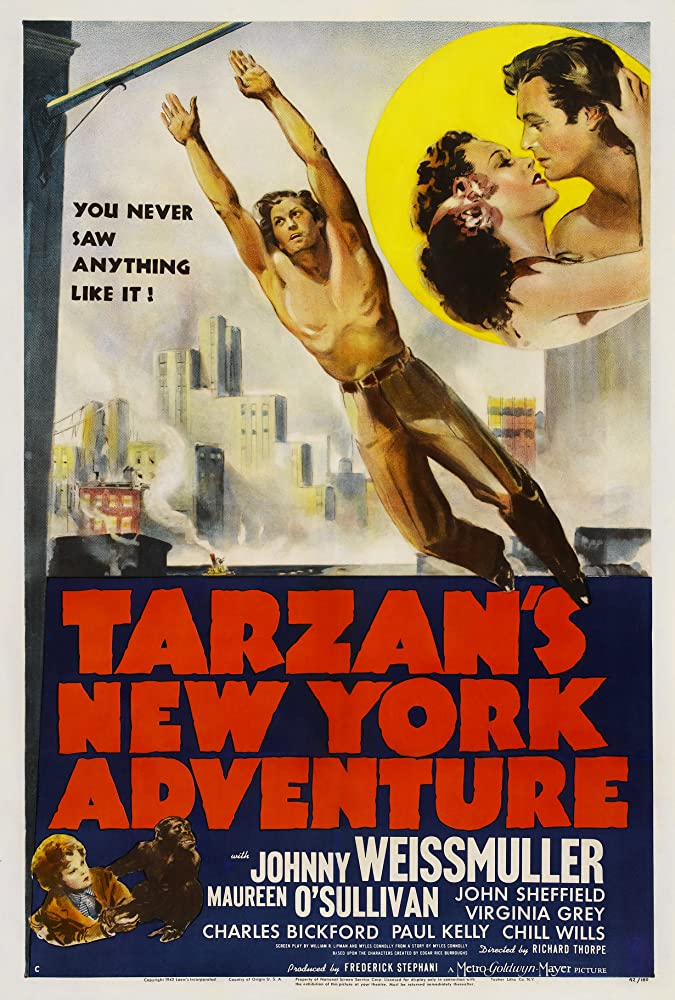
When Boy (Johnny Sheffield) is taken to New York by a circus owner (Charles Bickford), Tarzan (Johnny Weissmuller) and Jane (Maureen O’Sullivan) travel to rescue their son — but will the law of the city be on their side?

Genres:

  • Africa
  • Carnivals and Circuses
  • Charles Bickford Films
  • Jungles
  • Maureen O’Sullivan Films
  • New York City
  • Search
  • Tarzan Films

Response to Peary’s Review:
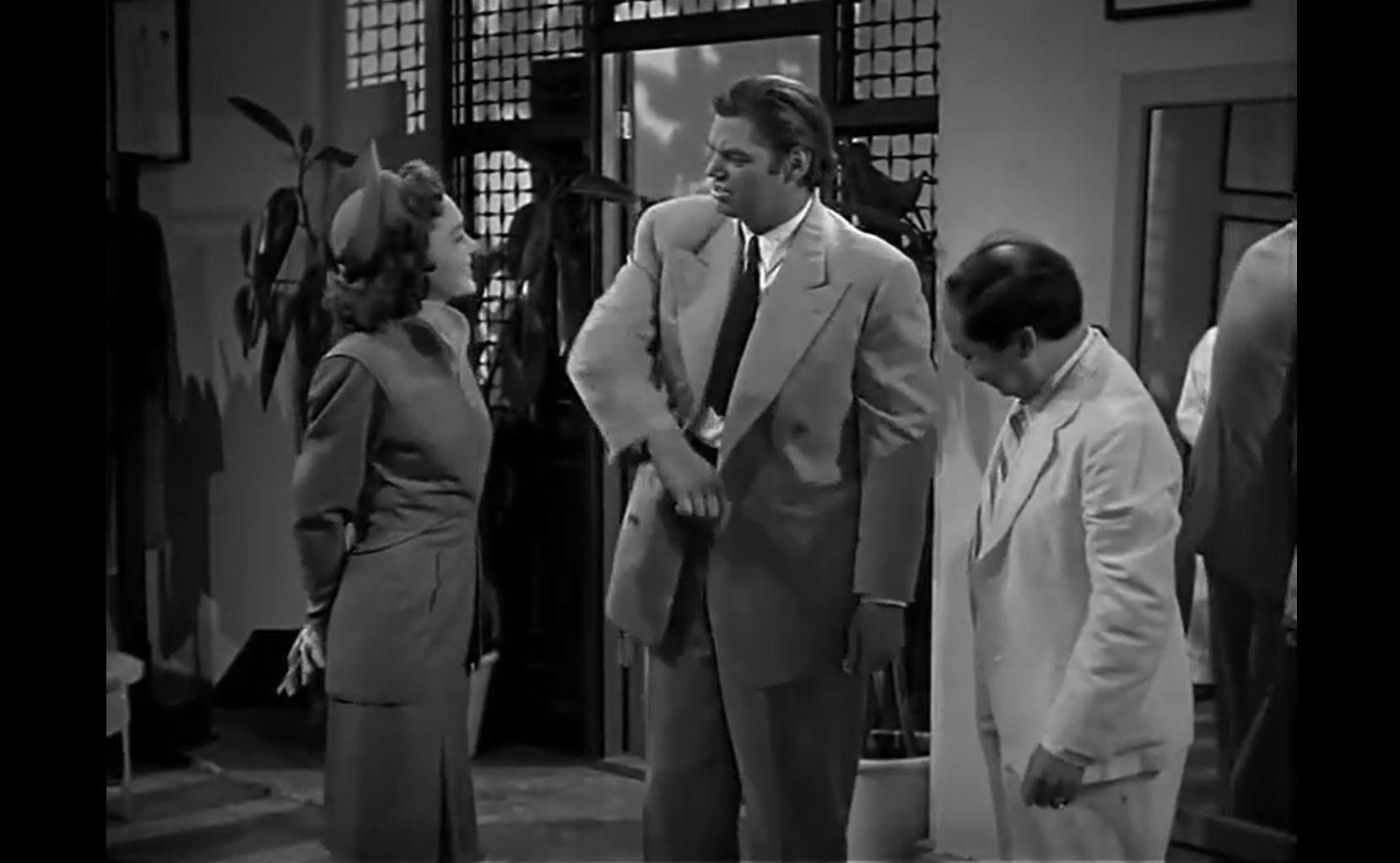
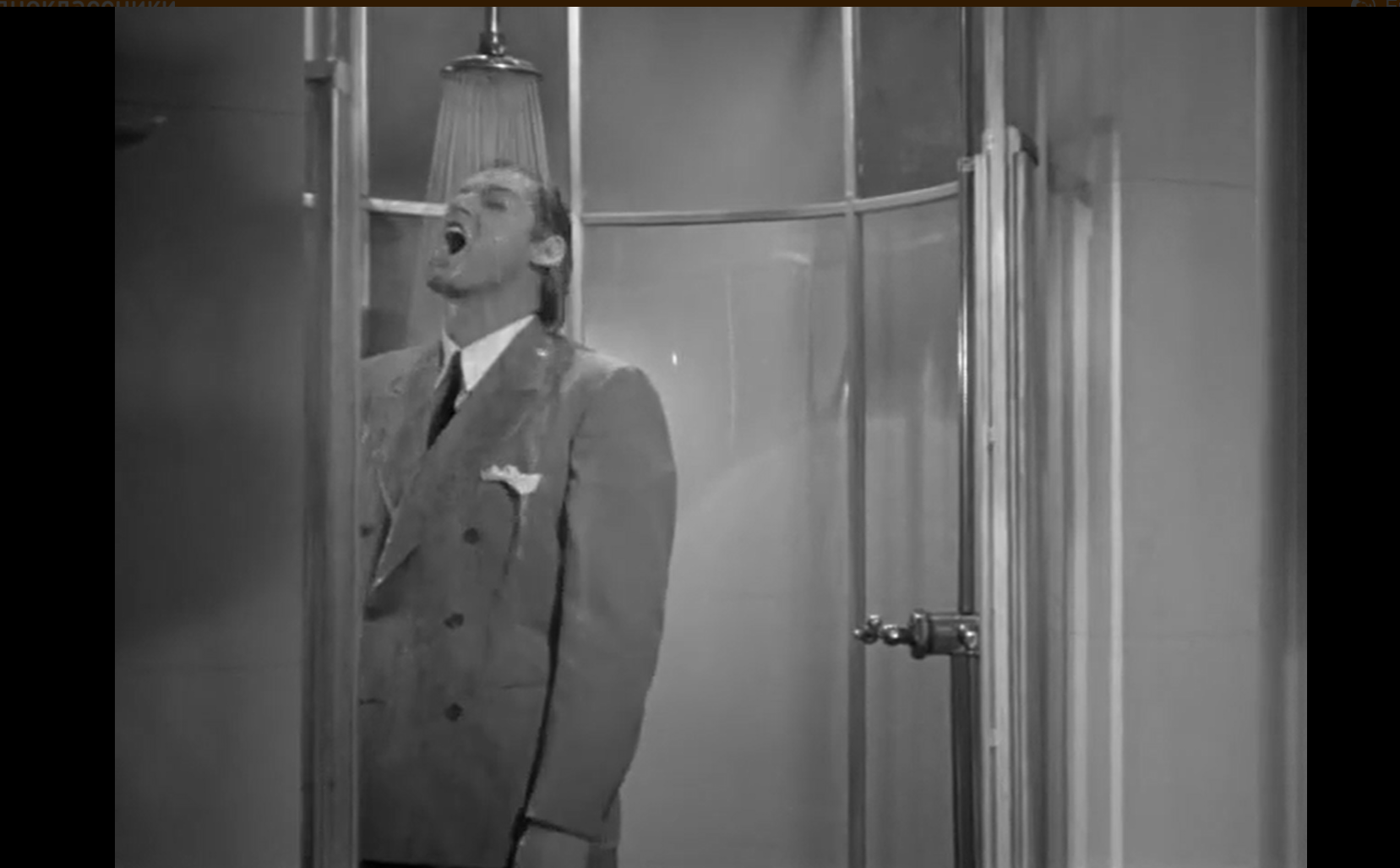
Peary notes that this “enjoyable” “last of the six Johnny Weissmuller-Maureen O’Sullivan Tarzan films produced by MGM” features a “fairly adult script that gave [O’Sullivan] a chance to wear fashionable clothes and appear in a familiar, non-exotic setting”. He writes that Tarzan — “uncomfortable in his double-breasted suit:

… finding modern conveniences to be ridiculous:

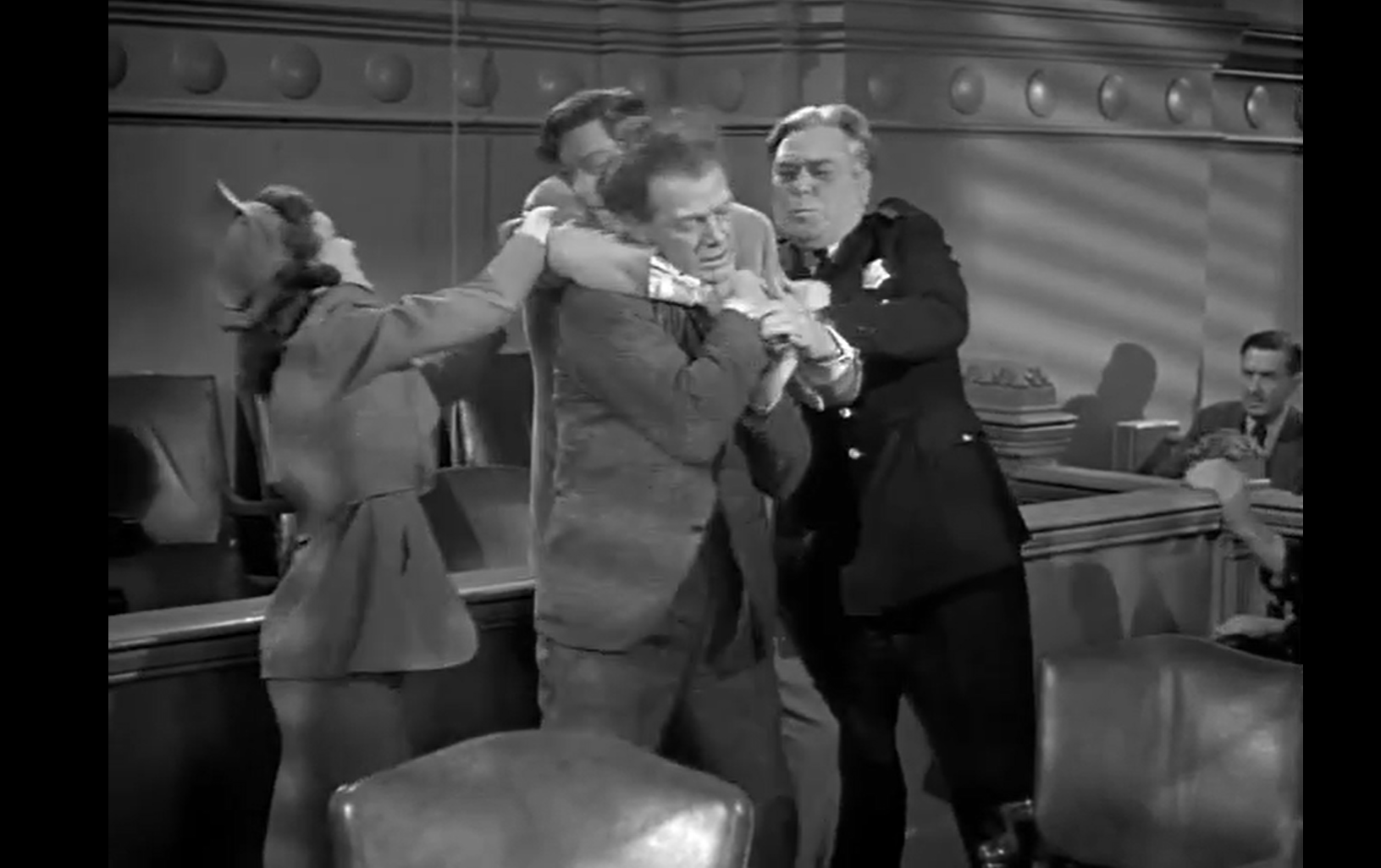
… and having trouble dealing with the values of civilization and articulating his own pure philosophy” — comes across as a “savage” in the courtroom:

but redeems himself once “he finds his niche… at the circus, where animals (including his longtime friends, the elephants) are held captive.”

It’s refreshing if awkward to see the series taking such a different route, and there are some notable highlights — specifically Tarzan’s epic escape across New York (amazing stunt work!).

However, this one is only must-see for fans following the series closely.

Redeeming Qualities and Moments:

  • The exciting New York escape scene

Must See?
No; you can skip this one unless you’re a Tarzan completist.

Links:

Tarzan’s Secret Treasure (1941)

Tarzan’s Secret Treasure (1941)

“Gold no good — Tarzan get dinner!”

Synopsis:
When two nefarious explorers (Tom Conway and Philip Dorn) — accompanied by a photographer (Barry Fitzgerald) — discover there’s gold near where Tarzan (Johnny Weissmuller), Jane (Maureen O’Sullivan), and their son Boy (Johnny Sheffield) live, they will stop at nothing to obtain it.

Genres:

  • Africa
  • Barry Fitzgerald Films
  • Gold Seekers
  • Jungles
  • Maureen O’Sullivan Films
  • Tarzan Films

Response to Peary’s Review:
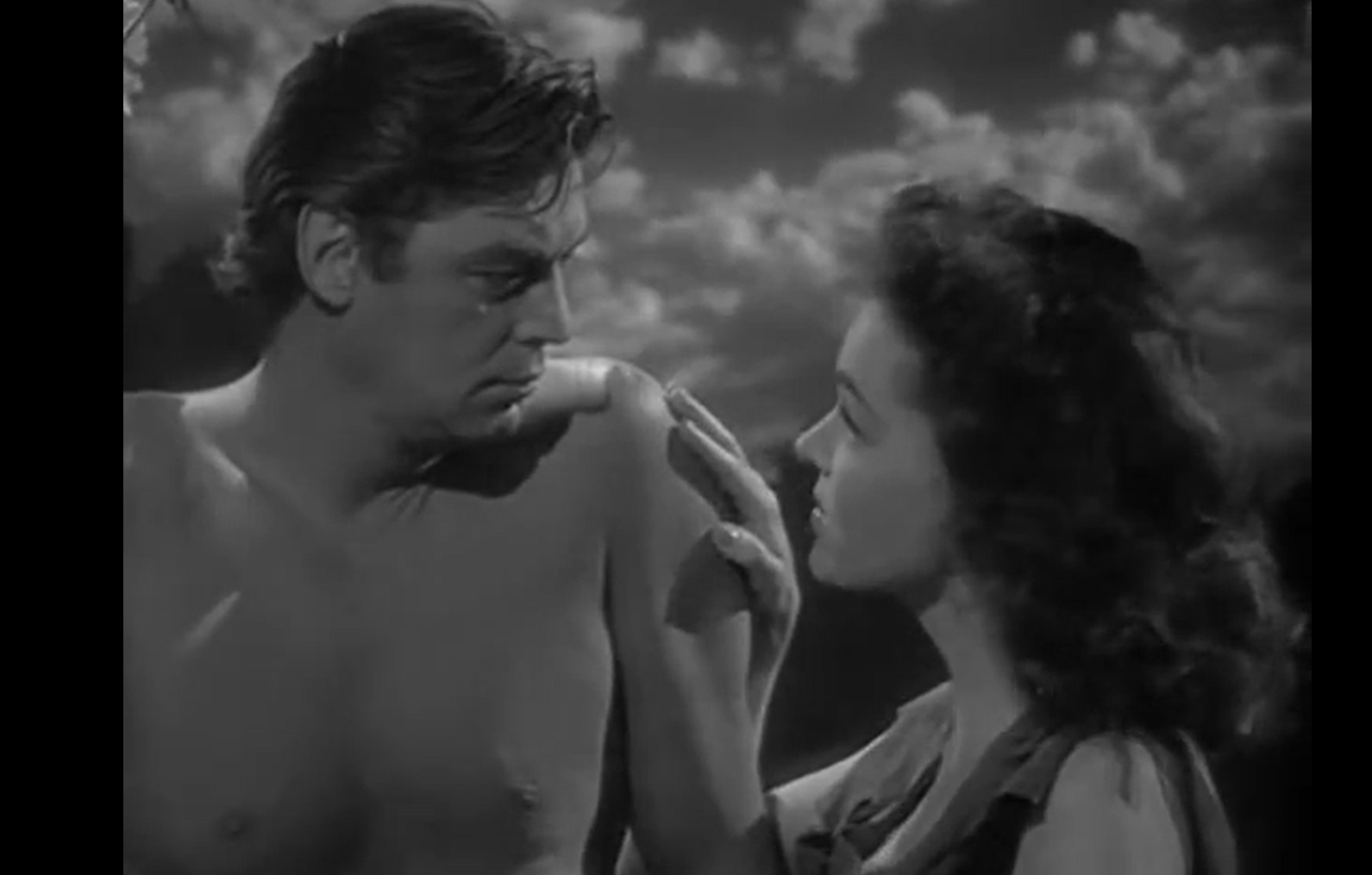
Peary writes that this “fifth entry in MGM’s Johnny Weissmuller-Maureen O’Sullivan series” has a “pretty standard” plot and is “a bit on the juvenile level”, adding that the “budget cutbacks forced director Richard Thorpe to include action footage from Tarzan and His Mate and Tarzan Escapes.” However, he notes that “O’Sullivan is lovely” (when is she ever not?):

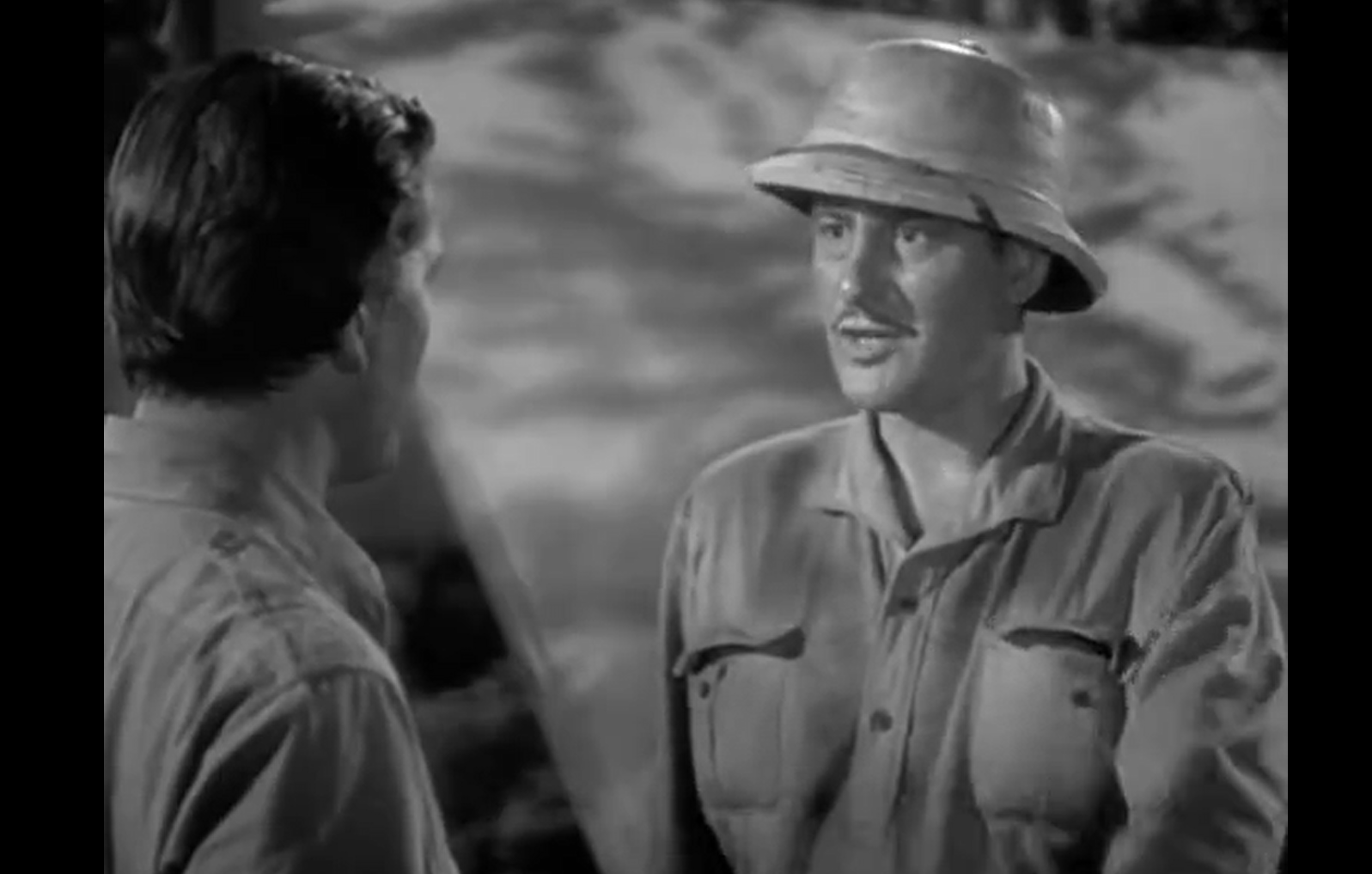
“Conway is vile:

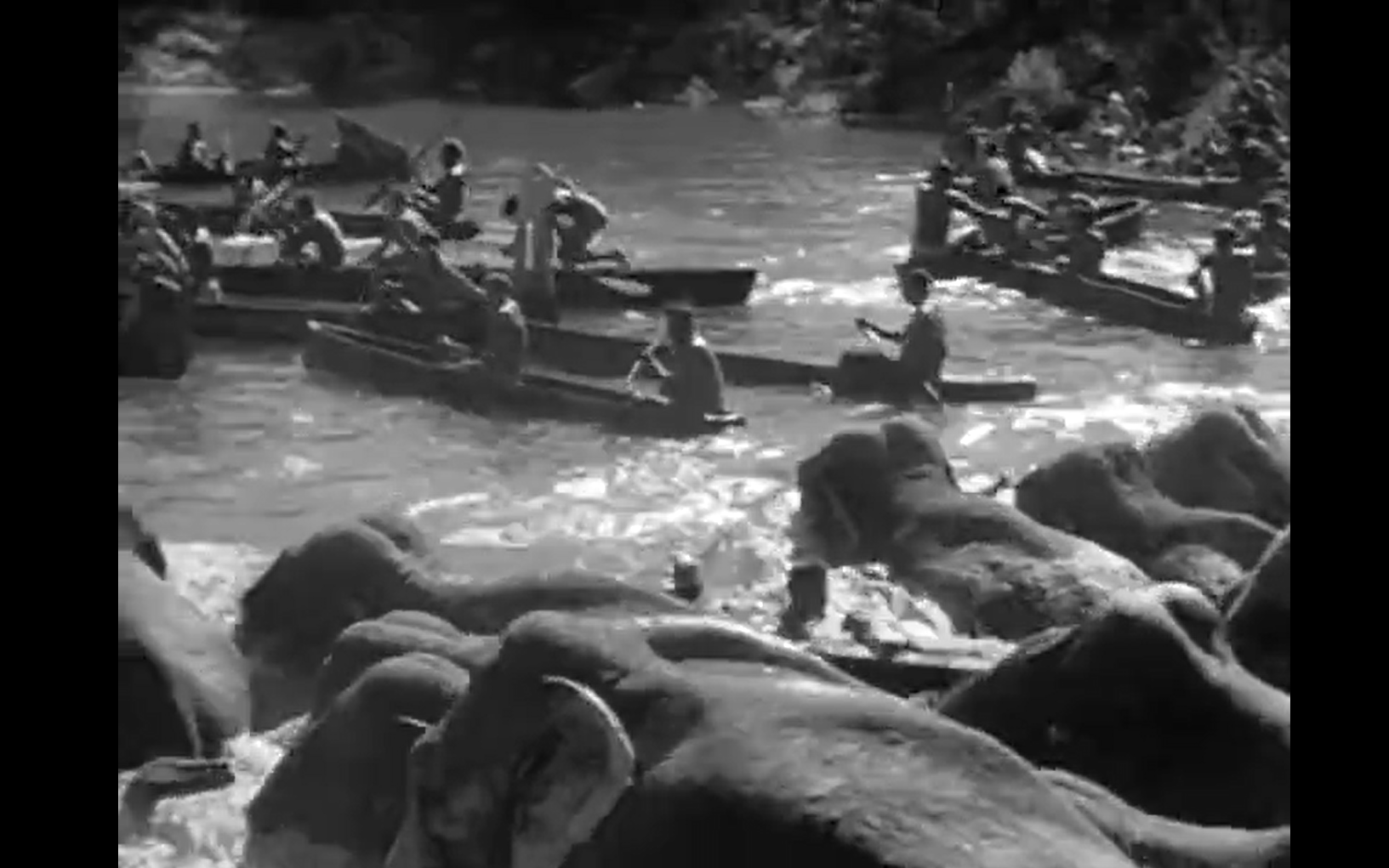
… and Weissmuller is an ideal adventure hero”, as evidenced in the “exciting finale” when Tarzan “swims to the rescue, fights a giant crocodile, battles cannibals, and calls on the elephants.”


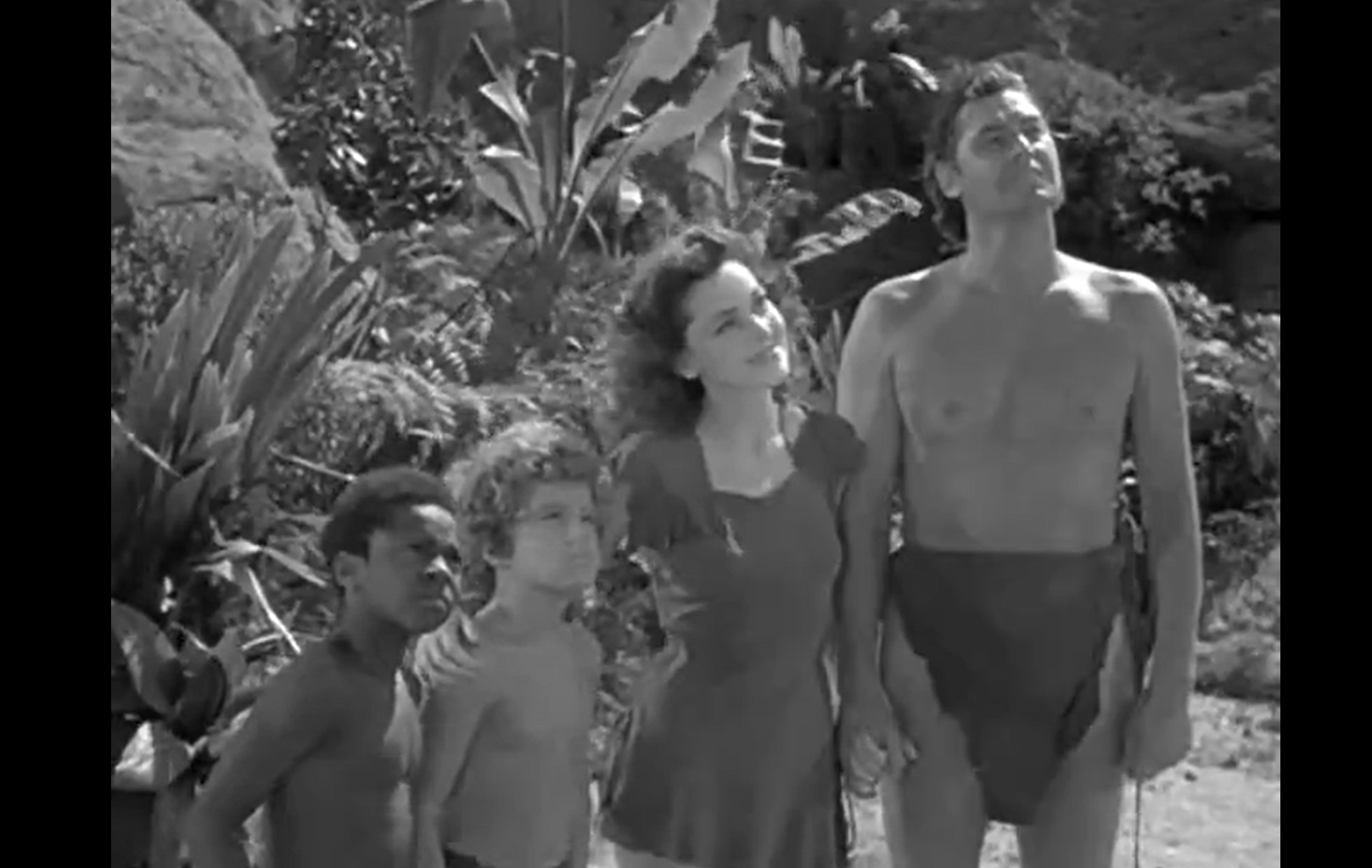
Peary notes that “the most interesting aspect of the film, considering the entire series was accused (rightly at times) of racism, is that a little black orphan boy [Cordell Hickman] becomes an adopted member of Tarzan’s family and is right there with them at the end” (though “predictably, he wasn’t even mentioned in the next Tarzan film”).

Otherwise, there’s absolutely nothing to distinguish this flick from others in the series: it follows the same exact formula, down to final capture by a “savage” local tribe. Only diehard fans of the series need check this one out.

Redeeming Qualities and Moments:

  • The refreshing presence of a humanized African boy

Must See?
Nope; this is yet another GFTFF title fanatics can feel free to skip.

Links: