|
Genres, Themes, Actors, and Directors:
- Charles Boyer Films
- David Niven Films
- Deborah Kerr Films
- George Raft Films
- Jacqueline Bisset Films
- James Bond Films
- Jean-Paul Belmondo Films
- John Huston Films
- Orson Welles Films
- Peter Sellers Films
- Satires and Spoofs
- Spies
- Ursula Andress Films
- William Holden Films
- Woody Allen Films
Response to Peary’s Review:
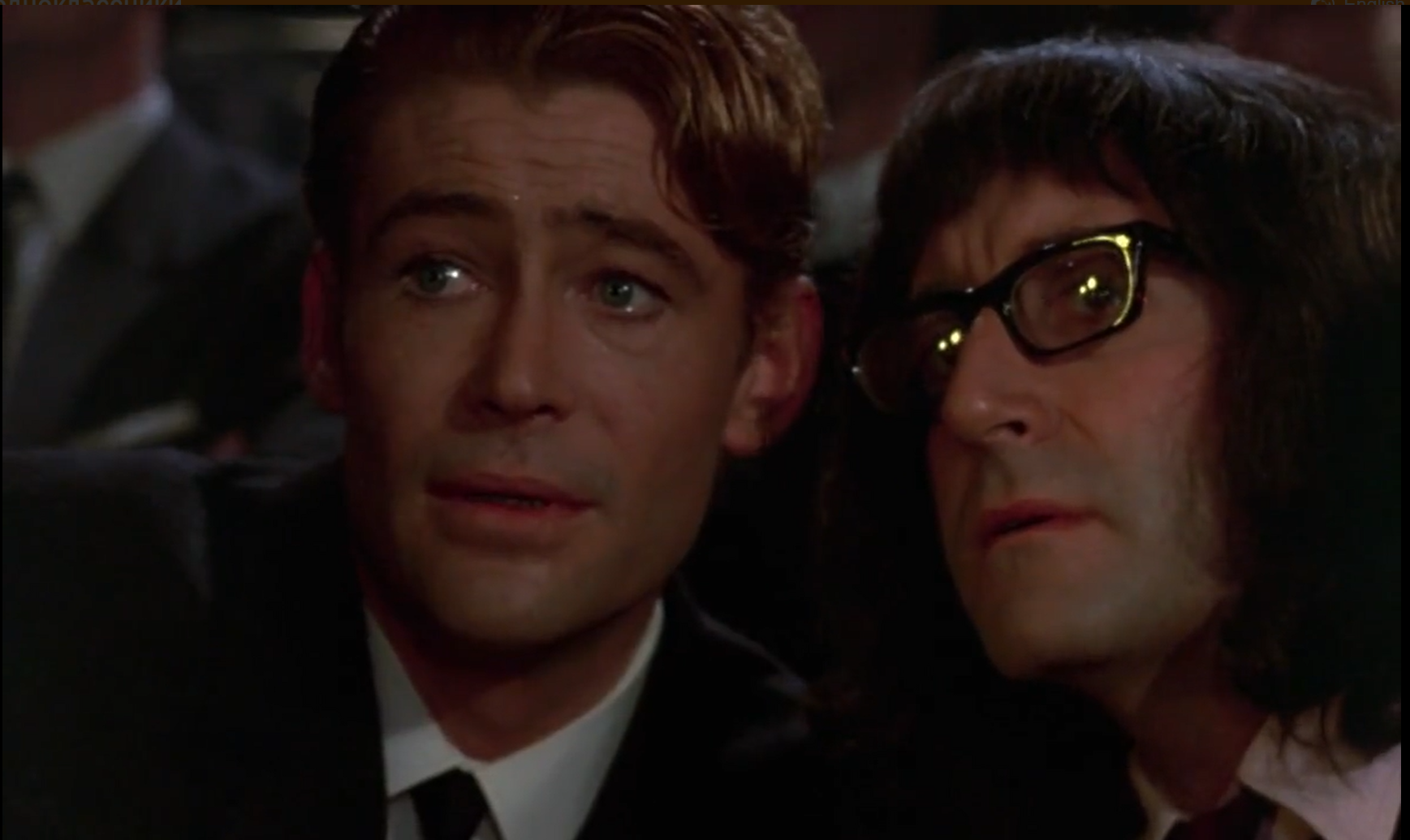
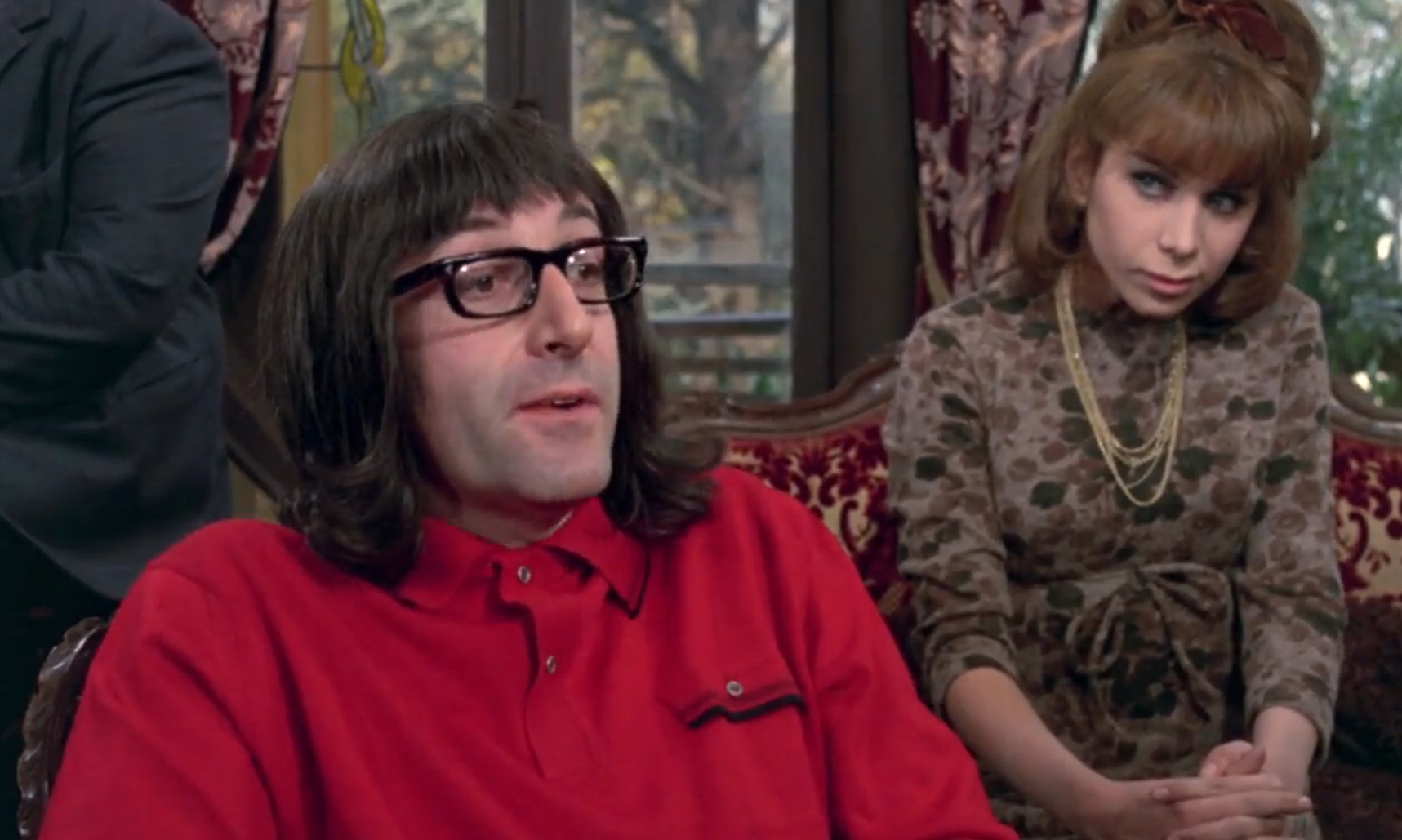
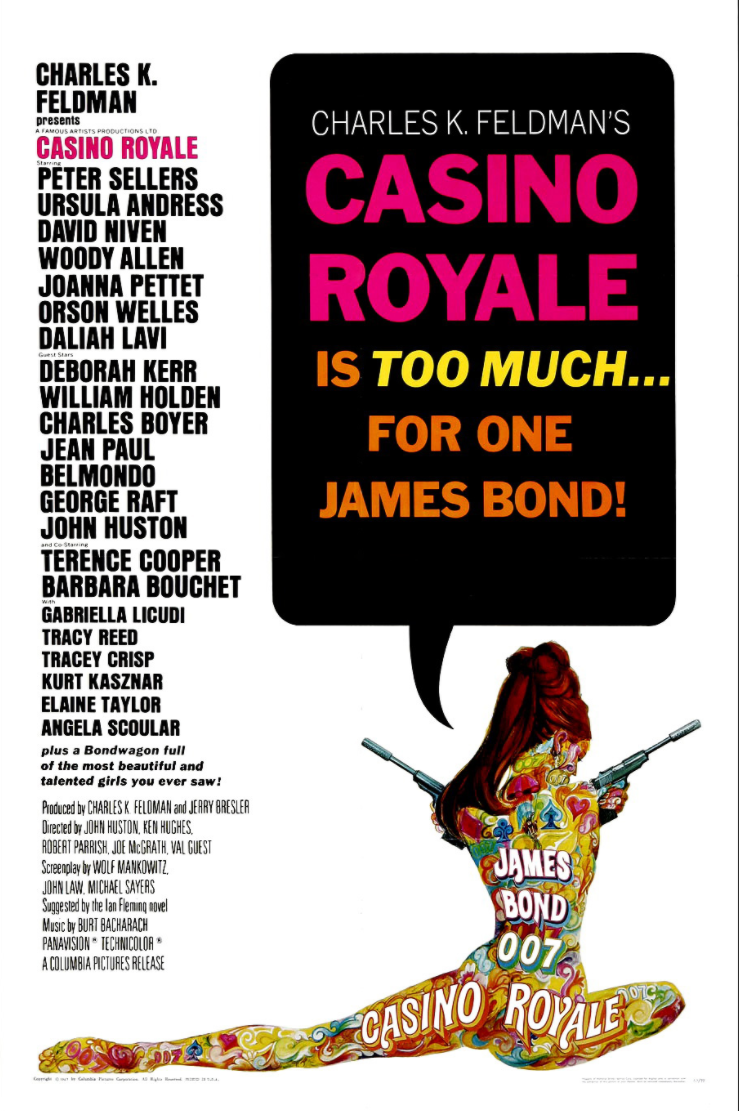
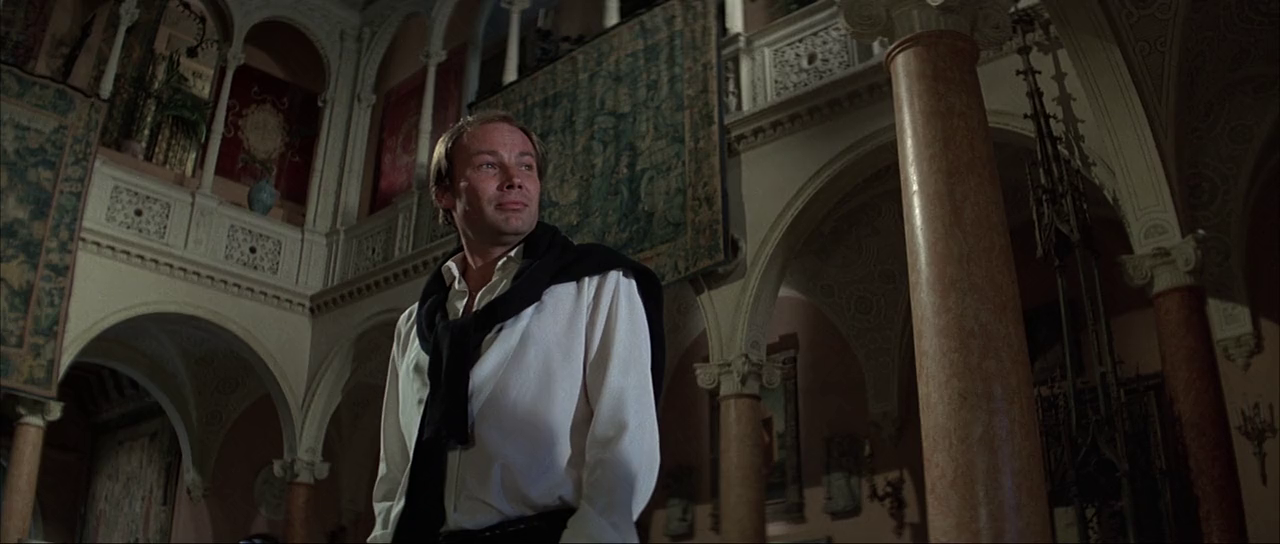
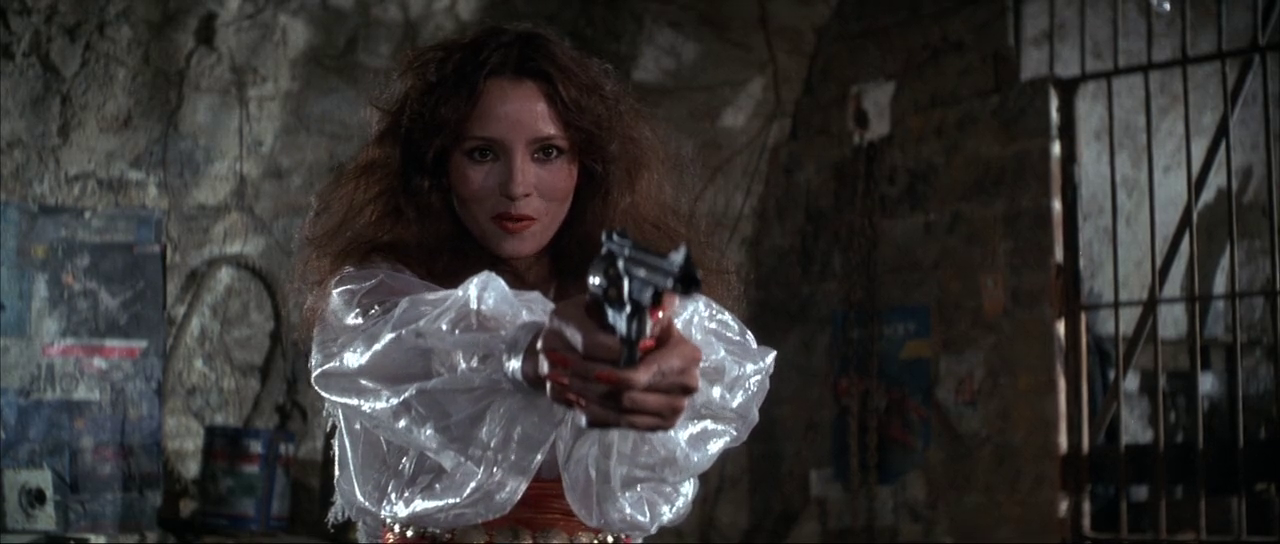
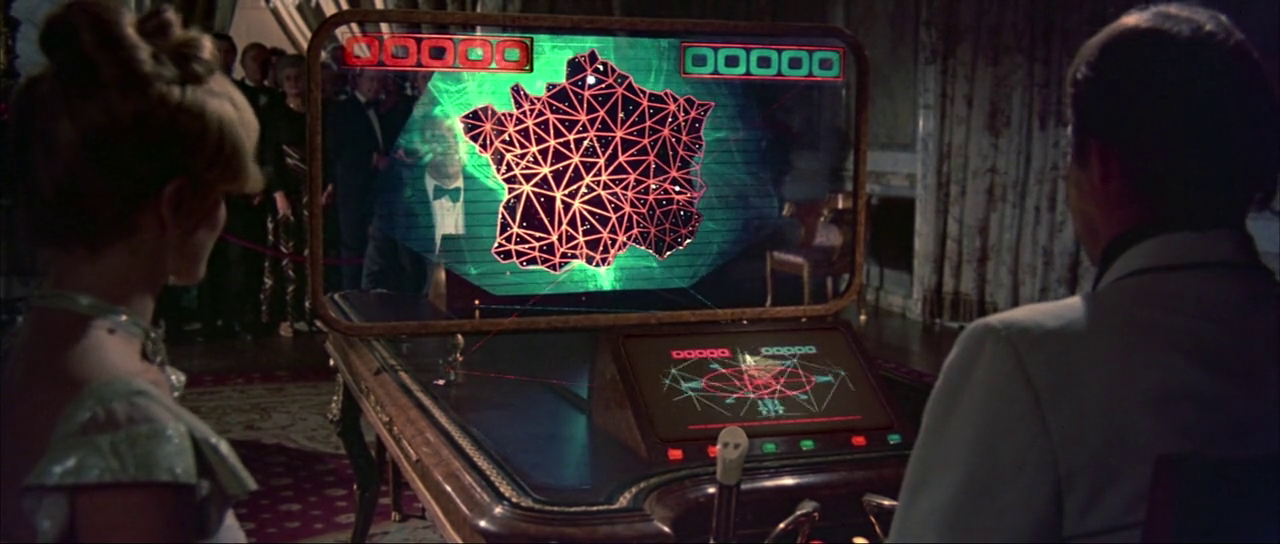
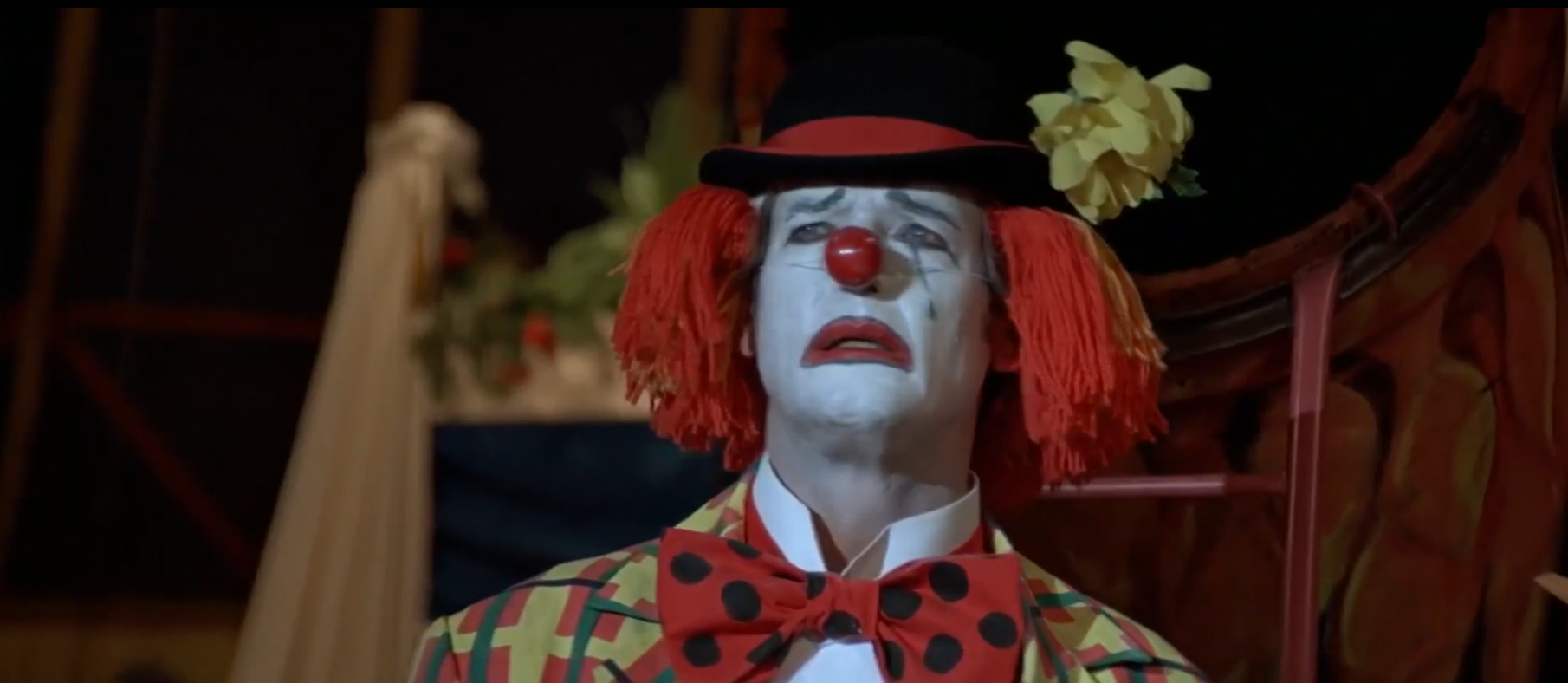
Peary writes that “it’s hard to believe that in 1967 we actually waited in anticipation for this so-called James Bond spoof” — helmed by no less than six directors — which was a “disappointment then” and remains “a curio today,” though “just as hard to sit through”. He argues that it’s “disjointed and stylistically erratic”, and that despite “featuring an all-star cast… , enormous sets, and some state-of-the-art special effects, it is a testament to wastefulness in the commercial bigger-is-better cinema.” DVD Savant refers to this as “perhaps the most out-of-control production of the Mod Sixties”, costing $11 million despite having no script to start with, and signing “enough big stars to float eight or nine pictures” — none of whom “knew exactly what they were getting into.”
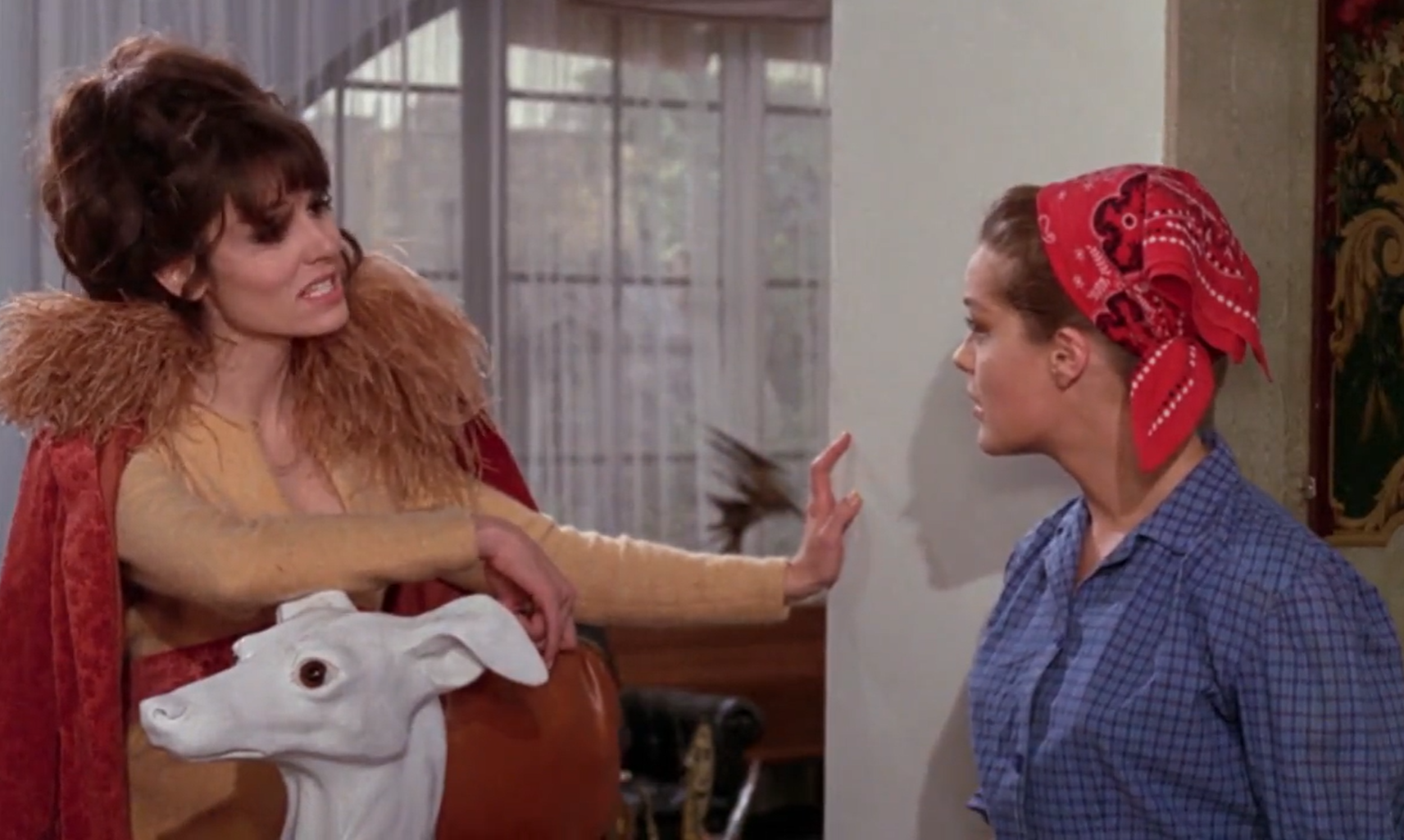
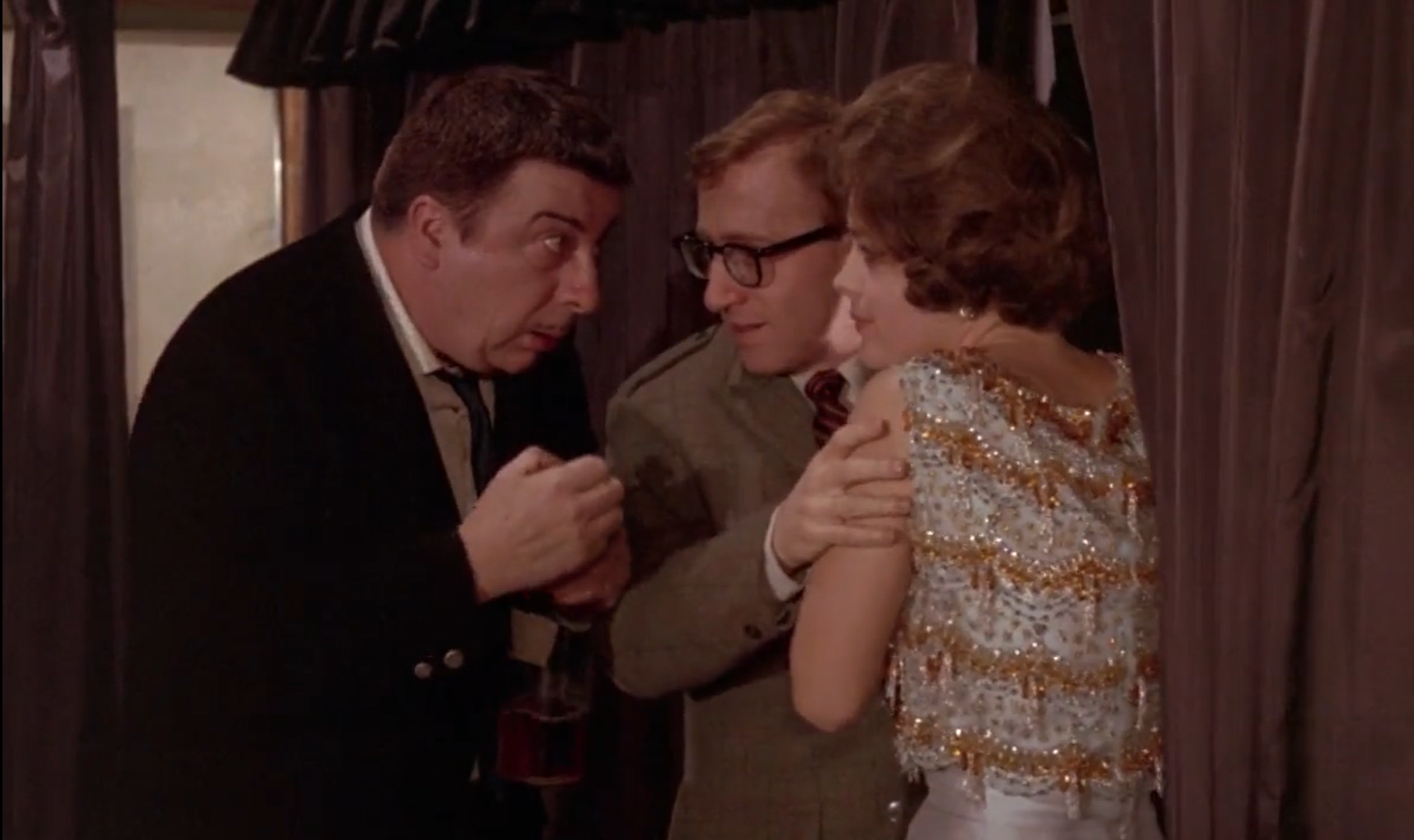
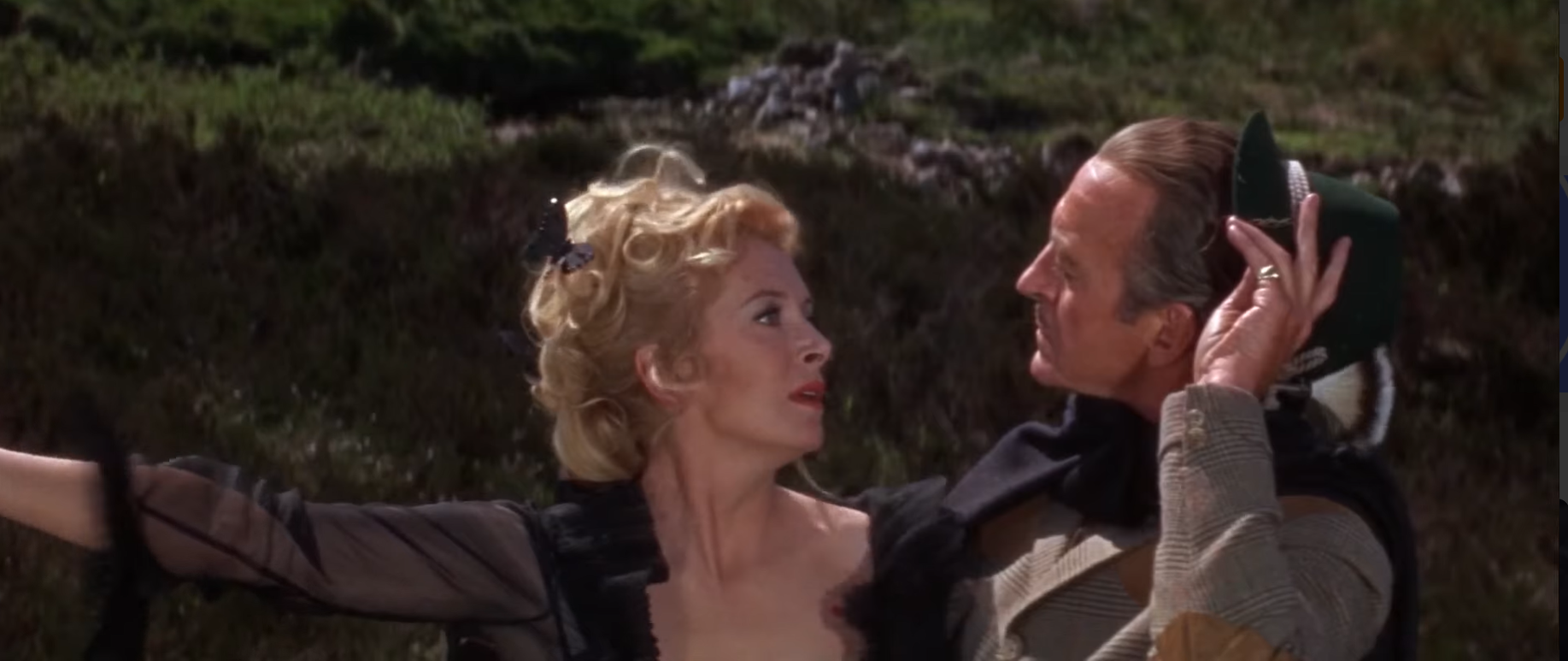
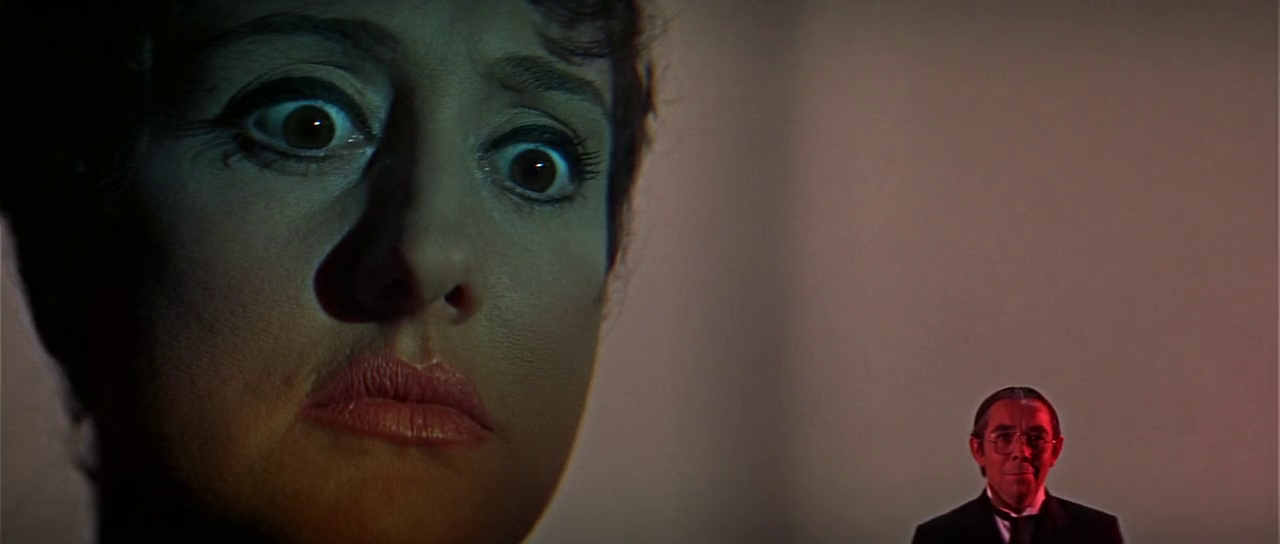
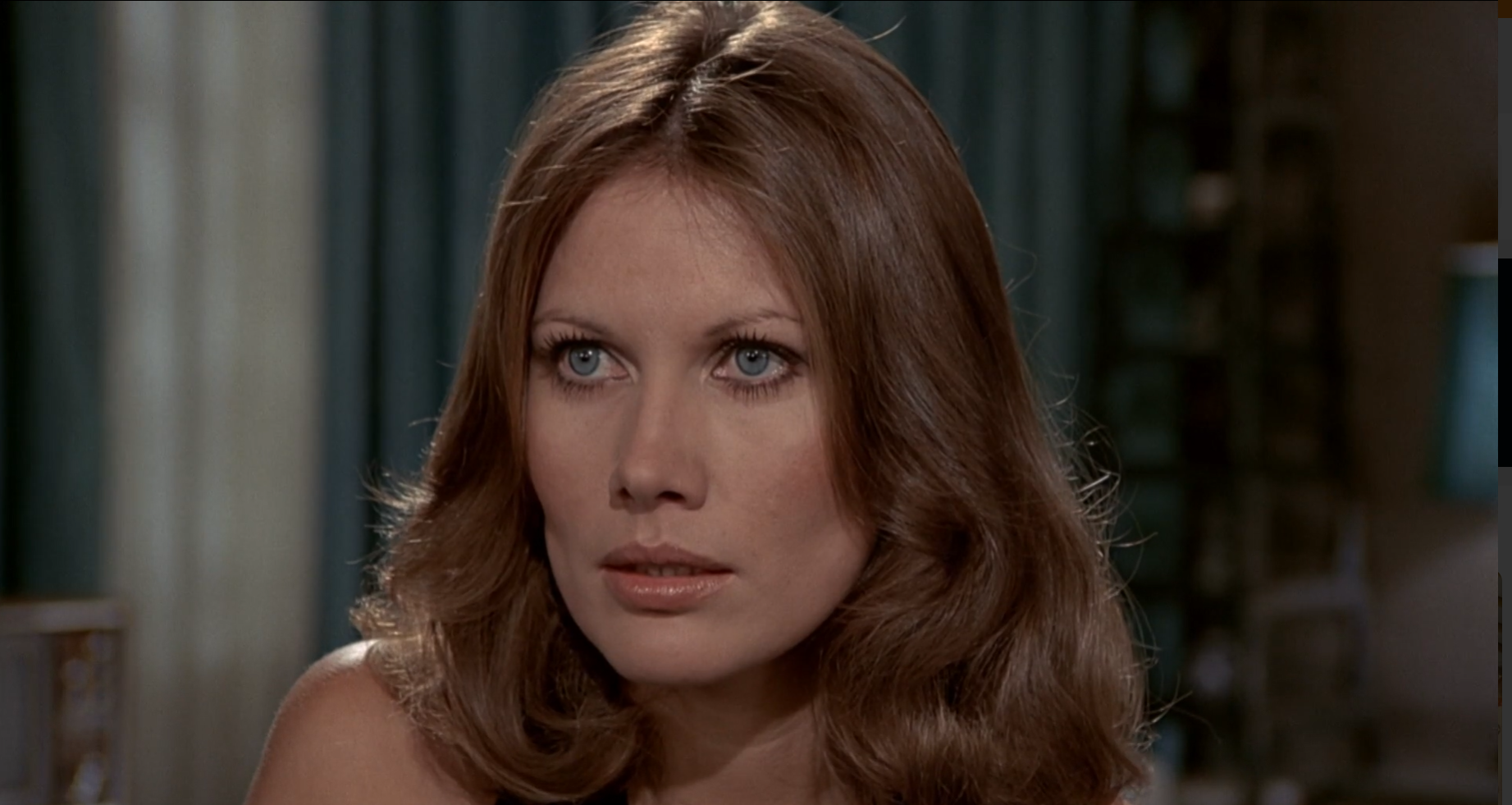
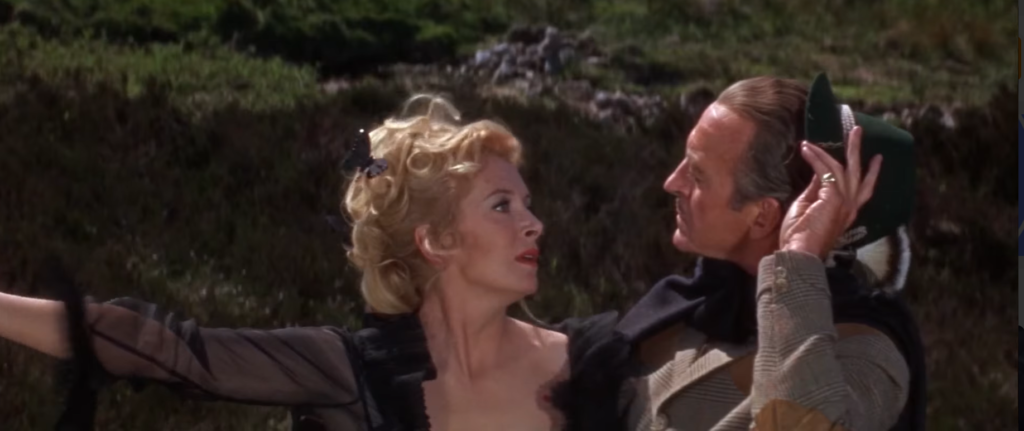
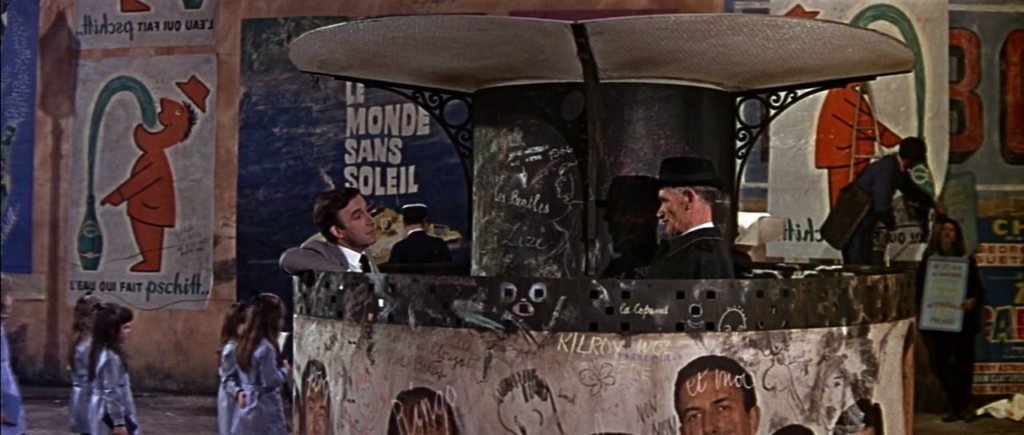
Peary recommends watching perhaps simply those “scenes featuring Peter Sellers and Woody Allen”, but I’ll admit to enjoying Kerr’s hilarious performance in the otherwise completely unrelated first half-hour:
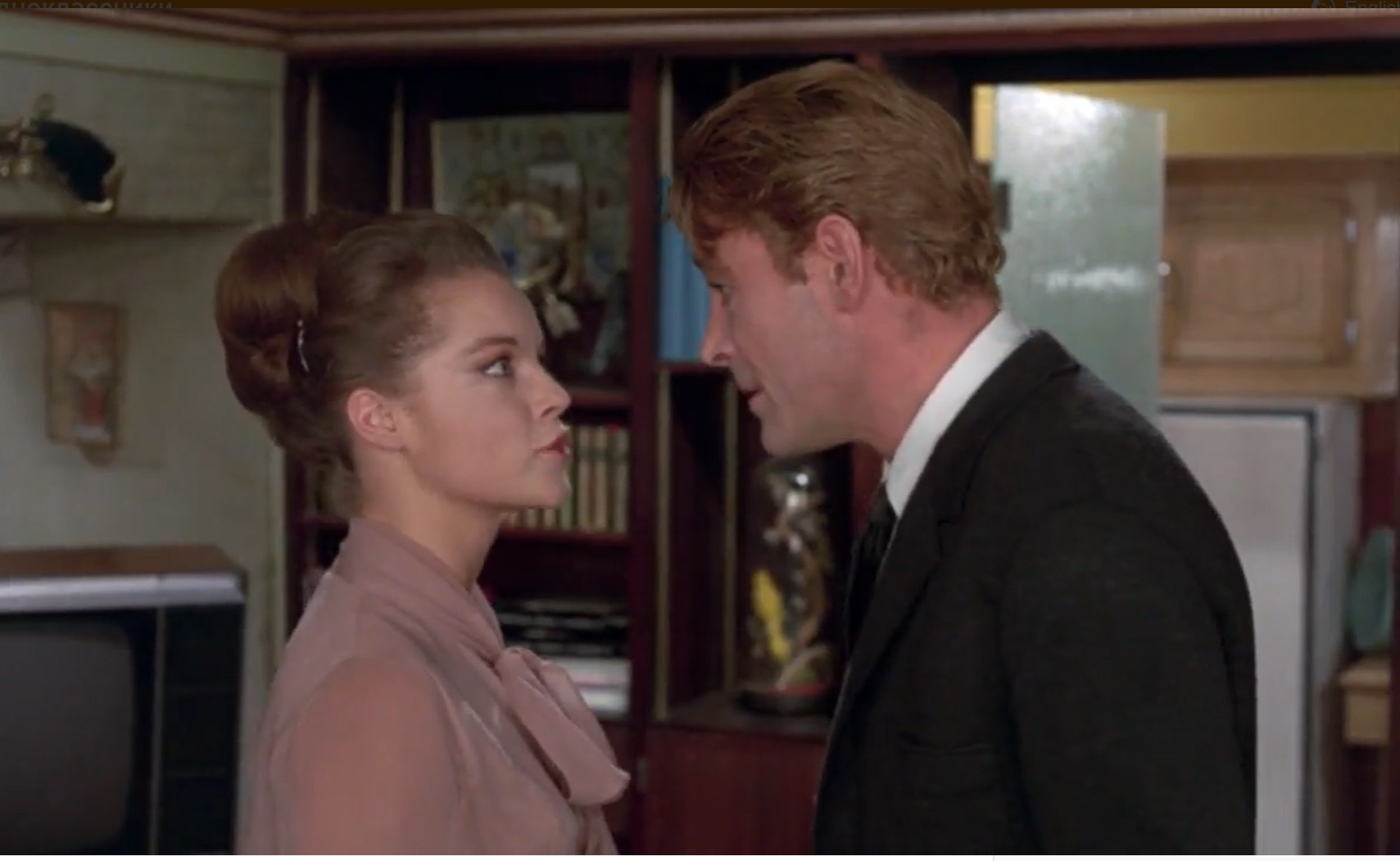
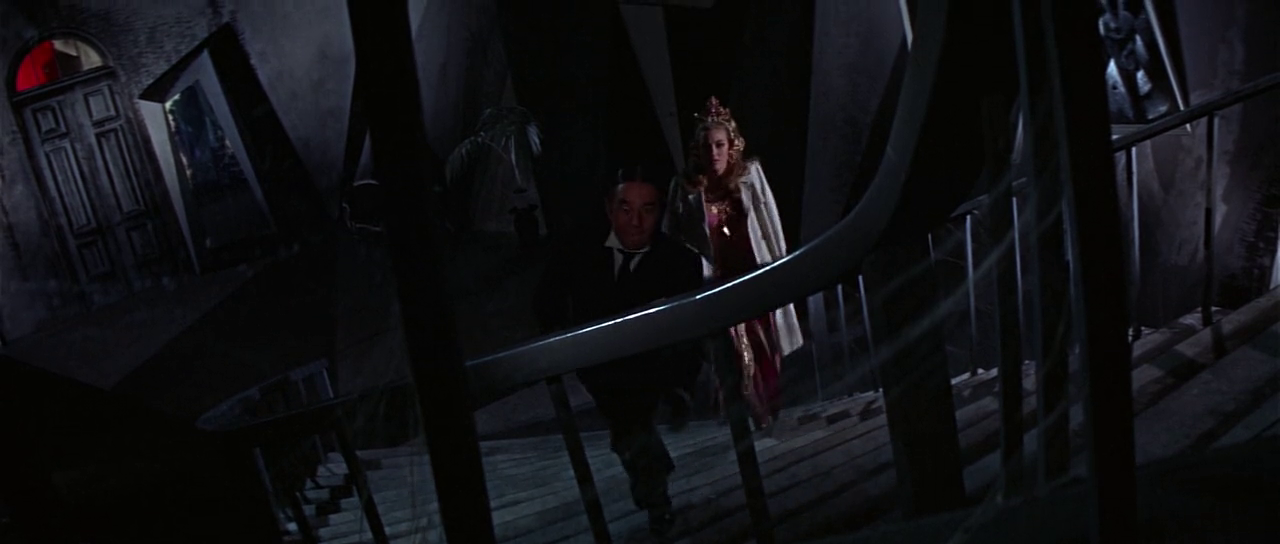
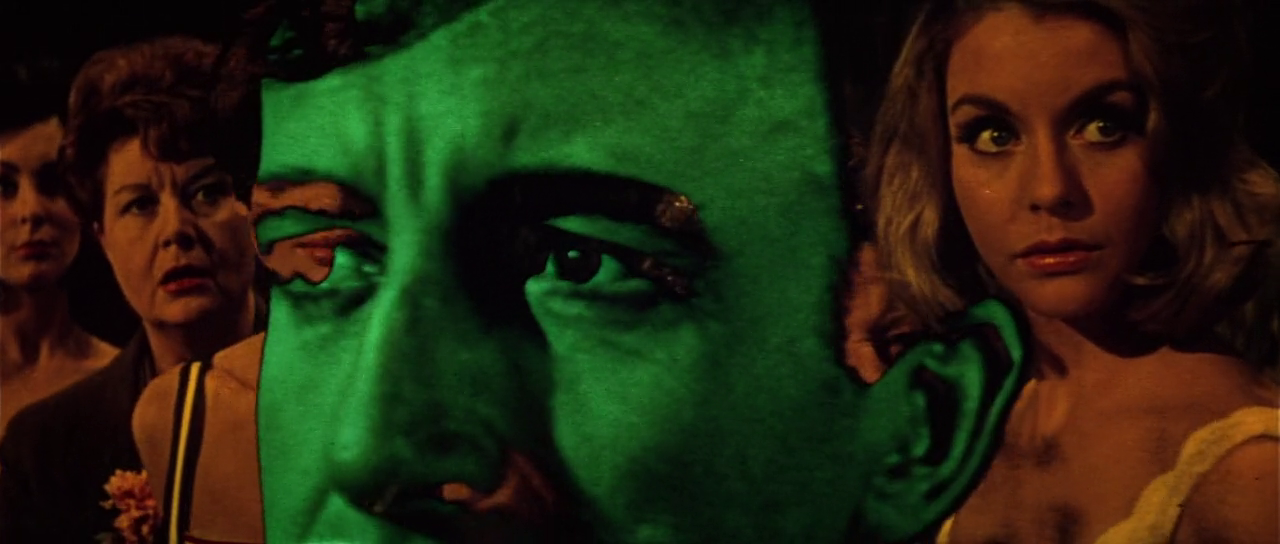
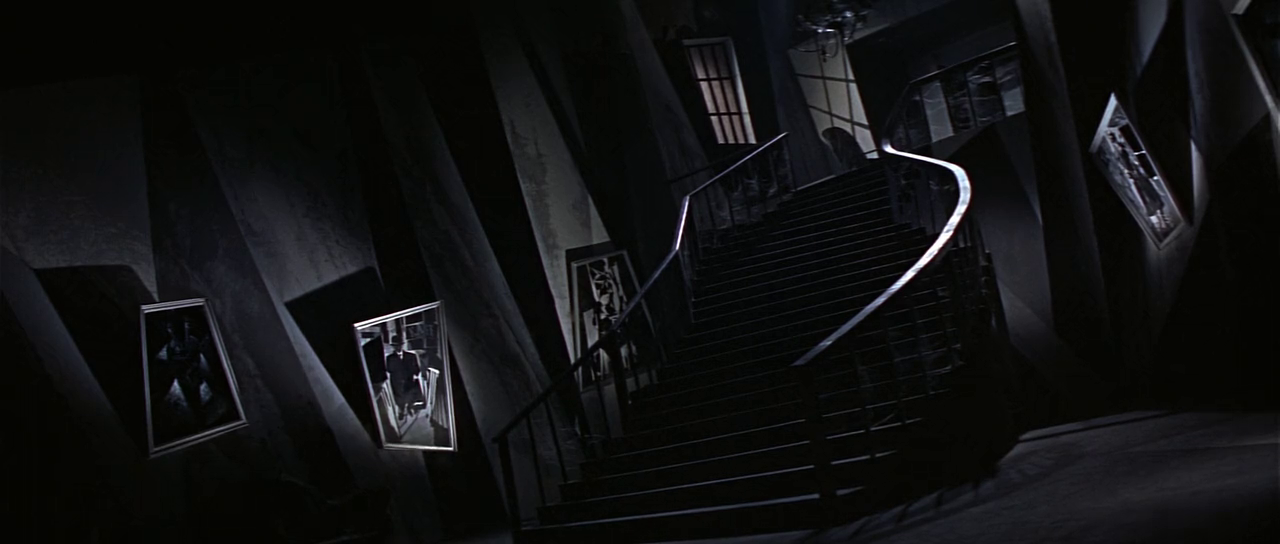
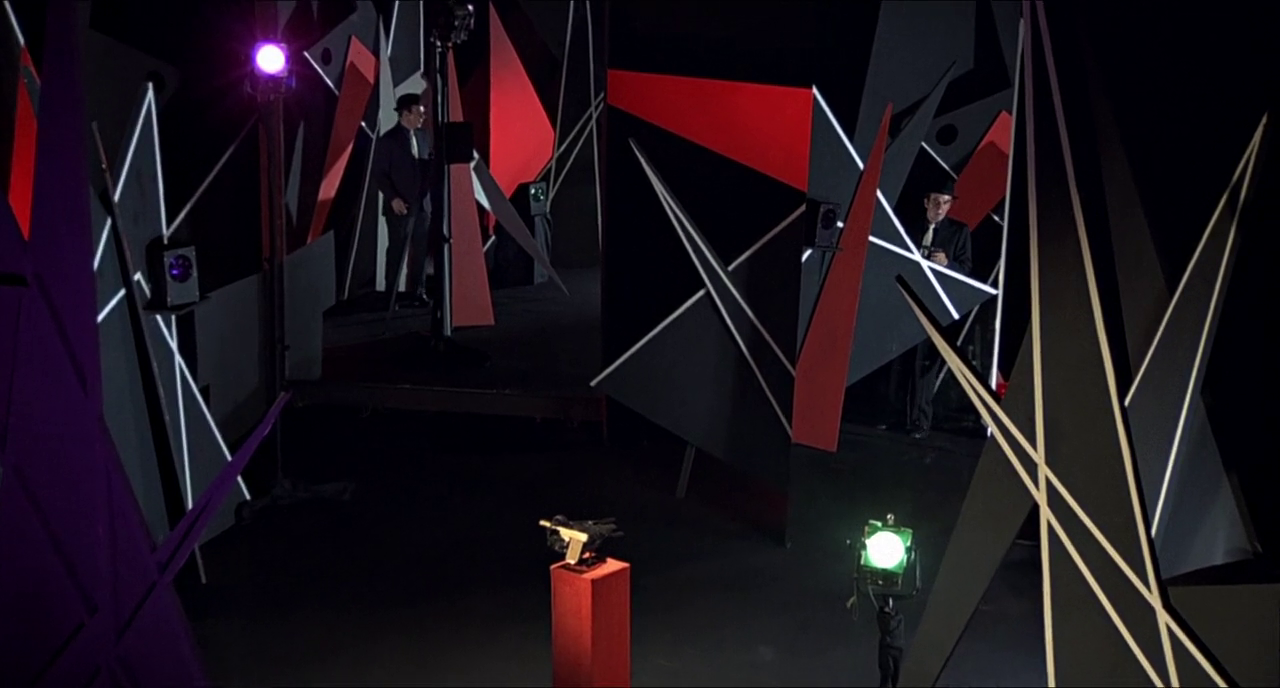
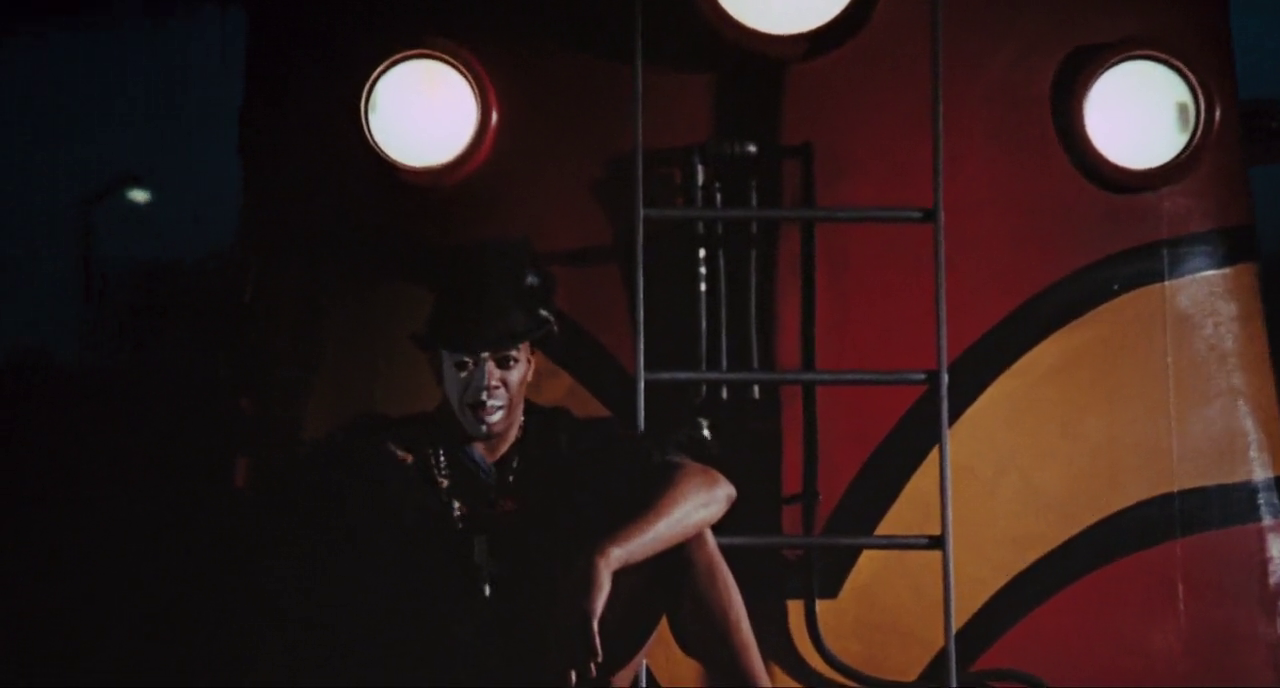
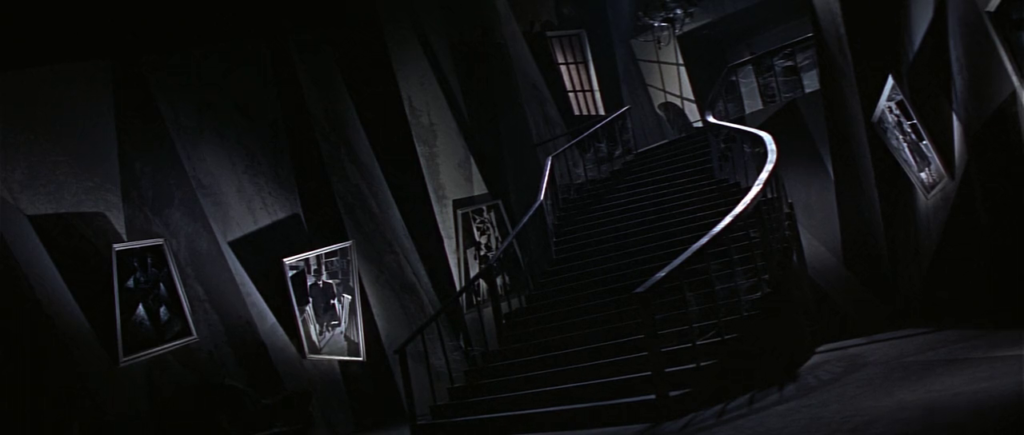
and Joanna Pettet (as Bond’s long-lost daughter, “Mata Bond”) visiting a wildly expressionist spy school:
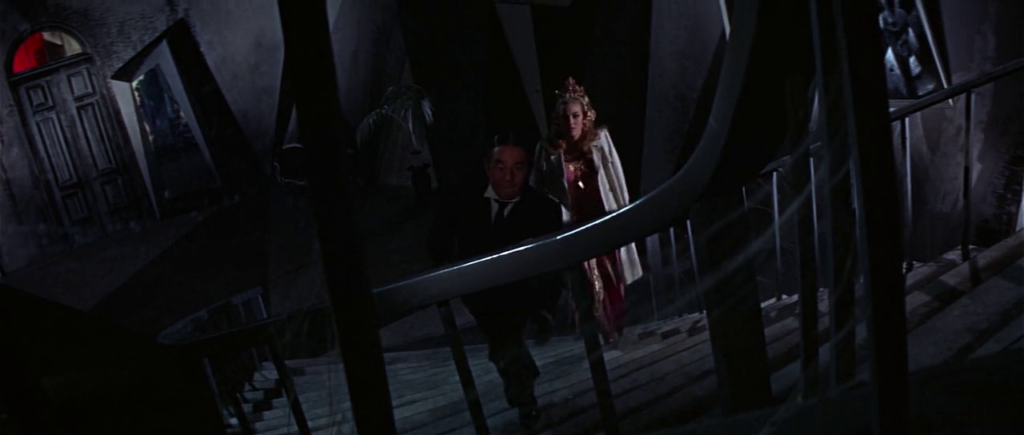
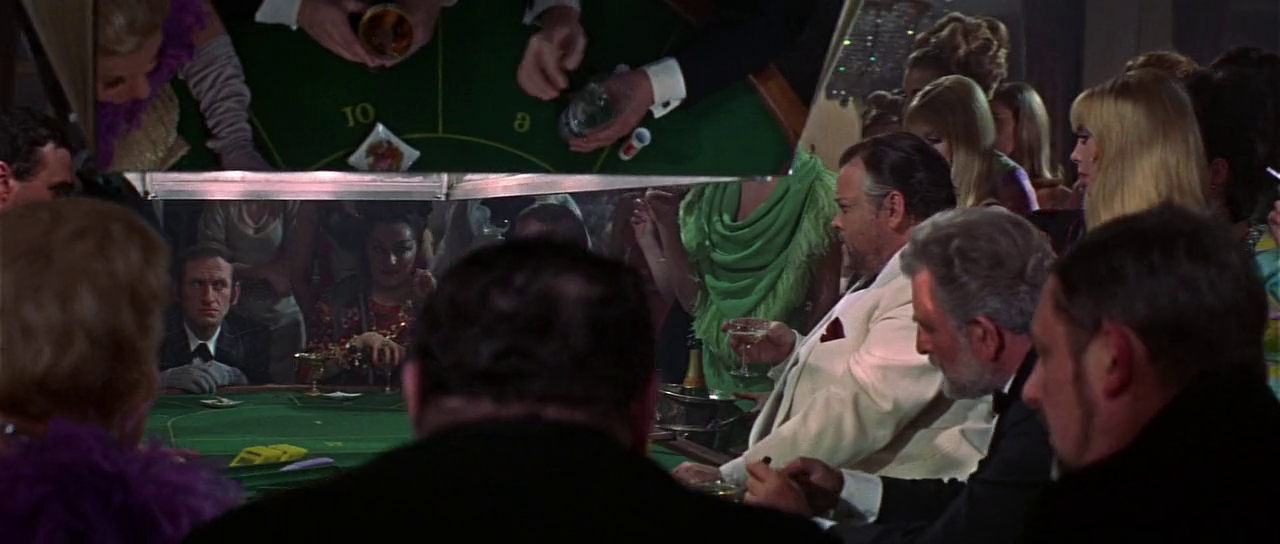
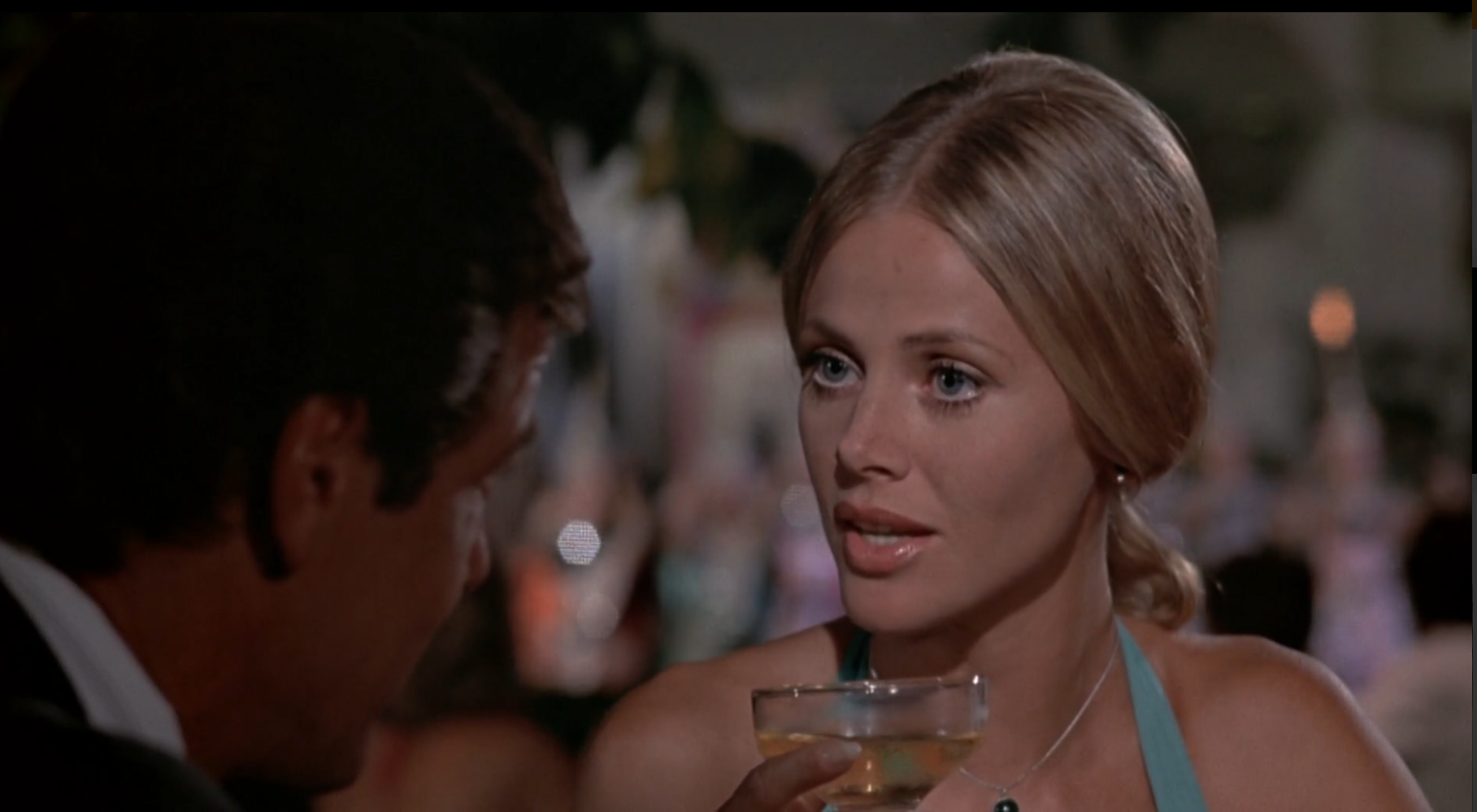
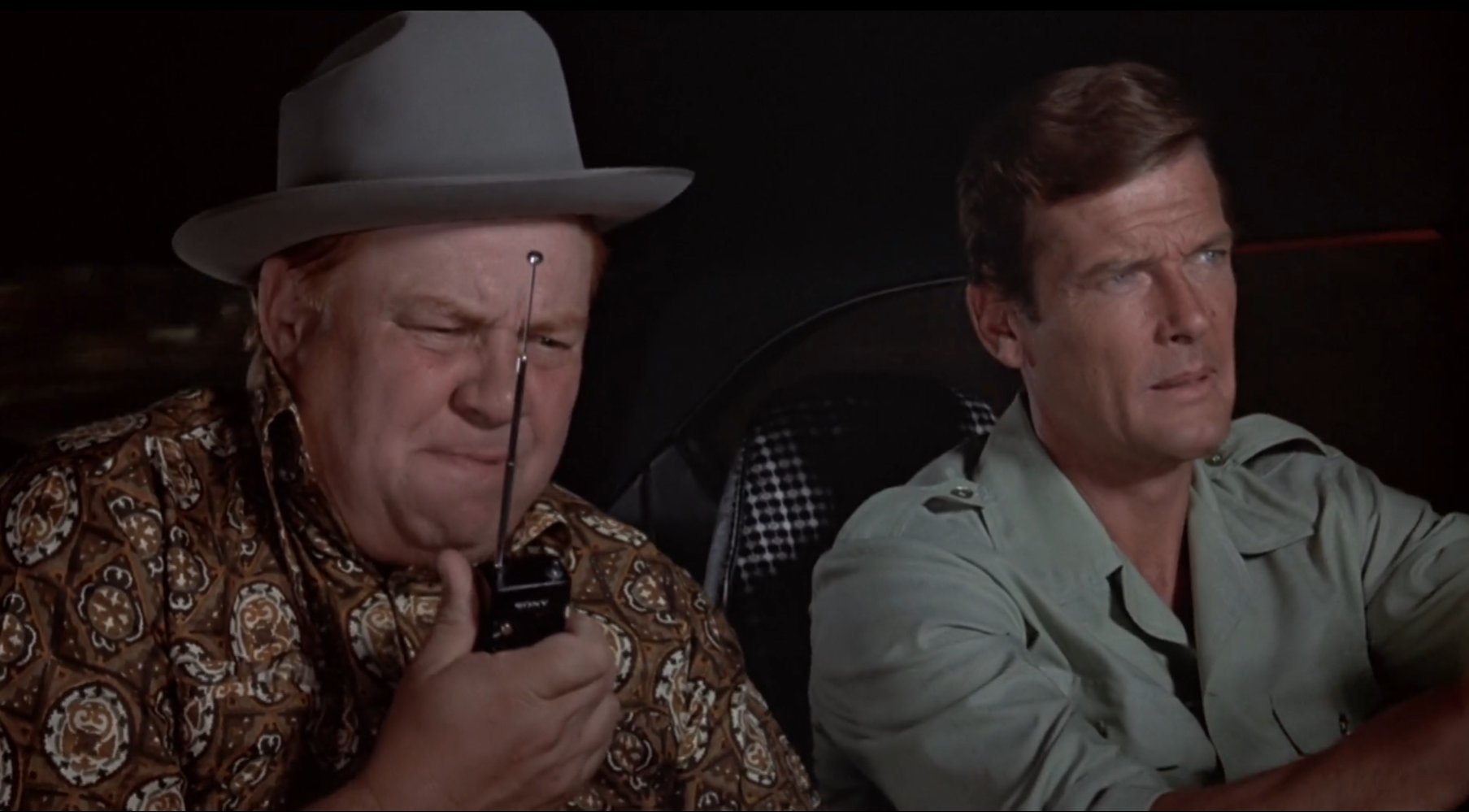
— both of which would be eliminated if you focused just on Sellers and Allen. Watching for seemingly endless cameos by big-name stars (including “George Raft as Himself”) provides some passing amusement as well. Meanwhile, Burt Bacharach’s score is an instantly hummable ear-bug — be forewarned.
Redeeming Qualities and Moments:
- Creative cinematography
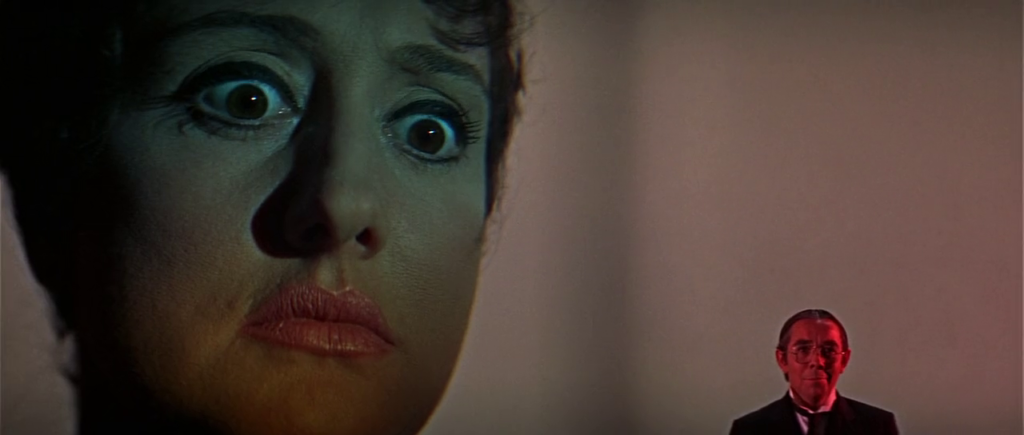
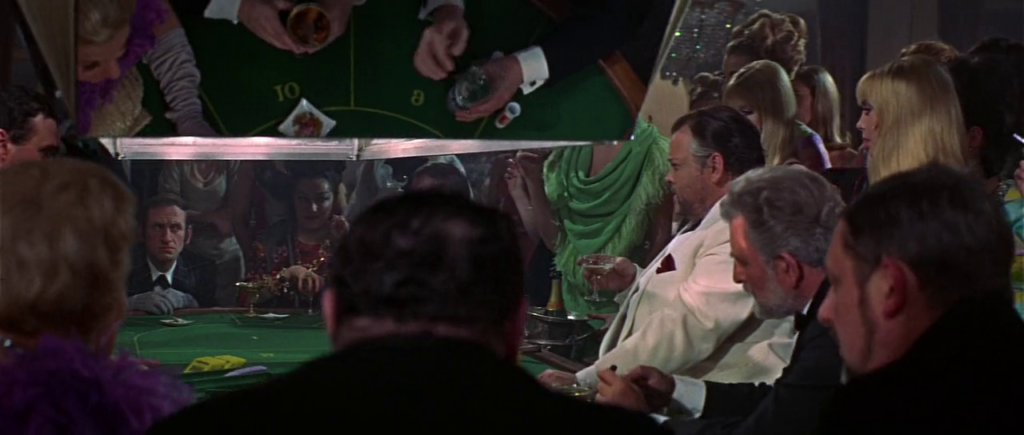
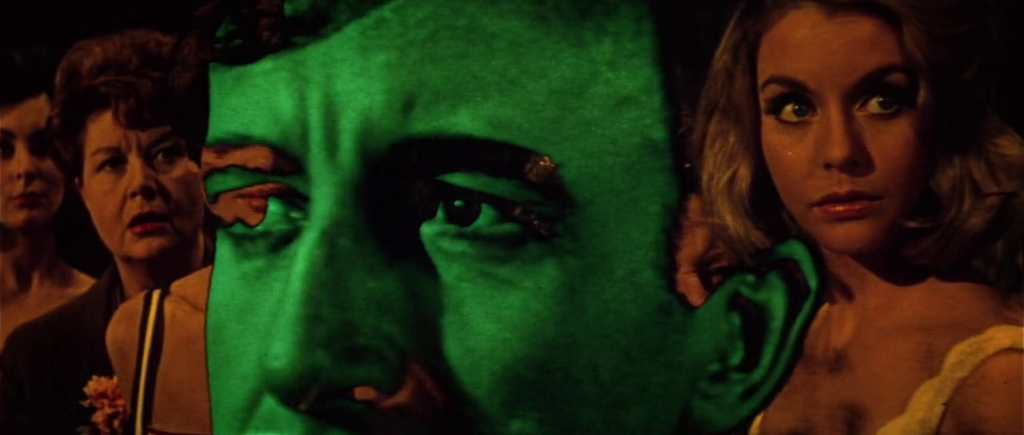
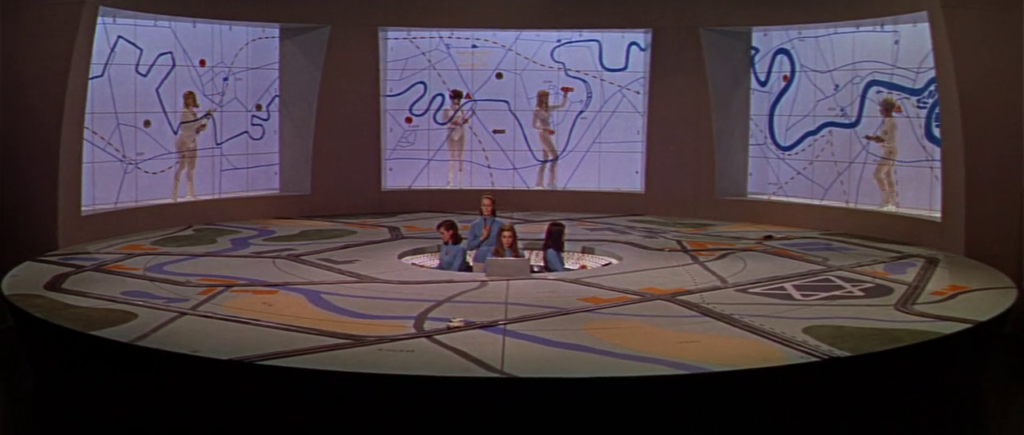
- Far-out sets
- Burt Bacharach’s score
Must See?
No, though it’s certainly worth a one-time look for its historical curiosity value.
Links:
|