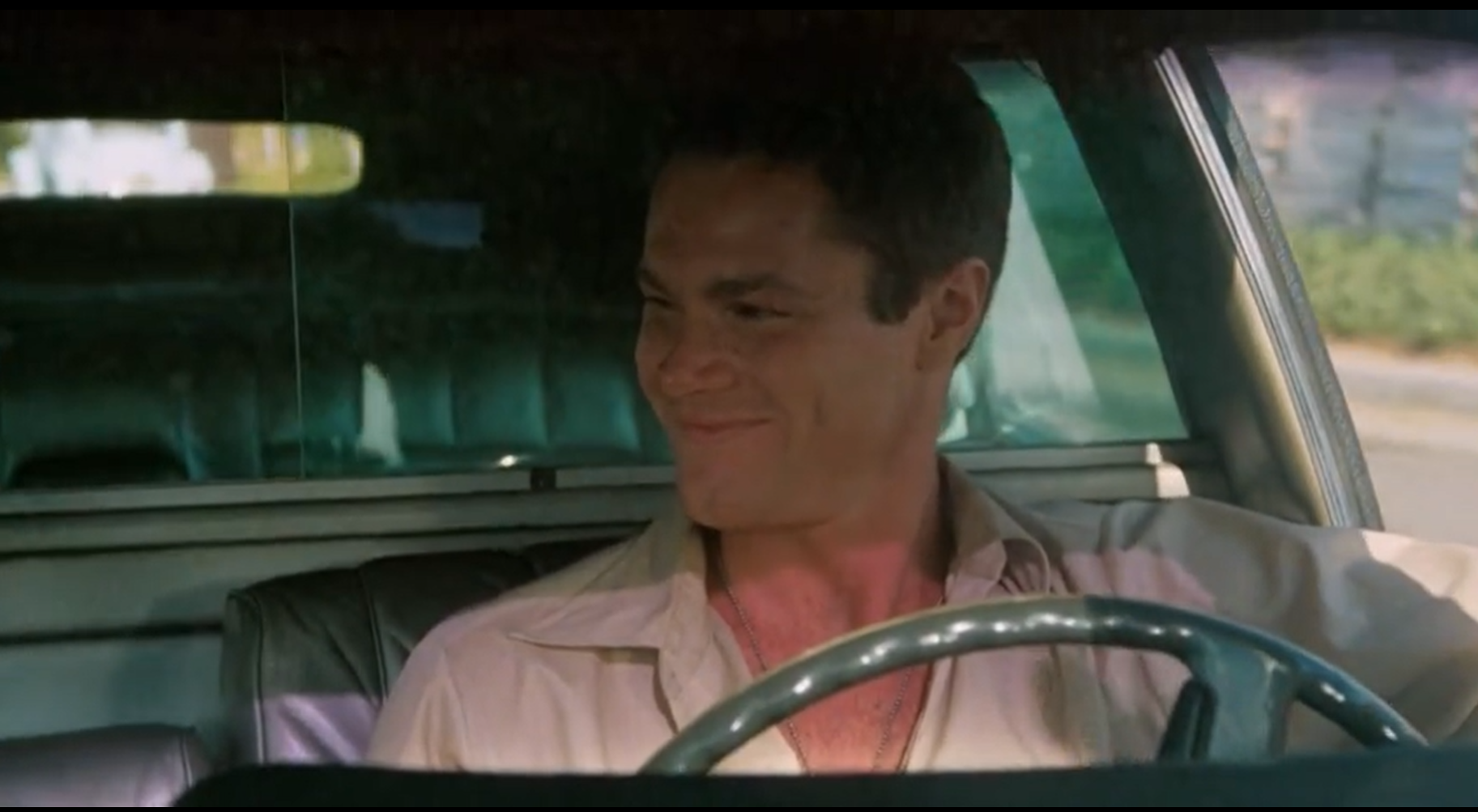
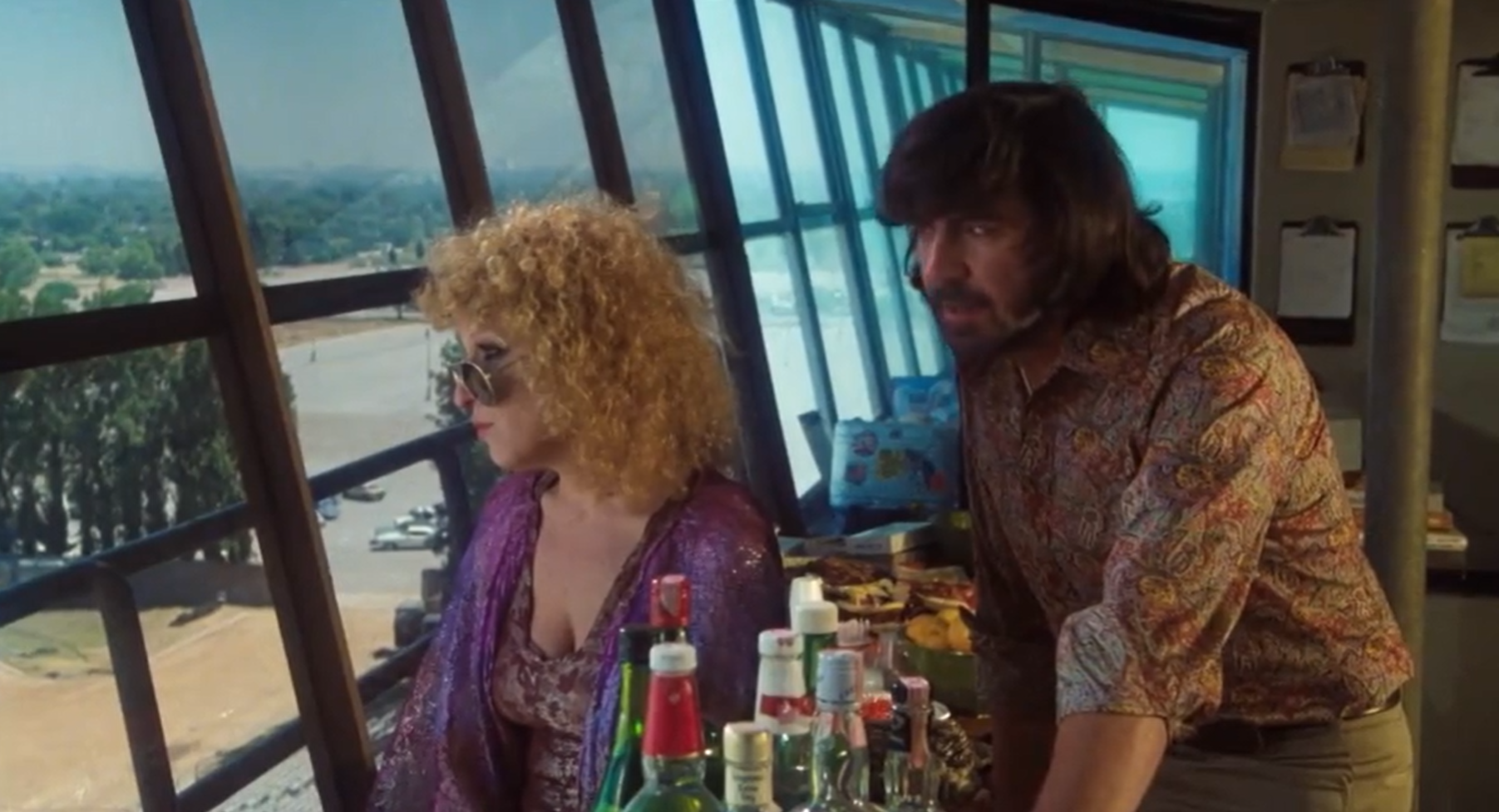
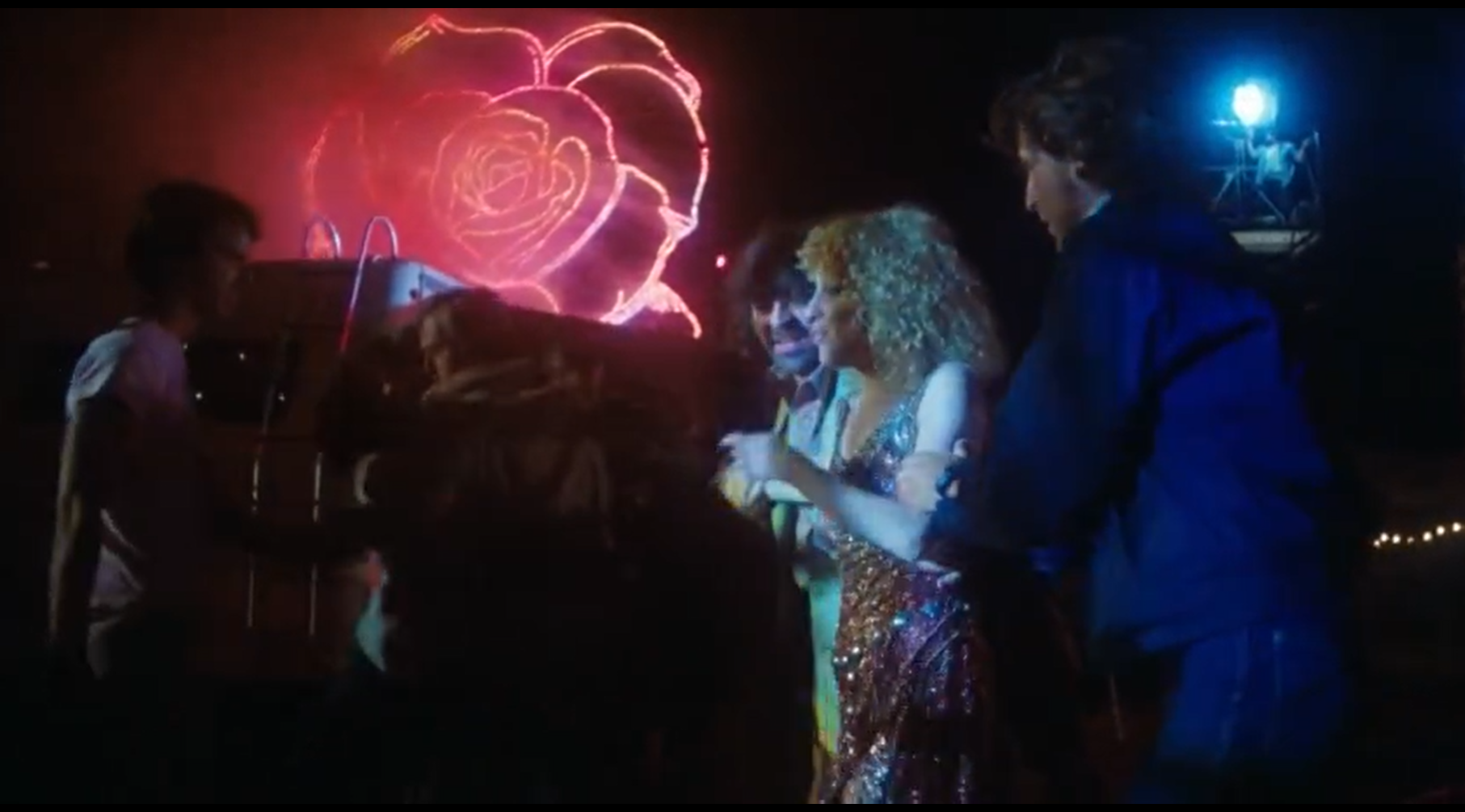
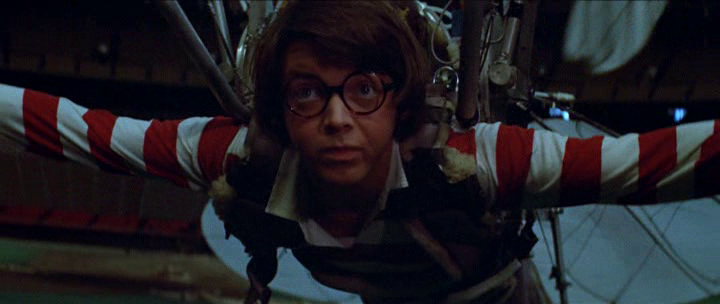
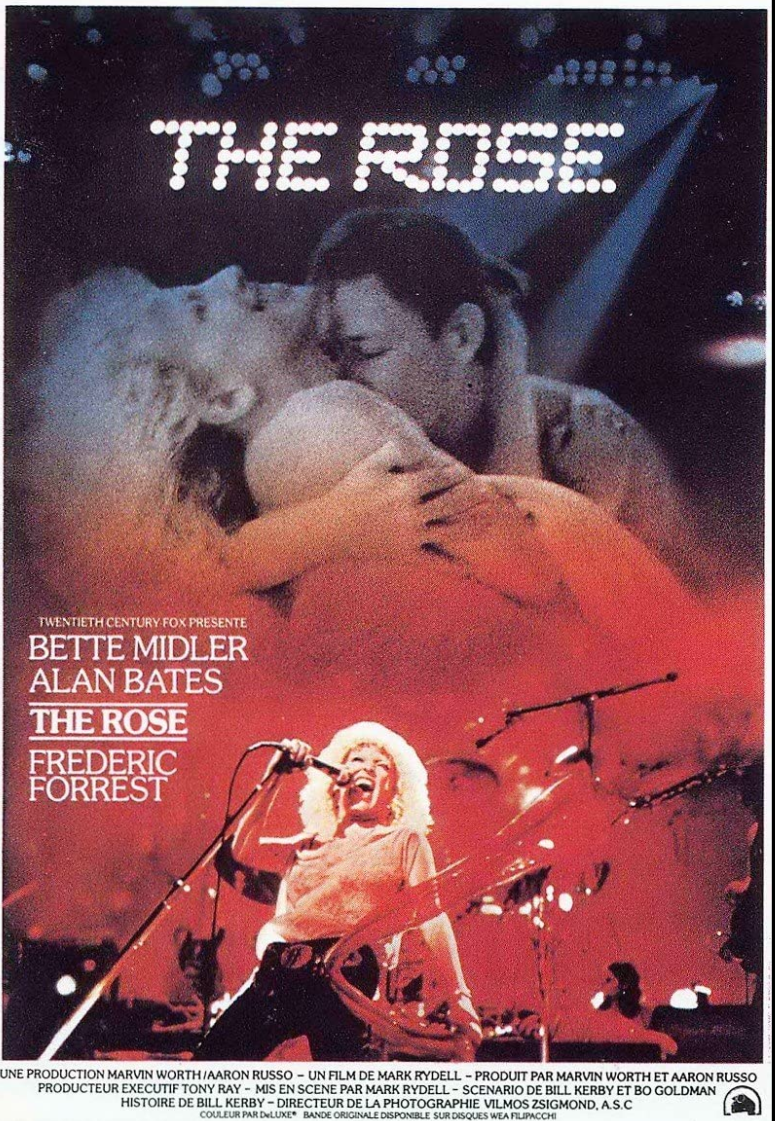
Rose, The (1979)
“I don’t want you in my life anymore.”
My comments on Peary’s reviews in Guide for the Film Fanatic (Simon & Schuster, 1986).
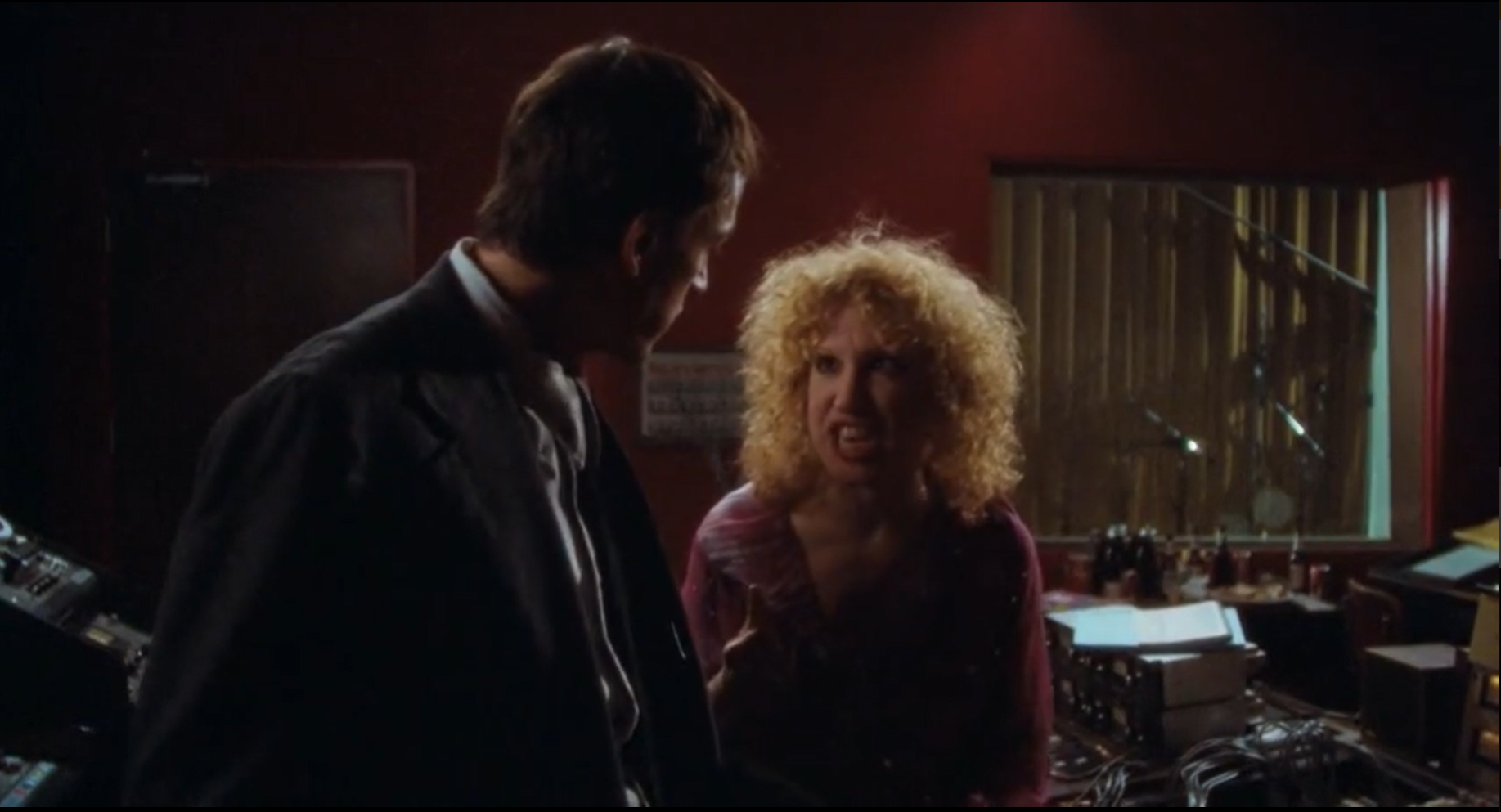
“I don’t want you in my life anymore.”
“Seriously, I have to admit I don’t know what’s going on right now.”
|
Synopsis: |
|
Genres, Themes, Actors, and Directors:
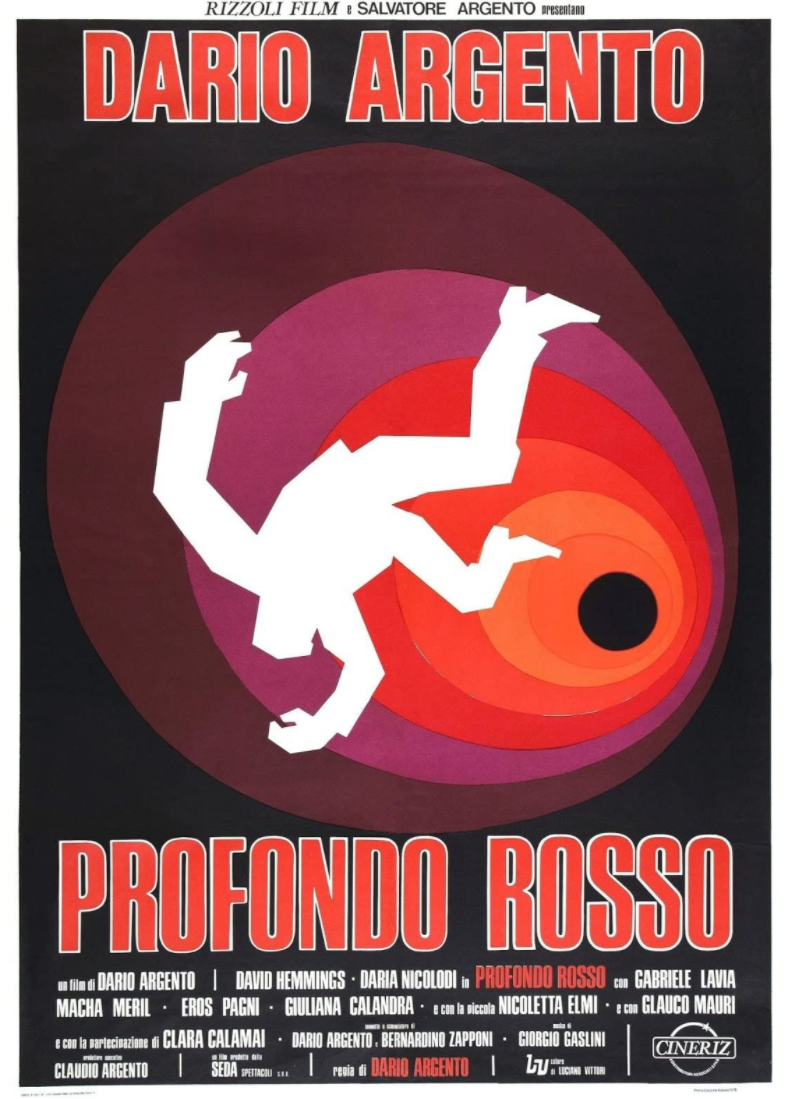
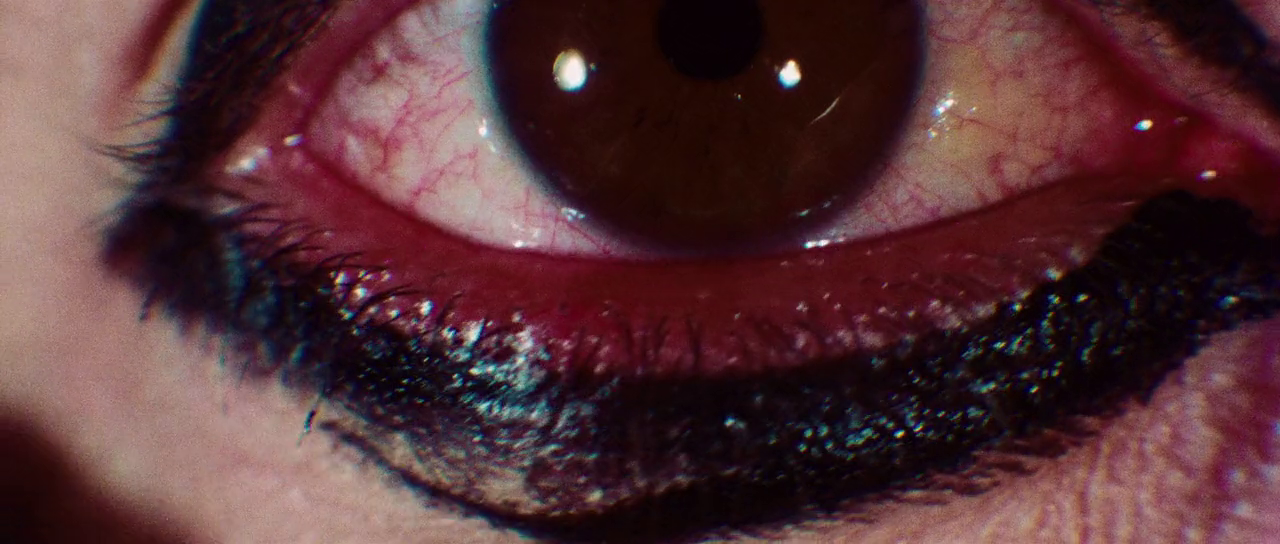
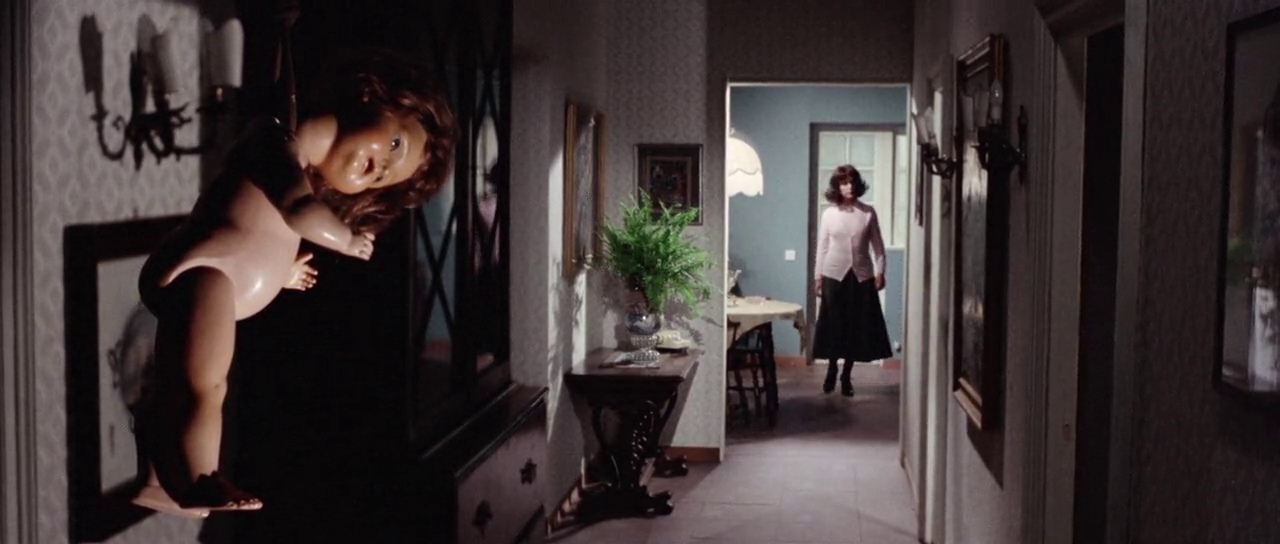
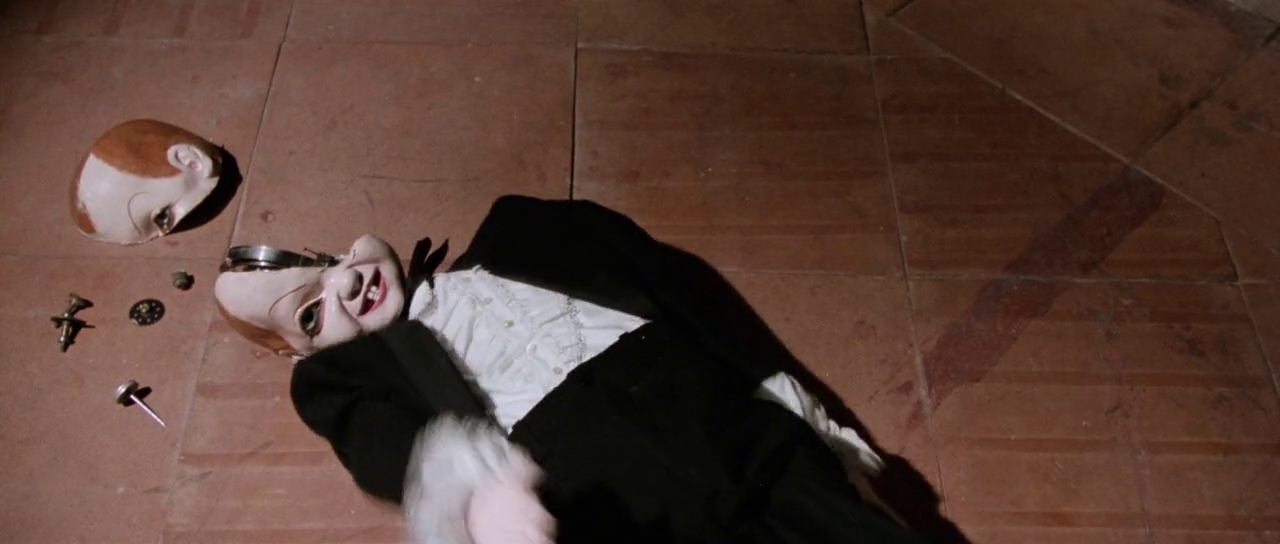
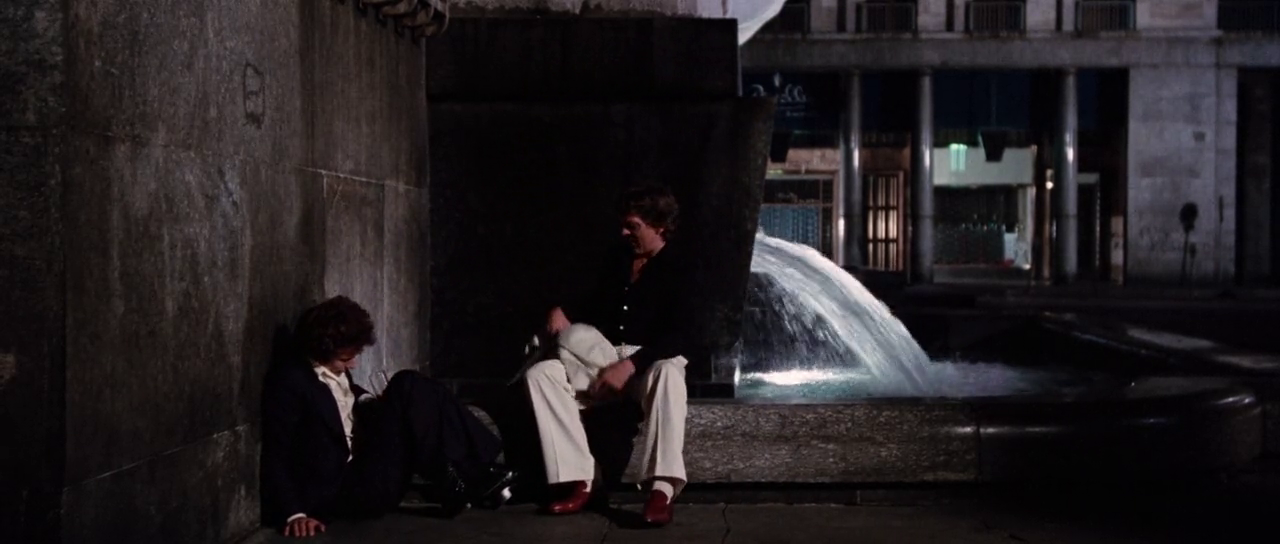
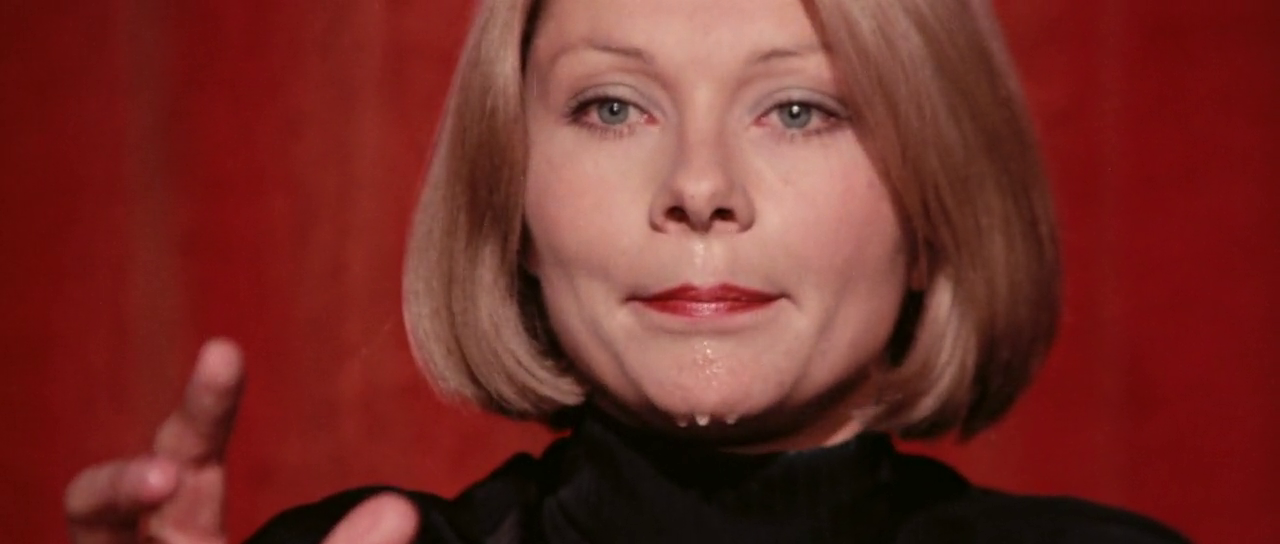
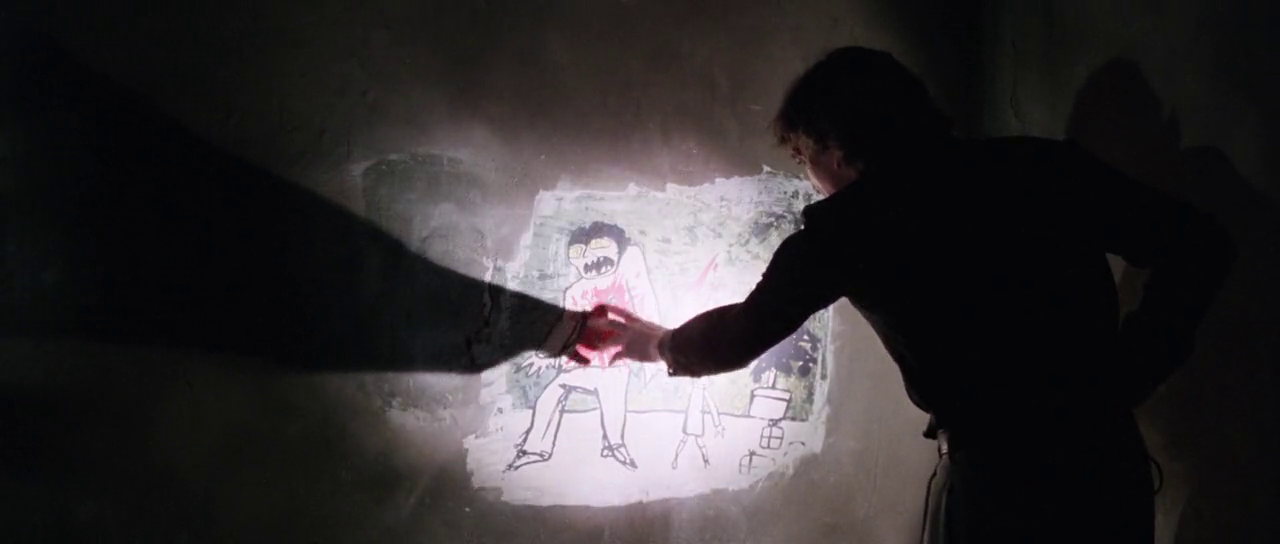
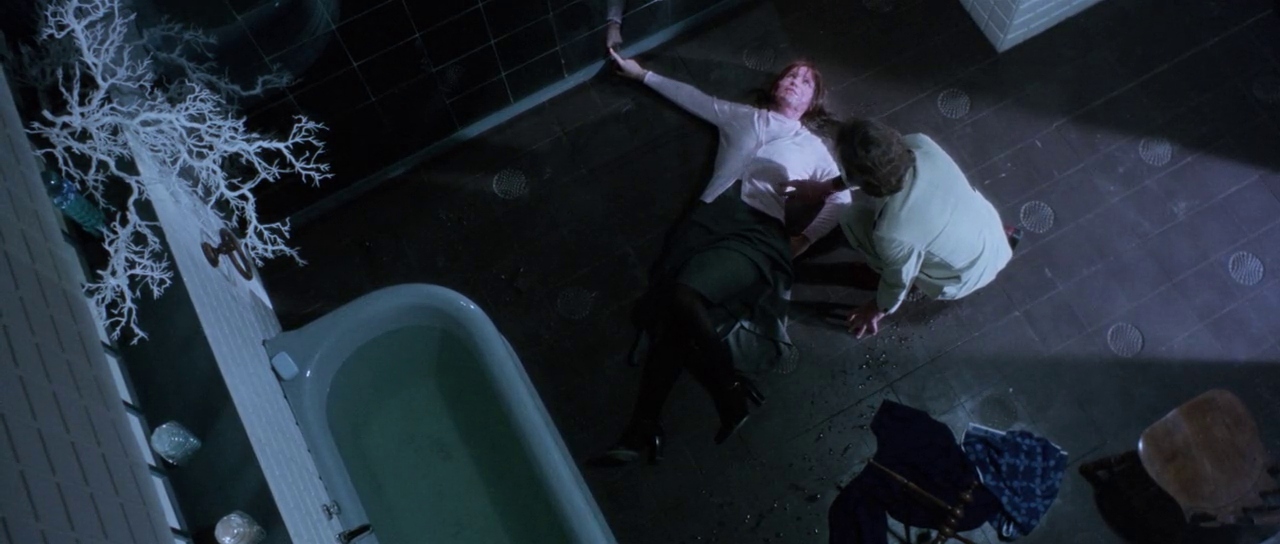
Response to Peary’s Review: … weird props, etc.” He adds that Argento “gives class to what could have been another sleazy slasher movie by having: Hemmings play classical music: … the mystery center on a painting” (as was the case in Argento’s The Bird With the Crystal Plumage [1970]), “his characters… educated, and his scenes set in art schools, libraries, and large rooms with tasteful decor.” Finally, Peary notes that the film features “excellent use of props (paintings, mirrors, dolls, knives, clothes, etc.)”: … as well as “striking nocturnal shots of deserted streets”. While giallo films aren’t a personal favorite, I can appreciate Argento’s artistry here, and consider this a must-see simply for its cult status. Note: For me, part of being a film fanatic is trying to understand why others deeply enjoy a certain genre of film that doesn’t necessarily appeal to me. To that end, I highly recommend The Maniac’s clear and thorough video overview of this film, contextualizing it within the history of giallo films. Redeeming Qualities and Moments: Must See? Categories
Links: |
“You tell me about this escape — I release you from this nightmare.”
|
Synopsis: |
|
Genres, Themes, Actors, and Directors:
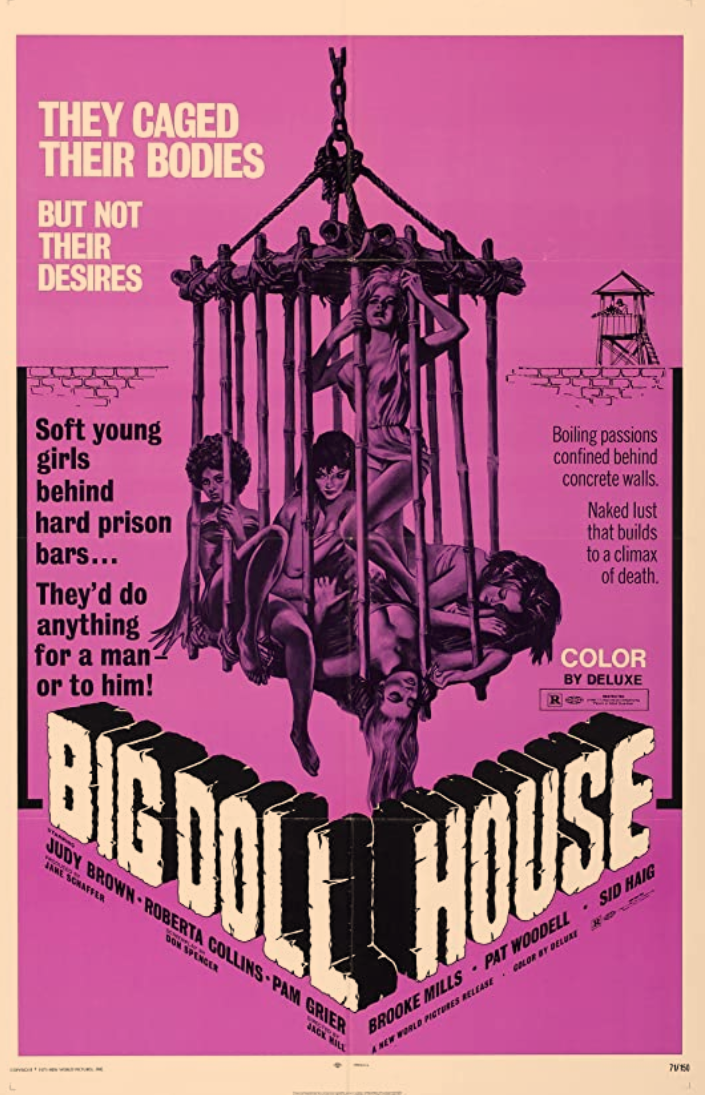
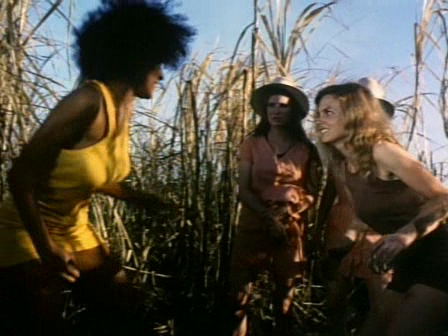
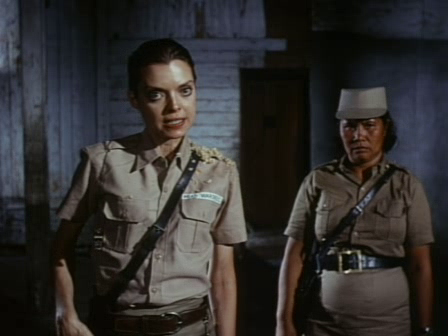
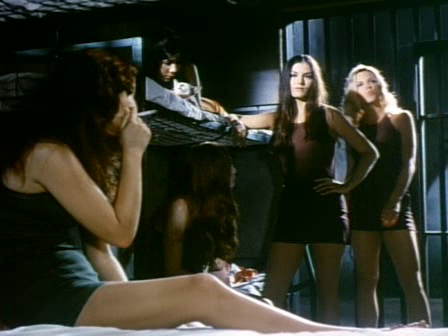
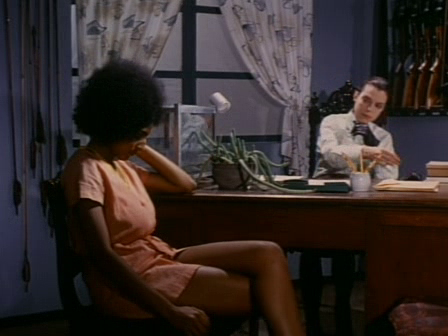
Response to Peary’s Review: — are “reasons enough to see this film”, given that they “will take only so much humiliation, abuse, and torture”. While this film is competently directed and features spunky performances — including by Barbara Steele-look-alike (Loder): … it’s not must-see viewing by anyone except fans of the WIP genre. Redeeming Qualities and Moments: Must See? Links: |
“They think we shot Cyrus.”
|
Synopsis: |
|
Genres, Themes, Actors, and Directors:
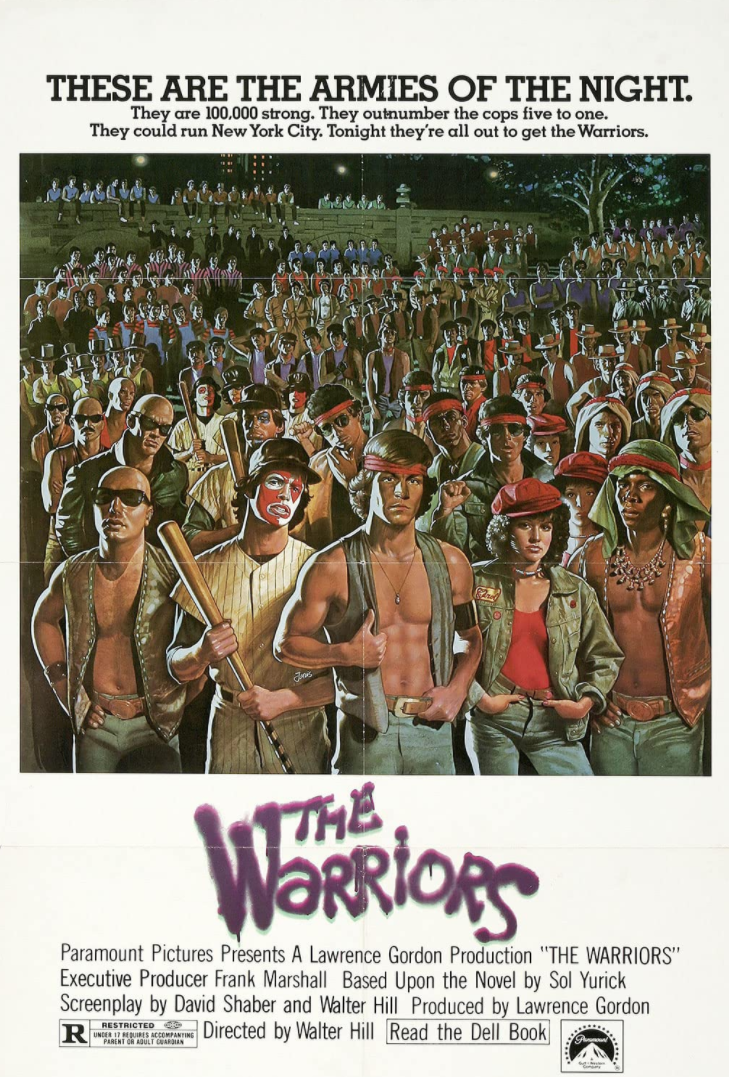
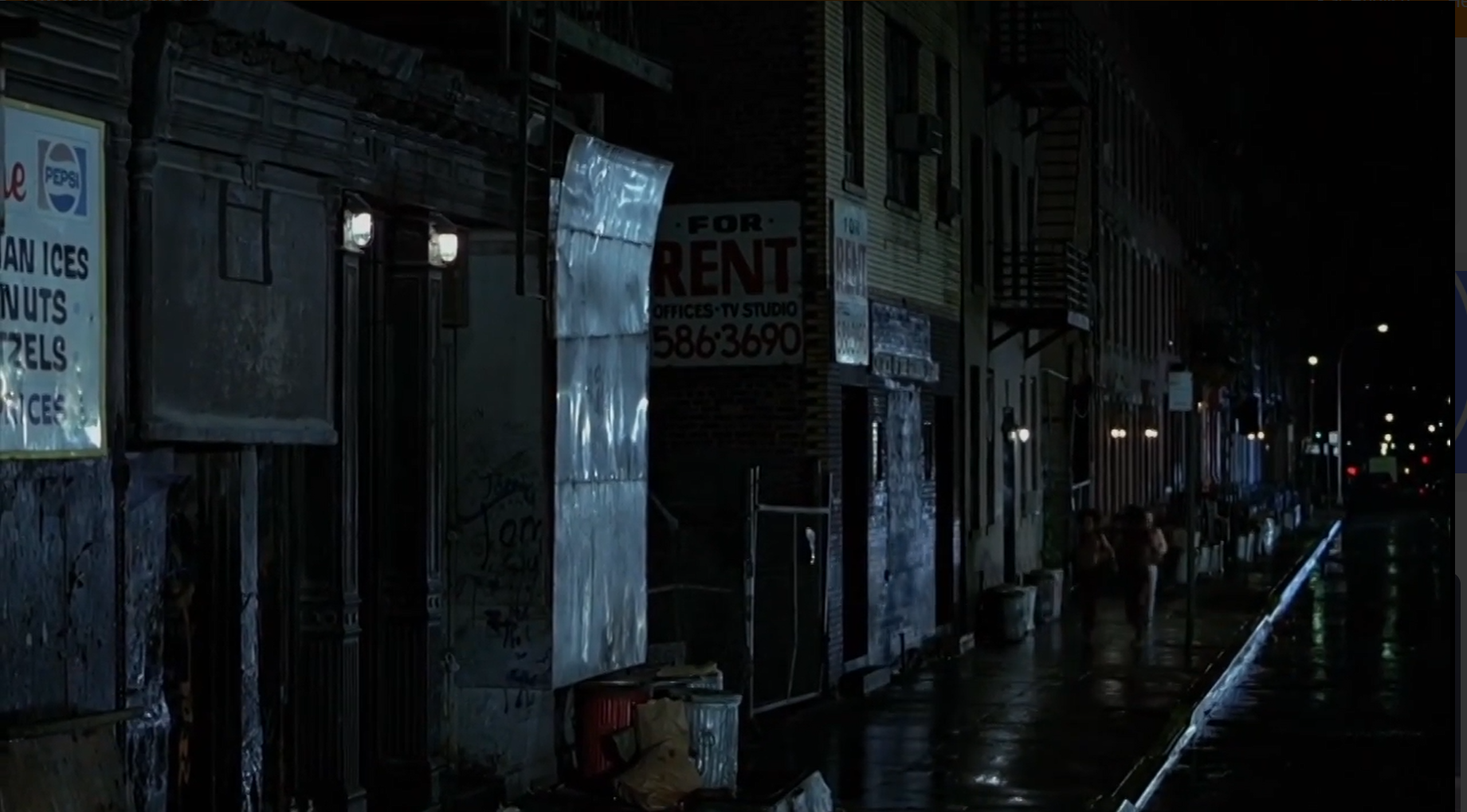
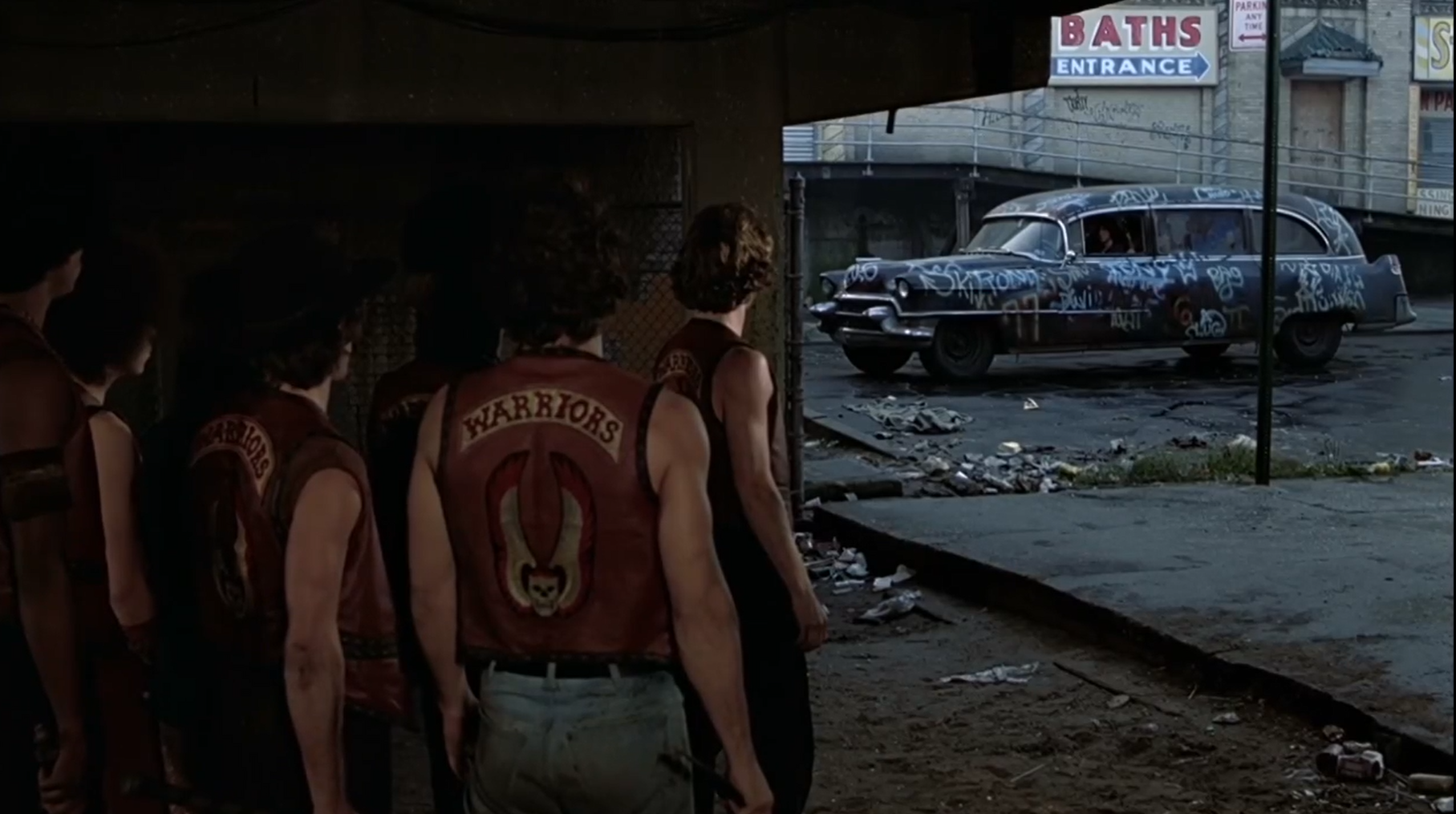
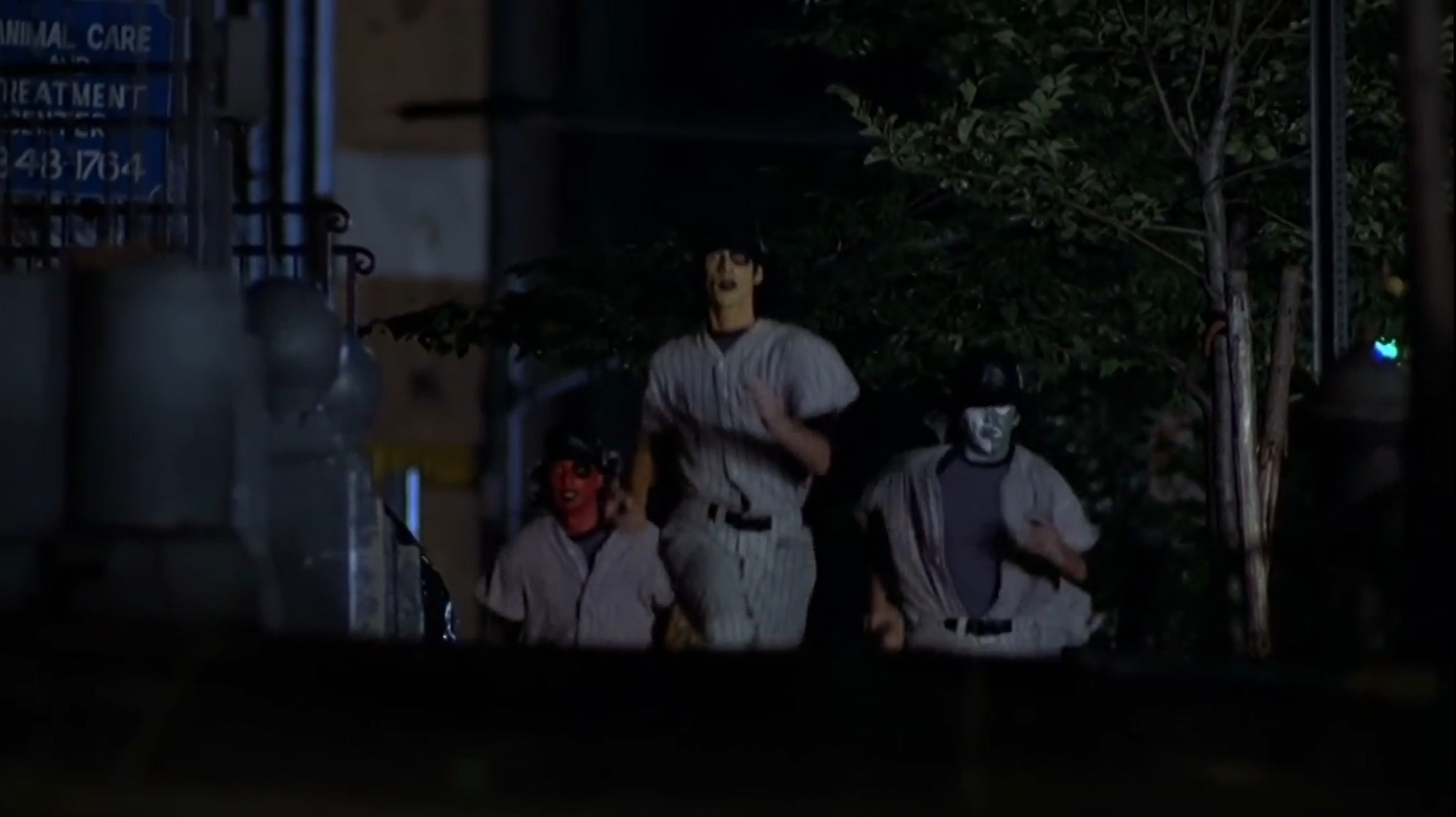
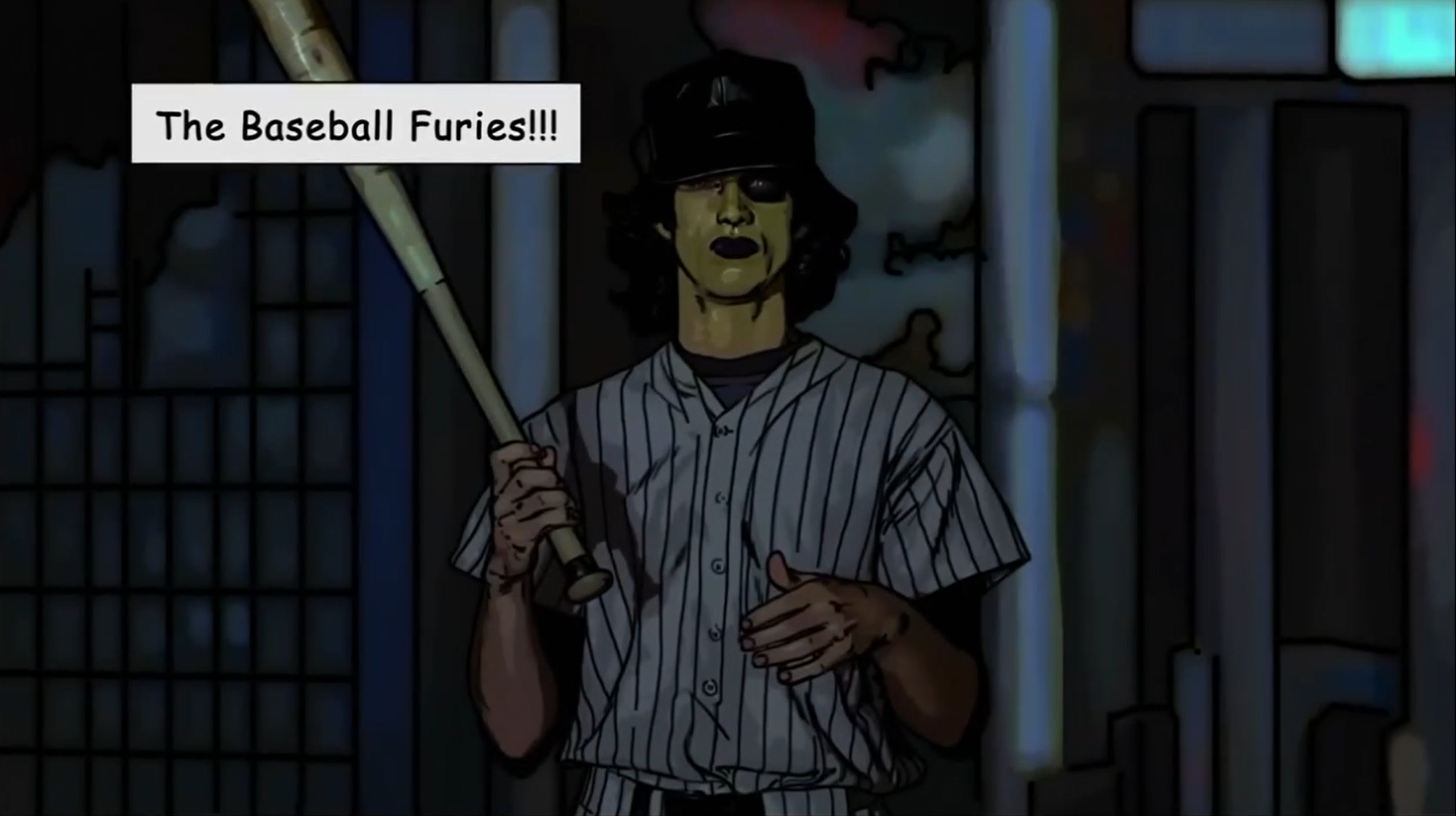
Response to Peary’s Review: Peary elaborates on this film in his first Cult Movies book, where he describes in detail the many differences between it and the original novel. He writes that while “The Warriors, artistically, is an uneven film to say the least”, it “is so full of unbridled energy and drive, with frenetic pacing from beginning to end, that it’s hard not to root… for it to succeed.” While “it’s a film that’ll make you cringe at times”, you’ll “forgive the shortcomings and praise the exciting camerawork, the excellent use of music, and the oddly conceived performance of David Patrick Kelly, the best wacko villain since Andy Robinson in Dirty Harry (1971).” Indeed, there’s much to admire and enjoy about this fast-paced flick, including the “first rate” choreography of the fight scenes, the stylized costumes (especially those of the Furies), and highly effective use of New York shooting locales. This unique cult favorite remains well worth a look. Note: Peary understandably fails to point out the nifty comic-strip transitions added in the 2005 director’s cut, which heighten the cartoonish and playful nature of the story. Redeeming Qualities and Moments:
Must See? Categories
Links: |
“Were you listening, P.S.?”
“You just do whatever you have to do.”
|
Synopsis: |
|
Genres, Themes, Actors, and Directors:
Response to Peary’s Review: Redeeming Qualities and Moments: Must See? Links: |
“Oh, wow! This is the happiest day of my life!”
|
Synopsis: |
|
Genres, Themes, Actors, and Directors:
Response to Peary’s Review: Redeeming Qualities and Moments: Must See? Links: |
“He needed me now more than ever — but something had come between us.”
|
Synopsis: |
|
Genres, Themes, Actors, and Directors:
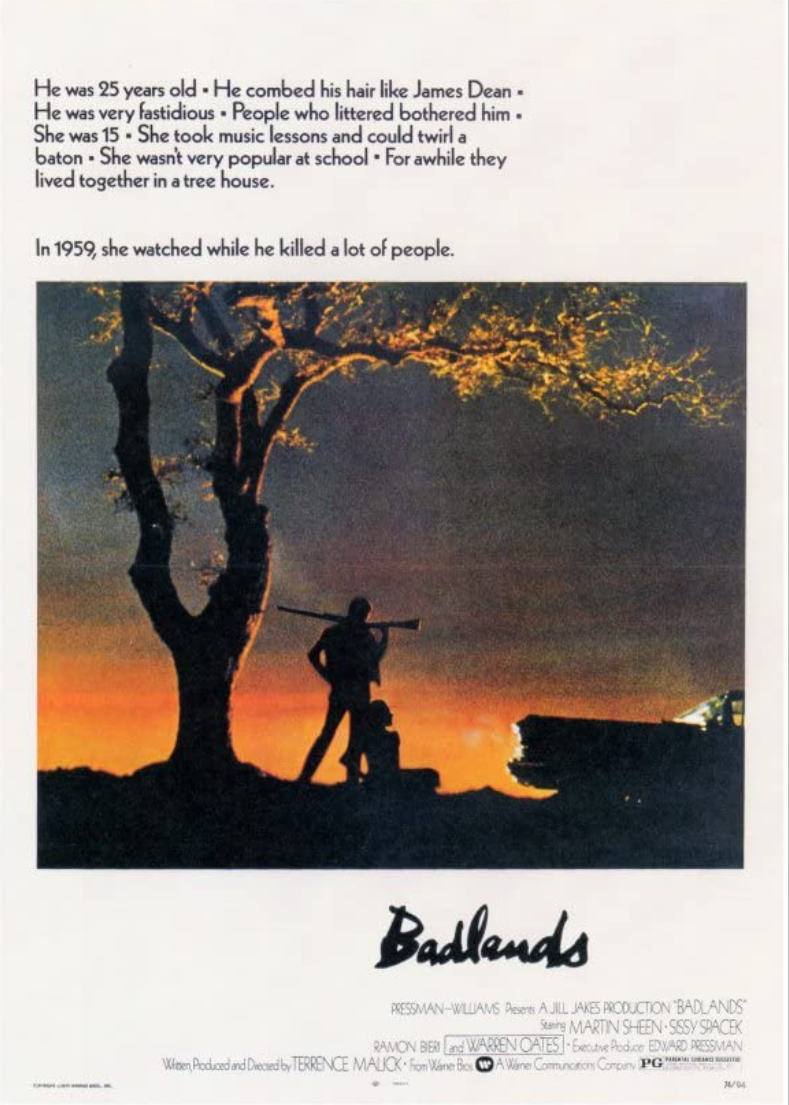
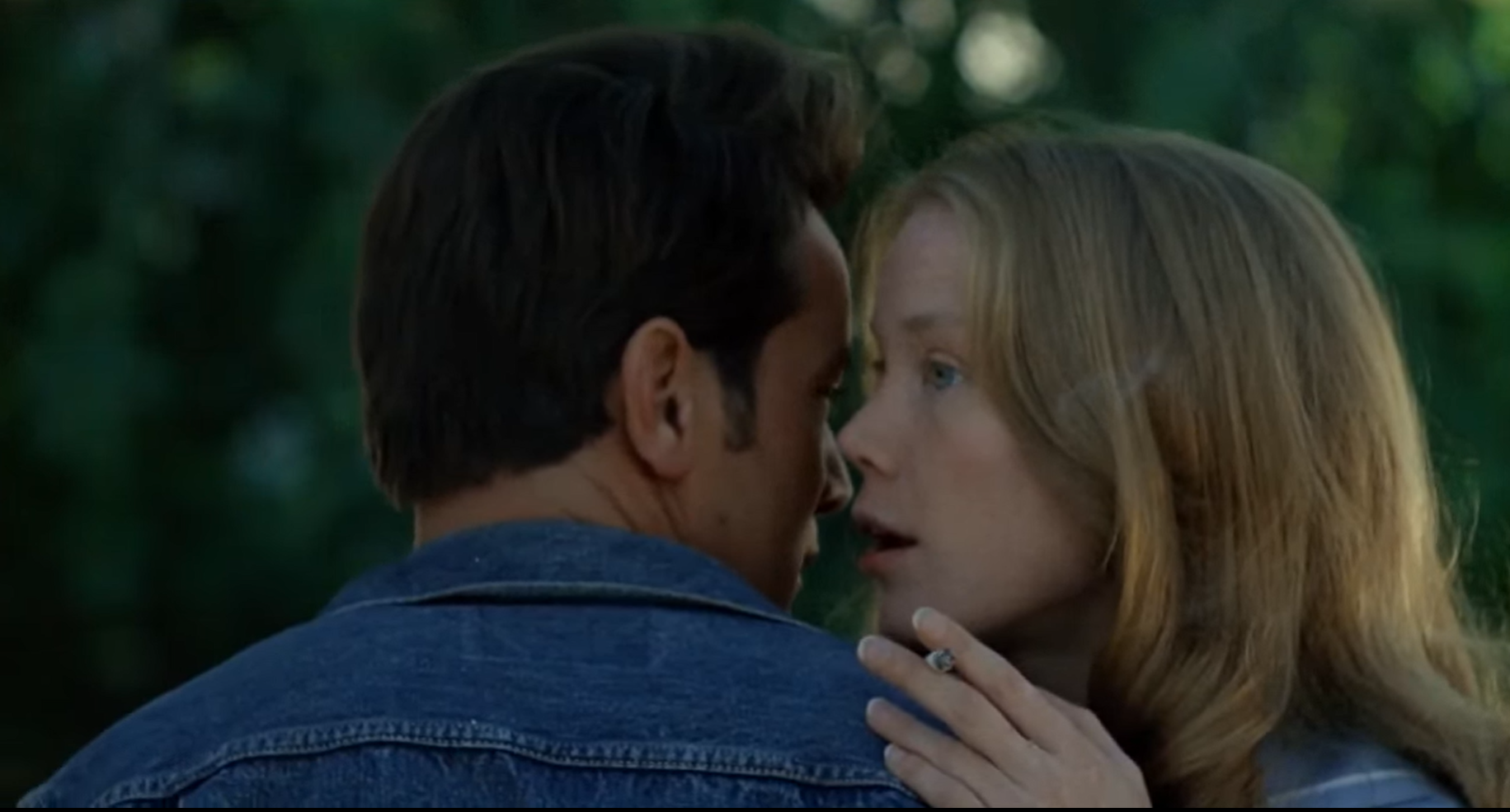
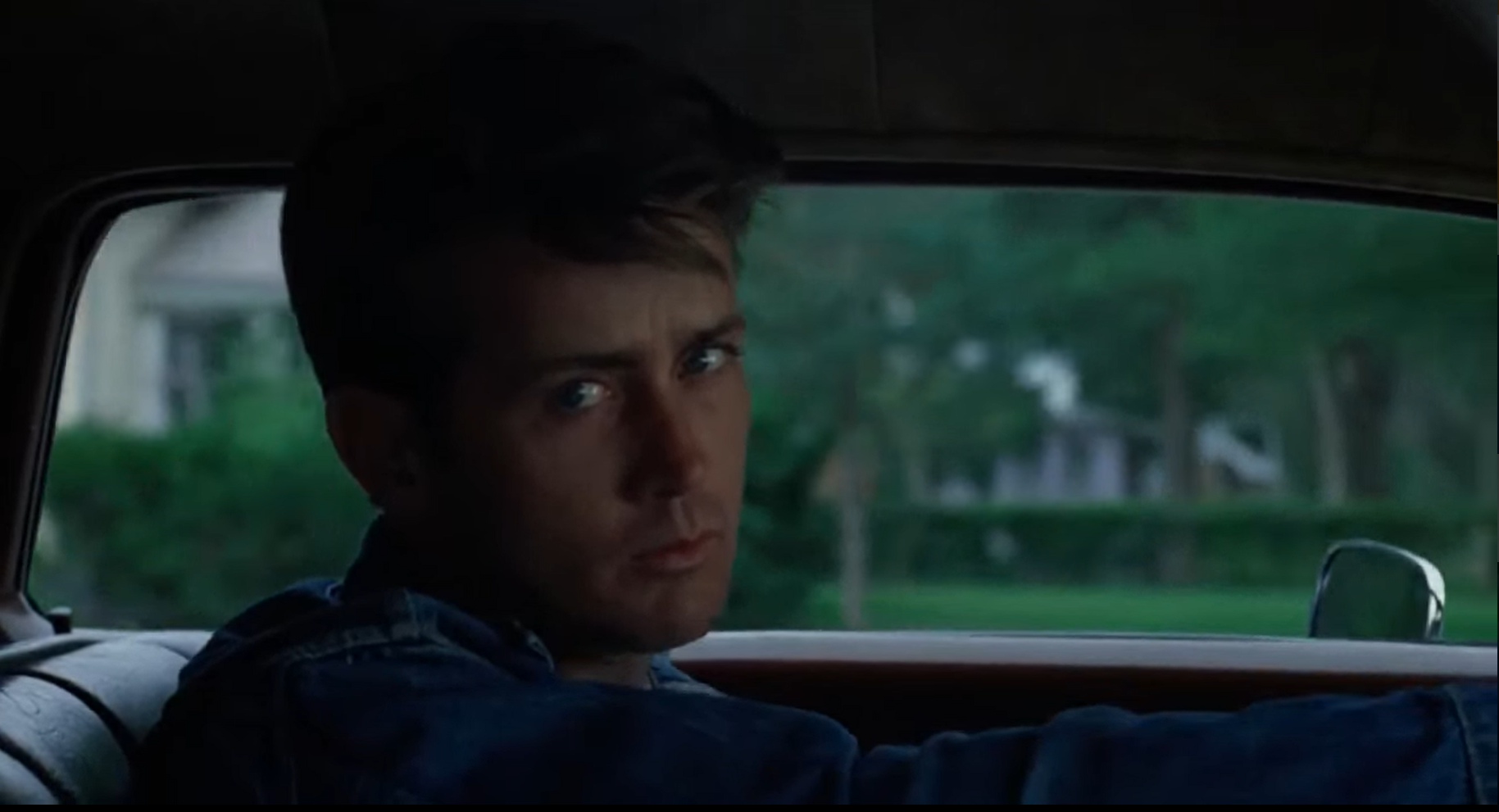
Response to Peary’s Review: Peary argues that this film “is a grim study of two… products of an American society that, during the apathetic, lethargic Eisenhower era, is so emotionally, morally, and culturally bankrupt that it not only spawns and nurtures killers but makes them folk heroes as well.” (However, given that every era seems to spawn such warped individuals, I’m not sure this analysis is quite accurate.) He writes that the murders are “properly deglamorized” by Malick, and are “a function of their yearning to escape the vacuum that is their world.” Indeed, Kit’s “obsession with leaving behind a record of his life at every stop” (a nice narrative touch) “is his misguided attempt to remind people he was special in an era of conformity.” Peary concludes his review by noting the film is “more than worthwhile” and “has a cult among critics who consider it an important, original film”. In his Cult Movies book, he further praises Malick’s “wonderful attention not only to the plants and trees of the landscape but to nature’s sounds, like the swirling breezes and even the chirping crickets”, and reiterates again that “the visuals are extraordinary: the enormous sky and the large full moon and red clouds that fill it; indoor settings lit by the sun filtering through the windows; great gobs of dust sweeping across the barren land at twilight.” In Cult Movies, Peary also provides an extended comparative analysis of Badlands with Pretty Poison (1968) — a connection I wouldn’t necessarily have made (I’m more apt to think of Bonnie and Clyde), but does make sense given they’re both films “in which a director intends his characters to embody a sociological ‘sickness’ that is spreading through America’s heartland.” As Peary writes, both girls are first seen doing something innocent and all-American (baton twirling, marching while carrying a flag), and are attracted to an older stranger to whom they lose their virginity. Both “have strict single parents who order [the] male suitors to stay away from their daughters or face harsh consequences”, and “the murder sequences” of these parents “begin much the same way.” However, after this, the films clearly diverge, with Kit and Holly not “wavering in the least from what we already know about them and expect of them.” He argues they “lack the unpredictability, the intelligence, the spark, and the emotion that make” the characters in Pretty Poison “so interesting to watch.” Indeed, as Peary writes, we find out by the end of Badlands that these two murderous individuals are simply “dull, empty people.” Redeeming Qualities and Moments: Must See? Categories
(Listed in 1001 Movies You Must See Before You Die) Links: |
“People are so sick. The more you see ’em, the sicker they look. You could be so nice, if you didn’t wanna be a creep!”
|
Synopsis: |
|
Genres, Themes, Actors, and Directors:
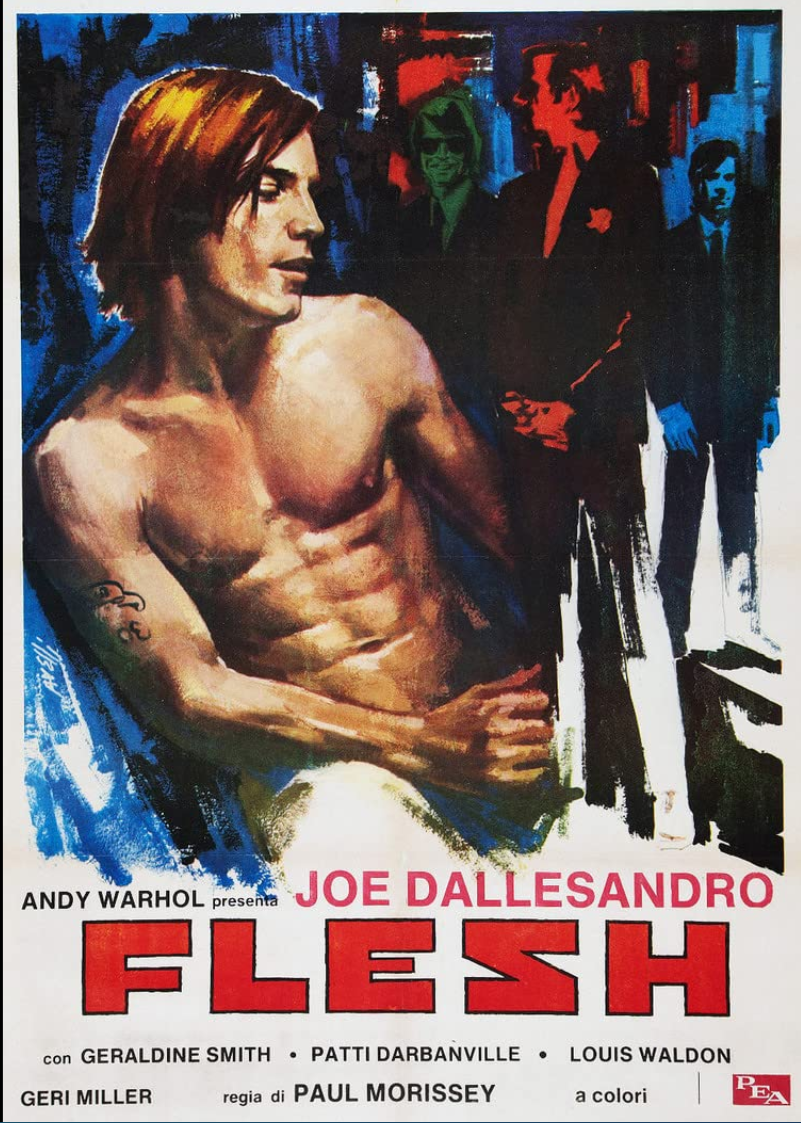
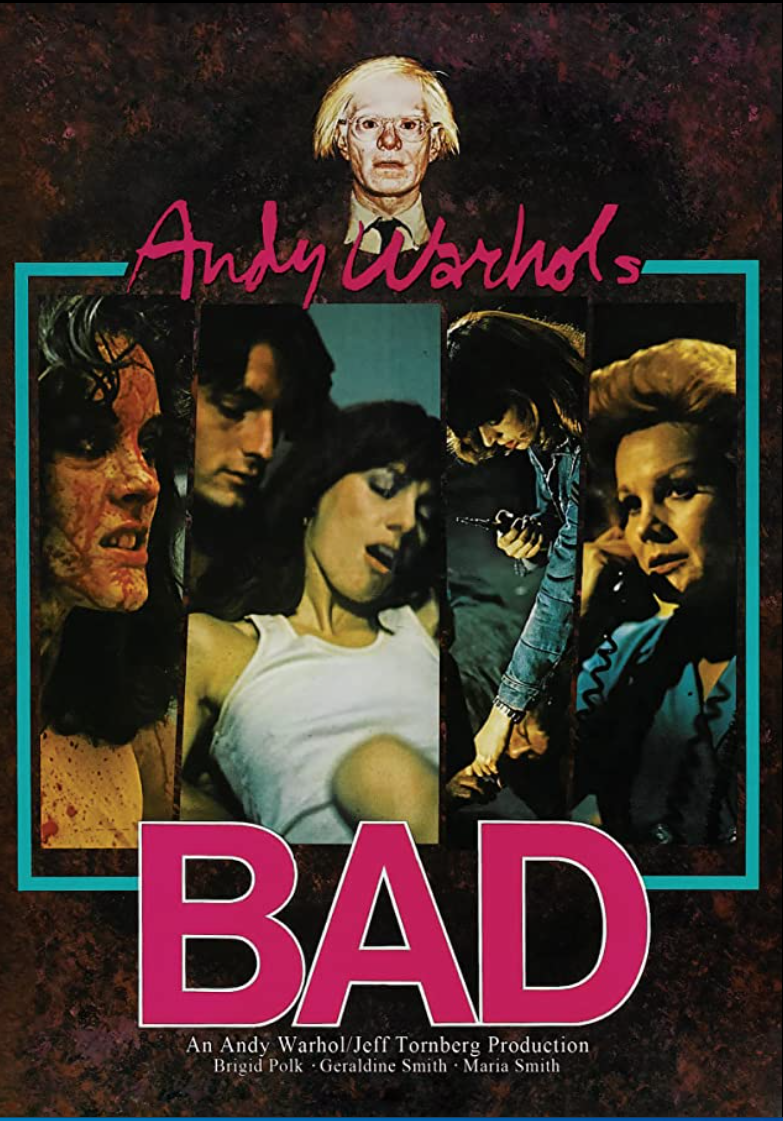
Response to Peary’s Review: Peary goes into further detail about this absurdly dark comedy in his first Cult Movies book, where he points out “it has always been the intention of Warhol and his directors to ‘disturb’ the American audience’s movie-watching sensibilities as conditioned over the years by the dominant Hollywood product.” Warhol forces us “to accept his redefinition of cinema” — indeed, his characters “are so nasty that they’d give that Richard Widmark villain of Kiss of Death (1947), who kicks an old lady in a wheelchair down a flight of stairs, a good run for his money.” For instance, “working on a contract for Mrs. Aiken, P.G. [Stefania Casini] lowers a car on a garage mechanic’s legs”; a mother (Susan Blond) who’s “too impatient to wait for the hired assassins” “tosses her crying baby out the window herself; Glenda [Geraldine Smith] and Marsha [Maria Smith] even go so far as to stab a dog with a sharp knife.” And that’s not even mentioning the wanton pyromania that goes on in both a movie house and a car. I’m curious how many film fanatics these days are familiar with and/or interested in Warhol’s work, given that more recent directors have continued to push the envelop in terms of what’s “acceptable” to put on screen or not — however, Warhol’s film-making factory remains an important enough part of underground cinema history that I believe his major films (like this one) should continue to be one-time must-see viewing. Redeeming Qualities and Moments: Must See? Categories
Links: |
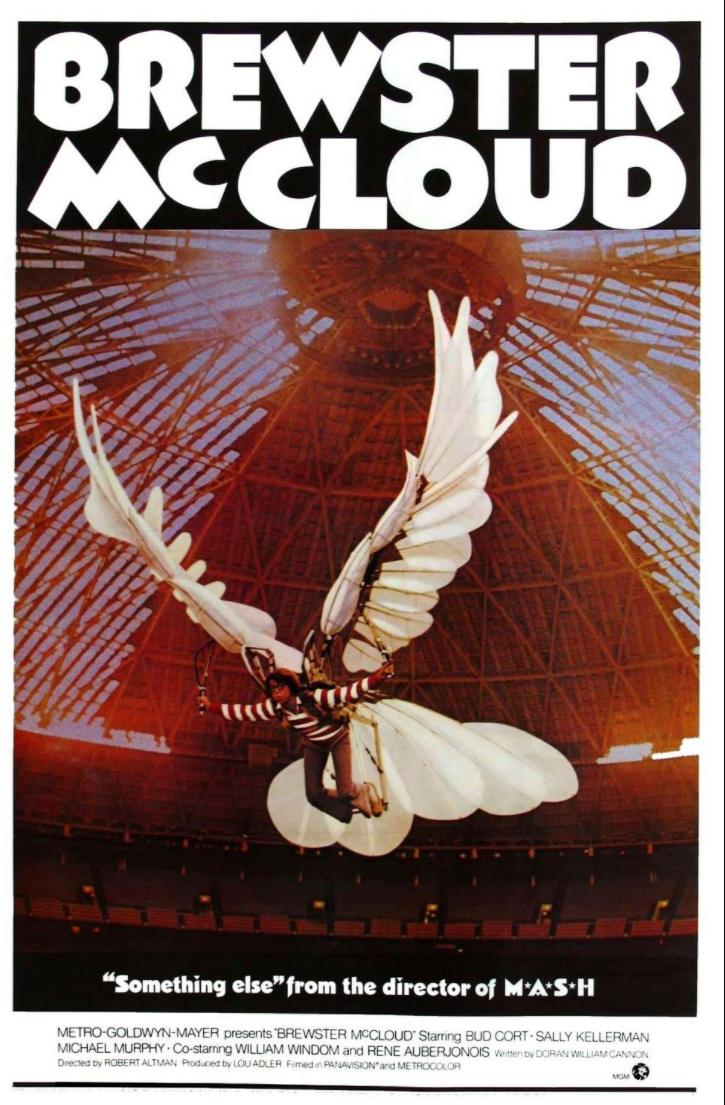
“I know bird shit when I see it.”
|
Synopsis: |
|
Genres, Themes, Actors, and Directors:
Response to Peary’s Review: Redeeming Qualities and Moments: Must See? Categories
Links: |