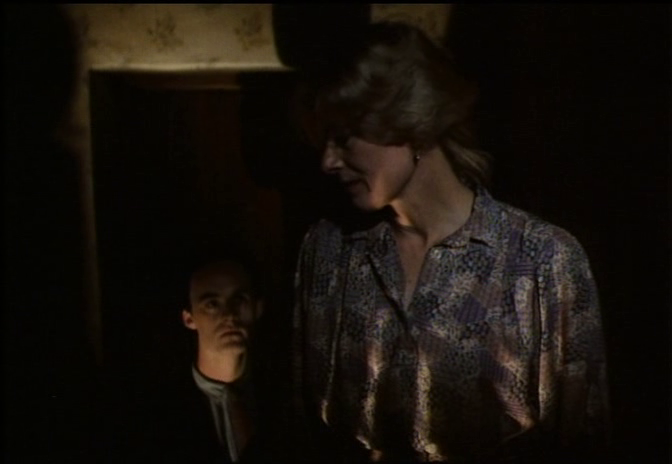
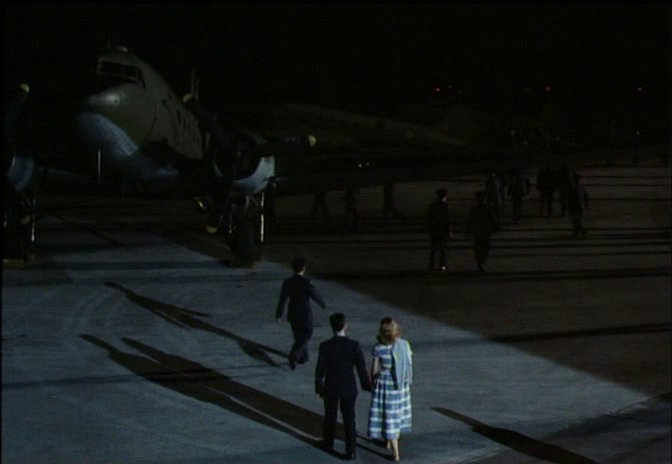
Browsed by
Category: Original Reviews

Responses to Peary’s “must see” movie reviews, as well as my own “must see” movie reviews up to and after 1986 (when Peary’s book was published).

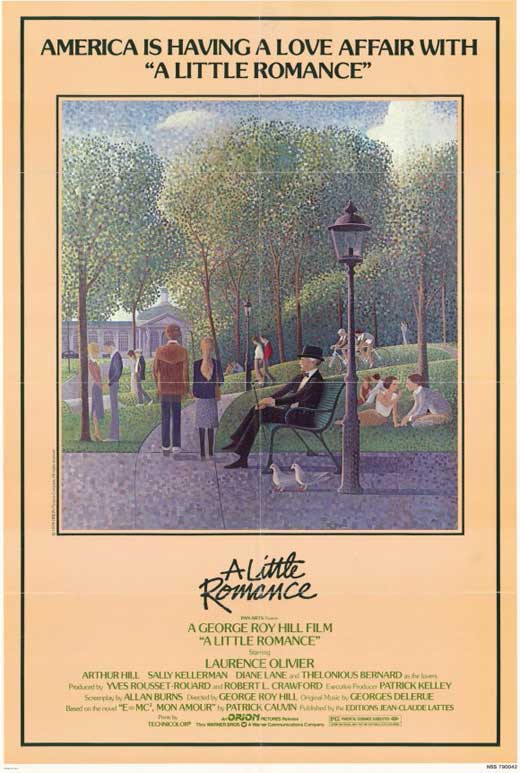
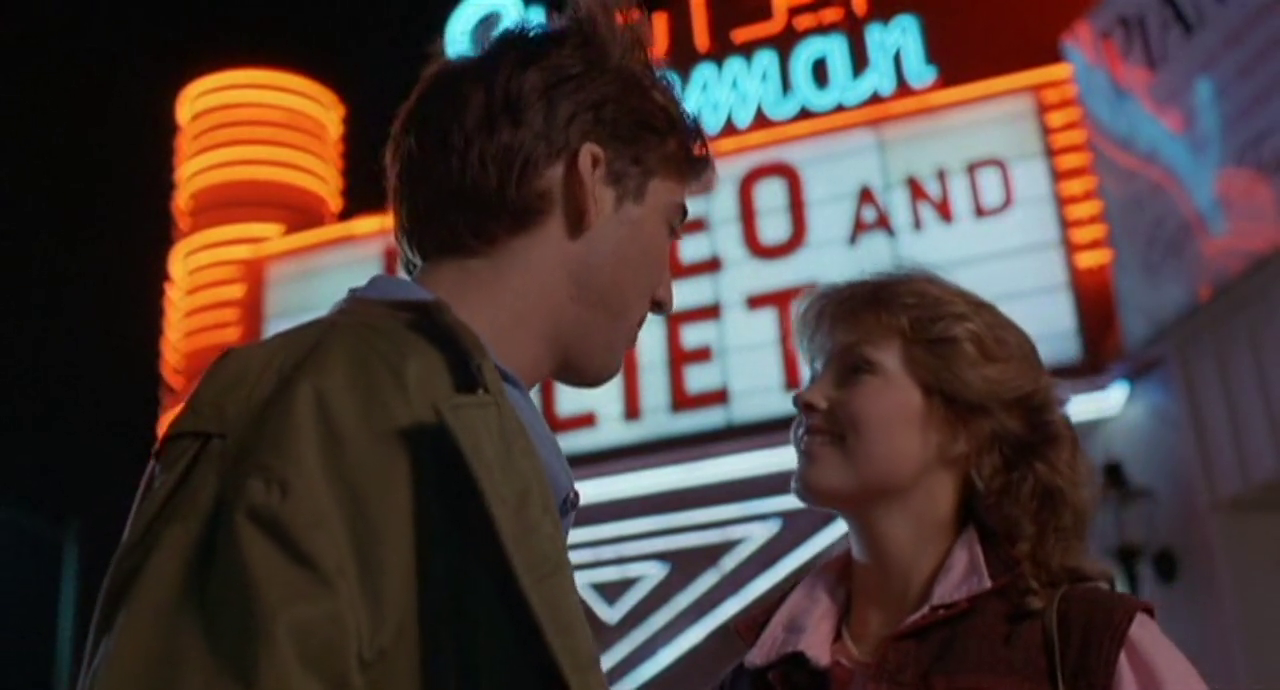
Little Romance, A (1979)

Little Romance, A (1979)

“I used to think, maybe a long time ago, like — like in the time of the pharaohs or Louis the 13th — that there was somebody made just perfect for me.”

Synopsis:
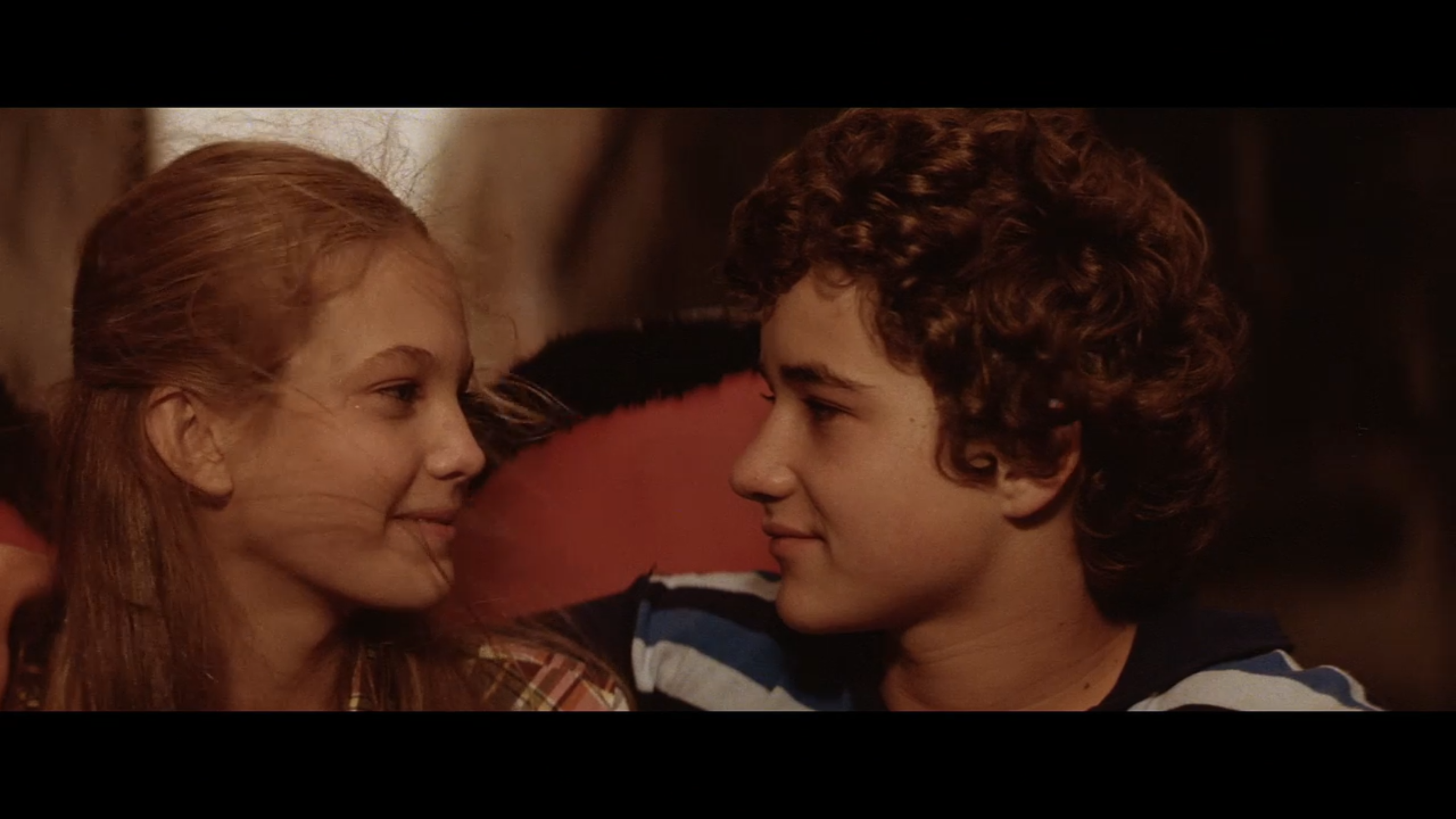
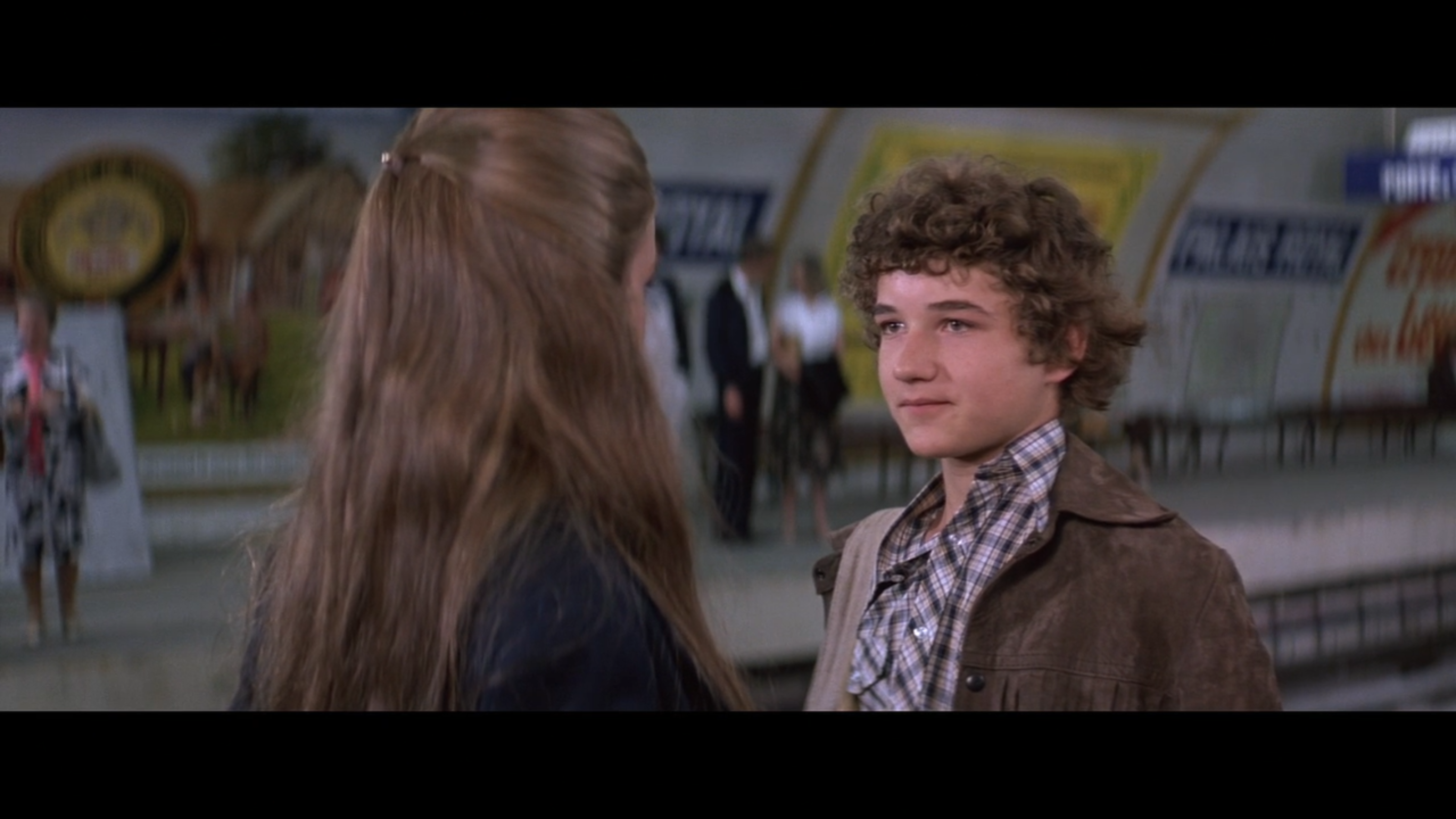
A precocious teen (Diane Lane) living in Paris with her self-absorbed mother (Sally Kellerman) and kind stepfather (Arthur Hill) meets a young movie-lover (Thelonious Bernard), and the two like-minds immediately bond. With the help of an elderly widow (Laurence Olivier), they make plans to kiss at a certain spot in Venice during sunset — but can they successfully elude their parents?

Genres, Themes, Actors, and Directors:

  • Broderick Crawford Films
  • Diane Lane Films
  • George Roy Hill Films
  • Laurence Olivier Films
  • Runaways
  • Sally Kellerman Films
  • Teenagers

Review:
Reviews of this youthful romantic adventure, directed by George Roy Hill and taking place on the picturesque streets of Paris and canals of Venice, have been decidedly mixed over the years, with some considering it a personal favorite, but the New York Times calling it “so ponderous it seems almost mean-spirited.” While elements of the screenplay verge on caricature — particularly Kellerman’s infatuation with a narcissistic movie director (David Dukes), and a pair of clueless American tourists (Andrew Duncan and Claudette Sutherland) who show up in the last portion of the film — I’ll admit to being intrigued by Lane, and completely caught up in her desire for meaningful interactions with a peer who “gets her”. Her loyal friendship with a flibbertigibbet schoolmate (Semple) helps to humanize her as someone more interested in quirkiness and following her own path than anything else, and it’s easy to relate to how isolated she feels being forced to live wherever her flighty mother’s whims (and latest marital decisions) take her. Bernard’s performance is a bit rough around the edges, but he’s believable as a movie-obsessed teen who knows a good catch when he sees one — and he treats Lane with appropriate respect and classiness. (See? Classic movies do teach you something!) Georges Delerue’s score is lovely, and the on-location sets are charming.

Redeeming Qualities and Moments:

  • Diane Lane as Lauren
  • Ashby Semple as Natalie
  • Good use of location shooting in Paris and Venice
  • George Delerue’s score

Must See?
No, but it’s recommended (by me, at least). Listed as a Personal Recommendation in the back of Peary’s book.

Links:

They Made Me a Criminal (1939)

They Made Me a Criminal (1939)

“From now on, you’ve got to be afraid!”

Synopsis:
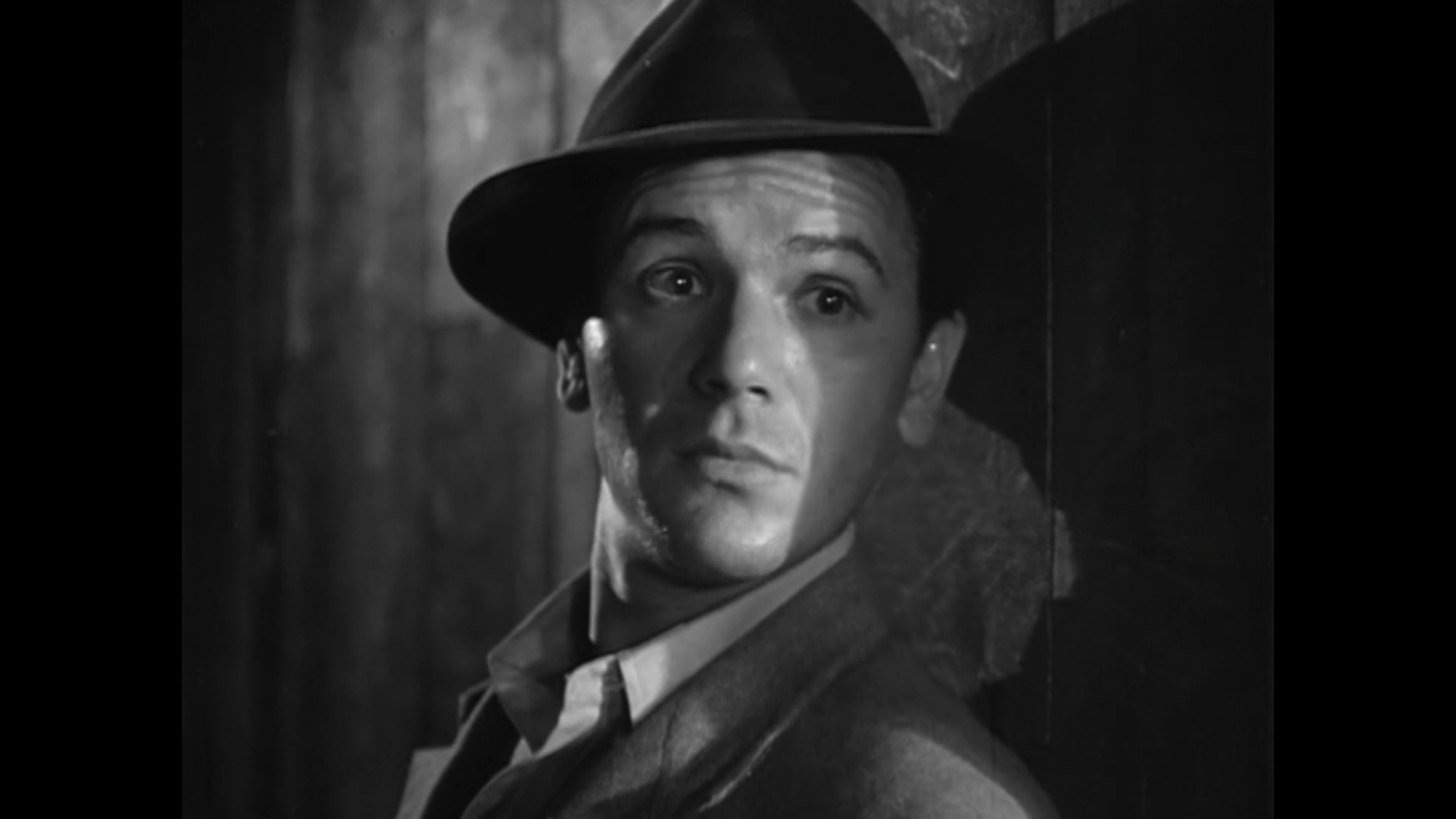
A prizewinning boxer (John Garfield) whose shady manager (Robert Gleckler) accidentally kills a snoopy reporter (John Ridgely) and is then killed in a fiery car crash while making off with Garfield’s girlfriend (Ann Sheridan) is falsely accused of murder and presumed dead. Garfield goes undercover and finds refuge in a farm owned by a woman (May Robson) overseeing a group of juvenile delinquents, where he soon falls for the older sister (Gloria Dickson) of one of the boys (Billy Halop) — but will a detective (Claude Rains) hot on his trail sleuth him out?

Genres, Themes, Actors, and Directors:

  • Ann Sheridan Films
  • Boxing
  • Busby Berkeley Films
  • Claude Rains Films
  • Detectives and Private Eyes
  • Falsely Accused
  • John Garfield Films
  • Juvenile Delinquents
  • Mistaken or Hidden Identities

Review:
Busby Berkeley directed this Depression-era saga of hard luck, mistaken identities, redemptive love, and the chance for new beginnings. Garfield stars in a role seemingly tailor-made for him: an innocent man caught up in events beyond his control that send him spiraling into a life on the run. He’s fine in the role, but the script (other than intermittent doses of harsh cynicism) is primarily hokum. Thankfully, James Wong Howe’s cinematography makes the entire film gorgeous to look at. The best scenes are those involving boxing, which naturally becomes Garfield’s downfall once again (or is it his saving grace?). See also the similarly themed Dust Be My Destiny (1939), which I was equally disappointed by.

Redeeming Qualities and Moments:

  • James Wong Howe’s cinematography


Must See?
No; feel free to skip this one.

Links:

Gold Diggers of 1937 (1936)

Gold Diggers of 1937 (1936)

“I’ve promised him that we’re going to put this show on!”

Synopsis:
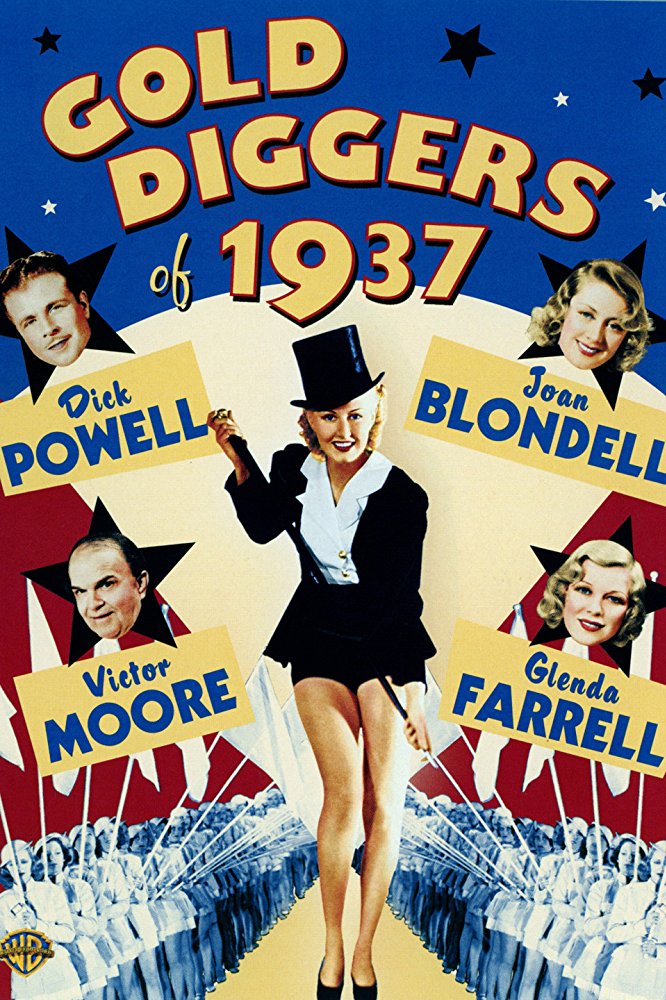
A hypochondriac millionaire (Victor Moore) whose business managers (Osgood Perkins and Charles D. Brown) have gambled away his savings convince him to purchase an insurance policy — secretly hoping he will die soon so they can cash in — from an agent (Dick Powell) who has just fallen in love with the new secretary (Joan Blondell) at his office. Meanwhile, a golddigger (Glenda Farrell) falls for Moore despite knowing he’s broke, and Powell wants to keep Moore alive at any cost to maintain his monthly premiums, so he can afford to marry Powell.

Genres, Themes, Actors, and Directors:

  • Busby Berkeley Films
  • Dick Powell Films
  • Gold Diggers
  • Joan Blondell Films
  • “Let’s Put On a Show!”
  • Millionaires
  • Musicals

Review:
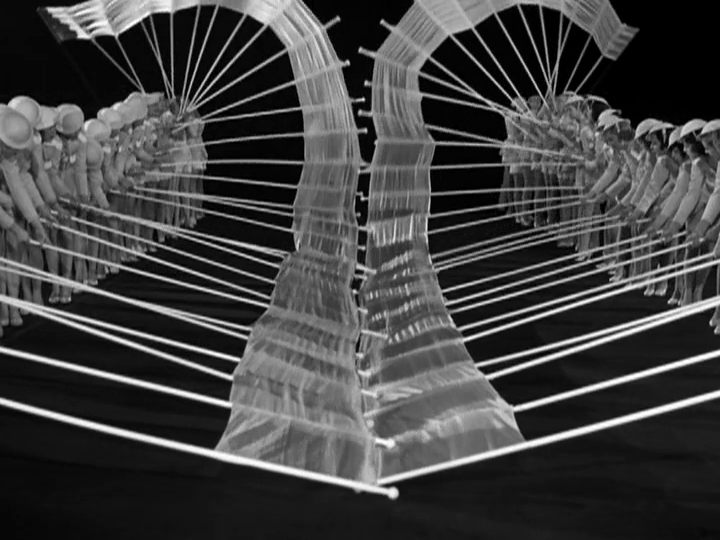
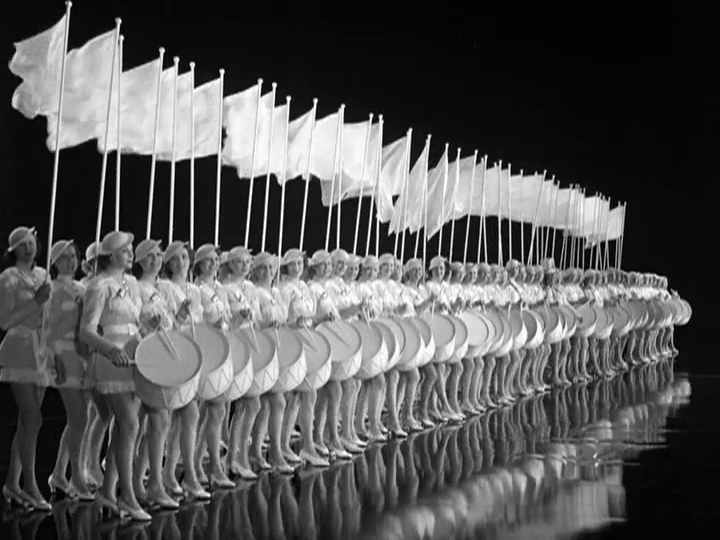
So, who ARE 1937’s golddiggers — and how, exactly, are they different from those of 1935 or 1933? According to this third entry in Busby Berkeley’s series for Warner Brothers, they’re essentially good-hearted gals who actually prefer to earn their own keep (Blondell) and/or don’t truly care about a man’s wealth (Farrell) — a good thing, given that the rather unsavory storyline has two men (Perkins and Brown, effectively sinister) out to literally kill their boss (Moore) to cover up their gambling debts, and another man (Powell) incentivized to keep Moore alive for his own personal benefit. Thank goodness we’re given a fun musical break midway through (“With Plenty of Money and You”), and a typically spectacular Busby-esque finale (“All’s Fair in Love and War”). Upon its release, the New York Times was rather uncharitable in its review of this film, writing that “Mr. Powell suffers from spells of laryngeal and facial cuteness” and that “Miss Blondell” — who “combines the ox-eyed beauty of a duchess by Lely with the gratifying smoothness and symmetry of a piece of gleaming metal tubing” (!?!?) — “not only cannot sing but doesn’t” (for which we should be grateful, apparently). Ouch!

Redeeming Qualities and Moments:

  • The Busby Berkeley musical numbers, naturally!

Must See?
No, though it’s an innocent enough outing if you’re in the mood.

Links:

Dynamite Chicken (1971)

Dynamite Chicken (1971)

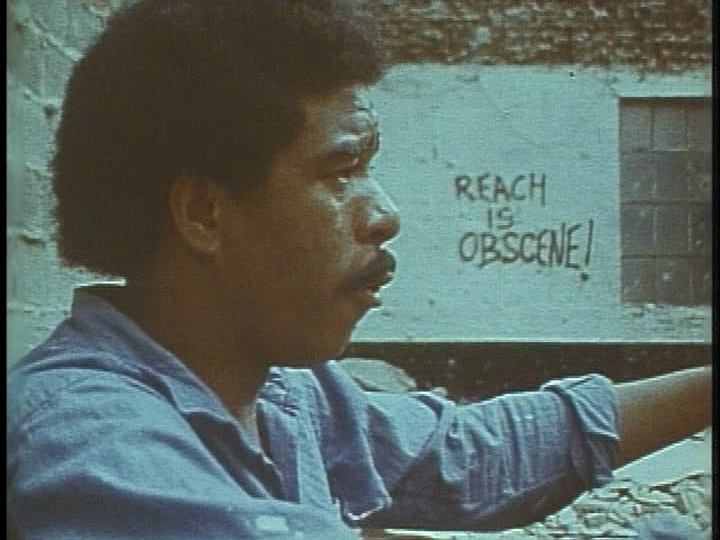
“What is obscene?”

Synopsis:
Richard Pryor appears intermittently in this collage of skits, spoofs, and commentary on countercultural topics, including war, sex, feminism, patriotism, politics, and obscenity.

Genres, Themes, Actors, and Directors:

  • Counterculture
  • Experimental Films
  • Richard Pryor Films
  • Satires and Spoofs

Review:
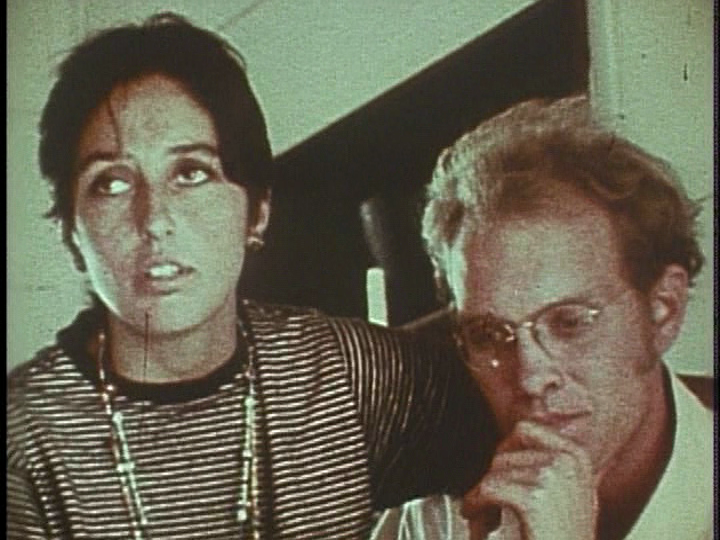
It’s difficult to know what to make of — or say about — this experimental pastiche of a film, which was surely much more relevant at the time of its release, but now simply comes across as a time capsule worthy of screening at a modern art museum. There’s some amusement to be had in “spot the celebrity” (not only Pryor but Fred Willard, Joan Baez, Andy Warhol, and John Lennon and Yoko Ono show up), and there is a clear attempt to push boundaries and taboos of every kind (viz. a scene of a stripping nun) — but… Feel free to skip this one unless you’re curious.

Redeeming Qualities and Moments:

  • A few effectively surreal and/or randomly engaging scenes and moments


Must See?
No; this one is simply an historical curiosity.

Links:

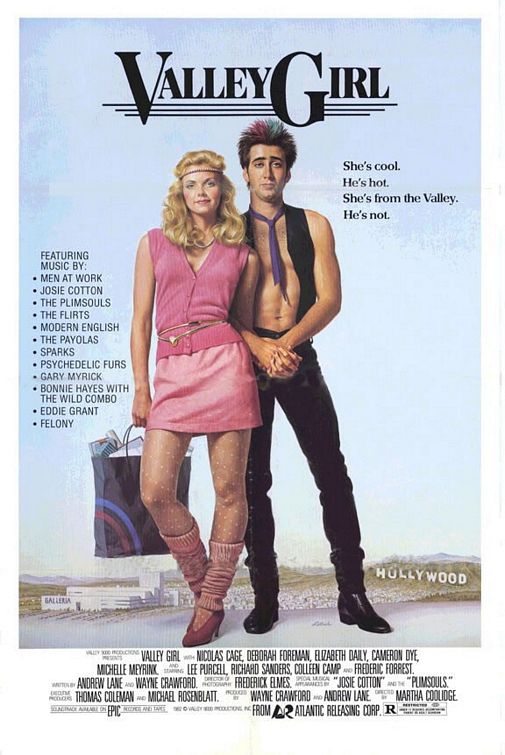
Valley Girl (1983)

Valley Girl (1983)

“Nobody’s going to tell me who I can score with!”

Synopsis:
A popular “valley girl” (Deborah Foreman) breaks up with her boring boyfriend (Michael Bowen) and begins dating a guy (Nicolas Guy) from across town — but soon her friends peer-pressure her into rethinking her romantic choices.

Genres, Themes, Actors, and Directors:

  • Cross-Class Romance
  • Fredric Forrest Films
  • Nicolas Cage Films
  • Teenagers

Review:
Martha Coolidge directed this insipid teen romance about a blonde (Foreman) with an infectious smile who is suddenly struck with the urge to break free from her usual routine and milieu. Unfortunately, her character and all other members of her clique are either utterly uninteresting or obnoxiously annoying; perhaps this was intentional, to demonstrate why Foreman is so eager for adventure — but since we don’t care much for her either (she’s two-dimensional), it’s hard to put much stock in her wishy-washy romantic foibles. Cage is fine, but essentially wasted in his first starring role; Cameron Dye as his best buddy looks hauntingly like a young Quentin Tarantino in many shots (I was convinced it was him for the longest time).

Fredric Forrest and Colleen Camp are on hand to presumably provide some chuckles as Foreman’s former-hippie parents who run a health food store and are ultra-hip about their daughter’s lifestyle choices — but all the comedic elements of this script pretty much fall flat.

Note: What’s up with the creepy clown Foreman sleeps with?!

Redeeming Qualities and Moments:

  • Fun historic shots of 1980s L.A.


  • Frederick Elmes’ cinematography

Must See?
Nope; this one is strictly must-see for nostalgic fans.

Links:

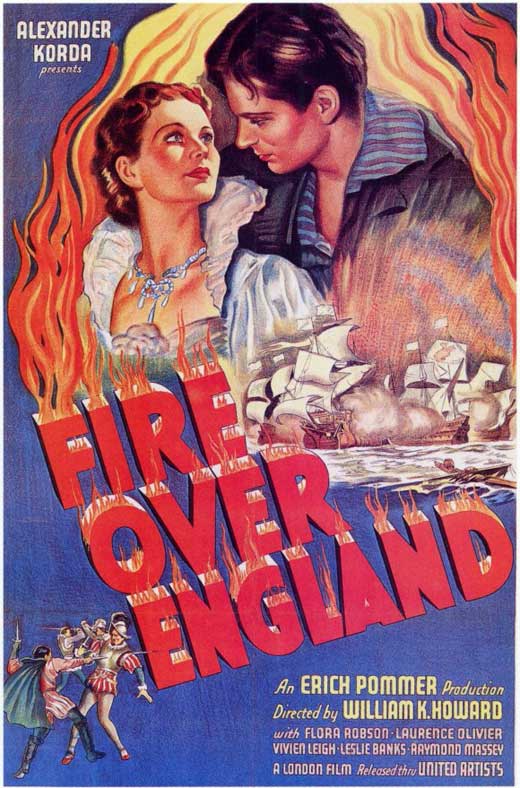
Fire Over England (1937)

Fire Over England (1937)

“I have seen blacker fears turn to hopes. Hope on, until you know there is none.”

Synopsis:
A loyal supporter (Laurence Olivier) of Queen Elizabeth I (Flora Robson) — happily engaged to one of her ladies-in-waiting (Vivien Leigh) — agrees to replace a killed agent (James Mason) as a spy in the courts of King Philip of Spain (Raymond Massey) to learn more about the impending Armada invasion.

Genres, Themes, Actors, and Directors:

  • Flora Robson Films
  • Historical Drama
  • James Mason Films
  • Laurence Olivier Films
  • Mistaken or Hidden Identities
  • Raymond Massey Films
  • Royalty and Nobility
  • Spies
  • Vivien Leigh Films

Review:
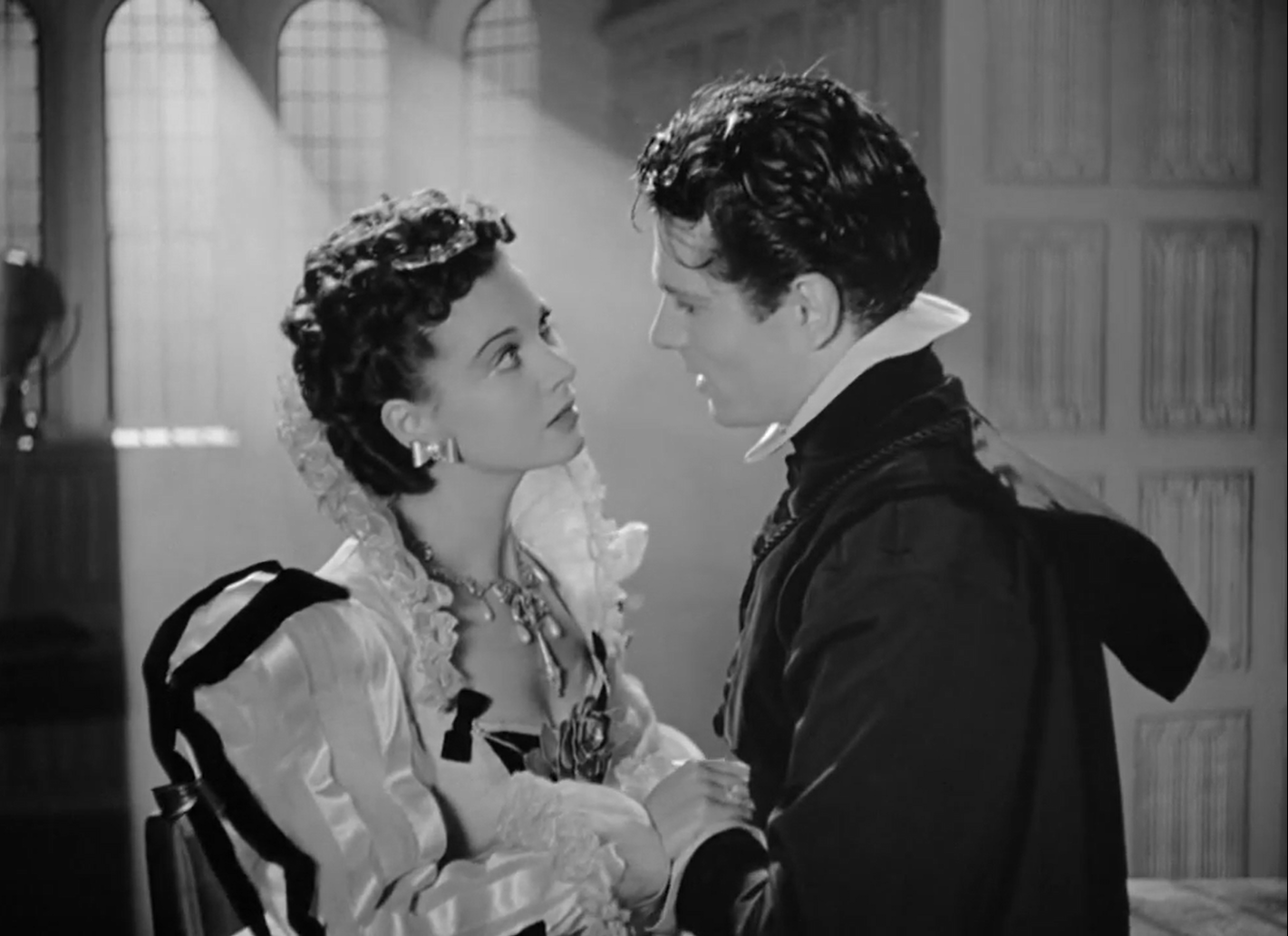
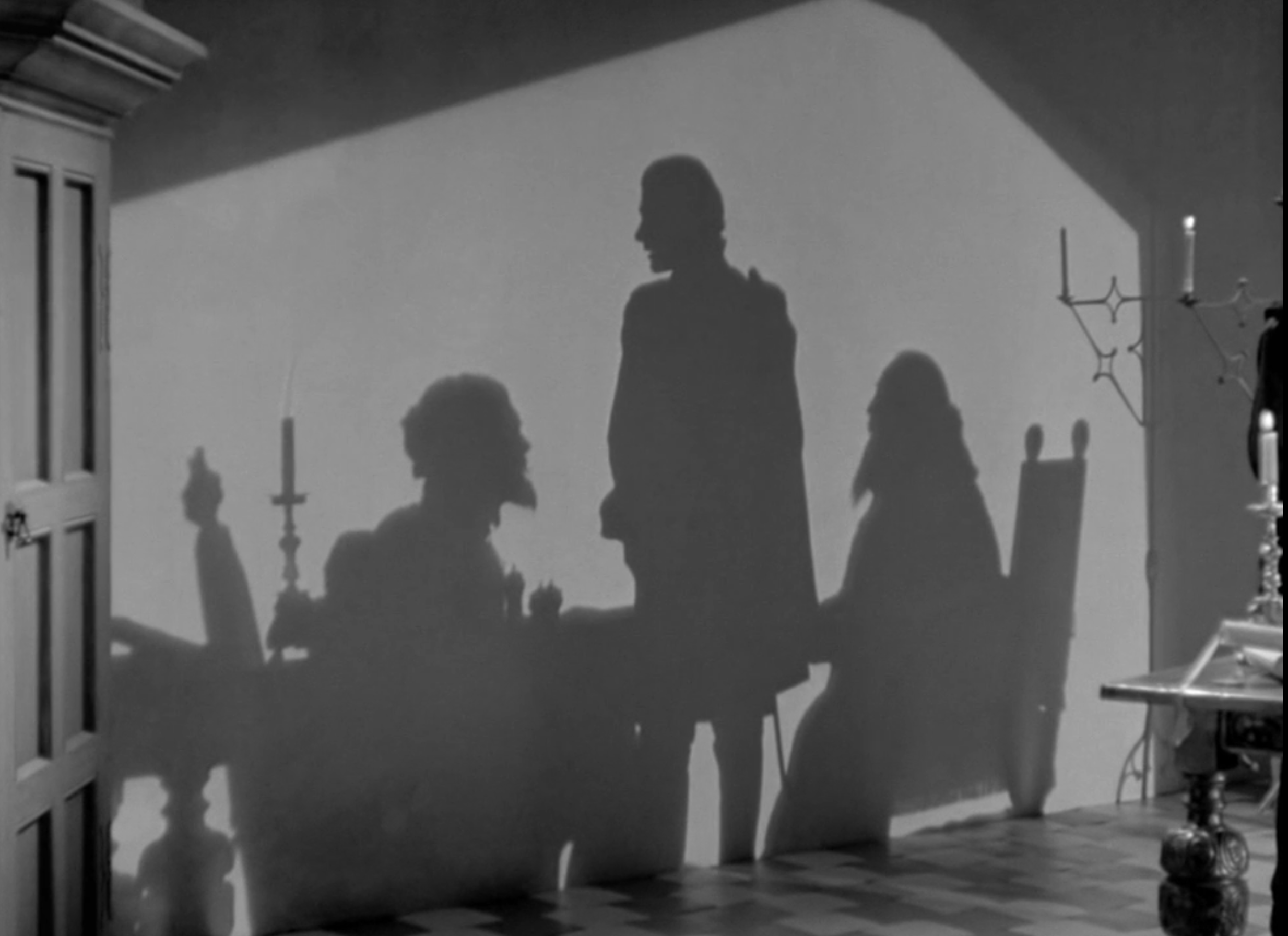
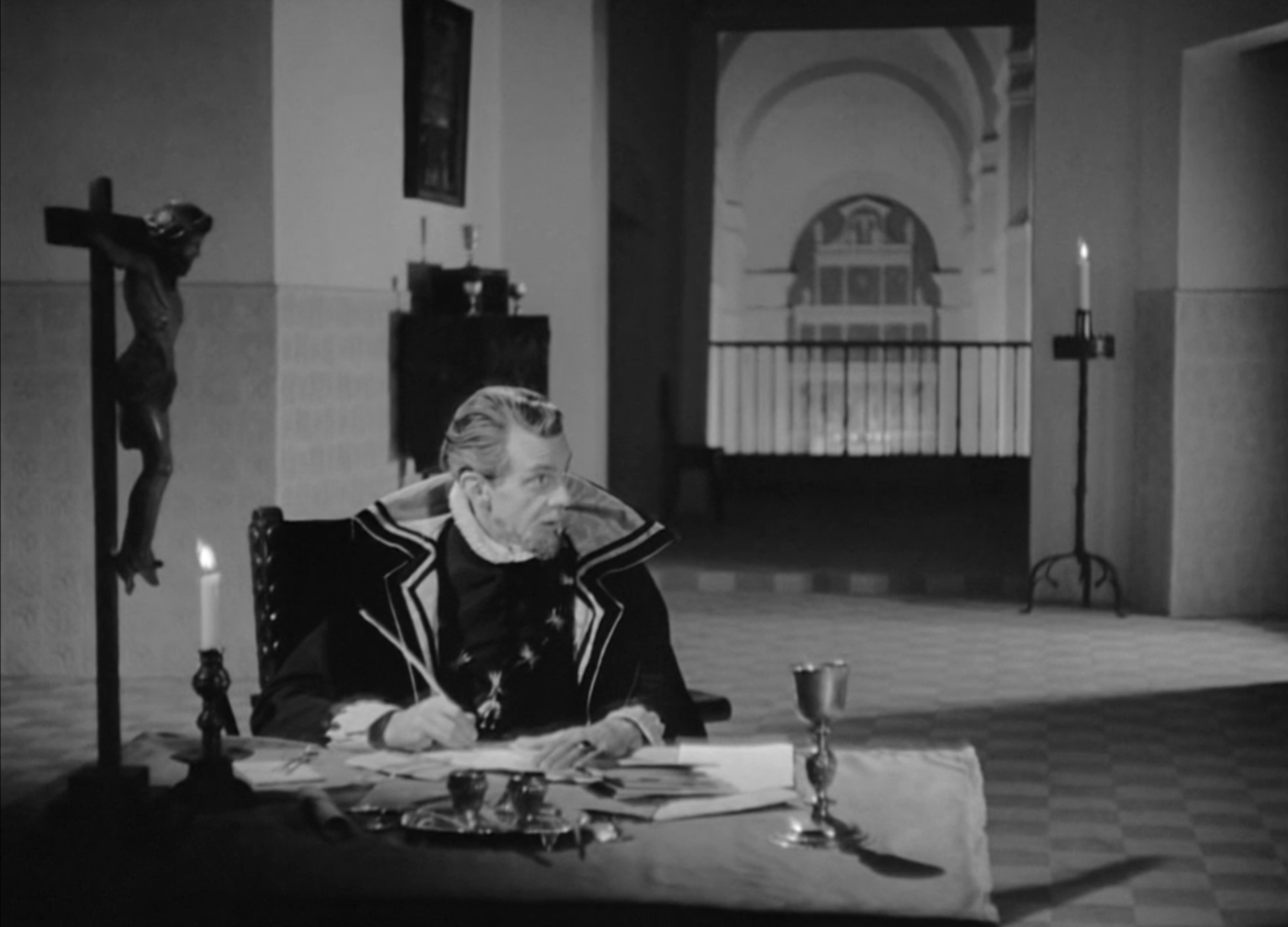
This Alexandar Korda-produced historical drama is best known as the film that first brought Vivien Leigh and Laurence Olivier together, both on-screen and in real-life as lovers.

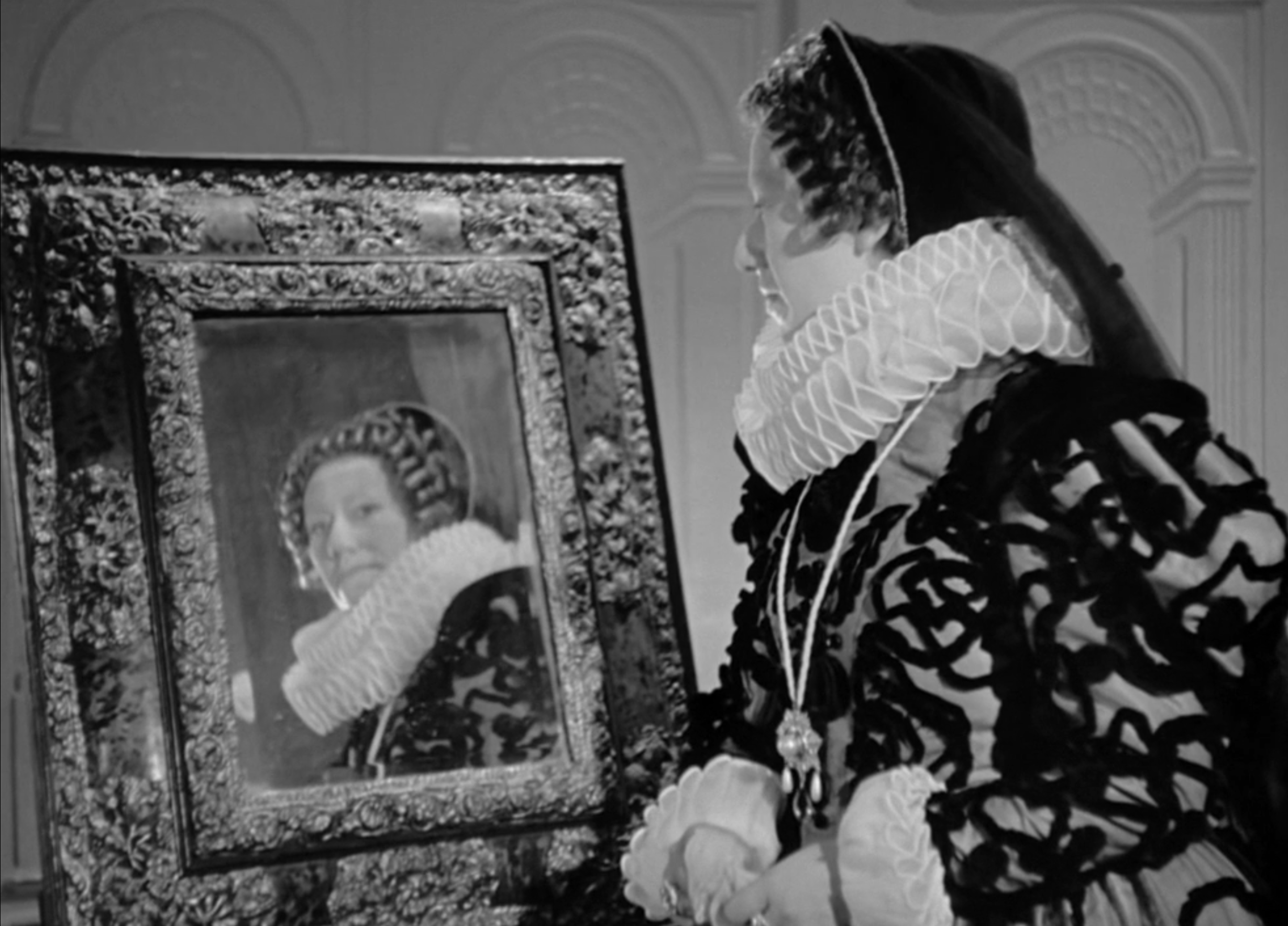
It’s a nicely mounted film, grounded by a strong performance by Flora Robson as Queen Elizabeth, but otherwise simply straightforward, highly fictionalized fare that will be of most interest to fans of the genre (or of “Viv and Larry”). James Wong Howe’s cinematography is a plus, as are Queen Elizabeth’s over-the-top costumes by Rene Hubert. Be sure to check out the Blu-Ray.com review below for an extensive overview of how this public domain title was painstakingly restored.

Redeeming Qualities and Moments:

  • Flora Robson as Queen Elizabeth
  • James Wong Howe’s cinematography

  • Fine sets and costumes

Must See?
No; skip this one unless you’re curious (though it is beautifully restored).

Links:

Designing Woman (1957)

Designing Woman (1957)

“How is it you cannot stand the sight of blood on anyone except me?

Synopsis:
A sports writer (Gregory Peck) and a fashion designer (Lauren Bacall) fall in love and marry in a hurry, but soon find their social circles aren’t exactly compatible.

Genres, Themes, Actors, and Directors:

  • Gregory Peck Films
  • Lauren Bacall Films
  • Marital Problems
  • Romantic Comedy
  • Vincente Minnelli Films
  • Writers

Review:
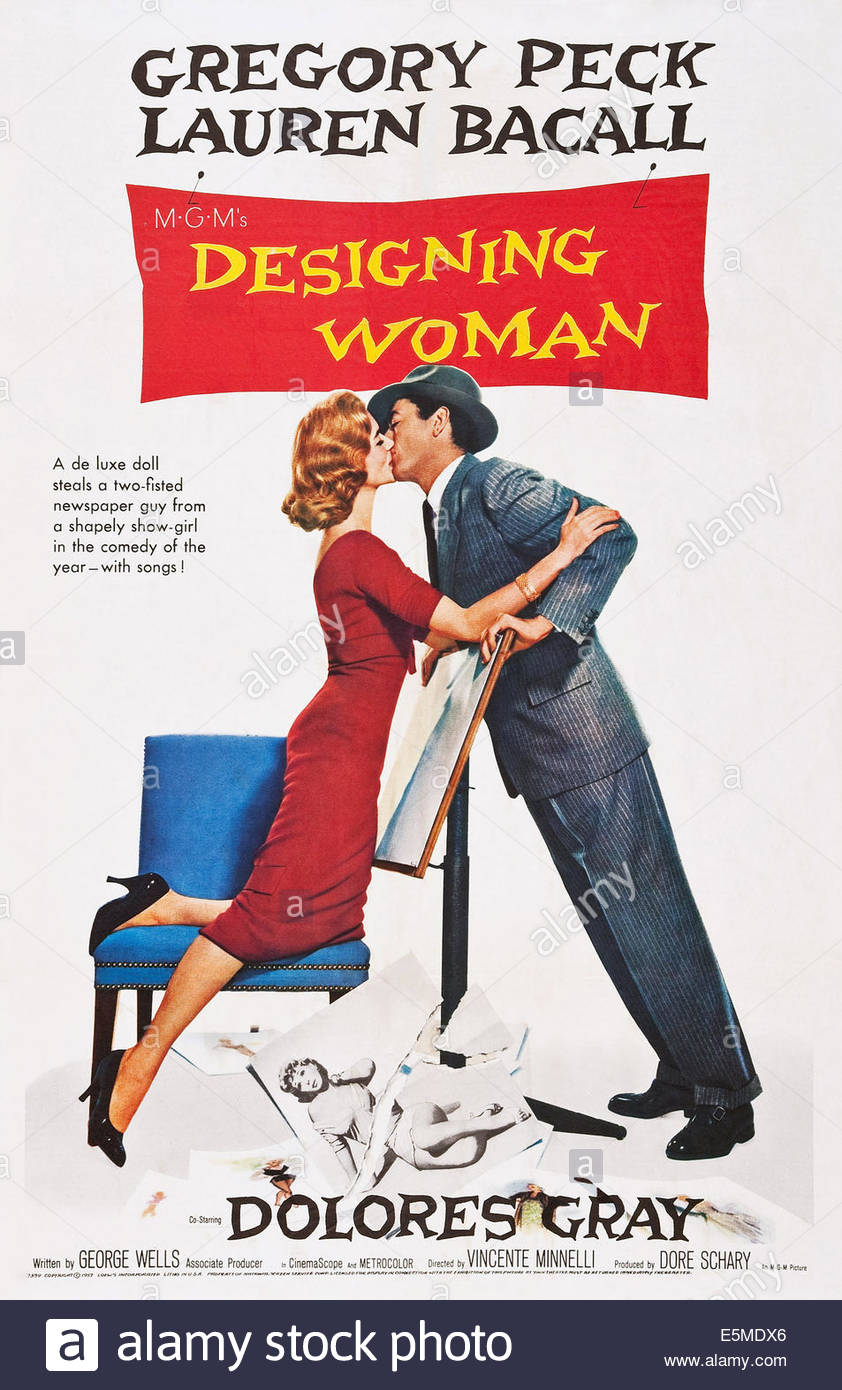
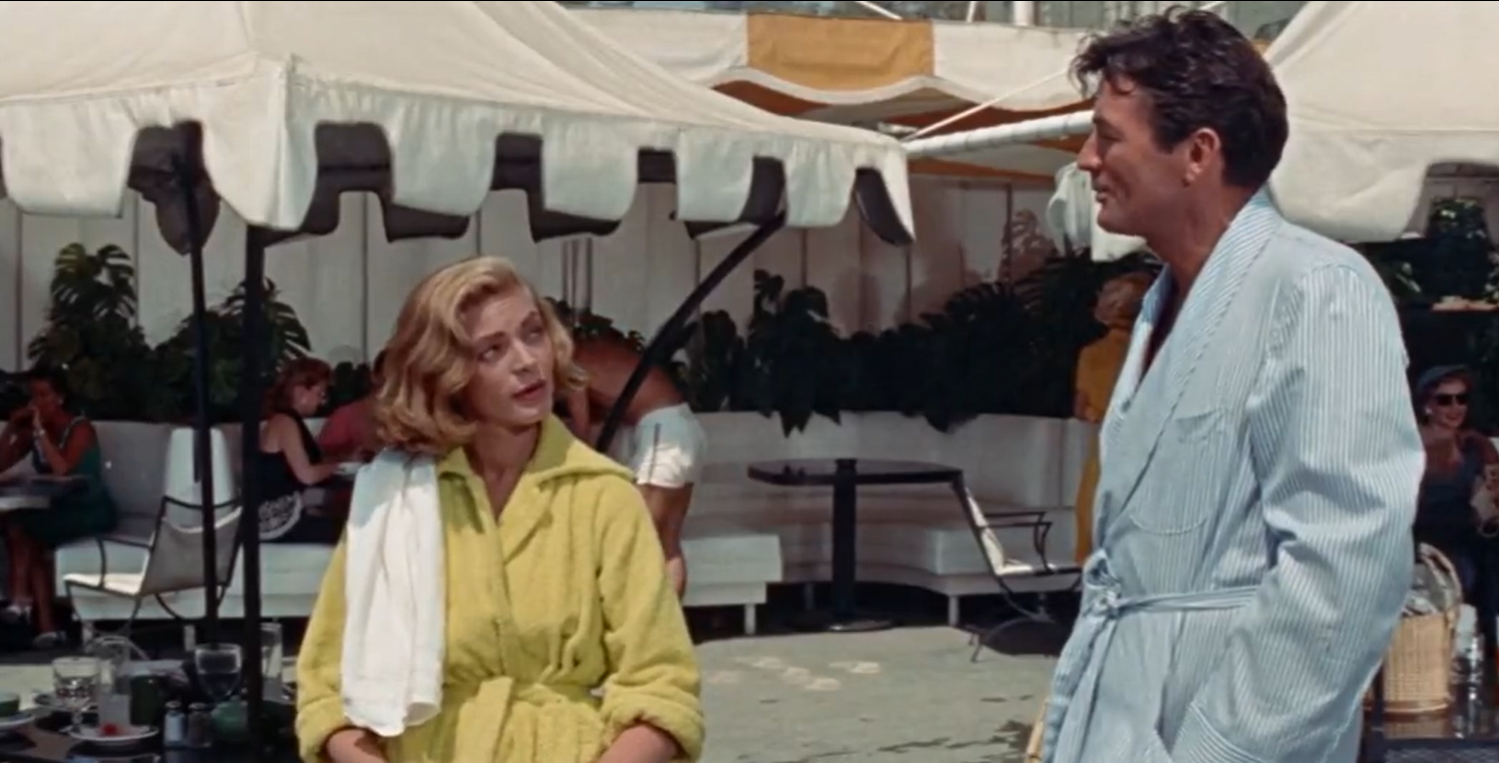
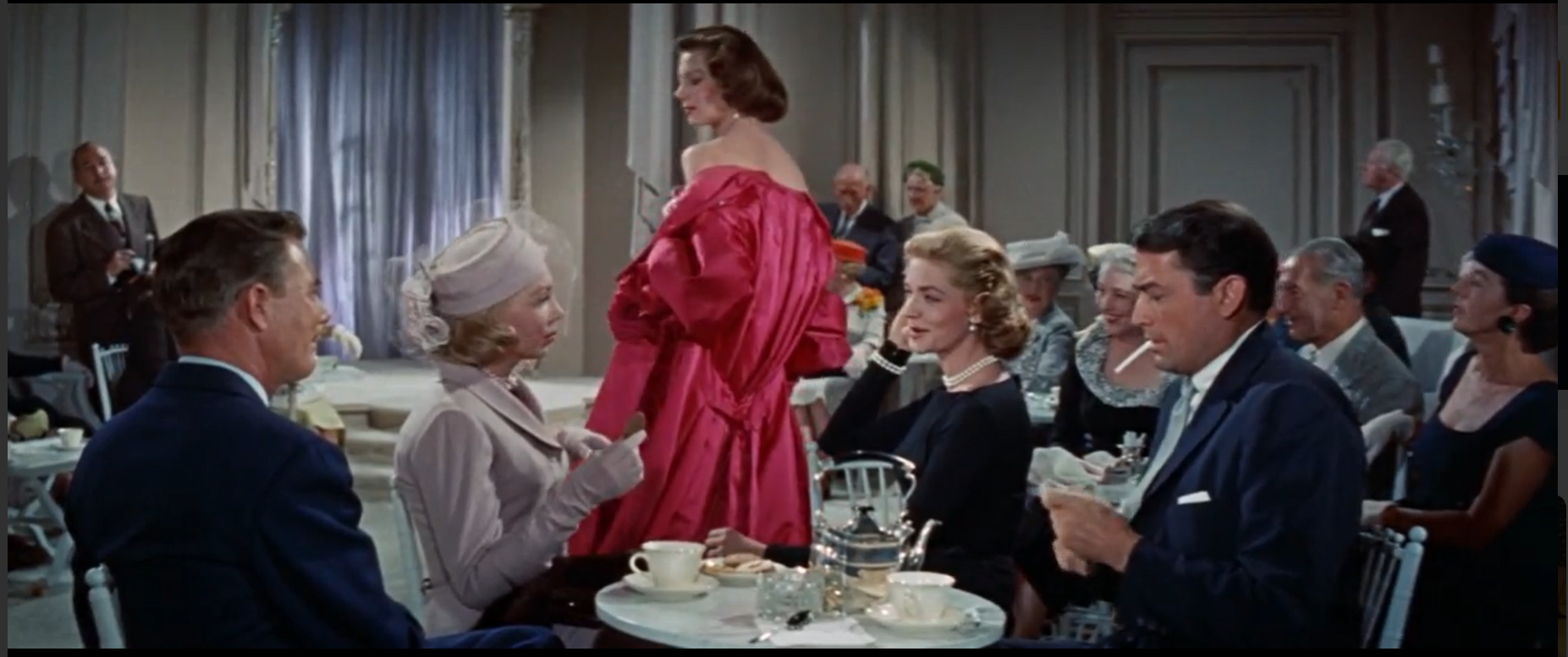
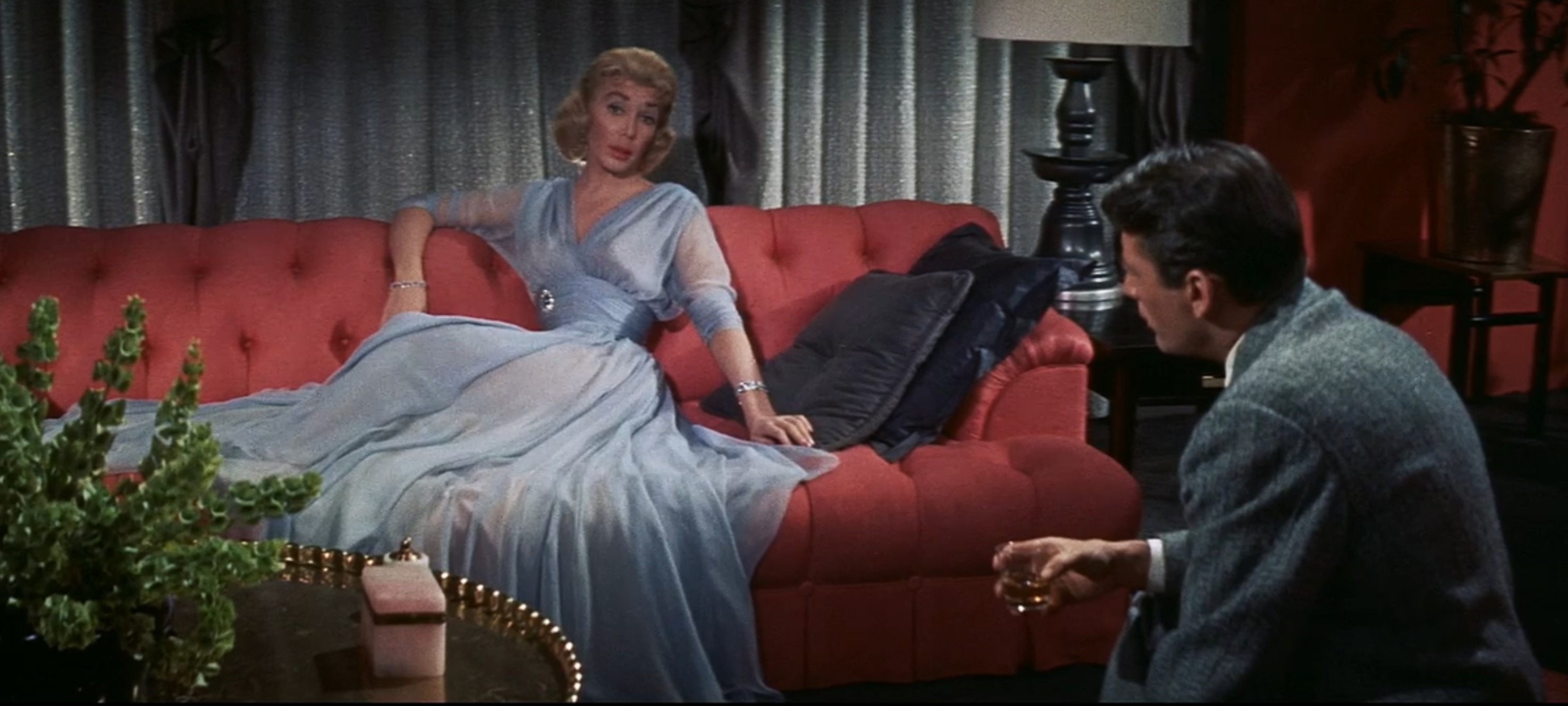
Vincente Minnelli directed this colorful but dull romantic comedy a la Tracy-and-Hepburn’s Woman of the Year (1942). Perhaps not surprisingly, Designing Woman was conceived by fashion designer Helen Rose, whose marvelous costumes (a highlight) “included 132 gowns, an average of more than a-gown-a-minute for the 118-minute film!” Unfortunately, Peck and Bacall’s drunken meet-cute:

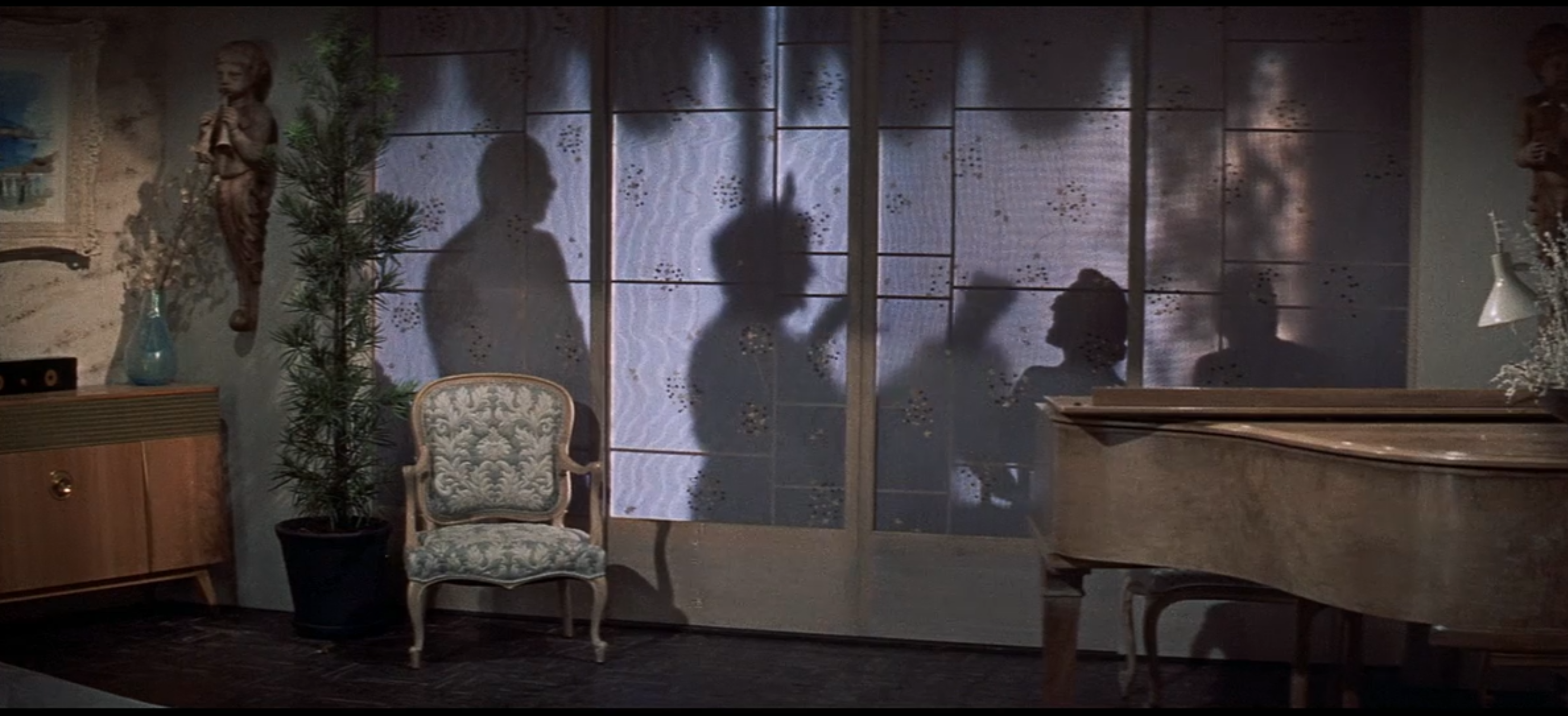
… and ensuing marital problems don’t elicit much sympathy or interest, and the subplots — including Peck being hounded by the corrupt promoter (Edward Platt) of a punch-drunk fighter (Mickey Shaughnessy), and Bacall’s jealousy of Peck’s former curvy fling (Dolores Gray):

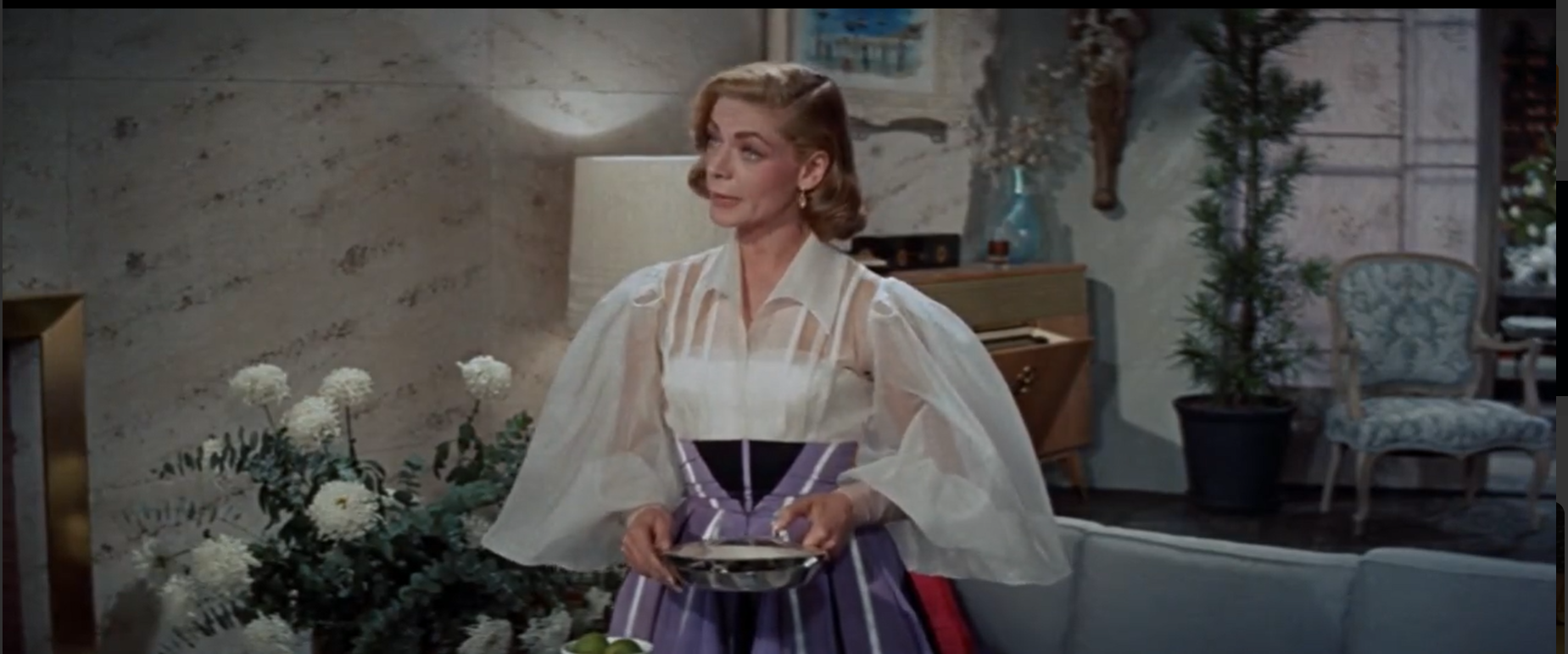
— are simply insipid. Worst of all are the film’s dated notions of what a woman (even one as successful, independent, beautiful, and popular as Bacall) will do to snag and keep a man; the title is a not-too-subtle play on words (get it? designing woman?). It’s baffling that this screenplay won an Oscar.

Redeeming Qualities and Moments:

  • Fine cinematography

  • Helen Rose’s costumes

Must See?
Nope; feel free to skip this one.

Links:

Far From Vietnam (1967)

Far From Vietnam (1967)

“America wants to show that the revolutionary struggle can only fail.”

Synopsis:
Various French directors voice their strong anti-Vietnam War sentiments in this compiled documentary about America’s involvement in the country’s civil war.

Genres, Themes, Actors, and Directors:

  • Alain Resnais Films
  • Documentary
  • Episodic Films
  • French Films
  • Godard Films
  • Revolutionaries
  • Vietnam War

Review:
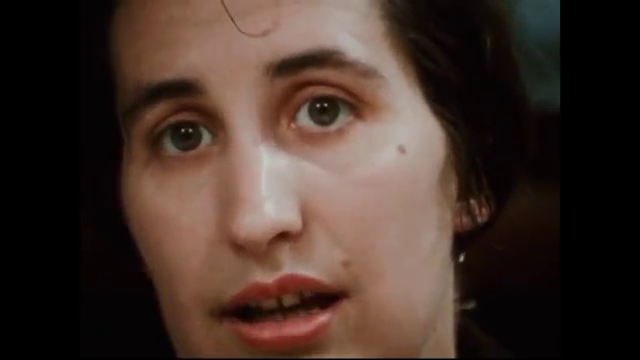
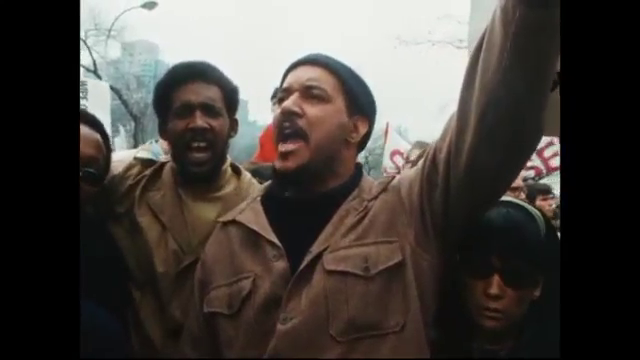
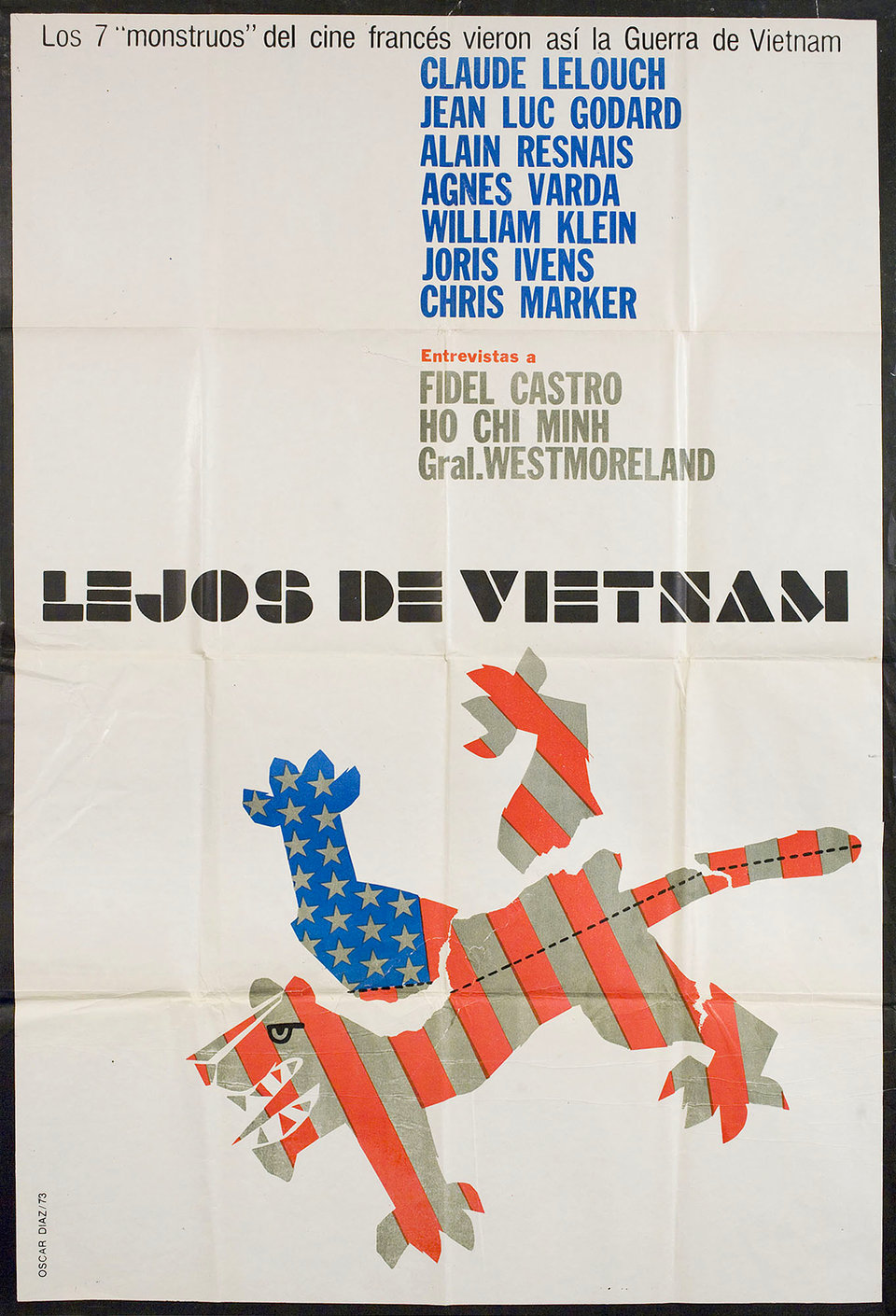
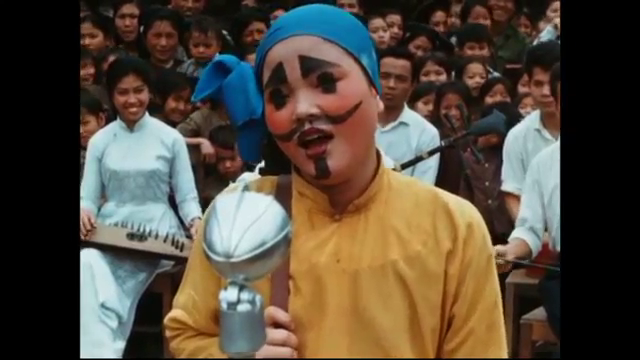
French director-essayist “Chris Marker” spearheaded this collective effort (by himself, Joris Ivens, William Klein, Claude Lelouch, Agnès Varda, Jean-Luc Godard and Alain Resnais) to voice opposition to America’s involvement in Vietnam — and while some segments inevitably fare better than others, it remains surprisingly engaging and revelatory. Possibly the most emotional sequence shows the young widow of self-immolating Quaker protestor Norman Morrison calmly caring for her kids while visiting friends in Vietnam; (I honestly had no idea how many people have chosen this as a form of protest over the years.) On the flip side, Jean-Luc Godard’s segment is the most annoying; as DVD Savant writes, it features “a rambling verbal discourse with dull shots of himself pretending to operate a large film camera” as he “states that the best thing he can do is to lend his name to this movie” (!) since Hanoi refused to give him a travel visa. Ah, ego.

Not unexpectedly, the film was far from neutrally received in America. As DVD Savant notes in his review:

“When it was new Far from Vietnam mainly saw screenings at festivals and on college campuses, probably in so-so 16mm prints. Commercial bookings for anti-establishment pictures were difficult, due to vandalism and smoke bomb attacks by right-wing extremists. When they could, U.S. customs officials prohibited the import of ‘foreign propaganda’. The situation wasn’t all that different in France, where a theater showing Far from Vietnam was heavily damaged and its manager beaten by a mob of thugs.”

Even for viewers who have seen other documentaries or movies about the war, Far From Vietnam is well worth a look as an invaluable historical document.

Redeeming Qualities and Moments:

  • Many powerful, memorable moments and sequences


Must See?
Yes, once, for its historical significance.

Categories

  • Historically Relevant

Links:

Escape to Witch Mountain (1975)

Escape to Witch Mountain (1975)

“We don’t know why we do all these things… We don’t know how it all started.”

Synopsis:
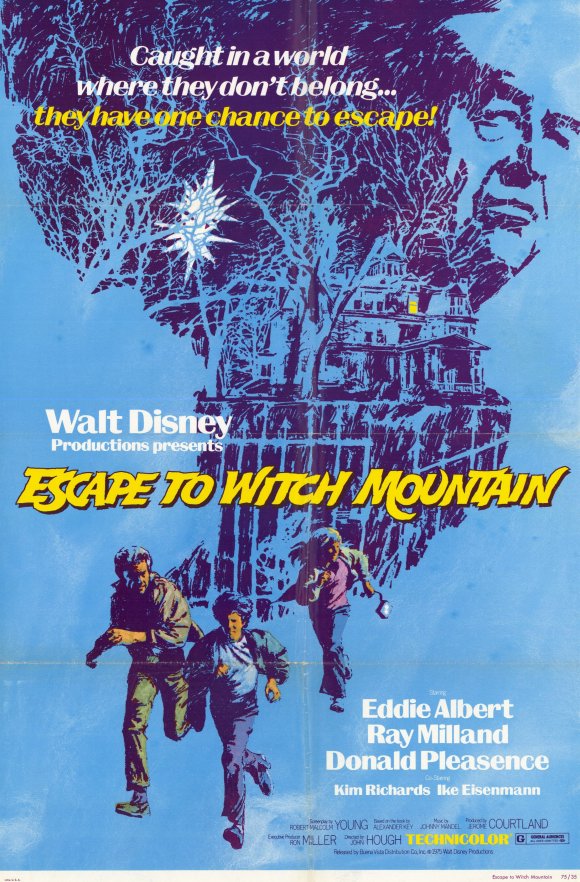
Two orphans (Kim Richards and Ike Eisenmann) with psychic powers and vague memories of surviving a watery crash are discovered by a man (Donald Pleasance) working for a greedy tycoon (Ray Milland) eager to exploit the kids’ powers to earn more money. When the siblings learn they’re trapped in Milland’s house, they engineer an escape to a mysterious place shown on the top of Richards’ special box, relying on help from a curmudgeonly trucker (Eddie Albert).

Genres, Themes, Actors, and Directors:

  • Donald Pleasance Films
  • Eddie Albert Films
  • Fantasy
  • Orphans
  • Psychic Powers
  • Ray Milland Films

Review:
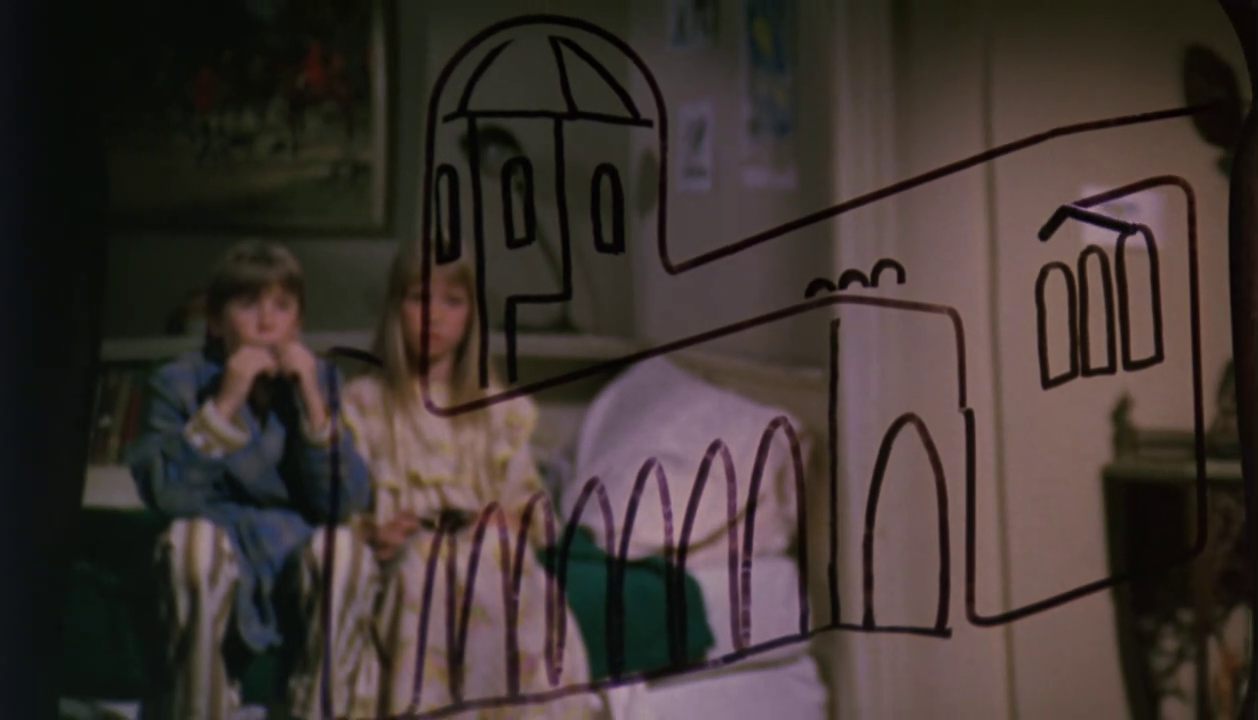
This live-action Disney filmed received a not-so-resounding review from Vincent Canby of the New York Times, who noted that “Escape to Witch Mountain is a Walt Disney production for children who will watch absolutely anything that moves.” Forty-three years later, the film doesn’t really hold up well as sci-fi/fantasy (the Harry Potter franchise has outdone it by a long stretch), but it possesses a charm that’s of-its-era — and it’s easy to see why it appealed to young audiences at the time. Richards and Eisenmann are plucky, resourceful, insightful kids who find ways to survive in a world with questionably motivated adults around every corner. Richards’ flashbacks to an event she can’t quite piece together but knows has something to do with their origins are nicely interspersed throughout the screenplay, with images literally gaining more clarity as more is revealed. None of this is to say that Escape to Witch Mountain will hold much interest to adults; it likely won’t. But it’s reasonably effectively made (for its time), and film fanatics may enjoy seeing Albert in a critical role as the kids’ eventual accomplice.

Redeeming Qualities and Moments:

  • Some effective direction and cinematography

  • An appropriately eerie score

Must See?
No; feel free to skip this one unless it brings you fond memories.

Links:

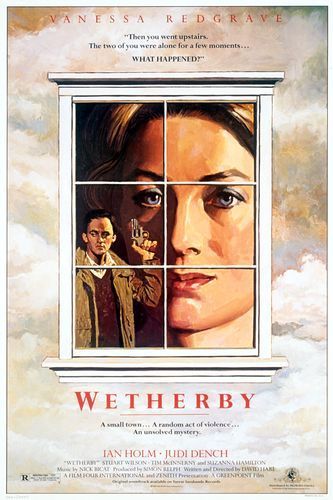
Wetherby (1985)

Wetherby (1985)

“I thought I could get over it — but now, everywhere, the darkness beckons.”

Synopsis:
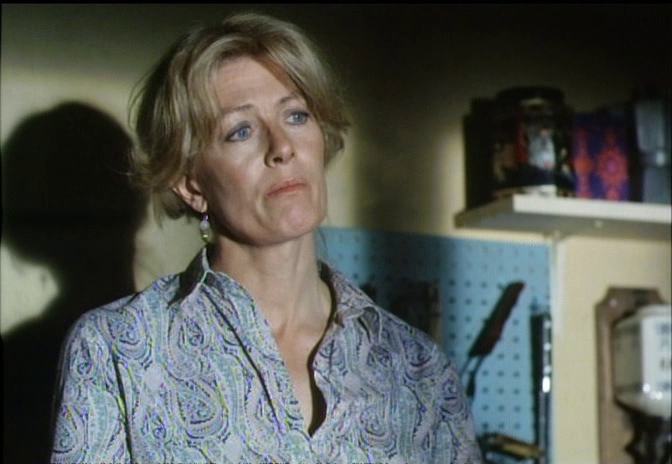
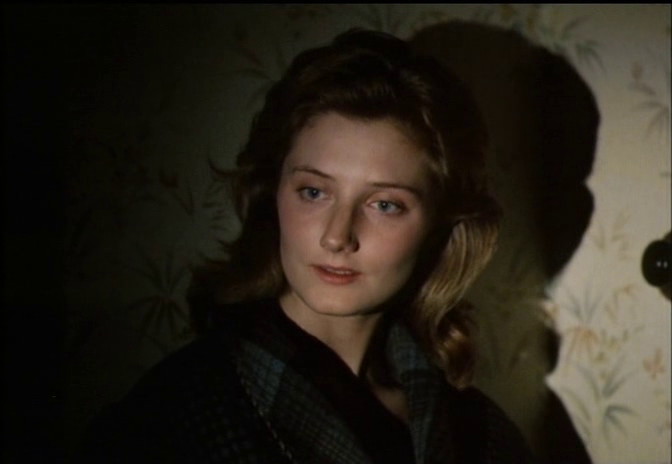
When a mysterious young man (Tim McInnerny) shows up at her house after a dinner party with friends (Ian Holm, Judi Dench, Tom Wilkinson, and Marjorie Yates) and shoots himself, a schoolteacher (Vanessa Redgrave) reminsces on her past as a young woman (Joely Richardson) dating a soldier (Robert Hines) about to head off to war. Meanwhile, a detective (Stuart Wilson) attempts to unravel the mystery of the suicide, in part by sending a young college acquaintance (Suzanna Hamilton) of McInnerny to Redgrave’s house for a visit.

Genres, Themes, Actors, and Directors:

  • Flashback Films
  • Ian Holm Films
  • Mistaken or Hidden Identities
  • Suicide
  • Vanessa Redgrave Films

Review:
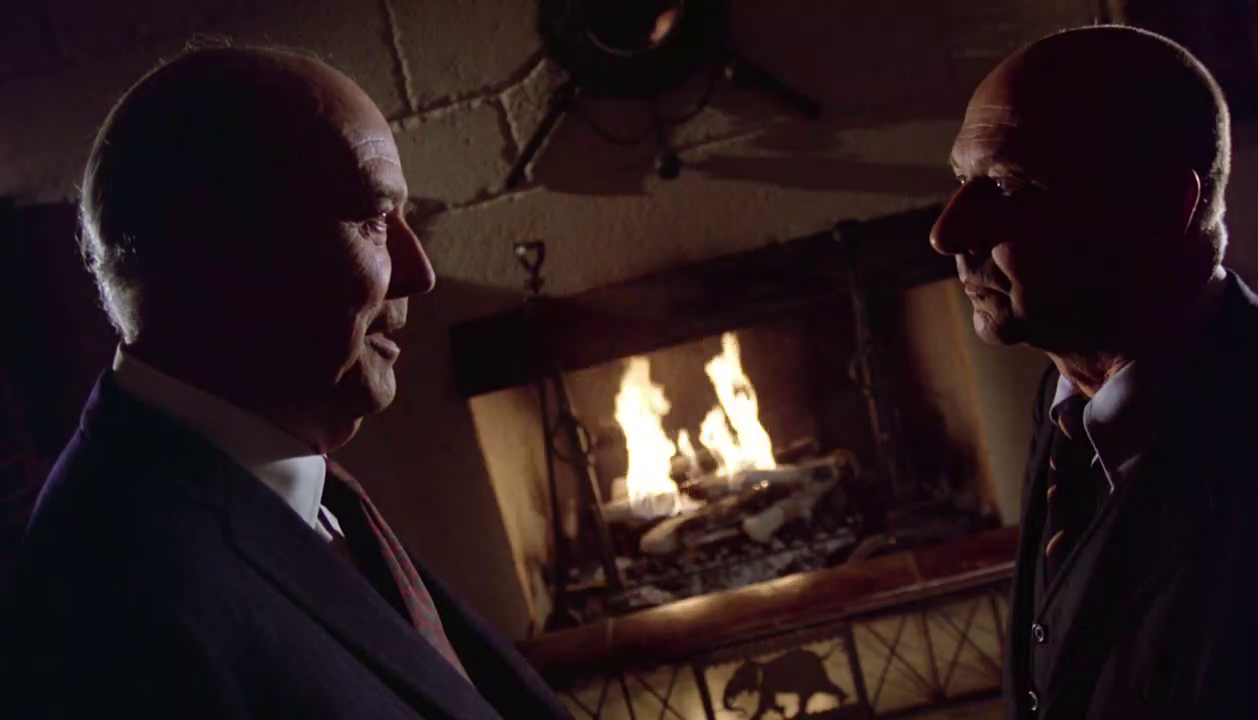
Playwright David Hare wrote and directed this enigmatic flashback mystery about the entangled lives of a spinster teacher (Redgrave) and an odd young man (McInnerny) who commits bloody suicide in front of her for no apparent reason. It’s truly difficult to know where the plot will go from moment to moment, given the asynchronous timeline, the gradual unveiling of how the various players know one another, and the (intentional) lack of full clarity around certain characters’ motivations. It’s clear that Redgrave is still mourning the loss of her youthful lover (Hines); that she believes in (or craves) uninhibited passion; and that she’s almost eerily accepting of whatever life sends her way. Wilson, on the other hand, is oddly determined to get to the cause of McInnerny’s actions, even when his obsession compromises his own romantic relationship. McInnerny is perhaps (not surprisingly) the biggest enigma — and the inclusion of how McInnerny’s college acquaintance (Hamilton) suddenly impacts Redgrave’s life is an intriguing narrative choice. Ultimately, this character-driven film will be most enjoyed by those who enjoy literary screenplays with much to chew on and few direct “answers”. As DVD Savant writes in his laudatory review: “The strength of the show is that the behaviors of its characters are so interesting, we don’t mind that the loose ends of the mystery do not neatly resolve themselves. Learning more about these people is reward enough.”

Redeeming Qualities and Moments:

  • Fine performances across the board

  • Stuart Harris’s cinematography

Must See?
No, but it’s strongly recommended if you enjoy this type of film.

Links: