Browsed by
Category: Original Reviews

Responses to Peary’s “must see” movie reviews, as well as my own “must see” movie reviews up to and after 1986 (when Peary’s book was published).

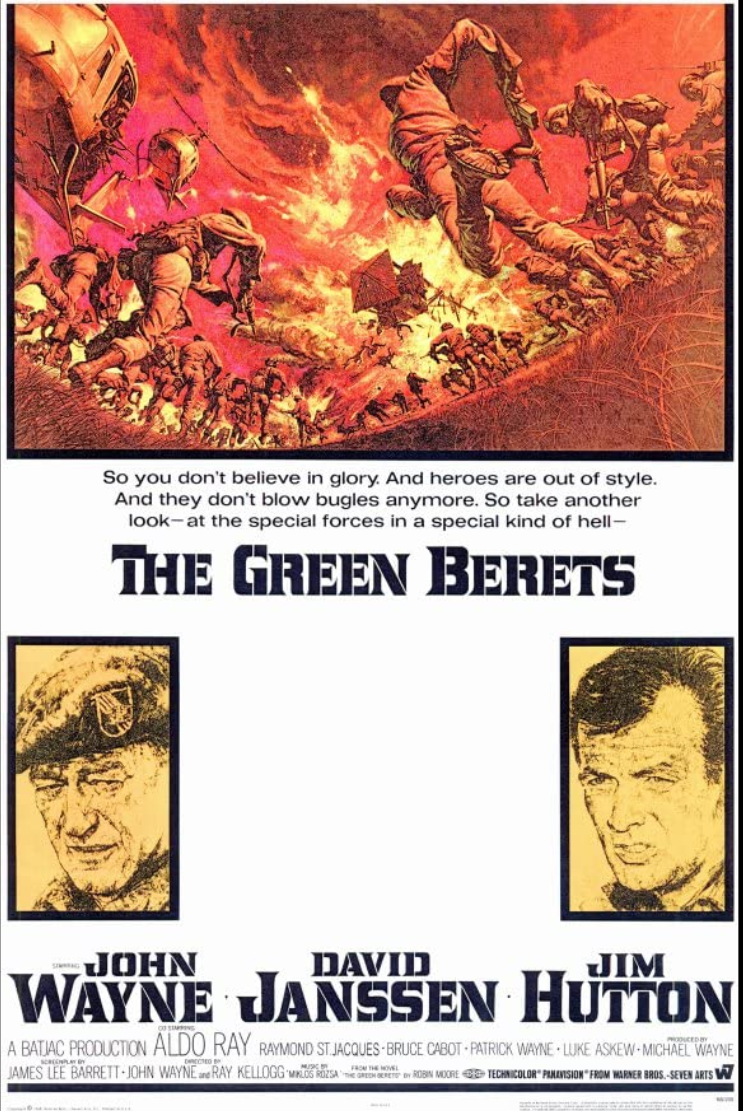
Green Berets, The (1968)

Green Berets, The (1968)

“Out here, due process is a bullet!”

Synopsis:
A cynical reporter (David Janssen) follows Colonel Kirby (John Wayne) to a post in Vietnam, where Kirby’s special forces troop — including a captain (Edward Faulkner), a supplies specialist (Jim Hutton) who has befriended a young war orphan (Craig Jue), a master sergeant (Aldo Ray), and a medical sergeant (Raymond St. Jacques) — join forces with an ARVN captain (George Takei) to capture a high-level Viet Cong officer.

Genres, Themes, Actors, and Directors:

  • Aldo Ray Films
  • Jim Hutton Films
  • John Wayne Films
  • Soldiers
  • Vietnam War

Review:
After a trip to South Vietnam in 1966, John Wayne — who was a staunch supporter of America’s involvement in the war — decided to produce a film about our special forces’ efforts there, and ended up co-directing and starring in this earnest yet dated and politically lopsided flick, based on the best-selling novel by Robin Moore. In a post-Vietnam era, the platitudinous dialogue is simply ripe for satirizing, as evidenced by this exchange:

Colonel Morgan (Bruce Cabot) [referring to Irene Tsu]: Her name is Lin. Her father was chief of the Han Phou provence.
Colonel Cai (Jack Soo): Until he refused to cooperate with the Viet Cong.
Colonel Kirby: So, they killed him.
Colonel Cai: They murdered him and her little brother in the most hideous way.
Colonel Kirby: That’s their style.

As seen in this overview of films made about the Vietnam War, The Green Berets was one of the earliest, and (perhaps appropriately) reflects the naivete and ignorance of Americans at the time. It wasn’t until ten years later, after the conflict had officially ended, that movies were finally released which showed a more nuanced perspective.

Redeeming Qualities and Moments:

  • Fine cinematography

Must See?
No. Listed as a Camp Classic in the back of Peary’s book.

Links:

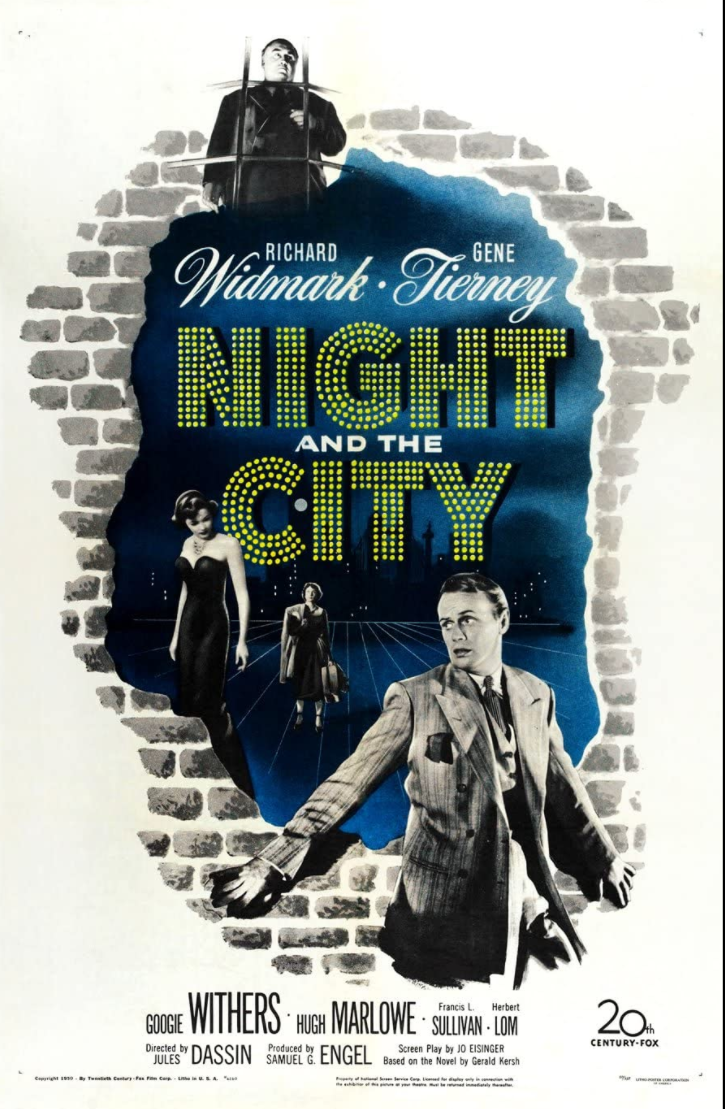
Night and the City (1950)

Night and the City (1950)

“I’m through hustling for nightclubs — for you or for anybody else!”

Synopsis:
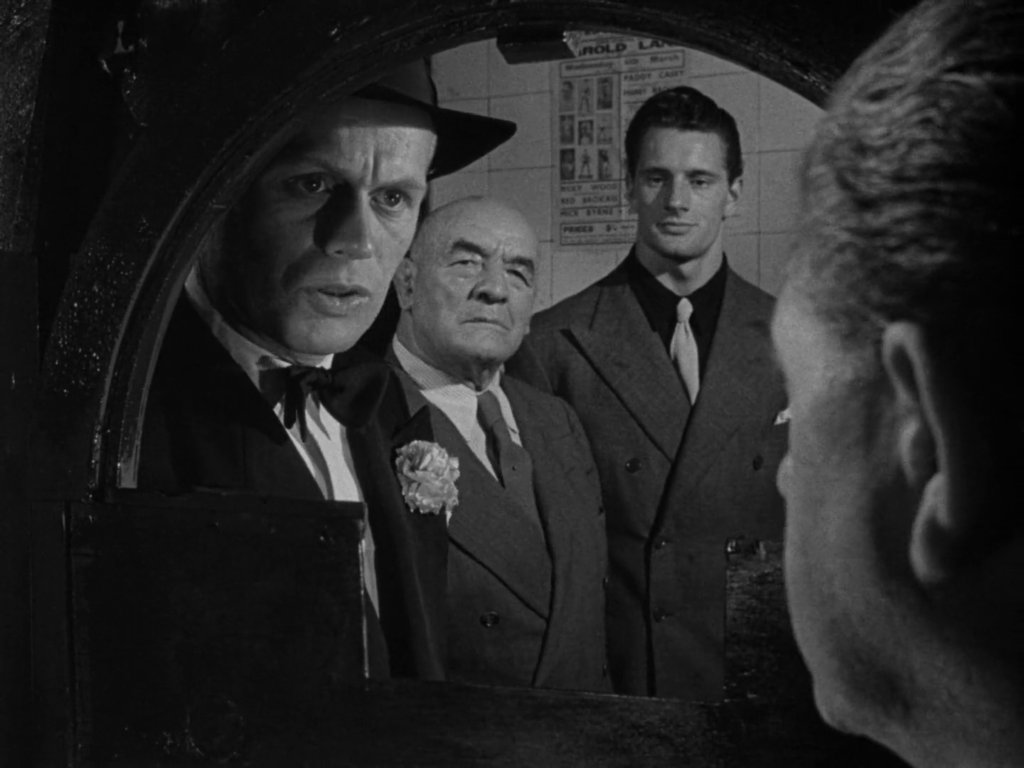
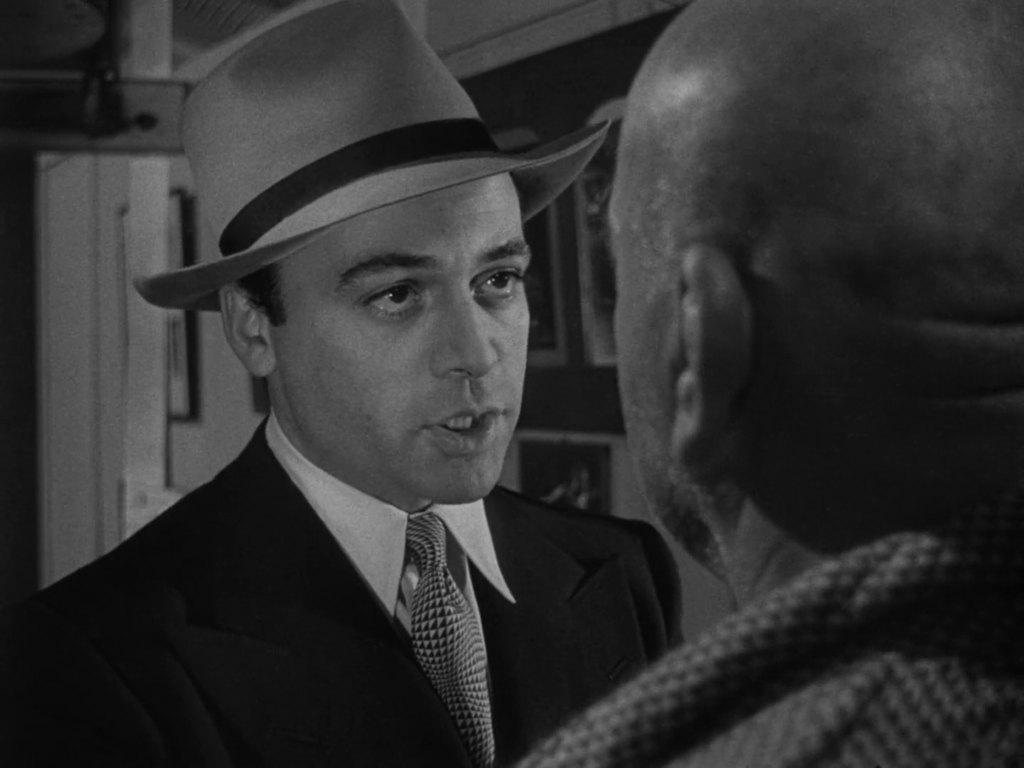
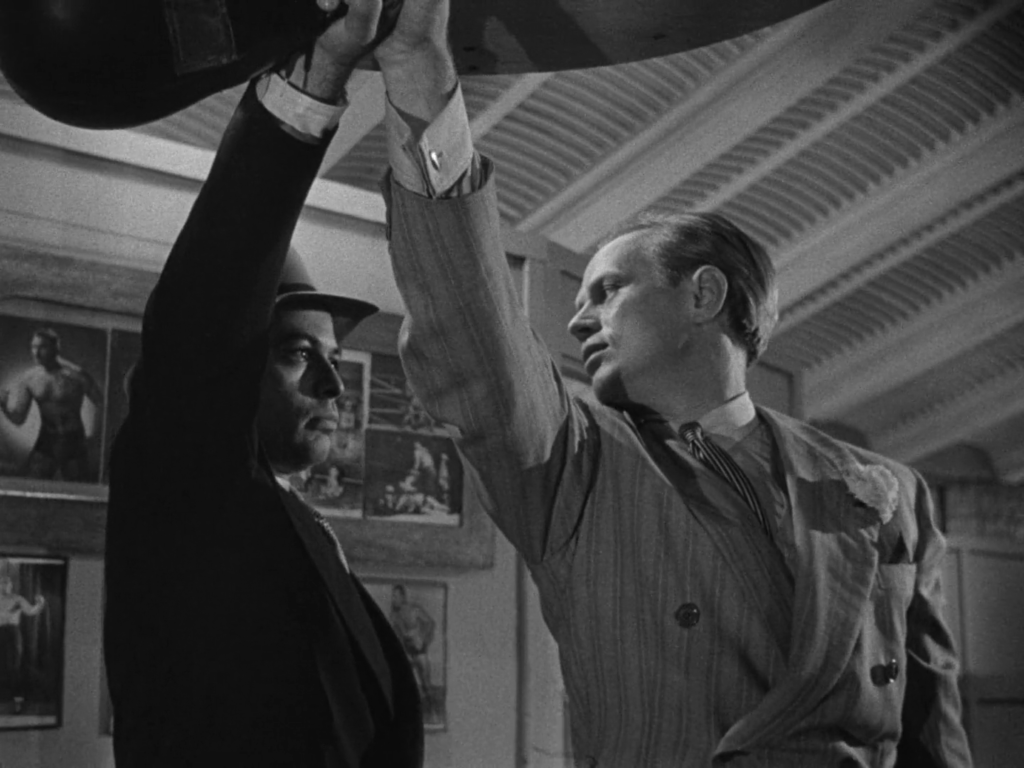
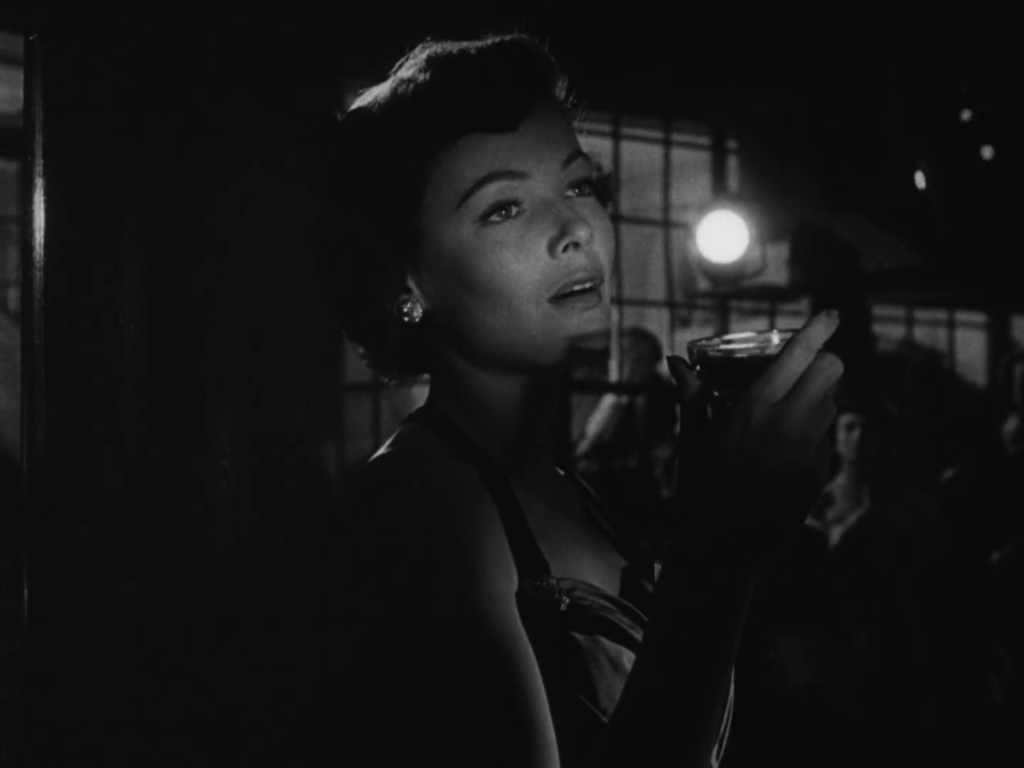
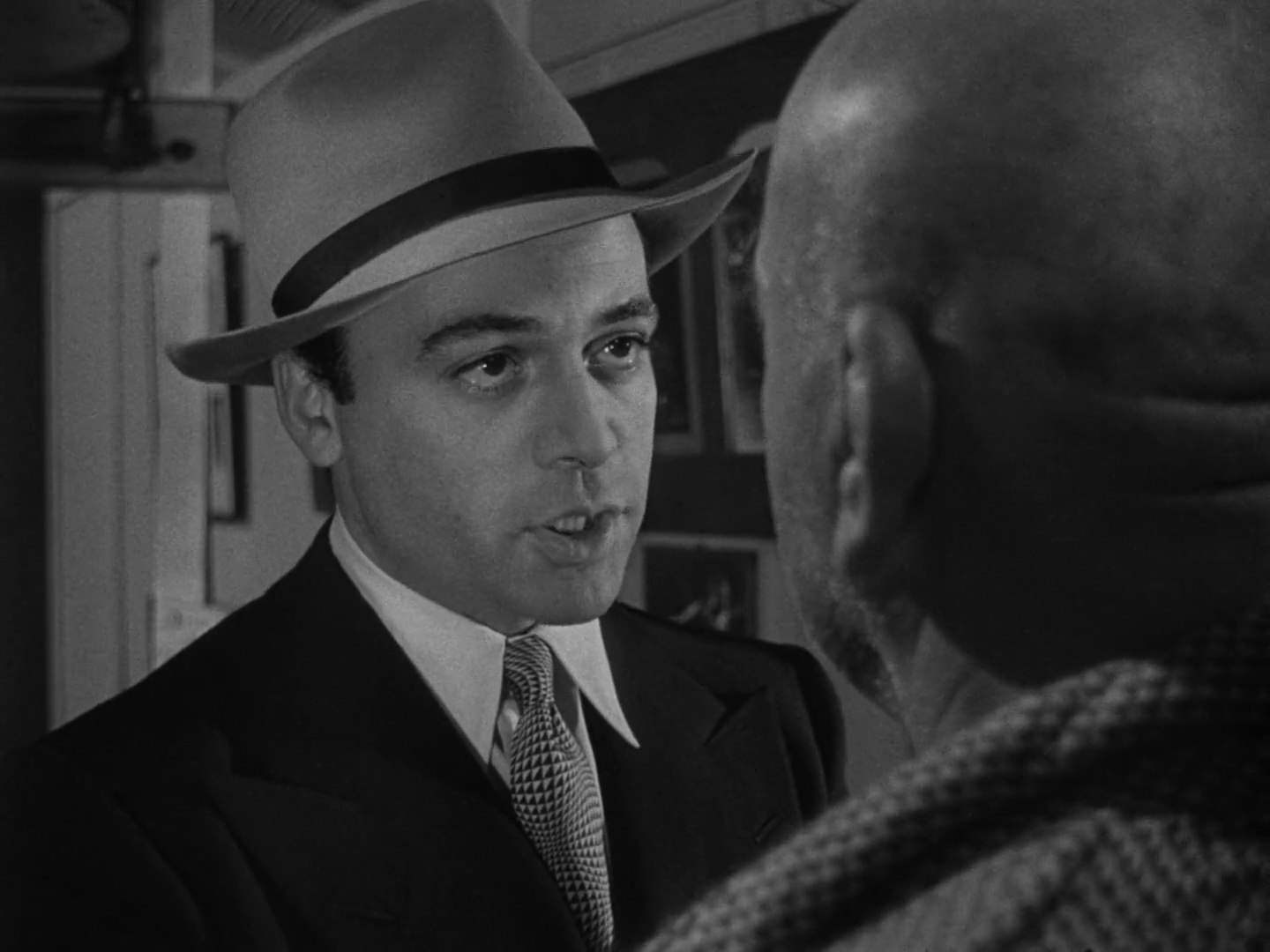
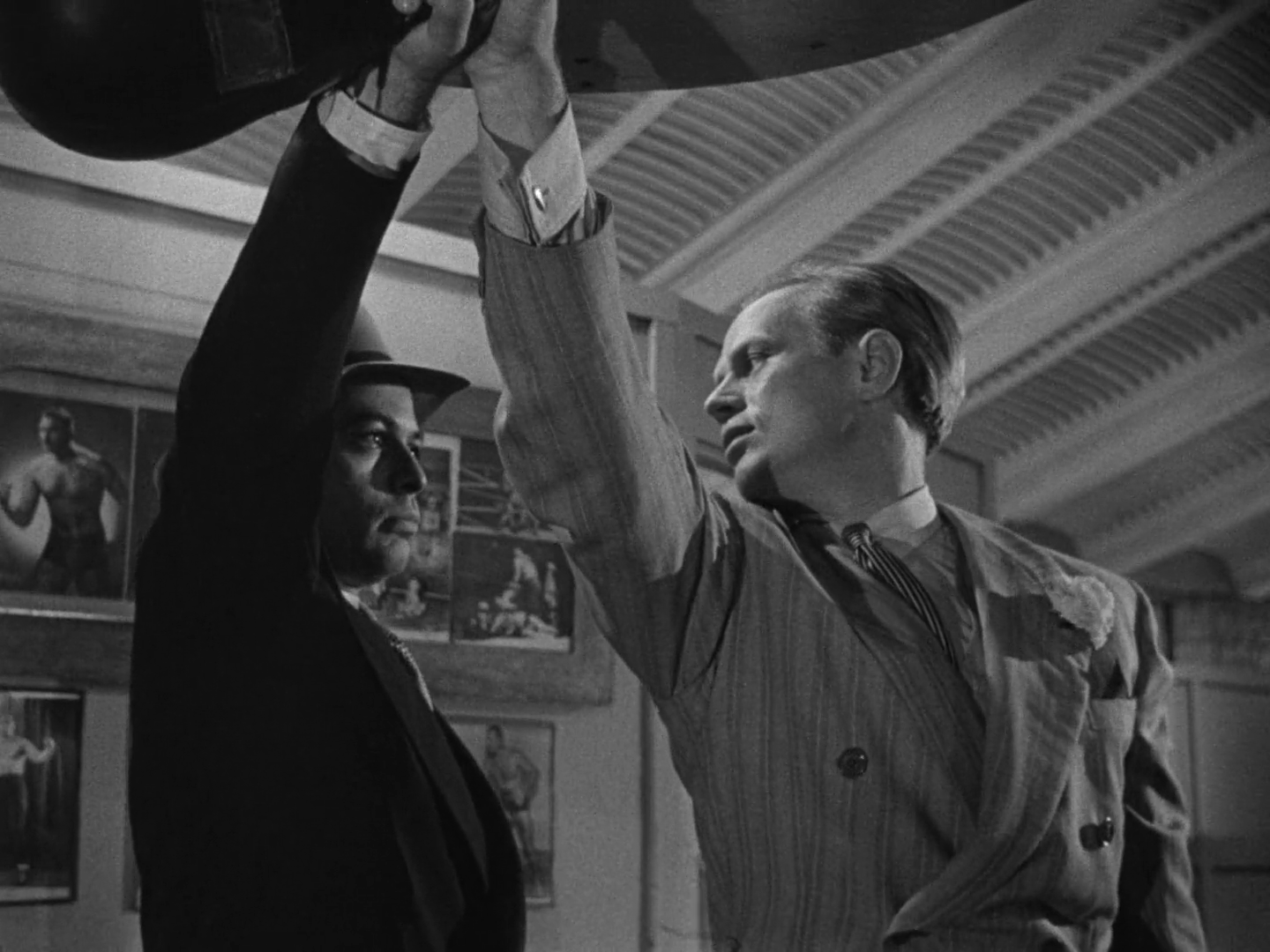
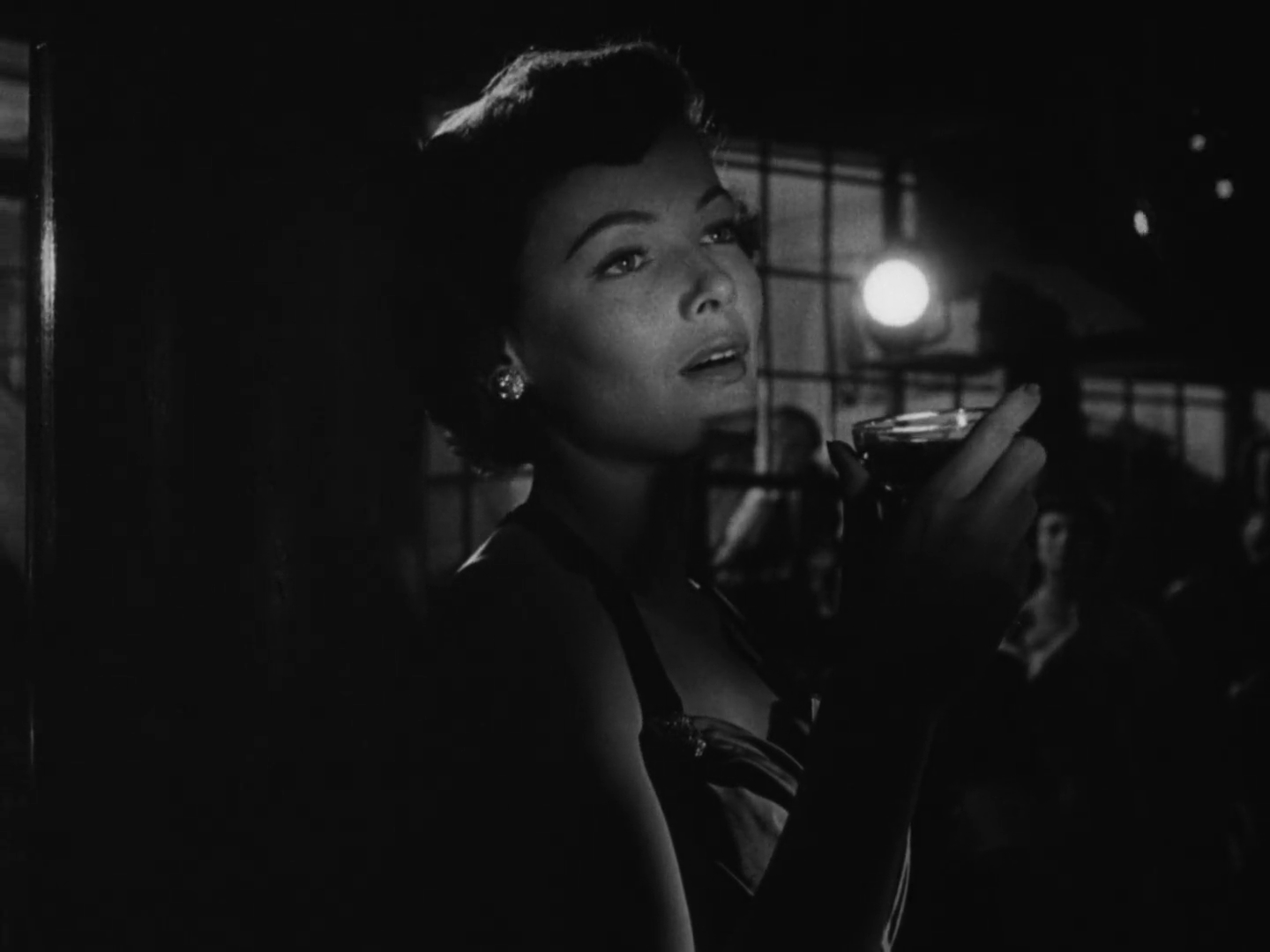
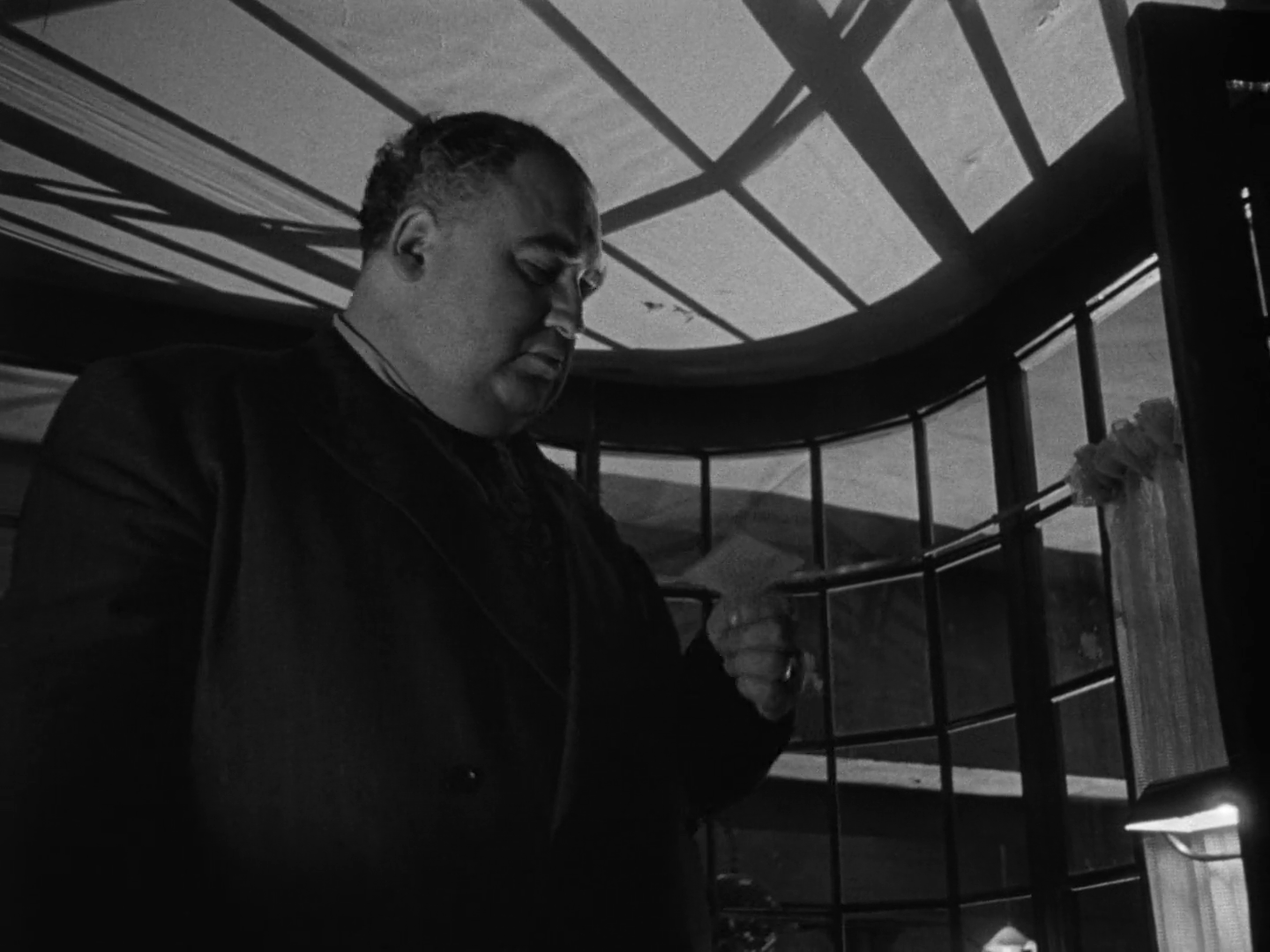
A small-time American hustler (Richard Widmark) with a loyal girlfriend (Gene Tierney) — working on commission for a nightclub owner (Francis L. Sullivan) — schemes with Sullivan’s ambitious wife (Googie Withers) to raise money for a new venture in London: Greco-Roman wrestling as epitomized by an aging icon in the field (Stanislaus Zbyszko), whose mobster son (Herbert Lom) runs a more sensationalized wrestling show. But when Nosseross (Sullivan) suspects Widmark of having an affair with his wife, he plots to foil the venture and prompt Widmark’s downfall.

Genres, Themes, Actors, and Directors:

  • Con-Artists
  • Gangsters
  • Gene Tierney Films
  • Get Rich Quick
  • Jealousy
  • Jules Dassin Films
  • Richard Widmark Films
  • Wrestling

Review:
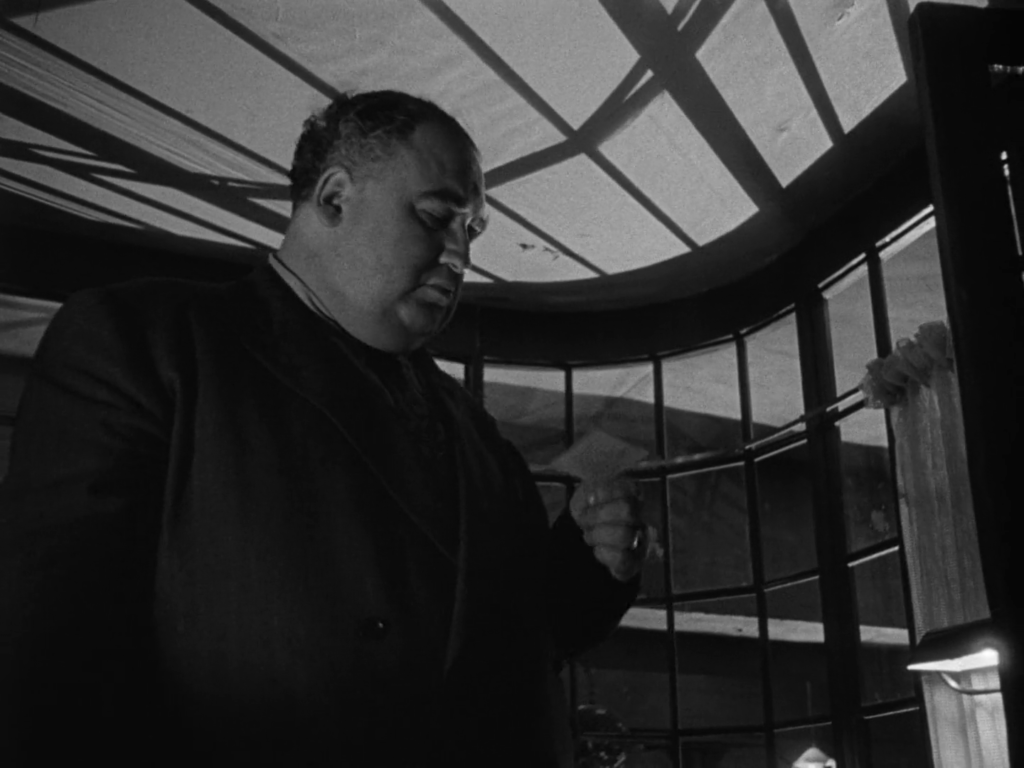
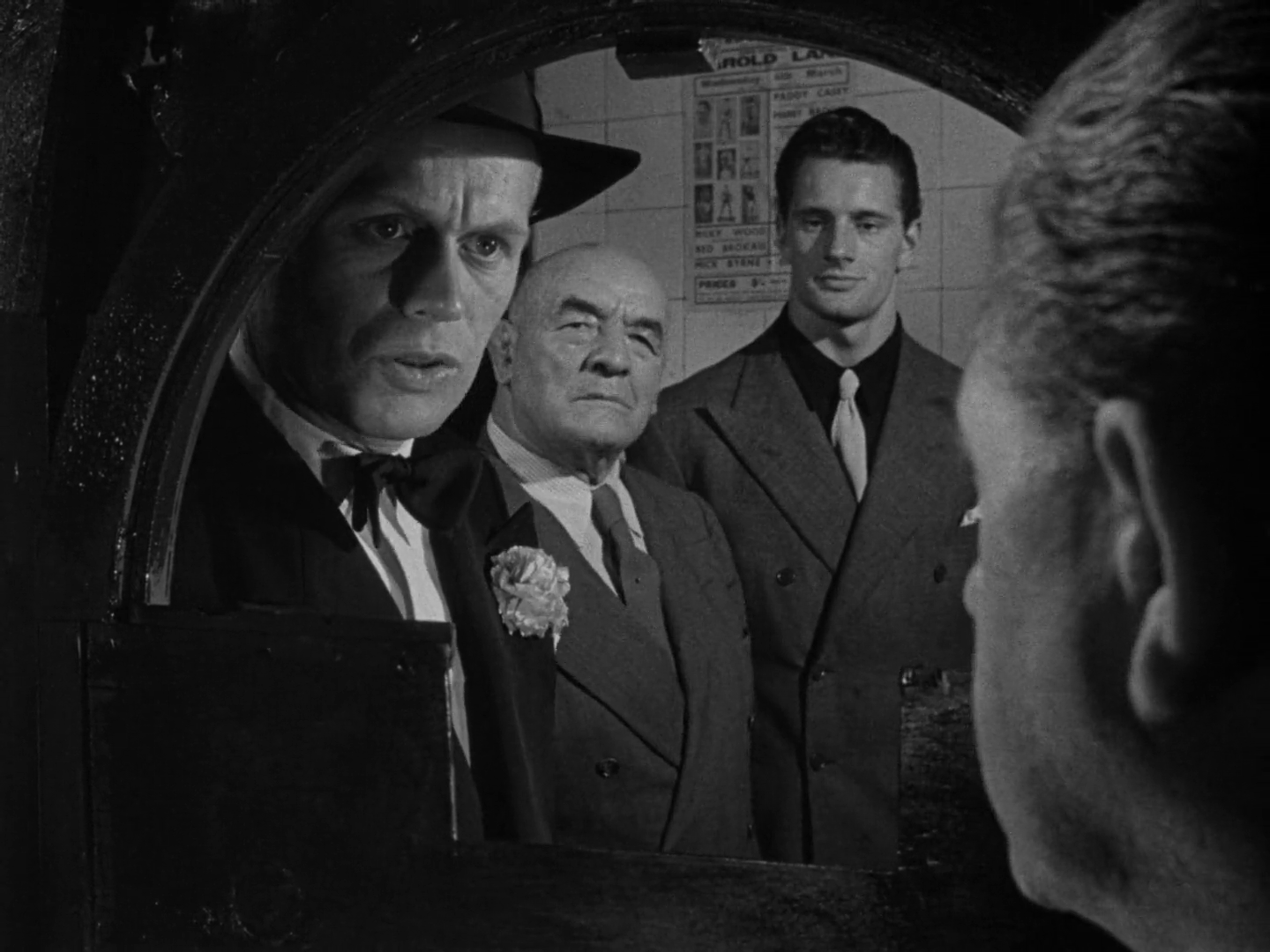
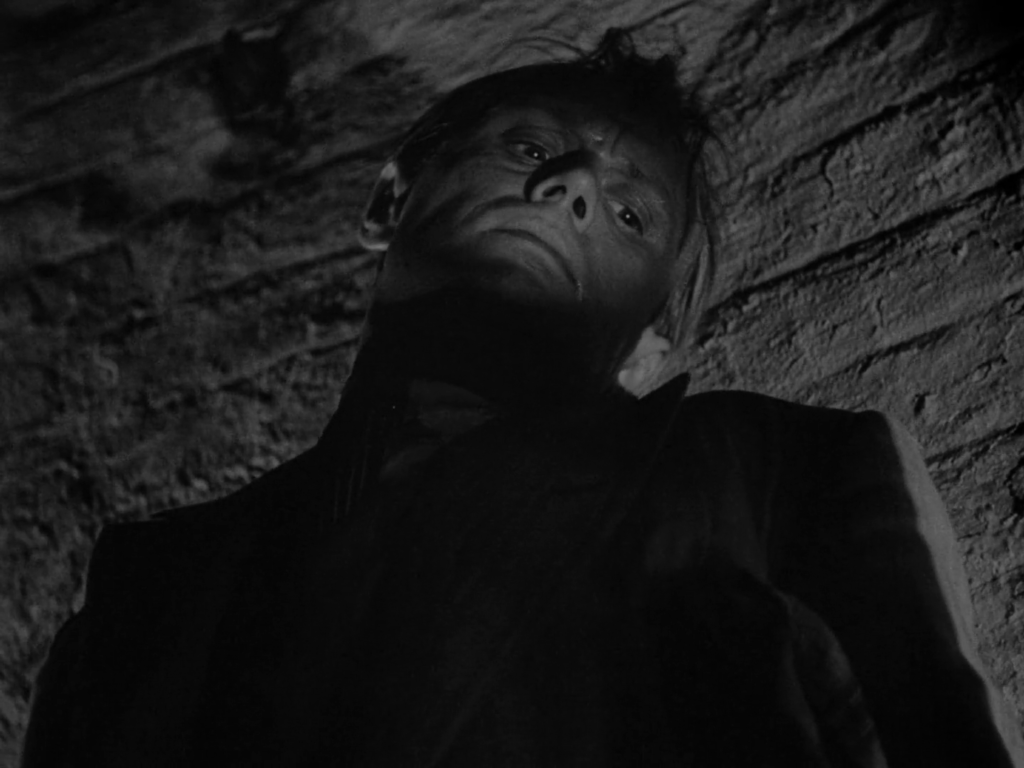
After a string of Peary-listed postwar features — including Brute Force (1947), The Naked City (1948), and Thieves’ Highway (1949) — Jules Dassin’s final film in Hollywood before being blacklisted and moving to Europe was this highly atmospheric adaptation of a novel by Gerald Kersh. It was referred to by New York Times critic Bosley Crowther as “a turgid pictorial grotesque” (!!!), yet considered worthy of preservation by the Academy Film Archive in 2004 — ah, how opinions change… DVD Savant, who contributed a commentary to the film’s Criterion DVD release, labels it a “key loser noir”, noting that after having “risen from obscurity to top-of-the-heap noir status in the last twenty years”, “just about everybody recognizes its top roost among expressionist noirs using visuals to communicate extreme alienation and anxiety.”

I have a few quibbles with the film — including the underdeveloped roles of Tierney and her would-be suitor (guy-next door Hugh Marlowe), and the seemingly random presence of Americans Widmark, Tierney, and Marlowe in London — but otherwise agree this has held up well as a convincingly atmospheric dive into seediness and despair. Widmark is perfectly cast as a loser who’s convinced he’s not: we’ve likely all known individuals like him, sure that their latest and greatest idea will surpass all previous failures, and who will stop at nothing (including deception and fraud) to fulfill their ill-conceived dreams. While portly Sullivan borders on caricature in his role as a jealously supercilious club owner, Herbert Lom is pitch perfect as a soft-spoken but deadly mobster you seriously don’t want to mess with, and Max Greene’s cinematography is consistently mesmerizing.

Redeeming Qualities and Moments:

  • Richard Widmark at Harry Fabian
  • Herbert Lom as Kristo
  • Fine direction
  • Max Greene’s noir-ish cinematography

Must See?
Yes, once, as an atmospheric noir outing. Listed as a Sleeper and a Personal Recommendation in the back of Peary’s book.

Categories

Links:

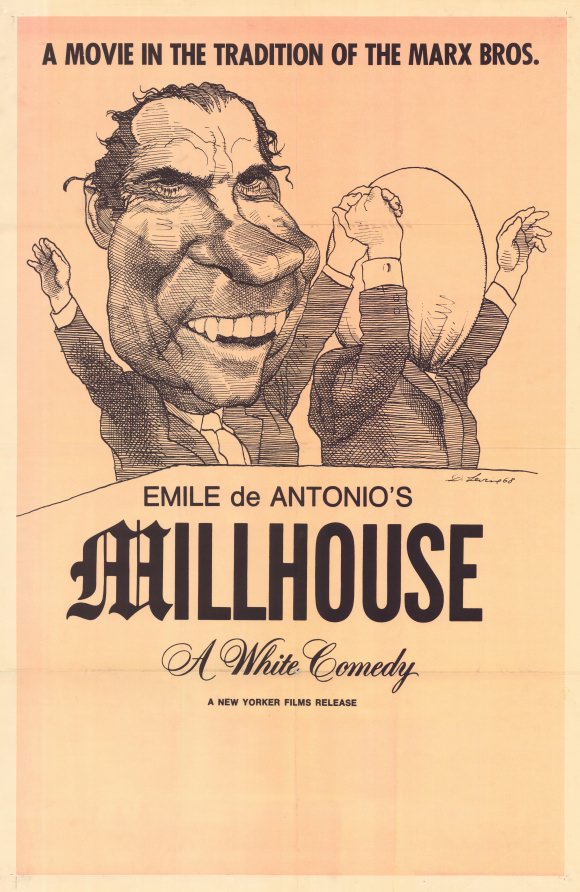
Millhouse: A White Comedy (1967)

Millhouse: A White Comedy (1967)

“You won’t have Nixon to kick around any more.”

Synopsis:
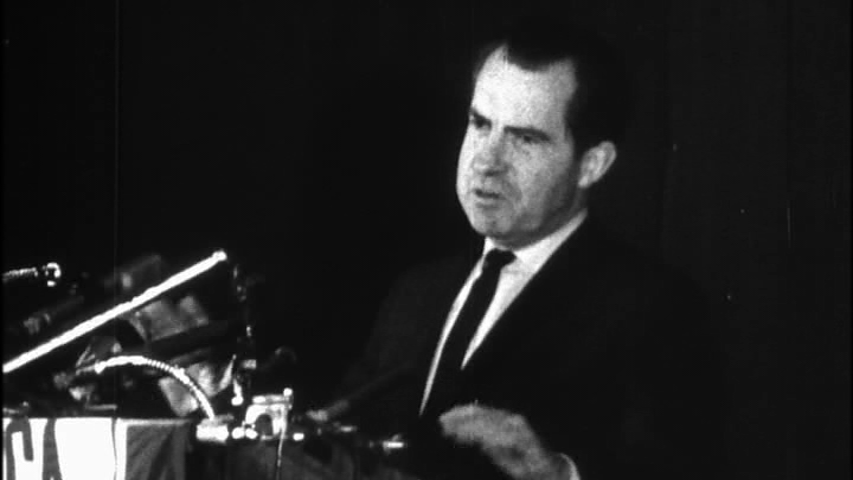
Documentarian Emile de Antonio compiles news clips of Richard Nixon, tracing his political career from 1946 to his trajectory to the White House.

Genres, Themes, Actors, and Directors:

  • Documentary
  • Emile de Antonio Films
  • Political Corruption

Review:
Peary lists a handful of films by documentarian Emile De Antonio in his GFTFF — beginning with Point of Order (1964) (about the 1954 Army-McCarthy hearings) and continuing with Rush to Judgment (1967) (on the Warren Commission), In the Year of the Pig (1968) (about the Vietnam War), and this pre-resignation take-down of Tricky Dick. As DVD Savant writes in his review:

Millhouse is a personal attack, undeniably. It begins with the installation of a (really bad) likeness of the President in a wax museum. Pat Nixon stares like a zombie at most public appearances, while the presidential daughters often look unhappy or uncomfortable. Nixon sweats behind microphones and avoids Q&A sessions in favor of a rigged meet-the-voters TV show complete with signs that ask the studio audience to applaud.

De Antonio — who died at age 70 of a heart attack — has a secure reputation as a no-holds-barred political “commentator” who eschewed voiceover in favor of deliberately provocative mise-en-scene; it would undeniably be fascinating to see what he could make of our current political climate. While film fanatics don’t need to see all De Antonio’s major titles, they will likely be curious to check this one out.

Redeeming Qualities and Moments:

  • A scathing compilation of news footage interspersed with mise-en-scene commentary

Must See?
No, but it’s certainly recommended.

Links:

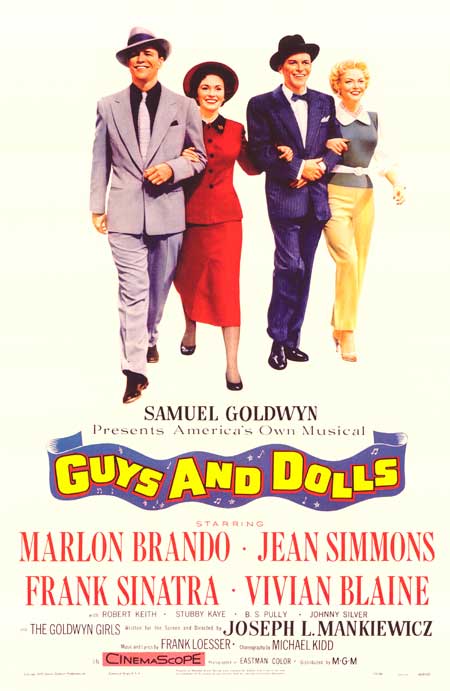
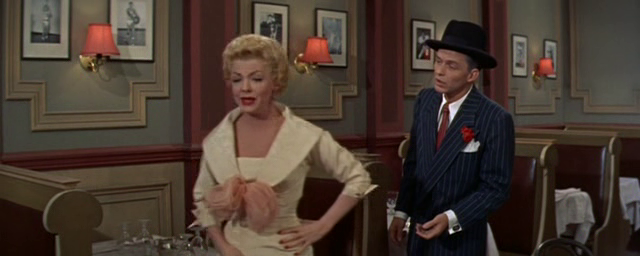
Guys and Dolls (1955)

Guys and Dolls (1955)

“I am not putting the knock on dolls. It’s just that they are something to have around only when they come in handy — like cough drops.”

Synopsis:
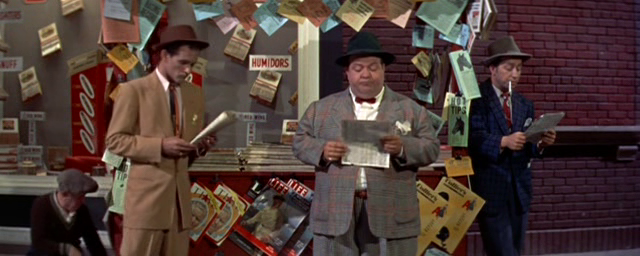
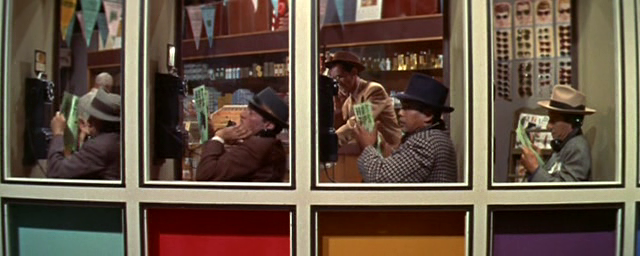
While trying to schedule an illegal craps game under the watchful eye of Lieutenant Brannigan (Robert Keith), Nathan Detroit (Frank Sinatra) — eager to secure enough money to marry his longtime showgirl girlfriend (Vivian Blaine) — bets a womanizing gambler (Marlon Brando) that he won’t be able to convince a beautiful but prim missionary (Jean Simmons) to go on a date to Havana.

Genres, Themes, Actors, and Directors:

  • Frank Sinatra Films
  • Gambling
  • Jean Simmons Films
  • Joseph L. Mankiewicz Films
  • Marlon Brando Films
  • Missionaries and Revivalists
  • Musicals
  • Play Adaptations

Review:
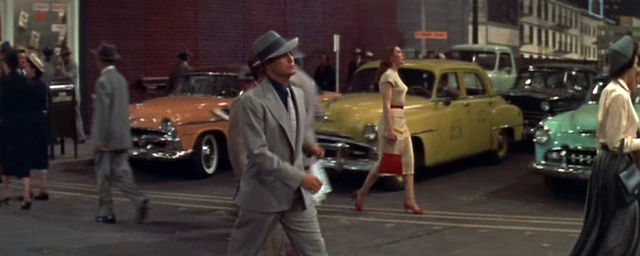
Joseph L. Mankiewicz directed this colorful screen adaptation of Frank Loesser’s Broadway musical, adapted (by Jo Swerling and Abe Burrows) from two Damon Runyon stories. Brando struggled to master his songs, and it shows, but Blaine (who starred in the original musical) is a treasure, and Sinatra — naturally — does just fine. Speaking of music, the tunes here (including “Fugue for Tinhorns”, “Adelaide’s Lament”, “Sue Me”, and “Luck Be a Lady”) are a toe-tapping bunch, neatly choreographed (by Michael Kidd) and fun to watch. I’m not a huge fan of the storyline itself, given my overall distaste for depictions of love-under-deception, but the tale takes some fine turns at crucial points, and it’s easy enough to simply get caught up in the stage-bound yet escapist air of this city-life fairytale.

Redeeming Qualities and Moments:

  • Vivian Blaine as Adelaide
  • Many toe-tapping musical numbers
  • Colorful and creative sets
  • Michael Kidd’s cinematography

Must See?
Yes, for the fun songs and overall infectious air.

Categories

(Listed in 1001 Movies You Must See Before You Die)

Links:

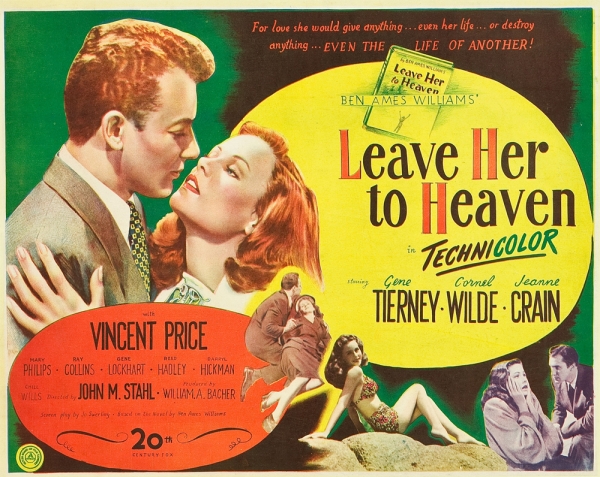
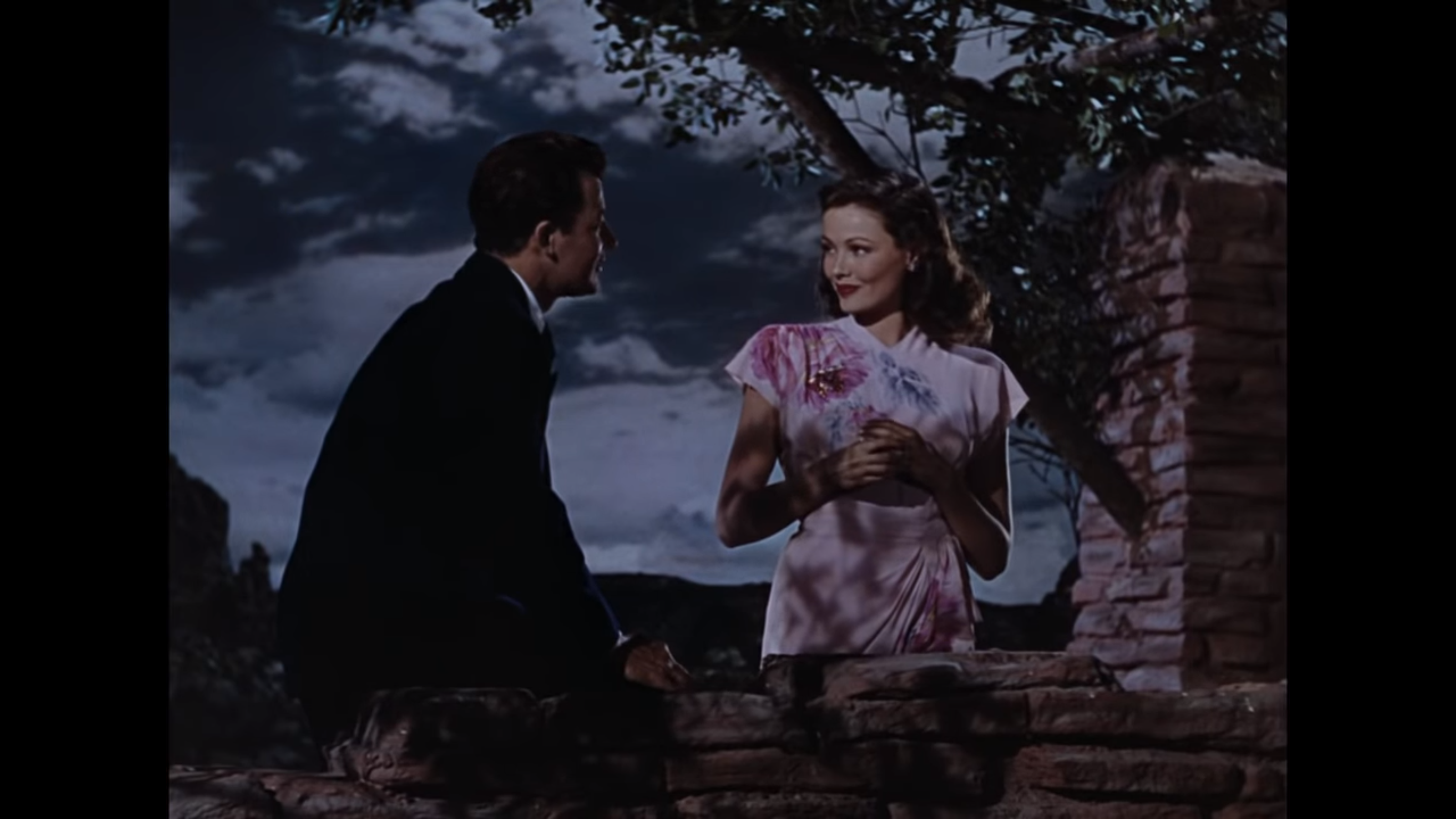
Leave Her to Heaven (1945)

Leave Her to Heaven (1945)

“I love you so, I can’t bear to share you with anybody.”

Synopsis:
Shortly after the death of her beloved father, a socialite (Gene Tierney) breaks off her engagement with an aspiring politician (Vincent Price) and seduces a writer (Cornel Wilde) into marriage. When it becomes clear how deeply Ellen (Tierney) resents the presence of both Wilde’s disabled brother (Darryl Hickman) and her beautiful cousin (Jeanne Crain), Wilde begins to wonder — will Ellen (Tierney) stop at nothing to maintain complete control over him, even beyond death?

Genres, Themes, Actors, and Directors:

  • Cornel Wilde Films
  • Flashback Films
  • Gene Tierney Films
  • Jealousy
  • Jeanne Crain Films
  • Obsessive Love
  • Psychopaths
  • Vincent Price Films

Review:
After co-starring in Laura (1944), Gene Tierney and Vincent Price were reunited as ill-fated fiances in this Technicolor adaptation of Ben Ames Williams’ bestselling novel about a murderously possessive, psychopathic femme fatale. As noted in Bosley Crowther’s original review for the New York Times, the film is hampered by its “strictly one-dimensional” storyline, which serves simply to present the characters within lush settings as Tierney carries out her lethal agenda. Then again, this film really is all about Ellen — in fact, that film could easily have been named after her, as it’s her show all the way, with all other characters (Wilde’s dense novelist, Crain’s sweet romantic rival, Harland’s “golly gee!” disabled brother) simply serving as foils. Tierney’s Oscar-nominated performance is quite chilling, and her actions are treacherous enough to remain shocking even today — hence, the film’s reputation as a formative noir (though not one I’m a personal fan of, other than surface admiration).

Redeeming Qualities and Moments:

  • Gene Tierney as Ellen
  • Oscar-winning Technicolor cinematography by Leon Shamroy

Must See?
No, though it’s certainly worth a one-time viewing.

Links:

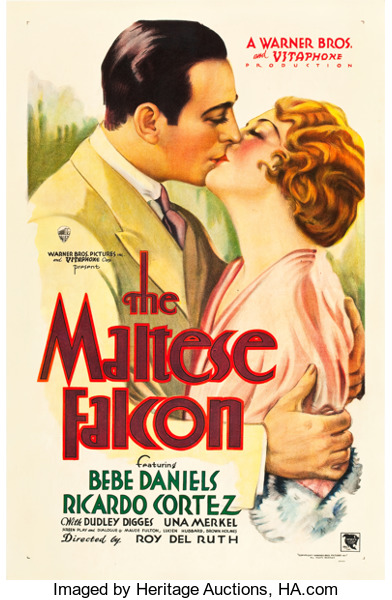
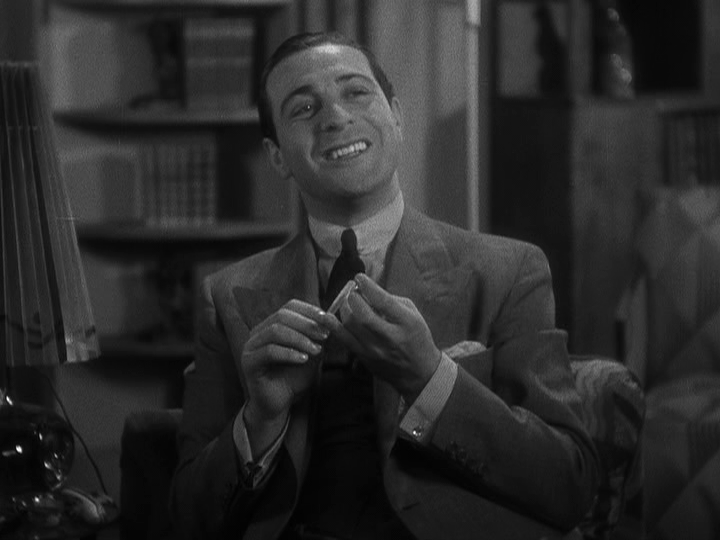
Maltese Falcon, The (1931)

Maltese Falcon, The (1931)

“I aim to give service at all times — night and day.”

Synopsis:
While investigating the death of his partner (Walter Long) [whose wife (Thelma Todd) he was having an affair with], a womanizing private eye Sam Spade (Ricardo Cortez) with a loyal secretary (Una Merkel) becomes romantically involved with a beautiful client (Bebe Daniels) who is one among several people — including gun-wielding Dr. Cairo (Otto Matieson), portly Casper Gutman (Dudley Diggs), and Gutman’s gunsel (Dwight Frye) — interested in securing a valuable statue known as the Maltese Falcon.

Genres, Themes, Actors, and Directors:

  • Detectives and Private Eyes
  • Femmes Fatales
  • Murder Mystery
  • Roy Del Ruth Films

Review:
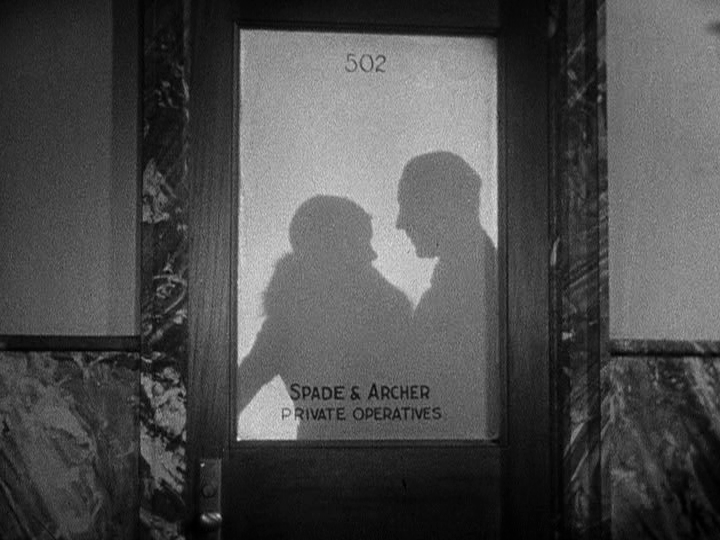
Although it’s much less widely viewed than the 1941 John Huston remake, this early screen adaptation of Dashiell Hammett’s detective novel — directed by Roy Del Ruth — remains a solidly enjoyable tale of deception, femmes fatales, greed, and hard-boiled investigation. The film’s success is due to a combination of factors: a charismatic performance by silent screen star Cortez; fine turns by all the supporting players; atmospheric cinematography; and a refreshingly sassy Pre-Code script — including an unstated but obvious romantic relationship between Digges and Frye:

“Your little boyfriend just checked out.”
“That’s too bad. His services would have been… invaluable. And I loved him… like a son.”

Film fanatics will likely enjoy comparing and contrasting the two Falcon movies — as well as the retitled 1936 version Satan Met a Lady, which most critics hate but I find light-heartedly enjoyable. (Then again, I haven’t read the original novel in years, so don’t have a strong point of reference.)

Redeeming Qualities and Moments:

  • Ricardo Cortez as Sam Spade
  • Notable supporting performances
  • A cleverly risque script
  • Atmospheric cinematography

Must See?
Yes, as a fine Pre-Code flick. Listed as a film with Historical Relevance and a Personal Recommendation in the back of Peary’s book.

Categories

Links:

Kronos (1957)

Kronos (1957)

“I don’t understand you, Les — you’ve never been so tense about a planetoid before.”

Synopsis:
When a glowing object from a UFO is shot down from the desert sky, its energy inhabits the body of a trucker (Kenneth Alton) who passes it along to an unsuspecting scientist (John Emery) at a research lab. Emery’s colleagues — including Dr. Les Gaskill (Jeff Morrow) and his photographer fiancee (Barbara Lawrence) — follow the flying saucer to Mexico, where the grounded alien-machine (nicknamed “Kronos”) attempts to take over power plants with secret assistance from possessed Dr. Eliot (Emery). Will Kronos succeed in harvesting all the earth’s energy and bringing it back to its dying planet?

Genres, Themes, Actors, and Directors:

  • Aliens
  • Possession
  • Science Fiction
  • Scientists
  • World Domination

Review:
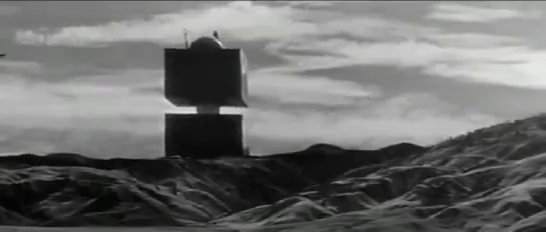
It’s hard to know what to make of the blocky mechanical villain of this pulpy sci-fi flick, described by DVD Savant as “two upright cubes topped by a dome” which “stands on piston-pile driver legs”.

While the idea of aliens attempting to harvest the Earth’s energy resources isn’t too far-fetched — and the incorporation of a possessed scientist unknowingly helping them out is reasonably intriguing — the film itself is rather dull. The dialogue is either trite:

“It can’t fail…”
“It won’t — I know it won’t!”

or laughably verbose:

“Energy into matter — anthropic conversion!”

Meanwhile, the love affair between hunky Morrow and bodacious Lawrence is standard B-movie hokum. The cinematography and direction are fine, though.

Redeeming Qualities and Moments:

  • Atmospheric cinematography (by Karl Struss) and occasionally creative direction (by Kurt Neumann)


Must See?
No, but hardcore classic sci-fi buffs will want to check it out.

Links:

Falcon and the Snowman, The (1985)

Falcon and the Snowman, The (1985)

“I had no idea the extent of the lie — the level of deception.”

Synopsis:
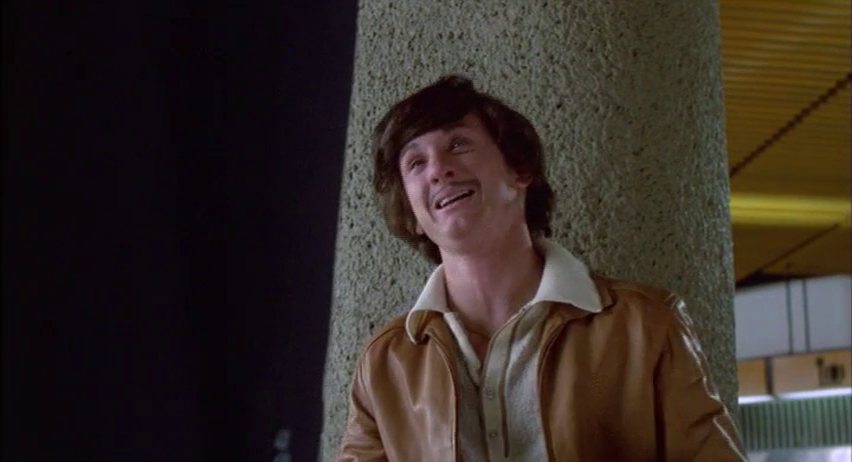
The son (Timothy Dalton) of an FBI employee (Pat Hingle) becomes disenchanted in his new job as a military contract clerk when he learns about America’s direct interference in Australian politics, and enlists the help of his childhood friend (Sean Penn) in selling secrets to a Soviet agent (David Suchet) at an embassy in Mexico.

Genres, Themes, Actors, and Directors:

  • Friendship
  • John Schlesinger Films
  • Pat Hingle Films
  • Spies

Review:
Based on the true story of Christopher Boyce and Andrew Daulton Lee (former altar boys who became the youngest convicted spies in American history), this espionage thriller plays like a direct precursor to the travails of Edward Snowden* — albeit with less immediate relevance to current generations of film fanatics, and less sympathetic characters. As noted by DVD Savant:

“The disorganized and thoughtless way [Boyce and Lee] went about their ‘business’ makes them amateur spies, thoughtless traitors and tragic fools.”

The film itself, however, is a well-directed tale (by John Schlesinger) of how these privileged — and, in the case of Boyce, well-intentioned — kids got caught up in something much bigger than they anticipated, and how their families struggled to make sense of their choices. Interested viewers will want to check out a Dateline interview with Boyce, who was released in 2002 and now primarily spends his time with falconry. He’s admitted:

“You know, you’re not so smart when you’re 21 years old. You’re not that wise. And yeah, I was mad as hell and full of myself — and preposterous in a lot of ways. Decided to start my own one-man war against Central Intelligence. What sense does that make?”

* Snowden… Snowman… Hmmmm. Weird coincidence. Actually, “snowman” refers to Lee’s cocaine use.

Redeeming Qualities and Moments:

  • Sean Penn as Daulton Lee (nominated by Peary as one of the Best Actors of the Year in his Alternate Oscars)

Must See?
No, though it’s worth a one-time look. Listed as a Sleeper and a Personal Recommendation in the back of Peary’s book.

Links:

Dont Look Back (1967)

Dont Look Back (1967)

“I’ve got my friends… I’m well-situated.”

Synopsis:
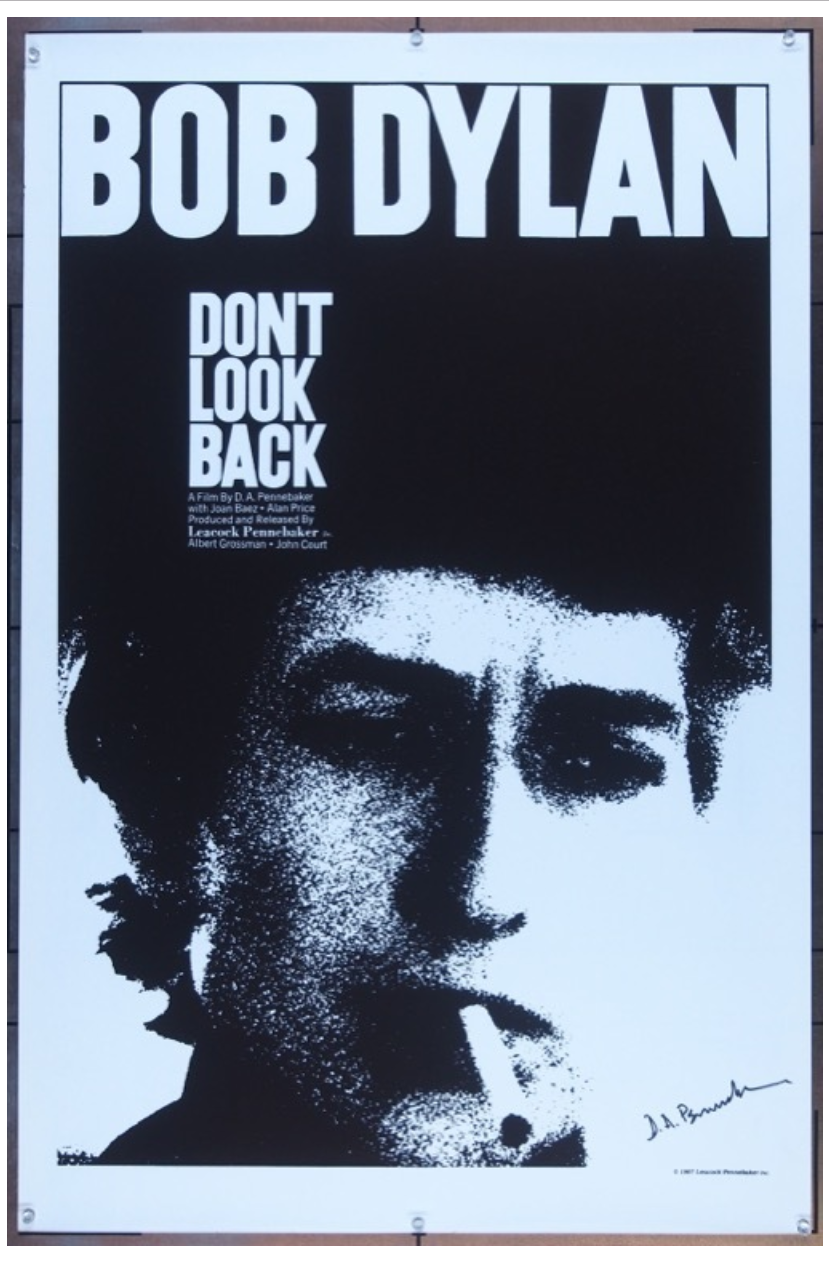
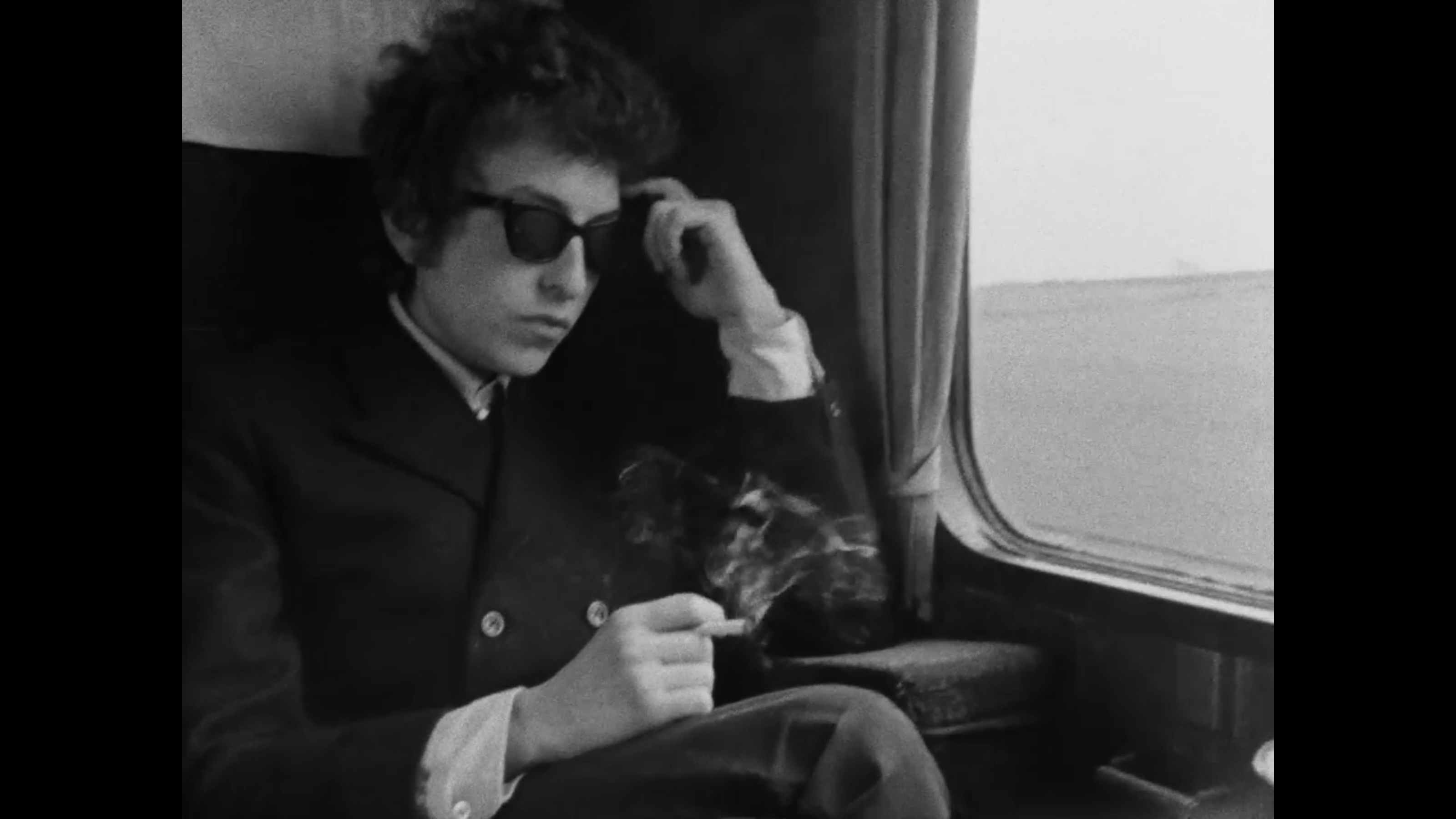
Young Bob Dylan is filmed both on stage and off during his final acoustic tour in England.

Genres, Themes, Actors, and Directors:

  • Documentary
  • Musicians

Review:
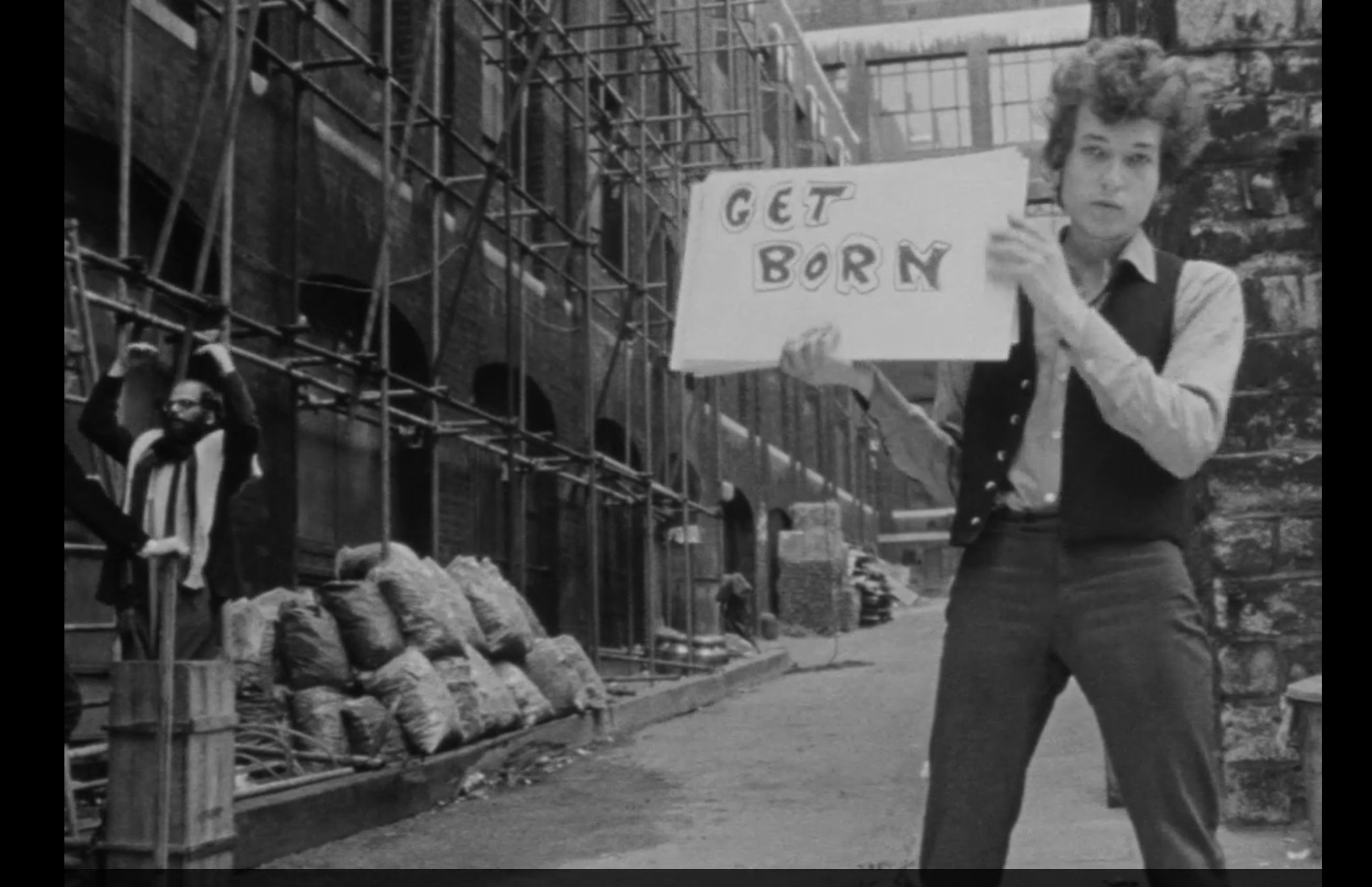
D.A. Pennebaker’s cinéma vérité documentary about Bob Dylan on tour in England remains a unique and rare glimpse into his early career. From the opening sequence (essentially a music video for “Subterranean Homesick Blues”), in which Dylan flashes homemade lyric cards while Allen Ginsberg lurks in the background, it’s clear that Dylan’s subcultural roots were strong — which is not to say he necessarily comes across as a nice or noble person. As DVD Savant writes in his review:

Dylan definitely ‘performed’, or as Pennebaker tells it, ‘was on’ every time the camera rolled… The Dylan we do see is far from flattering. He’s quiet one moment and pushy the next. He openly baits reporters who ask vague questions in vain hope of ‘drawing him out.’ He can be something of a bully, and there’s definitely a macho tone to the way he and his hepcats hold court.

At least there’s something refreshing in knowing we’re not seeing a sanitized version of Dylan. He may be performing — that is what he does — but he allows us a glimpse inside his world (including scenes with an impossibly young Joan Baez) for a few weeks, which is worth it.

Redeeming Qualities and Moments:

  • Fine cinéma vérité filming and cinematography
  • Many memorable moments

Must See?
Yes, as an engrossing cult documentary. Listed as a Cult Movie and a Personal Recommendation in the back of Peary’s book.

Categories

  • Cult Movie
  • Historically Relevant

Links:

Arrowsmith (1931)

Arrowsmith (1931)

“Bugs don’t commit suicide… What killed them?”

Synopsis:
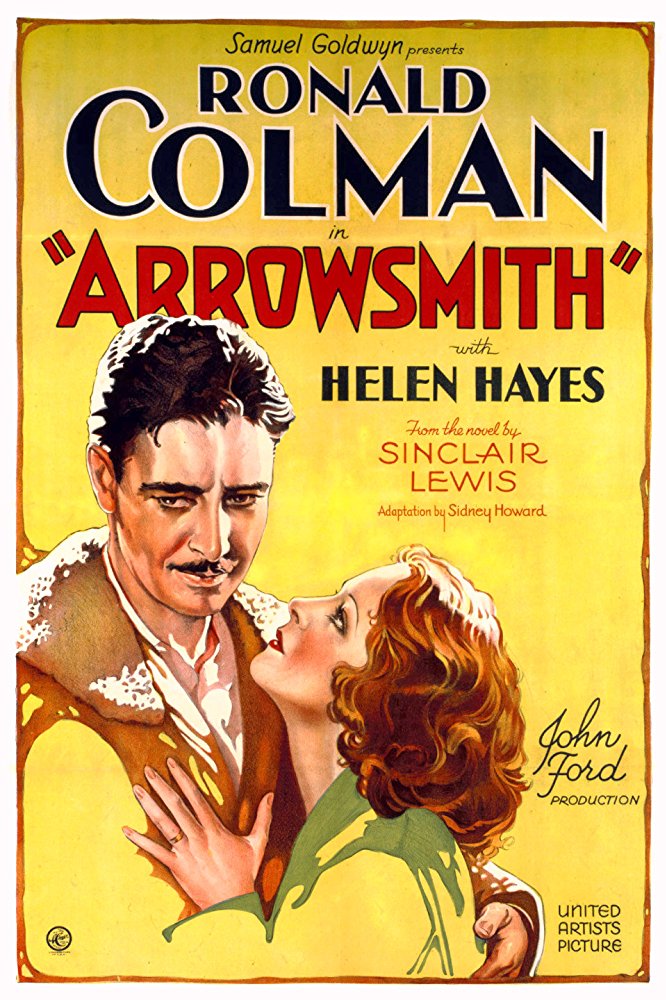
A doctor (Ronald Colman) and his new wife (Helen Hayes) move to her small town, where he starts a practice — but he’s soon wooed by his mentor (A.E. Anson) to New York for a research position, and begins work on a revolutionary serum. When he is called to the West Indies to scientifically test his serum on victims of the bubonic plague, his wife insists on accompanying him, with dire results.

Genres, Themes, Actors, and Directors:

  • Doctors and Nurses
  • Helen Hayes Films
  • John Ford Films
  • Myrna Loy Films
  • Ronald Colman Films
  • Scientists

Review:
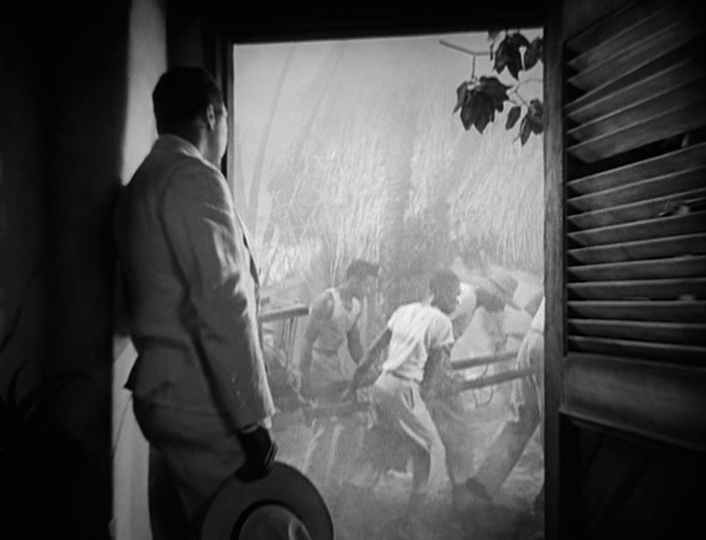
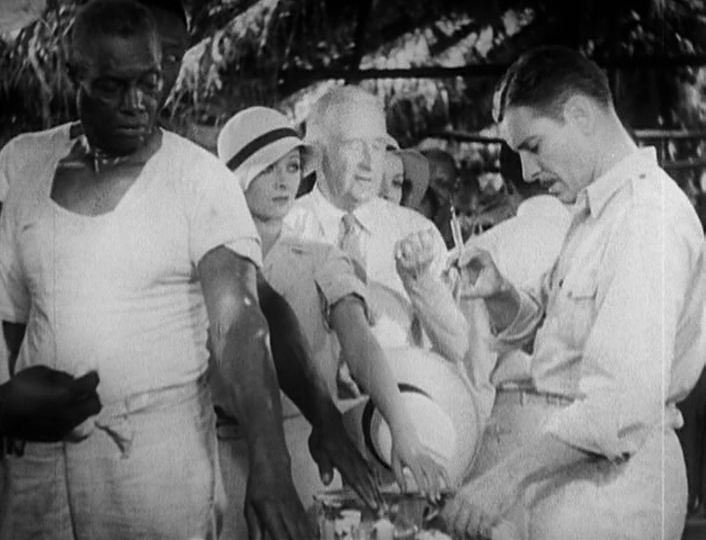
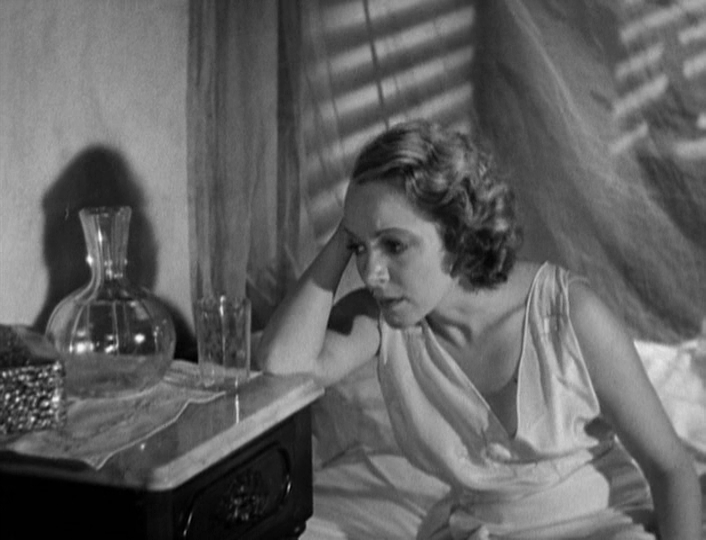
John Ford’s Oscar-nominated adaptation of Sinclair Lewis’s Pulitzer Prize winning novel was likely of much greater interest to audiences of the day — presumably those who had read the novel — than it will be for modern viewers. Much about the storyline feels dated, beginning with the fact that a funded research career is so entirely out of the question for Colman (apparently that issue is explained in greater nuance in the novel). Most egregious is the (inevitably) racist depiction of black West Indies natives as less-than whites, and primitive in their rituals.

The one black native (Clarence Brooks) presented as civilized has, naturally, been educated in the United States, and is lighter-skinned. Meanwhile, Colman’s infatuation (affair?) with Loy’s undeveloped character is thoroughly unexplained — again, it’s dealt with more realistically in the novel, and sanitized for the screen:

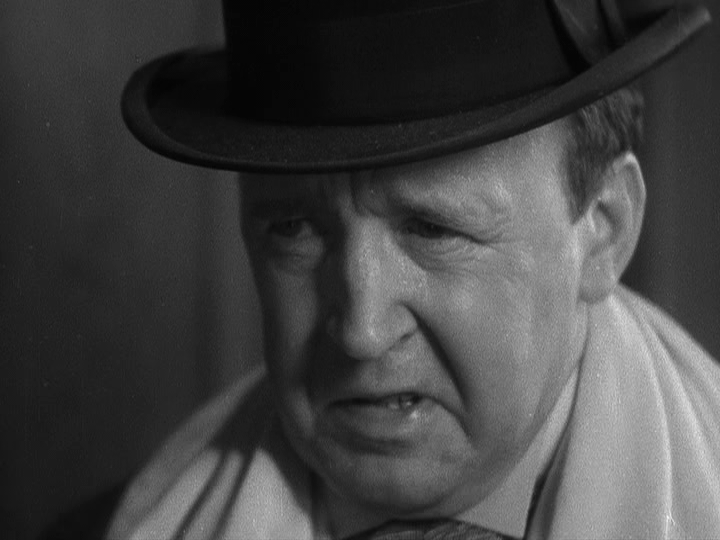
… and the pivotal moment when Colman makes a deadly mistake on the island is laughable in its (his) unrealistic carelessness. On the plus side, Ray June’s black-and-white cinematography is stunning throughout (there are many memorable visual sequences), and Hayes’ performance is notable as well; she imbues her challenging role with humanity.

Redeeming Qualities and Moments:

  • Helen Hayes as Leora Arrowsmith
  • Ray June’s cinematography


Must See?
No; skip this one unless you’re curious.

Links: