Browsed by
Category: Original Reviews

Responses to Peary’s “must see” movie reviews, as well as my own “must see” movie reviews up to and after 1986 (when Peary’s book was published).

Moon and Sixpence, The (1942)

Moon and Sixpence, The (1942)

“I tell you, I’ve GOT to paint – I can’t help myself!”

Synopsis:
A writer (Herbert Marshall) recounts the tale of a self-absorbed Brit (George Sanders) who leaves his wife (Molly Lamont) and children for a life of solitary painting in Paris. Once there, Strickland (Sanders) is idolized and cared for by a meek acquaintance (Steven Geray) whose wife (Doris Dudley) abandons him for Strickland. Will a life in tropical paradise — where a matchmaker (Flora Bates) convinces him to marry a lovely young maiden (Elena Verdugo) — change Strickland’s misogynistic and anti-social ways? Does this even matter, as long as he continues to secretly make Great Art?

Genres, Themes, Actors, and Directors:

  • Artists
  • George Sanders Films
  • Herbert Marshall Films
  • Marital Problems
  • Midlife Crisis

Review:
Albert Lewin’s adaptation of W. Somerset Maugham’s 1919 novel — loosely based on an outline of Paul Gauguin’s life — afforded Sanders his second-most-hated cinematic character after Addison DeWitt in All About Eve (1950), and remains an insufferably misogynistic apologia for Artistic Male Geniuses as Permissible Bastards. There is very little to commend in this tale about an admittedly revolting man who nonetheless is lionized by the end (final title card notwithstanding). Perhaps the most egregious of many exchanges occur once Strickland is on Tahiti, where he deigns to consider marrying a beautiful and adoring 15-year-old girl with flowing hair and limited English. The local matchmaker, Tiare (Bates, having fun in a florid role), explains to the ever-inquisitive Marshall (as Geoffrey Wolfe):

Tiare: I was only 15 when my father found out that I had a sweetheart. He was 3rd mate on the Tropic Bird. Oh, he was a good looking boy.
Wolfe: What did your father do?
Tiare: He thrashed me within an inch of a life, then made me marry Captain Johnson!
Wolfe: Were you very unhappy?
Tiare: Oh, I didn’t mind — he was handsome, too! He used to beat me regularly — I was black and blue all over for days at a time. HE was a man! I cried when he died.

And shortly after this:

Strickland [agreeing to marry Ata]: I shall beat you, you know!
Ata (Verdugo) [lovingly and meekly]: How else shall I know you love me?

Meanwhile, the narrative crutch of having Marshall-as-Maugham (or in this case, another random novelist) telling the story of a seeker-in-exile feels forced and stale, especially after having just watched The Razor’s Edge (though to be fair, this Maugham adaptation was released first). Feel free to skip this one unless you happen to be a particular fan of Maugham’s work.

Redeeming Qualities and Moments:

  • Atmospheric cinematography

Must See?
Oh heavens, no.

Links:

Benji (1974)

Benji (1974)

“We don’t want any kind of dog — we want BENJI!”

Synopsis:
Two motherless siblings named Paul (Allen Fluzat) and Cindy (Cynthia Smith) try unsuccessfully to convince their father (Peter Breck) and housekeeper (Patsy Garrett) to let them adopt a stray dog named Benji, who makes daily visits to a local policeman (Terry Carter), a cafe proprietor (Edgar Buchanan), and the owner (Frances Bavier) of a prissy cat. Soon, however, Benji proves invaluable in uncovering a plot by four young hoodlums (Deborah Walley, Christopher Connelly, Tom Lester, and Mark Slade) to kidnap Paul and Cindy for ransom.

Genres, Themes, Actors, and Directors:

  • Kidnapping
  • Pets

Review:
This self-described “family film” by writer-director Joe Camp — the first in a franchise of five flicks about an intrepid mutt named Benji — may have some nostalgic fans who recall it from their childhood, but it’s terribly acted, notably dubbed, and melodramatically conceived; I would be proud if my 10 year old pulled this off as a student film-making project, but big-screen material it simply ain’t. Just when you think things couldn’t get any campier or more shoddily made about the production, the ante is upped in the final third with ever more slow-motion sequences and dizziness-inducing rapid-fire flashbacks designed to tug at hearts. Special “amusement awards” go to the ’70s soundtrack, which revs up at all the key anticipated moments and will (annoyingly) stick in your head. Benji is presumably listed in Peary’s book because of its box office success as the little-film-that-could (it rated #3 in 1974), or perhaps because he actually found it an enjoyable G-rated family film — but it hasn’t held up well.

Redeeming Qualities and Moments:

  • Many unintentionally hilarious sequences, especially the doggie romance montage

Must See?
No; definitely skip this one unless you’re morbidly curious.

Links:

Saxon Charm, The (1948)

Saxon Charm, The (1948)

“The Saxon charm is always turned on full the next day.”

Synopsis:
A best-selling novelist (John Payne) eager to have his first play produced by a notoriously self-absorbed theatrical guru (Robert Montgomery) ignores misgivings from both his wife (Susan Hayward) and Montgomery’s loyal girlfriend (Audrey Totter), and finds himself struggling to maintain artistic autonomy over his own work.

Genres, Themes, Actors, and Directors:

  • Audrey Totter Films
  • Has-Beens
  • John Payne Films
  • Robert Montgomery Films
  • Susan Hayward Films
  • Writers

Review:
It’s difficult to find much to appreciate in this tale of a narcissistic theatrical producer whose “charm” lies exclusively in his facility with conning — and his ability to believe his own confabulations without hesitation. I could easily imagine George Sanders in the title role, though perhaps his droll affect wouldn’t adequately capture Matt Saxon’s frantic mania and baseless optimism. The moral of the story seems to be that one shouldn’t trust in gurus or mentors, instead relying on one’s own sense of artistic integrity and common sense — but the side story of Totter (very appealing despite it all) being given a lesson on nightclub singing seems to belie this, since she’s actually much more effective after Saxon’s input. Regardless, everything about this film represents such a dismal downward spiral that one wonders what the original novelist (Frederic Wakeman)’s point was: do returning veterans (like Payne) need to stop listening to their “elders” and simply get on with their own life choices?

So it seems.

Redeeming Qualities and Moments:

  • Audrey Totter as Alma

Must See?
No; feel free to skip this one.

Links:

Desperate Hours, The (1955)

Desperate Hours, The (1955)

“Yes, son — I’m afraid, and I’m not ashamed of it.”

Synopsis:
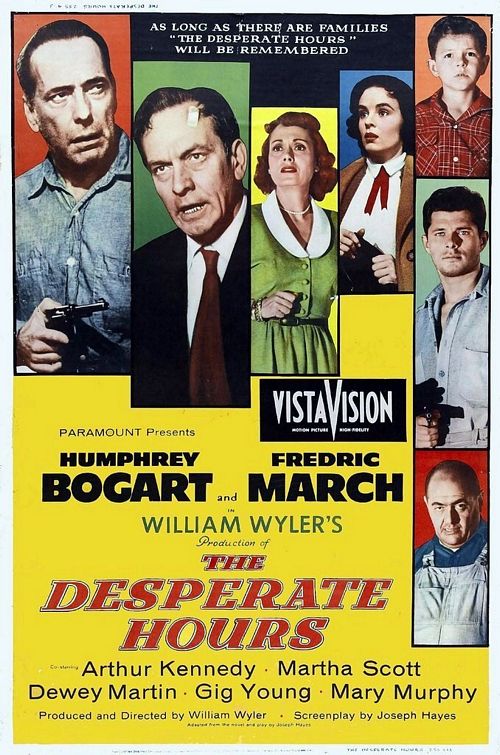
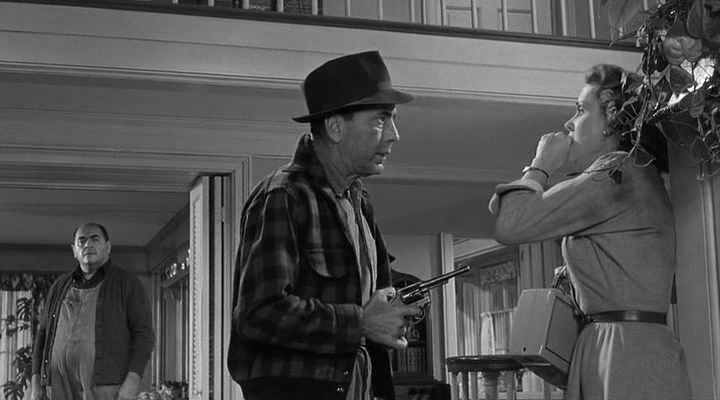
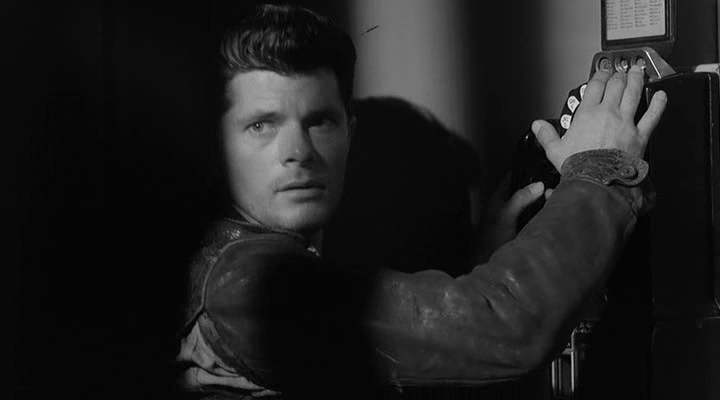
A trio of escaped convicts — ringleader Glenn Griffin (Humphrey Bogart), his conflicted younger brother (Dewey Martin), and a portly psychopath (Robert Middleton) — hole up in the home of Mr. Hilliard (Fredric March), his wife (Martha Scott), and their two children (Mary Murphy and Richard Eyer), threatening to kill them if they reveal their presence before the arrival of a package of money from Bogart’s girlfriend. While a local detective (Arthur Kennedy) works on the case of the escaped convicts’ location, Murphy’s boyfriend (Gig Young) grows increasingly suspicious that something isn’t right with his girlfriend.

Genres, Themes, Actors, and Directors:

  • Arthur Kennedy Films
  • Fredric March Films
  • Fugitives
  • Gig Young Films
  • Hostages
  • Humphrey Bogart Films
  • Play Adaptation
  • William Wyler Films

Review:
Adapted from the novel and Tony-winning play by Joseph Hayes (who based his story loosely on real-life events), this mostly-house-bound thriller remains a well-told cinematic outing, thanks to strong direction by Wyler, atmospheric b&w VistaVision cinematography by Lee Garmes, and a tension-filled script. A chilling interlude involving Middleton and a hapless garbage collector (Walter Baldwin) unlucky enough to stop by the Hilliards’ home on the wrong day shows us the stakes involved for the family: making a wrong move really could prove lethal. Watch for a randomly quirky moment, as a short-order cook laughs nervously at Young after Kennedy gives him his options: “You can hightail it out of here and maybe say a prayer, but nothing else – ya hear me? Nothing.”

Redeeming Qualities and Moments:

  • Strong direction by Wyler

  • Lee Garmes’ cinematography

Must See?
No, but it’s recommended as a taut, well-directed thriller.

Links:

Amazing Colossal Man, The (1957)

Amazing Colossal Man, The (1957)

“What sin could a man commit in a single lifetime to bring this about on himself?”

Synopsis:
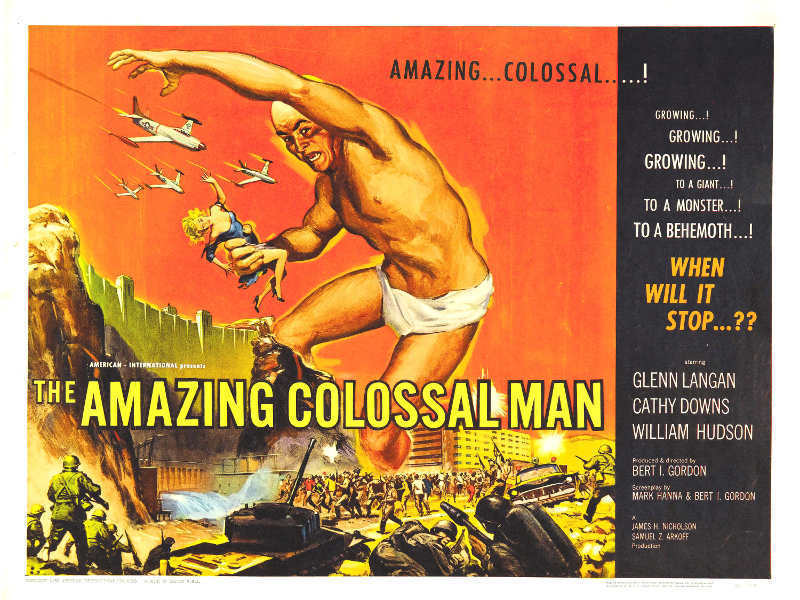
A lieutenant (Glenn Langan) exposed to an atomic bomb test blast in Nevada begins growing enormous while acting increasingly mad, much to the distress of his concerned fiancee (Cathy Downs) and the doctor treating him (William Hudson).

Genres, Themes, Actors, and Directors:

  • Atomic Energy
  • Mutant Monsters
  • Science Fiction

Review:
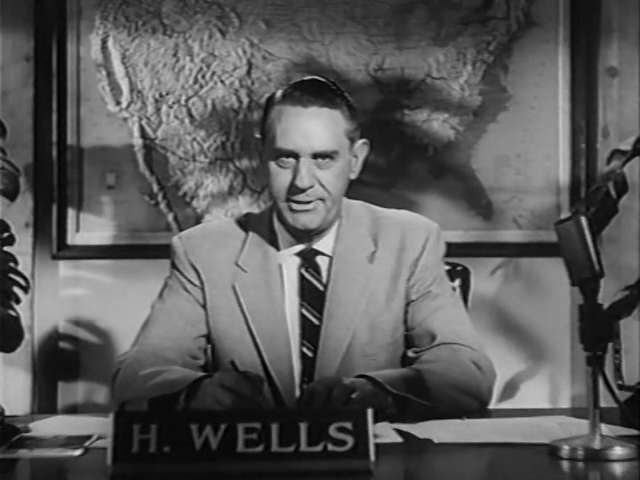
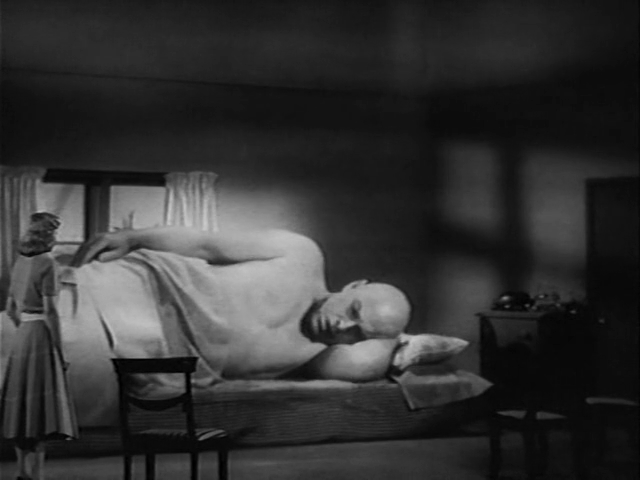
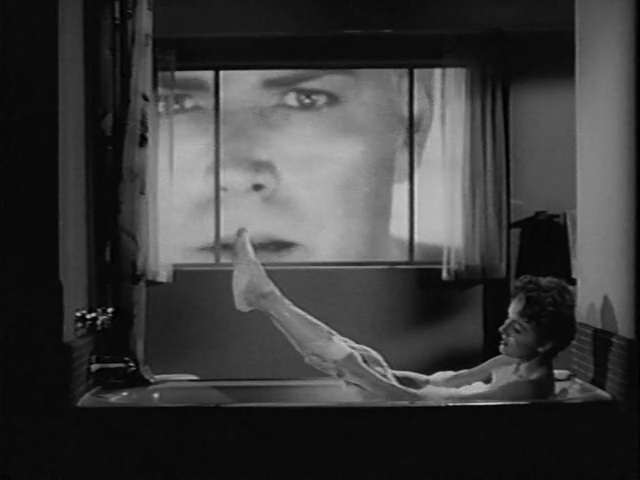
Director Bert I. Gordon (“Mr. BIG”) is best known for his science fiction films about over-sized creatures: the same year he released Beginning of the End (1957) about giant atomic locusts on the prowl, he made this size-wise counterpart to The Incredible Shrinking Man (1957), and later helmed the laughably silly Village of the Giants (1965). Certain elements of the script are either patronizingly pedantic (“Now, the reason for this is rather technical, Carol, but to give you a simplified layman’s explanation…”) and/or laughably nonsensical (“… since the heart is made up of a SINGLE cell for all practical purposes, instead of millions of cells like the rest of the organs of the body, it’s reacting in an entirely different manner.” — whaa??) The giant’s romp through Las Vegas is engaging — particularly the homage to King Kong as he looks inside a hotel room at a girl bathing and later picks up Carol (Downs); but the rest of the storyline is rather dull, with Langan simply lamenting his fate and mistreating everyone around him. With that said, those who enjoy mid-century flicks about atomic mutants will certainly want to check this one out.

P.S. What’s up with the TV newsman named “H. Wells”???

Redeeming Qualities and Moments:

  • Some effective lighting and special effects


Must See?
Nope; skip this one unless you’re curious.

Links:

Big Street, The (1942)

Big Street, The (1942)

“Love is something that gives you one room, two chins, and three kids.”

Synopsis:
With the help of his gambling friends, a hopelessly smitten busboy (Henry Fonda) cares for a narcissistic showgirl (Lucille Ball) after she’s paralyzed by her brutish boyfriend (Barton MacLane) in an accident. He arranges to push her in a wheelchair from New York to Florida to see her former suitor (William Orr) — but will Ball ever learn to appreciate the sacrifices Fonda is making?

Genres, Themes, Actors, and Directors:

  • Agnes Moorehead Films
  • Disabilities
  • Gangsters
  • Henry Fonda Films
  • Lucille Ball Films
  • Obsessive Love
  • Road Trip
  • Showgirls

Review:
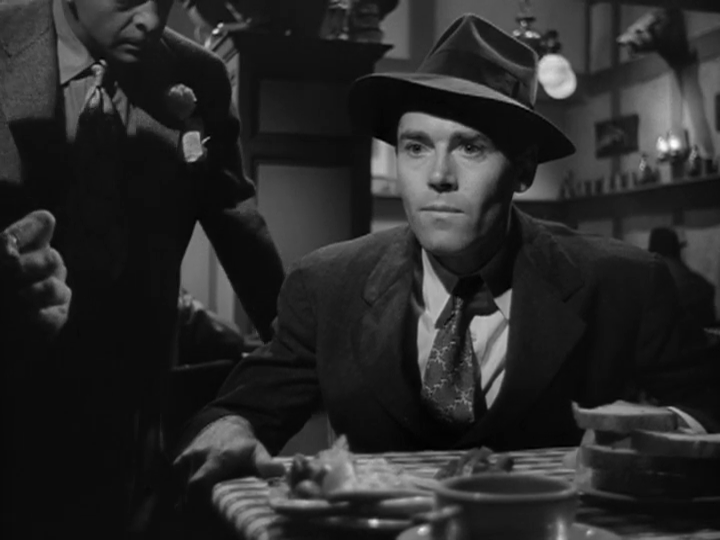
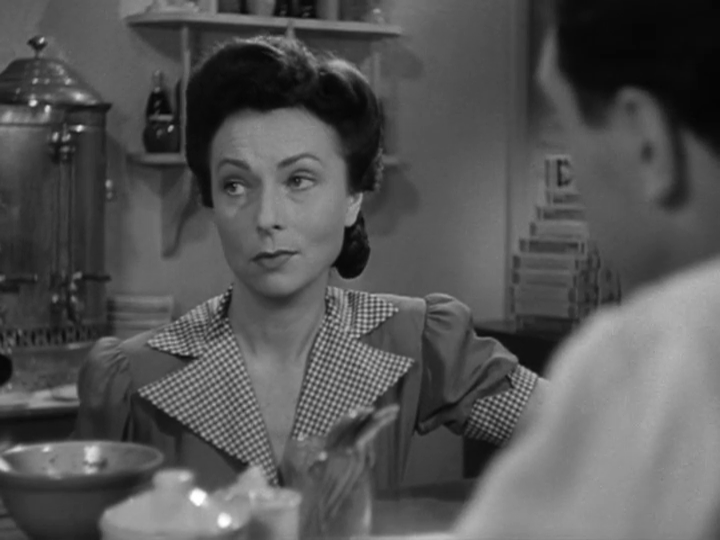
Damon Runyon produced this dark fairy tale (based on his own short story “Little Pinks”) taking place in a unique milieu of kindly gamblers and gangsters with oddly articulate speech (as noted by the New York Times, “the weirdly named touts, gamblers, racketeers and hoodlums continue to distill an inordinate amount of homely humor from a too meticulous use of the English language”). There are plenty of Runyon-esque quirks to be had — including the presence of Agnes Moorehead as a competitive eater who meets her portly soulmate (Eugene Pallette) during the film’s opening sequences:
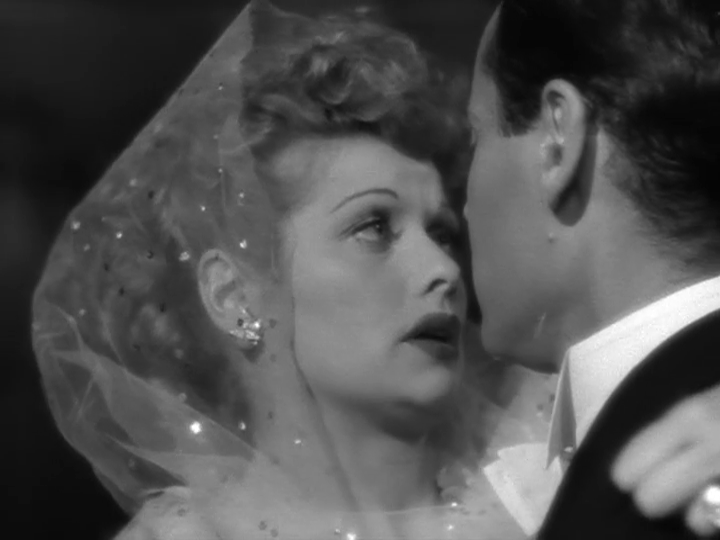
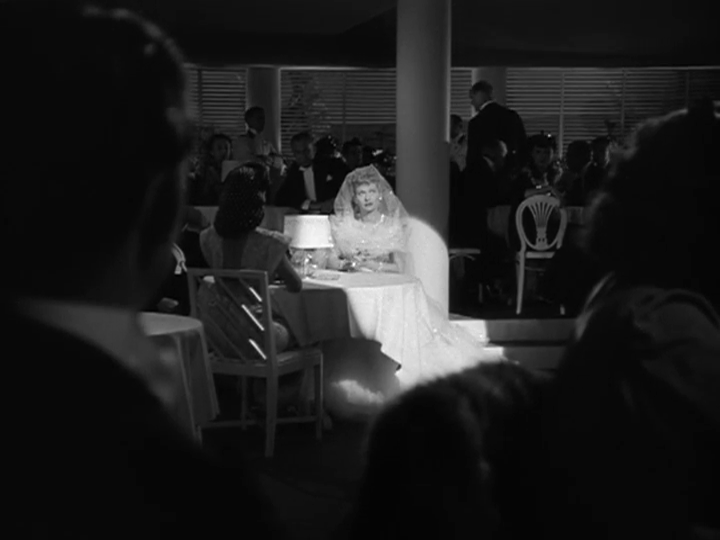
— but it’s challenging to feel much enthusiasm for hapless Fonda, whose blind adoration simply comes across as tragically misplaced gallantry. Ball’s character is intentionally bitchy, and despite her brutal accident, we don’t feel much sympathy for her until the very end:
In fact, as written, she’s a downright unpleasant character to spend time with. According to TCM’s article, Andy Warhol apparently referred to this as “the sickest film ever made”, and I suppose that case could be made — it’s easy to imagine John Waters turning this into an even darker and blacker “comedy”, starring Divine in the leading role.

Redeeming Qualities and Moments:

  • Russell Metty’s cinematography

Must See?
No; I’d say this one is only must-see for Lucille Ball or Damon Runyon fans.

Links:

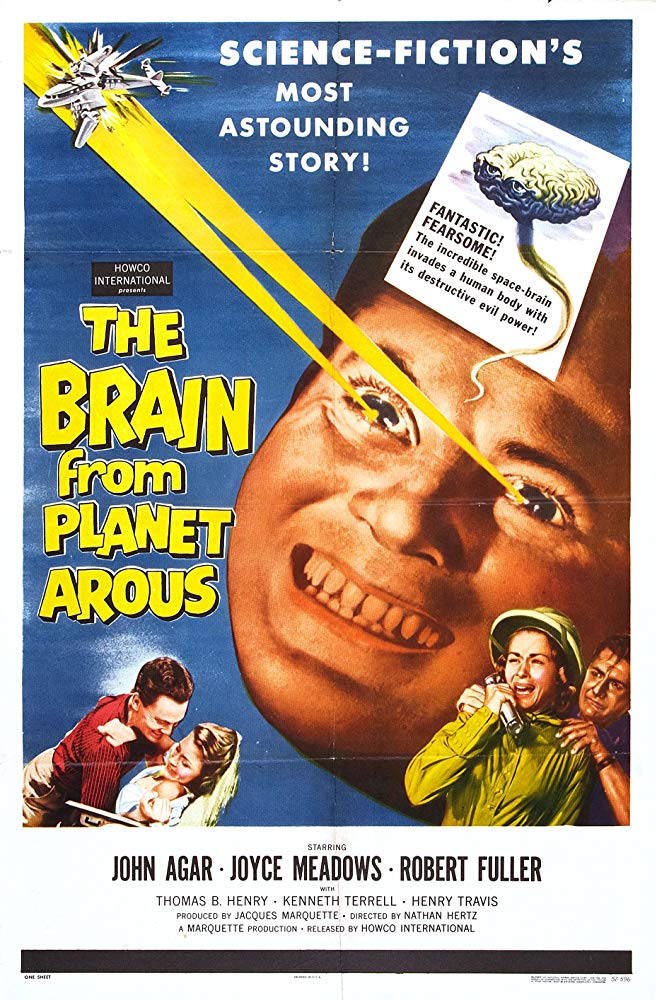
Brain From Planet Arous, The (1957)

Brain From Planet Arous, The (1957)

“You acted funny — and that way you kissed me…”

Synopsis:
When a nuclear physicist (John Agar) and his colleague (Robert Fuller) explore a sudden source of intense radiation at a cave near Mystery Mountain, Fuller is killed while Agar’s body is taken over by a nefarious disembodied alien brain named Gor. Concerned about Agar’s sudden aggressive change of character, Agar’s fiancee (Joyce Meadows) and her father (Thomas B. Henry) go to the cave to investigate, and meet a well-meaning brain named Vol who decides to inhabit their dog. Can Vol-as-dog prevent Gor-as-Agar from destroying Earth for the sake of his own ambitions?

Genres, Themes, Actors, and Directors:

  • Aliens
  • Disembodied Parts
  • John Agar Films
  • Mad Doctors and Scientists
  • Mind Control and Hypnosis
  • Nuclear Threat
  • Science Fiction
  • World Domination

Review:
Nathan Juran — a.k.a. Nathan Hertz — directed a number of Peary-listed sci-fi and fantasy films throughout the 1950s and ’60s, including Hellcats of the Navy (1957), The 7th Voyage of Sinbad (1958), Attack of the 50 Foot Woman (1958), Jack the Giant Killer (1962), and First Men in the Moon (1964). This irresistably titled flick is sure to appeal to fans of its unique sub-genre — talking disembodied parts — and/or those interested in viewing all manifestations of The Red Scare through cinematic depictions of alien mind control and possession, such as Invasion of the Body Snatchers (1956) and I Married a Monster From Outer Space (1958). On its own merits, TBFPA is ridiculous (of course) but competently enough made that it’s easy to sit through. As Agar is violently possessed by Gor, he suddenly experiences wild passion for his plucky fiancee, demented joy at his ability to take down planes through the power of his glowing eyes, and gleeful anticipation at the thought of world domination: there’s no mistaking the metaphor here of the danger humans face of being not-so-secretly taken over by nefarious forces eager to exploit our weaknesses.

Note: Juran’s work in Hollywood was multi-faceted: he won an award for Best Art Direction for How Green Was My Valley (1942) and was nominated for his work on The Razor’s Edge (1946).

Redeeming Qualities and Moments:

  • John Agar’s amusingly campy performance
  • Some clever directorial moves

Must See?
No, though it’s a hoot in its own way. Listed as a Camp Classic in the back of Peary’s book.

Links:

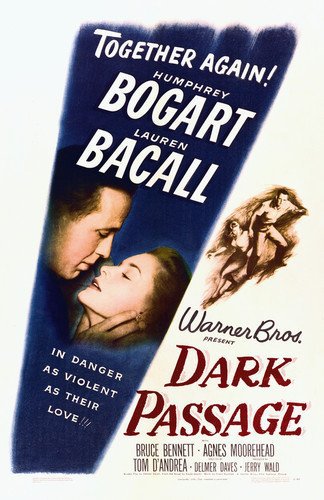
Dark Passage (1947)

Dark Passage (1947)

“Was I insane to pick you up on the road? Was I insane to let you stay here?”

Synopsis:
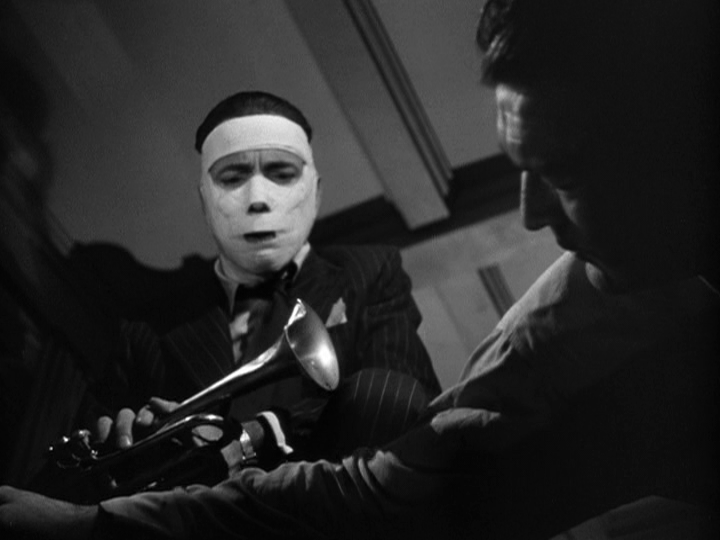
A man (Humphrey Bogart) wrongly accused of murdering his wife escapes from prison and stays with a friend (Rory Mallinson) who is soon murdered, then seeks refuge with a wealthy young woman (Lauren Bacall) whose acquaintance (Agnes Moorehead) had testified against Bogart at his trial. After undergoing appearance-altering facial surgery, Bogart — in love with Bacall yet not wanting to place her in harm’s way — goes in search of his wife’s killer, but soon finds himself blackmailed by a scheming cabbie (Tom D’Andrea).

Genres, Themes, Actors, and Directors:

  • Agnes Moorehead Films
  • Delmer Daves Films
  • Falsely Accused
  • Fugitives
  • Humphrey Bogart Films
  • Lauren Bacall Films
  • Mistaken or Hidden Identities
  • Plastic Surgery
  • Romance

Review:
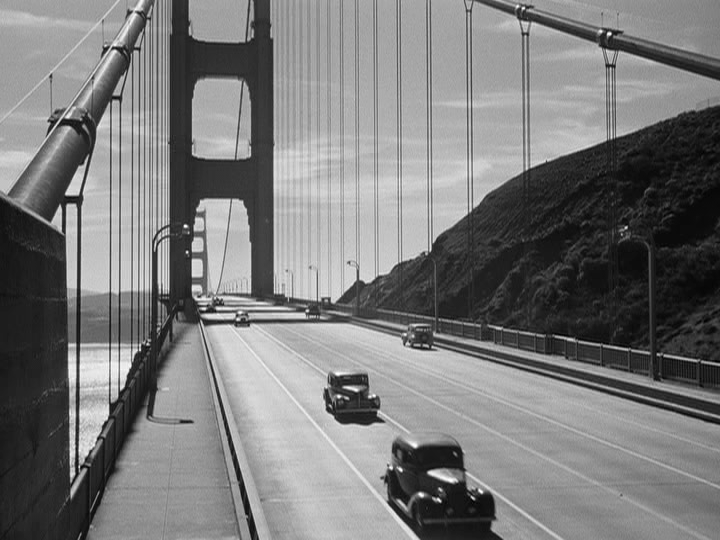
Lauren Bacall and Humphrey Bogart’s third of four films together — after To Have and Have Not (1944) and The Big Sleep (1946) and before Key Largo (1948) — was this creatively filmed (the first third is shown from Bogart’s perspective, never revealing his face) but narratively disappointing thriller about a falsely accused fugitive whose luck fails him on every account except one: second-chance romance. Indeed, Bogie and Bacall’s onscreen chemistry is potent (Bacall literally has a glimmer in her eye when tearing up over him), but her character is underdeveloped and it’s challenging to believe in her enduring love for him both before and after his surgery. The obvious femme fatale in this noir is Moorehead, who refreshingly plays somewhat against type but meets a most ignoble fate during a silly and implausible plot twist. Other supporting performances are quirkily memorable as well, but most notable are the on-location settings in San Francisco, used to excellent effect — including during one harrowing scene as Bogart is presumedly leading his captor back to his hotel, but actually navigating the streets of Cisco like a pro.

Redeeming Qualities and Moments:

  • Atmospheric cinematography

  • Effective use of San Francisco locales

  • Memorable supporting players

Must See?
No, though of course Bogie and Bacall fans will want to check it out.

Links:

Razor’s Edge, The (1946)

Razor’s Edge, The (1946)

“I don’t think I’ll ever find peace until I make up my mind about things.”

Synopsis:
A writer (Herbert Marshall) recounts his experiences meeting a traumatized WWI pilot (Tyrone Power) returning home unready to settle down and marry his social-climbing girlfriend (Gene Tierney), who is patient for a while but eventually marries a wealthy man (John Payne) and has children. Years later, Power — now experiencing inner peace and a devotion to making the world better — takes pity on a family friend (Anne Baxter) who has become an alcoholic after the tragic loss of her husband and baby, and agrees to marry her — but Tierney, assisted by her wily uncle (Clifton Webb), won’t allow anyone else to have the man she still loves.

Genres, Themes, Actors, and Directors:

  • Anne Baxter Films
  • Character Studies
  • Clifton Webb Films
  • Edmund Goulding Films
  • Elsa Lanchester Films
  • Gene Tierney Films
  • Herbert Marshall Films
  • John Payne Films
  • Tyrone Power Films
  • Veterans

Review:
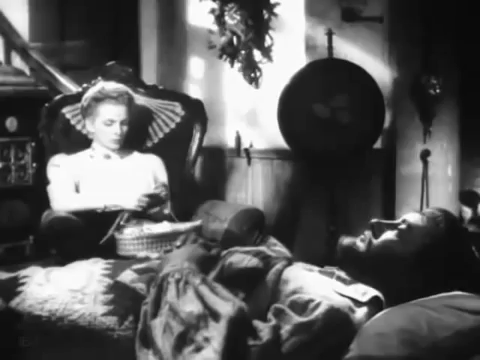
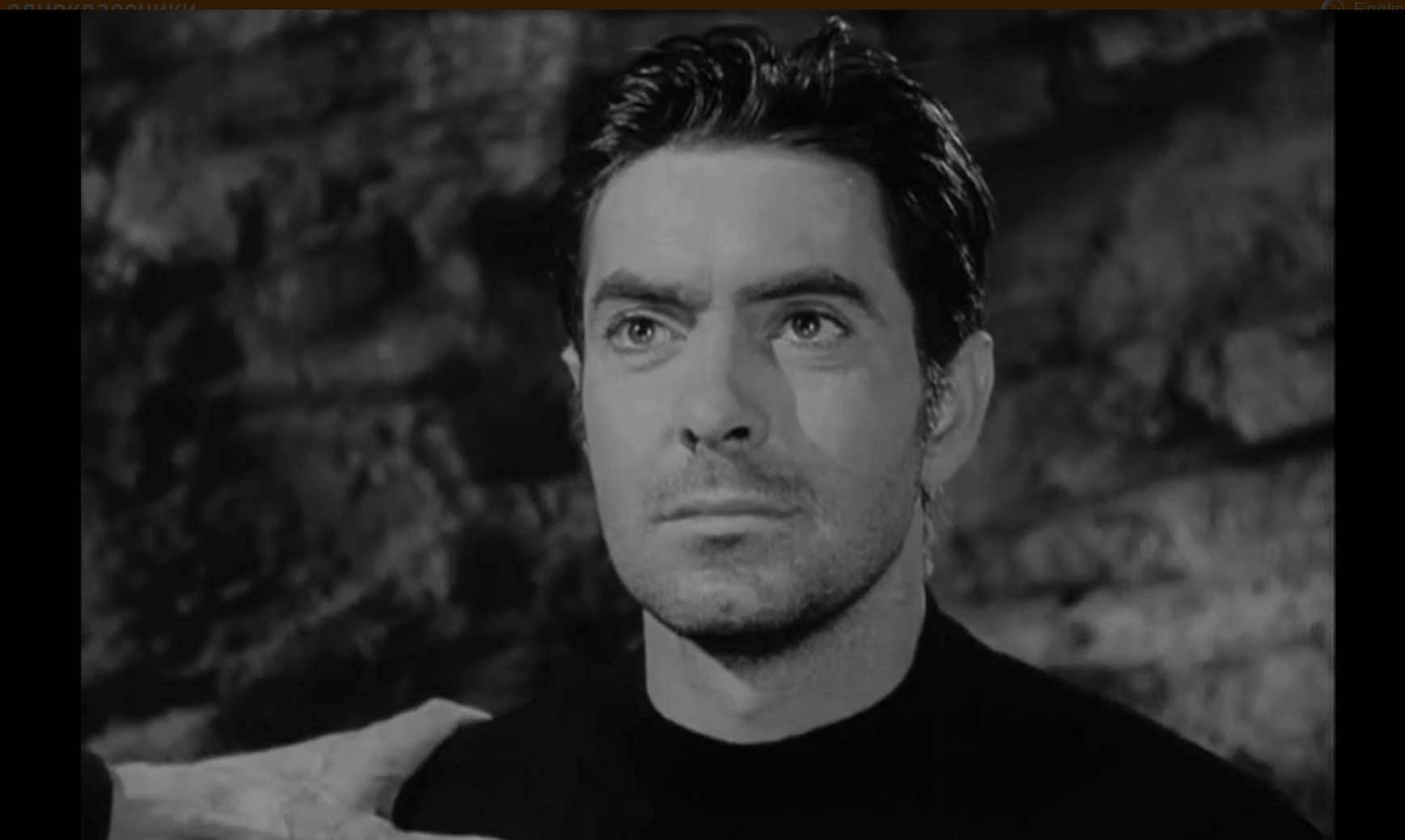
Released just two years after the publication of W. Somerset Maugham’s novel of the same name, this cinematic adaptation was likely of greater interest to current audiences than it will be to modern film fanatics. While Power’s quest for deeper meaning in a world seemingly obsessed with class and materialism continues to resonate:

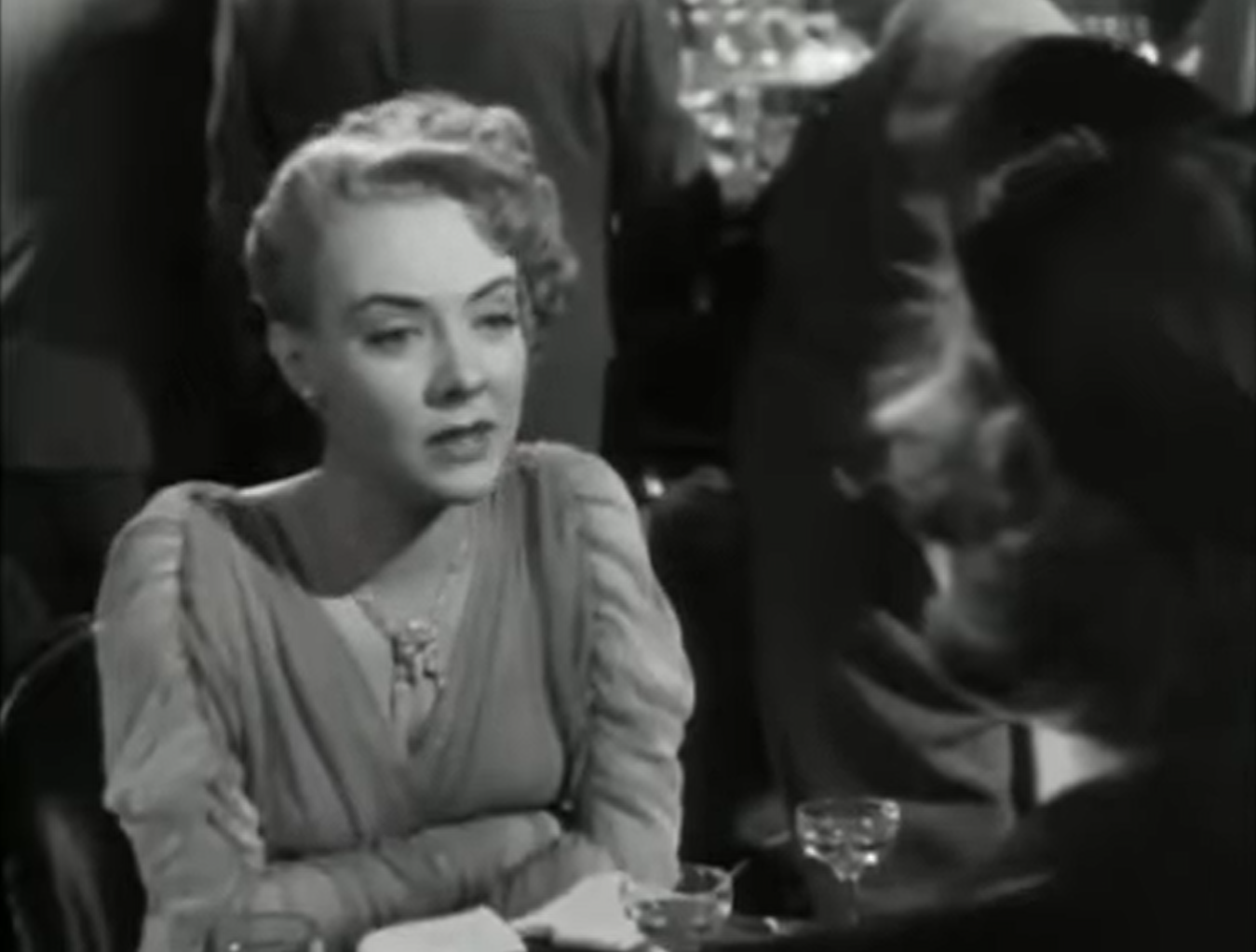
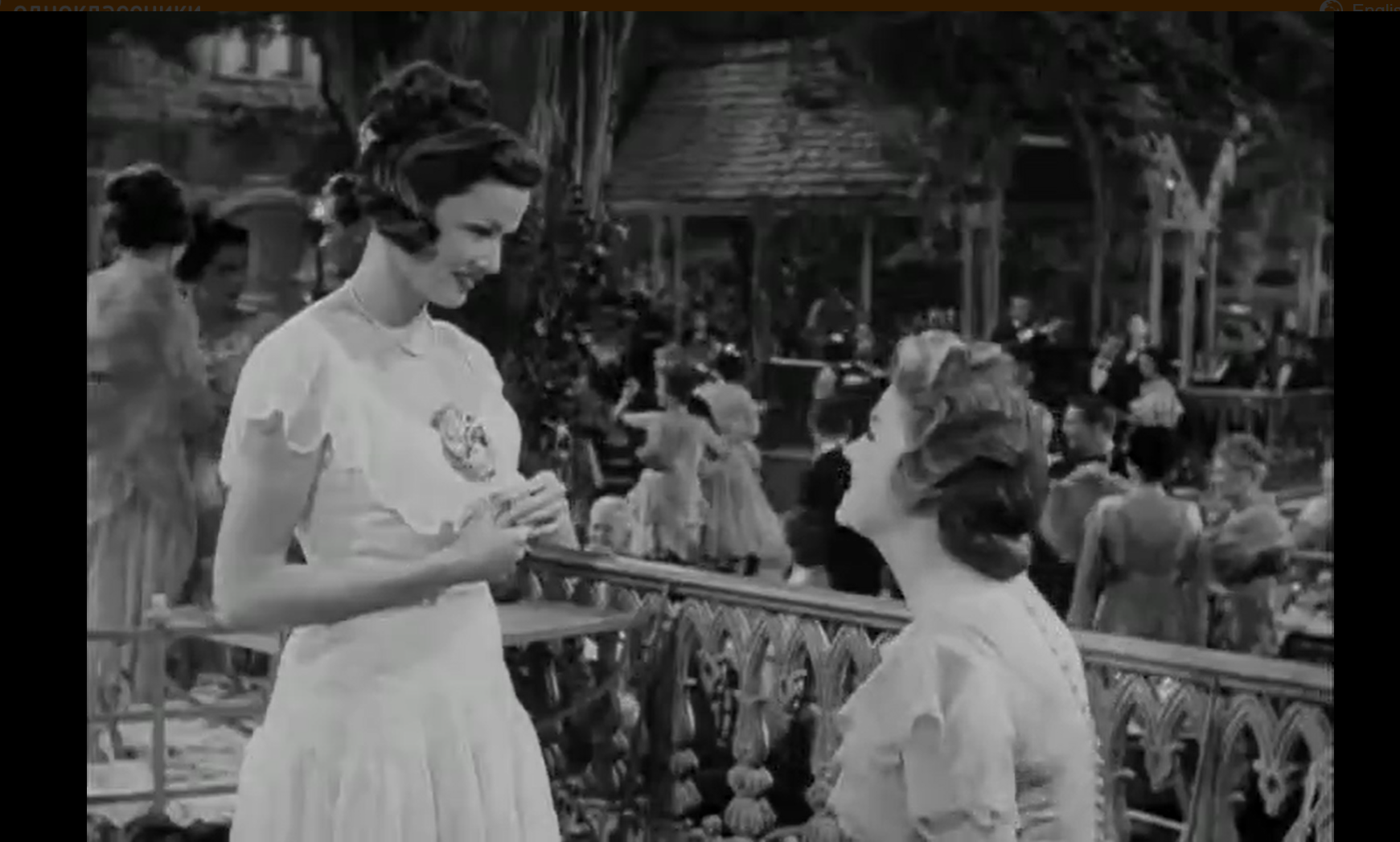
… the package it’s presented in doesn’t satisfy. Tierney’s character is particularly poorly written: she comes across as slightly shallow but relatively sympathetic during the opening scenes:

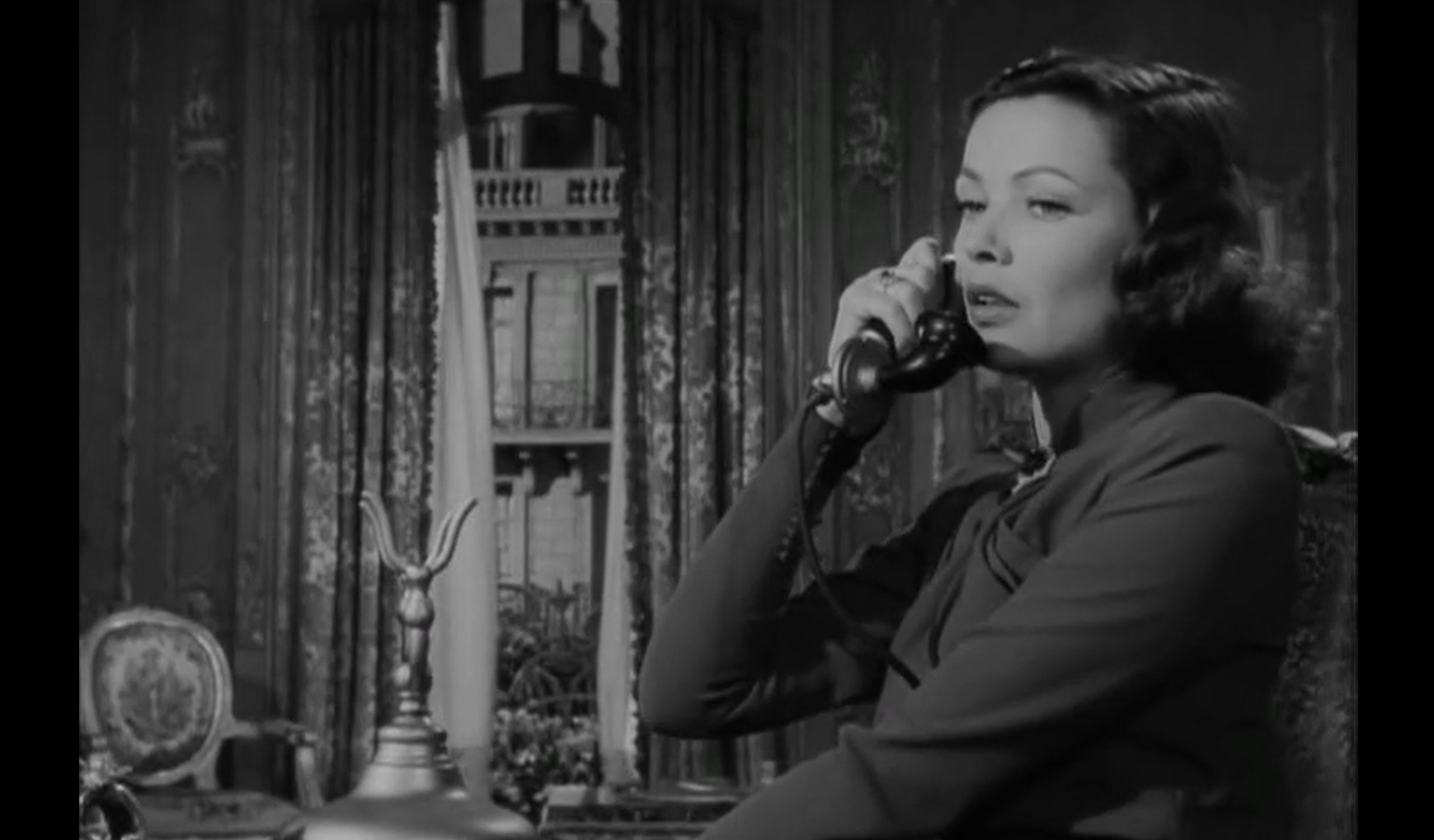
… then suddenly becomes an obsessively jealous psychopath after choosing to marry Payne (a nice guy).

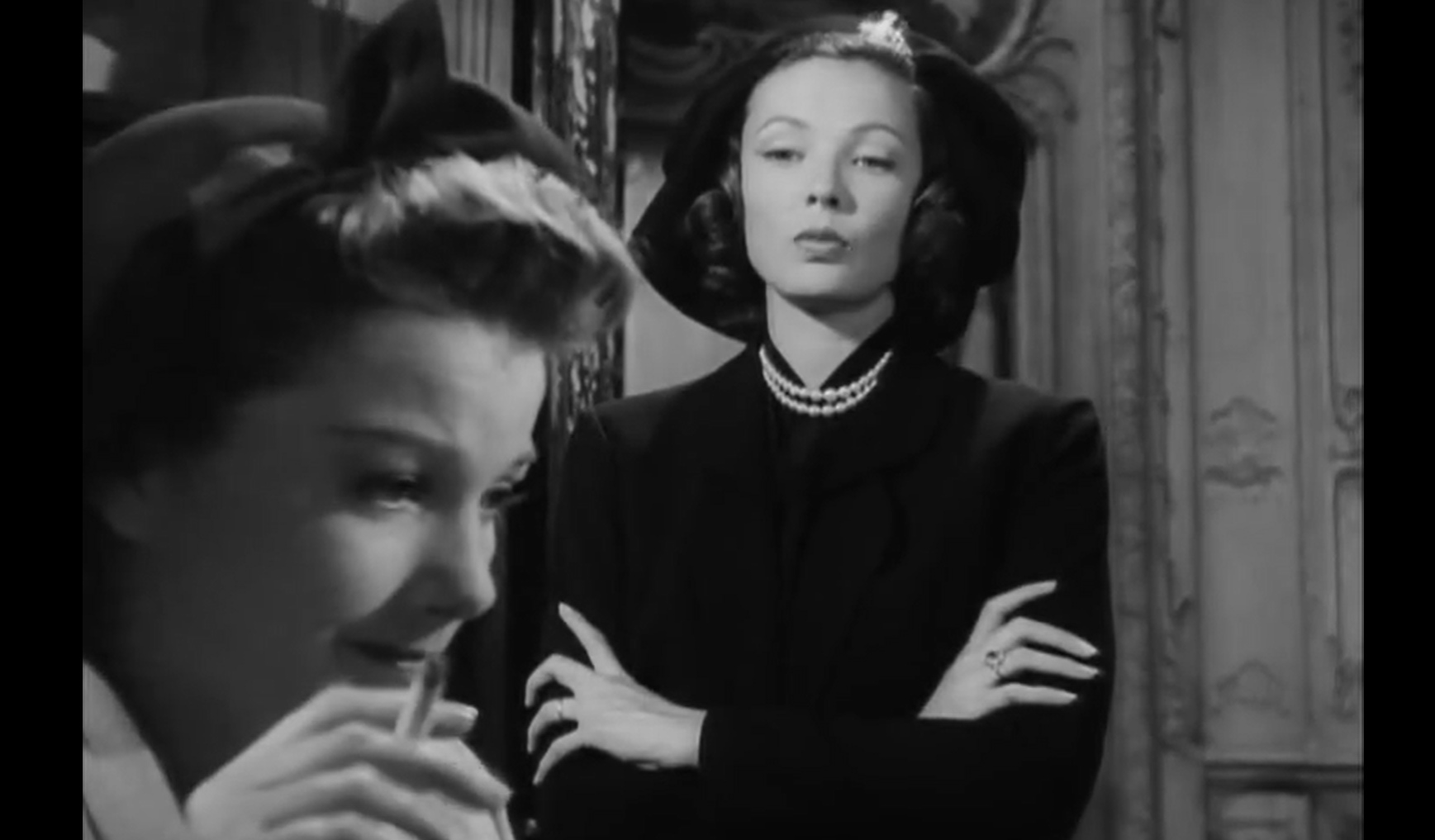
Perhaps there’s more insight about her in the novel, but this extreme shift doesn’t play well, and her treatment of Baxter is simply egregious (one is instantly reminded of her role the year before in Leave Her to Heaven, which apparently she was channeling here).

Also less-than-convincing is the obvious use of studio sets when Power visits India. This film remains mildly noteworthy for presaging the influence eastern spirituality would have on American youth in the 1950s and ’60s, but otherwise hasn’t held up particularly well.

Redeeming Qualities and Moments:

  • An at-times intriguing look at man’s spiritual search for meaning

Must See?
No; feel free to skip this one. Listed as a film with Historical Importance in the back of Peary’s book.

Links:

Fugitive Kind, The (1960)

Fugitive Kind, The (1960)

“I’m not tired — I’m just fed up.”

Synopsis:
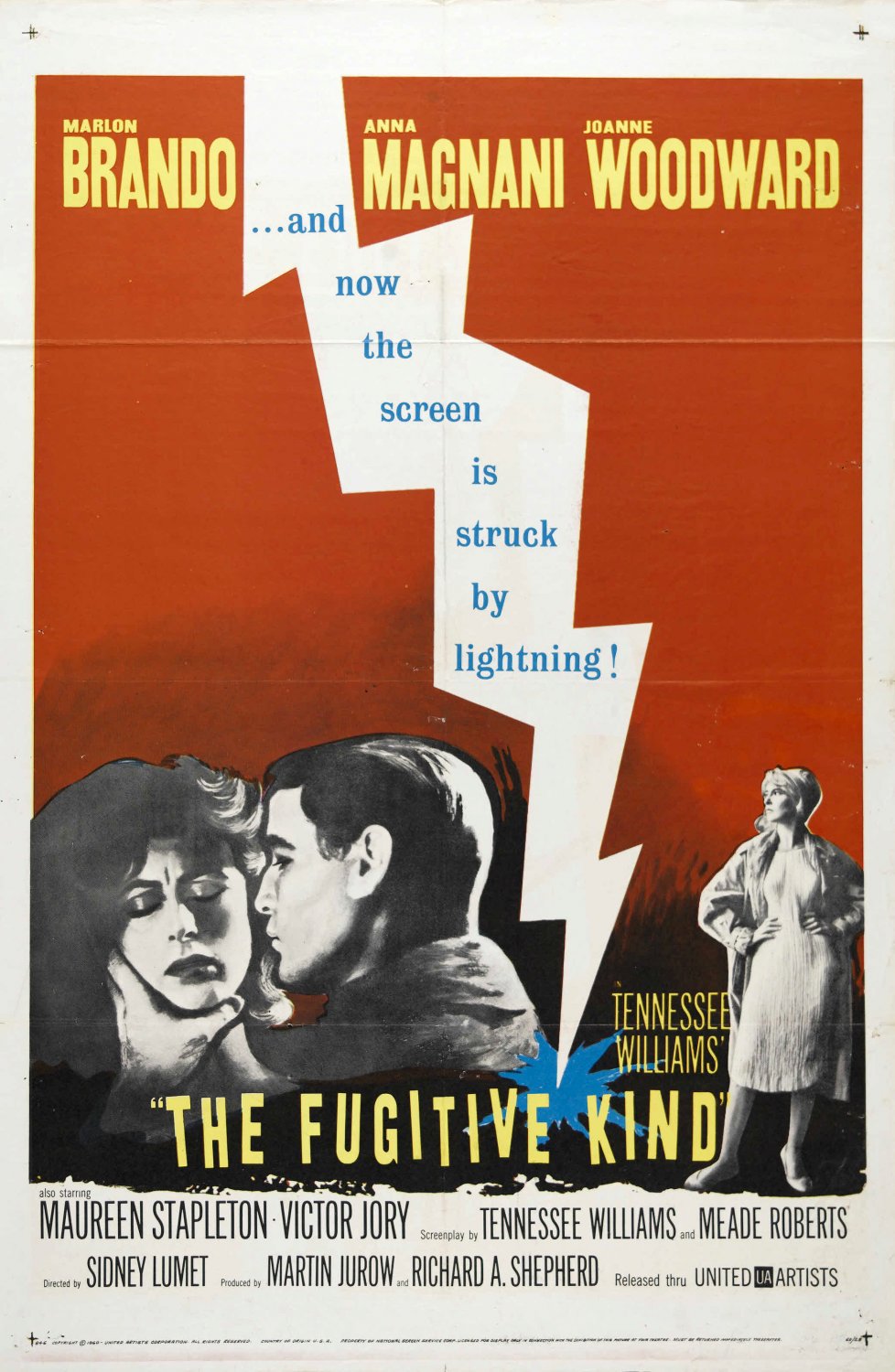
A drifter-guitarist (Marlon Brando) hoping to leave his wild life behind settles for a job as a clerk at a store owned by an ailing bigot (Victor Jory) and his long-suffering wife (Anna Magnani). Meanwhile, a troubled girl (Joanne Woodward) who’s unwelcome in the small town tries to seduce Brando, but he won’t be lured by any woman — at least not at first.

Genres, Themes, Actors, and Directors:

  • Anna Magnani Films
  • Deep South
  • Joanne Woodward Films
  • Marital Problems
  • Marlon Brando Films
  • Sidney Lumet Films
  • Tennessee Williams Films

Review:
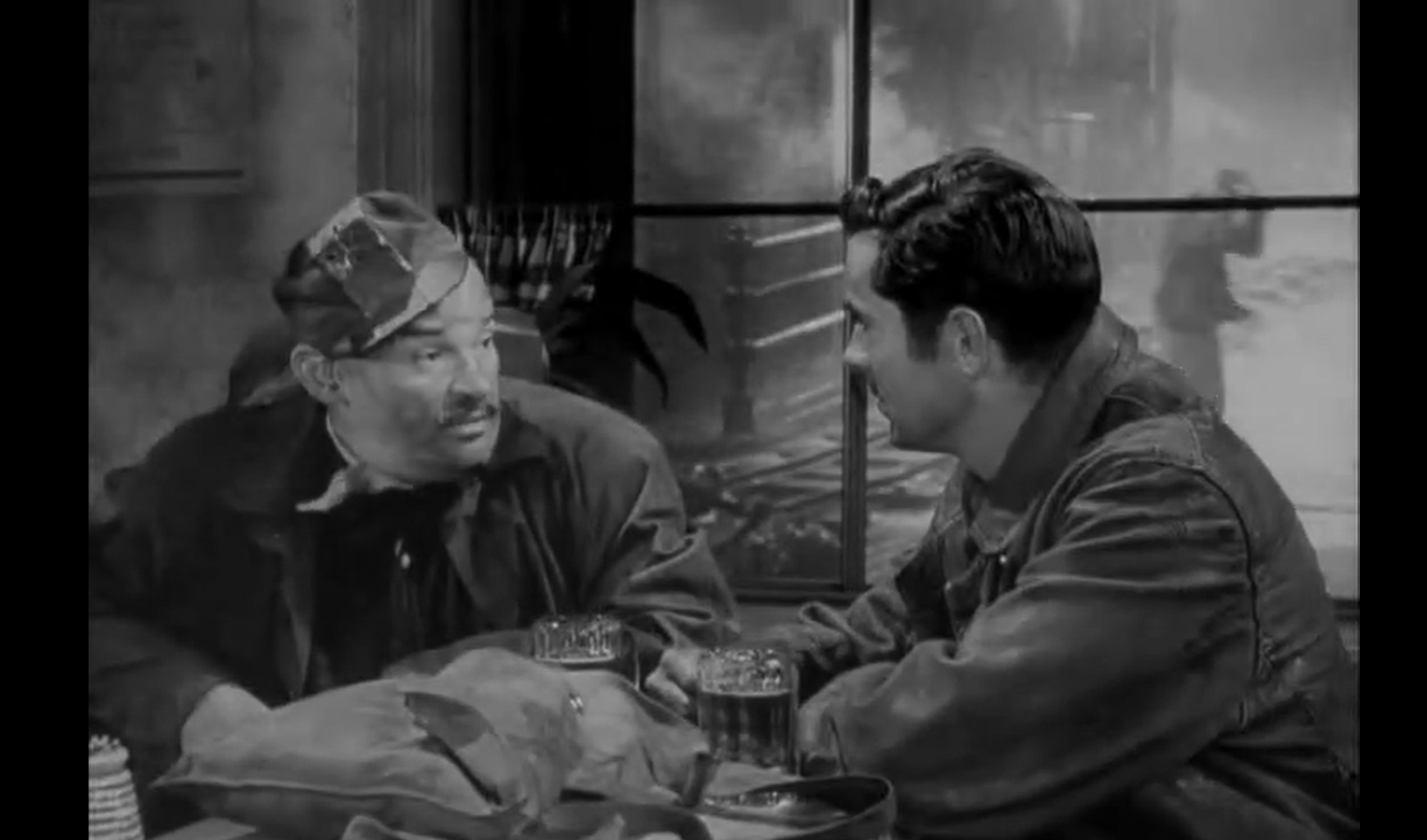
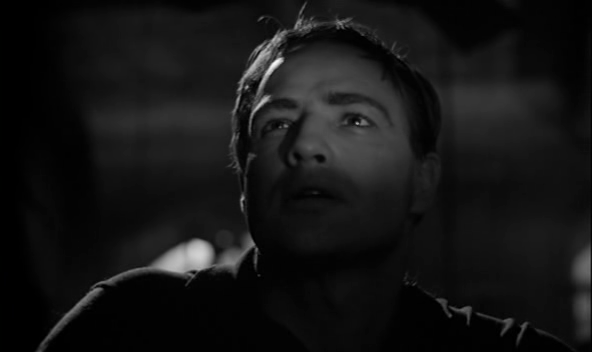
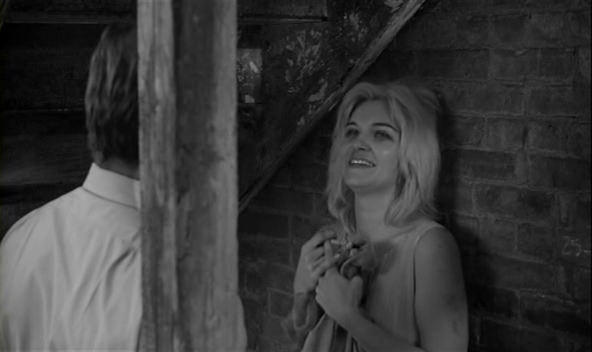
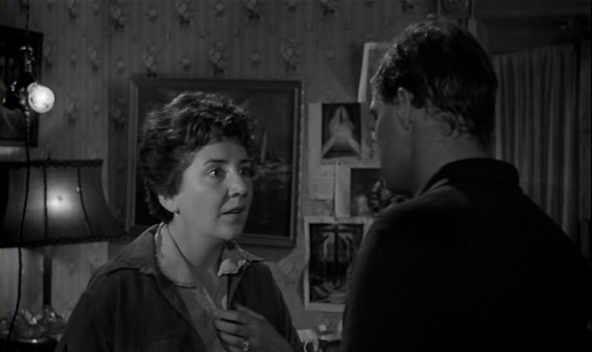
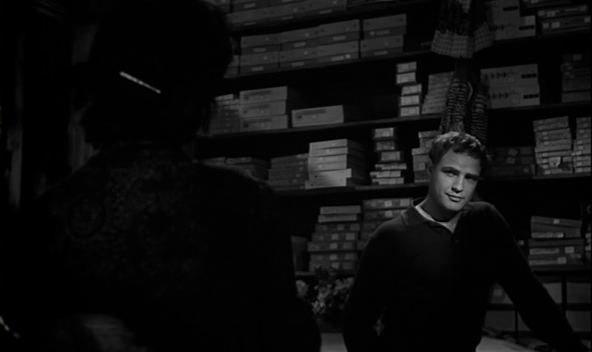
Sidney Lumet’s adaptation of Tennessee Williams’ play Orpheus Descending — itself a remake of Williams’ unproduced Battle of Angels (1940) — is an intriguing entry in Marlon Brando’s screen career, marking what many consider to be the start of his decline, but still showing ample evidence of his charisma. It’s easy to see why the symbol-laden storyline (drenched in both Greek mythology and Christianity) was a challenging one for Williams to “get right” (and get made) — but it more or less works, given the ample star power on display, atmospheric sets and cinematography, and Williams’ unique feeling for outsiders. This one will primarily be of interest to fans of any of the three leads — and/or Lumet or Williams — and is certainly worth a look; but other film fanatics needn’t consider it must-see.

Redeeming Qualities and Moments:

  • Marlon Brando as ‘Snakeskin’
  • Anna Magnani as Lady
  • Joanne Woodward as Carol
  • Notable supporting performances

  • Boris Kaufman’s cinematography

Must See?
No, but it’s certainly worth a one-time look.

Links: