Browsed by
Category: Original Reviews

Responses to Peary’s “must see” movie reviews, as well as my own “must see” movie reviews up to and after 1986 (when Peary’s book was published).

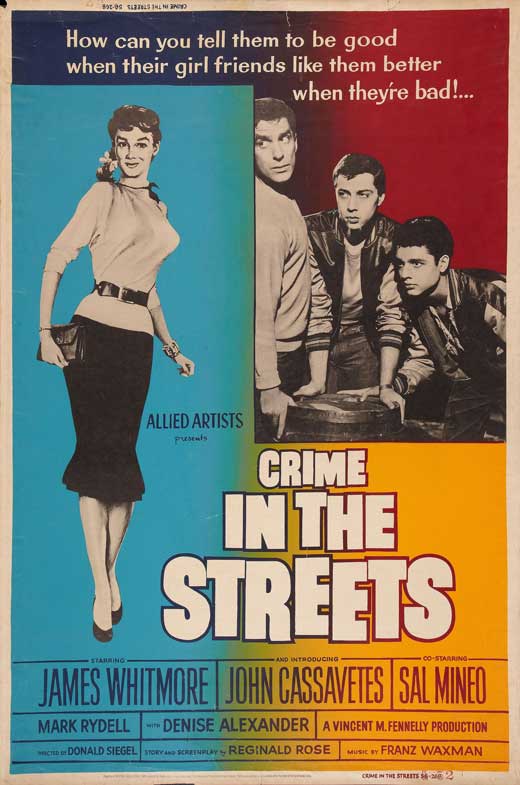
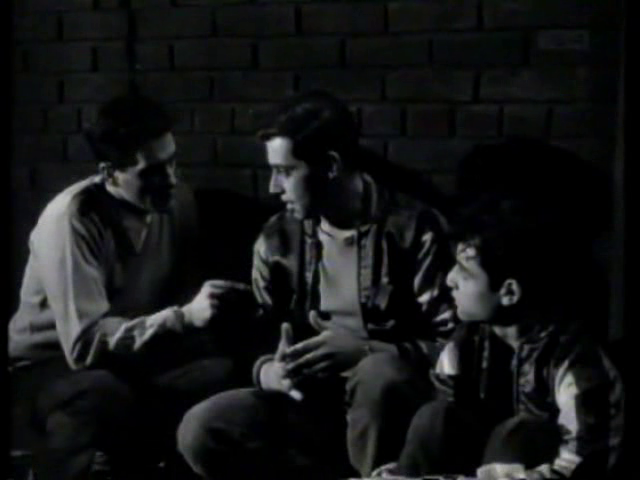
Crime in the Streets (1956)

Crime in the Streets (1956)

“We’re not talking about wild animals — we’re talking about tough, angry kids.”

Synopsis:
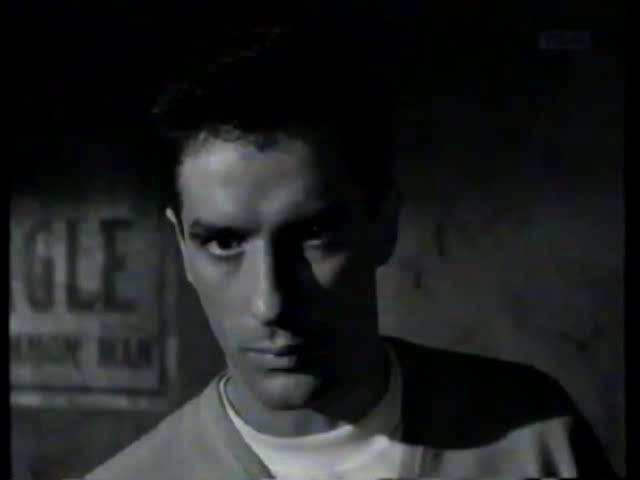
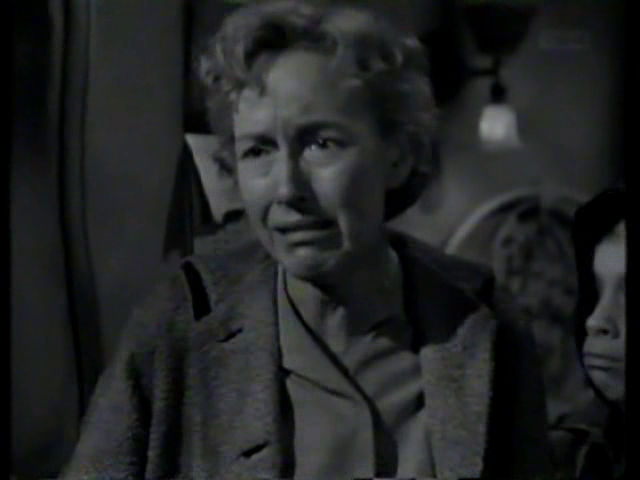
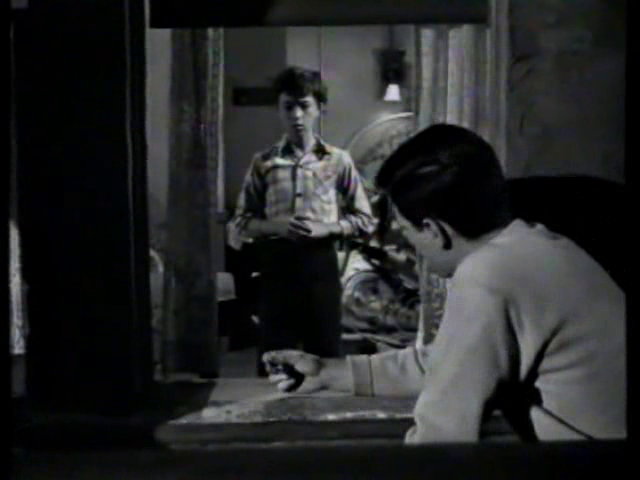
After a gangland rumble between the Hornets and the the Dukes, a neighbor (Malcolm Atterbury) reports a member of the Hornets (Jimmy Ogg) to the police, and he’s sent to jail. The Hornets’ leader, Frankie (John Cassavetes), plots to get back at Atterbury with fatal finality, and enlists the help of two willing gang members — “Baby” (Sal Mineo), whose father (Will Kuluva) and sister (Denise Alexander) are concerned about him, and grinning psychopath Lou (Mark Rydell) — in carrying out a pre-meditated murder. Meanwhile, a caring social worker (James Whitmore) tries to reach out to Frankie, his younger brother (Peter Votrian), and Frankie’s overworked single mother (Virginia Gregg) to prevent the tragedy from occurring.

Genres, Themes, Actors, and Directors:

  • Don Siegel Films
  • Gangs
  • James Whitmore Films
  • John Cassavetes Films
  • Juvenile Delinquents
  • Revenge
  • Sal Mineo Films

Review:
Shortly after directing Invasion of the Body Snatchers (1956), Don Siegel helmed this “social drama” — based on an Elgin Hour television play directed by Sidney Lumet — which is notable for featuring Cassavetes as the tough-as-nails lead; for the sympathetic presence of Sal Mineo a year after his breakthrough role in Rebel Without a Cause (1955); and for fine supporting performances all around (much of the cast starred in the original television production). Taking place within a confined set, the film effectively conveys the claustrophobic sensation of Cassavates as a literal ticking time bomb; while his only hope seems to be the sincere ministrations of Whitmore, another character ultimately emerges as a surprising lever for his hardened heart. It’s interesting early on to watch which of Cassavetes’ fellow gang members will join his plans, or not (enough bow out to clearly indicate that peer pressure alone isn’t enough to convince delinquents to turn to murder). An especially intriguing unexplored character is Rydell, playing a sociopathic teen seemingly in it for the kicks; along with impressionable Mineo (“Papa, let me grow up!”) and vengeful Cassavetes, these three kids represent a trio of diverse delinquency challenges to be reckoned with.

Redeeming Qualities and Moments:

  • John Cassavetes as Frankie
  • Fine supporting performances


  • Stark cinematography

Must See?
No, but it’s recommended.

Links:

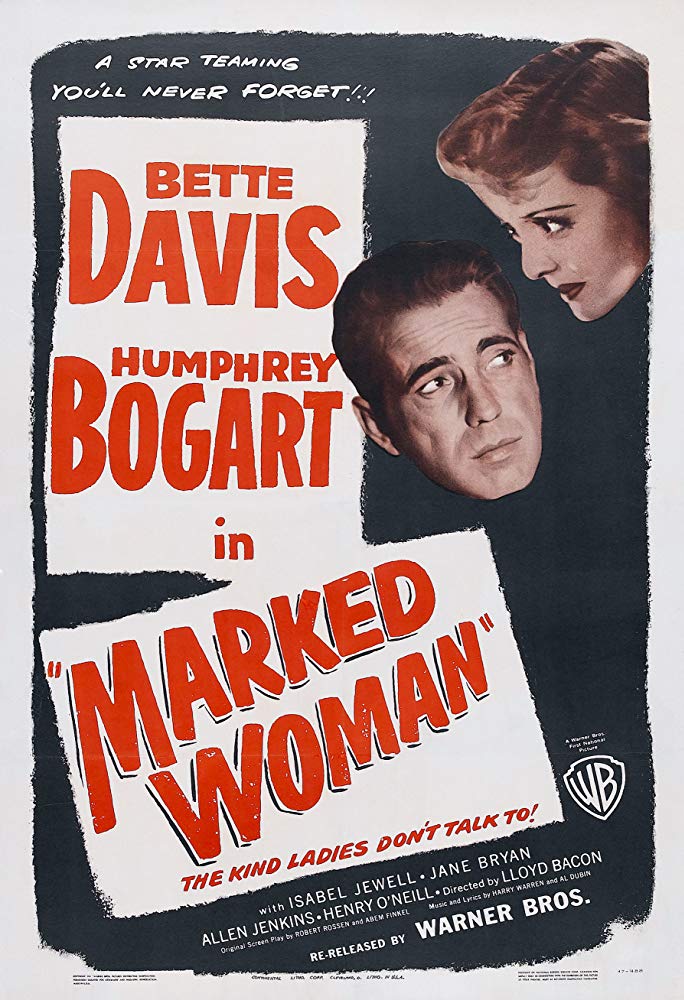
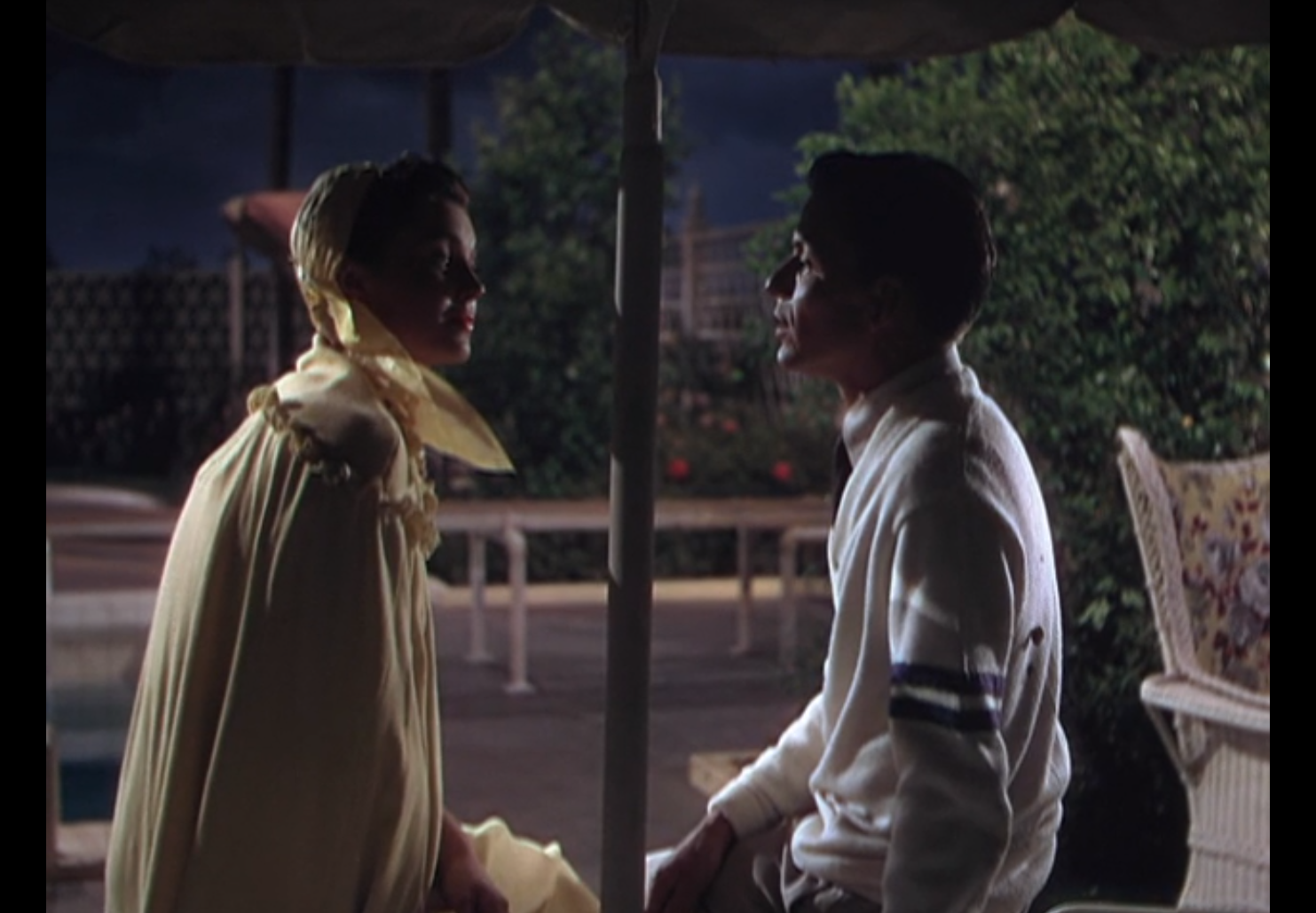
Marked Woman (1937)

Marked Woman (1937)

“I’ll get you — even if I have to crawl back from my grave to do it!”

Synopsis:
A nightclub hostess (Bette Davis) in a “clip joint” — whose college-going sister (Jane Bryan) believes Davis is simply a model — becomes caught up in a case against her corrupt boss (Eduardo Cianelli) led by an assistant D.A. (Humphrey Bogart) determined to fight against organized crime in New York City.

Genres, Themes, Actors, and Directors:

  • Bette Davis Films
  • Corruption
  • Courtroom Drama
  • Gangsters
  • Humphrey Bogart Films
  • Play Adaptation
  • Strong Females

Response to Peary’s Review:
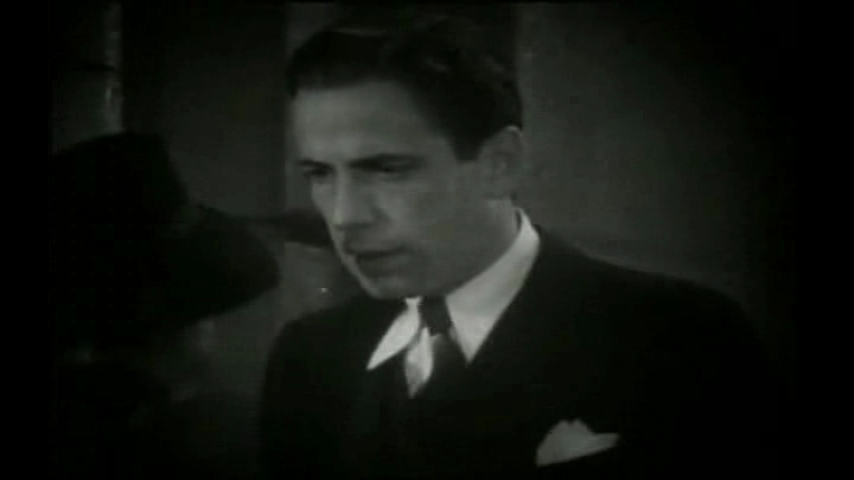
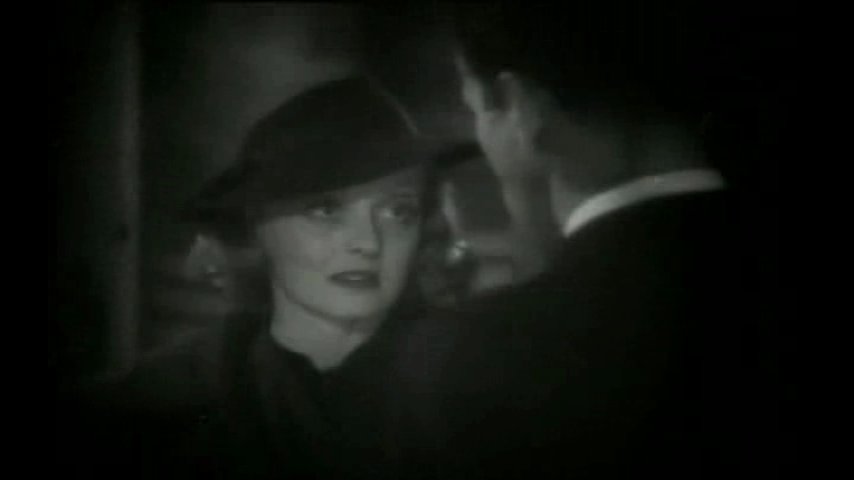
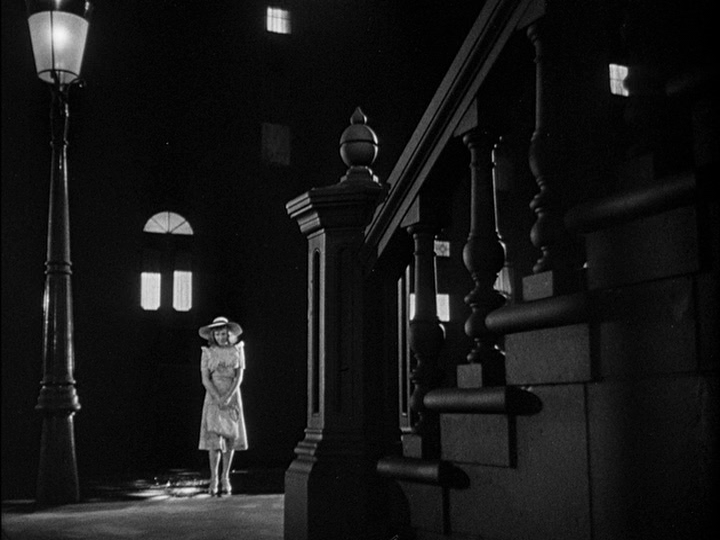
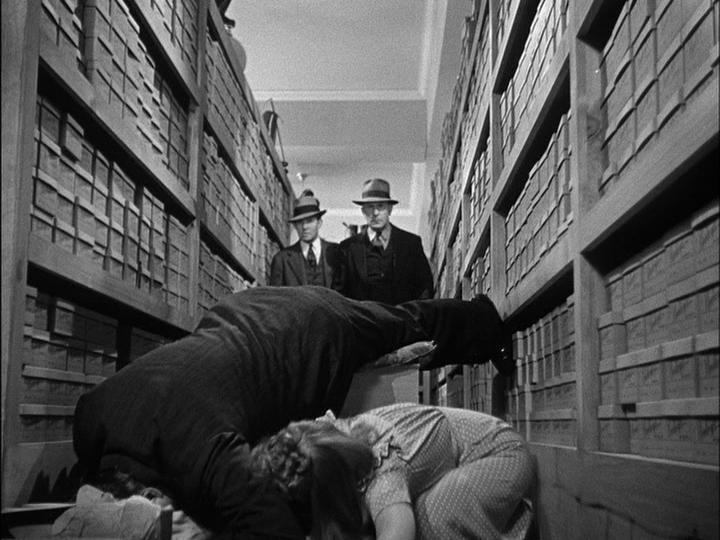
Based on the real-life exploits of notorious crime mob “Lucky” Luciano, this “excellent feminist crime drama” — featuring Humphrey Bogart in a supporting role as a crusading D.A. modeled after Thomas Dewey:

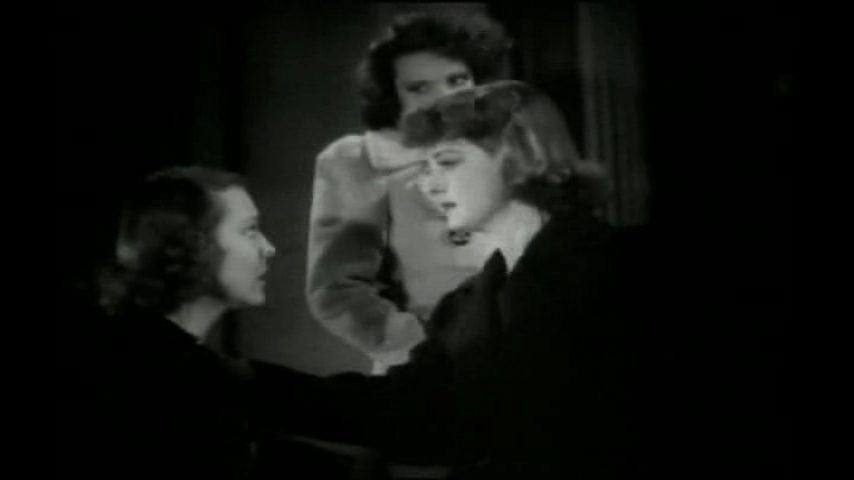
— is primarily about women banding together to fight for their safety and freedom. Davis’s feisty character represents the reality and the determination of women caught under the thumb of criminal dominance: she knows it’s useless to stand up to a mobster as vicious as Cianelli, and clearly sympathizes with the sap (Damian O’Flynn) who thinks he can pull one over on the mob by leaving town without paying his gambling debts. (He’s swiftly killed, and his murder leads to the investigation that sparks the rest of the film.) However, when her guileless sister becomes caught up in Cianelli’s nefarious web, Davis decides she’s had enough, and rallies the support of her professional “sisters” (Lola Lane, Isabel Jewell, Rosalind Marquis, and Mayo Methot) to finally tell the truth about their situation.

As Peary notes, “We’re impressed by these women because they act bravely although they are terrified about what might happen to them; because they will be subject to humiliation in court when they’re asked about their line of work; and because they don’t stand to gain anything by testifying other than avenging Bryan’s death and freeing girls all over the city who are under Cianelli’s heavy thumb. These girls aren’t angels, they don’t have hearts of gold, but they have integrity… [and] are adament about fulfilling their mission”. The closing scene of the film — as “our five ‘heroines’ walk away into the fog, arm in arm” — emphasizes that despite the noble intentions of some “good men”, it’s “by sticking together” that “women have strength — and that’s the message they want to get out to all the faceless, exploited American women they represent”.

Redeeming Qualities and Moments:

  • Bette Davis as Mary
  • George Barnes’ cinematography

Must See?
No, though it’s worth a one-time look.

Links:

Take Me Out To the Ball Game (1949)

Take Me Out To the Ball Game (1949)

“Wouldn’t it be wonderful to be married to a girl who played baseball?”

Synopsis:
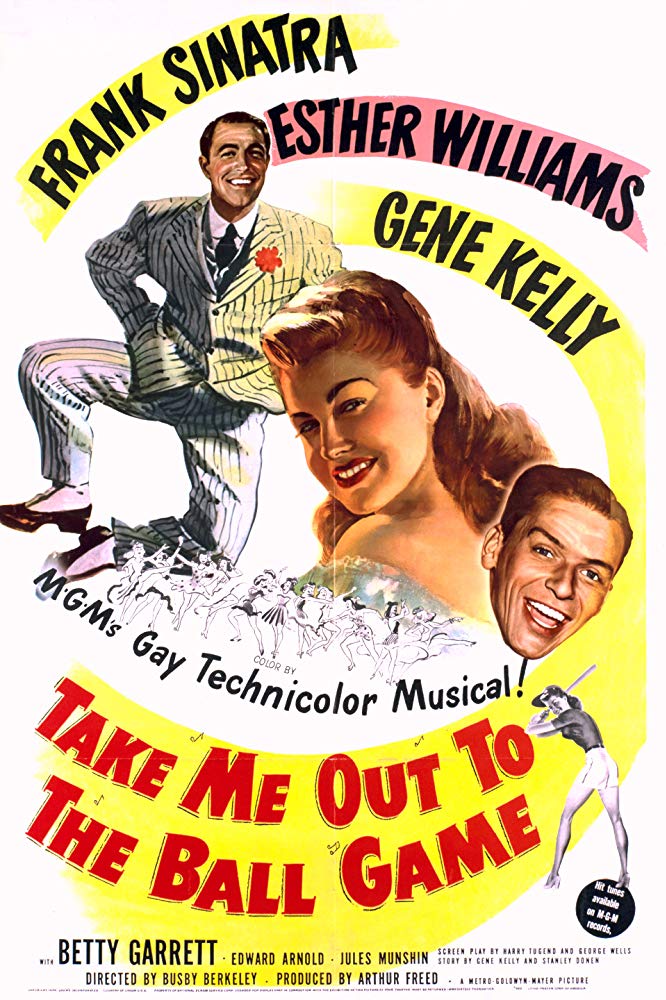
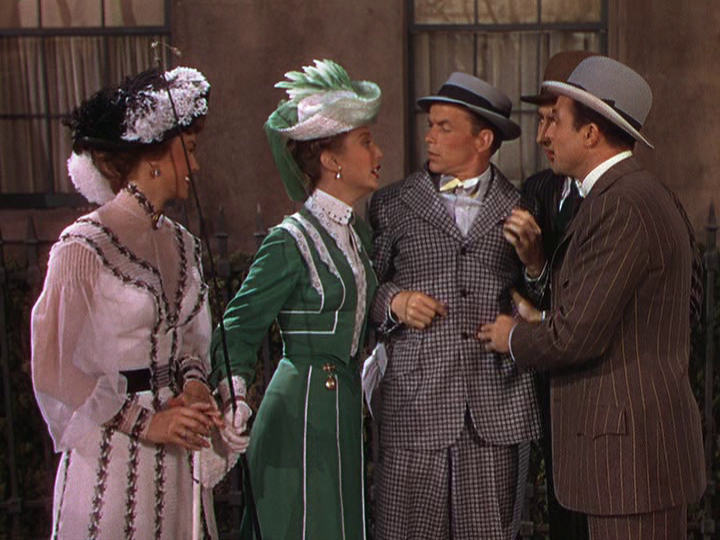
Near the beginning of the 20th century, a pair of vaudeville performers (Gene Kelly and Sinatra) take a break from the stage while playing baseball for a team — The Wolves — newly acquired by a sports-loving female (Esther Williams). An acquaintance (Betty Garrett) of a noted gambler (Edward Arnold) takes an immediate fancy to Sinatra, while Kelly and Williams develop affections for one another — but when Arnolds decides to jinx the team’s chances of success by luring Kelly back to the stage, the future of the team and its romantic involvements are uncertain.

Genres, Themes, Actors, and Directors:

  • Baseball
  • Busby Berkeley Films
  • Edward Arnold Films
  • Frank Sinatra Films
  • Gambling
  • Gene Kelly Films
  • Musicals
  • Strong Females

Review:
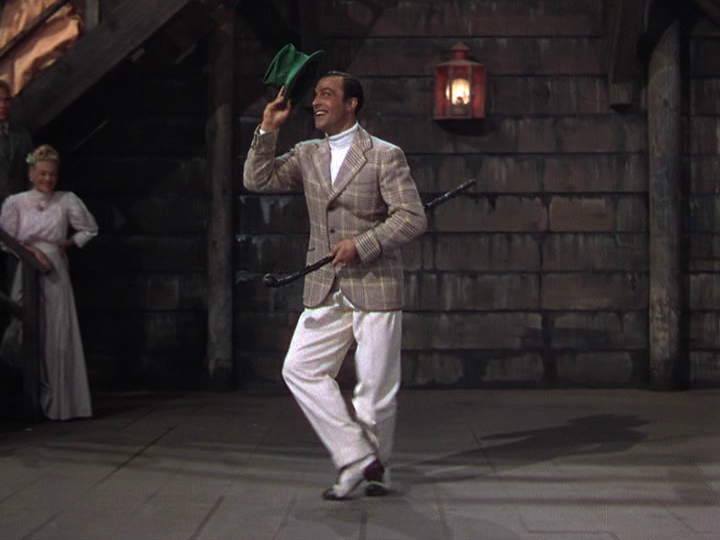
Frank Sinatra and Gene Kelly co-starred in three musicals together: Anchors Aweigh(1945), On the Town (1949), and this Busby Berkeley-directed Technicolor musical, produced in the Arthur Freed unit of MGM. Williams — who manages to star in one swimming sequence — was a last-minute replacement for Ginger Rogers, and apparently didn’t enjoy the experience much; she’s ultimately less memorable than Garrett, who has a ton of fun singing, dancing, and aggressively wooing Sinatra. The song and dance numbers (many of which include Jules Munshin, co-star of On the Town) are colorful and vibrant, and it’s fun to see the early days of baseball given their glory on screen — however, this film doesn’t distinguish itself as must-see.

Redeeming Qualities and Moments:

  • Lively songs and dances
  • Fine Technicolor cinematography

Must See?
No, but it’s a fun diversion.

Links:

Devil and Miss Jones, The (1941)

Devil and Miss Jones, The (1941)

“I watch the little ants scurrying around and I know each is going to get his just dessert.”

Synopsis:
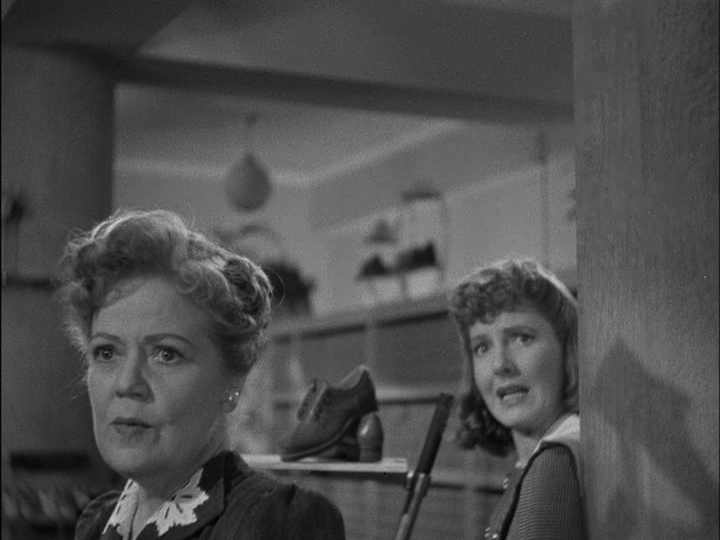
A crusty millionaire (Charles Coburn) goes undercover as a shoe clerk at his own department store, intending to ferret out the leaders behind a nascent labor movement. However, as he gets to know a kind colleague (Jean Arthur) and her agitator-boyfriend (Robert Cummings), and falls in love with a sweet middle-aged co-worker (Spring Byington), he experiences a change of heart and perspective.

Genres, Themes, Actors, and Directors:

  • Character Arc
  • Charles Coburn Films
  • Class Relations
  • Edmund Gwenn Films
  • Jean Arthur Films
  • Millionaires
  • Mistaken or Hidden Identities
  • Robert Cummings Films
  • Romantic Comedy
  • Sam Wood Films

Review:
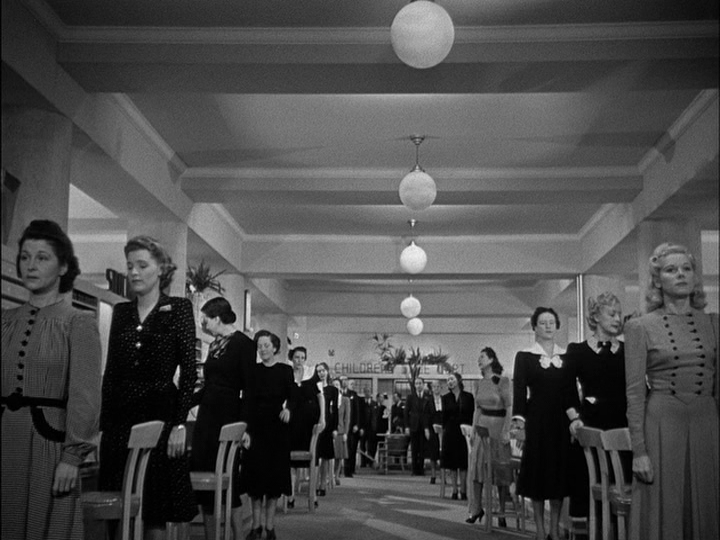
DVD Savant is a huge fan of this screwball comedy by director Sam Wood and production designer William Cameron Menzies, who previously collaborated on The Pride of the Yankees (1942) and For Whom the Bell Tolls (1943). Savant notes:

The disarming, entertaining The Devil and Miss Jones is one of the best social comedies ever, a film that creates a nice feeling for people while saying fairly pertinent things about the need for decent conditions in the workplace… The movie abounds in terrific character touches, inspired comedy gags, and two or three moments of finely tuned slapstick… So many things click in The Devil and Miss Jones that one cannot over-praise Norman Krasna’s screenplay, one of the best ever from the classic Hollywood years. [Krasna also wrote Hitchcock’s Mr. and Mrs. Smith (1941).]

While I appreciate The Devil and Miss Jones on nearly every level outlined above, it’s less of a personal favorite — perhaps because I wasn’t entirely sold on the fantasy element. Clearly, one has to buy into the premise that Coburn simply needs to visit his own employees in order to have a huge change of heart — wouldn’t life be wonderful if that were the case? I suppose that was (and remains) the allure for many.

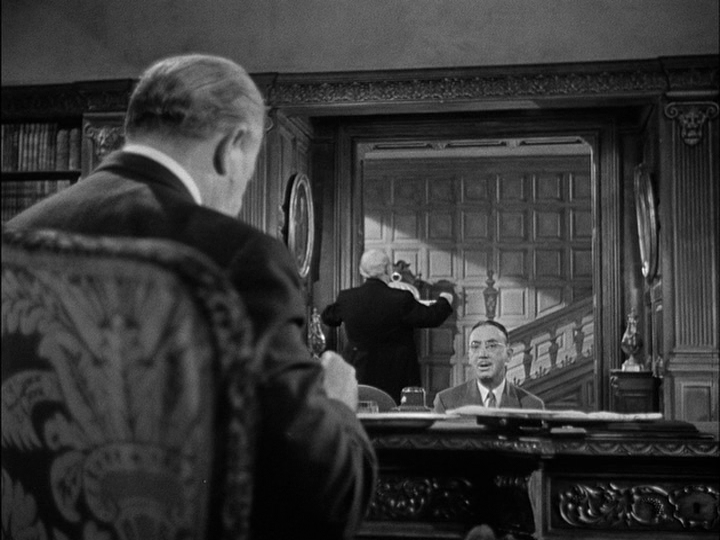
My favorite aspects of the film are its seemingly “pre-planned” camera angles and highly crafted look; it’s visually evocative from beginning to finish (even during scenes that strain credulity — such as the beach picnic at Coney Island). I’m also a fan of Byington’s adorable performance, and Jean Arthur is never not a pleasure to watch in action. (She and Coburn would reteam for The More the Merrier [1943].)

Note: It’s interesting to read about director Sam Wood’s own conversative, anti-Communist political leanings, which became truly extreme by the end of his short life; see Wikipedia’s entry for more information.

Redeeming Qualities and Moments:

  • Jean Arthur as Mary Jones
  • Spring Byington as Elizabeth
  • Distinctive framing and cinematography


  • William Cameron Menzies’ set designs

  • A fun look at historic Coney Island

Must See?
No, though it’s worth a one-time look.

Links:

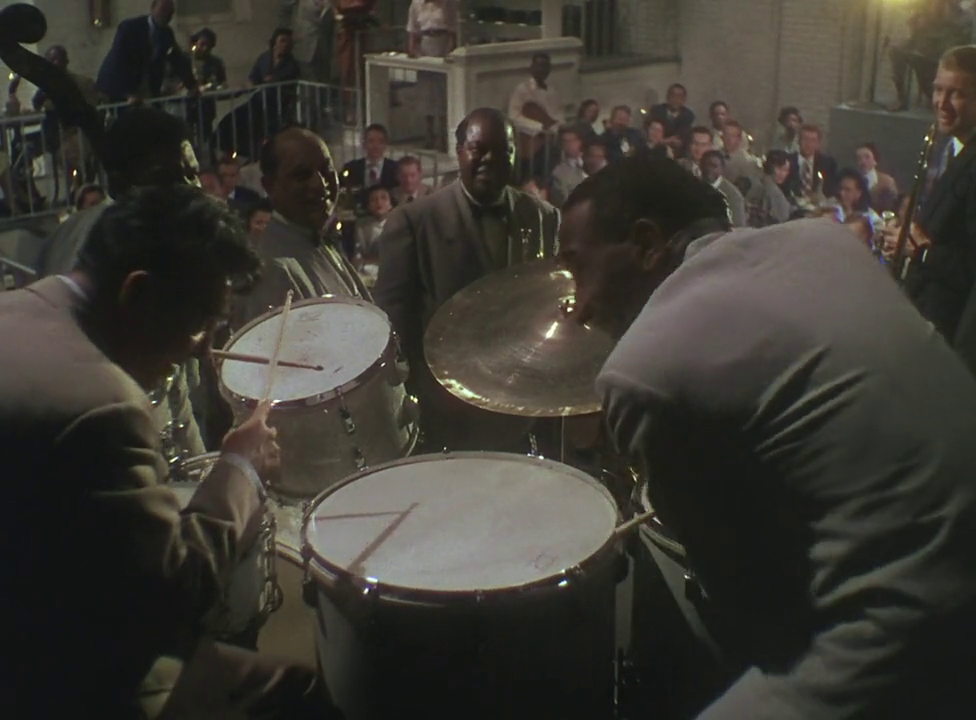
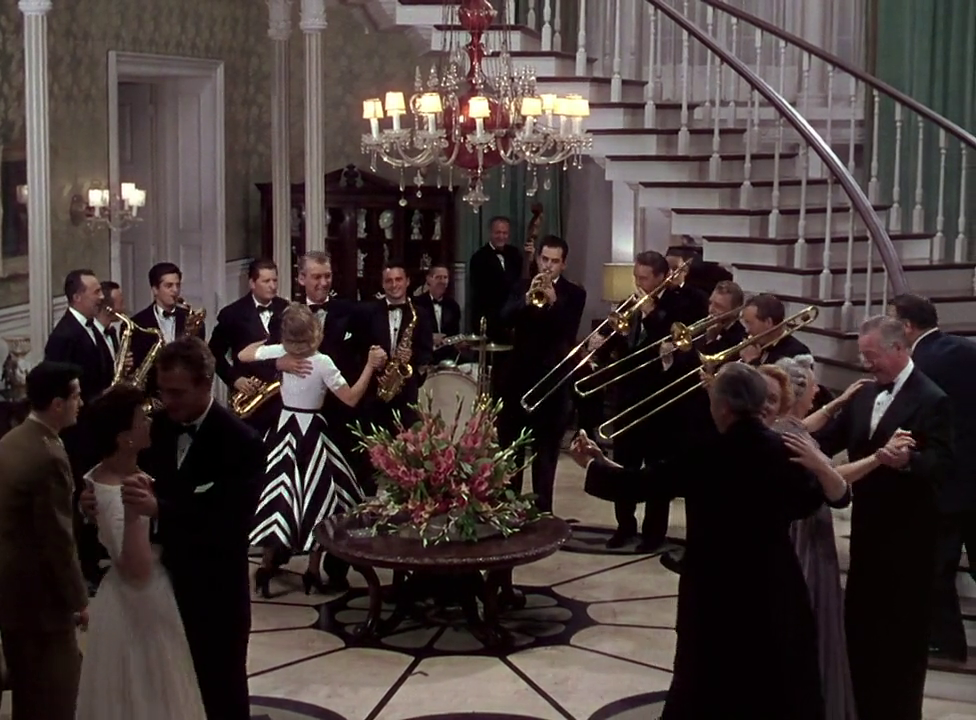
Glenn Miller Story, The (1954)

Glenn Miller Story, The (1954)

“It’s funny how you can miss a person even before he’s gone.”

Synopsis:
Bandleader Glenn Miller (Jimmy Stewart) romances his sweetheart (June Allyson) and — with her ongoing support — slowly achieves worldwide success as a unique musical talent.

Genres, Themes, Actors, and Directors:

  • Anthony Mann Films
  • Biopics
  • Composers
  • Jimmy Stewart Films
  • June Allyson Films
  • Musicians

Review:
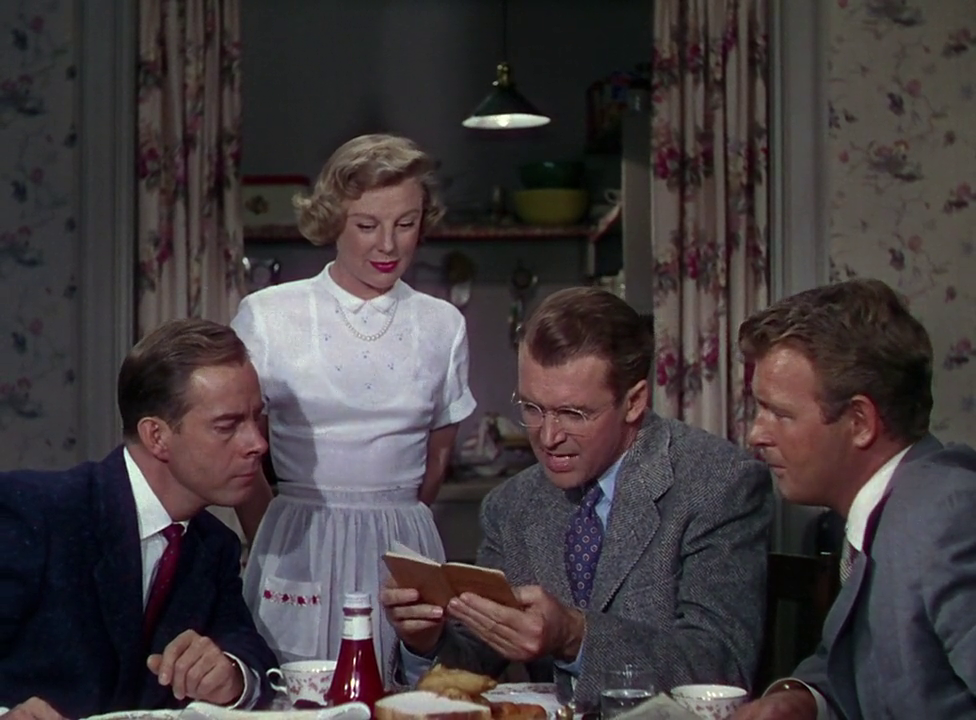
Anthony Mann’s biopic of bandleader Glenn Miller’s slow but substantial rise to success — culminating in his tragic disappearance during World War II, while entertaining troops abroad — is colorfully staged, well-directed, and features likable performances by the leads (Stewart looks eerily like Miller with glasses on).

There’s quite a bit of focus on Miller’s romance with his would-be and then loyal wife (Allyson): his dogged confidence that she’s the right partner for him — despite not staying in touch for two years after college — nicely parallels his pursuit of the elusive sound he was striving for in his music (which he apparently stumbled upon after years of study, hard work, and experimentation). Unfortunately, there isn’t much natural tension in the storyline, given that we know Miller will ultimately succeed, and his marriage is portrayed as nothing but peachy-keen in the midst of life’s challenges (including a miscarriage). The best part of the movie by far is the soundtrack: his famous tunes are instantly engaging, and well performed. It’s easy to see why audiences of the day loved this movie and made it a box office hit.

Redeeming Qualities and Moments:

  • Fun cameos by real-life musical legends
  • An effective portrayal of Miller’s creative process
  • A stand-out musical score (naturally!)

Must See?
No, though it’s certainly recommended for one-time viewing.

Links:

Blackboard Jungle (1955)

Blackboard Jungle (1955)

“This is the garbage can of the educational system.”

Synopsis:
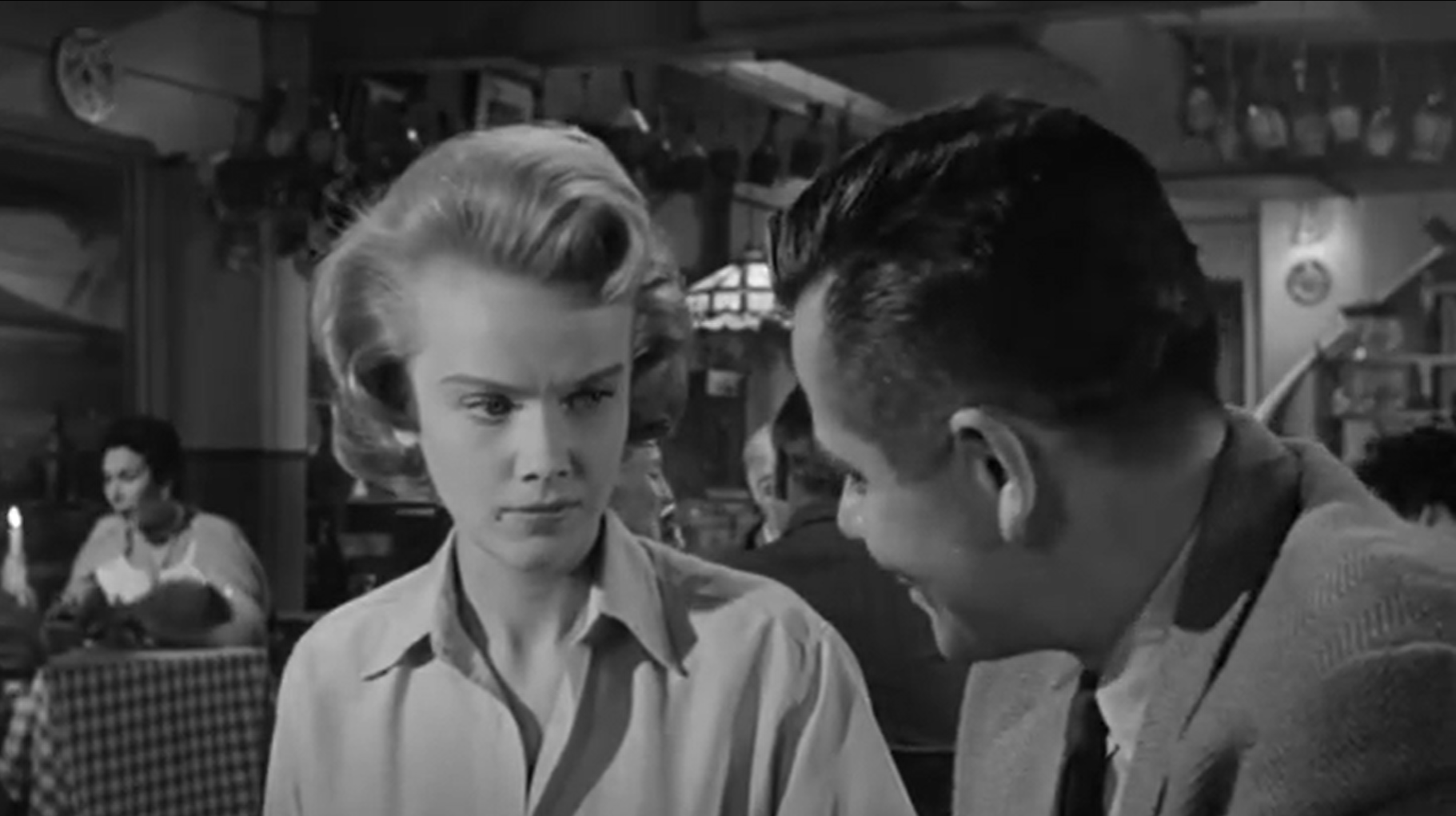
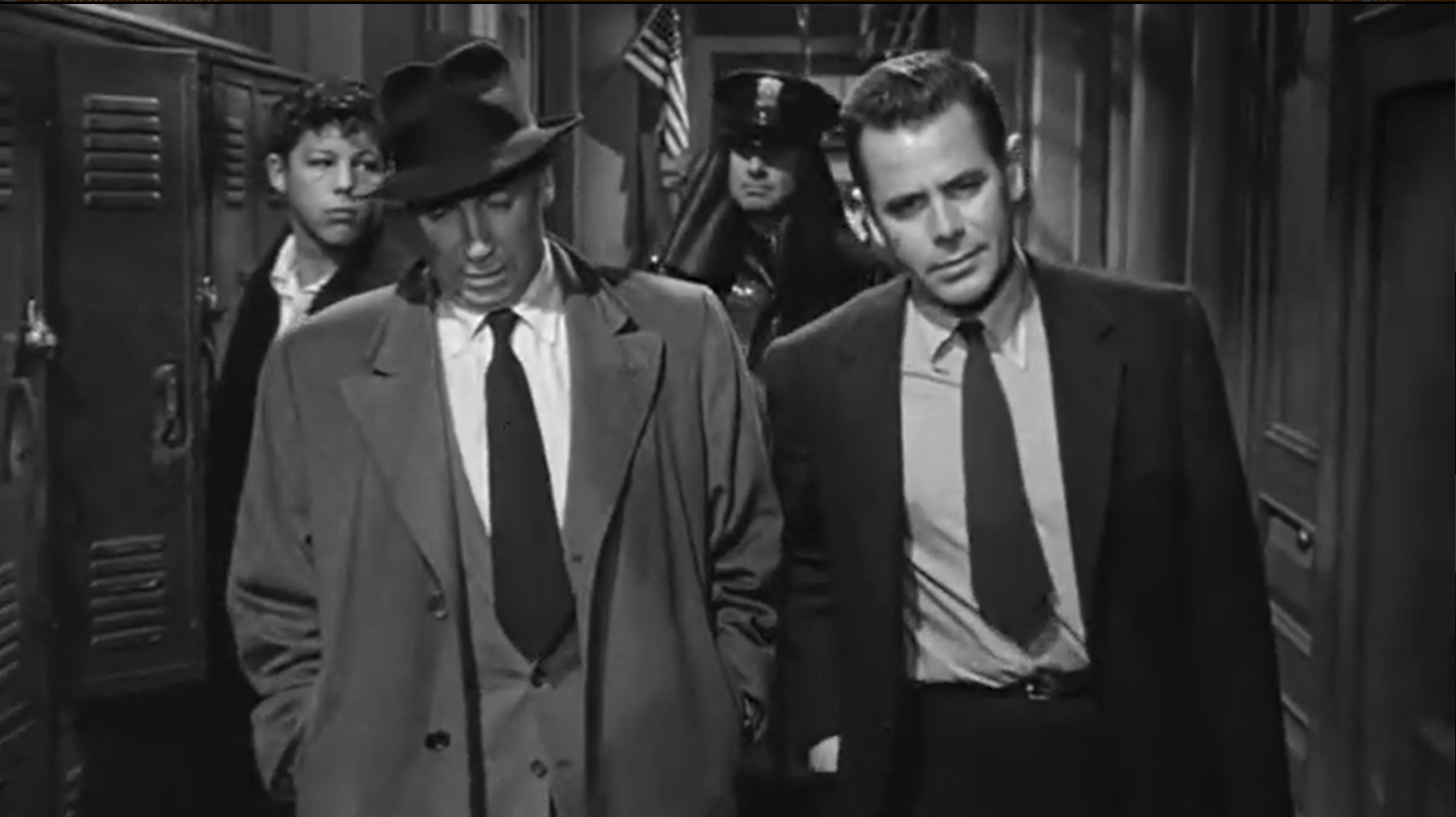
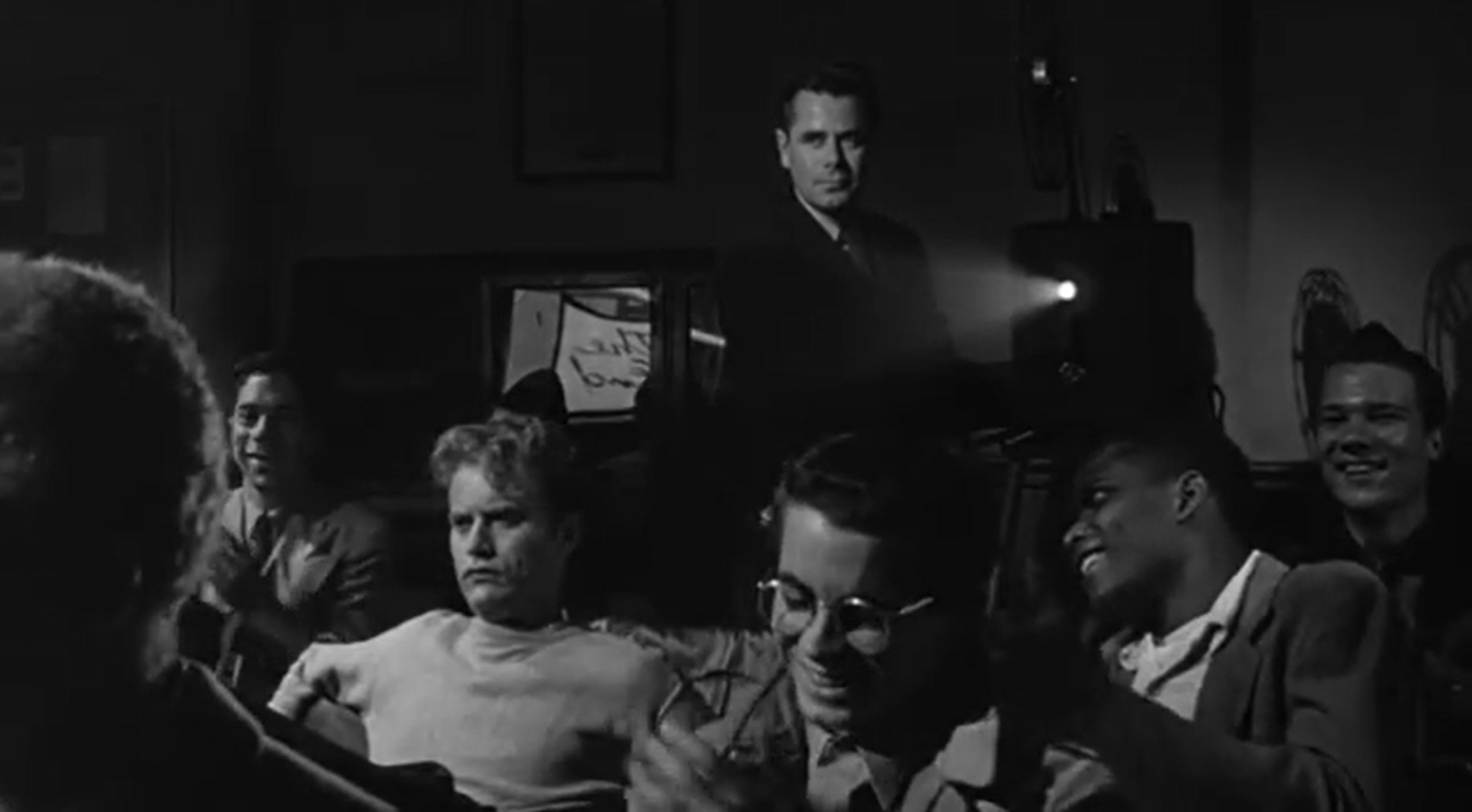
A high school English teacher (Glenn Ford) with a pregnant wife (Anne Francis) is determined to survive his new job at a school with challenging discipline problems, including those led by a sullen and violent teen (Vic Morrow). Can Mr. Dadier (Ford) rely on a student leader (Sidney Poitier) to help him positively influence his classroom?

Genres, Themes, Actors, and Directors:

  • Anne Francis Films
  • Glenn Ford Films
  • Juvenile Delinquents
  • Louis Calhern Films
  • Richard Brooks Films
  • Sidney Poitier Films
  • Teachers

Review:
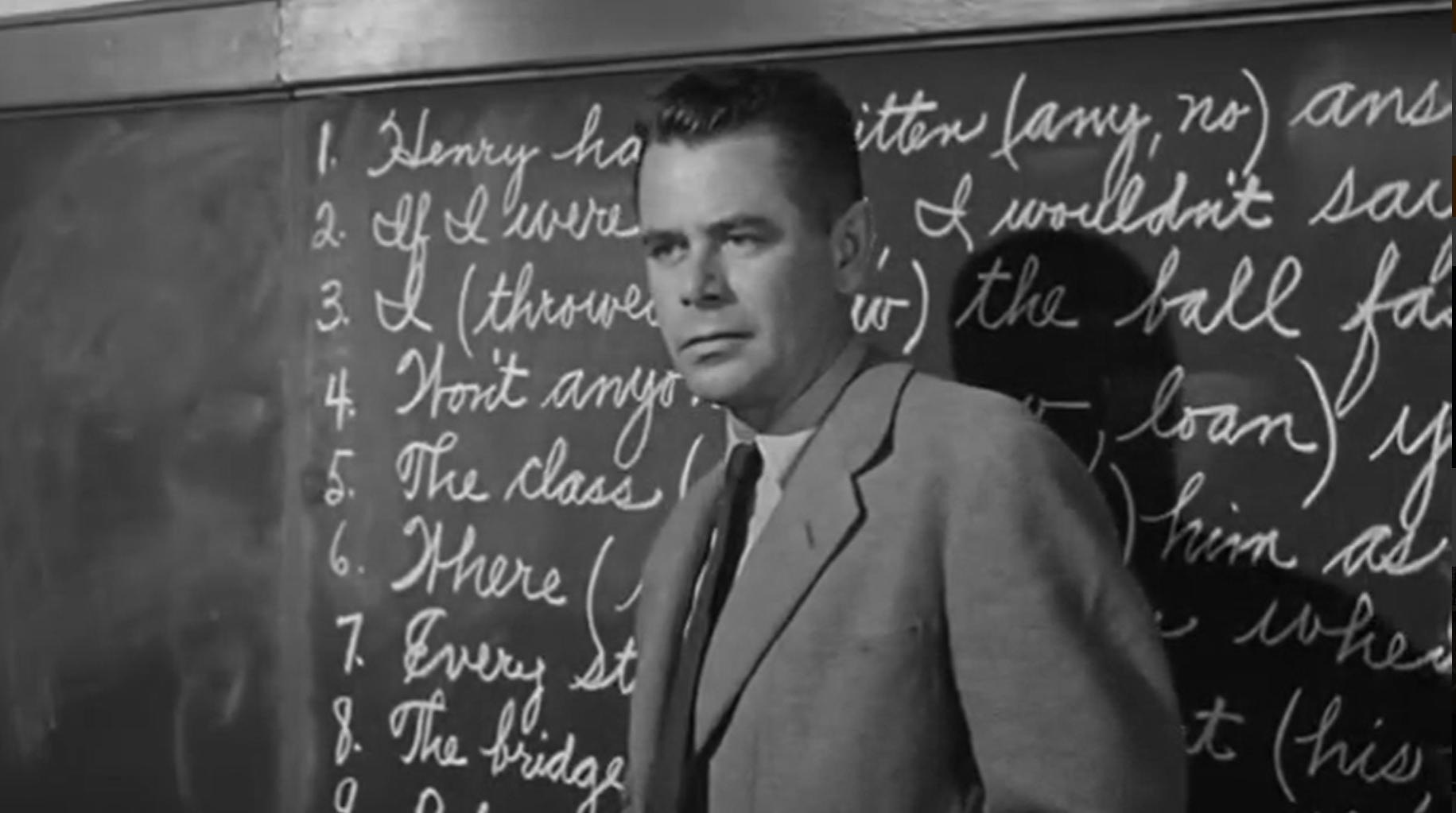
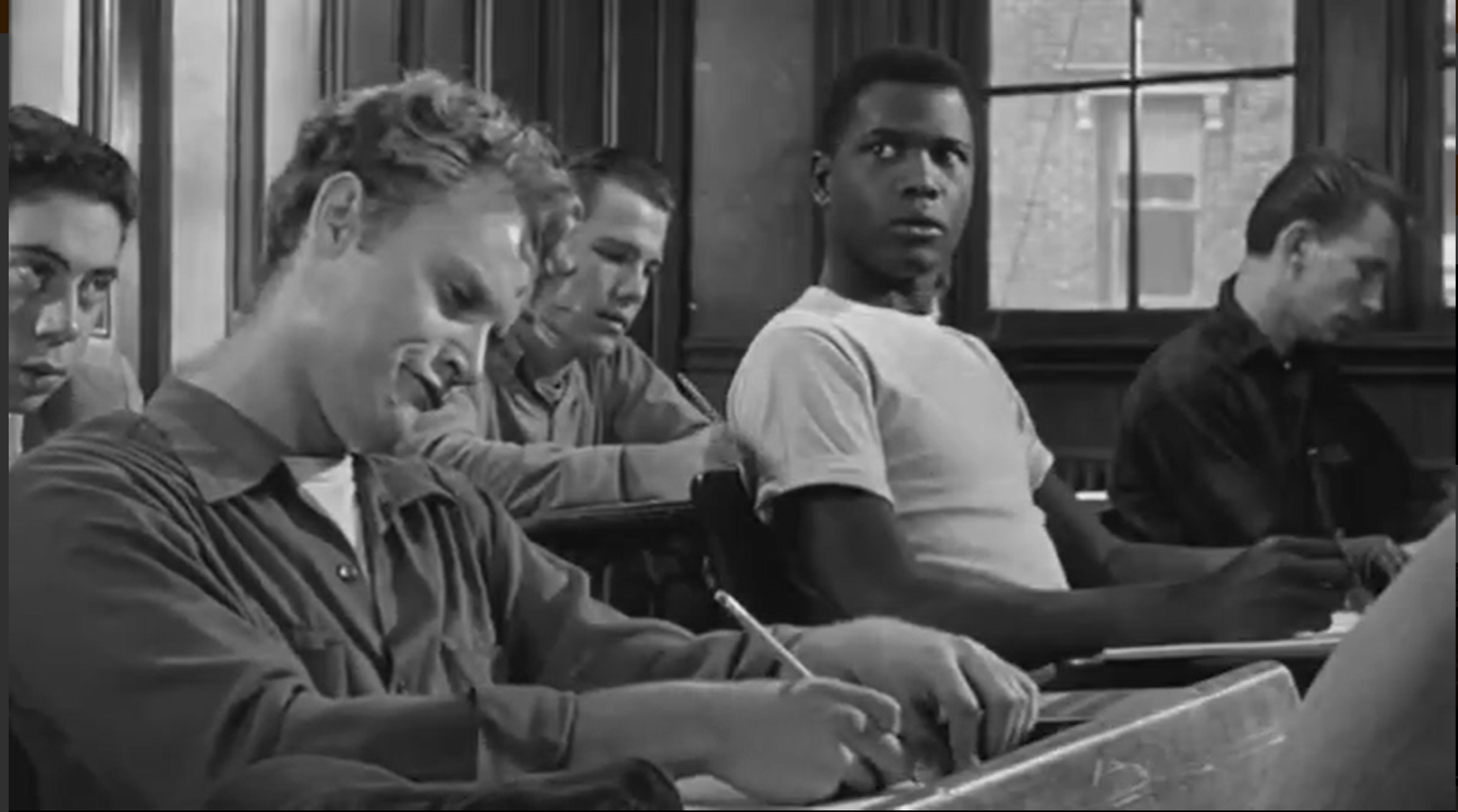
Richard Brooks directed and wrote the Oscar-nominated script for this adaptation of Evan Hunter‘s “social commentary” novel about a rookie teacher navigating the treacherous waters of an inner city vocational high school.

The film is notable for its influential rock ‘n roll soundtrack (including Bill Haley and the Comets’ “Rock Around the Clock” as its theme song), for its alleged source as inspiration for youth violence, and for Sidney Poitier’s early performance as one of the only black students at the school.

While dated and cliched in some ways (“It’s gonna have your looks and my brains” Ford reassures his pregnant wife about their future child):

… the film continues to pack a surprising punch. Ford’s character is both sympathetic and realistic, and it’s enjoyable to watch his genuine respect for the students yielding gradual positive effects. The dialogue is often punchy (“They don’t even know their multiplication tables.” “Of course not; all they can multiply is themselves.”), and Russell Harlan’s cinematography is top-notch.

Note: The Blackboard Jungle was selected in 2016 for preservation in the United States National Film Registry by the Library of Congress as being “culturally, historically, or aesthetically significant”.

Redeeming Qualities and Moments:

  • Glenn Ford as Mr. Dadier
  • Russell Harlan’s cinematography

Must See?
Yes, as a still-compelling drama. Listed as a film with Historical Importance and a Personal Recommendation in the back of Peary’s book, and nominated as one of the Best Movies of the Year in his Alternate Oscars.

Categories

  • Good Show

Links:

Manhattan Melodrama (1934)

Manhattan Melodrama (1934)

“Die the way you lived — all of a sudden. That’s the way to go. Don’t drag it out.”

Synopsis:
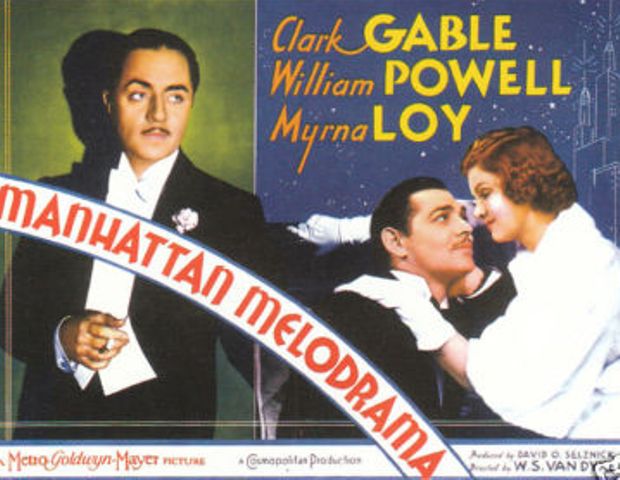
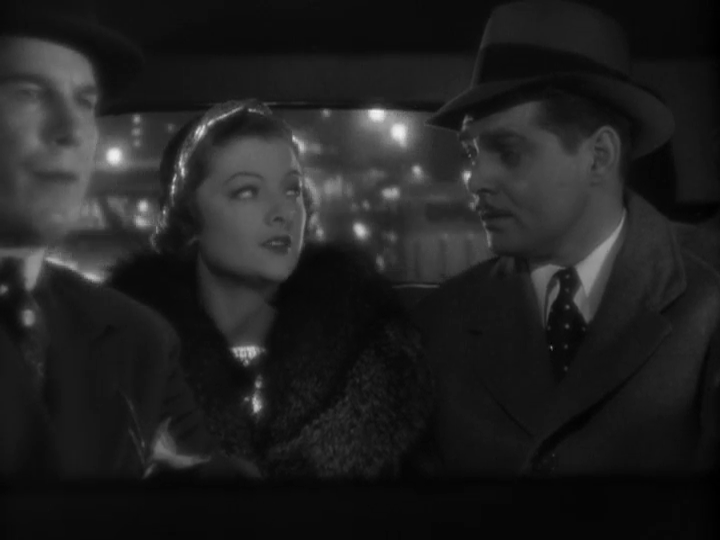
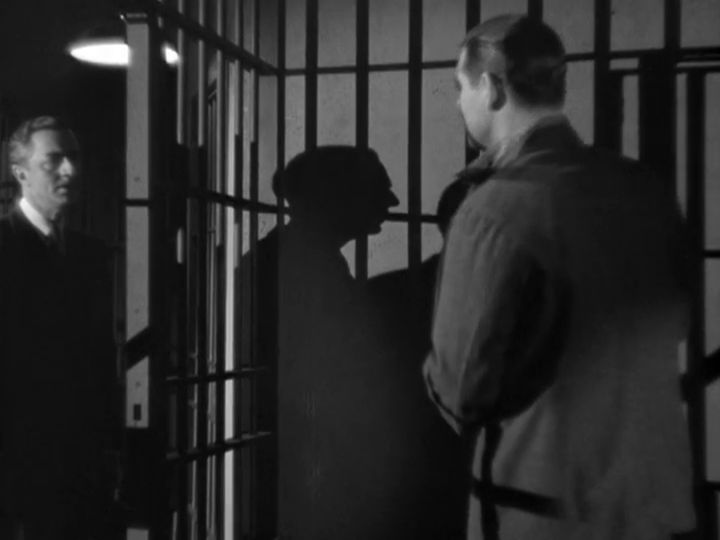
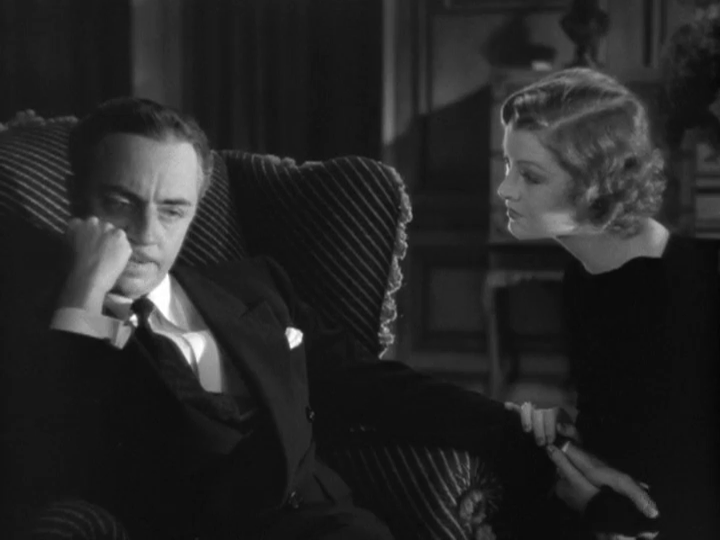
After their parents die in a tragic accident at sea, two boys — one rambunctious (Mickey Rooney), the other studious (Jimmy Butler) — become lifelong friends while taking radically different career paths. Blackie (Clark Gable) becomes a notorious racketeer with a loyal moll (Myrna Loy), while Jim (William Powell) becomes a lawyer with aspirations towards governorship. Will their friendship withstand Loy’s realization that she wants more out of life than a gangster’s existence?

Genres, Themes, Actors, and Directors:

  • Clark Gable Films
  • Friendship
  • Love Triangle
  • Mickey Rooney Films
  • Myrna Loy Films
  • Orphans
  • William Powell Films
  • W.S. Van Dyke Films

Review:
Friendship and loyalty trump all else in this melodramatic tale of boys united forever through tragedy, turned into men who consistently “do the right thing” even when it goes against what society or their heart might tell them to do. DVD Savant writes cynically that “Manhattan Fairy Tale would be a better title for this fantasy with its scrupulously honest politico, gloriously noble racketeer and the glamorous but virtuous sweetheart who loves them both.” To that end, all three characters are surprisingly sympathethic, if unrealistic: one could only hope for such forthright and noble acquaintances, lovers, and allies. James Wong Howe’s cinematography is typically atmospheric, and the story moves along at a reasonable clip. This one is not quite must-see viewing but worth a look.

Note: This film is infamous for being the movie John Dillinger was watching before being gunned down by police outside the Biograph Theater in Chicago.

Redeeming Qualities and Moments:

  • James Wong Howe’s cinematography

  • Fine lead performances (Peary nominates Loy as one of the Best Actresses of the Year in his Alternate Oscars)

Must See?
No, but it’s worth a one-time look as Oscar-winner for Best Original Story. Listed as a film with Historical Importance and a Personal Recommendation in the back of Peary’s book.

Links:

Down Argentine Way (1940)

Down Argentine Way (1940)

“It would have pleased me very much more if YOU could have had the horse.”

Synopsis:
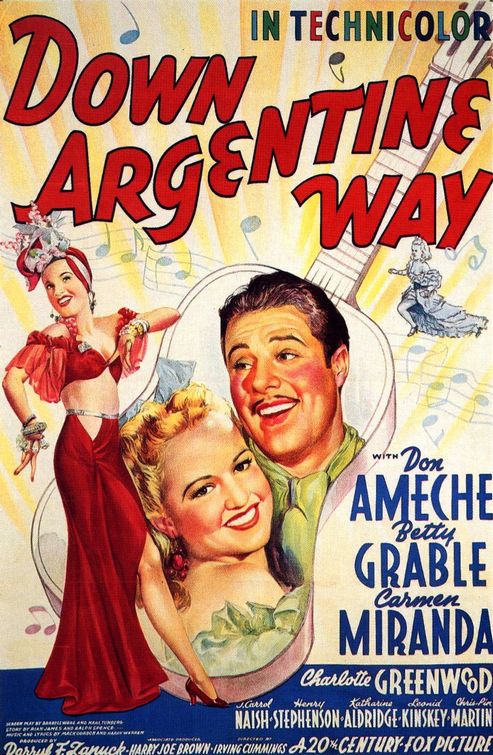
An Argentinian (Henry Stephenson) instructs his son (Don Ameche) to travel to New York and sell his prize horses to anyone except family members of socialite Binnie Crawford (Charlotte Greenwood), whose brother cheated him years ago. Naturally, Ameche falls in love with Greenwood’s niece (Betty Grable) — who is interested in buying one of his horses — and makes an excuse for being unable to sell one to her. Grable travels to Argentina to learn more about Ameche’s odd behavior, and soon the couple are hiding their romance from Stephenson.

Genres:

Review:
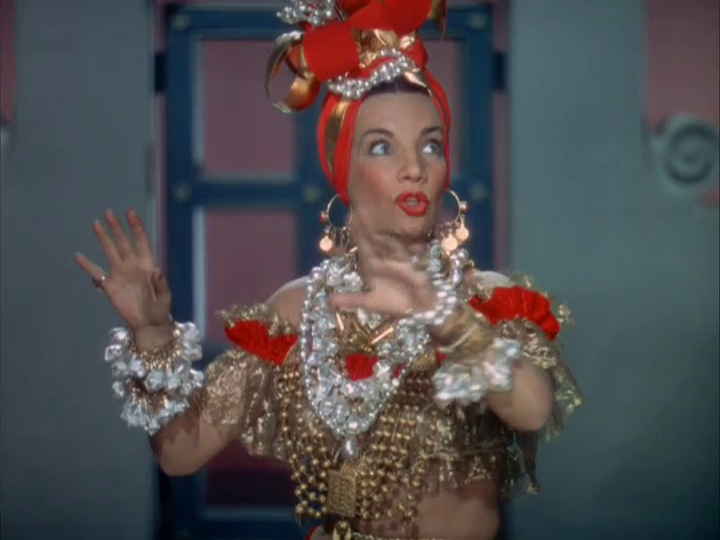
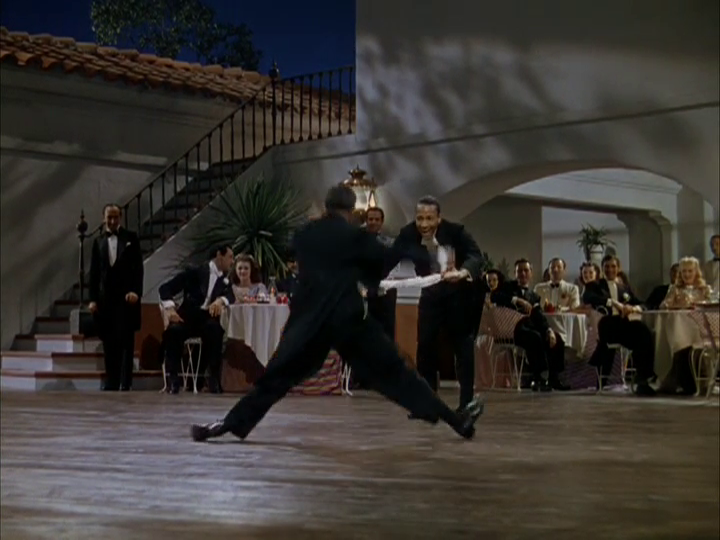
This fluffy musical — the first in a series of “Good Neighbor Policy” films designed to curry friendship with Latin America during an era of increasing Nazi presence — is notable both for featuring Betty Grable in her breakthrough role, and for the screen debut of flamboyant nightclub singer Carmen Miranda. A box office hit, the film was clearly popular with audiences of the day but doesn’t leave much for modern viewers to appreciate — other than the vibrant Technicolor cinematography and some delightful performances by Miranda (who sings “Mamãe Eu Quero”) and the tap dancing Nicholas Brothers. Grable is at least cheery and pleasant; as noted by Stephanie Zacharek in her article for TCM:

There’s something eager-to-please about [Grable’s] singing and dancing — she doesn’t have the laid-back, smart-alecky cool of, say, Ginger Rogers… Grable’s appeal in Down Argentine Way — even beyond those stunning legs, which would later be insured by Lloyd’s of London for $1 million — radiates from a place that has nothing to do with strict acting chops. She’s a persistently warm, accessible presence; there’s something kind and forthright about her.

This is true enough, but wasn’t sufficient to hold my interest; and the final scenes revolving around race track shenanigans are pure filler. Skip this one unless you’re a diehard Grable or Miranda fan.

Redeeming Qualities and Moments:

  • Carmen Miranda and the Nicholas Brothers’ show-stopping tunes

Must See?
No; feel free to skip this one. Listed as a film with Historical Importance in the back of Peary’s book.

Links:

Flying Serpent, The (1946)

Flying Serpent, The (1946)

“Dr. Lambert, I wish there had never been any such thing as Aztec Indians! Father does nothing but think, dream and talk Aztecs!”

Synopsis:
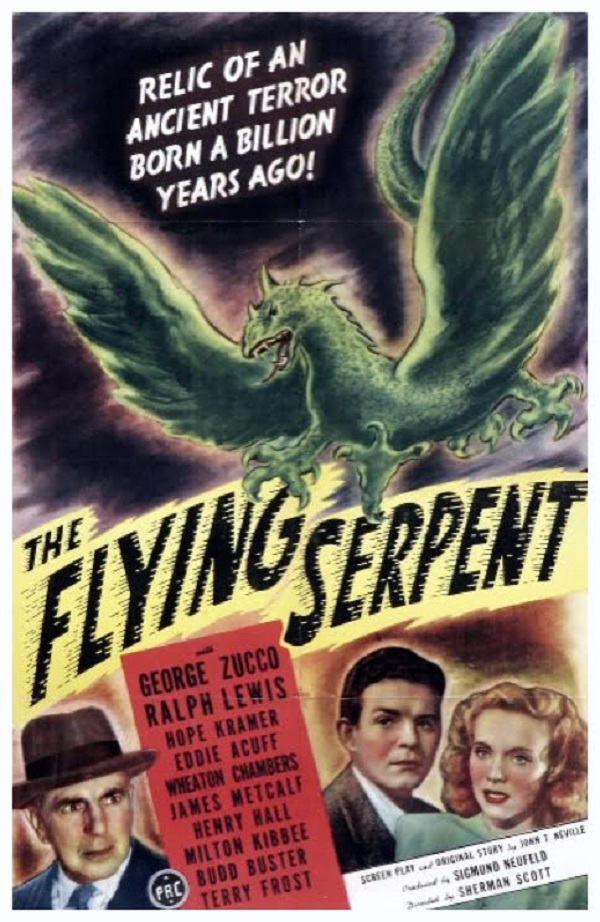
An archaeologist (George Zucco) who has discovered the existence of the ancient winged god Quatzelcoatl tries to prevent anyone — including his daughter (Hope Kramer) — from knowing about its presence, given that it watches over enormous hoards of treasure.

Genres:

  • Fantasy
  • Mad Doctors and Scientists

Review:
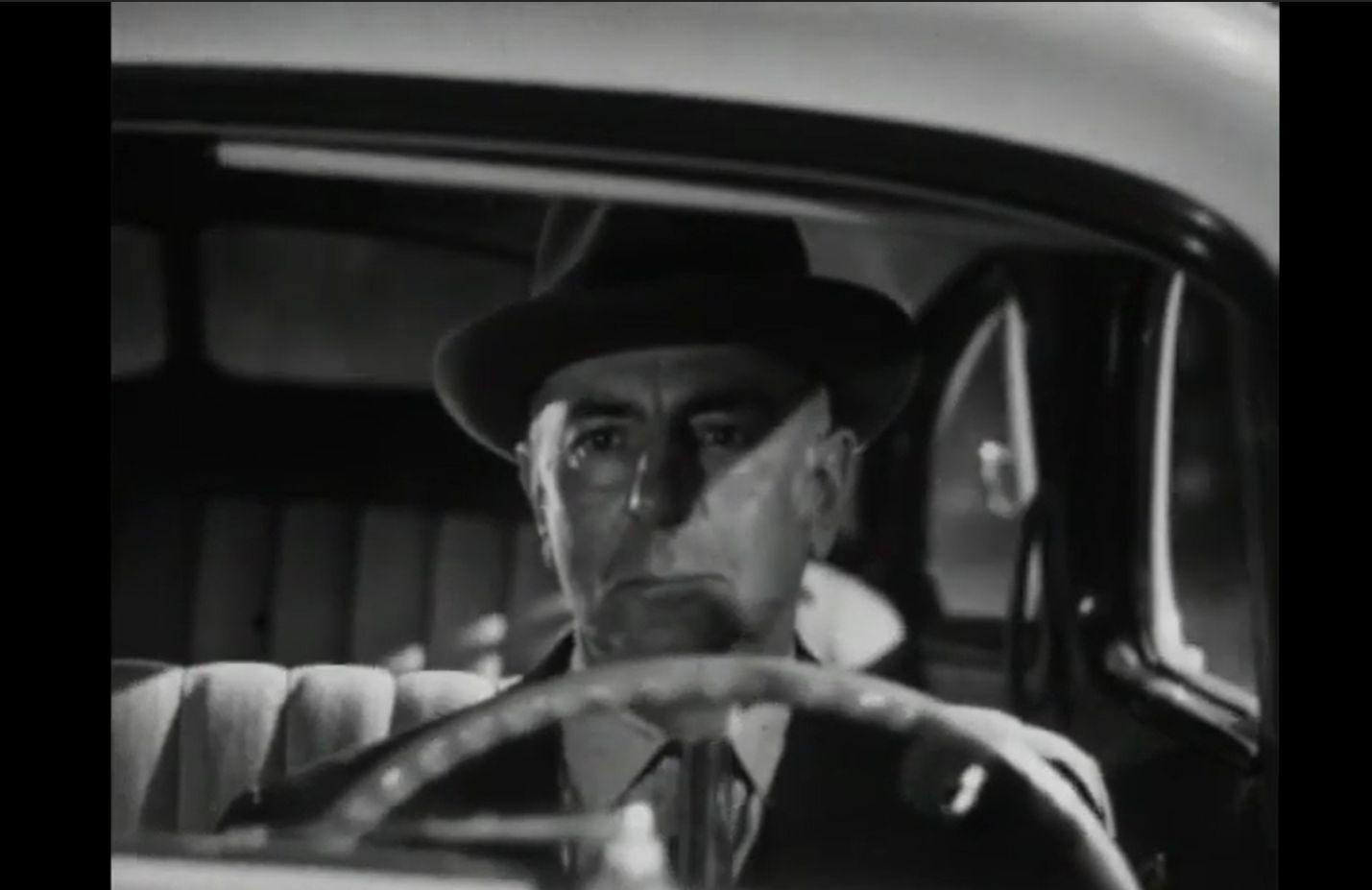
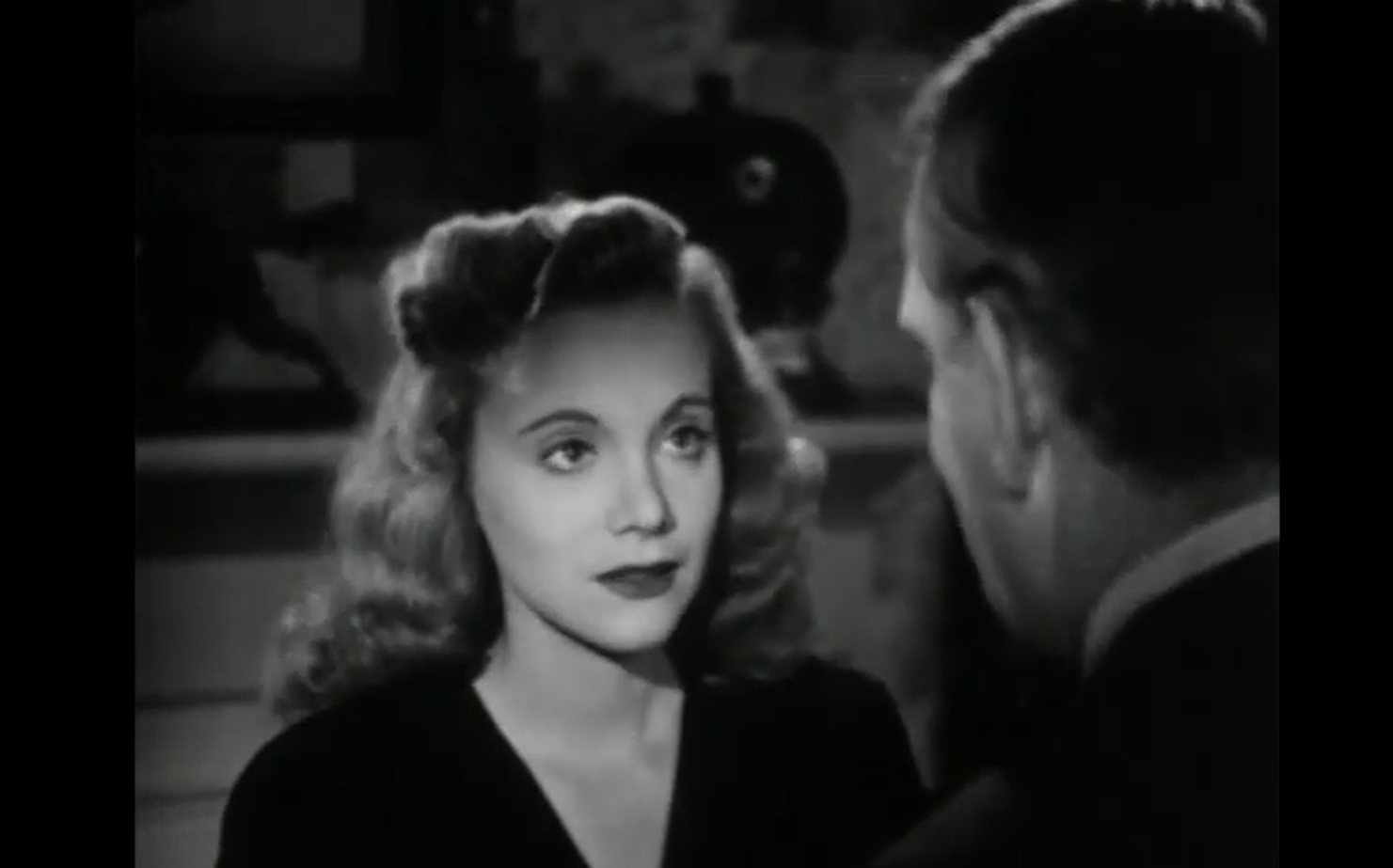
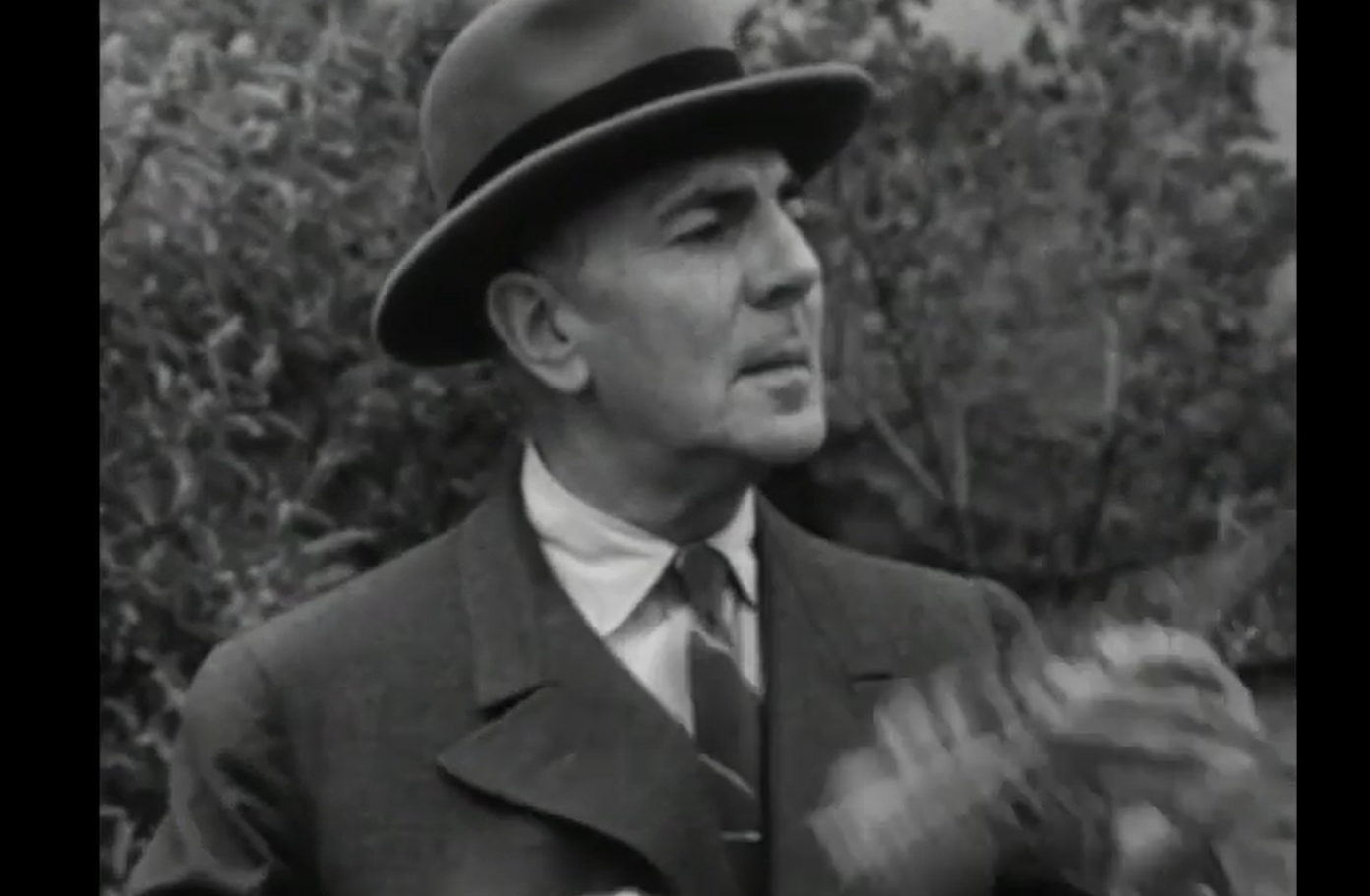
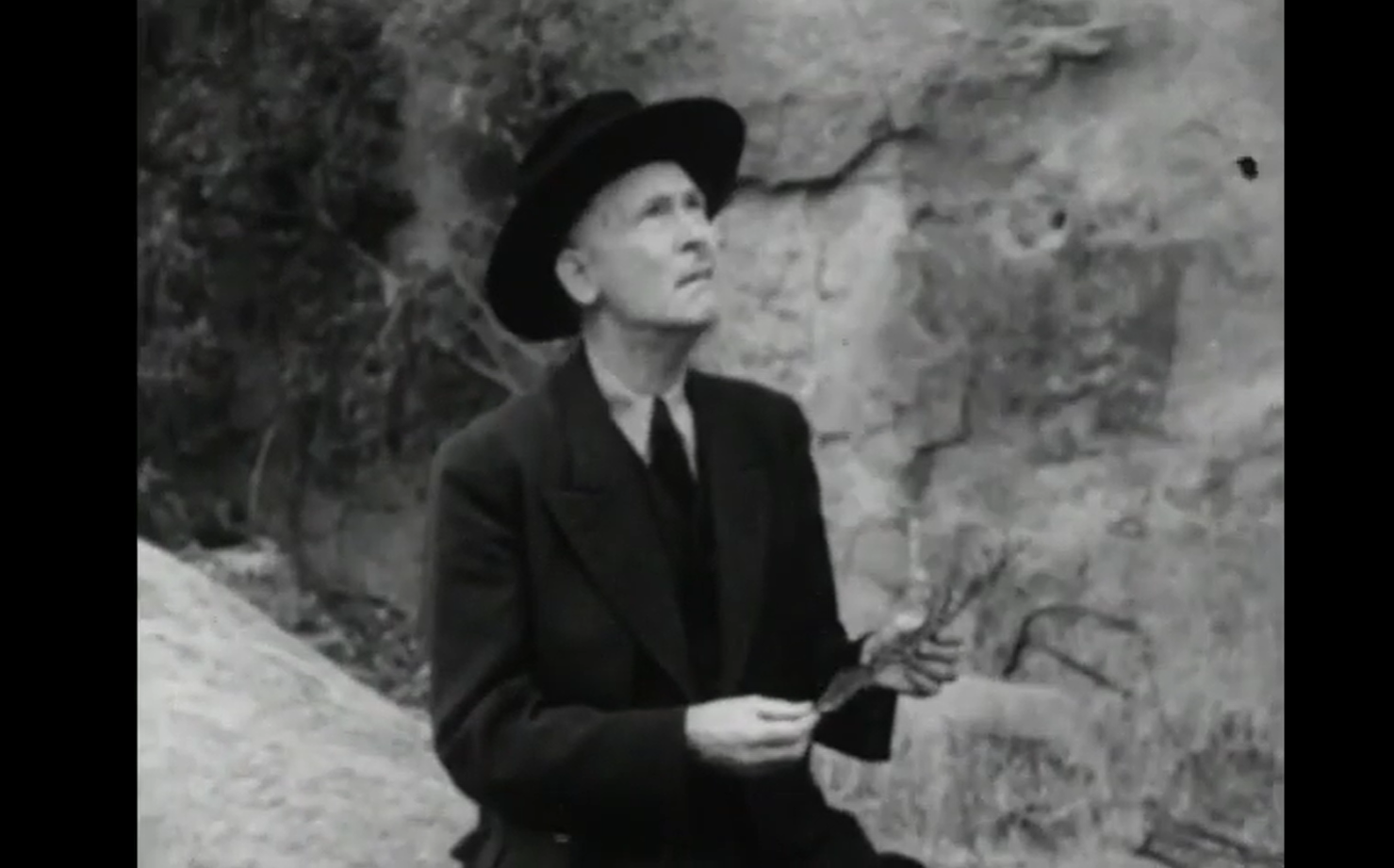
This Poverty Row cheapie is perhaps best known as the film that likely inspired Larry Cohen’s Q: The Winged Serpent (1982). Zucco was a reliable B-grade screen villain — playing Moriarty in The Adventures of Sherlock Holmes (1939) and another mad doctor in The Mad Ghoul (1940) — and he’s appropriately maniacal here.

However, the acting overall is tepid:

… the dialogue laughable:

“He’s a scientist — ALL scientist!”

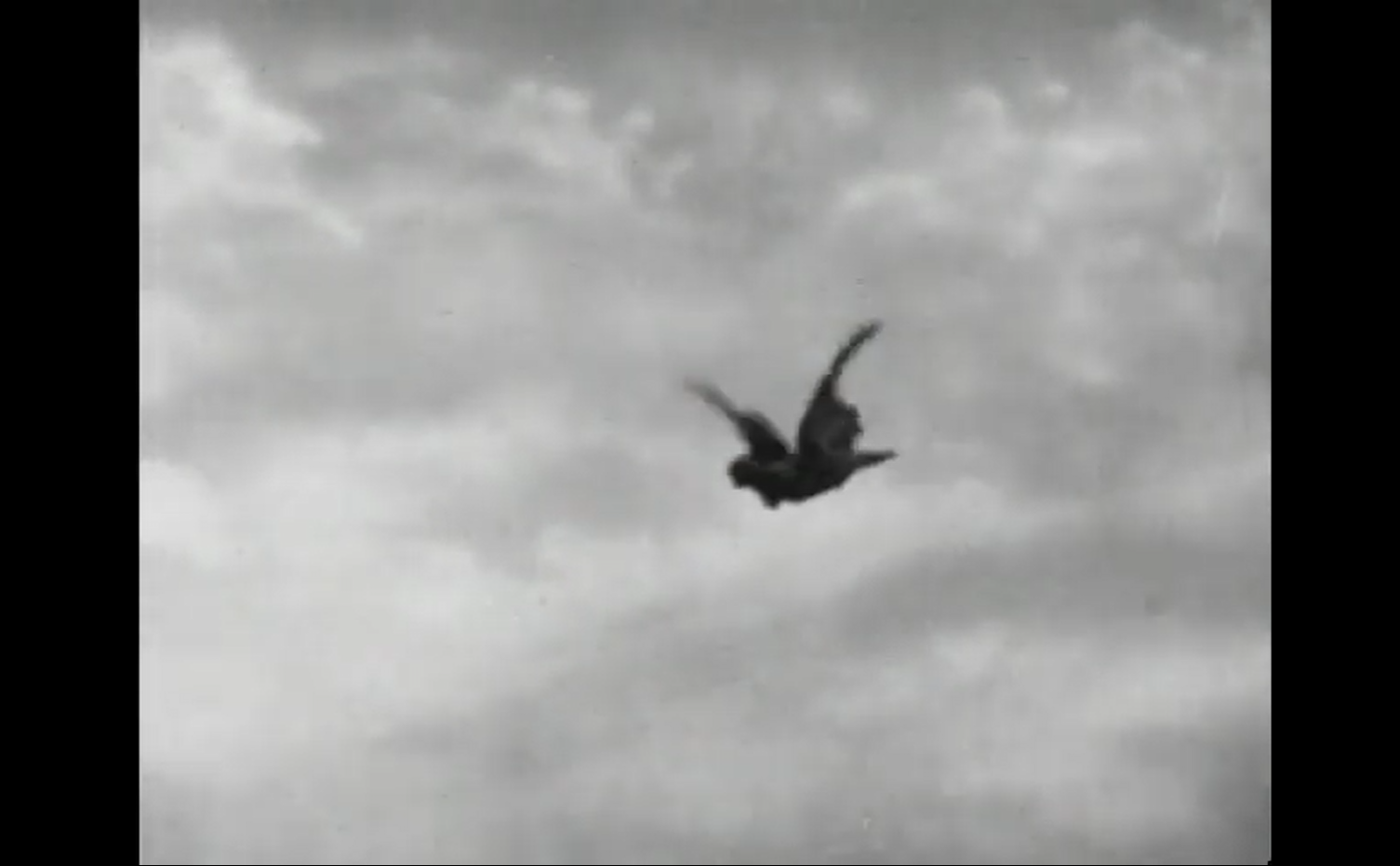
… the tiny winged serpent clearly a stringed puppet:

… and the narrative — involving Zucco’s attempts to knock off various interlopers by strategically leaving one of Quetzalcoatl’s feathers to be discovered, knowing she’ll go insane and kill the holder — is, in a word, silly.


The existence of an intrepid radio show host (Ralph Lewis) determined to solve the mystery is novel but unconvincing.

At least the whole thing clocks in at under an hour.

Redeeming Qualities and Moments:
Not much — though some of the dialogue does elicit a few chuckles.

Must See?
Nope; skip this clunker, by all means. Listed as a Camp Classic in the back of Peary’s book.

Links:

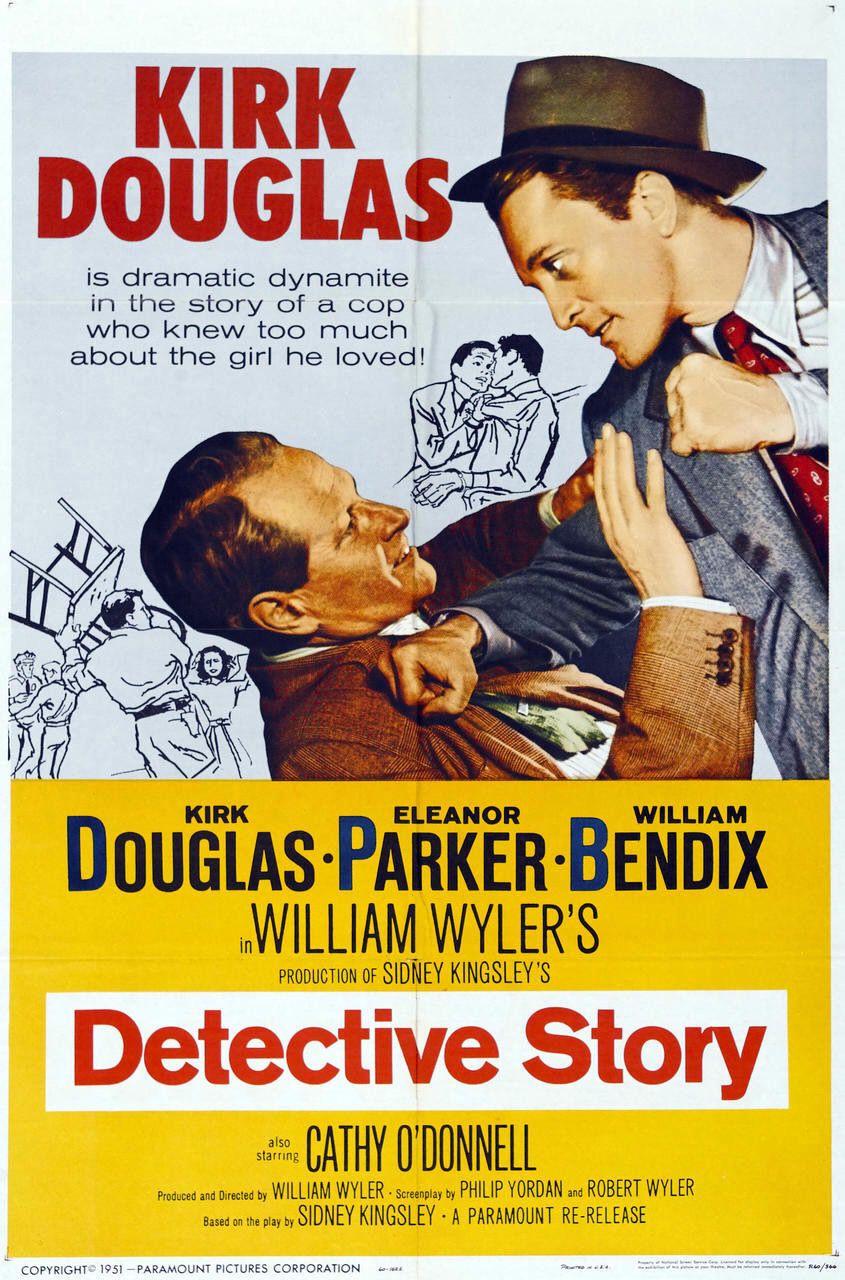
Detective Story (1951)

Detective Story (1951)

“Congratulations, Carl — you’re still a lucky man. You must have been kissed in your cradle by a vulture.”

Synopsis:
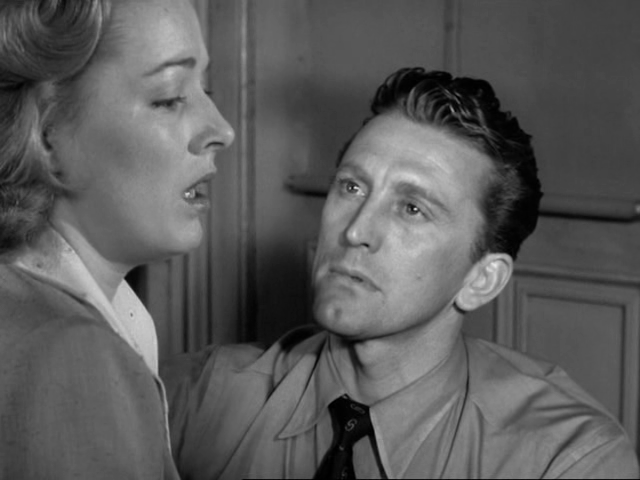
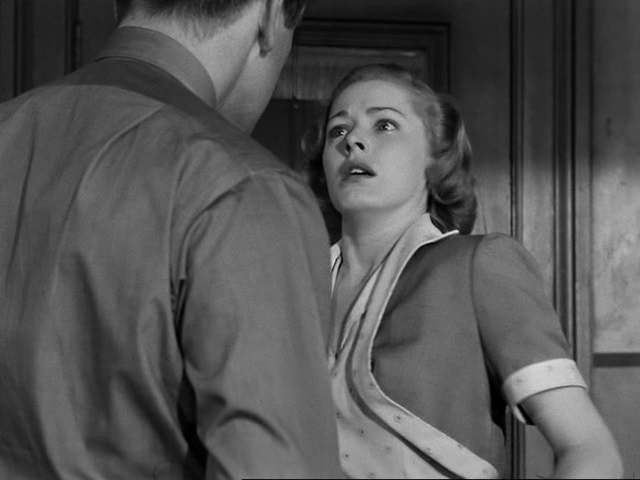
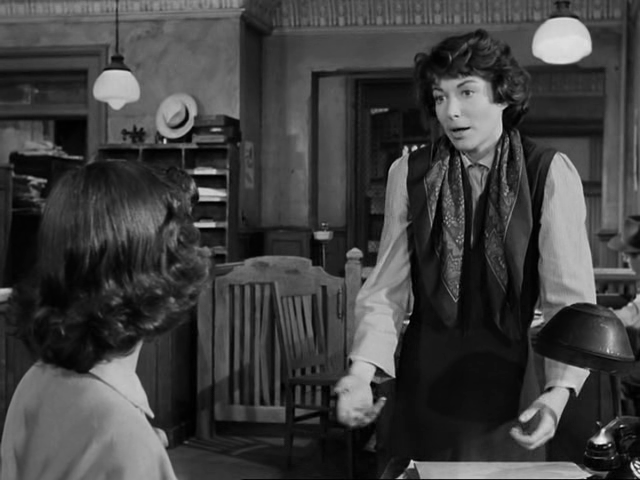
An embittered detective (Kirk Douglas) finds his values shaken when he learns his beloved wife (Eleanor Parker) has a connection with a noted abortionist (George Macready) he’s been trying to prosecute for a year. Meanwhile, Douglas and his colleagues — including his supervisor (Horace McMahon) and a fellow detective (William Bendix) — manage a variety of other cases, including a shoplifter (Lee Grant) who seems curiously content to hang out and people-watch; a young man (Craig Hill) who has stolen from his boss to impress a model whose sweet sister (Cathy O’Donnell) has nursed a lifelong crush on him; and a psychopathic convict (Joseph Wiseman) whose every action and reaction is unpredictable.

Genres:

  • Detectives and Private Eyes
  • Eleanor Parker Films
  • George Macready Films
  • Kirk Douglas Films
  • Marital Problems
  • Play Adaptations
  • William Bendix Films
  • William Wyler Films

Review:
William Wyler directed this adaptation of a play by Sidney Kingsley which takes place within a single day at the 21st precinct in New York. Critical responses seem mixed about the authenticity of both Douglas’s character and the narrative pivot, with DVD Savant arguing that “the enjoyable Kirk Douglas gives one of his first over-modulated ‘star’ performances, throwing the film off balance”, and Bosley Crowther pointing out we need “not search too hopefully for plausibility in this case” given how far-fetched the connection is between Parker and Macready. I’m not disturbed by either of these factors, and find both Douglas’s performance and the central scenario quite believable. While this is very much a filmed play — with revelatory action “unnaturally” concentrated into one time stretch — Wyler nicely highlights the claustrophobia of the high-tension setting, and Douglas’s crisis seems almost inevitable given the stress he puts himself under each day (compounded by his personal history); it’s unusual to watch such a train wreck happening to a major movie star in a film of this era. The supporting performances are all noteworthy, with Parker and Bendix especially sympathetic, and Wiseman effectively playing, as DVD Savant puts it, “a mass of ethnic gestures distorted through a lowlife’s self-awareness”.

Redeeming Qualities and Moments:

  • Kirk Douglas as Detective McLeod
  • Eleanor Parker as Mary McLeod
  • A fine supporting cast

  • Lee Garmes’ cinematography

Must See?
Yes, as a strong outing by a master director.

Categories

  • Good Show

Links: