Browsed by
Category: Original Reviews

Responses to Peary’s “must see” movie reviews, as well as my own “must see” movie reviews up to and after 1986 (when Peary’s book was published).

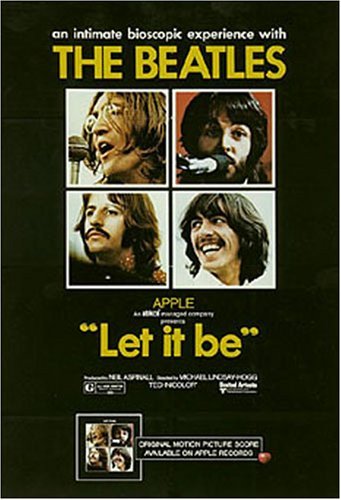
Let it Be (1970)

Let it Be (1970)

“Yeah, okay, well — I don’t mind. I’ll play, you know, whatever you want me to play.”

Synopsis:
Tensions are high as the Beatles craft music together and perform a final rooftop concert in London.

Genres, Themes, Actors, and Directors:

  • Beatles Films
  • Concert Films
  • Documentary
  • Musicians

Review:
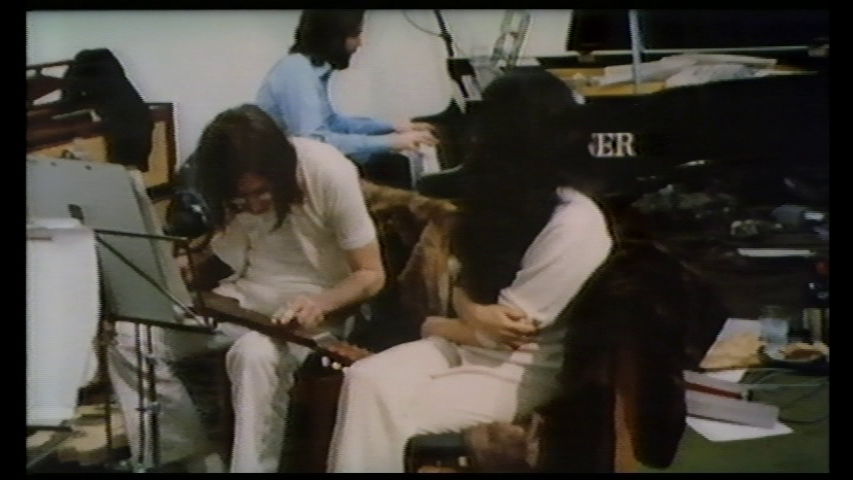
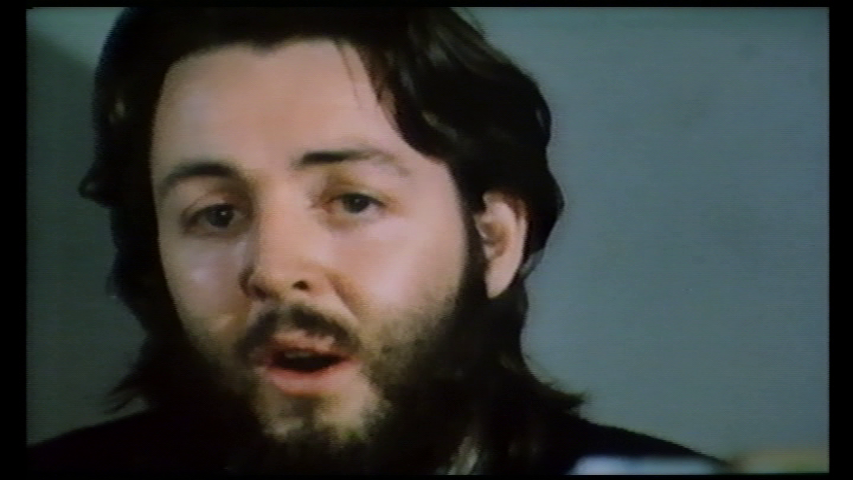
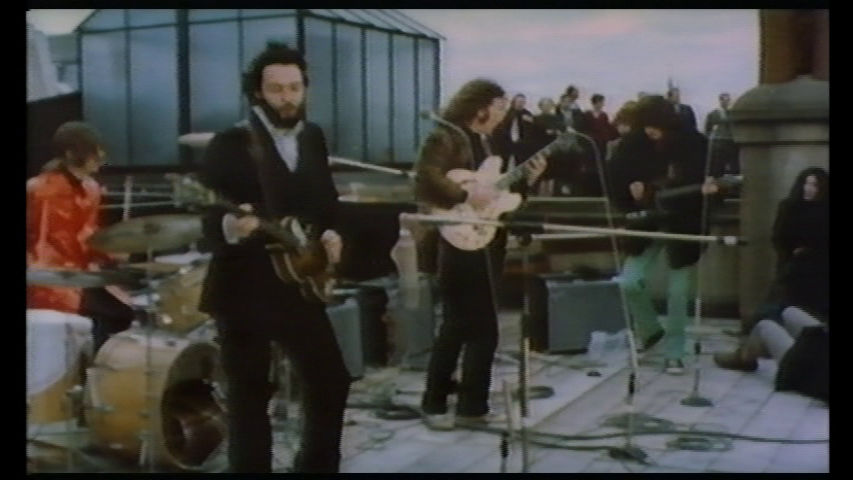
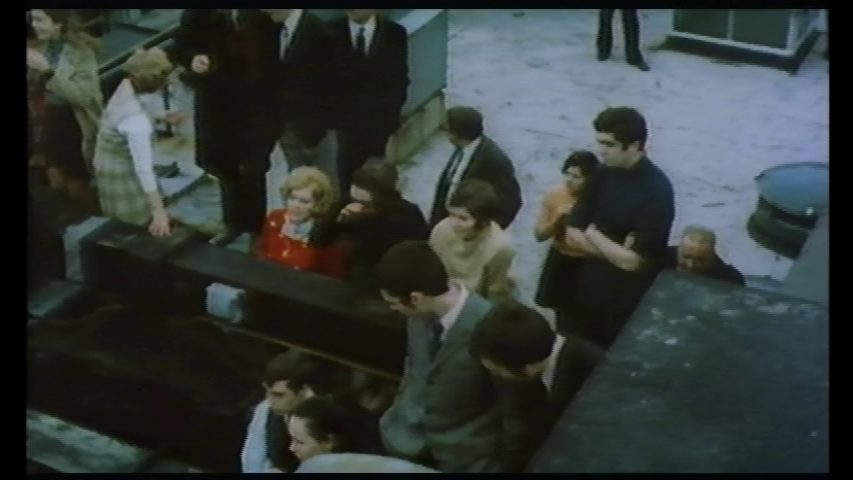
This infamously downbeat documentary about the Beatles rehearsing for what would be their final album together — “Let It Be” — remains a valuable glimpse at their behind-the-scenes music-making, albeit through the prism of accomplished musicians ready to move past their years of highly successful collaboration. The most eerie footage is of ghostly Yoko Ono glued to Lennon’s side — there couldn’t be a more potent visual image of a wedge driven between the “boys” (though of course, she wasn’t solely responsible for the band’s breakup by any stretch). The close-up scene of McCartney singing the title song during rehearsals (it’s an apt eulogy for the band’s dissolution) is quite satisfying, and the final rooftop performance is both anarchic and bittersweet. Be forewarned you may need to revisit A Hard Day’s Night (1964) after viewing this one, to boost your Beatle spirits.

Redeeming Qualities and Moments:

  • Many revealing instances of the band’s playful yet contentious working relationships with one another


  • McCartney and bandmates performing “Let It Be”
  • The fun but ultimately bittersweet finale concert on the rooftop

Must See?
No, though of course it’s an absolute must for Beatles fans. Listed as a Cult Movie in the back of Peary’s book.

Links:

Rio Grande (1950)

Rio Grande (1950)

“To my only rival — the United States Cavalry.”

Synopsis:
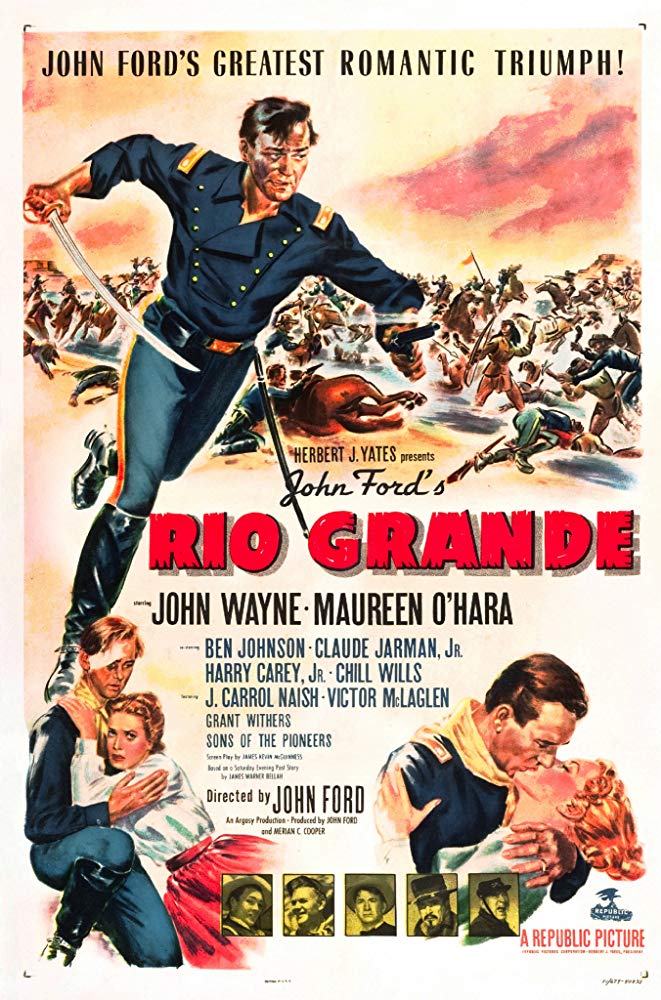
A cavalry officer (John Wayne) placed on the Texas frontier to defend the state against Apache attack is distressed to see his son (Claude Jarman, Jr.) — recently denied entry to West Point — showing up as a recruit. Trooper Jeff (Jarman, Jr.) is followed by Wayne’s estranged wife (Maureen O’Hara), who has come to bring her son back home — but events quickly lead to both her brave men being needed on the front.

Genres, Themes, Actors, and Directors:

  • Ben Johnson Films
  • Cavalry
  • Father and Child
  • John Ford Films
  • John Wayne Films
  • Marital Problems
  • Maureen O’Hara Films
  • Native Americans
  • Victor McLaglen Films
  • Westerns

Review:
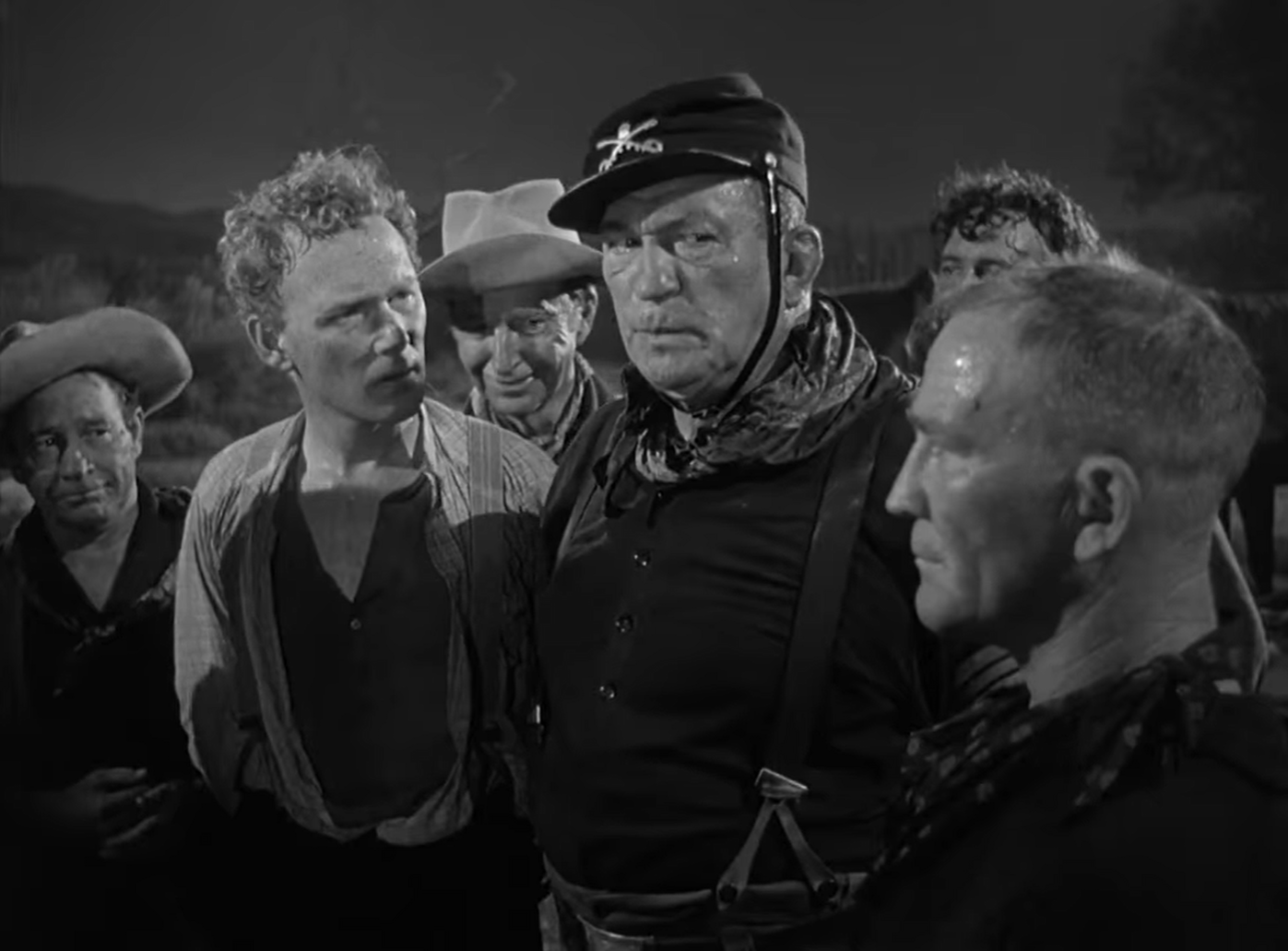
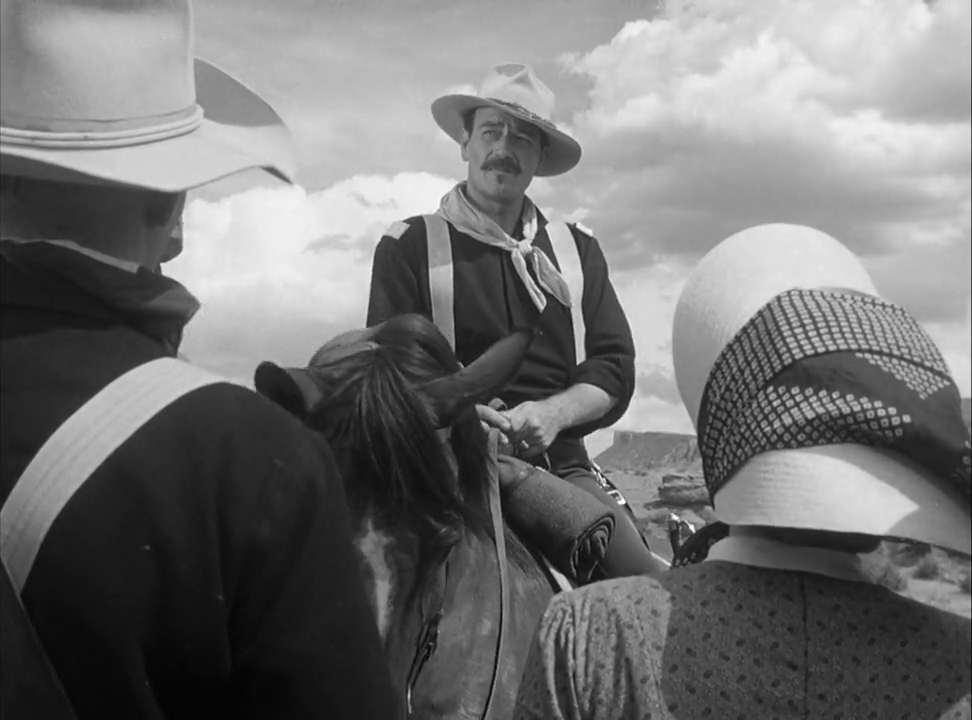
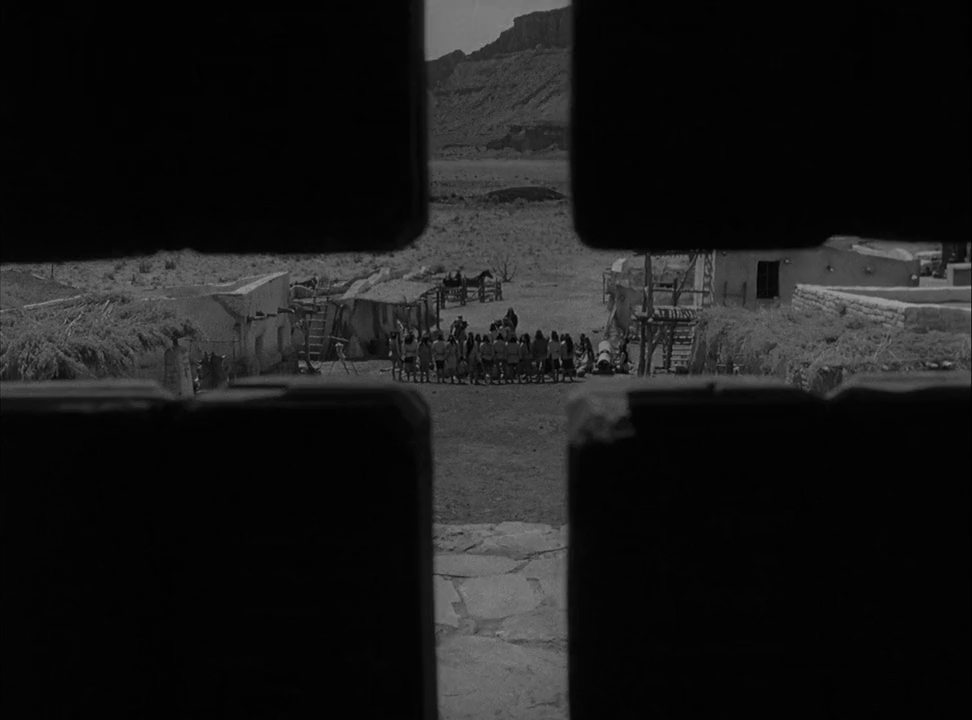
This third entry in John Ford’s unintentionally conceived “cavalry trio” — after Fort Apache (1948) and She Wore a Yellow Ribbon (1949) — features John Wayne and Maureen O’Hara in the first of their five on-screen pairings, followed most memorably by their rocky romance in The Quiet Man (1952). Things are already pretty contentious in this earlier film, however, with the craggy environment mirroring Wayne and O’Hara’s strained marriage — apparently caused by Wayne’s extreme commitment to his career, as well as the fact that a sergeant (Victor McLaglen):

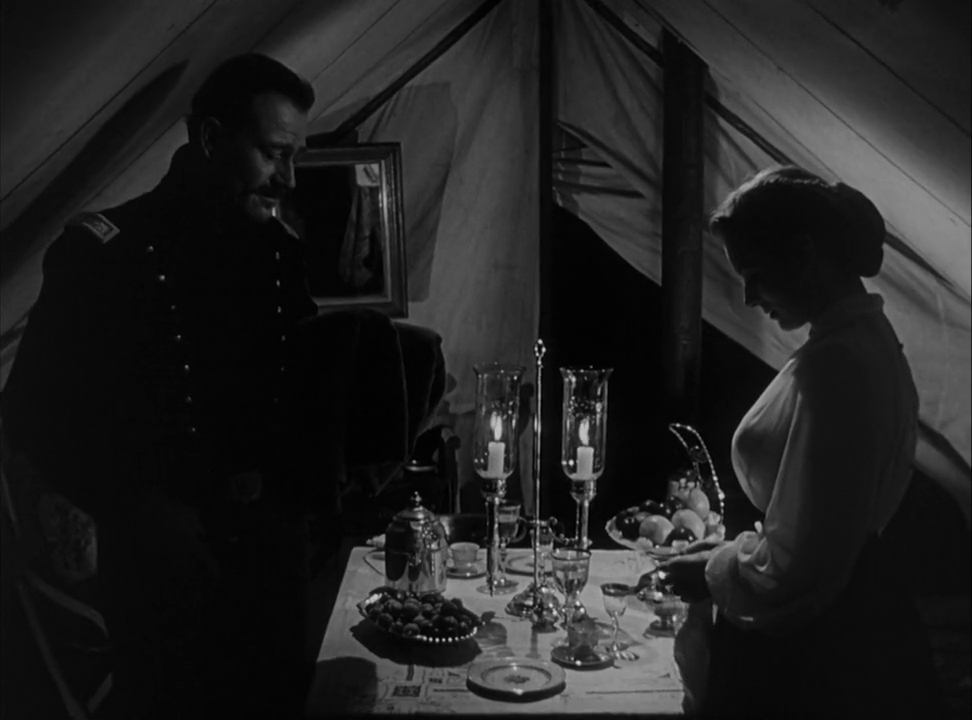
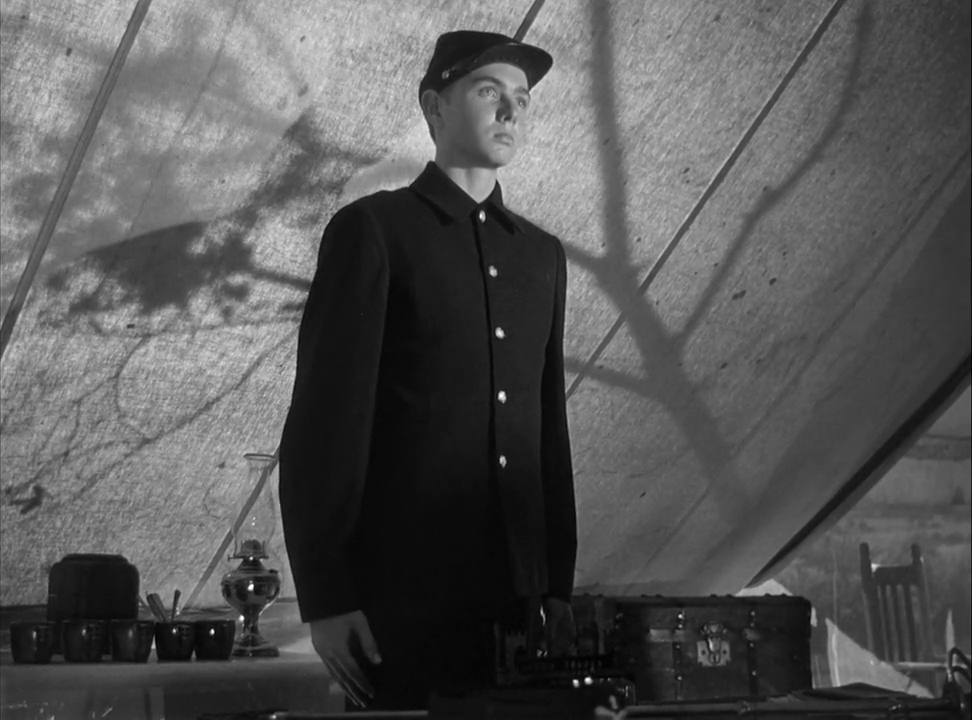
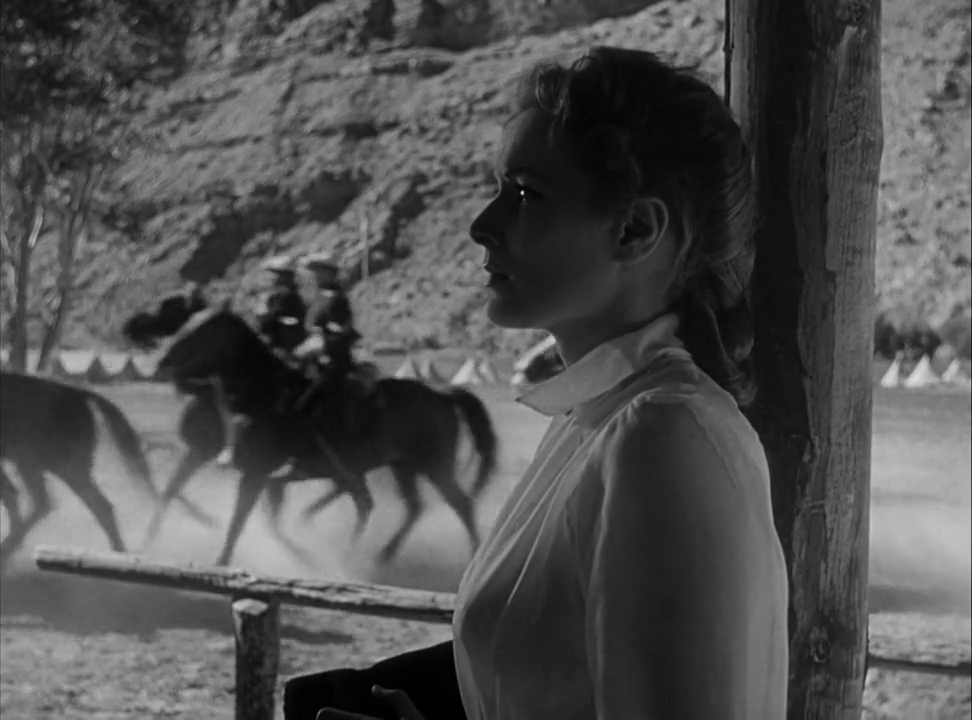
… under Wayne’s command set torch to O’Hara’s property in Shenandoah during the Civil War (!?). None of this quite makes sense as a reason for the couple’s long-standing challenges, especially when it’s so obvious they really love each other:

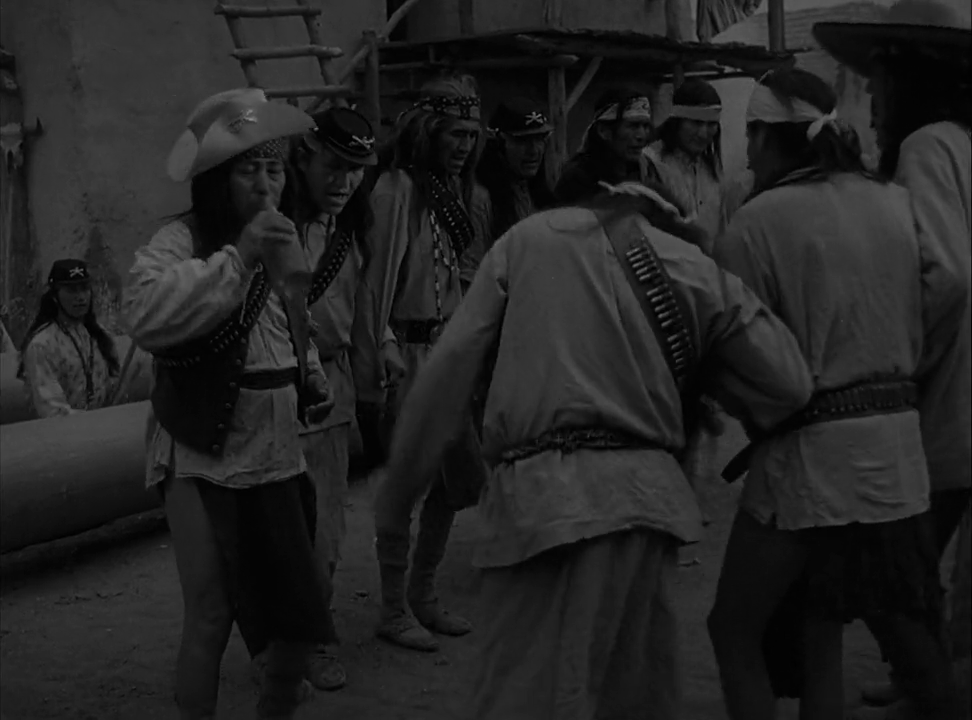
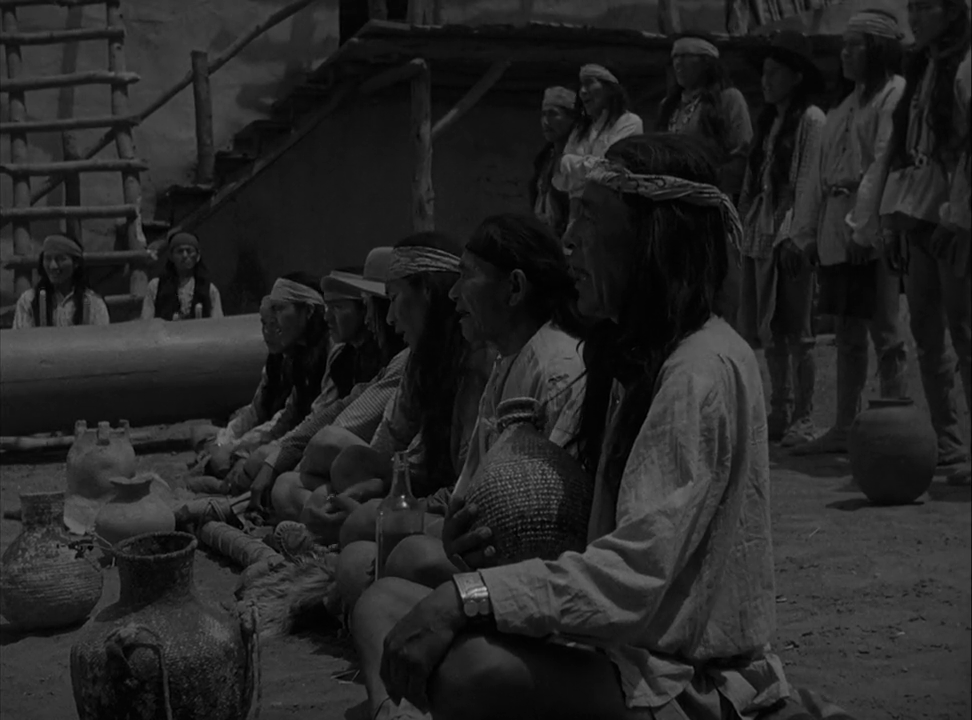
Indeed, the entire storyline feels like simply an excuse to show off some cool horsemanship moves and to regress into once again presenting Indians as faceless, alcoholic warriors ready to be killed off en masse.

The cinematography is gorgeous, though, especially in Blu-Ray.

Redeeming Qualities and Moments:

  • Maureen O’Hara as Kathleen (nominated as one of the Best Actresses of the Year in Peary’s Alternate Oscars)
  • John Wayne as Lieutenant Colonel Yorke
  • Bert Glennon’s cinematography


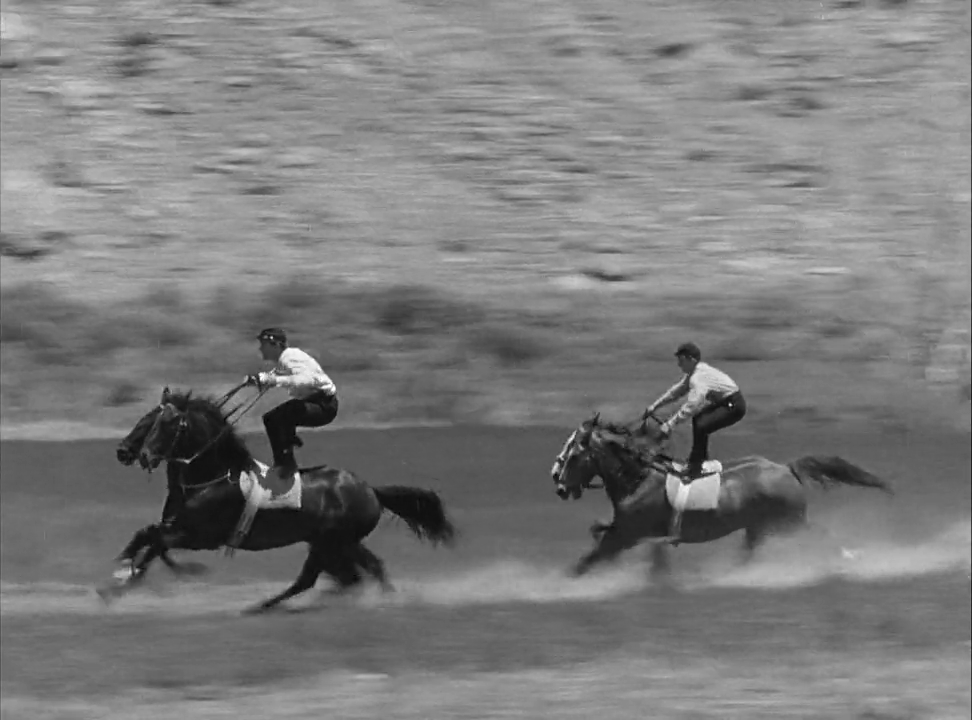
  • Fun footage of Cavalry horsemanship

Must See?
No; this one is only must-see for Ford completists.

(Listed in 1001 Movies You Must See Before You Die)

Links:

King and I, The (1956)

King and I, The (1956)

“There is no barbarian worse than a weak king.”

Synopsis:
In the mid-1800s, a widow (Deborah Kerr) moves to Siam to become a schoolteacher in the palace of the king (Yul Brynner), who has dozens of young children and many wives. While she struggles to adapt and help the king learn “scientific ways”, the king’s newest young wife (Rita Moreno) — stolen from Burma — hopes to escape with her lover (Carlos Rivas).

Genres:

  • Deborah Kerr Films
  • Musicals
  • Rita Moreno Films
  • Royalty and Nobility
  • Strong Females
  • Teachers
  • Yul Brynner Films

Review:
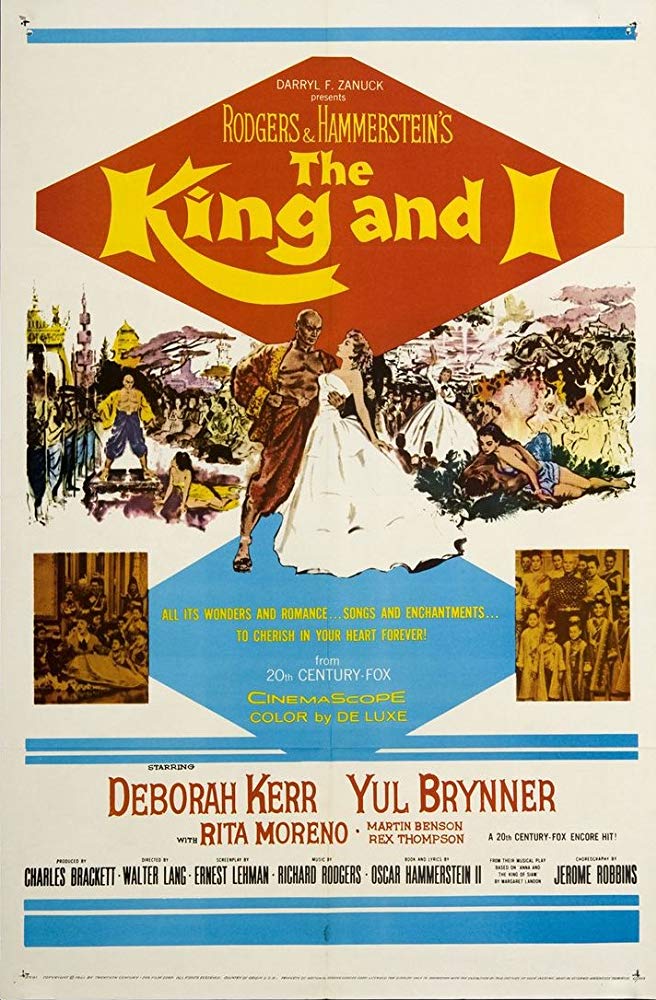
Peary doesn’t review this adaptation of Rodgers and Hammerstein’s 1944 Broadway musical in his GFTFF, but he does mention it in his Alternate Oscars, where he notes that “Yul Brynner was drafted from Broadway to re-create his stubborn Siam despot in 20th Century-Fox’s excellent musical version of The King and I.” He adds, “Just as Deborah Kerr found the king, audiences thought this bald, handsome, slightly scary newcomer to be magnetic, amusing, powerful, sexy, et cetera, et cetera, et cetera.” Peary goes on to award Laurence Olivier Best Actor for his role in Richard III, but does nominate Brynner, so clearly he’s in agreement with audiences’ sentiments.

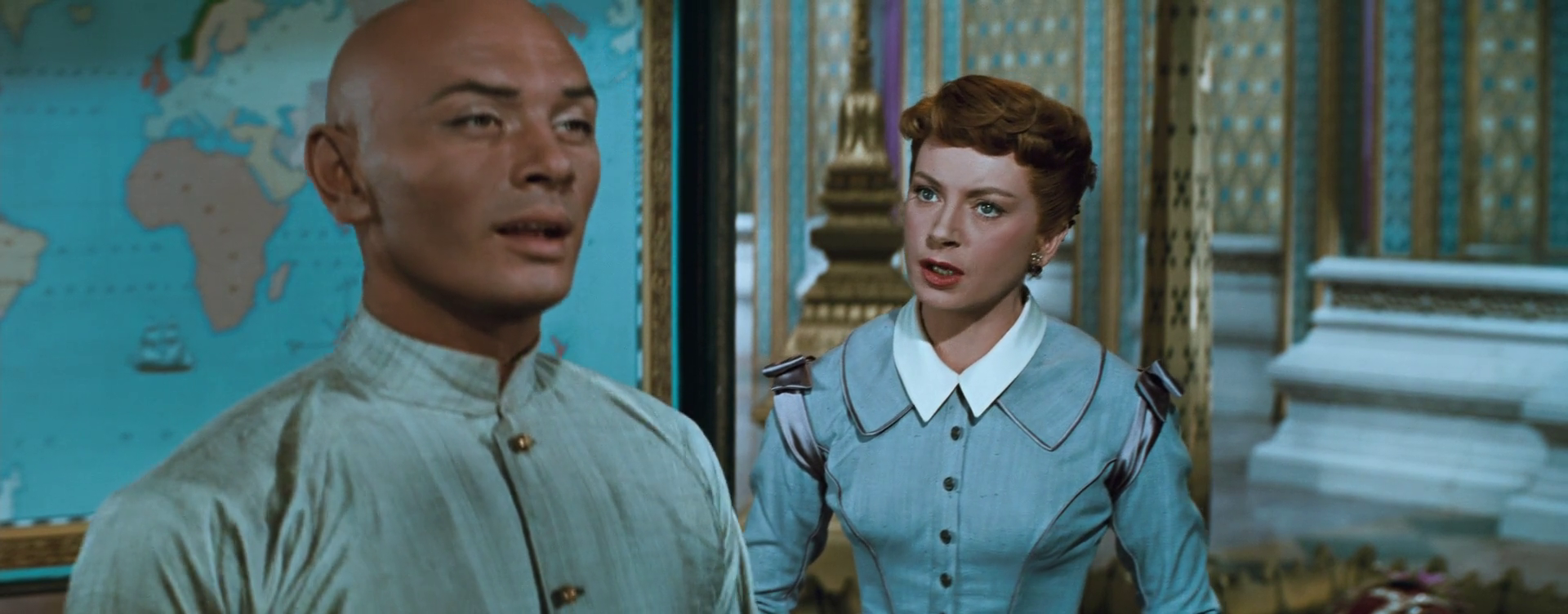
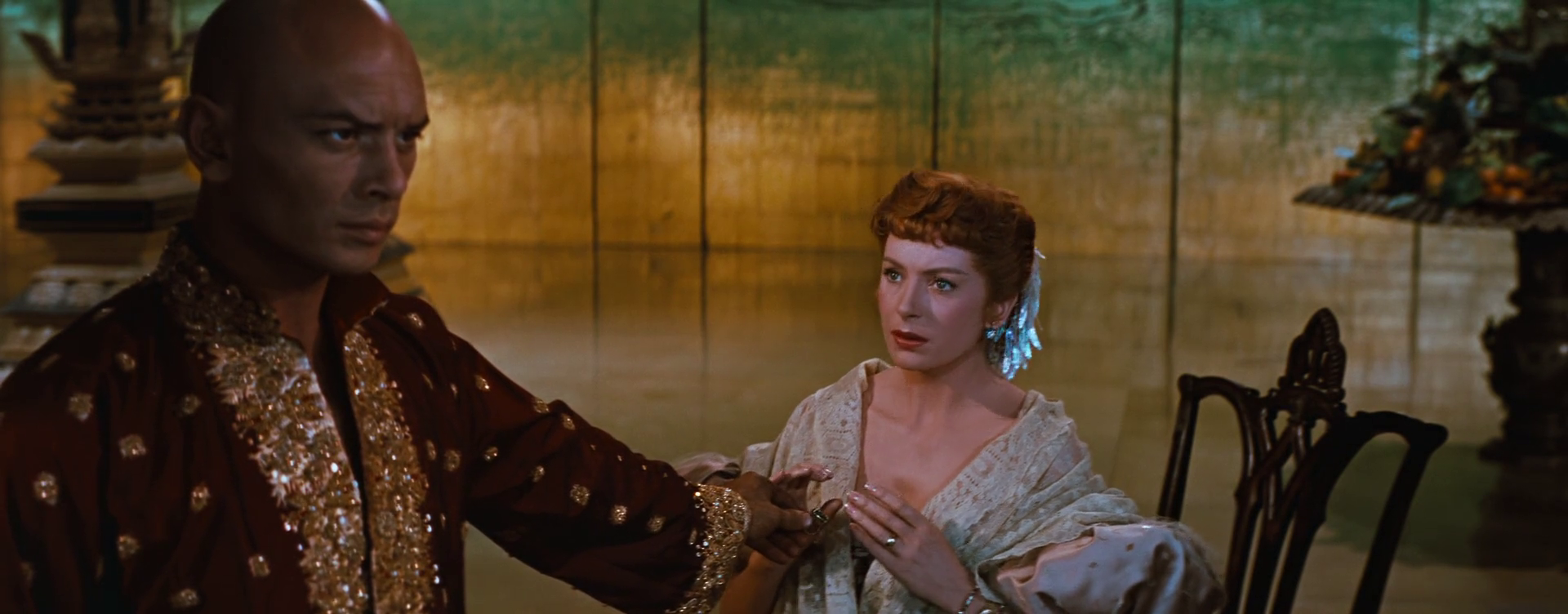
Indeed, the title characters are at the core of this film, and they richly embody their roles.

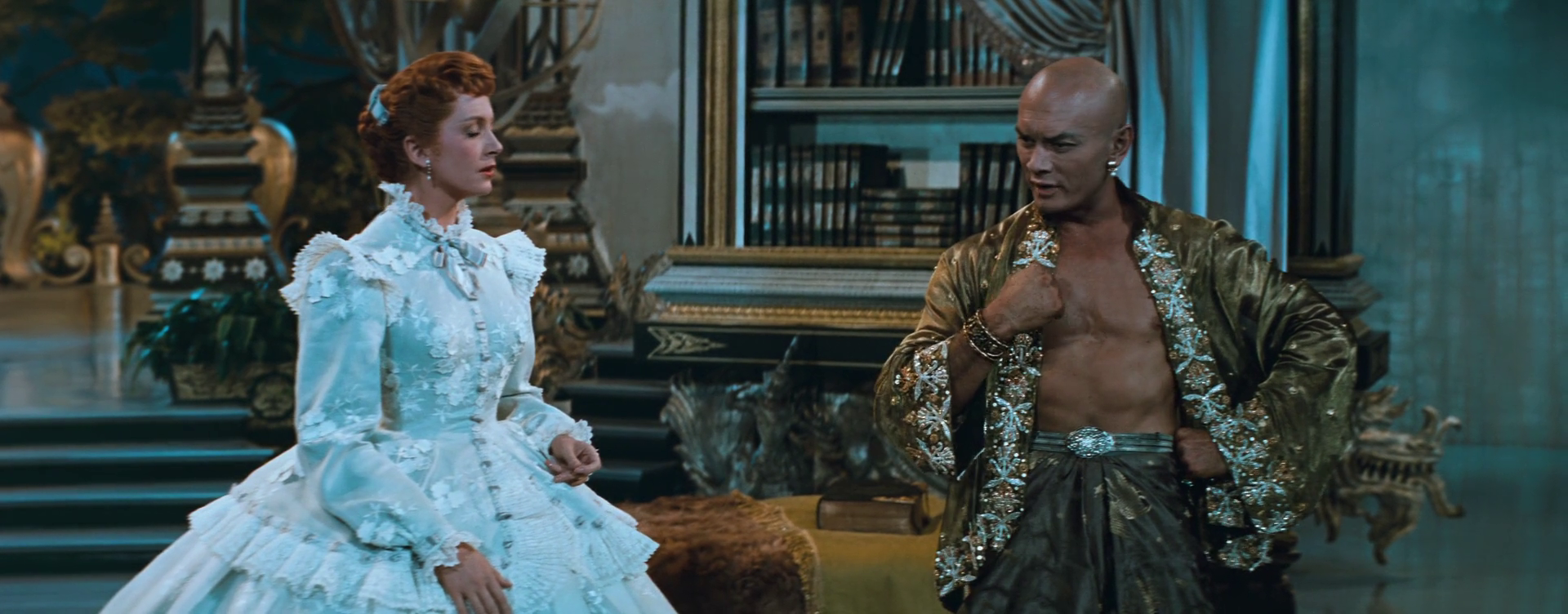
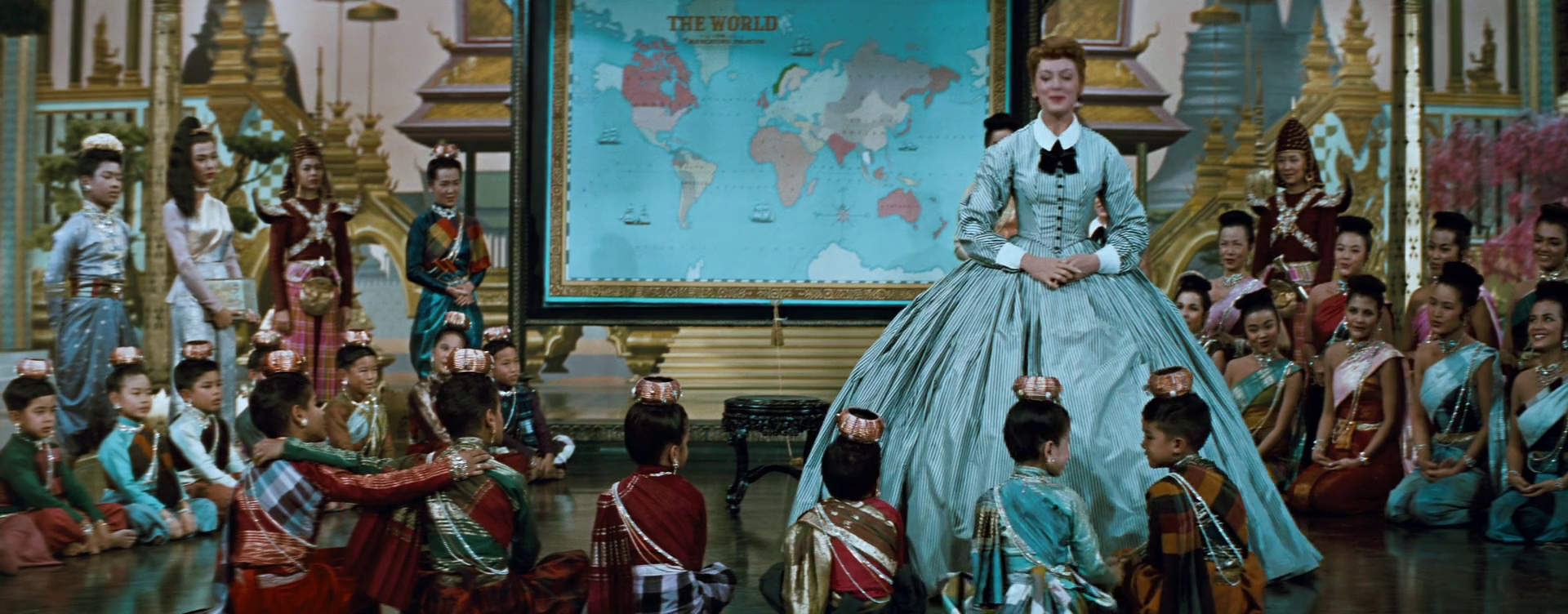
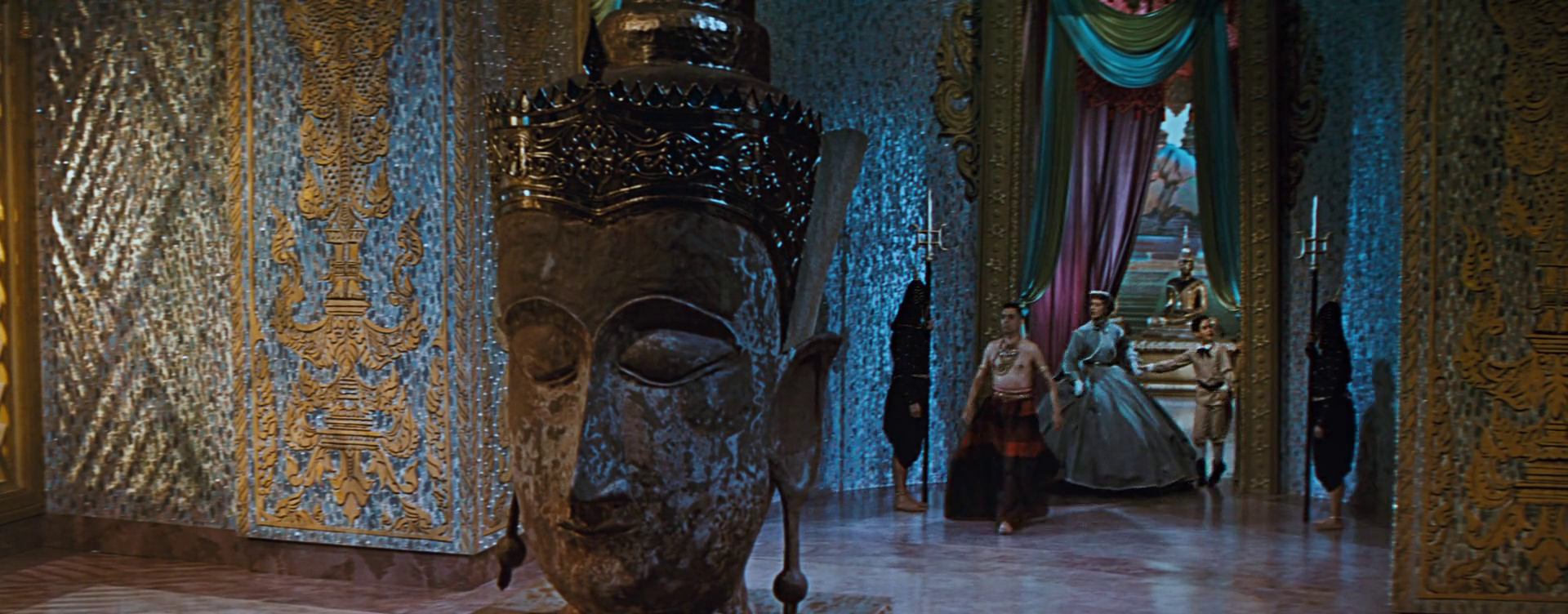
As Bosley Crowther wrote in his laudatory review for The New York Times, “The king is the heart of this story, and Mr. Brynner makes him vigorous and big. But Miss Kerr matches him boldly.” The colorful cinematography, sets, and costumes are a huge plus, too; the movie is sumptuous to look at, and of course the score is an absolute winner. The “Shall We Dance” sequence still delights instantly, thanks to a confluence of all these factors.

Much more problematic is the storyline itself, with its explicitly Orientalist and infantilizing (i.e., “I’ll help fix you and your culture”) approach to Anna’s visit. The recent Tony-winning revival of the musical apparently worked hard to overcome these inherent challenges, and succeeded — but modern-day viewers of this older adaptation will want to prepare themselves for numerous uncomfortable tensions. On the one hand, it tells a staunchly feminist tale of an independent woman boldly succeeding in a sexist patriarchy; on the other hand, Siamese culture is presented as deeply “Othered” and inherently problematic, and it’s difficult to see Anna as anything other than a “White savior” coming in to rescue this nation and its people single-handedly. With that said, should this version of The King and I still be seen? Yes, I believe so — there’s enough merit in the production itself to warrant a viewing, and modern film fanatics will hopefully be able to put its orientation (pun intended) into historical context.

Redeeming Qualities and Moments:

  • Yul Brynner as King Mongkut of Siam
  • Deborah Kerr as Anna
  • Vibrant sets, costumes, and cinematography


  • Rodgers and Hammerstein’s infectious score

Must See?
Yes, for its fine songs and lead performances. Listed as a film with Historical Importance in the back of Peary’s book.

Categories

Links:

West Side Story (1961)

West Side Story (1961)

“When do you kids stop? You make this world lousy.”

Synopsis:
At a community dance in New York City, a Puerto Rican girl named Maria (Natalie Wood) falls in love with the former gangleader (Richard Beymer) of the Jets, currently helmed by Riff (Russ Tamlyn). The Jets are about to rumble with the Sharks, led by Maria’s brother Bernardo (George Chakiris), and Bernardo’s girlfriend (Rita Moreno) warns Maria (Wood) to stay away from Tony (Beymer) — but their love transcends racial tensions; will it be allowed to flourish?

Genres:

  • Cross-Cultural Romance
  • Gangs
  • Juvenile Delinquents
  • Musicals
  • Natalie Wood Films
  • Play Adaptation
  • Puerto Ricans
  • Racism and Race Relations
  • Rita Moreno Films
  • Robert Wise Films
  • Russ Tamblyn Films
  • Star-Crossed Lovers

Review:
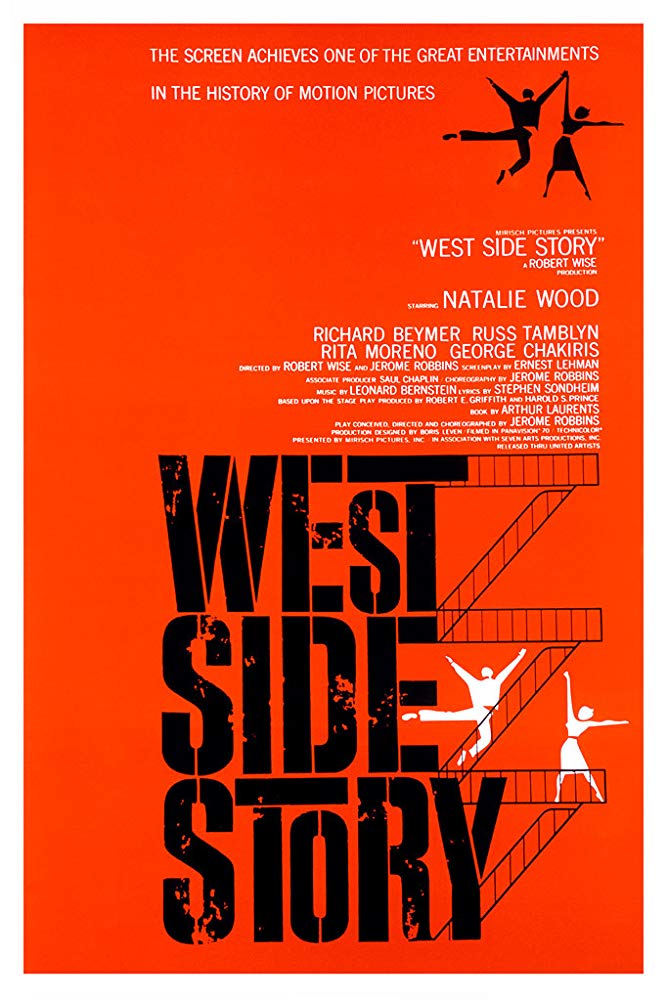
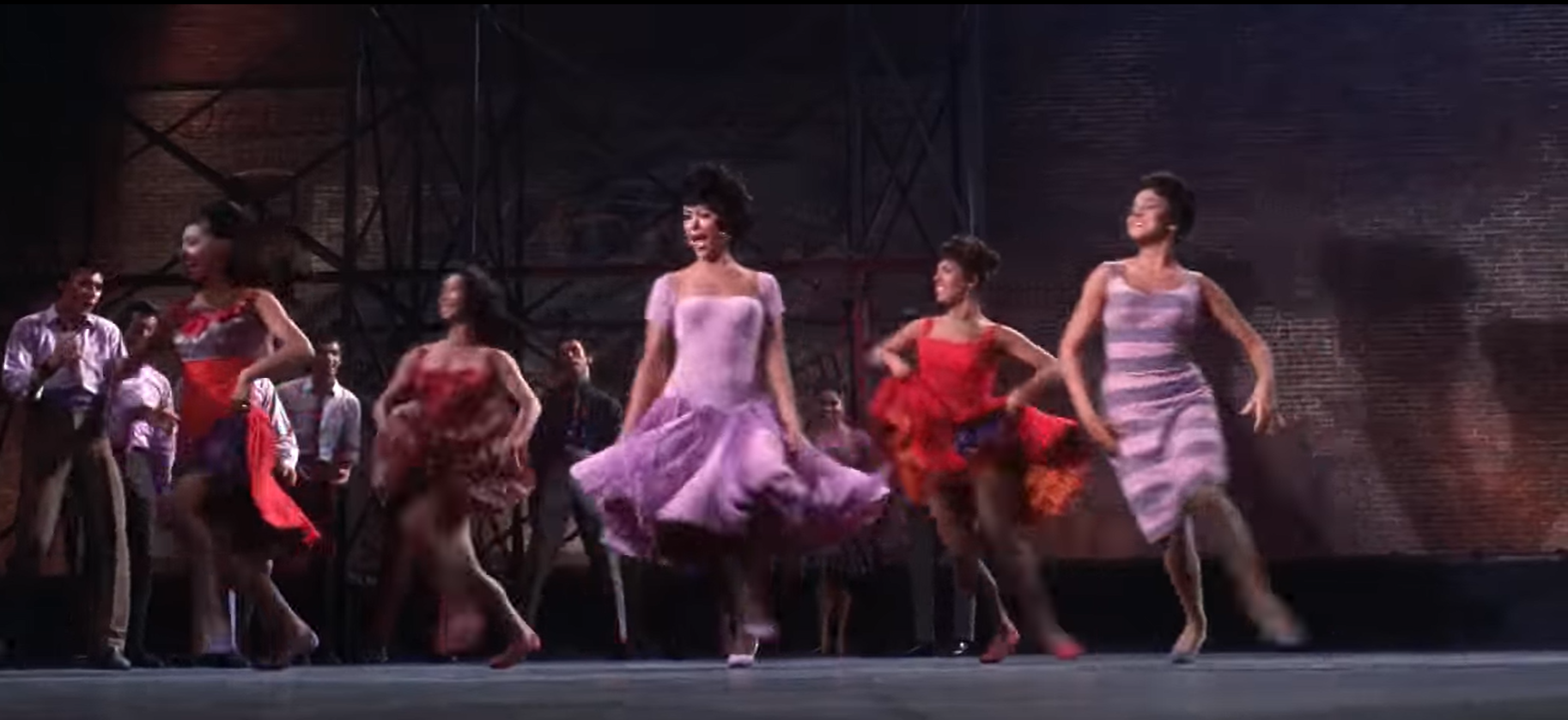
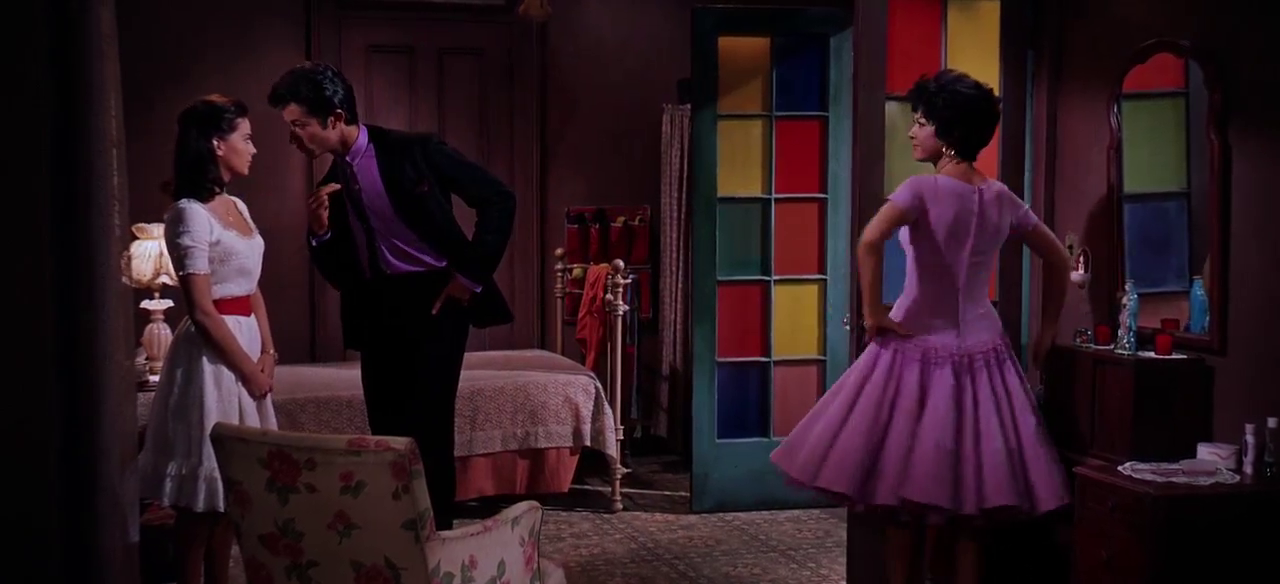
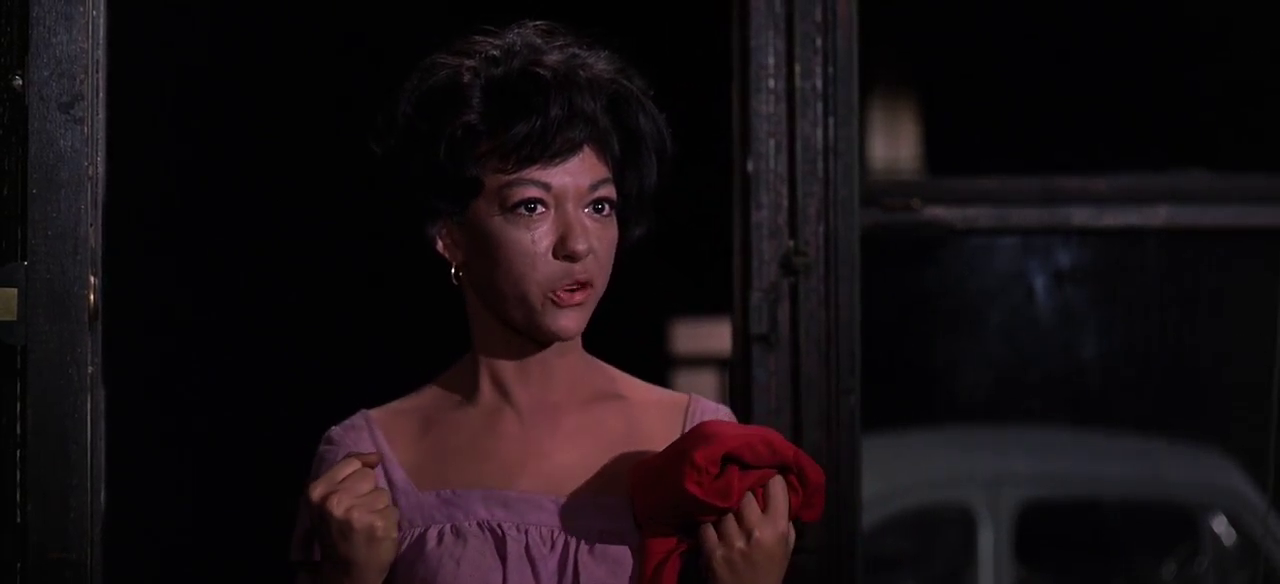
Peary doesn’t review this Oscar-winning musical — based on Arthur Laurents’ Shakespearean-inspired Broadway play, with music by Leonard Bernstein, lyrics by Stephen Sondheim, and choreography by Jerome Robbins — in his GFTFF, but he does name it the Best Picture of the Year in his Alternate Oscars, where he discusses both its merits and some of his personal memories upon first viewing it. He begins by noting “just how flawed it is”, but argues that “the flaws seem to vanish in a wave of nostalgia”, and given that “there were no great English-language pictures released in 1961”, he agrees with the Academy in its recognition of this film — co-directed by Robert Wise and Jerome Robbins — as Best Picture if simply “to acknowledge the numerous moviegoers for whom it has special memories”. He argues that “of all the performers, Rita Moreno” (who won an Oscar) “is the film’s class act”, and that “her singing and dancing during ‘America’ is the musical highlight”.

Indeed, the music and dancing overall in this film are its indisputable high points. I’m an obsessive fan of Bernstein’s score, and could easily listen to it on its own without visuals or lyrics — but it’s fun to combine them altogether. Speaking of Sondheim’s lyrics, they hold nothing back in revealing racist attitudes and practices, particularly during ‘America’:

(Girls) Everything free in America
(Bernardo) For a small fee in America
(Anita) Buying on credit is so nice
(Bernardo) One look at us and they charge twice

(Girls) Life is all right in America
(Boys) If you’re all white in America

and in overtly bigoted dialogue by Office Krupke (William Bramley):

You Puerto Ricans get what you’ve been itching for: use of the playground, use of the gym, the streets, the candy store. So what if you do turn this whole town into a stinkin’ pig sty? … Yeah, sure, I know. It’s a free country, I ain’t got the right. But I got a badge. What do you got? Things are tough all over. Beat it.

Peary ends his review in Alternate Oscars by noting that “one forgets that in 1961 this film, which pleads for brotherhood, was daring to an uncomfortable degree”. He points out that “except for Tony, Maria, and the elderly Doc (Ned Glass), the characters are a pretty rotten group. They are all biased.” Actually, this aspect of the film — its no-holds-barred look at bigotry and violence — remains both startling and refreshing; its themes of racial intolerance and territorial supremacy remain as salient as ever, if not more so.

Redeeming Qualities and Moments:

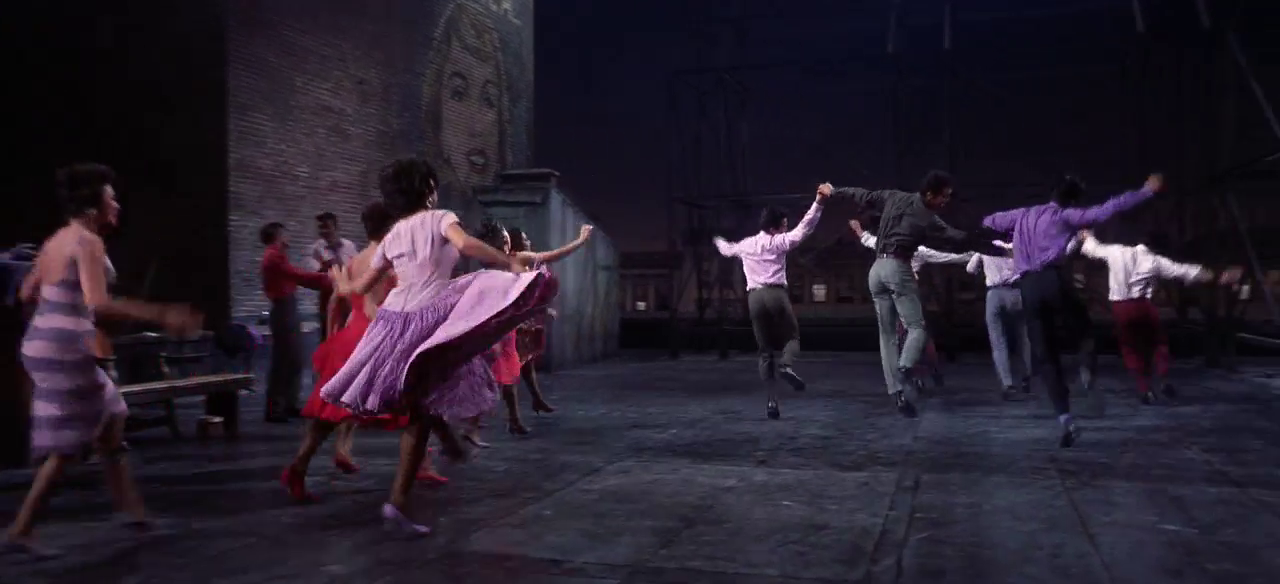
  • Wonderfully choreographed dances
  • Vibrant Technicolor cinematography and sets


  • Natalie Wood as Maria
  • Rita Moreno as Anita
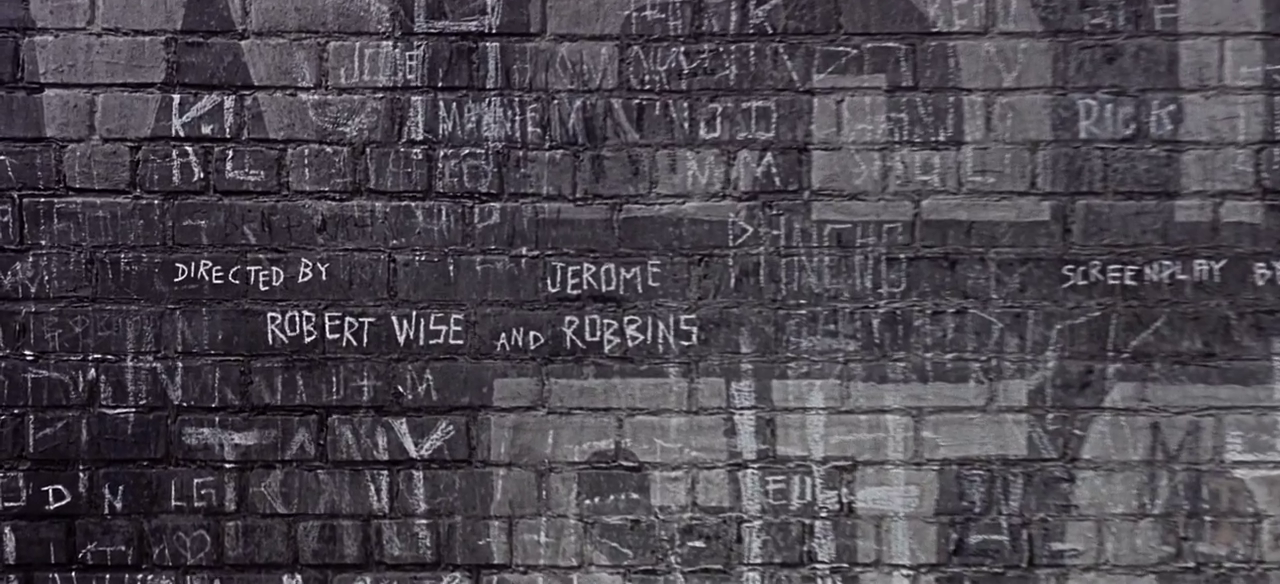
  • Creative closing credits
  • Leonard Bernstein and Stephen Sondheim’s score and lyrics

Must See?
Yes, for its historical value and wonderful musical sequences. Listed as a film with Historical Importance in the back of Peary’s book.

Categories

(Listed in 1001 Movies You Must See Before You Die)

Links:

Georgy Girl (1966)

Georgy Girl (1966)

“If it’s the last thing I do, I’m going to get you lot organized!”

Synopsis:
When a young woman named Georgy (Lynn Redgrave) learns that her roommate (Charlotte Rampling) is going to have a baby, she and Rampling’s immature boyfriend (Alan Bates) begin preparing for the baby’s arrival; meanwhile, the wealthy man (James Mason) Georgy’s parents (Bill Owen and Clare Kelly) work for propositions her with a contract to be his mistress, which she refuses.

Genres:

  • Alan Bates Films
  • Charlotte Rampling Films
  • James Mason Films
  • Love Triangle
  • Lynn Redgrave Films
  • Misfits
  • Pregnancy

Review:
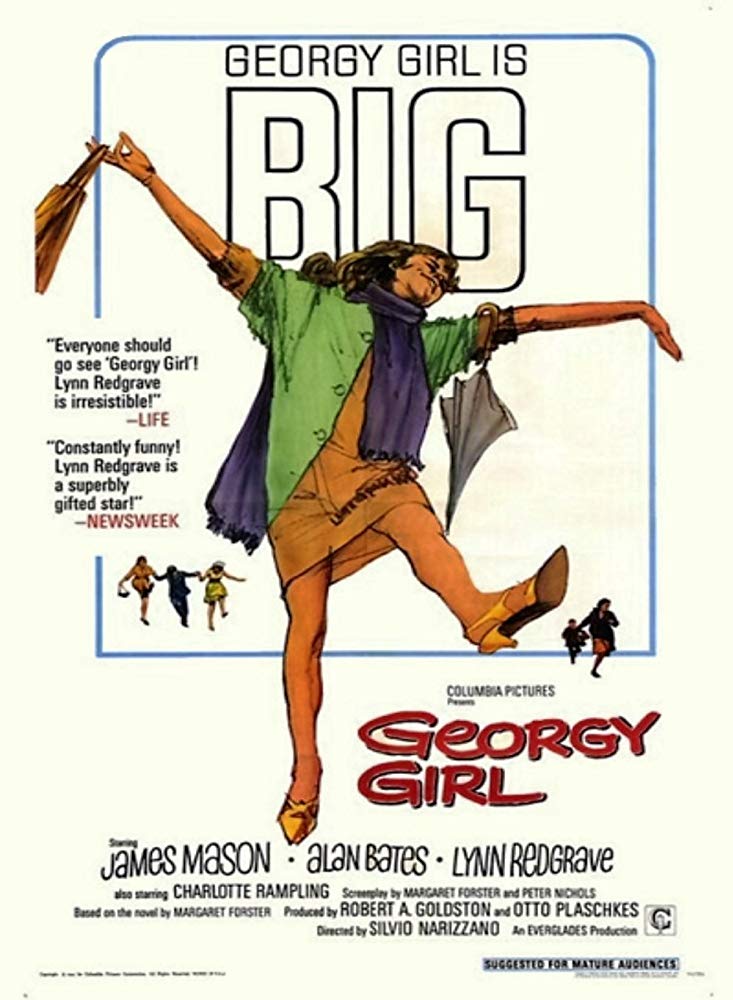
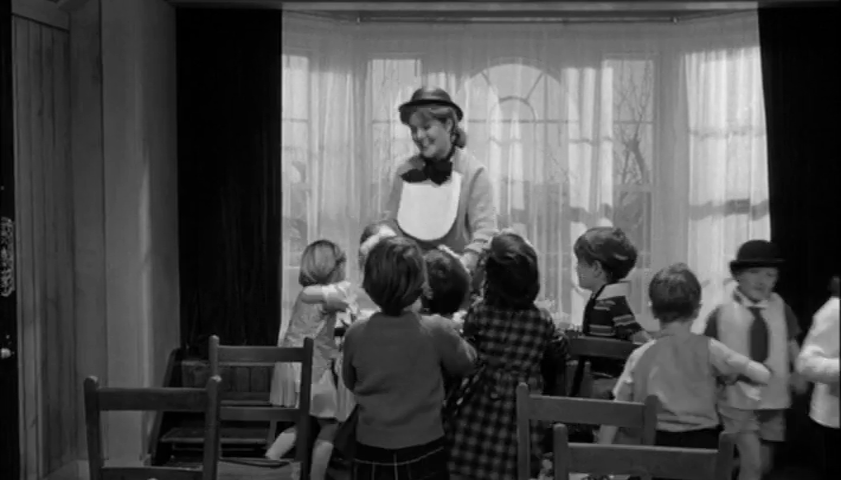
Silvio Narizzano directed this “swingin’ ’60s” tale of an unconventionally quirky leading lady (Redgrave) finding her true passion in life through unexpected means. The rather dismal storyline is presented as hip and comedic: at least Redgrave has fun teaching songs to young children:

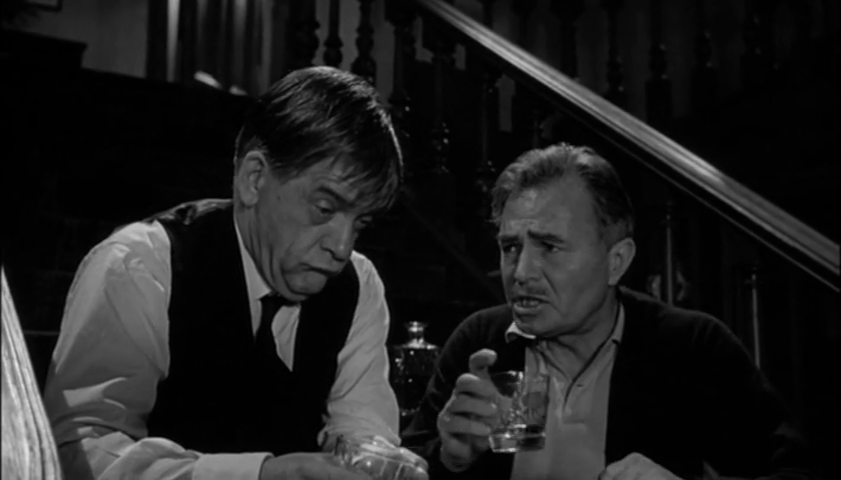
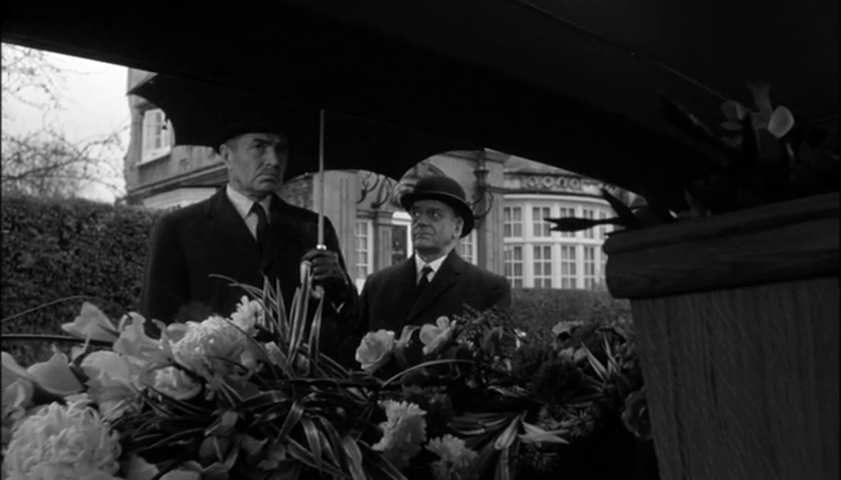
while her parents kowtow to a creepy older “gentleman” (Mason):

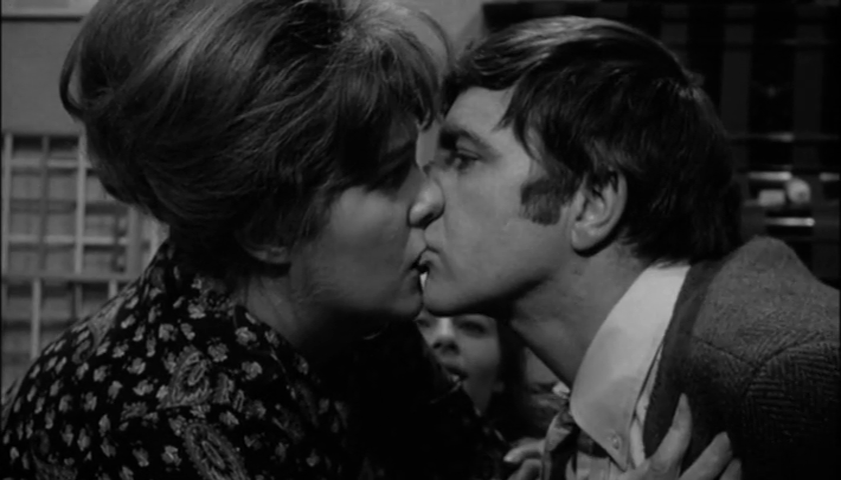
… her sociopathic roommate (Rampling) admits to aborting untold previous babies before finally deciding — on a whim — to keep this one (which she consistently refers to as “it”):

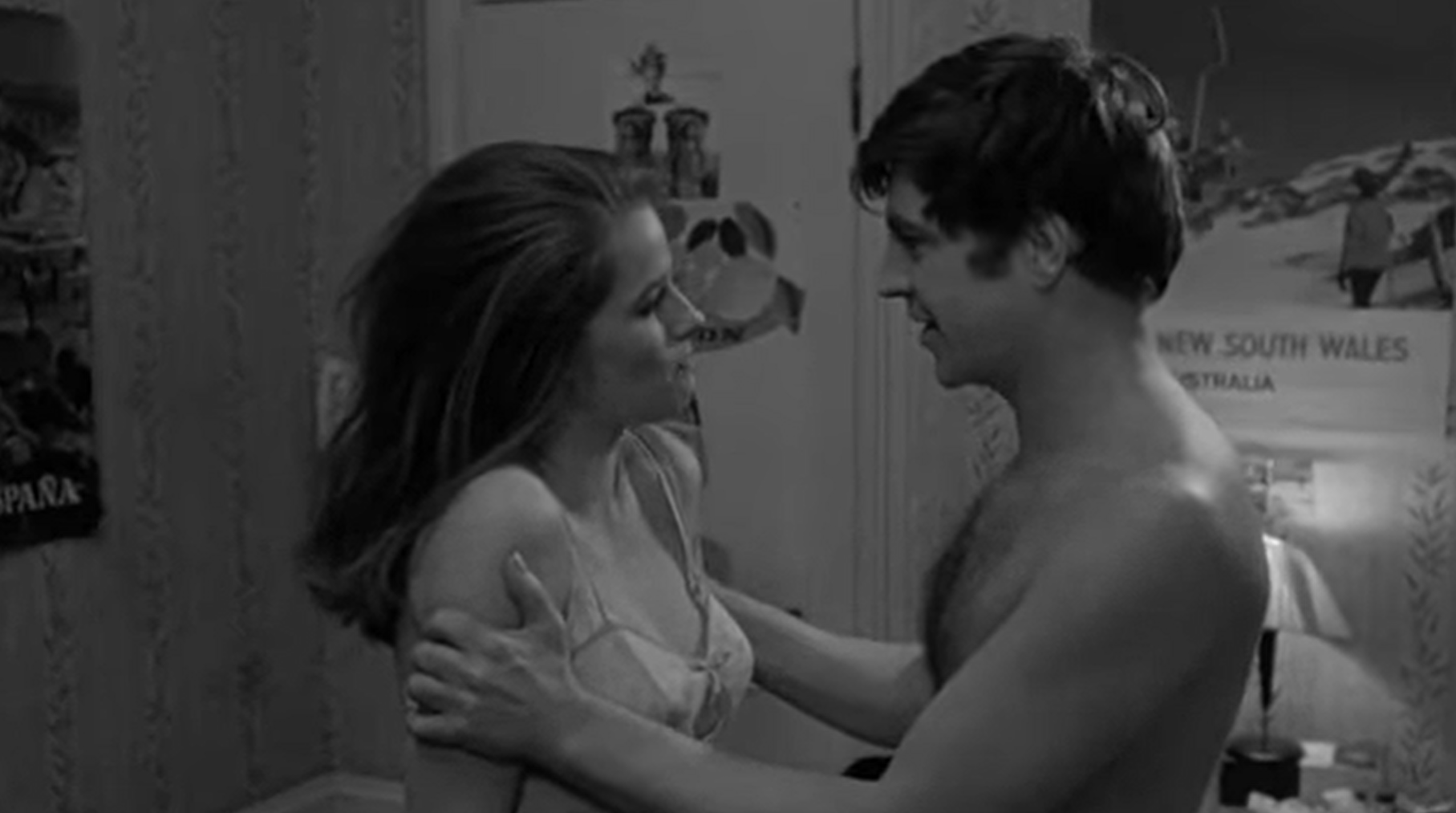
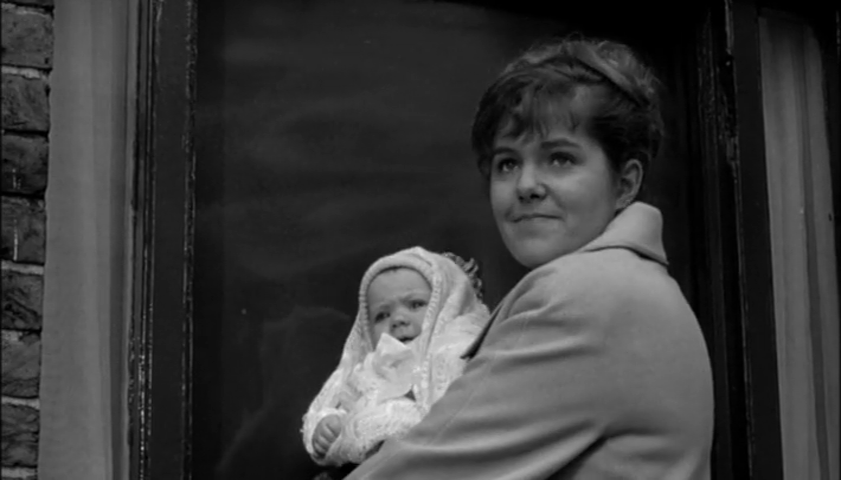
… and Bates demonstrates nothing but annoyingly “whimsical” irresponsibility.

With all that said, Georgy remains an intriguing heroine: she’s someone we can’t help rooting for, especially after baby Sarah is born. It’s hard to know whether to laugh, cry, or cheer for Georgy, but she’s certainly memorable.

Redeeming Qualities and Moments:

  • Lynn Redgrave as Georgy (nominated by Peary as one of the Best
  • Ken Higgins’ cinematography

Must See?
No, but it’s worth a one-time look for Redgrave’s memorable performance.

Links:

Great Gatsby, The (1974)

Great Gatsby, The (1974)

“That’s the best thing a girl can be in this world: a beautiful little fool.”

Synopsis:
A mysterious millionaire (Robert Redford) purchases a house near his long-lost love, Daisy Buchanan (Mia Farrow) — a socialite who married a wealthy but philandering man (Bruce Dern) while Redford was off at World War I. With the help of his neighbor and Farrow’s second cousin (Sam Waterston), Gatsby (Redford) arranges a reunion with Daisy; meanwhile, Dern carries on an affair with the melodramatic wife (Karen Black) of a gas station owner (Scott Wilson) who knows his wife is discontented in their marriage.

Genres:

  • Bruce Dern Films
  • Class Relations
  • Jack Clayton Films
  • Infidelity
  • Karen Black Films
  • Mia Farrow Films
  • Millionaires
  • Robert Redford Films
  • Sam Waterston Films

Review:
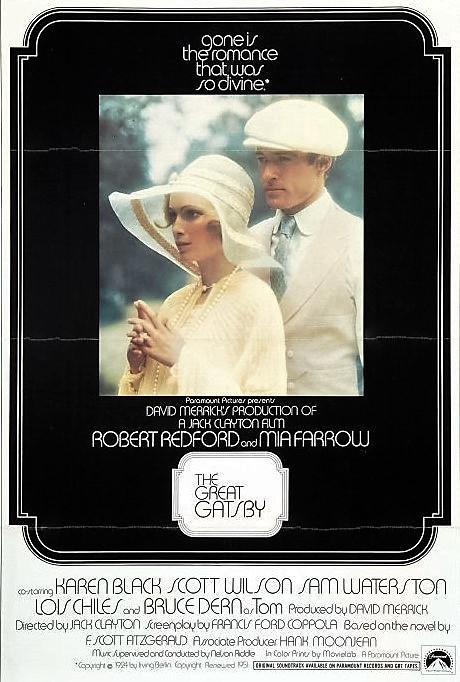
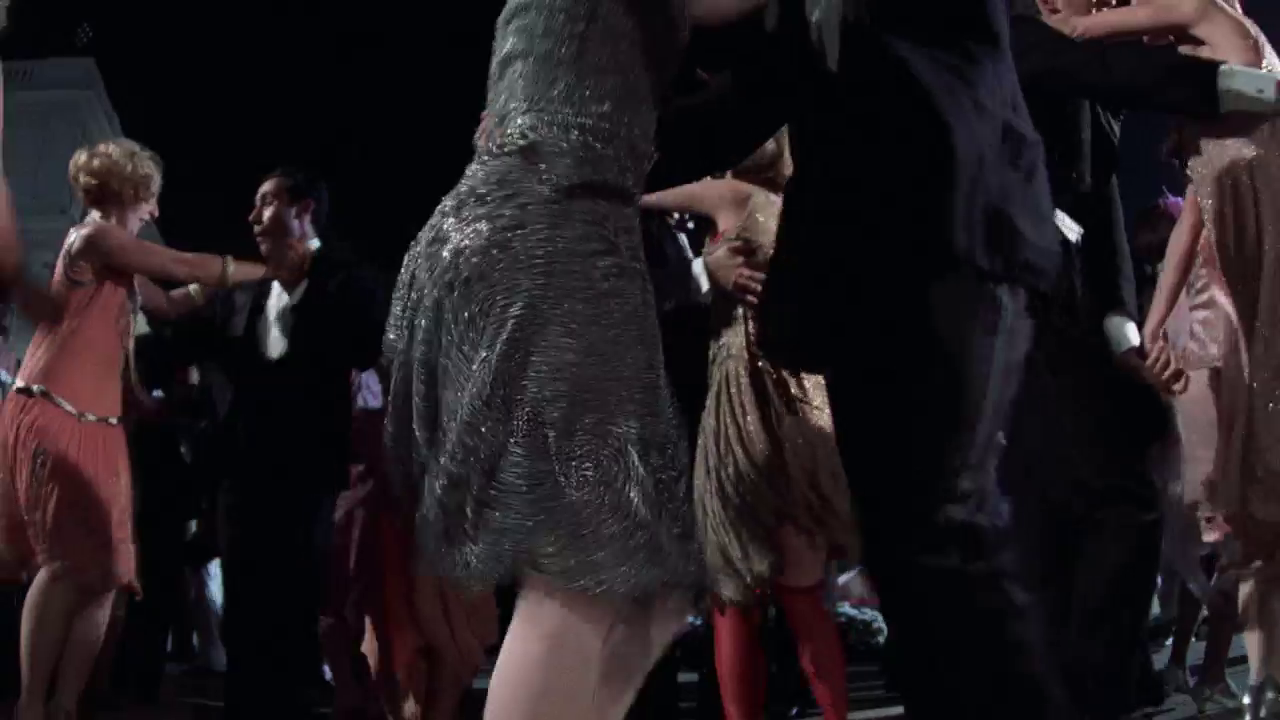
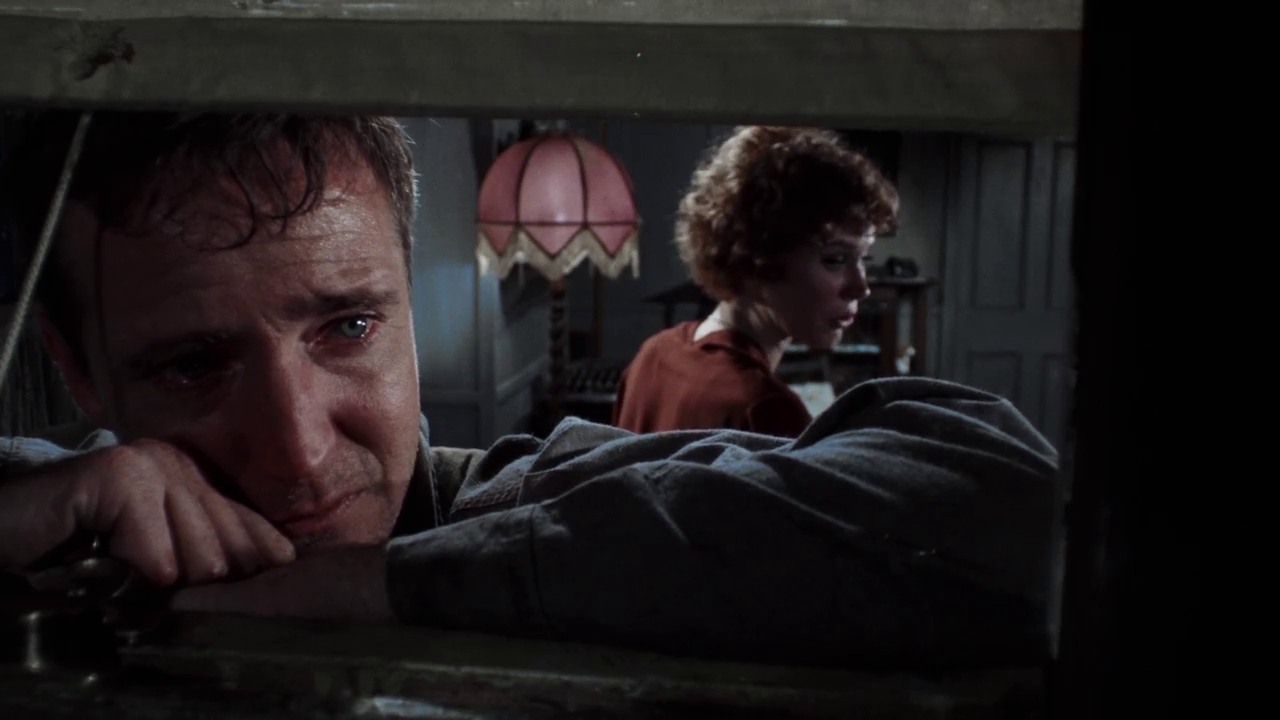
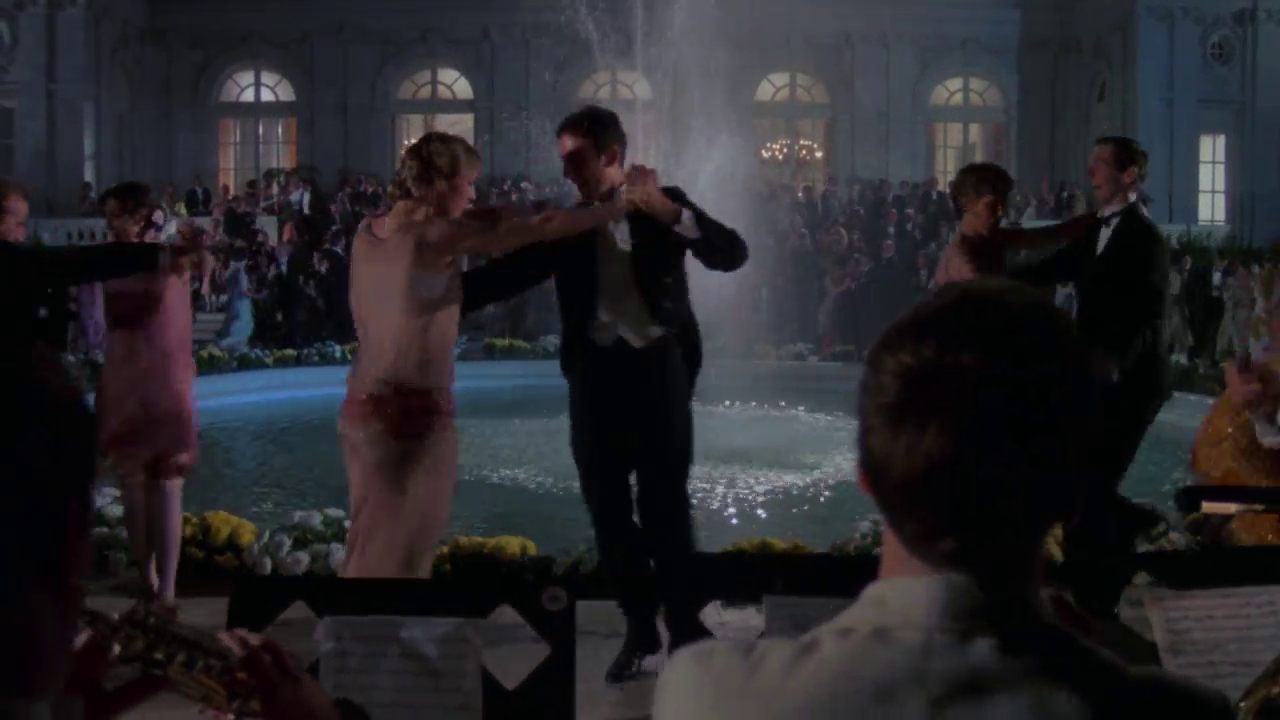
Jack Clayton’s adaptation of F. Scott Fitzgerald’s classic novel — co-starring Mia Farrow and Robert Redford as the infamously star-crossed lovers, Daisy and Jay — remains the best-known of those made so far (including the little-seen 1949 version), though it’s far from satisfying. It’s clear how keen the filmmakers were to show off the elaborate sets, and with all the money spent on populating Redford’s parties with so many extras and costumes, one can understand the temptation to use a lot of the footage — but there’s such a thing as too much Charleston drunkenness and flappers’ feet dancing!

Both Farrow and Redford are a bit inscrutable; and while few can play an irritated husband more consistently and convincingly than Dern, there’s little to genuinely appreciate about him or any of the other leading characters. Meanwhile, the dialogue is sappily embarrassing:

“Be my lover… Stay my lover.”
“I love the way you love me.”
“There’ll be other summers.”

Film fanatics may be curious to check this one out once for its visuals, but it’s not the classic it perhaps could have been.

Redeeming Qualities and Moments:

  • Gorgeous cinematography and sets


Must See?
No; feel free to skip this one.

Links:

Dr. Jekyll and Mr. Hyde (1941)

Dr. Jekyll and Mr. Hyde (1941)

“Good and evil are so close as to be chained together at the soul.”

Synopsis:
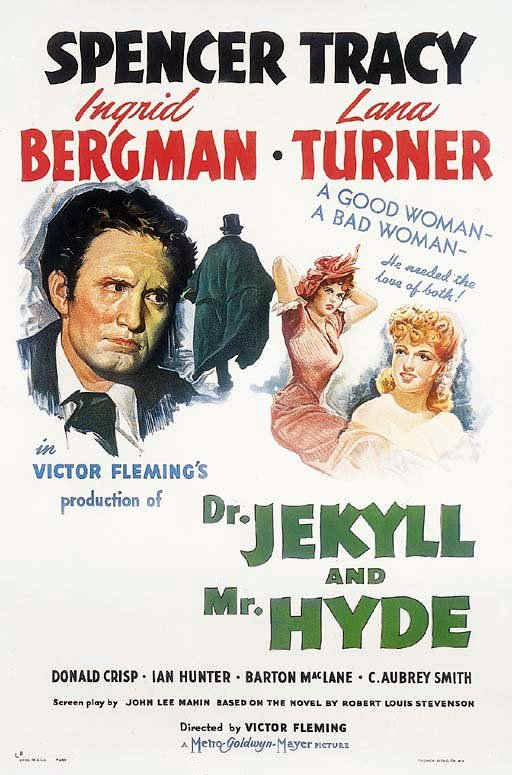
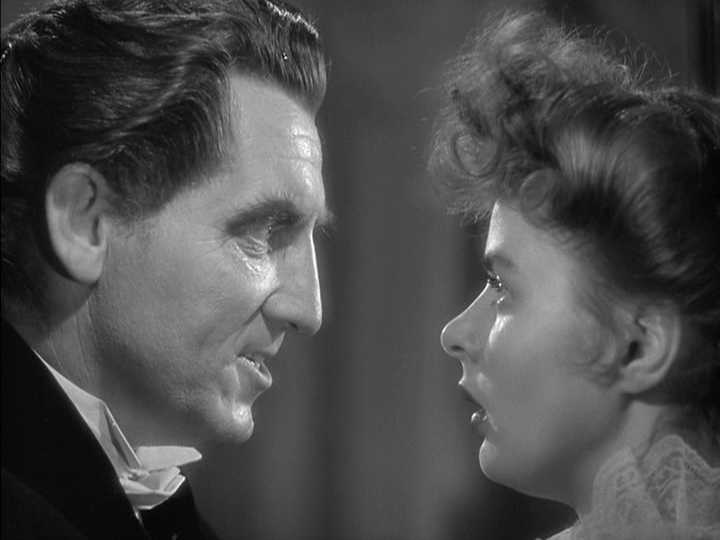
A highly respected doctor (Spencer Tracy) engaged to a young socialite (Lana Turner) whose father (Donald Crisp) disapproves of their relationship experiments with a potion that turns on his “wild side”, and soon he’s developed a controlling affair with a frightened barmaid (Ingrid Bergman).

Genres:

  • Donald Crisp Films
  • Ingrid Bergman Films
  • Lana Turner Films
  • Mad Doctors and Scientists
  • Multiple Personalities
  • Spencer Tracy Films
  • Victor Fleming Films

Review:
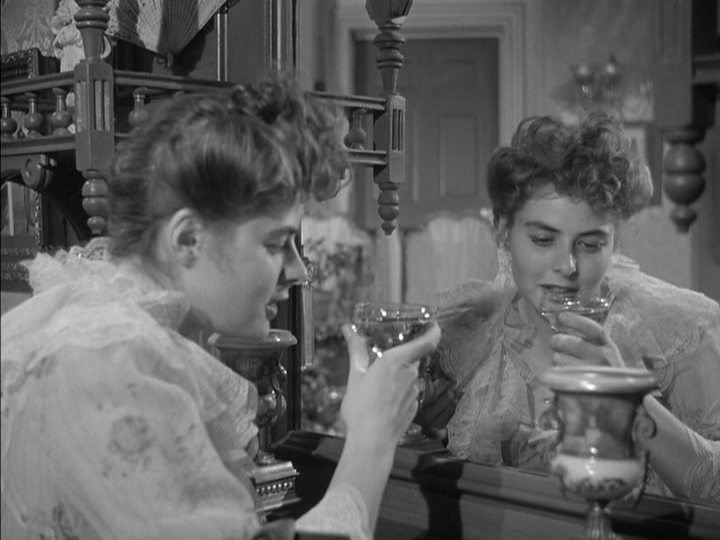
Victor Fleming’s remake of Robert Louis Stevenson’s oft-filmed tale tends to be dismissed as both unnecessary and inferior to its more beloved predecessors — the 1920 silent version with John Barrymore and Rouben Mamoulian’s 1931 adaptation with Fredric March and Miriam Hopkins. However, this harsh assessment is unwarranted: while the earlier two films are more iconic, this one serves its purpose nicely, and is certainly well-made. Most engaging of all is Bergman’s performance: this was notably her first opportunity to play against her “nice girl” persona in Hollywood. (The same was true in reverse for Lana Turner, who was originally considered for Bergman’s part.) Bergman, naturally, brings warmth and depth to a character who could easily have been simply a victimized caricature; she’s mesmerizing every instant she’s on-screen.

Tracy — who resisted taking on this role out of deference for March’s Oscar-winning performance — isn’t awful, as some have claimed; his transformations are believable, even if the rationale for them is less well-developed here than elsewhere.

Note: More than anything, each viewing of this story reminds me of the real-life horrors of domestic abuse, with far too many individuals trapped in the clutches of monstrous partners they can’t escape from.

Redeeming Qualities and Moments:

  • Ingrid Bergman as Ivy
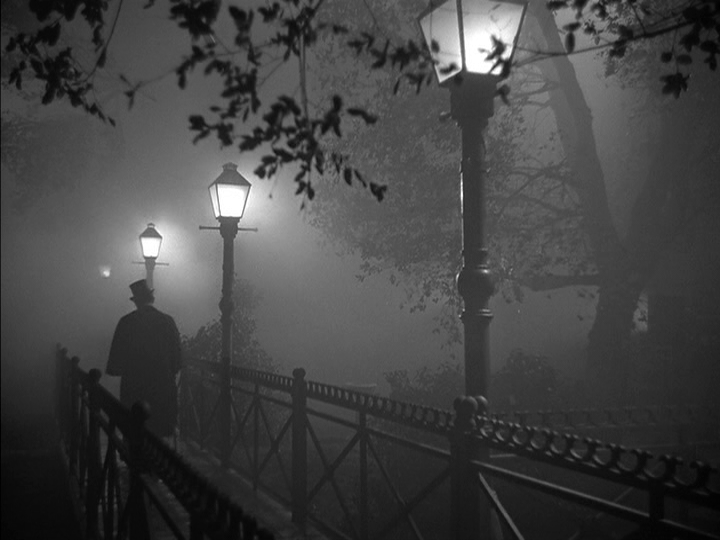
  • Atmospheric cinematography and sets

  • The surreal transformation hallucinations

Must See?
No, but it’s worth a look, and not deserving of its harshly negative reputation.

Links:

Drum, The (1938)

Drum, The (1938)

“In our mountains, you are wise or dead. I beg you to be wise.”

Synopsis:
In a Northwest frontier of colonial India, a British governor (Frances L. Sullivan) negotiates peace with a local king who is assassinated by his power-hungry brother (Raymond Massey). The king’s son (Sabu) — who has befriended a British colonel (Roger Livesey), Livesey’s new wife (Valerie Hobson), and a drummer boy (Desmond Tester) — goes into hiding, but helps the British fight back against Massey’s revolutionaries.

Genres:

  • India
  • Raymond Massey Films
  • Rebellion
  • Roger Livesey Films
  • Royalty and Nobility
  • Sabu Films
  • Zoltan Korda Films

Review:
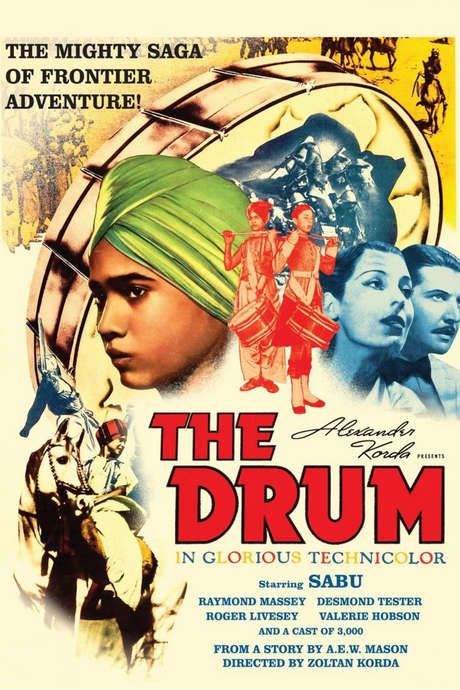
This second of the Korda brothers’ “Empire trilogy” — made after Elephant Boy (1937) and before The Four Feathers (1939) — was a further opportunity for charismatic young Indian star Sabu to make his presence known to American and worldwide audiences.

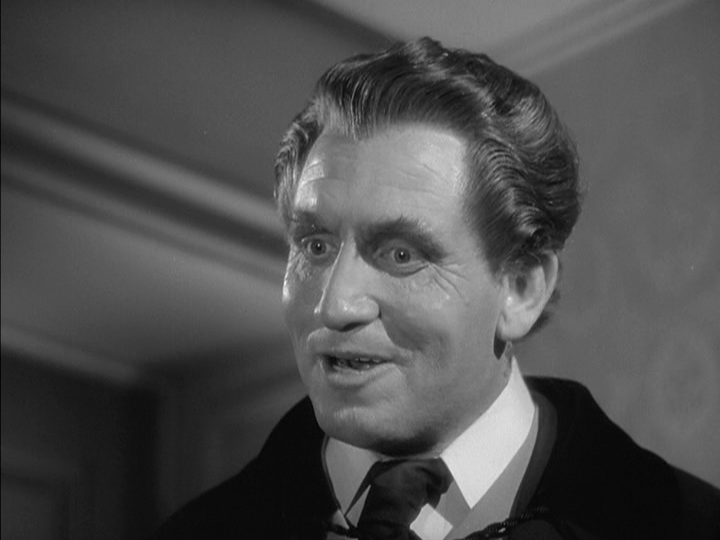
Unfortunately, his role in this flick isn’t large enough by far, and the story itself comes across as simply jingoistic imperialism. Massey is convincingly wild-eyed and obsessed:

… mouthing rhetoric that would sound familiar in modern-day tales of Jihadi fighters, while perpetuating other-izing fears: “I see a wave — a wave of men. Lean, hard, hungry free men from the hills, swooping down on the fat, soft comfortable slaves of the plains, their white throats ripe for the knife — a story as old as time… I see the mosques and domes rise again.” As Jay Carr asserts in his article for TCM, it can “hardly be regarded as anything more than dated, imperial chest-thumping, patronizing and paternal, in which Brits alone know what’s good for the rest of the world, in this case India”; meanwhile, Stuart Galbraith of DVD Talk notes that Sabu’s character is “firmly ensconced as a symbol of the contentedly colonized”.

Redeeming Qualities and Moments:

  • Fine Technicolor cinematography

Must See?
No; feel free to skip this one unless you’re a Sabu completist or particularly enjoy the Kordas brothers’ adventure flicks.

Links:

Samson and Delilah (1949)

Samson and Delilah (1949)

“The oldest trick in the world: silk trap, baited with a woman.”

Synopsis:
During his marriage to a golden-haired Philistine named Semadar (Angela Lansbury), a supernaturally strong Hebrew named Samson (Victor Mature) begins a fight with guests over a gambling debts, which leads to Lansbury’s death. Samson — an active fighter against the Philistines, and hero of his people — is soon hunted down not only by a wily ruler (George Sanders) but Semadar’s cunning sister Delilah (Hedy Lamarr), who covets him and will stop at nothing to seek vengeance for his initial rejection of her.

Genres:

  • Angela Lansbury Films
  • Biblical Stories
  • Cecil B. DeMille Films
  • Femme Fatales
  • George Sanders Films
  • Hedy Lamarr Films
  • Historical Drama
  • Love Triangle
  • Obsessive Love
  • Revenge
  • Victor Mature Films

Review:
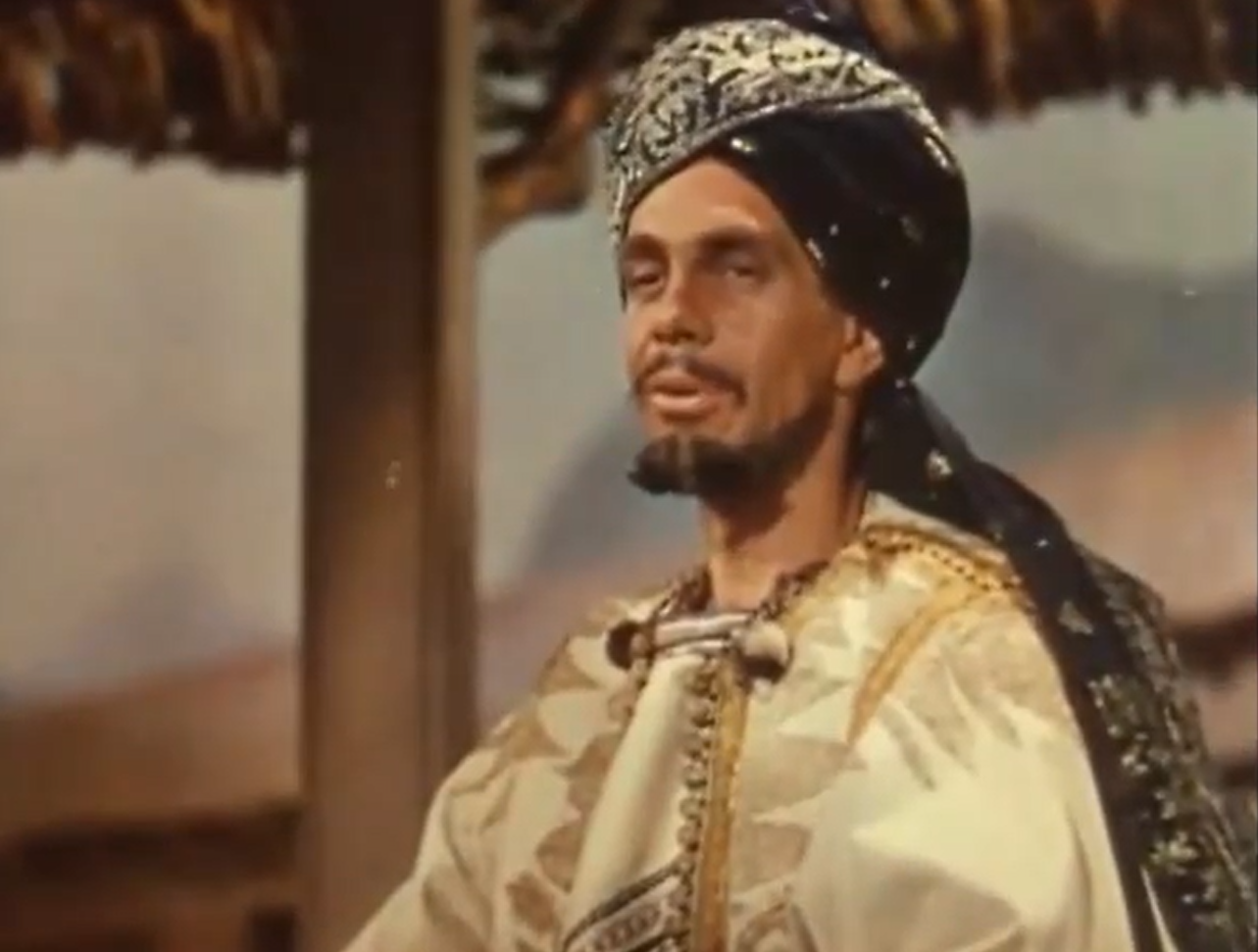
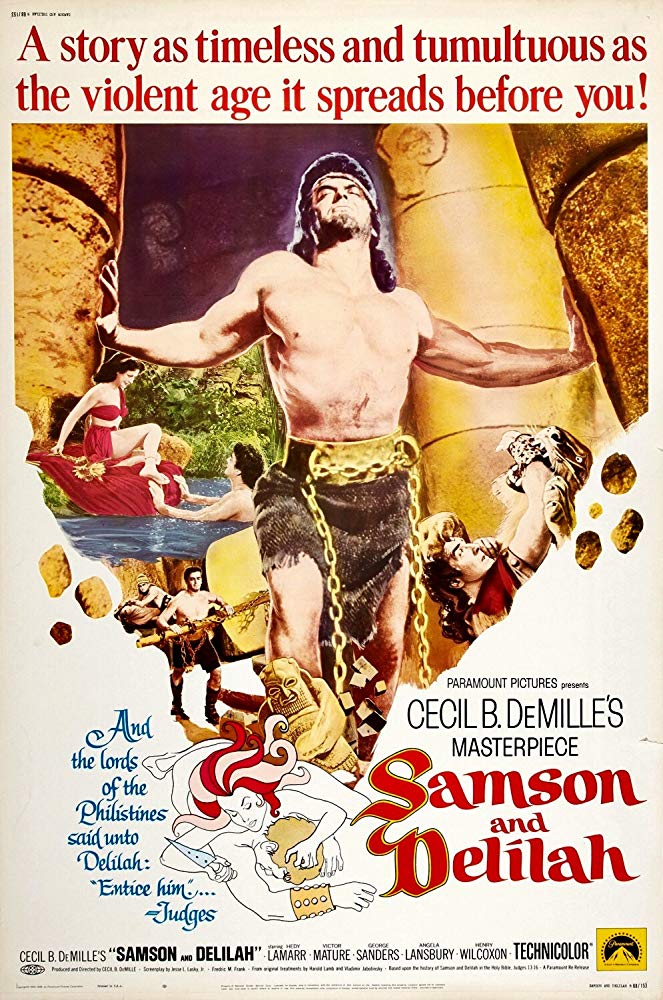
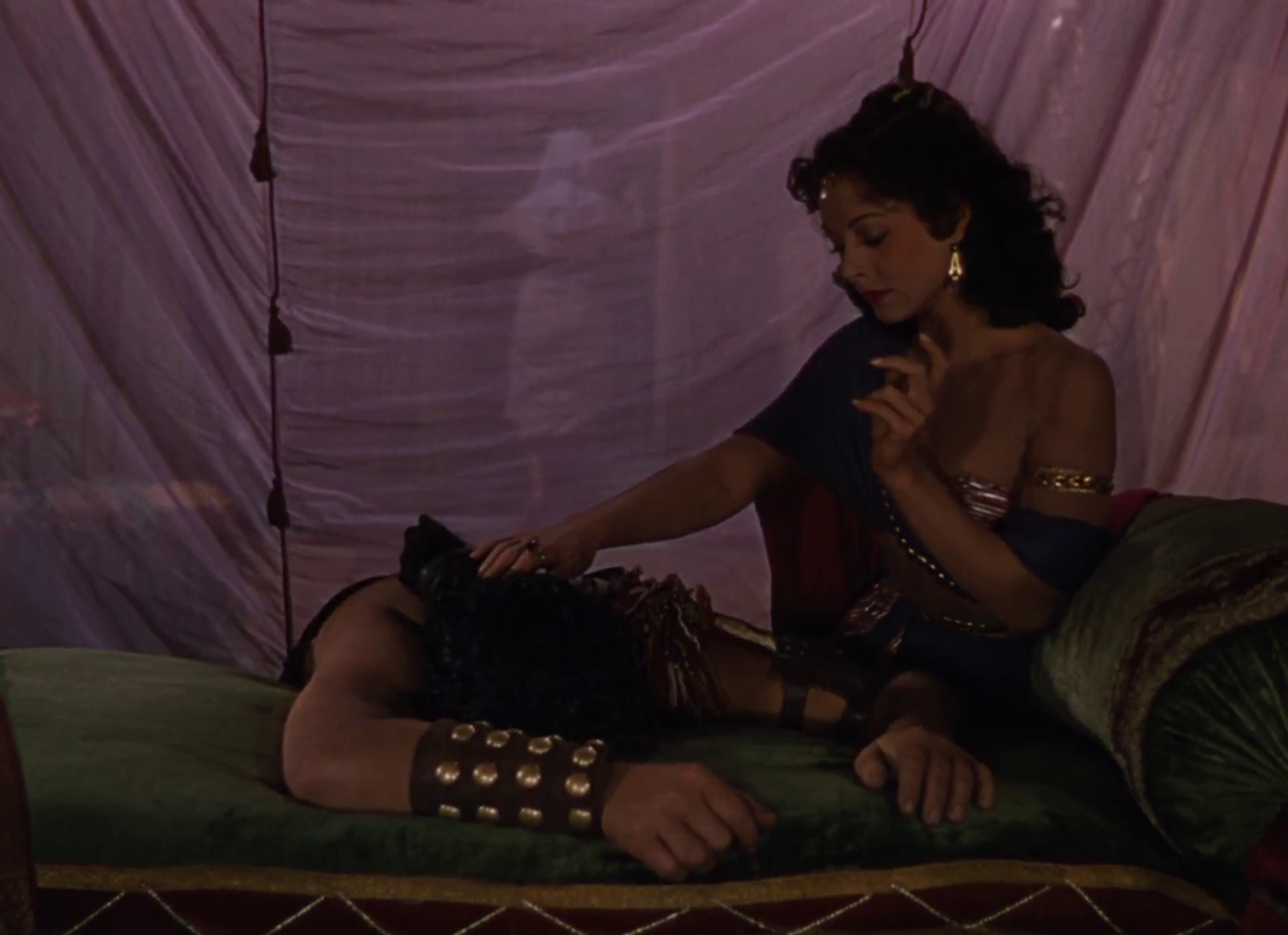
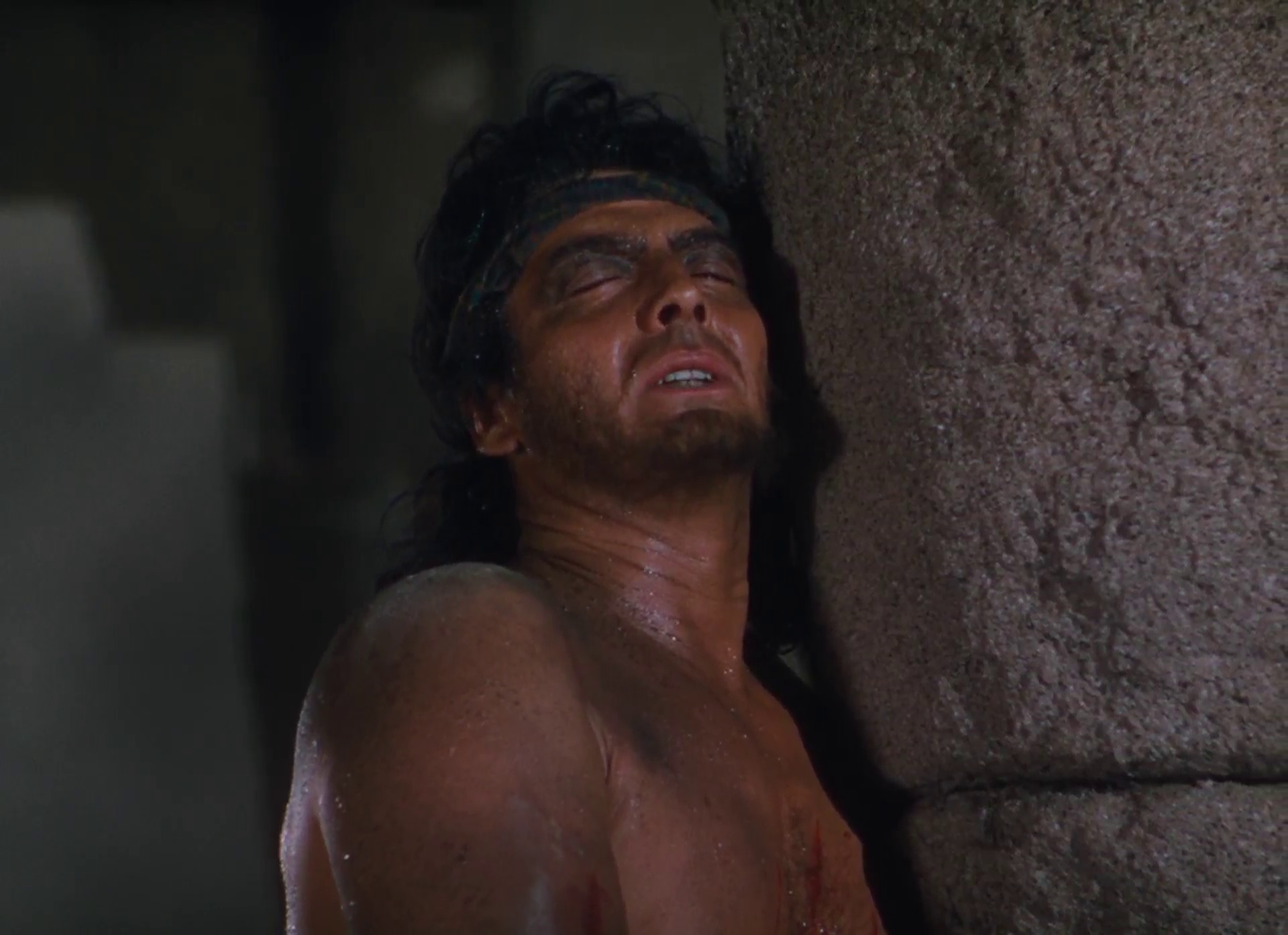
This Technicolor extravaganza by Cecil B. DeMille was not only the highest-grossing film of 1950, but was nominated for five Academy Awards and won two (Best Art Direction and Best Costume Design). Unfortunately, the look of this film is its best feature by far: the storyline (based on a fairly short passage from the book of Judges) is overly long (Lansbury’s character was added to provide motivation for Delilah’s betrayal)…


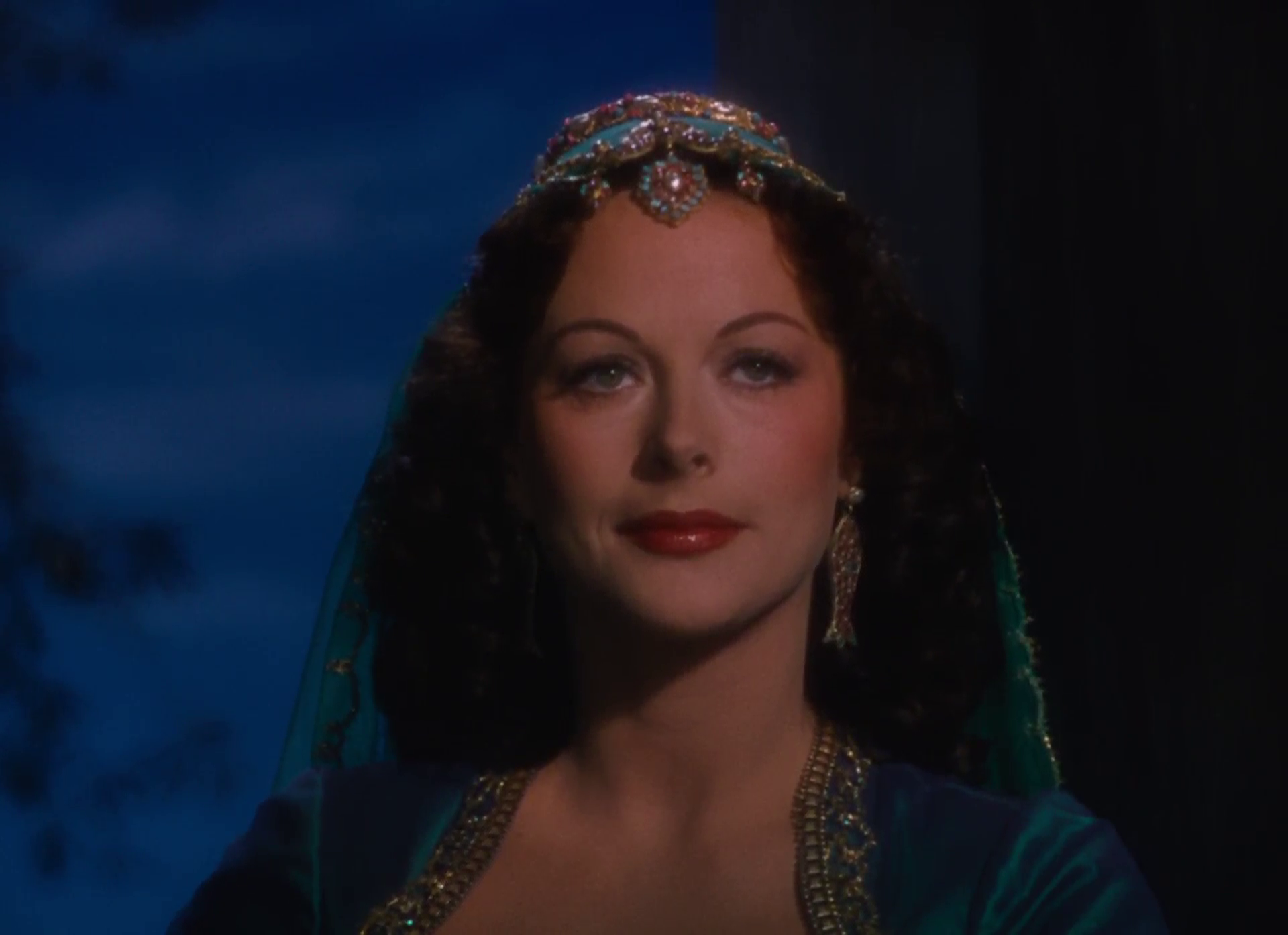
… slow-moving, and not all that involving. (As Dave Sindelair puts it, “the actors are saddled with a script that is as fast-moving as a sleepy turtle and as agile as a three-legged elephant”.) Speaking of the actors, they’re in solid melodramatic territory here, mouthing hoary lines while looking gorgeous (especially Lamarr, and especially in the newly released Blu-Ray edition).

Those in the mood for a lavish, colorful, visual feast with plenty of extras and elaborate sets may enjoy this one, but it’s not on a par with more engaging mid-century Biblical epics.

Note: The most exciting sequence in this film occurs during the last few minutes, and it is indeed worth viewing. (Check Wikipedia for details about its filming; it took a year to shoot and cost $150,000.)

Redeeming Qualities and Moments:

  • Vibrant Technicolor cinematography, sets, and costumes

  • The exciting final sequence

Must See?
No; you can skip this one unless you’re curious.

Links:

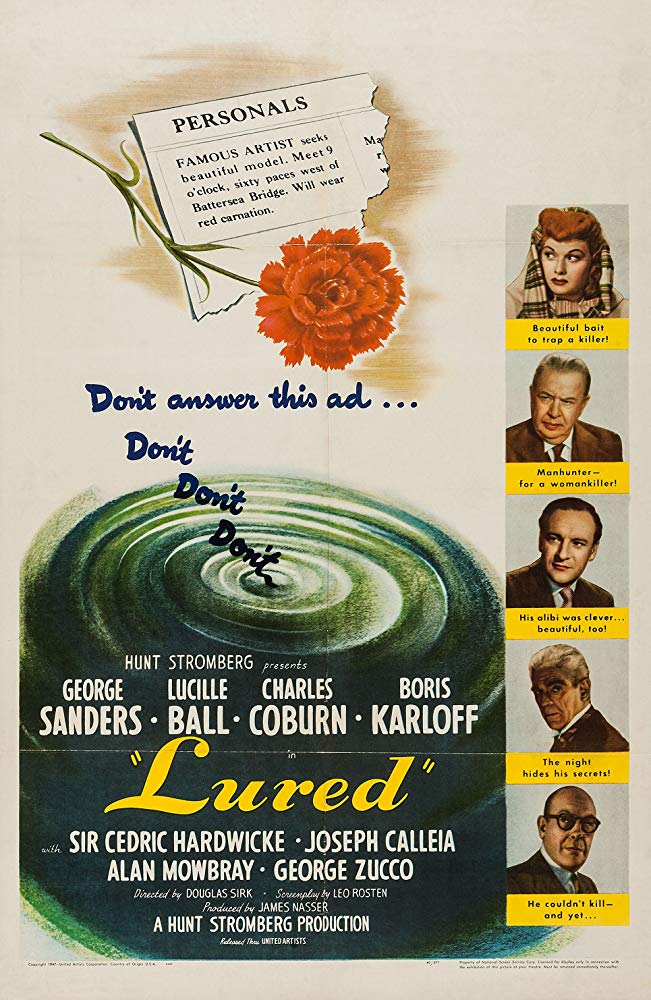
Lured (1947)

Lured (1947)

“There’s a homicidal maniac loose somewhere in the vast honeycomb of London — a man with a weakness for pretty girls.”

Synopsis:
A showgirl (Lucille Ball) is hired by a detective (Charles Coburn) at Scotland Yard to track down a mysterious serial killer who solicits beautiful girls through personal ads. Thankfully, she’s shadowed by a helpful assistant (George Zucco) as she navigates a frightful encounter with a mad designer (Boris Karloff), is hired as a maid by a man (Joseph Calleia) whose leering butler (Alan Mowbray) makes continuous advances at her, then falls in love with a suave dancehall owner (George Sanders) whose faithful business partner (Cedric Hardwicke) remains calm and collected at all times.

Genres:

  • Boris Karloff Films
  • Charles Coburn Films
  • Detectives and Private Eyes
  • Douglas Sirk Films
  • George Sanders Films
  • Lucille Ball Films
  • Serial Killers
  • Strong Females
  • Undercover Cops and Agents

Review:
Douglas Sirk directed this quirky, atmospheric whodunit starring pre-I Love Lucy Lucille Ball (in her 73rd film!) as a plucky dancer willing to put her life at risk to help catch a murderer — and hired surprisingly quickly by Scotland Yard to do so.


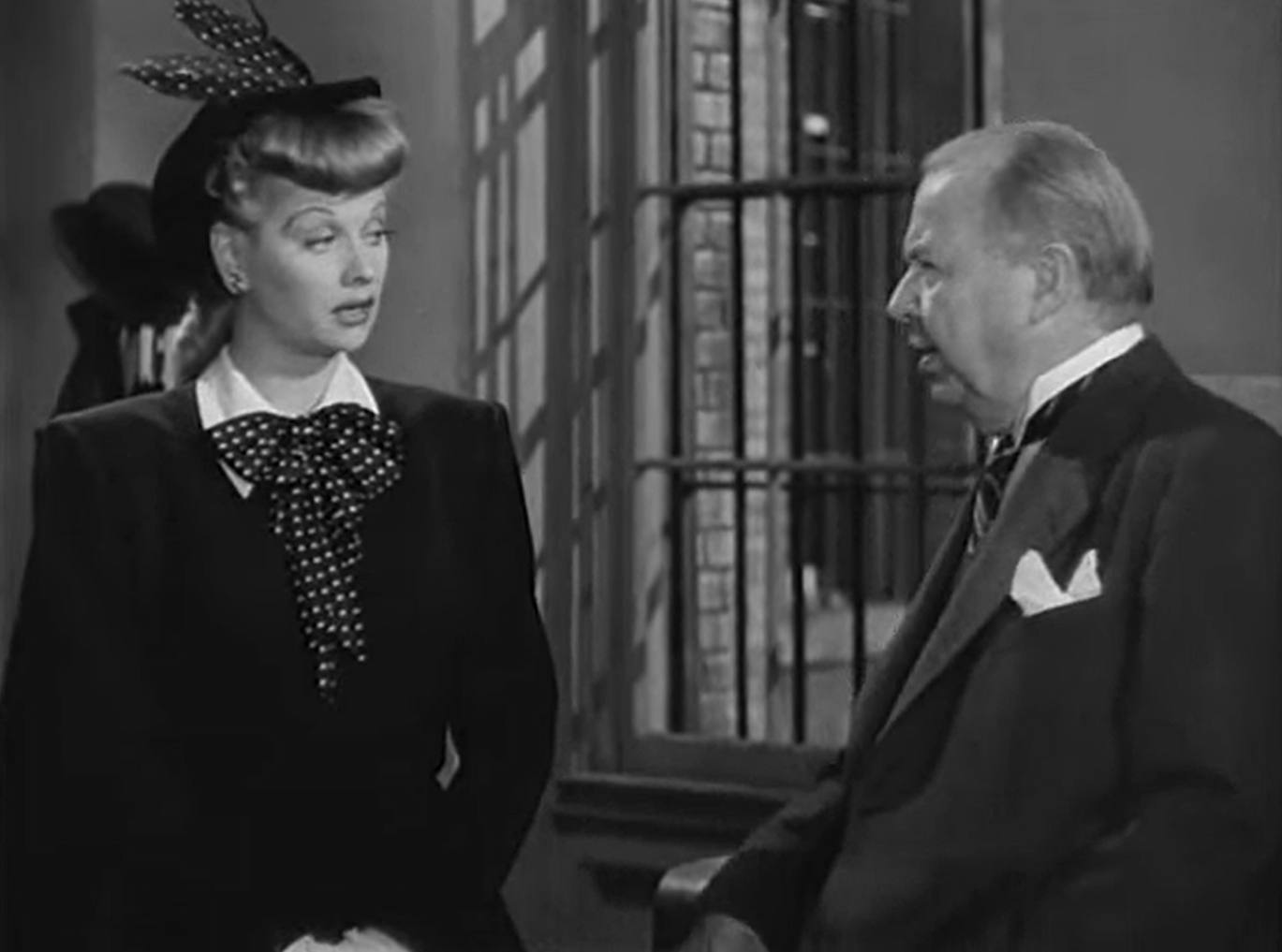
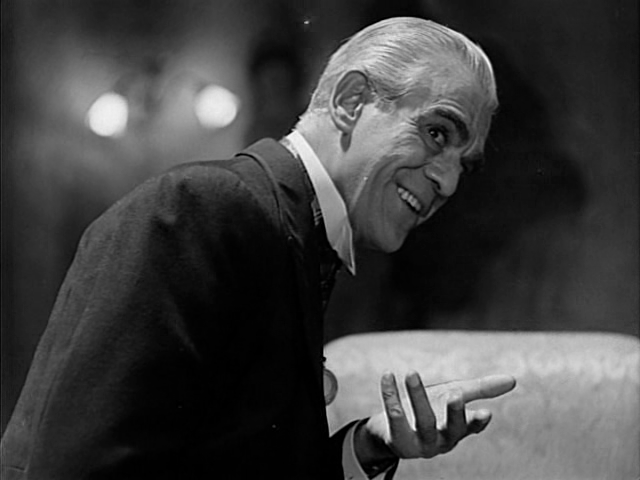
Perhaps due to Ball’s irrepressible penchant for comedic delivery, I found the film’s tone a bit uneven — and the rat-a-tat roster of characters coming and going (wait, was that Boris Karloff on-screen for just 10 minutes?!):

…makes it a tad challenging to keep up with what’s what and who’s who. However, some may find this unusual film to their liking; as described by TCM’s reviewer Jay Carr:

Lured is a delicious plum pudding of a cult movie dating from before the term was used to describe that tangy sector of pop culture heaven, or, for that matter, before pop culture entered the lexicon.

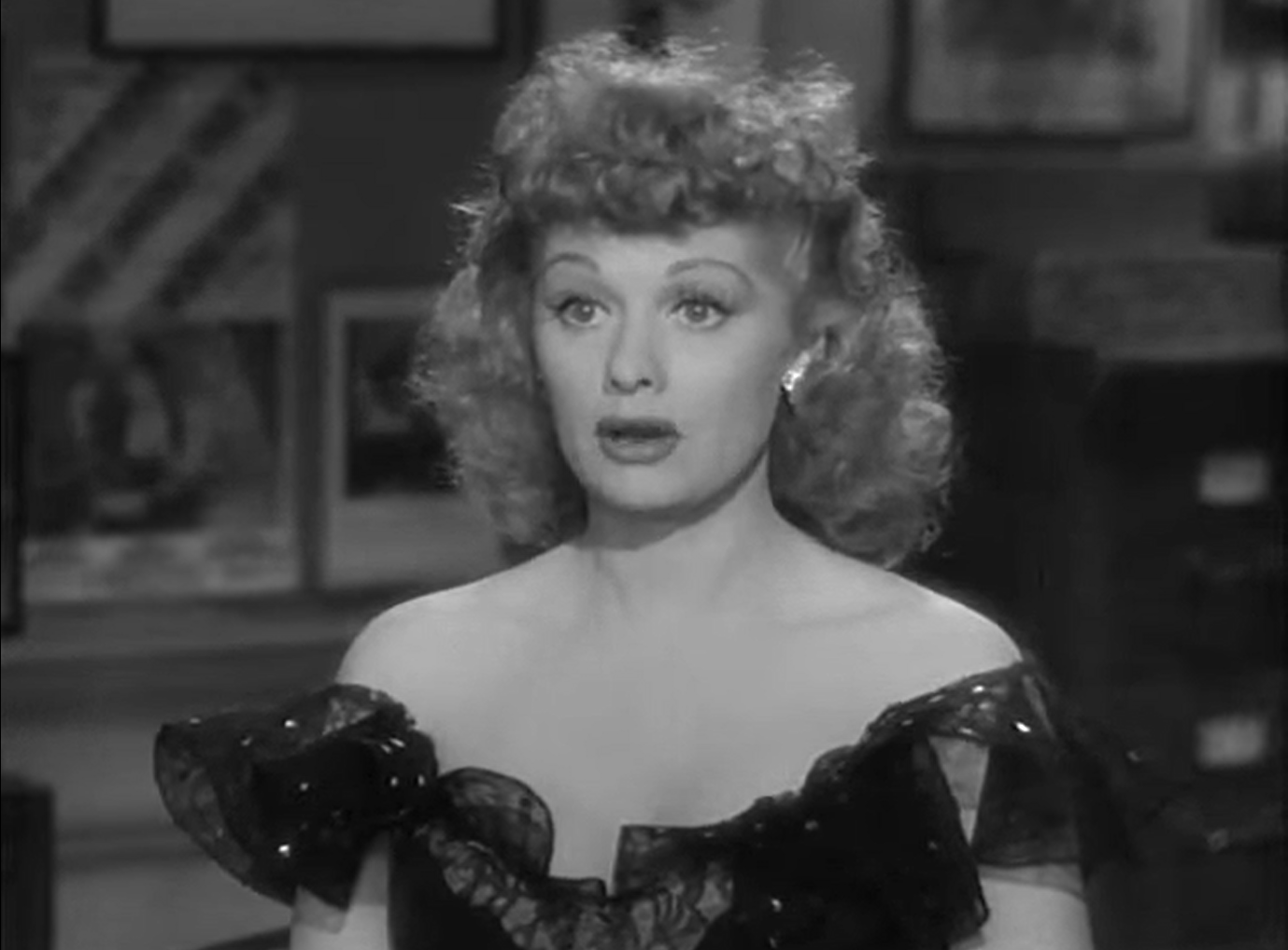
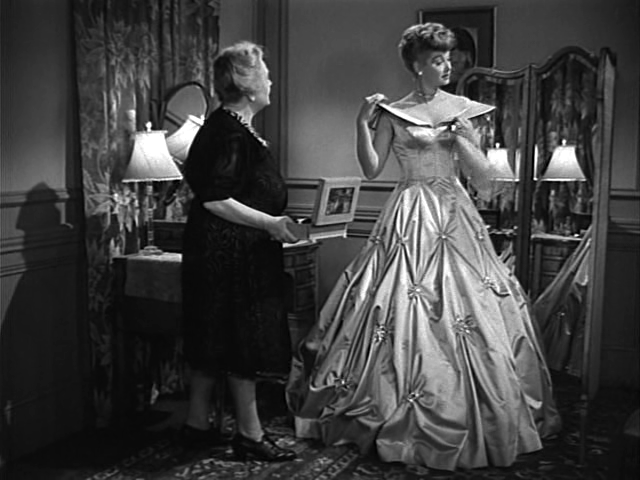
Meanwhile, William Daniels’ cinematography is consistently engaging, as are Ball’s gowns.

Redeeming Qualities and Moments:


  • Fine gowns for Ms. Ball

Must See?
No; you can skip this one unless you’re a Ball fan, or curious.

Links: