Browsed by
Category: Original Reviews

Responses to Peary’s “must see” movie reviews, as well as my own “must see” movie reviews up to and after 1986 (when Peary’s book was published).

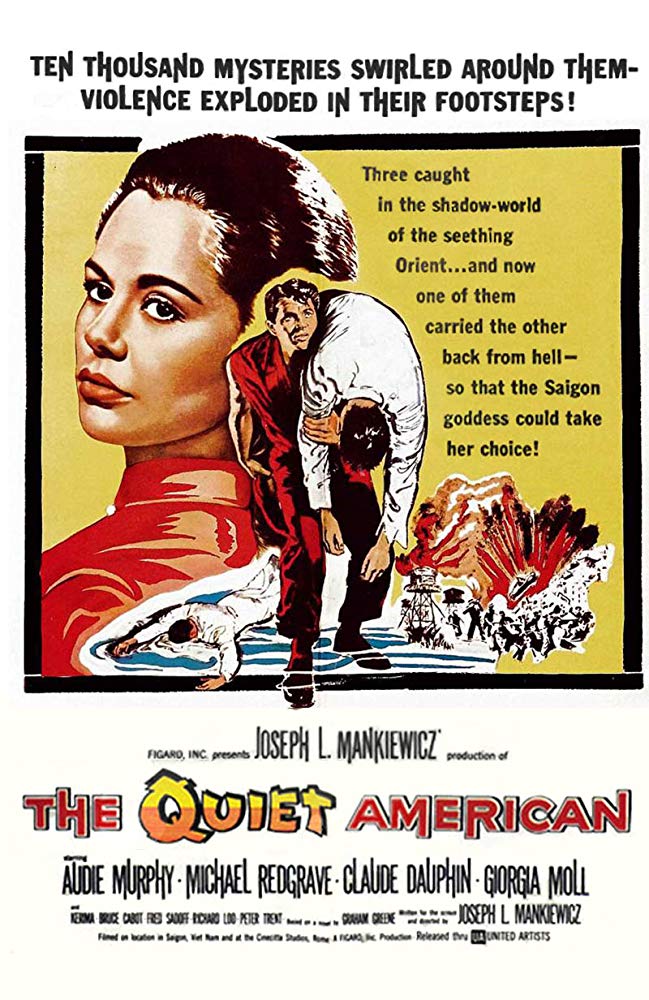
Quiet American, The (1958)

Quiet American, The (1958)

“Don’t worry — I have no politics.”

Synopsis:
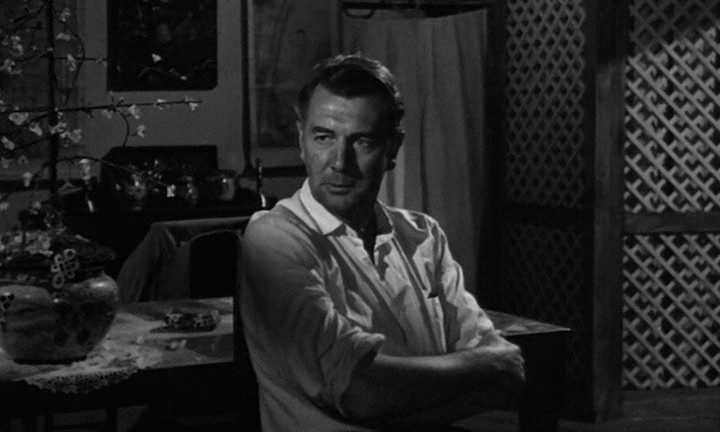
A British journalist (Michael Redgrave) in 1950s Vietnam is confronted by ethical dilemmas when an American CIA agent (Audie Murphy) arrives and falls in love with his mistress, Phuong (Giorgia Moll).

Genres, Themes, Actors, and Directors:

  • Audie Murphy Films
  • Joseph L. Mankiewicz Films
  • Journalists
  • Love Triangle
  • Michael Redgrave Films
  • Vietnam War

Review:
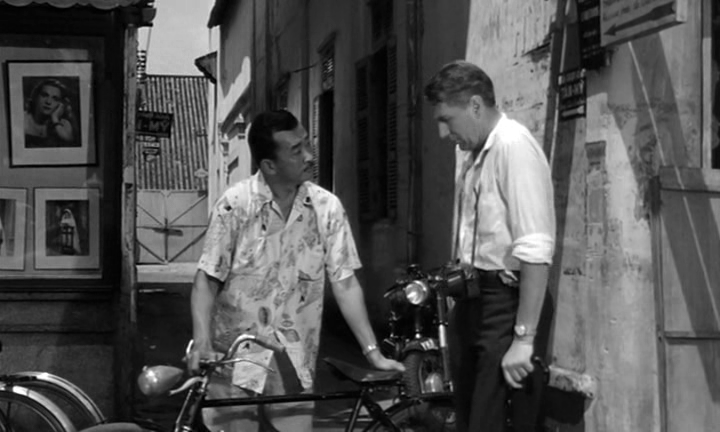
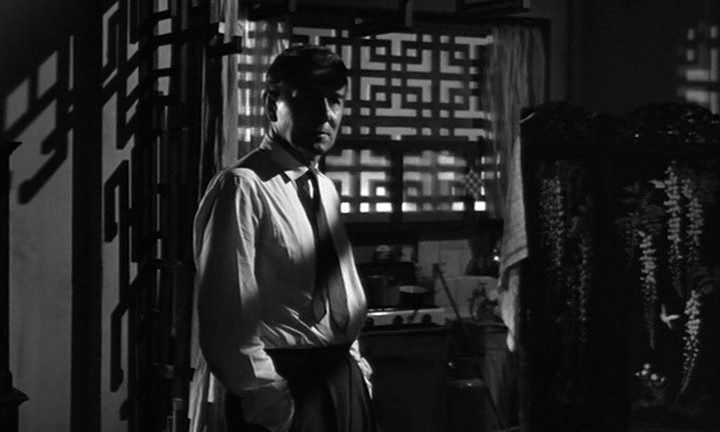
Joseph L. Mankiewicz’s adaptation of Graham Greene’s 1955 novel about the emergence of American interference in “Indo-Chine” remains a surprisingly mature and smart film about complicated geo-political and romantic maneuverings — albeit one that subverts Greene’s original anti-interventionist message in favor of a Communist conspiracy plot. Meek Phuong (Moll) serves as a clear proxy for Vietnam itself, treated like a mindless commodity that can be possessed and traded at will; it’s no surprise when her decision to leave Redgrave for Murphy sets off a chain of actions and reactions that lead to grave results. By centering the story on a self-absorbed middle-aged man (Redgrave) determined to keep his creature comforts above all else (he lies to Moll about his estranged wife’s willingness to divorce him, simply to prevent her from leaving), Mankiewicz shows how self-serving and short-sighted nations are — the fact that Redgrave is ultimately duped implies we must be wary of our well-intentioned but misguided involvement in foreign affairs. Sadly, Greene’s cautionary tale wasn’t heeded in the slightest. Watch for good use of on-location shooting in Saigon (this was the first American feature film shot in Vietnam). Remade in 2002 with Michael Caine in Redgrave’s role.

Redeeming Qualities and Moments:

  • Michael Redgrave as Thomas Fowler
  • Fine authentic location shooting
  • Robert Krasker’s cinematography

Must See?
No, but it’s worth viewing.

Links:

Tales of Ordinary Madness (1981)

Tales of Ordinary Madness (1981)

“Ever heard the sound of one mouth screaming? I had, for years — my own.”

Synopsis:
An alcoholic poet (Ben Gazarra) in Los Angeles hooks up with a random woman (Susan Tyrrell) on the bus, then falls for a beautiful but self-harming and suicidal prostitute (Ornella Muti).

Genres, Themes, Actors, and Directors:

  • Alcoholism and Drug Addiction
  • Ben Gazarra Films
  • Downward Spiral
  • Prostitutes and Gigolos
  • Writers

Review:
Marco Ferreri’s cinematic rendering of Charles Bukowski’s short story “The Most Beautiful Woman in Town” offers a rambling, self-indulgent look at a few days in the life of a hipster alcoholic who concludes that the only true existence (that is, one worth writing about) lies amongst society’s castaways. Gorgeous Muti definitely fits the title role of the source story, but she’s badly exploited like every other character Gazarra encounters. Those with a fondness for Bukowski may enjoy hearing a script littered with lines like these:

“I’ve always had a love affair with the streets.”
“Cass had that special look that got to me — like she’d been blown away by the winds of eternity and was swimming back against the current.”
“Now give it to me — take my soul with your c**k!”
“Cass, you bitch — I love you! You’re the most alive woman I ever met.”

However, all others can feel free to skip this one.

Redeeming Qualities and Moments:

  • At-times ethereal cinematography

Must See?
No. Listed as a Cult Movie in the back of Peary’s book.

Links:

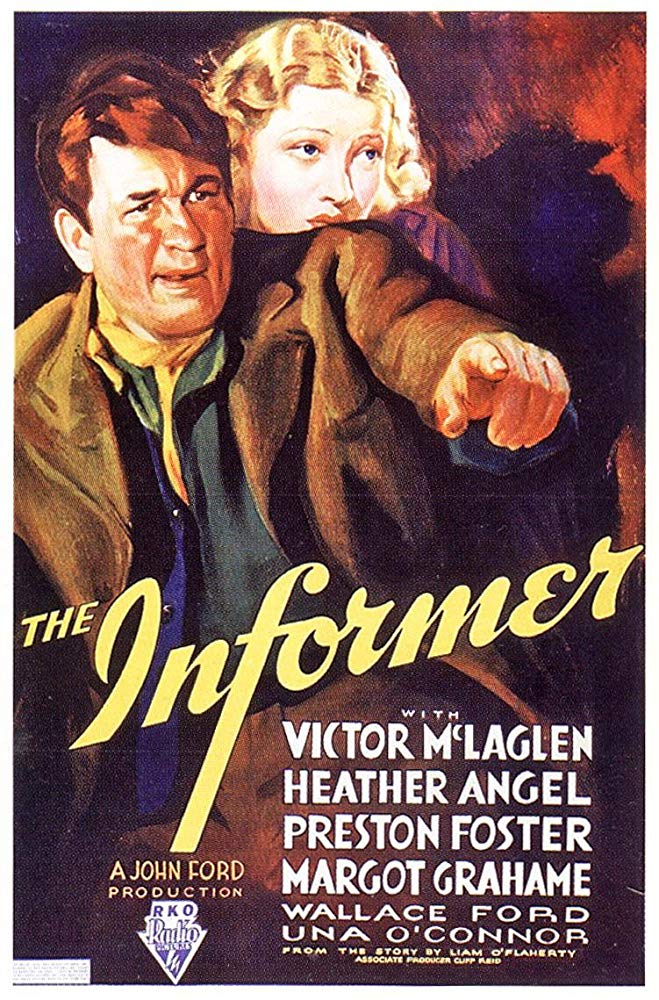
Informer, The (1935)

Informer, The (1935)

“Where’d ya get it, Gypo? There’s enough there to choke a horse!”

Synopsis:
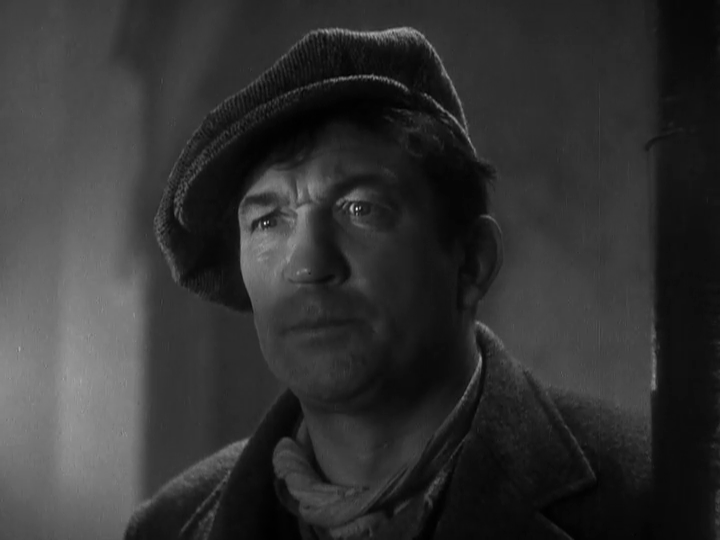
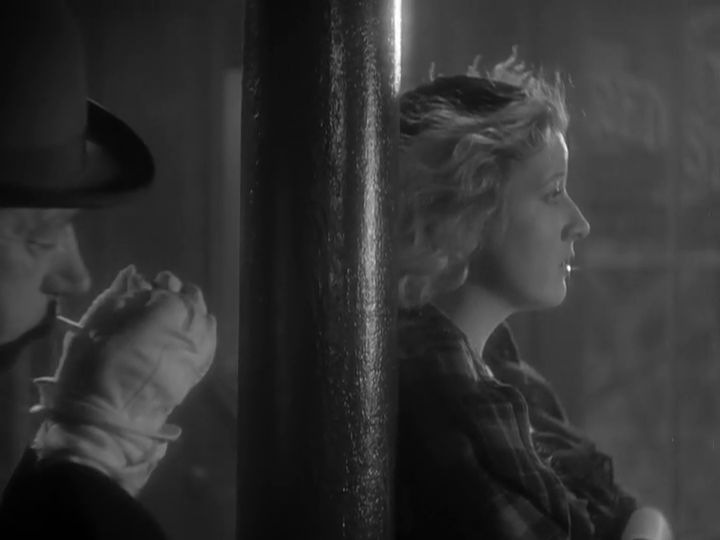
In 1920s Dublin, a former IRA member (Victor McLaglen) desperate to help his prostitute girlfriend (Margot Grahame) get off the streets and over to America betrays his best friend (Wallace Ford) to the Black and Tans for 20 pounds.

Genres, Themes, Actors, and Directors:

  • Betrayal
  • Informers
  • Ireland
  • John Ford Films
  • Preston Foster Films
  • Revolutionaries
  • Victor McLaglen Films

Review:
Peary doesn’t review this John Ford flick in his GFTFF, but he discusses McLaglen’s Oscar-winning performance in Alternate Oscars, where he gives the Best Actor award to W.C. Fields for The Man on the Flying Trapeze (1935) but nonetheless commends McLaglen’s performance, noting he “plays it straight and is quite moving as the impoverished Irishman who turns in his best friend for twenty pounds, and then drinks and gives away the money.” He adds that McLaglen “does a good job, barrelling through the misty Dublin sets, touching us with his final search for salvation.” While “Gypo was considered a villain”, he’s actually “a pathetic fellow, almost like a once good, but now dangerous dog that has to be shot.”

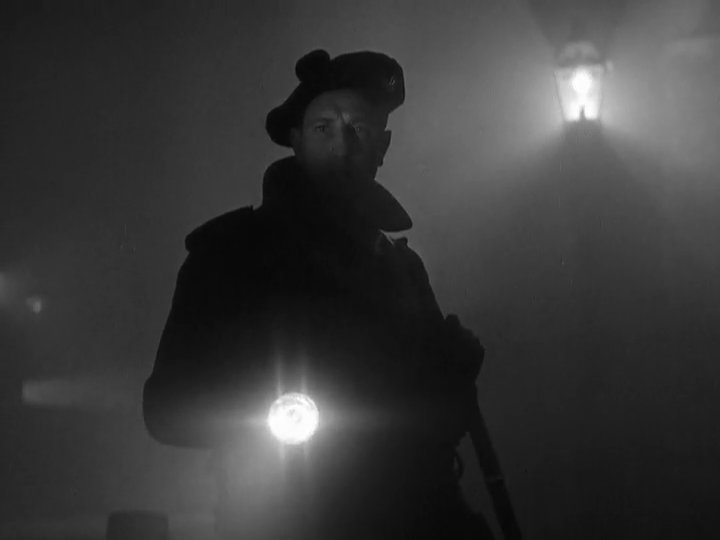
McLaglen’s performance is indeed a highlight (as Peary writes, this “was by far McLaglen’s finest performance”), but the entire film deserves note for its highly atmospheric, no-holds-barred portrayal of a doomed and conflicted man, digging his own grave one flawed decision at a time. The cinematography and sets place us not only in the shadowy world of the original IRA but within the tormented soul of a man who suffers instantly for his idiotic actions, and is dogged ruthlessly (perhaps appropriately) from that point forward. It’s somewhat challenging to watch this consistently depressing flick, but Ford’s directorial skill, strong performances across the board, and overall fine production values make it well worth a one-time look.

Redeeming Qualities and Moments:

  • Victor McLaglen as Gypo Nolan
  • Highly atmospheric cinematography and sets

Must See?
Yes, as a powerful and well-acted — albeit depressing — film. Listed as a film with Historical Importance and a Personal Recommendation in the back of Peary’s book, and nominated as one of the Best Films of the Year in Peary’s Alternate Oscars. Selected in 2018 for preservation in the United States National Film Registry by the Library of Congress as being “culturally, historically, or aesthetically significant.”

Categories

  • Oscar Winner or Nominee

Links:

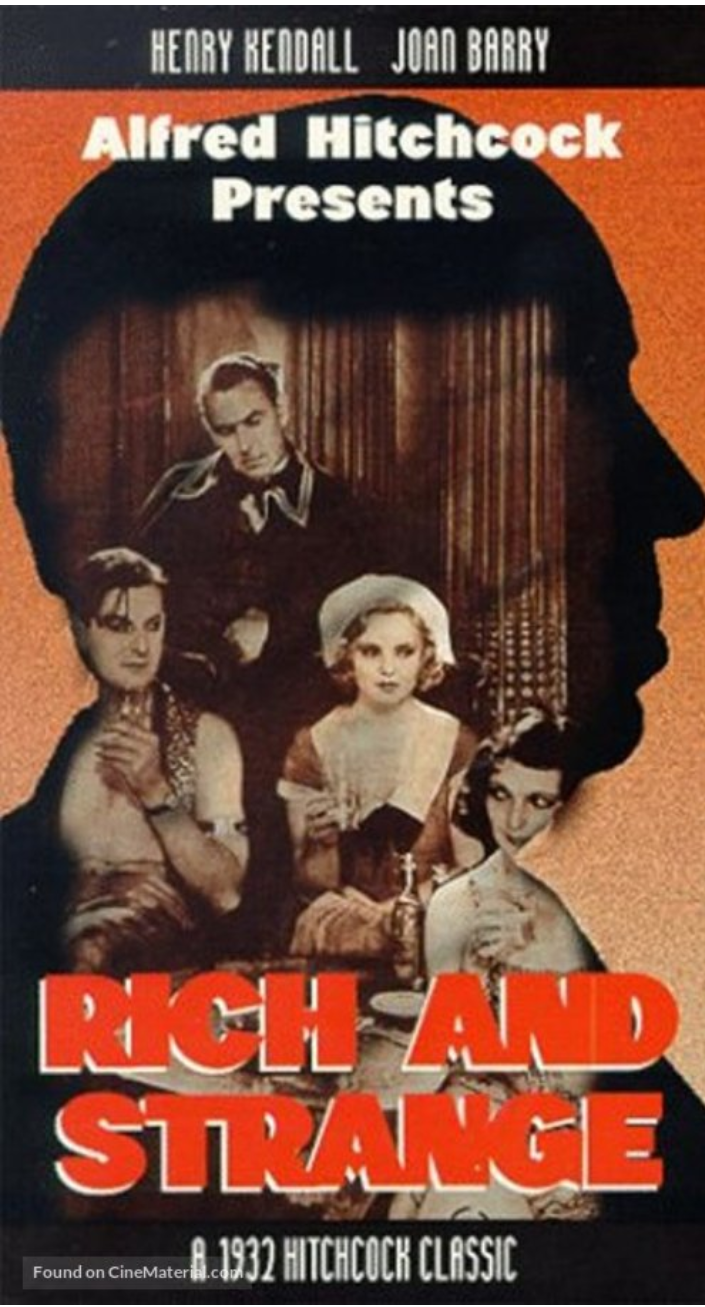
Rich and Strange / East of Shanghai (1931)

Rich and Strange / East of Shanghai (1931)

“Damn the pictures and the wireless. I want some life — life, I tell you!”

Synopsis:
When a bored accountant (Henry Kendall) receives an unexpected inheritance, he and his wife (Joan Barry) travel to Paris and then on an ocean liner, where Kendall falls for a seductive princess (Betty Amann) and Barry becomes enamored with a wealthy bachelor (Percy Marmont).

Genres, Themes, Actors, and Directors:

  • At Sea
  • Hitchcock Films
  • Inheritance
  • Marital Problems
  • Romantic Comedy

Review:
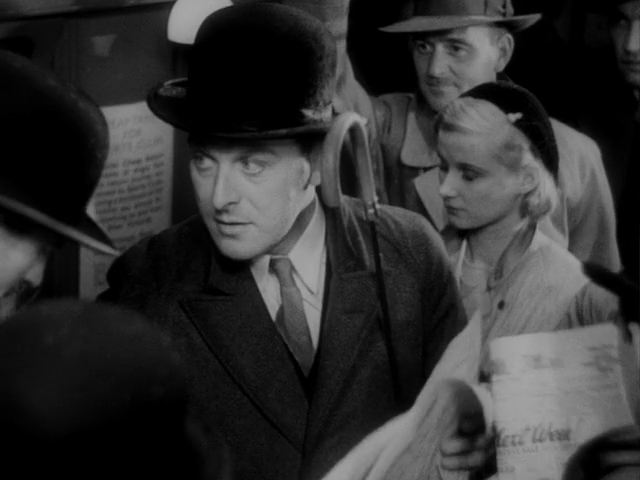
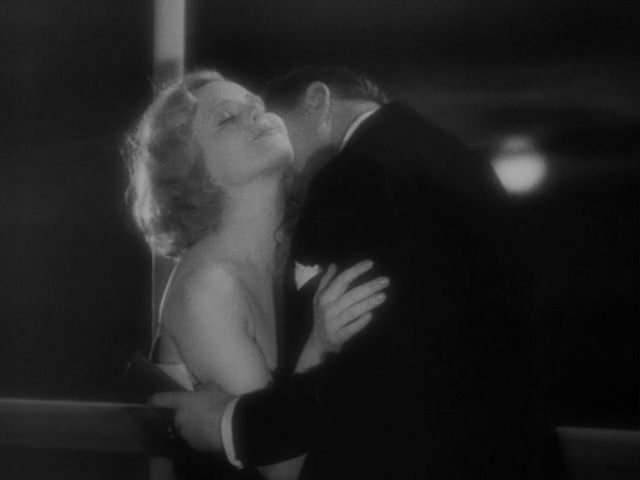
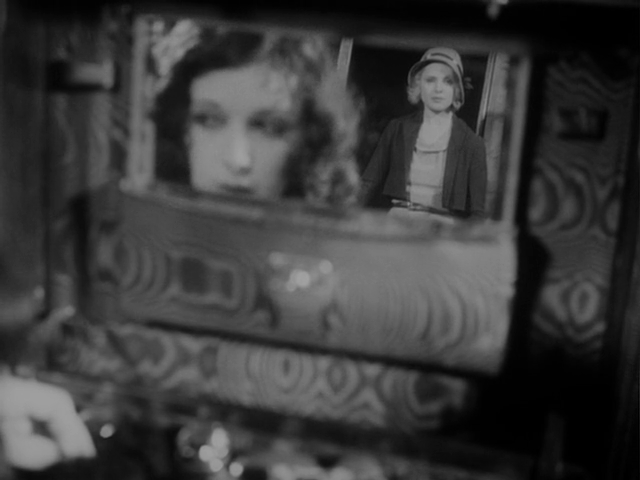
This early talkie by Alfred Hitchcock — scripted by his wife, Alma Reville — is an unevenly paced cautionary tale against the perils of sudden wealth (turns out money can’t buy you love or stability, and can wreak havoc with loyalty — who knew?). Since Kendall is an annoying ninny, we tend to automatically side with angel-faced Barry — but it’s simply not all that interesting watching their marriage disintegrate under the pressures of romantic distractions. In an unusual twist, the couple find themselves stranded at sea, and their dehumanizing attitude towards a group of Chinese crewmen (and one woman) simply highlights how out of touch with cosmopolitan reality this naive pair is. At least it’s clear they really do belong with one another.

Redeeming Qualities and Moments:

  • Some creatively filmed and edited opening sequences
  • Innovative cinematography

Must See?
No; this one is strictly must-see for Hitchcock fans.

Links:

Story of Louis Pasteur, The (1936)

Story of Louis Pasteur, The (1936)

“Remember our aim: find the microbe, kill the microbe!”

Synopsis:
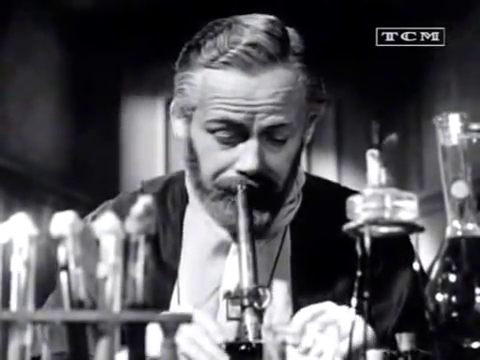
In 18th century France, chemist Louis Pasteur (Paul Muni) — with support from his loving wife (Josephine Hutchins) and daughter (Anita Louise) — ignores the criticisms of a skeptical doctor (Fritz Leiber) while developing a vaccine against anthrax and a cure for rabies.

Genres, Themes, Actors, and Directors:

  • Akim Tamiroff Films
  • Biopics
  • Do-Gooders
  • Doctors and Nurses
  • “No One Believes Me!”
  • Paul Muni Films
  • Scientists
  • William Dieterle Films

Review:
Groundbreaking chemist Louis Pasteur is given full star treatment in this Oscar-nominated biopic which And You Call Yourself a Scientist!‘s reviewer has an openly “love-exasperation” relationship with. As she puts it, while she’s “delighted that this film was made, and that it paved the way for others of its kind”, “the fact remains that it is a fairly basic rendering of an important historical story” that “never really engages with its science” and “never acknowledges the extent to which Pasteur’s own work built upon that of others.” Well, biopics tend to do that, don’t they — so the question remains whether the story told here is a compelling one, but I’m afraid it’s mostly not. A side romance between Muni’s daughter and a young scientist (Donald Woods) merely distracts, and Pasteur’s foil — skeptical Dr. Charbonnet (Leiber) — is conveniently portrayed as uniformly combative until a pivotal narrative moment. With all that said, it’s easy to imagine 1930s audiences eager to learn more about this tenaciously brilliant man who was responsible for saving so many lives, and Muni is fine in the leading role.

Redeeming Qualities and Moments:

  • Paul Muni as Louis Pasteur
  • Tony Gaudio’s cinematography

Must See?
No, though Muni fans or Oscar-completists will of course want to check it out.

Links:

Pandora and the Flying Dutchman (1951)

Pandora and the Flying Dutchman (1951)

“With one bloody blow, I killed all that I loved on God’s earth.”

Synopsis:
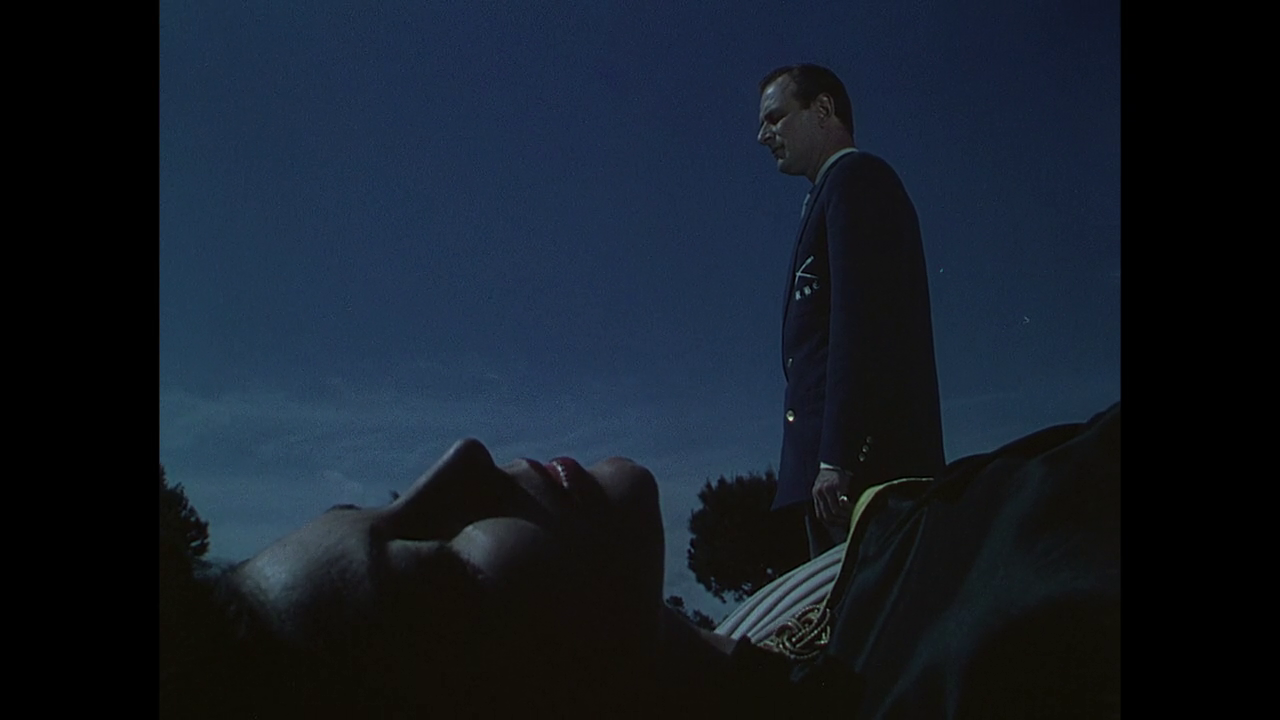
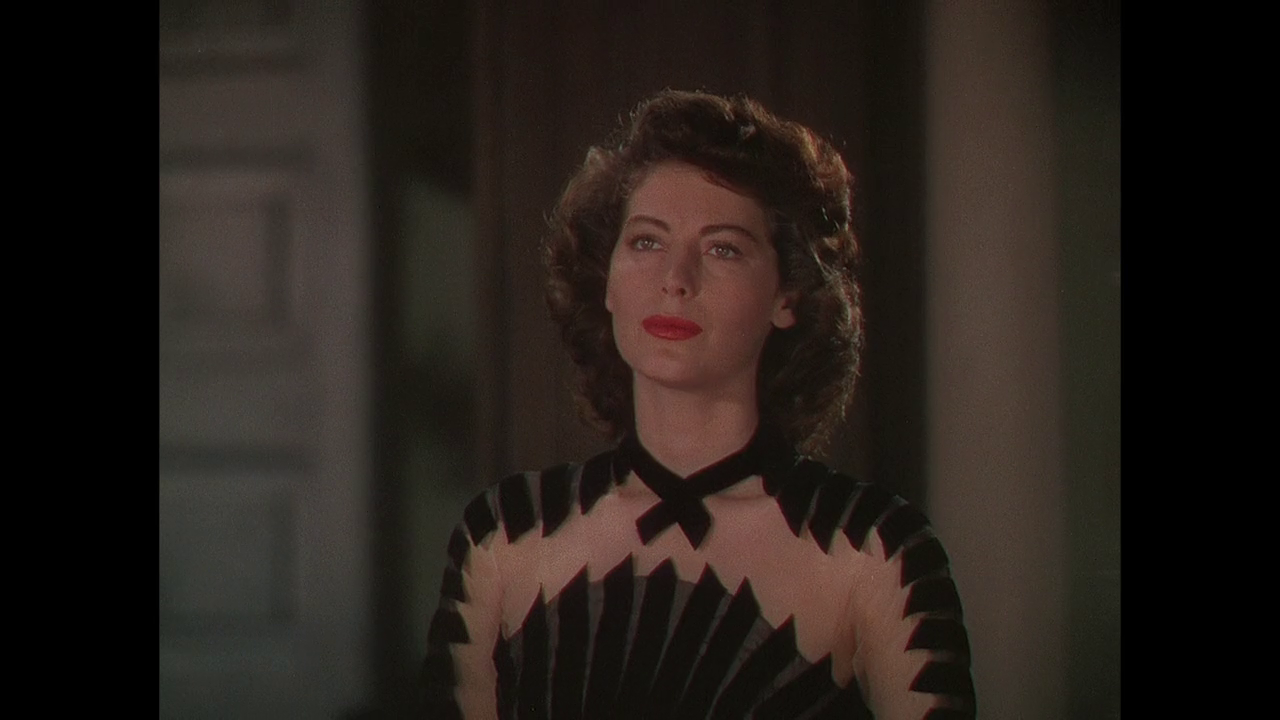
An archaeologist (Harold Warrender) at a Spanish port town recounts the story of a seductive singer (Ava Gardner) who causes one suitor (Marius Goring) to commit suicide and another (Nigel Patrick) to ruin his beloved race car on her behalf, then swims out to a yacht and becomes instantly smitten with a mysterious painter (James Mason) who appears to recognize Gardner from somewhere. As secrets about Mason’s past with Gardner are uncovered, romantic loyalties become ever more entangled.

Genres, Themes, Actors, and Directors:

  • Ava Gardner Films
  • Fantasy
  • Femmes Fatales
  • Flashback Films
  • James Mason Films
  • Love Triangle
  • Star-Crossed Lovers

Review:
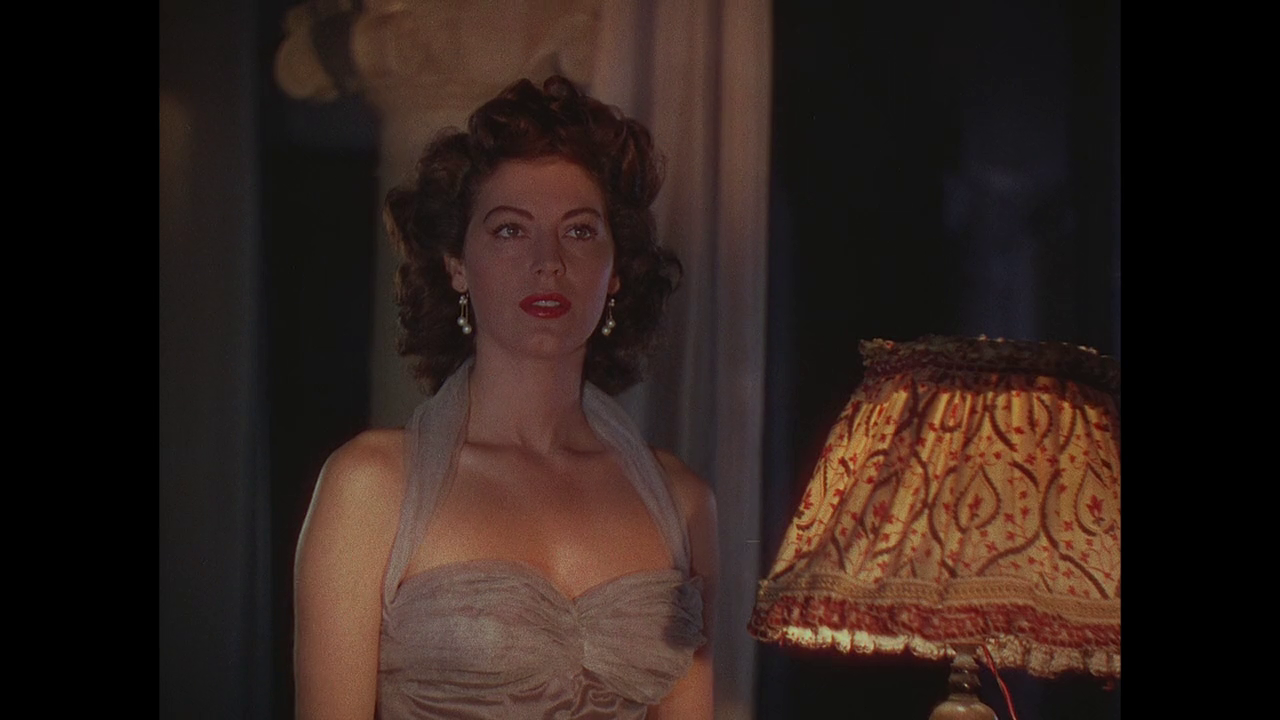
Inspired by the legend of a ghost ship named The Flying Dutchman, this fantastical romance by writer-director Albert Lewin showcases Jack Cardiff’s luminous Technicolor cinematography in service of an oddly unsatisfying tale mixing realism and mysticism, and centering on a self-absorbed but drop-dead gorgeous femme fatale. Mason adds his typical nuance and gravitas to a rather thankless role as a mysteriously ageless man who committed a terrible mistaken deed at one point in his lengthy past and is doomed to wander the seas until he can redeem himself. None of it makes much logical sense; this film is primarily a feast for the eyes, as we’re shown exciting bullfights, a high-speed dusty car race, and Ava Gardner at her most intoxicating in an array of stunning outfits (and one strategically wrapped towel).

Redeeming Qualities and Moments:

  • Jack Cardiff’s cinematography

  • James Mason as Hendrick van der Zee
  • Ava Gardner’s stunning gowns (by costume designer Beatrice Dawson)

Must See?
No, though the cinematography is certainly worth a look.

(Listed in 1001 Movies You Must See Before You Die)

Links:

Good Fairy, The (1935)

Good Fairy, The (1935)

“Where does the pencil sharpener come in?”

Synopsis:
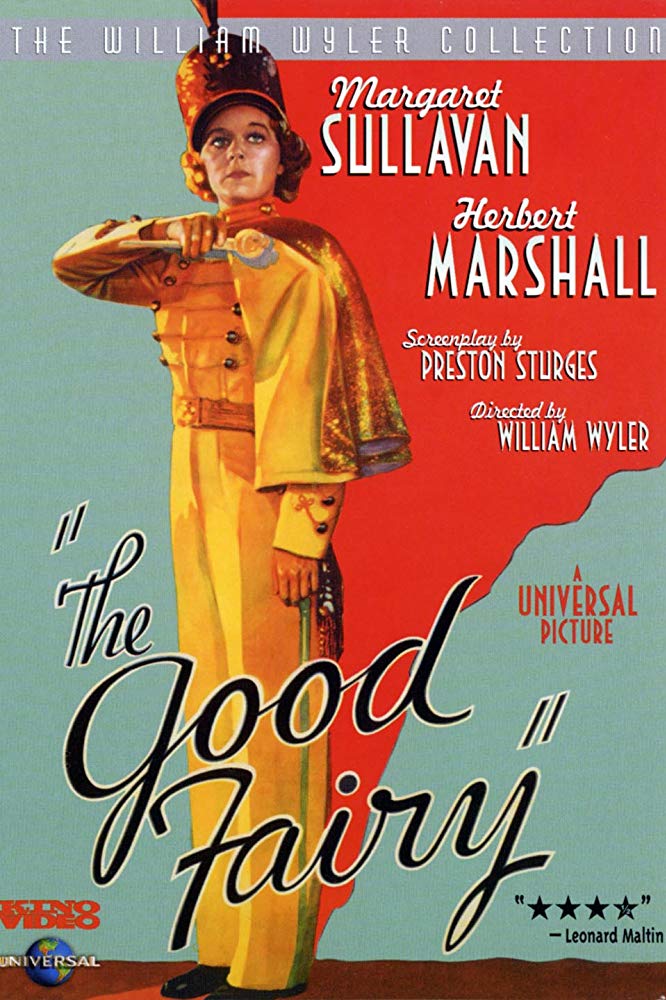
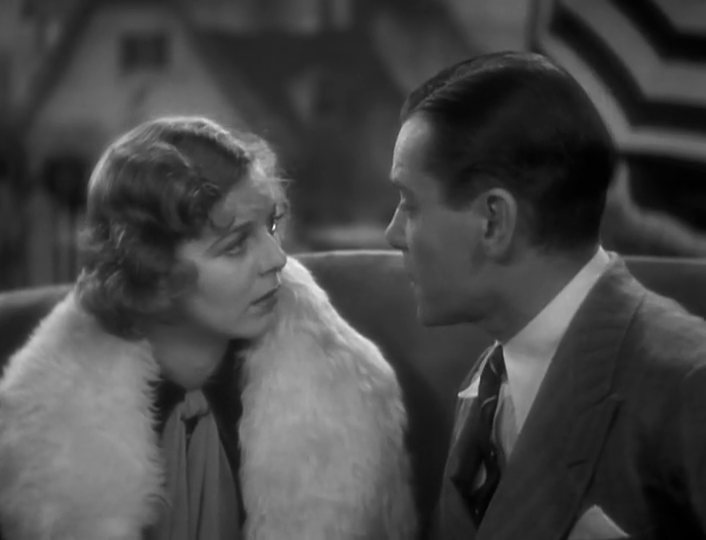
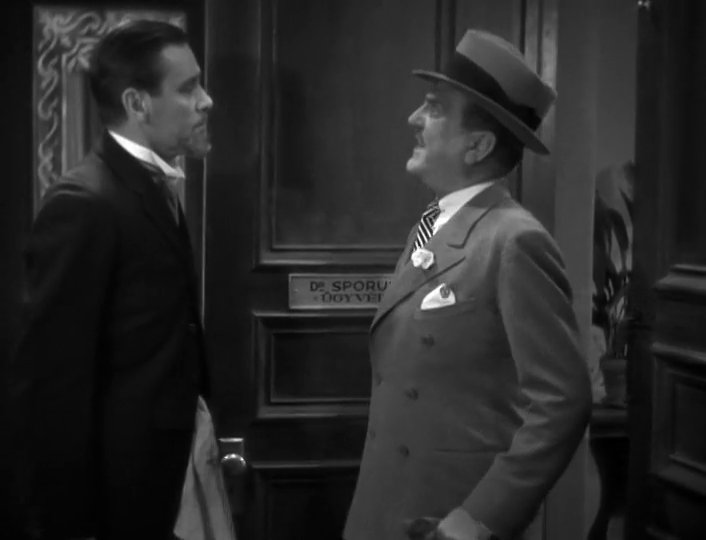
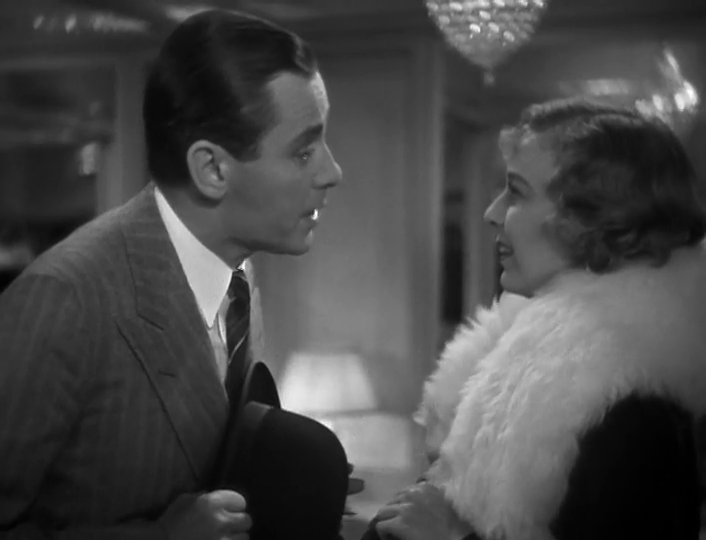
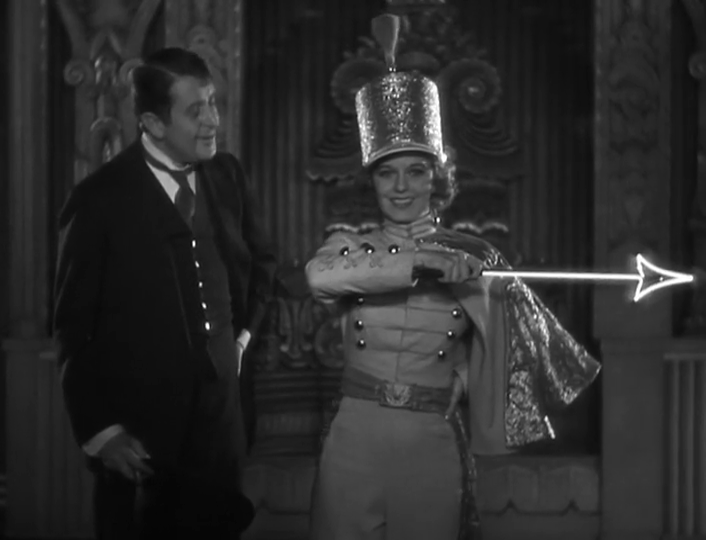
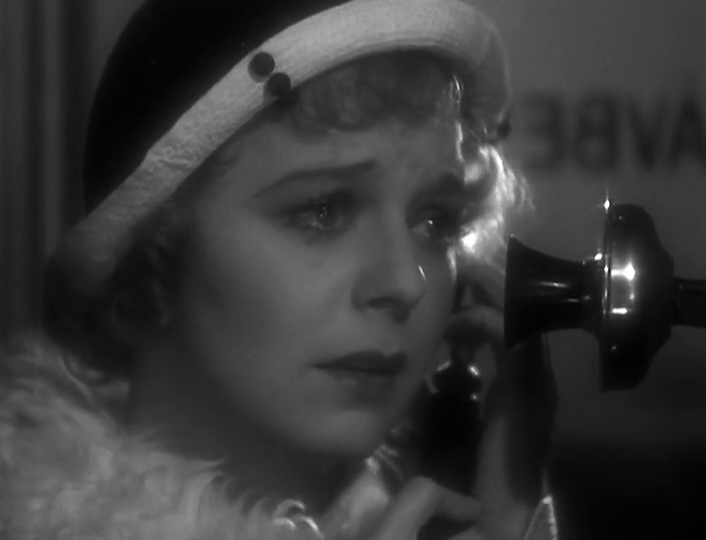
When a smitten millionaire (Frank Morgan) aggressively pursues a young orphan (Margaret Sullavan), she claims to have a husband and Morgan agrees to secretly make him rich on Louisa’s behalf. Sullavan picks a random lawyer (Herbert Marshall) out of the phone book and pretends she’s married to him, but complications quickly ensue as Sullavan’s “good fairy” actions lead her to meet Marshall in real life, and the couple fall in love.

Genres, Themes, Actors, and Directors:

  • Alan Hale Films
  • Beulah Bondi Films
  • Cesar Romero Films
  • Do Gooders
  • Frank Morgan Films
  • Herbert Marshall Films
  • Love Triangle
  • Margaret Sullavan Films
  • Millionaires
  • Mistaken or Hidden Identities
  • Orphans
  • Play Adaptations
  • Preston Sturges Films
  • Romantic Comedy
  • William Wyler Films

Review:
William Wyler directed this delightful romantic comedy about a real-life “good fairy” whose pay-it-forward desire to spread goodness in the world — a lesson taught to her during her upbringing in an orphanage — leads to unexpectedly complicated results. Spluttering Morgan is perfectly cast as the conflicted but generous suitor, and Sullavan is luminous throughout. Marshall — often saddled with playing a pill onscreen — only presents that way for a few minutes, then becomes surprisingly sympathetic, making our investment in his outcome all the more acute. The storyline — scripted by Preston Sturges, and based on a play by Ferenc Molnar — moves us quickly through one humorous set up after the other, with quirky twists at every turn. Check out TCM’s article for background information on the surprisingly rocky making of this film, which resulted in a short-lived marriage between hot-tempered Sullavan and exasperated Wyler.

Redeeming Qualities and Moments:

  • Margaret Sullavan as Louisa
  • Frank Morgan as Konrad
  • Herbert Marshall as Dr. Sporum
  • Reginald Owen as Detlaff the waiter
  • Luminous cinematography by Norbert Brodine
  • Preston Sturges’ consistently clever and engaging script: “If there’s any good fairy around here, it’s me!”

Must See?
Yes, as a fine romantic comedy, and particularly for Sullavan’s performance.

Categories

  • Genuine Classic
  • Noteworthy Performance(s)

Links:

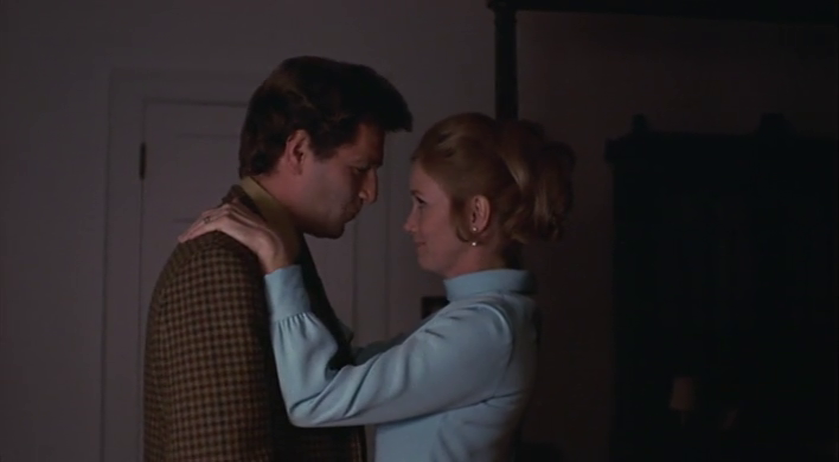
Loving (1970)

Loving (1970)

“Do it your own way, your own style — have fun with it. “

Synopsis:
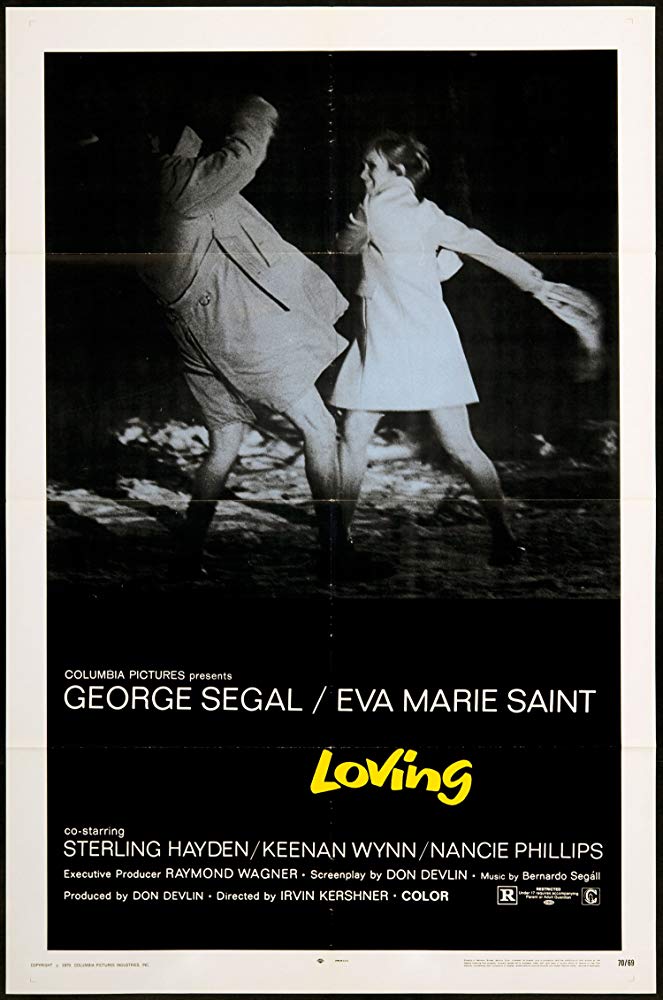
A commercial illustrator (George Segal) hoping to land an account with a local business owner (Sterling Hayden) cheats on his wife (Eva Marie Saint) with his friend’s niece (Janis Young) while flirting with his neighbor’s sex-crazed wife (Nancie Phillips).

Genres, Themes, Actors, and Directors:

  • Eva Marie Saint Films
  • George Segal Films
  • Infidelity
  • Keenan Wynn Films
  • Midlife Crisis
  • Sterling Hayden Films

Review:
The primary element to recommend about this portrait of a privileged man in midlife crisis is Gordon Willis’s typically evocative cinematography. (I’ve learned over many years of writing reviews for this site that cinematography is often the saving grace of an otherwise irredeemable film. I’ve also learned that nearly any film showing a parent slipping in to wistfully watch their child’s school play performance is a lost cause.) Now, Loving isn’t quite irredeemable — it simply doesn’t feel necessary, unless you want to watch a man obsessing over his lost artistic potential (never mind that he’s making excellent money in a field notoriously challenging to crack into), and neglecting his lovely family on behalf of his young mistress who — in the movie’s dialogue-free opening sequence — clearly just wants him to go away and leave her alone. Do such conflicts consume some people? Sure. Are they worth watching and empathizing with? No, not really. At least Segal is made to look utterly ridiculous in the film’s final sequences, which is something.

Redeeming Qualities and Moments:

  • Gordon Willis’s cinematography

Must See?
No. Listed as a Sleeper in the back of Peary’s book.

Links:

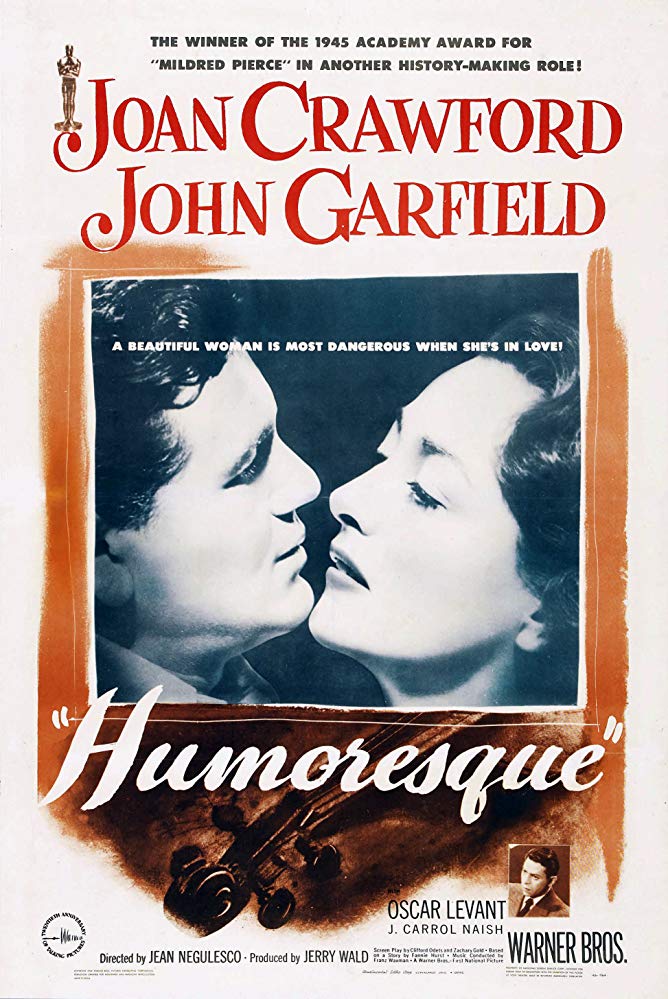
Humoresque (1946)

Humoresque (1946)

“I’m tired of playing second fiddle to the ghost of Beethoven.”

Synopsis:
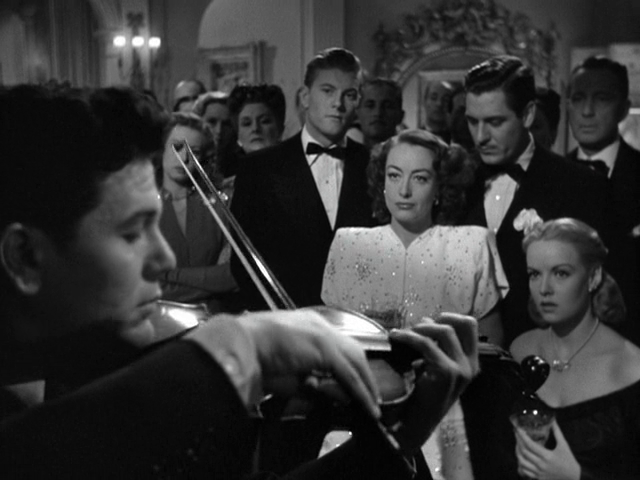
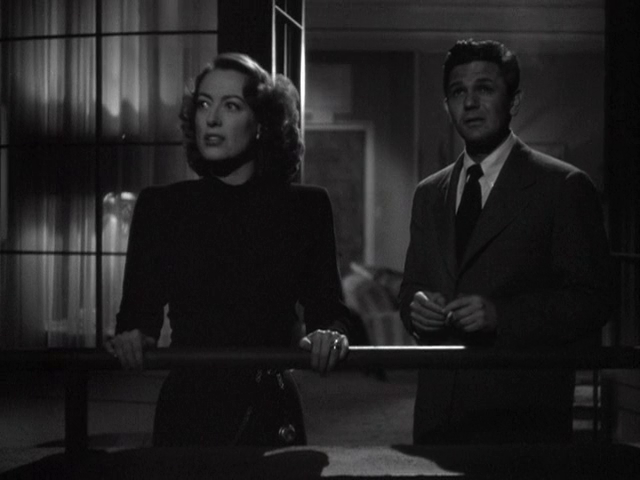
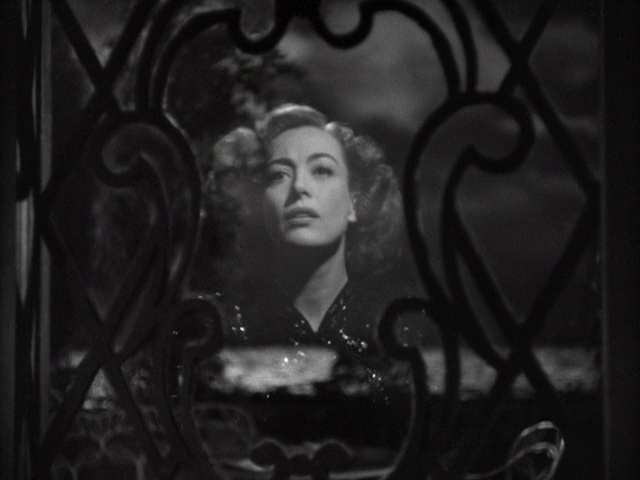
A married socialite (Joan Crawford) becomes smitten with an aspiring violinist (John Garfield), and the pair are soon lovers — but will Crawford’s meek husband (Paul Cavanagh), Garfield’s disapproving mother (Ruth Nelson), or Garfield’s former girlfriend (Joan Chandler) stand in the way of their forbidden romance?

Genres, Themes, Actors, and Directors:

  • Cross-Class Romance
  • Jean Negulescu Films
  • Joan Crawford Films
  • John Garfield Films
  • Musicians
  • Oscar Levant Films

Review:
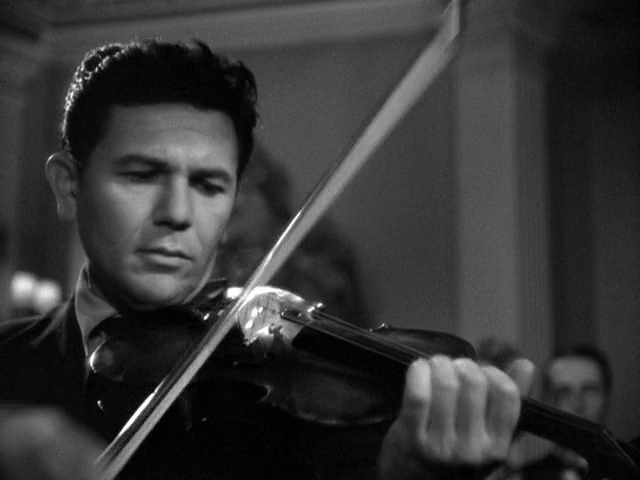
Clifford Odets co-wrote the screenplay for this adaptation (by Jean Negulescu) of Fannie Hurst’s melodramatic cross-class romance. One is tempted to say this is Joan’s show all the way, given she’s in peak form (her final moments on-screen are iconic) — but Garfield more than holds his own as a determined musician so devoted to his craft he has little authentic room for anything (or anyone) else. Levant becomes somewhat tiresome as Garfield’s always-wisecracking pianist-friend, though at least many of his lines are amusingly droll. The music (performed by Isaac Stern) is suitably moving, and Ernest Haller bathes the entire affair in a romantic glow. This would make an interesting double-bill with Rouben Mamoulian’s adaptation of Odets’ Golden Boy (1939), given that they serve as counterpoint stories about the choices and sacrifices one inevitably makes on behalf of talent, love, and family.

Redeeming Qualities and Moments:

  • Joan Crawford as Helen Wright
  • John Garfield as Paul Boray
  • Ernest Haller’s cinematography

  • Many fine musical sequences

Must See?
No, though naturally it’s a must for Crawford fans. Listed as a film with Historical Importance in the back of Peary’s book.

Links:

You Were Never Lovelier (1942)

You Were Never Lovelier (1942)

“I know women — they always fall in love with an illusion.”

Synopsis:
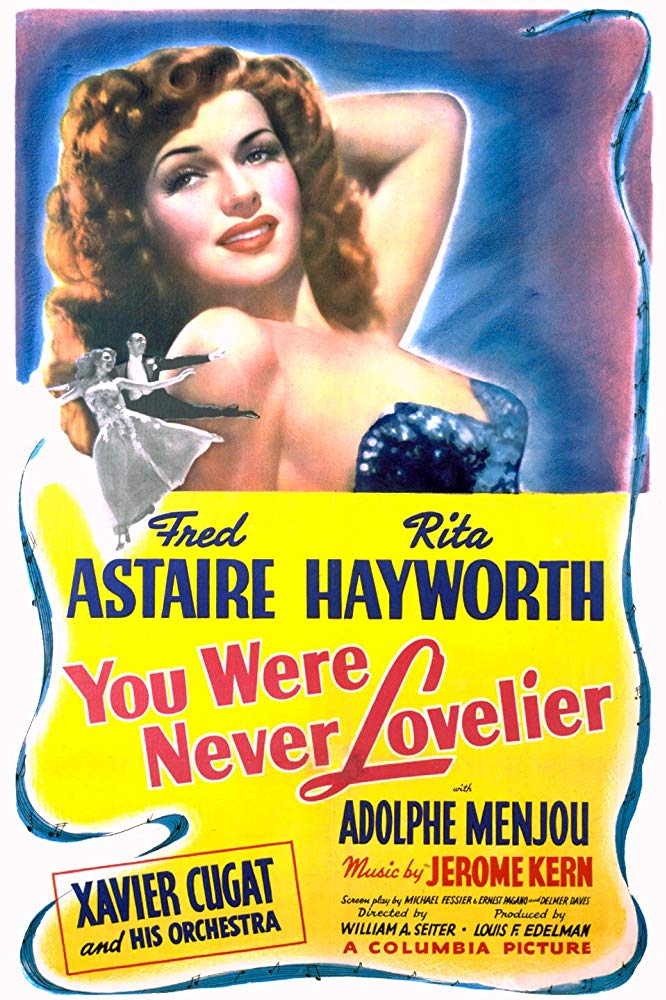
In Buenos Aires, the headstrong father (Adolphe Menjou) of four grown daughters — who insists they get married in chronological order — tries to get his second child (Rita Hayworth) in a romantic mood by sending her letters from a secret admirer. When Hayworth accidentally believes a visiting American dancer (Fred Astaire) is her paramour, they begin a romance, much to Menjou’s chagrin.

Genres, Themes, Actors, and Directors:

  • Adolphe Menjou Films
  • Fred Astaire Films
  • Musicals
  • Rita Hayworth Films
  • Romantic Comedy

Review:
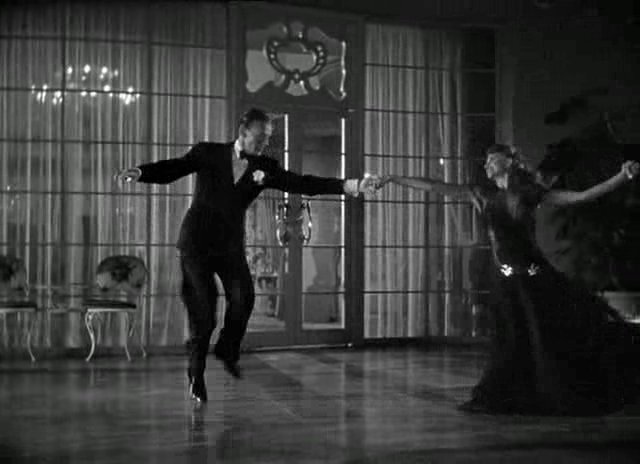
Fred Astaire and Rita Hayworth’s follow-up to their successful pairing in You’ll Never Get Rich (1941) was this fluffy romantic musical with an edge — namely in the form of Menjou’s unlikable cad of a dad. While Menjou’s foolishness and stubborn streak is necessary for the plot, he’s such a pill (and a semi-creepy one at that, writing love letters to his own daughter) that he puts a pall on what would otherwise be perfectly acceptable, lighthearted fun. At least Hayworth looks relaxed, happy, and as sexy as ever, and she and Astaire are once again magical when dancing together; thankfully, these scenes are available for easy viewing on YouTube. The subplot about Hayworth’s younger sisters (Leslie Brooks and Adele Mara) unable to marry their own beaus until Hayworth is married is a mere convention, but provides some additional amusing pressure on the proceedings; meanwhile, Gus Schilling gets to fuss about as Menjou’s put-upon secretary.

Redeeming Qualities and Moments:

  • Astaire and Hayworth’s lovely dances together

Must See?
No, though it’s an enjoyable trifle if you’re in the mood for some lovely dance numbers.

Links: