Browsed by
Category: Original Reviews

Responses to Peary’s “must see” movie reviews, as well as my own “must see” movie reviews up to and after 1986 (when Peary’s book was published).

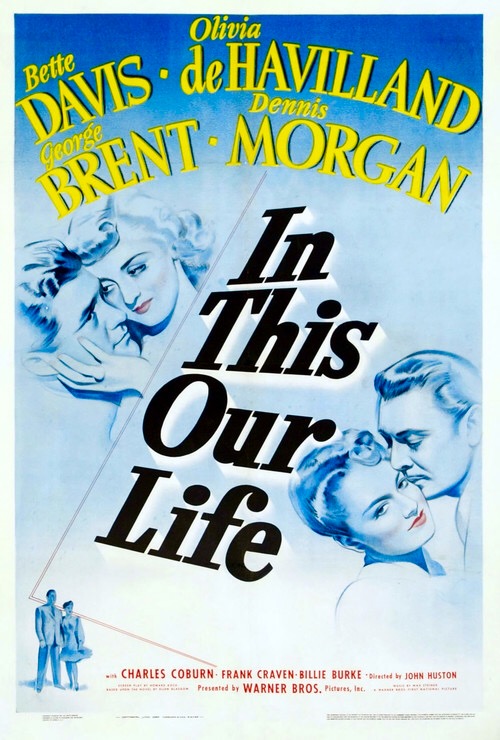
In This Our Life (1942)

In This Our Life (1942)

“I’d rather do anything than keep still!”

Synopsis:
When the spoiled daughter (Bette Davis) of a failing businessman (Frank Craven) steals the husband (Dennis Morgan) of her sister (Olivia de Havilland), de Havilland and Davis’s fiance (George Brent) begin a romance — but Davis can’t seem to keep herself out of trouble. Will her doting uncle (Charles Coburn) come to her rescue?

Genres, Themes, Actors, and Directors:

  • Bette Davis Films
  • Charles Coburn Films
  • George Brent Films
  • John Huston Films
  • Love Triangle
  • Olivia de Havilland Films
  • Siblings

Review:
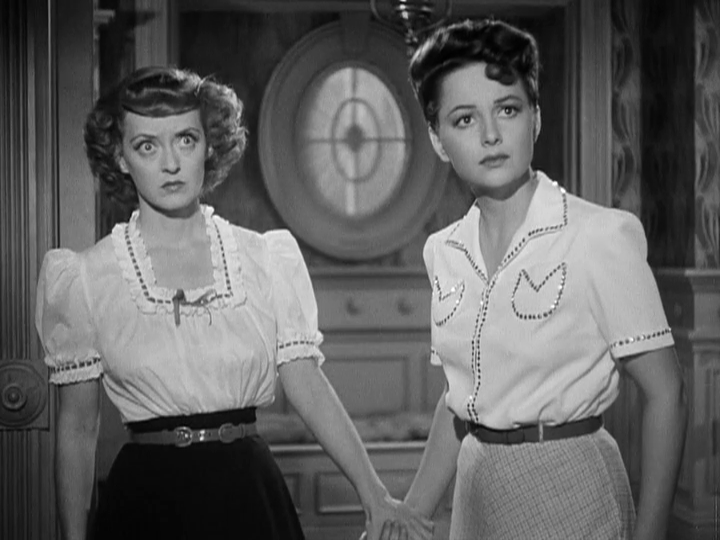
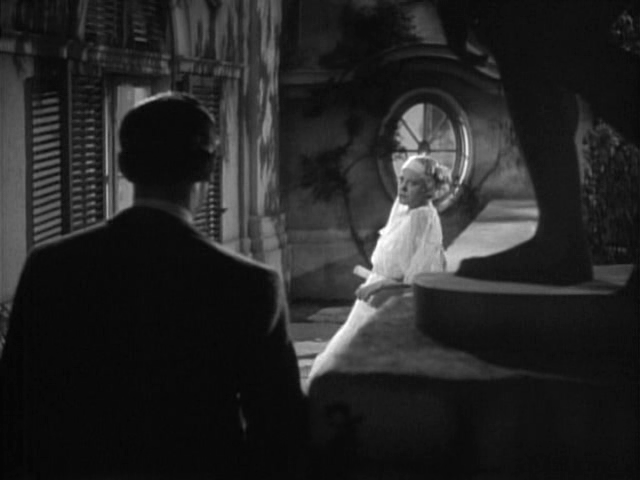
John Huston’s directorial follow-up to The Maltese Falcon (1941) was this adaptation of Ellen Glasgow‘s Pulitzer Prize-winning novel, featuring Bette Davis and Olivia de Havilland as quibbling siblings years before their most famous such work together, Hush… Hush, Sweet Charlotte (1964).

As noted in TCM’s article:

In the gallery of Bette Davis’ “bad girl” roles, it would be difficult to pick the baddest. But Stanley Timberlake in In This Our Life (1942) is definitely a contender.

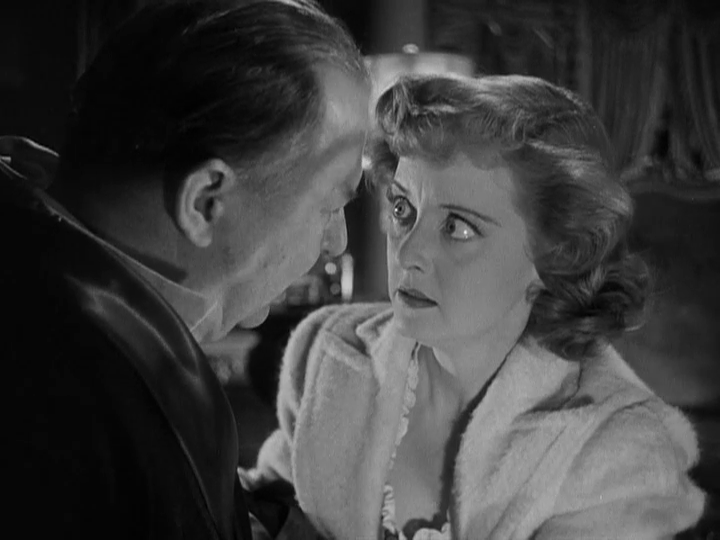
Indeed, David is pretty much entirely unsympathetic here:

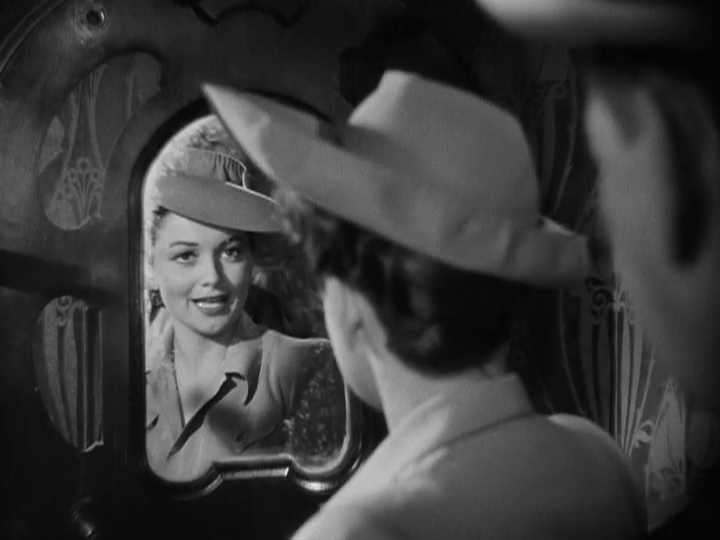
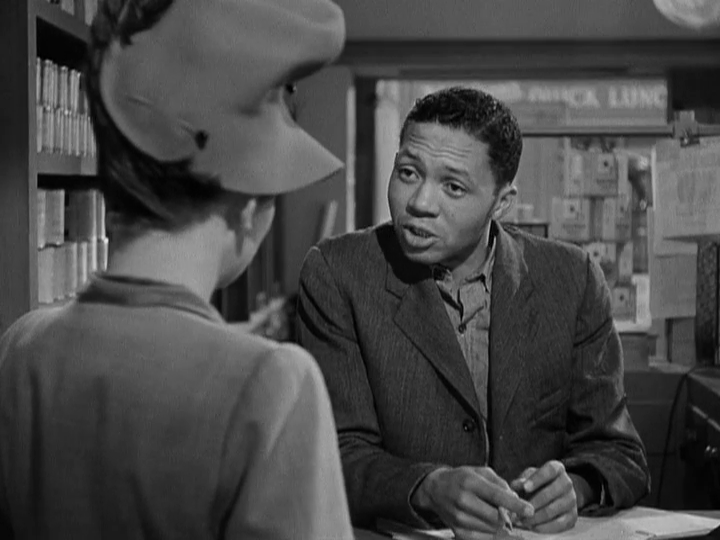
She does nothing but wreak havoc on those around her, and the best thing that can be said about her is that her selfish and cruel actions allow de Havilland and Brent to find one another. Just when it seems she can’t be any more problematic, her refusal to accept responsibility for a reckless act threatens to ruin the tenuous trajectory of an African-American law student (Ernest Anderson) who represents everything Stanley (Davis) is not. Thankfully, she meets a fitting ending.

Redeeming Qualities and Moments:

  • Solid direction by Huston

  • A refreshingly humane subplot about an African-American character (Ernest Anderson)

Must See?
No, though it’s worthy viewing for fans of the co-stars.

Links:

Dodsworth (1936)

Dodsworth (1936)

“A man’s habits get pretty strong in 20 years.”

Synopsis:
A retired automobile magnate (Walter Huston) goes on a European tour with his wife (Ruth Chatterton), who is eager to “have a fling” and feel young again. After an embarrassing flirtation with a roue (David Niven), Chatterton falls for a playboy (Paul Lukas) and then a penniless baron (Gregory Gaye) — but will Huston wait patiently, or seek solace from a kind widow (Mary Astor)?

Genres, Themes, Actors, and Directors:

  • David Niven Films
  • Marital Problems
  • Mary Astor Films
  • Midlife Crisis
  • Paul Lukas Films
  • Play Adaptation
  • Retirement
  • Walter Huston Films
  • William Wyler Films

Review:
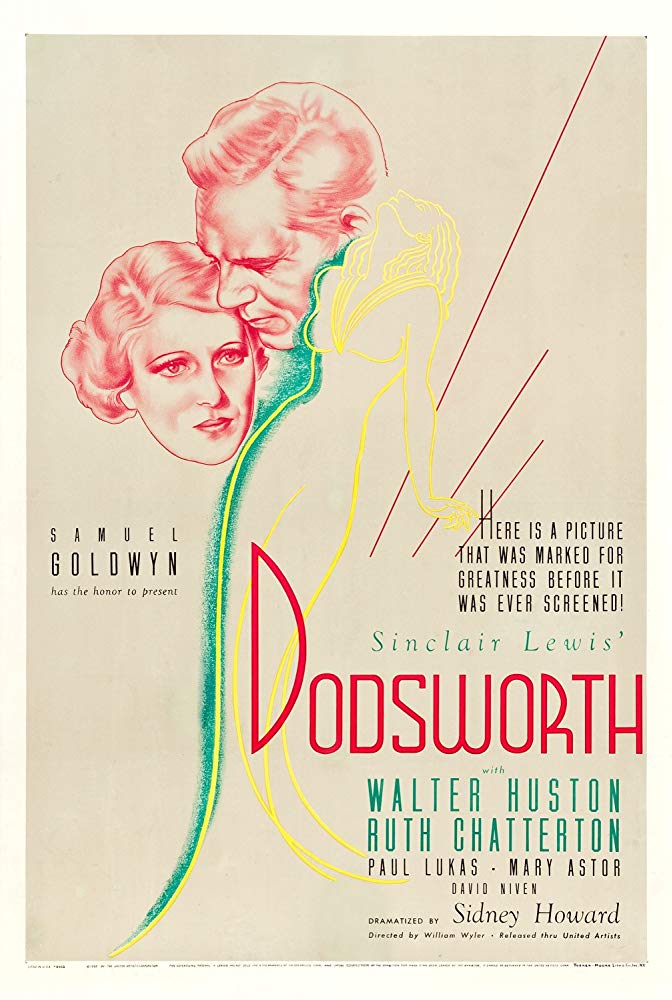
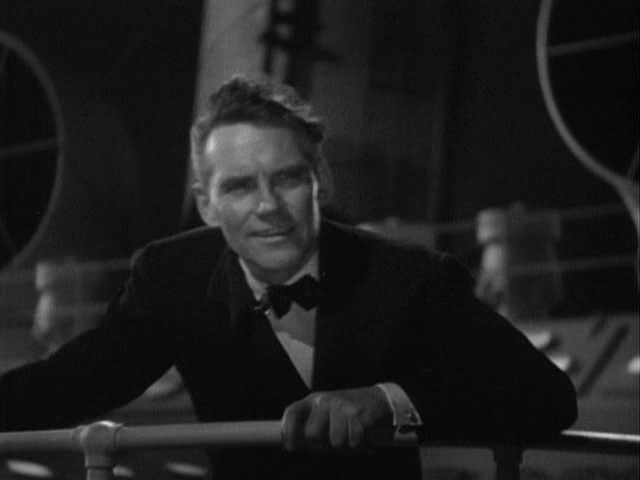
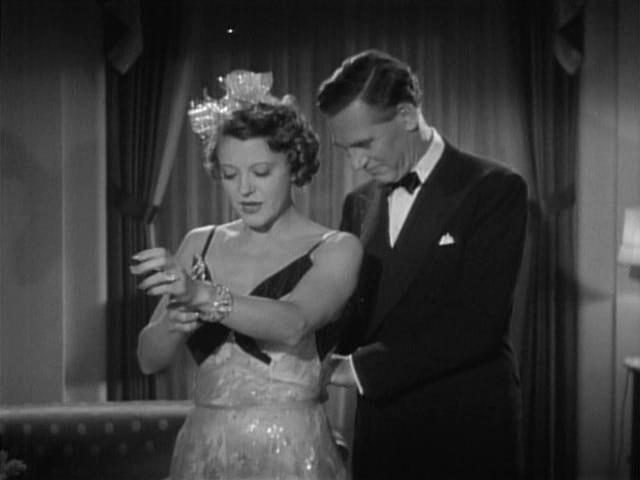
William Wyler directed this adaptation of Sinclair Lewis’s 1929 satirical novel (turned into a play by Sidney Howard) about a middle-aged American couple struggling to reconcile their post-retirement life abroad. It’s notable for not sugar-coating the marital challenges faced by Huston and Chatterton, instead recognizing the compromises that are sometimes made — at least up to a certain point (as Huston finally declares to Chatterton, “Love has got to stop someplace short of suicide!”). The performances are strong across the board, with Huston nicely showcasing the sense of wild-eyed freedom he feels once given permission to explore his interests, and Chatterton instantly displaying a narcissistic need to be noticed and loved by men other than her husband. With that said, she’s not presented as a shrew, but rather as a complex woman deathly afraid of what aging implies. This is a depressing tale, but one told with such honesty that we can’t help staying engaged and eager to see how events fare.

Redeeming Qualities and Moments:

  • Walter Huston as Arthur Dodsworth
  • Ruth Chatterton as Fran Dodsworth
  • Mary Astor as Edith
  • Rudolph Mate’s cinematography
  • Strong direction throughout by Wyler

Must See?
Yes, as a fine adaptation by a master director. Listed as a film with Historical importance and a Personal Recommendation in the back of Peary’s book. Chosen in 1990 by the National Film Preservation Board to be preserved in the National Film Registry of the Library of Congress.

Categories

  • Good Show

(Listed in 1001 Movies You Must See Before You Die)

Links:

City Streets (1931)

City Streets (1931)

“You’re lucky your boyfriend ain’t mixed up in no racket.”

Synopsis:
The daughter (Sylvia Sidney) of a racketeer (Guy Kibbee) goes to prison after he shoots his boss and hands her the gun. When Sidney’s sharpshooter boyfriend (Gary Cooper) gives up his dreams of a circus career to earn money working for her new boss (Paul Lukas), Sidney worries about their future — especially when Lukas expresses more interest in her than in his jealous moll (Wynne Gibson).

Genres, Themes, Actors, and Directors:

  • Gangsters
  • Gary Cooper Films
  • Paul Lukas Films
  • Rouben Mamoulian Films
  • Sylvia Sidney Films

Review:
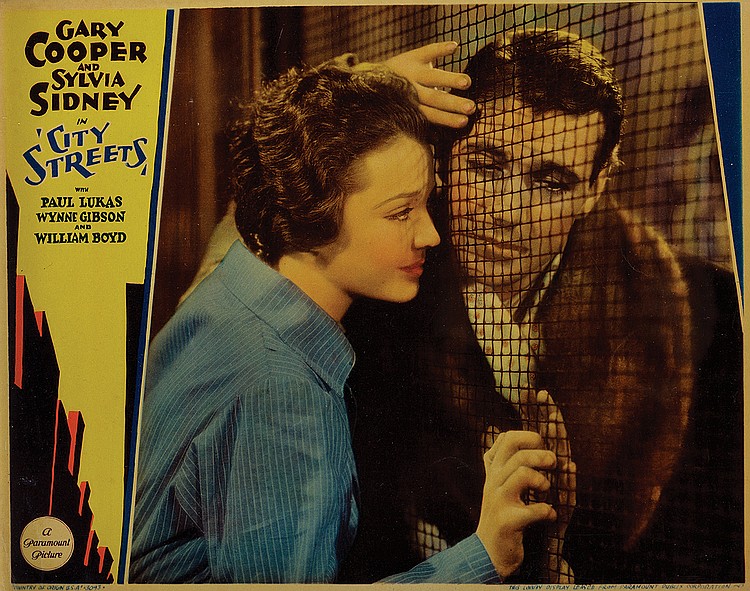
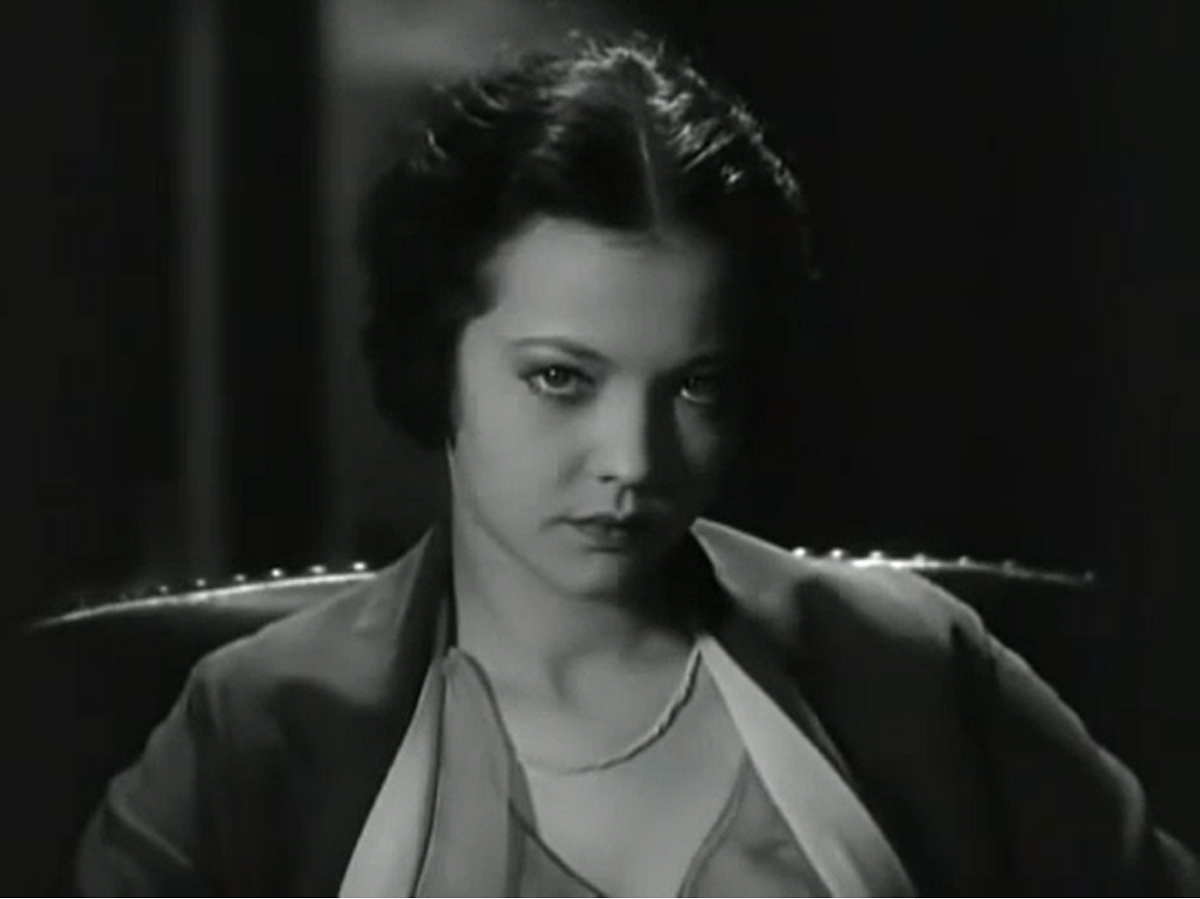
Rouben Mamoulian’s follow-up to his visually innovative talkie Applause (1929) was this early gangster film, based on a short story by Dashiell Hammett. Sidney is luminous in her breakthrough role, nicely inhabiting a complex female character far removed from her portrayal the following year as a doomed factory worker in An American Tragedy (1932).

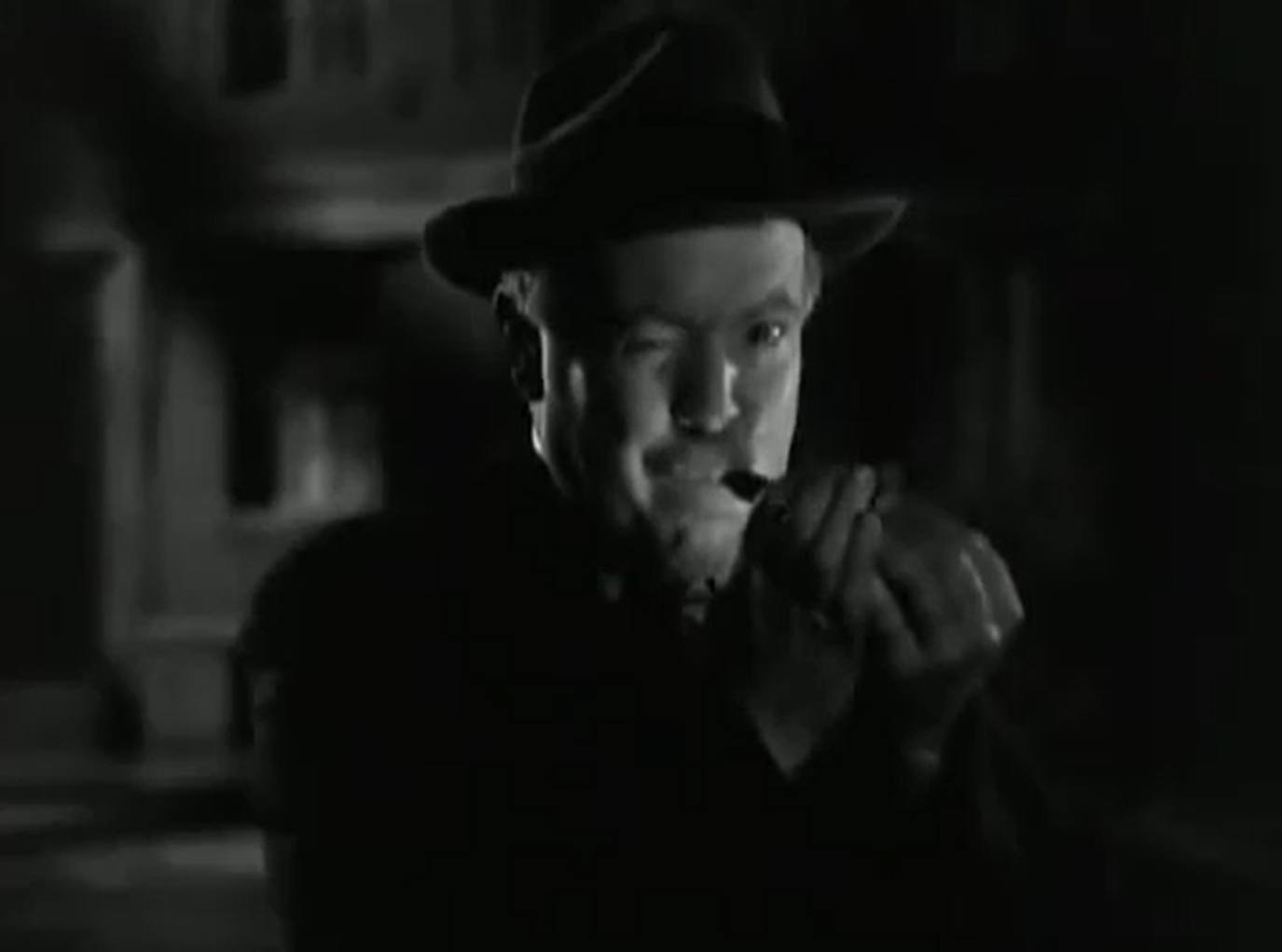
Her character here is first introduced through a complicit wink she exchanges with her father (Kibbee, solid in his part):

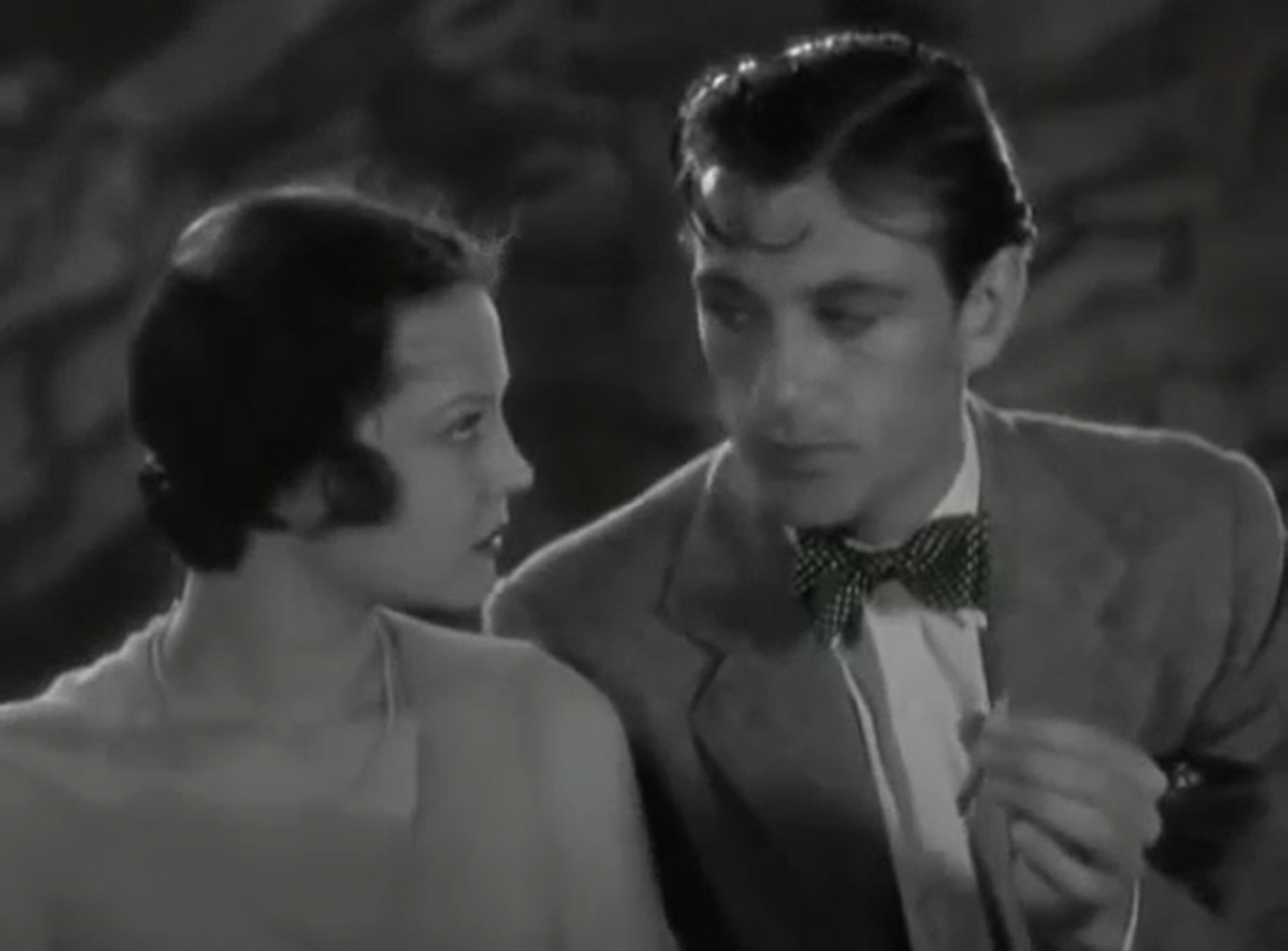
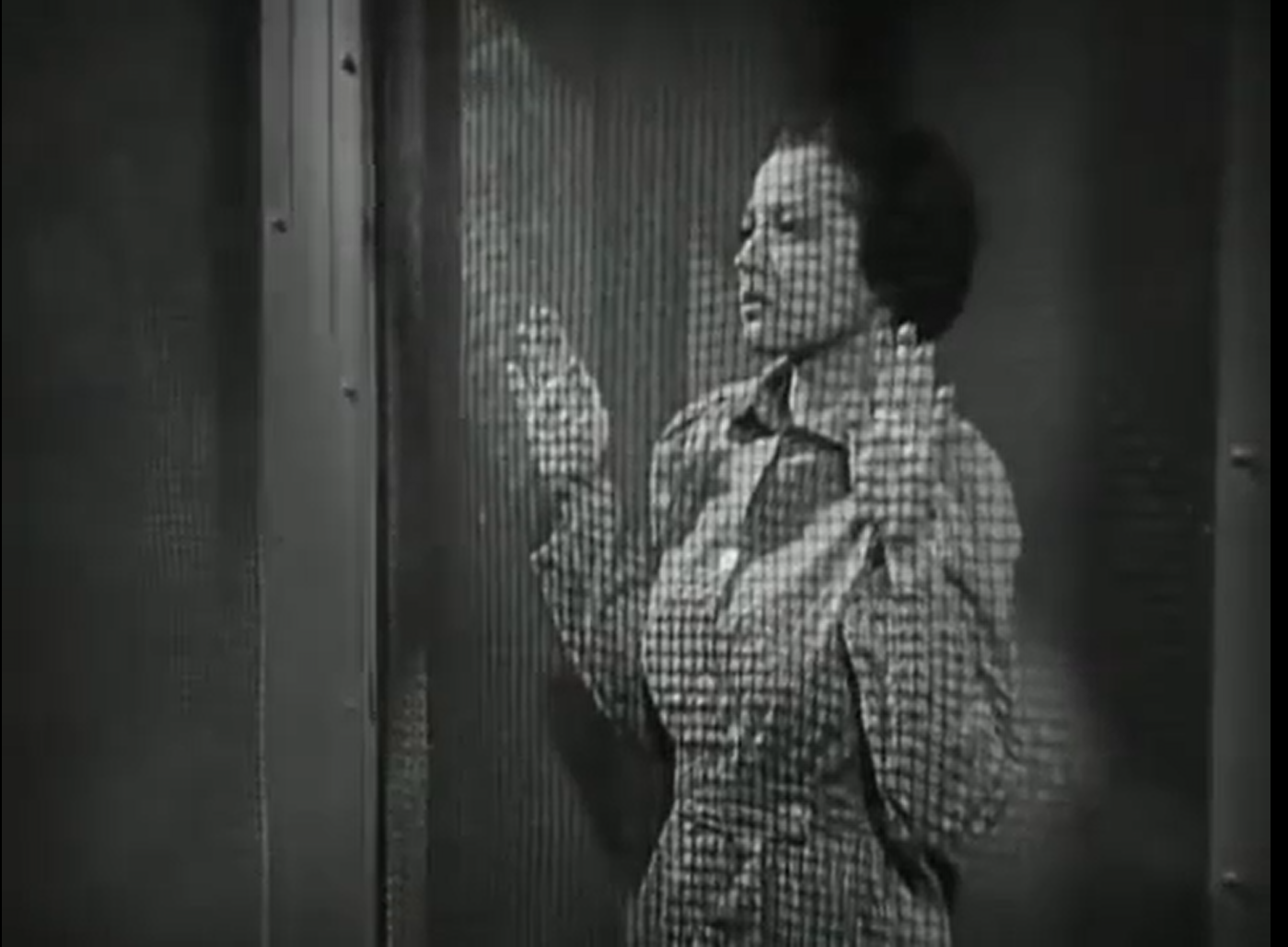
before insistently nagging Cooper to join her in a life of crime.

She remains solid as steel while taking the rap for her ‘Pop’, only gradually revealing her softer side. Mamoulian (assisted by DP Lee Garmes) once again displays highly evocative visuals, as well as a unique voiceover while Sidney is in prison; this one is worth a look despite the disappointingly far-fetched ending.

Redeeming Qualities and Moments:

  • Sylvia Sidney as Nan
  • Lee Garmes’s cinematography

Must See?
Yes, once, for Mamoulian’s innovative direction and Sidney’s performance.

Categories

  • Noteworthy Performance(s)

Links:

Nurse Sherri / Beyond the Living (1978)

Nurse Sherri / Beyond the Living (1978)

“I’m performing a miracle – how dare you suggest fraud?”

Synopsis:
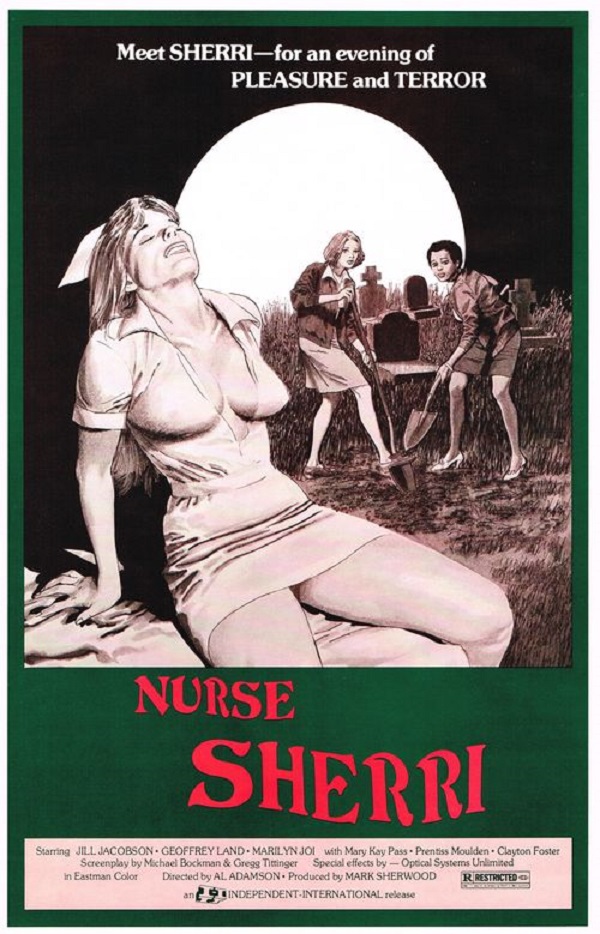
When a nurse (Jill Jacobson) becomes possessed by the evil spirit of a dying mystic cult leader (Bill Roy), it’s up to her fellow nurses (Marilyn Joi and Katherine Pass) to help save her.

Genres, Themes, Actors, and Directors:

  • Doctors and Nurses
  • Horror Films
  • Possession

Review:
Director Al Adamson was known for producing schlocky dreck capitalizing on whatever exploitation theme was most likely to turn a buck. Here, he combines The Exorcist (1973) with soft-core titillation, and the result isn’t quite as dreadful as one might expect. The acting, sets, and script (while rambling) are all passable, and while the early “possession” passage is humorously cartoonish, later effects (with Roy continuing to haunt and taunt those he’s left behind) are mildly effective. None of this is meant to recommend the film, but rather to say — it could have been even worse.

Redeeming Qualities and Moments:

  • Reasonably done special effects near the end

Must See?
No. Listed as Trash in the back of Peary’s book.

Links:

Sodom and Gomorrah (1962)

Sodom and Gomorrah (1962)

“Evil? How strange you are… Where I come from, nothing is evil. Everything that gives pleasure is good!”

Synopsis:
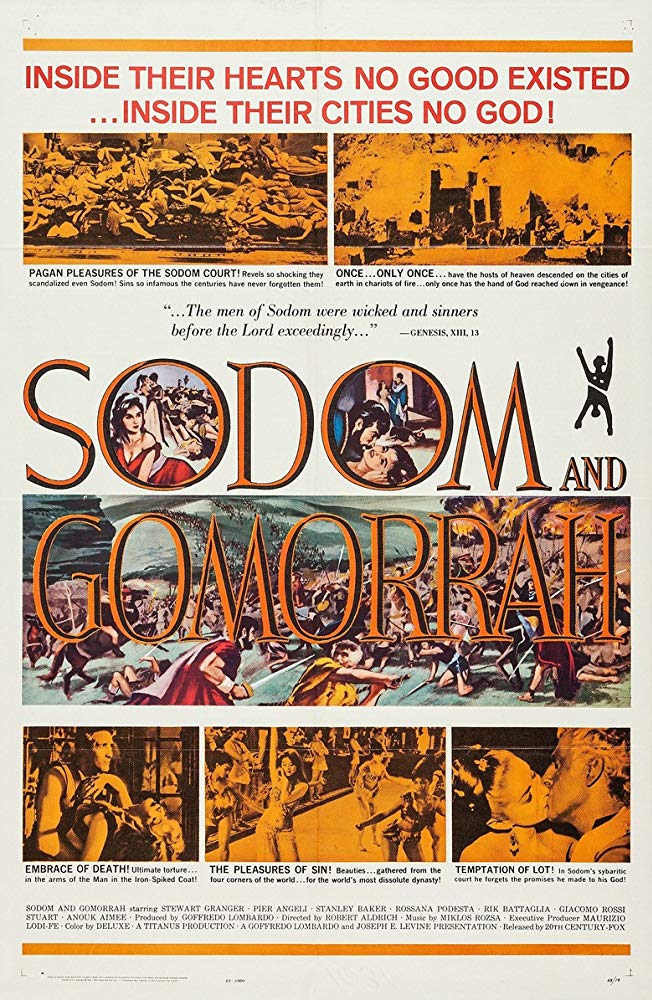
Lot (Stewart Granger) leads a group of nomadic Hebrews into the land of Sodom — ruled by a cruel queen (Anouk Aimee) and her brother (Stanley Baker) — and soon takes a former slave (Pier Angeli) as his wife. But will he and his people (including his two grown daughters) help tame the Sodomites, or will their hedonistic new homeland be a corrupting influence?

Genres, Themes, Actors, and Directors:

  • Biblical Stories
  • Historical Drama
  • Morality Police
  • Robert Aldrich Films

Review:
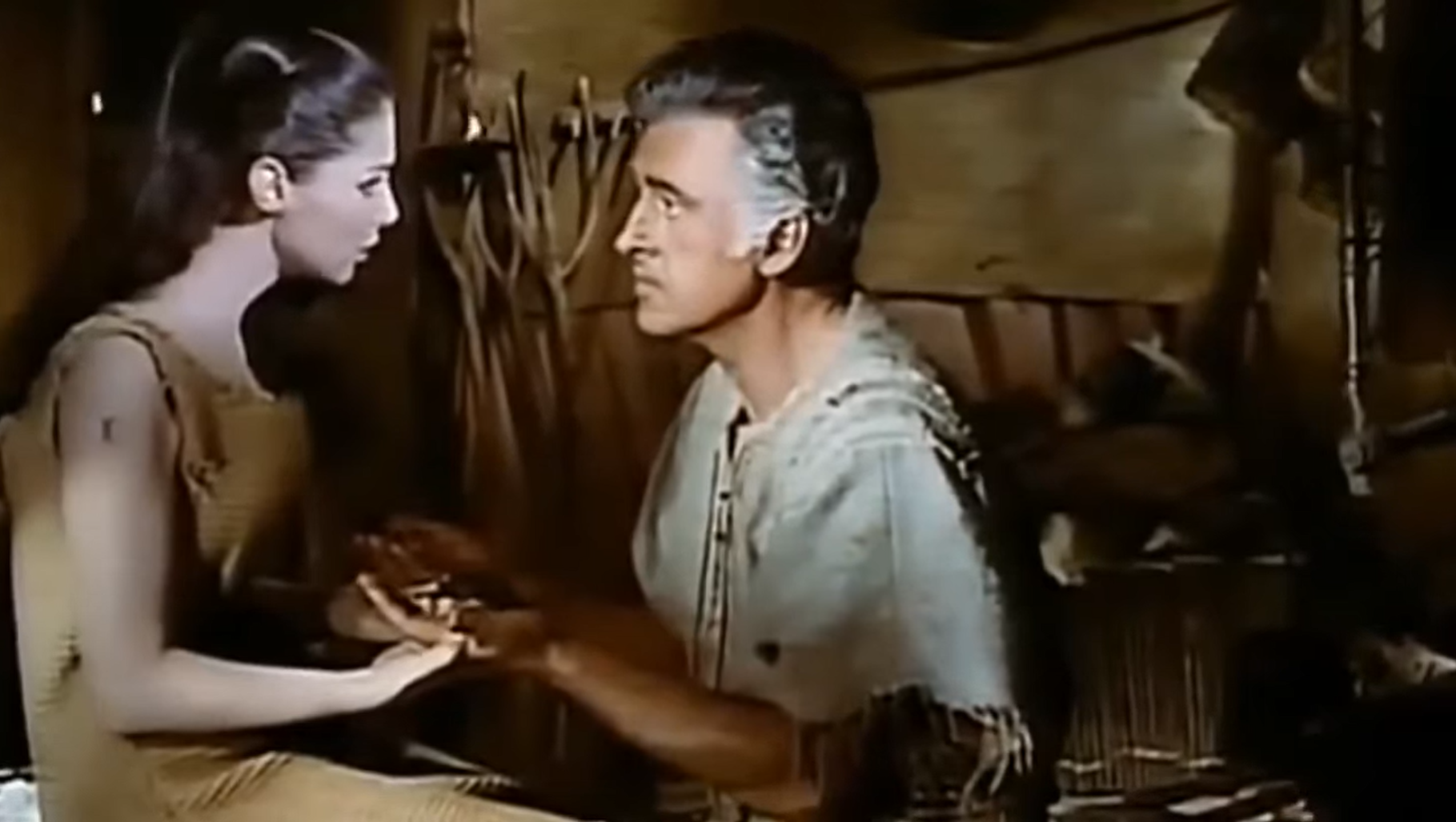
Peary presumably lists this big-budget Biblical epic in the back of his GFTFF due to Robert Aldrich being at the helm — though he could also simply be promoting it for its potential camp value. Regardless, it’s a pretty over-ripe and simplistic affair, with villainy (personified by the sexually deviant Aimee and Baker):

pitted against nobility (silver-haired Granger and his “reformed” wife) in a battle for morality.

There’s very little to fill the storyline and screen other than lengthy battle scenes, colorful costumes, and plenty of extras.

The most famous element of Lot’s grim story takes place within the last few minutes, and is reasonably well handled, though not worth the slog until then.

Redeeming Qualities and Moments:

  • Impressive big budget sets
  • Miklos Rozsa’s majestic score

Must See?
No; feel free to skip this one.

Links:

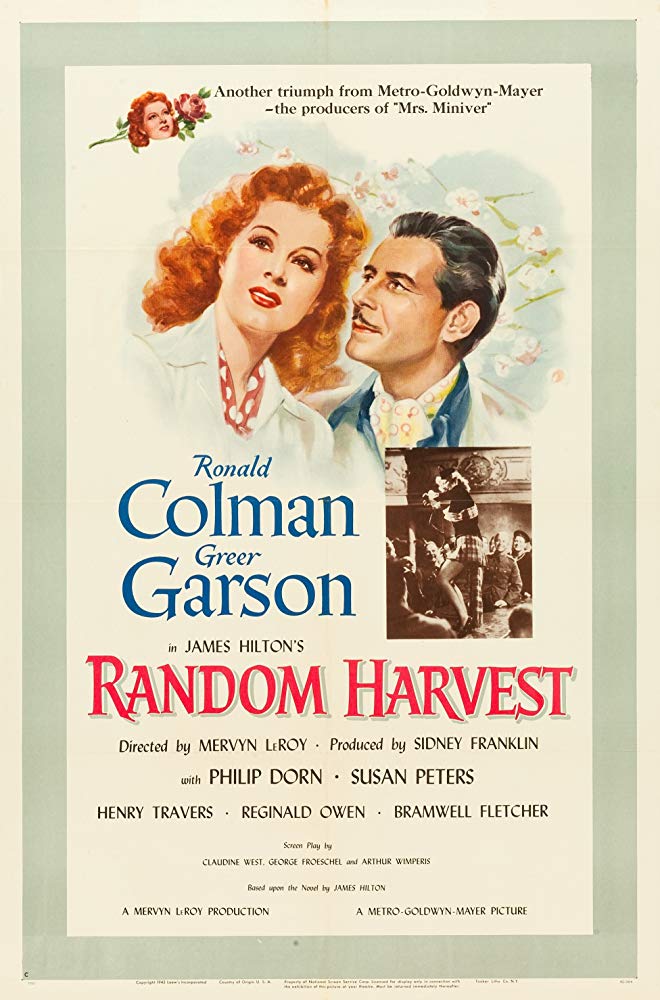
Random Harvest (1942)

Random Harvest (1942)

“Never leave me out of your sight — never again. My life began with you. I can’t imagine the future without you.”

Synopsis:
A shell-shocked, amnesiac WWI veteran (Ronald Colman) escapes from his asylum and is taken under the wing of a compassionate dance hall singer (Greer Garson), who he eventually marries. After a tragic accident, Colman and Garson’s future together remains uncertain: is their love destined to last?

Genres, Themes, Actors, and Directors:

  • Amnesia
  • Do-Gooders
  • Greer Garson Films
  • Love Triangle
  • Mervyn LeRoy Films
  • Mistaken or Hidden Identities
  • Ronald Colman Films
  • Star-Crossed Lovers
  • Veterans

Review:
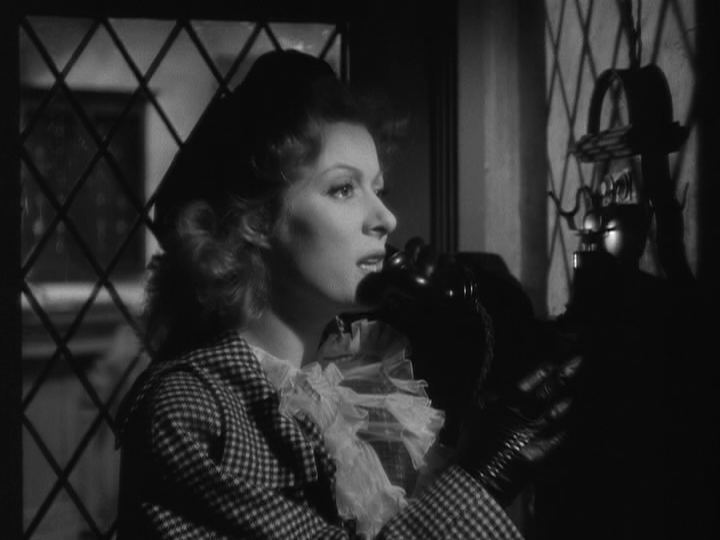
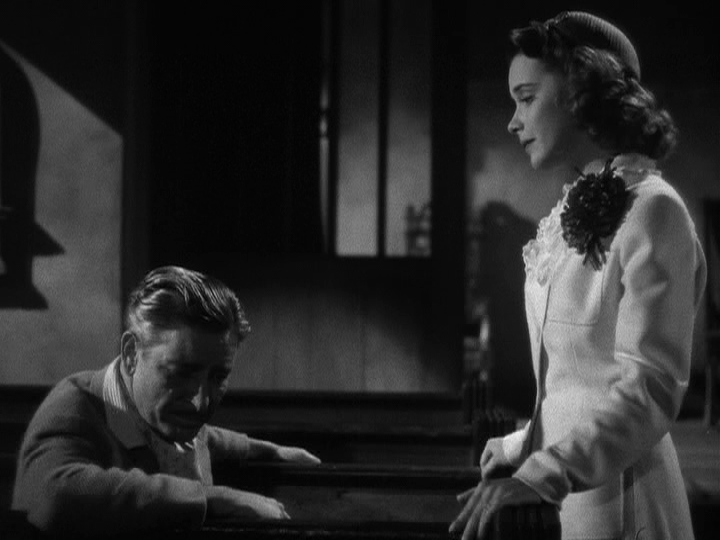
This enormously popular adaptation of James Hilton’s best-selling novel offered Greer Garson a suitably noble follow-up role after her Oscar-winning turn in Mrs. Miniver (1942); Colman a come-back role at the age of 51; and both stars an opportunity to once again enact Hilton’s characters (Garson co-starred in Goodbye, Mr. Chips, while Colman was lead in Lost Horizon). The amnesia-driven storyline of Random Harvest is pure melodrama all the way, though handled well enough not to wear out its welcome. DVD Savant argues on behalf of this flick as “an intelligent and emotionally rewarding” soaper, noting, “We care deeply about what happens to these people and their situation becomes something of intense personal importance for the audience”; later in his review, he points out that “the movie has no malice and no villain.” Indeed, those in the mood for exactly this type of feel-good flick likely won’t be disappointed, though I find it overly tame for my tastes: Garson’s character is almost too “pure” to be true, and Colman wanders around in a semi-daze for much of the film. Meanwhile, a likable supporting character (Susan Peters) poses an unenviable and unavoidable conflict of interests. (Check out IMDb for more on Oscar-nominated Peters’ tragically short life.)

Redeeming Qualities and Moments:

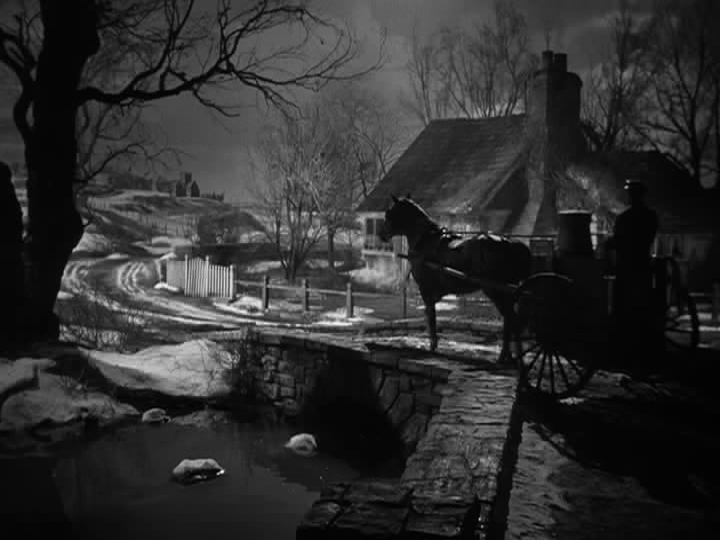
  • Joseph Ruttenberg’s cinematography


Must See?
No, though it’s certainly worth a one-time look.

Links:

Bite the Bullet (1975)

Bite the Bullet (1975)

“Racin’ for money ain’t sport — it’s war!”

Synopsis:
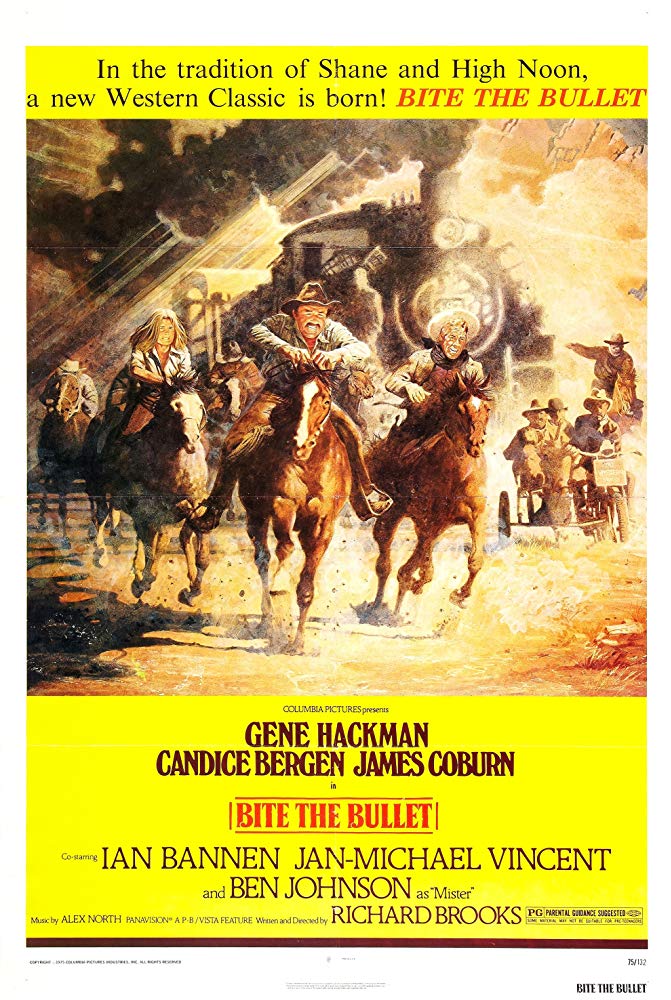
At the turn of the 20th century, a motley assortment of contestants — including include two former Rough Riders (Gene Hackman and James Coburn), a spunky prostitute (Candice Bergen), a hot-headed kid (Jan-Michael Vincent), an ailing cowboy (Ben Johnson), a sporting Englishman (Ian Bannen), and a Mexican with a toothache (Mario Arteaga) — compete against and/or support one another in winning a 700-mile cross-country horse race over rough terrain.

Genres, Themes, Actors, and Directors:

  • Ben Johnson Films
  • Candice Bergen Films
  • Gene Hackman Films
  • James Coburn Films
  • Richard Brooks Films
  • Westerns

Review:
Richard Brooks directed this big-budget, all-star western inspired by a grueling real-life race concocted by the Denver Post to generate publicity. The cinematography and location filming are stellar, bringing this rugged era to vivid life, and the thematic presence of friendship and loyalty throughout is notable: we quickly learn how many of these contestants (more than we might imagine) are willing to forgo winning to help a fellow rider in trouble or distress. Unfortunately, the script is a bit over-long and rambling, and fails to develop sincerely interesting female characters (Bergen does fine with what she’s given, but it isn’t much). This one is worth a look if you’re curious, but only must-see for western fans.

Redeeming Qualities and Moments:

  • Harry Stradling, Jr.’s cinematography
  • Fine location shooting

Must See?
No, though it’s worth a one-time look.

Links:

Marlene (1984)

Marlene (1984)

“I was an actress, I made my films — that’s it!”

Synopsis:
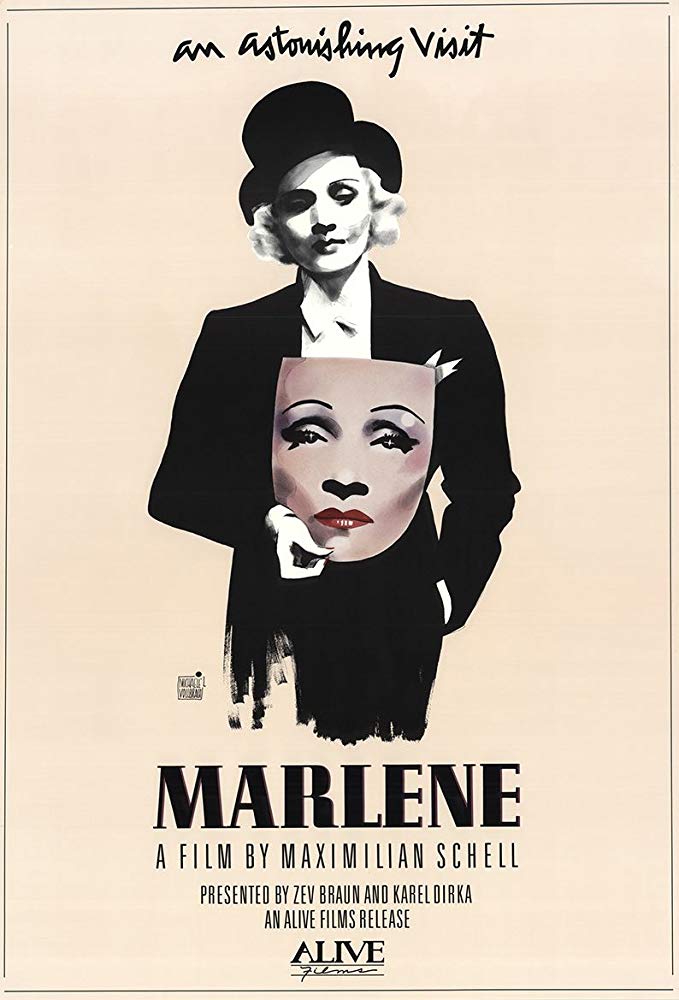
81-year-old Marlene Dietrich shares memories from her past with former co-star Maximilian Schell, while refusing to be photographed.

Genres, Themes, Actors, and Directors:

  • Documentary
  • Marlene Dietrich Films
  • Maximilian Schell Films

Review:
Classic movie buffs will surely delight in this most unusual interview between Maximilian Schell and octogenarian Marlene Dietrich, made under the strictest of conditions: that Schell would get only 40 hours of her time, and that her current image would never be shown on film. The result is a vibrant and creative — if at times necessarily constrained — walk back through memory lane with Dietrich, who reveals herself to be simultaneously cantankerous (“‘Falling in love again…’ I mean, really! It’s ridiculous”), obstinate (“It’s all in my book”), humble (“I didn’t understand anything in those days”), self-effacing (“I wasn’t erotic at all — I was snobby!”), mysterious (“What’s true is that what you read is untrue”), reflective (“I’ve never actually felt at home in any one place”), admirable (“Naturally we were against the Nazis; of course we were”), dismissive (“Do you think I’d go and sit in some sad, stuffy old cinema and watch an old film?”), bitchy (“I don’t call them women. I call them females. They can’t think clearly”), clear-headed (“You can’t miss what you’ve never had”), mendacious (she claims she had no siblings), and opinionated (“You can’t use that — really, you can’t”), among many other qualities. It’s well worth a listen.

Redeeming Qualities and Moments:

  • A creative rendering of a life recounted

Must See?
Yes, as a fascinating if fragmented glimpse into Dietrich’s storied life. Listed as a Personal Recommendation in the back of Peary’s book.

Categories

  • Historically Relevant

Links:

Fear Strikes Out (1957)

Fear Strikes Out (1957)

“You want them to call you yellow? If that’s what you want, you’re no son of mine.”

Synopsis:
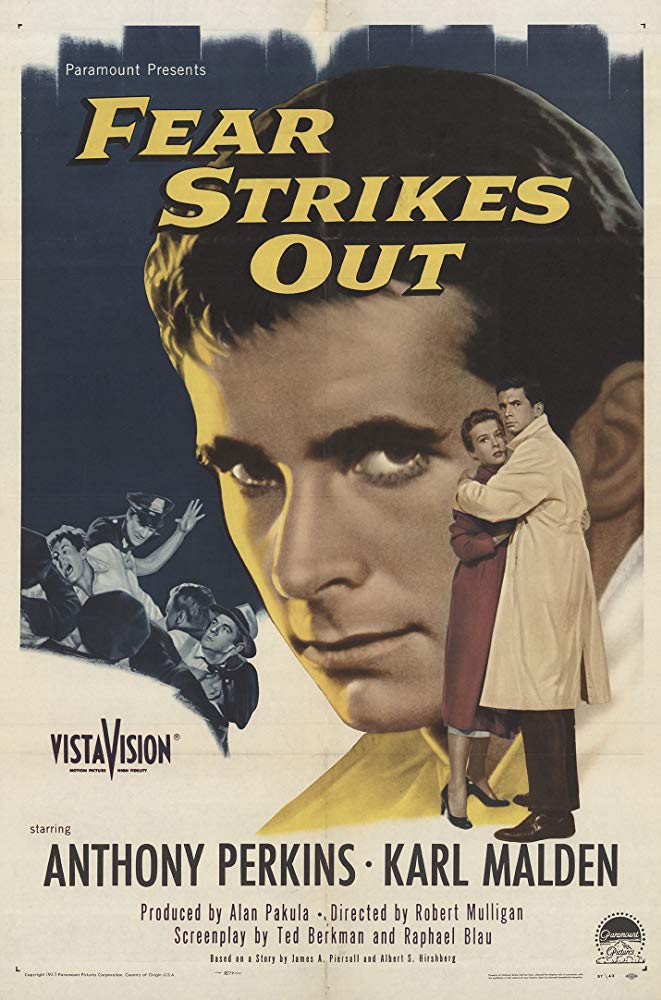
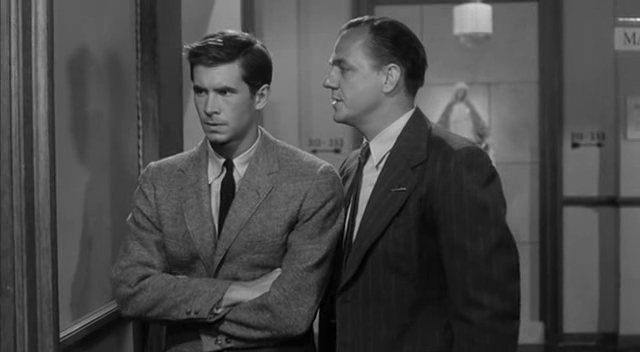
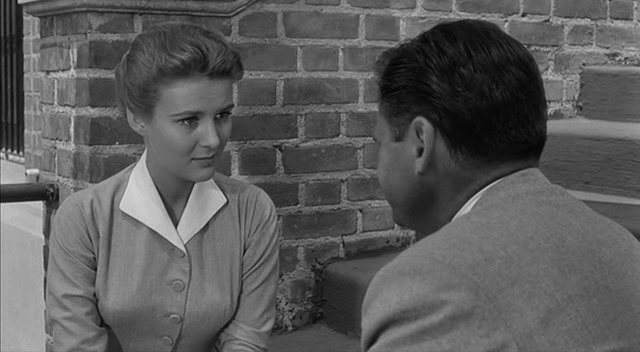
Promising baseball player Jim Piersall (Anthony Perkins) is mentored by his ambitious and hard-driving father (Karl Malden) until he makes it to the Red Sox — but despite the love and concern of his new wife (Norma Moore), Piersall heads steadily towards a mental breakdown.

Genres, Themes, Actors, and Directors:

  • Anthony Perkins Films
  • Baseball
  • Biopics
  • Father and Child
  • Karl Malden Films
  • Mental Breakdown
  • Robert Mulligan Films

Response to Peary’s Review:
Peary writes that this “interesting but dated adaptation of the first [best-selling] autobiography by controversial baseball player Jimmy Piersall” depicts his “mental collapse” as “the result of trying to live up to his father’s impossibly high expectations for him as a player.” He notes that “in effect, this film is rooted in the youth-problem pictures of the fifties: it is the reverse of Rebel Without a Cause, in which a troubled boy can’t express to his weak father his desperate need to receive some fatherly advice for once”, while “in Piersall’s case, he can’t express to his strong father his desperate need to stop being barraged with fatherly advice.” Peary adds that “with his display of nervous energy, emotional instability, paranoia, pent-up rage and finally, strait-jacketed catatonia”, Perkins “may well have been using Piersall to prepare himself for Norman Bates” in Psycho (1960) — indeed, his performance here remains potent evidence of his capacity to take on that role of a lifetime. Like Norman, Jimmy is severely (psychotically) hampered by parental pressure — though in this case, he emerges sane and whole after support from both his wife and consistent medical care. While the biopic storyline (naturally) plays fast and loose with the facts, the narrative is tightly constructed and refreshingly respectful of mental illness; Malden’s figure (purportedly exaggerated for the sake of dramatic tension) isn’t demonized, but rather presented as someone unable to see beyond his own vision of success for his son. While Peary (an enormous baseball fan) argues that the “film looks flat and phony, especially during the baseball scenes”, most film fanatics likely won’t be bothered by this.

Redeeming Qualities and Moments:

  • Anthony Perkins as Jimmy Piersall
  • Karl Malden as John Piersall
  • Norma Moore as Mary Piersall
  • Haskell Boggs’ cinematography

Must See?
Yes, for Perkins’ performance and as a fine film overall.

Categories

  • Noteworthy Performance(s)

Links:

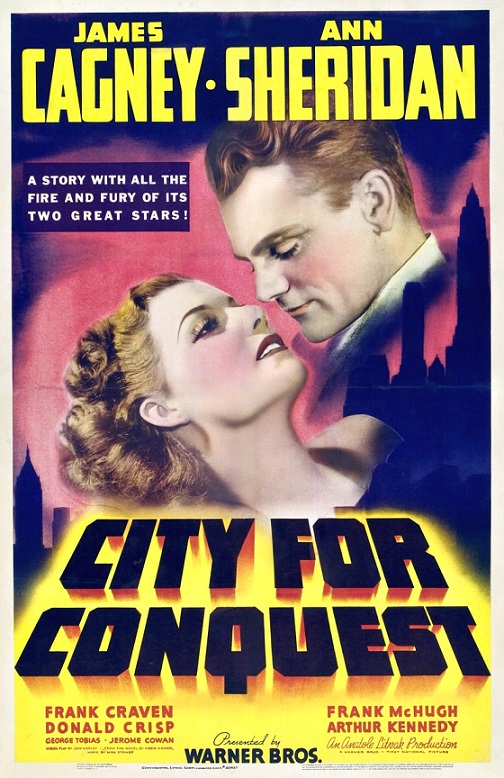
City for Conquest (1940)

City for Conquest (1940)

“Call it applause, call it ambition, call it whatever you’d like — but it’d take a lot more than a man to come between you two.”

Synopsis:
An aspiring dancer (Ann Sheridan) chooses a performing career over marriage with a truck driver (James Cagney) whose decision to fight for a boxing title leaves him with devastating consequences.

Genres, Themes, Actors, and Directors:

  • Anatole Litvak Films
  • Ann Sheridan Films
  • Anthony Quinn Films
  • Aspiring Stars
  • Boxing
  • Career Versus Marriage
  • Dancers
  • Donald Crisp Films
  • James Cagney Films<
  • New York City

Review:
DVD Savant nicely summarizes this Anatole Litvak-directed flick as follows:

City for Conquest is an ambitious James Cagney movie given the full Warner treatment. Although it doesn’t quite hit the mark on any of its four or five themes it gives them all a college try… It is a gangster picture, a boxing picture, a “poetic” symphony-of-the-city epic, a starstruck show-biz career picture — and for a finale it even tries to graft on the end of Charlie Chaplin’s City Lights.

Indeed, there’s a heck of a lot packed into this “ambitious” film, which purportedly disappointed Cagney enough to prompt him to write a letter of apology to the source novel’s author. With that said, it’s atmospherically shot by James Wong Howe, and never boring to watch, even if one wishes for a little less going on. Perhaps least successful is the framing use of “Old Timer” Frank Craven (narrator of Our Town) for opening, closing, and intermittent commentary as a hobo who’s seen all sorts of misadventures occurring in the Big City of New York. This footage was excised for many years and suddenly reappeared — though it arguably should have been left aside. Watch for Arthur Kennedy in his film debut, and Elia Kazan in a supporting role.

Redeeming Qualities and Moments:

  • Ann Sheridan as Peggy
  • James Wong Howe’s cinematography

Must See?
No, though it’s worth a look by Cagney or Sheridan fans. Listed as a Sleeper and a Personal Recommendation in the back of Peary’s book.

Links: