Browsed by
Category: Original Reviews

Responses to Peary’s “must see” movie reviews, as well as my own “must see” movie reviews up to and after 1986 (when Peary’s book was published).

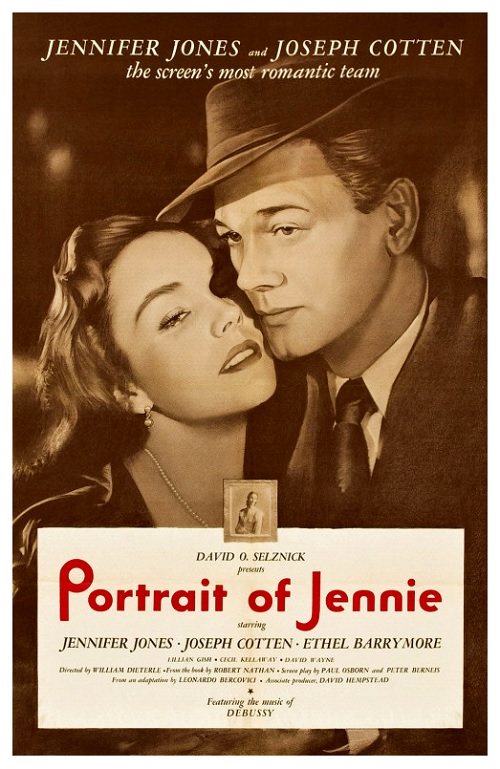
Portrait of Jennie (1948)

Portrait of Jennie (1948)

“There ought to be something timeless about a woman — something eternal.”

Synopsis:
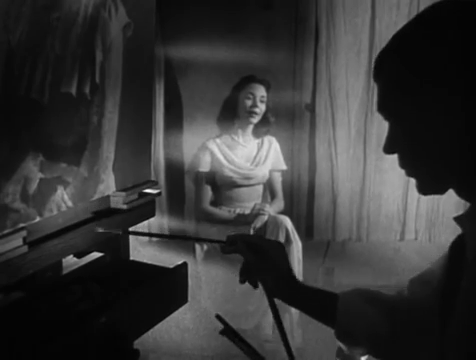
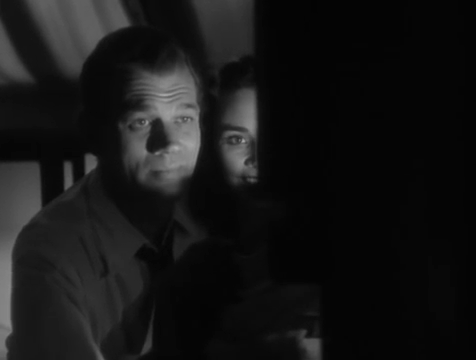
Shortly after selling a painting to two art curators (Cecil Kellaway and Ethel Barrymore), a penniless painter (Joseph Cotten) meets a mysterious young girl (Jennifer Jones) from another era who becomes his muse and his would-be lover.

Genres, Themes, Actors, and Directors:

  • Artists
  • Cecil Kellaway Films
  • Ethel Barrymore Films
  • Fantasy
  • Jennifer Jones Films
  • Joseph Cotten Films
  • Lillian Gish Films
  • Romance
  • Star-Crossed Lovers
  • William Dieterle Films

Review:
William Dieterle and David O. Selznick produced this high-budget romance, based on a novella by Robert Nathan and featuring Selznick’s wife (Jennifer Jones) in the title role. It didn’t fare well at the box office, and was dismissed by Bosley Crowther of the New York Times as “maudlin and banal”, with “a ponderous and meaningless narration” and a “soggy and saccharine musical score”; overall he found it “deficient and disappointing in the extreme”. (The CrowMan really could dish it out!) Modern viewers seem to have a more appreciative take, with Stuart Galbraith, IV of DVD Talk referring to it as an “excellent romantic fantasy” and DVD Savant similarly hailing it as a “superior fantasy”. A more accurate assessment lies somewhere in between: Dieterle handles the affair atmospherically, nicely utilizing outdoor locales in New York, building tension throughout, and leaving viewers in suspense about the finale. However, the storyline is a tad creepy (a grown man falls in love with a young girl — hmmm…..) and a bit overblown (Barrymore’s character stares balefully at Cotten from their first meeting onward, indicating she clearly knows he has unseen talents despite the fact that he shows “no love in his work”). Meanwhile, the script throws us hoary lines like “I know we were meant to be together. The strands of our lives are woven together and neither the world nor time can tear them apart.” and “There is no life, my darling, until you love and have been loved. And then there is no death.” I also find it risky when an entire film is premised on a single painting; the painting in question — viz. The Portrait of Dorian Gray (1945) — can rarely live up to its hype (though at least Laura [1945] wraps a superior mystery tale around its titular painting).

Redeeming Qualities and Moments:

  • Fine use of outdoor locales
  • Luminous, often creative cinematography

Must See?
No, but it’s worth a one-time look if this type of tale is to your liking.

Links:

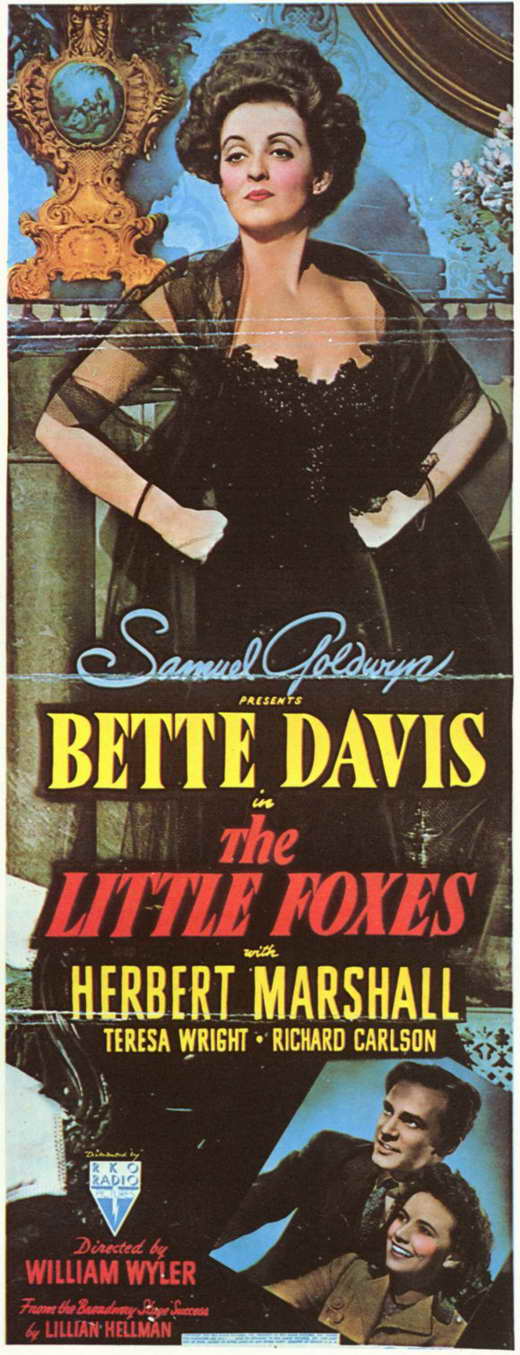
Little Foxes, The (1941)

Little Foxes, The (1941)

“The Lord forgives those who invent what they need.”

Synopsis:
A Southern aristocrat (Bette Davis) and her two independently wealthy brothers (Charles Dingle and Carl Benton Reid) will stop at nothing to convince Davis’s unwell husband (Herbert Marshall) to invest in a business deal — including attempting to marry Reid’s irresponsible son (Dan Duryea) to Davis’s daughter (Teresa Wright), who instead is in love with a poor newspaperman (Richard Carlson).

Genres, Themes, Actors, and Directors:

  • Bette Davis Films
  • Dan Duryea Films
  • Deep South
  • Family Problems
  • Greed
  • Herbert Marshall Films
  • Marital Problems
  • Play Adaptations
  • Siblings
  • Teresa Wright Films
  • William Wyler Films

Review:
William Wyler’s adaptation of Lillian Hellman’s 1939 stage play remains a deeply troubling drama showcasing both the worst of humanity and noble attempts to push back against greed and corruption. In terms of the story itself, Bosley Crowther’s spot-on review for the NY Times is worth citing at length:

No one who saw the play need be reminded that Miss Hellman was dipping acid straight when she penned this fearful fable of second-generation carpet-baggers in a small Southern town around 1900. Henrik Ibsen and William Faulkner could not together have designed a more morbid account of inter-family treachery and revoltingly ugly greed than was contained in Miss Hellman’s purple drama of deadly intrigue in the Hubbard clan. And with a perfect knowledge of the camera’s flexibility, the author and Mr. Wyler have derived out of the play a taut and cumulative screen story which exhales the creepy odor of decay and freezes charitable blood with the deliberation of a Frigidaire.

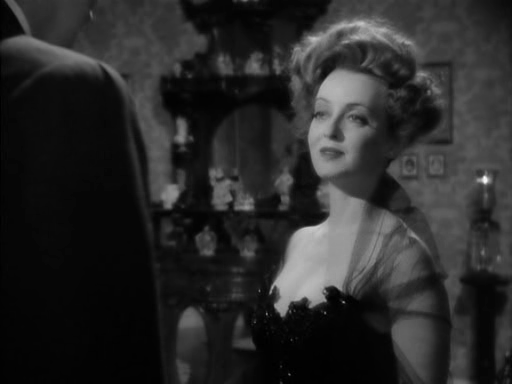
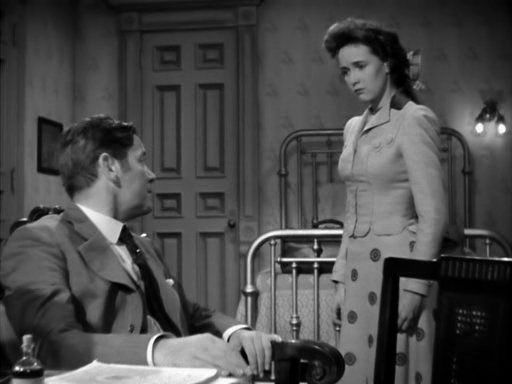
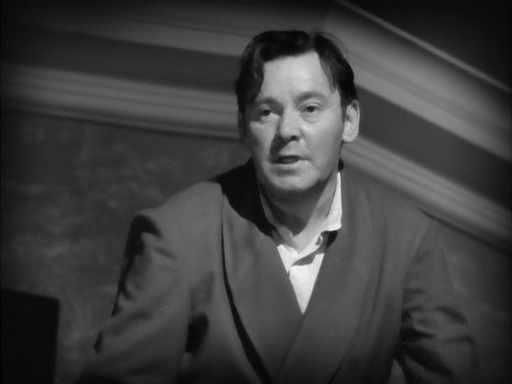
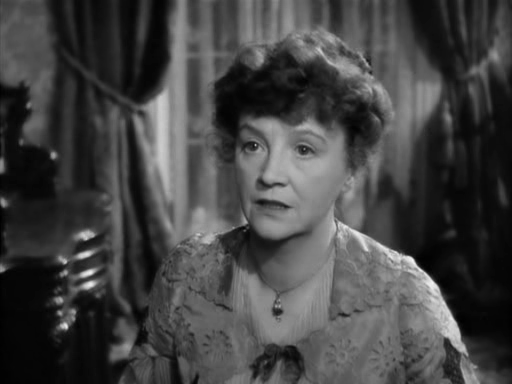
Davis deservedly won an Oscar nomination as the middle-aged matriarch at the cold heart of the family’s treacherous scheme, and Wright makes a lovely cinematic debut as her good-hearted daughter. Also notable is Patricia Collinge in a small but memorable role as Reid’s alcoholic wife, who shares some of the family’s deepest truths while under the influence. Wyler’s direction and Gregg Toland’s cinematography effectively convey the claustrophia and heightened tensions of this “parlor drama”, which opens up occasionally into the town and other settings but primarily takes place within the cavernous family home. As DVD Savant writes about Wyler:

… shot-for-shot he’s a supremely superior director. His scenes are built around the drama instead of a strong personal style so he’s not as distinctive as Hitchcock, Ford, or Hawks. But after you’ve seen a few, especially those films he made with Gregg Toland, his style jumps out immediately.

This one is well worth a look on multiple counts.

Redeeming Qualities and Moments:

  • Bette Davis as Regina
  • Teresa Wright as Alexandra
  • Herbert Marshall as Horace
  • Patricia Collinge as Birdie
  • Strong direction throughout
  • Gregg Toland’s cinematography

Must See?
Yes, for Davis’s performance and as a still-powerful adaptation. Listed as a film with Historical Importance and a Personal Recommendation in the back of Peary’s book.

Categories

  • Noteworthy Performance(s)

Links:

Purple Heart, The (1944)

Purple Heart, The (1944)

“They claim we bombed and machine-gunned civilians, and are not entitled to be considered prisoners of war!”

Synopsis:
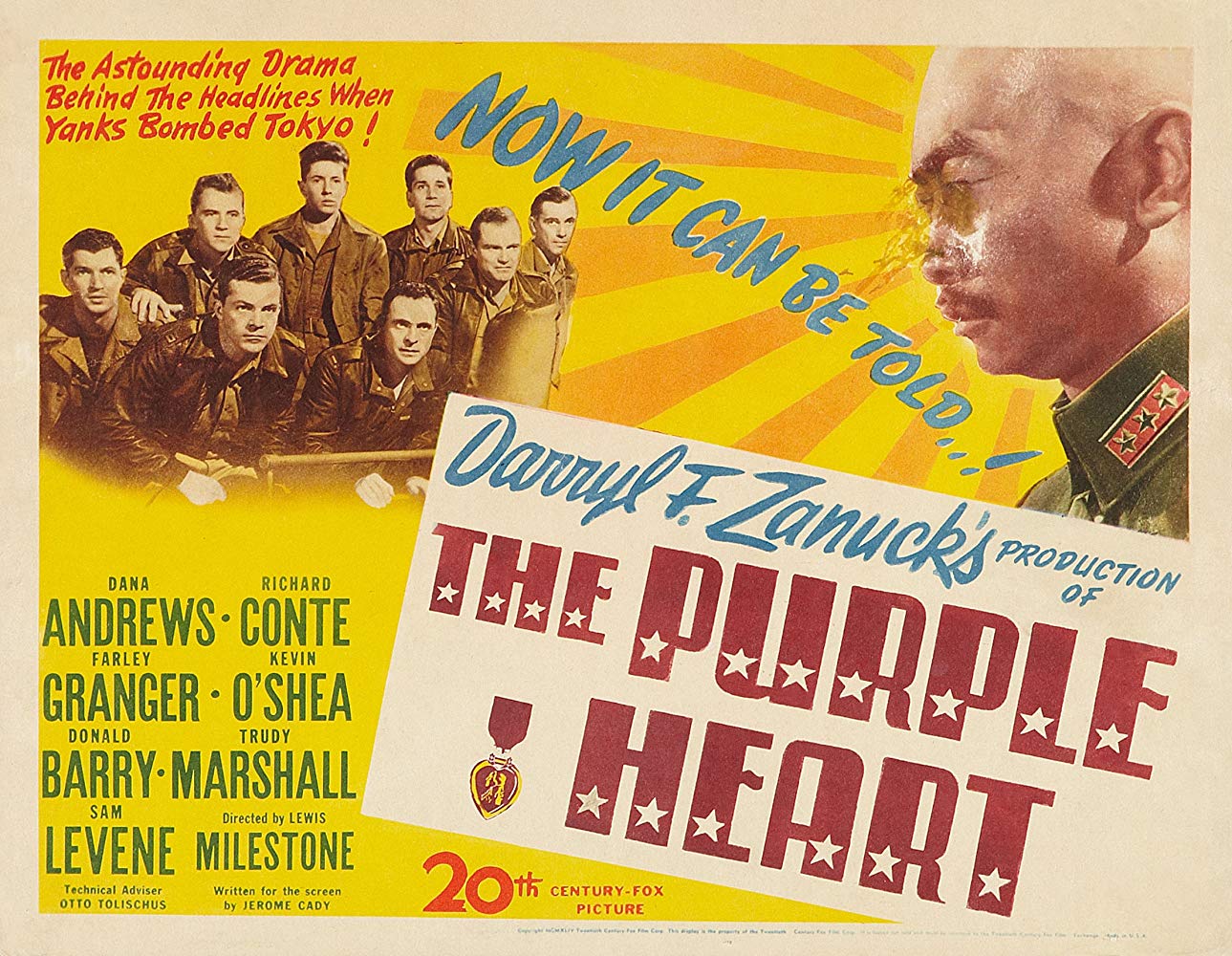
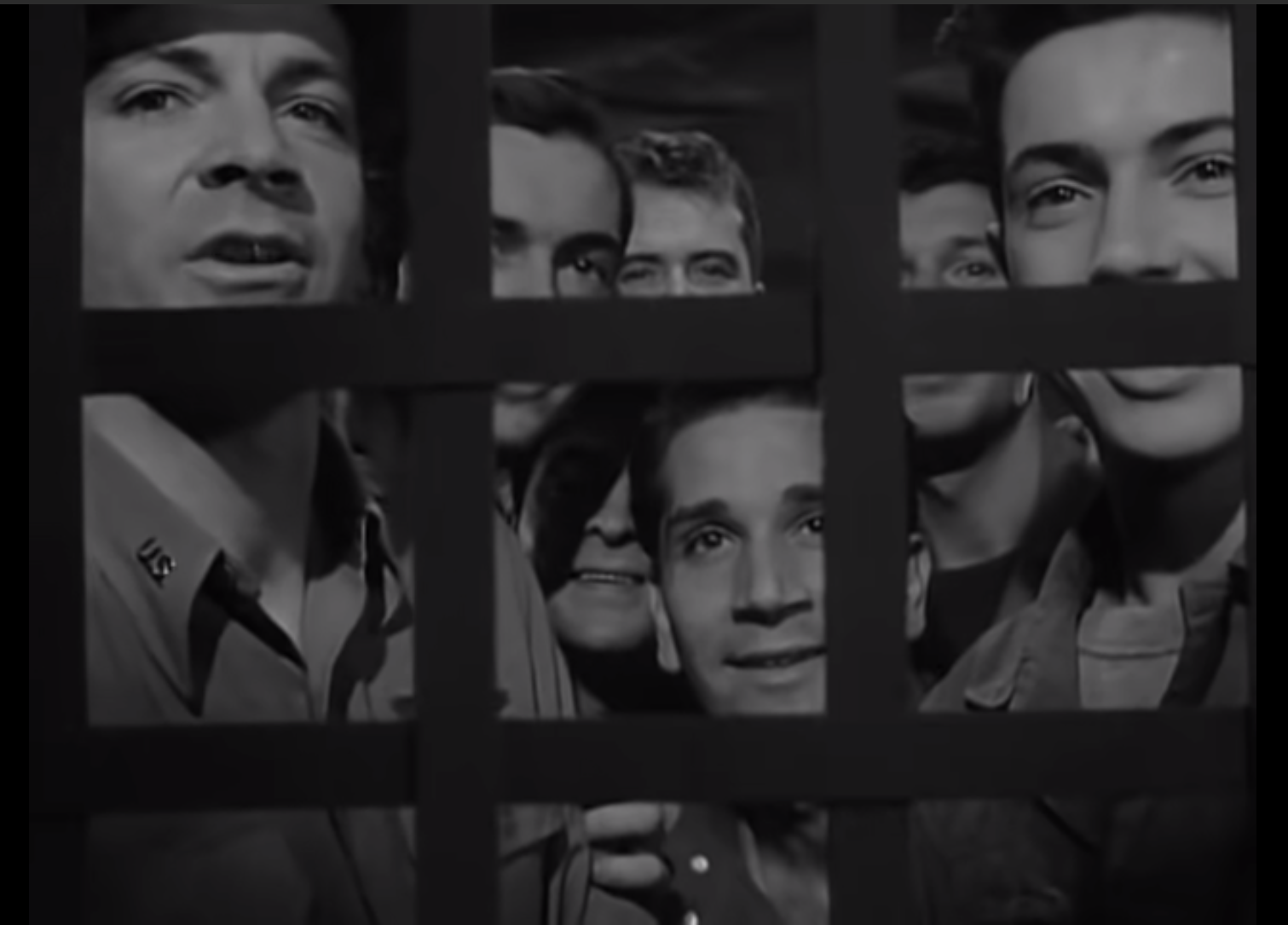
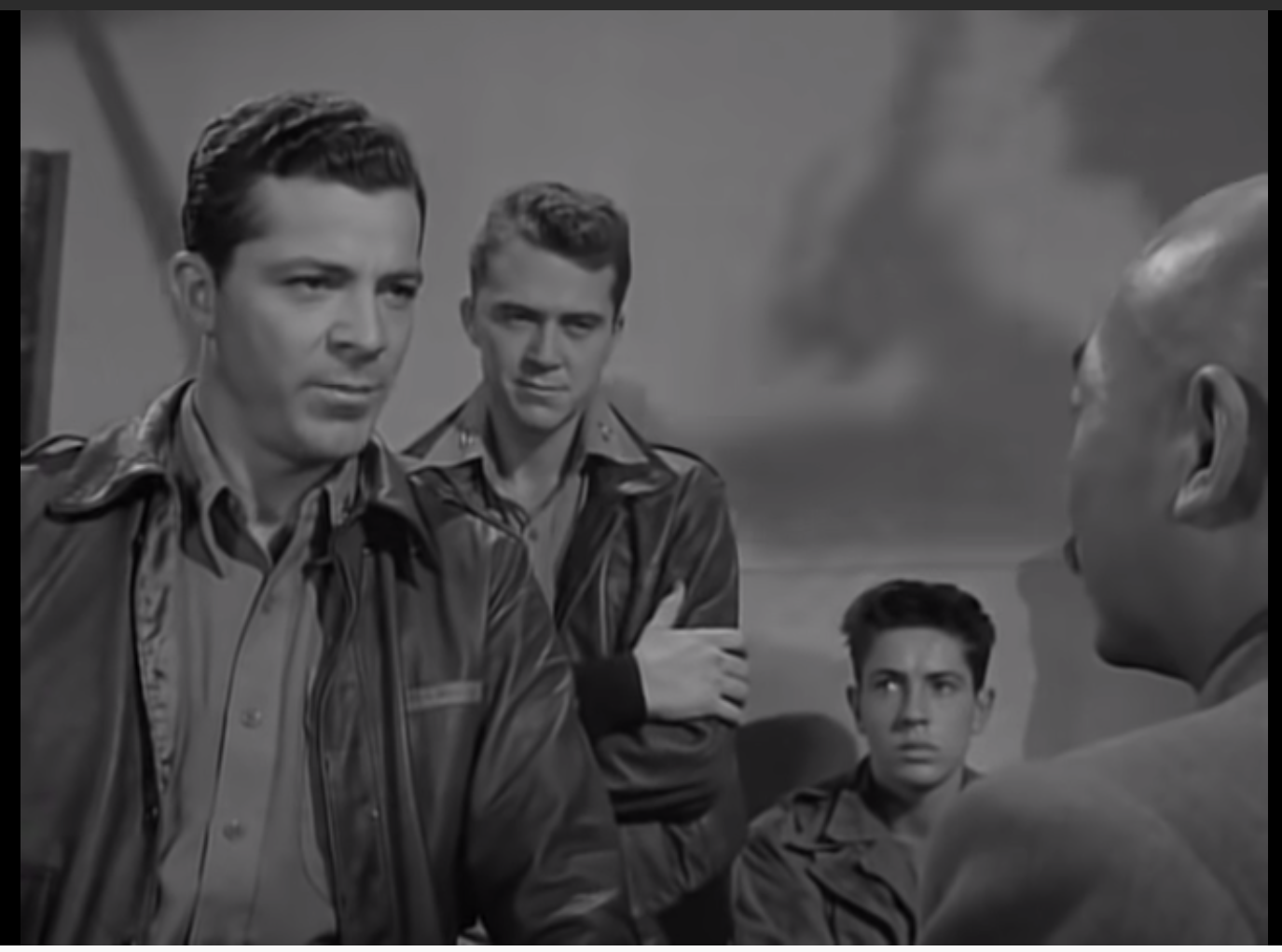
A group of bomber pilots led by Captain Ross (Dana Andrews) is captured by the Japanese during World War II and put on civilian trial for murder, while international journalists are invited to watch. Will Andrews and his loyal compatriots — Lt. Canelli (Richard Conte), Sgt. Clinton (Farley Granger), Lt. Greenbaum (Sam Levene), Lt. Vincent (Donald Berry), Lt. Bayforth (Charles Russell), Lt. Stoner (John Craven), and Lt. Skvoznik (Kevin O’Shea) — make it through torture and interrogation without breaking?

Genres, Themes, Actors, and Directors:

  • Dana Andrews Films
  • Farley Granger Films
  • Lewis Milestone Films
  • Prisoners of War
  • Richard Conte Films
  • World War II

Review:
This fictional depiction of a “show trial” following the United States’ 1942 Doolittle Raid of Tokyo is a rare film that must be viewed within its historical context in order to be understood and appropriately evaluated. Film fanatics not closely familiar with the aftermath of the Japanese bombing of Pearl Harbor in 1941 should do a bit of reading, and watch this movie with the understanding that it’s pure propaganda. As DVD Savant writes, the film is accurate in showing that “none of the American prisoners broke under pressure”, but “many details seem unlikely” — and given that “the film depicts the Japanese as verminous sub-humans”, it’s problematic at best and should be viewed with extreme caution. With that said, audiences at the time did watch this film (the New York Times referred to it as “honest and thoroughly consistent with American character”); it’s fully understandable Americans were uneasy about “the wartime actions of the Japanese military government”, which “ignored the Geneva Convention” and considered the Doolittle Raid “an act of murder and terror unrelated to their own sneak attack on Pearl Harbor”. In terms of aesthetics and style, the movie is atmospherically filmed, showing a stylized vision of Americans boldly standing up to their enemies, choosing death and torture over betrayal of their country.

Redeeming Qualities and Moments:

  • Atmospheric cinematography

Must See?
Yes — but simply for its historical notoriety.

Categories

  • Historically Relevant

Links:

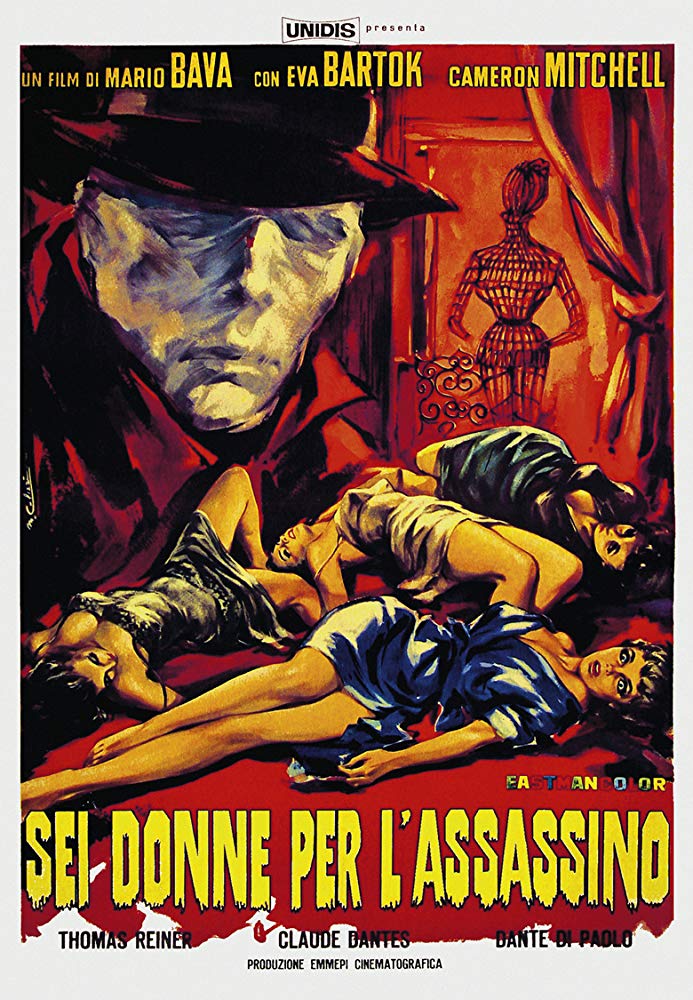
Blood and Black Lace (1964)

Blood and Black Lace (1964)

“The diary, the diary… If it hadn’t been for that damned diary!”

Synopsis:
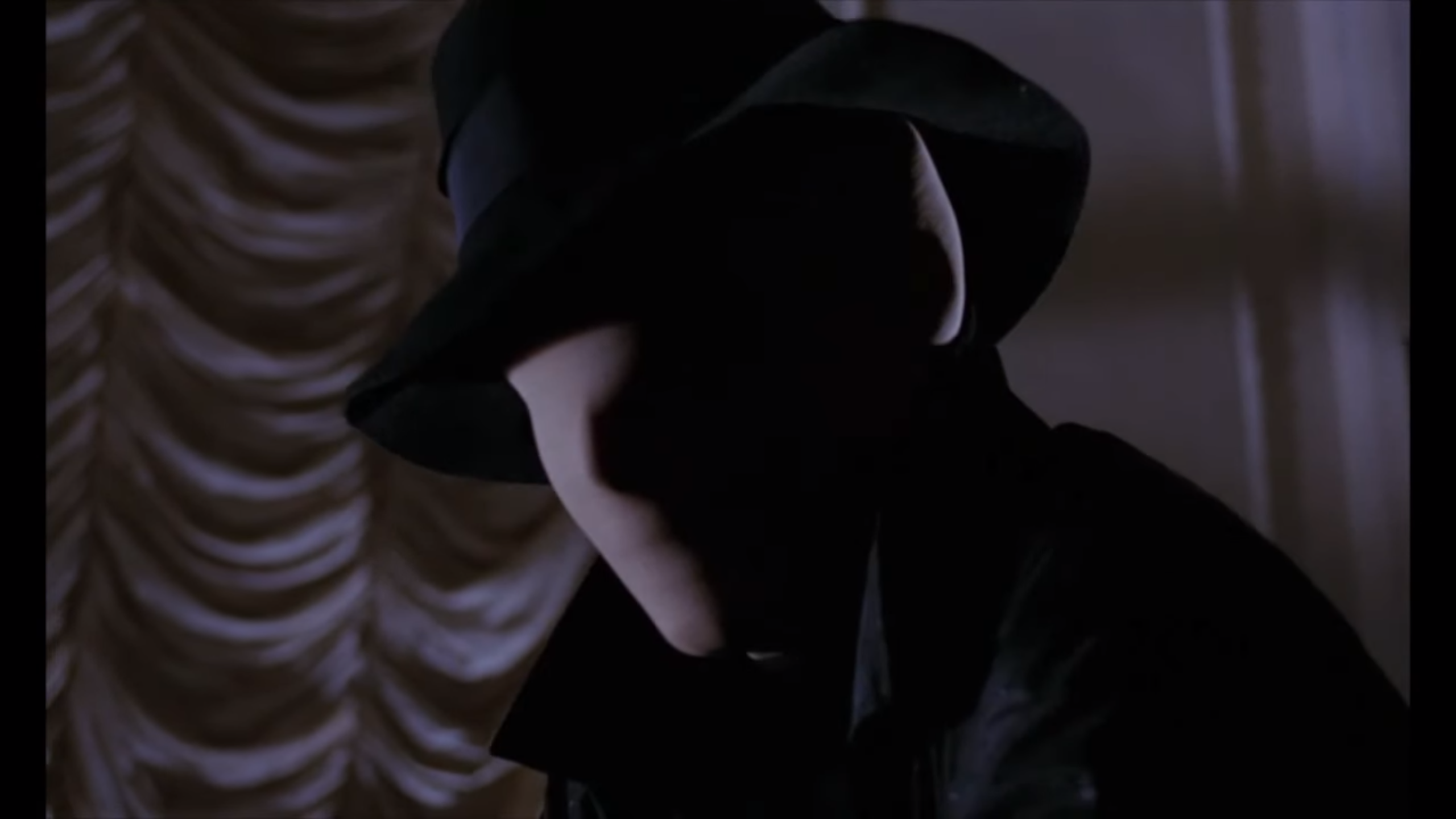
The owner (Eva Bartok) and manager (Cameron Mitchell) of a haute couture fashion salon attempt to figure out the identity of a masked killer brutally murdering their models.

Genres, Themes, Actors, and Directors:

  • Cameron Mitchell Films
  • Horror Films
  • Mario Bava Films
  • Models
  • Murder Mystery
  • Serial Killer

Review:
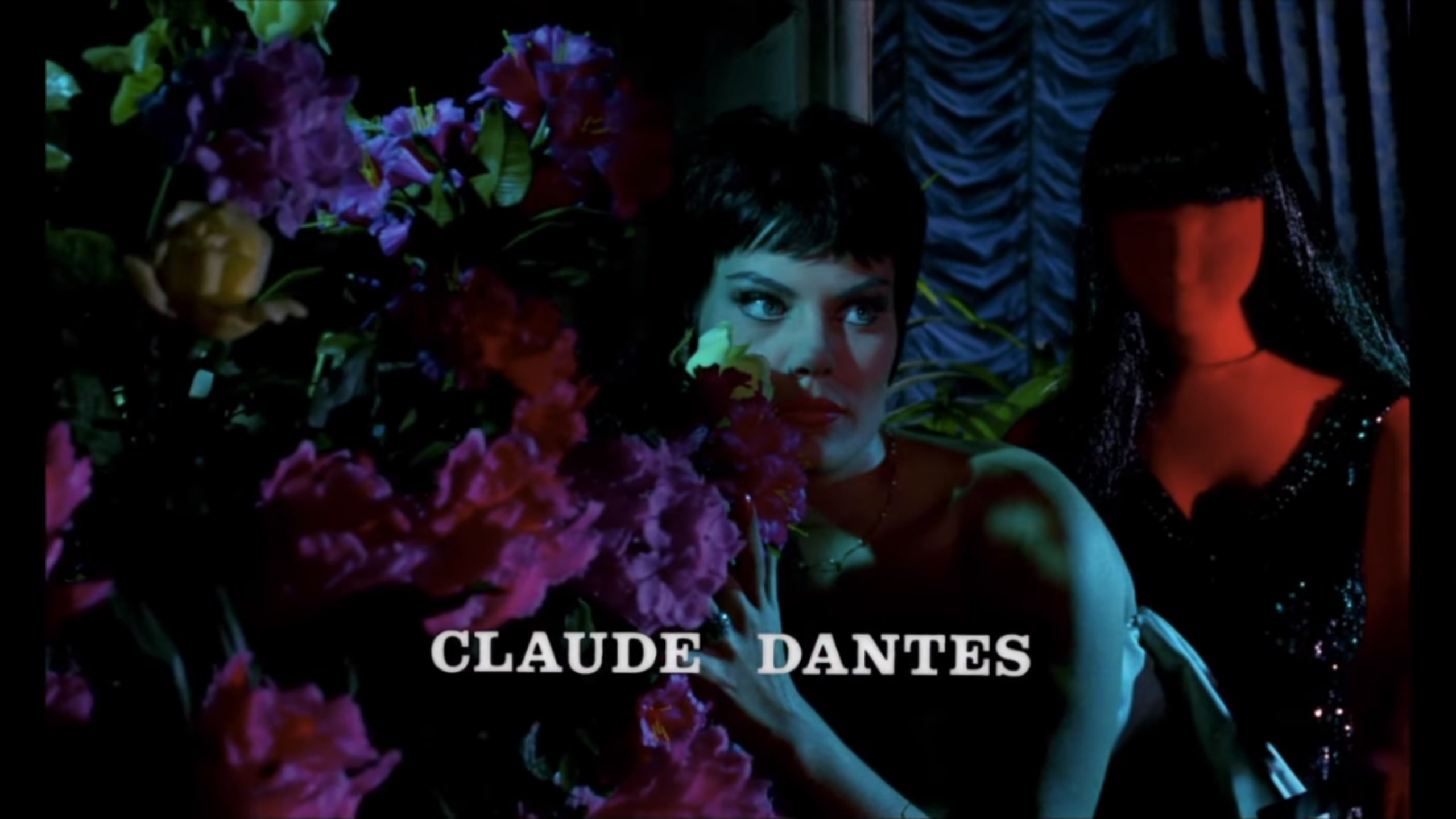
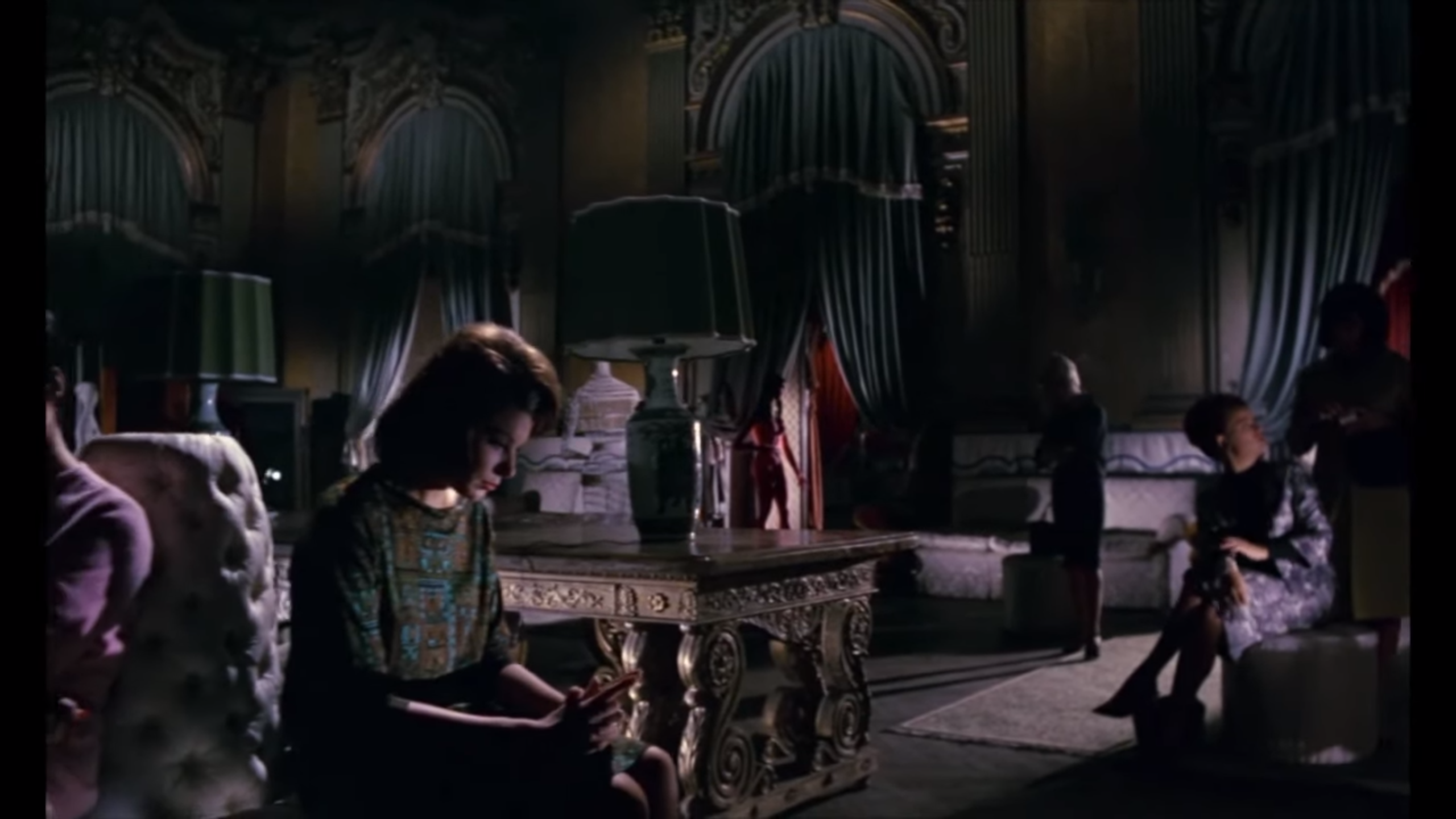
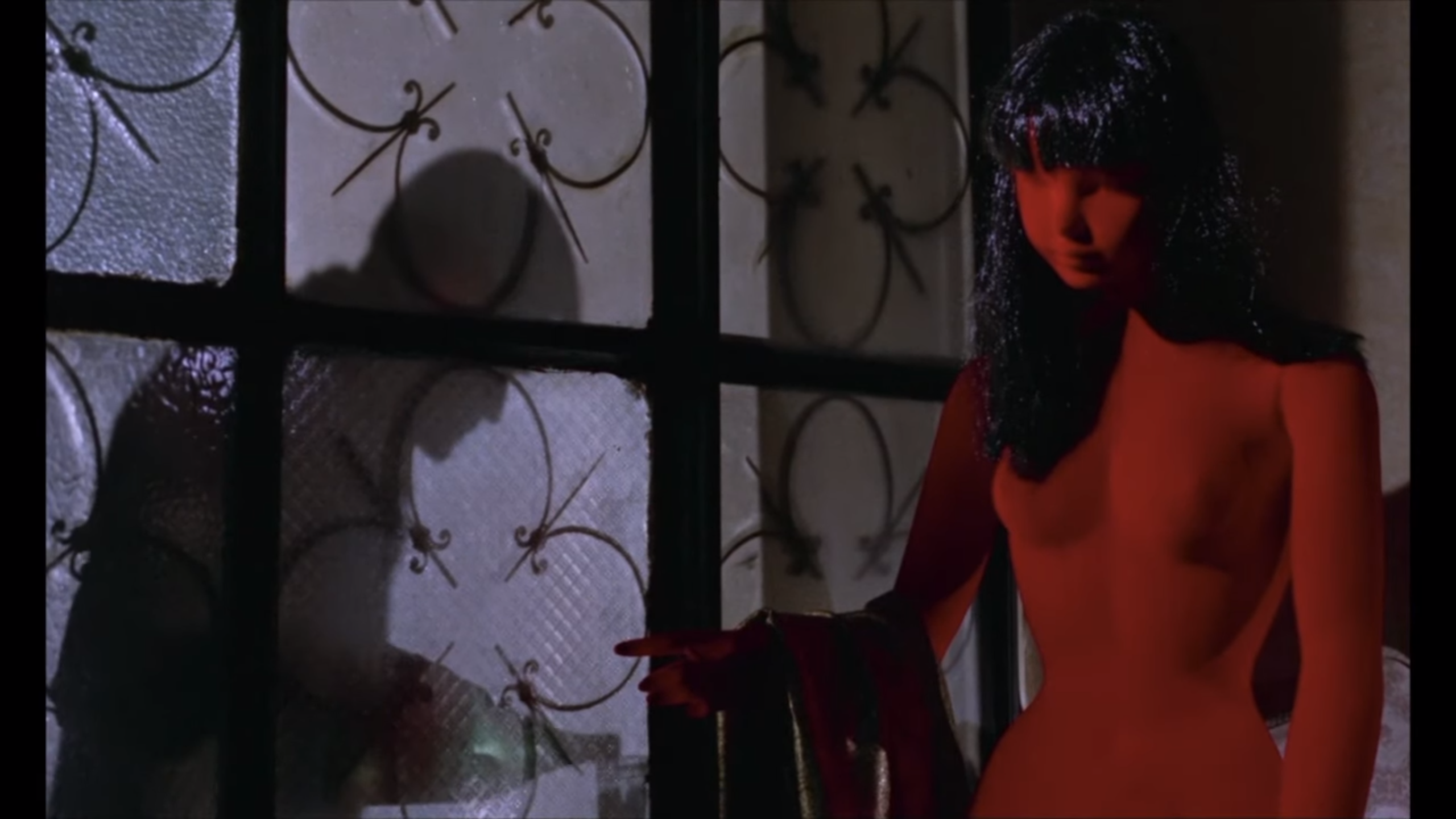
After his breakthrough success with Black Sunday (1960), Mario Bava went on to become a cult favorite of the thriller-horror giallo genre — with this film generally considered the first to feature many of its distinctive elements (shocking horror, a shadowy killer, and grisly deaths). The problem with this and other giallo films — and so many, many horror films to come — is that it viscerally glorifies the murder of sexualized, beautiful women. If one can move past that, there’s certainly much to appreciate here in terms of Bava’s cinematography and overall cinematic style — this is aesthetic eye candy from start to finish. DVD Savant — a huge Bava fan — argues:

“Bava’s powerful images are never simply decorative, never just pretty pictures or art direction… Although there’s a lot to be said for understatement, Bava overturns that applecart by veering in the opposite direction — cruelty and sadism are the commodities on display… The sensually charged images encourage us to anticipate the next gruesome killing, briefly converting us all into sex killers.”

So — consider yourself forewarned. For a quick video overview of giallo films and how this title fits into its history, click here.

Redeeming Qualities and Moments:

  • Vibrant cinematography and imagery


  • Carlo Rustichelli’s score

Must See?
Yes, once, for its visuals and historical relevance as an influential giallo flick. Listed as a Cult Movie in the back of Peary’s book.

Categories

  • Historically Relevant

Links:

Cabin in the Cotton, The (1932)

Cabin in the Cotton, The (1932)

“You’re sort of on the planters’ side now, and we’re the people who keep the country going.”

Synopsis:
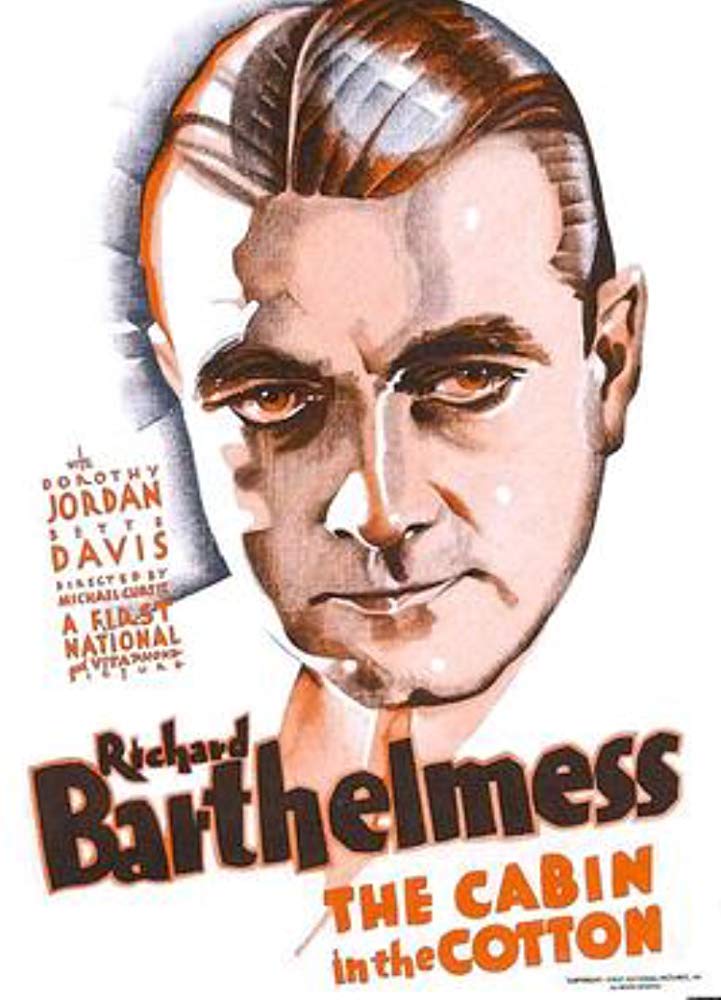
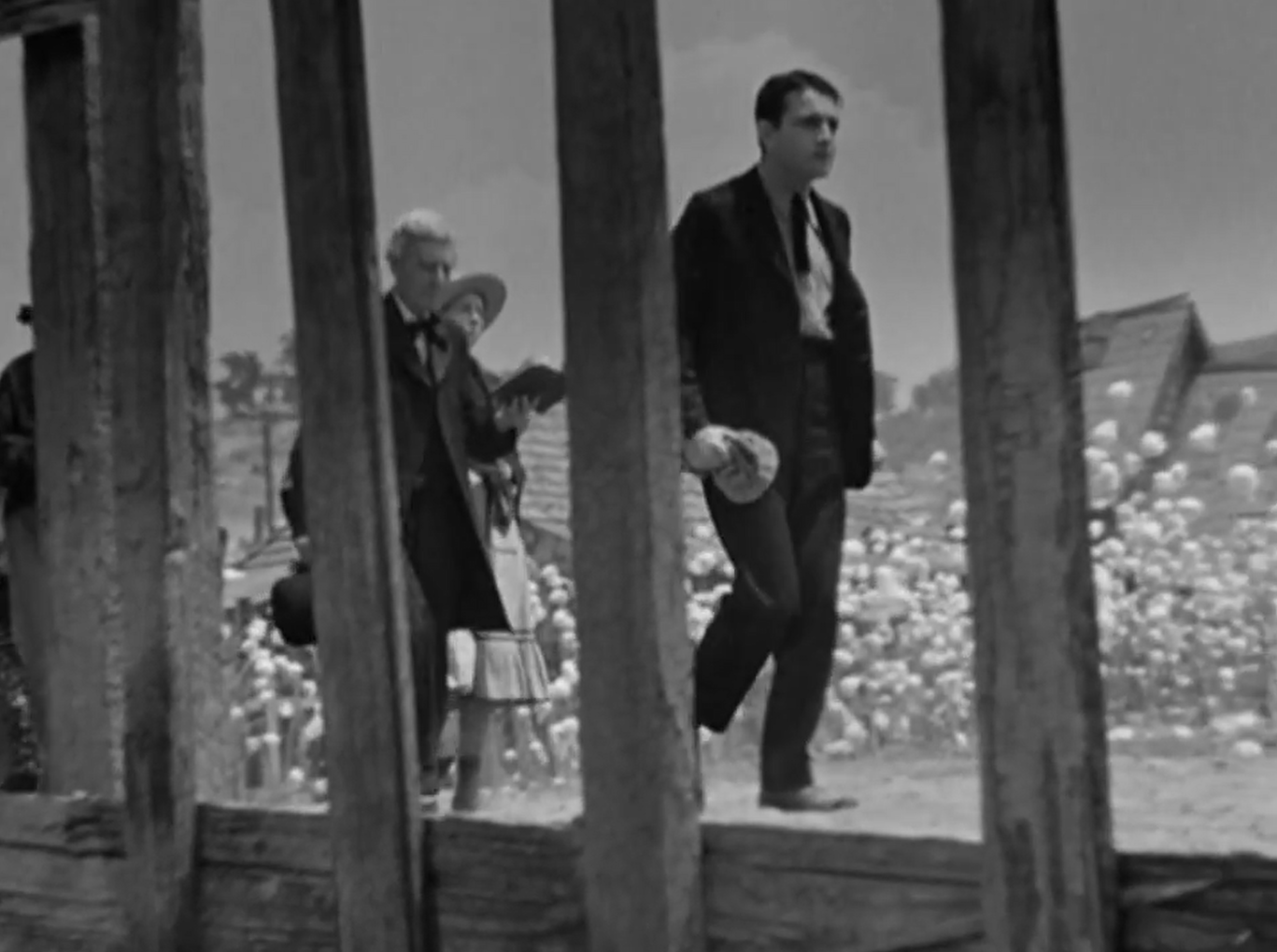
The son (Richard Barthelmess) of a sharecropper is employed by a cotton plantation owner (Berton Churchill) whose daughter (Bette Davis) has eyes for him — but will Barthelmess join ranks with his new social class, or stay loyal to his hard-scrabble community?

Genres, Themes, Actors, and Directors:

  • Bette Davis Films
  • Class Relations
  • Cross Class Romance
  • Deep South
  • Michael Curtiz Films

Review:
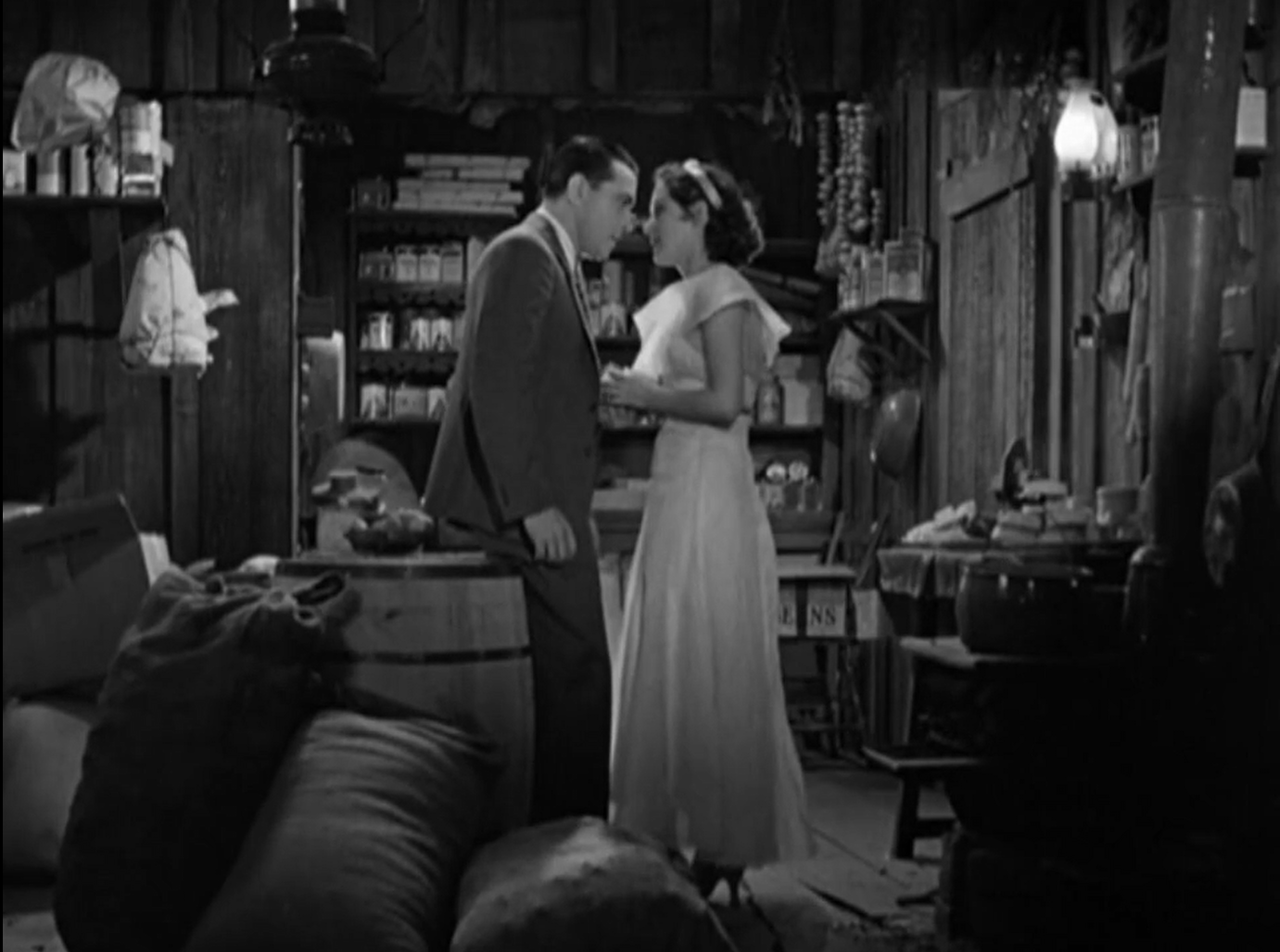
This pre-Code film by director Michael Curtiz is most notable for featuring Bette Davis in her breakthrough role, being seductively suggestive and mouthing a notorious line: “I’d like to kiss you, but I just washed my hair.”

The storyline itself is an old but still-valid one of class conflict in a working town with — surprise, surprise — the owners of a cotton plantation taking systemic advantage of their employees to the point of generational destitution.

Racial issues are notably muted; this is about whites versus whites, with Barthelmess literally a malleable pawn passed back and forth between two equally icky social groups. Of course, we’re meant to sympathize with the put-upon workers, who turn to theft and arson out of desperation — but it doesn’t help that they’re played (in several notable instances) as backwoods caricatures. Barthelmess’s performance is as wooden as they come, and we don’t learn enough about his hometown sweetheart (Dorothy Jordan) to root for their success as a couple.

Davis really does stand out as the notable feature of this film; she would go on to be nominated for an Oscar two years and 12 films (!) later in Of Human Bondage (1934).

Redeeming Qualities and Moments:

  • Notably racy pre-Code content (with Davis)

Must See?
No, though it’s worth a look for its relevance as Davis’s breakthrough role. Listed as a film with Historical Importance in the back of Peary’s book.

Links:

Mask of Dimitrios, The (1944)

Mask of Dimitrios, The (1944)

“Ingenuity is never a substitute for intelligence.”

Synopsis:
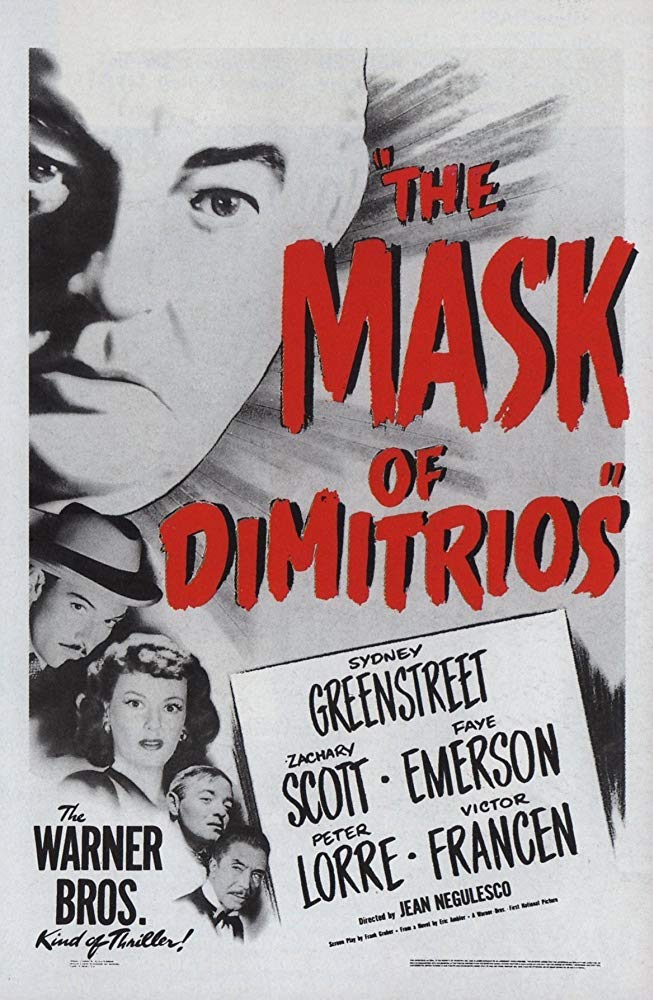
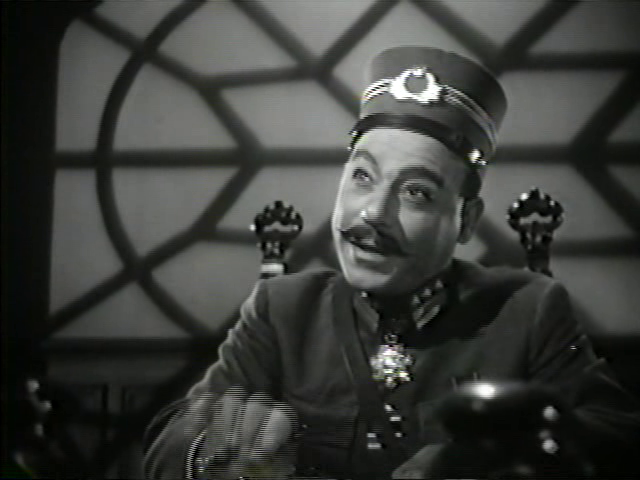
A Dutch mystery writer (Peter Lorre) travelling in Istanbul meets a local policeman (Kurt Hatch) who tells him the story of Dimitrios Makropolous (Zachary Scott), a now-deceased criminal who betrayed many. As Lorre travels across Europe to learn more about Dimitrios’ life (with the intent of crafting a new novel), he meets Dimitrios’s embittered ex-lover (Faye Emerson), a fleeced gambler (Steven Gergay), and a vengeance-seeking former accomplice (Sydney Greenstreet) willing to pay Lorre to help him out.

Genres, Themes, Actors, and Directors:

  • Flashback Films
  • Jean Negulesco Films
  • Peter Lorre Films
  • Revenge
  • Sydney Greenstreet Films
  • Writers
  • Zachary Scott Films

Review:
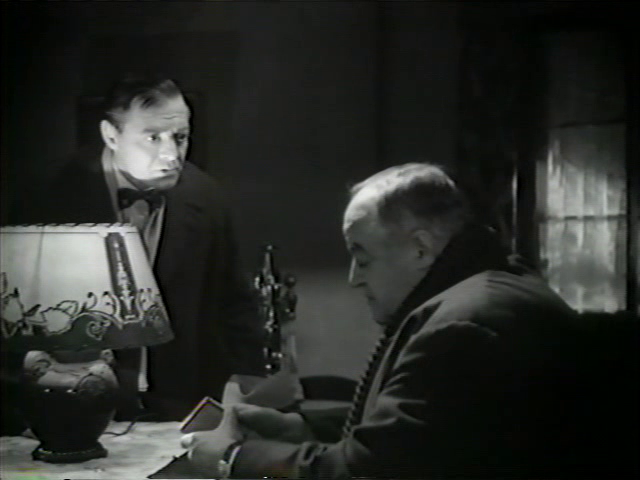
Peter Lorre and Sydney Greenstreet paired up in quite a few films during the 1940s, beginning with The Maltese Falcon (1941) and Casablanca (1942), then later teaming up in the Peary-listed Three Strangers (1946) (directed by Jean Negulescu) and The Verdict (1946) (directed by Don Siegel). This earlier outing by Negulescu — based on a novel by Eric Ambler — is another atmospheric, unusual flick, notable for allowing Lorre to play a non-creepy guy for once. The flashback-filled, cross-continental narrative weaves a complex tale of betrayal and vengeance, one which accurately portrays the wary mood of this war-time era; as DVD Savant writes in his review, “everybody looks potentially suspicious but nobody is immediately identifiable as a conspirator.” A major identity-based plot twist shifts everything into a different gear later on, and the ending is quite satisfying.

Redeeming Qualities and Moments:

  • Atmospheric cinematography


Must See?
Yes, once, as an unusual and atmospherically filmed outing.

Categories

  • Good Show

Links:

Moon Over Miami (1941)

Moon Over Miami (1941)

“Nobody knows anything about anybody.”

Synopsis:
A waitress (Betty Grable), her sister (Carole Landis), and her aunt (Charlotte Greenwood) travel undercover to Miami with plans to find a rich husband for Grable — but Grable falls for a penniless salesman (Don Ameche), Landis (posing as Grable’s secretary) falls for a millionaire (Robert Cummings), and Greenwood falls for a waiter (Jack Haley) intent on preventing gold diggers from achieving their goals.

Genres, Themes, Actors, and Directors:

  • Betty Grable Films
  • Carole Landis Films
  • Don Ameches Films
  • Gold Diggers
  • Love Triangle
  • Mistaken or Hidden Identities
  • Musicals
  • Robert Cummings Films
  • Romantic Comedy

Review:
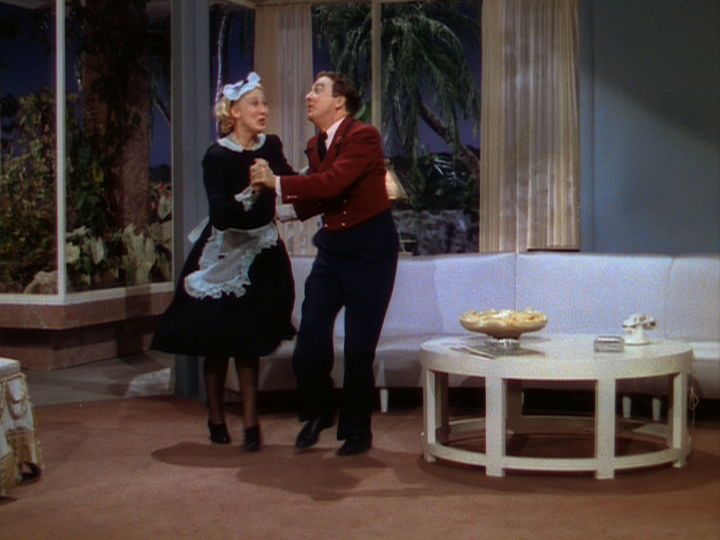
Betty Grable sparkles in this vibrantly filmed but dully scripted Technicolor musical, based on the slightest of mistaken identity/love triangle premises and designed to showcase escapist fantasies in Miami-for-the-rich. It’s fun to see Jack Haley (the Tin Man from The Wizard of Oz) in a non-metallic role, and the dance numbers are catchy. But it’s tough watching Grable fall for Ameche after their initial meet-not-so-cute:

Ameche: (Yawning with boredom at a late night party) “You know… you’re not very pretty… No, it’s not a beautiful face by a long ways. Cute, maybe, for people who like cuteness… I’ve been noticing your figure… It’s practically perfect, but it has no poetry. It’s built on architectural principles, like the sculpture on radiator caps. Your voice isn’t pitched very nicely, either — it suits your personality, but that doesn’t make it good.”

I suppose the point is to call him out as worthy of someone (Grable) who would stoop to deception and golddigging, but he’s simply not a likable character.

Redeeming Qualities and Moments:

  • Vibrant Technicolor cinematography

  • Some fun musical numbers, dances, and costumes

Must See?
No, though it’s worth a one-time look as fluffy escapist fare.

Links:

Conquest (1937)

Conquest (1937)

“Perhaps you have been made beautiful, that Poland might be made free.”

Synopsis:
Despite the disapproval of her much-older husband (Henry Stephenson), a young Polish countess (Greta Garbo) heeds a romantic call from Napoleon Bonaparte (Charles Boyer) on behalf of her nation.

Genres, Themes, Actors, and Directors:

  • Clarence Brown Films
  • Charles Boyer Films
  • Greta Garbo Films
  • Historical Drama
  • Infidelity
  • Romance
  • Royalty and Nobility

Review:
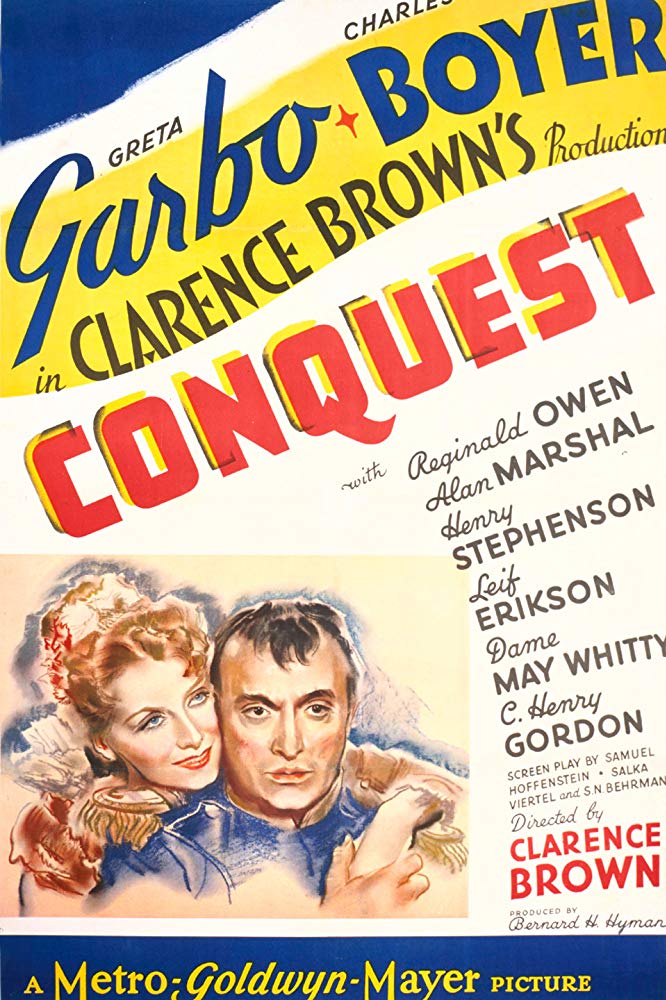
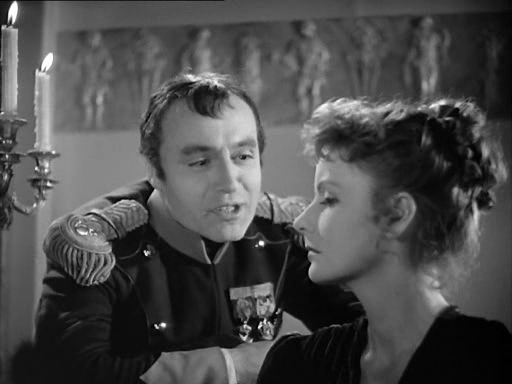
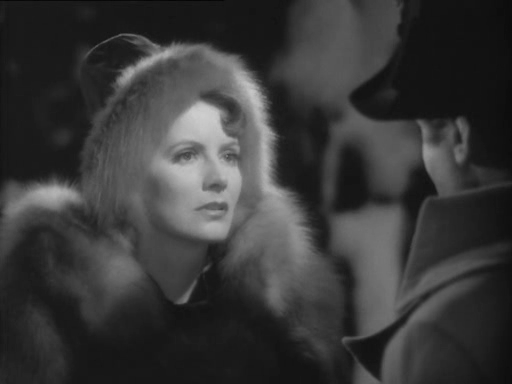
Greta Garbo’s final dramatic role was this biographical portrayal of Countess Marie Walewska, notorious for being Napoleon Bonaparte’s long-time lover out of patriotism (and eventually bearing one of his children). Boyer is satisfyingly convincing as Napoleon, embodying the emperor’s bearing with aplomb: this is a man unabashedly assured of his own importance on the world stage as well as his appeal to women. (Given that Boyer was 5’9 in real life and Garbo was 5’7.5, clever blocking and camerawork was also clearly done to make the physical impersonation even more convincing.) The storyline itself is fairly standard melodrama, if perhaps a bit more interesting than usual given it’s based on a true story — and Cedric Gibbons’ Oscar-nominated art direction is noteworthy (as are Adrian’s gowns). However, this film — which purportedly “lost more money for MGM than any other of its films during the period from 1920 to 1949” — is only must-see for diehard Garbo or Boyer fans.

Redeeming Qualities and Moments:

  • Charles Boyer as Napoleon Bonaparte
  • Greta Garbo as Countess Marie
  • Fine period sets and costumes

Must See?
No, though it’s worth a one-time look.

Links:

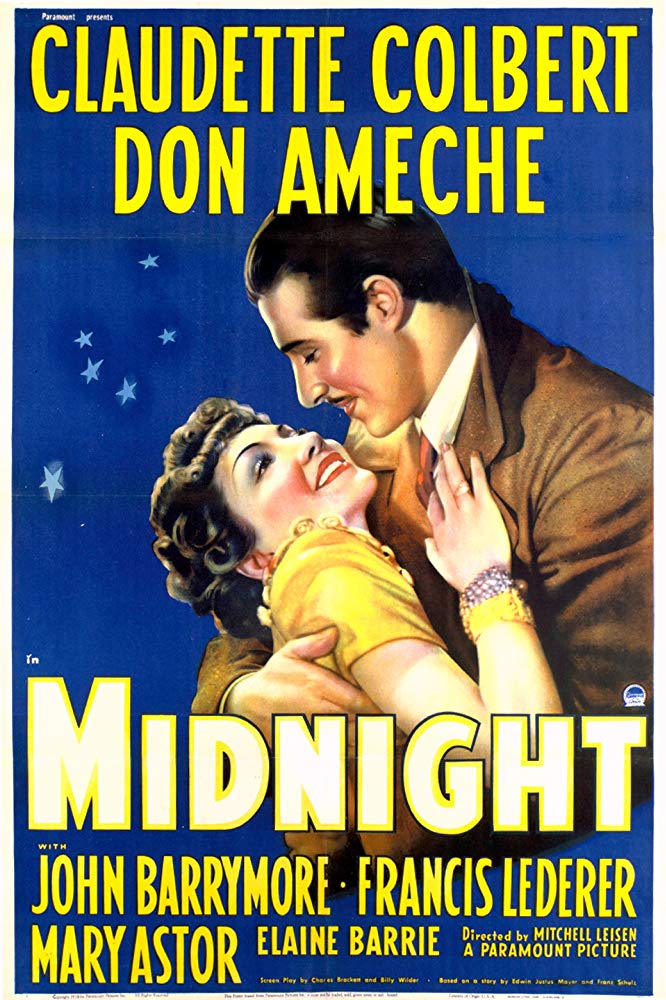
Midnight (1939)

Midnight (1939)

“When I was a child, they daren’t leave me in a room with an armchair.”

Synopsis:
A penniless showgirl (Claudette Colbert) posing as a baroness in Paris accepts an offer from a wealthy man (John Barrymore) to be seduced by his wife’s (Mary Astor’s) lover (Francis Lederer). Meanwhile, a taxi driver (Don Ameche) in love with Colbert does everything he can to find her.

Genres, Themes, Actors, and Directors:

  • Claudette Colbert Films
  • Don Ameche Films
  • John Barrymore Films
  • Love Triangle
  • Mary Astor Films
  • Mistaken or Hidden Identities
  • Mitchell Leisen Films
  • Monty Woolley Films
  • Romantic Comedy

Review:
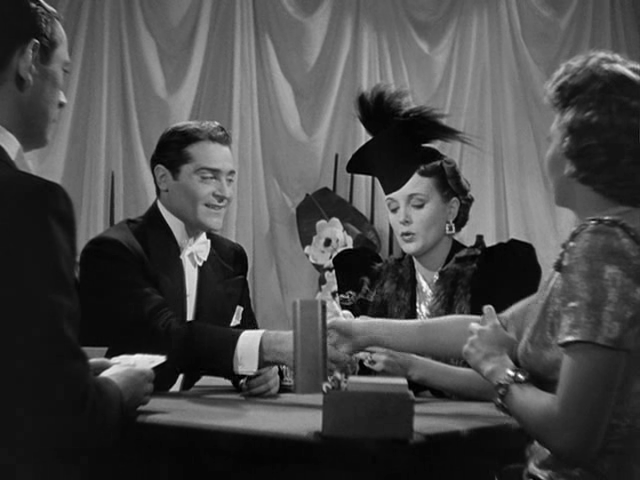
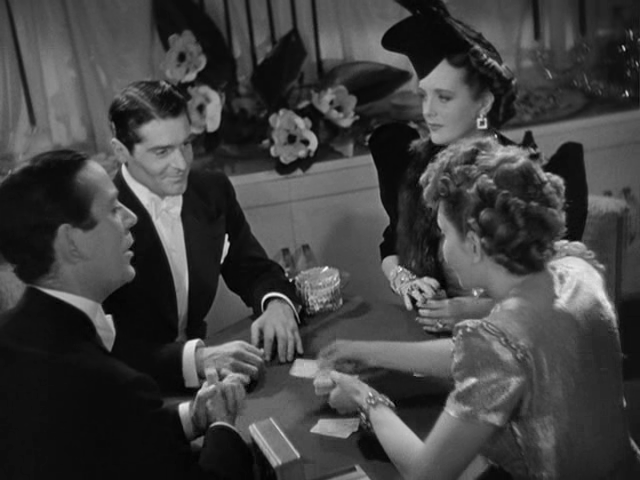
Mitchell Leisen directed this sparkling romantic comedy, released during what is commonly referred to as Hollywood’s Golden Year (1939) — and perhaps overlooked as a result. The screenplay by Charles Brackett and Billy Wilder — their second after the disappointing Bluebeard’s Eighth Wife (1938) — shows ample evidence of their potential for collaborative genius, which would later result in award-winning films such as The Lost Weekend (1945) and Sunset Boulevard (1950). The performances are all spot-on, but it’s really the script that deserves most credit, moving us quickly and engagingly into a milieu filled with posers, rivalry, self-preservation, and enormous hats.

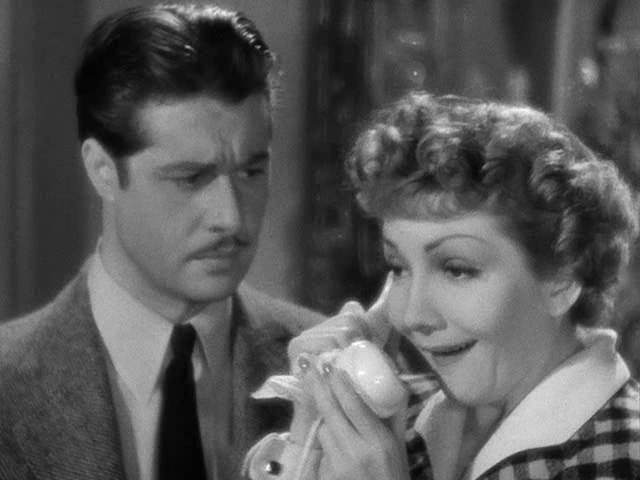
We’re never sure where each scene will lead to, and — like the characters — are consistently surprised by what comes next out of each person’s mouth. Colbert and Ameche (not to mention Rex O’Malley as Astor’s droll, fey sidekick):

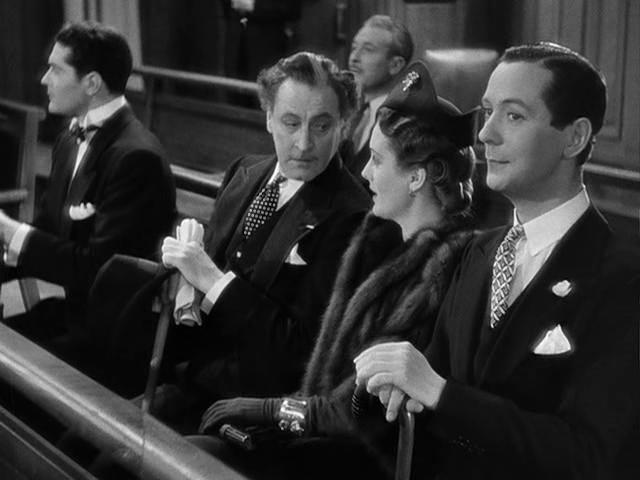
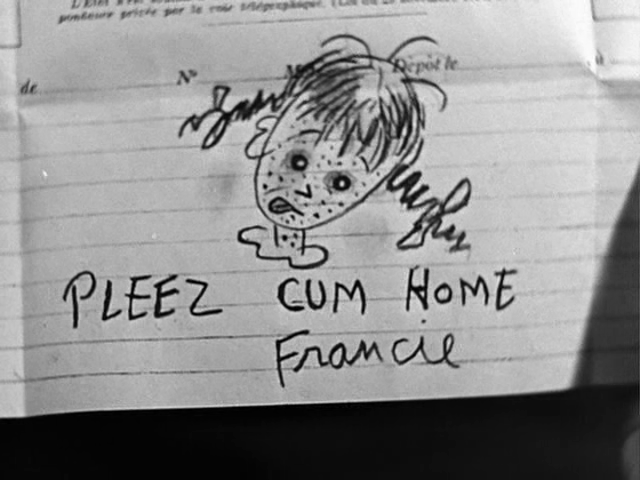
… prove themselves more than capable of surviving in a world of extreme snobbery and classism: working-class Ameche draws upon collective strength in motivating his fellow cab drivers to help him find Colbert:

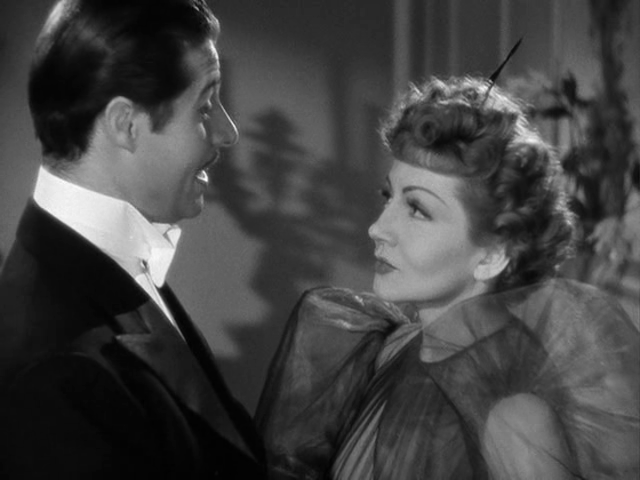
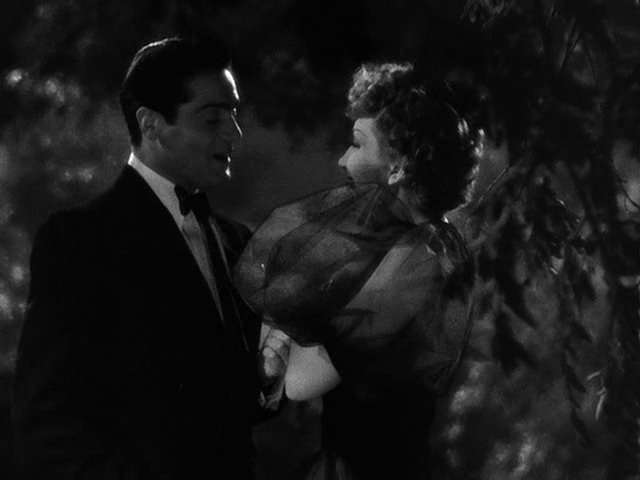
… while Colbert relies on both her beauty (Lederer is amusingly smitten the second he lays eyes on her) and quick wit to come up with on-the-spot rationales and back-stories for her newly adopted persona — including plenty of hilariously left-field (yet convincing) one-liners: “And yet, I had warning… Why else should his grandfather have sent me as an engagement present one roller skate covered with Thousand Island dressing?” This film is a treat to rediscover.

Note: For a detailed overview of Brackett and Wilder’s contentious yet successful decade-plus collaboration, click here.

Redeeming Qualities and Moments:

  • Claudette Colbert as Eleanor
  • Fine supporting performances across the board
  • Charles Lang’s cinematography
  • Many memorably zany moments
  • Charles Brackett and Billy Wilder’s consistently amusing screenplay:

    “I think [that hat is] a dream on you. You know, it does something for your face — it gives you a chin.”

Must See?
Yes, as an all-around good show and classic screwball.

Categories

  • Genuine Classic

Links:

Midsummer Night’s Dream, A (1935)

Midsummer Night’s Dream, A (1935)

“Lovers and madmen have such seething brains — such wild imaginings that apprehend more than cool reason ever comprehends.”

Synopsis:
In mythical Greece, several storylines intersect to wreak magical havoc: beautiful Hermia (Olivia de Havilland) is in love with Lysander (Dick Powell), but has been told by her father (Grant Mitchell) that she must marry Demetrius (Ross Alexander), who is pursued by lovestruck Hermia (Jean Muir); a team of actors, including Bottom the Weaver (Jimmy Cagney), gather to rehearse a play in honor of the upcoming marriage between a duke (Ian Hunter) and his fiancee (Verree Teasdale); and when the king of the fairies (Victor Jory) is displeased by his wife Titania’s (Anita Louise) disobedience, he orders the fairy Puck (Mickey Rooney) to cast naughty spells — including turning Bottom into a donkey and causing Titania to fall in love with a literal ass.

Genres, Themes, Actors, and Directors:

  • Actors and Actresses
  • Dick Powell Films
  • Fantasy
  • Ian Hunter Films
  • Jimmy Cagney Films
  • Living Nightmare
  • Love Triangle
  • Mickey Rooney Films
  • Mistaken or Hidden Identities
  • Olivia de Havilland Films
  • Play Adaptations
  • Royalty and Nobility
  • Shakespeare
  • Star Crossed Lovers
  • William Dieterle Films

Review:
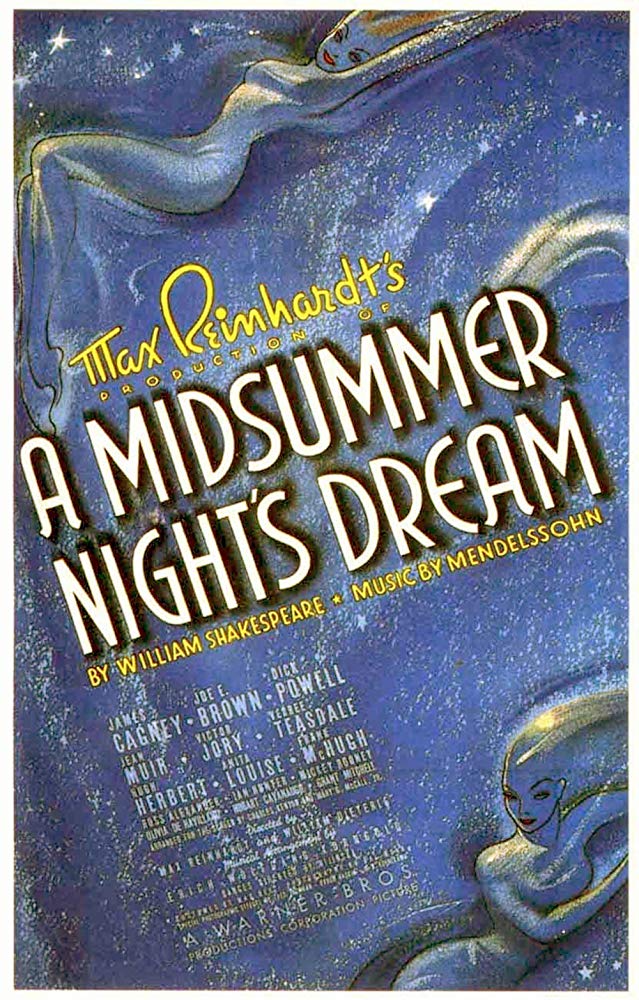
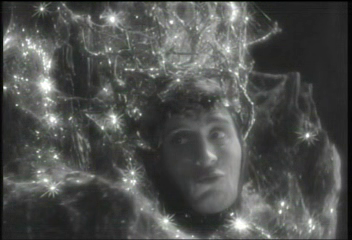
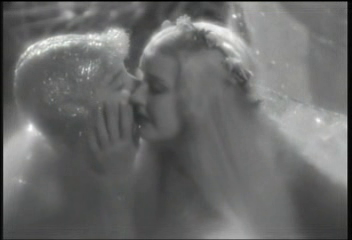
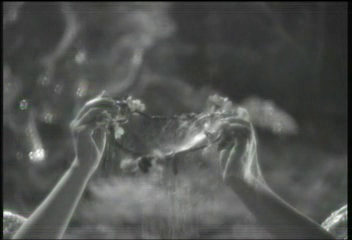
William Dieterle directed this adaptation of Max Reinhardt‘s famed theatrical production of Shakespeare’s romantic comedy featuring lovers, actors, nobility, fairies, mixed identities, sleep, dream, and mischief. It’s about an hour too long, rambles, and doesn’t always cohere — but it remains an entirely unique cinematic outing on numerous counts. The sets, costumes, and special effects transport us to an ethereal, almost undefinable time and space, and we’re frequently shown images and characters — i.e., the big-eared bald creatures (who are they?) — unlike anything else seen in movies of this period. Rooney, while annoying, is well-cast as Puck; Cagney has a field day getting hyper and hee-hawing as Bottom; and earnest de Havilland (in her movie debut) sparkles with angst and love. Fans of Some Like it Hot (1959) will surely enjoy seeing Joe E. Brown in an early role (cross-dressing, no less) — and while the final theatrical performance put on by Cagney’s troupe at the wedding feels like a lengthy addendum to an already-overlong show, it’s an invaluable glimpse at what broad comedy during Shakespeare’s time might have looked like. Be sure to check out TCM’s article for more information on this unusual production, which opened to mixed reviews but was critically lauded for its artistic elements (including the dance numbers and numerous dream-like sequences).

Redeeming Qualities and Moments:

  • Luminous sets and costumes

  • Byron Haskin’s special effects

  • Hal Mohr’s cinematography

Must See?
Yes, once, as an unusual Hollywood outing. Listed as a film with Historical Importance in the back of Peary’s book.

Categories

  • Historically Relevant

Links: