Browsed by
Category: Original Reviews

Responses to Peary’s “must see” movie reviews, as well as my own “must see” movie reviews up to and after 1986 (when Peary’s book was published).

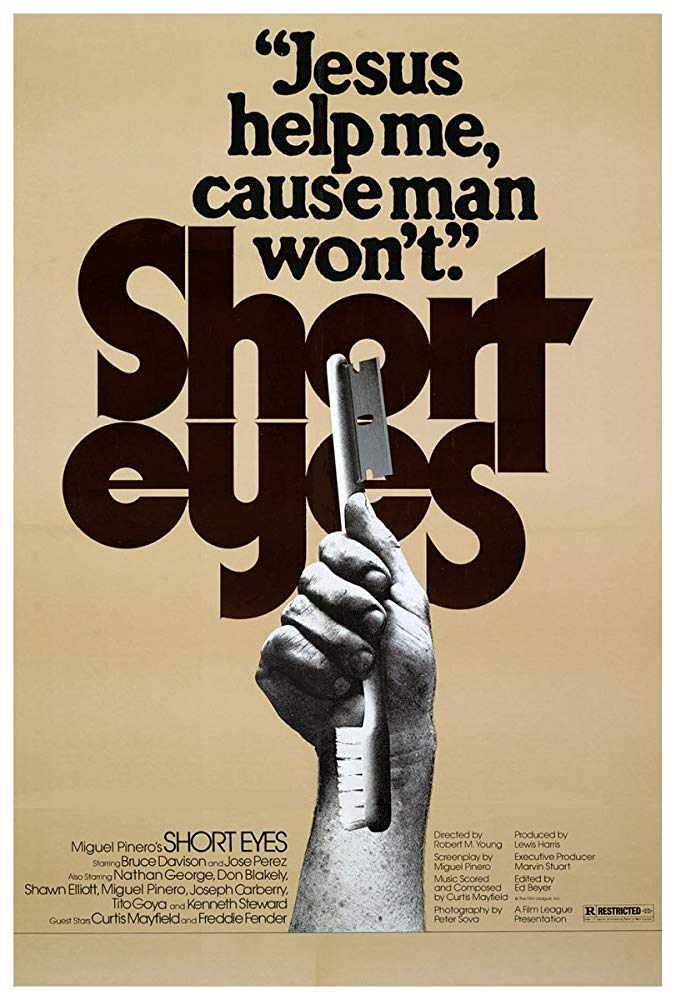
Short Eyes (1977)

Short Eyes (1977)

“I didn’t know you had a mother; I didn’t know human beings gave birth to dogs.”

Synopsis:
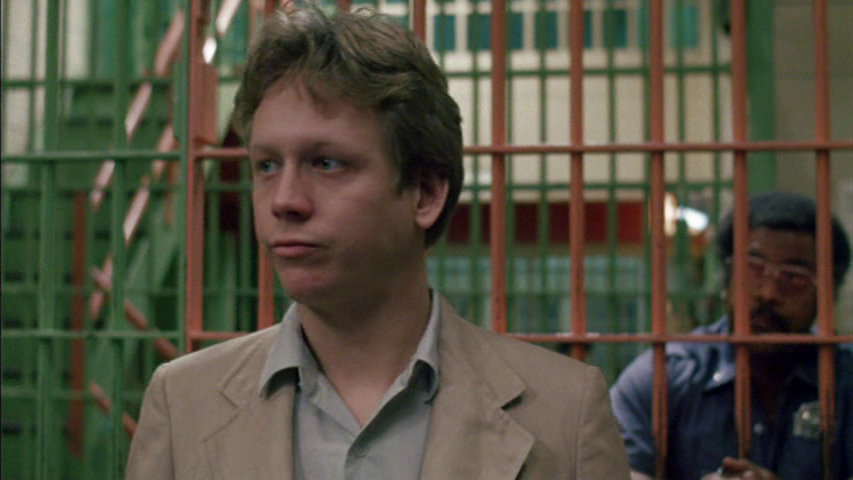
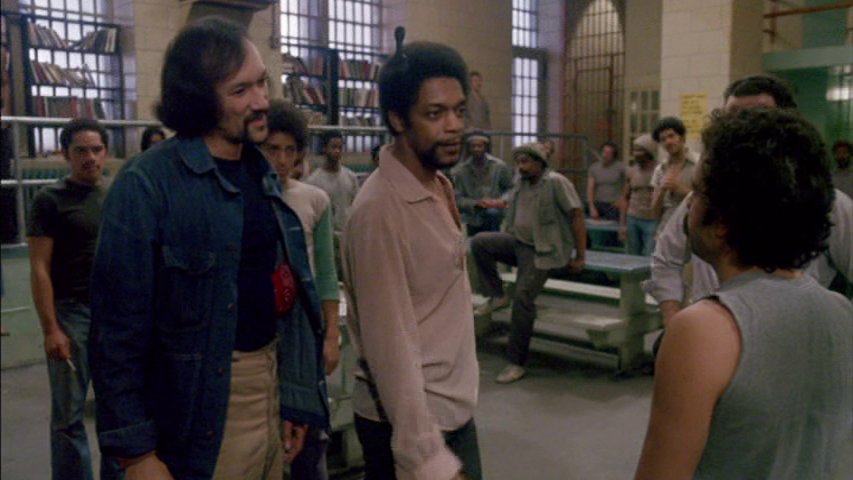
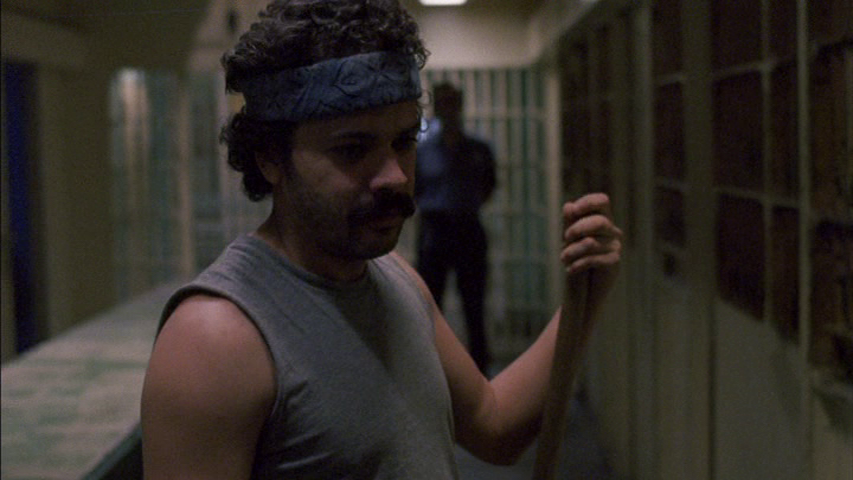
When a white child molester (Bruce Davison) arrives in prison, he meets a variety of fellow inmates — including a white leader (Joseph Carberry), a black Muslim leader (Don Blakely), a handsome young Puerto Rican (Tito Goya), a surly Puerto Rican (Shawn Elliott) with an eye for Goya, and and a father-figure Puerto Rican (Jose Perez) who attempts to keep the peace.

Genres, Themes, Actors, and Directors:

  • Play Adaptations
  • Prisoners

Review:
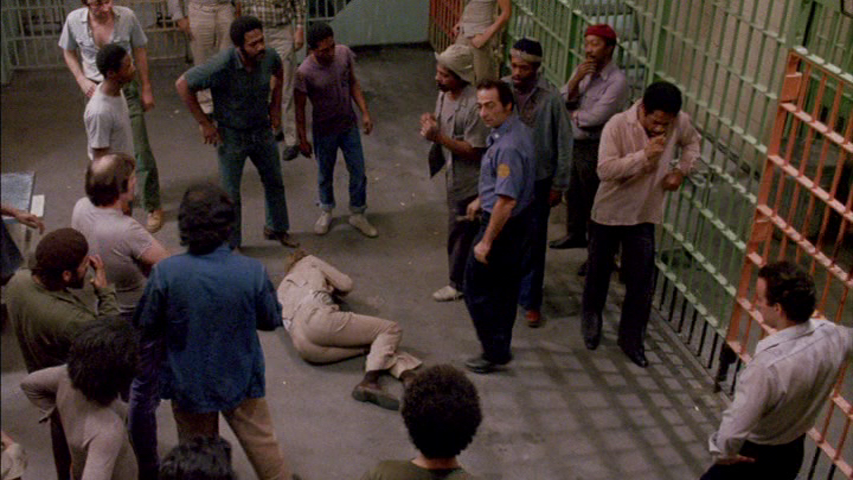
Robert M. Young directed this adaptation of a play by former prisoner Miguel Piñero — clearly someone who knew this setting and understood how the introduction of a child predator (the lowest of the low in prison) would bring instant suspense to an already tension-filled situation. Other than one overly lengthy explanatory monologue by Davison (playing an undeniably tricky character), the screenplay comes across as authentic: we believe in this setting, these characters, and the natural conflicts (racial, sexual, and otherwise) that arise between them. Young (filming on location in “The Tombs” of New York) and Piñero impressively highlight both the claustrophobia and the camaraderie of the prison — including the complicated role of complicity played by correctional officers — and the entire ensemble cast is both believable and natural. (An interview with Young on the DVD indicates that he was highly intentional in the casting — including switching out one actor in a key role when it was clear he wasn’t a good fit, and hiring numerous former convicts and ex-junkies as extras.)

Note: “Short eyes” is a slang term created by Piñero to refer to child molesters.

Redeeming Qualities and Moments:

  • Fine performances by the ensemble cast


  • Strong direction and cinematography in a confined location

Must See?
Yes, as a powerful prison drama. Listed as a Sleeper and a Personal Recommendation in the back of Peary’s book.

Categories

  • Good Show

Links:

Roxie Hart (1942)

Roxie Hart (1942)

“A pretty murderess is as safe here as she is in her mother’s arms!”

Synopsis:
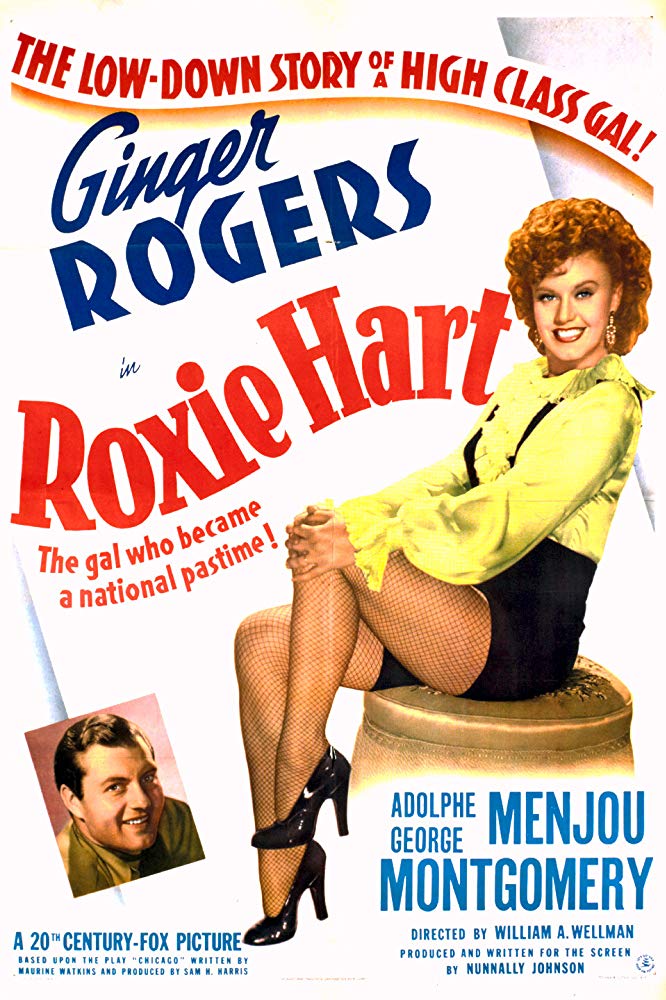
A reporter (George Montgomery) recounts the story of a performer (Ginger Rogers) advised by her agent (Lynne Overman) to take the rap for a murder committed by her husband (George Chandler) in order to give her career a boost — and who received ample coaching from her lawyer (Adolphe Menjou) in using her femininity to convince the media, the jury, and the public of her innocence.

Genres, Themes, Actors, and Directors:

  • Adolphe Menjou Films
  • Comedy
  • Courtroom Drama
  • Flashback Films
  • Ginger Rogers Films
  • Media Spectacle
  • Play Adaptation
  • William Wellman Films

Review:
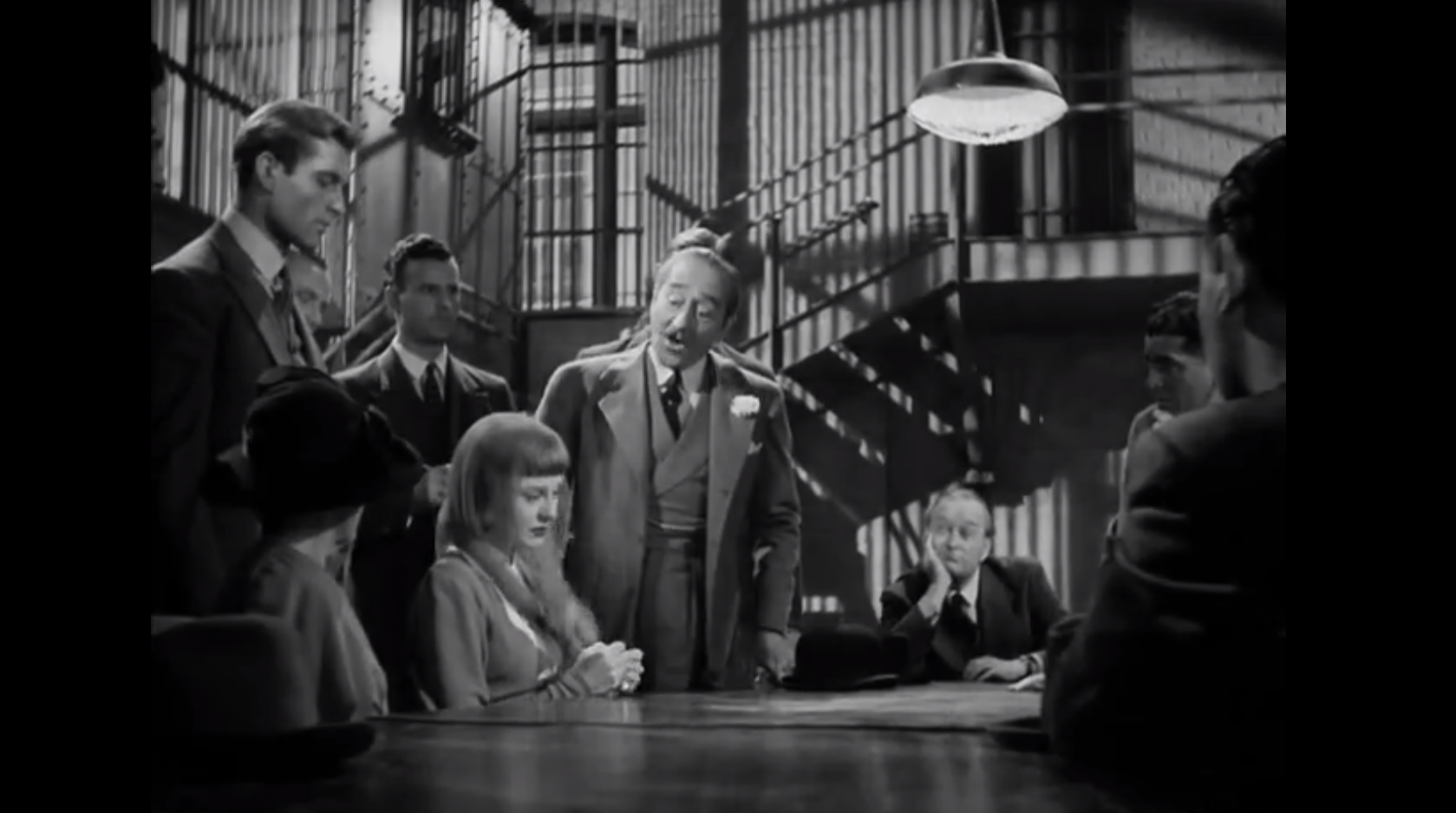
This early screen adaptation of Maurine Dallas Watkins‘ 1926 play Chicago — turned into a Broadway musical in 1975, which was then adapted as the 2002 Oscar-winning film — was based on the real-life stories of Beulah Annan and Belva Gaertner, and gives ample credence to the notion that “feminine wiles” will get you plenty-far (and may save your life) in the American court system. Unfortunately, the entire affair is over-played to an extreme: Rogers’ scheming ‘Roxie Hart’ smacks gum and preens in front of her various audiences like a caricature of a wind-up doll, and the rest of the cast plays along in kind. It’s too bad there’s no subtlety here whatsoever, given that the topic — are women treated preferentially in court cases and the media, given their ability to turn on their charm and sexuality, weep at will, and get pregnant? — is well worth a closer look. (It’s been too long since I watched the 2002 remake for me to comment on how well it succeeds in this arena.) The idea of the media and the public going wild for any kind of spectacle, and turning on a dime as soon as something else piques their interest, certainly remains true enough: the scene showing two versions of a newspaper ready for selling, depending on Roxie’s verdict, nicely depicts an old-school version of Twitter, as a vendor listens down on the street for news from the courtroom up above, then tosses out the appropriate version within seconds. However, both screenwriter Nunnally Johnson and director William Wellman try far too hard for laughs; as noted by Bosley Crowther in his review for the New York Times:

Mr. Johnson and Mr. Wellman, who directed, have squeezed every laugh they could from it. As a matter of fact, one fault is that they have squeezed just a bit too hard. A gag such as a box full of jurors gawking at Miss Rogers’s legs or a judge jumping into a news picture is funny when pulled once or twice. But several times is too many.

Indeed; it’s a good thing this film is only 75 minutes long.

Redeeming Qualities and Moments:

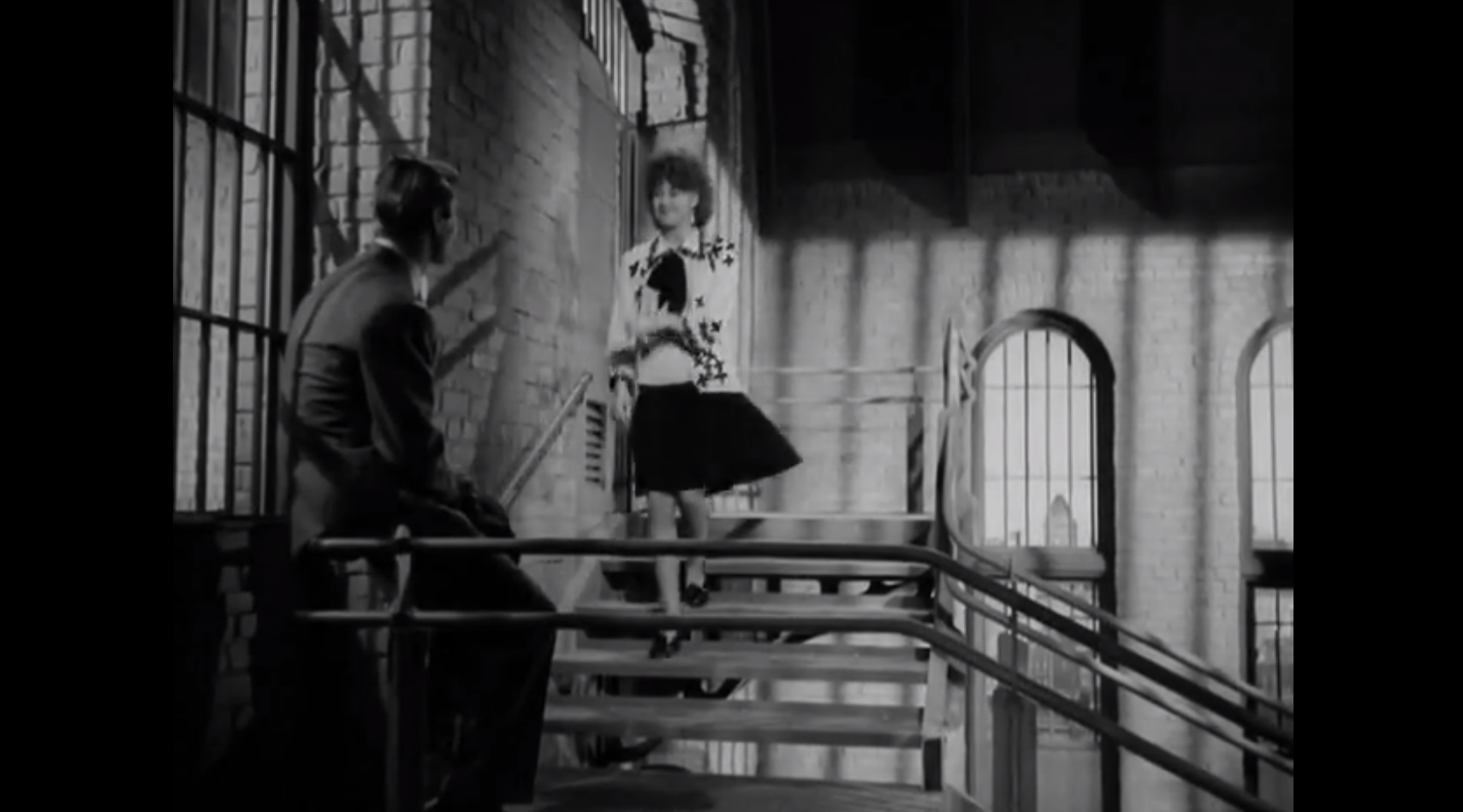
  • Roxie’s impressive tap-dance on a metal staircase (choreographed by Hermes Pan)
  • Atmospheric cinematography by Leon Shamroy

Must See?
Nope; feel free to skip this one.

Links:

Darling Lili (1970)

Darling Lili (1970)

“Try to look reasonably happy. After all, it isn’t every day that a German spy is awarded the French Legion of Honor.”

Synopsis:
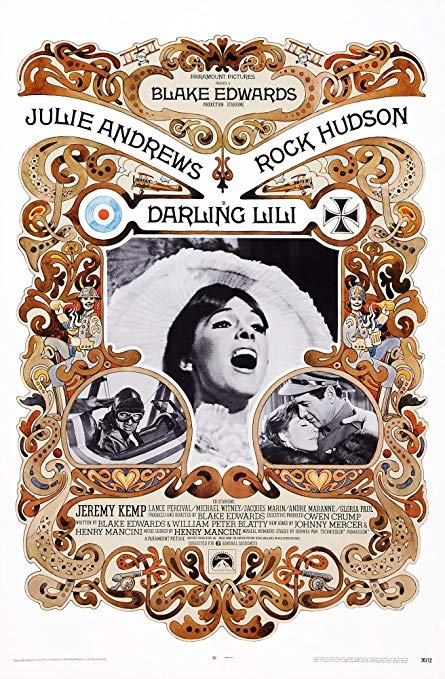
During World War I, when a German spy (Julie Andrews) posing as a dance hall singer falls for an allied pilot (Rock Hudson), she puts herself and others at risk.

Genres, Themes, Actors, and Directors:

  • Blake Edwards Films
  • Historical Drama
  • Julie Andrews Films
  • Musicals
  • Niall MacGinnis Films
  • Rock Hudson Films
  • Romance
  • Singers
  • Spies
  • World War I

Review:
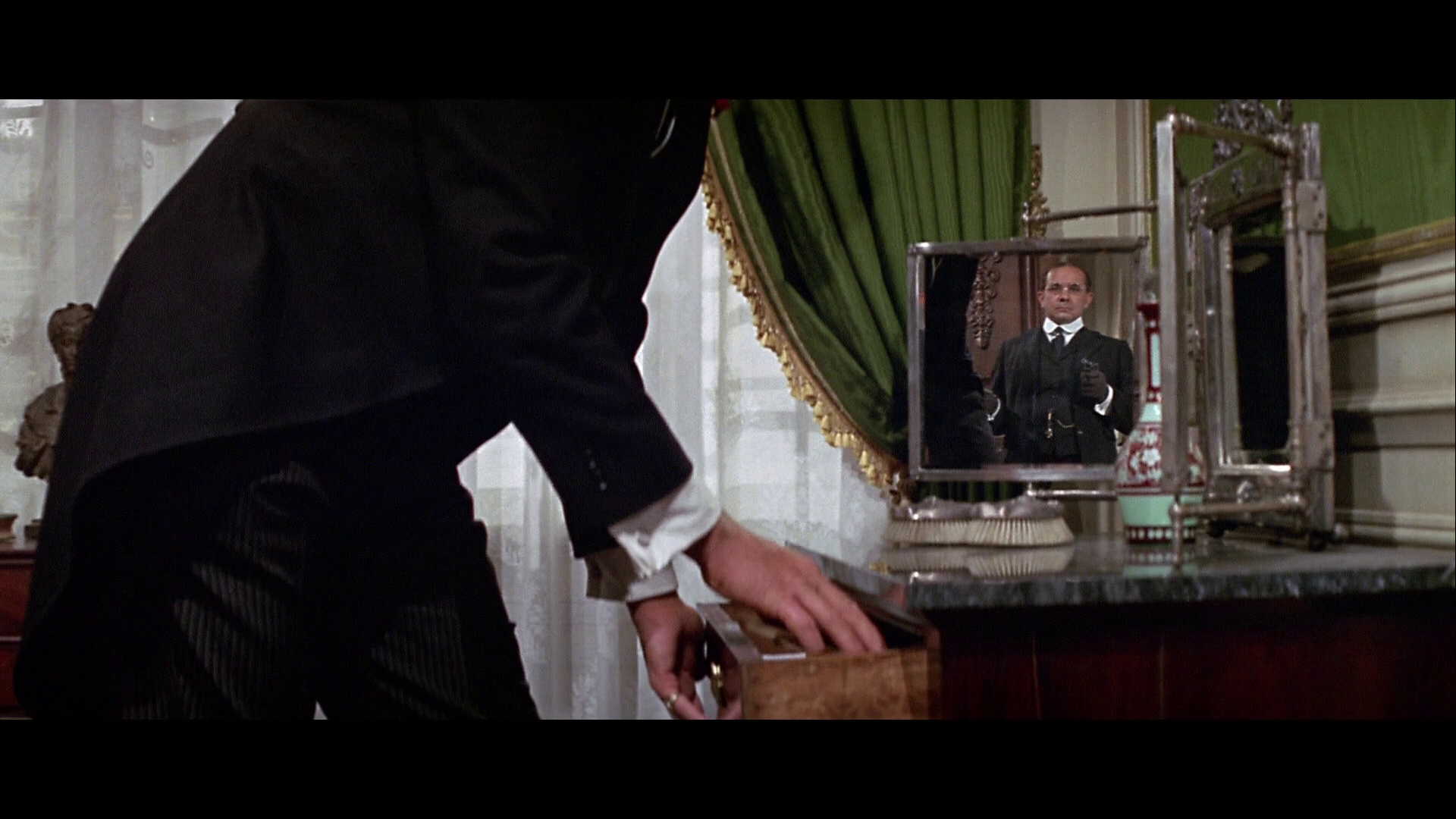
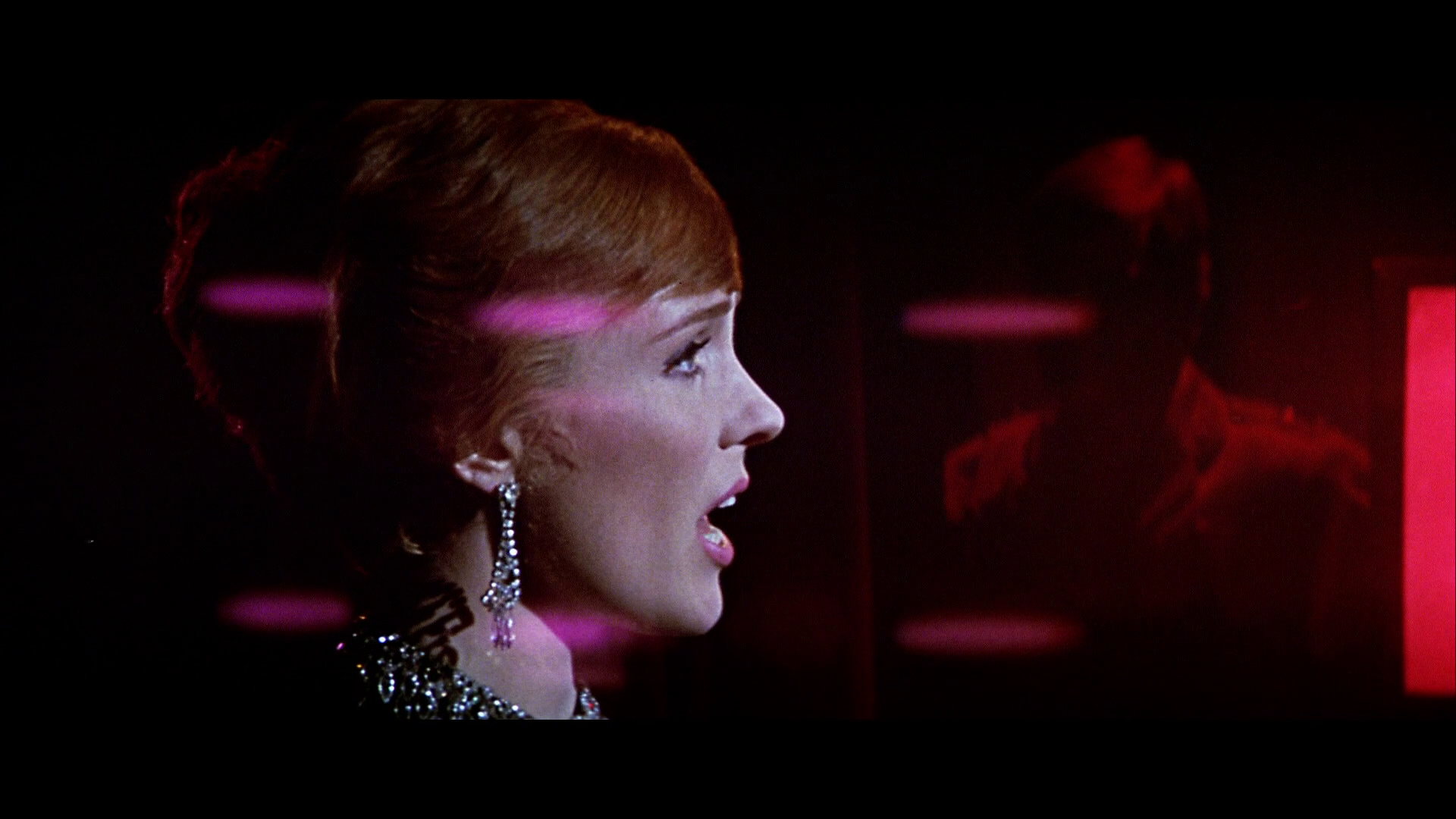
Julie Andrews gamely tries her best in this colorful period-piece smash-up (directed by Blake Edwards) of a Mata Hari-like German spy/singer who allows her objectivity to be foiled by her romantic attraction to Hudson’s studly fighter pilot, and is followed by bumbling inspectors who appear to belong in a Pink Panther flick. In his scathing but telling review, DVD Savant notes that the “problem is a fundamentally inconsistent character in a dumb story, and a Hollywood system that thought it could make a foolproof attraction just by throwing millions into a picture with Julie Andrews on the marquee.” The best elements of this costly bomb are the colorful cinematography (though be forewarned, as Savant notes, that “Many scenes are long-lens coverage of people walking along rivers or luxuriating in beds, until the camera racks focus to reveal a giant flower in the foreground.”) and period sets.

Redeeming Qualities and Moments:

  • Fine period detail
  • Effective cinematography

Must See?
No; you can skip this one unless you’re a Julie Andrews completist.

Links:

Wet Parade, The (1932)

Wet Parade, The (1932)

“Can’t you two stop foisting your family nightmares on the rest of the world?”

Synopsis:
After her alcoholic father (Lewis Stone) commits suicide out of shame, a young woman (Dorothy Jordan) concerned about her hard-drinking brother (Neil Hamilton) follows him to Chicago, where he’s working in a hotel run by an alcoholic (Walter Huston) and his tee-totaling son (Robert Young). When alcohol-related tragedy strikes Young’s household as well, he and Jordan (who have fallen in love) decide to join forces in Prohibition’s fight against bootlegged liquor.

Genres, Themes, Actors, and Directors:

  • Alcoholism and Drug Addiction
  • Lewis Stone Films
  • Morality Police
  • Myrna Loy Films
  • Prohibition Era
  • Robert Young Films
  • Victor Fleming Films
  • Walter Huston Films

Review:
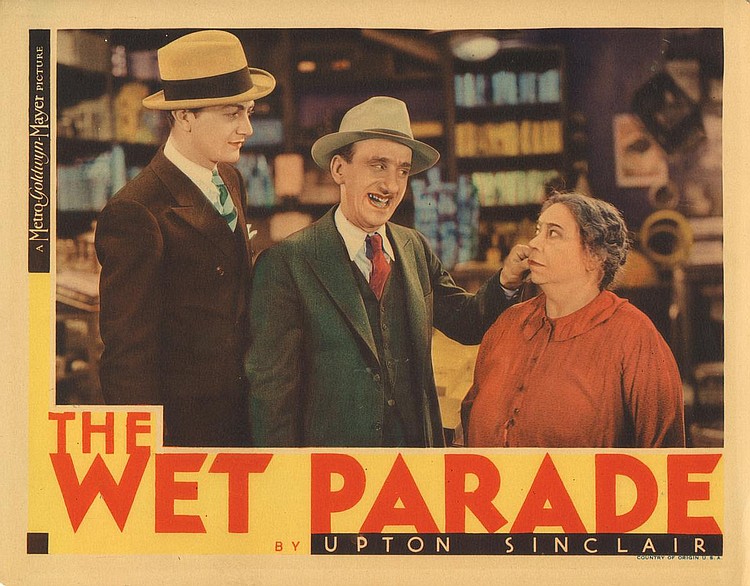
This Pre-Code drama (based on a 1931 novel by Upton Sinclair) about the emergence of Prohibition tells a powerfully interwoven tale of two families impacted by both alcohol and America’s failed attempts to eradicate its production and distribution. Made during the tail-end of Prohibition (which lasted from 1920-1933), this film is clearly critical of the soon-to-be-abolished constitutional amendment, while also sympathetically establishing the rationale for its roots. Each scene builds dramatically upon the next, showcasing a cast of characters whose motivations range from simply enabling their own addiction, to making a buck off of ignorant consumers, to attempts to reduce suffering through elimination of both legitimately produced alcohol and its toxic replacements. Young and Huston turn in especially impactful performances, showing the tragedy of a grown son watching his father destroy his life. Thankfully, the ending is hopeful, prophesying that all will be remedied by the time the new generation comes of age — not true, of course, but at least strides to understand and address alcoholism as a disease have been made since then. Ken Burns and Lynn Novick’s 5.5 hour documentary series Prohibition (2011) is strongly recommended as accompanying viewing for this film.

Note: Watch for Jimmy Durante in a comic relief role (doing his “ha-cha-cha-cha” schtick) as Young’s colleague, and Myrna Loy as Hamilton’s cynical girlfriend.

Redeeming Qualities and Moments:

  • Robert Young and Walter Huston as Kip and Pow Tarleton
  • George Barnes’ cinematography
  • A powerful historical glimpse at Prohibition and its impacts

Must See?
Yes, as a fine film showing a critical era in American history.

Categories

  • Historically Relevant

Links:

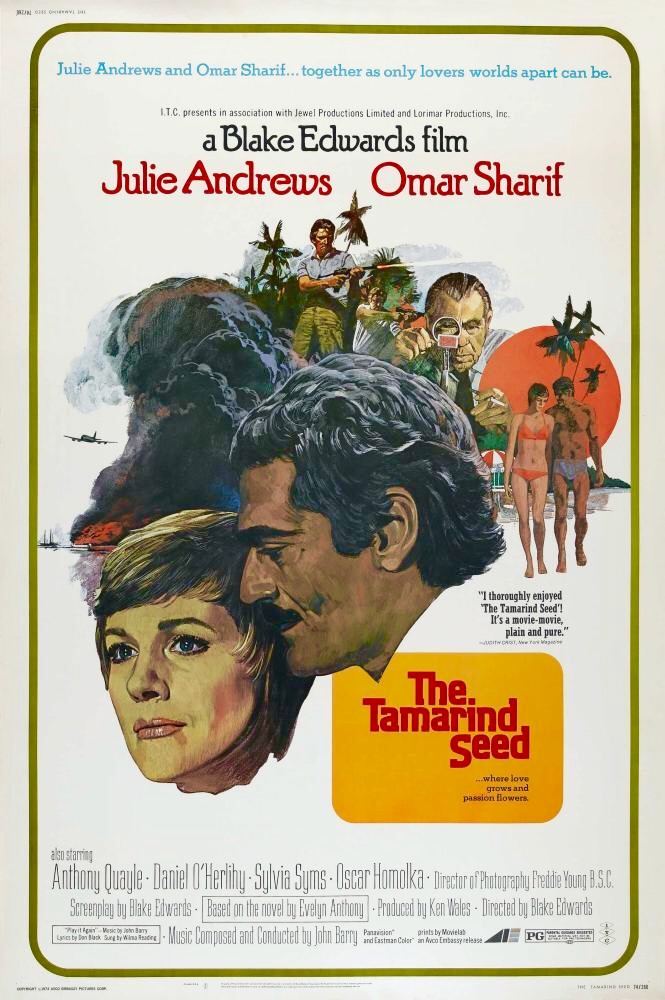
Tamarind Seed, The (1974)

Tamarind Seed, The (1974)

“There is no force outside this world which gives justice to the weak.”

Synopsis:
During the Cold War, a British Home Office employee (Julie Andrews) falls for a Russian attache (Omar Sharif) while vacationing in Barbados, but refuses to become romantically involved. Is Sharif being truthful when he tells her he’s become disillusioned with the Soviet Union — or is Andrews’ superior (Anthony Quayle) correct in assuming he’s recruiting her to be a spy?

Genres, Themes, Actors, and Directors:

  • Anthony Quayle Films
  • Blake Edwards Films
  • Cold War
  • Julie Andrews Films
  • Mistaken or Hidden Identities
  • Omar Sharif Films
  • Romance
  • Spies

Review:
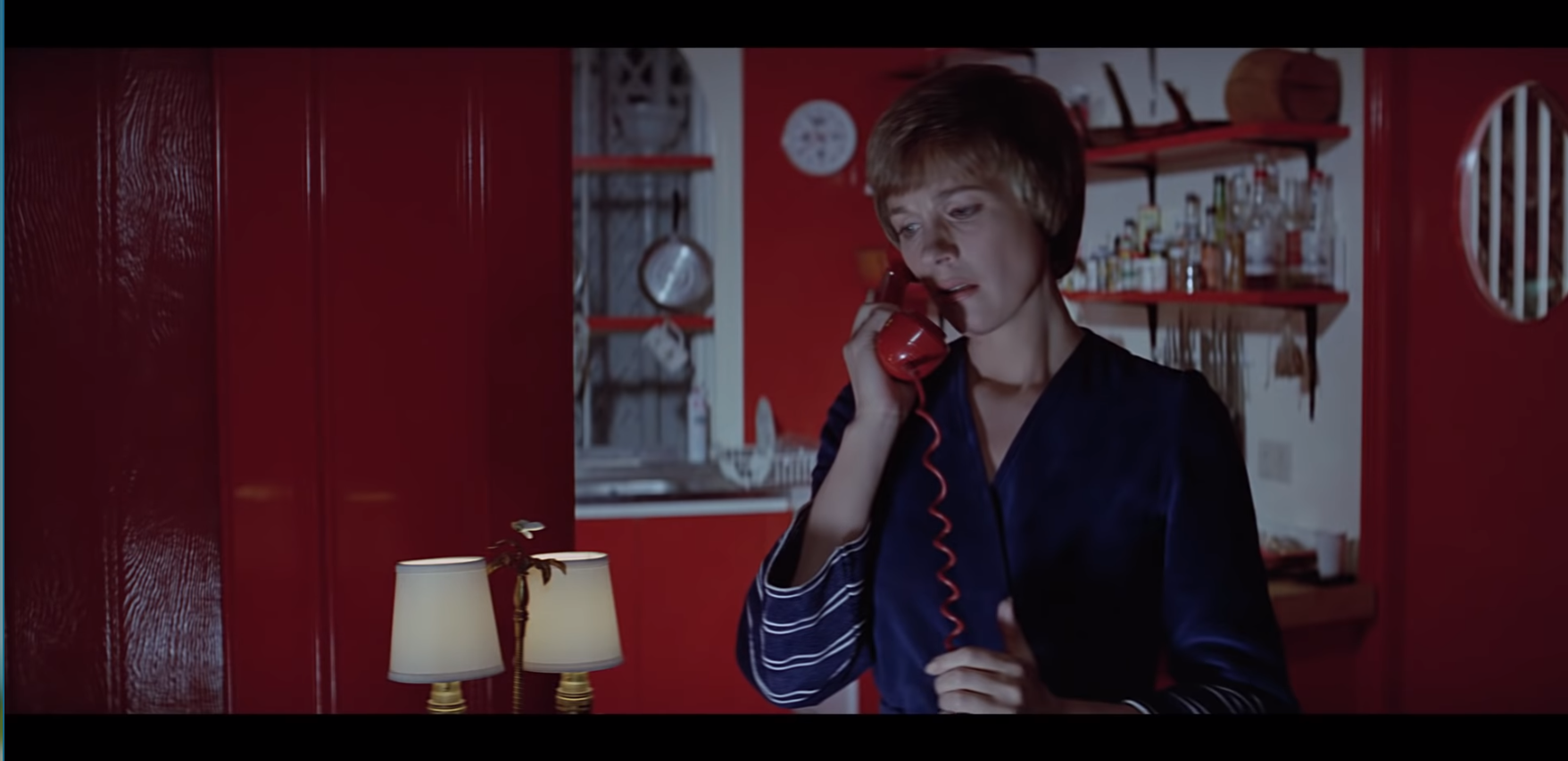
Julie Andrews cracks nary a smile (and certainly not a song) in this somber but reasonably engaging romantic drama — directed by Blake Edwards, whose screenplay was adapted from a 1971 novel by Evelyn Anthony — about uncertain loyalties and chronic distrust during the Cold War. The production design and cinematography (with fine on-location shooting in Barbados, Paris, and England) are solid, and John Barry’s score adds tension at key moments. Unfortunately, the tentative romance itself takes too long to fully spark; Andrews is right to be skeptical but — oddly — comes across as a bit too reserved and pragmatic.

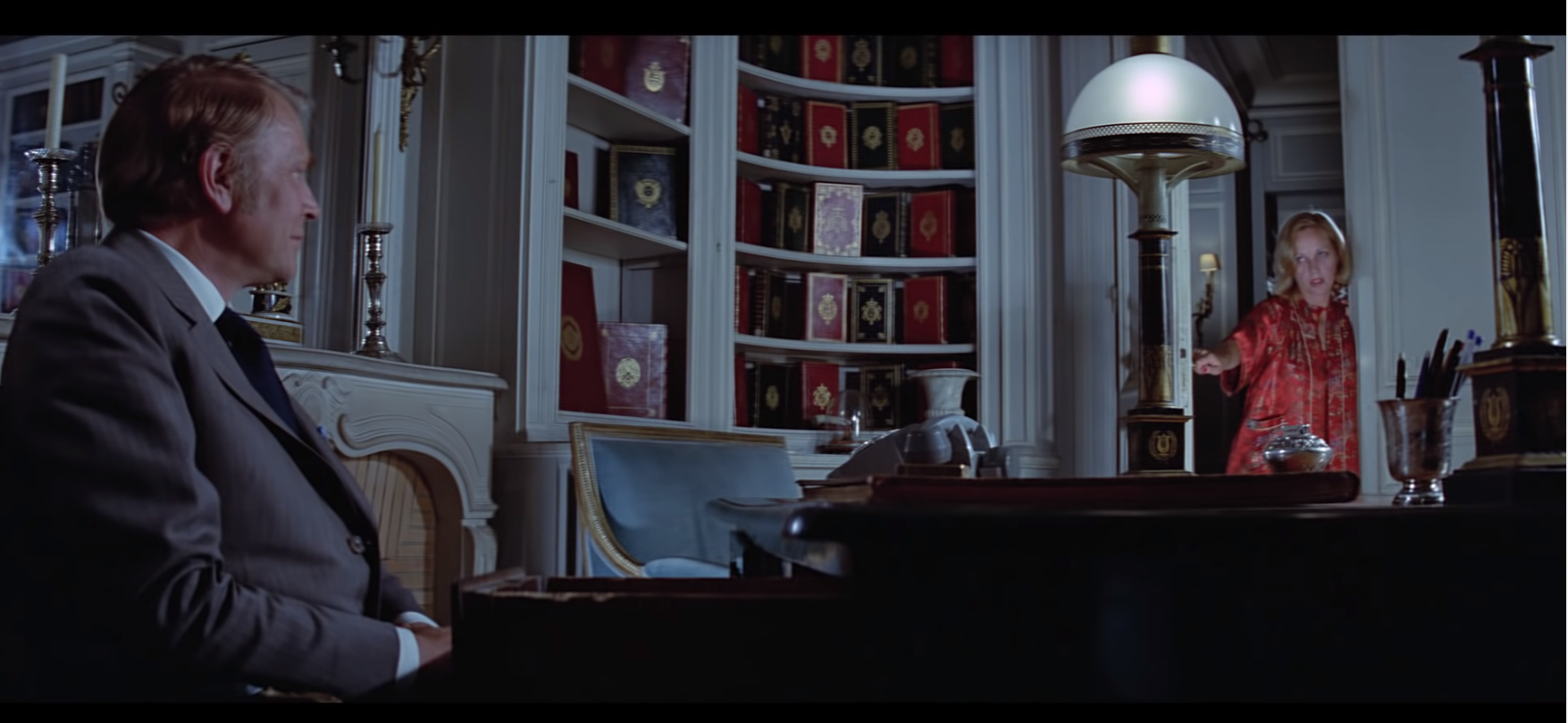
Much more exciting are behind-the scenes tensions involving a closeted gay diplomat (Dan O’Herlihy) whose wife (Sylvia Syms, giving an emotionally charged performance) discovers evidence of deception; it’s too bad their story isn’t front and center.

Redeeming Qualities and Moments:

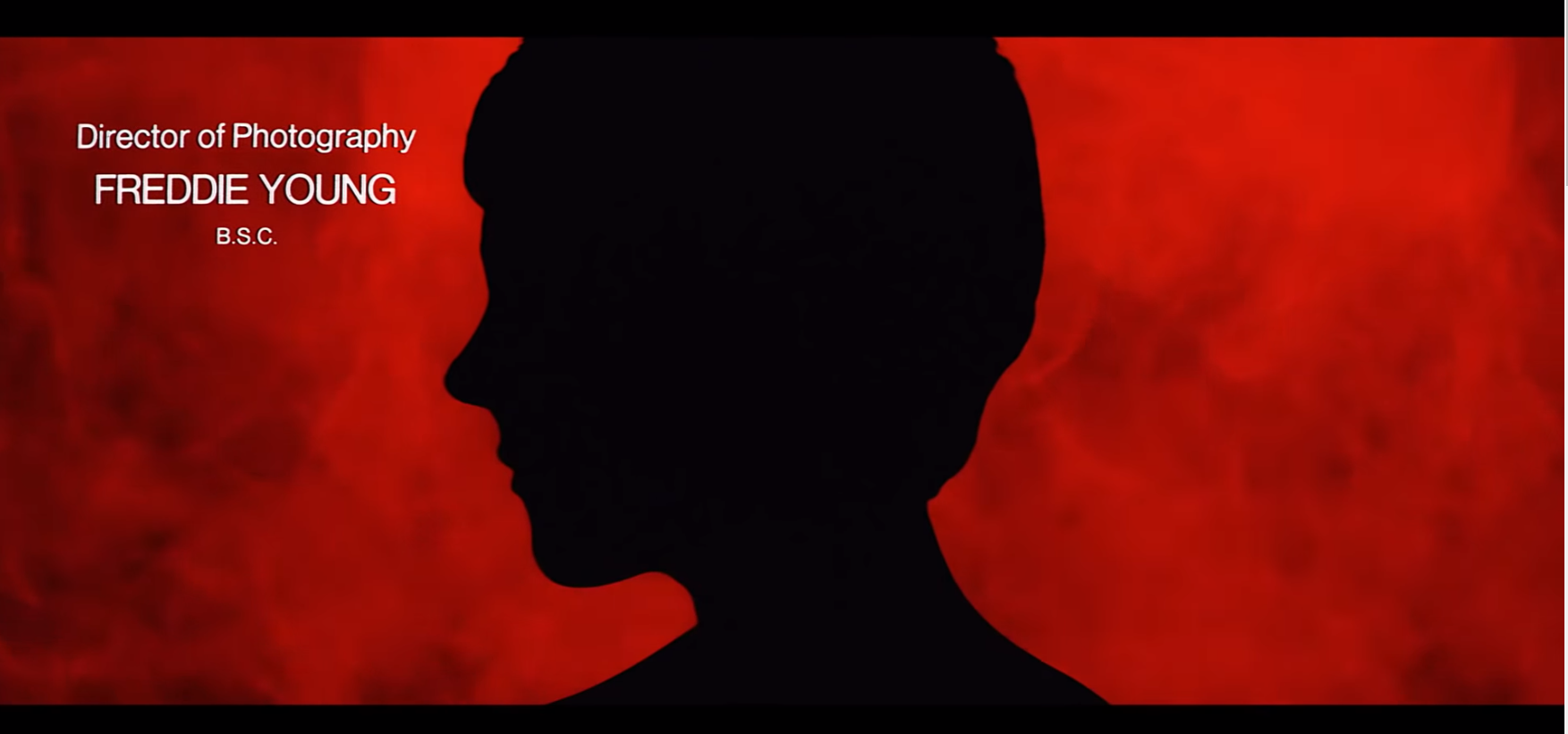
  • Maurice Binder’s creative opening credits
  • Fine production design

  • Sylvia Syms as Margaret
  • Freddie Young’s cinematography
  • John Barry’s score

Must See?
No, but it’s recommended for one-time viewing. Listed as a Sleeper in the back of Peary’s book, which makes sense.

Links:

Since You Went Away (1944)

Since You Went Away (1944)

“You mustn’t fool yourself! That would be the worst thing of all. You’ve got to face it, as hard and cruel as it is.”

Synopsis:
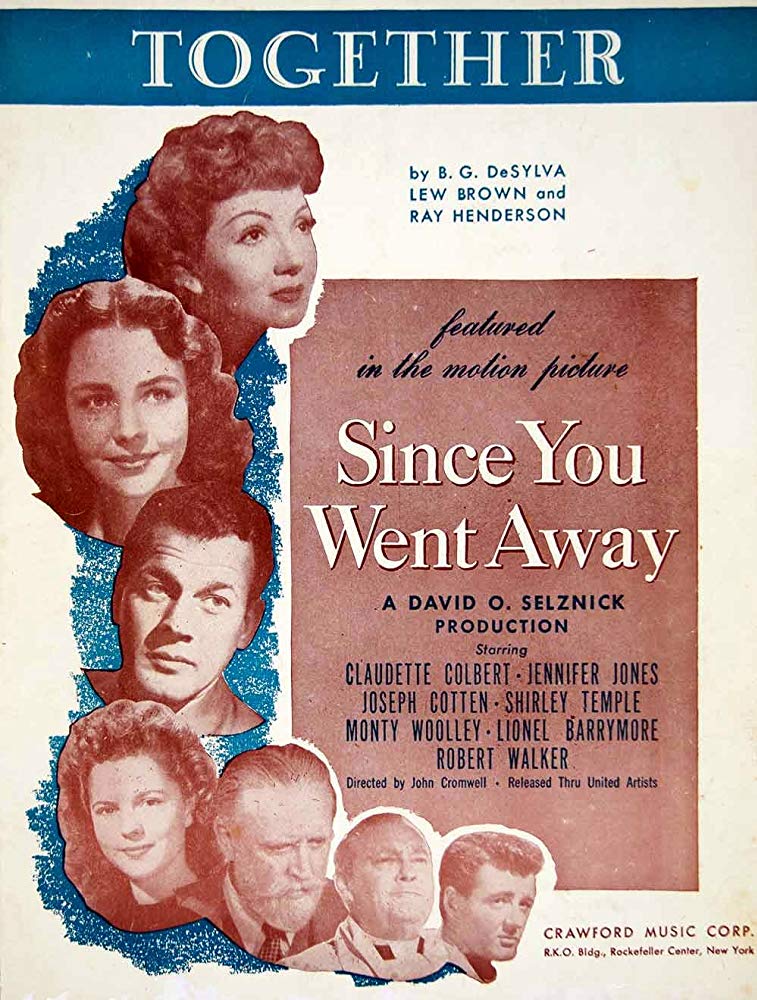
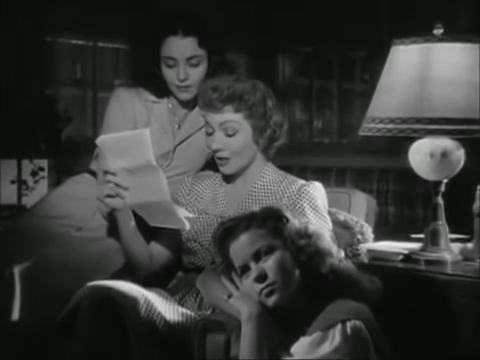
A woman (Claudette Colbert) with two daughters (Jennifer Jones and Shirley Temple) whose husband has enlisted in the war effort takes in a boarder (Monty Woolley) to help cover her expenses. When their family is visited by an old friend (Joseph Cotten) and their former maid (Hattie McDaniel) comes back to live with them, their house becomes even fuller — and when Woolley’s grandson (Robert Walker) shows up, new romantic developments arise.

Genres:

  • Agnes Moorehead Films
  • Claudette Colbert Films
  • Jennifer Jones Films
  • John Cromwell Films
  • Joseph Cotten Films
  • Keenan Wynn Films
  • Lionel Barrymore Films
  • Monty Woolley Films
  • Robert Walker Films
  • Shirley Temple Films
  • World War II

Review:
Producer David O. Selznick was hoping to continue the success of his studio’s previous two Oscar-winning films — Gone With the Wind (1939) and Rebecca (1940) — with this lengthy but intimate portrait of an American household surviving the absence of a beloved husband and father (never shown except in photos) during World War II. There isn’t anything particularly noteworthy about the script, which perhaps was precisely the point: life goes on in mundane ways even in the midst of chaos and war. A strong theme throughout the film is the importance of devotion and sacrifice when faced with deprivation; Agnes Moorehead’s “villainous” turn as a snooty socialite who cares only about her own amusement strongly reinforces this message.

It’s sad watching vulnerable (on-screen and in real life) Walker tentatively romancing Jones, knowing that their marriage was breaking up at the time of filming thanks to her affair with Selznick; so much for loyalty and honor.

Redeeming Qualities and Moments:

  • Fine lead performances
  • Nice period detail

  • Stanley Cortez and Lee Garmes’ cinematography

Must See?
No, though it’s worth a one-time look for its historical value.

Links:

Love Letters (1945)

Love Letters (1945)

“I love you, and I think I’ll always love you — but I must try to remember.”

Synopsis:
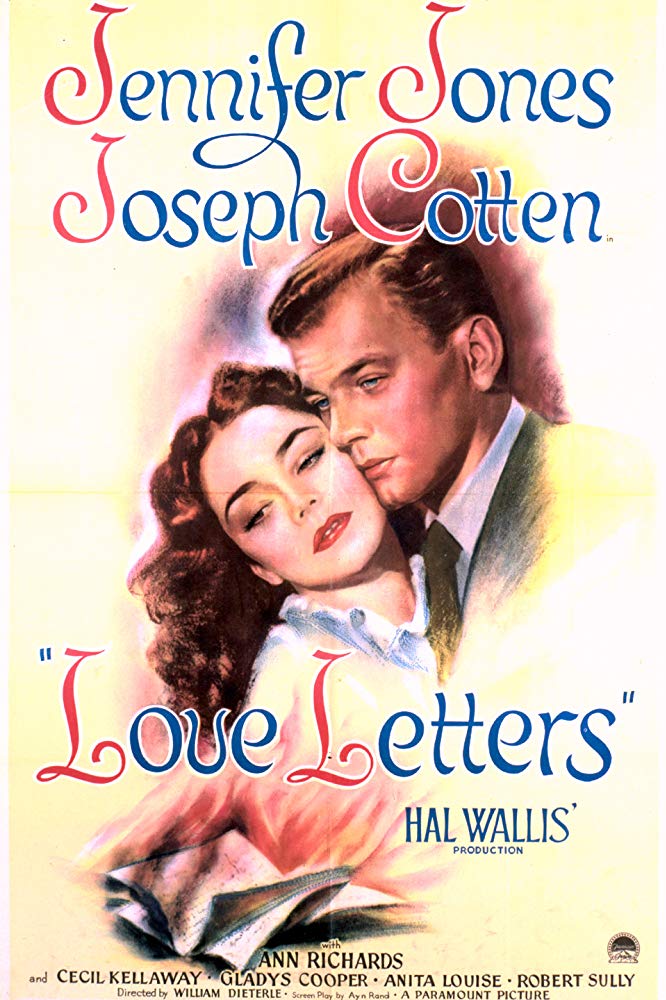
A soldier (Joseph Cotten) who’s secretly written romantic letters to a woman (Jennifer Jones) on behalf of his friend (Robert Sully) eventually meets Jones after the war, though she now goes by the name “Singleton” (rather than Victoria), is looked after by a caretaker (Ann Richards), and struggles with amnesia after being sent to an asylum for murdering Sully. Cotten and Jones fall in love, but Jones is haunted by his original love for “Victoria”; meanwhile, Cotten live in constant fear that Jones will remember the murder she committed and descend once again into madness.

Genres:

Review:
Jennifer Jones and Joseph Cotten co-starred in four features together: Since You Went Away (1944), Duel in the Sun (1946), this title (scripted by Ayn Rand!), and Portrait of Jennie (1948). Rand is primarily known for developing a philosophical system entitled Objectivism — in which heroic, productive, reasoning individuals seek their own happiness above all else — but I’m hard-pressed to see much of her interest or influence here. Indeed, this melodramatic romance about amnesia and hidden identities seems to fly in the face of Rand’s philosophical approach to life — except perhaps in the presentation of Cotten’s character as someone determined to be with Jones no matter what, and resolute in his willingness to help her suppress her memories.

Unfortunately, it’s not a very effectively scripted narrative, given that both Cotten and Jones fall in love with individuals sight unseen (Cotten with the recipient of his Cyrano-de-Bergerac-esque letters, Jones with the man she thinks wrote her the letters) — so their entire romance is predicated on other-worldly notions of idealism and transcendent love. Jones’ “Singleton” (what a terrible new name!) might as well be called “Simpleton” given how infantalized her character is, and none of the other characters are particularly well-limned either. We’re left simply waiting for the inevitable moment when a flashback will tell us what really happened to Jones before she lost her memory — and even that pay-off isn’t very satisfying.

Redeeming Qualities and Moments:

  • Lee Garmes’ cinematography

Must See?
No; you can skip this one.

Links:

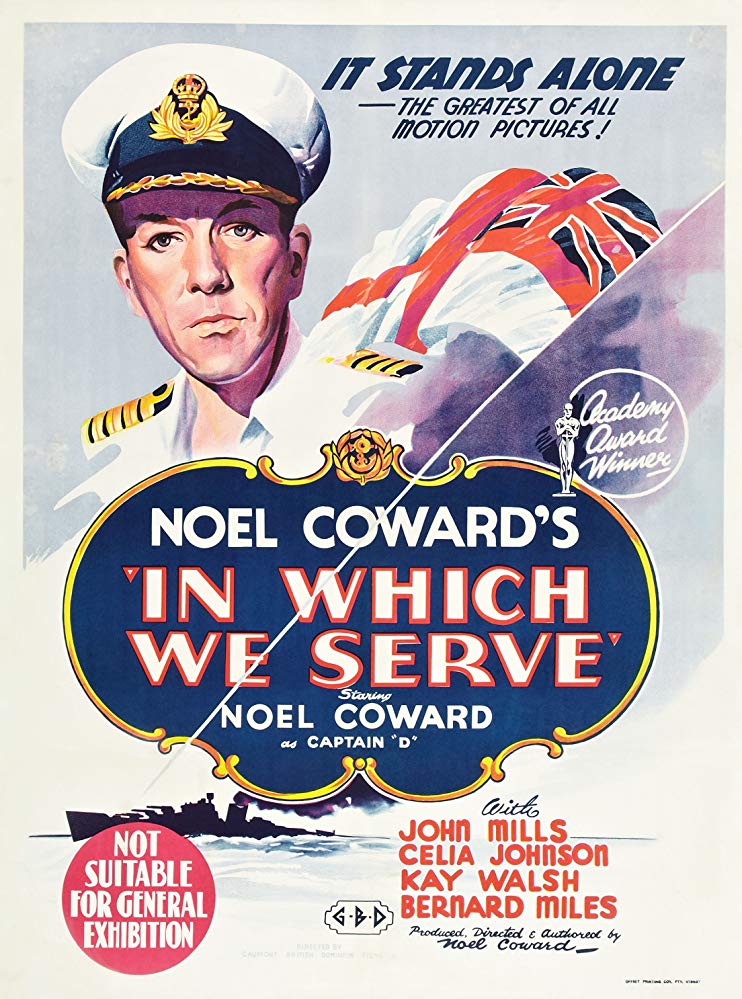
In Which We Serve (1942)

In Which We Serve (1942)

“A ship can’t be happy unless she’s efficient, and she certainly won’t be efficient unless she’s happy.”

Synopsis:
During World War II, a captain (Noel Coward) boosts the morale of his men — including Seaman “Shorty” (John Mills) and CPO Hardy (Bernard Miles) — as they survive the sinking of their ship and reflect back on their loved ones at home. Meanwhile, Coward’s wife (Celia Johnson) cares for their two children, Mills’ wife (Kay Walsh) prepares to have a baby, and Miles’ wife (Joyce Carey) stoically holds things together as their village suffers from German blitzes.

Genres, Themes, Actors, and Directors:

  • At Sea
  • Celia Johnson Films
  • David Lean Films
  • Flashback Films
  • John Mills Films
  • Noel Coward Films
  • Richard Attenborough Films
  • Sailors
  • Survival
  • World War II

Review:
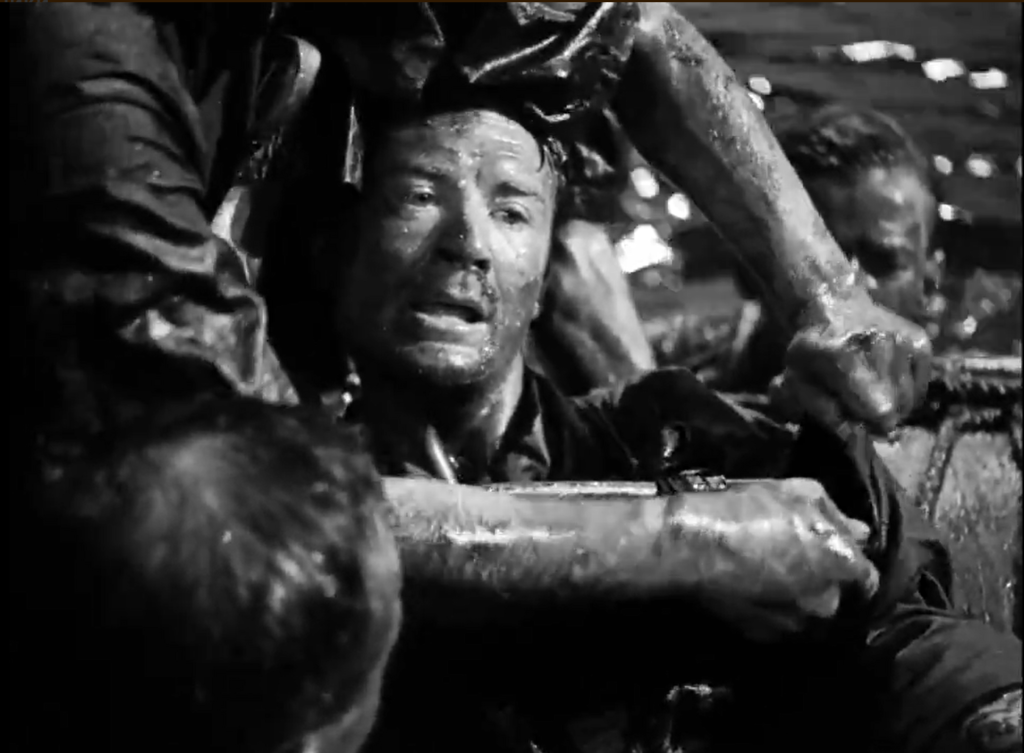
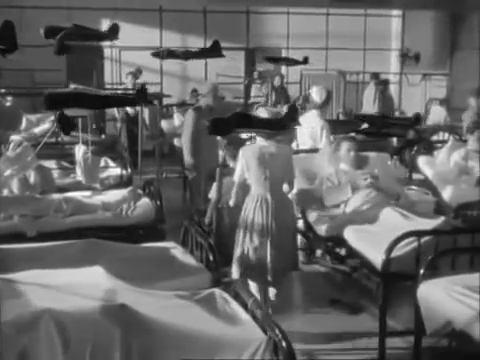
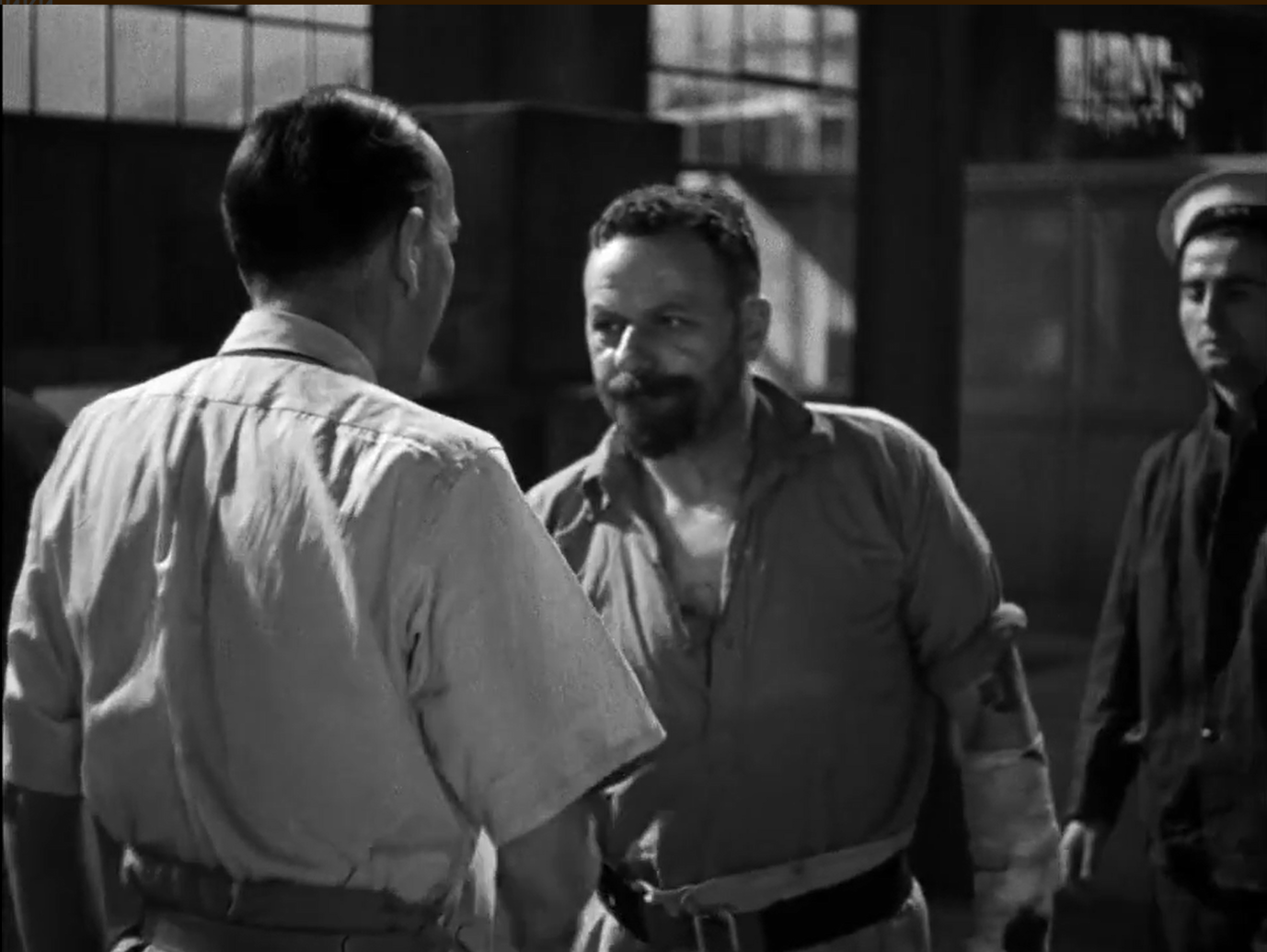
This wartime propaganda film was made with the direct assistance of Britain’s Ministry of Information and co-directed by David Lean, but otherwise creatively helmed by Noel Coward — who produced, co-directed, co-starred, wrote the screenplay (based on the exploits of Lord Mountbatten in the Royal Navy), and crafted the score. It remains a surprisingly potent and satisfying movie, with tensions kept high both during the initial battle sequence aboard the “H.M.S. Torrin” (we see it being built as the film opens):

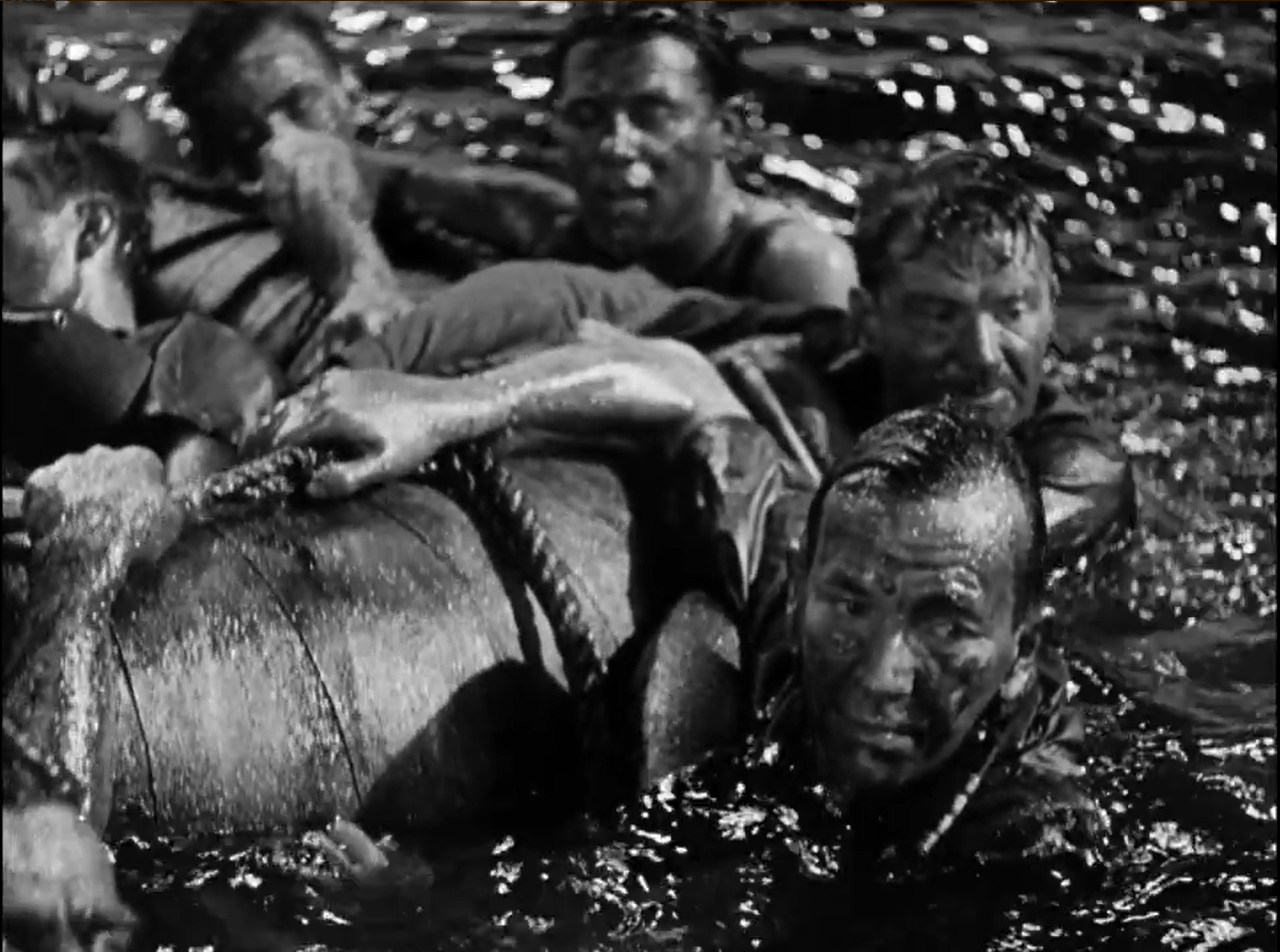
and then as we’re gradually given numerous watery flashbacks into the memories of the men holding on for their lives as their ship sinks.
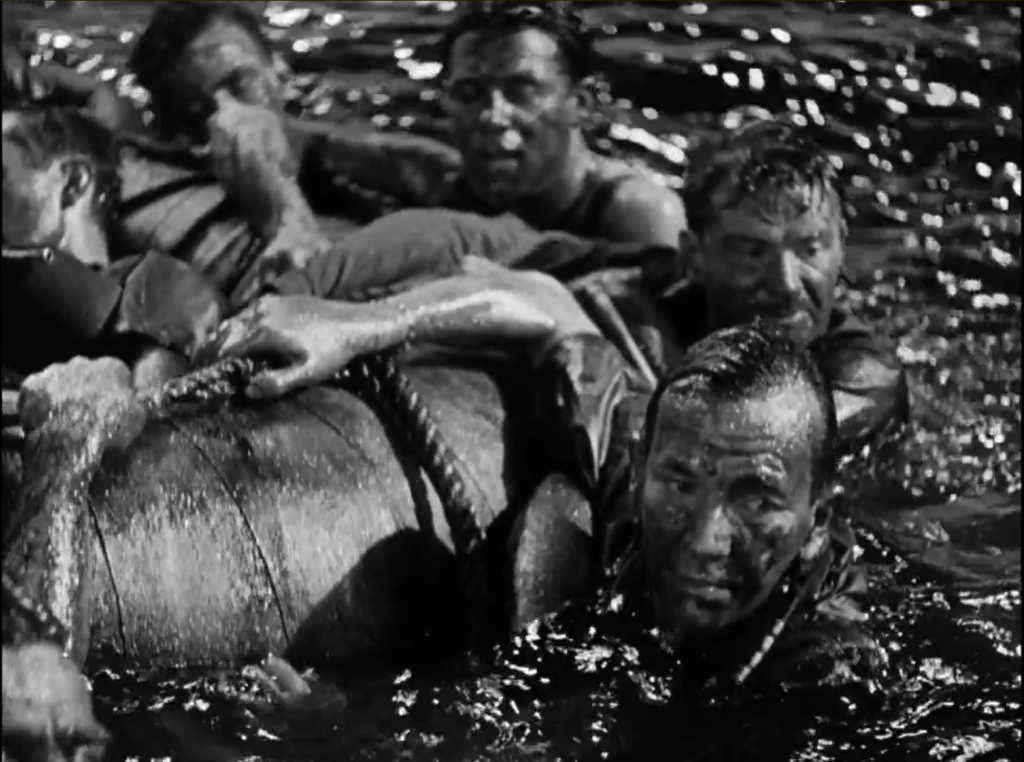
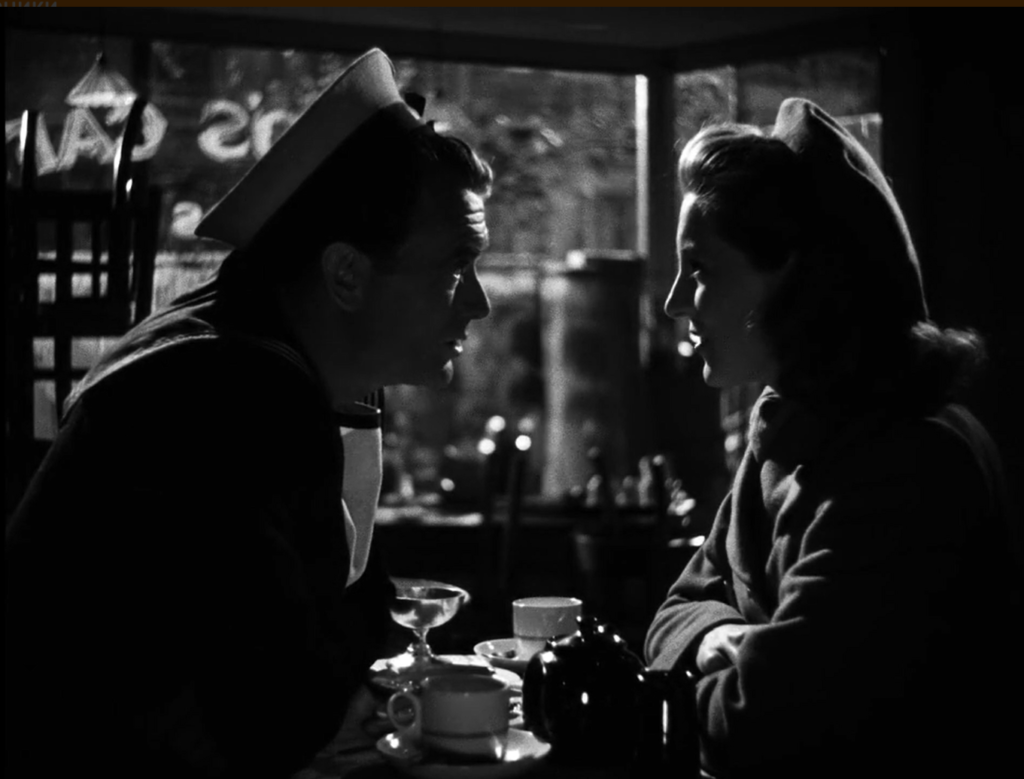
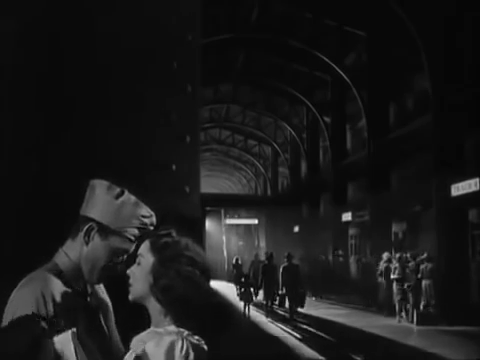
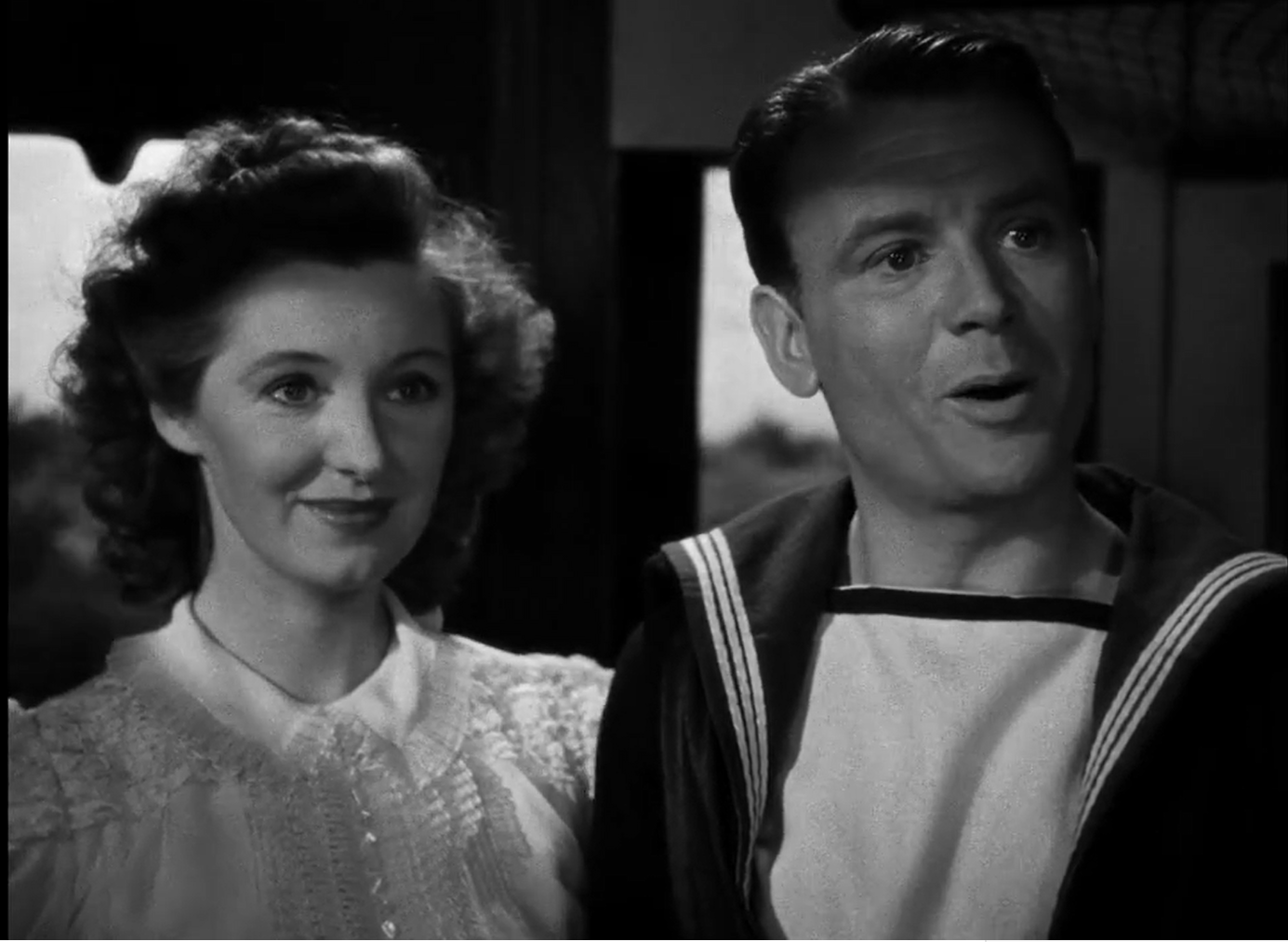
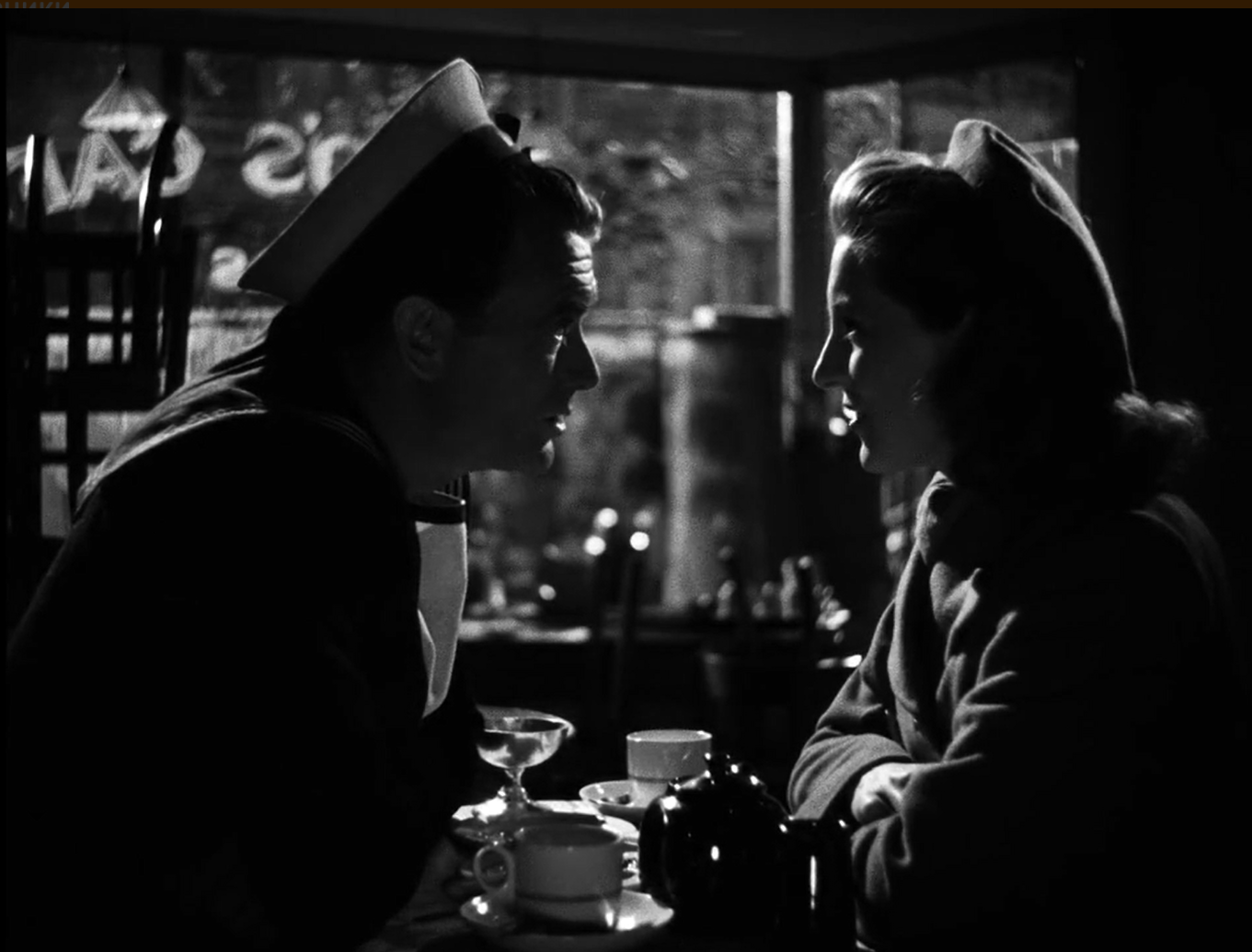
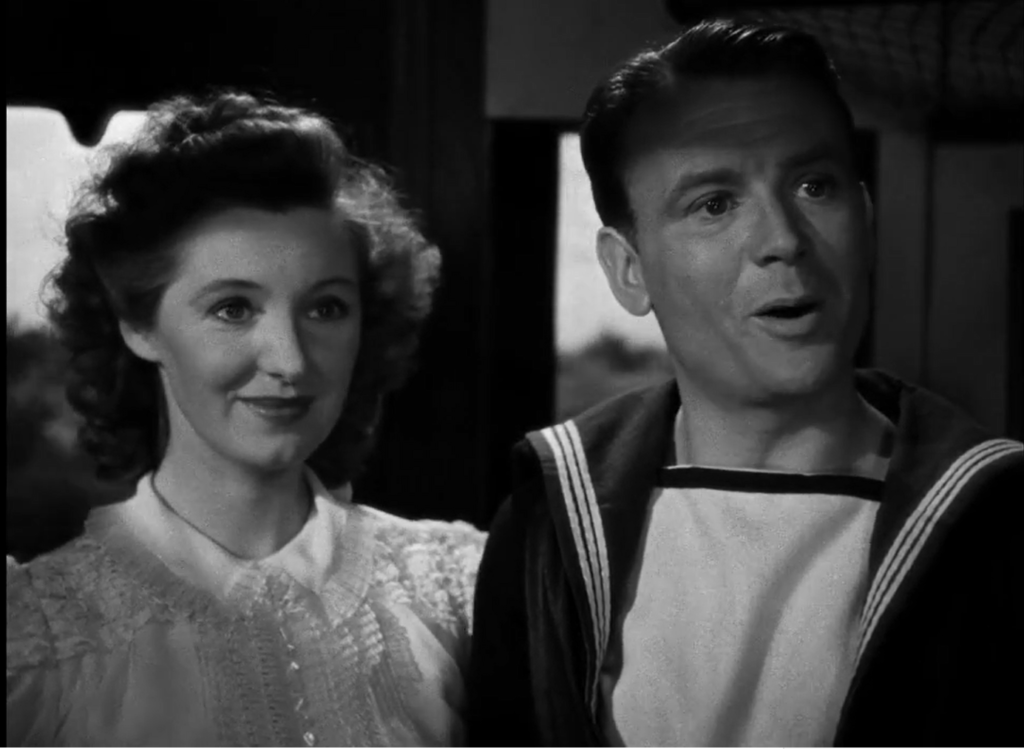
While centered on the birth, life, and death of the Torrin, this is really an ensemble tale of all the men and women who worked together during World War II to fight and maintain their British way of life. They’re shown celebrating small moments of joy (a hilltop picnic, a brief honeymoon):
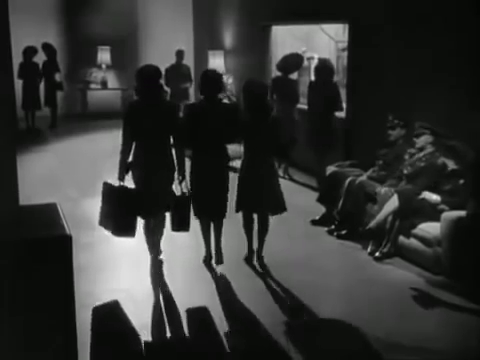
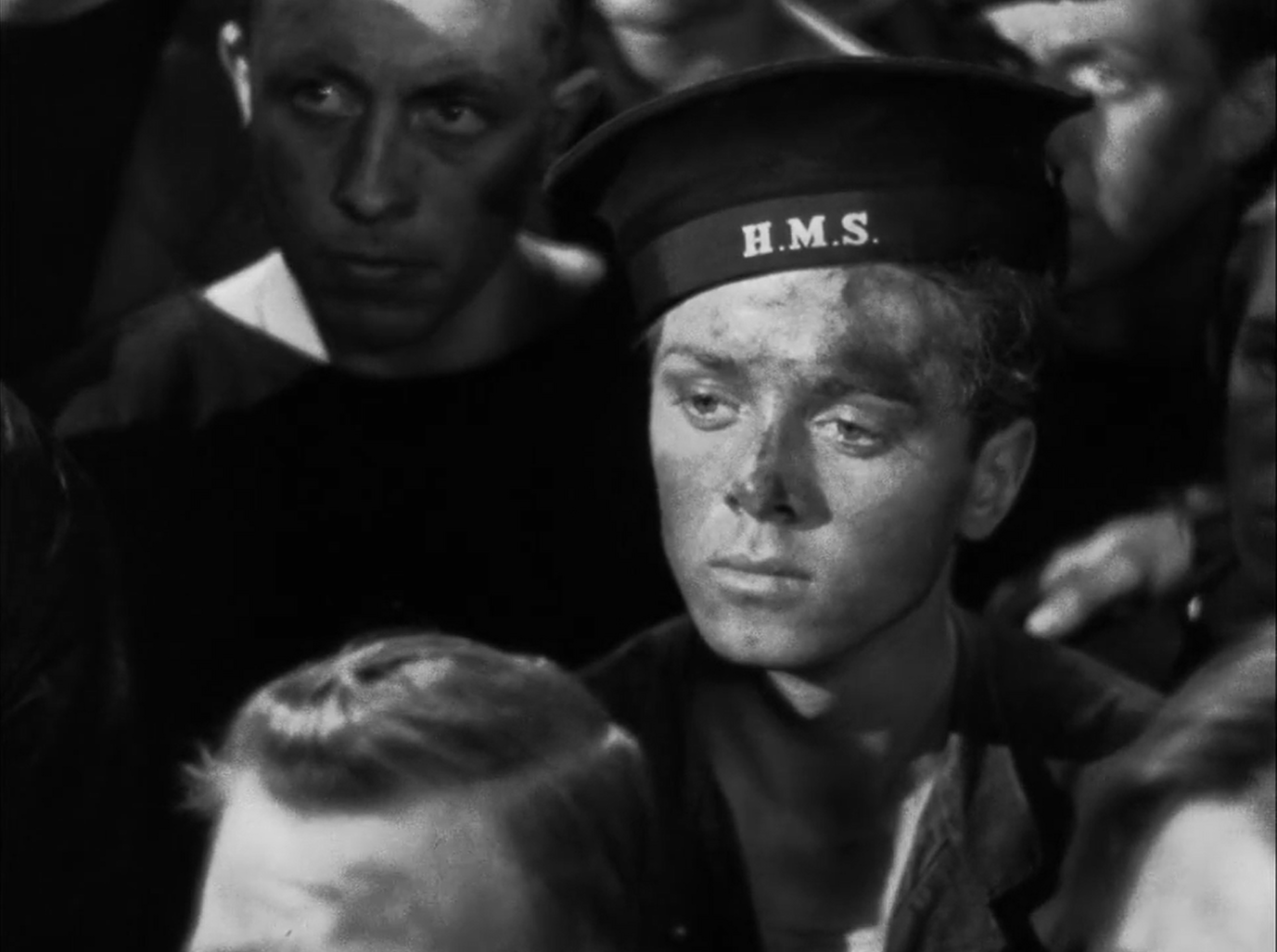
and giving support to one another through thick and thin; surprisingly (and happily), none of it comes across as sappy, and it’s appropriately balanced with somber reality: a sailor (Richard Attenborough) is chastised for his cowardice:
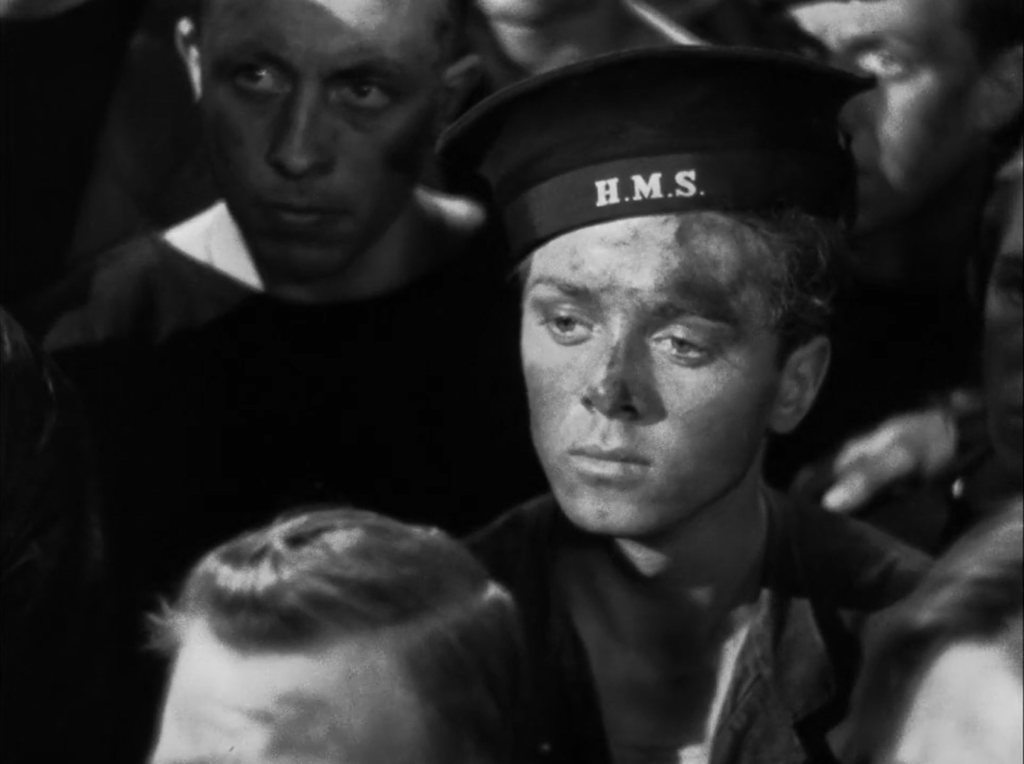
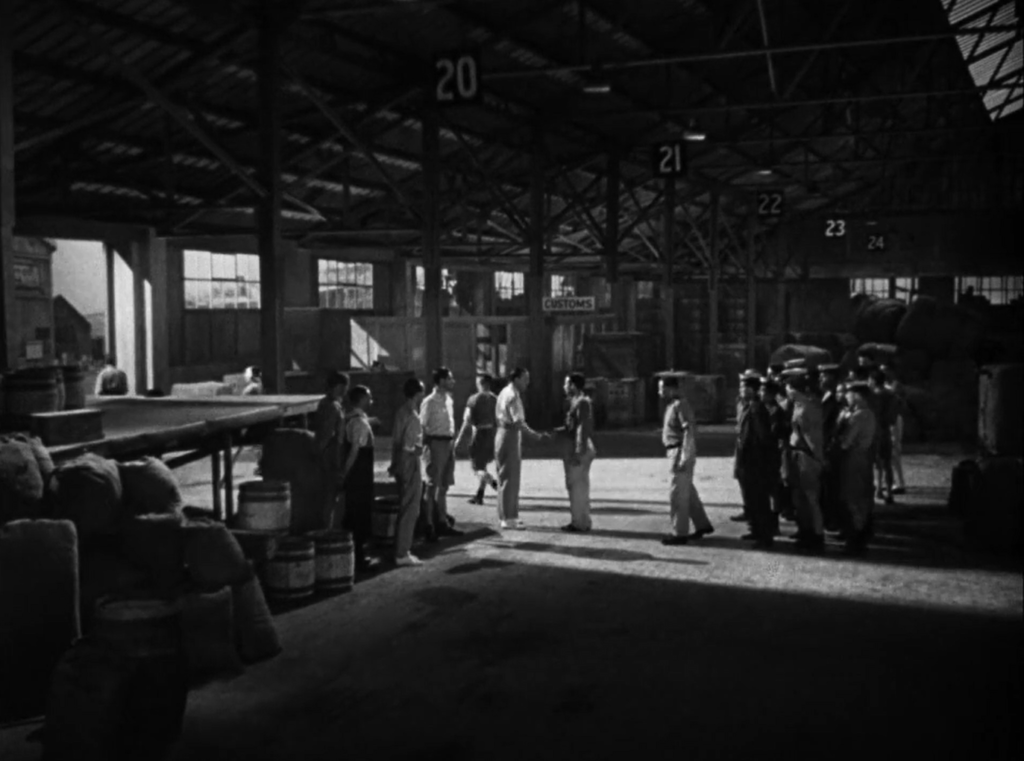
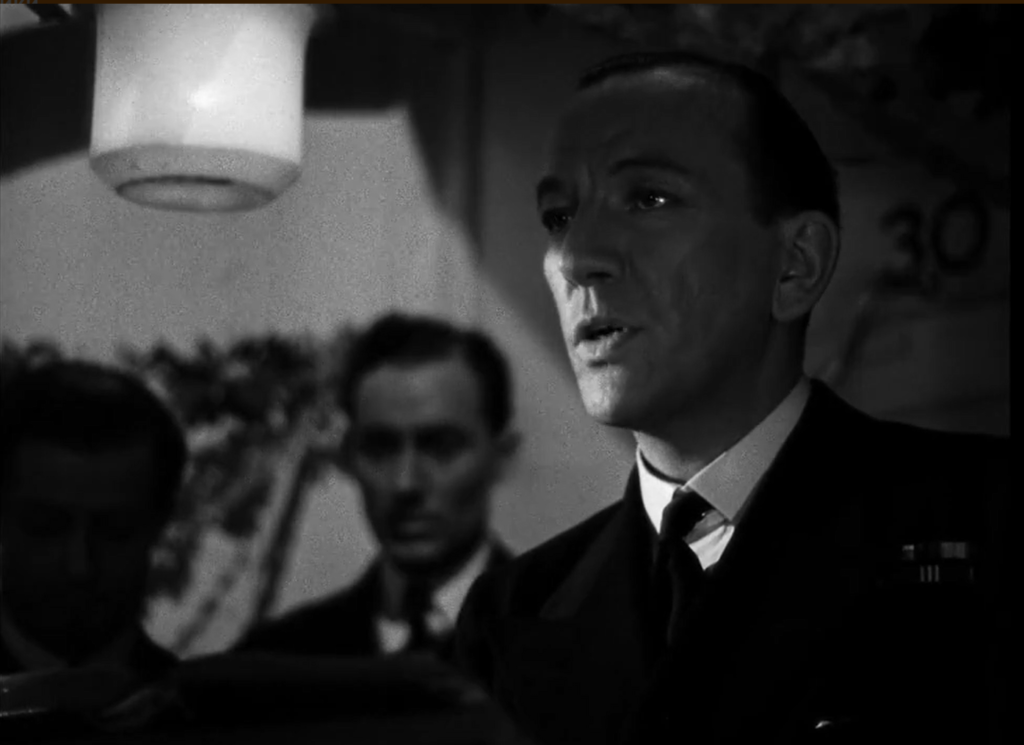
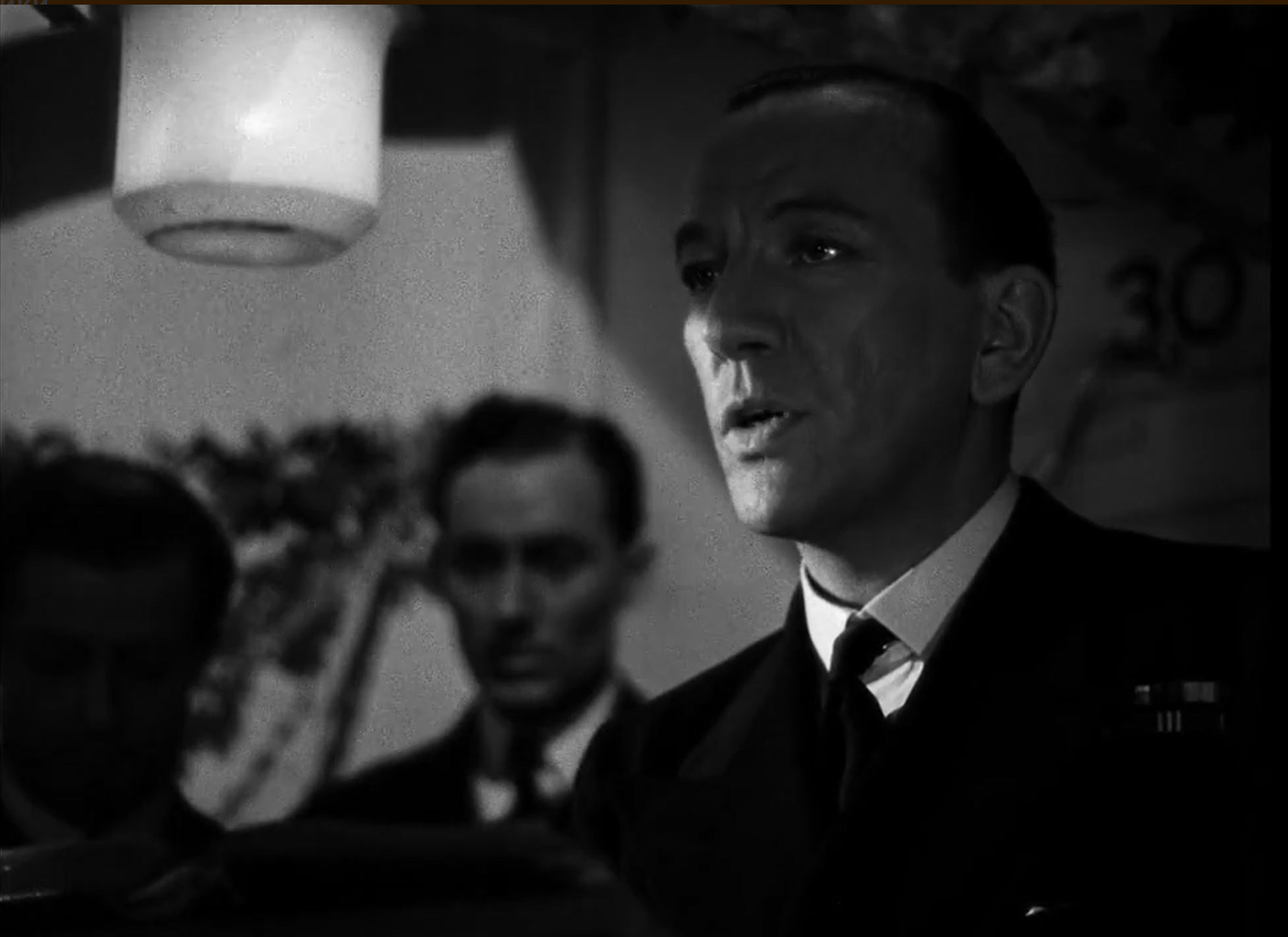
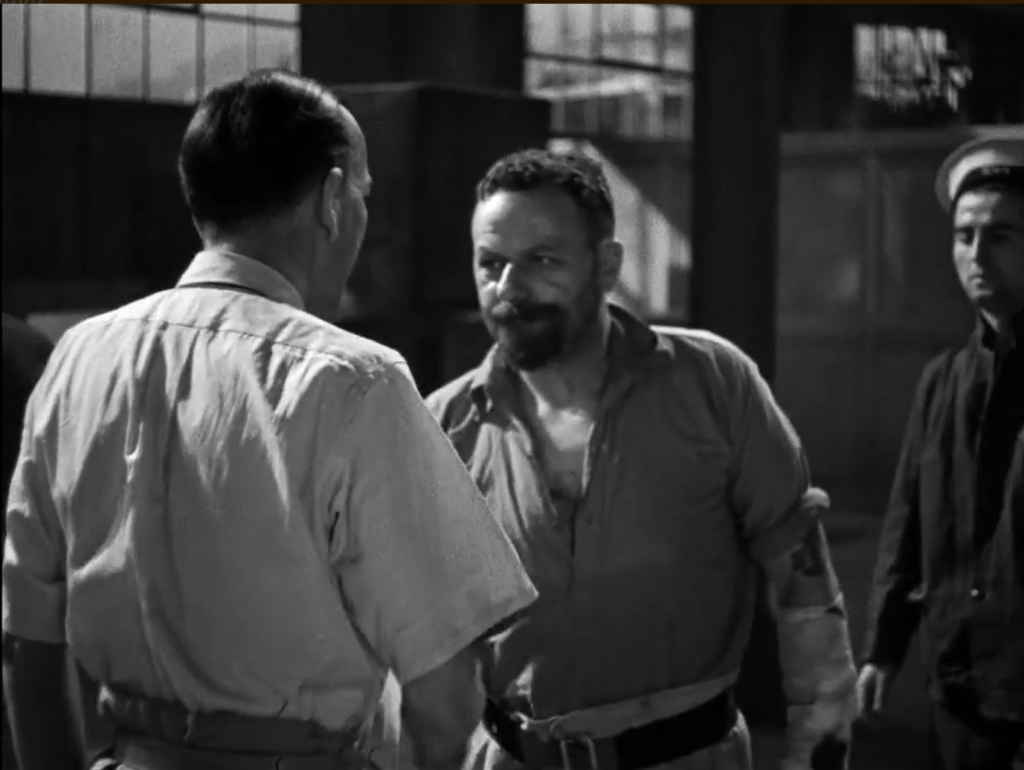
… men lose limbs; and numerous characters die. My favorite scenes include Mills feeding and providing drink to Dunkirk survivors; Mills learning both joyous and deeply distressing news in one letter; and Coward — in a wonderfully and respectfully extended sequence — providing a handshake to each individual man he’s served with.
Redeeming Qualities and Moments:

  • Many touching moments

  • Ronald Neame’s cinematography

Must See?
Yes, for its historical value as a highly effective propaganda film, and for Coward’s prodigious efforts. Listed as a film with Historical Importance and a Personal Recommendation in the back of Peary’s book.

Categories

  • Historically Relevant

Links:

Tarantula (1955)

Tarantula (1955)

“I didn’t expect to see a biologist that looked like you!”

Synopsis:
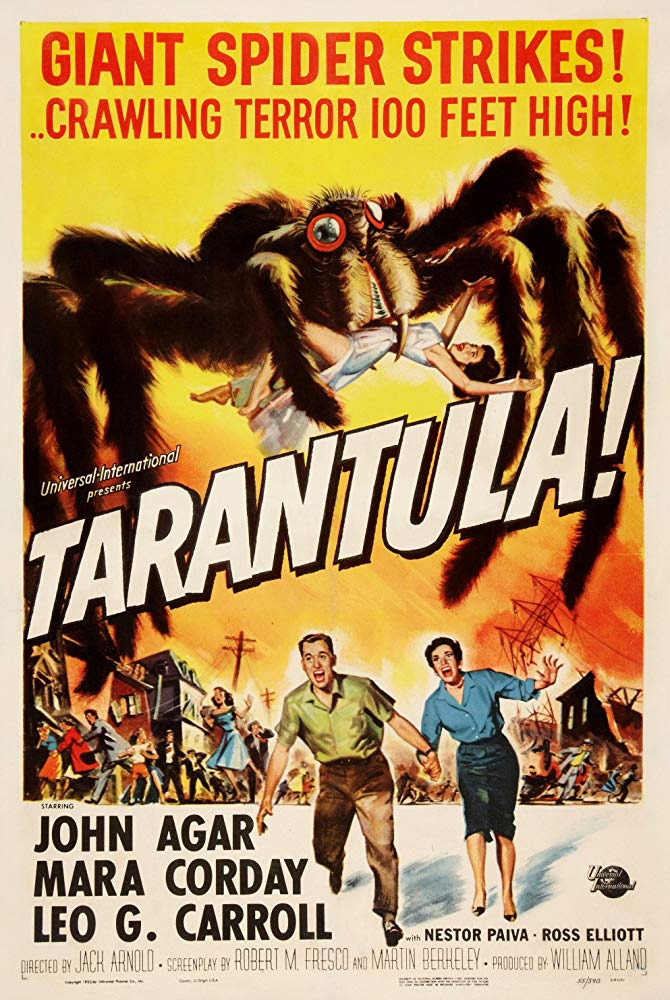
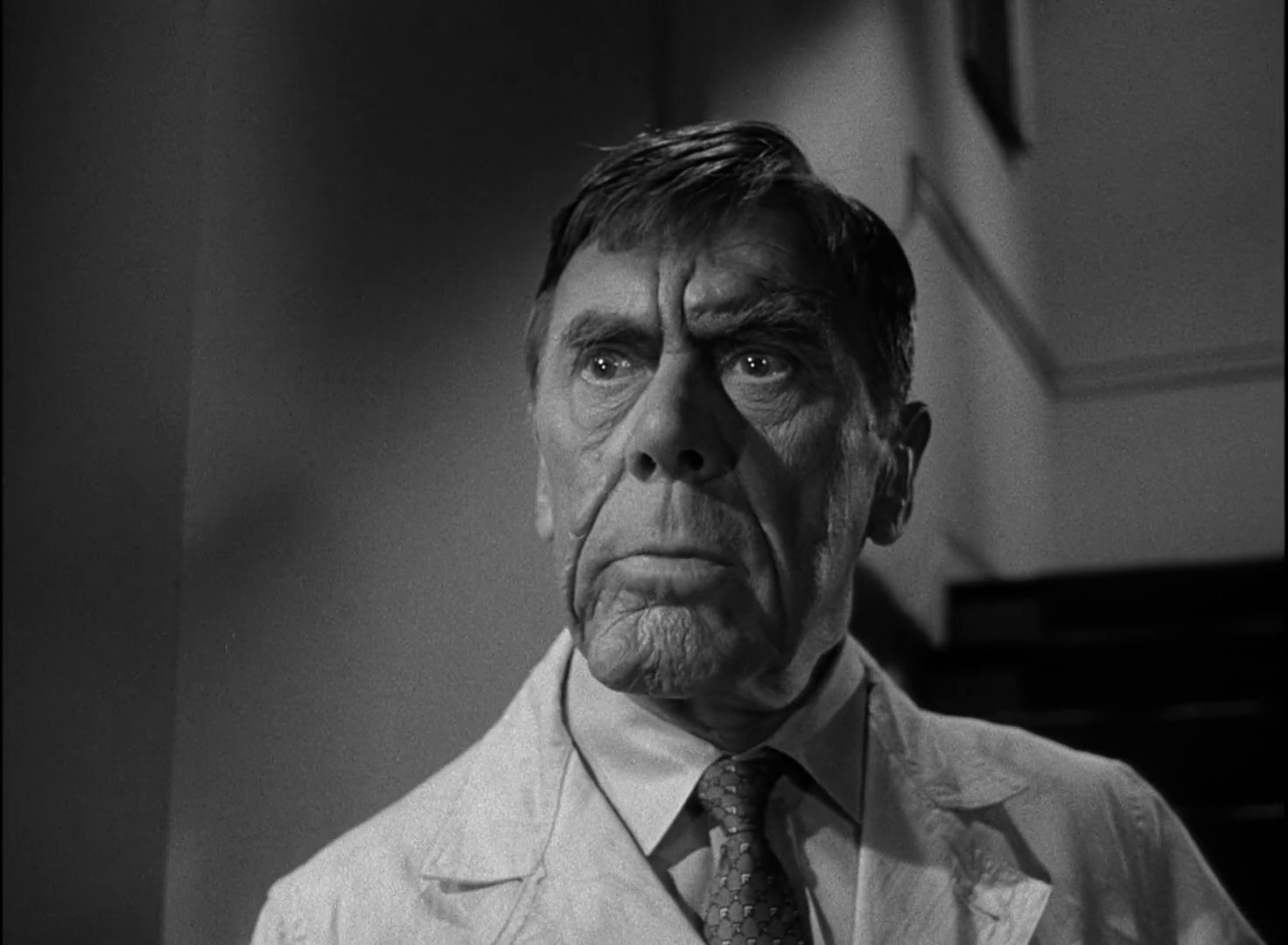
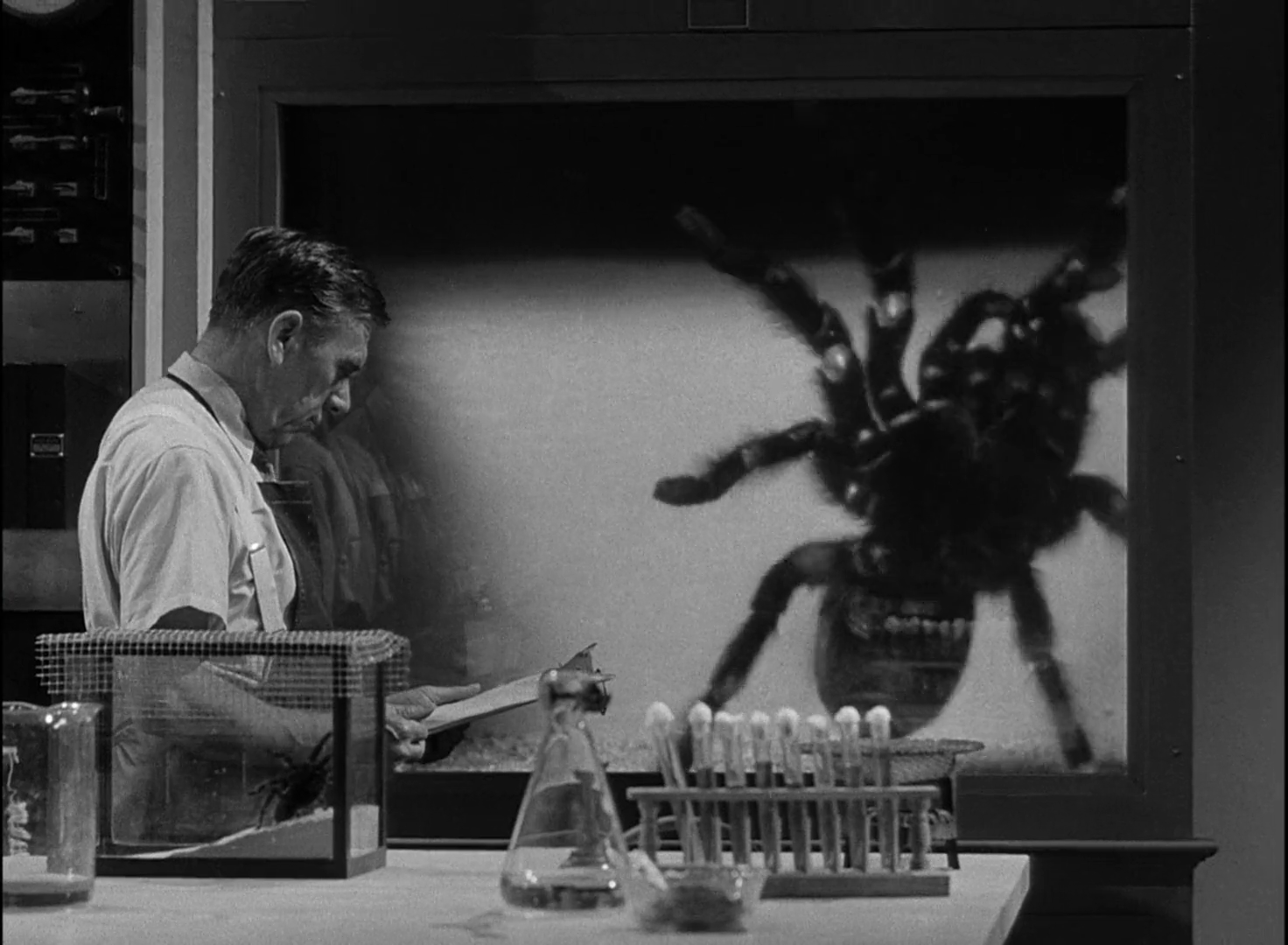
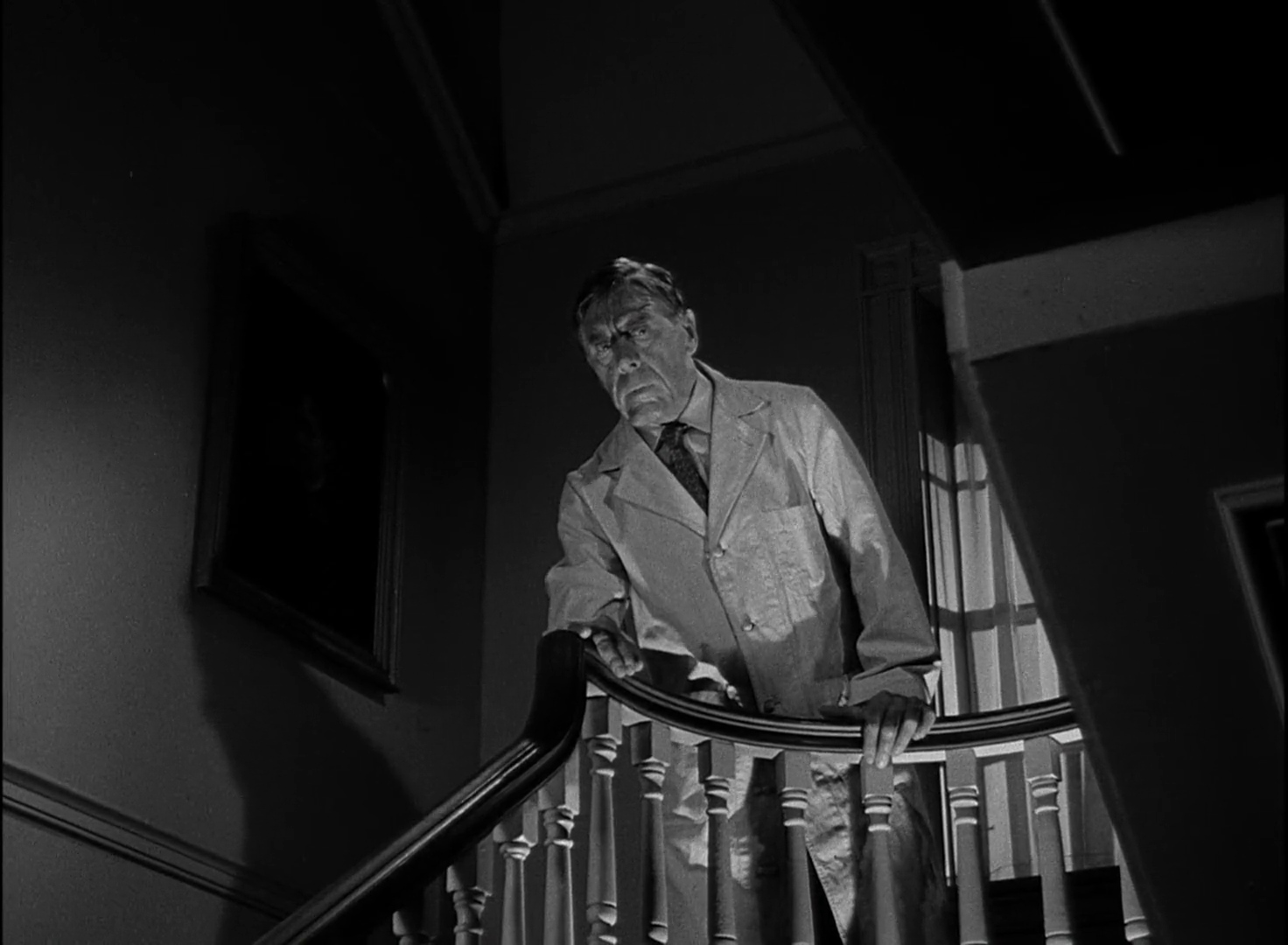
After a mysteriously deformed corpse is found in the desert, a local doctor (John Agar) investigates a laboratory where a scientist (Leo G. Carroll) is experimenting with a serum designed to make creatures grow huge — thus hypothetically providing humanity’s exponentially expanding population with enough food. Soon he meets Carroll’s new lab assistant, “Steve” (Mara Corday), and the two help local law enforcement officials in confronting a massive tarantula which has escaped from the lab.

Genres:

  • Jack Arnold Films
  • John Agar Films
  • Mad Doctors and Scientists
  • Mutant Monsters
  • Science Fiction

Review:
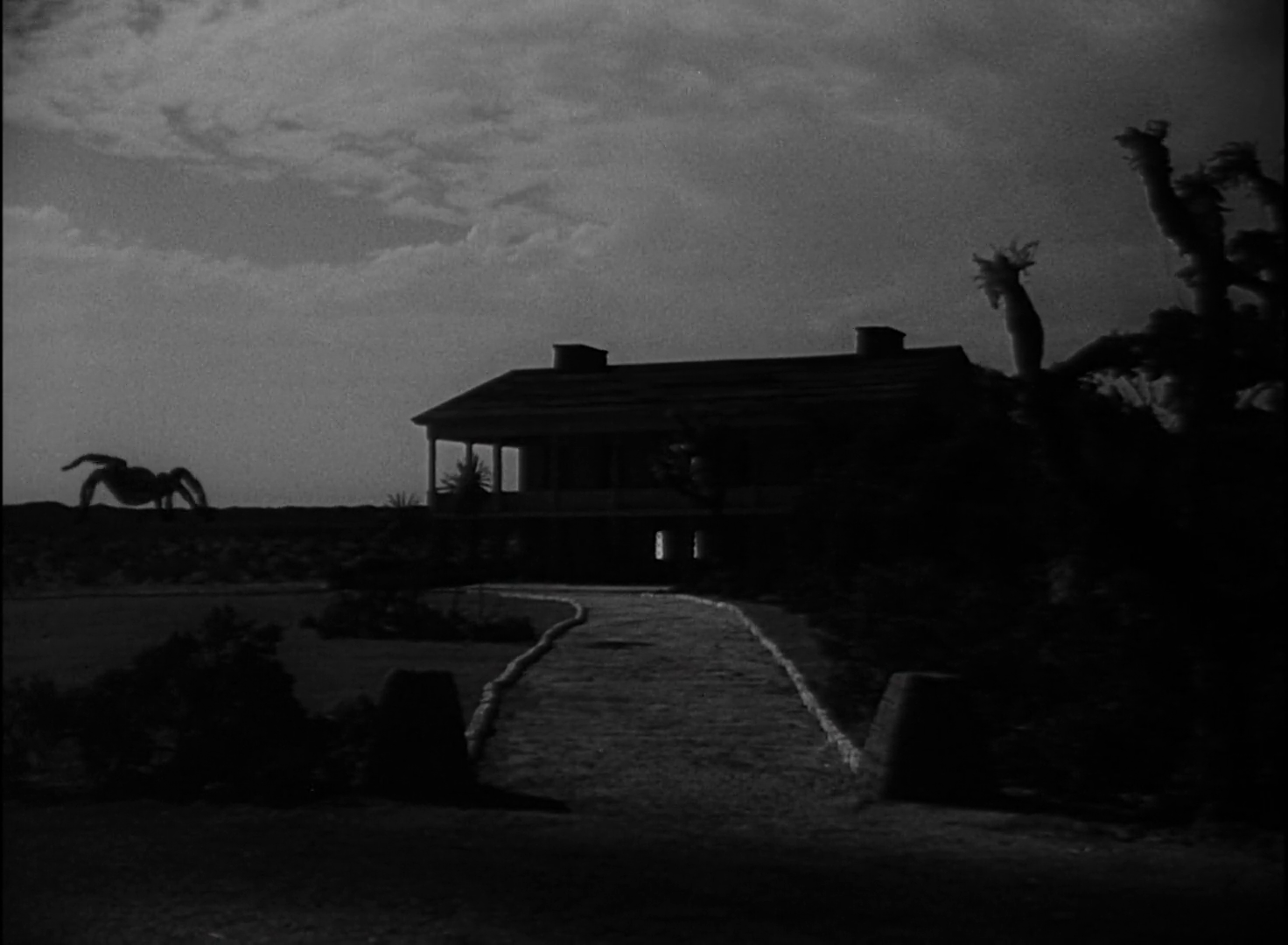
Jack Arnold — best known for directing It Came From Outer Space (1953), Creature From the Black Lagoon (1954), and The Incredible Shrinking Man (1957) — helmed this effective “mutant monster” flick, guaranteed to scare the pants off of anyone remotely afraid of spiders. While mega-geek-fans may quibble over minor details related to matting, shadows, and other special effects inconsistencies, the general film fanatic will simply be creeped out while watching enormous hairy spider legs crawling over the desert landscape. There’s much to be amused by here as well, from the overly lengthy initial sequence showing us in excruciating detail exactly what Carroll is up to dosage-wise in his lab, to Corday’s perfectly made-up appearance and masculine nickname (‘Steve’, rather than, say, ‘Steph’), to the fact that townsfolk can’t see something looming so gigantically in their landscape. But the point here — such as it is — is to show how even the most well-meaning scientists risk terrible havoc when daring to mess around with biology, and

SPOILER

the need for all-hands-on-deck when faced with a menace that can’t be blown away by mere assault rifles. (Clint Eastwood’s face can be seen as one of the fighter pilots who eventually bomb the spider to its fiery death with napalm.)

Redeeming Qualities and Moments:

  • Leo G. Carroll as Dr. Deemer
  • Appropriately creepy and convincing special effects

  • Atmospheric cinematography (especially the new Blu-Ray upgrade)

Must See?
Yes, as a well-made B-level “giant creature” flick.

Categories

  • Good Show

Links:

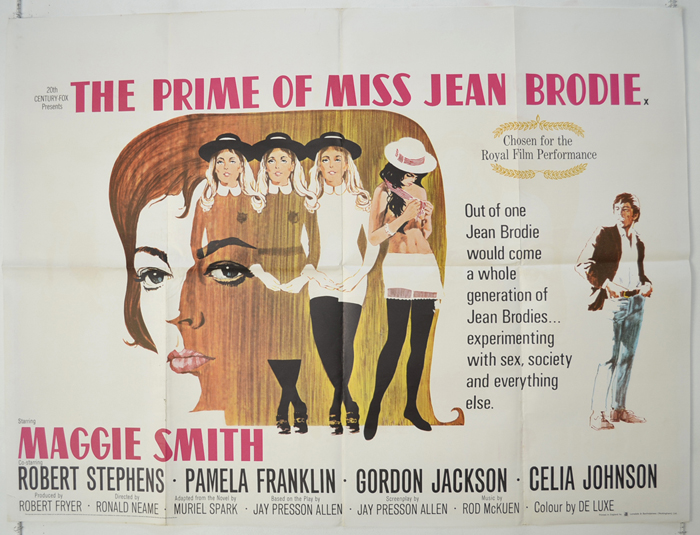
Prime of Miss Jean Brodie, The (1969)

Prime of Miss Jean Brodie, The (1969)

“I am always impressed by Ms. Brodie’s girls — in one way or another.”

Synopsis:
A free-spirited, Mussolini-loving teacher (Maggie Smith) — who’s had an affair with a married artist (Robert Stephens) and is currently dating her school’s music teacher (Gordon Jackson) — attempts to teach “her girls” — including dependable Sandy (Pamela Franklin), beautiful Jenny (Diane Grayson), sentimental Monica (Shirley Steedman), and stuttering Mary (Jane Carr) — to recognize their own greatness; but when a fantastical letter written by one of her students catches the attention of the school’s headmistress (Celia Johnson), Smith’s career and reputation are on the line.

Genres, Themes, Actors, and Directors:

  • Boarding Schools
  • Celia Johnson Films
  • Maggie Smith Films
  • Morality Police
  • Strong Females
  • Teachers

Review:
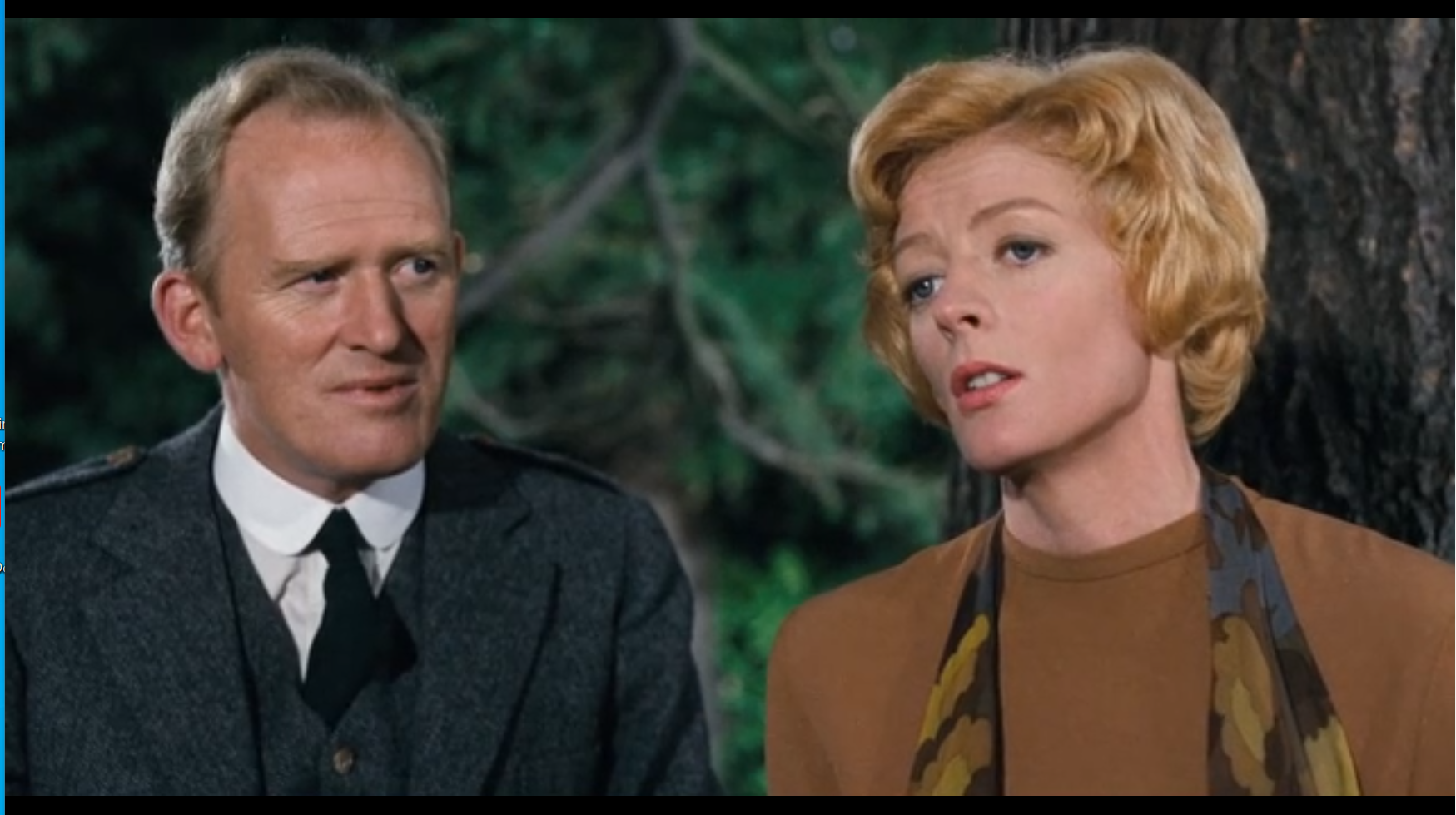
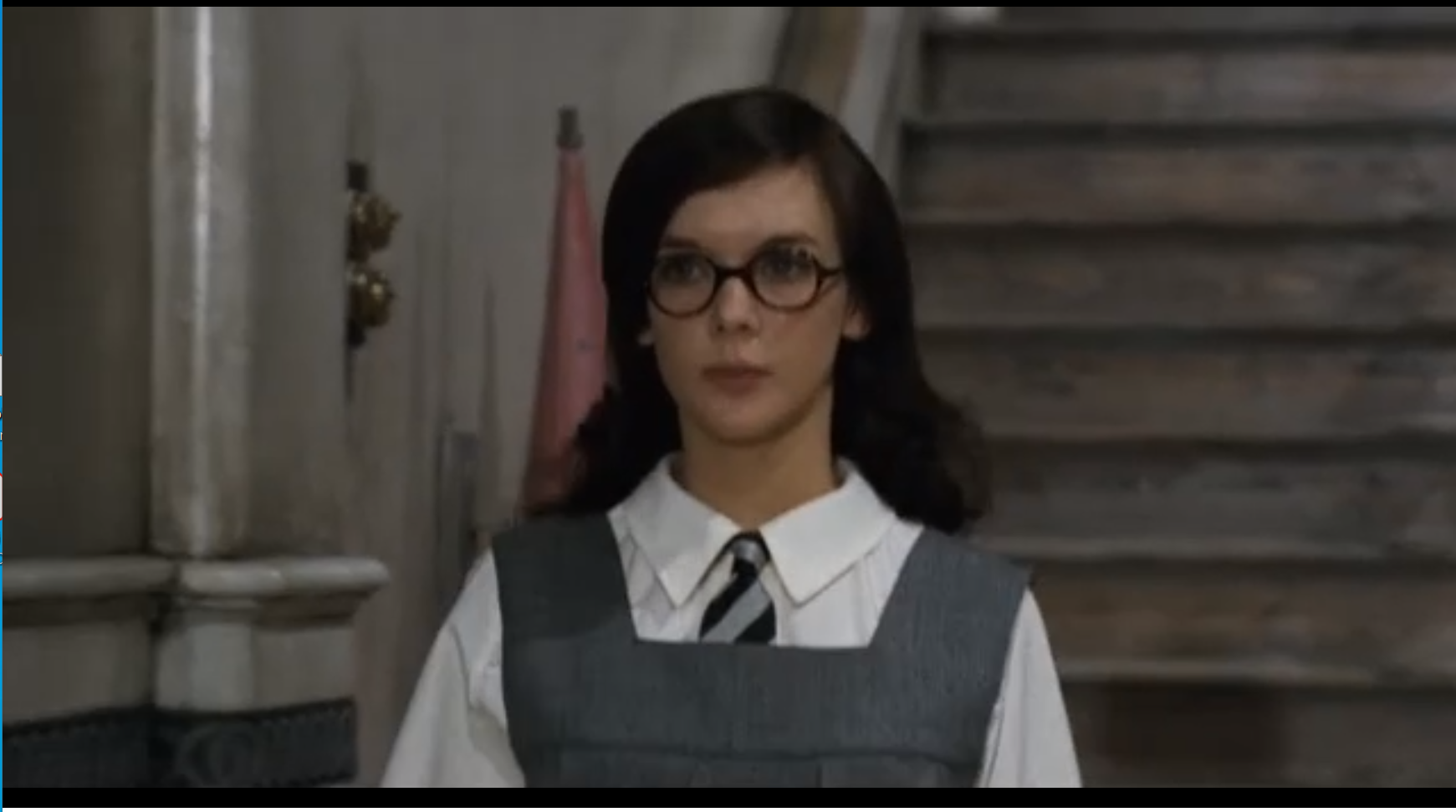
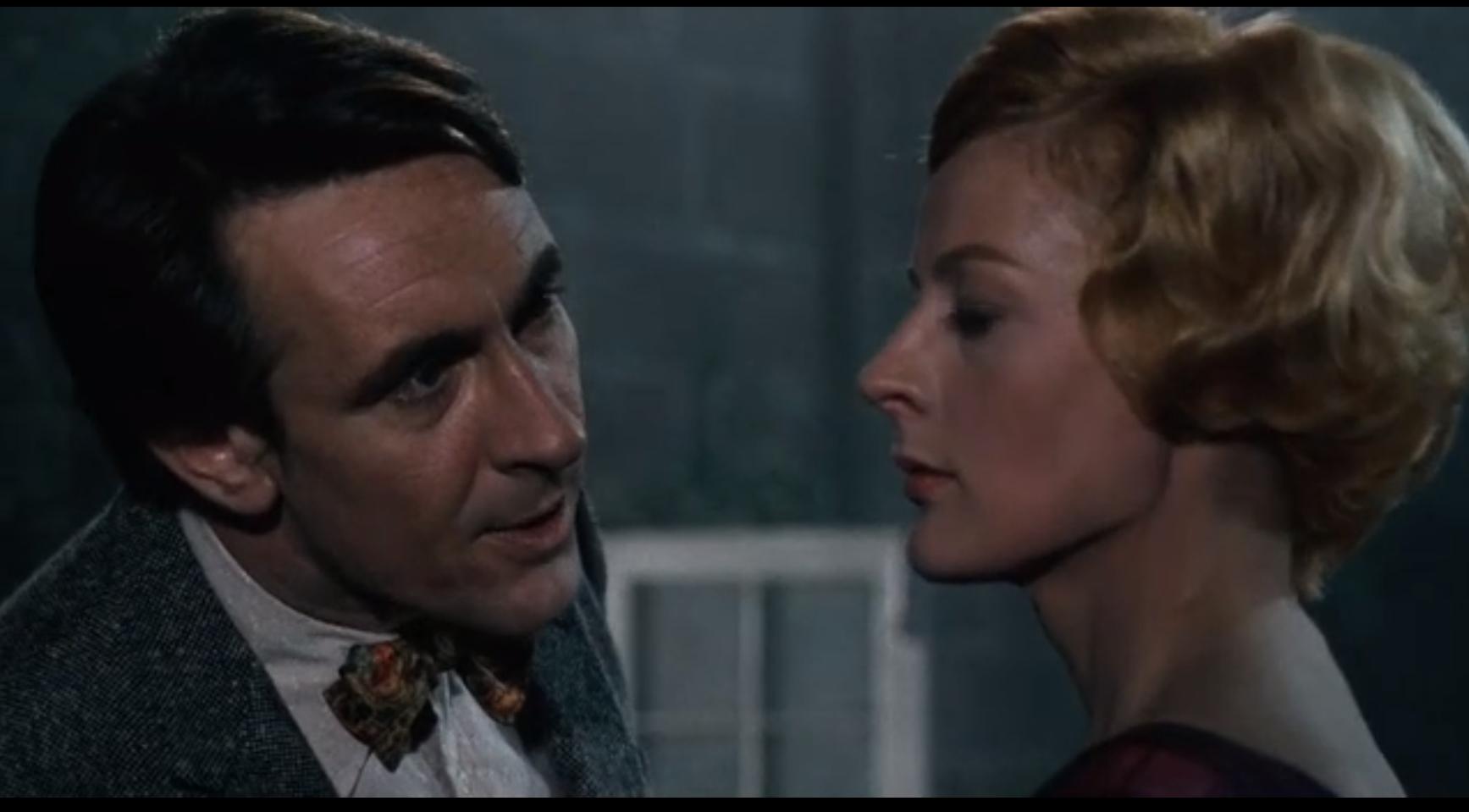
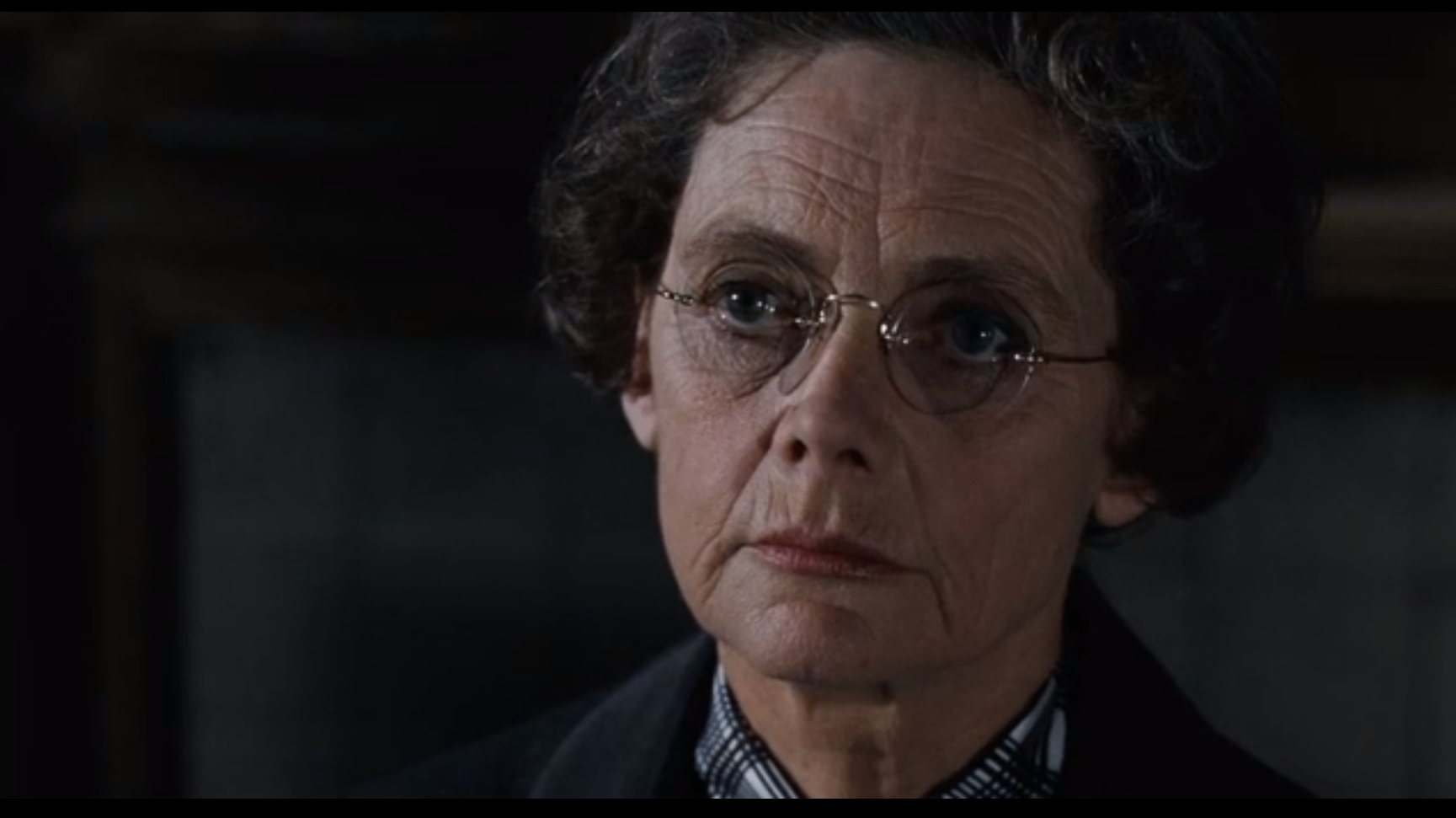
Maggie Smith won an Oscar for her leading role in this adaptation of Muriel Spark’s novel, inhabiting a complicated female protagonist who stays true to herself yet remains a highly questionable influence on her students’ lives. Indeed, the primary power of this story is how easily we’re drawn into Smith’s world — who wouldn’t be rooting for a passionate, empowering, professional, unmarried woman in the early 1960s? — then given a sucker-punch to the gut as we realize her narcissistic ideology is leading to undeniably toxic outcomes. The nature of ideologies, of course, is that they’re so often taken as obvious and true — and when one is in any position of power and moral authority (as teachers are), they’re oh-so-easily transmitted. Franklin plays a pivotal role in this story as well, representing another type of powerful female — one who refuses to play along with the label she’s been assigned by her elder, and who is willing to take action on behalf of justice, albeit justice heavily tinged with resentment. The remaining supporting performances are also spot-on, from the various other girls in Jean Brodie’s “in-group”, to Johnson as her supervisor, to Stephens as her temperamental lover and Jackson playing (coincidentally?) a chap named “Gordon”. While Peary argues in Alternate Oscars that Smith’s “performance is too mannered and theatrical for [his] tastes”, it’s difficult to imagine any other actress embodying this troubling literary icon.

Redeeming Qualities and Moments:

  • Maggie Smith as Jean Brodie
  • Pamela Franklin as Sandy
  • Robert Stephens as Teddy Lloyd
  • Celia Johnson as Miss Mackay

Must See?
Yes, as a compelling drama with strong performances.

Categories

Links: