Browsed by
Category: Original Reviews

Responses to Peary’s “must see” movie reviews, as well as my own “must see” movie reviews up to and after 1986 (when Peary’s book was published).

Road to Glory, The (1936)

Road to Glory, The (1936)

“I left you with a wounded man on a wire, and you leave me with a mine to sit on.”

Synopsis:
A French lieutenant (Warner Baxter) serving in the trenches of World War I with his over-aged father (Lionel Barrymore) finds solace in the company of a local nurse (June Lang), who falls for a newly arrived officer (Fredric March).

Genres:

  • Father and Child
  • Fredric March Films
  • Howard Hawks Films
  • John Qualen Films
  • Lionel Barrymore Films
  • Love Triangle
  • Warner Baxter Films
  • World War I

Review:
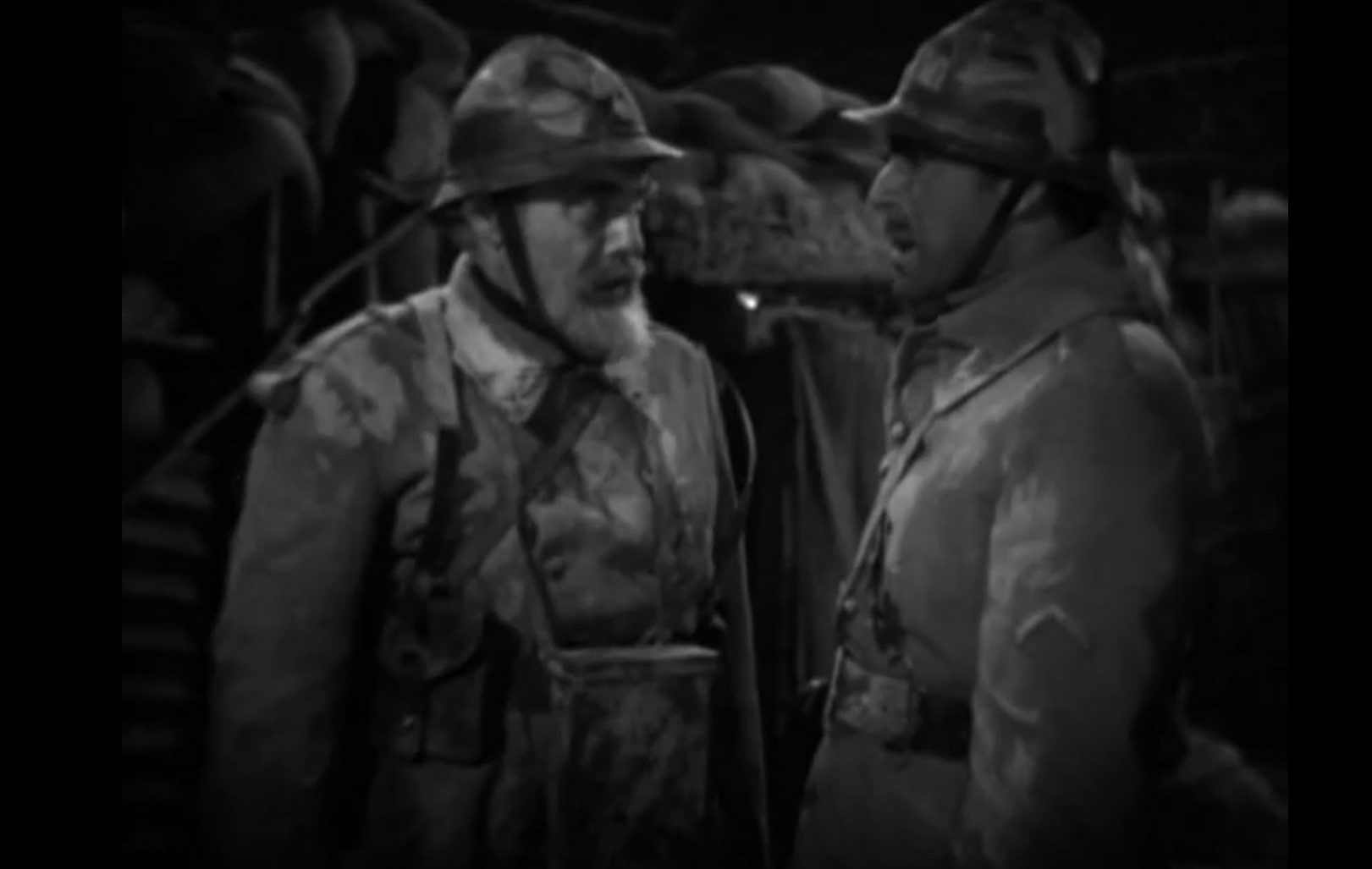
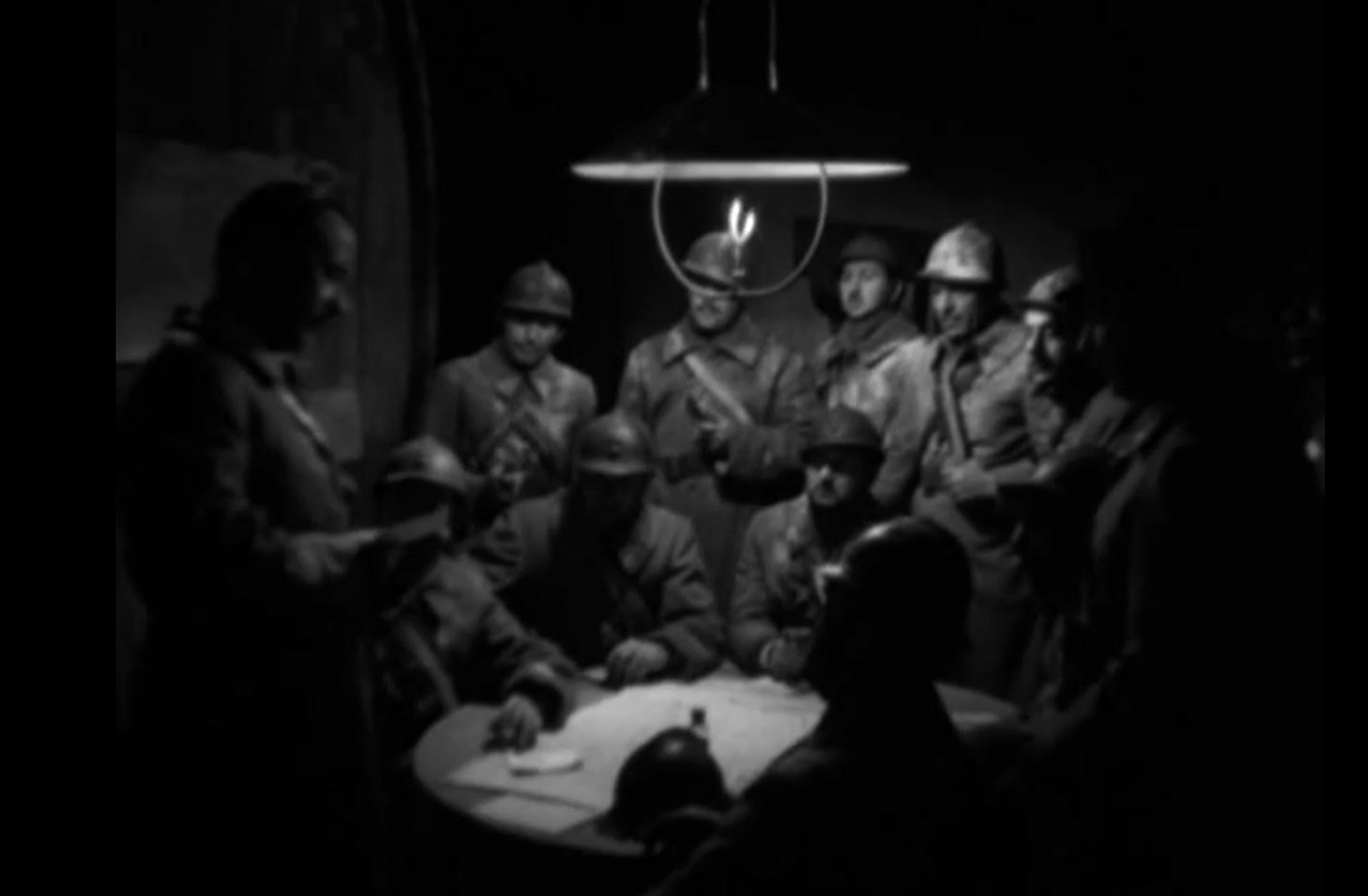
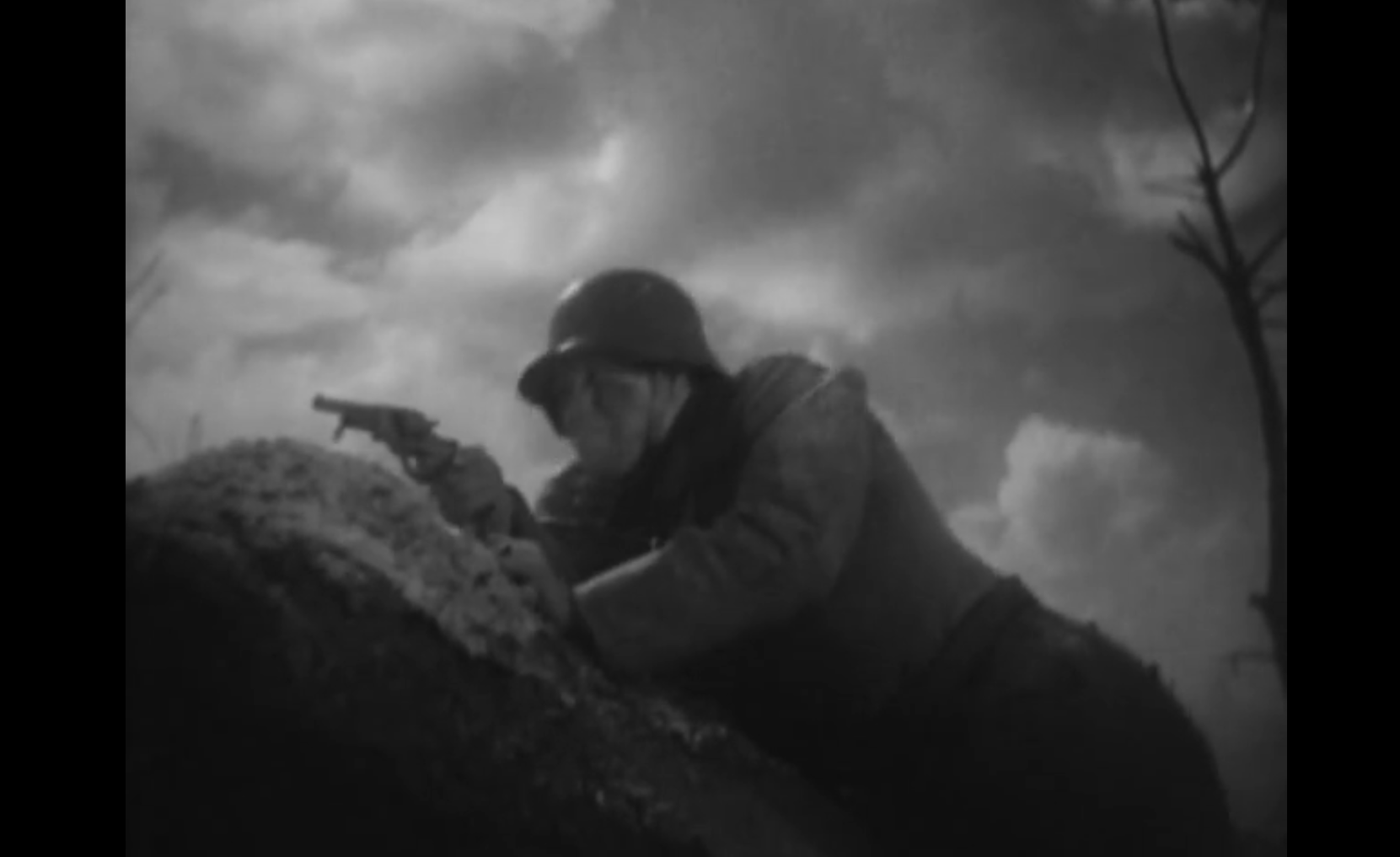
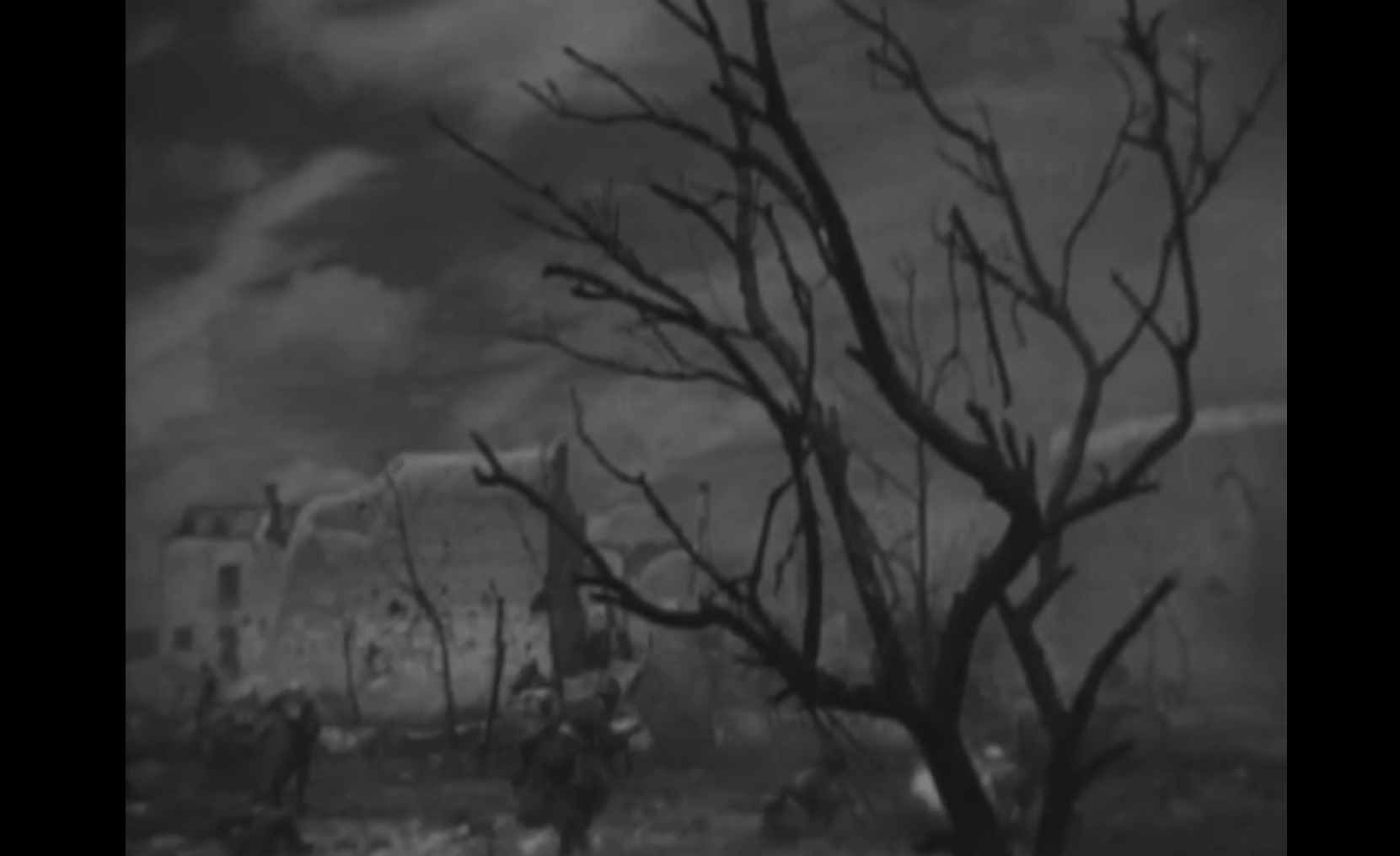
Howard Hawks’ The Dawn Patrol (1930) — about the devastation of daily deaths experienced by aerial fighters — ranks among the most hard-hitting films about World War I; and while this later outing by Hawks can’t compete with it, he once again highlights the unimaginable stress soldiers and their leaders endured during the Great War.

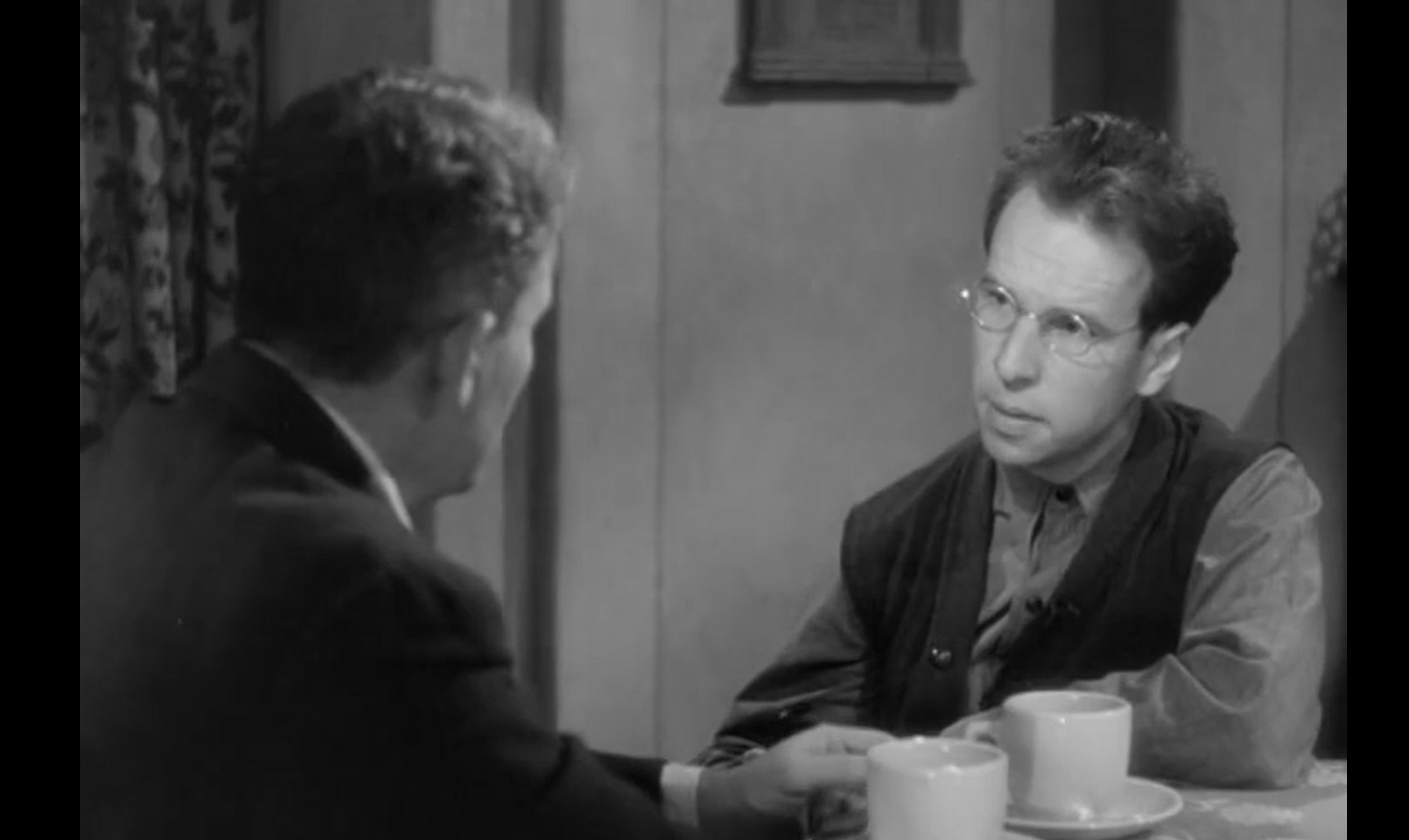
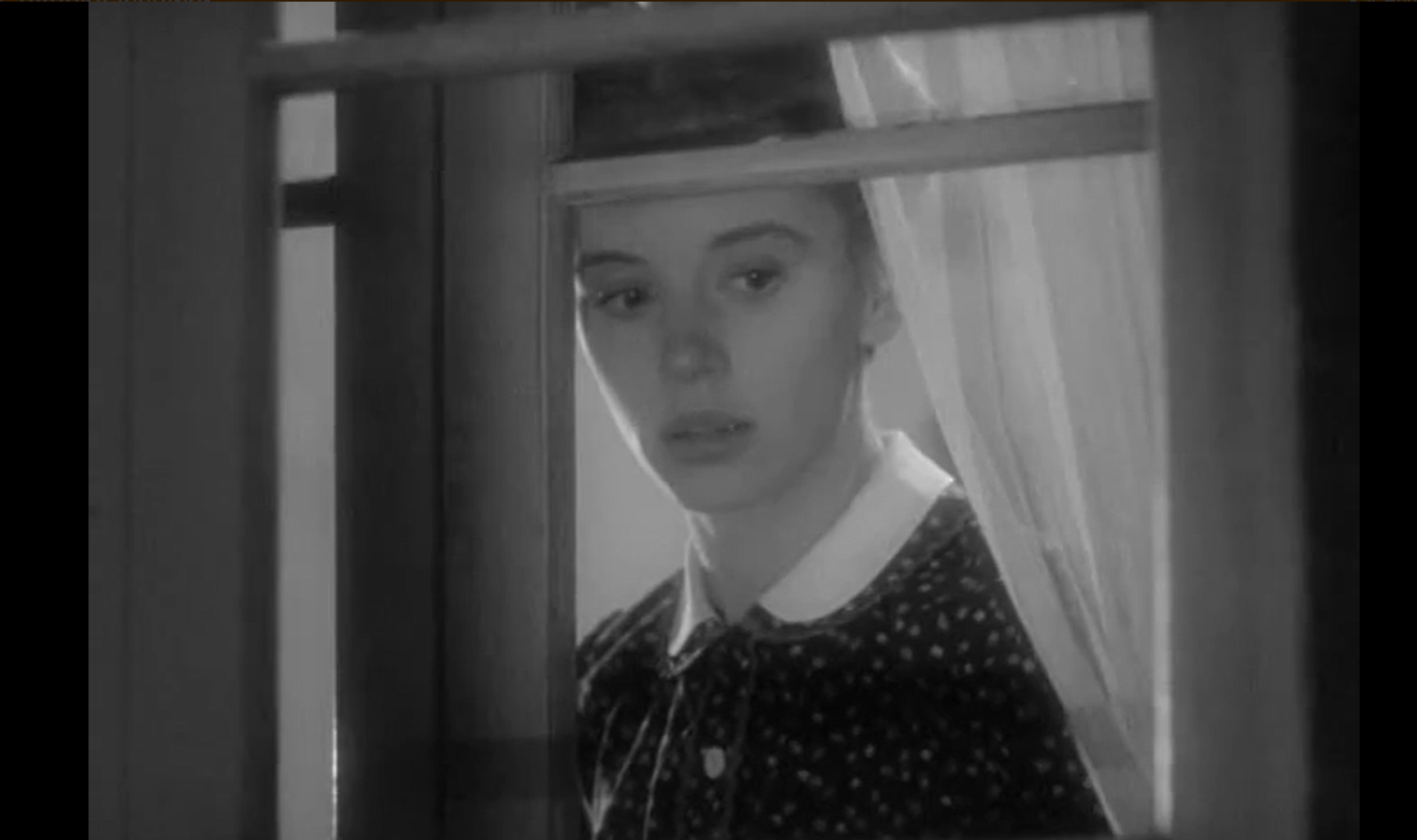
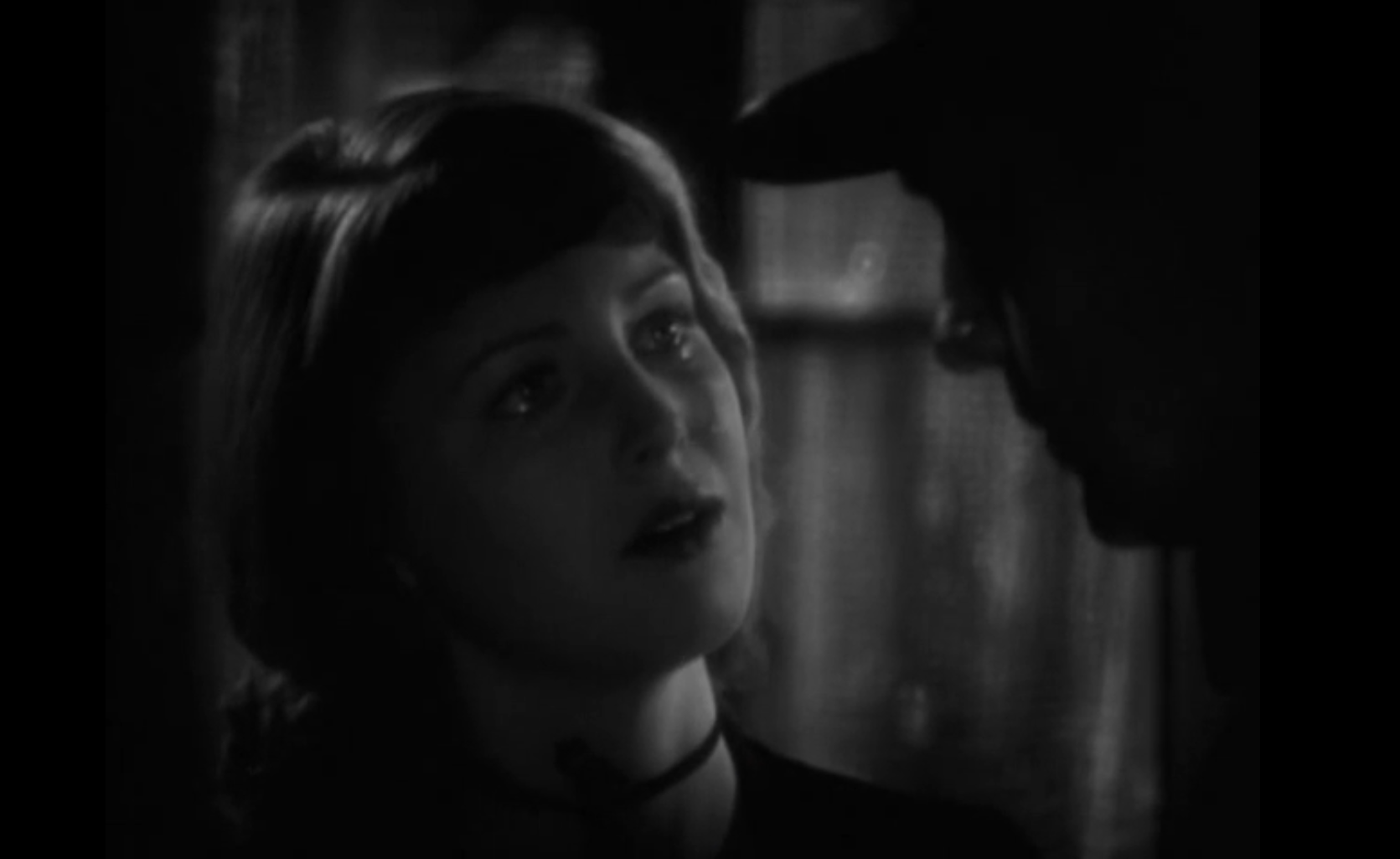
Unfortunately, this film’s two primary sub-plots — the love triangle between March, Lang, and Baxter:

… and the challenges of Baxter commanding his aged father:

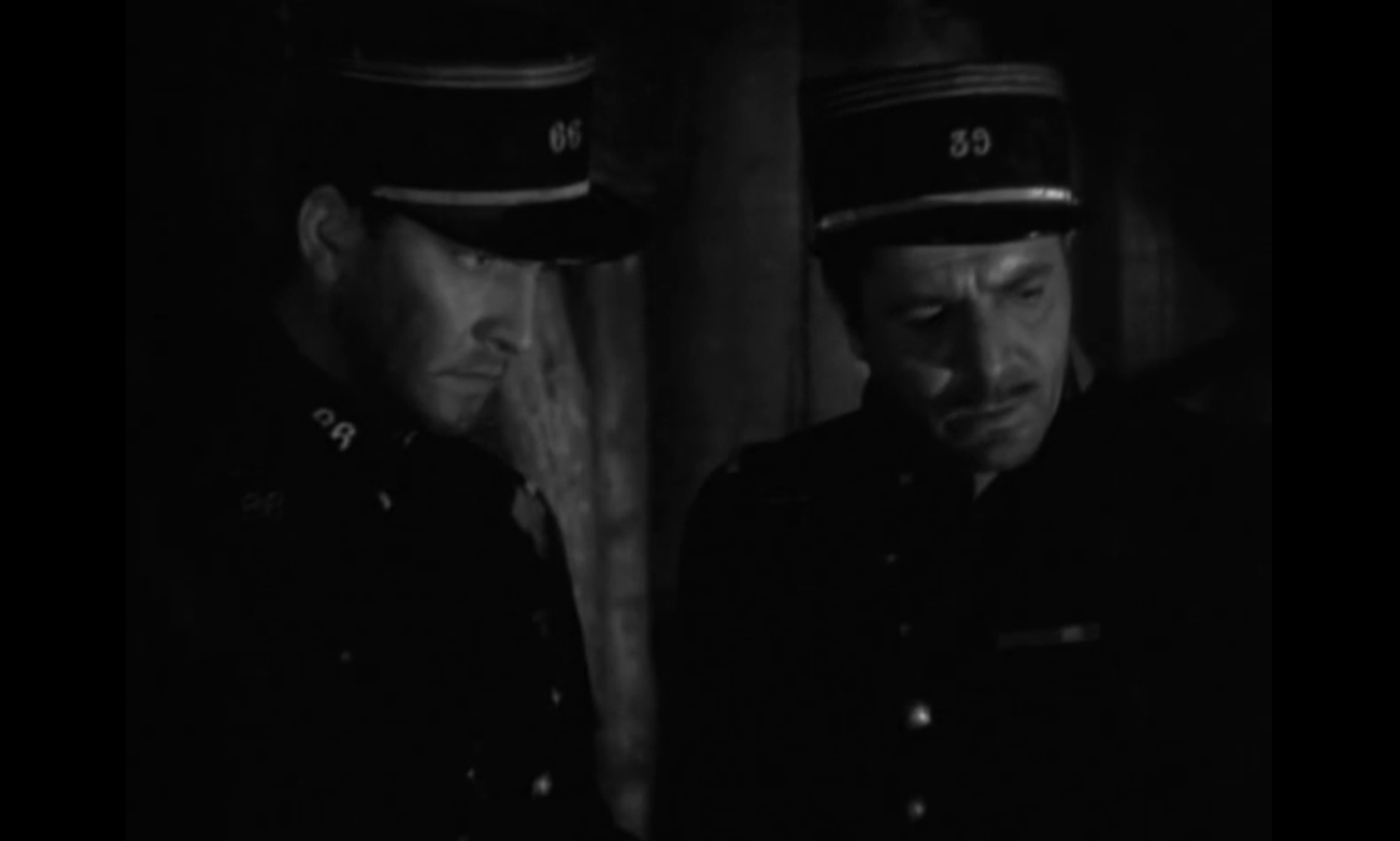
… aren’t all that compelling, but there are some incredibly intense battle scenes (i.e., the French squadron listening as an explosive-filled tunnel is built above their heads) that make it worth a one-time look by those interested in movies from and of this era.

Interestingly, Hawks’ first feature-length film was also titled The Road to Glory (1926), though it appears to have an entirely different plot and not be related in any way.

Redeeming Qualities and Moments:

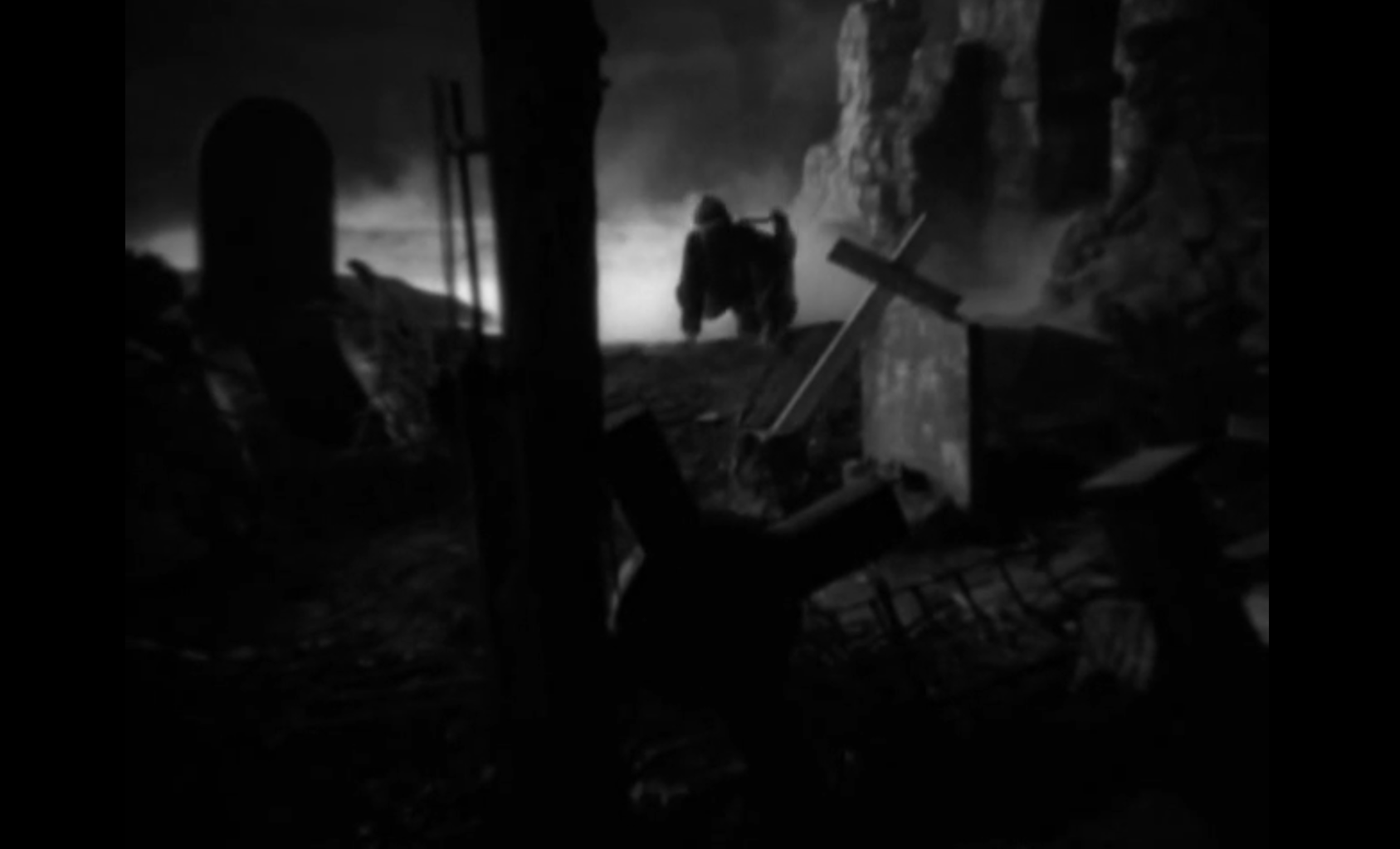
  • Atmospheric cinematography

Must See?
No, though it’s worth a look.

Links:

Red Pony, The (1949)

Red Pony, The (1949)

“You can’t know life unless you know death; it’s all part of one thing.”

Synopsis:
When a teacher-turned-rancher (Shepperd Strudwick) gives his son Tom (Peter Miles) a red pony named Gabilan, Tom turns to their ranch hand (Robert Mitchum) for support and advice. Meanwhile, Strudwick’s wife’s (Myrna Loy) garrulous father (Louis Calhern) won’t stop talking about his exploits on the Oregon Trail, leading Strudwick to leave their home for awhile as further drama unfolds with Gabilan.

Genres:

  • Horses
  • Lewis Milestone Films
  • Louis Calhern Films
  • Myrna Loy Films
  • Pets
  • Ranchers
  • Robert Mitchum Films

Review:
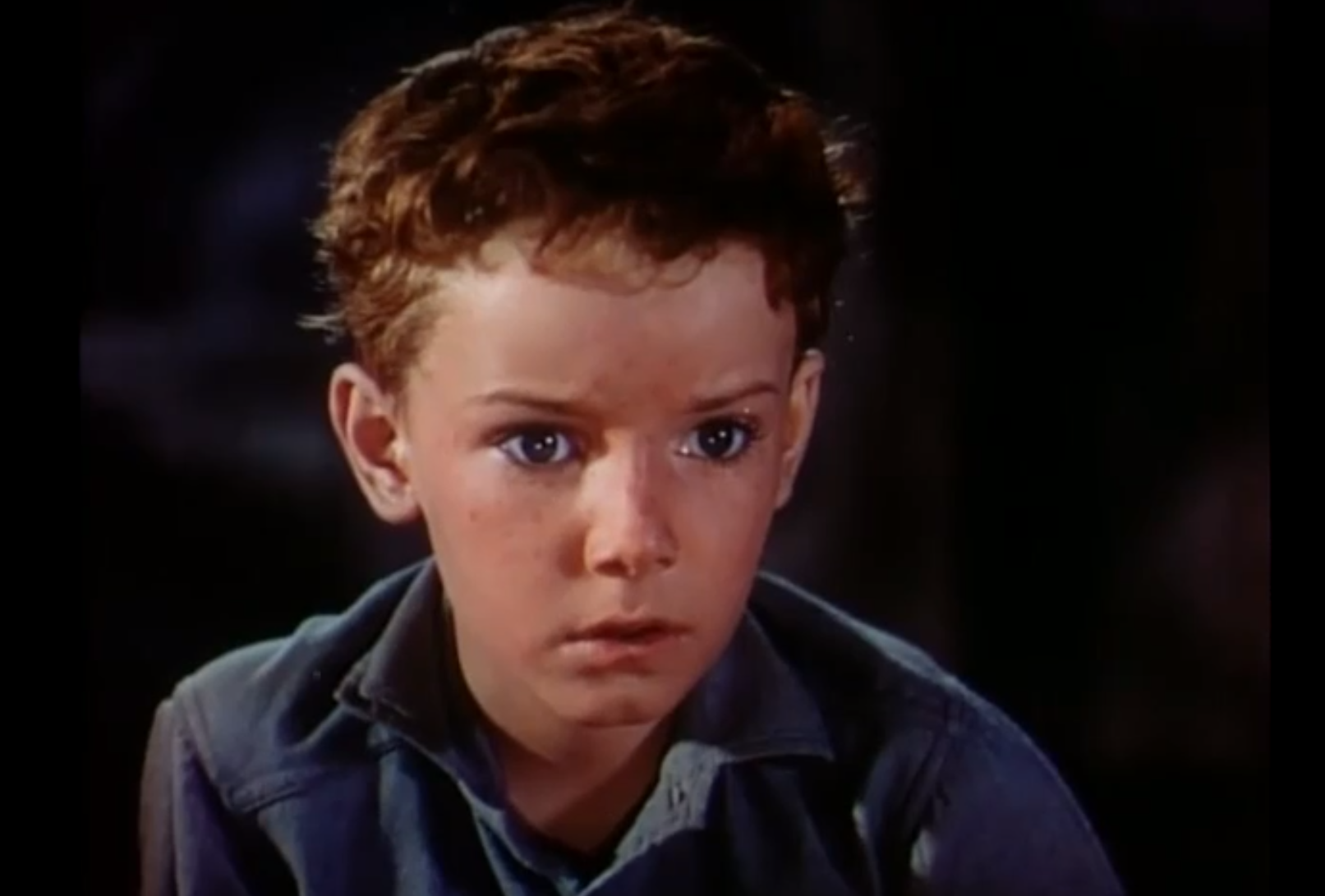
John Steinbeck wrote the screenplay for this adaptation of his own episodic novella, produced by Republic Pictures Studio and featuring a vivid soundtrack by Aaron Copland. The Technicolor cinematography (by Tony Gaudio) is superb:

and the story nicely ambles through an unconventional tale of a boy and his beloved animal — akin to, but less sentimental than, The Yearling (1946).

Steinbeck fills his screenplay with unexpected characters and twists; we never really understand what makes Strudwick tick the way he does, but the point is that his son’s development and coming of age will continue regardless, assisted by the other influential men in his household. Ultimately, this is a story about a young boy learning to make some sort of peace with the challenges of life, which range from schoolmates teasing him to accepting the limits of human intervention in animals’ well-being.

Redeeming Qualities and Moments:

  • Peter Miles as Tom
  • Louis Calhern as Grandfather
  • Fine Technicolor cinematography
  • Aaron Copland’s score

Must See?
Yes, as a fine adaptation.

Categories

Links:

Pearl, The (Perla, La) (1948)

Pearl, The (Perla, La) (1948)

Note: This movie was filmed simultaneously in both English and Spanish; while Peary lists the English-titled version in his GFTFF, I chose to watch the Spanish-language version with English subtitles.

“Pearls give you richness, but they also give you grief.”

Synopsis:
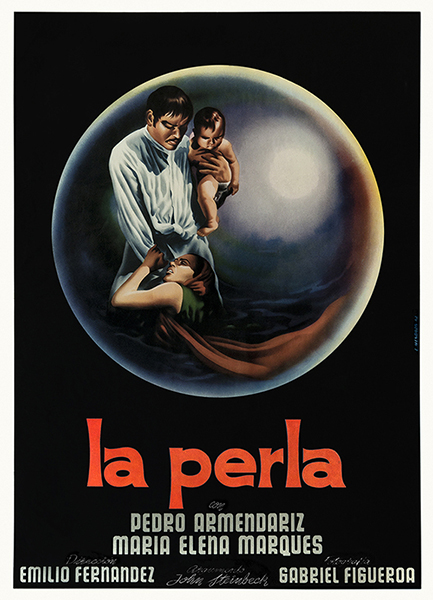
When a Mexican fisherman named Quino (Pedro Armendariz) finds a large pearl while diving for oysters, he, his wife Juana (Maria Elena Marques), and their infant son Coyotito experience the unexpectedly negative consequences of sudden wealth.

Genres:

  • Fishermen
  • Mexico

Review:
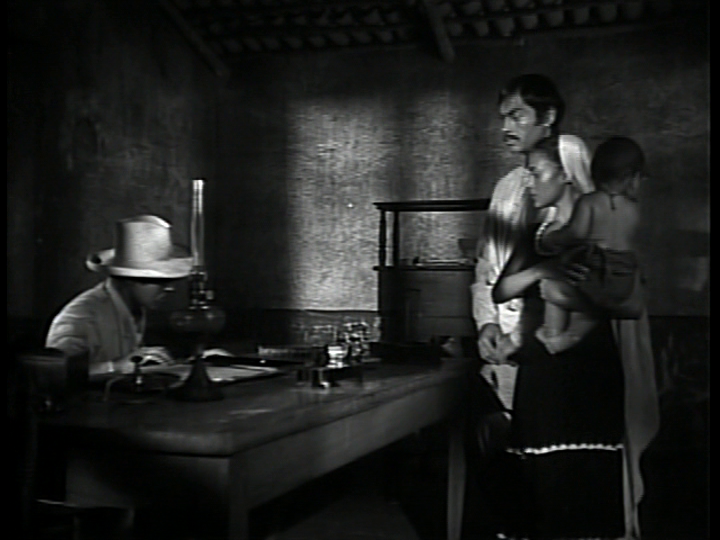
John Steinbeck co-wrote the screenplay for this adaptation of his soon-to-be-published novella, filmed in Mexico by a Mexican director (Emilio Fernandez) and with a mostly-Mexican cast and crew. It’s a highly atmospheric parable, punctuated by cultural intermissions meant to show that the sustaining lifeblood of Quino’s village is joyful, collaborative communion:

… not the selfishness, paranoia, and jealousy which instantly take root once Quino dares to single himself out by finding an extraordinary pearl. Unfortunately, the film’s thematic thrust — “Don’t be greedy” — is undone by a couple of factors. First, the local doctor (overplayed as an avaricious villain by Charles Rooner) refuses to care for Coyotito when he’s bitten by a scorpion, choosing instead to stay in bed eating and fingering his coveted pearls — so we can understand why Quino is so desperate to secure the pearl (how else can he earn the money to save his son’s life?). Second, it seems this poor couple simply can’t win for losing: while they don’t want anything more than to receive money in exchange for their valued pearl, they are confronted on all sides by corruption and theft. What are Quino and Juana to do? Clearly, hopes for rising above their peasant status are unwise, given the tragic consequence that ensue from their momentary flirtation with wealth. With all that said, the on-site cinematography throughout this film is gorgeous, and it remains worth a look both for its visual beauty and its historical significance within Mexican cinema.

Redeeming Qualities and Moments:

  • Gabriel Figueroa’s cinematography

Must See?
No, though it’s certainly worth a look for its historical relevance. Inducted into the National Film Registry by the Library of Congress in 2002.

Links:

They Knew What They Wanted (1940)

They Knew What They Wanted (1940)

“There’s good people in the world, and there’s the other kind — the kind that go away.”

Synopsis:
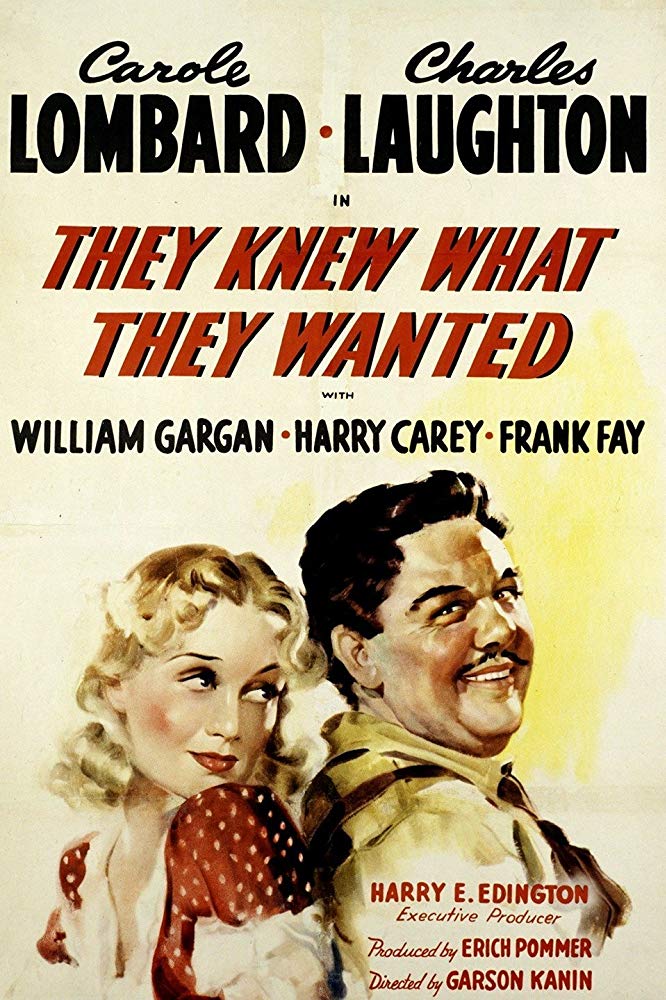
When a wealthy Italian grape farmer (Charles Laughton) in Napa Valley becomes smitten with a beautiful waitress (Carole Lombard) in San Francisco, he asks his handsome friend (William Gargan) to help him write letters to her and propose marriage. Soon she comes to visit, thinking Laughton looks like Gargan — and when she finds out the truth, she has a hard choice to make.

Genres:

  • Carole Lombard Films
  • Charles Laughton Films
  • Love Triangle
  • Play Adaptation
  • Womanizers

Review:
Before achieving fame as a successful Hollywood screenwriter, Garson Kanin (husband of writer-actress Ruth Gordon) directed a few studio films, including Tom, Dick, and Harry (1941) and this adaptation of Sidney Howard’s Pulitzer Prize-winning 1924 play. Unfortunately, it’s a creaky production, dominated by Laughton’s overly enthusiastic portrayal of a hardy Italian who we want to like but can’t help feeling annoyed by.

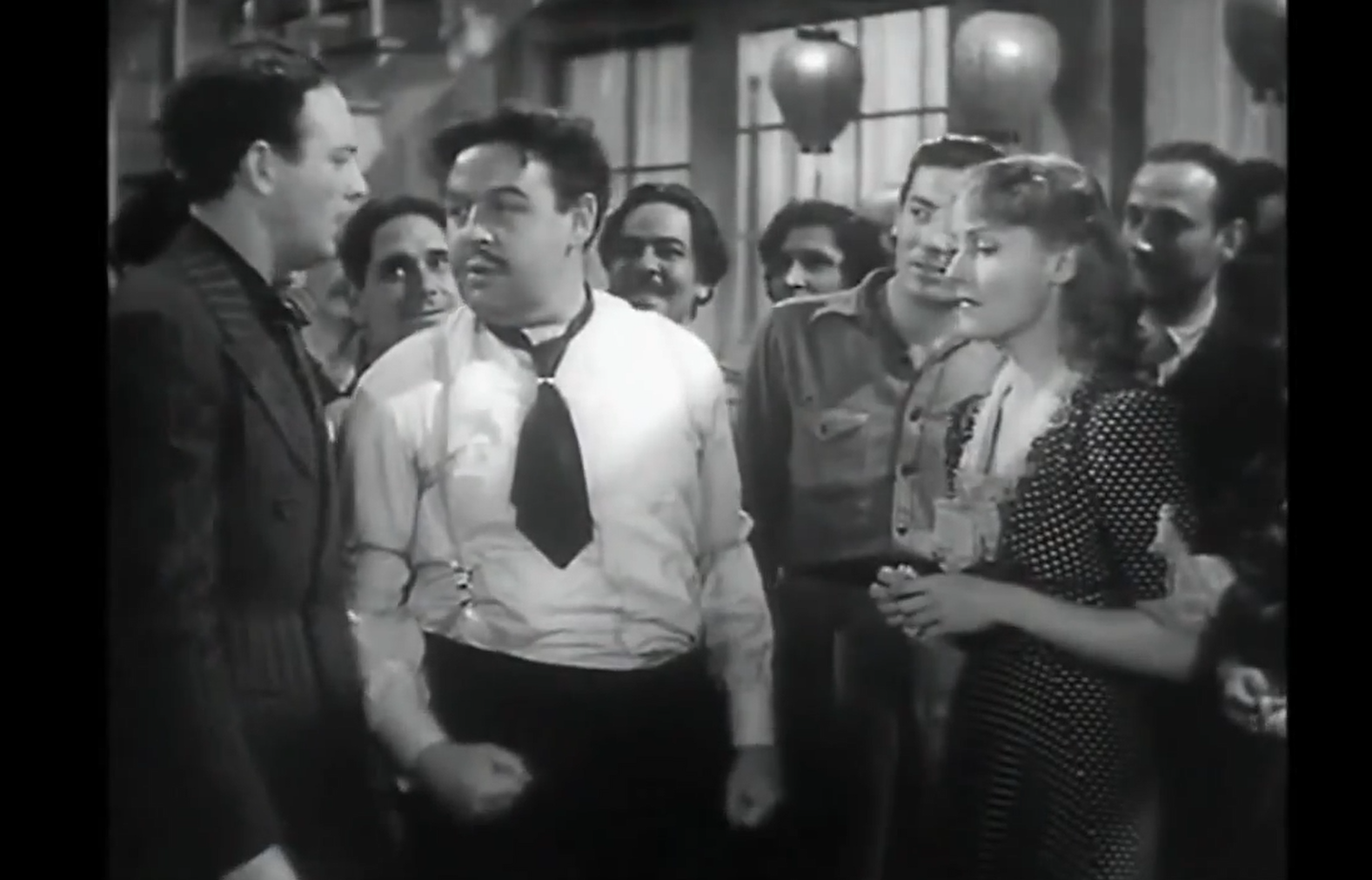
He makes a few key mistakes early on out of social anxiety, and things spiral from there, thanks to Lombard’s vulnerability and the presence of womanizing Gargan. Lombard tries her best with her challenging role, and Gargan is fine as a casual cad:

… but Frank Fay’s portrayal as a noble local priest simply piles on the schmaltz.

While we’re happy to see these individuals showing true generosity of spirit by the end of the film, there isn’t much authentic satisfaction in the outcome. I’m sure this was an audience-pleaser in its day, but it’s not must-see viewing at this point.

Redeeming Qualities and Moments:

  • Harry Stradling’s cinematography

Must See?
No; you can skip this one unless you’re curious.

Links:

Talk of the Town, The (1942)

Talk of the Town, The (1942)

“My business is with the principles of law. I can’t allow myself to get mixed up in these little local affairs.”

Synopsis:
When a Supreme Court nominee (Ronald Colman) comes to stay in a country house run by a schoolteacher (Jean Arthur) harboring a falsely accused fugitive from justice (Cary Grant), he finds his belief in the sanctity of academic law put to the test.

Genres:

  • Cary Grant Films
  • Falsely Accused
  • Fugitives
  • George Stevens Films
  • Jean Arthur Films
  • Lawyers
  • Love Triangle
  • Rex Ingram Films
  • Romantic Comedy
  • Ronald Colman Films

Review:
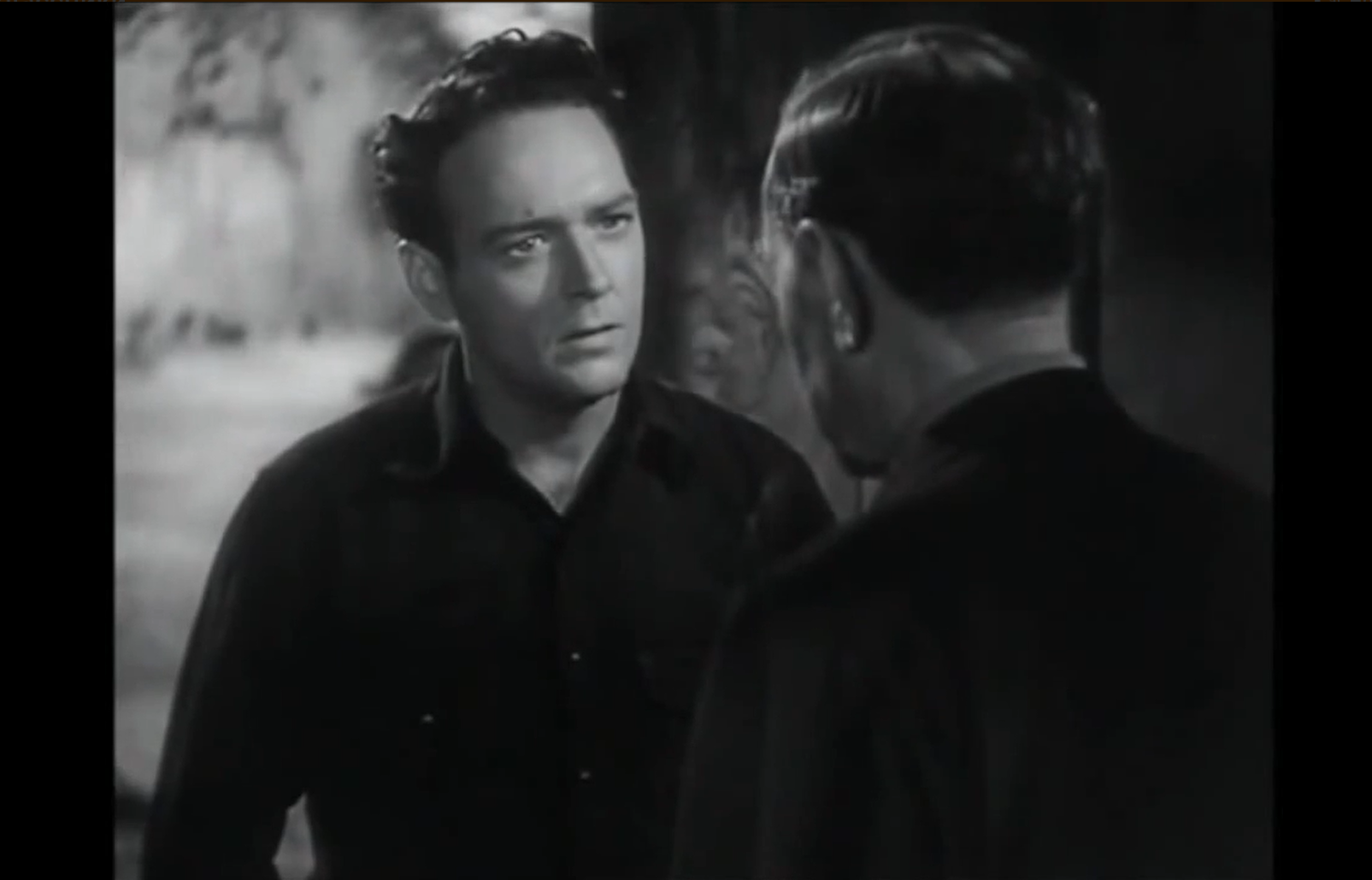
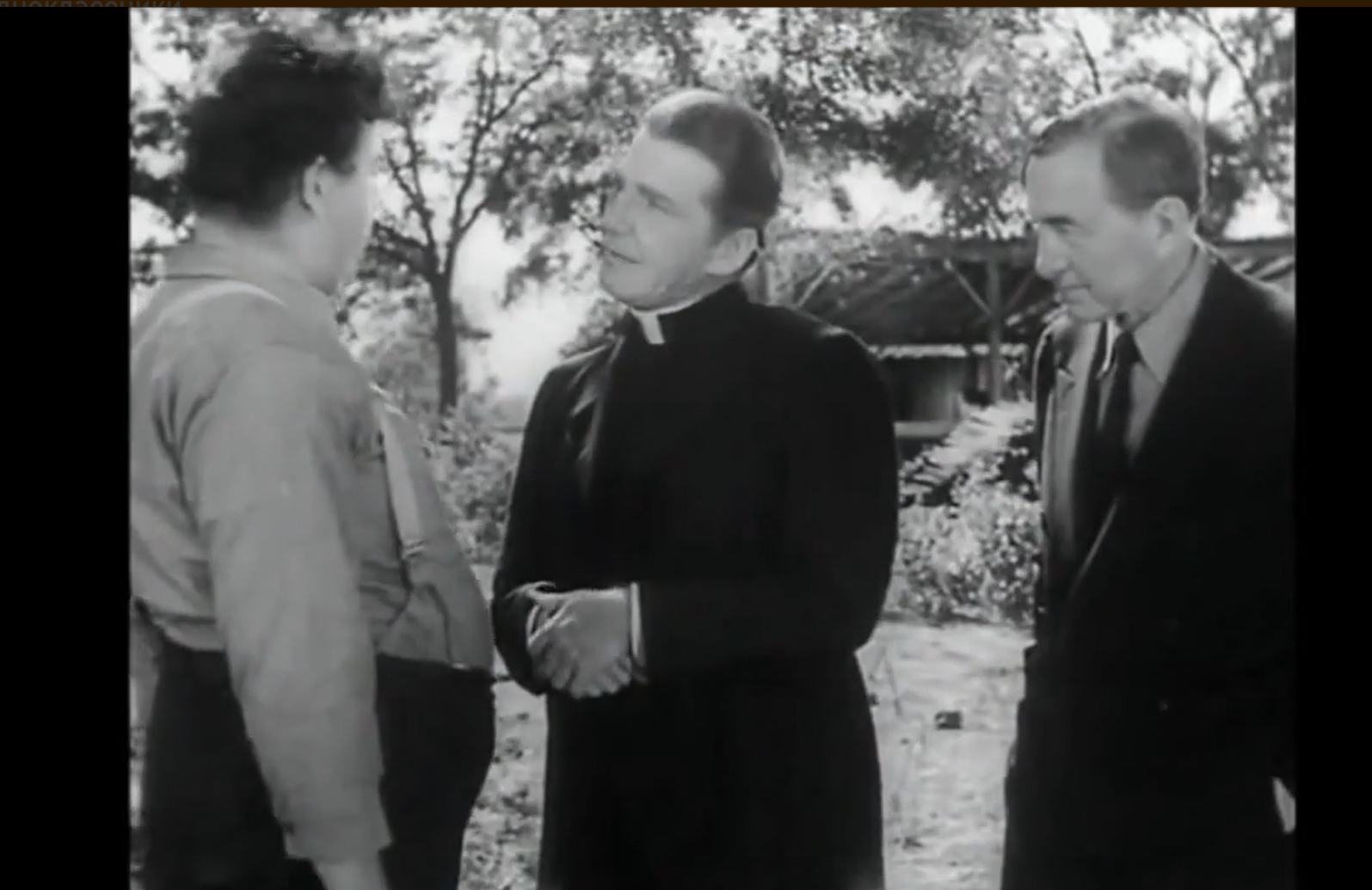
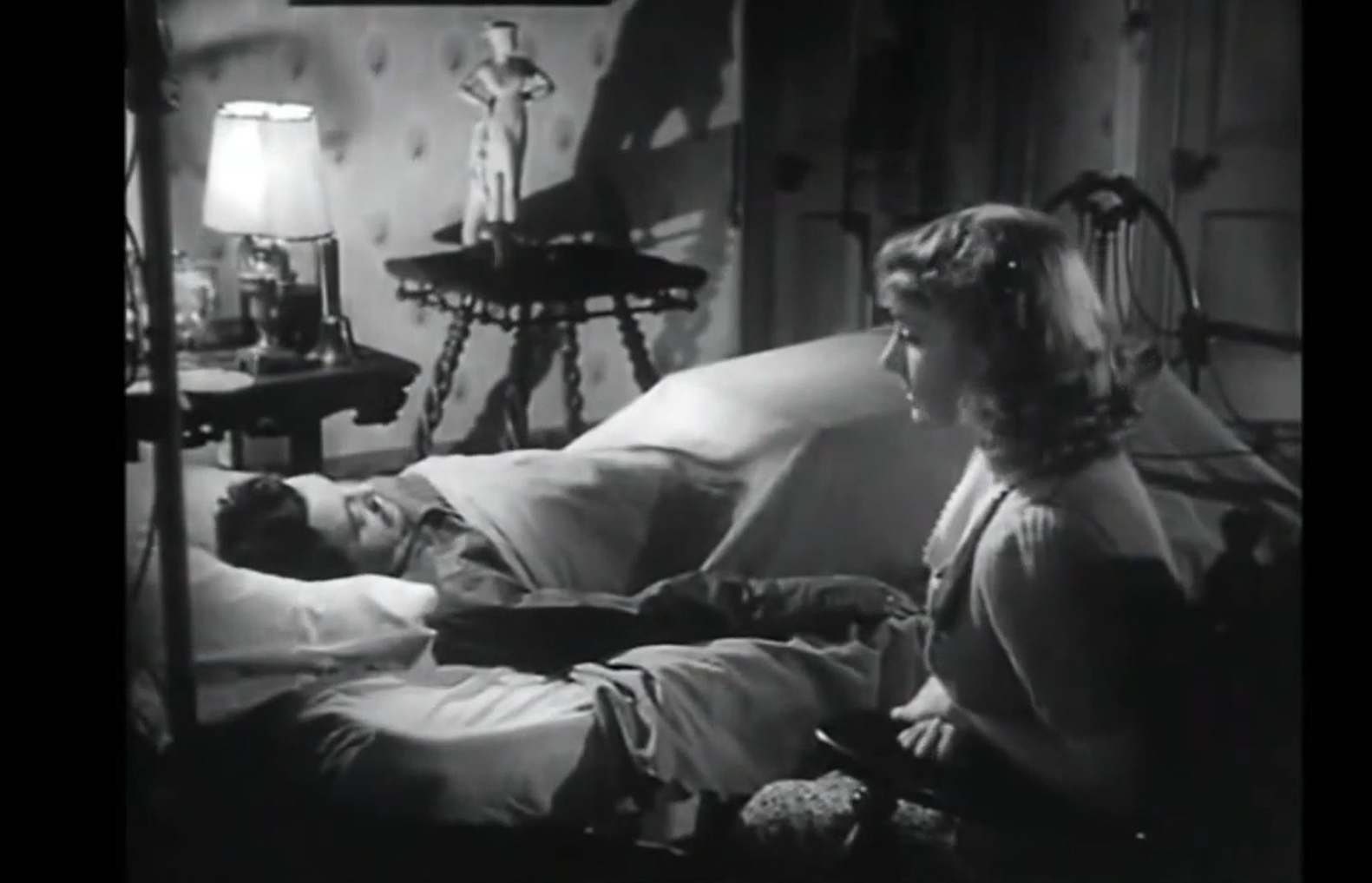
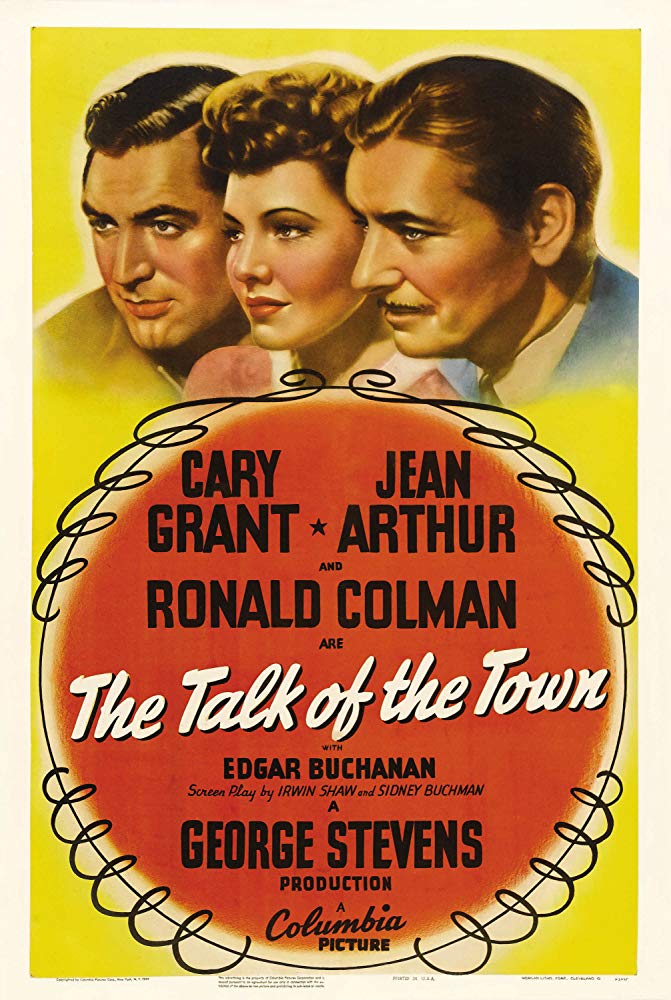
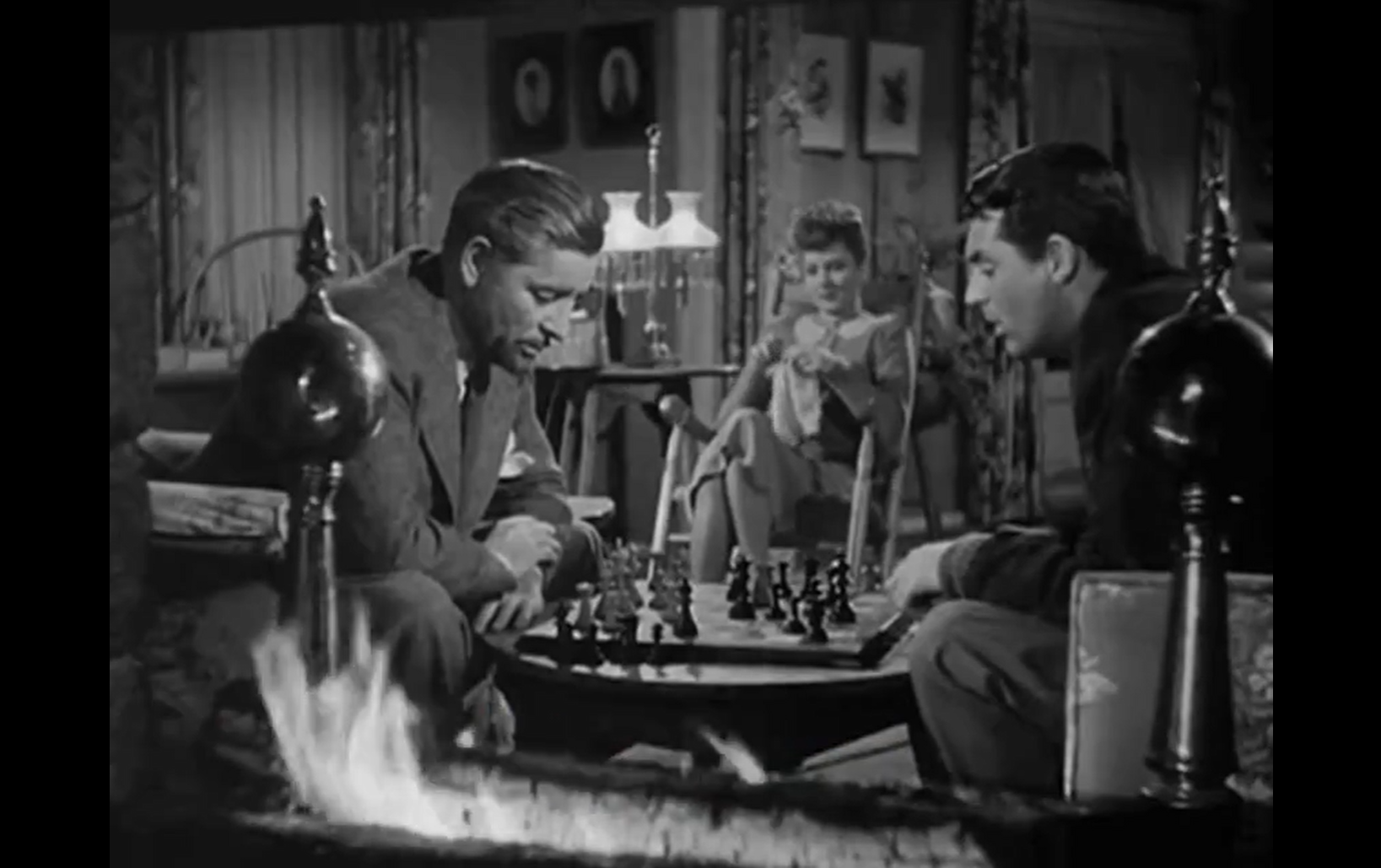
Cary Grant’s third film with director George Stevens — after Gunga Din (1939) and Penny Serenade (1941) — was this unfunny attempt to imbue a romantic love triangle comedy with a sense of political justice; or, as DVD Savant refers to it, “an odd blend of civics lesson and screwball comedy”. His review sums up many of the film’s problems:

The clever script has far too many climaxes, and starts off with comedy so unsteady that even pro Jean Arthur, running around in her pajamas all morning, has a hard time keeping things in balance. When they get into the meat of the story, the authors seem to be saying that good liberal thinking in this country (Colman) has to warm up to human needs if it expects to counter the avarice of landlords, factory owners and crooked politicians. In other words, there’s no right or left, just Corrupt and Noble, and the Noble better get off their podiums and into the trenches to fight for what’s right, or America is in trouble. It sounds great, but the end result is a little thin.

Indeed, the screenplay sets these characters up so predictably that all that’s left is a sense of curiosity about who Arthur will choose as her romantic partner — something apparently even the screenwriters themselves were uncertain about (two endings were filmed, and audience reactions helped to make the final choice).

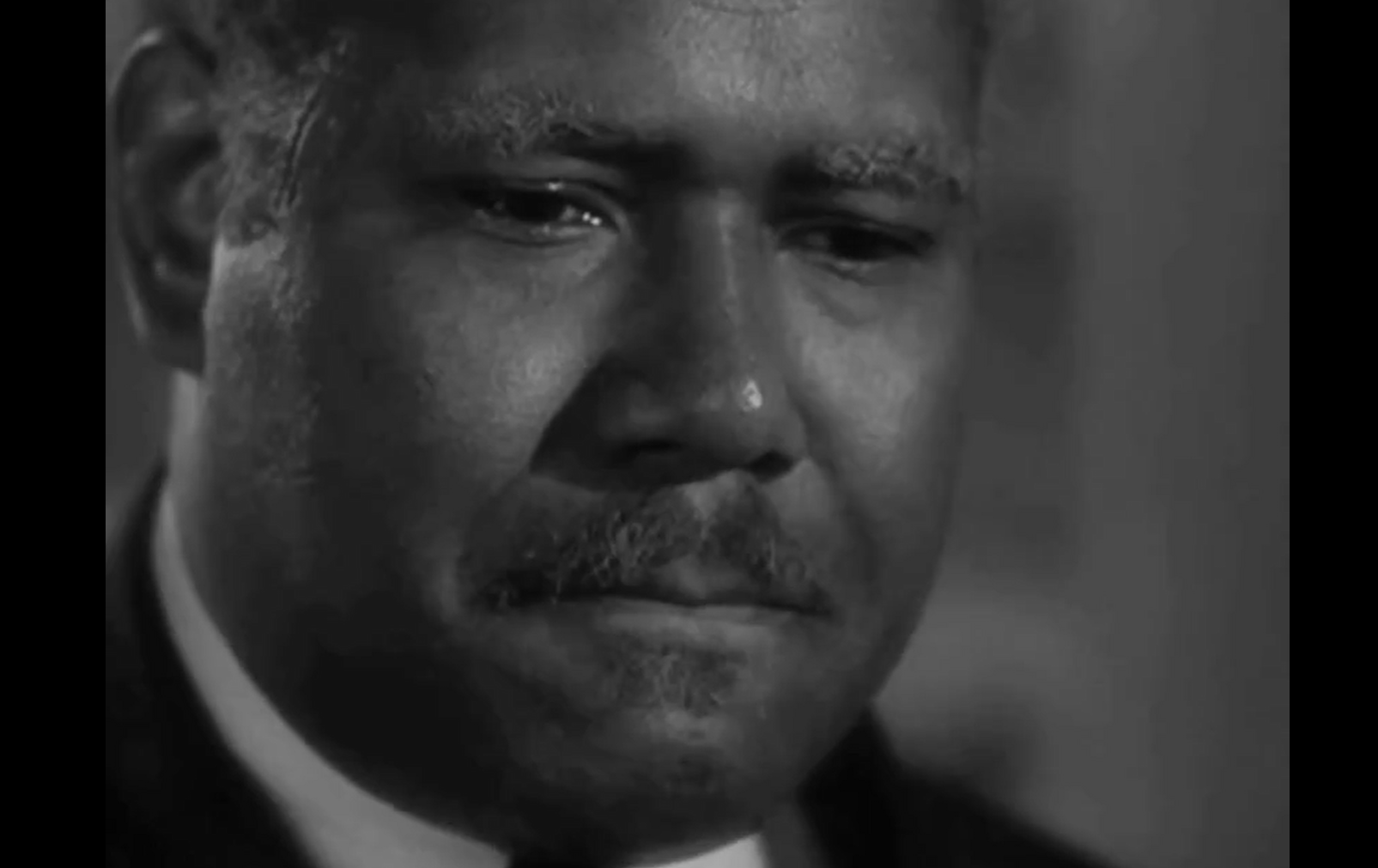
Rex Ingram is given a thankless role as Colman’s loyal butler, shedding a long, slow tear for him when he decides to shave off his beard (?!); it’s small comfort that, as Savant writes, “He’s not used for a single laugh, which is very progressive for a 1942 picture.” Okay — but this is a long stretch down from his memorable, larger-than-life role in The Thief of Bagdad (1940).

Redeeming Qualities and Moments:

  • Ted Tetzlaff’s cinematography

Must See?
No; you can skip this one unless you’re curious.

Links:

Seventh Cross, The (1944)

Seventh Cross, The (1944)

“There are no better men than Paul Roeder.”

Synopsis:
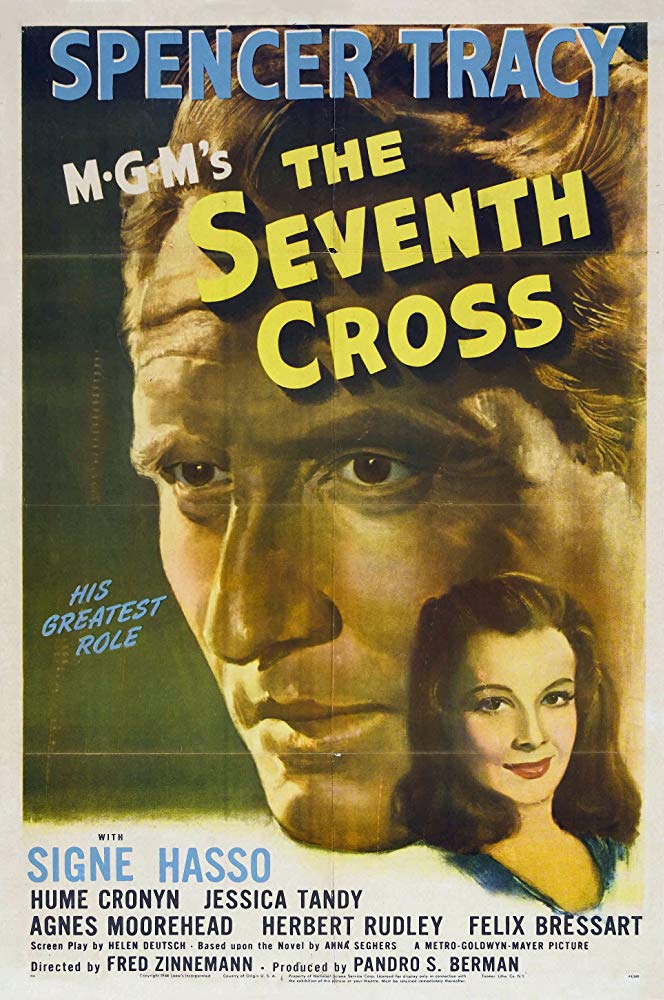
A fugitive (Spencer Tracy) from a concentration camp in 1936 Germany seeks refuge with old friends and acquaintances but finds he can’t rely on everyone. A married friend (Hume Cronyn) and his wife (Jessica Tandy) prove to be pivotal in his survival, as does a beautiful hotel maid (Signe Hasso) he falls in love with.

Genres:

  • Agnes Moorehead Films
  • Fred Zinnemann Films
  • Fugitives
  • George Macready Films
  • Hume Cronyn Films
  • Jessica Tandy Films
  • Nazis
  • Signe Hasso Films
  • Spencer Tracy Films
  • World War II

Review:
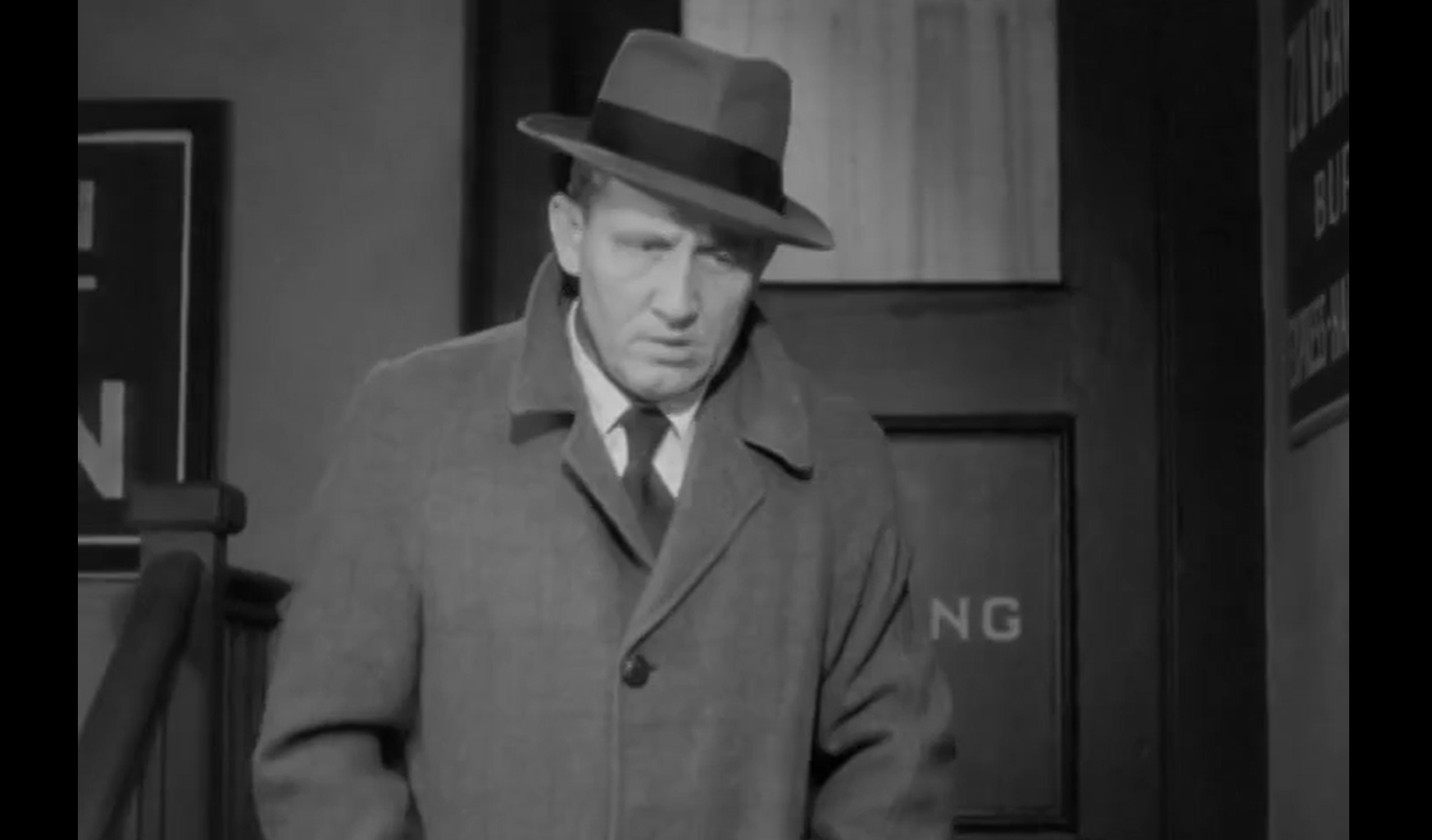
Fred Zinnemann directed this somber, affecting tale about the crucial role of human decency in the midst of war and deception. Playing a concentration camp survivor on the run for his life in Nazi-occupied Germany, Tracy possesses an appropriately haunted look throughout the film:
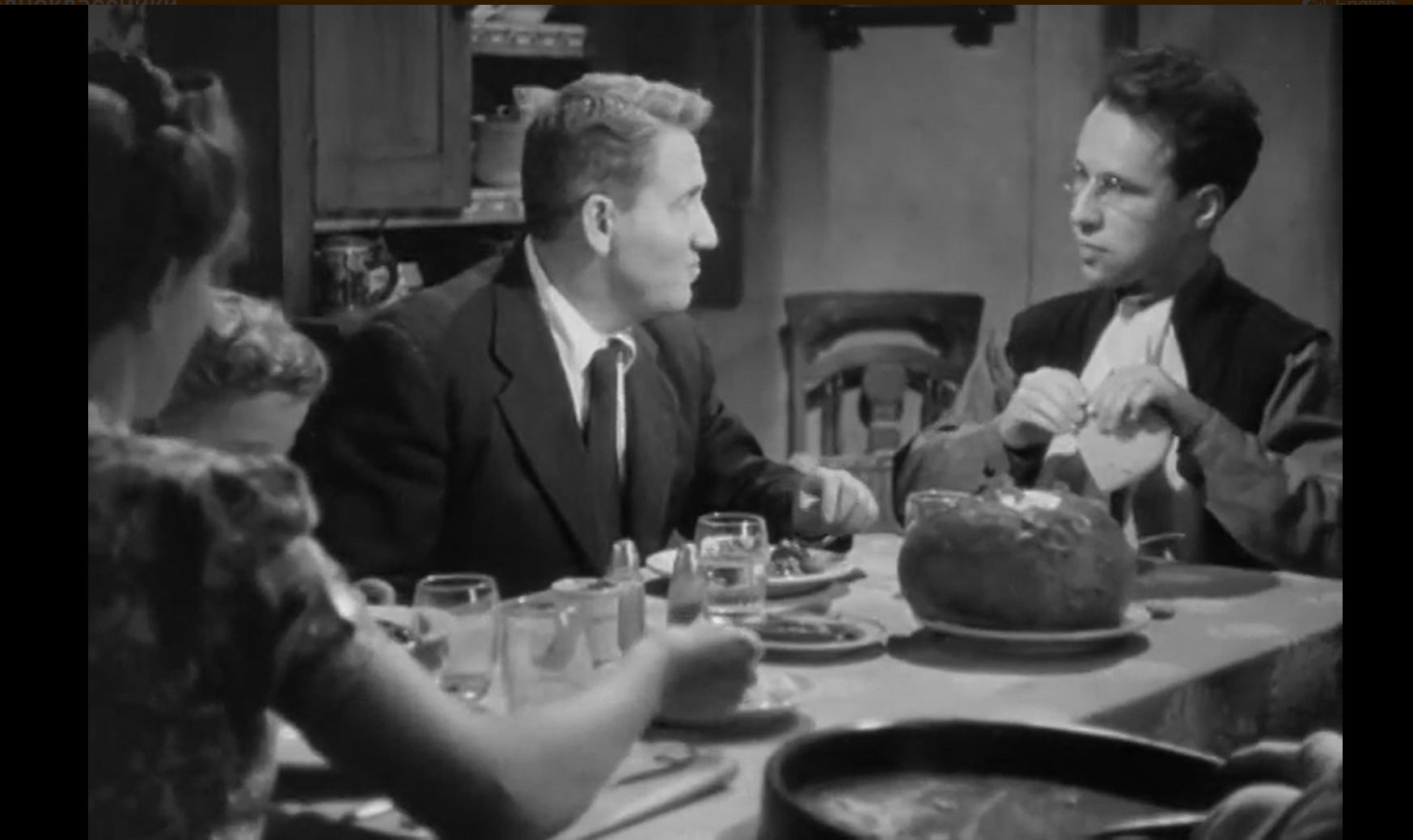
… but it’s married actors Hume Cronyn and Jessica Tandy who give the most memorable performances, playing a loving couple with young children who are happy about their country’s economic progress but suitably distressed as they learn about the horrors their friend (Tracy) has undergone and continues to face.
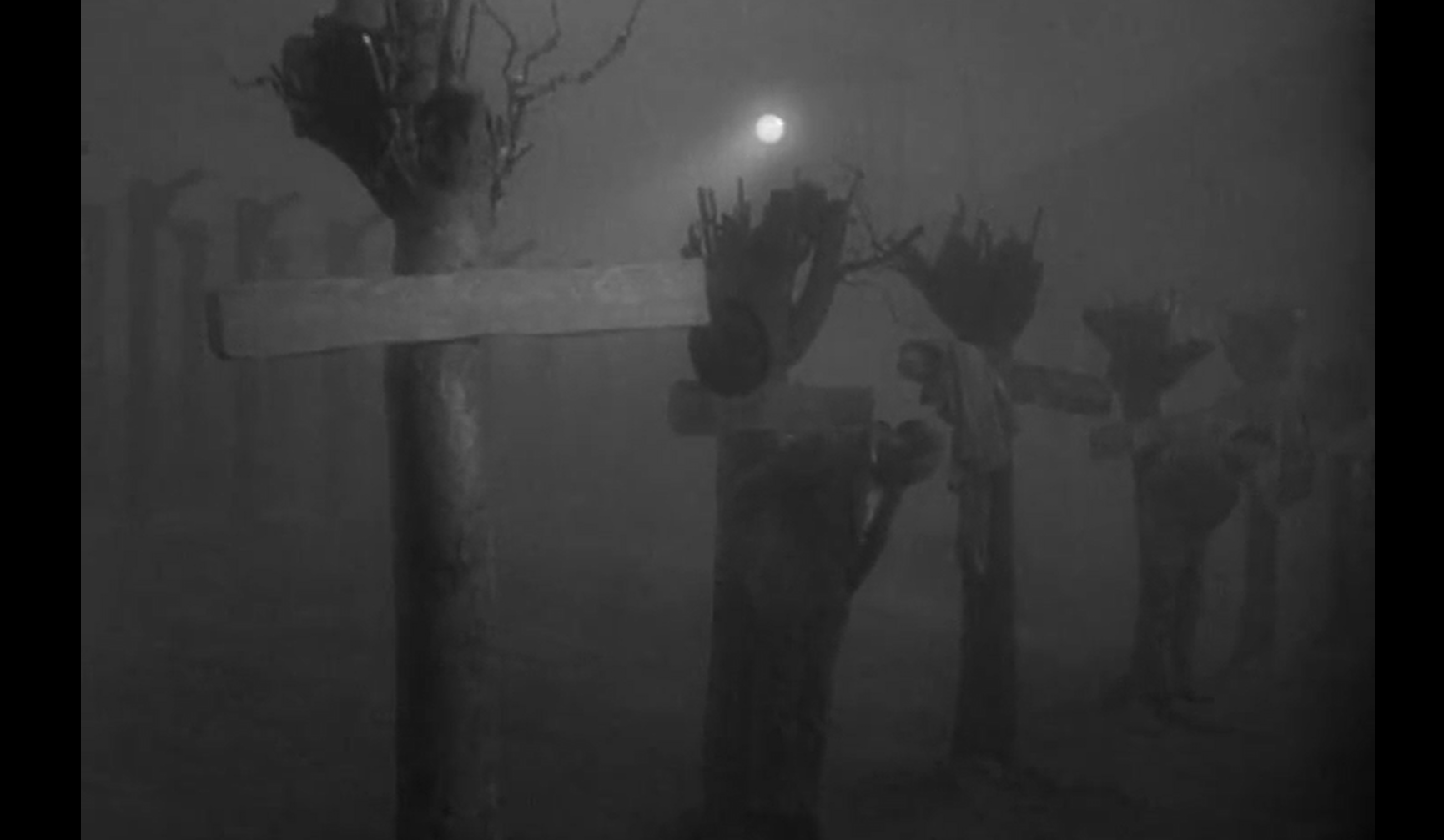
The film opens with a powerful sequence explaining the film’s title — as they’re caught, the fugitives are nailed one by one to crosses outside the camp —
… and never lets up in tension, as Tracy slips from one location to the next:
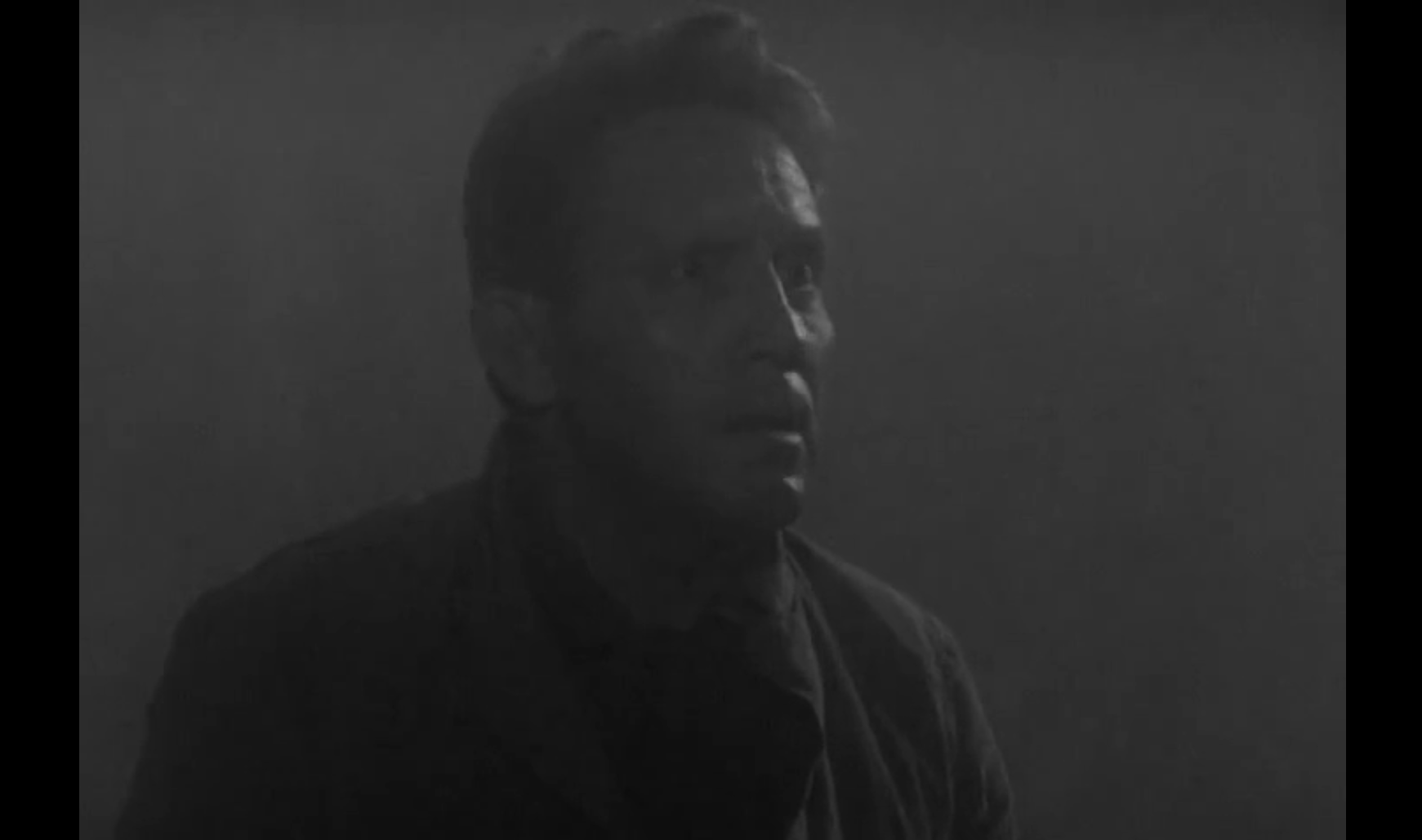

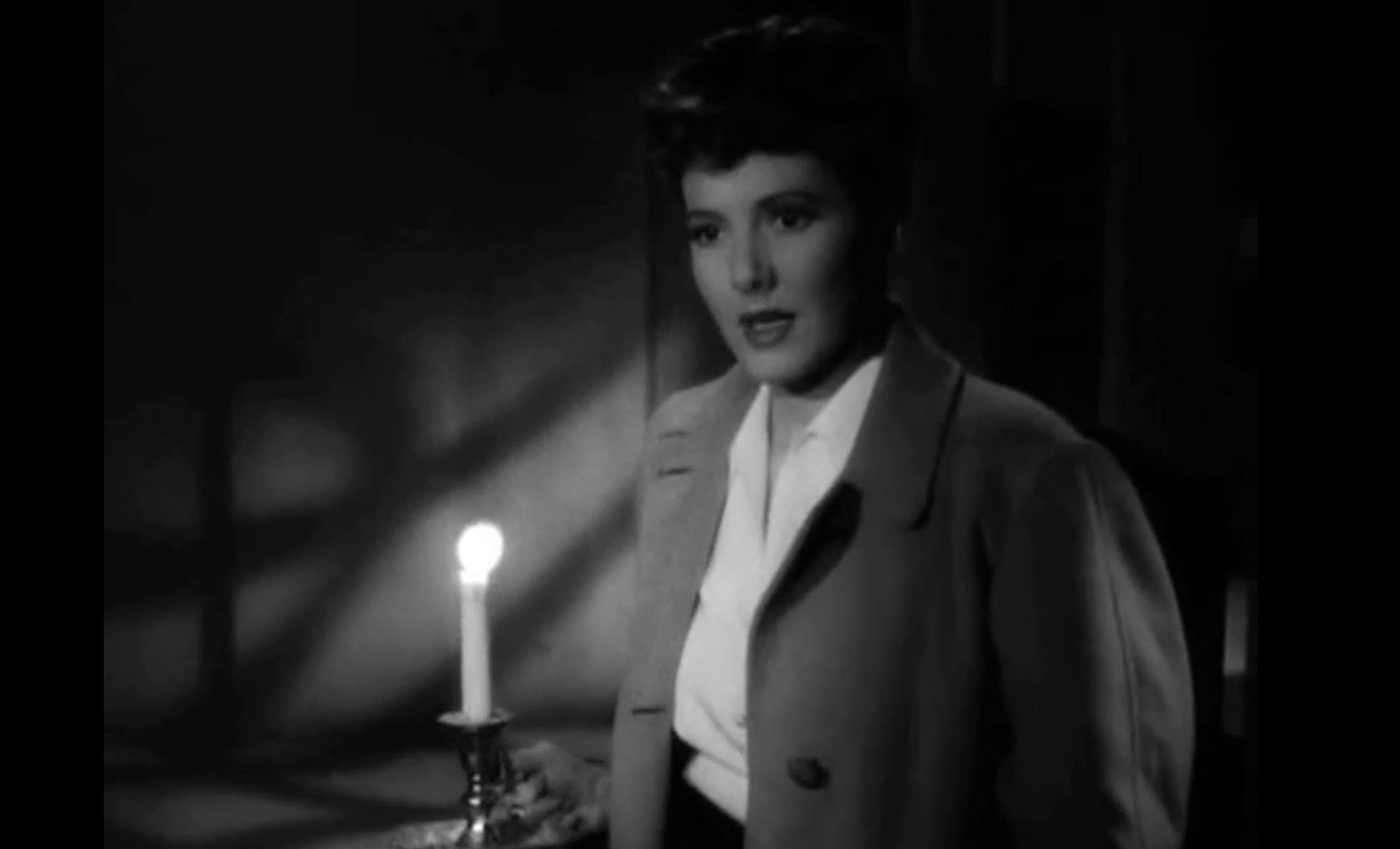
… chronically uncertain who he can trust (or not). Least convincing is Tracy’s brief romance with a housemaid (Hasso) who takes pity on him:
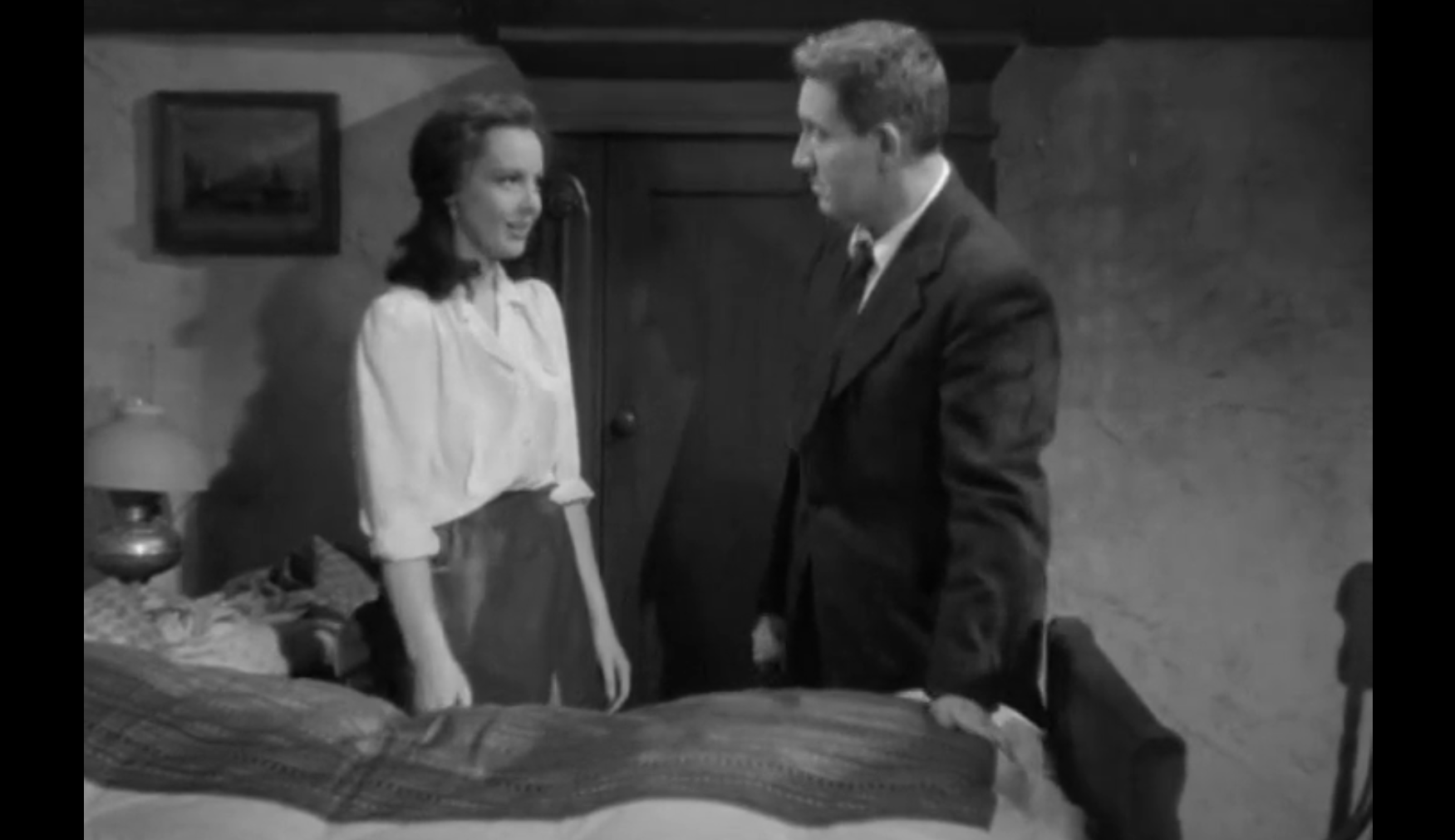
This unnecessary subplot could (and should) have been left out of the story, which doesn’t need such a distraction. Regardless, enough of the film works that it’s certainly recommended for at least one-time viewing. Watch for Agnes Moorehead in a small but crucial role as one of many individuals Tracy must stake his life upon as he flees for safety.

Redeeming Qualities and Moments:

  • Hume Cronyn as Paul
  • Jessica Tandy as Liesel
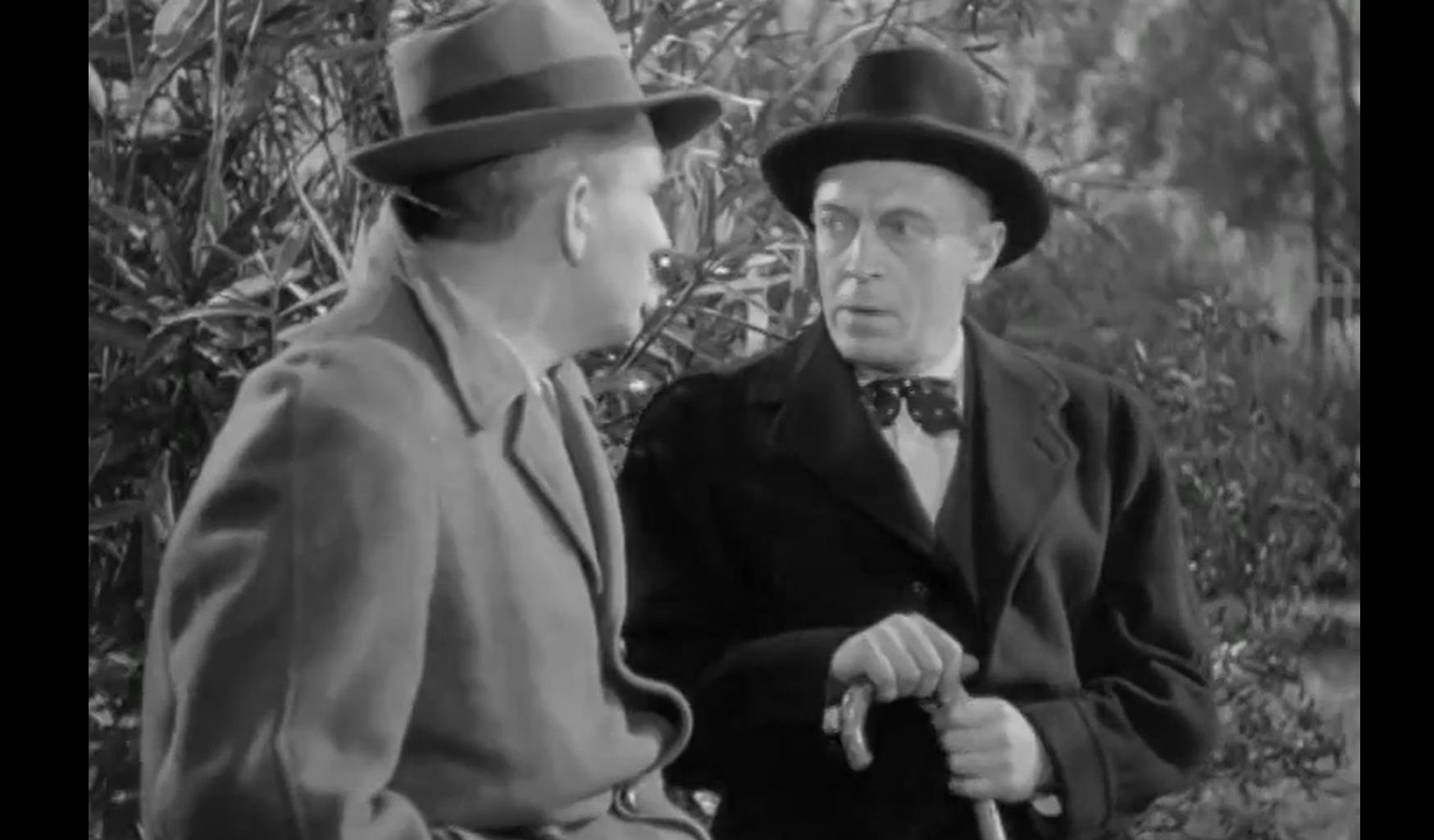
  • Konstantin Shayne’s brief but affecting appearance as Fuellgrabe (“This is an evil world, Heisler — a stinking, horrible, god-forsaken world.”)
  • Karl Freund’s cinematography

Must See?
Yes, as a powerful war-time film.

Categories

Links:

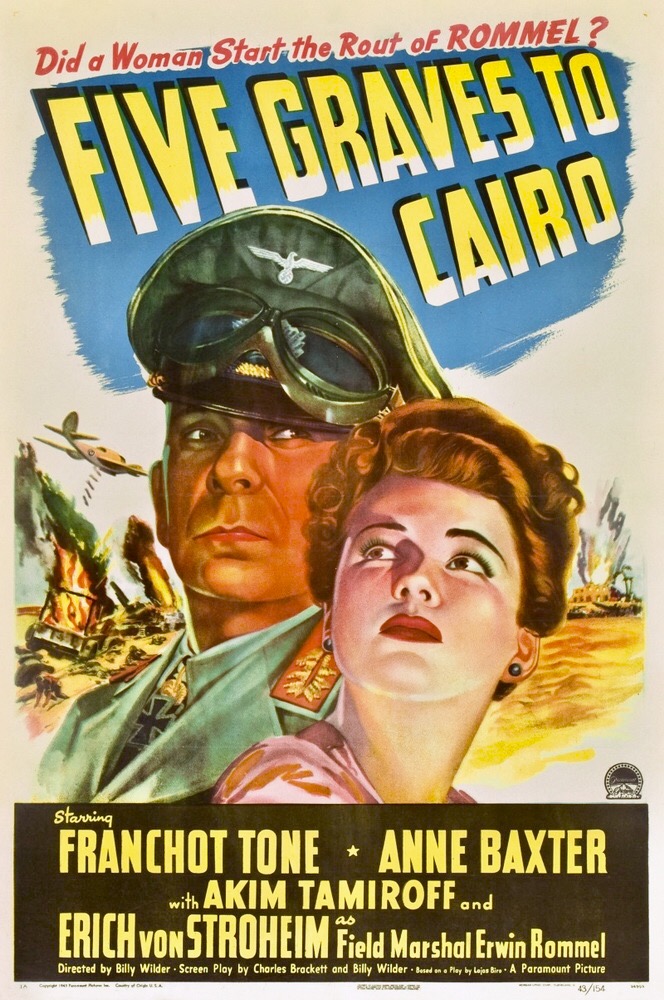
Five Graves to Cairo (1943)

Five Graves to Cairo (1943)

“To safeguard ourselves against all eventualities, we prepare.”

Synopsis:
During World War II, a British soldier (Franchot Tone) stranded in a hotel run by a nervous Egyptian (Akim Tamiroff) and a cynical French housemaid (Anne Baxter) goes undercover as a club-footed double agent, garnering vital intelligence from Field Marshall Rommel (Erich von Stroheim).

Genres, Themes, Actors, and Directors:

  • Akim Tamiroff Films
  • Anne Baxter Films
  • Billy Wilder Films
  • Deserts
  • Erich von Stroheim Films
  • Franchot Tone Films
  • Mistaken or Hidden Identities
  • Spies
  • World War II

Review:
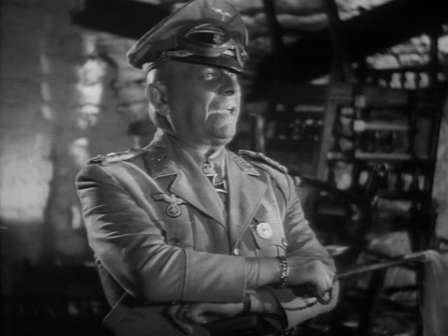
Billy Wilder directed this adaptation of Lajos Biró’s 1917 play, updating it from WWI to WWII and shifting the location from Russia to Egypt to reflect current geopolitical realities. Thanks to an authentically adoring fan letter, Wilder was able to score his idol von Stroheim:

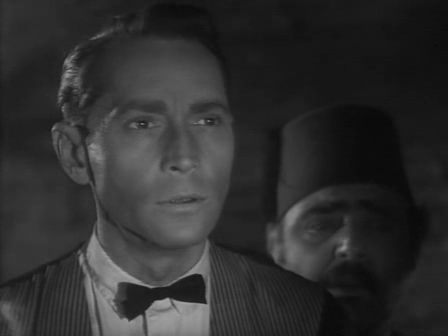
in a pivotal supporting role as real-life Field Marshall Rommel, a suitably villainous foil (“Rice pudding in Egypt… One never knows if it’s raisins or flies.”) for Tone, who likewise gives a solid and compelling performance.

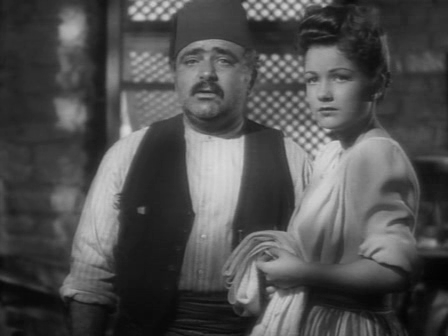
Baxter’s French accent is surprisingly innocuous; she nicely portrays the world-weariness of a woman who understands the games she must play in order to achieve her goals.

The tightly scripted screenplay — beginning with a stark, wordless opening sequence in the desert — never lets up on tension, providing plenty of opportunities for characters to risk their lives in an uncertain world of war and hidden identities. This one remains worth a look.

Redeeming Qualities and Moments:

  • Franchot Tone as “Paul Davos”
  • Erich von Stroheim as Rommel
  • John F. Seitz’s cinematography

Must See?
Yes, as a still-compelling war-time drama.

Categories

  • Good Show

Links:

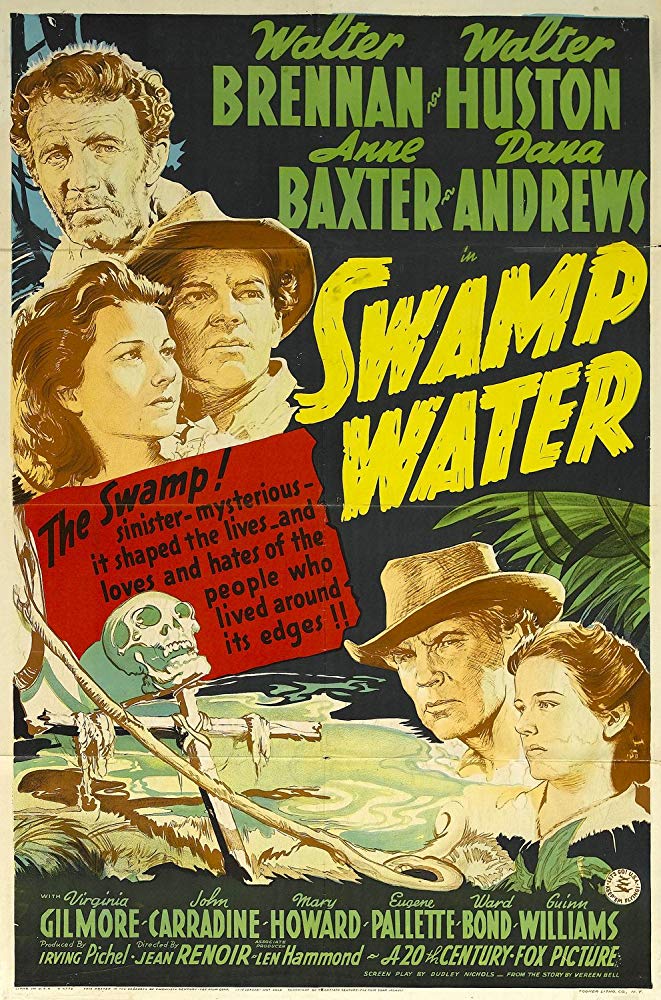
Swamp Water (1941)

Swamp Water (1941)

“I’m trying to find out if there’s anyone in the world that can speak the honest truth.”

Synopsis:
While looking for his dog in the Okefenokee Swamp of Georgia, a hunter (Dana Andrews) living with his father (Walter Huston) encounters a fugitive (Walter Brennan) falsely accused of murder five years prior. Soon the pair begin a thriving trapping partnership, and Andrews provides money to Brennan’s bedraggled daughter (Anne Baxter). Meanwhile, Huston’s partner (Mary Howard) refuses to reveal the name of her stalker (John Carradine); Andrews’ fickle girlfriend (Virginia Gilmore) tires of waiting for her beau to return home from his lengthy trips to the swamp; and Andrews begins to wonder about a pair of locals (Ward Bond and Guinn Williams) acting suspiciously.

Genres, Themes, Actors, and Directors:

  • Anne Baxter Films
  • Dana Andrews Films
  • Deep South
  • Falsely Accused
  • Fugitives
  • Jean Renoir Films
  • John Carradine Films
  • Walter Brennan Films
  • Walter Huston Films
  • Ward Bond Films

Review:
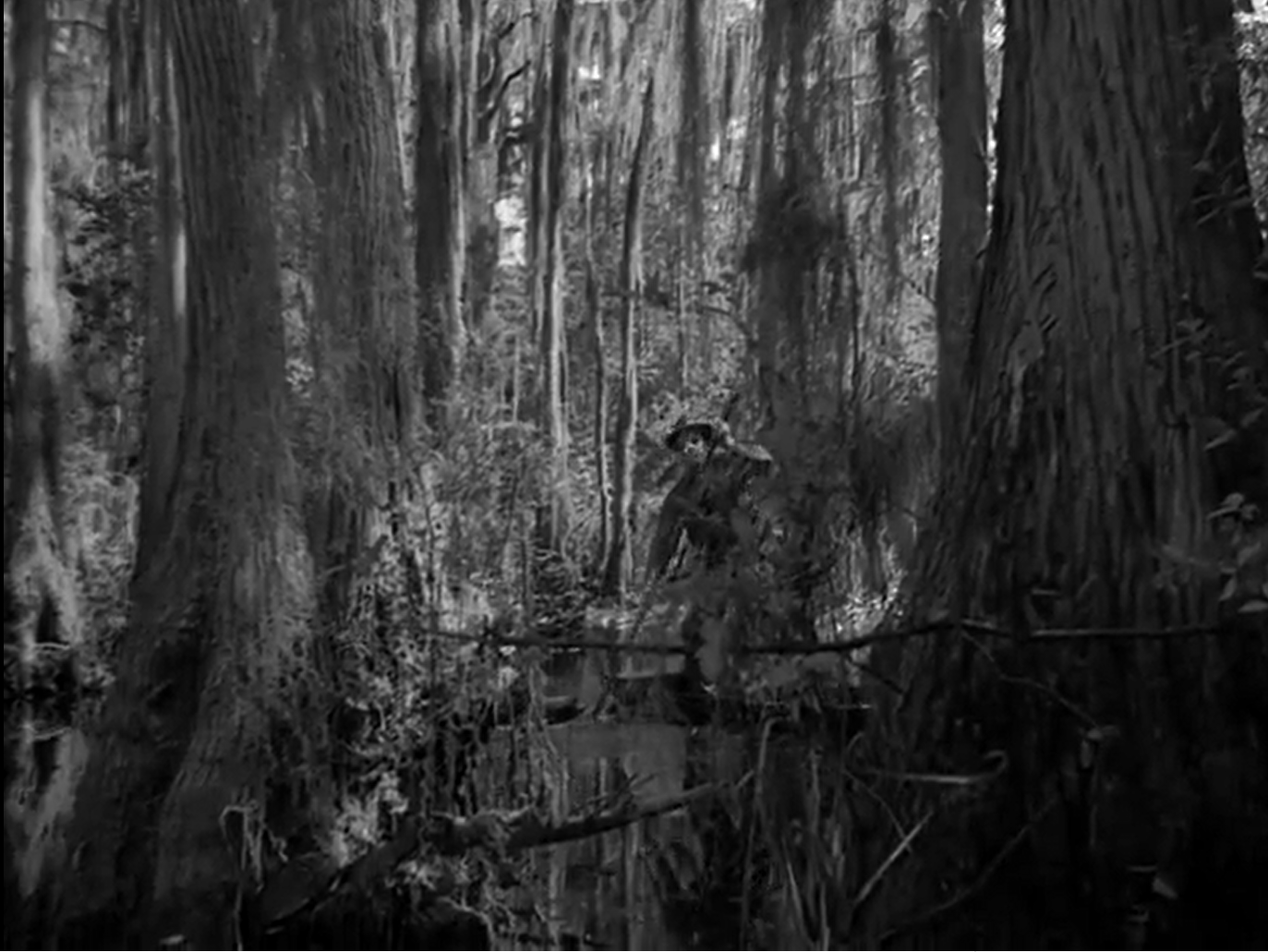
French director Jean Renoir’s first American film was this atmospheric flick taking place deep in the heart of swampy Georgia, featuring locals with dialects as thick as pea soup.

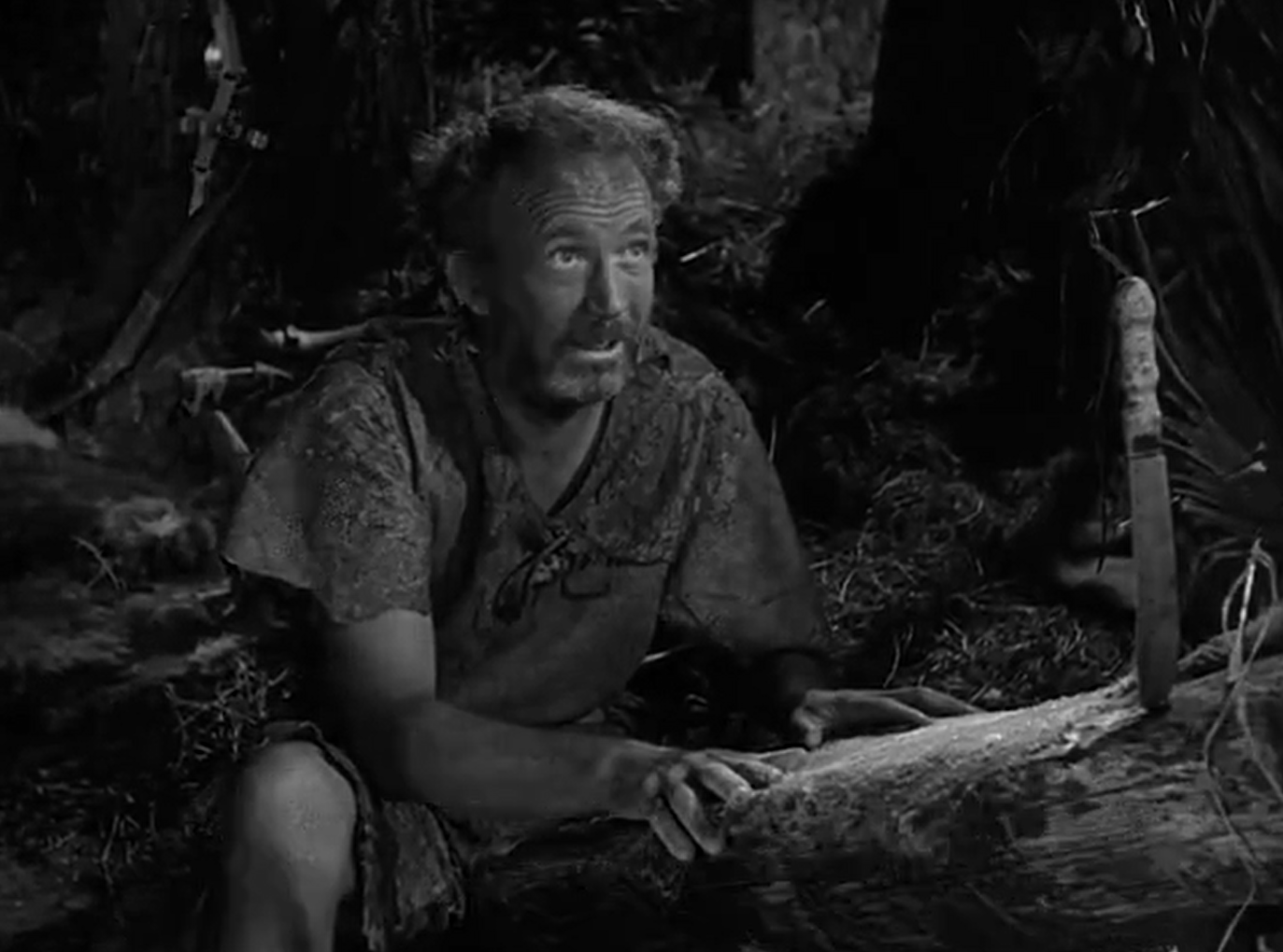
The cast of characters are believably limned, and the storyline is reasonably compelling, with plenty of tensions brought to bear in this tale of a falsely accused man (Brennan) whose sole goal in life — beyond survival — is to rejoin society and care for his daughter (Baxter).

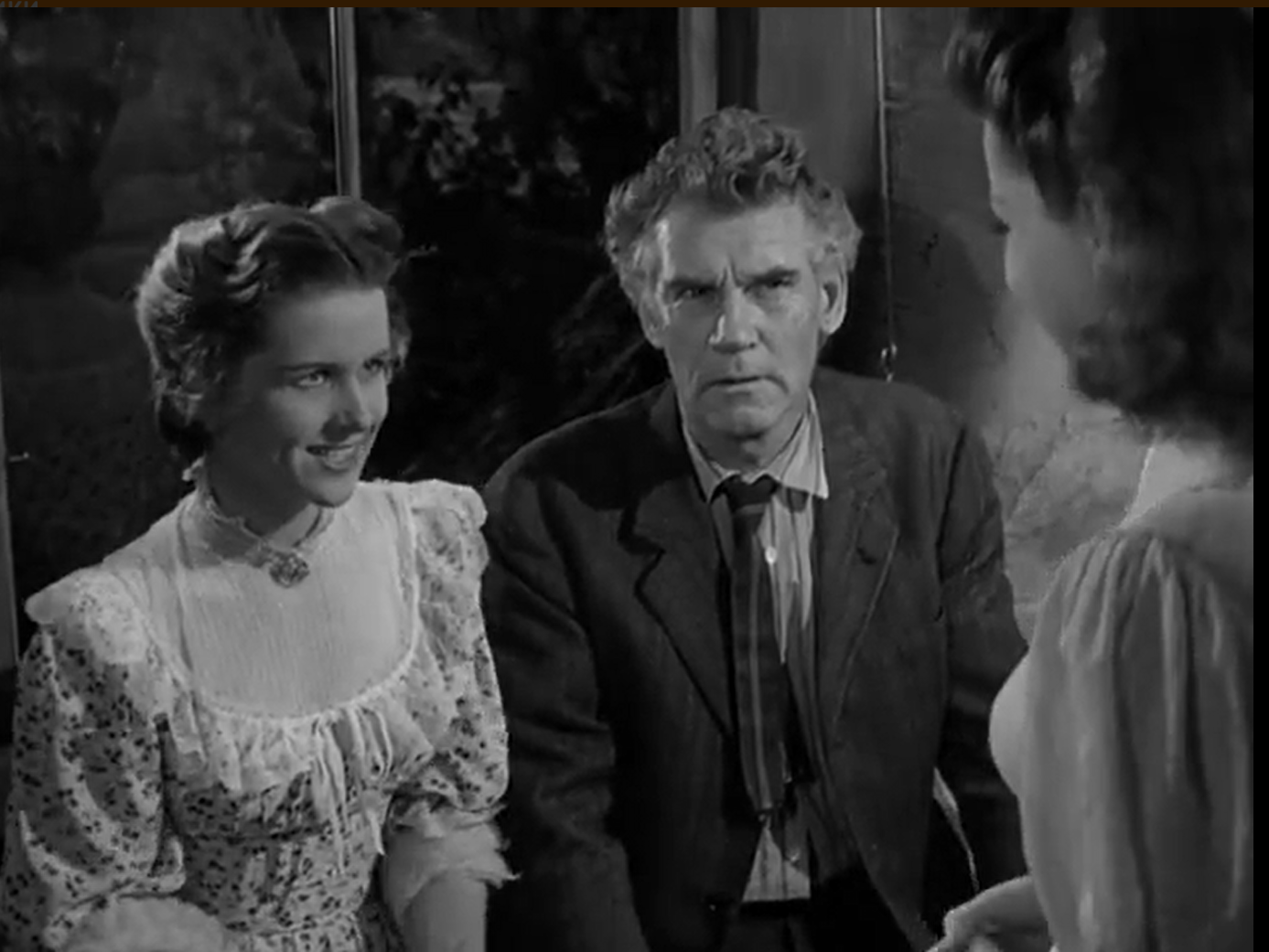
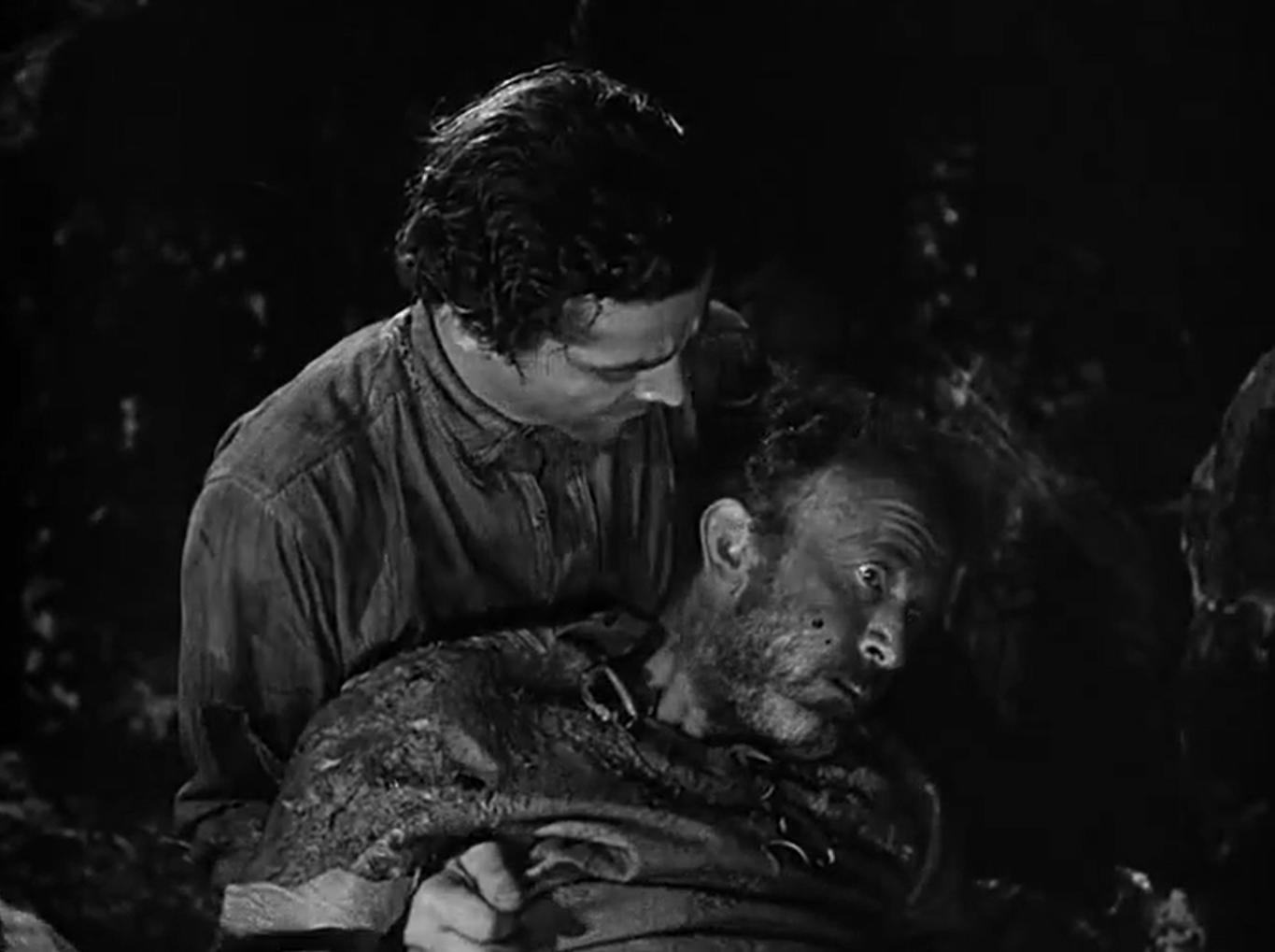
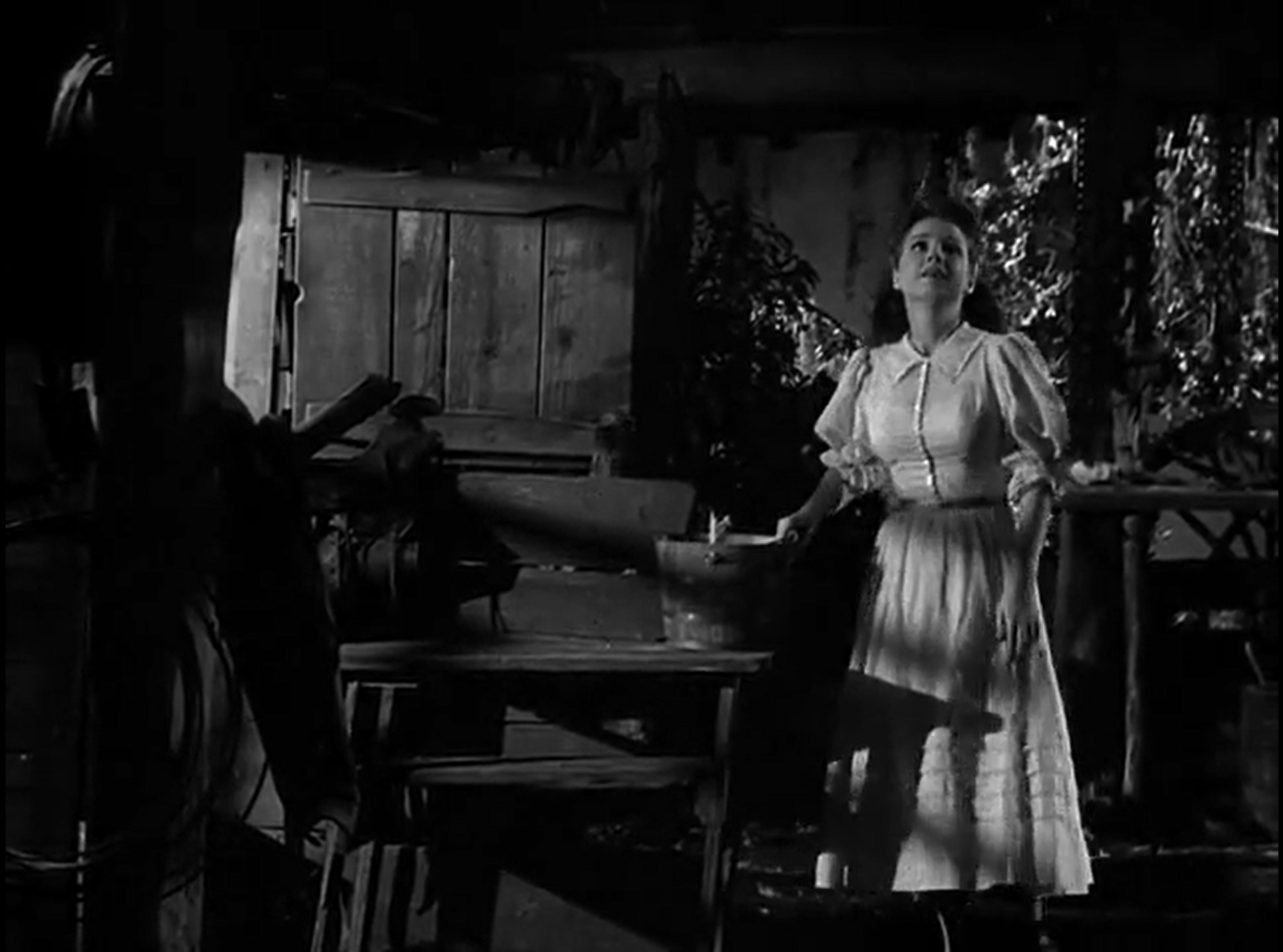
There are a couple of unexpected twists, including an early one between Brennan and Andrews that really takes one by surprise (didn’t expect that!), and a much later one (also in the swamps) that’s shockingly gruesome. Despite a few obvious studio sets, the film holds a strong sense of place and the cinematography is fine. Watch for several actors from John Ford’s stock, including a number from the same year’s (inferior) Tobacco Road (1941). Best performance by a relative unknown: Mary Howard as stoic “Miss Hannah”.

Redeeming Qualities and Moments:

  • Atmospheric cinematography

Must See?
No, though it’s worth a one-time look.

Links:

King Solomon’s Mines (1937)

King Solomon’s Mines (1937)

“I don’t approve of anyone who tears up the face of the country for greed.”

Synopsis:
In late 19th century South Africa, a diamond-seeking Irish lass (Anna Lee) and her father (Arthur Sinclair) convince a legendary hunter (Cedric Hardwicke) to allow them to travel with him to the coast. Along the way, they meet up with an African (Paul Robeson) and two of Hardwicke’s new clients (Roland Young and John Loder), all eventually heading off in search of King Solomon’s fabled mines.

Genres, Themes, Actors, and Directors:

  • Africa
  • Anna Lee Films
  • Explorers
  • Hidden Treasure
  • Paul Robeson Films
  • Roland Young Films

Review:
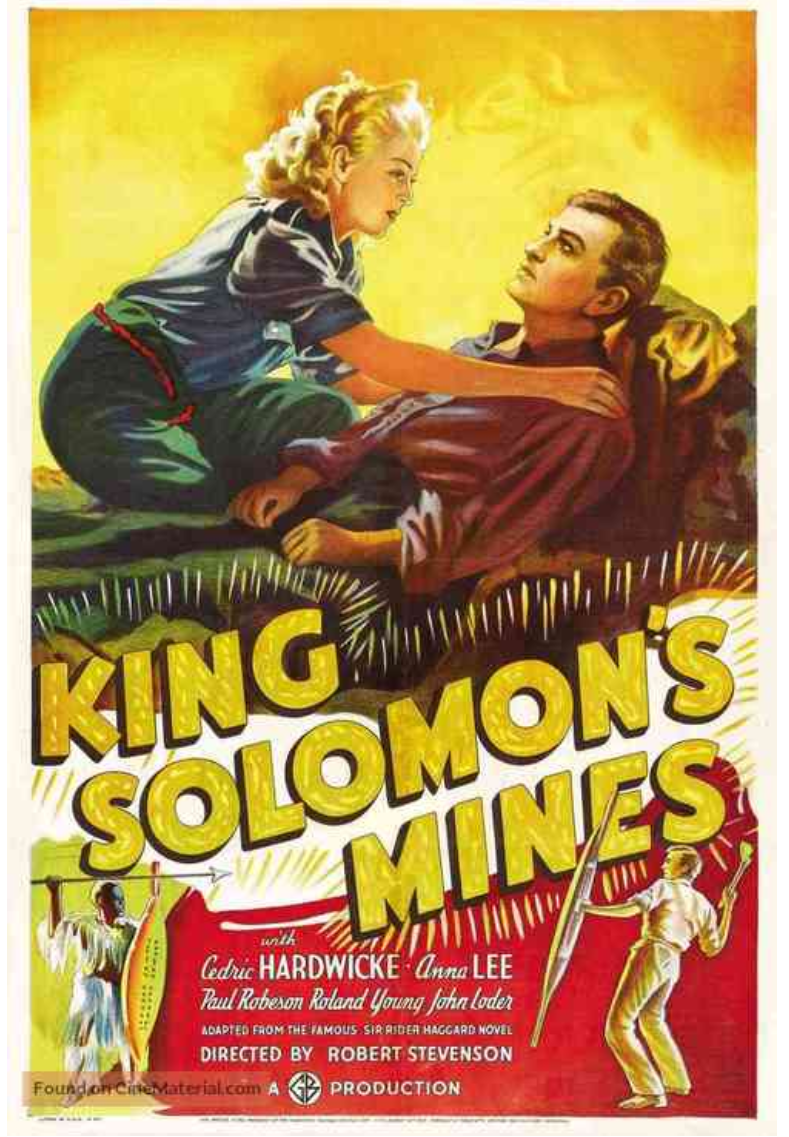
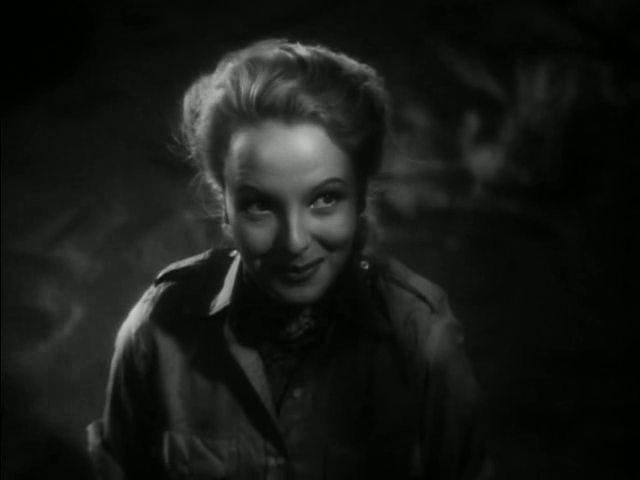
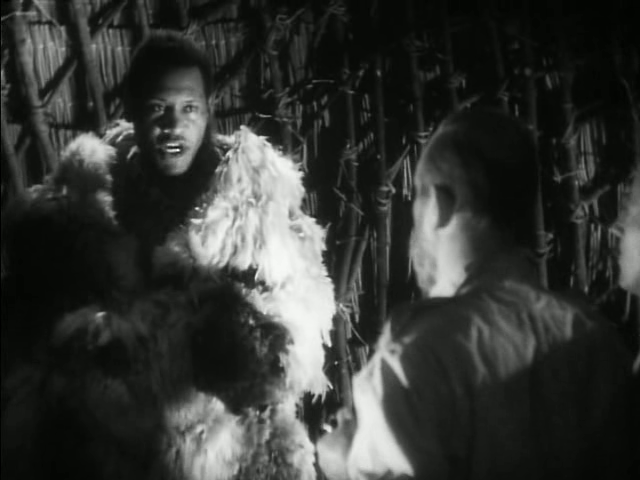
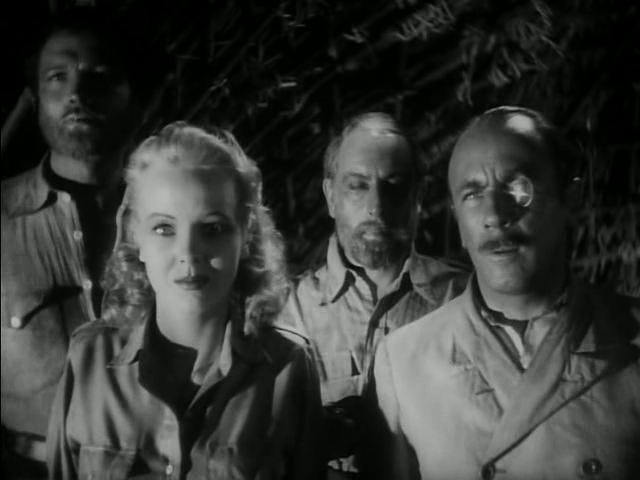
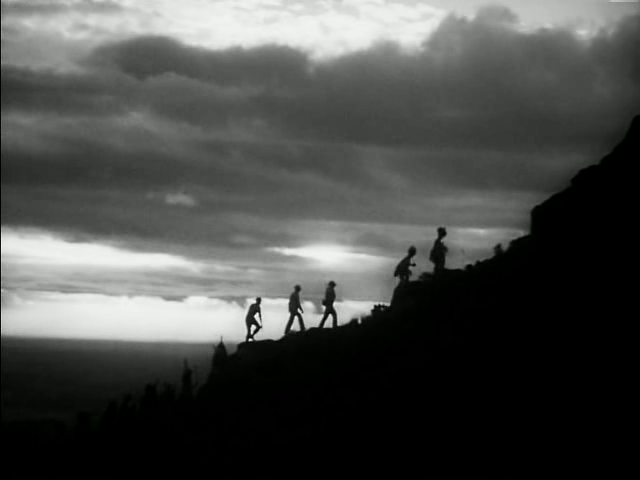
This first adaptation of H. Rider Haggard’s 1885 novel — generally considered the most faithful to its source material — features a refreshingly gutsy female protagonist (Lee is notably plucky) and a respectful role for Robeson at a time when such opportunities for black actors were severely limited. The tale is pure colonialist drama, with the mostly-white protagonists hoping to take advantage of the resources safeguarded by “primitive” African natives — but it’s all told in an engaging fashion, with plenty of narrative tension, excellent on-location footage, and exciting sequences. It’s not must-see viewing, but it’s worth a look.

Redeeming Qualities and Moments:

  • Anna Lee as Kathy O’Brien
  • Paul Robeson as Umbopa
  • Fine cinematography
  • Nice use of on-location shooting in Africa

Must See?
No, but I do think it’s worth a one-time look.

Links:

Tobacco Road (1941)

Tobacco Road (1941)

“If ever there was a nuisance, it’s you Tobacco Road folks!”

Synopsis:
When a poverty-stricken tobacco farmer (Charley Grapewin) and his wife (Elizabeth Patterson) are unable to pay rent on their property, they hope the marriage of their good-for-nothing son (William Tracy) to a local preacher (Marjorie Rambeau) will allow them to borrow some money; meanwhile, their daughter (Gene Tierney) pines after the unhappy husband (Ward Bond) of Tierney’s 13-year-old sister.

Genres, Themes, Actors, and Directors:

  • Dana Andrews Films
  • Deep South
  • Gene Tierney Films
  • John Ford Films
  • Play Adaptation
  • Ward Bond Films

Review:
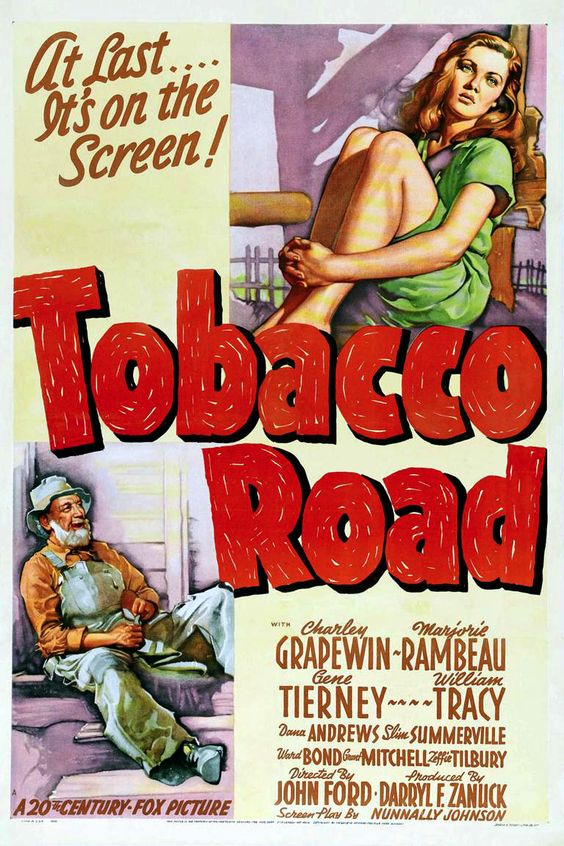
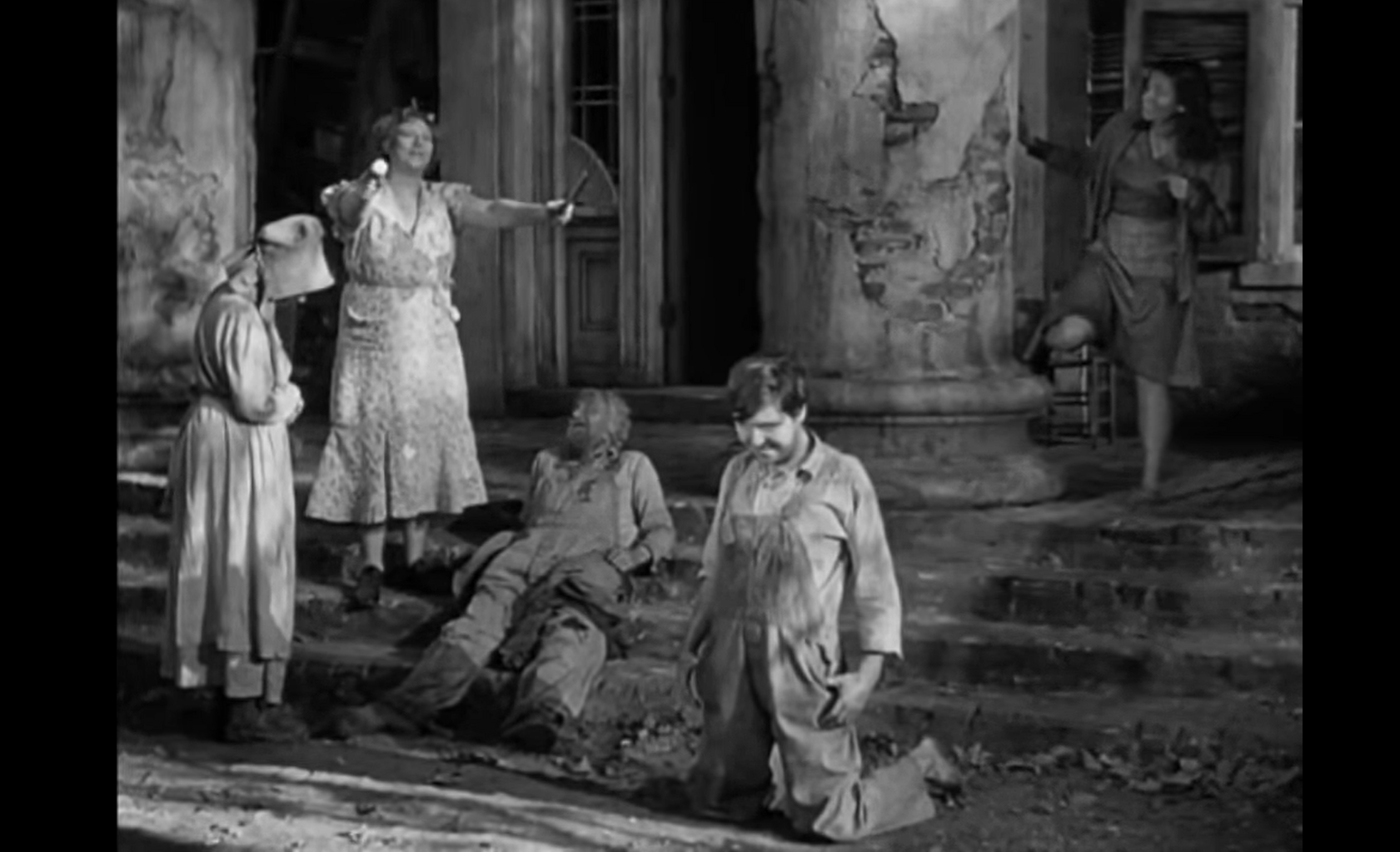
John Ford and Nunnally Johnson’s cinematic adaptation of Jack Kirkland’s enormously popular Broadway play (based on the 1932 novel by Erskine Caldwell) is a strange and disappointing entry in Ford’s long-lived, illustrious career. This comedic interpretation of the plight of poverty-stricken Georgia sharecroppers simply doesn’t work, coming across as mean-spirited and caricatured rather than nuanced or empathetic.

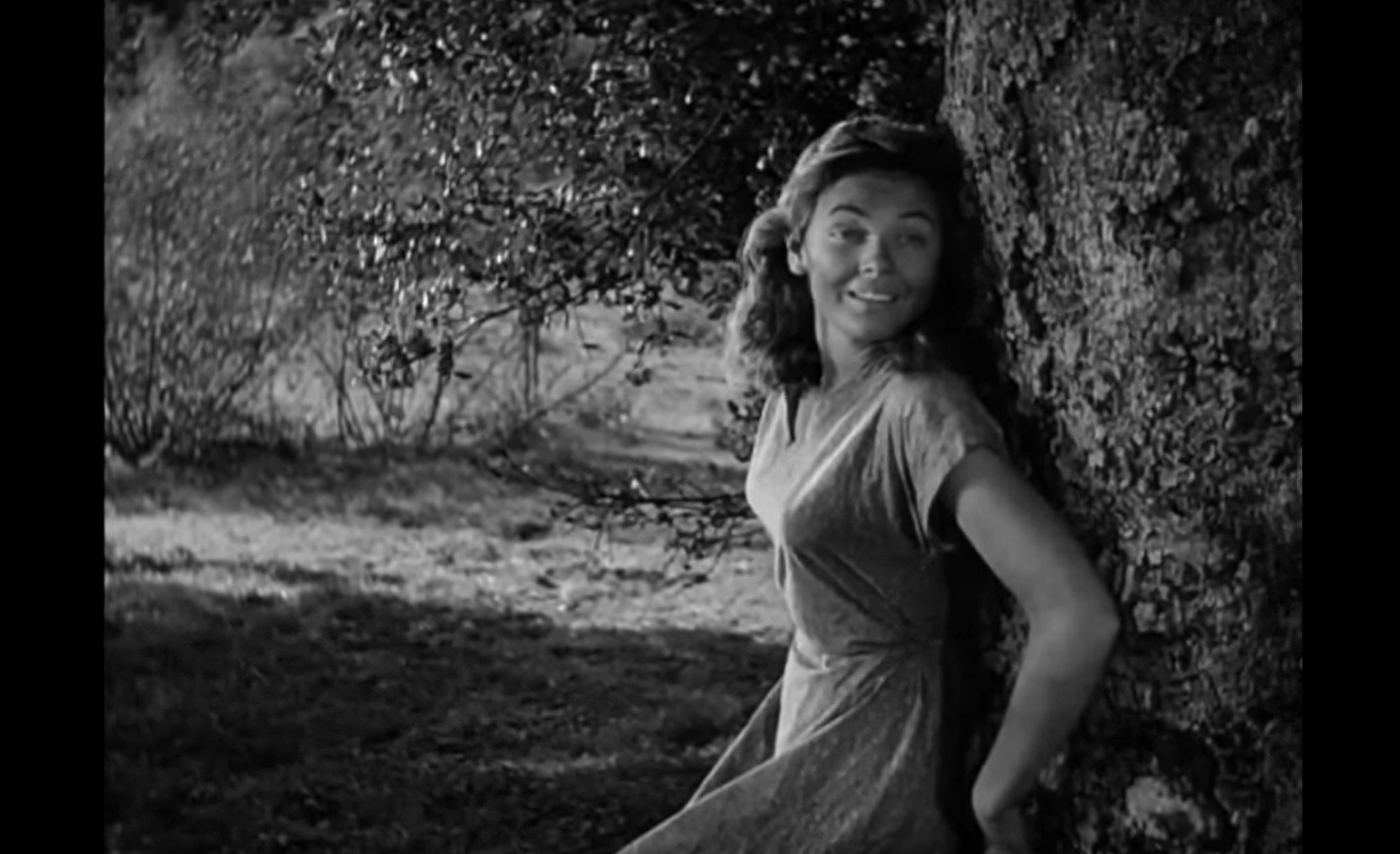
(It’s hard to know how much of this was due to Hays Code restrictions which forced numerous drastic cuts and shifts in tone.) Critics of the day were in agreement, with Bosley Crowther of the New York Times referring to it as “a leisurely picnic with a batch of moldy Georgia crackers” (though audiences appeared to like it well enough). Fans of Tierney will be sad to know her role here is slim-to-none, consistently primarily of an embarrassing come-hither-slither across the ground.

The primary redeeming feature of this flick is Arthur C. Miller’s typically atmospheric cinematography, making the film a pleasure at least to look at.

Redeeming Qualities and Moments:

  • Arthur C. Miller’s cinematography

Must See?
No; feel free to skip this one unless you’re curious.

Links: