Browsed by
Category: Original Reviews

Responses to Peary’s “must see” movie reviews, as well as my own “must see” movie reviews up to and after 1986 (when Peary’s book was published).

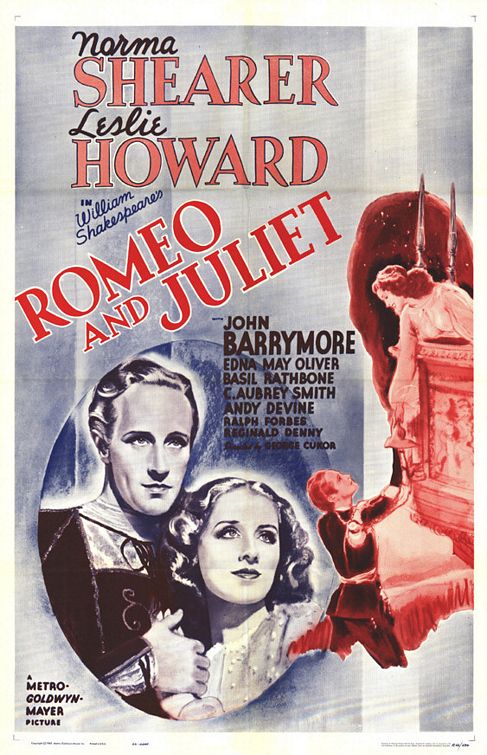
Romeo and Juliet (1936)

Romeo and Juliet (1936)

“My only love sprung from my only hate!”

Synopsis:
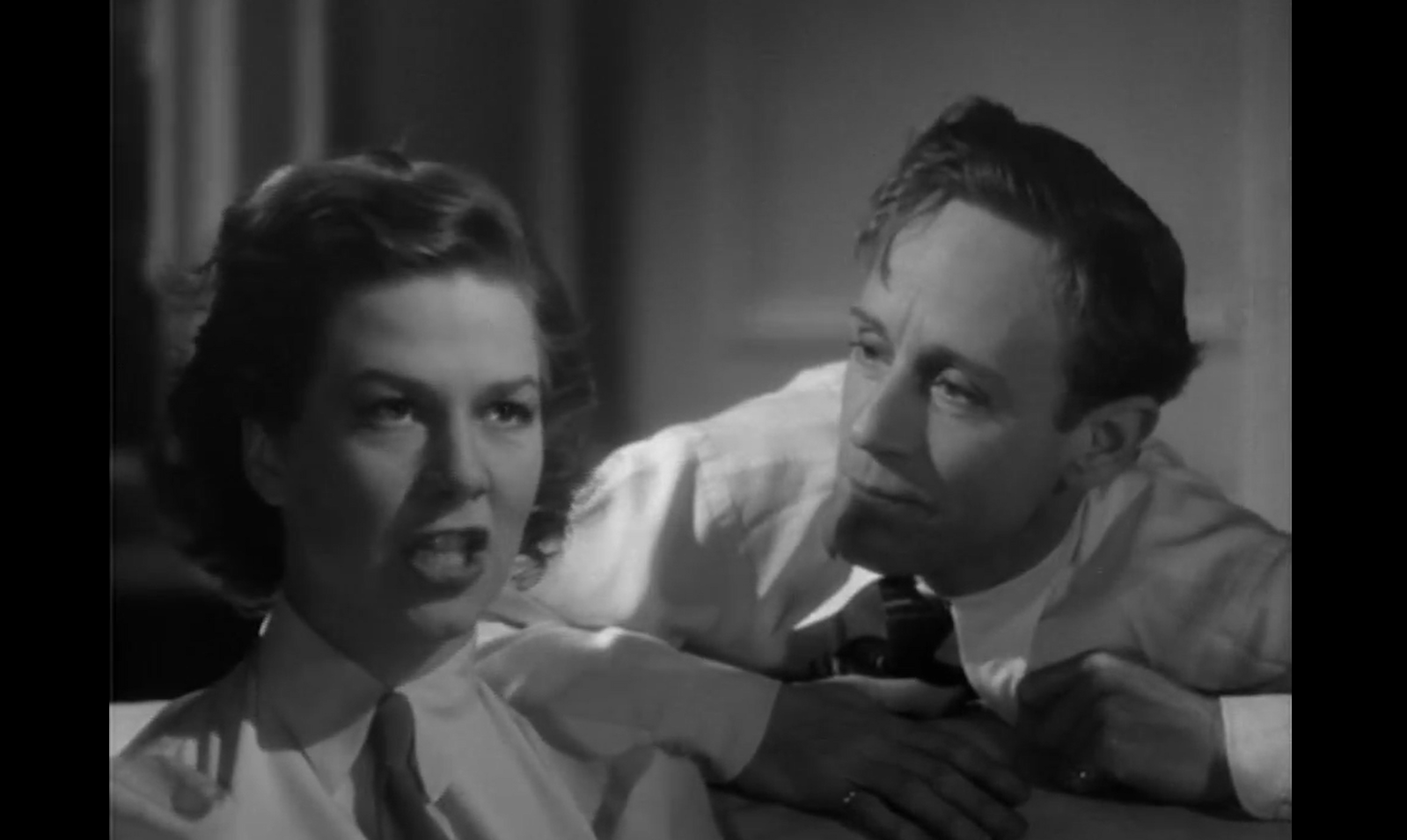
When a young man (Leslie Howard) in 16th century Italy falls in love with the daughter (Norma Shearer) of the head (C. Aubrey Smith) of his family’s rival clan, chaos ensues — especially when Shearer resists marriage to the man (Ralph Forbes) her parents have selected for her, and Howard engages in a disastrous fight with an enemy (Basil Rathbone).

Genres, Themes, Actors, and Directors:

  • Basil Rathbone Films
  • George Cukor Films
  • John Barrymore Films
  • Leslie Howard Films
  • Norma Shearer Films
  • Play Adaptations
  • Shakespeare
  • Star-Crossed Lovers

Review:
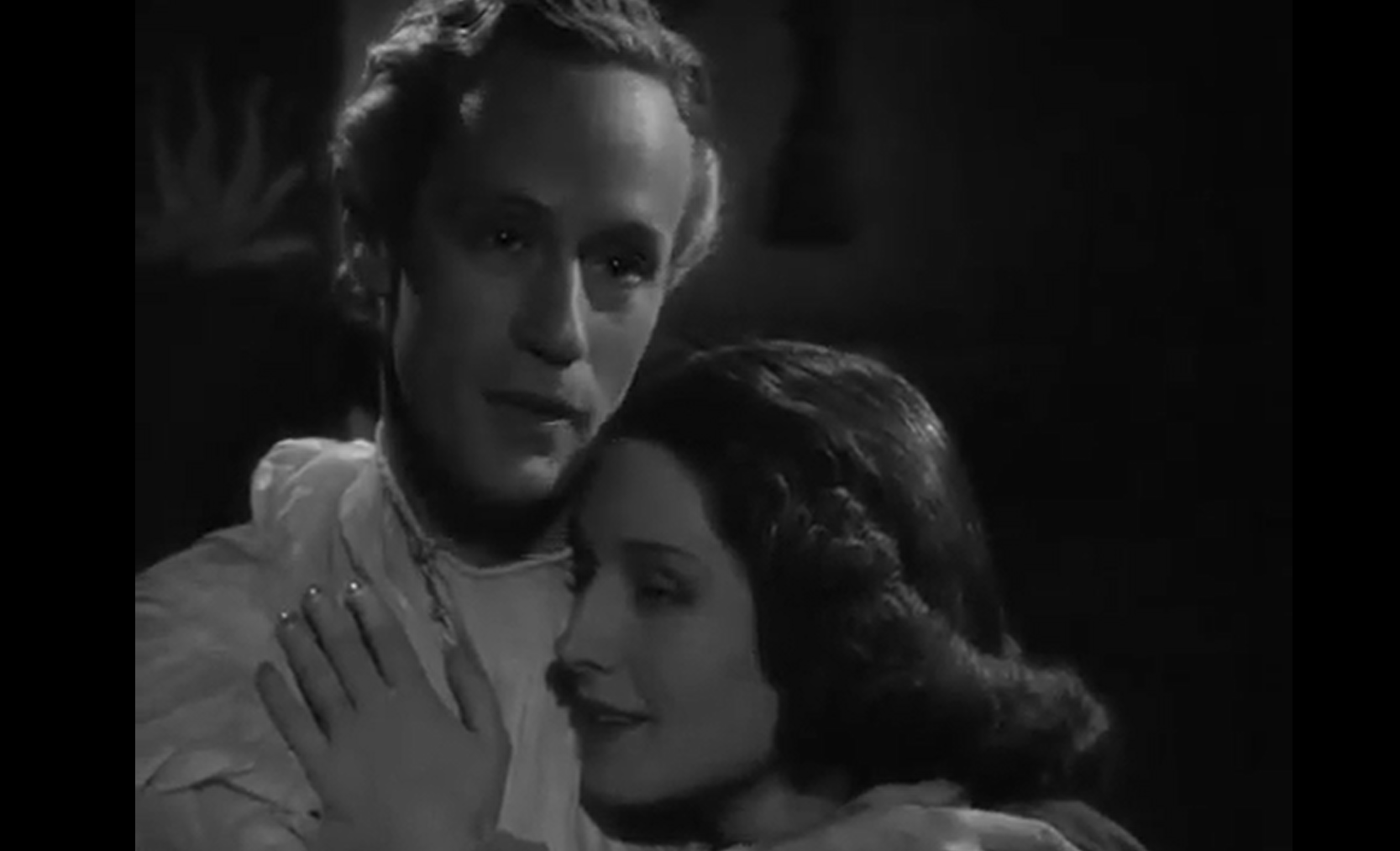
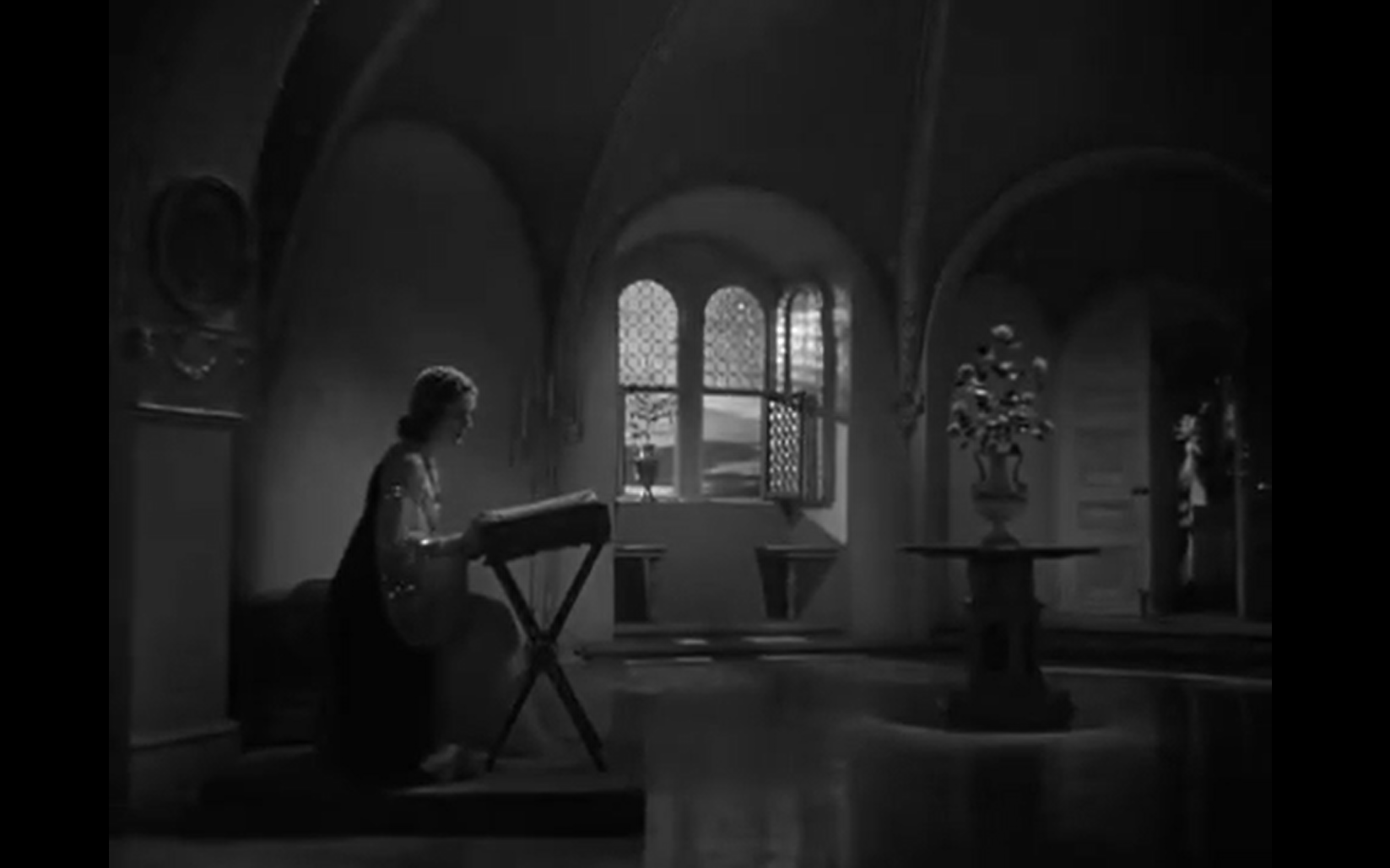
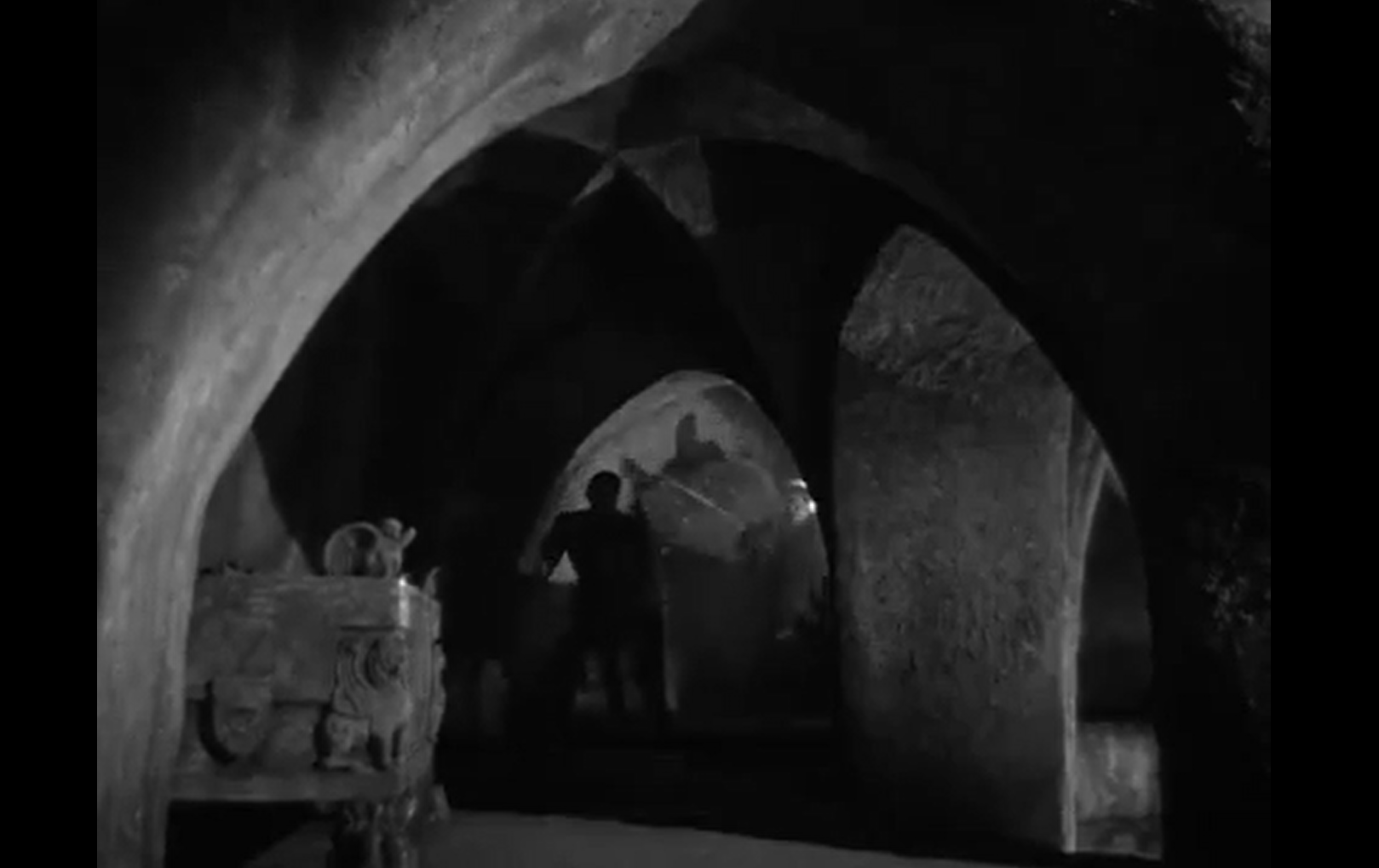
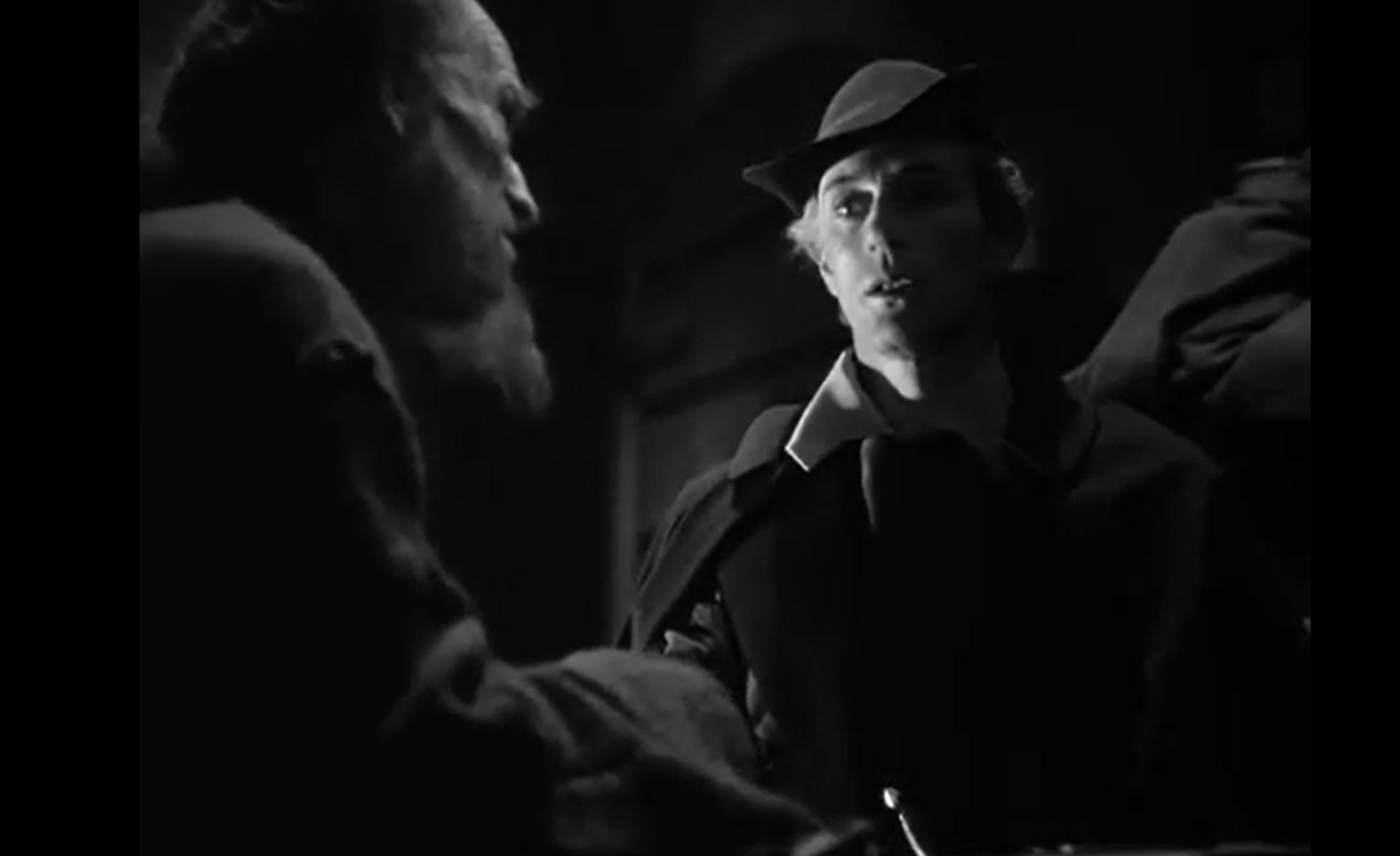
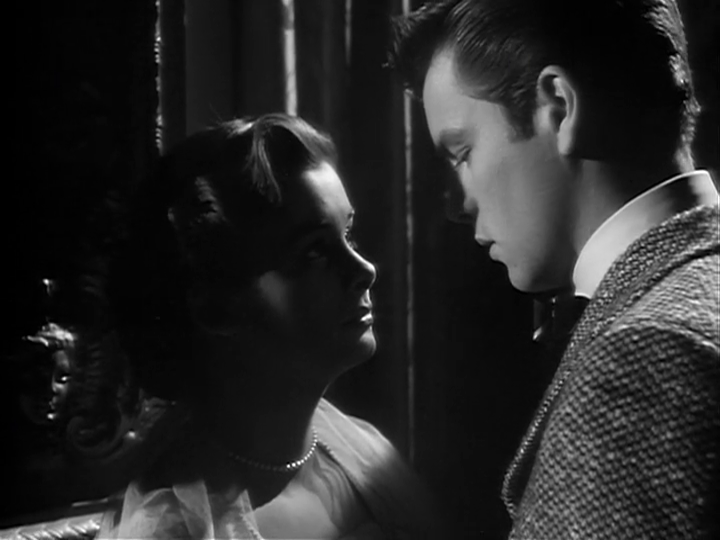
According to Wikipedia, Shakespeare’s Romeo and Juliet may be the most frequently filmed play of all time — especially if you include the many movies it directly inspired, such as West Side Story (1961). This early adaptation by George Cukor retains the play’s authentic language (albeit truncated), and simulates something akin to the original setting. The result is a lavishly produced historical romance with notoriously poor casting in the lead roles: Howard (43) and Shearer (34) are simply far too old to play smitten teen lovers, and all that ensues in the story-line suffers for this unassailable discrepancy. With that said, Howard and Shearer’s actual performances are quite lovely — they do the best they can — and the film is visually sumptuous on every level, with atmospheric cinematography and beautiful sets.

Redeeming Qualities and Moments:

  • Fine performances by Shearer and Howard
  • Atmospheric cinematography and sets


Must See?
No, though it’s a decent if flawed adaptation and worth a look by Shakespeare fans. Listed as a film with Historical Importance in the back of Peary’s book. Nominated as one of the Best Films of the Year by the actual Academy (but not by Peary).

Links:

Titanic (1953)

Titanic (1953)

“Iceberg — straight ahead!”

Synopsis:
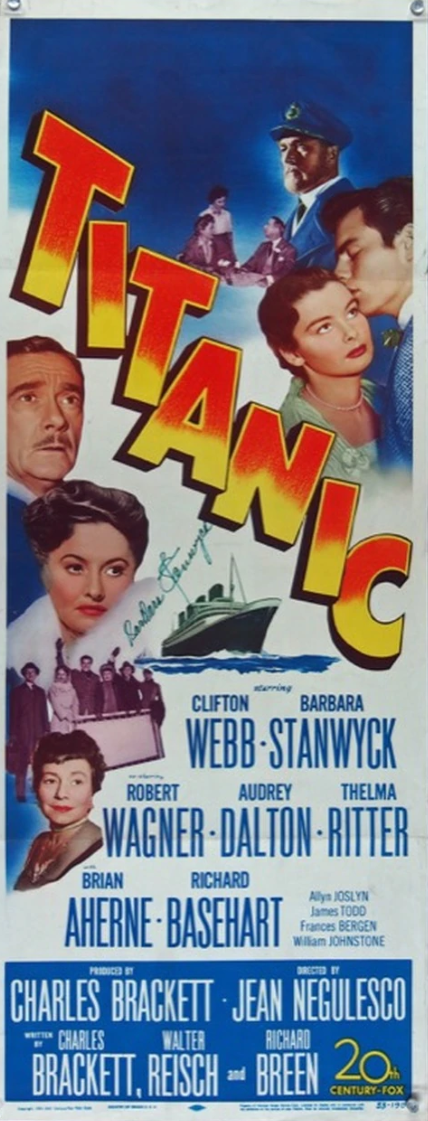
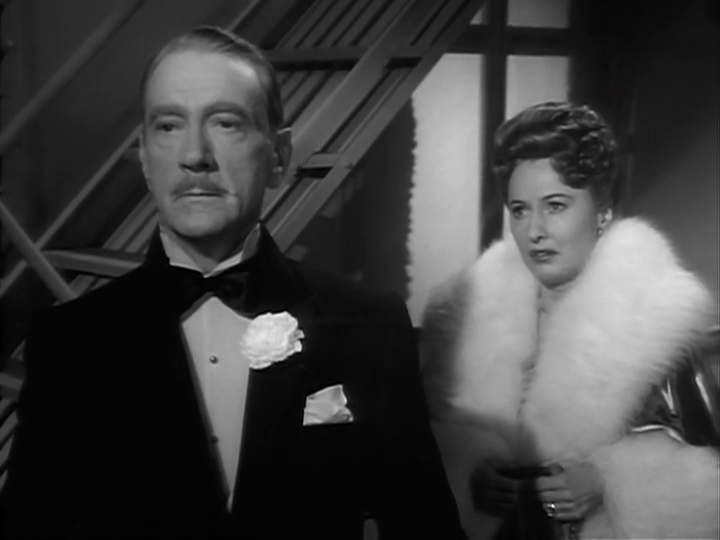
On a fateful night in April of 1912, a wealthy expatriate (Clifton Webb) secures a ticket on board the Titanic, where his estranged wife (Barbara Stanwyck) has whisked away their daughter (Audrey Dalton) and son (Harper Carter) in an attempt to give them a life of normalcy in America. The couple quickly begin bickering — but little do they know that even greater drama lies ahead for their family, and everyone else on board the ship.

Genres:

  • At Sea
  • Barbara Stanwyck Films
  • Brian Aherne Films
  • Character Arc
  • Class Relations
  • Clifton Webb Films
  • Disaster Flicks
  • Historical Drama
  • Jean Negulesco Films
  • Marital Problems
  • Richard Basehart Films
  • Robert Wagner Films
  • Thelma Ritter Films

Review:
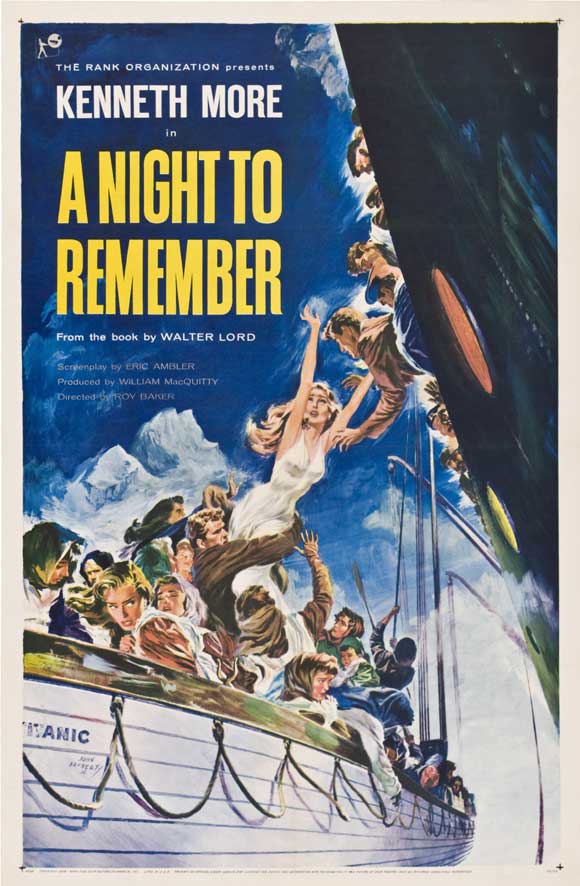
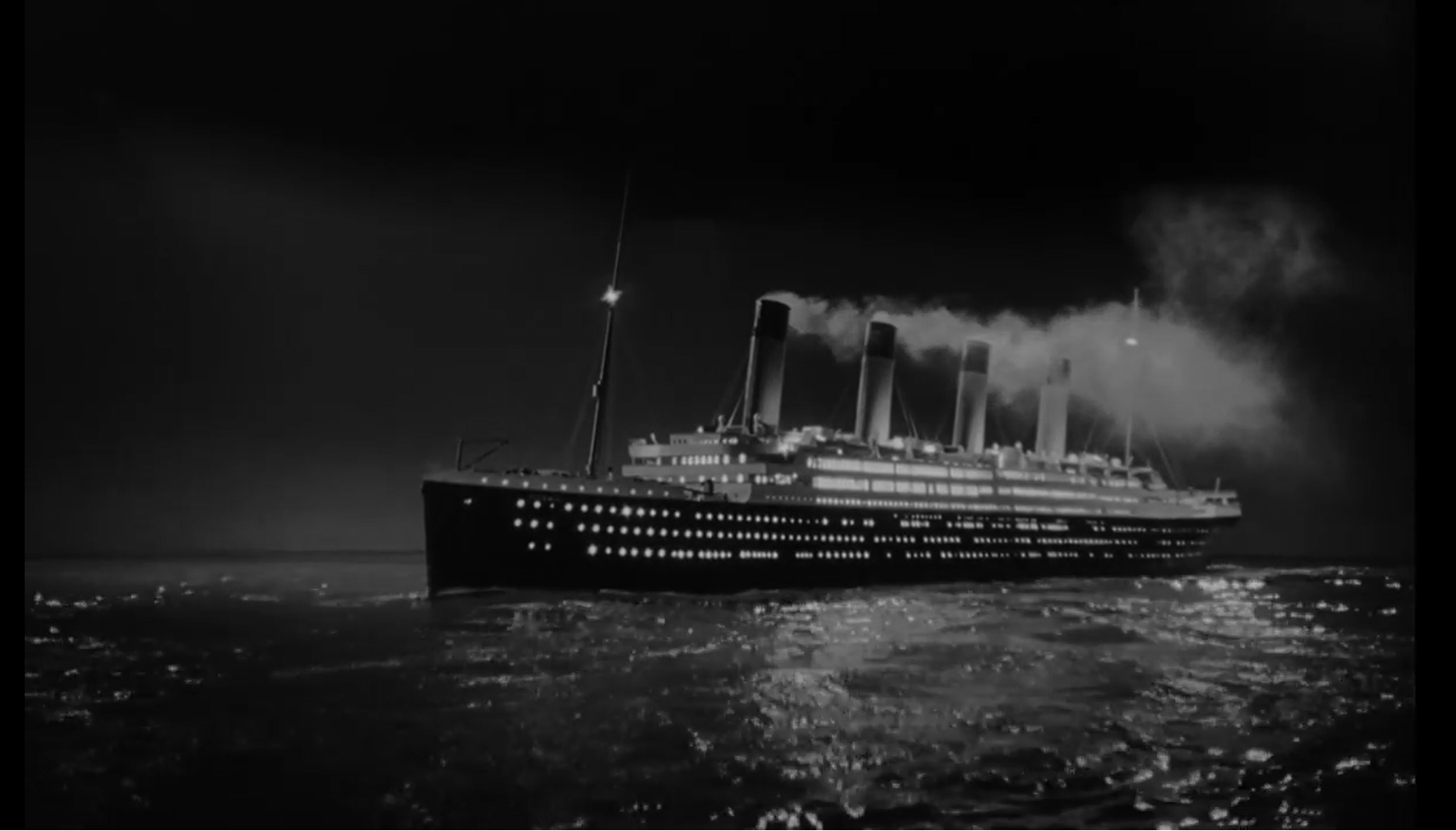
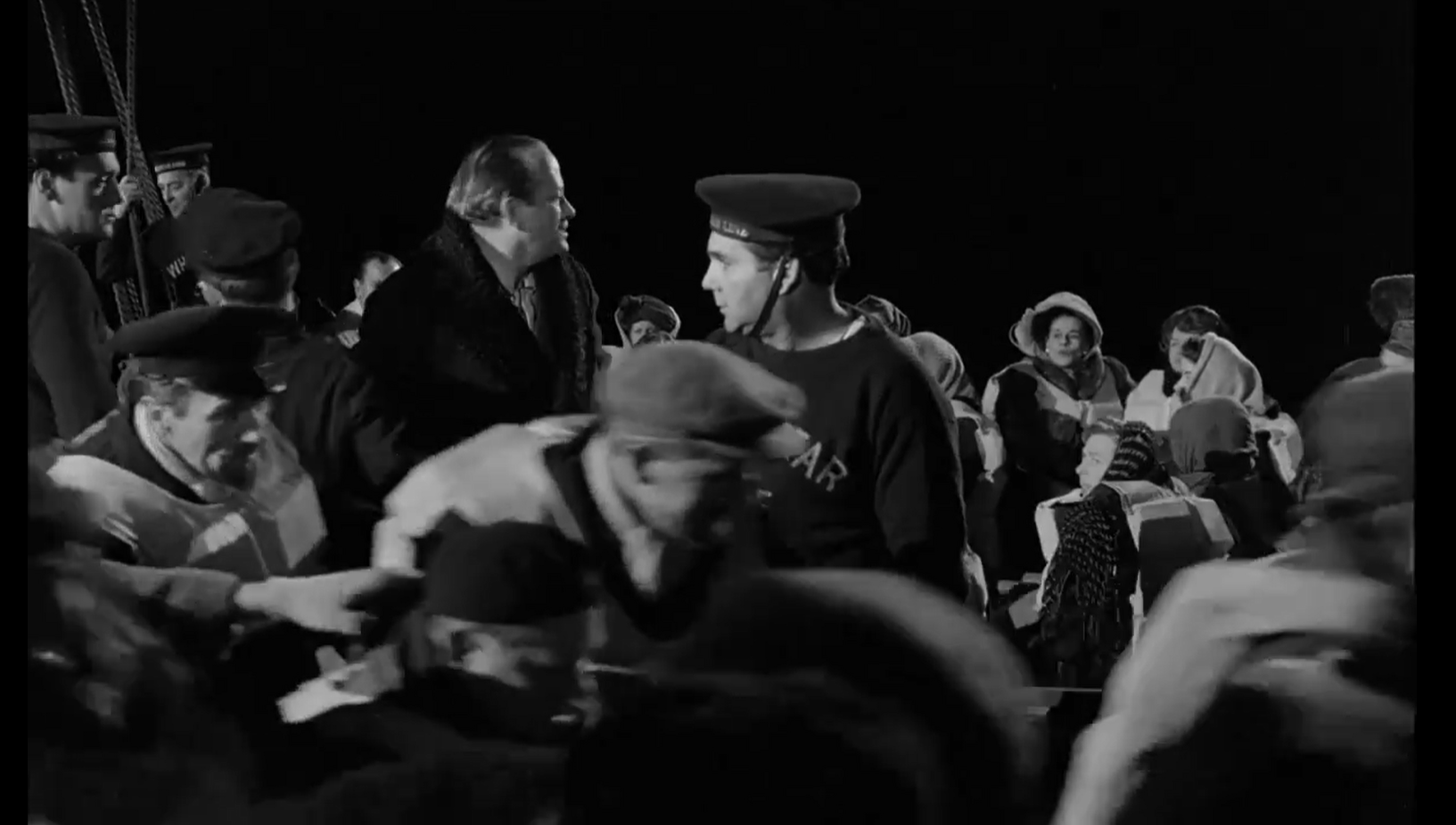
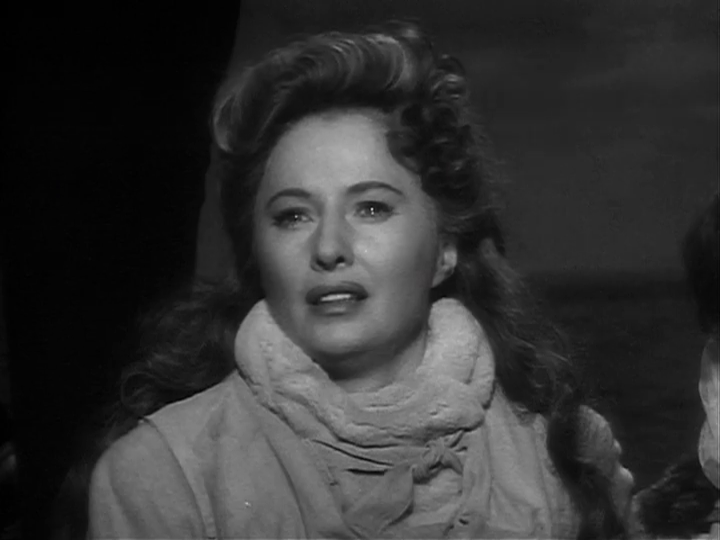
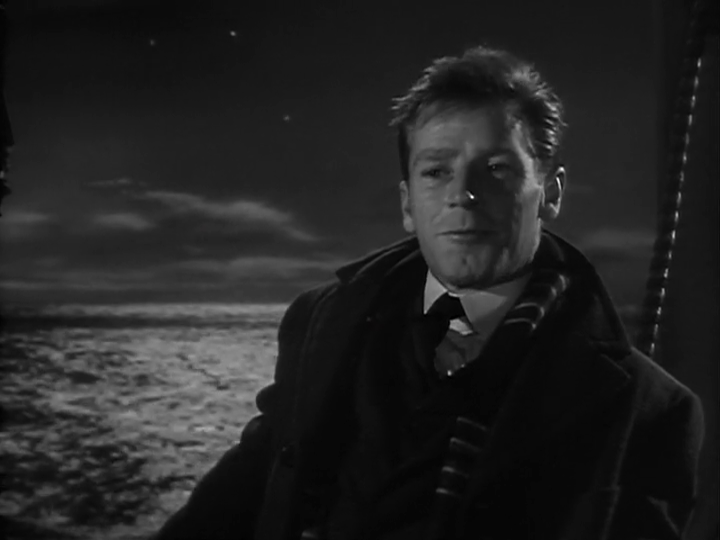
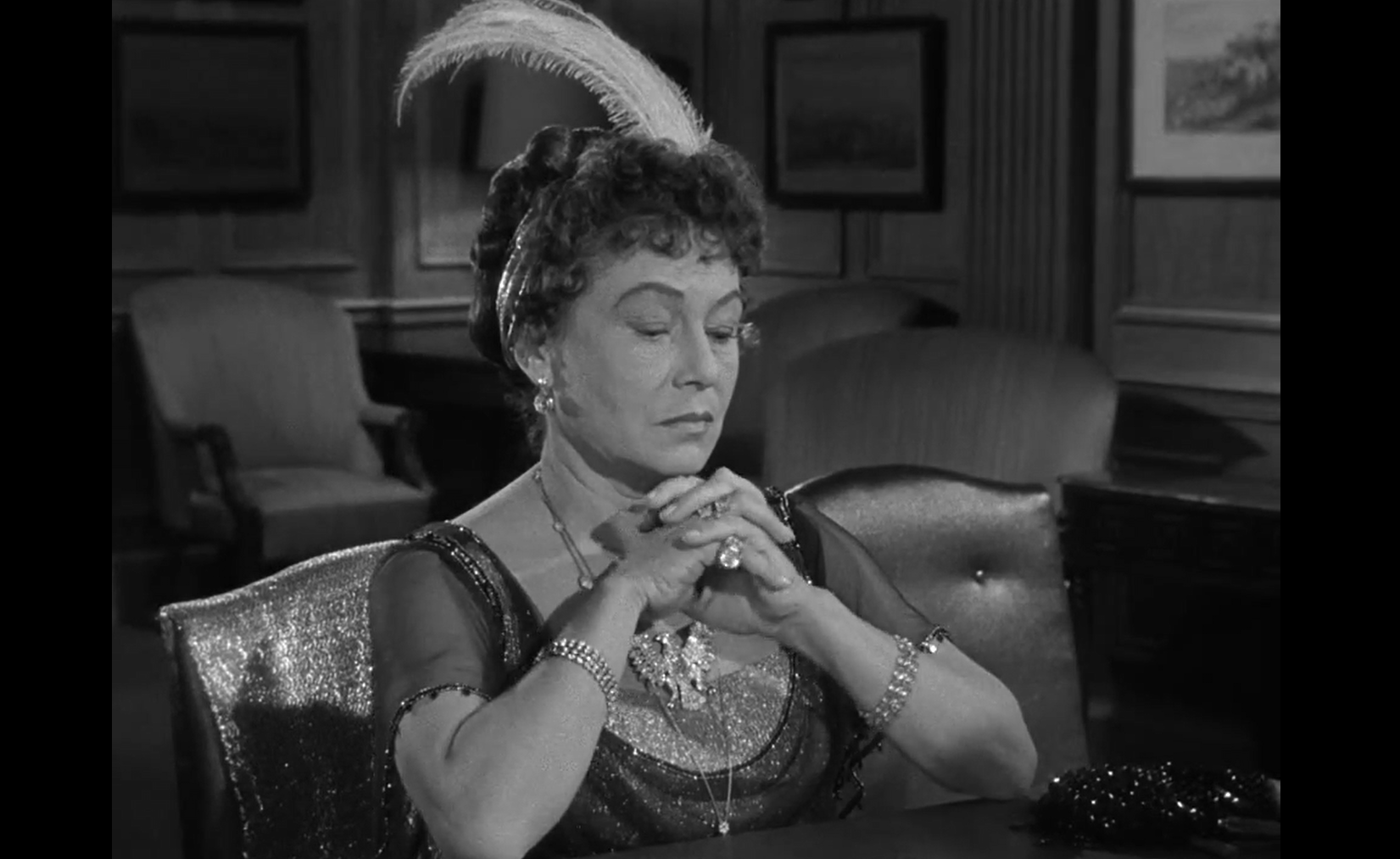
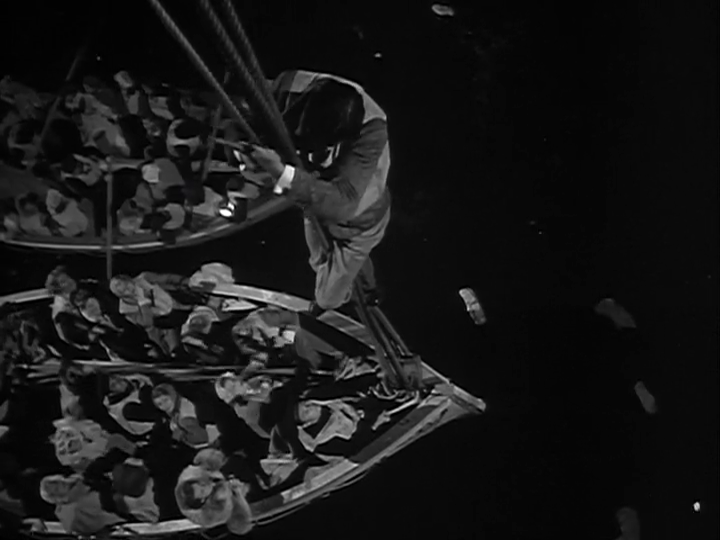
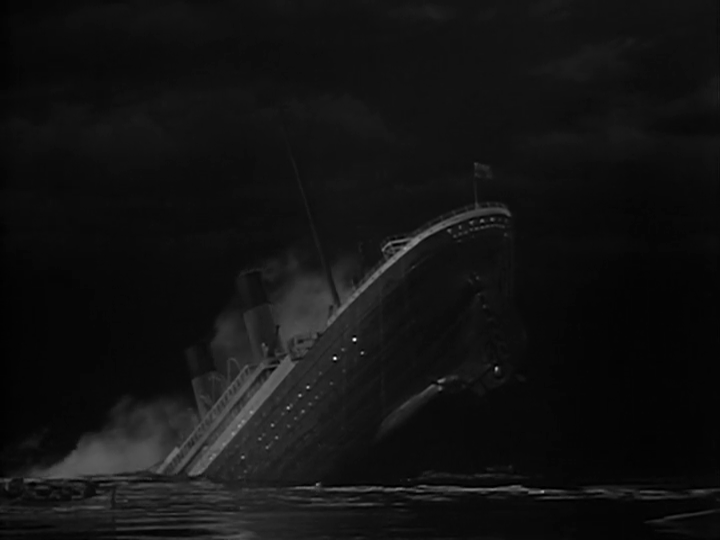
Jean Negulesco directed Hollywood’s first attempt to portray the tragedy of the luxury passenger liner RMS Titanic. An elaborate fictional storyline takes up the first hour of the narrative, focusing heavily on marital strife (Stanwyck and Webb’s relationship couldn’t be more tense), young love (between Dalton and Robert Wagner), and class relations — the latter of which which makes sense, given the infamy of what was to come in terms of disproportionate deaths amongst the passengers and crew. Stanwyck and Webb are fine in the central dramatic roles, though supporting work by (among others) Brian Aherne as stalwart Captain E.J. Smith; Richard Basehart as an alcoholic priest returning home in shame after being relieved of his position; and Thelma Ritter as the Unsinkable Molly Brown are equally noteworthy. The film really comes to life once the ship hits the iceberg, and we’re given an impressive (albeit truncated) rendering of what occurred thereafter. While not quite as impactful or historically accurate as the next cinematic rendition to hit the screens, this early disaster flick remains worthy viewing in its own right.

Redeeming Qualities and Moments:

  • Barbara Stanwyck as Julia Sturges
  • Clifton Webb as Richard Sturges
  • Fine supporting performances


  • A highly effective early recreation of the infamous ship and disaster

  • Geoffrey Unsworth’s cinematography

Must See?
Yes, as a worthy early disaster flick.

Categories

  • Good Show

Links:

Ceiling Zero (1936)

Ceiling Zero (1936)

“The fog’s so thick you can cut it in chunks.”

Synopsis:
When the manager (Pat O’Brien) of a flight-based mail carrier business hires his old war buddy (James Cagney) as a pilot, the pair reminisce along with another veteran pal (Stuart Erwin) who also works for O’Brien. However, as womanizing Cagney begins flirting with a 19 year old novice pilot (June Travis), O’Brien worries he may be unreliable — and an upcoming storm soon puts this to the test.

Genres, Themes, Actors, and Directors:

  • Airplanes and Pilots
  • Howard Hawks Films
  • Jimmy Cagney Films
  • Pat O’Brien Films
  • Play Adaptations
  • Veterans
  • Womanizers

Review:
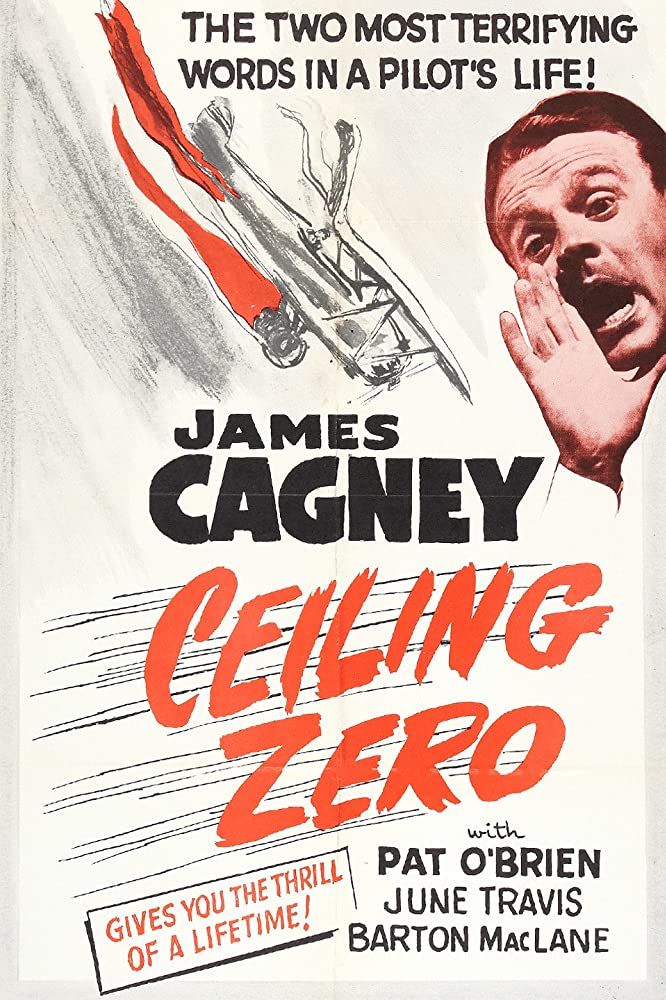
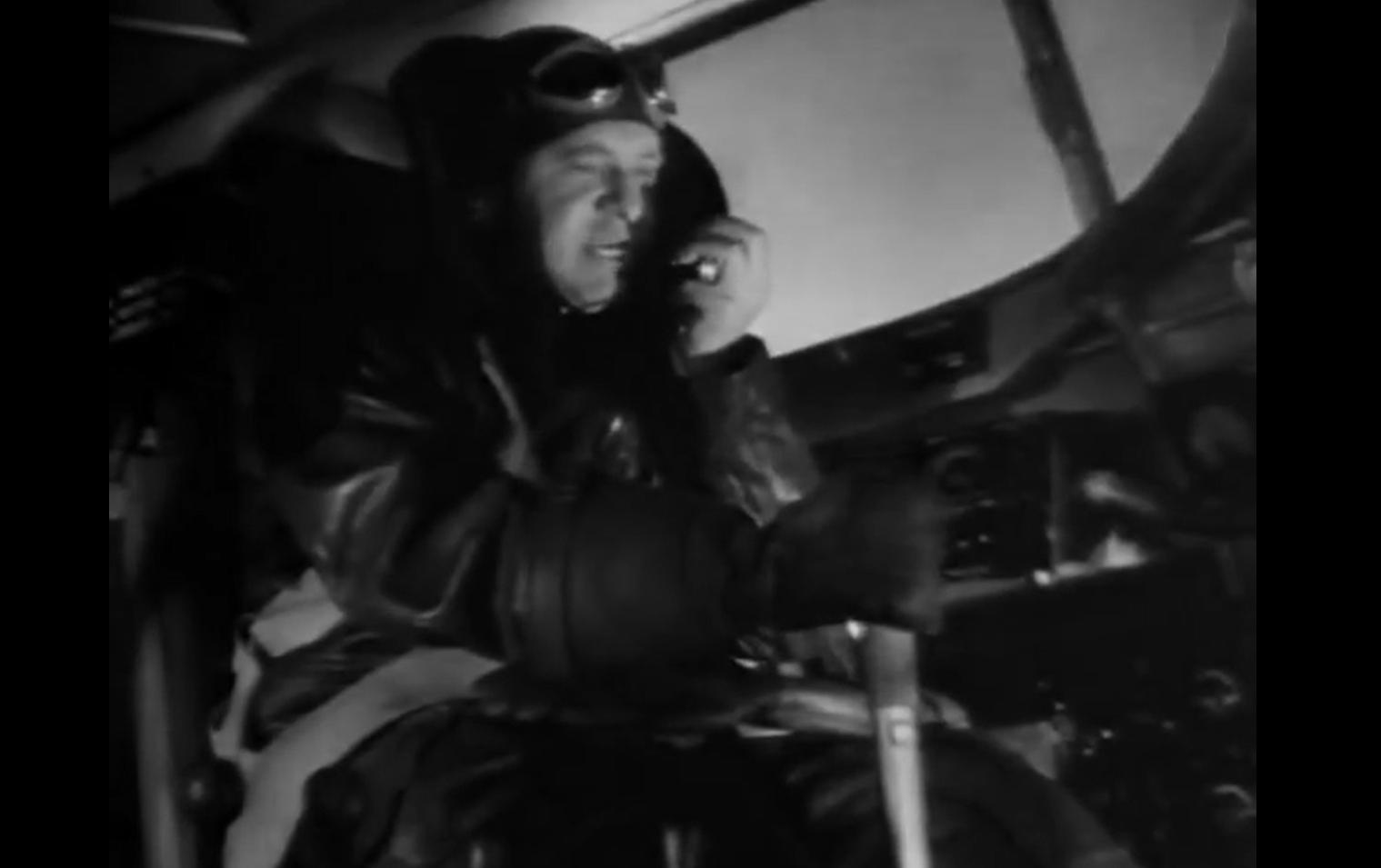
Howard Hawks directed this adaptation of Frank “Spig” Wead’s Broadway play, named for a term used when the air is too dense to fly safely without outside assistance. The storyline centers on old friends whose loyalty is tested over women, but the central point of narrative interest is the unique setting, depicting the early (and highly dangerous) years of commercial aviation. Like riders on the Pony Express, these daring pilots risked their lives to ensure letters and packages made their way across the country, in rain or shine. According to an article by Atlas Obscura, the airmail business began just after the end of WWI, with pilots conscripted to help build a new industry which would put planes to use for something other than warfare. This one is worth a look simply for its historical relevance.

Redeeming Qualities and Moments:

  • An exciting portrayal of a freakishly dangerous profession
  • Fine cinematography
  • Pat O’Brien as Jake

Must See?
Yes, once, for its historical relevance. Listed as a film with Historical Importance and a Personal Recommendation in the back of Peary’s book.

Categories

  • Historically Relevant

Links:

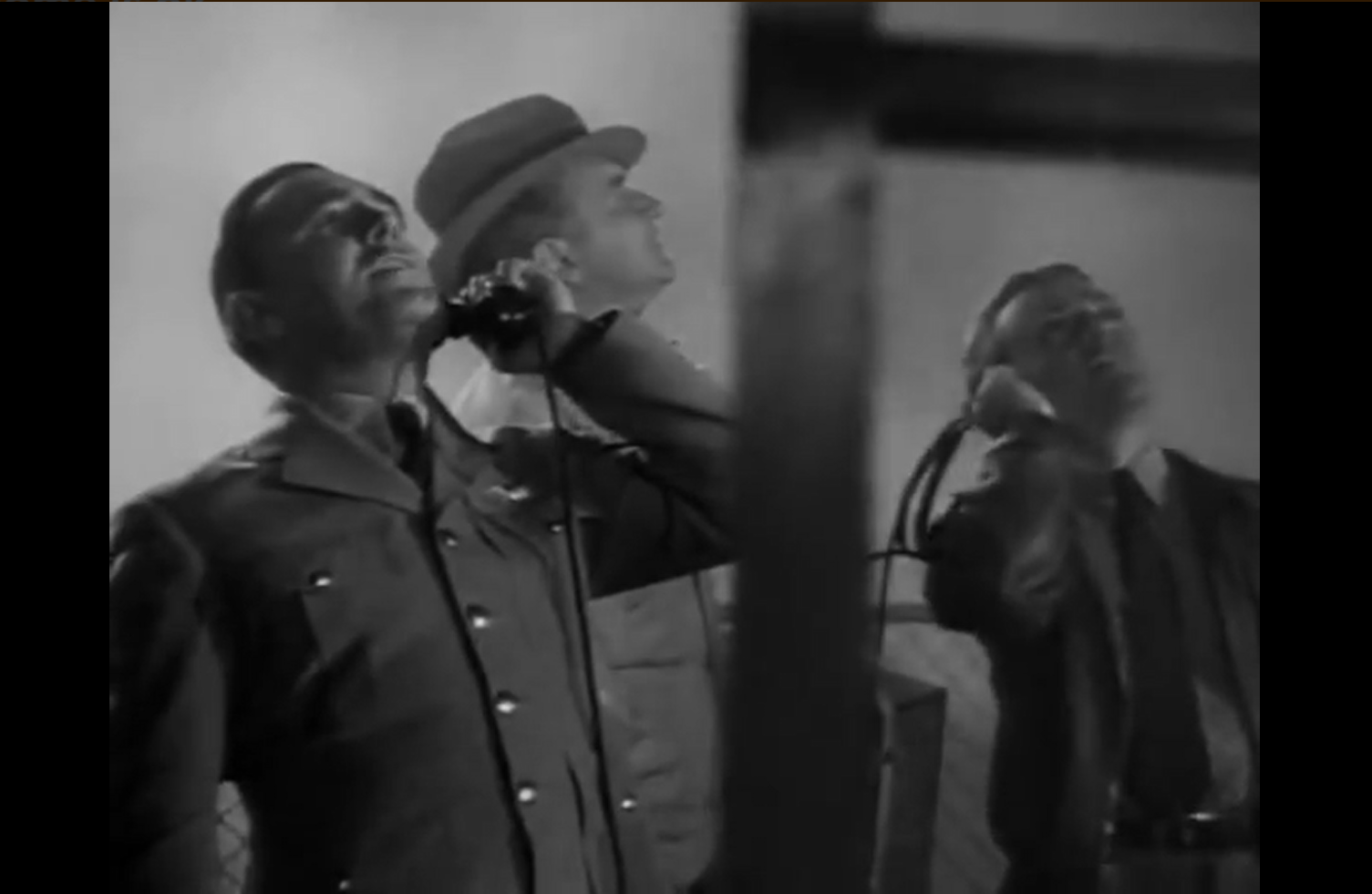
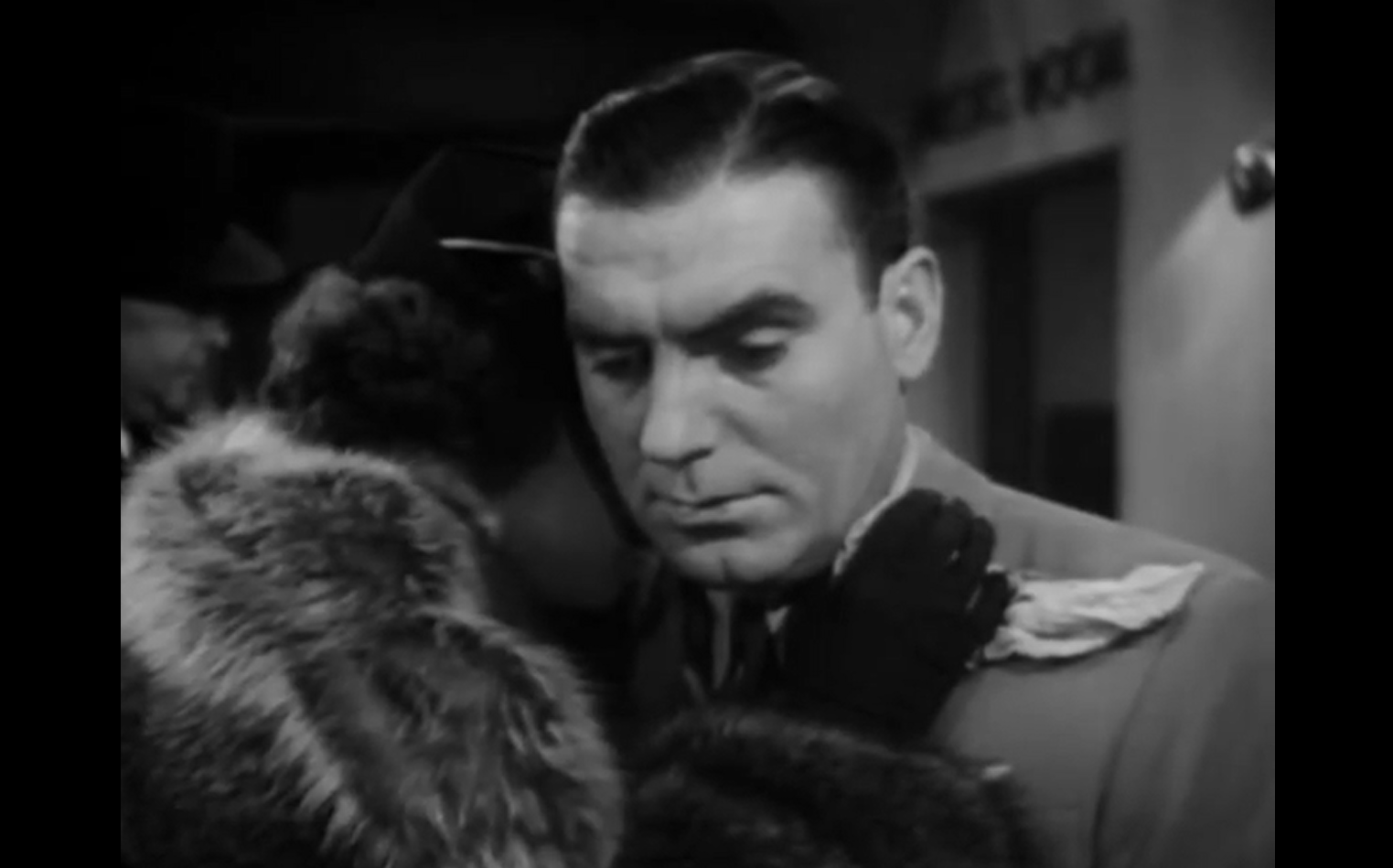
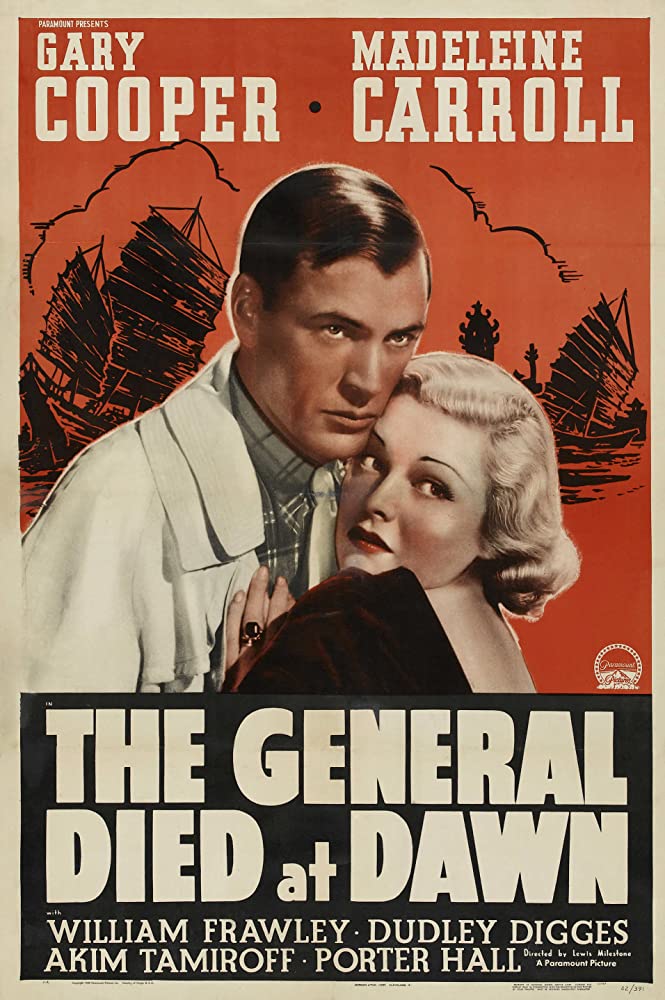
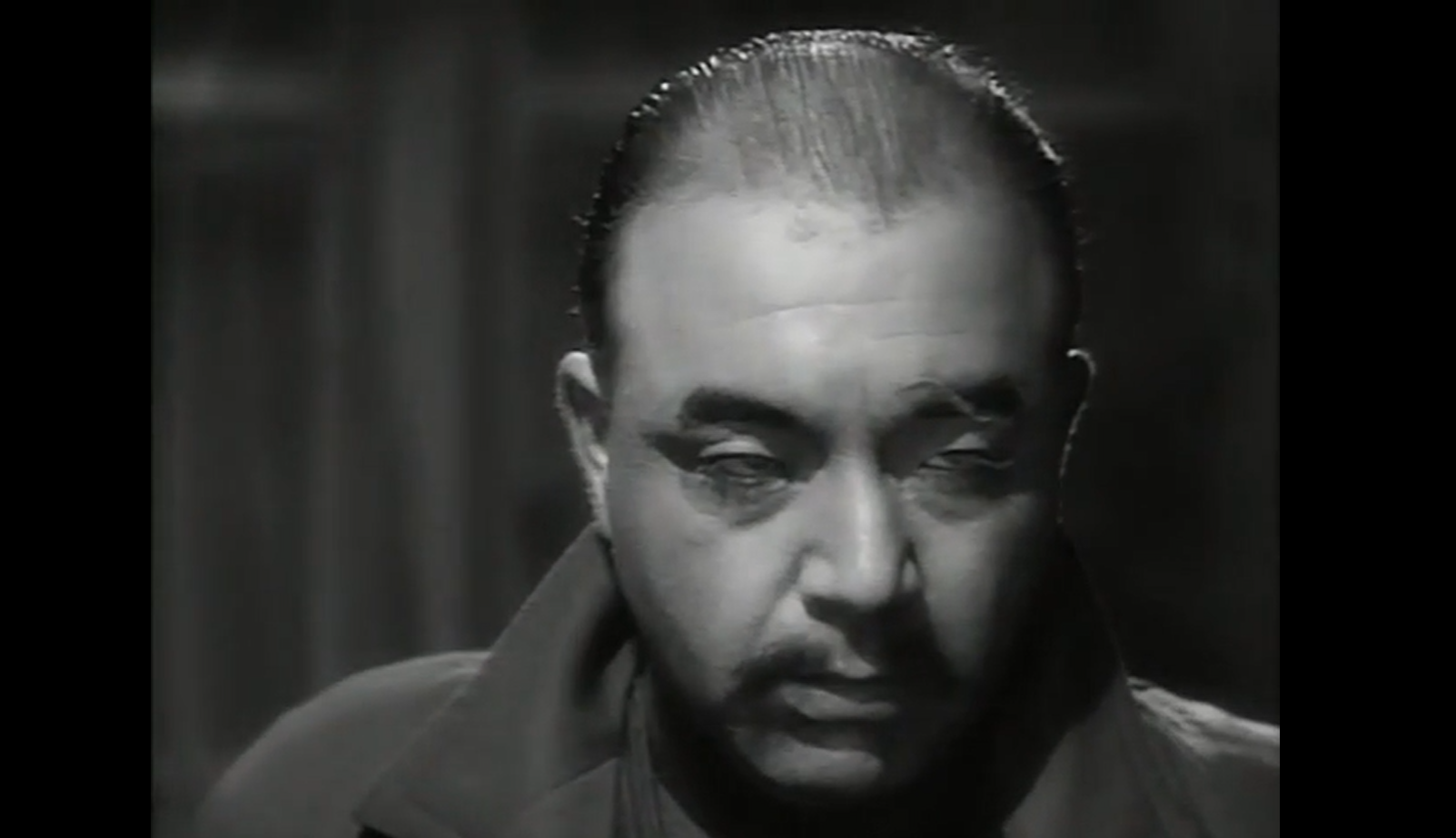
General Died at Dawn, The (1936)

General Died at Dawn, The (1936)

“What’s better work for an American than helping fight for democracy — do you know?”

Synopsis:
An American (Gary Cooper) in war-torn China meets a beautiful woman (Madeleine Carroll) whose father (Porter Hall) is in league with a vicious warlord (Akim Tamiroff) eager to steal the money Cooper is carrying on behalf of revolutionaries.

Genres, Themes, Actors, and Directors:

  • Akim Tamiroff Films
  • China
  • Father and Child
  • Gary Cooper Films
  • Lewis Milestone Films
  • Madeleine Carroll Films
  • Revolutionaries

Review:
Lewis Milestone directed this unusual early thriller, featuring several noteworthy sequences, creative cinematography (by Victor Milner), and fine performances by the ensemble cast. While Russian-American Tamiroff plays the lead Chinese villain, many of the supporting Asian roles appear to be played by Asian-Americans and there’s refreshing diversity in their portrayals. With that said, this is still primarily a film about White leads Cooper and Carroll, whose ill-fated love affair rings true — especially given the realistically oily performance by Hall as her worthless father. (Is he meant to be an opiate addict? That would make sense in this context, and would help to explain the desperation felt both by him and his enabling daughter.) Werner Janssen’s score at times feels intrusive, but is interesting enough to make one sit up and take notice.

Note: In looking over the Peary-listed films directed by Milestone — best known for the Oscar-winning All Quiet on the Western Front (1930) — it seems he helmed several other unique and/or above-average titles, including Rain (1932), Of Mice and Men (1939), The Purple Heart (1944), and The Red Pony (1949).

Redeeming Qualities and Moments:

  • Fine performances by the entire cast


  • Victor Milner’s cinematography


  • Werner Janssen’s eclectic score

Must See?
Yes, once, as an unusual early thriller. Listed as a film with Historical Importance in the back of Peary’s book.

Categories

  • Good Show

Links:

Empire Strikes Back, The (1980)

Empire Strikes Back, The (1980)

“A Jedi uses the Force for knowledge and defense, never for attack.”

Synopsis:
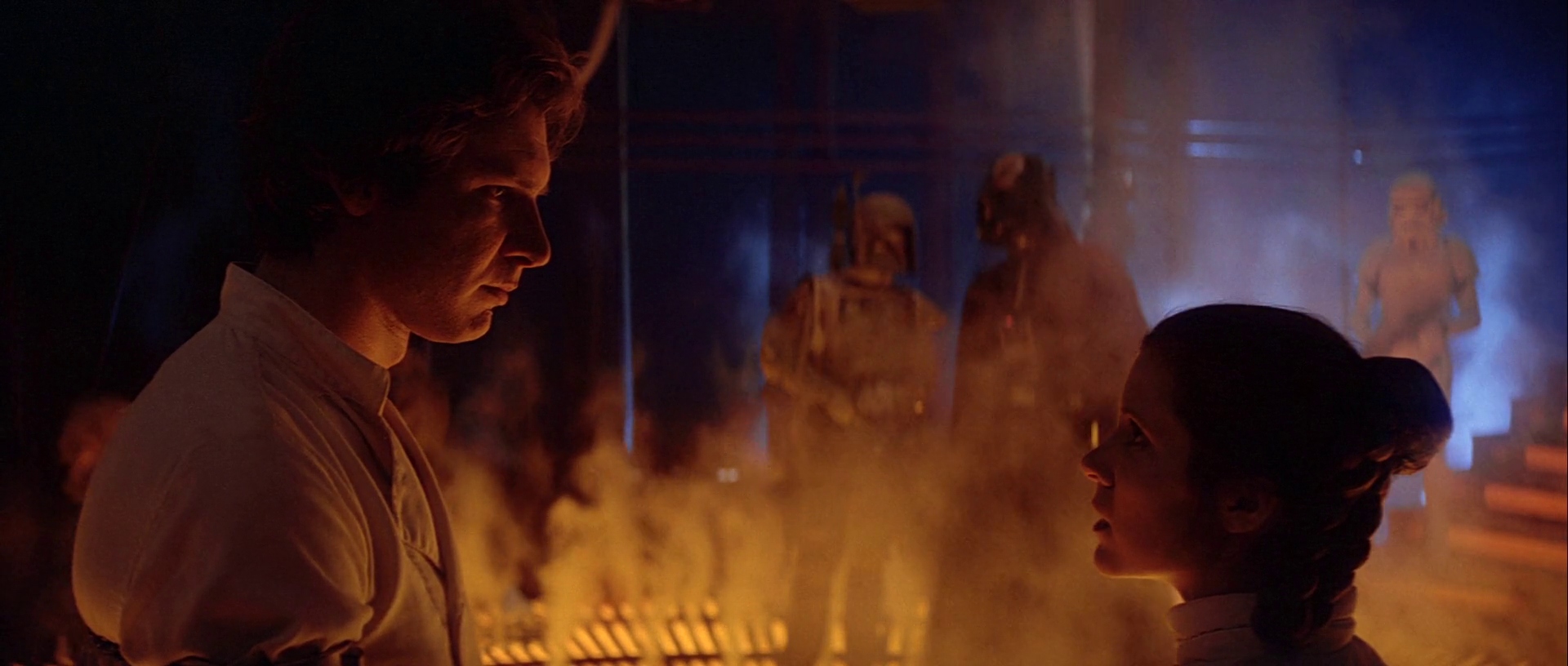
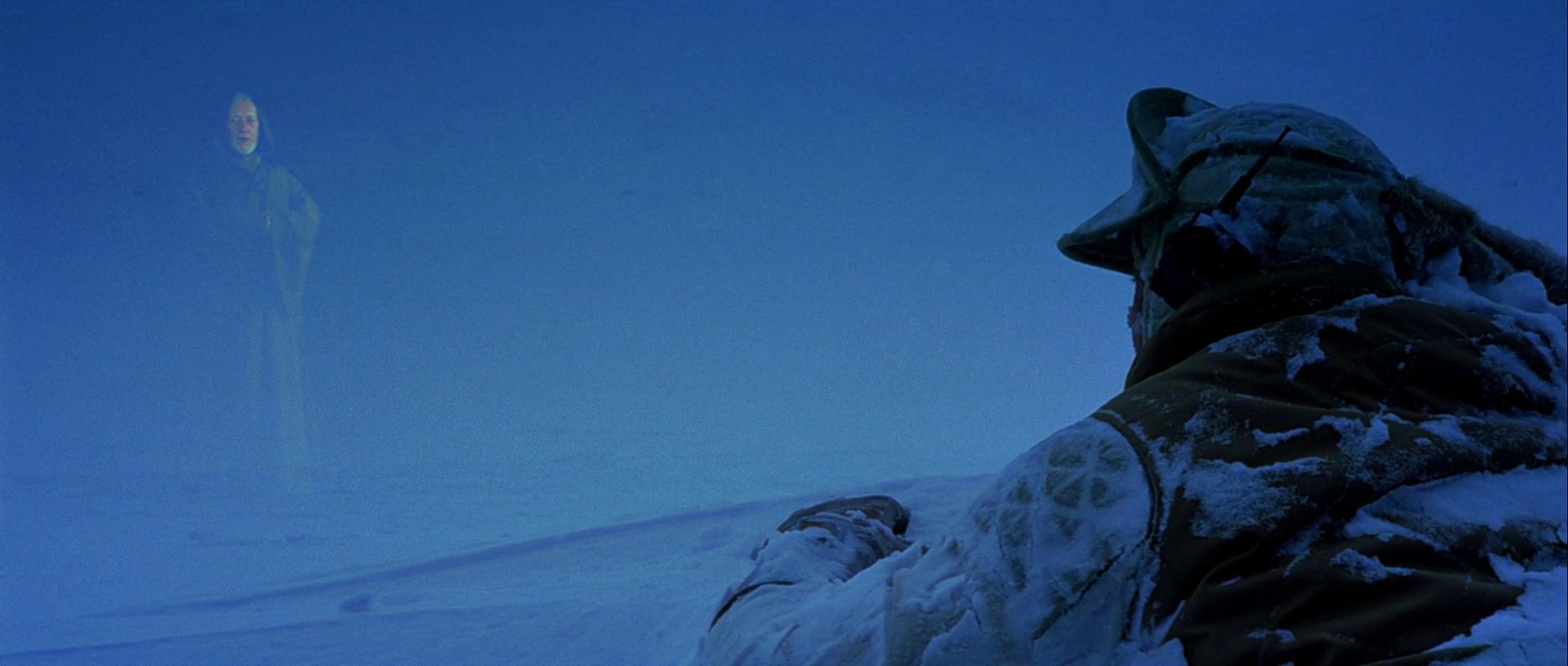
During an ongoing rebellion against the Empire and Lord Darth Vader (David Prowse and James Earl Jones), Luke Skywalker (Mark Hamill) and R2D2 (Kenny Baker) head to the planet of Dagobah, where Luke is trained in the ways of the Jedi by Yoda (Frank Oz). Meanwhile, Han Solo (Harrison Ford), Princess Leia (Carrie Fisher), and C-3PO (Anthony Daniels) flee from the Imperial Army by heading into an asteroid field, seeking refuge on a mining colony run by Han’s old friend (Billy Dee Williams).

Genres, Themes, Actors, and Directors:

  • Alec Guinness Films
  • Androids
  • Harrison Ford Films
  • Rebellion
  • Revolutionaries
  • Romance
  • Science Fiction
  • Space Opera

Response to Peary’s Review:
Peary writes that this “spectacular second film in the George Lucas Star Wars trilogy” features dazzling “special effects”, characters who “are developed and become interesting”, and a “cynical, hard edge that happily lifts it out of the comic-book/juvenile-serials realm” into a “great war movie”, with “events tak[ing] place all over the galaxy”. He notes that this picture “eliminates [the] hokiest aspects of the original, reduces the roles of R2-D2… and C-3PO…, and makes combat look uninviting for a change”; and he points out the “great, imaginative creations”, “excellent direction by Irvin Kershner”, and the “Oscar-winning special effects” by Brian Johnson and Richard Edlund. Thankfully, I’m in agreement with Peary’s review: it was a pleasure revisiting this blockbuster cult favorite, which remains an engaging adventure tale with plenty to satisfy even those who aren’t particularly enamored with the series. It nicely continues what was started in Star Wars (1977), and lays some pretty (in)tense groundwork for a sequel. Stay tuned!

Redeeming Qualities and Moments:

  • Fine cinematography

  • Excellent special effects

  • Other-worldly sets

  • John Williams’ score

Must See?
Yes, as a classic of its genre. Nominated as one of the Best Films of the Year in Peary’s Alternate Oscars.

Categories

  • Genuine Classic

(Listed in 1001 Movies You Must See Before You Die)

Links:

Plainsman, The (1936)

Plainsman, The (1936)

“A man’s bound to lose, sooner or later.”

Synopsis:
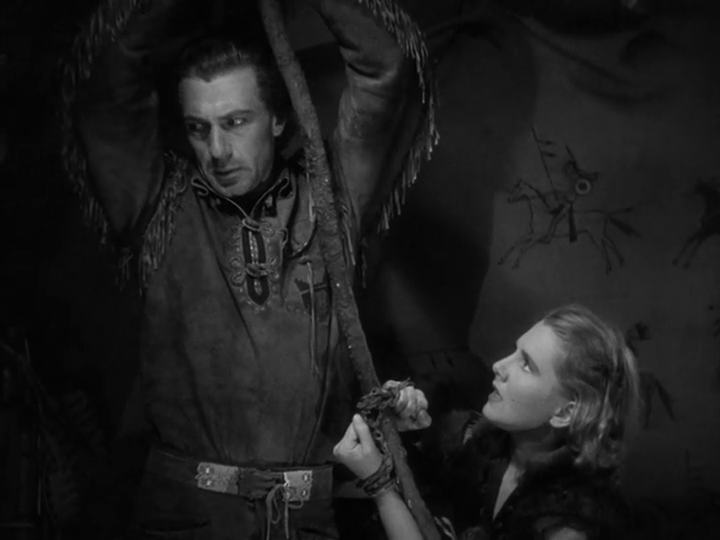
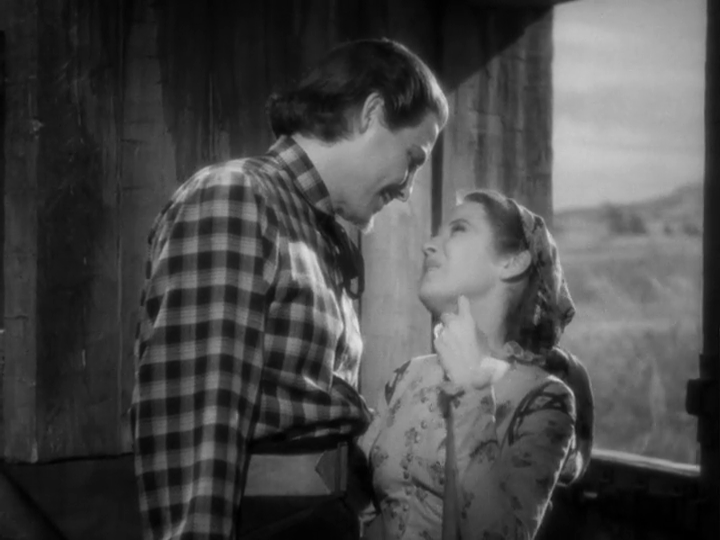
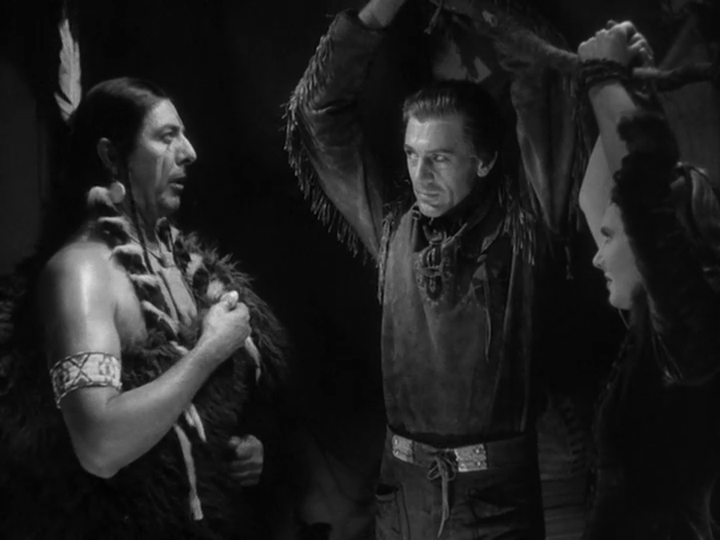
As the American Civil War comes to an end, an unscrupulous business man (Charles Bickford) facilitates the sale of repeating rifles to Native Americans, leading to an uprising. Soon Wild Bill Hickok (Gary Cooper) and his pal Buffalo Bill Cody (James Ellison) find themselves on the frontlines once again, with Cody leaving behind his pregnant new wife (Helen Burgess), and Hickok’s secret love for Calamity Jane (Jean Arthur) causing unexpected challenges.

Genres:

  • Anthony Quinn Films
  • Cecil B. DeMille Films
  • Charles Bickford Films
  • Gary Cooper Films
  • Historical Drama
  • Jean Arthur Films
  • Native Americans
  • Westerns

Review:
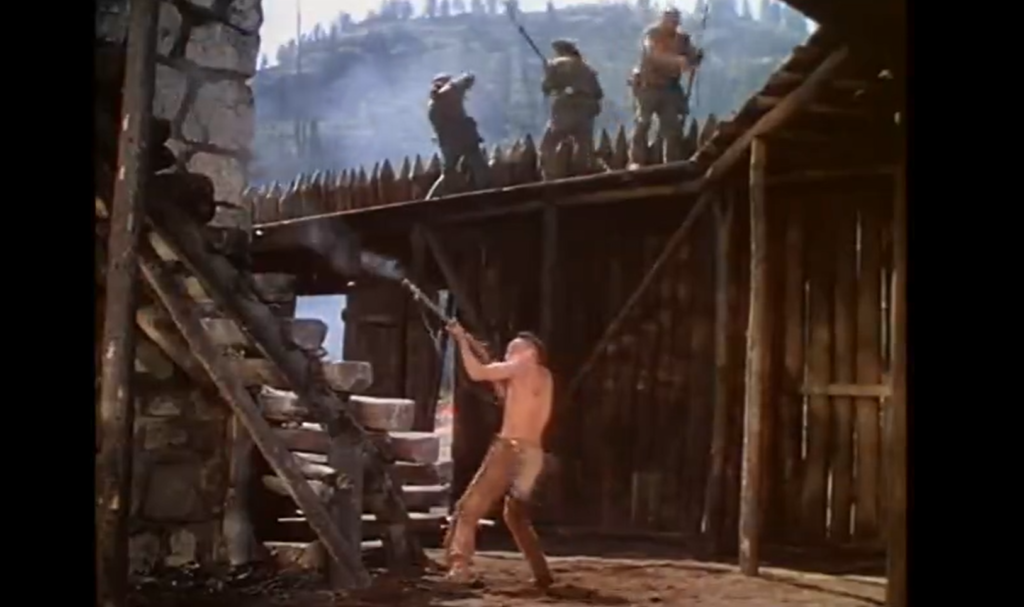
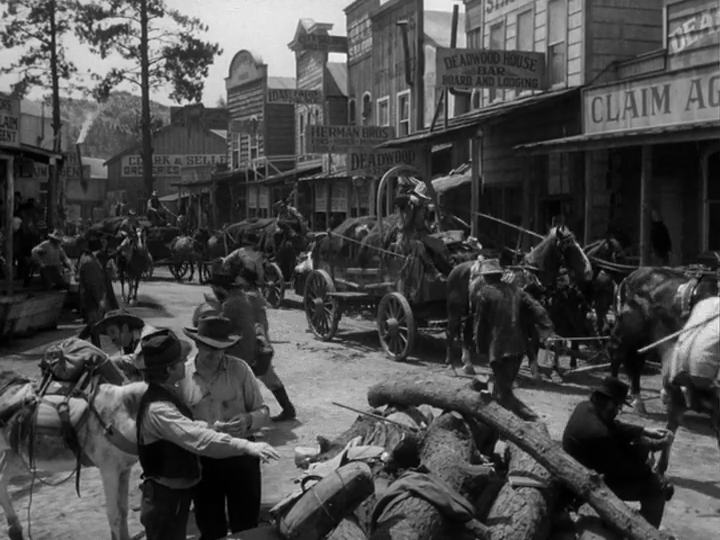
Cecil B. DeMille directed this “highly fictionalized” (!!!) account of various Wild West figures coming together in improbable ways, all culminating in the infamous death of a lead character. Refreshingly, it’s greedy white military industrialists rather than the Native Americans themselves who are positioned from the beginning as the true “bad guys”, making it a little easier to watch the elaborately staged warfare and killing of Indians. Unfortunately, the creative mixing of storylines and characters focuses too much on the love lives of the leads, with Hickok and Calamity Jane’s would-be romance coming across as particularly strained; we’re meant to root for them as they tentatively make their feelings known to one another, but Jane is put in an egregiously unfair position at one point, forcing her to choose between love and loyalty.

Cody’s beautiful young wife is nicely played by 19-year-old Helen Burgess, whose sudden death from pneumonia the following year ended her chances for a promising career.

Watch for Anthony Quinn in a thankless role as a Cheyenne Indian.

Redeeming Qualities and Moments:

  • Victor Milner’s cinematography

  • Impressive historic sets and art direction

Must See?
No, though it’s worth a one-time look.

Links:

Northwest Passage (1940)

Northwest Passage (1940)

“It’s better to be hungry than to be cut up alive with hatchets.”

Synopsis:
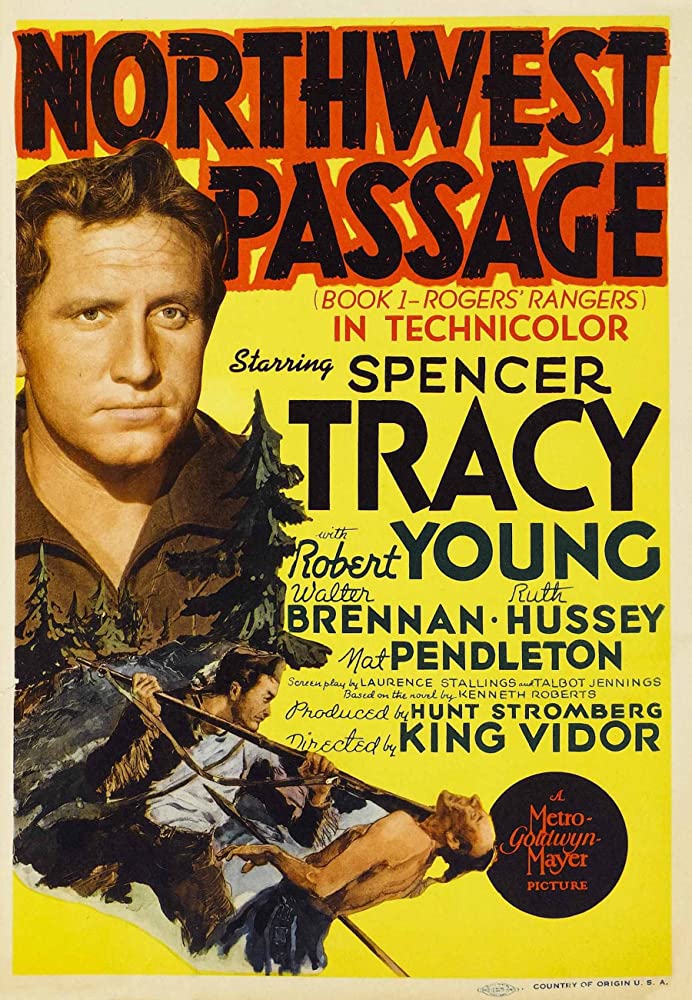
During the French and Indian War, Major Robert Rogers (Spencer Tracy) enlists an aspiring painter (Robert Young) and his buddy (Walter Brennan) into his elite militia with the goal of seeking revenge on local Abenaki Indians — but their trek is long and arduous, and soon the men must find creative ways to survive.

Genres:

  • Historical Drama
  • King Vidor Films
  • Military
  • Native Americans
  • Robert Young Films
  • Spencer Tracy Films
  • Survival

Review:
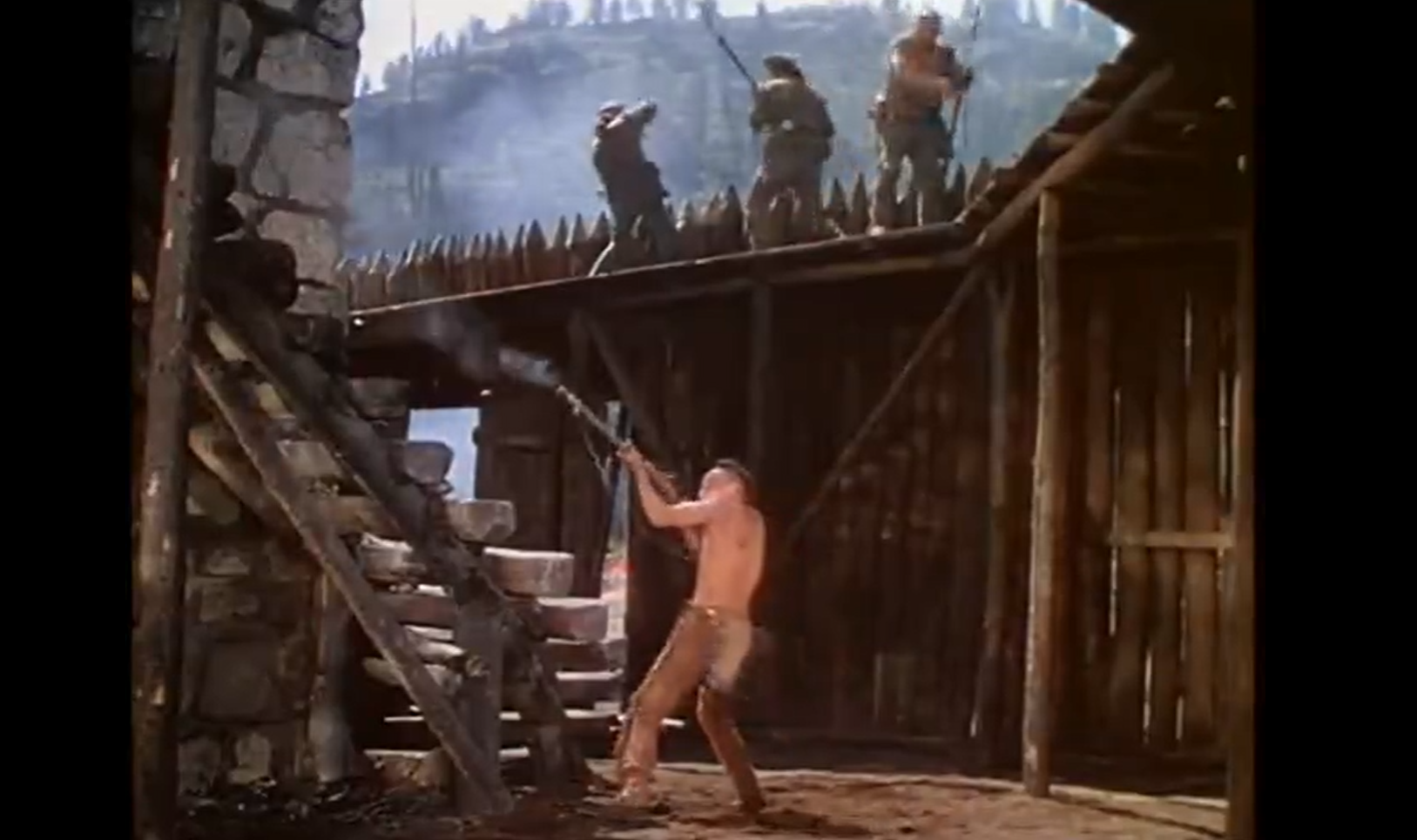
It’s a challenge to watch this impressively filmed Technicolor wartime adventure tale, knowing that we’re watching a reasonably authentic recreation of the ferocity wrought upon Native populations (albeit often in retaliation for similar treatment) during our quest for continental dominance. While the decimation of various tribes of American Indians — either through warfare or ongoing deculturalization — is now well-known, this MGM production spares no details in sharing how ruthless our tactics were — and how thoroughly we dehumanized and humiliated the tribes we were fighting against. Tracy is stoic but not overly sympathetic in the unenviable role of a tough-as-nails commander directing his men to keep going no matter what, fueling their motivation through no-holds-barred tales of brutal Indian tactics.
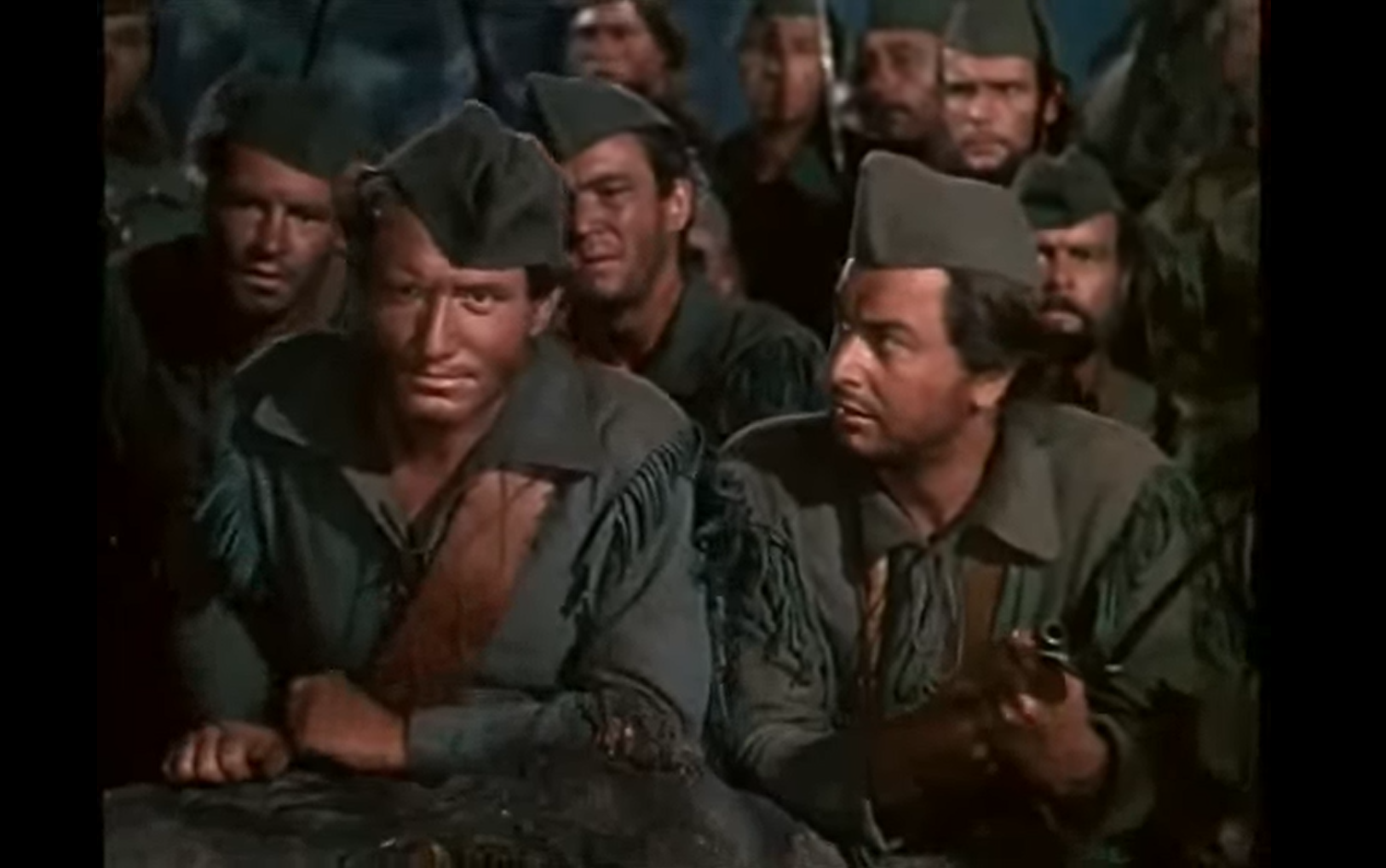
As DVD Savant describes it:

[Young] listens as Rogers encourages veterans to tell the new soldiers about Indian atrocities — raping women, chopping men up a bit at a time, braining babies, the works. One description of a prisoner having his ribs severed and pulled out one by one is almost too awful to picture, and seems unthinkably strong for a studio film from 1940. Rogers refers to these outrages to inspire maximum savagery from his troops.

Indeed, retaliation against Indians in this film is relentless, with no room at all for humanization or empathy. As Tracy attempts to help Young survive after he’s been wounded and can barely walk, he yells out, “Bring that [nameless] little Indian boy over here”, then says to the boy (without a hint of irony), “From now on your name is Billy”.
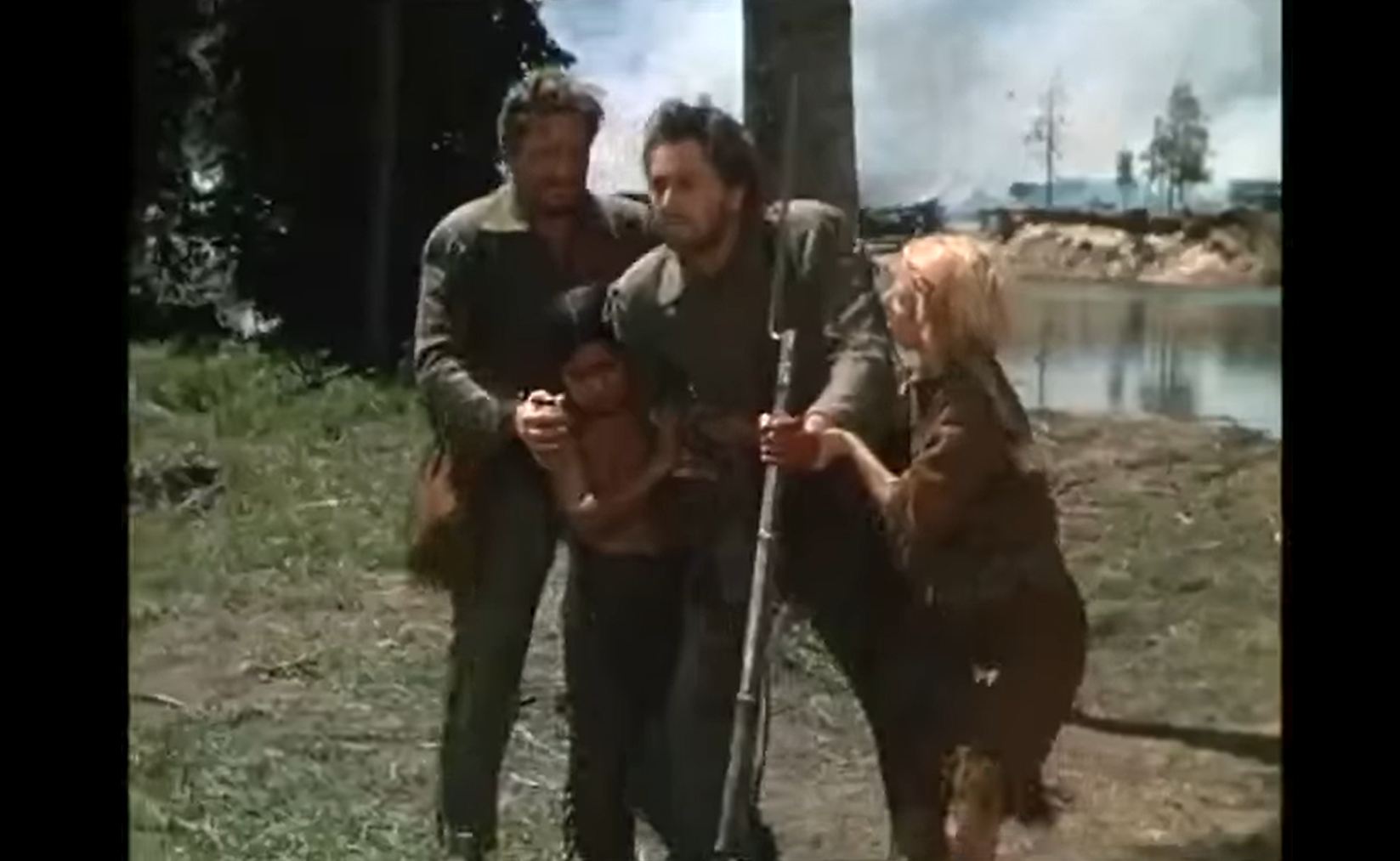
While it’s true, as DVD Savant points out, that “the movie is very successful in communicating the idea that just a few miles past New York, the green forests stretch beyond the horizon, a seemingly limitless frontier for expansion” (the cinematography throughout this location-shot flick is impressive), the film is a hard one to stomach, and will likely only be of interest to those curious about Hollywood’s early depictions of historical American events.

Note: The film’s title is an infamous misnomer, given that the crew never embarks on its quest to find a “northwest passage”; the title was intended for a sequel that never emerged.

Redeeming Qualities and Moments:

  • Beautiful Technicolor cinematography
  • Fine recreation of historic sites

Must See?
No; this one is only must-see for the curious.

Links:

Pygmalion (1938)

Pygmalion (1938)

“I’m a good girl, I am!”

Synopsis:
A linguistics professor (Leslie Howard) bets his friend (Scott Sunderland) he can transform a Cockney-speaking flower girl (Wendy Hiller) into a refined “lady” thoroughly enough to convince high society she’s “authentic” — but if he does, what then?

Genres, Themes, Actors, and Directors:

  • Character Arc
  • Class Relations
  • Leslie Howard Films
  • Mentors
  • Play Adaptation
  • Wendy Hiller Films

Review:
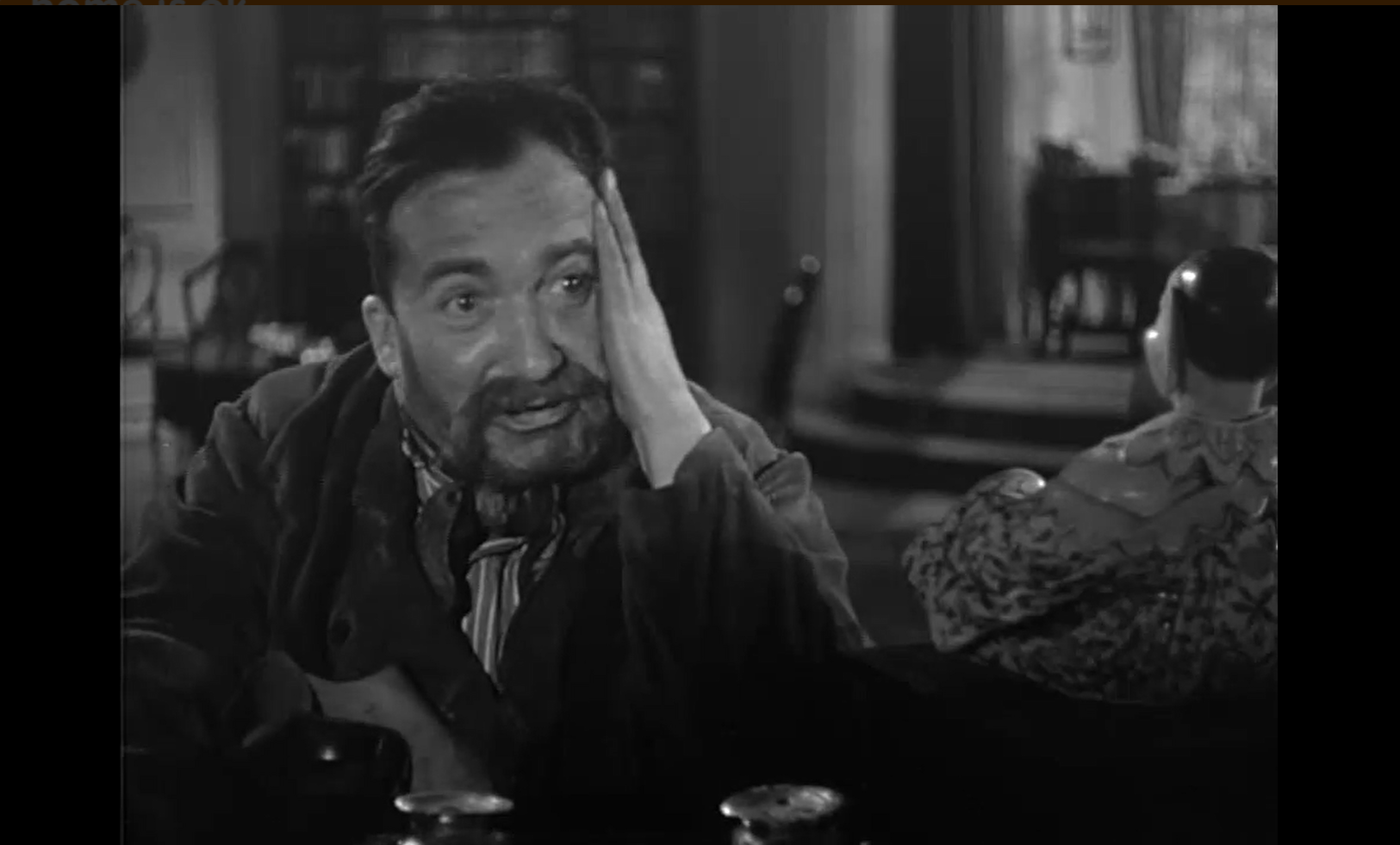
This Oscar-nominated adaptation of George Bernard Shaw’s much produced play — itself based on an ancient Greek myth about a sculptor who falls in love with his own statue — is infinitely more palatable than the insufferable Broadway musical remake, My Fair Lady (1964). As co-directed by Anthony Asquith and Leslie Howard — and produced by Gabriel Pascal, who would direct Shaw’s Major Barbara (1941) three years later — it’s less a cross-class romance than a satire of upper-class society, exposing the vacuity of those who believe it’s critically important to know the “appropriate” way to address various members of the nobility, and who care far more about status than character. Howard is convincing as conceited prig Professor Higgins, and Hiller’s Eliza Doolittle holds her own very nicely; she’s played with great empathy and nuance in a memorable screen debut. The film never feels stage-bound, instead making creative use of cinematography and angles — and at just 96 minutes long (almost half that of My Fair Lady‘s 170 minutes), it only drags a teeny bit towards the end, as Eliza attempts to let Higgins know how much he’s disappointed her, and they eventually (improbably) end up with one another.

Redeeming Qualities and Moments:

  • Wendy Hiller as Eliza
  • Wilfrid Lawson as Mr. Doolittle
  • Harry Stradling’s cinematography

Must See?
Yes, as a fine adaptation of a classic play. Listed as a film with Historical Relevance in the back of Peary’s book.

Categories

  • Genuine Classic
  • Oscar Winner or Nominee

Links:

Major Barbara (1941)

Major Barbara (1941)

“My dear, I’m a millionaire — that’s my religion.”

Synopsis:
When the headstrong daughter (Wendy Hiller) of a millionaire weapons manufacturer (Robert Morley) becomes a major in the Salvation Army, she makes it her life’s mission to save souls, and quickly secures a fiance (Rex Harrison) willing to do anything for her love. Meanwhile, Morley struggles over the question of who to leave his inheritance to.

Genres, Themes, Actors, and Directors:

  • Deborah Kerr Films
  • Inheritance
  • Missionaries and Revivalists
  • Play Adaptations
  • Rex Harrison Films
  • Robert Morley Films
  • Robert Newton Films
  • Wendy Hiller Films

Review:
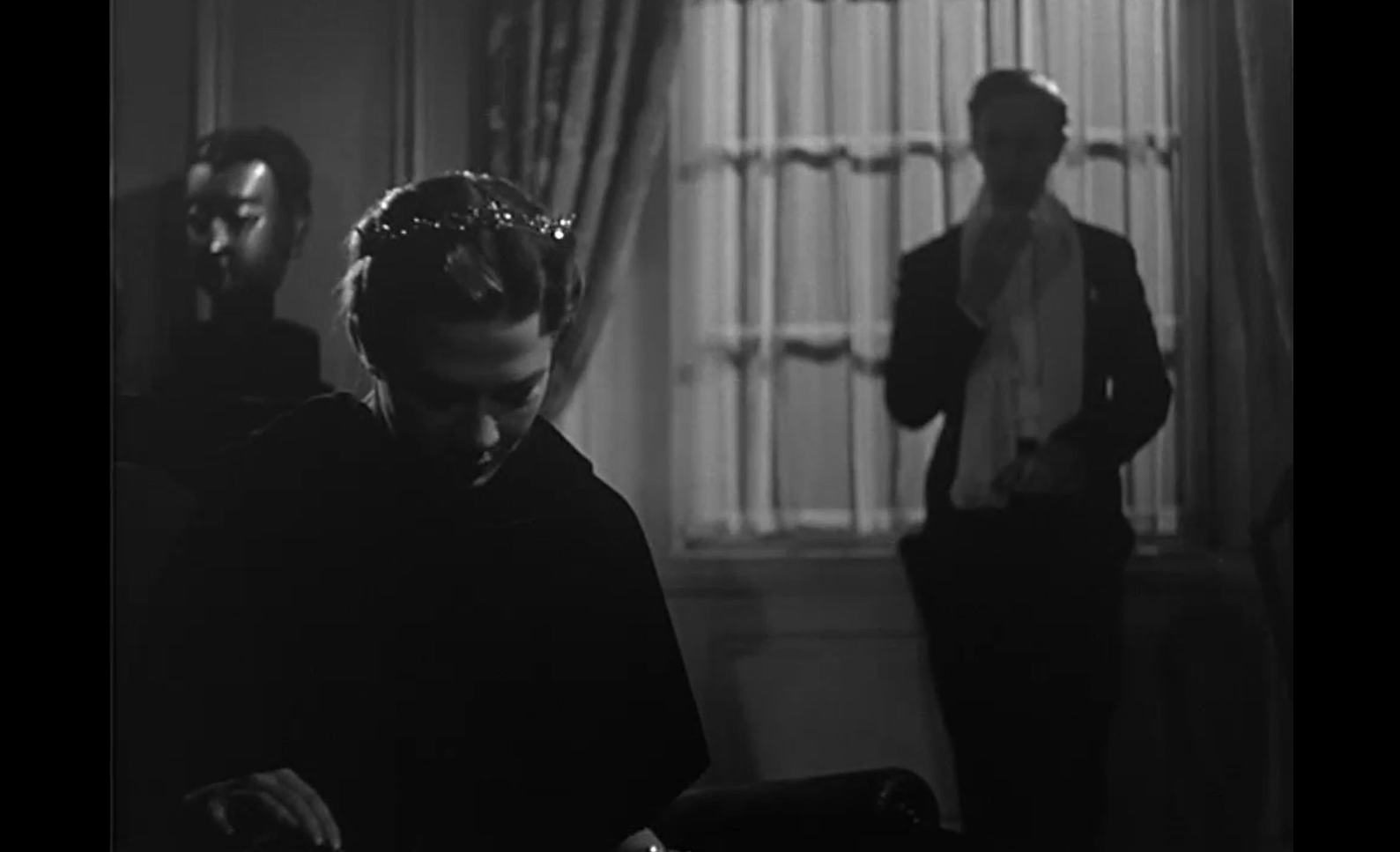
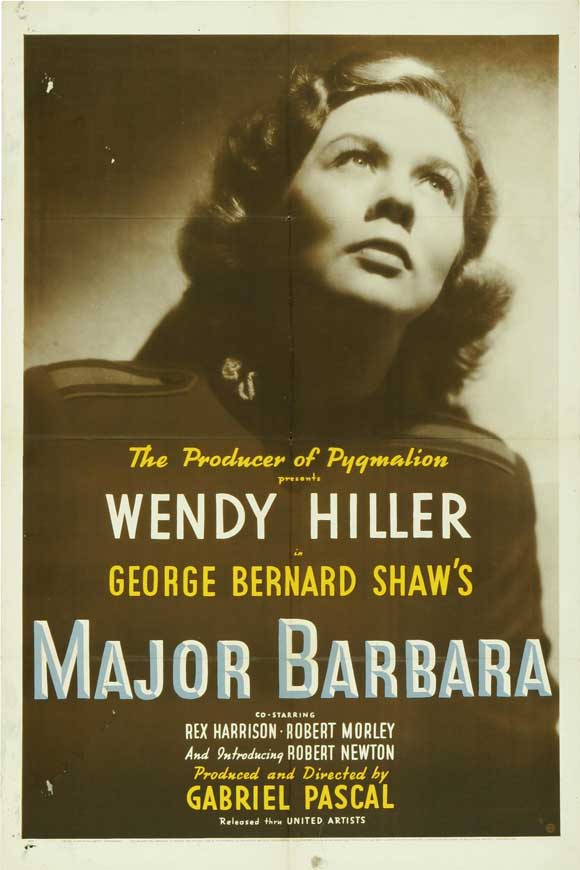
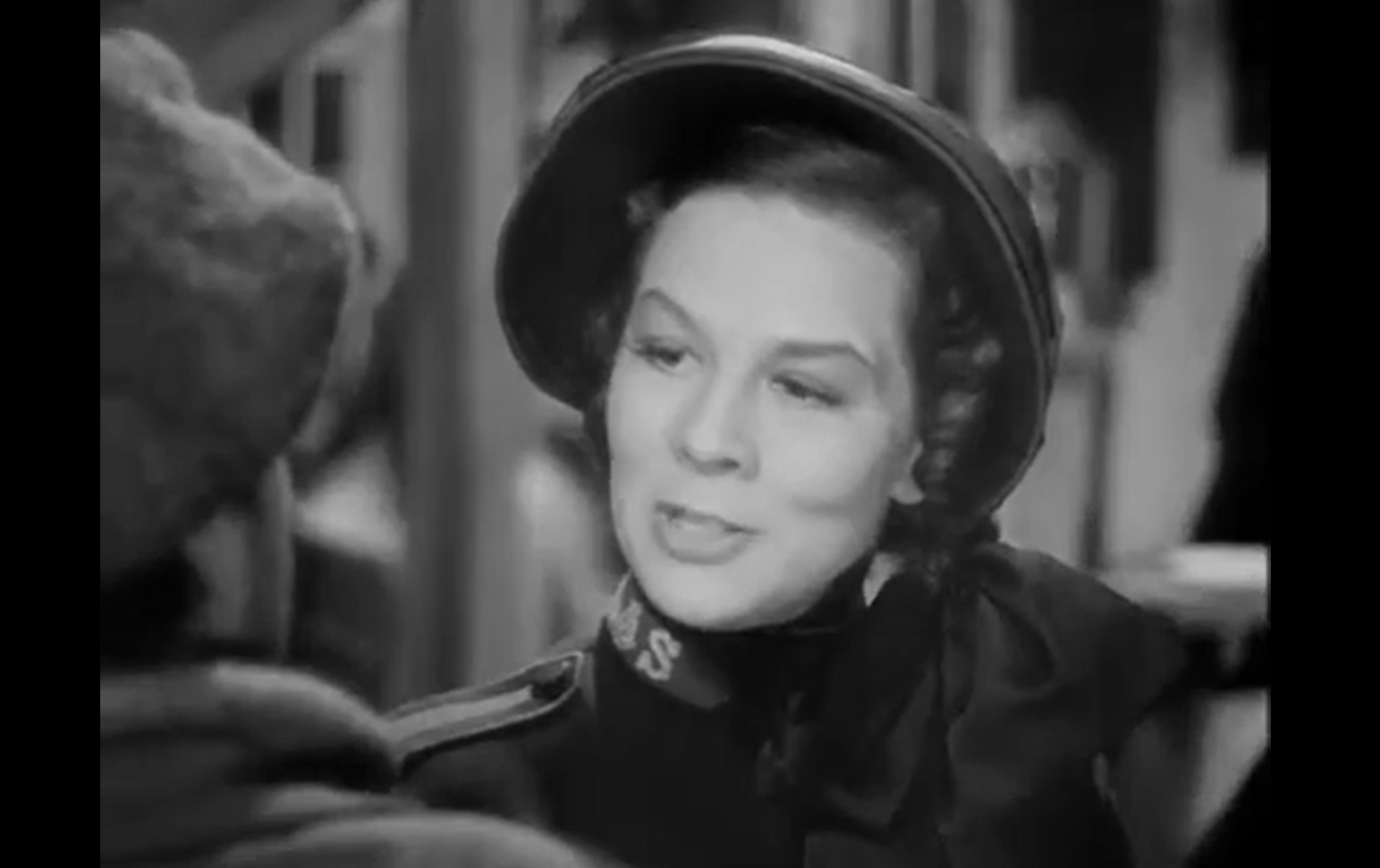
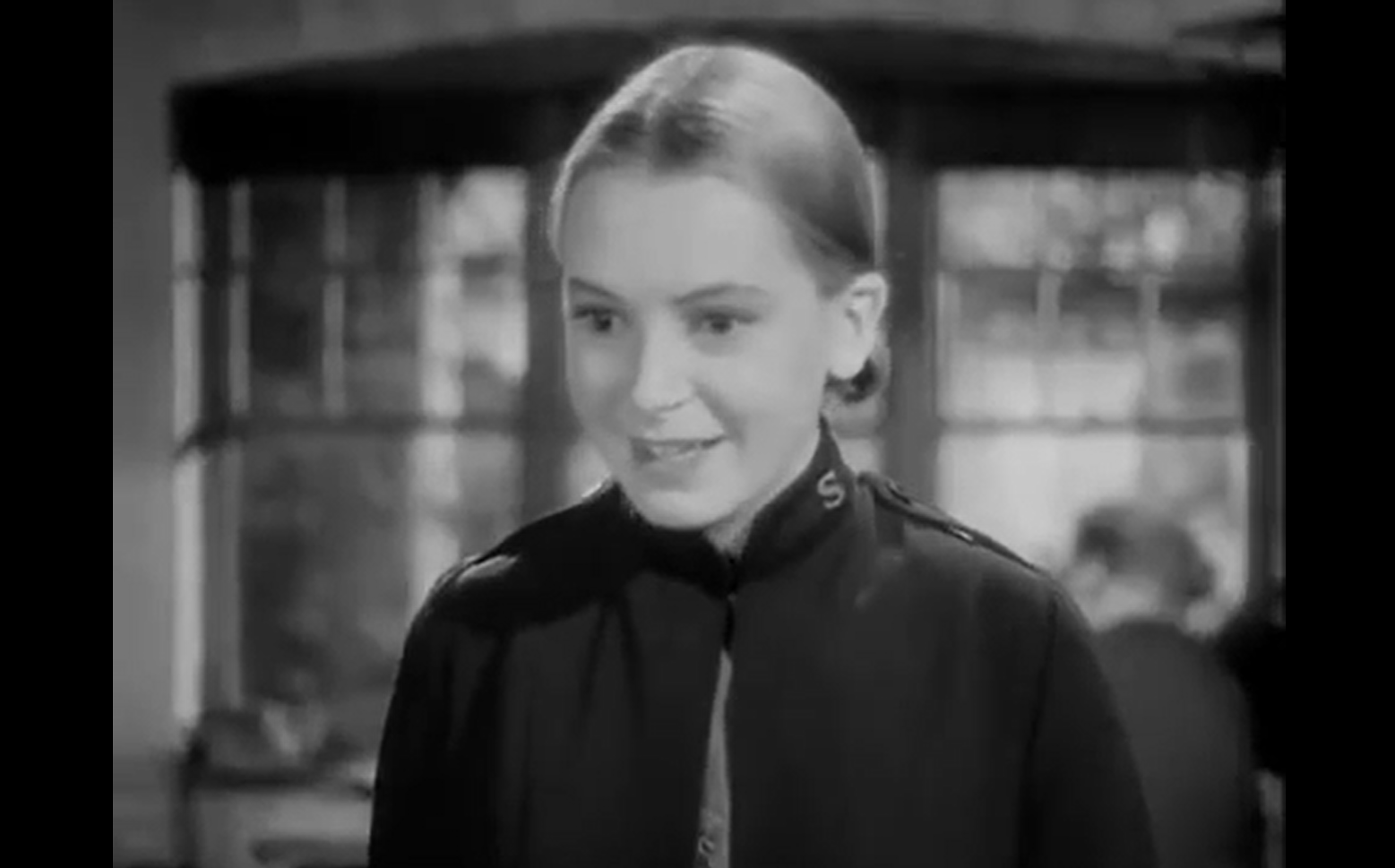
After producing a successful cinematic version of George Bernard Shaw’s Pygmalion (1938), Austro-Hungarian Gabriel Pascal directed this adaptation of Shaw’s 1905 play about an idealistic young woman grappling with issues of identity, morality, compromises, and love — specifically, whether poverty is worse than munitions, and whether it’s better to feed the poor or provide them with work. Such universal concerns remain as relevant today as ever, and fans of Shaw’s work will likely be quite happy with this outing (though it’s not a personal favorite of mine). Hiller is note-perfect in the title role; Harrison is less annoying than usual as her sincere yet opportunistic suitor; Morley (only four years older than Hiller) is suitably pompous as heir to a dubious fortune; Robert Newton is on hand to provide plenty of nastiness a la his later characters in Oliver Twist (1948) and Treasure Island (1950); playwright Emlyn Williams has fun as shyster “Snobby Price”; and Deborah Kerr gives a sweet and compelling supporting performance in her film debut.

Note: Major Barbara is historically notable for having been filmed during the Blitz, yet still coming across as polished and professional.

Redeeming Qualities and Moments:

  • Fine performances by the entire cast


  • Atmospheric cinematography by Ronald Neame
  • Impressive sets

Must See?
No, though it’s worth a one-time look for its historical relevance. Listed as a film with Historical Importance in the back of Peary’s book.

Links:

Caught in the Draft (1941)

Caught in the Draft (1941)

“Of course I’m not a coward. I’m just allergic to bullets!”

Synopsis:
A cowardly actor (Bob Hope) afraid of loud noises does everything he can to avoid enlisting in the army, including wooing the beautiful daughter (Dorothy Lamour) of a crusty colonel (Clarence Kolb) — but he nonetheless soon finds himself in basic training with his buddies (Eddie Bracken and Lynne Overman).

Genres, Themes, Actors, and Directors:

  • Actors and Actresses
  • Bob Hope Films
  • Cowardice
  • Dorothy Lamour Films
  • Military
  • Romantic Comedy
  • World War II

Review:
This box office hit was squarely designed to capitalize both on the success of the Road To… series (Hope’s character at one point says, “She looks like Dorothy Lamour, with clothes on.”) and current-day angst over involuntary enlistment during the earliest stages of American engagement with World War II.

It was quite well received — Bosley Crowther wrote a glowing review for the New York Times, referring to it as “a lively slapstick farce in which the gags are beautifully abundant” — but it hasn’t aged all that well. Hope’s cowardly character quickly (instantly, actually) grates on one’s nerves, and his treatment of Lamour is so utilitarian from the get-go that we have a hard time rooting either for him or for them as a couple. You can skip this one unless you’re a diehard fan of Hope or Lamour.

Redeeming Qualities and Moments:
Not much, unless this is your cup of tea.

Must See?
No; feel free to skip this one.

Links: