|
Genres, Themes, Actors, and Directors:
- Feminism and Women’s Issues
- Generation Gap
- George Romero Films
- Housewives
- Marital Problems
- Sexual Repression
- Witches and Wizards
Review:
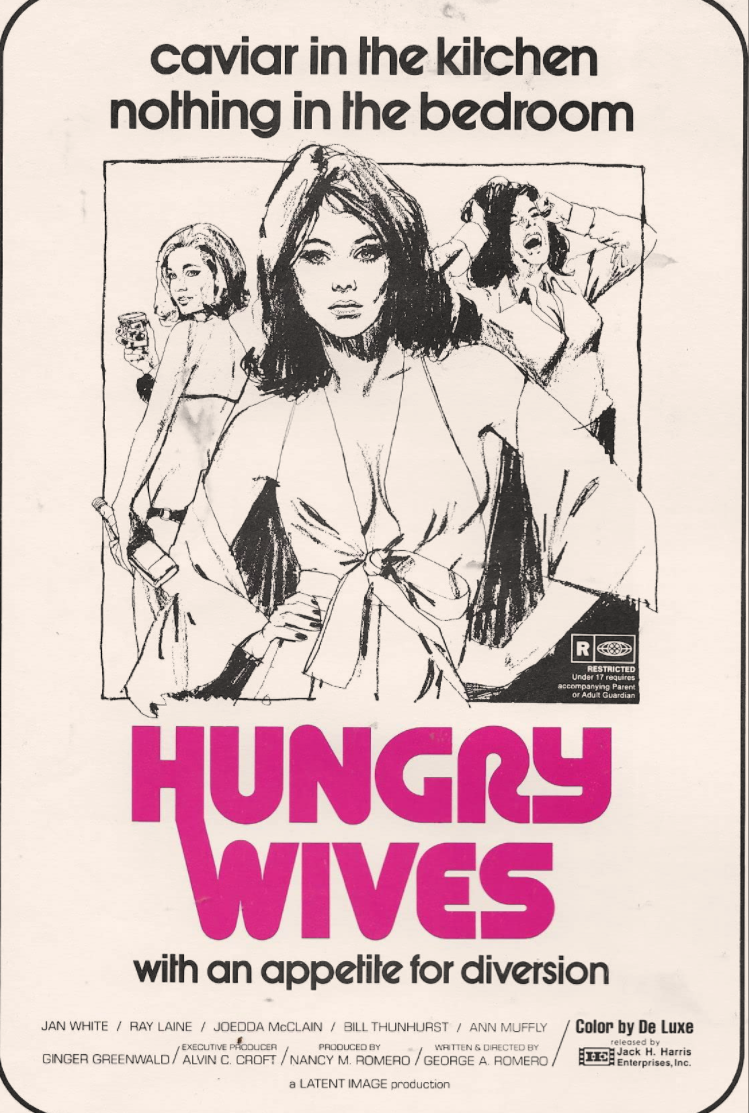
After making a noteworthy debut with Night of the Living Dead (1968), George Romero’s third feature-length film was this self-described “feminist film” that is best captured by its original title (given that the entire storyline is about White’s attempt to be something other than simply “Jack’s wife”), but which distributors attempted to spin in two different directions. Season of the Witch (the poster above doesn’t even showcase White) capitalizes on the film’s theme of witchcraft (utilized by White to give her confidence in breaking free from her staid existence), while Hungry Wives was simply a pathetic attempt to market it as a soft-core adult film.
On its own merits, Jack’s Wife remains an intriguing artifact of its era, creatively directed by Romero — albeit within a super-low budget, and at a time when Romero professes he was still just learning basics of directing — and consistently going in unexpected directions. Though it’s not a horror film per se, we can sense the “horror” of White’s situation as she’s surrounded by near-harpies (her circle of friends aren’t exactly appealing):

… ignored (and occasionally beaten) by her oft-travelling husband:

… patronized by her pipe-smoking analyst:

… pitied by her self-absorbed daughter:

… and chastised as insufficiently “hip” by her daughter’s lover:
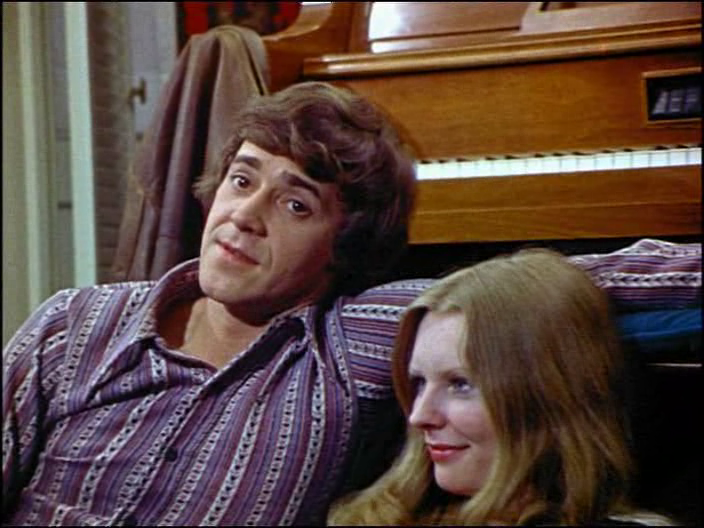
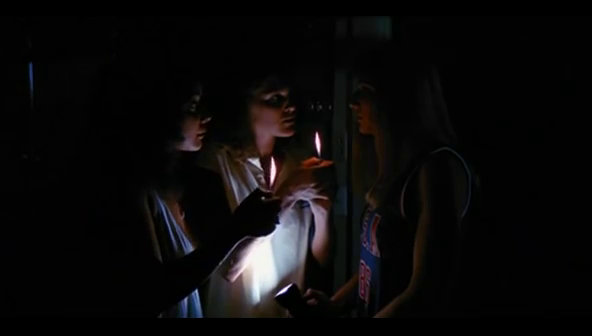
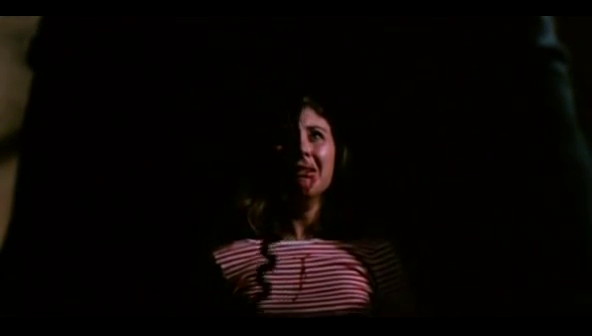
Meanwhile, Romero injects numerous frightful nightmare sequences, which lend the film an appropriate air of mystery and trauma throughout:

— and the final scene is most definitely a shocker.
Redeeming Qualities and Moments:
- Many creatively filmed sequences

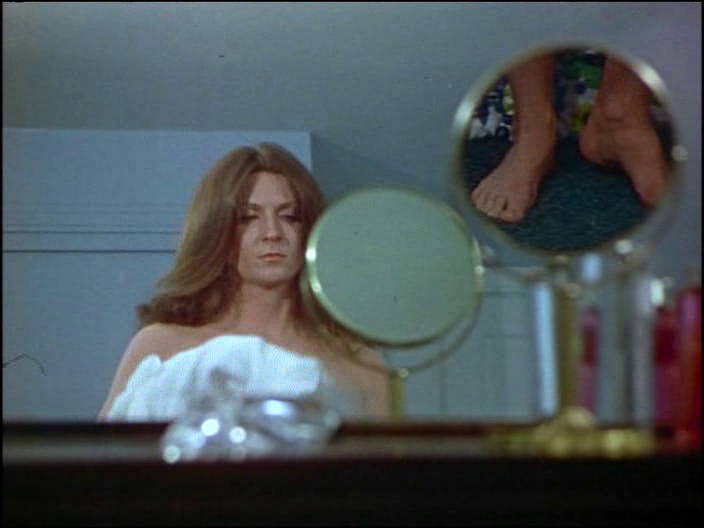
- Ann Muffly as White’s friend Shirley

- An unusual screenplay


Must See?
No, but it’s recommended for one-time viewing as an unexpected early entry in Romero’s oeuvre. Listed as a Cult Movie in the back of Peary’s book.
Links:
|