Phantom of the Paradise (1974)
“But I wrote the music!”
|
Synopsis: |
|
Genres, Themes, Actors, and Directors:
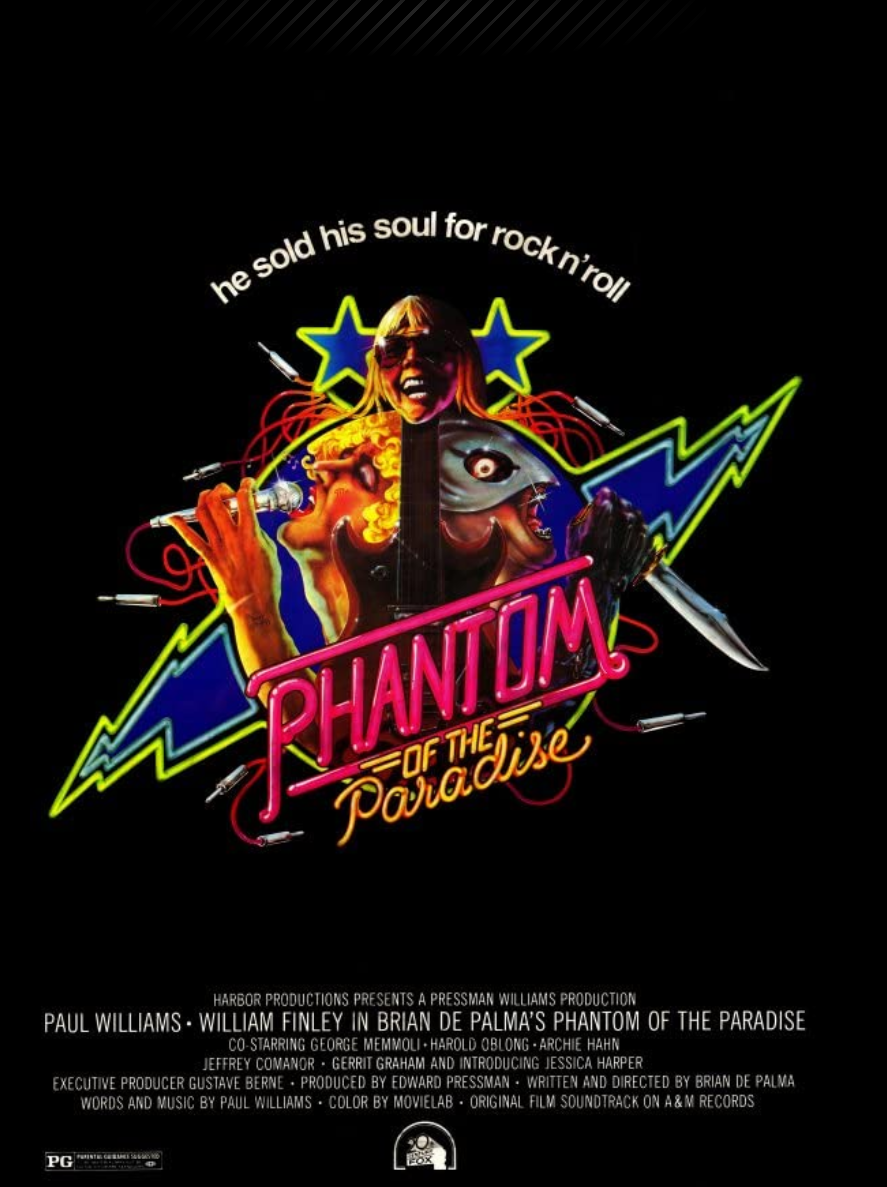
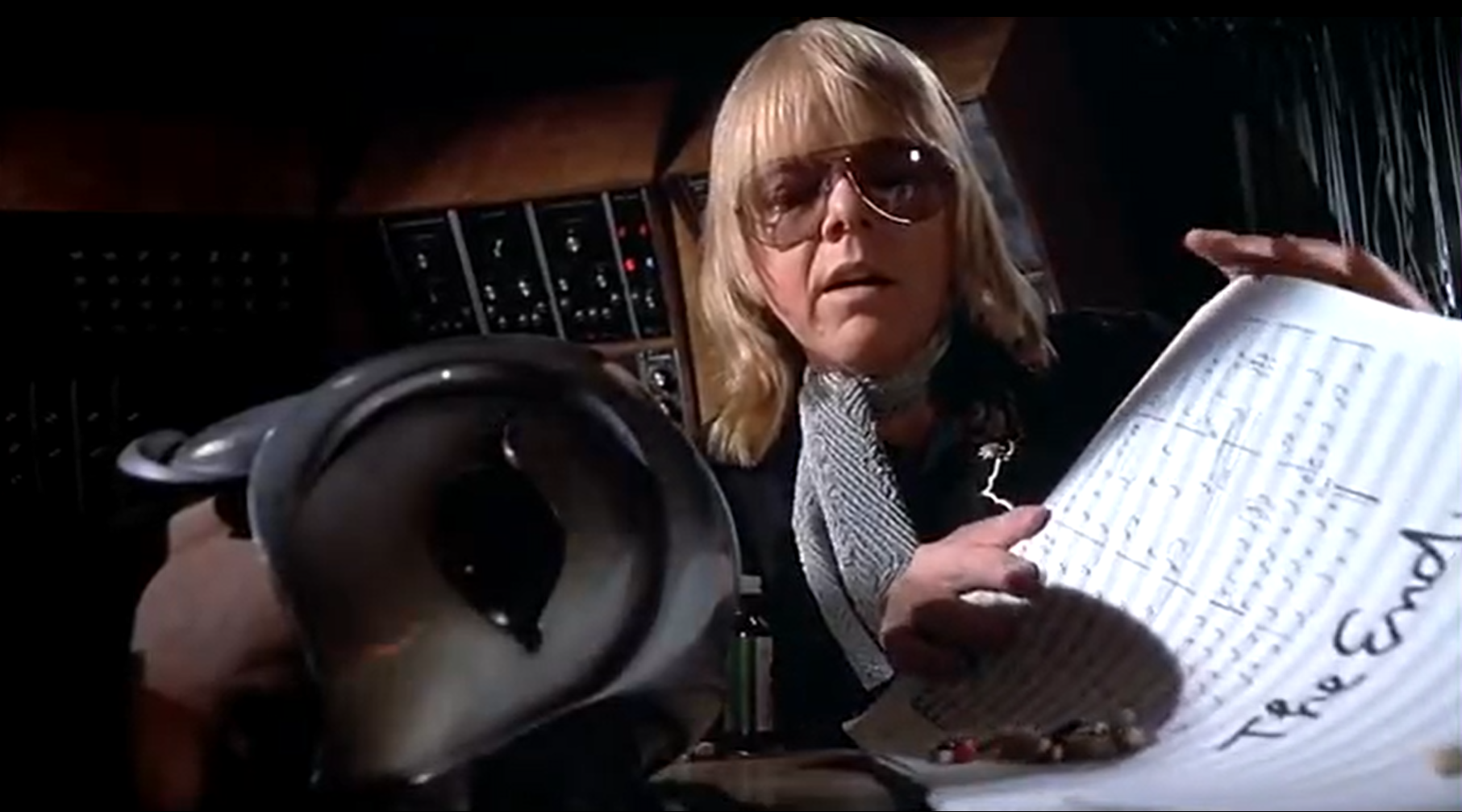
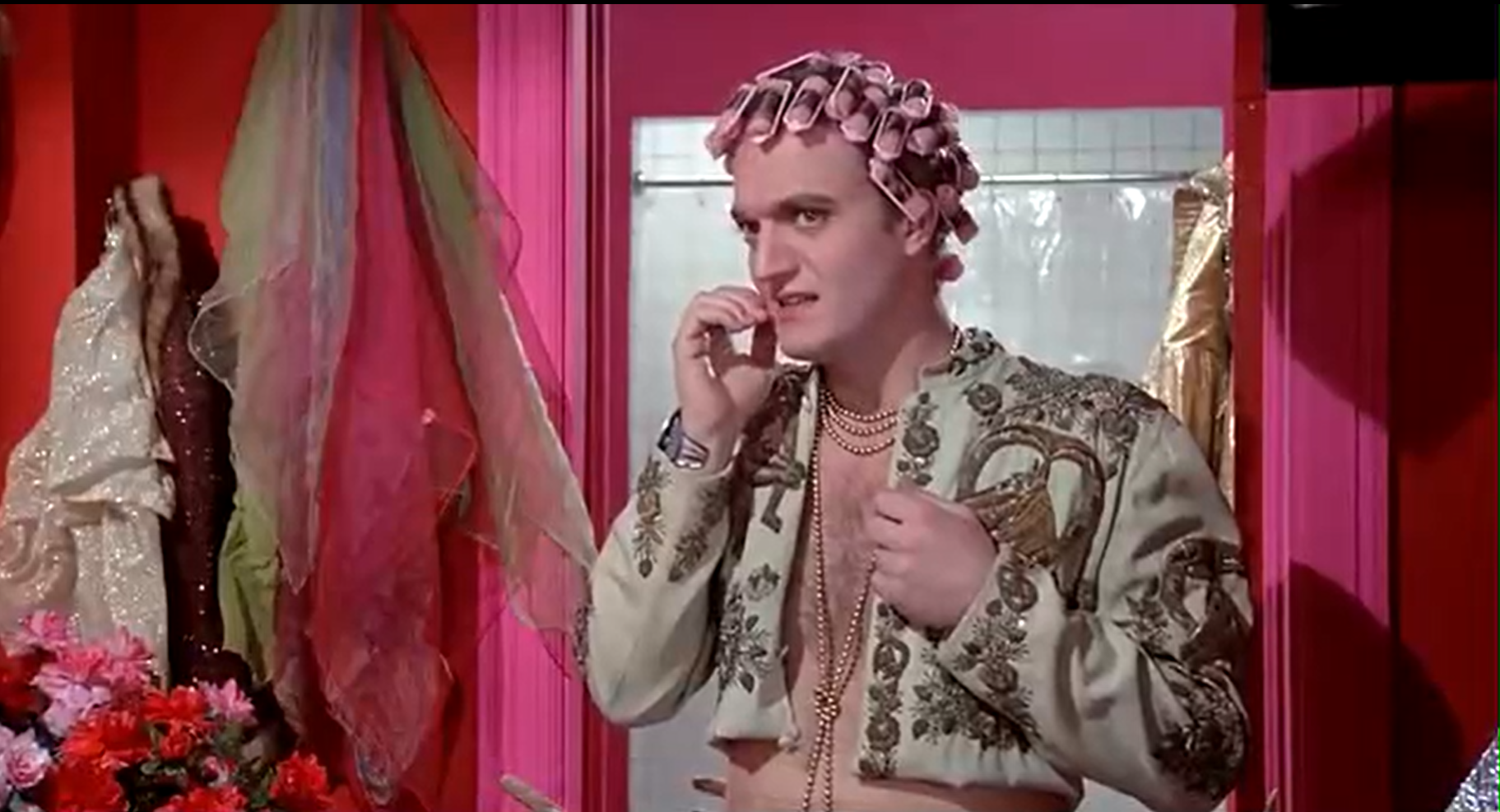
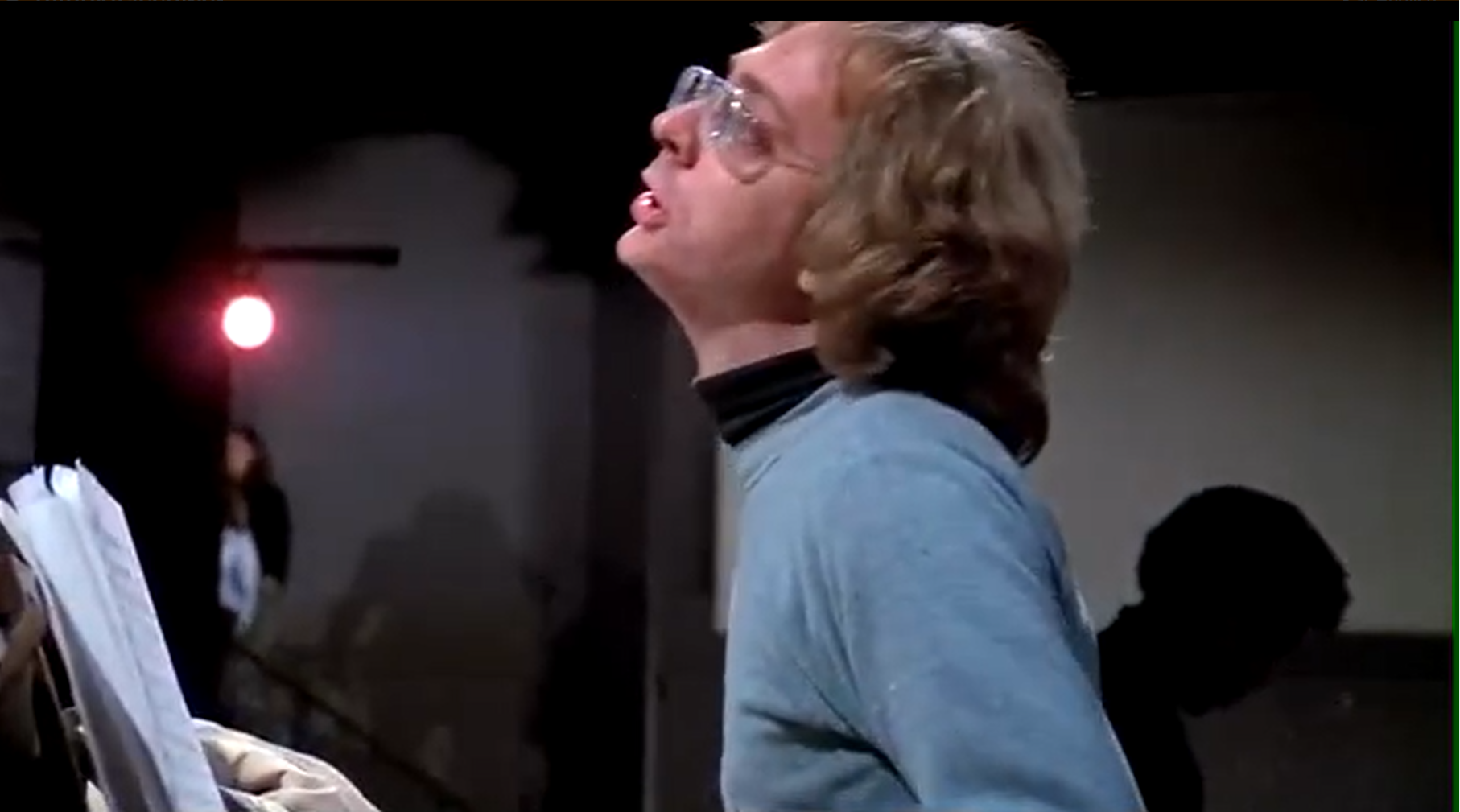
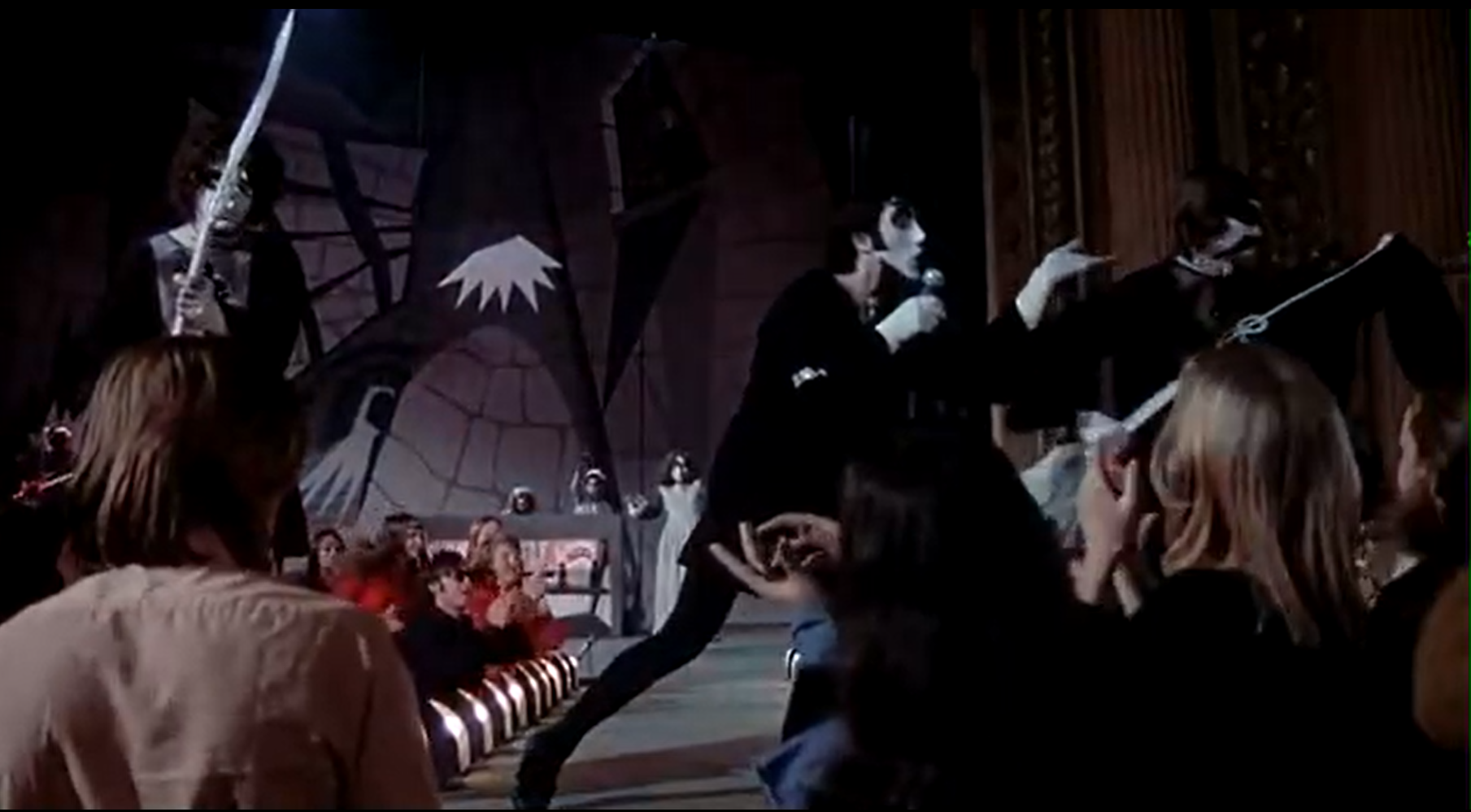
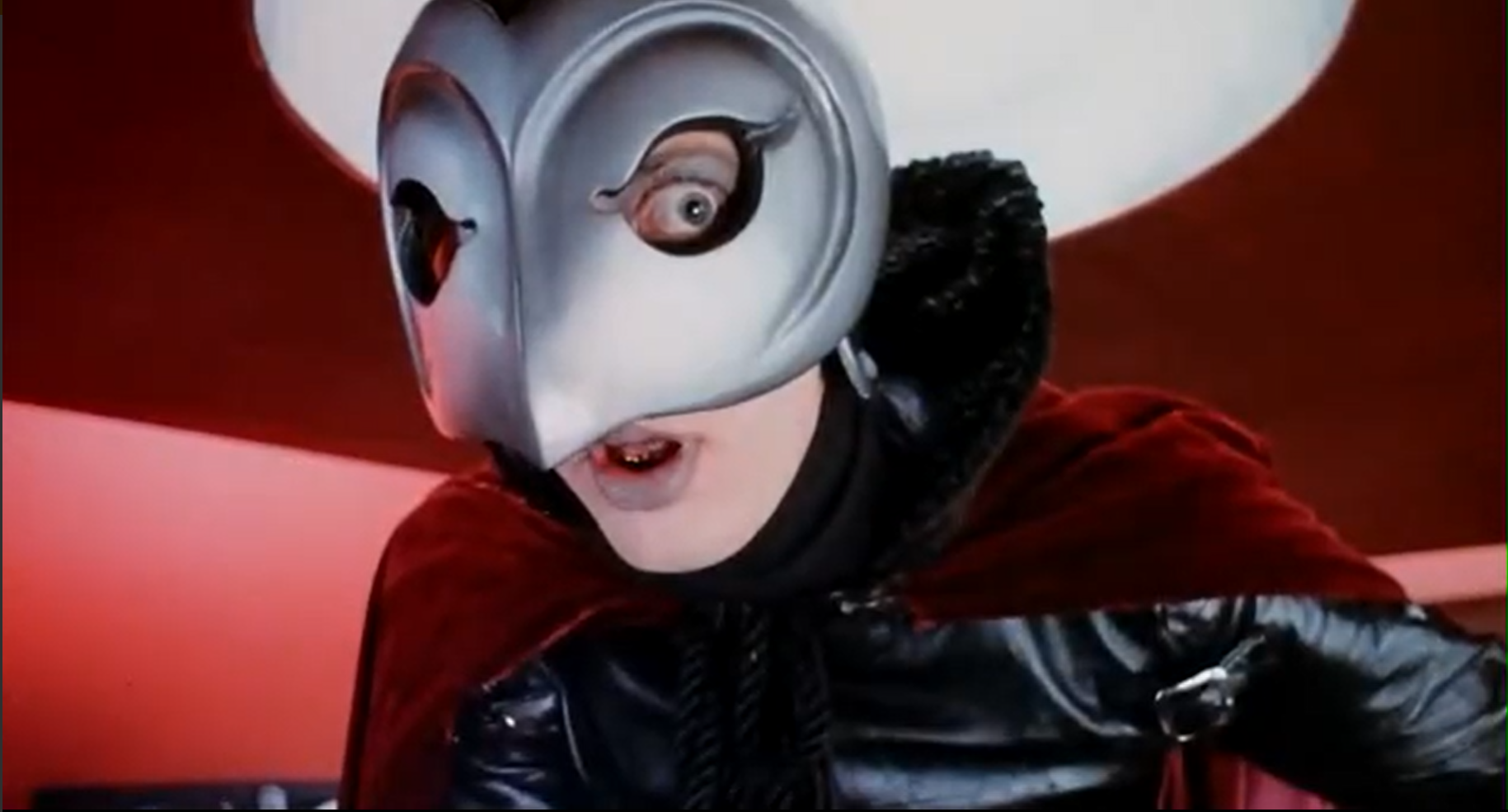
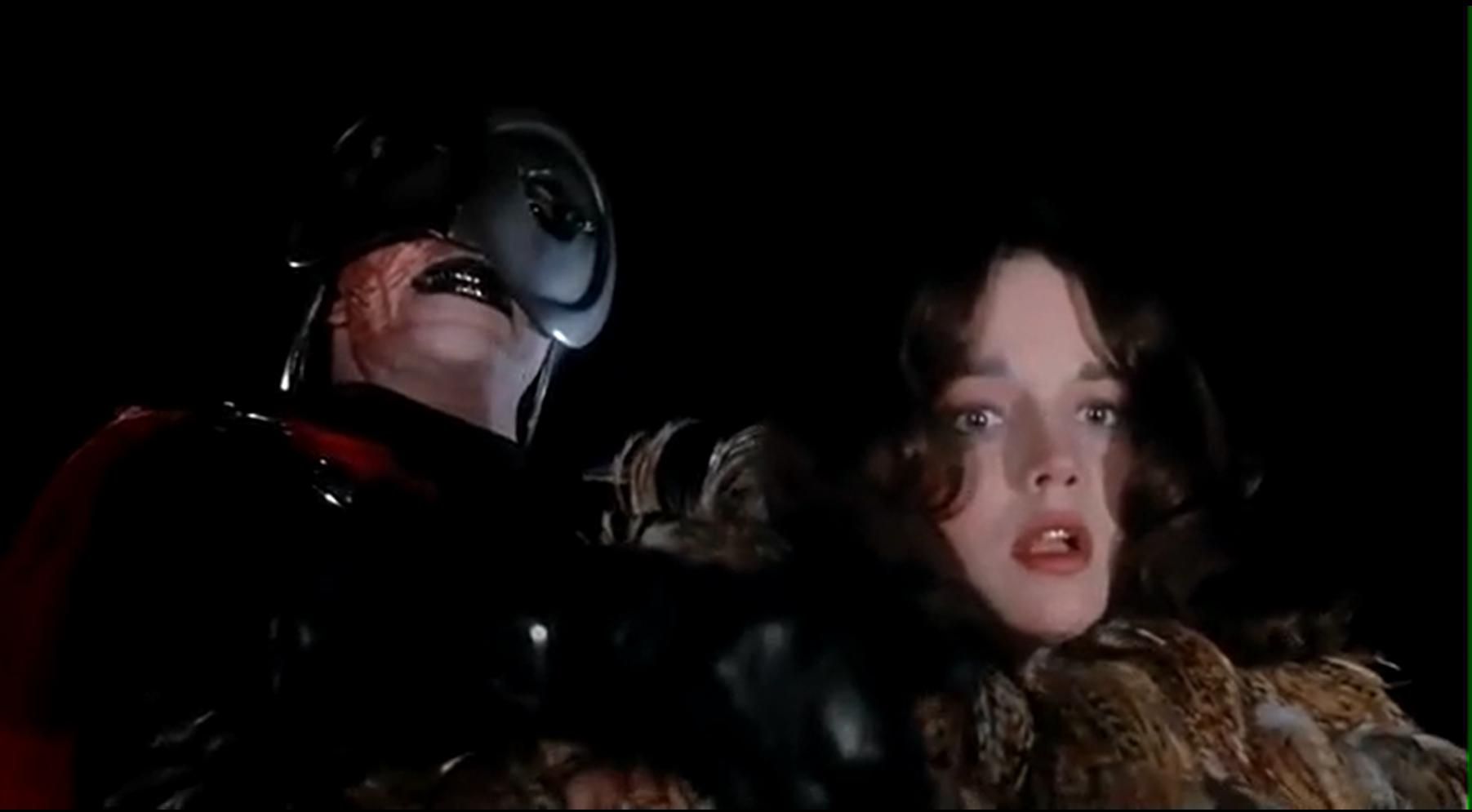
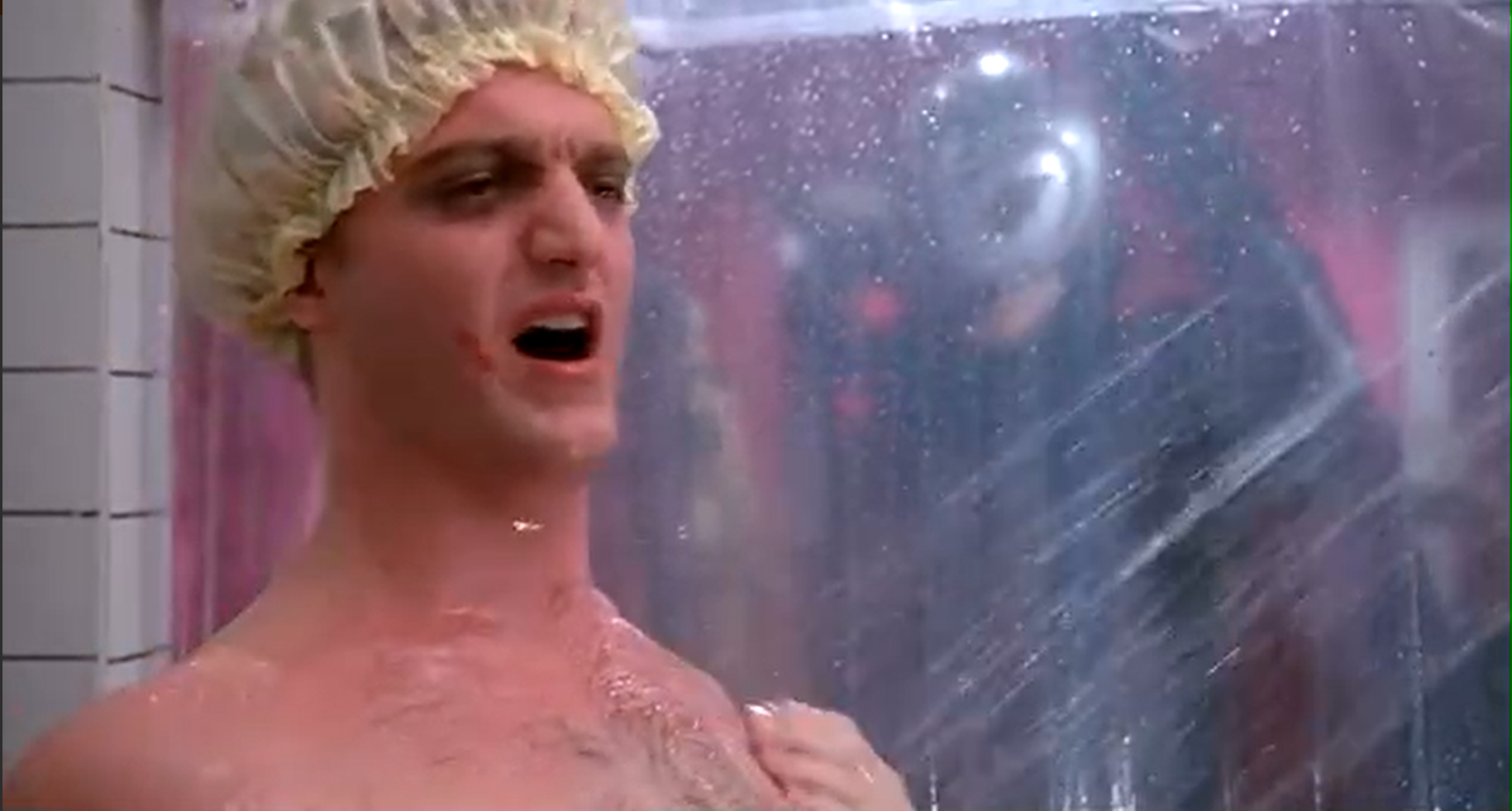
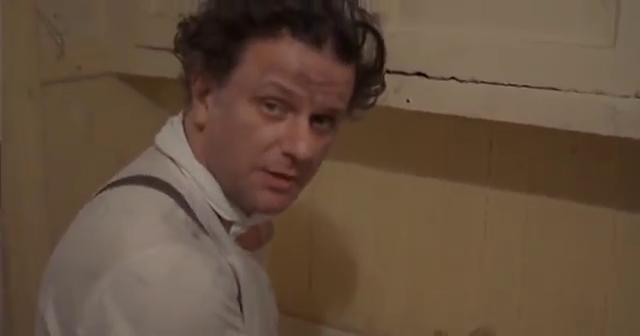
Response to Peary’s Review: While Phantom of the Paradise was “poorly received by many critics when released, it has attained a large cult following” — and in his Cult Movies 2 book, Peary discusses this movie at greater length. He writes that, “Remarkably, De Palma put together a simple storyline despite combining plot and theme elements from numerous sources, including Goethe, Oscar Wilde, Nathanael West, Gaston Laroux’s 1911 novel The Phantom of the Opera as well as the 1925, 1943, and 1962 movie adaptations, King Kong (1933), Beauty and the Beast (1946), possibly The Hunchback of Notre Dame (1923 and 1939 versions), and Alfred Hitchcock’s Psycho (1960) and The Man Who Knew Too Much (1956), with its assassination-attempt-at-concert sequence.” He notes that, “looking back, it’s hard to believe the hostility some critics felt toward the film” — but it’s equally fortunate that Pauline Kael “expressed admiration for [De Palma’s] wit, manic theatricality, and wild love for his medium,” in addition to recognizing “back then that De Palma’s amateurish streaks and erratic talents (which are still very much in evidence) are not, in his case, liabilities.” Indeed, “his unpredictability — you can’t count on him to direct or write two scenes in a row that are polished or follow cinematic conventions — is one of the reasons he’s been an interesting filmmaker.” I agree with both Kael and Peary. Peary points out how appropriate it is that this film “begins with [a] Rod Serling… narration,” given that “most episodes on Serling’s classic television anthology The Twilight Zone were about characters who lose their identity” — and “in Phantom, Winslow [Finley] becomes the symbol of all struggling young songwriters whose music (their identity) is stolen by big-shot record producers and musicians.” In fact, he notes, Winslow “represents all young artists, filmmakers included, who are used and discarded without the world ever knowing they existed.” Indeed, while this black comedy is often played for laughs — it’s easy to ridicule how naive and inept Finley’s Phantom comes across time and again — he does metaphorically represent the extreme result of every insult ever hurled at a deeply creative person. Meanwhile, Beef’s campy performance instantly evokes The Rocky Horror Picture Show (1976), which at the time was still just a stage production; while Graham can’t really hold a candle to Tim Curry (who could?), he has a lot of fun with his role and is consistently enjoyable to watch. Also weirdly good is Williams as the gnome-ish Swan: the sway this guy holds over seemingly the entire world is truly diabolical. Redeeming Qualities and Moments:
Must See? Categories
Links: |