|
Genres, Themes, Actors, and Directors:
- Anthony Mann Films
- Ex-Cons
- Gary Cooper Films
- Lee J. Cobb Films
- Outlaws
- Westerns
Response to Peary’s Review:
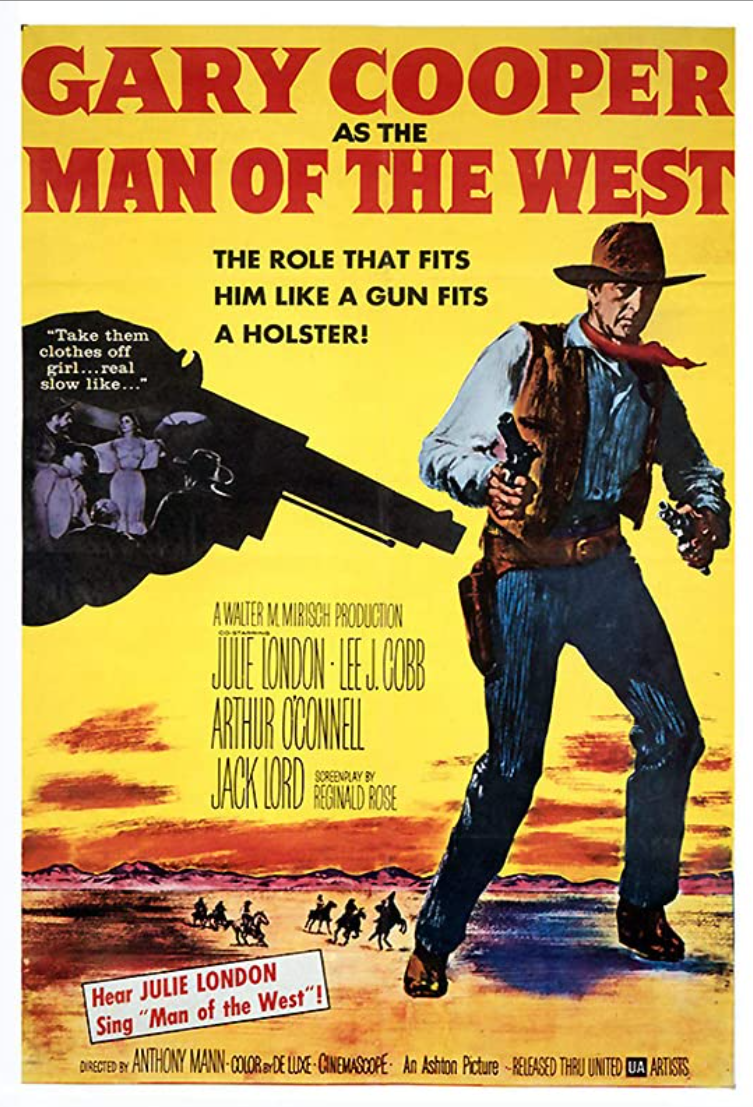
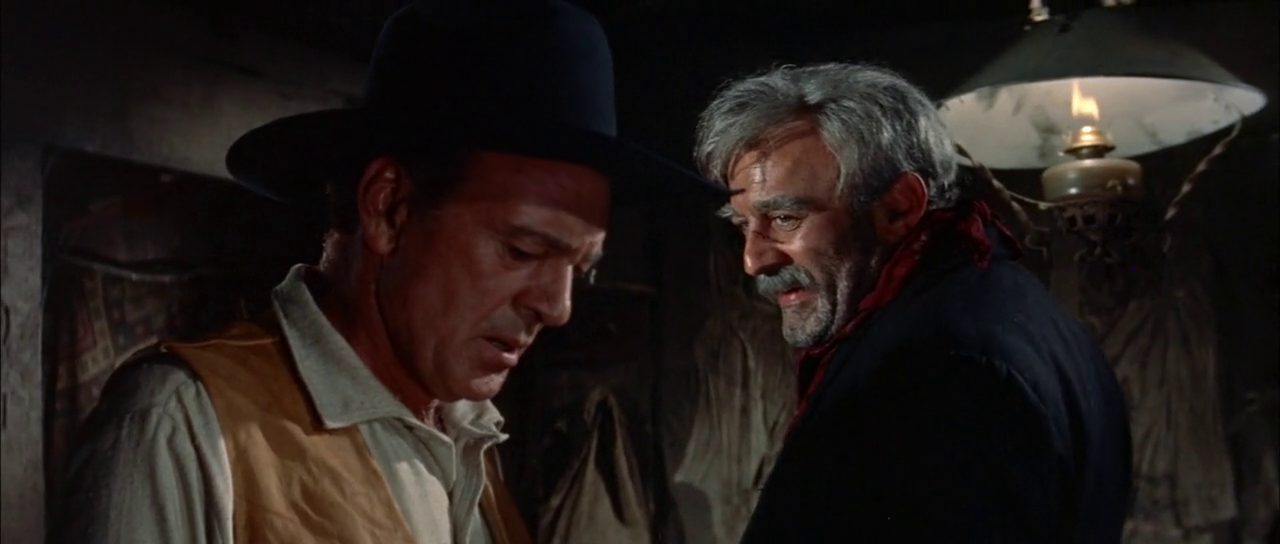
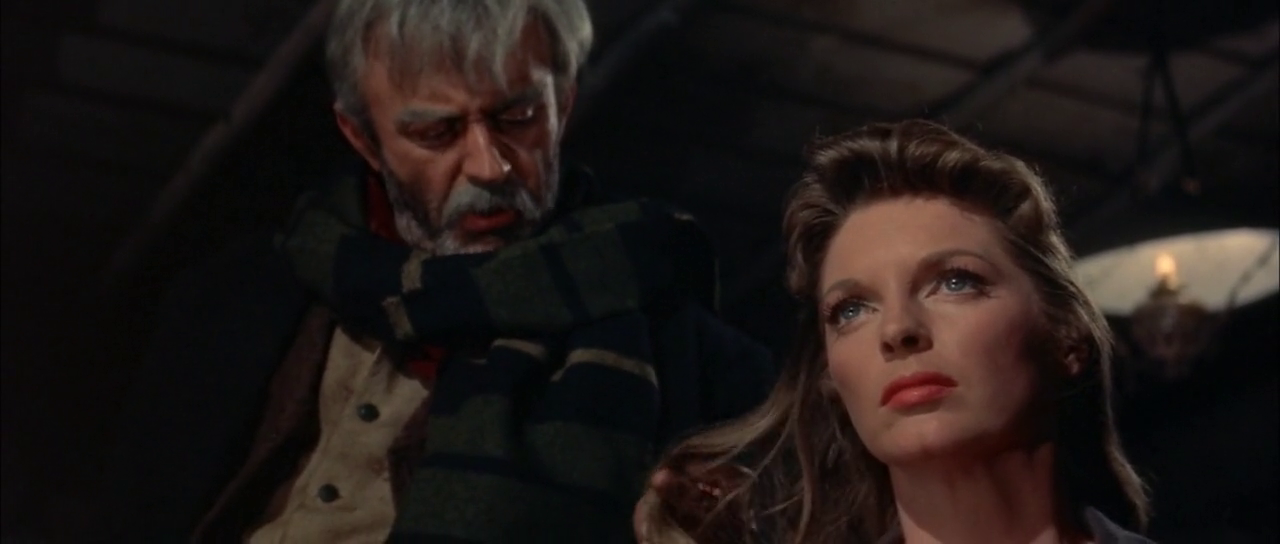
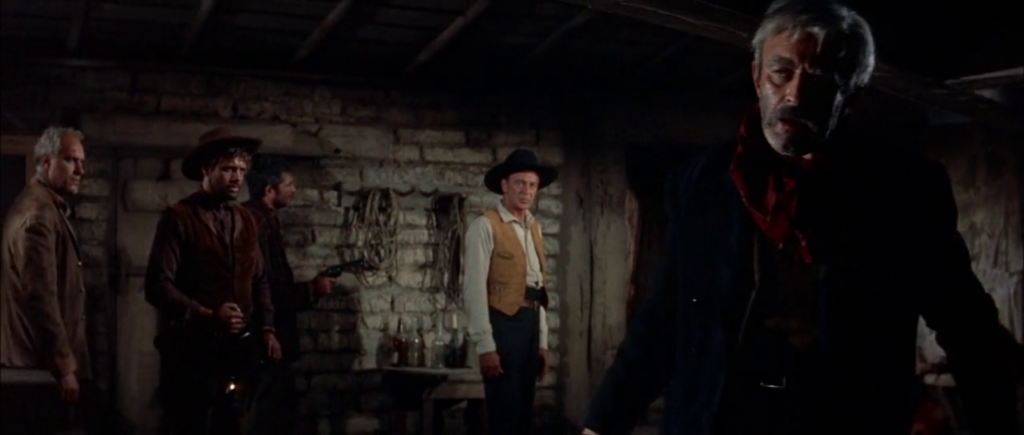
Peary asserts that this “adult western” about “psychotic killers… who are the total opposites of the romanticized badmen of countless westerns” remains “one of the harshest portraits of the West.” It centers on “a morally ambiguous hero (Gary Cooper) who yields to his long-held-in-check violent nature in order to do in his brutal kin” and contains “a liberal dose of sex, the ingredient that most distinguished it from the spate of television westerns” being made at the time.
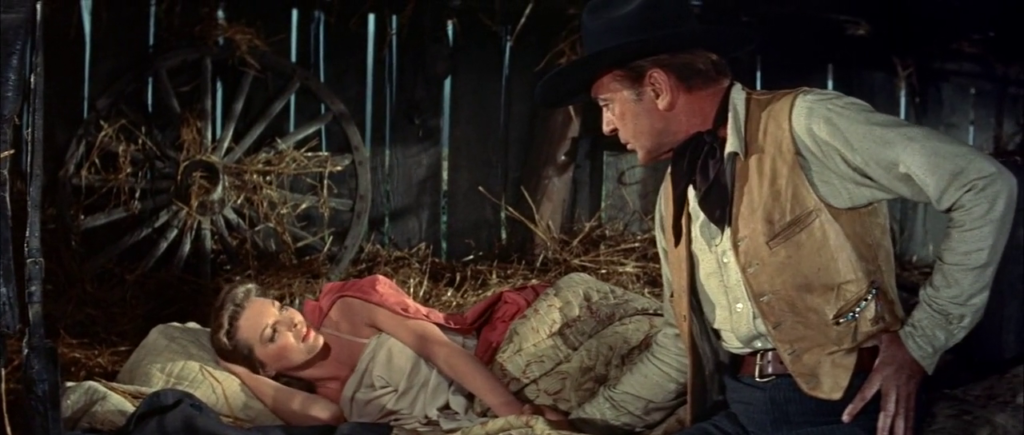
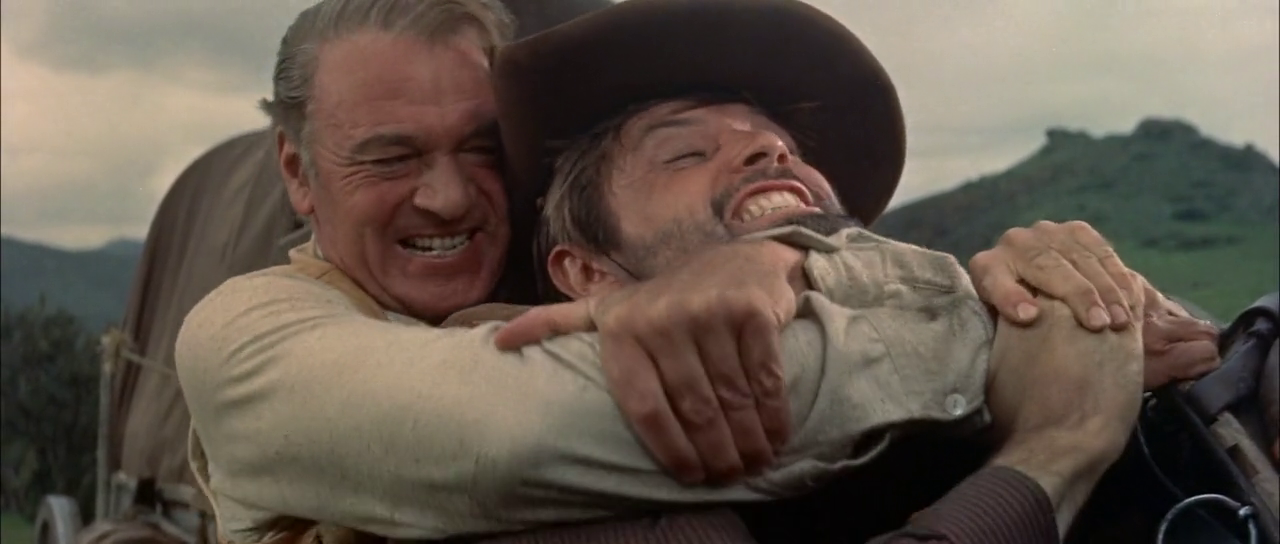
He adds that the “shootouts are inevitable and exciting,” and points out that “Cooper is not happy to fight [John] Dehner because he is the man Cooper would have been if he hadn’t deserted Cobb years before.”
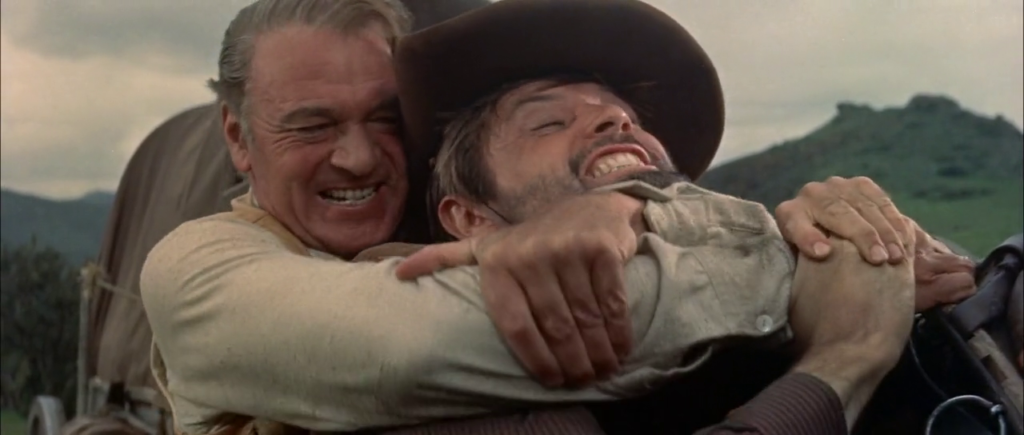
He writes that “as in most Mann films, there are two men with similar backgrounds, one who chose to put away his guns as the West became civilized and one who chose to keep being an outlaw, which, in Mann’s films, made his demise inevitable.”
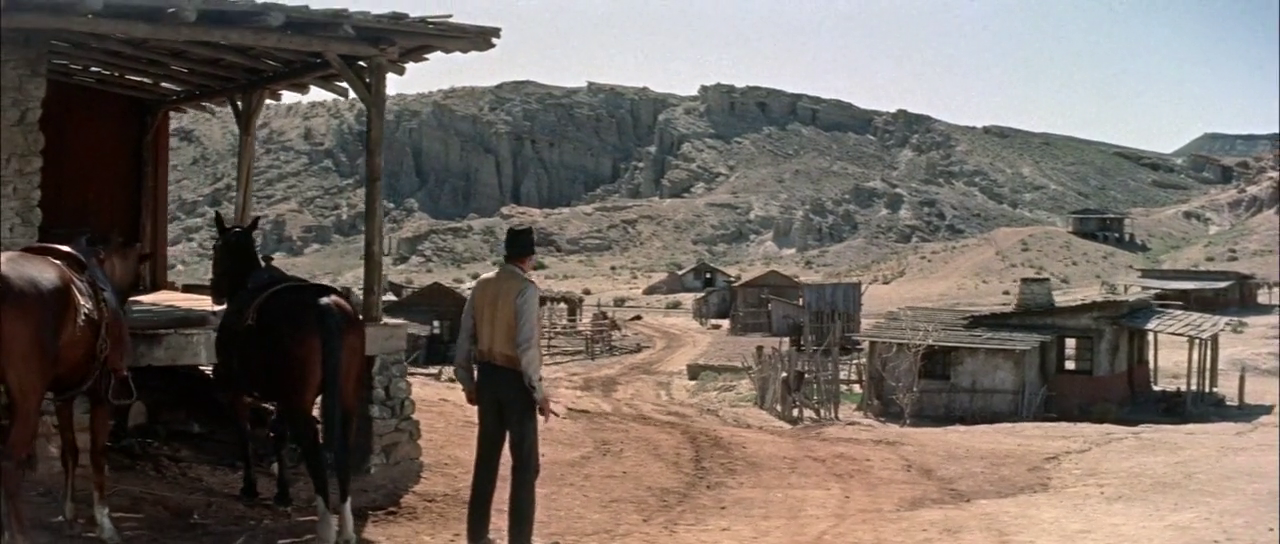
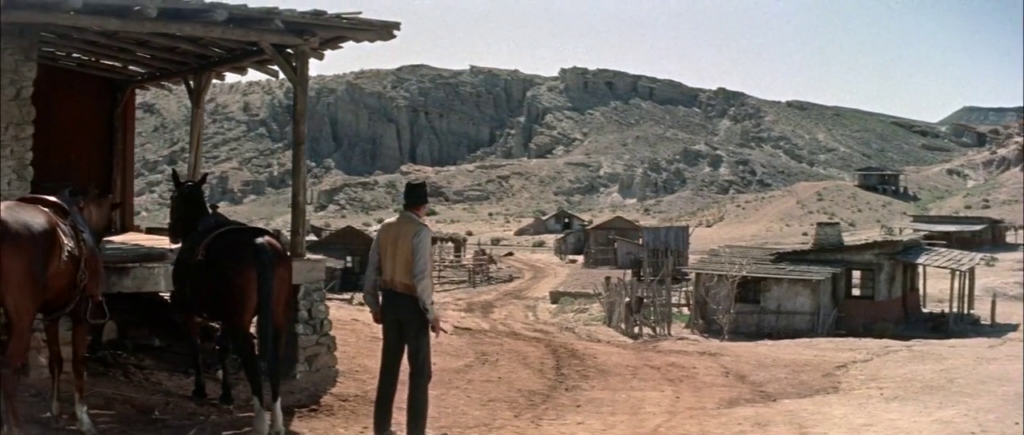
Peary goes on to write that “this picture is also similar to other Mann films because the rugged outdoor landscapes provide the characters with the appropriate environment for uncivilized behavior.”
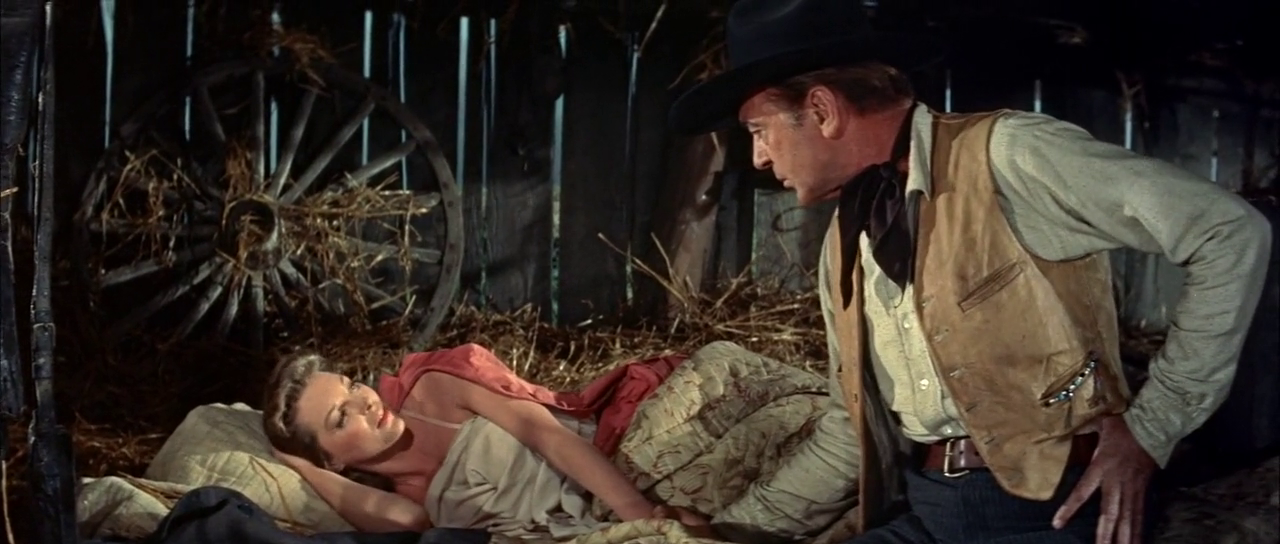
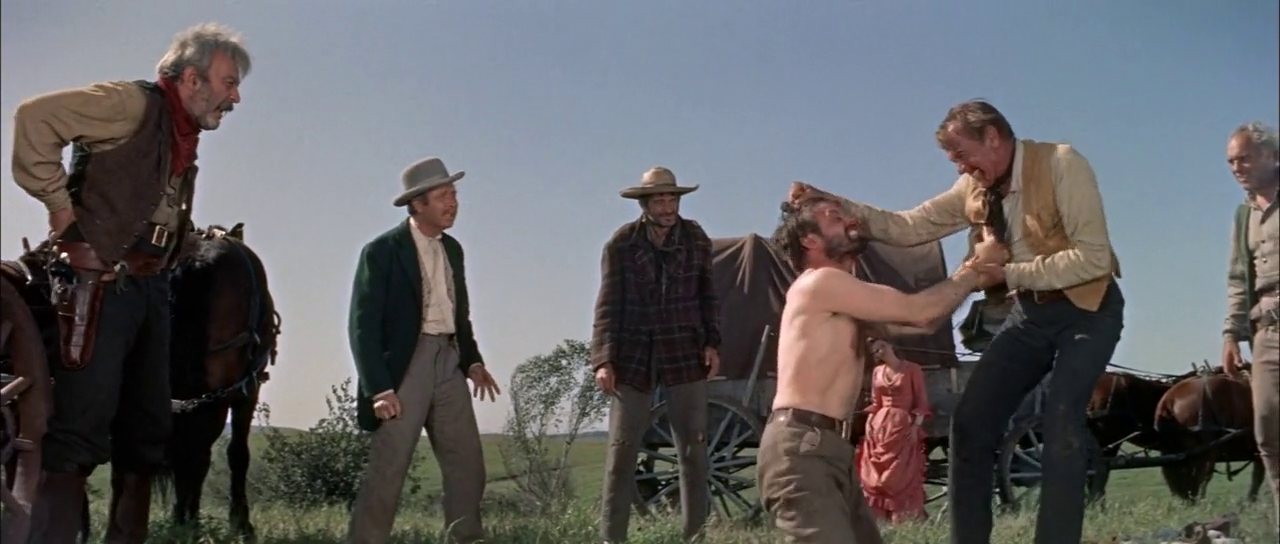
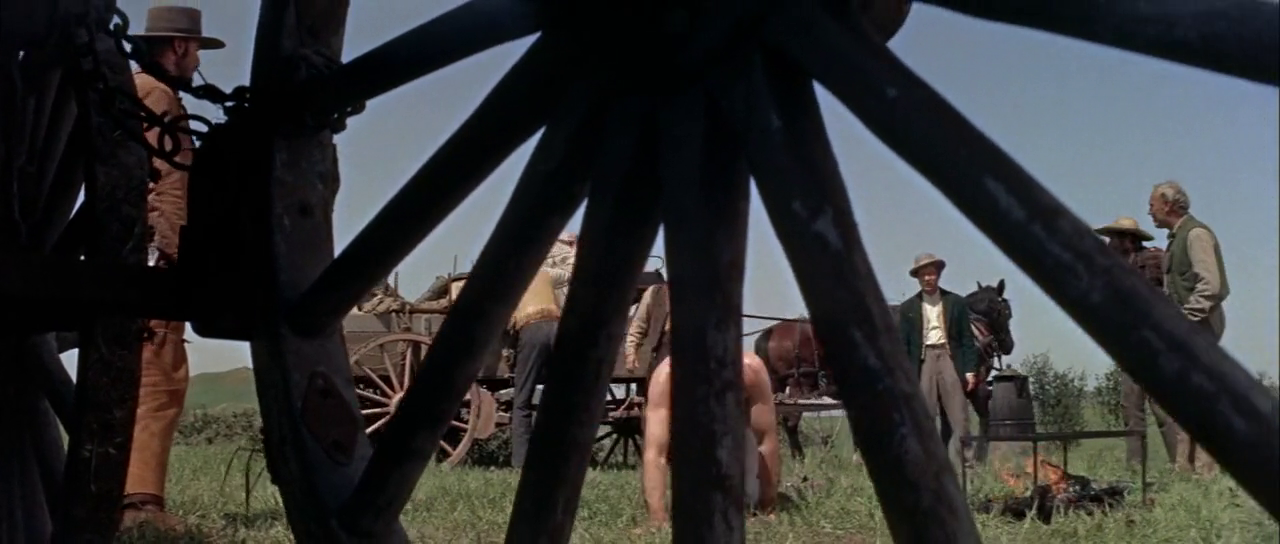
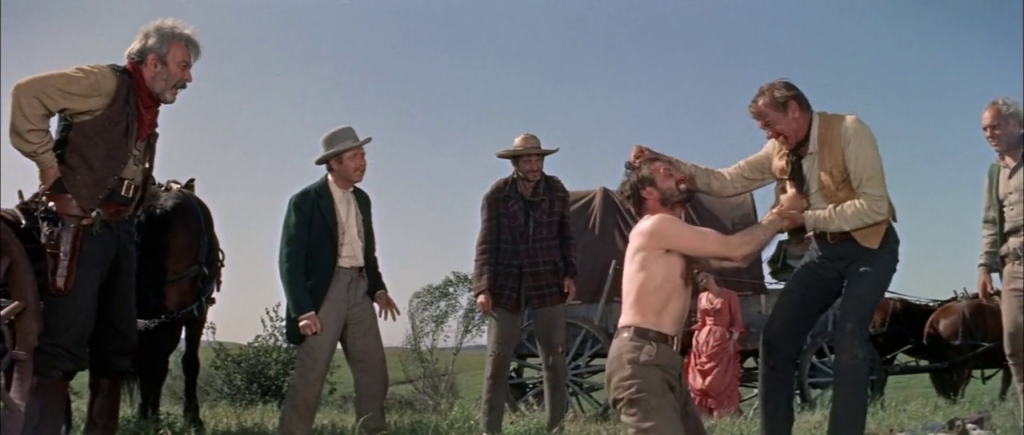
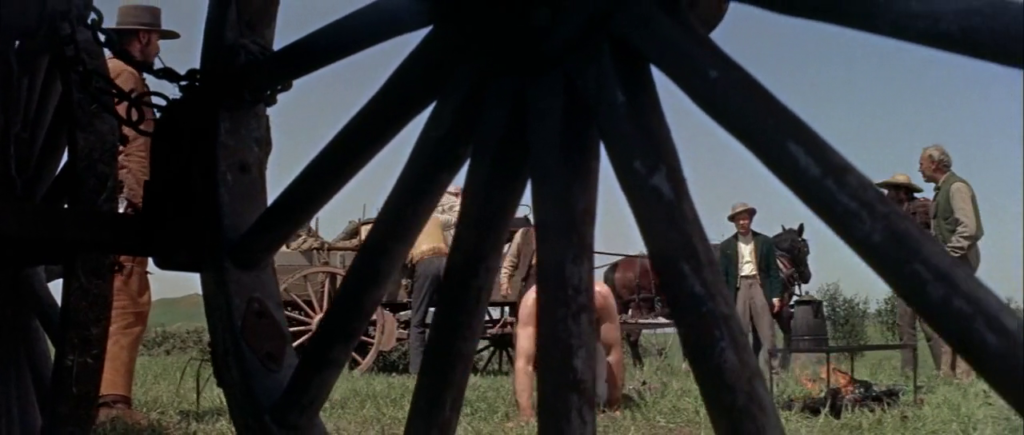
He points out that “the film’s most notorious, most publicized scene has [Jack] Lord forcing [Julie] London to strip to her underwear” — and, as “an enlightened hero, Cooper realizes London’s humiliation… and gets revenge on Lord later by making him strip while she watches.”
Peary concludes his GFTFF review by noting that this remains “a solid, smart western” with “impressive CinemaScope photography” by Ernest Haller, but he argues that “Cooper shouldn’t be a ‘hick’ in the opening scene.”
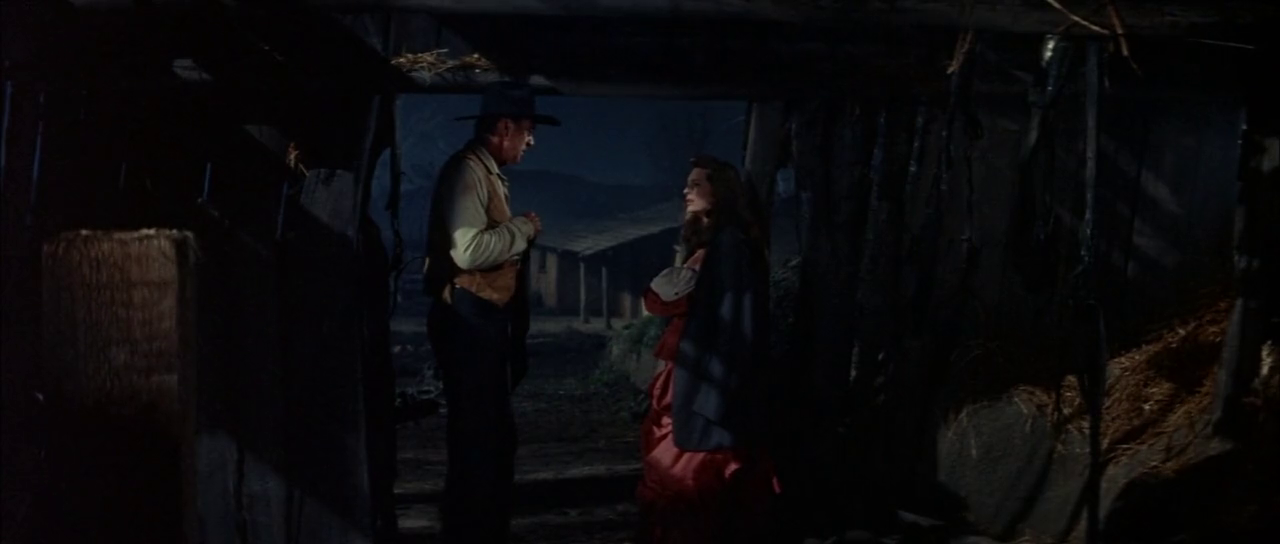
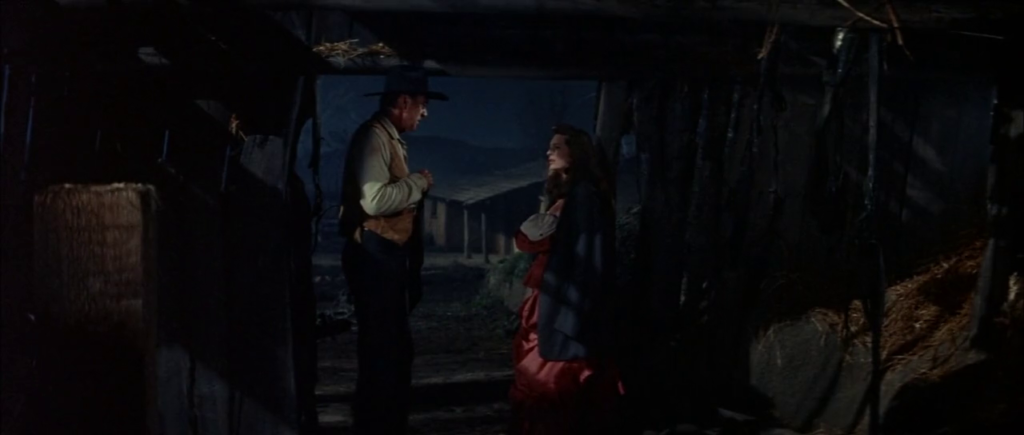
Peary elaborates on his thoughts about this film in his first Cult Movies book, where he describes it as a “beautifully filmed, bloody, unsparing western, replete with interesting, complex characters and exciting situations,” and notes that “if it has a major flaw it comes at the beginning,” given that Cooper plays these scenes “as if he were Longfellow Deeds once again.” He adds, “Having [Cooper] come across as being so gullible and innocent that Sam [O’Connell)] and Billie [London] would attempt to wheedle him out of [his] money… is completely deceptive on Mann’s part.”
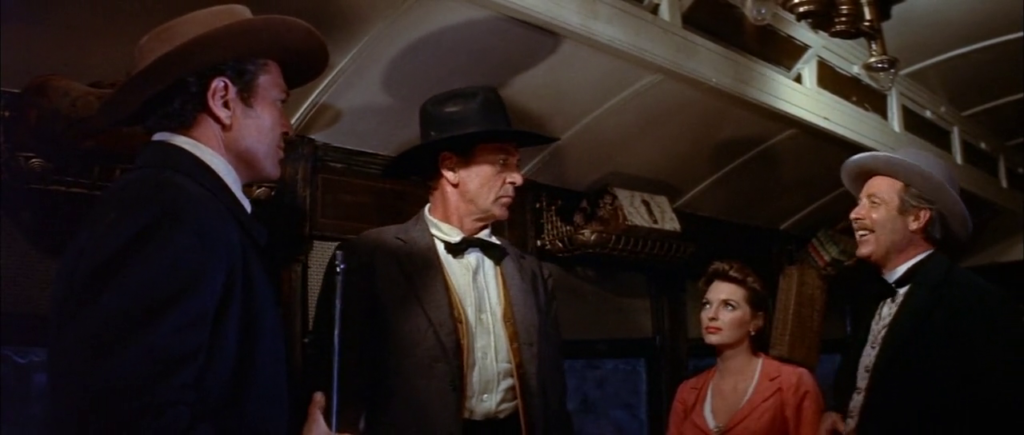
“If this naive-chump bit were an act by Link to cover up his identity” (which is how I ended up interpreting it) “it would make sense, but it’s for real” (how does Peary know?), and “when we discover that Link used to be a hardened criminal, these early scenes come across as ridiculous.” While “Mann might have been trying to get us to believe Link a weakling so we would be pleasantly surprised later in the film when we see him do heroic deeds,” he asserts that the “change here is too drastic.” I would ultimately agree; regardless of Mann’s motivation, the character shift for Cooper isn’t seamless — though it’s easy enough to forget about the earlier scenes once we enter the “tense melodrama” of “the cabin scenes,” which Mann likened to “those in Key Largo (1948).” Unfortunately, less easy to forgive is Cobb’s overly theatrical performance as the psychotic head honcho of the Tobin gang. Not helping matters any is the fact that 57-year-old Cooper was 10 years older than 47-year-old Cobb in real life, despite playing his adopted son.
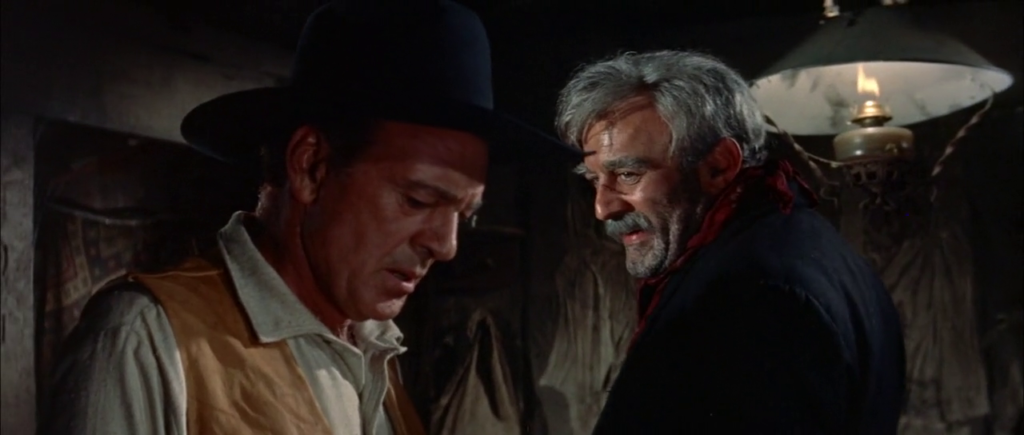
However, there’s enough to recommend in this dark western by master-director Mann to make it worthy as once-must viewing.
Redeeming Qualities and Moments:
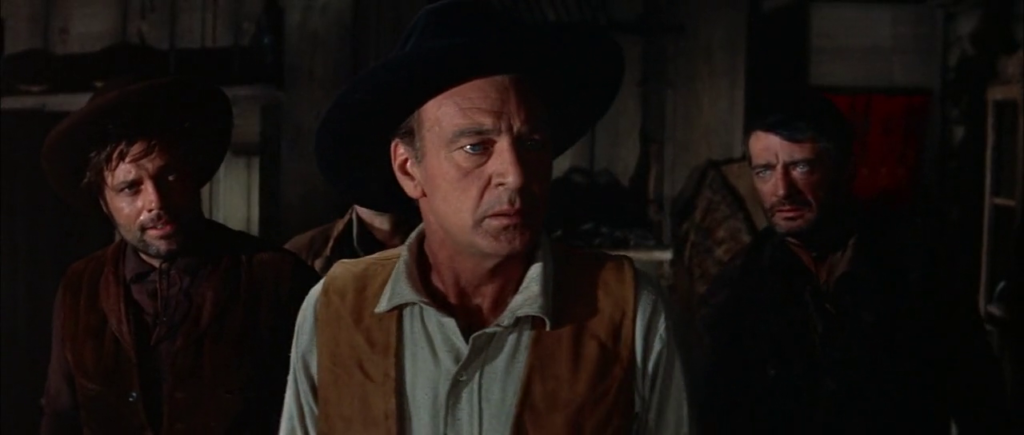
- Gary Cooper as Link Jones
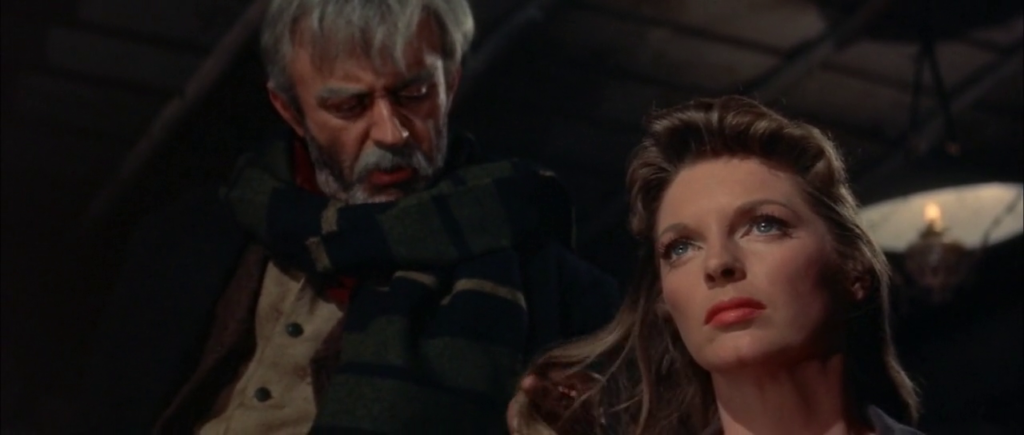
- Julie London as Billie Ellis
- Excellent use of outdoor locales
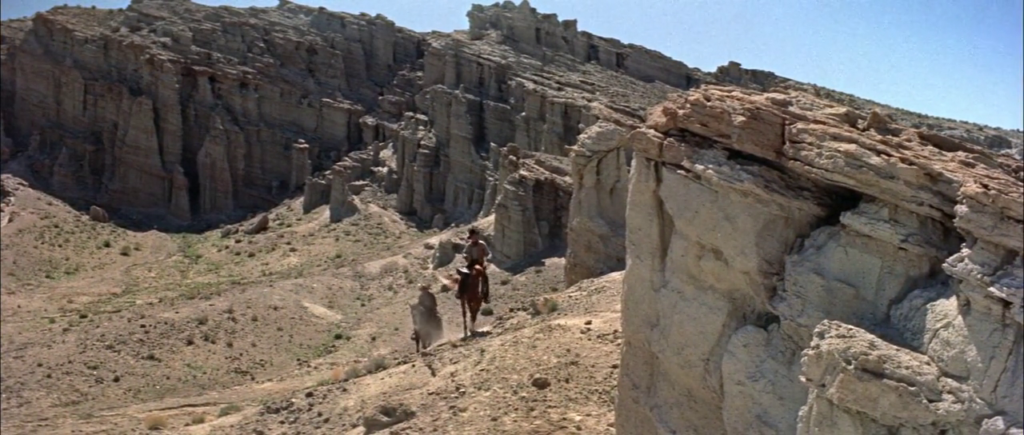
- Ernest Haller’s cinematography
Must See?
Yes, as a fine western by a master director.
Categories
- Genuine Classic
- Important Director
(Listed in 1001 Movies You Must See Before You Die)
Links:
|